Monthly Archives: January 2025

Knockout Kings 2003

Knockout Kings 2003 is another instalment in EA Sports boxing series exclusively for GameCube, and is an improved version of Knockout Kings 2002 released for the PS2 and Xbox.
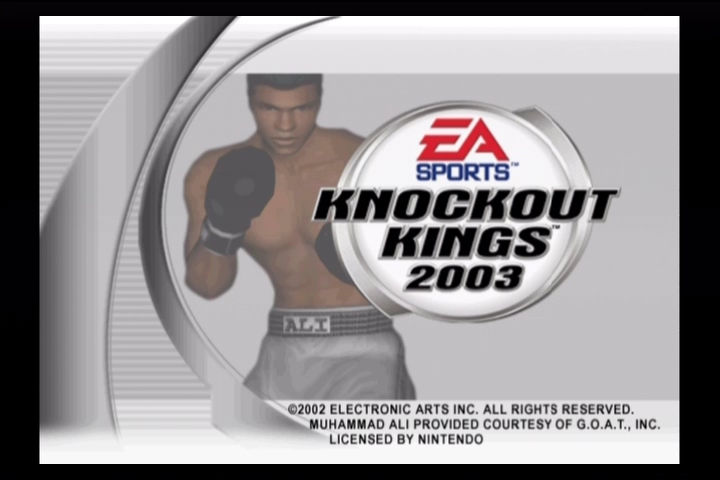
Knockout Kings 2003 features an all-star lineup of 45 professional boxers, past and present, with which to bring the hurt. Spanning three weight classes, the roster includes many of the sport’s all-time legends, such as Muhammad Ali, Sugar Ray Leonard, and Evander Holyfield, to name just a few. The game also lets you create boxers of your own in a similar fashion to the WWF/WWE games of the time.
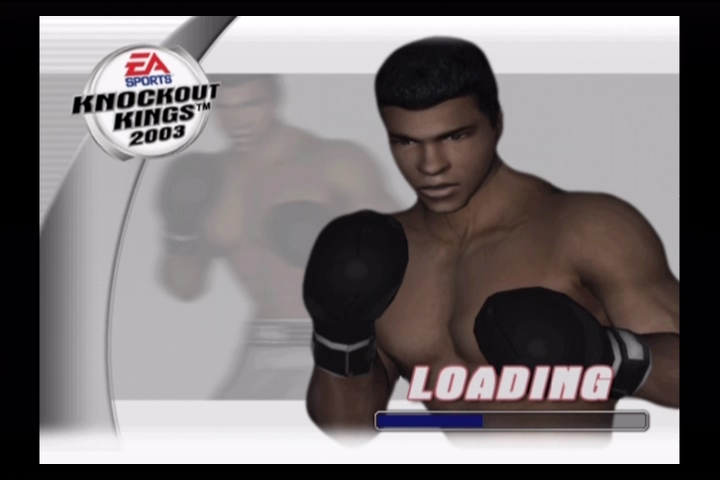
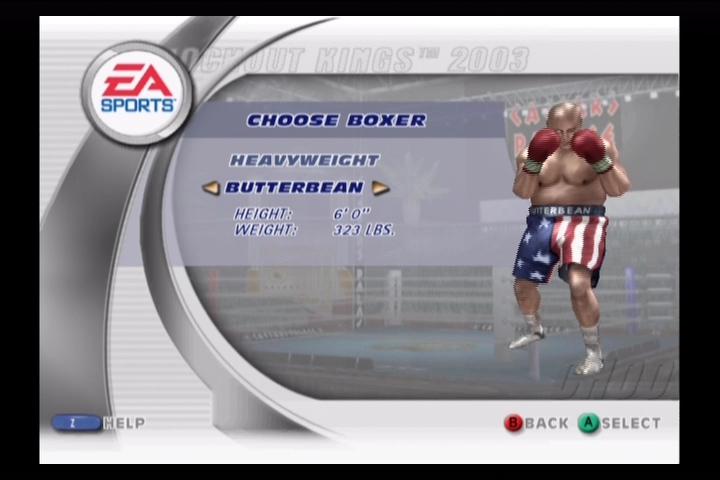
The realism of the characters’ faces, bodies, and physical movements is good for a sixth generation console game, due largely to improved motion capture technology. The realism even extends to the cuts, bruises, and facial swelling that fighters take over the course a match, making the fights more true-to-life than ever before. But, the crowds? they’re about as lively as a cardboard cutout at a funeral, you can tell a lot of focus was done for the fighters rather than the crowd. Only downside to the graphics being it runts in interlaced mode instead of offering a progressive mode, which would have been ideal for a past faction game like this. There is a fair bit of interlacing as a result.
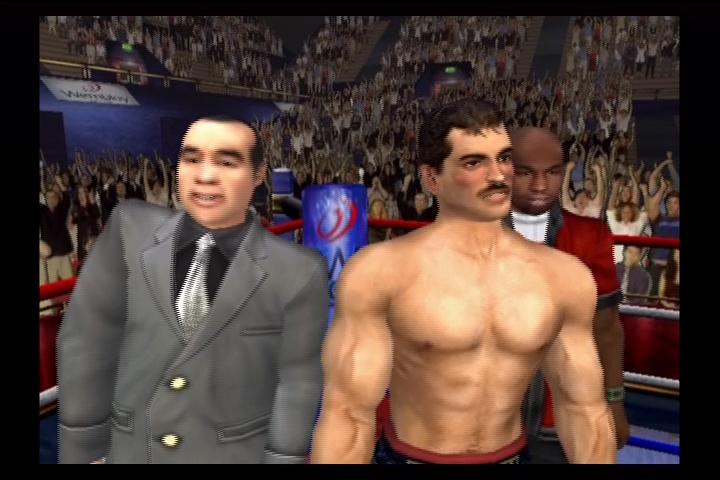
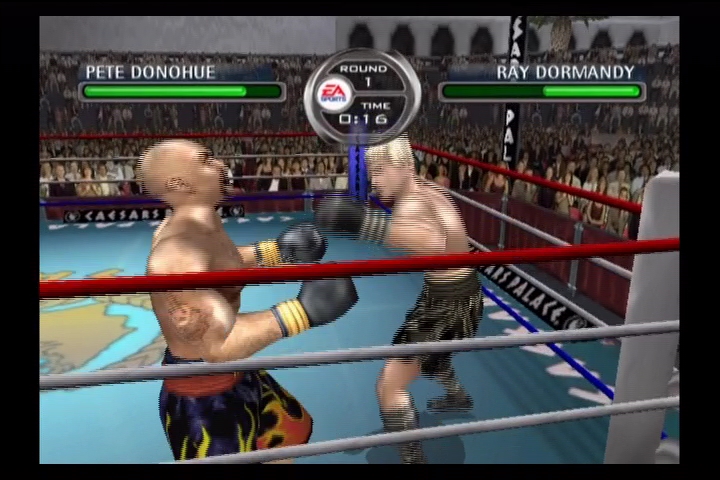
For one or two players looking to jump right into the action, Exhibition mode is the quickest way to get going. Just choose your boxers, pick from one of ten possible arenas, and you’re ready to fight. For a slightly bigger game, try Tournament mode, featuring four or eight boxers fighting for the title in single-elimination matches — though only the first two controllers are supported. And for a single player, there’s Career mode, in which you’ll take a boxer from total obscurity to the rank of heavyweight champion, fighting every boxer in the game along the way. You can create your own boxer from scratch, is where Knockout Kings 2003 tries to keep you coming back for more. It’s cool at first, customizing your dude and climbing the ranks, but after a while, it feels like you’re just fighting the same guys with different names.
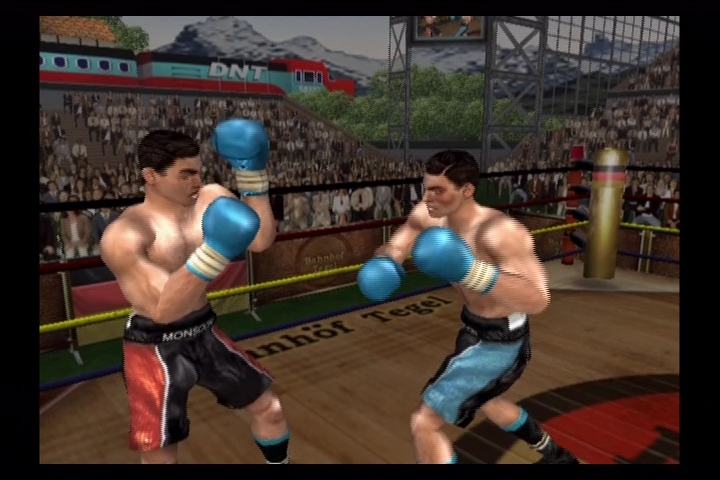
New are the Slugfest and Slugfest Battle modes, improved versions of the no-holds barred Slugfests that appeared in earlier editions of the game. In the two virtually identical modes, there are no rounds, no bells, and no rules to interfere with the action. Instead, knockouts, knockdowns, or throw-for-throw points determine winners. You’ll also find yourself able to pull special moves, respond to audience call-outs, and use the new Pain-O-Meter to ensure maximum injury to your opponent. All those options make Slugfest a welcome addition to the game.

There’s a good technical game to be had here, and given some time you’ll discover its subtleties. There’s still no guarantee that your game will be entirely tactical, but Knockout Kings 2003 comes as close to a real boxing sim as anything else out there. Only so much depth can be found in any game based mainly on jabs, hooks, and uppercuts, and calling a game the best boxing title on the market doesn’t guarantee that it’s enjoyable. Fortunately, there’s just as much fun to be had from raw button-mashing as there is from playing with skill, although the fun will probably be shorter lived.
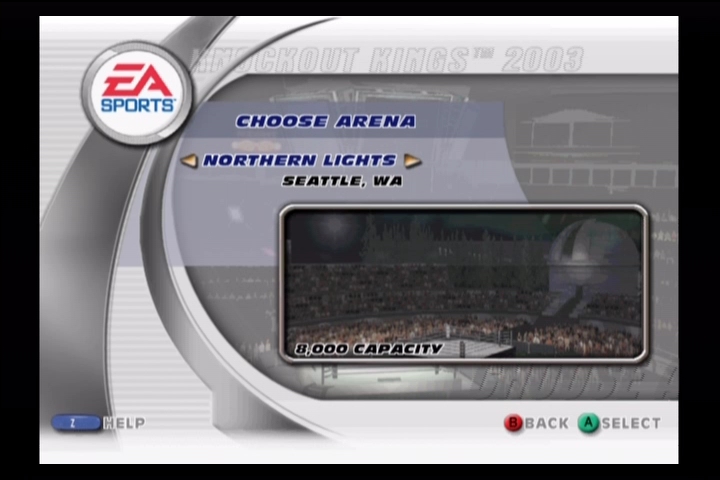
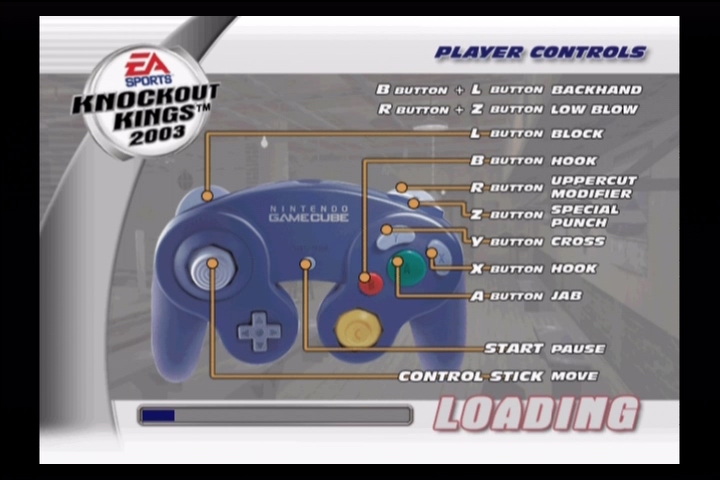
But the game offers little else in the way of improvements over last year’s version. The menus have been redesigned, as has the career ladder. The roster has been updated, and there are a few new arenas to choose from. There is also a new long-term health feature in Career mode, designed to add realism to your boxer’s career. But as this turns out to be little more than mandatory recovery time between fights, it doesn’t add much to the game.
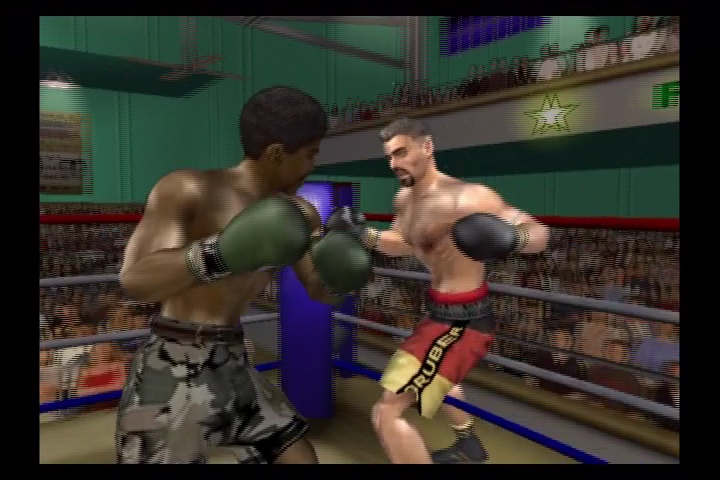
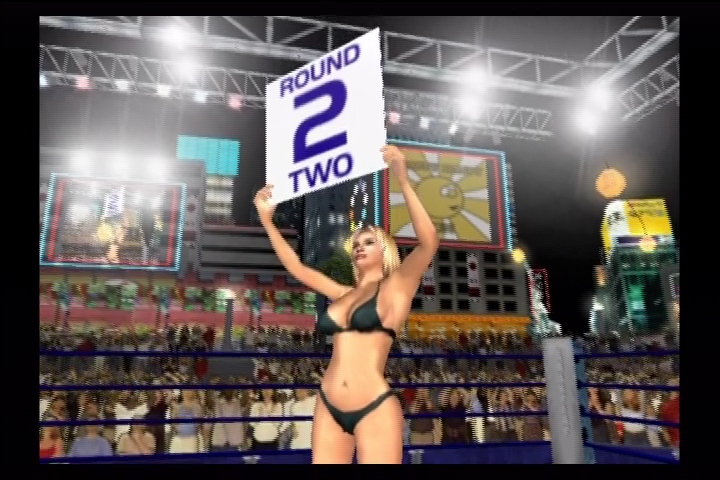
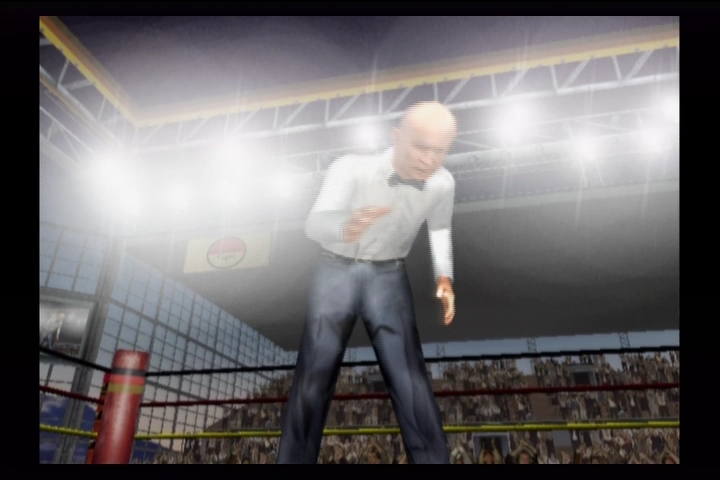
For a game based on two players making repeated contact with each other, you’d think that creating realistic surface collisions would have been a priority for the developers. But you don’t need to look too closely to see that successful punches don’t always hit the other boxer. At the moment of contact, fist and face can be as much as half a foot apart. This becomes all the more obvious during the slow-motion replays that occur with each knockdown, where certain camera angles reveal an agonizing lack of true contact between the two fighters’ bodies.

Another irritating feature is the ten-count that occurs once a fighter is down. Unlike replays, these can’t be skipped. Like it or not, you’re left waiting for the action to resume every time someone hits the floor. Add to this the questionable background warp that indicates the wooziness of your fallen fighter, and you really will want to get up and start punching someone. But these are minor downsides to a game that is otherwise strong overall. The boxers are faithfully designed and accurate to their real life counterparts. The in-game commentary is also notably well done, adding tremendous realism to the game by reacting to your moves. The controls are tight and easy to use, resulting in a game that mimics the psychology of real boxing.
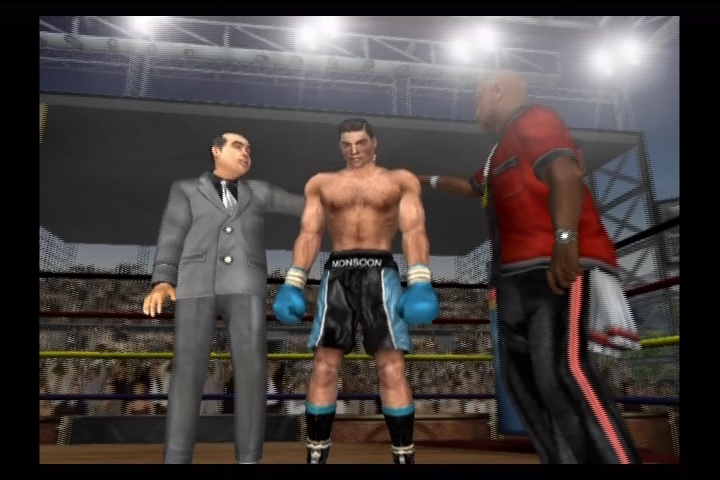
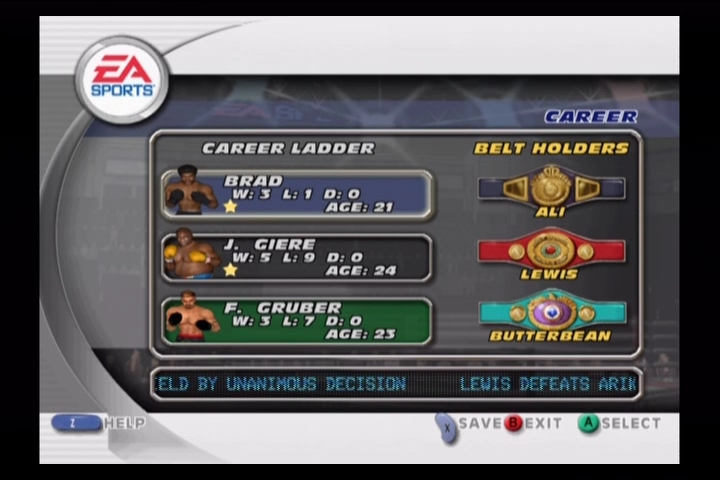
For GameCube owners, this was the only boxing game for a while, so you were limited with choice, in spite of its problems this remains a decent boxing game. It’s good for some competitive fun even if you’re not particularly into the sport. The differences between it and its predecessor are minor, and for someone familiar with previous games in the series, that might come as a letdown. But if you think of this game strictly as an attempt to bring world-class boxing to the GameCube, then Knockout Kings 2003 undeniably does its job.
Resistance: Fall Of Man

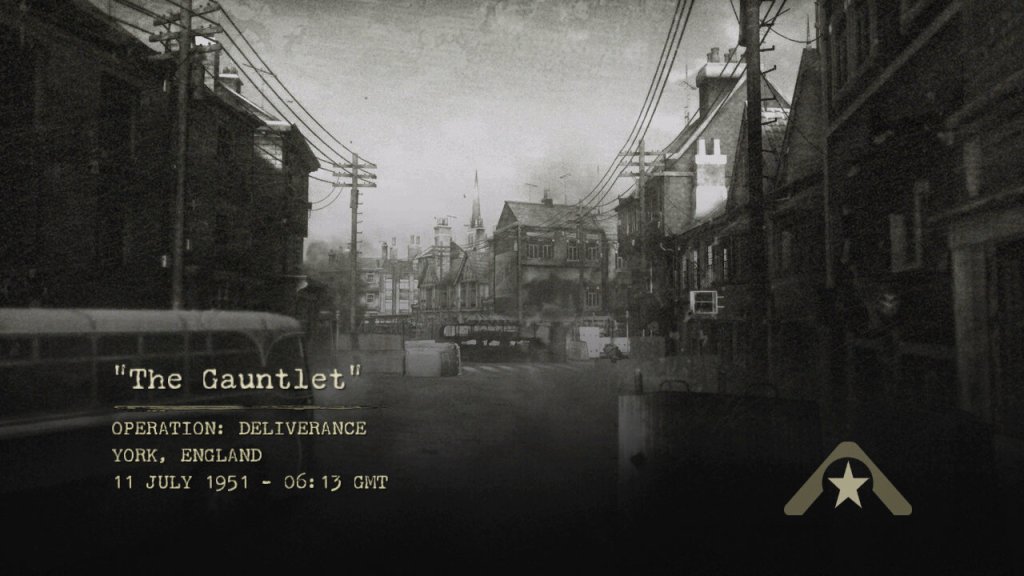
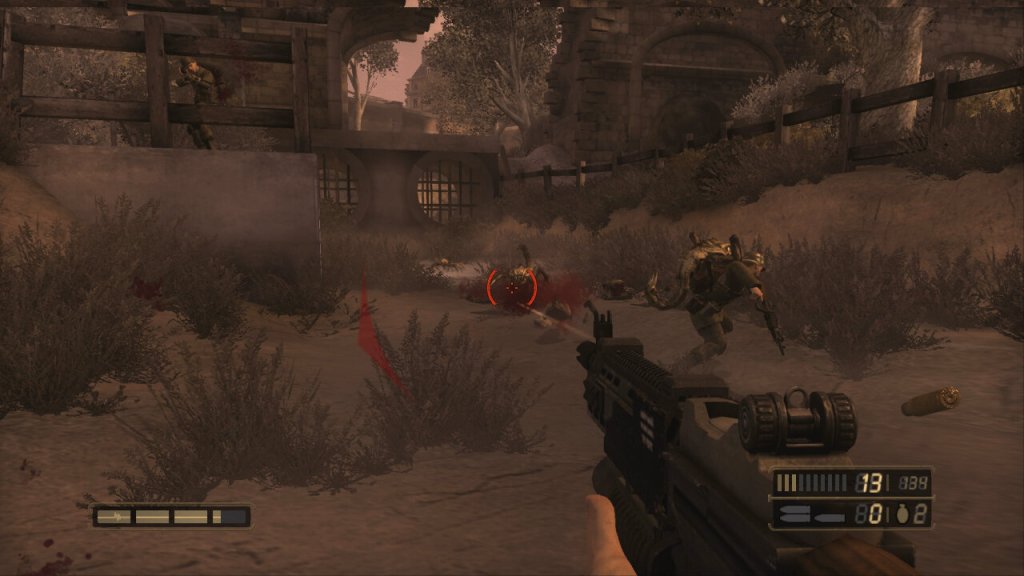
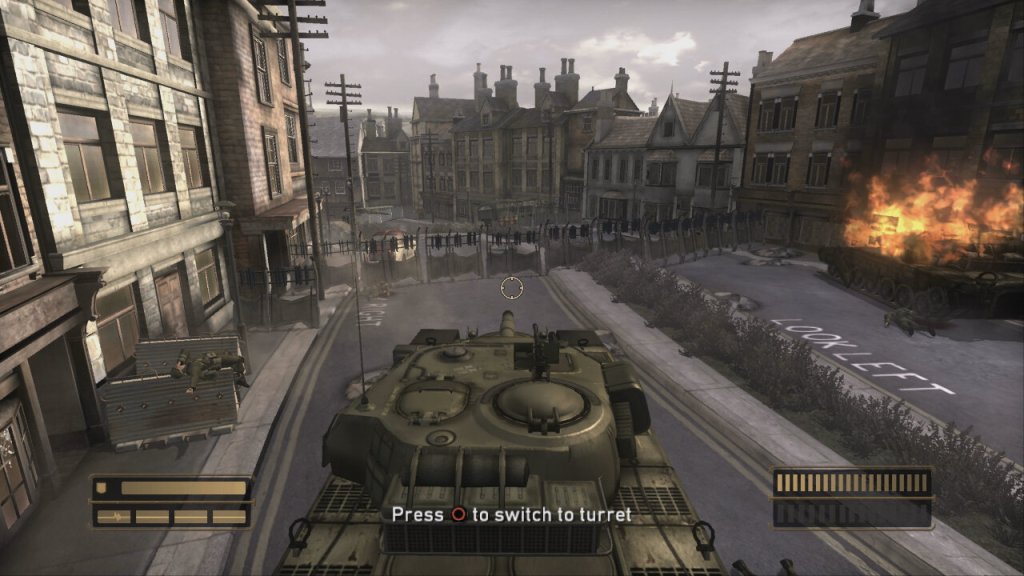
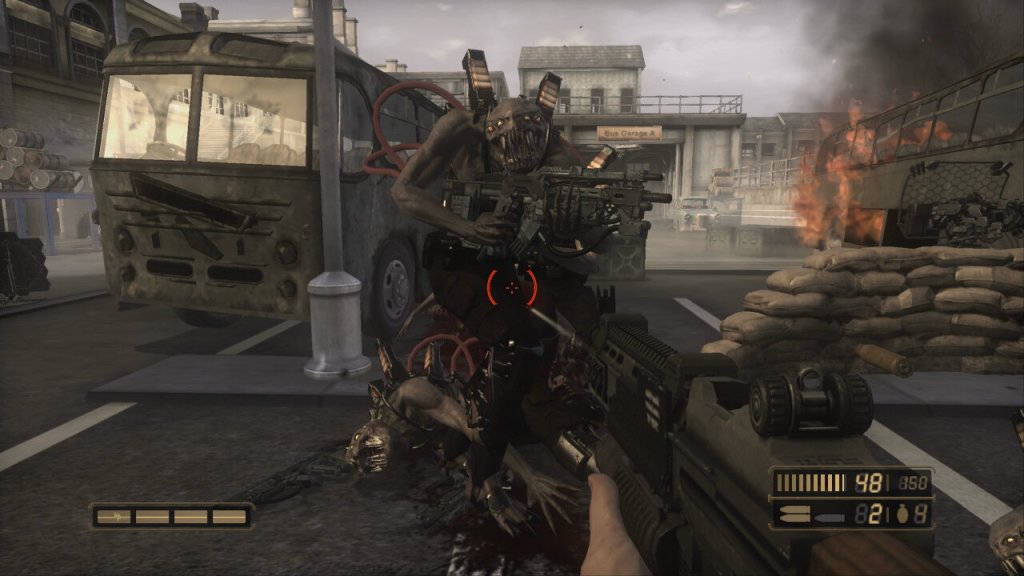
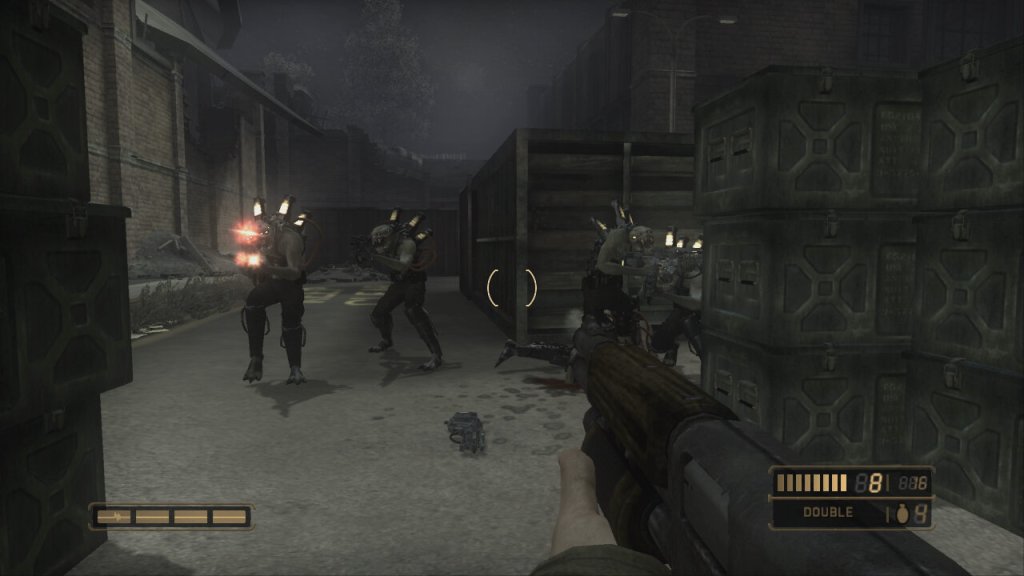
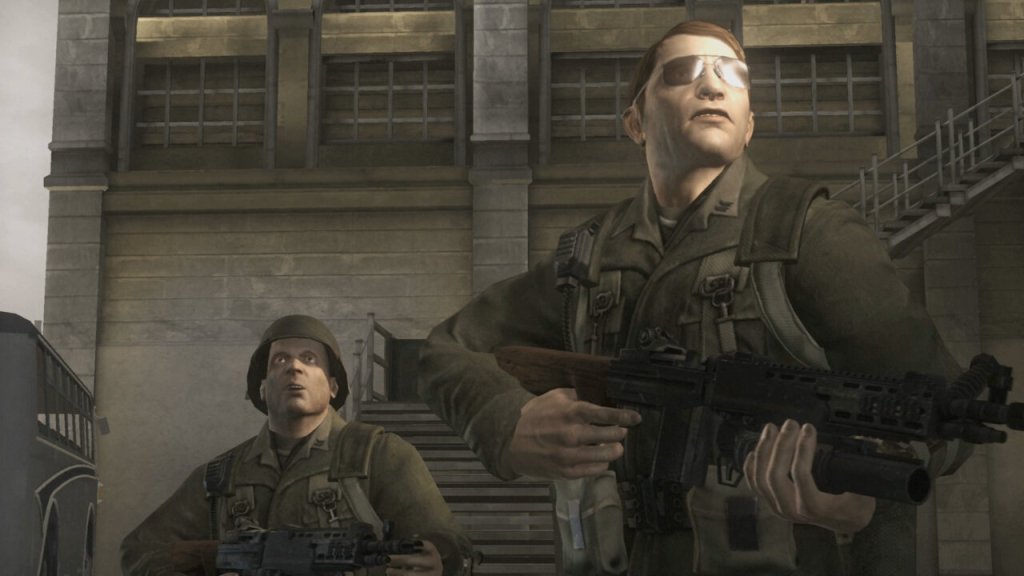
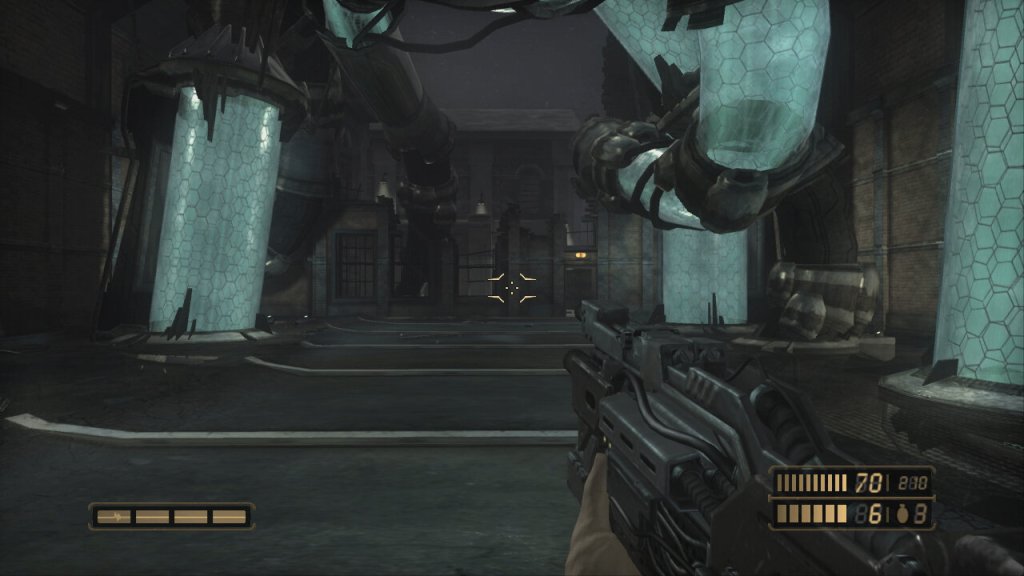
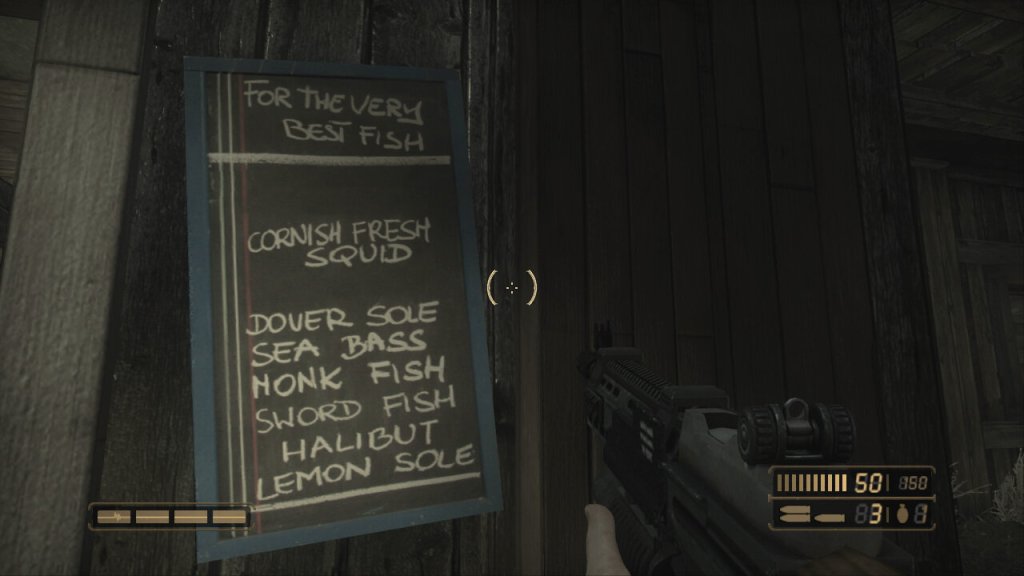
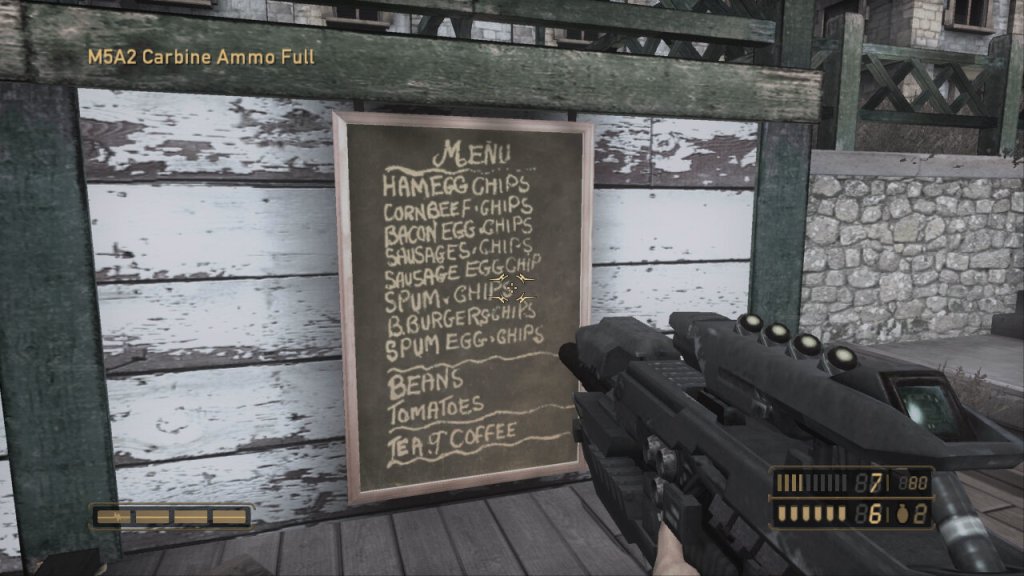
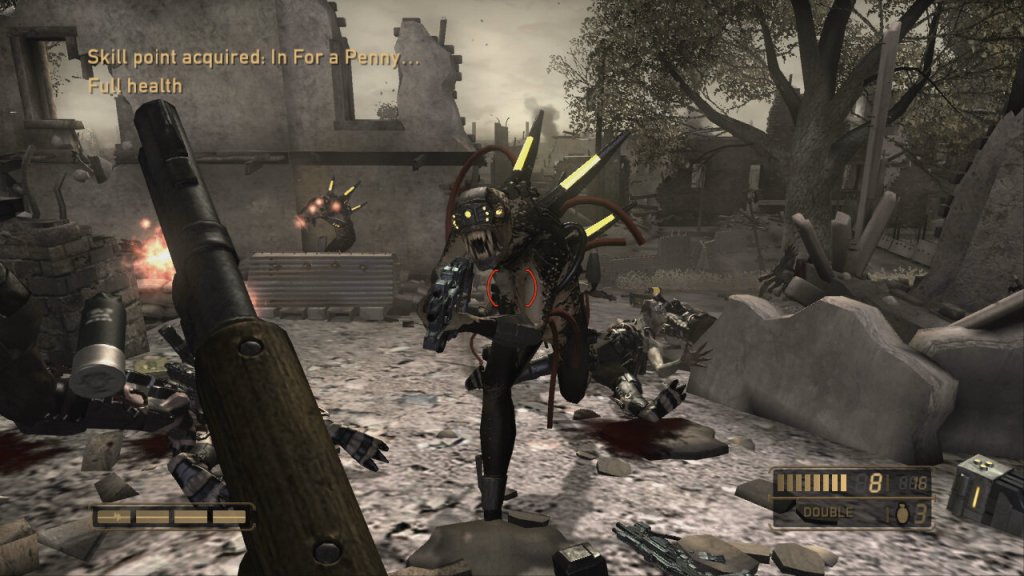
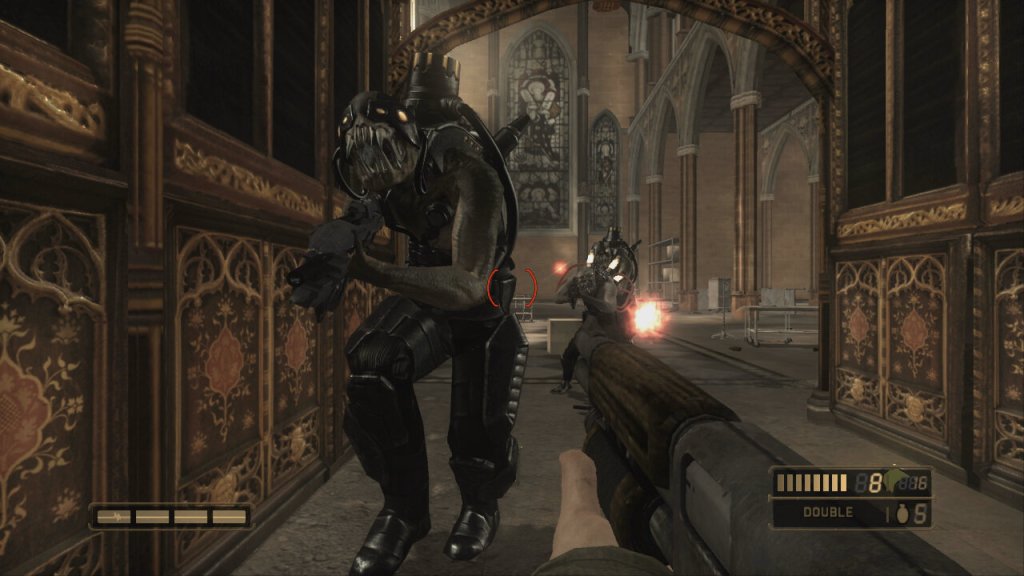
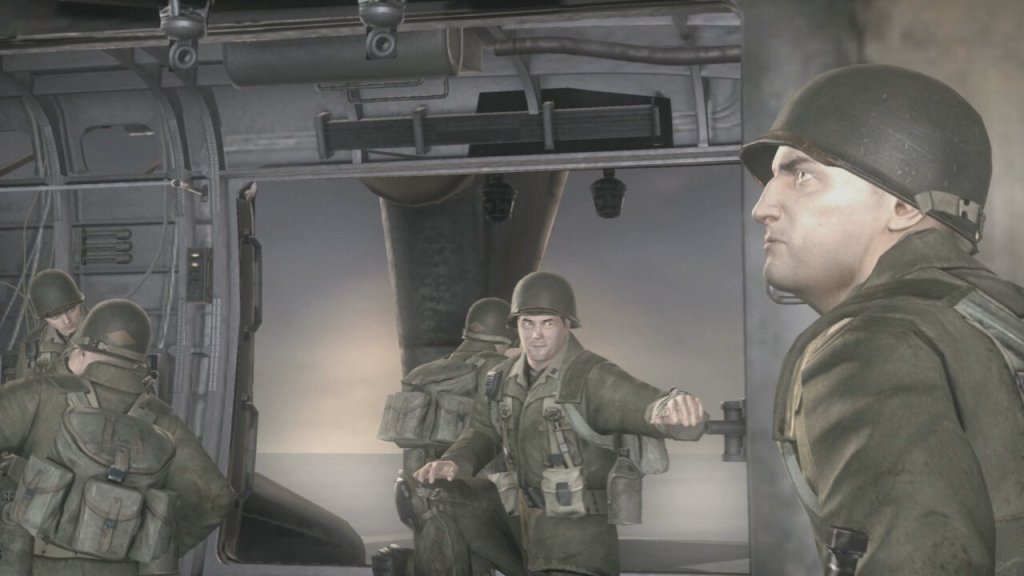
A First person shooter developed by Insomniac Games and published by Sony Computer Entertainment, making this an exclusive game for the new PlayStation 3 console. The game is set in an alternate history version of the year 1951. Instead of World War II, humanity faces an alien invasion by a species known as the Chimera. The story follows U.S. Army Ranger Sergeant Nathan Hale as he fights to repel the Chimera from Britain, where they have already conquered much of Europe and Asia.
The narrative is presented through a documentary-style framing device, detailing Hale’s involvement in “Operation Deliverance,” a last-ditch effort to save Europe. Hale discovers he’s immune to a virus that the Chimera use to transform humans into their kind, which gives him enhanced abilities.

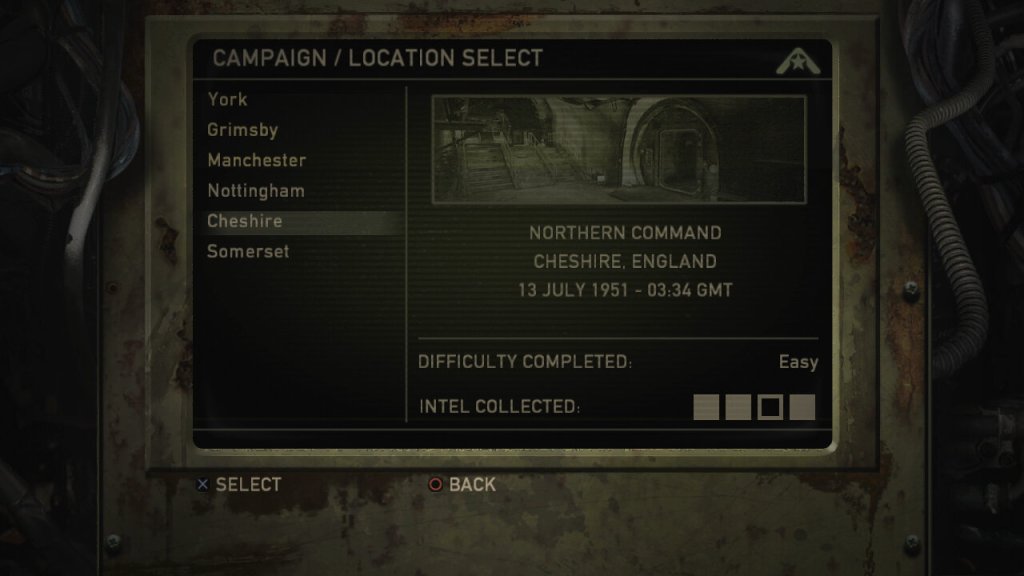
The main character, Nathan Hale, is part of Operation Deliverance, the last significant military operation aimed at stopping the Chimera’s invasion of Britain. The Chimera have already conquered much of Europe and Asia, transforming humans into their own kind through a virus. Hale starts in York, where he witnesses the brutal efficiency of the Chimera. Here, he learns about his unique immunity to the Chimeran virus, which instead of transforming him, enhances his physical abilities. After York, Hale moves to Manchester, where the mission involves securing a scientist named Dr. Richard Grey. Dr. Grey has developed a weapon called the Leaper, which uses Chimeran technology against them.

Along the way there are various objectives, including assisting the rebel forces from the Chimera attack. To add some variety into the game, some missions will have you either in a tank, or a jeep with an accomplice. Similar to the warthog from halo, you can switch between driving and gunning and can even crush enemies by running them over.

A lot of the games story has similarities to Gears Of War, which was Microsoft exclusive Third-person shooter set in a gritty environment. Resistance explores themes of an alien invasion, biological modification, immunity versus infection, and the struggle for human survival against a non-human threat. It delves into the psychological horror of what it means to be human when facing a force that corrupts and assimilates. In comparison, Gears of War Focuses on themes of war, duty, redemption, friendship, and the fight for one’s home. It also deals with the ethics of warfare, leadership, and what it means to be a soldier in a seemingly endless war.

While both games are set against backdrops of apocalyptic scenarios, Resistance: Fall of Man focuses on an alternate history with a more cerebral, horror-oriented approach to its alien invasion, whereas Gears of War dives into a more traditional war narrative with deep character studies, focusing on the human elements of war, brotherhood, and survival.

Resistance explores how an external, alien threat can unite disparate nations. Despite historical animosities, countries are shown working together against a common enemy, the Chimera. This unity is not just military but also cultural, as seen in the game’s depiction of soldiers from various nations. The concept of total war is evident, where every aspect of society is mobilized for the war effort. The game shows civilians, scientists, and soldiers all contributing to survival against the Chimera. This reflects the idea of a society on the brink, with all resources and efforts directed towards defense or counter-attack. There’s an underlying theme of using the enemy’s own technology against them, which touches on the ethics of biological and chemical warfare, a real-world political and ethical issue. Dr. Grey’s Leaper weapon and the study of the Chimera virus represent this theme.

While not explicitly detailed, the existence of the Chimera can be seen as a metaphor for authoritarian regimes or oppressive forces. The way the Chimera conquer and transform humans could symbolize the loss of individuality and freedom under oppressive rule. The resistance against them symbolizes the fight for human rights and autonomy. Political leaders and the military command are depicted as making hard choices for survival, often at the cost of individual lives or ethics. This theme explores the political necessity of sacrifice in wartime, paralleling real-world decisions in conflicts.

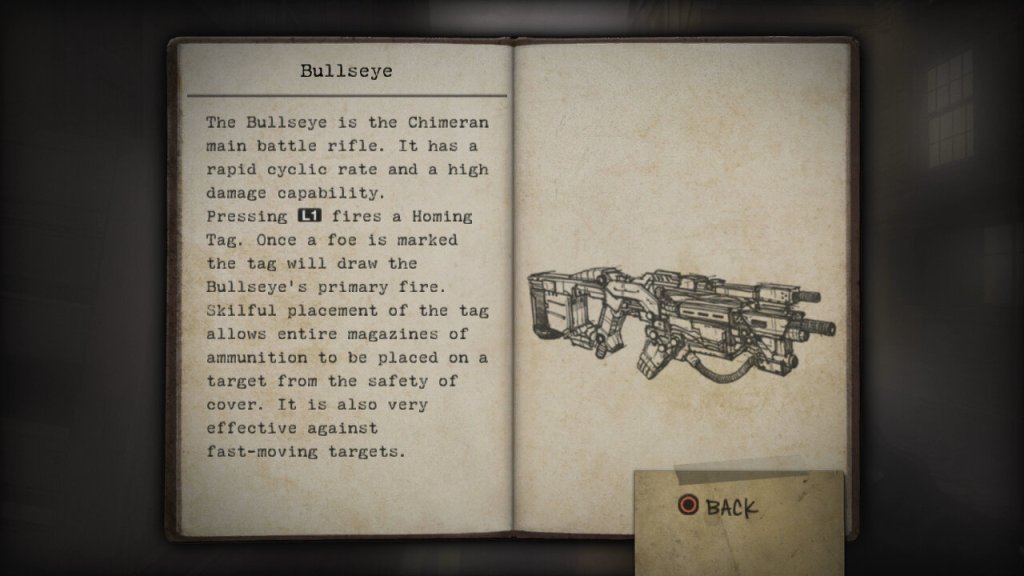
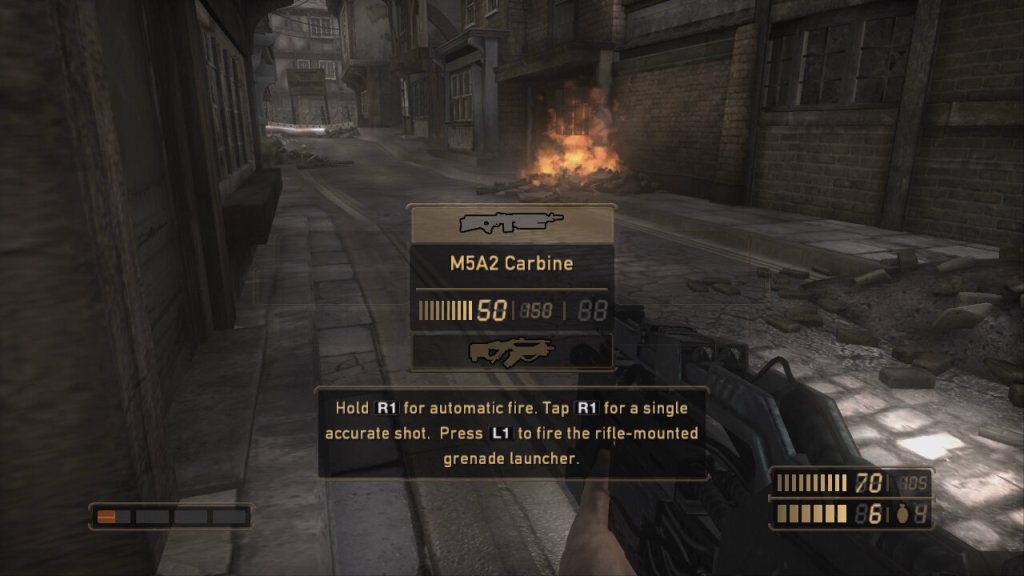
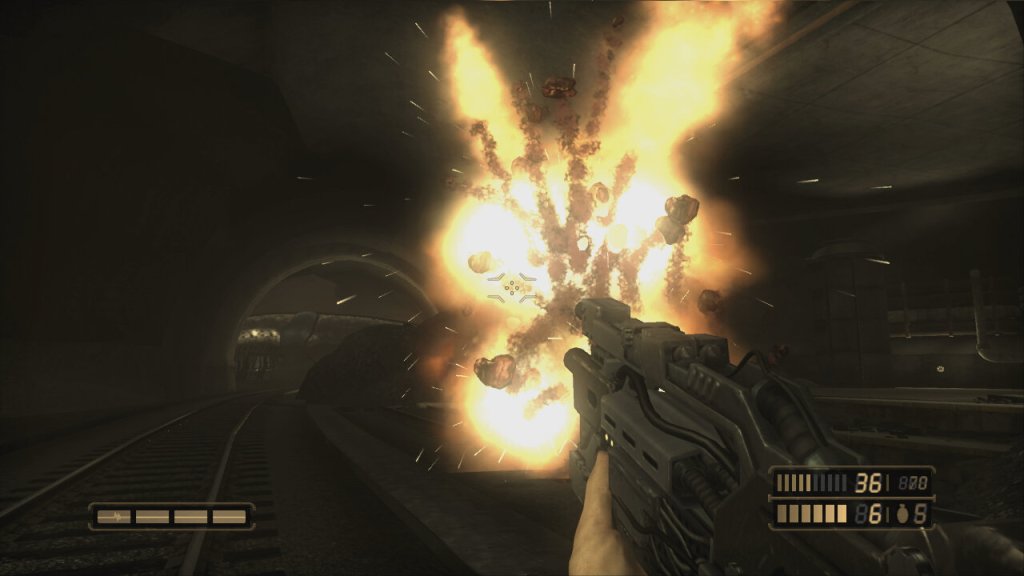
Resistance features both conventional weapons from the era and futuristic weapons influenced by the Chimera technology. Each weapon typically has two distinct firing modes, like the Auger which can shoot through walls or create a bullet-blocking barrier. The Hailstorm Shoots subsonic bolts that bounce off surfaces, increasing their lethality with each bounce. The ricocheting bullets add an element of unpredictability, it also gives the series its own identity through its weapons which is common with sci-fi themed games.

Despite being a Sony developed game, it remains only on the PlayStation 3 with no remake or rerelease for the PlayStation 4. It appears the game didn’t have enough of a broad appeal for Sony to port the game to the PS4. It was followed up by a sequel with Resistance 2, and a portable spin-off.

Dead or Alive 4

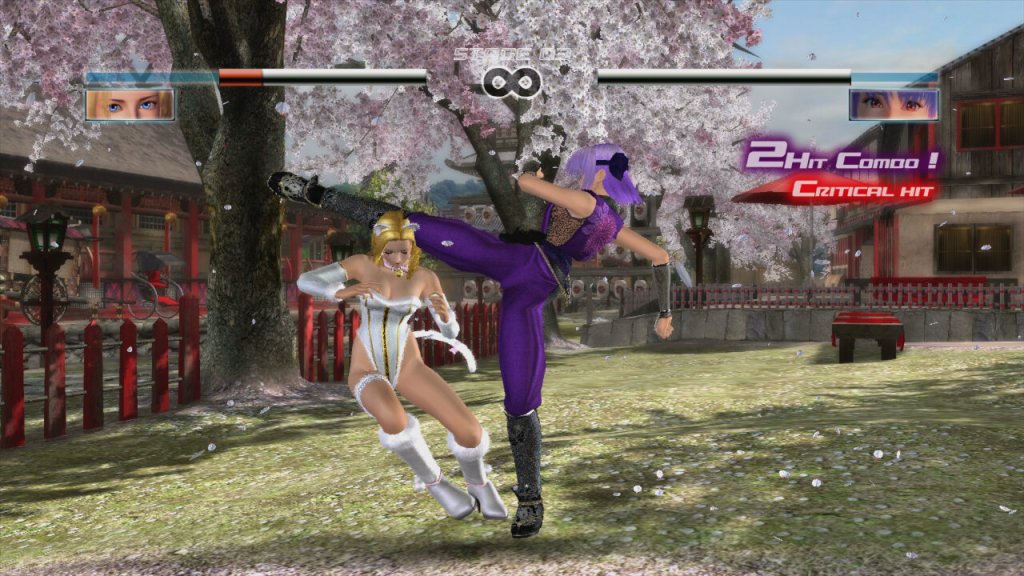
Dead or Alive’s HD debut

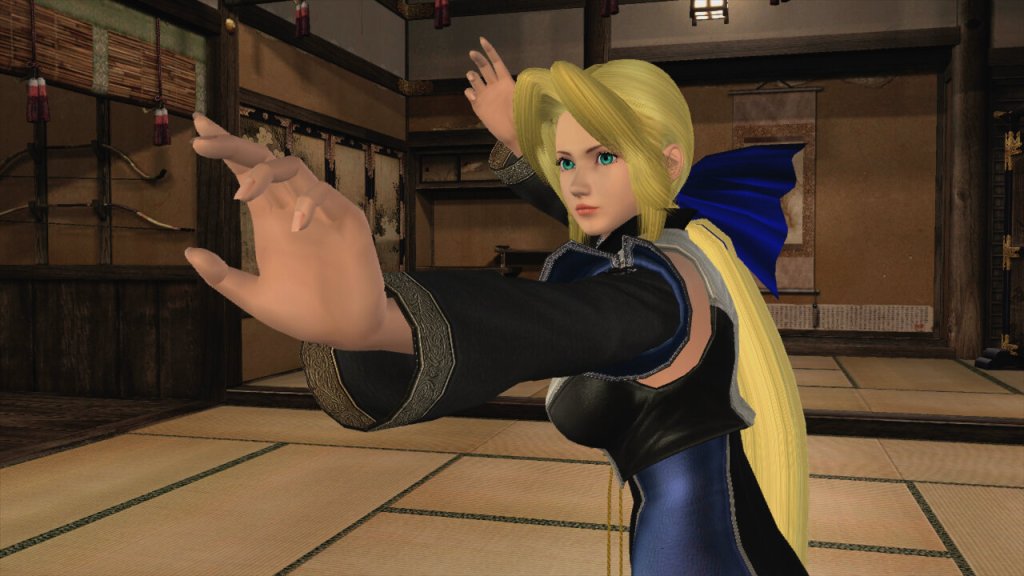
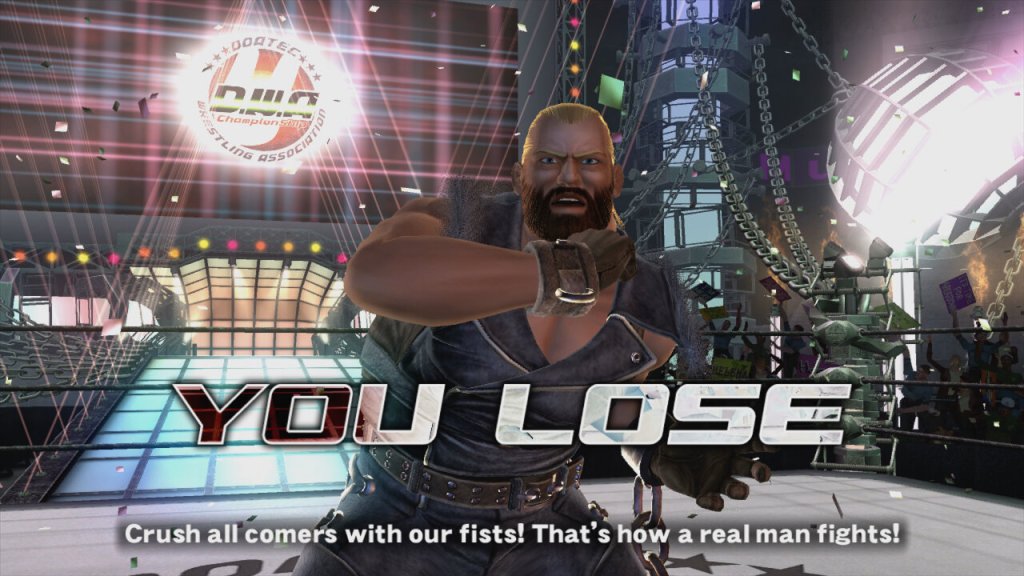
The games story picks up from Dead Or Alive 3, only with Helena at the center of the campaign as she inherits DOATEC from her mother who was assassinated in Dead Or Alive 2 but learns the corruption within the company is deep within. Other characters have their own storyline, some which interleave with the main plot with Kasumi/Ayane resolving their conflict to take down DOATEC. These are shown in the cutscenes when you play the characters respective story mode and will culminate with an ending FMV.

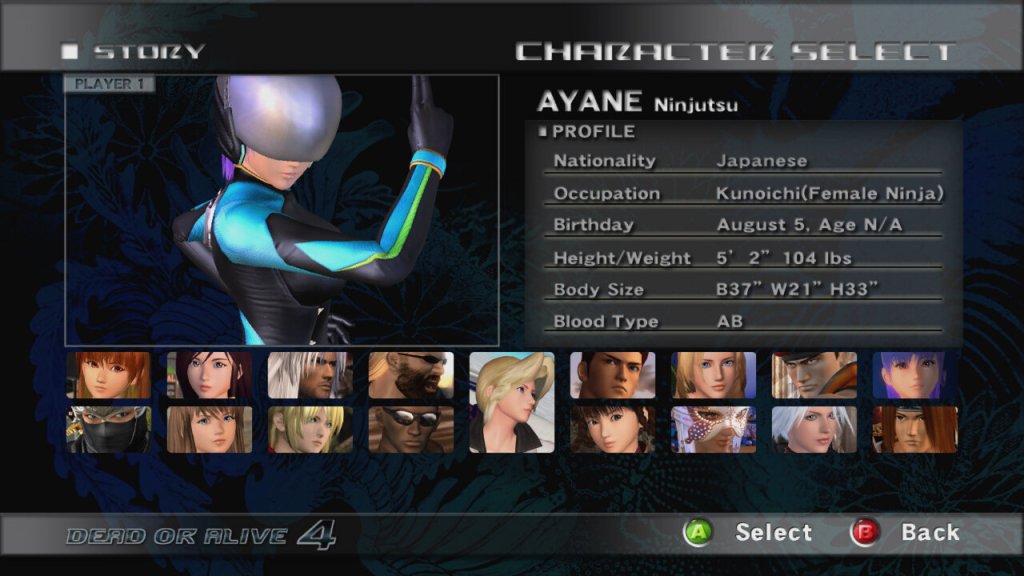
A few of the new characters introduced in the game:

Eliot: A young martial artist and a disciple of Gen Fu, and is on a quest for strength.
Kokoro: Bastard daughter of Fame Douglas, who is unaware of her true heritage.
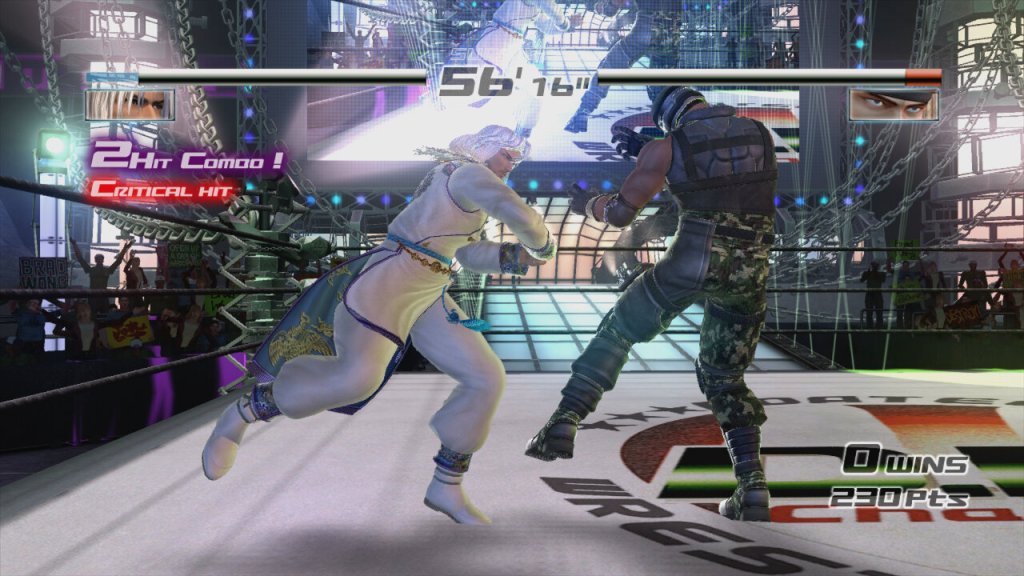
La Mariposa /Lisa Hamilton: An American masked wrestler who also works as a scientist for DOATEC, entering the tournament to investigate or escape from her employers.
Alpha 152: The boss of the game, a clone of Kasumi in energy form
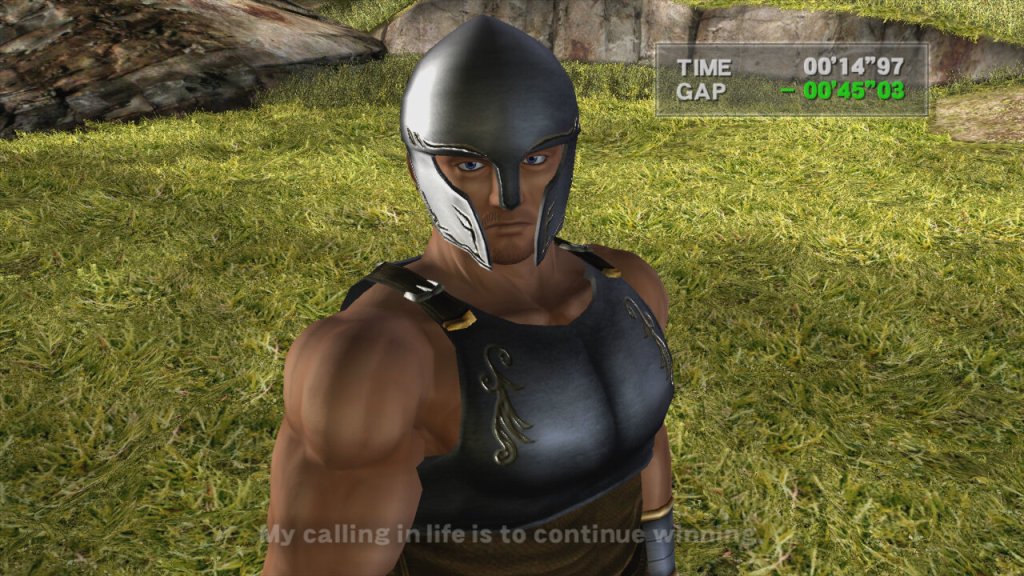
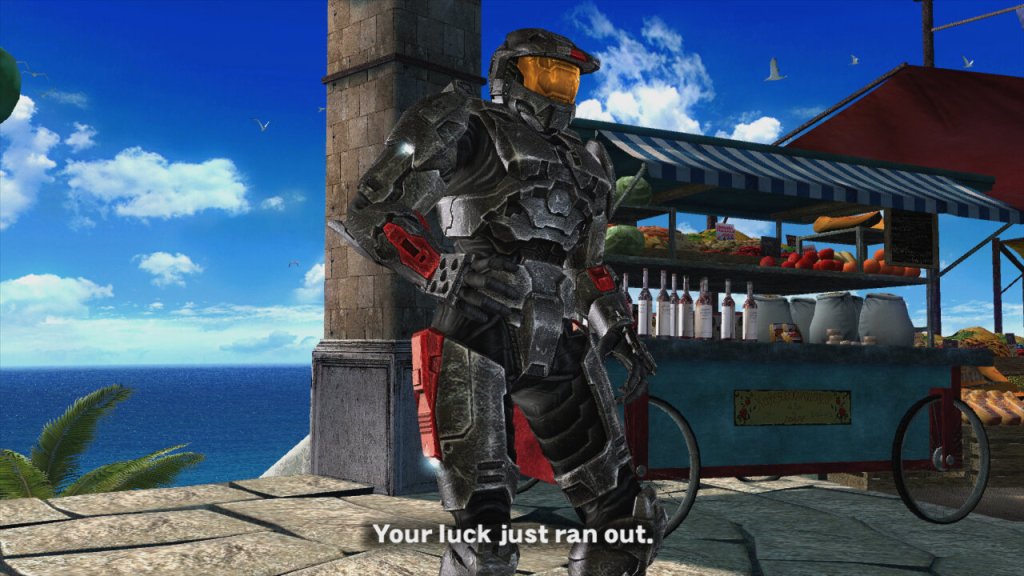
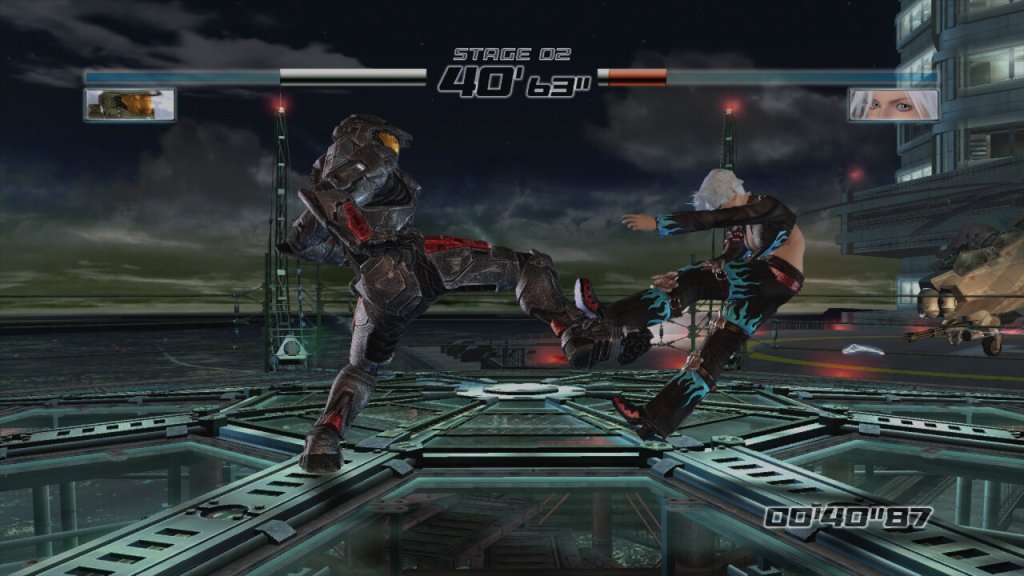
SPARTAN-458: A non-canon fighter inspired by the Spartans from the Halo franchise, A nod to the exclusivity of the game to the Xbox family of consoles.

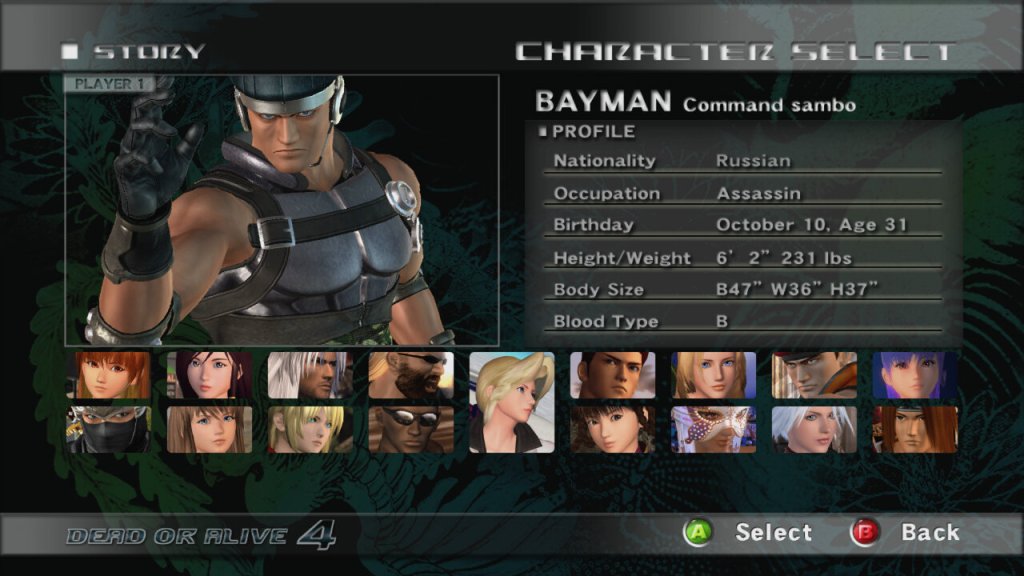
A lot of the fighters from the previous installments return, including Kasumi, Tina, Jan Lee, Bayman and Helena.

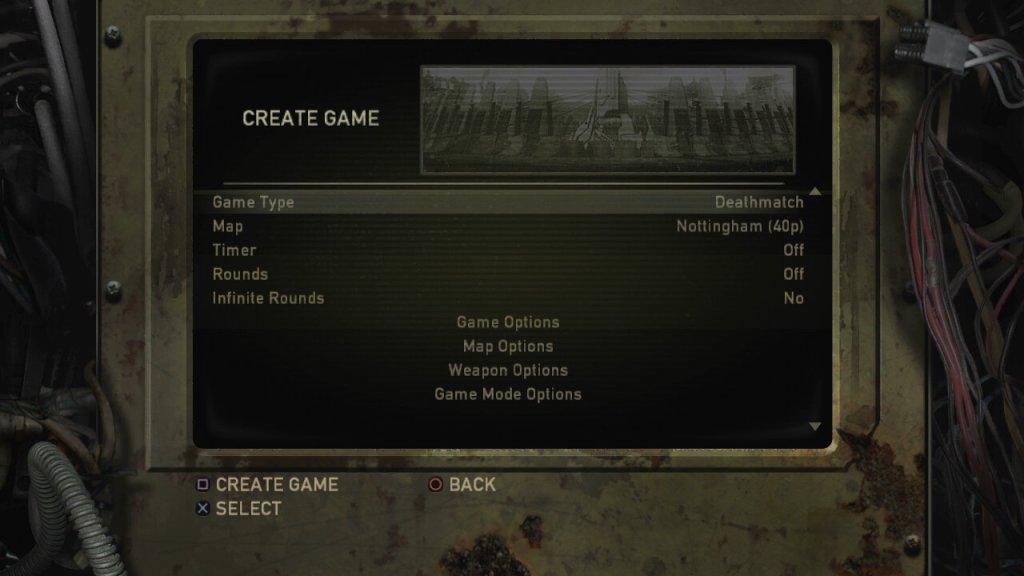
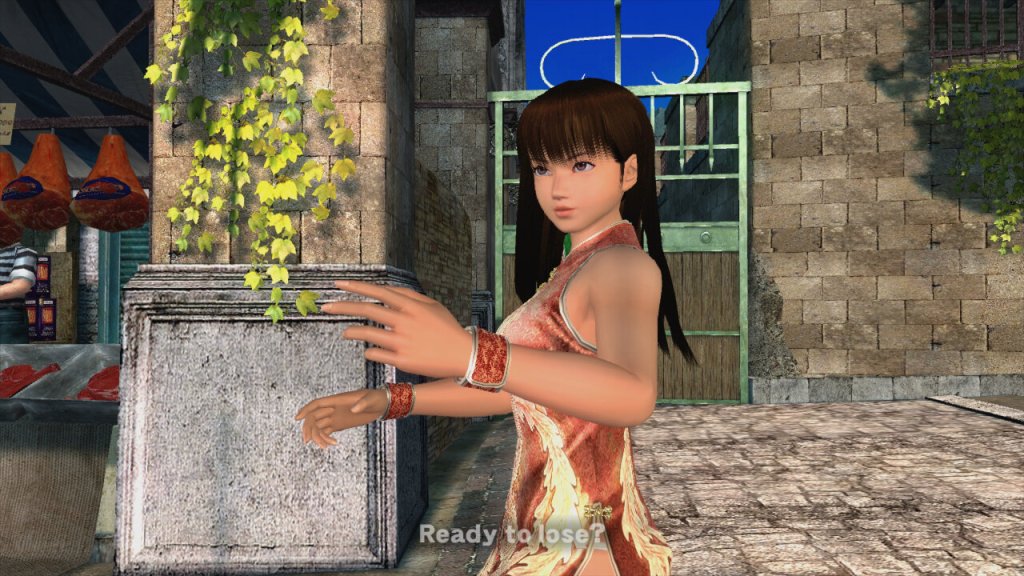
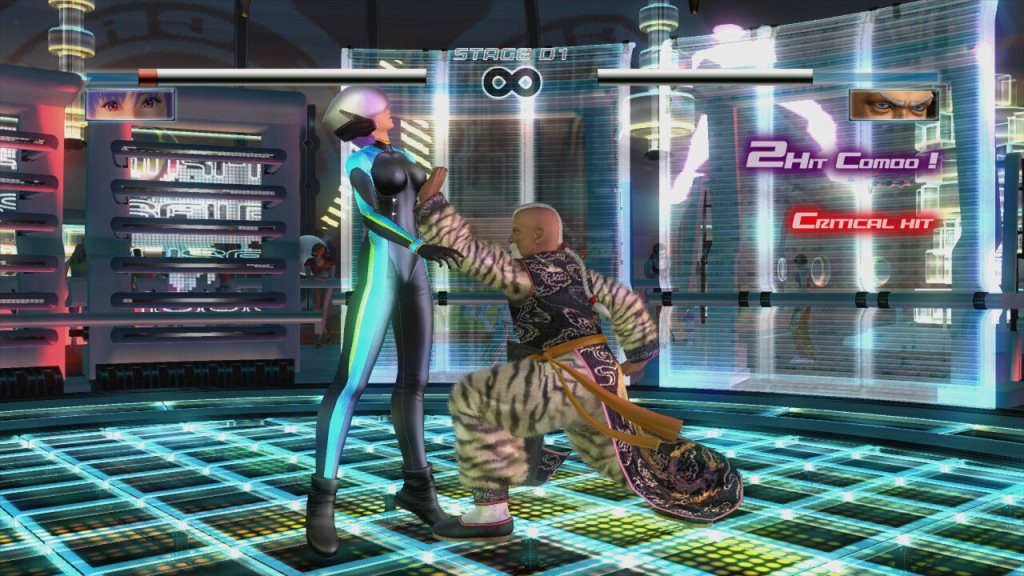
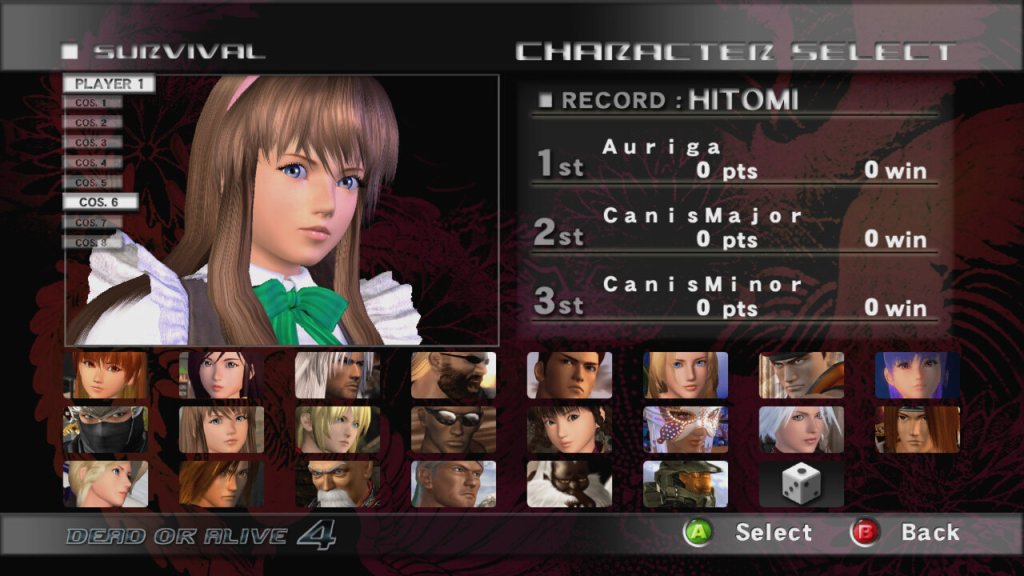
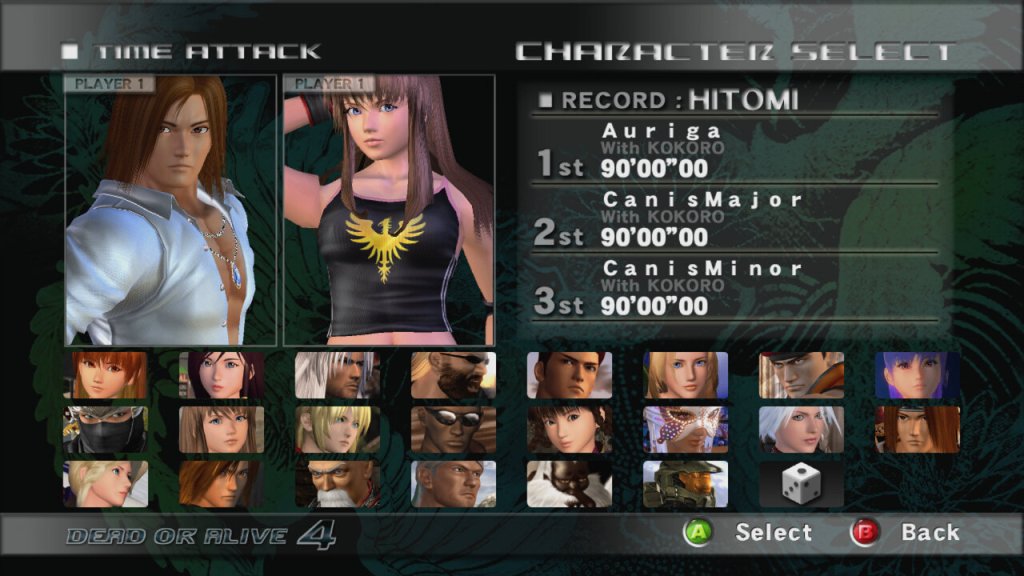
There isn’t much different with the game modes, though they are refined for online play. You do have the story mode which combines the games cutscenes with the fighting rounds, which are rendered within the game engine allowing for characters to use the costume you have chosen which can lead to some funny moments. Returning modes include Time Attack, Survival mode and Team Battle.

The main issue with the game is its difficulty. Dead or Alive 4 lacks an easy mode, with the default difficulty setting being quite challenging, even for seasoned players. The AI was too aggressive and seemed to cheat by countering player moves almost instantly or executing combos that were difficult to break out of. This was particularly highlighted in discussions where players felt the game required near-perfect timing and execution to succeed, which could be frustrating for newcomers or less experienced players. This is the case with the final battle between the boss (Alpha) who is difficult to beat even on the standard difficulty. There were certain rounds where she completely spammed attack moves repeatedly, leading to an instant defeat.
I honestly wonder if the AI is flawed in some way? A lot of matches are won on the basis of luck.

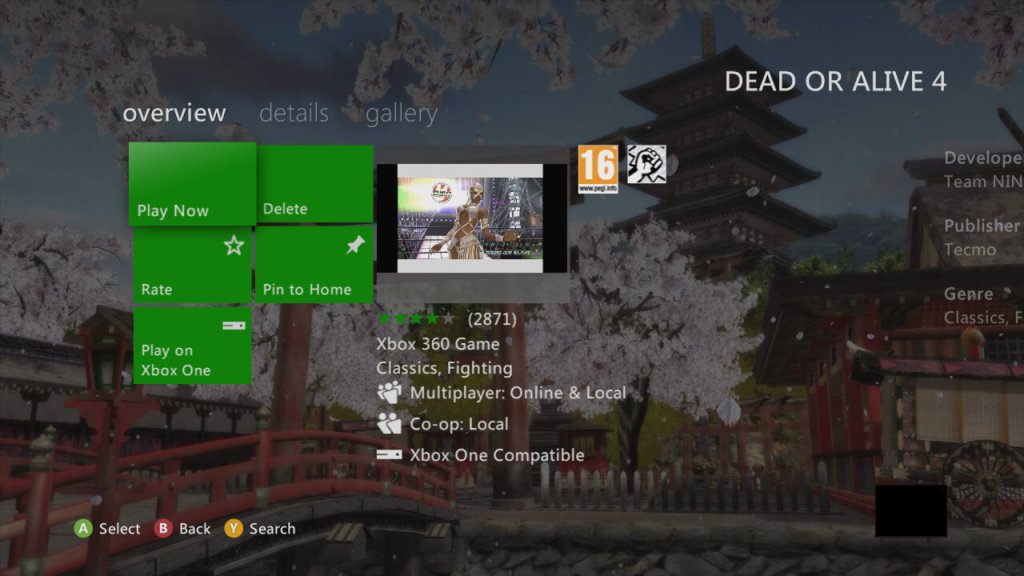
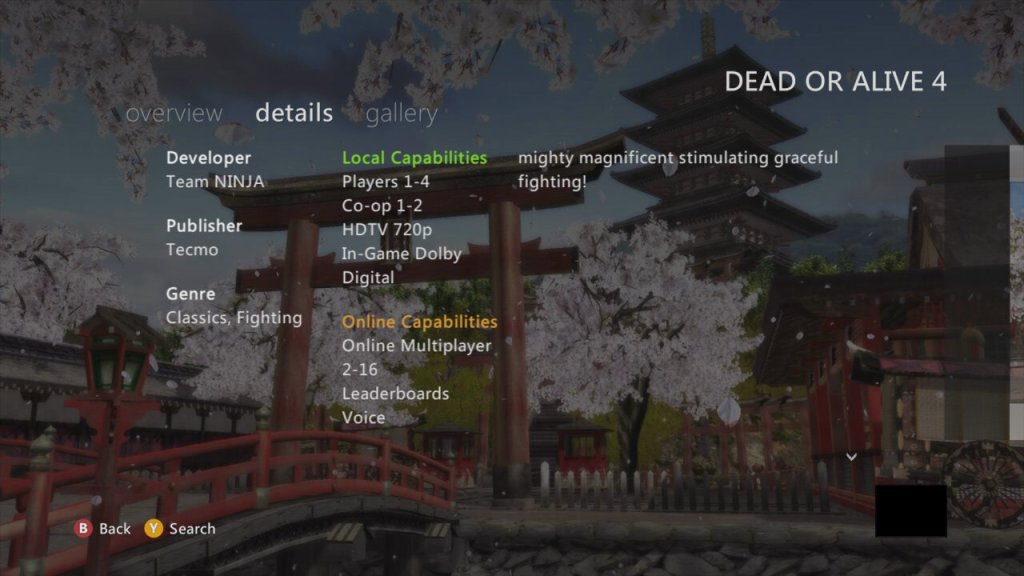
The game remains exclusive to the Xbox 360, but was ported to the Xbox One and Series consoles as part of Microsoft’s backward compatibility program. This also means the game can be purchased digitally online.

Ridge Racer 7

Ridge Racer’s debut on the PS3

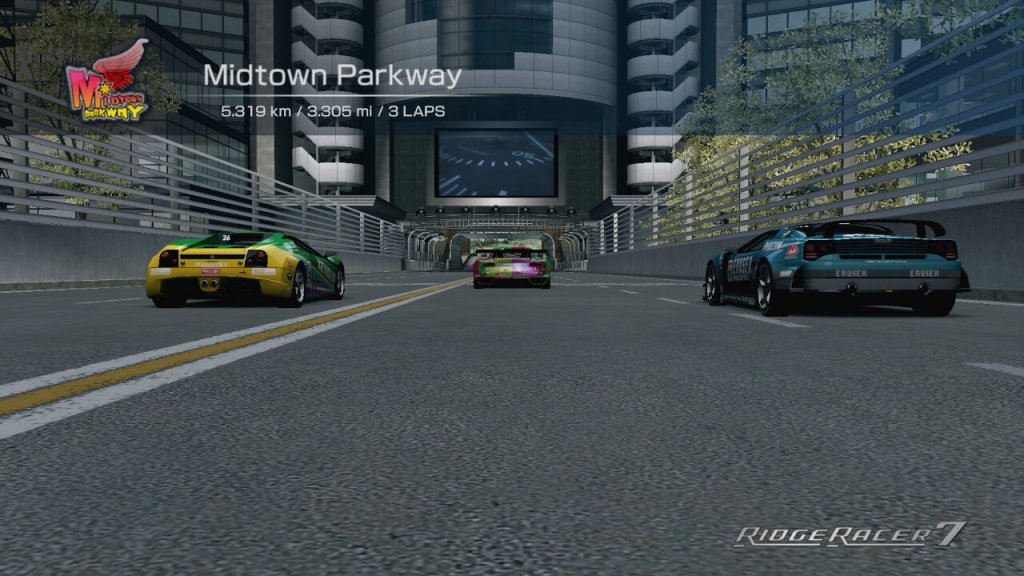
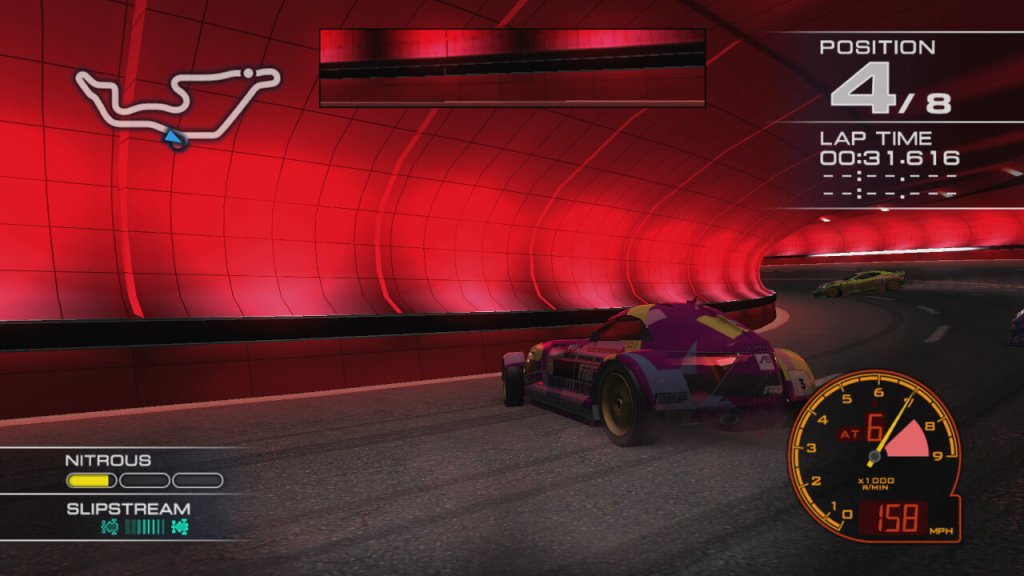
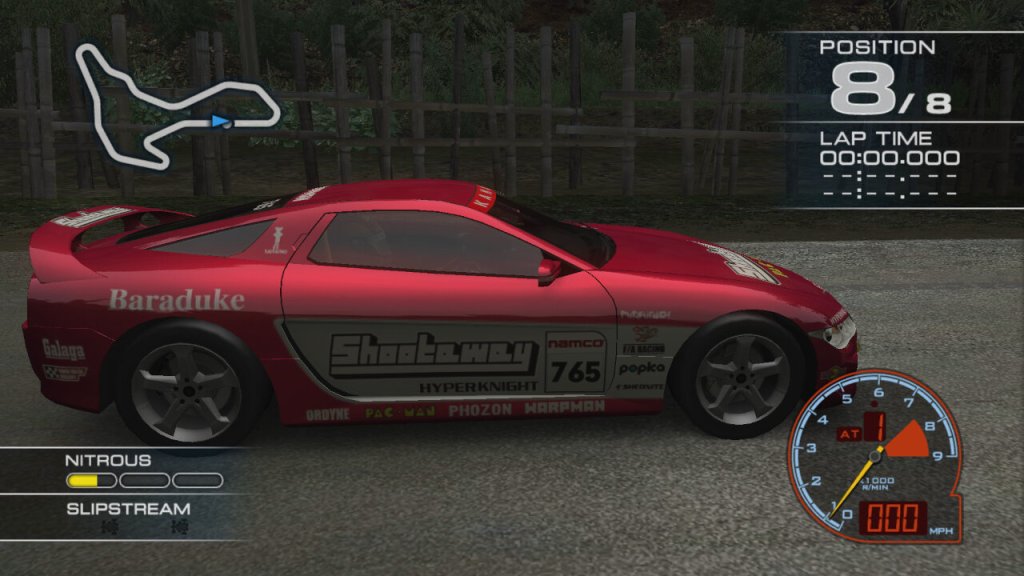
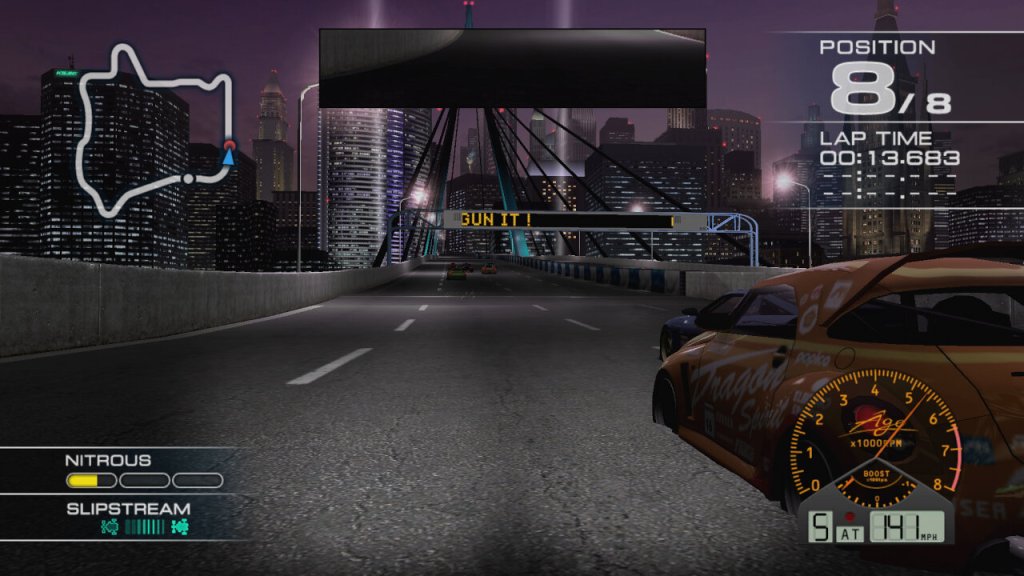
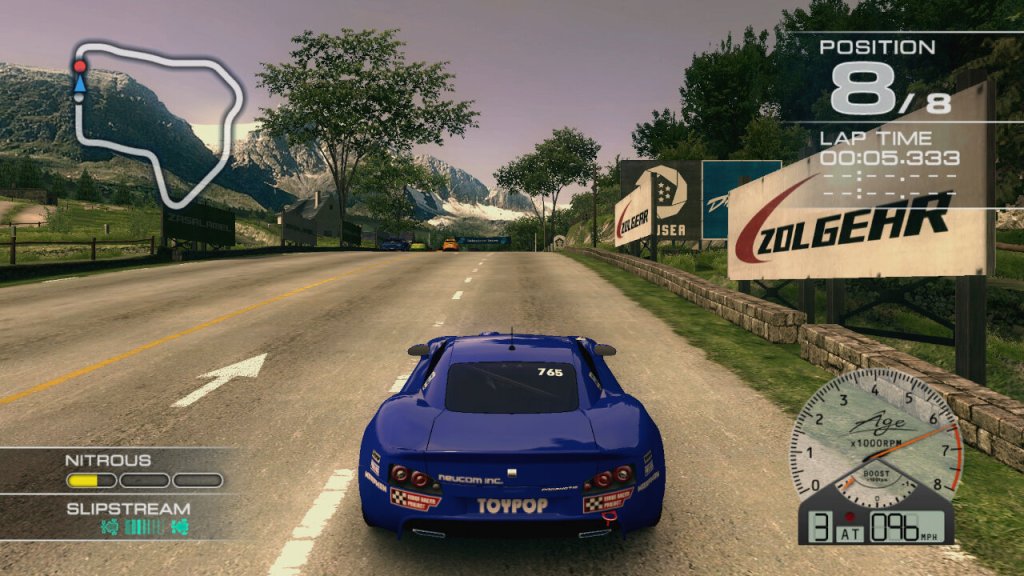
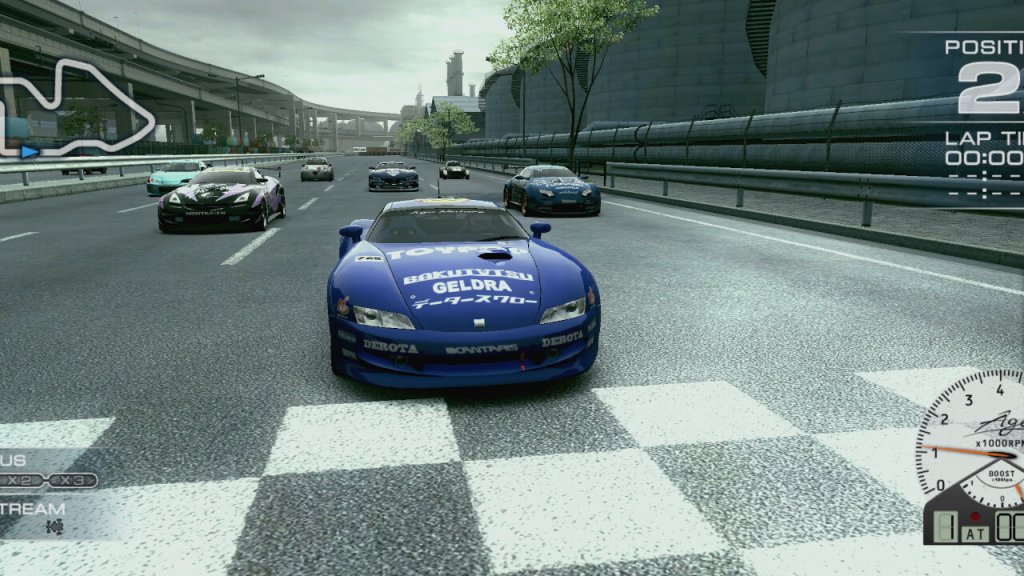
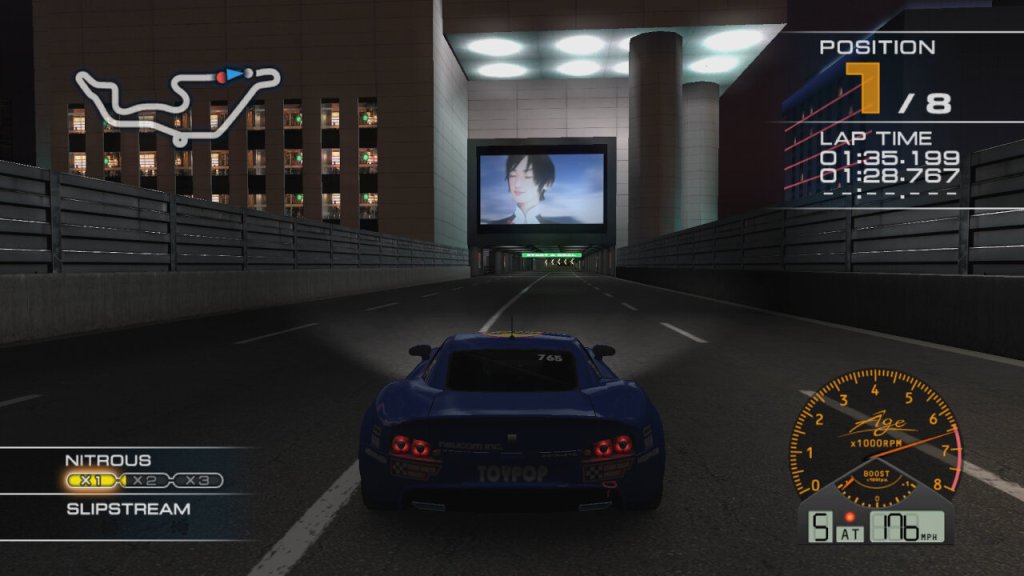
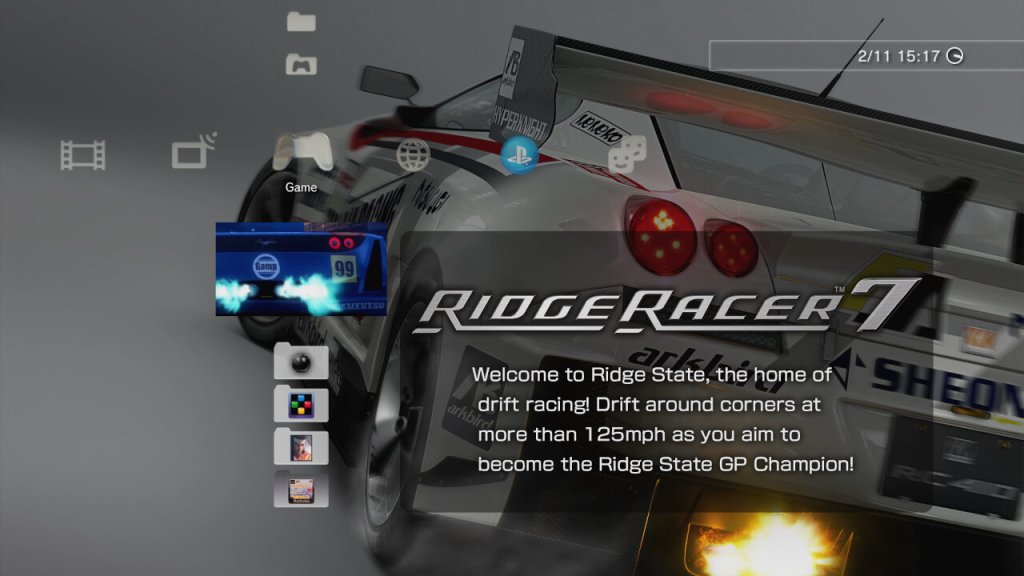
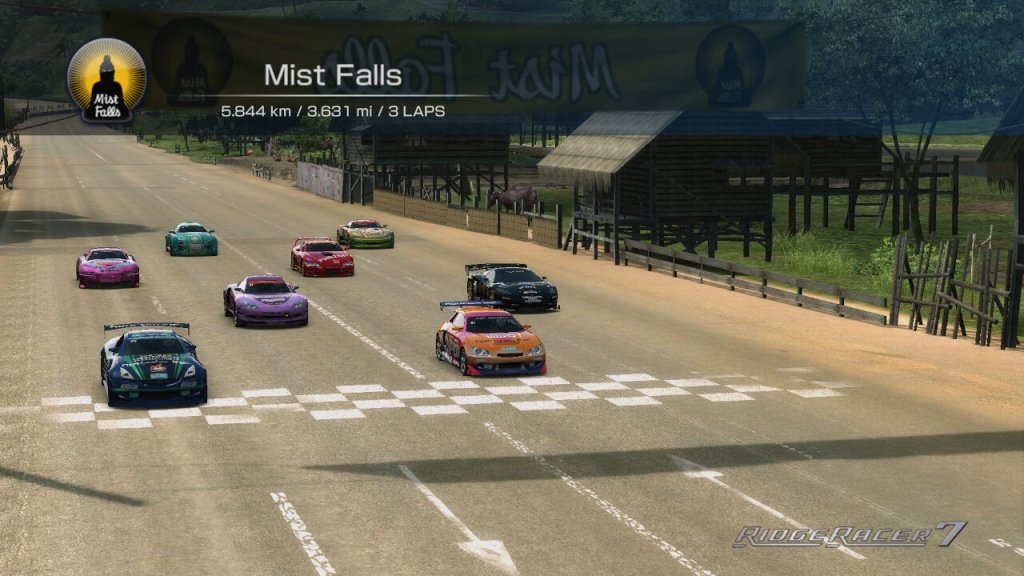
Released in 2006 as a launch titles for the newly released PS3, Ridge Racer 7 is known for its arcade-style racing with a focus on speed and drifting. The game features both solo and multiplayer modes, a first in the series for the PlayStation platform. It’s also one of the few PS3 games to run at 1080p 60fps. Ridge Racer 7 maintains the series’ core mechanic of high-speed drifting. Players who enjoy mastering the art of sliding through turns at breakneck speeds find this exhilarating, and is a nice alterative to racing simulation games like Gran Turismo or Forza.

In terms of gameplay, there isn’t much different with the Xbox 360 exclusive Ridge Racer 6, with some even calling 7 a directors cut with extra content. It defiantly feels like an improvement rather than a new title in the series. There is nice selection of tracks, but they are improved versions of Ridge 6’s tracks. There isn’t much from the previous installments of the game unless you count the original track from the first release, now renamed as

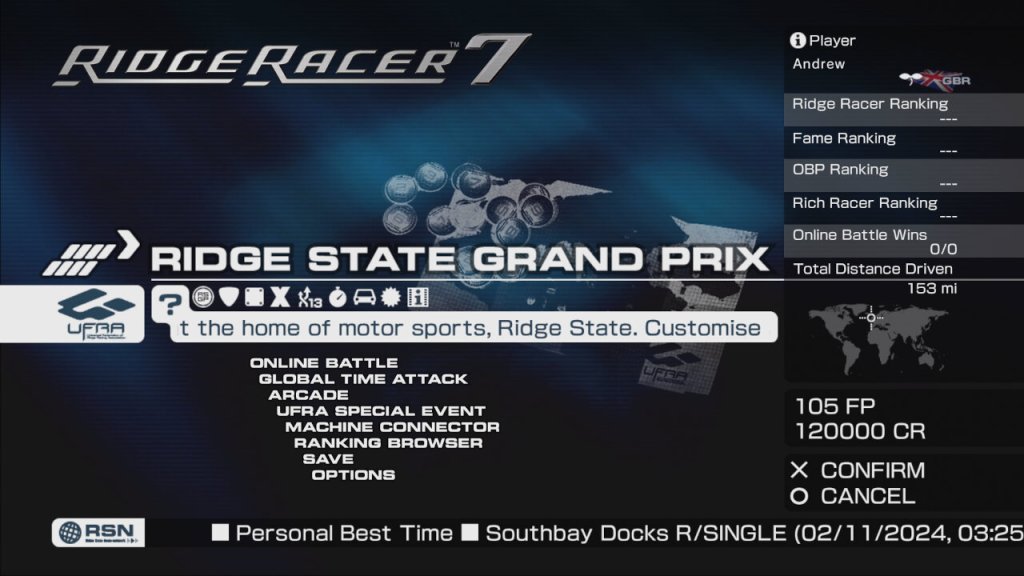
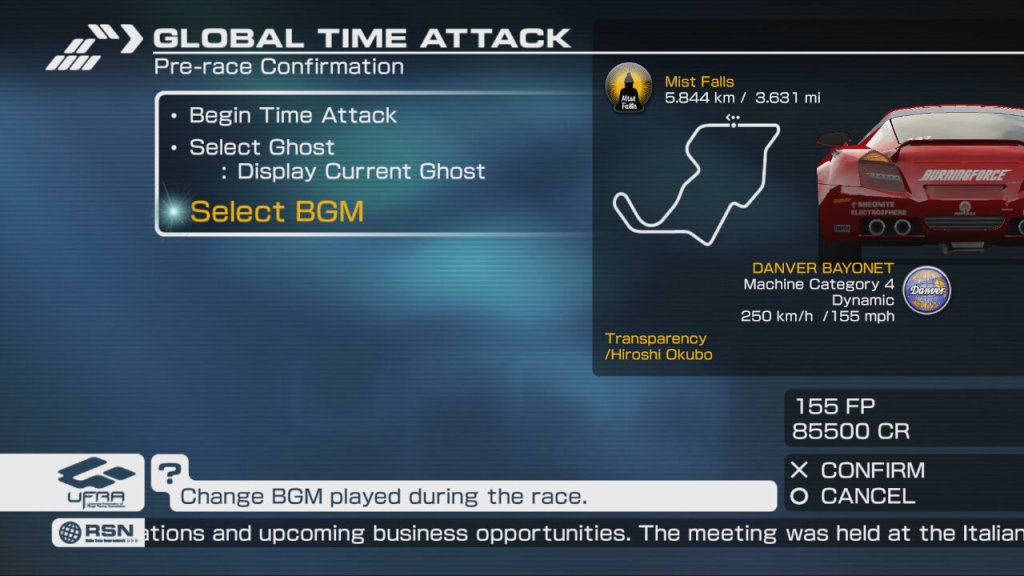
The user interface is a complete overall to what was seen in Ridge Racer 6, giving a more dynamic view. Gone is the hex-style design of the race tree, instead you select which race you want to start from a simple menu.
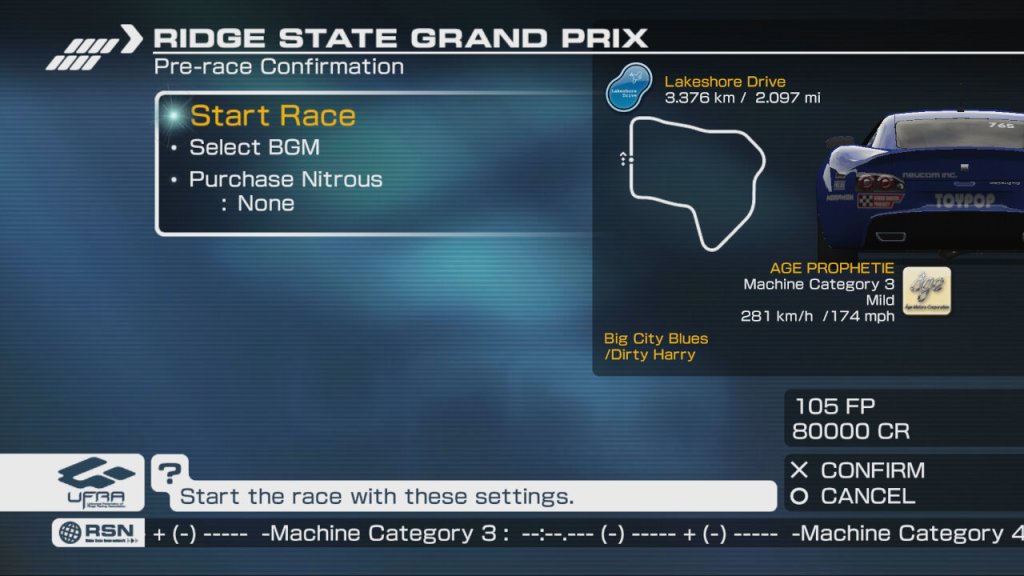
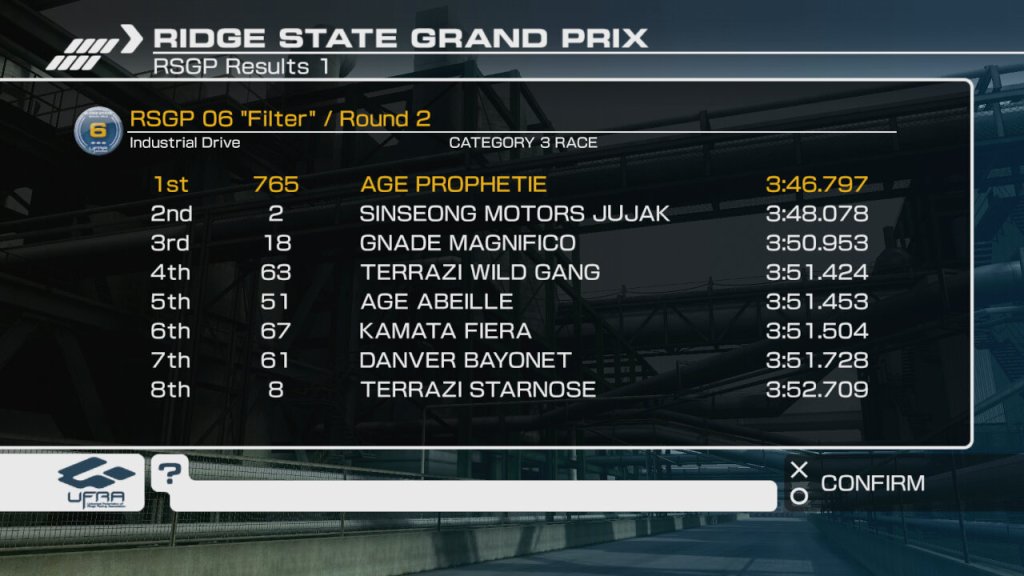
Ridge State Grand prix is a series of races that can be completed in order to earn credits, that can be used to unlock and customize your machines for later races. These are treated as tournament where you have to race on three to five tracks, with your finishing position having an impact in your standing for the next race. Unlike previous games, you don’t have to win or finish in the top three, but you will have to try harder to compensate for the next race instead. Alternatively you have the option to replay the race gain, but you will be returned to the first race in the series.

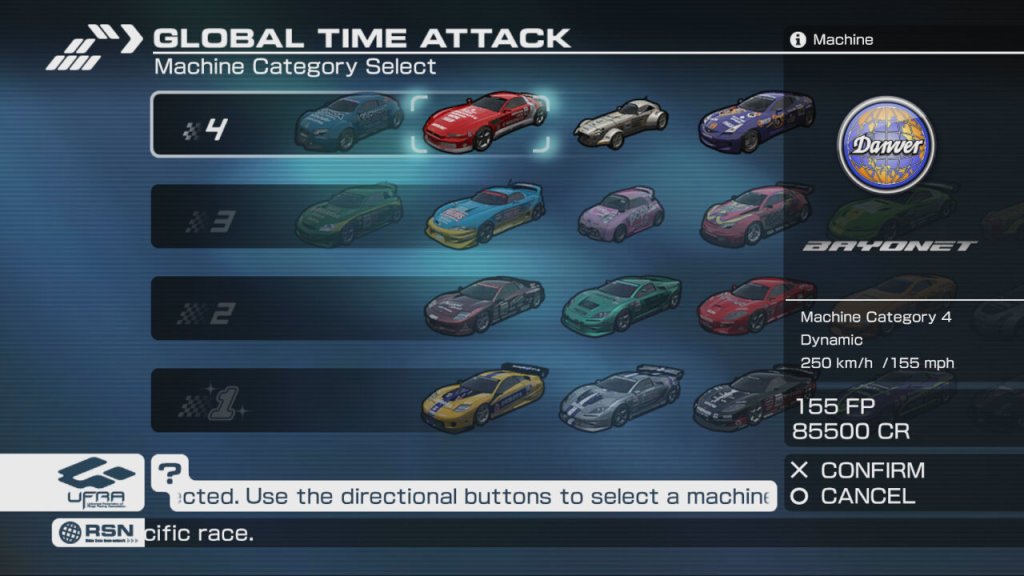
There are also other races in the game, a Manufacturer’s Trial that lets you unlock specific machines when you win a specific race, or can unlock additional upgrades. There are also single events which are much difficult and can consist of time attack races, and regular races that have machine restrictions on them.
There was also downloadable content which included a set of 25 UFRA Special Events. These events were known for their higher difficulty level compared to the standard game races, providing additional challenges for players even after completing the main content.

As always, there is a specific time attack mode which will compare your results with other players online, and multiplayer either through splitscreen or online.

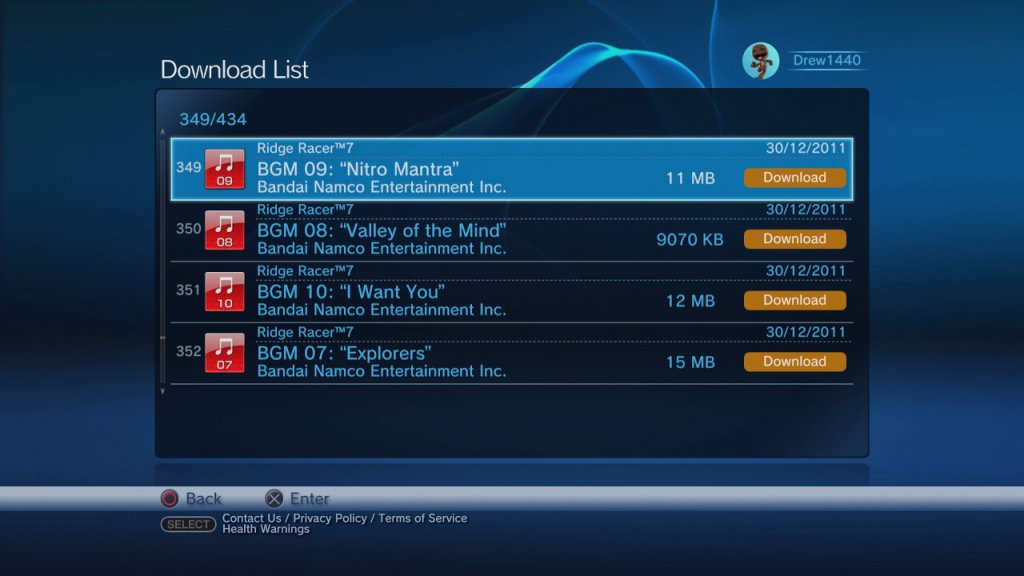
The music in the game is as amazing as always with some good techno and electronica tracks to race to that Ridge Race is known for. Namco also provided previous tracks to download that featured from previous installments in the game, giving you a sense of nostalgia from previous tracks in the game.

Sadly this was one of the last proper Ridge Racer games to be released. There would be a follow up in the form of Ridge Racer Unbounded, but this is perceived by players to be a Burnout knockoff rather than an actual Ridge Racer game. Portable consoles did continue to see Ridge Racer releases, namely the Nintendo 3DS and the PSVita, even mobile devices like the iPod Touch had Ridge Racer Accelerated. New installments would be released for the eighth-generation consoles, and the Ridge Race franchise has since been abandoned, and arcade racers in general.

There seems to be a broader trend where simulation racing games are gaining ground over arcade racers on modern consoles. This might be attributed to the desire for more authentic and challenging gameplay or the growth of esports and the professionalization of gaming.

But these sorts of games do not age well thanks to music and vehicle licenses expiring, meaning racing games typically get delisted after a few years and gives an expiration date for thee games. Arcade racing games continue to hold a cherished place in gaming culture. They cater to a different audience looking for quick, adrenaline-fueled fun without the steep learning curve of simulations. There is no reason why both cannot coexist, and titles like Dayona USA, Cruis’n USA and even Burnout will always have a place on any consoles/gaming hardware, either in native or emulated form.