PowerVR graphics processers aren’t very common in the desktop PC space, you’re most likely to encounter them in mobile devices, having been used on the original iPhone, all the way to the iPhone 6S, various early Android devices like the original Samsung Galaxy, Galaxy S4 and the Google Nexus player. In the console space, the Sega Dreamcast and the PlayStation Vita have both used PowerVR for their graphics processors. On PC though, they did release a few early 3D accelerators during the late 90s, known as the Kyro Midas3/PCX and later Kyro series of 3D processors. They were mostly satisfactory for their time, but nothing remarkable over its competitors like Nvidia or 3DFX. They did make use of their own API (SGL) before adopting DirectX.
Still Intel had their own line of integrated graphics chipsets, so why license the PowerVR?
Well its mostly due to die size and power consumption, with PowerVR chipsets being focused on the mobile marker, which Intel was desperate to get into. They even produced mobile phones that featured x86 processors running Android. In this case, we have a thin client (A 10Zig 58xx) that comes with an Intel Atom D2550 that has the PowerVR embedded, running at 640Mhz according to its Wikipedia article. Although I suspect it will throttle based on heat.
The SGX545 is based on Imagination’s tile-based deferred rendering (TBDR) architecture, a hallmark of PowerVR GPUs and is often brought up in Dreamcast Vs PS2 Comparisions across various message boards. This approach splits the display into tiles and performs rendering only after determining which surfaces are visible, reducing memory bandwidth usage and improving efficiency, a nice feature to have when the GPU shares memory bandwidth with the system.
I would have liked to show the Intel Graphics Utility but the utility refuses to start, crashing instead. This could be because Windows Thin PC is missing something the utility requires (.NET Framework 3.5). Oh well, not like those Intel Control Panels did much anyway…
Apparently this chip a complete fail with Windows 10, meaning its best to use it with Windows 7. Considering I’m running this on a thin client, I opted to use Windows Thin PC which is geared for such devices plus it has a lot of auxiliary stuff removed, ideal since we only have a 16GB DOM.
The system memory appears to be a single 2GB module ruinning at 1066MHZ, no idea of much that memory bandwidth affects gameplay. Now ther is an option within the BIOS, or Efi to change the amount of reserved RAM. By default it was set to 8MB, with the option to go all the way up to 48MB. I’m not sure what impact this could have on performance, since Windows reports the same amount of VRAM regardless of what option is set, although the reserved memory amount does change in the System Performance Monitor.
Games
Lets see what the typical experience for running game would be, despite this hardware being made anything but playing games. The GPU is supposed to have full DirectX 9 compliance, however given the power limitations I figure its best to test titles from the early 2000s era with a few 90s games to see how the drivers fare with older titles.
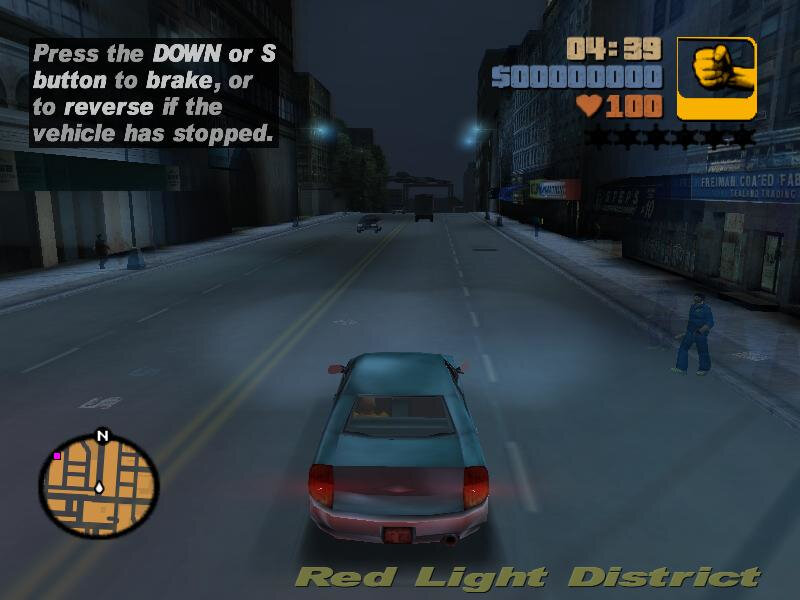
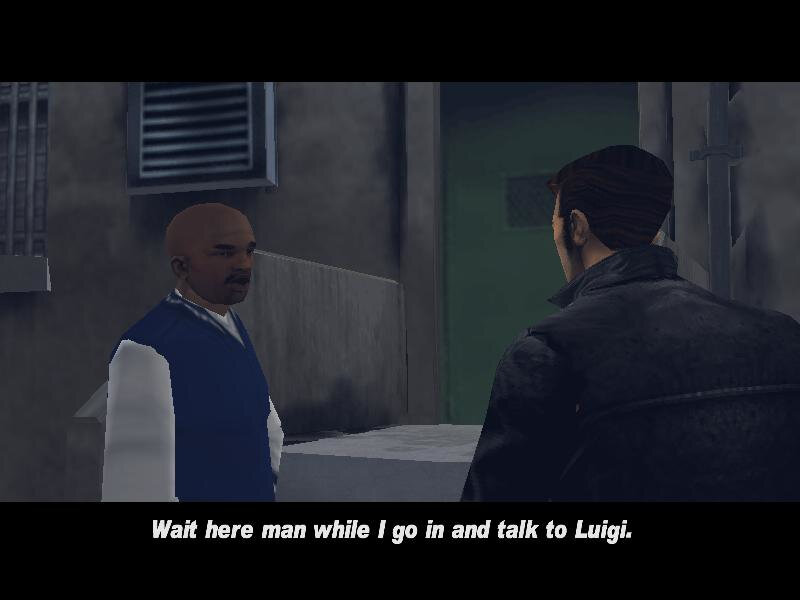
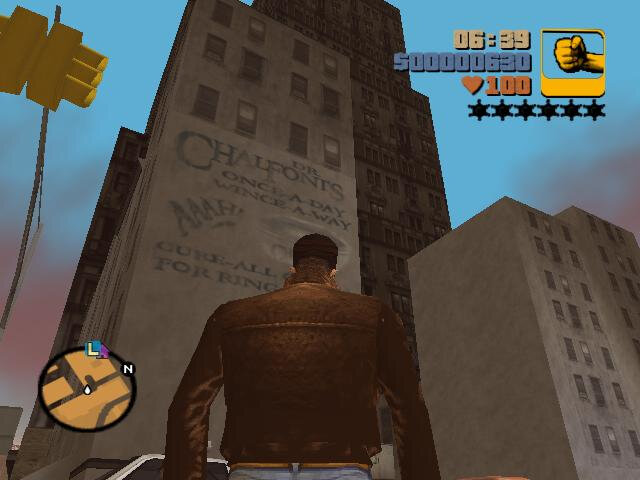
GTA III: Nearly what I consider to be playable, and the driver does not crash unlike the GMA950, but there are some weird seeming issues (white dots in between textures) that is visible on the roads. Also the headlights have this weird trail that shows even when pointer trails are turned off in the game settings. Still, in terms of framerate we hover around 17fps.
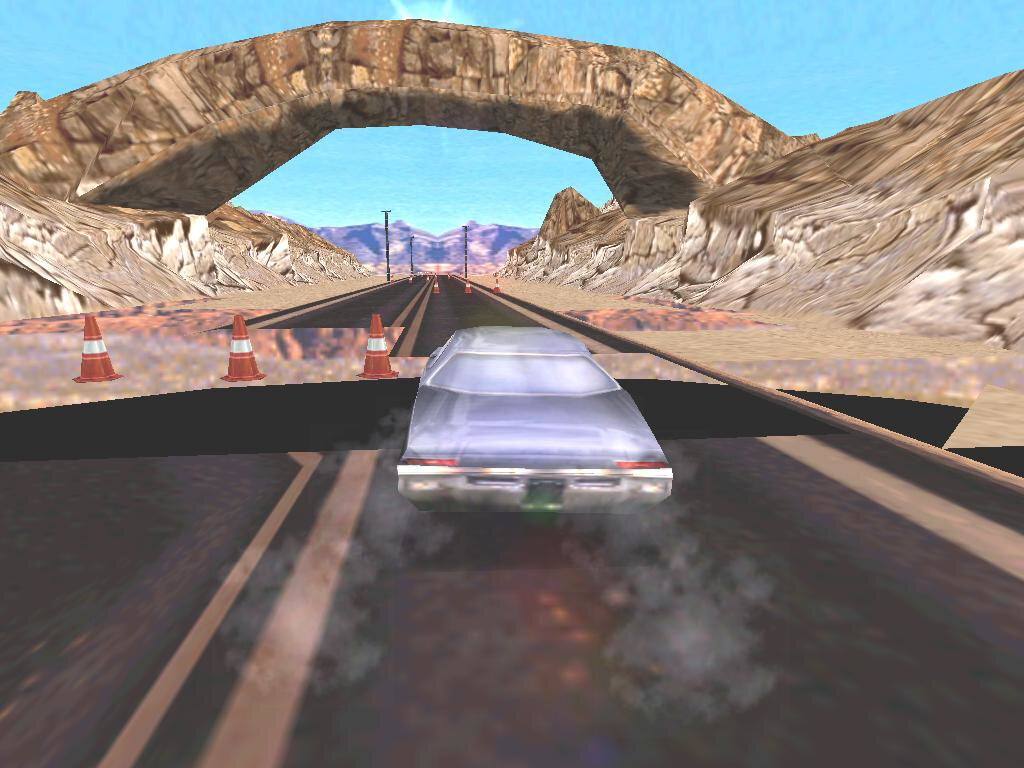
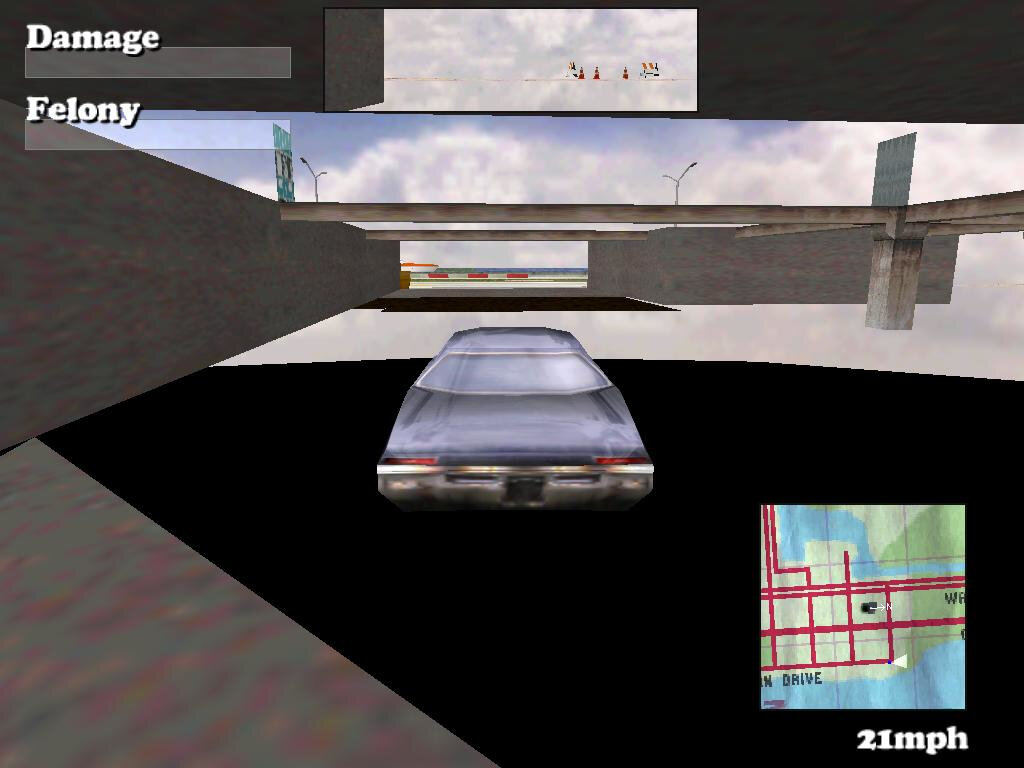
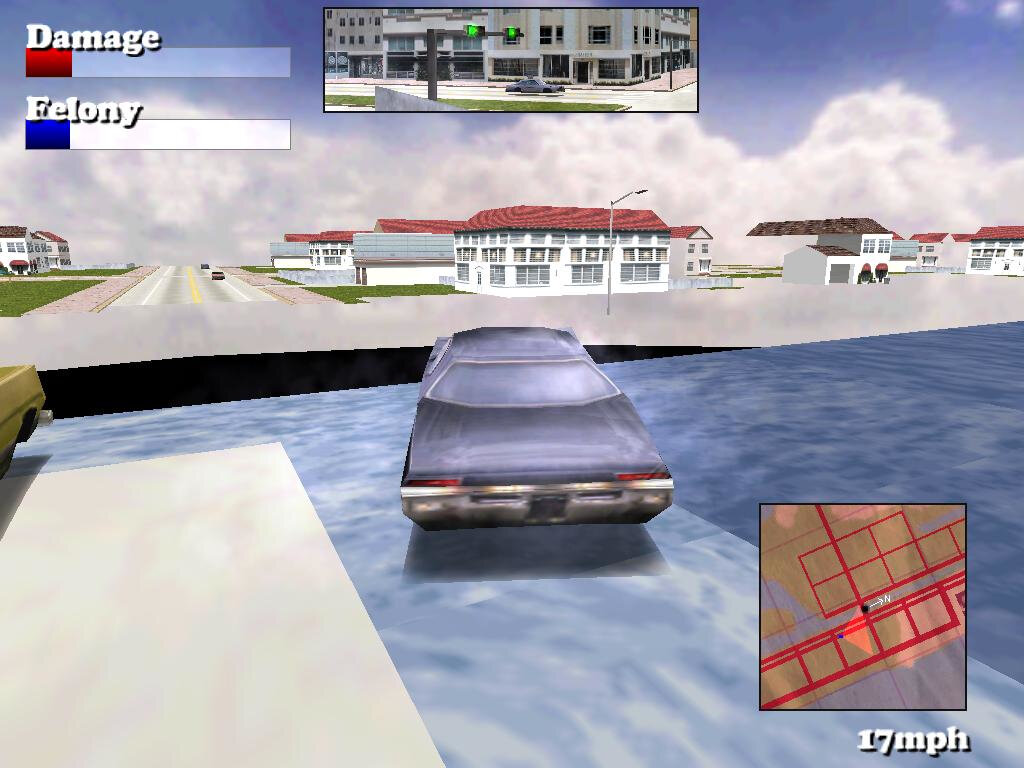
Driver: This one failed spectacularly, here we have missing or clipping textures on the road and on the environment. The car wheels have completely disappeared and parts of the road popping in randomly. Despite changing the graphics details and resolutions settings, I cannot seem to fix these issues
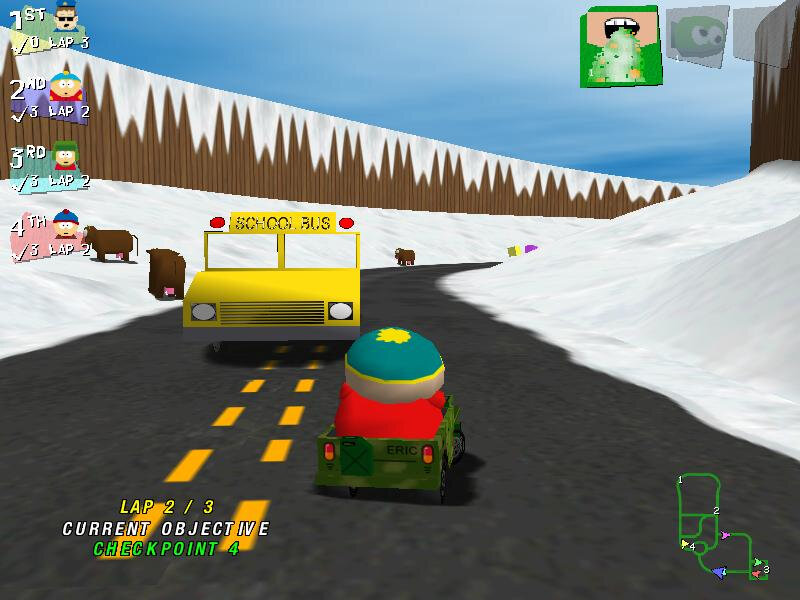

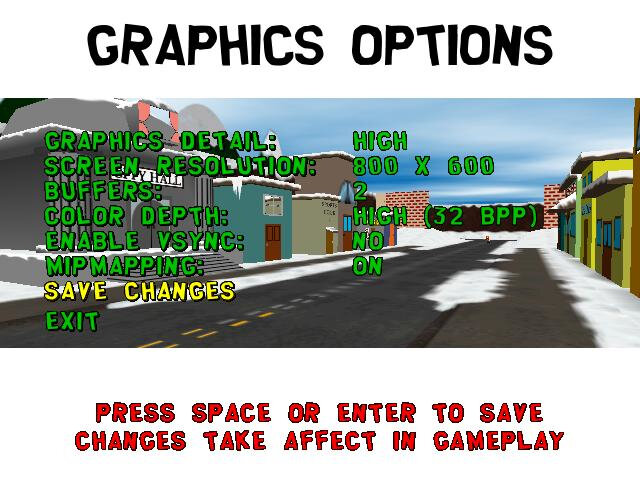
South Park Rally: This runs almost perfectly and has an average of 32fps, but some character models are missing details. This also affects Ms Crabtree’s bus in the first level.
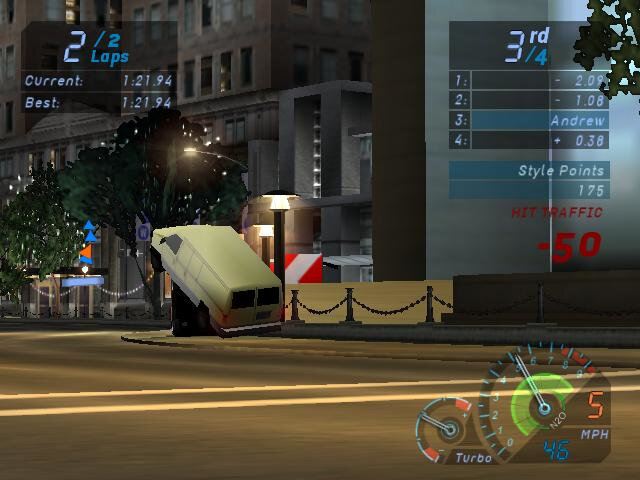
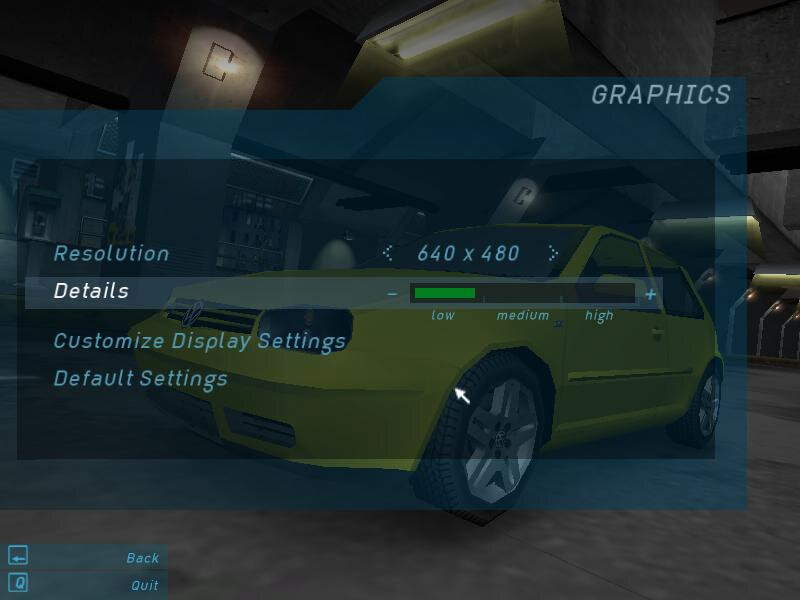
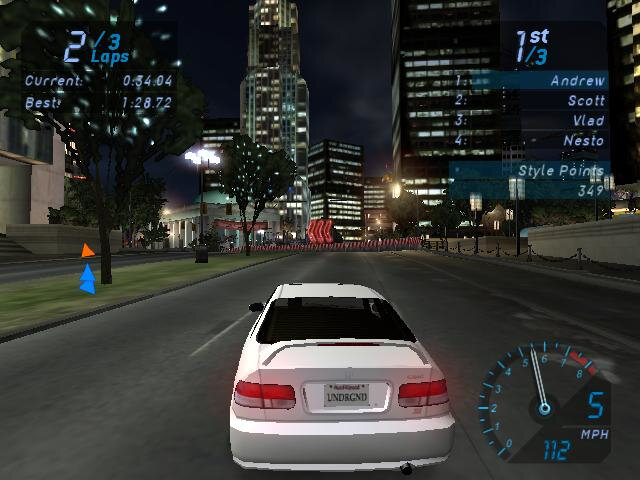
Need For Speed Underground: At 640×480 we mostly hovering around 24fps, with most of the settings turned down low, low.
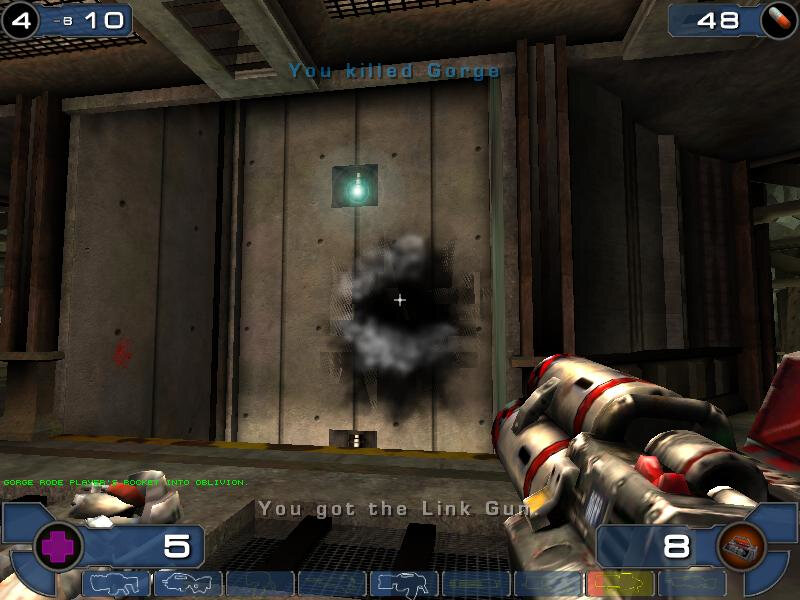
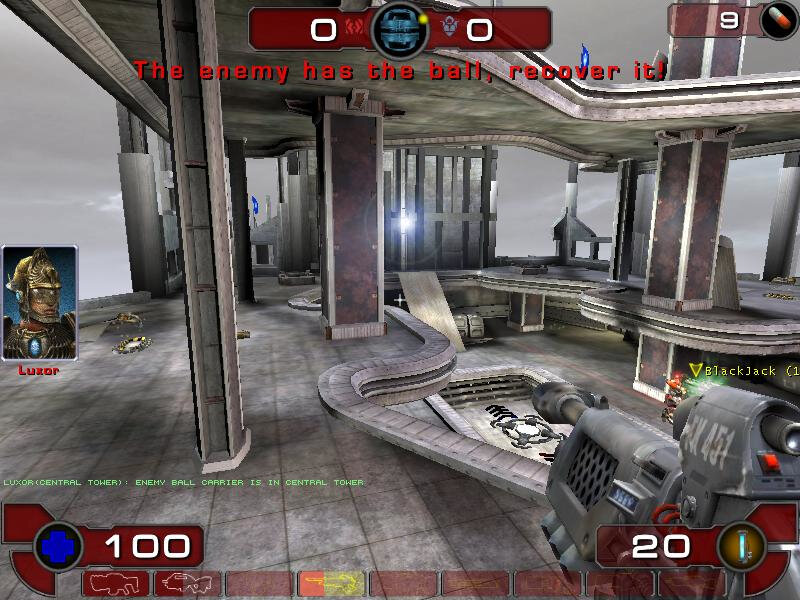
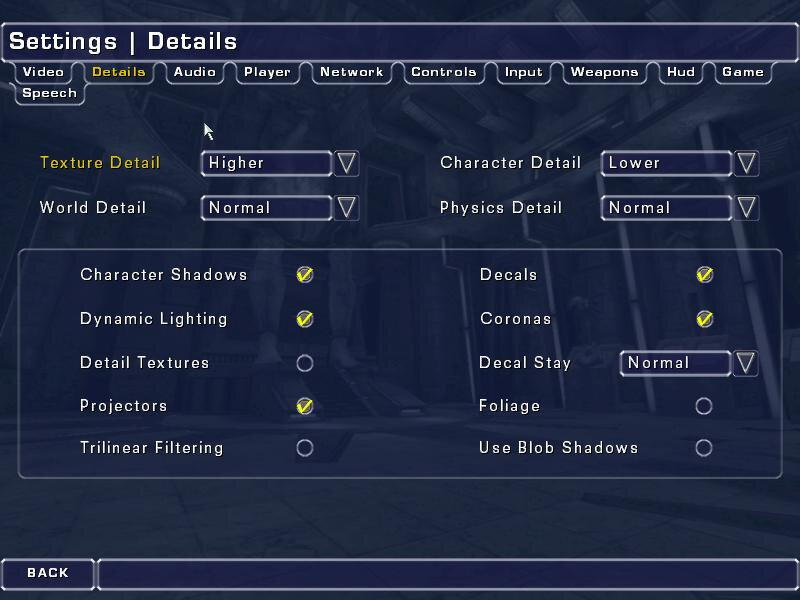
Unreal Tournament 2003: Shadows a glitchy/fickly, especially when you die, or when you se the flax cannon. But we do get good framerates with medium to low resolution t 800×600.
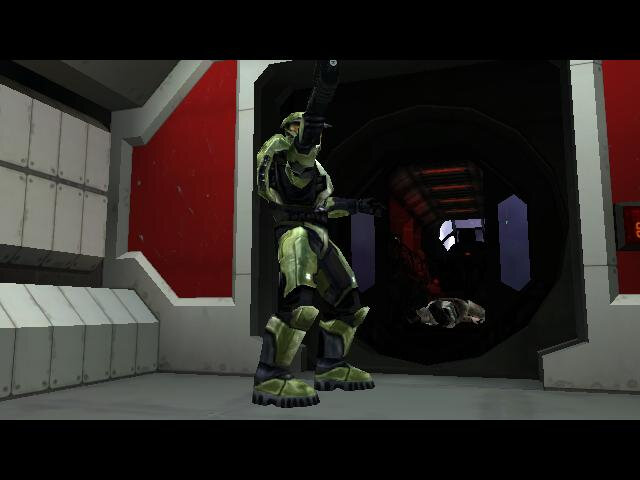
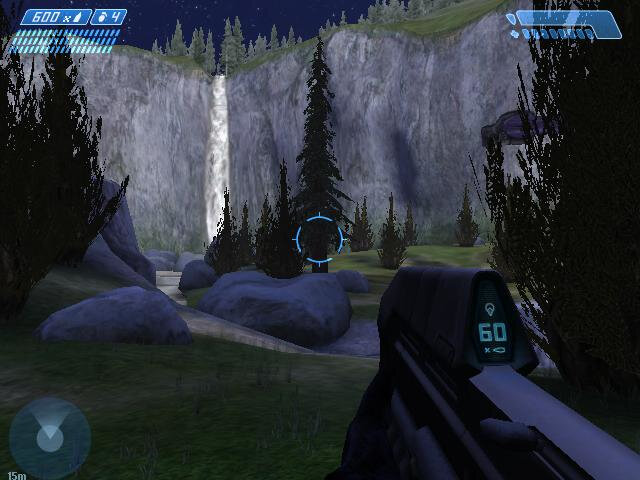
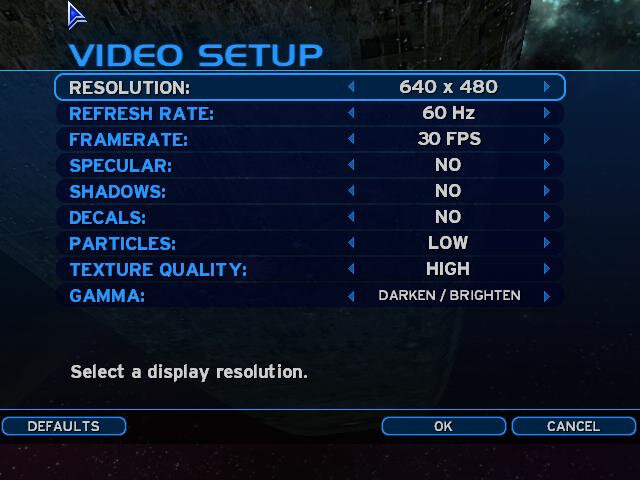
Halo Combat Evolved: This gives a more stable framerate compare ot the SiS Mirage, but we get a few missing graphics effects. But at 640×480 the game is playable when we disable decals, shadows and set the particles to low. Typically we get a steady 30fps when walking around. We get some dips to 17fps when entering a new area, or when there are a few enemies on scree.


Mace Griffin Bounty Hunter: Apparently this game detects there are hardware shaders during the install, but has issues detecting the video card memory. Trying to run the game gives us a whole mess of polygons, and if we try to enable any graphics effects, the game will just crash. Unfortunately this was unplayable.
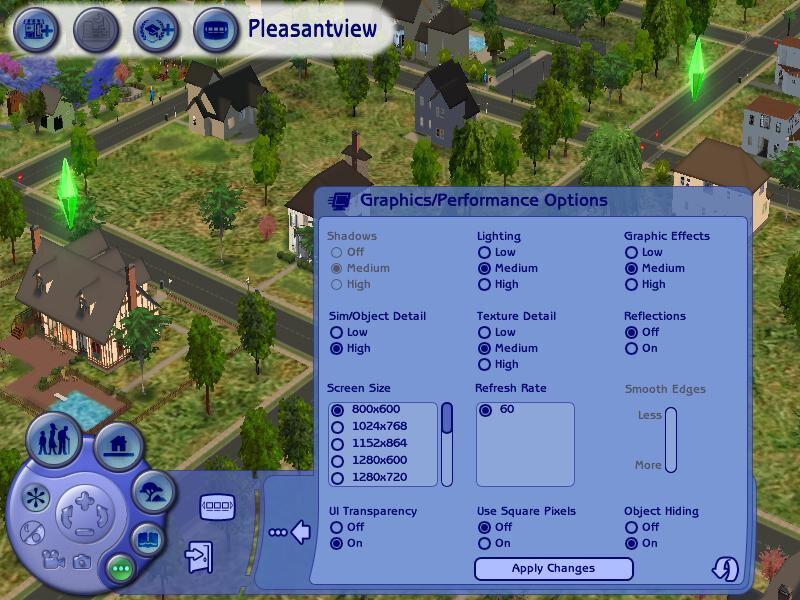
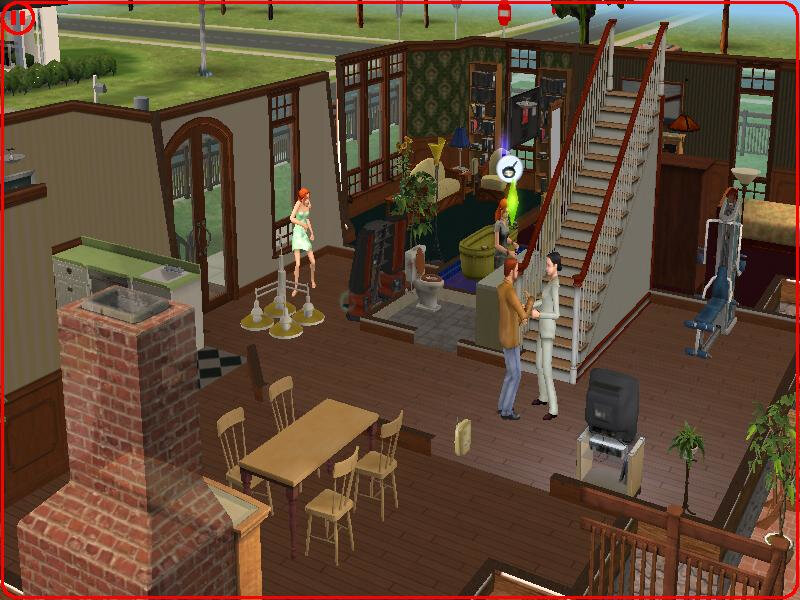
The Sims 2 Open For Business: We get a bit of flickering on the title screen after the intro, which then continues into gameplay, mostly affecting the HUD elements. The default graphics settings gives us low performance, but by lowering these down to their lowest settings (with the exception of texture quality) we can playable performance. 800×600 has us an average of 22fps, whilst 1024×768 gives us an average of 16fps on a graphical busy lot like the Pleasant’s.
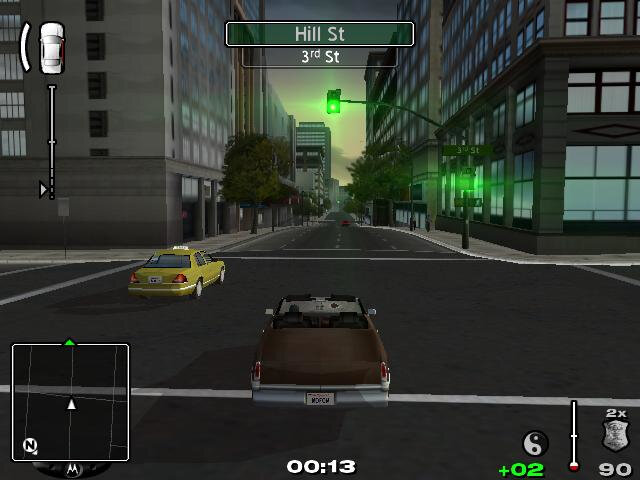
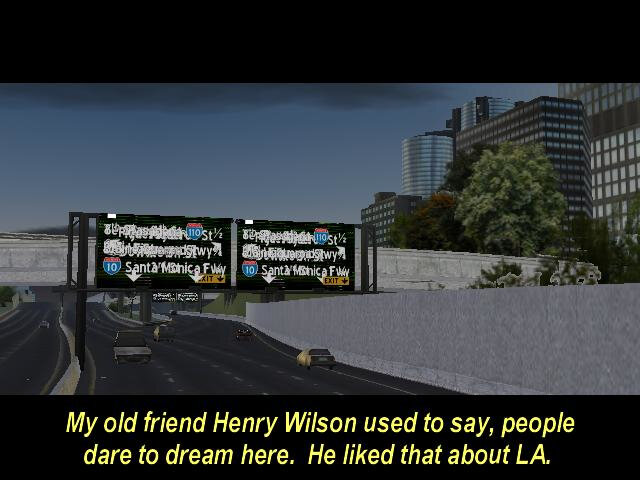
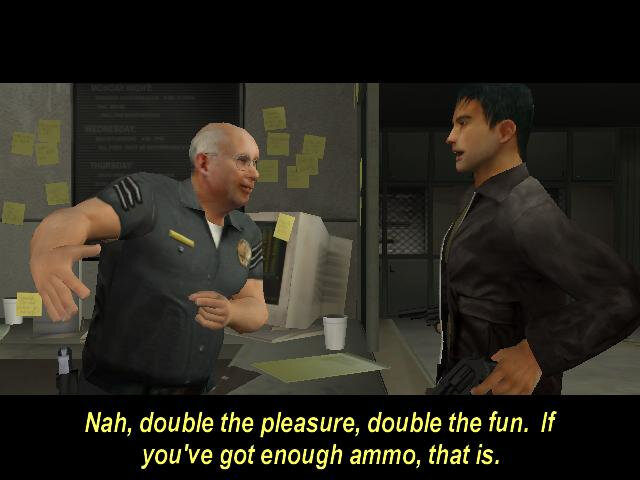
True Crime – Streets Of LA: Running at 640×480 at low graphics settings, we are treated to glitchy graphics. After 1 minute of the introduction sequence, the screen went black while the audio was still playing, I was unable to restore the game and had to open Task manager.
Reopening the game resulted in a BSOD, the first I have received on this system. The error appears to be due to the igdkmd32.sys file.
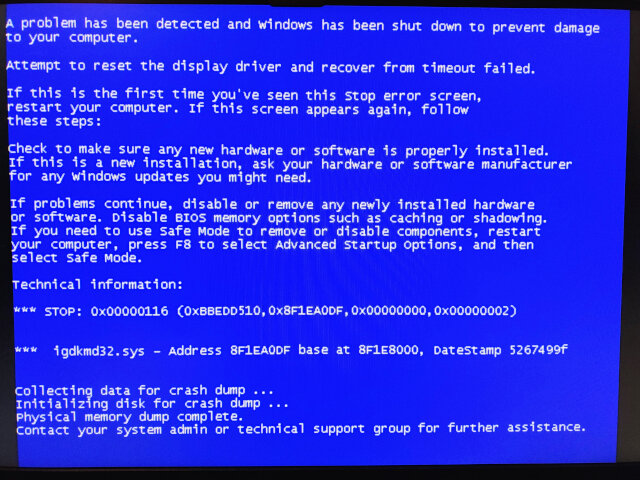
After a quick reboot, I was able to get back into the game, cutscenes mostly play at around 26fps, but in game whilst running around the city nets us a high of 7fps. I managed to play for another 10 minutes before the game crashed again, taking the graphics driver with it.
Revolt: After installing the latest patch, we got a ’Can’t flip display buffers’ error whilst the game is trying to load the main menu. Installing RVGL gives us a Shader compilation error instead. As it stands, the game refuses to run.
Conclusion
So it’s a bit of a disaster with many of the games experiencing either poor performance or just completely broken graphics. Its clear why Intel decided to abandon this arrangement as I suspect the drivers are core to the issue. Intel would later focus on scaling down their own graphics hardware to be more efficient for mobile devices, to the point where the Intel Compute Stick was possible.
 Drew1440: Blog