A first person shooter released as a followup to Modern Warfare (Call Of Duty 4), here we return to history. World at War hits different in comparison to the previous titles in the series, taking on a more gritty undertone with the games campaign, which can carry over to it’s multiplayer maps.
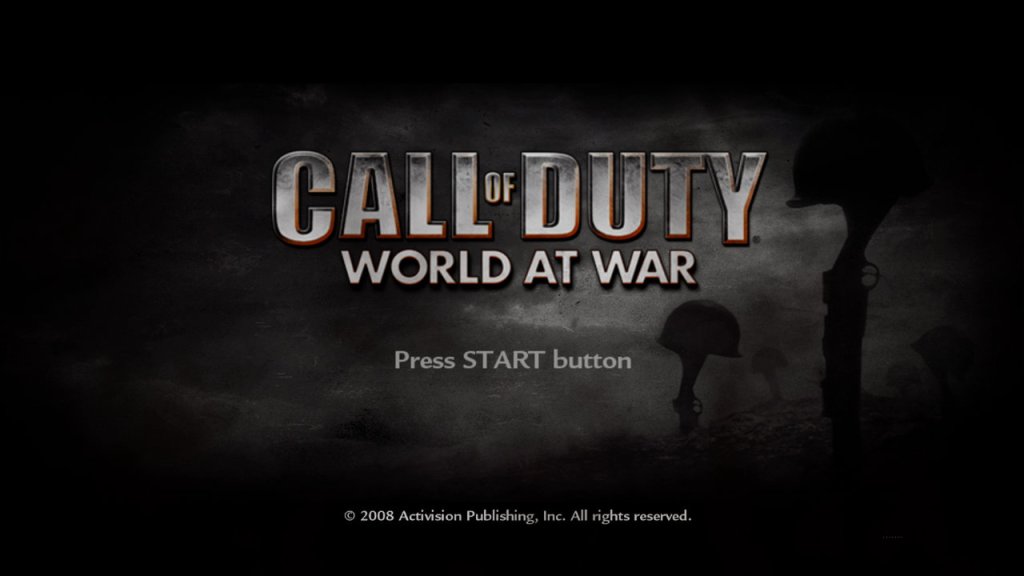
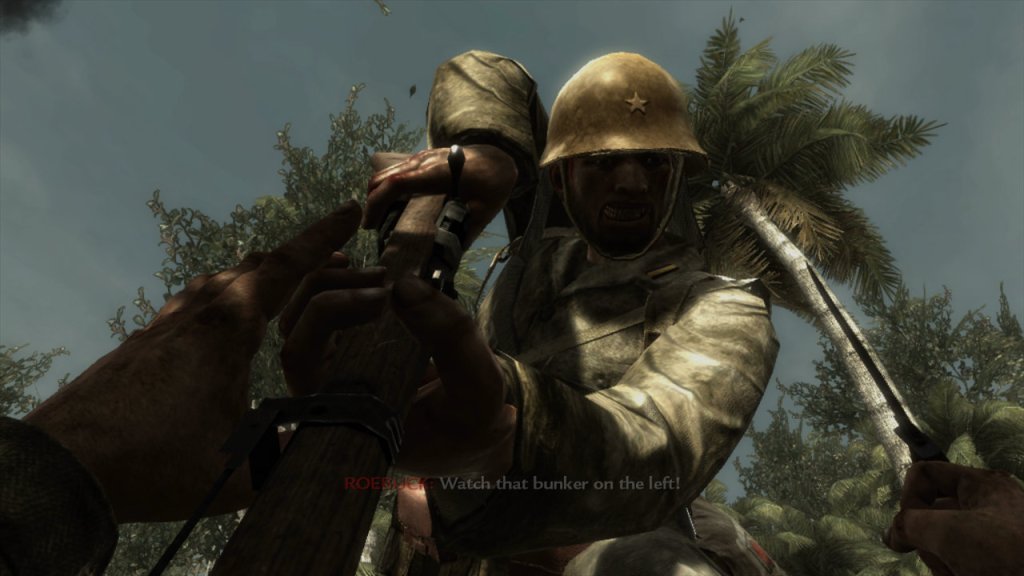
The game is set during World War II, depicting intense battles such as Peleliu, Okinawa, Stalingrado, and Berlin. It emphasizes the gritty and brutal nature of the conflict, including unique enemies like Kamikaze fighters and Banzai chargers. The single-player campaign is split into two perspectives. The American campaign follows US Marine Raider Private C. Miller in the Pacific Theater, covering battles like Makin Atoll, Peleliu, and Okinawa. A mission featuring US Navy Petty Officer Locke as a gunner during Okinawa is also include. The Soviet Campiagn centers on Soviet soldier Private Dimitri Petrenko, alongside Sergeant Viktor Reznov, from Stalingrado to the Battle of Berlin, culminating in planting the Soviet flag on the Reichstag.
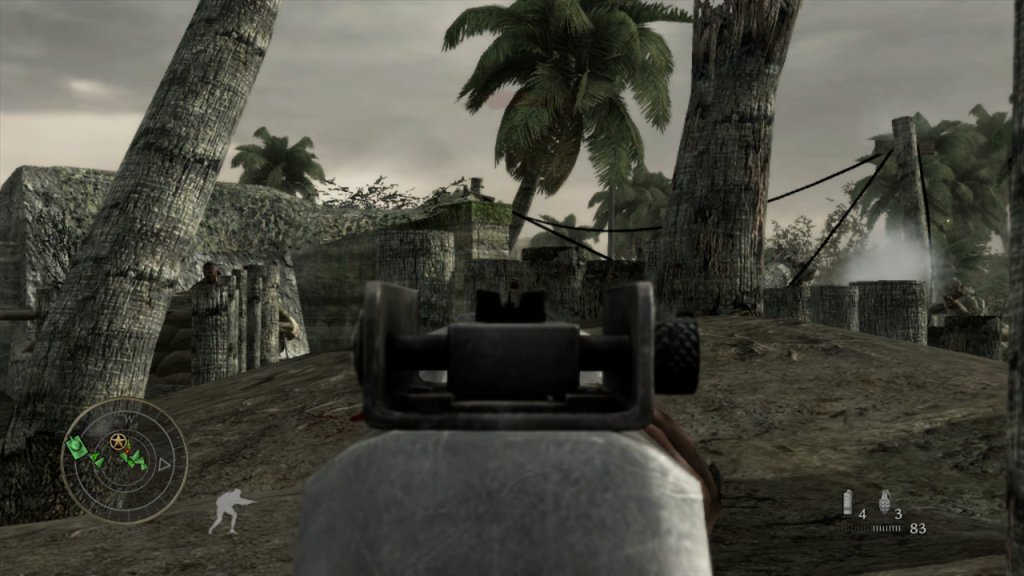
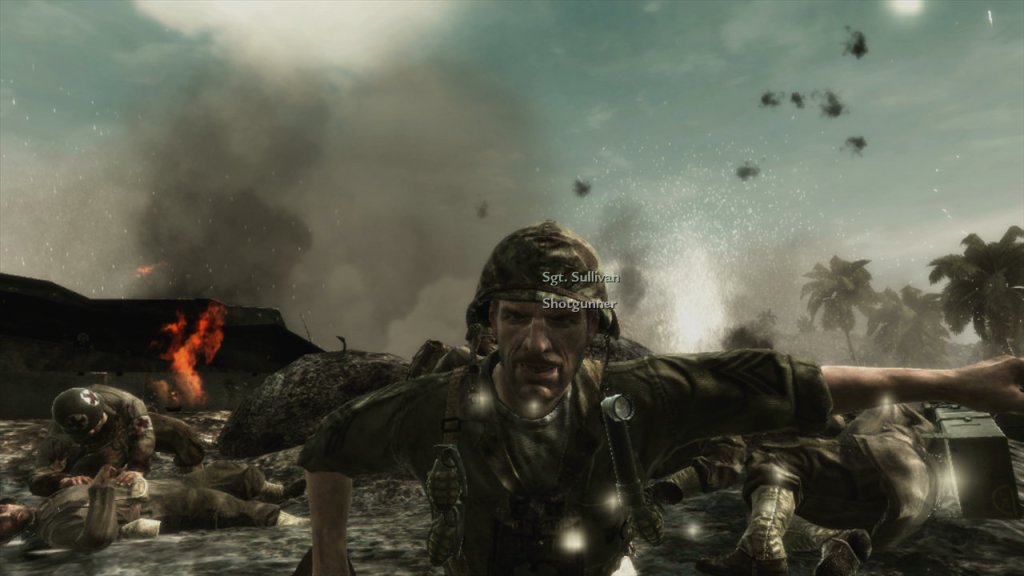
The game’s campaign touches on a few political elements, specifically with patriotism and Nation Duty. While not overt, the game subtly critiques the dehumanizing nature of war through its graphic violence and grim tone, showing the cost of militaristic ideologies. The campaign doesn’t shy away from war’s horrors—flamethrowers burn enemies alive, civilians are caught in crossfire (e.g., “Vendetta”), and missions like “Eviction” depict urban devastation. This contrasts with the patriotic heroism, suggesting war’s toll on all sides, though it’s less critical of Allied actions. The game’s mature rating and gritty aesthetic (dismemberment, blood effects) aim to portray WWII’s brutality authentically, unlike earlier, sanitized WWII games. However, it stops short of questioning the Allies’ moral framework, focusing on Axis aggression.
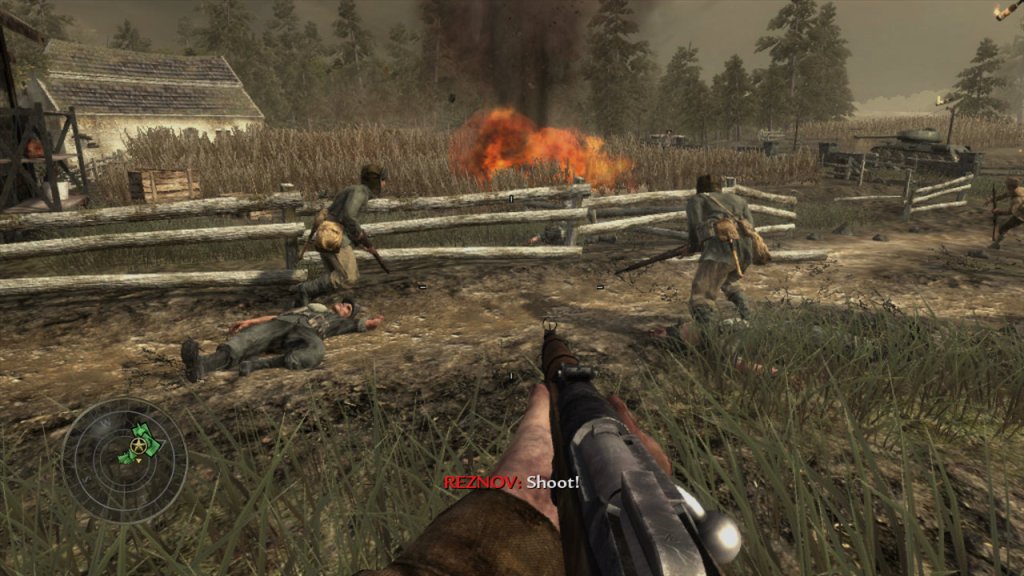
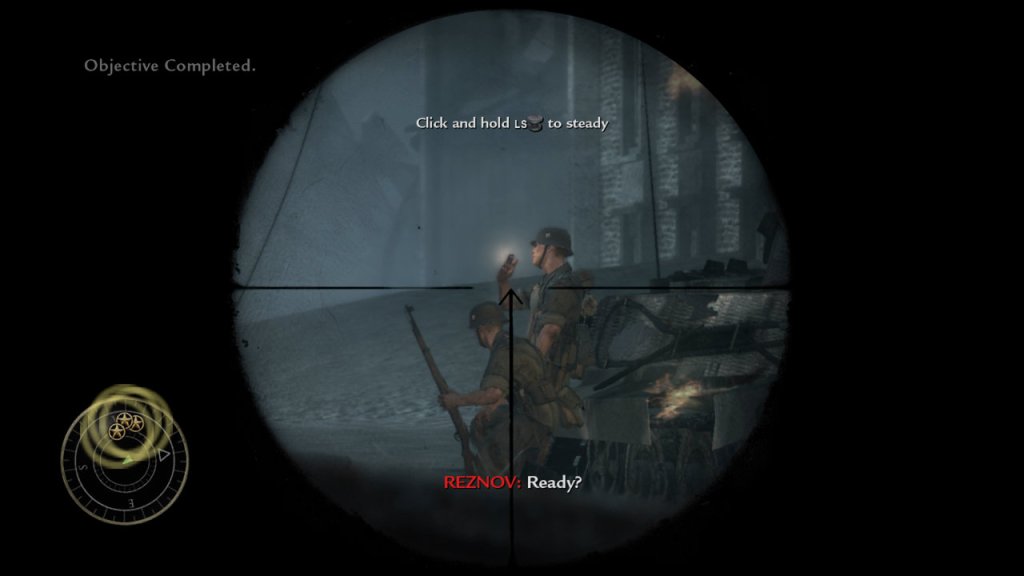
The game reflects WWII’s propaganda-driven narratives, with each side’s campaign reinforcing their ideological stance—American democracy vs. Japanese imperialism, Soviet communism vs. Nazi fascism. Soviet missions use rhetoric like “For the Motherland!” to evoke communist unity, while American missions emphasize liberating the Pacific. The game doesn’t explore internal political tensions (e.g., Soviet purges, U.S. segregation) but mirrors wartime propaganda’s black-and-white framing. This reflects how WWII media shaped public perception, with clear heroes and villains. The game’s Zombies mode, while fictional, uses Nazi zombies as a shorthand for evil, reinforcing this narrative.
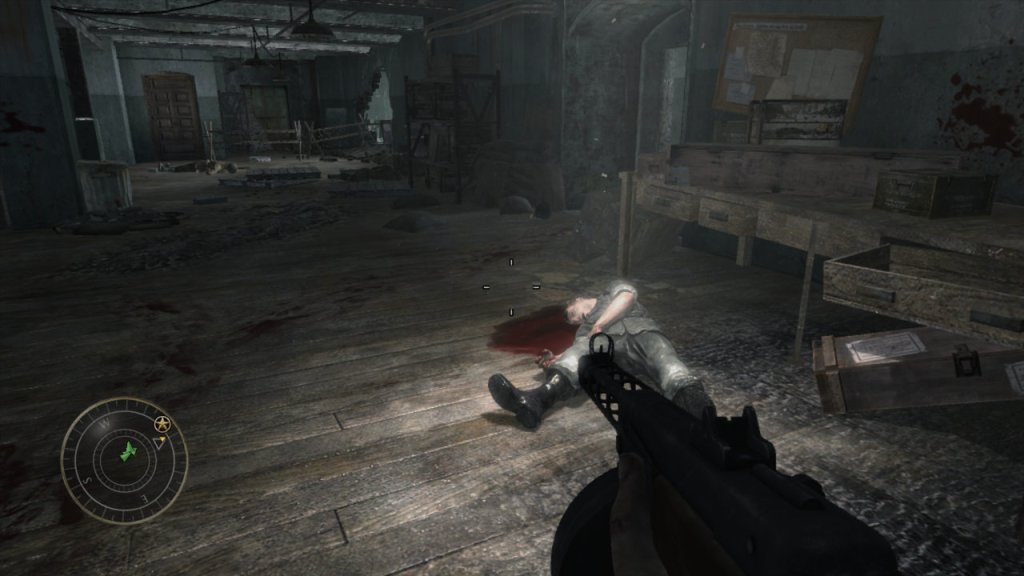
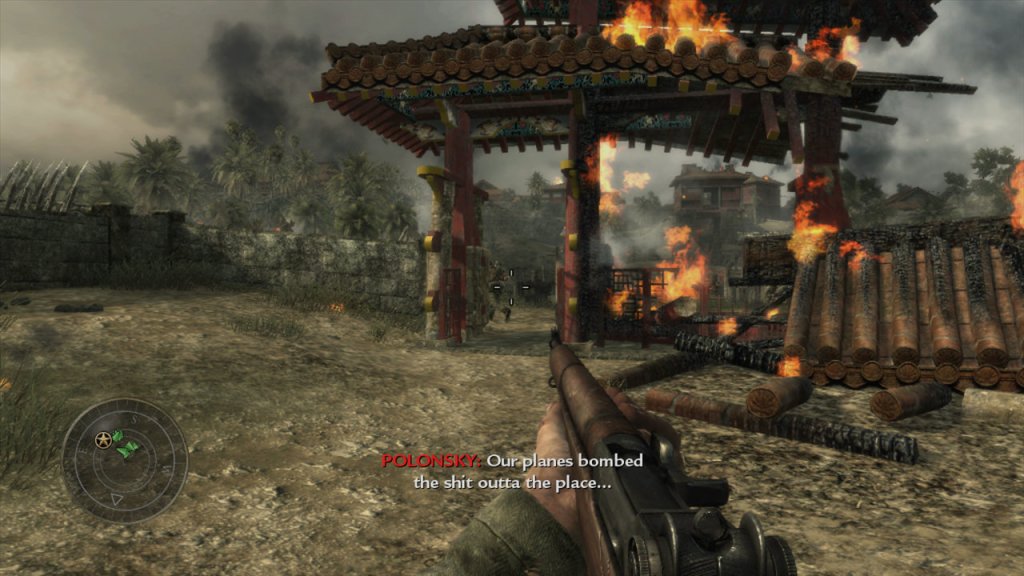
The Pacific campaign subtly touches on imperialism, as the U.S. fights to reclaim territories from Japanese control, but it doesn’t critique American expansionism. Missions like “Semper Fi” and “Black Cats” focus on retaking islands like Makin and Okinawa, framing the U.S. as liberators. The game sidesteps the Pacific’s colonial history (e.g., U.S. control of the Philippines) and Japan’s imperialist ambitions are villainized without nuance.
This reflects a Western-centric view, where Allied actions are heroic, and Japanese motivations (e.g., resource-driven expansion) are reduced to fanatical aggression.
Multiplayer
There are six multiplayer modes, including Team Deathmatch and Capture the Flag, with a ranking system up to level 65. You can unlock weapons, perks, and grenades as they progress, with a Prestige mode resetting rank for additional class slots. Killstreaks are rewarded following several consecutive kills In a row without dying, the rewards Includes three killstreak rewards: Recon Plane (3 kills), Artillery Strike (5 kills), and Attack Dogs (7 kills). There are 13 maps included, with additional maps added as DLC.
Zombies Mode
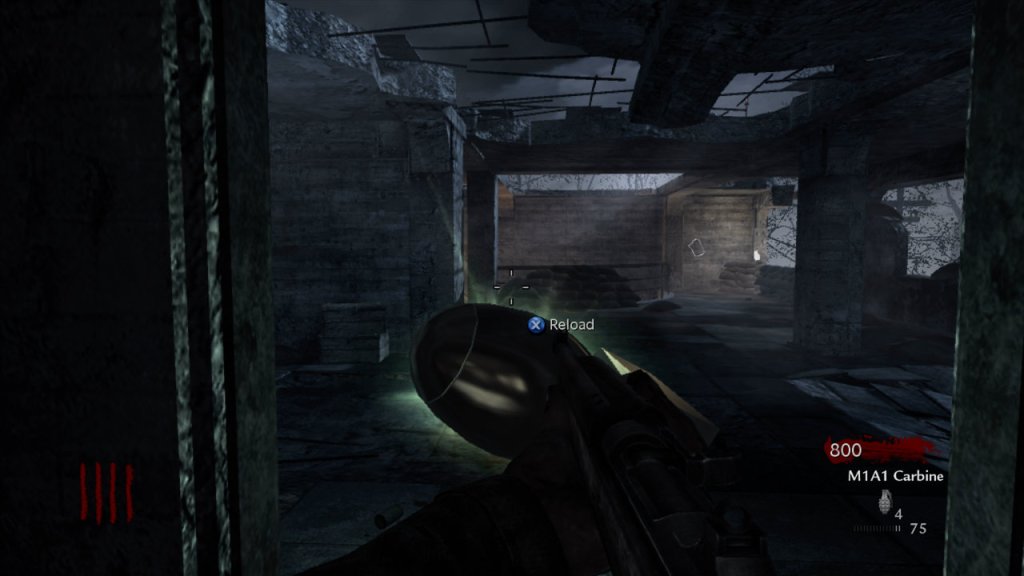
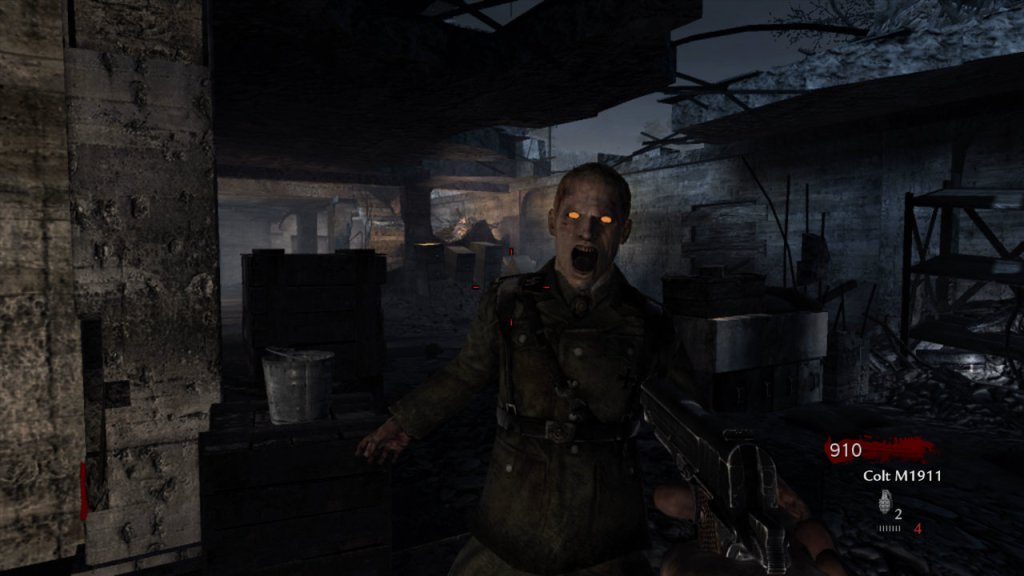
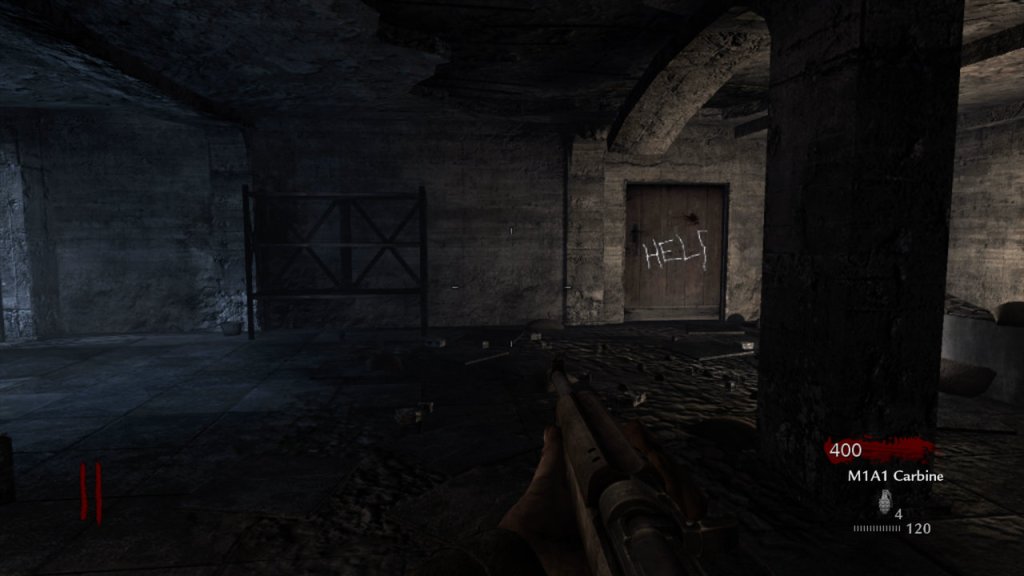
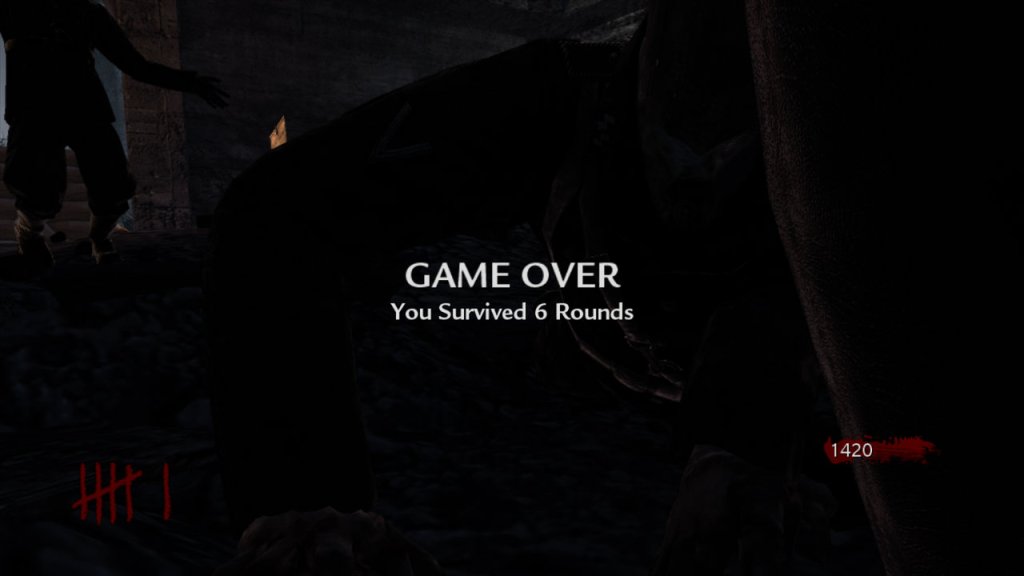
This was the first in the series to include a Zombies modes, which is a PVE mode where a team of players have to face off against computer controlled zombies whilst scoring enough points to spend on weapons, ammunition and barriers. The vibe is spooky, the teamwork is clutch, and it’s got that “one more game” energy that keeps you up ‘til 3 a.m. The later DLC zombie maps, like Verrückt, just crank the insanity up. This mode basically birthed a whole subgenre for Call of Duty and has become a common staple of the series. It can be best thought as a competitor to the Horde mode from Gears Of War 2, Firefight from Halo Reach, or survival from Left 4 Dead.
Versions
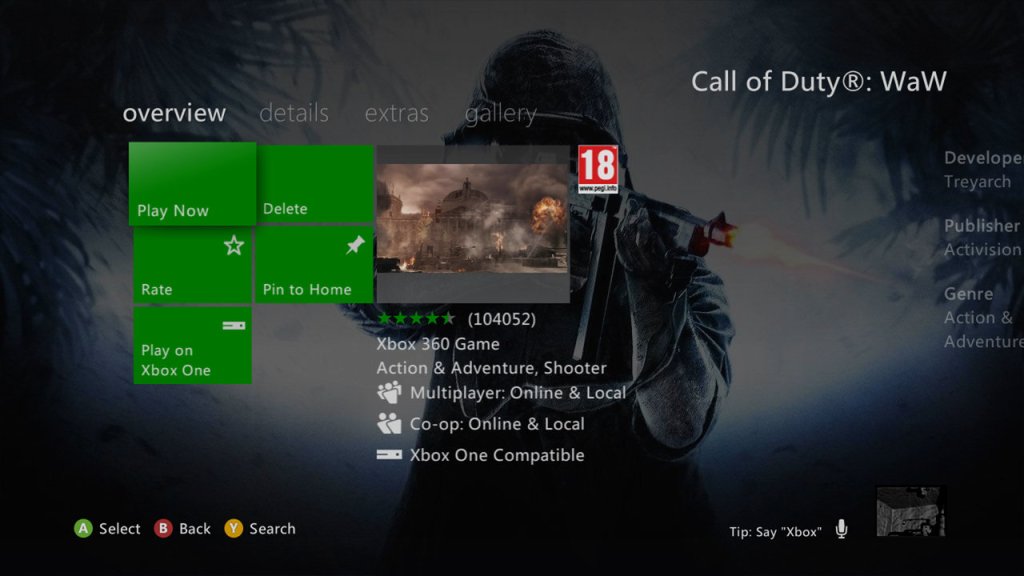
Xbox 360: The only version that has support for achievements, along with standard Xbox Live features like matchmaking and leaderboards. You do need to subscribe to play on Xbox Live unlike the other versions but is playable on the Xbox one and the Series consoles.
PlayStation 3: Compared to the 360 version, there is a noticeable frame drop when the game gets busy.Trophies were added following an update.
Wii: The Wii version is a tailored adaptation of the game for Nintendo’s console, offering unique benefits despite hardware limitations compared to the PS3, Xbox 360, and PC versions. While it sacrifices some graphical fidelity and features (e.g., no online co-op, fewer maps), it leverages the Wii’s motion controls and accessibility to deliver a different experience. I cant say the motion controls are good for aiming, sometimes you get a benefit of accuracy if the Wii Remote is playing nice, but most times it s awkward to correctly aim which makes the game more clunky to play.
Windows: Avaliable on Steam, but appears to lack achievement support since Steam did not support this at the time. This version still works on modern systems and the servicers are still online. But various security expoits make this version risky to play.
Conclusion
Call of Duty: World at War is a straight-up classic. The campaign’s a wild ride, multiplayer’s got that addictive grind, and Zombies? It’s not perfect—grenade spam and some repetitive missions can be a buzzkill—but this game’s got heart, guts, and a legacy that kicked off the Black Ops series of games.
 Drew1440: Blog