Monthly Archives: July 2025

Matrox Mystique

86Box recently introduced support for the Matrox Mystique and the Millenium series of graphics cards. Here we will be looking at emulated versions of these graphics cards to see what performance and gameplay is like with these graphics cards. Despite Direct3D being released in 1996, Matrox still developed their own since DirectX support was not as mature.

Matrox Simple Interface

The MSI API was Matrox’s proprietary 3D rendering interface designed specifically for Mystique’s hardware. Unlike general-purpose APIs like Direct3D or OpenGL, which were becoming standard, MSI was tailored to leverage the Mystique’s hardware features to deliver optimized 3D performance for specific games and applications. This was inline with other 3D vendors of the era with 3DFX and their Glide API, and ATi with the CIF API. These games, however, are still reliant on DirectX for sound and game controller support.

The Games

The Matrox Mystique is best paried with an Intel Pentium, preferably an MMX if your host CPU can support it’s emulation. A driver can be obtained here or here. It appears Matrox provided support all the way to Windows XP, but the MSI API was only supported for Windows 9x-based operating systems. MSI games will not function or will fallback to 2D DirectDraw rendering.
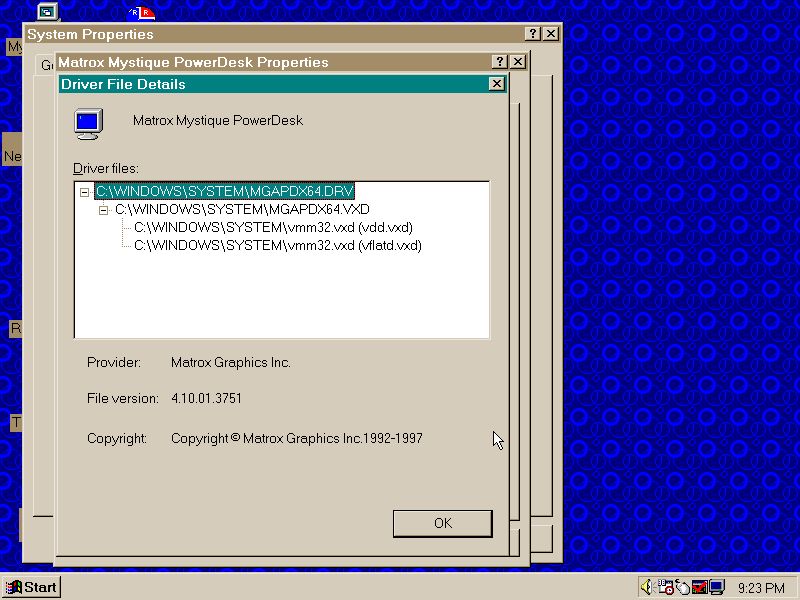
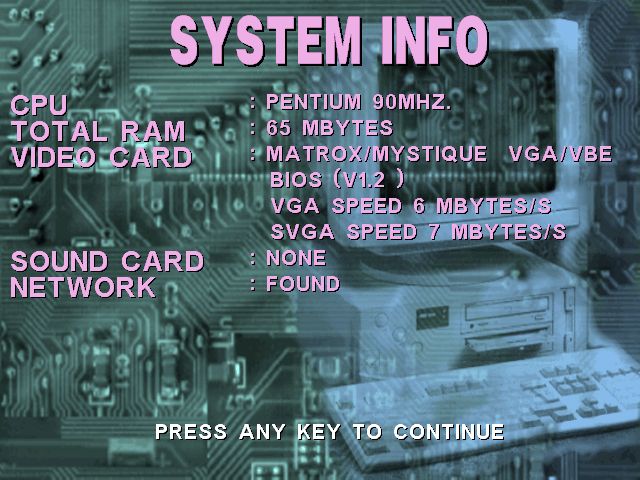
We will be using an 86Box virtual machines to run these games, using the following config:

  • OS: Windows 95B with DirectX 3
  • Video: Matrox Mystique 4MB – Driver ver 4.10.01.751
  • Motherboard: MSI MS-5124 with an Intel Pentium 100Mhz
  • Sound: AcerMagic S20
  • Network: D-Link DE-220P
  • 86Box verion 4.2.1 build 6130

Destruction Derby 2

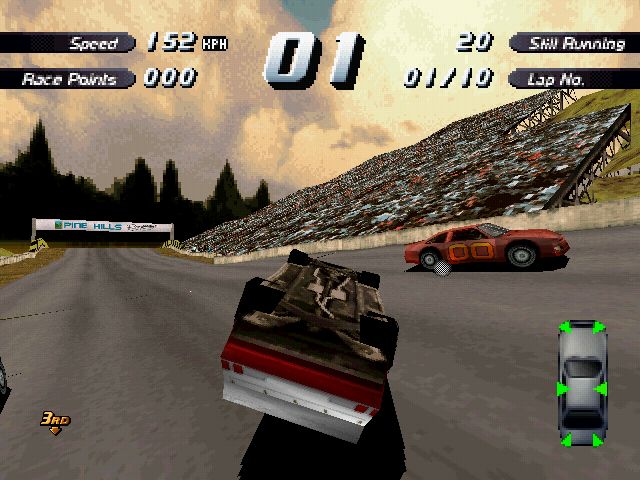
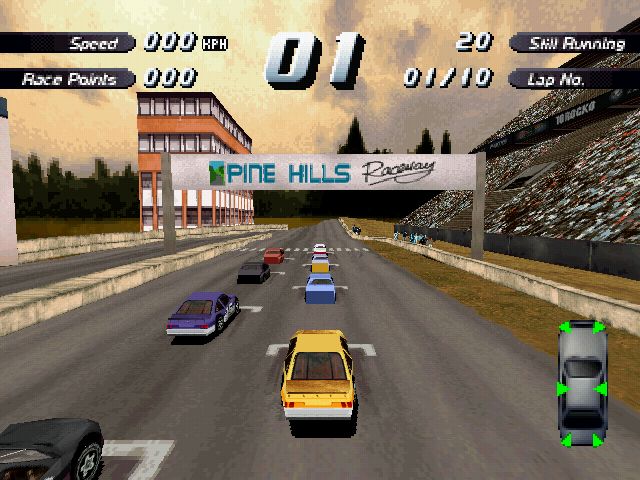
The followup to the first Destruction Derby, the original PC release was exclusive to S3 with their S3D API. Psygnosis appear to have changed teams and paired with Matrox Destruction Derby 2’s API. On the Mystique the game runs fine with no noticeable rendering errors. We have support for resolutions up to 640×480 in 16-bit colour (65,536 colours). This results in sharper and more detailed visuals compared to the PlayStation’s lower resolution and the DOS version’s often 8-bit colour mode.

Still modern PS1 emulators like Duckstation can improve on the resolution add texture filtering.
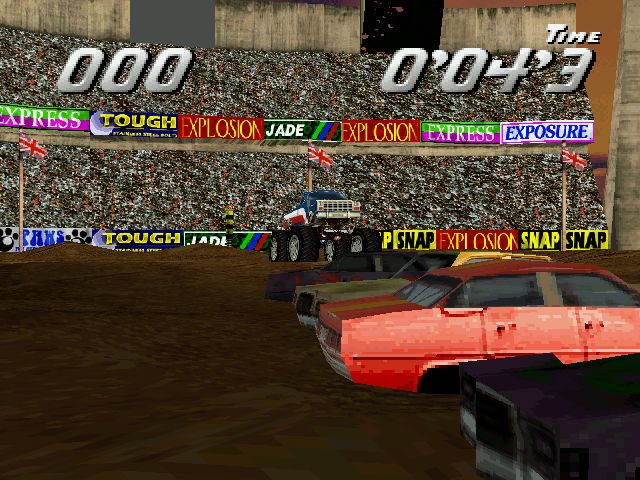
Monster Truck Rally

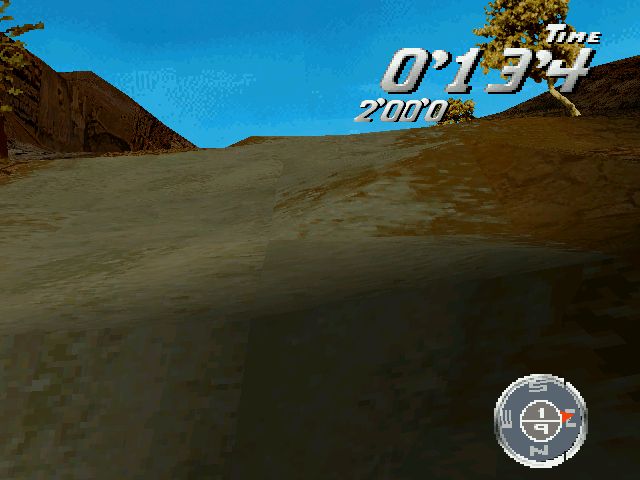
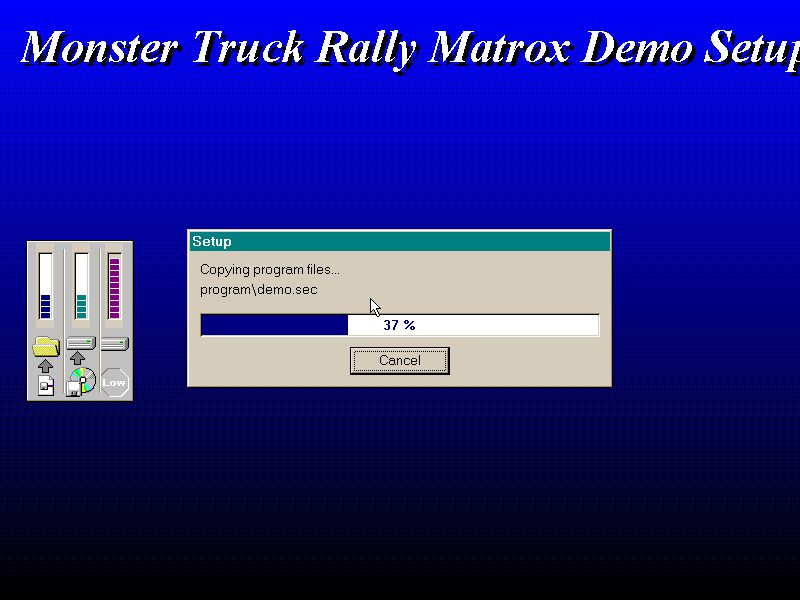
The demo detects and runs fine on the Mystique card. The demo itself is quite limited in terms of gameplay, with the first just letting you drive a motorcycle around a desert. The second demo is simply a opening sequence rendered entirely within the game engine.
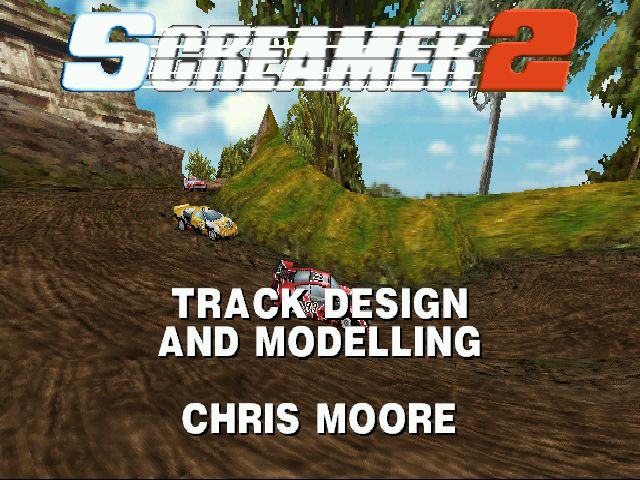
Screamer 2

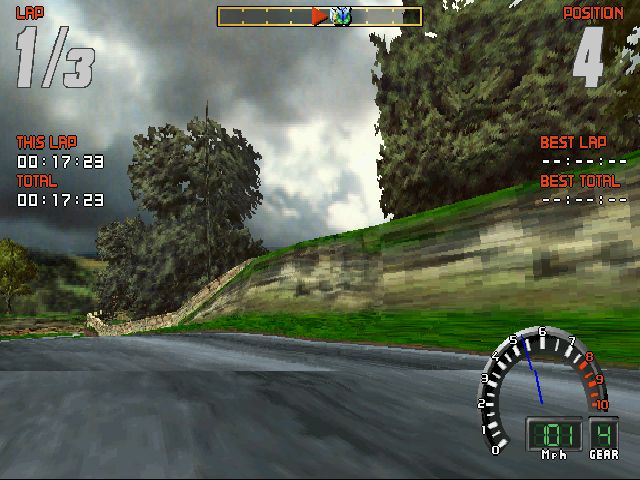
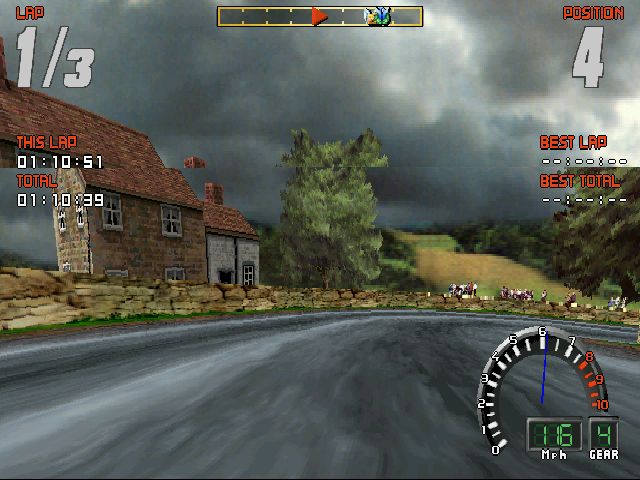
This appears to be a DOS game but will run OK unside Windows 95. Although I had issues getting the sound to work,due to the Acermagic soundcard not using the default parameters.
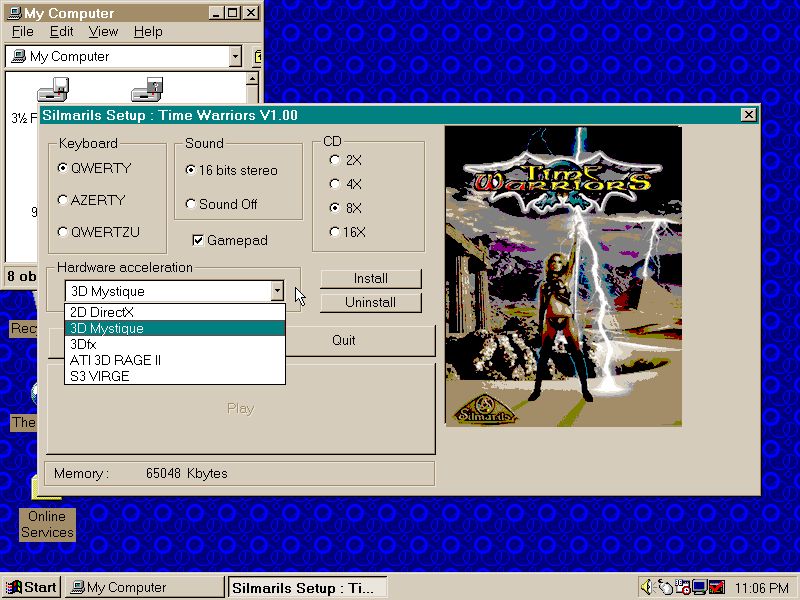
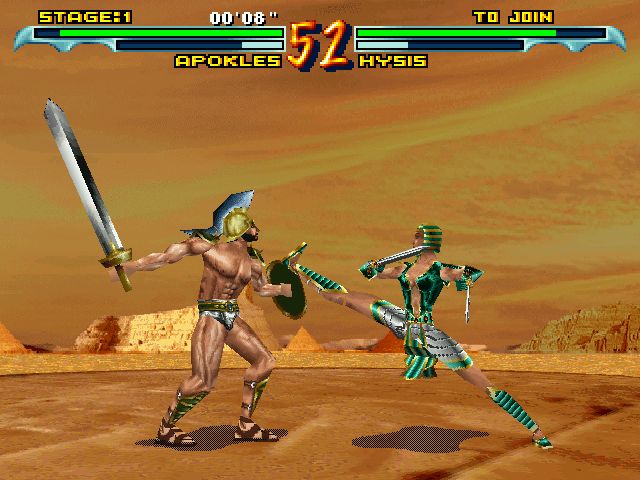
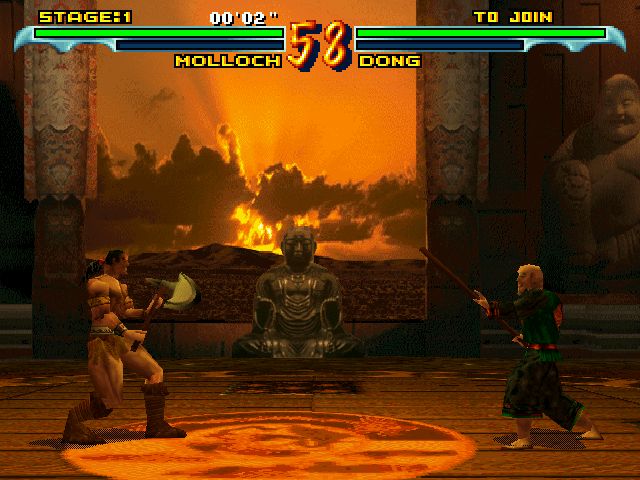
Time Warriors – Performs very slowly and there are a few texture issues during gameplay.
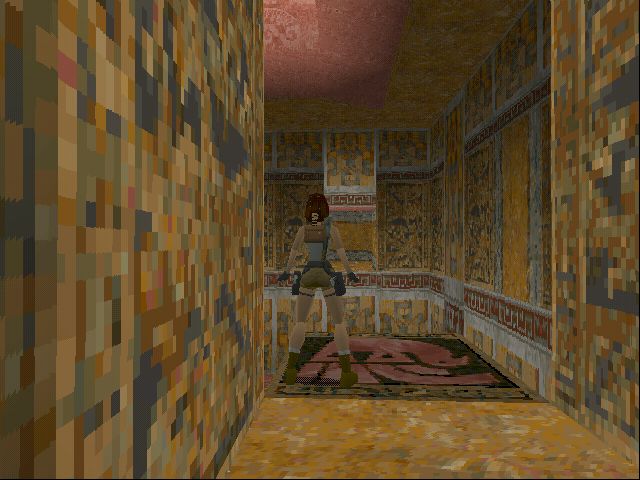
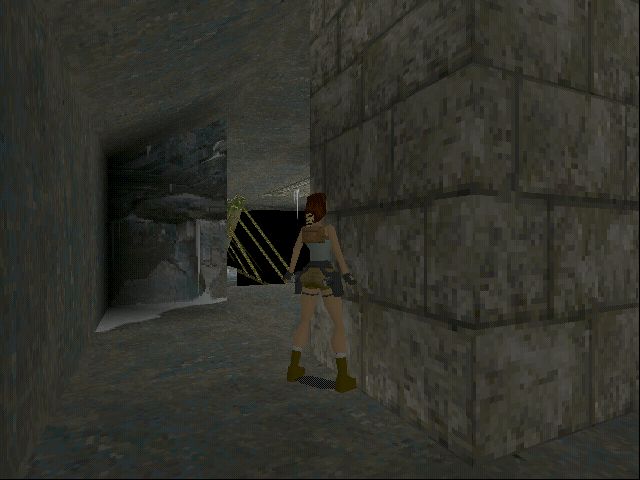
Tomb Raider –The retail version lacks Matrox support, so we had to download a separate patch and we had to manually copy a modified exe file which replaces the existing game. Once installed we are greeted with a nice Matrox MSI rendered intro logo before the opening FMV plays. There is an issue with the game’s menu text appearing as black which makes it difficult to read – this could be an specific driver or emulation issue
Mechwarrior 2

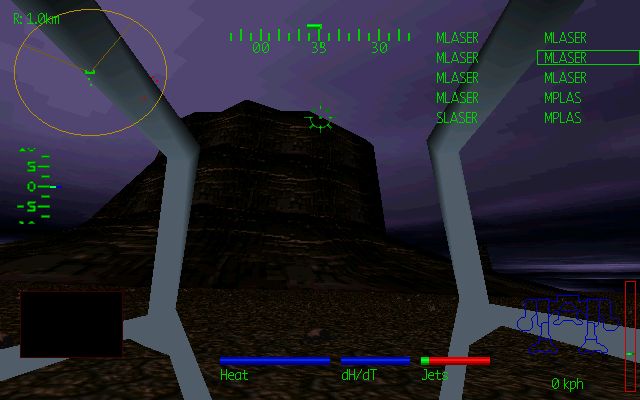
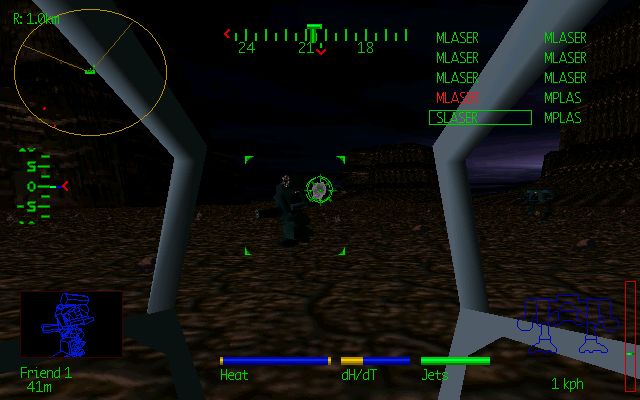
Works fine using the driver version 4.10.01.3751. The MSI version’s higher resolution and colour depth makes a welcome difference compared to the PlayStation’s low-resolution output and the DOS version’s limited colour palette. You do need a strong CPU to gat a smooth framerate, since these games were still reliant on partial rendering on the CPU. Ona  Pentium 100, we get a choppy framerate.

We do see the Matrox suffers from texture warping and Z-buffer inaccuracies due to the Mystique’s limited 3D pipeline, causing occasional misaligned textures or clipping. This is present ion the PlayStation version also, but appears to be less apparent.

Project Manager Pro (1996)

A project management software from 1996 that I found on a bundled OEM PC from TIME. Lets take a look at what project management was like in 1996

The software was intended to be used on Windows 95 and 3.1, which was still in common use at the time of release. It was developed by SoftKey Multimedia, who were well known for their line of budget software that was typically sold as part of a bundle. SoftKey would later acquire MECC and software division of The Learning Company. If you’re not familiar with project Management software, it’s intended for professional project managers and larger organizations to handle complex projects (e.g., construction, IT development) with detailed scheduling and resource management.

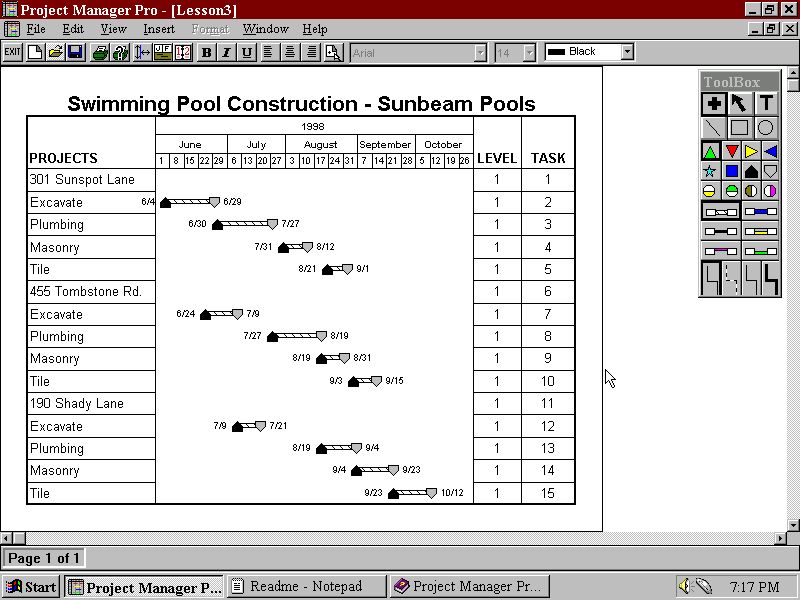
Here we have a straightforward interface, leveraging the graphical capabilities of Windows 95 to provide a more accessible experience compared to earlier DOS-based and Windows 3.1 tools. It included built-in features for creating Gantt charts, a popular feature for visualizing project timelines, influenced by the historical development of project management software like the Harmonogram and Gantt charts which are very common for project management.

Typical features were that users could create and manage tasks, breaking down projects into smaller, actionable components. This included setting task names, descriptions, and priorities, a standard feature for project management tools of the time.

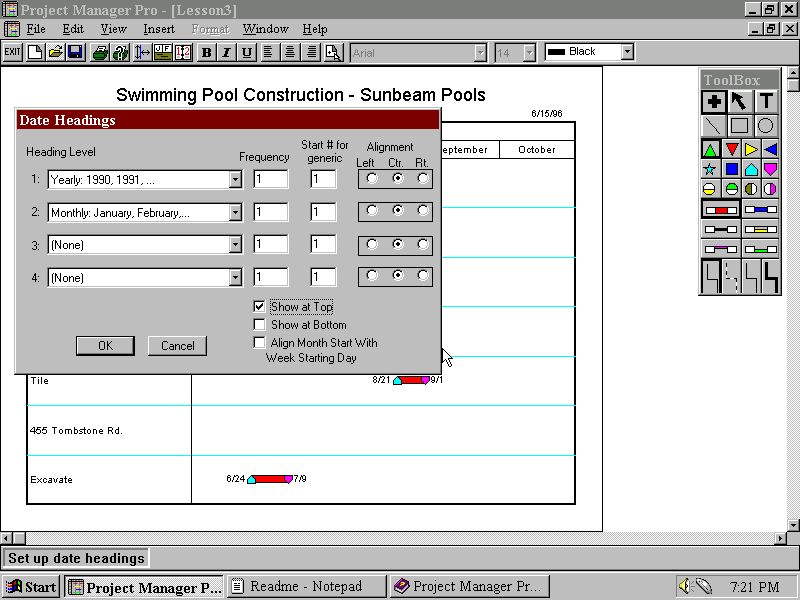
The Symbol/Connector Date Sensitive feature is one of the ways Project Manager Pro will let you show progress. This feature causes symbols and connectors to change after the current date line to indicate future activity. The date. For straight line connectors, the line pattern will change from solid to dash. You can define dependencies between tasks, ensuring that certain tasks could not start until others were completed, reflecting methodologies like the Critical Path Method.

There is another way to show progress with Project Manager Pro. This is through the use your start and end date. Your start date is connected to the progress symbol and the progress symbol is connected to the end date.

In comparison to Microsoft Project 4.1a which would have been released around the same period, Microsoft’s is a professional-grade tool with advanced scheduling, resource management, and scalability for complex projects, targeting enterprises and experienced users. Project Manager Pro is a simplified, budget-friendly option for small-scale projects, designed for ease of use by non-experts.

Halo 3 ODST

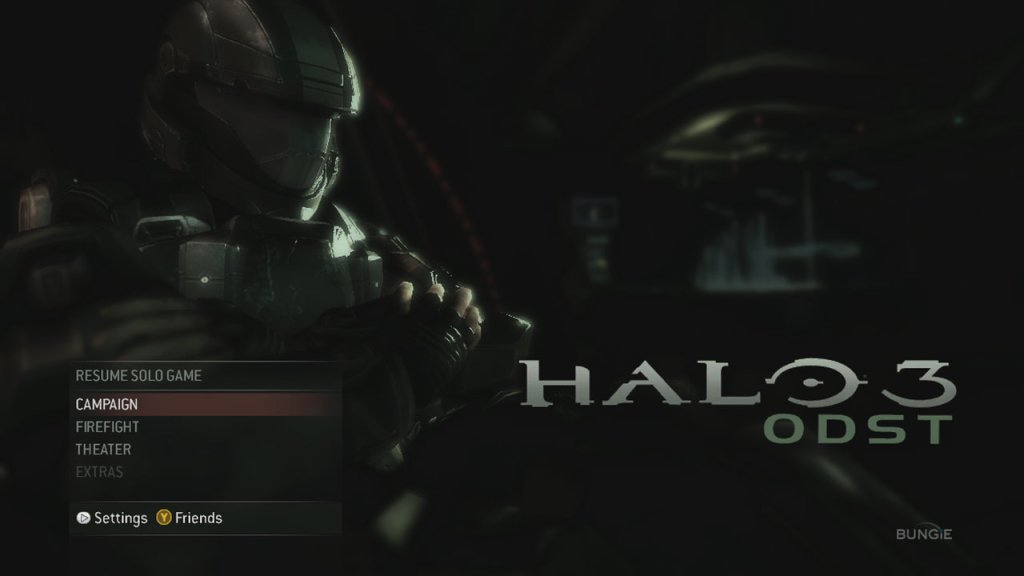
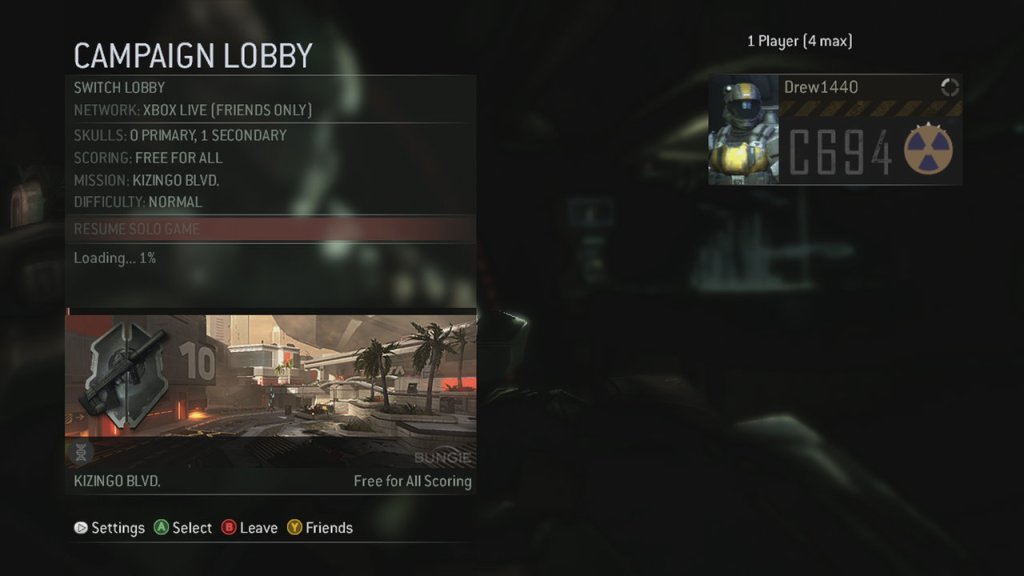
A first-person shooter developed by Bungie and published by Microsoft Game Studios, released on September 22, 2009, for the Xbox 360. Unlike the main Halo series, which focuses on the super-soldier Master Chief, ODST puts you in the boots of Orbital Drop Shock Troopers (ODSTs), elite but human soldiers in the Halo universe.

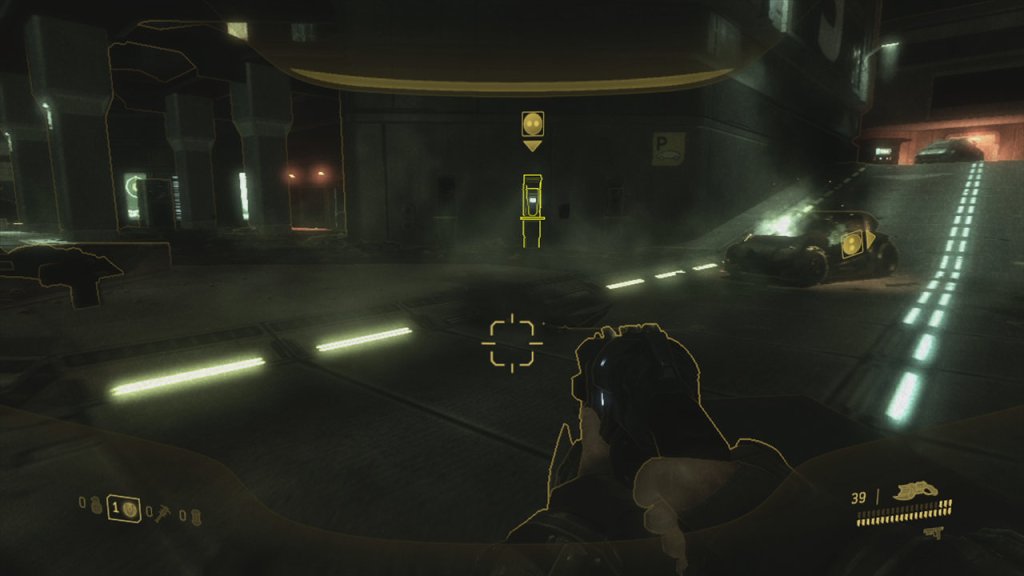
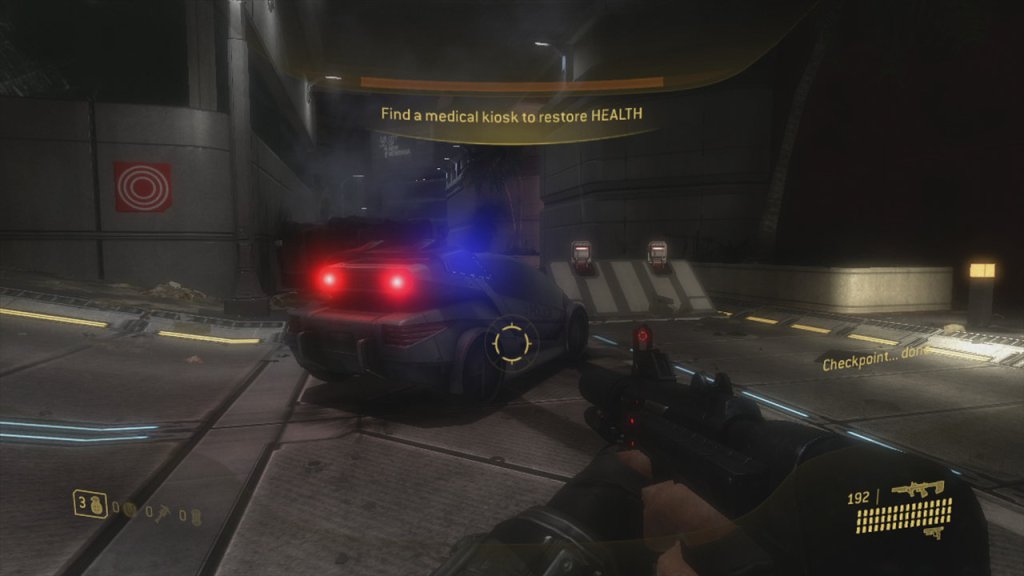
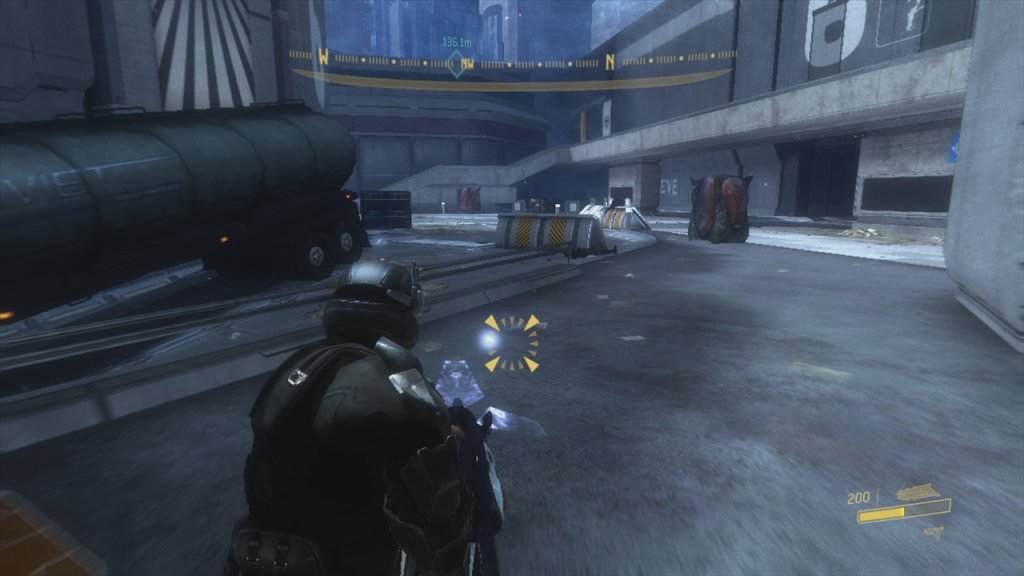
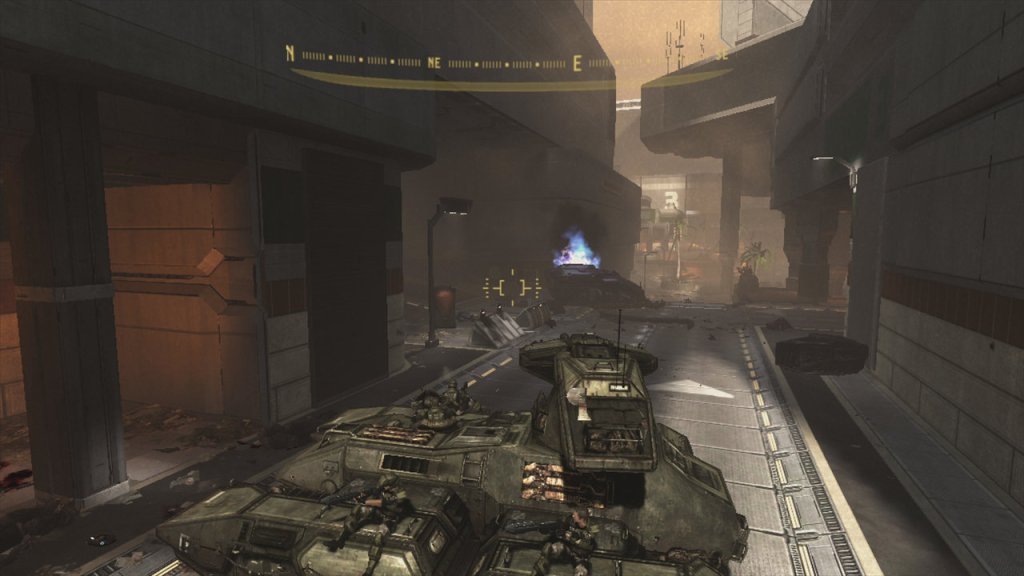
For the campaign you play as The Rookie, a faceless ODST grunt dropped into New Mombasa, which looks like a city planner had a stroke and then got glassed by aliens. There are a lot of closed off area’s, and parts of the city are blocked off with huge doors. It’s likely the city was designed around the Xbox 360’s memory limitations, as the city is divided into sections that can fit into the console’s limited memory. The vibe is dark, rainy, and lonely and could also pass for a horror game with its atmosphere. You wander around this semi-open-world hub, picking up clues to trigger flashback missions where you play as other squad members.

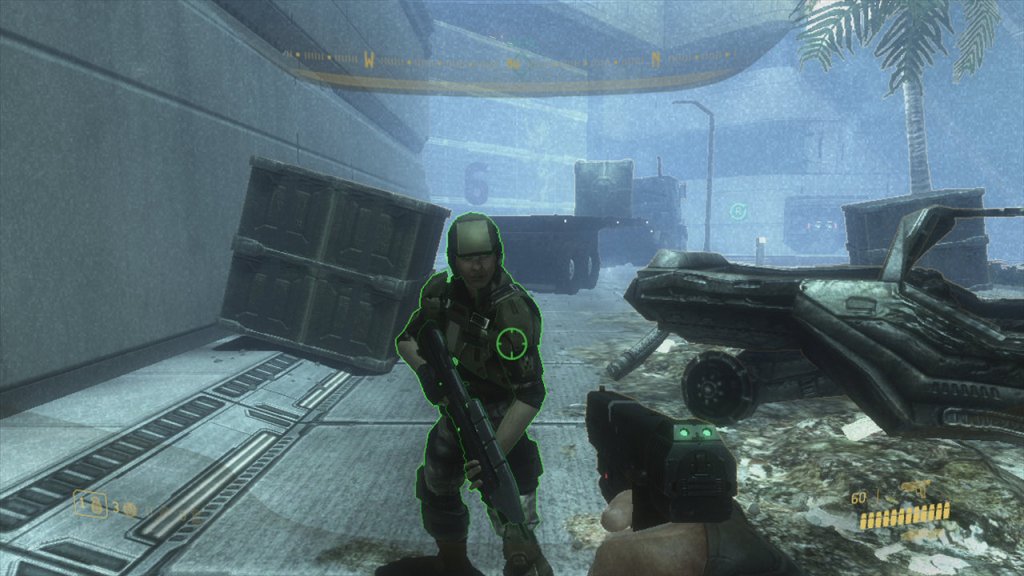
The game makes a departure from previous Halo games where you typically play as the MasterChief. With Halo 3 OST, you play as the ODSTs, or Orbital Drop Shock Troopers, are an elite special forces unit of the United Nations SpaceCommand (UNSC) military. They play vital role in the war against the constant and whilst not as powerful as the Spartans (MaterChief), they are still pretty capable compared to the Marines.

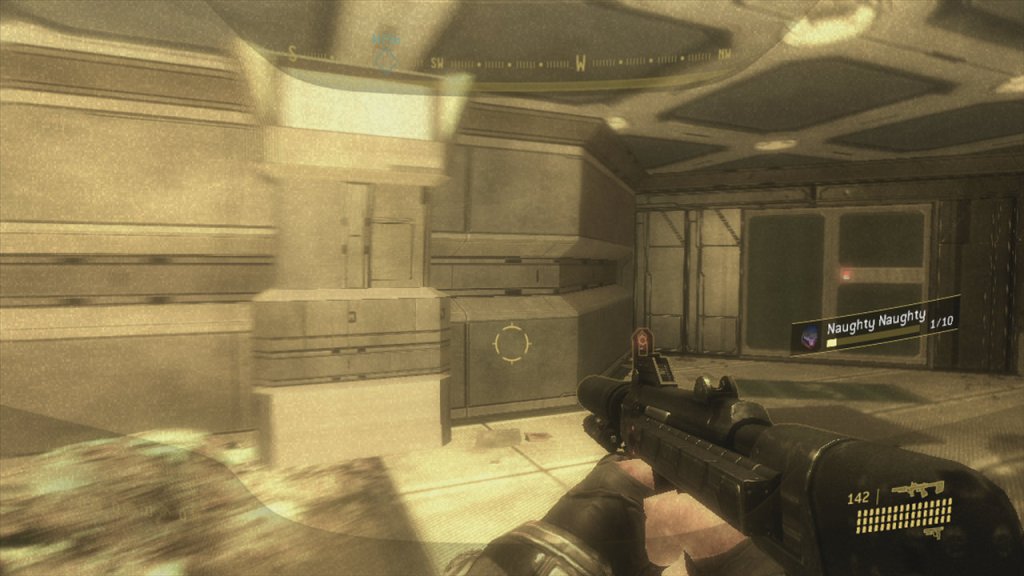
There are also collectibles in the form of audio logs about a woman named Sadie, who was present at the time of the attack. You can hear the screams and the panic of the public as the convenient attack whilst Sadie is screaming to get to safety. It’s kind of like listening to a podcast whilst you are wondering around the streets of Mombasa.

A few of the main characters are:

  • The Rookie: The main person you play as, pretty much silent protagonist since its intended to be a stand-in your the player.
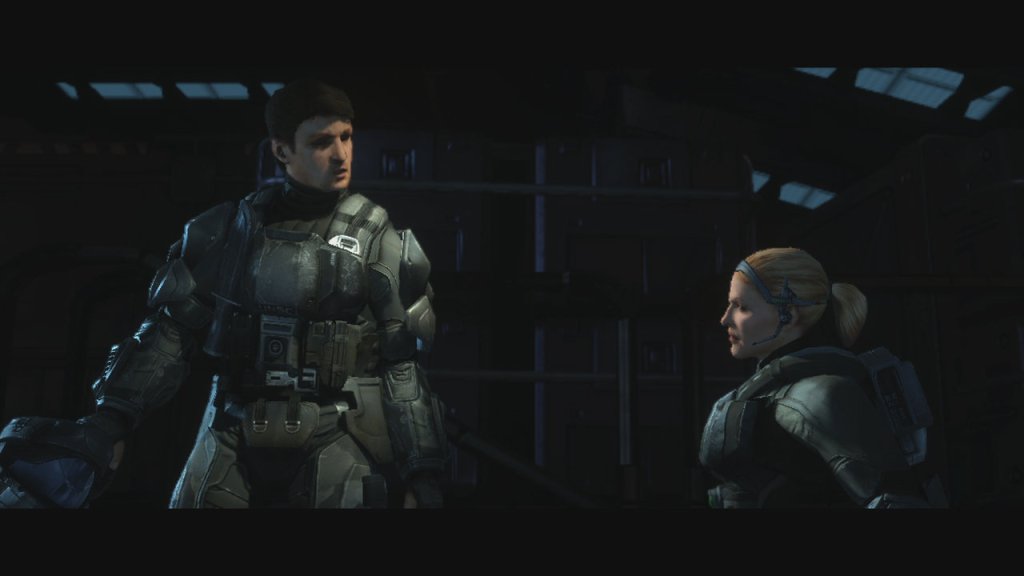
  • Gunnery Sergeant Edward “Buck” – Voiced by Nathan Fillion, this guy’s got the charm of Mal from Firefly but with a better haircut. Buck’s the guy you want runnin’ your team: tough, loyal, and droppin’ one-liners that make you wanna high-five your TV.
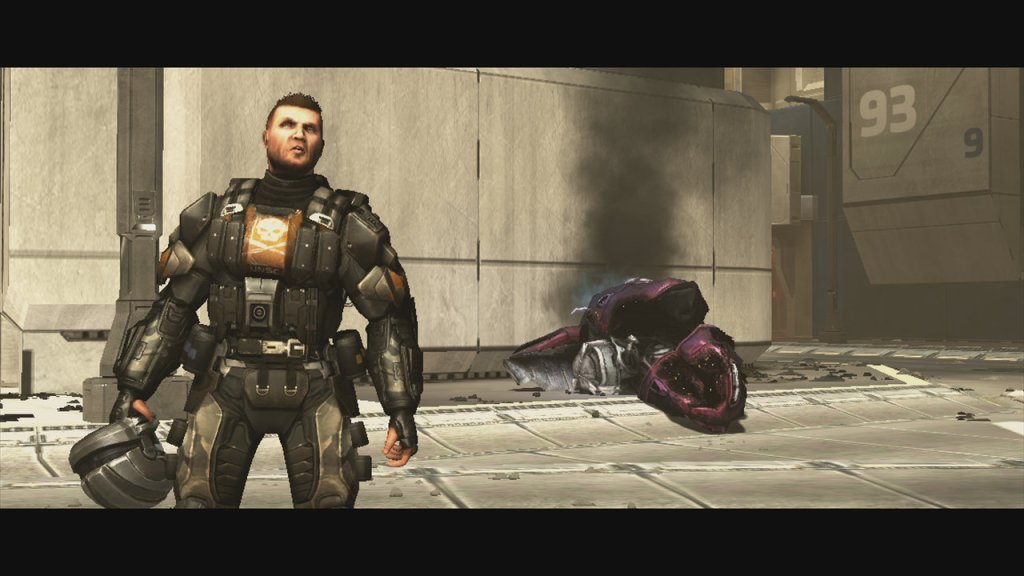
  • Corporal Taylor “Dutch” Miles – Dutch, voiced by Adam Baldwin—yep, another Firefly alum—is the squad’s heavy weapons guy, like if you gave a tank a personality and a Bible. He’s all about blowing stuff up with rockets or drivin’ Warthogs.
  • Lance Corporal Kojo “Romeo” Agu – Romeo, voiced by Nolan North—aka every video game character ever—is the squad’s sniper.
  • Private First Class Michael “Mickey” Crespo – Mickey’s the explosives nerd, voiced by Alan Tudyk, who’s basically Wash from Firefly.
  • Captain Veronica Dare – voiced by Tricia Helfer, She’s not an ODST but tags along for some secret spy project involving an alien Engineer and the city’s AI. She’s got history with Buck, which is like watching a soap opera with more explosions.

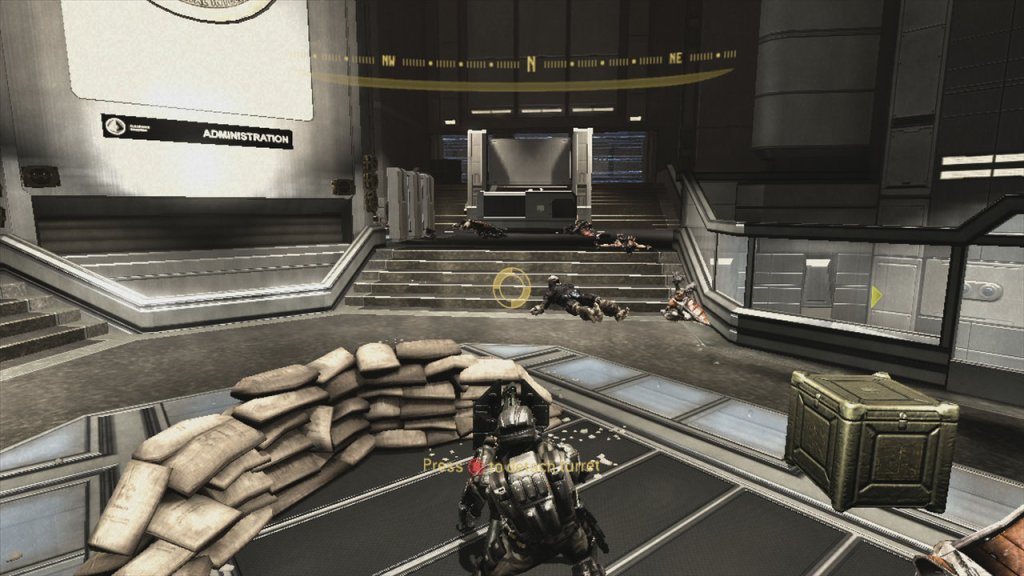
You will play as these characters at various points during the campaign, each will have their own weapon set.

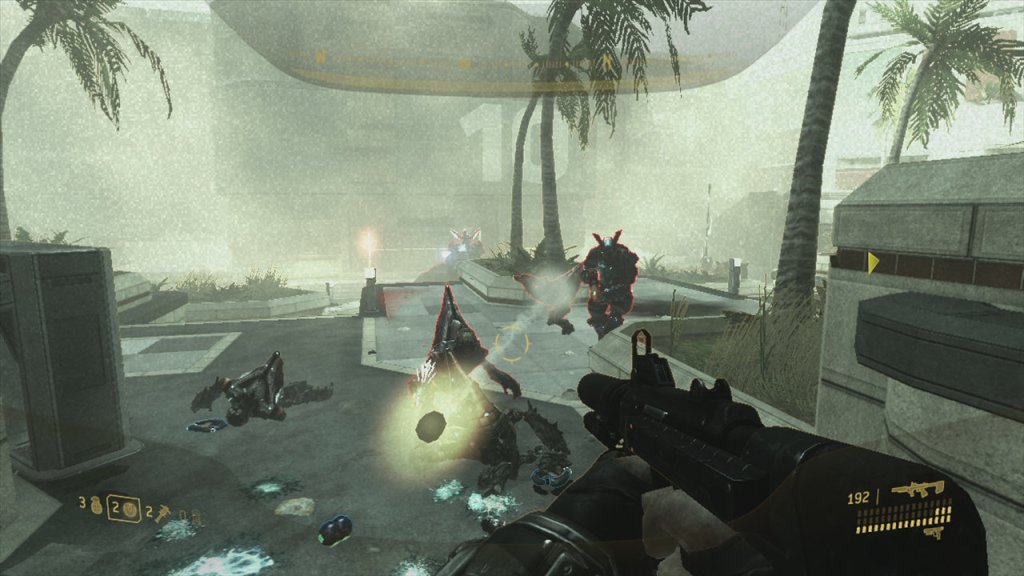
Firefight is a cooperative survival mode introduced in Halo 3: ODST (2009) for the Xbox 360, designed for up to four players (local or online via Xbox Live). In Firefight, you and your teammates play as ODSTs defending against endless waves of Covenant enemies (Grunts, Jackals, Brutes, etc.) on specific maps based on the campaign’s environments. Enemies come in waves (five waves per round, three rounds per set), with difficulty escalating as you progress. Each wave introduces tougher enemies or new enemy types (e.g., Brute Chieftains or Hunters in later rounds). After each set, “Skulls” (game modifiers) activate, increasing difficulty by adding challenges like tougher enemies (Tough Luck Skull), reduced player health (Iron Skull), or faster enemy movement (Catch Skull).

2009 saw many multiplayer game incorporate this co-op PvE mechanic, like Horde mode in Gears Of War 2, and the Zombie Mode in Call Of Duty World At War.

ODST started as a “mini-campaign” idea, like a quick DLC to keep fans busy after Halo 3 dropped in 2007. Bungie had a small team—about 70 folks, with a core design crew of five—working with the Halo 3 engine, so they didn’t have to build from scratch. They reused assets, tweaked the gameplay for squishy ODSTs instead of tanky Spartans, and added cool stuff like VISR mode and silenced weapons. The big hook was the noir vibe, with New Mombasa as a semi-open hub. Bungie had a ready-made engine from Halo 3, so they didn’t need to redesign a new physics engine for the gameplay, and may assets from Halo 3 could be reused. They had a small, experienced team, not the 500+ you see on modern blockbusters. The scope was tight: a short campaign, a new co-op mode (Firefight), and recycled Halo 3 multiplayer maps. They also leaned hard on existing lore, so no need to dream up a whole new universe. Compared to today, where it can take up to 5 years for a new mainline Halo title.

Ridge Racer (Arcade Archives)

Ridge Racer - Xbox Series X

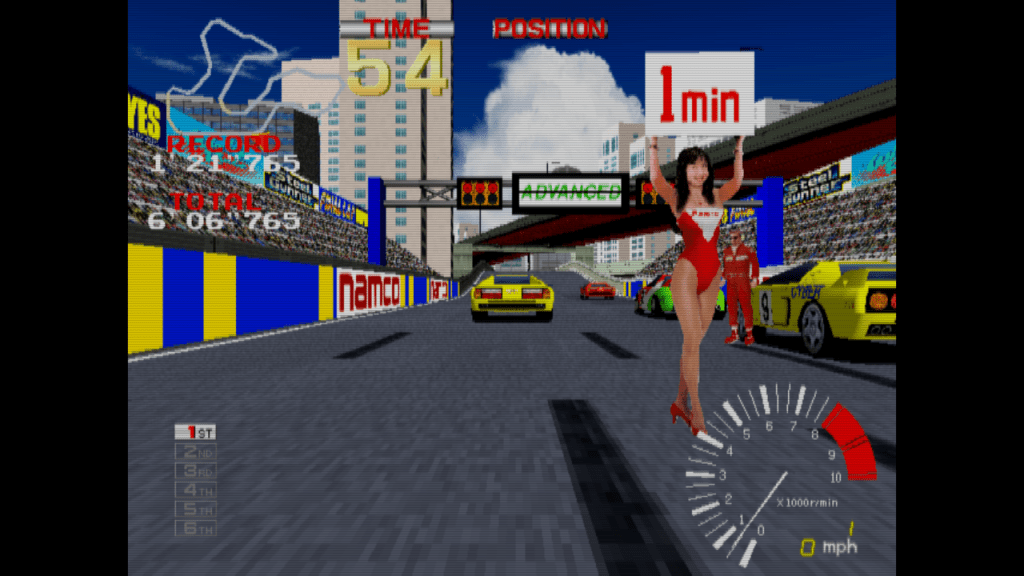
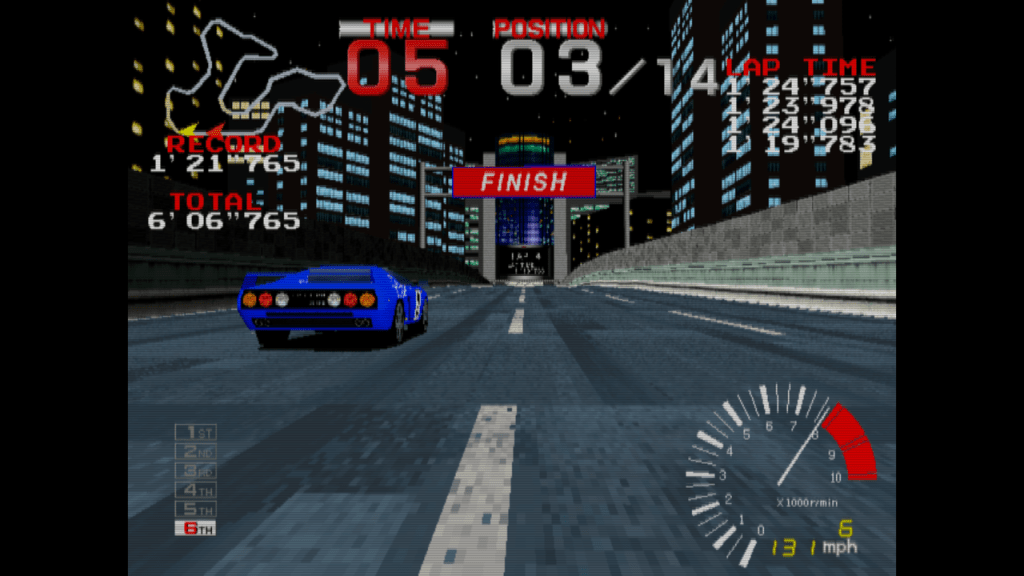
Ridge Racer—the granddaddy of drift-happy arcade racers—gets dusted off and slapped onto modern consoles like the Switch 2, PS5, and Xbox Series X|S. For 16.99, you’re getting the original arcade game—think one track, one car (that red Mazda MX-5 lookalike), and a whole lot of techno beats. No frills, or DLC’s, just pure arcade racing.
We have seen a slight resurgance of Ridge Racer games with Type 4 and the PSP Ridge Racers 2 being rereleased on the PS4/5, making use of the consoles emulation, and as a fan of the aracde original I’m excited to see Ridge Racer ported to the home consoles… again.

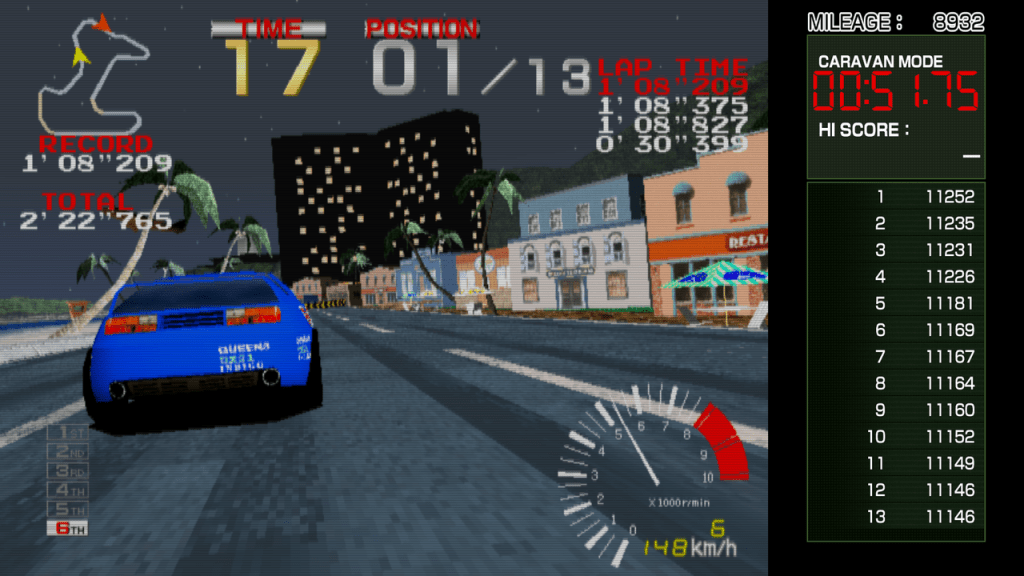
Ridge Racer on the Xbox Series X

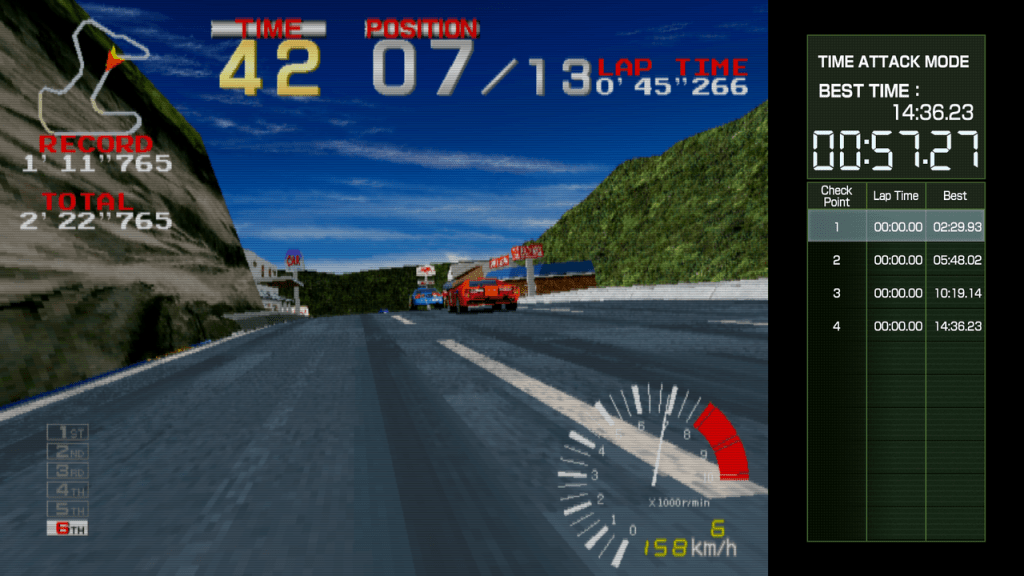
The game takes full advantage of the analogue controlls offered by the modern consoles, The drifting feels good—tight, responsive, and satisfying when you nail that perfect slide through Ridge City’s bends. You’ve got four modes: Novice, Intermediate, Advanced, and Time Trial, each tweaking the speed and lap count. Time Trial’s the real MVP, pitting you against a rival car in a one-on-one showdown.
Two ROMs are offered, with the DX version using an H-shifter and clutch. It’s cool, but good luck finding a controller that makes it feel natural.

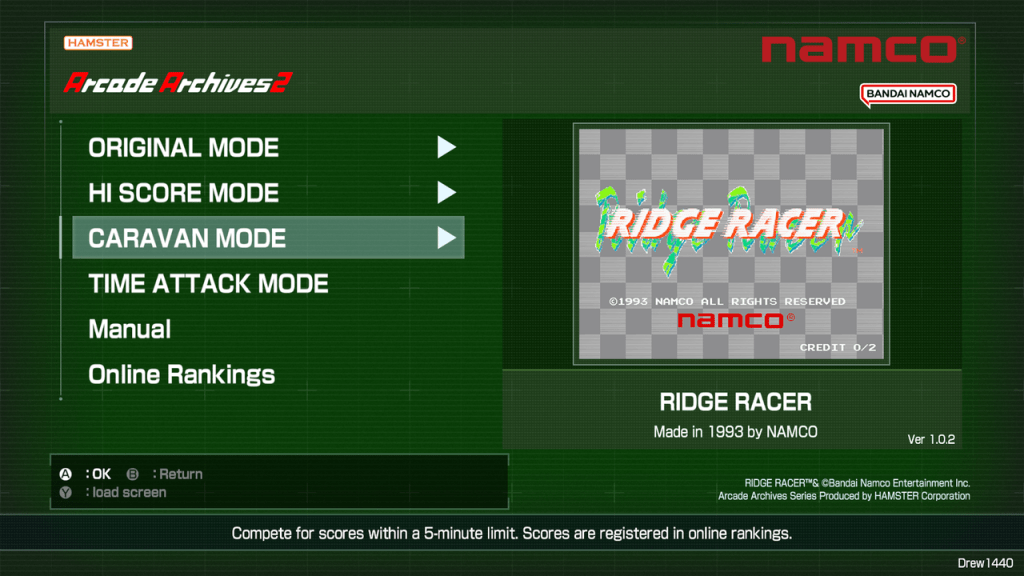
Hamster didn’t just add the arcade ROM and call it a day. They included in some extra goodies: A proper Time Attack Mode, High Score and Caravan Modes for leaderboard chasers, and a rewind feature for when you make a mistake on that hairpin turn. Multiple save slots are nice, and the redesigned UI’s slicker than the old Arcade Archives setup. PS5 and Xbox players get trophies and achievements. The extra modes make use of save states which are transparent tot he user, and stats are recorder and shared online with other users.

But here’s the kicker: no multiplayer, no extra tracks, no car selection, and no third-person view like the PlayStation version had. It’s the arcade original, which is both its charm and its biggest middle finger. There isn’t enough content to justify the price, even if the game is accurate to the original ROM.

Still it’s a nice charming game, and a nice tribute to Ridge Racer. Hopefully we will see further System 22 releases ported to home console, mainly Rave Racer and Ace Driver in their glorious 60fps.