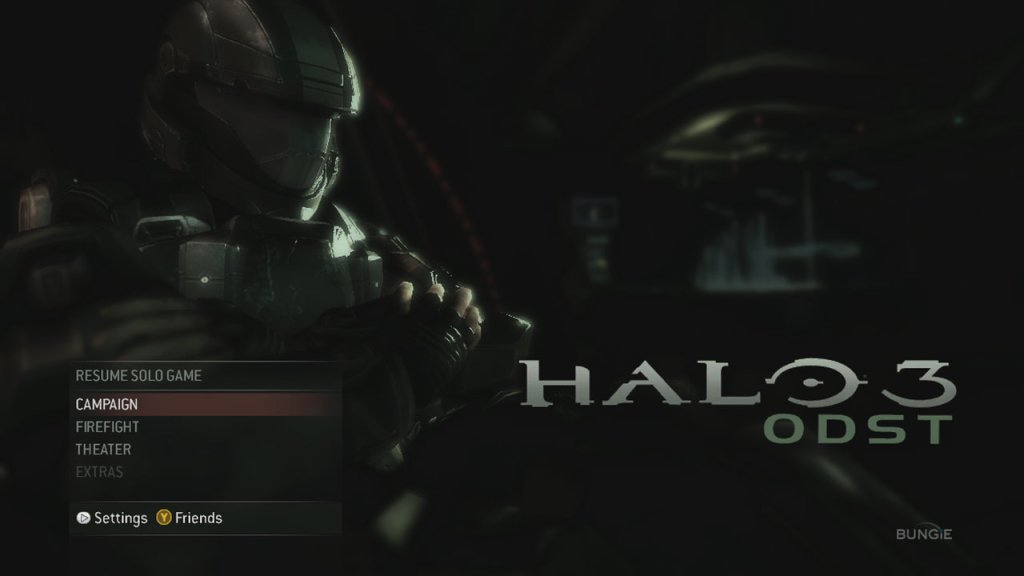
A first-person shooter developed by Bungie and published by Microsoft Game Studios, released on September 22, 2009, for the Xbox 360. Unlike the main Halo series, which focuses on the super-soldier Master Chief, ODST puts you in the boots of Orbital Drop Shock Troopers (ODSTs), elite but human soldiers in the Halo universe.
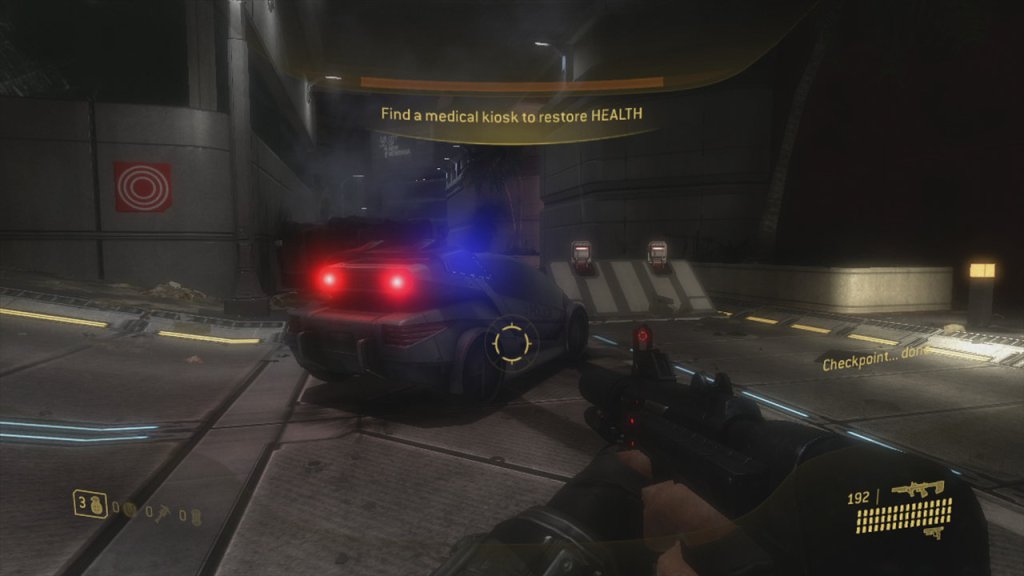
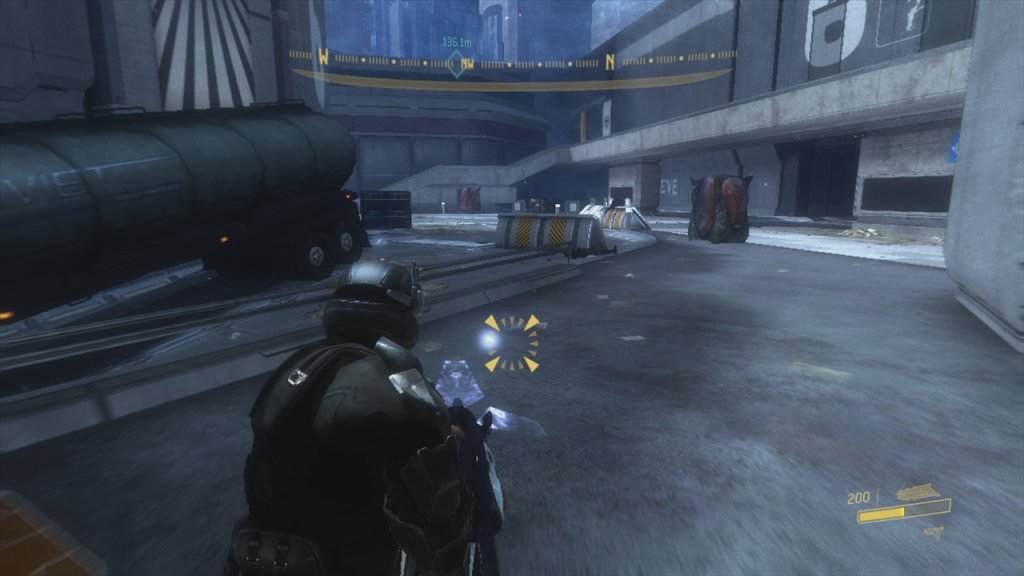
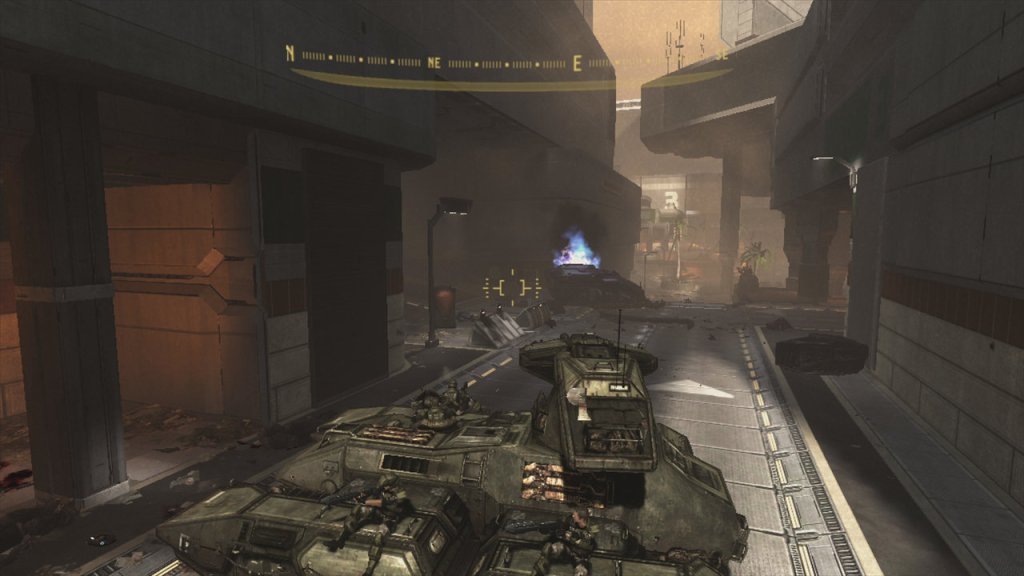
For the campaign you play as The Rookie, a faceless ODST grunt dropped into New Mombasa, which looks like a city planner had a stroke and then got glassed by aliens. There are a lot of closed off area’s, and parts of the city are blocked off with huge doors. It’s likely the city was designed around the Xbox 360’s memory limitations, as the city is divided into sections that can fit into the console’s limited memory. The vibe is dark, rainy, and lonely and could also pass for a horror game with its atmosphere. You wander around this semi-open-world hub, picking up clues to trigger flashback missions where you play as other squad members.
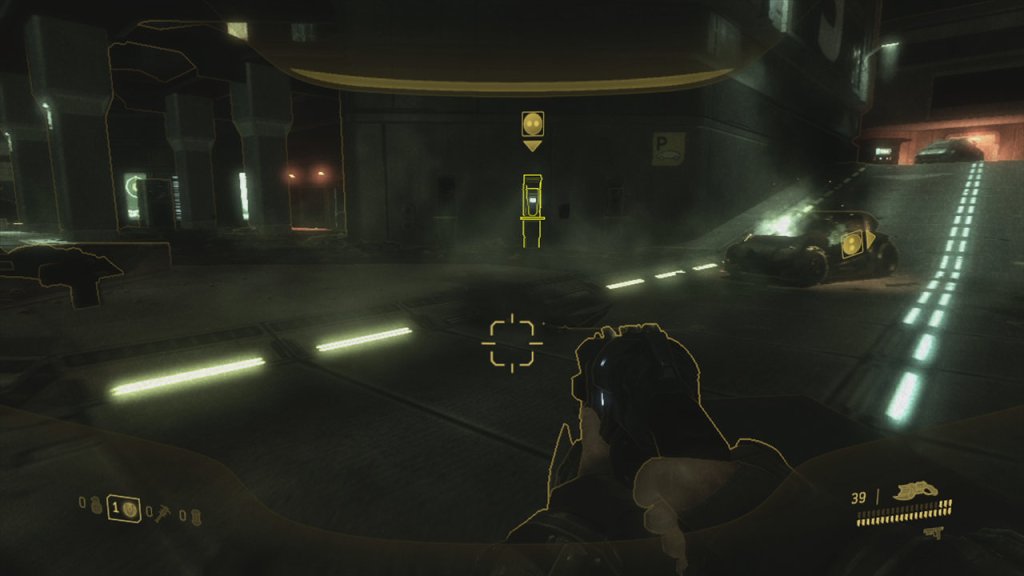
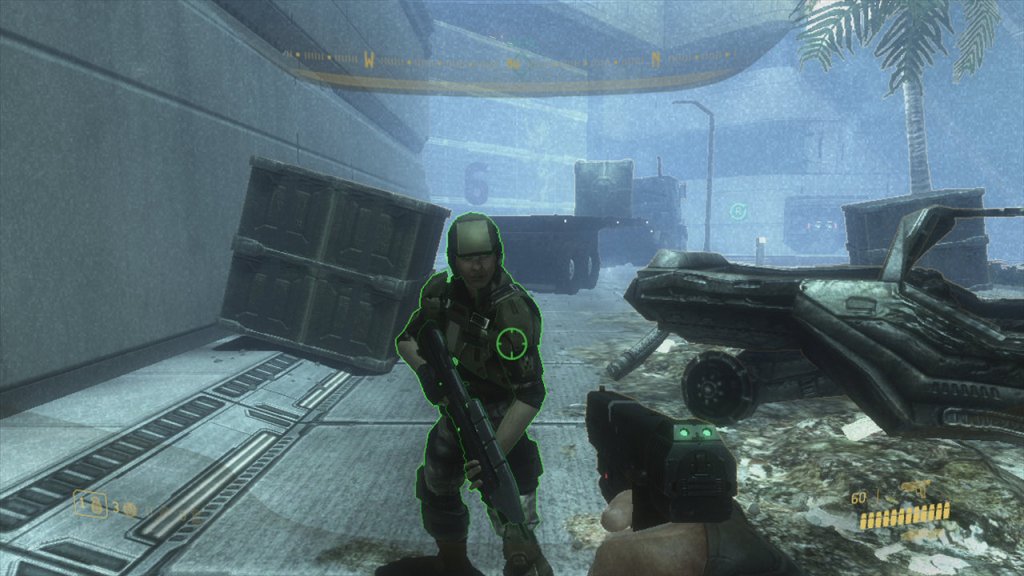
The game makes a departure from previous Halo games where you typically play as the MasterChief. With Halo 3 OST, you play as the ODSTs, or Orbital Drop Shock Troopers, are an elite special forces unit of the United Nations SpaceCommand (UNSC) military. They play vital role in the war against the constant and whilst not as powerful as the Spartans (MaterChief), they are still pretty capable compared to the Marines.
There are also collectibles in the form of audio logs about a woman named Sadie, who was present at the time of the attack. You can hear the screams and the panic of the public as the convenient attack whilst Sadie is screaming to get to safety. It’s kind of like listening to a podcast whilst you are wondering around the streets of Mombasa.
A few of the main characters are:
- The Rookie: The main person you play as, pretty much silent protagonist since its intended to be a stand-in your the player.
- Gunnery Sergeant Edward “Buck” – Voiced by Nathan Fillion, this guy’s got the charm of Mal from Firefly but with a better haircut. Buck’s the guy you want runnin’ your team: tough, loyal, and droppin’ one-liners that make you wanna high-five your TV.
- Corporal Taylor “Dutch” Miles – Dutch, voiced by Adam Baldwin—yep, another Firefly alum—is the squad’s heavy weapons guy, like if you gave a tank a personality and a Bible. He’s all about blowing stuff up with rockets or drivin’ Warthogs.
- Lance Corporal Kojo “Romeo” Agu – Romeo, voiced by Nolan North—aka every video game character ever—is the squad’s sniper.
- Private First Class Michael “Mickey” Crespo – Mickey’s the explosives nerd, voiced by Alan Tudyk, who’s basically Wash from Firefly.
- Captain Veronica Dare – voiced by Tricia Helfer, She’s not an ODST but tags along for some secret spy project involving an alien Engineer and the city’s AI. She’s got history with Buck, which is like watching a soap opera with more explosions.
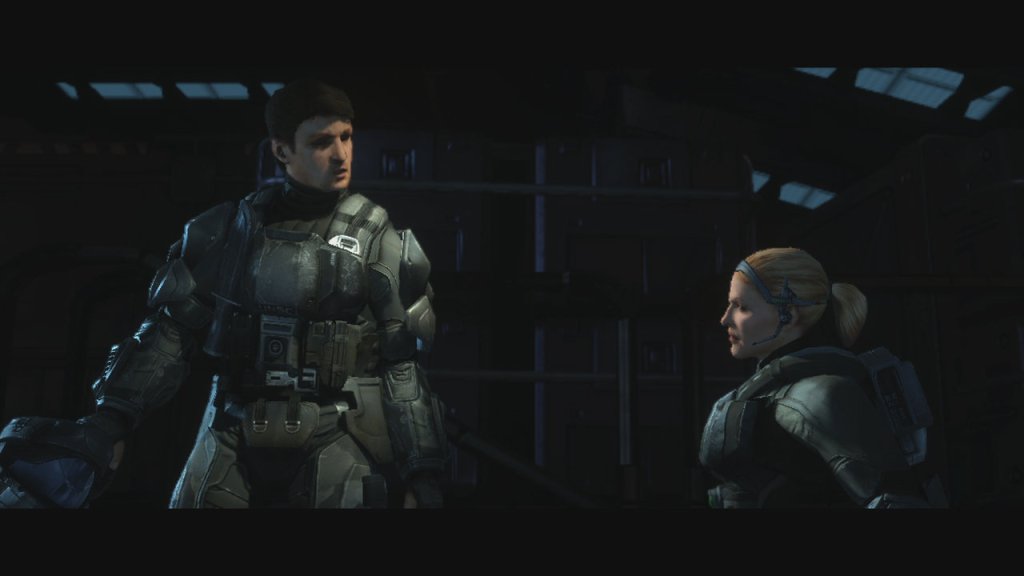
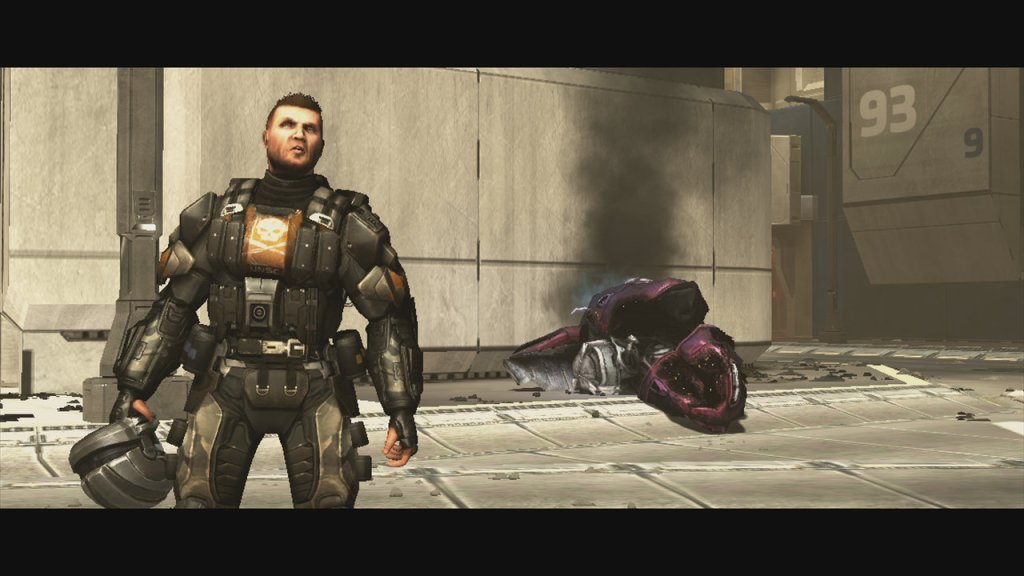
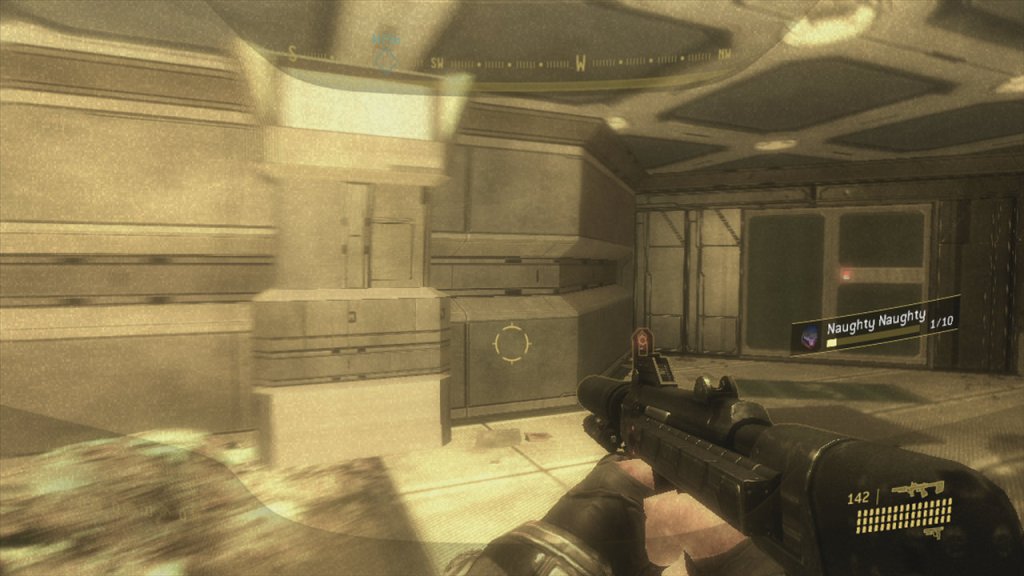
You will play as these characters at various points during the campaign, each will have their own weapon set.
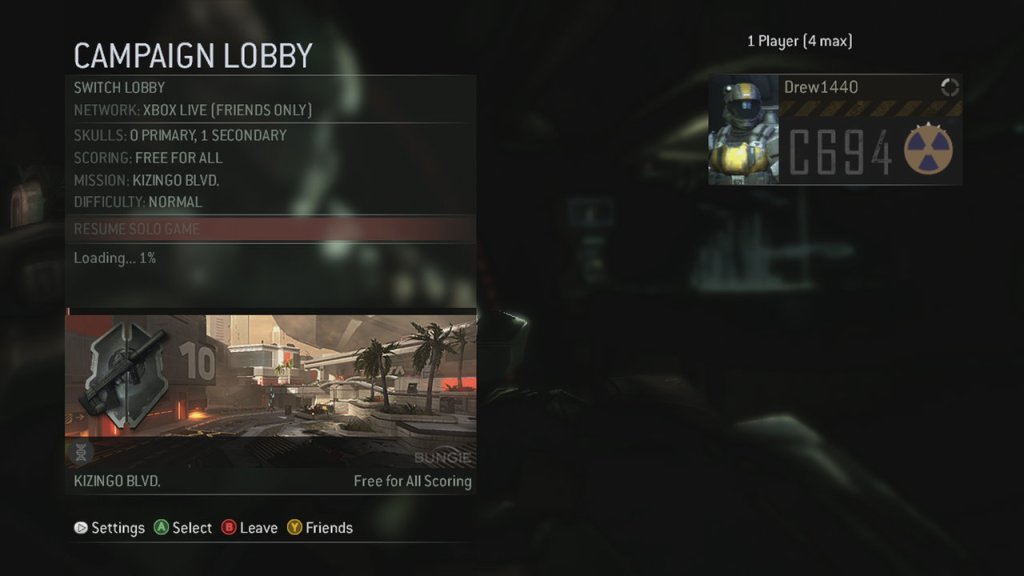
Firefight is a cooperative survival mode introduced in Halo 3: ODST (2009) for the Xbox 360, designed for up to four players (local or online via Xbox Live). In Firefight, you and your teammates play as ODSTs defending against endless waves of Covenant enemies (Grunts, Jackals, Brutes, etc.) on specific maps based on the campaign’s environments. Enemies come in waves (five waves per round, three rounds per set), with difficulty escalating as you progress. Each wave introduces tougher enemies or new enemy types (e.g., Brute Chieftains or Hunters in later rounds). After each set, “Skulls” (game modifiers) activate, increasing difficulty by adding challenges like tougher enemies (Tough Luck Skull), reduced player health (Iron Skull), or faster enemy movement (Catch Skull).
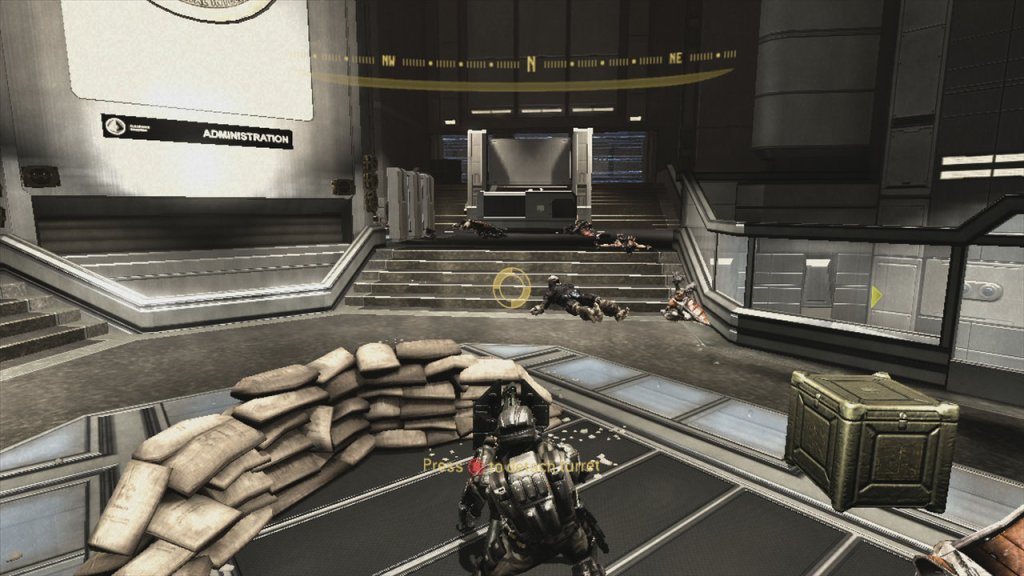
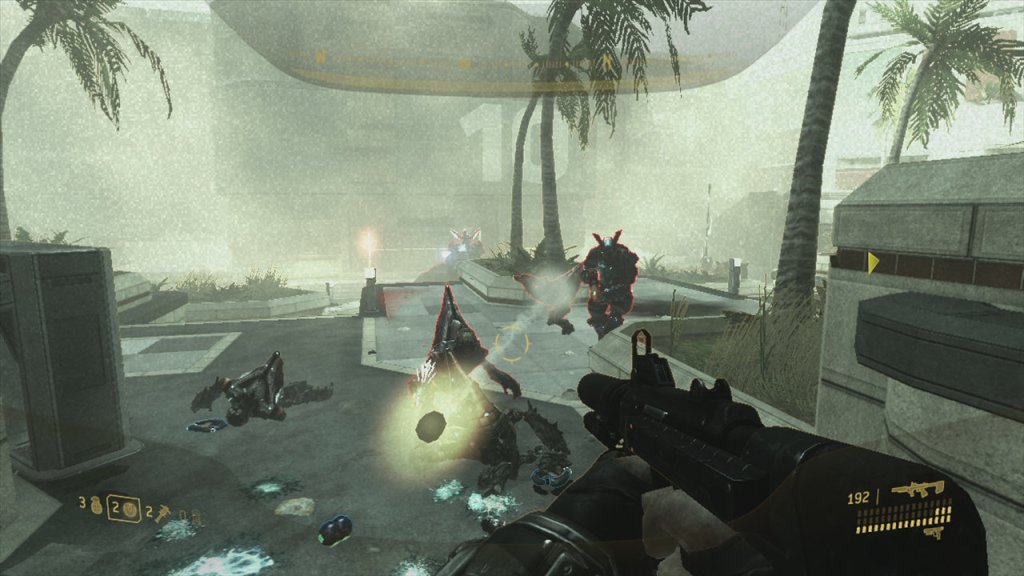
2009 saw many multiplayer game incorporate this co-op PvE mechanic, like Horde mode in Gears Of War 2, and the Zombie Mode in Call Of Duty World At War.
ODST started as a “mini-campaign” idea, like a quick DLC to keep fans busy after Halo 3 dropped in 2007. Bungie had a small team—about 70 folks, with a core design crew of five—working with the Halo 3 engine, so they didn’t have to build from scratch. They reused assets, tweaked the gameplay for squishy ODSTs instead of tanky Spartans, and added cool stuff like VISR mode and silenced weapons. The big hook was the noir vibe, with New Mombasa as a semi-open hub. Bungie had a ready-made engine from Halo 3, so they didn’t need to redesign a new physics engine for the gameplay, and may assets from Halo 3 could be reused. They had a small, experienced team, not the 500+ you see on modern blockbusters. The scope was tight: a short campaign, a new co-op mode (Firefight), and recycled Halo 3 multiplayer maps. They also leaned hard on existing lore, so no need to dream up a whole new universe. Compared to today, where it can take up to 5 years for a new mainline Halo title.
 Drew1440: Blog