Monthly Archives: October 2025

Perfect Dark Zero

The sequel to the original Perfect Dark game, released as a launch title for the Xbox 360 in 2005.
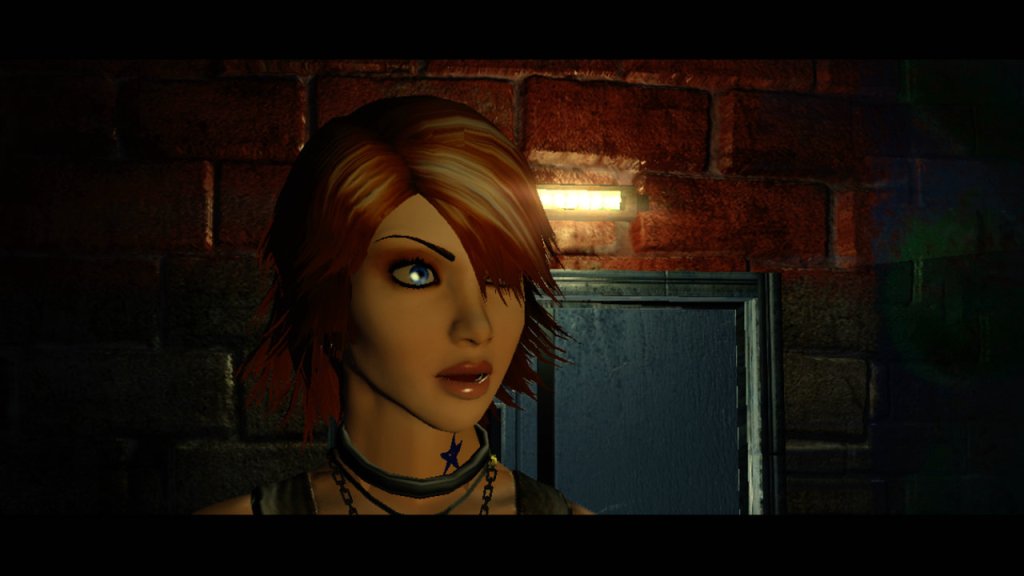
First off, Perfect Dark Zero is trying to tell the origin story of Joanna Dark, our badass spy chick, in this futuristic 2020 where corporations are running the show (similar to your typical futuristic SciFI story, like Unreal and Deus Ex). You’re out here doing bounty hunter gigs with your father, Jack, before things turn bad with dataDyne and some alien artifact. The story is a lot more hard to follow compared to the N64 original, even with the HD cut scenes. The original had this tight, mysterious vibe with Area 51 and Skedar aliens—felt like X-Files meets GoldenEye. This one’s got a convoluted plot. The N64 game’s story wasn’t perfect, but it had charm and focus. Zero feels like it’s trying too hard to be epic and just trips over itself, which is usually a sign a game was rushed to reach a console launch deadline.
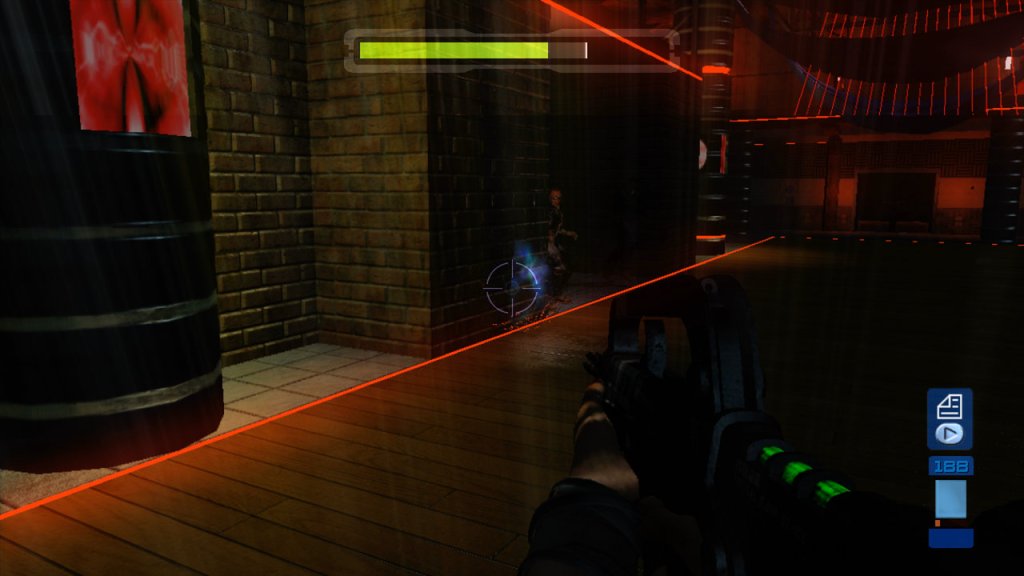
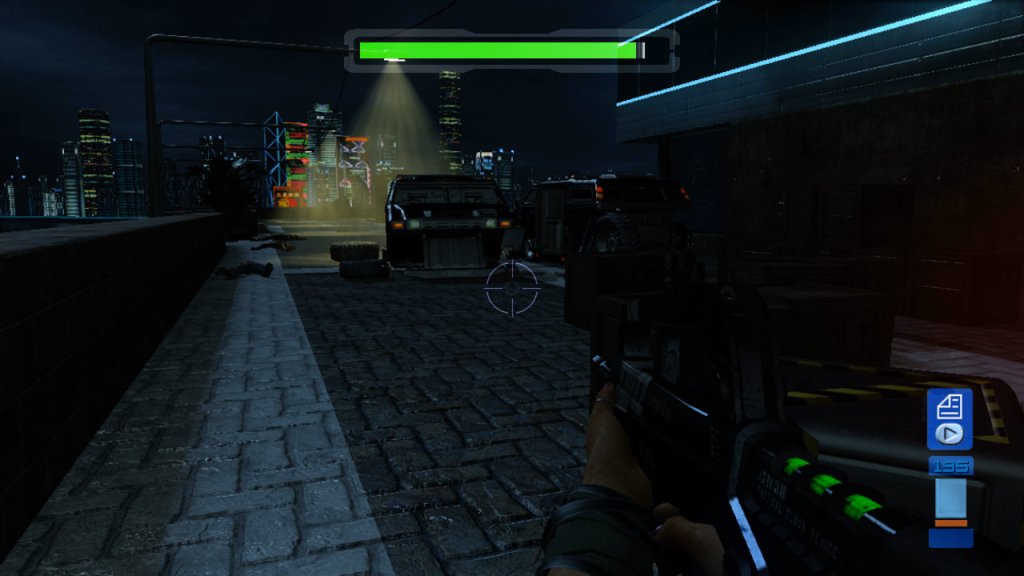
PDZ’s 2020 setting depicts a world where corporations like dataDyne dominate global affairs, overshadowing governments. This theme critiques unchecked corporate greed and the ethical dangers of profit-driven science, as dataDyne’s pursuit of the Graal prioritizes power over humanity’s safety. It reflects fears of real-world corporate overreach, a staple of cyberpunk stories. Sound Familiar? Corporations in 2020, like Amazon, Google, and Microsoft, arguably hold significant economic and cultural influence but didn’t supplant governments – well not as we know of yet.

At least Aliens are still fictional
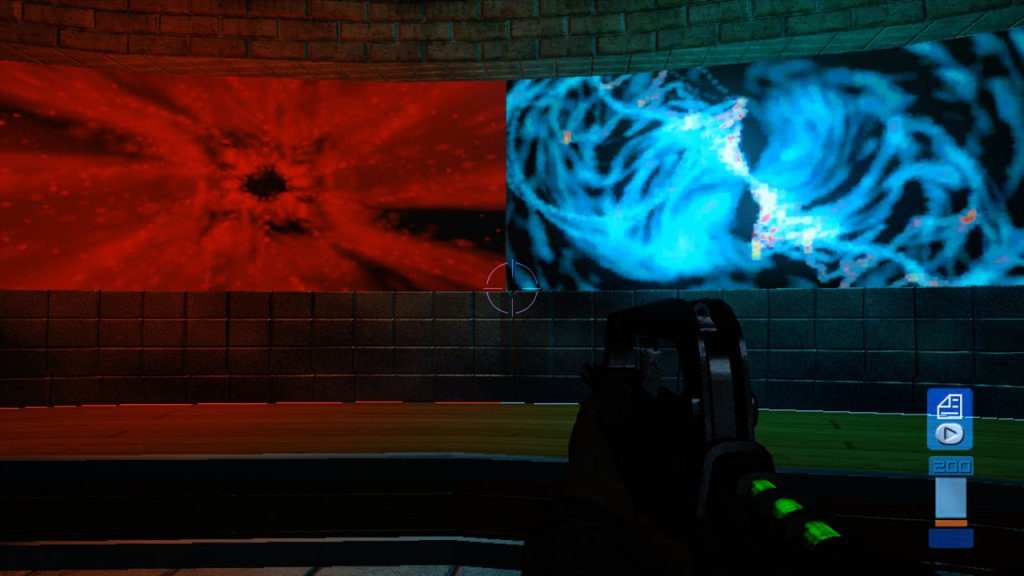
Another key element is Betrayal, that drives much of the plot. Chandra’s double-cross, Mai Hem’s ruthlessness, and dataDyne’s manipulation of allies like Killian. Joanna’s journey tests her trust in others, contrasted by her growing loyalty to the Carrington Institute, which represents a moral counterpoint to dataDyne’s amorality. This theme explores personal and ideological conflicts in a world of shifting allegiances.
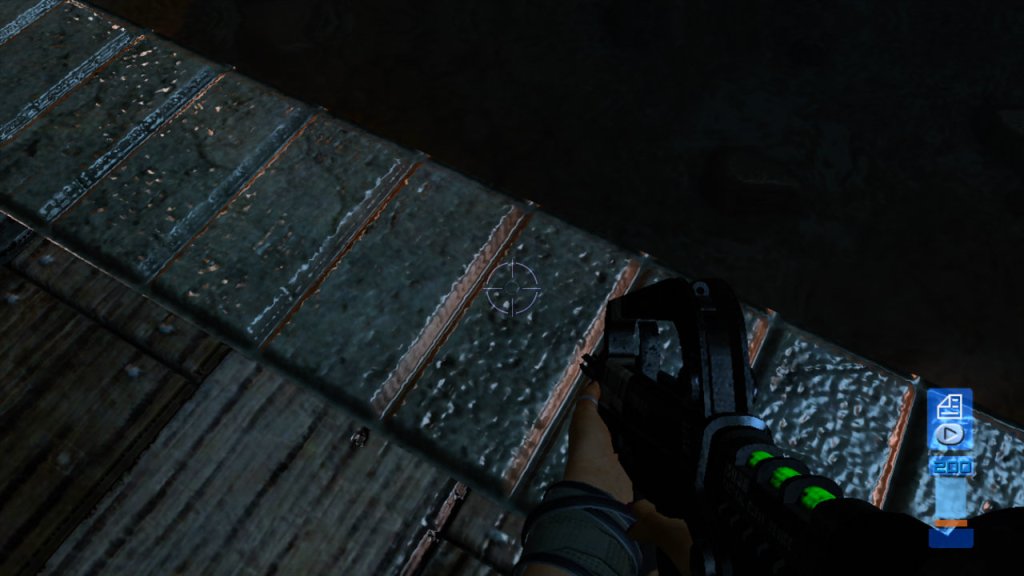
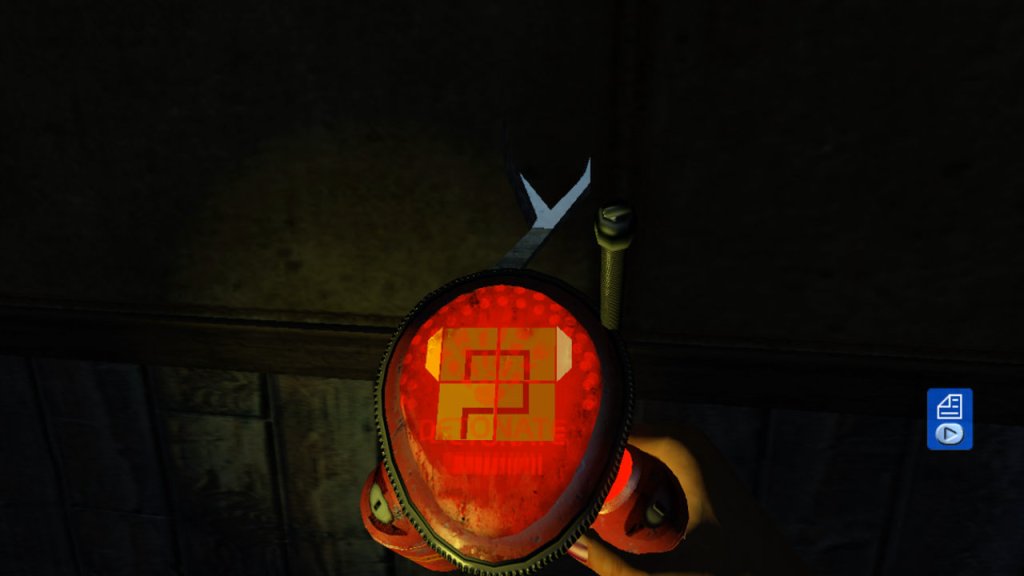
Texture’s give off a plastic look

Gameplay-wise, it’s got that FPS core, but it’s leaning into tactical stuff—cover system, dodge rolls, stealth objectives. You can hack terminals with a Datathief gadget or sneak past guards, which is cool but it isn’t as smooth as the original. The N64 Perfect Dark had those tight controls, even on that wonky controller, and missions felt varied with objectives that changed per difficulty. Zero’s campaign is alright—14 missions, playable solo or co-op. The co-op’s is dynamic, like one guy hacks while the other covers which an interesting way to implement multiplayer into a single player campaign.
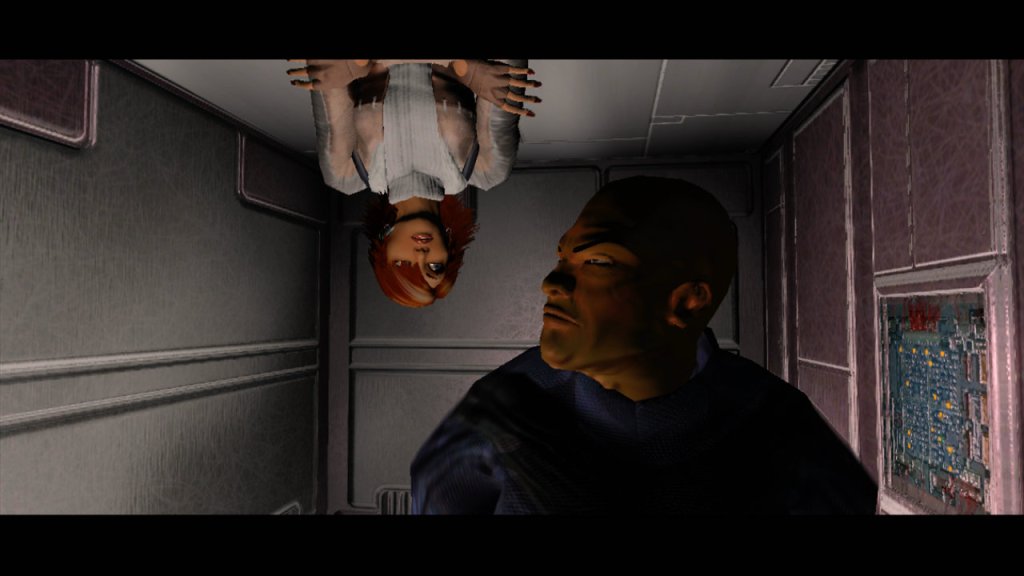
The multiplayer is where Perfect Dark built its throne. The N64 version had us glued to four-way split-screen with bots, proxy mines, and Laptop Guns—pure chaos in the best way. Zero steps it up with 32-player Xbox Live matches, which was mind-blowing in ’05. You got DeathMatch, Capture the Flag, and this DarkOps mode where you’re buying weapons with credits like it’s Counter-Strike. The bots are still varied, with personalities like “Judge” who hunts the top player. Problem is, the maps feel less inspired than the N64’s tight arenas like Facility or Complex.
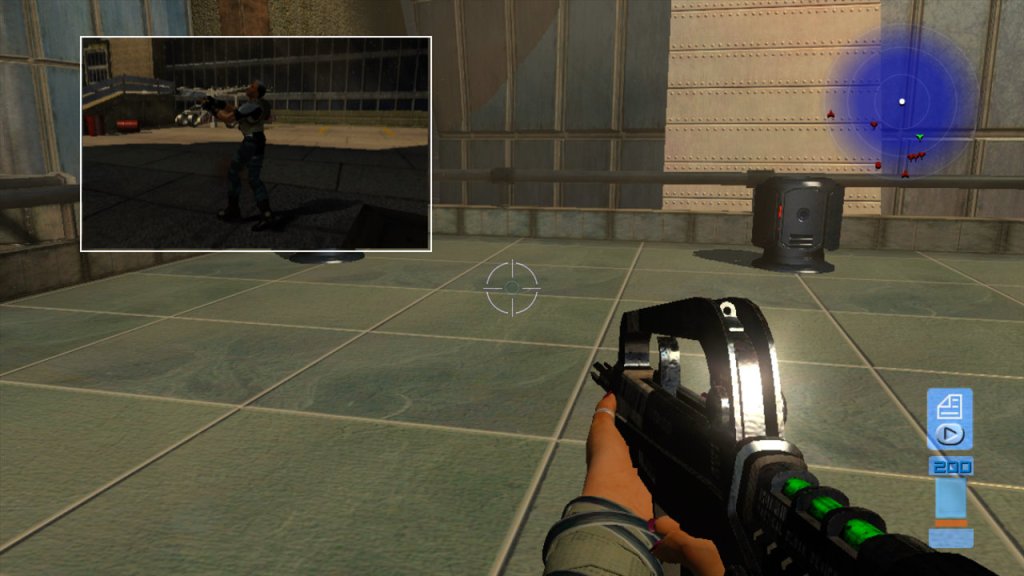
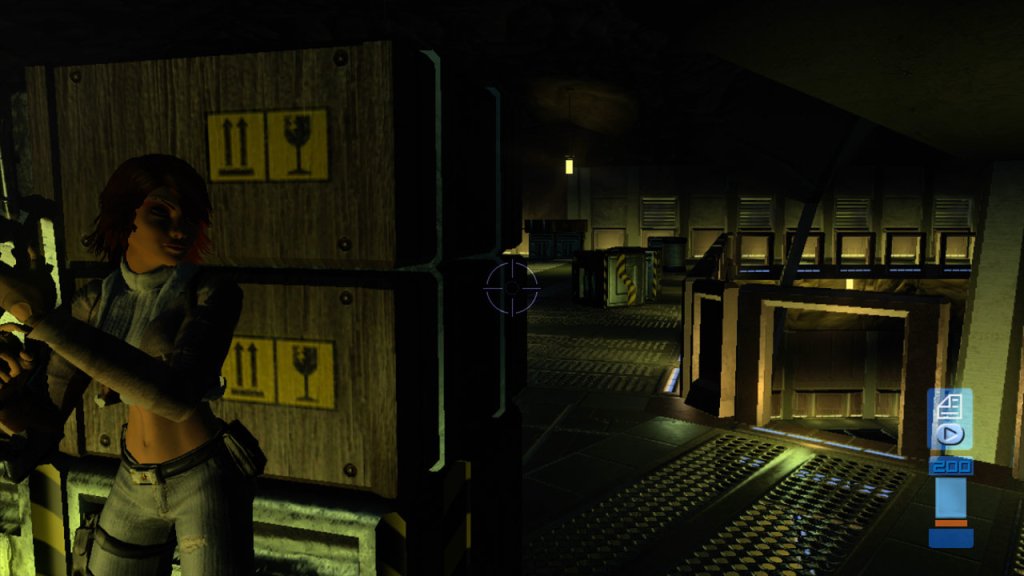
This game was a showcase for what the 360 could do. We’re talking 720p, widescreen, HDR lighting that makes neon-lit Hong Kong levels pop like a music video. The parallax mapping gives textures this 3D depth, and ambient occlusion makes shadows look real as hell—stuff we weren’t seeing on PS2 or Xbox. Joanna’s character model, with her red hair and tactical gear, looks slick, even if her anime-inspired design feels less iconic than the N64’s gritty vibe. Environments like dataDyne’s skyscraper or the Peruvian ruins are massive and detailed, a huge leap from the N64’s blocky polygons. But sometimes the framerate chugs, especially in big multiplayer matches, and animations feel stiff, like Rare was rushing to hit that launch deadline. Compared to Halo or later 360 games, it’s not quite top-tier, but for 2005, it was showing off what next-gen could be.
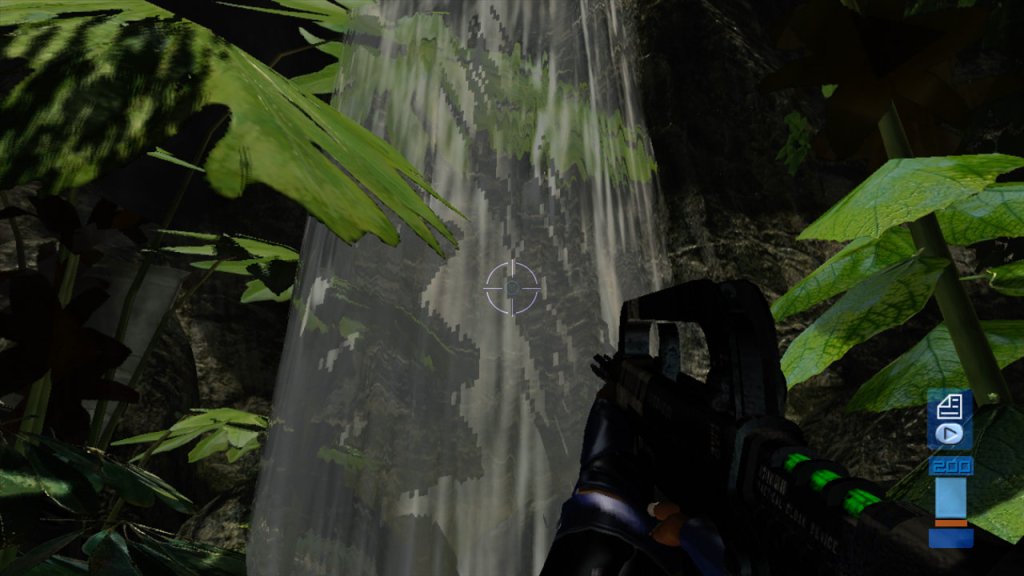
Waterfall in the Jungle level

Compared to the N64 Perfect Dark, which wove its conspiracy with tighter pacing and a more cohesive blend of sci-fi and spy thriller, Zero’s story feels fragmented due to its rushed development. The themes are ambitious but often superficially explored, with weak dialogue and voice acting diluting their impact. Still, the corporate dystopia and tech-driven paranoia align with cyberpunk classics, while the personal revenge angle adds relatability. Overall, Perfect Dark Zero is a solid launch title, but it’s living in the shadow of a giant.
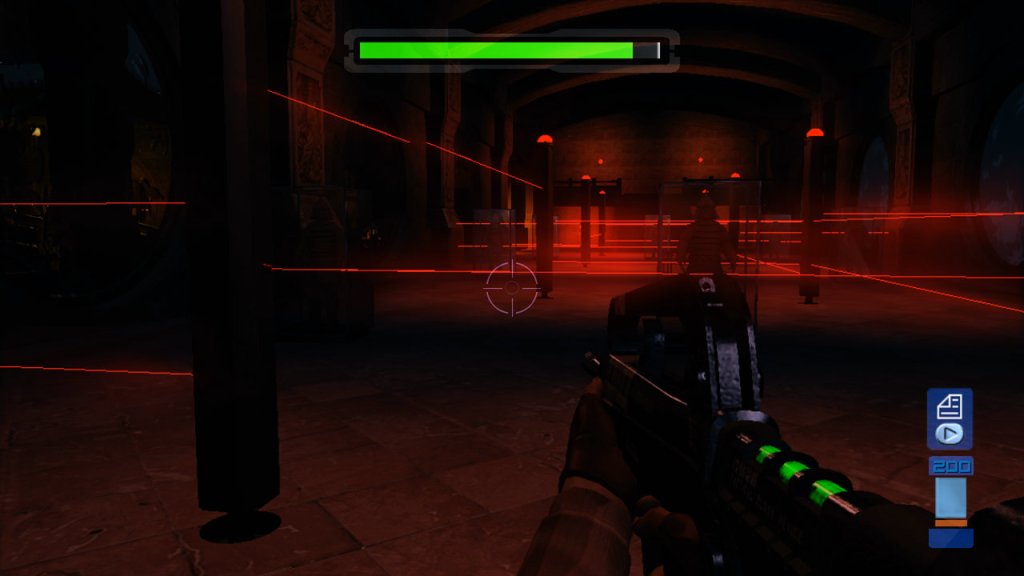
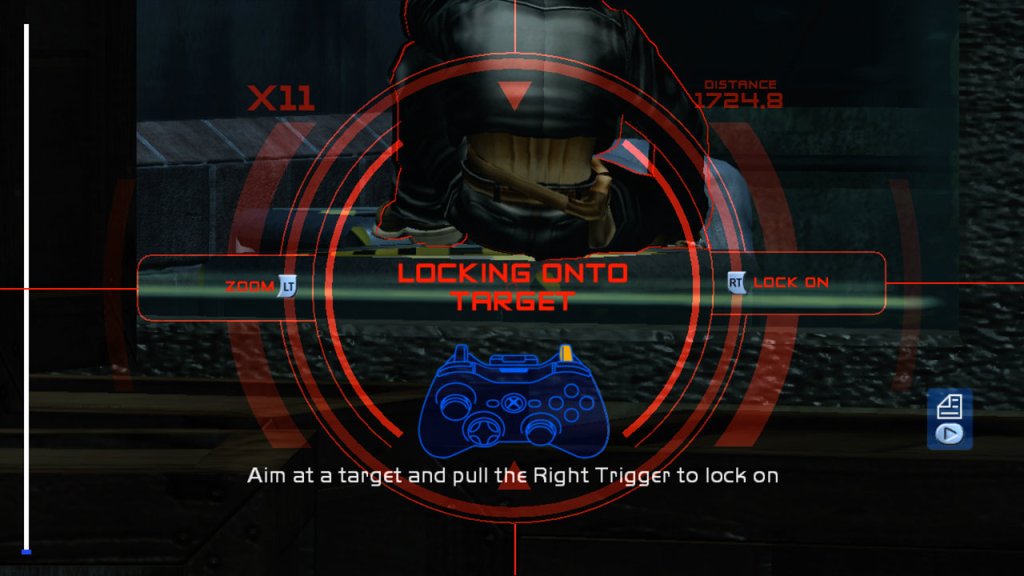
Nearly 20 years alter and Microsoft has yet to follow up with a sequel, and it’s unlikely they will at this point. A reboot was greenlit in 2020 but has since been cancelled with very little to show for, and that’s the last we will probably see of Perfect Dark.
The Sims 2 – Open for Business

The third expansion released for The Sims 2, that added the ability to create and run business from their own home, or from a community lot. This expansion also included the concept of badges, business perks. OFB gives sims more options on how to make money, instead of having to have a career.

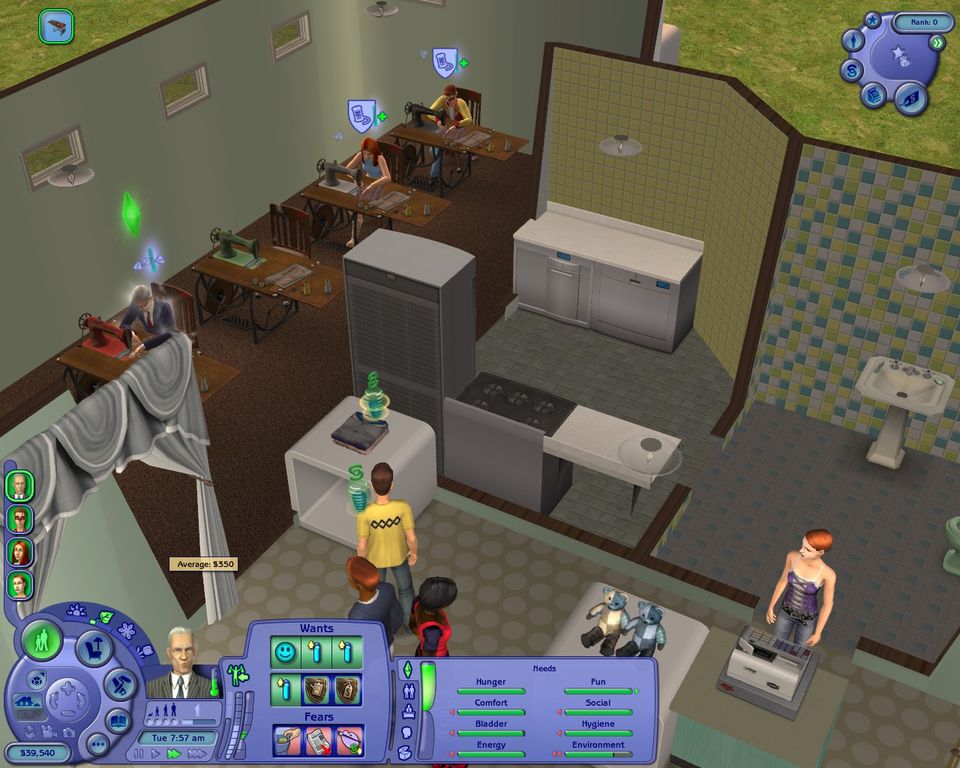
A sims sweatshop

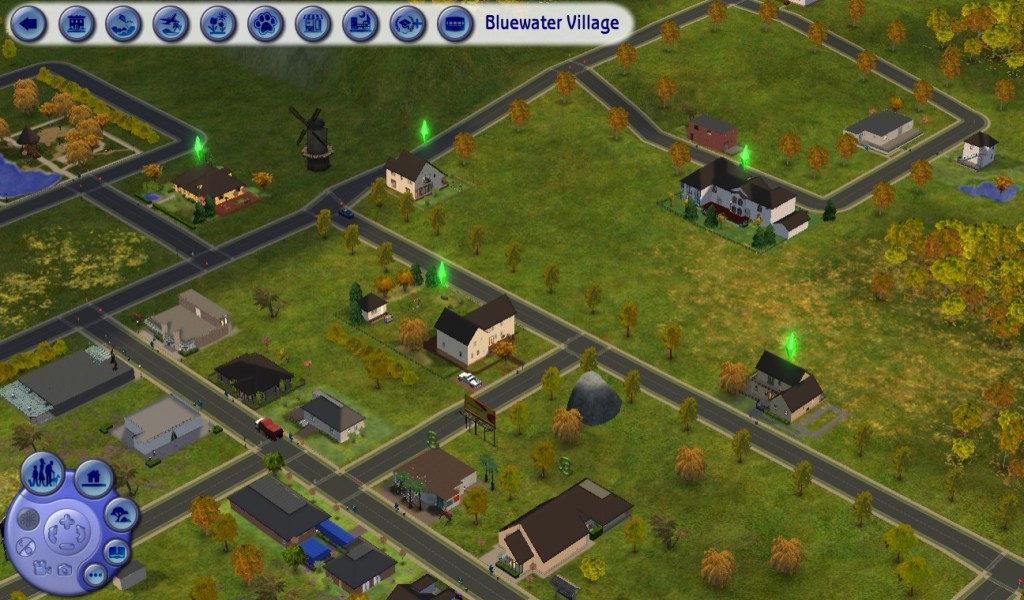
Business can vary from selling goods purchased from buy mode to their own produce like cakes/robots/flowers/etc that the sim has produced. Items from other expansion packs can be sold or monetized into a service. By default, the shipped Shopping district (Bluewater Village) comes with a few premade business like a florist, a cake shop and a Toy shop, A few ideas are:

Fish: With the Seasons expansion, You can have your sim catch fish from a nearby lake and then sell it other sims, since the types of fish is dependent on their talent badge and access to a lake, this could be a useful way for sims to buy and cook fish if they have no access to a lake on their own lot. Also remember that sims cannot increase their skills and badges on a community lot, so it’s impossible to catch more expensive fish without cheats unless they have a lake on their own lot

Cakes/Food: Sims with a high cooking skill can produce food that can be sold for other sims. Things like pizza and Chinese food still cannot be produced which I think was a missed opportunity with this expansion, you could have had sims create their own fast food place.

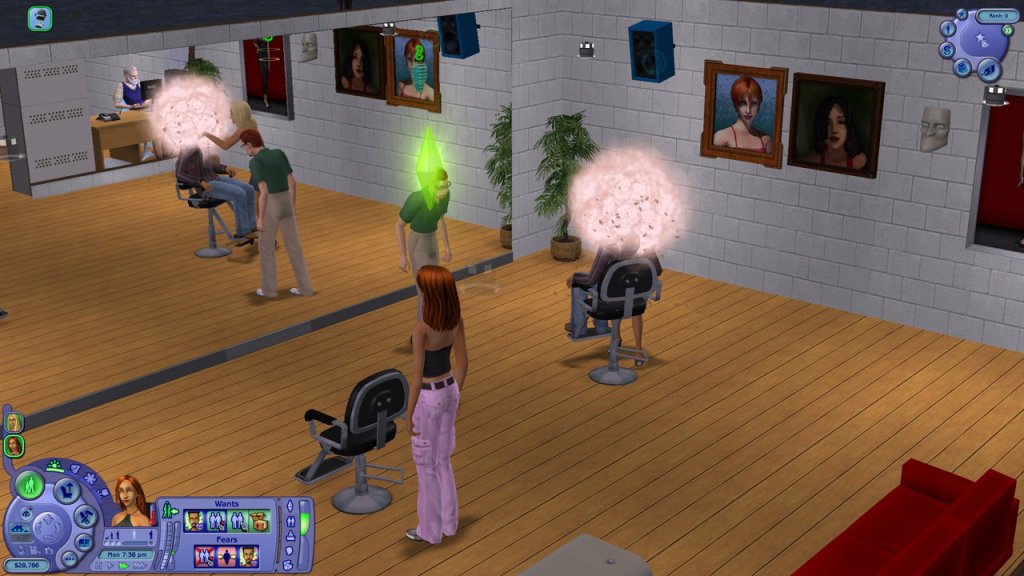
Beauty Salon: Freetime introduced a hair salon chair which allows sims to give makeovers to other sims, also serves as a nice opportunity to change the appearance of NPC’s and townies

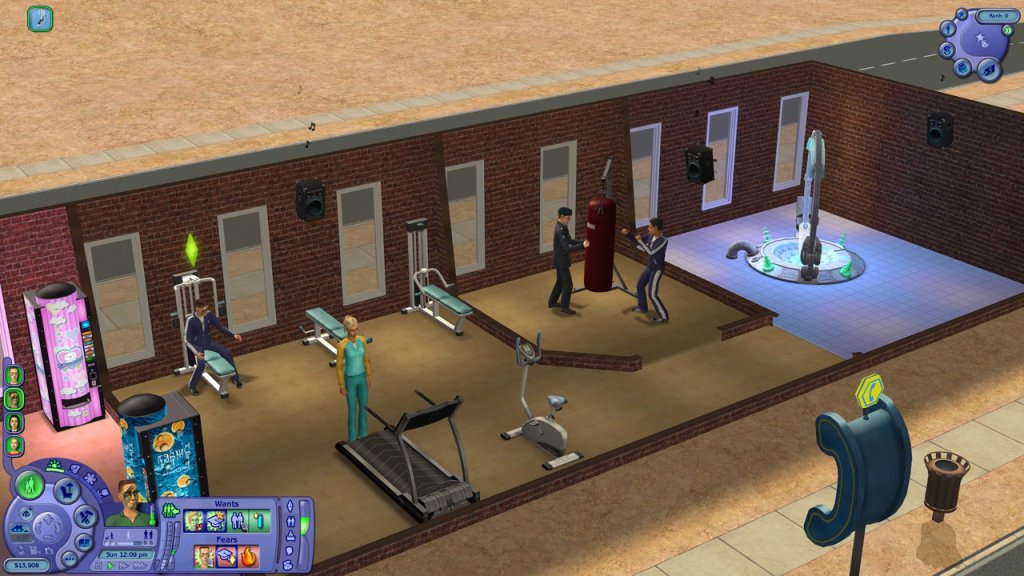
Boxing Gym: The punching bag normally cannot be purchased as its an career reward for the military, however a sim that has unlocked this can use it to set up their own gym. It’s a bit tricky to set up as sims wont autonomously use it, instead you have to have your sim offer lessons to them.

Art Studio: Sims can produce their own paintings and sell them to other sims. Having them to do portraits for other sims can be tricky as they will reject this if the relationship is low. Also the painting’s the sims produce are done at random.

Farm: Sims that can grow crops can also sell their produce, useful for sims that do not have enough land to grow their own. This best way to do this is to grow their own produce at home, then sell it off at a community lot they own.

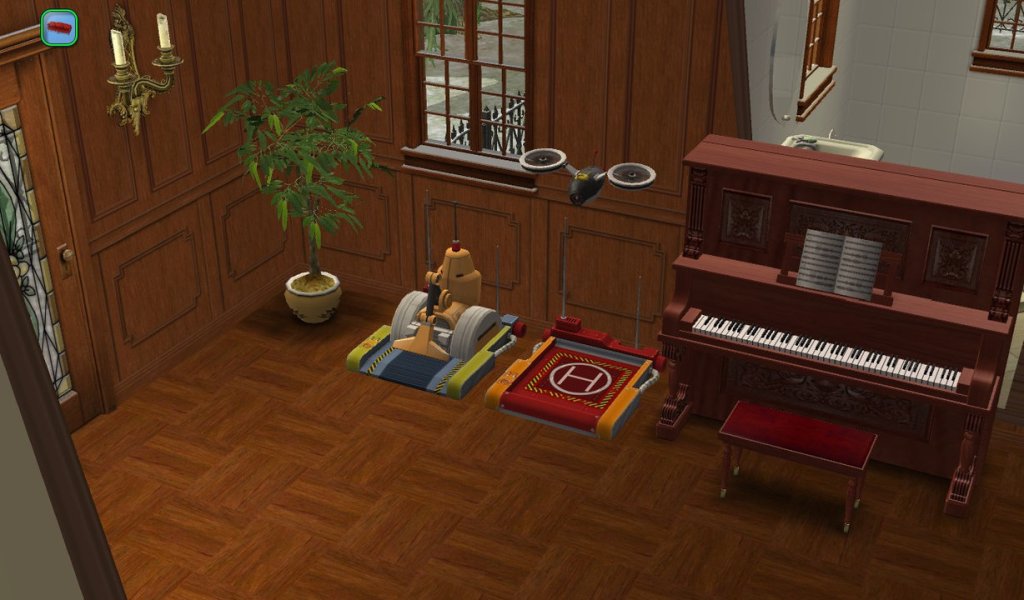
Robot/Electronics: With the Robot station, sims can product electronic items like drones and full on Servo’s than can be brought and activated. Dones can be for security or food (The munchies bot brings either Pizza or Chinese Food). These tend to malfunction often and are more trouble than they are worth.

Textiles: With the Freetime expansion, sims can craft and sell their own fabrics. With a high enough talent badge, you can create your own clothing.

Pottery Shop: Also included with the Freetime expansion, Sims can sell a range of pottery.

Car Showroom: You can purchase the craftable car, have your sim fix and complete it and sell it. This one is best suited for a home lot, as I ran into a few issues trying to attempt this on a community lot. First is vehicles cannot be purchased in Buy mode whilst on a community lot, and storing them in the inventory caused issues when placing them on the driveway.

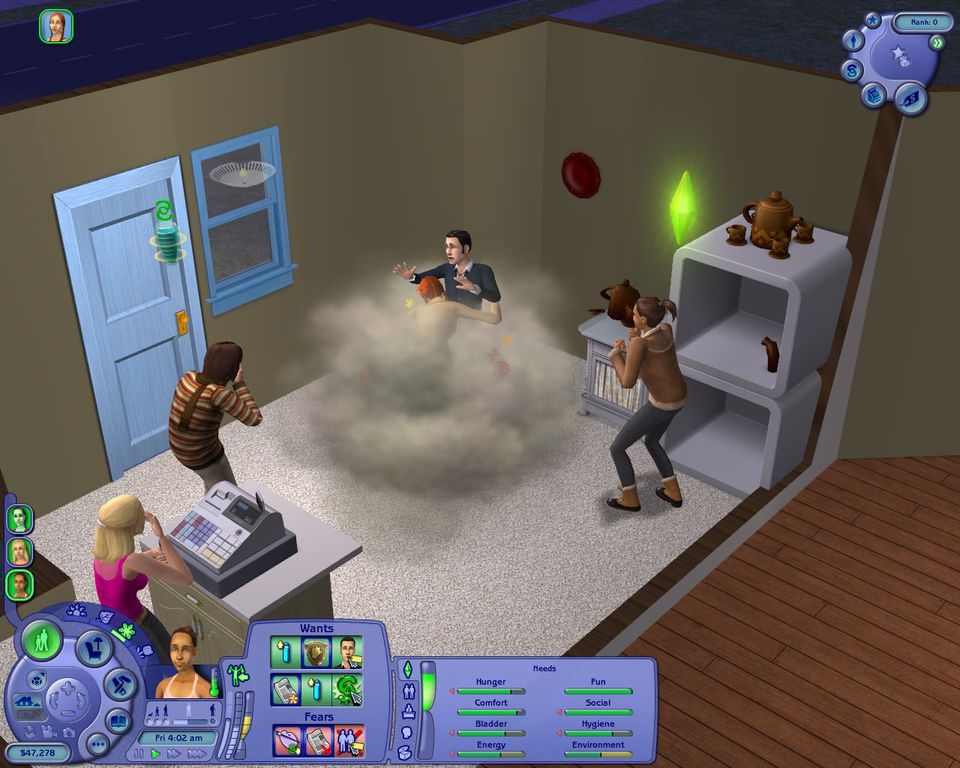
Fighting in a pottery shop, You break it you pay it

There is a bit of micromanagement needed when running a business, as you are expected to manually assign your employees roles to ensure the business remains functional. Over time, they will need to be assigned on break, otherwise they will quit.

Craftables are a new concept introduced in the game, and are made by purchasing the correct workbench. This is where the skill badges comes in, as the type of items the sim can make Is dependent on how good their badge is for that talent.

Robots are one of the new objects that can be crafted. You start of by making simple toy’s, then onto sentry drones (which are quite useful, like the Munchie bot that will deliver food every so often) to eventually a Servo. Some of the robots have a tendency to break down often, like the hoover bot. When this happens it will just spew trash all over the lot, and it will happen quite frequently regardless of the sims talent or mechanical skill. Personally I would avoid these and just stick with the gardener or maid, or install a mod to reduce the chance of breakage.

The Servos, when powered up become their own sims. They can be controlled, get a job and do most tasks a sim would normally do. They have and have a different set of motives comparted to a human sim, relying on sunlight for power. Servos will always have a desire to clean up, and will often do chores automatically. This is in contrast to the Servo that was introduced in Livin Large, where they had to be manually activated by the sim,

Shopping districts are introduced in the game, these are subhood’s that had can be added to an existing neighborhood. They can also be used if you run out of space on your current neighborhood. There is no hard limit on the amount of sub hoods that can be added, and sims can travel between different subhoods.

Bluewater village ships with the game and adds a few families to the game, these serve as examples of the different buisness that can be used with Open For buisness.

  • Tinker: Stephen, Wanda and their daughter Melody, they are currently in the toy making business and are operating it from home.
  • Delarosa: Florence operates a flower shop from her lot
  • Jacquet: Denise, with her son Gilbert who are owners of a local bakery.
  • Landgrabb: Malcom Landgrabb lives here, who is no stranger to The Sims having previously appeard in the console games (Bustin Out). Dudley and Mimi do not appear and there is no mention of them in the family tree.
  • Ramirez: Checo, Lisa and their daughter Tessa, live on a fairly typical household lot. There is a lemonade stand outside which Tessa can use to sell lemonade. Both parents are unemployed, so Tessa must be shitfing some Lemonade to pay the bills
  • Gieke: Family bin sim, can be moved onto any lot he can afford.
  • Larson: Twins Jason and Jodie, who currently do not have a business (or a lot) of their own.

Conclusion

Open For Business adds a lot of new features to the game, but the implementation is not without flaws. NPC/Townie sims will constantly try to interact with your employees which can cause then to be unassigned from their tasks, leaning into the micromanagement element of the game. NPC sims also tend to hang around on lots even after they have finished shopping, often getting into fights with other sims which can affect the business ranking (which is unfair). Often you will have to manually dismiss these sims off the lot to prevent your rating from tanking, or so the game will actually spawn sims that will buy items. A quirk of The Sims 2 is that the game will only spawn so many sims on a lot according to your systems capabilities and after a while, will stop spawning sims because the existing sims are wandering around the lot or are playing outside.

The employee system could have been implemented better as its not always easy to tell when they need to go on a break, and they often quit for no reason even whilst on break. Thankfully there are mods that can fix this.

South Park Let’s Go Tower Defense Play!

A tower defense game with a South park flavor, released in 2009 exclusively on the Xbox 360.

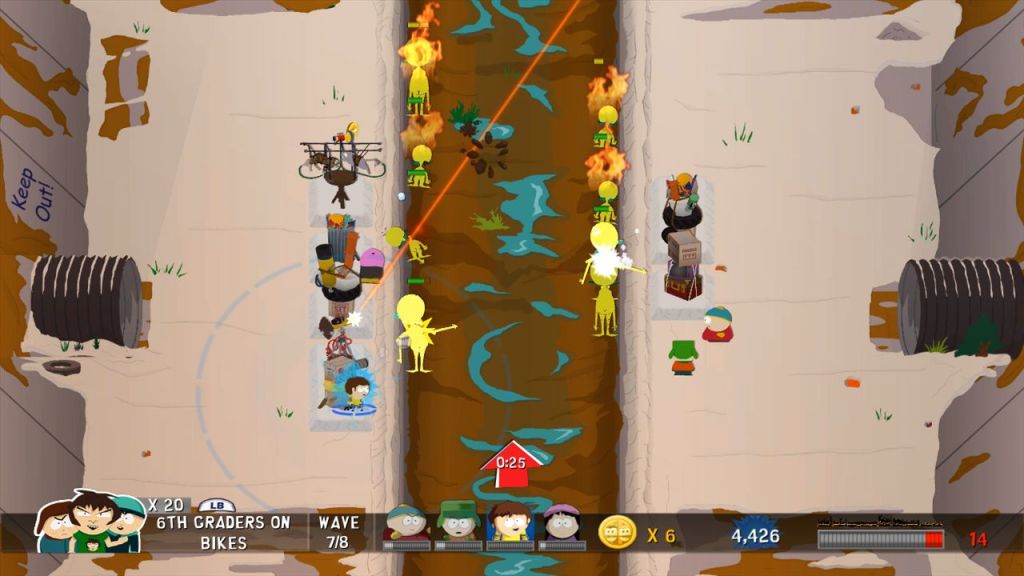
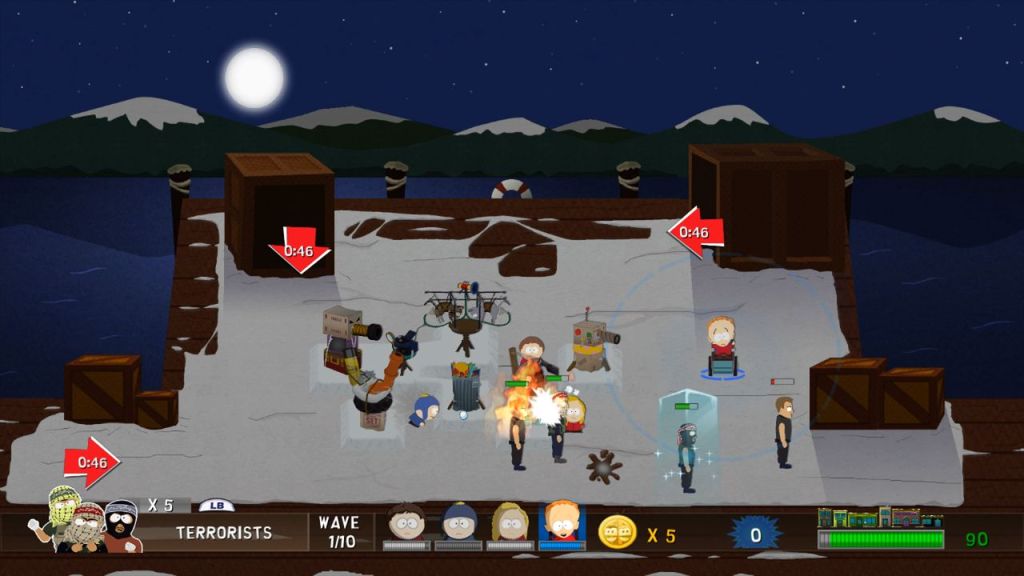
With these sort of games you would expect them to be a simple cash grab by reskinning an existing tower survival engine and apply the South Park theme over it. Trey Parker and Matt Stone were hands-on, making sure this thing feels like you’re playing an episode straight out of Comedy Central. The story’s a glorious middle finger to Japanese game tropes—South Park’s glitched into a video game world, and the boys are stuck fighting waves of enemies to save the town. The big bad? A Japanese announcer dude who’s like the lovechild of a Street Fighter narrator and Mr. Garrison on a bender. It’s absurd, it’s meta, and it’s peak South Park roasting gaming clichés.

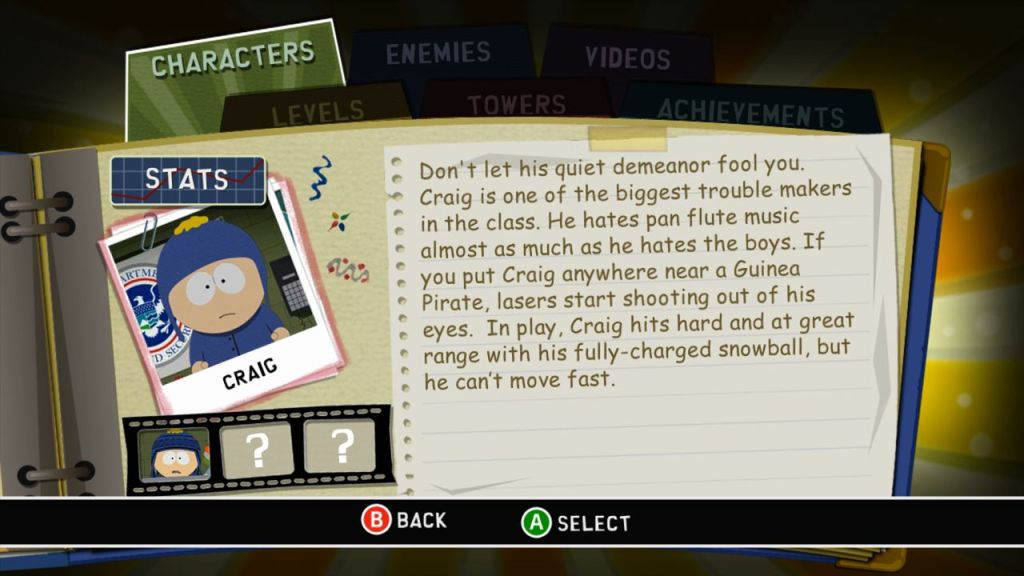
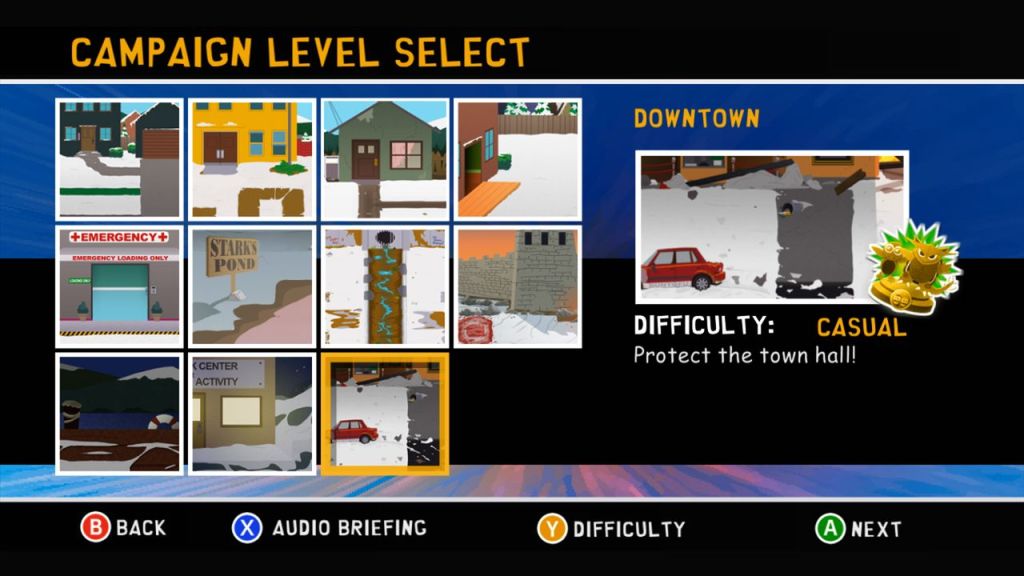
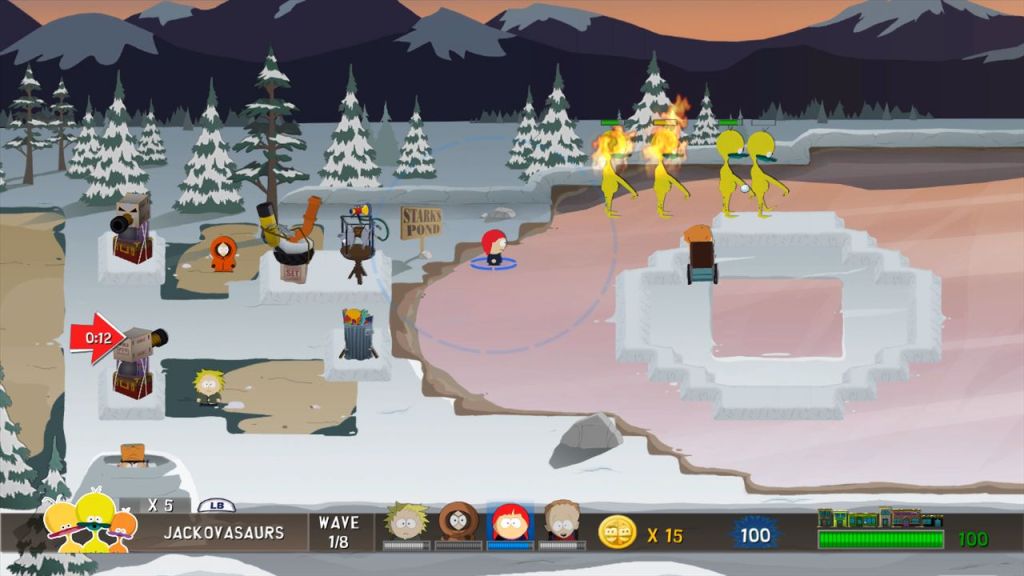
There are a lot of reference to event sand charicters from ther TV show. You’re fighting classic enemies pulled straight from the series: hippies from “Die Hippie, Die,” crab people from that one episode where they’re plotting under the town, Jakovasaurs from those annoying dino-things nobody liked, and even the Christmas Critters from the “Woodland Critter Christmas” blood orgy episode. Every level’s a love letter to fans—locations like the school or downtown South Park are ripped from the show’s paper-cutout aesthetic, complete with that janky, sloppy charm Trey and Matt insisted on. You’ll hear iconic lines, like Cartman screaming “Respect my authoritah!” when you trigger his slam move, or Kenny’s muffled grunts when he bites it (spoiler: he dies a lot). There’s even unlockable show clips as rewards, which is like finding Randy’s secret stash of Tegridy Weed—pure fan service.

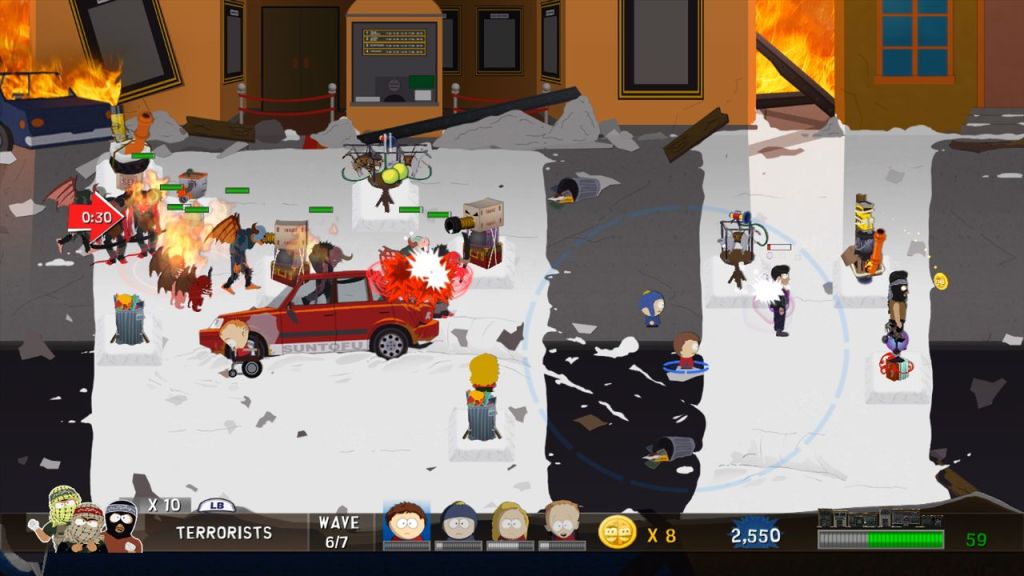
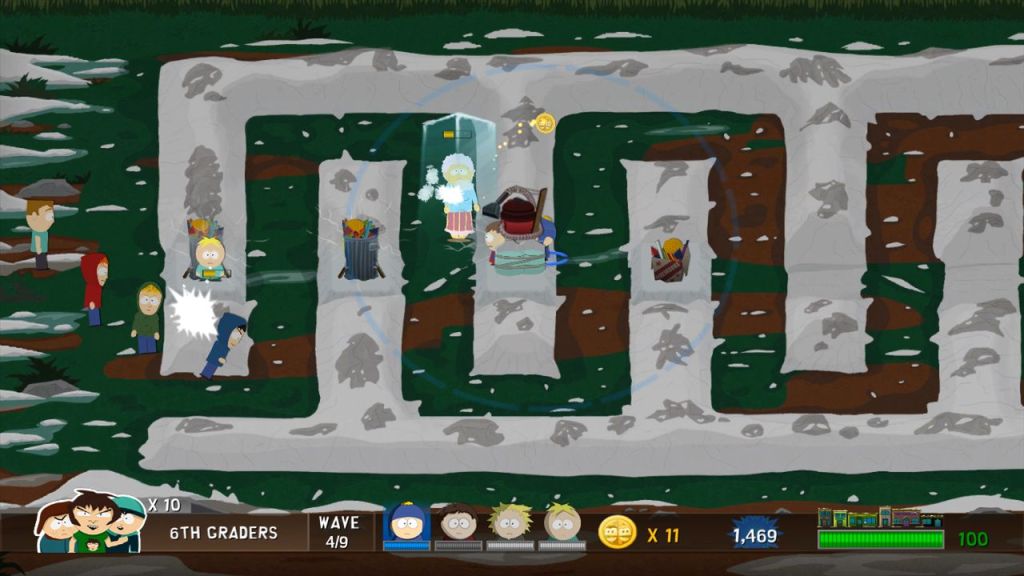
You build towers like snow forts, fiery Christmas trees (called Fiery-Works, because of course), or fridges to slow enemies down. Each has upgrades, but you gotta hustle to collect coins from dead enemies to afford ‘em. The twist is the action element: you’re not a passive god; you’re in the trenches, switching between kids to sling snowballs or use special moves. Cartman’s Fatass slam is like dropping a nuke, Kyle’s got a Jew-jitsu kick, and Timmy’s wheelchair charge is comedy gold. It’s tower defence with ADHD, and I’m here for it.

Levels get nuts fast. Early stages ease you in, but by the end, you’re fending off waves of enemies coming from multiple paths, with bosses like the Japanese announcer who shrug off your towers like Randy ignoring Sharon’s complaints. Single-player’s a grind—you’re constantly swapping characters, building, and throwing snowballs. But co-op? Up to four players can each control a kid, and it’s a blast coordinating who’s building and who’s sniping enemies. It’s the kind of chaos where you’re yelling at your buddy to “stop sucking, Kyle!” while laughing your ass off. If you have four controller’s to hand, it’s pure splitscreen fun.

South Park Let’s Go Tower Defense Play was only ever released for the Xbox 360, no PS3 or Wii ports were ever developed. It wasn’t even released or made compatible with the Xbox One, and since was only ever released digitally on Xbox Live it could now be considered abandoned media.