Namco’s first person tank shooter game, here you are split into two teams with the goal being to wipe out your enemy’s tanks. Running in beautiful 60fps in 640×480 resolution tanks to the powerful System 22 hardware, something that PC 3D accelerator software the era had difficulty achieving.
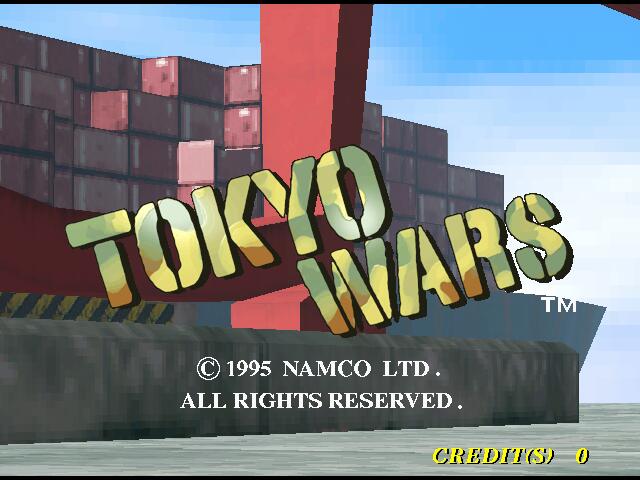
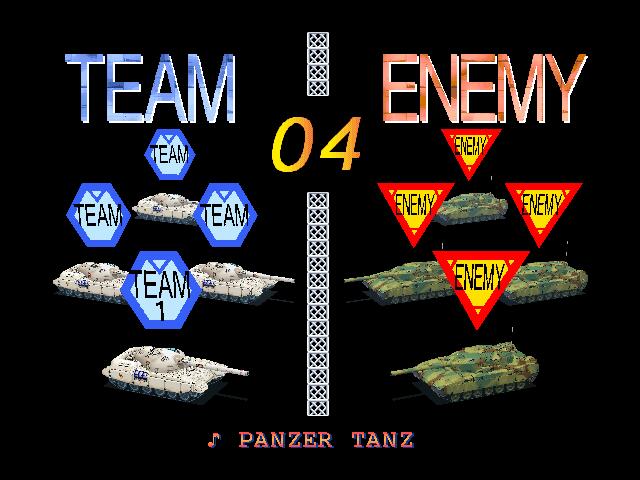
You join either the Green Force or White Force and battle opposing tanks in large 3D arenas. Matches last up to 15 minutes or until one team is wiped out – depending on the arcade operator settings. Destroying enemy tanks will give you a small shield boost that you have to pick up, which gives you more health.
You’re limited to just two stages, the Downtown street level and the docks stage. Certain elements of the level are destructible like cars, rails and even the on-ramps for the parking lot. The Bay Area (Bayside Dock), This is the training ground of the game. It is a massive, relatively flat shipping yard and dockside area. Because there aren’t many places to hide, the enemy teams usually meet in the middle for a massive battle. Despite the amount of tanks on screen, the frame rate never seems to dip.
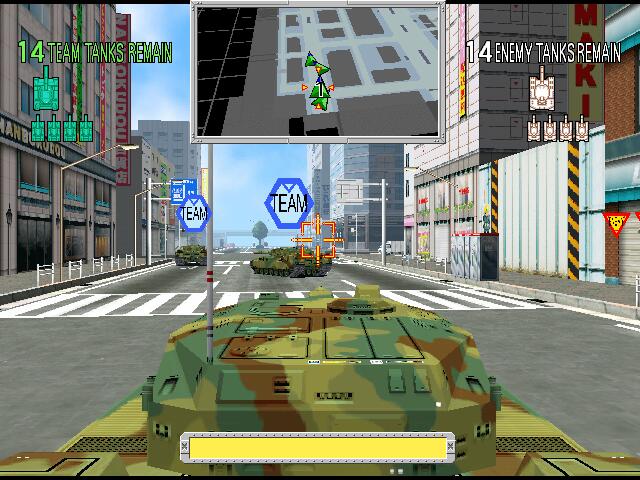
The Downtown Tokyo, This is the more famous of the two levels and is significantly more complex. It represents a dense city center filled with narrow streets and intersections. A maze-like grid of streets that provide a quick hiding place from other tanks. It features elevated expressways (overpasses) that you can drive under or around, and tight alleys that allow for flanking maneuvers.
There is no overall story or plot to the game, just seems like Tokyo crashed out and decided to have a tank battle.
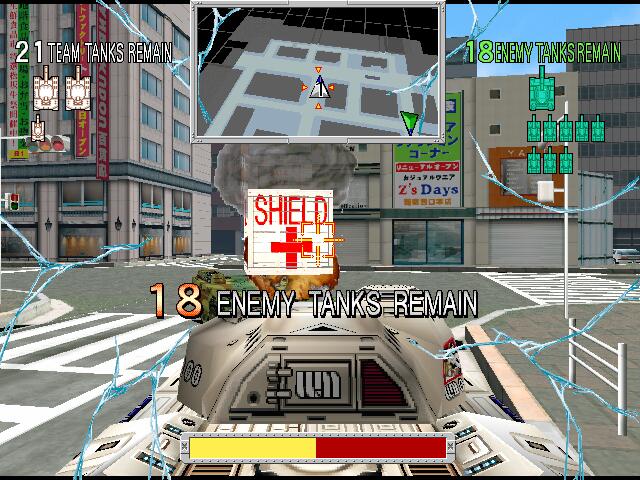
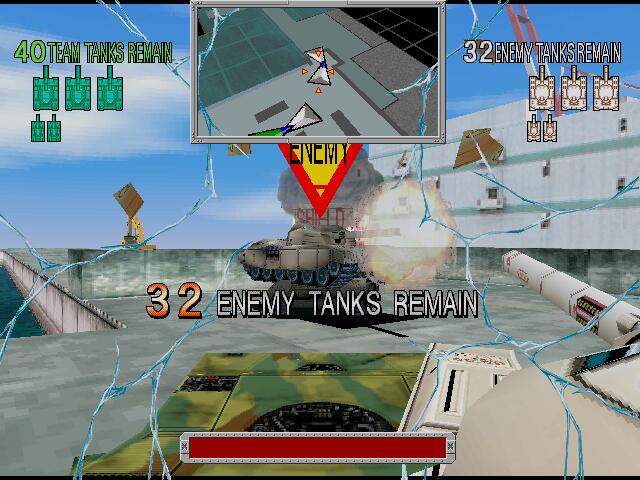
Tokyo Wars comes close to a 3D arena shooter for the arcades in concept, but the tank controls limits your movement somewhat compared to the nimble movement that Unreal and Quake offer. The decision to use tanks as players was possibly done to avoid any controversy with the game. Arcades in the mid-90s were often in malls and family venues, so avoiding realistic human blood/gore (like in Mortal Kombat or Doom) was smart business in general. The game is still very much a high-octane, competitive war game but avoids having any serviced violence like gore or blood being sprayed around.
Still the game provided an impressive amount of detail for an 90s arcade game thanks to the capabilities of Namco’s System 22 hardware, offering detailed buildings and animated billboards, many of which feature references to Namco’s other games of the era, especially when you compare it to other games that feature an urban city setting like the original Driver.
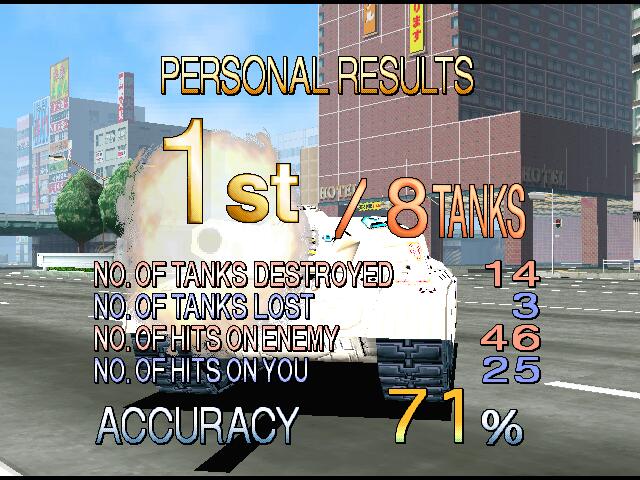
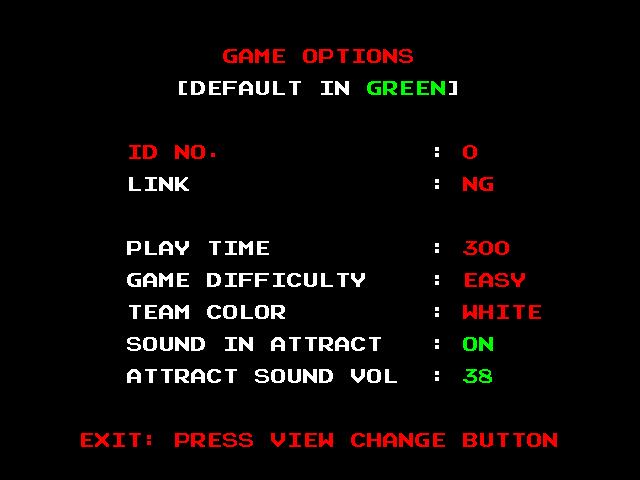
Now it’s easier to play Tokyo Wars, you can emulate it on MAME on a reasonable capable hardware. And as of 2026 it has been released as part of the Arcade Archive series that I recommend and is available to the PS5, Xbox Series X/S and Switch 2. These versions are accurate to the arcade original.
 Drew1440: Blog