A project management software from 1996 that I found on a bundled OEM PC from TIME. Lets take a look at what project management was like in 1996
The software was intended to be used on Windows 95 and 3.1, which was still in common use at the time of release. It was developed by SoftKey Multimedia, who were well known for their line of budget software that was typically sold as part of a bundle. SoftKey would later acquire MECC and software division of The Learning Company. If you’re not familiar with project Management software, it’s intended for professional project managers and larger organizations to handle complex projects (e.g., construction, IT development) with detailed scheduling and resource management.
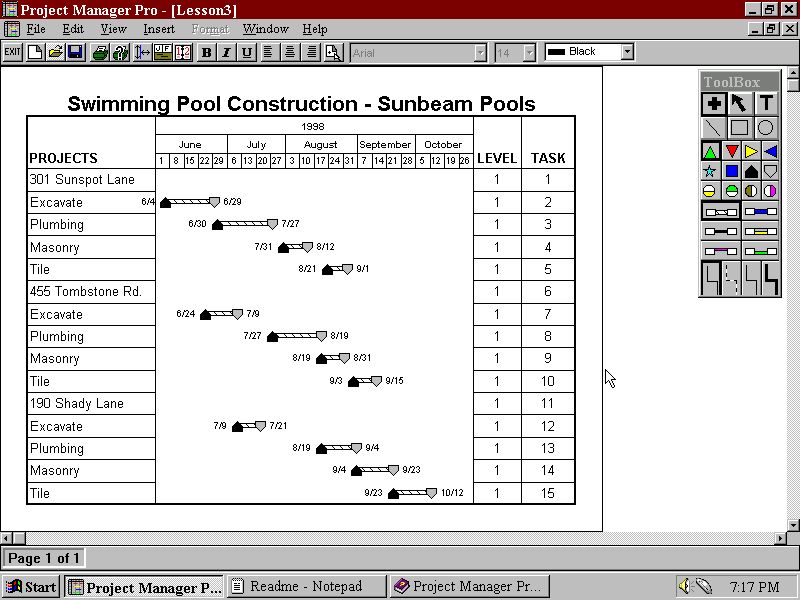
Here we have a straightforward interface, leveraging the graphical capabilities of Windows 95 to provide a more accessible experience compared to earlier DOS-based and Windows 3.1 tools. It included built-in features for creating Gantt charts, a popular feature for visualizing project timelines, influenced by the historical development of project management software like the Harmonogram and Gantt charts which are very common for project management.
Typical features were that users could create and manage tasks, breaking down projects into smaller, actionable components. This included setting task names, descriptions, and priorities, a standard feature for project management tools of the time.
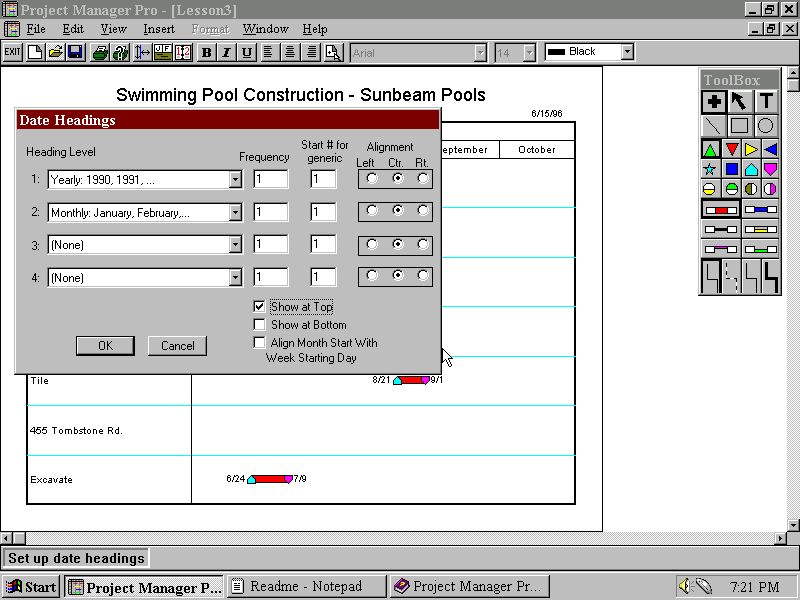
The Symbol/Connector Date Sensitive feature is one of the ways Project Manager Pro will let you show progress. This feature causes symbols and connectors to change after the current date line to indicate future activity. The date. For straight line connectors, the line pattern will change from solid to dash. You can define dependencies between tasks, ensuring that certain tasks could not start until others were completed, reflecting methodologies like the Critical Path Method.
There is another way to show progress with Project Manager Pro. This is through the use your start and end date. Your start date is connected to the progress symbol and the progress symbol is connected to the end date.
In comparison to Microsoft Project 4.1a which would have been released around the same period, Microsoft’s is a professional-grade tool with advanced scheduling, resource management, and scalability for complex projects, targeting enterprises and experienced users. Project Manager Pro is a simplified, budget-friendly option for small-scale projects, designed for ease of use by non-experts.
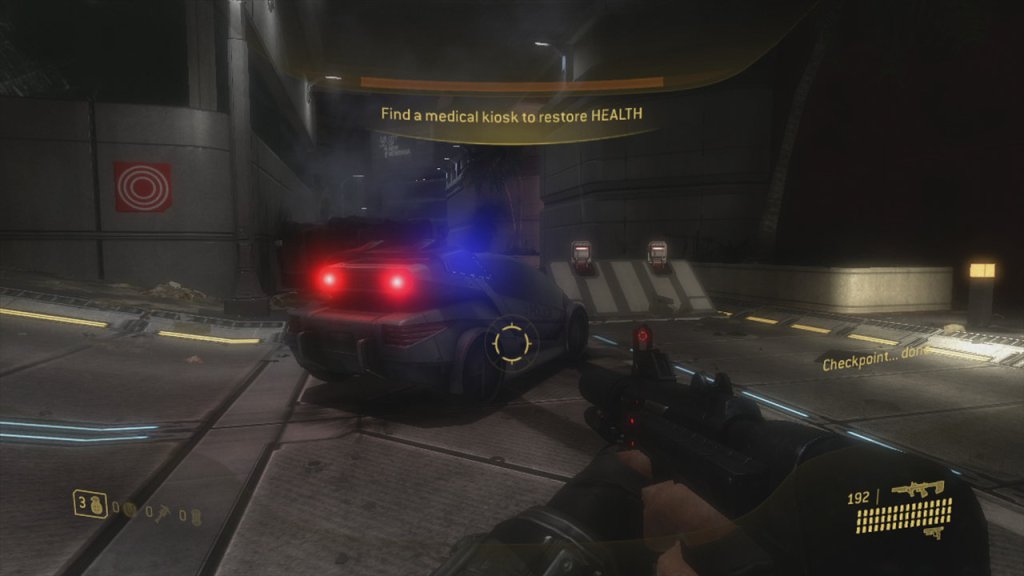
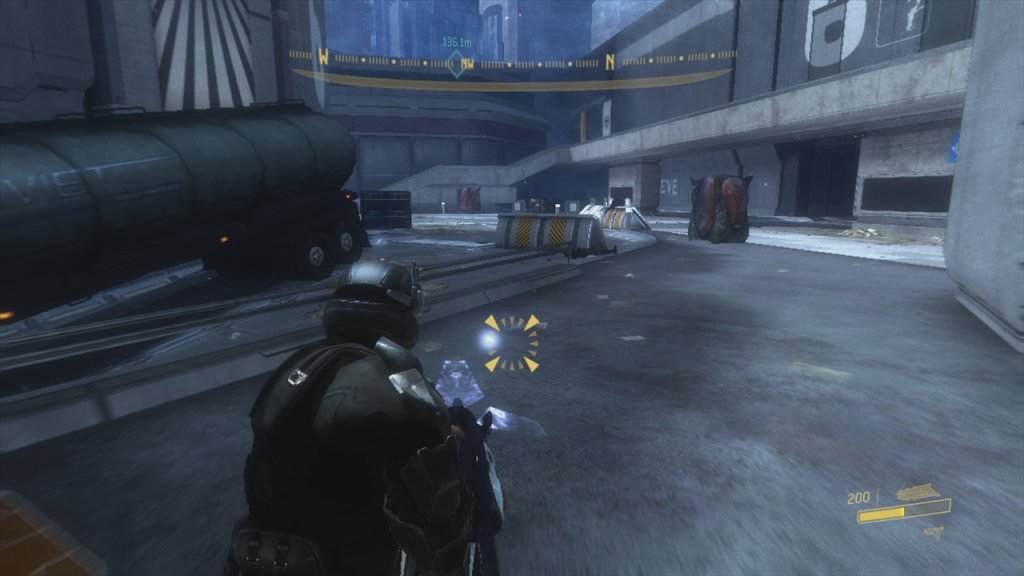
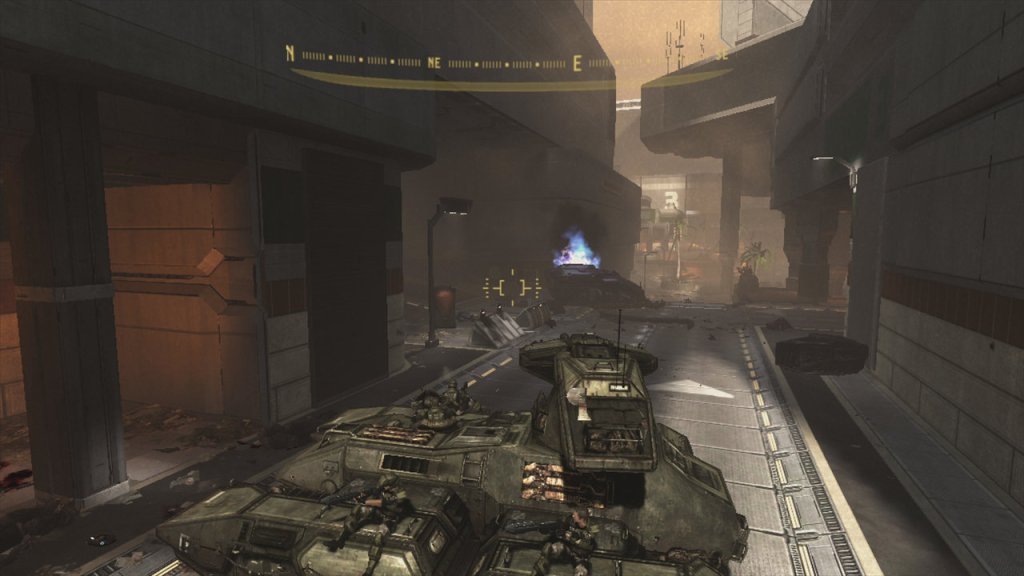
A first-person shooter developed by Bungie and published by Microsoft Game Studios, released on September 22, 2009, for the Xbox 360. Unlike the main Halo series, which focuses on the super-soldier Master Chief, ODST puts you in the boots of Orbital Drop Shock Troopers (ODSTs), elite but human soldiers in the Halo universe.
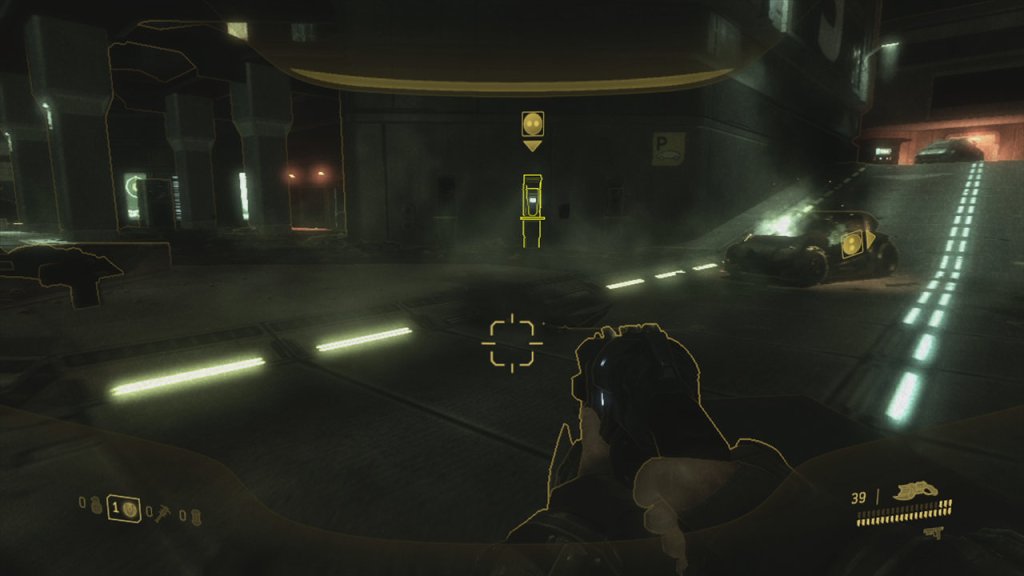
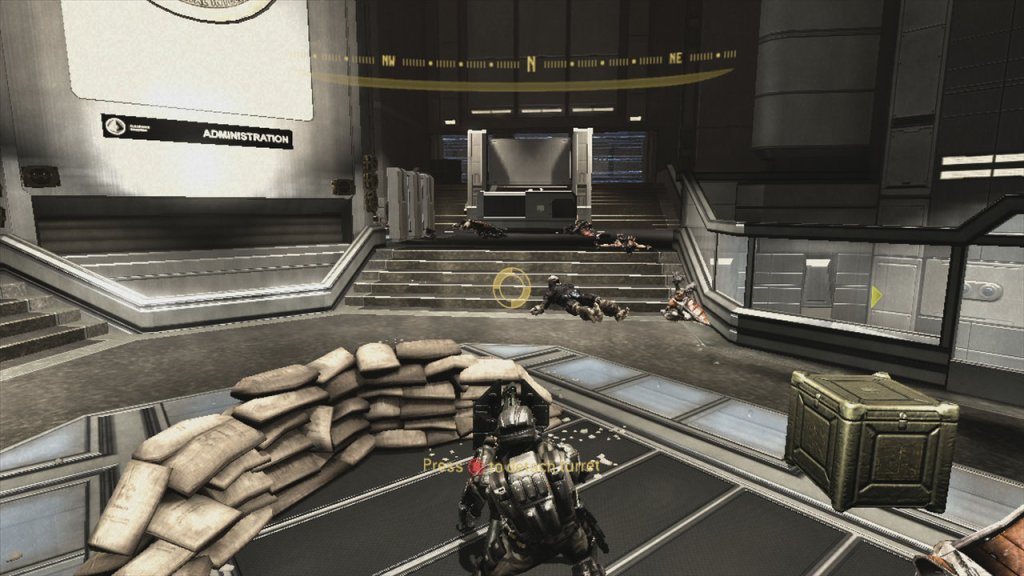
For the campaign you play as The Rookie, a faceless ODST grunt dropped into New Mombasa, which looks like a city planner had a stroke and then got glassed by aliens. There are a lot of closed off area’s, and parts of the city are blocked off with huge doors. It’s likely the city was designed around the Xbox 360’s memory limitations, as the city is divided into sections that can fit into the console’s limited memory. The vibe is dark, rainy, and lonely and could also pass for a horror game with its atmosphere. You wander around this semi-open-world hub, picking up clues to trigger flashback missions where you play as other squad members.
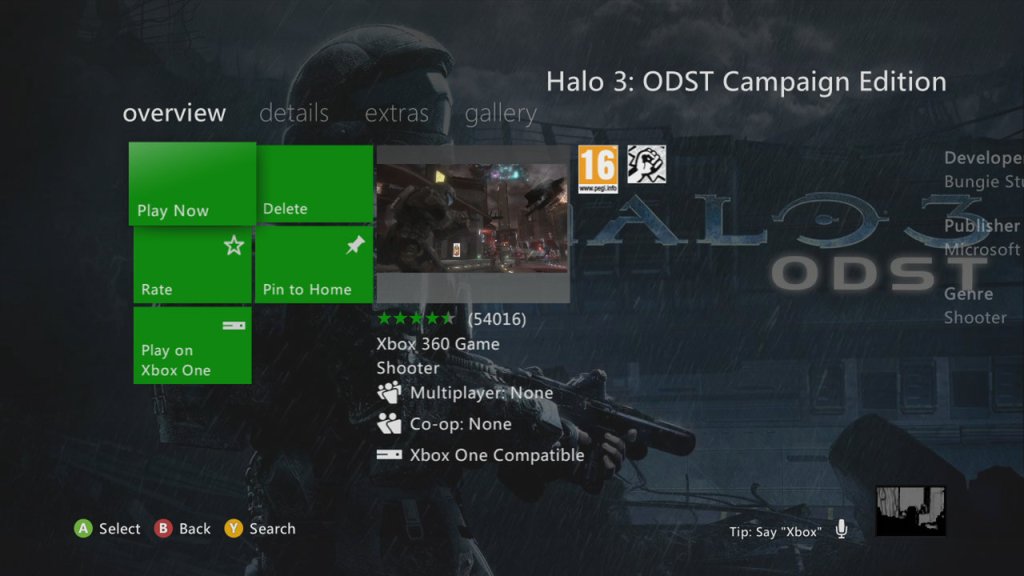
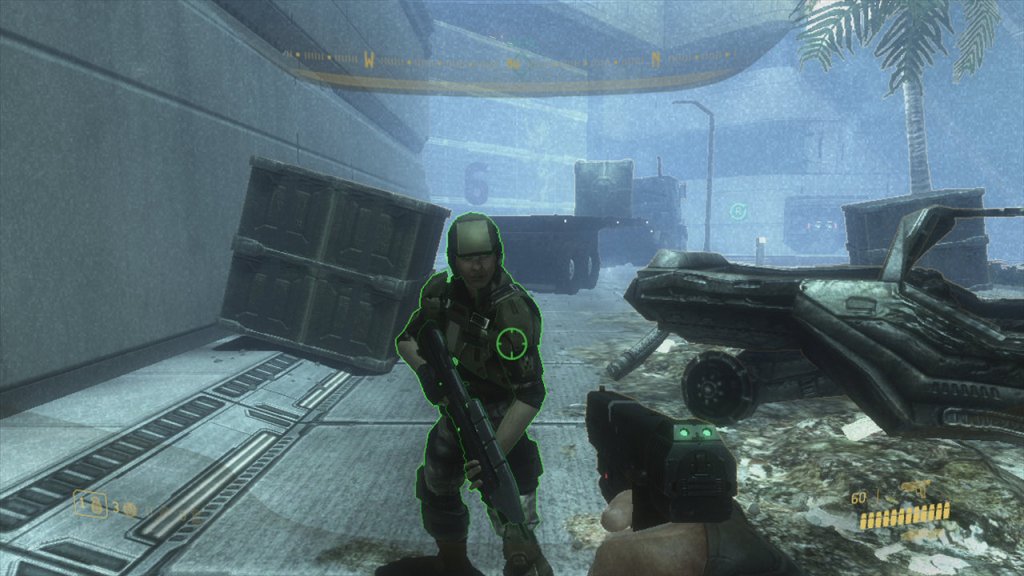
The game makes a departure from previous Halo games where you typically play as the MasterChief. With Halo 3 OST, you play as the ODSTs, or Orbital Drop Shock Troopers, are an elite special forces unit of the United Nations SpaceCommand (UNSC) military. They play vital role in the war against the constant and whilst not as powerful as the Spartans (MaterChief), they are still pretty capable compared to the Marines.
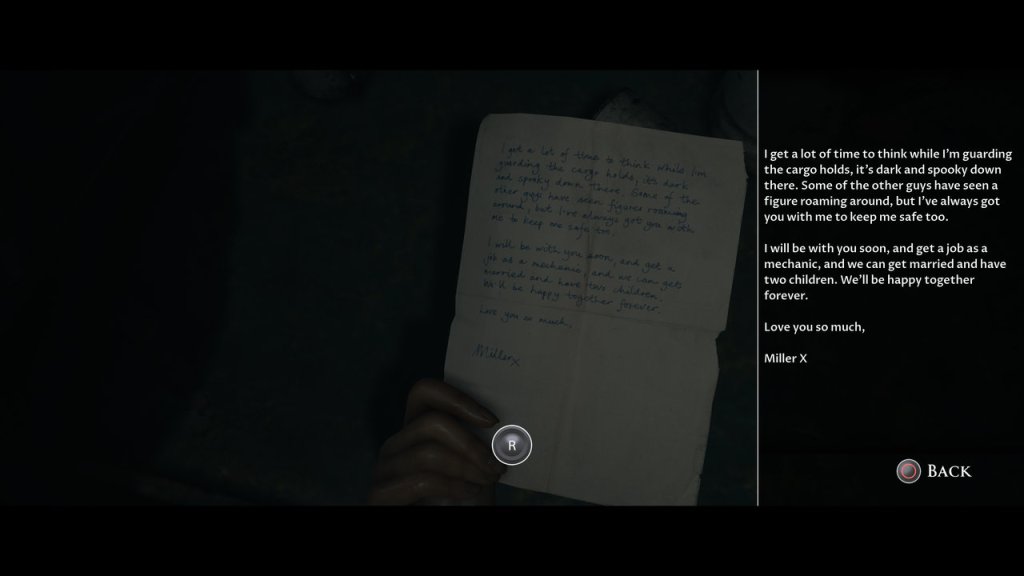
There are also collectibles in the form of audio logs about a woman named Sadie, who was present at the time of the attack. You can hear the screams and the panic of the public as the convenient attack whilst Sadie is screaming to get to safety. It’s kind of like listening to a podcast whilst you are wondering around the streets of Mombasa.
A few of the main characters are:
The Rookie: The main person you play as, pretty much silent protagonist since its intended to be a stand-in your the player.
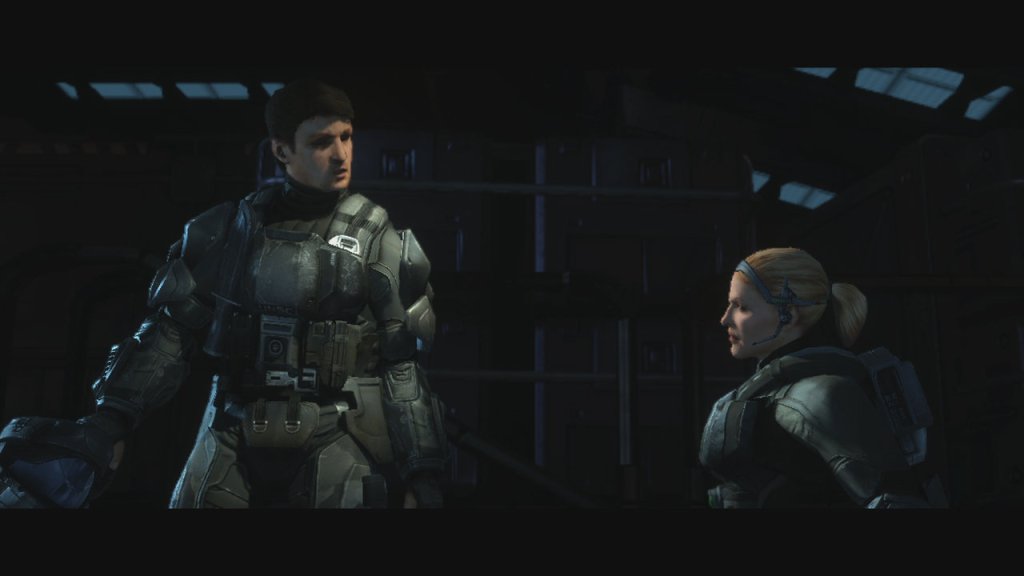
Gunnery Sergeant Edward “Buck” – Voiced by Nathan Fillion, this guy’s got the charm of Mal from Firefly but with a better haircut. Buck’s the guy you want runnin’ your team: tough, loyal, and droppin’ one-liners that make you wanna high-five your TV.
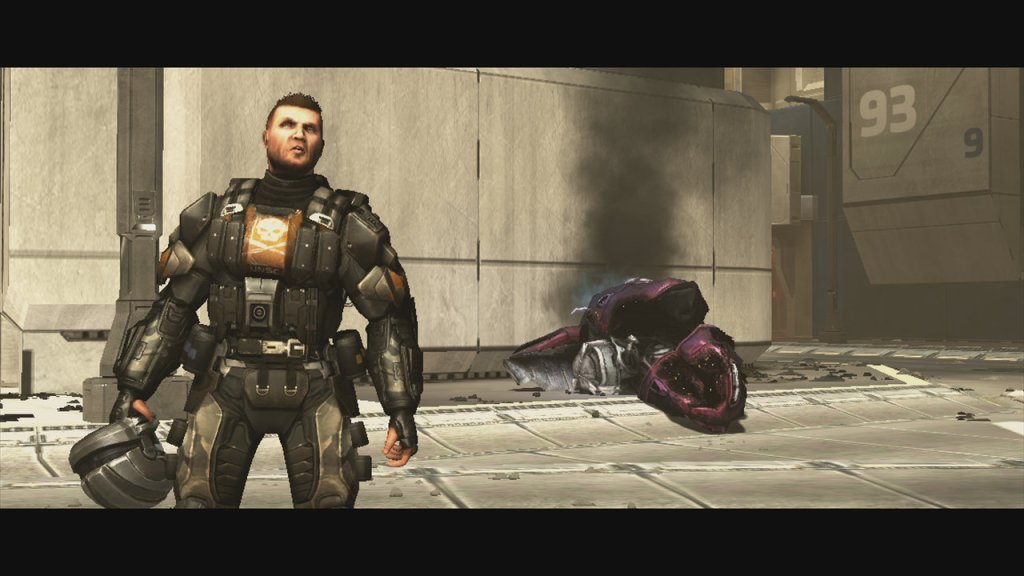
Corporal Taylor “Dutch” Miles – Dutch, voiced by Adam Baldwin—yep, another Firefly alum—is the squad’s heavy weapons guy, like if you gave a tank a personality and a Bible. He’s all about blowing stuff up with rockets or drivin’ Warthogs.
Lance Corporal Kojo “Romeo” Agu – Romeo, voiced by Nolan North—aka every video game character ever—is the squad’s sniper.
Private First Class Michael “Mickey” Crespo – Mickey’s the explosives nerd, voiced by Alan Tudyk, who’s basically Wash from Firefly.
Captain Veronica Dare – voiced by Tricia Helfer, She’s not an ODST but tags along for some secret spy project involving an alien Engineer and the city’s AI. She’s got history with Buck, which is like watching a soap opera with more explosions.
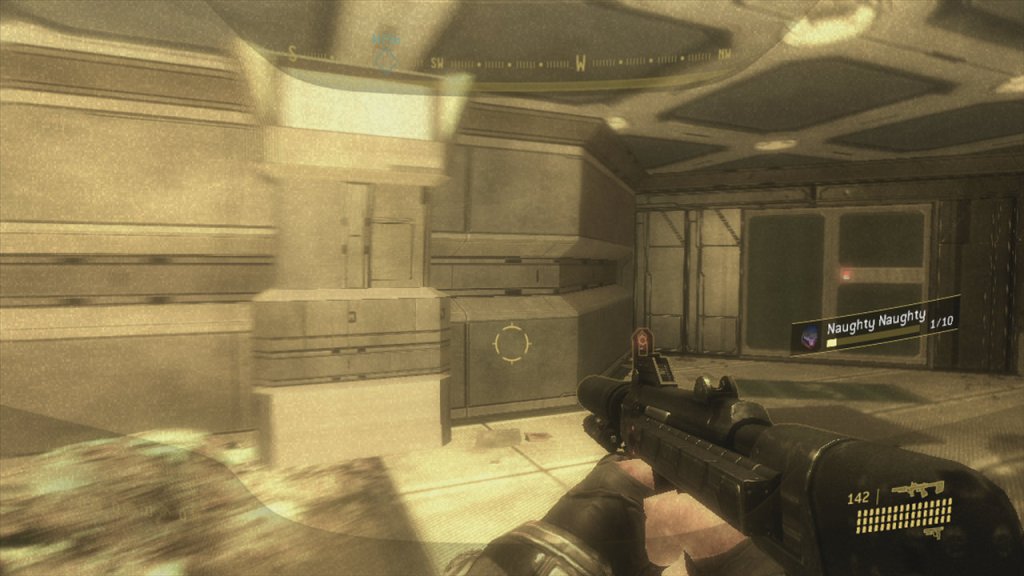
You will play as these characters at various points during the campaign, each will have their own weapon set.
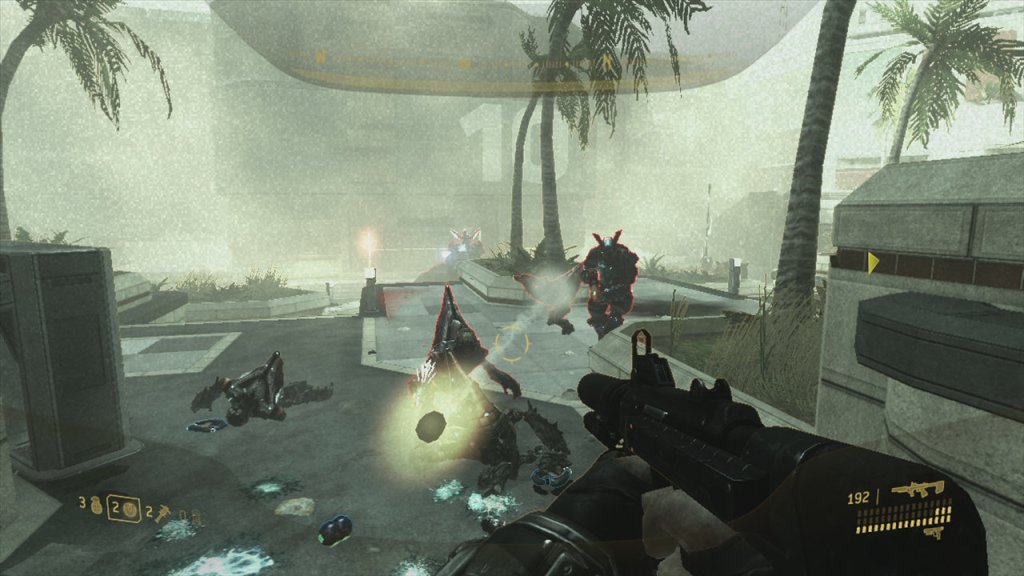
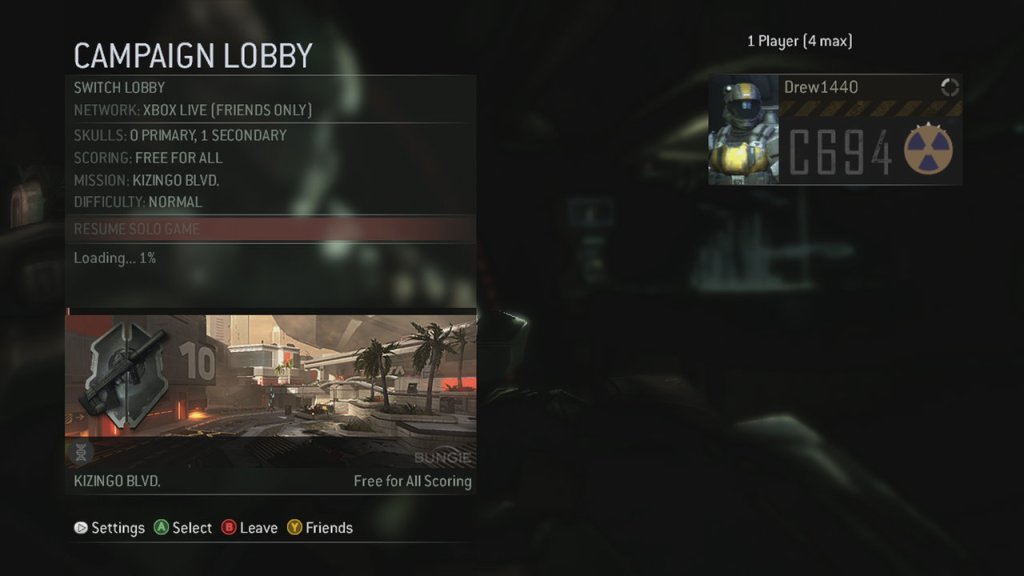
Firefight is a cooperative survival mode introduced in Halo 3: ODST (2009) for the Xbox 360, designed for up to four players (local or online via Xbox Live). In Firefight, you and your teammates play as ODSTs defending against endless waves of Covenant enemies (Grunts, Jackals, Brutes, etc.) on specific maps based on the campaign’s environments. Enemies come in waves (five waves per round, three rounds per set), with difficulty escalating as you progress. Each wave introduces tougher enemies or new enemy types (e.g., Brute Chieftains or Hunters in later rounds). After each set, “Skulls” (game modifiers) activate, increasing difficulty by adding challenges like tougher enemies (Tough Luck Skull), reduced player health (Iron Skull), or faster enemy movement (Catch Skull).
2009 saw many multiplayer game incorporate this co-op PvE mechanic, like Horde mode in Gears Of War 2, and the Zombie Mode in Call Of Duty World At War.
ODST started as a “mini-campaign” idea, like a quick DLC to keep fans busy after Halo 3 dropped in 2007. Bungie had a small team—about 70 folks, with a core design crew of five—working with the Halo 3 engine, so they didn’t have to build from scratch. They reused assets, tweaked the gameplay for squishy ODSTs instead of tanky Spartans, and added cool stuff like VISR mode and silenced weapons. The big hook was the noir vibe, with New Mombasa as a semi-open hub. Bungie had a ready-made engine from Halo 3, so they didn’t need to redesign a new physics engine for the gameplay, and may assets from Halo 3 could be reused. They had a small, experienced team, not the 500+ you see on modern blockbusters. The scope was tight: a short campaign, a new co-op mode (Firefight), and recycled Halo 3 multiplayer maps. They also leaned hard on existing lore, so no need to dream up a whole new universe. Compared to today, where it can take up to 5 years for a new mainline Halo title.
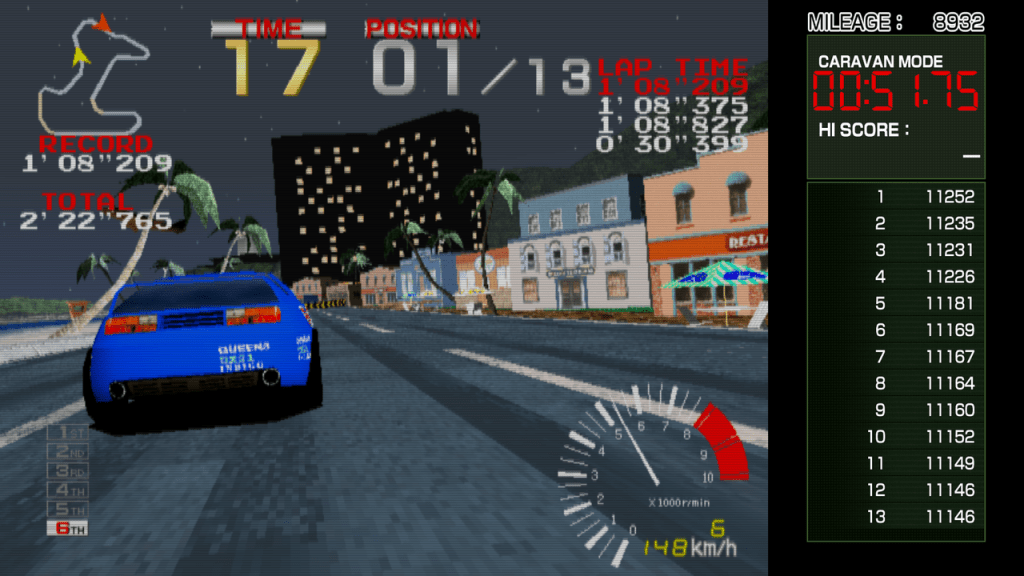
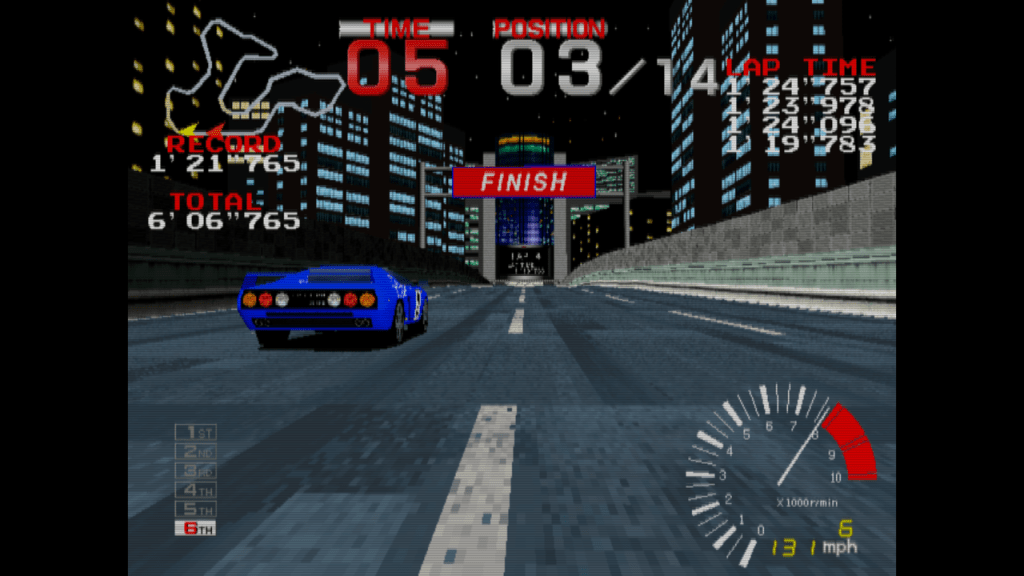
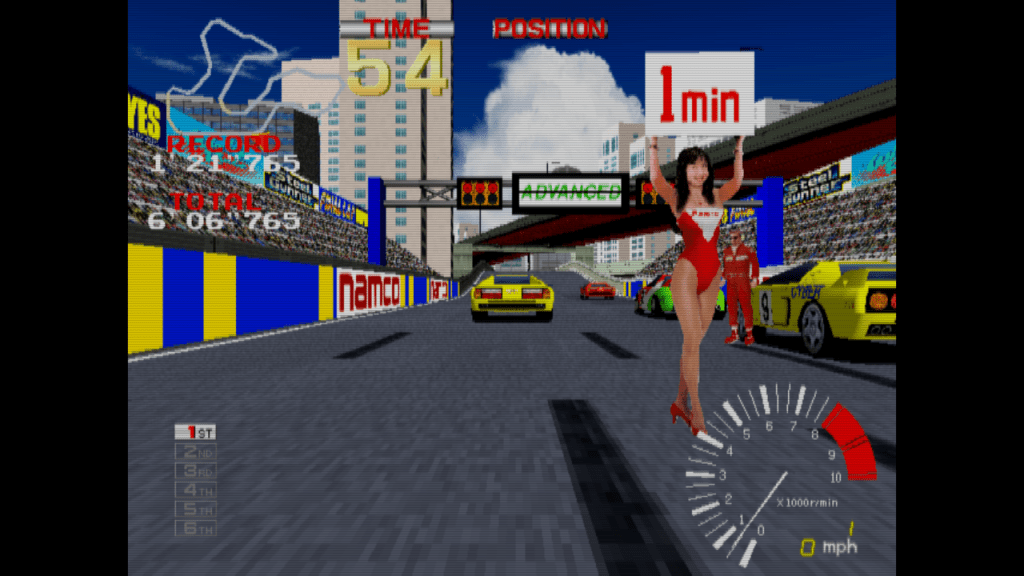
Ridge Racer—the granddaddy of drift-happy arcade racers—gets dusted off and slapped onto modern consoles like the Switch 2, PS5, and Xbox Series X|S. For 16.99, you’re getting the original arcade game—think one track, one car (that red Mazda MX-5 lookalike), and a whole lot of techno beats. No frills, or DLC’s, just pure arcade racing. We have seen a slight resurgance of Ridge Racer games with Type 4 and the PSP Ridge Racers 2 being rereleased on the PS4/5, making use of the consoles emulation, and as a fan of the aracde original I’m excited to see Ridge Racer ported to the home consoles… again.
Ridge Racer on the Xbox Series X
The game takes full advantage of the analogue controlls offered by the modern consoles, The drifting feels good—tight, responsive, and satisfying when you nail that perfect slide through Ridge City’s bends. You’ve got four modes: Novice, Intermediate, Advanced, and Time Trial, each tweaking the speed and lap count. Time Trial’s the real MVP, pitting you against a rival car in a one-on-one showdown. Two ROMs are offered, with the DX version using an H-shifter and clutch. It’s cool, but good luck finding a controller that makes it feel natural.
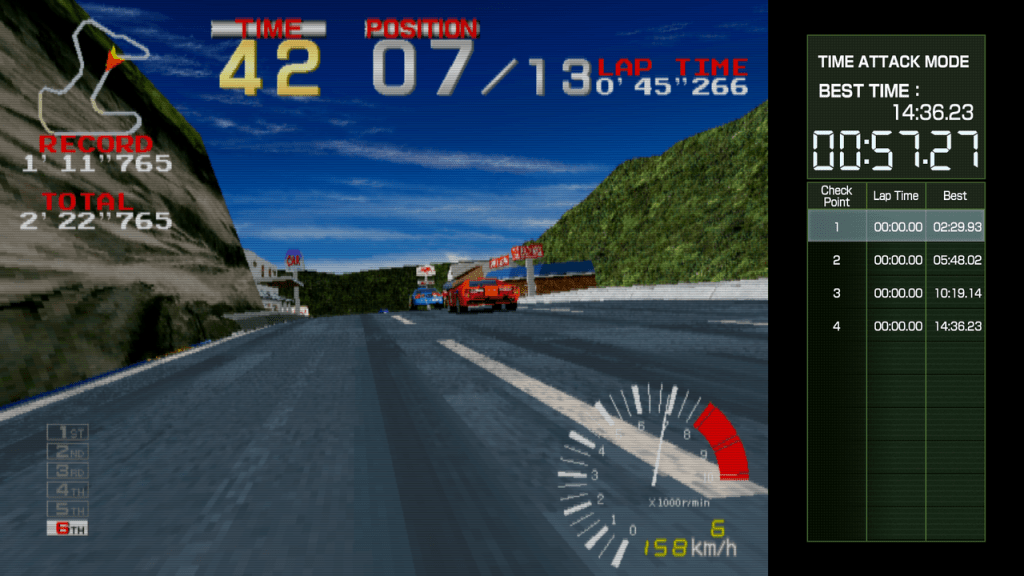
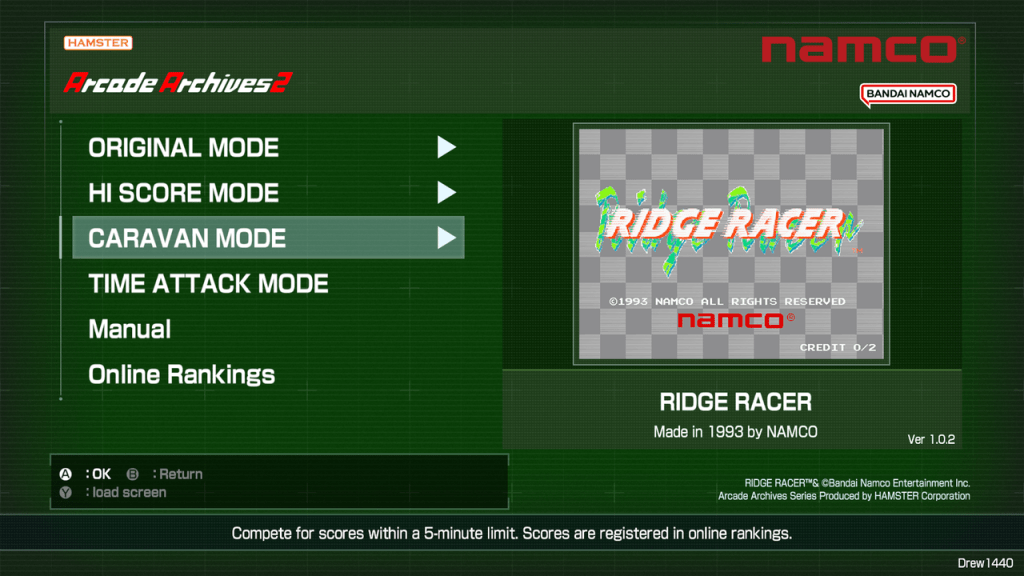
Hamster didn’t just add the arcade ROM and call it a day. They included in some extra goodies: A proper Time Attack Mode, High Score and Caravan Modes for leaderboard chasers, and a rewind feature for when you make a mistake on that hairpin turn. Multiple save slots are nice, and the redesigned UI’s slicker than the old Arcade Archives setup. PS5 and Xbox players get trophies and achievements. The extra modes make use of save states which are transparent tot he user, and stats are recorder and shared online with other users.
But here’s the kicker: no multiplayer, no extra tracks, no car selection, and no third-person view like the PlayStation version had. It’s the arcade original, which is both its charm and its biggest middle finger. There isn’t enough content to justify the price, even if the game is accurate to the original ROM.
Still it’s a nice charming game, and a nice tribute to Ridge Racer. Hopefully we will see further System 22 releases ported to home console, mainly Rave Racer and Ace Driver in their glorious 60fps.
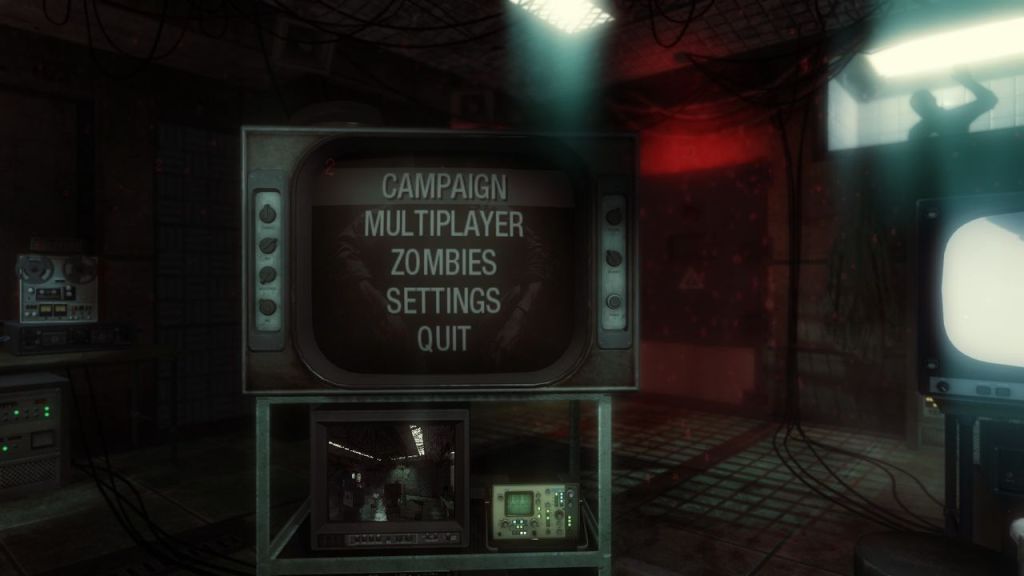
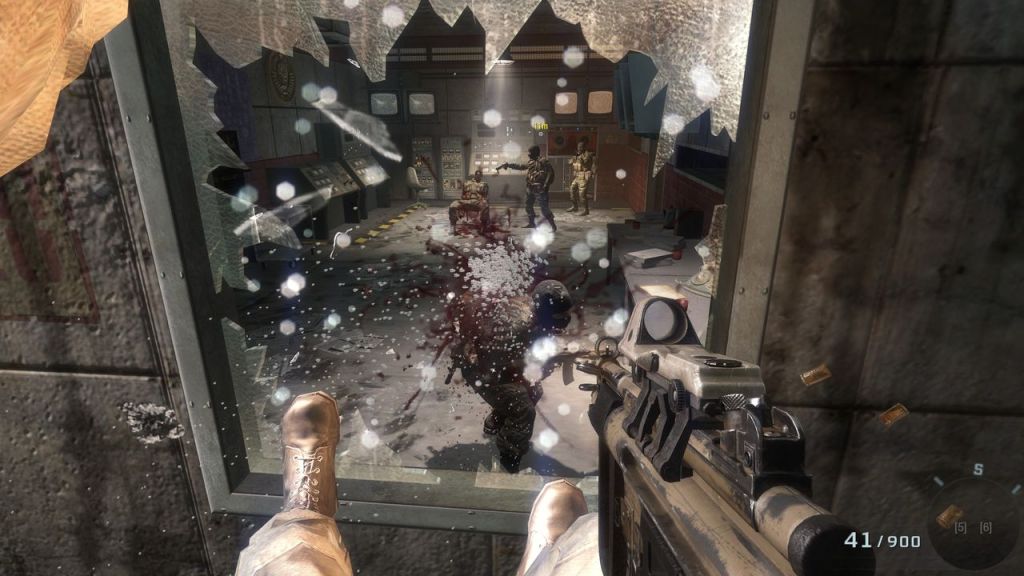
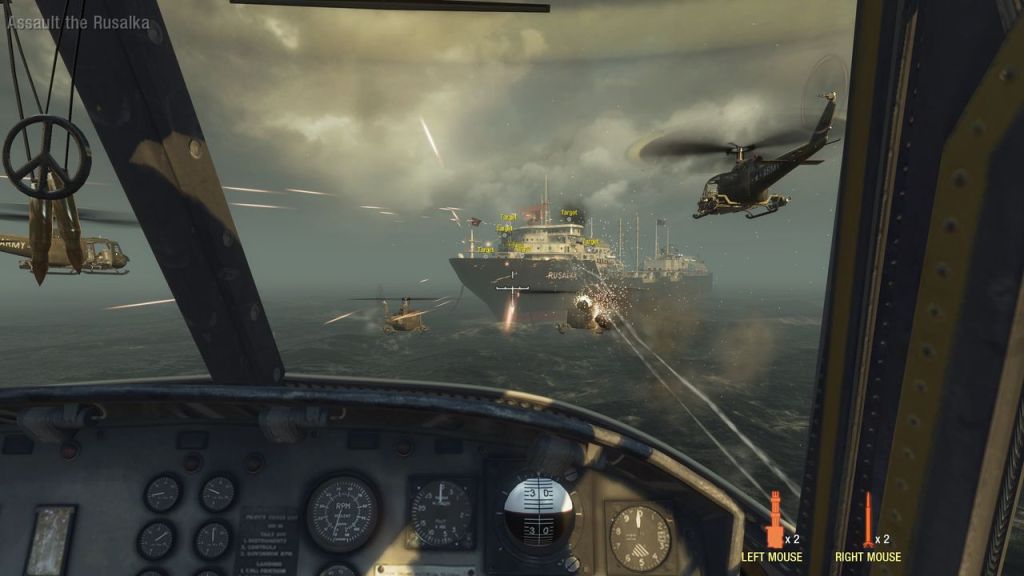
Another FPS game released November 2010 and developed by Treyarch. Considered to be a sequel to World At War.
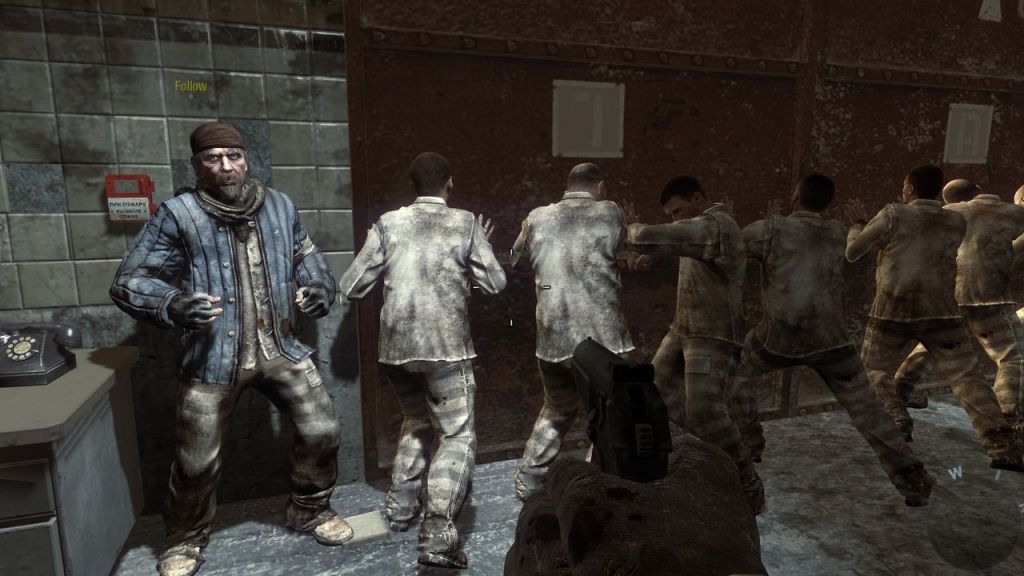
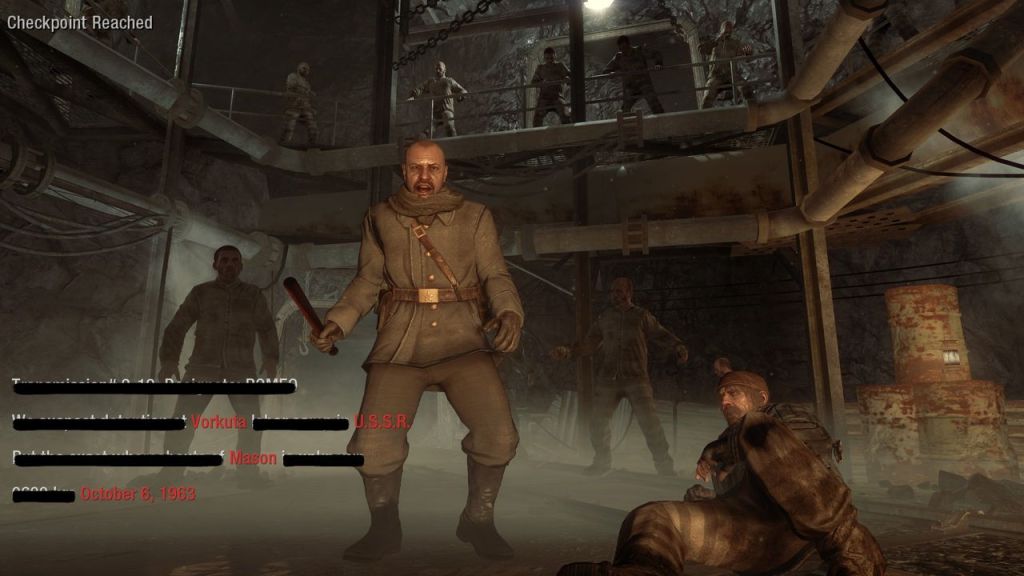
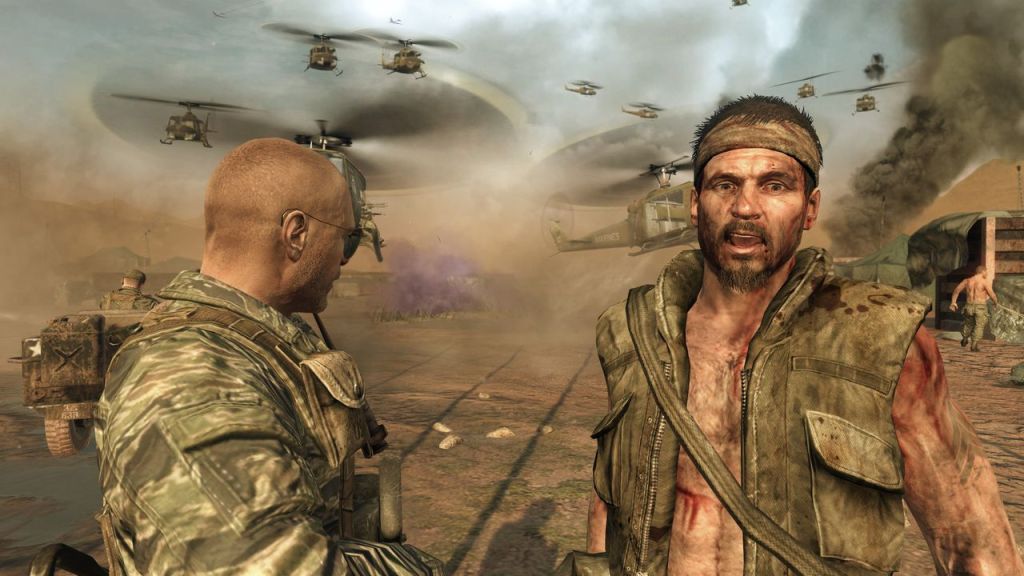
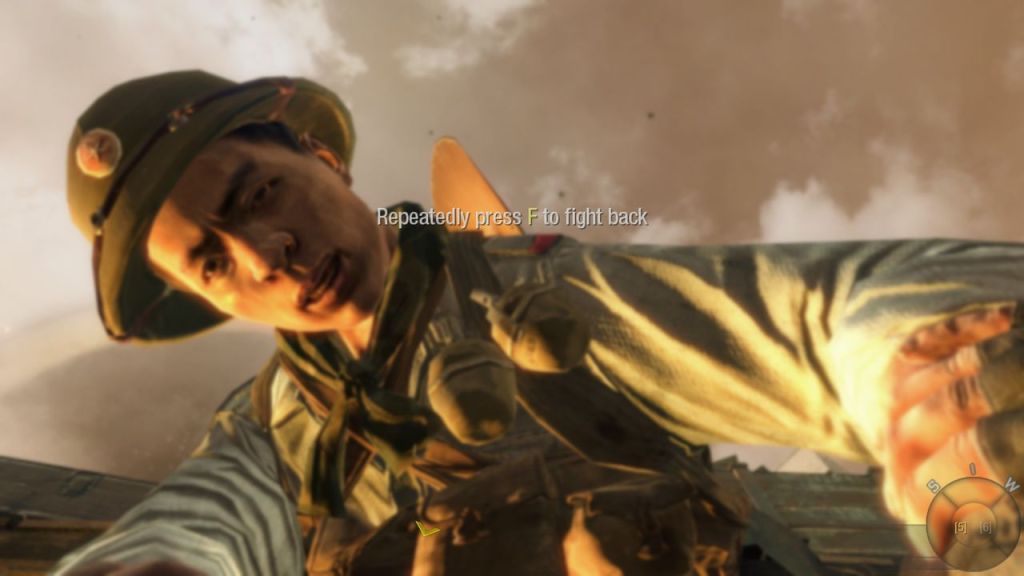
The game’s set in the 1960s, at the height of the Cold War, where the U.S. and Soviet Union are locked in a global pissing match. The campaign’s core conflict revolves around covert U.S. operations to counter Soviet influence, from Cuba to Vietnam to Arctic outposts. It’s all about proxy wars and espionage, reflecting the real-world fear of mutually assured destruction. You’re playing as CIA operative Alex Mason, running black ops to stick it to the commies, which screams “America, hell yeah” but also shows the shady lengths the U.S. went to for dominance.
The Bay of Pigs Invasion (1961) kicks things off, with Mason involved in a botched CIA-backed attempt to overthrow Castro’s regime in Cuba. It’s a direct nod to U.S. anti-communist policies and the failure of covert intervention, showing the messy reality of regime change. The game doesn’t shy away from portraying Castro (or at least his double) and the Cuban Revolution as key pieces of the geopolitical chessboard. Vietnam War missions, like those in Khe Sanh and Hue City, highlight the U.S.’s military quagmire against the Viet Cong and North Vietnamese. Black Ops captures the chaos and moral ambiguity of the war, with soldiers like Woods griping about the pointlessness of it all, echoing real-world anti-war sentiments.
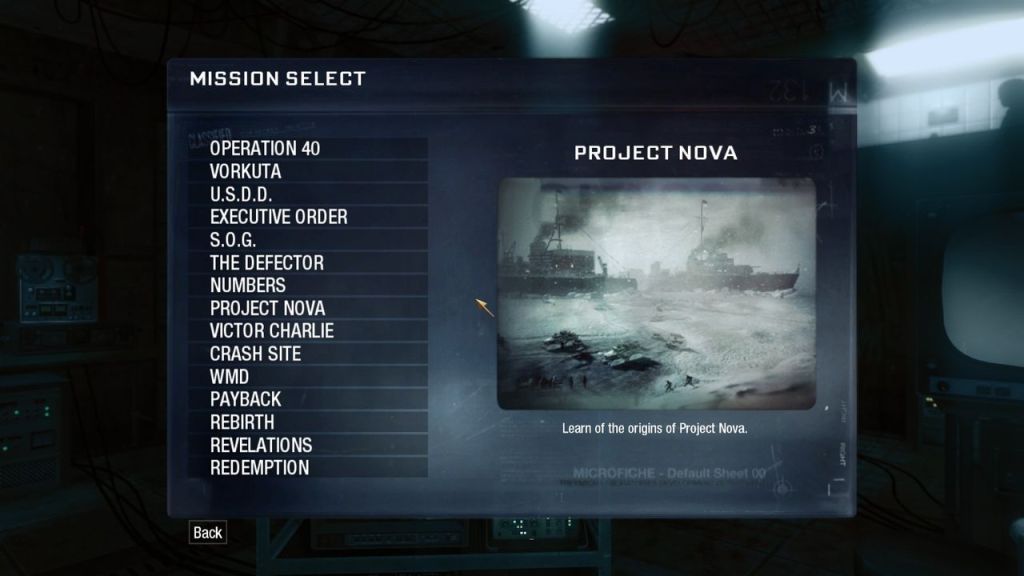
Numbers are a common occurance within the game campaign and play a large role int he story. The “Numbers” program, where Mason’s brainwashed by the Soviets, is a big metaphor for psychological warfare and propaganda. The idea of a sleeper agent programmed to kill on command plays into Cold War fears of ideological control—both sides were paranoid about the other “corrupting” their people. It’s less about left vs. right and more about how far governments (U.S. or Soviet) will go to manipulate minds for their agendas.
Nova 6, the fictional chemical weapon, is a plot driver, with the Soviets planning to unleash it on the West. It’s a stand-in for real Cold War anxieties about WMDs, like nerve gas or nukes. The game doesn’t preach, but it shows the U.S. and Soviets both playing dirty—testing weapons, running unethical experiments (like Reznov’s backstory)—which raises questions about the moral cost of “winning” a war.
The game leans hard into the U.S. as the “good guys” fighting Soviet evil, with characters like Dragovich and Kravchenko painted as cartoonishly vile. This mirrors the era’s anti-communist propaganda, where the Red Scare was still a thing. That said, it’s not totally one-sided—Mason’s team isn’t exactly saintly, and the CIA’s methods (torture, assassination) get a side-eye, hinting at the hypocrisy of both superpowers.
Multiplayer
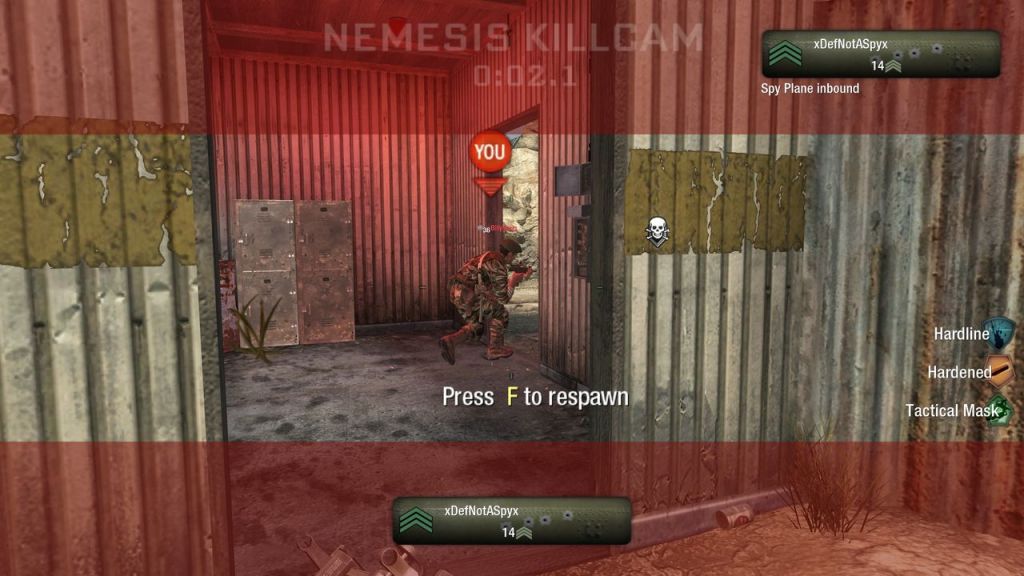
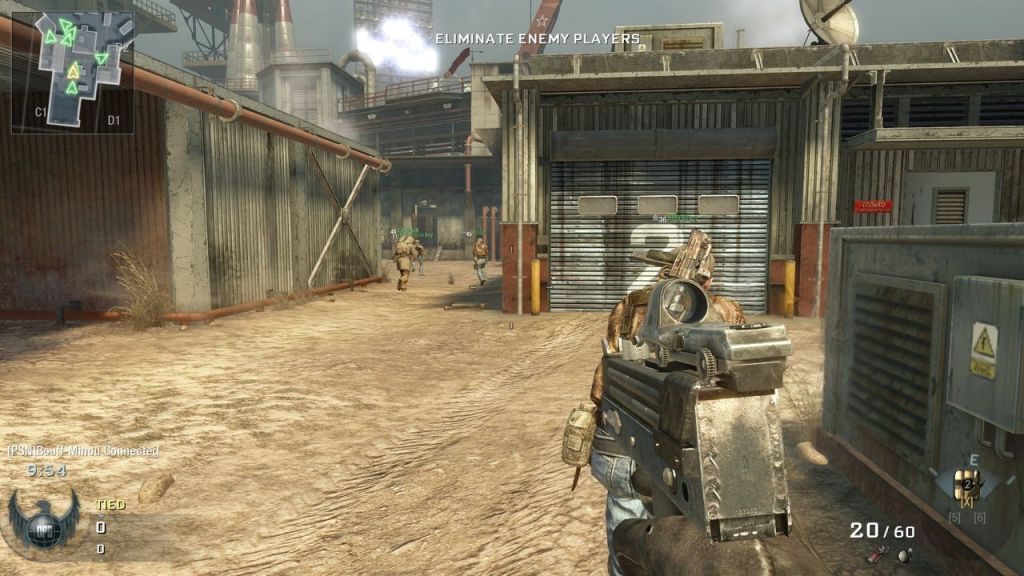
This is where Black Ops earned its stripes. You’ had a selection of 14 maps at launch, classics like Nuketown, Firing Range, and Jungle. Black Ops saw the introduction of COD Points, so you could flex your wallet and unlock that shiny new gun without grinding for days.
Nuketown: A tiny ‘50s suburb with two houses, a couple of buses, and a whole lot of carnage due to it’s small size. The nuke shelter and mannequins give it that creepy Cold War charm.
Firing Range: A military training ground with shacks, towers, and tight corners. Think of it as Nuketown’s slightly bigger cousin. Fast-paced but with just enough room to breathe. You can flank, hold a rooftop, or go Rambo in the middle. The central tower’s a death magnet, but controlling it feels like you’re the king of the lobby.
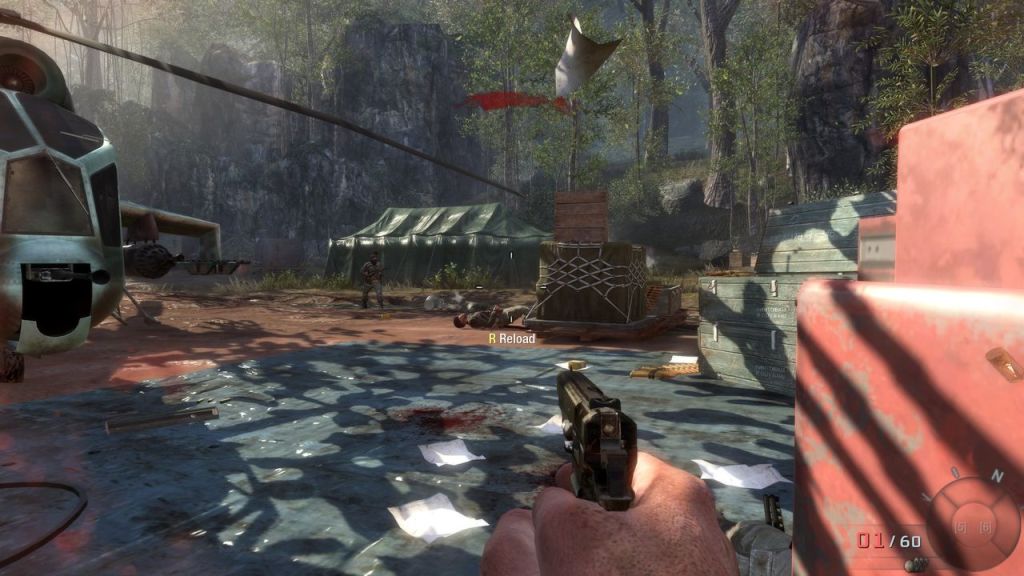
Jungle: A dense Vietnam jungle with rivers, huts, and elevated paths. It’s humid and hostile, like you’re actually in ‘Nam. Slower-paced, with sneaky flanks and sniper perches. The foliage lets you play Predator, but one wrong move and you’re eating an AK-47 burst. Perfect for tactical players who like a bit of stealth. Snipers and assault rifles shine, but watch for flankers with SMGs. Claymores are your best friend.
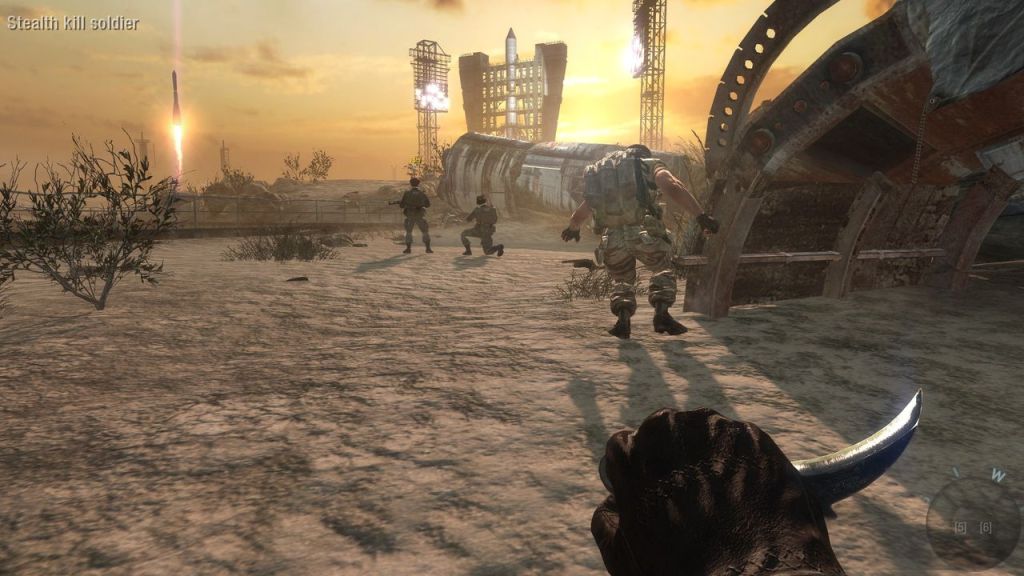
Launch: A Soviet cosmodrome with a rocket that actually launches mid-match. Big, open, and industrial. That rocket launch is a cool gimmick, shaking up sightlines. It’s a sniper’s dream with long lanes, but the side paths let rushers flank. Feels epic, like you’re storming Area 51. The rocket’s a distraction however, don’t get caught gawking.
Cracked: A war-torn Middle Eastern city with rubble, markets, and a big statue. Urban chaos at its finest. There lots of cover, destructible bits, and verticality. You can climb buildings or sneak through alleys. Feels like a real battlefield, but the layout’s forgiving for newbies.
Grid: A Soviet industrial complex with warehouses and open yards. Snowy and tactical. Great for objective modes—lots of choke points and a central building that’s a killzone. It’s balanced but rewards map knowledge.
Villa: A swanky Cuban estate with courtyards, a pool, and tight indoor areas. Fancy but deadly. It’s like crashing a drug lord’s party with an M16. The open courtyard’s a sniper’s playground, but indoors is a shotgun fest. Feels unique compared to the military vibes elsewhere.
Crisis: A Cuban military base with jungle edges and a central bunker. It’s got a good flow—open areas for firefights, jungle for stealth. The bunker’s a hotspot, but the map’s not as iconic as Nuketown or Firing Range. Solid, not spectacular.
Havana: Cuban city streets with colorful buildings, alleys, and a central plaza. Feels like a mini “Operation 40” from the campaign. Tight corners and rooftop routes make it a flankers’ paradise. The cars add cover but can explode GTA San Andreas style, so don’t get cozy around them.
Radiation: A Soviet nuclear plant with tunnels, conveyor belts, and an eerie glow. Creepy and industrial. The underground tunnels are a wild card—perfect for sneaky kills or getting ambushed. The open reactor area’s great for big team fights.
WMD: A snowy Soviet weapons facility, tied to the campaign mission. Big, with hangars and open fields. The snow adds atmosphere, but it’s a sniper’s map at heart. Feels epic but can drag if your team’s not coordinated.
Array: A massive Soviet radar base in the snow, with a giant dish and scattered buildings. It’s one of the biggest maps, built for snipers and vehicle cover. The dish is a cool landmark, but the map’s too spread out for my taste—feels like running a marathon to find a fight.
Zombie
Zombies mode was one of the more popular modes of the multiplayer. “Kino der Toten” is set in an abandoned cinema, with you and other players trying to hold the line at the theater while zombies swarmed like Black Friday shoppers. Then you got “Five,” where you’re playing as JFK and Nixon mowing down the undead in the Pentagon. Very absurd. “Dead Ops Arcade” was this weird top-down fever dream, like if Smash TV and a zombie apocalypse had a lovechild. Additional DLCs like Rezurrection just poured gas on the fire with more maps.
Versions
Xbox 360: The 360 version runs at 1040×608 but manages to maintain its 60fps framerate. This version is playable on the Xbox One, although It’s not enhanced to take advantage of the more capable hardware. A co-operative mode is supported with two controllers, allowing for split-screen play for multiplayer.
Multiplayer is still active on Xbox Live, and for the deathmatch and free-for all playlists you can often jump into a match, or wait a few minutes for matchmaking to assemble a team of players. You might run into hackers every now and then, sometime I’ve even landed on a mod menu by chance, you can often just leave the match and wait a few minutes before matchmaking again.
PlayStation 3: Compared to the 360 version, the PS3 runs at a lower resolution at 960×544 which makes it closer to an SD resolution. Like the 360 version, you can also have two players off the same console with split screen mode. Online play is still supported and is free, but there is an issue with stats not saving for newer PSN profiles, stats have also been reported to reset when your PSN profile name is amended.
Microsoft Windows: The Windows version uses dedicated servers via Game Servers, a which was much preferred over Modern Warfare 2’s peer-to-peer. This means better connection stability and less host migration grief, though server quality varies. You get mod tools and a developer console, letting you tweak settings or create custom content (especially for Zombies).
Mac OS X: The Mac version was ported by Aspyr and was released a few years later. The game was previously sold on Steam, although it was a separate product/licence to the Windows version. It also used different servers, which meant it was more difficult to find multiplayer games. Since it was a 32bit application, it’s no longer compatible with modern versions of macOS which can only run 64bit applications.
The port itself is semi decent, it ran OK on low setting for an iMac 2011 (with a Radeon 6750) though expect to see a lot of ‘Shader Warming’ messages.
Nintendo Wii: The Wii version is a lot more compromised for it to run on its less capable hardware. You do have the benefit of motion controlled aiming but this can be awkward to get used to, thankfully there is support for the Wii Classic Controller (Not the Gamecube controller) for those that prefer the traditional experience. Online play was previously supported but the official servers were discontinued. You can use Wiimmfi to restore online play, but the online populations are tiny and is often difficult to find a match. Sadly a lot of people wanting to play Black ops online will just use the more popular 360 or PS3 versions.
Still its an impressive port, but the motion controls can be an issue for some players.
Conclusion
Black Ops is a popcorn shooter with a side of political spice. The Cold War backdrop gives it that gritty “us vs. them” vibe, but it’s not afraid to show the U.S. getting its hands dirty. You’re not just fighting for freedom; you’re knee-deep in the CIA’s sketchy playbook, which makes you wonder who the real bad guy is.
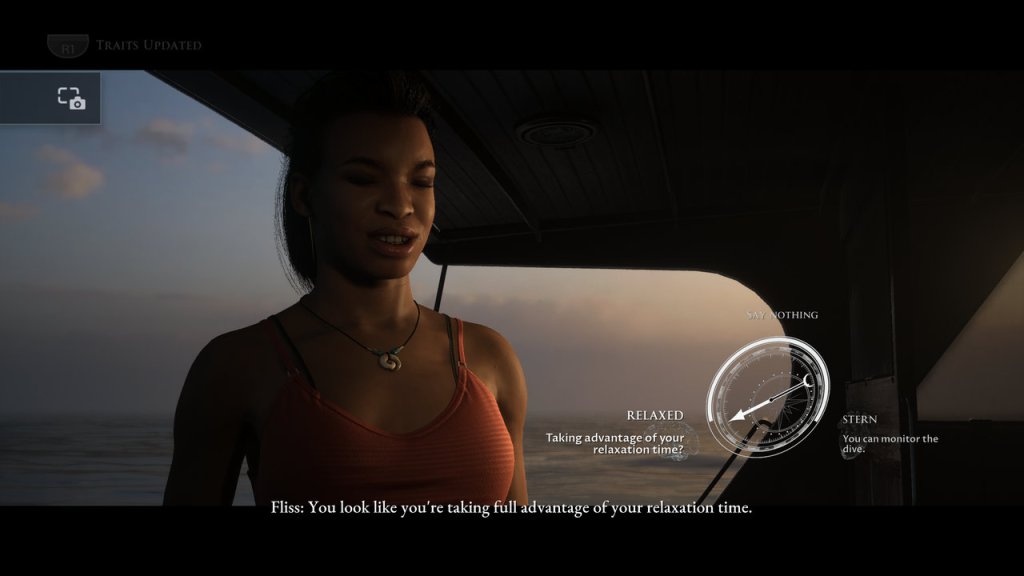
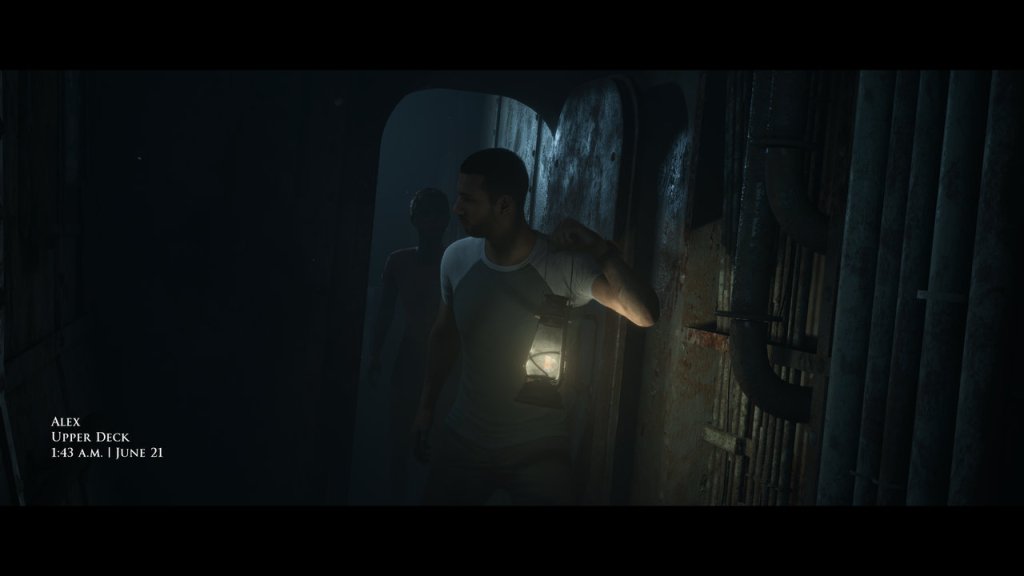
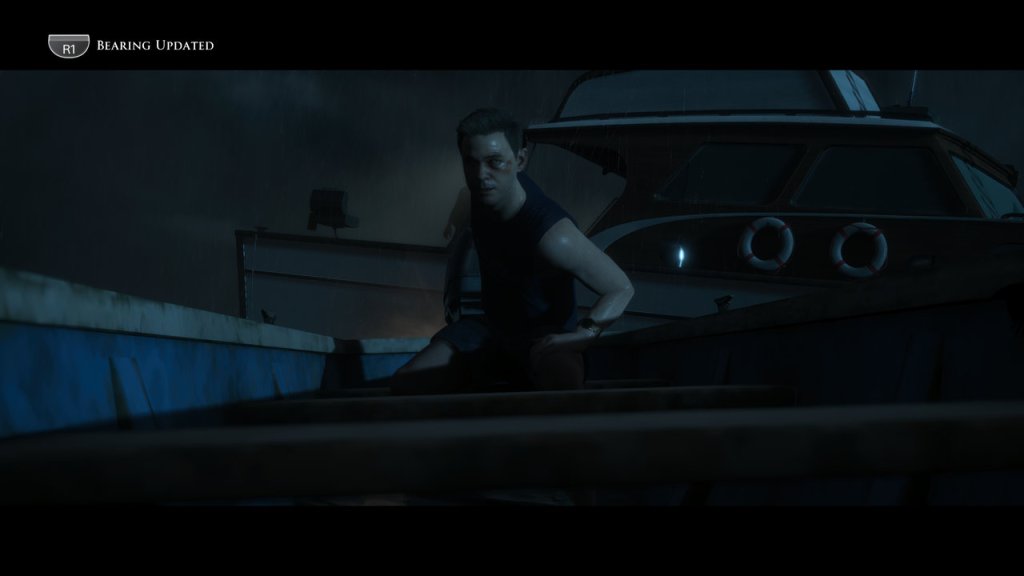
Man of Medan—first game in this anthology series from Supermassive Games, dropped in 2019. You’re following these five college-age knuckleheads—Alex, Brad, Julia, Conrad, and Fliss—who are out on a dive boat in the South Pacific, chasing a WWII plane wreck. Things soon go south, Pirates show up, a storm hits, and boom, they’re stuck on an abandoned freighter, the SS Ourang Medan. Supposedly based on a real ghost ship legend.
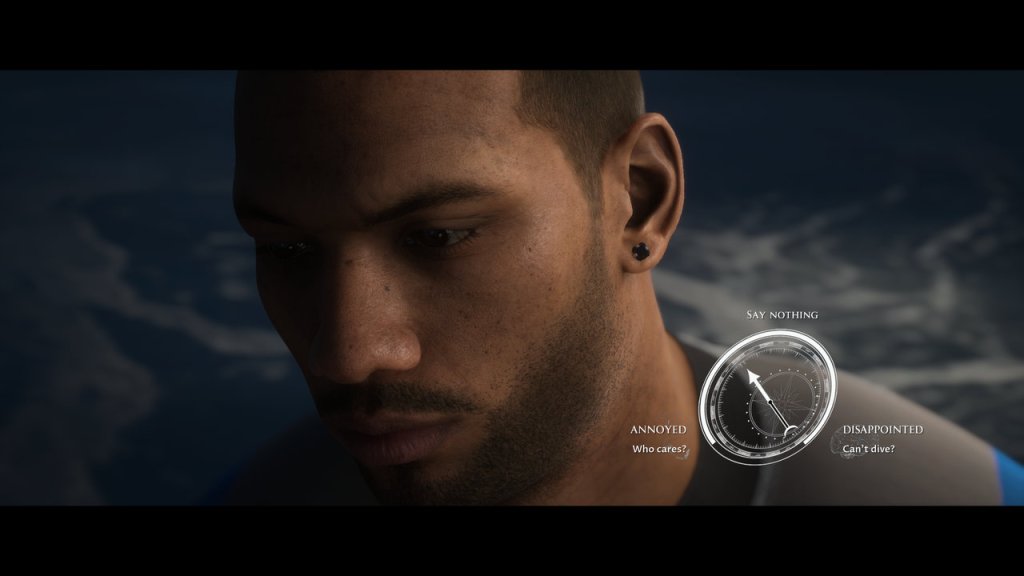
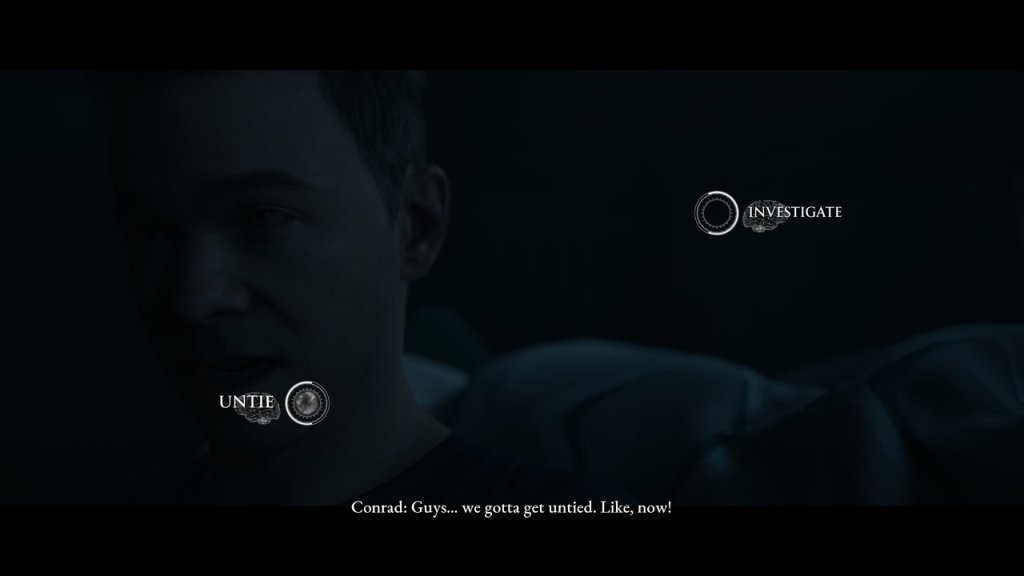
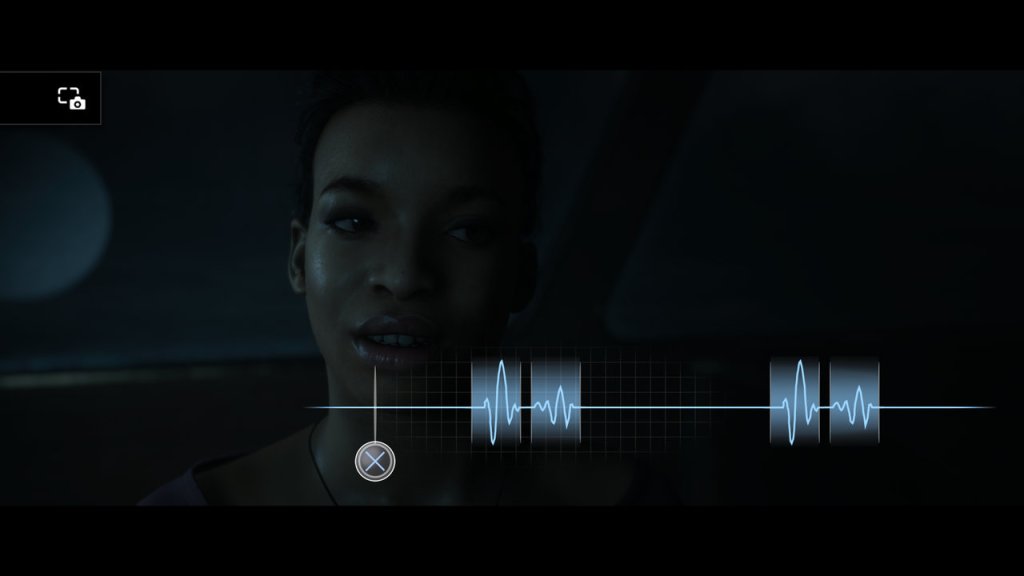
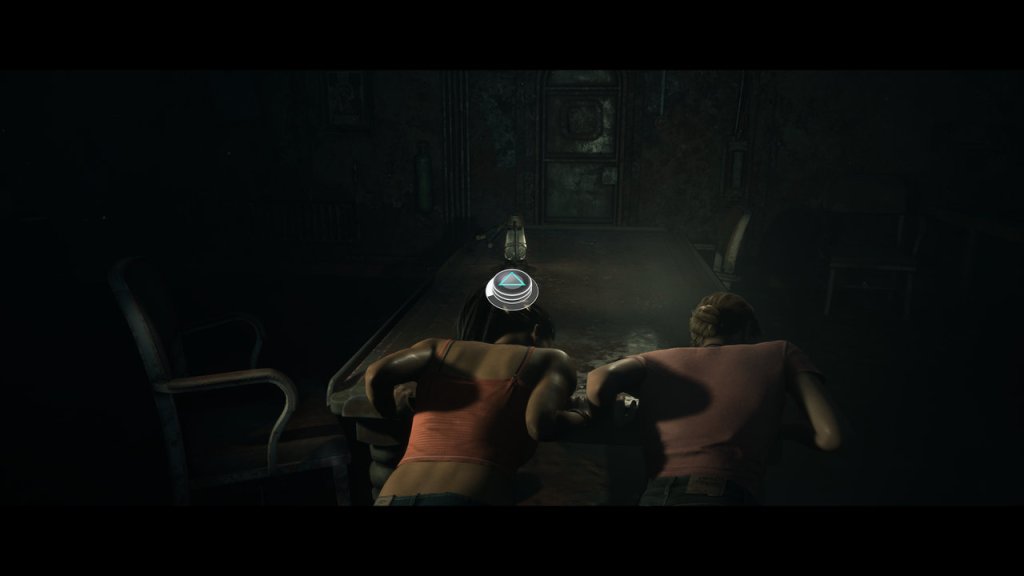
Gameplay-wise, it’s classic Supermassive. You’re making choices, hitting quick-time events (QTEs), and praying you don’t get your favorite character killed The story branches like crazy—every choice feels like it could kill someone or save ‘em. You’re picking dialogue with this “head or heart” compass thing, which sounds cheesy but actually works for those clutch “do I trust this sketchy dude?” moments and is a new concept that has followed onto the other Dark Pictures games. The QTEs can be tense as hell. Miss one, and your character might die. They added some accessibility stuff later, like QTE warnings and easier controls, which is nice for folks who don’t have the reflexes or prefer for a more casual gameplay. The game pushes its branching narrative hard, but some choices don’t impact the story as much as you’d expect. You’ll stress over a decision, only to find it loops back to the same outcome or has minor consequences.
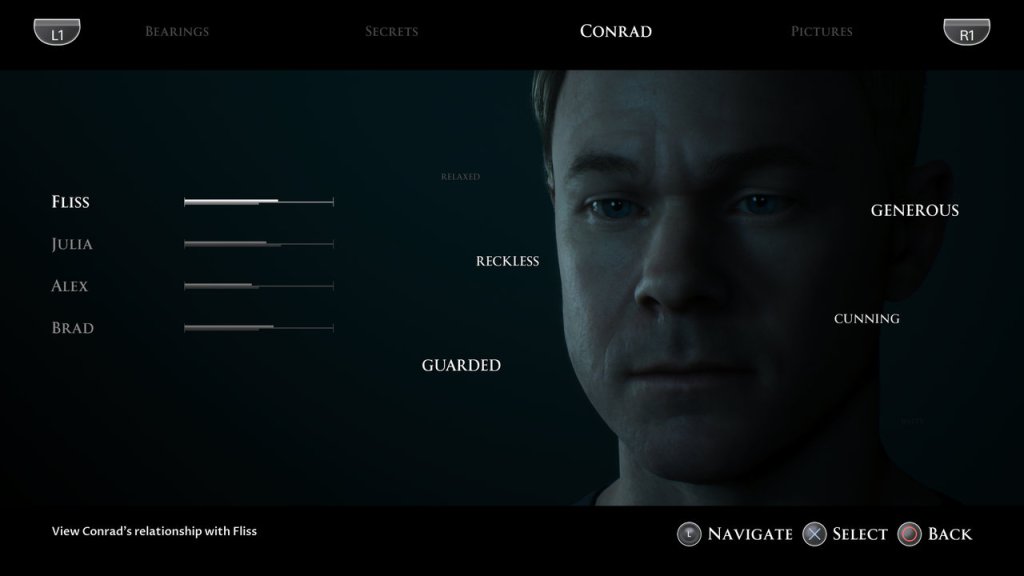
Still, the relationships the charicters have with each other is affected by your decisisions and reactions to certain events, Stronger relationships can mean characters are more likely to save each other in clutch moments. For example, if Alex and Julia’s romance is solid, Julia might risk her neck to pull Alex out of a bad spot. But if you’ve been a jerk, like making Fliss and Conrad beef over dumb decisions, they might not lift a finger when the other’s in trouble, leading to some brutal deaths. It’s a little silly since I doubt once character would abandon them over an argument they had earlier, but this is horror movie logic.
Multiplayer is where this game gets wild. You got Shared Story mode, where you and a buddy play online, controlling different characters, and you can totally screw each other over without knowing it. Then there’s Movie Night mode, where you pass the controller around with your crew.
The ghost ship’s got this grimy, claustrophobic vibe—think Dead Space but wetter and with more jump scares. The character models are pretty good, especially since they’re motion-captured by legit actors like Shawn Ashmore, who was previously in the Quantum Break game. The atmosphere’s on point, with flickering lights and creepy noises that’ll make you check over your shoulder. But, man, the pacing? It’s slower than me trying to get through a 5K. The first half drags like a bad PKA tangent about crypto—takes forever to get to the spooky stuff. Without spoiling, the big narrative reveals lean on horror tropes that feel recycled if you’ve seen movies like Ghost Ship or Event Horizon. The supernatural elements and the “is it real or not?” angle aren’t as clever as they think they are.
Overall, Man of Medan is a fun, spooky ride with your boys, especially in multiplayer, but it’s not topping Until Dawn. If you’re into interactive horror and want something to play while arguing with your friends, it’s worth grabbing on sale
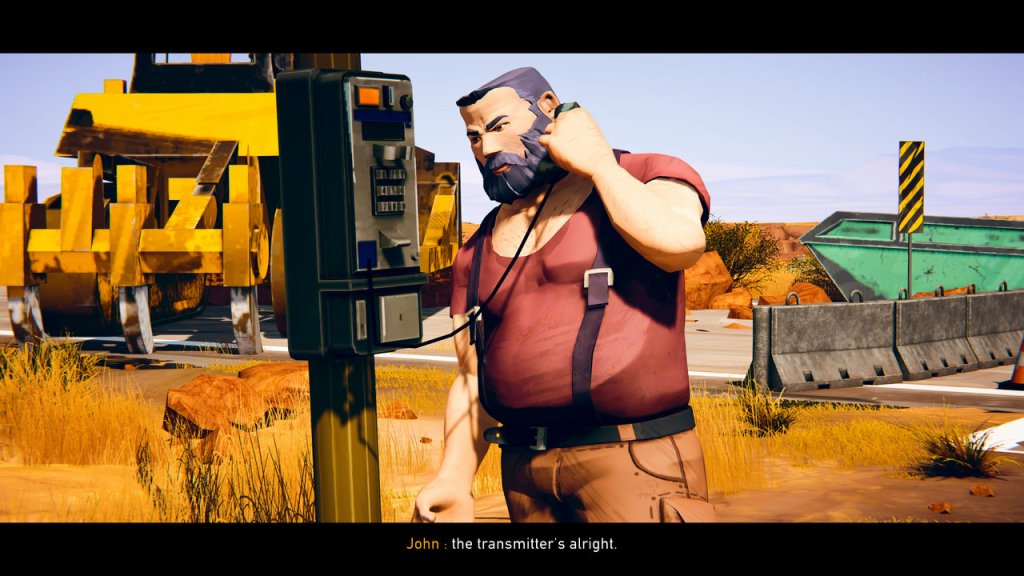
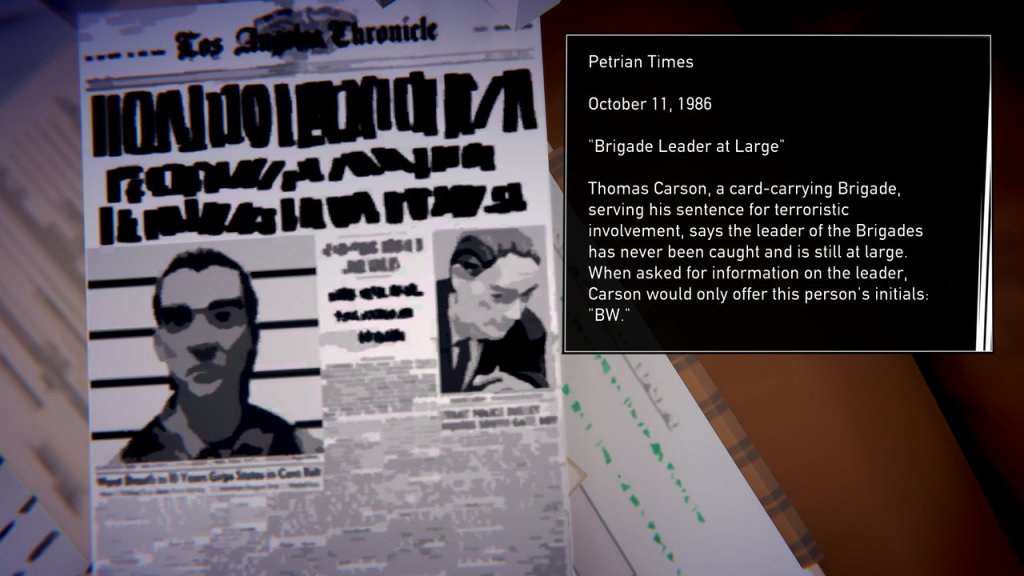
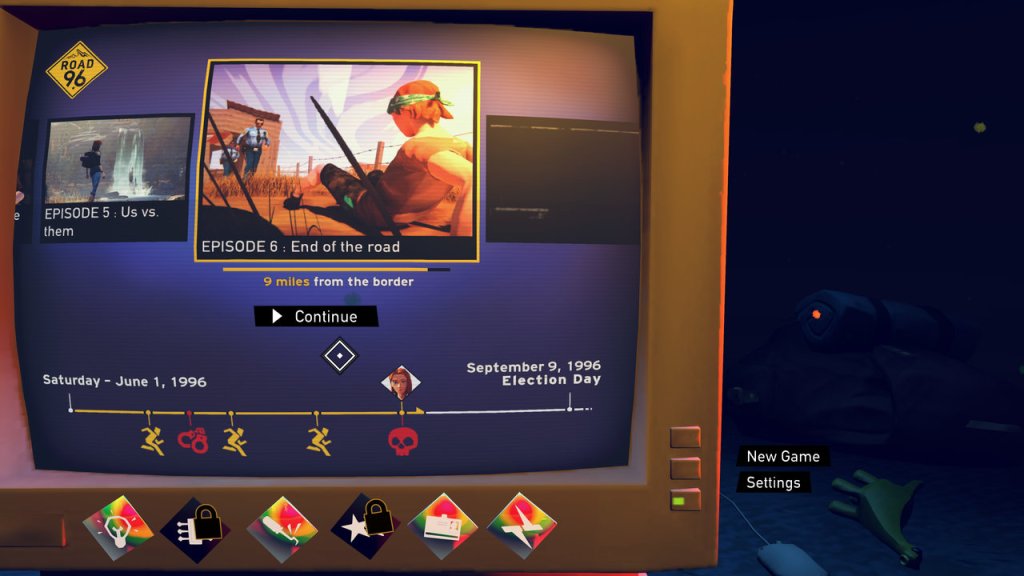
Road 96 drops you into Petria, a fictional dystopian country that’s basically “Authoritarian Land: The Road Trip.” You play as a bunch of runaway teens trying to cross the border, hitchhiking and making choices that supposedly shape the story. It’s got this roguelite thing going on, where every run’s different, and you’re juggling energy and cash while chatting up a cast of NPCs. Sounds cool on paper, right? But let’s not get all starry-eyed yet.
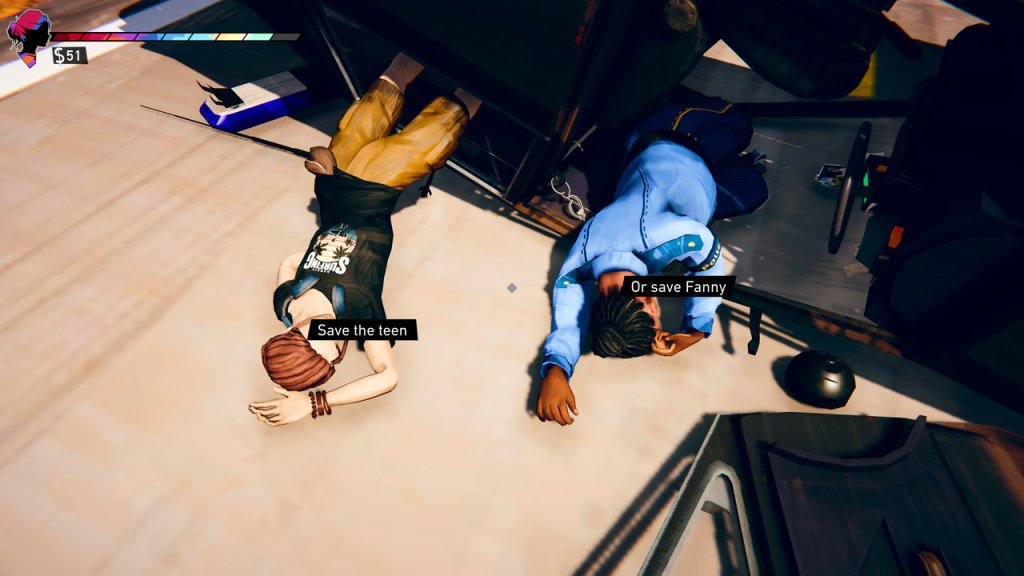
One of the many decisions
The game’s big selling point is its procedural storytelling where it shuffles dialogue and events like a deck of cards. Sure, it’s neat that no two playthroughs are identical, but don’t let that number fool you—it’s not like you’re getting unique novels. A lot of it feels like variations on the same vibe: you meet quirky characters, make some choices, and maybe get arrested or die if you screw up. The core loop—hitchhike, talk, minigame, repeat—gets old faster than you’d expect for a game hyping itself as endlessly replayable.
The narrative’s got this heavy-handed political edge, screaming “oppression bad, freedom good!” I’m not saying it’s wrong, but it’s about as subtle as a sledgehammer to the face. You’re dodging cops and picking sides in a revolution, but the game’s politics feel like they were written by a college freshman who just discovered dystopian novels. It wants to be 1984 meets The Breakfast Club, but it lands closer to a Reddit thread about “the system.” The game tries to make every choice feel like you’re saving the world when half the time you’re just picking whether to steal a candy bar or not.
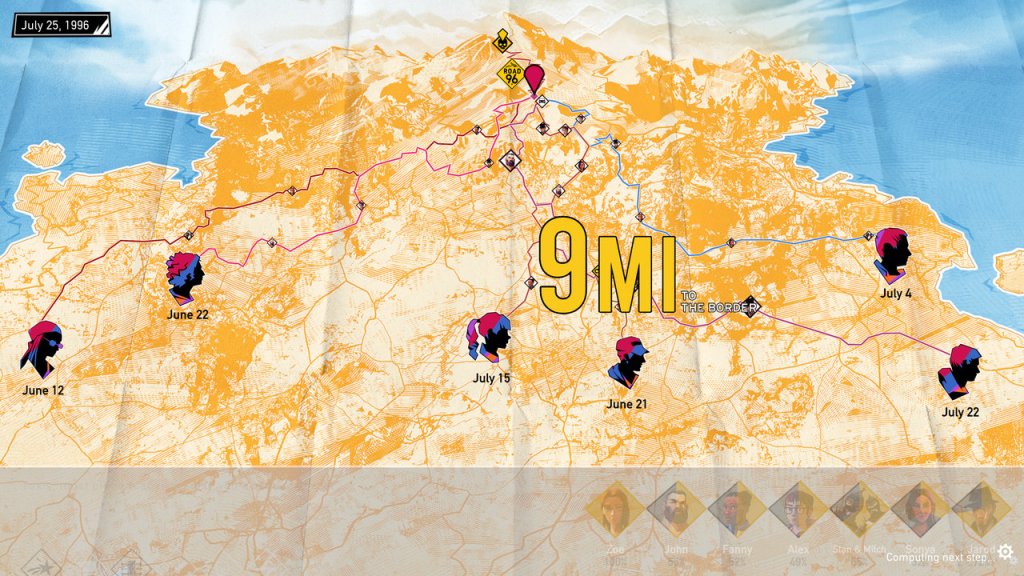
The game keeps track of your progress with different teenagers
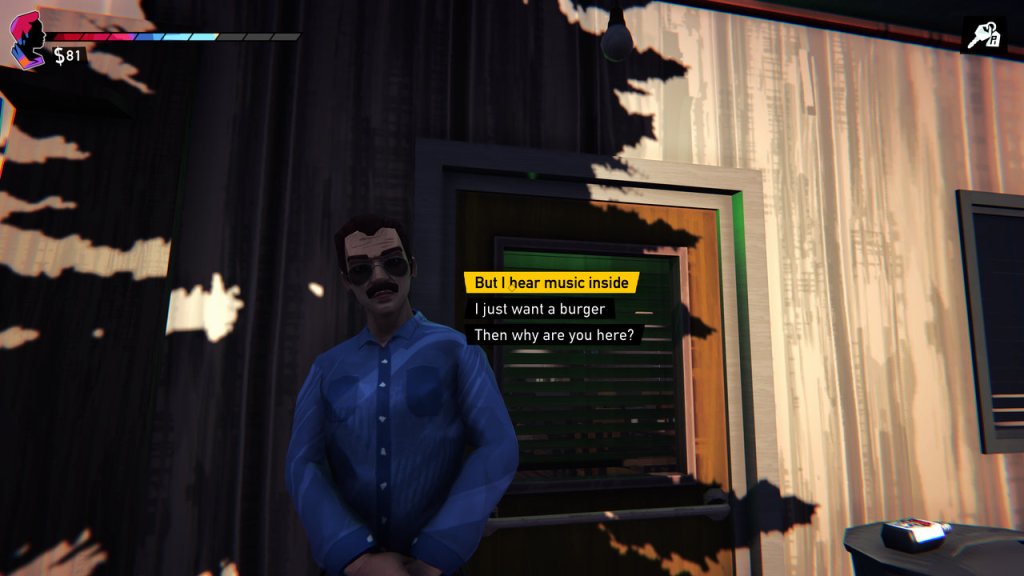
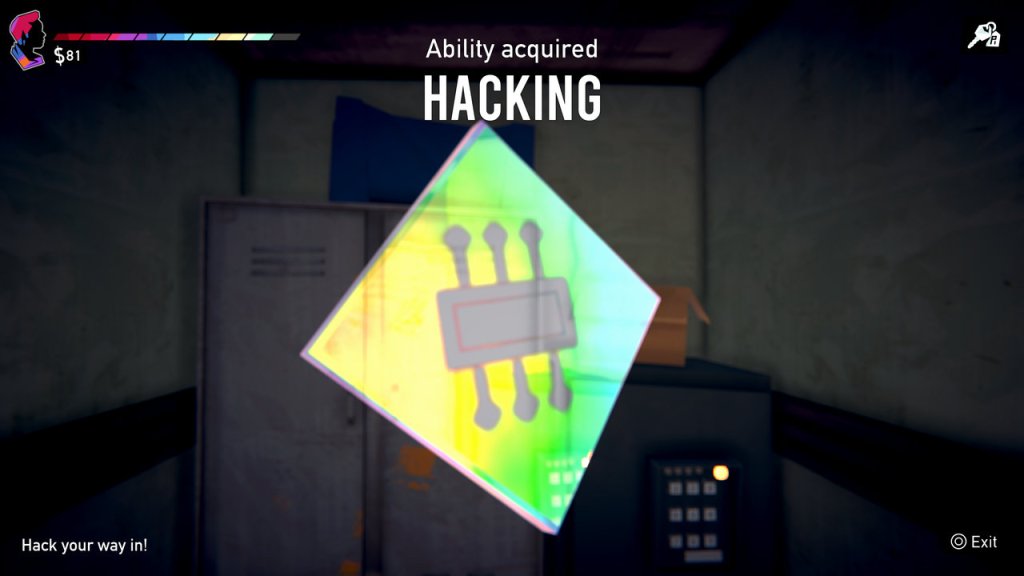
The gameplay mostly sees you walking, talking, and playing minigames like pumping gas or bartending. Some of these are fun, like when you’re hacking a computer or dodging cops, but others feel like busywork to pad the runtime. The resource management—keeping your teen fed and funded—sounds intense but ends up being a minor annoyance. You’re not exactly strategizing like it’s XCOM; you’re just scrounging for bucks to buy a burger. And the “abilities” you unlock? Stuff like lockpicking or hacking sounds cool, but they’re just dialogue shortcuts, not game-changers.
The game’s story is set in 1996, which influences the world around you. Characters rock flannel shirts, ripped jeans, and chunky sneakers, with one of the main NPCs, Zoe, sporting a red bob and a rebellious attitude that’s pure 90s punk-grunge. It’s not over-the-top like a Saved by the Bell set, but it’s convincing enough to feel like you’re flipping through a 1996 zine. You won’t find super-specific references like Tamagotchis or Pogs cluttering the scenes, which might’ve added authenticity. It’s a bit sanitized, like the game’s afraid to lean too hard into the era’s weirder quirks. Still, the vibe works—it’s recognizable without being a caricature.
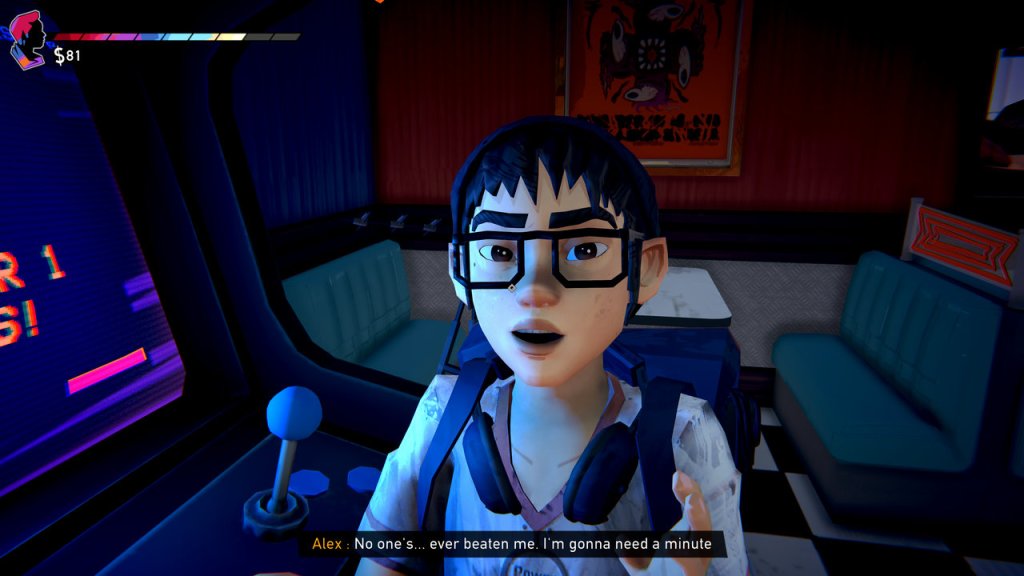
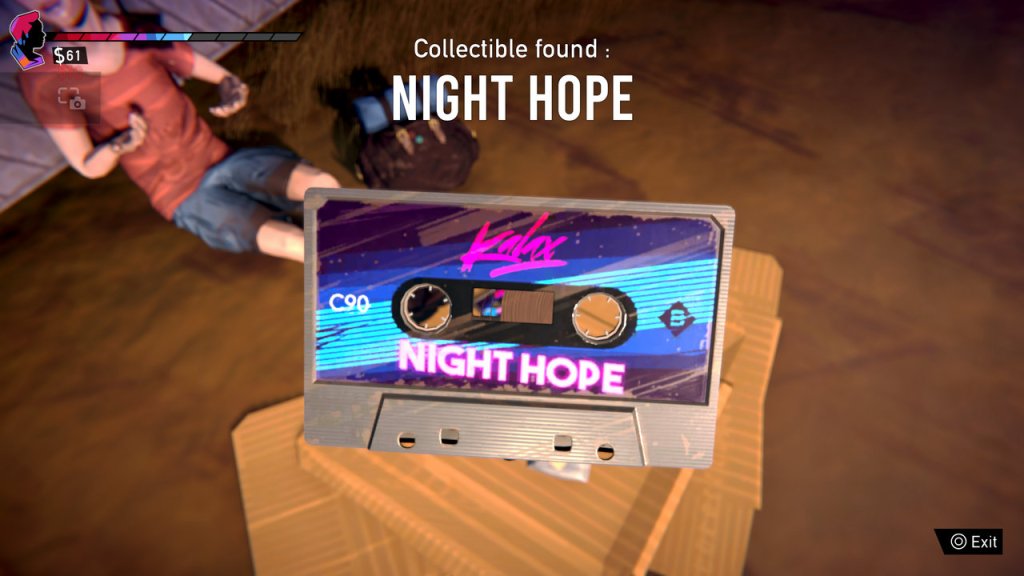
Petria’s authoritarian regime feels like a nod to the era’s dystopian sci-fi flicks (The X-Files was peak 90s paranoia), and the election plot echoes the political awareness that started bubbling up with stuff like Rock the Vote. Minigames and interactions also sprinkle in 90s flavor. You’ll play arcade cabinets, flip through cassette tapes, or mess with old-school tech like rotary phones. One sequence has you answering a quiz that feels like a warped version of a 90s game show, which is a nice touch. The game’s humor—sarcastic, a bit goofy—lands like something you’d hear on Beavis and Butt-Head.
Replayability’s a big claim here, and it’s got some legs. You’ll need at least six runs to see an ending, and choices do change how the election or characters’ fates play out. But let’s be real: after a couple runs, you’re seeing the same beats with slight remixes. It’s not Skyrim levels of freedom. If you’re the kind of guy who replays games to see every ending, cool, but I’m unsure most people will care enough to grind through all the permutations. Seven hours for the main story, maybe ten for completionists, and that’s if you don’t get bored.
Road 96 is a fun little road trip with some heart, but it’s not the masterpiece it thinks it is. If you’re into indie games and don’t mind some preachiness, give it a spin. Currently it’s on PlayStation Now/Plus Extra and was previously on Gamepass.
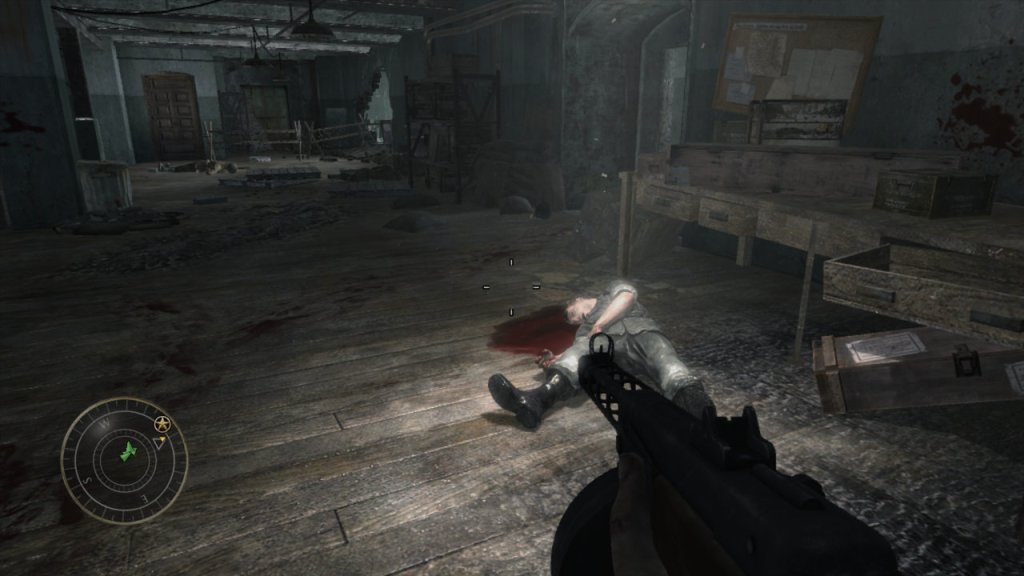
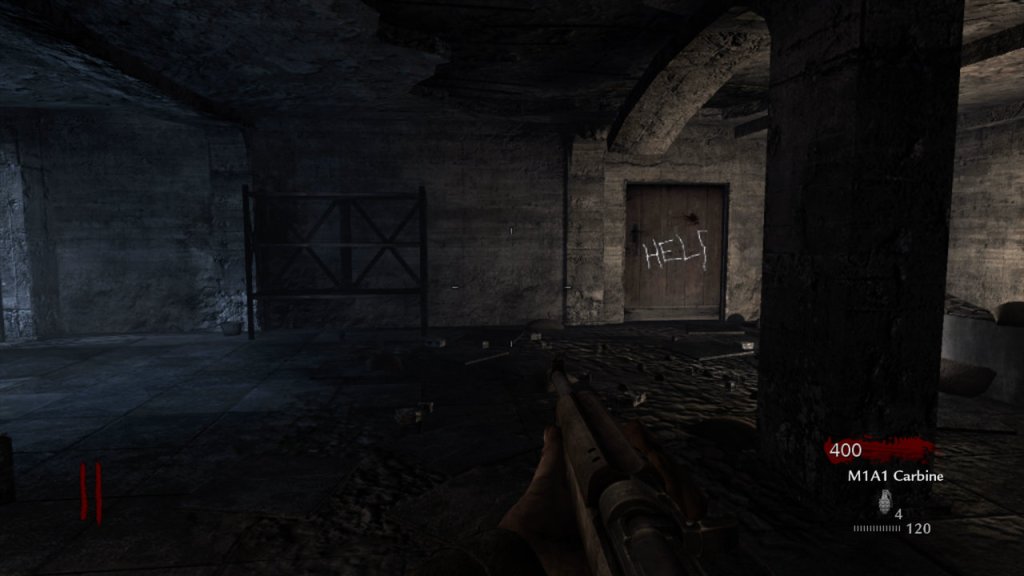
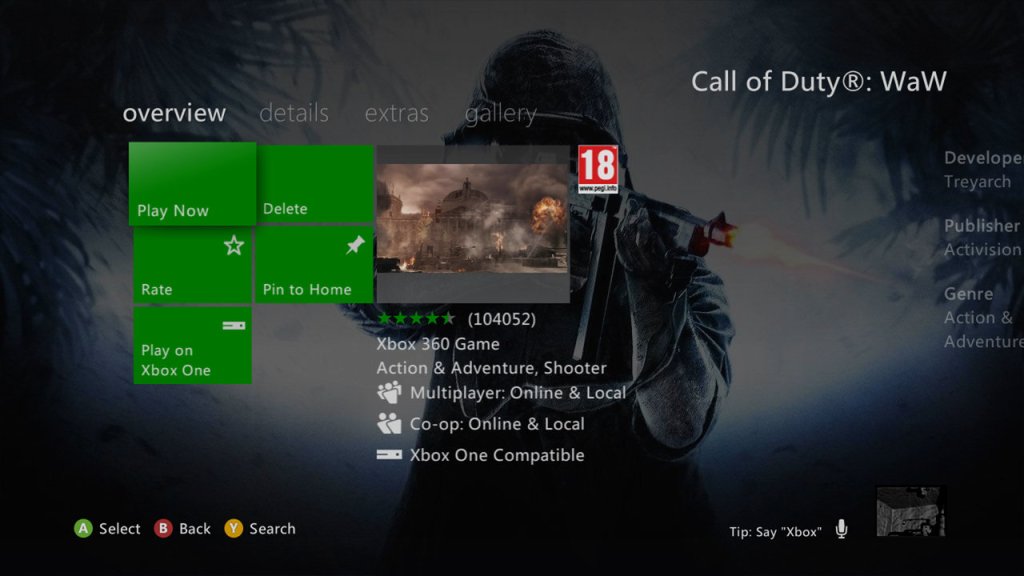
A first person shooter released as a followup to Modern Warfare (Call Of Duty 4), here we return to history. World at War hits different in comparison to the previous titles in the series, taking on a more gritty undertone with the games campaign, which can carry over to it’s multiplayer maps.
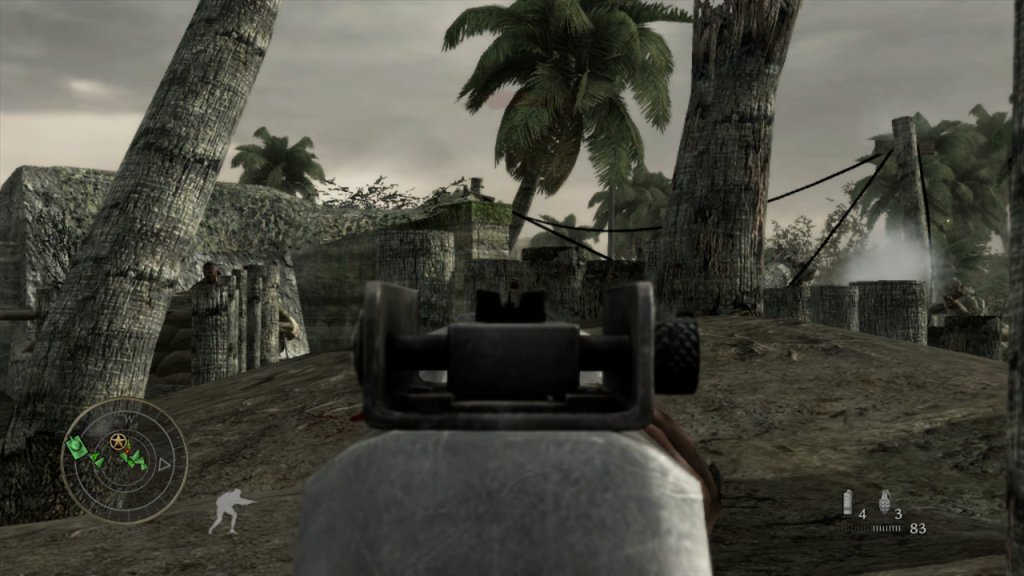
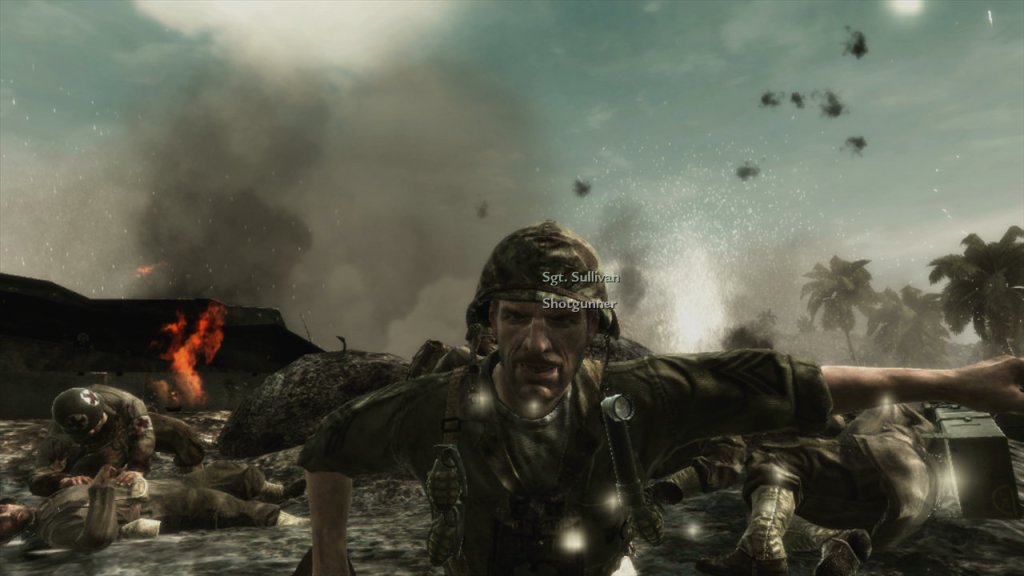
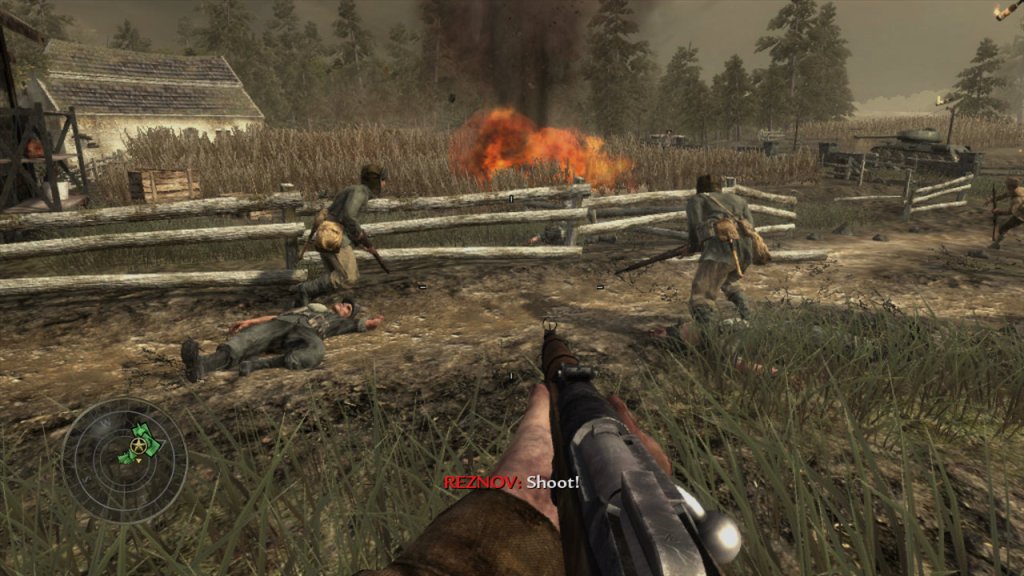
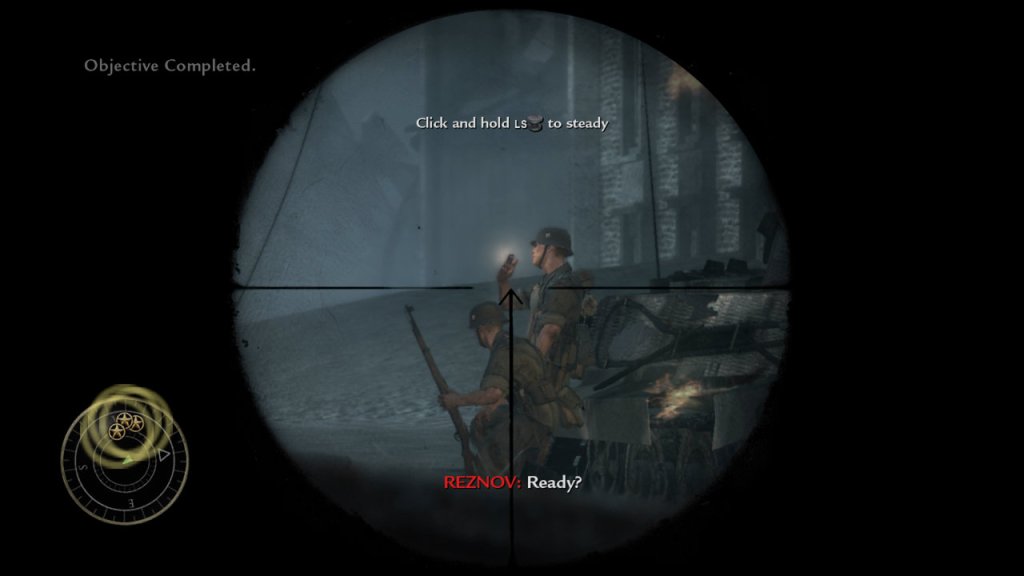
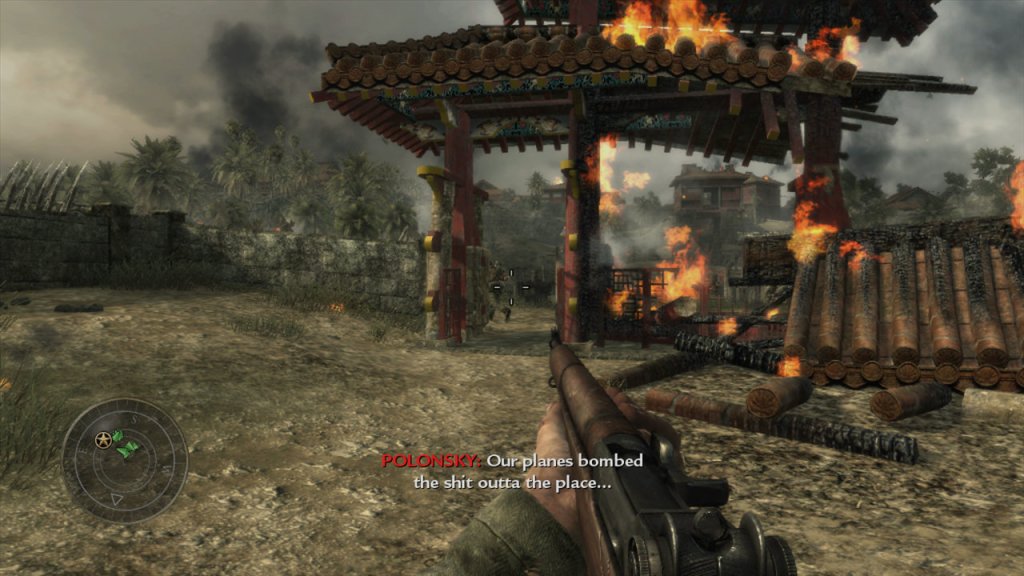
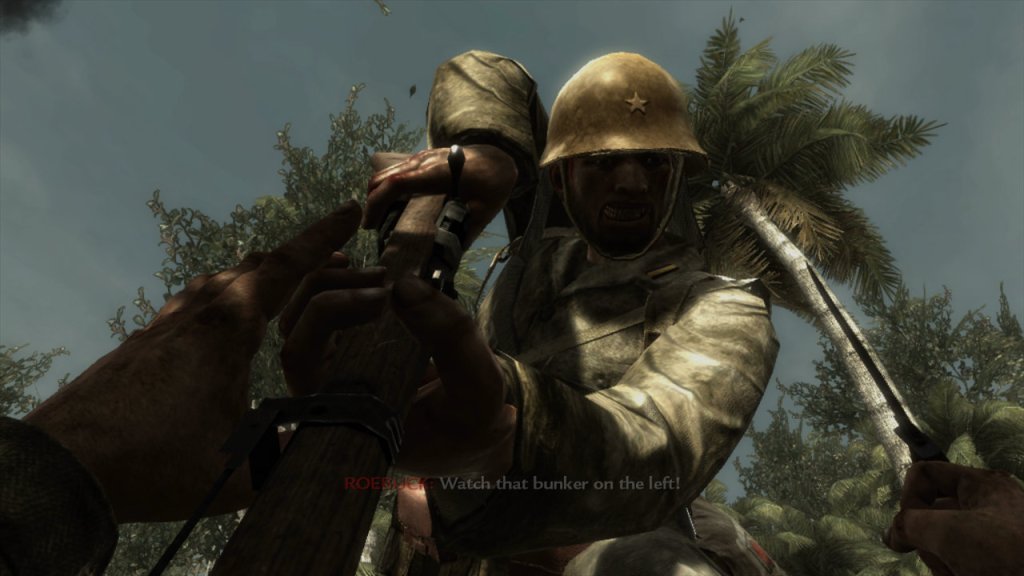
The game is set during World War II, depicting intense battles such as Peleliu, Okinawa, Stalingrado, and Berlin. It emphasizes the gritty and brutal nature of the conflict, including unique enemies like Kamikaze fighters and Banzai chargers. The single-player campaign is split into two perspectives. The American campaign follows US Marine Raider Private C. Miller in the Pacific Theater, covering battles like Makin Atoll, Peleliu, and Okinawa. A mission featuring US Navy Petty Officer Locke as a gunner during Okinawa is also include. The Soviet Campiagn centers on Soviet soldier Private Dimitri Petrenko, alongside Sergeant Viktor Reznov, from Stalingrado to the Battle of Berlin, culminating in planting the Soviet flag on the Reichstag.
The game’s campaign touches on a few political elements, specifically with patriotism and Nation Duty. While not overt, the game subtly critiques the dehumanizing nature of war through its graphic violence and grim tone, showing the cost of militaristic ideologies. The campaign doesn’t shy away from war’s horrors—flamethrowers burn enemies alive, civilians are caught in crossfire (e.g., “Vendetta”), and missions like “Eviction” depict urban devastation. This contrasts with the patriotic heroism, suggesting war’s toll on all sides, though it’s less critical of Allied actions. The game’s mature rating and gritty aesthetic (dismemberment, blood effects) aim to portray WWII’s brutality authentically, unlike earlier, sanitized WWII games. However, it stops short of questioning the Allies’ moral framework, focusing on Axis aggression.
The game reflects WWII’s propaganda-driven narratives, with each side’s campaign reinforcing their ideological stance—American democracy vs. Japanese imperialism, Soviet communism vs. Nazi fascism. Soviet missions use rhetoric like “For the Motherland!” to evoke communist unity, while American missions emphasize liberating the Pacific. The game doesn’t explore internal political tensions (e.g., Soviet purges, U.S. segregation) but mirrors wartime propaganda’s black-and-white framing. This reflects how WWII media shaped public perception, with clear heroes and villains. The game’s Zombies mode, while fictional, uses Nazi zombies as a shorthand for evil, reinforcing this narrative.
The Pacific campaign subtly touches on imperialism, as the U.S. fights to reclaim territories from Japanese control, but it doesn’t critique American expansionism. Missions like “Semper Fi” and “Black Cats” focus on retaking islands like Makin and Okinawa, framing the U.S. as liberators. The game sidesteps the Pacific’s colonial history (e.g., U.S. control of the Philippines) and Japan’s imperialist ambitions are villainized without nuance.
This reflects a Western-centric view, where Allied actions are heroic, and Japanese motivations (e.g., resource-driven expansion) are reduced to fanatical aggression.
Multiplayer
There are six multiplayer modes, including Team Deathmatch and Capture the Flag, with a ranking system up to level 65. You can unlock weapons, perks, and grenades as they progress, with a Prestige mode resetting rank for additional class slots. Killstreaks are rewarded following several consecutive kills In a row without dying, the rewards Includes three killstreak rewards: Recon Plane (3 kills), Artillery Strike (5 kills), and Attack Dogs (7 kills). There are 13 maps included, with additional maps added as DLC.
Zombies Mode
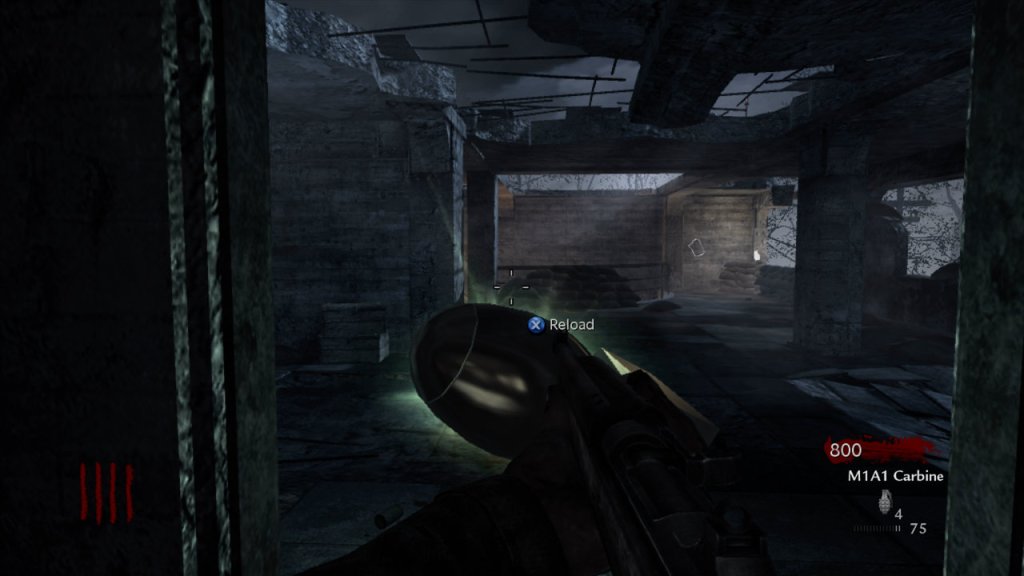
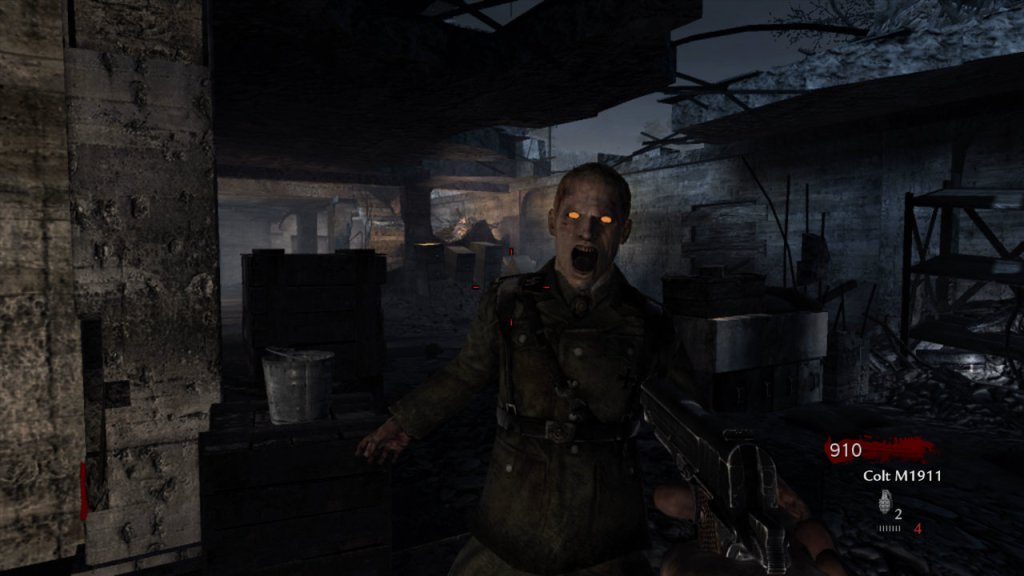
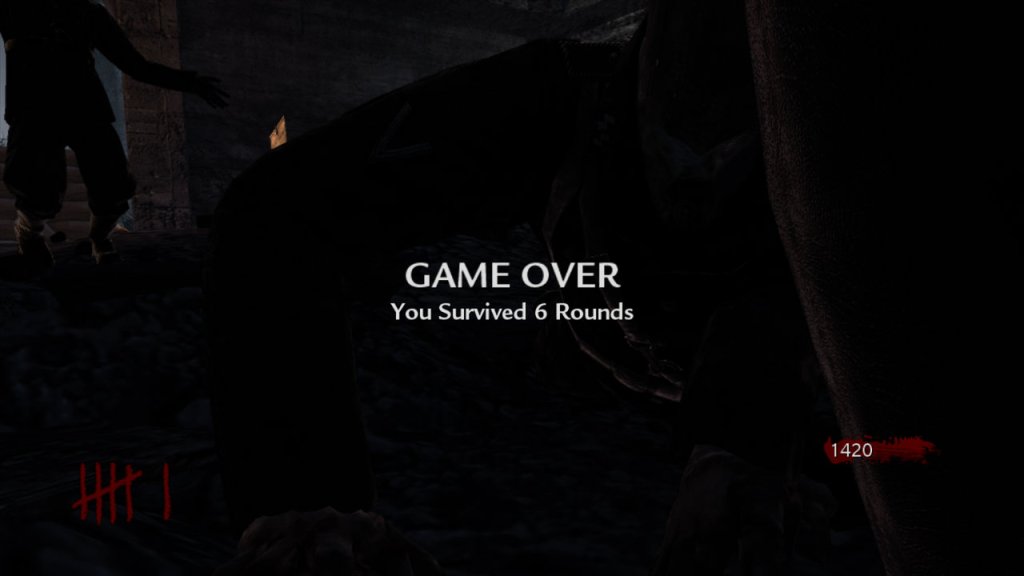
This was the first in the series to include a Zombies modes, which is a PVE mode where a team of players have to face off against computer controlled zombies whilst scoring enough points to spend on weapons, ammunition and barriers. The vibe is spooky, the teamwork is clutch, and it’s got that “one more game” energy that keeps you up ‘til 3 a.m. The later DLC zombie maps, like Verrückt, just crank the insanity up. This mode basically birthed a whole subgenre for Call of Duty and has become a common staple of the series. It can be best thought as a competitor to the Horde mode from Gears Of War 2, Firefight from Halo Reach, or survival from Left 4 Dead.
Versions
Xbox 360: The only version that has support for achievements, along with standard Xbox Live features like matchmaking and leaderboards. You do need to subscribe to play on Xbox Live unlike the other versions but is playable on the Xbox one and the Series consoles.
PlayStation 3: Compared to the 360 version, there is a noticeable frame drop when the game gets busy.Trophies were added following an update.
Wii: The Wii version is a tailored adaptation of the game for Nintendo’s console, offering unique benefits despite hardware limitations compared to the PS3, Xbox 360, and PC versions. While it sacrifices some graphical fidelity and features (e.g., no online co-op, fewer maps), it leverages the Wii’s motion controls and accessibility to deliver a different experience. I cant say the motion controls are good for aiming, sometimes you get a benefit of accuracy if the Wii Remote is playing nice, but most times it s awkward to correctly aim which makes the game more clunky to play.
Windows: Avaliable on Steam, but appears to lack achievement support since Steam did not support this at the time. This version still works on modern systems and the servicers are still online. But various security expoits make this version risky to play.
Conclusion
Call of Duty: World at War is a straight-up classic. The campaign’s a wild ride, multiplayer’s got that addictive grind, and Zombies? It’s not perfect—grenade spam and some repetitive missions can be a buzzkill—but this game’s got heart, guts, and a legacy that kicked off the Black Ops series of games.
The joys of rampaging through city traffic. Midtown Madness hits the Xbox, and the virtual streets of Paris and Washington DC.
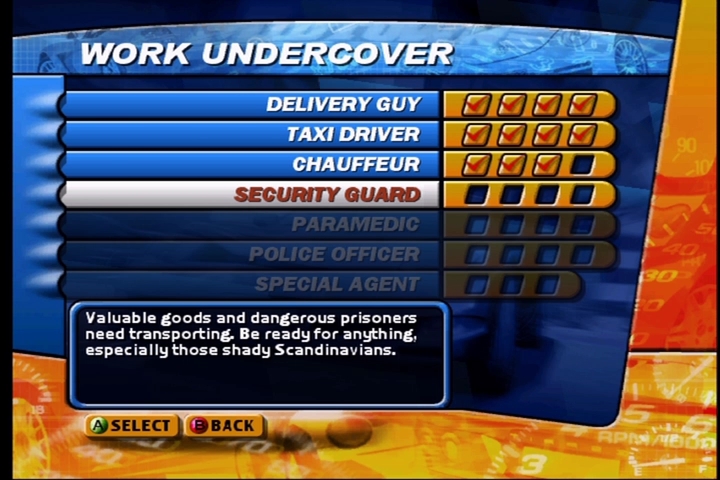
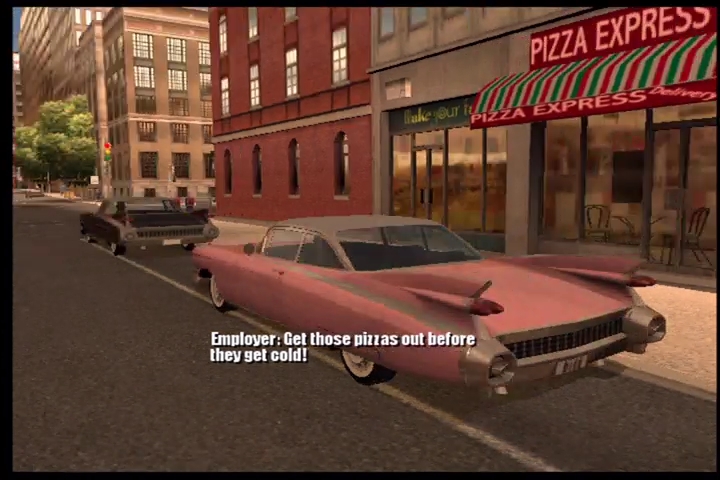
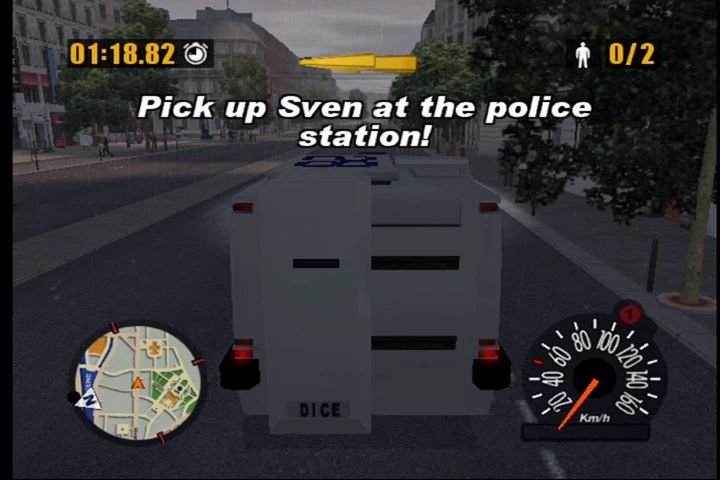
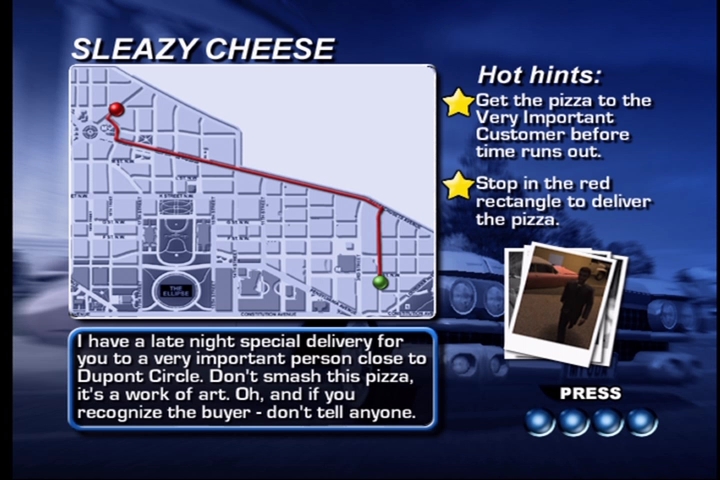
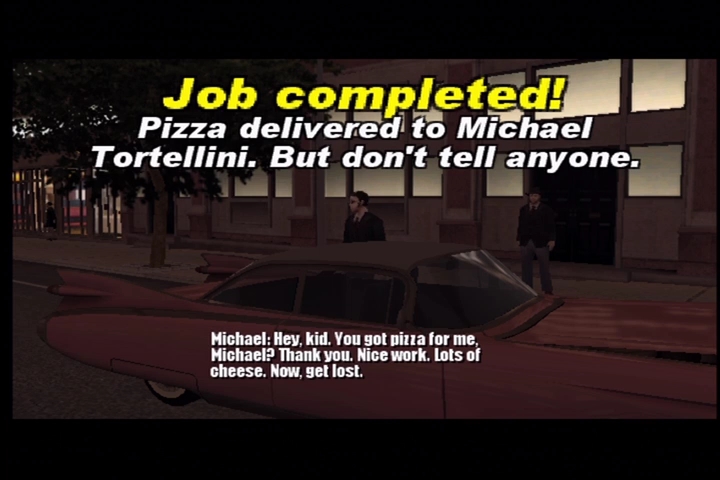
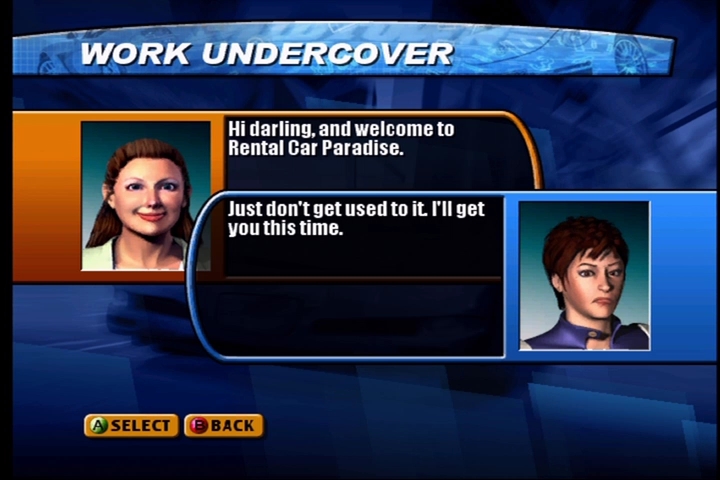
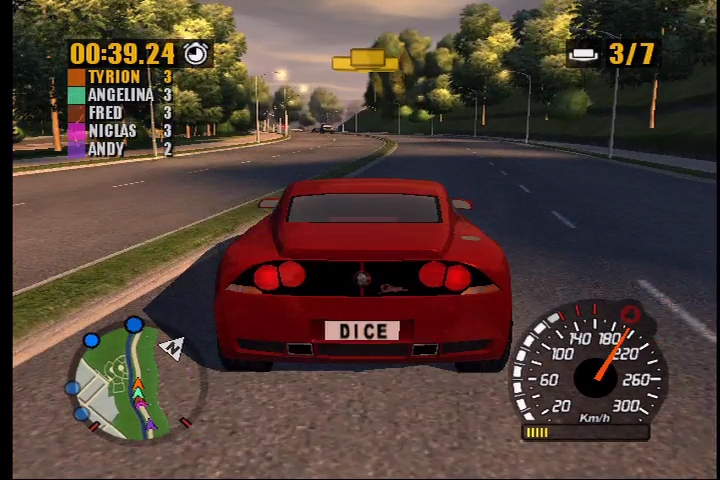
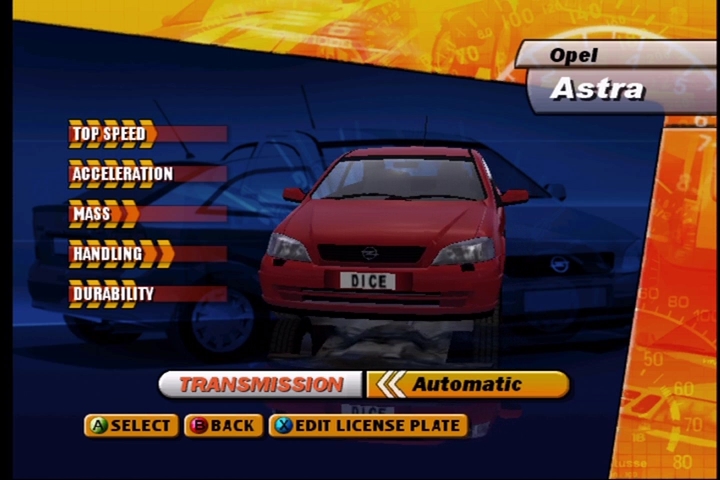
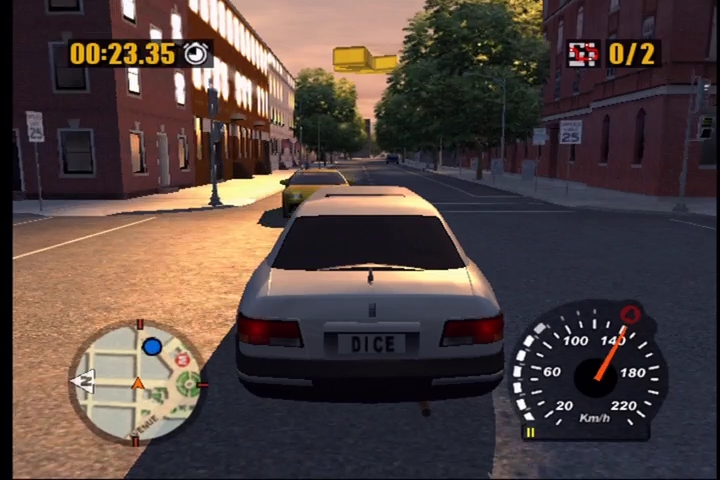
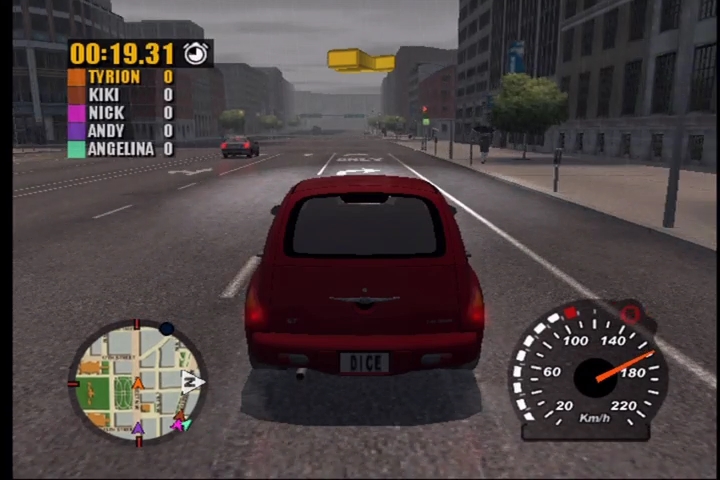
Midtown Madness 3 is a fun street-racing game that mixes objectives from Sega’s Crazy Taxi with standard street racing. The story mode gives some absurd backdrop of being a private investigator who must impersonate various vehicle-based jobs like taxi driver, cars salesman, stunt car driver, policeman, limo driver, paramedic or a pizza delivery guy. It hardly matters though, since the gameplay consists solely of racing through the streets trying to hit checkpoints, usually with a competitor in hot pursuit (similar to TG Daredevil for the PS2)
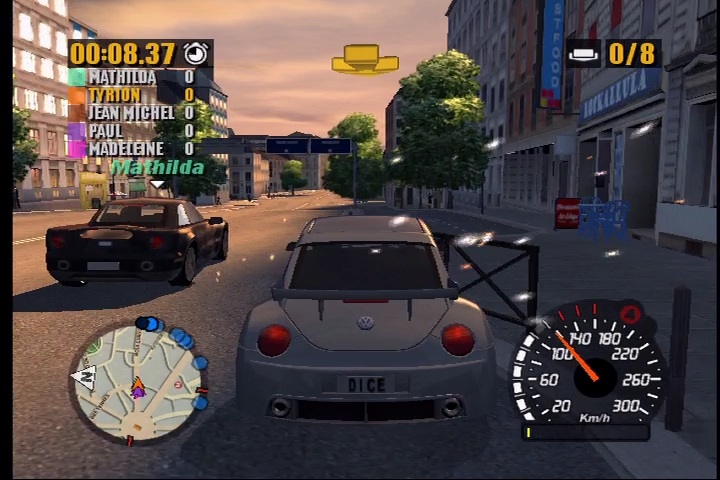
If all you want is a cool driving game without an emphasis on violence, yet still laden with destructive opportunities, Madness delivers. There’s a lot of cars to select, unlock, and drive around at highly unsafe speeds, and all the cars have a noticeably unique feel to them. The arcade handling is responsive and highly entertaining (but don’t expect realism), and there’s a ton of things to run into and destroy including other cars, lampposts, fences, and storefront windows.
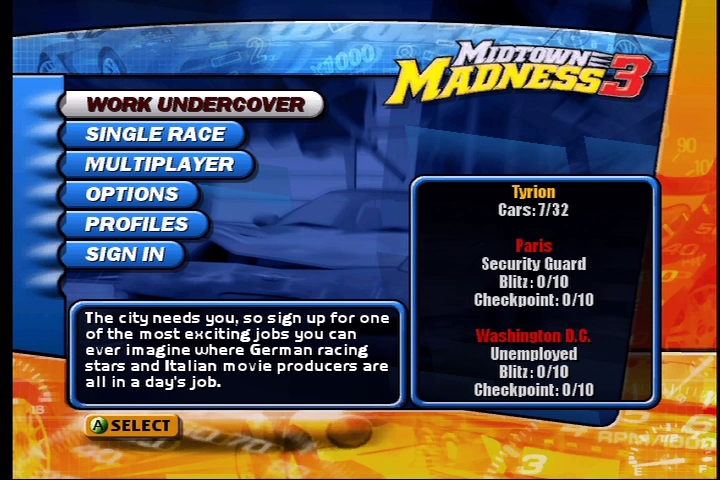
The freedom to just drive around, hit checkpoints, or go undercover and do some crazy missions? That’s the sweet spot and is what Midtown Madness 3 exceeded at. Winning races or completing missions earns you new wheels to cruise with, along with more races and missions. There’s no shortage of sites to see through the game’s two picturesque cities, either. In fact, this overload of missions, races, and game modes is really the high point. Want to just aimlessly cruise through Paris? You can even do it with a friend in the multiplayer mode. Straight racing by yourself or with pals is another option, and the game will even adjust its time limits based on the car you drive since the Mini Cooper can make far better tracks than a truck.
Visually, Midtown Madness is solid. The cars are detailed and shiny, offering impressive textures that the PS2 would cry for. The cities look excellent and the pedestrians look mostly human. The audio is fun, with great engine effects and ambient noises, and a zippy soundtrack. It really does take advantage of the Xbox sound processing capabilities, and has aged well even for today.
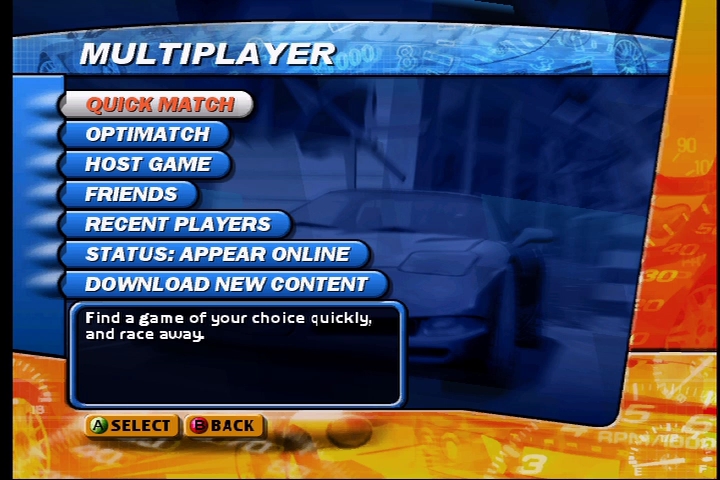
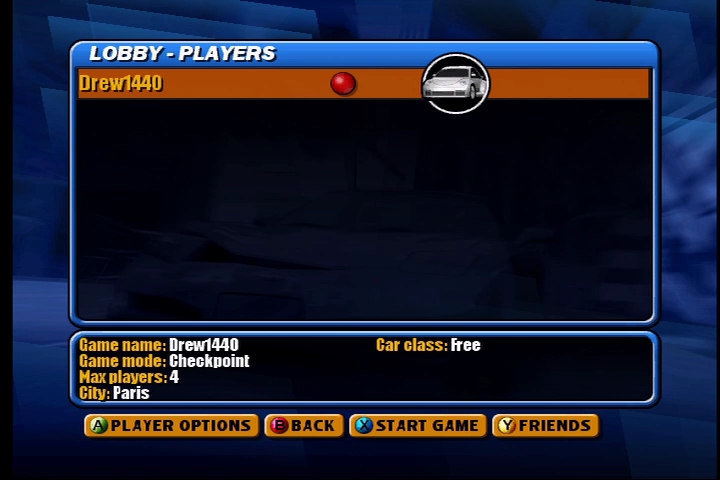
Multiplayer action thankfully includes Xbox Live support, along with system link, and a two-player split screen mode. There is also DLC available, which has long since been discontinued by Microsoft but has been preserved by the community. Online play is possible thanks to the Insignia project, although you will be lucky to find a lobby.
Even if you get bored with the 30-plus cars and a horde of missions and races, finding fun things to run over with friends never gets old. You can’t run over anyone, Pedestrians either leap out of the way or pass right through the car undamaged — including the mimes. The AI can be a bit… let’s say, braindead. Sometimes, it feels like you’re racing against NPCs that just learned what a steering wheel is. And the environments, while cool, get repetitive. After a while, you’ve seen all there is to see in both cities.
While there are other, more intense and innovative racers out there (Apex/Forza/PGR to name a few), Midtown Madness 3 is a fun and friendlier approach to street racing. You can crash into virtually anything and cause oodles of destruction with no penalty due to the cars being invulnerable. The fast-paced weaving through the streets of two different cities holds a wealth of interesting gameplay, and its fairly accurate to the city the level is based on.
Sadly the game wasn’t made compatible with the Xbox One or Series consoles. The only reason I can think of is due to the vehicle brands which is a shame, this would play and look very well though their emulator. Again this was one of the few titles that was only released for the original Xbox.
EA recently found the source code for the original Sims games, and decided to bless us with a modern rerelease of the original Sims game with all of the expansion packs and DLC added on, along with an updated Vulkan renderer to allow for support for higher resolutions without hex editing the games EXE file.
Whilst it’s nice to experience the original Sims games in 1440p, there were a few bugs uncovered shortly after launch which EA has been attempting to fix. Whilst looking online, it appears you can unlock the games executable file to allow you to enter cheats which typically cannot be used under normal gameplay. These cheats were intended for when the game was under development and as such were disabled after the game release.
To enable these cheats, you do need to run a conversion tool that decrypts your sims EXE file, since it uses Steam’s protection. Once this is done, we can patch the exe file directly. Do remember that EA are still actively fixing and updating the game, so this might cause issues in the future should EA release an update. As always, backup your game’s files.
The Cheats
Below is a few useful ones that I’ve commonly used, a full list can be found on the Github
Edit_char: This opens the Create-A-Sim where you can completely edit the selected sim, as if you were creating them for the first time. Useful if you need to change your sims head, body or personality since the game normally prevents you from editing. A funny side effect is if your sim is currently performing an interaction, they will play that animation when you are editing them. This can cause some weird side effects, I recommend having them stand still without any interactions, since the game did lock up after editing.
Move_lots: lets you reposition the lots on the neighborhood screen, useful for cosmetic use but the change isn’t permanent.
Sim_speed: Adjust the speed of the simulation, default is 100
Visitor_control: lets you control visitors by pressing the space bar to select the sim, and then using the mouse to issue commands. Depending on the NPC there are a limited set of commands you can give, visitor sims like neighbors have access to a limited set of interactions like watching TV but they cannot use the phone or take a bath. True NPCs like the Maid, Mime or Police officer are a lot more restricted, you can only use the toilet and watch TV.
Set_hour: Missed the carpool? just set the game to a couple of hours before (set_hour 10 for 10:00AM, or set_hour 15 for 3:00PM)
Lot Swapping
By using the swap_houses cheat, its possible to swap occupied and unoccupied lots around, even with lots that do not appear on the neighborhood selection screen. By using for example, Swap_houses 03 06, lots 03 and 06 will swap their positions on the neighborhood screen, along with their family. Since lots can differ in plot size, its recommended to swap with lots that are of the same size, but there are no negative effects with the exception of the neighborhood screen looking a little odd.
Now I did wonder what would happen if we were to swap lots with houses outside of the game’s normal range, and if the house were to remain playable. The answer is you can, but there are some weird effects.
First since we are swapping, we need to actually create the house files for the game to swap with. Originally the game assigned Houses 1-10 for the main neighborhood, House00 being intended for NPC’s and House11 not having any noticeable use. Hot Date used House 20-29 for its downtown lots, along with On Holiday for the 3x range. Now the Unleashed expansion did add a plethora of lots to use with the large neighborhood screen, but oddly did not use the House 11-19 range and to my knowledge, no expansion has ever used this range. I’m unsure if Maxis had any plans for this range or if there was a technical reason why this was never used.
Where did House 12-20 go?
To add lots to this range, You can simply navigate to the game save directory, This is located in the Saved Games folder located in your Documents folder. You can them copy an existing Housexx.iff file and rename it to say House12.iff
With the debug cheat, you can force the game to load the lot by typing ‘Lot 12’ or ‘House 12’ into the cheat box (Ctrl+Shift+C). Once the lot loads, this is where the weirdness starts.
If the lot is vacant, as in there is no sim that is moved in, you can edit the lot but you cannot save. You also are unable to purchase or build because of the balance being 0, but by using a money cheat, you can indeed enter build or buy modes but you are still unable to save.
If the lot is occupied, lot will load but the sims will initially be missing. You can restore them by clicking on their portrait panel which will spawn them onto the lot. But they will not move regardless of the free will setting. Many objects like the telephone or refrigerator cannot be used or interacted with and NPC sims will not walk by. No carpool will appear, so sims cannot get to their jobs and earn money. Of the objects that do function, some of the interactions are not available. The bookcase only allows for you to read a book, you cannot study for any skills.
Lack of a functional phone means you cannot call other sims, However they do appear in the phonebook if you have a neighbor sim that wished to contact them.
I should mention this behavior affects lots 12-19, but lot 11 appears to function normally for the most part, suggesting this was originally supposed to be playable from the hood screen. I’m interested as why the game will not process normally when lots are loaded this way, with the exception of lot 11.
Overall, it’s an interesting way to add more families to your neighborhood. Whilst you cannot directly play the lots, you can swap them with the lots on the neighborhood screen, and then just swap them back. They will still appear as walkby’s, on community lots and in the phonebook and if you don’t mind using the swap commend when you wish to play that family, its mostly fine.
I’m actually curious if there is a way to add more lots onto the neighborhood screen, from inspecting the .iff files in each userdata, it’s possible to change the lot names and descriptions, but I cannot see where the game determines 1 Sim Lane as House01.iff
Entering a dark, futuristic world where televised sports are wildly popular and even more wildly violent. And the most popular and violent sport of them all is… ultimate Frisbee, known as Deathrow.
The sport you’re playing in the game is not called Deathrow, it’s called Blitz. Deathrow is just the name of one of the fancy moves you can pull off in the game. Gameplay is fast and furious right from the start, and the controls are a breeze to pick up. When you are in possession of the disk, A passes, B shoots, and Y jumps. To block an attack or roll out of its way, you press X. If you want to taunt another player by calling him naughty names you press the white button. Trust us, you’ll be pressing it a lot. When you don’t have the disk, the X, Y and white button do the same things, but A and B punch and kick, respectively. You’ll be pressing those a lot, too. More complicated maneuvers involve pressing buttons in sequence.
Your passing game is made simple thanks to the passing line and shooting line. A green line connects you to the nearest teammate, while a blue line shows you when you have a shot on goal. Control shifts automatically from the passer to the receiver. None of this is a guarantee of success, though. Interceptions are incredibly common. At times, this makes the automatic control shift a problem. The shift happens when the disk is thrown rather than caught, so you are often left in poor defensive position when your passes are intercepted. You can manually change players, but you don’t always get the player you want on the first (or second) try.
But it’s not all just throwing around the disk. Deathrow more than holds its own for pure fighting enjoyment. Each of the 18 teams has its own signature moves, with hundreds of separate fighting animations available. It’s even possible to win matches without scoring a single point, if you knock out all your opponents. The game shines in the AI department. Each team has its own set of behaviors. Some of the teams, like the Seacats, favor teamwork and precise passing and shooting skills. Others, like the Convicts, are more interested in inflicting as much damage as possible. This way, each new opponent requires that you adopt new tactics to defeat it. For instance, when playing against an overly aggressive team like the Demons, you can often trick their goalie into leaving the goal unguarded by drawing him away with taunts.
Your teammates display a surprising level of autonomy. Certainly, you’re not going to win any matches by letting them do all the work, but if you want to take a short break to inflict some damage on an opponent, they are perfectly capable of picking up the slack and scoring all on their own.
The 32 arenas are varied and often gorgeous. Sure, there are plenty of the traditional dingy metallic sports arenas, but other locales include the Convicts’ prison and the tranquil Japanese dojo of the Black Dragons. One small issue with the level design, though. Most arenas are simple one-floor spaces, and the arenas that do include ledges and other interesting design elements don’t make great use of them. If the disk lands on a ledge, there often isn’t enough time to get to it before it automatically respawns. The character models are smooth and detailed, with upwards of seven thousand polygons and 55 bones each. Character animation during play is very fluid. Attack combos flow from one to another seamlessly.
The one area that fails to get the adrenaline pumping is the game’s soundtrack. Instead of a crunchy metal soundtrack or something similarly dark and pounding, Deathrow sticks to the same uninspiring techno that plays under everything from racing games to space shoot ’em ups. But hey, it’s an Xbox game, so who really cares what the included music sounds like. Rip an old “Ministry” CD onto the hard drive, and you’re good to go.
Another caveat id Deathrow is not a game for the young audiance. The game’s mature rating is richly deserved. The rampant violence is non-stop and leaves nifty little puddles of blood all over the arena. As if that wasn’t enough, some teams seem unable to complete a sentence without at least a few four-letter words. Still, there’s something about a game that has a button devoted just to swearing that makes it incredibly appealing.
What would a violent sports title be without a good multiplayer mode? Deathrow is not slated for the Xbox Live launch, but that doesn’t hold it back much. Up to four players can play splitscreen, and you can network together up to eight consoles. Just go and round up 32 of your closest friends, and you’ve got a massively violent multiplayer.