Road 96 drops you into Petria, a fictional dystopian country that’s basically “Authoritarian Land: The Road Trip.” You play as a bunch of runaway teens trying to cross the border, hitchhiking and making choices that supposedly shape the story. It’s got this roguelite thing going on, where every run’s different, and you’re juggling energy and cash while chatting up a cast of NPCs. Sounds cool on paper, right? But let’s not get all starry-eyed yet.
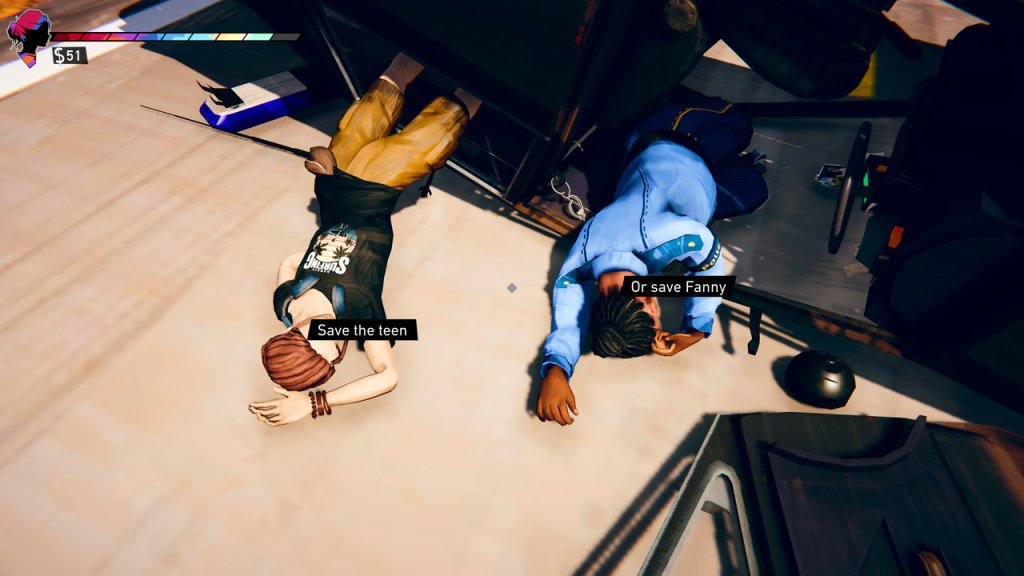
One of the many decisions
The game’s big selling point is its procedural storytelling where it shuffles dialogue and events like a deck of cards. Sure, it’s neat that no two playthroughs are identical, but don’t let that number fool you—it’s not like you’re getting unique novels. A lot of it feels like variations on the same vibe: you meet quirky characters, make some choices, and maybe get arrested or die if you screw up. The core loop—hitchhike, talk, minigame, repeat—gets old faster than you’d expect for a game hyping itself as endlessly replayable.
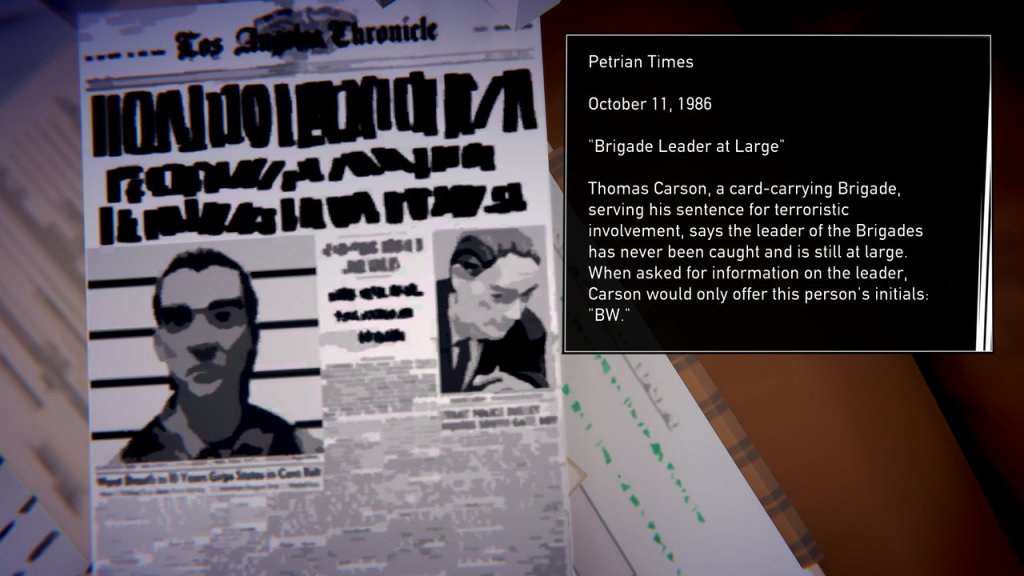
The narrative’s got this heavy-handed political edge, screaming “oppression bad, freedom good!” I’m not saying it’s wrong, but it’s about as subtle as a sledgehammer to the face. You’re dodging cops and picking sides in a revolution, but the game’s politics feel like they were written by a college freshman who just discovered dystopian novels. It wants to be 1984 meets The Breakfast Club, but it lands closer to a Reddit thread about “the system.” The game tries to make every choice feel like you’re saving the world when half the time you’re just picking whether to steal a candy bar or not.
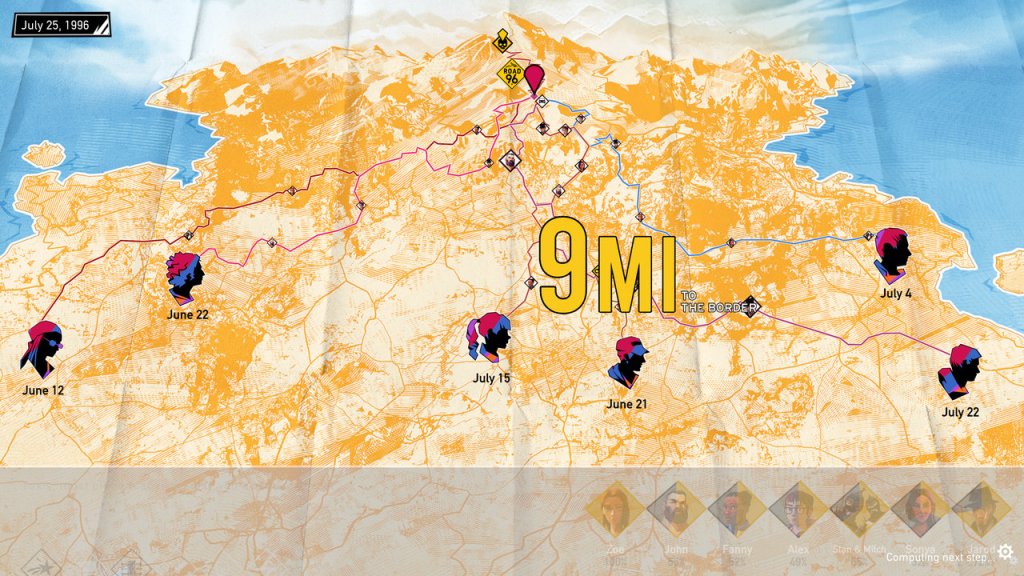
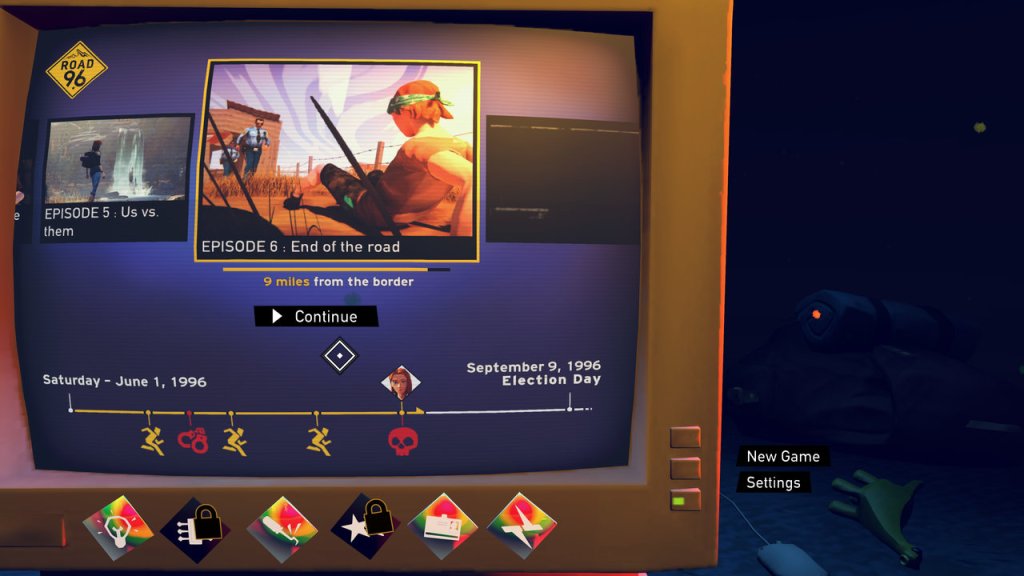
The game keeps track of your progress with different teenagers
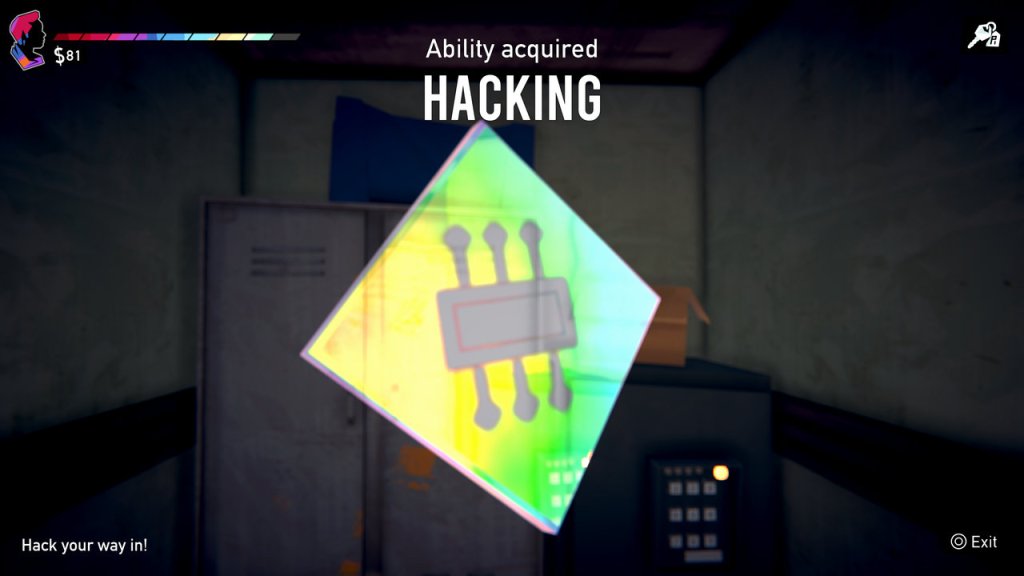
The gameplay mostly sees you walking, talking, and playing minigames like pumping gas or bartending. Some of these are fun, like when you’re hacking a computer or dodging cops, but others feel like busywork to pad the runtime. The resource management—keeping your teen fed and funded—sounds intense but ends up being a minor annoyance. You’re not exactly strategizing like it’s XCOM; you’re just scrounging for bucks to buy a burger. And the “abilities” you unlock? Stuff like lockpicking or hacking sounds cool, but they’re just dialogue shortcuts, not game-changers.
The game’s story is set in 1996, which influences the world around you. Characters rock flannel shirts, ripped jeans, and chunky sneakers, with one of the main NPCs, Zoe, sporting a red bob and a rebellious attitude that’s pure 90s punk-grunge. It’s not over-the-top like a Saved by the Bell set, but it’s convincing enough to feel like you’re flipping through a 1996 zine. You won’t find super-specific references like Tamagotchis or Pogs cluttering the scenes, which might’ve added authenticity. It’s a bit sanitized, like the game’s afraid to lean too hard into the era’s weirder quirks. Still, the vibe works—it’s recognizable without being a caricature.
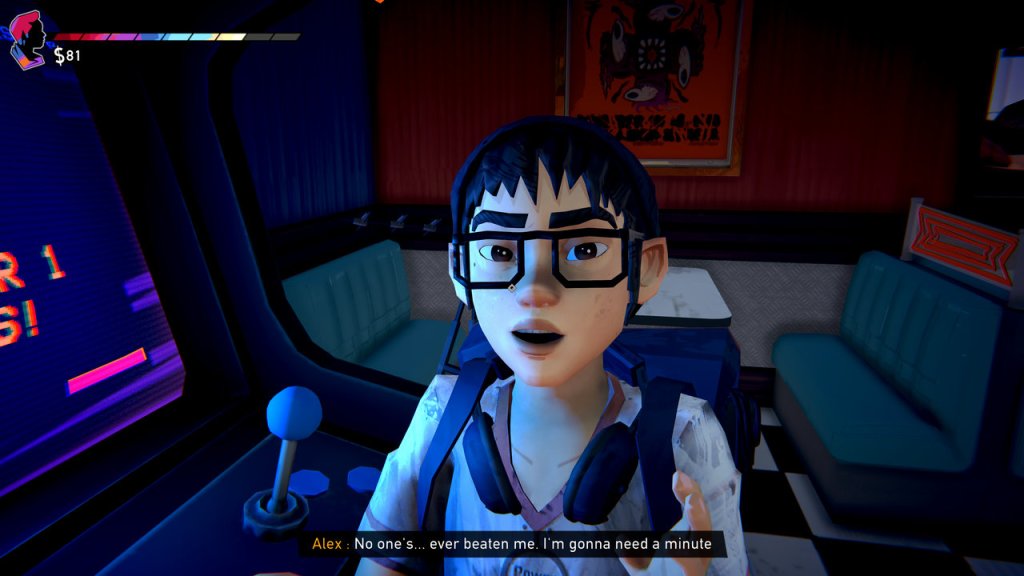
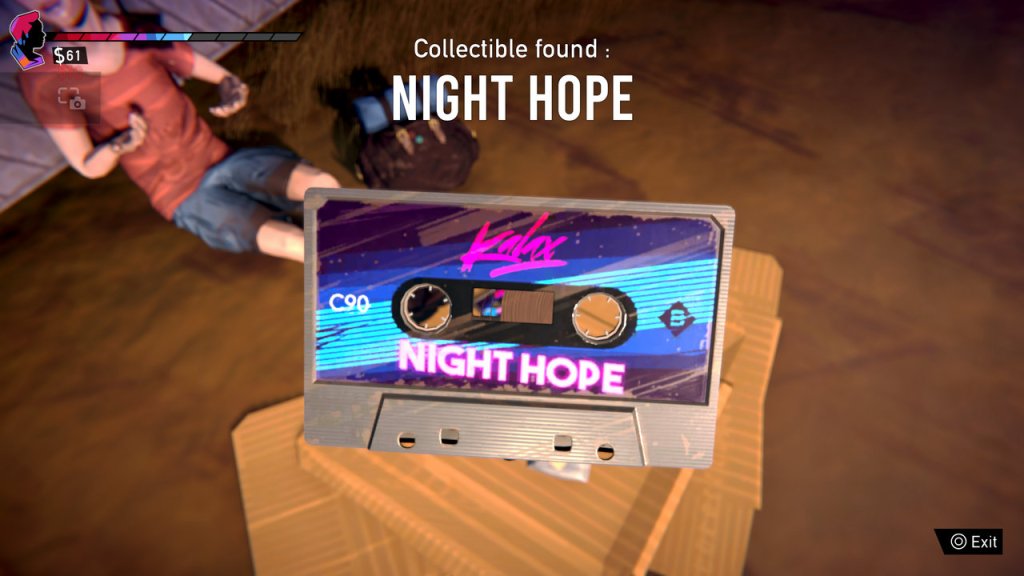
Petria’s authoritarian regime feels like a nod to the era’s dystopian sci-fi flicks (The X-Files was peak 90s paranoia), and the election plot echoes the political awareness that started bubbling up with stuff like Rock the Vote. Minigames and interactions also sprinkle in 90s flavor. You’ll play arcade cabinets, flip through cassette tapes, or mess with old-school tech like rotary phones. One sequence has you answering a quiz that feels like a warped version of a 90s game show, which is a nice touch. The game’s humor—sarcastic, a bit goofy—lands like something you’d hear on Beavis and Butt-Head.
Replayability’s a big claim here, and it’s got some legs. You’ll need at least six runs to see an ending, and choices do change how the election or characters’ fates play out. But let’s be real: after a couple runs, you’re seeing the same beats with slight remixes. It’s not Skyrim levels of freedom. If you’re the kind of guy who replays games to see every ending, cool, but I’m unsure most people will care enough to grind through all the permutations. Seven hours for the main story, maybe ten for completionists, and that’s if you don’t get bored.
Road 96 is a fun little road trip with some heart, but it’s not the masterpiece it thinks it is. If you’re into indie games and don’t mind some preachiness, give it a spin. Currently it’s on PlayStation Now/Plus Extra and was previously on Gamepass.
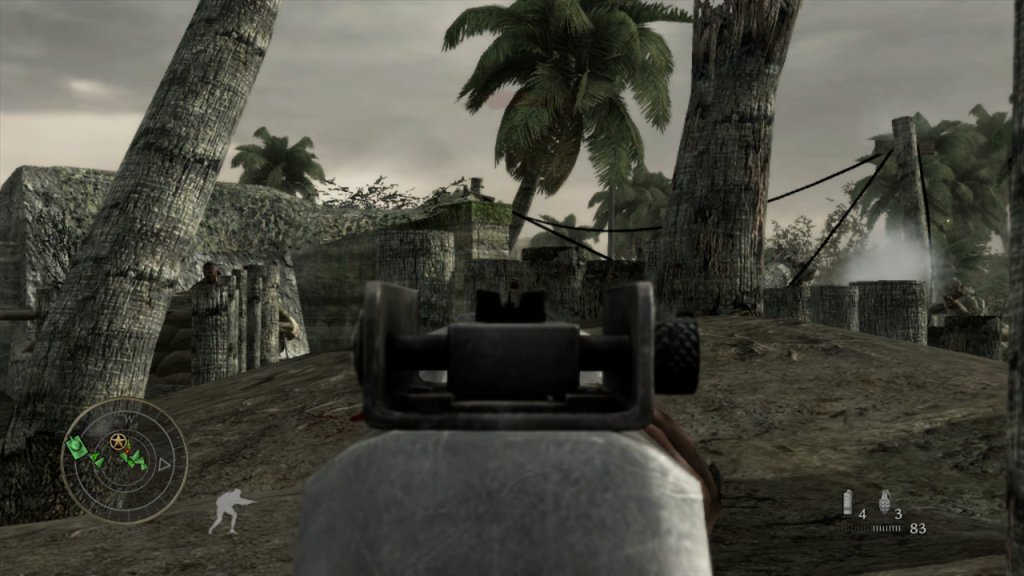
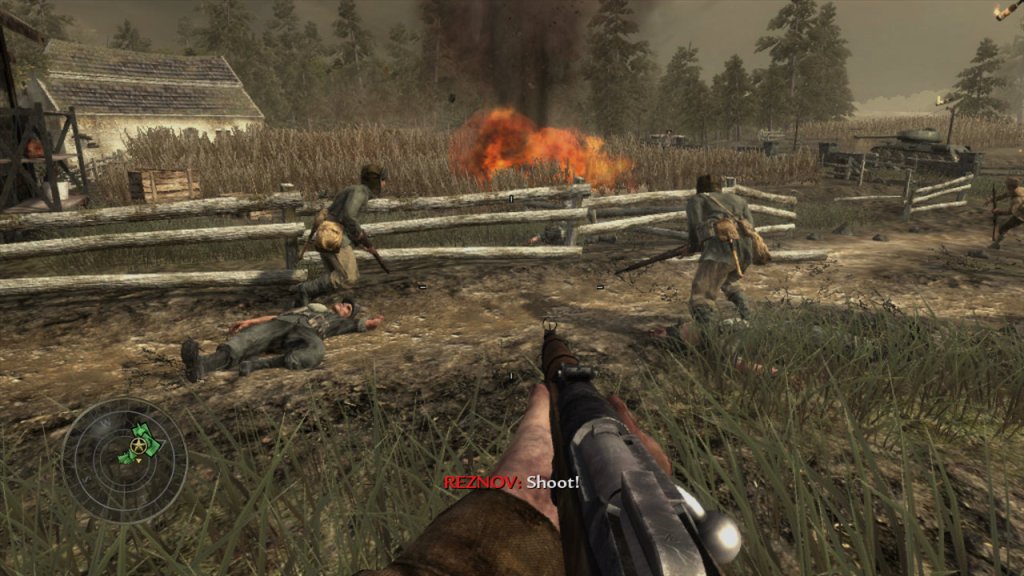
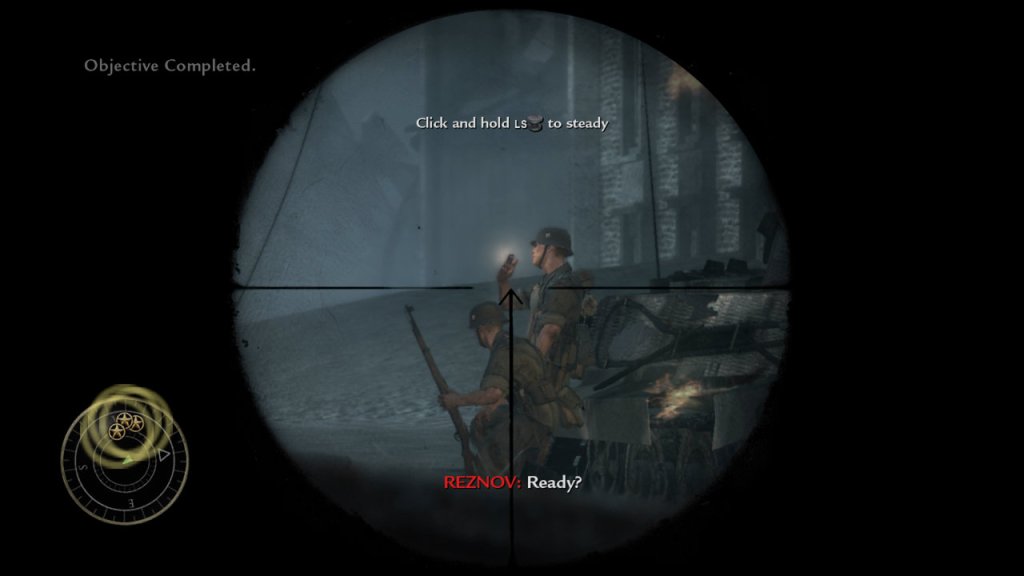
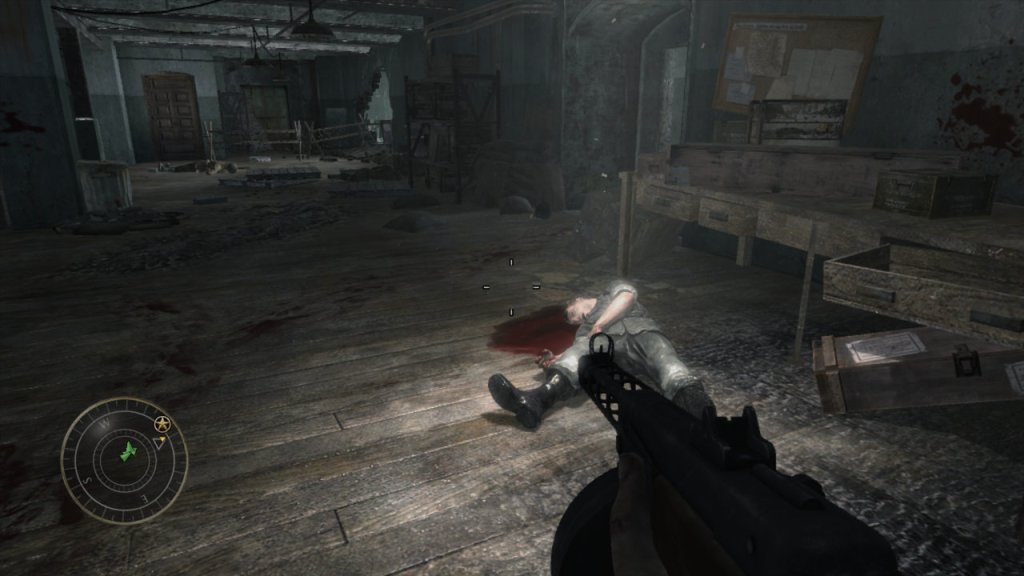
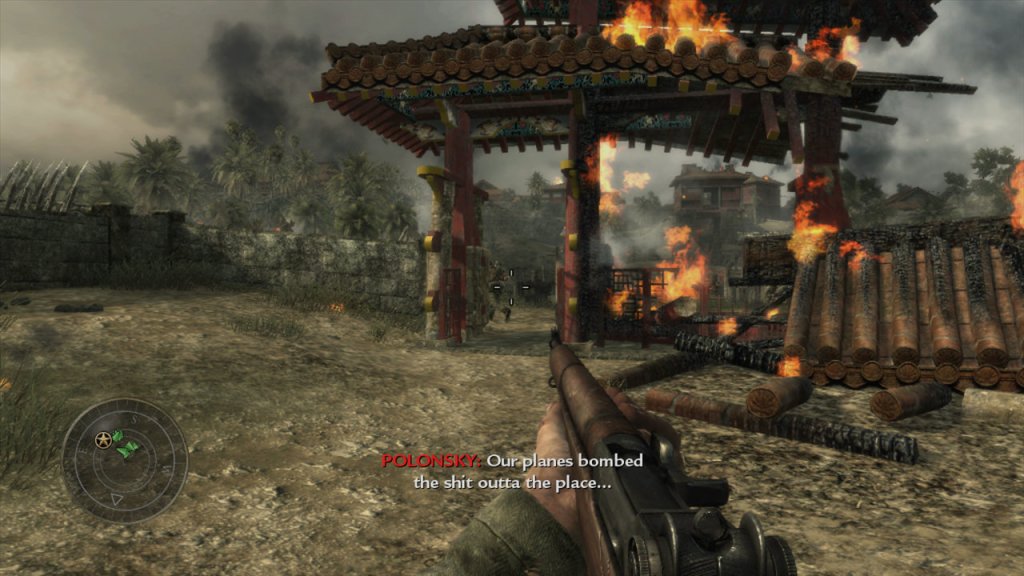
A first person shooter released as a followup to Modern Warfare (Call Of Duty 4), here we return to history. World at War hits different in comparison to the previous titles in the series, taking on a more gritty undertone with the games campaign, which can carry over to it’s multiplayer maps.
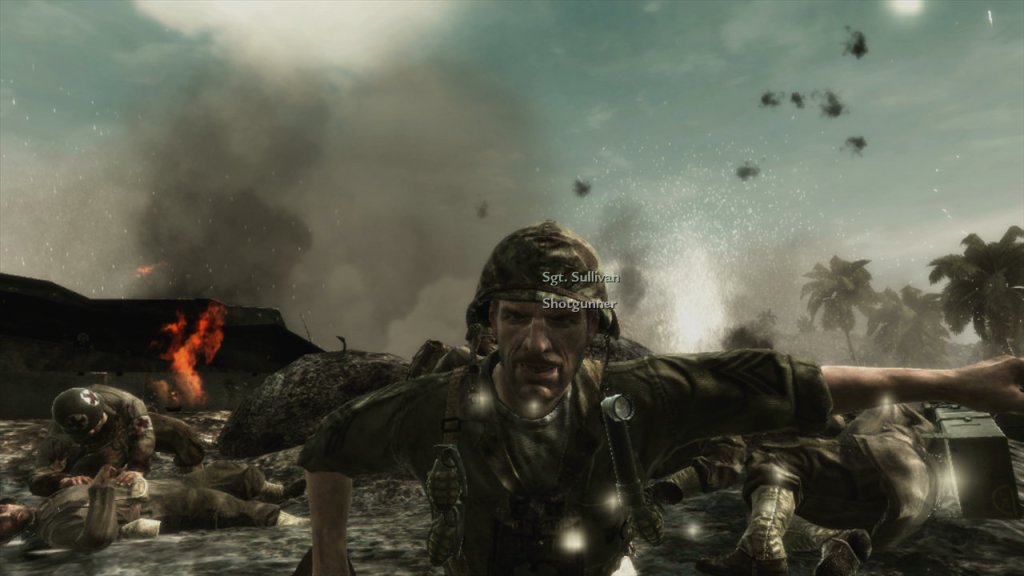
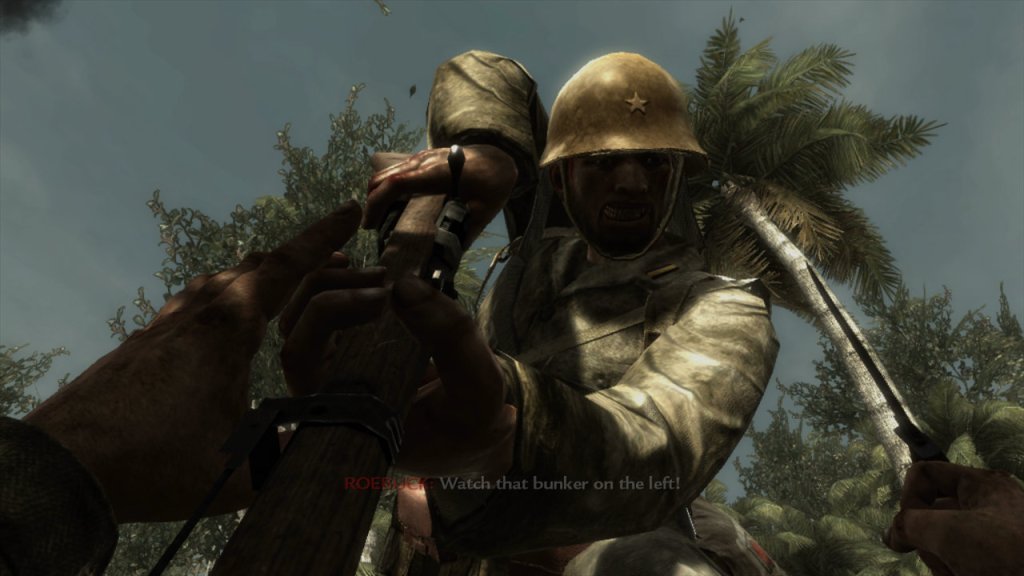
The game is set during World War II, depicting intense battles such as Peleliu, Okinawa, Stalingrado, and Berlin. It emphasizes the gritty and brutal nature of the conflict, including unique enemies like Kamikaze fighters and Banzai chargers. The single-player campaign is split into two perspectives. The American campaign follows US Marine Raider Private C. Miller in the Pacific Theater, covering battles like Makin Atoll, Peleliu, and Okinawa. A mission featuring US Navy Petty Officer Locke as a gunner during Okinawa is also include. The Soviet Campiagn centers on Soviet soldier Private Dimitri Petrenko, alongside Sergeant Viktor Reznov, from Stalingrado to the Battle of Berlin, culminating in planting the Soviet flag on the Reichstag.
The game’s campaign touches on a few political elements, specifically with patriotism and Nation Duty. While not overt, the game subtly critiques the dehumanizing nature of war through its graphic violence and grim tone, showing the cost of militaristic ideologies. The campaign doesn’t shy away from war’s horrors—flamethrowers burn enemies alive, civilians are caught in crossfire (e.g., “Vendetta”), and missions like “Eviction” depict urban devastation. This contrasts with the patriotic heroism, suggesting war’s toll on all sides, though it’s less critical of Allied actions. The game’s mature rating and gritty aesthetic (dismemberment, blood effects) aim to portray WWII’s brutality authentically, unlike earlier, sanitized WWII games. However, it stops short of questioning the Allies’ moral framework, focusing on Axis aggression.
The game reflects WWII’s propaganda-driven narratives, with each side’s campaign reinforcing their ideological stance—American democracy vs. Japanese imperialism, Soviet communism vs. Nazi fascism. Soviet missions use rhetoric like “For the Motherland!” to evoke communist unity, while American missions emphasize liberating the Pacific. The game doesn’t explore internal political tensions (e.g., Soviet purges, U.S. segregation) but mirrors wartime propaganda’s black-and-white framing. This reflects how WWII media shaped public perception, with clear heroes and villains. The game’s Zombies mode, while fictional, uses Nazi zombies as a shorthand for evil, reinforcing this narrative.
The Pacific campaign subtly touches on imperialism, as the U.S. fights to reclaim territories from Japanese control, but it doesn’t critique American expansionism. Missions like “Semper Fi” and “Black Cats” focus on retaking islands like Makin and Okinawa, framing the U.S. as liberators. The game sidesteps the Pacific’s colonial history (e.g., U.S. control of the Philippines) and Japan’s imperialist ambitions are villainized without nuance.
This reflects a Western-centric view, where Allied actions are heroic, and Japanese motivations (e.g., resource-driven expansion) are reduced to fanatical aggression.
Multiplayer
There are six multiplayer modes, including Team Deathmatch and Capture the Flag, with a ranking system up to level 65. You can unlock weapons, perks, and grenades as they progress, with a Prestige mode resetting rank for additional class slots. Killstreaks are rewarded following several consecutive kills In a row without dying, the rewards Includes three killstreak rewards: Recon Plane (3 kills), Artillery Strike (5 kills), and Attack Dogs (7 kills). There are 13 maps included, with additional maps added as DLC.
Zombies Mode
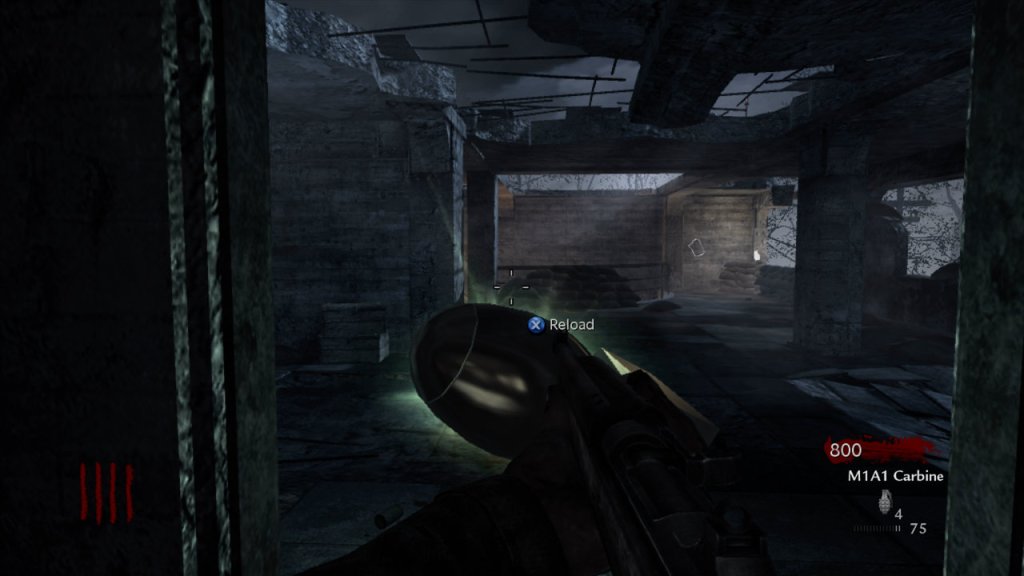
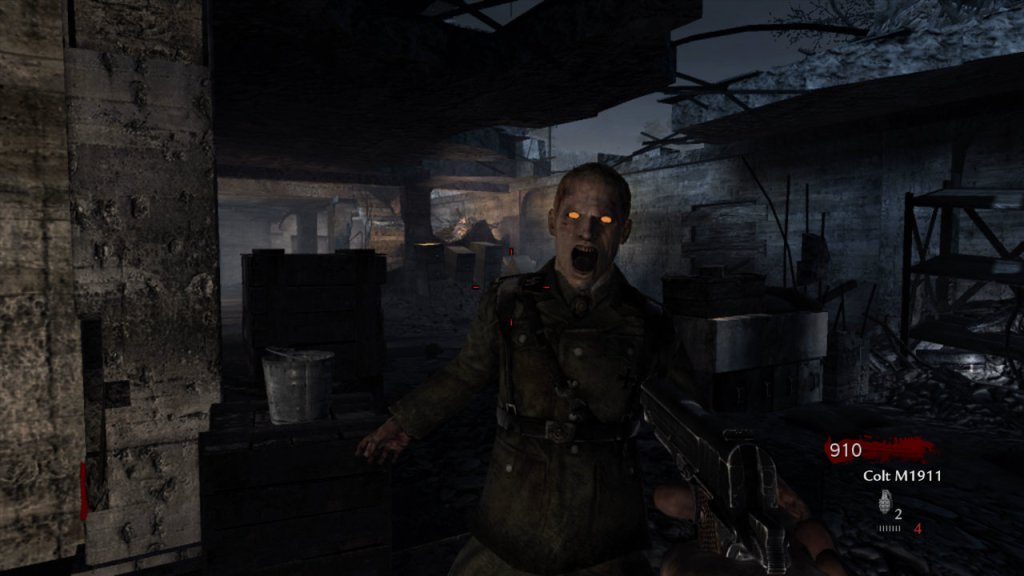
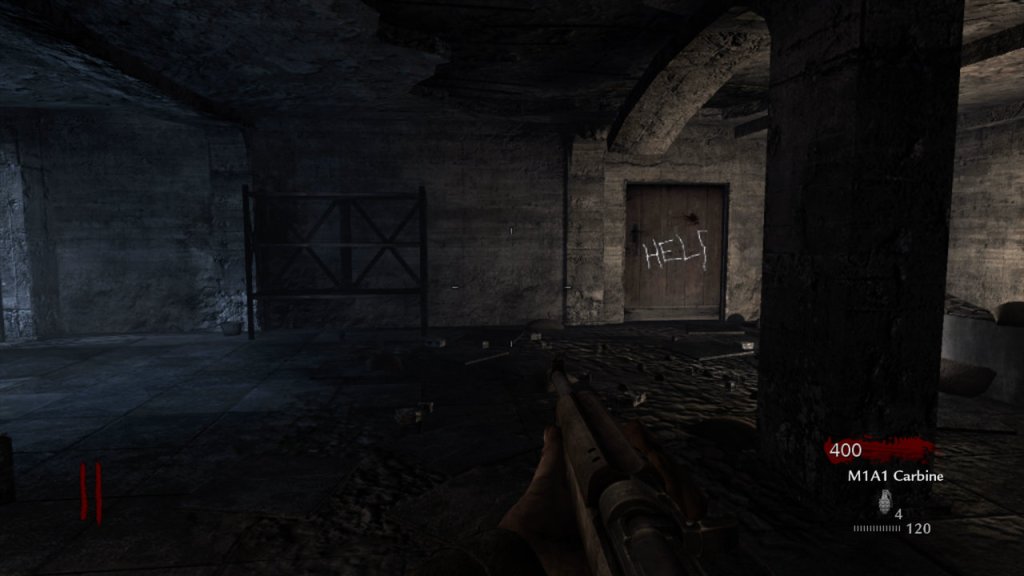
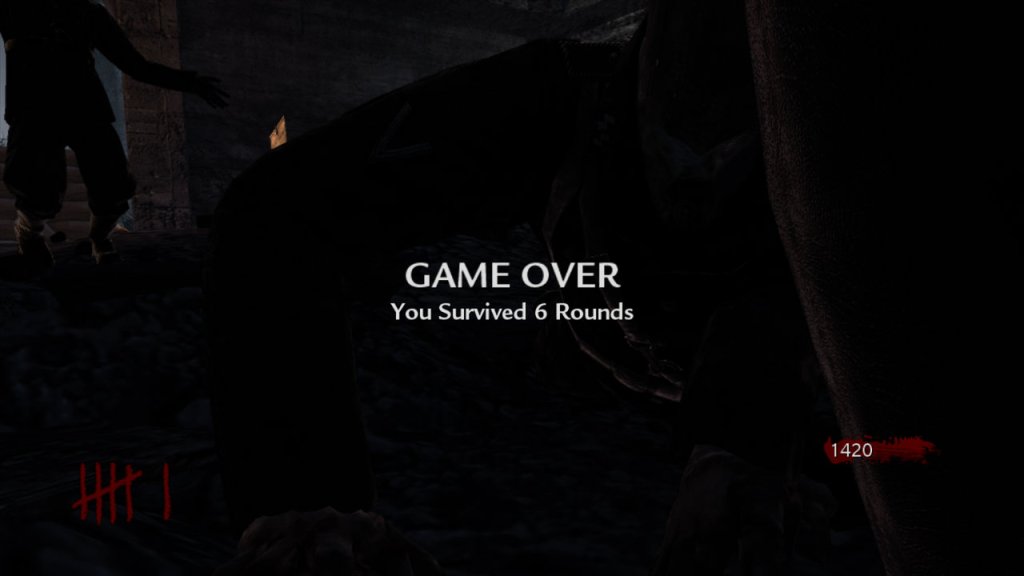
This was the first in the series to include a Zombies modes, which is a PVE mode where a team of players have to face off against computer controlled zombies whilst scoring enough points to spend on weapons, ammunition and barriers. The vibe is spooky, the teamwork is clutch, and it’s got that “one more game” energy that keeps you up ‘til 3 a.m. The later DLC zombie maps, like Verrückt, just crank the insanity up. This mode basically birthed a whole subgenre for Call of Duty and has become a common staple of the series. It can be best thought as a competitor to the Horde mode from Gears Of War 2, Firefight from Halo Reach, or survival from Left 4 Dead.
Versions
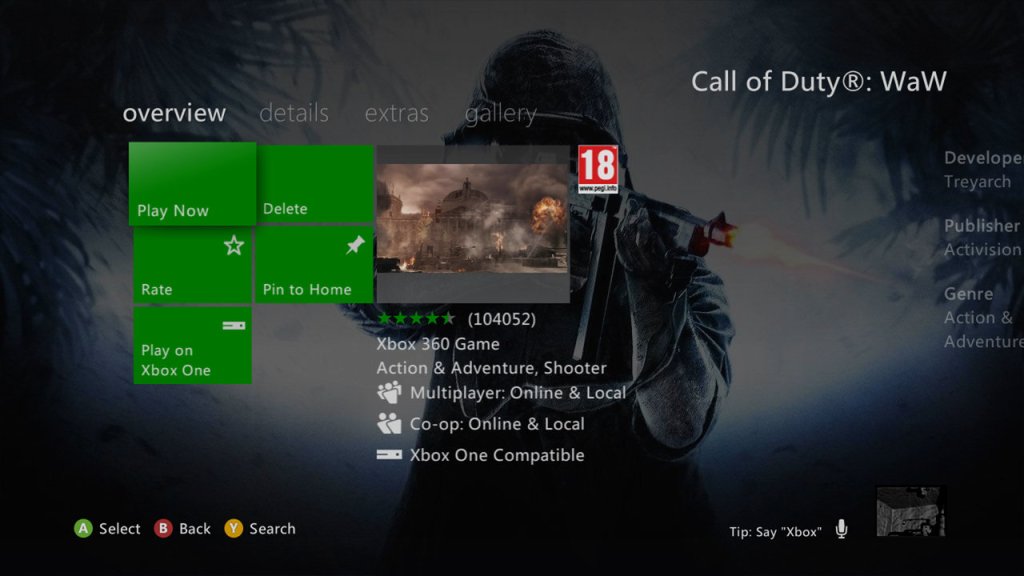
Xbox 360: The only version that has support for achievements, along with standard Xbox Live features like matchmaking and leaderboards. You do need to subscribe to play on Xbox Live unlike the other versions but is playable on the Xbox one and the Series consoles.
PlayStation 3: Compared to the 360 version, there is a noticeable frame drop when the game gets busy.Trophies were added following an update.
Wii: The Wii version is a tailored adaptation of the game for Nintendo’s console, offering unique benefits despite hardware limitations compared to the PS3, Xbox 360, and PC versions. While it sacrifices some graphical fidelity and features (e.g., no online co-op, fewer maps), it leverages the Wii’s motion controls and accessibility to deliver a different experience. I cant say the motion controls are good for aiming, sometimes you get a benefit of accuracy if the Wii Remote is playing nice, but most times it s awkward to correctly aim which makes the game more clunky to play.
Windows: Avaliable on Steam, but appears to lack achievement support since Steam did not support this at the time. This version still works on modern systems and the servicers are still online. But various security expoits make this version risky to play.
Conclusion
Call of Duty: World at War is a straight-up classic. The campaign’s a wild ride, multiplayer’s got that addictive grind, and Zombies? It’s not perfect—grenade spam and some repetitive missions can be a buzzkill—but this game’s got heart, guts, and a legacy that kicked off the Black Ops series of games.
The joys of rampaging through city traffic. Midtown Madness hits the Xbox, and the virtual streets of Paris and Washington DC.
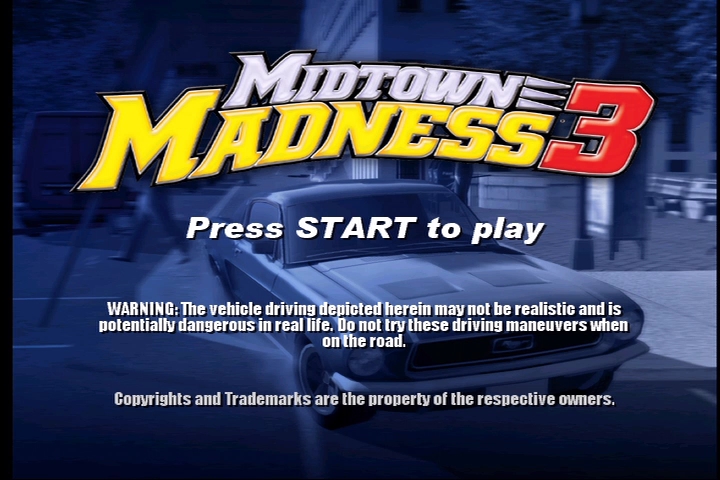
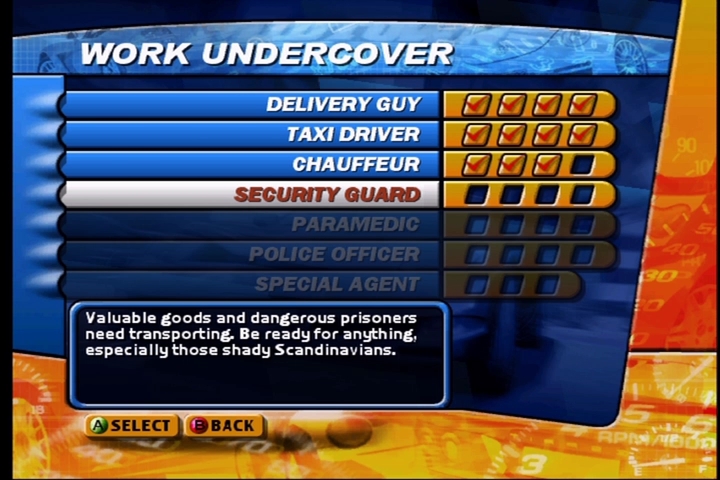
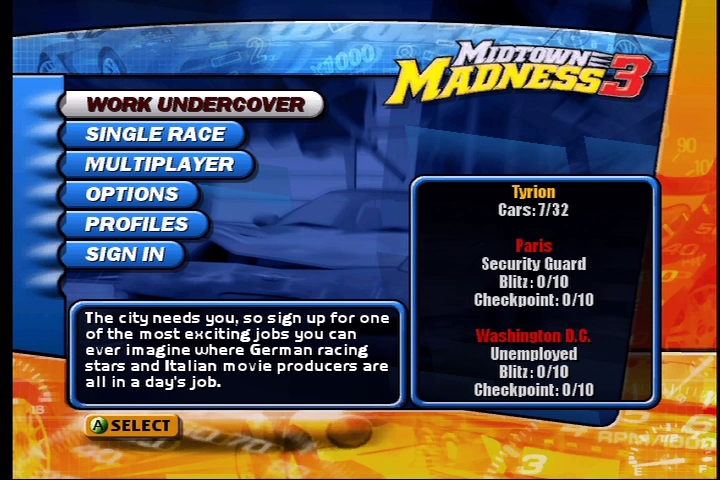
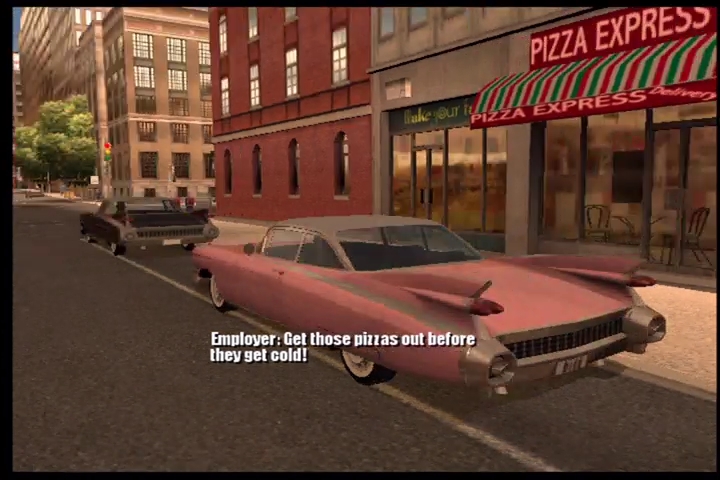
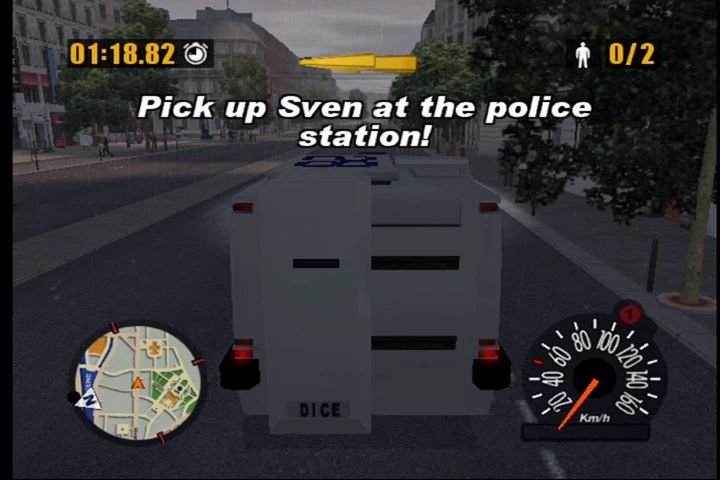
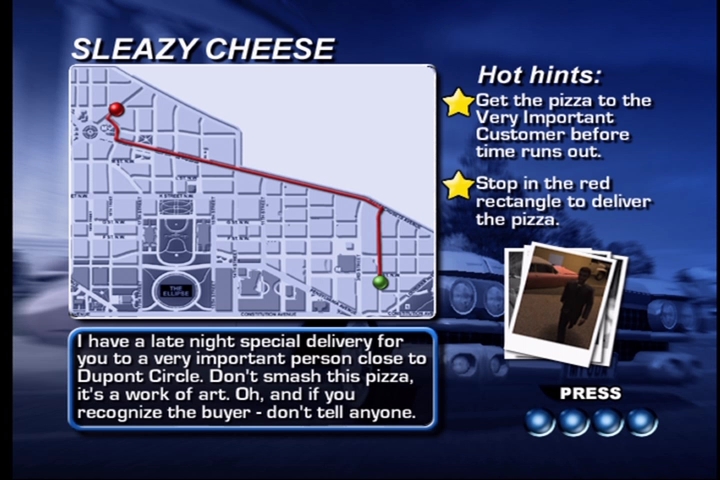
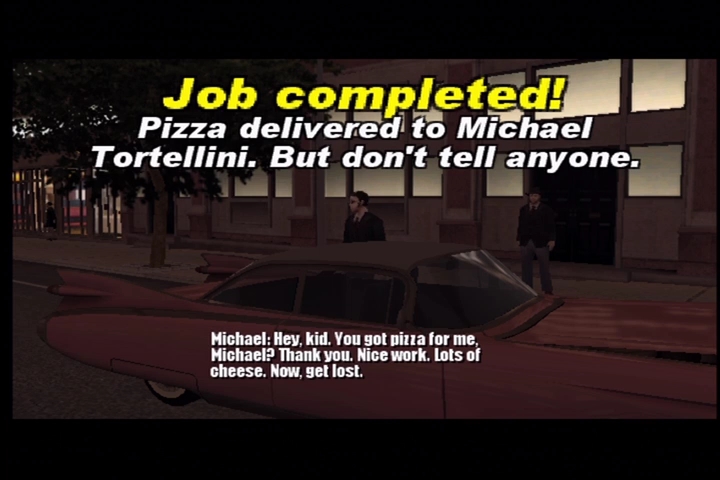
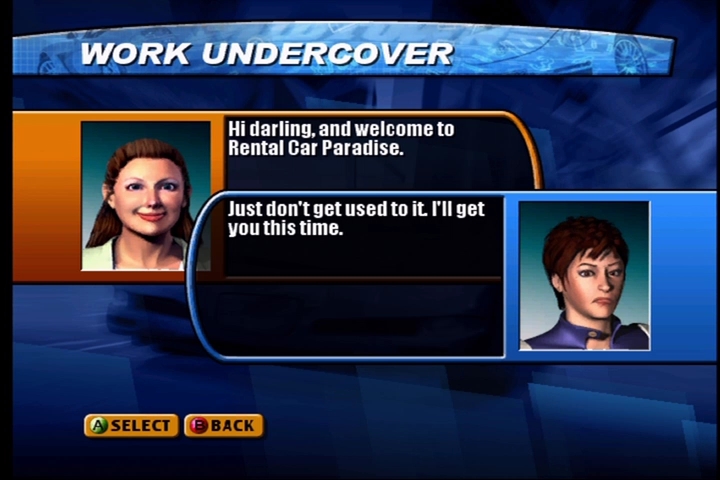
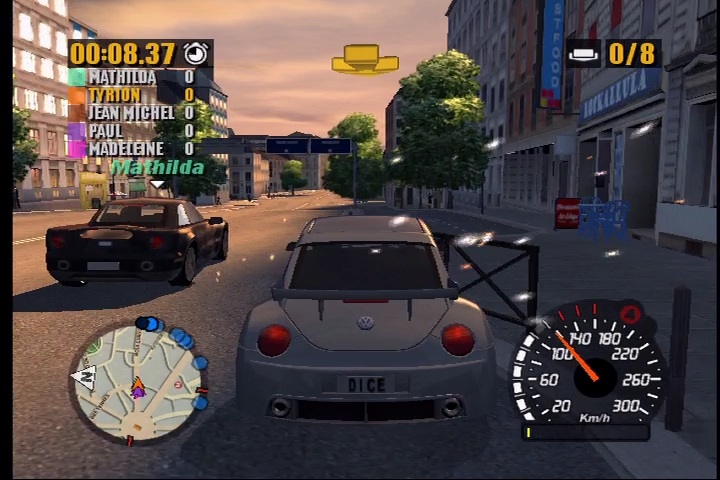
Midtown Madness 3 is a fun street-racing game that mixes objectives from Sega’s Crazy Taxi with standard street racing. The story mode gives some absurd backdrop of being a private investigator who must impersonate various vehicle-based jobs like taxi driver, cars salesman, stunt car driver, policeman, limo driver, paramedic or a pizza delivery guy. It hardly matters though, since the gameplay consists solely of racing through the streets trying to hit checkpoints, usually with a competitor in hot pursuit (similar to TG Daredevil for the PS2)
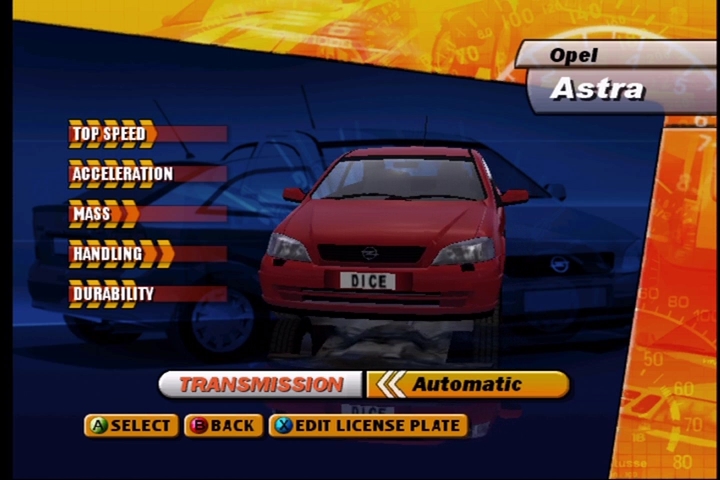
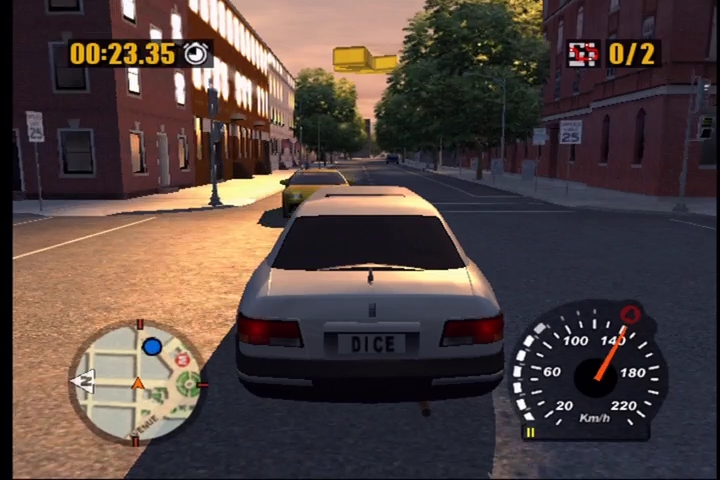
If all you want is a cool driving game without an emphasis on violence, yet still laden with destructive opportunities, Madness delivers. There’s a lot of cars to select, unlock, and drive around at highly unsafe speeds, and all the cars have a noticeably unique feel to them. The arcade handling is responsive and highly entertaining (but don’t expect realism), and there’s a ton of things to run into and destroy including other cars, lampposts, fences, and storefront windows.
The freedom to just drive around, hit checkpoints, or go undercover and do some crazy missions? That’s the sweet spot and is what Midtown Madness 3 exceeded at. Winning races or completing missions earns you new wheels to cruise with, along with more races and missions. There’s no shortage of sites to see through the game’s two picturesque cities, either. In fact, this overload of missions, races, and game modes is really the high point. Want to just aimlessly cruise through Paris? You can even do it with a friend in the multiplayer mode. Straight racing by yourself or with pals is another option, and the game will even adjust its time limits based on the car you drive since the Mini Cooper can make far better tracks than a truck.
Visually, Midtown Madness is solid. The cars are detailed and shiny, offering impressive textures that the PS2 would cry for. The cities look excellent and the pedestrians look mostly human. The audio is fun, with great engine effects and ambient noises, and a zippy soundtrack. It really does take advantage of the Xbox sound processing capabilities, and has aged well even for today.
Multiplayer action thankfully includes Xbox Live support, along with system link, and a two-player split screen mode. There is also DLC available, which has long since been discontinued by Microsoft but has been preserved by the community. Online play is possible thanks to the Insignia project, although you will be lucky to find a lobby.
Even if you get bored with the 30-plus cars and a horde of missions and races, finding fun things to run over with friends never gets old. You can’t run over anyone, Pedestrians either leap out of the way or pass right through the car undamaged — including the mimes. The AI can be a bit… let’s say, braindead. Sometimes, it feels like you’re racing against NPCs that just learned what a steering wheel is. And the environments, while cool, get repetitive. After a while, you’ve seen all there is to see in both cities.
While there are other, more intense and innovative racers out there (Apex/Forza/PGR to name a few), Midtown Madness 3 is a fun and friendlier approach to street racing. You can crash into virtually anything and cause oodles of destruction with no penalty due to the cars being invulnerable. The fast-paced weaving through the streets of two different cities holds a wealth of interesting gameplay, and its fairly accurate to the city the level is based on.
Sadly the game wasn’t made compatible with the Xbox One or Series consoles. The only reason I can think of is due to the vehicle brands which is a shame, this would play and look very well though their emulator. Again this was one of the few titles that was only released for the original Xbox.
EA recently found the source code for the original Sims games, and decided to bless us with a modern rerelease of the original Sims game with all of the expansion packs and DLC added on, along with an updated Vulkan renderer to allow for support for higher resolutions without hex editing the games EXE file.
Whilst it’s nice to experience the original Sims games in 1440p, there were a few bugs uncovered shortly after launch which EA has been attempting to fix. Whilst looking online, it appears you can unlock the games executable file to allow you to enter cheats which typically cannot be used under normal gameplay. These cheats were intended for when the game was under development and as such were disabled after the game release.
To enable these cheats, you do need to run a conversion tool that decrypts your sims EXE file, since it uses Steam’s protection. Once this is done, we can patch the exe file directly. Do remember that EA are still actively fixing and updating the game, so this might cause issues in the future should EA release an update. As always, backup your game’s files.
The Cheats
Below is a few useful ones that I’ve commonly used, a full list can be found on the Github
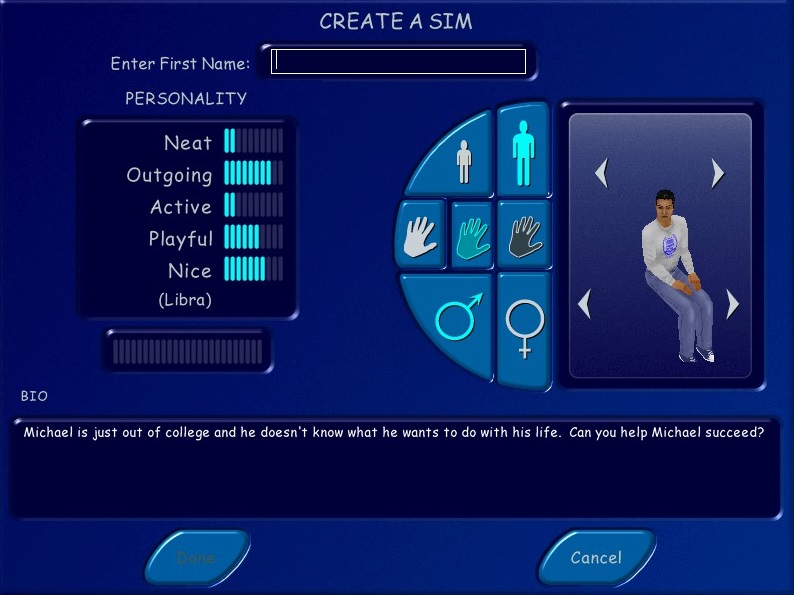
Edit_char: This opens the Create-A-Sim where you can completely edit the selected sim, as if you were creating them for the first time. Useful if you need to change your sims head, body or personality since the game normally prevents you from editing. A funny side effect is if your sim is currently performing an interaction, they will play that animation when you are editing them. This can cause some weird side effects, I recommend having them stand still without any interactions, since the game did lock up after editing.
Move_lots: lets you reposition the lots on the neighborhood screen, useful for cosmetic use but the change isn’t permanent.
Sim_speed: Adjust the speed of the simulation, default is 100
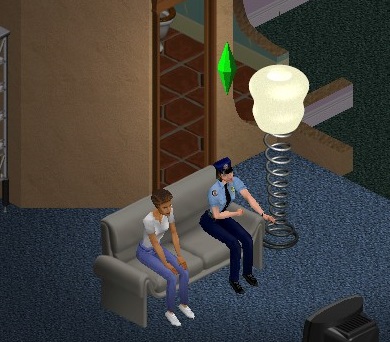
Visitor_control: lets you control visitors by pressing the space bar to select the sim, and then using the mouse to issue commands. Depending on the NPC there are a limited set of commands you can give, visitor sims like neighbors have access to a limited set of interactions like watching TV but they cannot use the phone or take a bath. True NPCs like the Maid, Mime or Police officer are a lot more restricted, you can only use the toilet and watch TV.
Set_hour: Missed the carpool? just set the game to a couple of hours before (set_hour 10 for 10:00AM, or set_hour 15 for 3:00PM)
Lot Swapping
By using the swap_houses cheat, its possible to swap occupied and unoccupied lots around, even with lots that do not appear on the neighborhood selection screen. By using for example, Swap_houses 03 06, lots 03 and 06 will swap their positions on the neighborhood screen, along with their family. Since lots can differ in plot size, its recommended to swap with lots that are of the same size, but there are no negative effects with the exception of the neighborhood screen looking a little odd.
Now I did wonder what would happen if we were to swap lots with houses outside of the game’s normal range, and if the house were to remain playable. The answer is you can, but there are some weird effects.
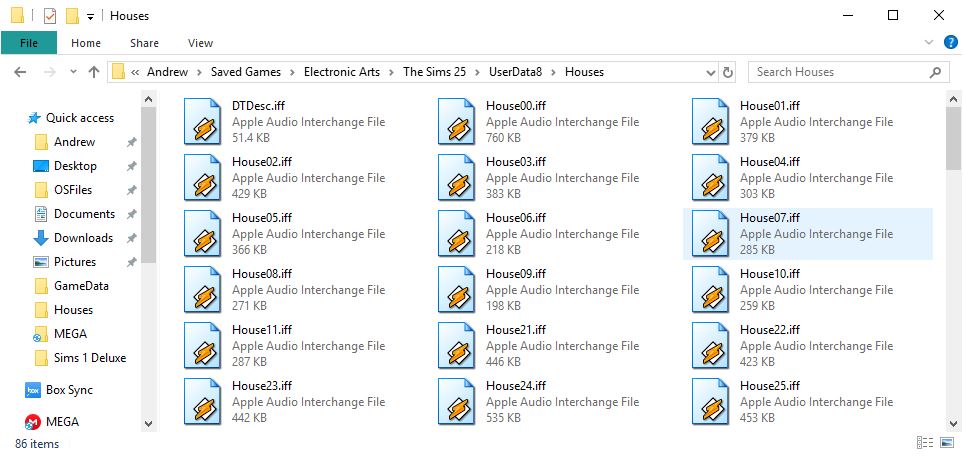
First since we are swapping, we need to actually create the house files for the game to swap with. Originally the game assigned Houses 1-10 for the main neighborhood, House00 being intended for NPC’s and House11 not having any noticeable use. Hot Date used House 20-29 for its downtown lots, along with On Holiday for the 3x range. Now the Unleashed expansion did add a plethora of lots to use with the large neighborhood screen, but oddly did not use the House 11-19 range and to my knowledge, no expansion has ever used this range. I’m unsure if Maxis had any plans for this range or if there was a technical reason why this was never used.
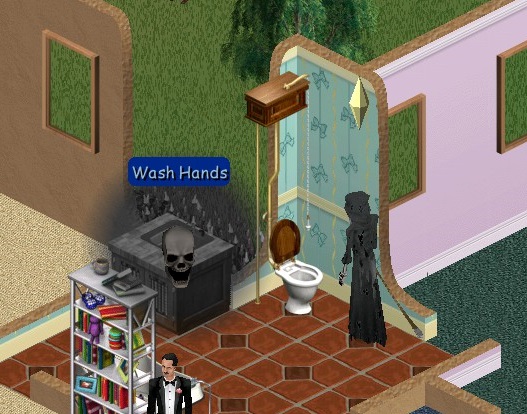
Where did House 12-20 go?
To add lots to this range, You can simply navigate to the game save directory, This is located in the Saved Games folder located in your Documents folder. You can them copy an existing Housexx.iff file and rename it to say House12.iff
With the debug cheat, you can force the game to load the lot by typing ‘Lot 12’ or ‘House 12’ into the cheat box (Ctrl+Shift+C). Once the lot loads, this is where the weirdness starts.
If the lot is vacant, as in there is no sim that is moved in, you can edit the lot but you cannot save. You also are unable to purchase or build because of the balance being 0, but by using a money cheat, you can indeed enter build or buy modes but you are still unable to save.
If the lot is occupied, lot will load but the sims will initially be missing. You can restore them by clicking on their portrait panel which will spawn them onto the lot. But they will not move regardless of the free will setting. Many objects like the telephone or refrigerator cannot be used or interacted with and NPC sims will not walk by. No carpool will appear, so sims cannot get to their jobs and earn money. Of the objects that do function, some of the interactions are not available. The bookcase only allows for you to read a book, you cannot study for any skills.
Lack of a functional phone means you cannot call other sims, However they do appear in the phonebook if you have a neighbor sim that wished to contact them.
I should mention this behavior affects lots 12-19, but lot 11 appears to function normally for the most part, suggesting this was originally supposed to be playable from the hood screen. I’m interested as why the game will not process normally when lots are loaded this way, with the exception of lot 11.
Overall, it’s an interesting way to add more families to your neighborhood. Whilst you cannot directly play the lots, you can swap them with the lots on the neighborhood screen, and then just swap them back. They will still appear as walkby’s, on community lots and in the phonebook and if you don’t mind using the swap commend when you wish to play that family, its mostly fine.
I’m actually curious if there is a way to add more lots onto the neighborhood screen, from inspecting the .iff files in each userdata, it’s possible to change the lot names and descriptions, but I cannot see where the game determines 1 Sim Lane as House01.iff
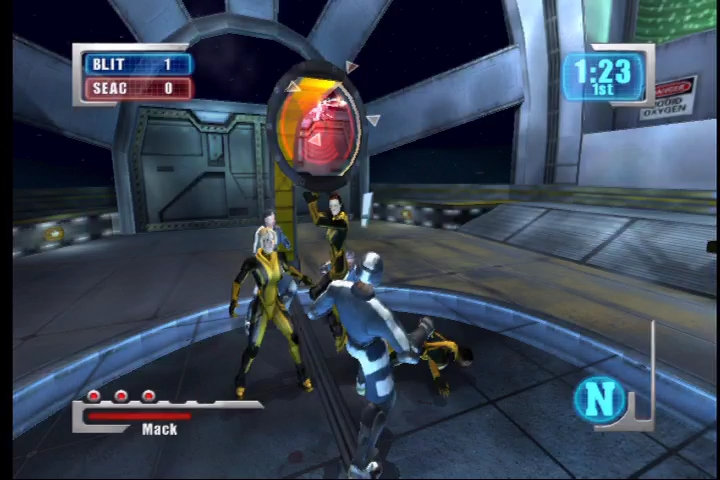
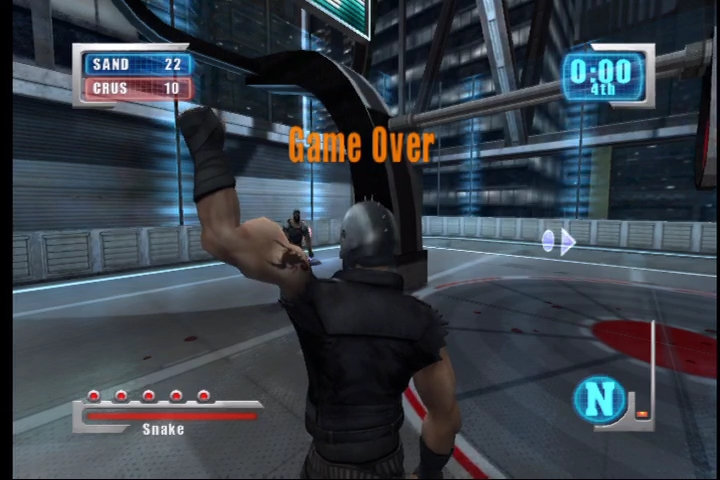
Entering a dark, futuristic world where televised sports are wildly popular and even more wildly violent. And the most popular and violent sport of them all is… ultimate Frisbee, known as Deathrow.
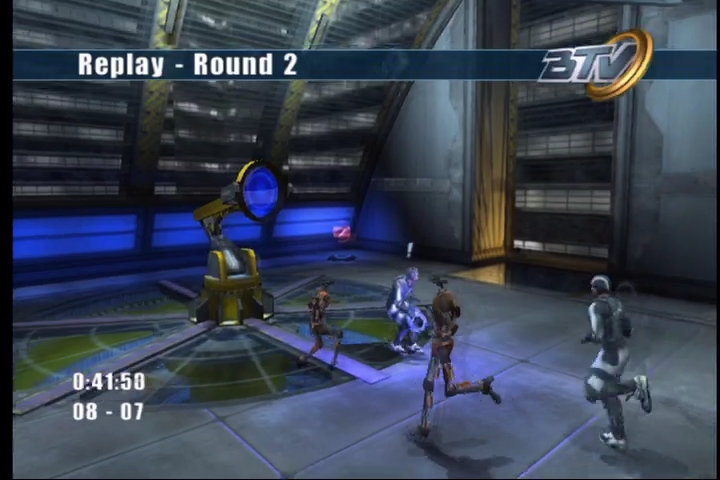
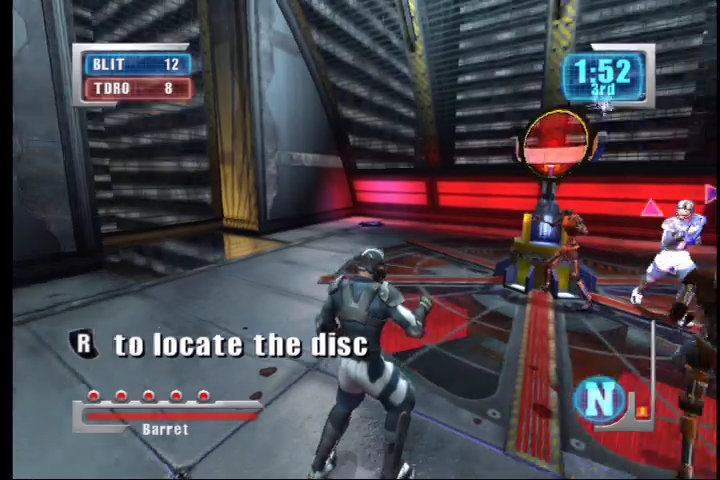
The sport you’re playing in the game is not called Deathrow, it’s called Blitz. Deathrow is just the name of one of the fancy moves you can pull off in the game. Gameplay is fast and furious right from the start, and the controls are a breeze to pick up. When you are in possession of the disk, A passes, B shoots, and Y jumps. To block an attack or roll out of its way, you press X. If you want to taunt another player by calling him naughty names you press the white button. Trust us, you’ll be pressing it a lot. When you don’t have the disk, the X, Y and white button do the same things, but A and B punch and kick, respectively. You’ll be pressing those a lot, too. More complicated maneuvers involve pressing buttons in sequence.
Your passing game is made simple thanks to the passing line and shooting line. A green line connects you to the nearest teammate, while a blue line shows you when you have a shot on goal. Control shifts automatically from the passer to the receiver. None of this is a guarantee of success, though. Interceptions are incredibly common. At times, this makes the automatic control shift a problem. The shift happens when the disk is thrown rather than caught, so you are often left in poor defensive position when your passes are intercepted. You can manually change players, but you don’t always get the player you want on the first (or second) try.
But it’s not all just throwing around the disk. Deathrow more than holds its own for pure fighting enjoyment. Each of the 18 teams has its own signature moves, with hundreds of separate fighting animations available. It’s even possible to win matches without scoring a single point, if you knock out all your opponents. The game shines in the AI department. Each team has its own set of behaviors. Some of the teams, like the Seacats, favor teamwork and precise passing and shooting skills. Others, like the Convicts, are more interested in inflicting as much damage as possible. This way, each new opponent requires that you adopt new tactics to defeat it. For instance, when playing against an overly aggressive team like the Demons, you can often trick their goalie into leaving the goal unguarded by drawing him away with taunts.
Your teammates display a surprising level of autonomy. Certainly, you’re not going to win any matches by letting them do all the work, but if you want to take a short break to inflict some damage on an opponent, they are perfectly capable of picking up the slack and scoring all on their own.
The 32 arenas are varied and often gorgeous. Sure, there are plenty of the traditional dingy metallic sports arenas, but other locales include the Convicts’ prison and the tranquil Japanese dojo of the Black Dragons. One small issue with the level design, though. Most arenas are simple one-floor spaces, and the arenas that do include ledges and other interesting design elements don’t make great use of them. If the disk lands on a ledge, there often isn’t enough time to get to it before it automatically respawns. The character models are smooth and detailed, with upwards of seven thousand polygons and 55 bones each. Character animation during play is very fluid. Attack combos flow from one to another seamlessly.
The one area that fails to get the adrenaline pumping is the game’s soundtrack. Instead of a crunchy metal soundtrack or something similarly dark and pounding, Deathrow sticks to the same uninspiring techno that plays under everything from racing games to space shoot ’em ups. But hey, it’s an Xbox game, so who really cares what the included music sounds like. Rip an old “Ministry” CD onto the hard drive, and you’re good to go.
Another caveat id Deathrow is not a game for the young audiance. The game’s mature rating is richly deserved. The rampant violence is non-stop and leaves nifty little puddles of blood all over the arena. As if that wasn’t enough, some teams seem unable to complete a sentence without at least a few four-letter words. Still, there’s something about a game that has a button devoted just to swearing that makes it incredibly appealing.
What would a violent sports title be without a good multiplayer mode? Deathrow is not slated for the Xbox Live launch, but that doesn’t hold it back much. Up to four players can play splitscreen, and you can network together up to eight consoles. Just go and round up 32 of your closest friends, and you’ve got a massively violent multiplayer.
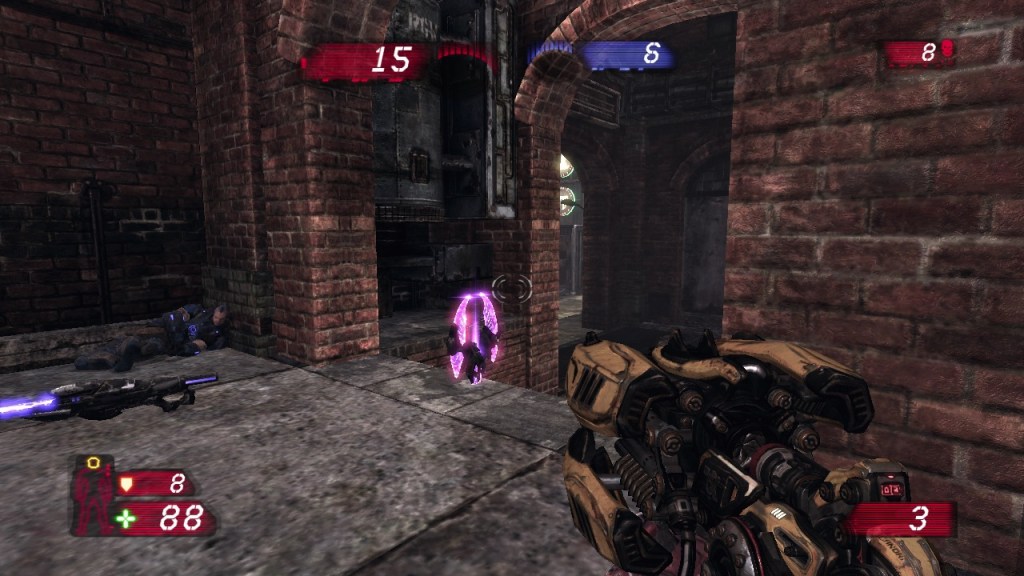
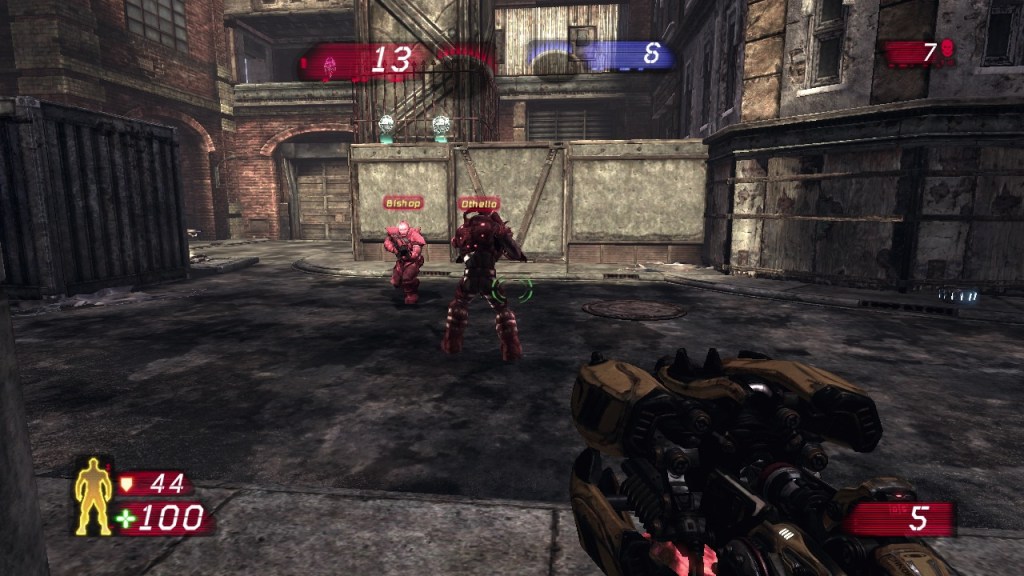
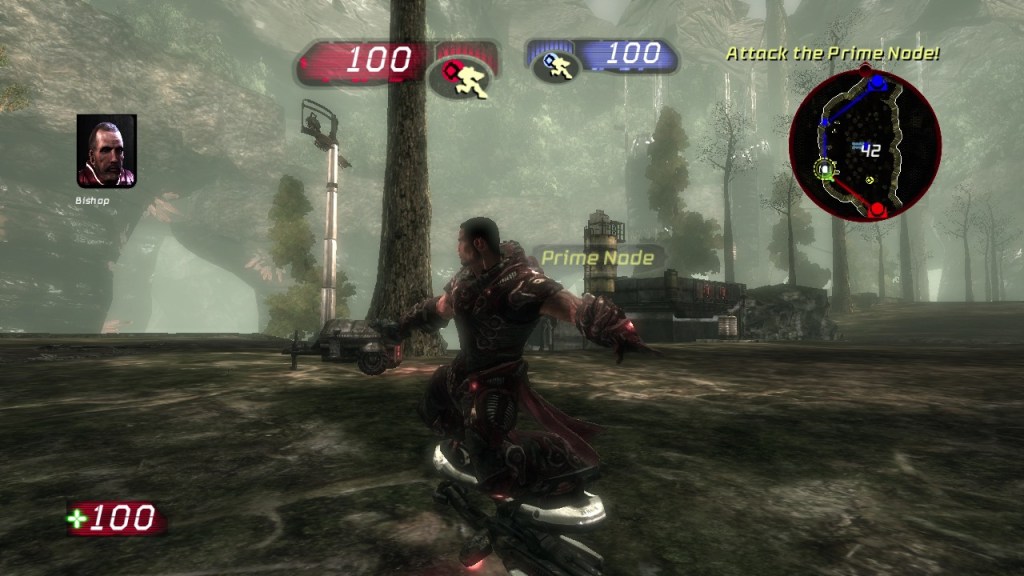
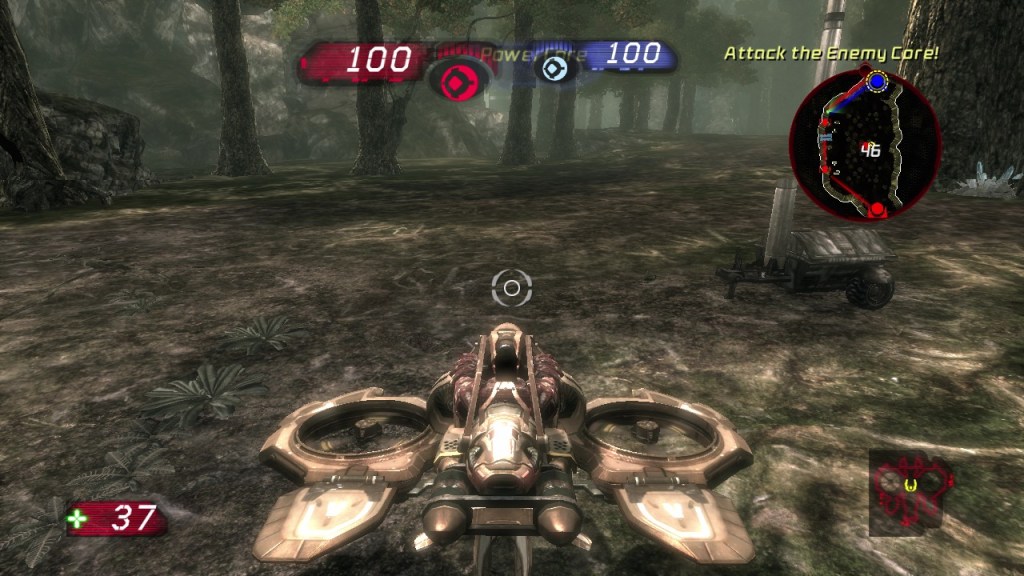
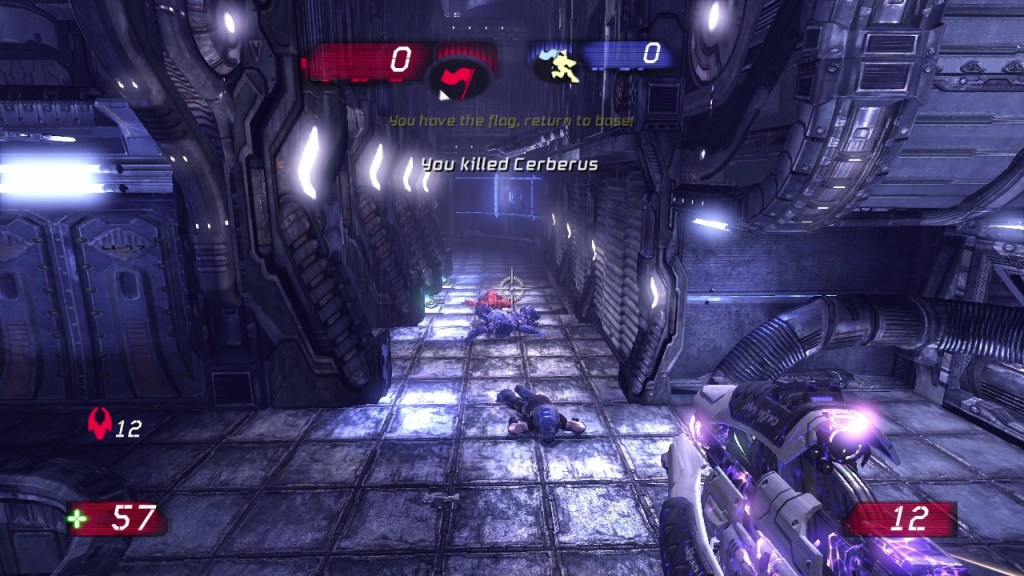
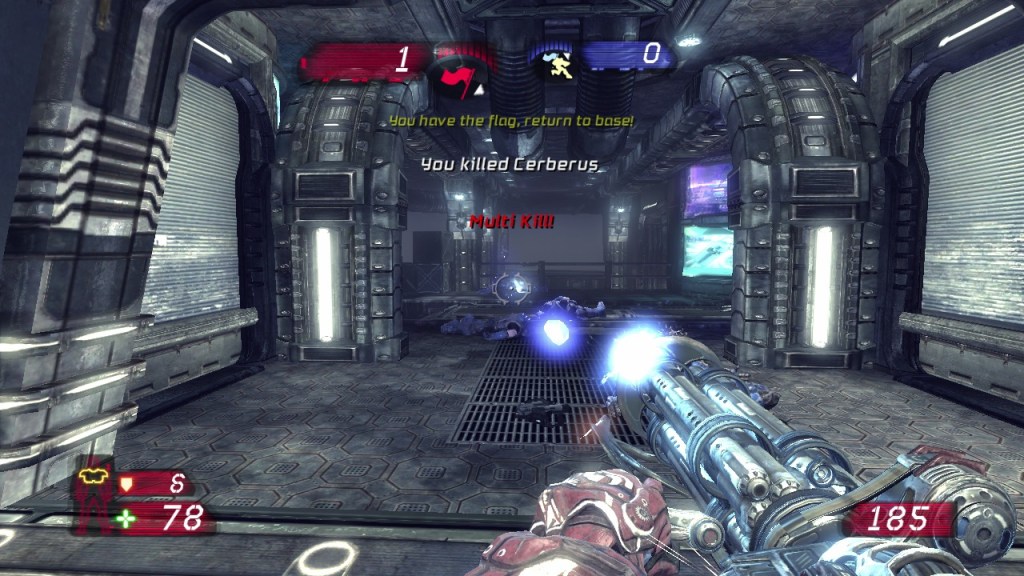
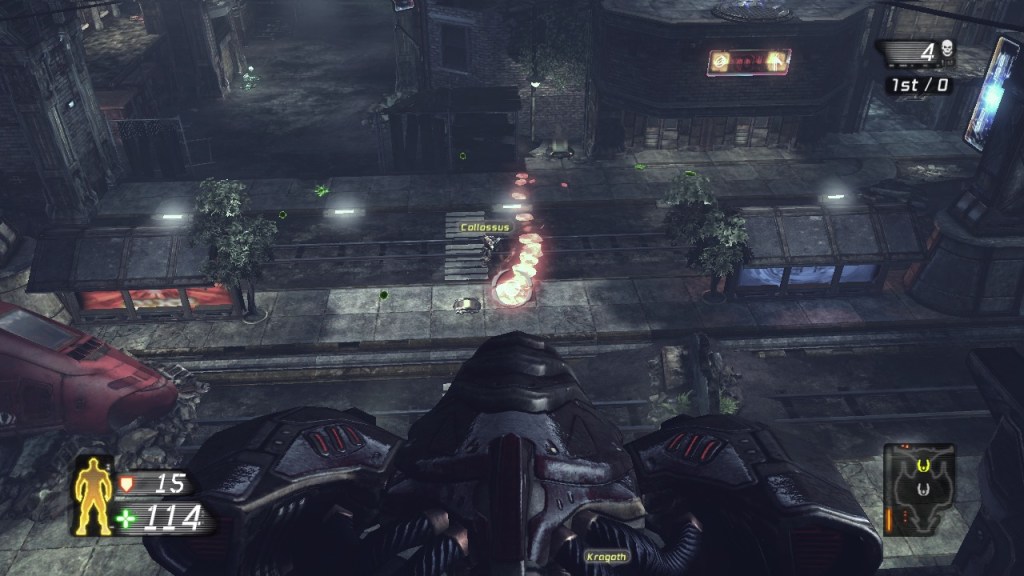
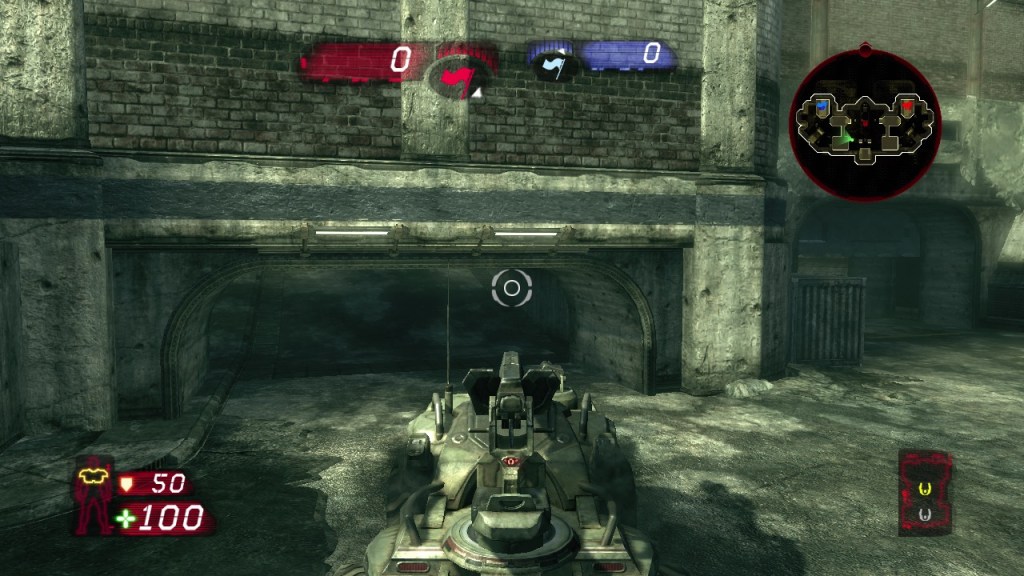
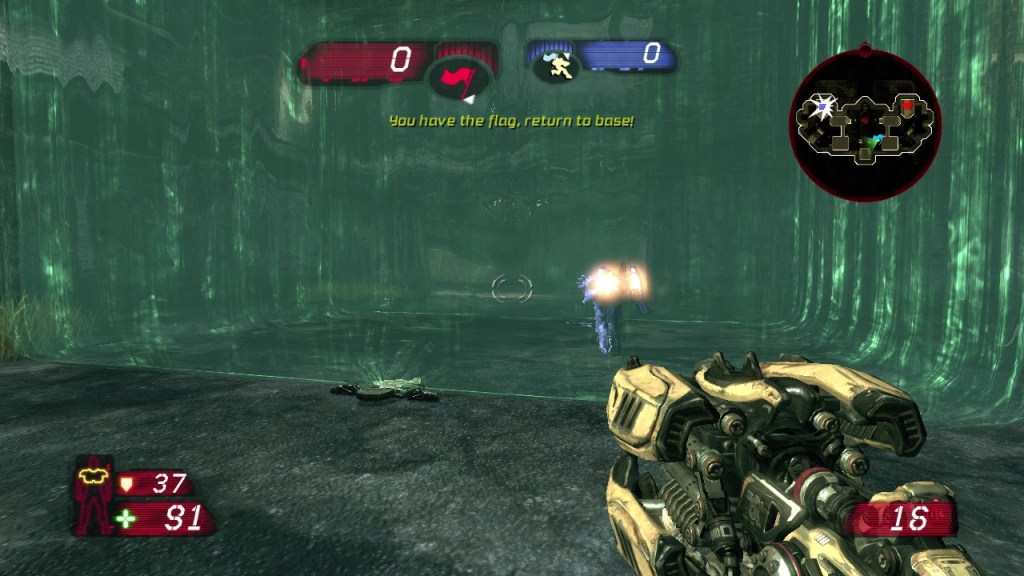
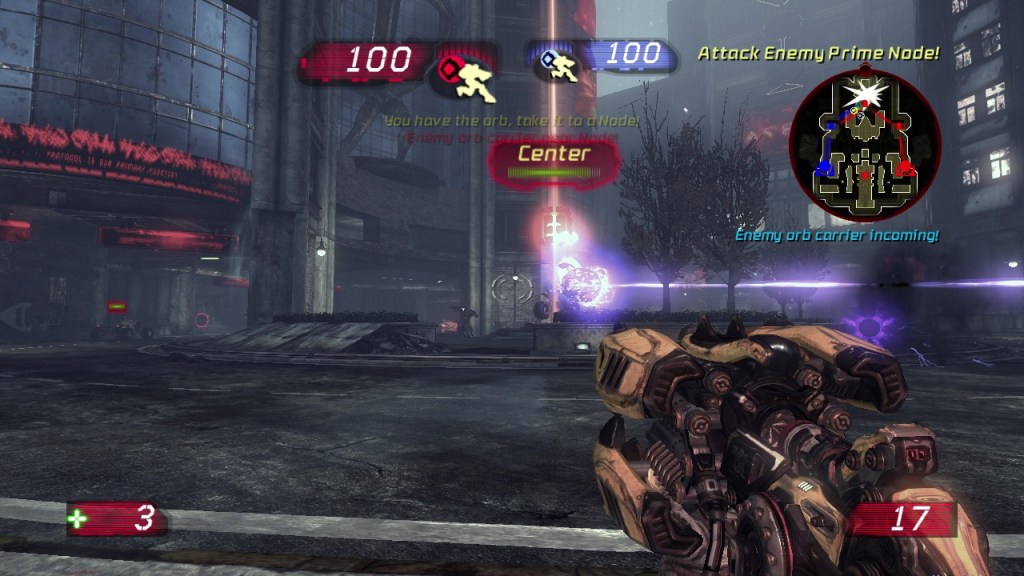
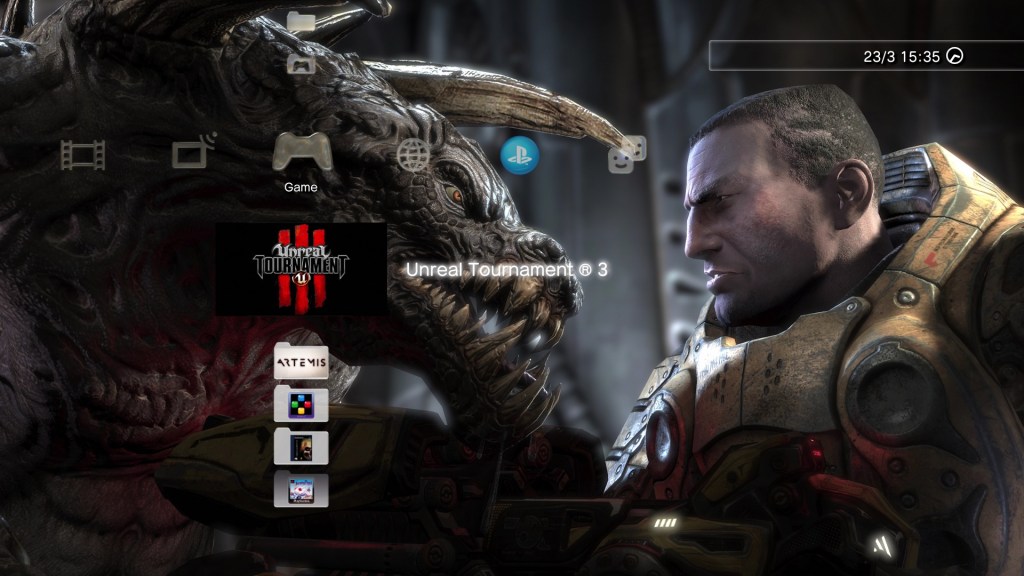
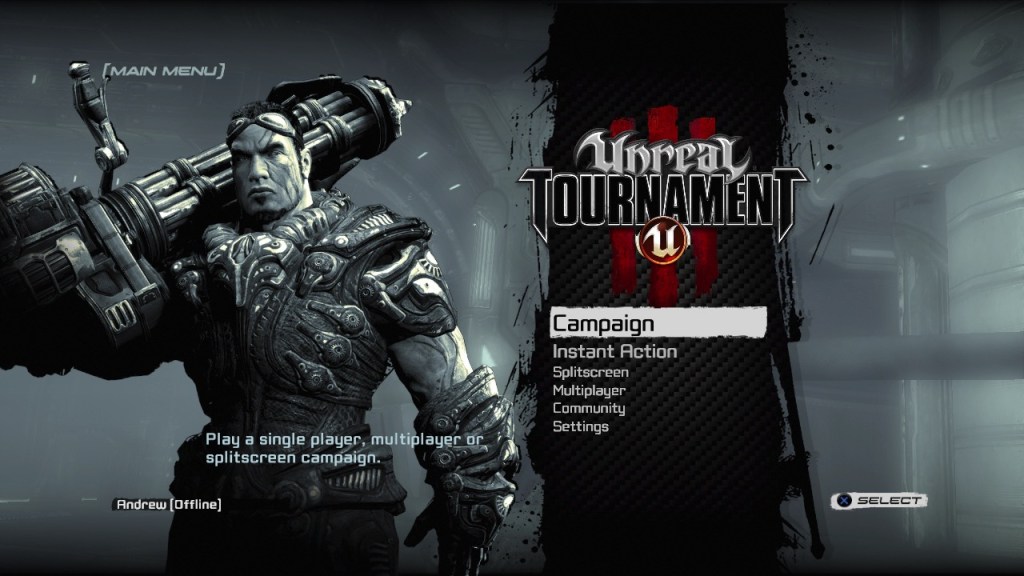
UT3 is primarily focused on online multiplayer action, continuing the fast-paced, competitive tradition of its predecessors. It offers eight game modes, including classics like Deathmatch and Capture the Flag, alongside newer additions such as Duel, Warfare, Betrayal, and Greed. The game emphasizes close-quarters combat and projectile-based weaponry, with increased gravity and the removal of dodge-jumping (though dodging, double jumps, and wall-dodging remain) to create a more grounded and intense experience compared to earlier entries.
The single-player campaign diverges from the traditional tournament ladder format of previous games. Instead, it follows a five-act storyline centred on James “Reaper” Hawkins, a mercenary seeking revenge for his clan’s slaughter by the Necris forces. The campaign integrates cinematic elements and cooperative play options, pitting players against AI-controlled bots in a narrative-driven conflict.
The story kicks off in the Unreal universe, post-Unreal Championship 2, with humanity locked in a messy war against the Necris—a race of pale, nanotech-enhanced freaks who’ve been a thorn in everyone’s side since the original Unreal. You play as James “Reaper” Hawkins, a grizzled soldier in the Ronin squad, a tight-knit crew of mercenaries working for the Izanagi Corporation. The campaign’s set against a backdrop of corporate warfare and alien invasion, with planets getting trashed and colonies caught in the crossfire. It’s dark, it’s chaotic, and it’s got that Unreal edge—think industrial wastelands, glowing tech, and a whole lotta bloodshed. Malcom and Lauren make a return, but Brock seems to be missing.
One thing that stands out is the characters design, taking cues for the Gears of War series with the make characters sporting powerlifter physique, yet they are still quite nimble in game. This does contrast with UT’s gameplay style, as it has always promoted fast and twitch area movements, whilst Gears is a lot more slowed paced where characters go into cover more often and make use of melee (or chainsaw-lancer) attacks. It does feel these character designs were Gears rejects as they were a departure from the previous games.
Comparison to previous titles in the series
UT99 set the gold standard—fast, brutal, and pure. It was all about twitch reflexes, with tight maps like DM-Deck and weapons that felt like extensions of your soul. UT2003 cranked up the pace, added dodge-jumping, and leaned into a floatier vibe, though it stumbled with a weaker weapon lineup and less memorable maps. UT2004 fixed that, doubling down with Onslaught mode, vehicles, and a massive content drop—peak variety, peak chaos. Enter UT3: it dials back the floatiness with higher gravity, cuts dodge-jumping, and refocuses on close-quarters intensity. It’s snappier than UT2003/2004 but doesn’t hit UT99’s raw simplicity. New modes like Warfare (Onslaught’s evolution) and Greed add flavor, but they don’t land as hard as UT2004’s sprawl. UT3 feels like a compromise—tight and polished, but missing some of that unhinged freedom.
UT99’s arsenal—Shock Rifle combos, Flak Cannon gibs—was untouchable, perfectly balanced chaos. UT2003 tweaked it, nerfed some classics (Lightning Gun), and felt off. UT2004 brought back the hits, added the Avril, and kept the sandbox wild. UT3? It sticks close to the classics—Rocket Launcher, Flak, Shock Rifle all feel beefy—but tweaks like slower projectiles and a beefier Impact Hammer shift the rhythm. PhysX on PC adds flair (explosions kick up debris), but it’s cosmetic, not game-changing. It’s solid, but UT99’s purity and UT2004’s variety edge it out slightly.
UT99’s multiplayer was a juggernaut—LAN parties, Facing Worlds sniping, pure bliss. UT2003 stumbled with matchmaking woes but had potential. UT2004 was the king—huge servers, modded chaos, and Assault’s return. UT3? It launched strong with crisp netcode and PhysX flair, but the community split over its grounded shift, and Epic’s focus waned fast following the success of Gears of War. The official master server died in 2023, while UT99 and UT2004 still have diehards running custom games. UT3’s Titan Pack tried to juice it up, but it couldn’t match the staying power of previous titles in the series.
Other 2007 shooters, like Halo 3 (released September 25) and Team Fortress 2 (October 10), fell somewhere in between. Halo 3 blended arena-style combat with slower pacing and a focus on teamwork, while Team Fortress 2 leaned into class-based chaos with a lighter tone.
Versions
Microsoft Windows: The best way to play the game, although it has since been delisted by Epic and is no longer sold on Steam. There was a retail version of the game, but even those copies are limited to offline bot matches unless you modify the games ini files to use a custom master server. Still this version will run well on most modern PC’s and Epic even takes advantage of Nvidia PhysX technology if you have a supported graphics card, and the PhysX pack that adds a few exclusive maps to take advantage of the technology.
Nvidia did remove 32bit PhysX support recently with the latest version of their drivers (for the RTX5000 series), so it might be useful to keep an old Nvidia rig going for the older PhysX game, or simply dual boot with a version of Windows that has the older Nvidia drivers installed.
With PhysX enabled, the game turned into a playground of dynamic eye candy with debris flying everywhere, glass shattering into a million jagged pieces, and explosions. Performance-wise, though? It was a mixed bag. If you had a high-end Nvidia card—like a GeForce 8800 GTX or better—you were golden, soaking in 60 FPS with all that PhysX goodness cranked up. But if your GPU was Mid—tier, you would see performance impact. PhysX was a resource hog, and without a dedicated card or a beefy GPU, you’d see frame drops during the crazier moments. Epic patched it over time—by version 1.2 or so, it ran smoother—but early adopters definitely felt the growing pains. Back then it was recommended to have a second Nvidia card dedicated for the PhysX processing, something like the GT8600 series was advised.
Was it game-changing? Not really—UT3 was still about skill and speed, not physics gimmicks. But it was a hell of a flex for its time, a taste of what next-gen destruction could be. By 2025, it’s a cool footnote—modern engines like Unreal 5 do this stuff natively—but back then, PhysX in UT3 was like strapping a jet engine to an already wild ride.
PlayStation 3: A very interesting console adaptation, this version is a very well designed port that takes advantage if the S3’s hardware, but is still a bit too early to take advantage of the Cell processor, so expect a few frame-drops during a lot of action.
What is really interesting is how Epic tried to bring as much of the PC as possible to the console version of the game. Keyboard and Mouse controls are supported by plugging them into the USB ports of your PS3, and you can possibly even use Blueooth keyboard and mouse, althroug I’ve not tested the BT keyboard since I don’t have one to hand. This makes the game play very close to the PC versions since you benefit formt he accuray that mouse aiming provides, but you are segregated from controller only players. When setting up a game server, you are givern the option to allow both or just either controller or KB/M players.
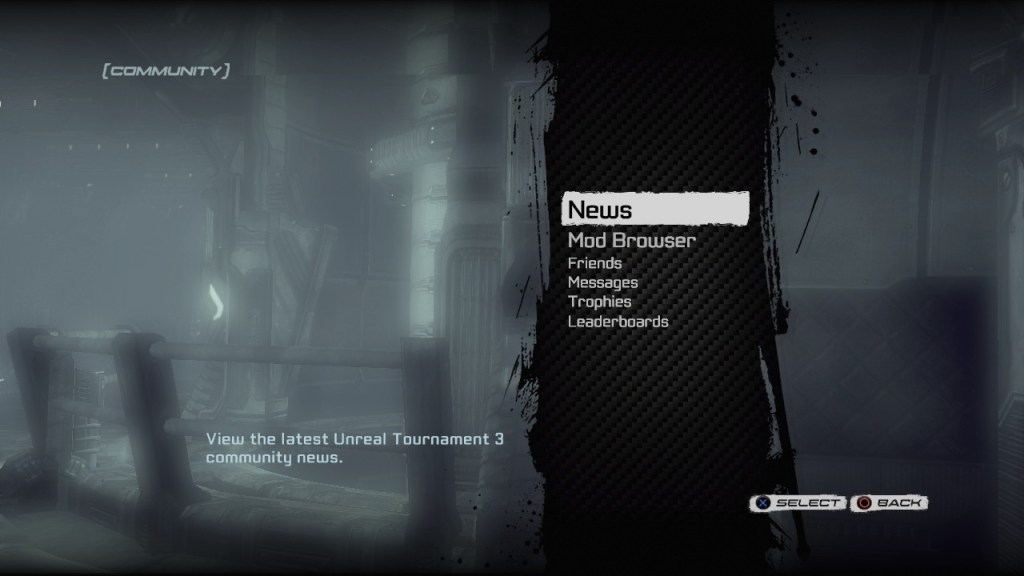
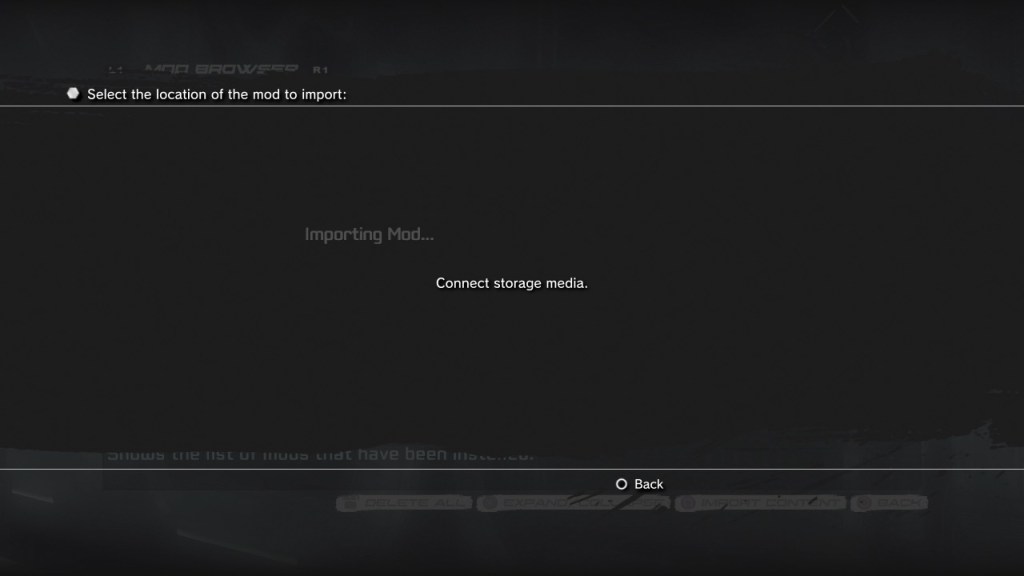
Where Epic went beyond was with its mod support, you can install third party maps and skins for the game the have been compiled specifically for the PS3 version of the game. There are some limits however, Trophies are disabled when anything custom is loaded, possibly to prevent trophy exploits. Ways of installing mods were through the ingame browser, or importing it through a USB drive that awas FAT32 formatted.
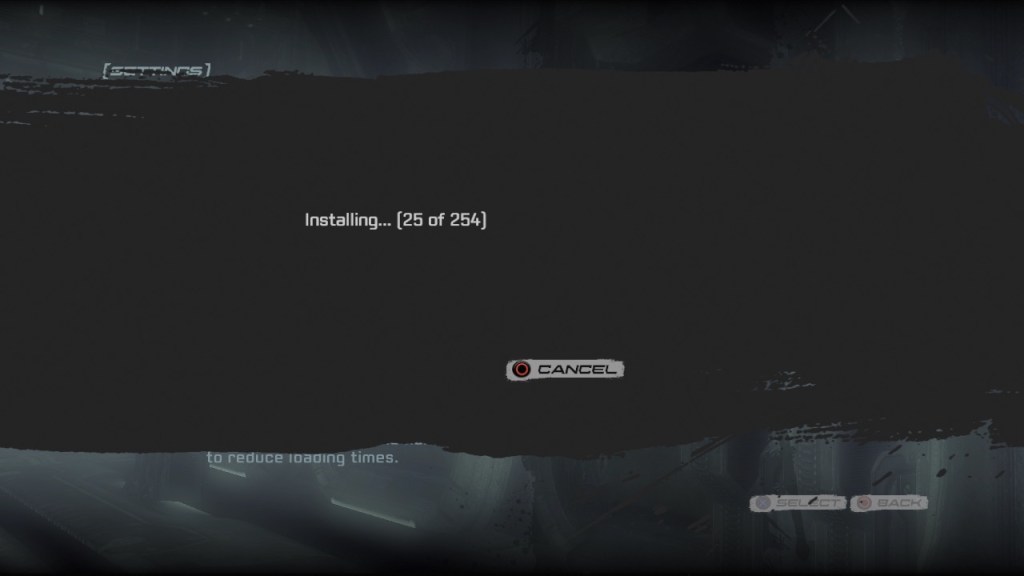
Lastly you can also install this version of the game to the HDD, which is optional but useful to speed up loading times and to reduce wear and tear off the Bluray drive.
Xbox 360: This version feels like an after throught since it lacks the titan pack that both the PS3 and PC versions received, due to Microsoft’s policies regarding free DLC. However this prison is still playable online, and is compatible with the Xbox One and Series Console. In fact you can still purchase this version of the game digitally for use on the Xbox One and Series consoles.
Conclusion
In 2007, UT3 represented the pinnacle of the arena shooter—a genre rooted in the ‘90s with Quake and Unreal Tournament ’99. It was a love letter to veterans who craved speed and skill, but its timing was unfortunate. The industry was shifting toward narrative-driven and progression-based shooters, a trend Call of Duty 4 epitomized. CoD4’s influence reshaped multiplayer gaming, spawning countless imitators, while UT3 struggled to maintain relevance, with its online scene dwindling over time.
That said, UT3 wasn’t without impact. Its engine technology powered countless games, and its modding community kept it alive on PC.
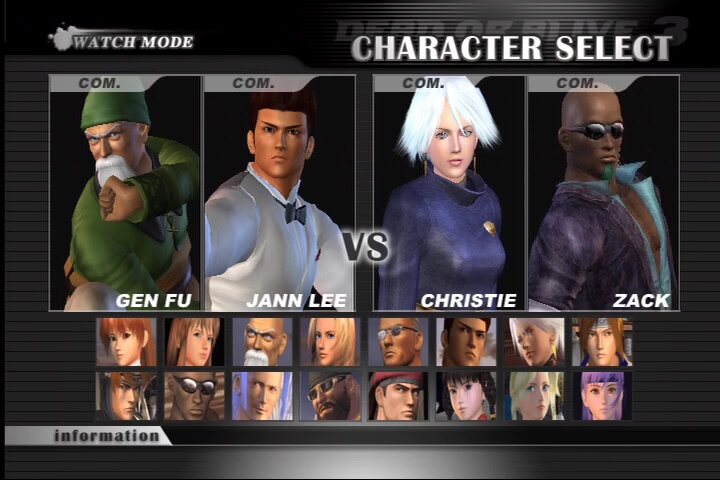
Tecmo has brought Xbox gamers Dead or Alive 3, and if you’re a fighting fan, this is, simply put, a prime reason to own the system. As advanced as the sequel was, DoA3 trumps it in every way. Visually, the game is mind-blowing, the 16 characters are fantastic looking and the arenas even more impressive. Advancing on the play elements from the second game, DoA3 offers up a fine helping of both one-on-one and tag-team action. It sports the usual array of game modes — story, survival, team battle, single and tag-team matches, and even watch. Dead or Alive 3 proves to be the best fighting game in years not simply because of graphic panache and cool options, but largely thanks to its incredible playability and refined fighting action.
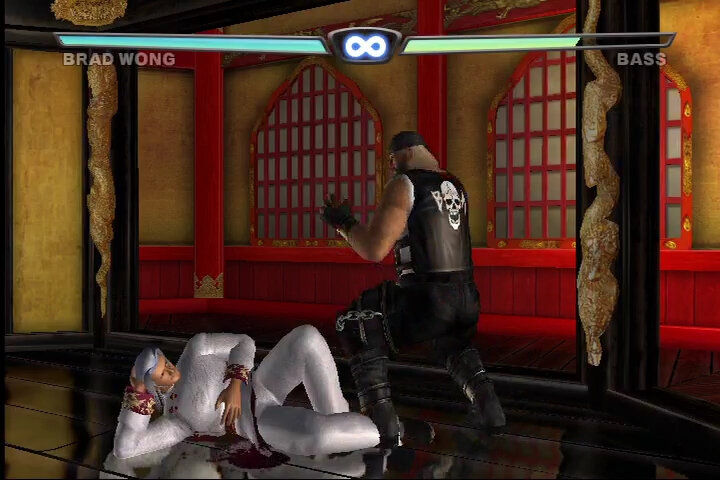
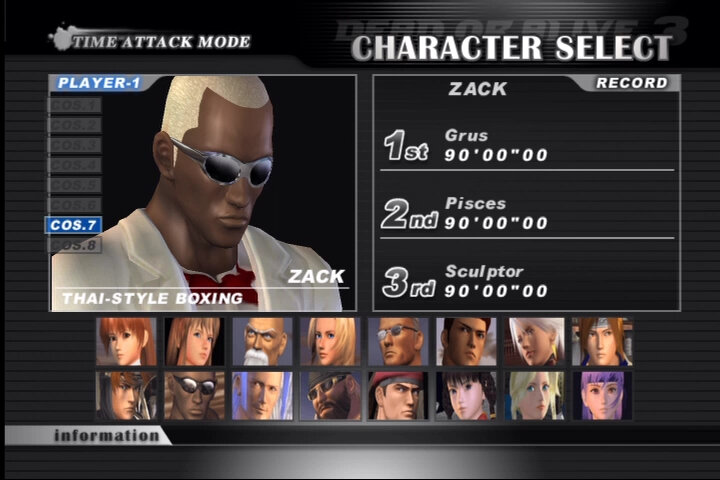
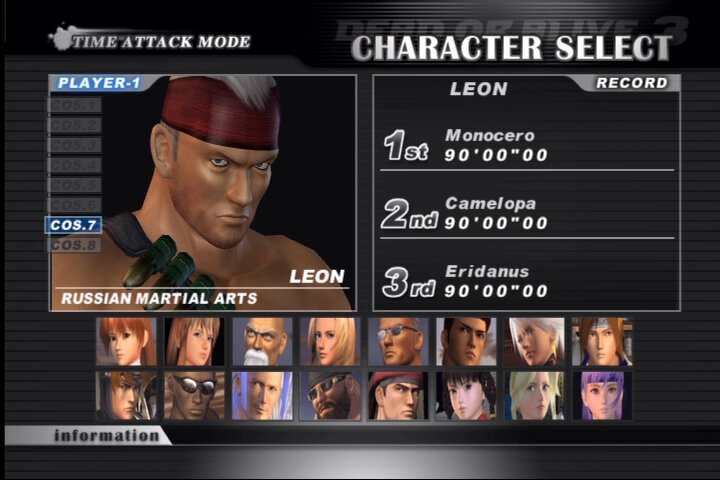
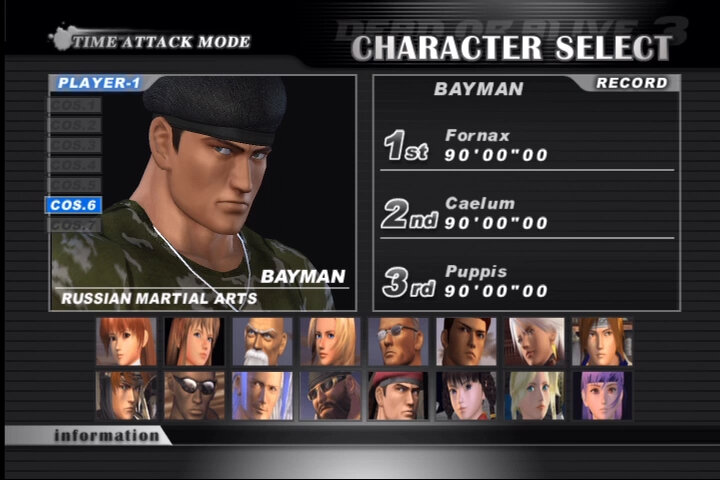
The counterattack and throwing system has advanced to become more versatile and playable. Novice gamers can learn to play easily, while advanced brawlers can do things like counter throws and even foil the other player’s counterattack moves. Most of the 16 characters have distinct martial arts styles. Although some of the characters (such as Leon and Bayman) are a bit too similar, gamers are sure to find a fighter that suits them. The three new characters add a lot of flair for fans of the game, adding two new lithe and stylish female fighters and a humorously laid-back drunken-style Kung Fu expert. Another noticeable improvement is in controls of the two wrestling characters, Bass and Tina, who are far more usable and entertaining this time around, complete with some incredible combination wrestling throws. From the Bruce Lee-like Jann Lee, to a full compliment of ninjas, soldiers, assassins, and, of course, teenage girl Kung Fu experts.
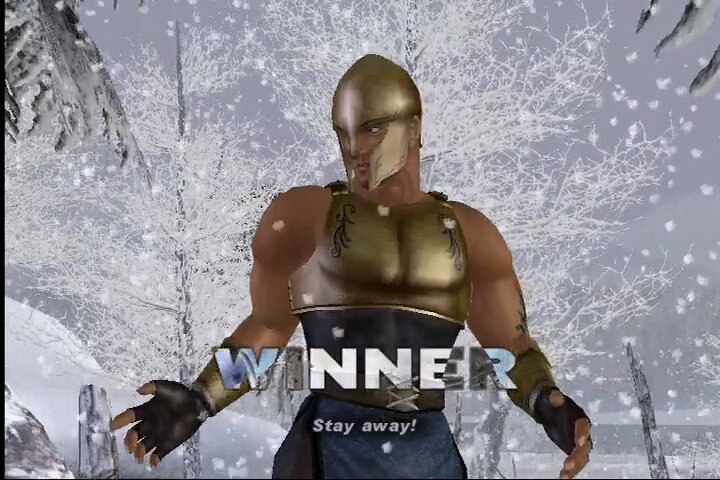
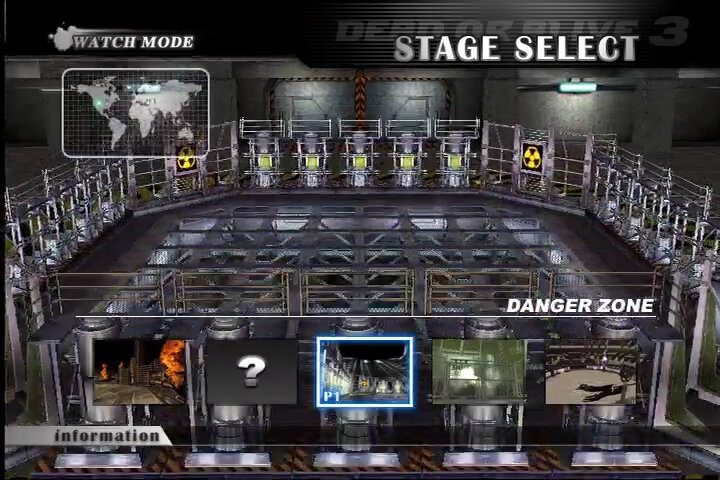
The arenas actually have almost as much personality as the fighters themselves. Some of these exotic locales are multileveled maps where you can kick your opponents off the edge, then watch them plummet down to the next level at a pace so breakneck, it’s almost vertigo inducing. You can fight on cliff tops, in gritty urban streets, in a stunning ice cavern, on a beautiful beach, or in a truly incredible-looking forest, among other locales.
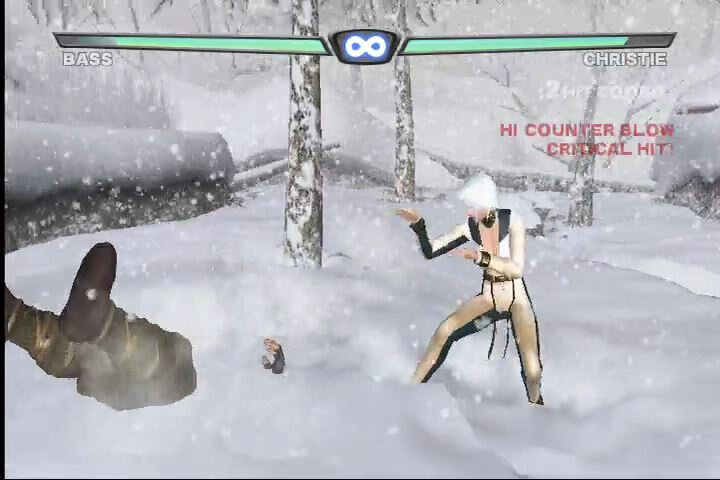
Being exclusive to the original Xbox console, DOA3 is able to pull off effects that are difficult for the PS2 to do, your characters will leave trails in the snow on a wintry landscape, crash through neon billboards, or just break through stone or ice pillars whilst achieving a good level of texture detail. The fighting arenas in Dead or Alive 3 are, by far, more interactive than in any other fighting game out there. To sweeten things up even more, a fighter’s moves actually change depending upon where they are in the arena. For instance, if you throw opponents near a wall or obstacle, they’ll often use the wall in some way — usually by slamming the other character right into it.
The audio work is terrific, especially when using the Dolby Digital 5.1 capabilities of the Xbox. Aside from the opening and end credit tunes by Aerosmith, the soundtrack in general is excellent. Fighting effects sound great, and the Japanese dialog is well done, even if some of the English subtitles suggest that Tecmo could really use a real writer for the story.
The story mode is the weakest link in the game. Dead or Alive 3, like virtually all these fighters, alludes to a deep, complex story and background for its characters. Unfortunately, aside from slight interludes and fantastic-looking, if generally pointless, prerendered end movies, any actual meaningful bits of plot are almost nonexistent for most of the characters. While this is a fairly slight complaint, a little more effort put into the characters’ individual sagas within the game would have been nice. This is something Tekken 4 does better with its narrated cutscenes.
A moderately larger complaint is that the end boss is ludicrously cheap. He can’t be thrown, has magical distance attacks (something none of the other characters have), and hurts you when he falls. But worse than that, the game switches to an almost behind-the-character viewpoint when fighting him. While he has plenty of weak points, this new bad guy is often incredibly frustrating to take on depending upon the character you choose. The end boss should have been done much better and brings the game down.
Just the same, the story mode is fairly inconsequential compared to the sheer magnitude of the rest of the game. In multiplayer, with two to four players battling it out, Dead or Alive 3 is a good addition to the Xbox and one of the few true exclusives for the console. Stunning graphics, great sound, and topnotch gameplay all add up to an incredible debut for the series on the Xbox.
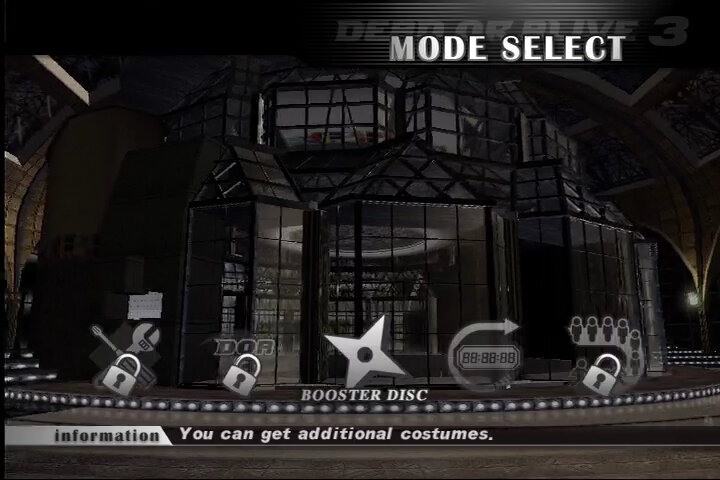
Booster Disc
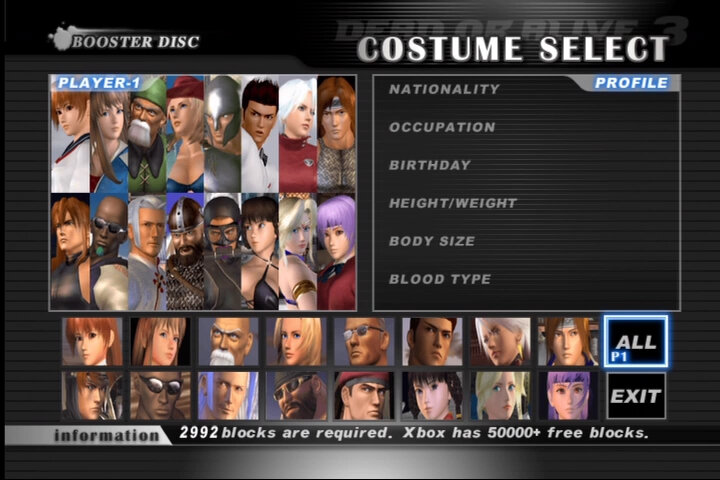
The North American version had a limited amount of costumes compared to the European and Japanese versions. Tecmo did release a Booster pack to add additional costumes to the game. This was provided by some of the OXM (Xbox Magazine) discs, and was also included with Dead Or Alive 2 Ultimate. Alternatively a copy can be obtained here.
Installing the Booster pack is a simple as inserting and running the disc, and then installing the costumes. For this booster disc, it featured as a demo for Dead Or Alive 3. I’m unsure if there is a way to install this on the 360 console since it uses an emulator that runs off a whitelist.
Custom Costumes
You can also use this to add additional costumes to the game. To install you will need a modded Xbox, or an ability to write files to the Xbox’s E partition where the game data is saved. If you have a soft modded Xbox, you can just FTP the files across. There are limits to the amount of costumes you can have, but a lot of the ones I downloaded had worked fine.
Modern Xbox’s
Tecmo have since release it on the XBox one and Series consoles as a backwards compatible title, running in a much higher resolution on the One X and Series X models.
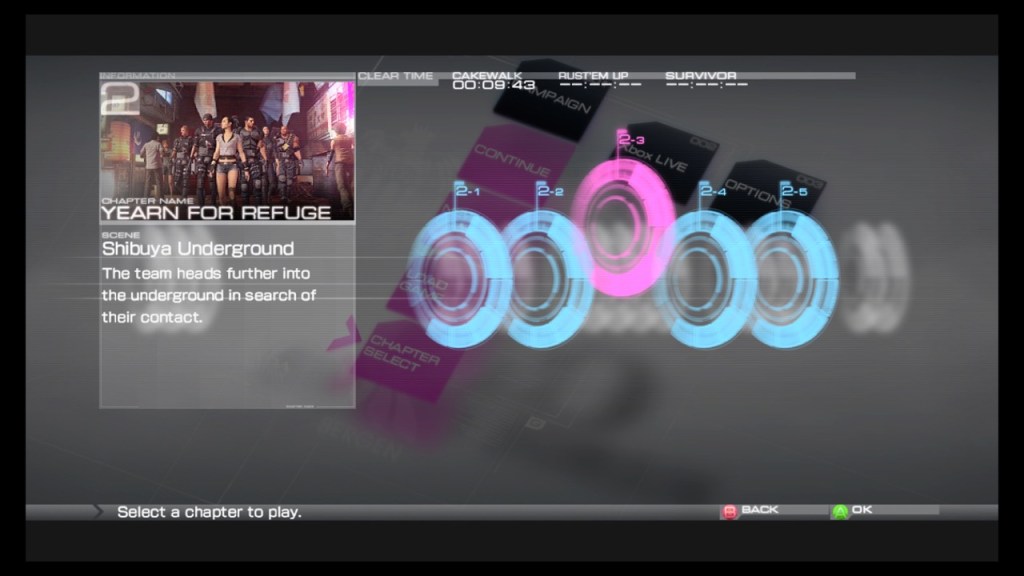
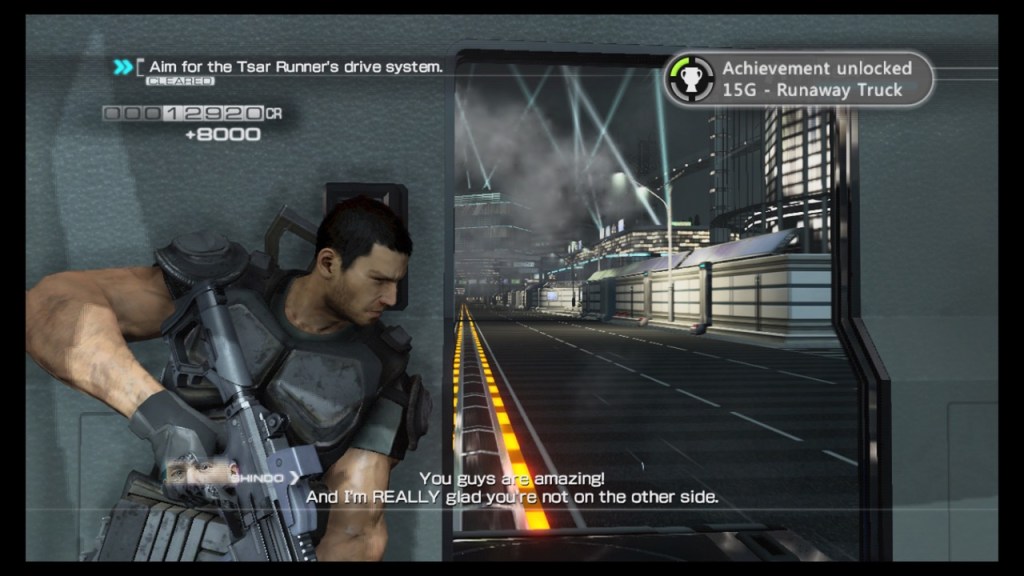
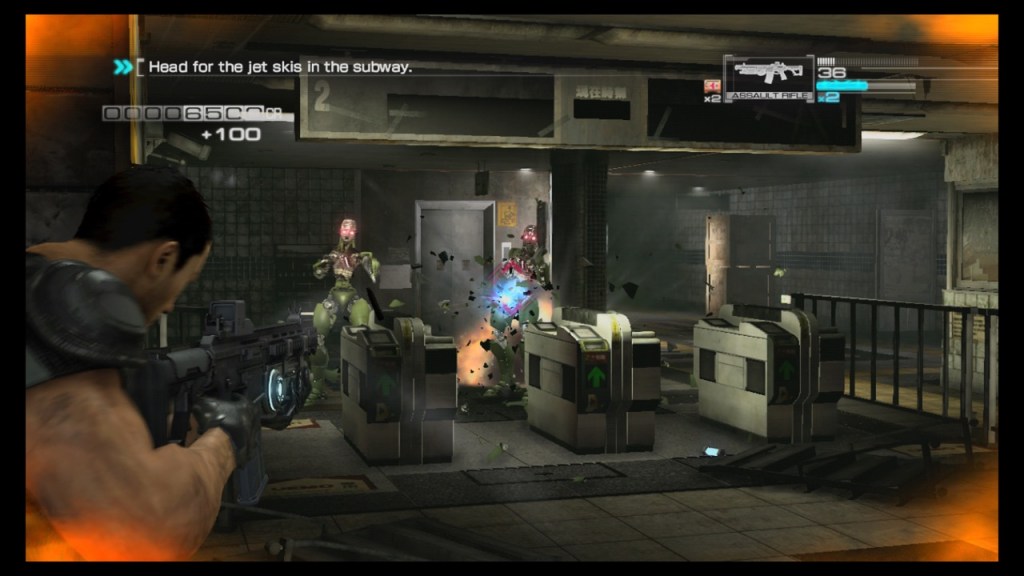
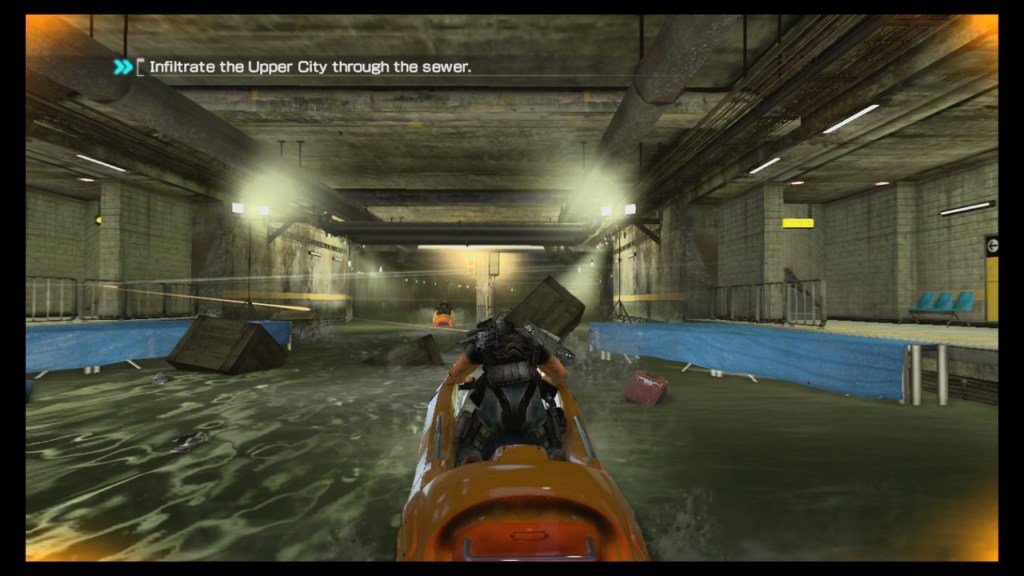
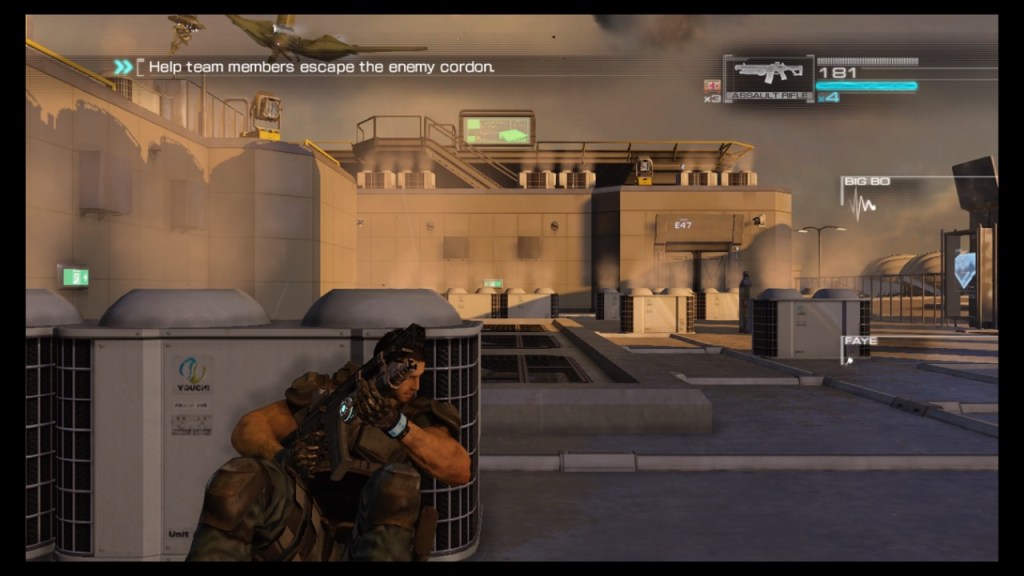
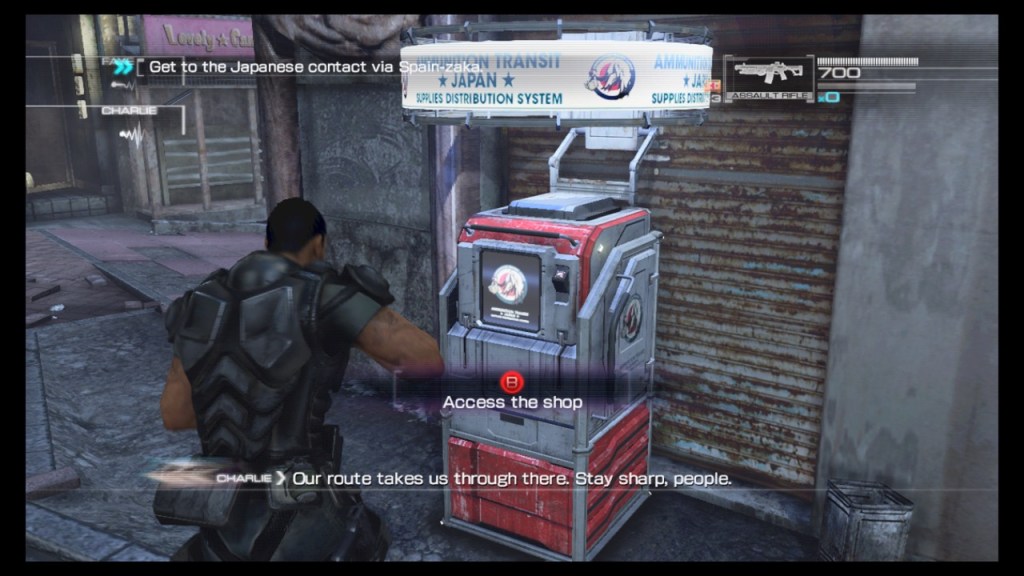
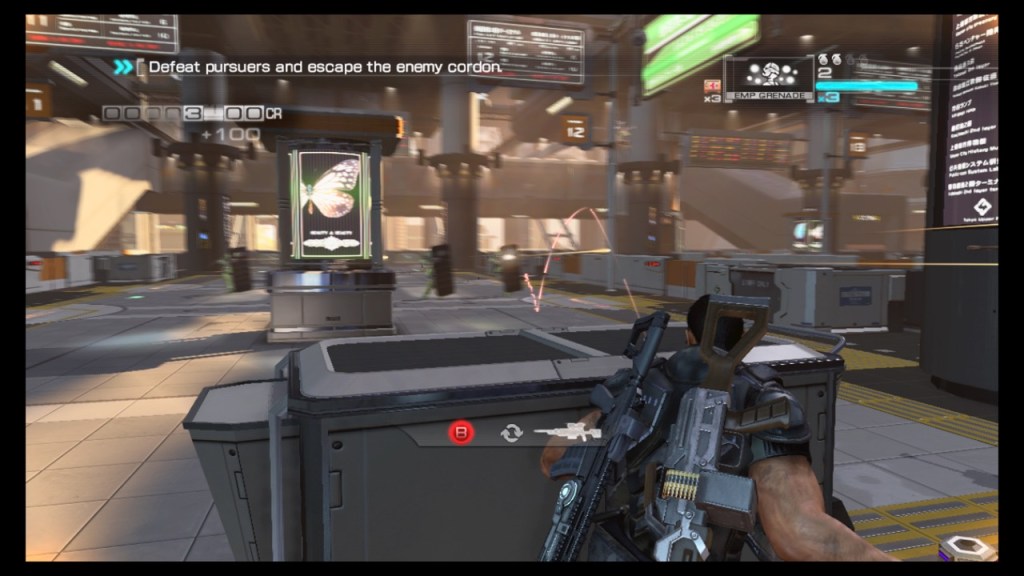
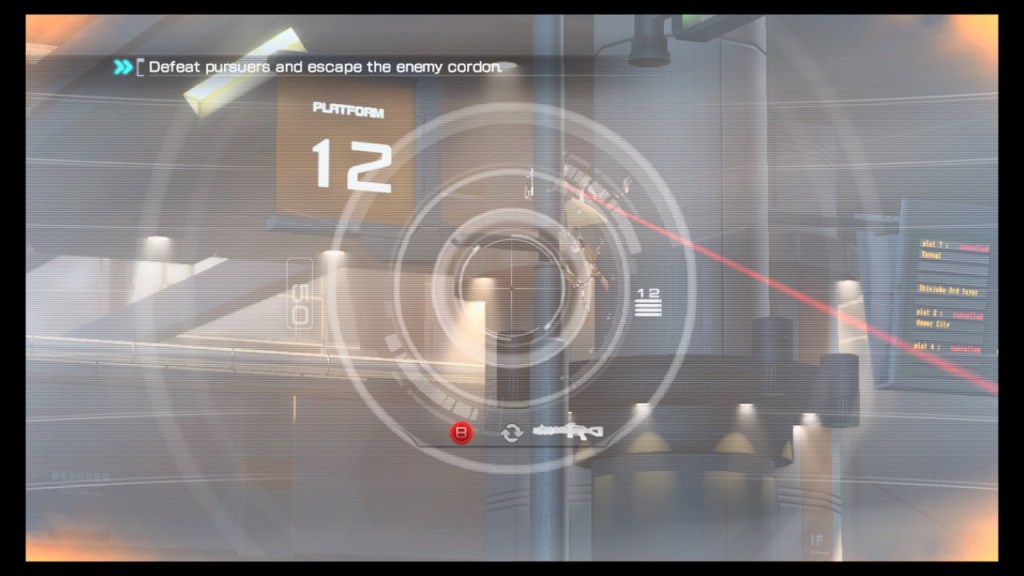
A third person shooter games related in 2012 by Sega, set in the future where global warming have causes robots to become the main labour force, followed by a series of conspiracies. However the game is well known for its use of speech input mechanics that can be used to give commands and reactions to the characters. It’s heavily driven by its shoot and cover mechanics that give it close similarities to Gears Of War.
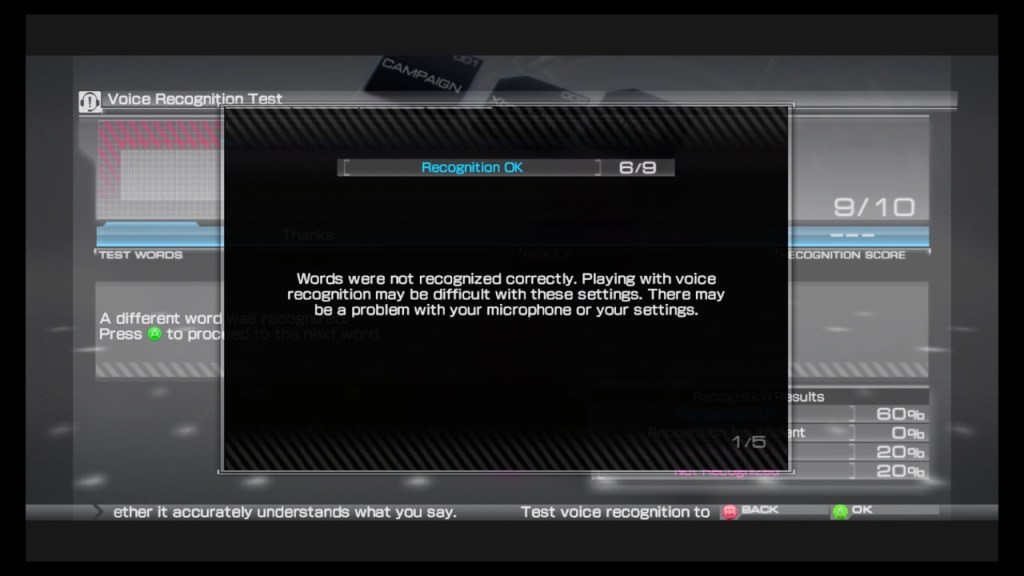
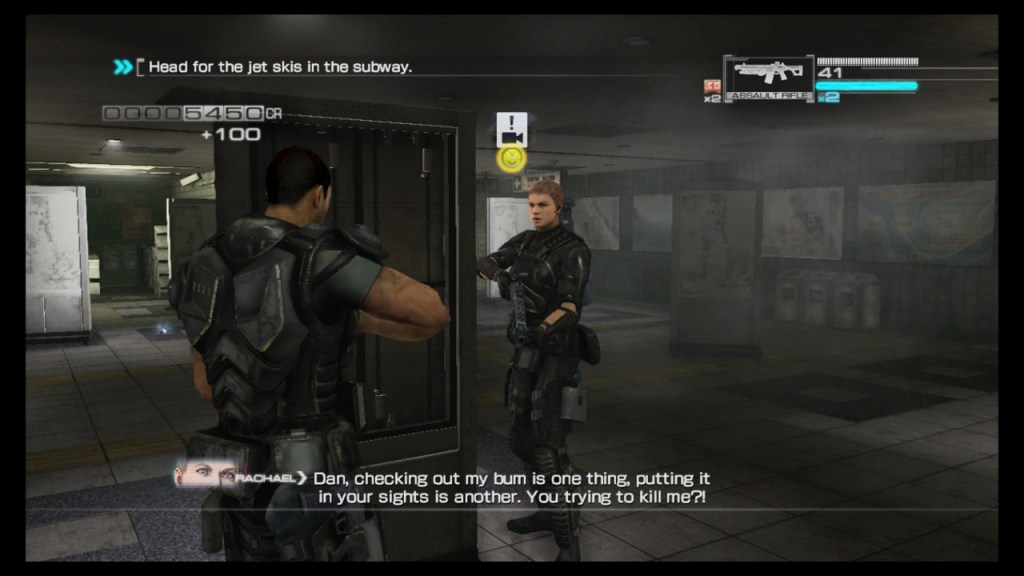
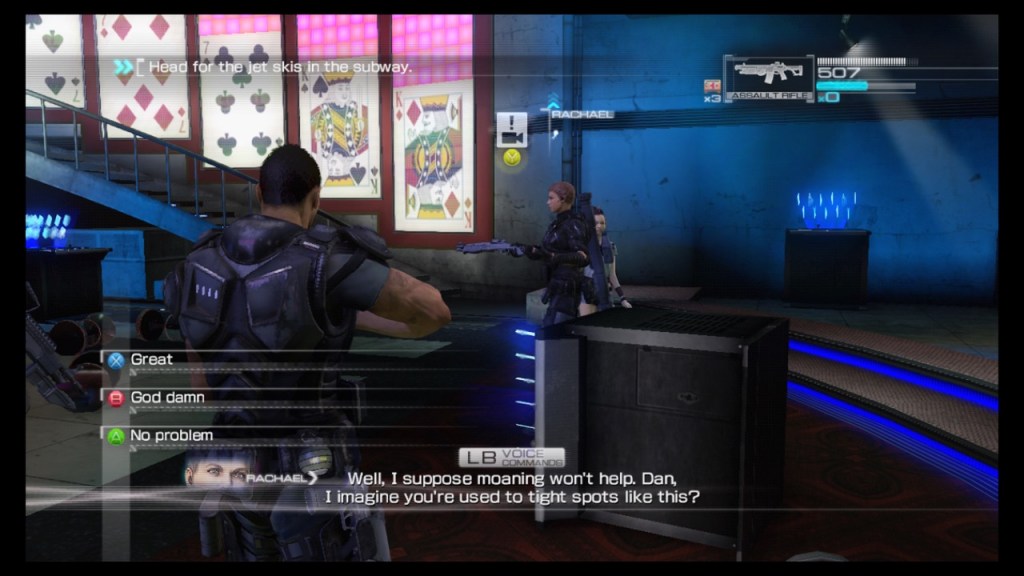
A key mechanic is the “Consequence System,” where player actions and dialogue choices affect squadmates’ trust in Dan, influencing their behaviour and the story’s progression. Players can issue commands to teammates either via controller inputs or voice recognition (using a headset or Kinect on Xbox 360), though the voice feature was often criticised for inconsistency. Personally I gave up with it after 20 minutes of use, since you often have to shout the commands to the game for it to pickup, its easier and more convenient to press the corresponding button on the controller instead.
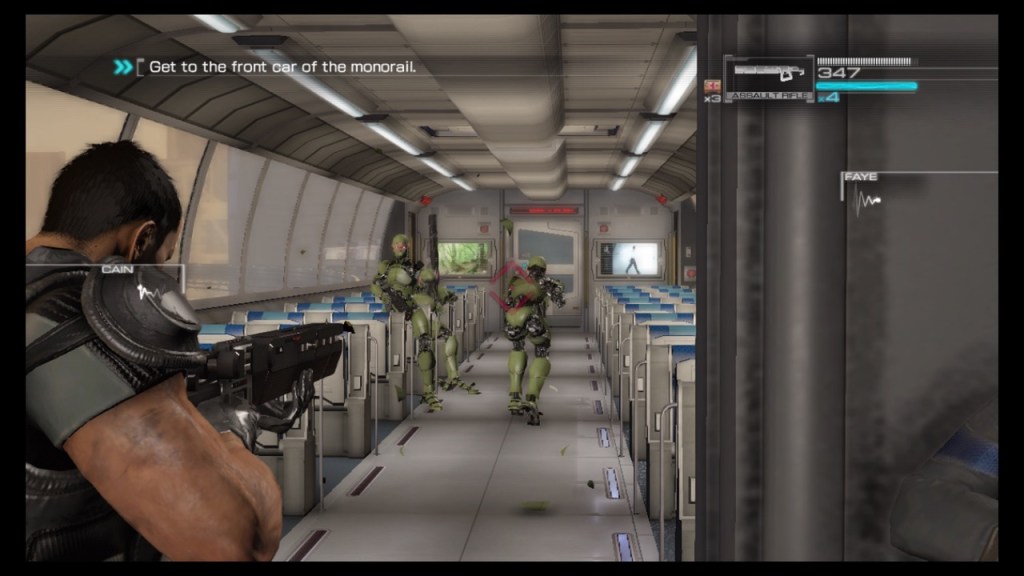
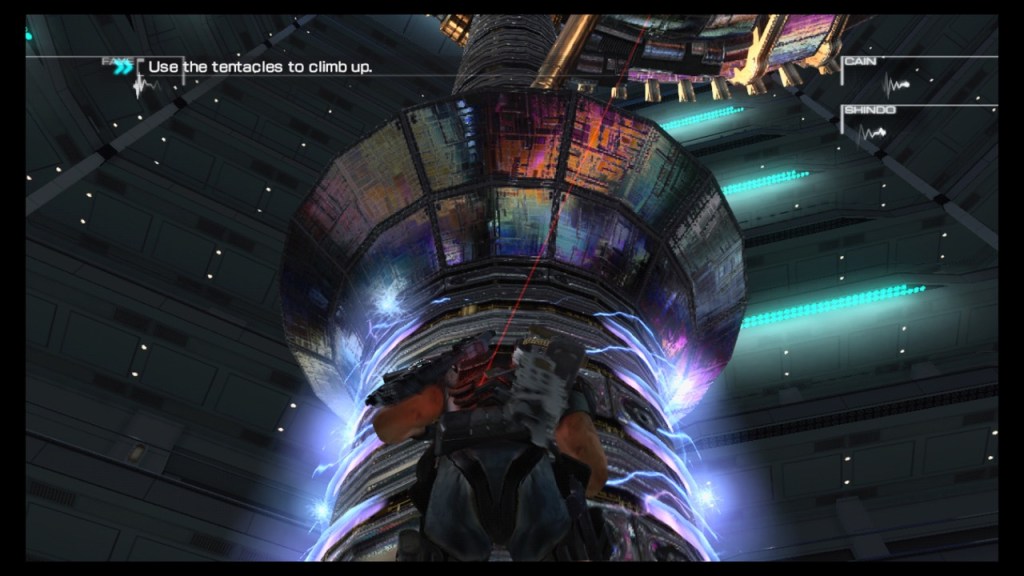
Combat involves fighting highly detailed robots that react dynamically to damage—shoot off a leg, and they’ll hobble; remove their head, and they might turn on their allies. Boss fights take advantage of this also, requiring you to find the enemy’s weak spot to attack it.
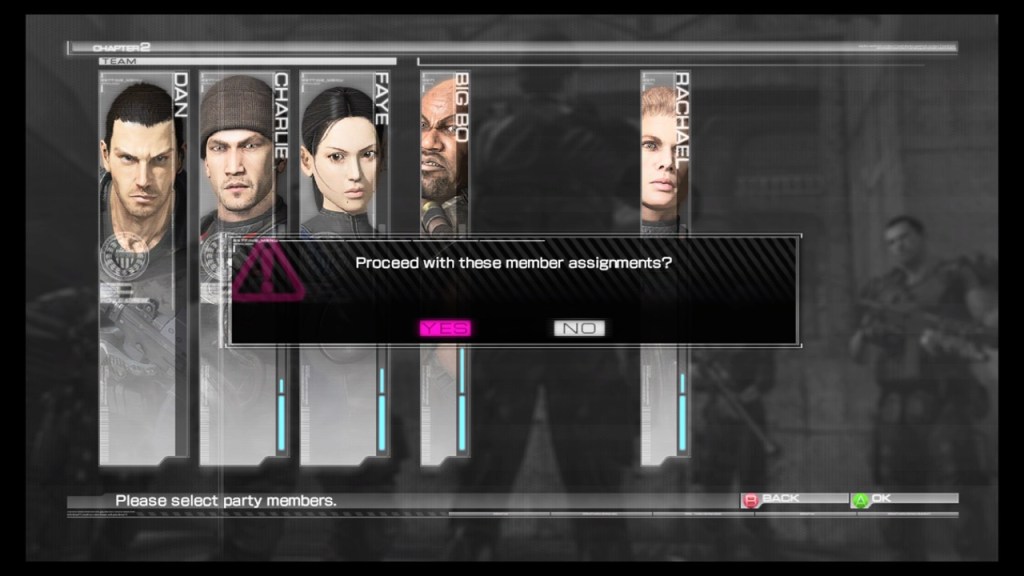
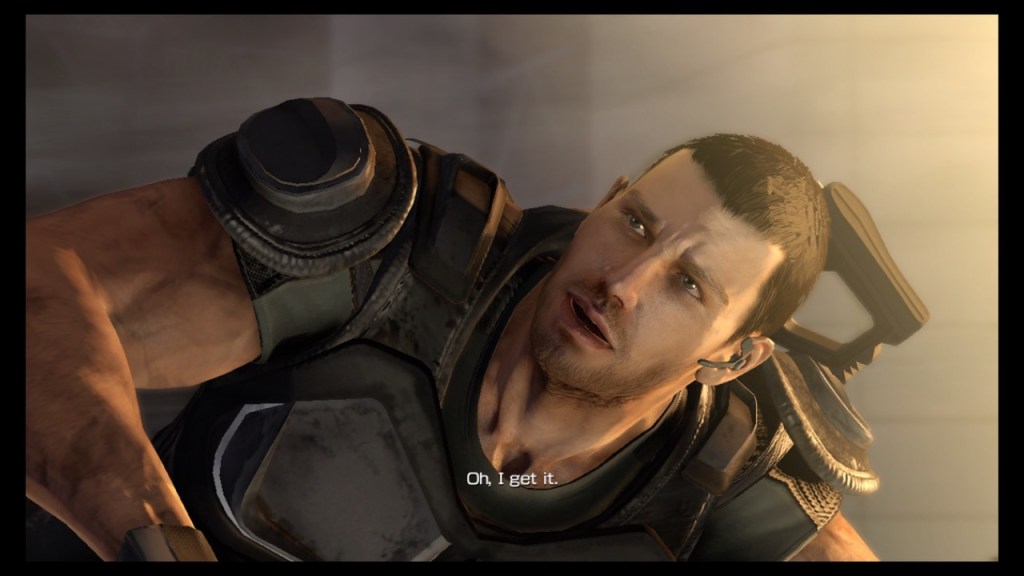
The main characters in the game are Dan Marshall, also known as ‘The Survivor’ due to his lucky history. Dan is a brash, cocky American with a sarcastic edge and a never-say-die attitude. He’s a natural leader but often hides his deeper emotions behind quips and bravado—like calling himself “The Survivor” after narrowly escaping death repeatedly. He’s loyal to his team but can clash with authority, showing a rebellious streak.
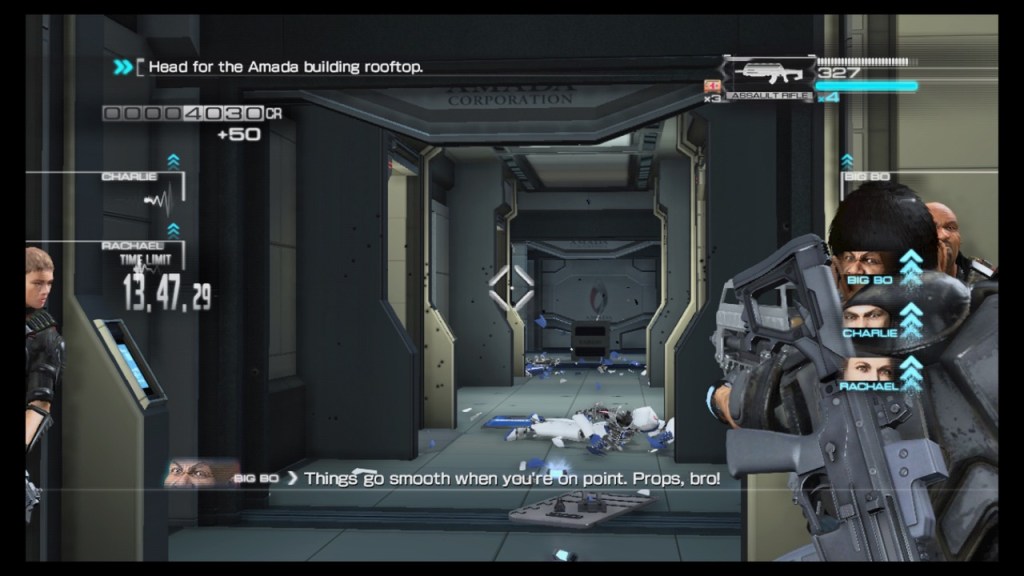
Additional characters you will meet no the way can be selected as team-mates, and your trust can increase as you react to certain dialogue lines or how well or quickly you shoot an enemies. Be careful though, friendly fire or picking the wrong dialog option can reduce their trust in you. In a way it’s similar to mass Effect 2 where your relationship with your squamates has an ultimate effect to the game’s ending.
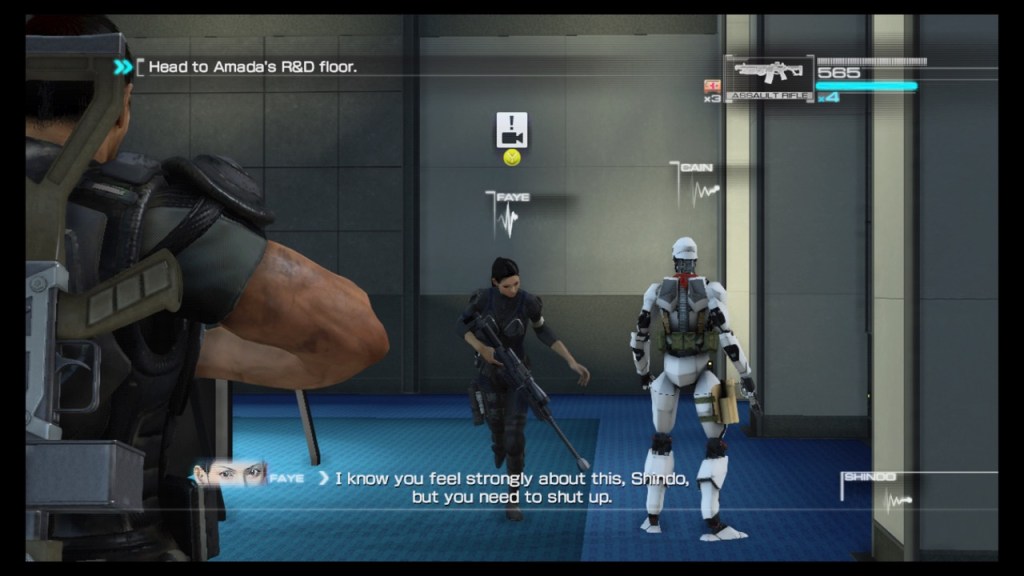
Charles Gregory: Charlie is the calm, intellectual Brit of the group—think of him as the squad’s brain. He’s composed, methodical, and speaks with a dry wit, often playing the straight man to Dan’s chaos. He’s a stickler for protocol but isn’t above bending rules if the mission demands it. Beneath his cool exterior, he’s driven by a quiet sense of duty and a need to protect his team. He has a very professional demeanour, which means its best to respond with ‘yeah’ for most of his dialogue.
Cain Delaunay: Cain is a suave, charming French robot—yes, a robot on a team hunting robots, which is peak irony. He’s polite, witty, and unflappably cool, with a refined accent and a knack for dry one-liners. He’s programmed for loyalty and efficiency but shows glimmers of personality beyond his code, hinting at deeper self-awareness. He’s the squad’s optimist, balancing their human squabbles with calm logic.
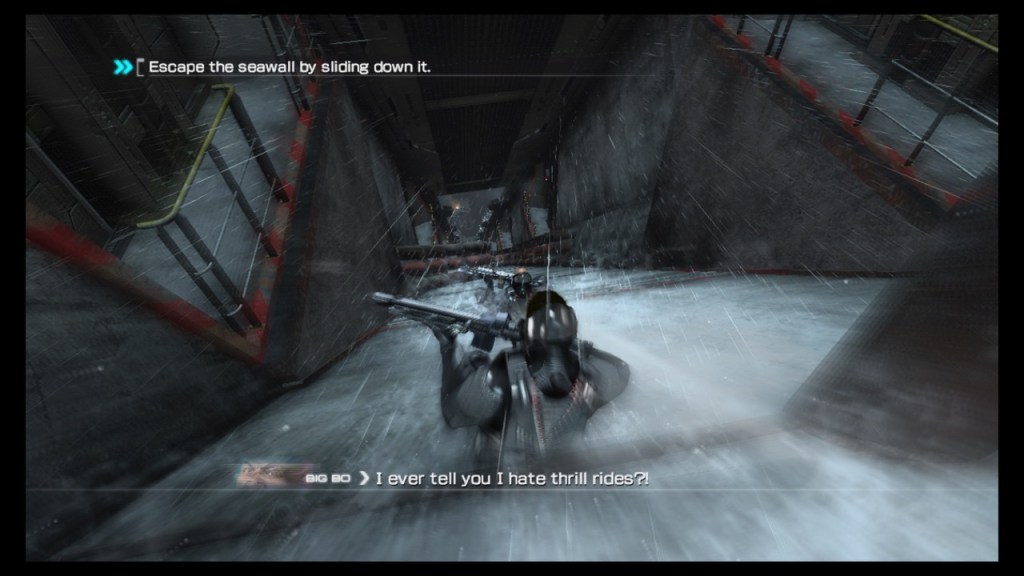
Roy Boating: Big Bo is the loud, brash muscle of the group—think a jock with a heart of gold with a physique that could makes Ronnie Coleman look small. He’s got a frat-boy vibe but a strong sense of camaraderie, often hyping up the team, which makes me think he based based off Cole from Gears of War.
Faye Lee: Faye is cool-headed, reserved, and deadly precise—a Chinese operative with a stoic exterior. She’s professional to a fault, rarely cracking a smile, but shows hints of warmth as she bonds with Dan. She’s driven by duty and a buried personal vendetta, making her a wildcard in the squad’s dynamic.
Rachael Townsend: Rachael is tough, fiery, and no-nonsense—a classic strong female archetype with a British edge. She’s quick to call out stupidity and has a sharp temper, but she’s fiercely loyal once you earn her trust, and becomes more compassionate towards the end of the game.
Getting more involved with the story, it’s set in Tokyo in the year 2080, Binary Domain takes place in a world reshaped by global warming and rising sea levels, where robots have become a dominant labor force. The story follows Dan Marshall, leader of an international squad called the “Rust Crew,” tasked with infiltrating Japan to investigate Amada, a corporation suspected of creating “Hollow Children”—robots indistinguishable from humans, violating global laws. Binary Domain explores themes of artificial intelligence, transhumanism, and the essence of life, unfolding in a futuristic Tokyo divided between derelict slums and pristine upper-city towers. If you’re a fan of Battlestar Galatica, the story should interest you as it questions the liens between AI and humanity.
At the heart of Binary Domain is the New Geneva Convention, a global treaty banning the creation of robots indistinguishable from humans (like the “Hollow Children”). This reflects a political debate about controlling advanced technology—think AI ethics or genetic engineering in our world. The game pits the Amada Corporation, which secretly violates this law, against international forces like the Rust Crew, sent to enforce it. It raises questions about who gets to set technological boundaries, how those rules are policed, and what happens when profit-driven entities (Amada) defy them for power or innovation. The Hollow Children themselves—robots unaware they’re artificial—force players to grapple with the moral cost of such laws: is it right to destroy sentient beings to maintain human supremacy?
The game’s vision of Tokyo starkly illustrates class divides, a classic political theme. After global warming floods the world, Japan builds a new upper city for the elite—gleaming, robotic, and exclusive—while the lower city remains a derelict slum for the marginalised. Robots, built by companies like Amada, replace human labor, leaving the working class obsolete and resentful. This mirrors real-world anxieties about automation and economic disparity, asking how societies manage when technology benefits the few at the expense of the many. Characters like the resistance fighters you meet highlight this tension, fighting against a system that priorities robotic efficiency over human livelihoods.
The Hollow Children introduce a philosophical-political angle: if something acts and feels human, does it deserve rights? The game’s twist—that some characters, and even Dan’s potential offspring, might be hybrids—blurs the line between human and machine, echoing debates about citizenship, personhood, and exclusion. In 2080, humans cling to their dominance by denying robots agency, a policy enforced through violence. This mirrors historical struggles over who gets to be “human” in political systems—slaves, immigrants, or marginalised groups—and critiques rigid definitions of identity upheld by power structures.
Versions
Windows: Available on Steam. For this version ic recommend to test and check the microphone settings in Windows before you play if you’re insisted, since the game will default to the selected input device in Windows.
PlayStation 3: Runs at a lower frame rate compared to the 360 version, but still fun to play.
Xbox 360: This version has the ability to use the gamepad’s headset or the microphone on the Kinect Sensor to give voice commands. The headset seems to be the more reliable way of doing this, though its still hit or miss if the commands get registered in time.This version can also be played not he Xbox one, and even benefits fromFPS Boost on the Xbox Series X.
Binary Domain was not considered a success, so it has yet to be rereleased onto a modern platform. A such, the Xbox One/Series X remains the better way to play, or the PC version since it benefits from higher resolution textures on modern hardware.
The SimCity series was one of the first simulation games to gain widespread popularity, despite a lack of concrete goals or action-packed gameplay. SimCity 4 maintains this kind of sandbox play, letting players build and develop cities as they see fit. Aside from staying within the constraints of a budget and carefully avoiding a rioting populace, players are free to build whatever environment strikes their fancy. The cardinal rule in SC4 is, keep the citizens happy. As the mayor, it’s up to you to set the taxes and zone the land in such a way that your residents happily build the city you want. There’s even a terrain-building mode with all the tools to create your own topology before founding a city.
Screenshot
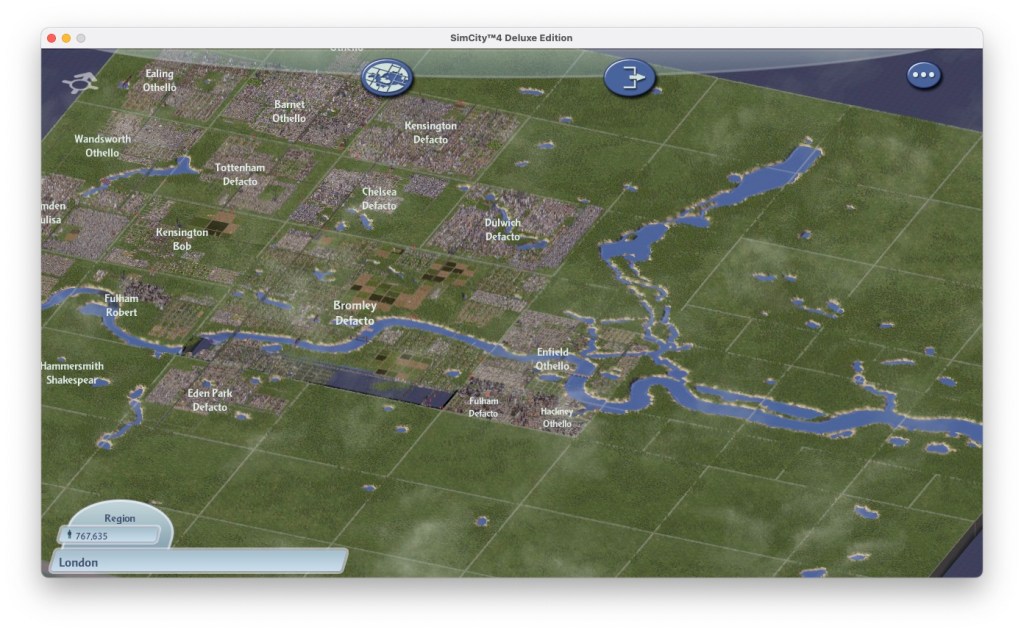
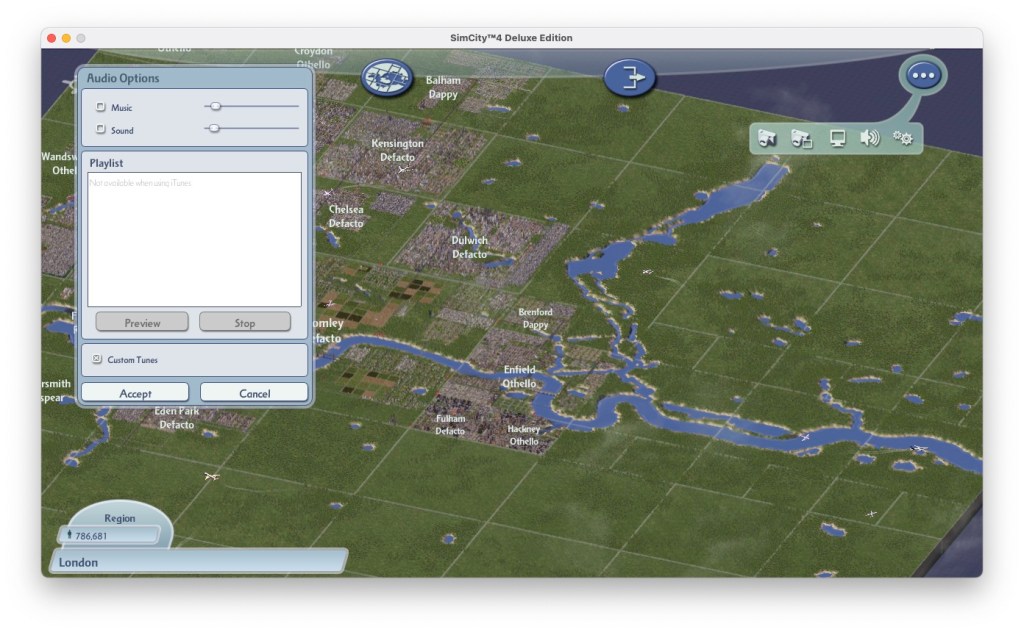
Veterans of the series will have no trouble assuming the role of mayor and will immediately begin laying down the roads, railways, economic zones, and other infrastructure. One notable feature is the addition of interlinked regions of cities even lets players create and manage economies of scale. By building transportation links in a region, cities can share resources, exchange labor pools, trade goods, and benefit from each other in dozens of other ways that weren’t possible in SimCity 3000. This also lets you be more flexible with designing your city, since you have have an industrial focused city, while another can be commercial or agricultural focused. As long as you have strong transport like between the two, you can have a very efficient network of cities. Resources like electricity and water can also be shared, at a monthly cost.
Screenshot
SC4 comes with seven precreated regions, some of which contain existing cities that can be played if you don’t feel like starting from scratch. Some of the remade serve as tutorials which help the player gradually learn the advanced mechanics of SC4.
Screenshot
Growth in SC4 is obtained by carefully placing commercial, residential, and industrial districts to encourage new development. There’s a comprehensive system for managing transportation, including roads, highways, rail, sea, and air routes. Traffic management can be challenging but rewarding when optimized, giving a sense of accomplishment when your city runs smoothly. As your city grows, important municipal services such as water, public schooling, and hospitals must be placed strategically to keep your city happy and healthy, as each building can only serve a limited area. Transport will be the first issue you may encounter, such traffic jams can make sims unhappy if your roads aren’t high enough to accommodate, solving this cane done by implementing bus stations, tram, train or monorail lines.
Screenshot
Although you can anticipate their needs, you can save a little money by improving services as complaints arise. Just don’t wait too long to add that water treatment plant or fire station, or your mayor rating will drop drastically and can lead to a population decrease, which means less taxes. All new mayors start with what seems like plenty of cash, but aggressive spending can lead to monthly deficits. Really, your city budget and expensive are the mainbattle here, and it’s difficult to keep themin balance witht he overall income. Slow growth is best, though the game can be too slow at times. It’s difficult to have more than a few hundred dollars cash-positive every month, and with that amount of money little expansion is possible even on the easy difficulty.
Screenshot
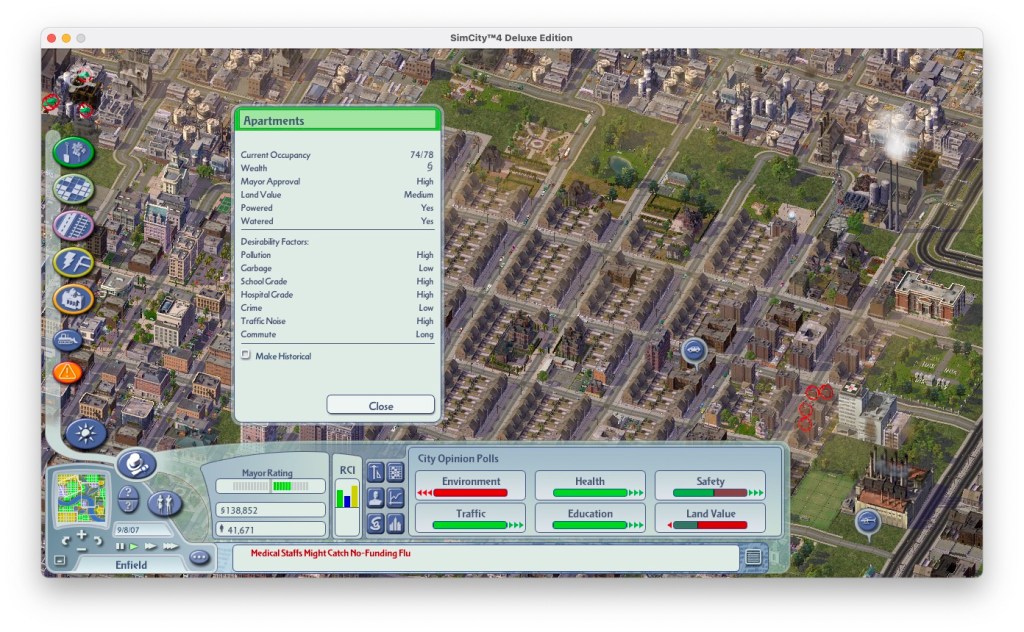
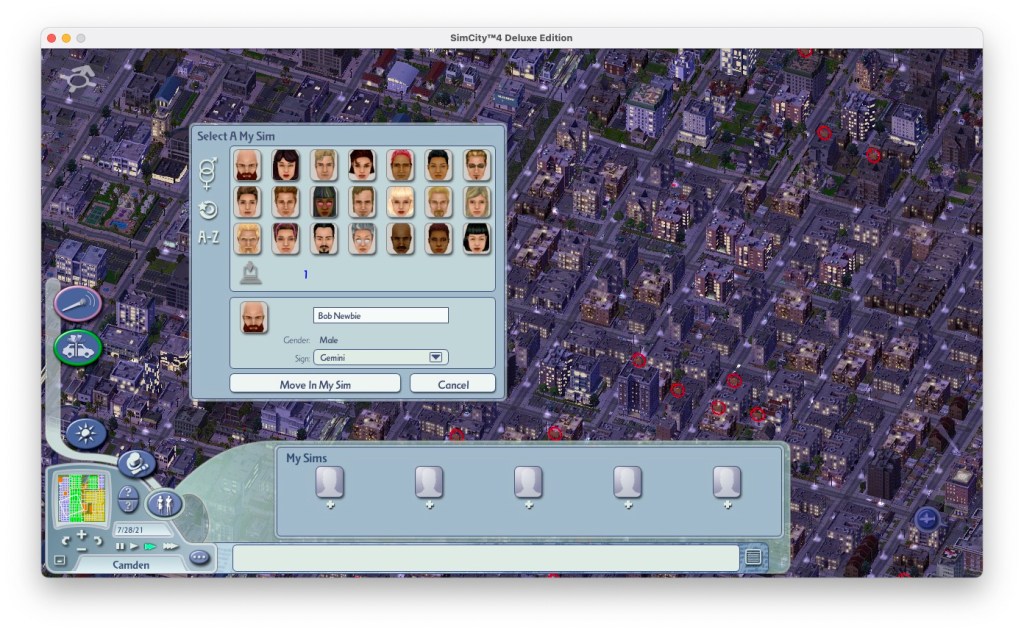
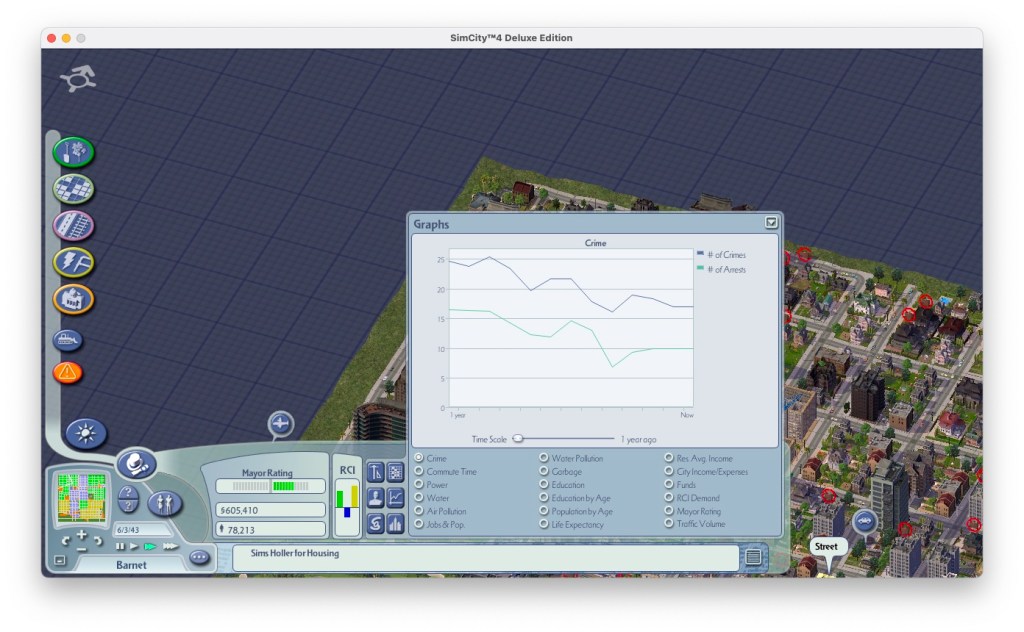
Among the tools at your disposal are graphs , colour-coded maps, and advisors who may or may not provide useful suggestions, these help provide data like which areas have the most serious crime, or which area is well educated or polluted. Residents of the city will also share their desires and frustrations in a number of ways. SC4 lets you place characters from The Sims into your city for more individualised feedback about life in your town. You can place these around the different residential locations of your city, and keep an observation of how rich or poor the different areas are and the success of your sims. They can also get ill and die, providing a reflection of the state of health in that area (pollution and access to hospitals). You might want to place several sims in different areas of economic value, to gauge the overall performance of that area.
Screenshot
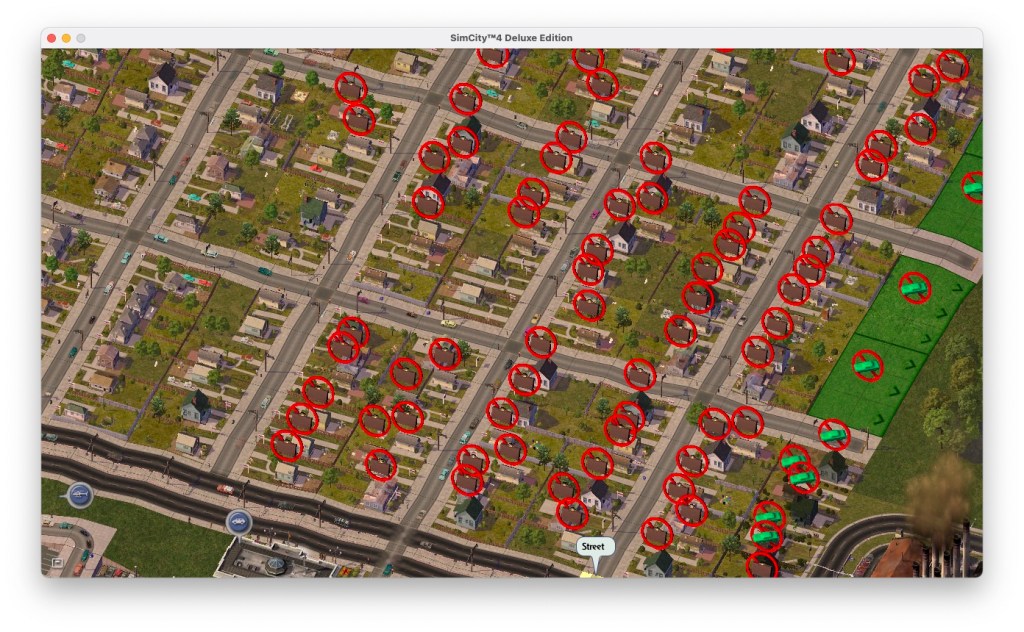
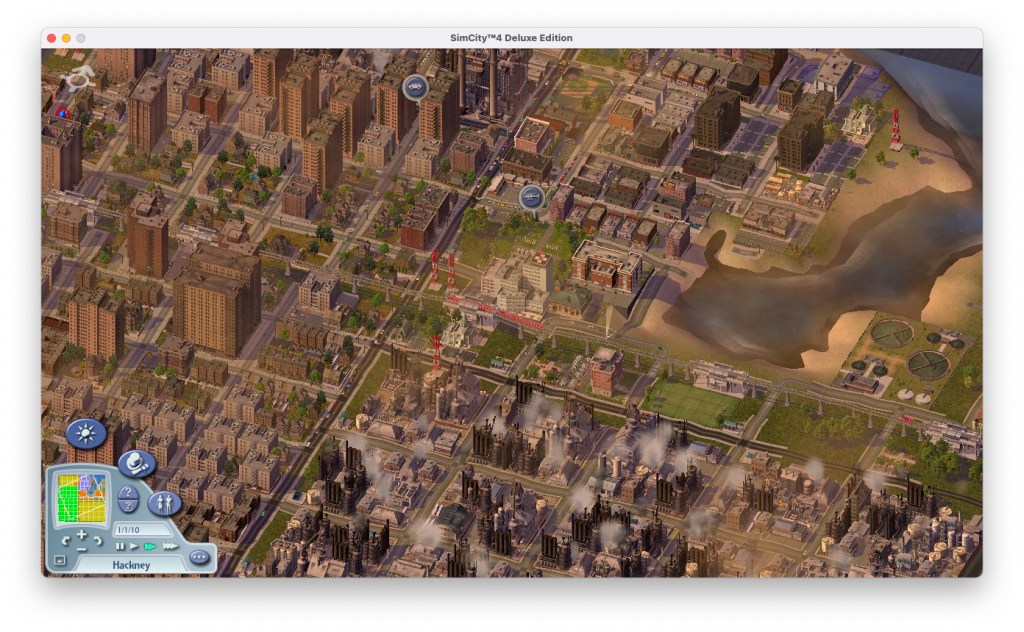
Natural and unnatural disasters, including extraterrestrial incursion, present the most dramatic threat to any city. Although rare, meteor showers, lightning storms, and the like can level entire blocks and start fires throughout the city. Despite the damage they cause, these events are an enjoyable showcase of the improvements to the graphics in SC4, The detail available at the closest zoom level is quite striking. Individual Sims can be seen driving to the train station or enjoying a community garden.
Screenshot
SimCity 4 includes a day to night cycle that’s reflected on-screen, complete with vehicle headlights, streetlights, and midnight basketball games on outdoor courts. If the nighttime view is too dim for your liking, you can elect to forgo the visuals, although your city will still operate according to the cycle. For your listening pleasure, Maxis included a diverse selection of music to accompany your play. Custom MP3 files can be added if you wish to add your own music.
Versions
Windows: The original port of the game, designed for DirectX 7. This version runs fuine on modern Windows 10, but the retail disc releases will require SecuROM which Windows no longer supports. The Steam release of the game removes this requirement in favour of Steam’s own DRM. Also, this game is notorious for crashing, especially on systems that have dual core or multi-core processors (pretty much any CPU from 2006 onwards). Setting the CPU affinity to 1 in Windows Task manager has been known to help, but I still do experience crashes. Always save your cities often, preferable every 5 minutes.
This version does not natively support widescreen resolutions, or higher resolutions but can be customised to run in a specific resolution.
Screenshot
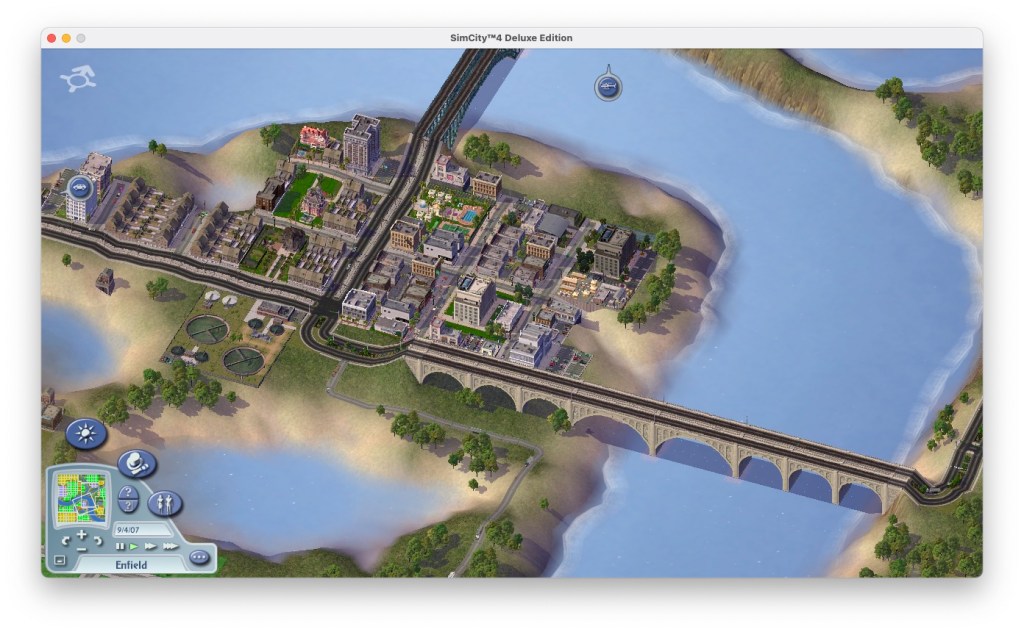
Mac OS X: Simcity was ported to OS X shortly after the release of the Windows version, and was only for PowerPC initially. The port is similar to the Windows version.
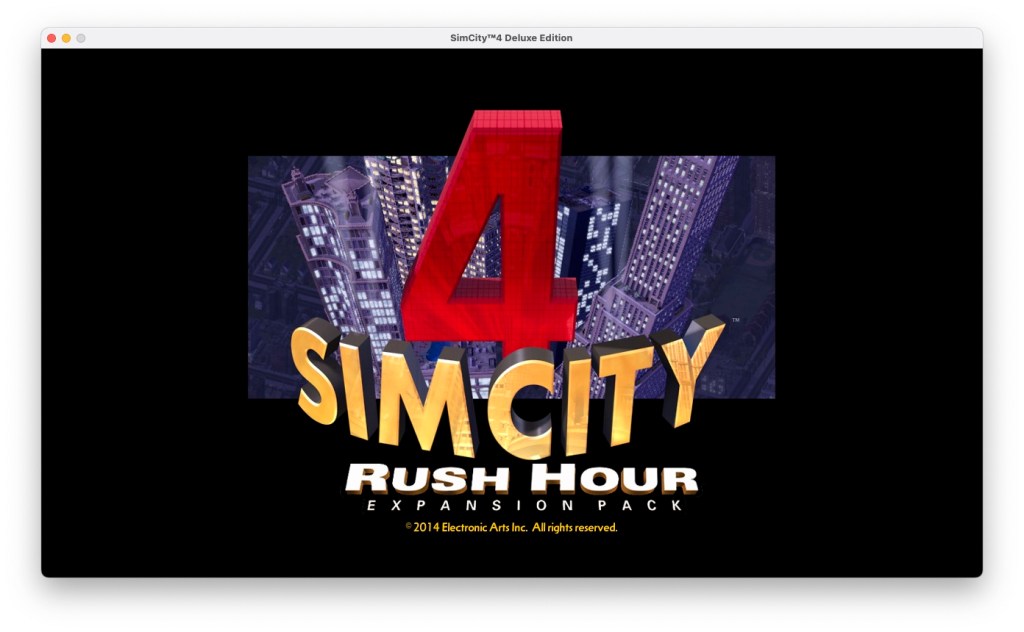
This version later received a Universal Binary patch that allowed the game to run natively on the Intel platform without the use of Rosetta, however this required the Rush Hour expansion to be installed.
Aspyr would later rerelease the game on the Mac App Store, and would update it to allow it to run on future versions of MacOS, enabling support for the Metal graphics API that enabled native support for higher resolutions, and 64bit support (though the game does not benefit much from this, even with a lot of mods installed). Music from iTunes can be played by using playlists, although this has issues on alter OS released (tested on Monterey) likely since Apple replaced iTunes with the Apple Music app. Still, This new version is the preferred way to play the game if you have access to a Mac.
And yes, like the Windows version the game can crashes frequently.
Conclusion
SimCity 4 isn’t a perfect game. It has a difficult learning curve, so the poor documentation and limited tutorials might frustrate players. And the gameplay suffers from some pacing and balance flaws. The time commitment to build a megalopolis from scratch is extensive, which might encourage players to just cheat instead. Still this version of SimCity is very highly regarded, and is preferred over SimCity Societies and the 2013 release of SimCity. It might be years before we will see another good SimCity game like SC4.
The first true next generation Tekken game, being released on the then-new PS2 hardware.
Fighting games have never been known for well-thought-out, let alone believable, story lines. Tekken 4 is no exception. Every fighter has their motivations, but the game really centers on the absurd relationship between Kazuya and Heihachi. At the heart of the story is the long-standing feud between Heihachi Mishima and his son, Kazuya Mishima, alongside the emergence of Jin Kazama and Jun, who is still missing as of the games release. A key element introduced more prominently in this game is the “Devil Gene,” a supernatural trait passed down through the Mishima bloodline, granting its bearers demonic powers. Kazuya and Jin both grapple with this curse, which plays a significant role in their motivations and the overall narrative.
Like previous games, the story is set around the King of Iron Fist Tournament, which Heihachi uses as a means to lure Kazuya out and to test Jin’s abilities. However, this time, the tournament has more personal stakes for the characters involved, especially with Heihachi’s plan to create the ultimate life form through the Devil Gene. Each character, especially Jin and Kazuya, has their own arc dealing with redemption or revenge. Jin, in particular, is driven by a desire to avenge his mother’s death and to confront his own heritage, while Kazuya seeks to overthrow Heihachi and reclaim his birthright.
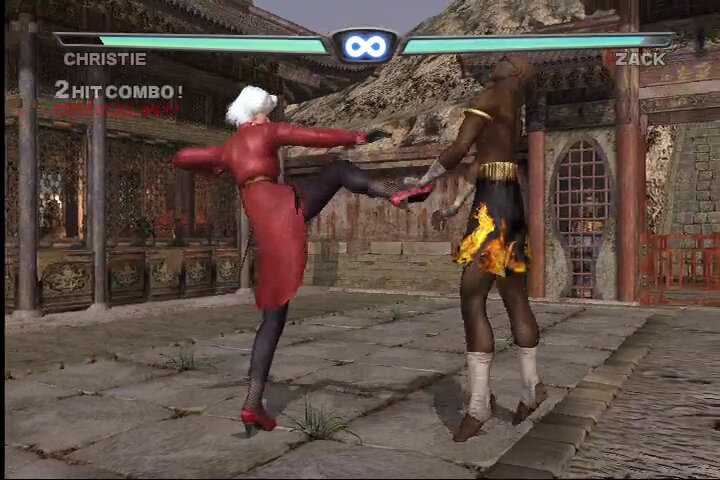
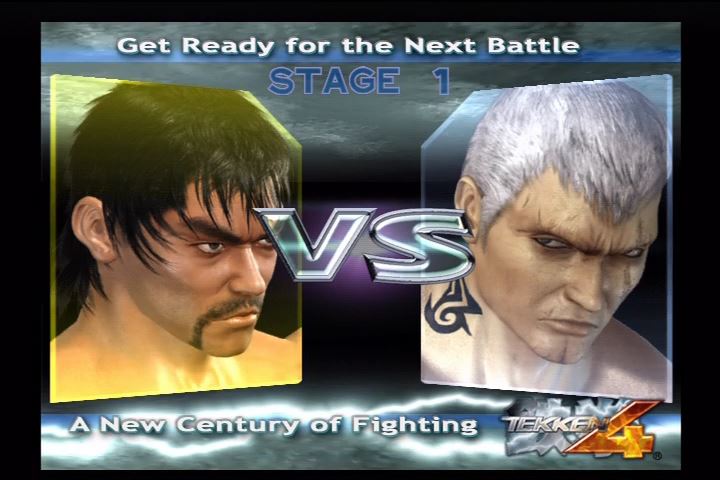
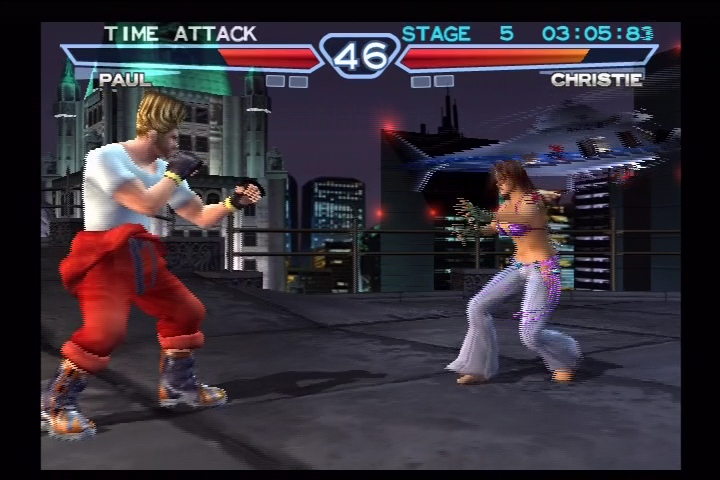
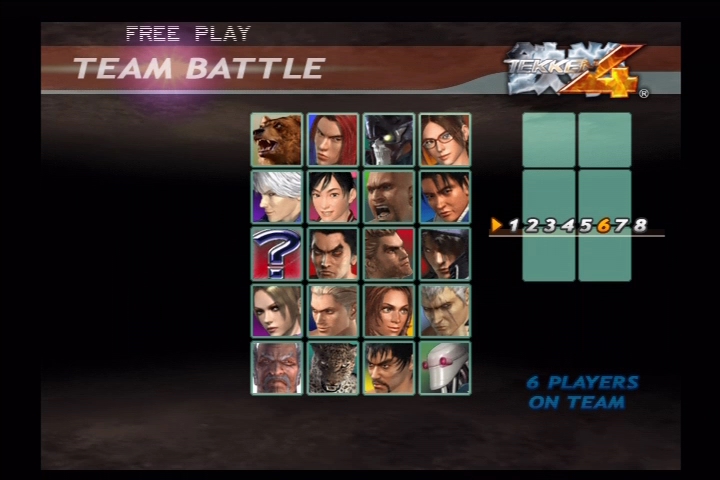
The game has 19 characters and a selection of modes. As with any fighting game sequel, a few new characters are mixed in with the core group seen in the previous installments. The new fighters are Craig, Steve, and Christie. Christie isn’t really a new character, being just a female equivalent of Eddy, the Capoeria specialist who is omitted from Tekken 4. Steve Fox, A British boxer with a mysterious past, later revealed to have a biological connection to one of the existing characters. Combot is meant to be a training robot, serving as a replacement for Mokujin. Despite the large character roster, half the characters still need to be unlocked by beating arcade/story mode.
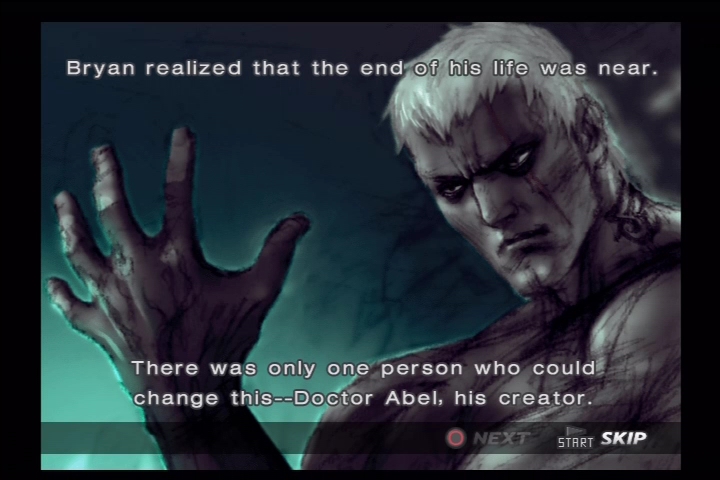
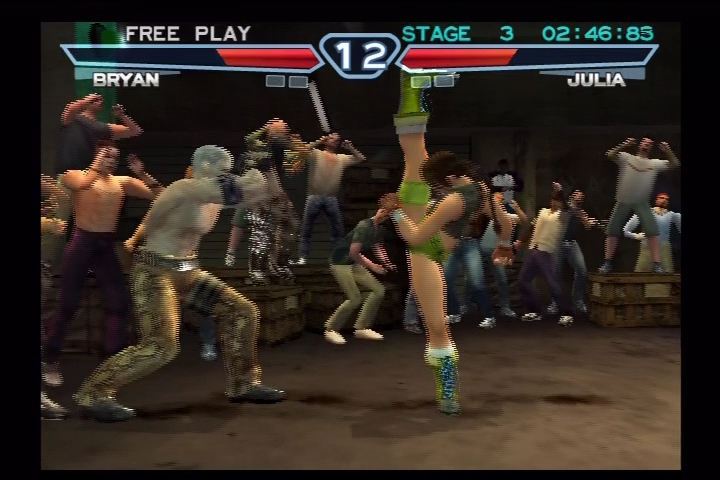
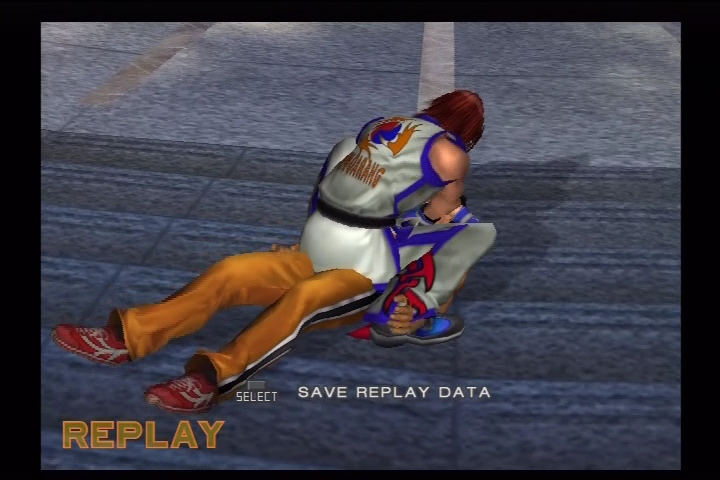
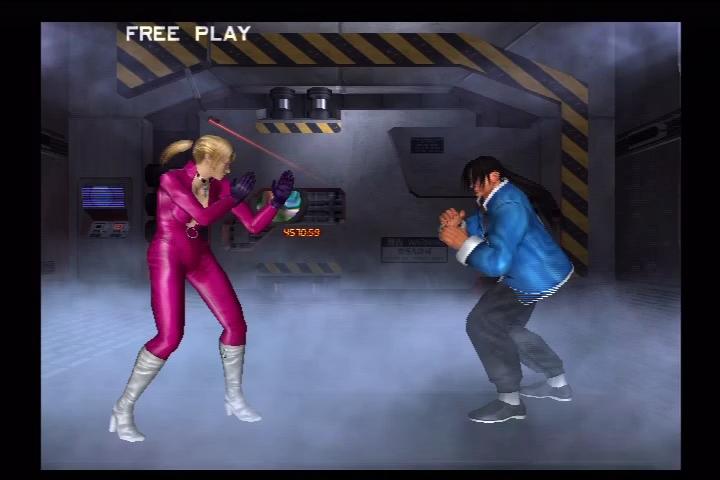
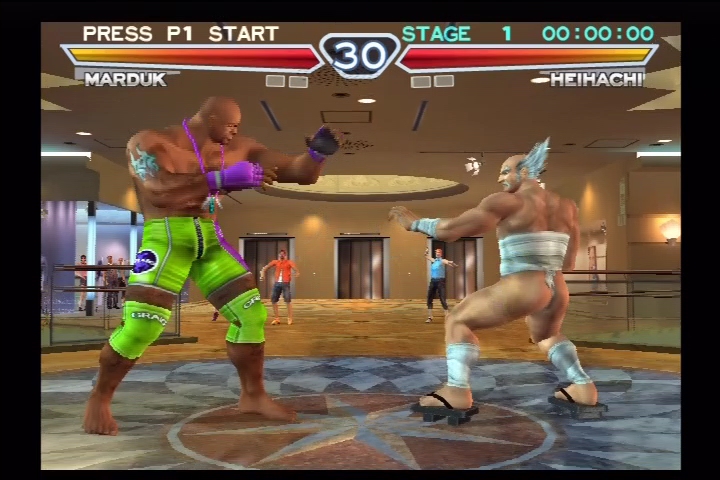
The game’s modes make up the typical fighting-game shopping list. These include practice, time-trial, and survival, as well as the expected arcade and story modes. Story mode is simply an arcade mode with still illustrations and FMV cut scenes that go into the chosen character’s plot, but lacks pre-match cutscenes that Dead or Alive 2 featured. A new feature in the series is the ability to save fight replays to the memory card, which will allow you to play them back at a later date. Some changes have been made since Tekken Tag Tournament, No more do the levels reach out endlessly on either side, Now you must consider obstacles such as staircases, walls, and breakable statues. This opens up a new element to the game as you now run the risk of getting cornered. You cannot break into different parts of the stage like Dead Or Alive 2, But the new mechanics with the arenas, where you can knock people into walls or off ledges? That’s cool and innovative.
The two new modes are Training and Tekken Force. Training doesn’t so much train you as require you to pull off a menu of moves. Tekken Force is a beat-‘em-up, You take a fighter of your choice through a gauntlet of baddies. Naturally you’re able to use the available moves of your character. Tekken Force also makes for a good diversion, especially for those who like the beat-em-up genre.
For Tekken veterans, the gameplay will feel very familiar. Two buttons control the fist attacks while the other two handle the legs. Side-to-side movement has significantly improved in Tekken 4, allowing for more movement. This helps add depth to a franchise that’s in trouble of getting stale. You can also assign combo commands to each of the L1 or R1 buttons.
Tekken 4 has graphically improved over Tekken Tag Tournament. That’s not to say the visuals are perfect — far from it. While the anti-aliasing is noticeably smoother since Tekken Tag Tournament, the Tekken character models look inconsistent. Sure, they might be detailed, but the actual character animations are very choppy. This is especially clear in Christie’s jerky Capoeira animation.
Tekken 4 is like that middle child in the family – not the favorite, but not the worst either. If you’re a die-hard fan of the series, you’ll enjoy the new mechanics and characters, but if you’re looking for the quintessential Tekken experience, you might find yourself missing what came before or waiting for what’s next. It delivers more of the same with slight tweaks in the character roster.



 Drew1440: Blog