Category Archives: Games

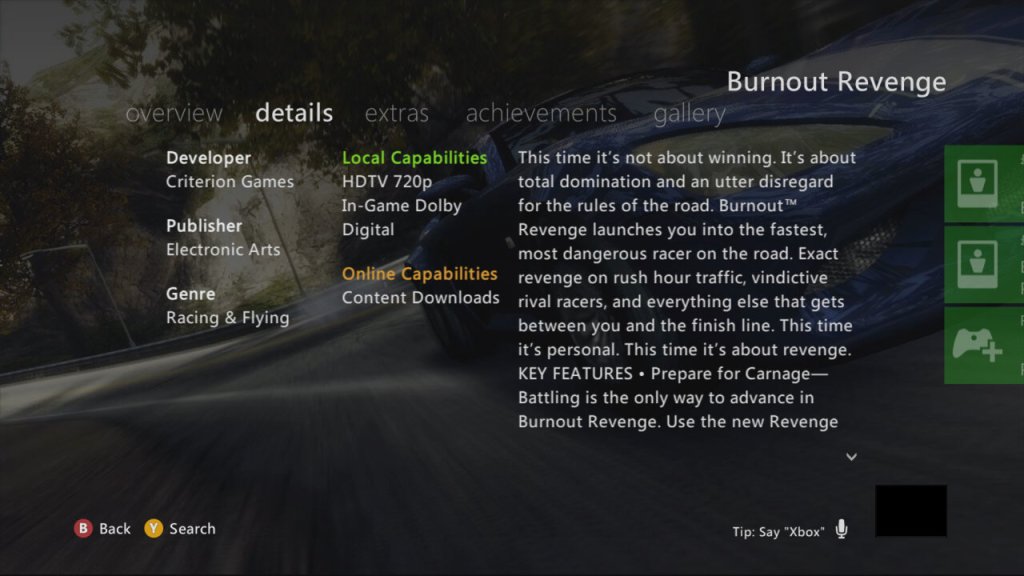
Burnout Revenge

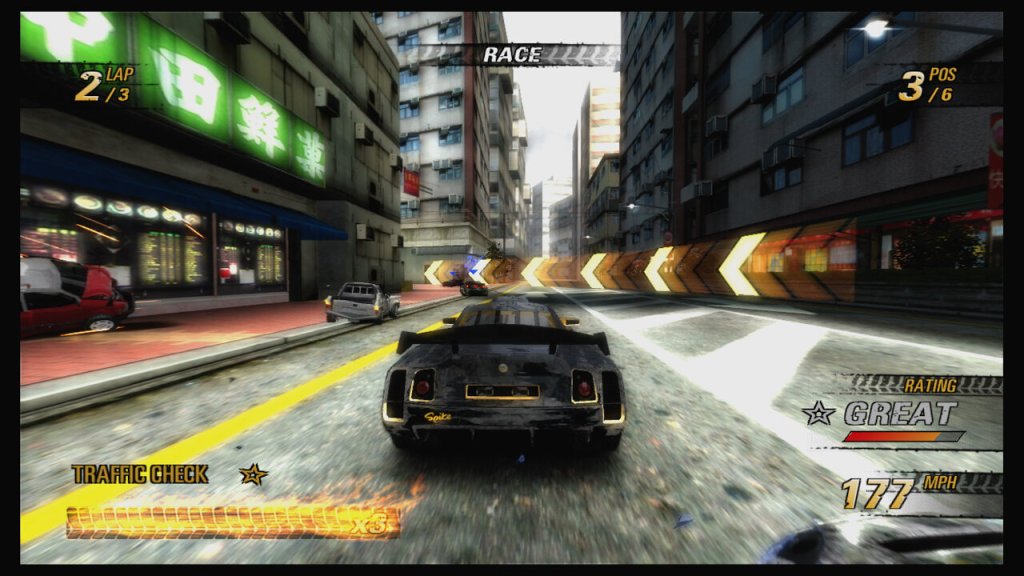
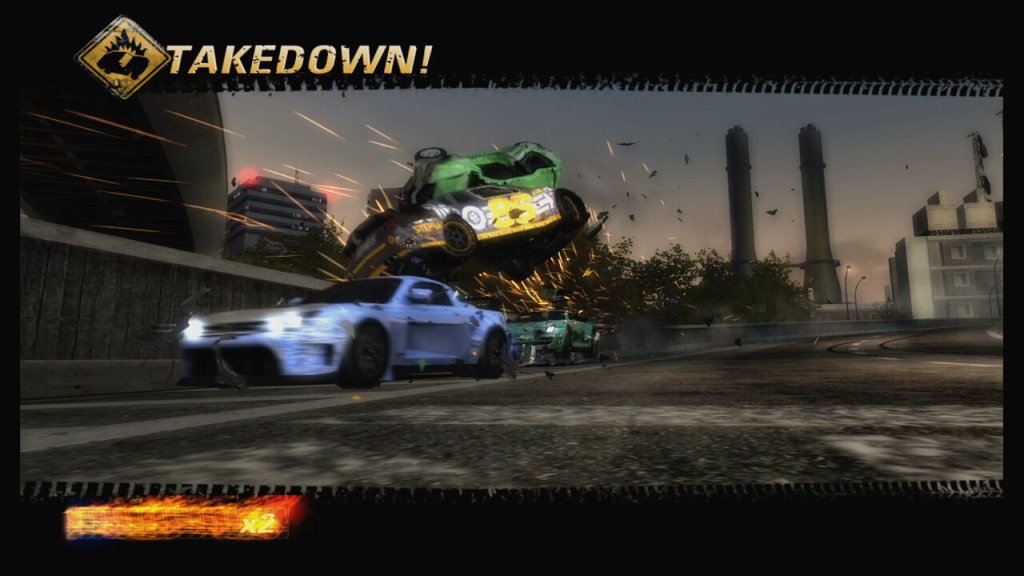
The fourth Burnout game, and the second released by EA. It follows on from the formula set by Burnout 3: Takedown but adds a revenge mechanic.
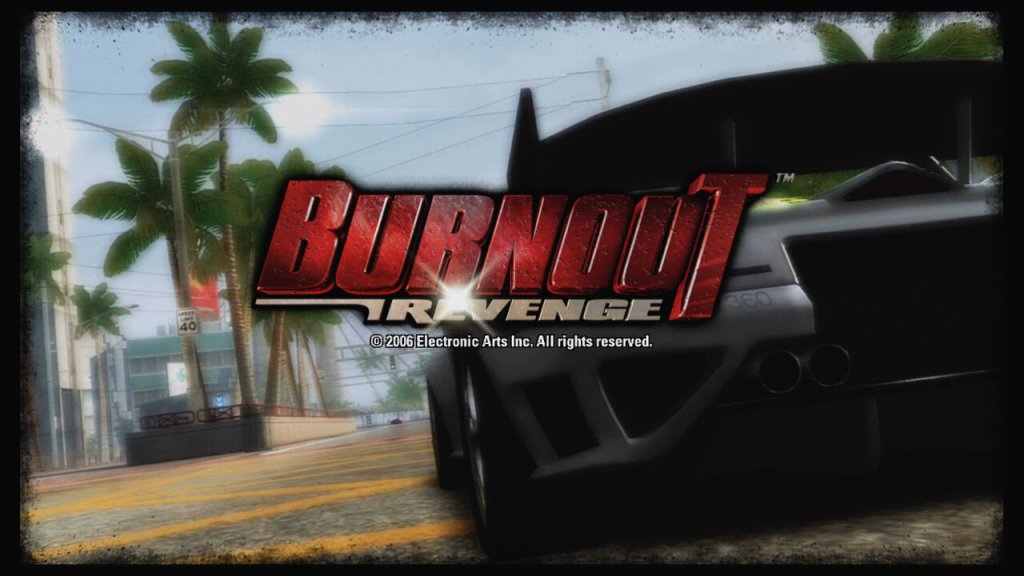
Tracks in Burnout Revenge were designed with more verticality, multiple routes, and interactive elements that could change the track layout mid-race, offering a more dynamic racing environment compared to the mostly flat and static tracks of its predecessors. There are still hidden shortcuts located throughout the track which help give the advantage to the opponents.
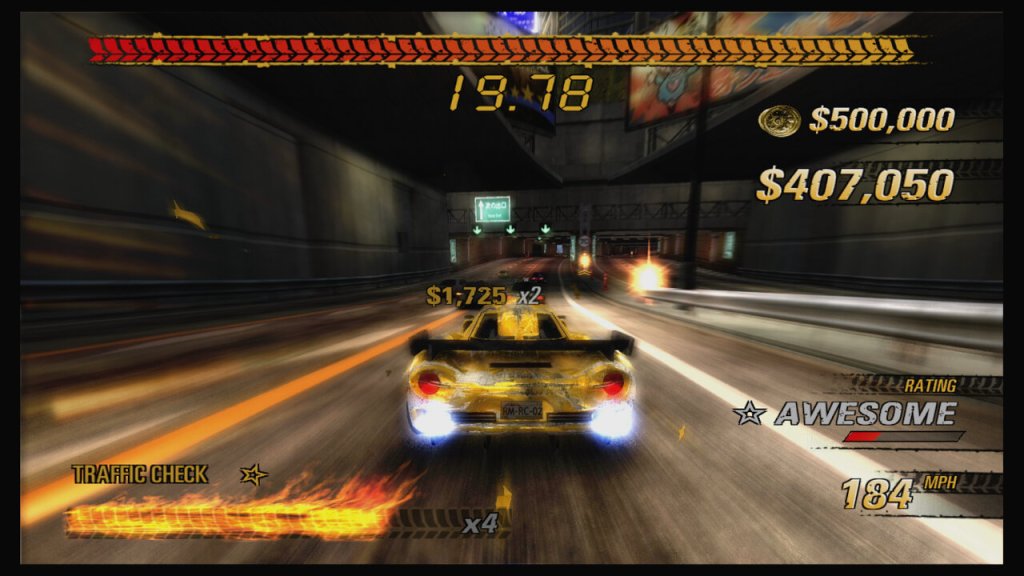
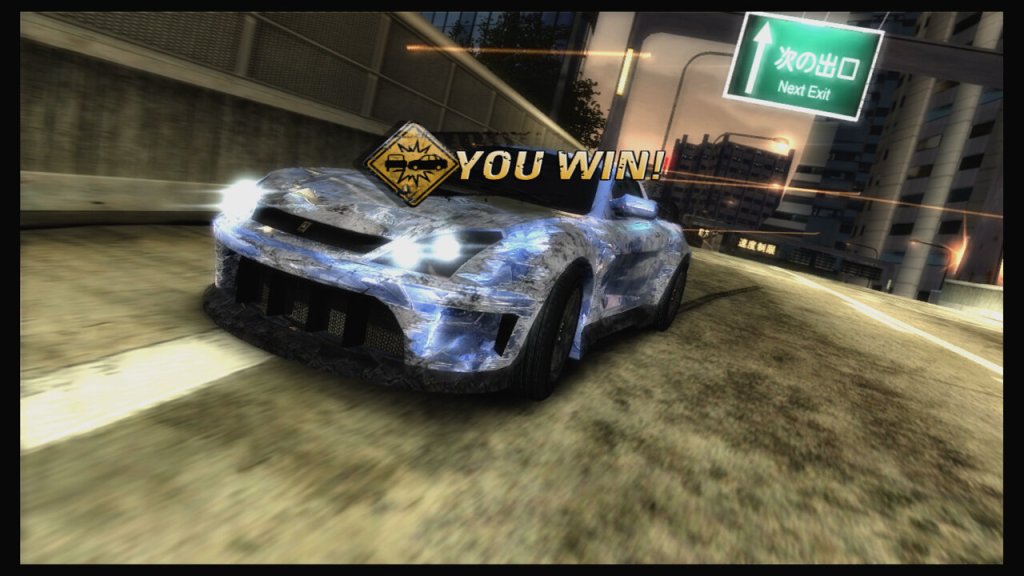
The Revenge mechanic is one of the games signature features, where one of the opponents is marked as your rival, and causing them to crash will reward you with a bonus. These are known as Revenge Takedowns, and are given when you take out a rival that has taken yourself out repeatedly throughout the current race. The rival is reset when you start a new race.
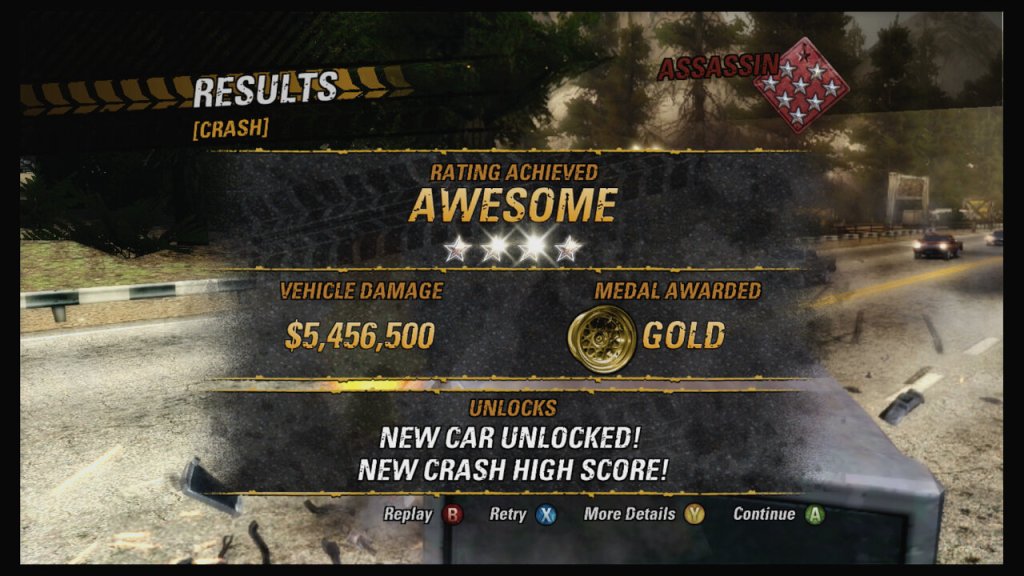
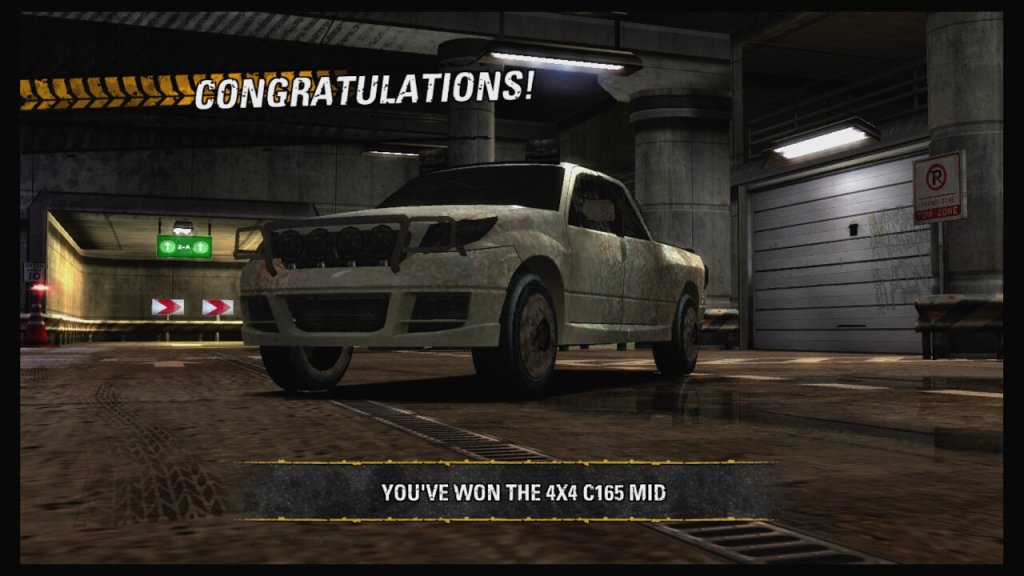
To mix things up, there are few different race modes that you will play as part of completing the games single player mode. Race is your standard racing mode where the objective is to finish first. Making use of takedowns and shortcuts are key to winning.
Road Rage is where you have to score as many takedowns as possible within the time limit. Winning isn’t essential for these races, and you may prefer to linger in third or second place to ensure you can takedown as many opponents as possible.
Traffic Attack required you to cause as much damage as possible within the time limited by crashing into vehicle or various objects that are part of the track.
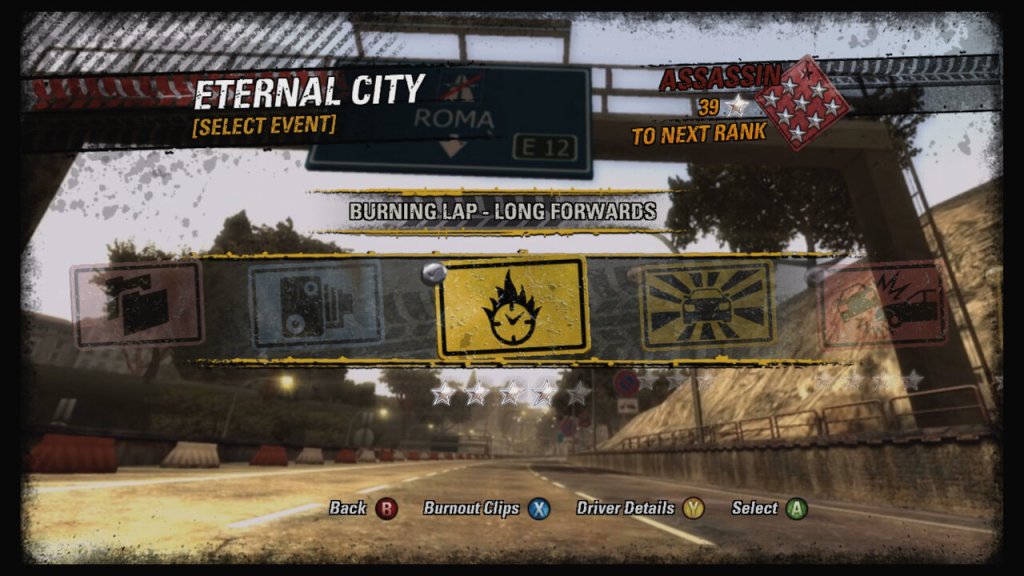
Buring Lap is pretty much time trial where it’s just you and the track, worth the objective being to finish within the time limit.
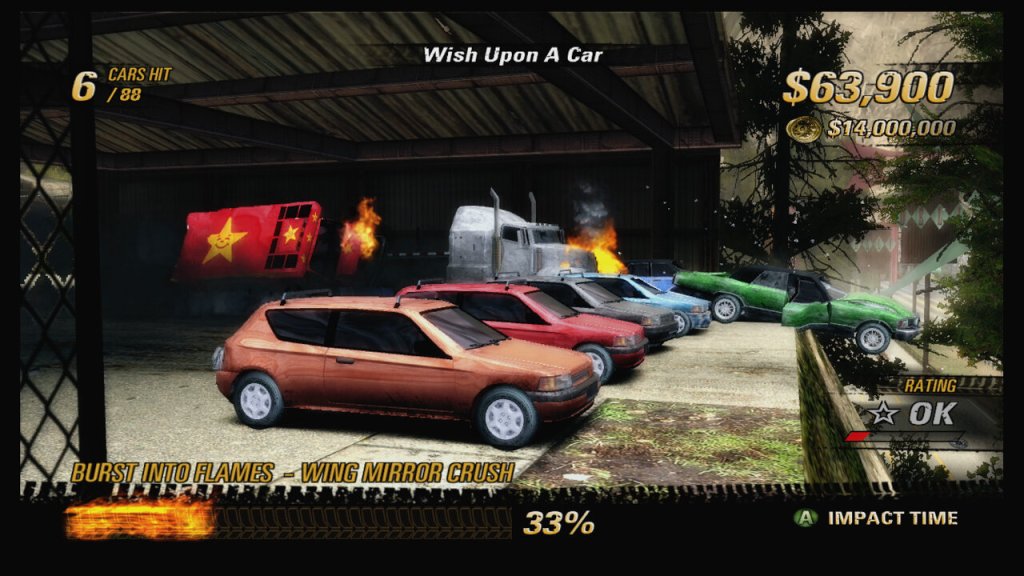
There is also a Crash Mode with the objecting being to cause as much damage
There are three tiers of scoring from Bronze, Silver and Gold, spending on how well you have scored. You can replay events at any time if you wish to improve your score and can experiment with different vehicles that will differ on speed and weight.
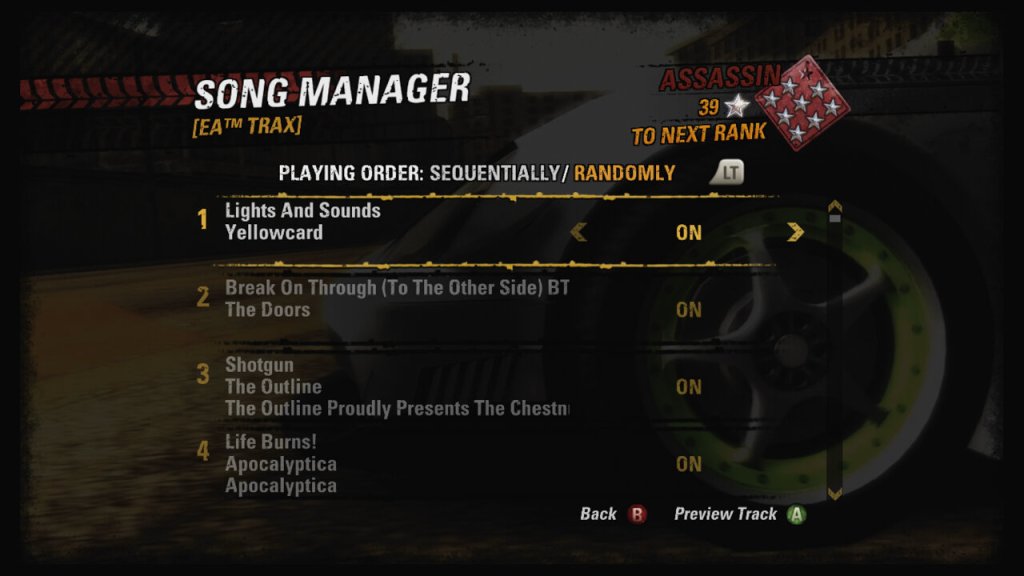
The soundtrack is one of the enjoyable elements of the game, with a playlist mix of Rock, Metal, Industrial, Electronic and PopPunk. There’s a few big names like Fallout Boy, The Chemical Boys, Maximo Park, Bloc Party and Avenged Sevenfold. Songs can be changed easily during a race by hitting the L1/Left Bumper button if you wish to skip the current track.
Playlist on Spotify Youtube

Versions

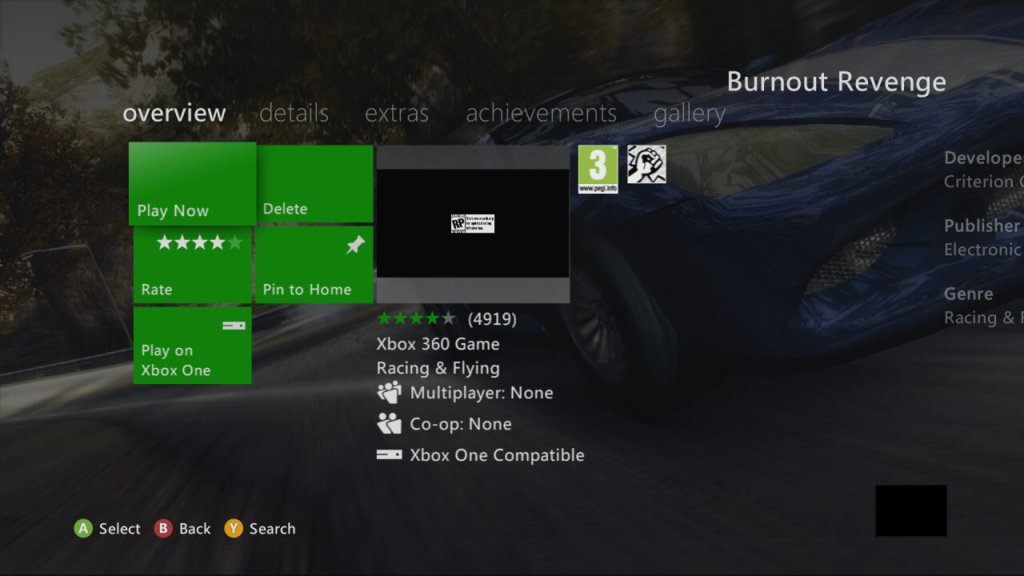
Xbox 360: The preferred version as it runs in a higher HD resolution and has exclusive Xbox 360 car skins that can be applied. This version does go a bit overboard with the bloom, which can be a put off for some players. Like the Xbox version you can also make use of the custom soundtrack feature if you prefer to use your on music.
This version was also made compatible with the Xbox One and Series X/S consoles.

PlayStation 2: Very well optimized for the console, being released late into the console’s lifecycle. Though I recommend getting the Xbox/360 versions instead since the frame rate tends to tank when there’s a lot of stuff on the screen.

Xbox: As the game was released in 2005, it made sense for to be ported to the sixth-generation consoles, that were remarkably popular. This version supports online play over Xbox Live.

No Gamecube version was released, which is odd considering the previous Burnout games were released on that platform.
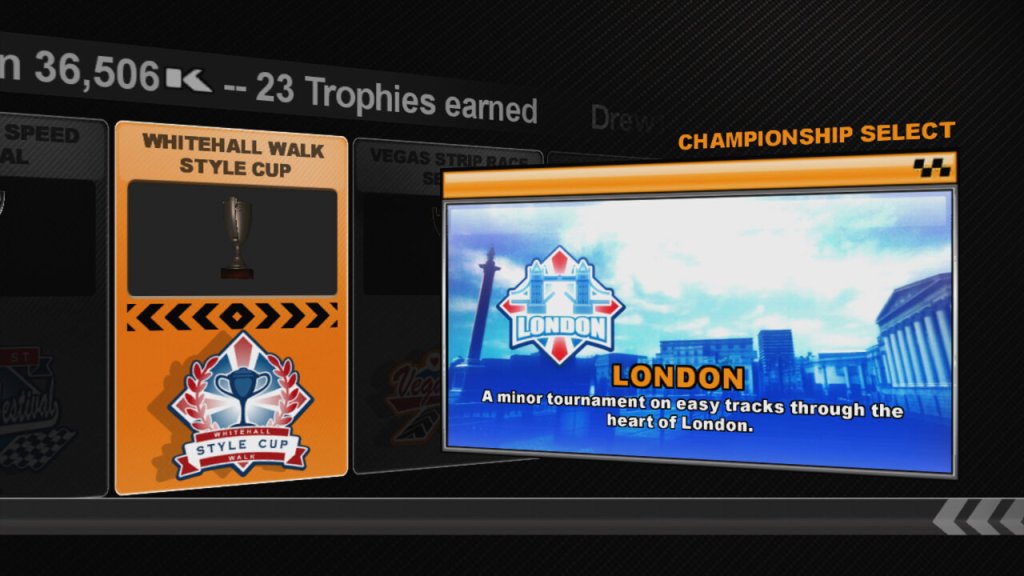
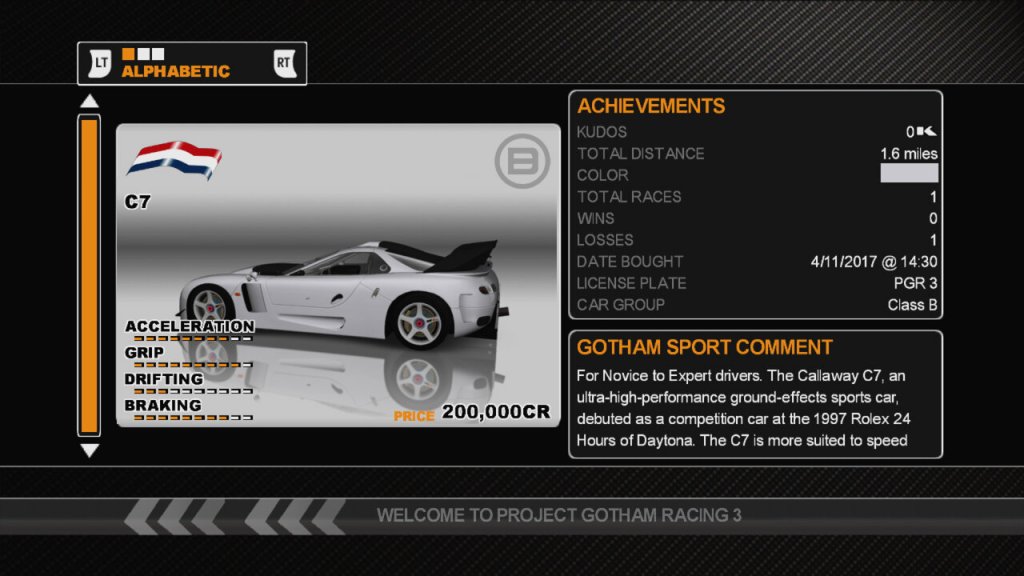
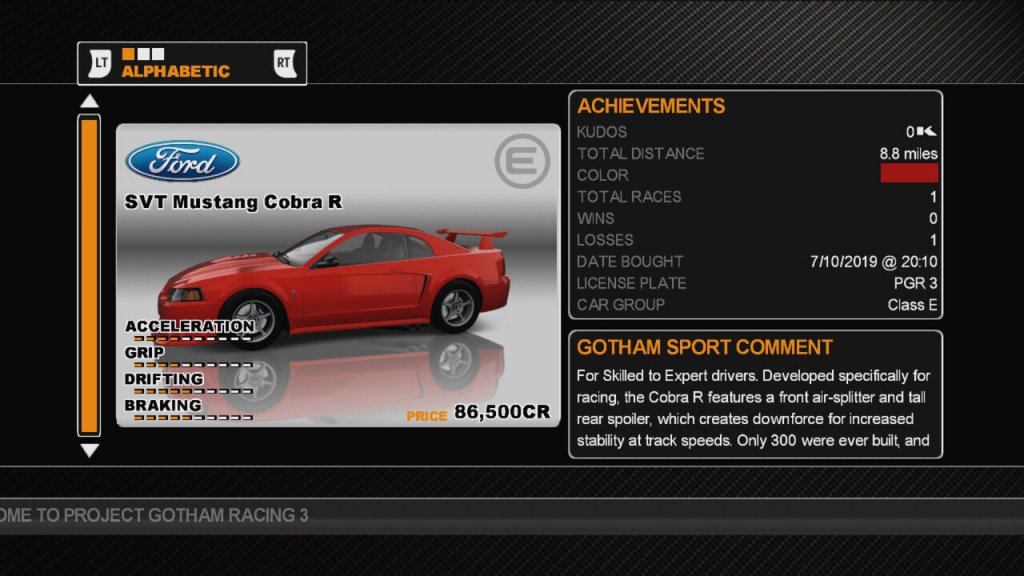
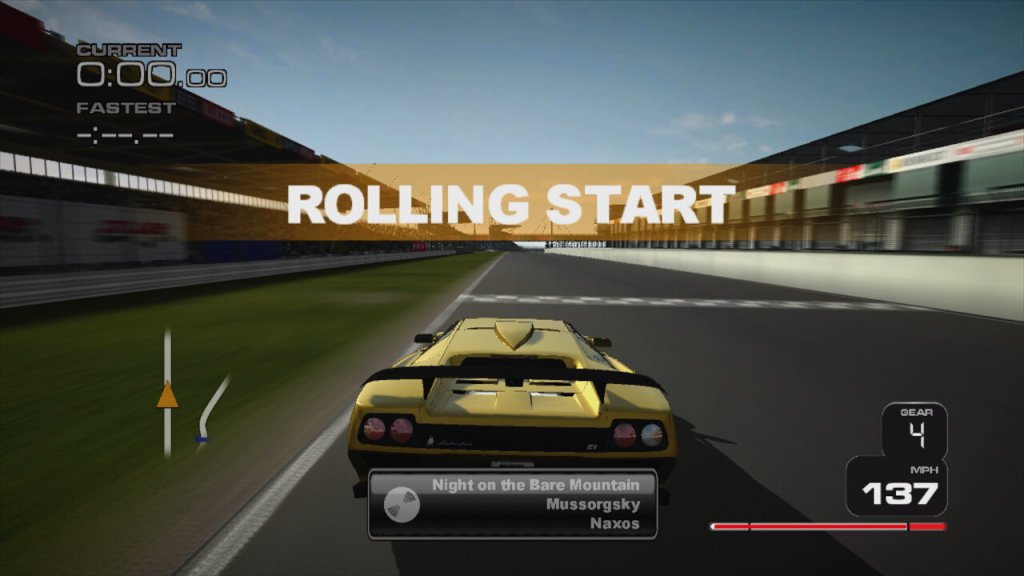
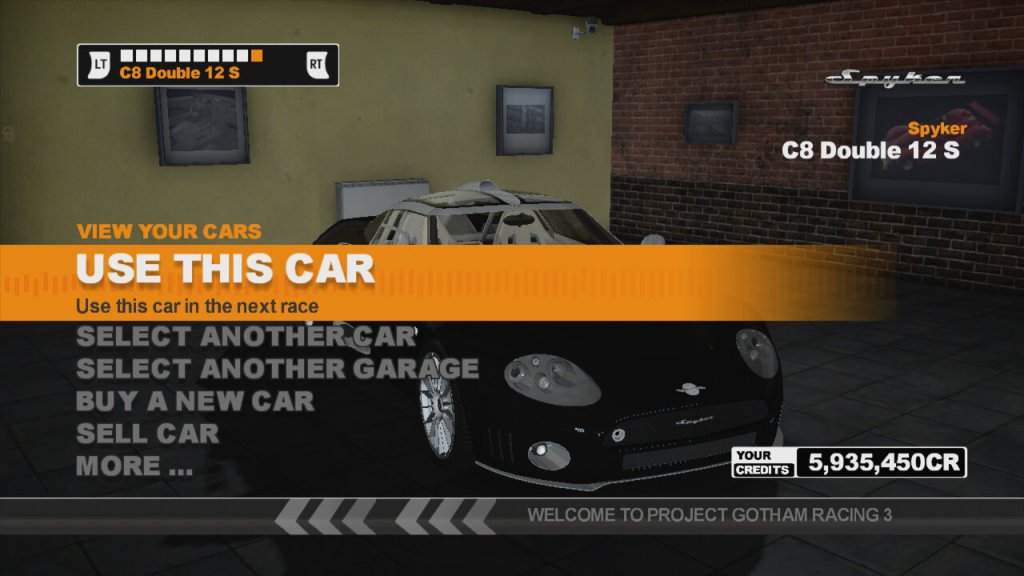
Project Gotham Racing 3

PGR’s HD debut

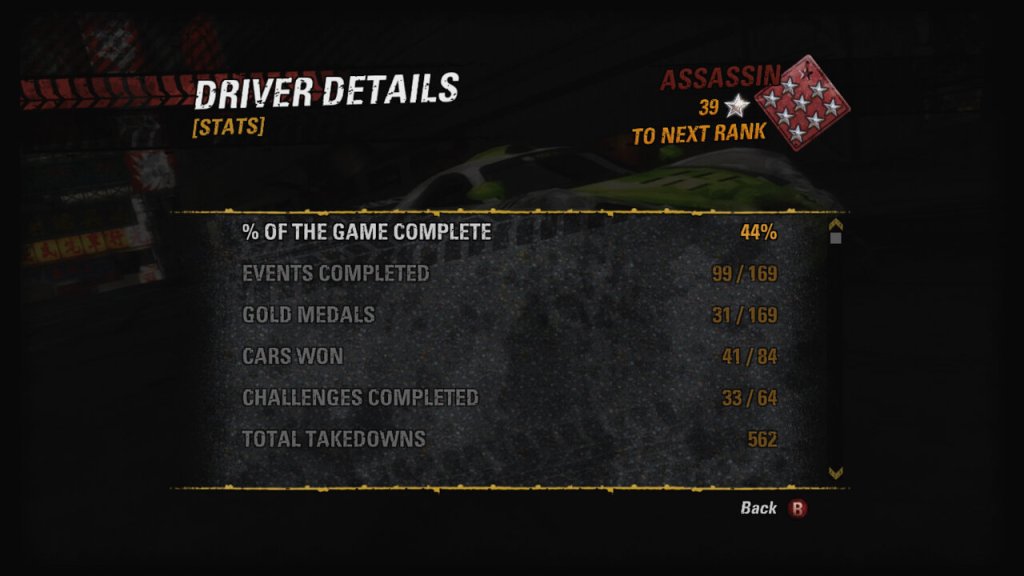
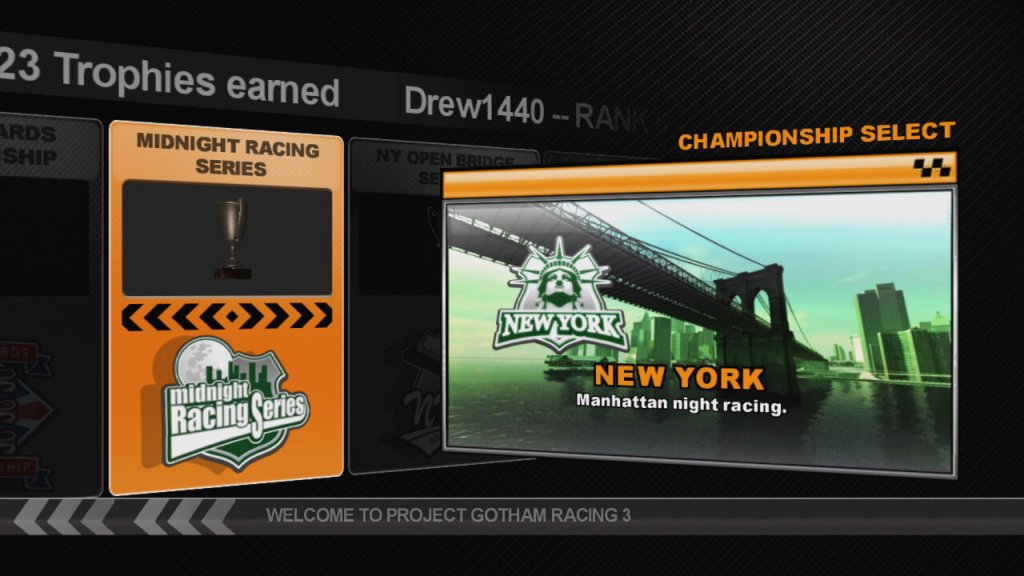
Project Gotham Racing 3 is the third installment of the game, released for the Xbox 360 very early in its life. It follows on from the previous two installments that were exclusive to the original Xbox, and Metropolis Street Racer for the Dreamcast.

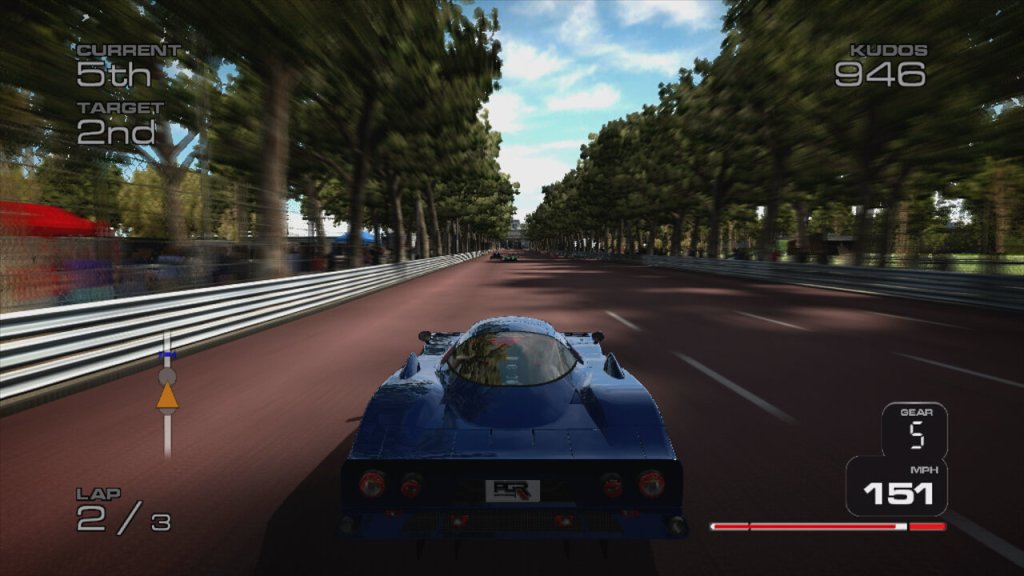
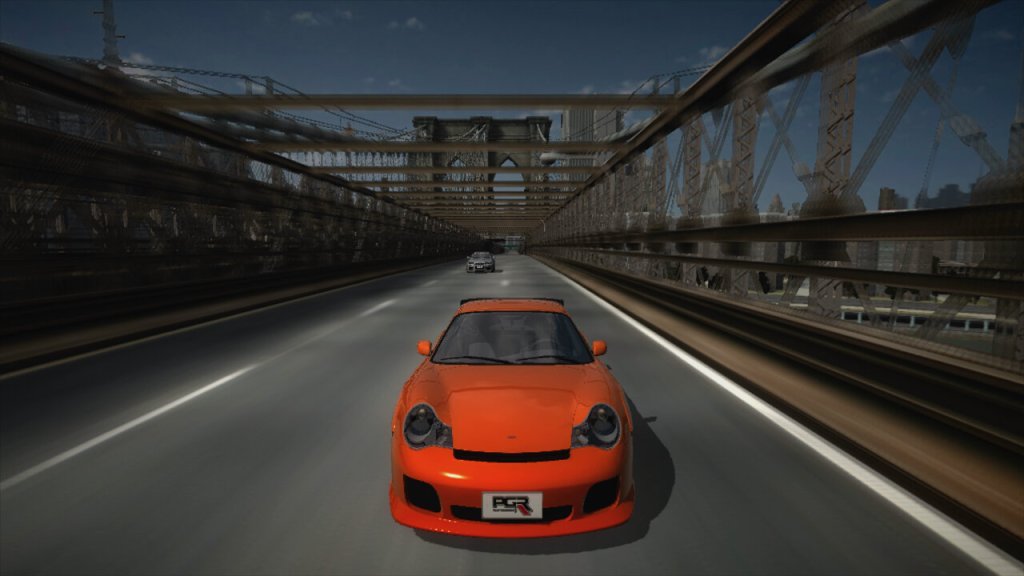
PGR3 hits you with that arcade racing feel, but with enough realism to make you feel like you’re actually behind the wheel of some of the world’s most gorgeous cars. When you fire up this game, it’s like slipping into a supercar’s leather seat. The visuals? Oh, they’re next-gen for its time, showcasing the Xbox 360’s power with cars that look so good you almost feel the engine purring through your controller.

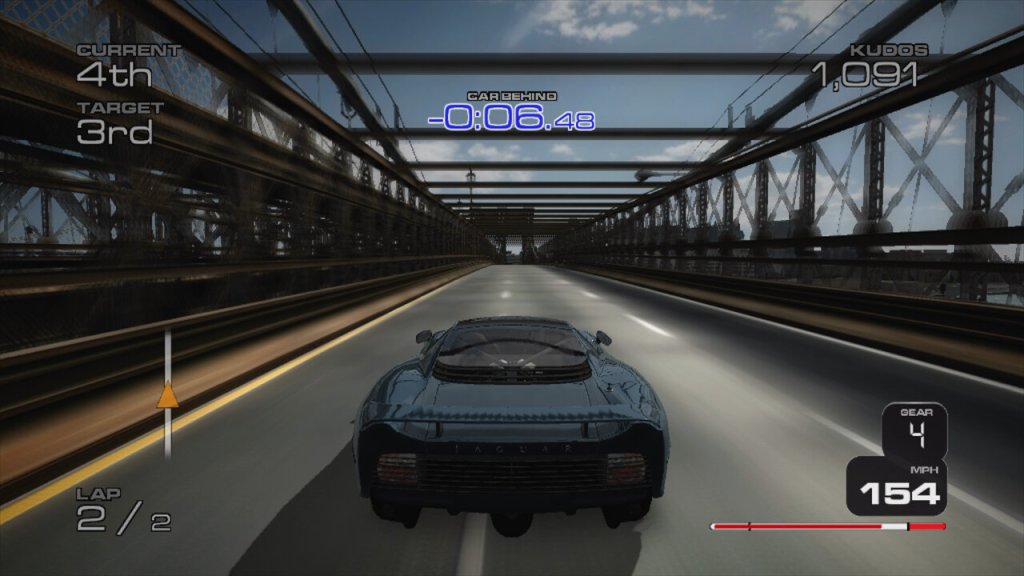
The Kudos system is like a style meter on steroids. You’re not just racing; you’re performing for the crowd, drifting through corners, pulling off 360s, and drafting like a pro. It’s all about the finesse, the skill, making every turn not just about speed but about flair. It’s this system that makes PGR3 not just a racer but an experience.

Regarding the vehicles, You start with a bang, not those slow, underpowered street cars from other games. Here, you’re jumping into supercars from the get-go. And the variety? Insane. From Ferraris that make you feel like you’re in a Bond movie to prototypes that look like they’ve escaped from a sci-fi flick, there’s a car for every fantasy. There is a lot of variety with the vehicle types that can appeal to everyone riving style, some of which will fare better on different track styles used in the game.

The soundtrack is also pretty diverse with a wide variety of genres from classics to rock, hip-hop and electronic dance. You can also elect your own music to play within the racetrack, taking advantage of Xbox’s custom soundtrack feature.

PGR3 is often remembered fondly for its peak of the series style over simulation approach. It’s debated among fans whether it’s the best in the series due to its balance of accessibility with rewarding skilled play, though many argue PGR2’s more raw, less polished feel had a charm. I certainly prefer it to the simulation racing games like the Forza series or Gran Turismo.
PGR3 felt like a true next-gen update, not just in graphics but in how it integrated online features. However, its core gameplay evolution from PGR2, while significant, didn’t feel revolutionary to some, leading to mixed reviews about whether it was the peak of the series or just a polished continuation. It would later be followed up with Project Gotham Racing 4

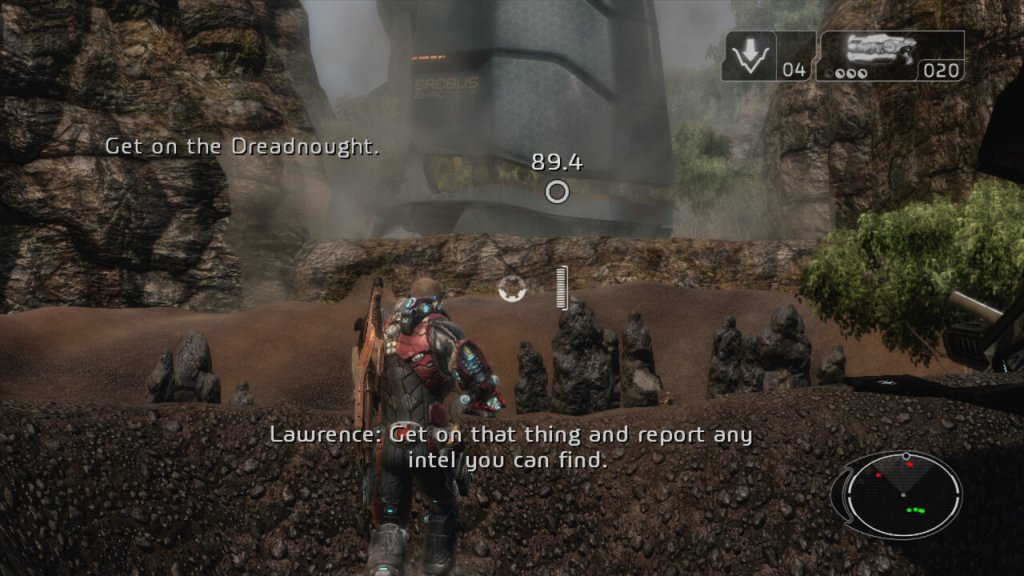
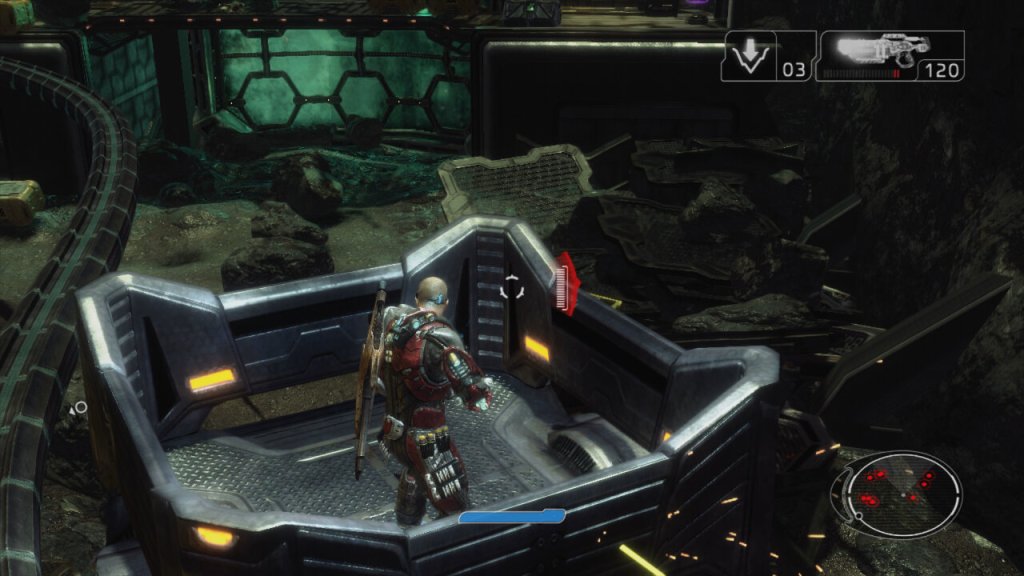
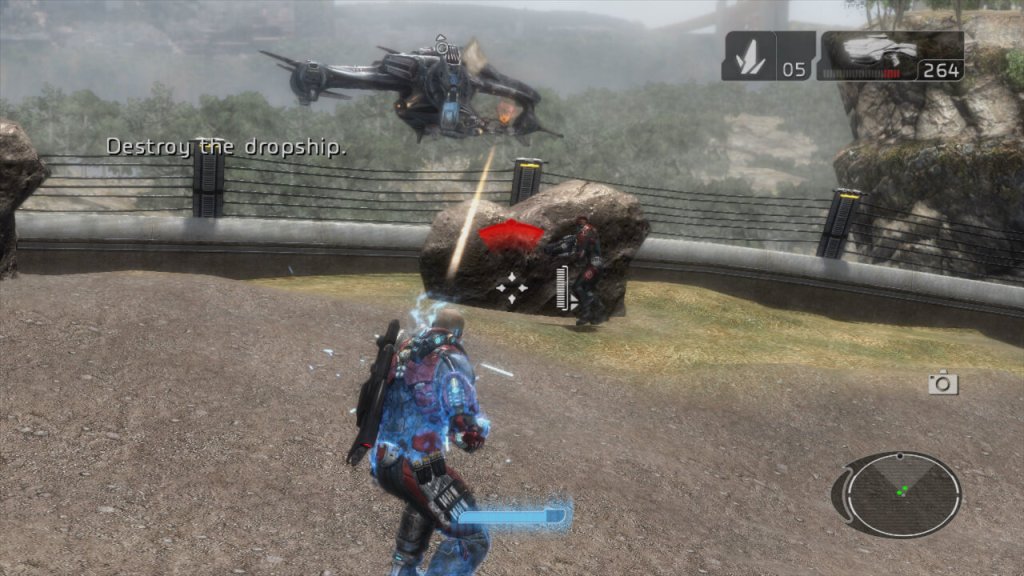
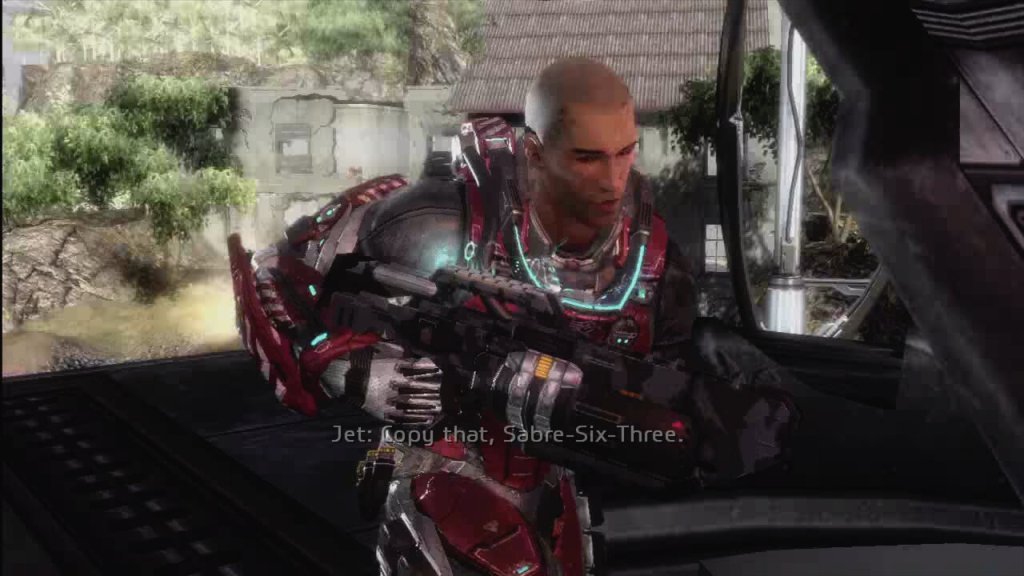
Bodycount

An interesting FPS that got overshadowed

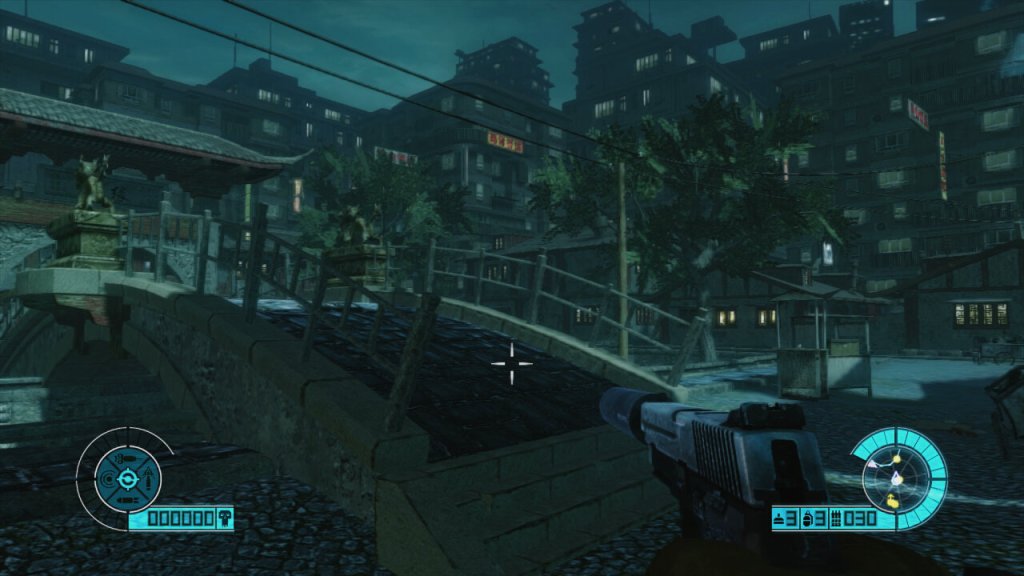
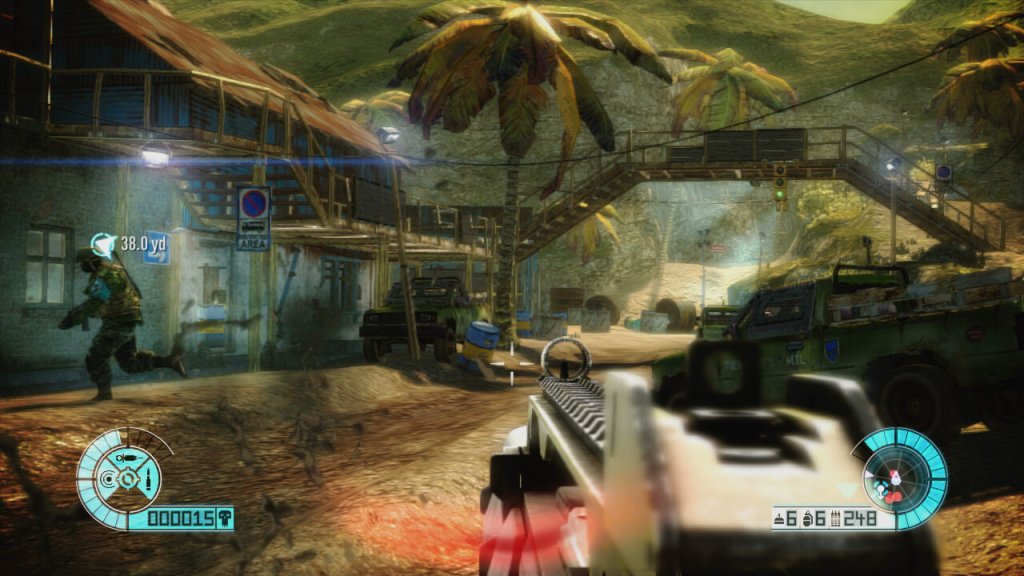
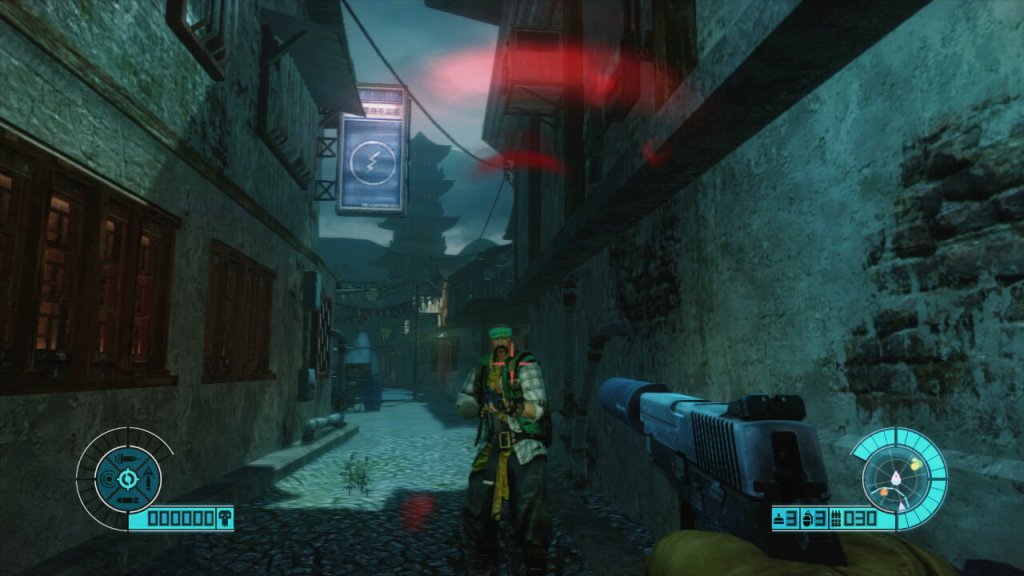
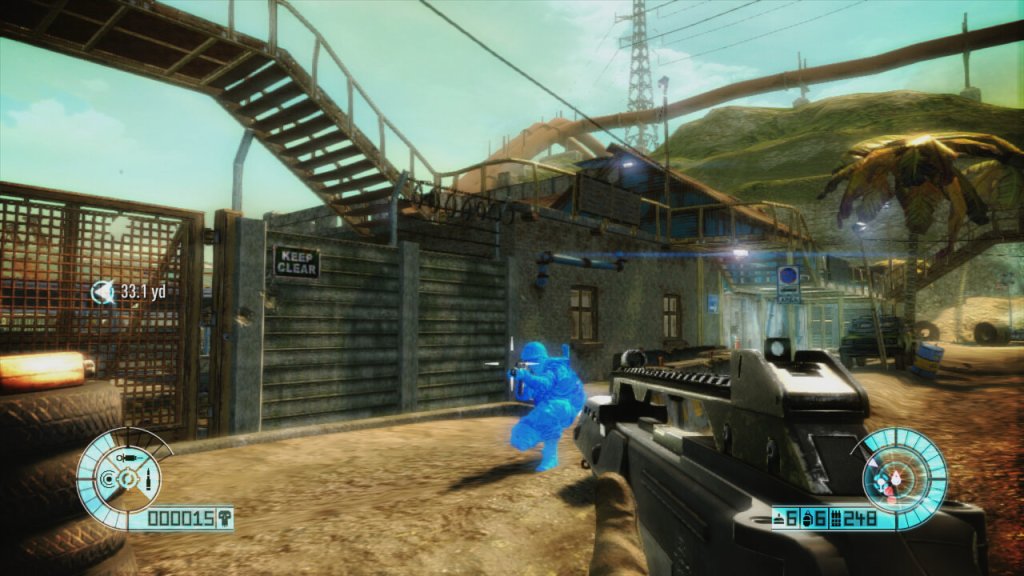
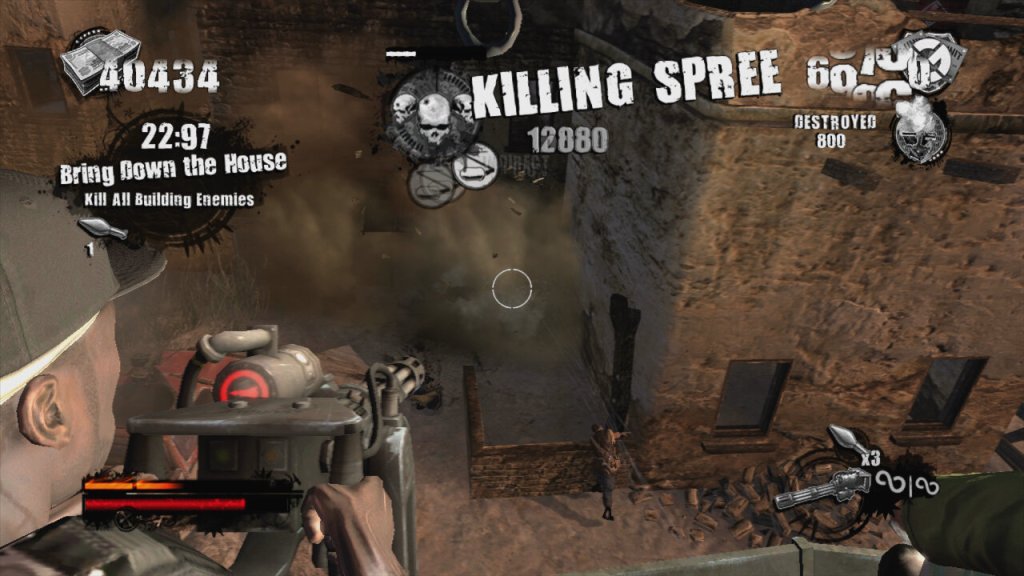
A first person shooter with arcade like shooting mechanics, released in 2011 to a crowded market where it had to contend with Gears Of War 3, Modern Warfare 3, Red Faction: Armageddon and Killzone 3. It’s an easily forgotten game on the count of its poor promotion (I only know of this game since it was recommended to me on Amazon years ago). The gunplay is ok for the most part, but some of the weapons like the silenced pistol are redundant since this game has very poor stealth mechanics, with enemies often reacting to you despite being out of their view. Still when pulled off correctly, it can help you take out enemies one by one rather than getting swarmed,

However a lot of the gameplay consists of holding the current position whilst waves of enemies attack, and this gets very repetitive the further you progress through the game. Sometimes the spawning is sloppy, with enemies simply appearing out of thin air.

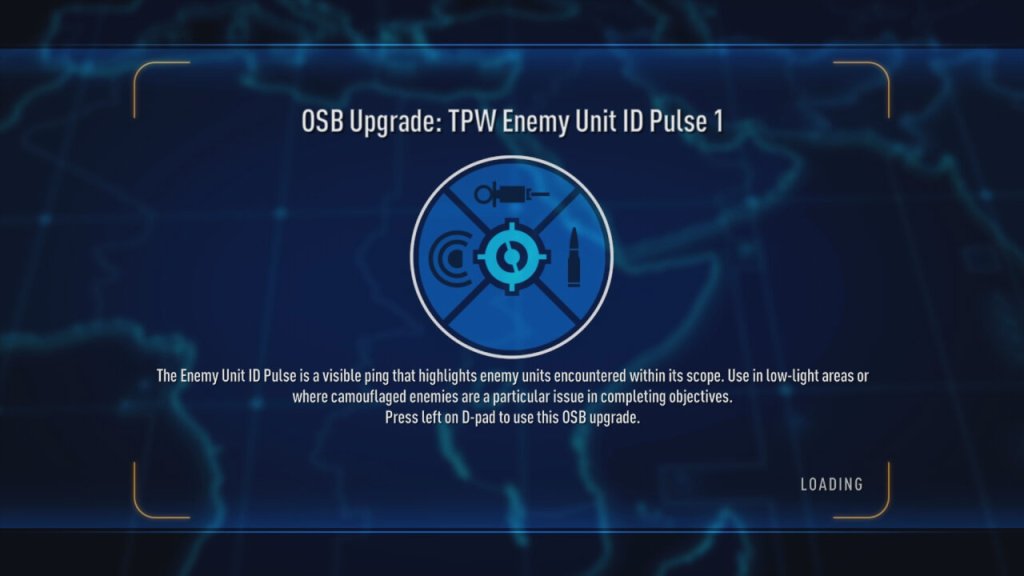
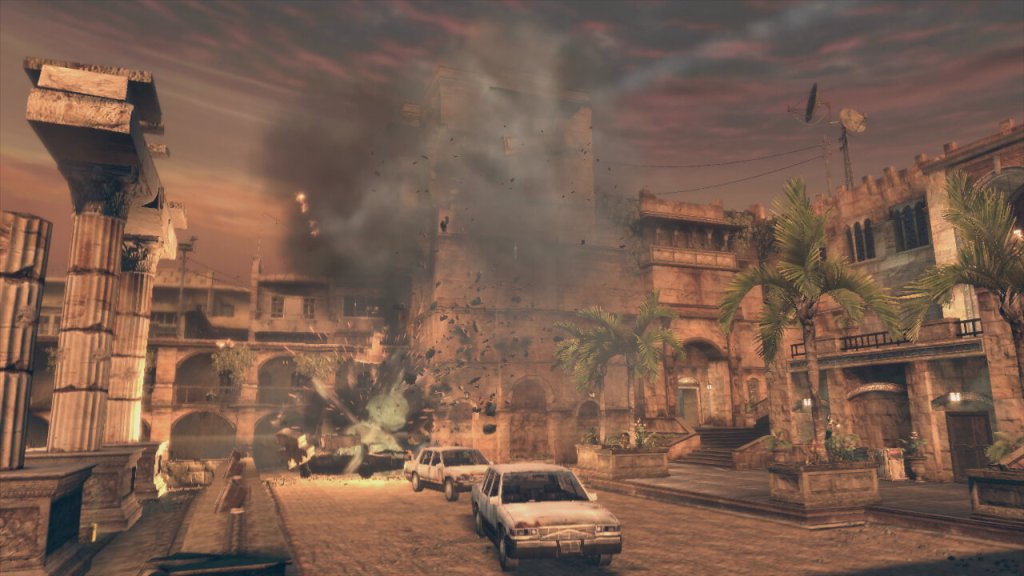
There were a few innovations to help with this, ‘Intel’ is a core mechanic to the game and is collected when you kill and enemy, it’s used to power up your character to use weapons like explosive bullets, or adrenaline to help with the more difficult waves. Also some sections of the environment as destructible, which can help with dealing with large waves of enemies.

The main story of the game isn’t working delving into, essentially you’re against an entity known as ‘The Network’. This isn’t very well explained and often you are left wondering what is going on, you will often go from battles in beautiful real-world locations to these futuristic Tron-like areas which look very out of place.

Aside from the campaign, there is also a BodyCount mode that lets you load up a previous chapter to complete it in an arcade style to get the highest points.

Versions

Xbox 360: The preferred platform for reasons outlined below. Sadly this isn’t compatible with the Xbox One or the Series consoles.

PS3: This version is the worse of the two, running at a lower resolution complete with screen tearing.

Fracture

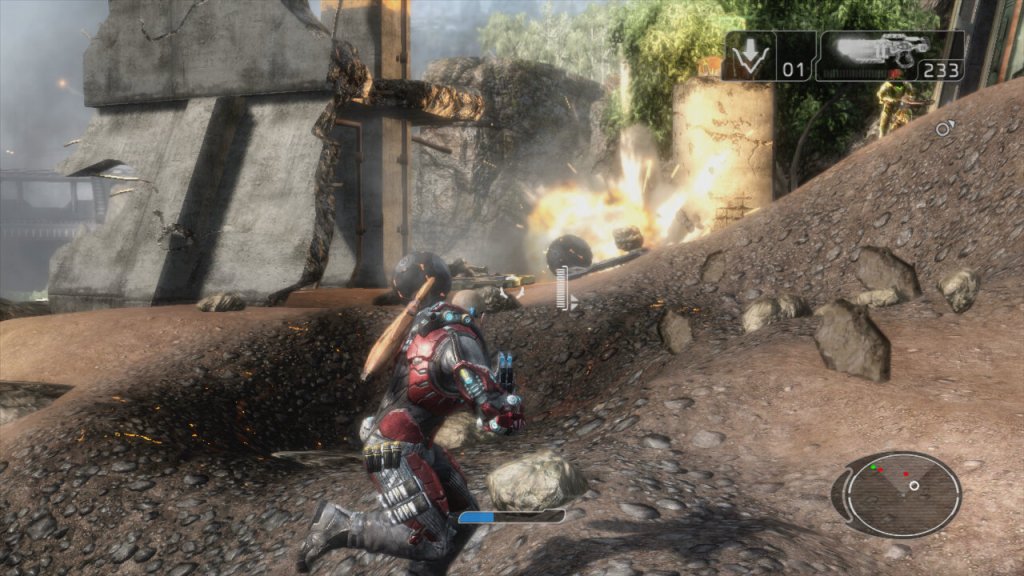
A third person shooter game with some interesting gravity mechanics. Released in 2008 and Published by LucsasArts

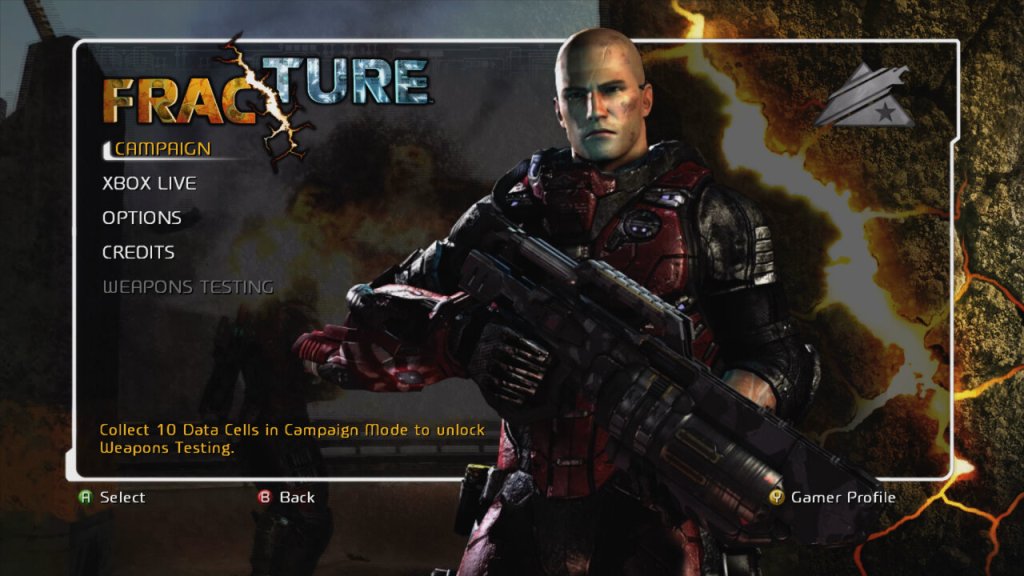
Facture Xbox 360

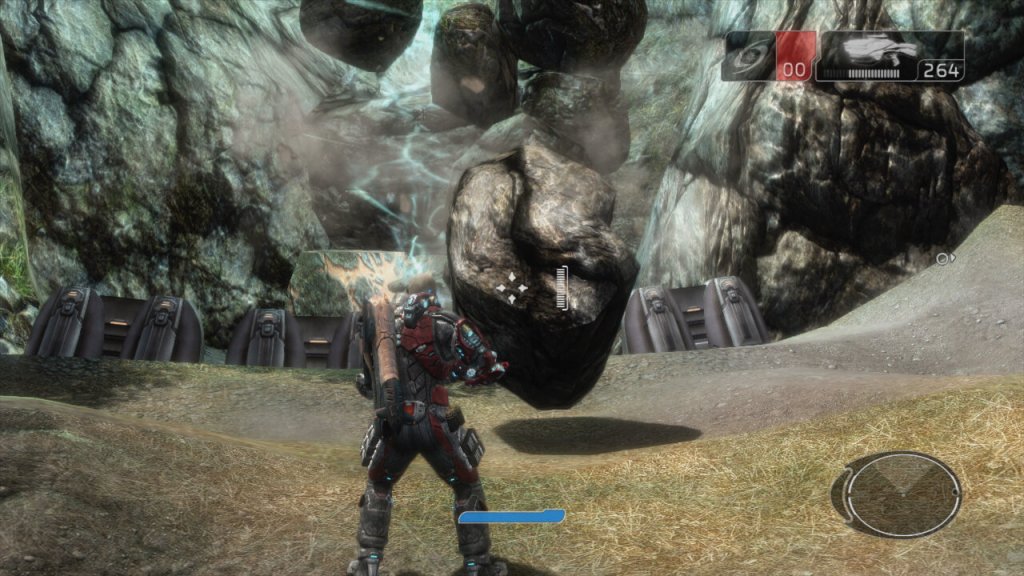
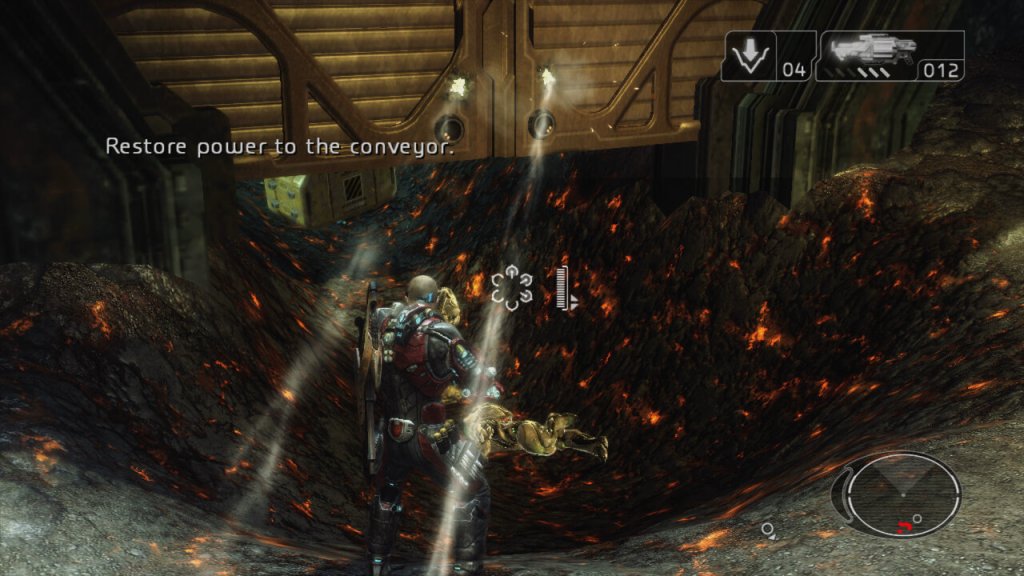
The game is set in the year 2161, where tectonic weapon technology has had an impact on Earth, being a result to climate change and rising sea levels, resulting in the Government investing in terrain morphing research. Basically means you have the ability to raise or lower certain parts of the ground with your weapon and grenades.

The concept of the game was brilliant with it’s tectonic warfare, being able to manipulate the battlefield like it’s SimCity? You’re not just shooting or hiding; you’re literally playing God with the terrain. Raise the land, drop a rift, crush your enemies like bugs with moving rocks. It’s like someone looked at “Earthquake” and said, “I can make this a weapon.” However the actual implementation was very disappointing and is mostly used for moving objects to progress the story. For combat, it’s easier to take cover behind objects, rather than manipulating the ground to your advantage. Certain points of the mission require you to raise the ground to realign a bridge, or to lower the ground to remove a blockage. Whilst this mostly works, sometimes the ground can clip into the objects, making the game look a lot sloppier in presentation.

Now, gameplay. That terrain manipulation? Fun for about five minutes until you realize it’s the only trick in the game’s bag. Everything else feels like it’s been done before, and done better. The fun part comes with the explosives, as there is a good amount of destructible objects (not environments, you’re limited here) that you can use to take out enemies. Things can get a bit chaotic at times if you set these off in a chain with other explosive objects on the map, especially Hyrdraballs, which are explosive balls which roll about the map that you can manipulate.

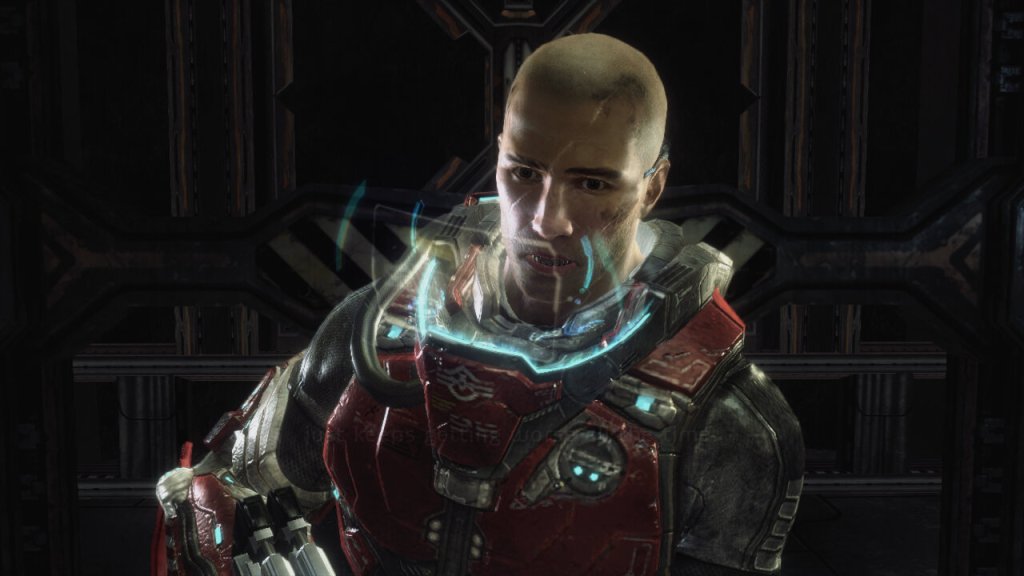
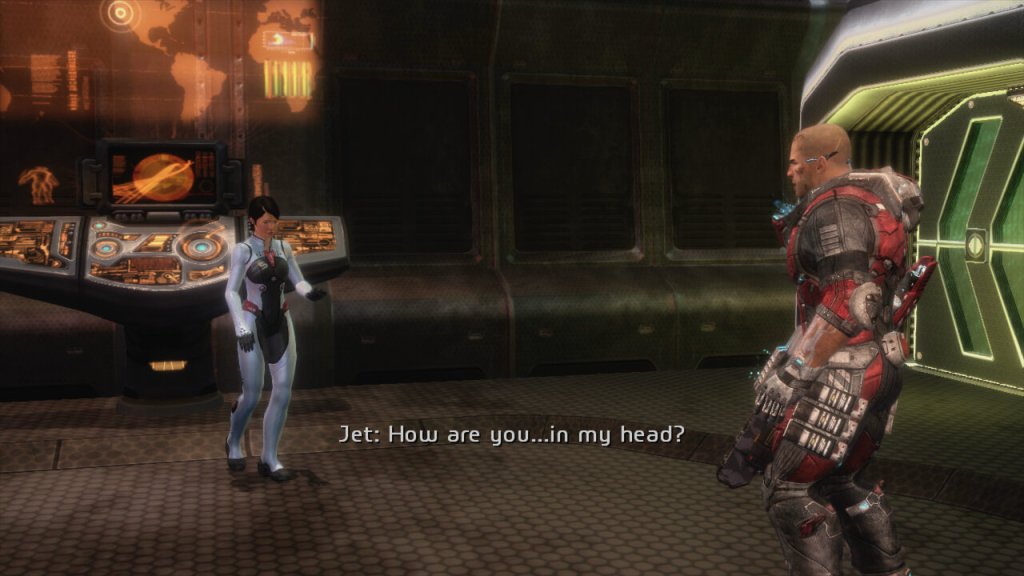
The main character is a very safe design for its time, being your typical bald space marine. I guess when you’re going with a risky gameplay concept, it’s wise to go with a typical protagonist. There’s a few cutscenes that appear as you progress through the game which detail the lot of the campaign, but it’s really nothing to write home about and can be easily forgotten. Essentially you are fighting a rival faction for power and your player character is a soldier that was in the right place at the right time.
The story does explore themes of power, control over nature, the ethics of warfare, and the consequences of advanced technology. It questions the lengths to which nations would go for power and survival, and the impact on humanity when nature itself becomes a weapon.

The game was released for consoles only, for the Xbox 360 and the PlayStation 3. There waw no PC release which was unusually for a third-party game. The Xbox 360 version is considered to be the better port due to running at a higher resolution thanks to the 360 being easier to develop for. Remember this was 2008 where developers were struggling with getting to grips with the Cell Processor of the PS3.

In conclusion, Fracture is like a student project that gets a B for effort but a D for execution. It’s got one fantastic idea but doesn’t know what to do with it beyond the initial “wow” factor. If you’re into trying out games with novel mechanics for their novelty, give it a go. But if you’re looking for a deep, engaging experience? You might want to look elsewhere unless you’re really into watching potential squandered. It’s not the worst game out there, but it’s a reminder that sometimes, a great idea isn’t enough to make a great game.

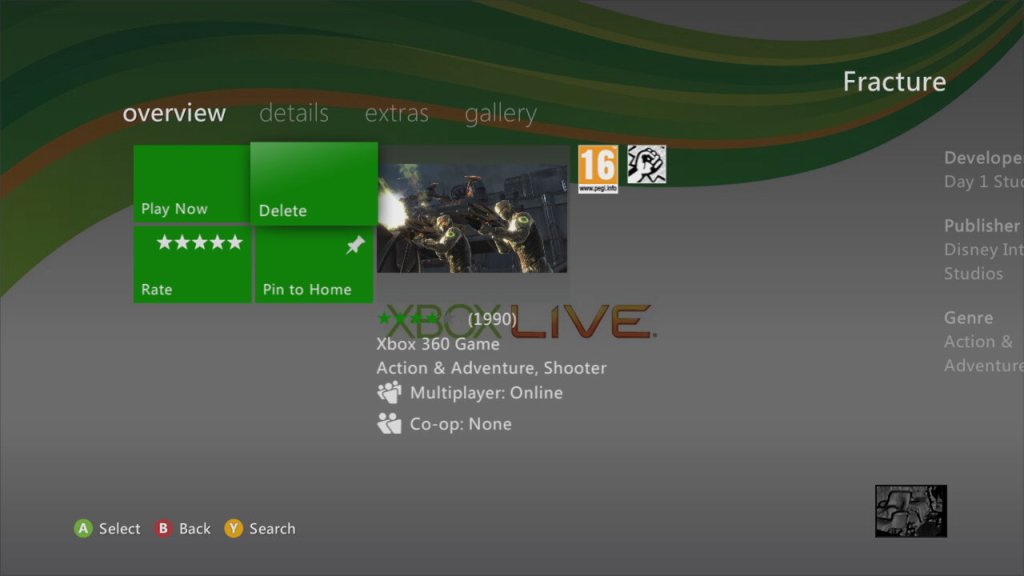
Fracture as it appears on the Xbox dashboard

50 Cent: Blood On The Sand

Fiddy’s HD sequel

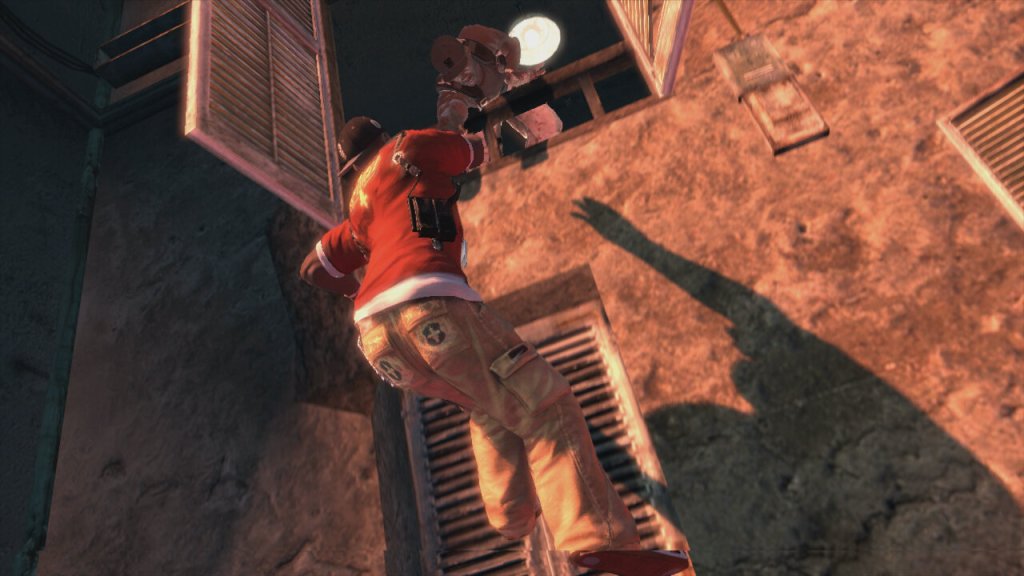
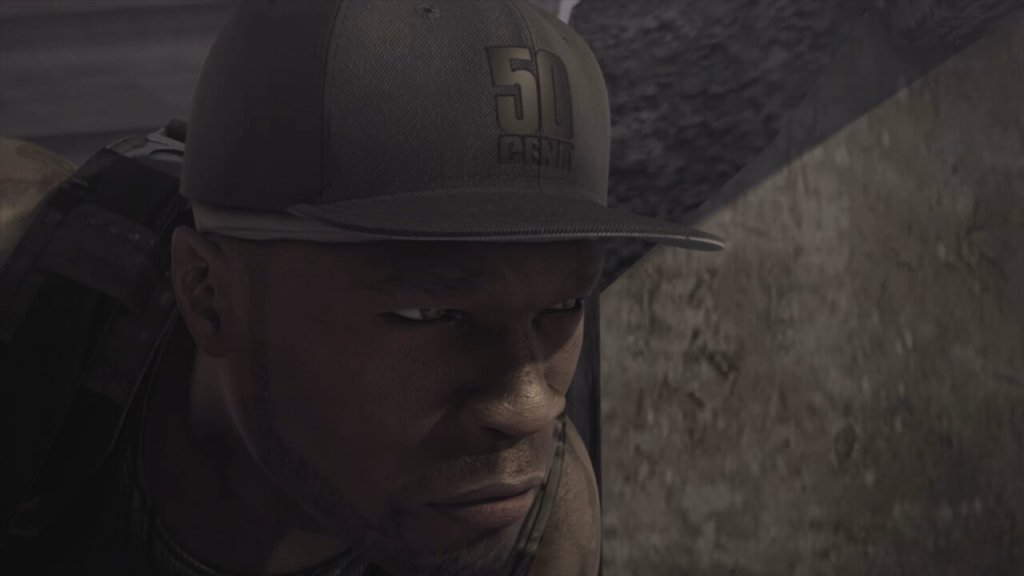
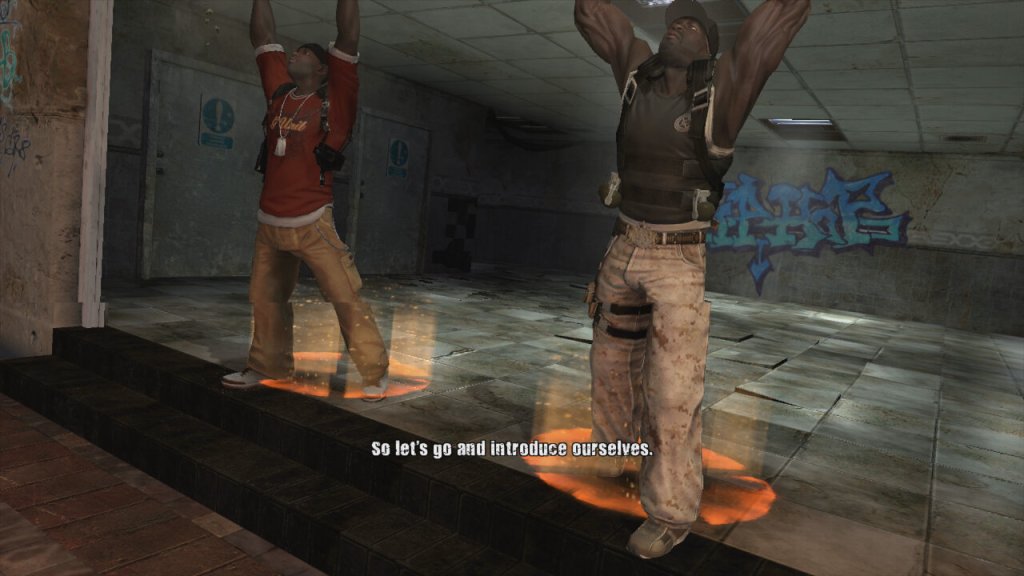
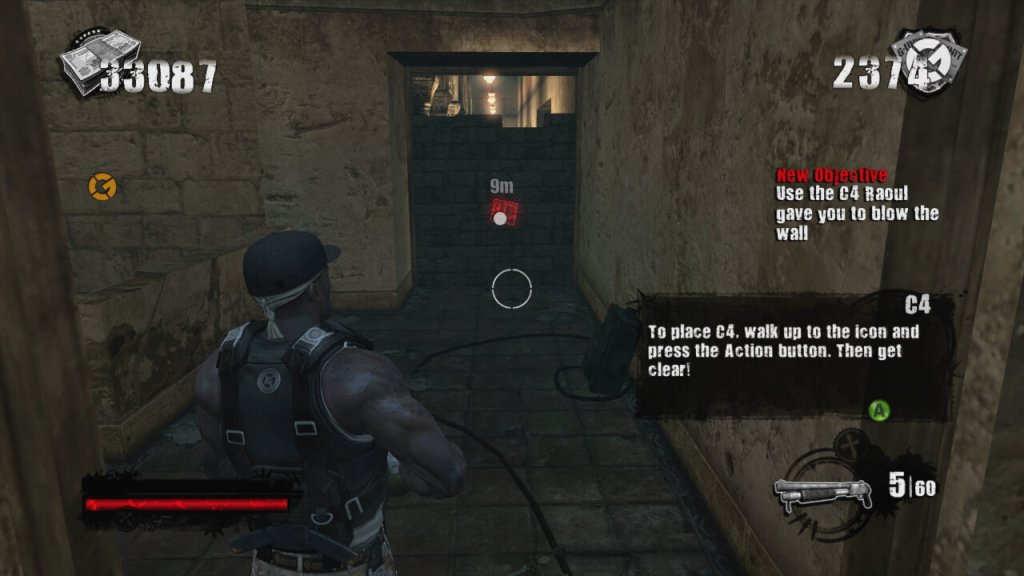
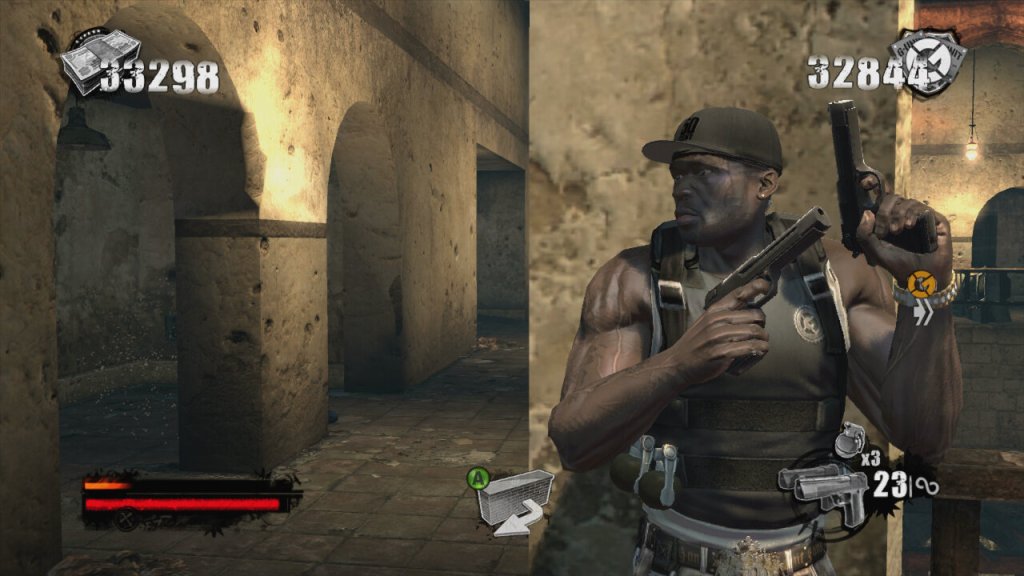
A third person shooter where you lay as 50 Cent, along with one of his bandmates in a single layer campaign. Players control 50 Cent and a sidekick player as they fight through waves of enemies using a variety of weapons. The game features a cover system (Like Gears Of War), dual-wielding weapons, and unique melee attacks where players can execute finishers on enemies to regain health, all whilst 50 Cent’s music is laying in the background.
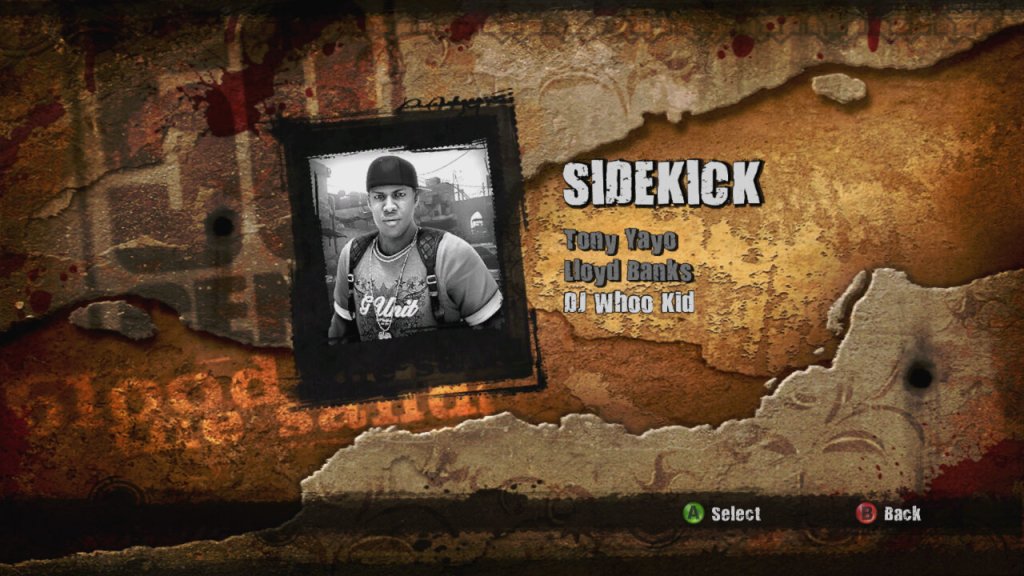
The game supports co-operative play using either split screen or online over Xbox Live. The second player can choose to be either Tony Yayo, Lloyd Banks or DJ Whoo Kid.

The plot of the game revolves around 50 Cent performing at a concert in a Middle Eastern city. However, their diamond get stolen during a coup. The game follows their quest to retrieve these diamonds from various warlords and factions. It’s not to take seriously and is more fun when played co-operatively with friends.

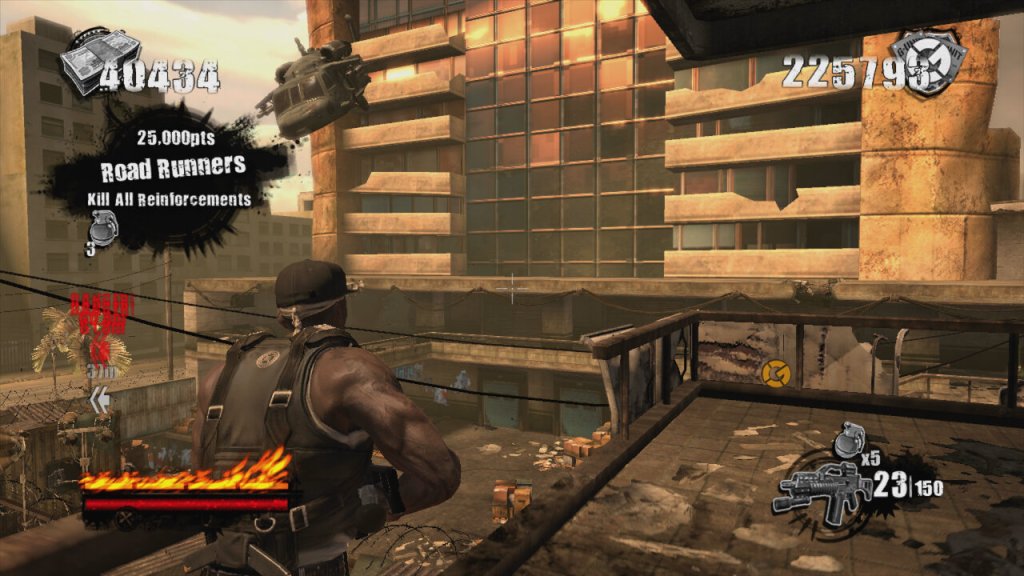
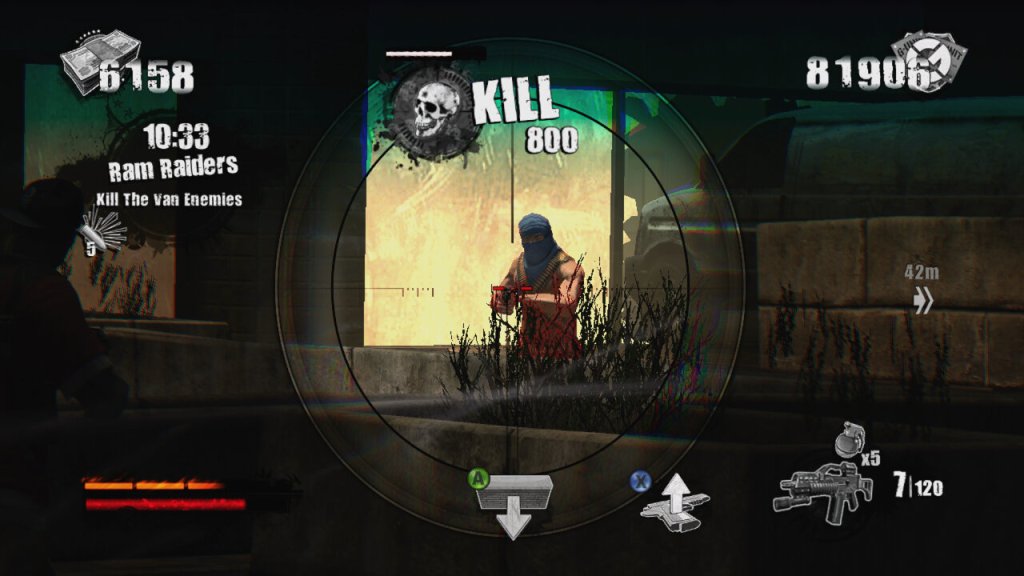
The gameplay itself is very similar to Gears Of War with you controlling 50 Cent in a third person view. The game has an emphasis on high scores, kill combos, and timed challenges set it apart, giving it more of an arcade-style feel compared to other third-person shooters like Army of Two (another console exclusive game to check out) which is used to unlock weapons that can be purchased in later levels of the game via phonebooths. Enemies drop ammo and cash when they are killed and this can also be used to purchase weapons. The game also gives hidden areas that you can loot for more cash, which also contributes to the score at the end of each mission.

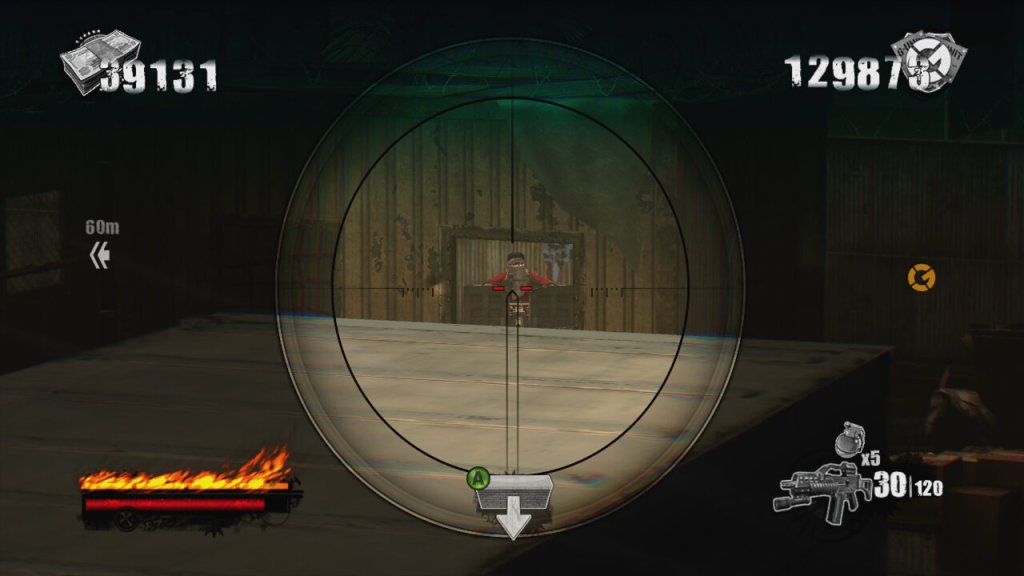
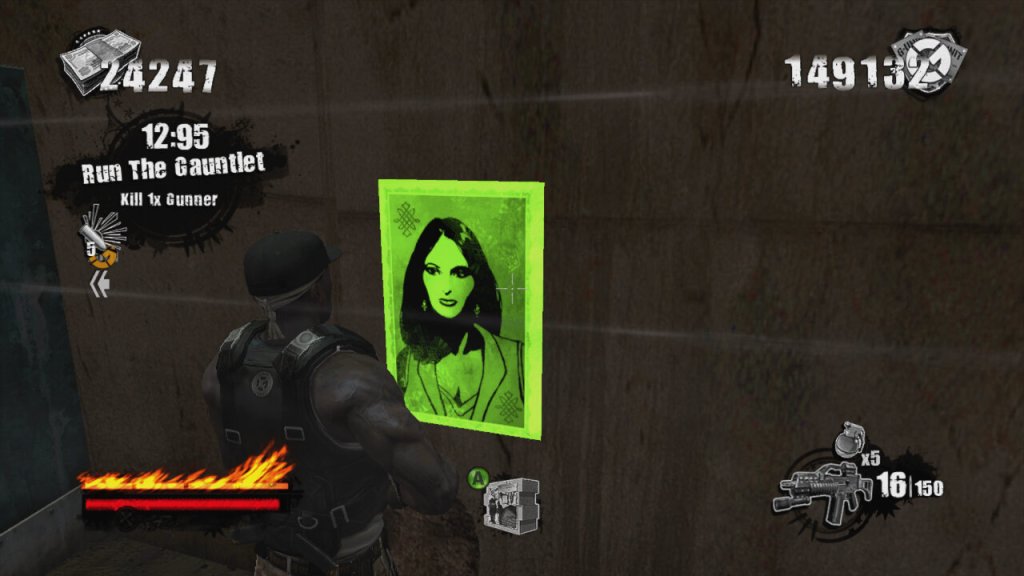
There’s also posters you can take down and targets you can shoot for extra points.

Breaking up the gunplay, you can also engage in hand to hand combat when you are near an enemy. By pressing B or Circle, you can beat the enemy to death when following the button prompts. You can also us the environment to take out groups of enemies.

Blood On The Sand was only released on consoles, the PlayStation 3 and Xbox 360, with the latter being made compatible on the Xbox One. Both versions are very similar in terms of performance and gameplay, the 360 version does keep a more stable framerate.

Blood on the Sand isn’t a game that’s going to win awards for innovation or narrative depth, but it delivers a fun, if not slightly repetitive, shooter experience wrapped in the persona of 50 Cent/G-Unit. It’s not perfect, but it’s a solid entry for anyone looking to mix up their gaming library.

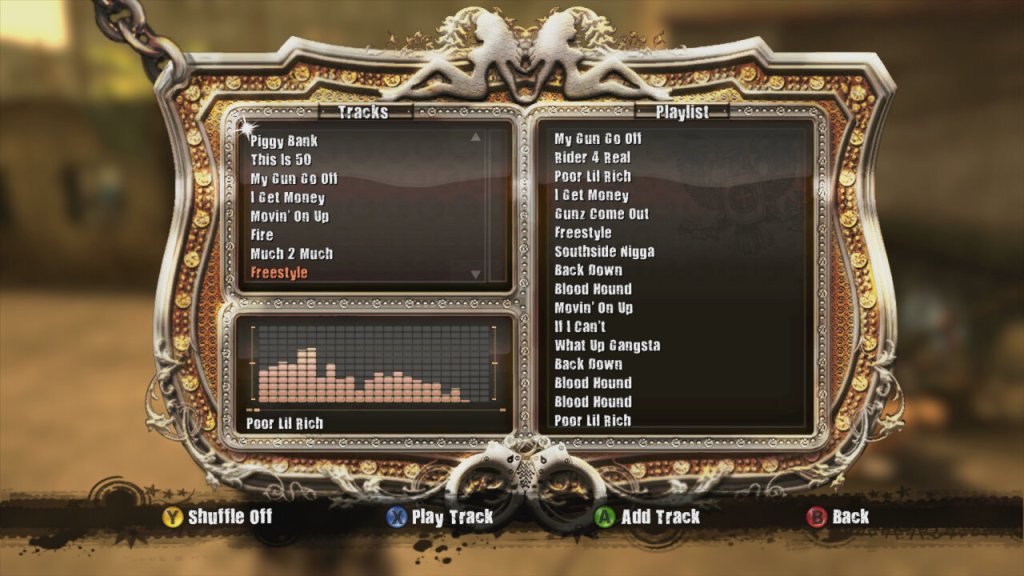
Music featured in the game, If HipHop isn’t your genre of music you can mute the music and use the console to play alternative music.

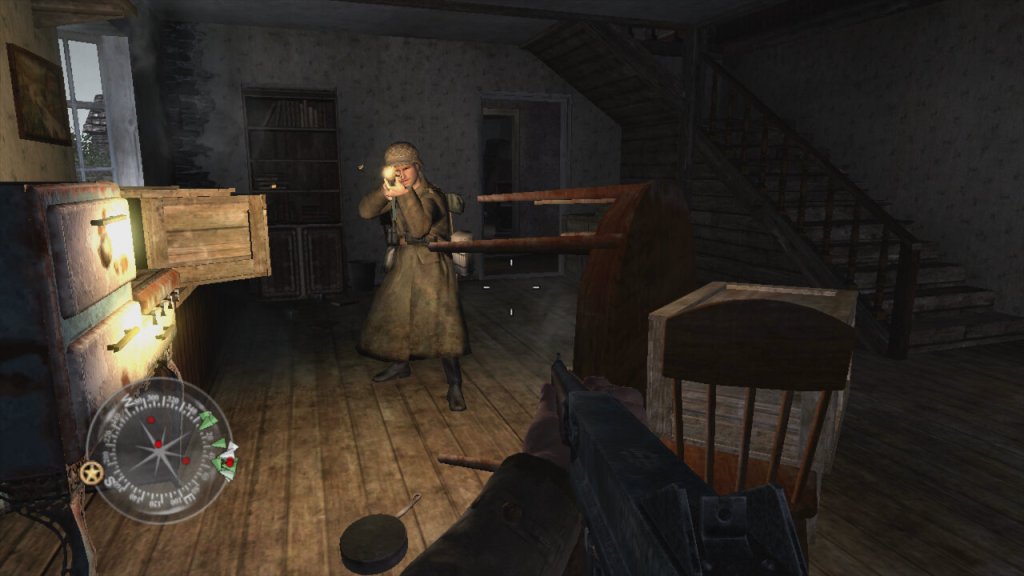
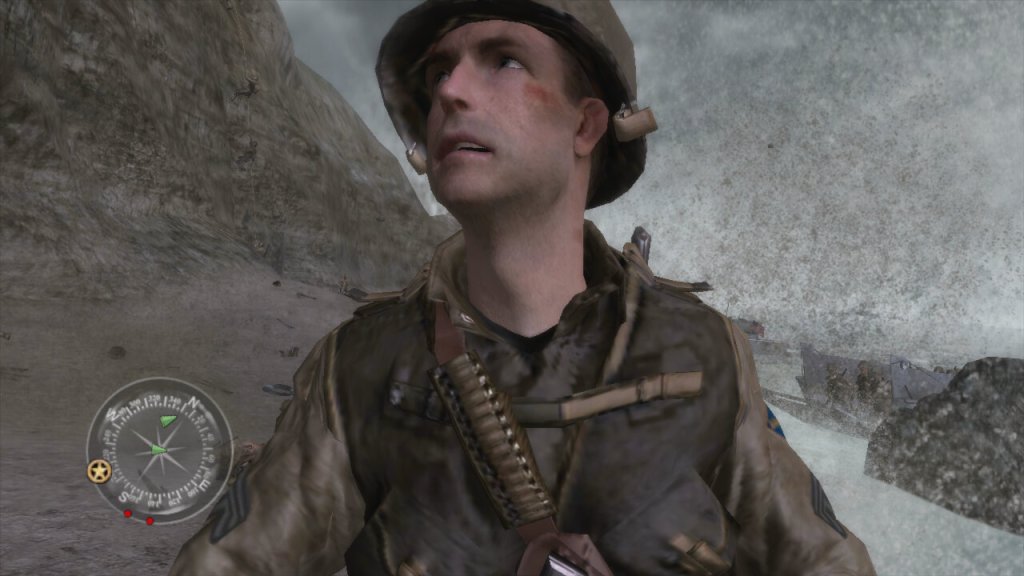
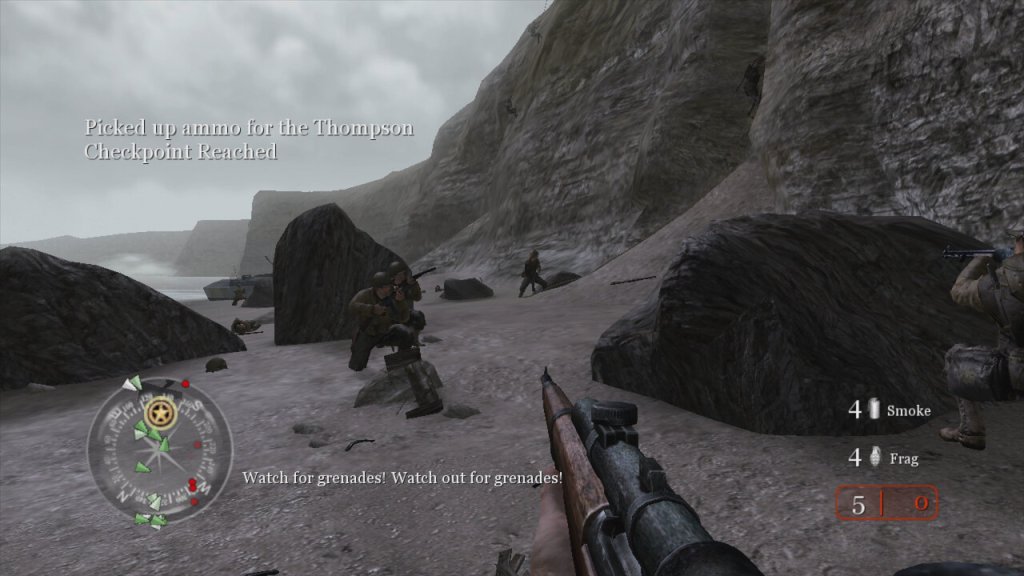
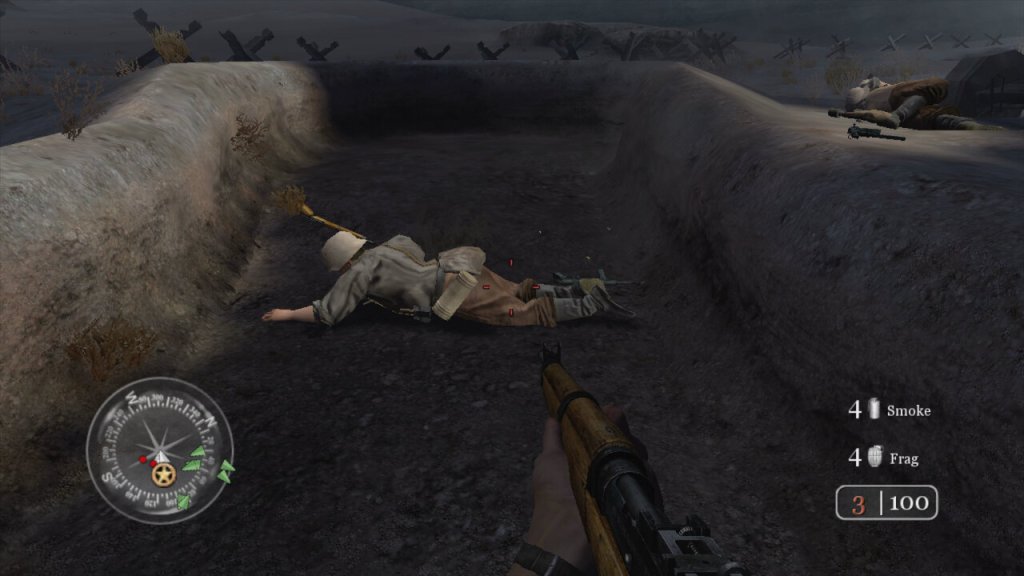
Call Of Duty 2

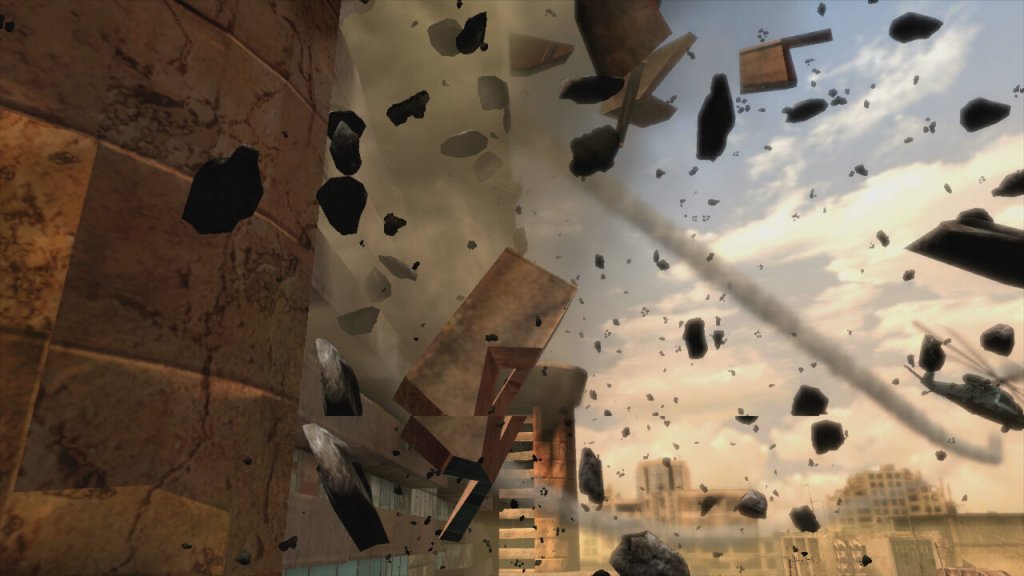
The second major installment, released in 2005 and a launch title for the Xbox 360. The game aims for a realistic portrayal of WWII combat, which includes historical accuracy in soldier uniforms, weapon models, and battle settings. Also not to forget the regenerating health. It’s the sequal to the original Call Of Duty and it’s console spinoffs.

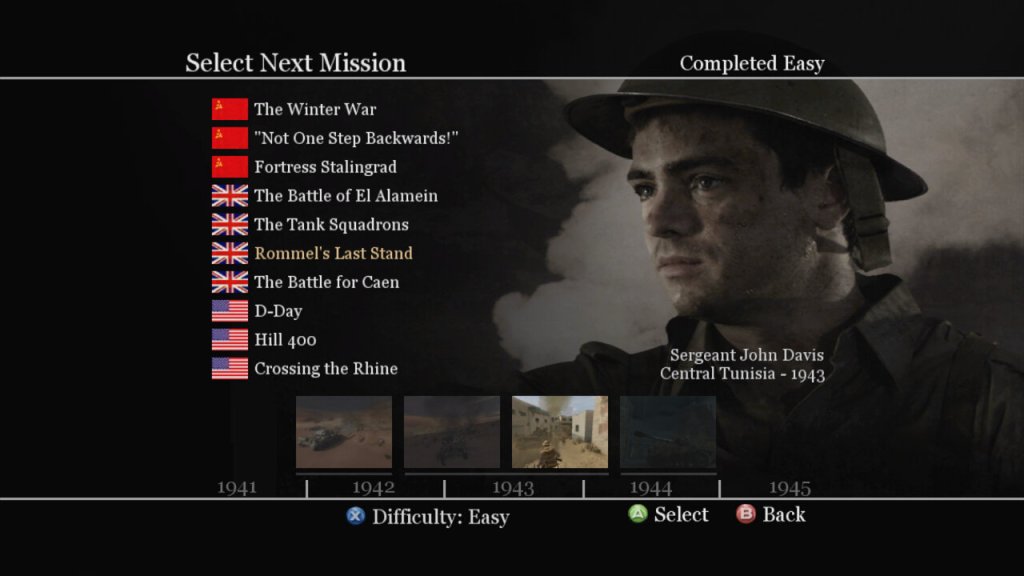
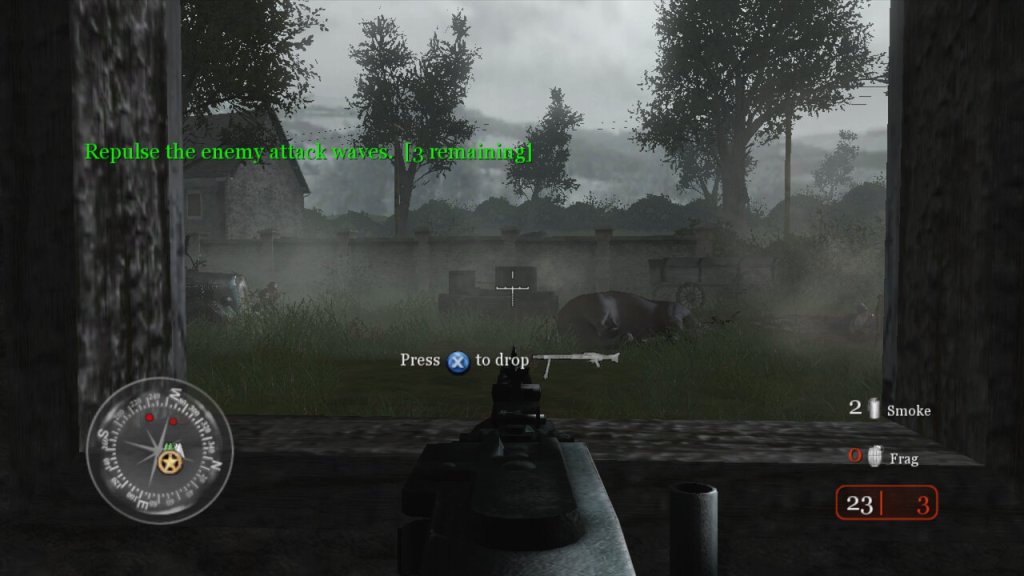
The story campaign is broken into three different arcs, with the narrative is told through the eyes of different soldiers from different nations (US, UK, USSR), giving a broad perspective on the war. Each mission is designed to feel immersive, with detailed environments, weather effects, and dynamic lighting, though the mission scripting can fail from time to time with some of the NPC characters getting stuck, preventing the mission from progressing. The game does autosave frequently to you can easily reload the last save when this occurs.
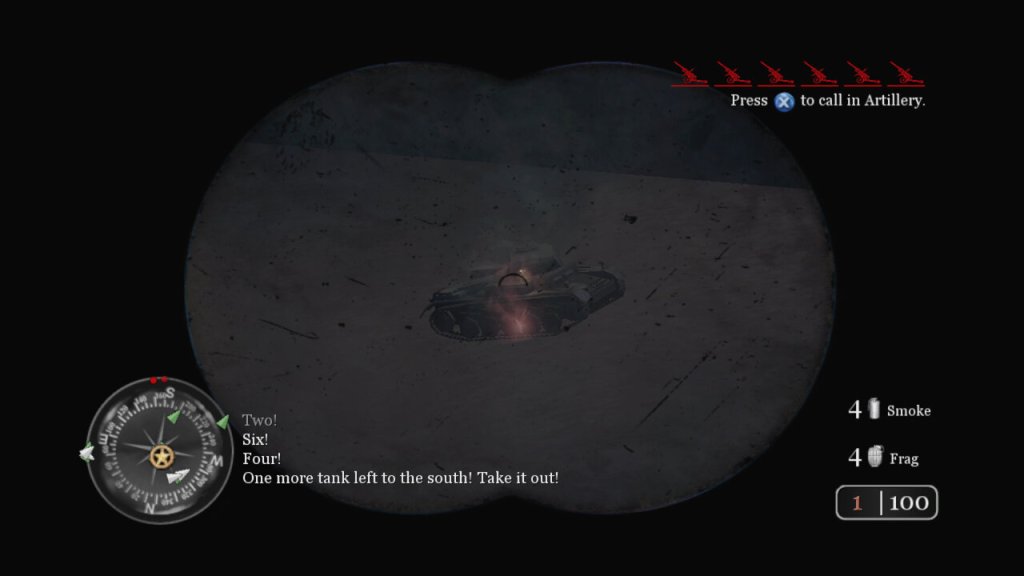
Missions are also pretty diverse, and sometimes you will be tasked to drive a tank through the fields, or use the mortar or snipers to take out distant enemies. Sometimes you will be tasked to hold out and wait for rescue to arrive. It’s a good way to break up the gameplay and to prevent the game from being monotomus.

Players view the game from the perspective of their character, using a wide array of WWII-era weapons to engage enemies in combat. Each weapon has realistic firing rates, recoil, reload times, and damage models, influencing player strategy and engagement. Instead of health kits, the game features health regeneration where players recover health over time if they avoid taking damage instead of having to collect and use healing items. While not a traditional cover system, environmental interaction is crucial; players can use walls, doorways, and terrain for cover.

As a World War II game, it deals with historical political themes due to its setting, but it also introduces themes that can be interpreted in broader political contexts. The game presents World War II through the perspectives of soldiers from the USSR, USA, and UK, emphasizing the nationalistic pride each soldier might feel for their homeland. This is particularly evident in mission briefings and the portrayal of heroic acts by soldiers, which could be interpreted as promoting patriotic sentiments.


The game’s focus on combat glorifies military engagement to an extent, showcasing the technology, strategy, and heroism in battle. This can be seen as a form of militarism, where military power is celebrated as a means to resolve international conflicts. By depicting the Allied forces working together, Call of Duty 2 subtly touches upon the theme of international alliances, suggesting the necessity of cooperation against a common enemy, which mirrors real-world political alliances formed during WWII.
WWII is often referred to as “the good war” because of the clear moral lines between the Allies and the Axis powers. “Call of Duty 2” reinforces this narrative by rarely questioning the morality of the war itself, which can be interpreted as a political stance on the justification of warfare when facing extreme ideologies.

Activision beating a franchise to death

Platforms

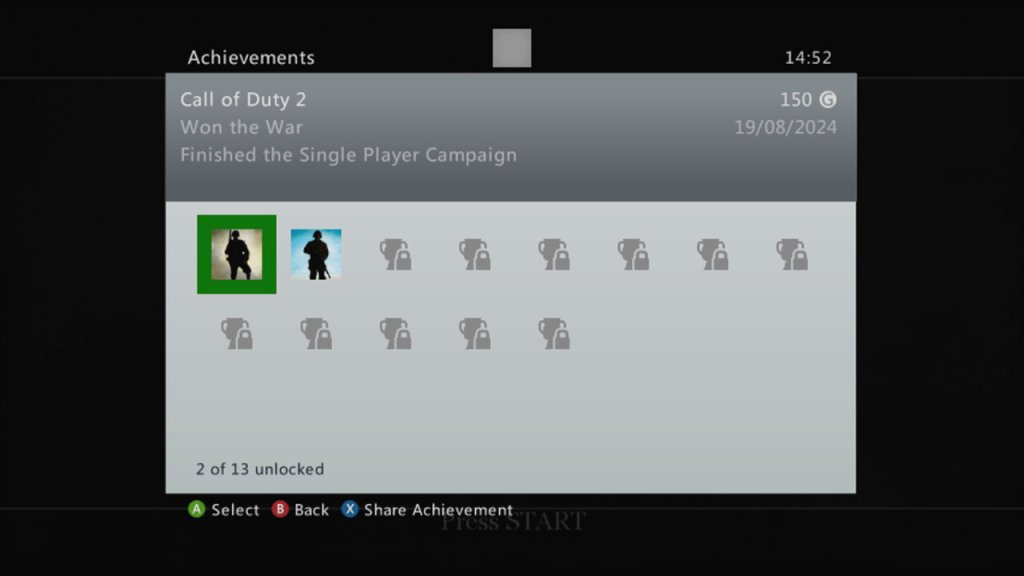
Call OF Duty 2 Achievemetns


Xbox 360 – This was a launch title for the Xbox 360 and was one of the only console ports of the game, not being released for the PS2 or the original Xbox. It’s odd since sequel, Call Of Duty 3, was released for these ageing sixth generation consoles.
The 360 version is also supported for the Xbox One and Series consoles. Being an early 360 titles, there isnt much achievements, but you get 50G for comleting traning, and 150G for finishing the campaign.

Xbox Live

Microsoft Windows – Released on the PC at the same time as the 360, you can still purchase this on Steam. You can also play this online, though I’m not sure how safe this is due to modern exploits being possible through the game’s engine. The game does come with PunkBuster, but it’s no longer updated.
Mac OS X – the game was ported to Mac’s running both PowerPC and Intel processors, through it needs a beefy G5 processor for it to run correctly. The Mac Mini with it’s G4 and Radeon 9200 will struggle to run this game. This version of the game no longer runs on modern macs since it remins a 32bit applications, thje latest version to run is macOS Mojavie.

Quantum Redshift

Xbox’s answer to WipEout, No relation to Quantum Break
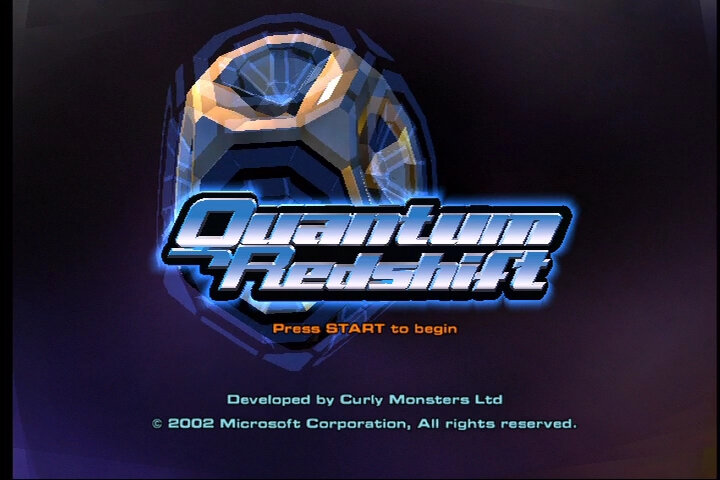
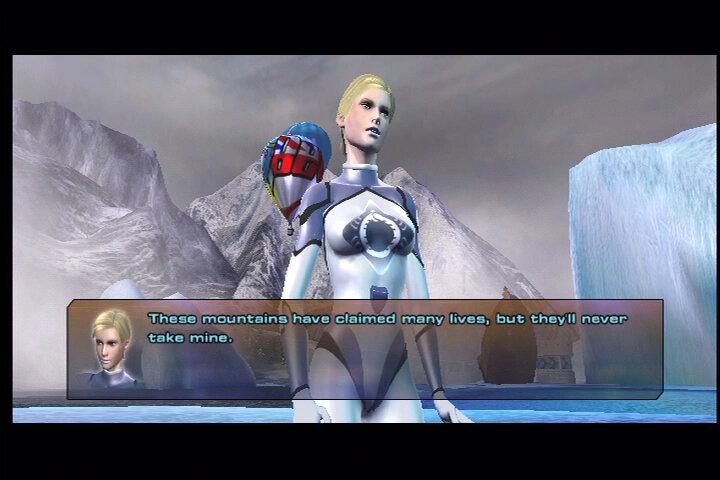
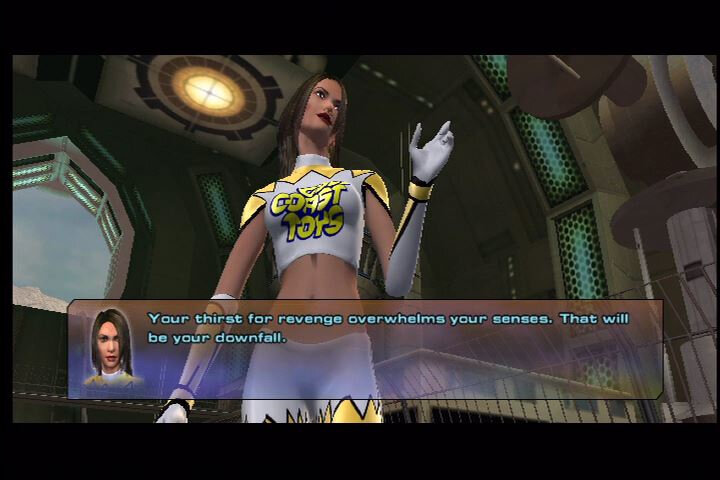
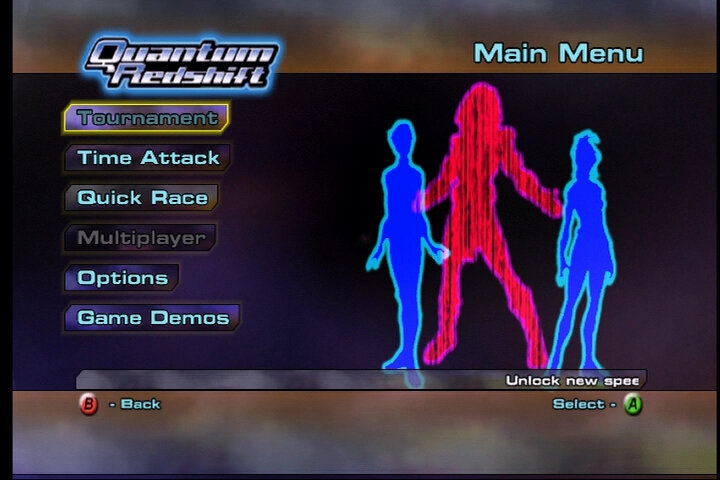
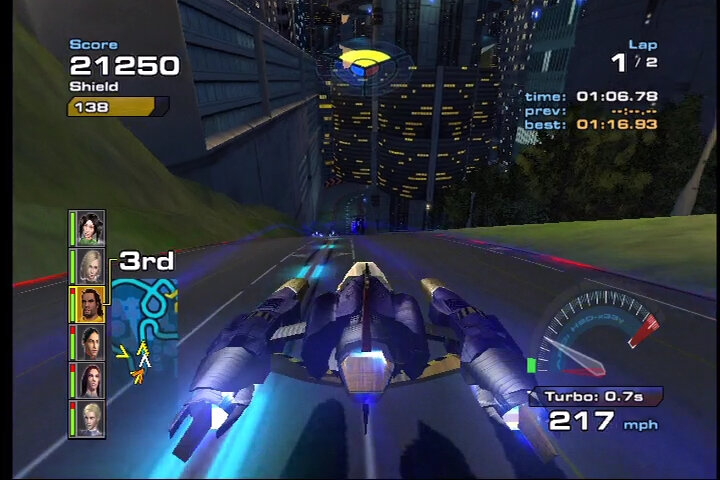
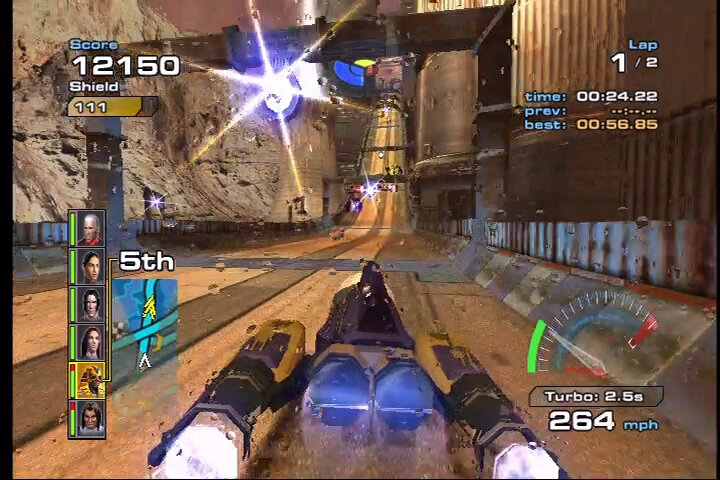
A futuristic racing game release exclusively for the original Xbox in 2003 by Curly Monsters, which would be the first and last game developed by the studio. It’s not a bad game but there are a few flaws, but defiantly worth checking out if you’re a fan of futuristic racing games.


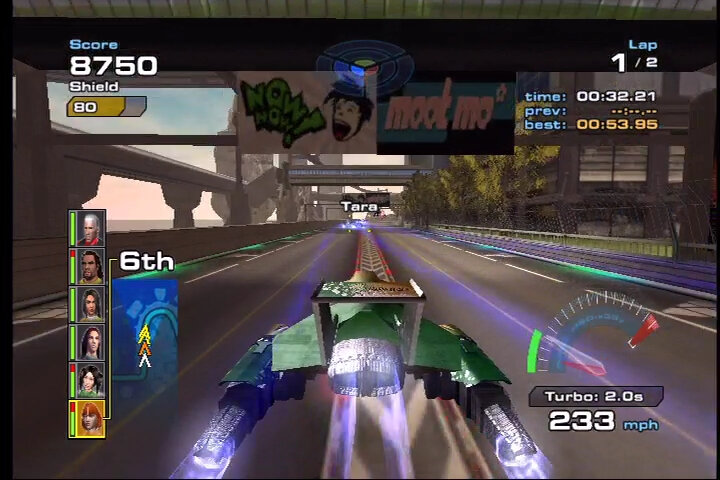
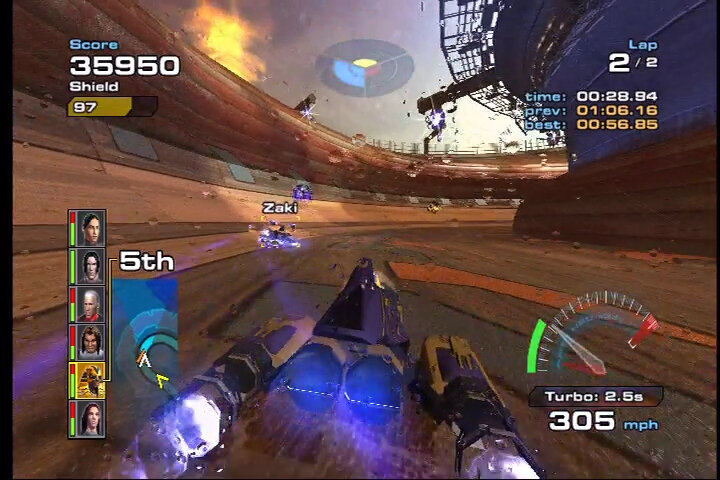
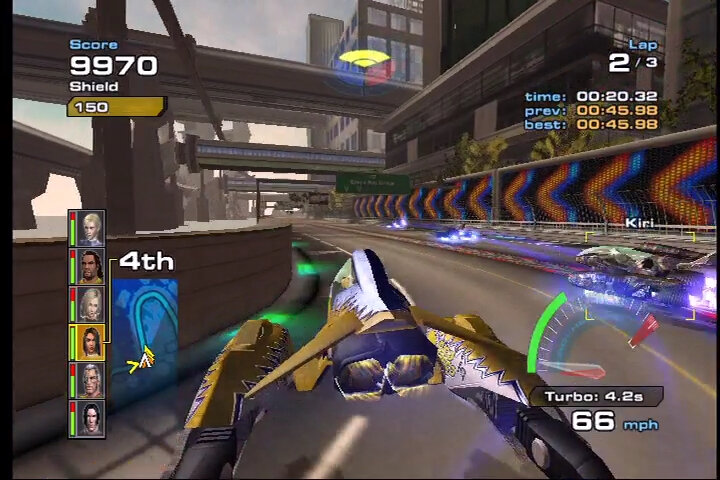
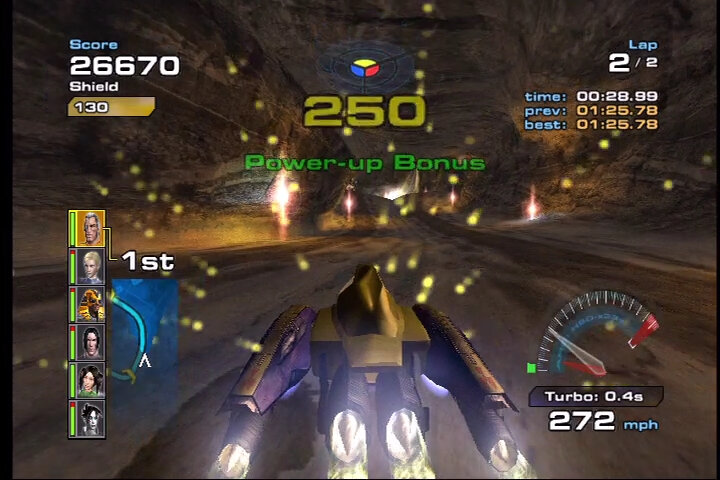
The graphics are one of there best for the original Xbox and really takes advantage of the effects the Nvidia GPU was capable of, with water lens effects appearing when your ship lands in the water, along with detailed textures that you would never find on the PS2. It certainly stood out from WipEout Fusion or Extreme EX G3 that were released at the same time.  The game also runs smoothly, with no noticeable lag or slowdown even during intense races, no matter how many ships are on screen.

Sound is where the game shines, with the soundtrack itself being composed by JunkieXL (also known as JXL, who is most known for that 2002 remix of an Elvis hit – A little Less Conversation). The music is segmented in sections that changes as you progress through the race, with some segments looping longer depending on your speed. This is similar to Tekken 4 on the PS2, or the arcade version of Tekken 3 that also progresses the soundtrack as you finish the rounds.

The music itself is your standard electronic/trance music that was also a main staple of WipEout and Extreme G3. But there is no support for custom soundtracks which was one of the exclusive features to the Xbox for that generation. Considering this game was built from the ground up for the Xbox, it’s odd that this feature wasn’t implemented.

As for the gameplay, it’s mostly the same as WipeOut but with a focus on combat and defence rather than speed, though you do travel at very high speeds on the later difficulties. You have to pickup powers which are either defence (yellow), homing weapon (red) or non-homing weapon (blue). Each ship/character has their own unique weapons that require you to master and seat specific points of the race, some will through grenade like weapons for when there are multiple opponents in front of you. 

Defence is also very important since your ship has limited life which when depleted, it’s game over. The game will warn you when an opponent is about to attack which will give you time to deploy the shield, providing you have picked up a defence power up. This isn’t always accurate and sometimes the opponents weapon will miss if they are far away or if you have passed a tight bend. It’s a bit of a gamble as you have to decide when to deploy your serene powerup (which gives a limited shield) or save it for later.  

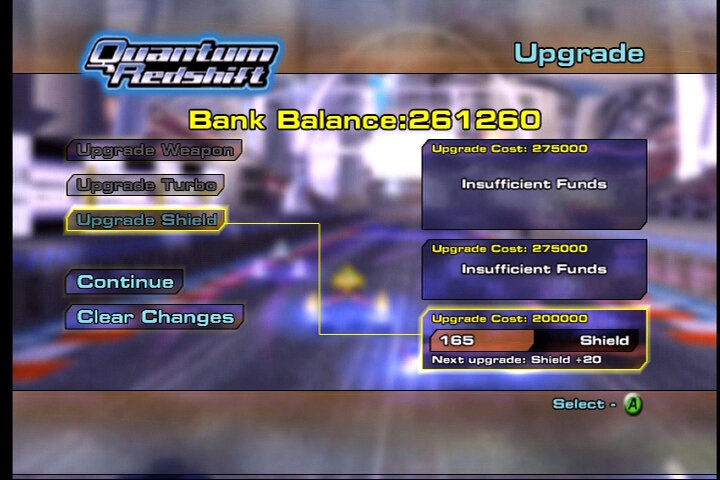
You also get turbo that refills after you complete a lap, initially you are limited to a few second of turbo but as you earn points, you can increase the turbo time you have. I usually recommend to save your turbo until the last lap, since the AI is a bit cheaty with speed boosts once you are in the lead, and you will have to watch out for enemy attacks.


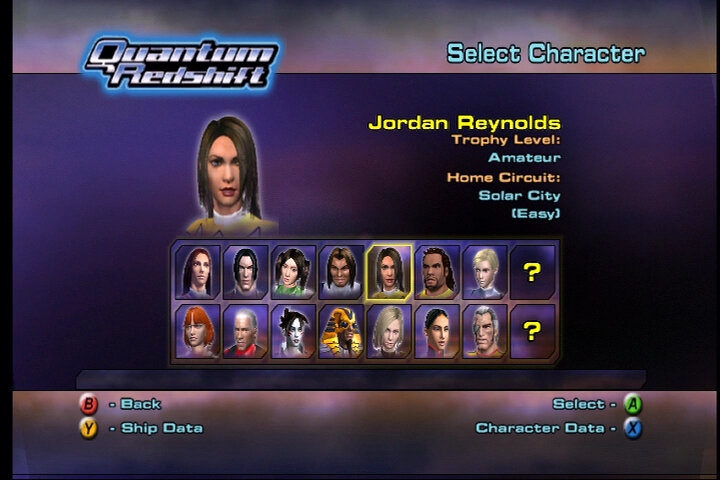
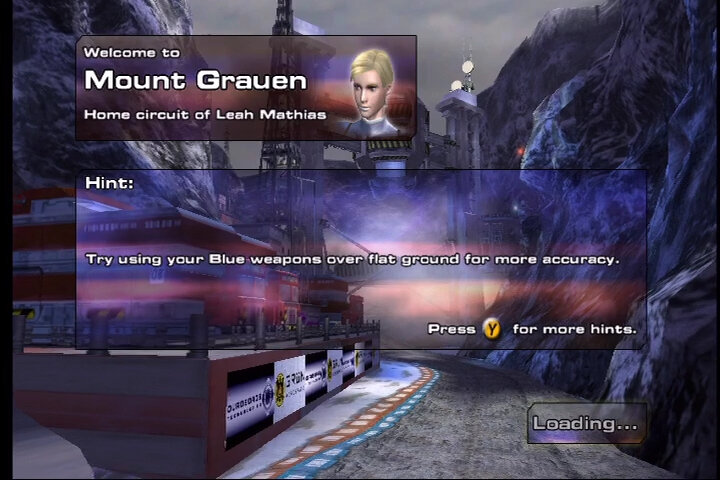
There isn’t much story to the game, mostly you are given cutscenes with your character and their rival before the race, some characters have a backstory that unfolds as you complete the races, and will need to complete the expert difficulty to view and unlock the complete set of cutscenes. Unlike WipEout, there is more focus on the character itself rather then the ships. The characters themselves are pretty diverse, being located around the globe though thankfully most of them speak English. Each character has a main rival that you will have to face in a duel in order to win, they also have a ‘home’ track depending on where the characters originate from. The voice acting is a bit cheesy and feels like you’re watching a budget soap opera, and most of the racers personality come off as arrogant and cringy. If you’re familiar with the cutscenes from fighting games like Dead Or Alive 2 or Tekken 5, its a very similar setup.

The racing tracks are also pretty diverse and varied, with interesting loops and bens that require precisions and mastery of your ship to win. A nice touch as the countdown voice being in the language where the track is set, Fukoushou City being in Japanese and Kalu wastelands being in Russian.

Despite the flaws, it’s a very nice looking game, and it defiantly is a worthy opponent to WipEout, competing favourable with WipEout Fusion. It’s one of the many true Xbox exclusives that are worth playing and preserving and it’s tragic it never got a sequel or a remaster. 

Also since it was released early into the Xbox life cycle, it lacks support for online play for Xbox Live, nor any support for downloadable DLC. The game was made comparable for the Xbox 360 but has yet to be made compatible with the Xbox One.

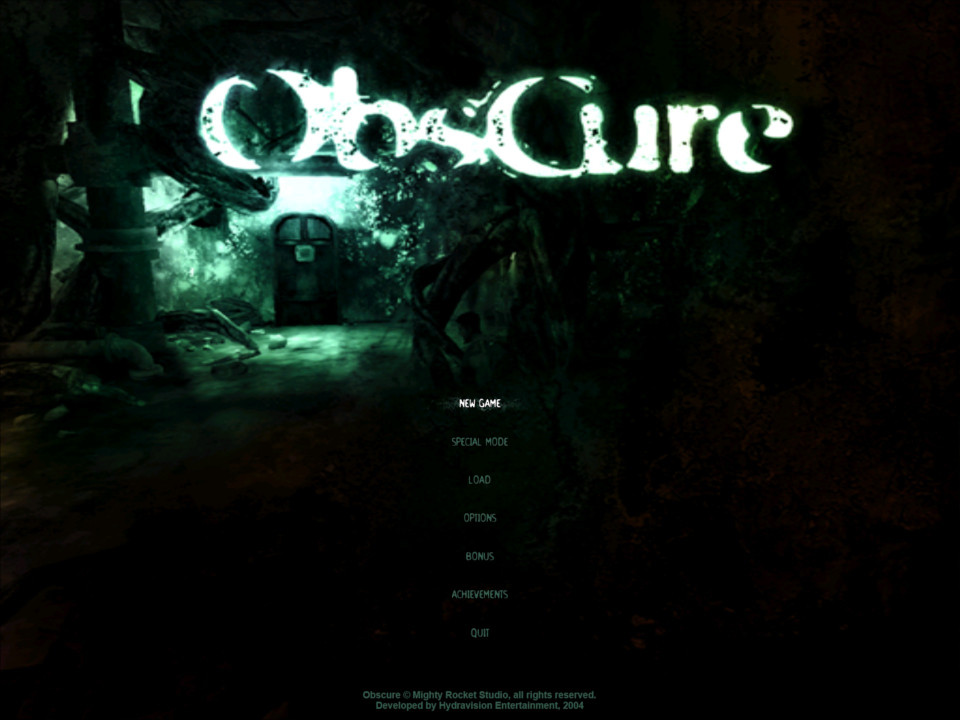
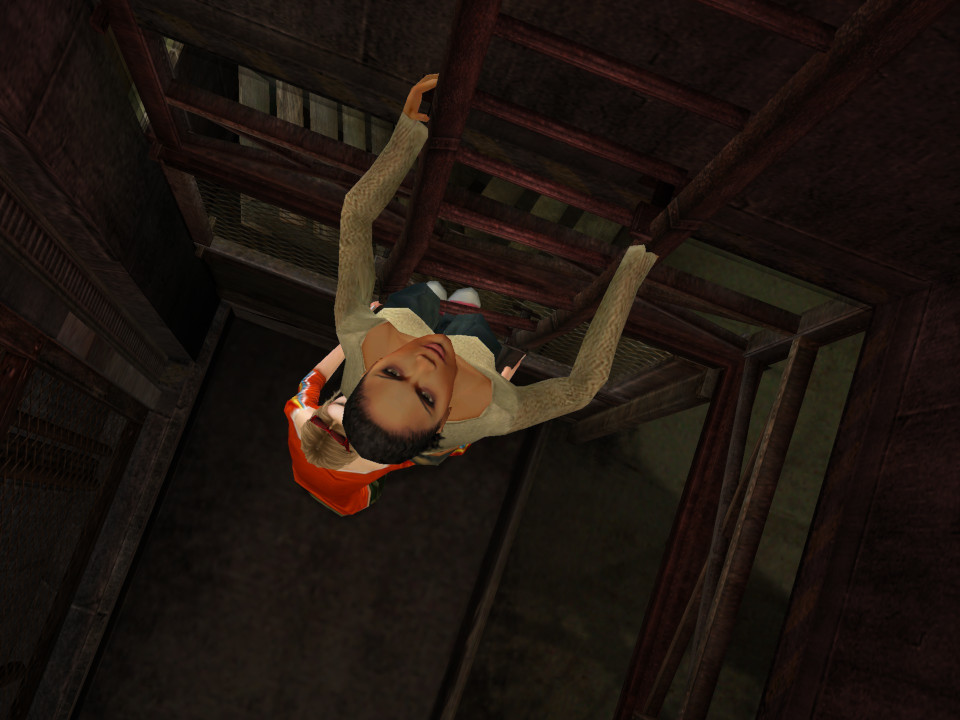
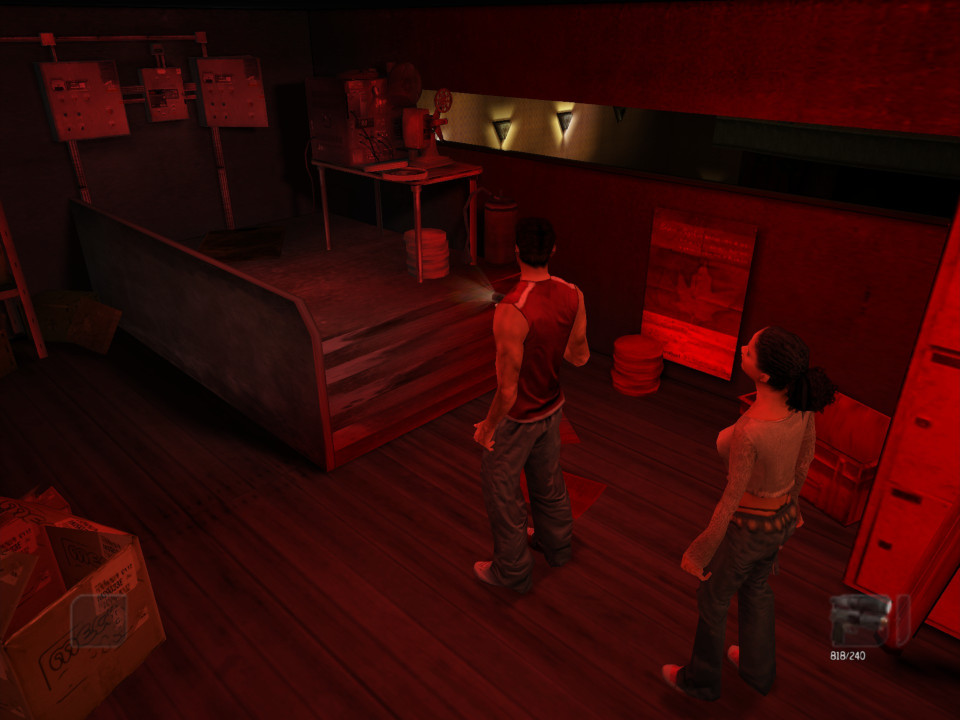
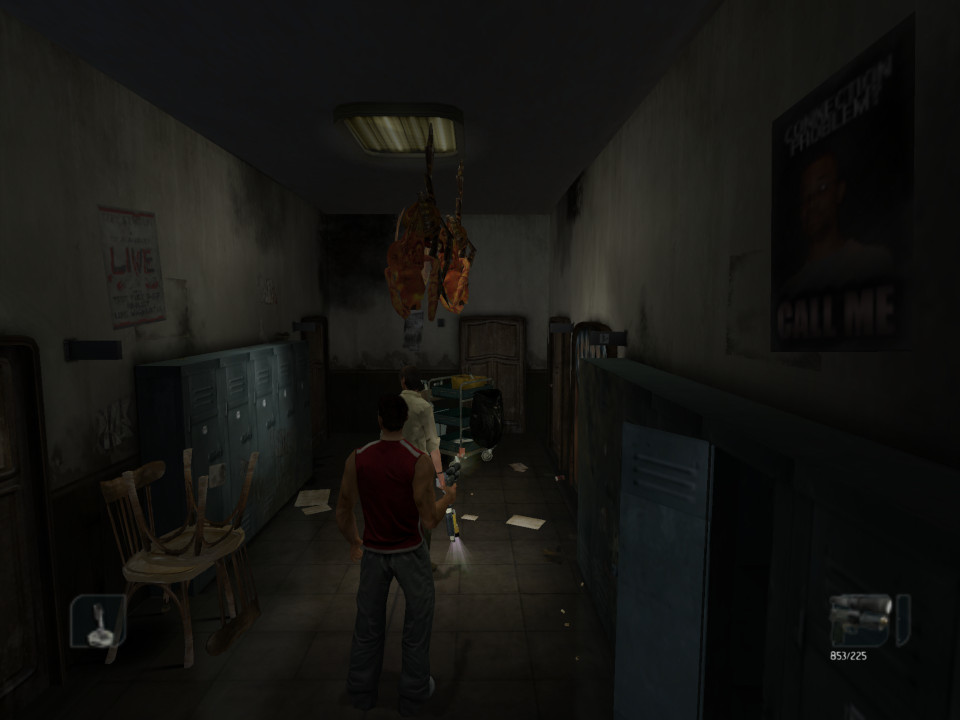
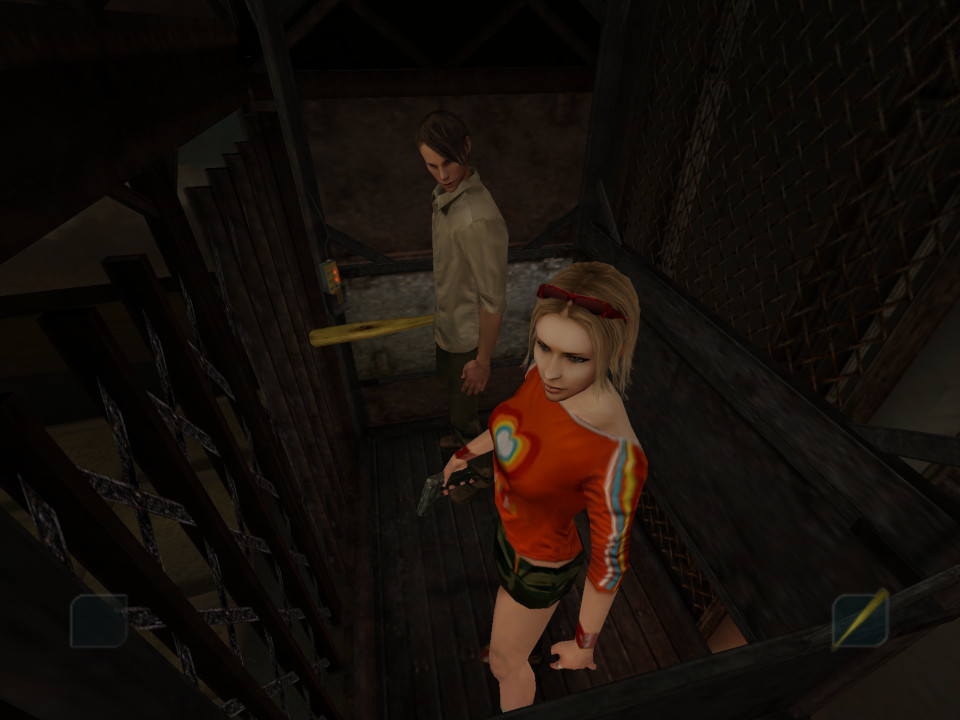
Obscure

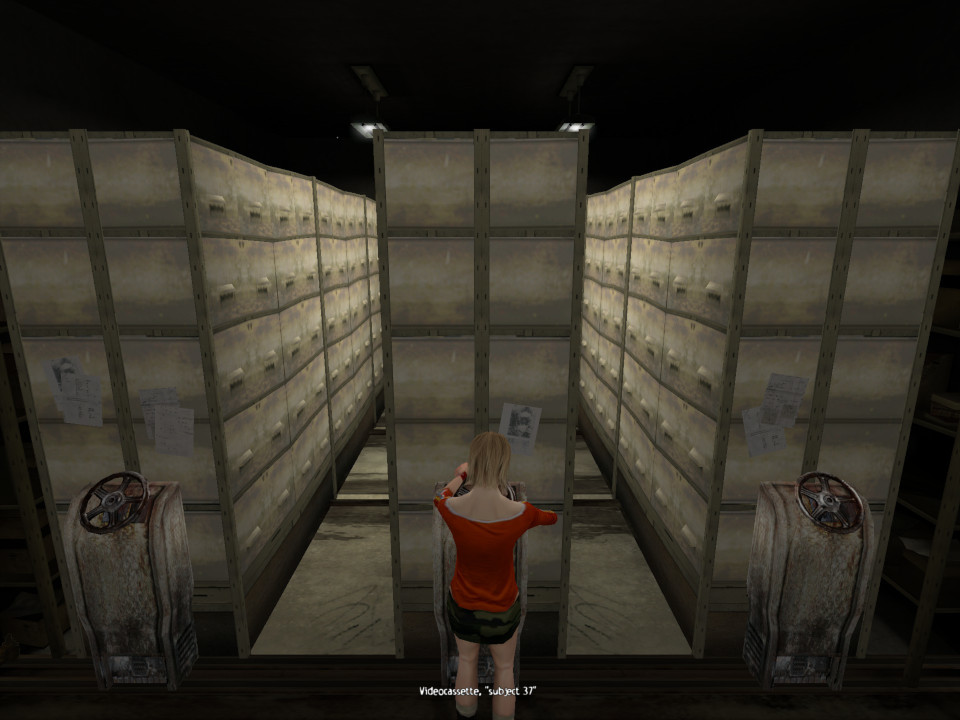
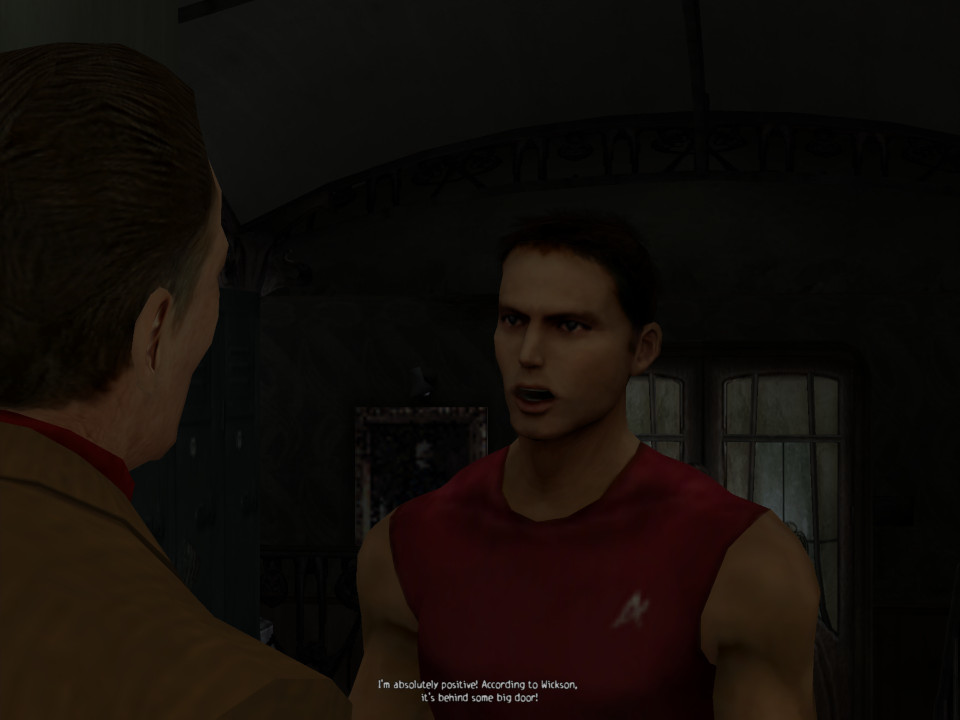
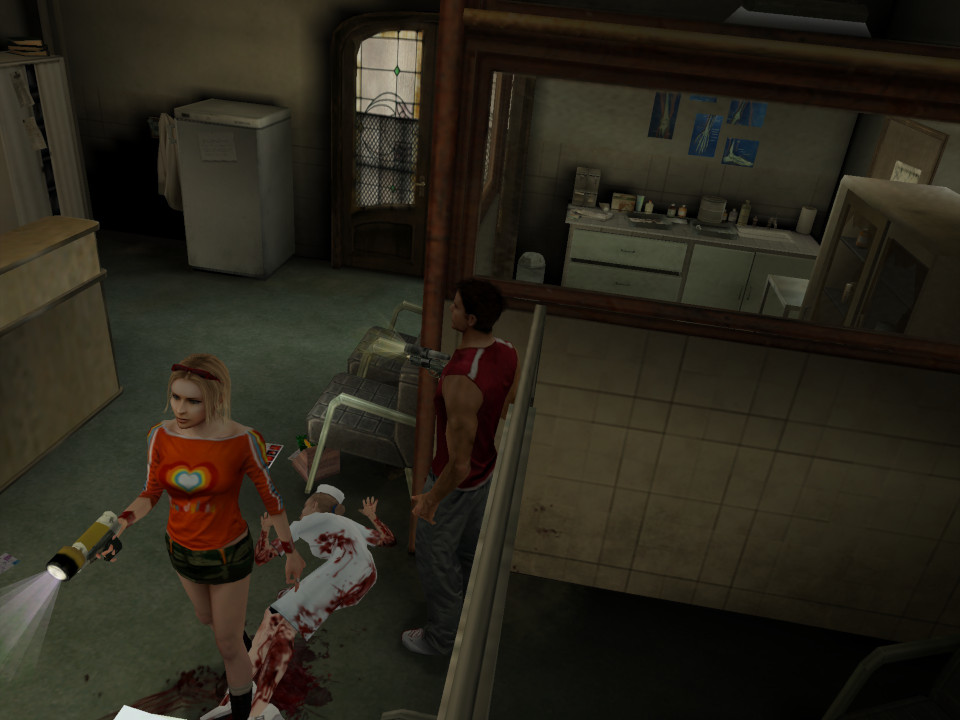
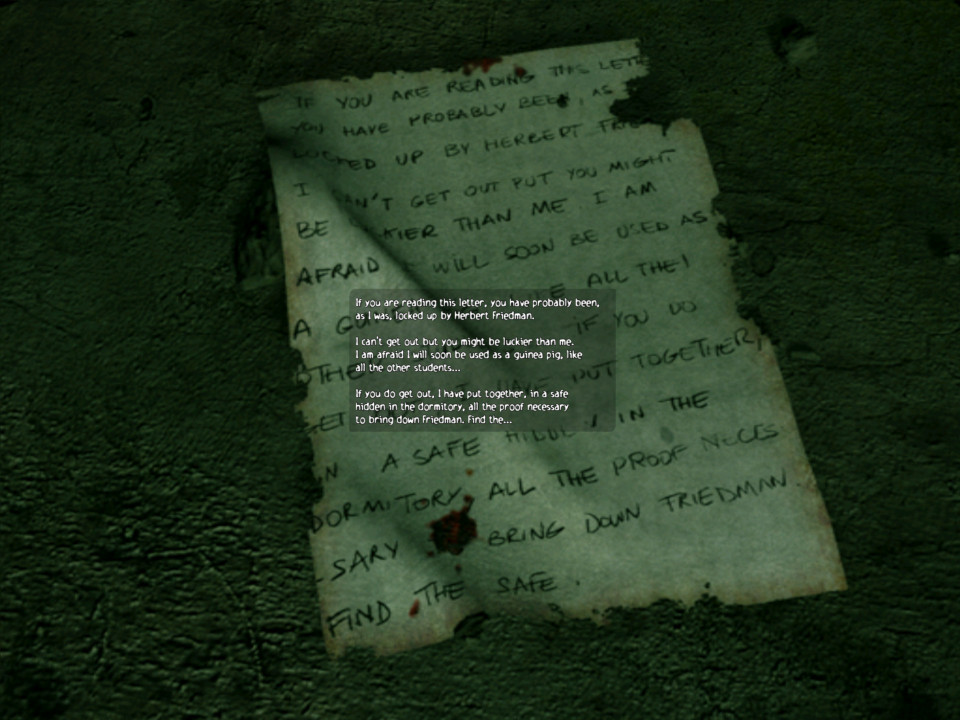
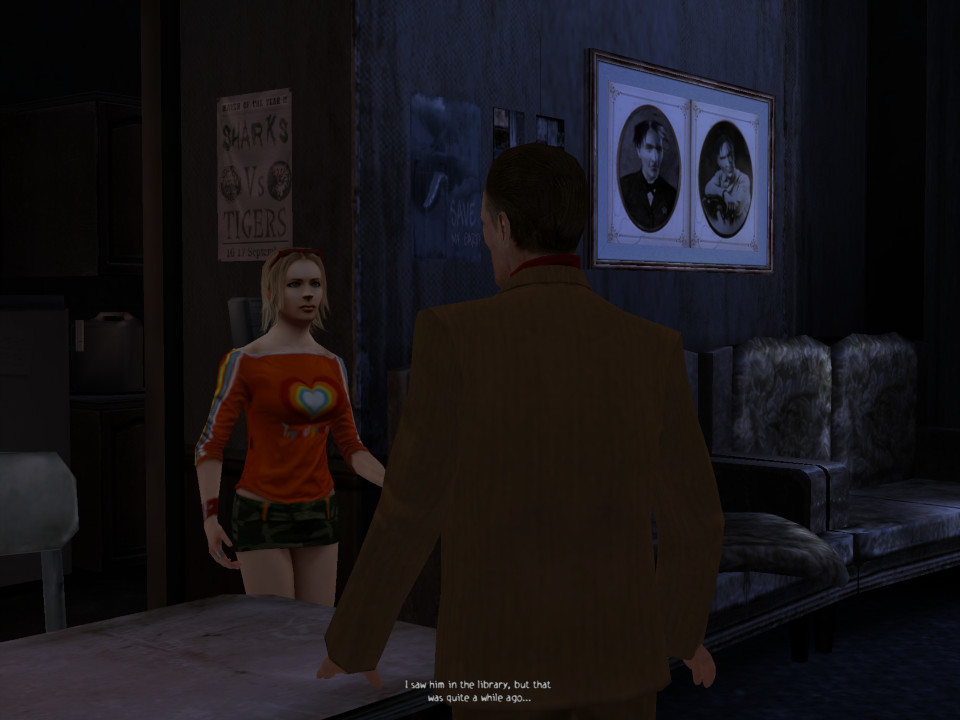
A horror game released in 2004, developed by Hydravision Entertainment. Set in a fictional high school where a bunch of students must uncover dark secrets of their school after one of their friends goes missing. It’s a survival horror game that features some co-operative elements.

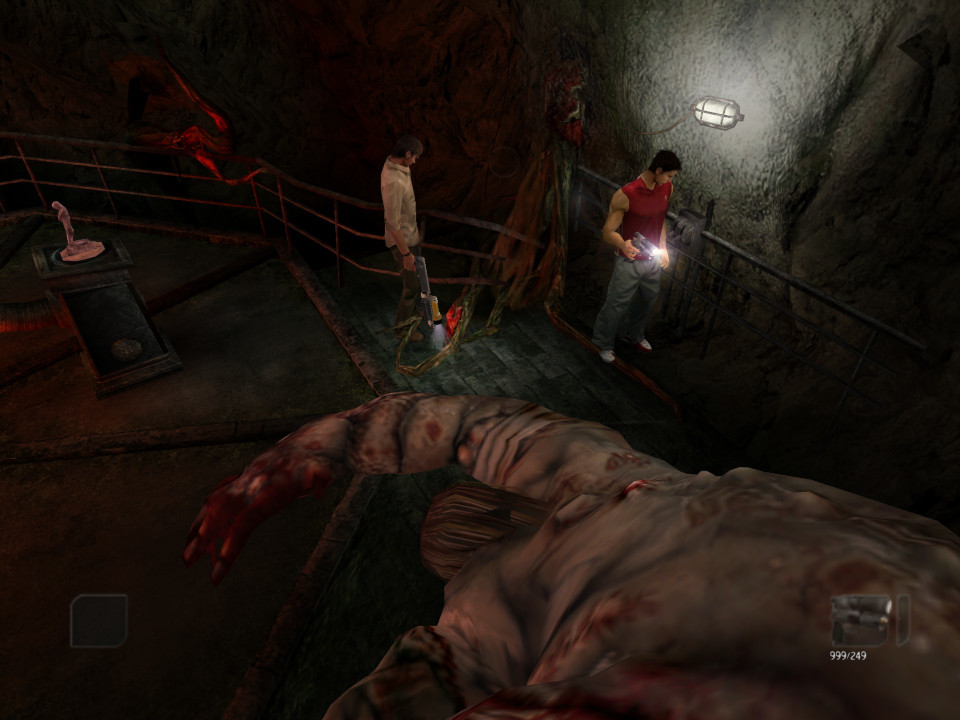
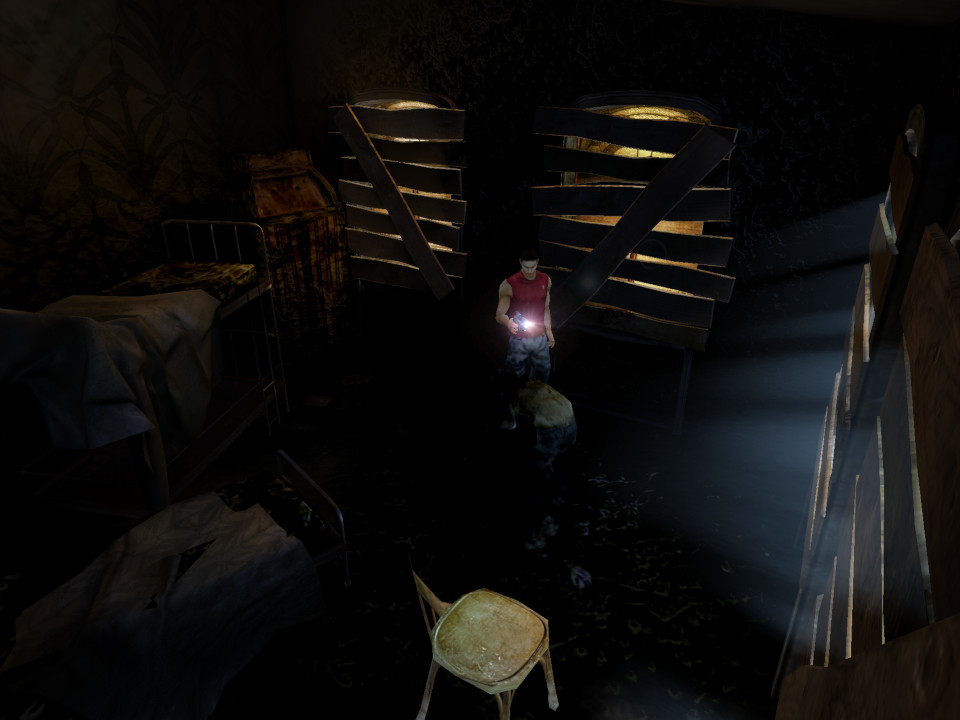
There’s a few puzzle’s that require you to acquire and use certain objects present around the school. Since the game starts after school is over, the earlier levels are set in the evening time and are a lot brighter, with it soon becoming night as the game progresses. As the enemies are sensitive to light, this makes the first few chapters easier since light will weaken them, proving you use a melee weapon to smash open the windows.

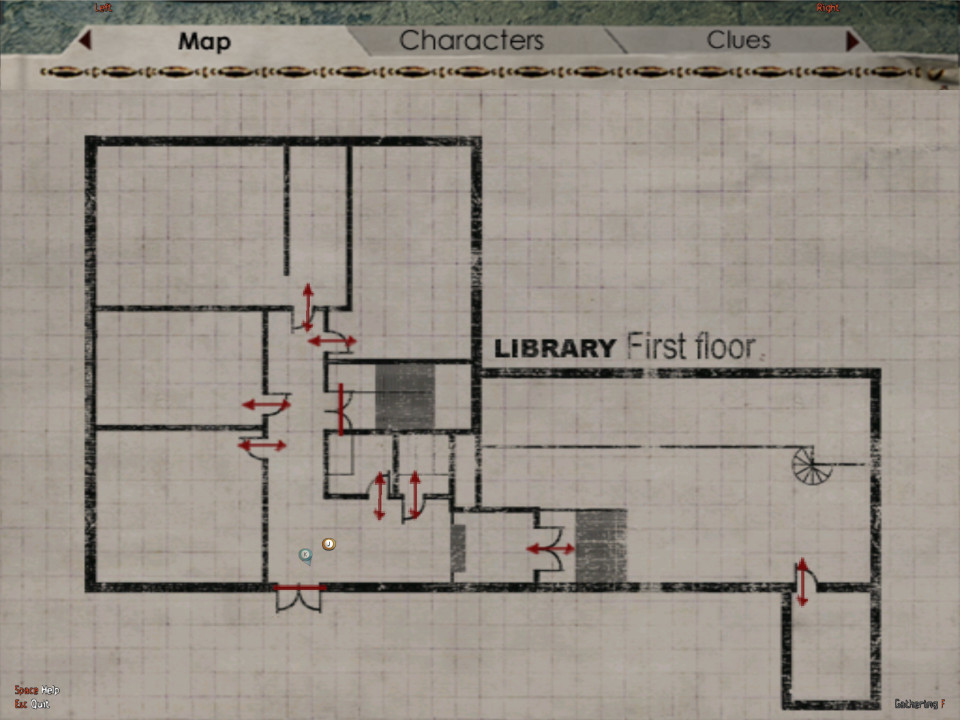
Whilst the game provides a map, there is no navigation or cursor to help assist you, meaning you must manually locate the objectives to progress the game. This can be frustrating as you will often need to backtrack through certain area’s and its easy to get lost or go around in circles. I would advise to seek a walkthrough if this is your first time playing the game.

The game uses a limited save system, you can only save the game when you collect a compact disc, of which they are limited depending on the difficulty level chosen.
Bullets in the game are also limited, so you must conserve your ammo when possible. The game gives you melee weapons at first which are useful for smaller enemies, and for breaking objects to get energy drinks (that restore a small amount of health), later you are given a pistol and a shotgun, along with more powerful enemies to deal with.
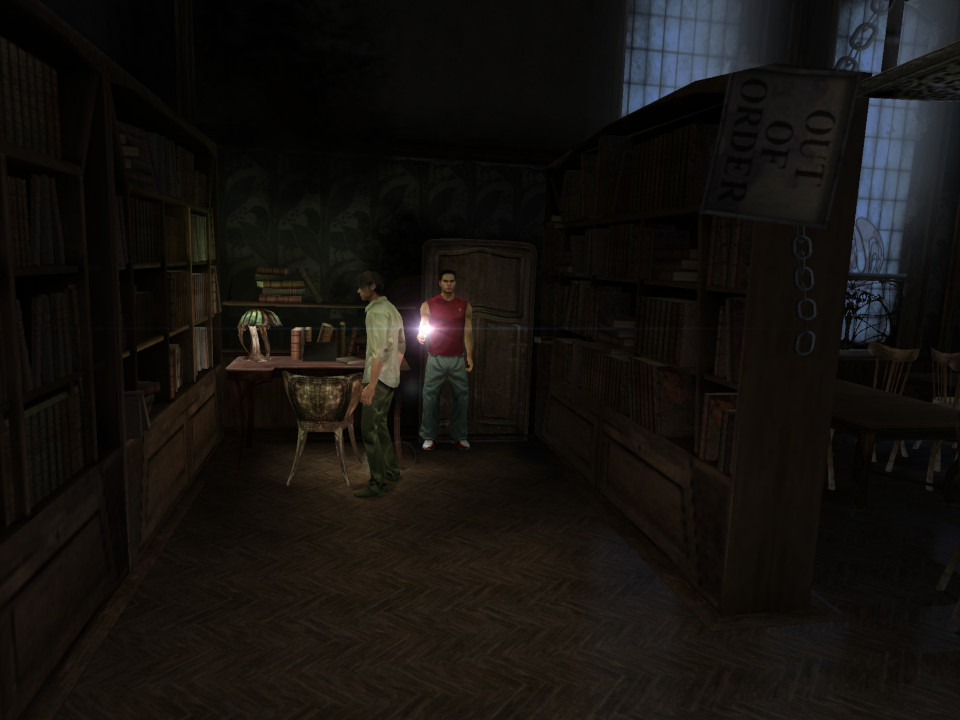
You can also pickup torches (flashlights) which can be combined with guns using tape to increase the visibility in darker areas, of which there are a lot. This is one of those games where you need to whack up the brightness of your TV to see.

There are multiple characters in the game which you can switch between, each has a few perks exclusive to that character:
Kenny: Has the ability to run faster, might be more resistant to enemy attacks
Shannon: Kenny’s younger sister, The most useful for first time players since she will give hints on what or where we should be
Stanley: Picks locks more quicker, could be useful in enemy combat or speed running
Josh: A reporter for the school newspaper, Finds hidden items and clues to them
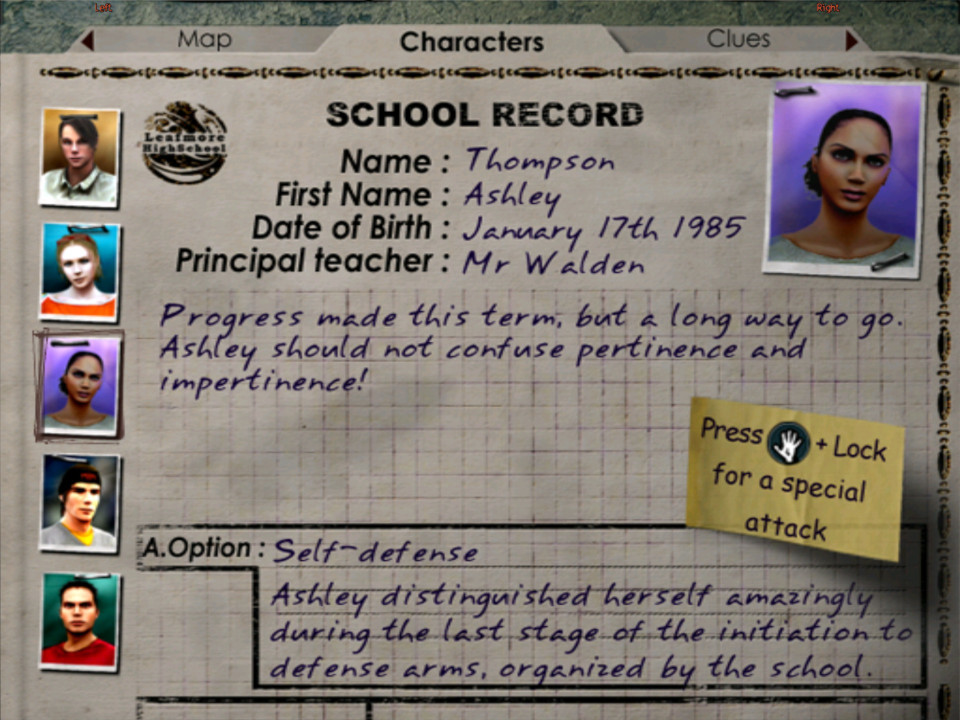
Ashley: Kenny’s girlfriend who a badass, she’s better when it comes to combat as she has a combo attack

These characters will slowly be rolled out as you progress through the game, but be aware they can die as certain points if you run out of health or during cutscenes if you leave items in a certain way. Up to two characters can be active at a time, one that you controller with the other being controlled as an NPC, you can easily switch between the two but to swap out to the other character you must return to the meeting point. It’s sort of like Scooby-Doo where the gang will split into different groups, thought the other group will just stay at the meeting spot.
From time to time you will encounter some of the teachers within the cutscenes, who will detail what is going on with the school. Many cutscenes will take place in engine if it involves the students since they can have different costumes, scenes involving monsters or NPC’s will be prerendered.

The game was released for the Original Xbox, PlayStation 2 and Windows in 2004, there’s no major difference between them with the Xbox having higher resolution textures compared to the PS2. The Windows version was later released on Steam with achievement support. The console version might have easier co-operative support since you can just plug in a second controller, but they do not appear to be compatible with their successor consoles.

The original release of the game comes with a few extra’s such as a Sum41 music video, and New Game+ being unlocked along with some concept art. There is also some behind the scenes footage which shows the game’s development. Sadly it was never made compatible with the modern consoles, so you will need an original PS2 or Xbox (or an emulator) to play.

Terminal Velocity

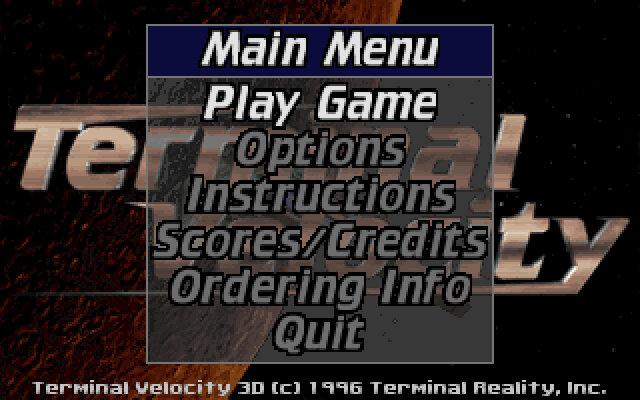
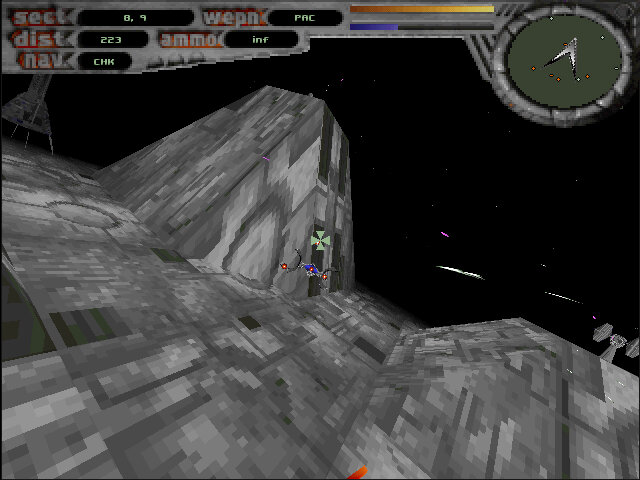
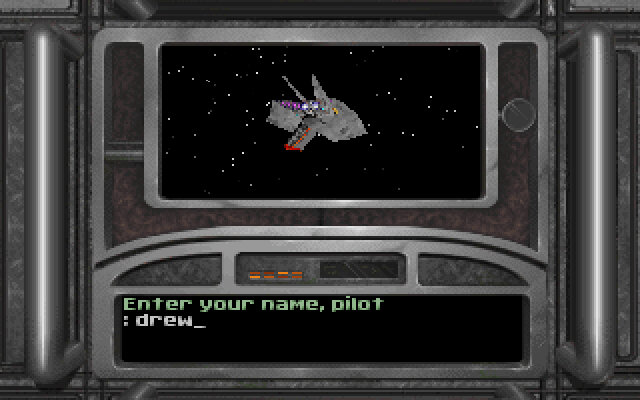
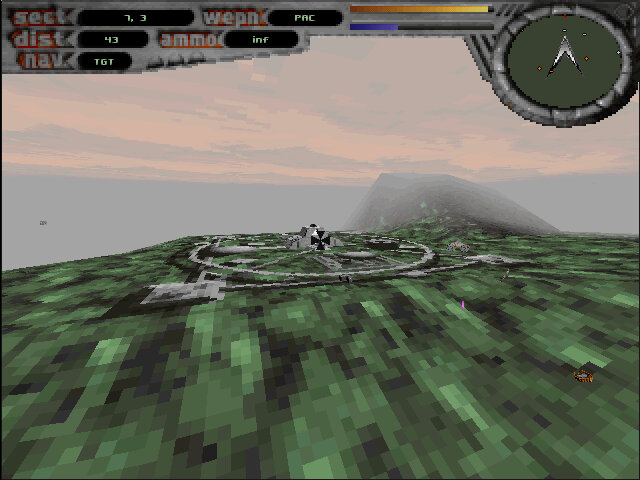
A flight combat game, very similar to Fury3 where you have to fly around and shoot stuff.

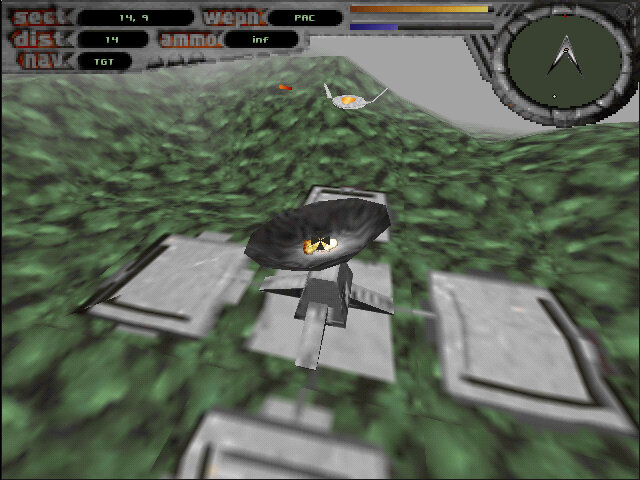
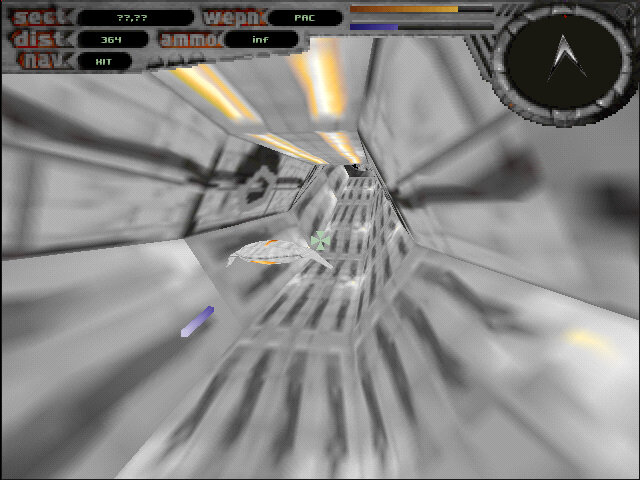
The game comes with various missions with multiple objects that require you to destroy enemy ships and locations in order to progress. Some objectives require you to fly through a deathtrap tunnel where you have to avoid obstacles to prevent damage to your ship.

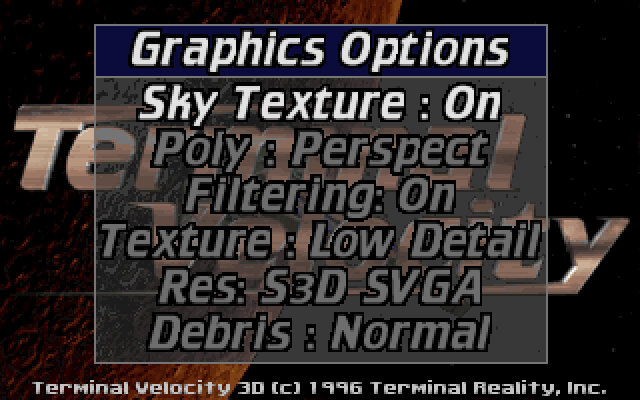
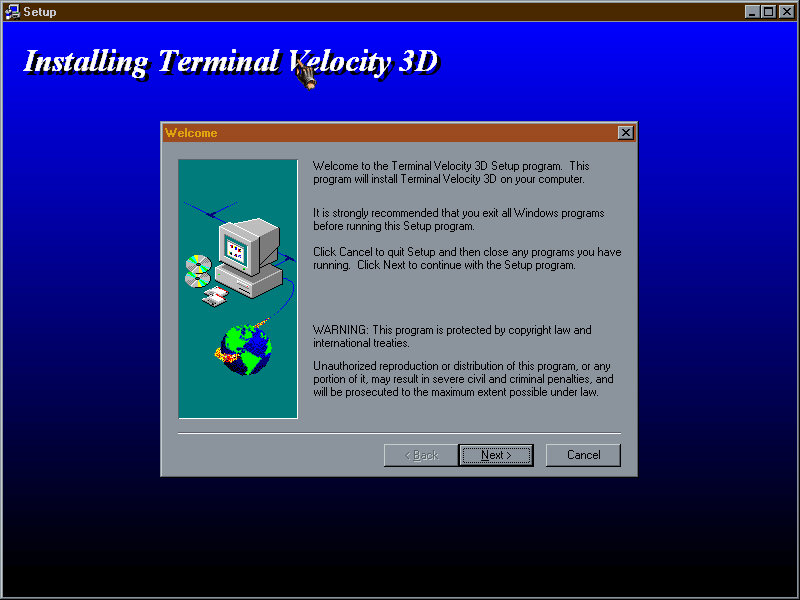
The game was released for MS-DOS, with later 3D patches becoming available for 3D video cards like the S3D S3 ViRGE graphics card. These versions make use of the hardware acceleration features that can improve the features for the graphics of the game including texture filtering. The S3 ViRGE isn’t that much of an accelerator, with a strong Pentium being able to match or provide improved performance on software rendering alone. Still if you are using an AMD or Cyrix 5×86 chip, the S3 provides a good improvement.

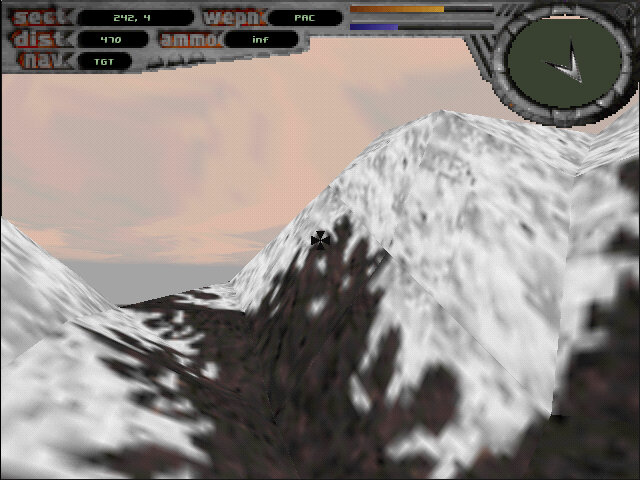
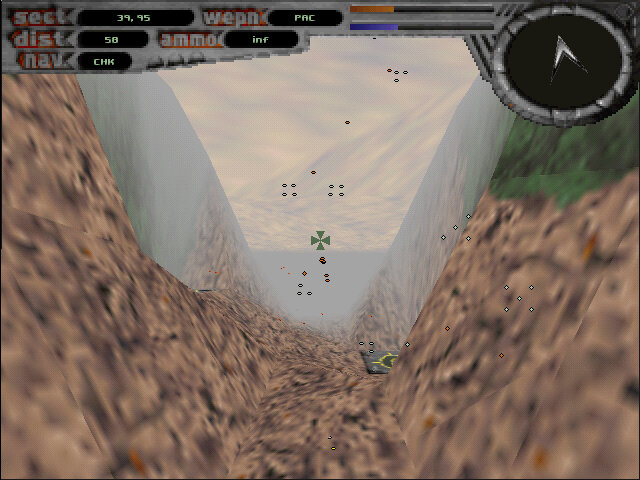
The levels themselves are large and vast, allowing you to simply fly around in a sandbox environment. As such it’s a perfect demo to test a brand-new 3D graphics card.

The shareware version is the most common and was bundled with some OEM graphics cards as a showcase for what their video card was capable of. This only includes three levels/missions with more that can be unlocked by purchasing the full version of the game. Sadly the only unlocked version is the non-accelerated DOS version.

There was also a port for MacOS that runs in software mode, unlike other 3D titles this was never ported to a fifth-generation console.

Destruction Derby

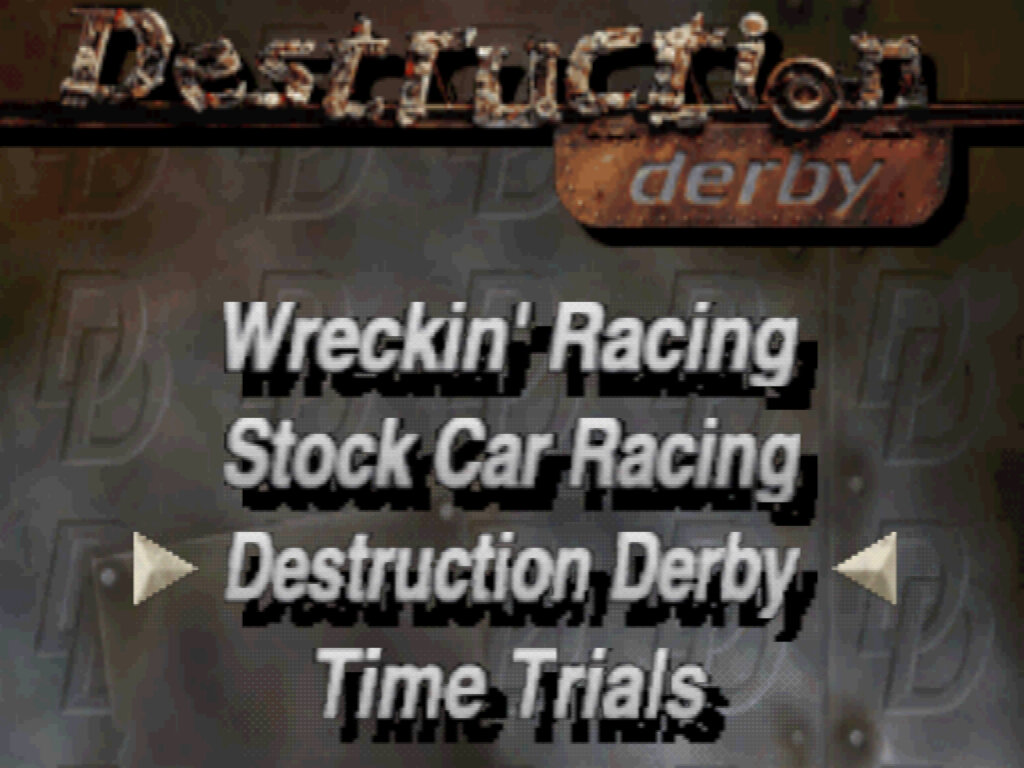
A racing & combat game, developed by Reflections (Who went on to produce Driver) that was released in 1995, at the begriming of the 3D gaming revolution. In Destruction Derby, players compete in demolition derby-style events where the objective is to crash into opponents’ cars to damage them while trying to survive and be the last car running. The game features both racing and demolition derby modes:

Destruction Derby Mode: In this mode, players compete in arenas specifically designed for vehicular combat. The last car that remains operational wins the match. Players can earn points by inflicting damage on opponents’ vehicles.
Wreckin’ Racing Mode: This mode combines racing and demolition derby elements. Players race around circuits while attempting to wreck opponents’ cars. The winner is determined by a combination of finishing position and damage inflicted.
Stock Car Racing: Traditional racing mode where you finish a race of multiple laps
Time Trials: Similar to Stock Car Racing, but you have to aim to get the fastest lap time. Getting the quickest time will allow you to enter your name as a high score.

Each mode can be played in practice, championship, dual or multiplayer mode.

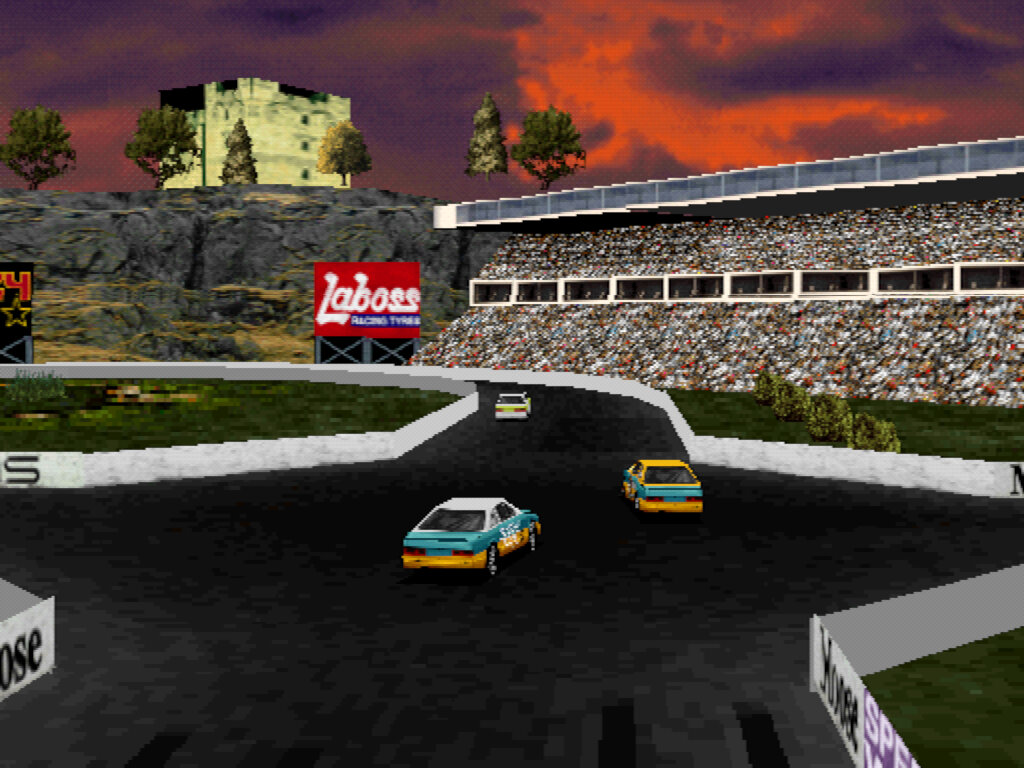
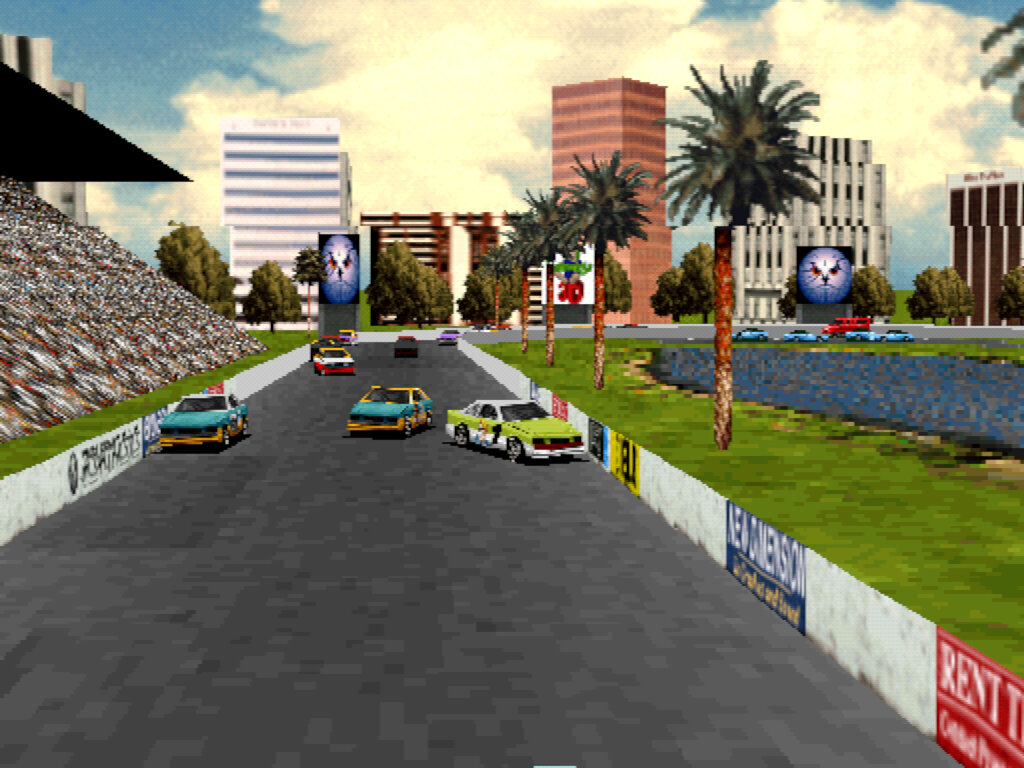
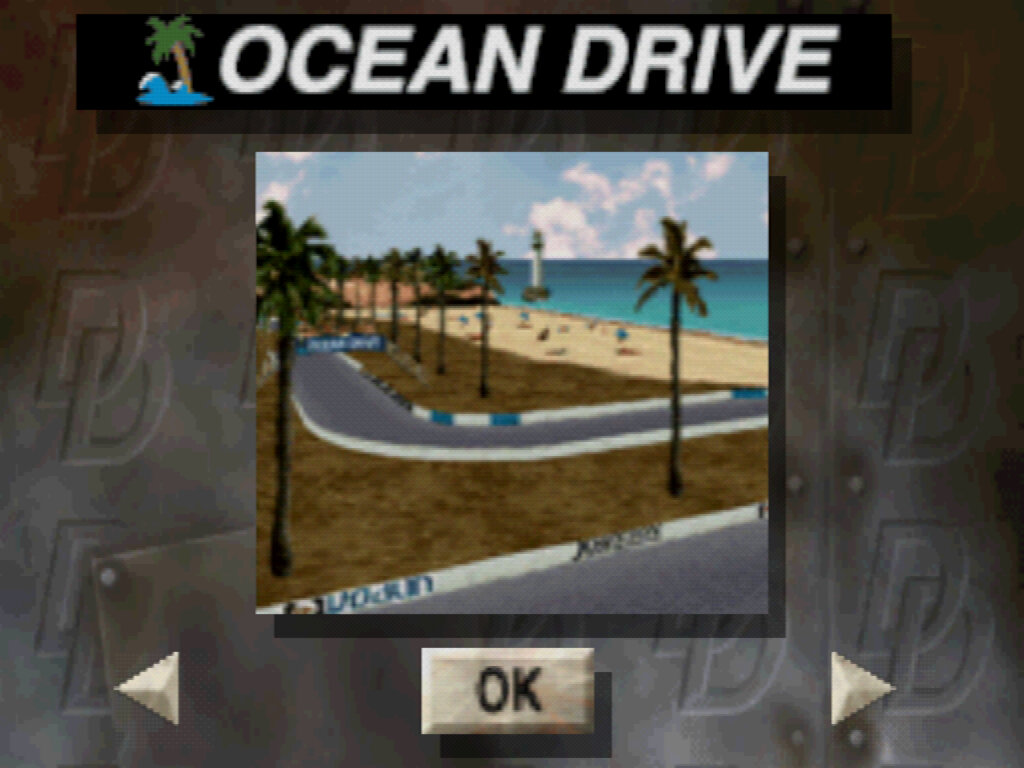
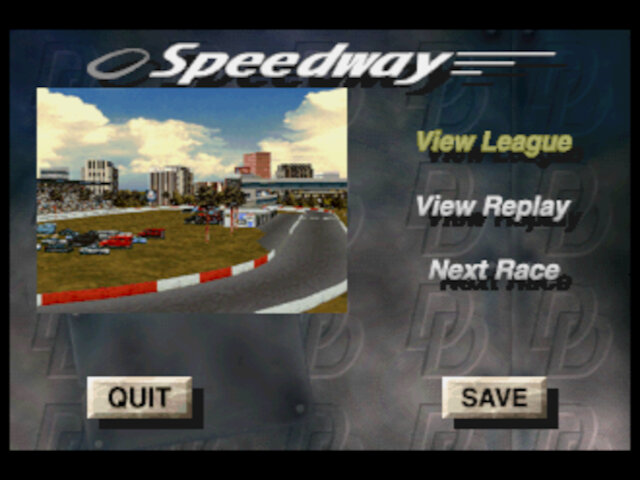
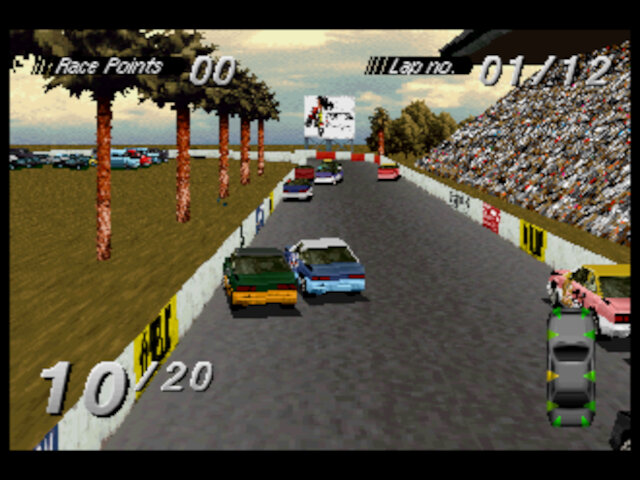
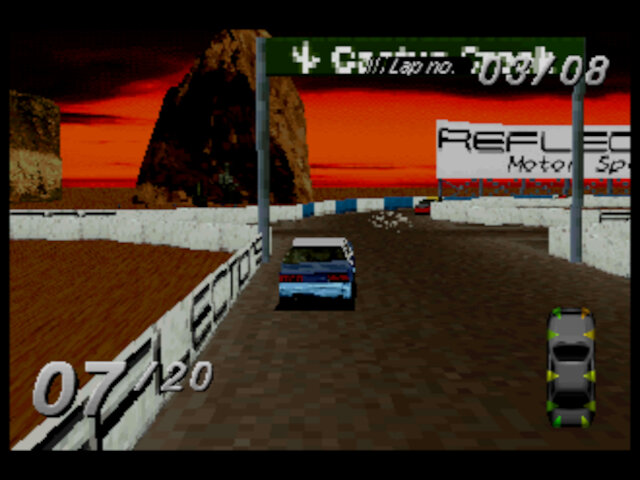
Five tracks are available at the start of the game, Speedway, CrossOver, Ocean Drive, Catus Creek, and City Heat. Each track is set in it’s own environment and have their own unique track design. Some feature a loop design which require you to dodge and avoid opposing cards, otherwise it easy to lose which direction you’re supposed to go. Pileups are also fairly common on these type of tracks.

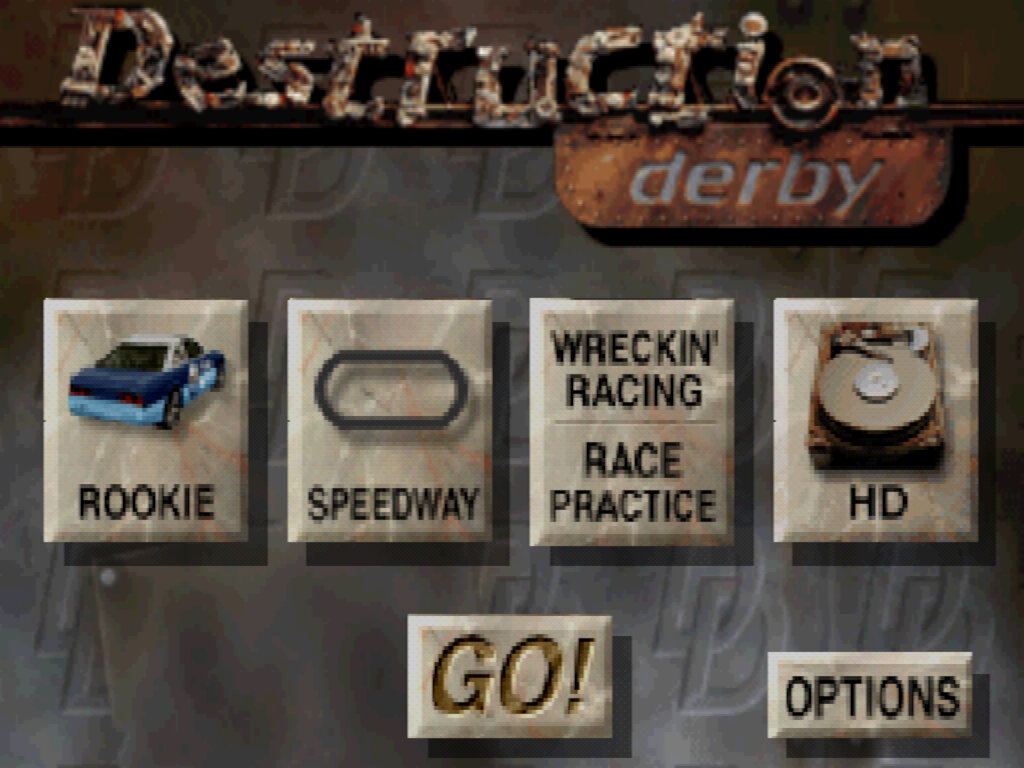
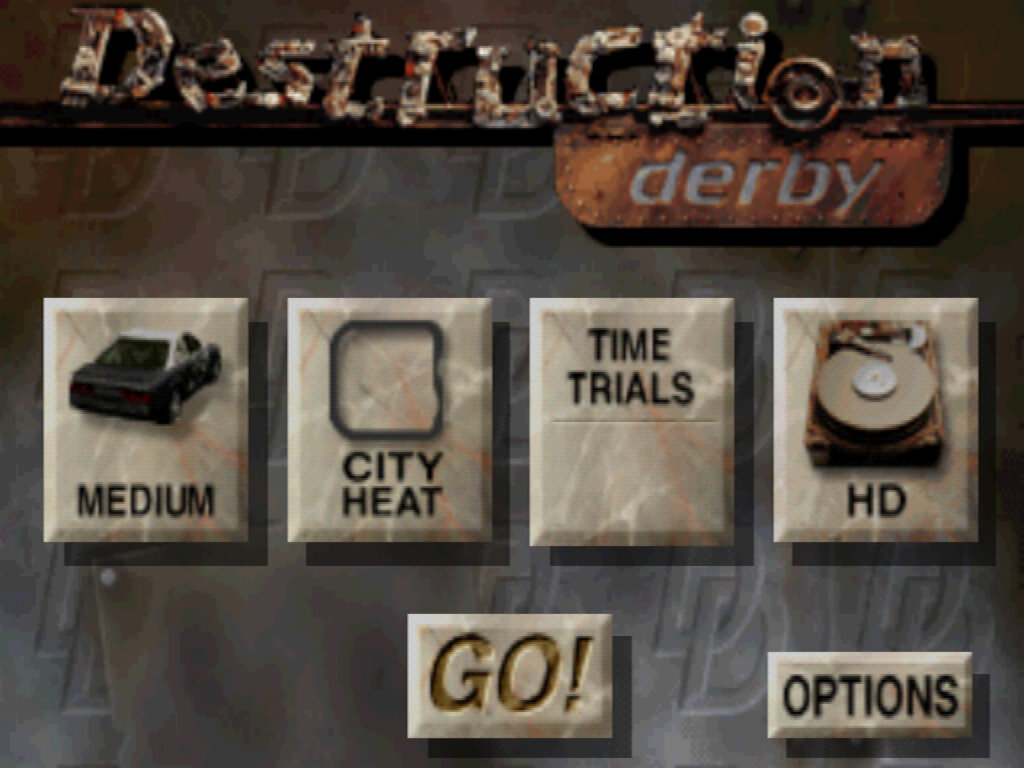
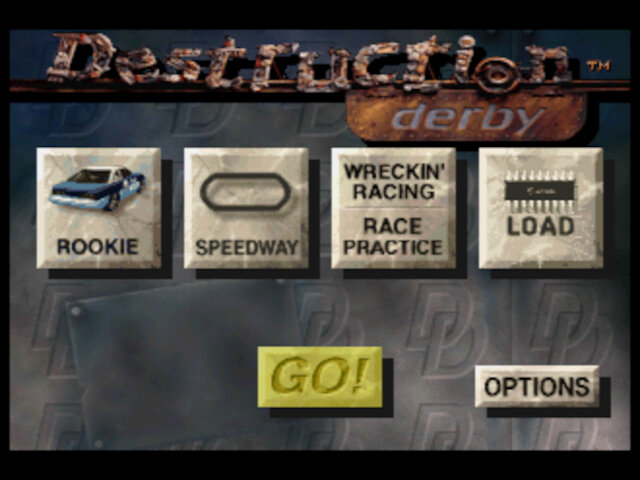
A look at the main menu of the PC relase, which features 3D tiles that function as menu items. Similar to the save screen on Mario 64 or on the SGI demos of the era.

Windows

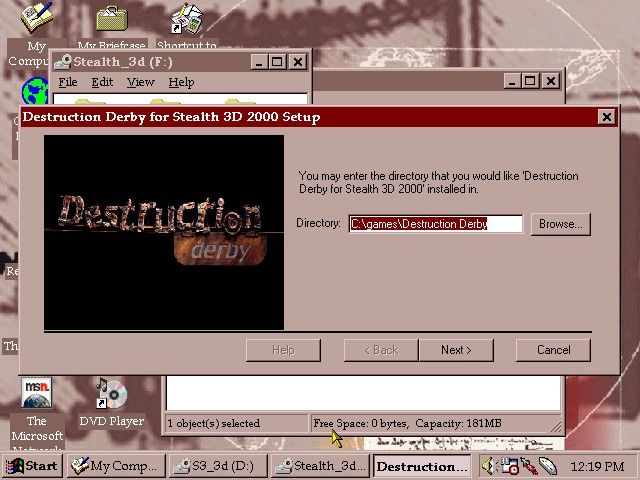
The Windows version had support for S3D acceleration, with was supported on S3 graphics cards which were common of the time. This required the use of a specific OEM copy of the game that shipped with a computer that featured the S3 ViRGE video card. Other PC releases would make use of MS-DOS and software rendering instead, which was inferior to the S3D and console releases.
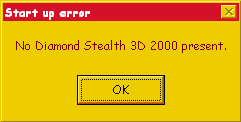
One issue with the S3 version is it’s limited to Diamond Stealth 3D 2000 cards, and will refuse to function on even the 3000 model. This can be bypassed with a patch that removes this check.
There I also an option to enable texture filtering that gives the textures a smoother look, but at the expense of framerate. It can be togged on the settings menu of the game.

86Box is able to play this version of this game by using the emulated Diamond Stealth 3D card, paired with a Pentium MMX. Windows 95 lacks built in drivers for this card but they can be obtained here.

Trying to run the game without using a Diamond graphics card, using a generic S3 ViRGE card instead. A patch exists to remove this check.

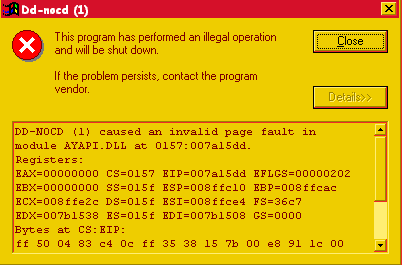
Using the Stealth 3000 caused a crash, with the AYAPI.DLL causing the issue despite using the Diamond drivers and the fixed EXE.

If you’re wondering about the colour scheme, its the RE-MAN theme from the Windows 95 Plus! pack.

PlayStation

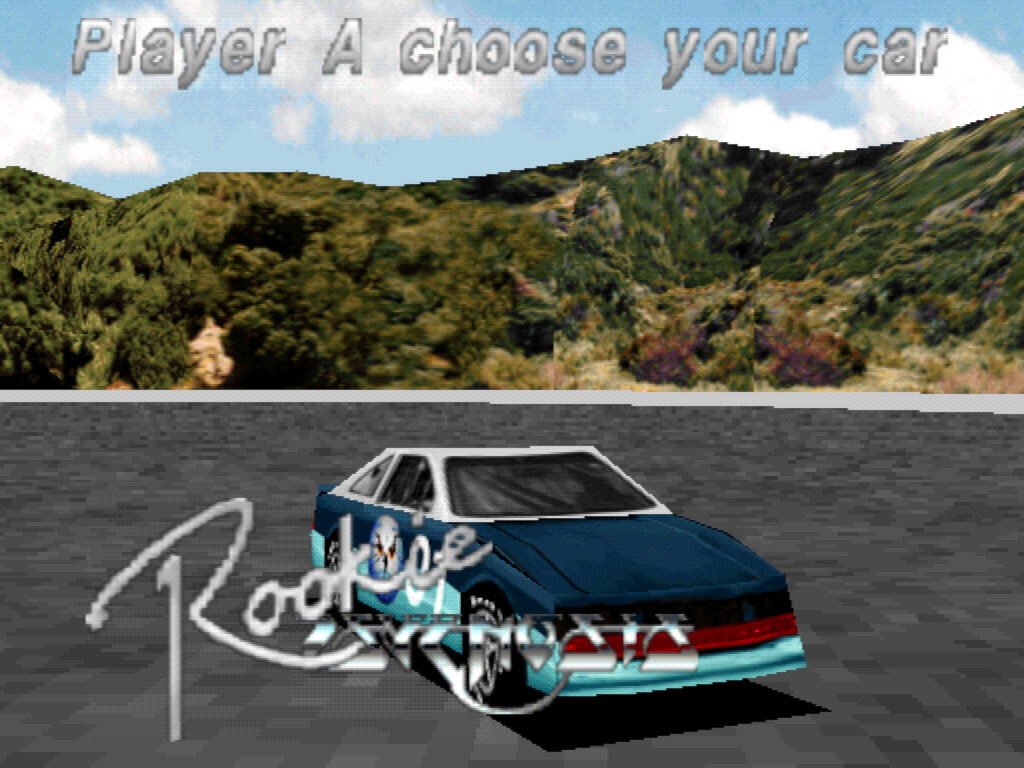
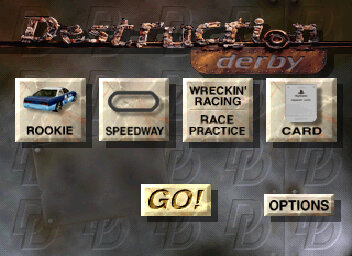
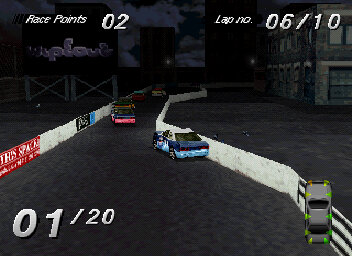
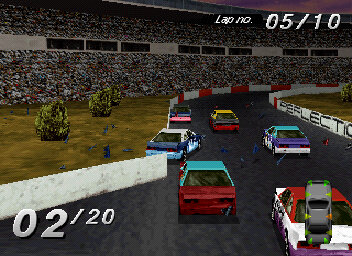
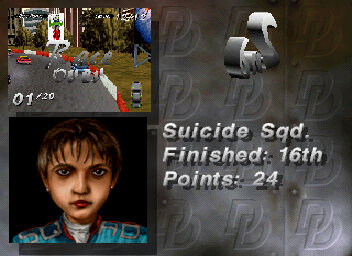
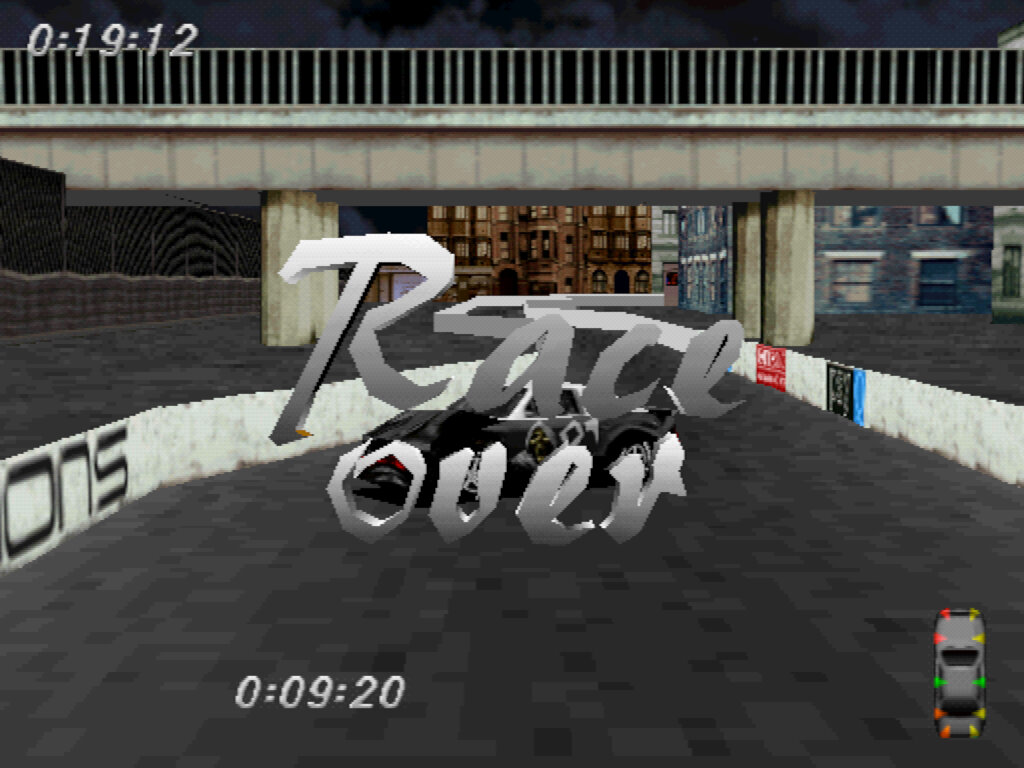
The game was also ported to the PlayStation, This release is a lot more polished, and features thumbnails of the rival characters after the race, showcasing their overall position. The framerate is also a lot more smoother compared to the PC but misses out on the potential of texture filtering unless an emulator is used. DuckStation is the emulator used here, with the stock graphic settings (no enhancements)

For analogue control the NeGcon controller can be used for more precise turns, as this game predates the release of the dual-analogue controller. The menu controls are awkward to control compared to traditional PlayStation games, as you have to press the start button to confirm/enter menus rather than using the X button that most other games use.

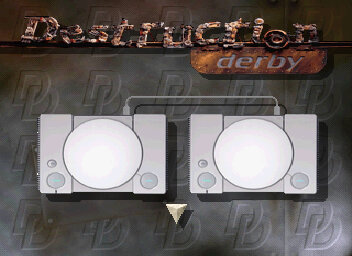
Multiplayer is also a better experience in this version of the game because it supports the use of the PlayStation link cable. For this, two consoles and copies of the game are required, as split screen is not supported.

It’s also a lot more easily accessible, since it can be brought from the PSN store and played on the PS3.

Sega Saturn

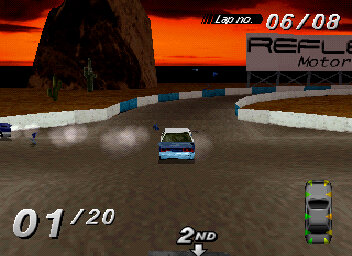
There was also a Saturn version, released in 1996 in Europe. Like other third-party ports it suffers from a poorer framerate compared to the PlayStation version. Still the game is playable and defiantly worth checking out if you’re interested in Saturn racing games. The Mednafen emulator is used for the screenshots below.

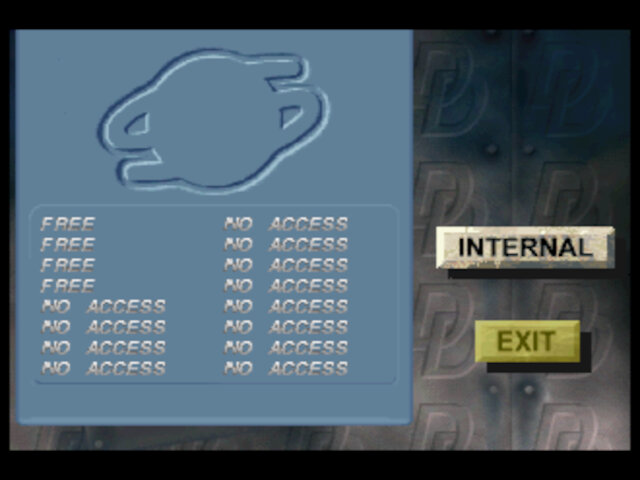
The game supports saving to the internal memory, or though the backup cartridge

The game does not appear to support the 3D controller, which means the game lacks analogue control support.