Category Archives: Games

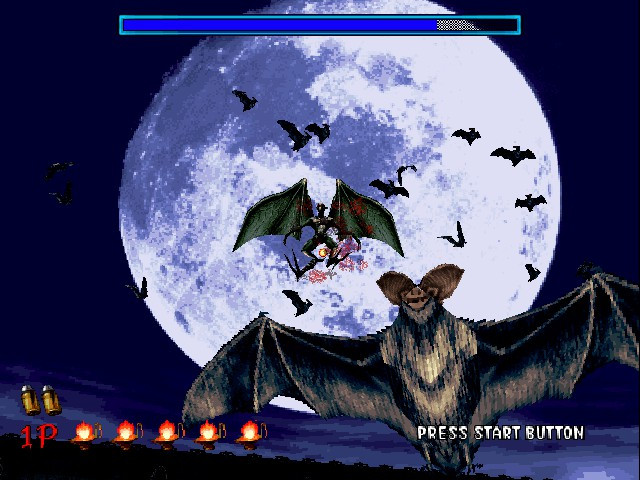
House Of The Dead

A mid-90s arcade rail shooter that takes the Virtua Cop formula and puts a horror spin on it, giving birth to a new franchise.
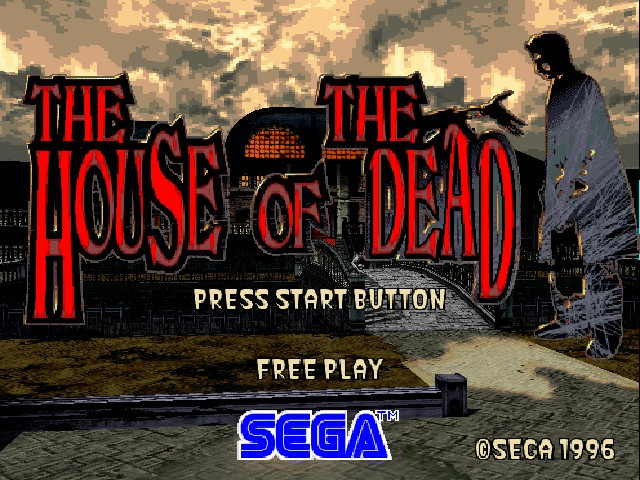
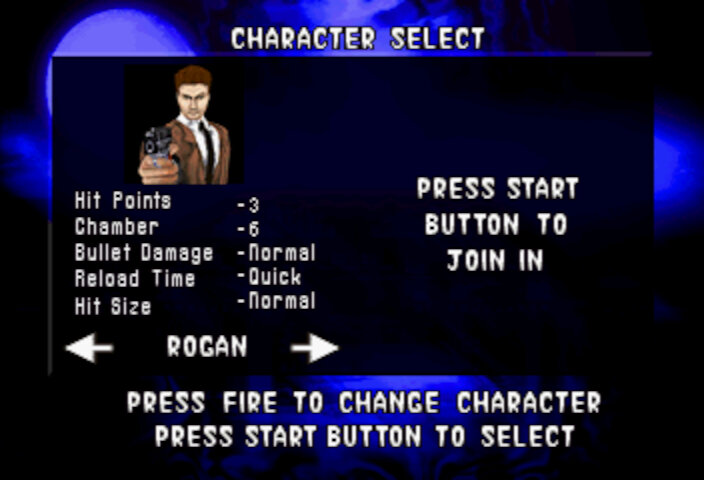
In House of the Dead, the main characters are two AMS agents named Thomas Rogan and G (Yes, just G). They are sent to investigate a mysterious outbreak at the DBR Corporation’s genetic research facility, which has been overrun by hordes of undead creatures. Throughout the game, the player controls either Thomas or G as they fight their way through the facility and uncover the truth behind the outbreak. Along the way, they encounter various other characters, including DBR’s CEO, Caleb Goldman, and his assistant, Dr. Roy Curien, who is responsible for the creation of the undead creatures.
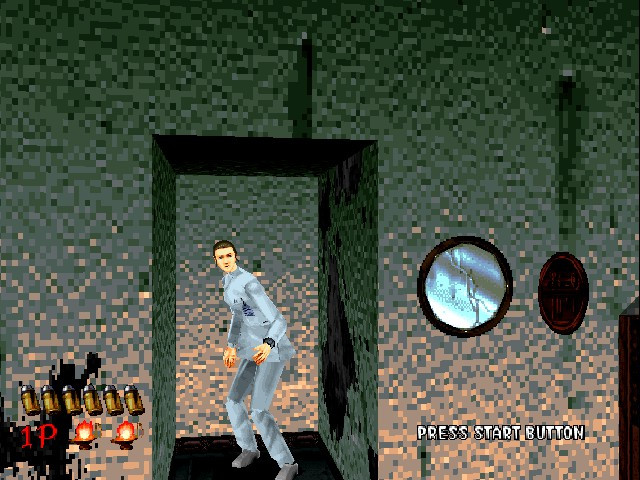
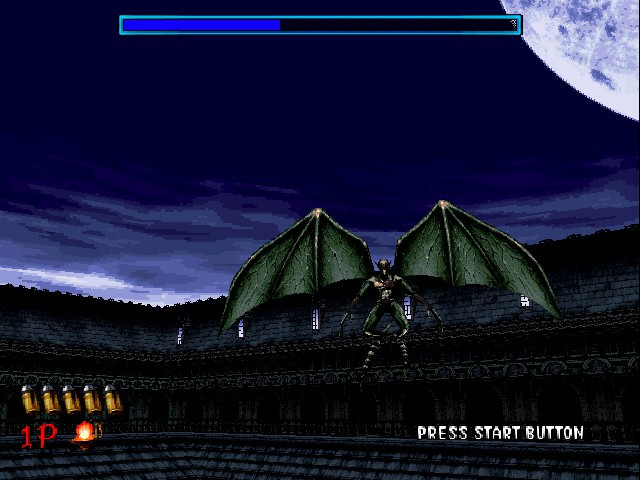
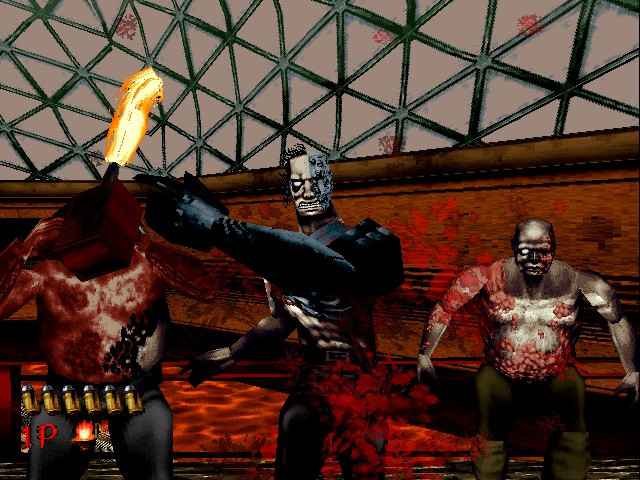
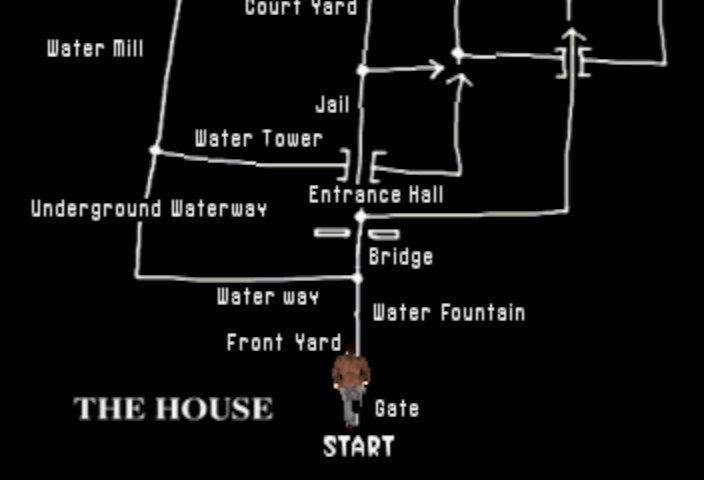
The gameplay of House of the Dead is simple, you’re armed with a light gun and tasked with shooting your way through levels filled with zombies, mutants, and other monstrous creatures. The gameplay is fast-paced and requires quick reflexes, as enemies can come at you from all angles in the form of jump scares. The game also features branching paths, which add some variety to the levels and encourage replayability as many of these will affect the ending sequence.

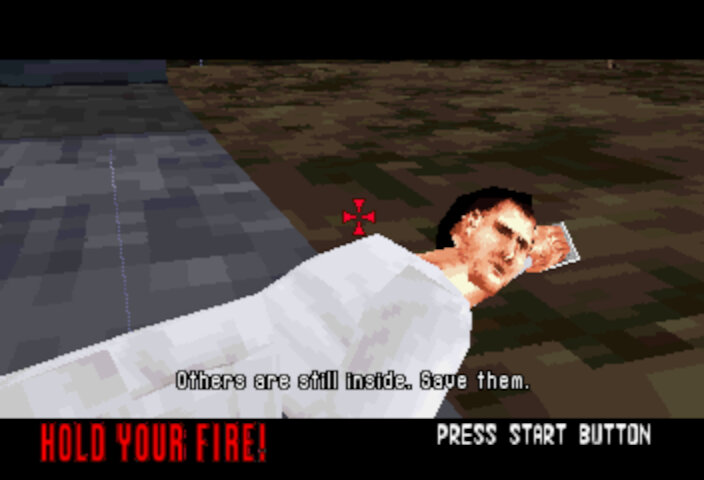
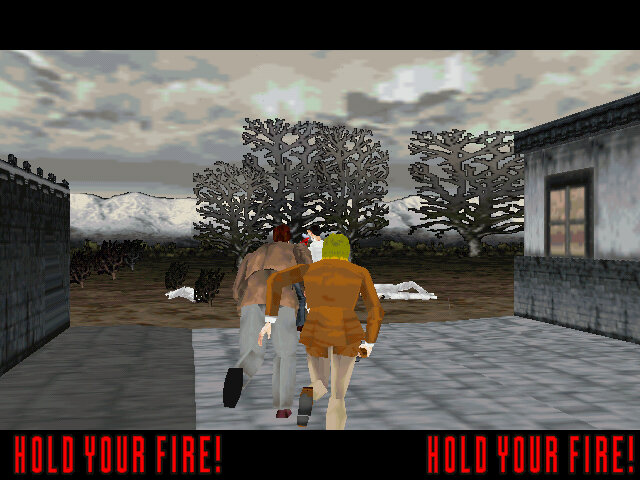
Some items can be shot at, typically pots, and will reveal additional lives. There are also opportunities to save scientists, who will sometimes reward you with an extra life or will direct you to another path.
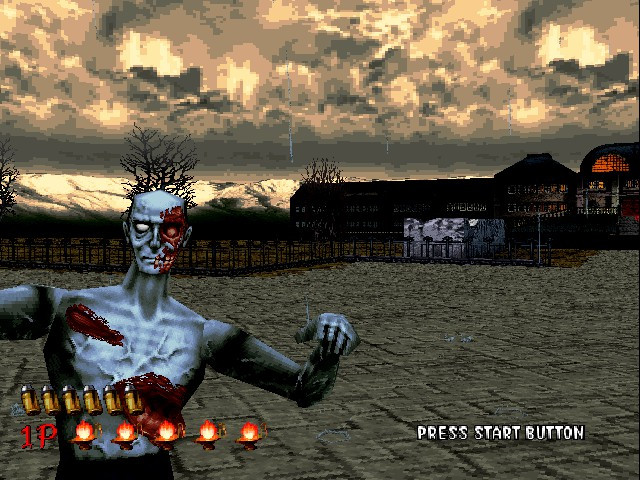
There are a few boss battles, each with a different way of defeating them. These occur at the end of each chapter. The Chariot is a large, armored zombie and appears at the end of Chapter 1 with the goal to target its weak spot in the armor to damage it. The final boss being the Magician serves as a challenging and memorable boss battle. He is able to create multiple illusions of himself, making it difficult for the player to determine which one is real. Additionally, he has powerful psychic attacks that can drain the player’s health and make it more difficult to aim. Defeating the Magician requires careful observation, quick reflexes and a lot of coins.

Versions

The game was somewhat popular and prompted Sega to port it to their Saturn console, it also get a Windows PC port similar to Daytona USA and Manx TT Superbike.

Arcade
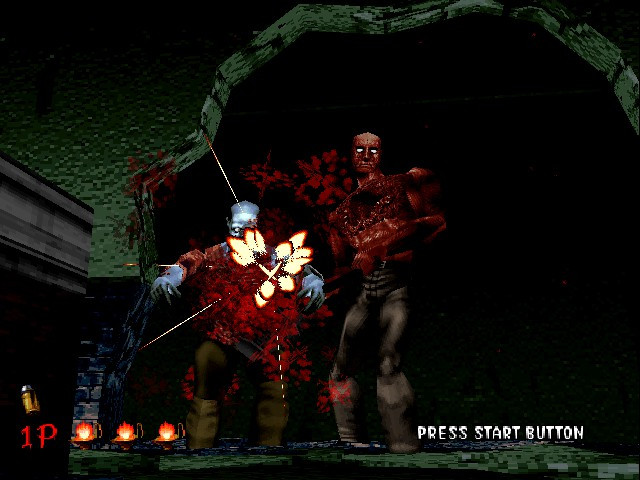
The arcade version of House of the Dead is considered a classic and is highly regarded by many gamers and fans of the shooter genre. The game was initially released in arcades in 1996 and like other Sega arcade titles of the era, it ran on the Model 2 arcade board.

This version of House of the Dead was popular due to its use of light guns, which allowed players to aim and shoot at enemies on the screen. Reloading is done by shooting outside of the screen, In contrast to Namco’s Time Crisis where you have to release the pedal to enter cover to reload.

Sega Saturn
The Sega Saturn version of House of the Dead was a faithful recreation of the arcade version’s gameplay mechanics, graphics, and sound effects. However, the game’s performance on the Saturn can be a bit sluggish, with some frame rate drops and occasional slowdowns during intense action sequences.
The Saturn version also supports use of a light gun controller that was intended to give more precise aiming. Unfortunately this does not work well on modern LCD displays leaving the traditional controller as the only form of input.

You do have the ability to play as different characters, either ‘G’, Sophie or one of the Scientists which will affect the cutscenes as they are rendered in engine. Compared to the arcade version, the graphics takes a downgrade but you do get the benefit of high quality sound.

Still there’s no option to revert to the arranged arcade soundtrack, odd because both the Saturn and the Model 2 have the same sound processor (SCSP)

Microsoft Windows
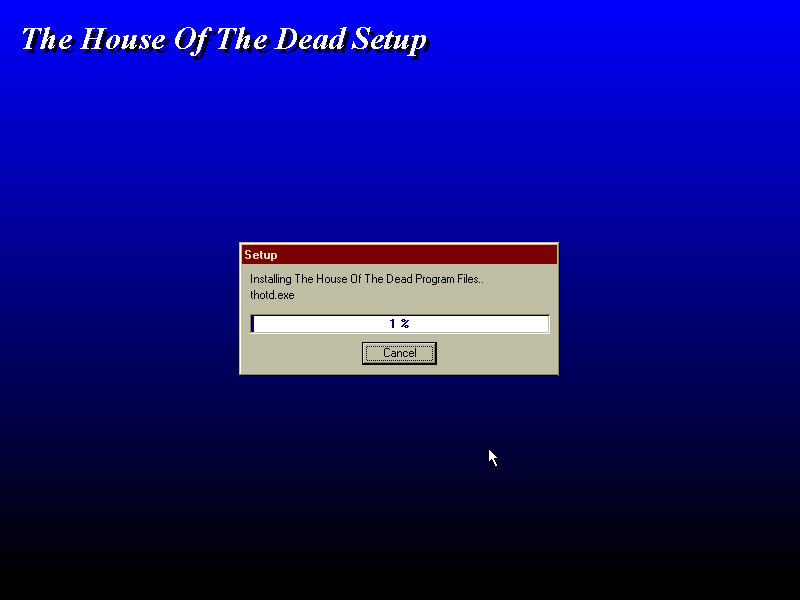
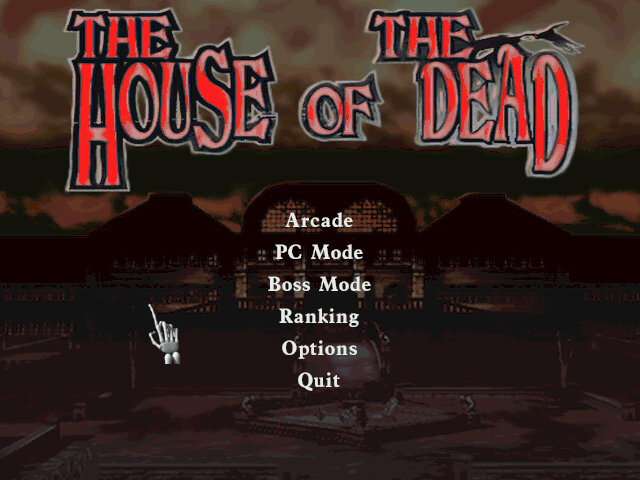
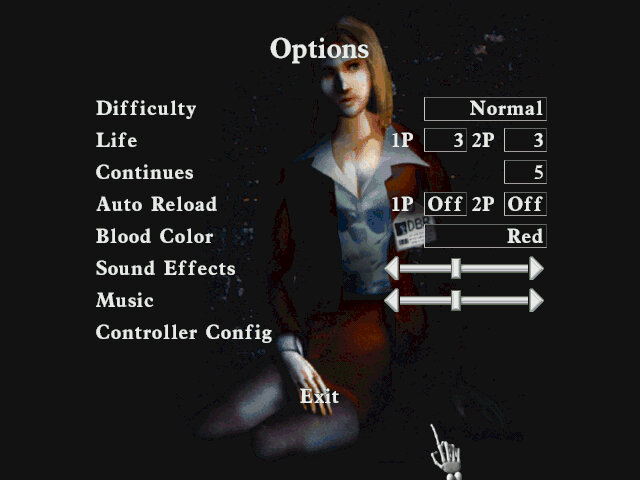
The game was initially released for PC in 1998, It offers several enhancements over the arcade version, including improved graphics and higher resolution support. Additionally, players have the option to use a keyboard and mouse or a controller for more precise aiming. Some parts of the Mansion have been retextured, likely to give it a more colder atmosphere and due to differences in how Model 2 and DirectX games handle textures.

For video cards that don’t support Direct3d, the game can run in DirectDraw mode instead. The 3DFX Voodoo card is capable of Direct3D acceleration and is supported in 86Box.
Conclusion

House of the Dead is a classic arcade game that still holds up today. Its addictive gameplay, impressive graphics, and horror-themed setting make it a must-play for any fan of arcade shooters.
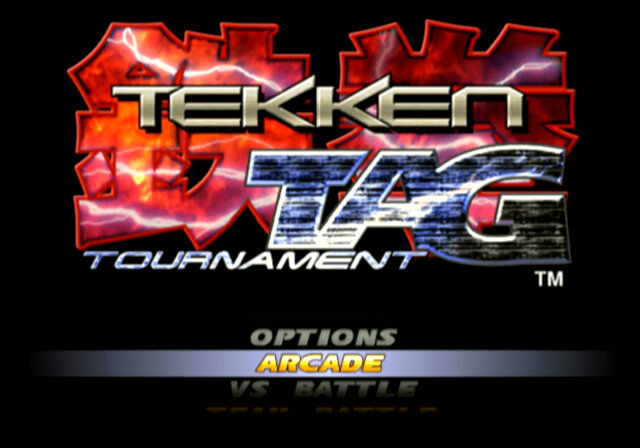
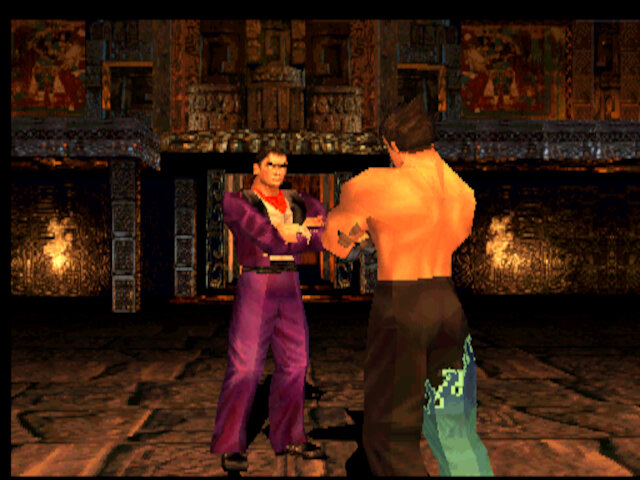
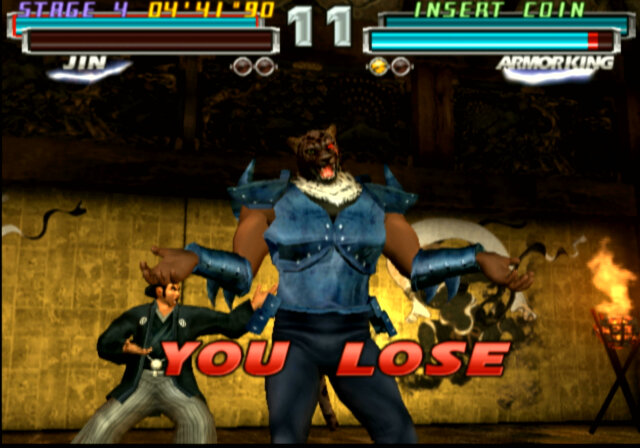
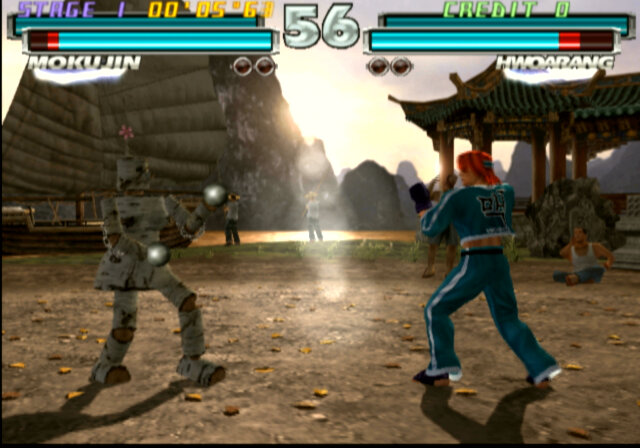
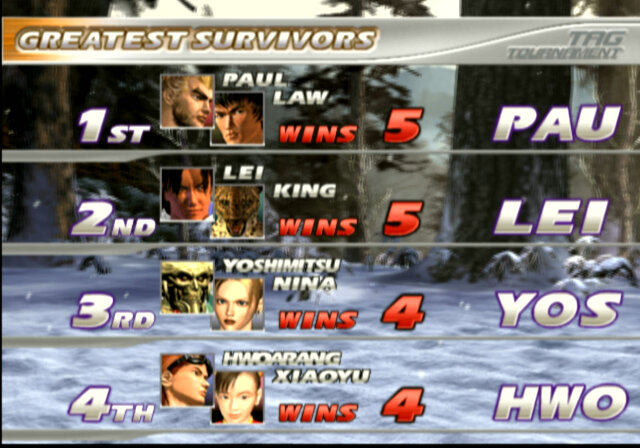
Tekken Tag Tournament

Tekken 3 but with a new tag mechanic and a huge roster.

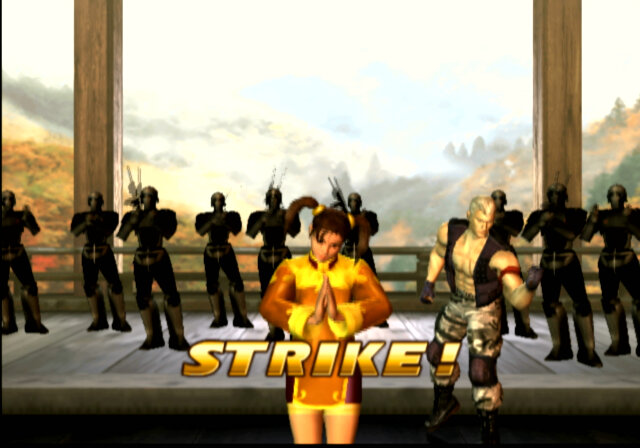
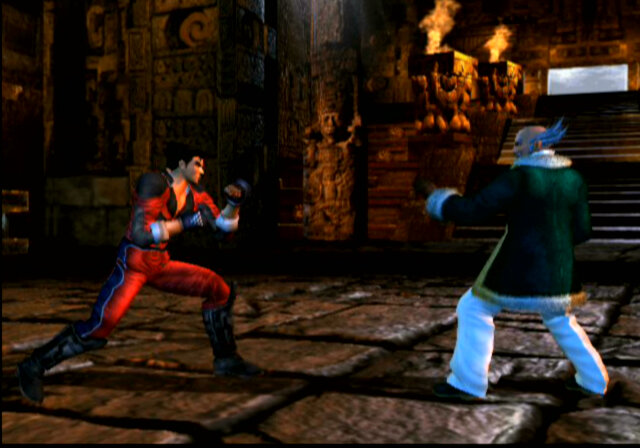
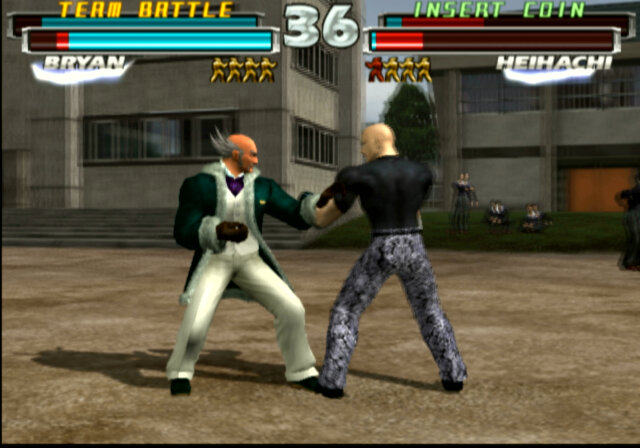
Tag Tournament takes the existing Tekken formula and adds a new tag team mechanic, allowing up to four characters to fight against each other. Its also one of the few games to be released for three generations of PlayStation hardware (sort of, The System 12 arcade board is an overclocked PS1 board.)

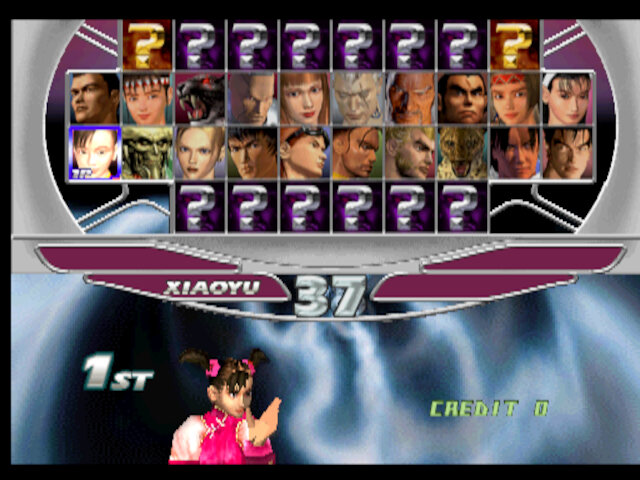
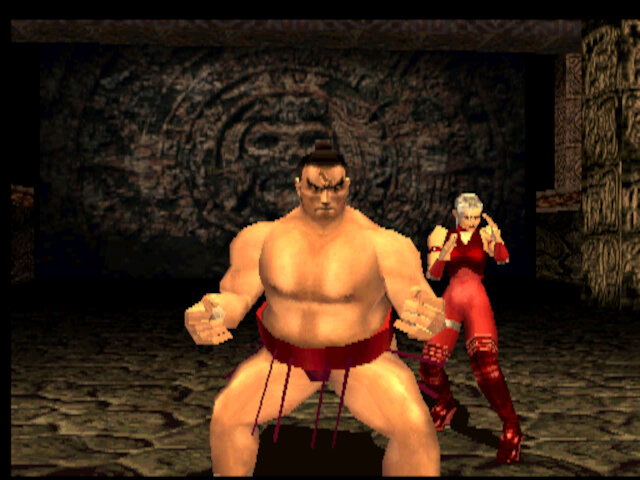
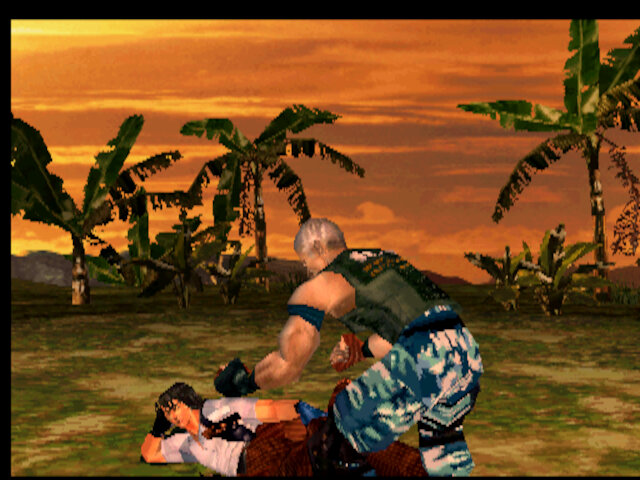
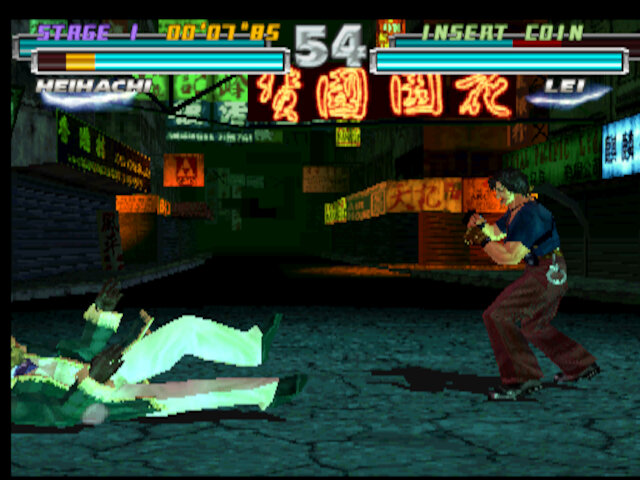
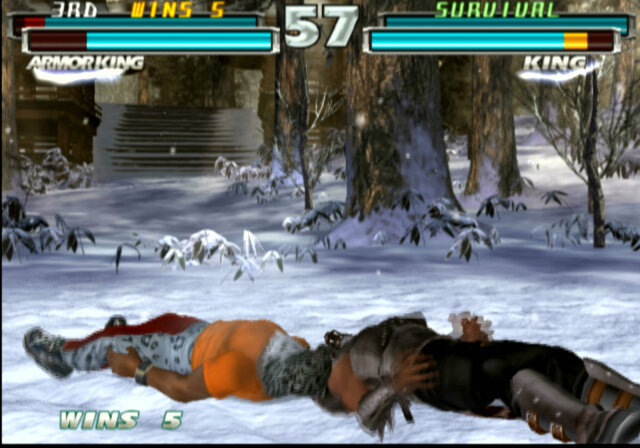
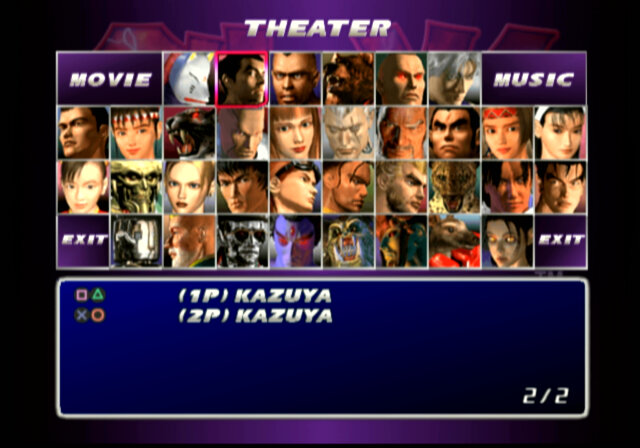
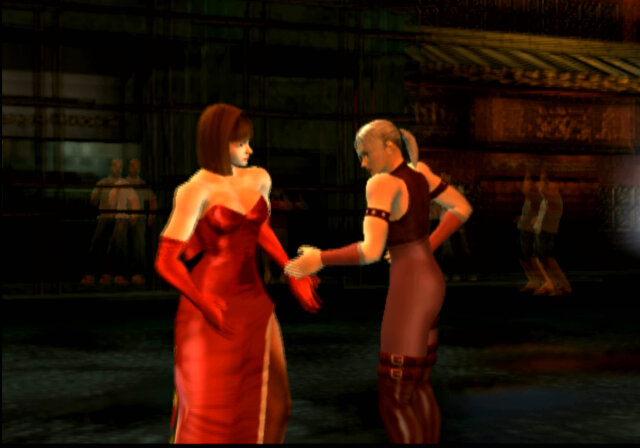
The fighter roster is stacked with an insane lineup of characters, many of which all featured in the first three installments of the Tekken franchise. You’ve got your classics like Kazuya, Jin, and Heihachi, all ready to unleash their devastating combos. Its like a Tekken greatest hits reunion featuring everyone’s favourite characters from previous games, but there are a few omissions like the original Jack, King and Armour King. Still Namco have also implemented Easter eggs for when you choose a certain par of characters, that affect the characters animations before and after the fight. Pairs like Nina & Anna, Kazaya & Heihachi and Michelle & Ganryu are a few examples to name that do this this, and it gives a nod to the Tekken backstory that fans of the franchise will be invested in.

Some pairs will also have unique moves that can be used to attack and switch out at the same time. These require a button combination along with the tag out button to trigger.

Versions

Arcade

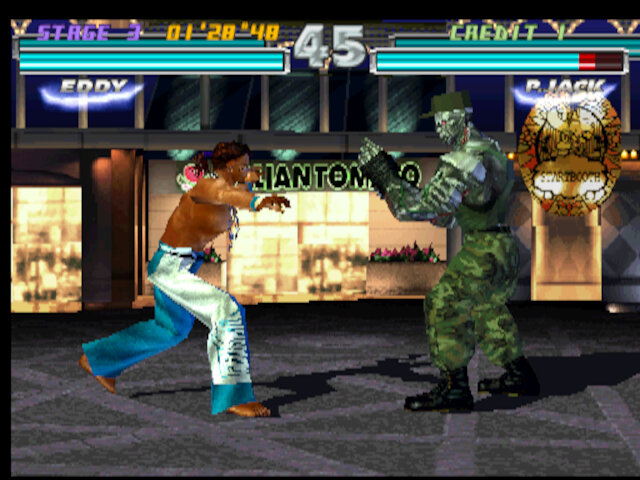
The original release of the game was in the arcade, like other early Tekken games. The game ran on the Namco System 12 board which was an upgraded PlayStation with additional memory and a faster clocked processor. This allows for multiple fighters to be featured onscreen, required for some of the character move sets. This version of the game also features its own soundtrack which is played on Namco’s own C352 sound processor that was also used in their System 23 arcade boards.

Many characters are locked in this version and are on a time based unlock, where characters gradually come available as the arcade machine is powered on. There is a MAME cheat to unlock all the characters upon clearing the EEPROM that can be used instead.

PlayStation 2

Tag Tournament was one of the launch titles for the PS2, and remained exclusive to the console for the home release until the HD PS3 version. This version features completely upgraded graphics that take advantage of the PS2’s Graphics Synthesizer

Unknown is a fully playable character in this version and has a unique feature where she can emulate another fighters moves.

This version also features a few unlock-able features and game modes.

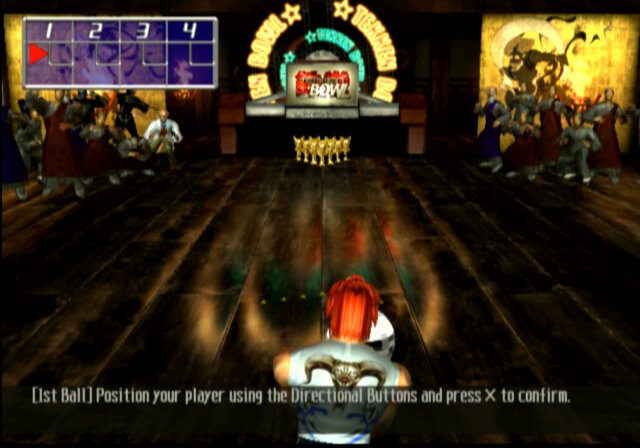
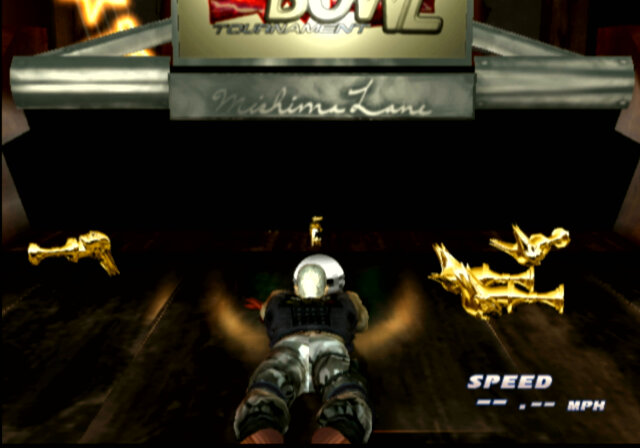
Tekken Bowl: In Tekken Bowling, players would select a character from the roster and take them to the bowling alley. The character would replace the traditional bowling ball, and players would control their chosen character’s movement and angle as they approached the lane. The objective was to knock down as many pins as possible in each frame.

The mini-game incorporated the unique abilities and characteristics of each character into the bowling mechanics. Characters would have their own distinct bowling animations and techniques, adding a touch of personality to the gameplay. Some characters might have special abilities or moves that affected the trajectory or speed of the “ball” they threw.

Namco would later create a Tekken bowling spin-off for smartphones.

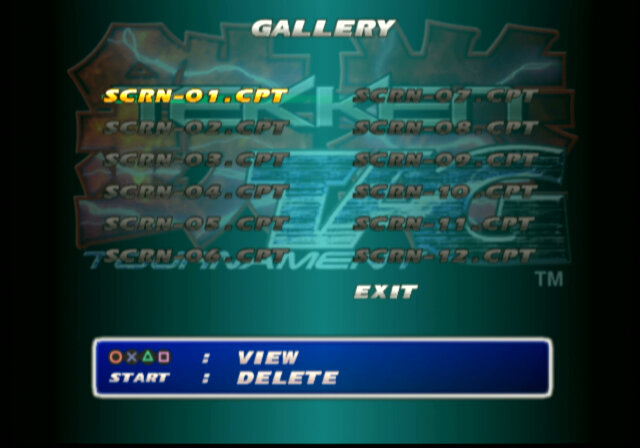
Screenshots: A screenshot can be captured and saved to the memory card, useful when you want to capture for character whilst they’re in the middle of a combo. A screenshot can be taken by pressing the pause button and selecting screenshot.

Pair Play mode: Another feature is the pair play mode, which allows two players to fight with their own controller against the CPU. Four plays can also play in a VS match if the PS2 multi-tap controller is used.

Lastly each character has a unique ending sequence which is rendered within the game engine, except for unknown which is a pre-rendered MPEG2 FMV.

PlayStation 3

Namco ported the game to the PS3 in 2012, and was released as part of Tekken blood Vengeance. Inserting the Blu-ray disc would prompt you to install the game as a bonus feature of the disc.

This version featured upscaled graphics running in HD resolution, trophy support, and is a port of the PS2 version. The soundtrack mostly remains the same, though there are some differences in composition. Sadly there is no online play over the PlayStation network, which would have made a nice addition though it would have suffered a limited population, as this game was not released standalone. Rather it was treated as a bonus.

Conclusion

Tekken Tag Tournament is an absolute knockout of a game. It’s a high-energy, pulse-pounding experience that’ll have you hooked from the moment you pick up the controller. Whether you’re a casual fighting game fan or a seasoned pro, this game delivers the goods. The Tag Tournament formula would be repeated in 2011 with the release of Tag Tournament 2 for the PS3, Wii U and Xbox 360.

Wip3out

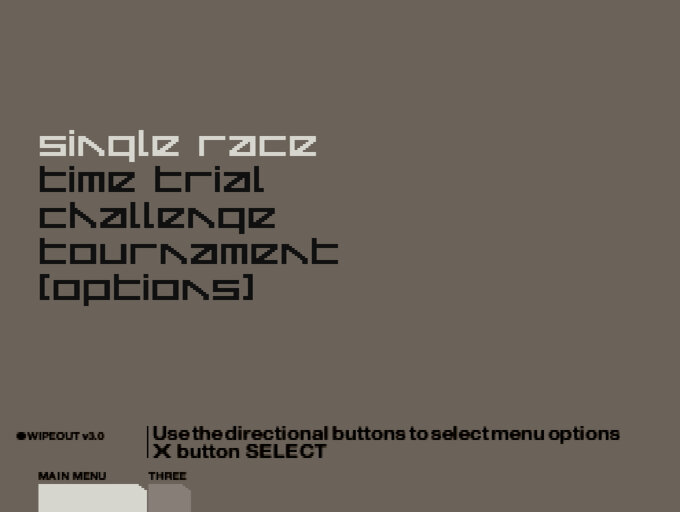
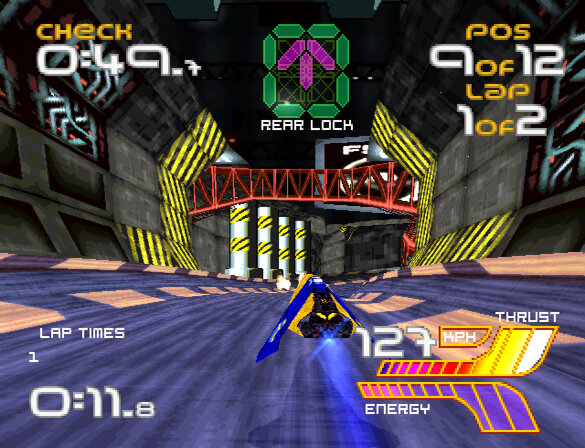
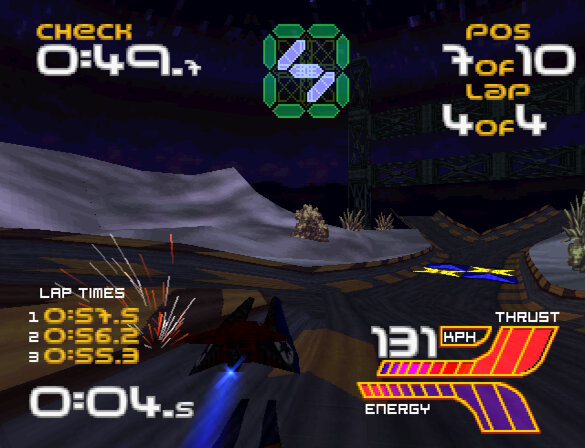
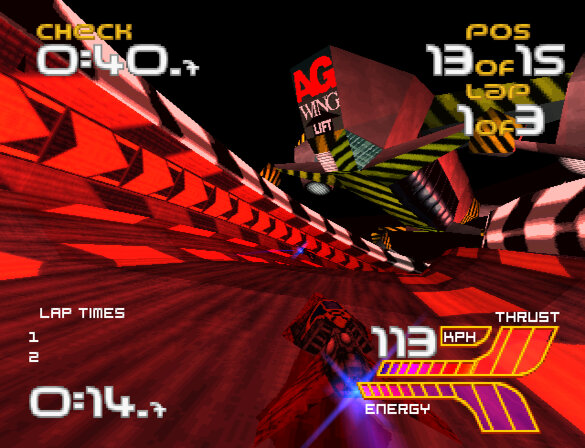
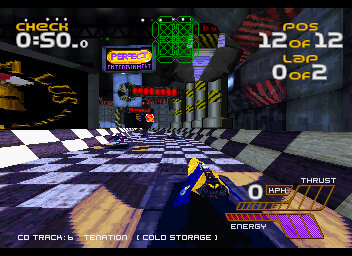
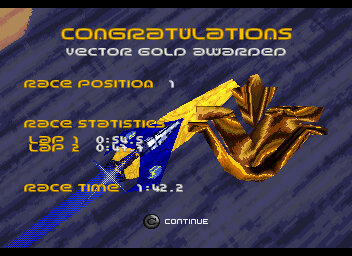
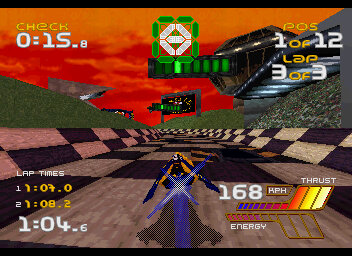
A racing video game developed by Psygnosis and released for the PlayStation console in 1999 and the final instalment for the original PlayStation. The game features fast-paced anti-gravity racing, where players control futuristic vehicles called AG craft through a series of challenging tracks, but features a resigned track style.

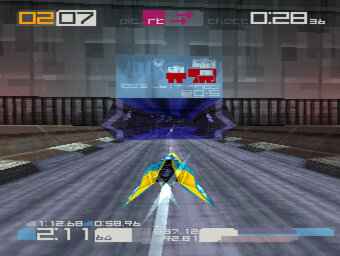
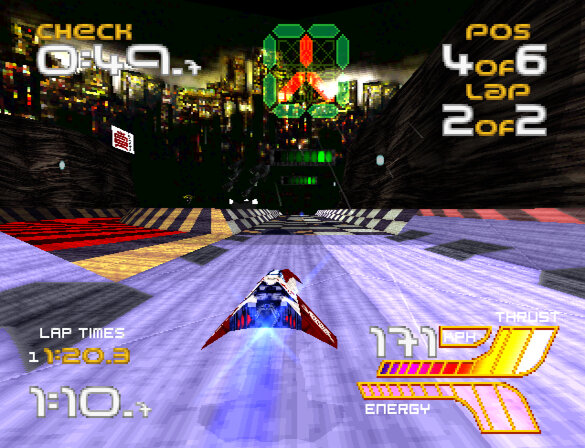
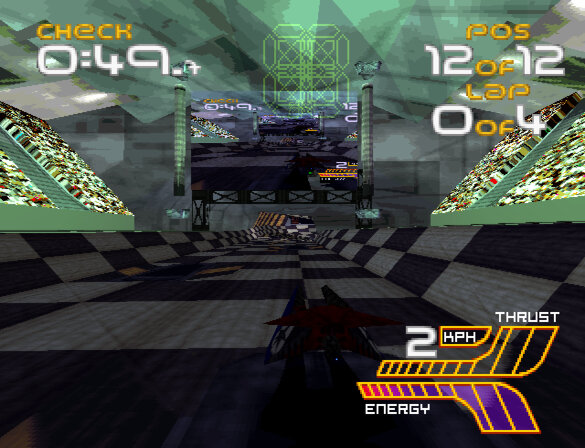
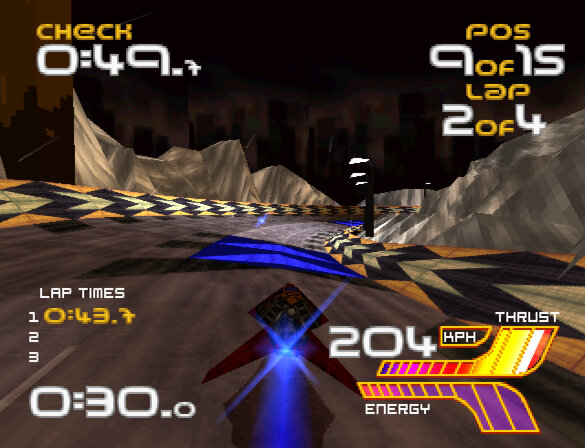
Wipeout 3 features impressive graphics for its time. The game’s anti-aliased, high-resolution graphics are rendered in real-time, and the frame rate is smooth and consistent and makes it one of the few PlayStation games that takes advantage of its higher resolution output resulting in a cleaner image quality. The game’s tracks and vehicles are designed with intricate details, and the game’s lighting effects and particle effects are impressive for what the hardware can achieve. Wipeout 3’s graphics are some of the best on the PlayStation, and the game’s stylish aesthetic still holds up well today. As one of the last games to be released by Studio Liverpool for the PlayStation, it severs as a nice finale for the studio as we prepare for the next generation.

Complementing the games graphics are its sound effects that are well-designed, with a range of satisfying engine noises, weapon sounds, and explosions. The game’s soundtrack, which features electronic dance music from artists like The Chemical Brothers and Underworld, perfectly complements the game’s futuristic atmosphere.

Complementing the games graphics are its sound effects that are well-designed, with a range of satisfying engine noises, weapon sounds, and explosions. The game’s soundtrack, which features electronic dance music from artists like The Chemical Brothers and Underworld, perfectly complements the game’s futuristic atmosphere.

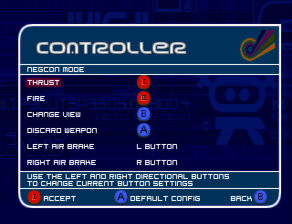
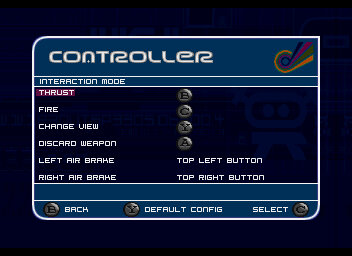
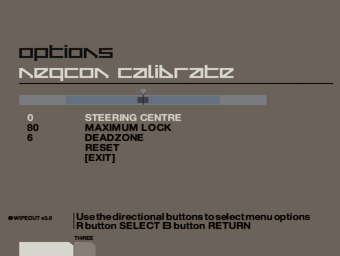
As with other titles in the series, Wipeout 3’s gameplay is fast, challenging, and satisfying. The game’s controls are tight and responsive, allowing players to execute precise manoeuvres and drifts with ease. The game’s tracks are well-designed, featuring multiple paths, jumps, and obstacles that require skilful driving to navigate. The game’s weapons system is also well-balanced, with a range of offensive and defensive options that can be used strategically to gain an advantage. The NeGcon controller is still supported for analogue input, in addition to the Dualshock and analogue controls.

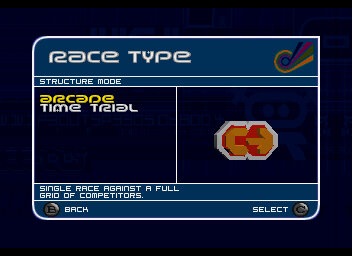
Wipeout 3 offers a lot of replay value, with multiple game modes and difficulty levels to choose from. The game’s Championship mode provides a lengthy campaign that will take hours to complete, and the game’s time trial mode provides a satisfying challenge for players looking to master each track’s nuances. The game also features a multiplayer mode that allows up to four players to compete against each other, adding even more replay value. This was a little tricky to setup as you have to establish a link between the two consoles first, as the game will also support two players from one console.

Using the Linux build of the PCSR-R emulator and an ethernet cable connected to two laptops, its possible to emulate the link play but it runs at such a low framerate that makes it unplayable. However you do get an idea how this would work on an actual console.

In Wip3out, there are several teams that the player can choose to represent during races. Each team has its own unique anti-gravity ship, which has different stats for speed, acceleration, handling, and shield strength. Here is a brief overview of each team

  • Auricom – This team is known for having the fastest ships in the game, but they have weaker shields and are more difficult to handle
  • FEISAR – This team has good acceleration and handling, but their top speed is slightly lower than other teams.
  • Goteki 45 – This team has good handling and acceleration, but their shields are weaker than other teams.
  • Piranha – This team has balanced stats and is a good choice for players who want a well-rounded ship.
  • Qirex – This team is known for having the strongest shields in the game, but their ships are slower and have lower acceleration.
  • AG Systems – This team has good handling and acceleration, but their top speed is slightly lower than other teams.
  • Assegai – This team has good handling and acceleration, but their shields are weaker than other teams.
  • Icaras – For more advanced players, as their ships run at high speed.

Wip3out includes a variety of power-ups that players can use during races to gain an advantage over their opponents. Here is a brief overview of each power-up:

  • Missile – This power-up fires a homing missile at the closest opponent in front of the player’s ship, causing them to spin out or crash.
  • Auto Pilot – This power-up temporarily takes control of the player’s ship, allowing them to focus on using weapons or navigating tricky sections of the track.
  • Shield – This power-up temporarily boosts the player’s ship’s shield strength, making it more resistant to damage from weapons or collisions.
  • Mines – This power-up drops a set of mines behind the player’s ship, causing opponents who run over them to spin out or crash.
  • Plasma Bolt – This power-up fires a powerful plasma bolt that can cause significant damage to opponents’ ships, potentially causing them to crash.
  • Quake Disruptor – This power-up causes a seismic disturbance that shakes opponents’ ships and makes them harder to control, potentially causing them to crash.
  • Invisibility – This power-up makes the player’s ship invisible for a short period of time, allowing them to avoid weapons and sneak past opponents.
  • Reflector – Reflects any damage to another ship
  • Cloak – Make your ship invisible for a short time
  • Force Wall – Spawns a wall that can be used to stop opponents

Each power-up is represented by a different icon on the track, and they can be picked up by flying over them.

Wipeout XL / 2097

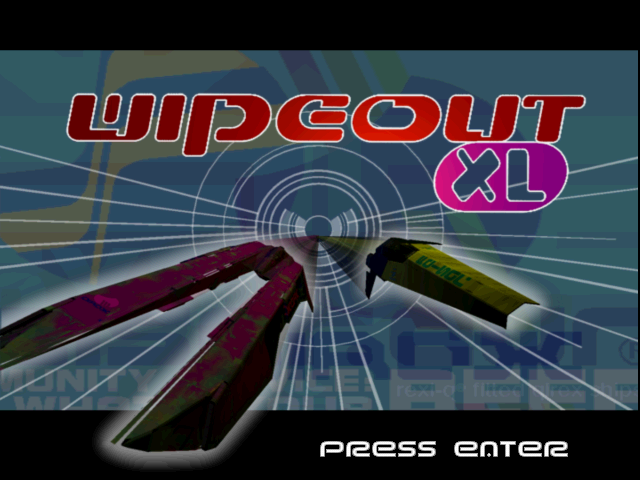
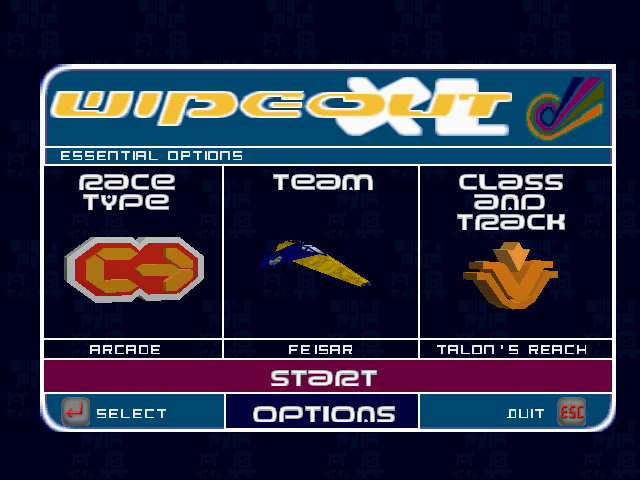
Wipeout XL is a high-speed, futuristic racing game that was originally released in 1996. It was developed by Psygnosis and published by Sony Computer Entertainment. The game is set in the year 2097, where players compete in anti-gravity ships across a variety of tracks and modes.

One of the first things you’ll notice about Wipeout XL is its incredible sense of speed. The game’s visuals are still impressive today, with a smooth frame rate and a futuristic art style that holds up well. The sound design is also fantastic, with a thumping techno soundtrack that perfectly complements the game’s high-octane racing.

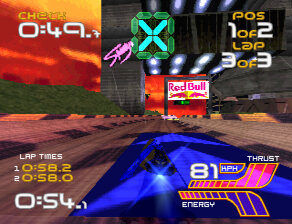
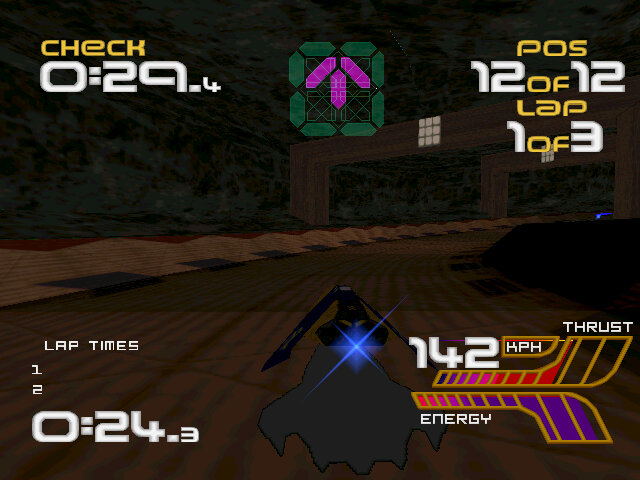
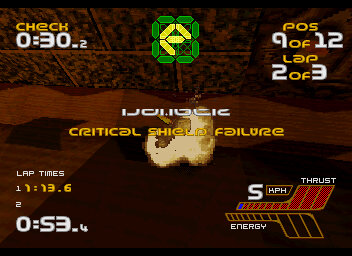
The weapon system has been improved, now your ships have a health meter that depletes upon impact with a weapon, or with another ship or track. Energy can be replenished by using the designed pit area’s that restores the ships energy. When you ship runs out of energy, the game is over.

Also there is a countdown timer that depletes until you reach the next checkpoint, giving an arcade feel to the game though its a bit redundant, since if you run out of time, chances are you are already well behind in the race.

The gameplay in Wipeout XL is intense and challenging. The ships handle well, but require precise control at high speeds. The game has a steep learning curve, and it can take a while to get the hang of the tracks and the various weapons and power-ups available. But once you do, the game is incredibly rewarding, with tight races and exciting finishes.

One of the features of Wipeout XL is its variety of modes. The game offers a campaign mode, where you compete in a series of races and unlock new ships and tracks. There’s also a time trial mode, where you can compete against your best times or the times of other players. And of course, there’s a multiplayer mode, where you can race against your friends.
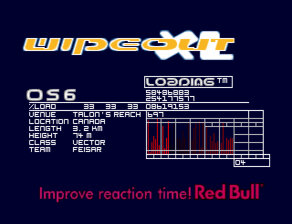
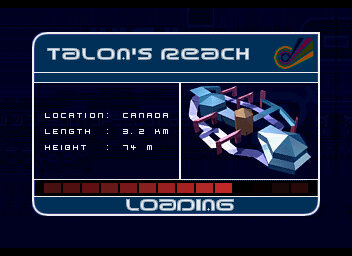
  • Talon’s Reach: This is the first level of the game and serves as an introduction to the basic gameplay mechanics. It’s a relatively simple track with a few jumps and turns, but it’s a good warm-up for the more challenging tracks to come.
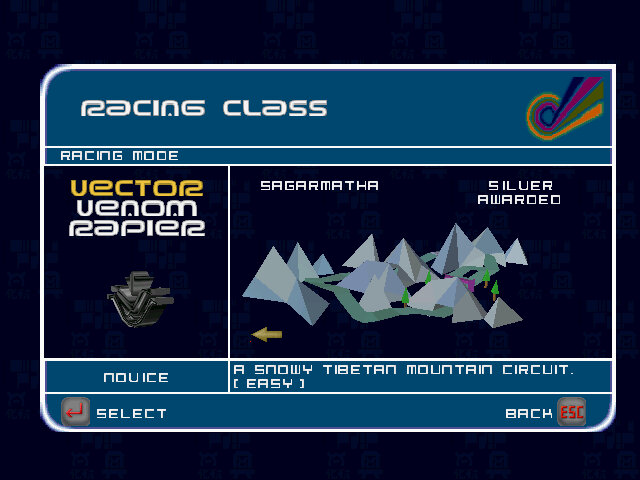
  • Sagarmatha: This level takes place on a track set high in the Himalayas. It’s a visually stunning track with steep drops and sharp turns that require precise timing to navigate.
  • Valparaiso: This track takes place in a futuristic version of the Chilean port city. It’s a challenging track with tight turns and narrow sections that require careful control of your craft.
  • Gare d’Europa: This level takes place in a futuristic version of the train station in Paris, France. The track is fast and has a lot of straight sections, making it a great level to use your craft’s top speed, also has a few lightning effects.
  • Odessa Keys: This level takes place on a track set in a futuristic version of the Black Sea. It’s a challenging track with tight turns and narrow sections that require precise control of your craft. The track also features a large jump that can be difficult to navigate.
  • Other tracks include Vostok Island, Spolskinanke & Phenitia Park.

Teams Included

  • AG Systems: This is one of the default teams in the game and is a good choice for beginners. Their craft is well-balanced and easy to control, making them a great option for players who are still learning the game’s mechanics.
  • Qirex: This team is known for its high speed and power. Their craft is one of the fastest in the game, but it can be difficult to control at times. This team is a great choice for experienced players who are looking for a challenge.
  • Feisar: This team is known for its agility and handling. Their craft is one of the most manoeuvrable in the game, making them a great choice for players who value control over speed.
  • Auricom: This team is known for its all-around performance. Their craft is well-balanced and can perform well in any situation. This team is a great choice for players who want a versatile craft that can handle any track.
  • Piranha: This ship has the highest stats nut cannot use any weapons.

Versions

Wipeout XL is the most accessible version of Wipeout to date and was ported to over 4 platforms.

PlayStation

The lead platform and the best way to play, One advantage of playing the PlayStation version is that it was specifically designed for the console, so the controls were optimized for the PlayStation controller. Some players may find it easier to control their vehicle using the PlayStation controller rather than a keyboard or other input device on the PC. Overall it appears to be the most polished version of the game.

Additionally, the PlayStation version of Wipeout XL had support for the serial cable which allows two consoles to be linked together to provide two player support.

Another nice feature is support for the NeGcon controller which provides analogue steering support, as this game predated the Dualshock controller.

Windows

The PC version of Wipeout XL features improved graphics over the PlayStation version and features higher resolution textures, improved lighting effects, and smoother frame rates but has issues running at refresh rates higher then 30hz, causing the game to run too fast. This breaks the game entirly as its difficult to play at effectivly twice the speed.

It has native support for DirectX 3 or PowerVR graphics cards. The readme file also mentions official support for the Rendition, ATI RAGE and Matrox graphics cards.

Sega Saturn

The graphics and sound of the Sega Saturn version are generally considered to be inferior to the PlayStation version. The Sega Saturn version features lower resolution textures, less detailed backgrounds, and reduced visual effects. The sound quality is also less impressive than the PlayStation version, with lower quality sound effects and music. The loading screens are different in this version and there is no multiplayer support.

The gameplay of both versions is largely the same, with fast-paced anti-gravity racing across futuristic tracks. However it suffers from slower frame rates and occasional glitches, which can make the game feel less smooth than the PlayStation version. It does have support for the 3D control pad which provides analogue control.

MacOS

There was also a release for PowerPC based Macintosh computers released in 2002, a few years later. Unfortunaly I cannot get his version to run on any Mac that i own, either on a PowerMac G4 running Mac OS 9.2 with a Radeon video card or an iMac running OS X Snow Leopard.

The Getaway

A promising game ruined by poor design

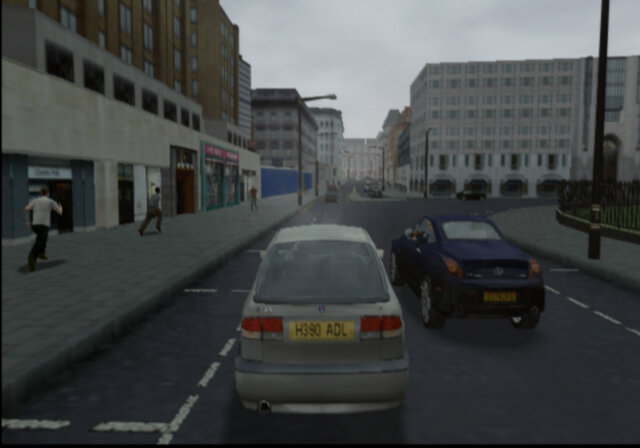
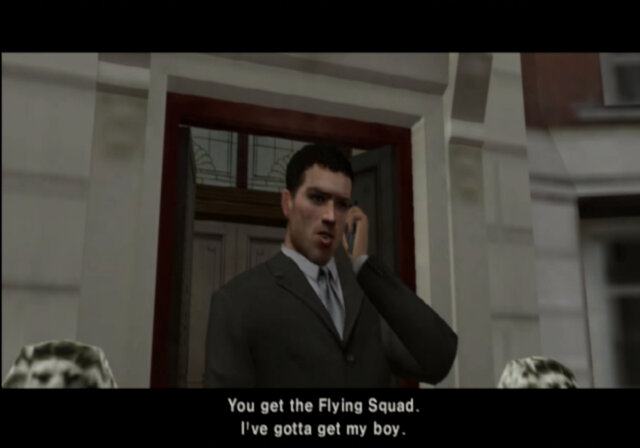
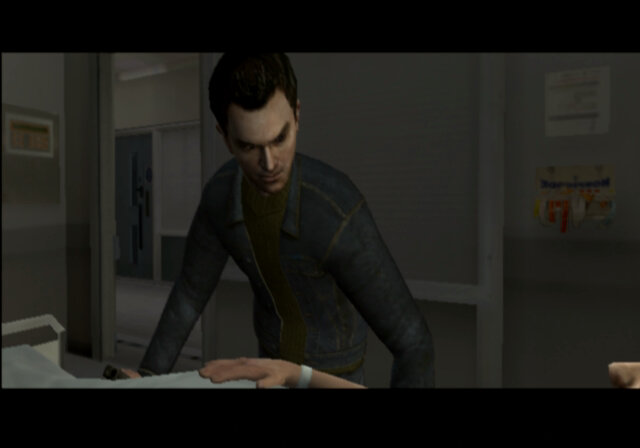
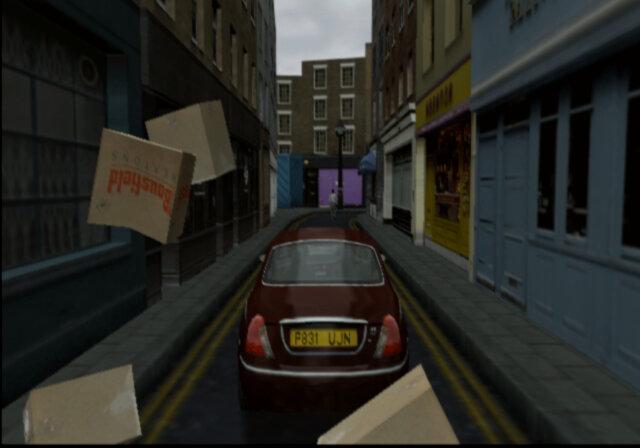
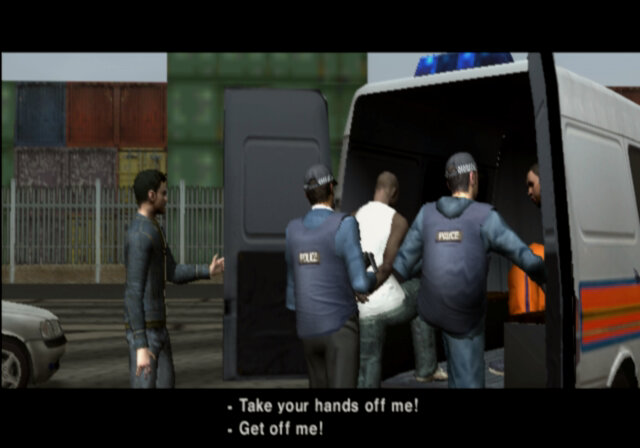
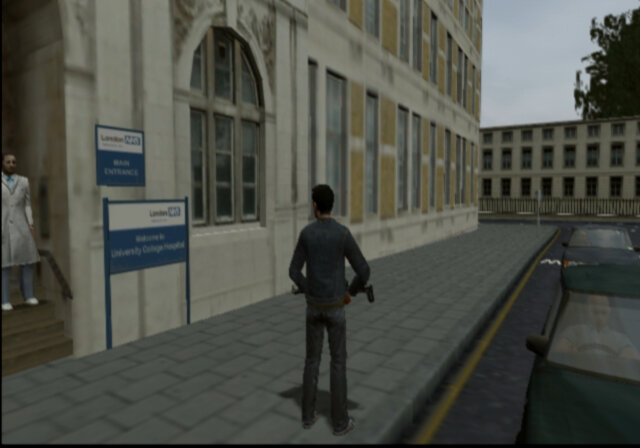
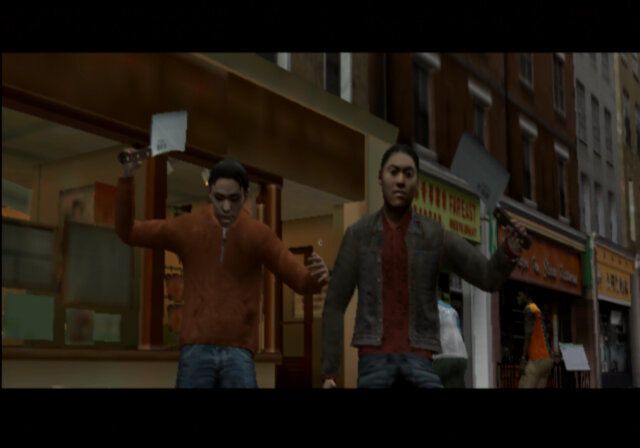
The Getaway is a third-person action-adventure game that was released on the PlayStation 2 in 2002. The game takes place in a fictionalized version of London, and follows the story of former criminal Mark Hammond as he attempts to rescue his kidnapped son and clear his name. The game is an open world GTA style game set on the cold streets of London, and is fairly accurate for the time, taking into account the game engine limitations.

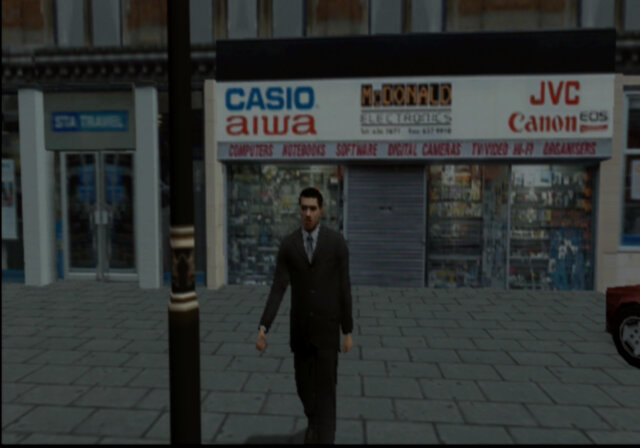
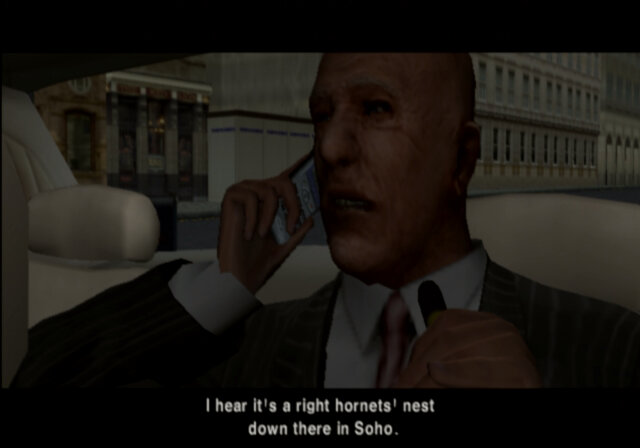
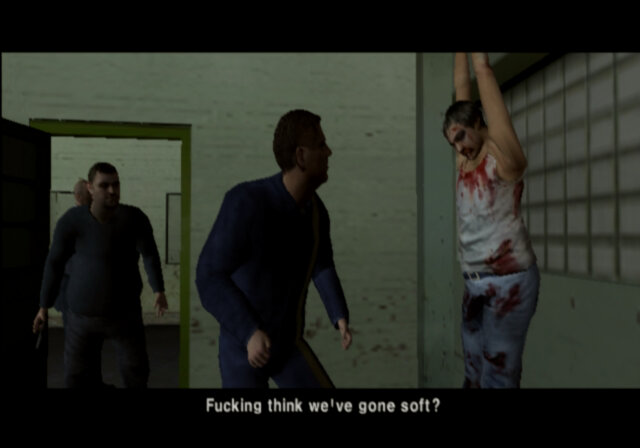
One of the most notable aspects of The Getaway is its focus on realism and authenticity. The game’s version of London is recreated in painstaking detail, with recognizable landmarks, accurate street layouts, and realistic traffic patterns. The game also features a cast of British actors, who deliver their lines in authentic accents and help to bring the game’s world to life. The game has a story mode which puts you in control of Mark Hammond, a cockney gangster who was recently out of prison and is looking to start a new life until his kid get kidnapped and his missus is shot. With his kid being abducted, mark is sent upon various missions against former rival gangs in the interest of staring a gang war on the streets of London.
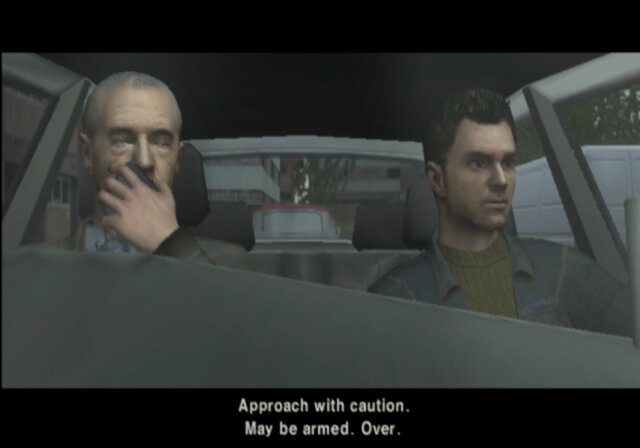
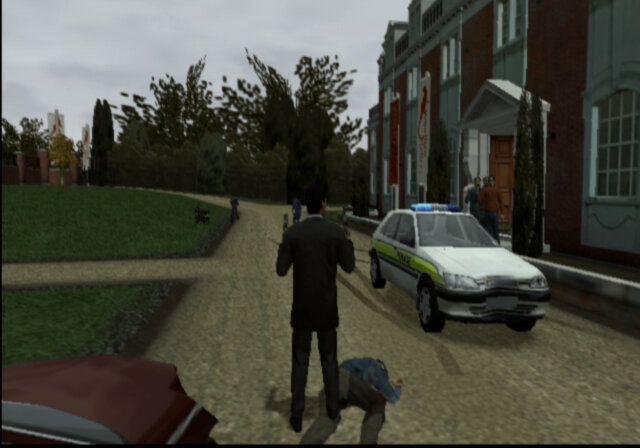
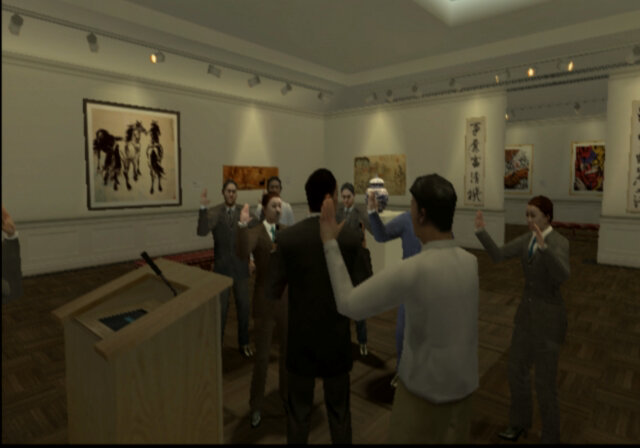
There is also a second half of the story, being set from the perspective of a police detective, Frank Carter.

Playable characters

Mark Hammond: Mark Hammond is the main protagonist of The Getaway. He is a former member of a London gang called the Collins Crew, who retired from a life of crime after serving time in prison. Mark is portrayed as a tough and determined, with a willingness to use violence when necessary to achieve his goals. He is also shown to have a softer side, particularly when it comes to his son, and is motivated by a desire to protect and care for him.

Frank Carter: He is a police officer who becomes involved in the game’s central conflict, which revolves around the kidnapping of Mark Hammond’s son.
Frank is initially assigned to investigate the murder of a fellow officer, but soon becomes embroiled in the larger conspiracy surrounding the kidnapping. He is shown to be a skilled detective and a dedicated police officer, but also has a somewhat rebellious streak that puts him at odds with his superiors.
Throughout the game, Frank works with Mark Hammond to uncover the truth behind the kidnapping and clear Mark’s name. He is a key ally to Mark, providing him with information, backup, and assistance when needed. However, Frank is also grappling with his own personal demons, including a troubled marriage and a secret drug addiction.

But whilst the story is intense and gripping, the gameplay has some serious downfalls:

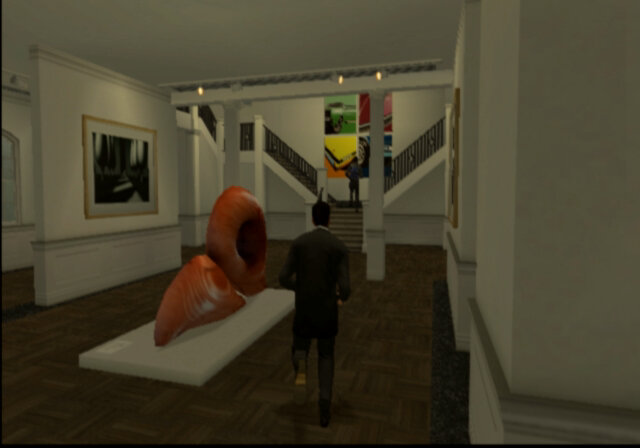
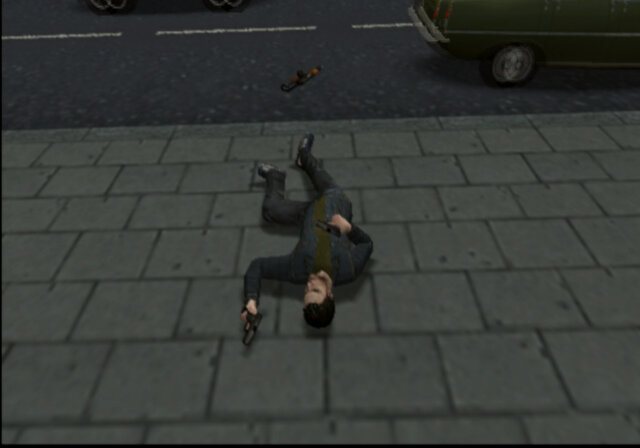
Main complaint the lack of a HUD (heads up display). There is no ammo indication. No mini map, no health meter, nothing. Now I get why this seemed attractive in theory since its gives the game a cinematic feel to it, but it makes the game a whole chore to play.

The lack of a mini-map is a serious ballache, driving around the streets of London, I had no clue where anything was. The only hint is the vehicle indicator that flashes whilst you are driving around, it flashes either left or right which shows the direction you need to take to reach the objective. Except it does not always appear, and sometimes it would send me down one-way streets most of the time.
Mini maps are a common utility with these sorts of games, Grand Theft Auto had one, Driver had one and that was on the PS1. Missing this feature was a horrible decision, at least give the player the option to display the mini-map .
I mean this sort of shit would make sense on the Dreamcast with its VMU display but not on the PS2.

Also there is too much fucking traffic, its like living in India rather than London considering how overpopulated the city must be. You are constantly crashing into and having to avoid other cars.

Also the player controls are an issue, with Mark randomly spinning around when your trying to move in the specified direction. I tried this with several controls just to see if this was an issue with a specific controller, but it seems to occur. The problem is this game make use of the analogue face buttons, where the pressure applied makes use of how your character reacts, the sad news is 20 years old dualshock controllers have quite a bit of wear and tear and the buttons themselves are a bit mushy after years of use, making button commands unpredictable. This is worse in the mission where you have to move carefully to avoid setting off the laser beams.

Mission checkpoints are poorly implemented, in some most cases if you die, which is very easy to do in the game, its back to the mission start you go. Only after a cut scene does the game save a checkpoint.

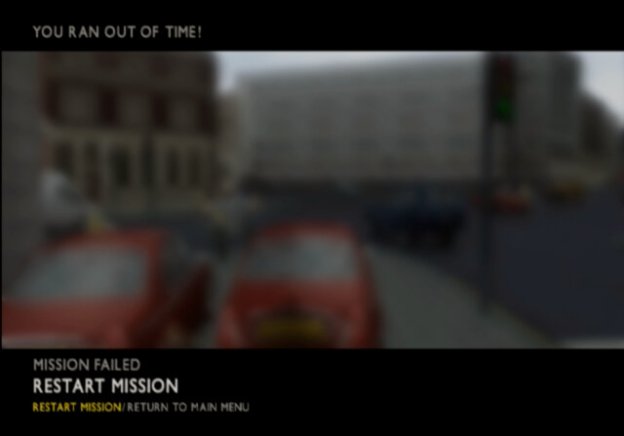
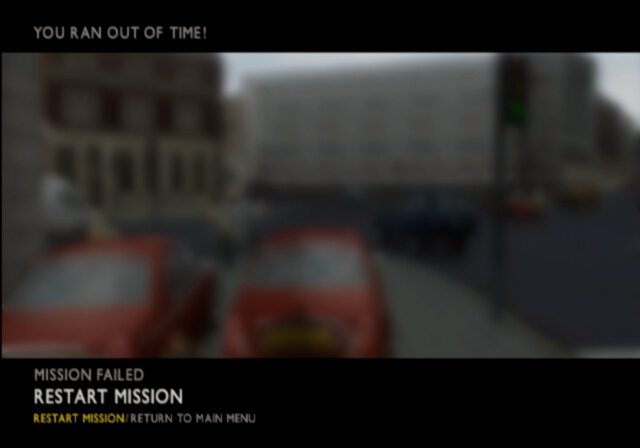
Some missions are timed, which makes sense and have been a staple of these types of games, expect The Getaway neglects to inform you the mission is timed, or what the status of the timer is. The only indicator is a music ques that sound when you have 10 seconds left.
How hard is it to include a two digit indicator on the screen, seriously, this cinematic experience can suck it.

Outside of the story missions there is not really much to do. You have a free roam move where you just drive around an overcast London, no side missions to build up the character development or to improve your stats. At least with the GTA games you could complete the ambulance missions to help increase your health.

There’s also no control of the camera at all, that right analogue stick is pretty useless except for accelerating whist drive your vehicle.

Some of the missions are incredibly hard, which is increased when you take into account the issues mentioned above. Partially with Mission 12 which had both the gangs and the police trying to ram into you.

Lastly, I don’t know if this was me being a dumb fuck but when you boot up the game, an animation sequence plays after the company logo’s. At first I assumed this was some sort of loading screen but it turns out it’s the equivalent of the press Start screen, except the game does not tell you to press start.

A common occurance

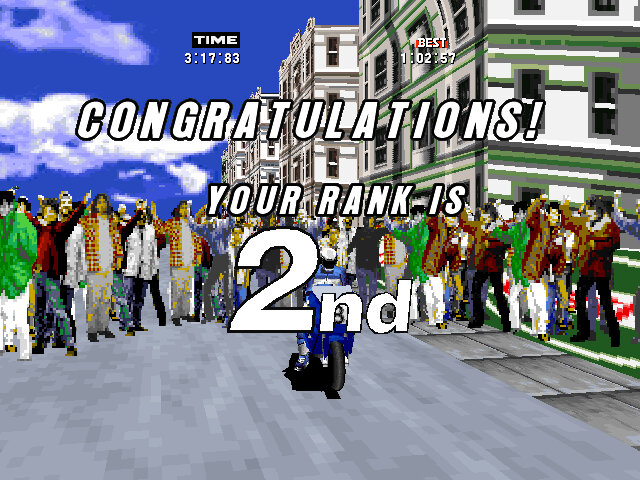
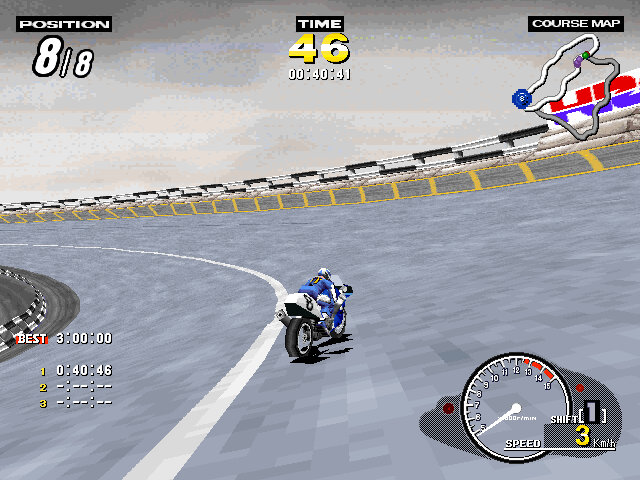
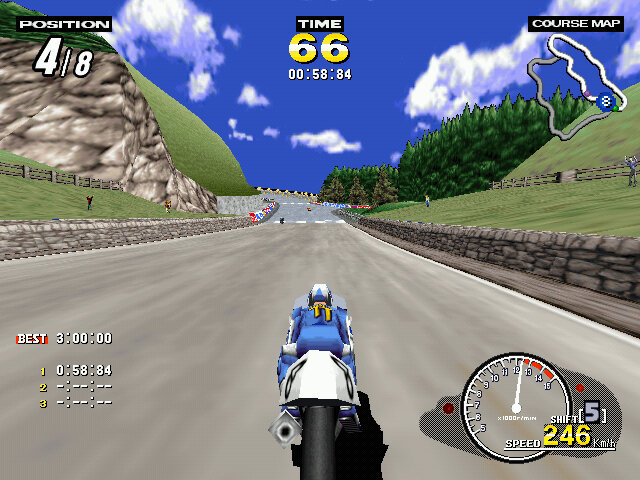
Manx TT Superbike

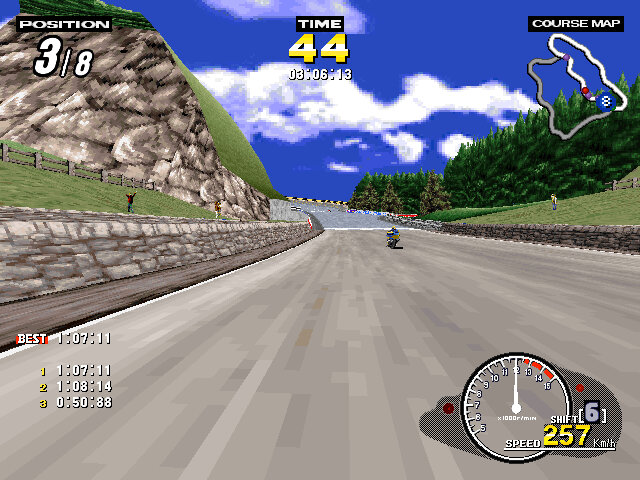
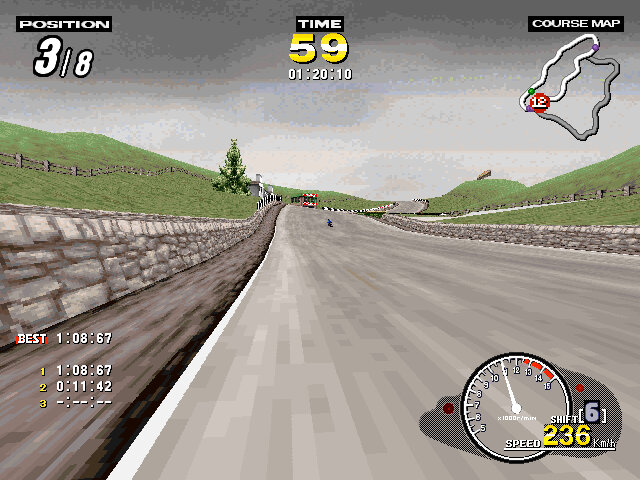
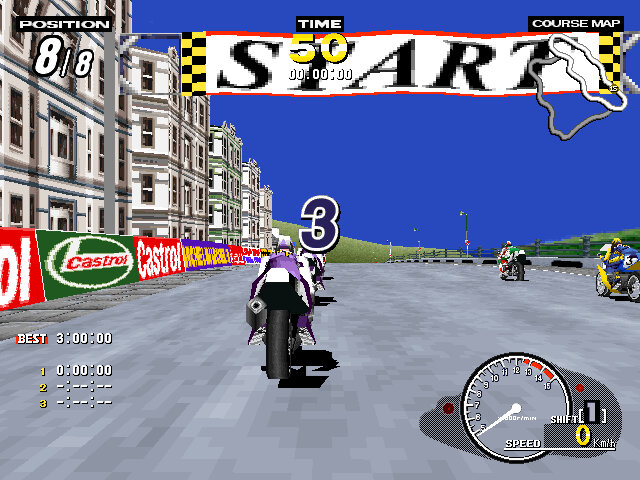
An arcade style racing game released in 1995, aimed to replicate the Isle of Man TT – a motorcycle racing event. Very similar in spirit to Daytona USA which was based on the real Daytona speedway, and Indy 500.

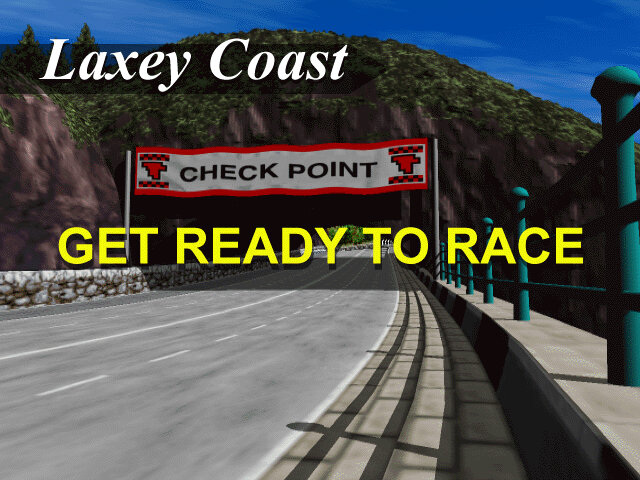
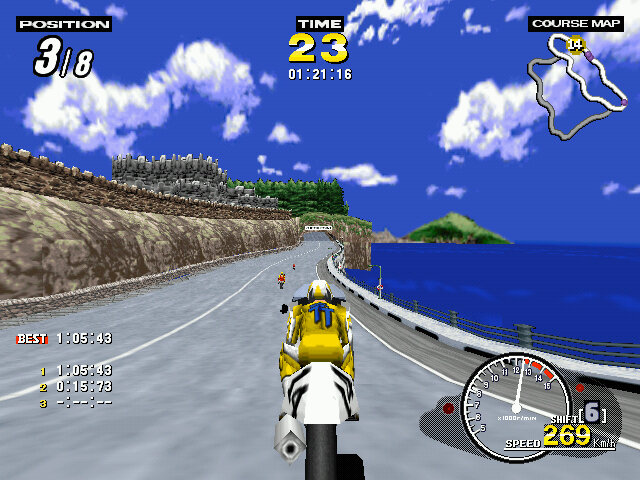
Two courses are offered, Laxely Coast and T.T Course, the latter being the actual track used in the Isle of Mann races. Both tracks share sections with each other and will split and re-join into their own different paths.
The home versions feature two additional tracks that are part of the PC/Saturn mode, these are reverse-mirror versions of the two arcade tracks and can only be selected in that mode. These tracks are also set in the early evening in the Saturn version, and early morning / dusk in the PC version.

Time Trial: Similar to time trial featured in other racing games, choose a track and a bike and try to get the lowest time. On the arcade version you have to hold the brake button when selecting a track to active time trial.

Console / PC Exclusives modes

Practice Mode: Similar to arcade mode, choose a track and your bike which will have a unique stats for speed, acceleration and handling.

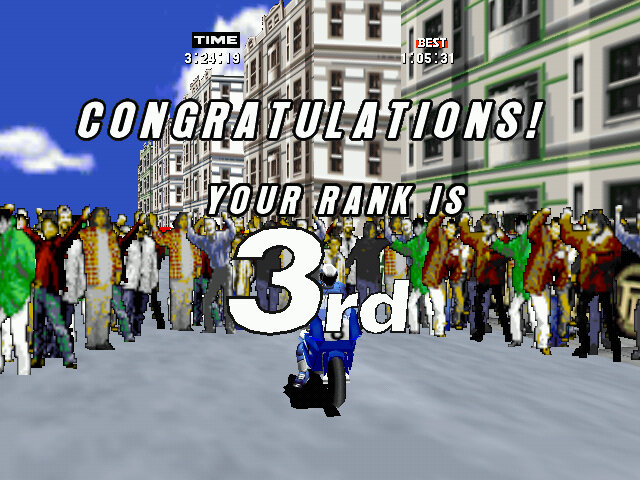
Challenge Mode: a tournament mode where you have to race on all four tracks, coming in a 3rd or higher in each one. The superbike challenge is unlocked after completing this mode.

Versions

Like other Sega games of the era, this title was relased to the arcades first, then to their Saturn console and eventually to Microsoft Windows.

Arcade

The original arcade release runs on the model 2 hardware, specifically the 2A version. This version was considered to be graphically superior of the three versions but is the most basic in terms of content, featuring only two courses and just the arcade and time trial mode. The Model 2 emulator is the most popular way to play this version of the game, with the MAME driver making steady progress but still unplayable in some regards.

Really for a home port, the game could have done with further tracks being added to increase the replay value of the game.

Sega Saturn

Sega ported the game to their home console of the era, the Sega Saturn in 1997. This version introduced new features including an FMV opening sequence and additional race modes. There are also options to change the bike model, which have unique stats across the different models. The game’s graphics were considered to be impressive for the Sega Saturn’s capabilities, with colorful and detailed environments that recreated the feel of the arcade version.

Windows

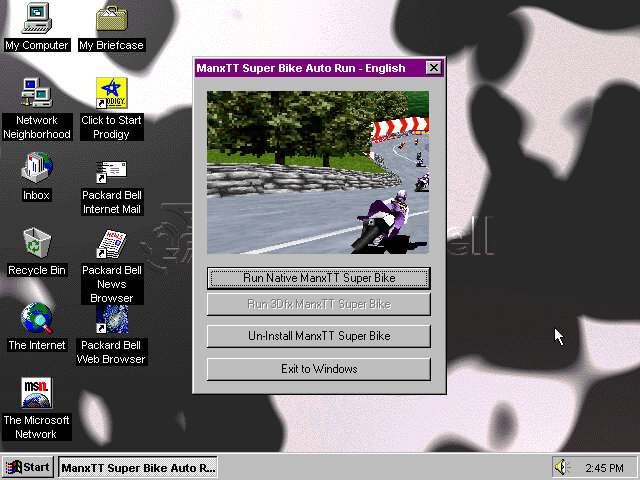
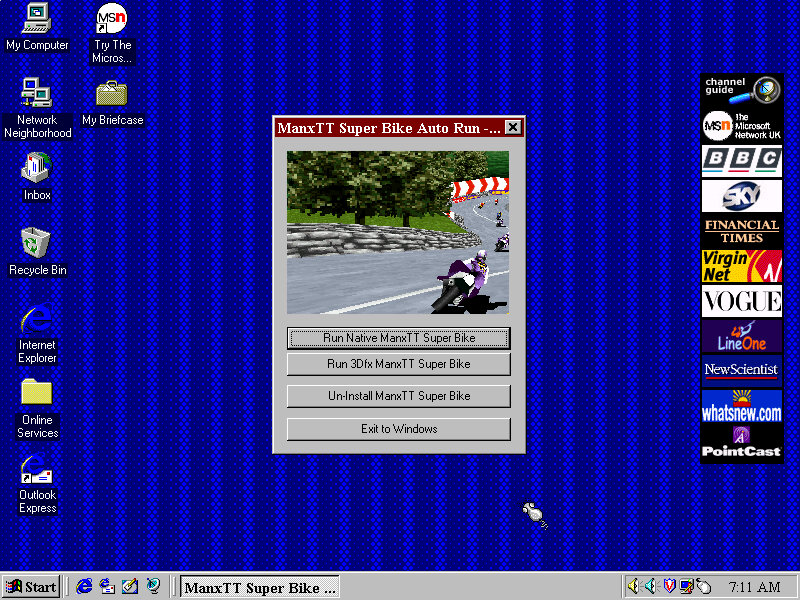
This version supported both DirectX 5 and 3DFX Glide, the latter gives a visual difference that makes it similar to the arcade version sans the frame rate. It seems the game will only render up to 30fps. Still the game can run at 640×480 which is higher than the Saturn or even the Arcade version.

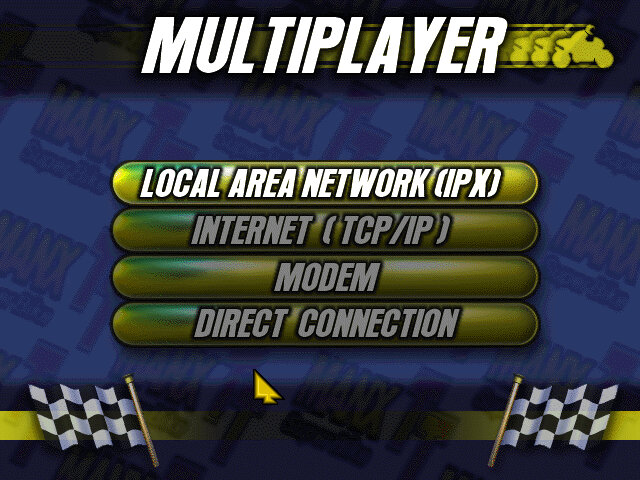
Multi player is supported in this version and can be done over a variety of channels. IPX, TCP/IP, Modem and Serial connections are supported. This can be done via virtual box of you use the PCap option between two 86box VMs, linking it to the VMware virtual network adaptor (8 is typically the local adaptor) then create an IPX session. It may also be possible to map to the serial port in the near future.

I believe up to 8 players can playing a single session, to this would require three machines or more. Unallocated players will be replaced with an AI enemy, similar to single player mode.

DirectX Version

The regular version that uses DirectX 5 for 3D acceleration which works fine in 86Box using the S3 ViRGE video card. This graphics card lacks support for texture filtering.

Only issue is after the race, the crowd can disappear and reappear intermittently.

3DFX Glide Version

The bundled 3DFX drivers will only function on the original Voodoo, or the Quantium3D version of the Voodoo card. Later 3DFX cards require updated libraries in order to be detected, otherwise you will receive the ‘Failed to find any glide hardware’ error, or ‘Failed to initialize viewport system’ error.

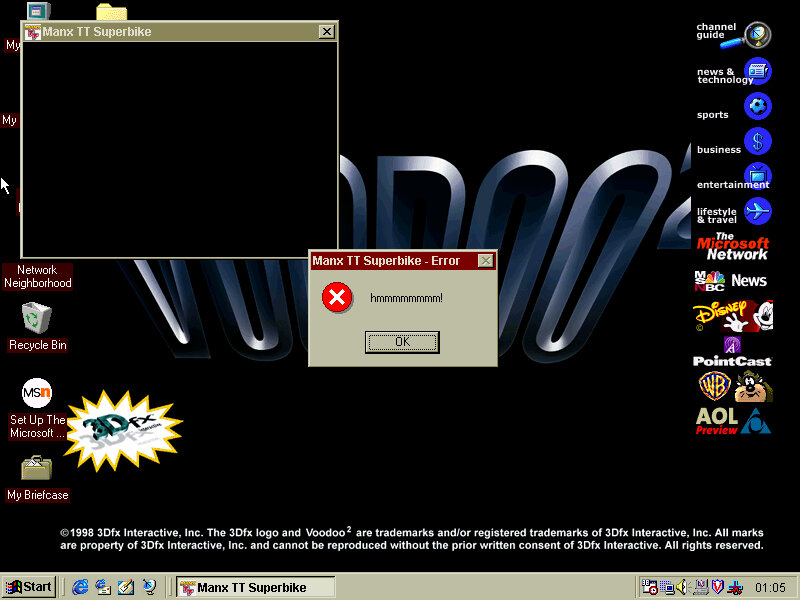
Works well in 86box until I tried it in a Pentium II PC with a Voodoo 2 (S3 Trio video card), where there were a couple of warping polygons and the game would throw up a ‘hmmmmmm’ error message. Whilst it looks like the game crashed, clicking Ok on the message box would restore and return you back to the game. None of this seemed to occur in other VMs I have that used the original Voodoo and AMD K6 combo.

Rugrats Studio Tour

Sequel to the Rugrats :Search for Reptar, released only for the PlayStation in 1999

The game is very similar to Search for Reptar, and even re-uses a lot of the textures, models and sound effects of the first game. Golf makes a return with two themed minigames. A multiplayer mode has now been added that supports up to 4 players (2 at one time)

Characters

  • Main characters include Tommy, Chuckie, Angelica, Phil, Lil and Susie who all appeard in the first game and mostly have their models / textures reused.

The adults Didi, Stu and Grandpa, along with DiIl also appear in the cut scenes but are not directly playable.

Minigames

Each Rugrats character has their own stage, although some stages are split into different levels which feature a different character.

Diapies of Thunder

Play as Phil in a racecar themed levels. These are similar to Mario Kart where you can collect powerups that can either give you a speed boost, grant invulnerability or leave traps for other racers.
  • Speedway: Race 8 laps round a speedway style track, kind of like Daytona USA.
  • Bayou Race Scene: You race as Lil in a jungle/swamp themes race track. Probably the best racing track in the game since its quite varied and challenging.
  • Desert race scene: The final race set in a desert/wild west scene. This one tends to drag on as you play as Angelica who has to race 4 laps on the longest track in the game. You will often manage to overtake the babies within the first lap which means you spend the remaining 3 laps in the lead.
  • Bonus 1: Only available one you complete the game. There’s noting really special about it, its just set in a large apartment with each lap only taking 9 seconds to complete.

Captain Cookies

You mainly play as Angelica in a pirate themed minigames

  • Treasure hunt: Win keys by exploring the map and opening the blue treasure chests, once you have 4 blue keys you can open the final treasure chest
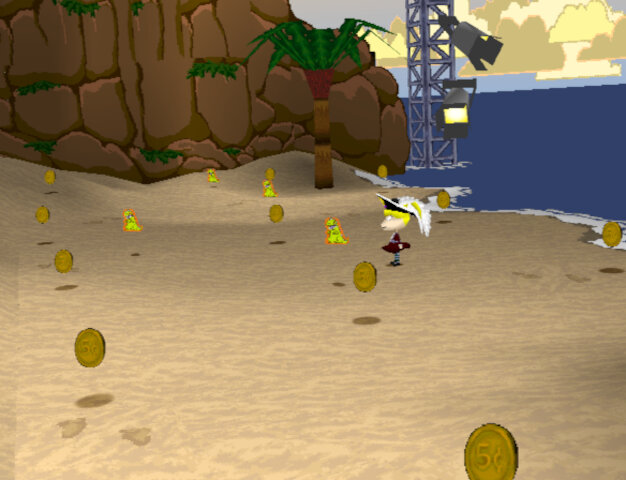
  • Treasure Collecting Area: 4 rounds to collect all the coins in the area before time runs out
  • Pirate Golf Scene: Win a key by scoring under par for the whole game, there are 9 levels in total
  • Footrace Scene: Same as the racing games but your racing on foot. This one can be a challenge as some of the babies (Susie) are quite fast, whilst Lil and Chuckie are slow and prone to walking straight into hazards. There are also track hazards like Lobsters, oil spills and bananas falling from the trees.
  • Tag Scene: tag the babies in order to win, similar to Chuckie’s glasses but you don’t have to race them back to an area.

Lazy Saddles

You play as Susie in a wild west themed studio, with the name being a pun on blazing saddles.

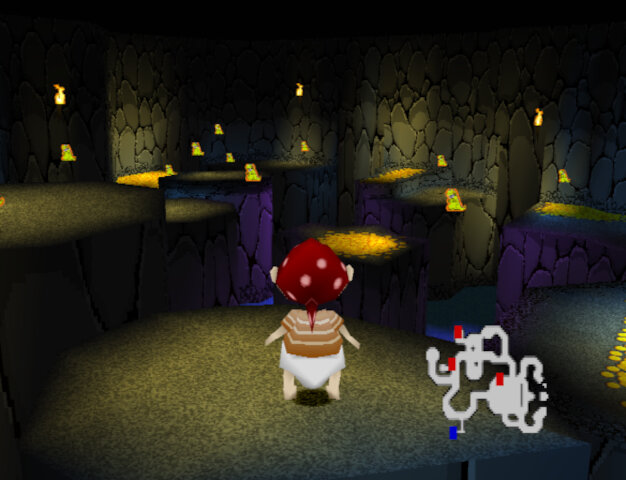
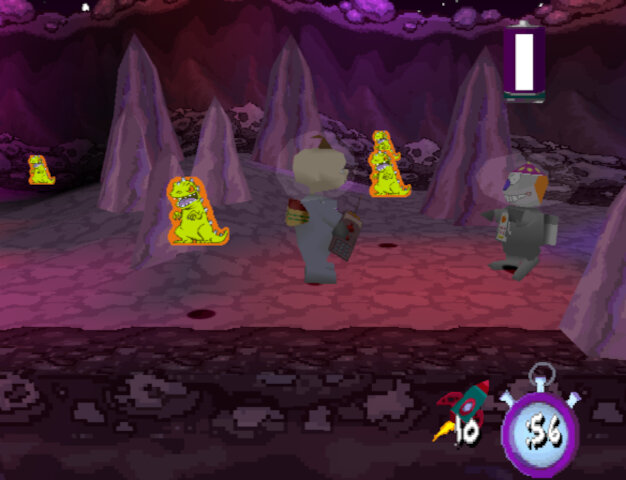
  • Gold Mine Scene: Collect all the gold in the mine and make It back to the entrance before time runs out. First levels are straightforward but the final on become more difficult since there are multiple floors and you have to navigate back down to the start. The controls are unpredictable since the Minecart will often fail to take turns and jumping is delayed. Also enemy ghosts will appear and will take your gold upon being hit, use your torch to zap them
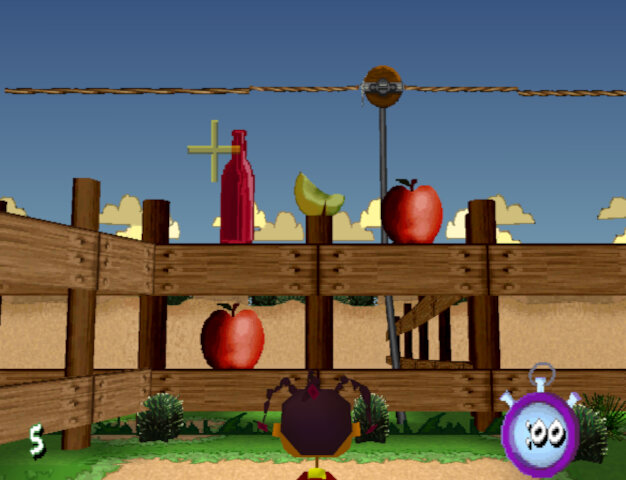
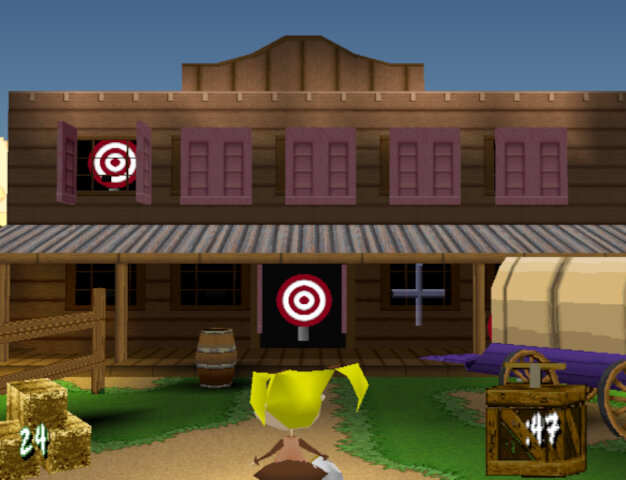
  • Milk Squirting Scene: Shoot at the targets within the time limit, there are multiple rounds
  • Round Up Scene: Round up all the animals to win keys by picking them up and placing them in the correct pen, there are four stages in total
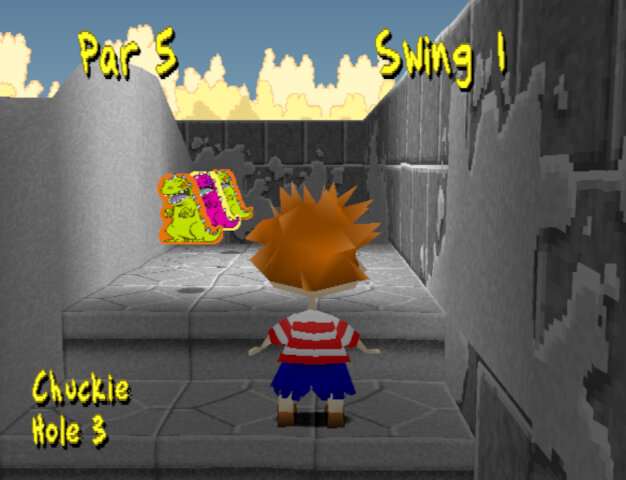
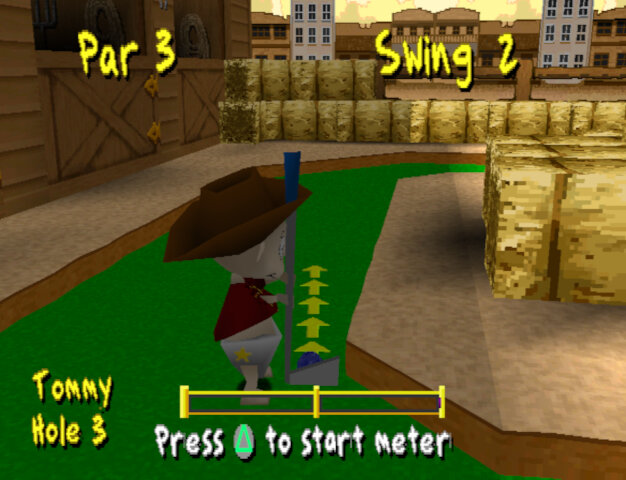
  • Western Golf Scene: Like the Pirate Golf there are 9 stages, to win you have to be under par for all stages. There are pink keys that, when picked up allow access to hidden areas.

Interestingly these golf levels seems to tell a story.

  • Hole 1: A western rail station where you enter the town
  • Hole 2: A town bank where you have access to a vault with money
  • Hole 3: A blacksmith where you take refuge from whilst on the run, and eventually caught
  • Hole 4: A western sheriff/jail that you break out from
  • Hole 5: A graveyard where you hide
  • Hole 6: A tunnel or a hill? I think
  • Hole 7: Native American/Indian refuge
  • Hole 8: Entrance to a mine cave
  • Hole 9: Tunnel to a mine cave

Then again I’m probably reading too much into it, its a kids’ game afterall.

Outside Space

You play as Chuckie in a sci-fi space studio setting

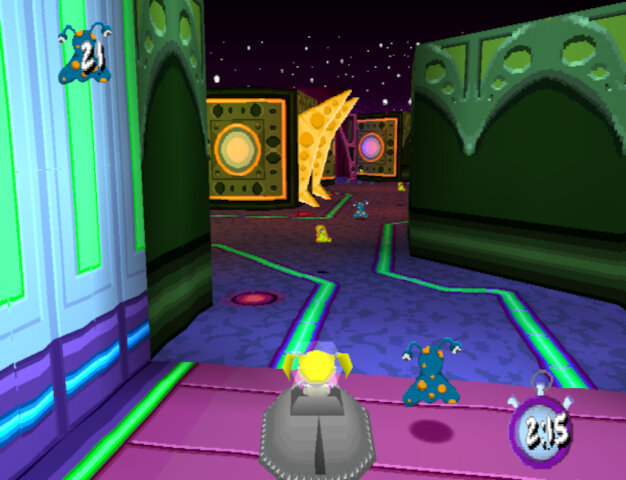
  • Loonie Lander: Collect all the aliens in each of the four stages, each stage gets bigger with more aliens to collect. This level could have been used as a race stage.
  • Zero Gees Scene: Play three levels and navigate the level to the end of the level. Plays like a platform game but can be frustrating to play due to the poor controls. Sometimes there is a delay in the jumping which can cause you to miss a platform.
  • Lazy Beam Scenes: Shoot lasers at the objects to win, similar to the western milk squirting scene

Final Levels

  • Shirley Lock Holmes: Play as Angelica and find four of the ghost keys to open the large door at the bottom of the path which will take you to the next area. From here you use the switch to move the platforms to allow for you to progress.
  • Okey Dokey Jones: Playing as Tommy, this is similar to the Zero Gees Scene activity. Tommy has to navigate to the end in order to locate Dil through a series of platforms and challenges. A homage to the Rugrats Movie which came out around this time.

One thing that stands out about Rugrats Studio Tour is its sense of humor. The game doesn’t take itself too seriously and has a lot of tongue-in-cheek references to Hollywood and the film industry. The character animations are also quite amusing, with the Rugrats getting into all sorts of wacky situations.

That being said, the game does have its flaws. The controls can be a bit clunky at times, and the camera can be frustrating to work with as it was in the original game.

Overall, I’d say Rugrats Studio Tour is a decent game that’s worth checking out if you’re a fan of the show or looking for a fun, lighthearted platformer. It’s not a masterpiece by any means, but it’s a solid effort that’s sure to bring back some fond memories for those who grew up with the Rugrats.

The Sims Superstar

Sims get their 15 minutes…

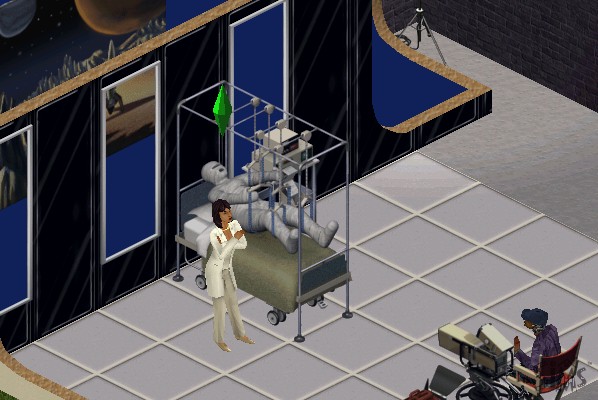
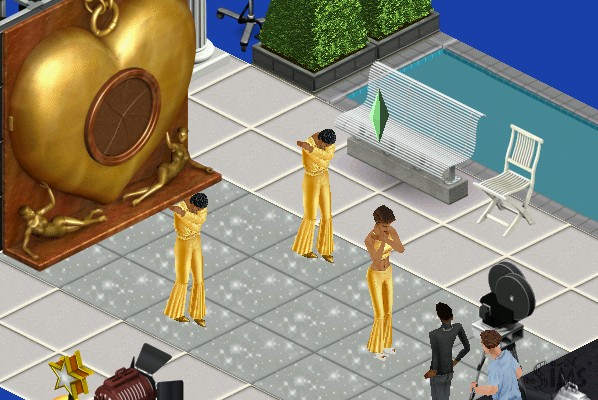
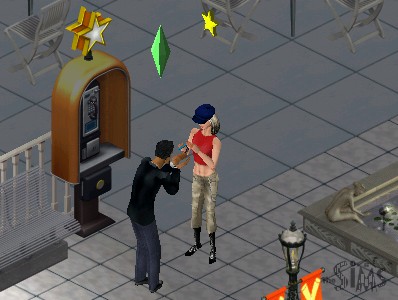
The sixth expansion pack where sims can get famous by following specific careers such as Acting, becoming a Model or a musician (Even though careers for these existed in the base game, and sims in those existing careers already do not gain any fame) It also introduced a new studio town community lot and a set of new objects.

Studio Town and Fame

Studio Town has a very 1950s Hollywood theme to it, since this was considered the golden era of Hollywood on which Studio Town is based on. Many lots consist of shopping sections, but will also cater to various different types of fame, with some being geared towards music, acting or fashion/modelling. Even if your sim is not part of the fame career, regular sims can still visit lots as guests and can interact with most of the objects.


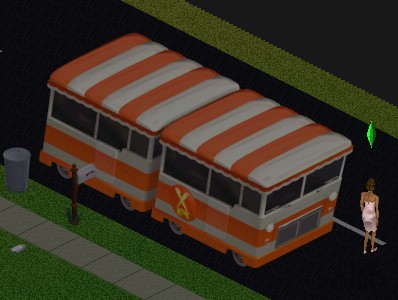
To get to Studio Town, your sim will need to call for transportation, which will take them to Studio Town, from the lot select screen, you can highlight lots that cater to either fashion, acting, music, shopping or spa locations. Like other commercial lots, studio town can he customized by the player by entering a lot directly from the neighborhood view. Objects are grouped by the type and function of studio town lots (Food, Shops, Studio and Spa)

Also if you’ve played The Sims Bustin Out, some of the buy mode music will sound familiar 😉

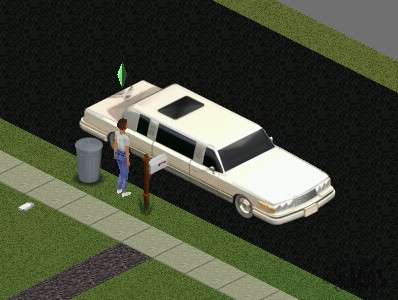
Fame is measured through a level represented by stars, with sims staring out at level 0. Higher levels let your sim have access to further opportunities and will change the vehicle used to transport you to Studio Town, eventually being transported in a custom limousine.

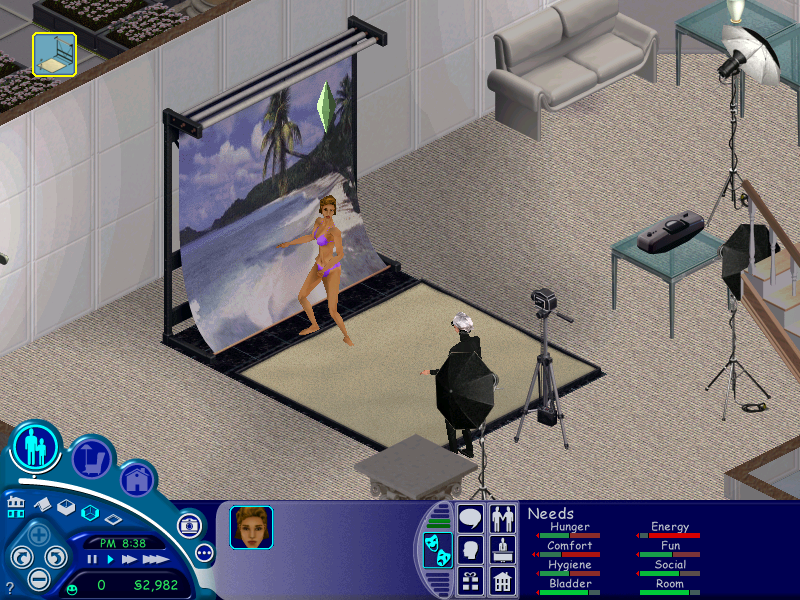
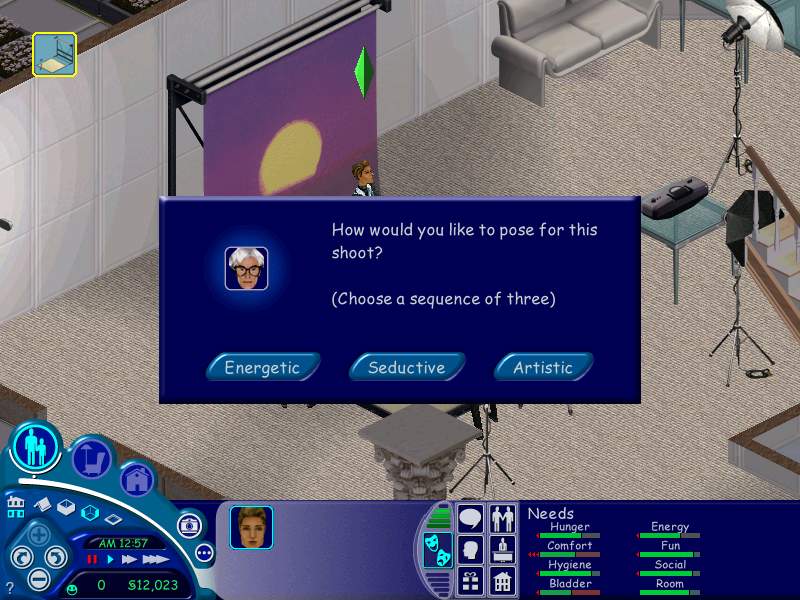
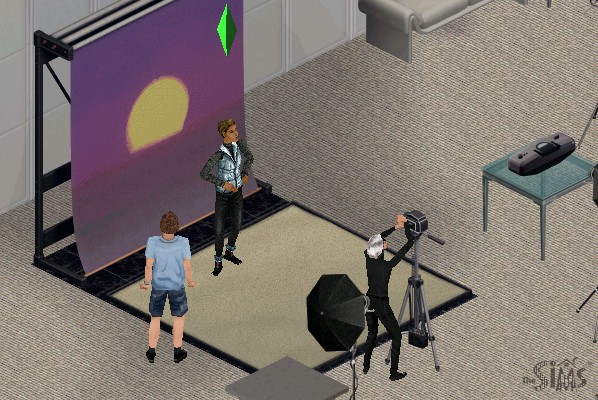
At 0 stars you will only have access to karaoke or open mics which makes sense for the musician or acting paths, but not for modeling. As you level up you will have access to photo shoots and print adverts.
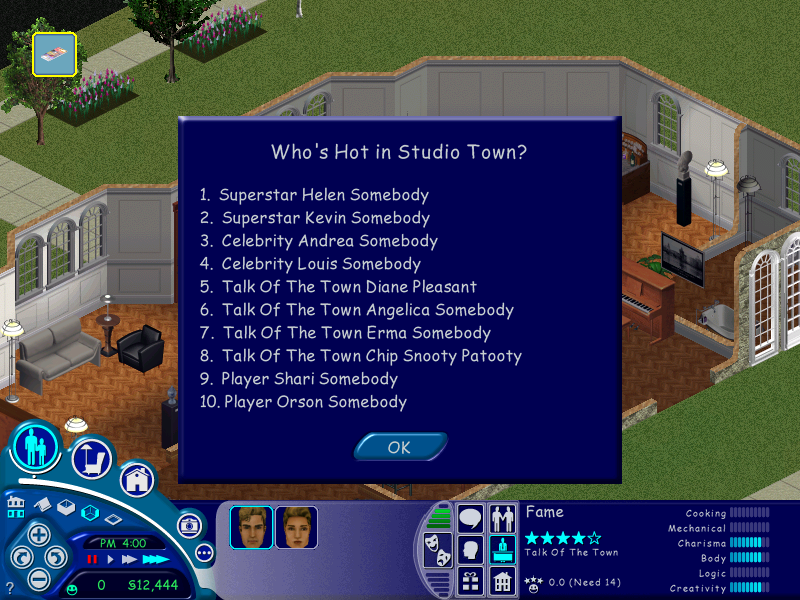
Getting 1 star lets you record Jingles at a recording studio, and 1.5 stars let’s you record a TV commercial. As you progress, more fame objects will become available for your sim to use. You will also notice your sims name in the Who’s Hot section of the Superstar leaflet.

The maximum is 5 stars, which will give you access to all fame objects and opportunities on the Studio Town lots.

Objects

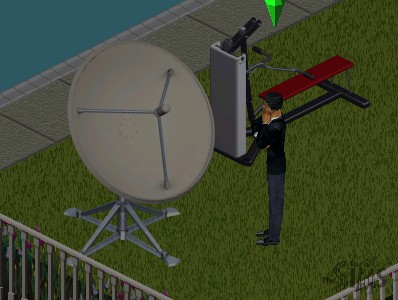
DSTS Satellite Dish – Adds a few extra channels to all televisions on the lot, increasing the fun rating depending on your Sims personality and interests. Its appearance is similar to the old BUD C-band dishes that were huge (around 3m in diameter) that was common in the 80s, compared to the smaller satellite dishes that can fit on your house.

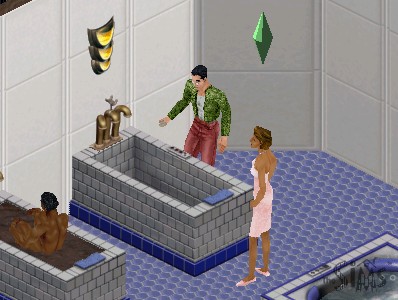
Ponce de Leon Tub – Increases your sims hygiene and comfort but is very time-consuming to use. It takes nearly a sim hour for them to get out, with is bad to use it before they go to work.

Whisper Steam Personal Steamer – A steamer for your sim, increases hygiene and comfort.

Flatscreen TV – a television that can be wall mounted to save space, and gives the same motive increase as the plasma screen does.

Uncle Roger’s Culinary Offerings – A buffet table similar to what was included in House Party or On Holiday, your sim just needs to set it for a fee and sims can grab a variety of meals from it.

The Face of Shakespeare – A high end bookcase that has an additional option to practice soliloquy which increases the charisma skill

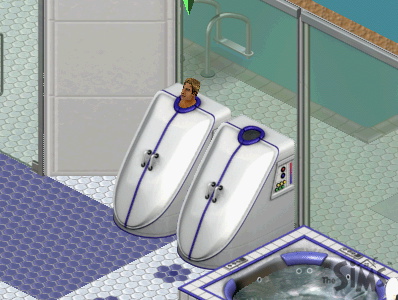
Scuba Tank – Sims can enter this tank, although it takes some time for them to enter it. Increases their fun score.

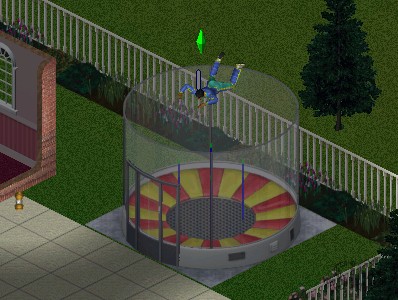
Galileo’s Free-For-All – A mini skydiving simulator

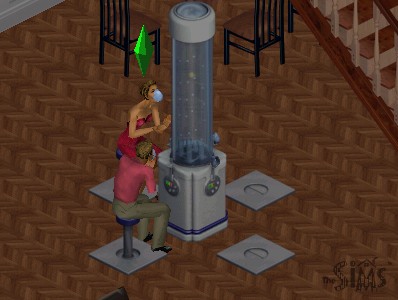
Energize! Oxygen Bar – A bar that sims can sit down on, increases comfort and fun, and social if multiple sims use it

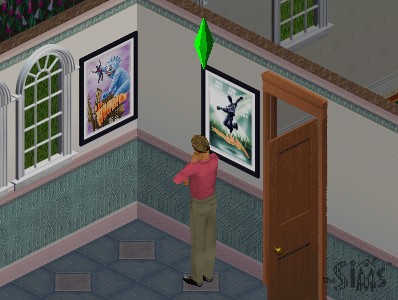
Movie Posters – These can be purchased in Studio Town and then can be decorated into your sims home when they return. Your sim will place them on the nearest surface, which you can then placed in build mode.

NPCs

Butler – Alternative to the maid, although he does much more (gardening, greeting and preparing meals) and stays for a lot longer.

Obsessed Fan – Appears after your sim gains two or more stars, these will follow your sim around studio town and will appear randomly on your lot. They may also rummage through your sims trash and leave black roses on their lot. Having a butler helps shoo them away.

Lana -A helper NPC that your sim can use to find out different aspects of Superstar like the fame system, fans awards and name dropping to boost social.

Celebrities – A few real life celebrities appear int he game like Marylin Monroe, Avril Lavigne and . Additional celebrity NPCs could also be downloaded from The Sims website and have been archived. Andy Warhol also appears as one of the fashion set managers.

Conclusion

Studio town was a nice addition to The Sims but was lacking in several places, especially with the residential lots. Where are the mansions, studio apartments and condo’s for the sims to live in? The fame careers could have been integrated better as the base game already features a musician and actor career paths, neither of these have any effect in studio town.
The Sims 3 Late night is considered the spiritual successor for The Sims 3, the closest for Sims 2 would be Nightlife, but that’s more geared with Hot Date.

The Sims Unleashed

The fifth expansion pack to be released, Unleashed brings a significant change to The Sims, with the addition of pets, larger neighborhoods that can hold more sims and new game elements such as farming and commercial lots.

Whilst Unleashed brought new improvements, it noticeable made the game more unstable and brought some frustrating changes to the gameplay. One noticeable change is sims have issues moving and turning and will sometimes rotate multiple times when interacting with an object.

Some pets will occasionally come onto your lot and piss everywhere, leaving a bunch of puddles randomly outside your sims house, and will trash the outdoor room motive when your sim goes out for work. Also, any malicious animal that spawns will sound the burglar sound, which can startle or surprise some players, but given how frequently these will spawn the effect will eventually wear off and will become more annoying to the player as they play the game.

Neighborhood

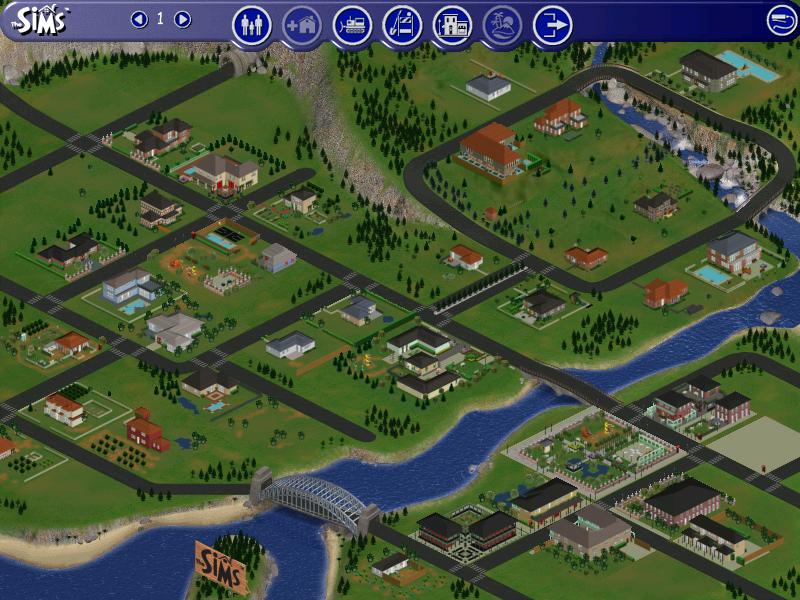
One of the first noticeable changes is the neighborhood screen which sees an increase of playable lots from 10 to around 48. With it is a new lot zone type, commercial. The main difference is a commercial lot is intended to be visited by multiple sims where they can shop or explore. Commercial lots cannot be visited directly from the neighborhood screen, but they can be edited which gives access to buy and build mode. To access a commercial lot, your sim will need to phone up for the Old Town bus which will arrive, and all sims on the lot will be transported to the commercial lot that you choose. These lots cannot be edited whilst sims are visiting, the Build and Buy modes are disabled.

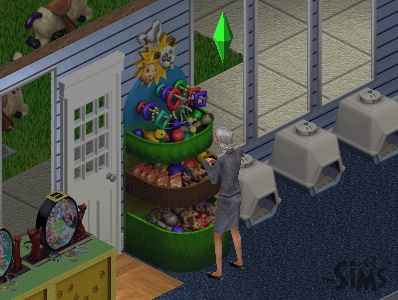
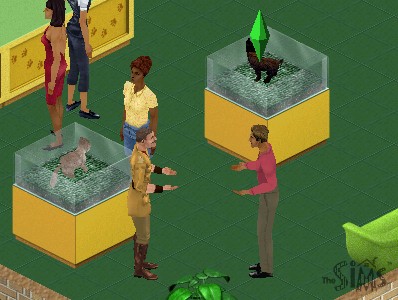
Typically commercial lots will consist of shops, such as a pet store where pets can be adopted, along with any pet accessories. Traditional lots are renamed as residential lots and is where sims reside as they did in the previous expansion packs. Additional neighborhoods still exist as they did in previous expansion packs.

Pets

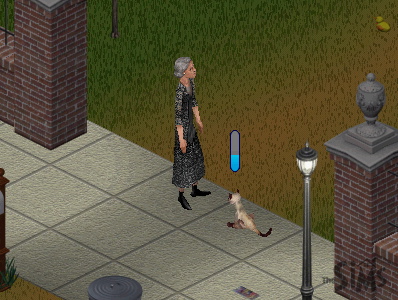
Two types of pets are featured in the game, mainly cats or dogs which can be adopted by sims themselves. Other pets exist such as budgies which are treated by the game engine as objects, similar to the fish tank that was included in the base game where sims have to feed them every so often.

Skills can be taught to your pets to make them more obedient, this is harder than expected since pets will most of the time go off and do their own thing. The best thing to do is to use the Sit n’ stay command to build the obedience skill, which will make the other skills easier to build up. This interaction only works when your sim is near your pet.

Objects

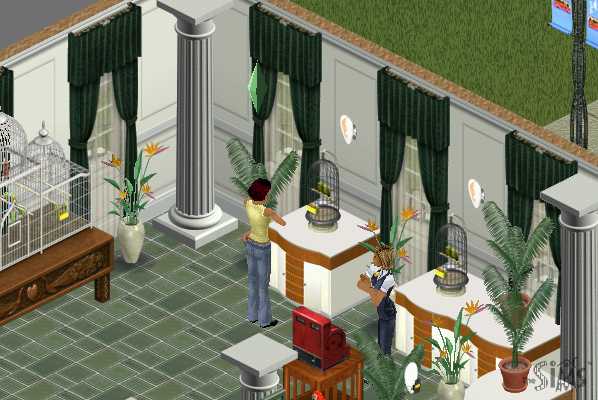
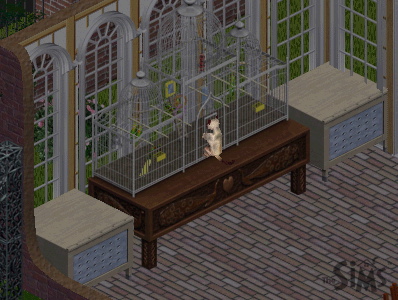
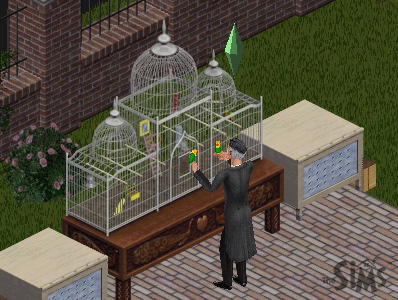
The Aviary – A bird cage to keep birds that have been purchased at the petstore, You need to frequently feed the bird in a similar manor to the fish tank to keep the pet alive.

Sims can play with their pet birds which boosts their fun and social. Two types of birds can be stored here, Love Birds and Budgies. Cats will also try to play with the cage.

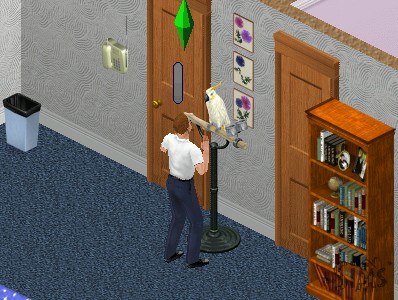
Speaky Scarlet – A pet parrot that can be purchased from buy mode. Sims can talk to it to boost their charisma skill

Ceti the Happy Whale – A playground item that child sims can play on, boosts fun and can be played in groups

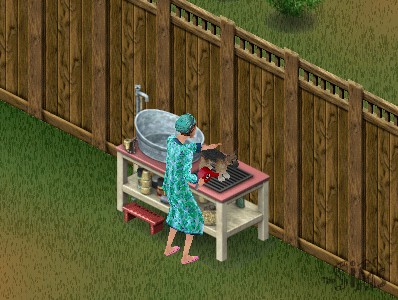
Squeak-EE-Clean Pet Tub – Used to wash your pets, can be used with both dogs and cats, requires regular feeding

Forgotten Jungle Terrarium – Used to house a pet iguana

Other expansion packs featured pet objects like the gerbil featured in Livin It Up (Livin Large), or the fish tank from the base game. These remain unchanged although pets may interact with them.

Commercial Lots Only

SpueakNip Pet Toys

Only for commercial lots, sims can purchase toys for their pets. Requires a nearby cash register

Notable NPCs

Giuseppi Renni and Mr McCutch

A musical duo that appears on Old Town lots and will entertain your sims, can be tipped 5 Simoleans

Gardener Bob

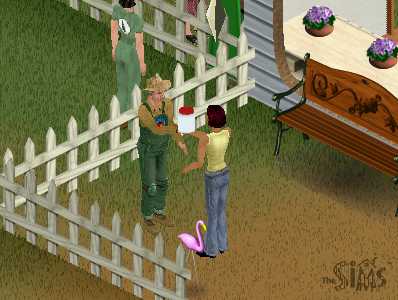
Appears on Old Town lots that sell seeds and vegetables, sims can buy plant tonic for their crops and get advice on how to grow their own crops

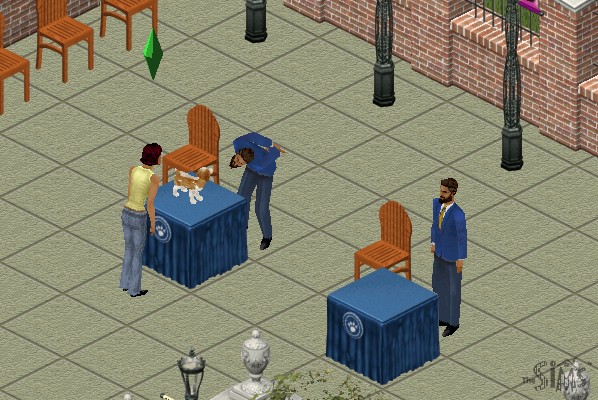
Pet Judge

Appears on lots that have pet judging podiums, he can tell you further details on pet judging.

Pet Trainer

This sim will appear on the pet store or anywhere you can adopt a pet. Can be used to train your pet for an increasing fee, dependent on your pets skill level.

W.C. Friendly

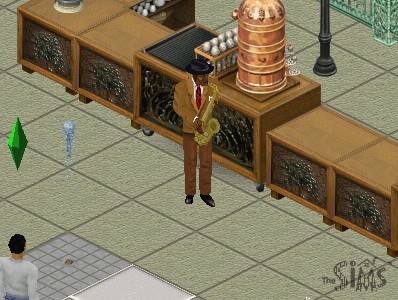
A jazz player that appears on cafe lots (any lot that has a barista/coffee or pastry stand)

Farming

Sims can grow crops by purchasing seeds from an Old Town merchant and planting them, which can be used for food, or produce can be sold in Old Town for money. Growing crops requires a certain amount of effort as sims will need to water, weed and protect the farm from animals or gophers. A buyable scarecrow or a pet cat can help with this, depending on the hunting skill of the pet. Once the crops have been harvested, they can be stored in a pantry or sold at the farmers market.

Garden plots can be found in the gardening section of build mode.

Sims can also purchase produce on certain Old Town shopping lots, if the sim has no room to farm. To store crops for cooking, you will need to purchase a pantry to store the produce in.

Residents

Unleashed also introduces a few new pre-made families to play.

  • Burb: Brad and his wife Tiffany, with their son Johnny and their dog, Tucker. This family would later appear in The Sims 2.
  • Charming: Consists of Claire Charming, with her pet dog Luna
  • Hick: Mama Hick and her son Elden live in what appears to be a trailer, with their three dogs.
  • Goth Sr: Parents of Mortimer Goth.
  • Kat: A single female with four cats, Yup a spinster.

Other Additions

The phonebook has been expanded to a dialog box now appears when calling neighbors. Previously sims were called from the pie menu which would also include any known townies or vacation sims if those expansion packs were installed. Services remain the same as their own section in the pie menu.

Five new careers are included – Fashion, Education, Animal care, Culinary and Circus.

MacOS Version

The game was also ported to the MacOS platform, and makes full use of the Carbon library which gives it OS X and OS 9 compatibility. As this was released in the PowerPC era, you cannot play it on modern OS X versions (10.7 Lion upwards, as these versions of OS X lack PowerPC support) On modern Mac’s it’s easier to use Boot Camp and use the Windows version of the game, but for M1 Macs you may prefer to use an emulator like QEMU or Sheepsaver to emulate an OS 9 PowerPC environment, which the game will run.

Conclusion

Unleashed was a dramatic upgrade to the sims engine, adding new specific to the game, expanding the neighborhood and the type of lots that can be used. I would say this was one of the more important expansions of The Sims as whilst previous expansions added features to the existing game, and expansions like Hot Date added their own expanded areas (Downtown), Unleashed dramatically replaced many game mechanics and in some ways feels like a sequel rather than an expansion. This was also one of the first expansions to ship on two CD’s, highlighting the amount of changes and value being added to the game.

Tragically this expansion never made it to the console versions, which deviated int heir own direction with the release of The Sims Bustin Out and URBZ Sims in the City.

Apex (Racing Evoluzione)

A fine Xbox exclusive racing game

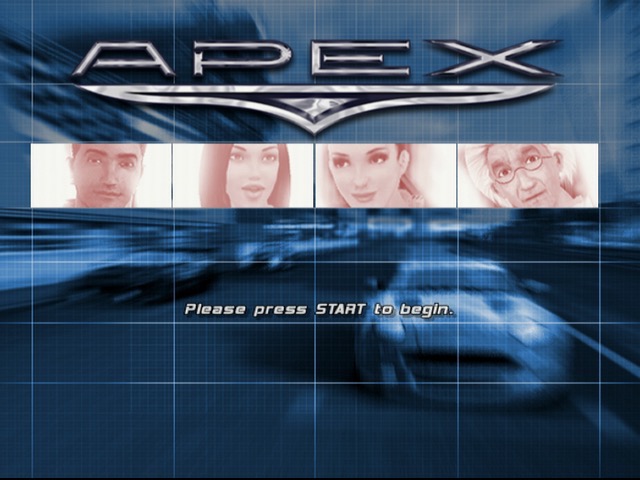
Released in 2003, this was one of the few Xbox exclusive racing games that verges between the arcade racing as seen in Ridge Racer / Metropolis Street Racer and the simulation aspects of Gran Turismo.

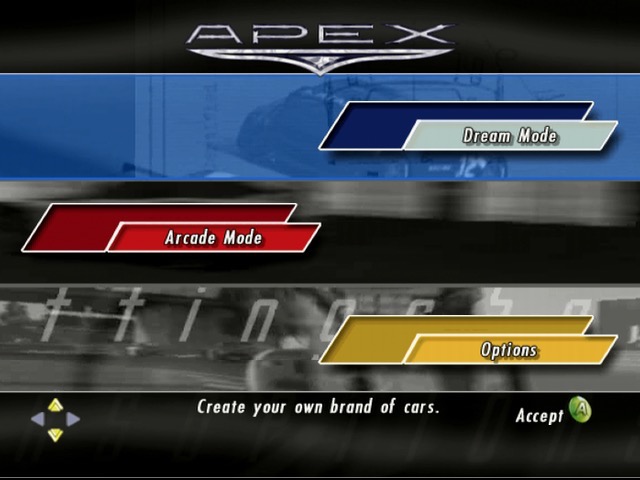
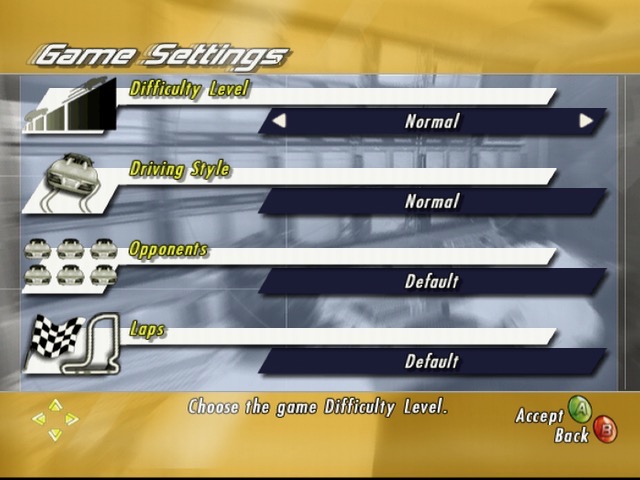
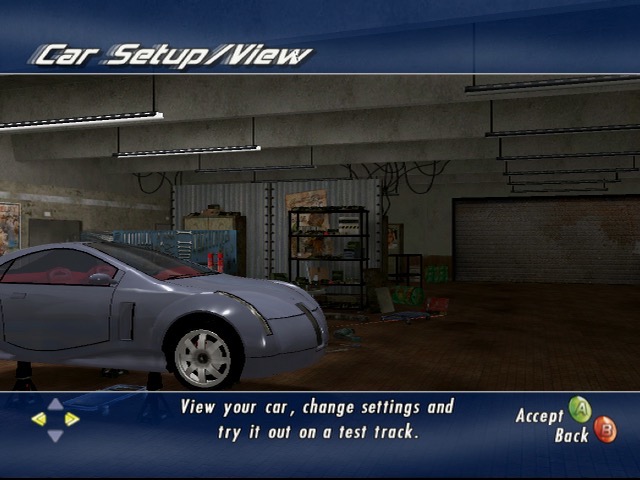
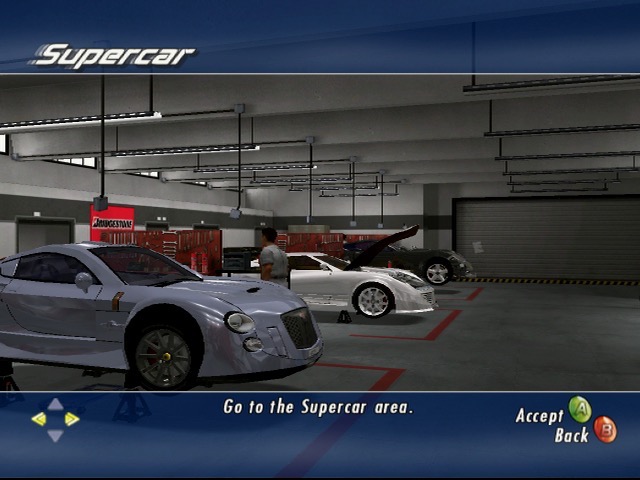
The main game mode is the Dream Mode, and features a rags to riches type story where you start off in an old car garage workshop. You are required to race and tune up your vehicle in order to stay competitive. As you win and progress through the game, you are able to finance development of further vehicles that will help with later races. You are provided the choice of which car to develop, which varies based on handling, speed and acceleration.

Essentially you are developing a new series of cars that are financed through the winnings of your races, the better you do, the more funds you can put towards better cars.

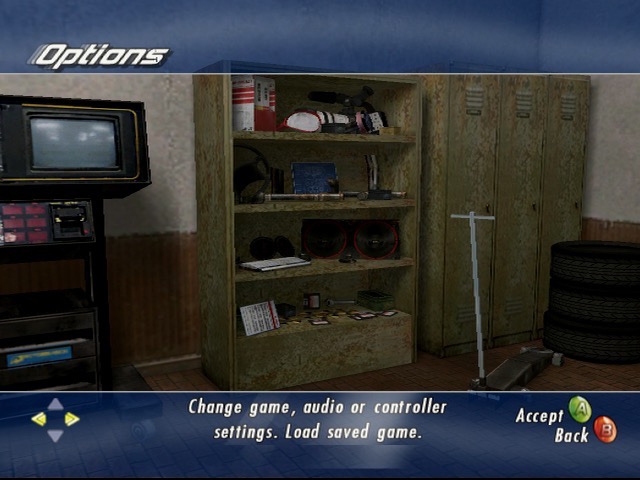
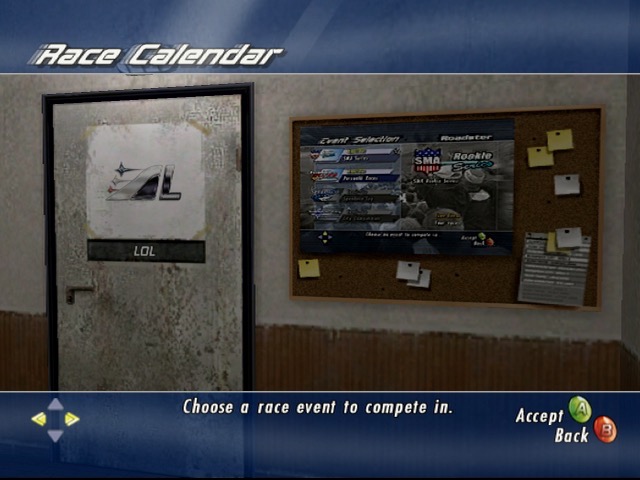
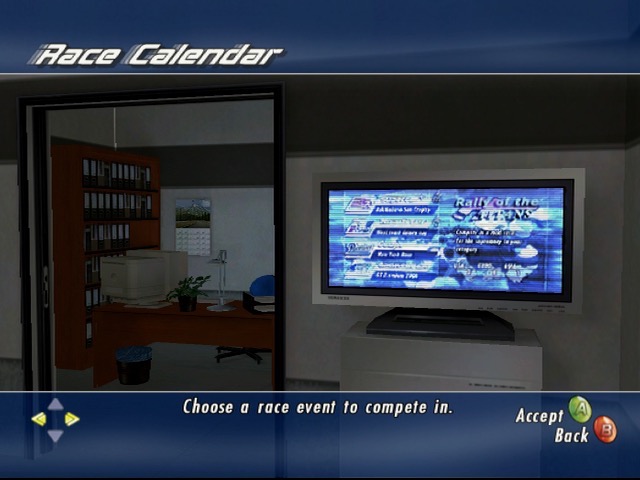
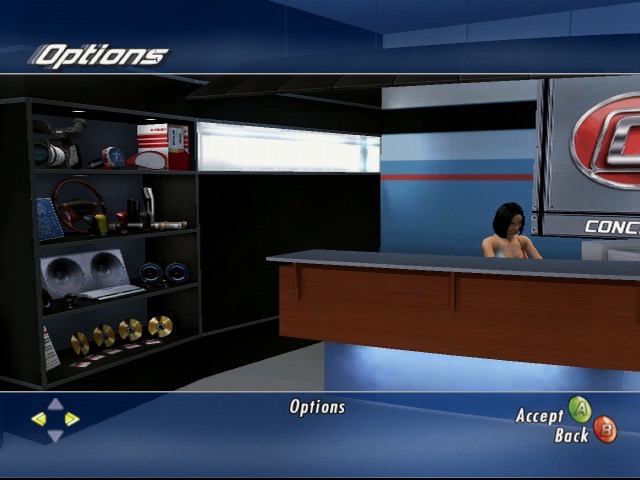
You will also see your workshop change and improve over time, with the building expanding as further departments are introduced. The workshop serves as the user interface for the game, using the left. right buttons to move between the different sections of the workshop that are used to access parts of the game. Visiting the garage lets you change settings for the car, and choosing the shelf lets you change game settings (video, audio, controller) and to load/save the game. Its a very creative way of navigation and blends into the game play. Races are started by the LCD display on the wall, giving the impression these races are televised.

1st place isn’t always required but is needed to get more funding for development of better vehicles. You can always repeat races to improve your standing. Some races are set in a Gran Prix series where you must finish a set of races in order. You also have an opportunity to complete a one on one race with a rival opponent, wining these races will give a boost to your research funds.

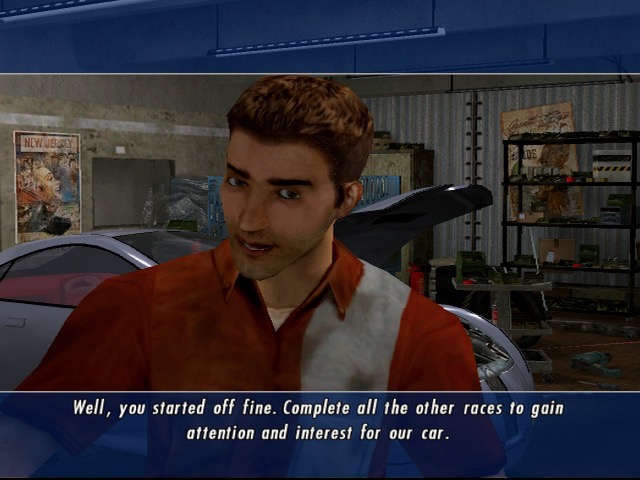
There are few characters that appears in cut scenes and serve as your staff. These serve a specific purpose in progressing through the game and will appear as you progress through the game.

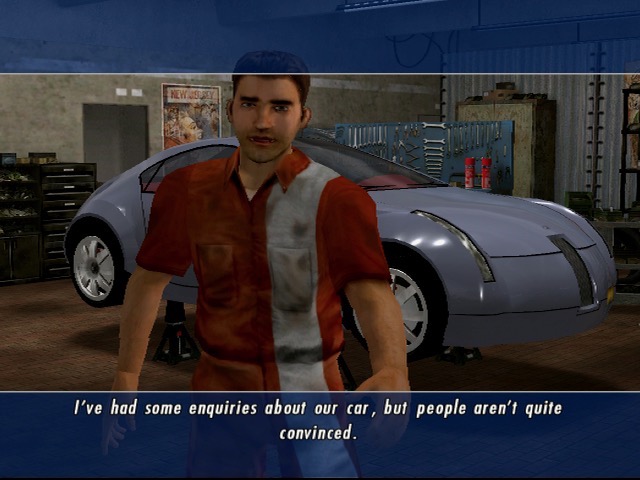
  • Rick, The Mechanic – Pictured above, One of the first characters you meet, he’s responsible for making and applying changes to the car.
  • Carla, The Receptionist – Handles PR stuff
  • Rebecca – Responsible for managing production of cars which your company sells to also fund research.
  • Benjamin, The Scientist – Appears to the end, mainly responsible for researching high end supercars

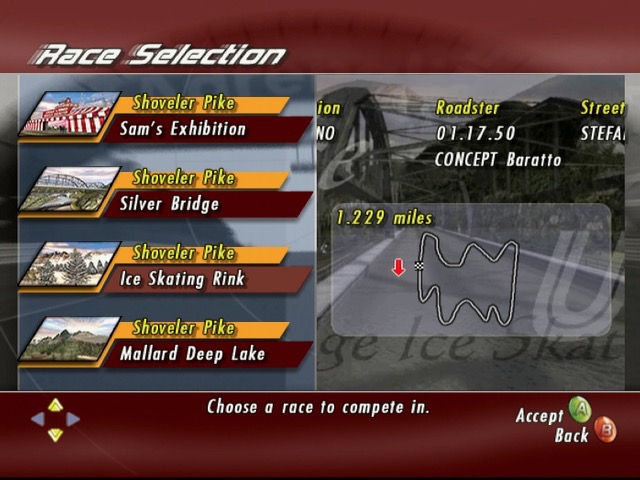
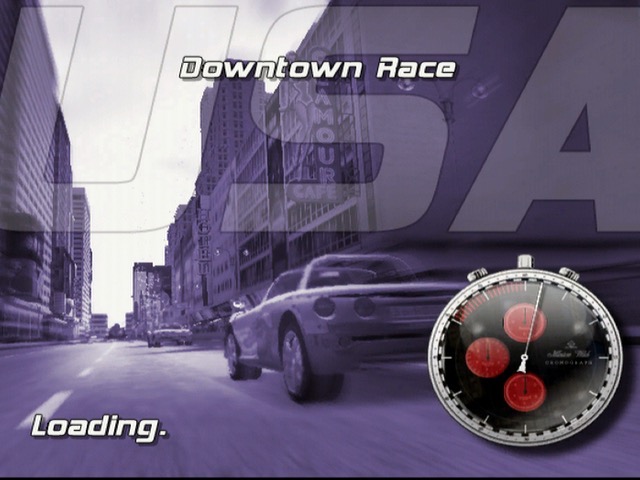
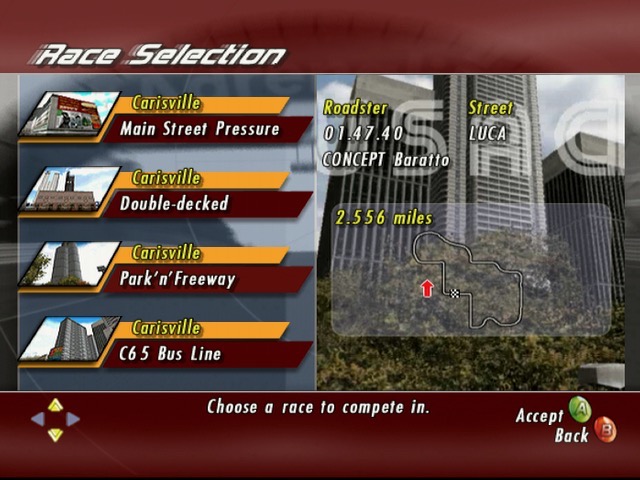
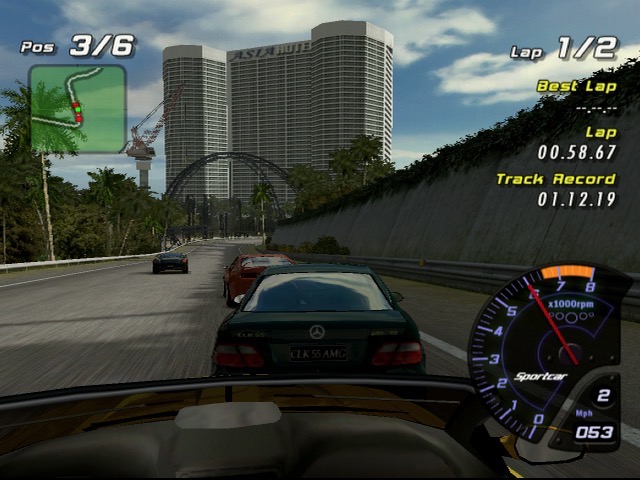
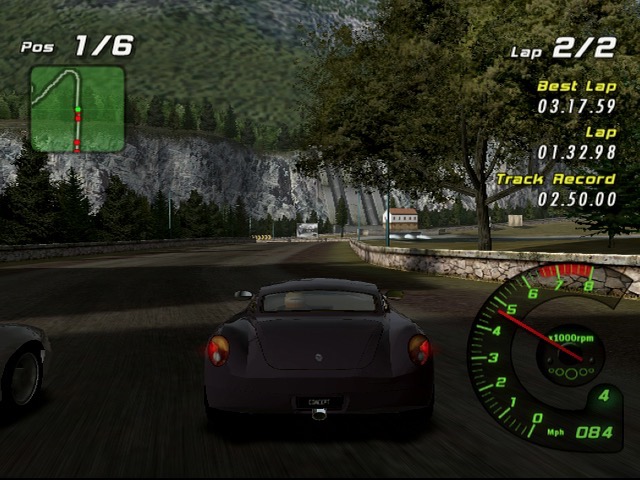
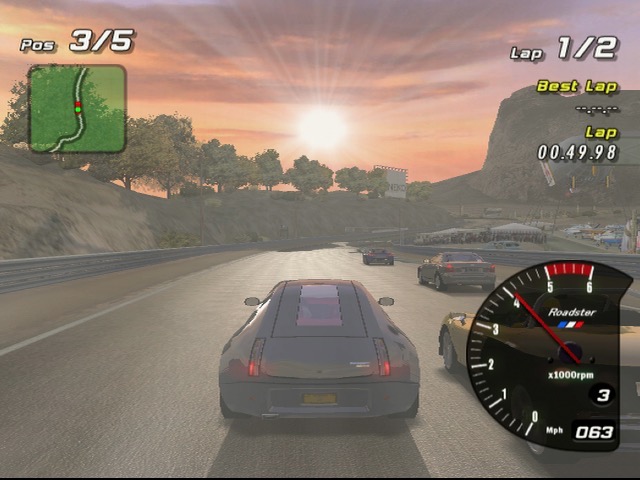
The races themselves are straightforward, you start at the bottom and have to race your way to first place. There are typically 6 opponents that you compete with who’s vehicles will also adapt to changes from your vehicle, Keeping the game competitive. Theres a diverse amount of tracks in the game, with some being set in the daytime, evening and nighttime, along with their own background music. As with other Xbox tiles you have the option of using your own playlist if you have imported this onto the Xbox.

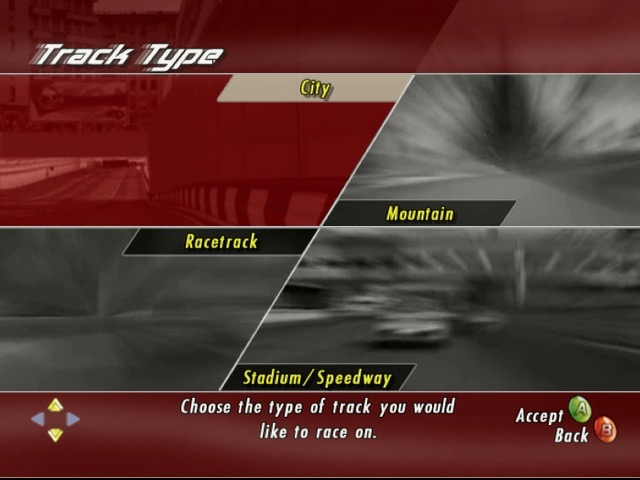
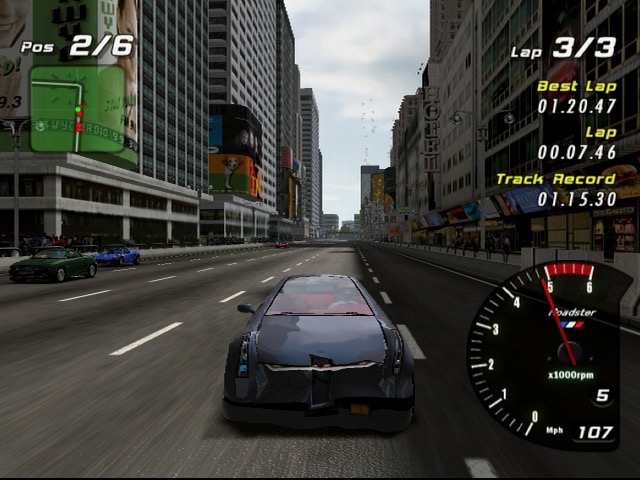
There are four main settings for the races, City, Mountain, Stadium and Racetrack.

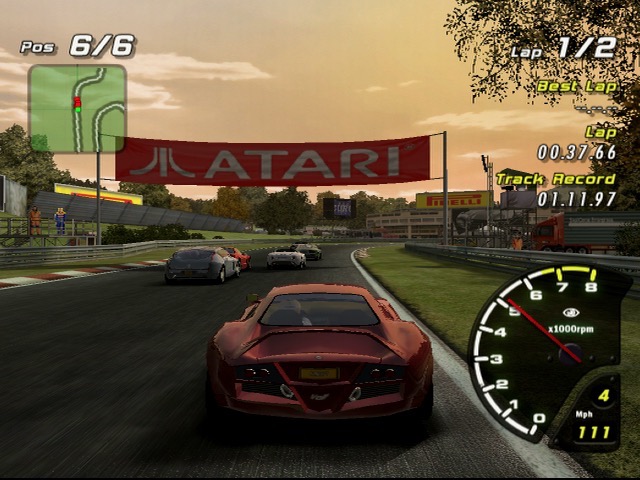
The racing display is typical of the era, with a mini-map keeping track of your car and opponents, along with a lap counter and time display that shows the current racing time, your best lap and the track record which is shared between the different profiles on the Xbox.

Theres a couple of different camera views to select from, from third person to bonnet view.

No online play, not even system link which is strange for an Xbox exclusive from 2003. There is a head to head display that allows two players to race each other by connecting two controllers.

Sadly this game is not playable on the Xbox One or Series X/S, it is compatible on the Xbox 360 albeit with missing audio on some cutscenes. I suspect due to licensing issues we will never see this emulated officially on another Microsoft console.

Similar games

  • R: Racing Revolution – very similar in driving mechanics.
  • Midnight Club 2 -This is more set in an open world
  • Burnout – A lot more grounded in reality compared to the alter Burnout titles.
  • Ridge Racer V – The tracks and scenery have some similarities