Tag Archives: 2005

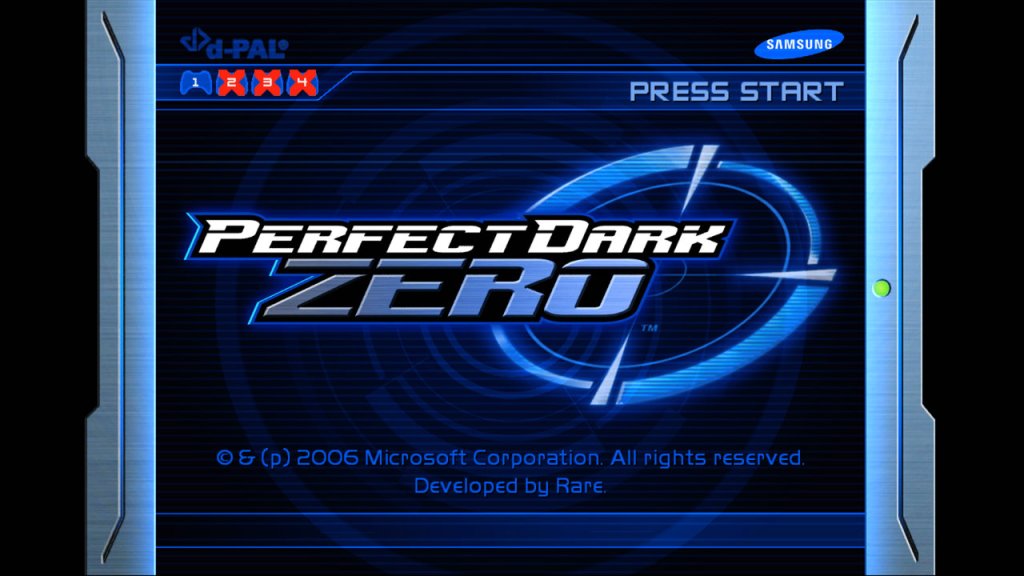
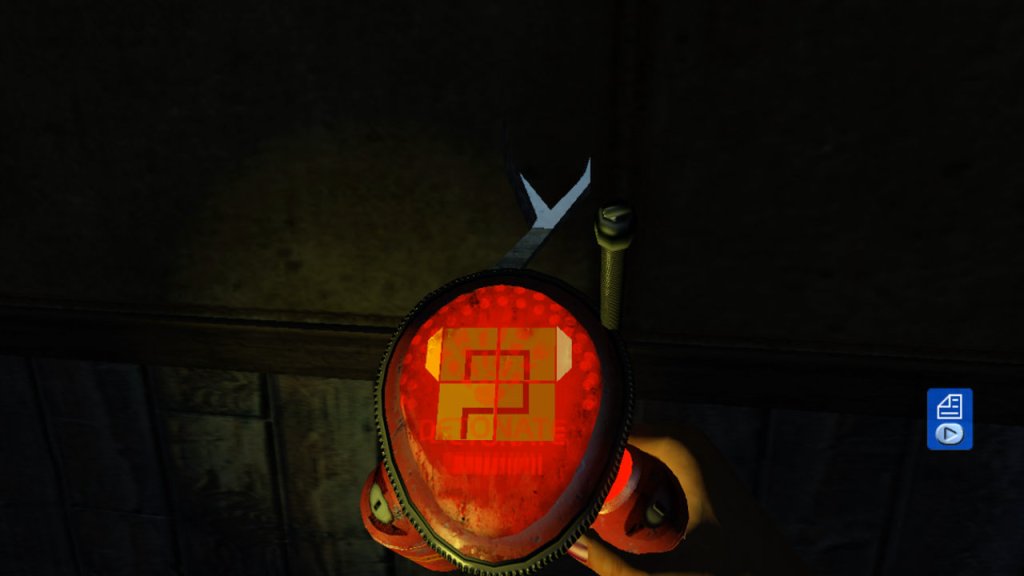
Perfect Dark Zero

The sequel to the original Perfect Dark game, released as a launch title for the Xbox 360 in 2005.

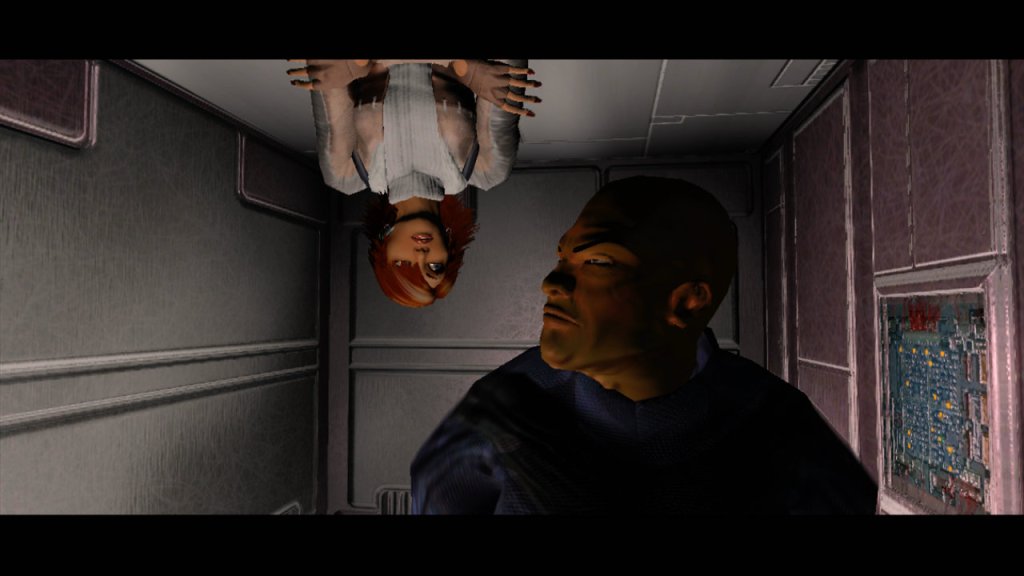
First off, Perfect Dark Zero is trying to tell the origin story of Joanna Dark, our badass spy chick, in this futuristic 2020 where corporations are running the show (similar to your typical futuristic SciFI story, like Unreal and Deus Ex). You’re out here doing bounty hunter gigs with your father, Jack, before things turn bad with dataDyne and some alien artifact. The story is a lot more hard to follow compared to the N64 original, even with the HD cut scenes. The original had this tight, mysterious vibe with Area 51 and Skedar aliens—felt like X-Files meets GoldenEye. This one’s got a convoluted plot. The N64 game’s story wasn’t perfect, but it had charm and focus. Zero feels like it’s trying too hard to be epic and just trips over itself, which is usually a sign a game was rushed to reach a console launch deadline.

PDZ’s 2020 setting depicts a world where corporations like dataDyne dominate global affairs, overshadowing governments. This theme critiques unchecked corporate greed and the ethical dangers of profit-driven science, as dataDyne’s pursuit of the Graal prioritizes power over humanity’s safety. It reflects fears of real-world corporate overreach, a staple of cyberpunk stories. Sound Familiar? Corporations in 2020, like Amazon, Google, and Microsoft, arguably hold significant economic and cultural influence but didn’t supplant governments – well not as we know of yet.

At least Aliens are still fictional

Another key element is Betrayal, that drives much of the plot. Chandra’s double-cross, Mai Hem’s ruthlessness, and dataDyne’s manipulation of allies like Killian. Joanna’s journey tests her trust in others, contrasted by her growing loyalty to the Carrington Institute, which represents a moral counterpoint to dataDyne’s amorality. This theme explores personal and ideological conflicts in a world of shifting allegiances.

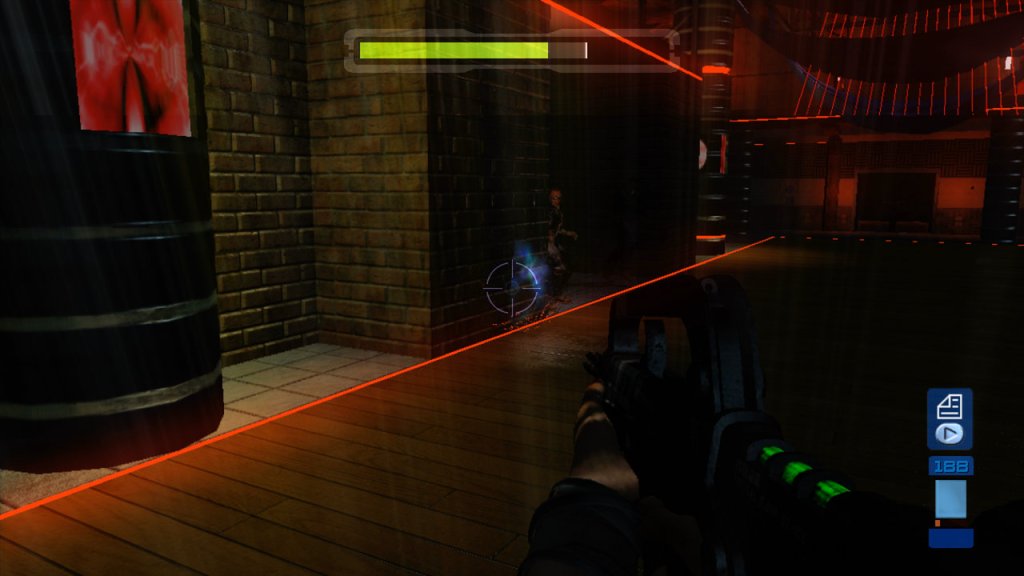
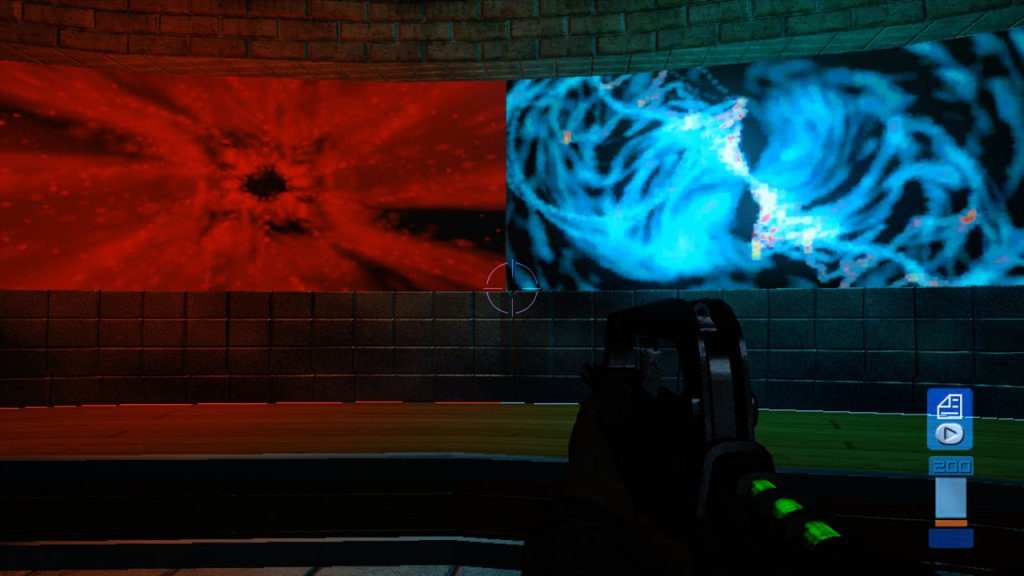
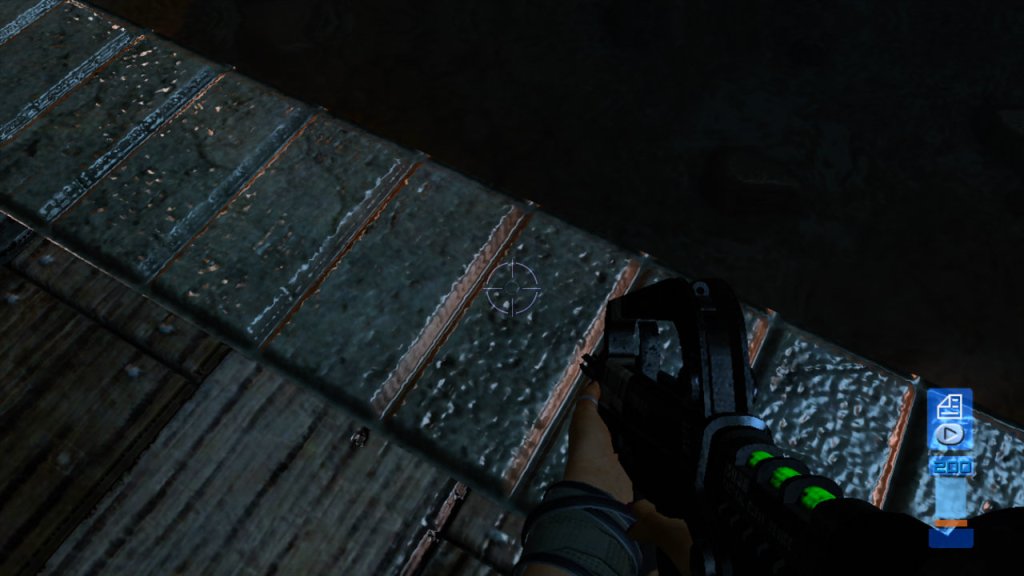
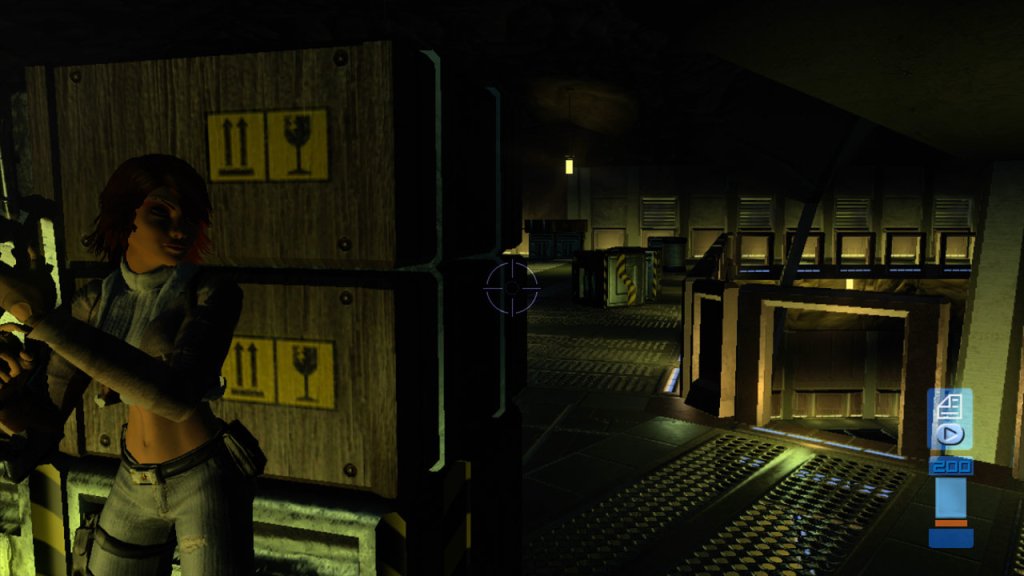
Texture’s give off a plastic look

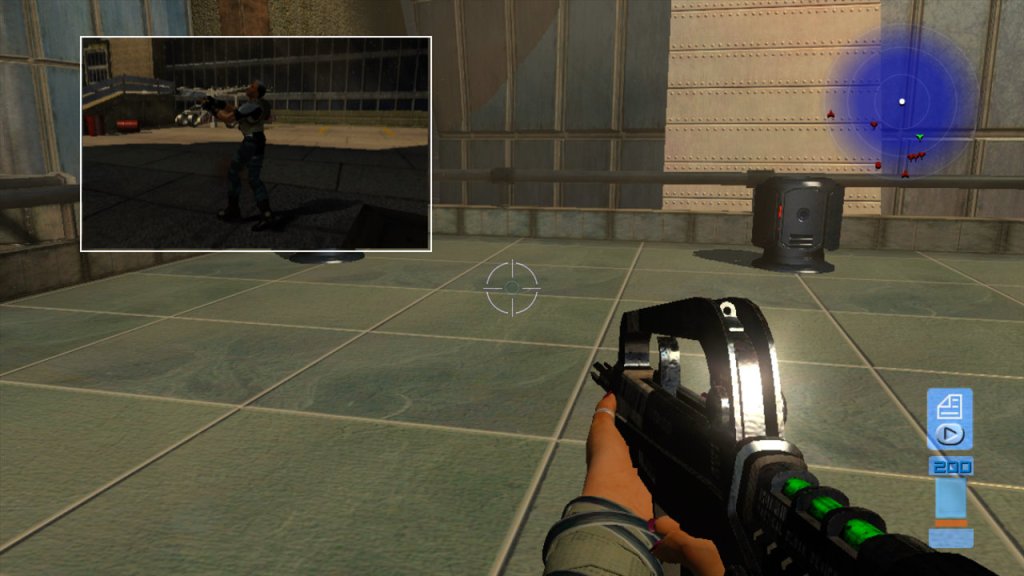
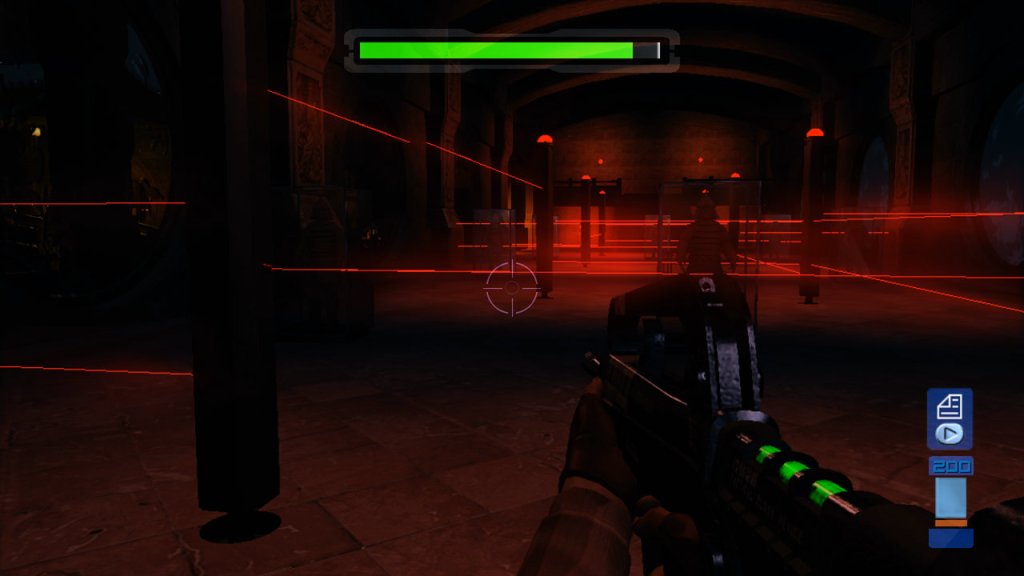
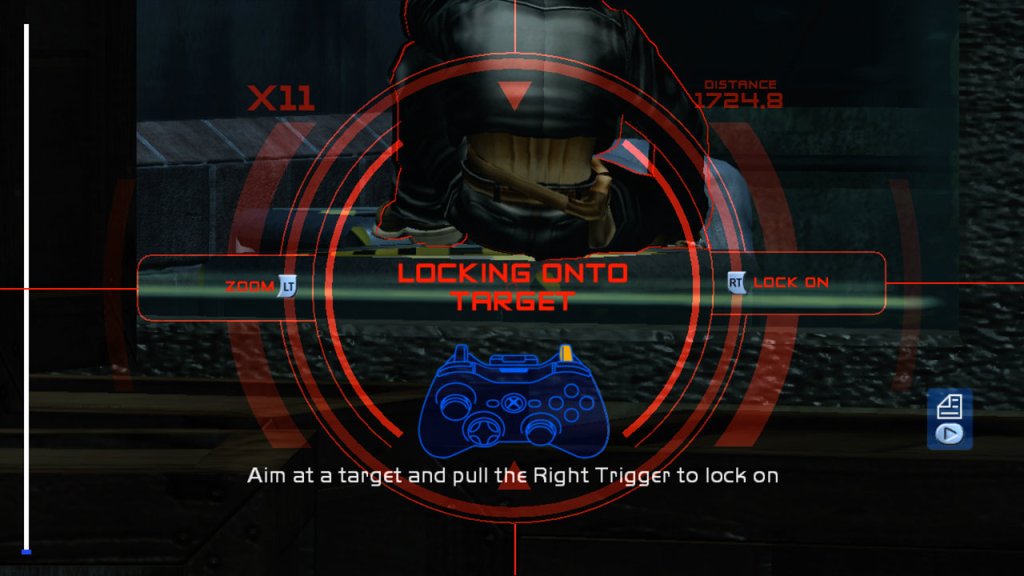
Gameplay-wise, it’s got that FPS core, but it’s leaning into tactical stuff—cover system, dodge rolls, stealth objectives. You can hack terminals with a Datathief gadget or sneak past guards, which is cool but it isn’t as smooth as the original. The N64 Perfect Dark had those tight controls, even on that wonky controller, and missions felt varied with objectives that changed per difficulty. Zero’s campaign is alright—14 missions, playable solo or co-op. The co-op’s is dynamic, like one guy hacks while the other covers which an interesting way to implement multiplayer into a single player campaign.

The multiplayer is where Perfect Dark built its throne. The N64 version had us glued to four-way split-screen with bots, proxy mines, and Laptop Guns—pure chaos in the best way. Zero steps it up with 32-player Xbox Live matches, which was mind-blowing in ’05. You got DeathMatch, Capture the Flag, and this DarkOps mode where you’re buying weapons with credits like it’s Counter-Strike. The bots are still varied, with personalities like “Judge” who hunts the top player. Problem is, the maps feel less inspired than the N64’s tight arenas like Facility or Complex.

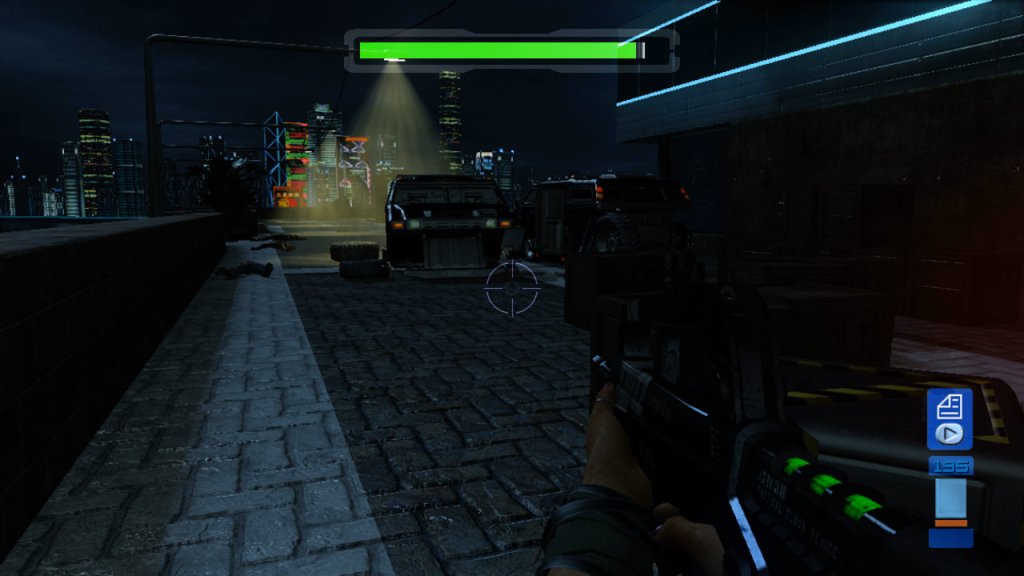
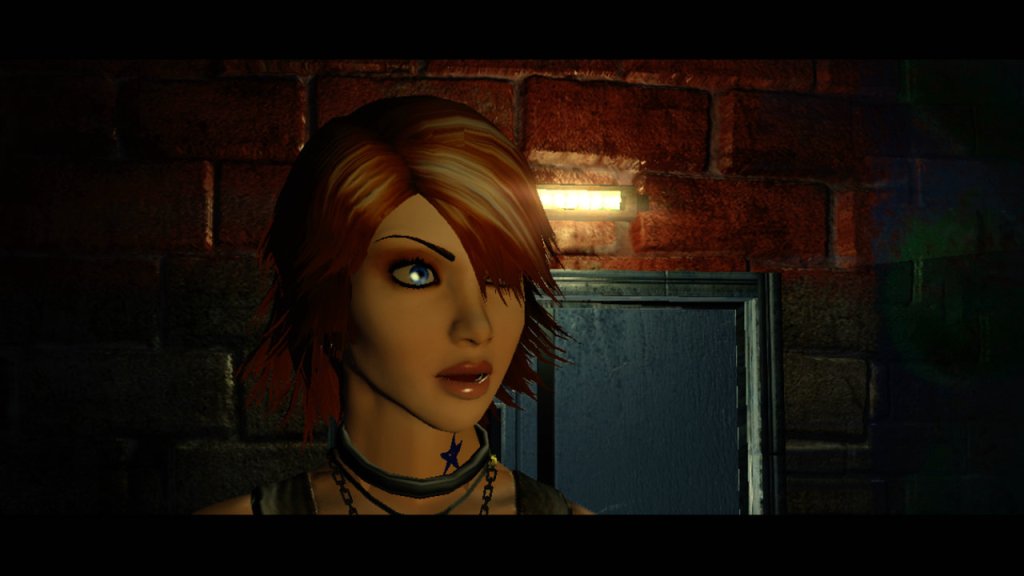
This game was a showcase for what the 360 could do. We’re talking 720p, widescreen, HDR lighting that makes neon-lit Hong Kong levels pop like a music video. The parallax mapping gives textures this 3D depth, and ambient occlusion makes shadows look real as hell—stuff we weren’t seeing on PS2 or Xbox. Joanna’s character model, with her red hair and tactical gear, looks slick, even if her anime-inspired design feels less iconic than the N64’s gritty vibe. Environments like dataDyne’s skyscraper or the Peruvian ruins are massive and detailed, a huge leap from the N64’s blocky polygons. But sometimes the framerate chugs, especially in big multiplayer matches, and animations feel stiff, like Rare was rushing to hit that launch deadline. Compared to Halo or later 360 games, it’s not quite top-tier, but for 2005, it was showing off what next-gen could be.

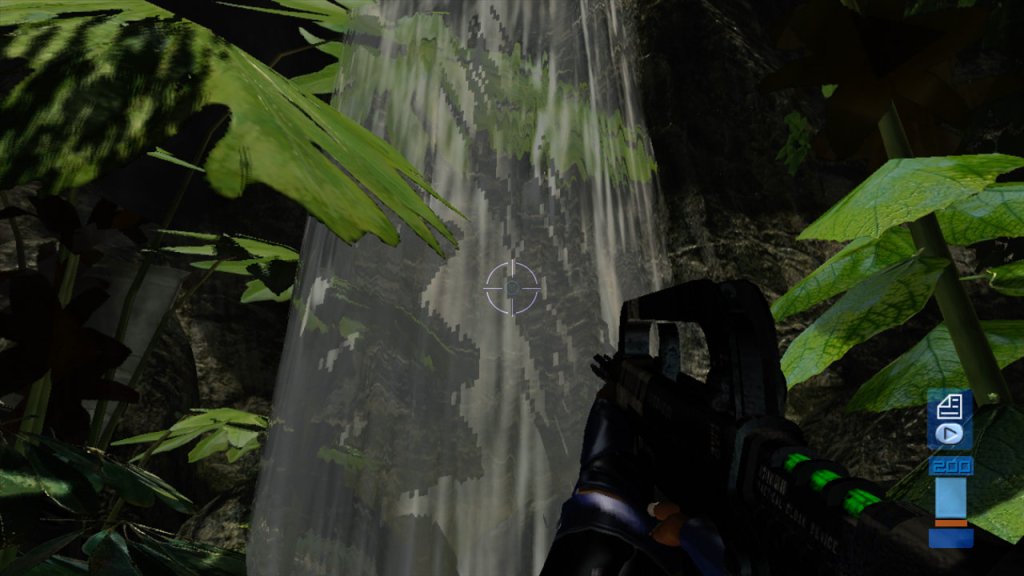
Waterfall in the Jungle level

Compared to the N64 Perfect Dark, which wove its conspiracy with tighter pacing and a more cohesive blend of sci-fi and spy thriller, Zero’s story feels fragmented due to its rushed development. The themes are ambitious but often superficially explored, with weak dialogue and voice acting diluting their impact. Still, the corporate dystopia and tech-driven paranoia align with cyberpunk classics, while the personal revenge angle adds relatability. Overall, Perfect Dark Zero is a solid launch title, but it’s living in the shadow of a giant.

Nearly 20 years alter and Microsoft has yet to follow up with a sequel, and it’s unlikely they will at this point. A reboot was greenlit in 2020 but has since been cancelled with very little to show for, and that’s the last we will probably see of Perfect Dark.

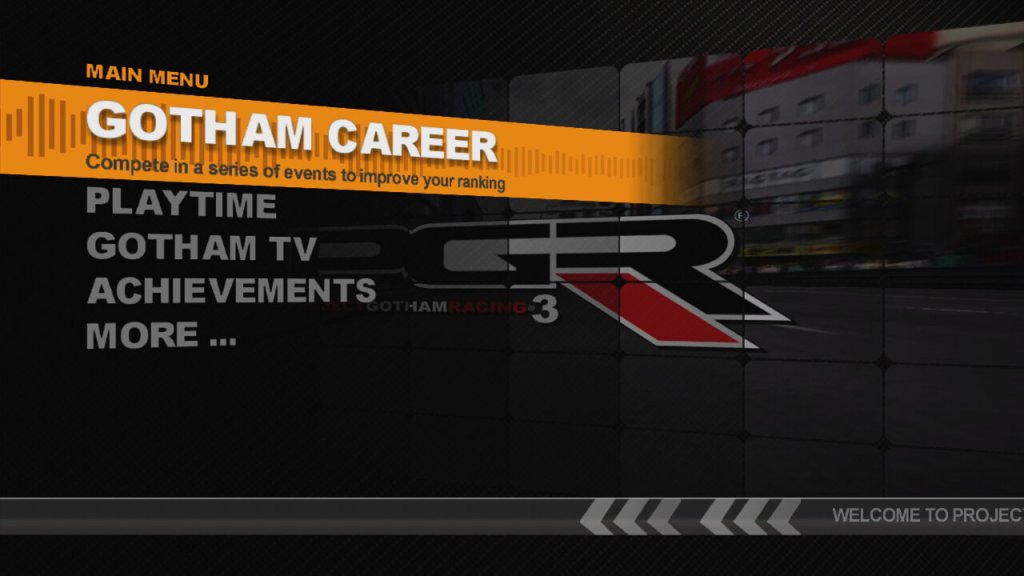
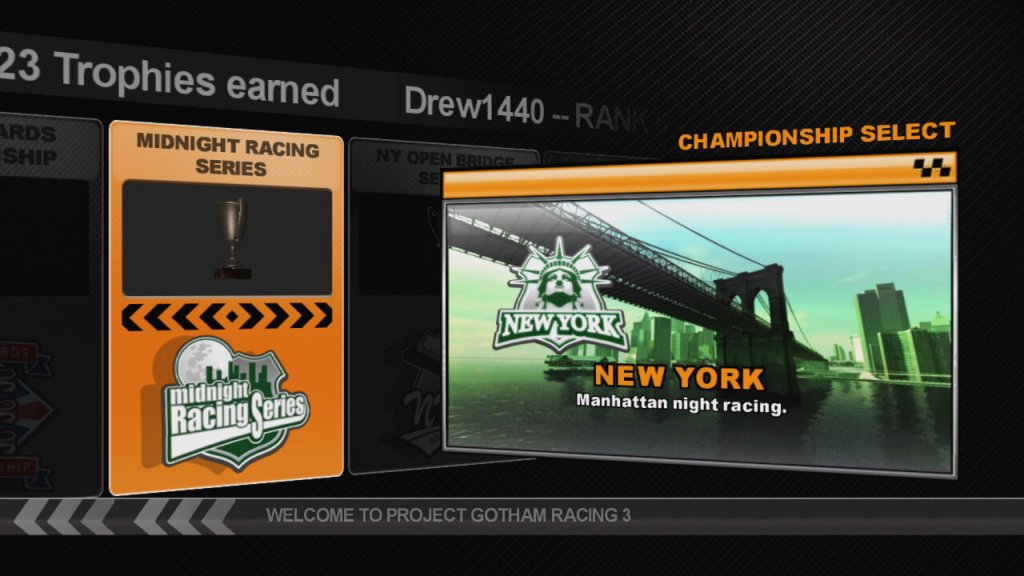
Project Gotham Racing 3

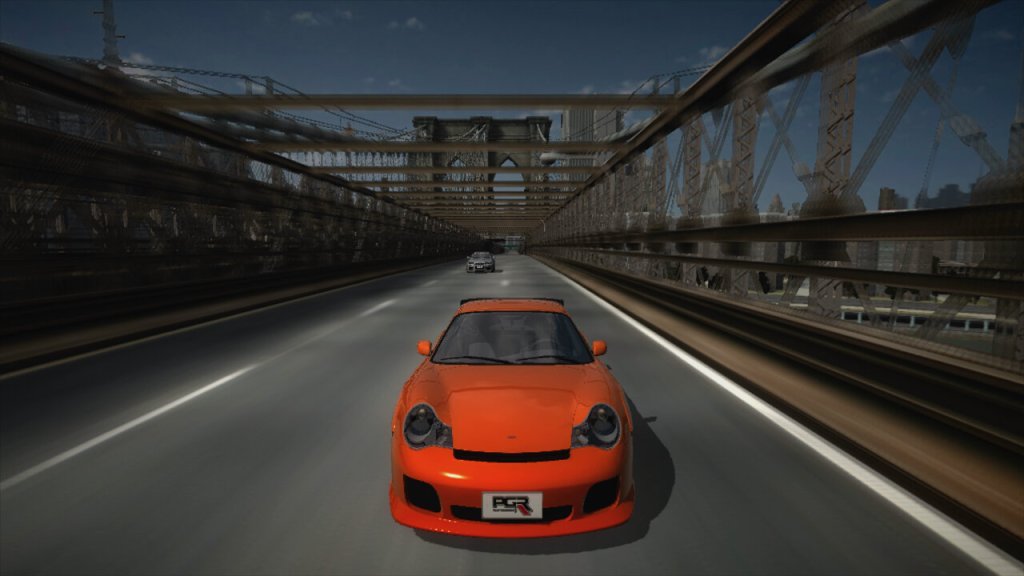
PGR’s HD debut

Project Gotham Racing 3 is the third installment of the game, released for the Xbox 360 very early in its life. It follows on from the previous two installments that were exclusive to the original Xbox, and Metropolis Street Racer for the Dreamcast.

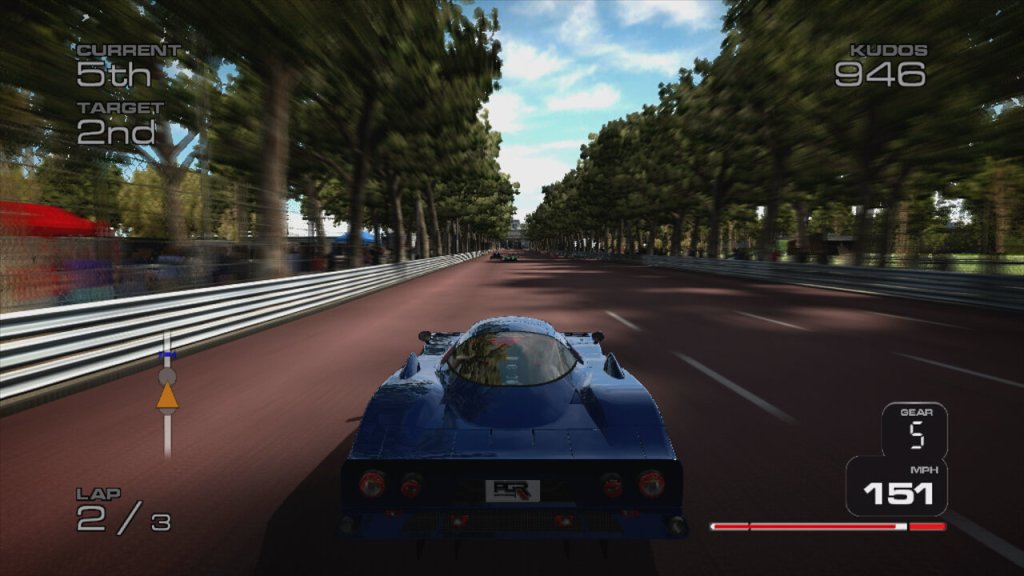
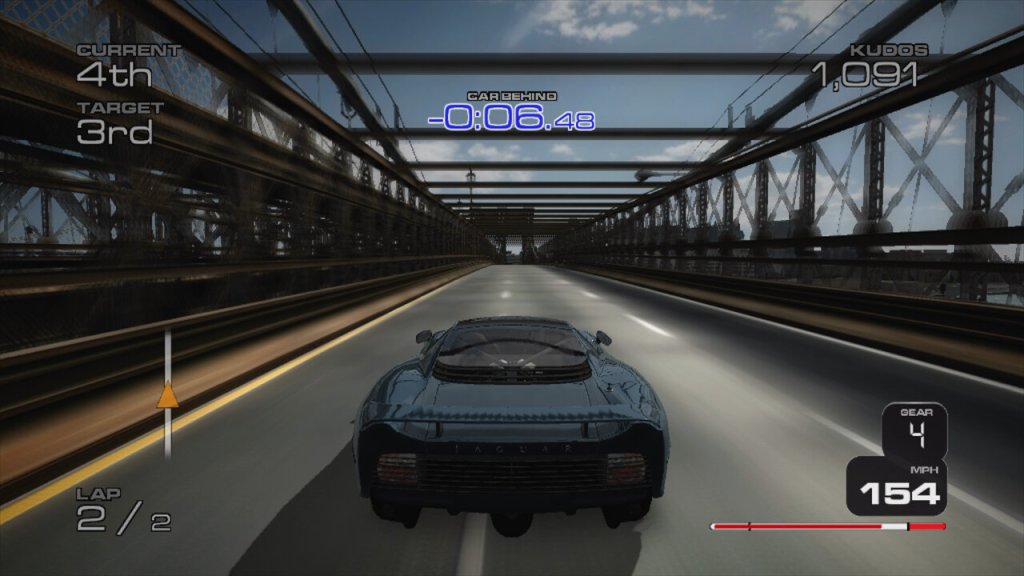
PGR3 hits you with that arcade racing feel, but with enough realism to make you feel like you’re actually behind the wheel of some of the world’s most gorgeous cars. When you fire up this game, it’s like slipping into a supercar’s leather seat. The visuals? Oh, they’re next-gen for its time, showcasing the Xbox 360’s power with cars that look so good you almost feel the engine purring through your controller.

The Kudos system is like a style meter on steroids. You’re not just racing; you’re performing for the crowd, drifting through corners, pulling off 360s, and drafting like a pro. It’s all about the finesse, the skill, making every turn not just about speed but about flair. It’s this system that makes PGR3 not just a racer but an experience.

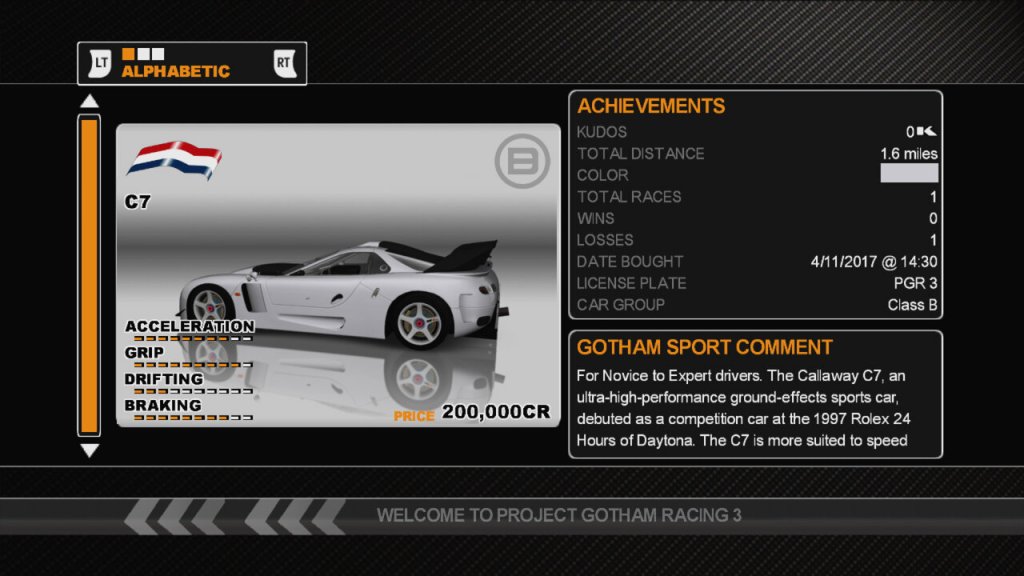
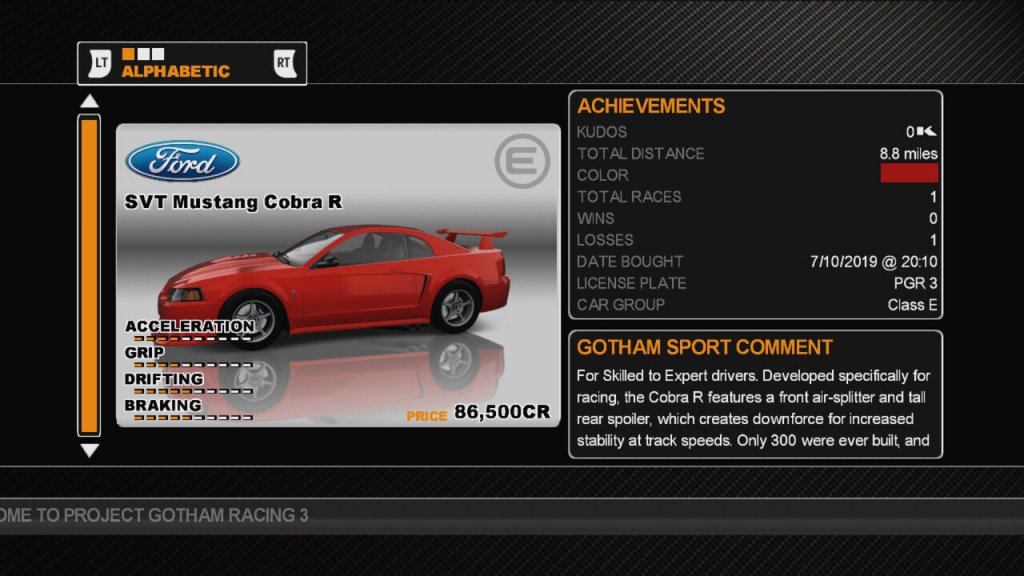
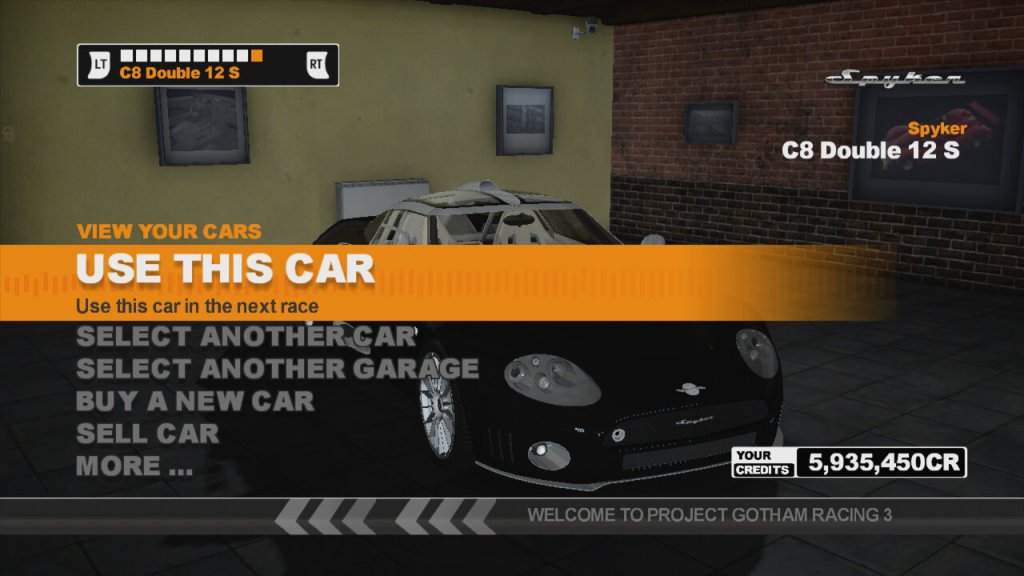
Regarding the vehicles, You start with a bang, not those slow, underpowered street cars from other games. Here, you’re jumping into supercars from the get-go. And the variety? Insane. From Ferraris that make you feel like you’re in a Bond movie to prototypes that look like they’ve escaped from a sci-fi flick, there’s a car for every fantasy. There is a lot of variety with the vehicle types that can appeal to everyone riving style, some of which will fare better on different track styles used in the game.

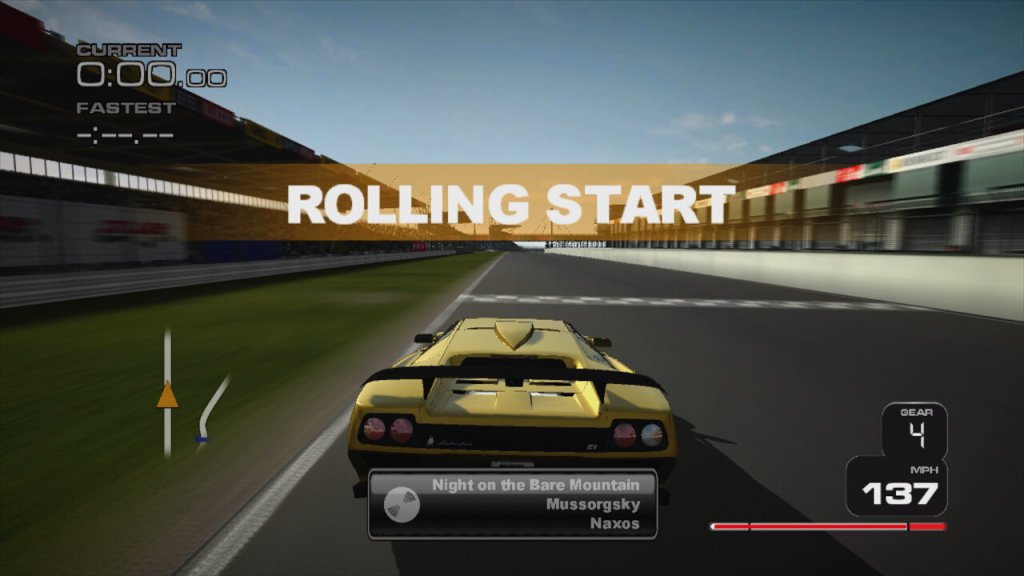
The soundtrack is also pretty diverse with a wide variety of genres from classics to rock, hip-hop and electronic dance. You can also elect your own music to play within the racetrack, taking advantage of Xbox’s custom soundtrack feature.

PGR3 is often remembered fondly for its peak of the series style over simulation approach. It’s debated among fans whether it’s the best in the series due to its balance of accessibility with rewarding skilled play, though many argue PGR2’s more raw, less polished feel had a charm. I certainly prefer it to the simulation racing games like the Forza series or Gran Turismo.
PGR3 felt like a true next-gen update, not just in graphics but in how it integrated online features. However, its core gameplay evolution from PGR2, while significant, didn’t feel revolutionary to some, leading to mixed reviews about whether it was the peak of the series or just a polished continuation. It would later be followed up with Project Gotham Racing 4

Ridge Racer 6

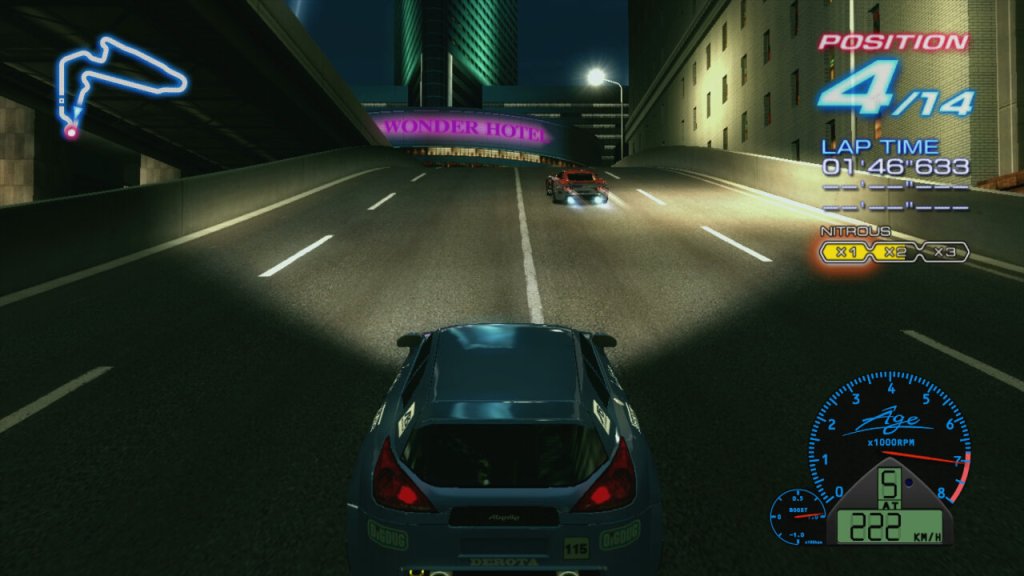
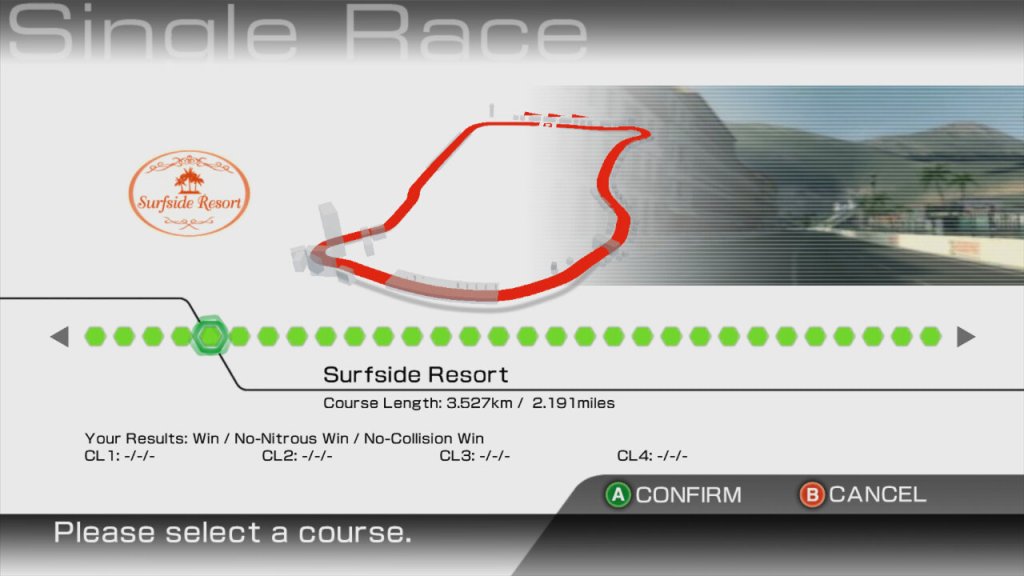
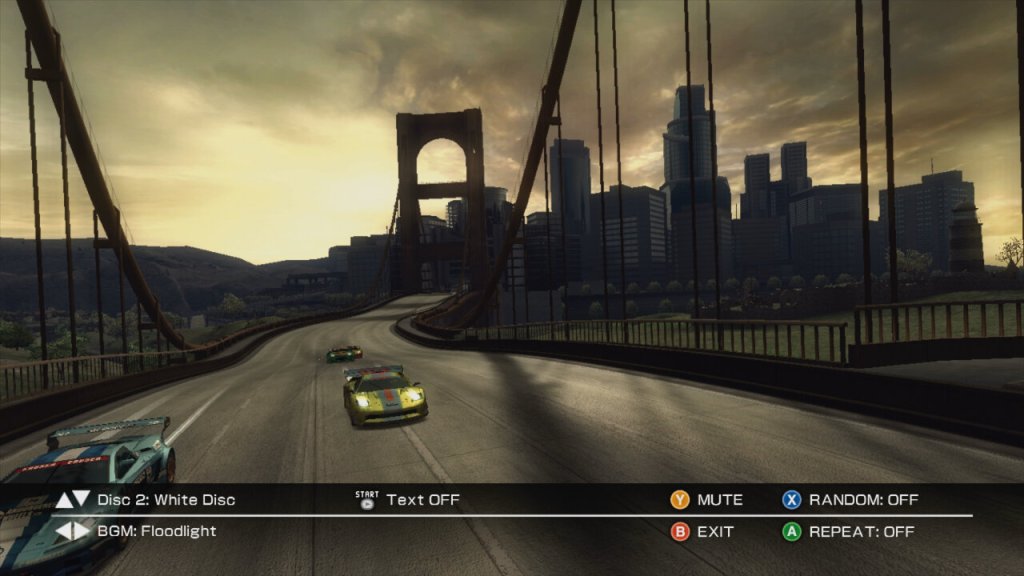
Ridge Racer 6 is a fast-paced and adrenaline-fueled racer that’s easy to pick up and play, but difficult to master. The game features a wide variety of cars and tracks to choose from, each with its own unique handling and feel. The controls are responsive and tight, and the drifting mechanics are especially satisfying. However, some may find the game’s AI to be a bit too aggressive and unfair at times, especially at the last section of the world tour.

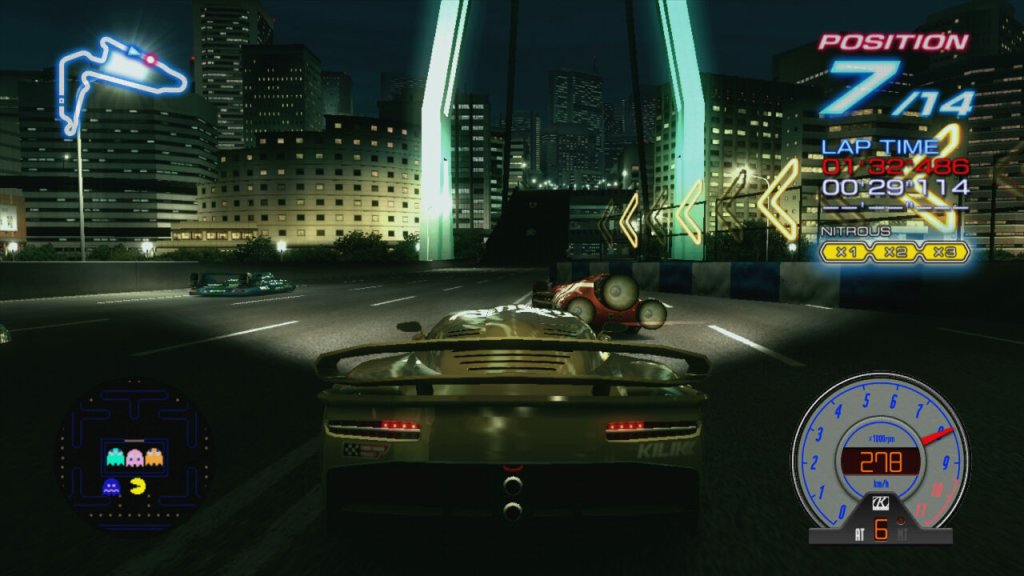
Like other Ridge Racer games, it features a mini arcade game based on a Namco property, in this case it’s the original Pac-Man. The interface is very similar to Ridge Racers on the PSP, with a very similar menu structure and HUD design, this would also carry over to the iOS version.

The game makes use of its own brands of cars that feature unique handling and statistics, with some cars performing better at drifts. Some examples of fictional cars that are known to be included in Ridge Racer 6 include the Kamata Fiera, the Danver Bayonet, the Assoluto Bisonte, the Terrazi Wild Gang, and the Himmel 490B. Each of these vehicles has its own unique strengths and weaknesses.

  • Harborline 765 – a city course that winds through a harbor area.
  • Southbay Docks – another city course that features tight turns and narrow streets.
  • Highland Cliffs – a mountain course with plenty of twists and turns.
  • Sunset Heights – a coastal course with plenty of jumps and high-speed sections.
  • Midtown Expressway – an urban course with long straights and wide corners.
  • Seaside Route 765 – a coastal course that takes place along a scenic seaside highway.
  • Lakeside Parkway – a course that features a long straightaway and tight turns around a lake.

The World Tour mode is a game mode in Ridge Racer 6 that allows players to compete in a series of races across a variety of different locations and tracks. In this mode, players progress through a series of Grand Prix events, with each event consisting of multiple races that take place on different courses. I believe this is also the first Ridge Race title to feature online lay over the internet, using Xbox Live, which remains active to this day.

As players progress through the World Tour mode, they earn points and unlock new cars, upgrades, and tracks. The difficulty of the races increases as players advance through the Grand Prix events, providing a challenging and engaging gameplay experience. In addition to the standard races, World Tour mode also includes a variety of special challenges and events, such as time trials, drift challenges, and lap battles. These challenges offer a unique twist on the standard racing gameplay, and provide an additional layer of depth and variety to the World Tour mode.

The Nitro game mechanic in Ridge Racer 6 is a system that allows players to temporarily boost their car’s speed and acceleration, giving them a strategic advantage during races. The Nitro system works by filling up a meter that is located on the game’s heads-up display (HUD) when players perform certain actions, such as drifting or drafting behind other cars. Once the Nitro meter is full, players can activate the Nitro boost by pressing a button, which causes their car to accelerate at a significantly faster rate than normal. This can be particularly useful during key moments in a race, such as when players are trying to overtake opponents or catch up to the pack.

In addition to the standard Nitro boost, Ridge Racer 6 also features a “Full Nitro” mechanic that can be activated when players have filled their Nitro meter to its maximum capacity. Full Nitro provides an even greater speed boost than standard Nitro, and can be particularly useful for closing large gaps between players or pulling away from the pack.

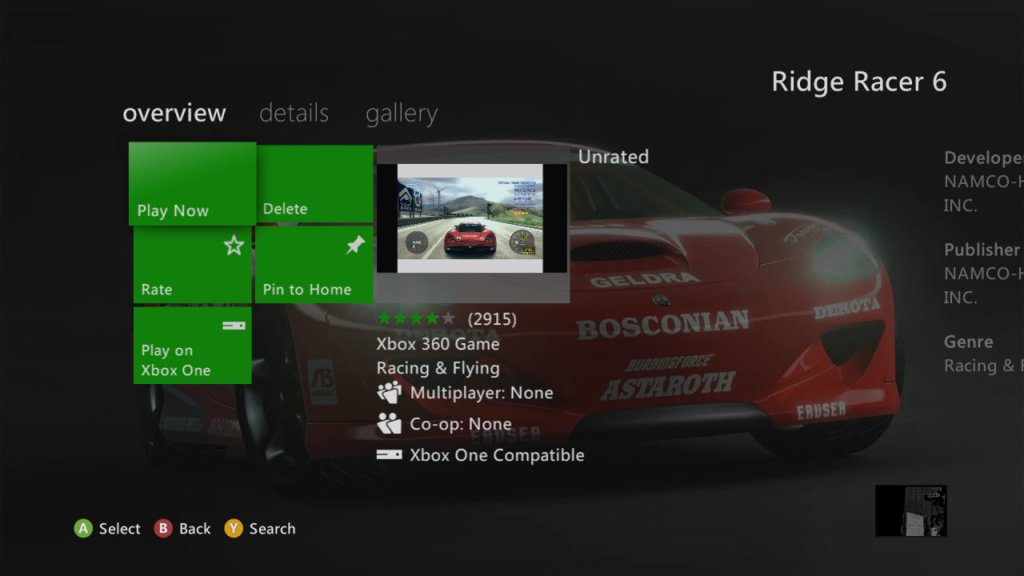
The game was only ever released for the Xbox 360, but was ported to the Xbox One as an Xbox 360 backward-compatible title. This isn’t Xbox One X enhanced which means it does not benefit from the higher resolution the Xbox One X provides.

Many of the tracks and cars appear in Ridge Racer 7, a PS3-exclusive game. Some of the music tracks that feature in R6 could also be downloaded for the PS3 as DLC.

Speaking of DLC there are numerous unlock codes to enable machines to be unlocked, and you can also purchase additional songs that were featured on the PSP version of the game.

The song downloads are rather large for their size, which makes me think these are using a lossless format, or they feature additional files. I always assumed Xbox 360 games used the WMA format for audio, or at least the Xbox version of it which should result in a smaller file size. It could also be for surround sound or additional channels, as the songs have additional effects when you fire off Nitorus.

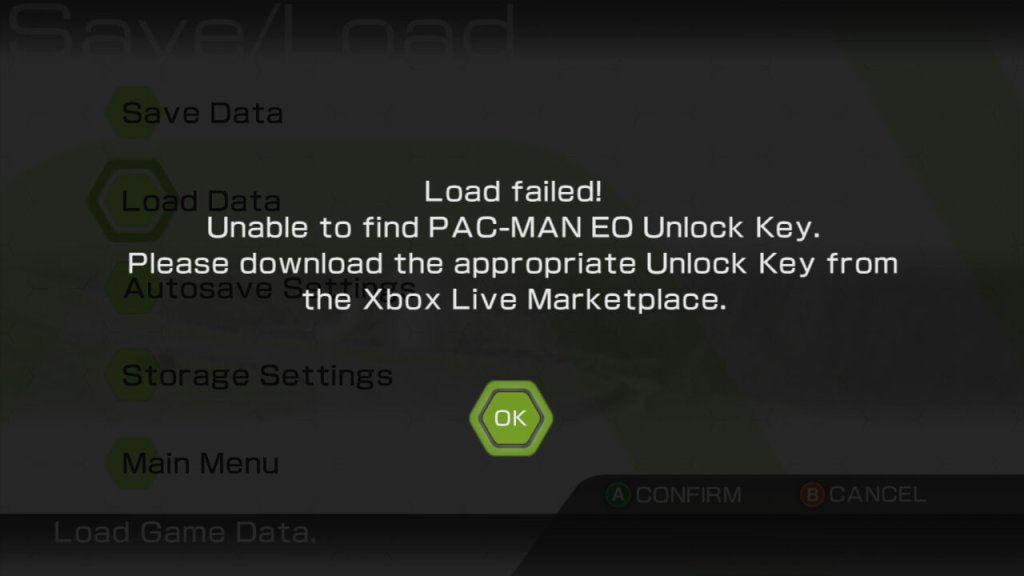
A quick warning, the DLC become attached to your save file and you cannot load your save without them, this becomes more problematic as the Xbox 360 store becomes more ‘broken’. In order to redownload the DLC I had to navigate through the download list in the Settings/Account section of the Xbox dashboard. They no longer appear in the game information tile of the dashboard.
A better way is to purchase them from the Xbox One store (console or Web) which will then push them to the top of the download list on the Xbox 360, which makes it easier to download. Remember to save the files to the same storage location as your gamesave, the hard drive or memory unit is best.

Also a nice touch, you can change the race announcer from the standard voice to the robotic system voice, or Heiachi from the Tekken series. And there’s an option to lay the Mac-Man game from earlier.

Overall, Ridge Racer 6 is a fantastic racing game that’s sure to please fans of the genre. The game’s stunning visuals, tight controls, and satisfying drifting mechanics make for a truly exhilarating experience. While some may find the game’s AI to be a bit too aggressive, it’s a small price to pay for an otherwise fantastic racing experience. As it stands, it was a great launch for the Xbox 360, and a taste of what HD gaming would bring for racing games.

Lindows 5

The next release of the popular Linux distro. The Lindows name flew too close for Microsoft’s likening, and after a couple of legal BS, Lindows was rebranded as Inspire. Should have renamed it to Linsta instead as Windows Vista was due for release next year.

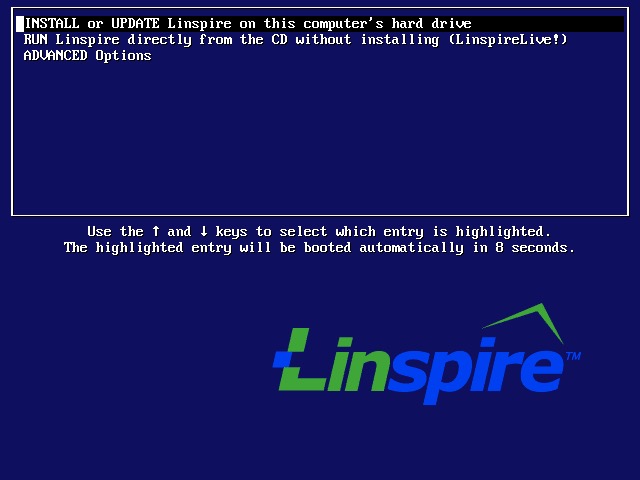
Install

The OS has also received a slight makeover also, bringing it closer to Windows XP Luna style of interface.

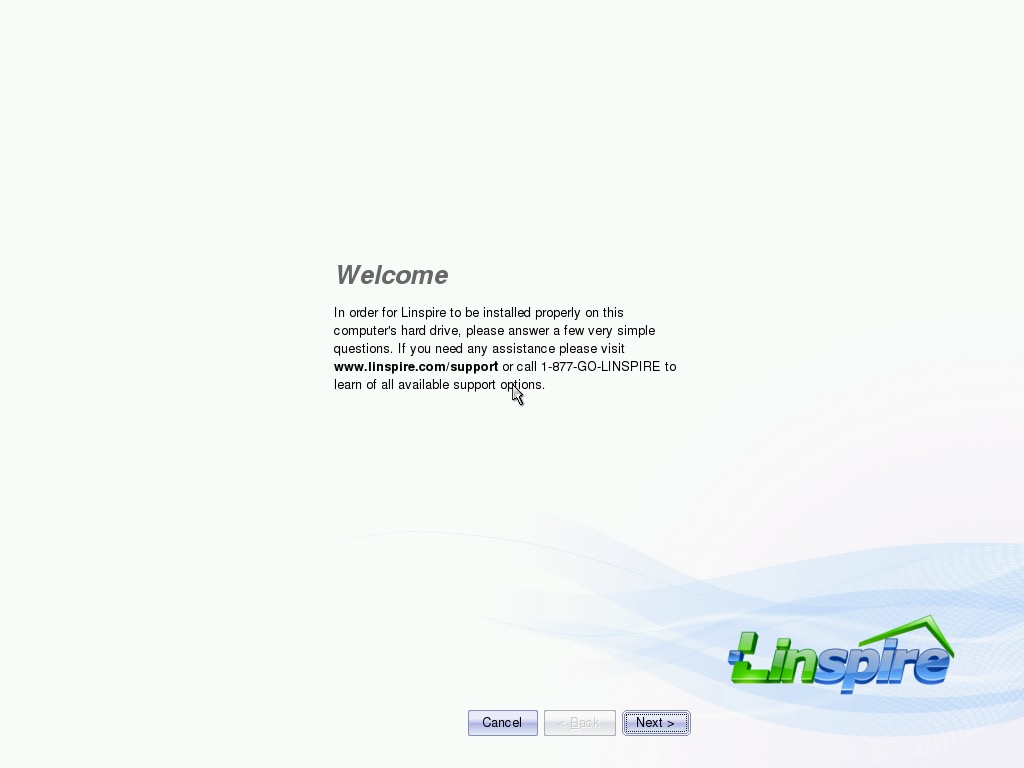
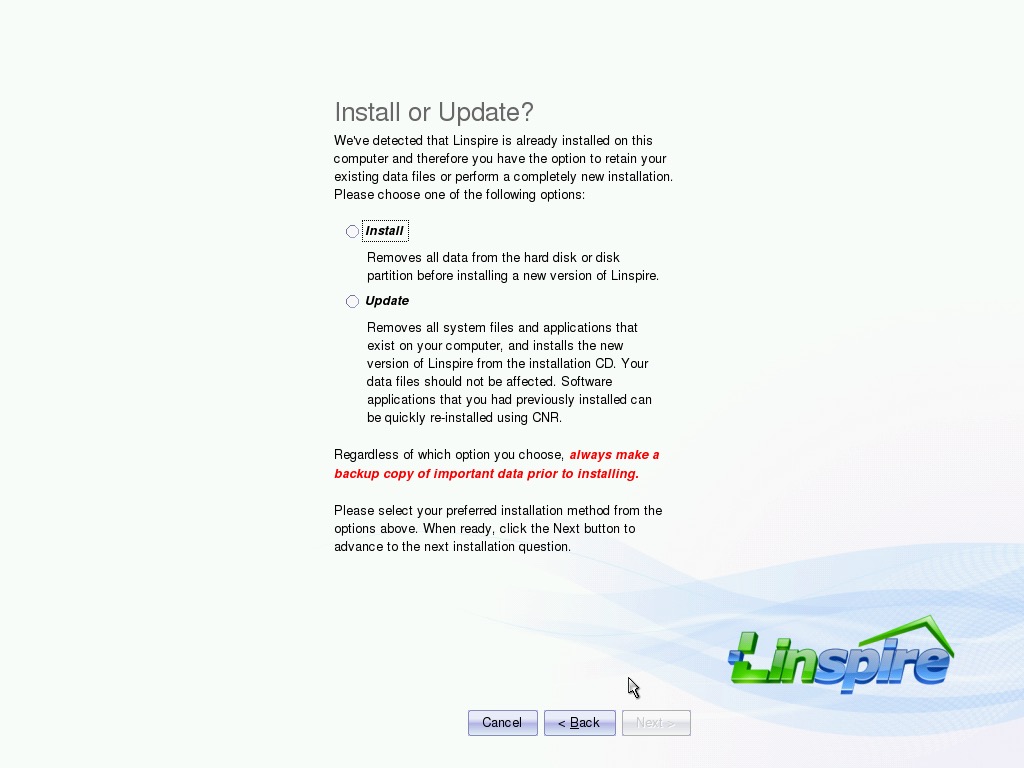
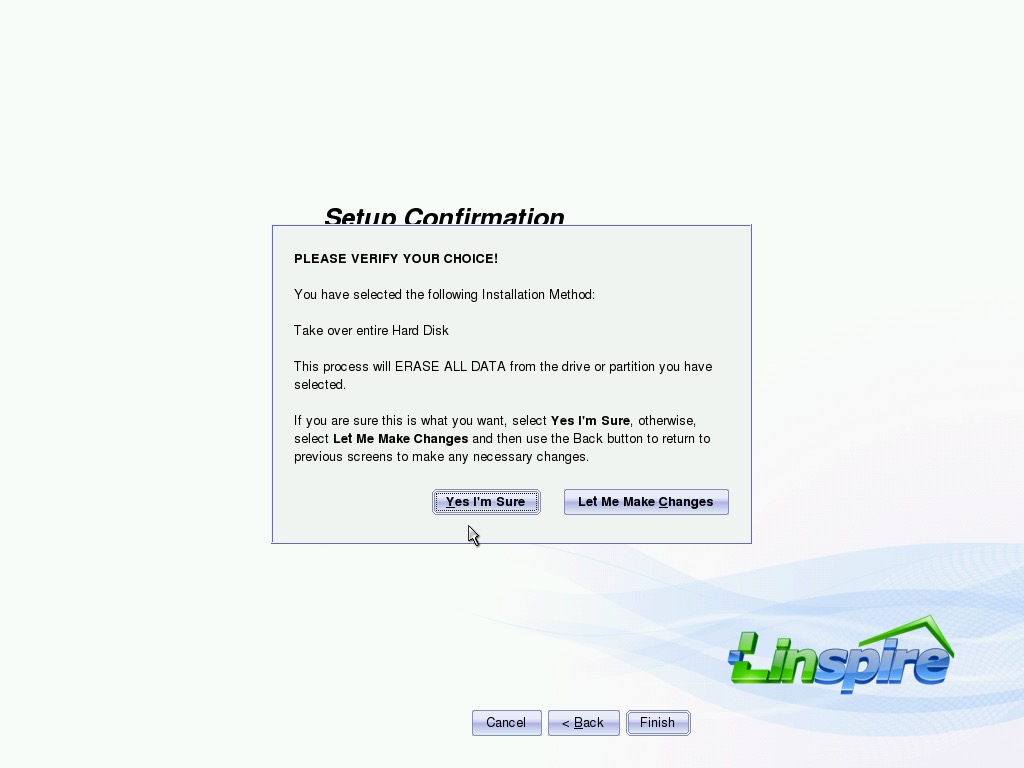
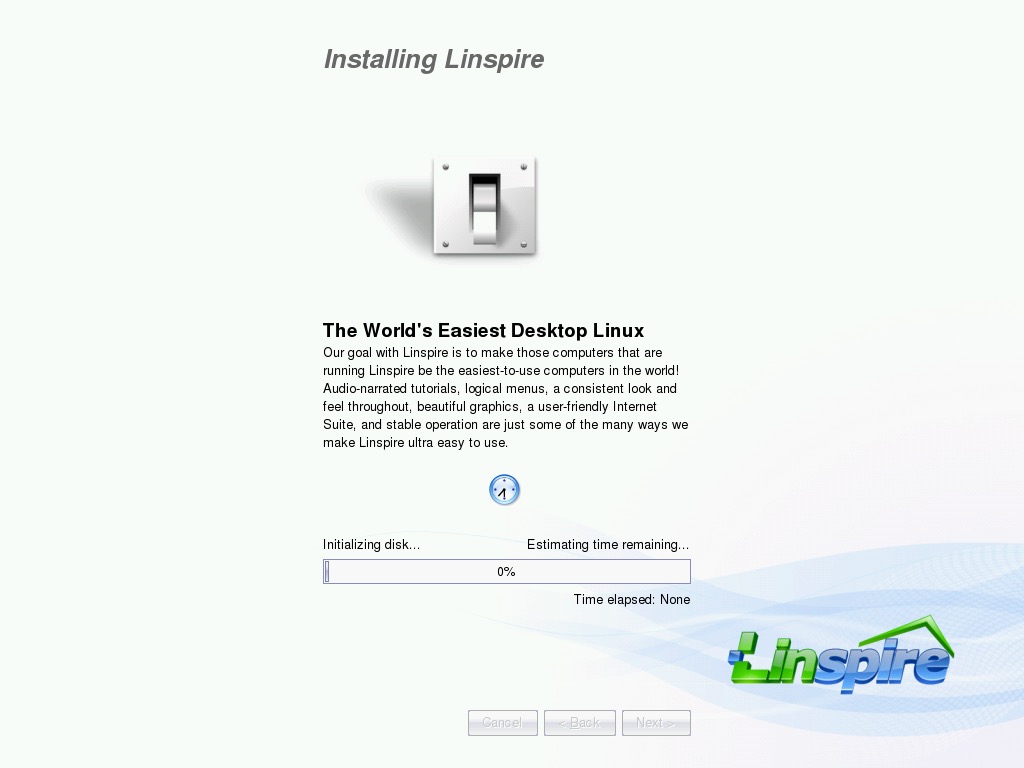
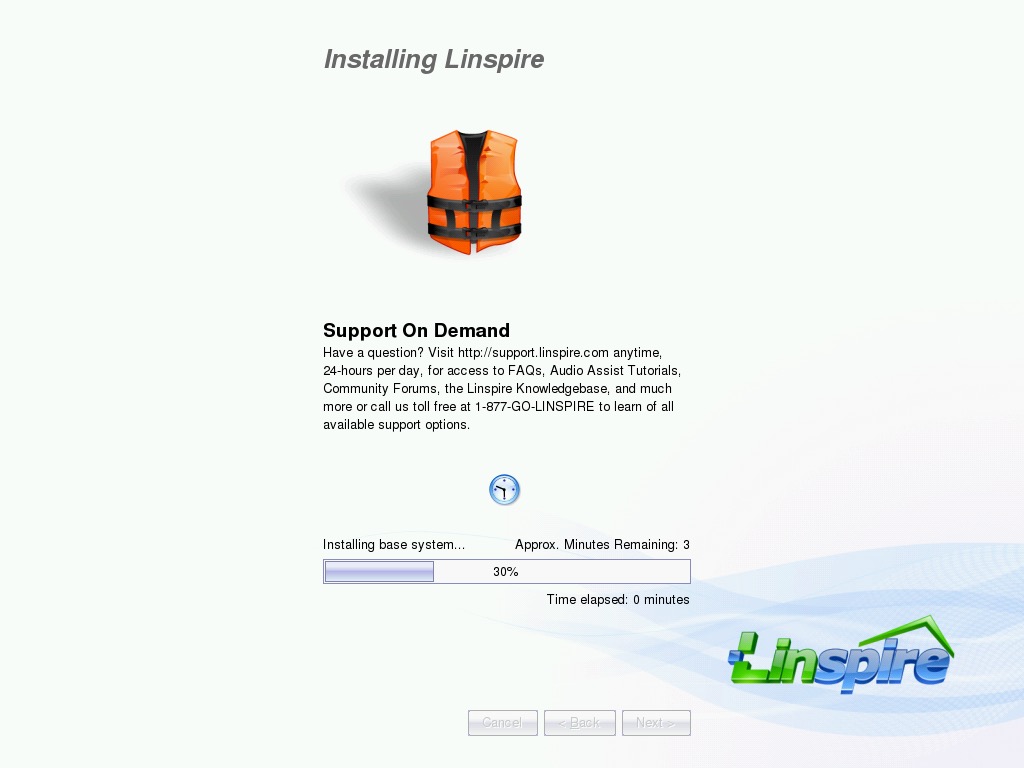
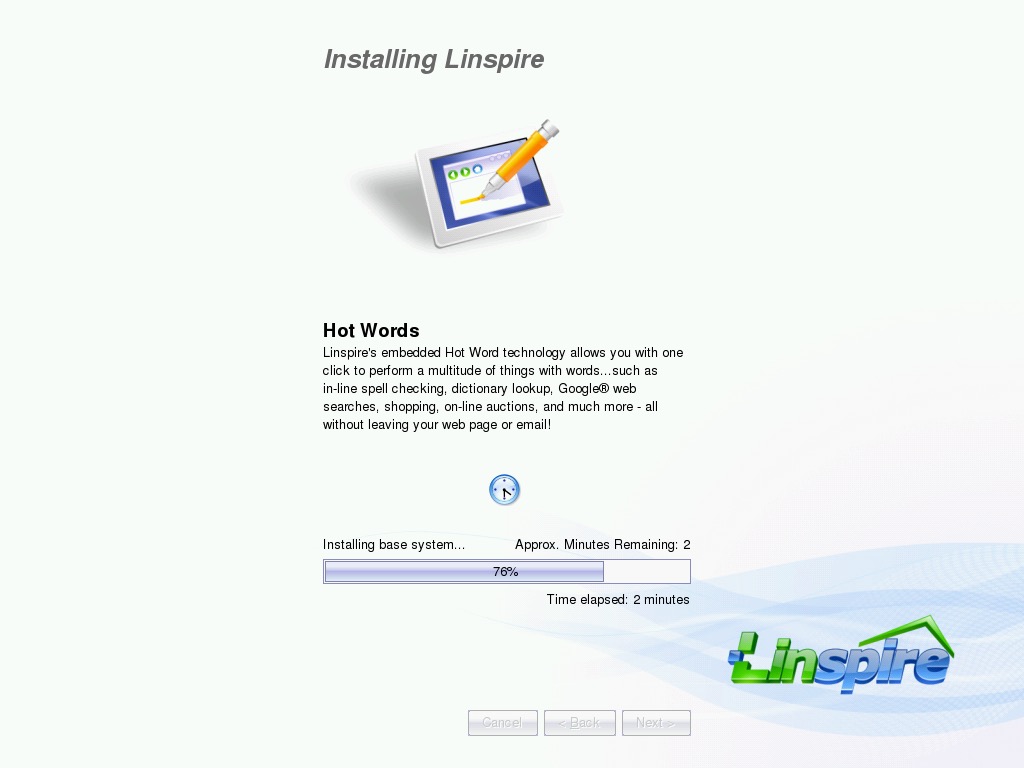
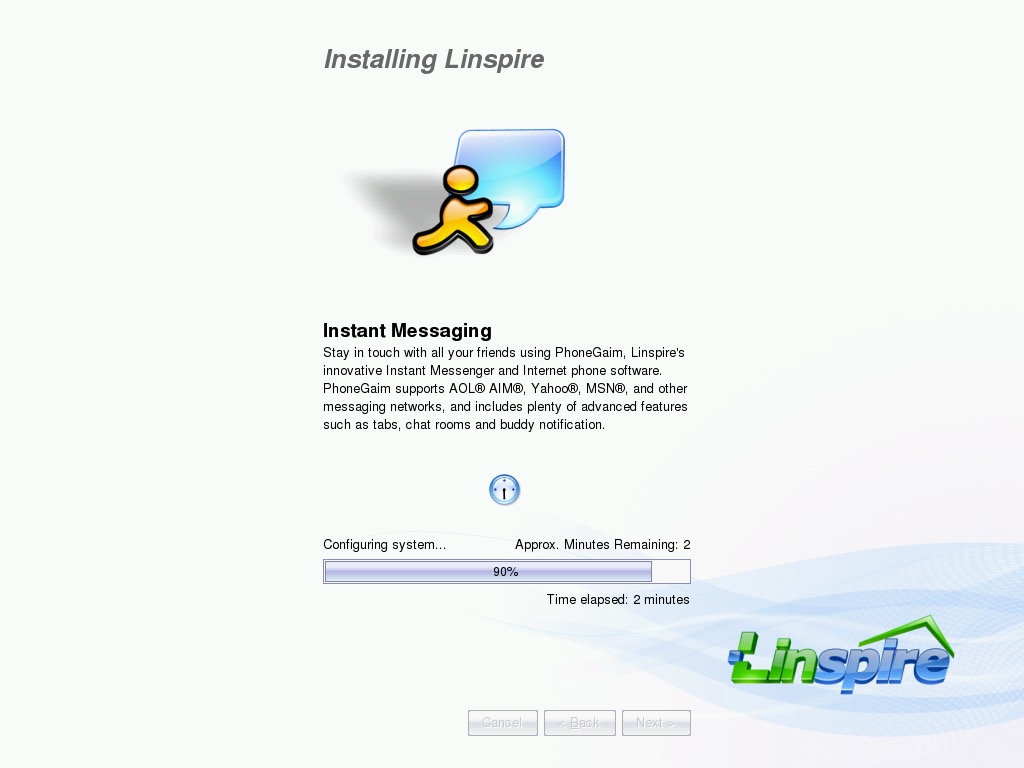
We are also treated to a redesigned installer which aims to make it even more user-friendly. Here it explains the different elements of Inspire

After a reboot, we are presented with a new splash screen.

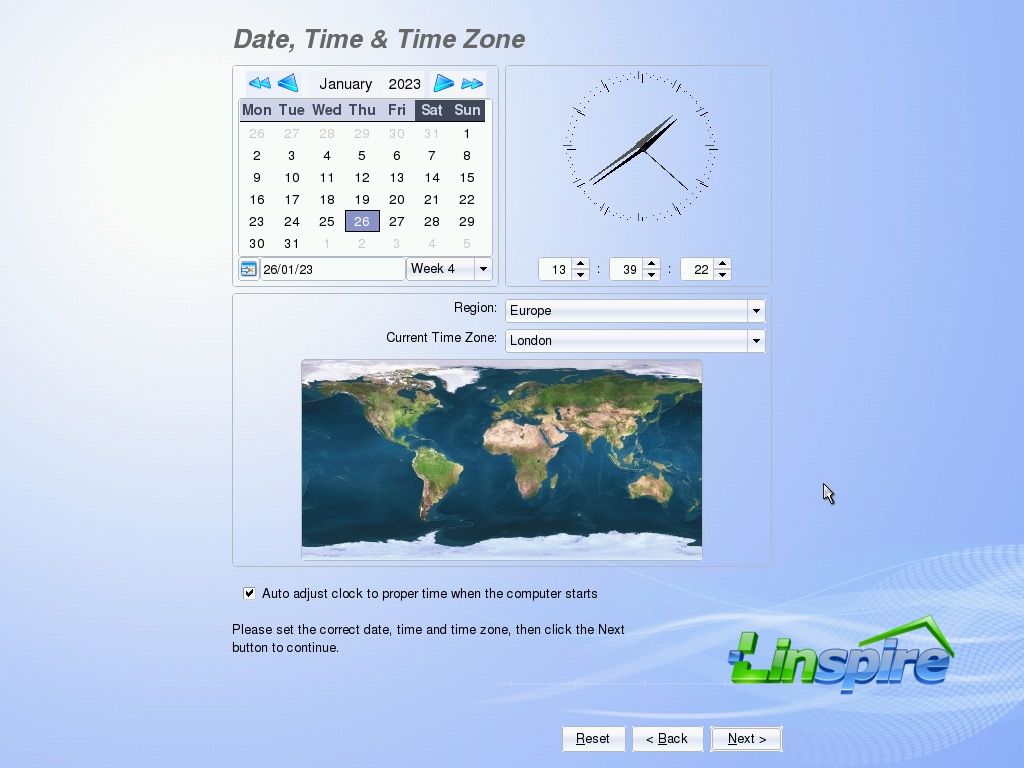
Another EULA with a few more options to configure like the time zone.

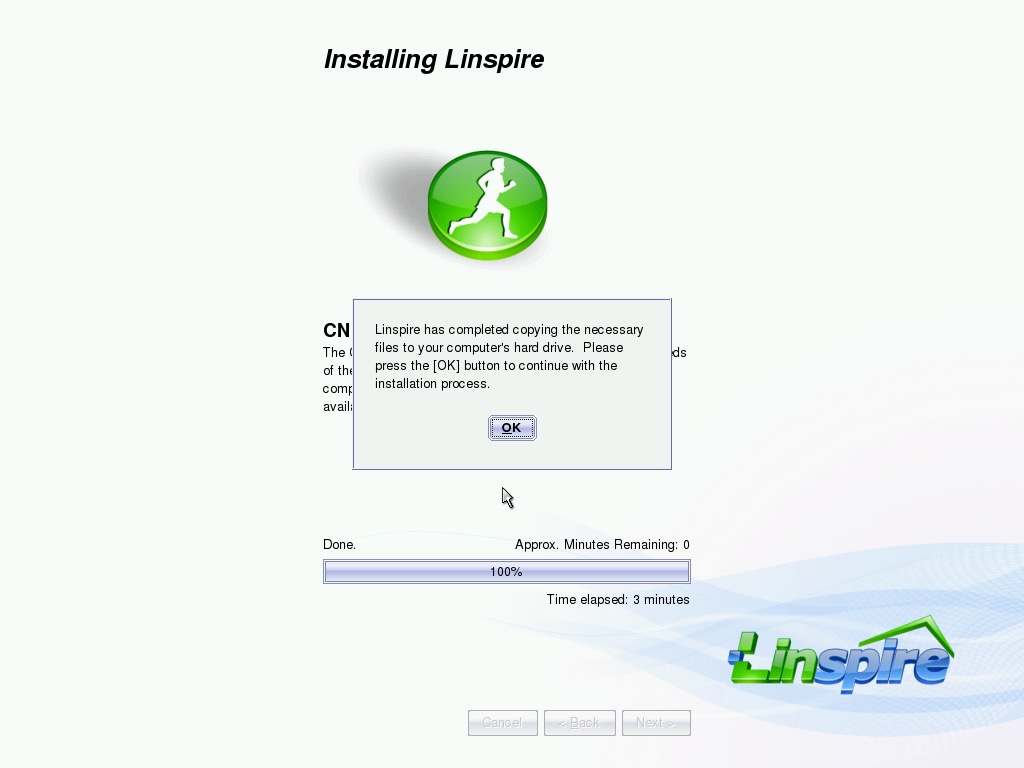
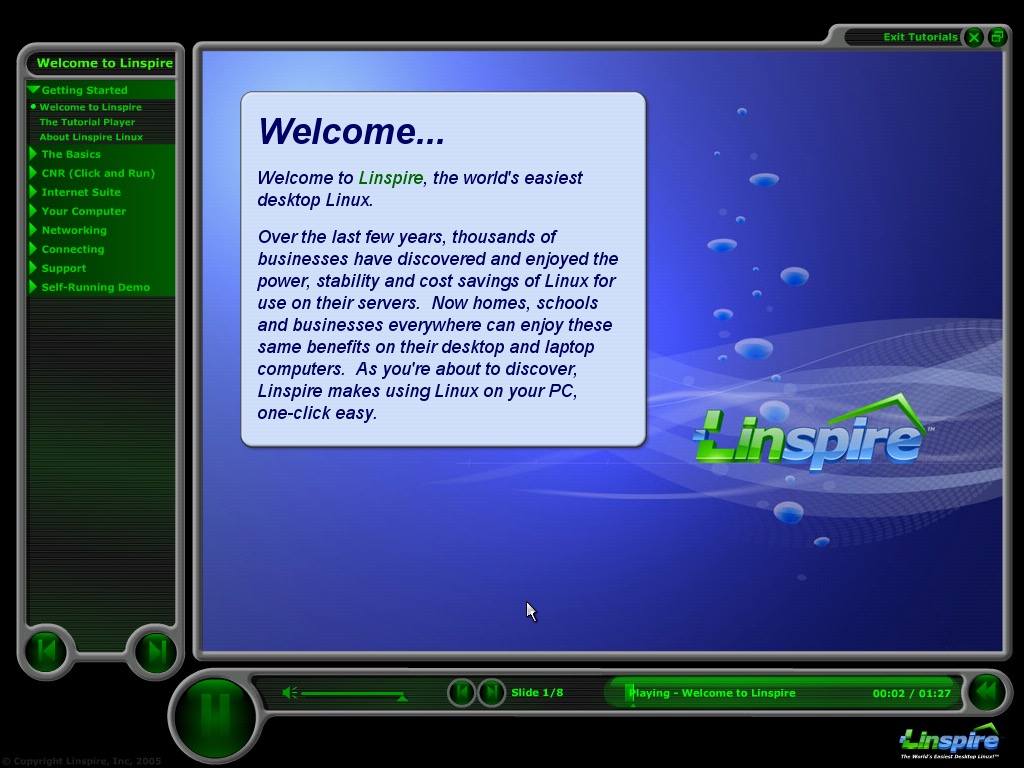
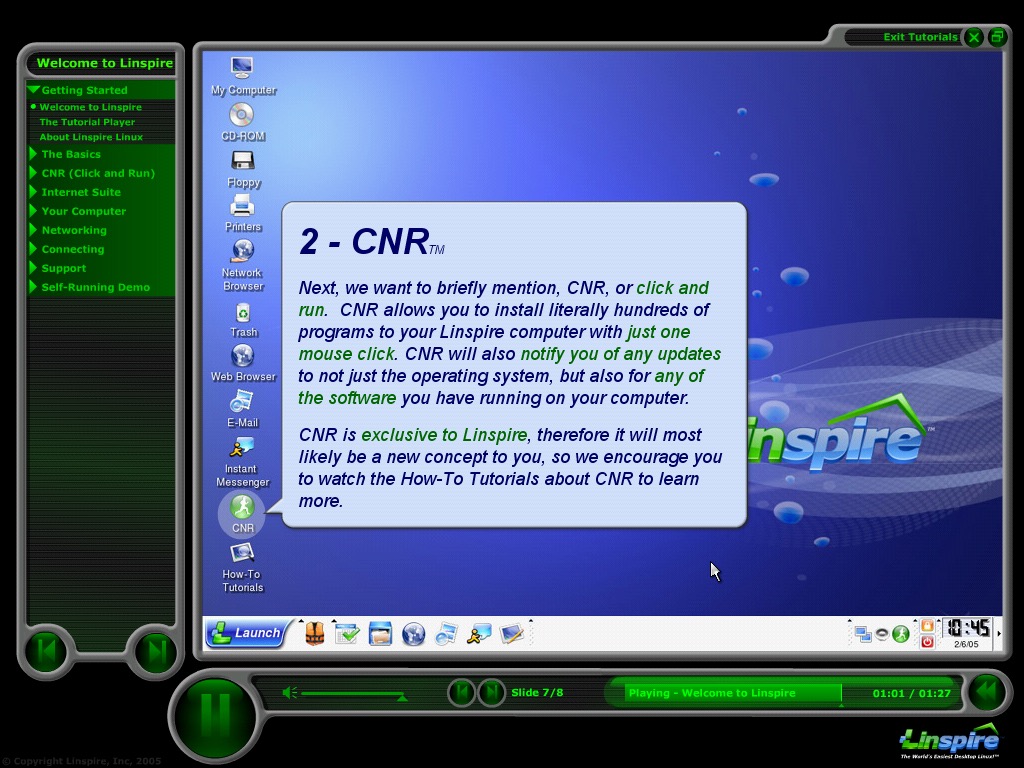
After the installation has been completed a tutorial is then shown which guides the user on how to use various elements of the OS.

Desktop

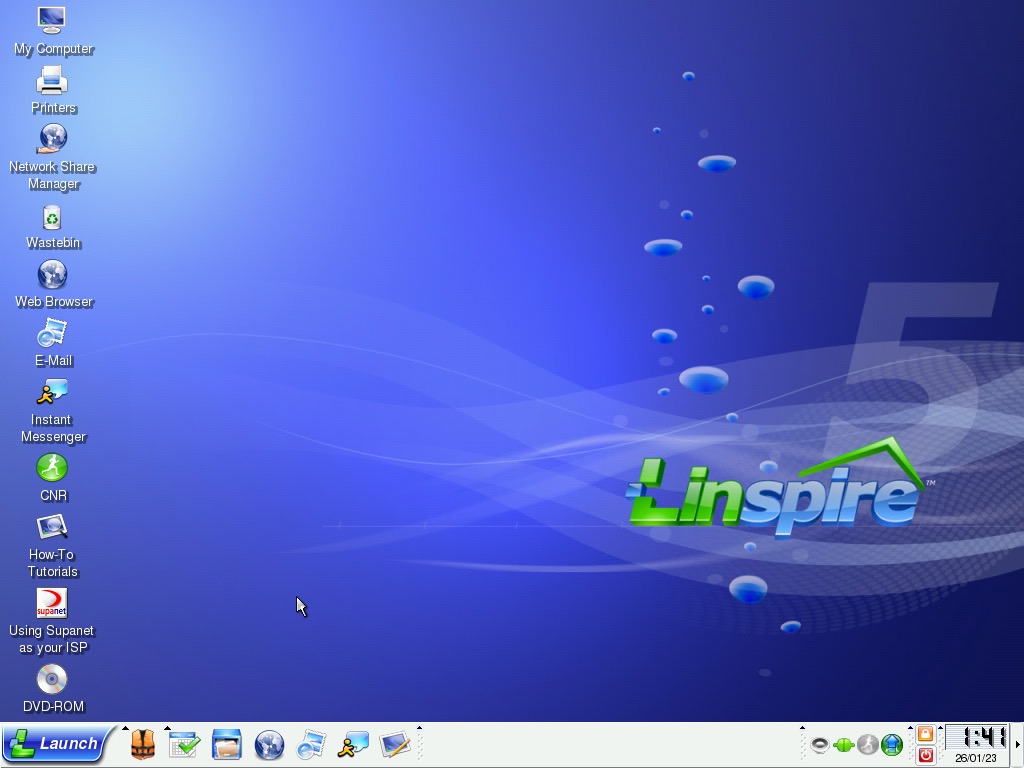
The Linspire 5 desktop. The Launch button to the bottom left acts as a Start menu of sorts and shows applications that are currently installed on the system, with recently used programs being displayed at the top section of the menu.

As with the previous versions there are dedicated buttons for the help center, file manager & internet applications.

Right-clicking on the desktop, the create new menu lets you create a new document from here. But this seems limited and does not include links to office applications that you would expect. Still, you can create shortcuts to applications.

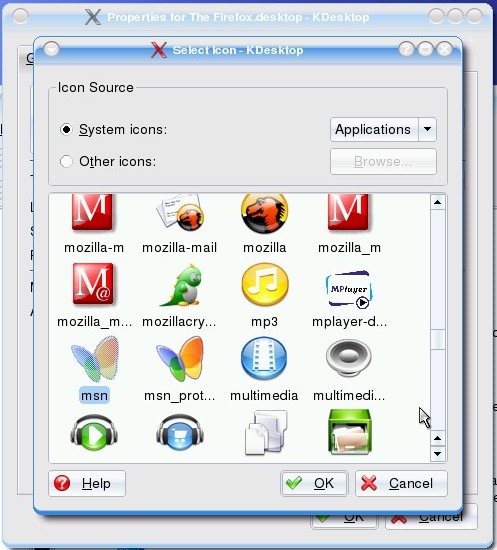
The icon set for Lindows, also includes some Microsoft-inspired logos with the MSN logo.

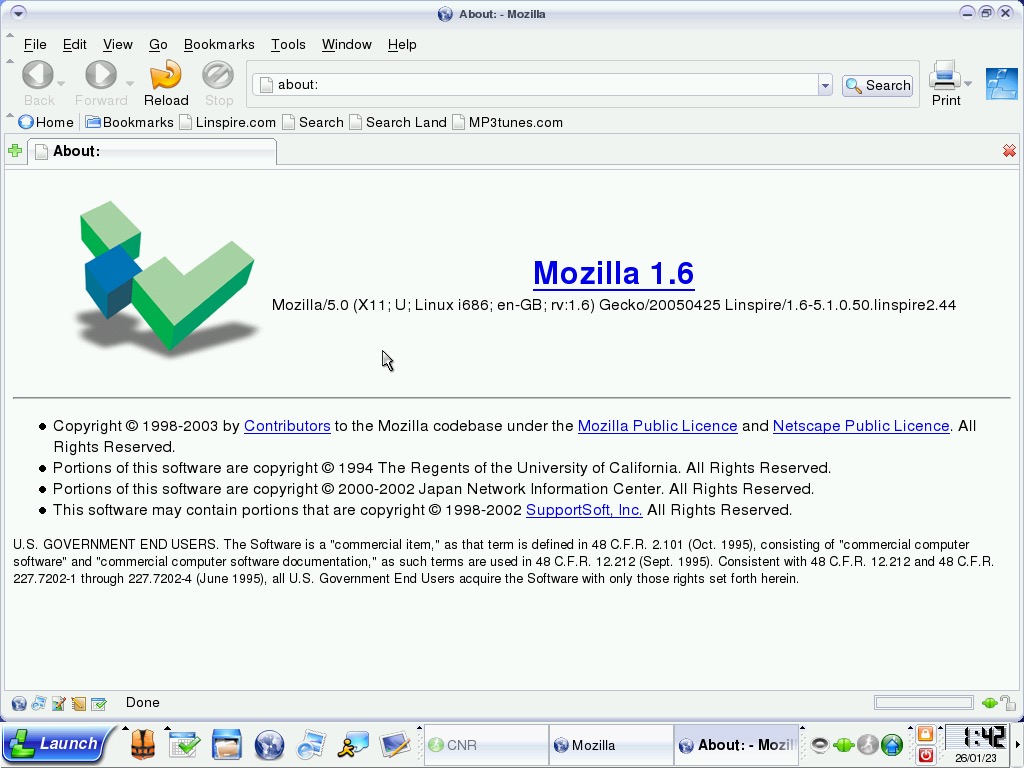
The Mozilla-based browser

Sometimes we run into this error, the only fix is to reboot the virtual machine. 

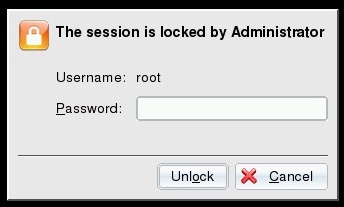
Password prompt when a screensaver is currently running, by default the user account is root.

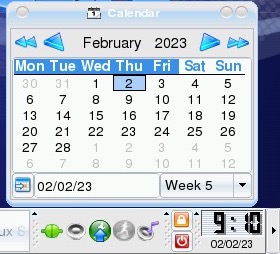
The mini calendar that appears when you click on the clock is located in the taskbar. This predates the Windows 7 calendar by around 4 years.

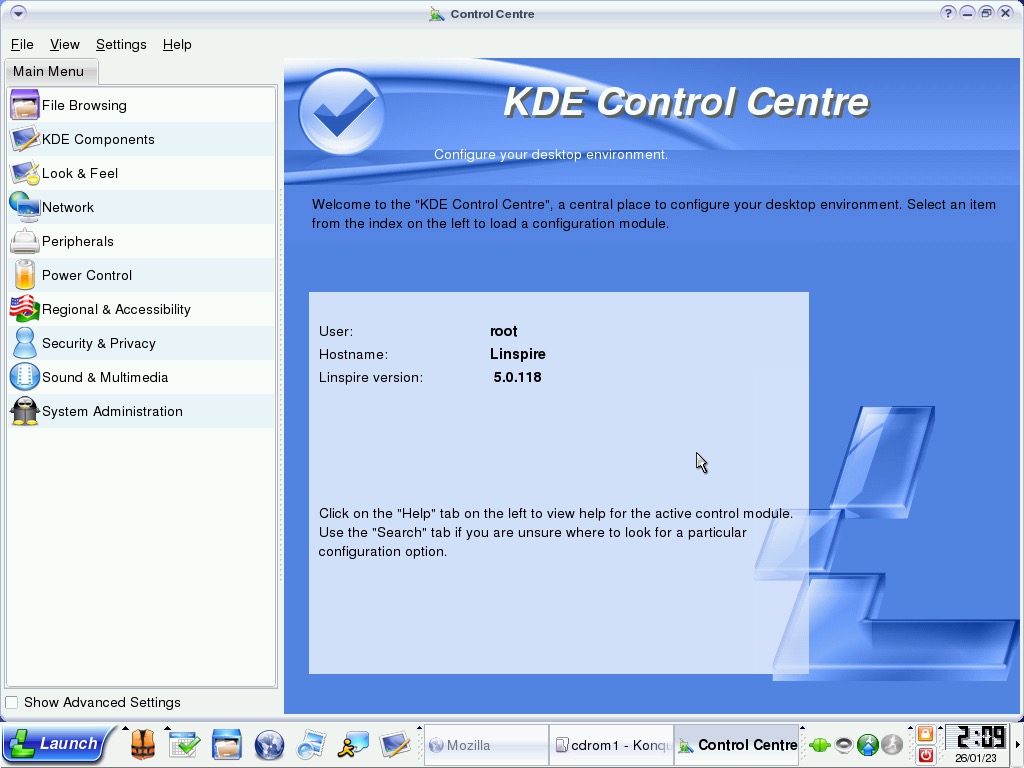
KDE Control Center

This serves as the Control Panel of sorts, various settings in relation to the user experience can be changed here but anything advanced will require the use of the terminal.

As in the previous versions, you select an option from the left panel which will open up its page.

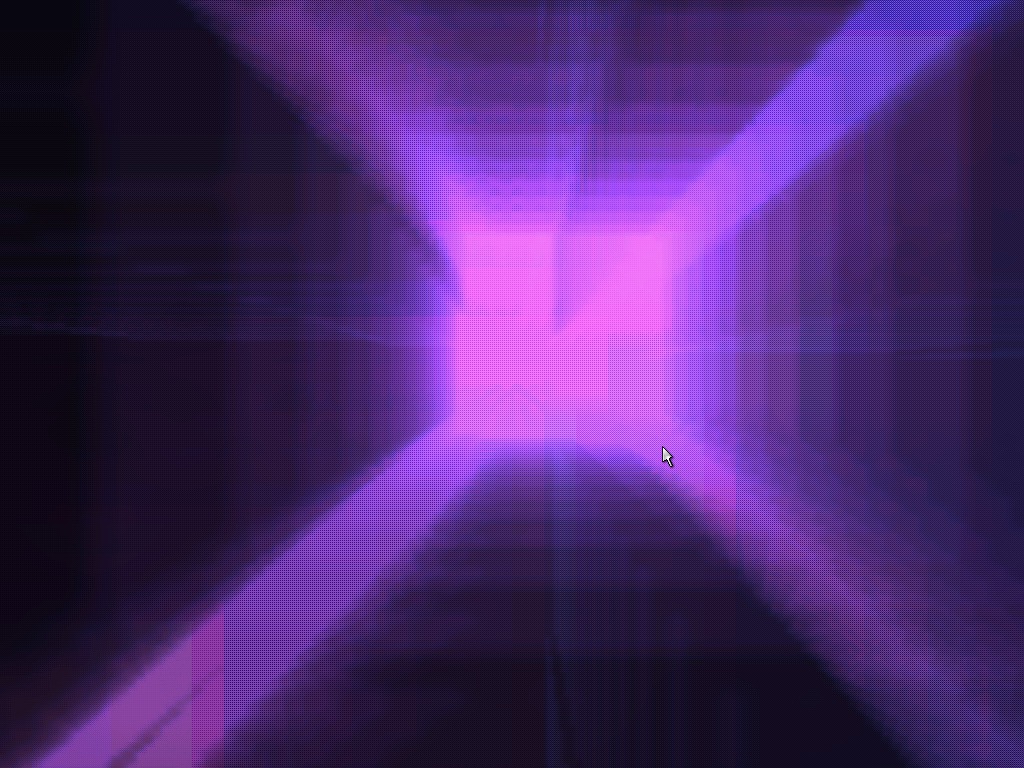
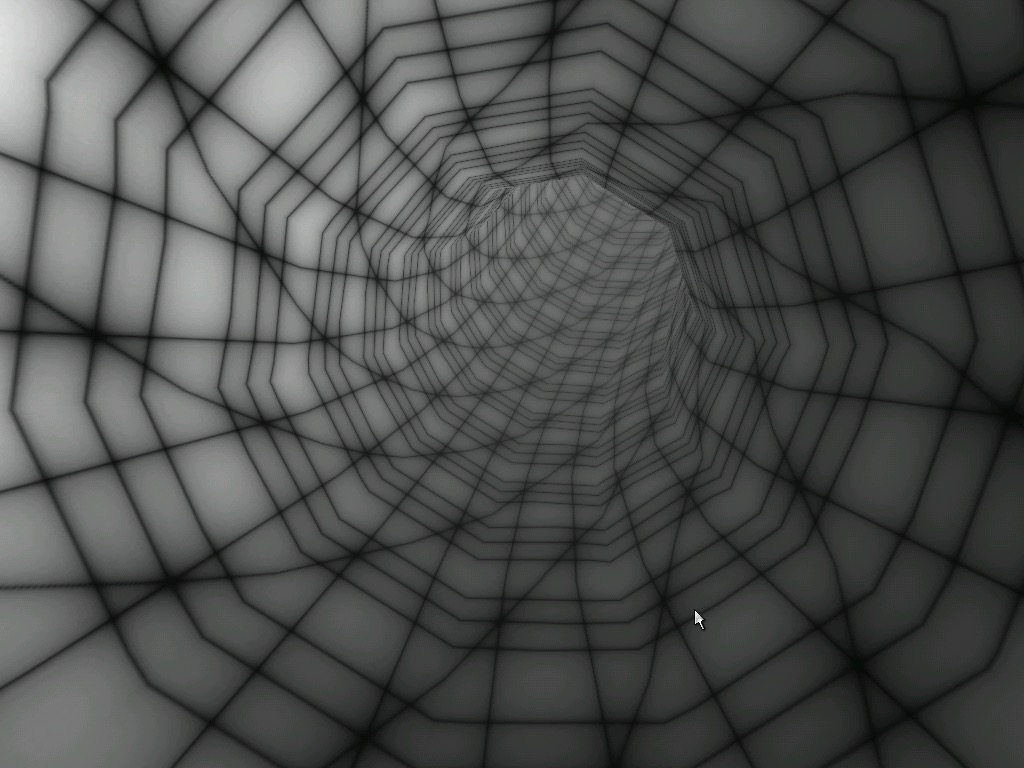
A look at some of the included screensavers

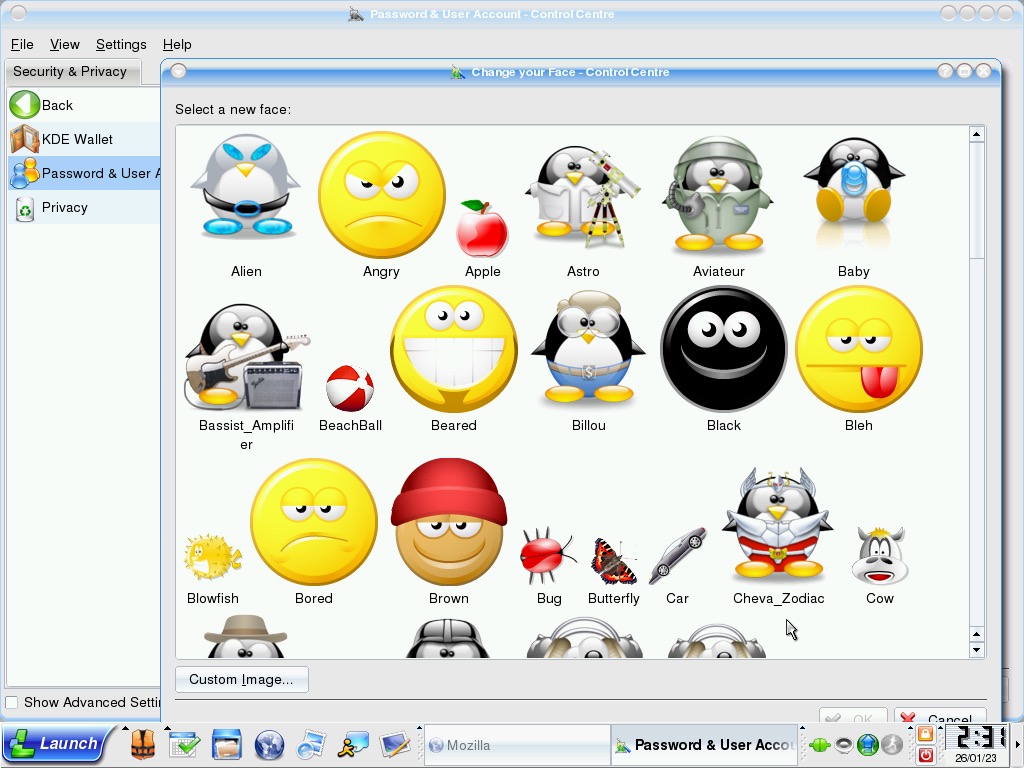
Changing your user icon, they seem styled by the ‘smiles’ design that was popular of the era, they also seem to vary in size compared to the Windows XP account pictures.

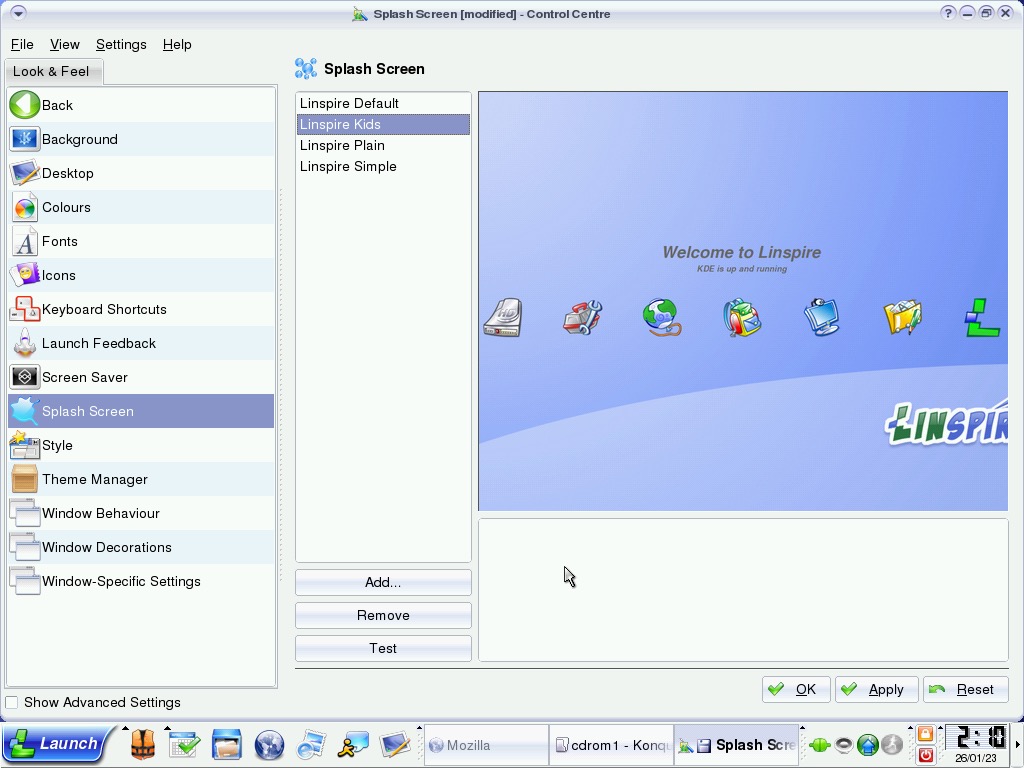
You can change the appearance of the splash screen that appears upon boot.

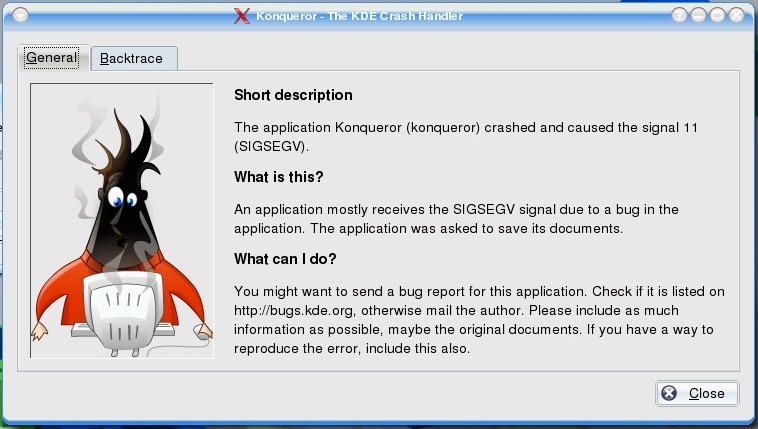
Also here’s what happens when a program crashes or quits.

Installed Software

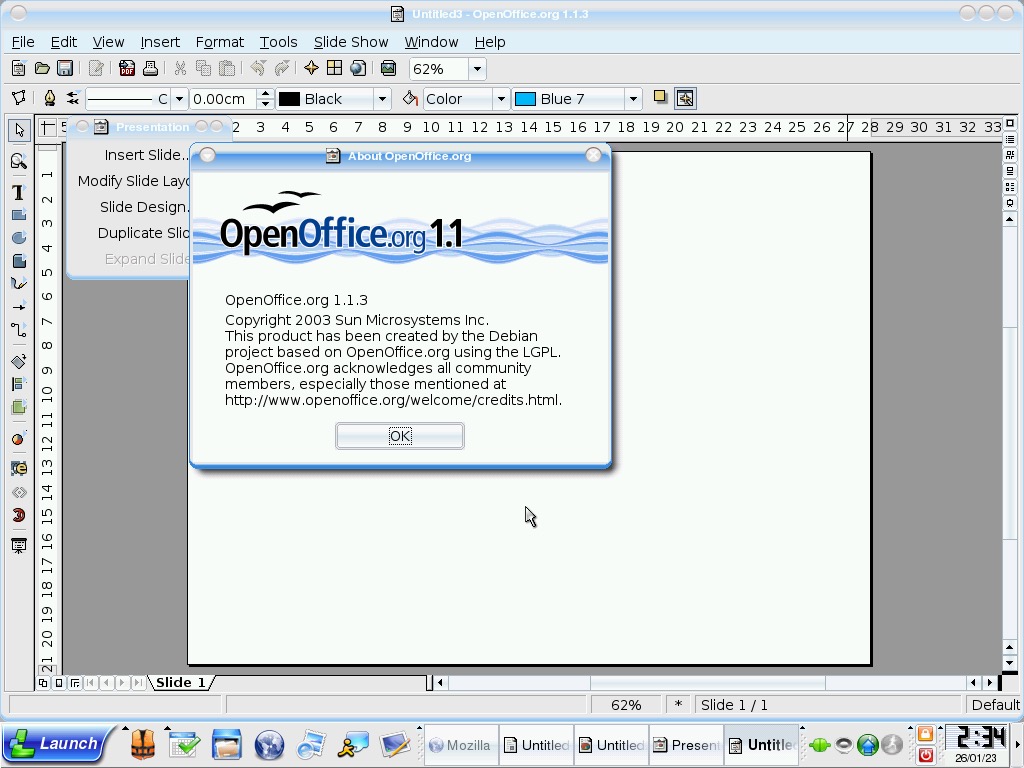
OpenOffice 1.1 – The default Office productivity suite, designed as a replacement to Microsoft Office and is compatible with most of its file formats.

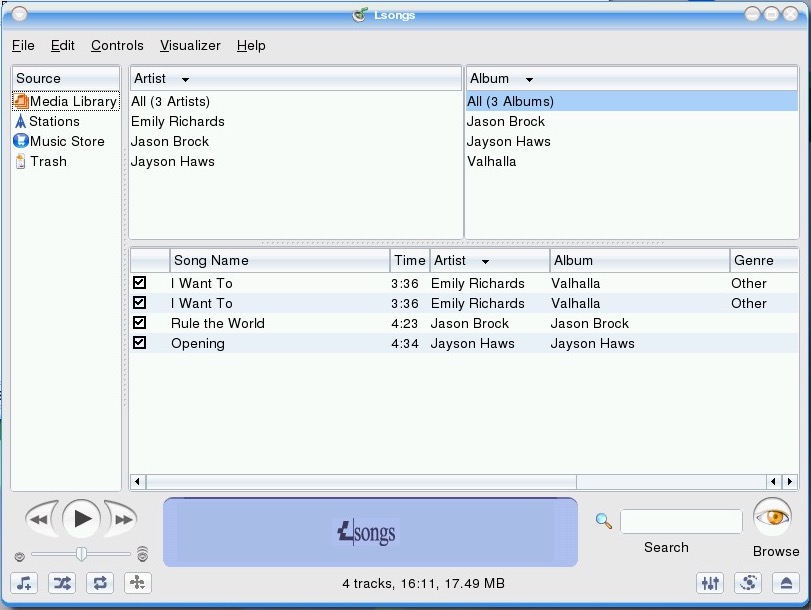
LSongs – Music and media player that looks a lot like iTunes

LTorrent – A Bittorrent client

Lassist – A collection of organizer-like applications that include a calendar, reminders and an address book. Not sure if pronounced as L’assist or L-Assist

Lphoto – Organise and view photos imported from a digital camera

Trying to play a DVD video using the built-in media player turned out to be near impossible out of the box. Additional software will most likely be required since DVD is a protected format (MPEG2 was still patented). VirtualBox seemed to have a problem accessing the disc, as the Vm would frequently freeze and become unresponsive. Since DVD was in its prime when this operating system was released, not having native support was a serious setback for many casual users.

Additional Software

Additional software can be installed, but it’s difficult to locate them once installed as they do not appear in the Launch menu. I don’t know if there’s a launcher that I’m missing or if they are being installed in a separate location but whichever software I install cannot be opened using the Launch menu. The only thing I can do is locate it through the file manager and create a shortcut to it.

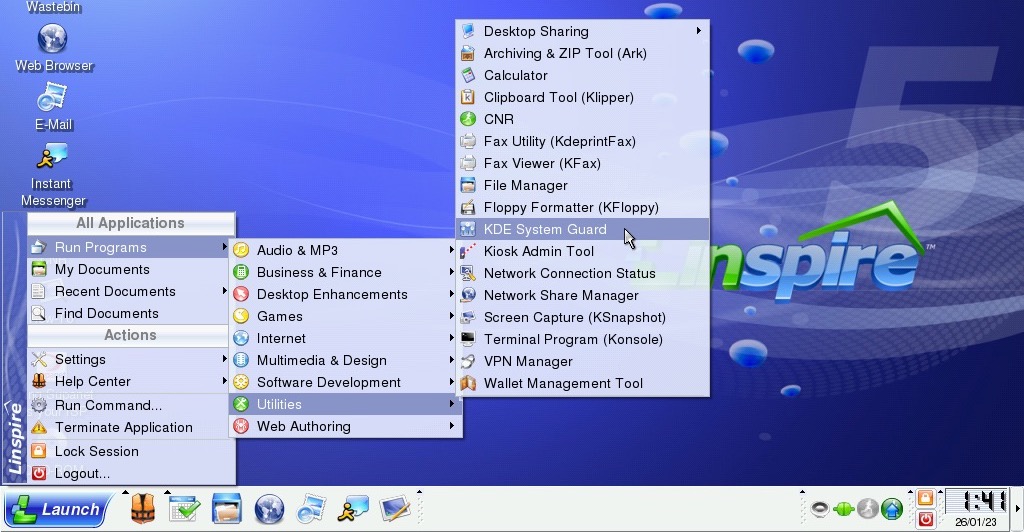
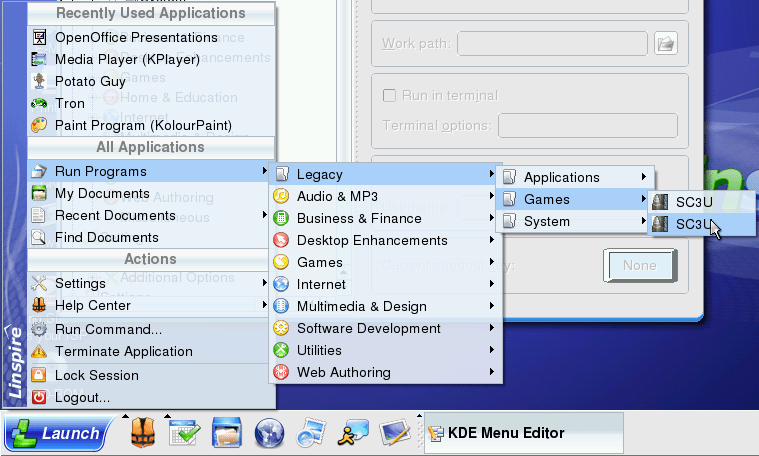
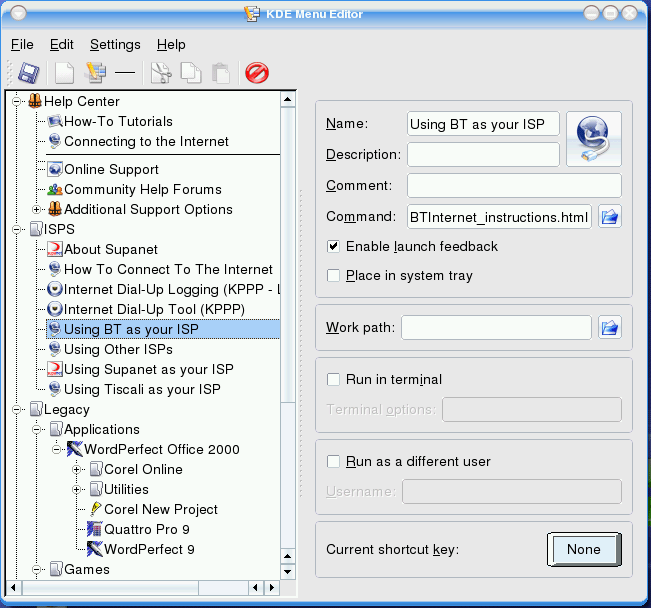
So after messing around in the launcher settings, there is a program group that exists in the Launch menu, known as the KDE menu. This is hidden by default but you can drag this to the Run programs menu which will allow you to run older applications or applications that don’t conform to Linspire’s menu structure.

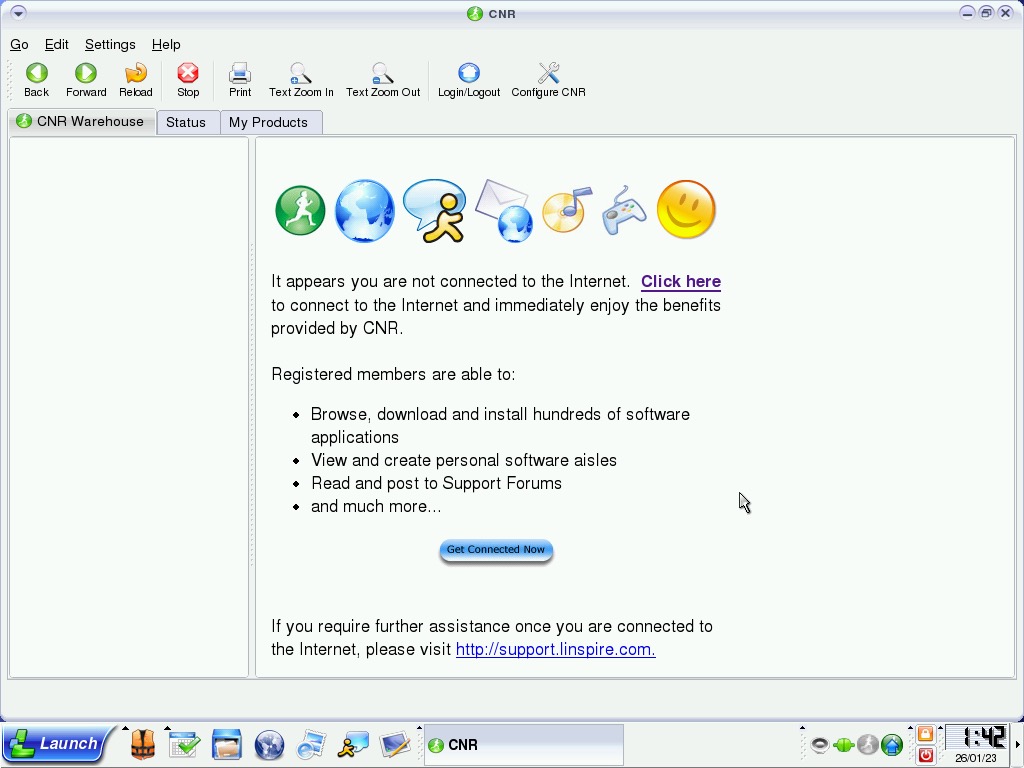
Maybe this was to push users to use their CNR store/packages?

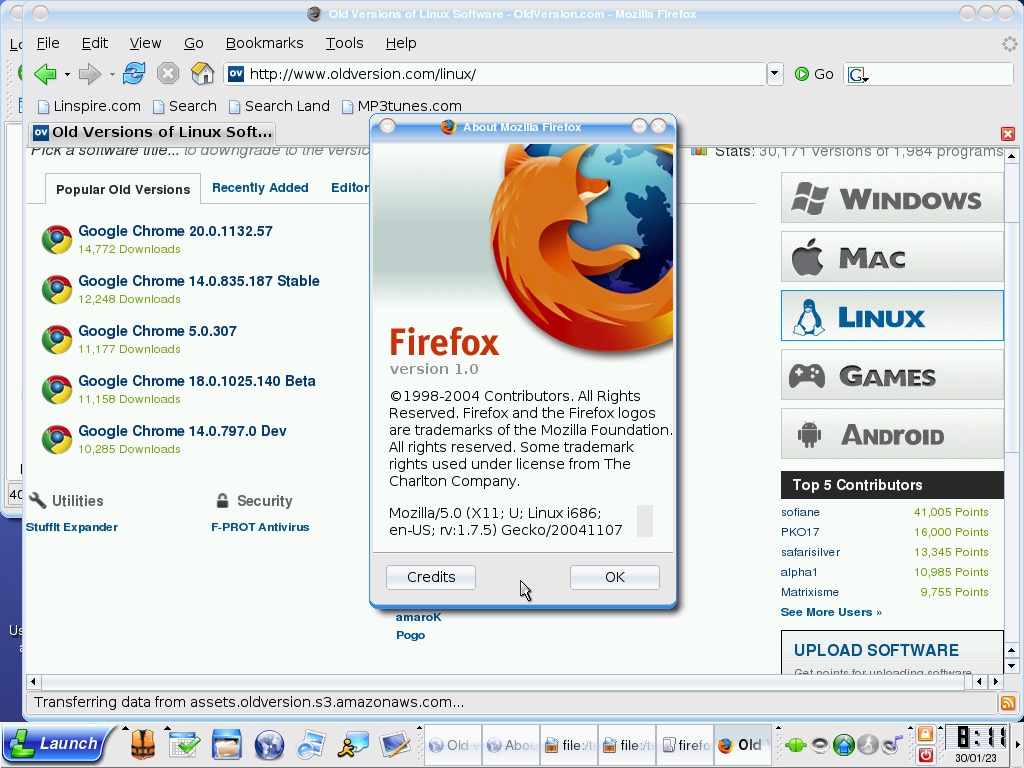
Firefox 1 can be installed and works fine but the install sets the location by default to the desktop?

SimCity 3000 failed to install which gave an error. Chances are the libraries used in this distro version are too new and we need to apply the fix that was done in Ubuntu 4.04. The text installer only seemed to work instead of the GUI install that came up in Mandrake.

Alpha Centurai was installed and worked fine but had no sound. Postal was also installed and worked fine, but still no sound. I guess the sound libraries had changed in this version, breaking compatibility,