Tag Archives: DirectX5

Manx TT Superbike

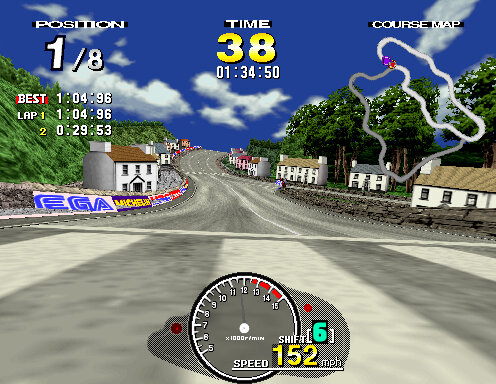
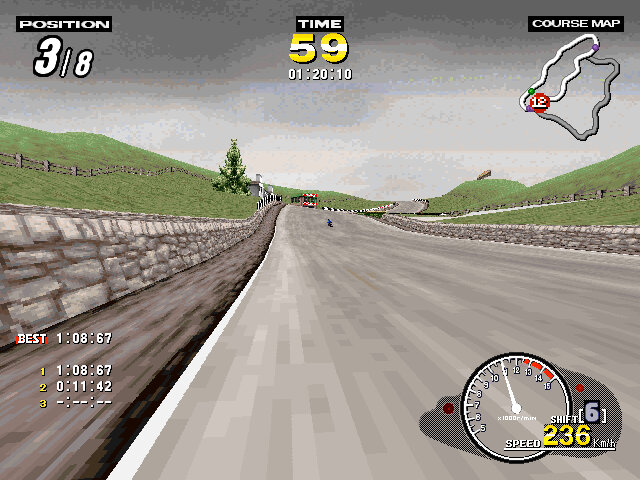
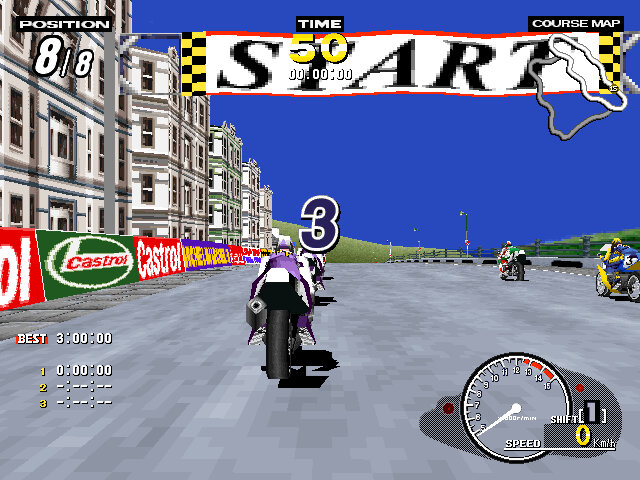
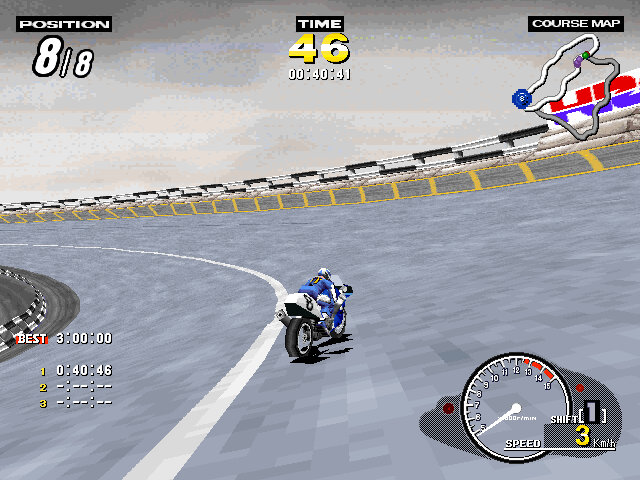
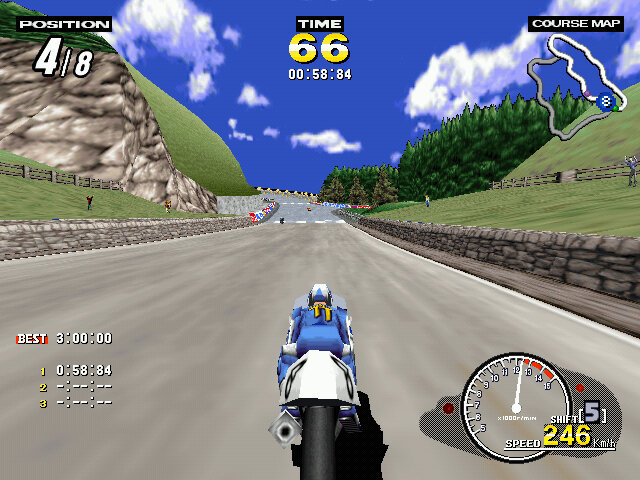
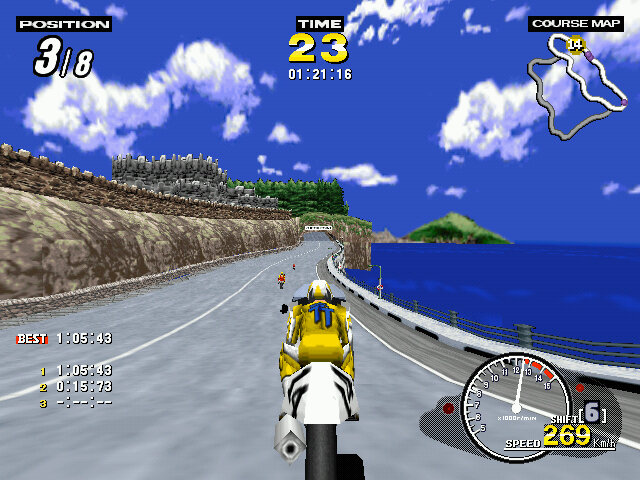
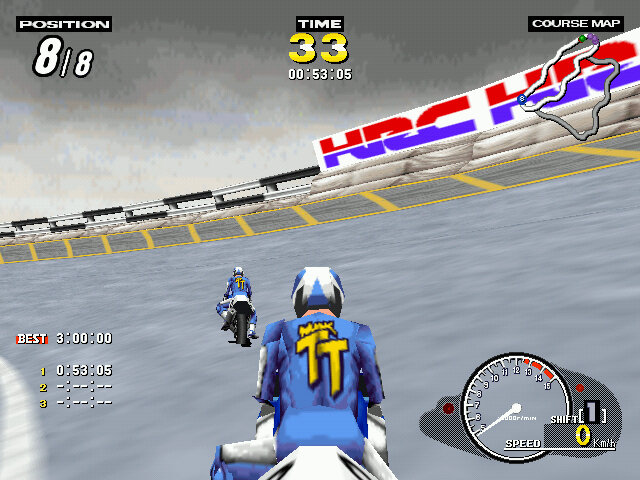
An arcade style racing game released in 1995, aimed to replicate the Isle of Man TT – a motorcycle racing event. Very similar in spirit to Daytona USA which was based on the real Daytona speedway, and Indy 500.
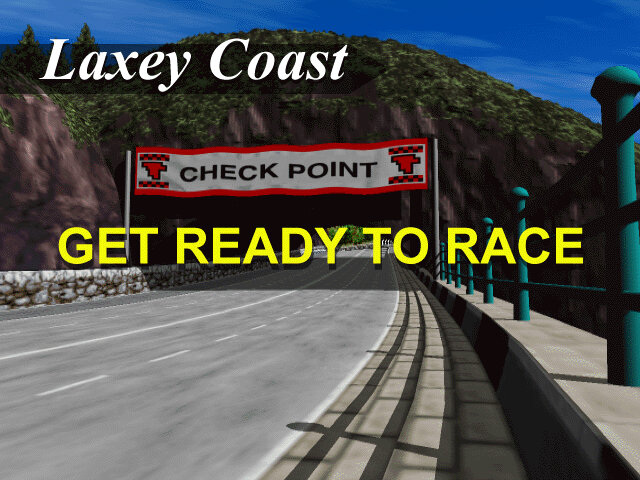
Two courses are offered, Laxely Coast and T.T Course, the latter being the actual track used in the Isle of Mann races. Both tracks share sections with each other and will split and re-join into their own different paths.
The home versions feature two additional tracks that are part of the PC/Saturn mode, these are reverse-mirror versions of the two arcade tracks and can only be selected in that mode. These tracks are also set in the early evening in the Saturn version, and early morning / dusk in the PC version.

Time Trial: Similar to time trial featured in other racing games, choose a track and a bike and try to get the lowest time. On the arcade version you have to hold the brake button when selecting a track to active time trial.

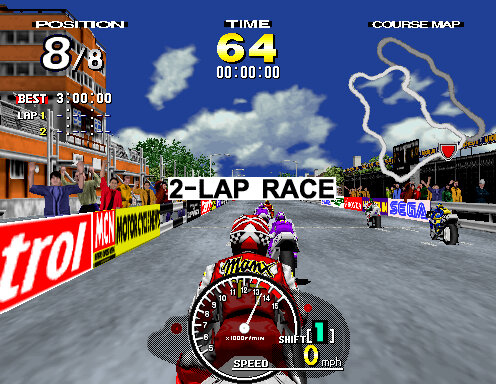
Console / PC Exclusives modes

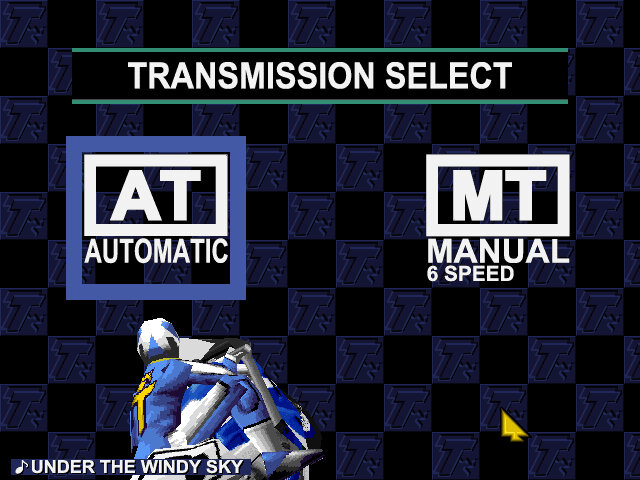
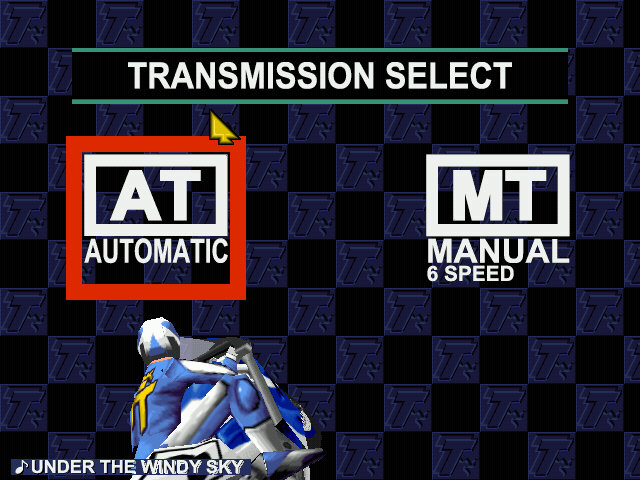
Practice Mode: Similar to arcade mode, choose a track and your bike which will have a unique stats for speed, acceleration and handling.

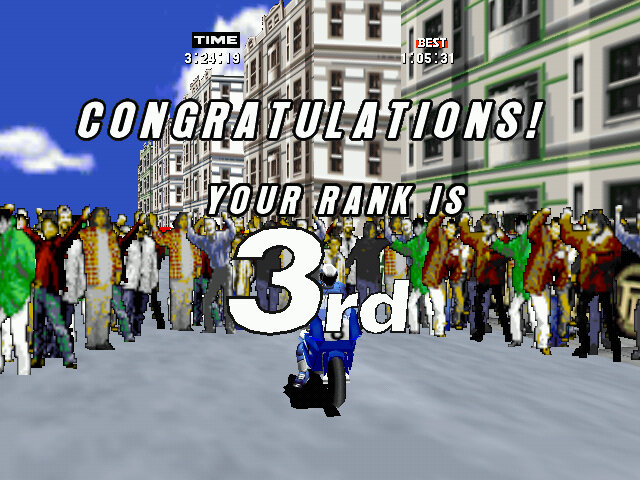
Challenge Mode: a tournament mode where you have to race on all four tracks, coming in a 3rd or higher in each one. The superbike challenge is unlocked after completing this mode.

Versions

Like other Sega games of the era, this title was relased to the arcades first, then to their Saturn console and eventually to Microsoft Windows.

Arcade

The original arcade release runs on the model 2 hardware, specifically the 2A version. This version was considered to be graphically superior of the three versions but is the most basic in terms of content, featuring only two courses and just the arcade and time trial mode. The Model 2 emulator is the most popular way to play this version of the game, with the MAME driver making steady progress but still unplayable in some regards.

Really for a home port, the game could have done with further tracks being added to increase the replay value of the game.

Sega Saturn

Sega ported the game to their home console of the era, the Sega Saturn in 1997. This version introduced new features including an FMV opening sequence and additional race modes. There are also options to change the bike model, which have unique stats across the different models. The game’s graphics were considered to be impressive for the Sega Saturn’s capabilities, with colorful and detailed environments that recreated the feel of the arcade version.

Windows

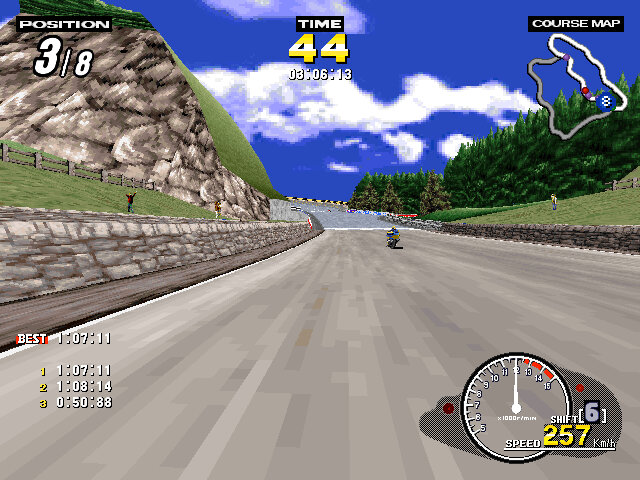
This version supported both DirectX 5 and 3DFX Glide, the latter gives a visual difference that makes it similar to the arcade version sans the frame rate. It seems the game will only render up to 30fps. Still the game can run at 640×480 which is higher than the Saturn or even the Arcade version.

Multi player is supported in this version and can be done over a variety of channels. IPX, TCP/IP, Modem and Serial connections are supported. This can be done via virtual box of you use the PCap option between two 86box VMs, linking it to the VMware virtual network adaptor (8 is typically the local adaptor) then create an IPX session. It may also be possible to map to the serial port in the near future.

I believe up to 8 players can playing a single session, to this would require three machines or more. Unallocated players will be replaced with an AI enemy, similar to single player mode.

DirectX Version
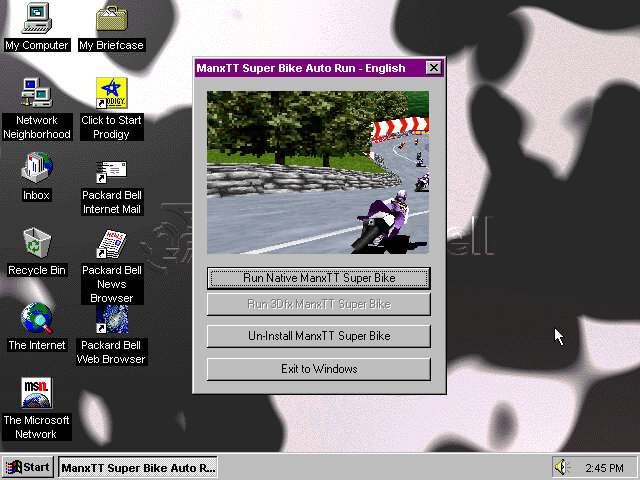
The regular version that uses DirectX 5 for 3D acceleration which works fine in 86Box using the S3 ViRGE video card. This graphics card lacks support for texture filtering.

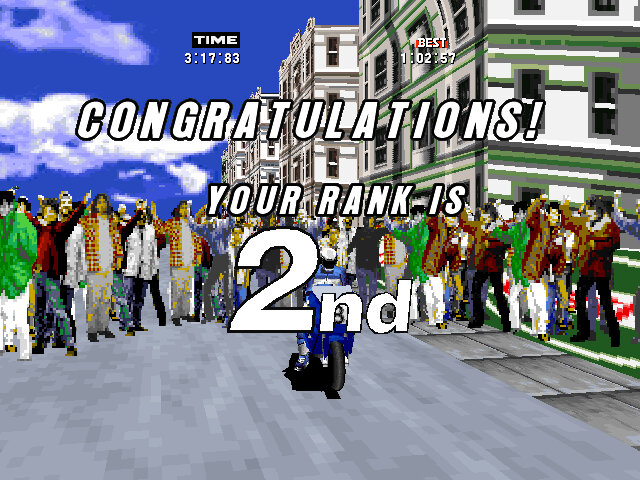
Only issue is after the race, the crowd can disappear and reappear intermittently.

3DFX Glide Version

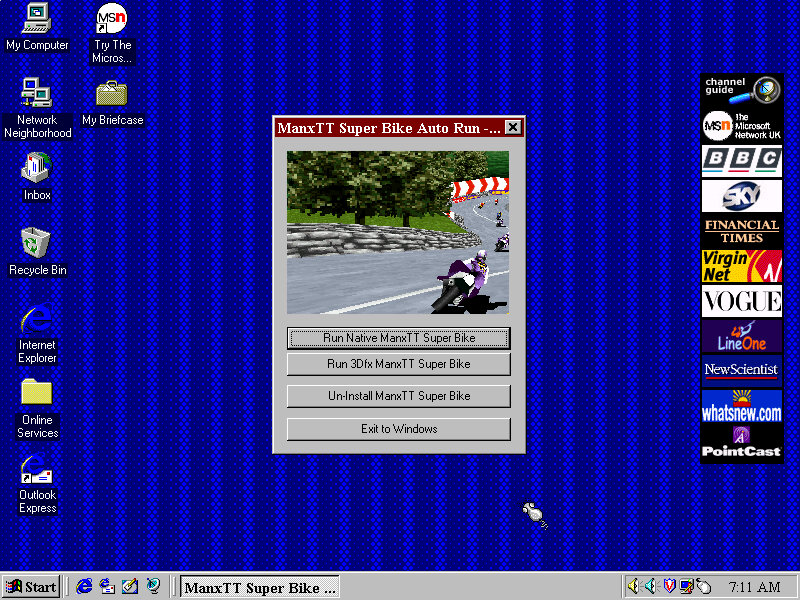
The bundled 3DFX drivers will only function on the original Voodoo, or the Quantium3D version of the Voodoo card. Later 3DFX cards require updated libraries in order to be detected, otherwise you will receive the ‘Failed to find any glide hardware’ error, or ‘Failed to initialize viewport system’ error.
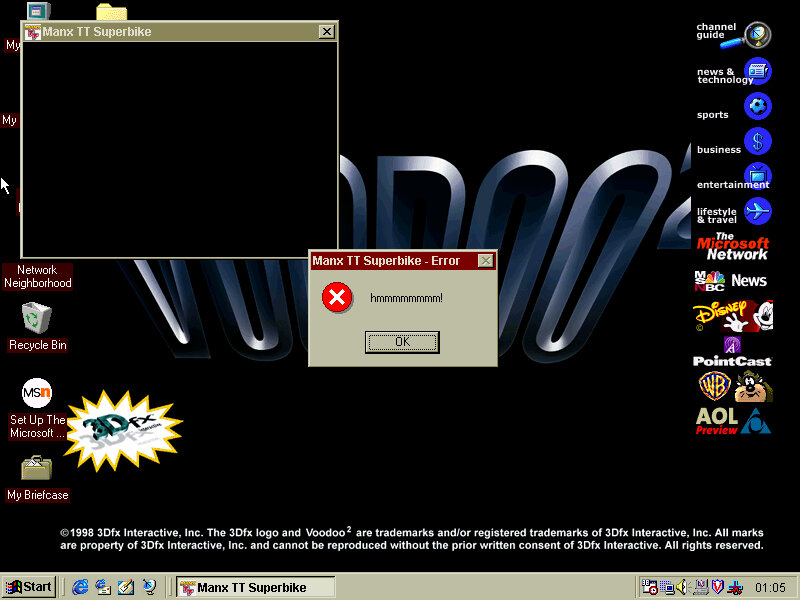
Works well in 86box until I tried it in a Pentium II PC with a Voodoo 2 (S3 Trio video card), where there were a couple of warping polygons and the game would throw up a ‘hmmmmmm’ error message. Whilst it looks like the game crashed, clicking Ok on the message box would restore and return you back to the game. None of this seemed to occur in other VMs I have that used the original Voodoo and AMD K6 combo.
Commandos: Behind Enemy Lines

Set in one of the World Wars, here you are the commander who is responsible for the lives of up to six men, and possibly the rest of Europe.

The games uses an isometric view, similar to the Sims but without the rotatable camera. Locations start off in Europe, but also range to Africa. The game is played using an isometric 2D view from only one angle, similar to The Sims. There are a couple of FMV sequences with footage from the time period itself which is related to the mission, this makes the game a good history lesson. Unfortunately in order to run on 1998 era hardware the footage ha to be heavily compressed to fit on a CD-ROM.
The games cover art is rendered in 3D, and there are some renders of the main character themselves. Sadly this is never used in game but would be ideal if the game was to be remade.

Installing the game

The game is mainly played in single player, but a multiplayer mode using LAN is supported. Here one player runs a server which will allow the clients to connect, and missions can be played cooperatively.

The game itself

Characters

There are six character in the game, each has their own voice and skills depending on their branch in the military. Each character will have a different loadout depending on the mission, and some missions require a certain character to be above in order to complete the objective, otherwise its game over.

Green Beret: The badass from Ireland, defiantly the man you want on your side during the World War. He is one of the more common characters you will command, being present in nearly every mission. Typical load-out consists of a pistol, a decoy radio to distract enemies, a knife to stab enemies in close contact. The green beret can also climb certain surfaces without the use of a ladder and can move barrels and corpses to hide from the enemy which prevents the alarm from being set off. In certain missions he can also bury himself in the terrain (typically snow). The green beret will be the most used character in the game, so its worth keeping him alive.
The Sapper: Expert in explosives and demolitions of which there are two types of bombs that he carried, a timed explosive which is deployed and explodes after a short amount of time, and a trigger explosive which is triggered by using a switch. Grenades are also equipped which can be used to destroy a group of enemies, but the loud noise will cause the alarm to sound. The explosives are only used towards the end of the mission.
The Driver: An American soldier., Is mainly present in missions where a truck or a vehicle is being used. He also functions as the medic and can heal other commandos if they lose any health. He also carries a machine gun if things get a little heated.
The Sniper: A well mannered Sniper with a deadly weapon, also services as the teams medic if the Driver is not present on the mission
The Marine: An Australian who is able to go underwater. Ideal for maps that contain a lot of water or a river, which may be needed to navigate to certain areas. The marine carries a diving suit that allows him to swim underwater, and will sometimes have a inflatable raft that can carry up to two other commandos.
The Spy: A French former soldier who can wear the Nazi uniform as a disguise, although this only fools regular Nazi soldiers and has no effect on commanders, who will see through the disguise. Carries a syringe loaded with leather poison to silently take out enemies making I’m sort of like an assassin.
• There are two over controllable characters that appear in some missions, the Pilot which is used to escape at the end in a plane (Level 10), and the prisoner who your commando will have to rescue as part of the mission (Level 12)

Levels

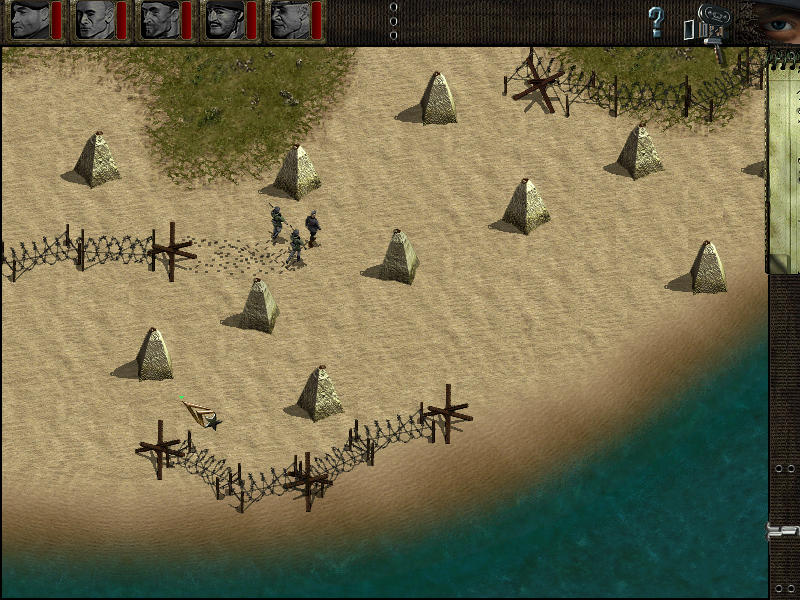
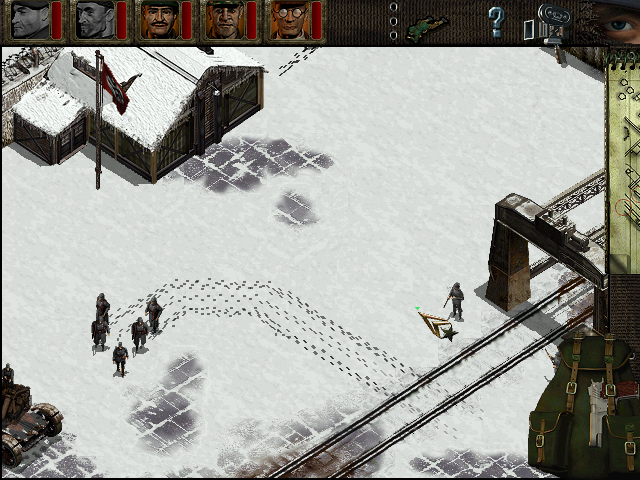
First few levels are set in Norway, and feature green terrain with some parts of snow on the ground. Be mindful of this as enemies can see your footprint in the snow and will investigate. Level 5 is completely covered in snow and takes a while for them to disappear.

Waka Waka Its time for Africa

Levels 8 – 12 onwards are set in North Africa, and you will notice the new terrain as well as the new outfits your commands will be wearing. In these levels oil canister’s can be used to set building and vehicles alight, with the game considering this as an explosion and trigging an alarm. You can place multiple barriers nearby to create a chain reaction explosion.

Level 13 – 15 and onwards are set in Normandy and features a varied terrain.

Finally levels 16 – 20 are set in Germany.

There are also a few tutorial levels available to learn the game mechanics.

Gameplay

Guards – these will be populated throughout the map and are your main enemy. Some of these will be stationary but will others will follow a preset patrol route. There can also be a group of guards, typically 3 but sometimes up to 8 following a preset route. You will need to study their route and make sure your commando does not fall into their field of view. If the tertian contains snow, make sure they don’t catch your footprints.

Enemies can also be stationed in machine guns or armed vehicles, and may also be hiding in various building indicated by the Nazi flag.

A patrol

Alarm – If a group of soldiers notice any dead fellow officers (They shout something along the lines of uncle Lester), or hear any gunfire or explosive, an alarm will sound which will cause more enemies to appear on the map, and will often patrol more quicker. This makes it harder to complete the objects since guards will be on higher alert, and you will have to be more stealthy from then on.
Sometimes soldiers will should Alarm, but one will not sound as they are too far from base. You can use this to your advantage by studying the map to see where the nearest bunker is.
In some levels, sounding the alarm is an instant mission fail.

Game settings

Submissive to enemy halt, if your commando gets caught by the enemy, this option determines if they halt their existing command, or if they will continue as normal.

Laconic commands refers to the acknowledgment your commando will make when you issue a command, if this gets annoying you can disable it and will mute your commandos.

The third option I would assume refers to background noise, but I wasn’t able to change this option.

Multiplayer

There are two ways to player a multiplayer game, either locally using IPX, or over the internet using TCP/IP. Both options are difficult to do since IPX support has been deprecated in modern versions of Windows (XP onwards) and the MPlayer service, which the game relied on for its central server is longer online. Trying to connect results in the above error message.

However it may be possible if you use two Windows 98 machines, and dedicate one as the server, since the server application is simply a console/MS-DOS program that runs in background.