Tag Archives: Konami

G.A.S.P Fighters’ NEXTream

A 3D fighting game by Konami (the Osaka division) released exclusively for the Nintendo 64, back when games console shad their own exclusive fighting game franchises. PlayStation had Tekken, Sega Saturn had Fighting Vipers and Virtua Fighter and the Nintendo 64 had Killer Instinct, and G.A.S.P. Released in 1998 when Tekken 2 and Virtua Fighter 2 had already established themselves within the home console market. 
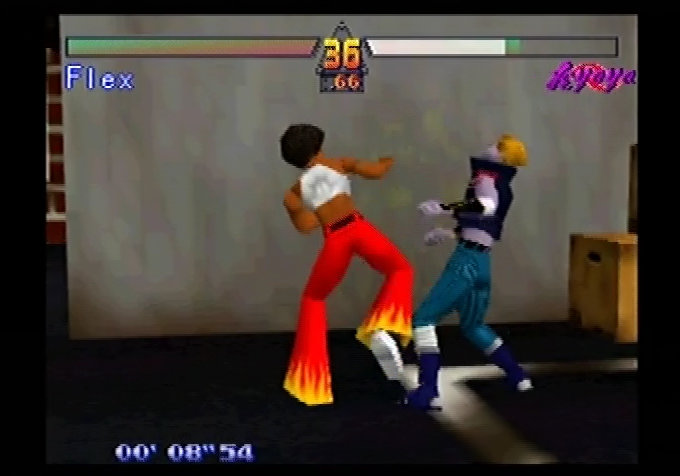
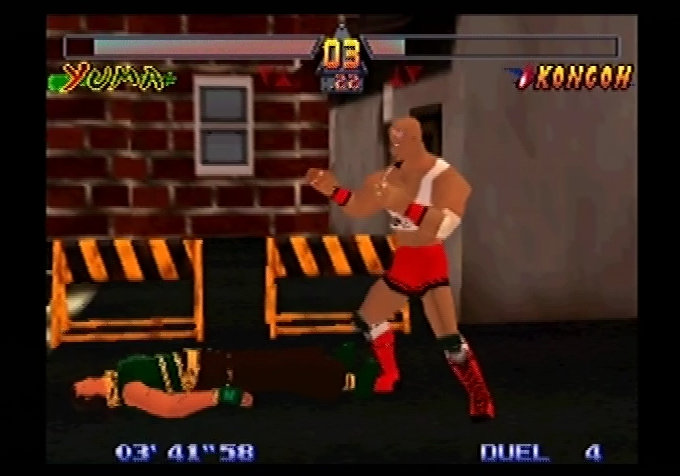
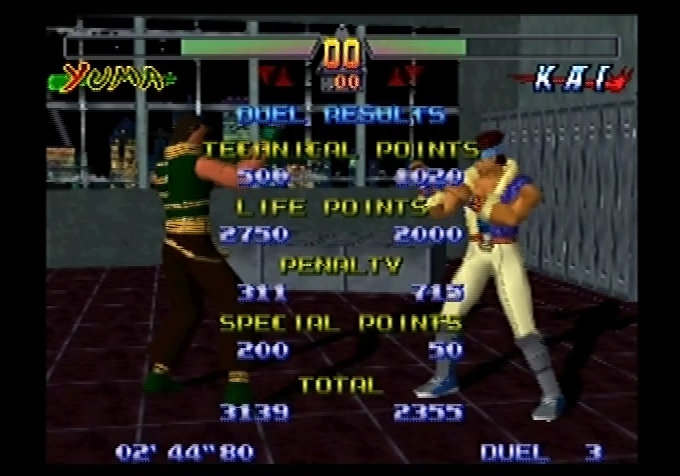
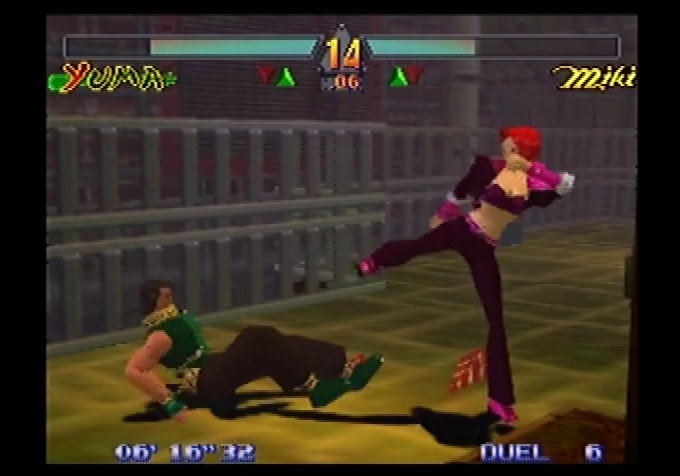
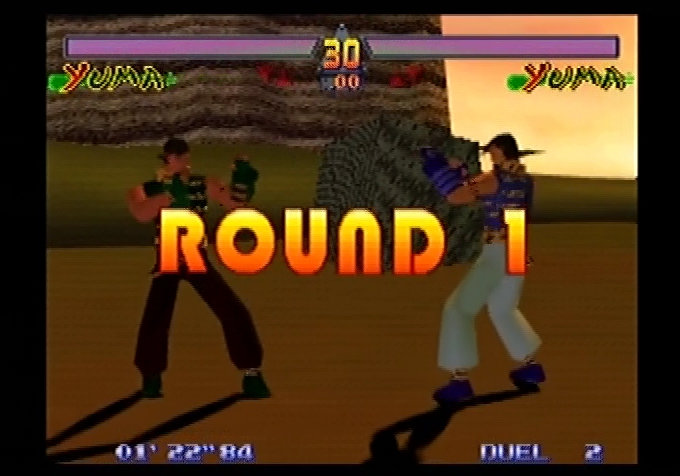
Gameplay revolves around arena-based 3D fights inspired by titles like Virtua Fighter, with scoring based on move quality and combos rather than just depleting health. Although this only appears to matter when the round time has expired, instead of awarding the match point to the player that’s the most health remaining, the game calculated the score based on remaining health (which weights heavily) along with technique.
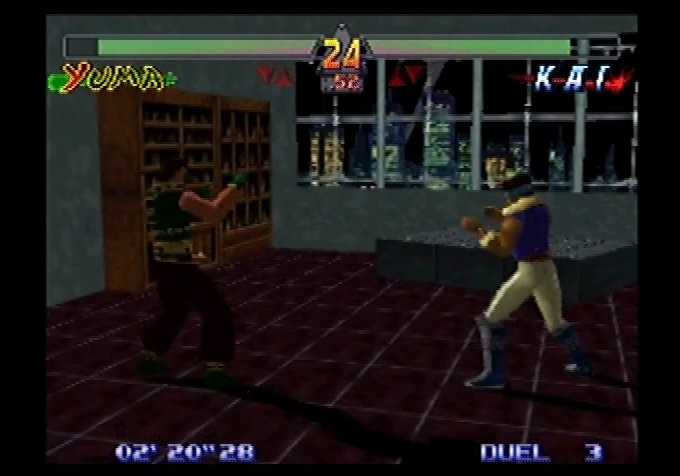
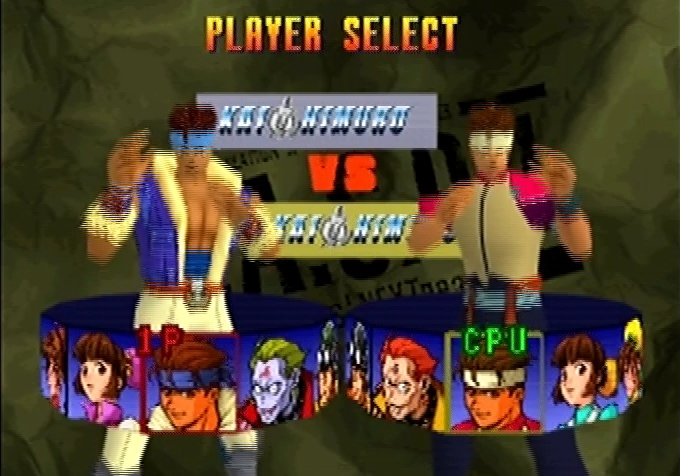
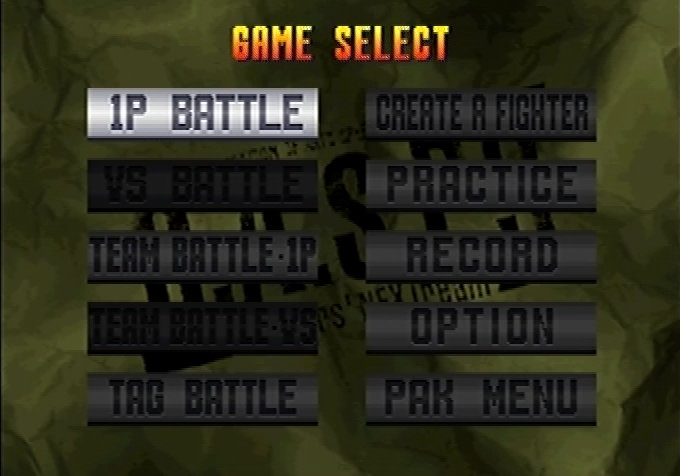
You select from 8-9 playable fighters (plus unlockable like a cat-masked wrestler Gouriki and boss Reiji Ogami, who transforms into forms like Hikari and Yami), each with unique moves, punches, kicks, throws, and evades. Modes include single-player tournament/duel, versus (1v1 or tag-team), training, and a notable create-a-fighter system where you customize appearance (hairstyles, body types, faces) and steal moves from defeated opponents. This is one of the few fighting games that does let you create and customize your own fighter, something that is more commonly seen win the wresting game genre.
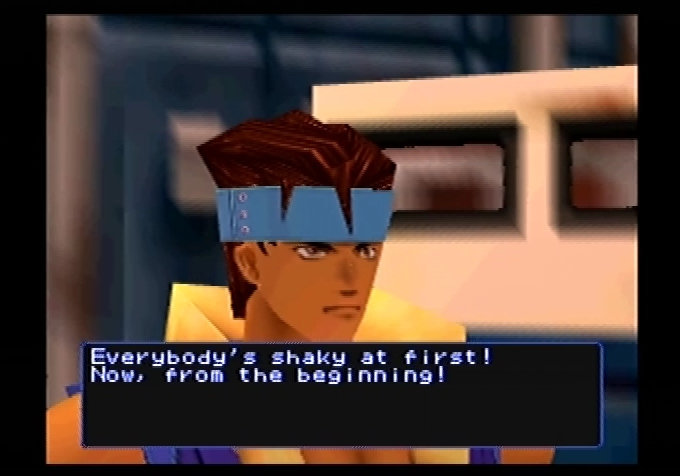
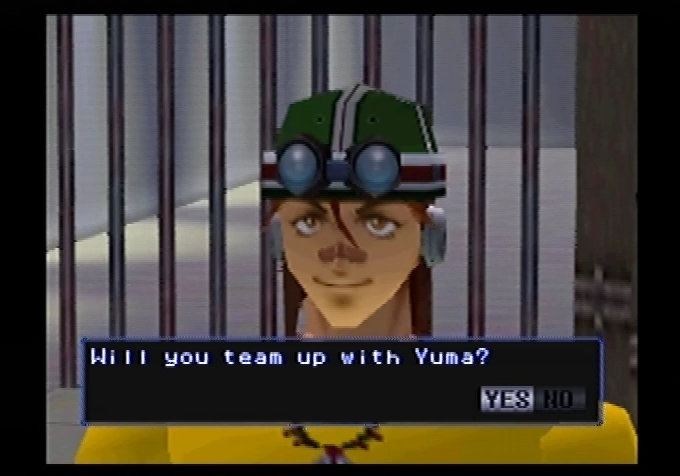
Unfortunately the game failed to capture the audience that Tekken and Virtua Fighter had, and the game itself wasn’t very well received both in Japan and Internationally. One of the main criticism’s was the overall pacing and speed of the game, giving a fell that the characters were fighting underwater. I’m not sure if this was a design consideration from Konami, as they possibly wanted to implement a more strategic fighting system that gives the player opportunity to counter and plan their next fighting move, or it this was more so of the technical limitations of the Nintendo 64. Many of the stages have destroyable objects that break as your chapter slams into them, but the physics processing could have an impact of the games overall speed as a result. Running on an actual N64, expect to get a frame rate of 20-30FPS.
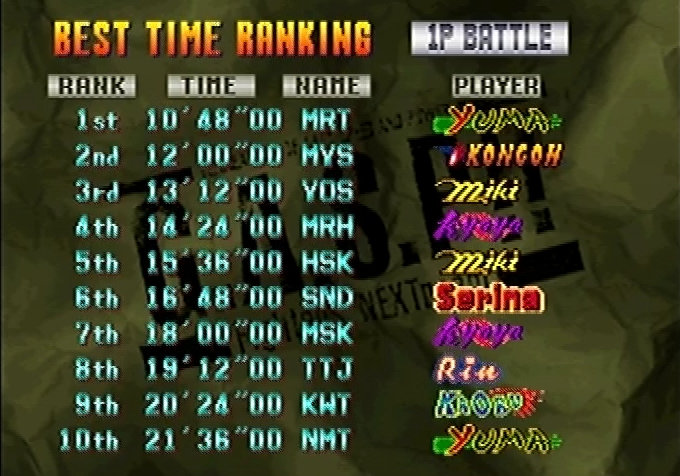
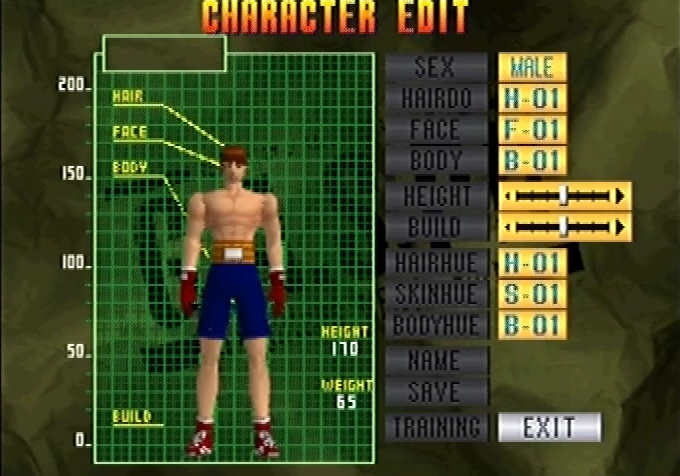
The moves of the characters is also rather limited, with many moves just being a various of the same punch/kick. This might be due to the ability to create custom fights, which affects how the character’s moveset would flow, and how the animations execute across different character models and meshes without clipping or looking unnatural. This is often difficult to pull off and is why we often don’t see customisation in fighting games.
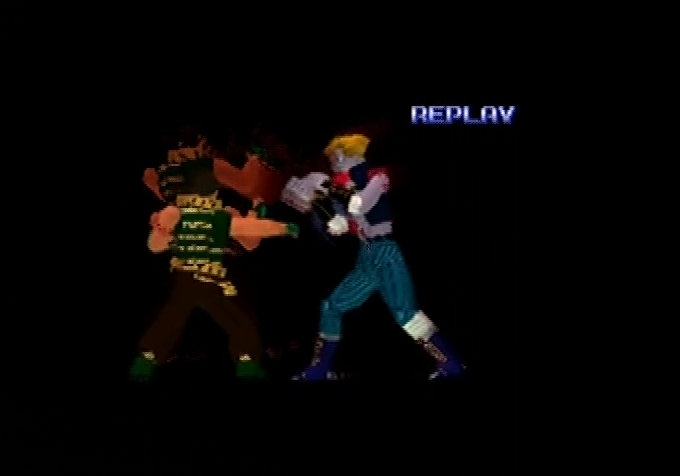
Still, the game reward you give a nice Techno-inspired soundtrack that has dark elements to it. If you have already admired Tekken for it’s soundtrack, you won’t be disappointed considering sound isn’t one of the N64’s strong points. 
Midnight Run: Road Fighter 2

Why are you last? You driving Miss Daisy?

A racing game set on a typical Japanese city highway, complete with rival traffic that you have to overtake and avoid.

There are three different courses available, each named after difficulty (Easy, Normal, Hard). The harder courses have more complicated tracks with sharper corners, and more dense traffic to avoid. They are also set at different times, with the easiest being set in the evening (Sunset Trial), the medium being set at night (Starlight heat) and the hardest at Midnight (The Midnight Run)

There are also four different vehicles to choose from, though there isn’t any difference with their speed or handling, holding the start button down lets you enabled tuning mode, where all the cars have spoilers on them. I assume these are much faster but with less handling.

Initially released in arcades, the game was later ported to the PlayStation in Japan and Europe. There isn’t any new content or game modes added so I can’t really recommend it over the arcade version which has much better graphics. Speaking of, this does run on the Konami ZR107 arcade board which uses the PowerPC 403e running at 32Mhz, but I wasn’t able to locate any information on its graphics hardware except that it uses an Analog Devices ADSP-21062 for its geometry engine, similar to what was used in the Sega Model 2B. it’s likely Konami licensed a 3D accelerator from another vendor.

I’m unsure how it compares to Sega or Namco’s 3D hardware as it only had three games released for it, all of which appear to be racing games.

The Simpsons Bowling

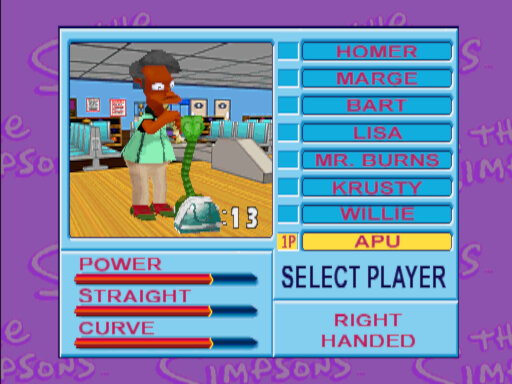
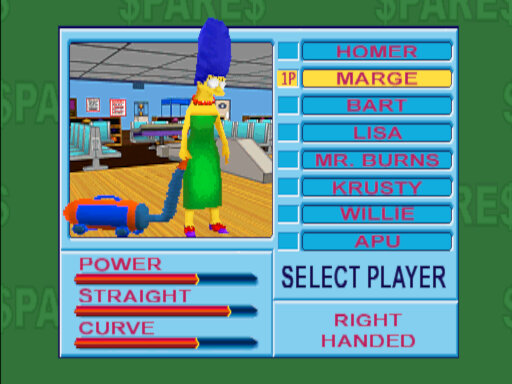
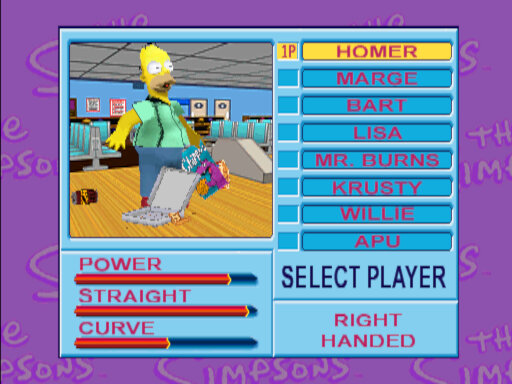
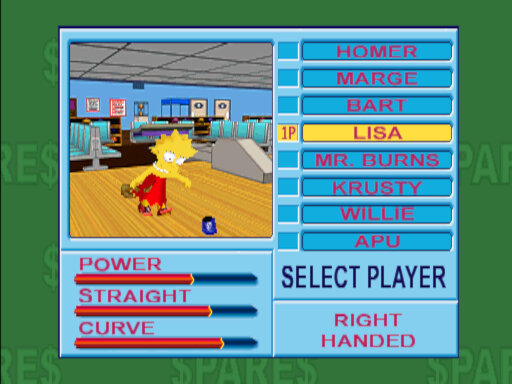
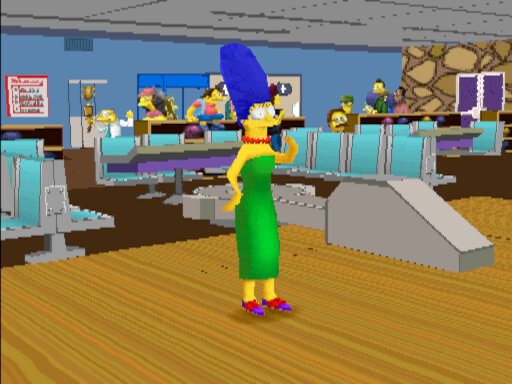
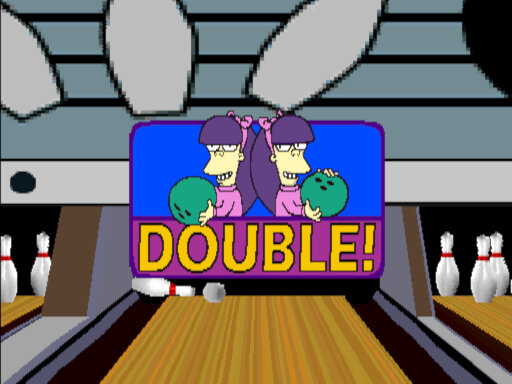
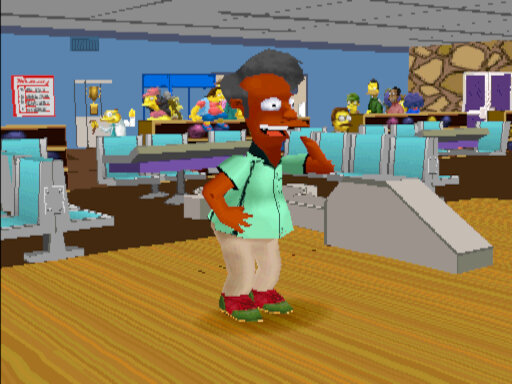
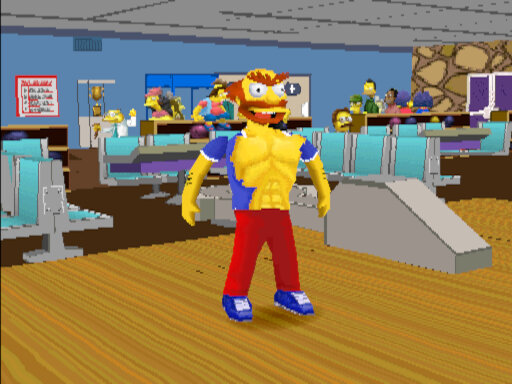
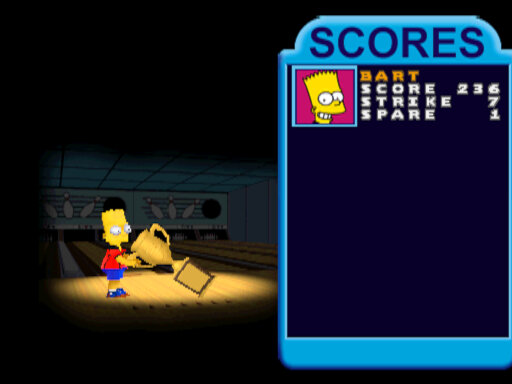
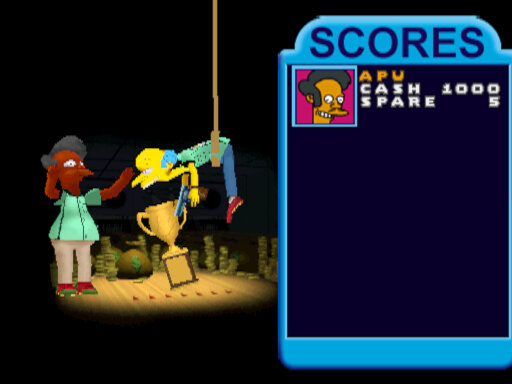
A bowling game developed by Konami and released only in arcades. Here you can choose from a select amount of Simpsons characters, each with their own unique stats and ending animations.

Bowling has always been one of the main pastimes shown in the actual show and several characters have had plots involving bowling, or the location Barney’s Bowlarama, where Homer sets up a minor Bowling league, or where Marge tries to take an interest in Bowling and nearly end’s up having an affair. It would also appear in the background, Homer would occasionally be seen playing bowling.
With Bowling being a popular concept of The Simpsons, it’s inevitable they would make a game out of it.

Despite running on PlayStation-based hardware, the game was only released in arcades. It’s possible a home port was planned but was abandoned when Konami lost the Simpsons license

Gameplay

There are two types of game modes that can be selected:
Standard Game – Typical bowling mode, on default settings you can score up to 300 points across 10 frames.
Spares Game – Same as standard, but there is a money mechanic. The player needs to make the most money in order to win. The bowling pins are randomly selected and require a lot more strategy in order to win

The game has the option of a normal control scheme or an easier mode. The difference is the process of firing the bowling ball, the easy mode just requires you to spin the trackball to launch the bowling ball, whilst the normal mode requires you to press the 1P button when the icon moves in the green area, sort of like a QTE/Timing minigame. Both modes can then be chosen by the players instead of the arcade operator.

You can change your character’s starting positions, and adjust the curve on their ball with is a key component of scoring.