Tag Archives: Microsoft Game Studios

Perfect Dark Zero

The sequel to the original Perfect Dark game, released as a launch title for the Xbox 360 in 2005.
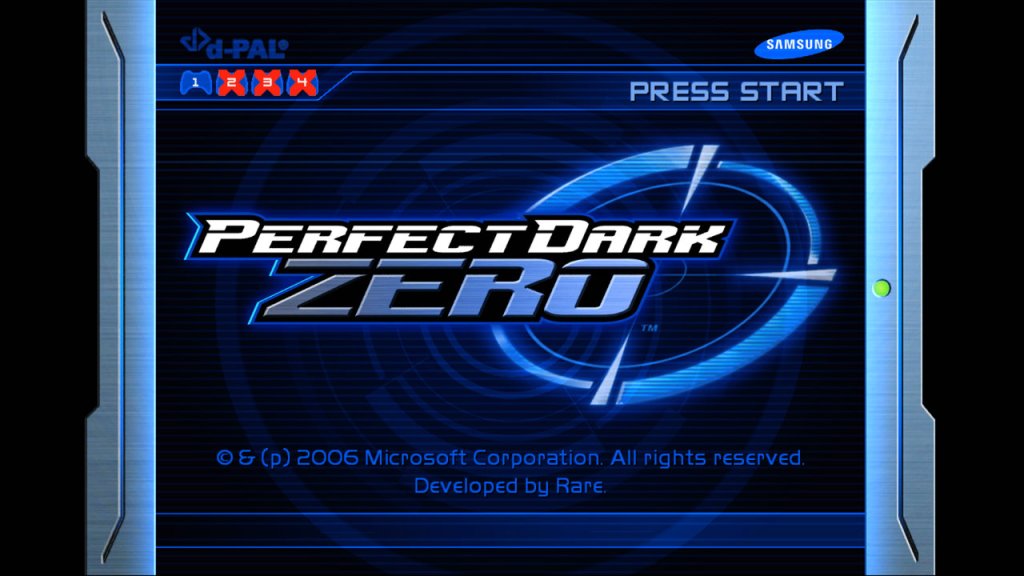
First off, Perfect Dark Zero is trying to tell the origin story of Joanna Dark, our badass spy chick, in this futuristic 2020 where corporations are running the show (similar to your typical futuristic SciFI story, like Unreal and Deus Ex). You’re out here doing bounty hunter gigs with your father, Jack, before things turn bad with dataDyne and some alien artifact. The story is a lot more hard to follow compared to the N64 original, even with the HD cut scenes. The original had this tight, mysterious vibe with Area 51 and Skedar aliens—felt like X-Files meets GoldenEye. This one’s got a convoluted plot. The N64 game’s story wasn’t perfect, but it had charm and focus. Zero feels like it’s trying too hard to be epic and just trips over itself, which is usually a sign a game was rushed to reach a console launch deadline.
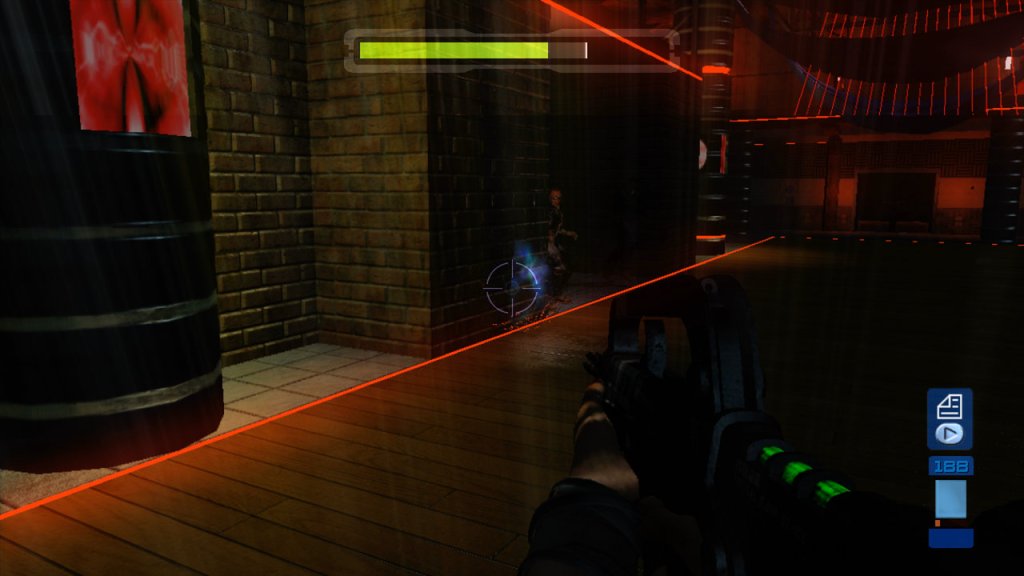
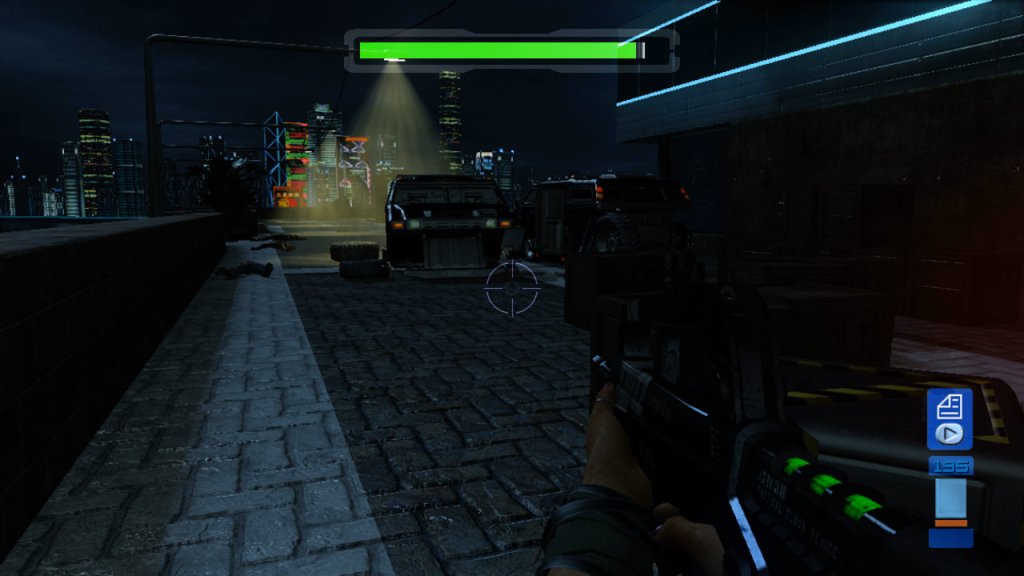
PDZ’s 2020 setting depicts a world where corporations like dataDyne dominate global affairs, overshadowing governments. This theme critiques unchecked corporate greed and the ethical dangers of profit-driven science, as dataDyne’s pursuit of the Graal prioritizes power over humanity’s safety. It reflects fears of real-world corporate overreach, a staple of cyberpunk stories. Sound Familiar? Corporations in 2020, like Amazon, Google, and Microsoft, arguably hold significant economic and cultural influence but didn’t supplant governments – well not as we know of yet.

At least Aliens are still fictional
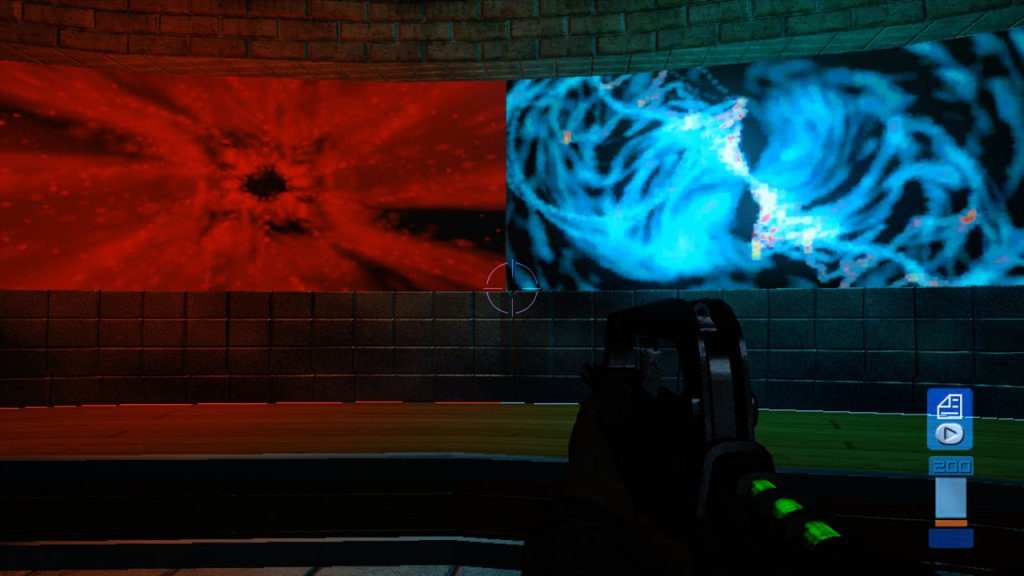
Another key element is Betrayal, that drives much of the plot. Chandra’s double-cross, Mai Hem’s ruthlessness, and dataDyne’s manipulation of allies like Killian. Joanna’s journey tests her trust in others, contrasted by her growing loyalty to the Carrington Institute, which represents a moral counterpoint to dataDyne’s amorality. This theme explores personal and ideological conflicts in a world of shifting allegiances.
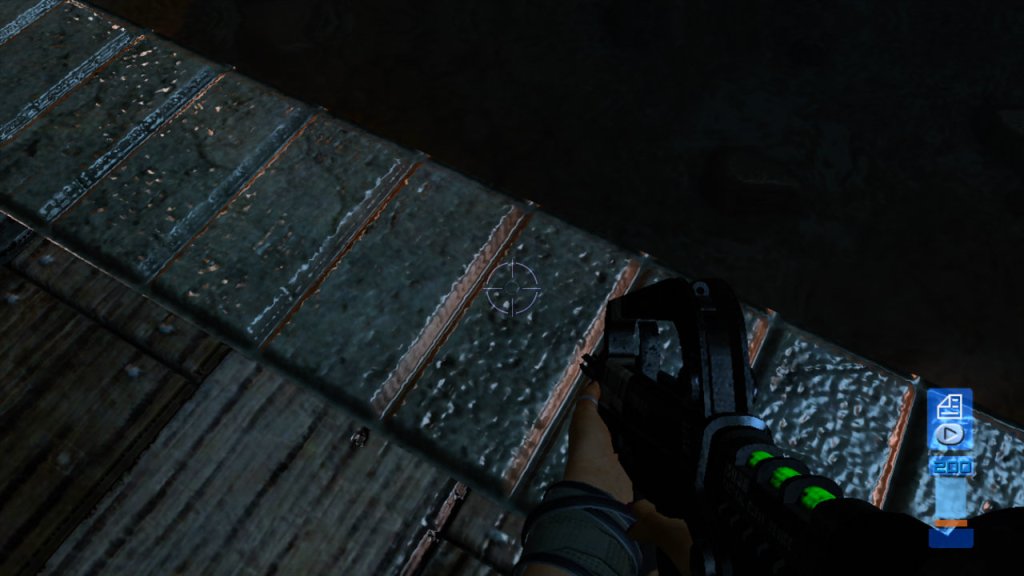
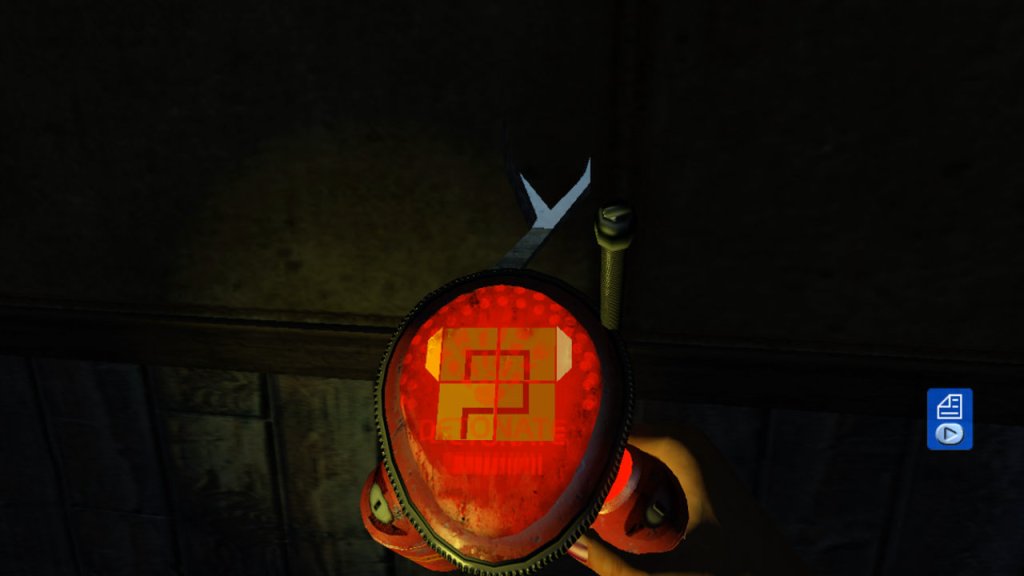
Texture’s give off a plastic look

Gameplay-wise, it’s got that FPS core, but it’s leaning into tactical stuff—cover system, dodge rolls, stealth objectives. You can hack terminals with a Datathief gadget or sneak past guards, which is cool but it isn’t as smooth as the original. The N64 Perfect Dark had those tight controls, even on that wonky controller, and missions felt varied with objectives that changed per difficulty. Zero’s campaign is alright—14 missions, playable solo or co-op. The co-op’s is dynamic, like one guy hacks while the other covers which an interesting way to implement multiplayer into a single player campaign.
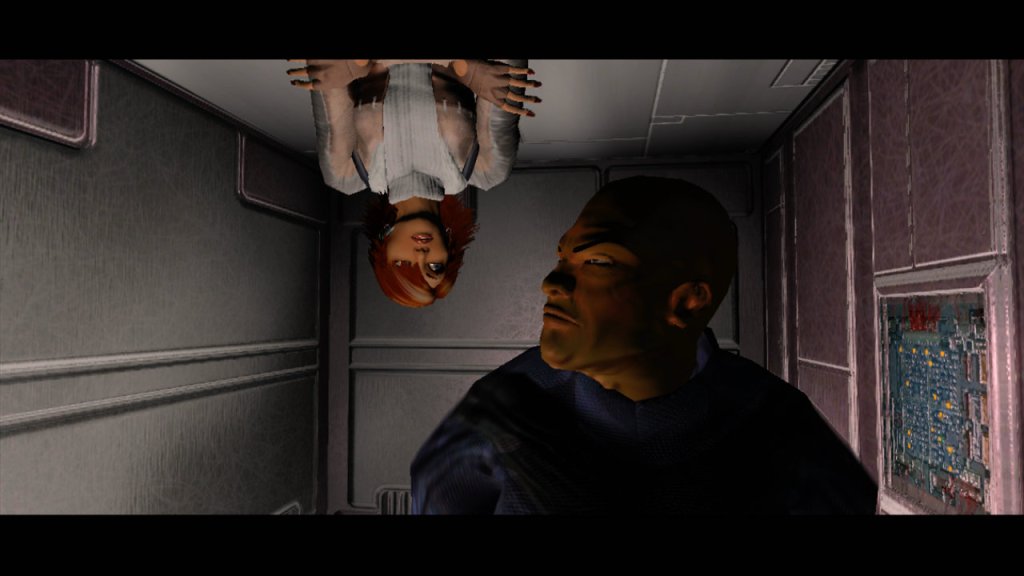
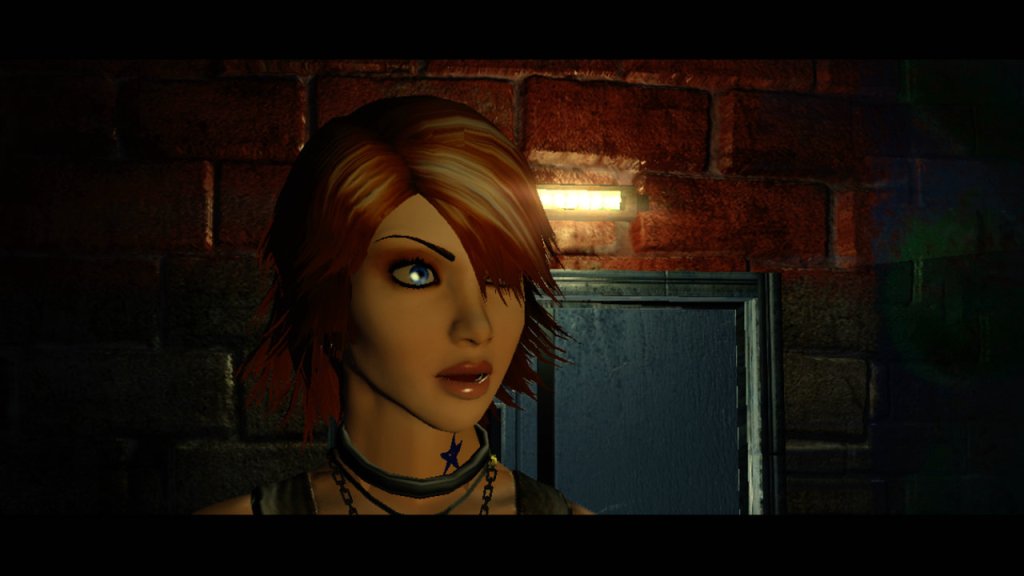
The multiplayer is where Perfect Dark built its throne. The N64 version had us glued to four-way split-screen with bots, proxy mines, and Laptop Guns—pure chaos in the best way. Zero steps it up with 32-player Xbox Live matches, which was mind-blowing in ’05. You got DeathMatch, Capture the Flag, and this DarkOps mode where you’re buying weapons with credits like it’s Counter-Strike. The bots are still varied, with personalities like “Judge” who hunts the top player. Problem is, the maps feel less inspired than the N64’s tight arenas like Facility or Complex.
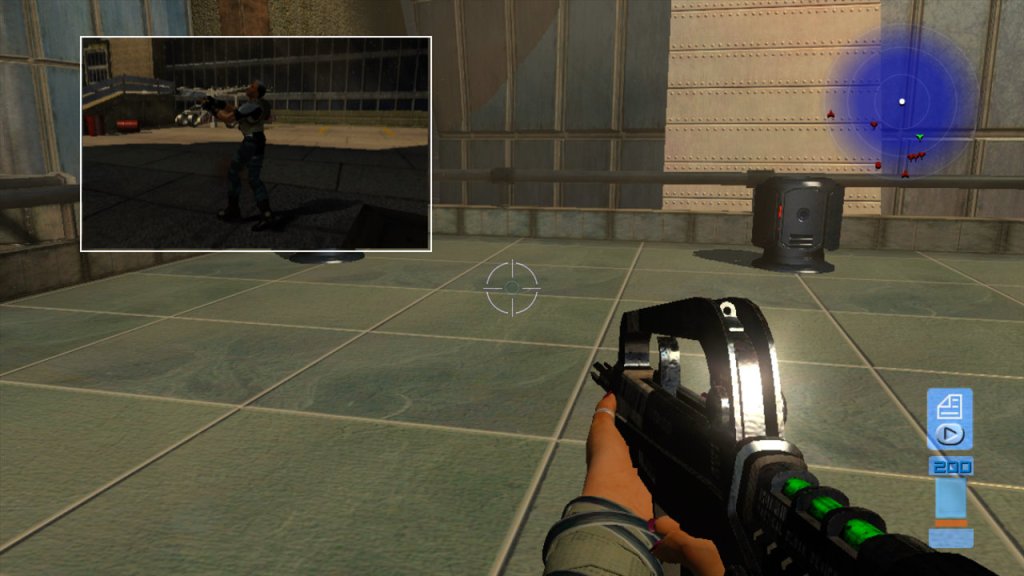
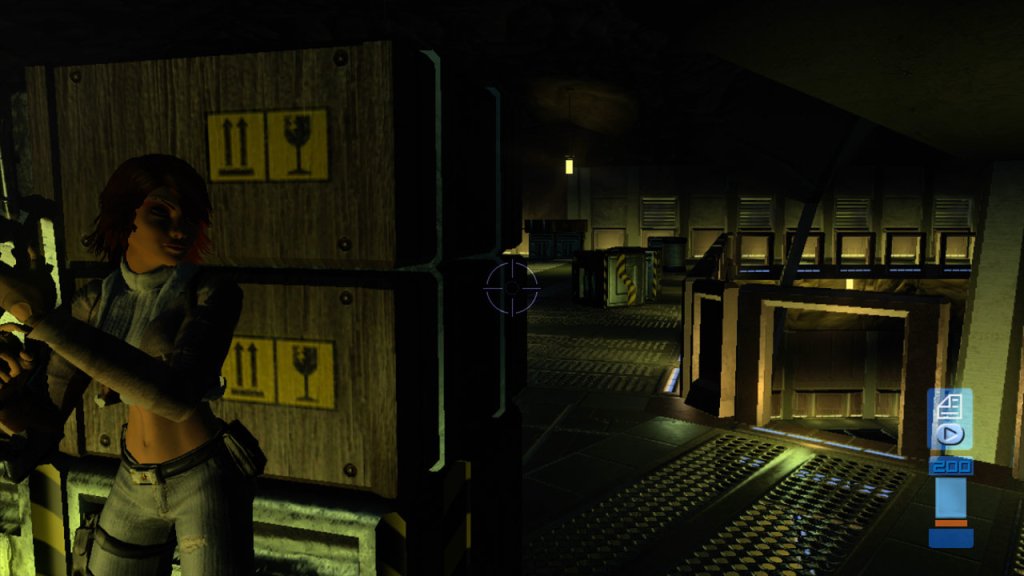
This game was a showcase for what the 360 could do. We’re talking 720p, widescreen, HDR lighting that makes neon-lit Hong Kong levels pop like a music video. The parallax mapping gives textures this 3D depth, and ambient occlusion makes shadows look real as hell—stuff we weren’t seeing on PS2 or Xbox. Joanna’s character model, with her red hair and tactical gear, looks slick, even if her anime-inspired design feels less iconic than the N64’s gritty vibe. Environments like dataDyne’s skyscraper or the Peruvian ruins are massive and detailed, a huge leap from the N64’s blocky polygons. But sometimes the framerate chugs, especially in big multiplayer matches, and animations feel stiff, like Rare was rushing to hit that launch deadline. Compared to Halo or later 360 games, it’s not quite top-tier, but for 2005, it was showing off what next-gen could be.
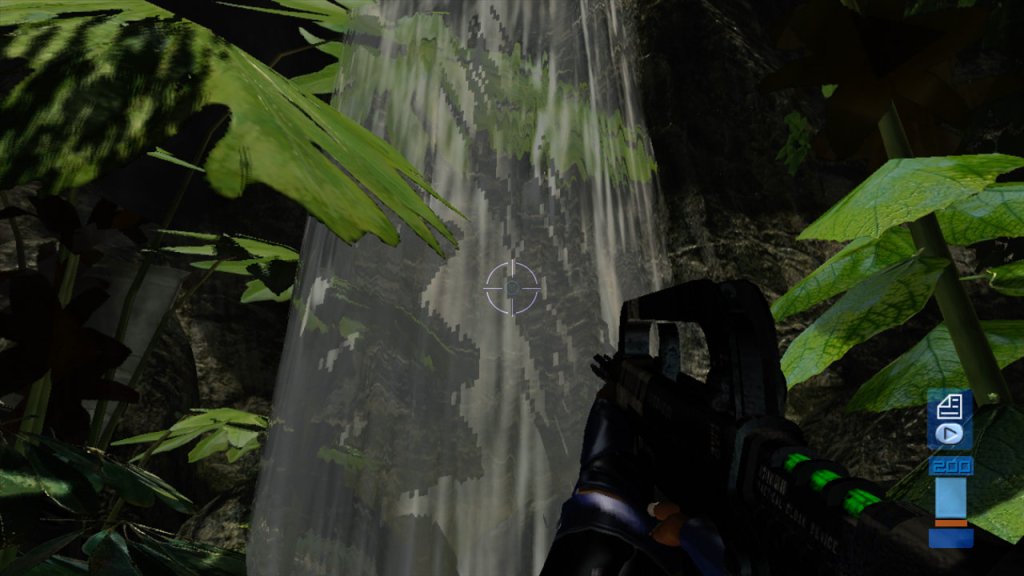
Waterfall in the Jungle level

Compared to the N64 Perfect Dark, which wove its conspiracy with tighter pacing and a more cohesive blend of sci-fi and spy thriller, Zero’s story feels fragmented due to its rushed development. The themes are ambitious but often superficially explored, with weak dialogue and voice acting diluting their impact. Still, the corporate dystopia and tech-driven paranoia align with cyberpunk classics, while the personal revenge angle adds relatability. Overall, Perfect Dark Zero is a solid launch title, but it’s living in the shadow of a giant.
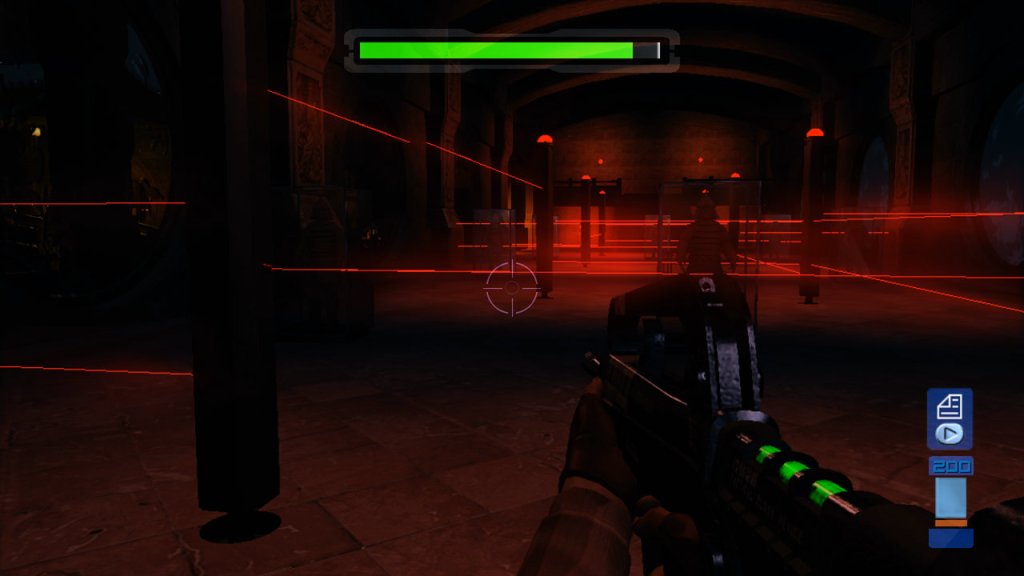
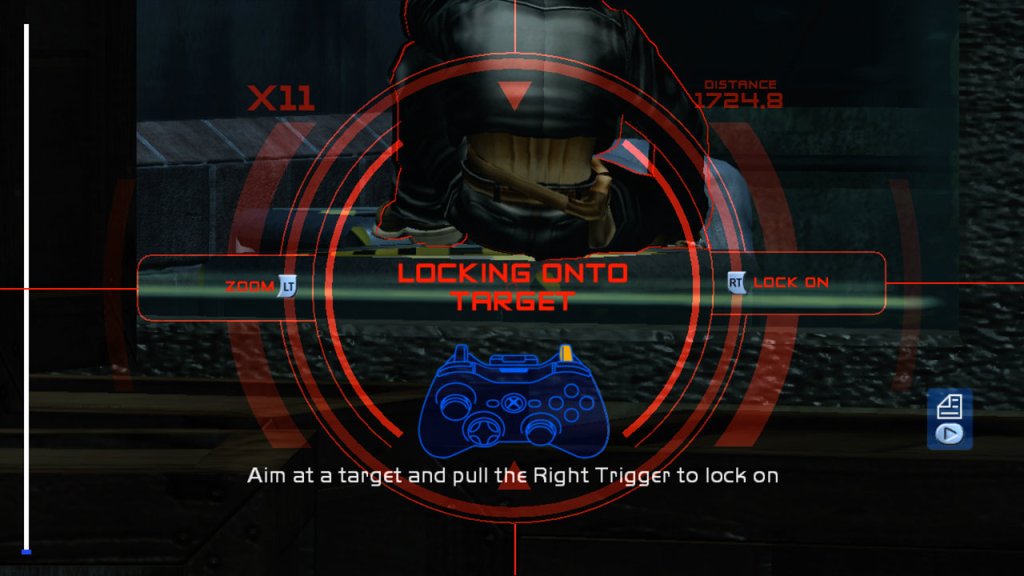
Nearly 20 years alter and Microsoft has yet to follow up with a sequel, and it’s unlikely they will at this point. A reboot was greenlit in 2020 but has since been cancelled with very little to show for, and that’s the last we will probably see of Perfect Dark.
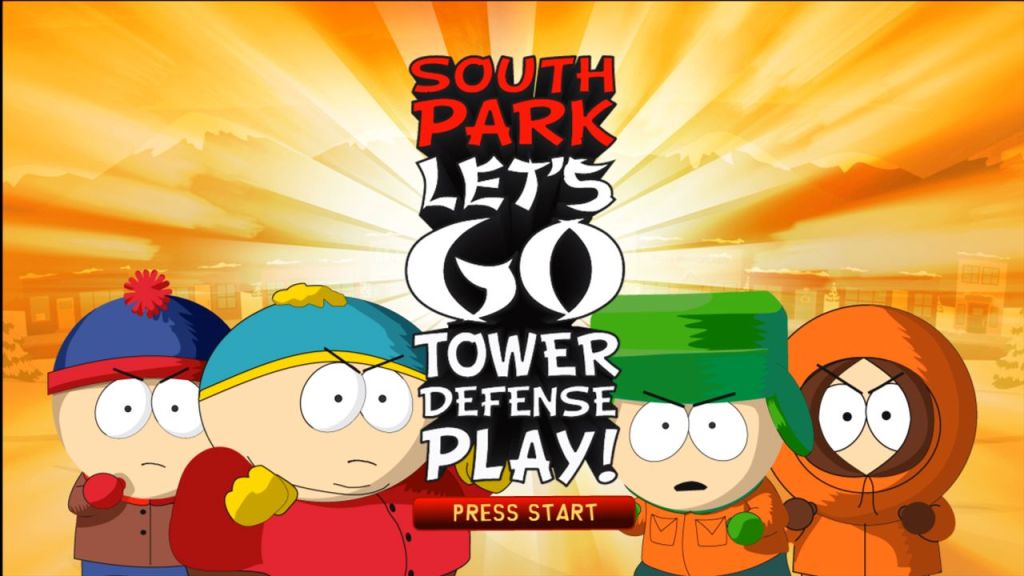

South Park Let’s Go Tower Defense Play!

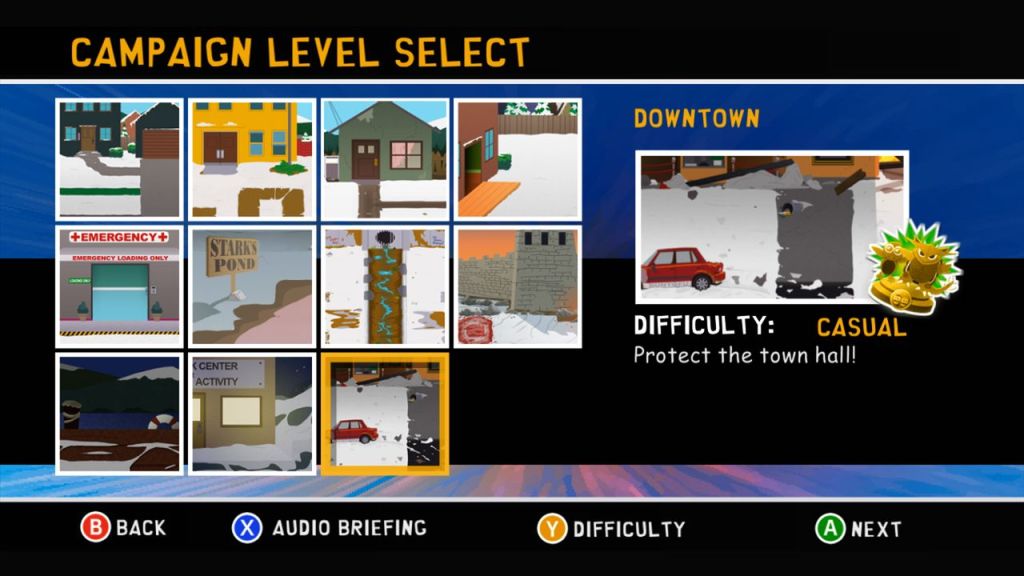
A tower defense game with a South park flavor, released in 2009 exclusively on the Xbox 360.

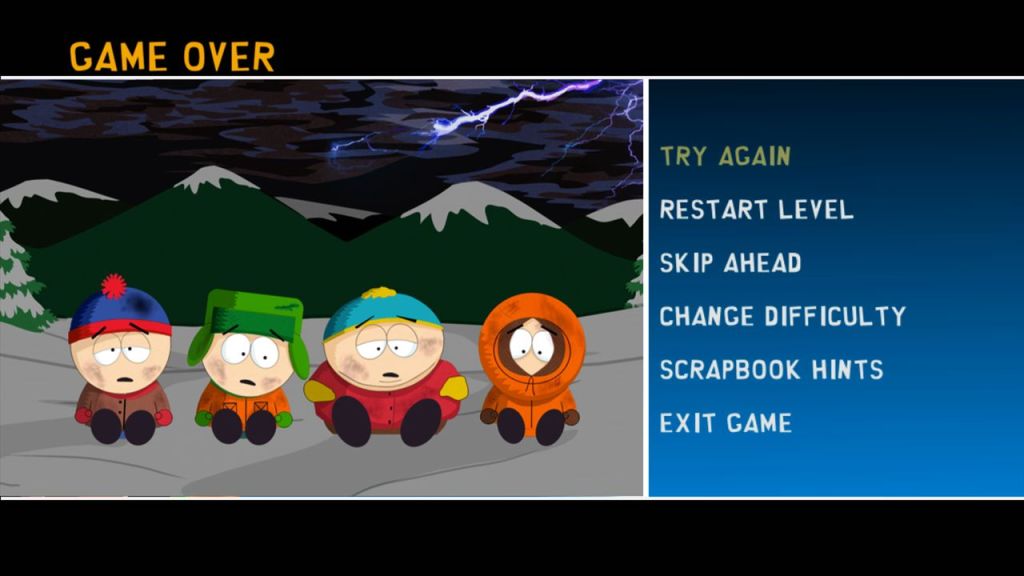
With these sort of games you would expect them to be a simple cash grab by reskinning an existing tower survival engine and apply the South Park theme over it. Trey Parker and Matt Stone were hands-on, making sure this thing feels like you’re playing an episode straight out of Comedy Central. The story’s a glorious middle finger to Japanese game tropes—South Park’s glitched into a video game world, and the boys are stuck fighting waves of enemies to save the town. The big bad? A Japanese announcer dude who’s like the lovechild of a Street Fighter narrator and Mr. Garrison on a bender. It’s absurd, it’s meta, and it’s peak South Park roasting gaming clichés.

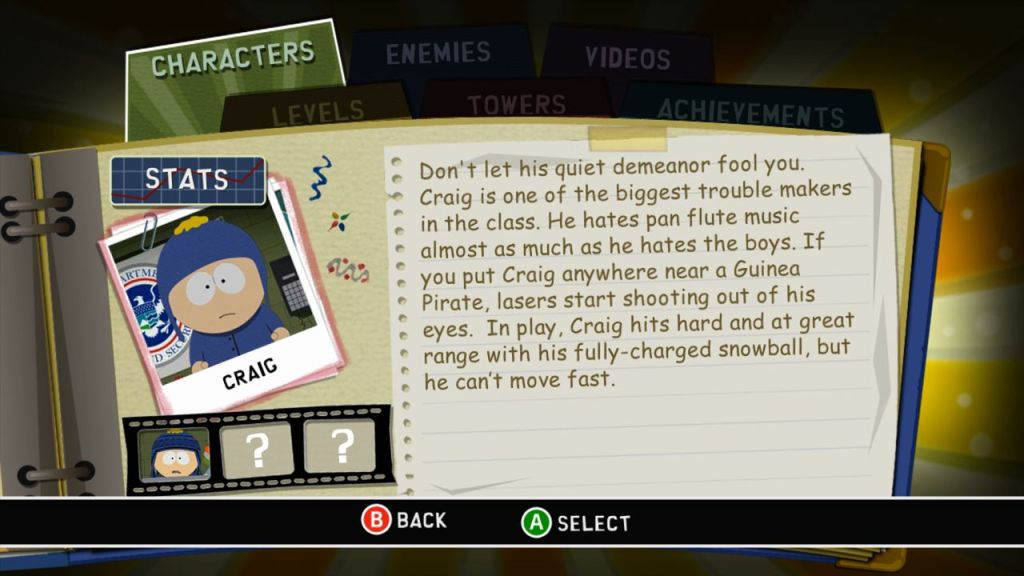
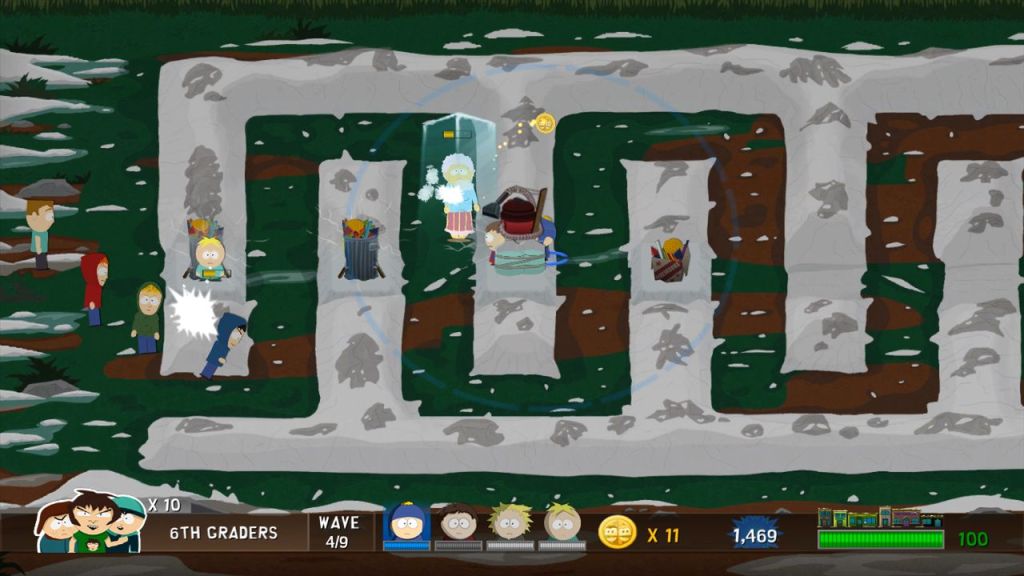
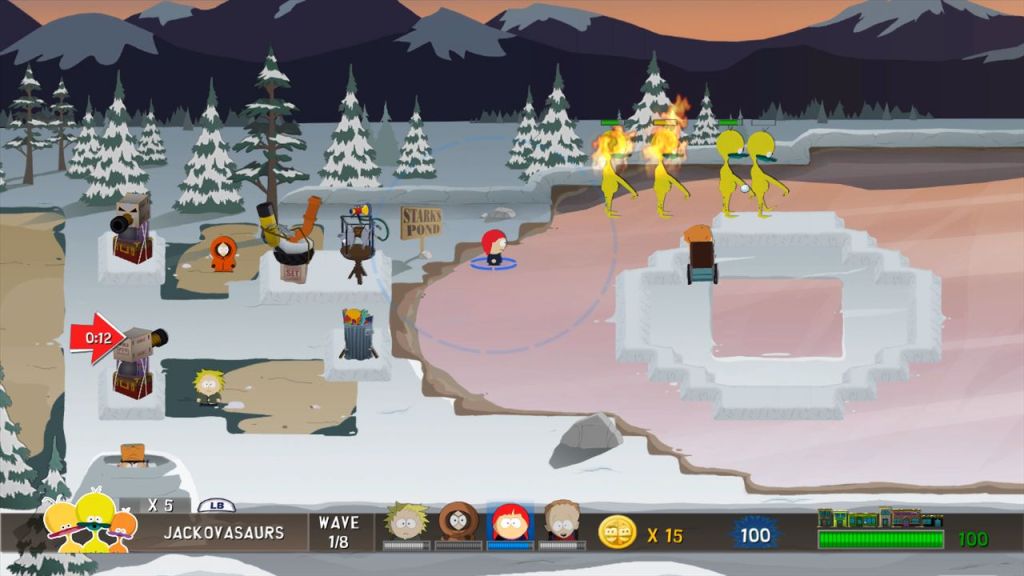
There are a lot of reference to event sand charicters from ther TV show. You’re fighting classic enemies pulled straight from the series: hippies from “Die Hippie, Die,” crab people from that one episode where they’re plotting under the town, Jakovasaurs from those annoying dino-things nobody liked, and even the Christmas Critters from the “Woodland Critter Christmas” blood orgy episode. Every level’s a love letter to fans—locations like the school or downtown South Park are ripped from the show’s paper-cutout aesthetic, complete with that janky, sloppy charm Trey and Matt insisted on. You’ll hear iconic lines, like Cartman screaming “Respect my authoritah!” when you trigger his slam move, or Kenny’s muffled grunts when he bites it (spoiler: he dies a lot). There’s even unlockable show clips as rewards, which is like finding Randy’s secret stash of Tegridy Weed—pure fan service.

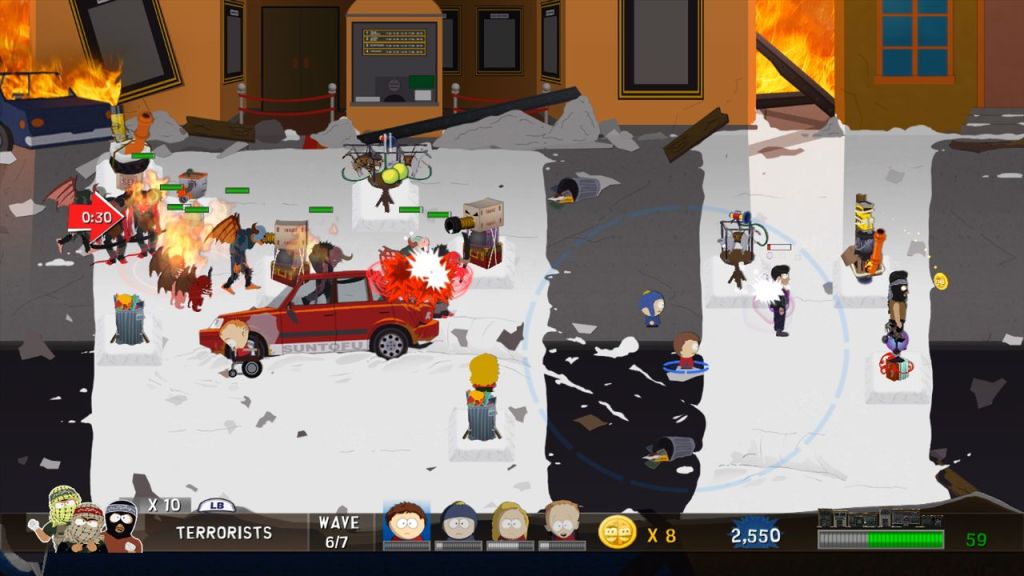
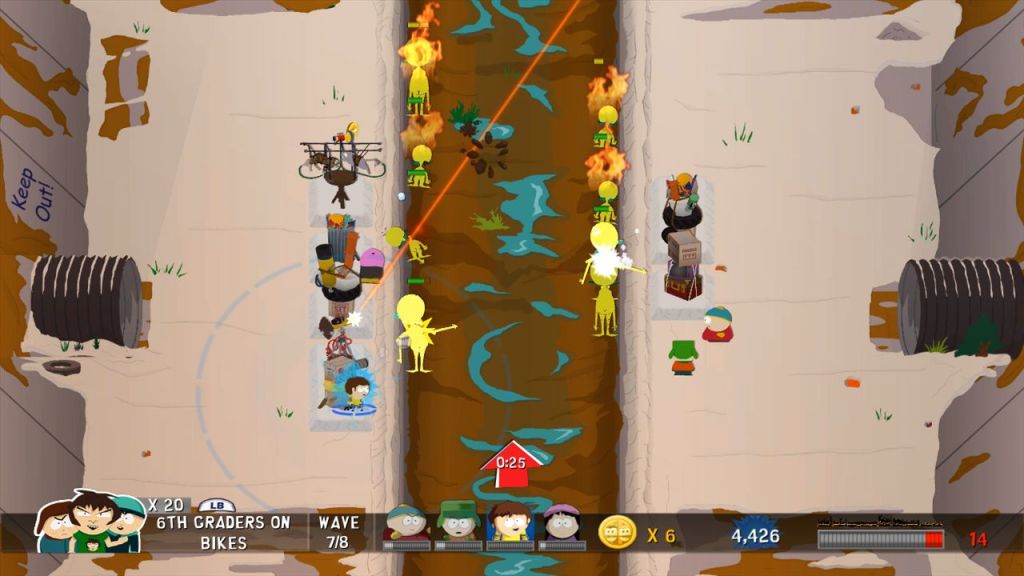
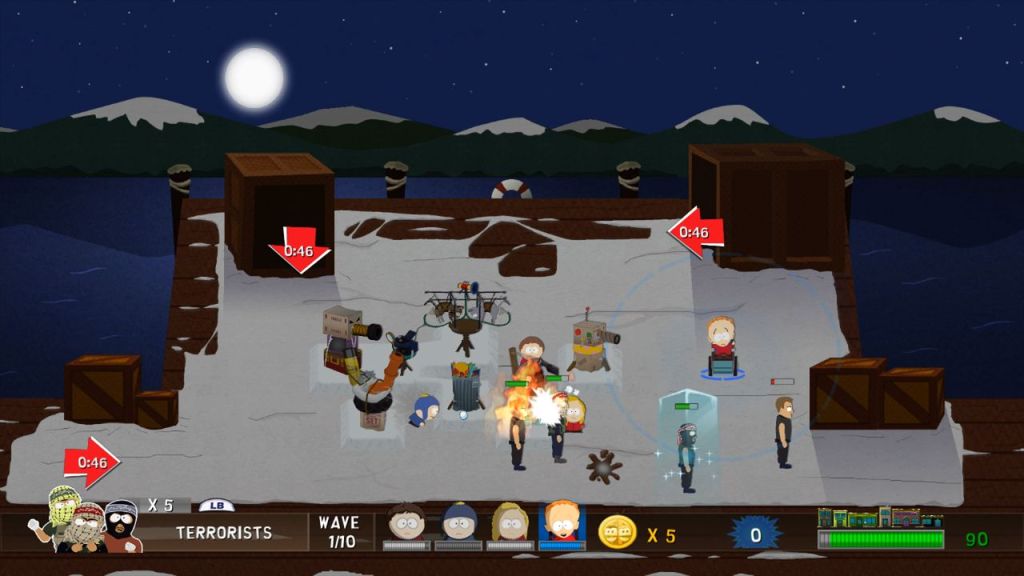
You build towers like snow forts, fiery Christmas trees (called Fiery-Works, because of course), or fridges to slow enemies down. Each has upgrades, but you gotta hustle to collect coins from dead enemies to afford ‘em. The twist is the action element: you’re not a passive god; you’re in the trenches, switching between kids to sling snowballs or use special moves. Cartman’s Fatass slam is like dropping a nuke, Kyle’s got a Jew-jitsu kick, and Timmy’s wheelchair charge is comedy gold. It’s tower defence with ADHD, and I’m here for it.

Levels get nuts fast. Early stages ease you in, but by the end, you’re fending off waves of enemies coming from multiple paths, with bosses like the Japanese announcer who shrug off your towers like Randy ignoring Sharon’s complaints. Single-player’s a grind—you’re constantly swapping characters, building, and throwing snowballs. But co-op? Up to four players can each control a kid, and it’s a blast coordinating who’s building and who’s sniping enemies. It’s the kind of chaos where you’re yelling at your buddy to “stop sucking, Kyle!” while laughing your ass off. If you have four controller’s to hand, it’s pure splitscreen fun.

South Park Let’s Go Tower Defense Play was only ever released for the Xbox 360, no PS3 or Wii ports were ever developed. It wasn’t even released or made compatible with the Xbox One, and since was only ever released digitally on Xbox Live it could now be considered abandoned media.

Midtown Madness 3

The joys of rampaging through city traffic. Midtown Madness hits the Xbox, and the virtual streets of Paris and Washington DC.

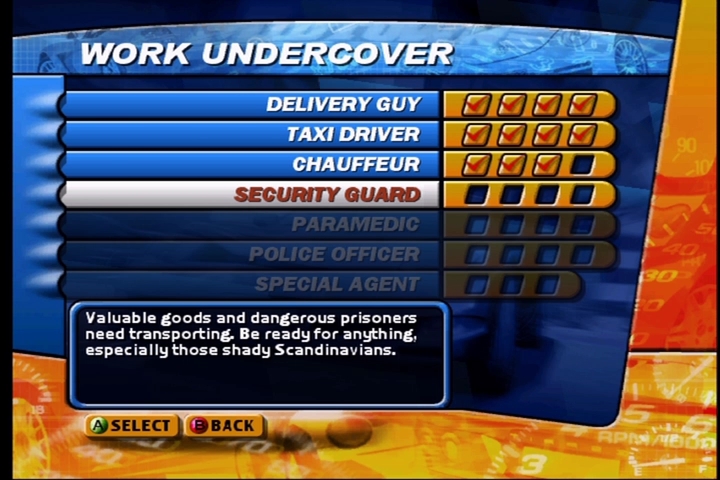
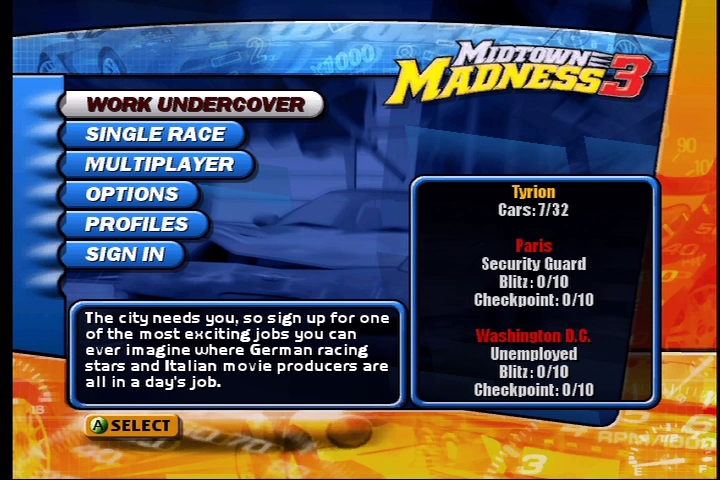
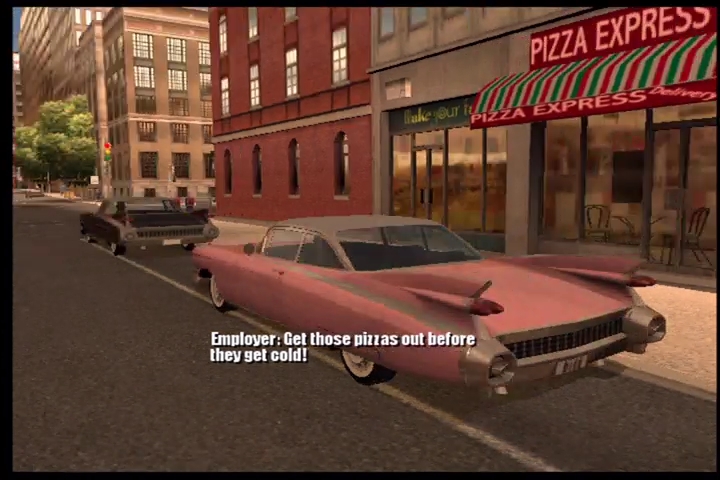
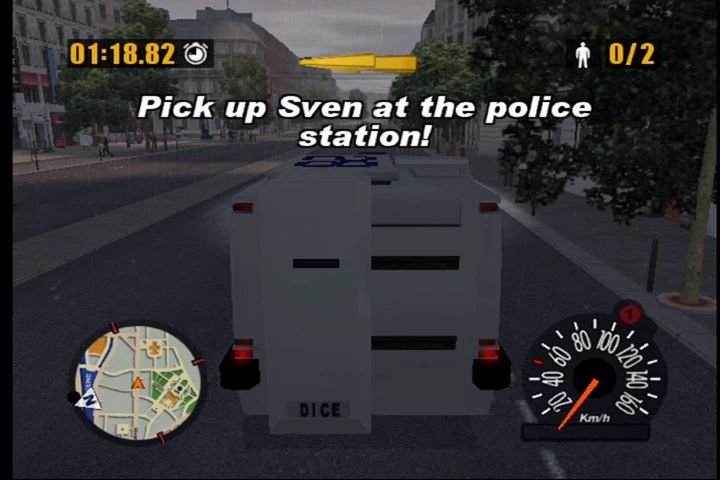
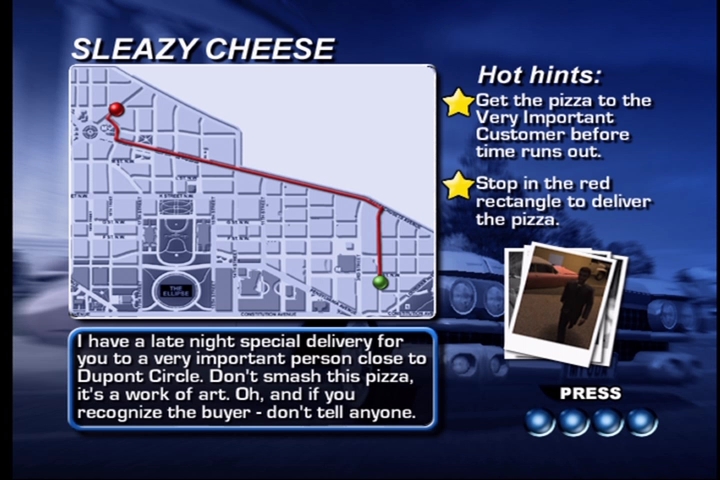
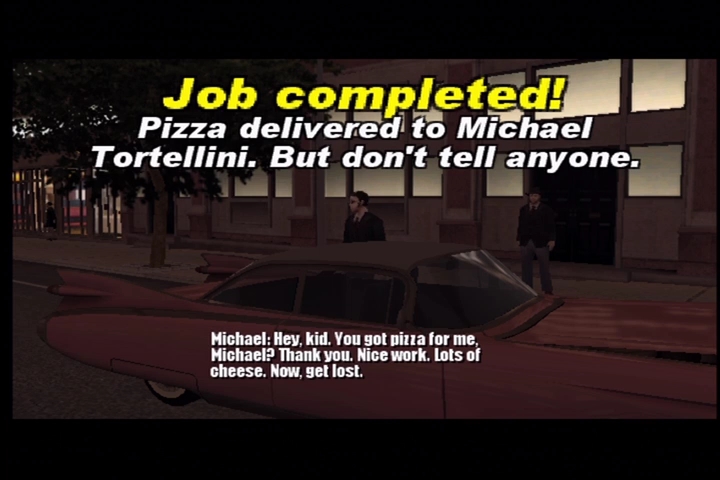
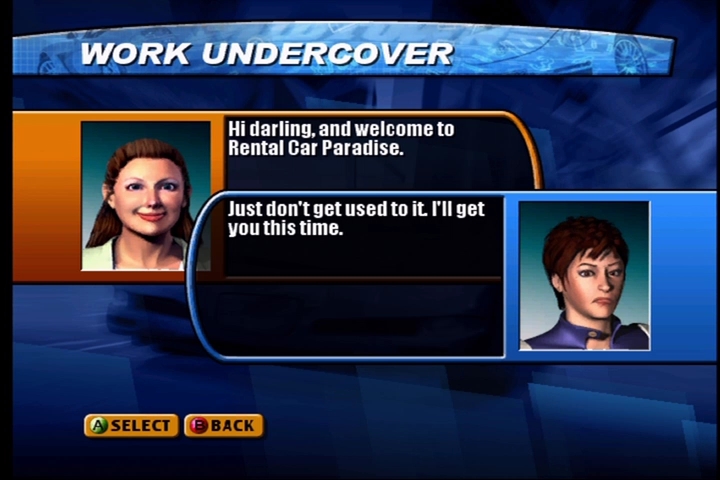
Midtown Madness 3 is a fun street-racing game that mixes objectives from Sega’s Crazy Taxi with standard street racing. The story mode gives some absurd backdrop of being a private investigator who must impersonate various vehicle-based jobs like taxi driver, cars salesman, stunt car driver, policeman, limo driver, paramedic or a pizza delivery guy. It hardly matters though, since the gameplay consists solely of racing through the streets trying to hit checkpoints, usually with a competitor in hot pursuit (similar to TG Daredevil for the PS2)

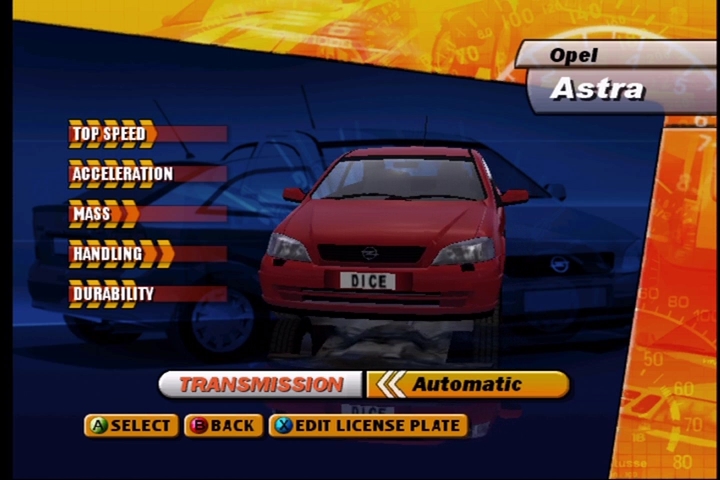
If all you want is a cool driving game without an emphasis on violence, yet still laden with destructive opportunities, Madness delivers. There’s a lot of cars to select, unlock, and drive around at highly unsafe speeds, and all the cars have a noticeably unique feel to them. The arcade handling is responsive and highly entertaining (but don’t expect realism), and there’s a ton of things to run into and destroy including other cars, lampposts, fences, and storefront windows.

The freedom to just drive around, hit checkpoints, or go undercover and do some crazy missions? That’s the sweet spot and is what Midtown Madness 3 exceeded at. Winning races or completing missions earns you new wheels to cruise with, along with more races and missions. There’s no shortage of sites to see through the game’s two picturesque cities, either. In fact, this overload of missions, races, and game modes is really the high point. Want to just aimlessly cruise through Paris? You can even do it with a friend in the multiplayer mode. Straight racing by yourself or with pals is another option, and the game will even adjust its time limits based on the car you drive since the Mini Cooper can make far better tracks than a truck.

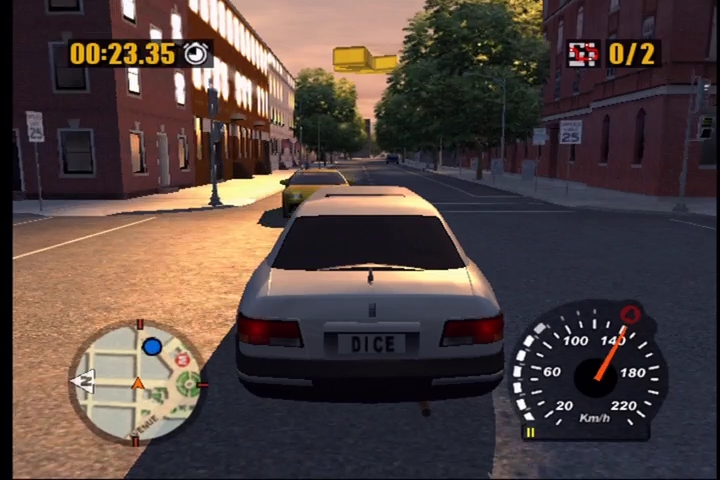
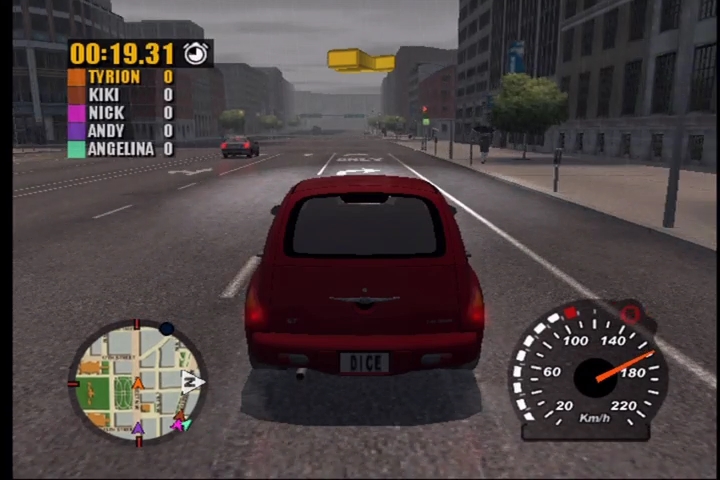
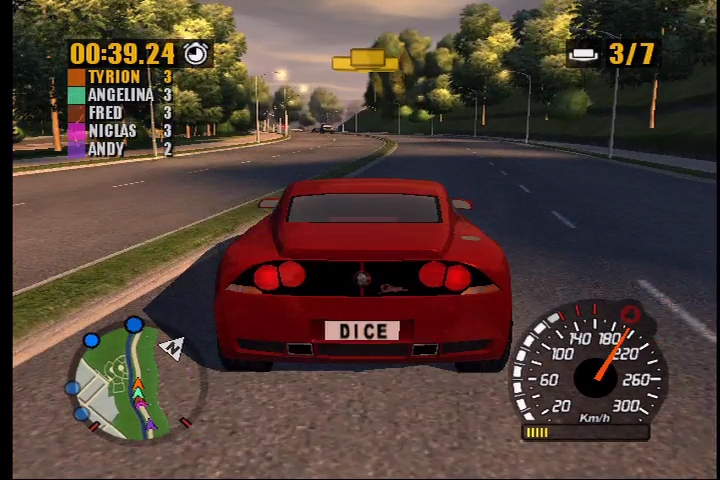
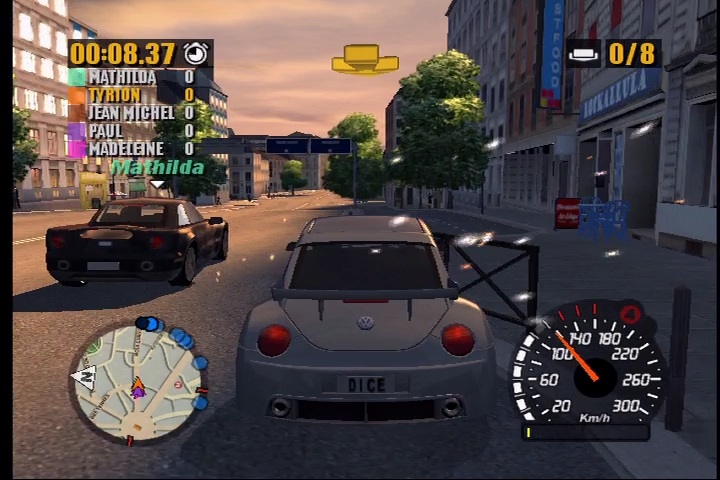
Visually, Midtown Madness is solid. The cars are detailed and shiny, offering impressive textures that the PS2 would cry for. The cities look excellent and the pedestrians look mostly human. The audio is fun, with great engine effects and ambient noises, and a zippy soundtrack. It really does take advantage of the Xbox sound processing capabilities, and has aged well even for today.

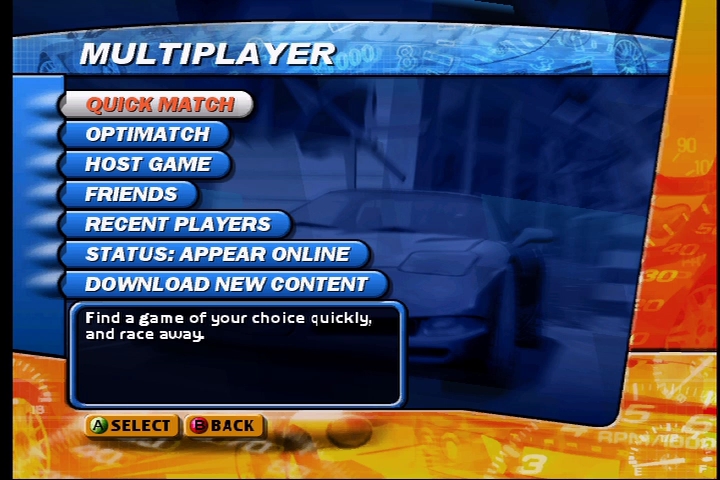
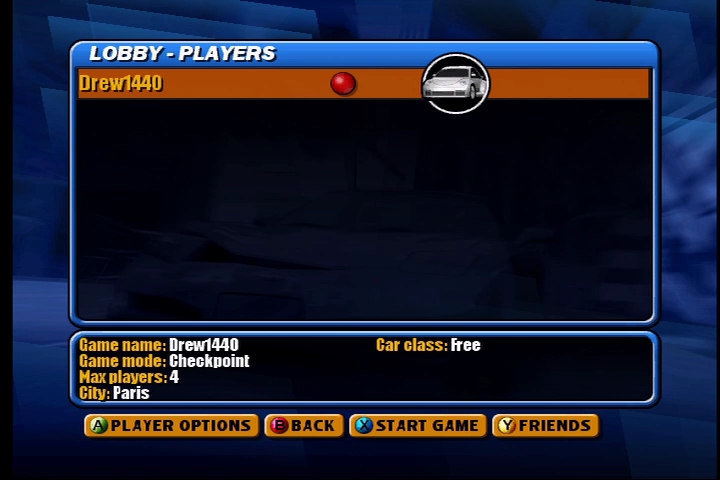
Multiplayer action thankfully includes Xbox Live support, along with system link, and a two-player split screen mode. There is also DLC available, which has long since been discontinued by Microsoft but has been preserved by the community. Online play is possible thanks to the Insignia project, although you will be lucky to find a lobby.

Even if you get bored with the 30-plus cars and a horde of missions and races, finding fun things to run over with friends never gets old. You can’t run over anyone, Pedestrians either leap out of the way or pass right through the car undamaged — including the mimes. The AI can be a bit… let’s say, braindead. Sometimes, it feels like you’re racing against NPCs that just learned what a steering wheel is. And the environments, while cool, get repetitive. After a while, you’ve seen all there is to see in both cities.

While there are other, more intense and innovative racers out there (Apex/Forza/PGR to name a few), Midtown Madness 3 is a fun and friendlier approach to street racing. You can crash into virtually anything and cause oodles of destruction with no penalty due to the cars being invulnerable. The fast-paced weaving through the streets of two different cities holds a wealth of interesting gameplay, and its fairly accurate to the city the level is based on.

Sadly the game wasn’t made compatible with the Xbox One or Series consoles. The only reason I can think of is due to the vehicle brands which is a shame, this would play and look very well though their emulator. Again this was one of the few titles that was only released for the original Xbox.