Tag Archives: Microsoft Windows

The Sims 2 – Open for Business

The third expansion released for The Sims 2, that added the ability to create and run business from their own home, or from a community lot. This expansion also included the concept of badges, business perks. OFB gives sims more options on how to make money, instead of having to have a career.

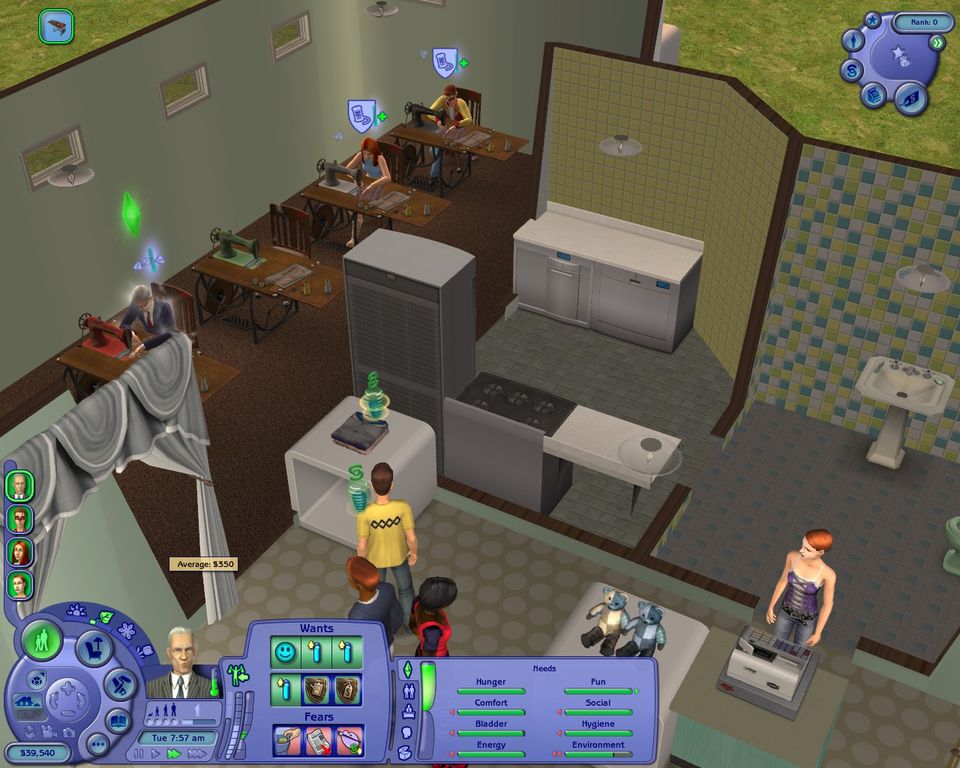
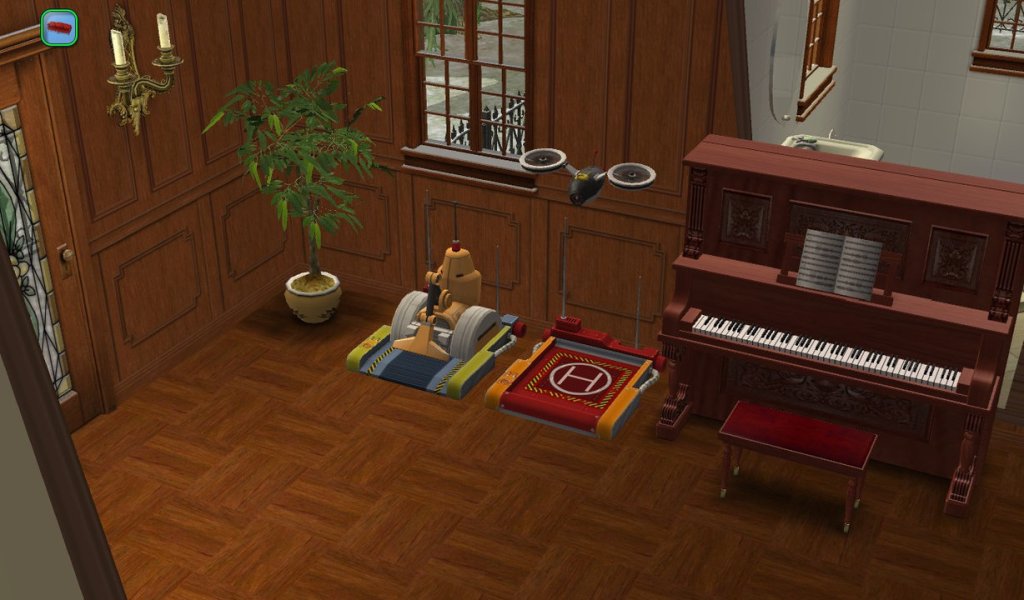
A sims sweatshop

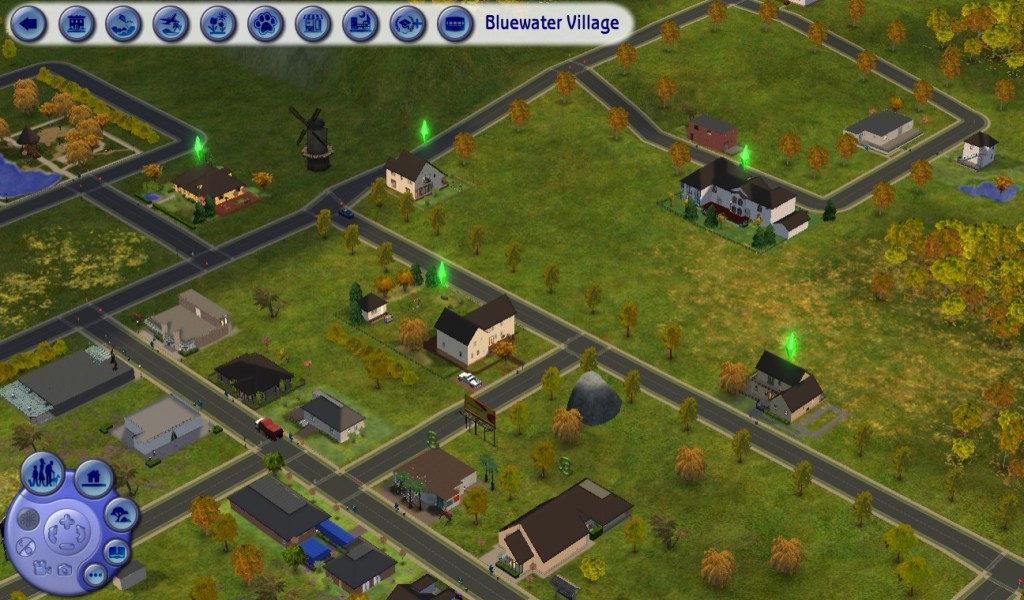
Business can vary from selling goods purchased from buy mode to their own produce like cakes/robots/flowers/etc that the sim has produced. Items from other expansion packs can be sold or monetized into a service. By default, the shipped Shopping district (Bluewater Village) comes with a few premade business like a florist, a cake shop and a Toy shop, A few ideas are:

Fish: With the Seasons expansion, You can have your sim catch fish from a nearby lake and then sell it other sims, since the types of fish is dependent on their talent badge and access to a lake, this could be a useful way for sims to buy and cook fish if they have no access to a lake on their own lot. Also remember that sims cannot increase their skills and badges on a community lot, so it’s impossible to catch more expensive fish without cheats unless they have a lake on their own lot

Cakes/Food: Sims with a high cooking skill can produce food that can be sold for other sims. Things like pizza and Chinese food still cannot be produced which I think was a missed opportunity with this expansion, you could have had sims create their own fast food place.

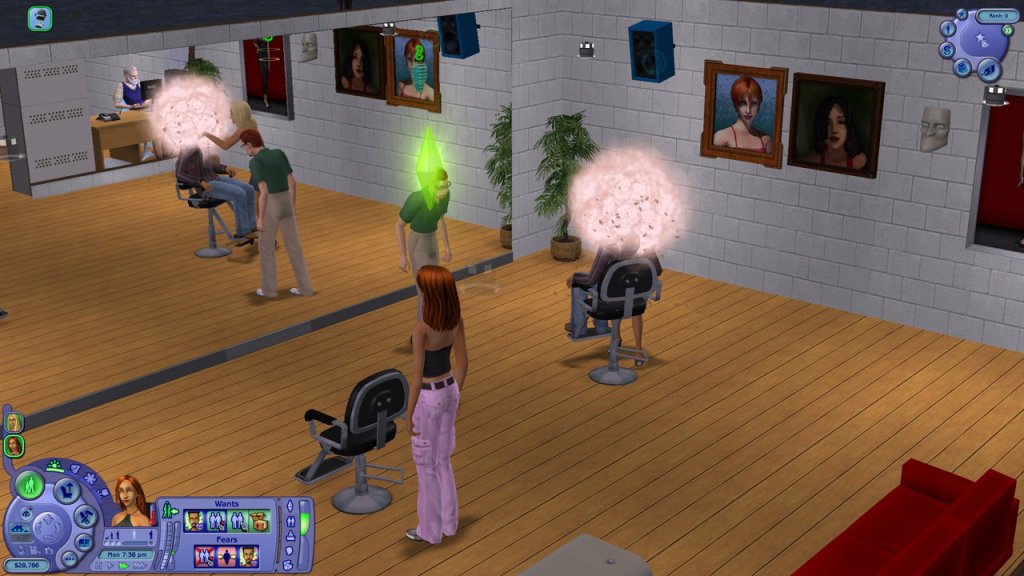
Beauty Salon: Freetime introduced a hair salon chair which allows sims to give makeovers to other sims, also serves as a nice opportunity to change the appearance of NPC’s and townies

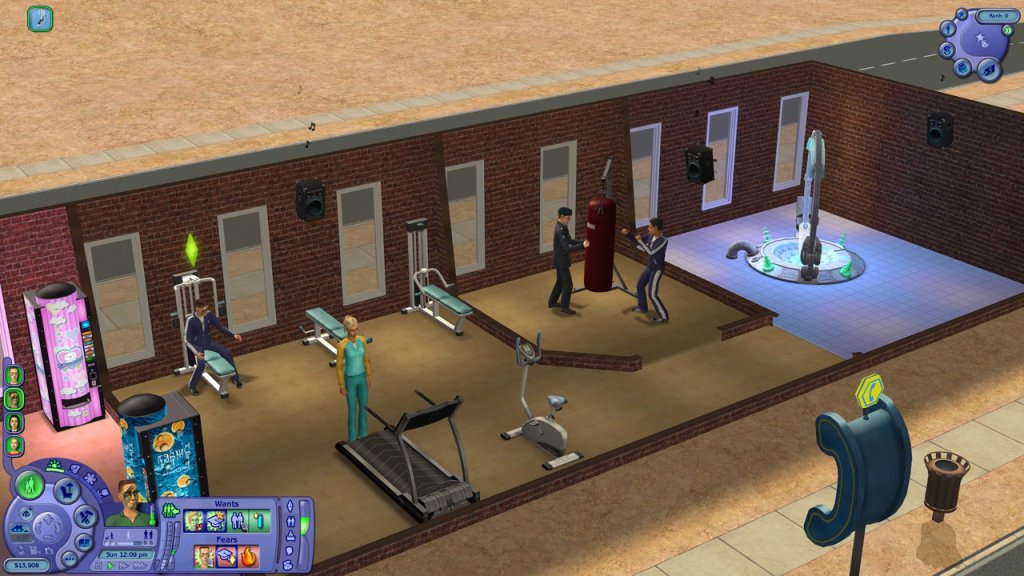
Boxing Gym: The punching bag normally cannot be purchased as its an career reward for the military, however a sim that has unlocked this can use it to set up their own gym. It’s a bit tricky to set up as sims wont autonomously use it, instead you have to have your sim offer lessons to them.

Art Studio: Sims can produce their own paintings and sell them to other sims. Having them to do portraits for other sims can be tricky as they will reject this if the relationship is low. Also the painting’s the sims produce are done at random.

Farm: Sims that can grow crops can also sell their produce, useful for sims that do not have enough land to grow their own. This best way to do this is to grow their own produce at home, then sell it off at a community lot they own.

Robot/Electronics: With the Robot station, sims can product electronic items like drones and full on Servo’s than can be brought and activated. Dones can be for security or food (The munchies bot brings either Pizza or Chinese Food). These tend to malfunction often and are more trouble than they are worth.

Textiles: With the Freetime expansion, sims can craft and sell their own fabrics. With a high enough talent badge, you can create your own clothing.

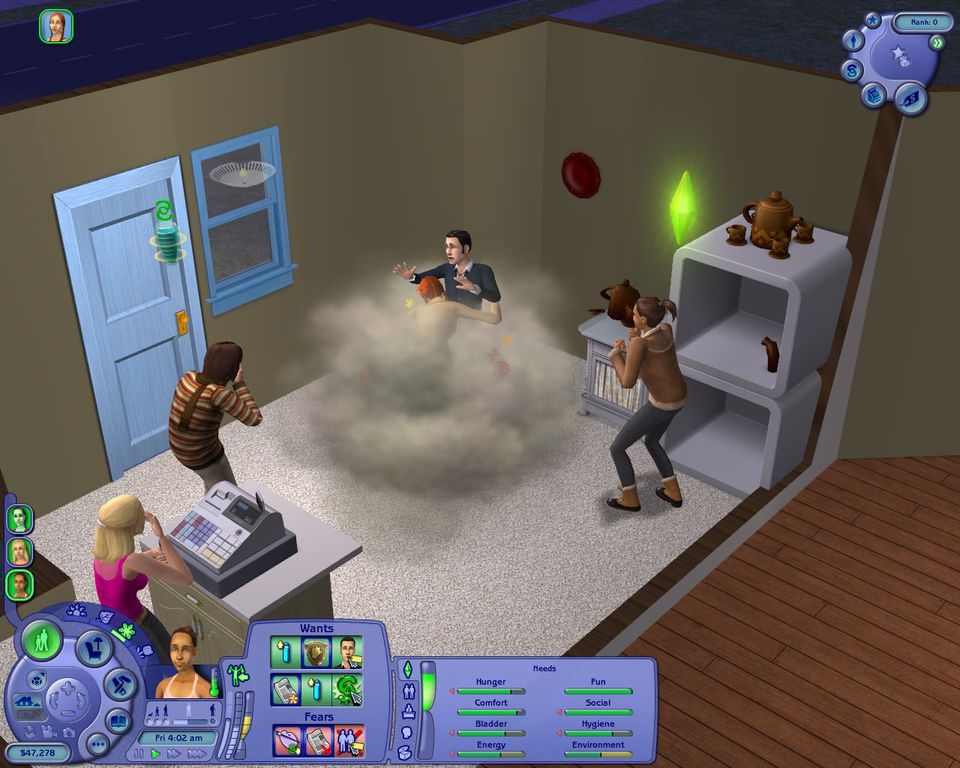
Pottery Shop: Also included with the Freetime expansion, Sims can sell a range of pottery.

Car Showroom: You can purchase the craftable car, have your sim fix and complete it and sell it. This one is best suited for a home lot, as I ran into a few issues trying to attempt this on a community lot. First is vehicles cannot be purchased in Buy mode whilst on a community lot, and storing them in the inventory caused issues when placing them on the driveway.

Fighting in a pottery shop, You break it you pay it

There is a bit of micromanagement needed when running a business, as you are expected to manually assign your employees roles to ensure the business remains functional. Over time, they will need to be assigned on break, otherwise they will quit.

Craftables are a new concept introduced in the game, and are made by purchasing the correct workbench. This is where the skill badges comes in, as the type of items the sim can make Is dependent on how good their badge is for that talent.

Robots are one of the new objects that can be crafted. You start of by making simple toy’s, then onto sentry drones (which are quite useful, like the Munchie bot that will deliver food every so often) to eventually a Servo. Some of the robots have a tendency to break down often, like the hoover bot. When this happens it will just spew trash all over the lot, and it will happen quite frequently regardless of the sims talent or mechanical skill. Personally I would avoid these and just stick with the gardener or maid, or install a mod to reduce the chance of breakage.

The Servos, when powered up become their own sims. They can be controlled, get a job and do most tasks a sim would normally do. They have and have a different set of motives comparted to a human sim, relying on sunlight for power. Servos will always have a desire to clean up, and will often do chores automatically. This is in contrast to the Servo that was introduced in Livin Large, where they had to be manually activated by the sim,

Shopping districts are introduced in the game, these are subhood’s that had can be added to an existing neighborhood. They can also be used if you run out of space on your current neighborhood. There is no hard limit on the amount of sub hoods that can be added, and sims can travel between different subhoods.

Bluewater village ships with the game and adds a few families to the game, these serve as examples of the different buisness that can be used with Open For buisness.

  • Tinker: Stephen, Wanda and their daughter Melody, they are currently in the toy making business and are operating it from home.
  • Delarosa: Florence operates a flower shop from her lot
  • Jacquet: Denise, with her son Gilbert who are owners of a local bakery.
  • Landgrabb: Malcom Landgrabb lives here, who is no stranger to The Sims having previously appeard in the console games (Bustin Out). Dudley and Mimi do not appear and there is no mention of them in the family tree.
  • Ramirez: Checo, Lisa and their daughter Tessa, live on a fairly typical household lot. There is a lemonade stand outside which Tessa can use to sell lemonade. Both parents are unemployed, so Tessa must be shitfing some Lemonade to pay the bills
  • Gieke: Family bin sim, can be moved onto any lot he can afford.
  • Larson: Twins Jason and Jodie, who currently do not have a business (or a lot) of their own.

Conclusion

Open For Business adds a lot of new features to the game, but the implementation is not without flaws. NPC/Townie sims will constantly try to interact with your employees which can cause then to be unassigned from their tasks, leaning into the micromanagement element of the game. NPC sims also tend to hang around on lots even after they have finished shopping, often getting into fights with other sims which can affect the business ranking (which is unfair). Often you will have to manually dismiss these sims off the lot to prevent your rating from tanking, or so the game will actually spawn sims that will buy items. A quirk of The Sims 2 is that the game will only spawn so many sims on a lot according to your systems capabilities and after a while, will stop spawning sims because the existing sims are wandering around the lot or are playing outside.

The employee system could have been implemented better as its not always easy to tell when they need to go on a break, and they often quit for no reason even whilst on break. Thankfully there are mods that can fix this.

Street Racing Syndicate

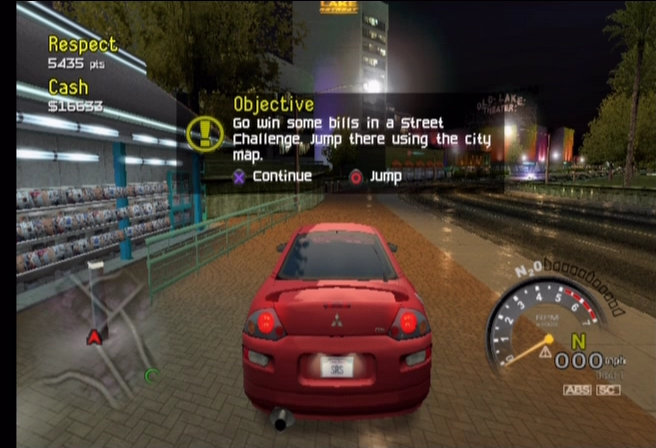
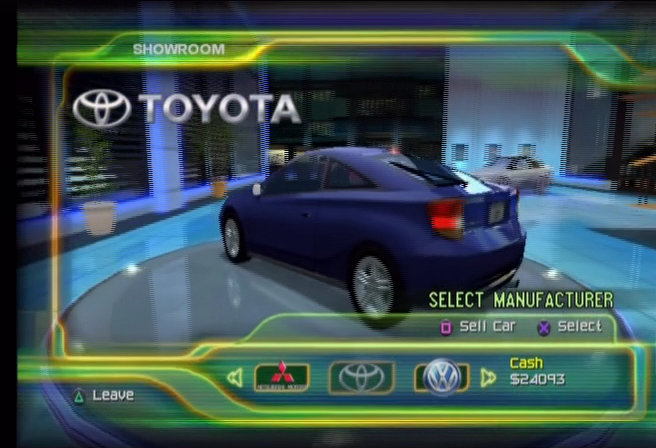
Street Racing Syndicate is like the mixture of The Fast and the Furious and a Hot Import Nights car show. Released in 2004 by Eutechnyx and Namco (who developed Ridge Racer), it’s you against the underground racing scene in cities like LA, Miami, and Philly. Your goal? Stack cash, earn respect, trick out your ride, and—get this—charm virtual models with your sick drifts. It has  that weird 2000s vibe where winning races unlocks videos of real-life models. It’s cheesy as hell but you have to love it.

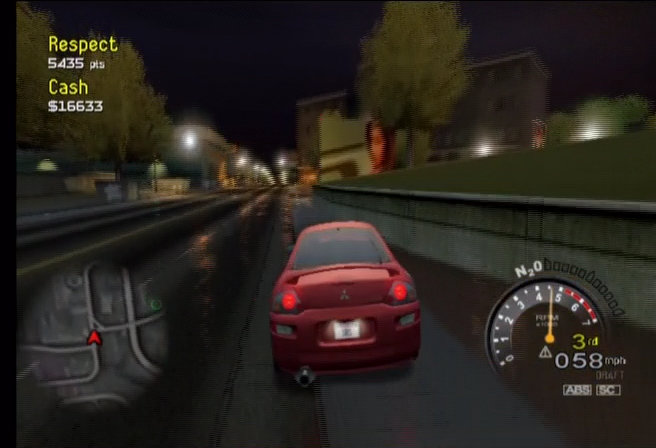
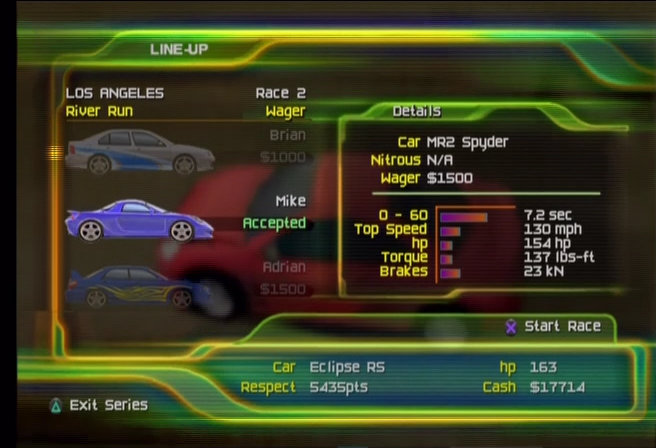
Gameplay’s where this game revs its engine. You’re dropped into an open-world hub—way ahead of its time for 2004—cruisin’ between races, respect challenges, and pink slip bets where you can win or lose your car. The Street Mode is the meat of it: race through city streets, day or night, dodging traffic and pulling stunts like drifts or two-wheel driving to rack up respect points. The damage system is legit—smash your ride too hard, and it handles like a shopping cart, plus repairs hit your wallet like a bad night at the casino. It’s not just “go fast, turn left”; you gotta think about not wrecking your bankroll. Arcade Mode’s got quick races, checkpoint runs, and speed trials if you just wanna jump in, and the console versions had online multiplayer back in the day—though good luck finding a server now, unless you’re time-traveling to 2004.

The car roster? Solid. Over 50 licensed rides from Nissan, Toyota, Mitsubishi, Subaru, and more. You’re tuning up Skyline GT-Rs, Supras, and RX-7s with real-world parts from brands like AEM and Sparco. Customisations deep for the time—think engine swaps, body kits, and neon lights that scream “I watched Tokyo Drift too many times.” It’s not quite Need for Speed: Underground’s level of polish, but it’s got enough to make you feel like a street mod god. The controls are arcadey but tight, with a weighty feel that makes drifts satisfying, though it ain’t as forgiving as Underground or as sim-heavy as Juiced.

Visually, SRS holds up… kinda. The cities look alive with neon glow and traffic, but the graphics are a bit rough compared to Underground’s slick sheen. Cars look dope, especially when you’re rocking custom paint and rims, but the environments can feel blocky, like someone forgot to polish the backstreets. The soundtrack’s got that early 2000s energy—think Chingy, Xzibit, and some generic hip-hop beats. Sound effects are decent—engine roars and tire screeches do the job, though they don’t quite pop like Forza or even Midnight Club.

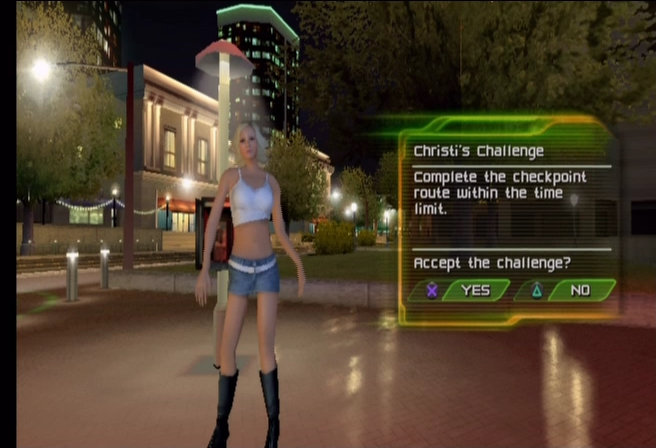
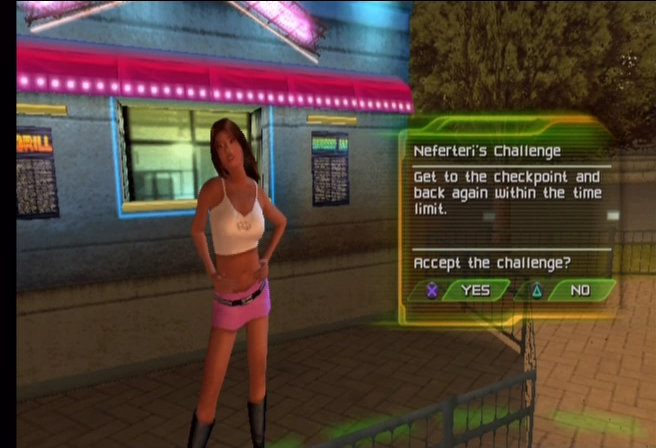
SRS is unapologetically 2000s. It’s got that Fast and Furious swagger, complete with the cringey girlfriend mechanic that’s so dated it’s almost charming. But that’s the appeal—it’s raw, it’s gritty, it doesn’t pretend to be high art. Compared to Need for Speed: Underground, it’s less polished but has a unique edge with the damage system and open-world cruising. Juiced feels more serious with its crew management, but SRS is just about living the street life without overthinking it.

Downsides? It’s not perfect. The AI can get in your way at time, and will either rubberbanding like crazy or drive like they’re on their learner’s permit. And while the open world was cool for 2004, it feels small compared to modern racers like Forza Horizon.

Versions

Gamecube: The NGC release is pretty basic, there no online or custom sound support that you would find on the other console releases but it does run at a stable framerate.

PlayStation 2: This version make basic use of the PS2’s capabilities, and lacks support for it’s progressive scan mode which would have been much welcomed for a racing game. There was online support if you had the required Network Adapter, or a PS2 slim that featured built in Ethernet. The online servers have since been shut down and there does not appear to be a community project to bring it back online.

Xbox: This port included support for custom soundtracks, so any music that you had saved to the Xbox hard drive could be played back in game.

Microsoft Windows: Street Racing Syndicate was also released for the PC, back in the Windows XP era, and appears to work fine all the way to Windows 10. You can even purchase It digitally online. Online play hs workable if you use OpenSpy

Project Manager Pro (1996)

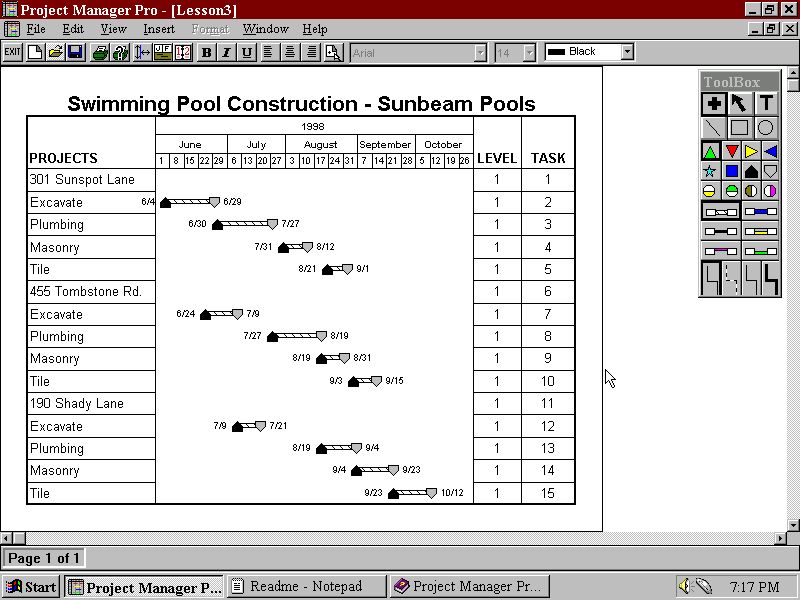
A project management software from 1996 that I found on a bundled OEM PC from TIME. Lets take a look at what project management was like in 1996

The software was intended to be used on Windows 95 and 3.1, which was still in common use at the time of release. It was developed by SoftKey Multimedia, who were well known for their line of budget software that was typically sold as part of a bundle. SoftKey would later acquire MECC and software division of The Learning Company. If you’re not familiar with project Management software, it’s intended for professional project managers and larger organizations to handle complex projects (e.g., construction, IT development) with detailed scheduling and resource management.

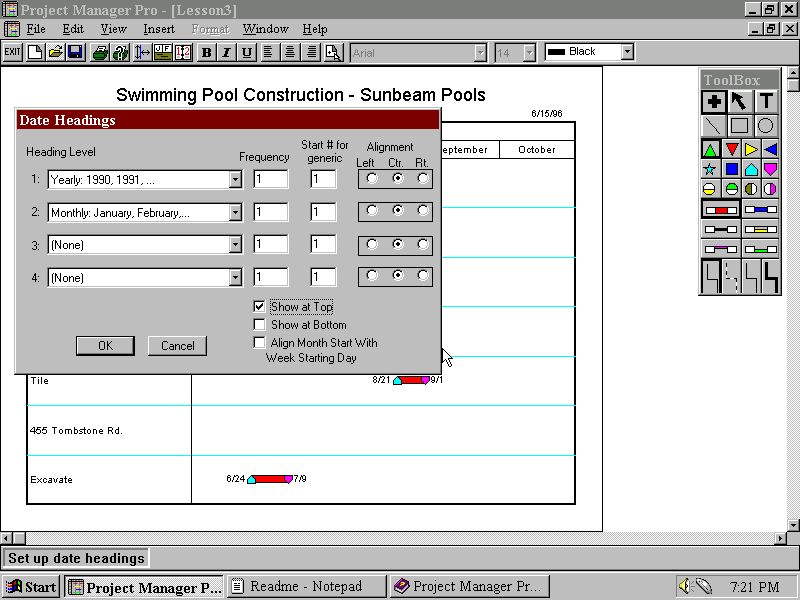
Here we have a straightforward interface, leveraging the graphical capabilities of Windows 95 to provide a more accessible experience compared to earlier DOS-based and Windows 3.1 tools. It included built-in features for creating Gantt charts, a popular feature for visualizing project timelines, influenced by the historical development of project management software like the Harmonogram and Gantt charts which are very common for project management.

Typical features were that users could create and manage tasks, breaking down projects into smaller, actionable components. This included setting task names, descriptions, and priorities, a standard feature for project management tools of the time.

The Symbol/Connector Date Sensitive feature is one of the ways Project Manager Pro will let you show progress. This feature causes symbols and connectors to change after the current date line to indicate future activity. The date. For straight line connectors, the line pattern will change from solid to dash. You can define dependencies between tasks, ensuring that certain tasks could not start until others were completed, reflecting methodologies like the Critical Path Method.

There is another way to show progress with Project Manager Pro. This is through the use your start and end date. Your start date is connected to the progress symbol and the progress symbol is connected to the end date.

In comparison to Microsoft Project 4.1a which would have been released around the same period, Microsoft’s is a professional-grade tool with advanced scheduling, resource management, and scalability for complex projects, targeting enterprises and experienced users. Project Manager Pro is a simplified, budget-friendly option for small-scale projects, designed for ease of use by non-experts.

Call Of Duty – Black Ops

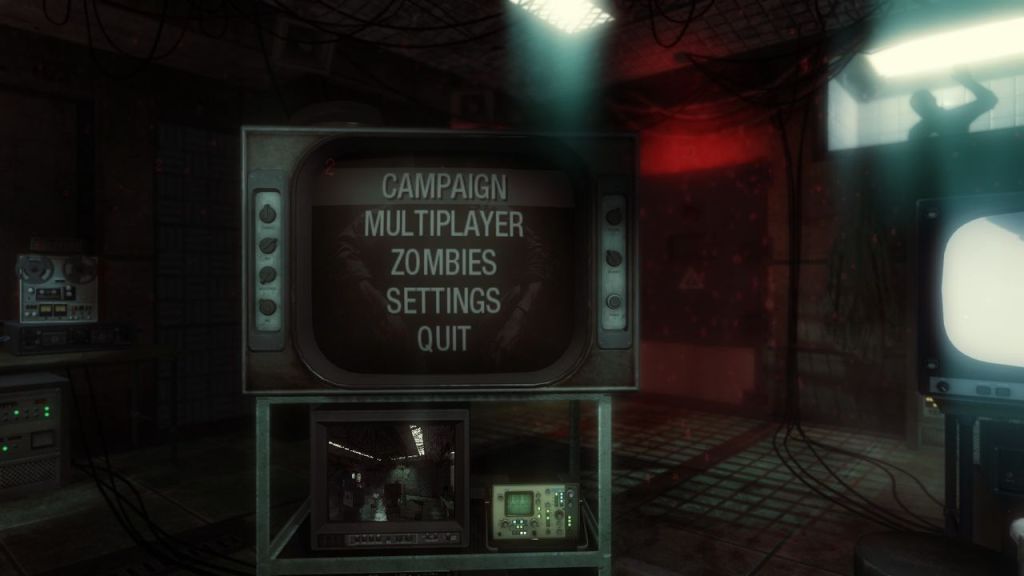
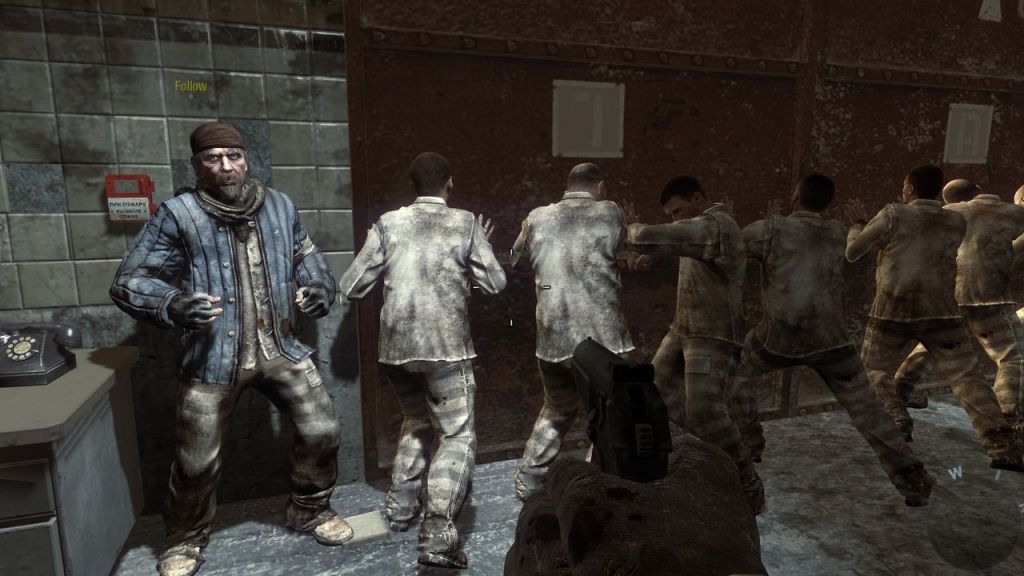
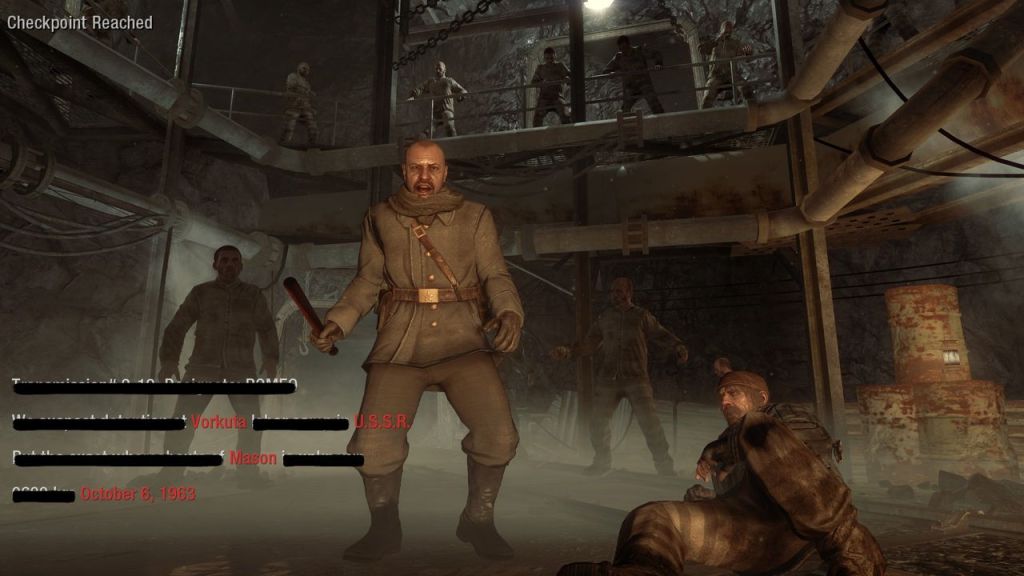
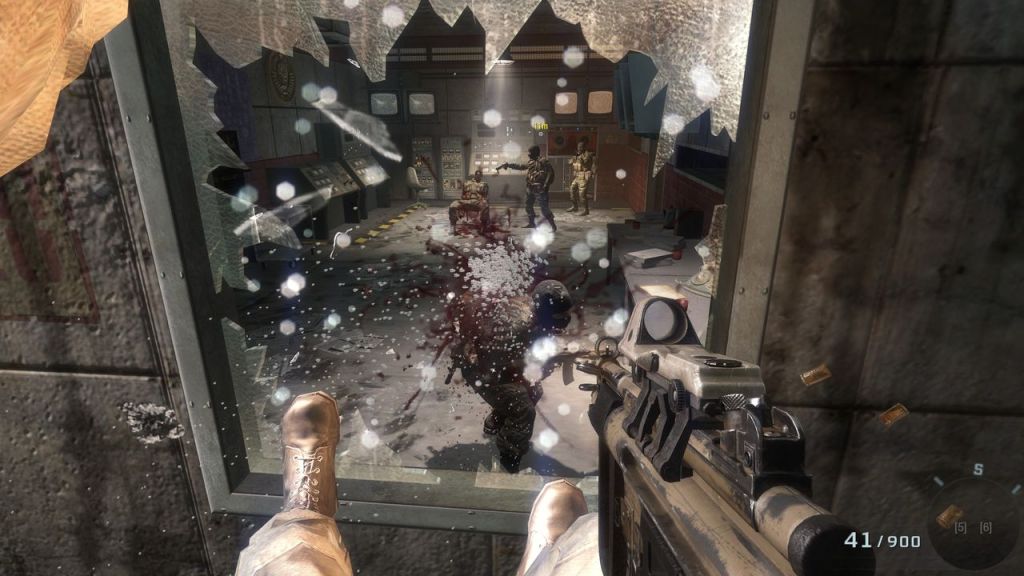
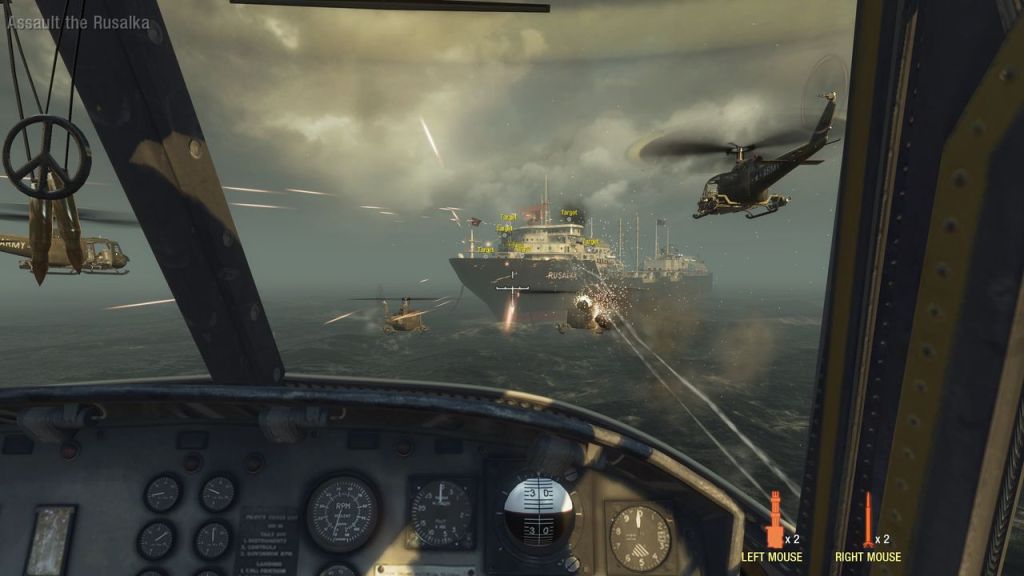
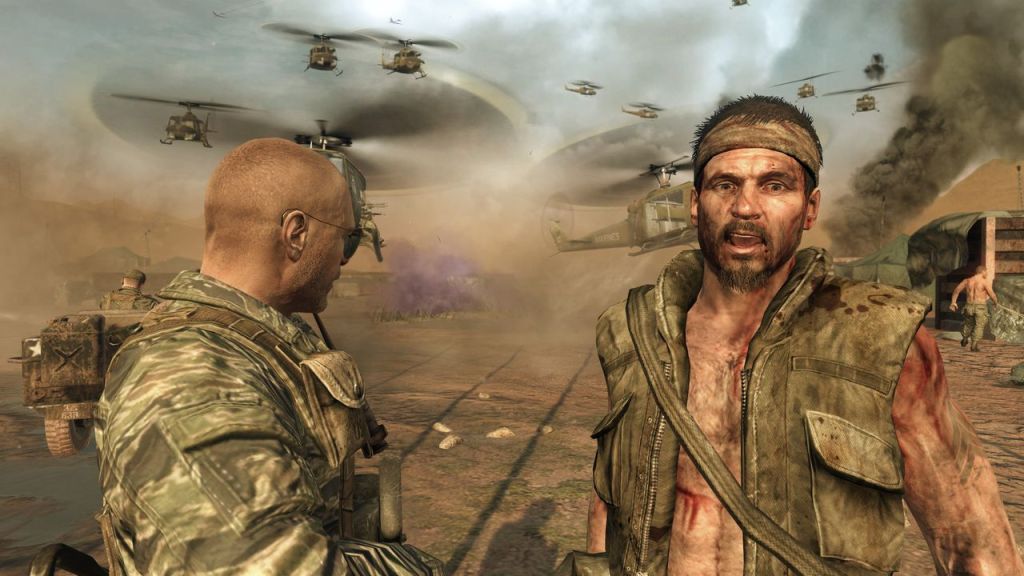
Another FPS game released November 2010 and developed by Treyarch. Considered to be a sequel to World At War.

The game’s set in the 1960s, at the height of the Cold War, where the U.S. and Soviet Union are locked in a global pissing match. The campaign’s core conflict revolves around covert U.S. operations to counter Soviet influence, from Cuba to Vietnam to Arctic outposts. It’s all about proxy wars and espionage, reflecting the real-world fear of mutually assured destruction. You’re playing as CIA operative Alex Mason, running black ops to stick it to the commies, which screams “America, hell yeah” but also shows the shady lengths the U.S. went to for dominance.

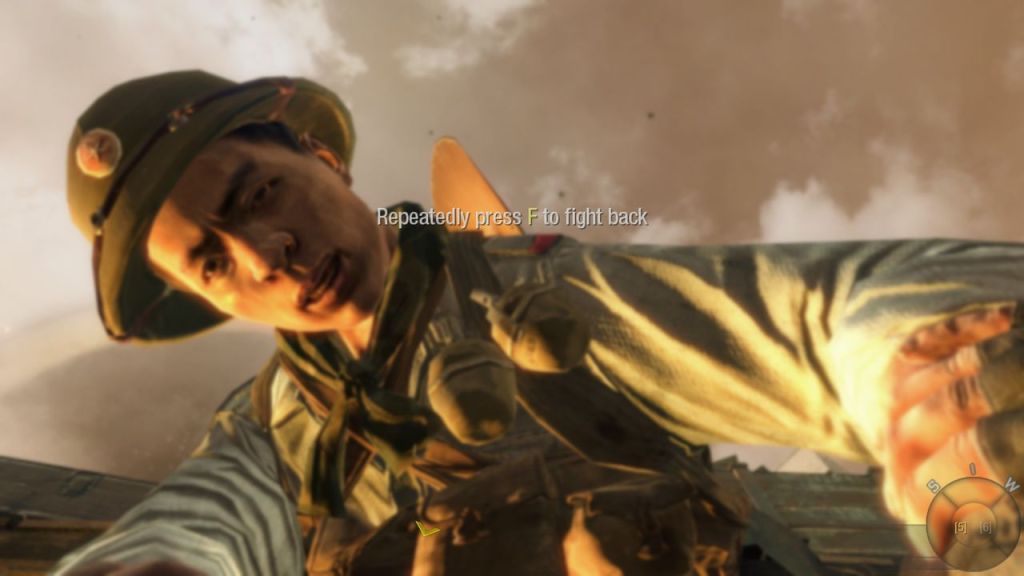
The Bay of Pigs Invasion (1961) kicks things off, with Mason involved in a botched CIA-backed attempt to overthrow Castro’s regime in Cuba. It’s a direct nod to U.S. anti-communist policies and the failure of covert intervention, showing the messy reality of regime change. The game doesn’t shy away from portraying Castro (or at least his double) and the Cuban Revolution as key pieces of the geopolitical chessboard. Vietnam War missions, like those in Khe Sanh and Hue City, highlight the U.S.’s military quagmire against the Viet Cong and North Vietnamese. Black Ops captures the chaos and moral ambiguity of the war, with soldiers like Woods griping about the pointlessness of it all, echoing real-world anti-war sentiments.

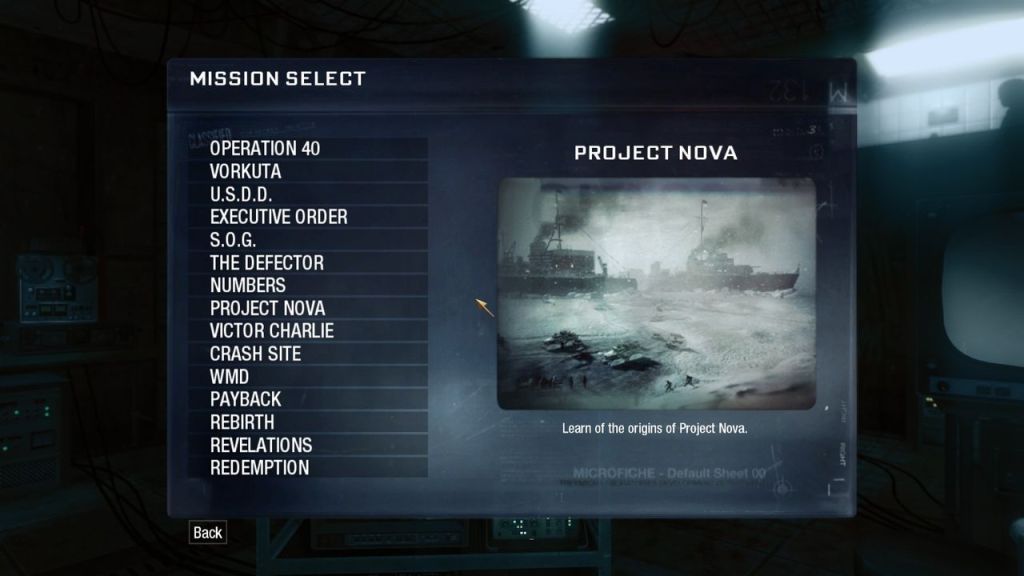
Numbers are a common occurance within the game campaign and play a large role int he story. The “Numbers” program, where Mason’s brainwashed by the Soviets, is a big metaphor for psychological warfare and propaganda. The idea of a sleeper agent programmed to kill on command plays into Cold War fears of ideological control—both sides were paranoid about the other “corrupting” their people. It’s less about left vs. right and more about how far governments (U.S. or Soviet) will go to manipulate minds for their agendas.

Nova 6, the fictional chemical weapon, is a plot driver, with the Soviets planning to unleash it on the West. It’s a stand-in for real Cold War anxieties about WMDs, like nerve gas or nukes. The game doesn’t preach, but it shows the U.S. and Soviets both playing dirty—testing weapons, running unethical experiments (like Reznov’s backstory)—which raises questions about the moral cost of “winning” a war.

The game leans hard into the U.S. as the “good guys” fighting Soviet evil, with characters like Dragovich and Kravchenko painted as cartoonishly vile. This mirrors the era’s anti-communist propaganda, where the Red Scare was still a thing. That said, it’s not totally one-sided—Mason’s team isn’t exactly saintly, and the CIA’s methods (torture, assassination) get a side-eye, hinting at the hypocrisy of both superpowers.

Multiplayer

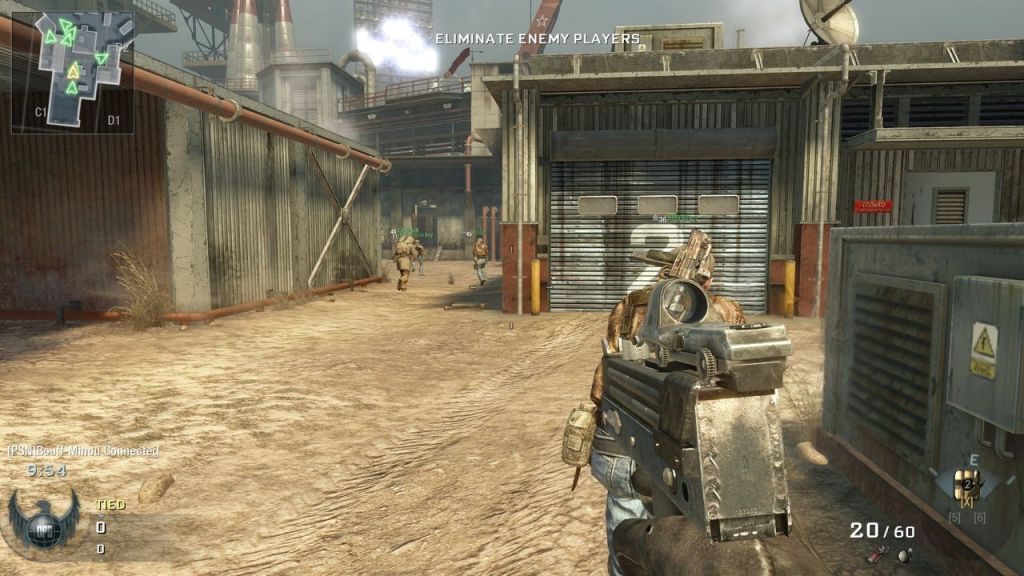
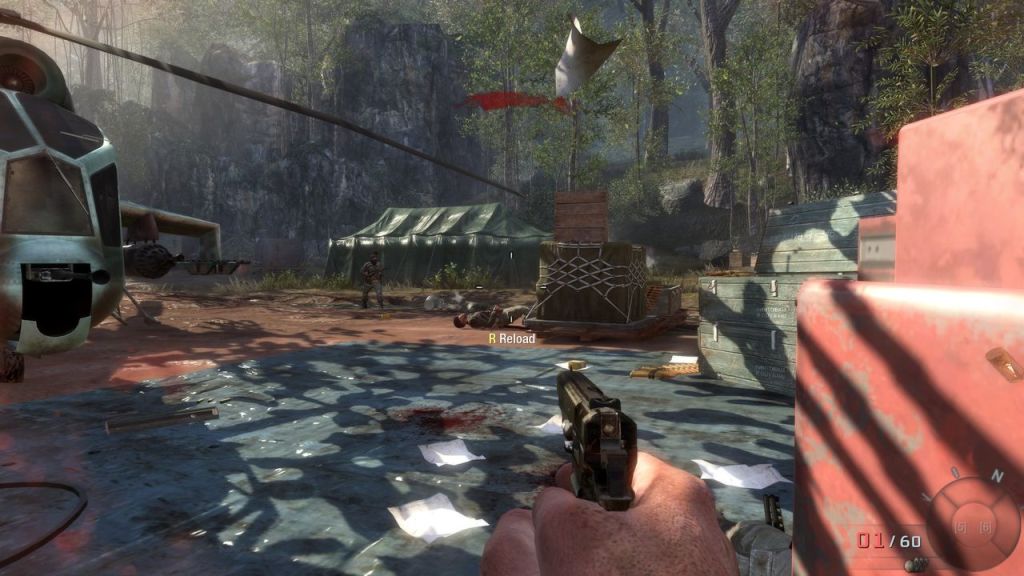
This is where Black Ops earned its stripes. You’ had a selection of 14 maps at launch, classics like Nuketown, Firing Range, and Jungle. Black Ops saw the introduction of COD Points, so you could flex your wallet and unlock that shiny new gun without grinding for days.

  • Nuketown: A tiny ‘50s suburb with two houses, a couple of buses, and a whole lot of carnage due to it’s small size. The nuke shelter and mannequins give it that creepy Cold War charm.
  • Firing Range: A military training ground with shacks, towers, and tight corners. Think of it as Nuketown’s slightly bigger cousin. Fast-paced but with just enough room to breathe. You can flank, hold a rooftop, or go Rambo in the middle. The central tower’s a death magnet, but controlling it feels like you’re the king of the lobby.
  • Jungle: A dense Vietnam jungle with rivers, huts, and elevated paths. It’s humid and hostile, like you’re actually in ‘Nam. Slower-paced, with sneaky flanks and sniper perches. The foliage lets you play Predator, but one wrong move and you’re eating an AK-47 burst. Perfect for tactical players who like a bit of stealth. Snipers and assault rifles shine, but watch for flankers with SMGs. Claymores are your best friend.
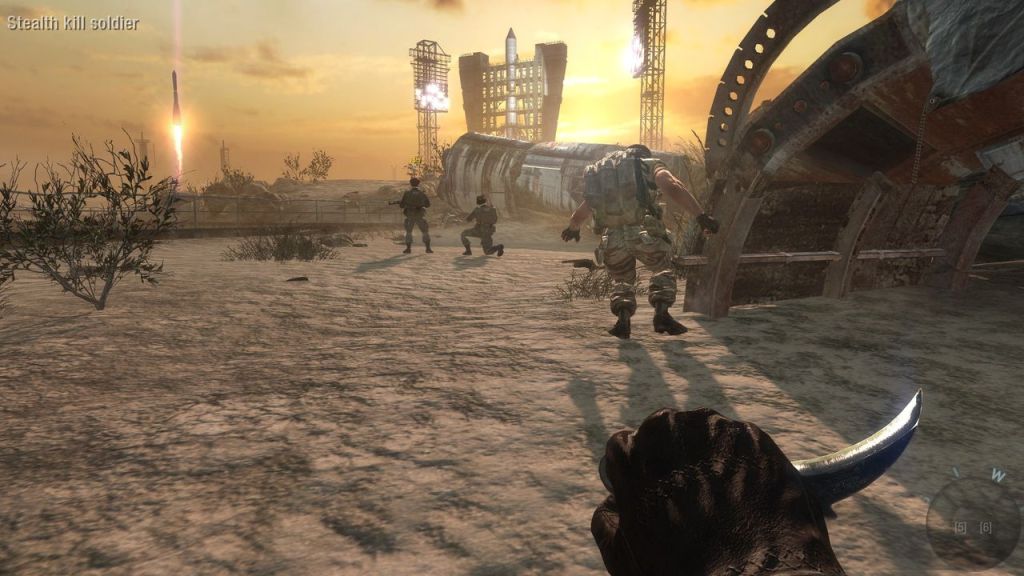
  • Launch: A Soviet cosmodrome with a rocket that actually launches mid-match. Big, open, and industrial. That rocket launch is a cool gimmick, shaking up sightlines. It’s a sniper’s dream with long lanes, but the side paths let rushers flank. Feels epic, like you’re storming Area 51. The rocket’s a distraction however, don’t get caught gawking.
  • Cracked: A war-torn Middle Eastern city with rubble, markets, and a big statue. Urban chaos at its finest. There lots of cover, destructible bits, and verticality. You can climb buildings or sneak through alleys. Feels like a real battlefield, but the layout’s forgiving for newbies.
  • Grid: A Soviet industrial complex with warehouses and open yards. Snowy and tactical. Great for objective modes—lots of choke points and a central building that’s a killzone. It’s balanced but rewards map knowledge.
  • Villa: A swanky Cuban estate with courtyards, a pool, and tight indoor areas. Fancy but deadly. It’s like crashing a drug lord’s party with an M16. The open courtyard’s a sniper’s playground, but indoors is a shotgun fest. Feels unique compared to the military vibes elsewhere.
  • Crisis: A Cuban military base with jungle edges and a central bunker. It’s got a good flow—open areas for firefights, jungle for stealth. The bunker’s a hotspot, but the map’s not as iconic as Nuketown or Firing Range. Solid, not spectacular.
  • Havana: Cuban city streets with colorful buildings, alleys, and a central plaza. Feels like a mini “Operation 40” from the campaign. Tight corners and rooftop routes make it a flankers’ paradise. The cars add cover but can explode GTA San Andreas style, so don’t get cozy around them.
  • Radiation: A Soviet nuclear plant with tunnels, conveyor belts, and an eerie glow. Creepy and industrial. The underground tunnels are a wild card—perfect for sneaky kills or getting ambushed. The open reactor area’s great for big team fights.
  • WMD: A snowy Soviet weapons facility, tied to the campaign mission. Big, with hangars and open fields. The snow adds atmosphere, but it’s a sniper’s map at heart. Feels epic but can drag if your team’s not coordinated.
  • Array: A massive Soviet radar base in the snow, with a giant dish and scattered buildings. It’s one of the biggest maps, built for snipers and vehicle cover. The dish is a cool landmark, but the map’s too spread out for my taste—feels like running a marathon to find a fight.

Zombie

Zombies mode was one of the more popular modes of the multiplayer. “Kino der Toten” is set in an abandoned cinema, with you and other players trying to hold the line at the theater while zombies swarmed like Black Friday shoppers. Then you got “Five,” where you’re playing as JFK and Nixon mowing down the undead in the Pentagon. Very absurd. “Dead Ops Arcade” was this weird top-down fever dream, like if Smash TV and a zombie apocalypse had a lovechild. Additional DLCs like Rezurrection just poured gas on the fire with more maps.

Versions

Xbox 360: The 360 version runs at 1040×608 but manages to maintain its 60fps framerate. This version is playable on the Xbox One, although It’s not enhanced to take advantage of the more capable hardware. A co-operative mode is supported with two controllers, allowing for split-screen play for multiplayer.

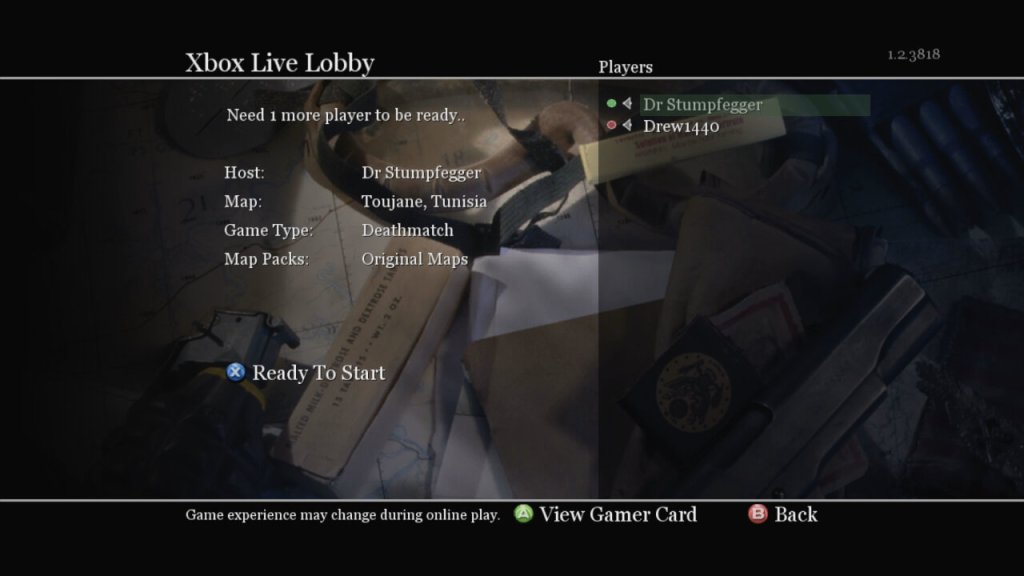
Multiplayer is still active on Xbox Live, and for the deathmatch and free-for all playlists you can often jump into a match, or wait a few minutes for matchmaking to assemble a team of players. You might run into hackers every now and then, sometime I’ve even landed on a mod menu by chance, you can often just leave the match and wait a few minutes before matchmaking again.

PlayStation 3: Compared to the 360 version, the PS3 runs at a lower resolution at 960×544 which makes it closer to an SD resolution. Like the 360 version, you can also have two players off the same console with split screen mode. Online play is still supported and is free, but there is an issue with stats not saving for newer PSN profiles, stats have also been reported to reset when your PSN profile name is amended.

Microsoft Windows: The Windows version uses dedicated servers via Game Servers, a which was much preferred over Modern Warfare 2’s peer-to-peer. This means better connection stability and less host migration grief, though server quality varies. You get mod tools and a developer console, letting you tweak settings or create custom content (especially for Zombies).

Mac OS X: The Mac version was ported by Aspyr and was released a few years later. The game was previously sold on Steam, although it was a separate product/licence to the Windows version. It also used different servers, which meant it was more difficult to find multiplayer games. Since it was a 32bit application, it’s no longer compatible with modern versions of macOS which can only run 64bit applications.

The port itself is semi decent, it ran OK on low setting for an iMac 2011 (with a Radeon 6750) though expect to see a lot of ‘Shader Warming’ messages.

Nintendo Wii: The Wii version is a lot more compromised for it to run on its less capable hardware. You do have the benefit of motion controlled aiming but this can be awkward to get used to, thankfully there is support for the Wii Classic Controller (Not the Gamecube controller) for those that prefer the traditional experience.  Online play was previously supported but the official servers were discontinued. You can use Wiimmfi to restore online play, but the online populations are tiny and is often difficult to find a match. Sadly a lot of people wanting to play Black ops online will just use the more popular 360 or PS3 versions.
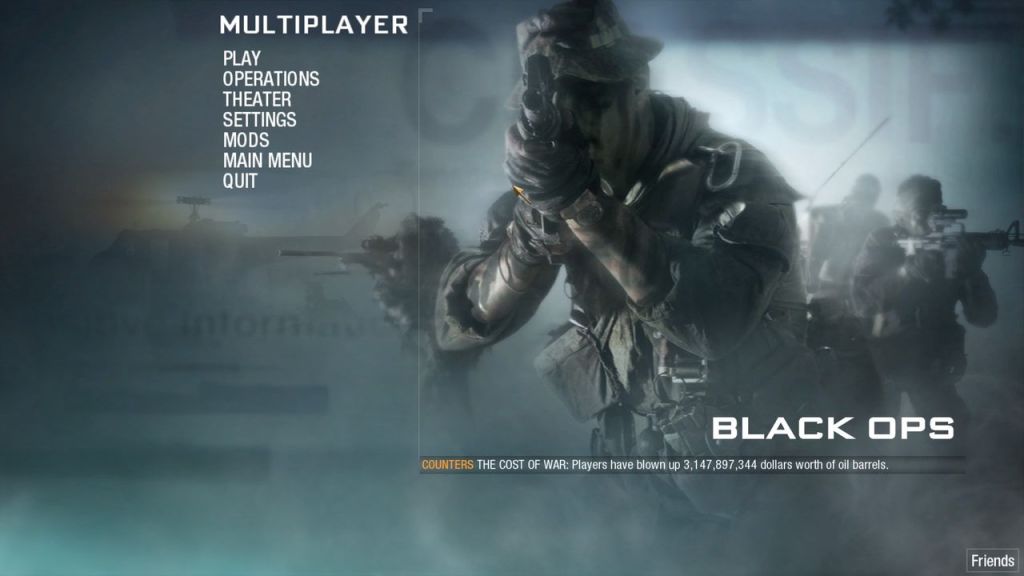
Still its an impressive port, but the motion controls can be an issue for some players.

Conclusion

Black Ops is a popcorn shooter with a side of political spice. The Cold War backdrop gives it that gritty “us vs. them” vibe, but it’s not afraid to show the U.S. getting its hands dirty. You’re not just fighting for freedom; you’re knee-deep in the CIA’s sketchy playbook, which makes you wonder who the real bad guy is.

Road 96

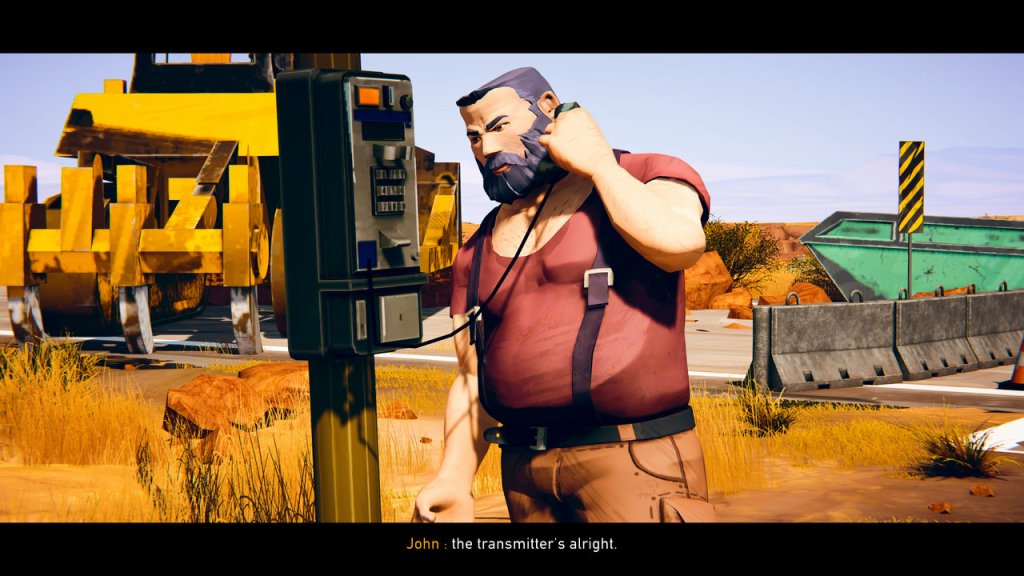
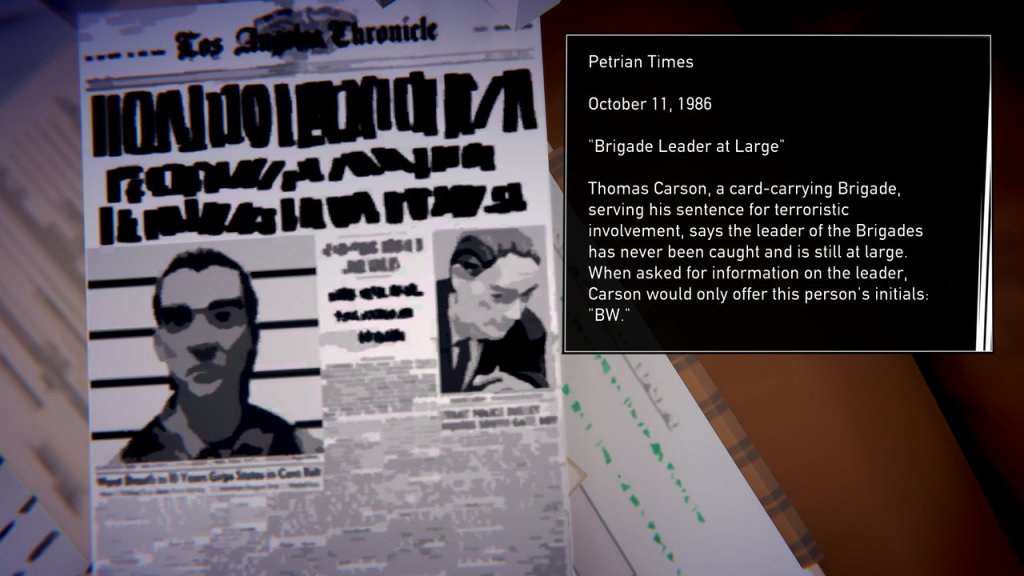
Road 96 drops you into Petria, a fictional dystopian country that’s basically “Authoritarian Land: The Road Trip.” You play as a bunch of runaway teens trying to cross the border, hitchhiking and making choices that supposedly shape the story. It’s got this roguelite thing going on, where every run’s different, and you’re juggling energy and cash while chatting up a cast of NPCs. Sounds cool on paper, right? But let’s not get all starry-eyed yet.

The game’s big selling point is its procedural storytelling where it shuffles dialogue and events like a deck of cards. Sure, it’s neat that no two playthroughs are identical, but don’t let that number fool you—it’s not like you’re getting unique novels. A lot of it feels like variations on the same vibe: you meet quirky characters, make some choices, and maybe get arrested or die if you screw up. The core loop—hitchhike, talk, minigame, repeat—gets old faster than you’d expect for a game hyping itself as endlessly replayable.

The narrative’s got this heavy-handed political edge, screaming “oppression bad, freedom good!”  I’m not saying it’s wrong, but it’s about as subtle as a sledgehammer to the face. You’re dodging cops and picking sides in a revolution, but the game’s politics feel like they were written by a college freshman who just discovered dystopian novels. It wants to be 1984 meets The Breakfast Club, but it lands closer to a Reddit thread about “the system.” The game tries to make every choice feel like you’re saving the world when half the time you’re just picking whether to steal a candy bar or not.

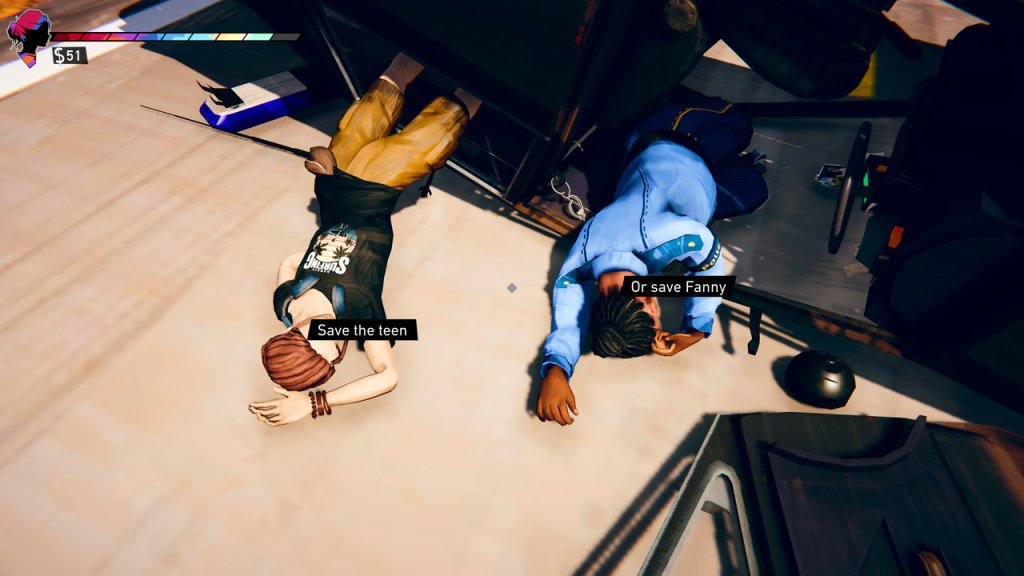
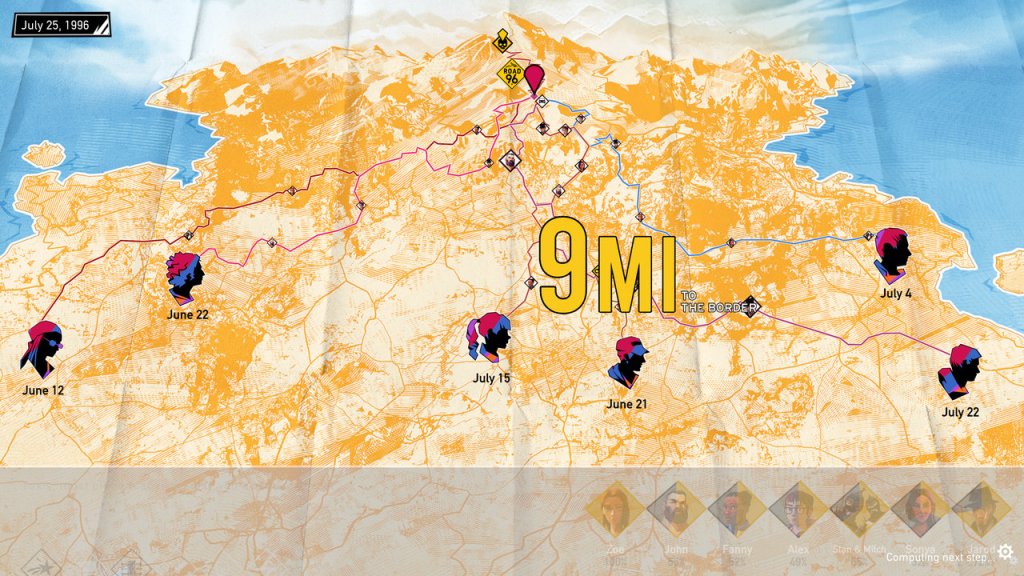
The game keeps track of your progress with different teenagers

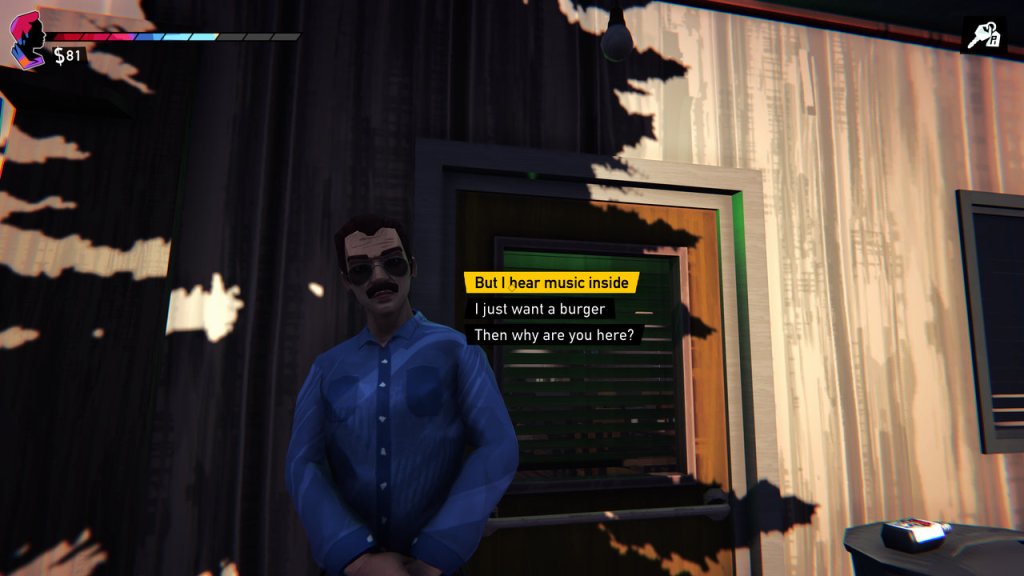
The gameplay mostly sees you walking, talking, and playing minigames like pumping gas or bartending. Some of these are fun, like when you’re hacking a computer or dodging cops, but others feel like busywork to pad the runtime. The resource management—keeping your teen fed and funded—sounds intense but ends up being a minor annoyance. You’re not exactly strategizing like it’s XCOM; you’re just scrounging for bucks to buy a burger. And the “abilities” you unlock? Stuff like lockpicking or hacking sounds cool, but they’re just dialogue shortcuts, not game-changers.

The game’s story is set in 1996, which influences the world around you. Characters rock flannel shirts, ripped jeans, and chunky sneakers, with one of the main NPCs, Zoe, sporting a red bob and a rebellious attitude that’s pure 90s punk-grunge. It’s not over-the-top like a Saved by the Bell set, but it’s convincing enough to feel like you’re flipping through a 1996 zine. You won’t find super-specific references like Tamagotchis or Pogs cluttering the scenes, which might’ve added authenticity. It’s a bit sanitized, like the game’s afraid to lean too hard into the era’s weirder quirks. Still, the vibe works—it’s recognizable without being a caricature.

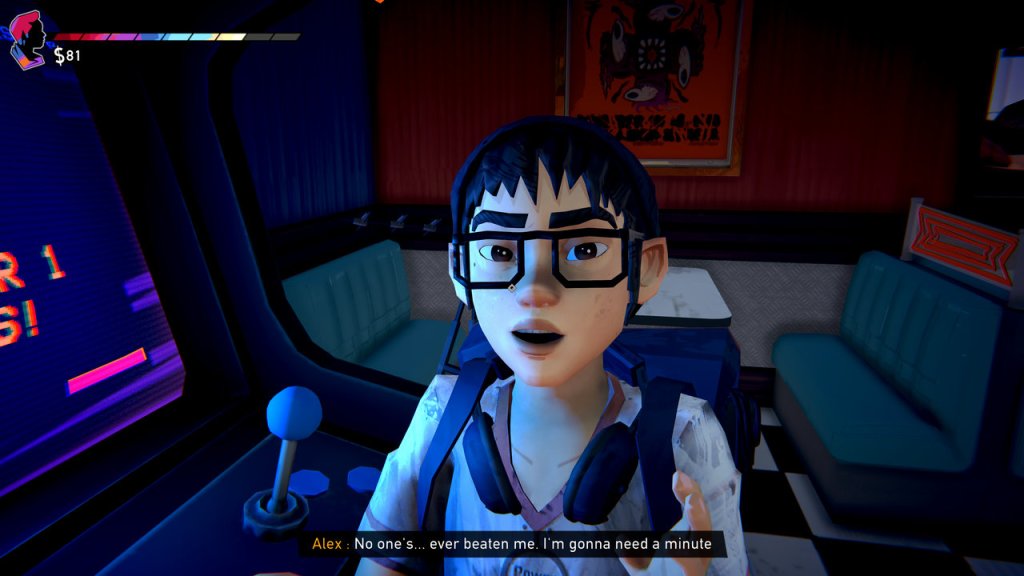
Petria’s authoritarian regime feels like a nod to the era’s dystopian sci-fi flicks (The X-Files was peak 90s paranoia), and the election plot echoes the political awareness that started bubbling up with stuff like Rock the Vote. Minigames and interactions also sprinkle in 90s flavor. You’ll play arcade cabinets, flip through cassette tapes, or mess with old-school tech like rotary phones. One sequence has you answering a quiz that feels like a warped version of a 90s game show, which is a nice touch. The game’s humor—sarcastic, a bit goofy—lands like something you’d hear on Beavis and Butt-Head.

Replayability’s a big claim here, and it’s got some legs. You’ll need at least six runs to see an ending, and choices do change how the election or characters’ fates play out. But let’s be real: after a couple runs, you’re seeing the same beats with slight remixes. It’s not Skyrim levels of freedom. If you’re the kind of guy who replays games to see every ending, cool, but I’m unsure most people will care enough to grind through all the permutations. Seven hours for the main story, maybe ten for completionists, and that’s if you don’t get bored.

Road 96 is a fun little road trip with some heart, but it’s not the masterpiece it thinks it is. If you’re into indie games and don’t mind some preachiness, give it a spin. Currently it’s on PlayStation Now/Plus Extra and was previously on Gamepass.

Unreal Tournament 2003

The original Unreal Tournament was the introduction to online and off-line multiplayer action for a lot of players with its gorgeous graphics, multiple game modes, reliable Net play, and a never-ending supply of intense action made it an instant classic. It’s offline bot modes were also valuable to those who didn’t yet have an internet connection. Its sequel, Unreal Tournament 2003 offers plenty of impressive attributes. 

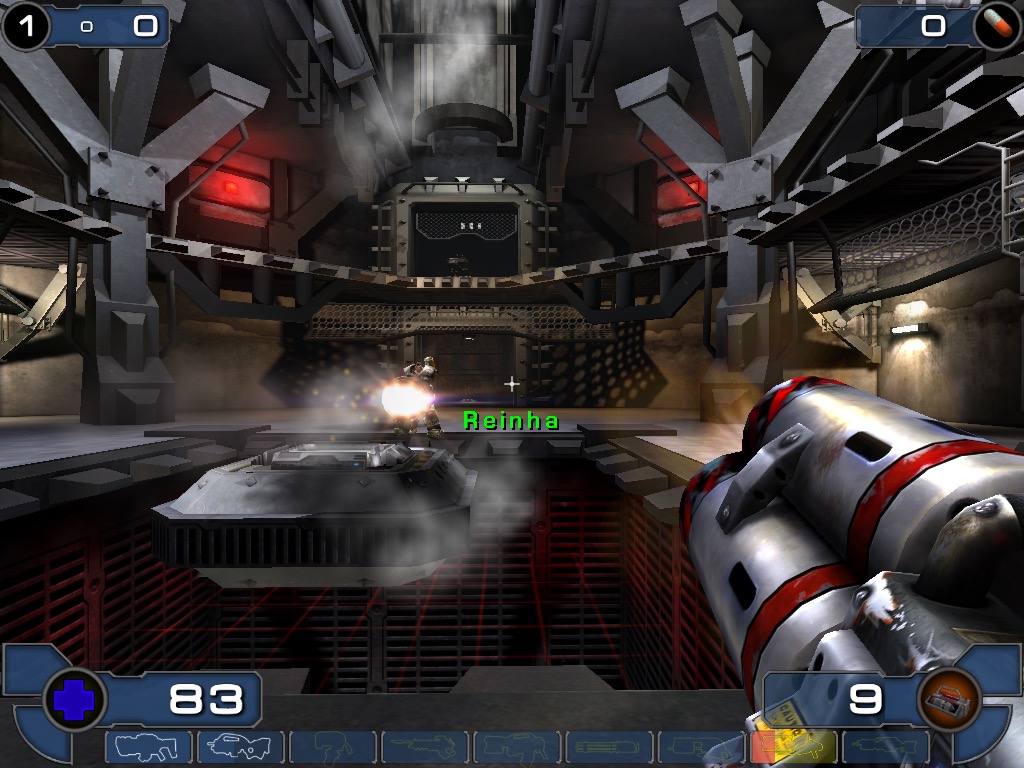
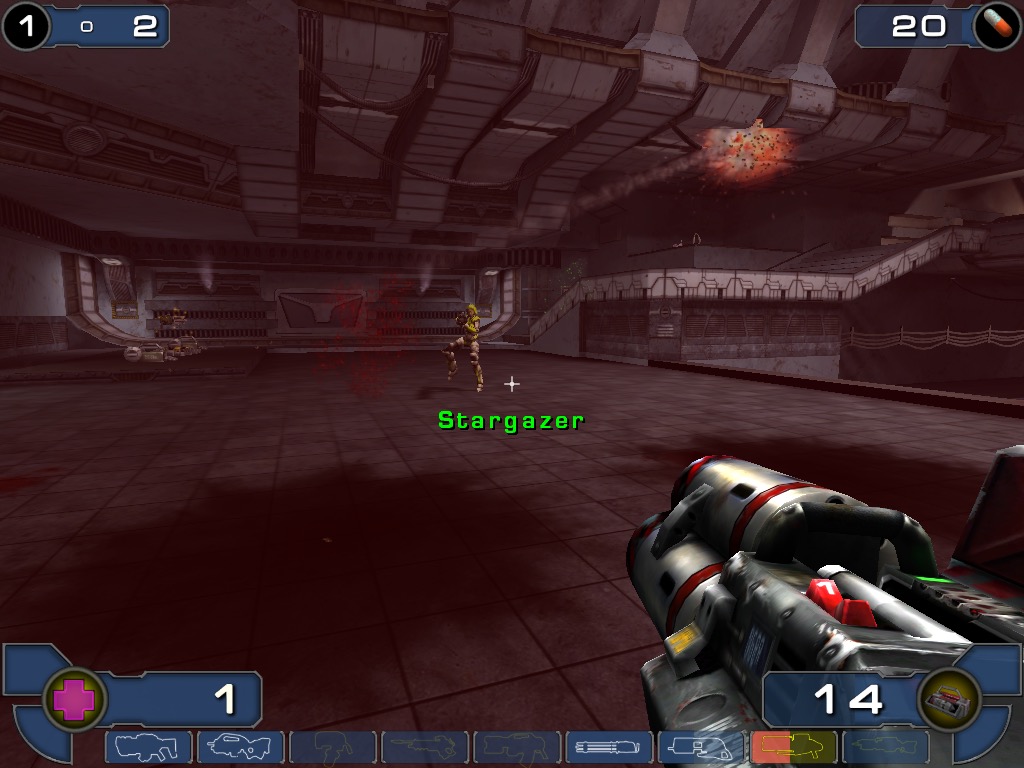
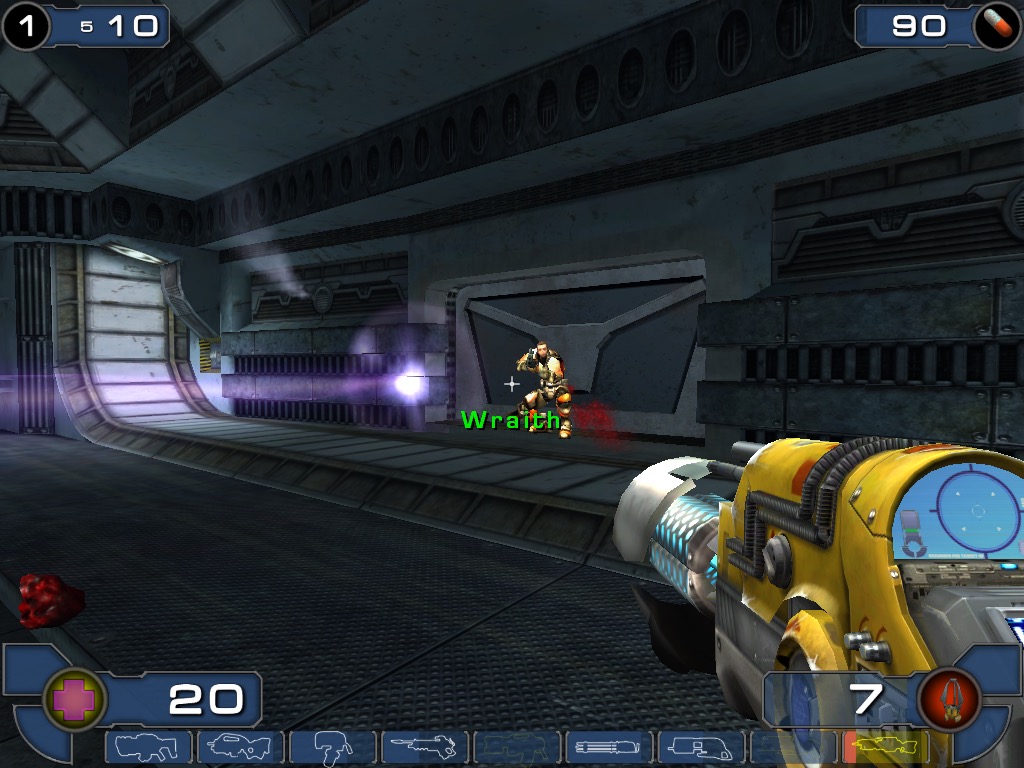
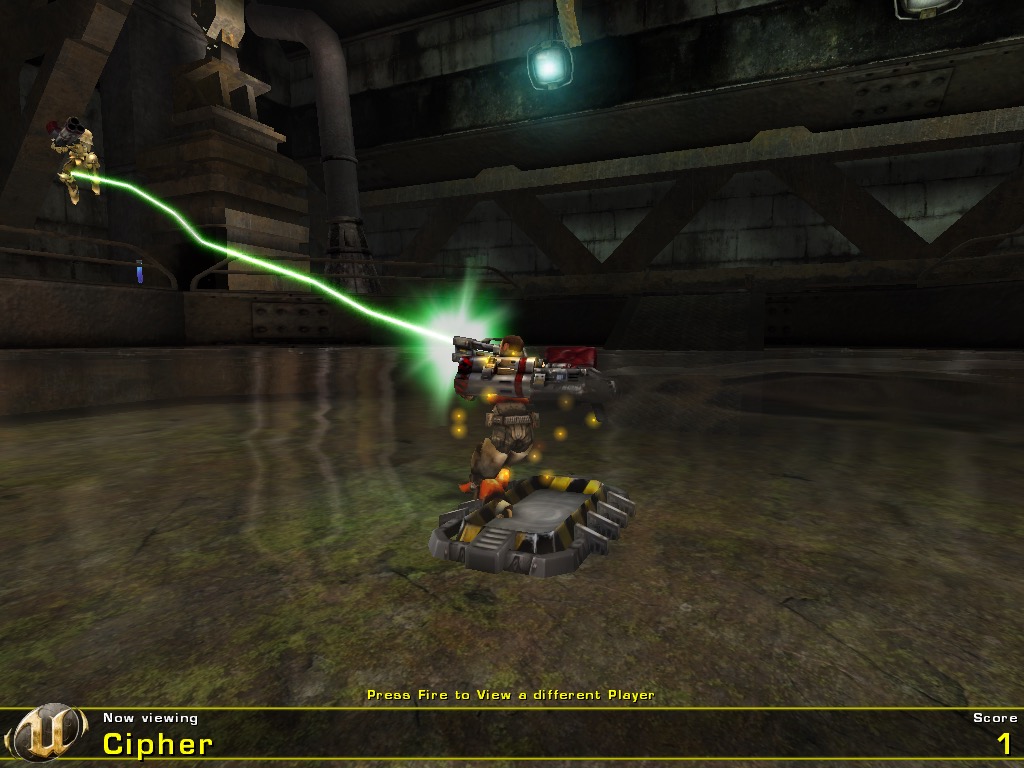
The graphics is one of the stand out features, implementing a smoothly integrated terrain engine the jagged and harsh lines of most 3D games are gone. The use of the Unreal Engine 2.0 brings beautifully detailed environments, with dynamic lighting and textures. The maps here are big, beautiful, and are full of fine detail. This is truly one of the best-looking games on the market when it was released and it runs remarkably well, even on modern hardware without any rendering flaws.

Audio play’s a big role in UT2003, A variety of diverse and amusing taunts, complaints, and other messages come from both your teammates and your opponents. The soundtrack is powerful and dramatic, although it moves quickly to the background during a heated game, a lot of the tracks are recycled from Unreal championship for the Xbox. It has a KMFDM electro/industrial feel to it that fits with the game’s theme, whilst the Egyptian-themed maps benefit from similar music. Sound effects are really good with plenty of bass-intensive booms and blasts that liven up any gunfight. The game has support for EAX with was supported on certain Creative SoundBlaster cards and gives extra environmental audio effects.

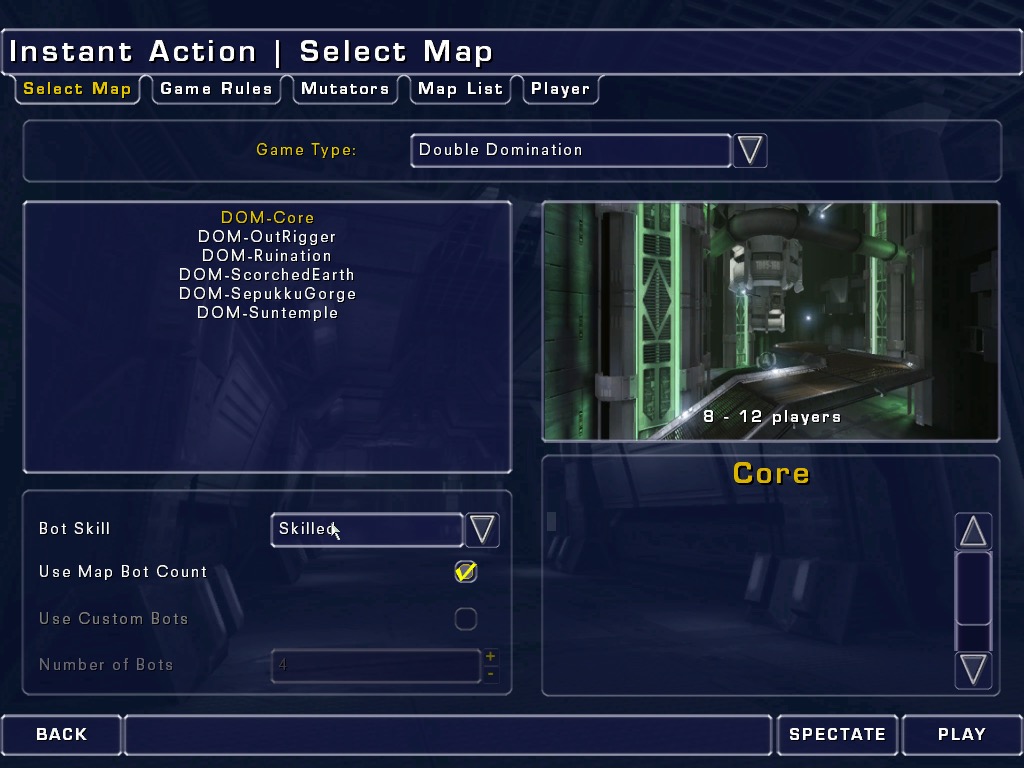
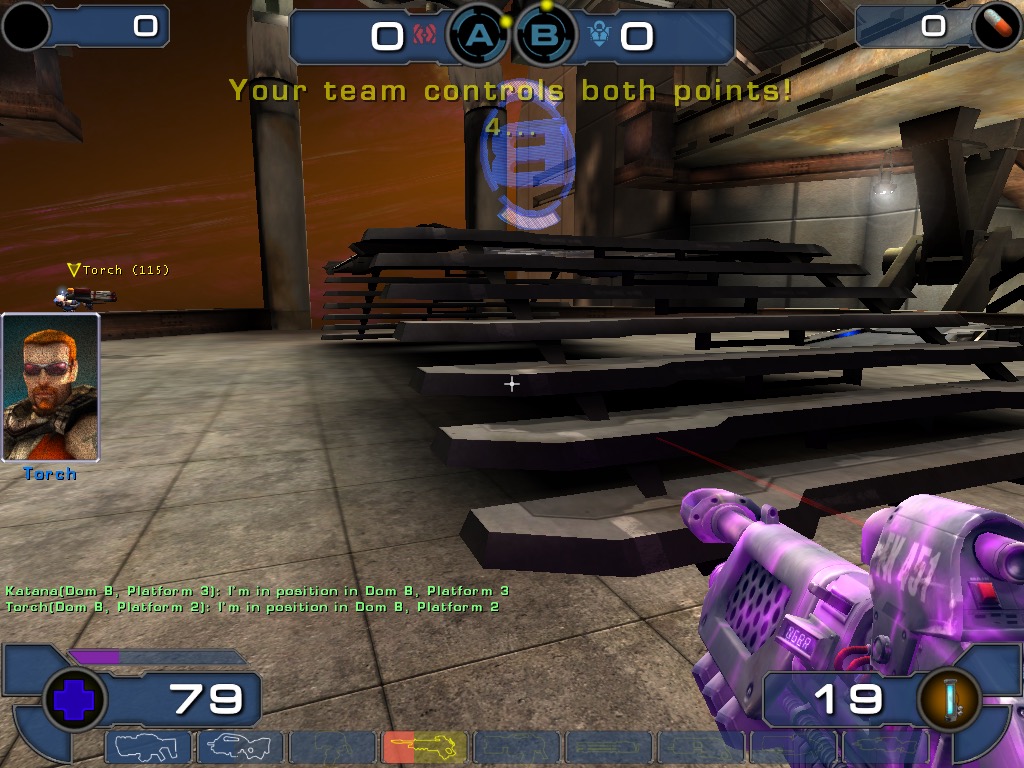
There are five game modes – Deathmatch, Team Deathmatch, Capture the flag, Domination 2.0, and Bombing Run. The first three should be familiar to anyone who has played any online arena shooter. Domination 2.0 is a popular mode from the first Unreal Tournament but has changed where both teams only need to hold two bases for a few seconds for them to score. Bombing Run mixes team-based death matching with ball sports to create an incredibly appealing and challenging variation, although its mostly just an altered version of Capture the flag.

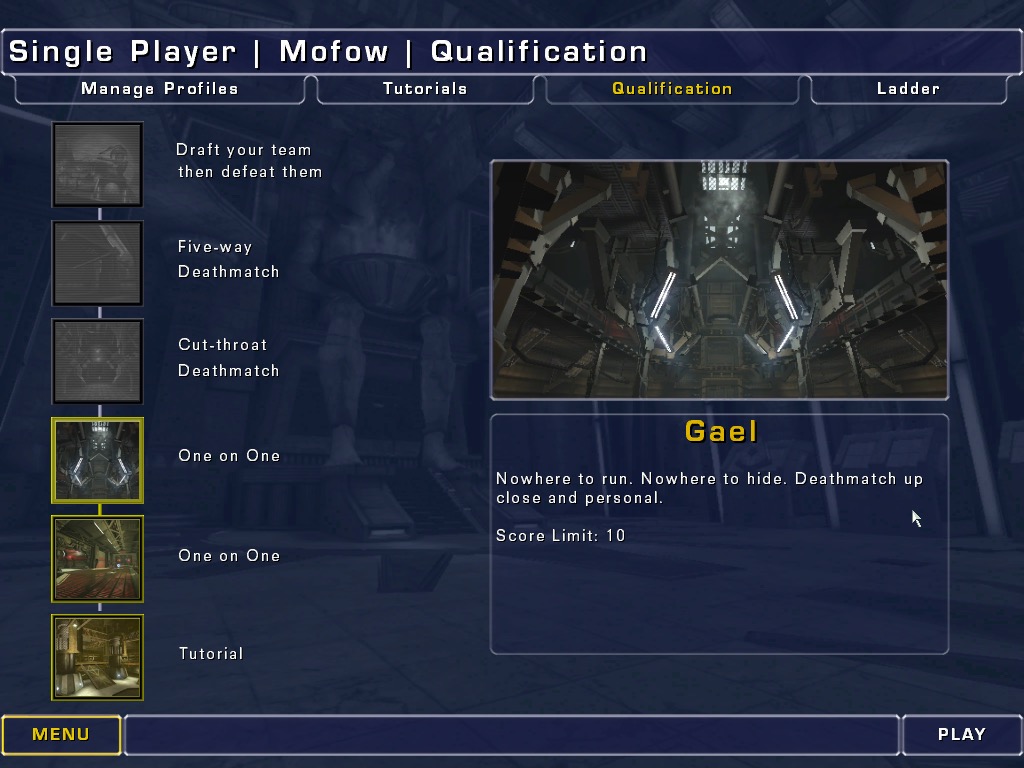
Although most players will get Unreal Tournament 2003 for its online gameplay, the game also offers a good single-player mode to help you get accustomed to the game’s new maps and mechanics. Single player works much like the multiplayer mode, but with bots as your teammates and enemies. The noticeable improvement is in the AI’s team tactics. When playing a bot-filled team game such as Domination, your computer-controlled teammates will work together, support you, and score points all on their own and they’ll do a decent job. You can dictate the AI’s general behavior before a match (defense, offence, auto, support, and so on), or issue orders to them during play via a quick menu. Most of the online servers have been phased out, following the release of UT2004 but you can still find the odd server still offering online play. Epic did shut off the master server (along with other Unreal titles) but third party servers are available.

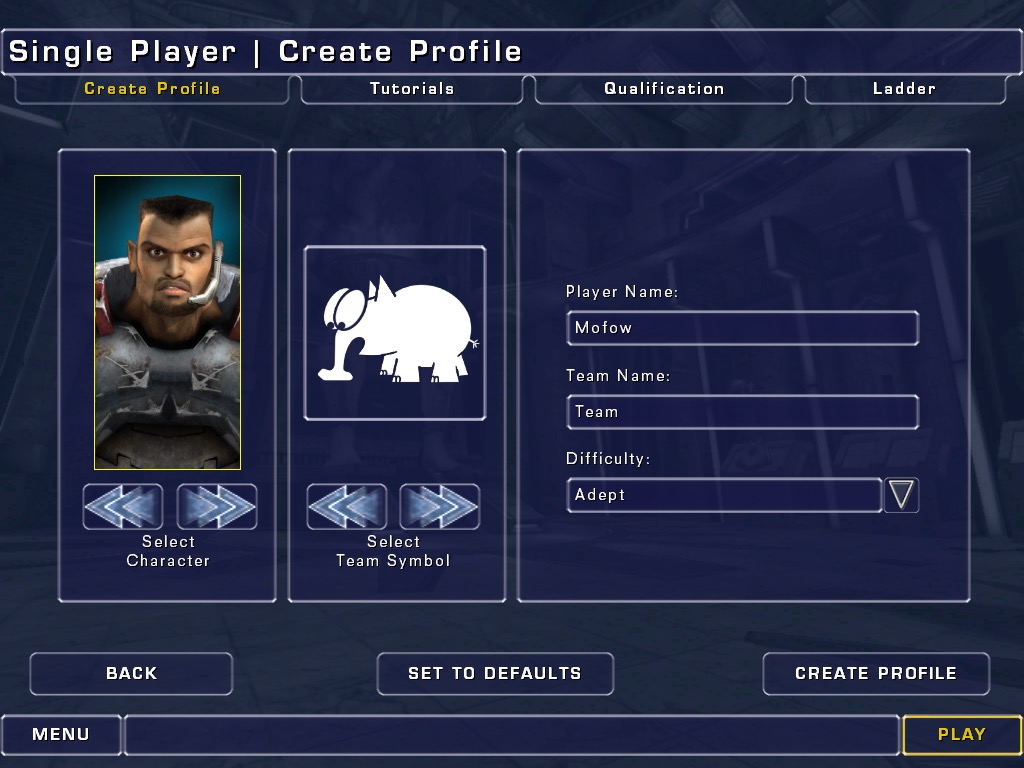
The single-player experience in Unreal Tournament 2003 is designed around the concept of a tournament ladder, where players fight through a series of matches to become the champion. You pick your teammates early on, and as you progress, other teams offer you teammate swaps. Each competitor has a rating for things such as accuracy, agility, stamina, and team play that come into play when you trade teammates. There are different races like the Juggernauts that move slower but have more health, that adds a strategy element to the game. Adding to the variety are more than 30 characters and maps to choose from, with the game supporting additional maps and skins. Also, power-ups abound throughout the levels. This lets you unleash mass carnage with the help of double damage, super shields, and even a new adrenaline rush that temporarily increases your abilities. Finally, there’s a horde of mutators that let you alter gameplay elements, allowing for big heads, low gravity, and instant kills, if you want.

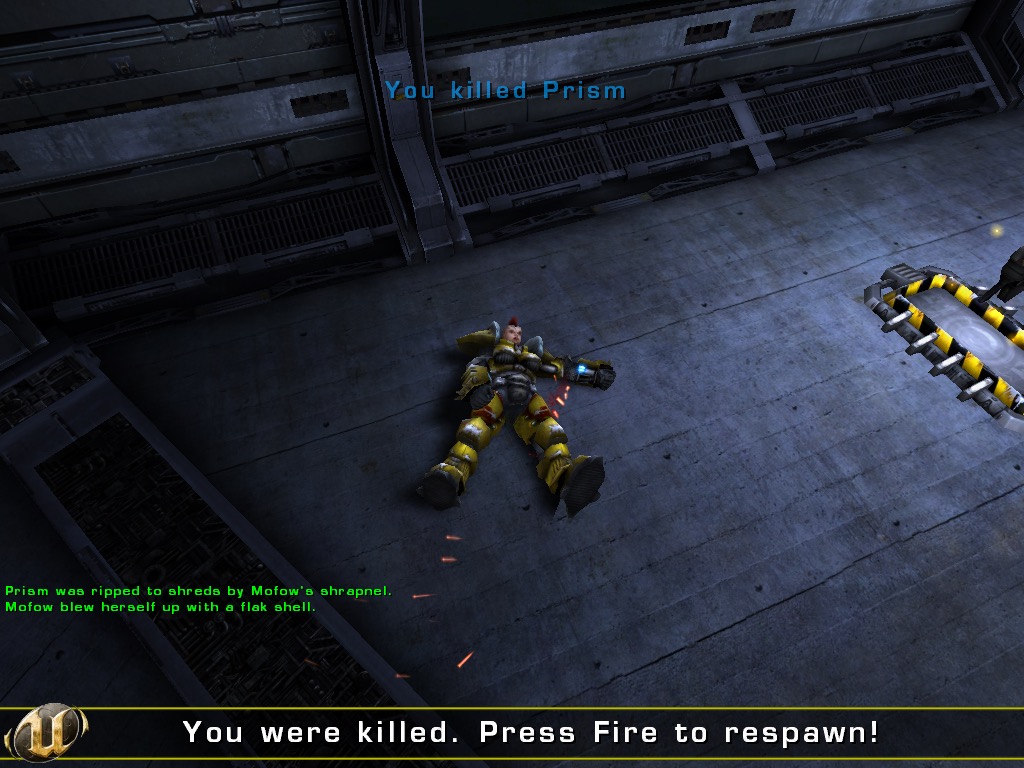
There are nine weapons available, including a flak cannon, a rocket launcher, a machine gun, a minigun, a bio-rifle, and a new sniper-riflelike lightning gun. The weapons are paced differently than in the previous game, making accuracy more of an issue and preventing random wild fire. However, the downside of this is that all the guns have been toned down from the original weapons of mass destruction. The biggest complaint that can be levelled at Unreal Tournament 2003 is that it wasn’t improved over the original enough. The game doesn’t pack in as much variety and features as it could have. More game modes and weapons would have helped put it over the top in terms of value. 

UT2003 was only released on Windows and MacOS, the console counterpart would be Unreal Championship that was released for the original Xbox. 

Windows: This version will work on Windows 98 with DirectX 8 or higher, all the way to Windows 11. Some features like DirectPlay will need to be manually installed through the Windows features:

Mac OS: The Macintosh port was only ever released for OS X for PowerPC, no Universal patch was made available. You will need a Mac running OS X Jaguar with a PowerPC G4 or G5 processor for the best experience.

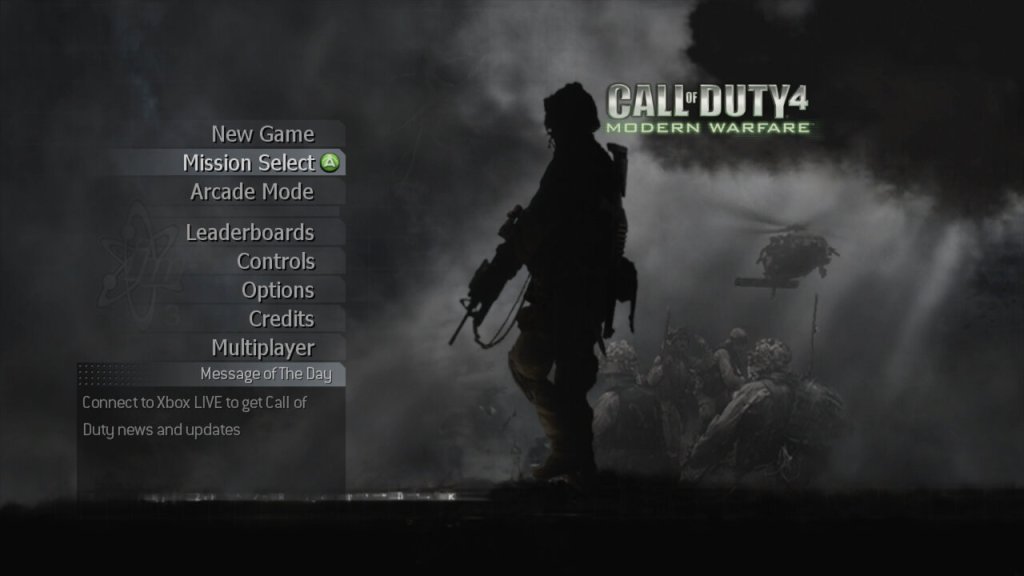
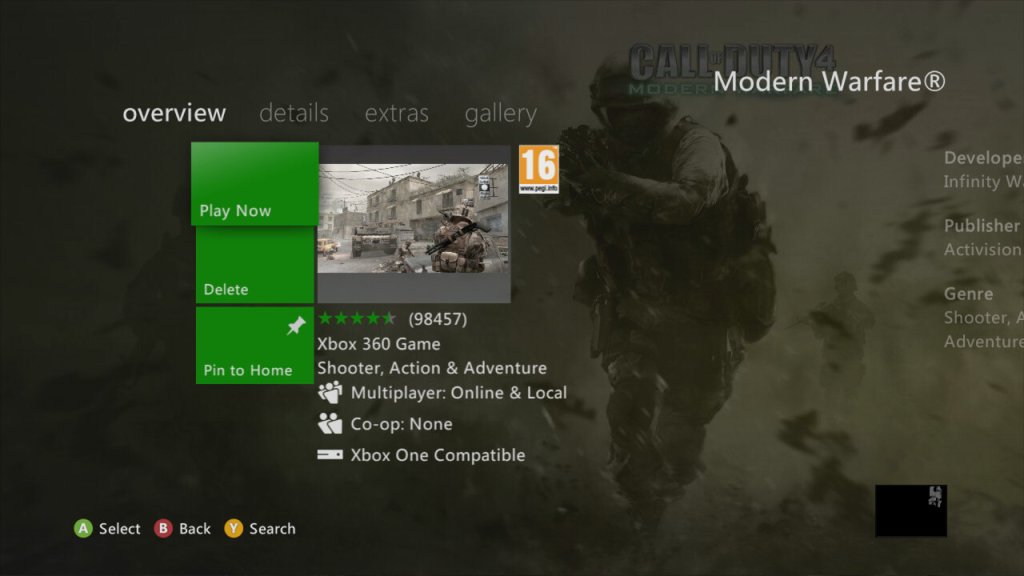
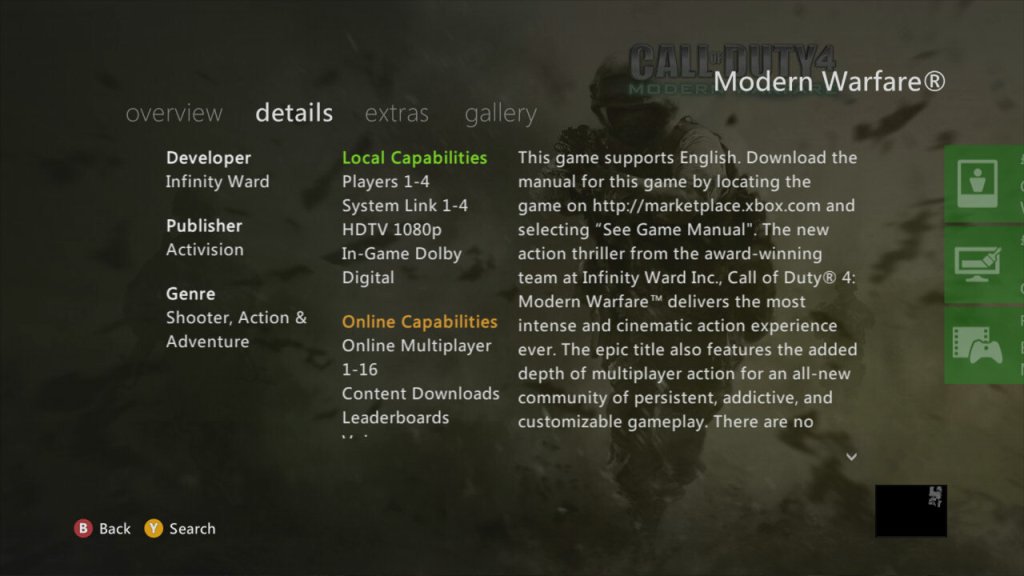
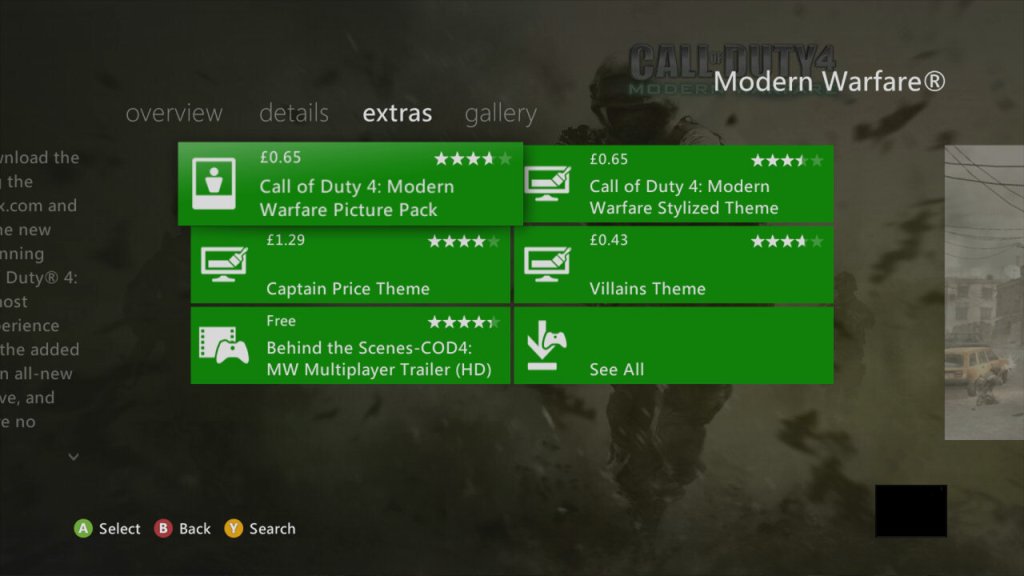
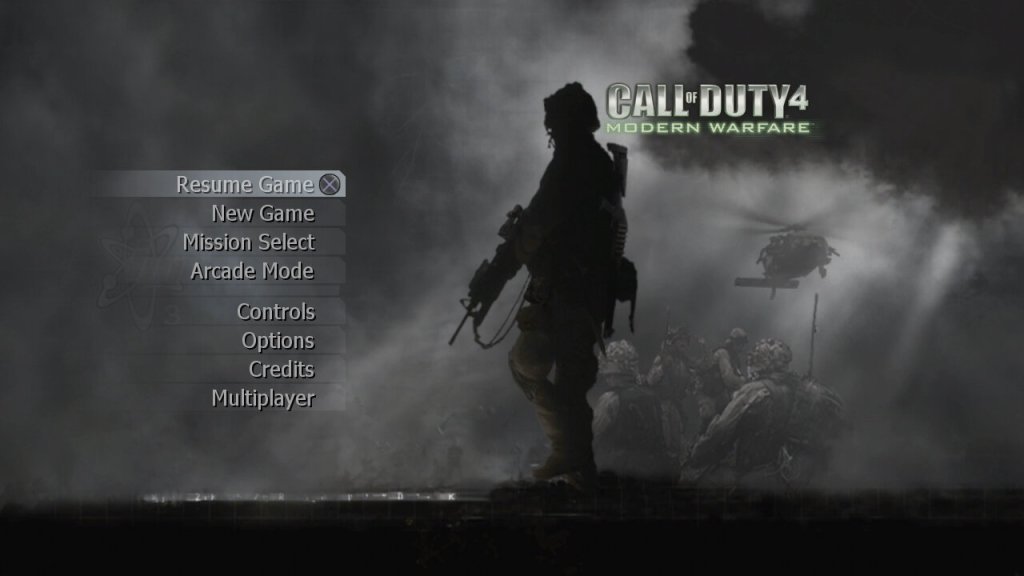
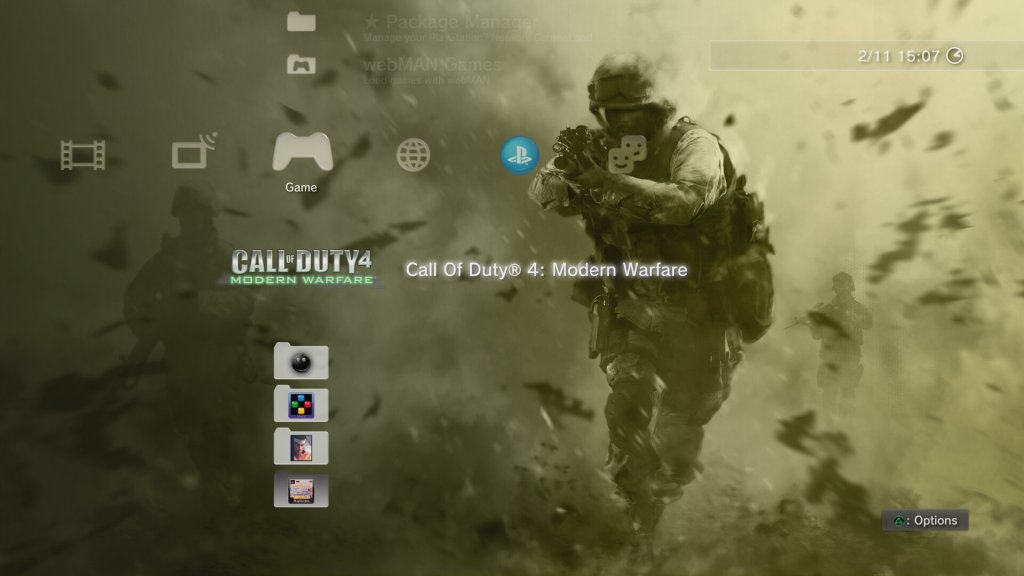
Call of Duty 4 Modern Warfare

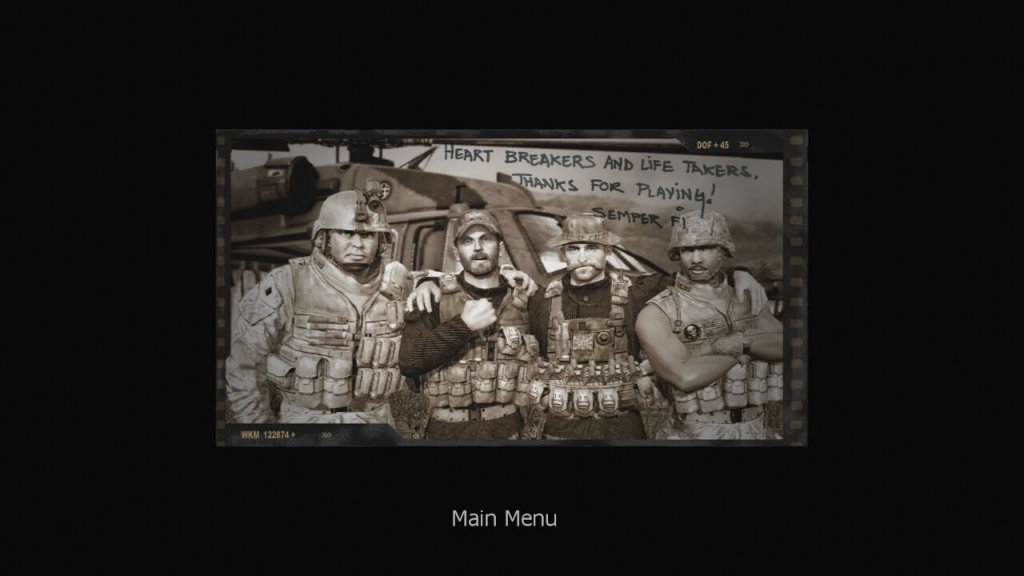
The first in the memorable Modern Warfare series, and one that would take the Call Of Duty franchise to new levels. Not to be confused with the modern 2019 remake

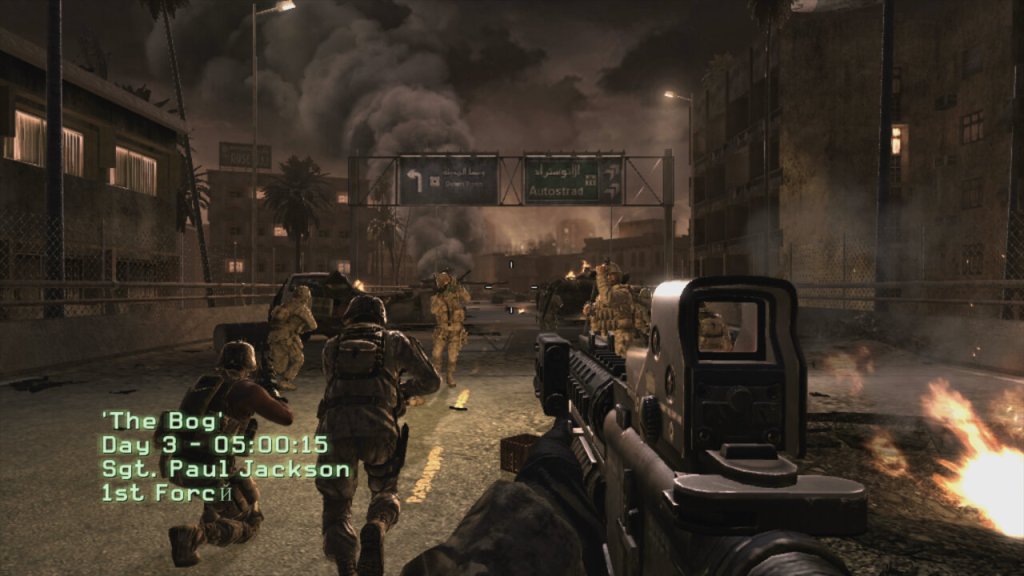
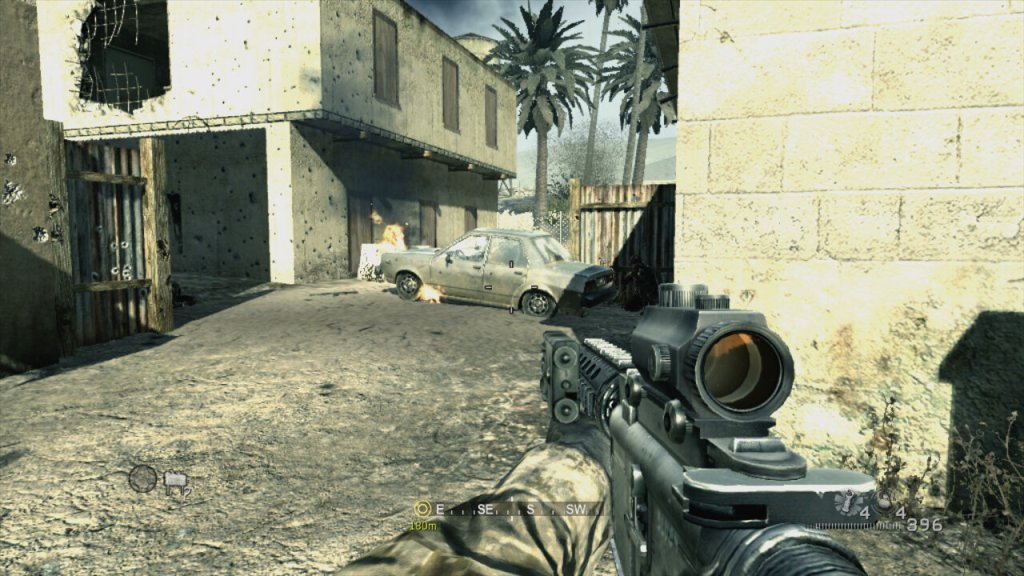
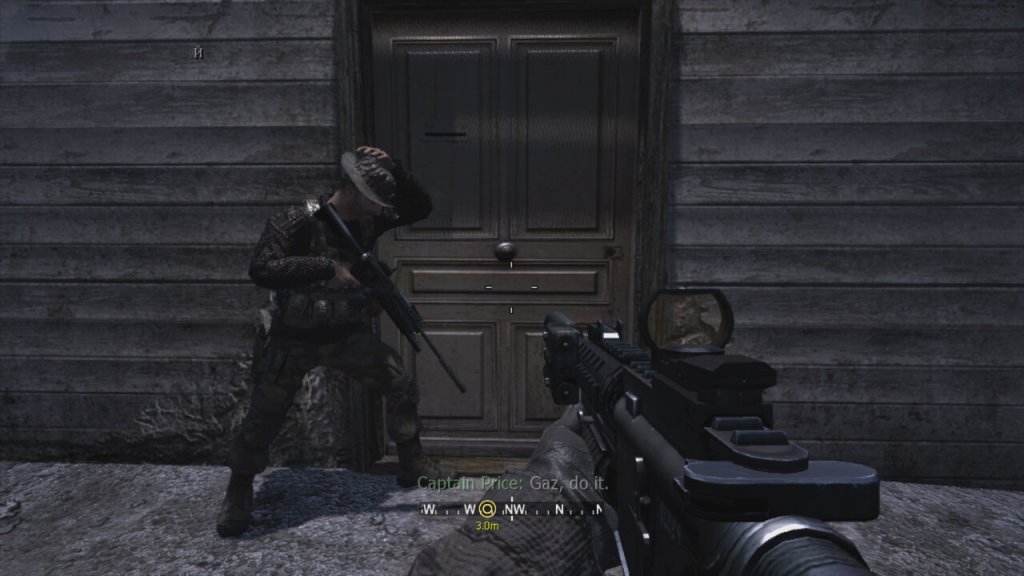
Released in 2007, Call of Duty 4: Modern Warfare marked a significant shift for the franchise by moving away from the World War II setting to a contemporary military conflict. Modern Warfare features a single-player campaign where players experience the story from the perspectives of both a U.S. Marine Force Recon sergeant and a British SAS commando. The narrative unfolds across various global locales, offering a cinematic experience that was groundbreaking for its time.
Set in 2011, the game’s plot revolves around a radical leader executing a Middle Eastern president, which leads to a movement in Russia sparking a civil war. This backdrop provided a rich, albeit fictional, narrative involving geopolitical tensions, terrorism, and military intervention.

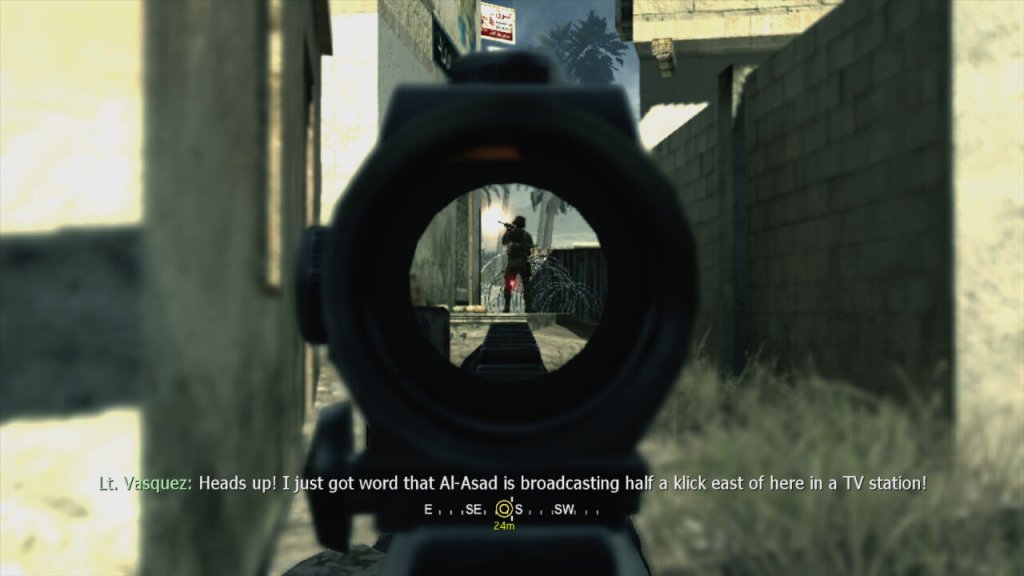
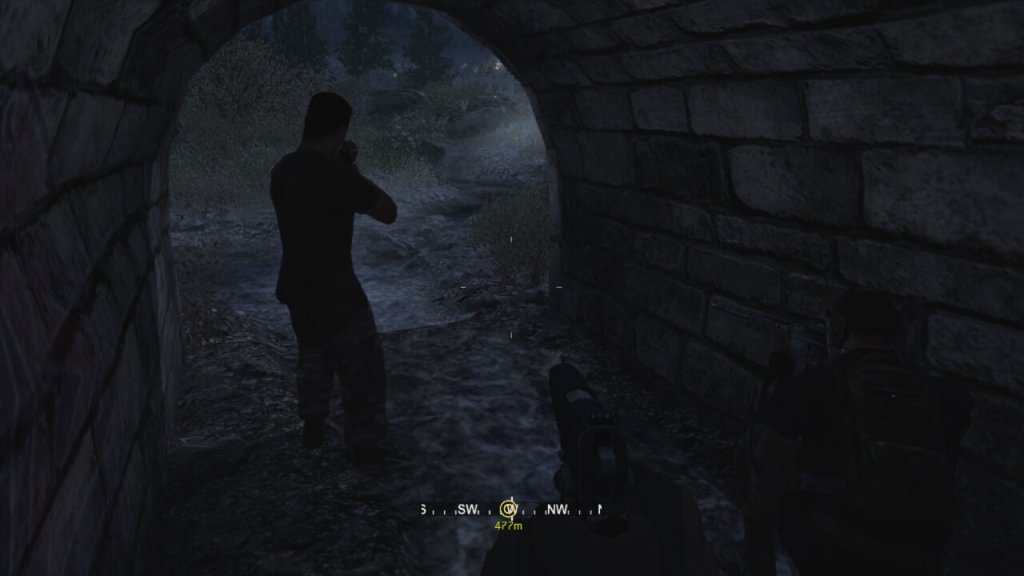
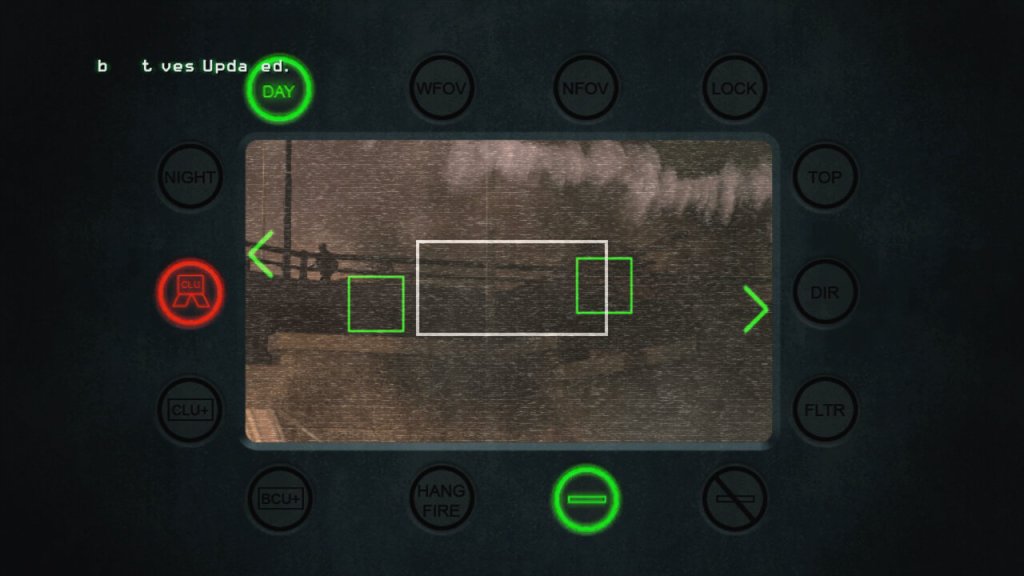
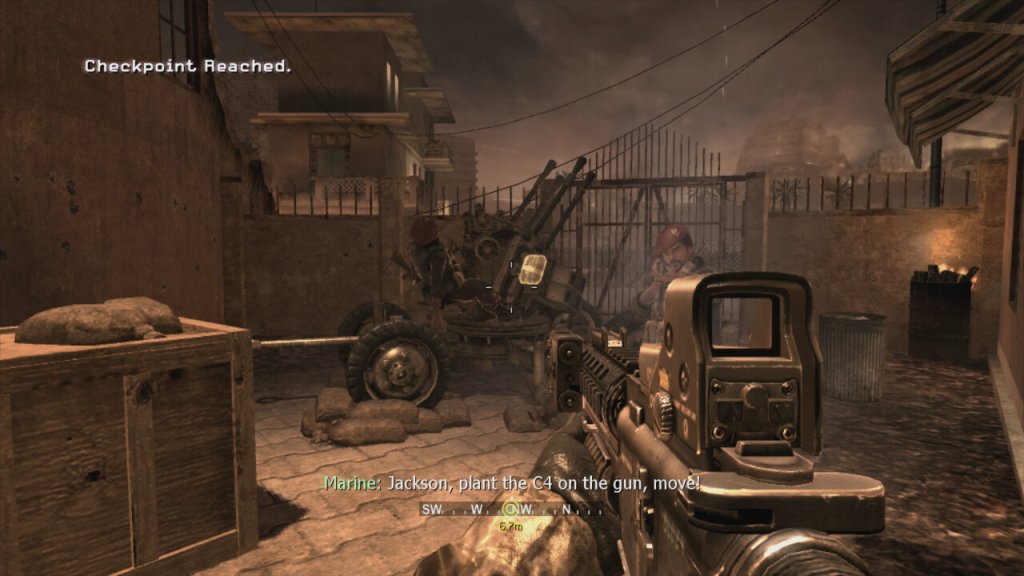
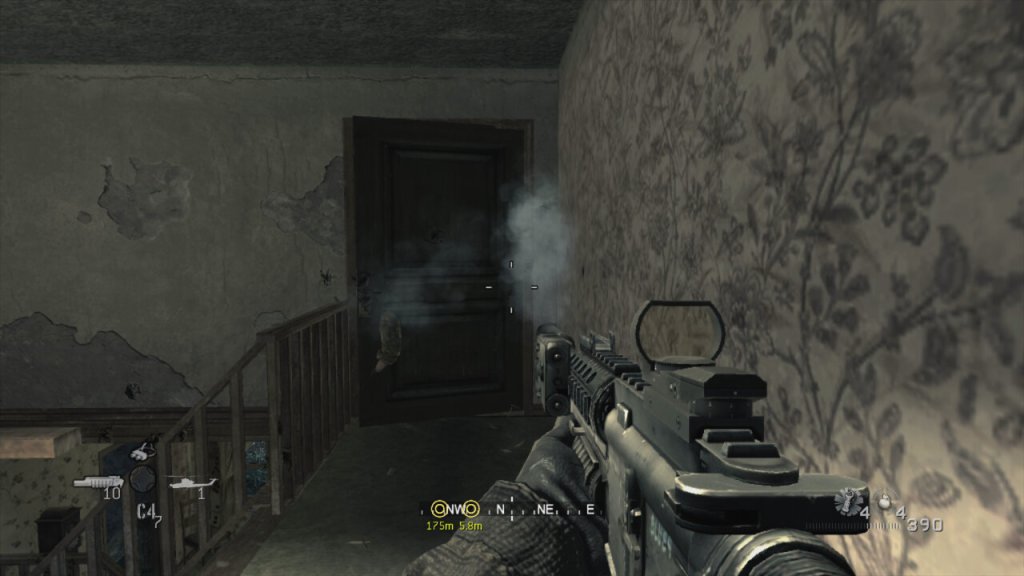
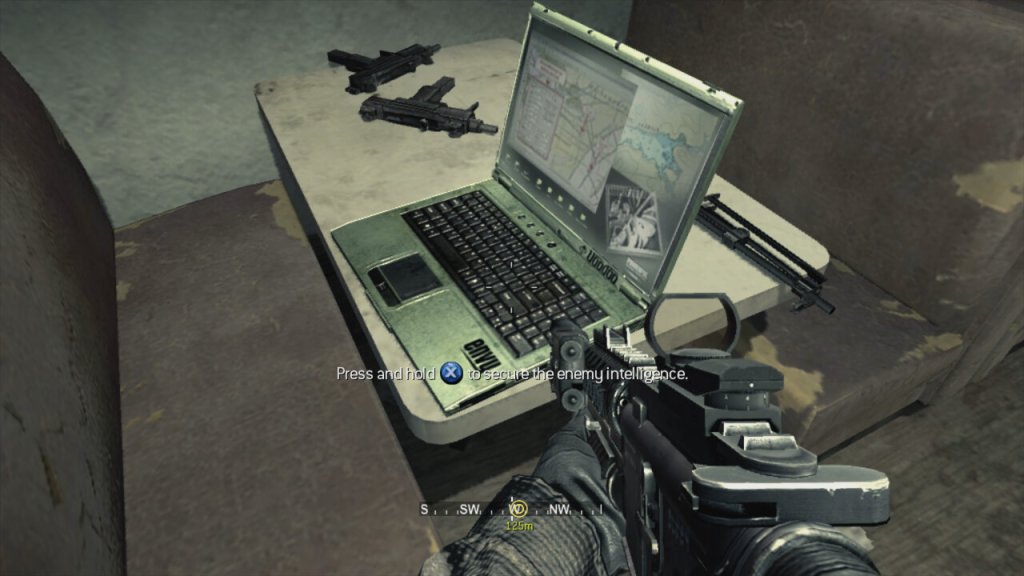
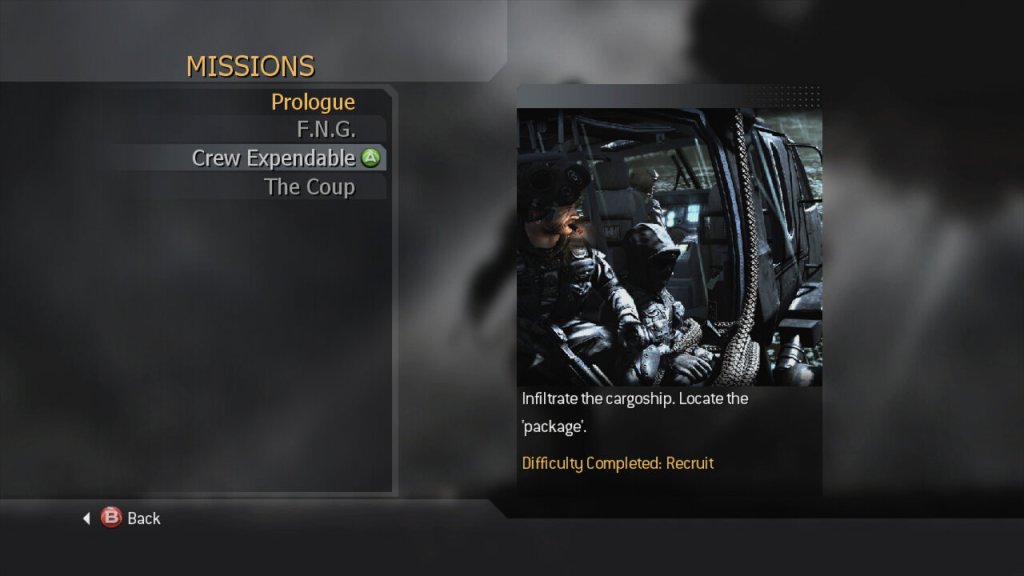
The game begins with the player assuming the role of Private Allen, undergoing training with the U.S. Marine Force Recon. This serves as a tutorial level and will instruct you on how to use your weapons and grenades, as well as tactical advice. The story quickly shifts to the Middle East, where U.S. forces, including the player’s character, are tasked with capturing or killing a terrorist leader. This mission goes awry when the terrorist leader, Khaled Al-Asad, executes the president of an unnamed Middle Eastern country on live television, inciting chaos. Here, the conflict escalates as both the SAS and the U.S. Marines engage in heavier combat. The narrative focus shifts towards locating and dealing with Al-Asad, while also hinting at a larger conspiracy involving nuclear weapons.

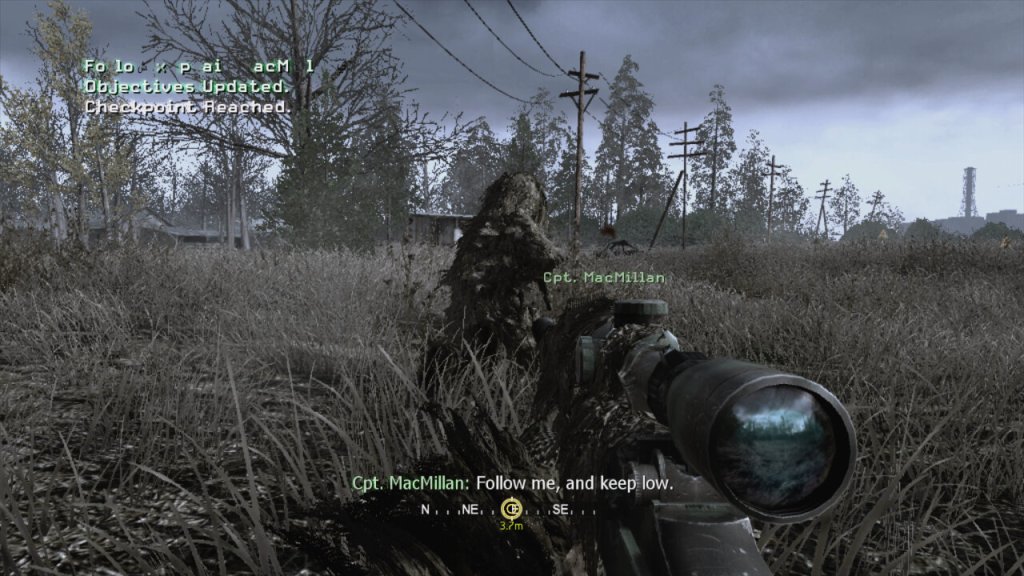
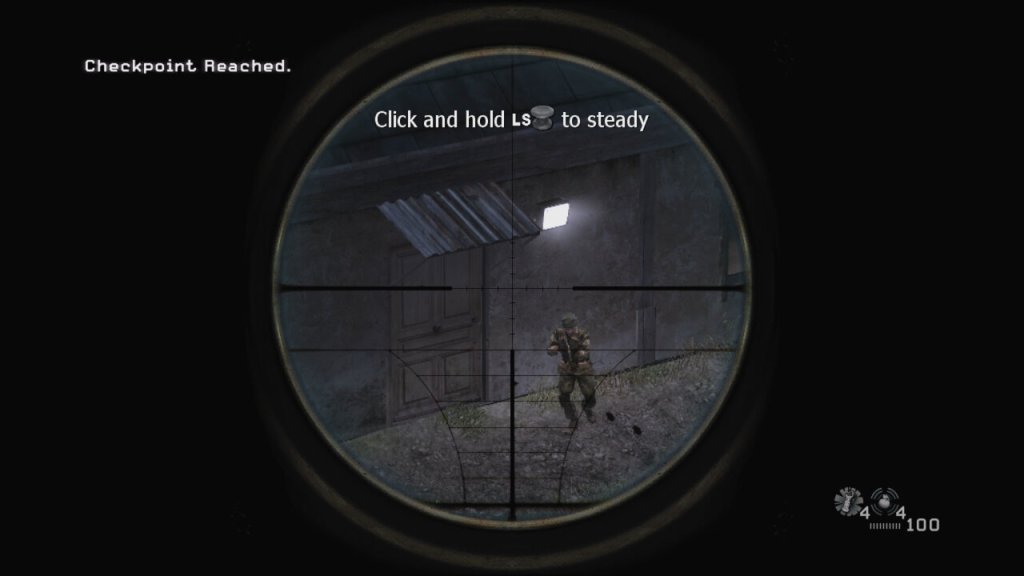
All Ghillied Up & One Shot, One Kill are pivotal missions flashback missions that explain the backstory of Captain Price with Imran Zakhaev, setting up the personal stakes for the characters involved. They are considered to the landmark missions in the Call Of Duty franchise due to their reliance on stealth mechanics, and the decisions the player has to make which will affect the outcome of the missions. Sometimes it’s easier to not take the shot, rather than to just sneak around the enemy and remain in stealth.
The later missions wrap up the game storyline, The SAS and Marines work together to thwart a nuclear threat. These missions include intense battles, the revelation of betrayal, and the pursuit of Zakhaev.

There is also an epilogue mission where you must rescue a VIP from a hijacked airplane. This mission is particularly challenging and not directly connected to the main storyline but serves as post campaign fun.

Political Themes

As a military focused game, Modern Warfare isn’t afraid to delve into several political themes, embedding them into tits narrative. The game begins with the coup in an unnamed Middle Eastern country, where a terrorist leader, Khaled Al-Asad, overthrows the government. This theme reflects real-world concerns about state stability in regions prone to radicalism. The use of a nuclear device by Al-Asad to prevent his capture mirrors fears of non-state actors or rogue states obtaining nuclear capabilities.
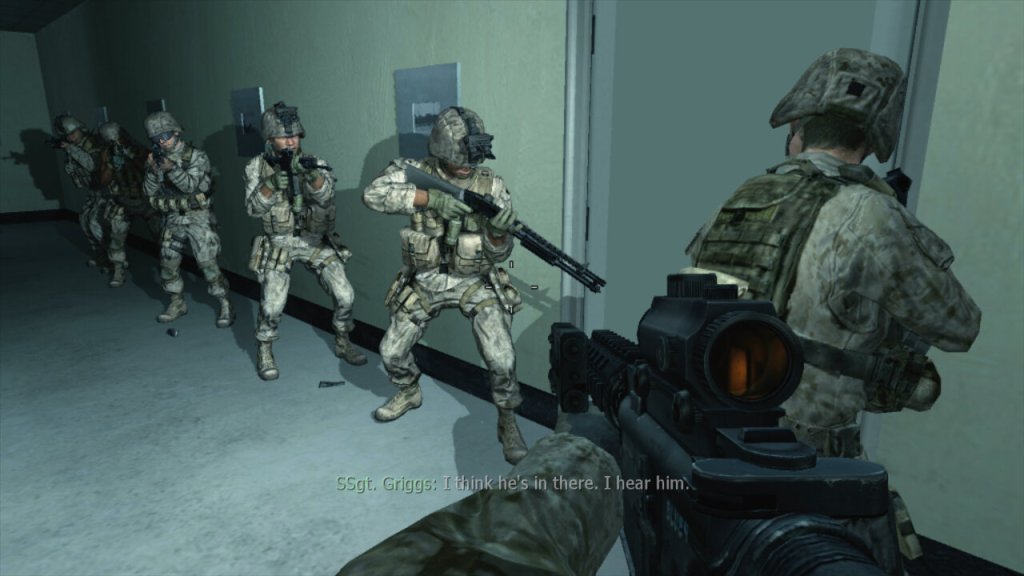
The game shows various Western forces, particularly American and British, intervening in Middle Eastern conflicts, which echoes real-world military engagements like the War on Terror. The collaboration between different nations’ special forces (e.g., U.S. Marine Force Recon, British SAS) highlights the theme of international military coalitions, reflecting NATO-like operations, these are detailed in the opening movies that play before the mission begins.

Ethical Dilemmas in Modern Warfare are also presented, The game occasionally presents scenarios where civilian casualties are a risk, exploring the moral impact on soldiers and the strategic considerations of warfare. In many missions you can fail by attacking innocent civilians, or by not reacting to events as quickly as possible. Decisions about when and how to engage enemies, especially in densely populated areas, touch on themes of proportionality in military action and the impact on civilian populations.
In terms of Globalization of Conflict, The game illustrates how modern warfare transcends borders, with characters and conflicts spanning multiple continents, reflecting a globalized world where threats are not confined by national boundaries, but also how there is a reliance on these different nations, due to production.

Lastly, While not directly discussed, the backdrop of the game, especially with its focus on terrorism and response, echoes the post-9/11 world where security measures often clash with individual liberties and international law.

Multiplayer

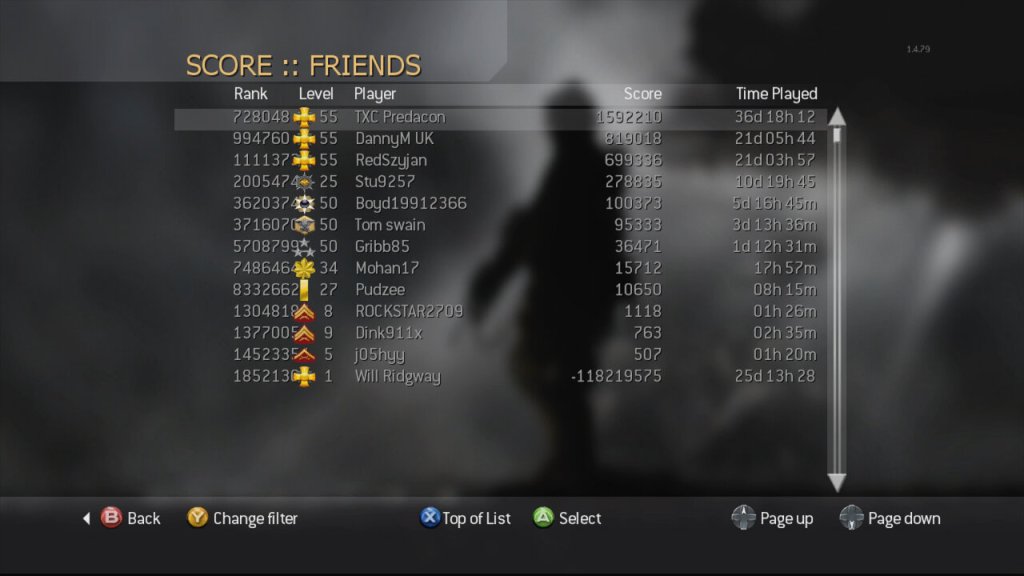
The game is very well known for its multiplayer mode, which became exceptionally popular, introducing perks, killstreaks, and a more dynamic gameplay experience with various maps set in modern contexts.
A few of the game modes consist of Team Deathmatch (TDM), Players are divided into two teams. The objective is to kill opponents, with each team’s score incrementing for each kill. The team with the most kills at the end of the match wins.

Search and Destroy (S&D) was possibly one of the most intense game modes. Players are divided into two teams of attackers and defenders. Attackers must plant a bomb at one of two bomb sites, while defenders must prevent the bomb from being planted or defuse it if it is. Each round is one life; if all players of one team die, the other team wins the round. The first team to win a set number of rounds wins the game.

Domination is where teams compete to capture and hold three objectives (A, B, C) scattered across the map. Holding zones gives the team points over time, and the team with the most points at the end wins. The strategic element involves capturing and defending zones while preventing the enemy from doing the same. If your familiar with the Domination game mode from Unreal Tournament, it’s pretty much the same gameplay.

Versions

Xbox 360: The most popular release of the game, and the one with the most active multiplayer population due to ongoing Xbox Live support, and the game being made compatible with the Xbox One and Series consoles. You still need to pay for Xbox Live Gold Gamepass.

PlayStation 3: Still has a respectable online population and is free to play online. Performance wise it does suffer from tearing and a few frame drops compared to the 360 version. It does lack trophy support since this was released before Sony had standardized Trophy support for PS3 games.

Microsoft Windows: This version is still sold online through Steam, along with its DLC. There are a few security issues with it’s online multiplayer, mainly with CVE exploits that can occur. Its not recommenced to play the multiplayer on Windows for this reason.

Mac OS X: Modern Warfare was ported to macOS shortly after the PC release, but was only made available for 32bit Intel Mac’s. Modern macOS version’s from Catalina onward are unable to play the game since they dropped support for 32bit Intel apps, and no 64bit release was made. You might be better off playing the Windows versions using Parrells instead.

Wii: This version is known as the Reflex Editon, and makes use of the console motion controls. It’s very scaled down graphically compared to the other console versions due to the limited processing power of the Wii but it still regarded as a faithful port.
There is no support for the Classic controller or the Gamecube controller, instead the game can only be played with the Wii remote and Num-chuk since it is reliant on motion control aiming. This will take some getting used to, but once you adjust the sensitivity settings to get the sweet spot, you will find it’s quite precise to aim and shoot.
Multiplayer was also supported but has since been shut down officially following the Gamespy shutdown of 2013 which saw many Nintendo Wii services discontinued.
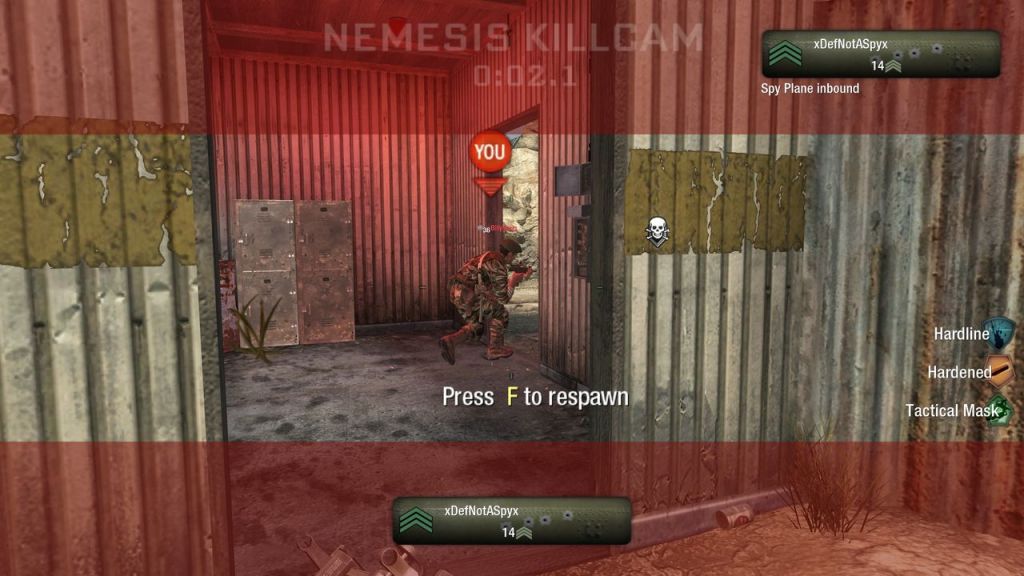
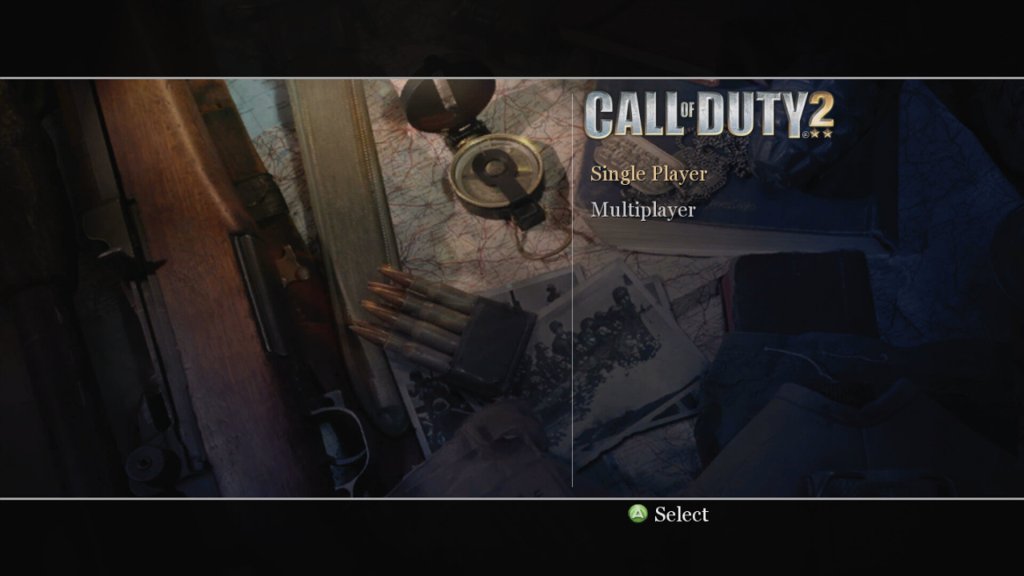
Call Of Duty 2

The second major installment, released in 2005 and a launch title for the Xbox 360. The game aims for a realistic portrayal of WWII combat, which includes historical accuracy in soldier uniforms, weapon models, and battle settings. Also not to forget the regenerating health. It’s the sequal to the original Call Of Duty and it’s console spinoffs.

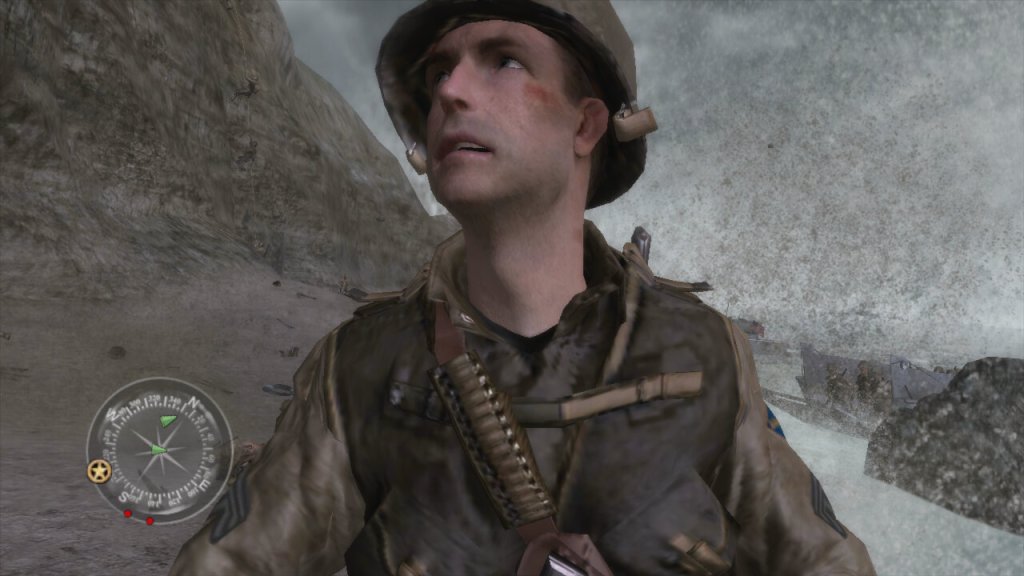
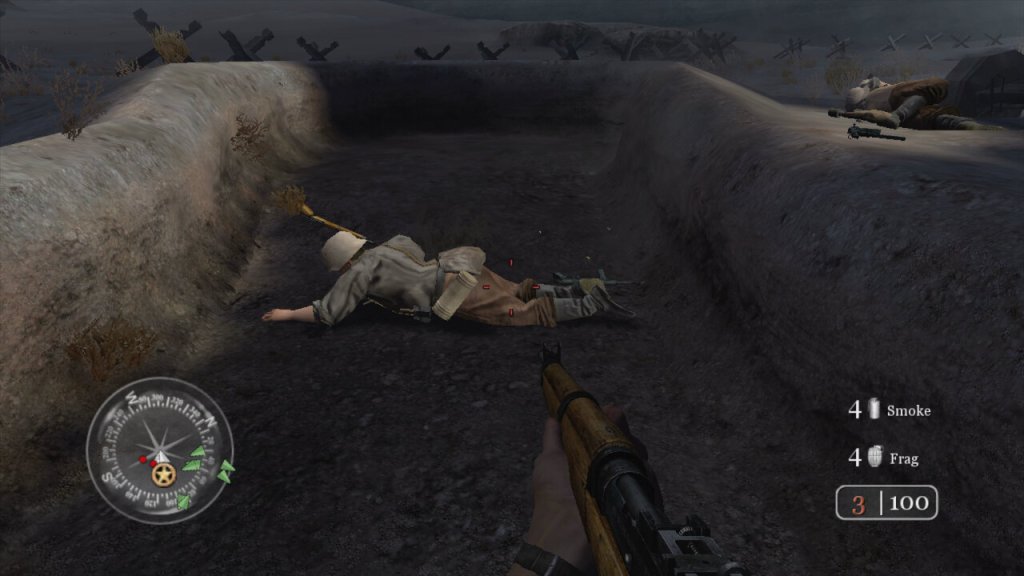
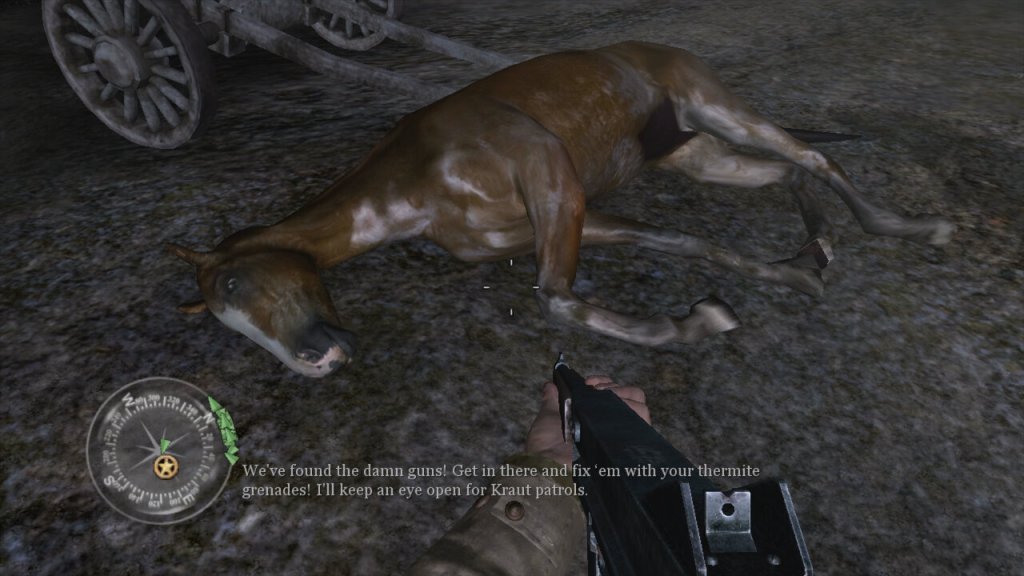
The story campaign is broken into three different arcs, with the narrative is told through the eyes of different soldiers from different nations (US, UK, USSR), giving a broad perspective on the war. Each mission is designed to feel immersive, with detailed environments, weather effects, and dynamic lighting, though the mission scripting can fail from time to time with some of the NPC characters getting stuck, preventing the mission from progressing. The game does autosave frequently to you can easily reload the last save when this occurs.
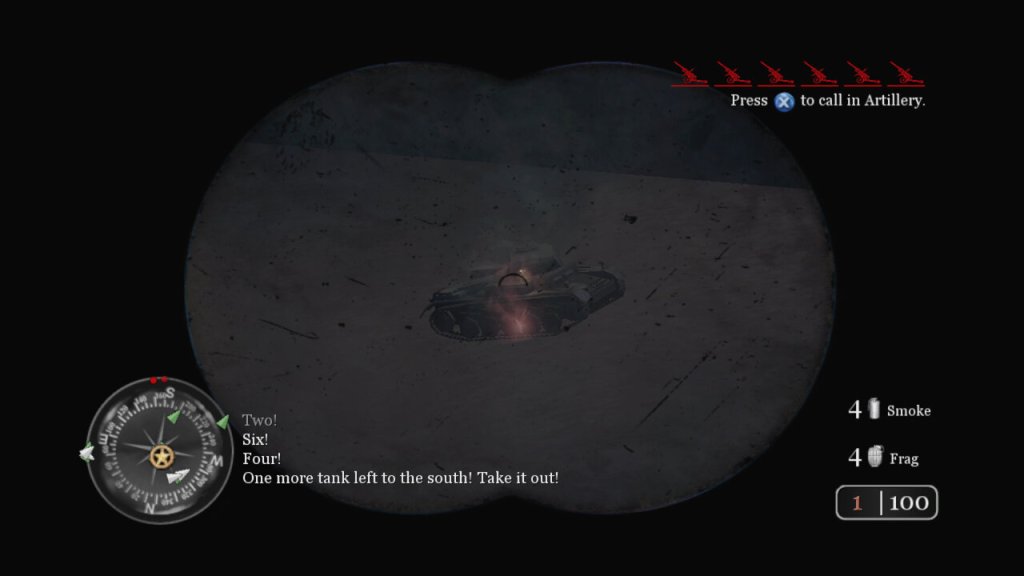
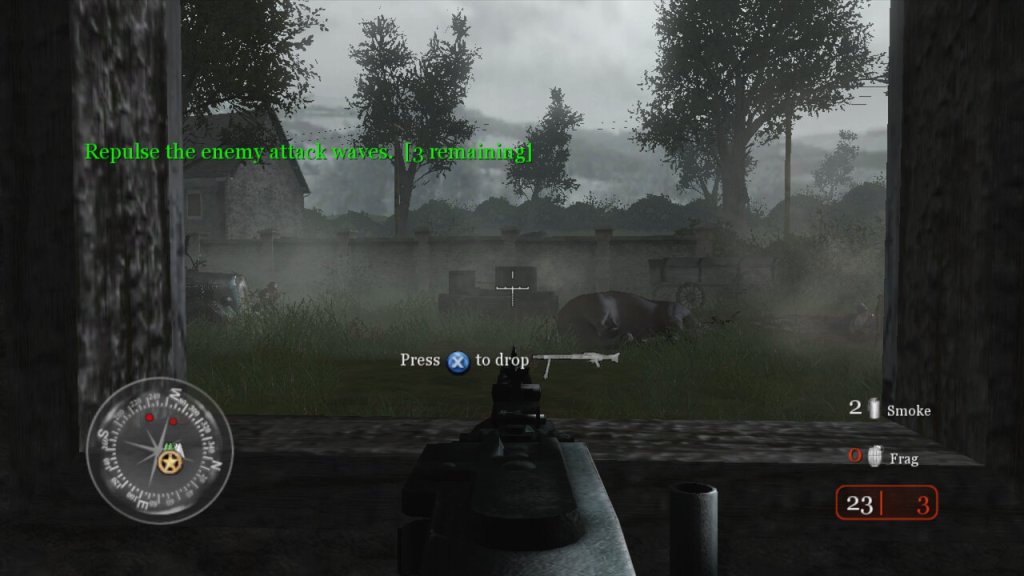
Missions are also pretty diverse, and sometimes you will be tasked to drive a tank through the fields, or use the mortar or snipers to take out distant enemies. Sometimes you will be tasked to hold out and wait for rescue to arrive. It’s a good way to break up the gameplay and to prevent the game from being monotomus.

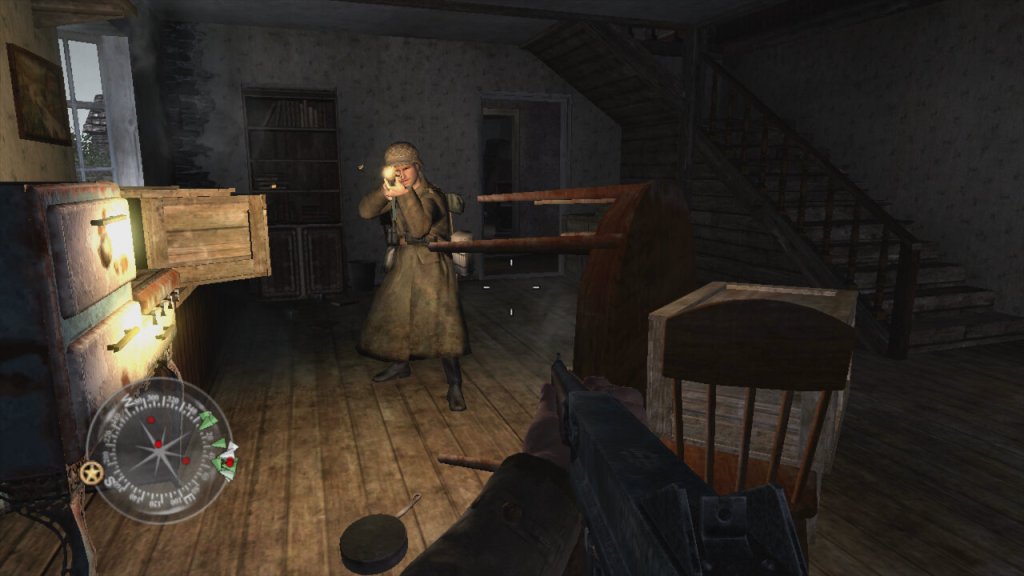
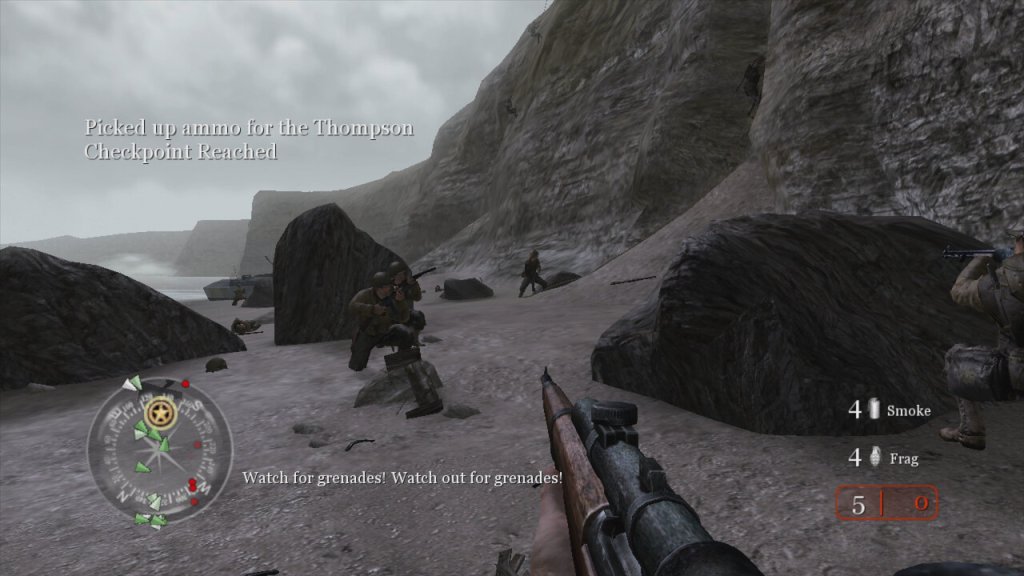
Players view the game from the perspective of their character, using a wide array of WWII-era weapons to engage enemies in combat. Each weapon has realistic firing rates, recoil, reload times, and damage models, influencing player strategy and engagement. Instead of health kits, the game features health regeneration where players recover health over time if they avoid taking damage instead of having to collect and use healing items. While not a traditional cover system, environmental interaction is crucial; players can use walls, doorways, and terrain for cover.

As a World War II game, it deals with historical political themes due to its setting, but it also introduces themes that can be interpreted in broader political contexts. The game presents World War II through the perspectives of soldiers from the USSR, USA, and UK, emphasizing the nationalistic pride each soldier might feel for their homeland. This is particularly evident in mission briefings and the portrayal of heroic acts by soldiers, which could be interpreted as promoting patriotic sentiments.


The game’s focus on combat glorifies military engagement to an extent, showcasing the technology, strategy, and heroism in battle. This can be seen as a form of militarism, where military power is celebrated as a means to resolve international conflicts. By depicting the Allied forces working together, Call of Duty 2 subtly touches upon the theme of international alliances, suggesting the necessity of cooperation against a common enemy, which mirrors real-world political alliances formed during WWII.
WWII is often referred to as “the good war” because of the clear moral lines between the Allies and the Axis powers. “Call of Duty 2” reinforces this narrative by rarely questioning the morality of the war itself, which can be interpreted as a political stance on the justification of warfare when facing extreme ideologies.

Activision beating a franchise to death

Platforms

Call OF Duty 2 Achievemetns


Xbox 360 – This was a launch title for the Xbox 360 and was one of the only console ports of the game, not being released for the PS2 or the original Xbox. It’s odd since sequel, Call Of Duty 3, was released for these ageing sixth generation consoles.
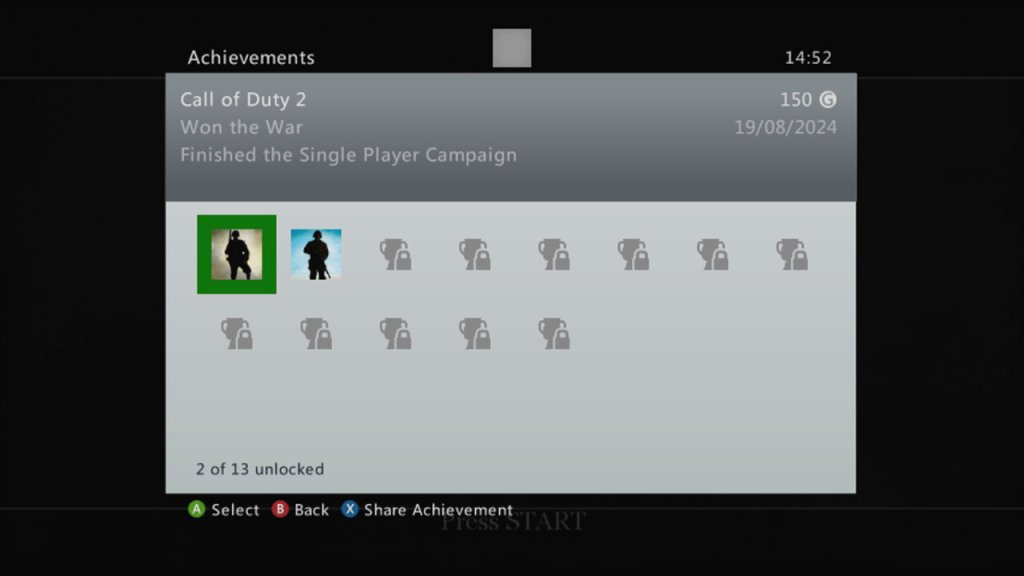
The 360 version is also supported for the Xbox One and Series consoles. Being an early 360 titles, there isnt much achievements, but you get 50G for comleting traning, and 150G for finishing the campaign.

Xbox Live

Microsoft Windows – Released on the PC at the same time as the 360, you can still purchase this on Steam. You can also play this online, though I’m not sure how safe this is due to modern exploits being possible through the game’s engine. The game does come with PunkBuster, but it’s no longer updated.
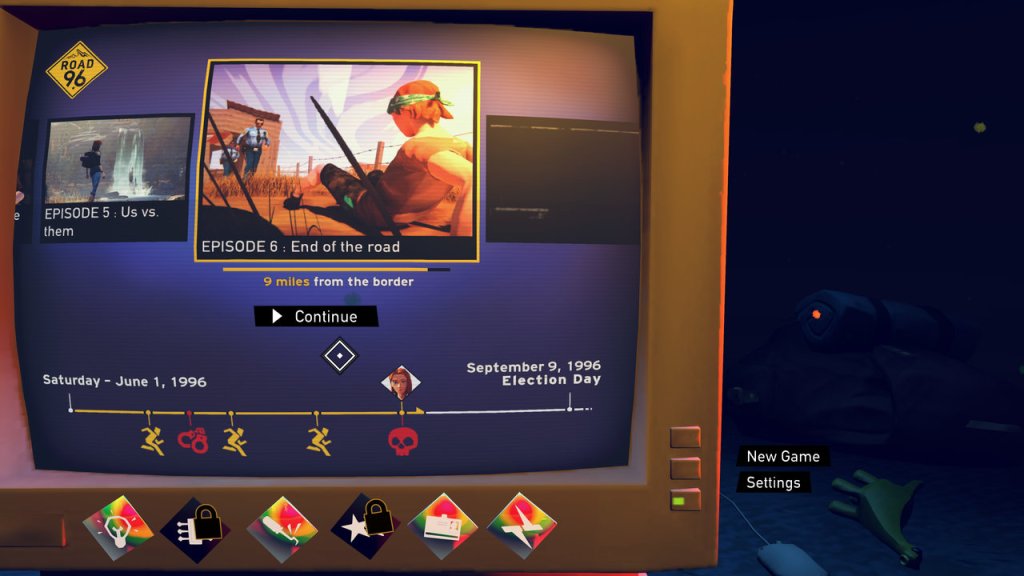
Mac OS X – the game was ported to Mac’s running both PowerPC and Intel processors, through it needs a beefy G5 processor for it to run correctly. The Mac Mini with it’s G4 and Radeon 9200 will struggle to run this game. This version of the game no longer runs on modern macs since it remins a 32bit applications, thje latest version to run is macOS Mojavie.

Obscure

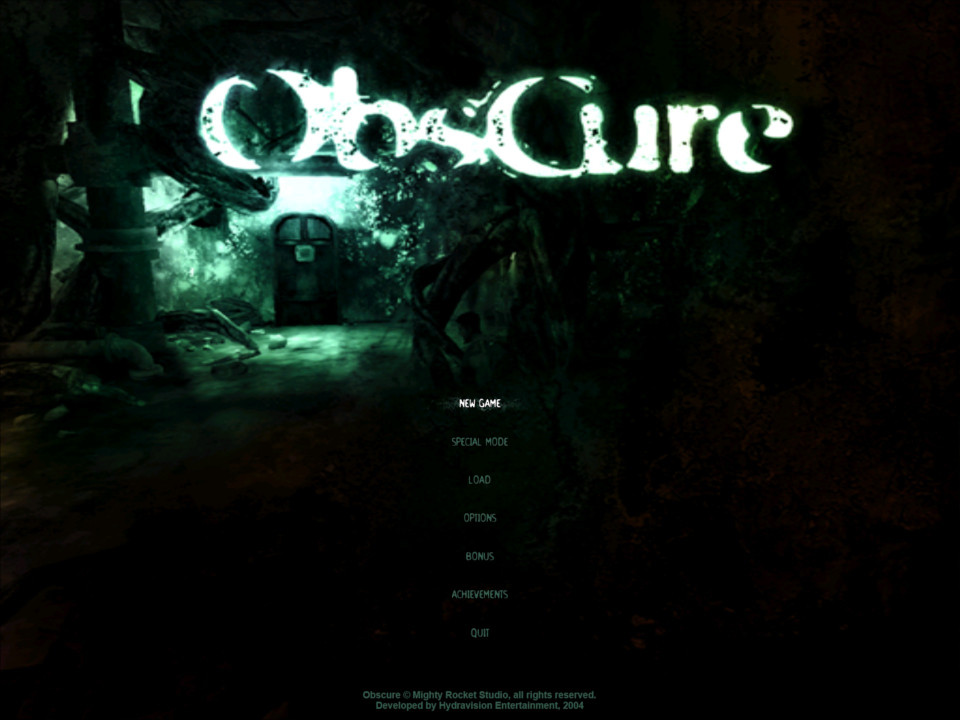
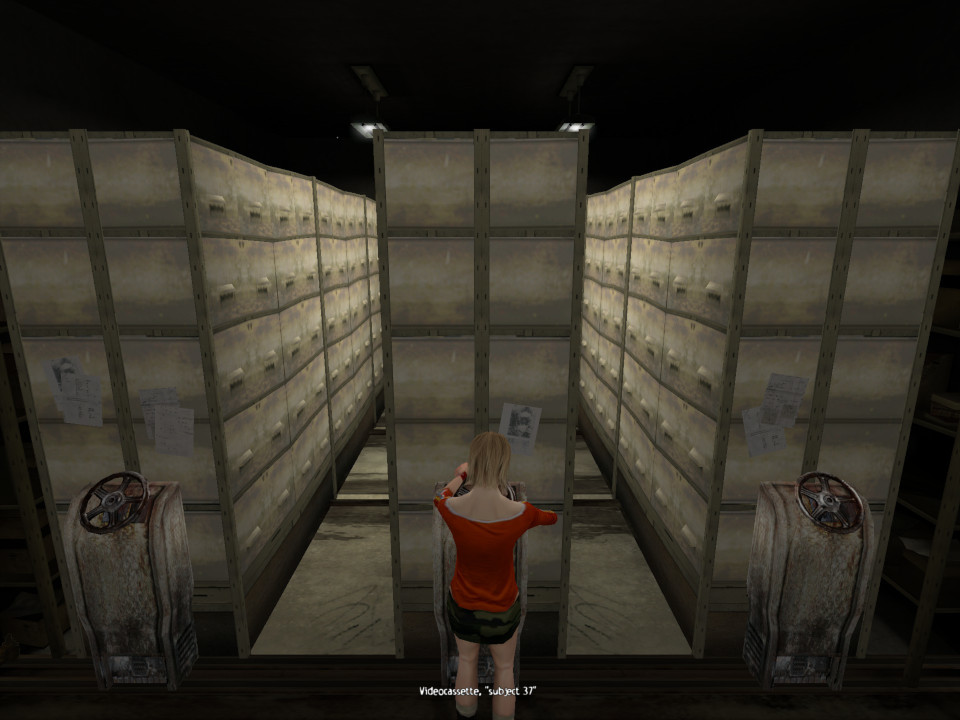
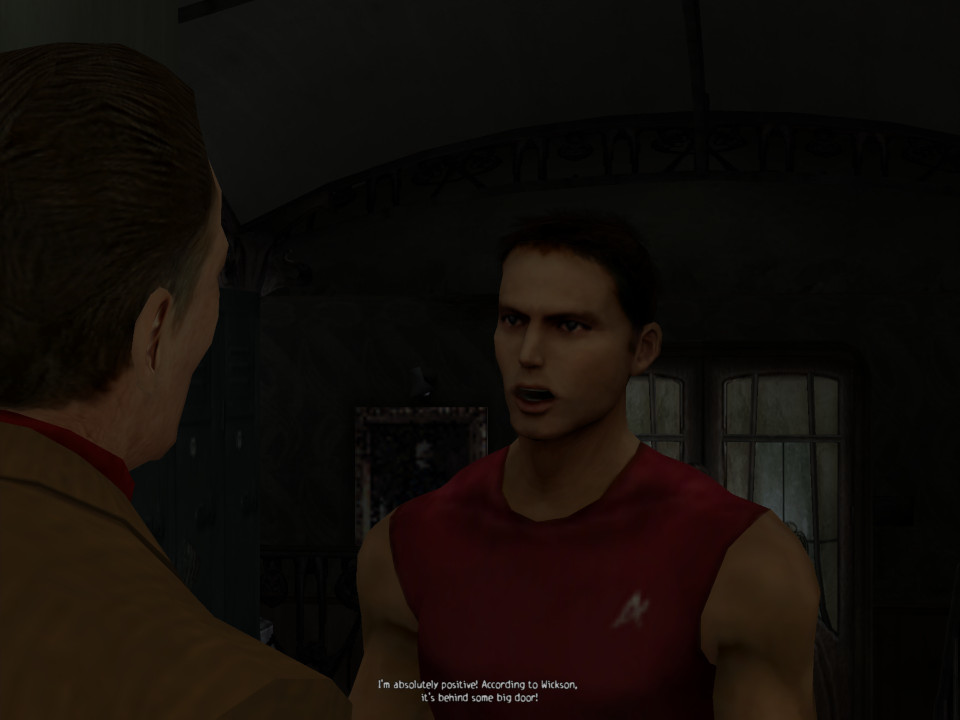
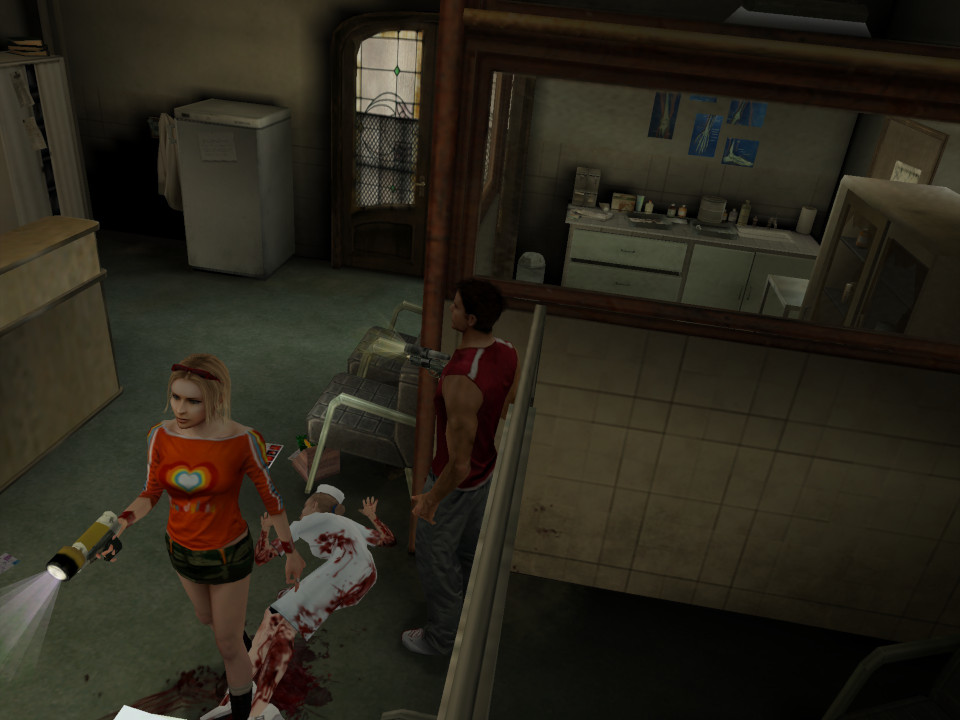
A horror game released in 2004, developed by Hydravision Entertainment. Set in a fictional high school where a bunch of students must uncover dark secrets of their school after one of their friends goes missing. It’s a survival horror game that features some co-operative elements.

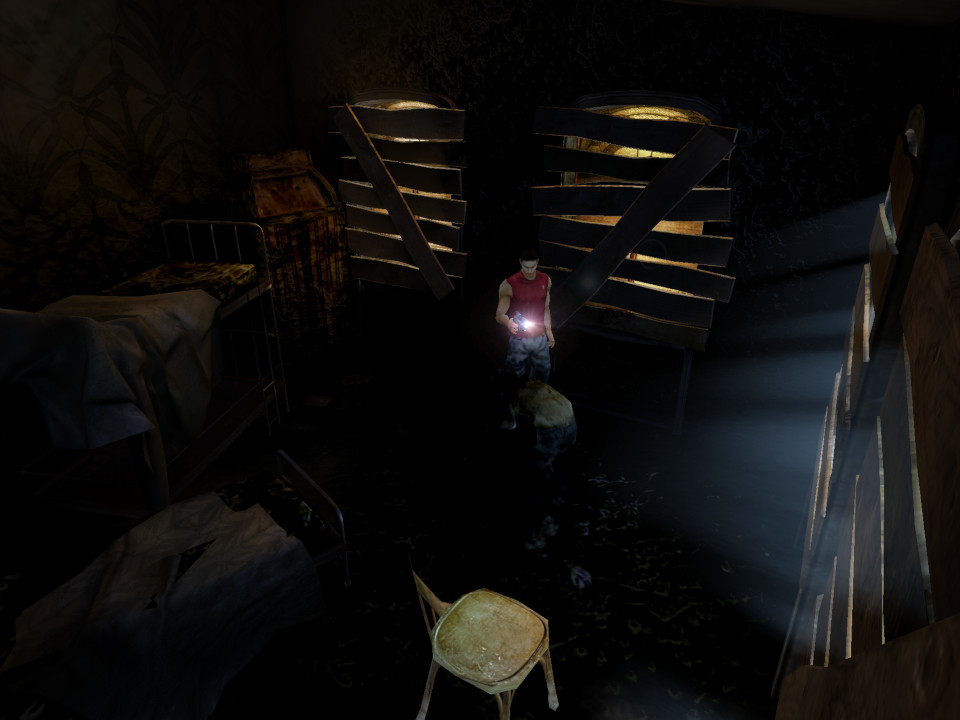
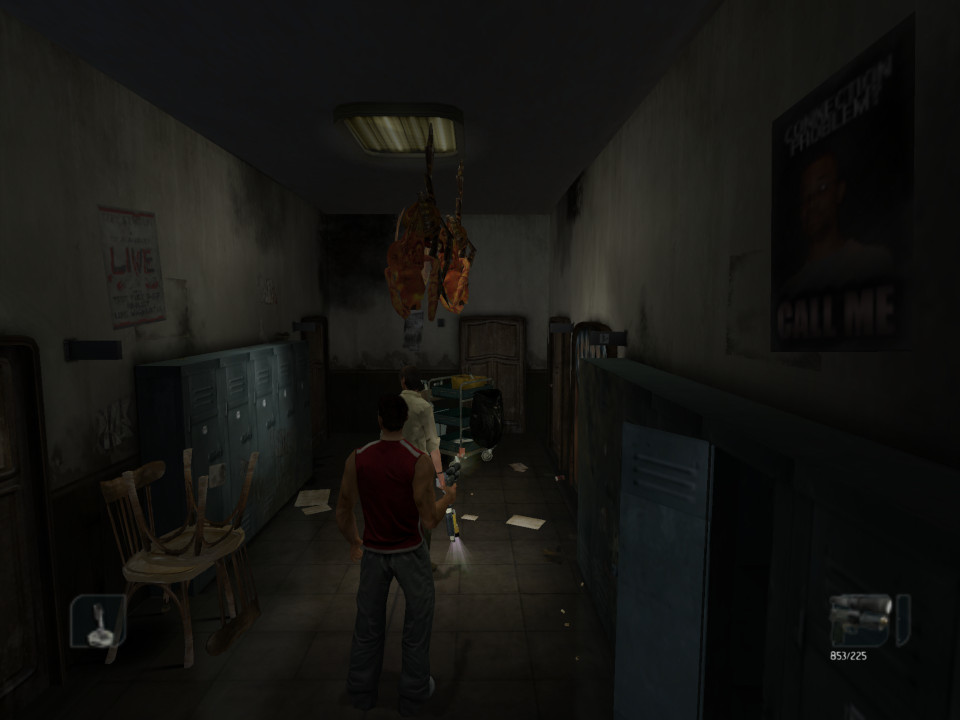
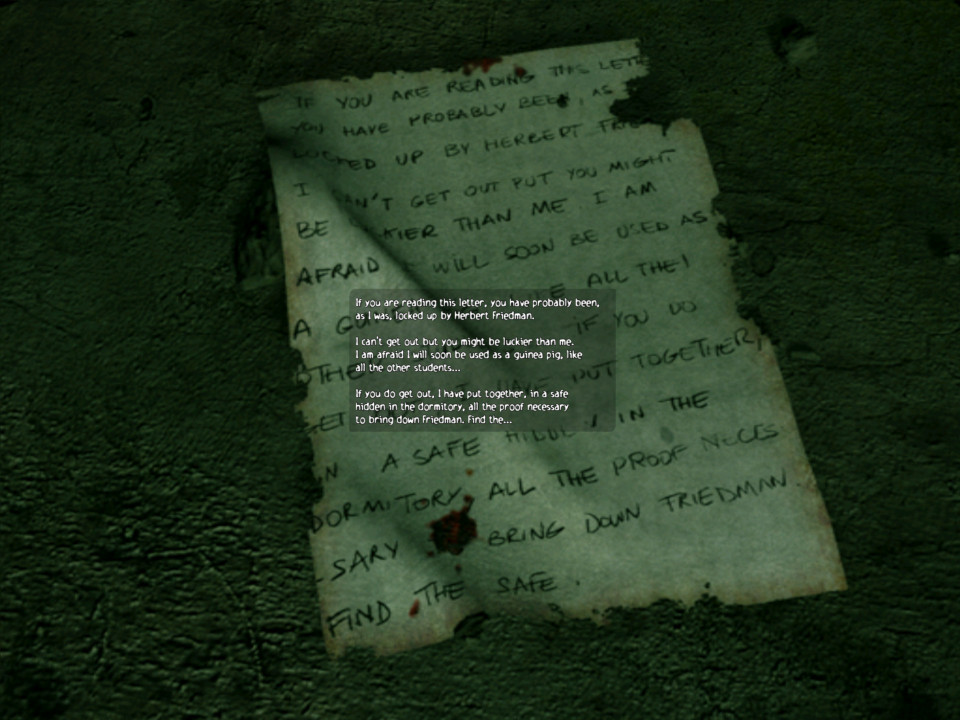
There’s a few puzzle’s that require you to acquire and use certain objects present around the school. Since the game starts after school is over, the earlier levels are set in the evening time and are a lot brighter, with it soon becoming night as the game progresses. As the enemies are sensitive to light, this makes the first few chapters easier since light will weaken them, proving you use a melee weapon to smash open the windows.

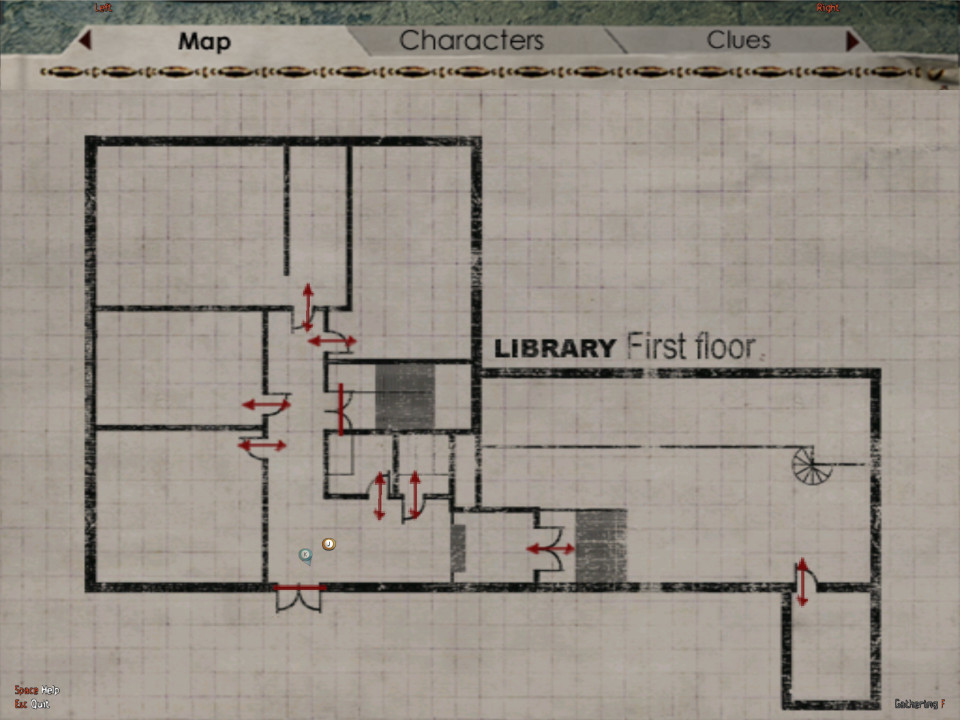
Whilst the game provides a map, there is no navigation or cursor to help assist you, meaning you must manually locate the objectives to progress the game. This can be frustrating as you will often need to backtrack through certain area’s and its easy to get lost or go around in circles. I would advise to seek a walkthrough if this is your first time playing the game.

The game uses a limited save system, you can only save the game when you collect a compact disc, of which they are limited depending on the difficulty level chosen.
Bullets in the game are also limited, so you must conserve your ammo when possible. The game gives you melee weapons at first which are useful for smaller enemies, and for breaking objects to get energy drinks (that restore a small amount of health), later you are given a pistol and a shotgun, along with more powerful enemies to deal with.
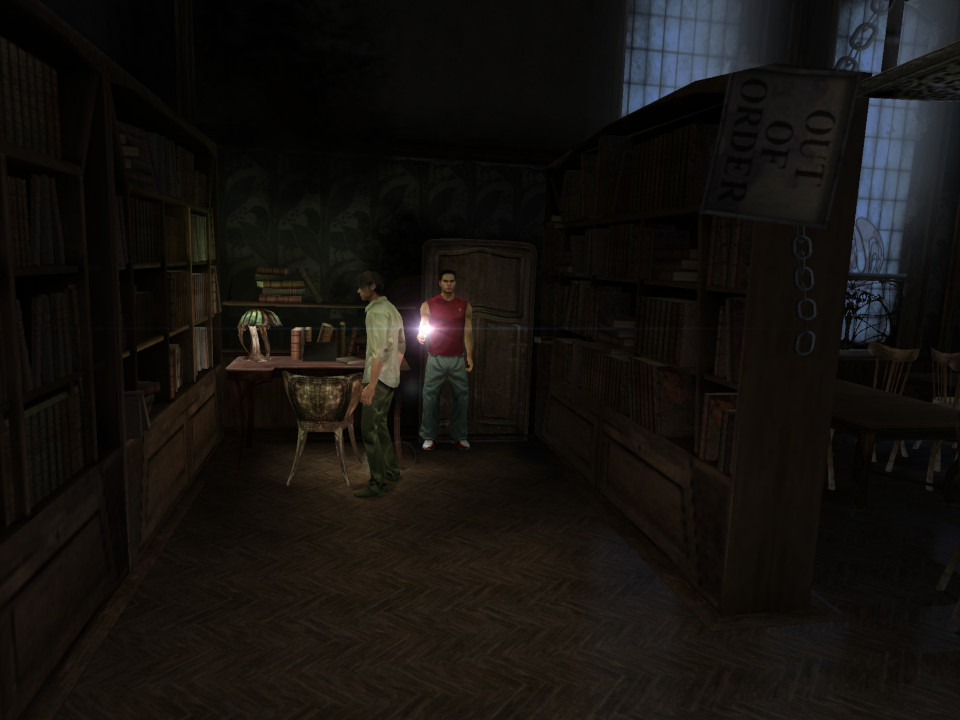
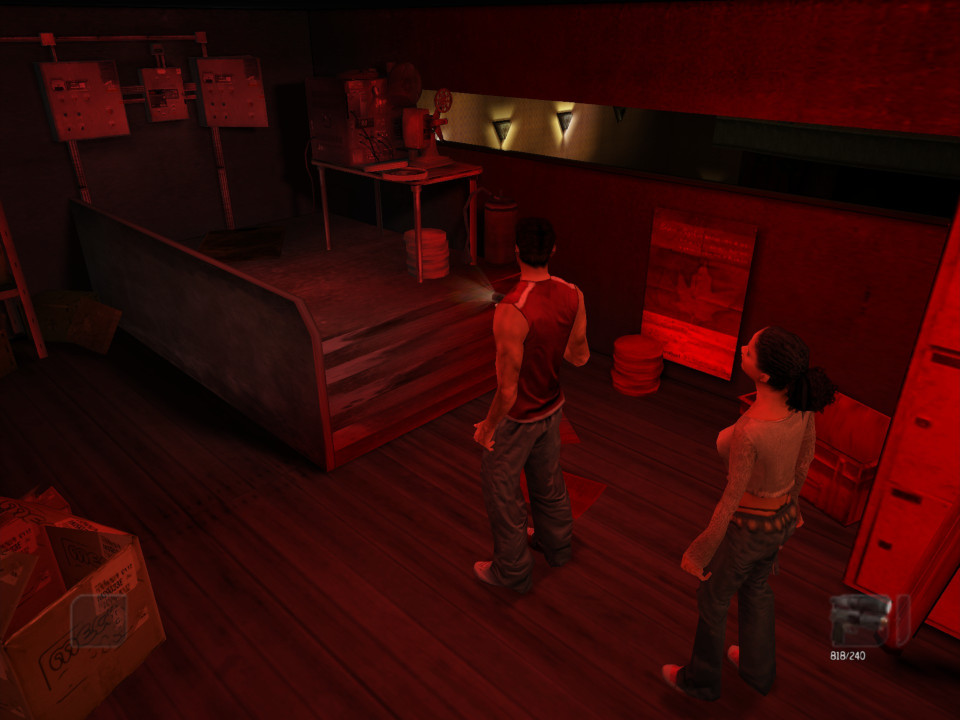
You can also pickup torches (flashlights) which can be combined with guns using tape to increase the visibility in darker areas, of which there are a lot. This is one of those games where you need to whack up the brightness of your TV to see.

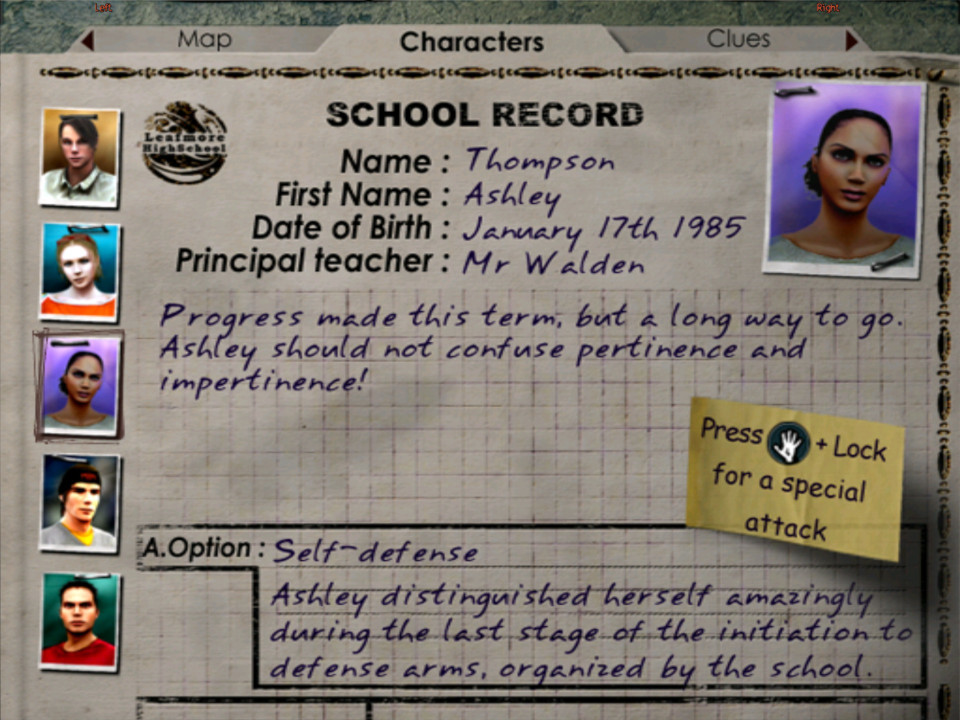
There are multiple characters in the game which you can switch between, each has a few perks exclusive to that character:
Kenny: Has the ability to run faster, might be more resistant to enemy attacks
Shannon: Kenny’s younger sister, The most useful for first time players since she will give hints on what or where we should be
Stanley: Picks locks more quicker, could be useful in enemy combat or speed running
Josh: A reporter for the school newspaper, Finds hidden items and clues to them
Ashley: Kenny’s girlfriend who a badass, she’s better when it comes to combat as she has a combo attack

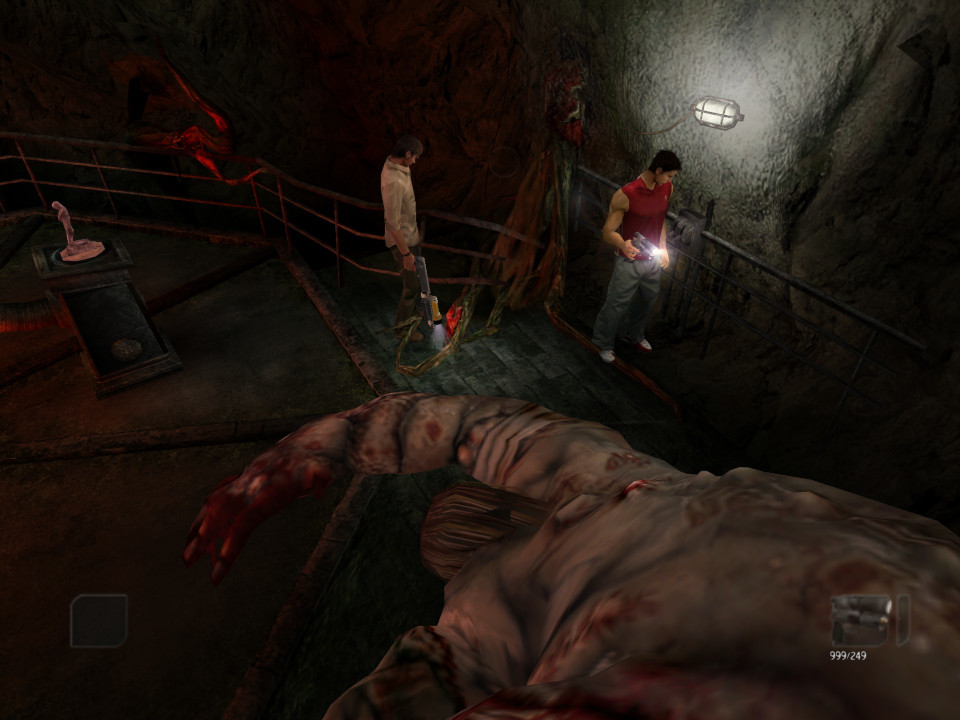
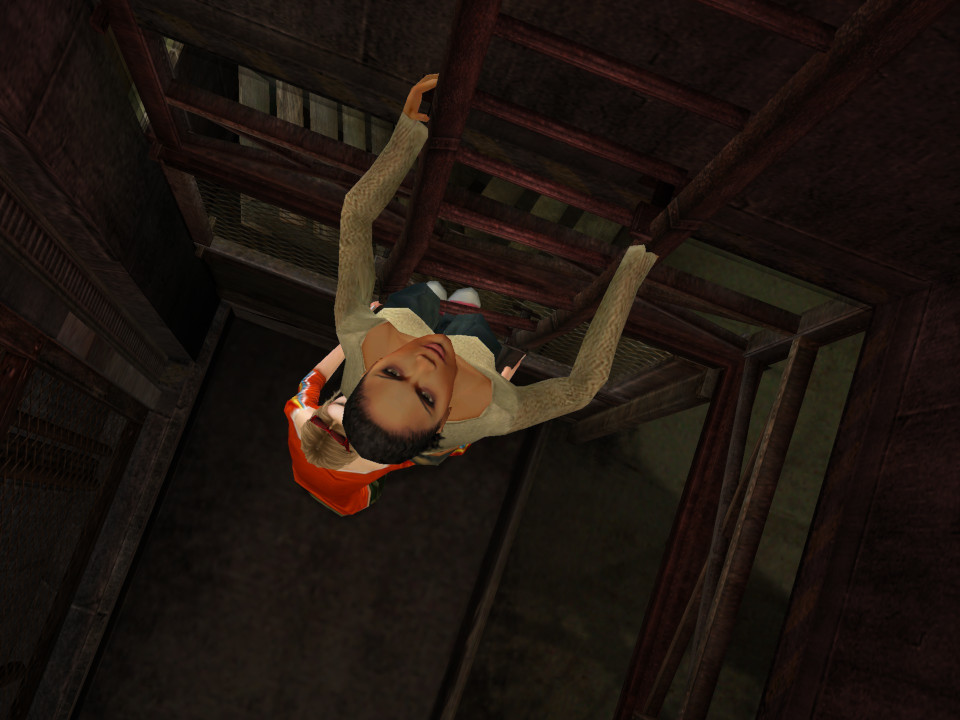
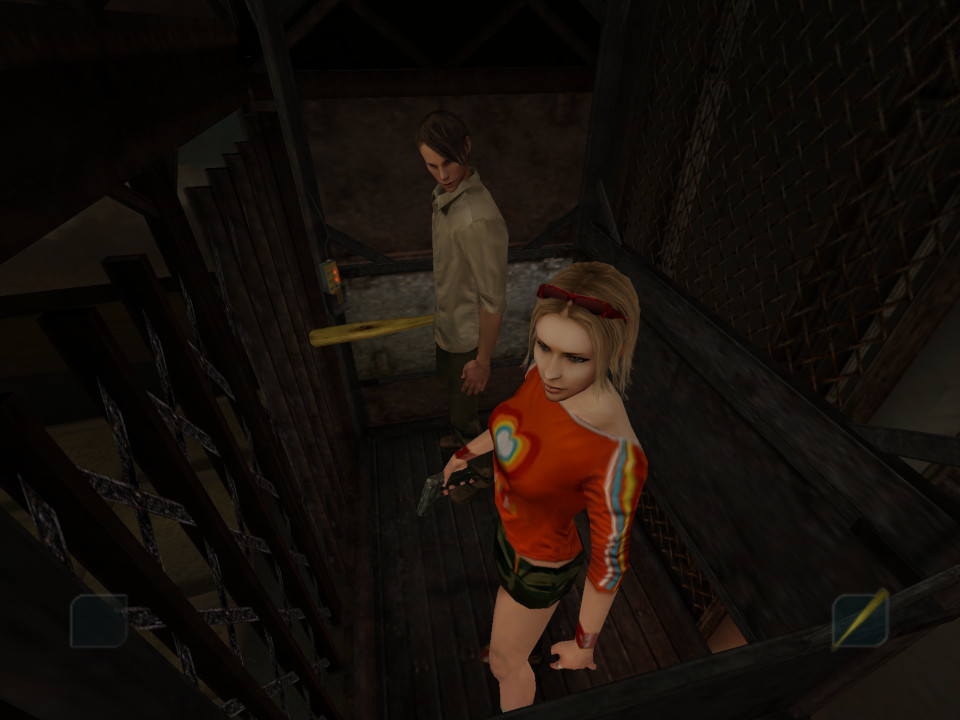
These characters will slowly be rolled out as you progress through the game, but be aware they can die as certain points if you run out of health or during cutscenes if you leave items in a certain way. Up to two characters can be active at a time, one that you controller with the other being controlled as an NPC, you can easily switch between the two but to swap out to the other character you must return to the meeting point. It’s sort of like Scooby-Doo where the gang will split into different groups, thought the other group will just stay at the meeting spot.
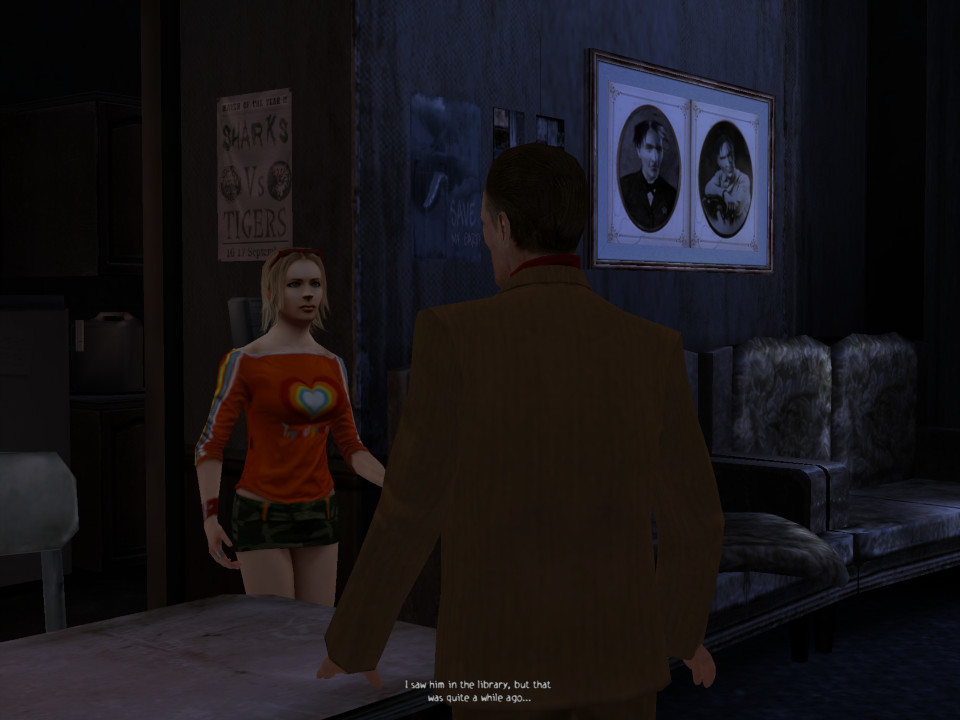
From time to time you will encounter some of the teachers within the cutscenes, who will detail what is going on with the school. Many cutscenes will take place in engine if it involves the students since they can have different costumes, scenes involving monsters or NPC’s will be prerendered.
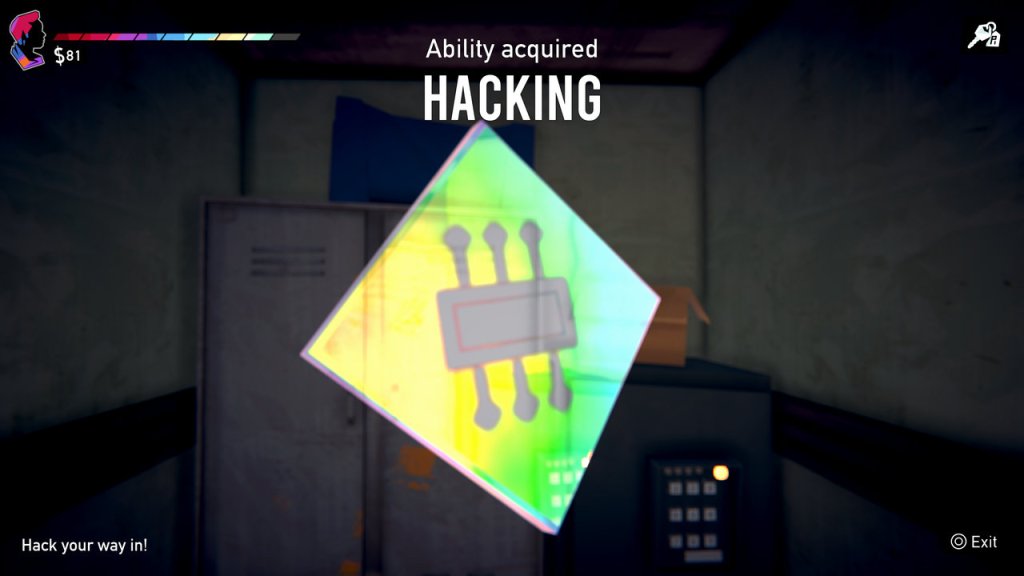
The game was released for the Original Xbox, PlayStation 2 and Windows in 2004, there’s no major difference between them with the Xbox having higher resolution textures compared to the PS2. The Windows version was later released on Steam with achievement support. The console version might have easier co-operative support since you can just plug in a second controller, but they do not appear to be compatible with their successor consoles.
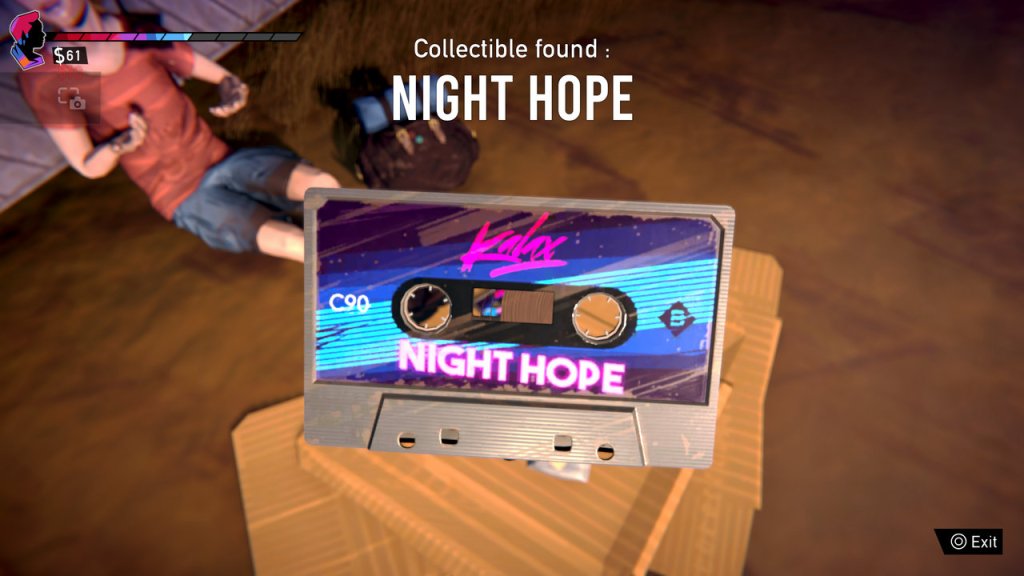
The original release of the game comes with a few extra’s such as a Sum41 music video, and New Game+ being unlocked along with some concept art. There is also some behind the scenes footage which shows the game’s development. Sadly it was never made compatible with the modern consoles, so you will need an original PS2 or Xbox (or an emulator) to play.

Inversion

Inversion, released in 2012 for multiple platforms, aimed to offer a unique twist on the shooter genre with its gravity-manipulating mechanics and a focus on destructible environments. Developed by Saber Interactive and published by Namco Bandai Games, it generated some initial buzz due to its innovative concept.

It’s best thought about as a Gear of War clone with gravity gameplay mechanics.

The story of Inversion centers around the protagonist, Davis Russel, and his quest to rescue his missing daughter in a world invaded by an alien force known as the Lutadores. Set in the fictional city of Vanguard, the game explores the aftermath of a catastrophic event called the Inversion, where gravity has been altered, leading to widespread destruction and chaos. Davis Russel, a police officer, and his partner Leo Delgado find themselves separated from their families when the Inversion occurs. As Davis navigates through the decimated city, he discovers that the Lutadores are using their advanced technology to control gravity and oppress humanity. Davis encounters an underground resistance group called the Resistance 33, led by a man named Dr. Raymond Gonzales, who holds knowledge about the Lutadores and their motives.

Throughout the game, Davis embarks on a journey to find his daughter and unravel the mystery behind the Inversion. Along the way, he confronts various Lutadores forces, including powerful bosses and their minions. Davis gains access to a gravity-manipulating weapon known as the Gravlink, which allows him to manipulate gravity, alter the environment, and combat enemies. As the story progresses, Davis discovers the Lutadores’ true intentions and their connection to his missing daughter. The narrative explores themes of family, sacrifice, and the fight against oppression. Davis must overcome personal challenges and make difficult choices to save his daughter and liberate humanity from the grip of the Lutadores.

Inversion’s core gameplay mechanic revolves around manipulating gravity to alter the environment and combat situations. While the concept was intriguing, the execution left much to be desired. The gravity manipulation abilities lacked fluidity and precision, making it challenging to execute actions with the desired accuracy. The controls felt clunky and imprecise, hindering the overall enjoyment and responsiveness of the gameplay.
Inversion features numerous combat encounters throughout the game. However, the combat lacked depth and strategy, resulting in repetitive and monotonous gameplay. The enemy AI is often predictable, and the lack of varied enemy types and tactics diminished the challenge. Additionally, the AI of allied characters proved to be lackluster, failing to provide meaningful assistance or engage players in cooperative gameplay elements.

One of the touted features of Inversion was its destructible environments. Players could use gravity manipulation to collapse structures and create cover. While this added a layer of dynamism to the gameplay, the destructibility felt scripted and limited, lacking the freedom and interactivity seen in other games with similar mechanics. The impact of environmental destruction on gameplay and strategy was not fully explored, resulting in missed opportunities to enhance the overall experience. In most cases, you will use the gravity mechanics to clear debris so you can progress to the next area and that’s about it.

They really could of added secret areas to the levels that could have been uncovered using gravity that would reward you with additional ammo or collectibles that could flash out the backstory. Again very similar to Gears Of War but it adds a lot more depth to the game itself.

Versions

Like most seventh-generation games, it was released on the HD twins (Xbox 360 and PS3) and on the PC (Windows). Nowadays it’s difficult to obtain this game digitally, meaning physical copies are the only feasible way.

Windows

This version was available on Steam, but has since been delisted for users outside North America. I had issues running the game on Windows 10 & 11, with the game refusing to launch. Only way to play the game was to use an older Windows 8 machine. There are supposedly fixes available online but unfortunately I was unable to get them to work.

Also announcing is the lack of Stream achievements despite this game being released in 2012, many Steam games were supporting achievements by then.

Xbox 360

The preferred console platform, but sadly this is not compatible with the Xbox One.

PlayStation 3

Pretty much the same as the 360 version but suffers from a lower frame rate.