Tag Archives: PlayStation

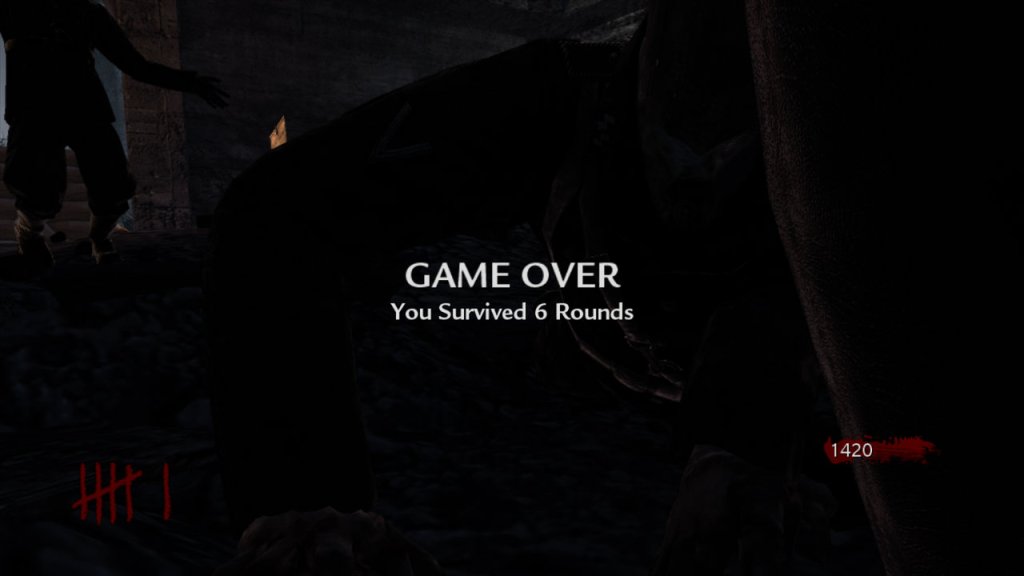
Call Of Duty – World At War

A first person shooter released as a followup to Modern Warfare (Call Of Duty 4), here we return to history. World at War hits different in comparison to the previous titles in the series, taking on a more gritty undertone with the games campaign, which can carry over to it’s multiplayer maps.
The game is set during World War II, depicting intense battles such as Peleliu, Okinawa, Stalingrado, and Berlin. It emphasizes the gritty and brutal nature of the conflict, including unique enemies like Kamikaze fighters and Banzai chargers. The single-player campaign is split into two perspectives. The American campaign follows US Marine Raider Private C. Miller in the Pacific Theater, covering battles like Makin Atoll, Peleliu, and Okinawa. A mission featuring US Navy Petty Officer Locke as a gunner during Okinawa is also include. The Soviet Campiagn centers on Soviet soldier Private Dimitri Petrenko, alongside Sergeant Viktor Reznov, from Stalingrado to the Battle of Berlin, culminating in planting the Soviet flag on the Reichstag.
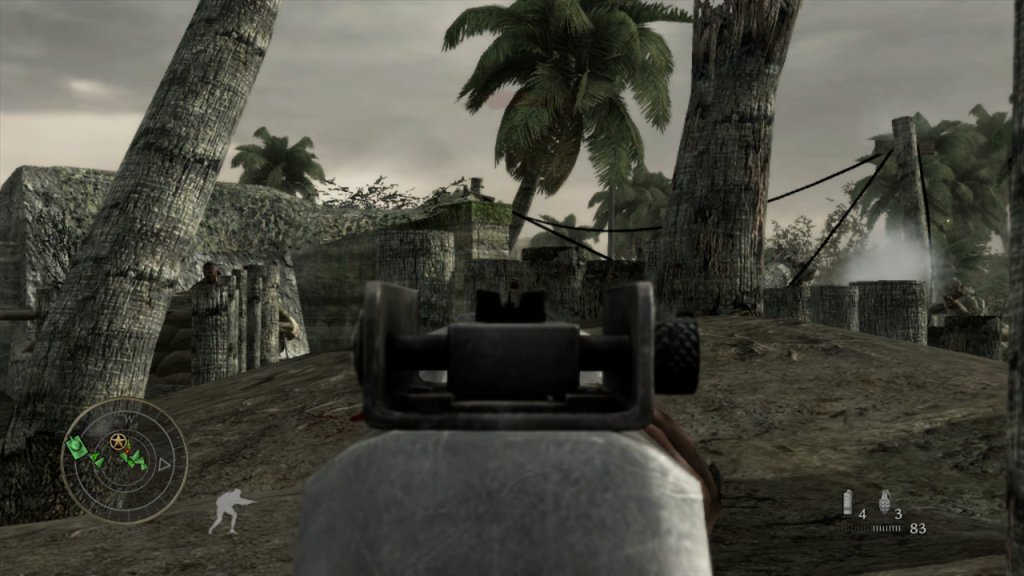
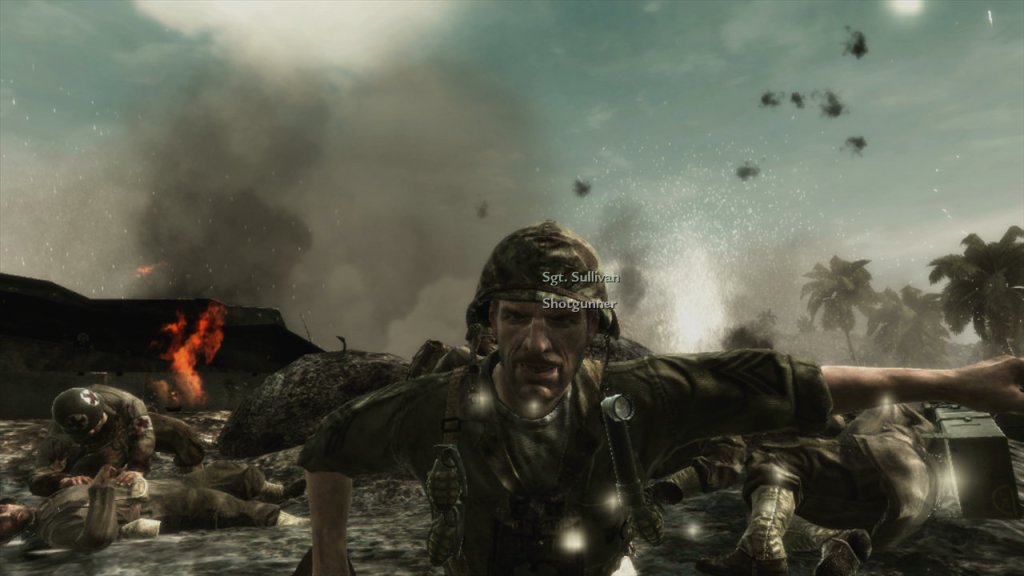
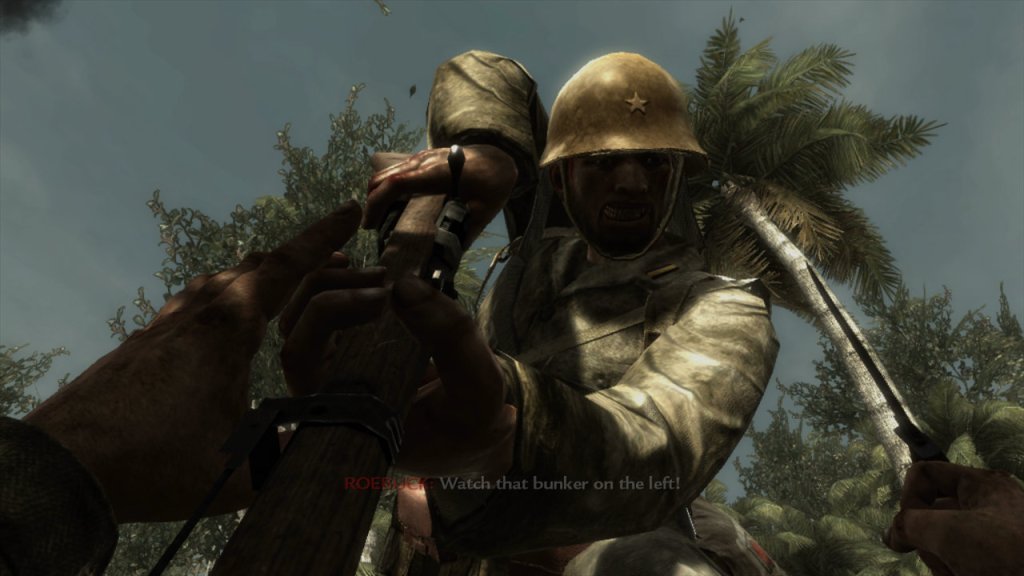
The game’s campaign touches on a few political elements, specifically with patriotism and Nation Duty. While not overt, the game subtly critiques the dehumanizing nature of war through its graphic violence and grim tone, showing the cost of militaristic ideologies. The campaign doesn’t shy away from war’s horrors—flamethrowers burn enemies alive, civilians are caught in crossfire (e.g., “Vendetta”), and missions like “Eviction” depict urban devastation. This contrasts with the patriotic heroism, suggesting war’s toll on all sides, though it’s less critical of Allied actions. The game’s mature rating and gritty aesthetic (dismemberment, blood effects) aim to portray WWII’s brutality authentically, unlike earlier, sanitized WWII games. However, it stops short of questioning the Allies’ moral framework, focusing on Axis aggression.
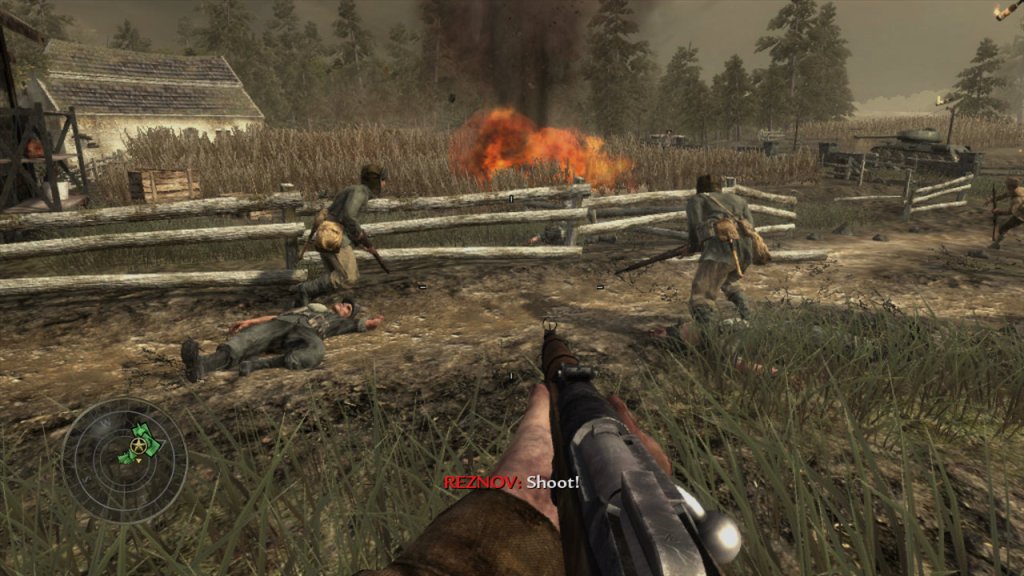
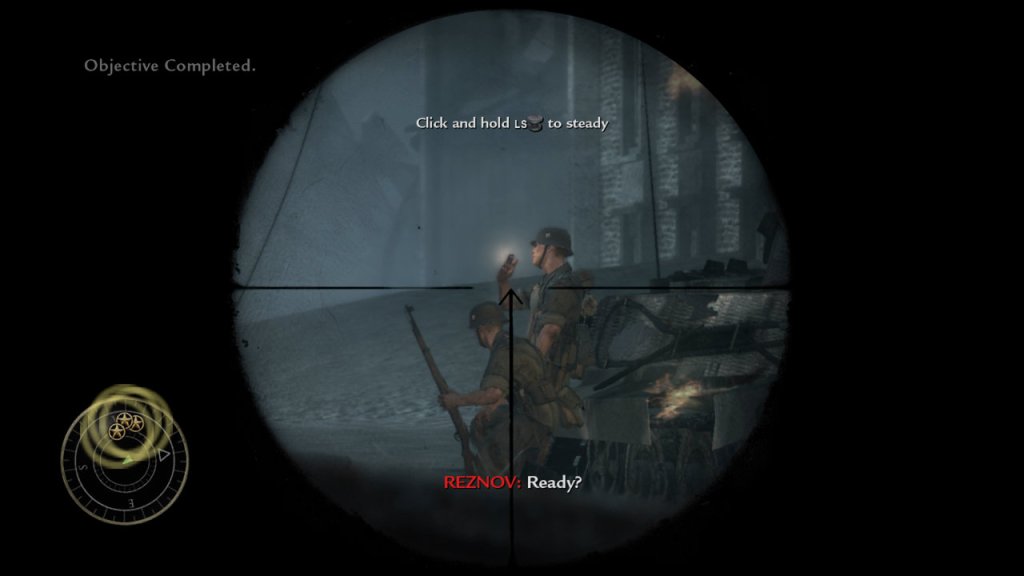
The game reflects WWII’s propaganda-driven narratives, with each side’s campaign reinforcing their ideological stance—American democracy vs. Japanese imperialism, Soviet communism vs. Nazi fascism. Soviet missions use rhetoric like “For the Motherland!” to evoke communist unity, while American missions emphasize liberating the Pacific. The game doesn’t explore internal political tensions (e.g., Soviet purges, U.S. segregation) but mirrors wartime propaganda’s black-and-white framing. This reflects how WWII media shaped public perception, with clear heroes and villains. The game’s Zombies mode, while fictional, uses Nazi zombies as a shorthand for evil, reinforcing this narrative.
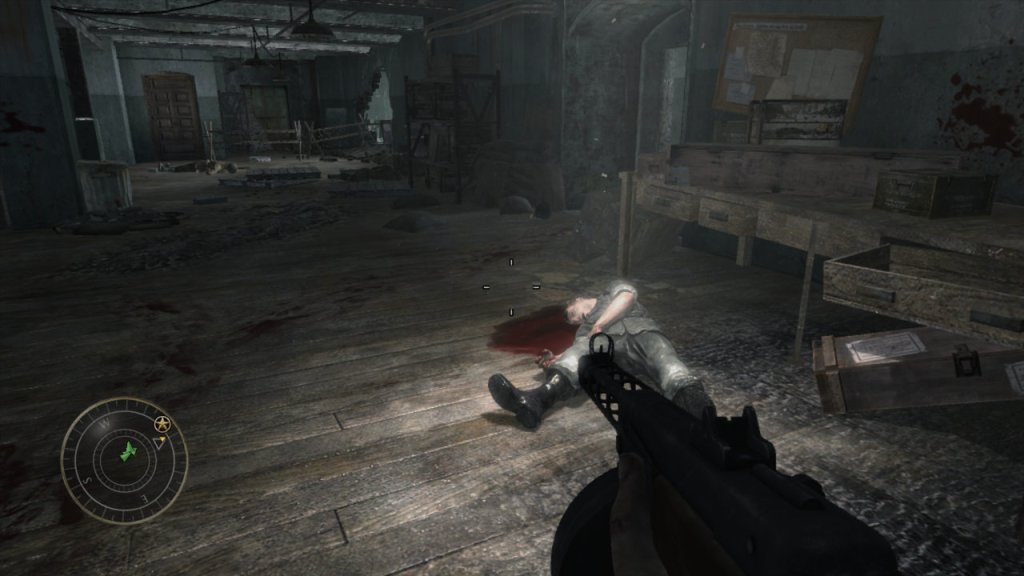
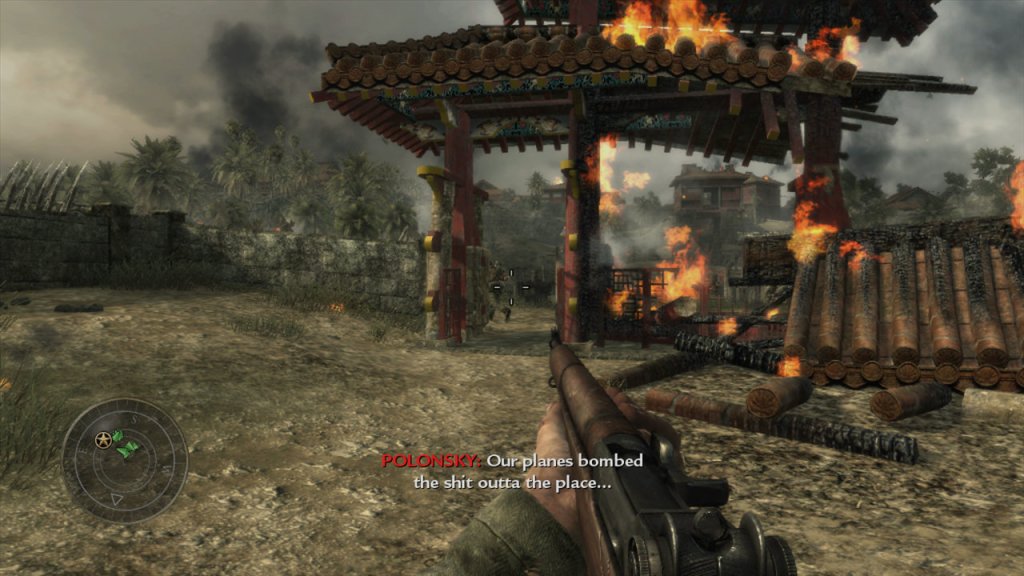
The Pacific campaign subtly touches on imperialism, as the U.S. fights to reclaim territories from Japanese control, but it doesn’t critique American expansionism. Missions like “Semper Fi” and “Black Cats” focus on retaking islands like Makin and Okinawa, framing the U.S. as liberators. The game sidesteps the Pacific’s colonial history (e.g., U.S. control of the Philippines) and Japan’s imperialist ambitions are villainized without nuance.

This reflects a Western-centric view, where Allied actions are heroic, and Japanese motivations (e.g., resource-driven expansion) are reduced to fanatical aggression.

Multiplayer

There are six multiplayer modes, including Team Deathmatch and Capture the Flag, with a ranking system up to level 65. You can unlock weapons, perks, and grenades as they progress, with a Prestige mode resetting rank for additional class slots. Killstreaks are rewarded following several consecutive kills In a row without dying, the rewards  Includes three killstreak rewards: Recon Plane (3 kills), Artillery Strike (5 kills), and Attack Dogs (7 kills). There are 13 maps included, with additional maps added as DLC.

Zombies Mode
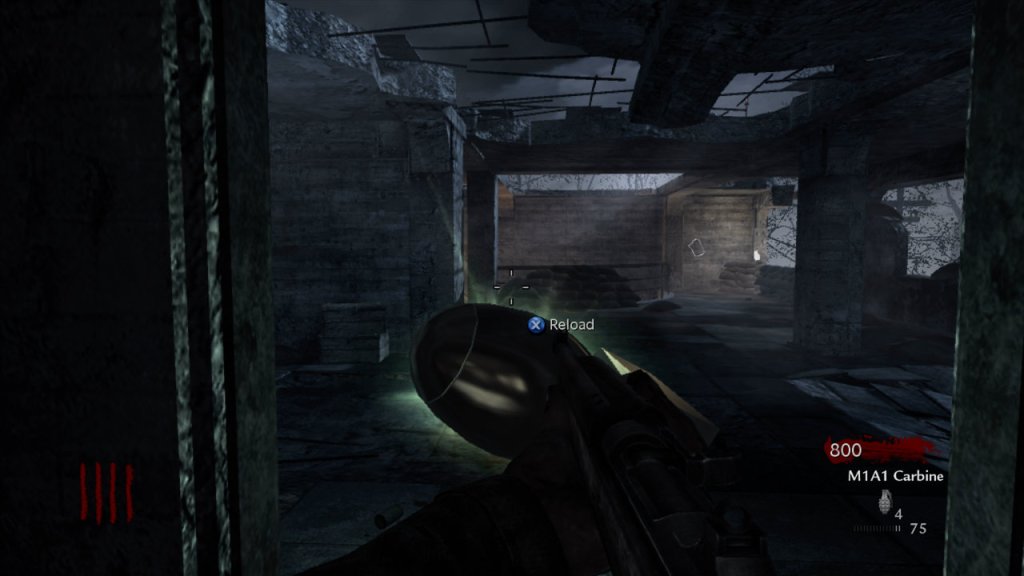
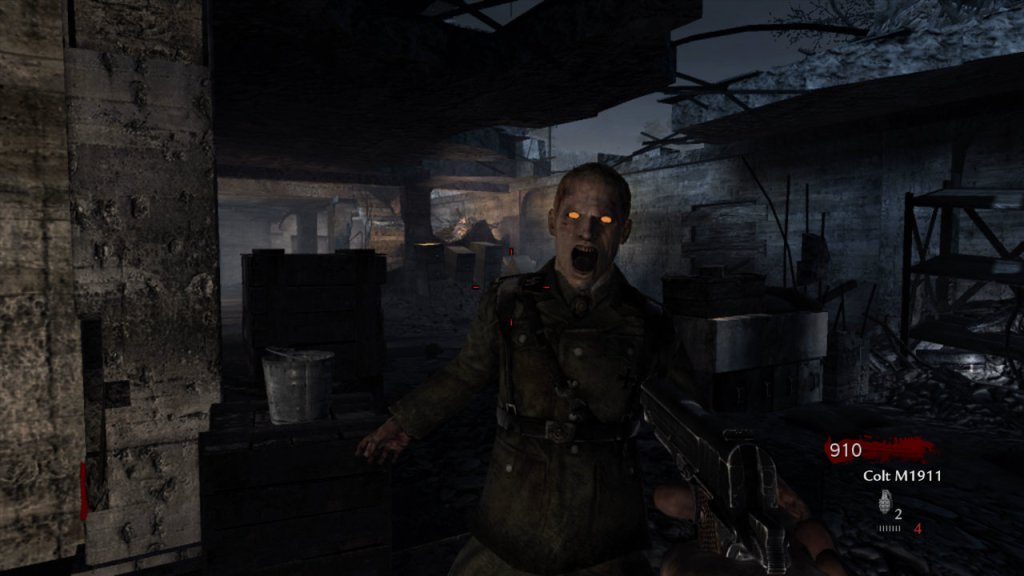
This was the first in the series to include a Zombies modes, which is a PVE mode where a team of players have to face off against computer controlled zombies whilst scoring enough points to spend on weapons, ammunition and barriers. The vibe is spooky, the teamwork is clutch, and it’s got that “one more game” energy that keeps you up ‘til 3 a.m. The later DLC zombie maps, like Verrückt, just crank the insanity up. This mode basically birthed a whole subgenre for Call of Duty and has become a common staple of the series. It can be best thought as a competitor to the Horde mode from Gears Of War 2, Firefight from Halo Reach, or survival from Left 4 Dead.

Versions
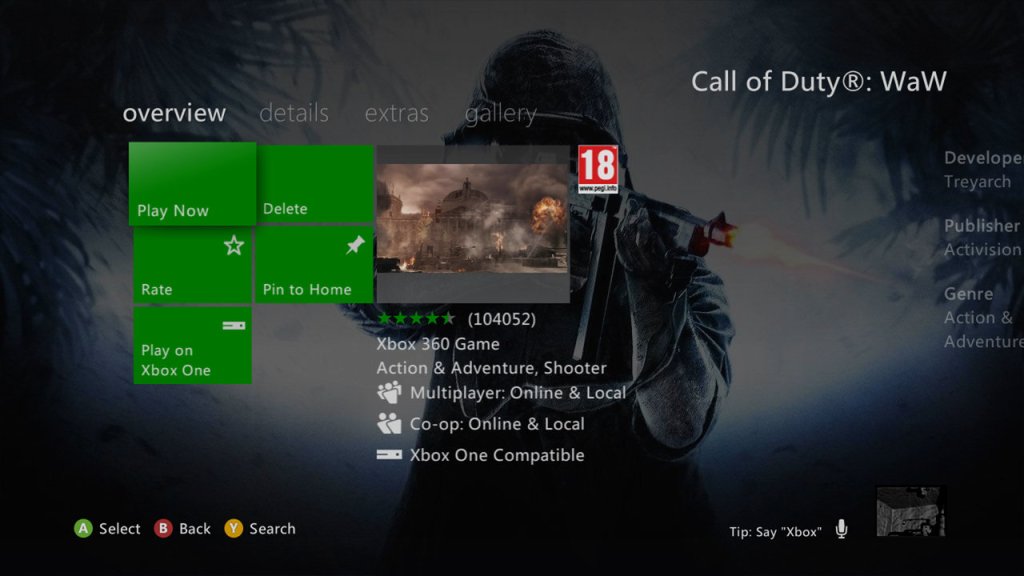
Xbox 360: The only version that has support for achievements, along with standard Xbox Live features like matchmaking and leaderboards. You do need to subscribe to play on Xbox Live unlike the other versions but is playable on the Xbox one and the Series consoles.

PlayStation 3: Compared to the 360 version, there is a noticeable frame drop when the game gets busy.Trophies were added following an update.

Wii: The Wii version is a tailored adaptation of the game for Nintendo’s console, offering unique benefits despite hardware limitations compared to the PS3, Xbox 360, and PC versions. While it sacrifices some graphical fidelity and features (e.g., no online co-op, fewer maps), it leverages the Wii’s motion controls and accessibility to deliver a different experience. I cant say the motion controls are good for aiming, sometimes you get a benefit of accuracy if the Wii Remote is playing nice, but most times it s awkward to correctly aim which makes the game more clunky to play.

Windows: Avaliable on Steam, but appears to lack achievement support since Steam did not support this at the time. This version still works on modern systems and the servicers are still online. But various security expoits make this version risky to play.

Conclusion

Call of Duty: World at War is a straight-up classic. The campaign’s a wild ride, multiplayer’s got that addictive grind, and Zombies? It’s not perfect—grenade spam and some repetitive missions can be a buzzkill—but this game’s got heart, guts, and a legacy that kicked off the Black Ops series of games.
Destruction Derby

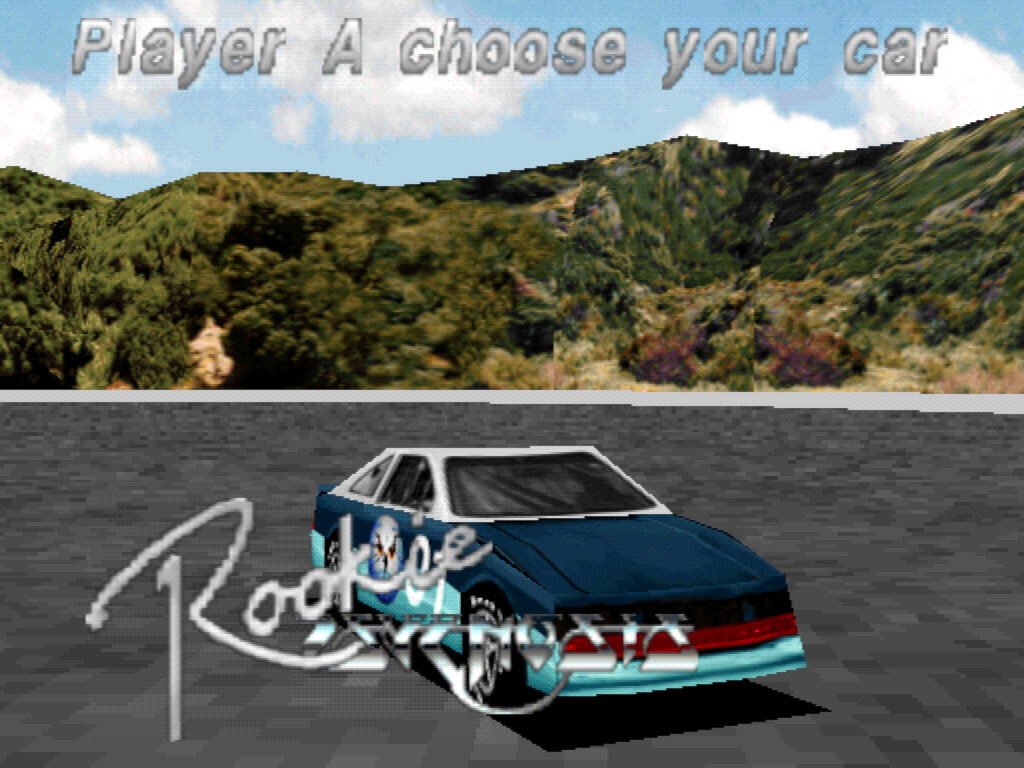
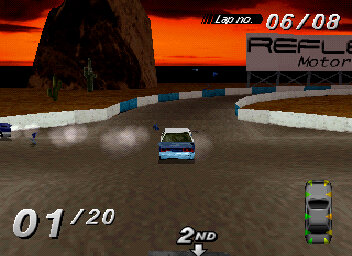
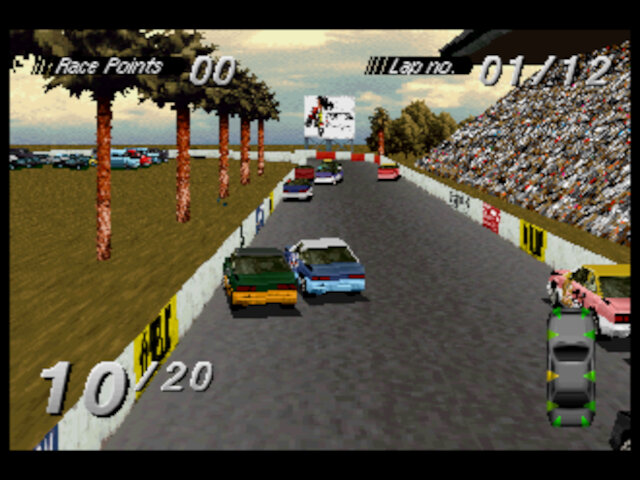
A racing & combat game, developed by Reflections (Who went on to produce Driver) that was released in 1995, at the begriming of the 3D gaming revolution. In Destruction Derby, players compete in demolition derby-style events where the objective is to crash into opponents’ cars to damage them while trying to survive and be the last car running. The game features both racing and demolition derby modes:

Destruction Derby Mode: In this mode, players compete in arenas specifically designed for vehicular combat. The last car that remains operational wins the match. Players can earn points by inflicting damage on opponents’ vehicles.
Wreckin’ Racing Mode: This mode combines racing and demolition derby elements. Players race around circuits while attempting to wreck opponents’ cars. The winner is determined by a combination of finishing position and damage inflicted.
Stock Car Racing: Traditional racing mode where you finish a race of multiple laps
Time Trials: Similar to Stock Car Racing, but you have to aim to get the fastest lap time. Getting the quickest time will allow you to enter your name as a high score.

Each mode can be played in practice, championship, dual or multiplayer mode.

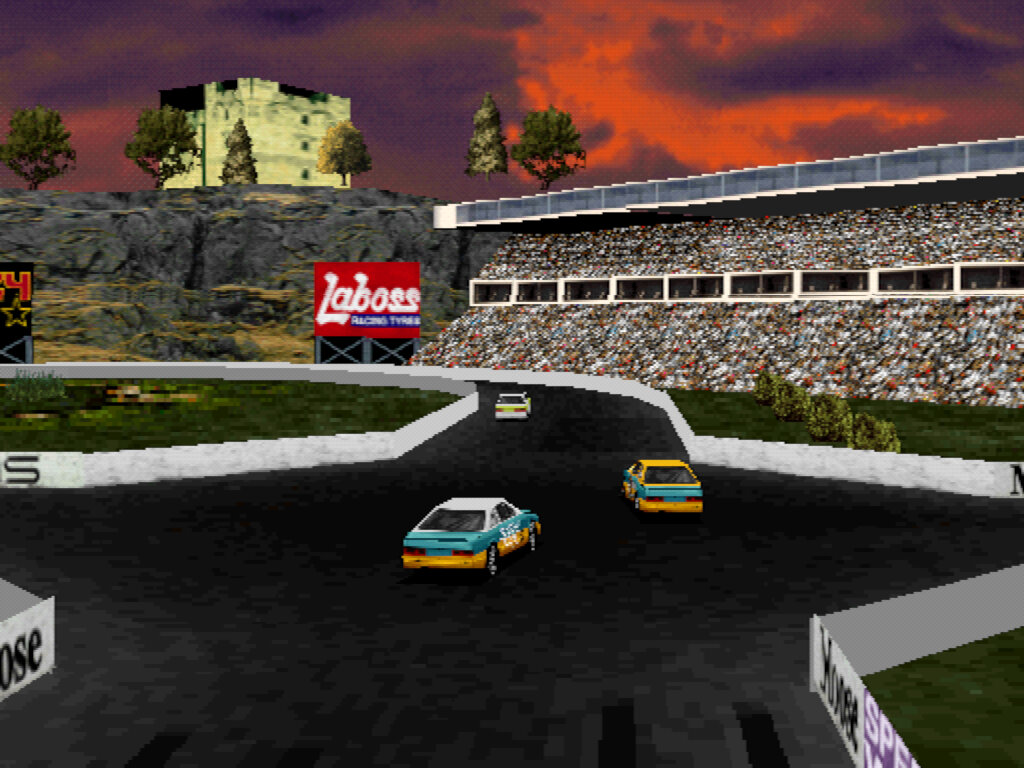
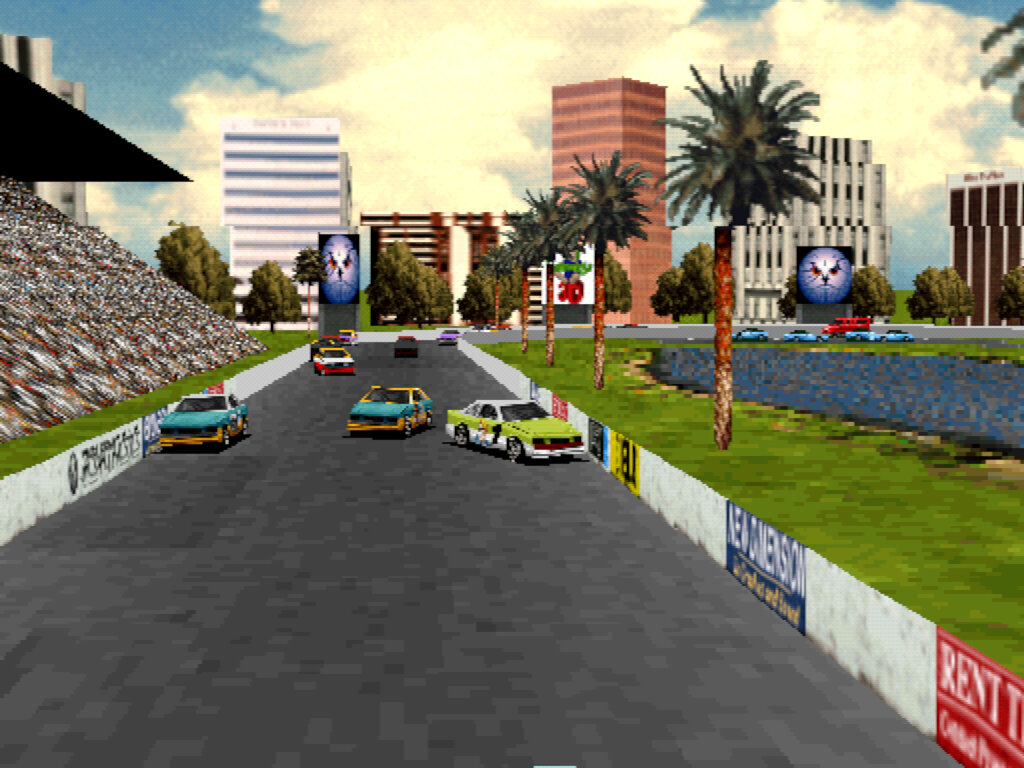
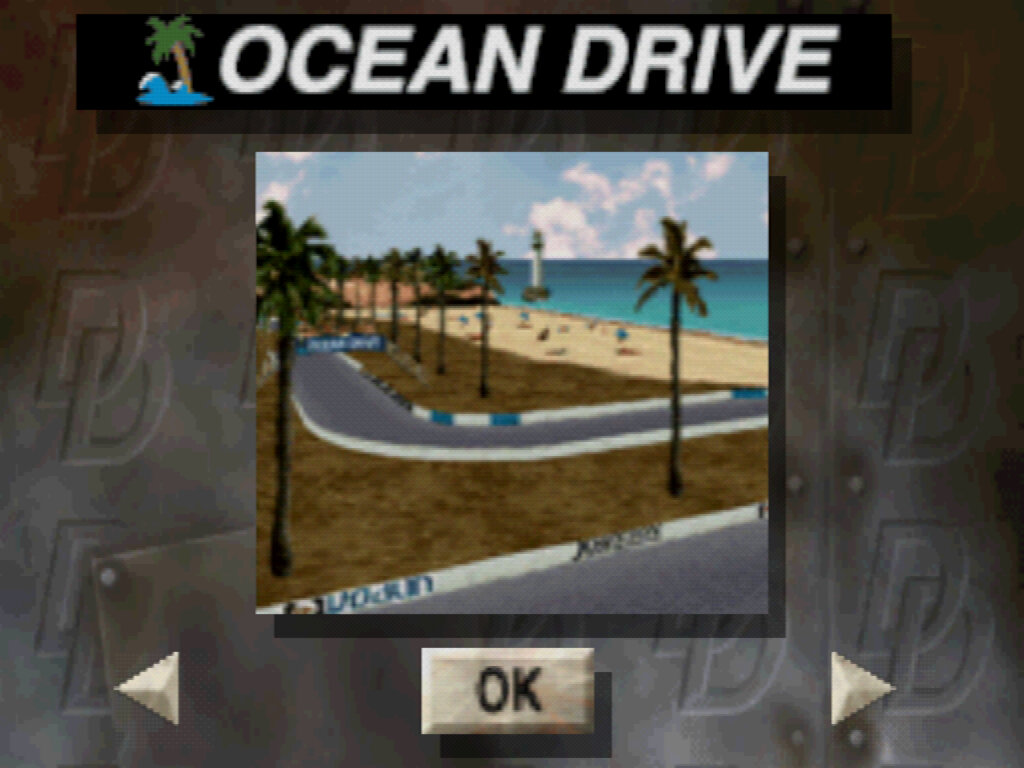
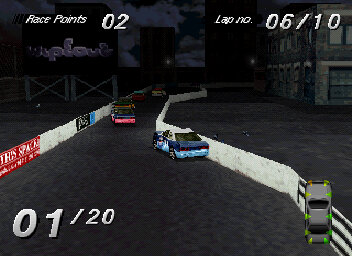
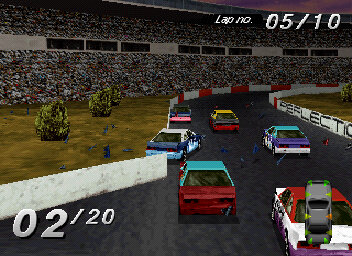
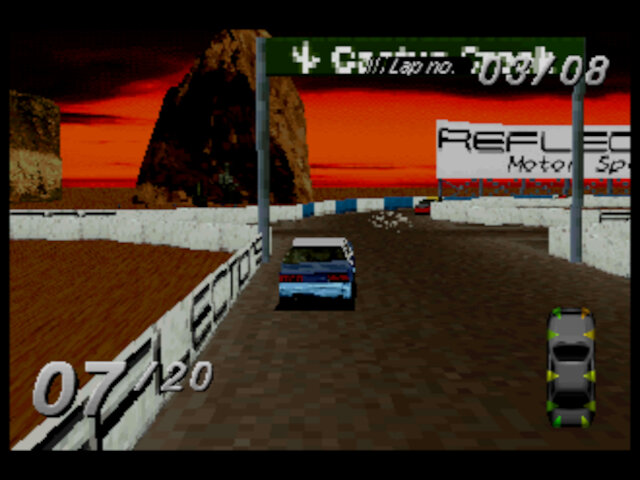
Five tracks are available at the start of the game, Speedway, CrossOver, Ocean Drive, Catus Creek, and City Heat. Each track is set in it’s own environment and have their own unique track design. Some feature a loop design which require you to dodge and avoid opposing cards, otherwise it easy to lose which direction you’re supposed to go. Pileups are also fairly common on these type of tracks.

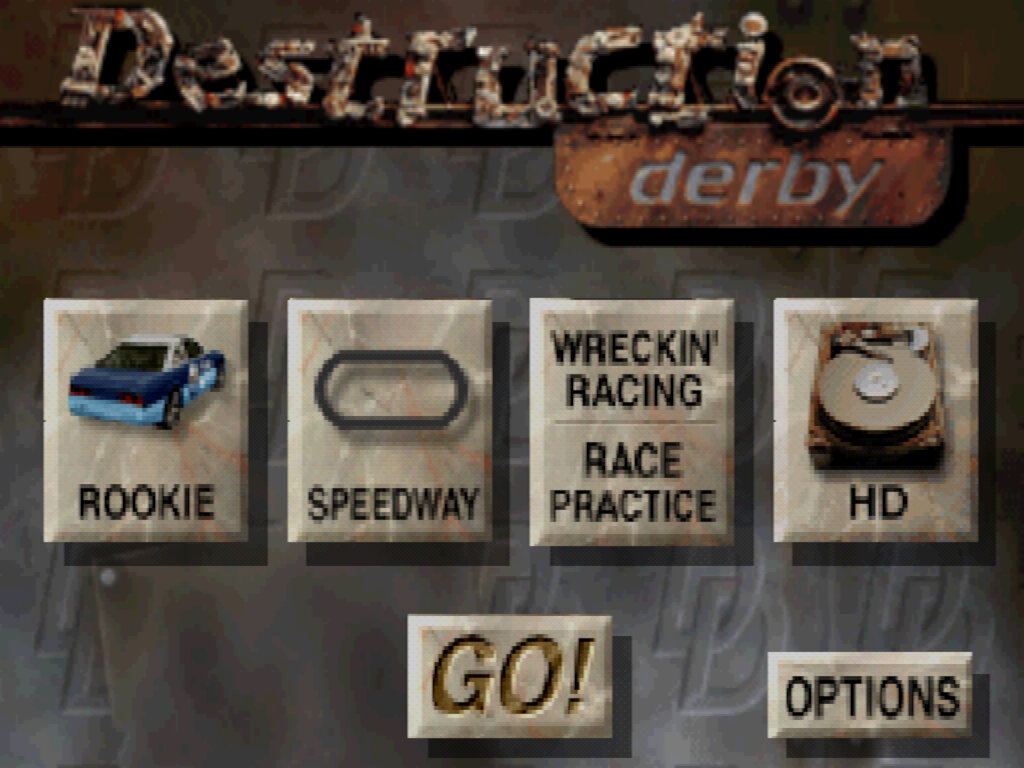
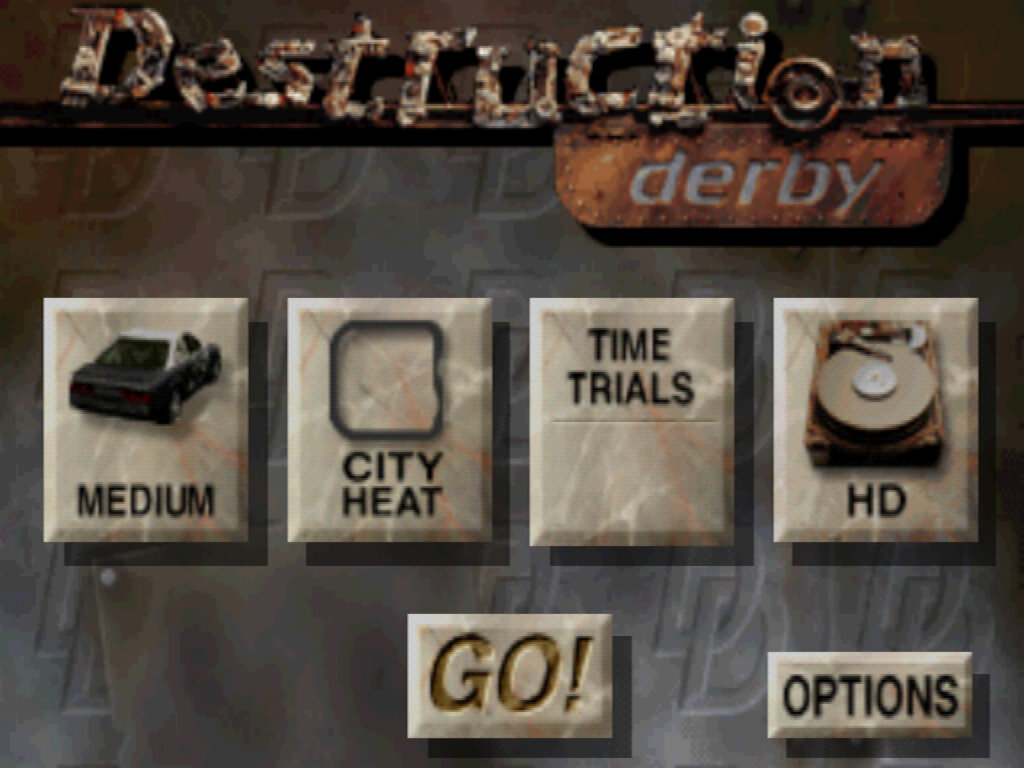
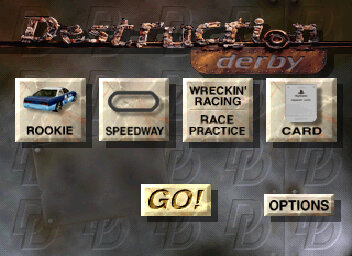
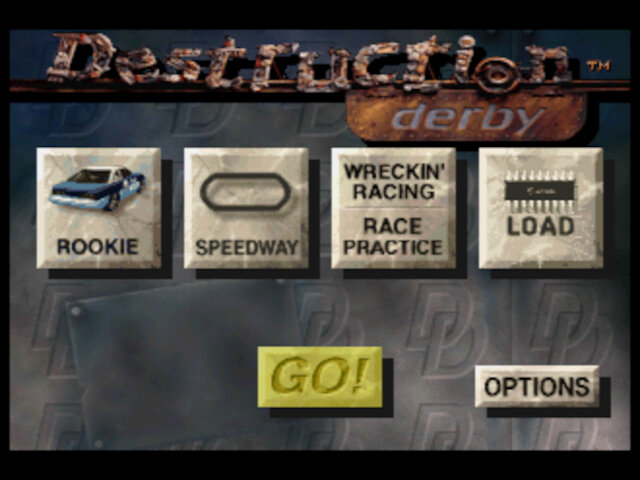
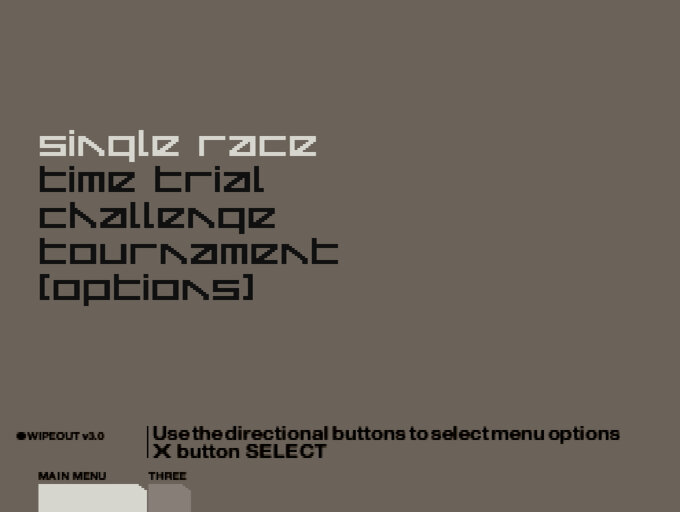
A look at the main menu of the PC relase, which features 3D tiles that function as menu items. Similar to the save screen on Mario 64 or on the SGI demos of the era.

Windows

The Windows version had support for S3D acceleration, with was supported on S3 graphics cards which were common of the time. This required the use of a specific OEM copy of the game that shipped with a computer that featured the S3 ViRGE video card. Other PC releases would make use of MS-DOS and software rendering instead, which was inferior to the S3D and console releases.
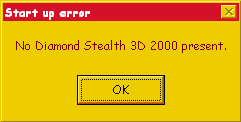
One issue with the S3 version is it’s limited to Diamond Stealth 3D 2000 cards, and will refuse to function on even the 3000 model. This can be bypassed with a patch that removes this check.
There I also an option to enable texture filtering that gives the textures a smoother look, but at the expense of framerate. It can be togged on the settings menu of the game.

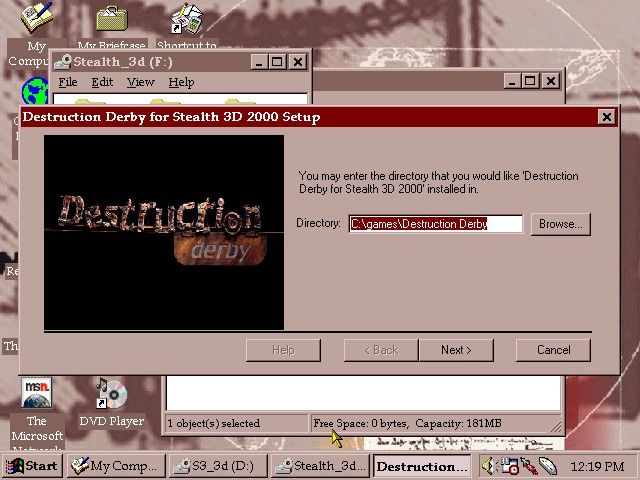
86Box is able to play this version of this game by using the emulated Diamond Stealth 3D card, paired with a Pentium MMX. Windows 95 lacks built in drivers for this card but they can be obtained here.

Trying to run the game without using a Diamond graphics card, using a generic S3 ViRGE card instead. A patch exists to remove this check.

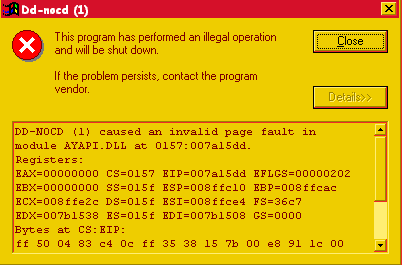
Using the Stealth 3000 caused a crash, with the AYAPI.DLL causing the issue despite using the Diamond drivers and the fixed EXE.

If you’re wondering about the colour scheme, its the RE-MAN theme from the Windows 95 Plus! pack.

PlayStation

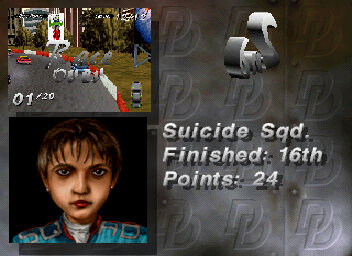
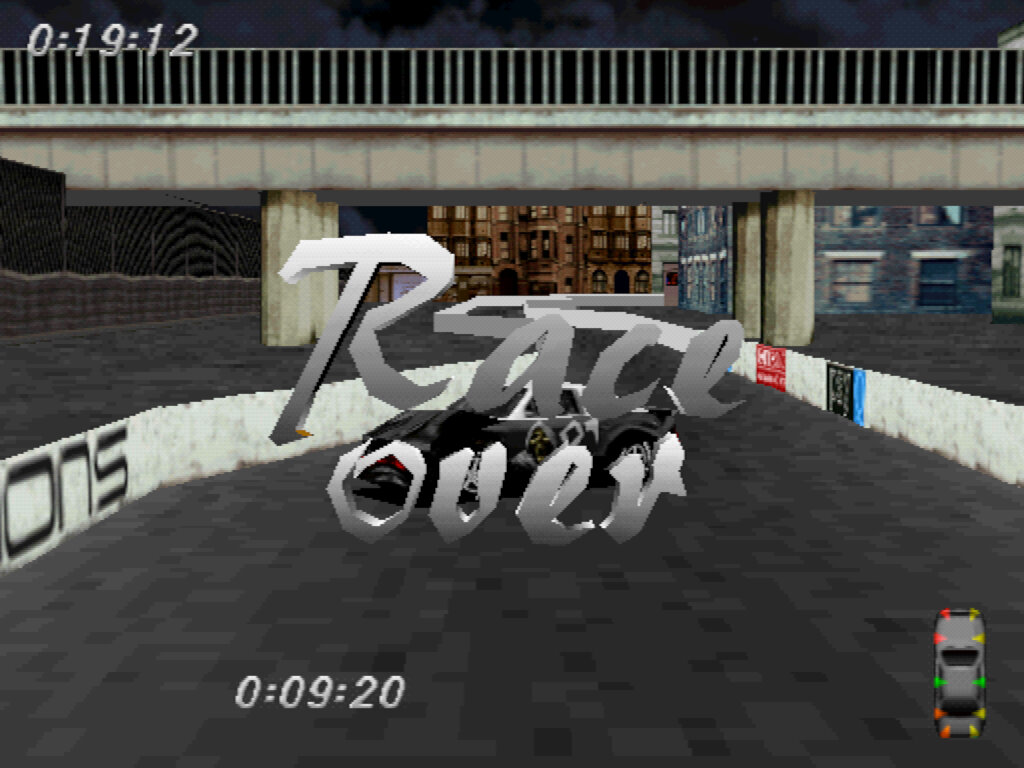
The game was also ported to the PlayStation, This release is a lot more polished, and features thumbnails of the rival characters after the race, showcasing their overall position. The framerate is also a lot more smoother compared to the PC but misses out on the potential of texture filtering unless an emulator is used. DuckStation is the emulator used here, with the stock graphic settings (no enhancements)

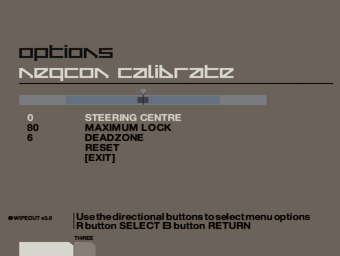
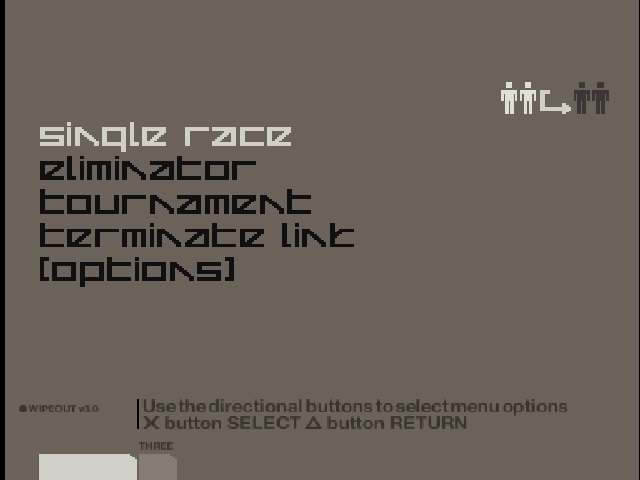
For analogue control the NeGcon controller can be used for more precise turns, as this game predates the release of the dual-analogue controller. The menu controls are awkward to control compared to traditional PlayStation games, as you have to press the start button to confirm/enter menus rather than using the X button that most other games use.

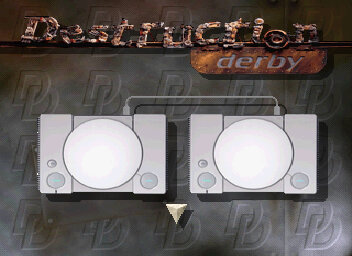
Multiplayer is also a better experience in this version of the game because it supports the use of the PlayStation link cable. For this, two consoles and copies of the game are required, as split screen is not supported.

It’s also a lot more easily accessible, since it can be brought from the PSN store and played on the PS3.

Sega Saturn

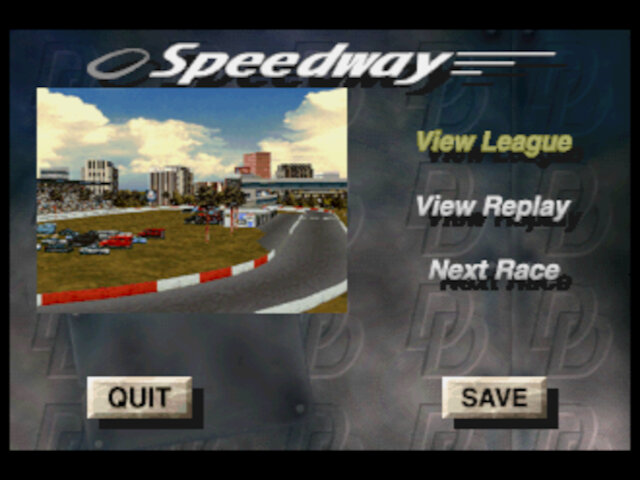
There was also a Saturn version, released in 1996 in Europe. Like other third-party ports it suffers from a poorer framerate compared to the PlayStation version. Still the game is playable and defiantly worth checking out if you’re interested in Saturn racing games. The Mednafen emulator is used for the screenshots below.
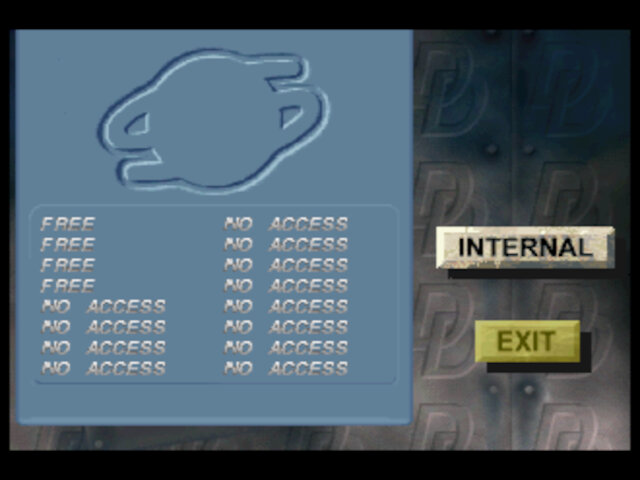
The game supports saving to the internal memory, or though the backup cartridge

The game does not appear to support the 3D controller, which means the game lacks analogue control support.

Black

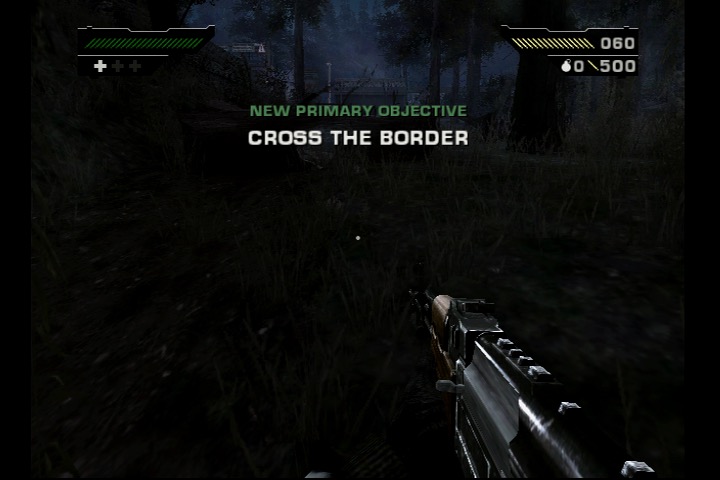
A gritty FPS released towards the end of the sixth generation

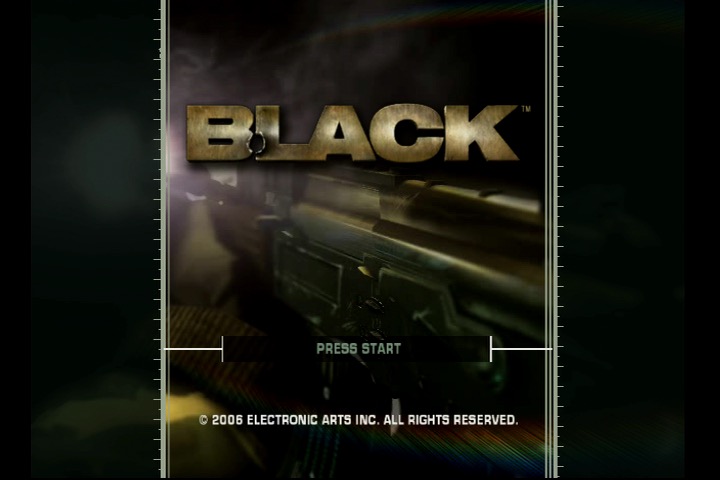
Developed by Criterion Games and published by Electronic Arts in 2006. The game was released for the PlayStation 2 and Xbox consoles, and later made compatible with the Xbox One.

The game follows the story of Jack Kellar, an operative in a secretive government agency known as the “Black Ops”. The game is set in various locations across the globe, and the player must use a variety of weapons to fight through enemy forces and complete objectives. Kind of similar to another game that features the Black Ops name that would be released a few years later.

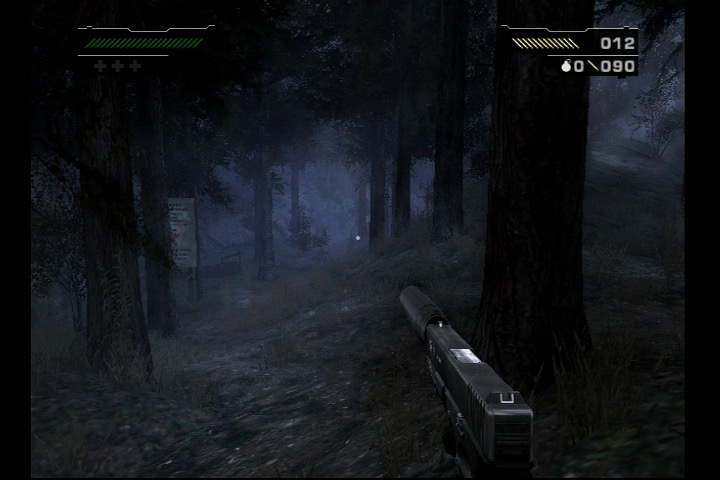
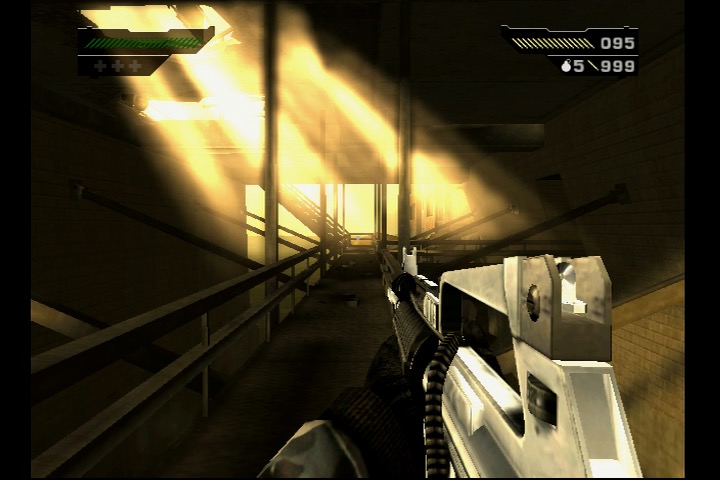
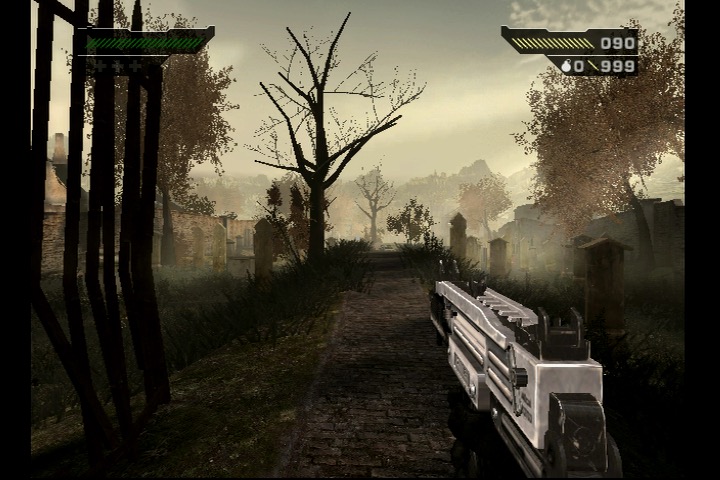
One of the standout features of Black is its impressive graphical fidelity for a game released in 2006. The game features realistic textures, lighting, and particle effects, which help to create an immersive and gritty atmosphere. The game’s sound design is also excellent, with a range of realistic weapon sounds and explosive effects that add to the immersion.

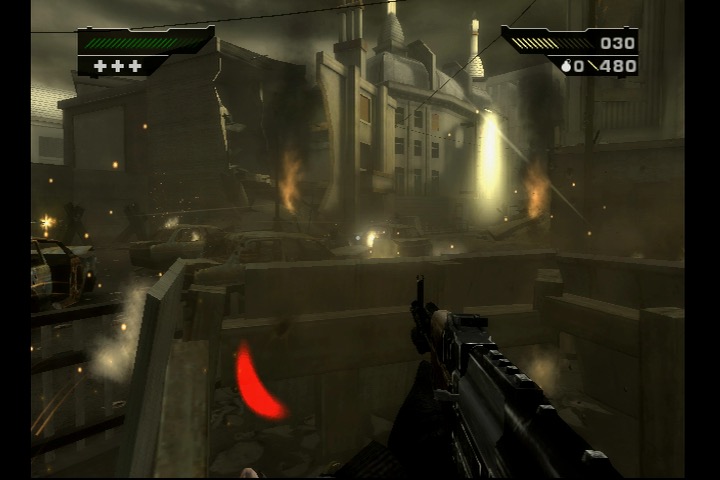
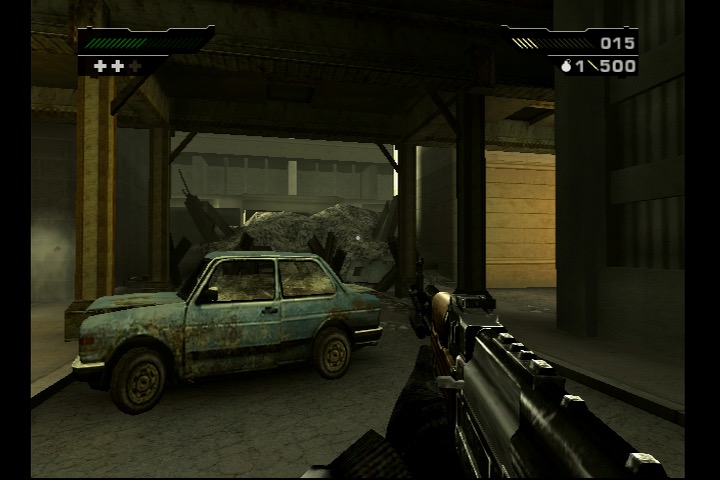
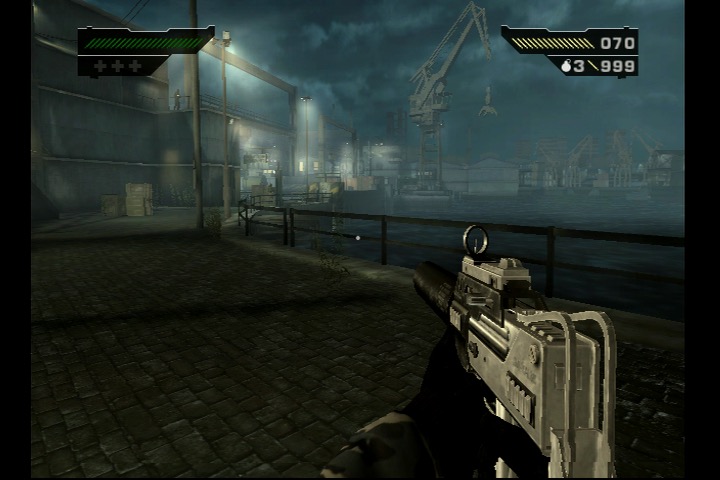
Gameplay-wise, Black is a fairly standard first-person shooter with a few unique elements. The game’s “gun porn” approach means that the player has access to a large variety of real-world firearms, each with its own strengths and weaknesses. The game also features destructible environments and objects, allowing players to blast through walls and obstacles to create new paths or take out enemies.

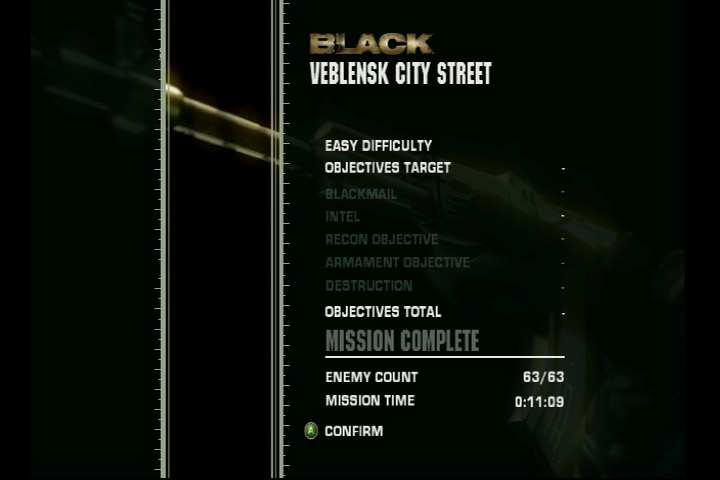
While Black is an enjoyable game, it does suffer from a few shortcomings. The game’s story is fairly thin and generic, and the voice acting can be hit-or-miss at times. Also the game’s difficulty is overly punishing, particularly on higher difficulties. There also isn’t much diversity in the gameplay as you can gather from the screenshots, mostly you just point and shoot at enemies. No puzzles to solve or any underwater or driving segments to break up the gameplay.

The story of Black follows Jack Kellar, a member of a secretive government agency known as the “Black Ops”, as he carries out a series of missions across the globe. As Kellar progresses through the game, he begins to uncover a larger conspiracy involving a mysterious arms dealer named Solomon. Along the way, he encounters a number of other operatives, both friendly and hostile, and uncovers more about the larger conspiracy at play.

Ultimately, Kellar discovers that Solomon is attempting to sell a powerful new weapon to a rogue CIA agent named Moffitt. Kellar and his team must then race to stop Moffitt from acquiring the weapon and using it for his own nefarious purposes. Most of the story is told through the FMV cutscenes, which cannot be skipped unless you are replaying the mission. There isn’t any multiplayer element in Black which is odd for an FPS, but it shows most of the effort went into the storyline and gameplay.

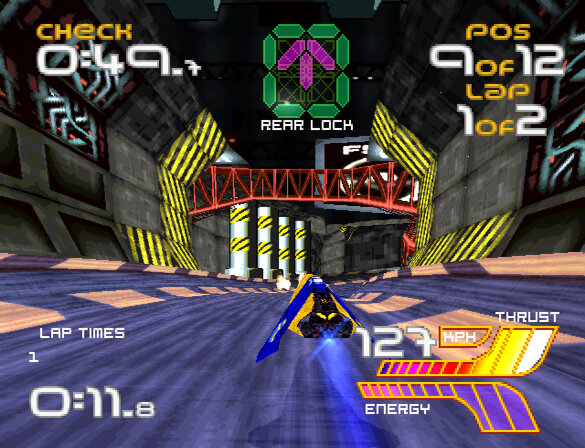
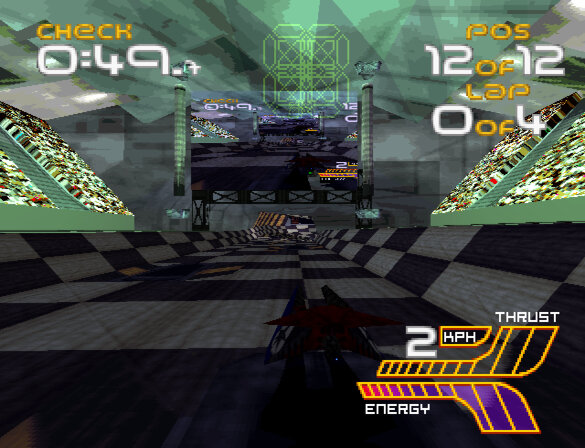
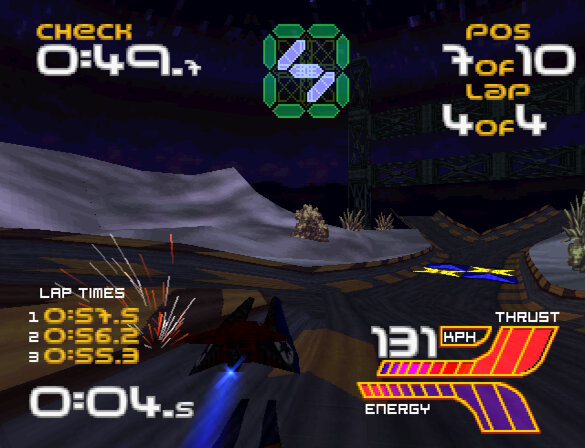
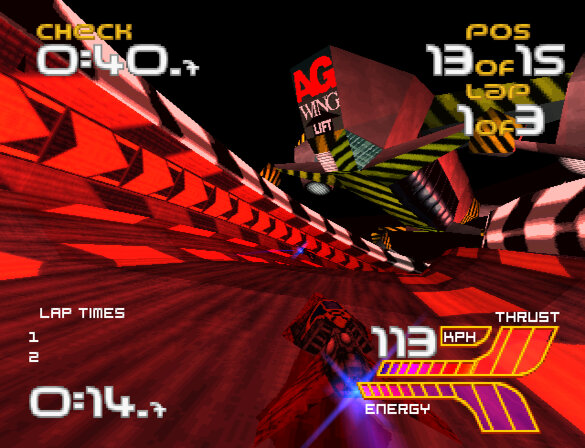
Wip3out

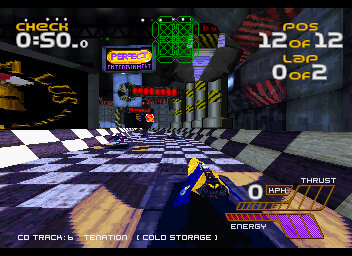
A racing video game developed by Psygnosis and released for the PlayStation console in 1999 and the final instalment for the original PlayStation. The game features fast-paced anti-gravity racing, where players control futuristic vehicles called AG craft through a series of challenging tracks, but features a resigned track style.

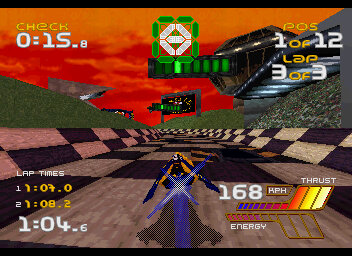
Wipeout 3 features impressive graphics for its time. The game’s anti-aliased, high-resolution graphics are rendered in real-time, and the frame rate is smooth and consistent and makes it one of the few PlayStation games that takes advantage of its higher resolution output resulting in a cleaner image quality. The game’s tracks and vehicles are designed with intricate details, and the game’s lighting effects and particle effects are impressive for what the hardware can achieve. Wipeout 3’s graphics are some of the best on the PlayStation, and the game’s stylish aesthetic still holds up well today. As one of the last games to be released by Studio Liverpool for the PlayStation, it severs as a nice finale for the studio as we prepare for the next generation.

Complementing the games graphics are its sound effects that are well-designed, with a range of satisfying engine noises, weapon sounds, and explosions. The game’s soundtrack, which features electronic dance music from artists like The Chemical Brothers and Underworld, perfectly complements the game’s futuristic atmosphere.

Complementing the games graphics are its sound effects that are well-designed, with a range of satisfying engine noises, weapon sounds, and explosions. The game’s soundtrack, which features electronic dance music from artists like The Chemical Brothers and Underworld, perfectly complements the game’s futuristic atmosphere.

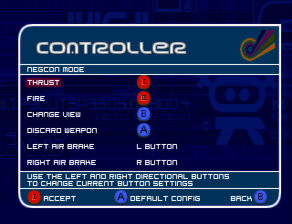
As with other titles in the series, Wipeout 3’s gameplay is fast, challenging, and satisfying. The game’s controls are tight and responsive, allowing players to execute precise manoeuvres and drifts with ease. The game’s tracks are well-designed, featuring multiple paths, jumps, and obstacles that require skilful driving to navigate. The game’s weapons system is also well-balanced, with a range of offensive and defensive options that can be used strategically to gain an advantage. The NeGcon controller is still supported for analogue input, in addition to the Dualshock and analogue controls.

Wipeout 3 offers a lot of replay value, with multiple game modes and difficulty levels to choose from. The game’s Championship mode provides a lengthy campaign that will take hours to complete, and the game’s time trial mode provides a satisfying challenge for players looking to master each track’s nuances. The game also features a multiplayer mode that allows up to four players to compete against each other, adding even more replay value. This was a little tricky to setup as you have to establish a link between the two consoles first, as the game will also support two players from one console.

Using the Linux build of the PCSR-R emulator and an ethernet cable connected to two laptops, its possible to emulate the link play but it runs at such a low framerate that makes it unplayable. However you do get an idea how this would work on an actual console.

In Wip3out, there are several teams that the player can choose to represent during races. Each team has its own unique anti-gravity ship, which has different stats for speed, acceleration, handling, and shield strength. Here is a brief overview of each team

  • Auricom – This team is known for having the fastest ships in the game, but they have weaker shields and are more difficult to handle
  • FEISAR – This team has good acceleration and handling, but their top speed is slightly lower than other teams.
  • Goteki 45 – This team has good handling and acceleration, but their shields are weaker than other teams.
  • Piranha – This team has balanced stats and is a good choice for players who want a well-rounded ship.
  • Qirex – This team is known for having the strongest shields in the game, but their ships are slower and have lower acceleration.
  • AG Systems – This team has good handling and acceleration, but their top speed is slightly lower than other teams.
  • Assegai – This team has good handling and acceleration, but their shields are weaker than other teams.
  • Icaras – For more advanced players, as their ships run at high speed.

Wip3out includes a variety of power-ups that players can use during races to gain an advantage over their opponents. Here is a brief overview of each power-up:

  • Missile – This power-up fires a homing missile at the closest opponent in front of the player’s ship, causing them to spin out or crash.
  • Auto Pilot – This power-up temporarily takes control of the player’s ship, allowing them to focus on using weapons or navigating tricky sections of the track.
  • Shield – This power-up temporarily boosts the player’s ship’s shield strength, making it more resistant to damage from weapons or collisions.
  • Mines – This power-up drops a set of mines behind the player’s ship, causing opponents who run over them to spin out or crash.
  • Plasma Bolt – This power-up fires a powerful plasma bolt that can cause significant damage to opponents’ ships, potentially causing them to crash.
  • Quake Disruptor – This power-up causes a seismic disturbance that shakes opponents’ ships and makes them harder to control, potentially causing them to crash.
  • Invisibility – This power-up makes the player’s ship invisible for a short period of time, allowing them to avoid weapons and sneak past opponents.
  • Reflector – Reflects any damage to another ship
  • Cloak – Make your ship invisible for a short time
  • Force Wall – Spawns a wall that can be used to stop opponents

Each power-up is represented by a different icon on the track, and they can be picked up by flying over them.

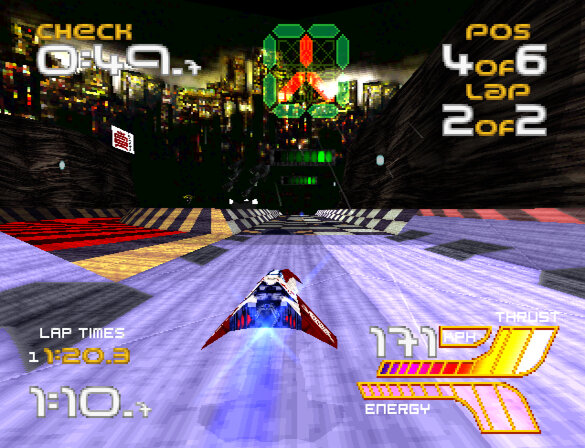
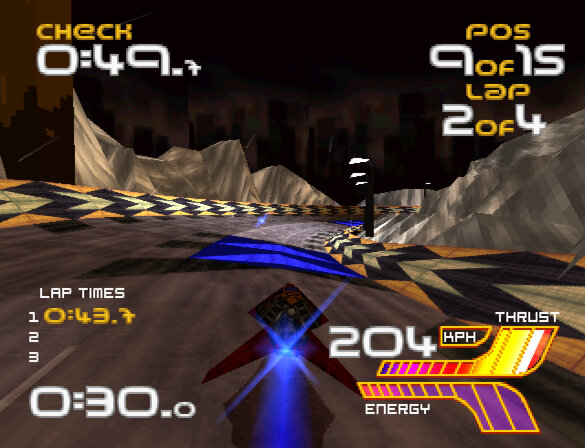
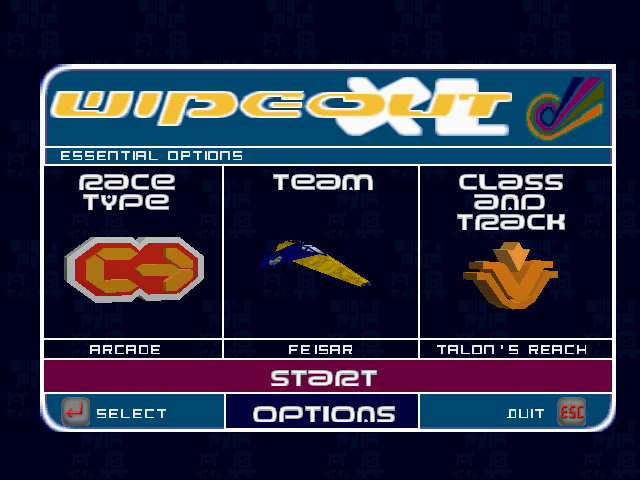
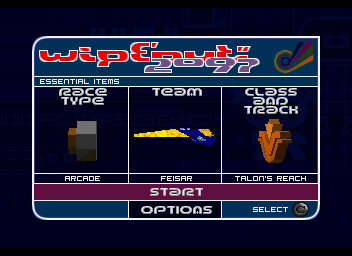
Wipeout XL / 2097

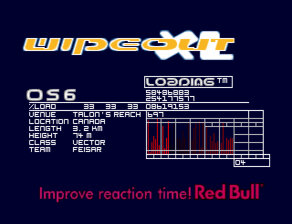
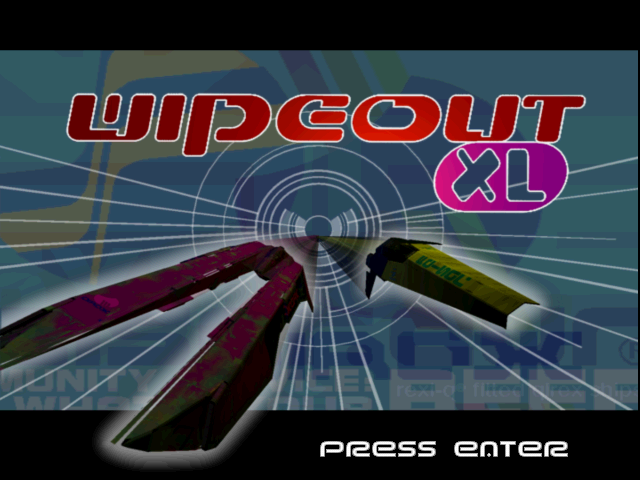
Wipeout XL is a high-speed, futuristic racing game that was originally released in 1996. It was developed by Psygnosis and published by Sony Computer Entertainment. The game is set in the year 2097, where players compete in anti-gravity ships across a variety of tracks and modes.

One of the first things you’ll notice about Wipeout XL is its incredible sense of speed. The game’s visuals are still impressive today, with a smooth frame rate and a futuristic art style that holds up well. The sound design is also fantastic, with a thumping techno soundtrack that perfectly complements the game’s high-octane racing.

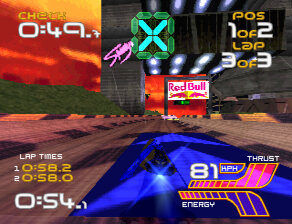
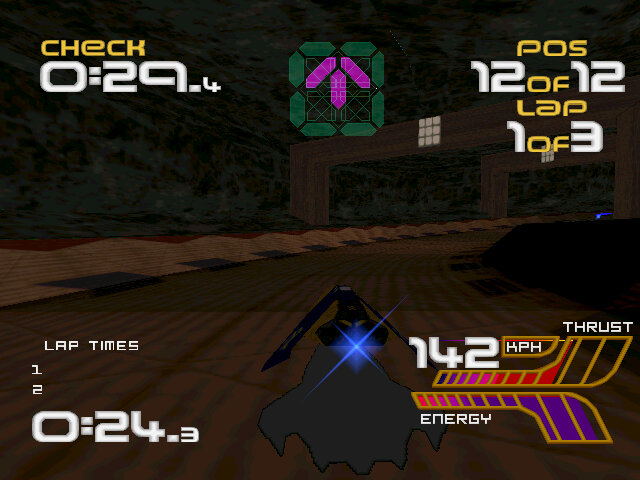
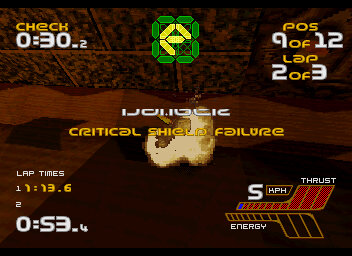
The weapon system has been improved, now your ships have a health meter that depletes upon impact with a weapon, or with another ship or track. Energy can be replenished by using the designed pit area’s that restores the ships energy. When you ship runs out of energy, the game is over.

Also there is a countdown timer that depletes until you reach the next checkpoint, giving an arcade feel to the game though its a bit redundant, since if you run out of time, chances are you are already well behind in the race.

The gameplay in Wipeout XL is intense and challenging. The ships handle well, but require precise control at high speeds. The game has a steep learning curve, and it can take a while to get the hang of the tracks and the various weapons and power-ups available. But once you do, the game is incredibly rewarding, with tight races and exciting finishes.

One of the features of Wipeout XL is its variety of modes. The game offers a campaign mode, where you compete in a series of races and unlock new ships and tracks. There’s also a time trial mode, where you can compete against your best times or the times of other players. And of course, there’s a multiplayer mode, where you can race against your friends.

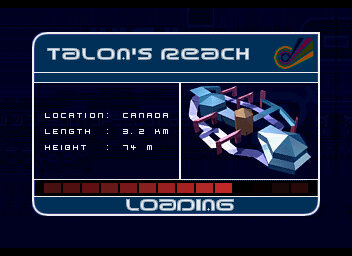
  • Talon’s Reach: This is the first level of the game and serves as an introduction to the basic gameplay mechanics. It’s a relatively simple track with a few jumps and turns, but it’s a good warm-up for the more challenging tracks to come.
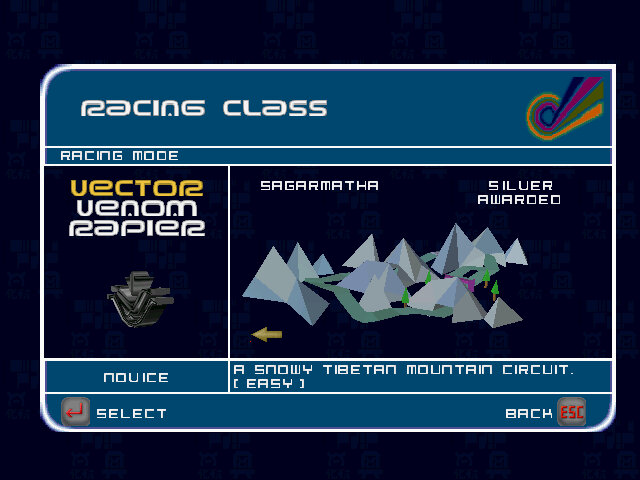
  • Sagarmatha: This level takes place on a track set high in the Himalayas. It’s a visually stunning track with steep drops and sharp turns that require precise timing to navigate.
  • Valparaiso: This track takes place in a futuristic version of the Chilean port city. It’s a challenging track with tight turns and narrow sections that require careful control of your craft.
  • Gare d’Europa: This level takes place in a futuristic version of the train station in Paris, France. The track is fast and has a lot of straight sections, making it a great level to use your craft’s top speed, also has a few lightning effects.
  • Odessa Keys: This level takes place on a track set in a futuristic version of the Black Sea. It’s a challenging track with tight turns and narrow sections that require precise control of your craft. The track also features a large jump that can be difficult to navigate.
  • Other tracks include Vostok Island, Spolskinanke & Phenitia Park.

Teams Included

  • AG Systems: This is one of the default teams in the game and is a good choice for beginners. Their craft is well-balanced and easy to control, making them a great option for players who are still learning the game’s mechanics.
  • Qirex: This team is known for its high speed and power. Their craft is one of the fastest in the game, but it can be difficult to control at times. This team is a great choice for experienced players who are looking for a challenge.
  • Feisar: This team is known for its agility and handling. Their craft is one of the most manoeuvrable in the game, making them a great choice for players who value control over speed.
  • Auricom: This team is known for its all-around performance. Their craft is well-balanced and can perform well in any situation. This team is a great choice for players who want a versatile craft that can handle any track.
  • Piranha: This ship has the highest stats nut cannot use any weapons.

Versions

Wipeout XL is the most accessible version of Wipeout to date and was ported to over 4 platforms.

PlayStation

The lead platform and the best way to play, One advantage of playing the PlayStation version is that it was specifically designed for the console, so the controls were optimized for the PlayStation controller. Some players may find it easier to control their vehicle using the PlayStation controller rather than a keyboard or other input device on the PC. Overall it appears to be the most polished version of the game.

Additionally, the PlayStation version of Wipeout XL had support for the serial cable which allows two consoles to be linked together to provide two player support.

Another nice feature is support for the NeGcon controller which provides analogue steering support, as this game predated the Dualshock controller.

Windows

The PC version of Wipeout XL features improved graphics over the PlayStation version and features higher resolution textures, improved lighting effects, and smoother frame rates but has issues running at refresh rates higher then 30hz, causing the game to run too fast. This breaks the game entirly as its difficult to play at effectivly twice the speed.

It has native support for DirectX 3 or PowerVR graphics cards. The readme file also mentions official support for the Rendition, ATI RAGE and Matrox graphics cards.

Sega Saturn

The graphics and sound of the Sega Saturn version are generally considered to be inferior to the PlayStation version. The Sega Saturn version features lower resolution textures, less detailed backgrounds, and reduced visual effects. The sound quality is also less impressive than the PlayStation version, with lower quality sound effects and music. The loading screens are different in this version and there is no multiplayer support.

The gameplay of both versions is largely the same, with fast-paced anti-gravity racing across futuristic tracks. However it suffers from slower frame rates and occasional glitches, which can make the game feel less smooth than the PlayStation version. It does have support for the 3D control pad which provides analogue control.

MacOS

There was also a release for PowerPC based Macintosh computers released in 2002, a few years later. Unfortunaly I cannot get his version to run on any Mac that i own, either on a PowerMac G4 running Mac OS 9.2 with a Radeon video card or an iMac running OS X Snow Leopard.

Rugrats Studio Tour

Sequel to the Rugrats :Search for Reptar, released only for the PlayStation in 1999

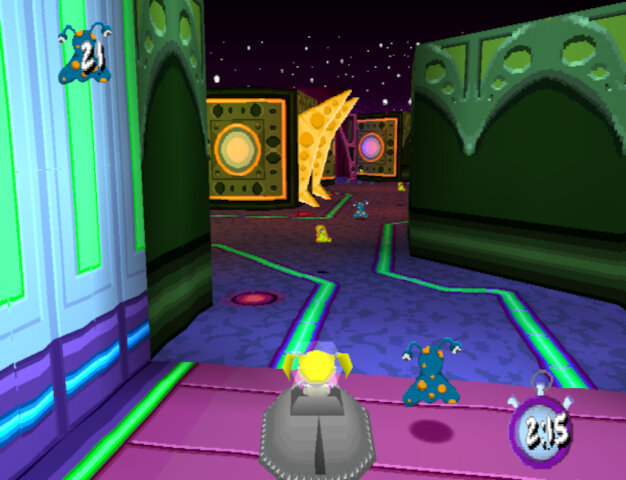
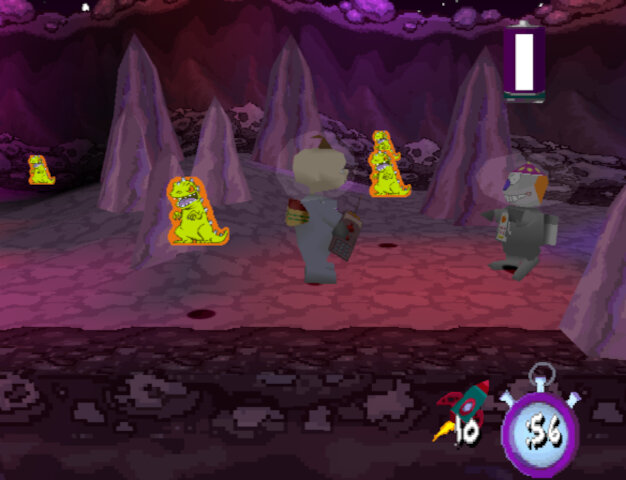
The game is very similar to Search for Reptar, and even re-uses a lot of the textures, models and sound effects of the first game. Golf makes a return with two themed minigames. A multiplayer mode has now been added that supports up to 4 players (2 at one time)
Characters

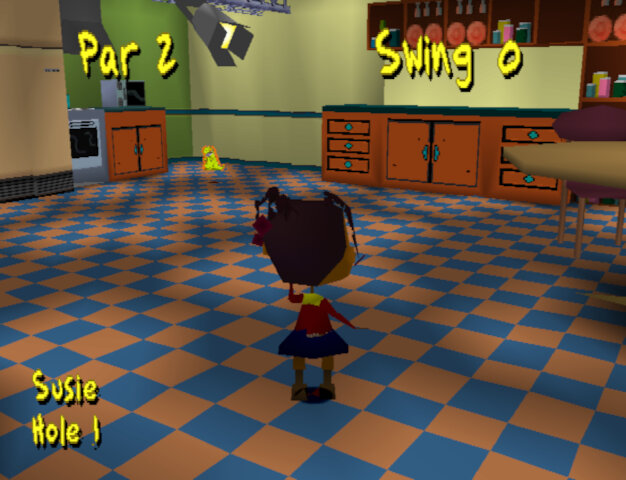
  • Main characters include Tommy, Chuckie, Angelica, Phil, Lil and Susie who all appeard in the first game and mostly have their models / textures reused.

The adults Didi, Stu and Grandpa, along with DiIl also appear in the cut scenes but are not directly playable.

Minigames

Each Rugrats character has their own stage, although some stages are split into different levels which feature a different character.

Diapies of Thunder

Play as Phil in a racecar themed levels. These are similar to Mario Kart where you can collect powerups that can either give you a speed boost, grant invulnerability or leave traps for other racers.

  • Speedway: Race 8 laps round a speedway style track, kind of like Daytona USA.
  • Bayou Race Scene: You race as Lil in a jungle/swamp themes race track. Probably the best racing track in the game since its quite varied and challenging.
  • Desert race scene: The final race set in a desert/wild west scene. This one tends to drag on as you play as Angelica who has to race 4 laps on the longest track in the game. You will often manage to overtake the babies within the first lap which means you spend the remaining 3 laps in the lead.
  • Bonus 1: Only available one you complete the game. There’s noting really special about it, its just set in a large apartment with each lap only taking 9 seconds to complete.

Captain Cookies

You mainly play as Angelica in a pirate themed minigames

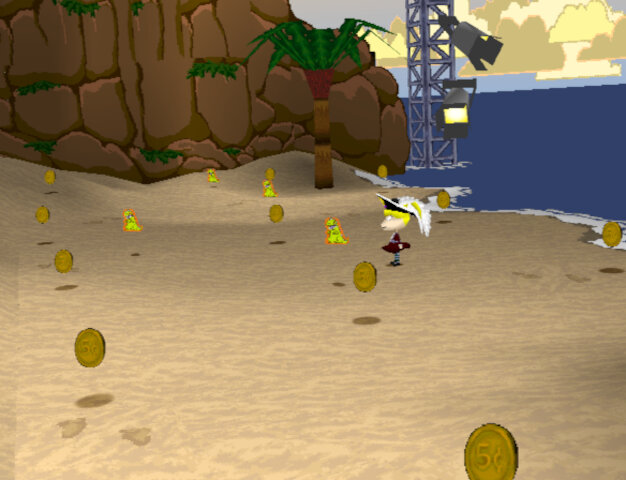
  • Treasure hunt: Win keys by exploring the map and opening the blue treasure chests, once you have 4 blue keys you can open the final treasure chest
  • Treasure Collecting Area: 4 rounds to collect all the coins in the area before time runs out
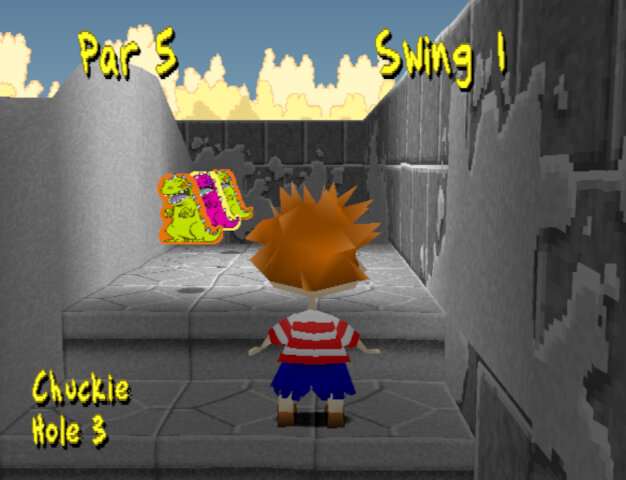
  • Pirate Golf Scene: Win a key by scoring under par for the whole game, there are 9 levels in total
  • Footrace Scene: Same as the racing games but your racing on foot. This one can be a challenge as some of the babies (Susie) are quite fast, whilst Lil and Chuckie are slow and prone to walking straight into hazards. There are also track hazards like Lobsters, oil spills and bananas falling from the trees.
  • Tag Scene: tag the babies in order to win, similar to Chuckie’s glasses but you don’t have to race them back to an area.

Lazy Saddles

You play as Susie in a wild west themed studio, with the name being a pun on blazing saddles.

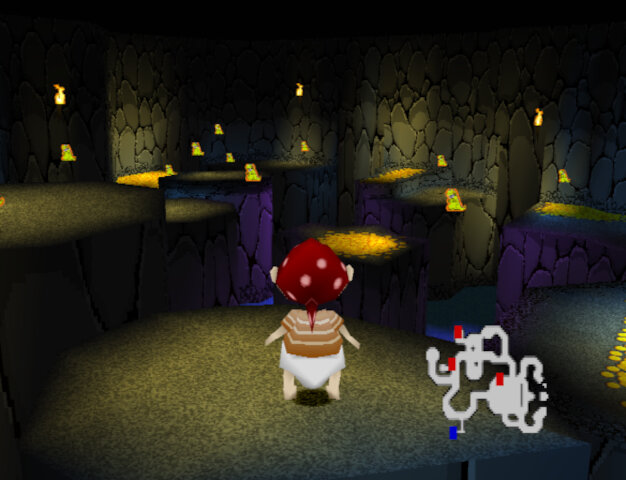
  • Gold Mine Scene: Collect all the gold in the mine and make It back to the entrance before time runs out. First levels are straightforward but the final on become more difficult since there are multiple floors and you have to navigate back down to the start. The controls are unpredictable since the Minecart will often fail to take turns and jumping is delayed. Also enemy ghosts will appear and will take your gold upon being hit, use your torch to zap them
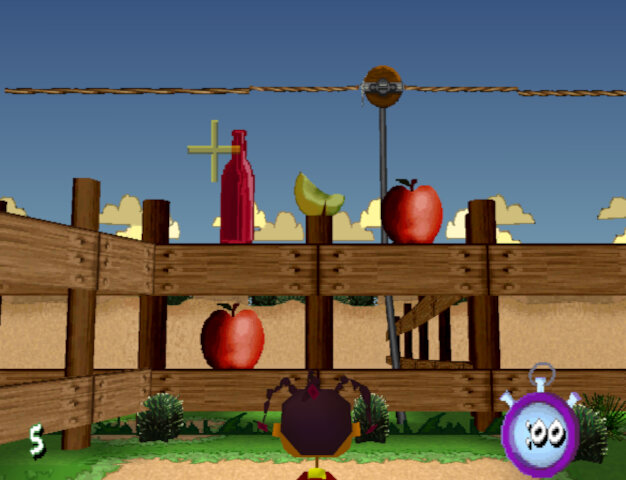
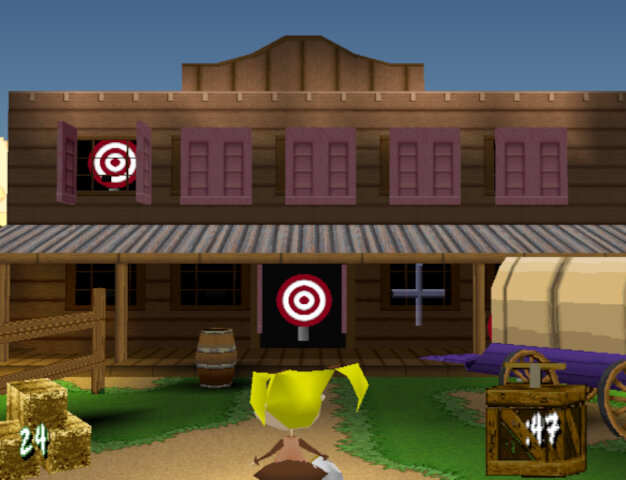
  • Milk Squirting Scene: Shoot at the targets within the time limit, there are multiple rounds
  • Round Up Scene: Round up all the animals to win keys by picking them up and placing them in the correct pen, there are four stages in total
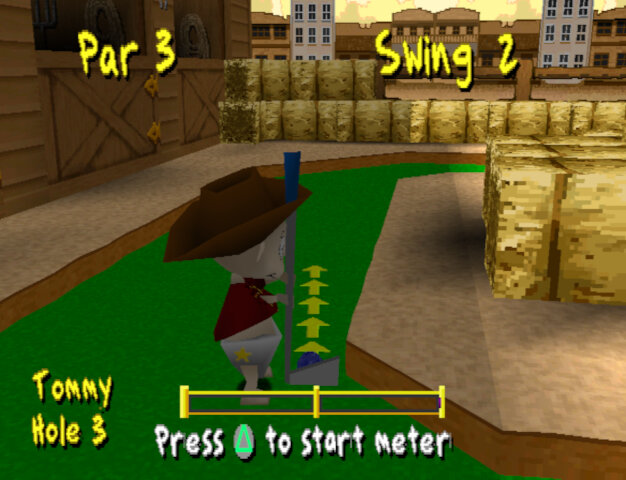
  • Western Golf Scene: Like the Pirate Golf there are 9 stages, to win you have to be under par for all stages. There are pink keys that, when picked up allow access to hidden areas.
Interestingly these golf levels seems to tell a story.
  • Hole 1: A western rail station where you enter the town
  • Hole 2: A town bank where you have access to a vault with money
  • Hole 3: A blacksmith where you take refuge from whilst on the run, and eventually caught
  • Hole 4: A western sheriff/jail that you break out from
  • Hole 5: A graveyard where you hide
  • Hole 6: A tunnel or a hill? I think
  • Hole 7: Native American/Indian refuge
  • Hole 8: Entrance to a mine cave
  • Hole 9: Tunnel to a mine cave

Then again I’m probably reading too much into it, its a kids’ game afterall.

Outside Space

You play as Chuckie in a sci-fi space studio setting

  • Loonie Lander: Collect all the aliens in each of the four stages, each stage gets bigger with more aliens to collect. This level could have been used as a race stage.
  • Zero Gees Scene: Play three levels and navigate the level to the end of the level. Plays like a platform game but can be frustrating to play due to the poor controls. Sometimes there is a delay in the jumping which can cause you to miss a platform.
  • Lazy Beam Scenes: Shoot lasers at the objects to win, similar to the western milk squirting scene

Final Levels

  • Shirley Lock Holmes: Play as Angelica and find four of the ghost keys to open the large door at the bottom of the path which will take you to the next area. From here you use the switch to move the platforms to allow for you to progress.
  • Okey Dokey Jones: Playing as Tommy, this is similar to the Zero Gees Scene activity. Tommy has to navigate to the end in order to locate Dil through a series of platforms and challenges. A homage to the Rugrats Movie which came out around this time.

One thing that stands out about Rugrats Studio Tour is its sense of humor. The game doesn’t take itself too seriously and has a lot of tongue-in-cheek references to Hollywood and the film industry. The character animations are also quite amusing, with the Rugrats getting into all sorts of wacky situations.

That being said, the game does have its flaws. The controls can be a bit clunky at times, and the camera can be frustrating to work with as it was in the original game.

Overall, I’d say Rugrats Studio Tour is a decent game that’s worth checking out if you’re a fan of the show or looking for a fun, lighthearted platformer. It’s not a masterpiece by any means, but it’s a solid effort that’s sure to bring back some fond memories for those who grew up with the Rugrats.

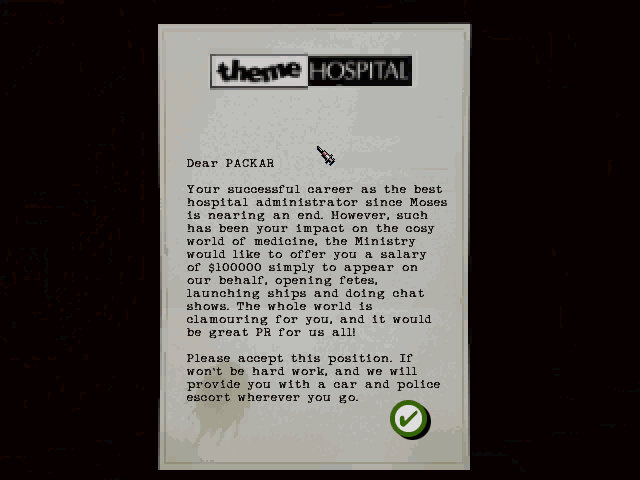
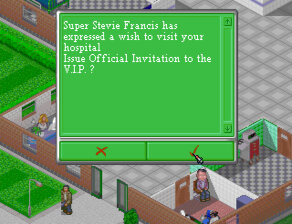
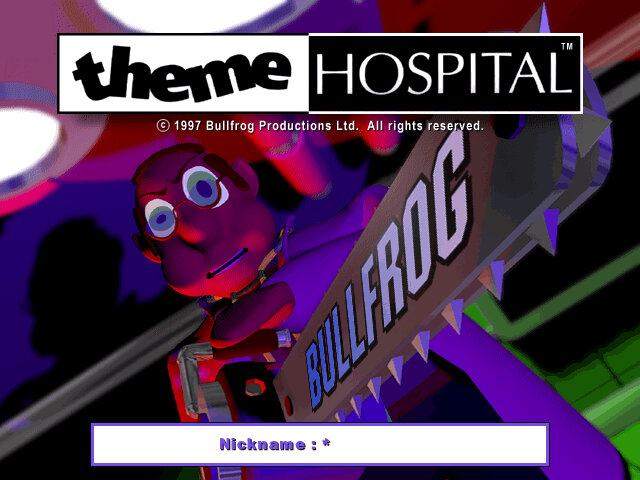
Theme Hospital

A hospital simulation game from The makers of Theme Park. Whilst its not an accurate simulator like Sim Healthcare, its still a lot of fun and has a lot of Bullfrog-type humor.

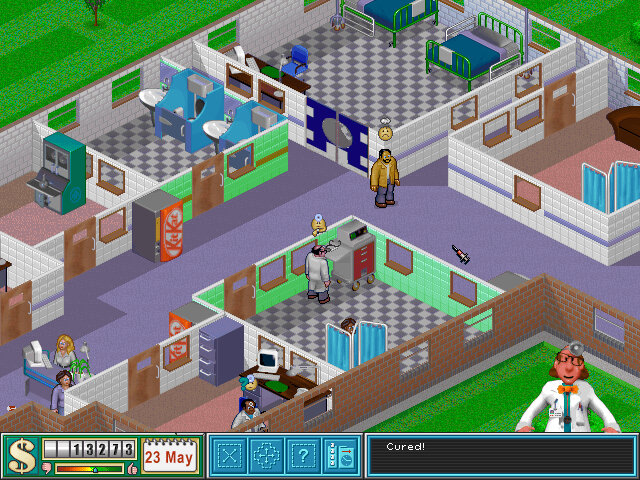
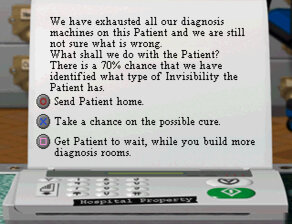
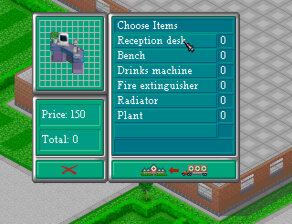
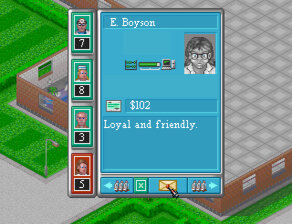
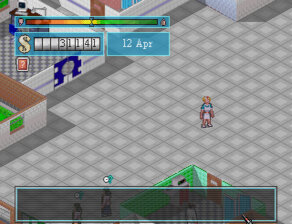
You start off with a blank empty hospital building, First thing to pop down is the reception desk, which is where patents will flock to when they first enter your hospital, of which they are then referred to the GP’s Office. Here you will want to build further diagnosis and treatment rooms as the patents demand for them.

GP’s Office: Used to find out what’s wrong with the patent. Usually a doctor in the GP’s office will be able to diagnose the patents depending on their skill set, but some will require the patient to refer to another diagnosis room to find out what type of illness the patient has. This room gets very busy as patients will return to this room until they are diagnosed, but not when they are cured. A good tactic is to build one near the diagnosis rooms like the X-ray or Scanner to help deduce the load. If you have a consultant doctor, you will want to place them in the GP’s Office as they are better at diagnosing illness than a regular or junior doctor.

Ward: Used for both diagnosis and treatment, this is managed by a Nurse. Wards can be sized quite large, and more than one bed can be placed. Patents will also rest here before entering the Operating Theatre. Beds can only be placed at a specific angle, so don’t make the room too big otherwise its wasted space.

Pharmacy: Used to administer a wide range of drugs used to cure patients. Operated by a nurse, you will need to build multiple Pharmacy’s later on in the game since this will cure a majority of illness.

Psychiatric: Like the ward this is also used for diagnosis and treatment. Requires a doctor with the Psychiatrist qualification. Bookcases and a skeleton can be added, not sure if this has any affect on the diagnosis?

Further diagnosis rooms consist of the Cardiogram, Scanner, X-Ray and Ultrascan, these are unlocked after research and require regular maintenance by an handyman. These machines get better through further research and can withstand multiple usage cycles and earthquakes. Since these rooms are only used to cure a single illness, you probably only need one per hospital, but in the case of emergency’s where up to 14 patients can arrive at the same time with the same illness, you may need to build another to satisfy demand.

Clinics are also treatment rooms that use machines to cure patients, again these are also unlocked as you progress through the game, the the inflation clinic being unlocked from the start. Slack Tongue Clinic and Fracture Clinic are two examples that are used to treat specific illness.

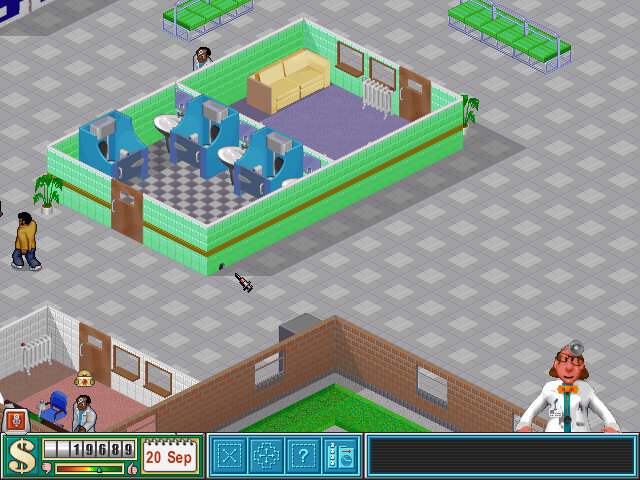
The Facilities are rooms that help your hospital to function and are required to progress to the next level: Toilets are used to stop patents from making a mess in your hospital, of which multiple toilets will need to be placed in larger hospitals. Usually one toilet per building is needed. A staff room allows staff to relax and replenish their energy with further objects being able to be researched like an arcade video game that reduced the time needed for staff to stay in the staff room. The Research Dept, unlocked from level 3 onwards allows your hospital to unlock new illnesses, rooms and machines, along with improving the effectiveness of your drugs which helps prevent accidental death by your staff. There is also an autopsy function that requires a sacrifice of a patient that will boost research for that illness, but carry’s a risk of a reputation drop if this is discovered.

Lastly there is a training room that allows doctors to learn new qualifications by a consultant level doctor. A problem here is doctors in training can also become consultants, which prevent them from learning new skills. This can be annoying when you are in the middle of training a new surgeon, only for him to become a consultant which stops skill progression.

Micromanagement

As you run your hospital, there are several elements that you need to manage

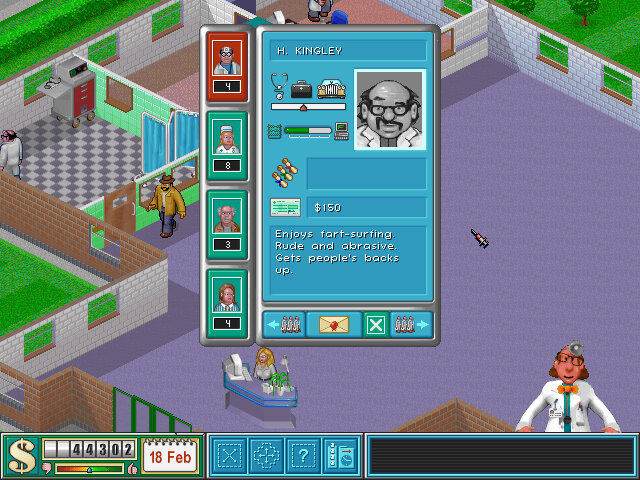
Staff Happiness: How happy are your staff, placing them in larger rooms with plants and heating will make them happier, otherwise they may demand a salary increase

Heating: Radiators need to be installed and set to an acceptable level, cold hospitals can affect the reputation and happiness of staff

Upkeep: Patients will litter the hospital as they remain in your hospital, ensure you have Handymen to clean up after them. Plants also require watering by handymen. Lastly, rats can infest the hospital and can be shot by quickly placing your mouse cursor over a moving rat.

Emergency’s: These start to appear from level 3 onwards, you must cure the specified amount of patients within the time limited to earn the bonus.

Research: as you build the first Research Department, you can monitor and focus on different aspects of research, if you prefer to have a focus on drug effectiveness or for diagnosis machines

Epidemics: These start to occur past level 6 and require you to treat all patients with the specified illness before the health minister arrives at your hospital.

Earthquakes: These can actually happen which results in the screen shaking rapidly, patients may fall to the ground but I don’t believe they die. The main issue is the damage to the machines, make sure they have been repaired by the handyman and they have adequate strength or the machines will be destroyed, rendering the room to be useless. I recommend replacing machines that have less than 5 units of strength.

Network Play

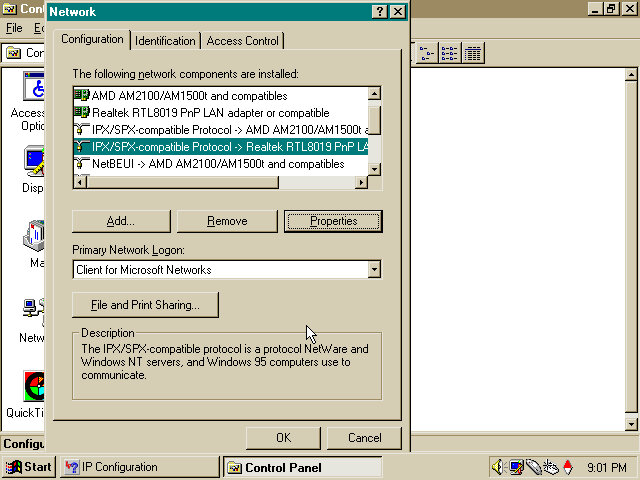
This requires a patch to be installed which adds network play support to the game which can then be accessed by choosing the middle part of the skull in the menu. The game is reliant on IPX or serial protocols to communicate with another player. For Windows 95/98 you need to ensure the IPX protocol stack is installed and enabled, which isn’t done by default. You can install it by clicking on the ‘Add’ button and selecting the Protocol, then IPX Comparable Protocol from the Microsoft group. You will have to reboot your system and might need the Windows 9x install CD to finish install.

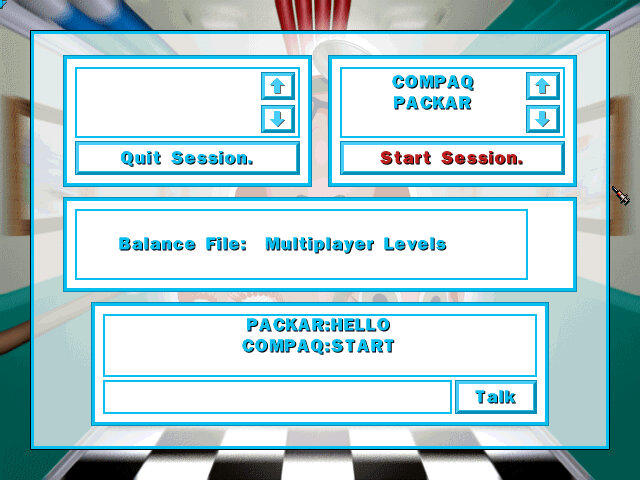
I was able to get this working over 86Box using a PCap configured network using two 86BOX VMs, setting the VMWare network adaptors seemed to work the best. Both players have access to the same map and must complete with each other for land, when purchasing land a bidding war is started between all players on the map. Objectives are given every six months which determines who wins the game, the game continues until one player loses.

Original PC MS-DOS/Win32

A hybrid DOS/Windows 32bit game which can run under either environment. Whilst designed for Windows 95 it will happily work under Windows 98 and ME.

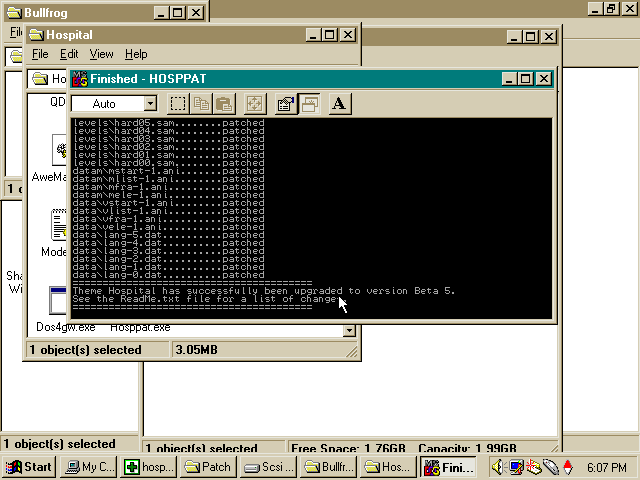
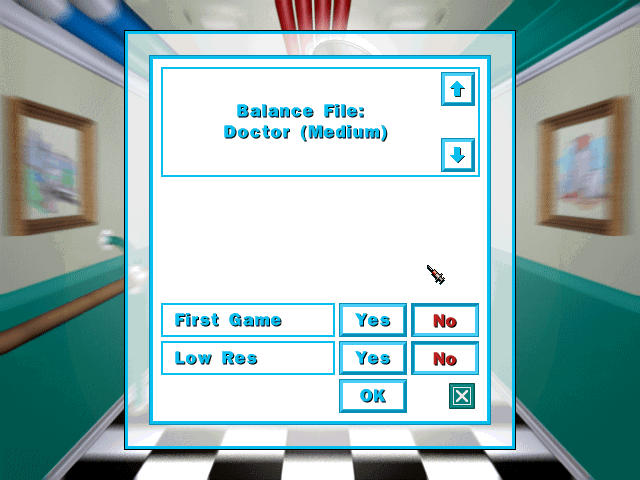
A patch was released for the game which fixes a few bugs, adds a difficultly level adjusted and support for IPX network play.

The game is also capable of running under DOS, which might be useful for low end PCs since its not reliant on Windows 95 running in the background.

No Macintosh version was release for this game, which is odd for a simulation game released in this era.

CorsixTH

This is a remake of the original game using a custom engine designed for more modern Windows operating systems, and has been ported to Linux based operating systems. Highly recommend as this allows the game to un in higher resolutions (tested up to 2560×1440) and fixes a lot of bugs that plagued the original game.

Sony PlayStation

The game was ported to the Sony PlayStation shortly after the PC release. Running in a lower resolution and missing the background music which removes a lot of charm to the game. Its also a bitch to play since the game has poorly adapted the user interface from the PC version. You have to use the controller to navigate the cursor onscreen to select the dialog boxes, instead of just mapping them to the PlayStation face buttons which makes it time consuming to perform simple actions.

Rooms are also fixed in size, which does make it easier to play via the controller.

This was also related as a PSone classic for the PlayStation 3 and PlayStation Portable.

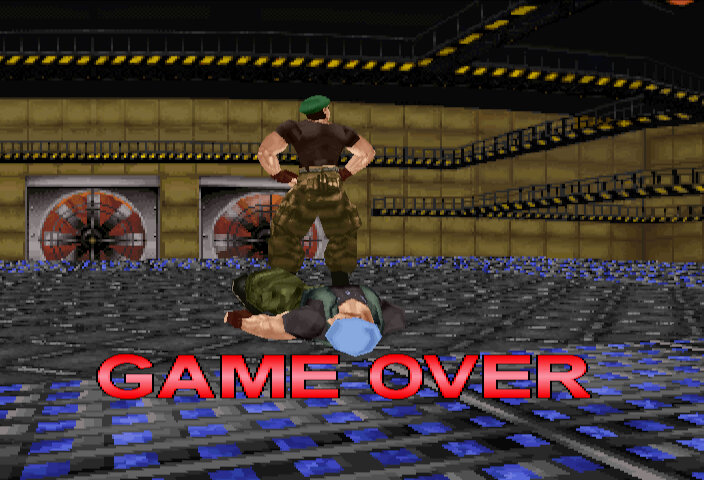
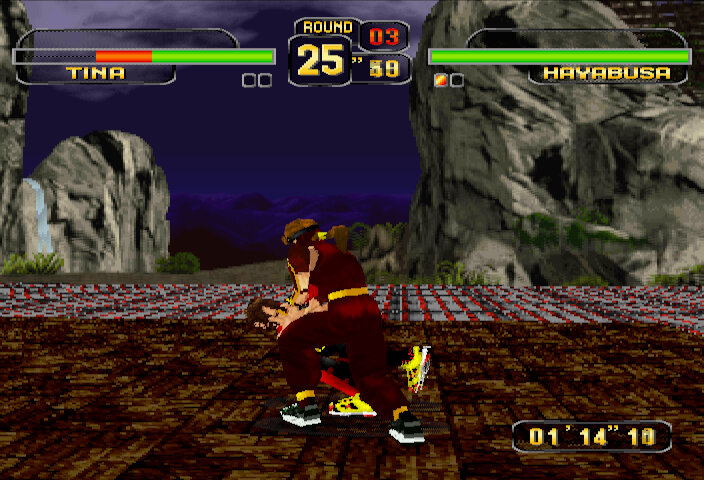
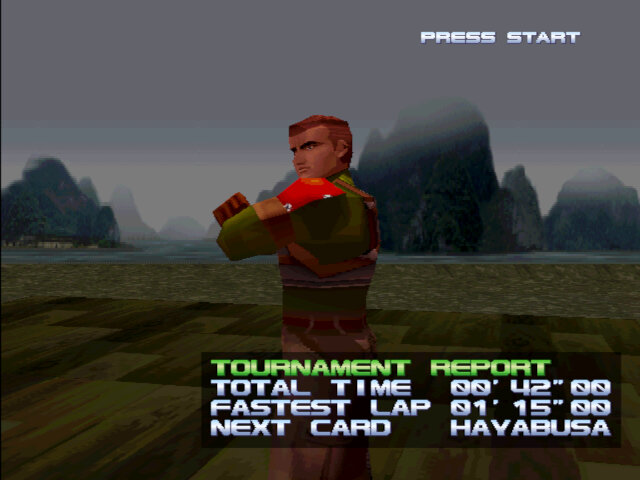
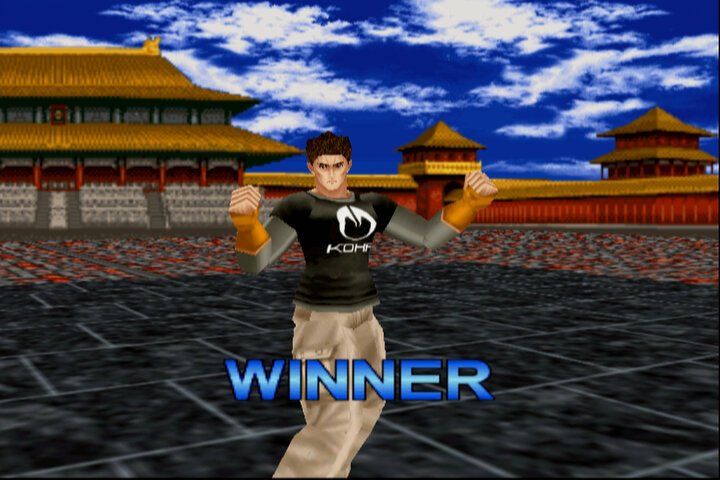
Dead or Alive

Virtua Fighter with bouncing physics

Released in 1996, Dead or alive was the fighting game created by Tomobou Itagaki, who is known for hating the Tekken game with a passion.

There are some similarities to the Virtua Fighter series of games by Sega, and have the same input controls and move-sets with Punch, Kick and Guard/Hold.

Characters

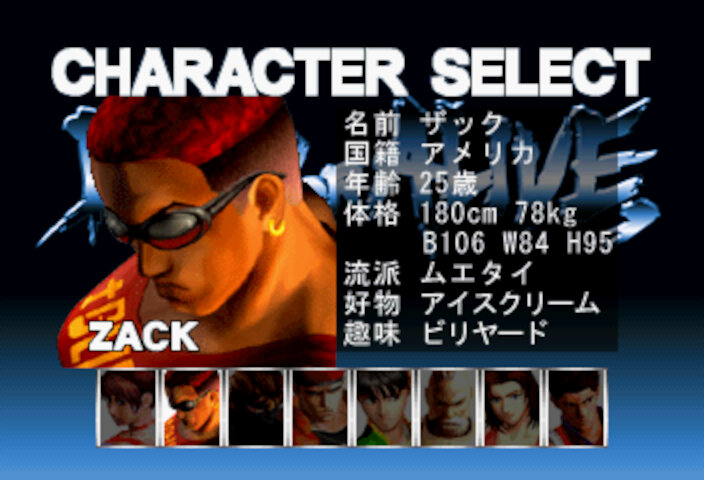
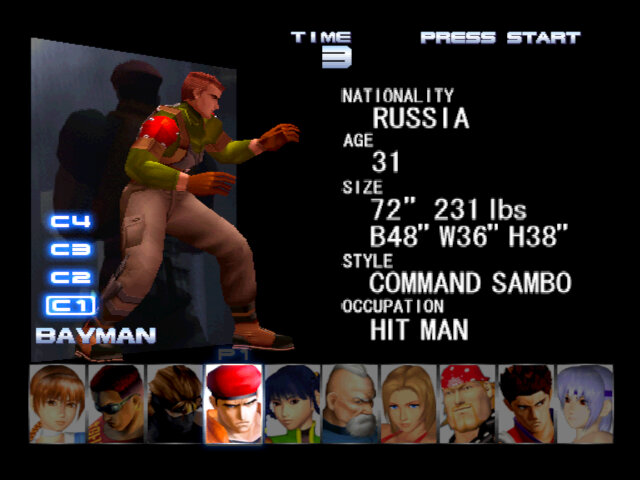
The character select screen displays basic stats on the characters and some not-so-useful information like the character’s favorite food and their hobbies. Honestly, this looks more like a dating site profile but does add a bit of personality to the fighters.

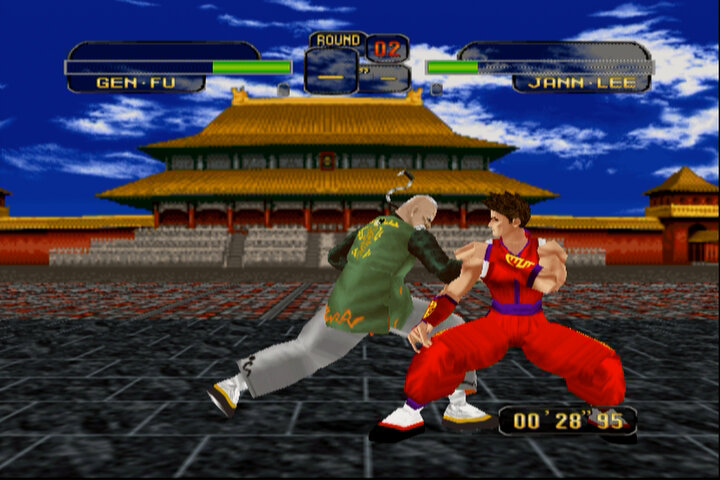
As with other fighting games, each character has their own unique fighting style which is tailored to their culture, and there are some obvious inspirations with Jann Lee being based off Bruce Lee.

  • Kasumi: The ginger ninja, or runaway shinobi according to the games lore
  • Zack: Dennis Rodman-inspired character who has a kickboxer moveset. The first opponent who stage is set on a tropical beach set at sunset
  • Ryu: Another Ninja, from the game Ninja Gaiden. The third opponent set on a rural Japanese stage with a hut in the background
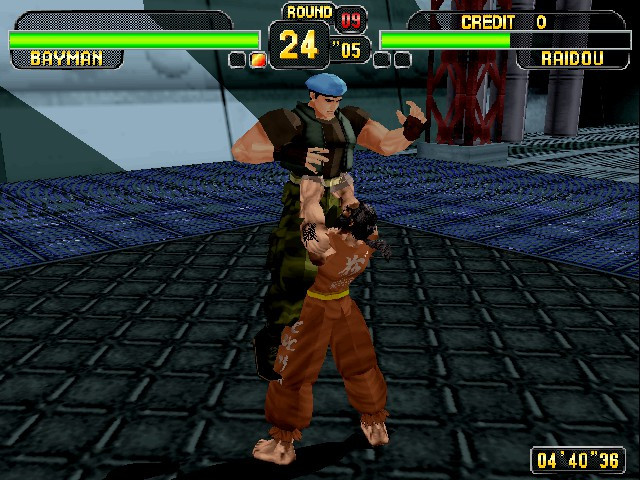
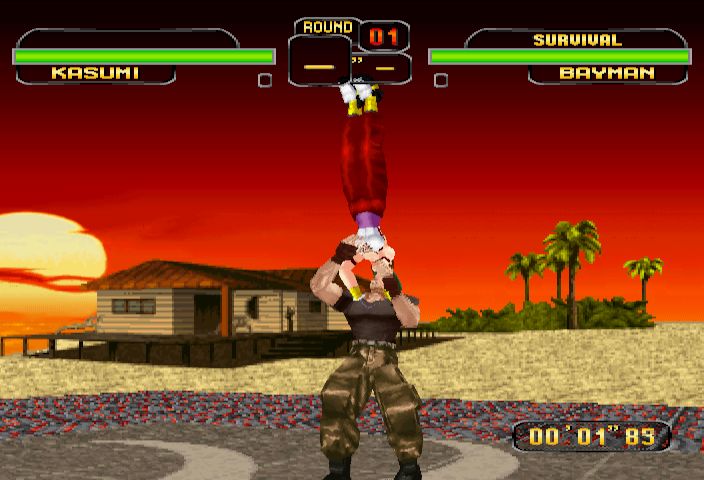
  • Bayman: A Russian henchman/assassin, the sixth opponent whose stage is set in an aircraft hangar since he is supposed to have a military background
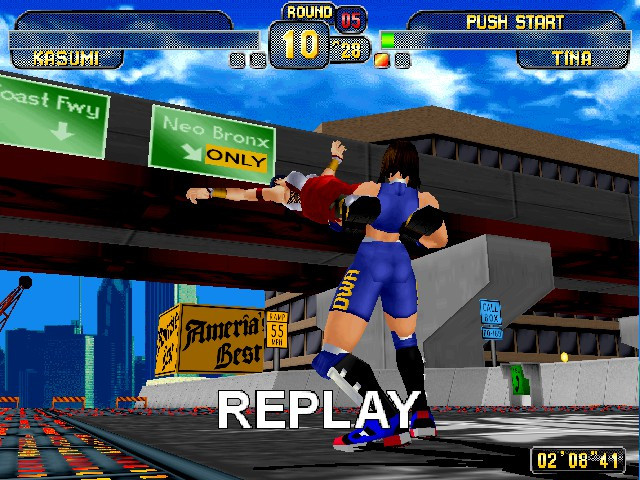
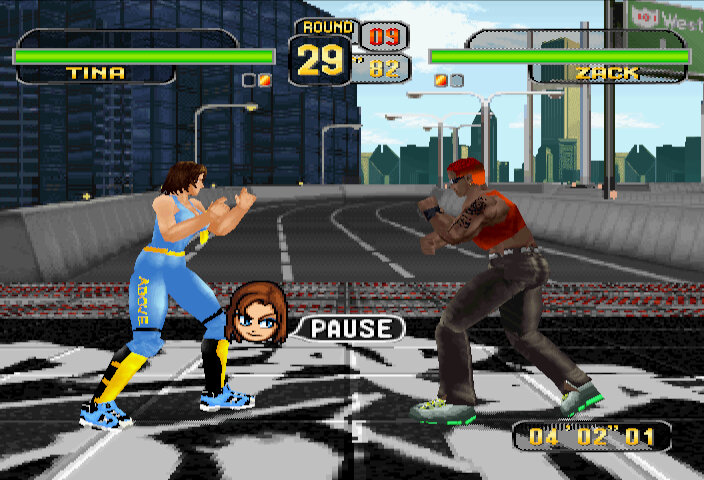
  • Jann Lee: Bruce Lee, similar to Law from Tekken. The fourth opponent and shares a stage with Tina, which is an American downtown highway set at night
  • Tina Armstrong: A wrestler and daughter of Bass Armstrong
  • Gen Fu: Old dude who is a master in Kung Fu, like Wang from Tekken
  • Lei Fang: A Chinese fortune teller turned fighter
  • PlayStation Only
    • Ayane: Kasumi’s half-sister who are rivals. Looks like a feminist
  • Bass Armstrong: Tina’s father, Hulk Hogan and Randy Savage crossover

Versions

Dead or Alive was released initially in arcades in 1996, and then ported to home consoles in 1997

Arcade (Original)

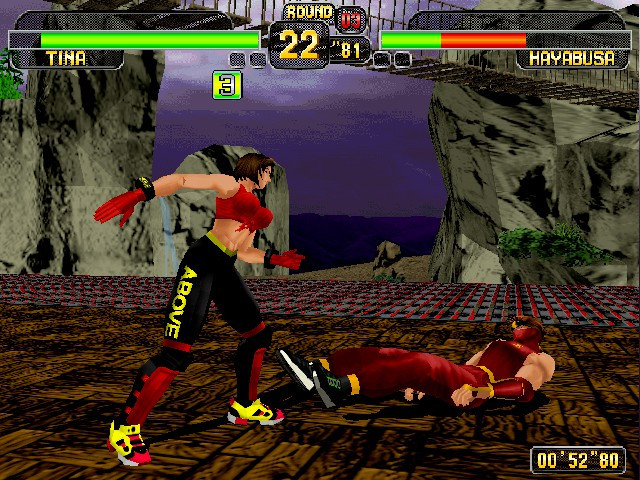
The game runs on the Sega Model 2 arcade board and is very similar to Virtua Fighter 2 which also ran on the same board. The control movesets and even the background stages are similar. This version of the game renders its stage background in full 3D, allowing for certain moves that use the background elements like a couple of Ryu’s moves on his stage. There is also a ‘Danger Zone’ around the stage that when your opponent lands on it, will be propelled into the air with a mild explosion, dealing some damage.

Sega Saturn

The game was ported to the Saturn and was the first home port of the game. This version is a mostly faithful conversion of the arcade original, with some changes taking place due to the less capabilities of the Saturn 3D hardware. Still, the Saturn has always done good with fighting games, and Dead Or Alive is no exception to this, yet this version of the game was only released in Japan.

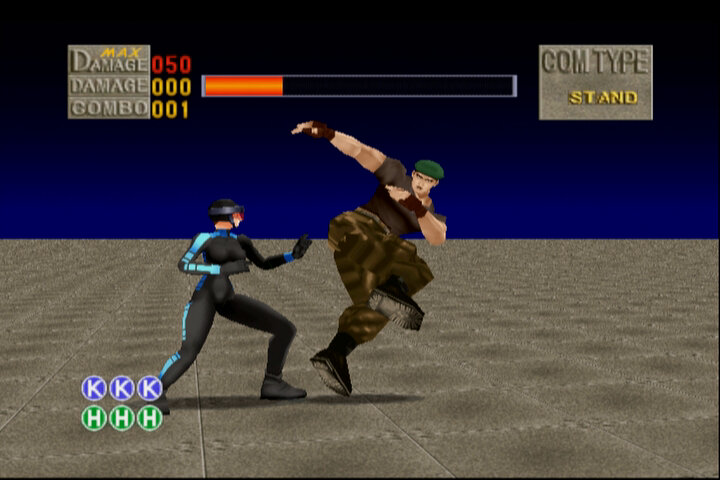
There are a few menu options added, with a Time Attack mode being similar to arcade mode but with the goal of completing rounds in the shortest amount of time. V.S being versus, allowing a second player to fight head to head. Survival mode has you fight against multiple opponents, one at a time, using a single life bar. Kumite is somewhat a sparing mode where you can fight from 30/60/100 opponents which the goal of having the highest winning percentage. Lastly, there is also a standard training mode that lets you practice each character move, and test against opponents’ defensive moves.

Like other Arcade to Saturn conversions, an opening FMV is included which gives a quick montage of the characters.

As the Saturn version of the game was only released in Japan, I would avoid this version and get the original Xbox version instead, which is the same game but with added online play and cleaned-up graphics.

Sony PlayStation

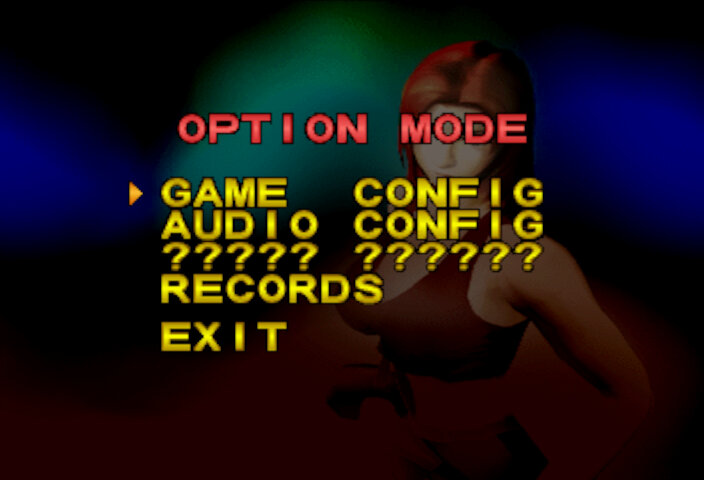
An updated version of the game was released for the PlayStation, which came with updated moves, two new added characters & backgrounds. This is considered a remake of sorts, as the stage background and music have been redesigned and are vastly different compared to the Sega versions. Two new characters have also been added which also feature in the arcade version, Dead or Alive ++, not the Model 2 version.

This version also includes the training, Kumite, Survival and Vs modes.

Arcade (Dead Or Alive++)

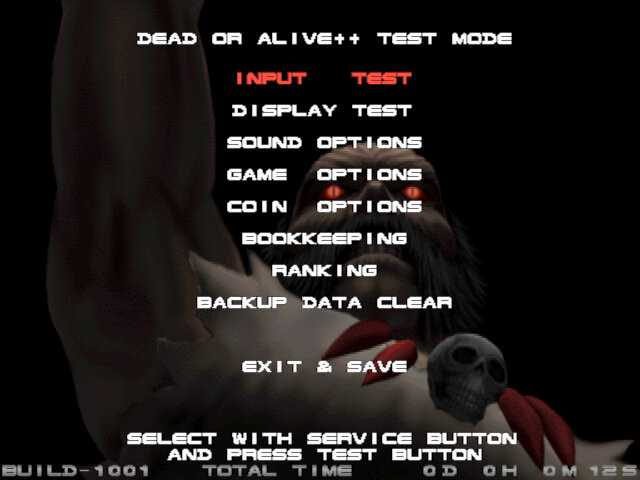
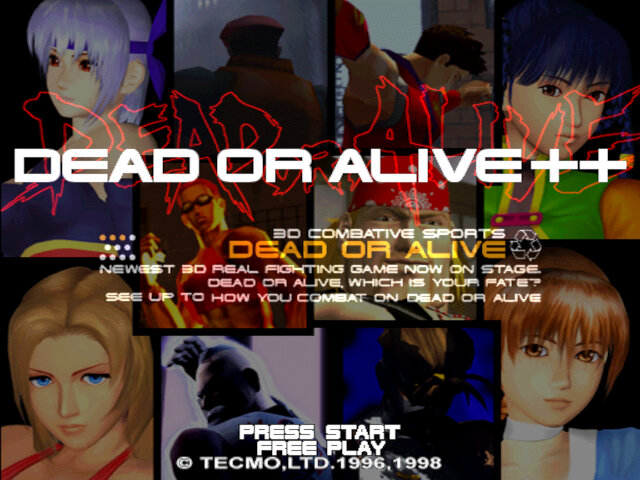
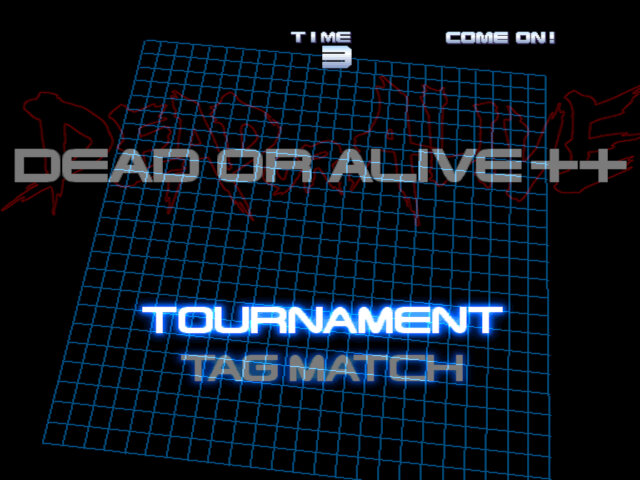
Another arcade version was released, this time on the PlayStation-based ZN arcade board, and shared a lot of similarities with the PlayStation home release. Each fighter has 4 different costumes to choose from, and a tag match mode has been added. New characters, Bass Armstong and Ayane have been added to this version.

Xbox

This version was based of the original Sega Saturn release but takes advantage of the Xbox hardware. However, id say it pales graphically compared to the Model 2 version which features full 3D background objects, whilst the Xbox version features the static 2D backgrounds (no moving objects in the background, but some textures are animated) the Saturn uses. Still the character’s models and textures are more detailed, and Xbox Live support is included in this port of the game to allow online multiplayer. This has since been shut down following Microsoft discontinuing support for original Xbox Live titles in 2010.

Still, you miss out on Bass Armstrong and Ayane which is an odd omission.

This version of the game is playable on the Xbox One and Series consoles and can be brought online. You can also play on the Xbox 360 with a compatible hard drive.

Conclusion

Dead Or Alive came at a very hard time for Tecmo, who was facing bankruptcy prior to the release, hence the name of Dead Or Alive.

Dead Or Alive would be followed up in 1999, with the release of Dead or Alive 2 for the Dreamcast, and the PlayStation 2. It would be the last game released for the arcades. Future installments would be released on the Xbox exclusively, before returning to multiplatform with Dead or Alive 5.

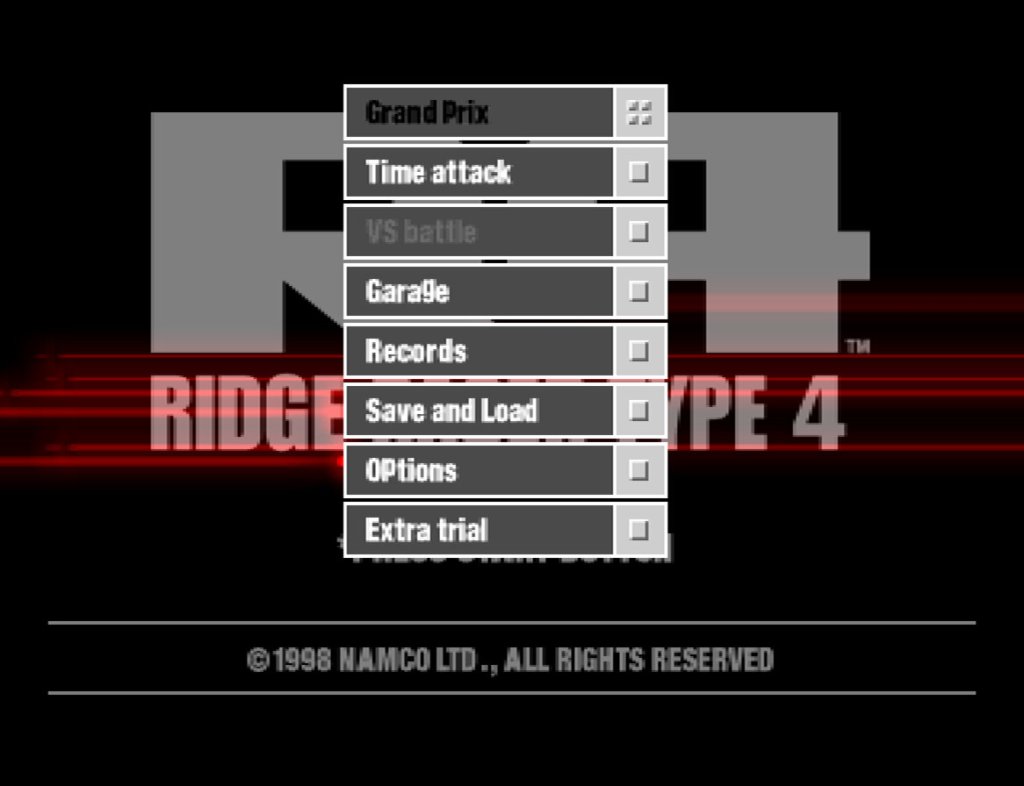
Ridge Racer Type 4

Widely considered to be the best in the Ridge Racer series, its soundtrack and the opening FMV are defiantly most memorable. This would be the last Ridge Racer game released for the original PlayStation.

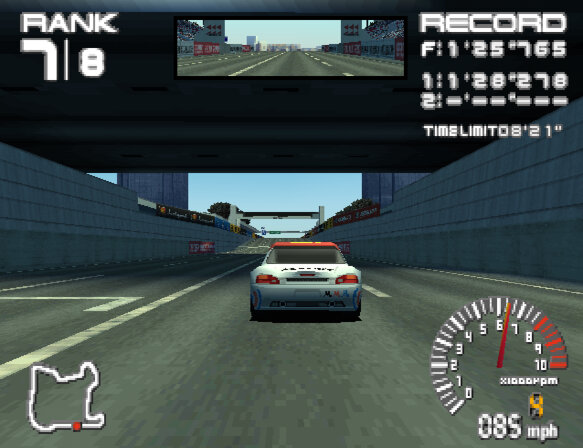
The game improves on the mechanics from Rage Racer and Ridge Racer Revolution, complete with eight brand new tracks and a soundtrack that’s a complete departure from the drum & bass themes from the previous instalment. Graphics-wise the game sees a shift that pushes the PlayStation hardware to the extreme, thanks to the use of Gouraud shading that gives a shade of depth to the polygons, giving the game a realistic appearance.

To keep a stable 30FPS, which was the game’s target framerate, certain changes are made to the enemy opponents, where you only have up to 4 cars on screen at the same time, of which the AI-controlled cars are more spread out across the track. In contrast to the early titles where you will pass multiple cars in the same area, in R4 the opponents feel spaced out and you pass by them in a linear fashion.

Grand Prix

There is a story mode of some sort, you can choose from four teams that will have their own unique manager representing the company. Here you have a direct dialog that gives more detail into the backstory of the teams and how they tie into the Ridge Racer Grand Prix. After every race you will have a meeting with them and their dialog is dependent on how you perform (which place you finish in). There is no dialogue for when you lose or fail to qualify, as the game will prompt you to retry or will go straight to a game over screen.
The team choice will also affect the ending epilogue (although on some emulators there is a bug that causes only the MMM epilogue to play)

The Teams

Four teams come with Ridge Racer Type 4, all of which are some reference to another Namco arcade game franchise.

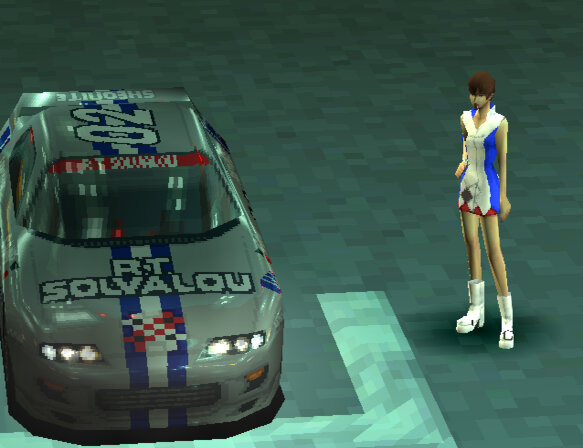
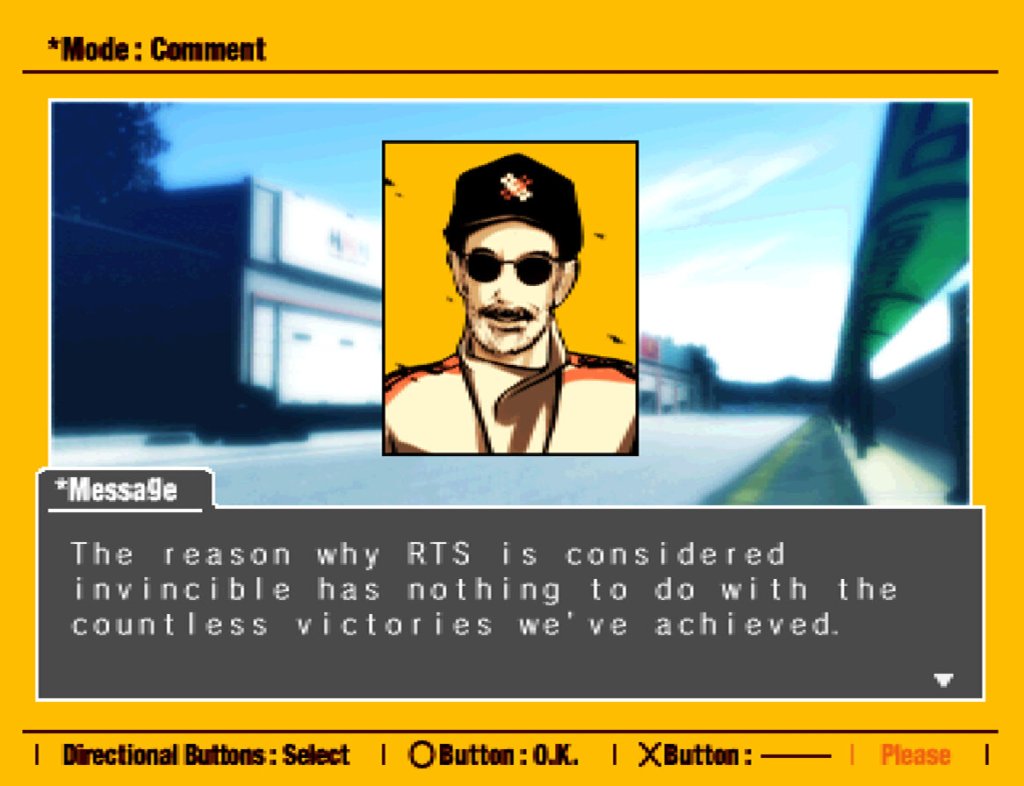
Conversation with your team representative

Micro Mouse Mappy: A French racing team led by Sophie Chevalier. The easiest team in the game which is recommended for new players.
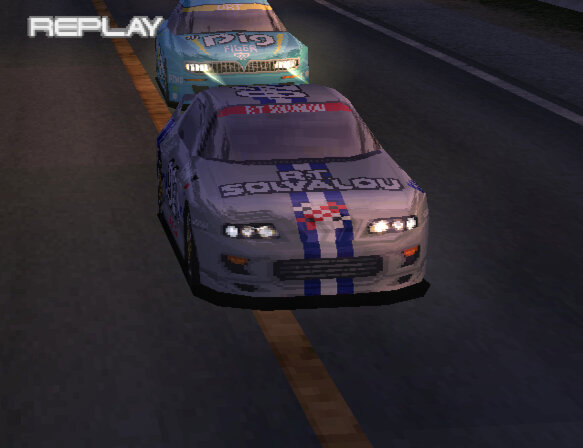
R.T.S: Lead by Enki Gilbert, He starts off as a perfectionist, expecting you to come in first place in every race but eventually softens u after learning of the Pac Racing Club’s entry. Its implied the manager looks to the player as a second son, due to his actual son being involved in an accident that cost him his life. Towards the end he wants the player to take the race easy, fearing history could repeat again like the death of his son.
Dig Racing Team: My favorite team since I like the underdog teams, They’re a struggling team that is under budget and as a result will enable to provide fast cars from a majority of the races, meaning you will need to rely on skill in order to get ahead of the competition.
Pac Racing Club: Lead by Shinji Yazaki, seems to only care about the results of the race, but will open up over time about a past Gran Prix where Enki’s son died during a race in which he was involved in.

The Cars

There are lots of cars included in the game, over 320 in fact. Many of these are unlocked by beating the Grand Prix modes across various teams and car manufacturers.

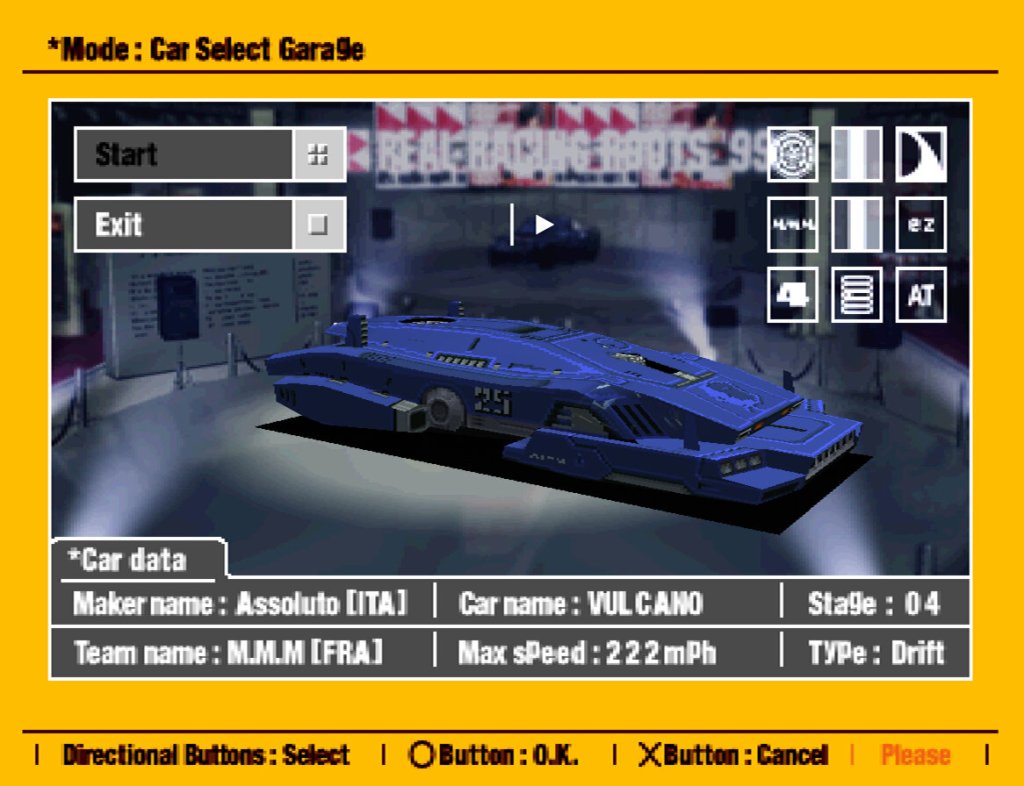
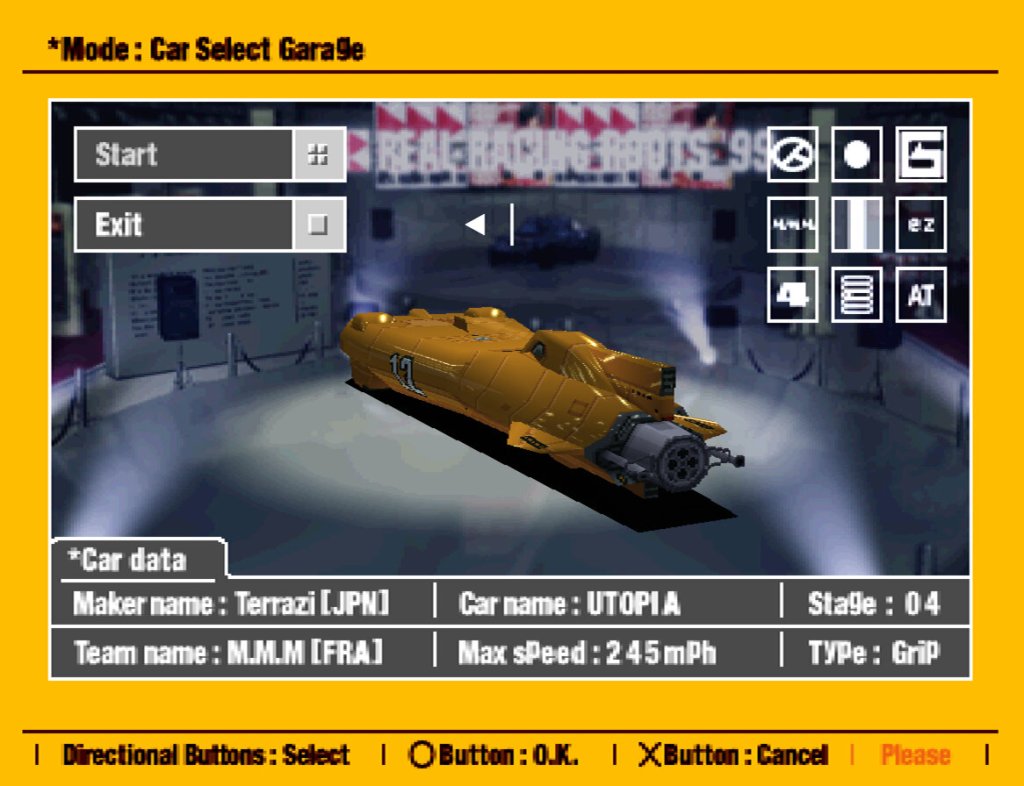
Garage cars are the cars you unlock during the Grand Prix events and can come from four manufacturers, across four different teams, giving 16 different design variations. However the game will reward you with a different car depending on your performance of the early events, ie, if you come 1st 2nd or 3rd during the first heat, will influence the type of upgrades you have, which the game counts as an additional car. Therefore in order to unlock all cars, you have to play the Grand Prix with the same manufacturer/team combo several times, coming deliberately in 3rd/2nd and 1st place for each run.
The garage can only hold a limited amount of cars, and will you have to swap out locked cars in order to play them in time attack or link/multiplayer.

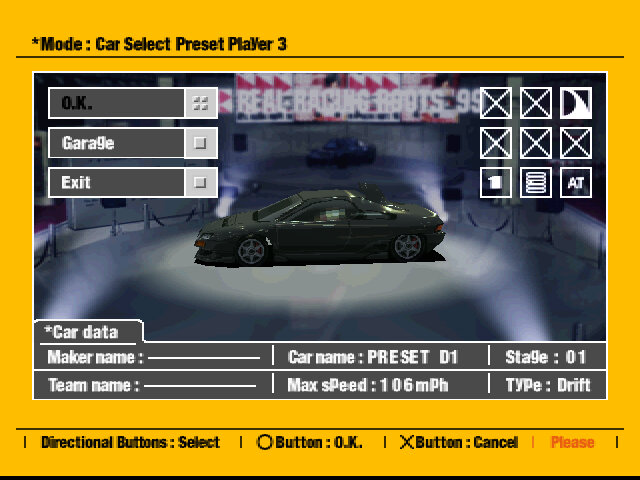
There are also a few preset cars that are already unlocked for use in time attack or for two-player mode, these are also in grip or drift varieties. These don’t seem to have any defined name, other than Preset G3, Preset D4, etc. Most players will refer to them by the color, which comes in (red, black/Grey, white or yellow)

And then you have the cars unlocked using the extra trials, you can only unlock these by winning a Grand Prix with a specific manufacturer, although the team does not matter much, except for the performance tuning.

The Tracks

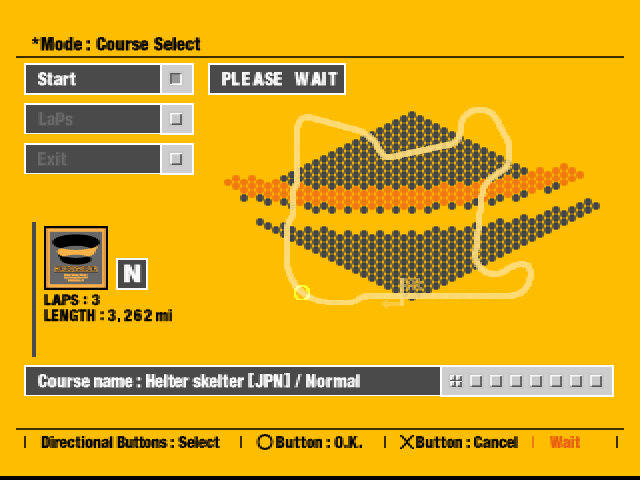
  • Helter Skelter: The first track you will probably play, set in Japan Yokohama and shares with Out Of Blue. A good track that serves as an introduction to the game’s drift mechanics and style. The song Pearl Blue Soul always plays on this course.
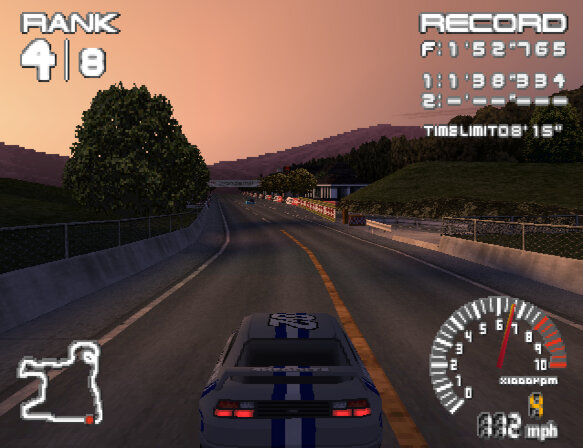
  • Wonderhill: The second track that is played on a late spring afternoon that gives a sunset sky. This track shares with the Heaven and Hell track that appears later in the game. The music on this track can differ if you are racing with the RTS team (Revlimit Funk plays), otherwise Naked Glow will usually play, and it really suits this course
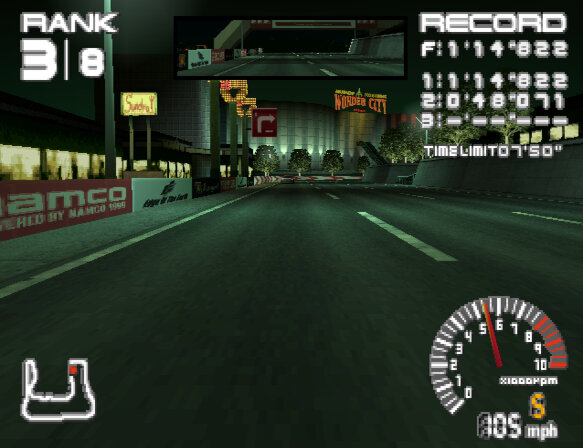
  • Edge of the Earth: Set at night in an airport that leads into a small city, one of my favourite courses since you can go full speed, but also must be mindful of the courses.
  • Out of Blue: In contrast to the previous track, this one is set very early in the morning and shared with Helter Skelter, with OOB separating into its own path, which features locations near a shipping dock. Some of the scenery here reminds me of the original Ridge Racer track. The corners on this track can be brutal, so make sure you are used to the car’s handling.
  • Phantomile: It’s a very short course in comparison to the others, and the corners are rather savage. The Motor Species song always plays for this course. Also just so happens this race is set on the same day as my birthday.
  • Brightest Nite: Another course set at night time, this one also shares with Edge of the Earth. This one is set later at night and features a huge drop towards the end of the tack
  • Heaven and Hell: Shares with Heaven and hell, although it’s set earlier in the day which gives off a different feel of the track, being much brighter.
  • Shooting Hoops: The last track to race and it’s a good and simple one, set at midnight of December 31st 1999 on the eve of the new millennium. The song Movin’ in Circles always plays for this track and on the last lap you can see fireworks being set off as the new millennium is upon us (Cue airplanes falling out of the sky due to the Y2K bug)

Vs and Link Battle

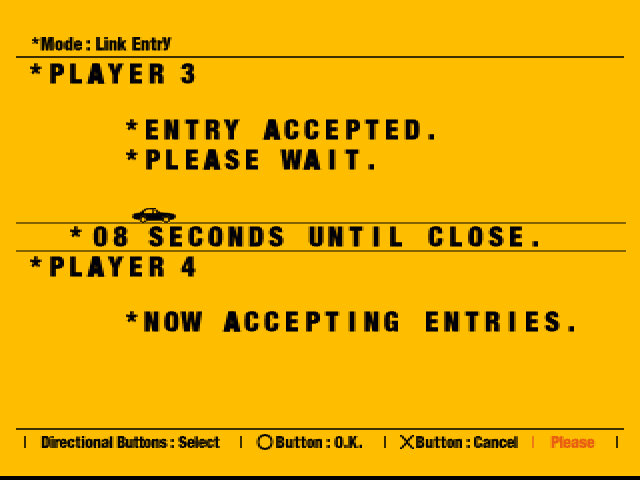
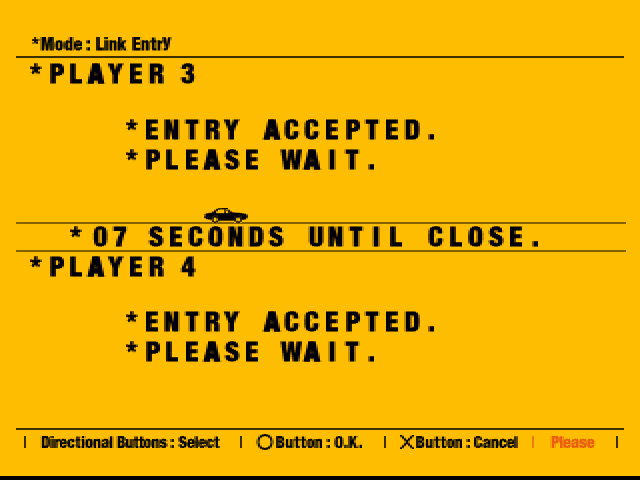
Link battle adds the ability to play with up to four different players, across two consoles. This is similar to how early titles handled multiplayer where two consoles are connected together using the official link cable, along with two displays and copies of the game.
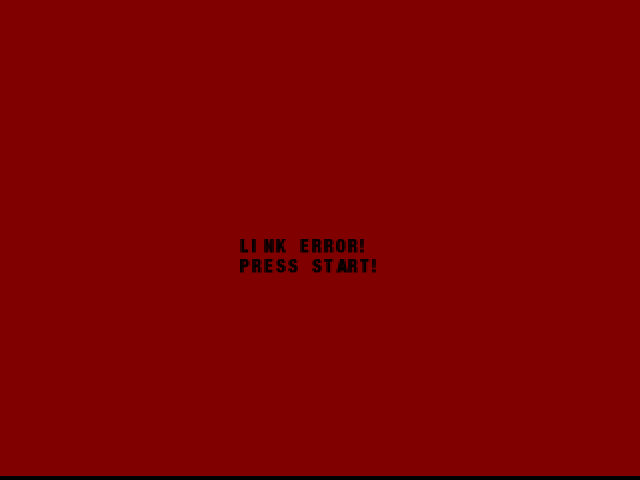
If the game detects another console connected using the serial link cable, the link battle option will appear in the main menu. Sadly in PCSX-R whilst we are able to establish a link between two instances with a Linux Virtual machine (running Ubuntu & Pop_OS), the speed is incredibly slow and unplayable, and whilst we can navigate the link mode menus, the game will display an error message when we try to start the race.

The regular VS mode can also be accessed by having two controllers connected to the console, where the game plays in a split-screen mode allowing for both racers to race at the same time through one console. You can combine this with the link battle to have a total of four players in a single race, with two players per console.

The multitap is not supported here, only a maximum of two players per console.

Further Information

Decal Editor

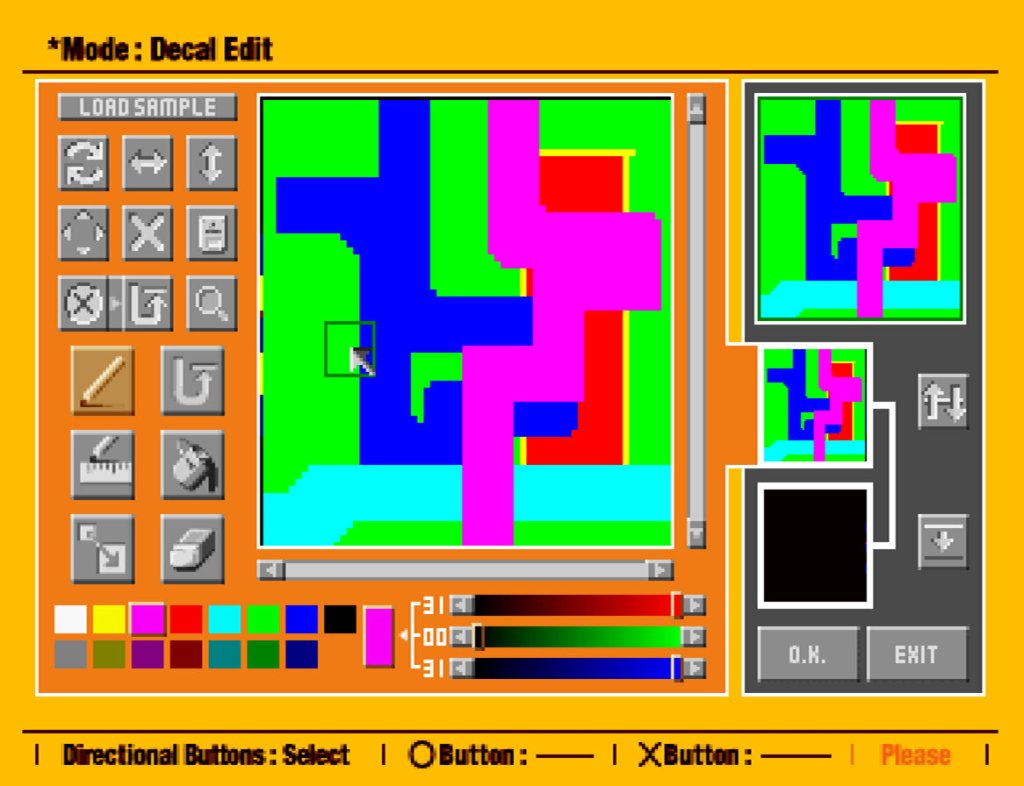
Like in Rage Racer, a decal can be created and applied to your team’s car which can be any pattern. Here the PlayStation mouse is best used

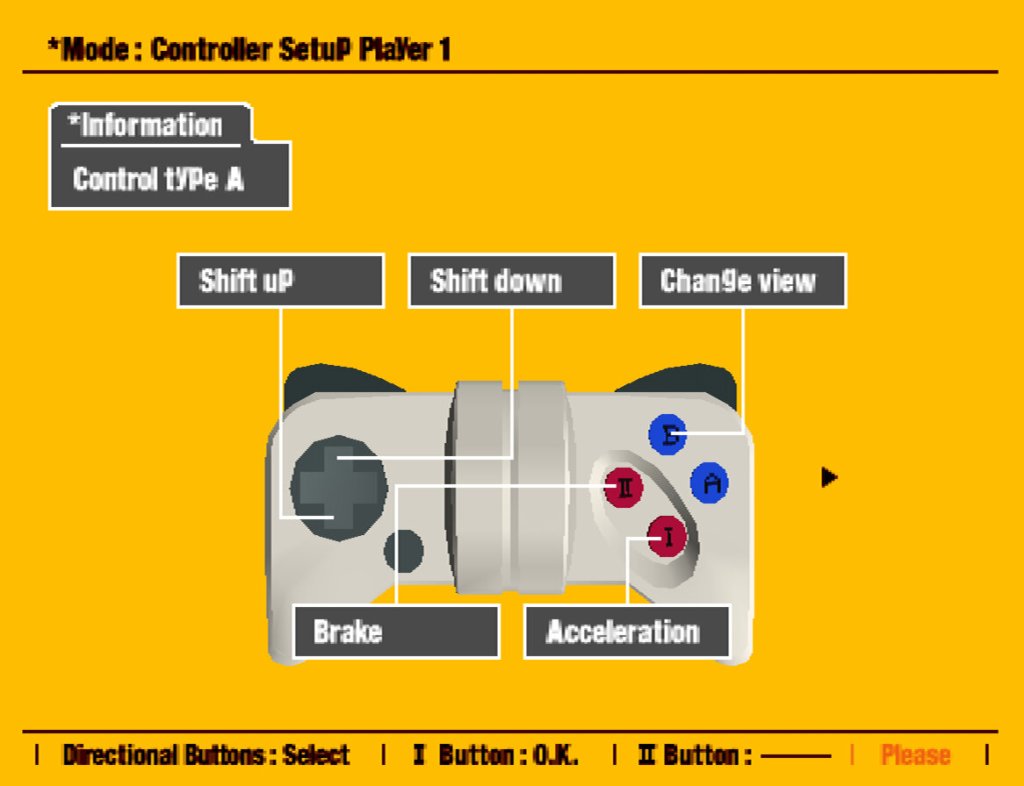
The Namco NeGcon is fully supported for steering and acceleration, in addition to the DualShock analog sticks.

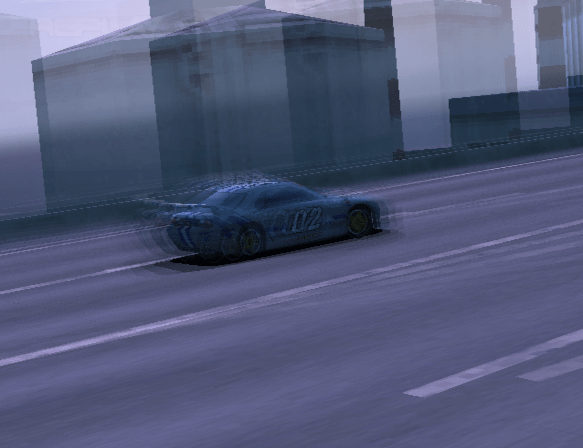
A visual blur effect can be applied when a race is being replayed, activated by pressing the L1 or R1 buttons.

Tekken 3

The attitude era of Tekken

Taking place several years after Tekken 2 and featured several new characters and a few from the previous instalment. Tekken 3 introduces several new gameplay mechanics that take advantage of the 3D fighting environment, with the ability to sidestep

Versions

Like earlier installments, Tekken 3 was released to arcades first in 1996, then ported to the PlayStation in 1998

Arcade

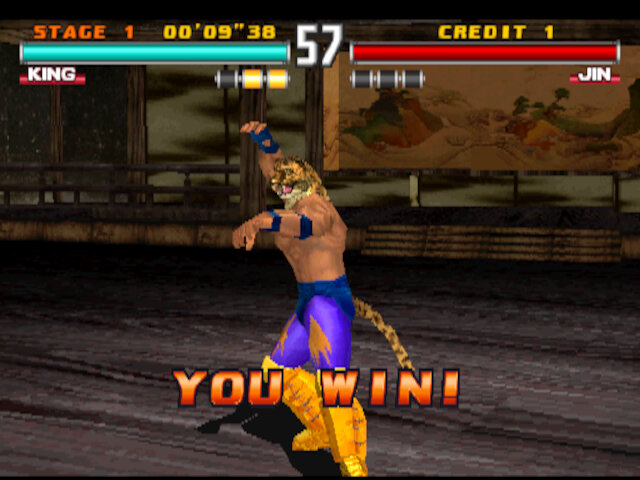
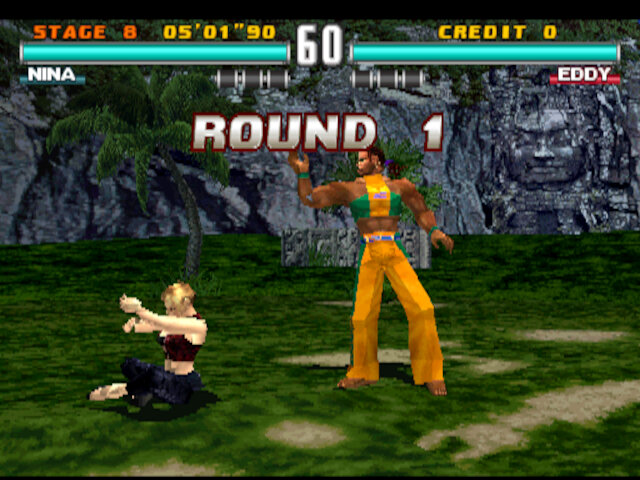
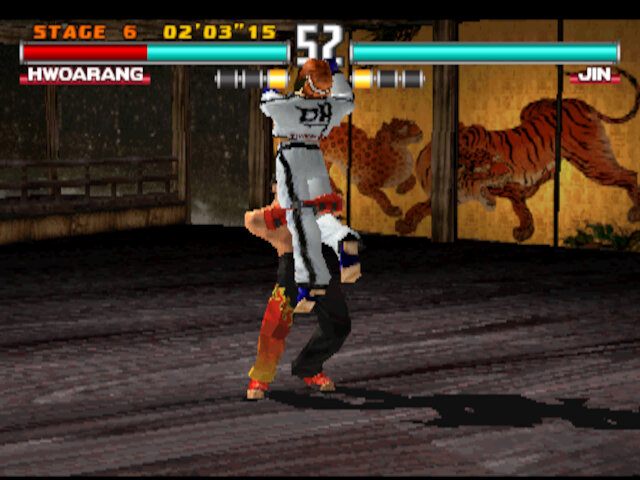
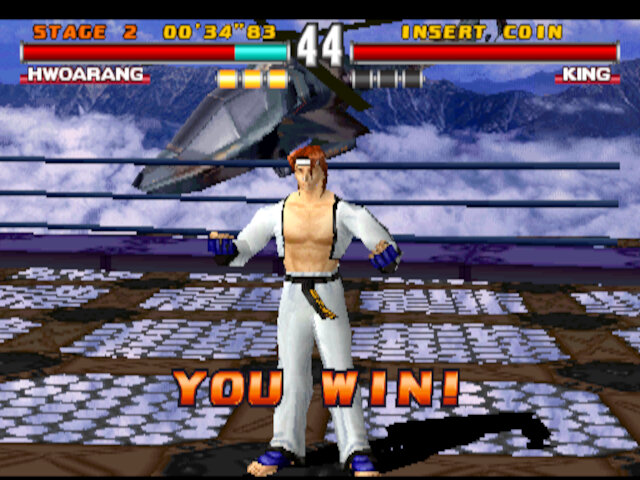
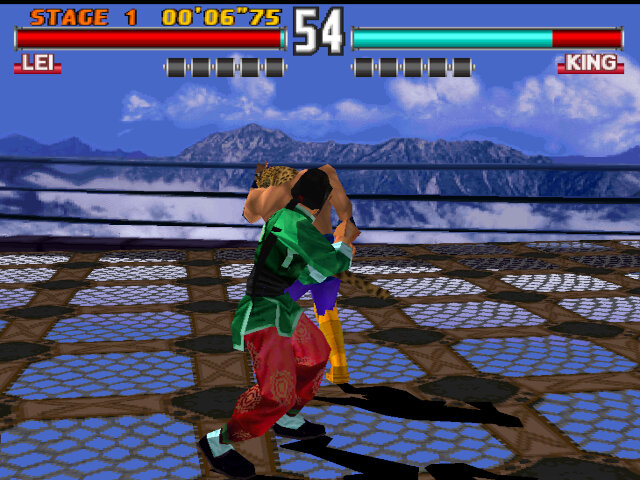
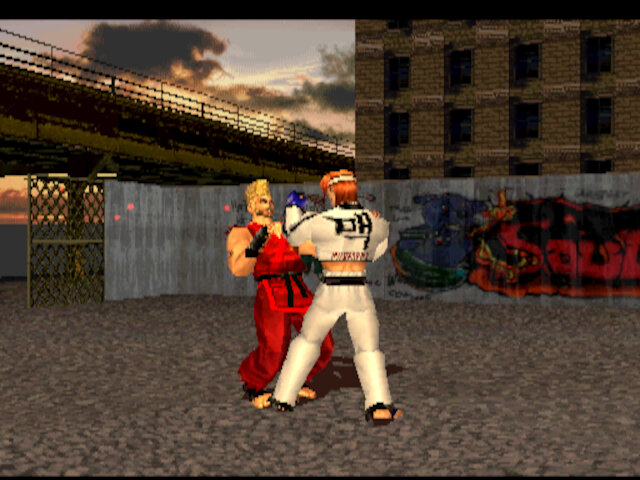
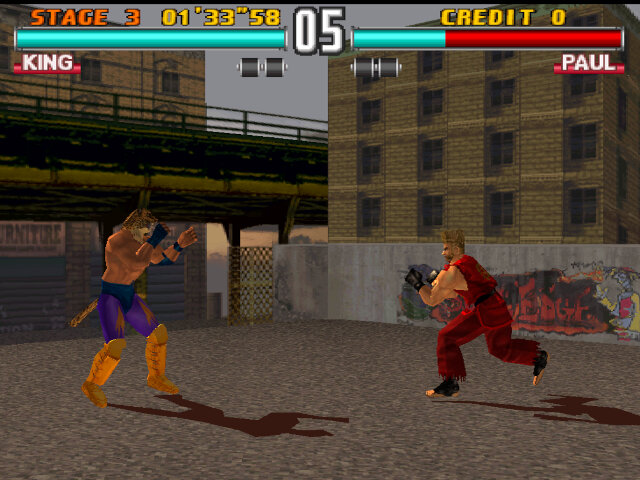
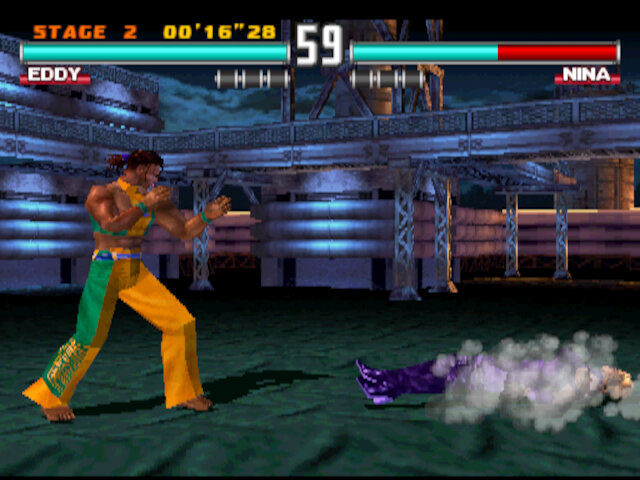
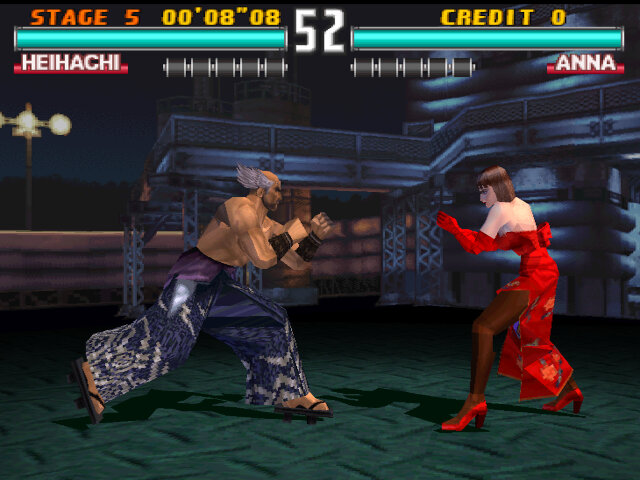
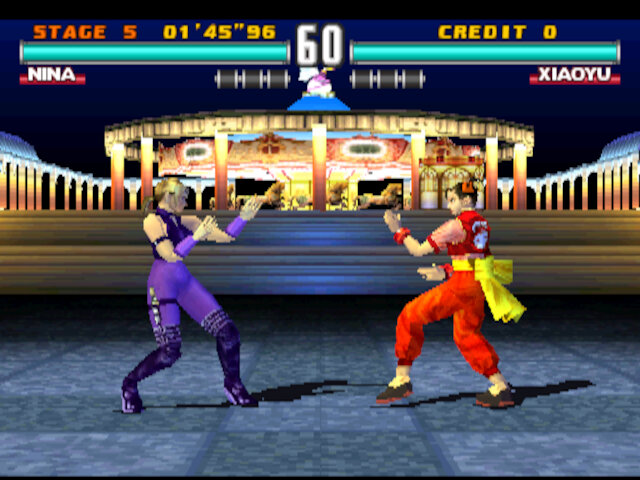
The arcade version ran on an upgraded PlayStation based board, known as Namco System 12 which featured a higher clocked processor (48MHz vs 33Mhz) and slightly more VRAM (2MB vs 1MB) This game Tekken 3 had the ability to run at a higher polygon count allowing for more detailed characters, along with its background stages to me more detailed thanks to the increased VRAM. This gives a 3D-like effect to the background, and you can see them being more vibrant, especially on Howoarg’s stage. On King’s stage, there is a helicopter that does not show up in the console released, and on Xiayou’s stage, a moving carousel can be seen.
Sound is provided by the Namco C352, accompanied by the Hitachi H8 3002 processor. A unique feature of the sound is that the background music progress depending on the current round your character is on, reach round 2, and the sound changes to another verse/segment, round 3 and another segment plays before looping back to the start segment for round 4 onwards. This all depends if you have configured the game to have 3 or more rounds, by default Tekken 3 is set for two rounds (A third is possible if the opponent wins).

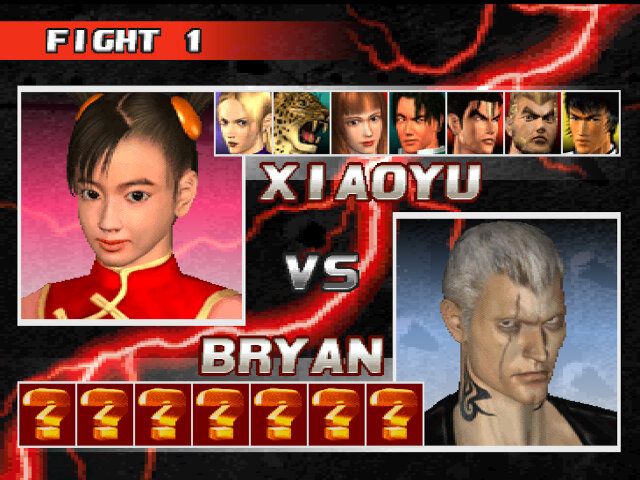
At the start, there are only a few characters playable, with the rest being locked/hidden. Namco implemented a time-based unlock that would unlock characters depending on the amount of time the arcade machine was left on. Thankfully there is a MAME cheat to unlock all characters instantly, so you don’t need to leave the emulator running. Also, all hidden characters share the same background music, due to how uncommon they are and the limited ROM storage, whilst the PlayStation port gives them their own unique music as part of the arranged soundtrack.


The arcade release would later be ported to the PS2, as part of a bonus feature of Tekken 5, This one retains all the graphic enhancements from the System 12 version.
The original Japanese arcade release had Jun as her own character, with her own portrait panel. But her character model uses Nina’s and has Jin’s move set. She will appear in the attract screen character usage statistics once you have completed arcade mode as her. Sake is another unused character but this one is more incomplete. Later arcade releases remove her and Sake as playable characters, and they do not appear at all in any home console release.

PlayStation

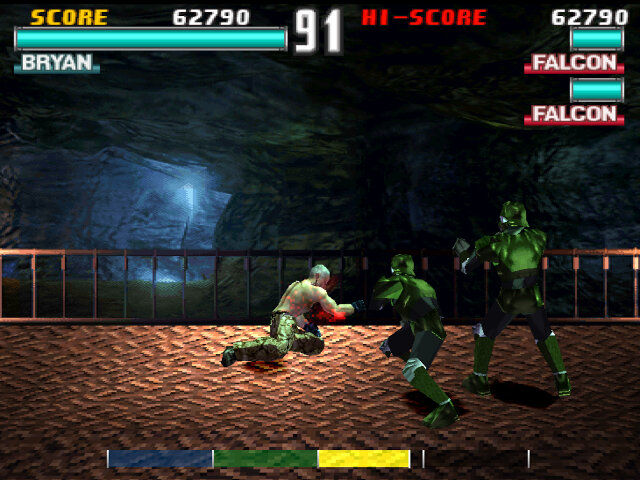
Compared to other Tekken arcade to console releases, Tekken 3 required some conversion time as the home console was a lot more contained compared to the arcade version. One notable difference was the change in the stage background, opting for a more flat box-like look compared to the detailed arcade background, The character models also went to a polygon diet and a minor reduction in resolution to keep the game running at 60fps.
However Namco made up for it with the added content, with a newly arranged soundtrack that remixes samples from the arcade original soundtrack, plus each unlockable character has their own background audio track.

Tekken Force is a new game mode that puts you in a beat-em-up environment. Your character has to progress through a series of stages (4 in total). Each stage has a boss character which will be one of the playable Tekken characters before they face Heiachi at the final stage.


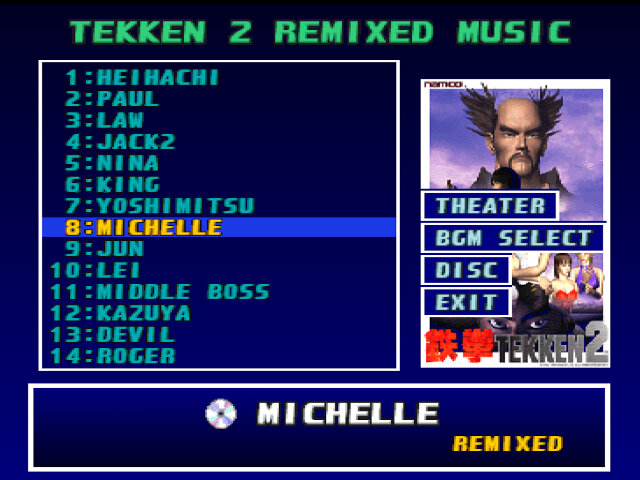
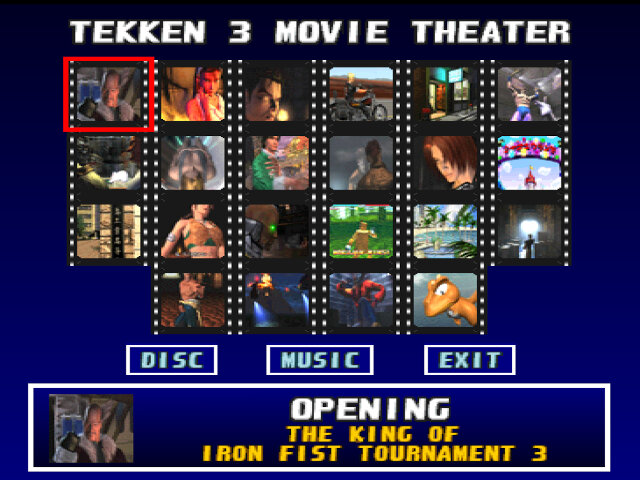
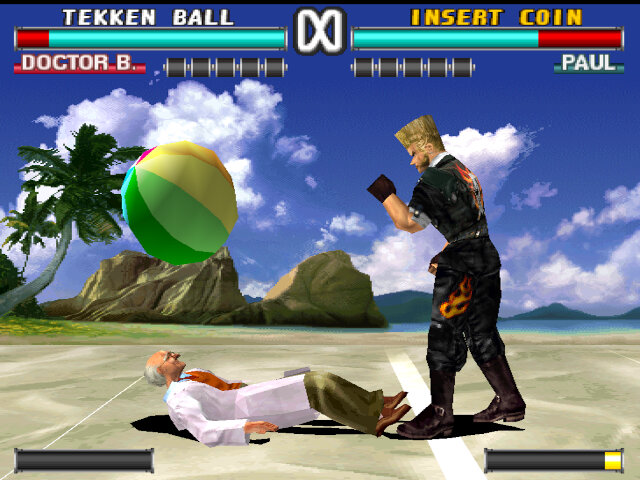
Additional game modes include team battle mode, time attack mode, and a movie/music player that can playback ending movies for unlocked characters, and also supports Tekken 2 and the original Tekken if an unlocked save file is found.

Tekken 3 remains one of my favorite fighting games and is a joy to go back and play every now and then, for both the arcade and home versions. Whilst I still enjoy the modern Tekken games, they seem to be a bit too heavy and take a while to load and to get into a game. Tekken 6’s load times were horrible, even after installing it to an SSD.

Quick Comparison