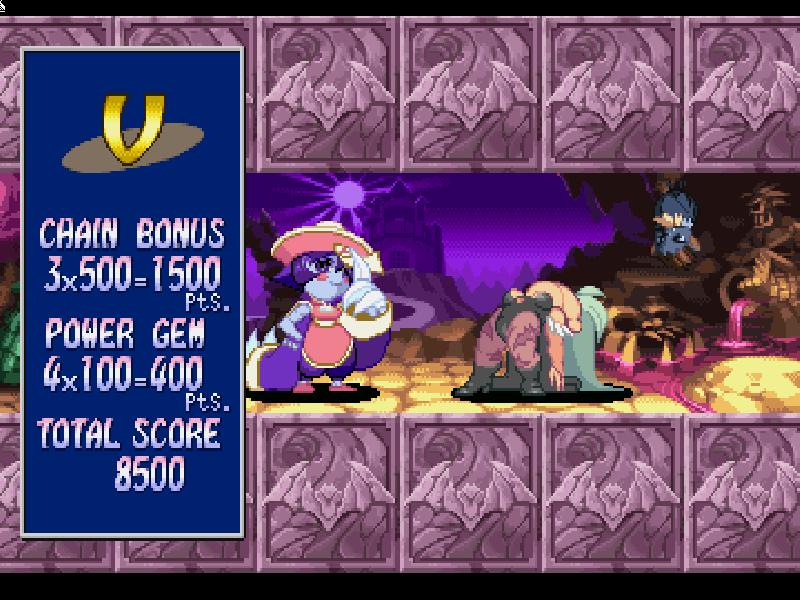
A gem based puzzle game, soft of similar to columns, but instead of matching 3 of the same colours, you have gems and crash gems which are used to destroy a gem of the same colour, and sends a counter gem to the rival player. The game does feature various Capcom characters but they are not directly controllable, merely appearing as avatars. The game is over when the players gems reach the top, similar to Tetris.
Arcade
Arcade version uses an arbitrary resolution. One nice feature is when the blocks are beginning to stack up, the music starts to speed up. As the arcade was the original released, the console and PC versions are based on this version.
PlayStation
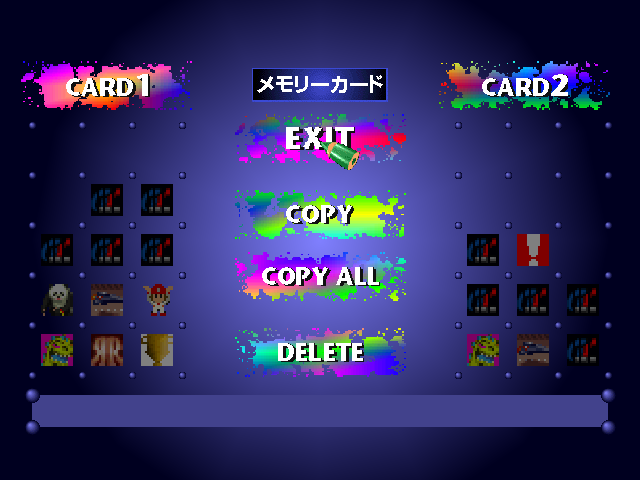
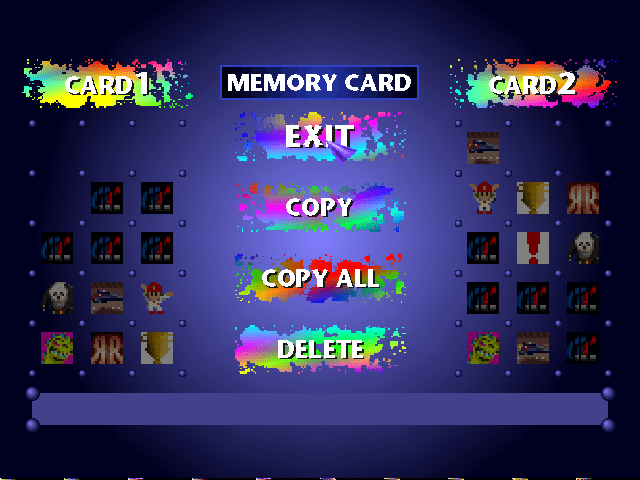
Supports both memory cards, Seems to have some overscan (Could be due to the emulator), this can be adjusted in the game settings
Sega Saturn
Saturn version seems to run in a higher resolution compared to the PSone version (Could also be emulator related), also in the Saturn version, Dan randomly interrupts a match in arcade mode, which I have never encountered in the PSone version. The loading times are faster compared to the PSone and Windows version.
Microsoft Windows
The game was ported to the PC. The specs required are higher than I thought, which might be an indicator of a poor port. When running on a PCem based Pentium MMX 100Mhz, there was notable slowdown at 640×480 (not the lowest resolution supported) The graphics card was an ATI Mach64 VT2. Running at 800×600 was near unplayable. A Pentium 2 with a S3 Trio64 gave better resolution.
A nice side effect is the music of the game can be played in any media player, since they are wav files, even the sound effects, They are located in the BGM folder. There is also an EMI folder that contains a bunch of files with the EMI extension, which I’m guessing relates to the background and sprite graphics. There is also a goodies folder which contains images that are also in the goodies section of the game, plus a zip file with a Windows theme. The PlayStation also appears to use the EMI format, but the Saturn does not.
There’s an exe file in the movie folder on the PlayStation version, but trying to run it on windows 98 results in an invalid Win32 application error, trying tor un it from does gives a ‘Program too big to fit in memory’ error
Desktop Theme
Desktop theme
A desktop theme comes bundled in the GOODIES folder which can be installed
Comparison
Saturn version (middle) is run on the RetroArch Yabause core with default settings, PlayStation (left) is using the BeetlePSX HW core which also with default settings, the arcade version is on the right.
The graphics are mostly the same across the different versions, with the PC version having the ability to run at a higher resolution.
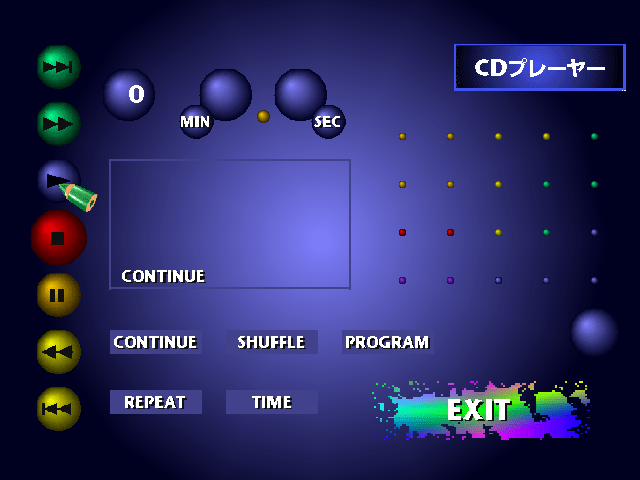
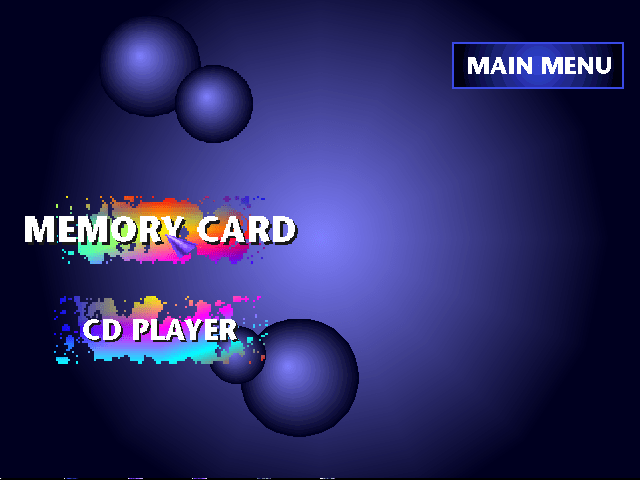
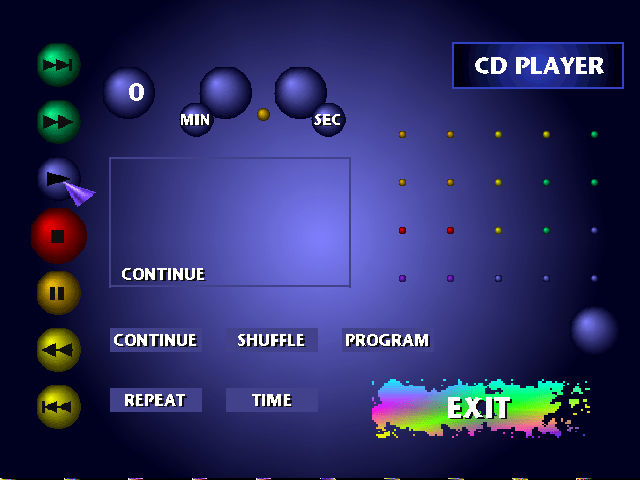
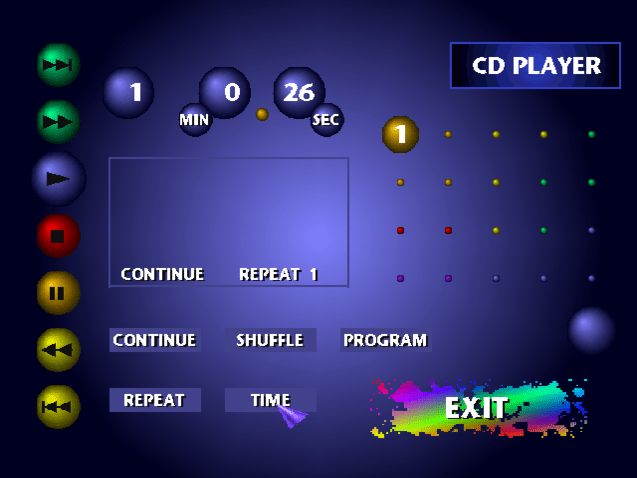
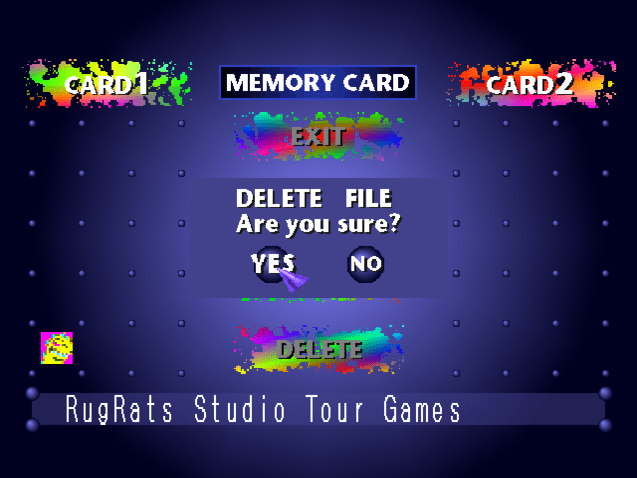
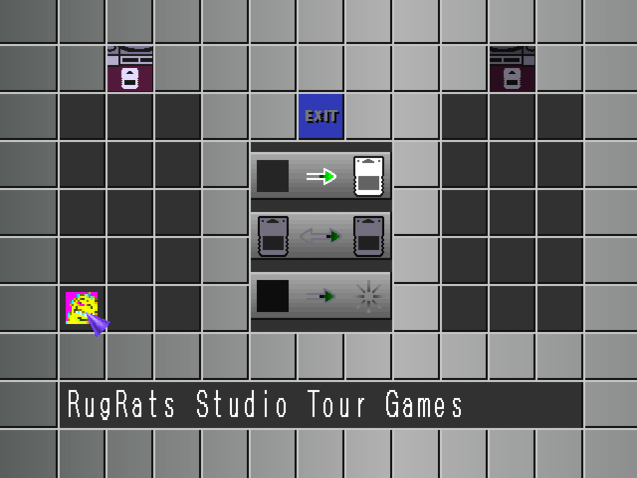
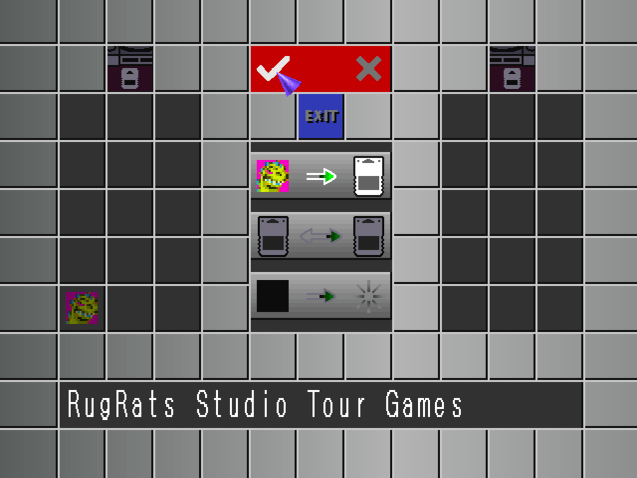
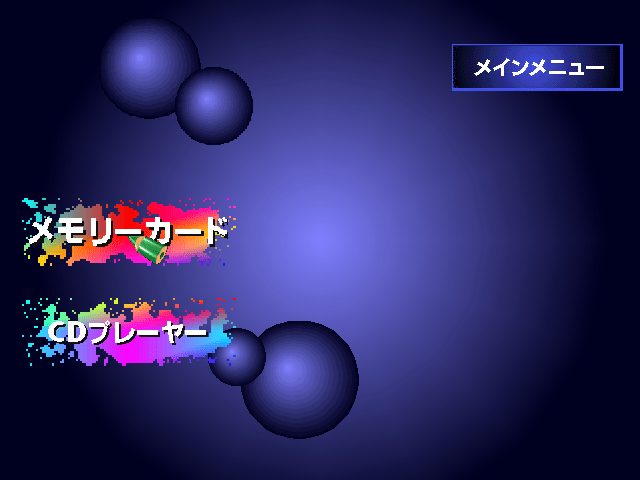
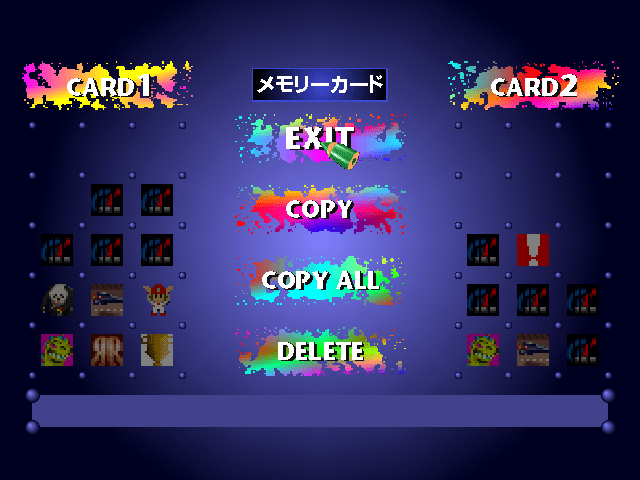
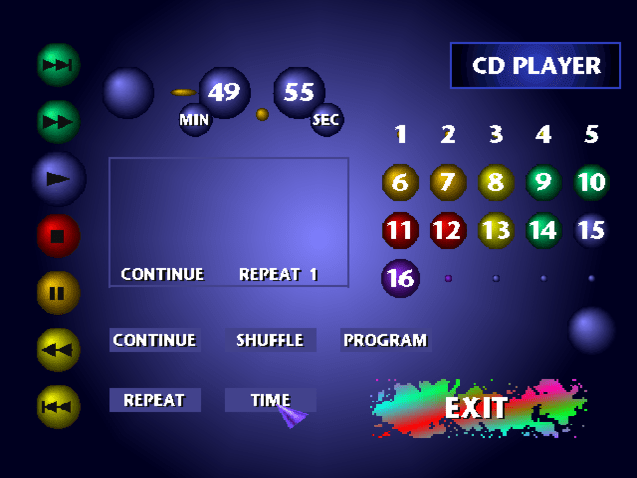
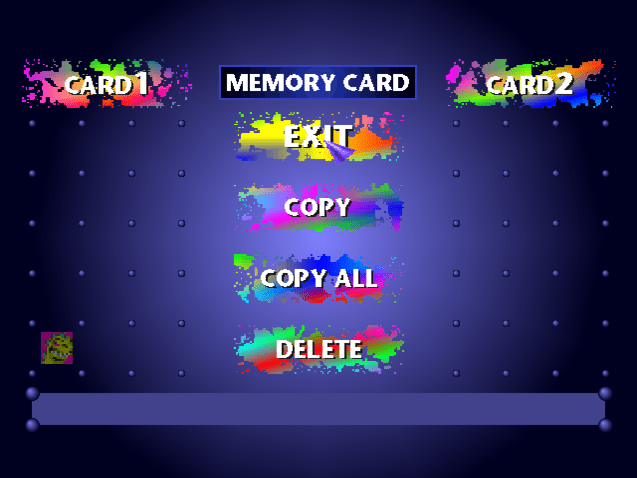
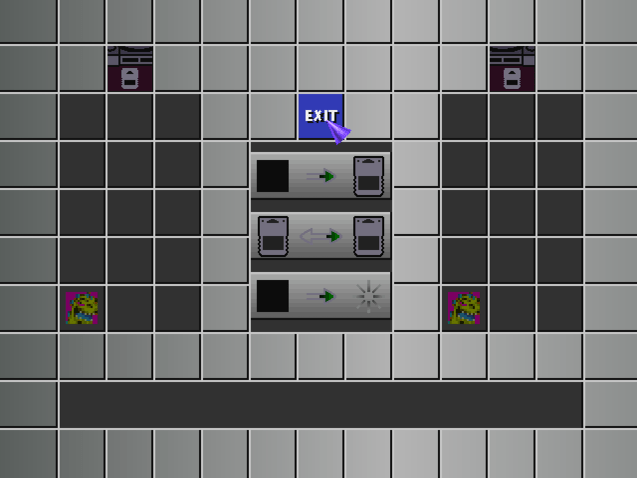
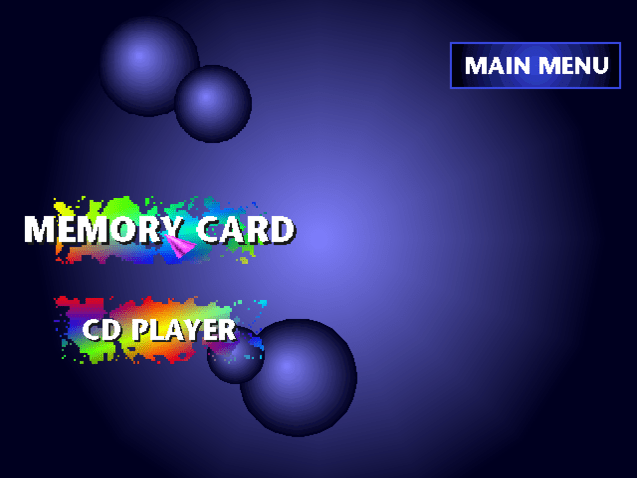
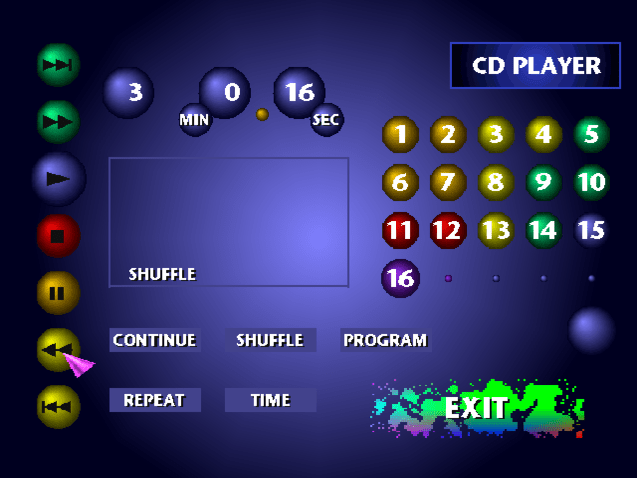
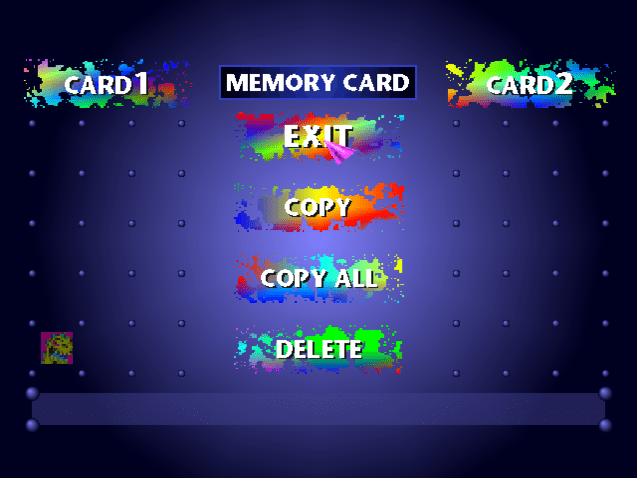
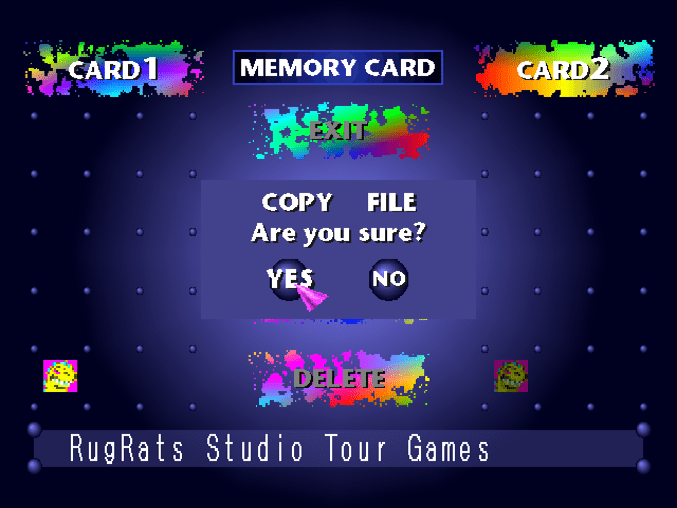
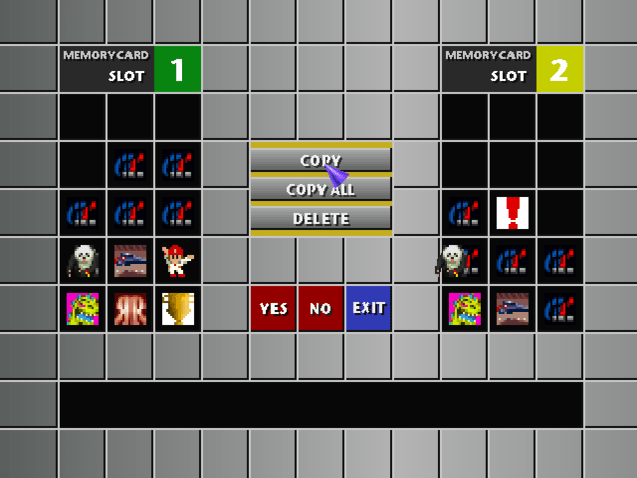
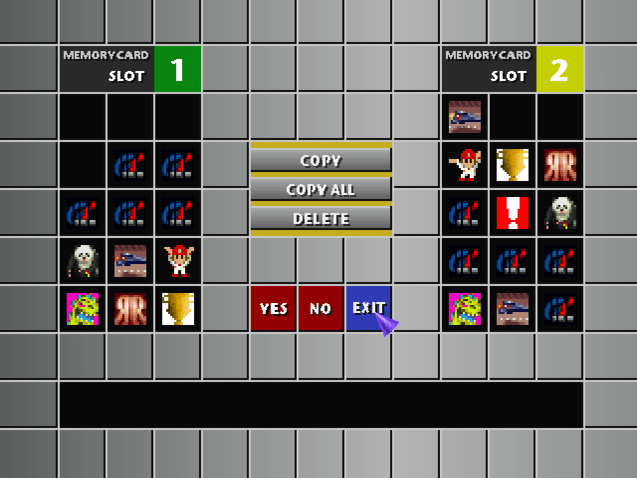
The purpose of the BIOS for the PlayStation was to provide an interface for the end user to manage their memory cards and the option to play an audio CD and was automatically displayed when the console was turned on without a disc inserted. Not all games provided a way to manage the memory card so the BIOS was often used for this purpose. Like the hardware, the BIOS went through various revisions and designs which we will look at.
SCPH1000 (Original Japanese launch)
The very first BIOS version, this one has a different cursor appearance and the CD player cannot be accessed unless an audio CD is in the drive.
SCPH1001 (Original US Launch)
Initial BIOS version for the NTSC lands
SCPH1001 (Revised US Model)
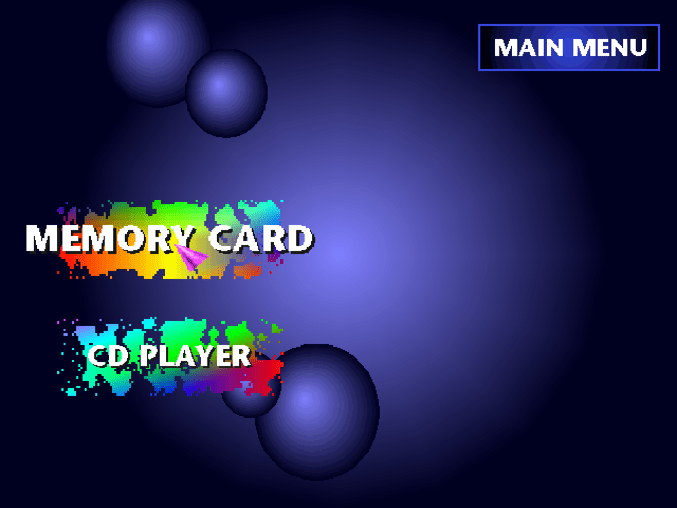
A revised version of the US model, the option colour has slightly changed
SCPH1002 (Europe Launch model)
In PAL-land we got this menu instead, using icons and symbols instead of text due to the different languages used in Europe and to reduce the ROM space. This is the BIOS I remember growing up with. Also the Europe Cd player can have different sound effect applied to it, which I couldn’t find in the NTSC BIOS?
SCPH3000 (Japan)
Japans SCPH3000 is equal to our 1001/1002, with their 1000 being a different revision with a buggy GPU. Model numbers would be synchronized with the 500x series.
SCPH5000 (Japan)
SCPH5001 (US)
Sony would continue to revise each hardware
SCPH5002 (Europe)
No visible difference from the 1002?
SCPH7001 (US)
This model introduced SoundScope, this BIOS would remain the same for the SCPH9001 models
SCPH7002 (Europe)
Seems like Sony wanted to unify the BIOS designs worldwide and change Europe to look like the US/Japanese versions
SCPH101 (US PSone redesign)
Or maybe not, since the NTSC versions used the PAL design albeit with different icons, you can briefly see the Soundscope effect in the BIOS before it fades to a black background
SCPH102 (Europe PSone redesign)
Same as the US version
Soundscope
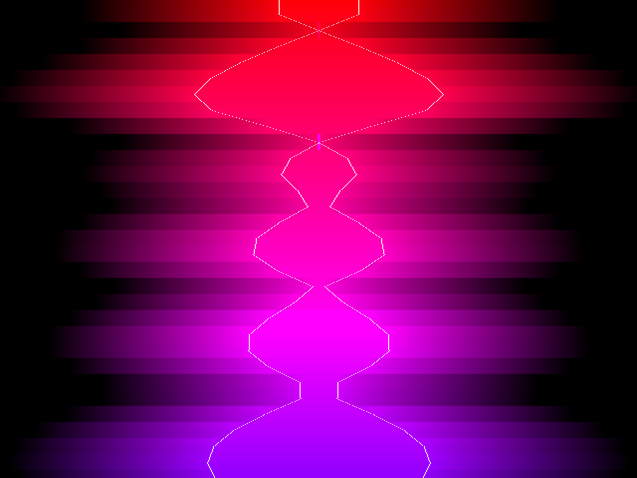
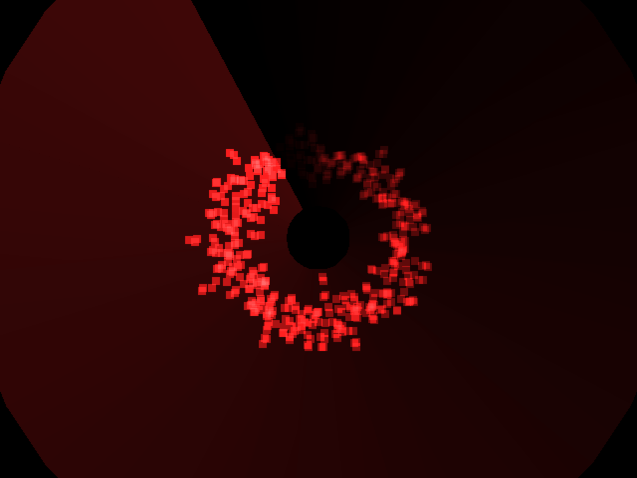
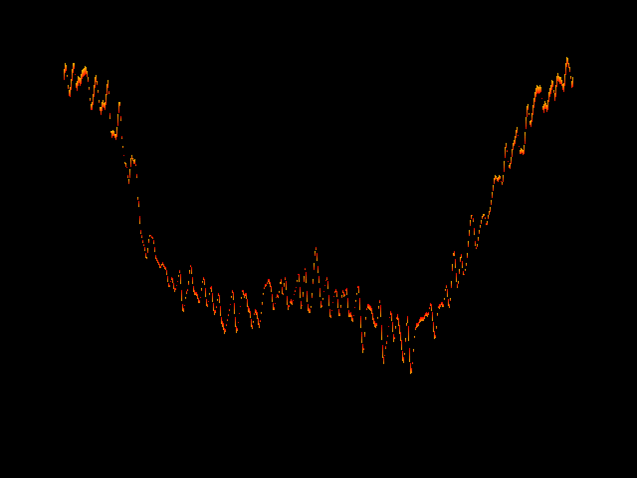
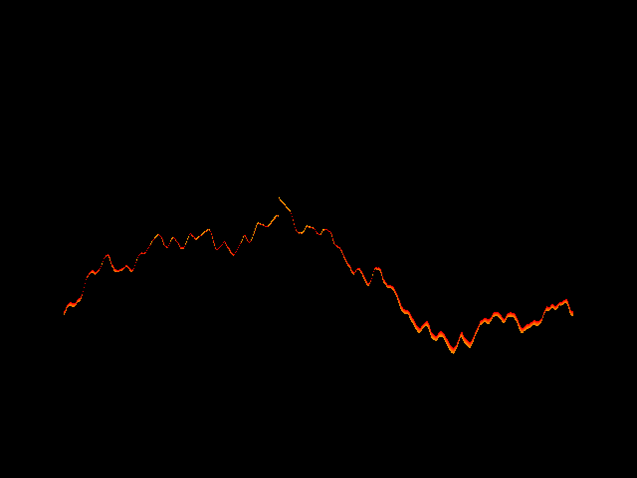
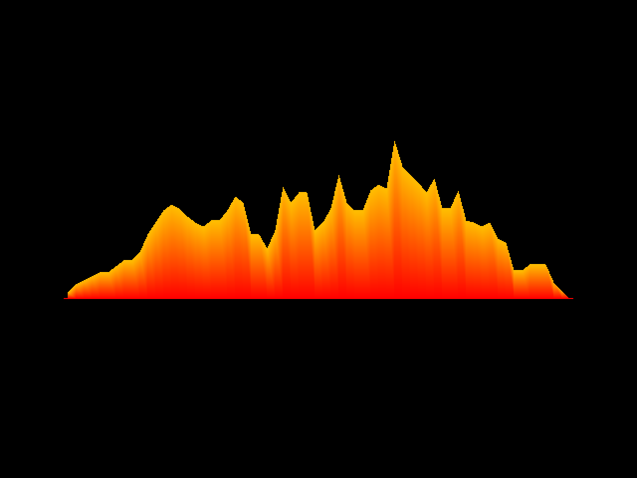
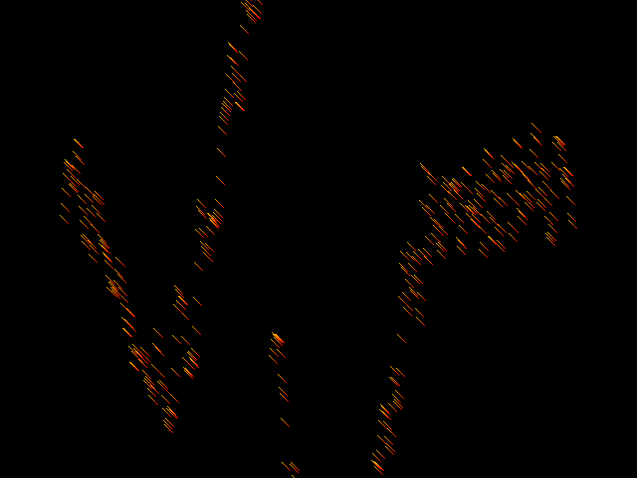
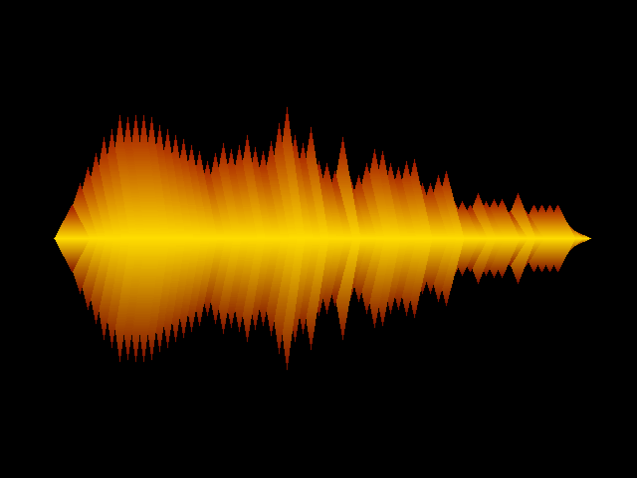
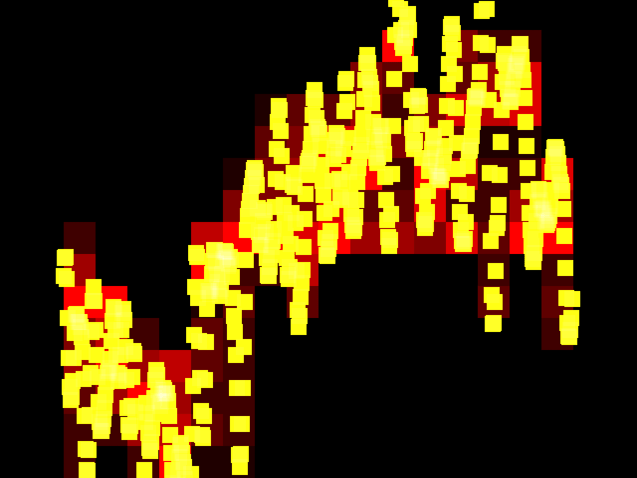
This was a feature from the SCPH7000 models and up, and introduced a visualizer that appeared in time with the music by pressing SELECT on the controller.
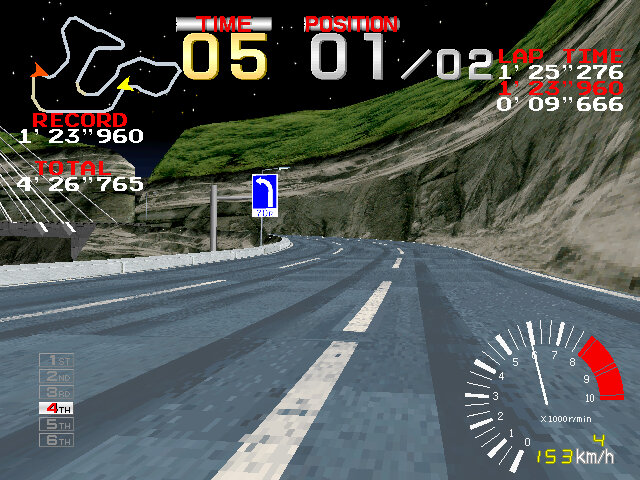
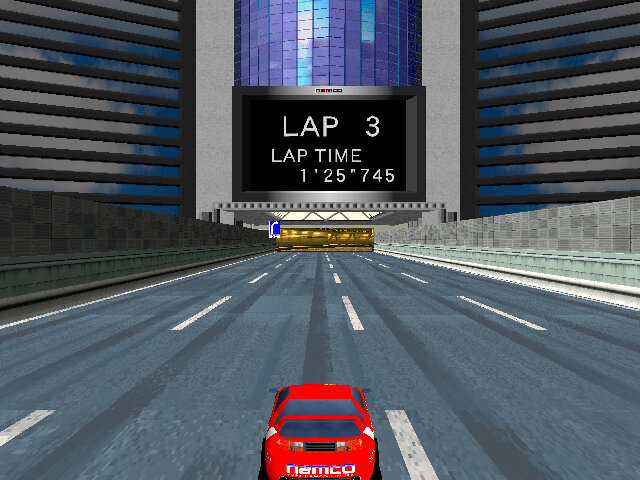
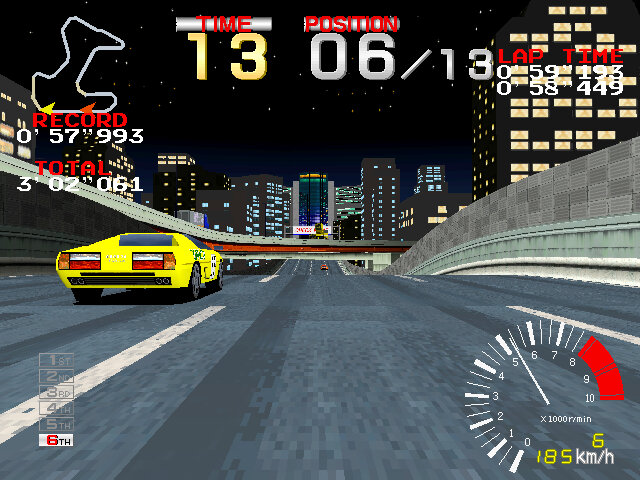
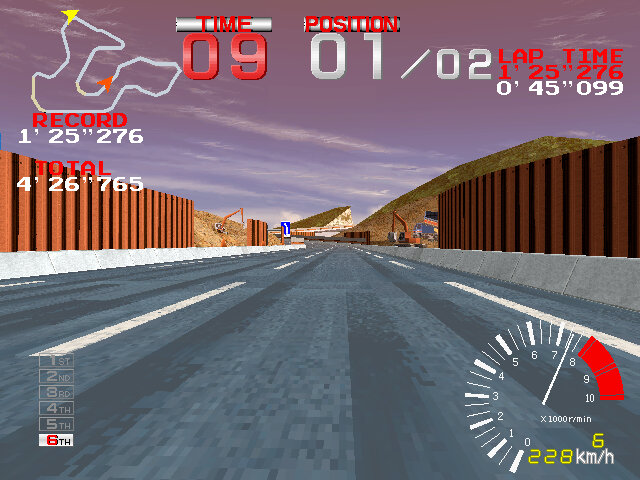
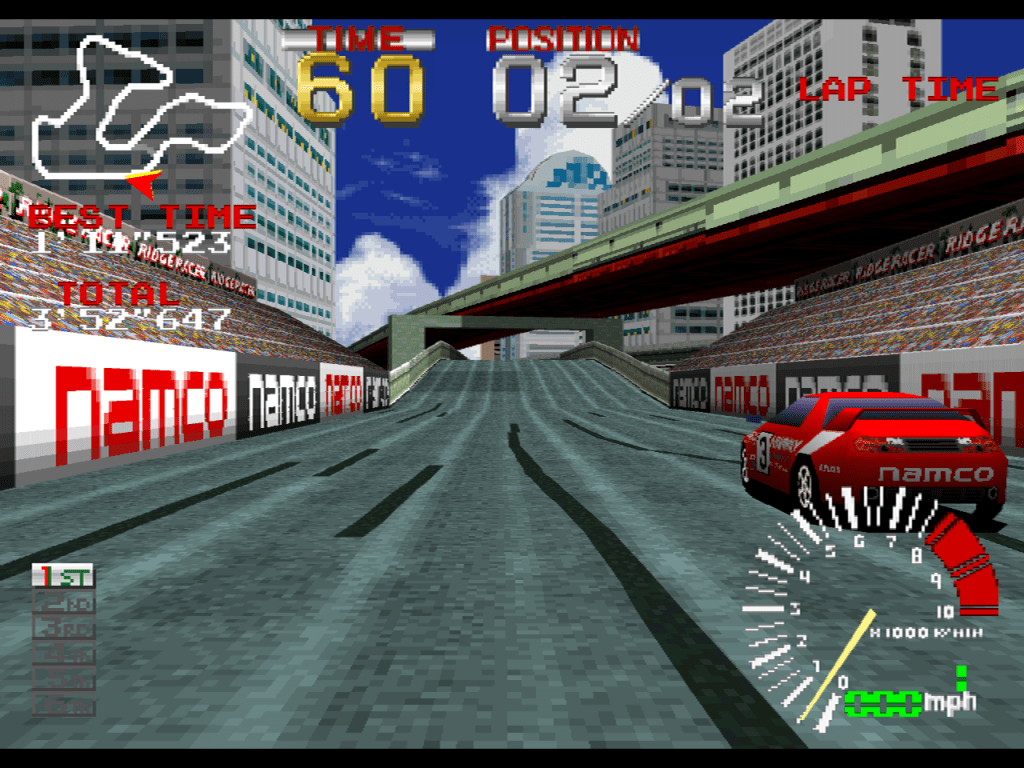
One of the first textured 3D racing games, and mostly known of being a launch title on the first PlayStation console. However it appeared a year earlier in the arcades. The arcade version runs on much more powerful 3D hardware, runs in a higher resolution, a higher framerate (60fps vs 30fps on the PS1) thanks to it’s Evans & Sutherland 3D hardware, which was previously used to power their simulations and CAD hardware.
Arcade
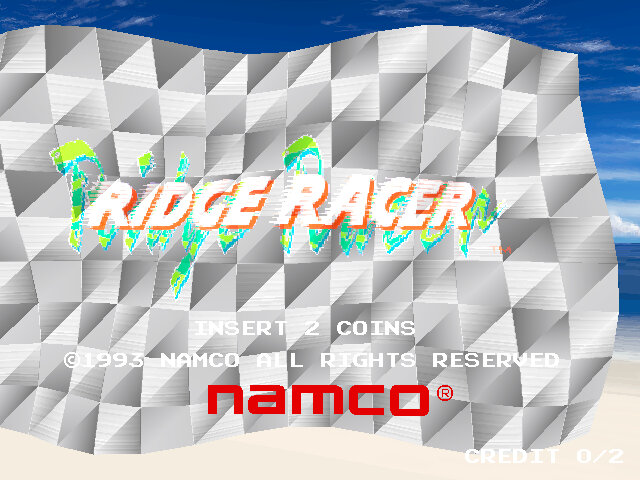
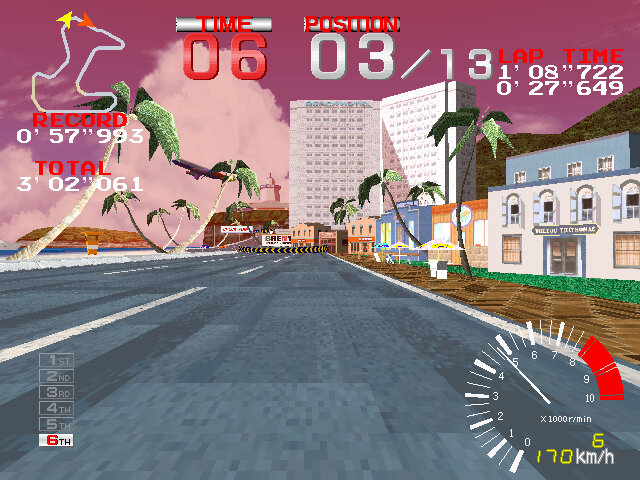
Released to the arcades in 1993 and running on the System 22 hardware, which was in direct competition with Sega’s Daytona USA and Midway’s Crusin USA.
PlayStation
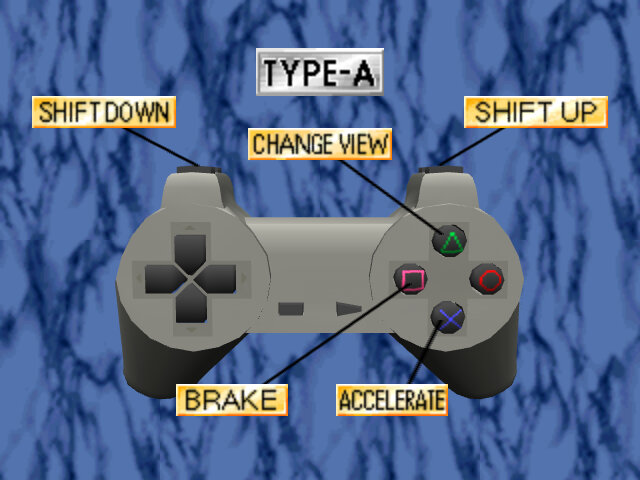
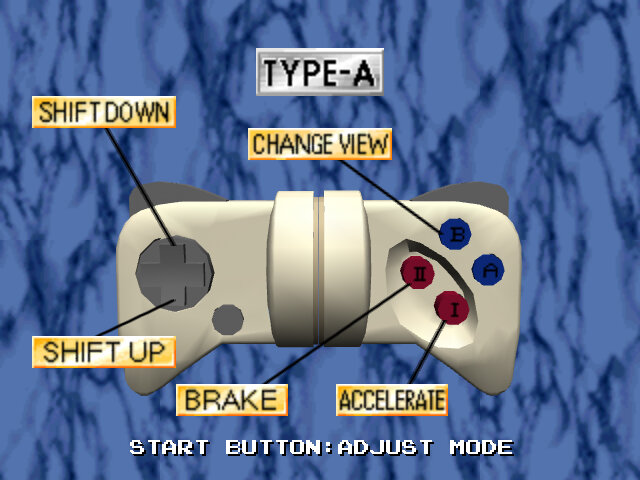
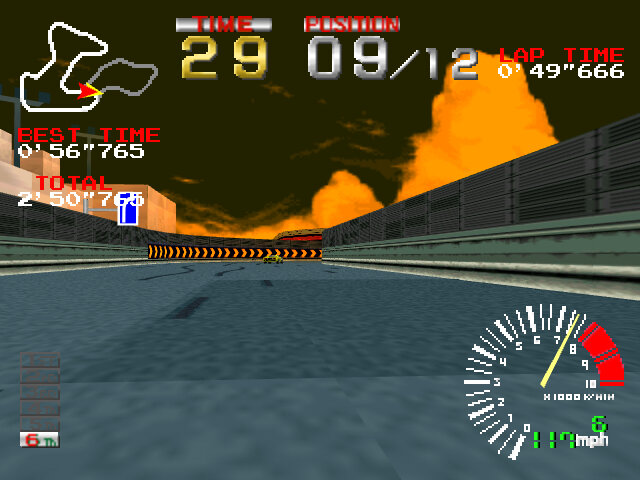
The game was ported to the original PlayStation in 1994 as a launch title, and was considered to be an acceptable port of the arcade despite the downgrade made in order to run on the PlayStation hardware. The PlayStation port has support for the Namco neGcon controller, that allows the player to replicate analogue steering by twisting the controller as at the time the dual analogue controller wasn’t available.
Ridge Racer Hi-Spec
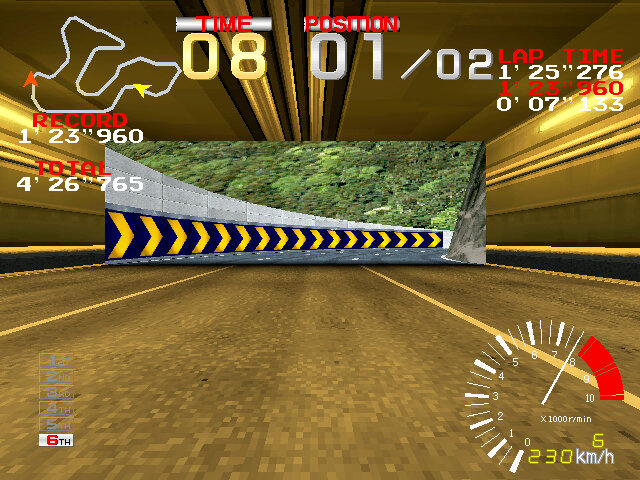
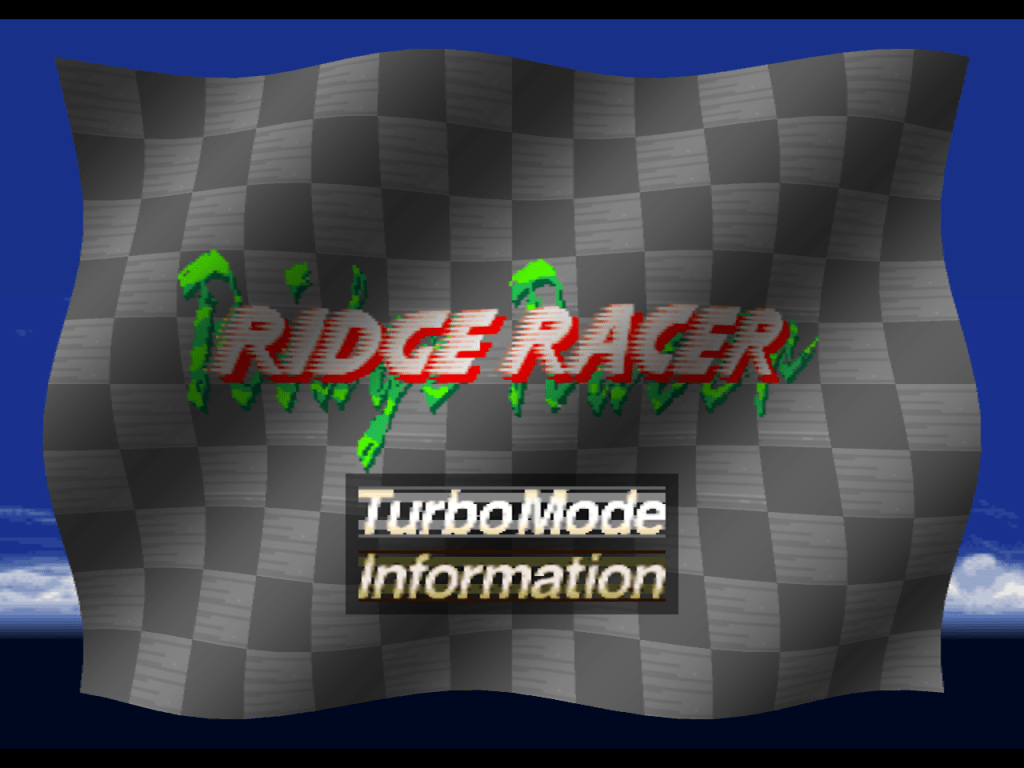
Runs in a resolution of 320×480 which is higher than the original release but less than the arcade version. The main attraction to this version is the 60fps upgrade and the gouraud shading, which enhances the graphics greatly. However there are only two cars on the track, with only 1 in time attack, and the texture quality has been reduced slightly. I had to disable texture filtering and display then unfiltered since it just looked like an N64 game. The polygon count of the cars and track may also have been educed, since the guide mentions optimised textures and polygons.
This build of the game was bundled on the Ridge Racer Type 4 bonus disc, and was not a standalone version of the game. It was meant to showcase a 60fps game on the original PlayStation hardware, and what sacrifices were needed no be made, as Namco were keen for later Ridge Racer titles to be running in 60fps. Ridge Racer V for the PlayStation 2 would be the first home game to be running at 60fps.
Zeebo
The game was ported to the Zeebo, a home console released in Brazil by TecToy and QUALCOMM, graphics have been slightly altered and the music is rendered entirely in MIDI.
Comparison
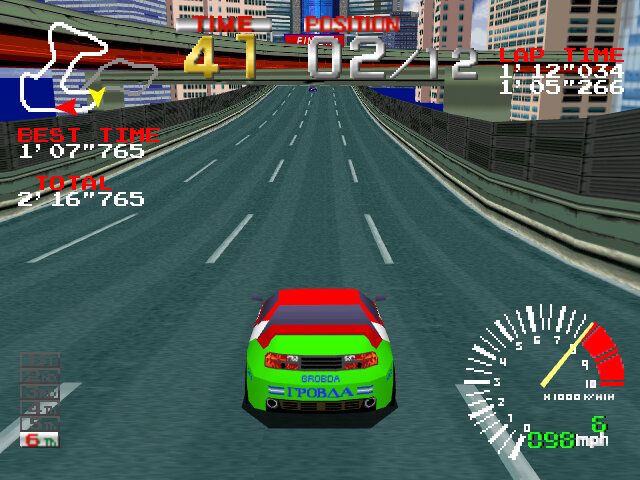
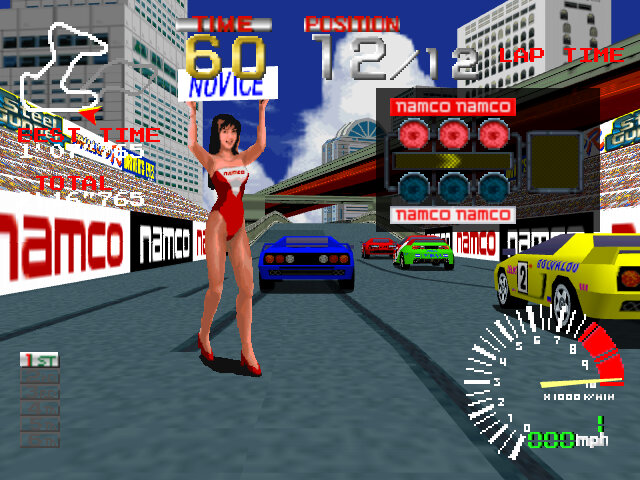
PSone on the left, using moderate enhancements in the Duckstation emulator with the Mame emulation of the arcade in the middle and the Hi-Spec version on the right, I wanted to see if I could get the PSone version to match the arcade in terms of image quality by upping the resolution to 640×480 and enabling texture filtering, something with System 22 lacked.
Arcade emulation seems to have issues rendering the flag, which is supposed to flap freely, maybe a physics issue with one of the Texas Instrument DSP?
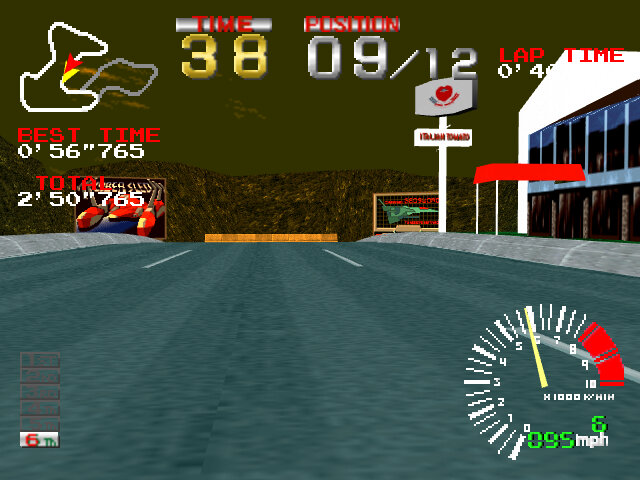
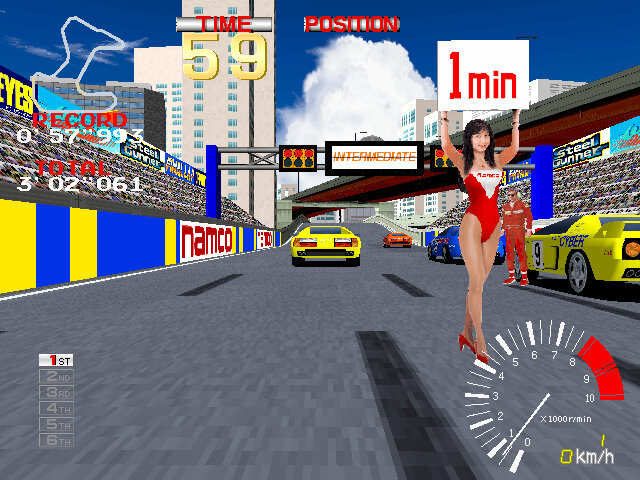
The game isn’t a straight port and some design changes had to be made, the HUD has been changed around and the track objects have also changed. Some buildings have also been changed to be in line with the PSone limitations. On the right you can see the effects of the shading which affects the art style slightly, giving a more realistic look. The ground textures have also been altered.
It’s worth mentioning that System 22 also supported gouraud shading, but Ridge Racer did not utilise it until Rave Racer in 1995.
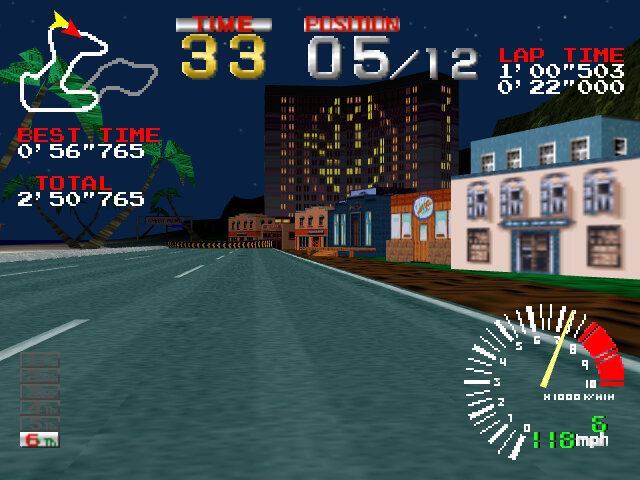
Sunset differences between the two ports, The Hi-Spec mode does not have a night time version.
PlayStationArcade
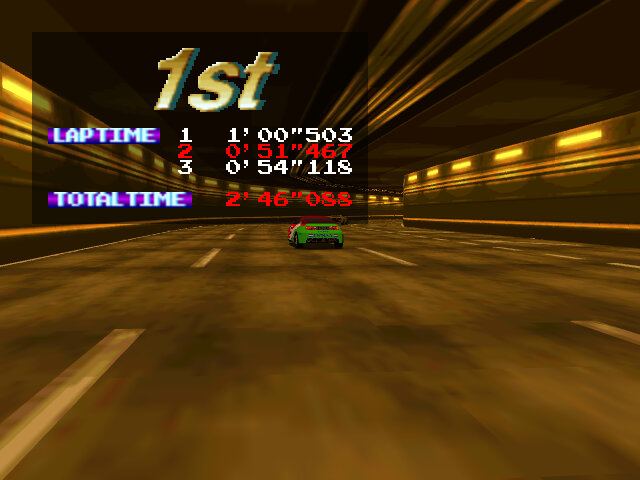
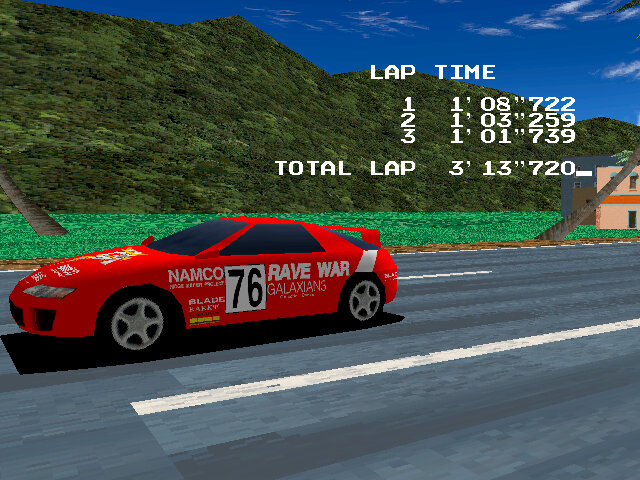
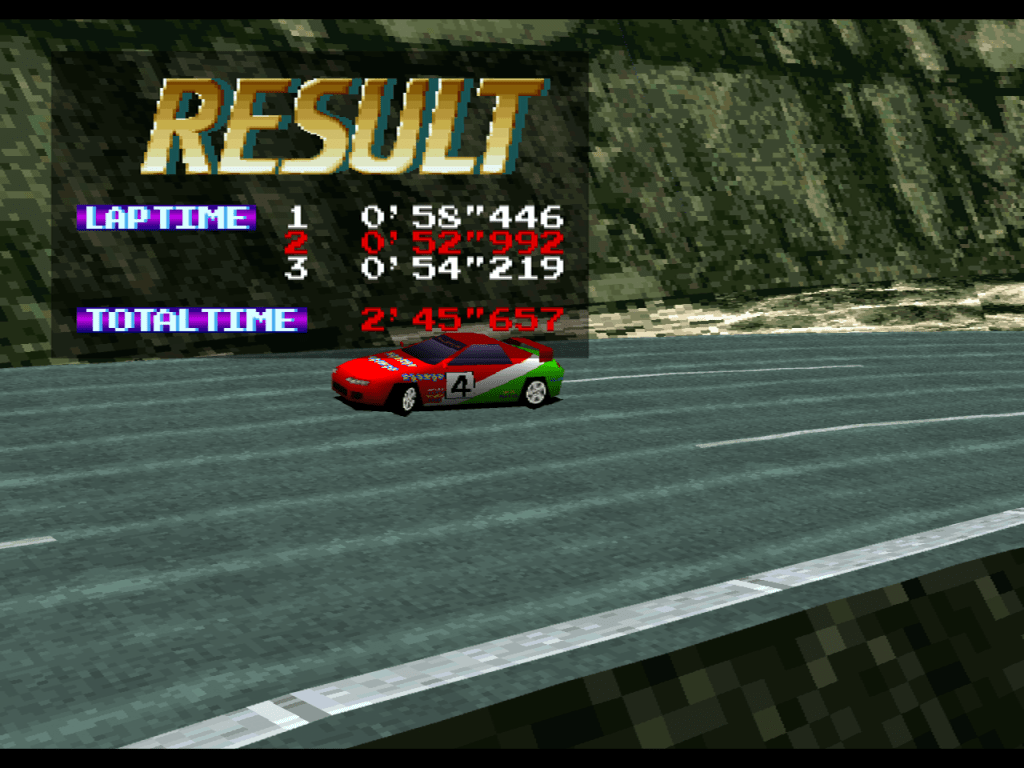
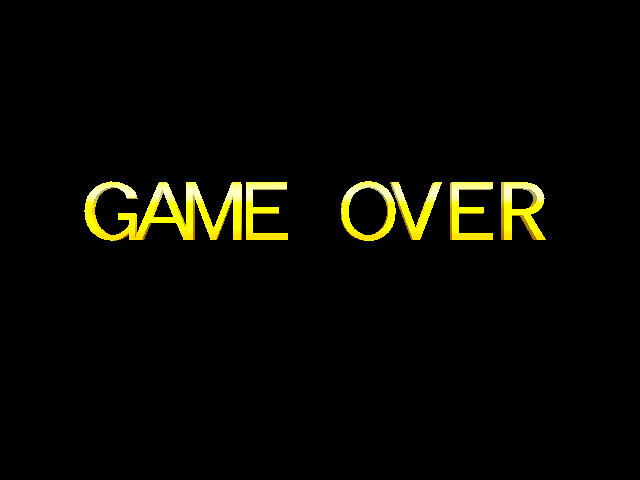
Game over is rendered in 3D for the arcade version, a static image on both PSone versions.
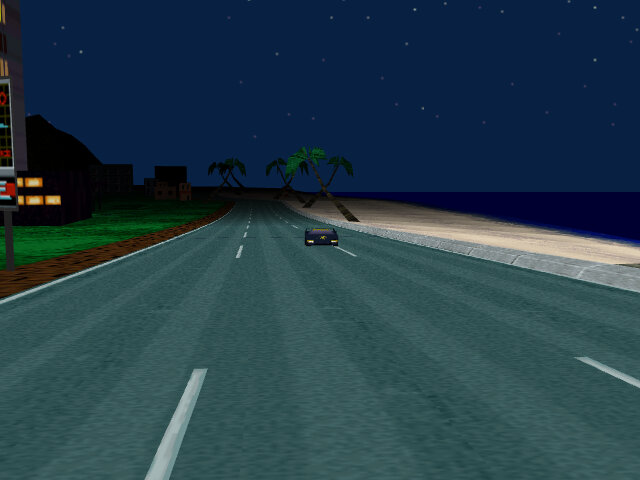
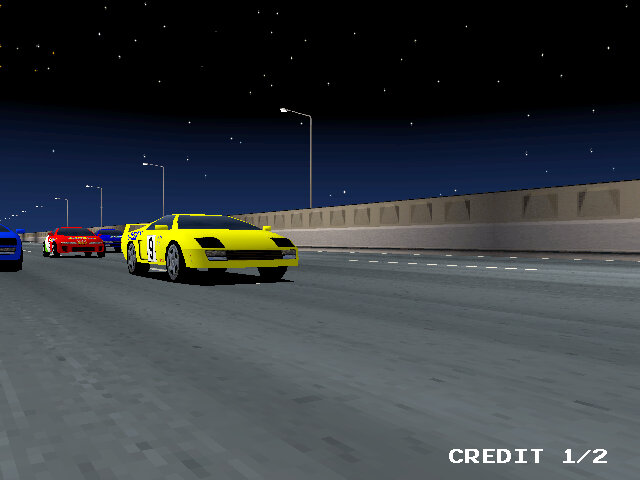
Comparison of the night sky, In the middle of a race the sun will set on the intermediate and time trials courses, to simulate a Le Mans race, the arcade shot is taken from one of the attract demos.
Boundary Break (Arcade)
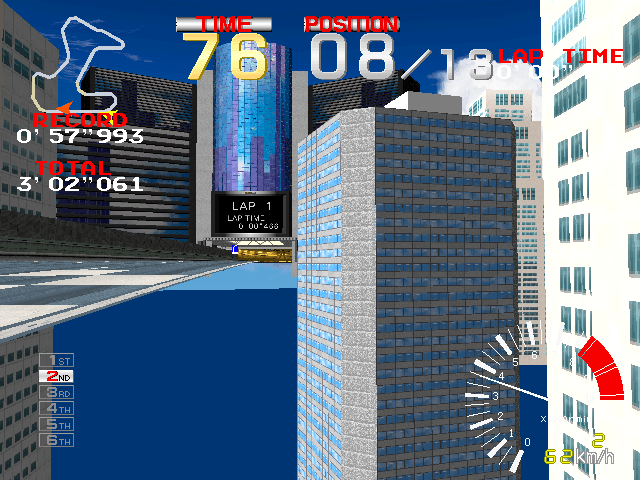
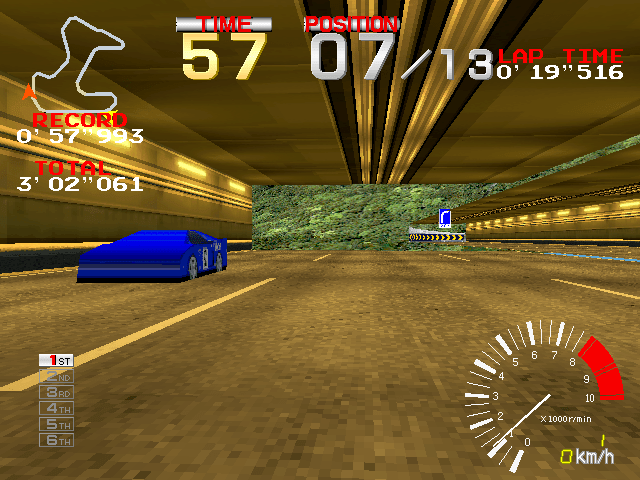
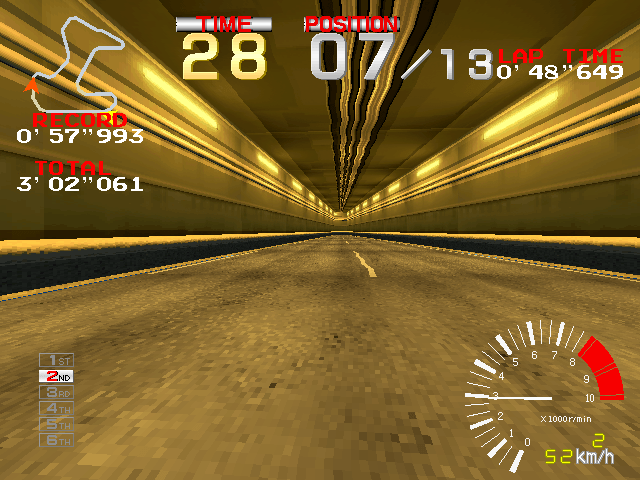
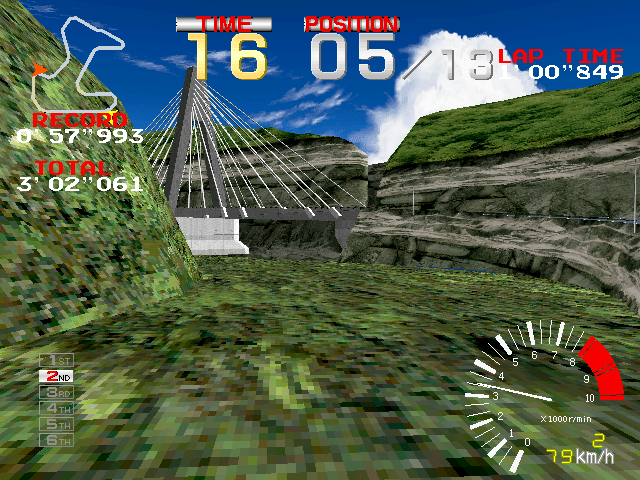
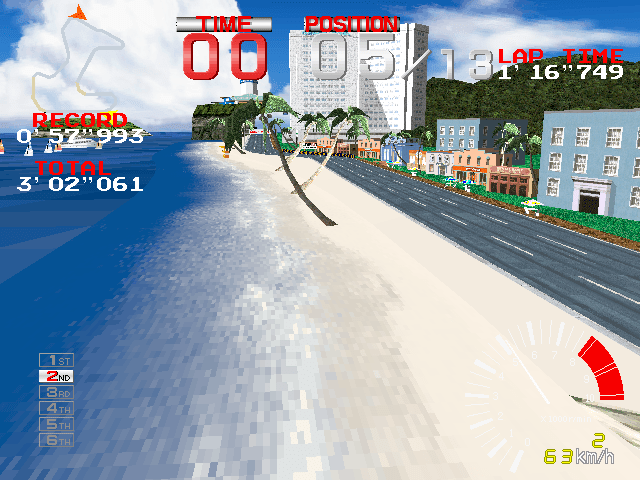
With the help of some cheats in MAME, we are able to disable the collision detection, allowing us to move outside of the track. This gives some interesting close ups of some in game environment buildings.
A look of the city from a different angle
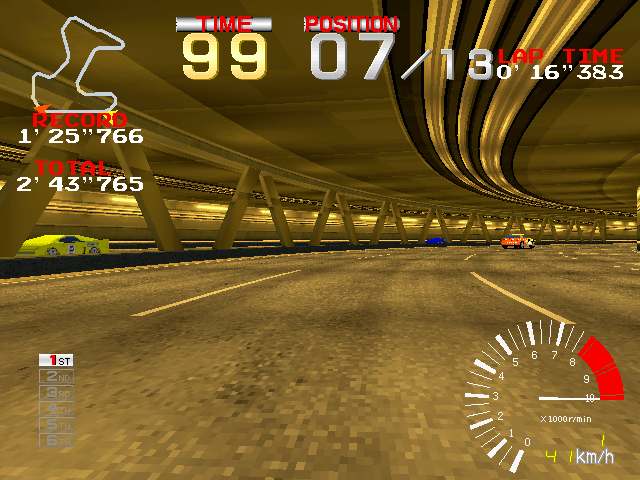
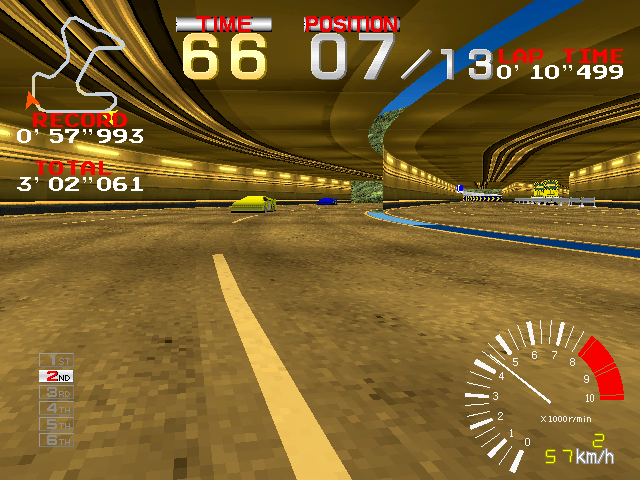
In the first tunnel, there is a path that is blocked off and is inaccessible
A closer look at the other tunnel, with a view of the cars, normally these aren’t directly accessible. Namco used lower resolution models of the cars, since you typically see these driving in a distance.
Another closer view of the cars, the tunnels ends abruptly to the outside, and the cars just disappear, and respawn at the other side after a few seconds.
Before the end of the tunnel, theirs an intersection to another tunnel, which leads to a dead end
The ground near the bridge, you can see the low detail textures, since System 22 didnt support texture filtering, giving a minecraft appearance
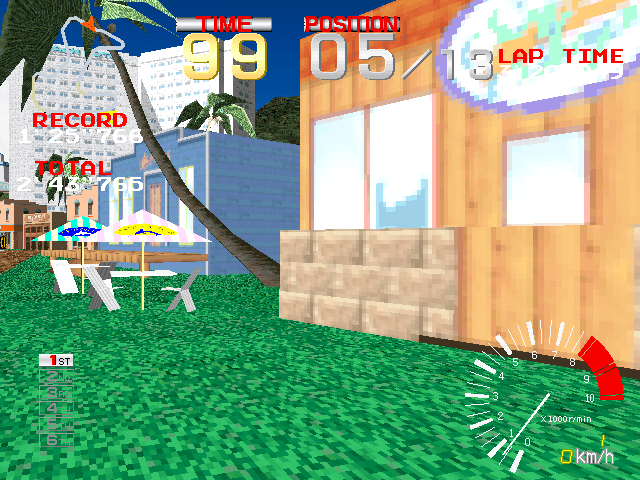
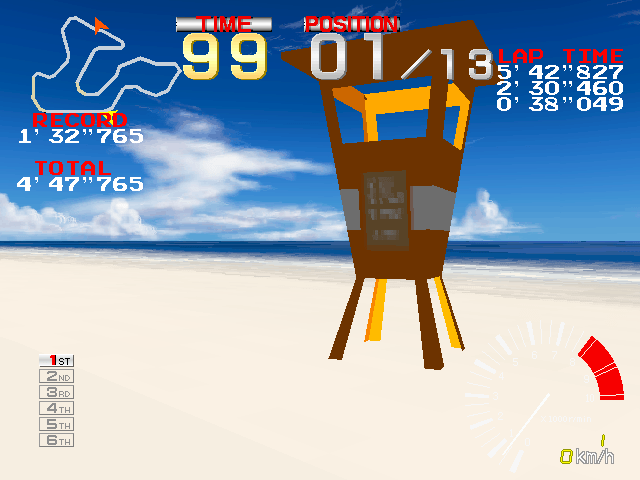
Another shot of the beach, sometimes if you break out of a track early on, your car remains on a higher evaluation allowing for a top down view for later sections of the game
A look at the buildings near the beach
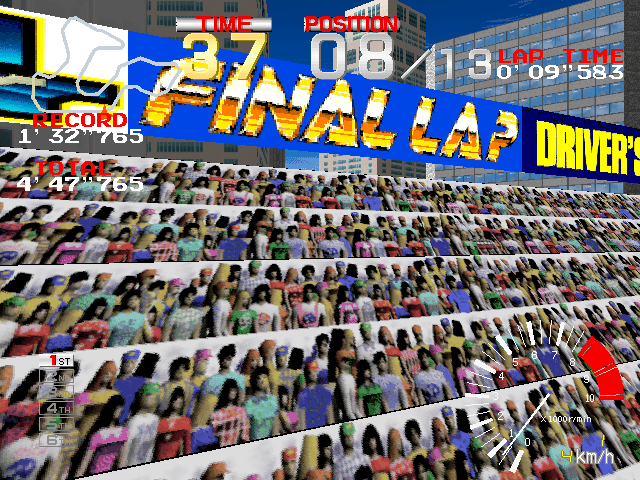
A closer look at the crowd at the start of the game
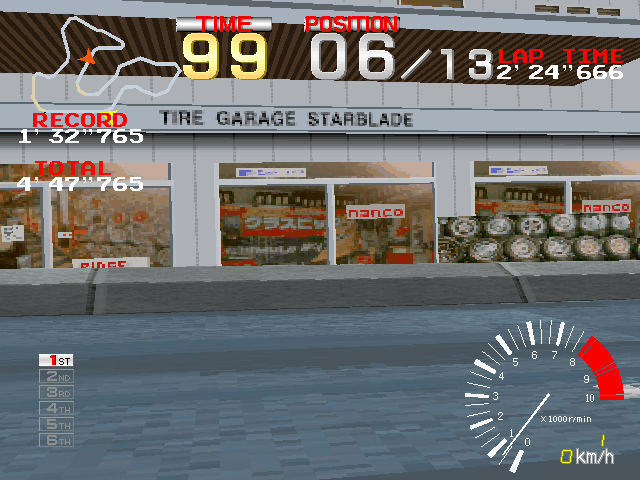
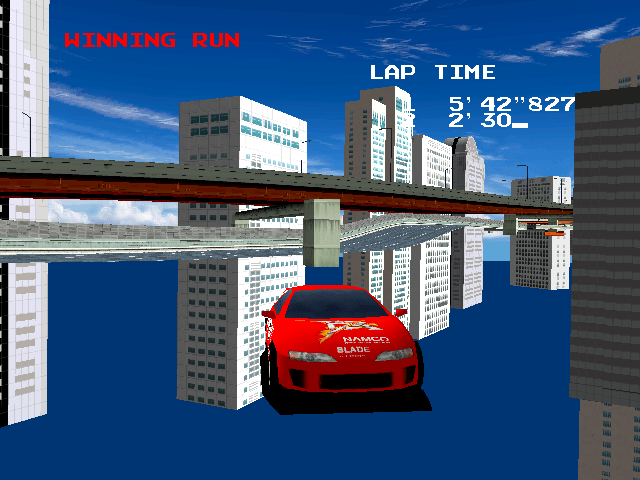
Tire Garage Starblade, one of the shops near the overpass. Starblade was a 3D rail shooter
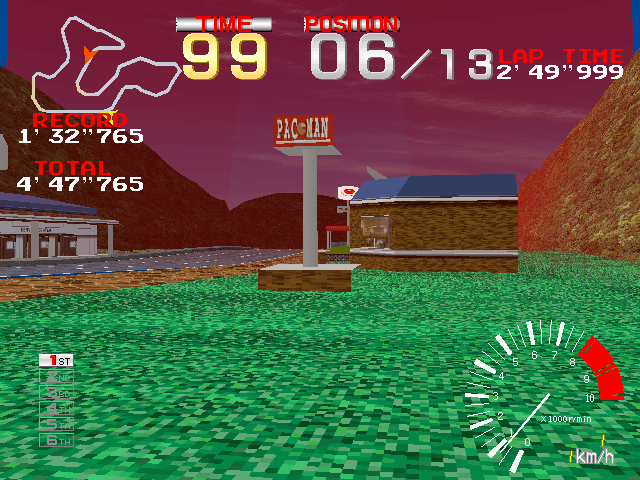
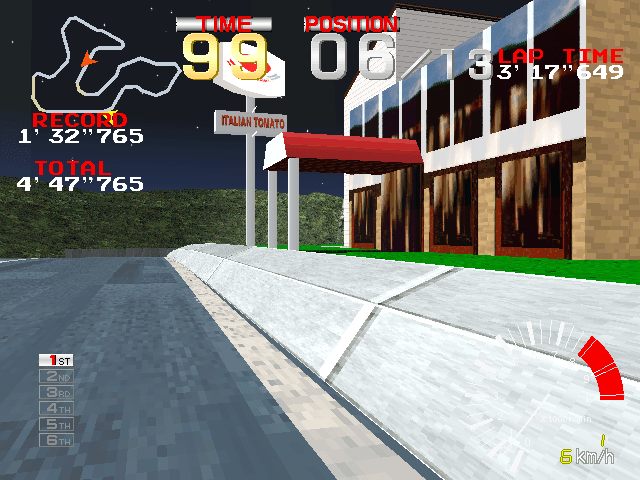
The buildings lack modelling towards the rear, since this view would not be available normally in the game. Also note the gap in the Sky where a bit of the blue sky is visible. Seems Namco displayed an overlay across the sky when it was night time, something the MAME emulator has issues replicating accurately.
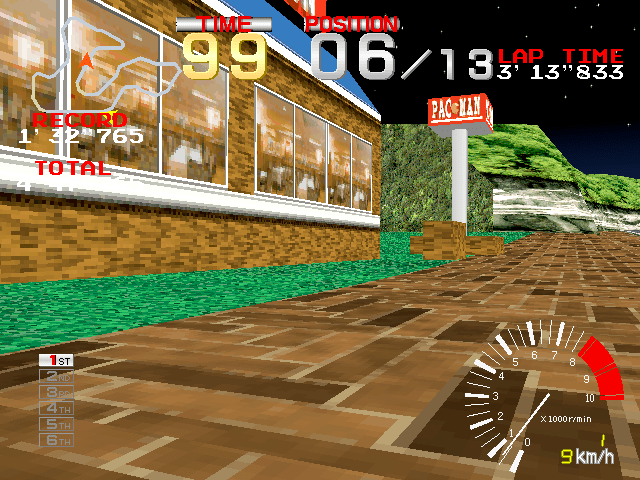
Italian tomato, some sort of resturant or obscure namco game?
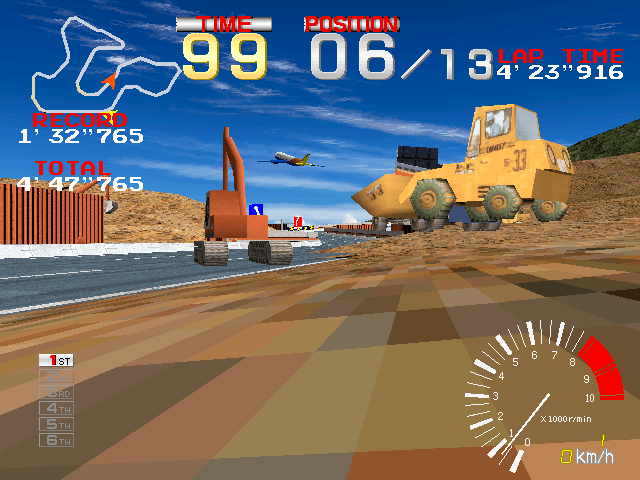
A closer view of the construction site, the trucks are levitating…
View of the city, some of the building’s are quite long
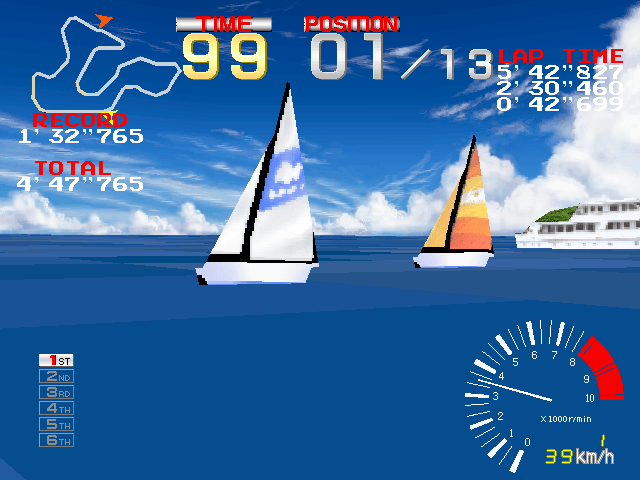
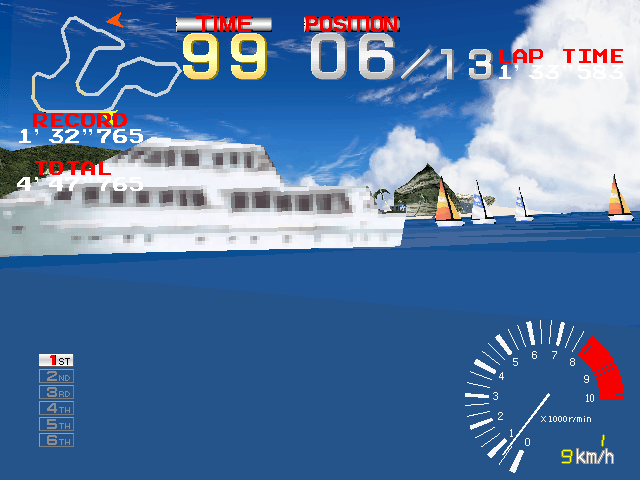
The boats in the beach section
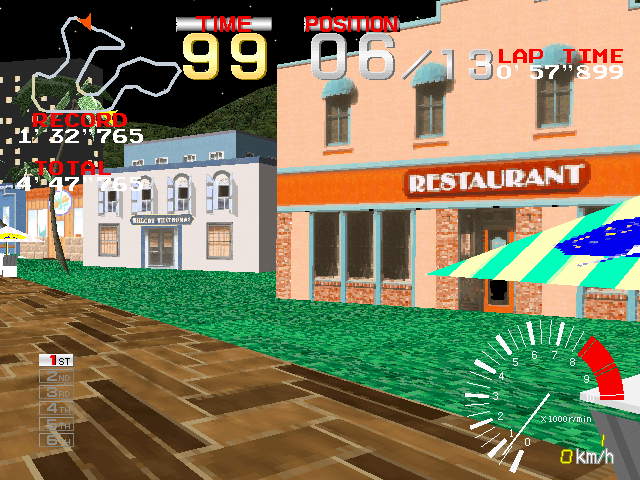
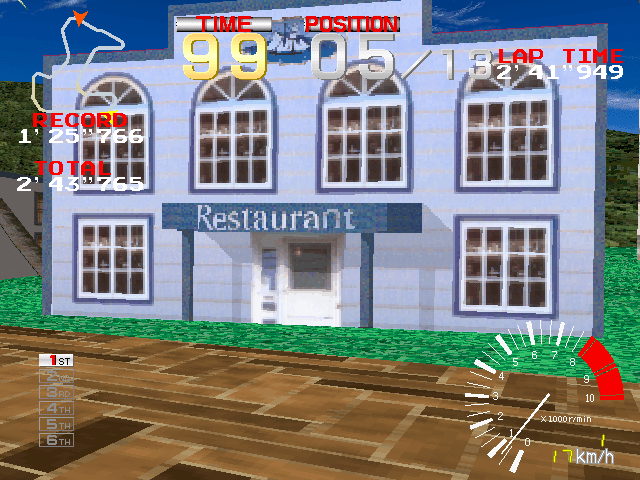
One of the many restaurants near the beech, this building appears multiple times. Also this game predates lightning effects, as the game is supposed to in night time mode but the building appear as if its daytime, however in the starting section, the buildings do change to a night time effect.
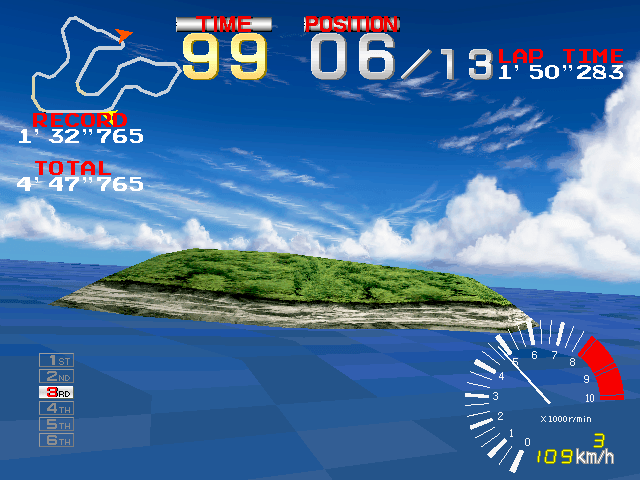
A distant island, near the marina
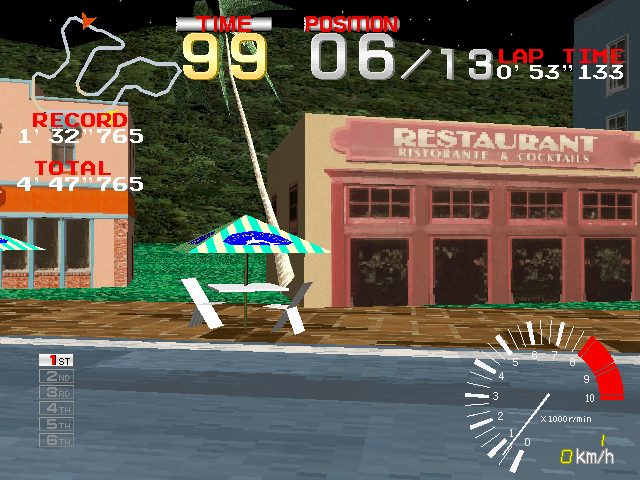
Another restaurant building
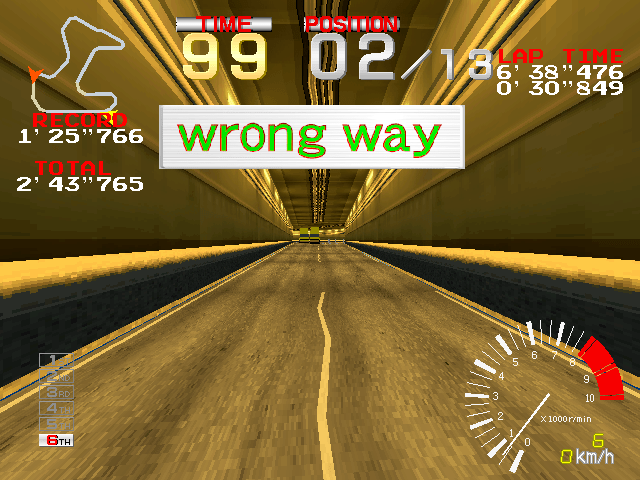
Alternative view of the dead end tunnel, I’d like to try and do this to the PSOne version.
Todo: Mjlonir emulator was capable of running the system 22 versions of Ridge Racer with graphics acceleration, but as it was based on an older version of MAME it suffered from a lot of emulation and graphics issues, and uses an outdated rom set. Vivanonno was another emulator that was worth a look at.



































 Drew1440: Blog