Tag Archives: Psygnosis

Wipeout Fusion

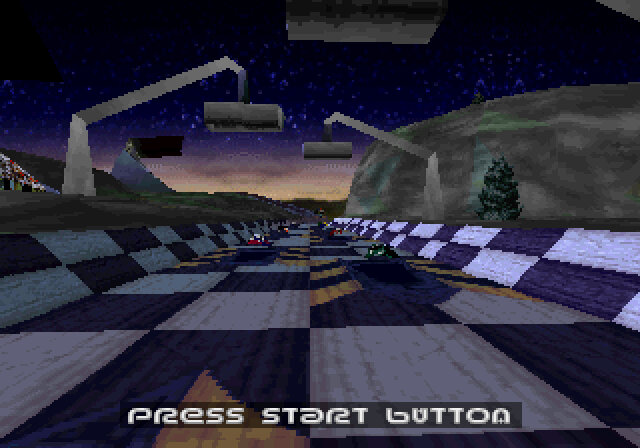
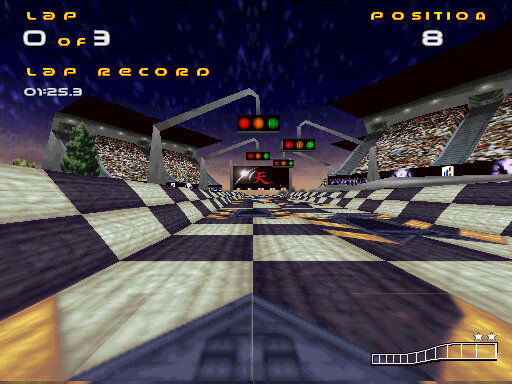
The PS2 instalment for Sony’s Wipeout series of futuristic racers, which gave us the first 60fps Wipeout experience. It was released late for a first party PS2 title, coming out in 2002. It is set in the year 2160 during the F9000 Anti-Gravity Racing League and sees the return of ship pilots that can be selected by the player.

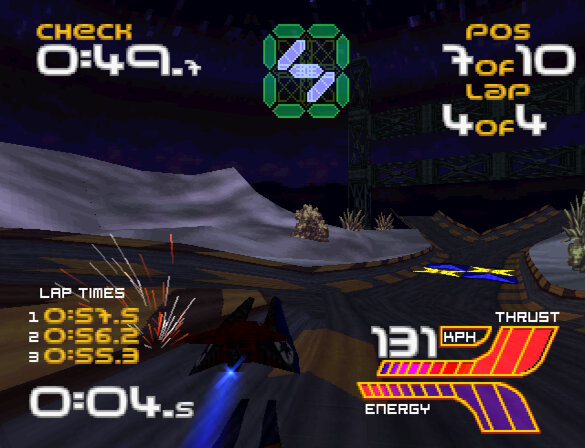
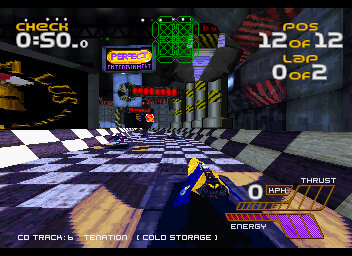
Wipeout Fusion builds on the series’ evolving combat system, which started simple in the original game and grew more complex. The F9000 league’s focus on aggression leads to more weapons (26 vs. 10-15 in priors), greater emphasis on elimination, and modifications like backward-firing options. Your ship has limited energy that can be depleted, which must be replenished by passing through a energy recharge station located adjacent to the finish line. Because of how vicious the enemy players can be, you will often find yourself having to pass through this to keep your ship in the game.
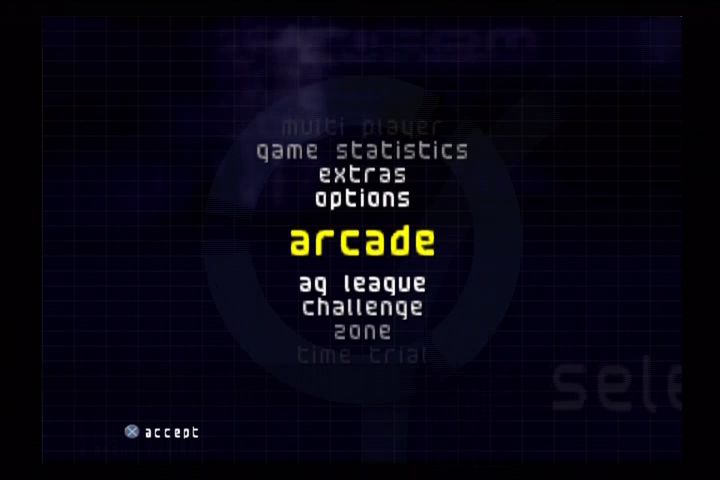
Track design is a bit of a mixed bag, here you are treated to much more detailed environments with a lot more elements on the track. But this can be very distracting and often confusion, occasionally I have took a wrong turn or have even got lost as there are twits and turns and pathways that appear to be deadened. It does not help the the frame rate tends to tank when there are a lot of ships onscreen, in addition to the article effects when you are either in a sandy or snowy area. Some of the tracks are quite visually busy it can very distracting to play. Some of the track sections are just too dark, like when you enter a tunnel.
With the tracks themselves, Wipeout Fusion took the approach of reusing the design over different tracks, kind of like the Ridge Racer games where certain tracks are variations of others. 
Temtesh bay is a rocky desert mining region set in Australia and features sections that are quite open. Alca Venus as a rainforest feel to it with dense vegetation temples and waterfalls. Cubiss Flat is set in the Alpine glaciers and features snowy mountains and blizzards.


The music’s amazing as to be expected for a Wipeout game, you have a mix of electro, trance and drum & bass that was popular from the era with some standout artists like Utah Saints and Future Sound Of London. Music appears to play sequently, or you can switch it to random play.
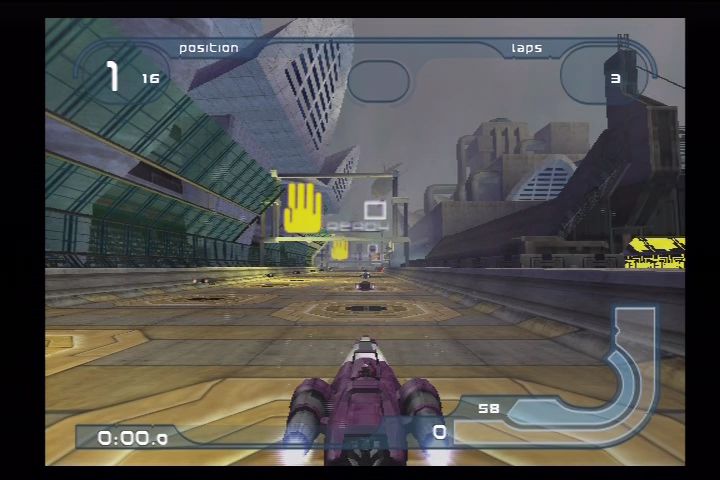
Already we have more opponents on the race than was possible on the PS1 versions, with 16 opponents.

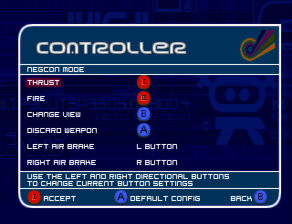
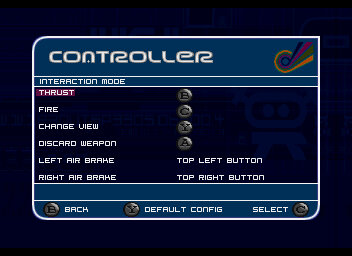
What’s disappointing is for a first party exclusive game, Wipeout Fusion does not take much advantage of the PS2 functionality like the i.Link port. The PS1 Wipeout games often made use of the link cable to allow two player gameplay with two consoles which was a nice feature as it allowed for two players to play without having to use split screen. The Namco NeGcon controller is still supported for analogue control, but is redundant since the PS2 comes with the DualShock as standard.

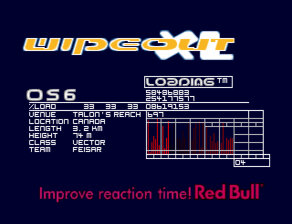
The game’s loading times are also pretty terrible, expect to wait upto one minute for a typical race to load.
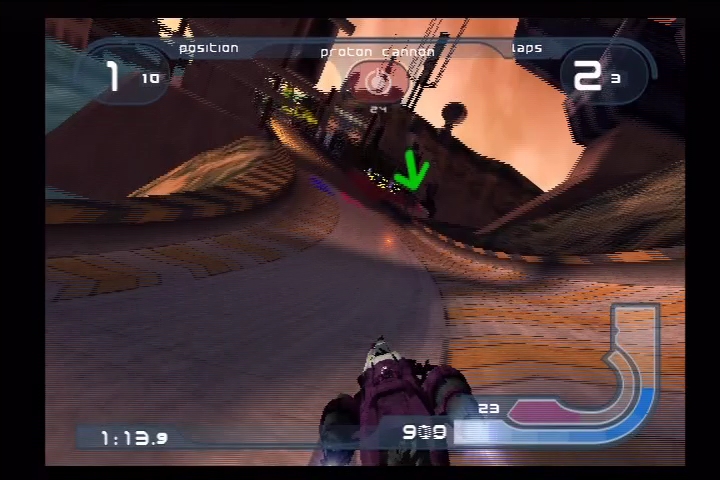
Wipeout Fusion faced completion from other futuristic racing games of the era, Quantum Redshift which was exclusive to the original Xbox was released in the same year and features ships racing on planetary tracks, with character-driven pilots (similar to F-Zero) who have rivalries and unique abilities, contrasting Fusion’s pilot team-based approach. Both games share core mechanics like weapon pickups, upgrades, and high-speed chaos but Quantium Redshift has more refined combat system with the concept of homing weapons, non-homing weapons and a deployable shield. They types of weapons are dictated by the ship you choose, while Wipeout Fusion is based on what has randomly been selected when you fly over a weapon pad.

Still, Wipeout Fusion was considered a weak entry in the series, and it wasn’t until 2005 with the release of Wipeout Pure which saw a reboot of the series mechanics.
Destruction Derby

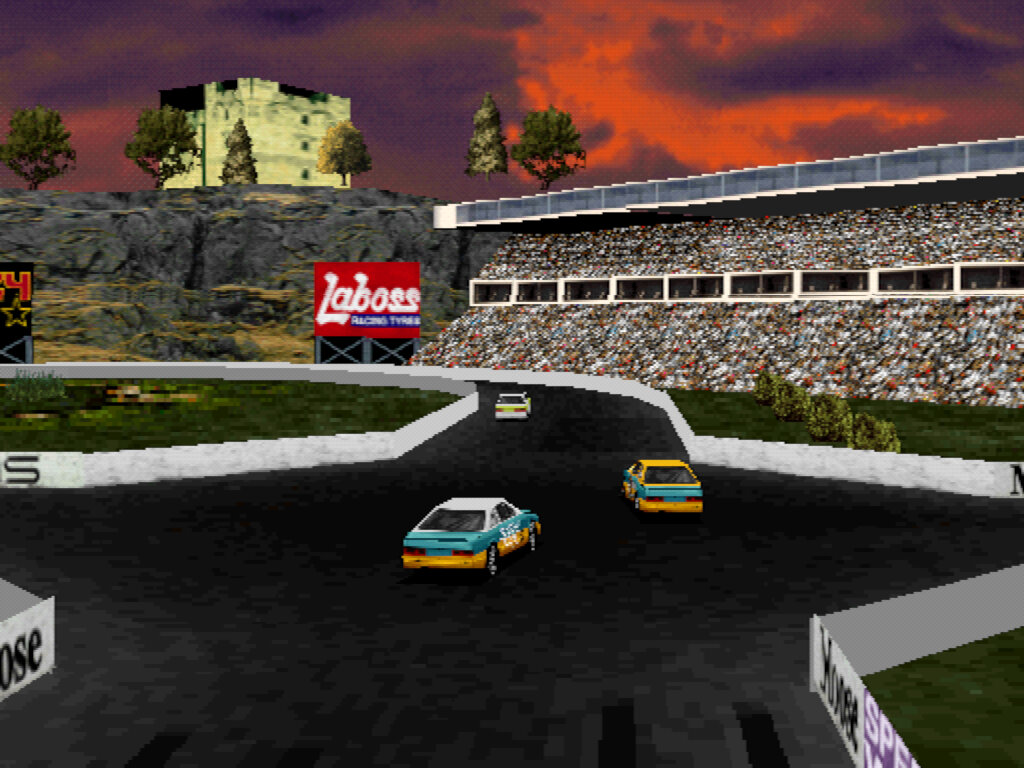
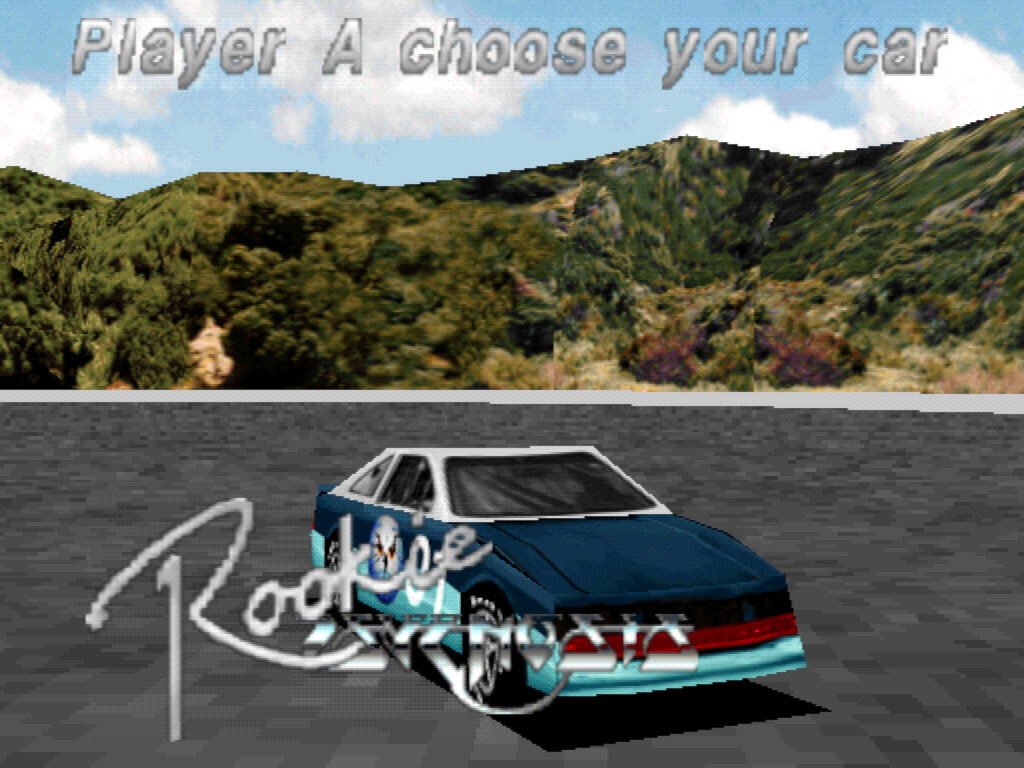
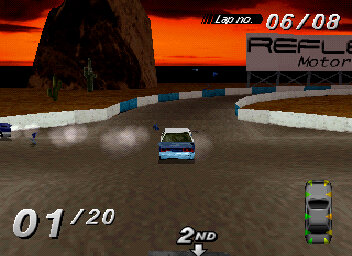
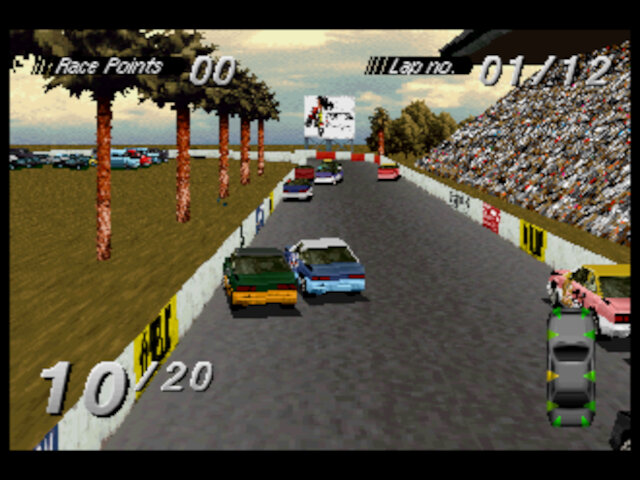
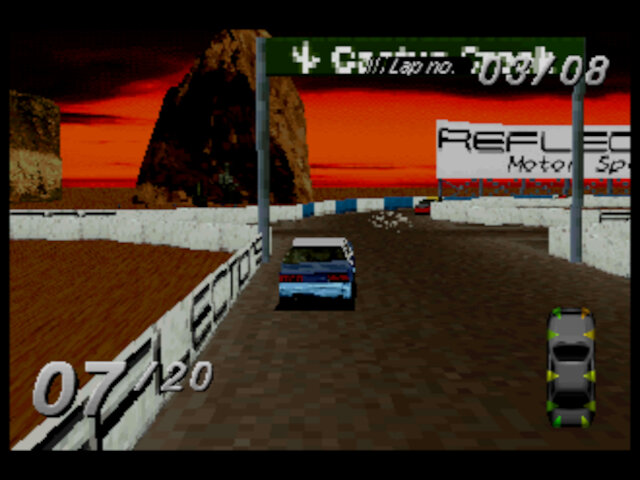
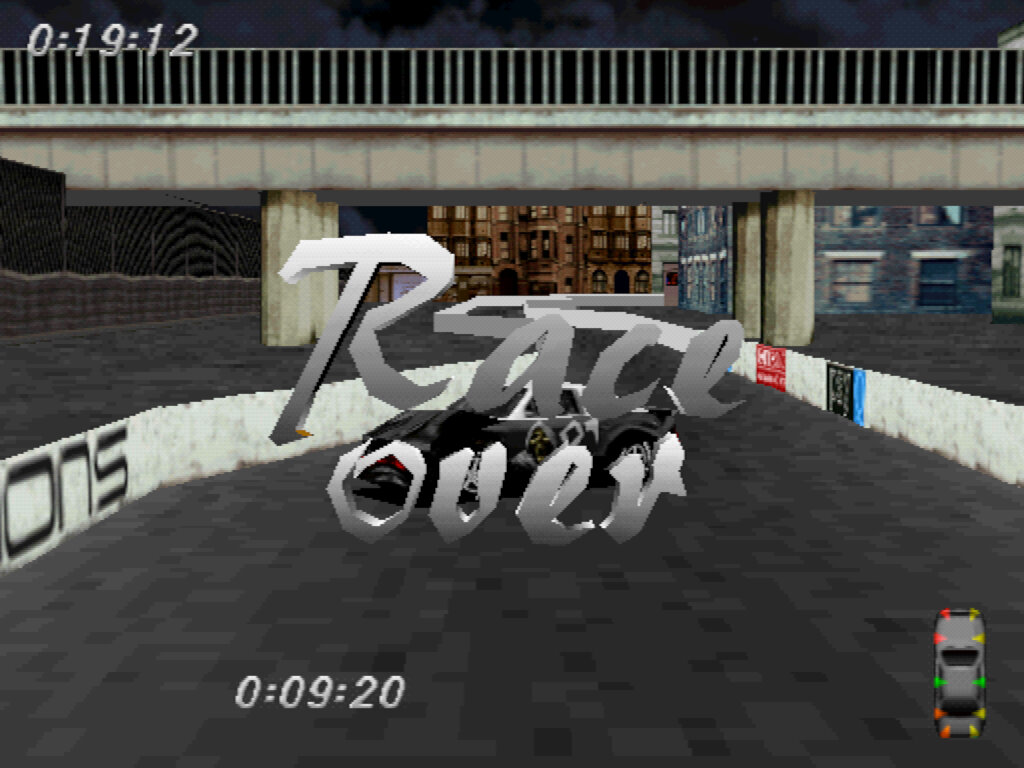
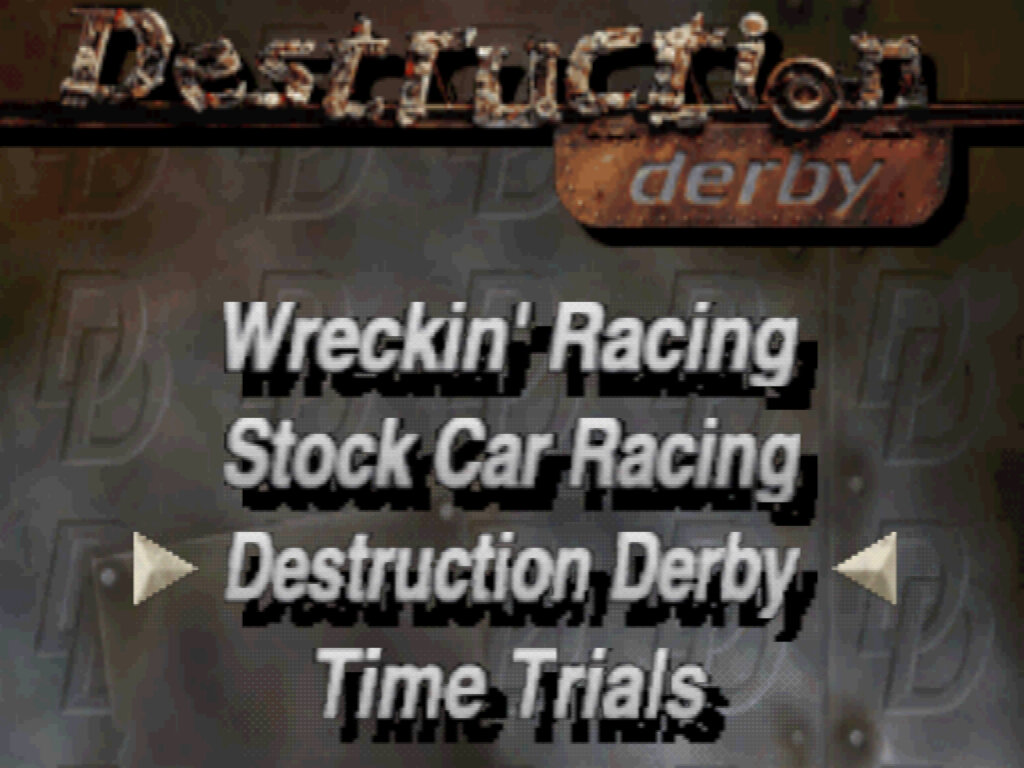
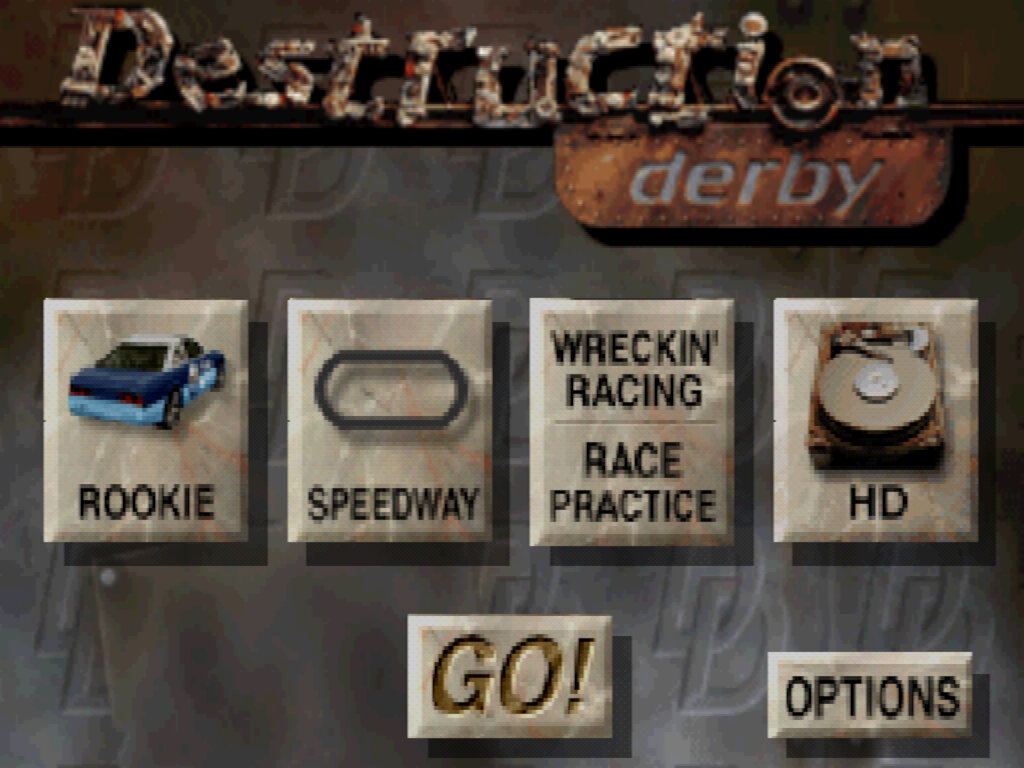
A racing & combat game, developed by Reflections (Who went on to produce Driver) that was released in 1995, at the begriming of the 3D gaming revolution. In Destruction Derby, players compete in demolition derby-style events where the objective is to crash into opponents’ cars to damage them while trying to survive and be the last car running. The game features both racing and demolition derby modes:

Destruction Derby Mode: In this mode, players compete in arenas specifically designed for vehicular combat. The last car that remains operational wins the match. Players can earn points by inflicting damage on opponents’ vehicles.
Wreckin’ Racing Mode: This mode combines racing and demolition derby elements. Players race around circuits while attempting to wreck opponents’ cars. The winner is determined by a combination of finishing position and damage inflicted.
Stock Car Racing: Traditional racing mode where you finish a race of multiple laps
Time Trials: Similar to Stock Car Racing, but you have to aim to get the fastest lap time. Getting the quickest time will allow you to enter your name as a high score.

Each mode can be played in practice, championship, dual or multiplayer mode.

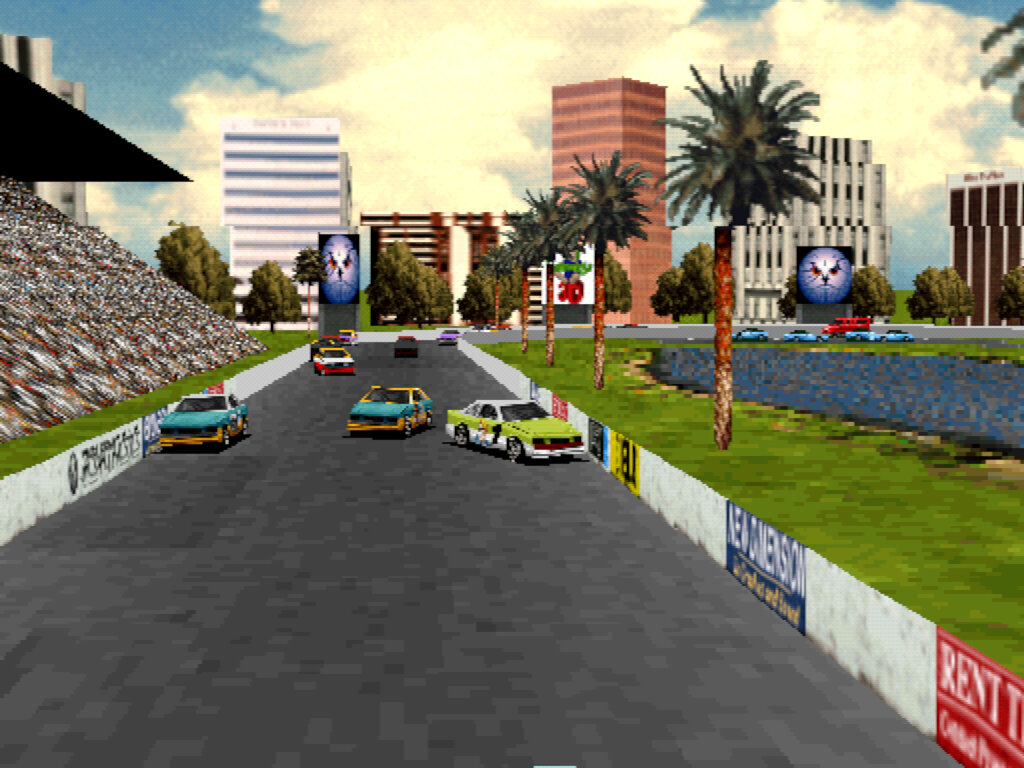
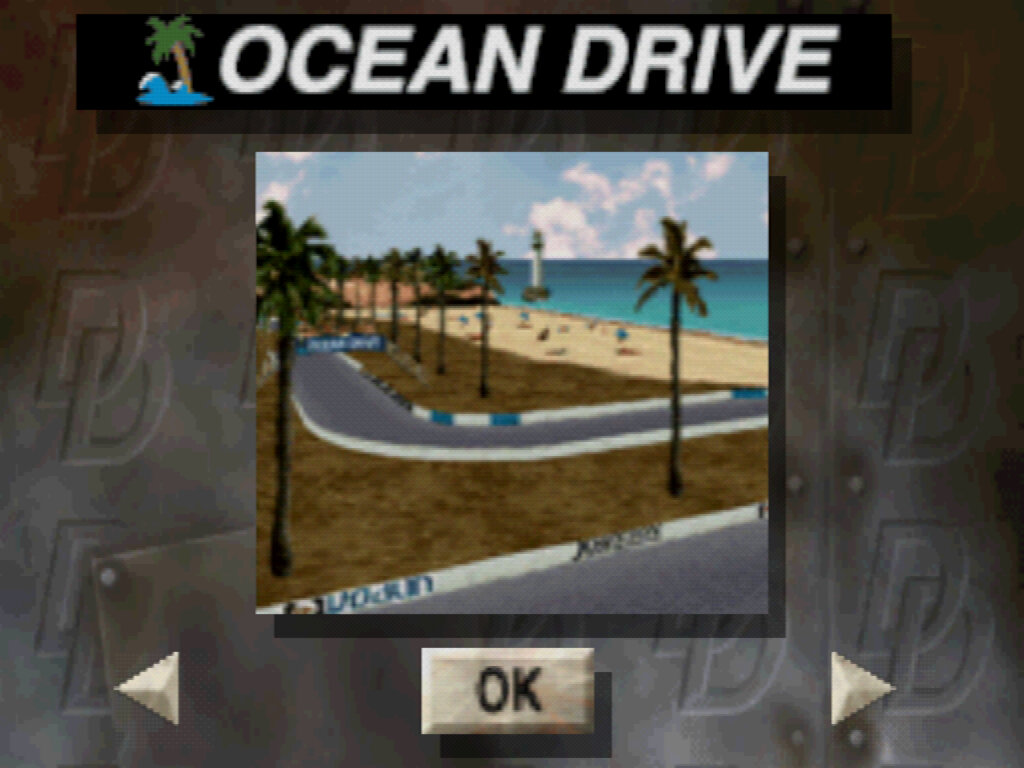
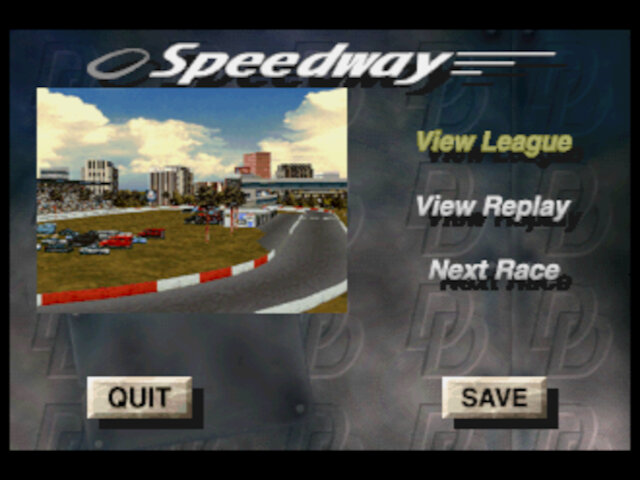
Five tracks are available at the start of the game, Speedway, CrossOver, Ocean Drive, Catus Creek, and City Heat. Each track is set in it’s own environment and have their own unique track design. Some feature a loop design which require you to dodge and avoid opposing cards, otherwise it easy to lose which direction you’re supposed to go. Pileups are also fairly common on these type of tracks.

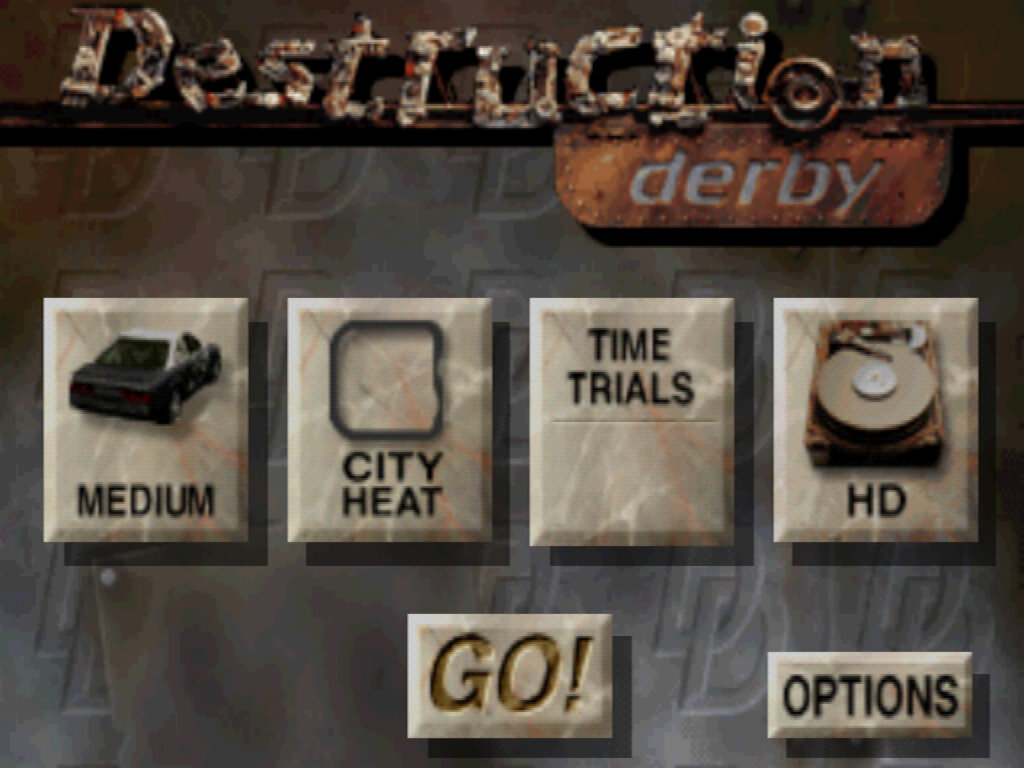
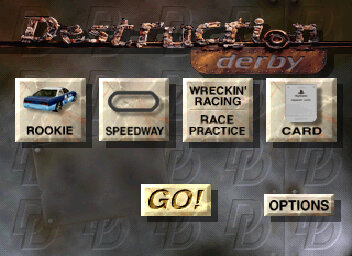
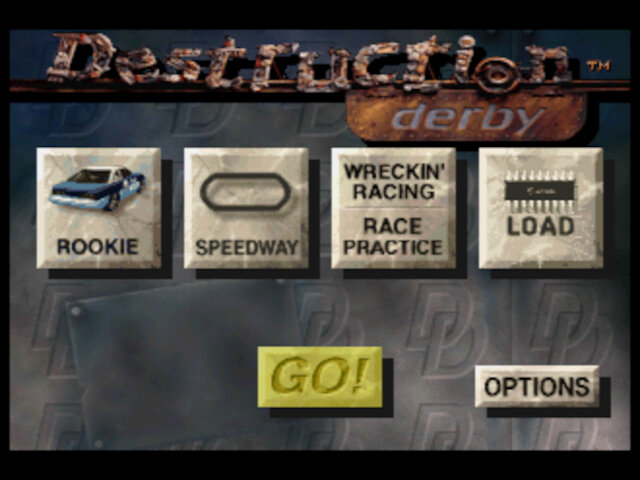
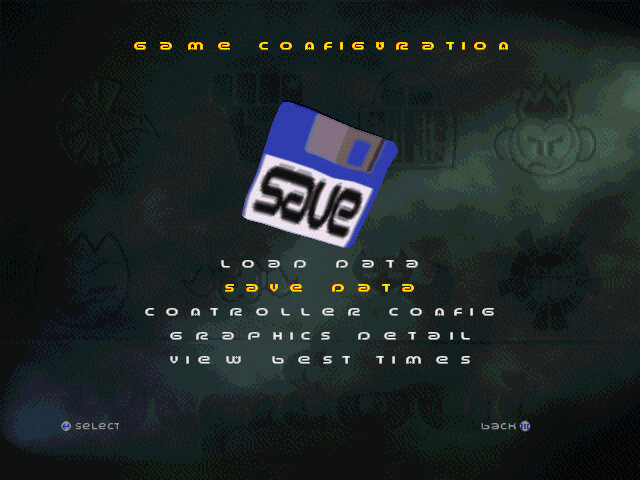
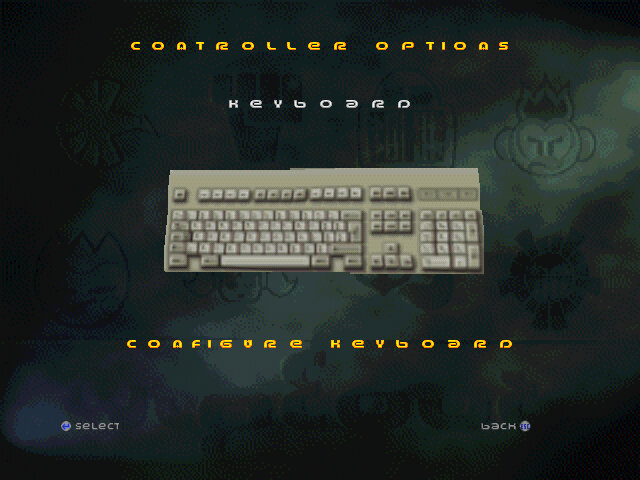
A look at the main menu of the PC relase, which features 3D tiles that function as menu items. Similar to the save screen on Mario 64 or on the SGI demos of the era.

Windows

The Windows version had support for S3D acceleration, with was supported on S3 graphics cards which were common of the time. This required the use of a specific OEM copy of the game that shipped with a computer that featured the S3 ViRGE video card. Other PC releases would make use of MS-DOS and software rendering instead, which was inferior to the S3D and console releases.
One issue with the S3 version is it’s limited to Diamond Stealth 3D 2000 cards, and will refuse to function on even the 3000 model. This can be bypassed with a patch that removes this check.
There I also an option to enable texture filtering that gives the textures a smoother look, but at the expense of framerate. It can be togged on the settings menu of the game.

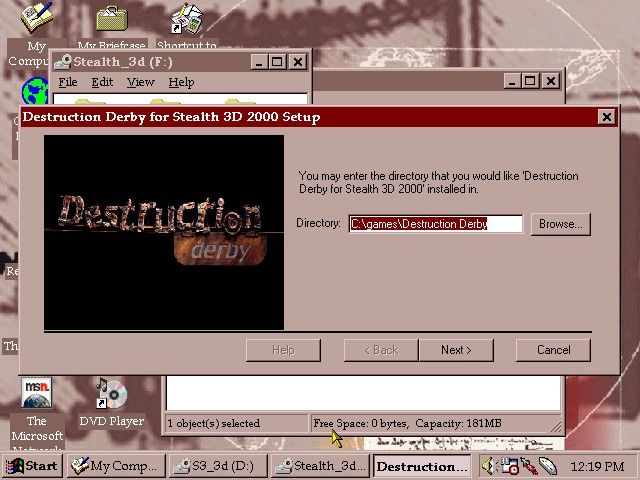
86Box is able to play this version of this game by using the emulated Diamond Stealth 3D card, paired with a Pentium MMX. Windows 95 lacks built in drivers for this card but they can be obtained here.

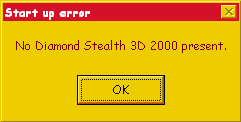
Trying to run the game without using a Diamond graphics card, using a generic S3 ViRGE card instead. A patch exists to remove this check.

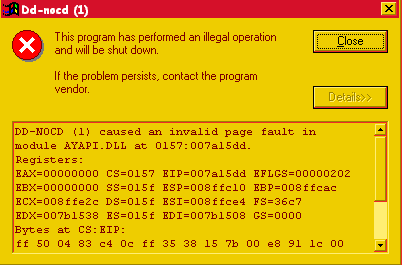
Using the Stealth 3000 caused a crash, with the AYAPI.DLL causing the issue despite using the Diamond drivers and the fixed EXE.

If you’re wondering about the colour scheme, its the RE-MAN theme from the Windows 95 Plus! pack.

PlayStation

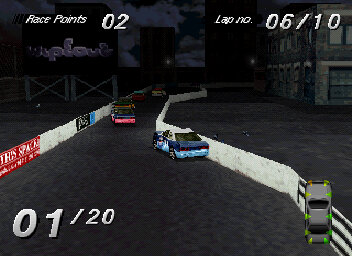
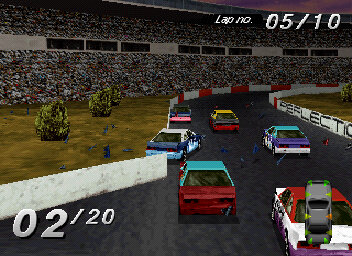
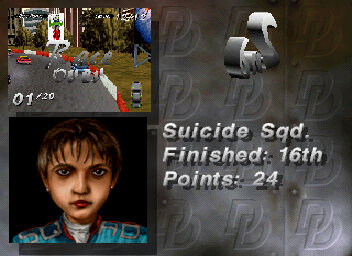
The game was also ported to the PlayStation, This release is a lot more polished, and features thumbnails of the rival characters after the race, showcasing their overall position. The framerate is also a lot more smoother compared to the PC but misses out on the potential of texture filtering unless an emulator is used. DuckStation is the emulator used here, with the stock graphic settings (no enhancements)

For analogue control the NeGcon controller can be used for more precise turns, as this game predates the release of the dual-analogue controller. The menu controls are awkward to control compared to traditional PlayStation games, as you have to press the start button to confirm/enter menus rather than using the X button that most other games use.

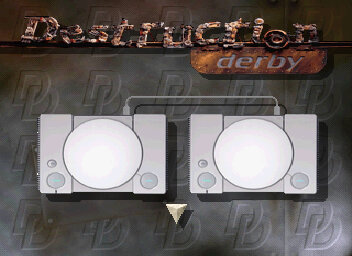
Multiplayer is also a better experience in this version of the game because it supports the use of the PlayStation link cable. For this, two consoles and copies of the game are required, as split screen is not supported.

It’s also a lot more easily accessible, since it can be brought from the PSN store and played on the PS3.

Sega Saturn

There was also a Saturn version, released in 1996 in Europe. Like other third-party ports it suffers from a poorer framerate compared to the PlayStation version. Still the game is playable and defiantly worth checking out if you’re interested in Saturn racing games. The Mednafen emulator is used for the screenshots below.

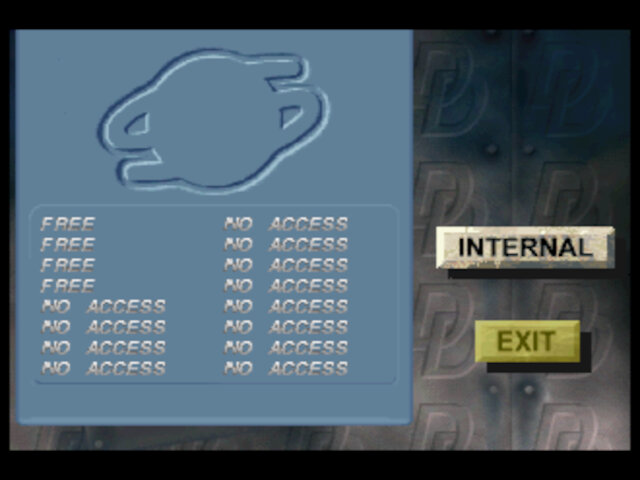
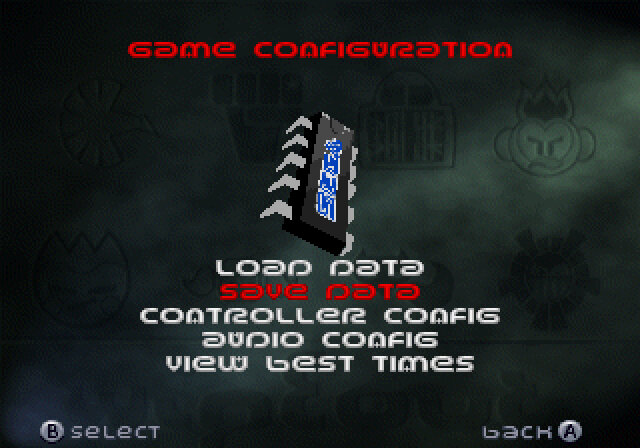
The game supports saving to the internal memory, or though the backup cartridge

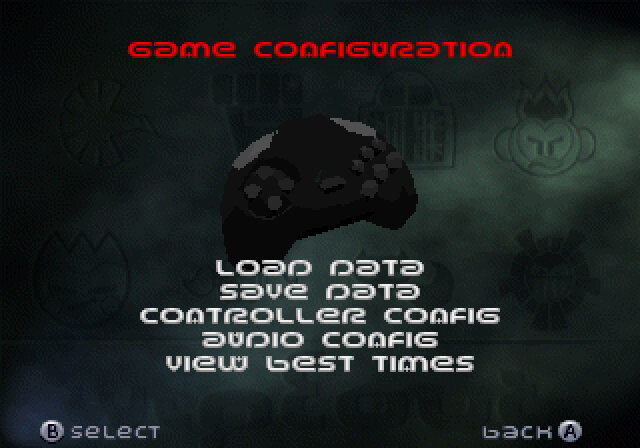
The game does not appear to support the 3D controller, which means the game lacks analogue control support.

Wipeout XL / 2097

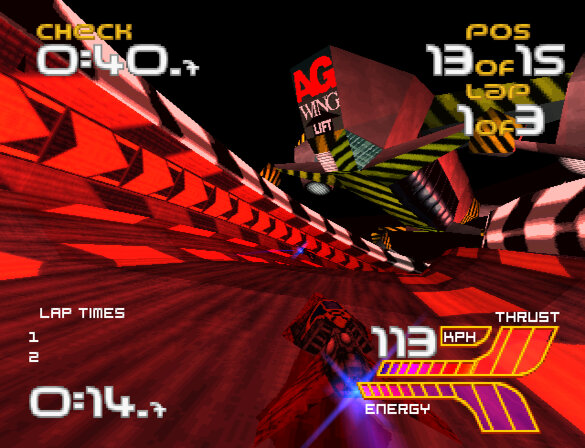
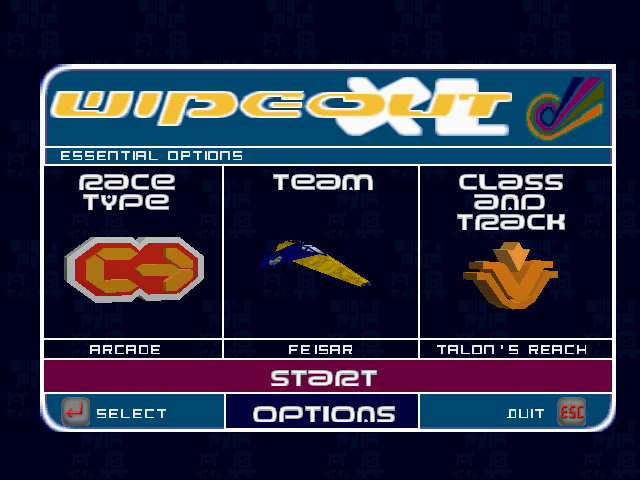
Wipeout XL is a high-speed, futuristic racing game that was originally released in 1996. It was developed by Psygnosis and published by Sony Computer Entertainment. The game is set in the year 2097, where players compete in anti-gravity ships across a variety of tracks and modes.

One of the first things you’ll notice about Wipeout XL is its incredible sense of speed. The game’s visuals are still impressive today, with a smooth frame rate and a futuristic art style that holds up well. The sound design is also fantastic, with a thumping techno soundtrack that perfectly complements the game’s high-octane racing.

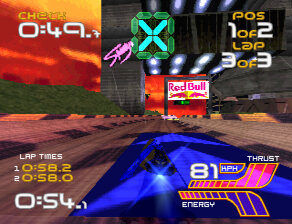
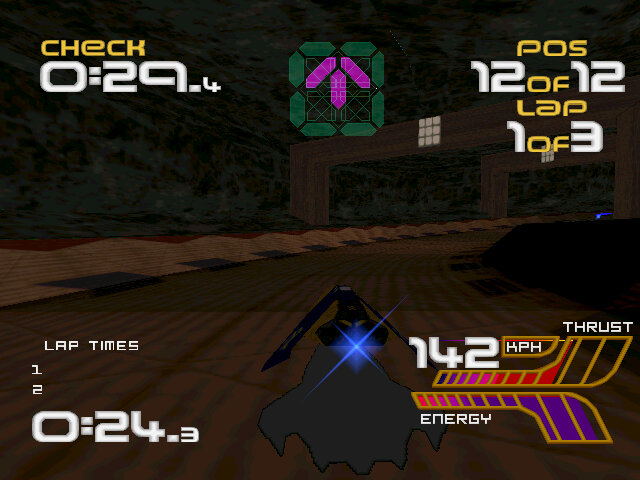
The weapon system has been improved, now your ships have a health meter that depletes upon impact with a weapon, or with another ship or track. Energy can be replenished by using the designed pit area’s that restores the ships energy. When you ship runs out of energy, the game is over.

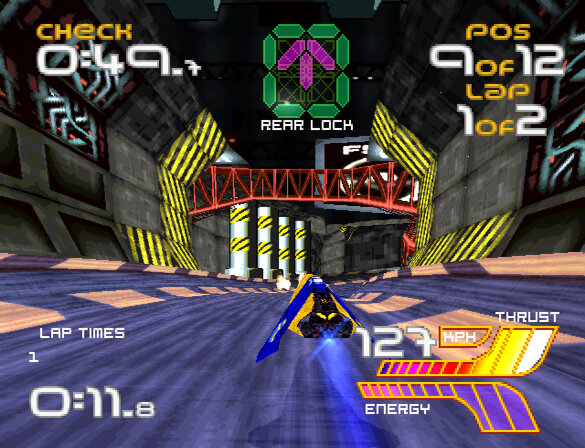
Also there is a countdown timer that depletes until you reach the next checkpoint, giving an arcade feel to the game though its a bit redundant, since if you run out of time, chances are you are already well behind in the race.

The gameplay in Wipeout XL is intense and challenging. The ships handle well, but require precise control at high speeds. The game has a steep learning curve, and it can take a while to get the hang of the tracks and the various weapons and power-ups available. But once you do, the game is incredibly rewarding, with tight races and exciting finishes.

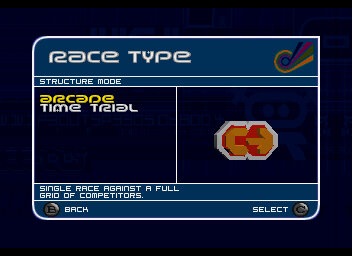
One of the features of Wipeout XL is its variety of modes. The game offers a campaign mode, where you compete in a series of races and unlock new ships and tracks. There’s also a time trial mode, where you can compete against your best times or the times of other players. And of course, there’s a multiplayer mode, where you can race against your friends.

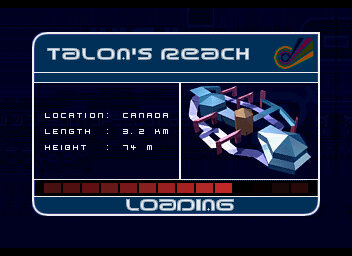
  • Talon’s Reach: This is the first level of the game and serves as an introduction to the basic gameplay mechanics. It’s a relatively simple track with a few jumps and turns, but it’s a good warm-up for the more challenging tracks to come.
  • Sagarmatha: This level takes place on a track set high in the Himalayas. It’s a visually stunning track with steep drops and sharp turns that require precise timing to navigate.
  • Valparaiso: This track takes place in a futuristic version of the Chilean port city. It’s a challenging track with tight turns and narrow sections that require careful control of your craft.
  • Gare d’Europa: This level takes place in a futuristic version of the train station in Paris, France. The track is fast and has a lot of straight sections, making it a great level to use your craft’s top speed, also has a few lightning effects.
  • Odessa Keys: This level takes place on a track set in a futuristic version of the Black Sea. It’s a challenging track with tight turns and narrow sections that require precise control of your craft. The track also features a large jump that can be difficult to navigate.
  • Other tracks include Vostok Island, Spolskinanke & Phenitia Park.

Teams Included

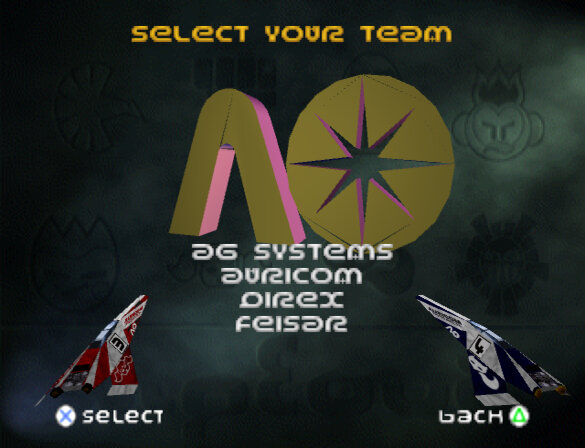
  • AG Systems: This is one of the default teams in the game and is a good choice for beginners. Their craft is well-balanced and easy to control, making them a great option for players who are still learning the game’s mechanics.
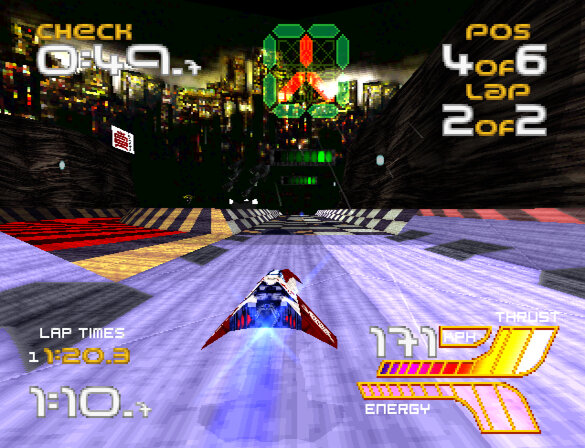
  • Qirex: This team is known for its high speed and power. Their craft is one of the fastest in the game, but it can be difficult to control at times. This team is a great choice for experienced players who are looking for a challenge.
  • Feisar: This team is known for its agility and handling. Their craft is one of the most manoeuvrable in the game, making them a great choice for players who value control over speed.
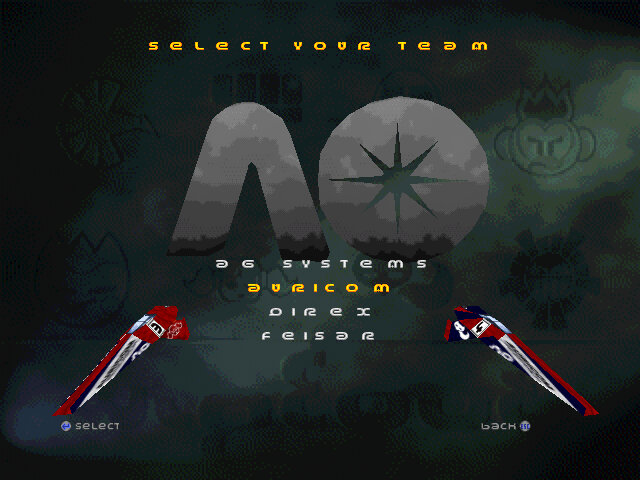
  • Auricom: This team is known for its all-around performance. Their craft is well-balanced and can perform well in any situation. This team is a great choice for players who want a versatile craft that can handle any track.
  • Piranha: This ship has the highest stats nut cannot use any weapons.

Versions

Wipeout XL is the most accessible version of Wipeout to date and was ported to over 4 platforms.

PlayStation

The lead platform and the best way to play, One advantage of playing the PlayStation version is that it was specifically designed for the console, so the controls were optimized for the PlayStation controller. Some players may find it easier to control their vehicle using the PlayStation controller rather than a keyboard or other input device on the PC. Overall it appears to be the most polished version of the game.

Additionally, the PlayStation version of Wipeout XL had support for the serial cable which allows two consoles to be linked together to provide two player support.

Another nice feature is support for the NeGcon controller which provides analogue steering support, as this game predated the Dualshock controller.

Windows

The PC version of Wipeout XL features improved graphics over the PlayStation version and features higher resolution textures, improved lighting effects, and smoother frame rates but has issues running at refresh rates higher then 30hz, causing the game to run too fast. This breaks the game entirly as its difficult to play at effectivly twice the speed.

It has native support for DirectX 3 or PowerVR graphics cards. The readme file also mentions official support for the Rendition, ATI RAGE and Matrox graphics cards.

Sega Saturn

The graphics and sound of the Sega Saturn version are generally considered to be inferior to the PlayStation version. The Sega Saturn version features lower resolution textures, less detailed backgrounds, and reduced visual effects. The sound quality is also less impressive than the PlayStation version, with lower quality sound effects and music. The loading screens are different in this version and there is no multiplayer support.

The gameplay of both versions is largely the same, with fast-paced anti-gravity racing across futuristic tracks. However it suffers from slower frame rates and occasional glitches, which can make the game feel less smooth than the PlayStation version. It does have support for the 3D control pad which provides analogue control.

MacOS

There was also a release for PowerPC based Macintosh computers released in 2002, a few years later. Unfortunaly I cannot get his version to run on any Mac that i own, either on a PowerMac G4 running Mac OS 9.2 with a Radeon video card or an iMac running OS X Snow Leopard.

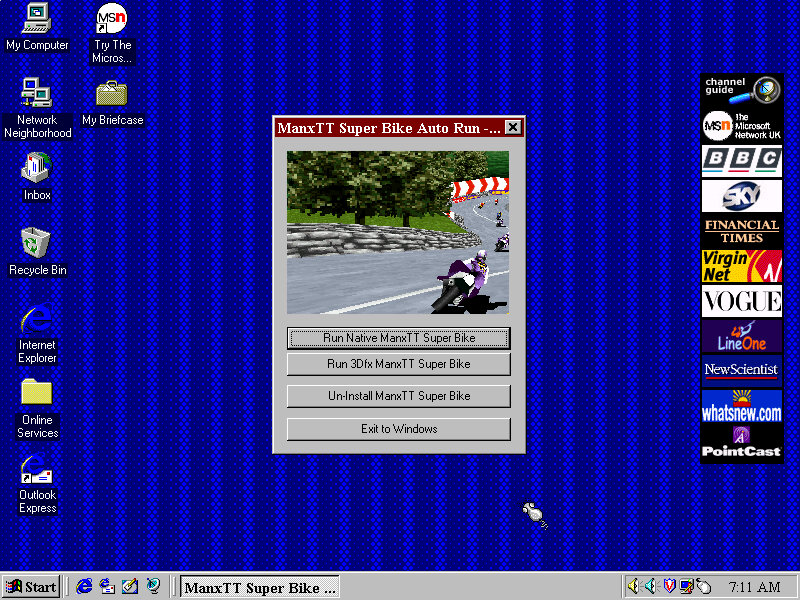
Manx TT Superbike

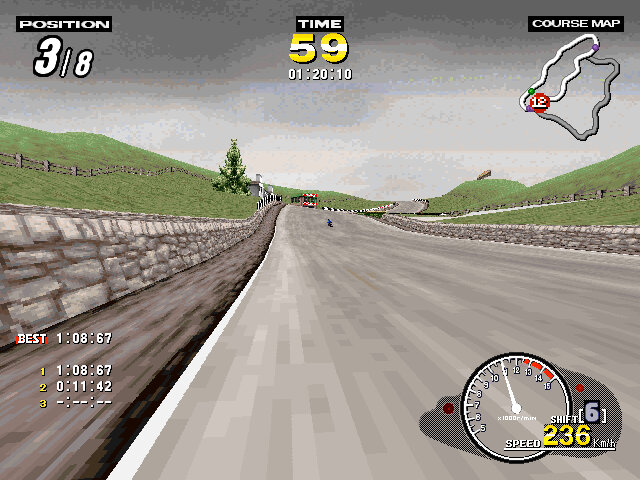
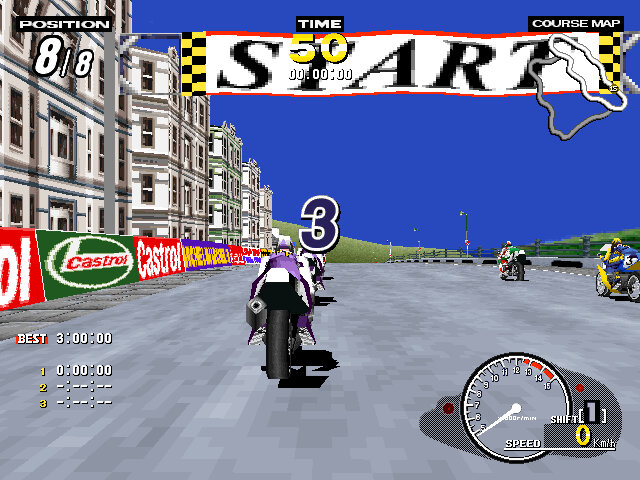
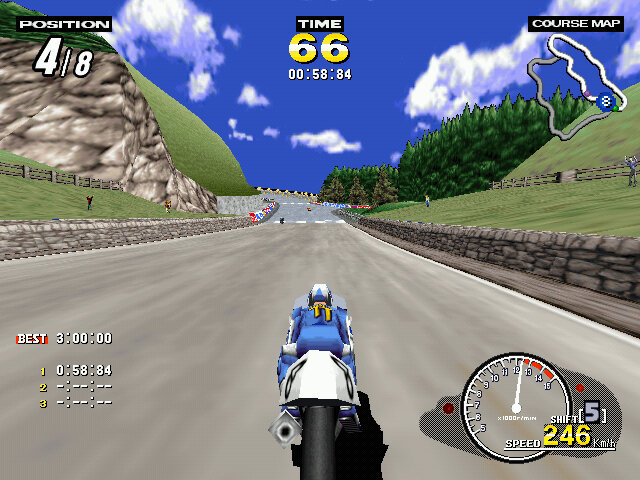
An arcade style racing game released in 1995, aimed to replicate the Isle of Man TT – a motorcycle racing event. Very similar in spirit to Daytona USA which was based on the real Daytona speedway, and Indy 500.

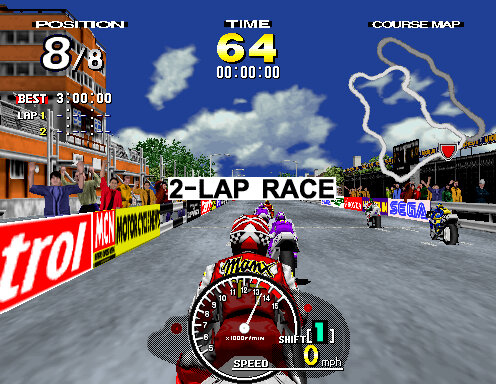
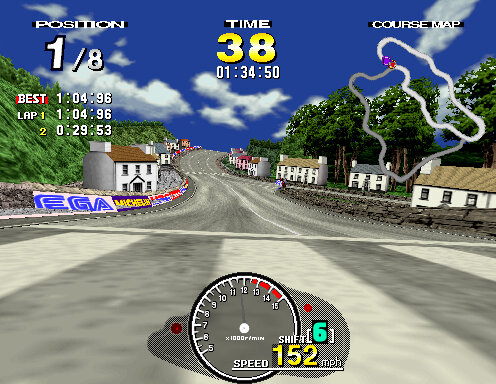
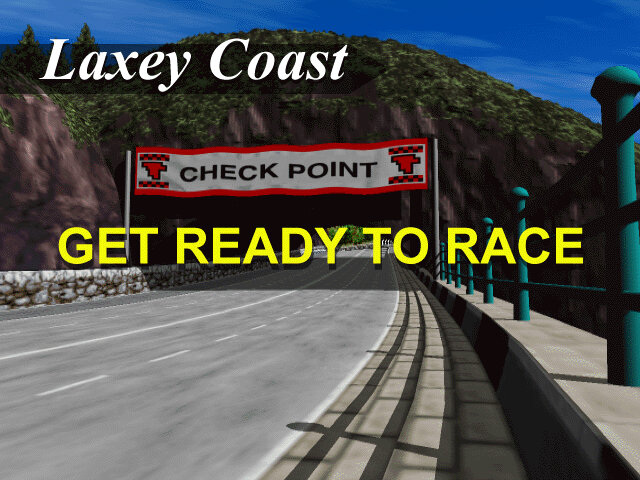
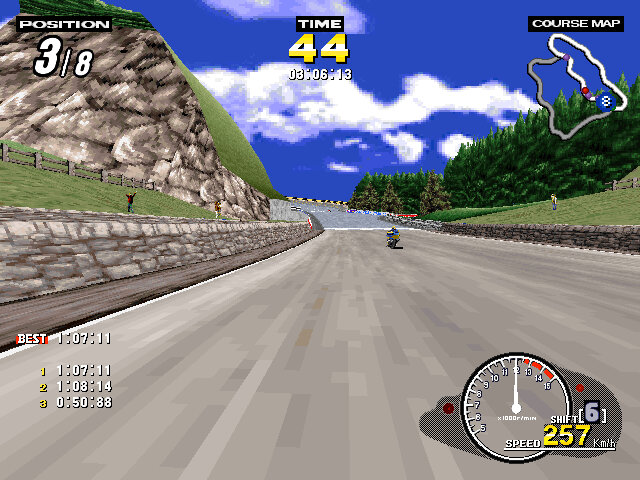
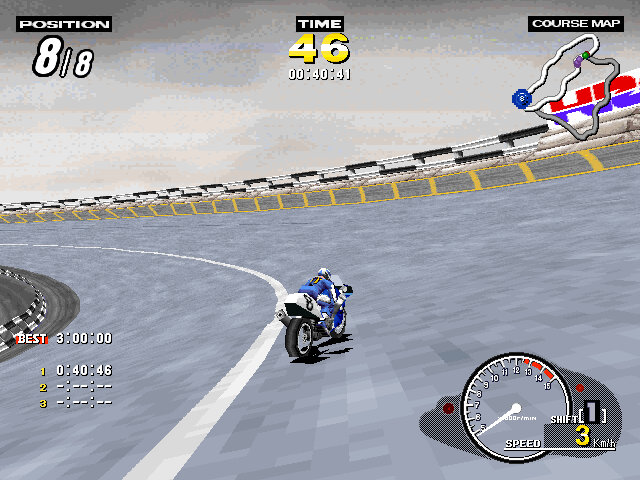
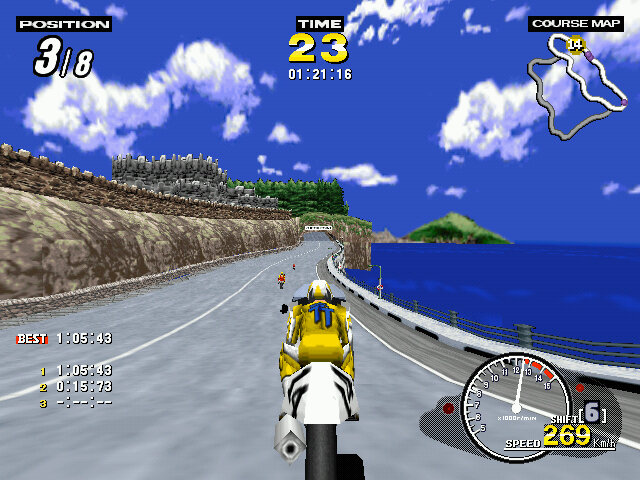
Two courses are offered, Laxely Coast and T.T Course, the latter being the actual track used in the Isle of Mann races. Both tracks share sections with each other and will split and re-join into their own different paths.
The home versions feature two additional tracks that are part of the PC/Saturn mode, these are reverse-mirror versions of the two arcade tracks and can only be selected in that mode. These tracks are also set in the early evening in the Saturn version, and early morning / dusk in the PC version.

Time Trial: Similar to time trial featured in other racing games, choose a track and a bike and try to get the lowest time. On the arcade version you have to hold the brake button when selecting a track to active time trial.

Console / PC Exclusives modes

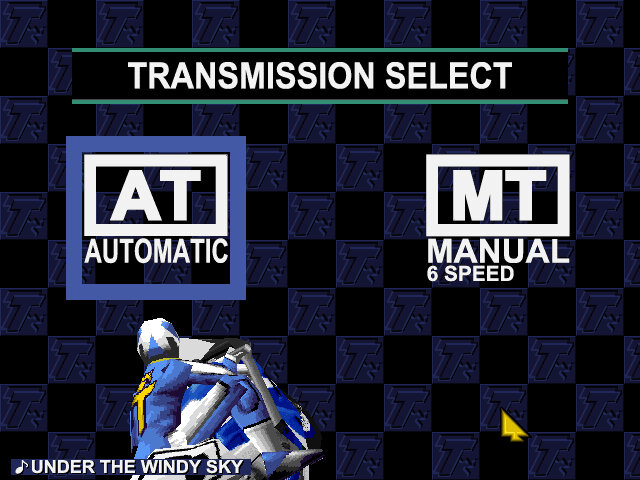
Practice Mode: Similar to arcade mode, choose a track and your bike which will have a unique stats for speed, acceleration and handling.

Challenge Mode: a tournament mode where you have to race on all four tracks, coming in a 3rd or higher in each one. The superbike challenge is unlocked after completing this mode.

Versions

Like other Sega games of the era, this title was relased to the arcades first, then to their Saturn console and eventually to Microsoft Windows.

Arcade

The original arcade release runs on the model 2 hardware, specifically the 2A version. This version was considered to be graphically superior of the three versions but is the most basic in terms of content, featuring only two courses and just the arcade and time trial mode. The Model 2 emulator is the most popular way to play this version of the game, with the MAME driver making steady progress but still unplayable in some regards.

Really for a home port, the game could have done with further tracks being added to increase the replay value of the game.

Sega Saturn

Sega ported the game to their home console of the era, the Sega Saturn in 1997. This version introduced new features including an FMV opening sequence and additional race modes. There are also options to change the bike model, which have unique stats across the different models. The game’s graphics were considered to be impressive for the Sega Saturn’s capabilities, with colorful and detailed environments that recreated the feel of the arcade version.

Windows

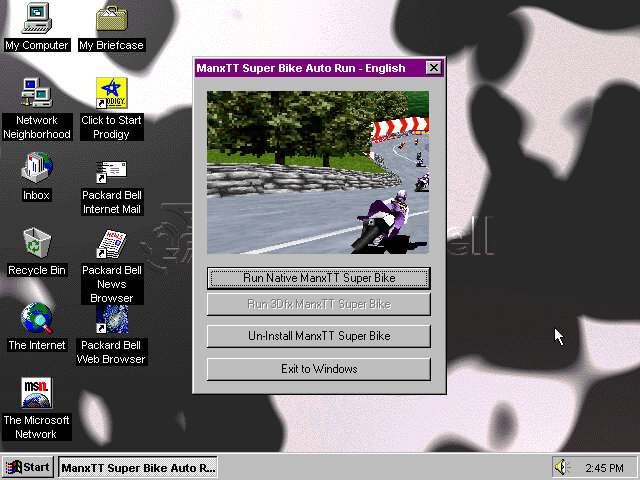
This version supported both DirectX 5 and 3DFX Glide, the latter gives a visual difference that makes it similar to the arcade version sans the frame rate. It seems the game will only render up to 30fps. Still the game can run at 640×480 which is higher than the Saturn or even the Arcade version.

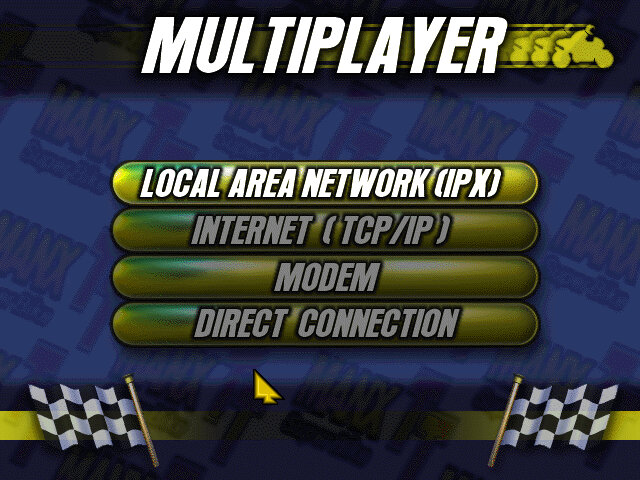
Multi player is supported in this version and can be done over a variety of channels. IPX, TCP/IP, Modem and Serial connections are supported. This can be done via virtual box of you use the PCap option between two 86box VMs, linking it to the VMware virtual network adaptor (8 is typically the local adaptor) then create an IPX session. It may also be possible to map to the serial port in the near future.

I believe up to 8 players can playing a single session, to this would require three machines or more. Unallocated players will be replaced with an AI enemy, similar to single player mode.

DirectX Version

The regular version that uses DirectX 5 for 3D acceleration which works fine in 86Box using the S3 ViRGE video card. This graphics card lacks support for texture filtering.

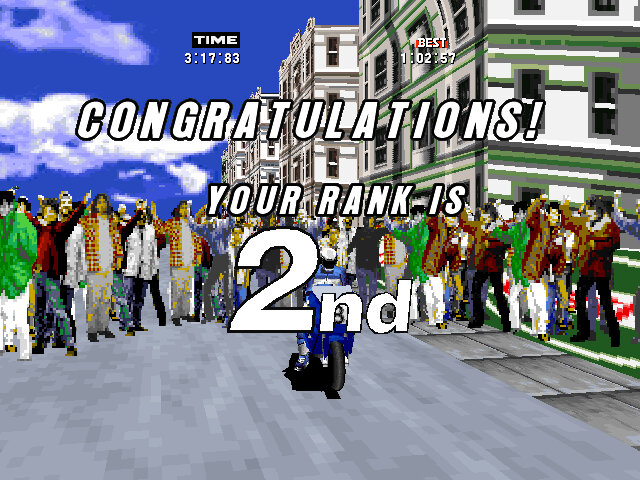
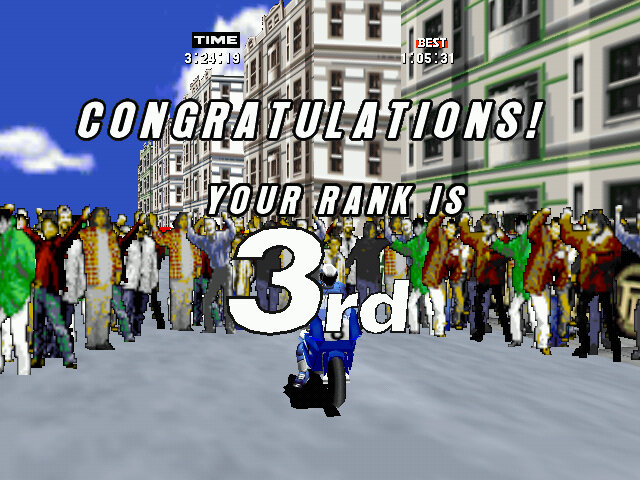
Only issue is after the race, the crowd can disappear and reappear intermittently.

3DFX Glide Version

The bundled 3DFX drivers will only function on the original Voodoo, or the Quantium3D version of the Voodoo card. Later 3DFX cards require updated libraries in order to be detected, otherwise you will receive the ‘Failed to find any glide hardware’ error, or ‘Failed to initialize viewport system’ error.

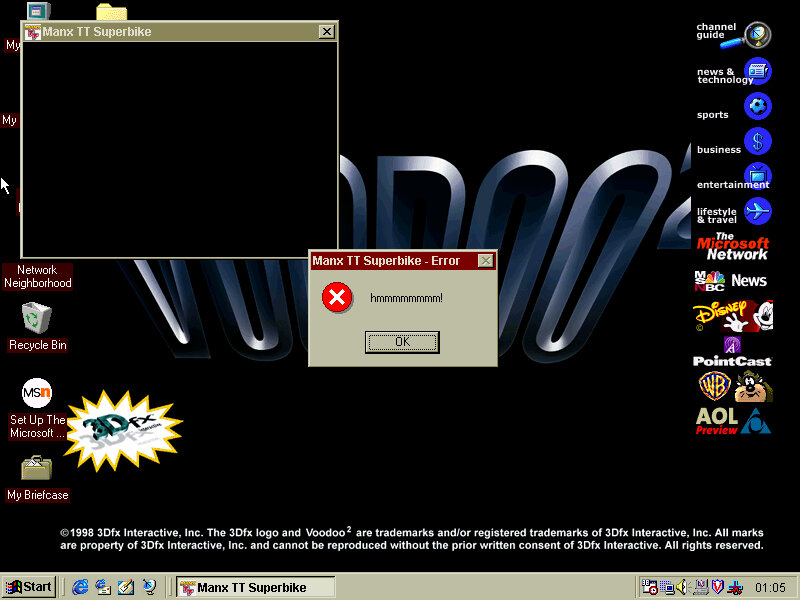
Works well in 86box until I tried it in a Pentium II PC with a Voodoo 2 (S3 Trio video card), where there were a couple of warping polygons and the game would throw up a ‘hmmmmmm’ error message. Whilst it looks like the game crashed, clicking Ok on the message box would restore and return you back to the game. None of this seemed to occur in other VMs I have that used the original Voodoo and AMD K6 combo.

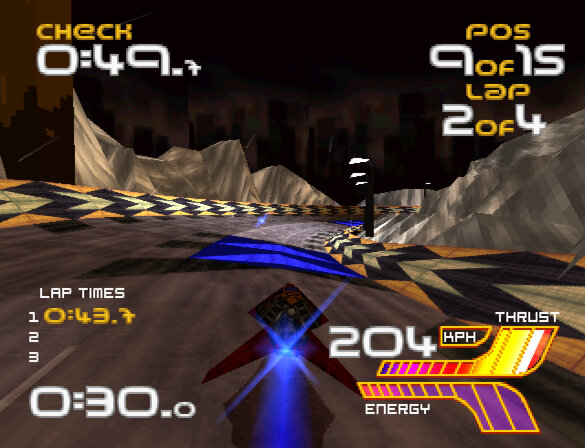
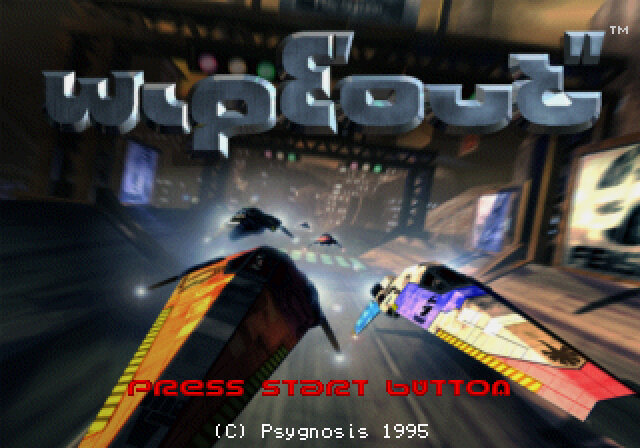
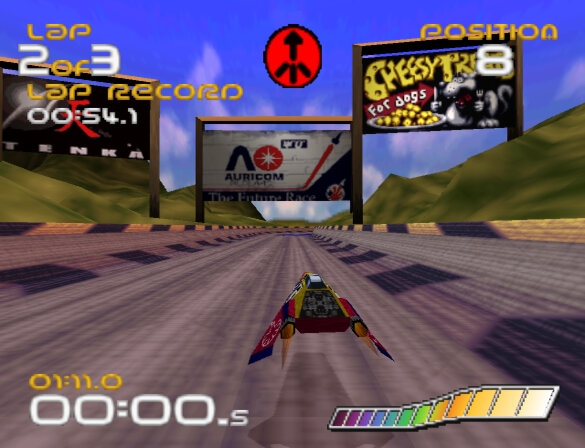
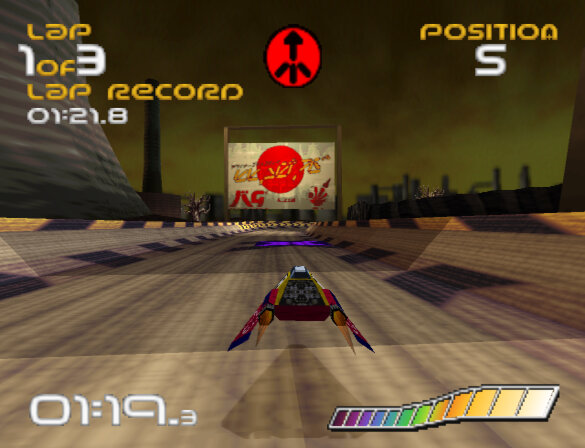
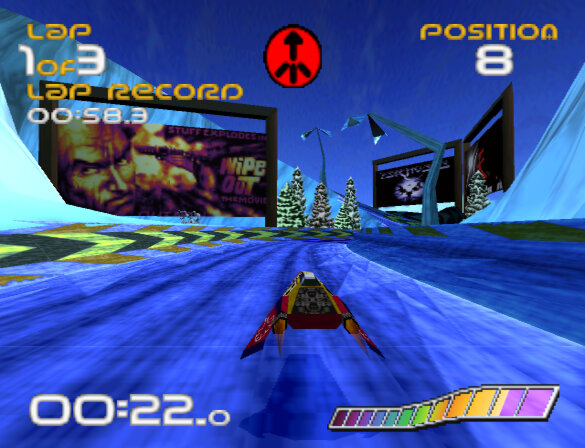
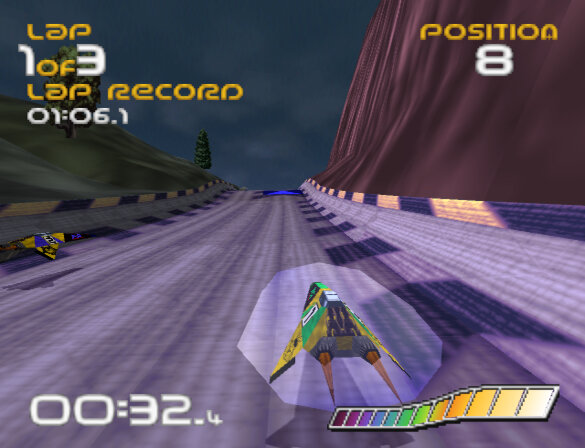
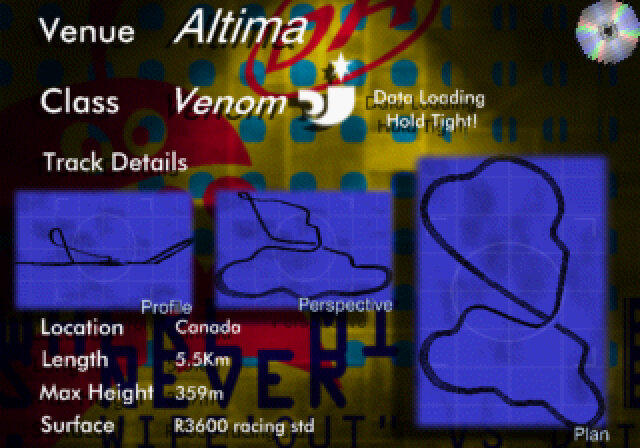
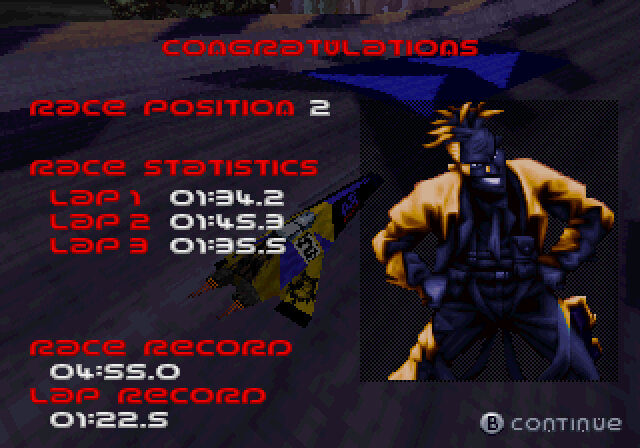
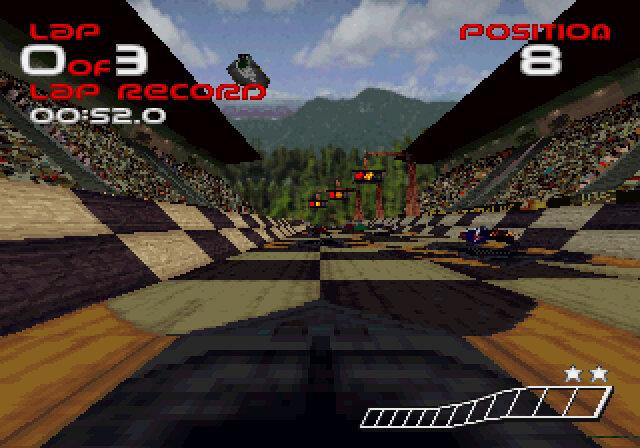
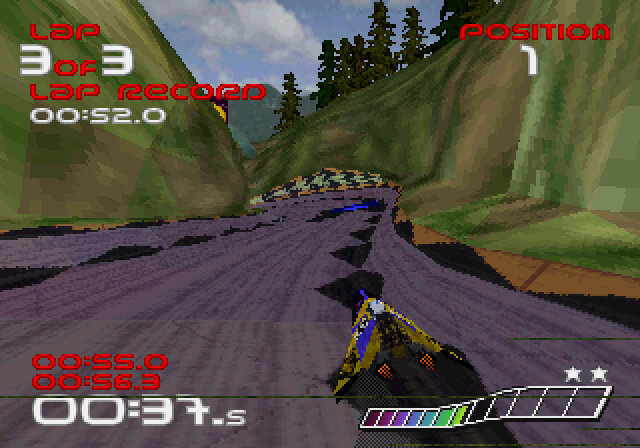
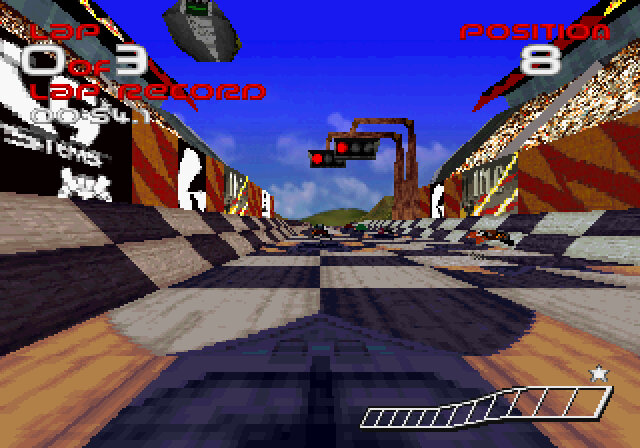
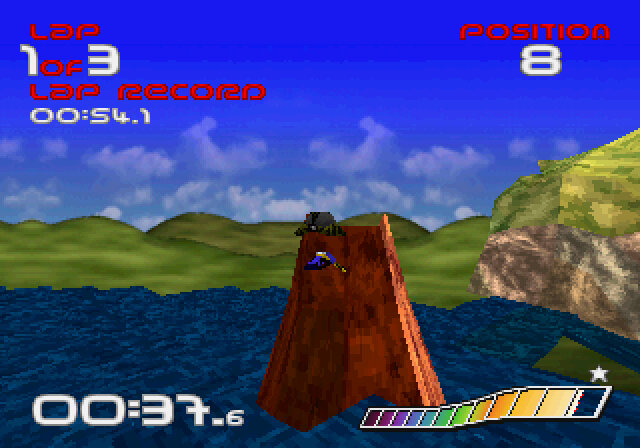
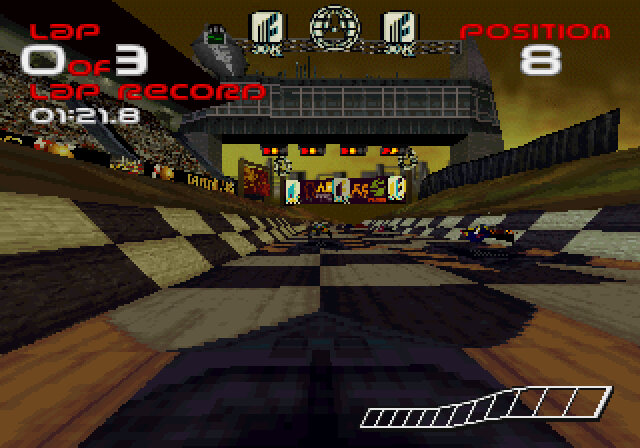
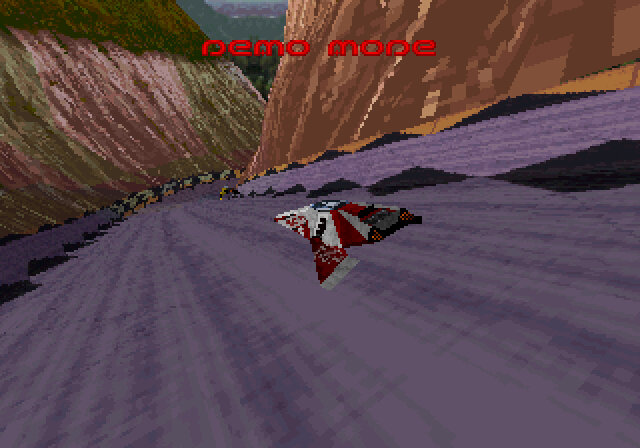
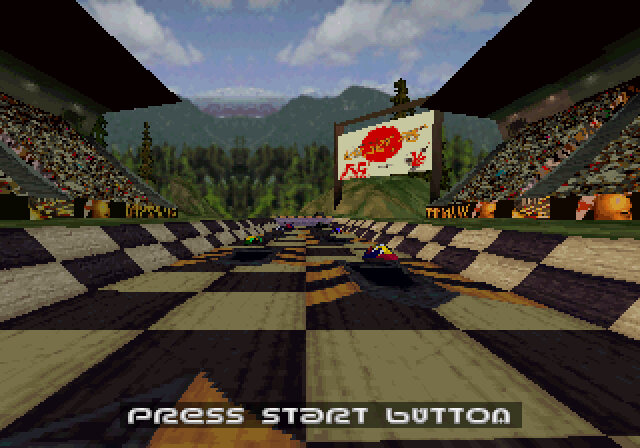
WipEout

A futuristic racing game released in 1995 for various platforms.

In Wipeout your mostly battling against the track itself, rather than the rival ships, and at fast speeds the game can become a challenge, requiring quick reflexes. Thankfully it comes with a banging soundtrack, something which is a staple of the Wipeout series of games.

2 Player mode exists for the console versions, but its one of those games that needs a serial cable, two PlayStation or two Saturn’s, TV’s and copies of each game.

PlayStation

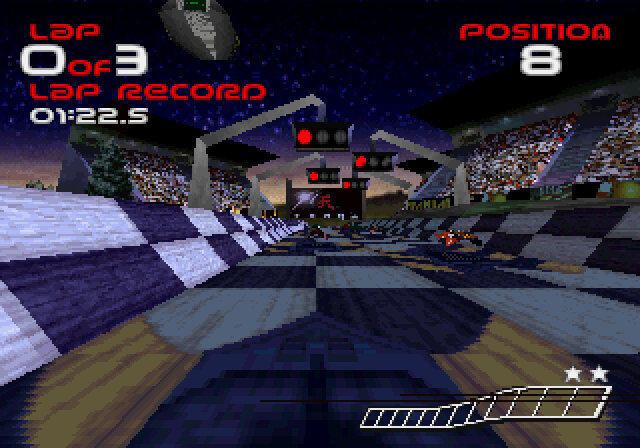
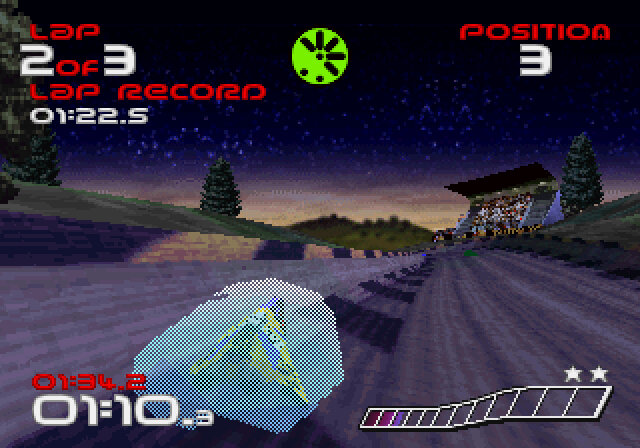
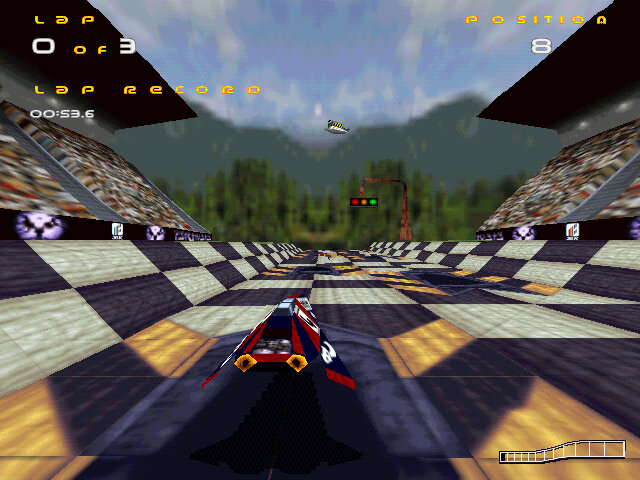
Probably the best version, since it has all the graphical effects, and the sound effects when you enter a tunnel. Can also be played on the PlayStation 3 and PSP as part of the PS Classics. Only issue with this port is the low resolution and the pop-in textures on the track, poor draw distance. As a bonus the game supports the use of a NeGcon controller, allowing for an analogue control, useful for turning and for the airbreaks.
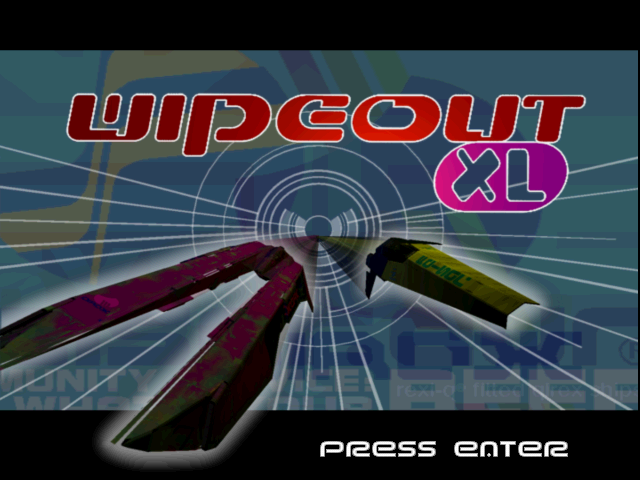
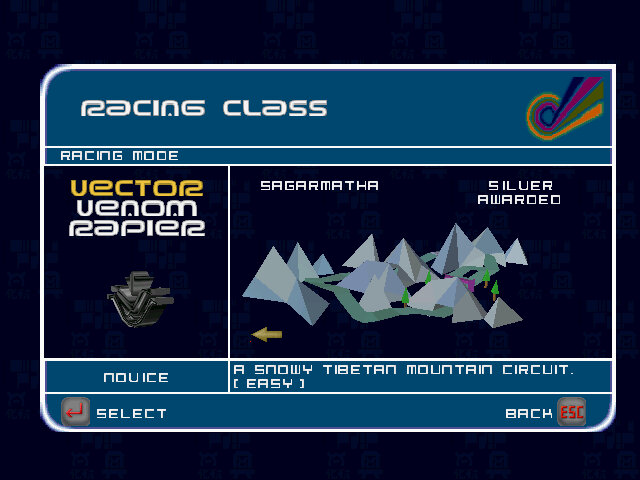
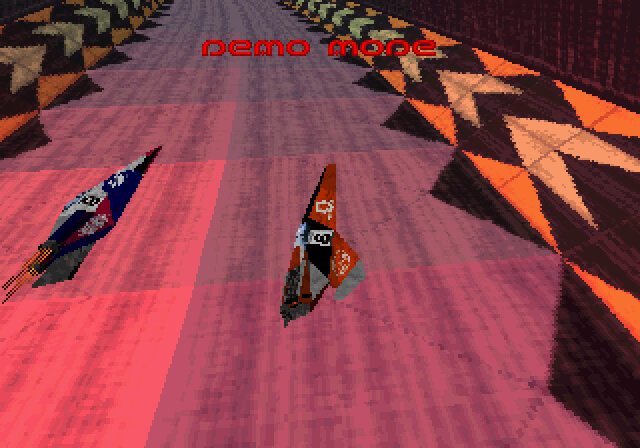
On modern emulators you can sort of re-create the PC effects such as higher resolution and texture filtering, but you are still stuck at 30fps. Overclocking the CPU results in the game running too fast.

Duckstation: Enhanced

The game clears up rather well compared to how it originally looked

Sega Saturn

Wipeout was released for the promising Sega Saturn, and serves as an example of the PSY-Q dev kit for the Saturn, which Psygnosis were trying to promote at the time as an alternative to Sega’s devkit (a version of PSY-Q was released for the PlayStation). The soundtrack has been altered with some songs being removed

Screenshots: SSF emulator

Windows

WipEout was ported to the PC a year later than the PlayStation release, and was designed exclusively for ATI video cards and was typically bundled with Windows PC that had those cards. It’s one of the games that supports ATI’s CIF API rather than Direct3D. This limits it to ATI Rage series 3D chipsets, the one in my Dell OptiPlex being one of them, but in order to play CIF games you need to use an older 1999 driver from ATI (The Windows 98 bundled driver has no CIF support), also CIF is only supported under Windows 98, there is no support for Windows NT 4.0. ATI later removed CIF support from its drivers from late 1999 onwards, so you may have to downgrade the driver order to play. A CIF wrapper exists for Windows 7 onwards, although I’ve not tested it.
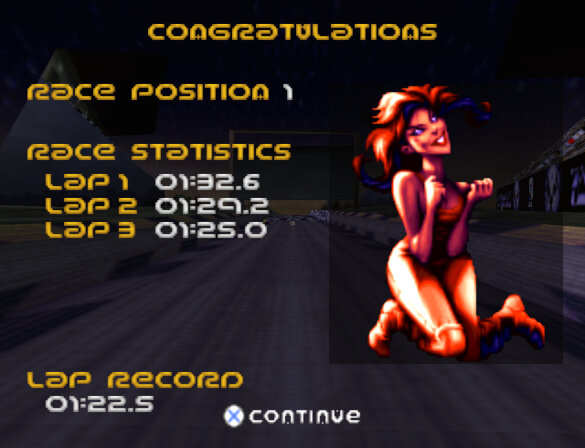
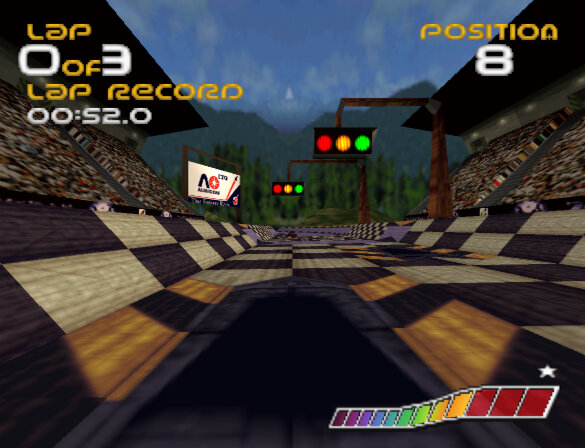
Screenshots below are captured from a Dell OptiPlex GX1 with an Intel Pentium 2 350mhz and an ATI RAGE 2 with 4Mb of VRAM

The main difference is the ability to play the game in a higher resolution and with the ability to play at a higher framerate, it’s not exactly 60fps on a Rage2 but its a lot more smoother than the PlayStation version. However the sound is not has good as the console versions, with the PC missing the echo sound effects that play when you enter a tunnel. It’s also one of those games that’s stores the music as Redbook CD audio, and the game plays the audio back like a regular CD player would. This gives the option to change the CD (as the game runs from the hard disk) to play your own music.

MS-DOS

Very similar to the accelerated Windows version, but has a lot of enhancements removed, there’s no texture filtering, the framerate is lower and the resolution is reduced, likely because everything is being done on the CPU. You are limited to a low 320 resolution, 16 bit colour.

Personally I would stick with the PlayStation version, or the Saturn if you prefer more detailed textures. The PC versions sacrifice too much for what benefit they give, although you get the opportunity to run in a higher resolution, the missing sound effects are a huge setback and ruin the immersion of the game. besides with modern emulators you can run the game with additional filtering and upscaling, the FPS is still stuck at 30fps.

Hackers

A concept imaging of Wipeout appeared in the movie Hackers, which features slightly different gameplay with obstacles on the track, a crew that speaks to you instead of techno music playing. It was believed to be rendered on a SGI workstation and features perspective correct texture mapping

External Links

WipEout – Archive Website

WipEout – DOS Support