Tag Archives: Reflections

Destruction Derby

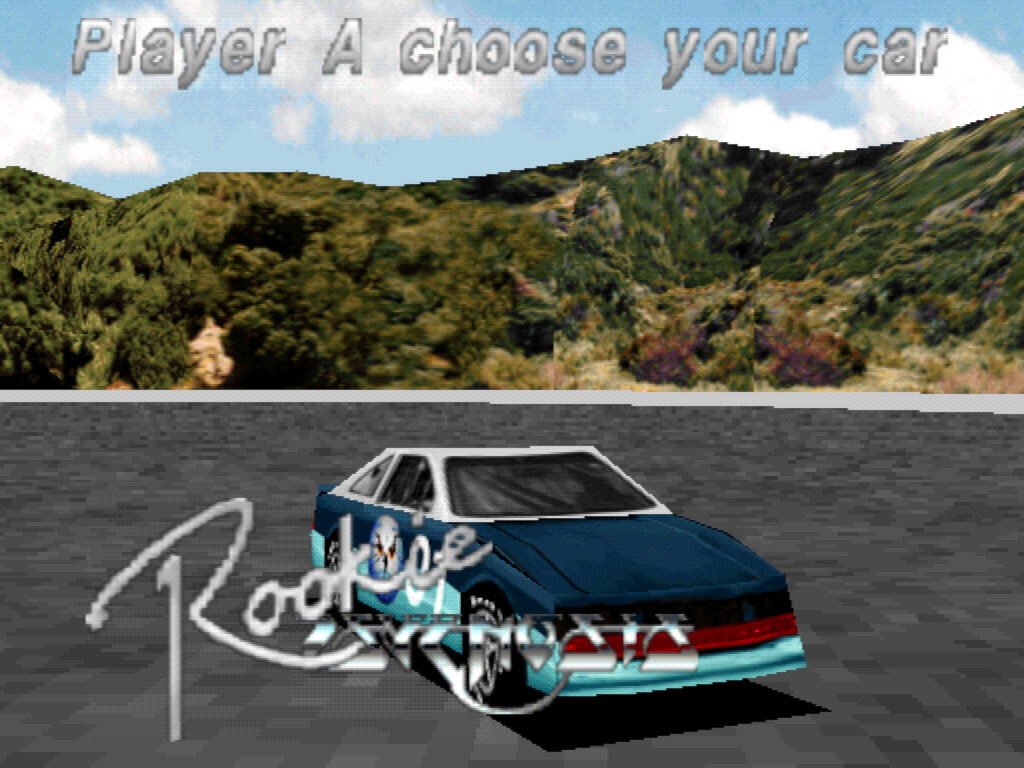
A racing & combat game, developed by Reflections (Who went on to produce Driver) that was released in 1995, at the begriming of the 3D gaming revolution. In Destruction Derby, players compete in demolition derby-style events where the objective is to crash into opponents’ cars to damage them while trying to survive and be the last car running. The game features both racing and demolition derby modes:

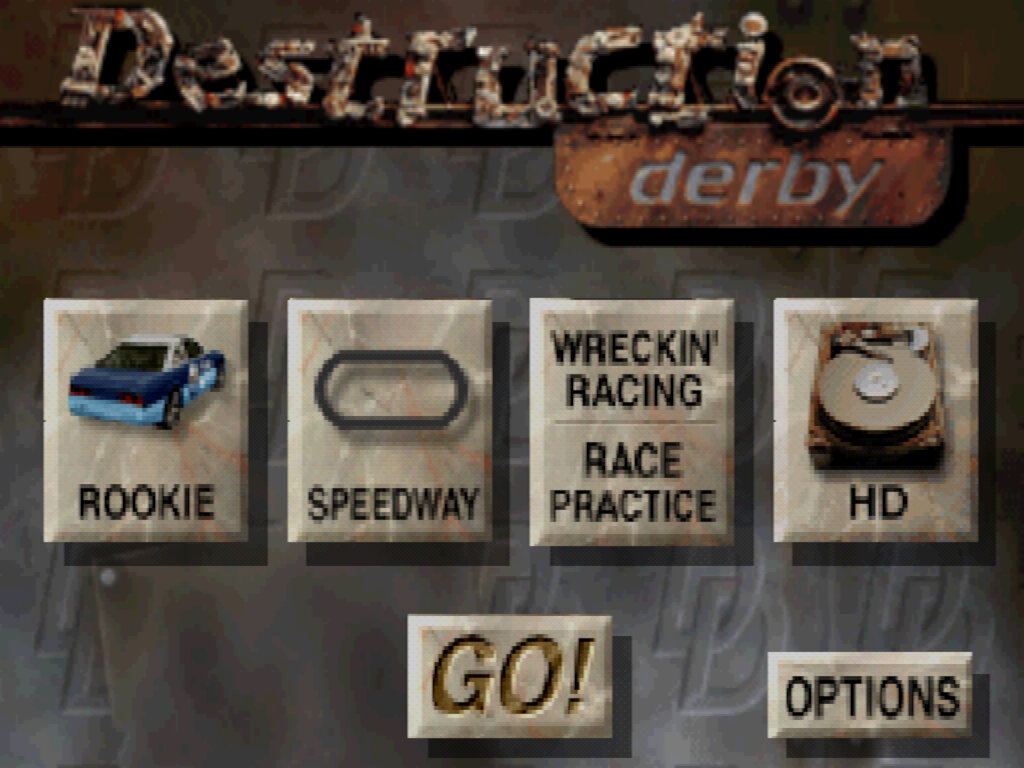
Destruction Derby Mode: In this mode, players compete in arenas specifically designed for vehicular combat. The last car that remains operational wins the match. Players can earn points by inflicting damage on opponents’ vehicles.
Wreckin’ Racing Mode: This mode combines racing and demolition derby elements. Players race around circuits while attempting to wreck opponents’ cars. The winner is determined by a combination of finishing position and damage inflicted.
Stock Car Racing: Traditional racing mode where you finish a race of multiple laps
Time Trials: Similar to Stock Car Racing, but you have to aim to get the fastest lap time. Getting the quickest time will allow you to enter your name as a high score.

Each mode can be played in practice, championship, dual or multiplayer mode.
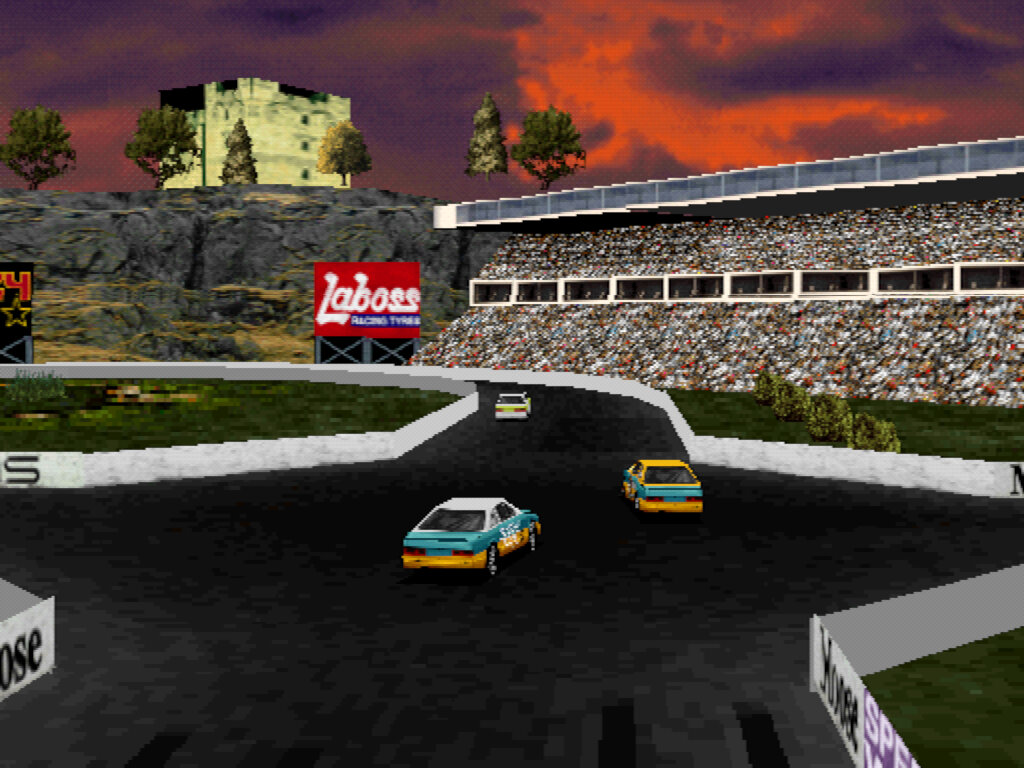
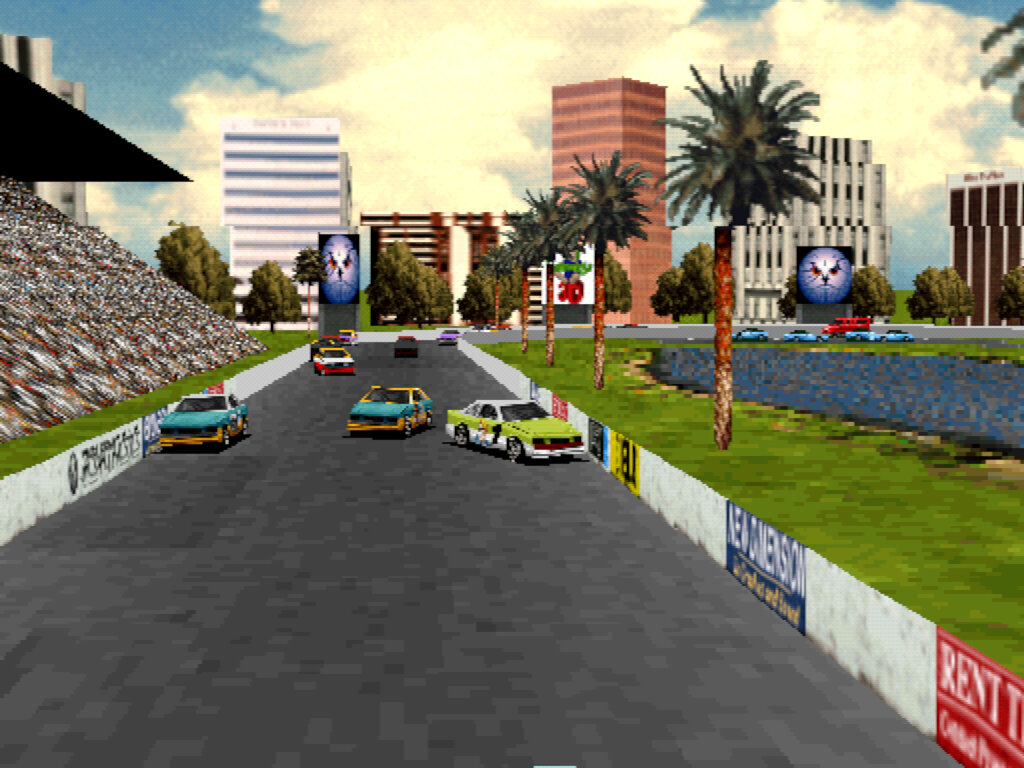
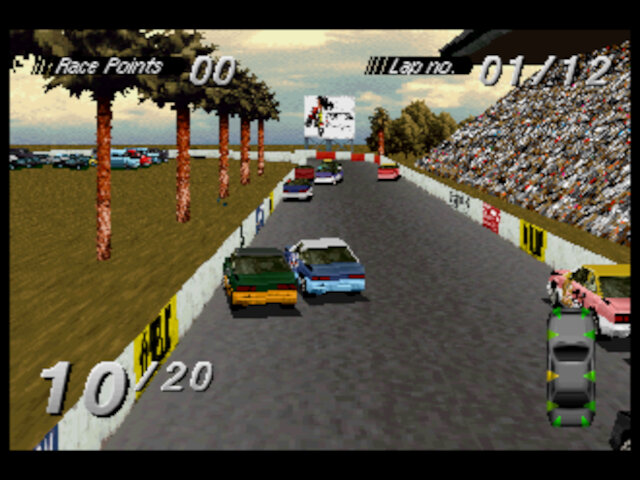
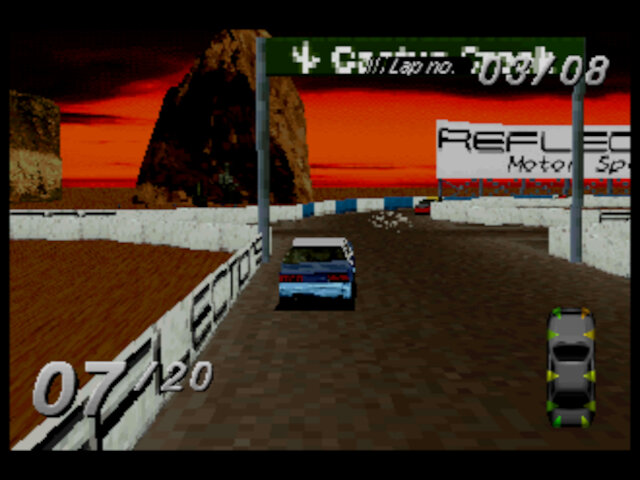
Five tracks are available at the start of the game, Speedway, CrossOver, Ocean Drive, Catus Creek, and City Heat. Each track is set in it’s own environment and have their own unique track design. Some feature a loop design which require you to dodge and avoid opposing cards, otherwise it easy to lose which direction you’re supposed to go. Pileups are also fairly common on these type of tracks.
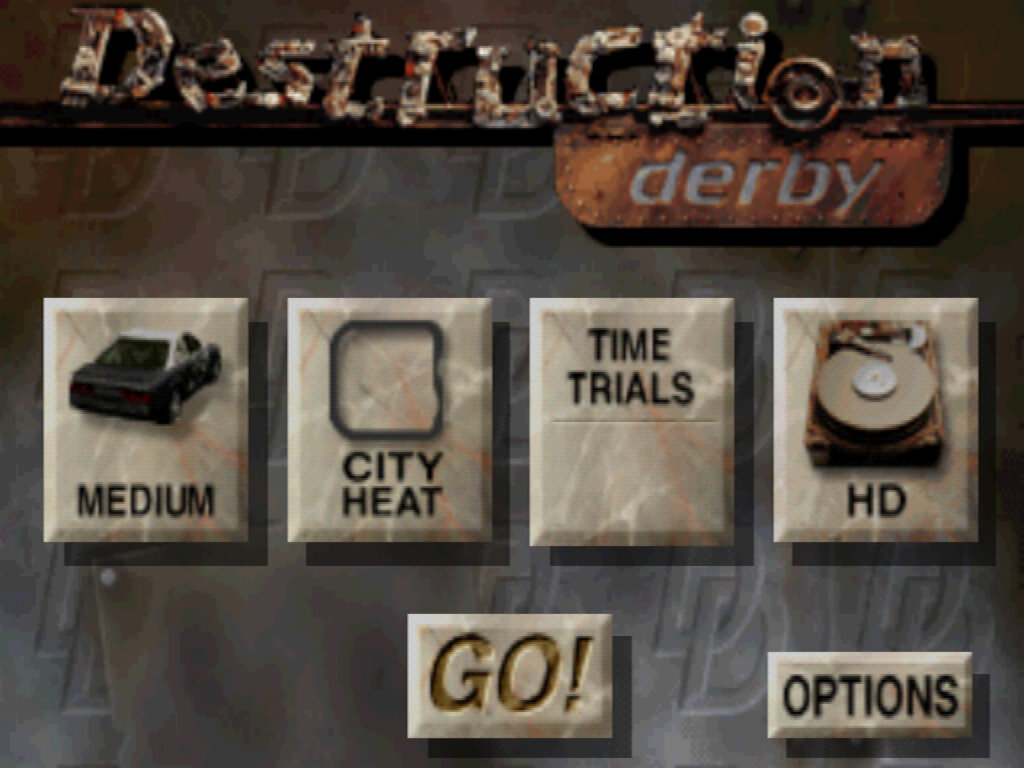
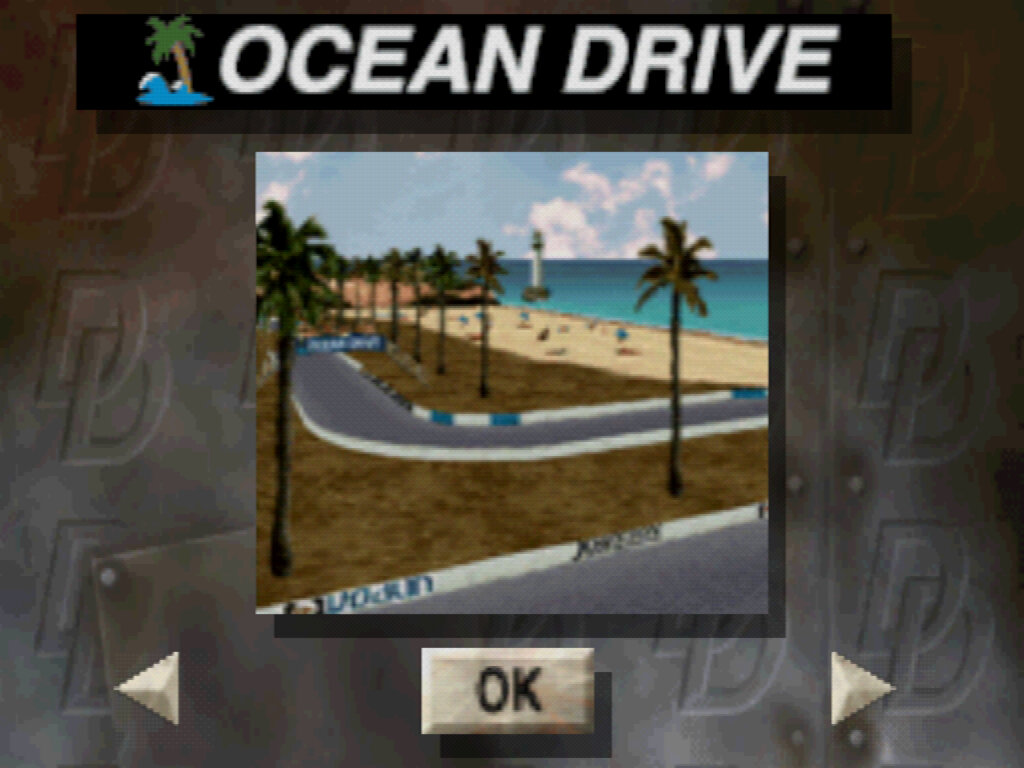
A look at the main menu of the PC relase, which features 3D tiles that function as menu items. Similar to the save screen on Mario 64 or on the SGI demos of the era.

Windows

The Windows version had support for S3D acceleration, with was supported on S3 graphics cards which were common of the time. This required the use of a specific OEM copy of the game that shipped with a computer that featured the S3 ViRGE video card. Other PC releases would make use of MS-DOS and software rendering instead, which was inferior to the S3D and console releases.
One issue with the S3 version is it’s limited to Diamond Stealth 3D 2000 cards, and will refuse to function on even the 3000 model. This can be bypassed with a patch that removes this check.
There I also an option to enable texture filtering that gives the textures a smoother look, but at the expense of framerate. It can be togged on the settings menu of the game.
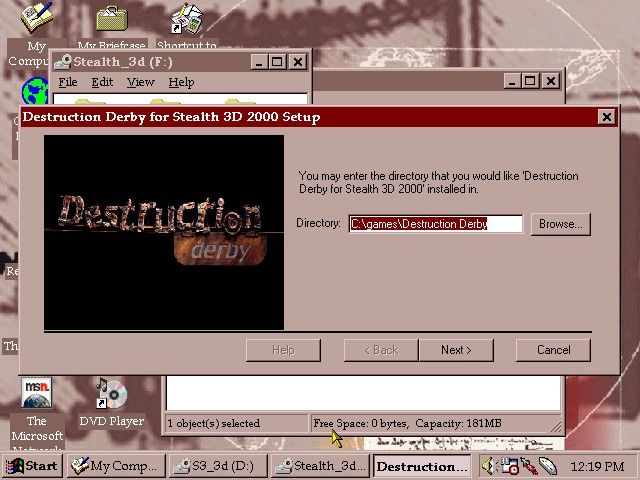
86Box is able to play this version of this game by using the emulated Diamond Stealth 3D card, paired with a Pentium MMX. Windows 95 lacks built in drivers for this card but they can be obtained here.
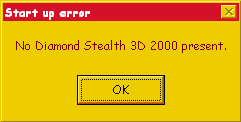
Trying to run the game without using a Diamond graphics card, using a generic S3 ViRGE card instead. A patch exists to remove this check.
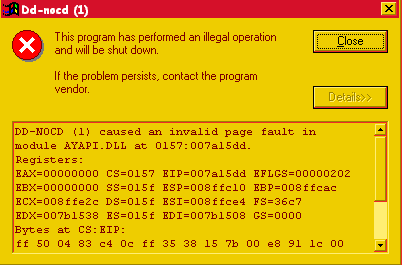
Using the Stealth 3000 caused a crash, with the AYAPI.DLL causing the issue despite using the Diamond drivers and the fixed EXE.

If you’re wondering about the colour scheme, its the RE-MAN theme from the Windows 95 Plus! pack.

PlayStation
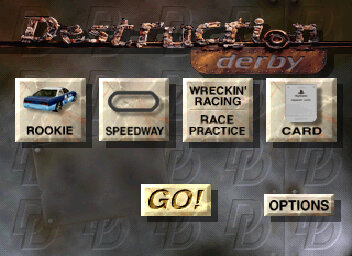
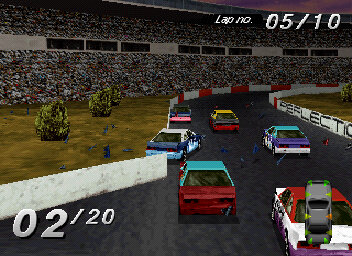
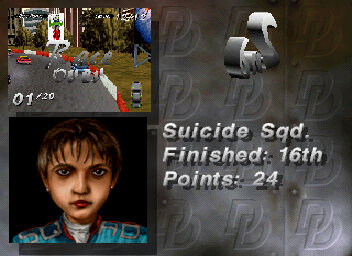
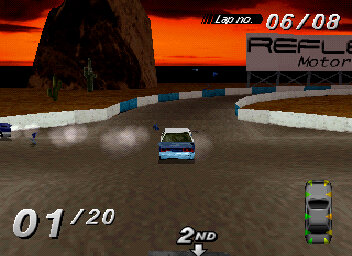
The game was also ported to the PlayStation, This release is a lot more polished, and features thumbnails of the rival characters after the race, showcasing their overall position. The framerate is also a lot more smoother compared to the PC but misses out on the potential of texture filtering unless an emulator is used. DuckStation is the emulator used here, with the stock graphic settings (no enhancements)

For analogue control the NeGcon controller can be used for more precise turns, as this game predates the release of the dual-analogue controller. The menu controls are awkward to control compared to traditional PlayStation games, as you have to press the start button to confirm/enter menus rather than using the X button that most other games use.
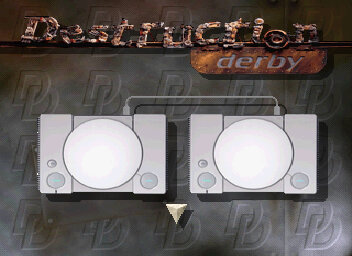
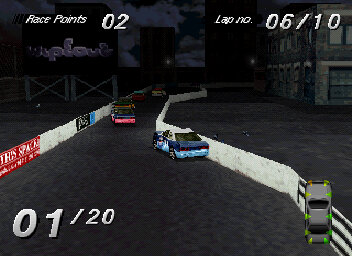
Multiplayer is also a better experience in this version of the game because it supports the use of the PlayStation link cable. For this, two consoles and copies of the game are required, as split screen is not supported.

It’s also a lot more easily accessible, since it can be brought from the PSN store and played on the PS3.

Sega Saturn

There was also a Saturn version, released in 1996 in Europe. Like other third-party ports it suffers from a poorer framerate compared to the PlayStation version. Still the game is playable and defiantly worth checking out if you’re interested in Saturn racing games. The Mednafen emulator is used for the screenshots below.
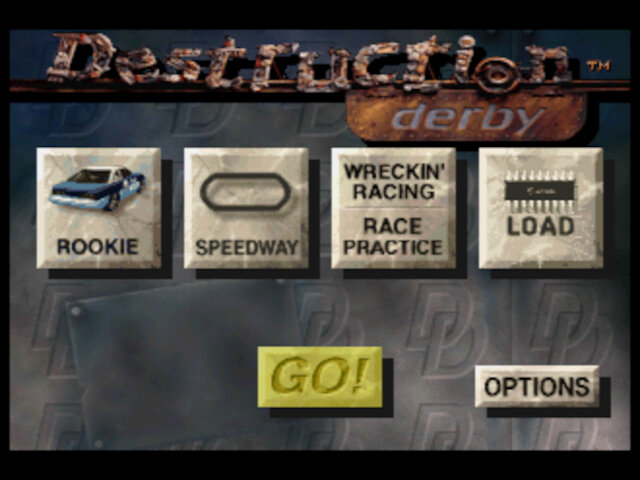
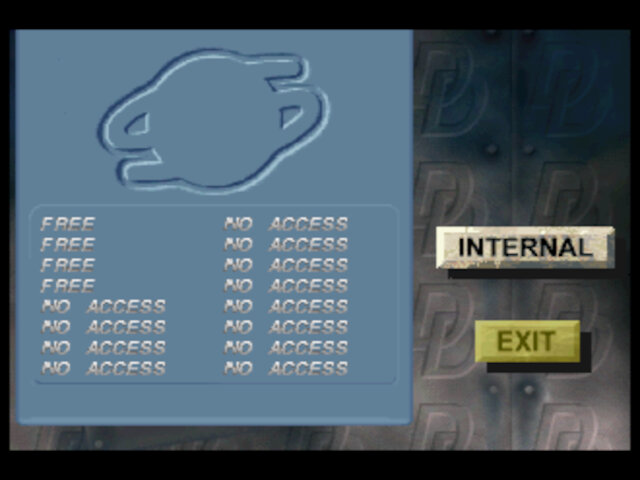
The game supports saving to the internal memory, or though the backup cartridge
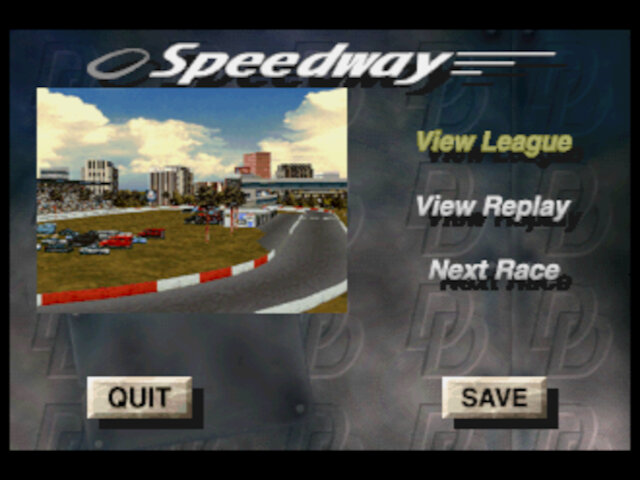
The game does not appear to support the 3D controller, which means the game lacks analogue control support.
Driver: You are the Wheelman

A classic game, Shame about the tutorial level…

  • Undercover – The main story mode of the game, you complete a set of missions which can range from driving from point A to B within a set amount of time, to escaping or pursuing another car
  • Take a Ride – Sandbox mode, only two cities are available with the other two being unlocked as you progress through the story.
  • Driving Games – A set of activities to choose from, Pursuit, Getaway, Cross Town Checkpoint, Trail Blazer, Survival and Dirt Track. Carnage is a mode exclusive to the PC version.
  • Training – Introduction to the came and the various mechanics and techniques to mastering Driver
  • There are no two player or multiplayer modes, Driver is a single player game.
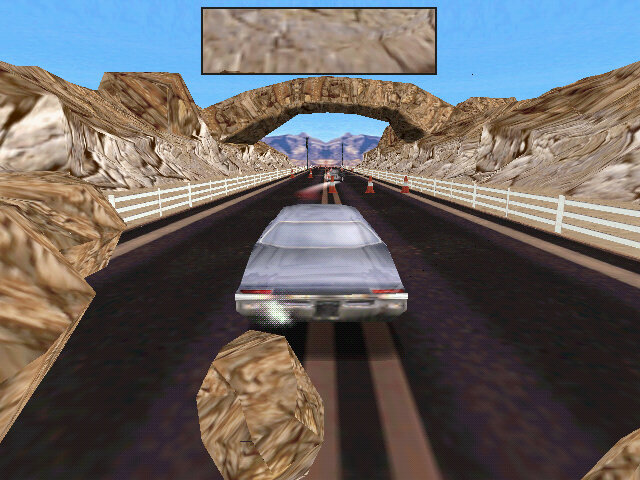
Desert training level

PlayStation

The version that most people have played and are familiar with. This was the first version of the game to be released. Main attraction was the sandbox Take a Ride mode where you could drive freely until you caught the attention of the police, who would then proceed to ram you to death.

Cop car went vertical, a common occurrence

The game occupies on memory card block per story save, and two blocks for replay data, you can easily fill a memory card with this data, thankfully the game

PAL-land version

Thankfully this game runs in full PAL resolution, no top/bottom bars, likely since the studio that developed the game was based in Europe. There is a difference in the logos, with the NTSC version having a altered blue version of the logo with the works ‘You are the wheelman’ which is also present in the games title. The PC version adapts this for both Europe and US markets (Makes sense since the PC isn’t regionalized compared to the PlayStation releases, PAL/NTSC does not exist on PC)

Windows

Despite this version running in a higher resolution and a capability of having a higher framerate there are a few drawbacks compared to the PlayStation version. there was also a Mac version, although I believe its very similar to the PC version.

Screenshots here are running on an emulated PC (PCem v17), running an Intel Advanced/ZP with a Overdrive MMX processor with a 3DFX Voodoo Graphics card. The operating system is Windows Me. The graphics here will depend on the 3D video card an API, as 3DFX cards used Glide, the Direct3D version may look different.

Differences between the two

One of the main differences is the background music which was changed in the PC version. Also unlike the PlayStation version, there are no separate themes for when you gain felony, in the PlayStation version the music would change when you attracted the attention of the cops, but the PC version remains the same throughout. As someone who grew up on the PS1 version, it was kind of jarring to play Miami without the familiar theme, and for the game to not change when catching the cops attention.

Comparison screenshots below, the PSX version is running in Duckstation at twice the native resolution (640×480) with bilinear filtering and 2x anti-aliasing enabled. With these enhancements we can try to bring the PSX version up to the PC version, which is running at 640X480 resolution with ultra graphics present.

One thing to mention with the PC version, as with all PC games of the era the game is reliant on using Redbook CD audio for the background music, where the games streams the music from the disc itself, like an audio CD. For this to work you had to have an audio cable connected from the CD drive to the motherboard or soundcard, in addition to the IDE cable. On modern systems (with SATA drive onwards) this is no longer supported, and modern Windows versions / soundcards its no longer possible to stream analogue audio from the CD drive, instead being delivered through the IDE or SATA interface, which this game won’t support. The game itself will still run and you can still hear sound effect like the car engine, but you wont hear any music.

  • The spawn points are also different for each of the maps/level, again not sure why these were changed
  • The map layouts were also changed, with some areas being remodelled completely, Dodge Island had a massive change, possibly since it was designed around the PlayStations limitations initially.
  • The cop radio voices were also changed, with some lines being completely different
  • A speedometer is present which gives the speed of the players car in miles per hour
  • The car models themselves had change and I cant say I prefer the PC version of the cards, which are lacking certain details from their textures, the back of the cards look like a blur compared to the PlayStation version.

Upgrading the PlayStation version

Modern emulators are capable of running the game in a higher resolution with additional smoothing effects. Unfortunately there is little we can do for the framerate, that’s stuck at 30fps, or 25 for Pal-land copies. Still at least there’s no boarder, and you can overclock the PlayStation CPU on some of these emulators, which helps with the slowdown when there’s a lot of cars and particle effects on screen.

The game can be upscaled to 640×480 or 800×600, which the PC version also natively supports. Depending on the emulator, higher resolutions can be used but I don’t recommend it unless the emulator supports perspective correction, otherwise those polygons will be jittering aggressively. This video will help explain further on why this occurred on PlayStation games.

Texture filtering can be hit or miss, whilst it helps smooth out the textures, due to the way the PlayStation handled 2D, it can affect the HUD display too, causing excessive blurring on the HUD, making it look like an N64 game.

Exploring the disc

In the NFMV folder there is a exe file called NFMV.EXE however this does not open even in older versions of Windows