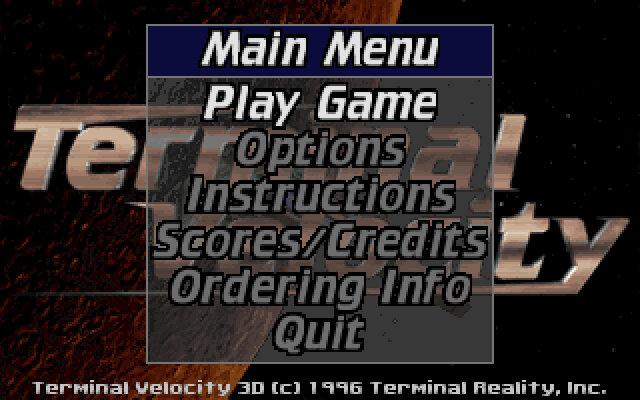
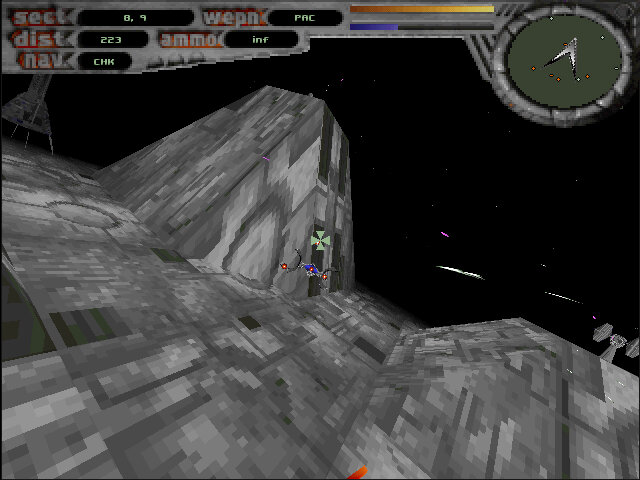
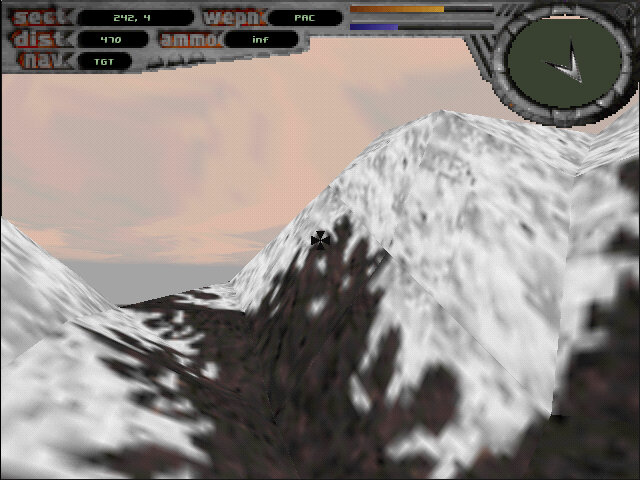
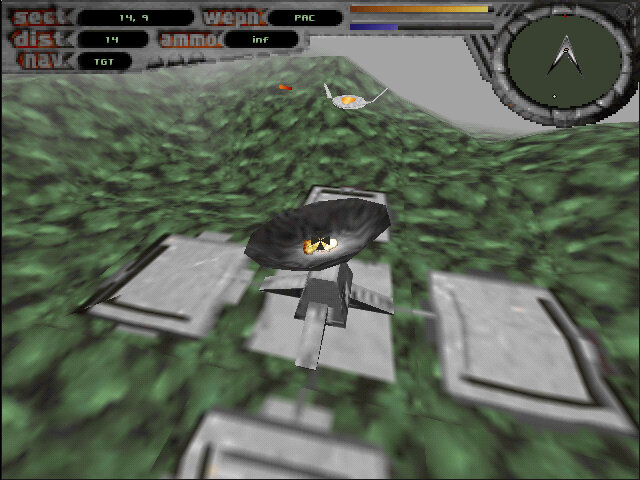
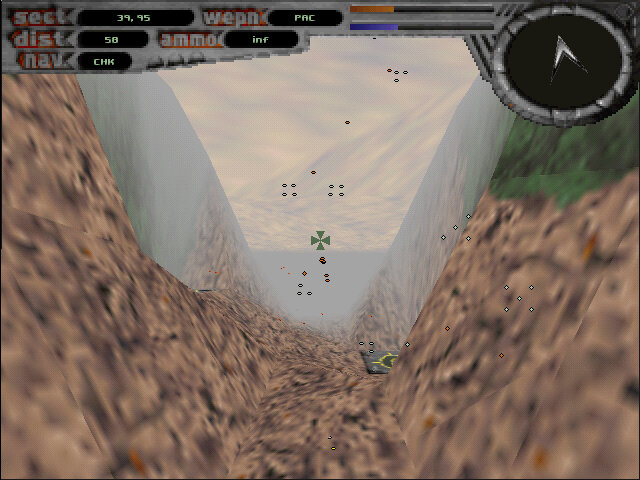
A flight combat game, very similar to Fury3 where you have to fly around and shoot stuff.
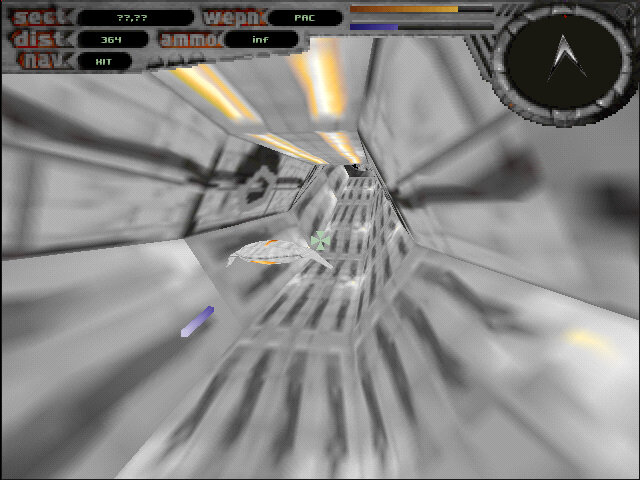
The game comes with various missions with multiple objects that require you to destroy enemy ships and locations in order to progress. Some objectives require you to fly through a deathtrap tunnel where you have to avoid obstacles to prevent damage to your ship.
The game was released for MS-DOS, with later 3D patches becoming available for 3D video cards like the S3D S3 ViRGE graphics card. These versions make use of the hardware acceleration features that can improve the features for the graphics of the game including texture filtering. The S3 ViRGE isn’t that much of an accelerator, with a strong Pentium being able to match or provide improved performance on software rendering alone. Still if you are using an AMD or Cyrix 5×86 chip, the S3 provides a good improvement.
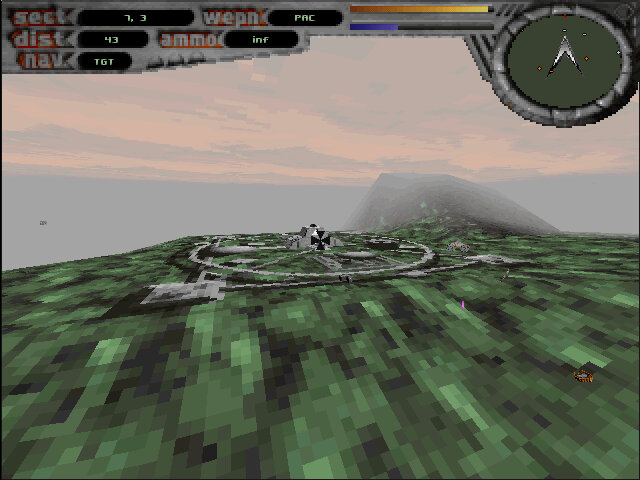
The levels themselves are large and vast, allowing you to simply fly around in a sandbox environment. As such it’s a perfect demo to test a brand-new 3D graphics card.
The shareware version is the most common and was bundled with some OEM graphics cards as a showcase for what their video card was capable of. This only includes three levels/missions with more that can be unlocked by purchasing the full version of the game. Sadly the only unlocked version is the non-accelerated DOS version.
There was also a port for MacOS that runs in software mode, unlike other 3D titles this was never ported to a fifth-generation console.
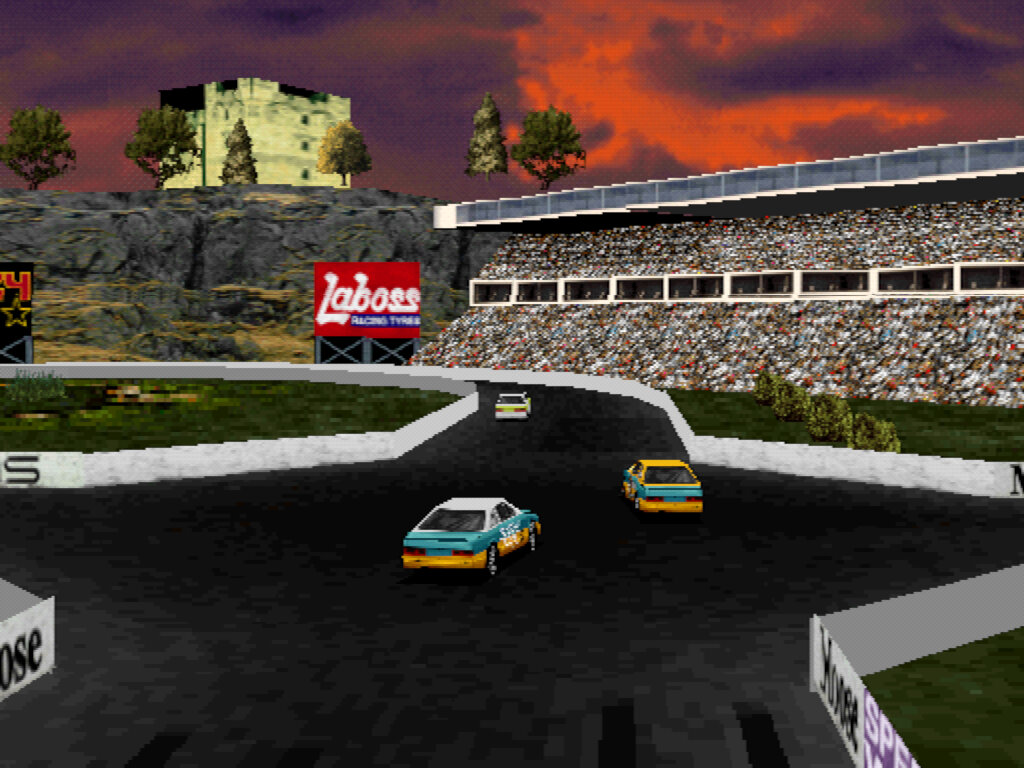
A racing & combat game, developed by Reflections (Who went on to produce Driver) that was released in 1995, at the begriming of the 3D gaming revolution. In Destruction Derby, players compete in demolition derby-style events where the objective is to crash into opponents’ cars to damage them while trying to survive and be the last car running. The game features both racing and demolition derby modes:
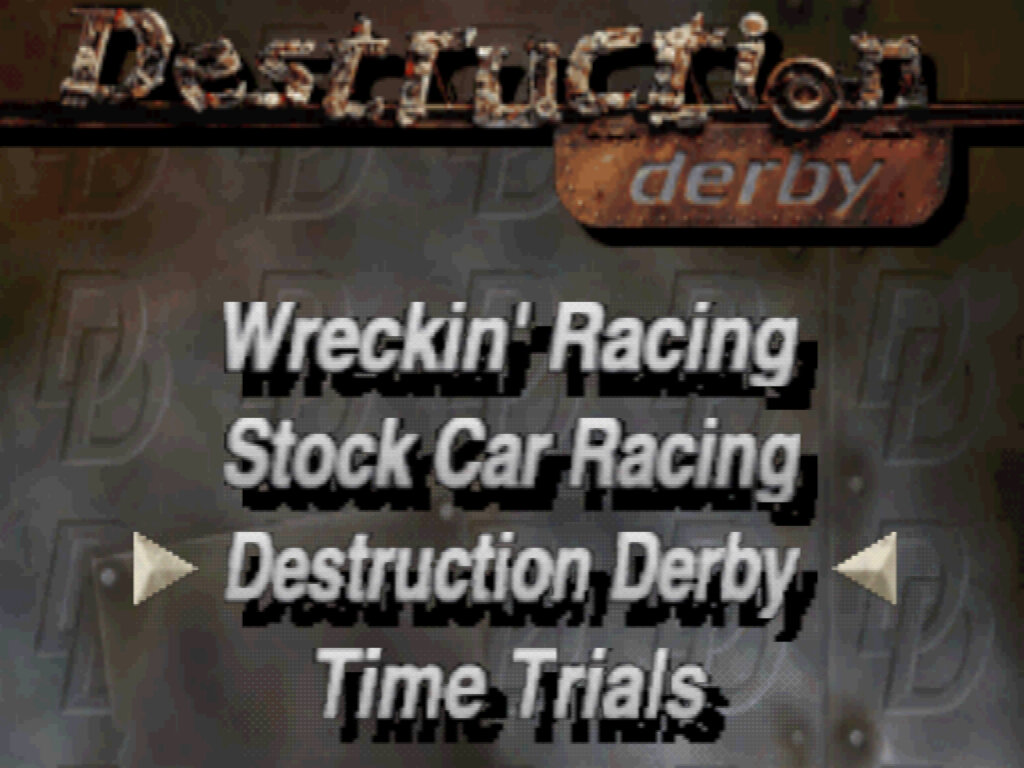
Destruction Derby Mode: In this mode, players compete in arenas specifically designed for vehicular combat. The last car that remains operational wins the match. Players can earn points by inflicting damage on opponents’ vehicles. Wreckin’ Racing Mode: This mode combines racing and demolition derby elements. Players race around circuits while attempting to wreck opponents’ cars. The winner is determined by a combination of finishing position and damage inflicted. Stock Car Racing: Traditional racing mode where you finish a race of multiple laps Time Trials: Similar to Stock Car Racing, but you have to aim to get the fastest lap time. Getting the quickest time will allow you to enter your name as a high score.
Each mode can be played in practice, championship, dual or multiplayer mode.
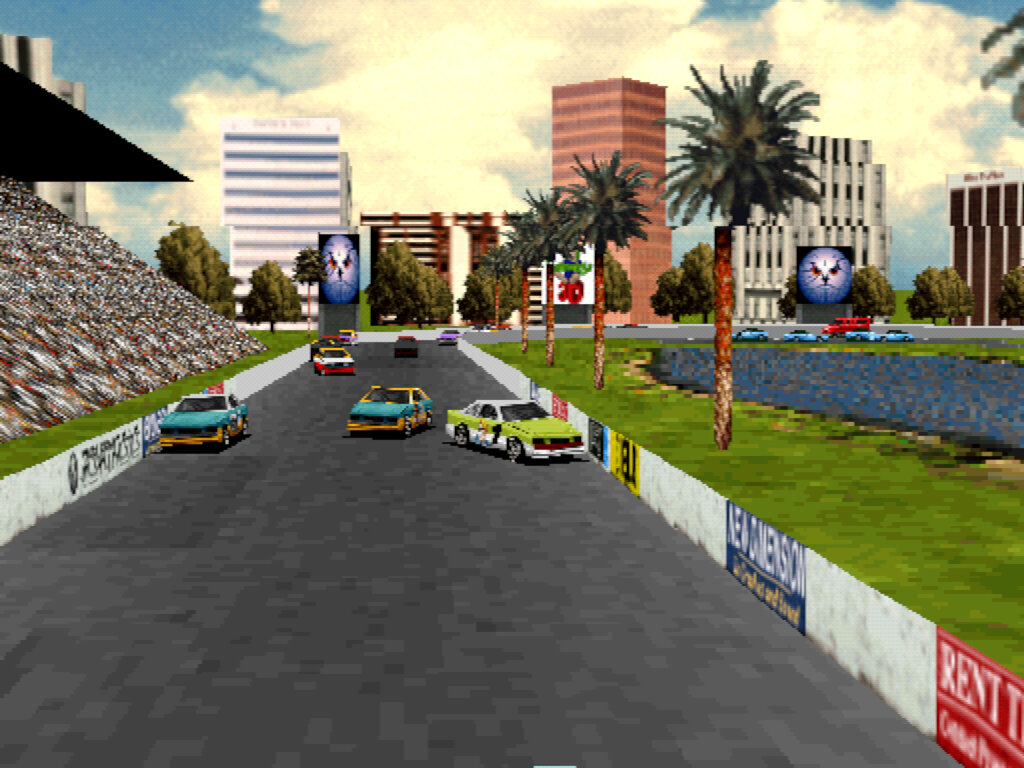
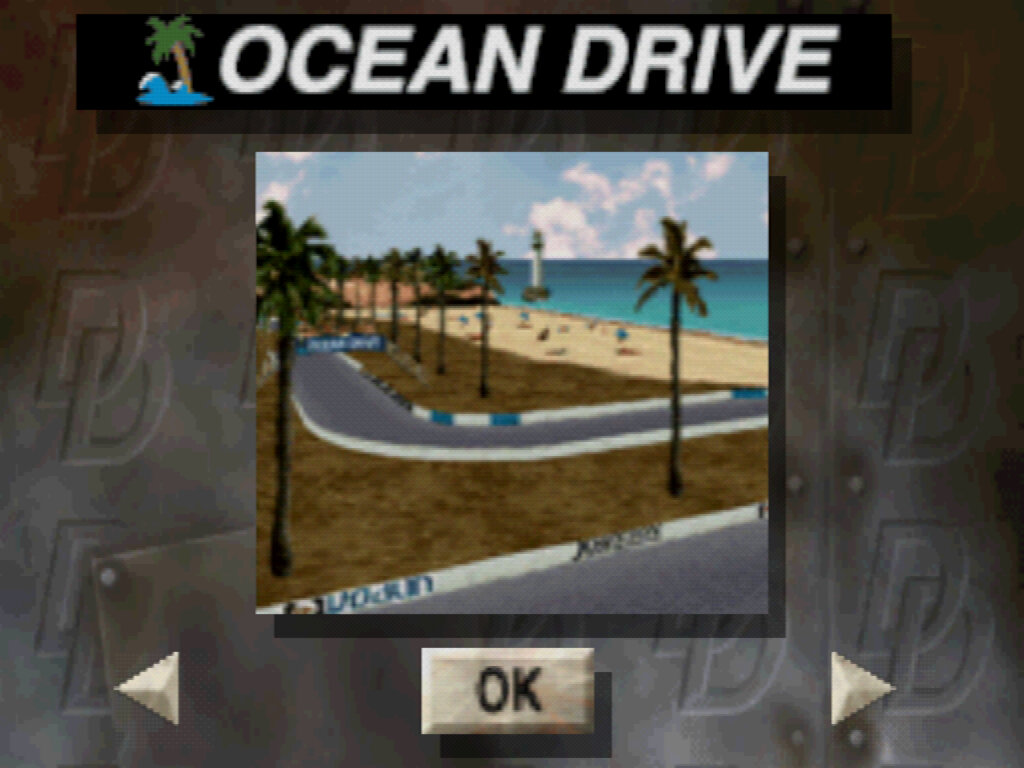
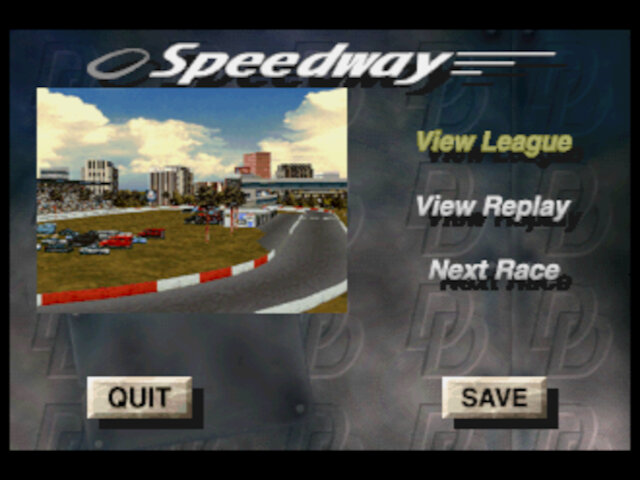
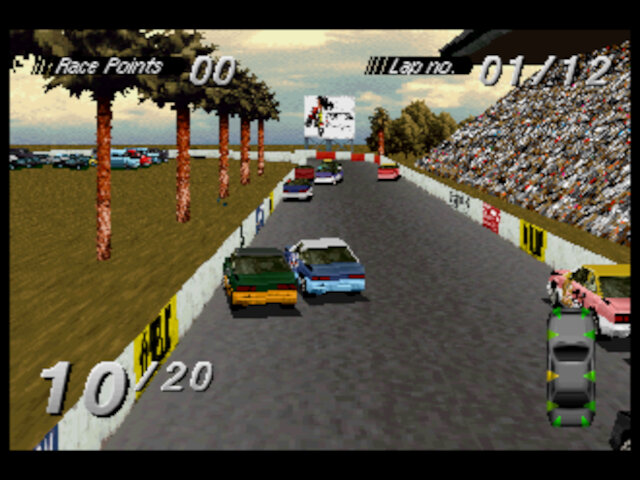
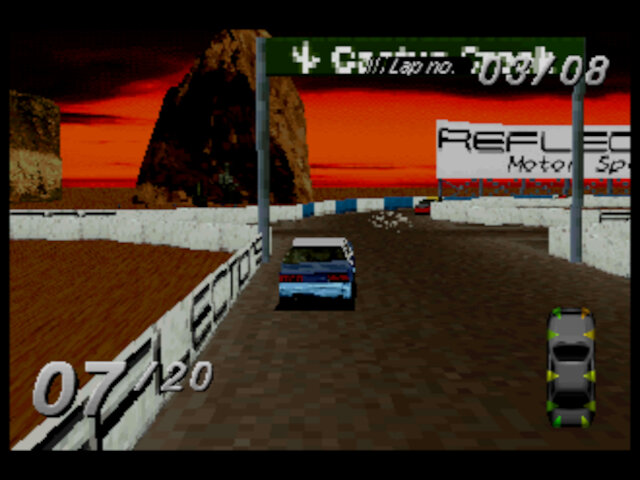
Five tracks are available at the start of the game, Speedway, CrossOver, Ocean Drive, Catus Creek, and City Heat. Each track is set in it’s own environment and have their own unique track design. Some feature a loop design which require you to dodge and avoid opposing cards, otherwise it easy to lose which direction you’re supposed to go. Pileups are also fairly common on these type of tracks.
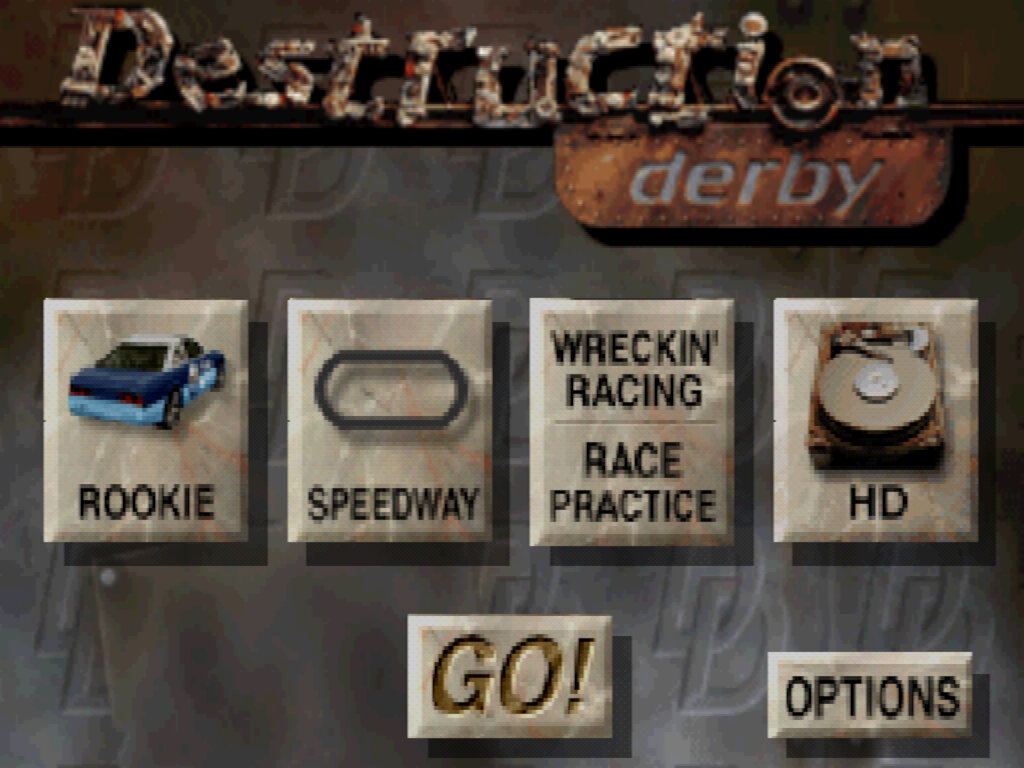
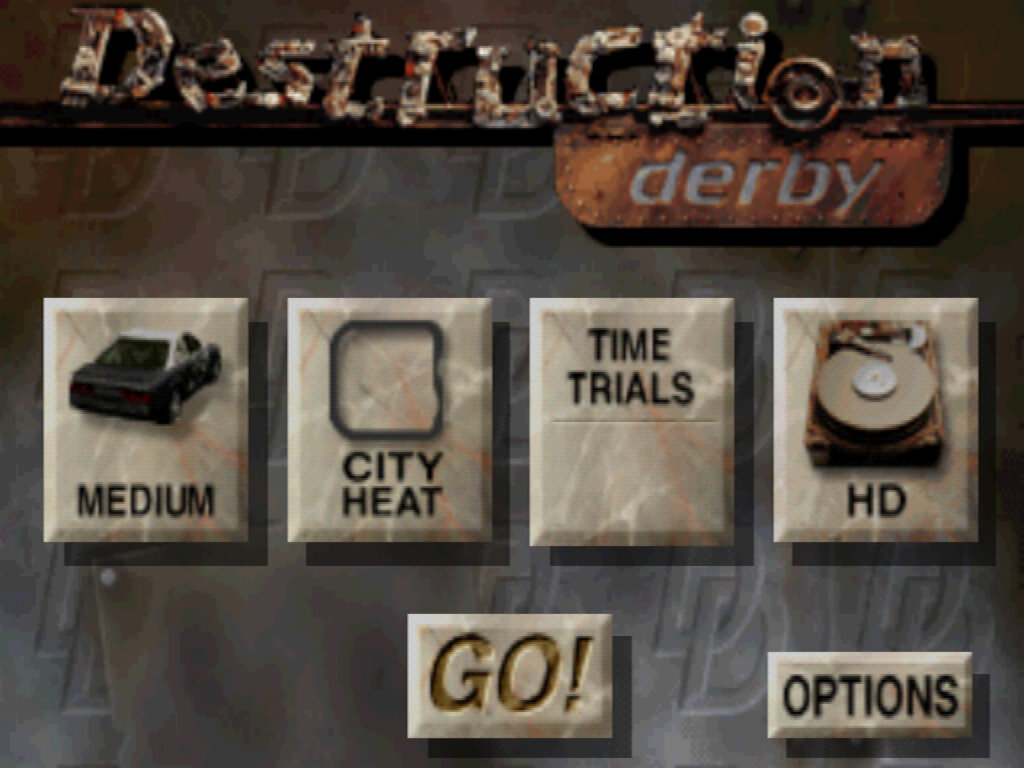
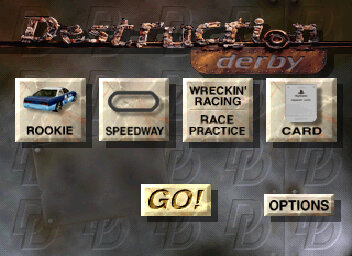
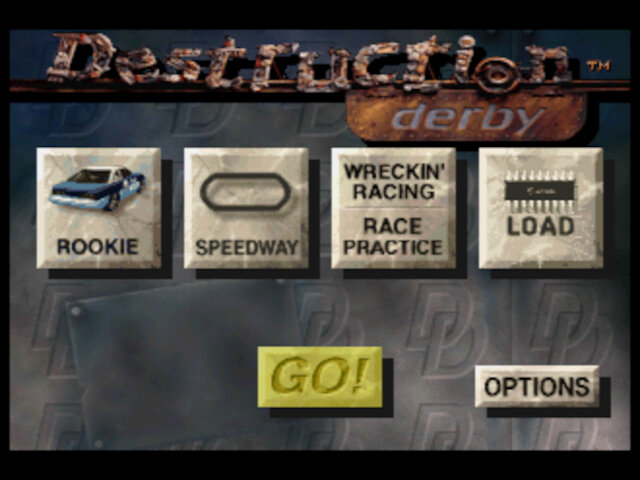
A look at the main menu of the PC relase, which features 3D tiles that function as menu items. Similar to the save screen on Mario 64 or on the SGI demos of the era.
Windows
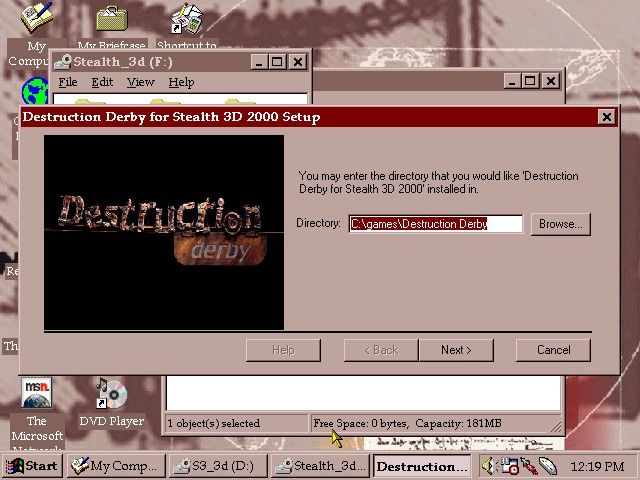
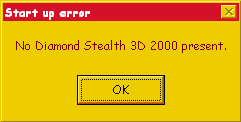
The Windows version had support for S3D acceleration, with was supported on S3 graphics cards which were common of the time. This required the use of a specific OEM copy of the game that shipped with a computer that featured the S3 ViRGE video card. Other PC releases would make use of MS-DOS and software rendering instead, which was inferior to the S3D and console releases. One issue with the S3 version is it’s limited to Diamond Stealth 3D 2000 cards, and will refuse to function on even the 3000 model. This can be bypassed with a patch that removes this check. There I also an option to enable texture filtering that gives the textures a smoother look, but at the expense of framerate. It can be togged on the settings menu of the game.
86Box is able to play this version of this game by using the emulated Diamond Stealth 3D card, paired with a Pentium MMX. Windows 95 lacks built in drivers for this card but they can be obtained here.
Trying to run the game without using a Diamond graphics card, using a generic S3 ViRGE card instead. A patch exists to remove this check.
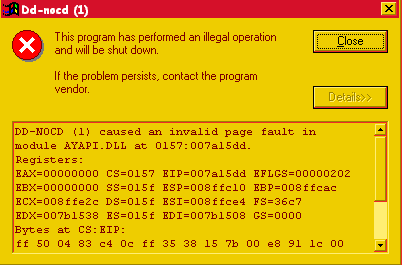
Using the Stealth 3000 caused a crash, with the AYAPI.DLL causing the issue despite using the Diamond drivers and the fixed EXE.
If you’re wondering about the colour scheme, its the RE-MAN theme from the Windows 95 Plus! pack.
PlayStation
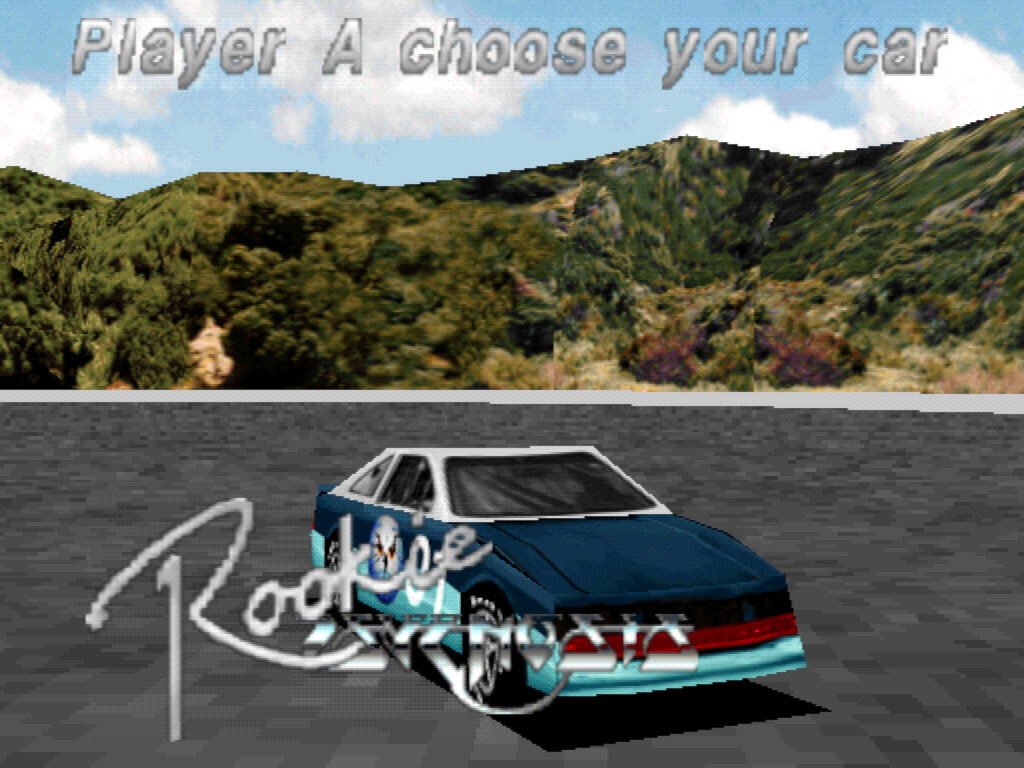
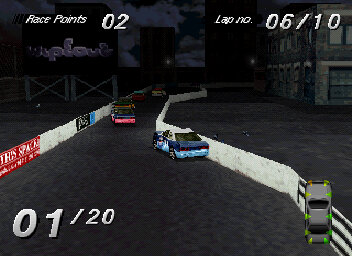
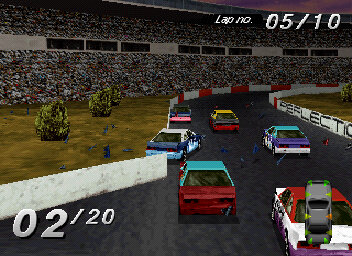
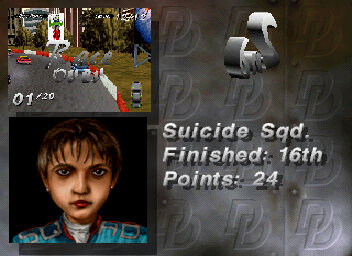
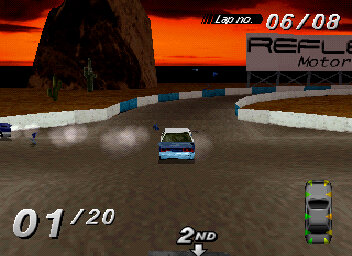
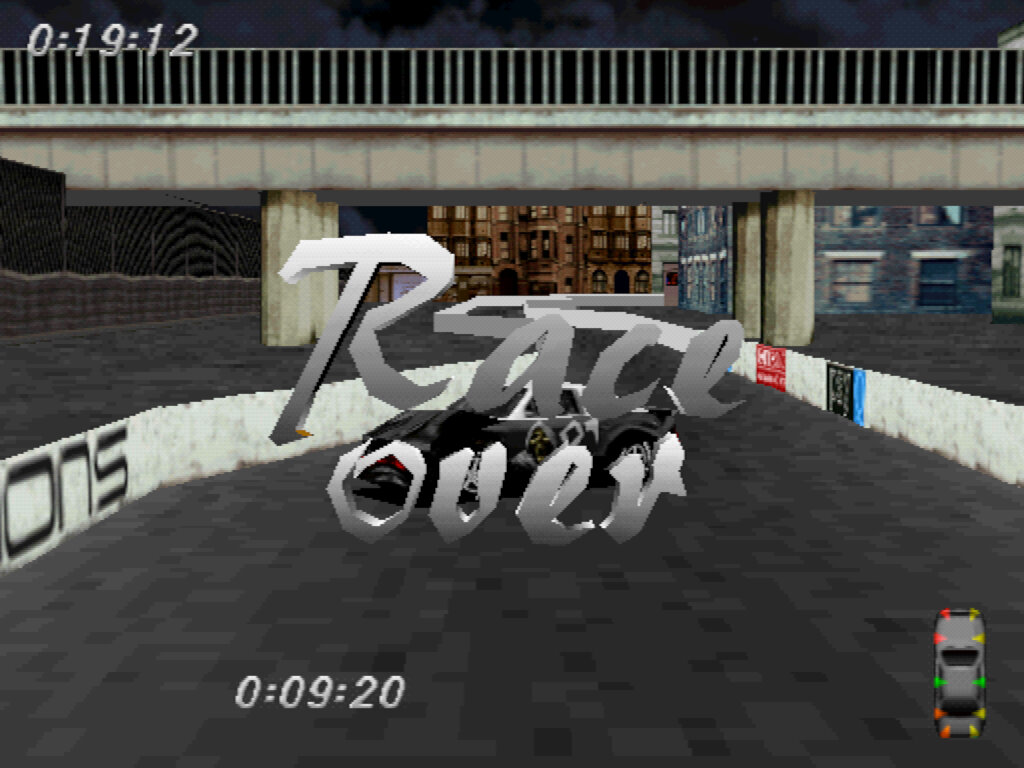
The game was also ported to the PlayStation, This release is a lot more polished, and features thumbnails of the rival characters after the race, showcasing their overall position. The framerate is also a lot more smoother compared to the PC but misses out on the potential of texture filtering unless an emulator is used. DuckStation is the emulator used here, with the stock graphic settings (no enhancements)
For analogue control the NeGcon controller can be used for more precise turns, as this game predates the release of the dual-analogue controller. The menu controls are awkward to control compared to traditional PlayStation games, as you have to press the start button to confirm/enter menus rather than using the X button that most other games use.
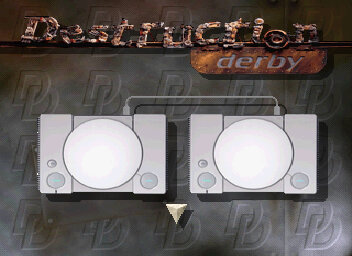
Multiplayer is also a better experience in this version of the game because it supports the use of the PlayStation link cable. For this, two consoles and copies of the game are required, as split screen is not supported.
It’s also a lot more easily accessible, since it can be brought from the PSN store and played on the PS3.
Sega Saturn
There was also a Saturn version, released in 1996 in Europe. Like other third-party ports it suffers from a poorer framerate compared to the PlayStation version. Still the game is playable and defiantly worth checking out if you’re interested in Saturn racing games. The Mednafen emulator is used for the screenshots below.
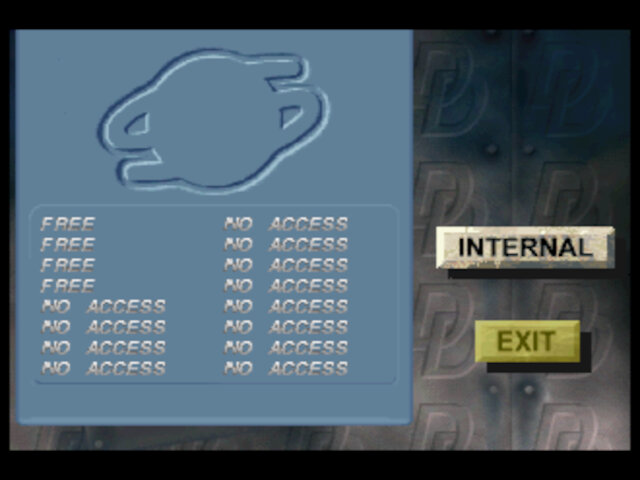
The game supports saving to the internal memory, or though the backup cartridge
The game does not appear to support the 3D controller, which means the game lacks analogue control support.
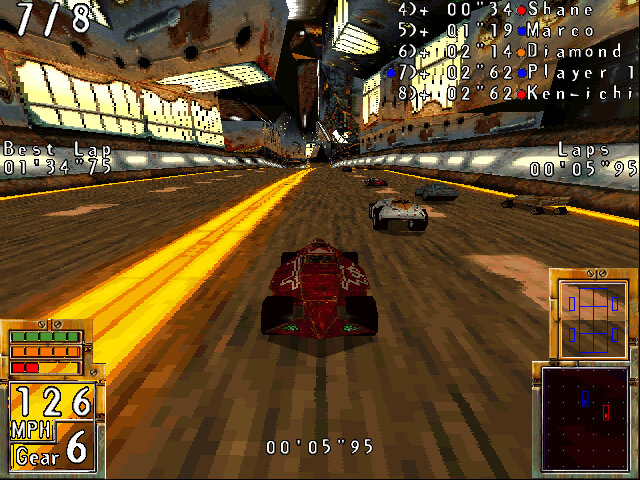
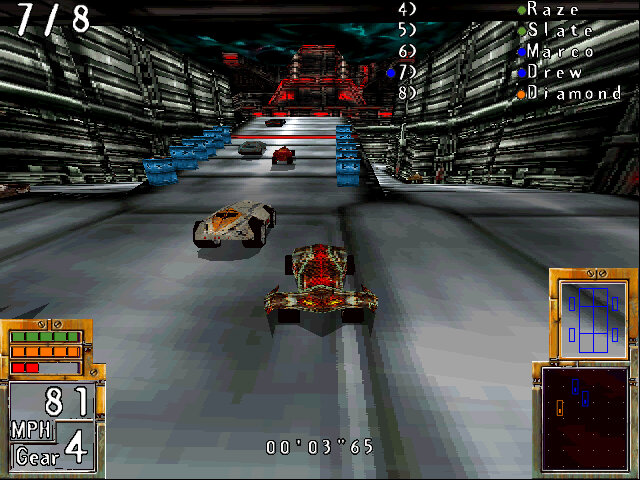
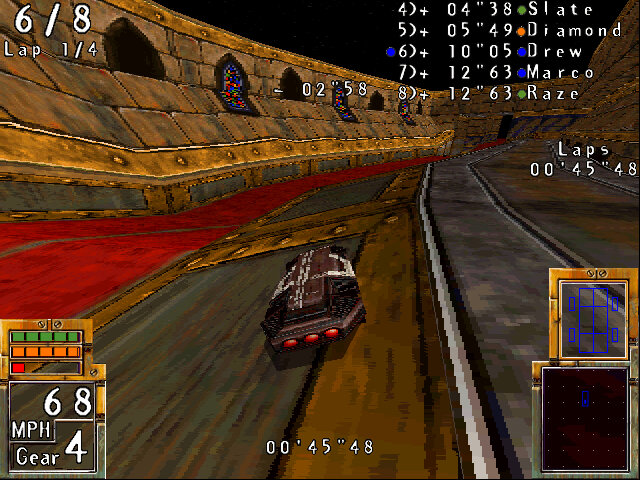
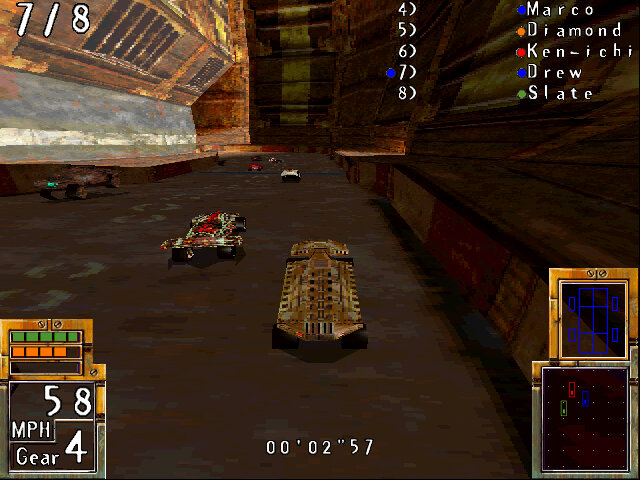
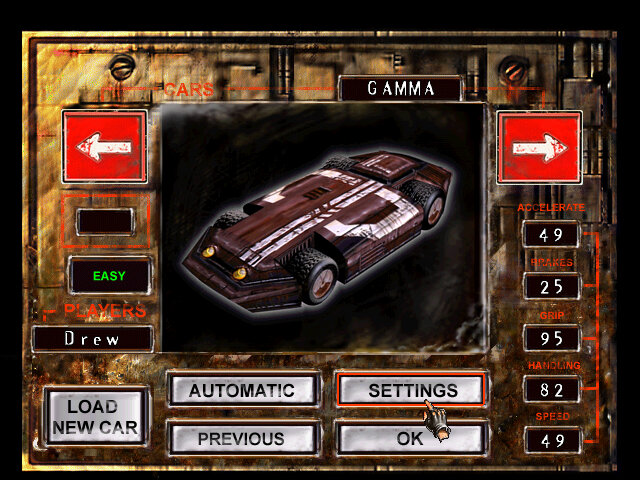
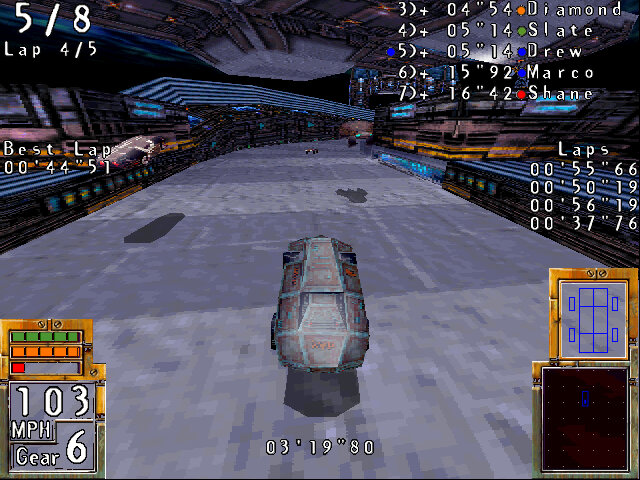
A futuristic racing game developed and published by Ubisoft in 1997, exclusively on the Microsoft Windows platform. A showcase of Intel’s MMX technology and a standard futuristic racing game. There are no weapons, just your opponents and the track with a few hazards in the way. Unusually despite being a 3D textured racing game, there was no port for a home console, I guess the developers were busy supporting the different 3D graphics cards of the day.
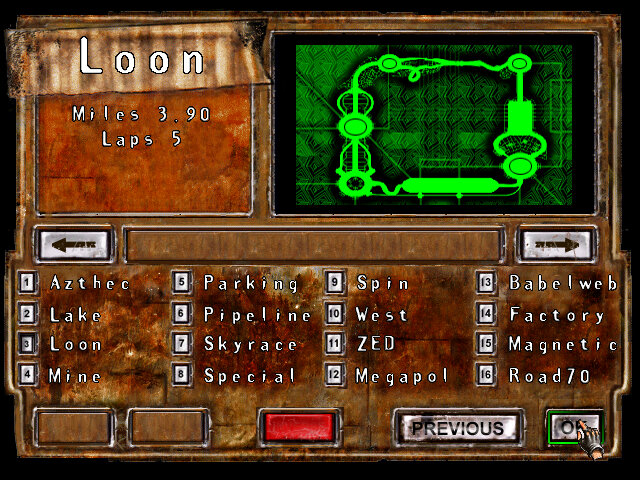
There are a few FMV’s in the game that make use of Intel’s Indeo technology which is installed by default. Content-wise there’s a lot of tracks included, with the ability to download and install further more tracks. Many of the tracks follow their own unique style and are varied in their environment. Some of the tracks feature multiple routes which offer shortcuts where others can increase the difficulty of the race. Making a wrong turn can cause you to lose the race, which requires you to memorise the tracks and their routes.
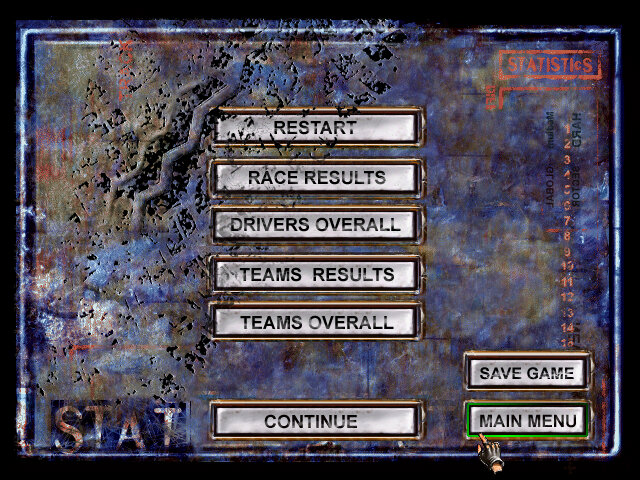
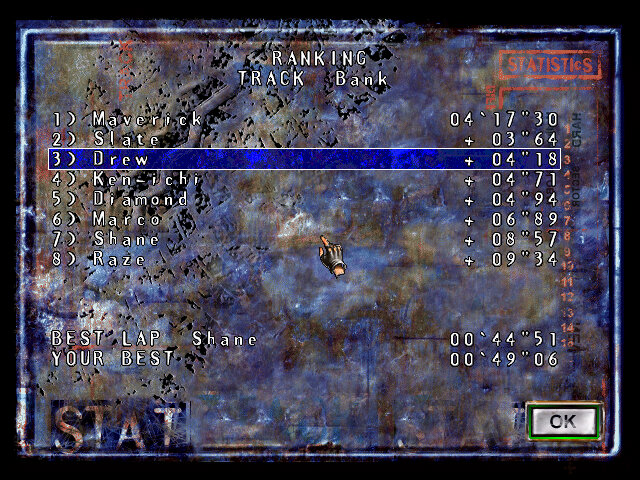
A championship mode is included, here you earn points depending on your finishing position. Each race has eight opponents, which you can reduce if desired.
Multiplayer is supported, either by using a split screen mode which is done through the keyboard which both plays will need to share. Multiplayer over a network is also supported over IPX or via the serial cable.
The game was only released on Microsoft Windows, making it one of the few PC exclusive games. As it was released in the mid 90s, it supports a wide range of 3D API’s including the industry standard DirectX.
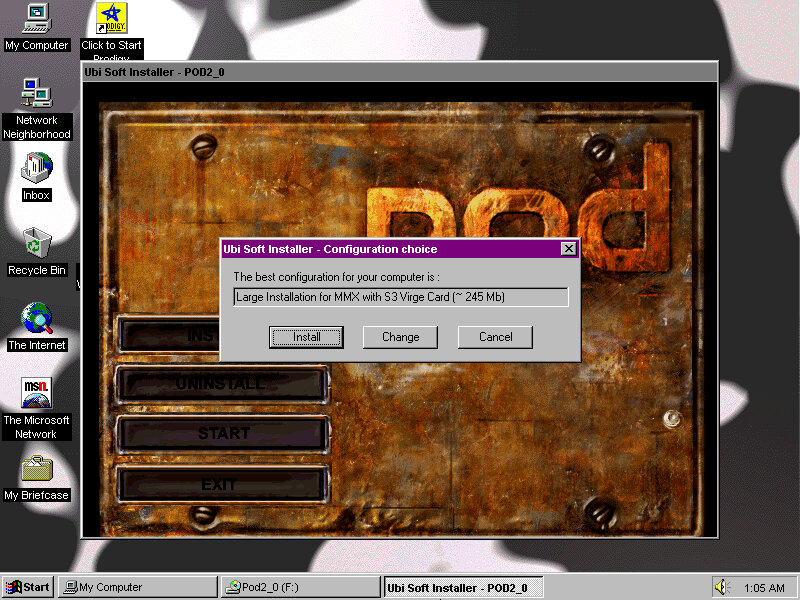
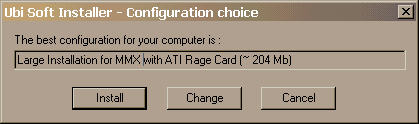
The installer will detect and will load the appropriate version the game that matched your 3D hardware. Some later games support additional API’s and Intel MMX.
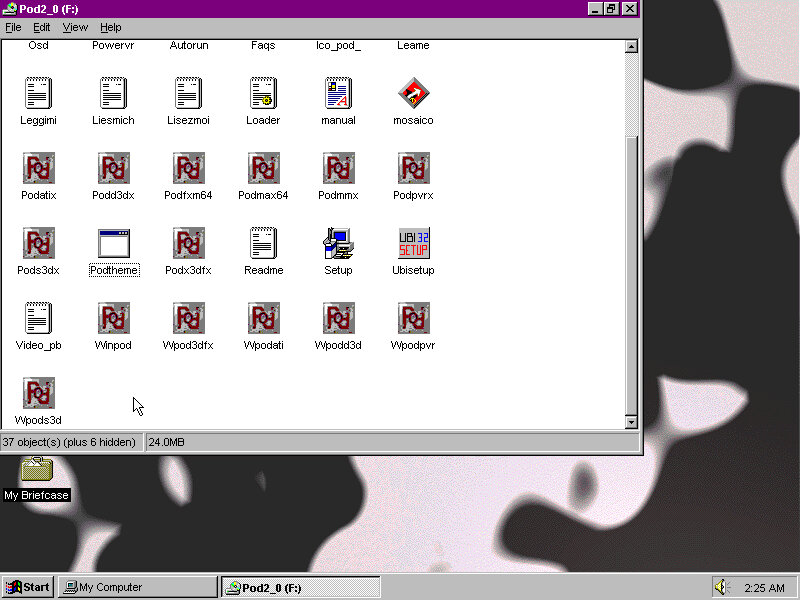
So many exe files for different configurations
S3 S3D
This version is playable on 86box using a virtual machine with an S3 ViRGE video card and the Windows 95 operating system. You may have to install updated drivers from S3, as the stock drivers that ship with Windows 98 will lack S3D support.
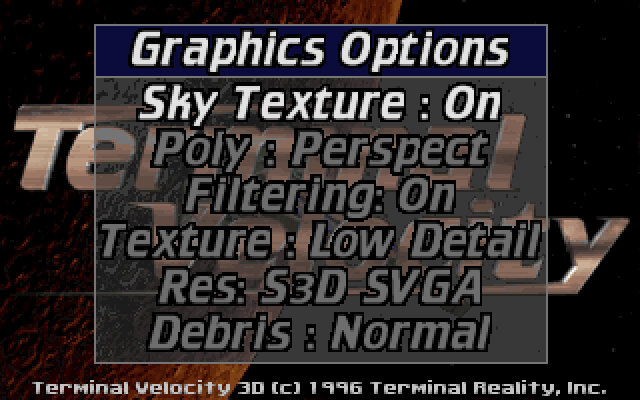
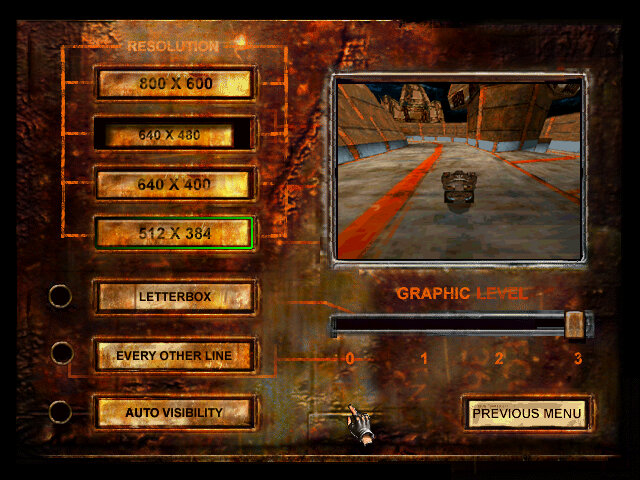
The graphics settings screen for the S3D version of the game
ATI CIF
Supported on most ATI RAGE cards with pre-2000 drivers, this version has texture warping on the outer walls of the track. Screens here were captured off a Dell OptiPlex GX1 with the ATi RAGE PRO TURBO onboard graphics.
Other graphics API’s supported are 3DFX’s Glide, and PowerVR. POD fails to run on Windows NT 4 with either an S3 or a 3DFX voodoo card., it only appears to run on the Windows 9x series of operating systems.
Windows Theme
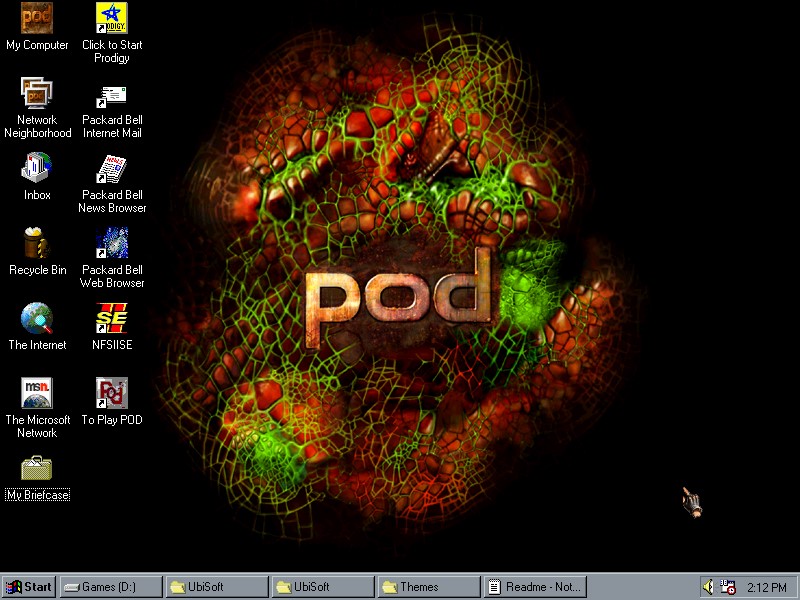
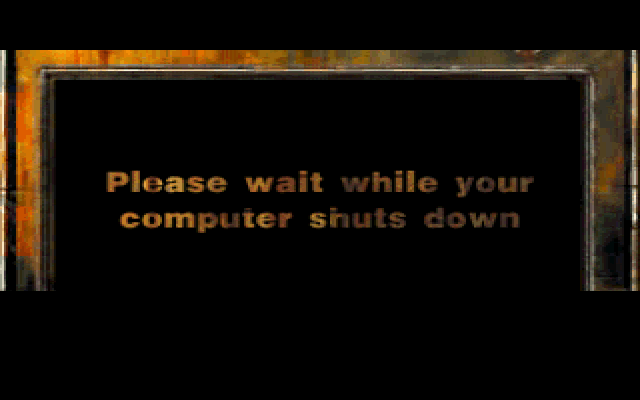
A custom desktop theme comes bundled with the game which gives a wallpaper, colour scheme and sound from the game onto your desktop. For Windows 95 you will need the Plus/1 pack as themes are not supported by default. For 98 and ME you can use the Desktop Themes applet that comes with those operating systems. To install you have to open the installer that’s at the root of the CD-ROM, and then run the WinZip self-extractor and extract to the Themes folder. You can also replace the bootup and shutdown screens that appear when Windows starts up.
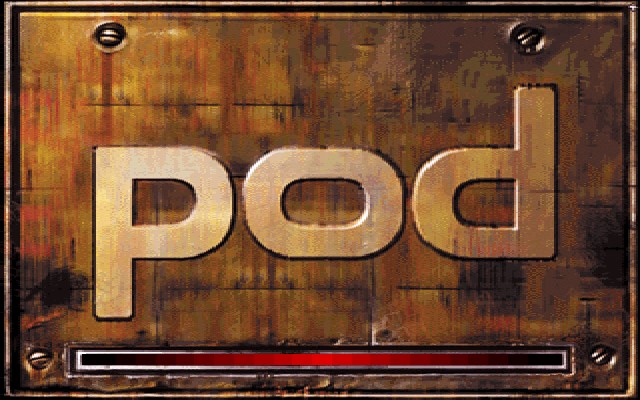
The Windows bootscreen
The shutdown screen which appears and disappears quicky, preventing a full screenshot from being taken
 Drew1440: Blog