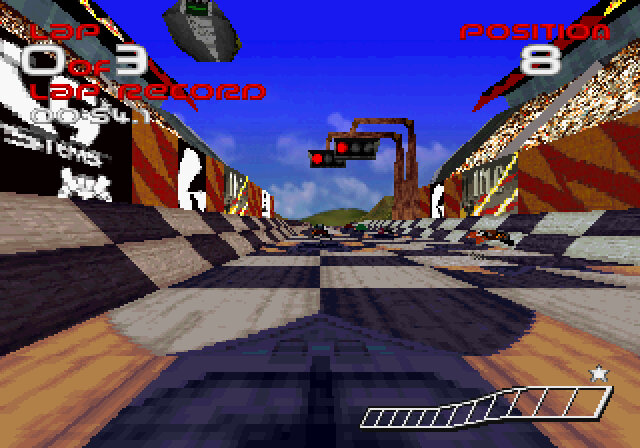
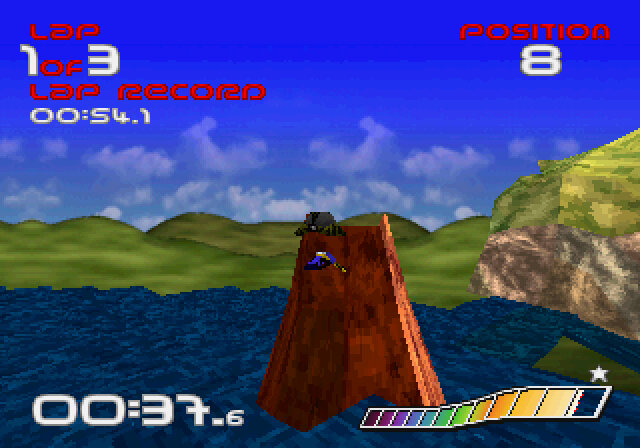
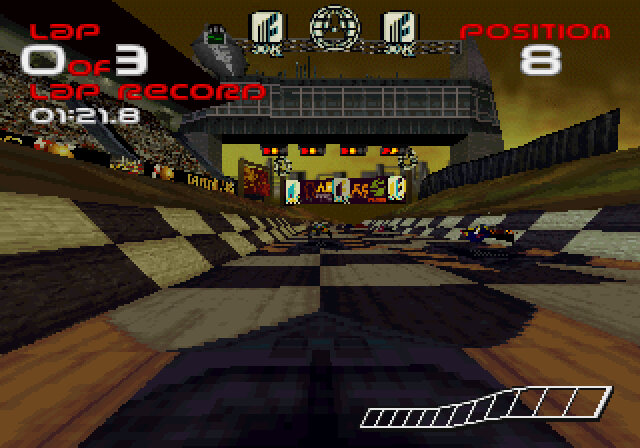
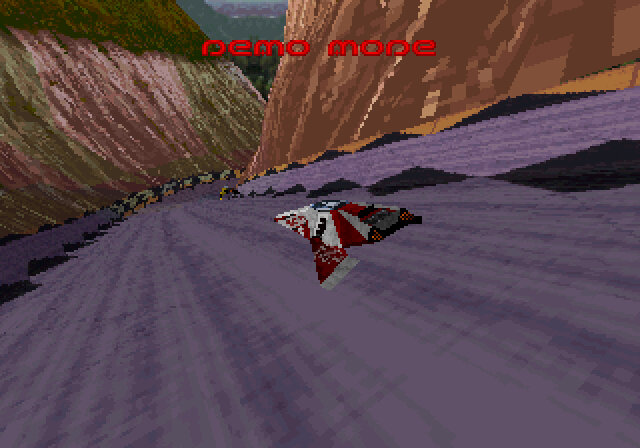
Tag Archives: Sega Saturn

Destruction Derby

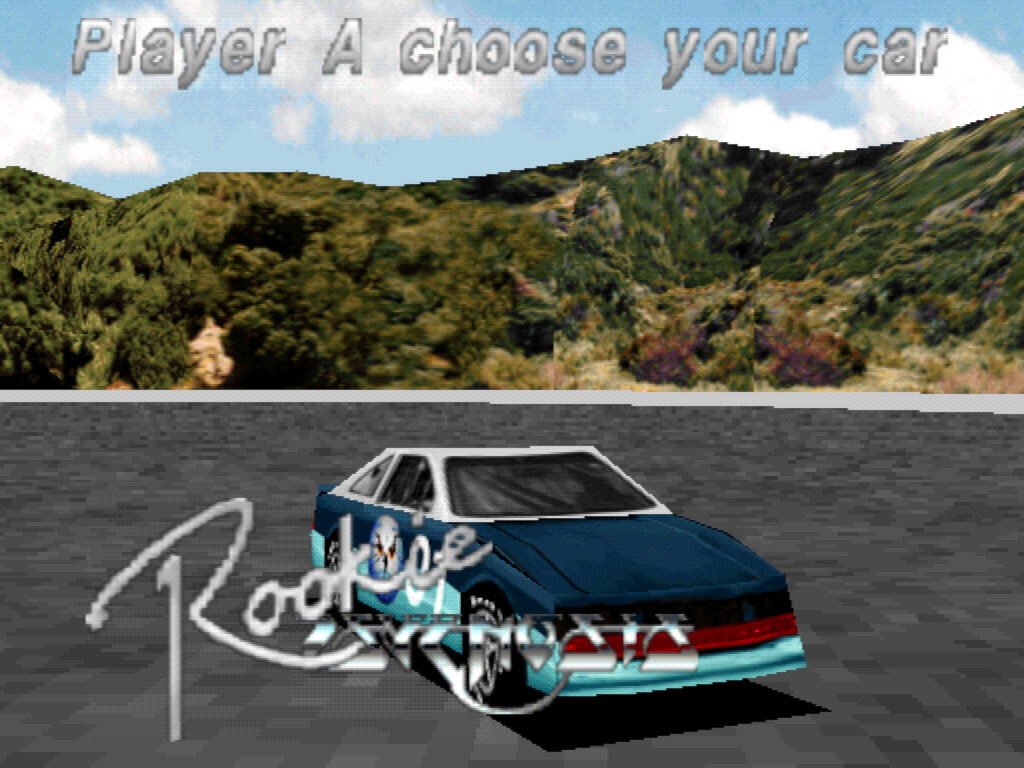
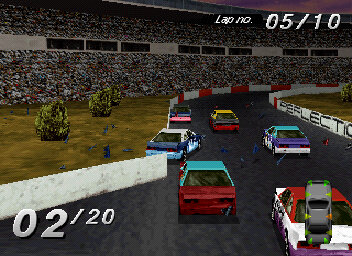
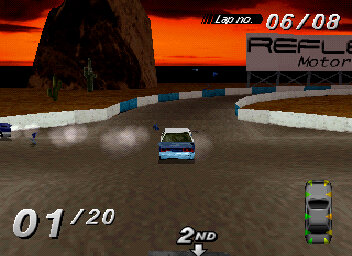
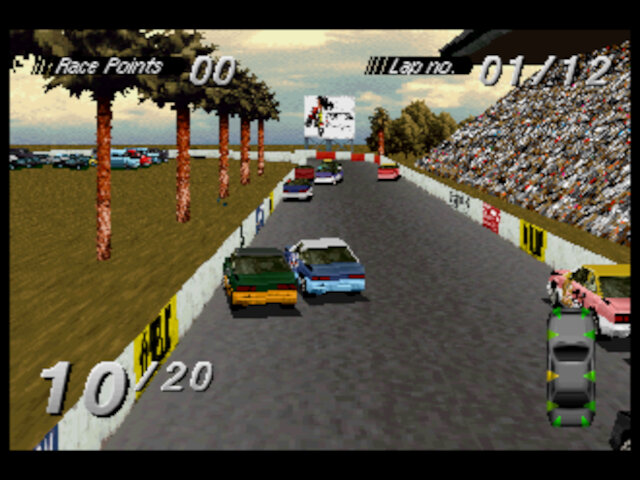
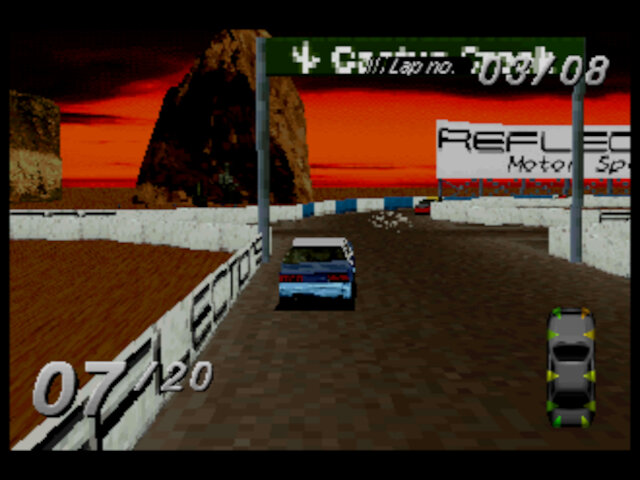
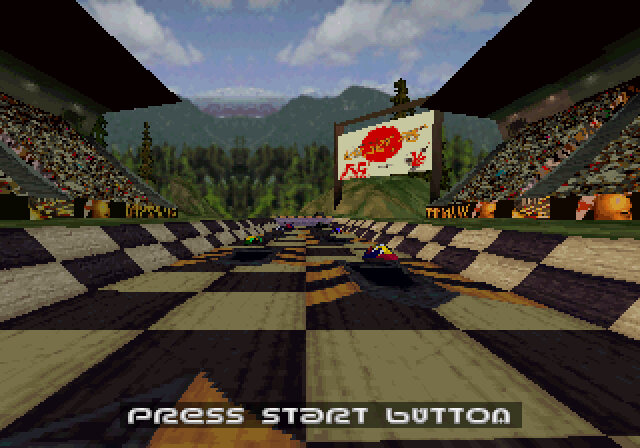
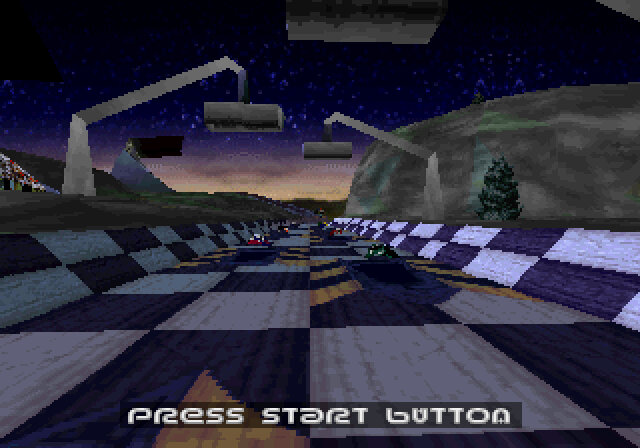
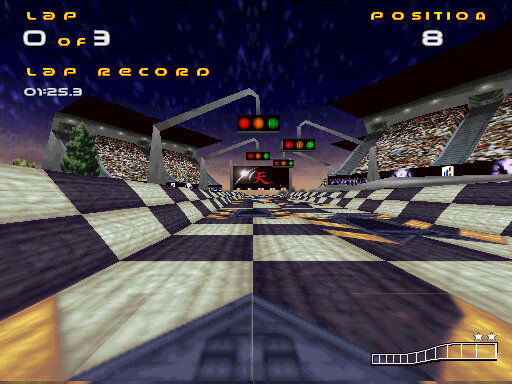
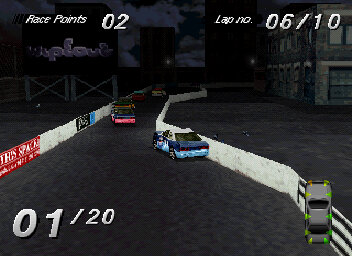
A racing & combat game, developed by Reflections (Who went on to produce Driver) that was released in 1995, at the begriming of the 3D gaming revolution. In Destruction Derby, players compete in demolition derby-style events where the objective is to crash into opponents’ cars to damage them while trying to survive and be the last car running. The game features both racing and demolition derby modes:

Destruction Derby Mode: In this mode, players compete in arenas specifically designed for vehicular combat. The last car that remains operational wins the match. Players can earn points by inflicting damage on opponents’ vehicles.
Wreckin’ Racing Mode: This mode combines racing and demolition derby elements. Players race around circuits while attempting to wreck opponents’ cars. The winner is determined by a combination of finishing position and damage inflicted.
Stock Car Racing: Traditional racing mode where you finish a race of multiple laps
Time Trials: Similar to Stock Car Racing, but you have to aim to get the fastest lap time. Getting the quickest time will allow you to enter your name as a high score.

Each mode can be played in practice, championship, dual or multiplayer mode.
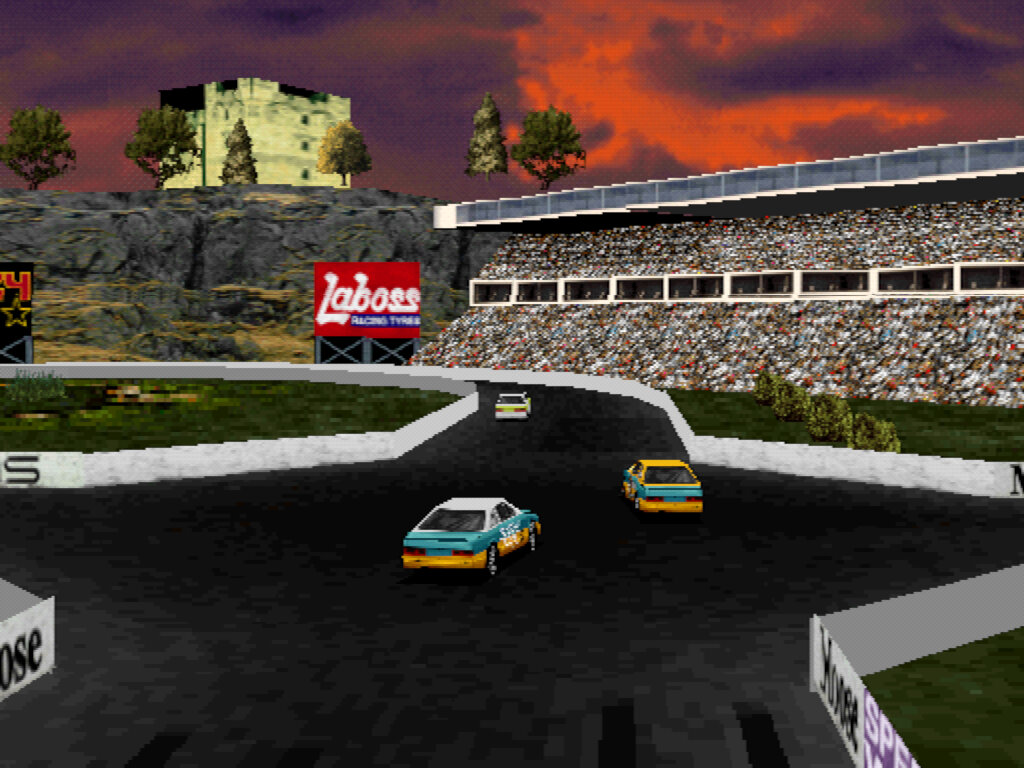
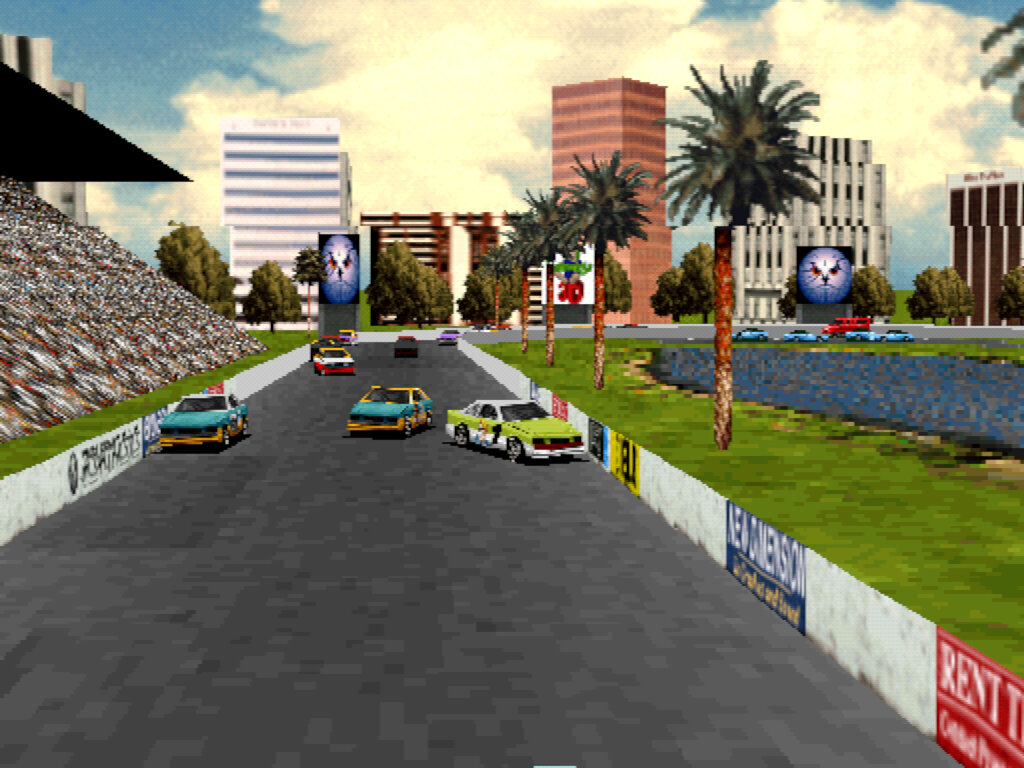
Five tracks are available at the start of the game, Speedway, CrossOver, Ocean Drive, Catus Creek, and City Heat. Each track is set in it’s own environment and have their own unique track design. Some feature a loop design which require you to dodge and avoid opposing cards, otherwise it easy to lose which direction you’re supposed to go. Pileups are also fairly common on these type of tracks.
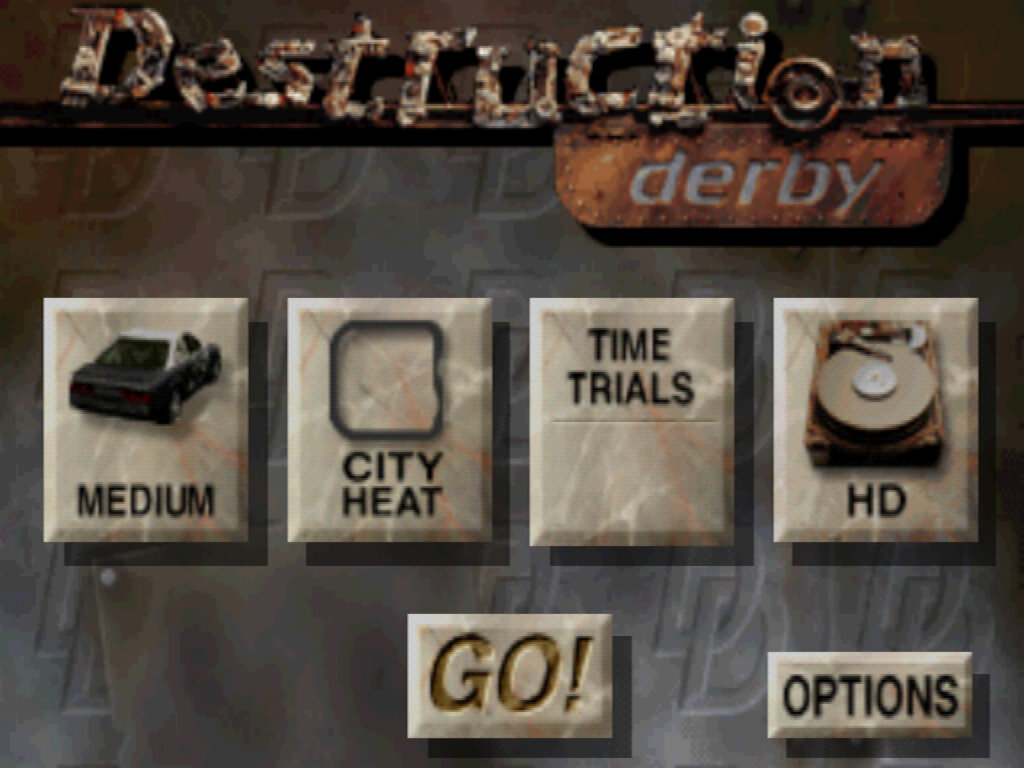
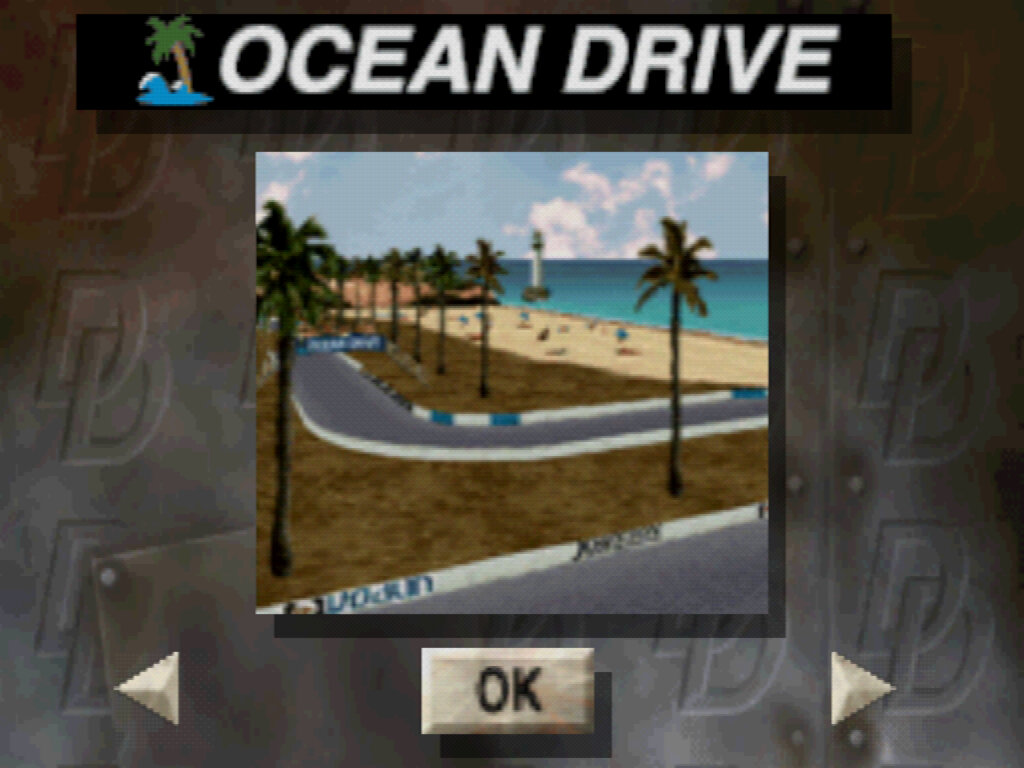
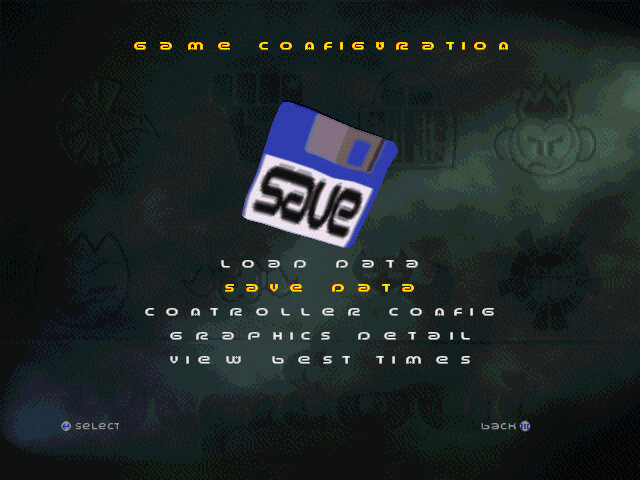
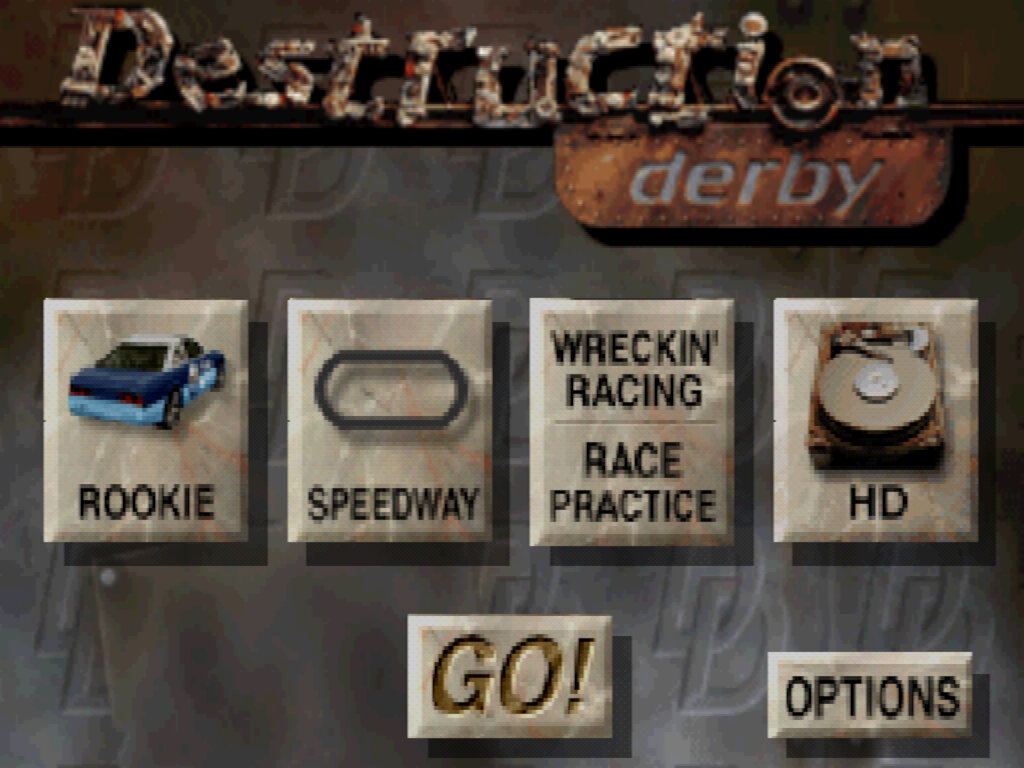
A look at the main menu of the PC relase, which features 3D tiles that function as menu items. Similar to the save screen on Mario 64 or on the SGI demos of the era.

Windows

The Windows version had support for S3D acceleration, with was supported on S3 graphics cards which were common of the time. This required the use of a specific OEM copy of the game that shipped with a computer that featured the S3 ViRGE video card. Other PC releases would make use of MS-DOS and software rendering instead, which was inferior to the S3D and console releases.
One issue with the S3 version is it’s limited to Diamond Stealth 3D 2000 cards, and will refuse to function on even the 3000 model. This can be bypassed with a patch that removes this check.
There I also an option to enable texture filtering that gives the textures a smoother look, but at the expense of framerate. It can be togged on the settings menu of the game.
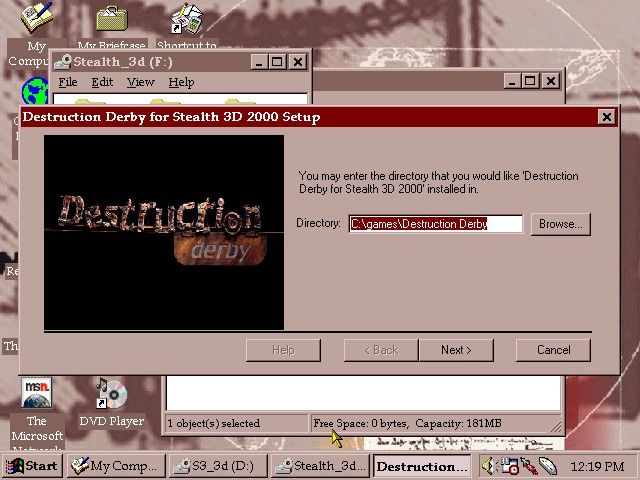
86Box is able to play this version of this game by using the emulated Diamond Stealth 3D card, paired with a Pentium MMX. Windows 95 lacks built in drivers for this card but they can be obtained here.
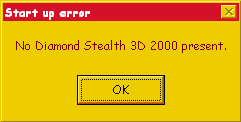
Trying to run the game without using a Diamond graphics card, using a generic S3 ViRGE card instead. A patch exists to remove this check.
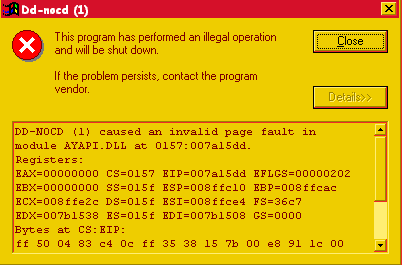
Using the Stealth 3000 caused a crash, with the AYAPI.DLL causing the issue despite using the Diamond drivers and the fixed EXE.

If you’re wondering about the colour scheme, its the RE-MAN theme from the Windows 95 Plus! pack.

PlayStation
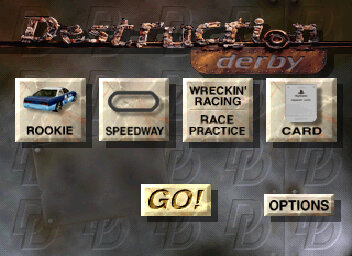
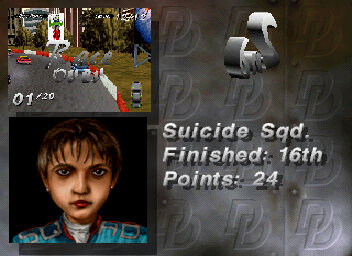
The game was also ported to the PlayStation, This release is a lot more polished, and features thumbnails of the rival characters after the race, showcasing their overall position. The framerate is also a lot more smoother compared to the PC but misses out on the potential of texture filtering unless an emulator is used. DuckStation is the emulator used here, with the stock graphic settings (no enhancements)

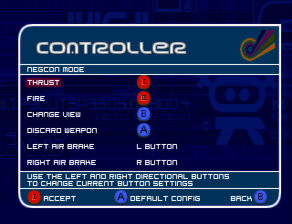
For analogue control the NeGcon controller can be used for more precise turns, as this game predates the release of the dual-analogue controller. The menu controls are awkward to control compared to traditional PlayStation games, as you have to press the start button to confirm/enter menus rather than using the X button that most other games use.
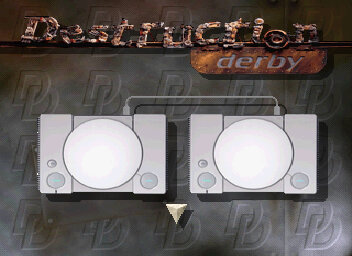
Multiplayer is also a better experience in this version of the game because it supports the use of the PlayStation link cable. For this, two consoles and copies of the game are required, as split screen is not supported.

It’s also a lot more easily accessible, since it can be brought from the PSN store and played on the PS3.

Sega Saturn

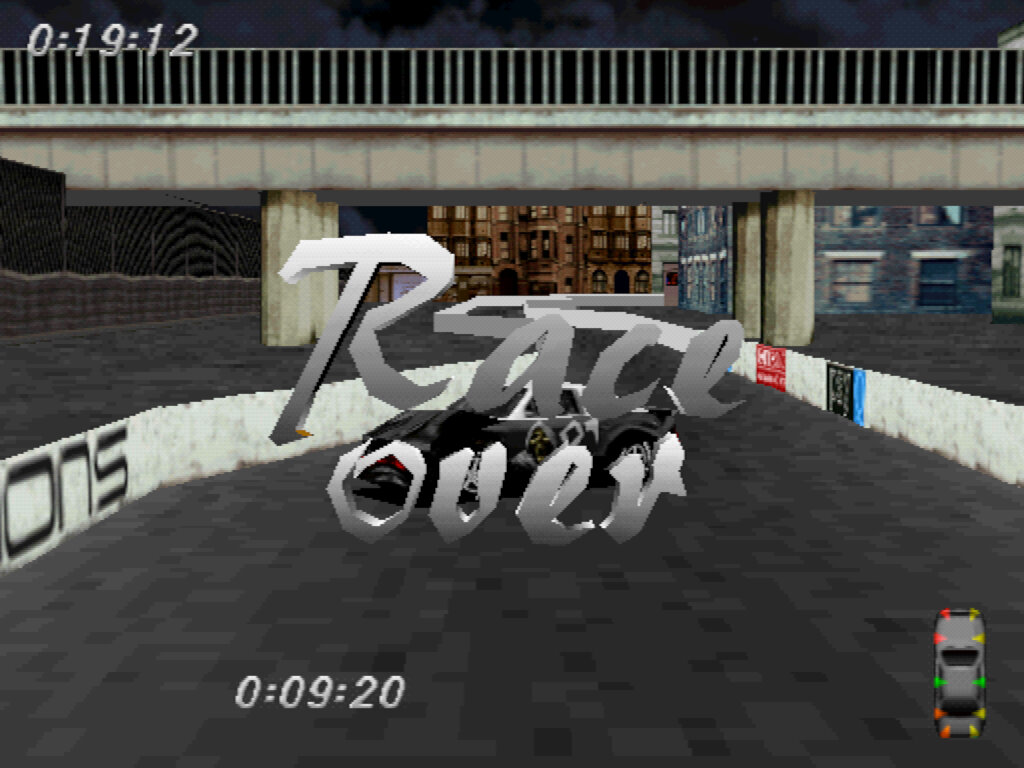
There was also a Saturn version, released in 1996 in Europe. Like other third-party ports it suffers from a poorer framerate compared to the PlayStation version. Still the game is playable and defiantly worth checking out if you’re interested in Saturn racing games. The Mednafen emulator is used for the screenshots below.
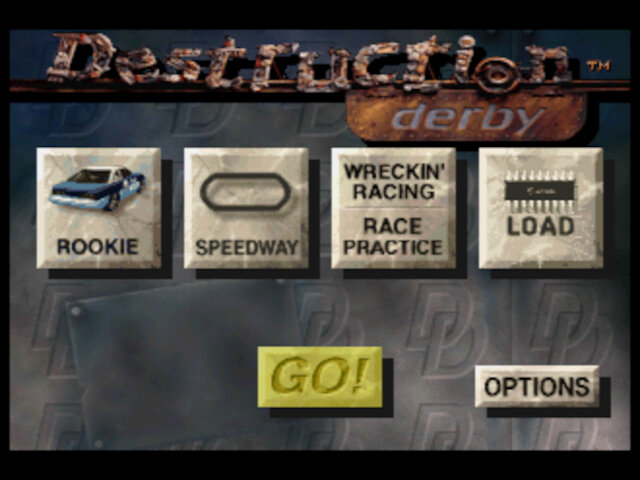
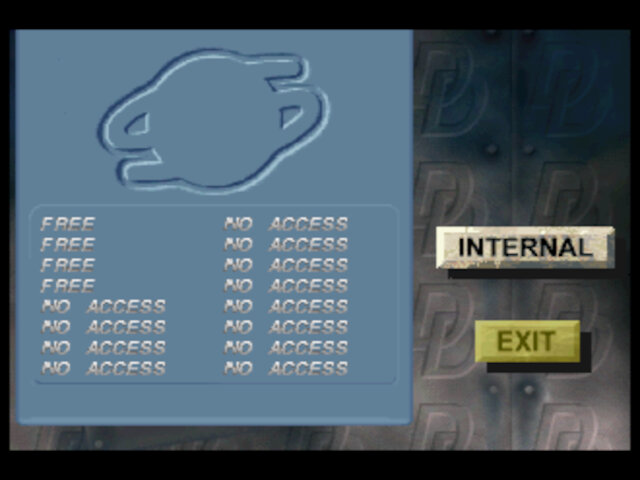
The game supports saving to the internal memory, or though the backup cartridge
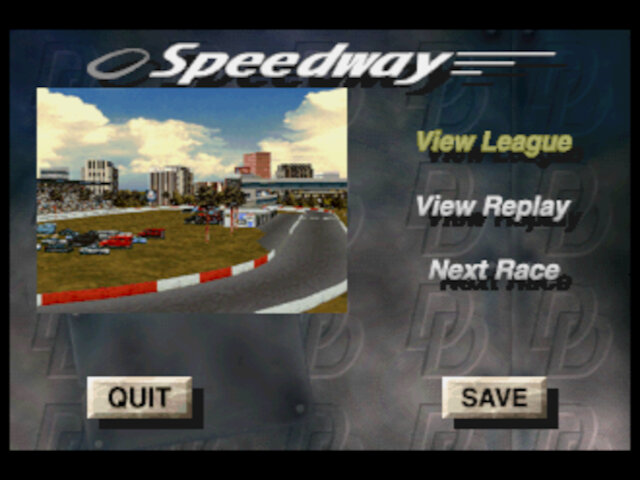
The game does not appear to support the 3D controller, which means the game lacks analogue control support.
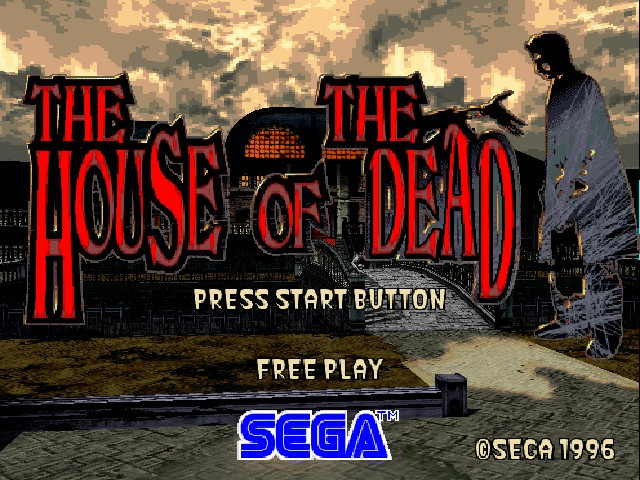
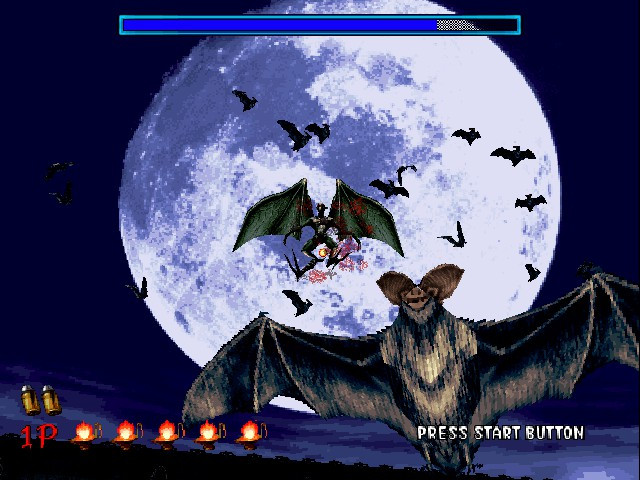
House Of The Dead

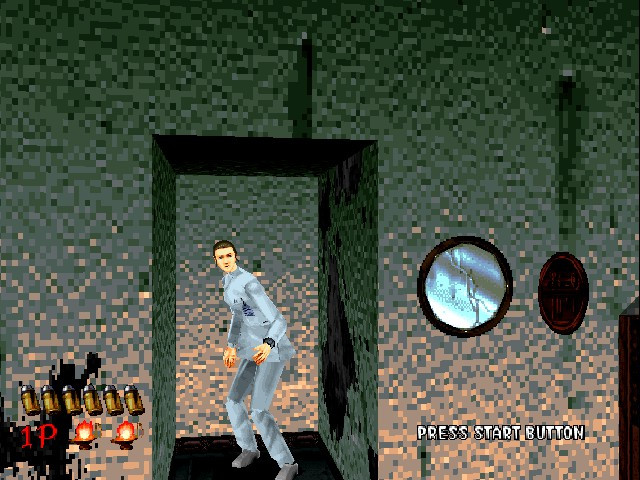
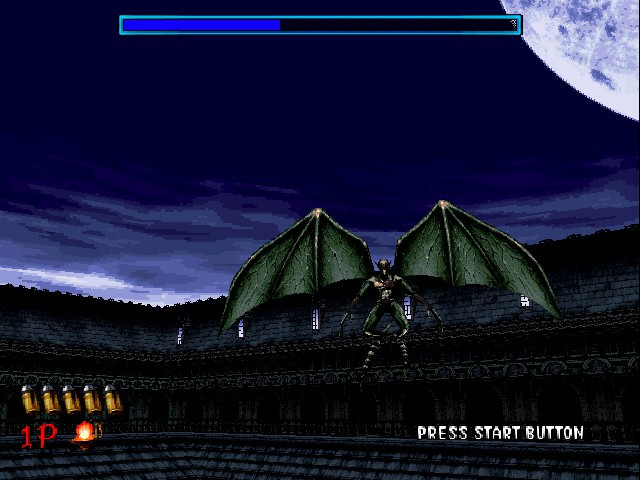
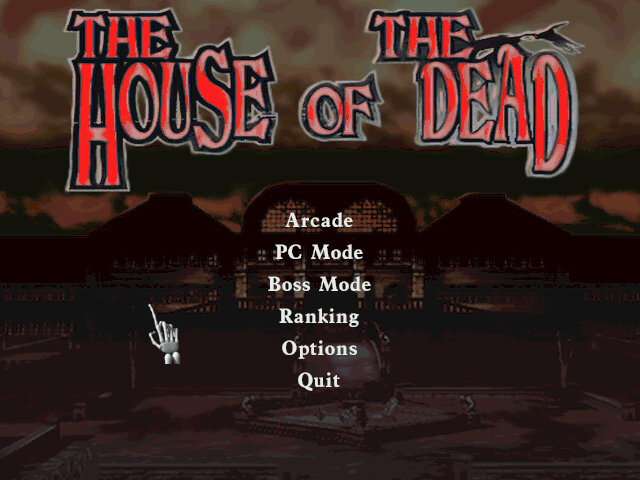
A mid-90s arcade rail shooter that takes the Virtua Cop formula and puts a horror spin on it, giving birth to a new franchise.

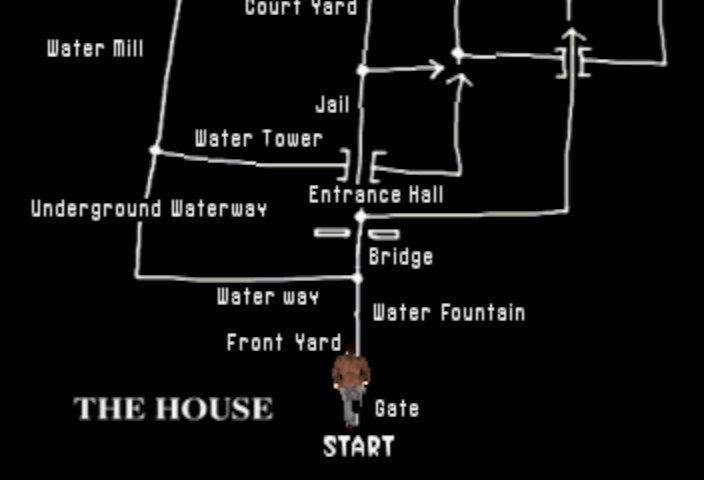
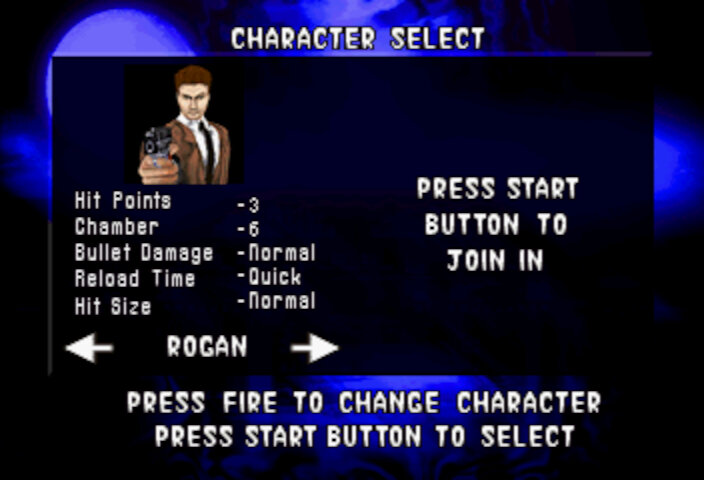
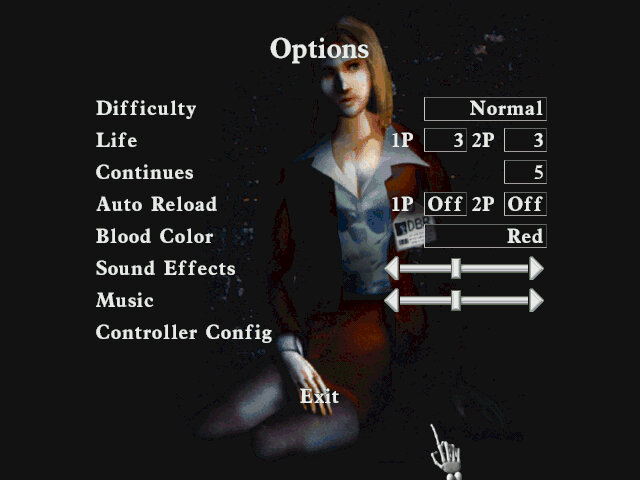
In House of the Dead, the main characters are two AMS agents named Thomas Rogan and G (Yes, just G). They are sent to investigate a mysterious outbreak at the DBR Corporation’s genetic research facility, which has been overrun by hordes of undead creatures. Throughout the game, the player controls either Thomas or G as they fight their way through the facility and uncover the truth behind the outbreak. Along the way, they encounter various other characters, including DBR’s CEO, Caleb Goldman, and his assistant, Dr. Roy Curien, who is responsible for the creation of the undead creatures.

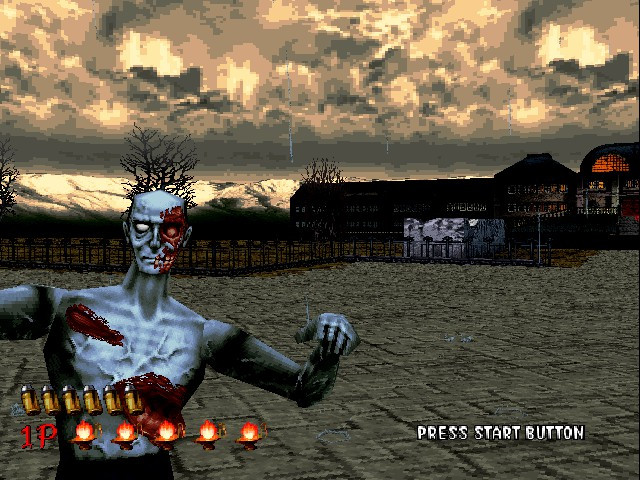
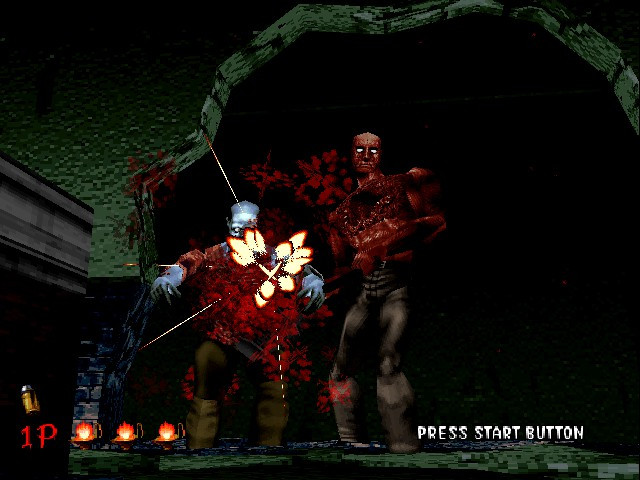
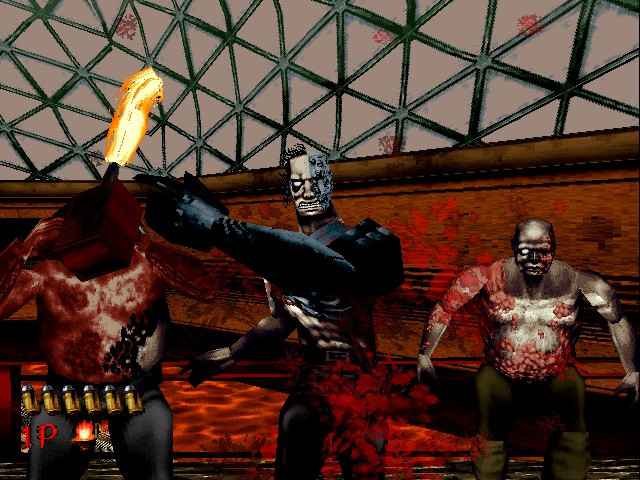
The gameplay of House of the Dead is simple, you’re armed with a light gun and tasked with shooting your way through levels filled with zombies, mutants, and other monstrous creatures. The gameplay is fast-paced and requires quick reflexes, as enemies can come at you from all angles in the form of jump scares. The game also features branching paths, which add some variety to the levels and encourage replayability as many of these will affect the ending sequence.

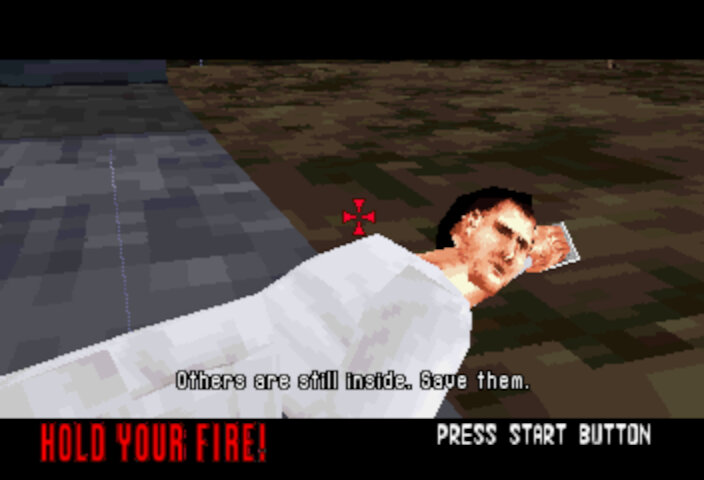
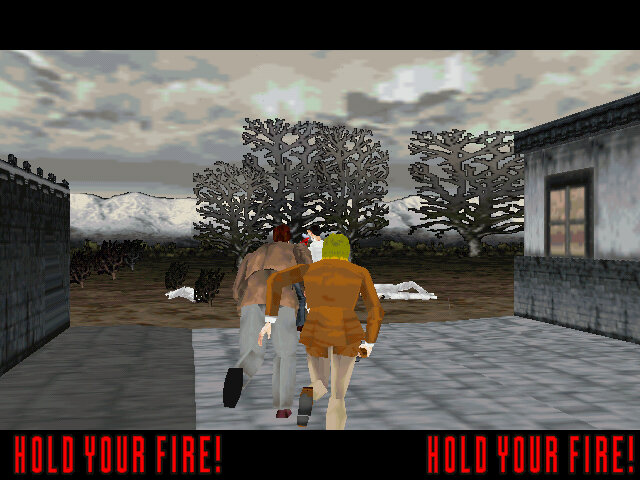
Some items can be shot at, typically pots, and will reveal additional lives. There are also opportunities to save scientists, who will sometimes reward you with an extra life or will direct you to another path.

There are a few boss battles, each with a different way of defeating them. These occur at the end of each chapter. The Chariot is a large, armored zombie and appears at the end of Chapter 1 with the goal to target its weak spot in the armor to damage it. The final boss being the Magician serves as a challenging and memorable boss battle. He is able to create multiple illusions of himself, making it difficult for the player to determine which one is real. Additionally, he has powerful psychic attacks that can drain the player’s health and make it more difficult to aim. Defeating the Magician requires careful observation, quick reflexes and a lot of coins.

Versions

The game was somewhat popular and prompted Sega to port it to their Saturn console, it also get a Windows PC port similar to Daytona USA and Manx TT Superbike.

Arcade

The arcade version of House of the Dead is considered a classic and is highly regarded by many gamers and fans of the shooter genre. The game was initially released in arcades in 1996 and like other Sega arcade titles of the era, it ran on the Model 2 arcade board.

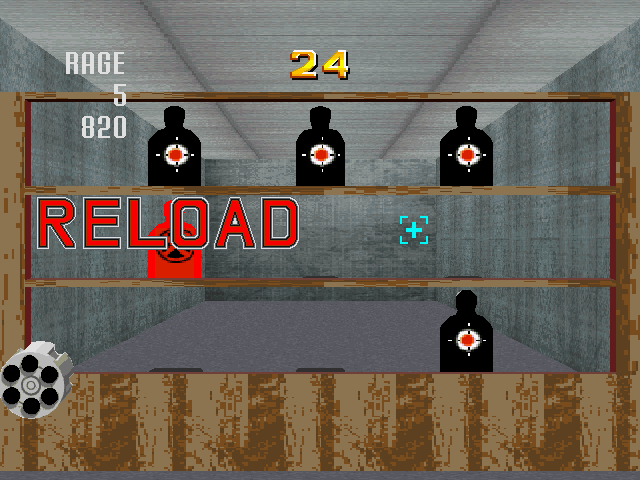
This version of House of the Dead was popular due to its use of light guns, which allowed players to aim and shoot at enemies on the screen. Reloading is done by shooting outside of the screen, In contrast to Namco’s Time Crisis where you have to release the pedal to enter cover to reload.

Sega Saturn

The Sega Saturn version of House of the Dead was a faithful recreation of the arcade version’s gameplay mechanics, graphics, and sound effects. However, the game’s performance on the Saturn can be a bit sluggish, with some frame rate drops and occasional slowdowns during intense action sequences.
The Saturn version also supports use of a light gun controller that was intended to give more precise aiming. Unfortunately this does not work well on modern LCD displays leaving the traditional controller as the only form of input.

You do have the ability to play as different characters, either ‘G’, Sophie or one of the Scientists which will affect the cutscenes as they are rendered in engine. Compared to the arcade version, the graphics takes a downgrade but you do get the benefit of high quality sound.

Still there’s no option to revert to the arranged arcade soundtrack, odd because both the Saturn and the Model 2 have the same sound processor (SCSP)

Microsoft Windows

The game was initially released for PC in 1998, It offers several enhancements over the arcade version, including improved graphics and higher resolution support. Additionally, players have the option to use a keyboard and mouse or a controller for more precise aiming. Some parts of the Mansion have been retextured, likely to give it a more colder atmosphere and due to differences in how Model 2 and DirectX games handle textures.
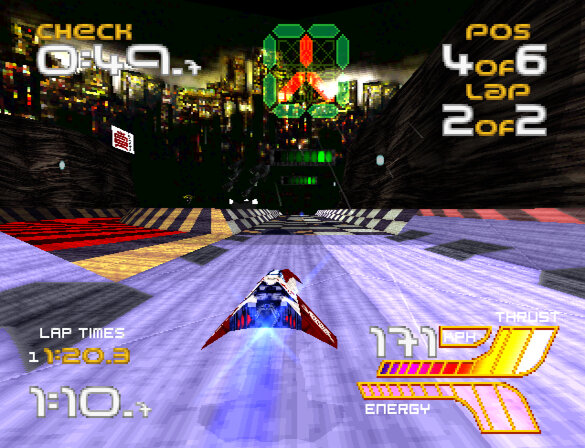
For video cards that don’t support Direct3d, the game can run in DirectDraw mode instead. The 3DFX Voodoo card is capable of Direct3D acceleration and is supported in 86Box.

Conclusion

House of the Dead is a classic arcade game that still holds up today. Its addictive gameplay, impressive graphics, and horror-themed setting make it a must-play for any fan of arcade shooters.

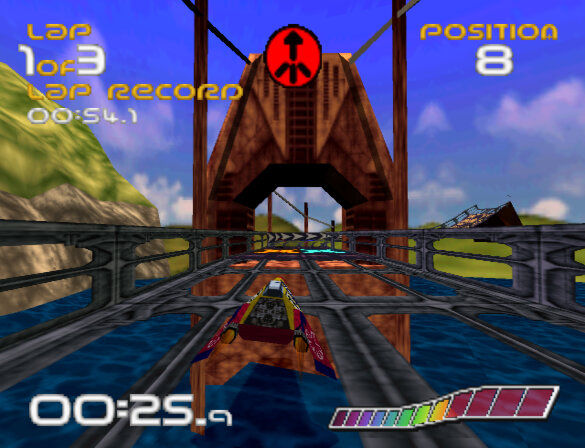
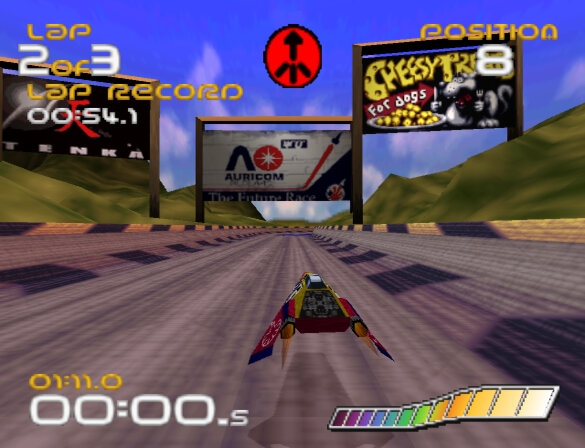
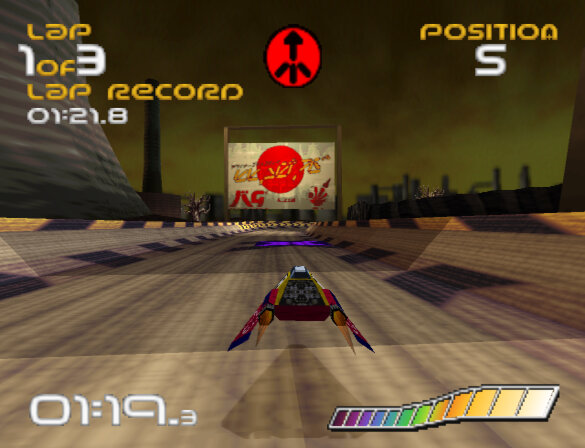
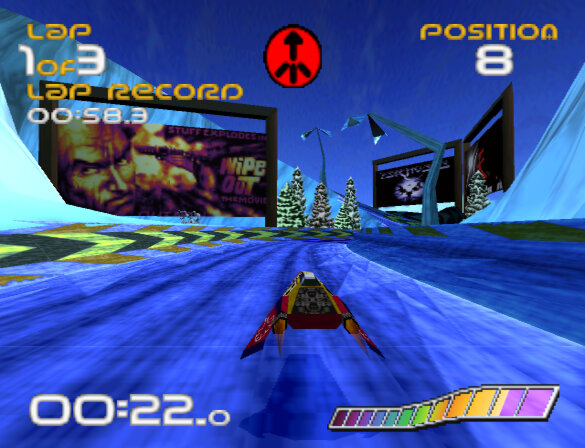
Wipeout XL / 2097

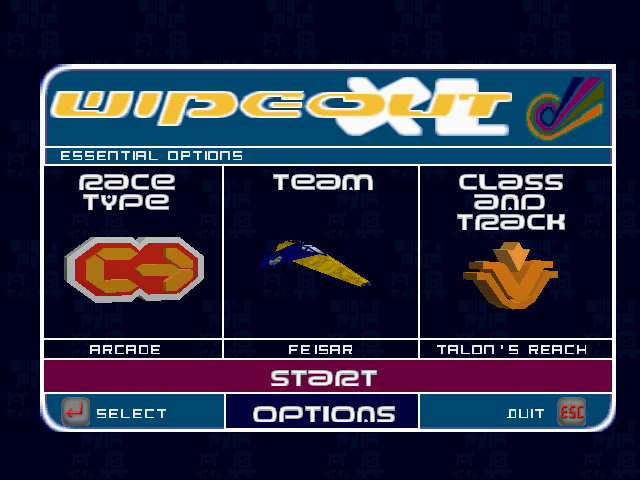
Wipeout XL is a high-speed, futuristic racing game that was originally released in 1996. It was developed by Psygnosis and published by Sony Computer Entertainment. The game is set in the year 2097, where players compete in anti-gravity ships across a variety of tracks and modes.

One of the first things you’ll notice about Wipeout XL is its incredible sense of speed. The game’s visuals are still impressive today, with a smooth frame rate and a futuristic art style that holds up well. The sound design is also fantastic, with a thumping techno soundtrack that perfectly complements the game’s high-octane racing.

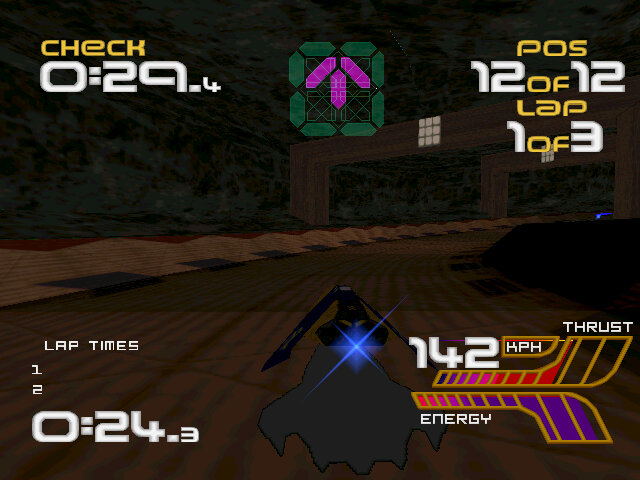
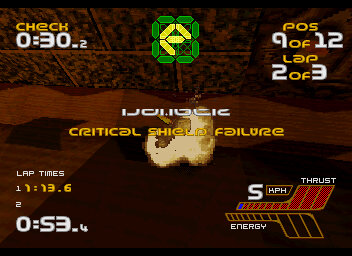
The weapon system has been improved, now your ships have a health meter that depletes upon impact with a weapon, or with another ship or track. Energy can be replenished by using the designed pit area’s that restores the ships energy. When you ship runs out of energy, the game is over.

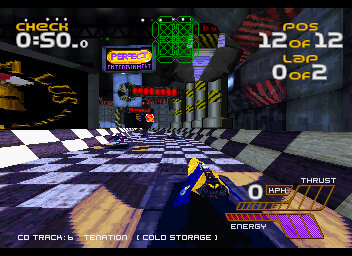
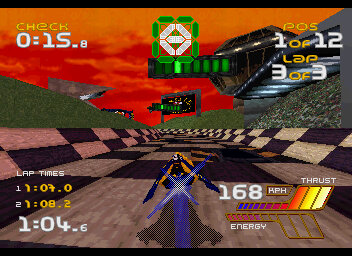
Also there is a countdown timer that depletes until you reach the next checkpoint, giving an arcade feel to the game though its a bit redundant, since if you run out of time, chances are you are already well behind in the race.

The gameplay in Wipeout XL is intense and challenging. The ships handle well, but require precise control at high speeds. The game has a steep learning curve, and it can take a while to get the hang of the tracks and the various weapons and power-ups available. But once you do, the game is incredibly rewarding, with tight races and exciting finishes.

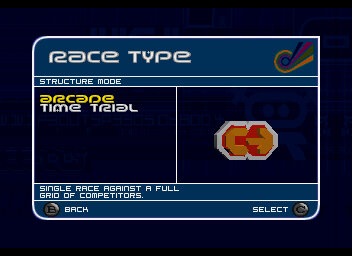
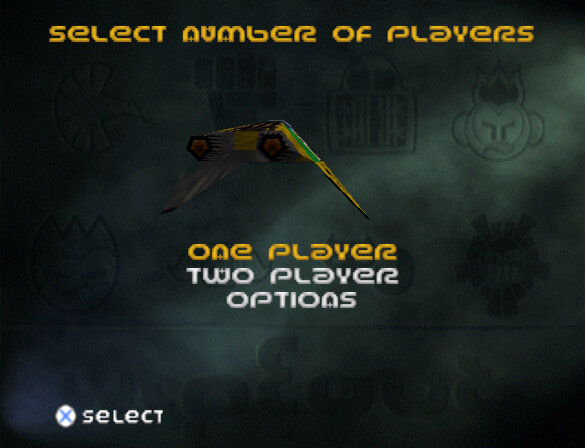
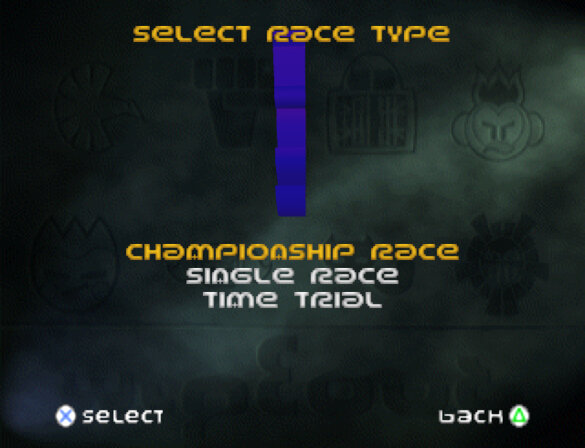
One of the features of Wipeout XL is its variety of modes. The game offers a campaign mode, where you compete in a series of races and unlock new ships and tracks. There’s also a time trial mode, where you can compete against your best times or the times of other players. And of course, there’s a multiplayer mode, where you can race against your friends.

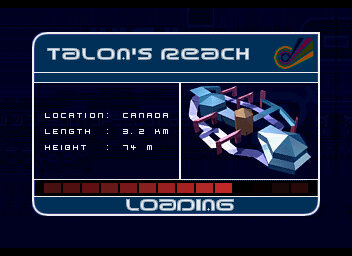
  • Talon’s Reach: This is the first level of the game and serves as an introduction to the basic gameplay mechanics. It’s a relatively simple track with a few jumps and turns, but it’s a good warm-up for the more challenging tracks to come.
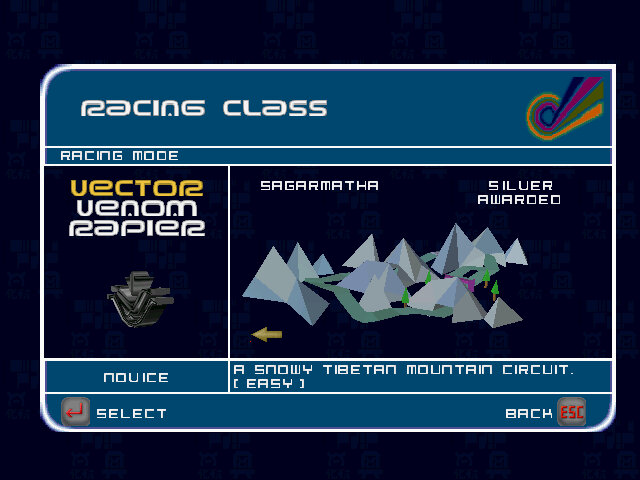
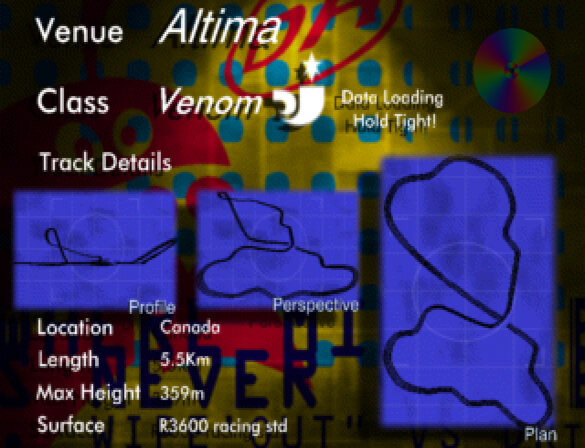
  • Sagarmatha: This level takes place on a track set high in the Himalayas. It’s a visually stunning track with steep drops and sharp turns that require precise timing to navigate.
  • Valparaiso: This track takes place in a futuristic version of the Chilean port city. It’s a challenging track with tight turns and narrow sections that require careful control of your craft.
  • Gare d’Europa: This level takes place in a futuristic version of the train station in Paris, France. The track is fast and has a lot of straight sections, making it a great level to use your craft’s top speed, also has a few lightning effects.
  • Odessa Keys: This level takes place on a track set in a futuristic version of the Black Sea. It’s a challenging track with tight turns and narrow sections that require precise control of your craft. The track also features a large jump that can be difficult to navigate.
  • Other tracks include Vostok Island, Spolskinanke & Phenitia Park.

Teams Included

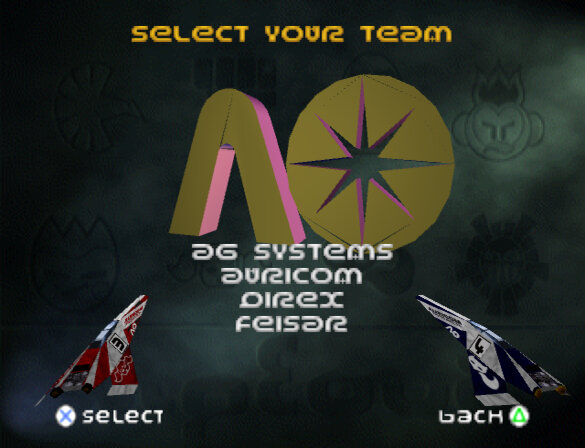
  • AG Systems: This is one of the default teams in the game and is a good choice for beginners. Their craft is well-balanced and easy to control, making them a great option for players who are still learning the game’s mechanics.
  • Qirex: This team is known for its high speed and power. Their craft is one of the fastest in the game, but it can be difficult to control at times. This team is a great choice for experienced players who are looking for a challenge.
  • Feisar: This team is known for its agility and handling. Their craft is one of the most manoeuvrable in the game, making them a great choice for players who value control over speed.
  • Auricom: This team is known for its all-around performance. Their craft is well-balanced and can perform well in any situation. This team is a great choice for players who want a versatile craft that can handle any track.
  • Piranha: This ship has the highest stats nut cannot use any weapons.

Versions

Wipeout XL is the most accessible version of Wipeout to date and was ported to over 4 platforms.

PlayStation

The lead platform and the best way to play, One advantage of playing the PlayStation version is that it was specifically designed for the console, so the controls were optimized for the PlayStation controller. Some players may find it easier to control their vehicle using the PlayStation controller rather than a keyboard or other input device on the PC. Overall it appears to be the most polished version of the game.

Additionally, the PlayStation version of Wipeout XL had support for the serial cable which allows two consoles to be linked together to provide two player support.
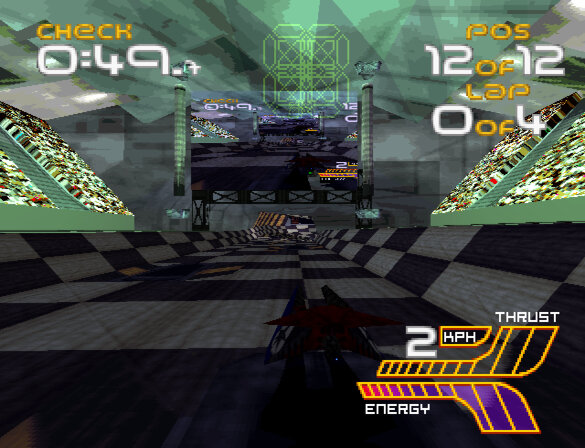
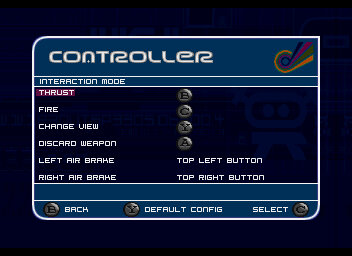
Another nice feature is support for the NeGcon controller which provides analogue steering support, as this game predated the Dualshock controller.

Windows

The PC version of Wipeout XL features improved graphics over the PlayStation version and features higher resolution textures, improved lighting effects, and smoother frame rates but has issues running at refresh rates higher then 30hz, causing the game to run too fast. This breaks the game entirly as its difficult to play at effectivly twice the speed.

It has native support for DirectX 3 or PowerVR graphics cards. The readme file also mentions official support for the Rendition, ATI RAGE and Matrox graphics cards.

Sega Saturn

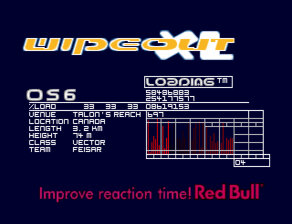
The graphics and sound of the Sega Saturn version are generally considered to be inferior to the PlayStation version. The Sega Saturn version features lower resolution textures, less detailed backgrounds, and reduced visual effects. The sound quality is also less impressive than the PlayStation version, with lower quality sound effects and music. The loading screens are different in this version and there is no multiplayer support.
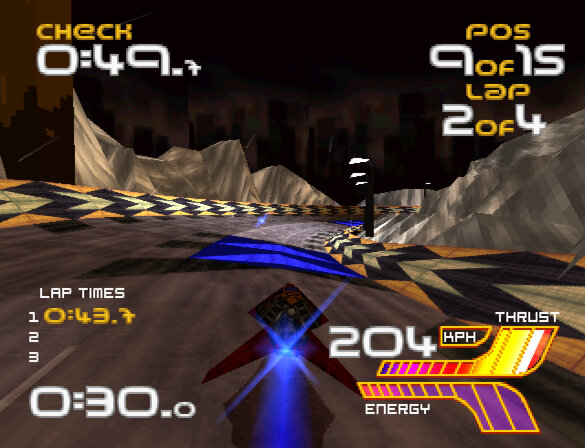
The gameplay of both versions is largely the same, with fast-paced anti-gravity racing across futuristic tracks. However it suffers from slower frame rates and occasional glitches, which can make the game feel less smooth than the PlayStation version. It does have support for the 3D control pad which provides analogue control.

MacOS

There was also a release for PowerPC based Macintosh computers released in 2002, a few years later. Unfortunaly I cannot get his version to run on any Mac that i own, either on a PowerMac G4 running Mac OS 9.2 with a Radeon video card or an iMac running OS X Snow Leopard.

Manx TT Superbike

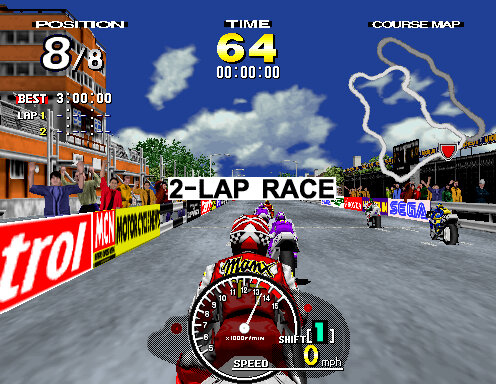
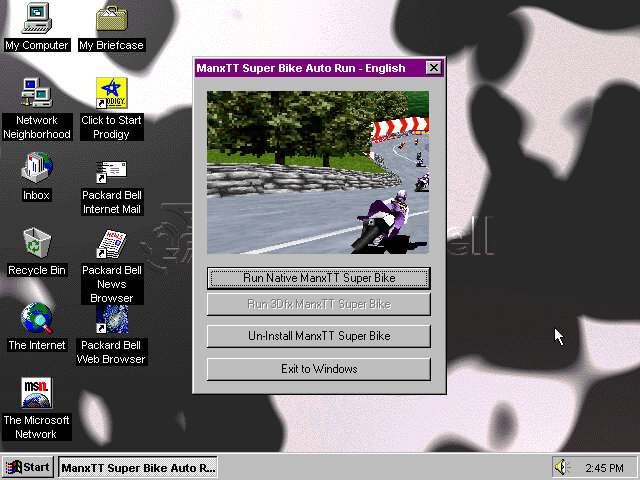
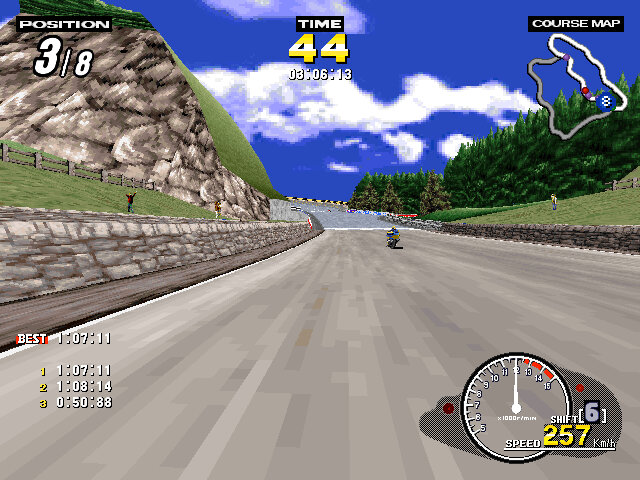
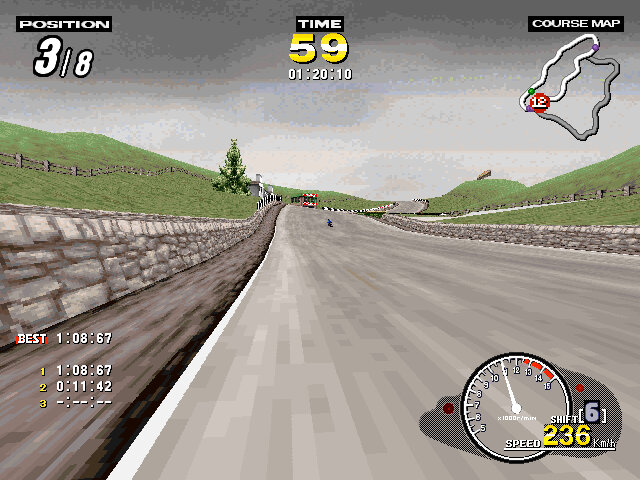
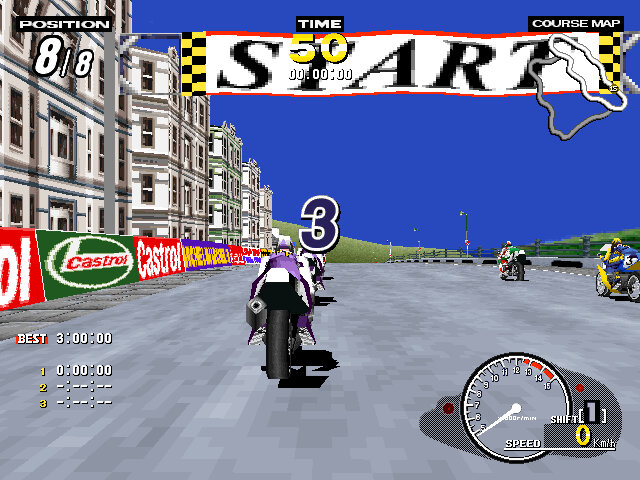
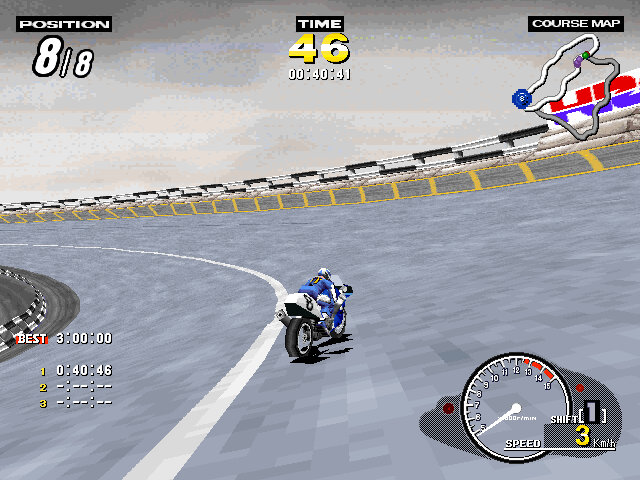
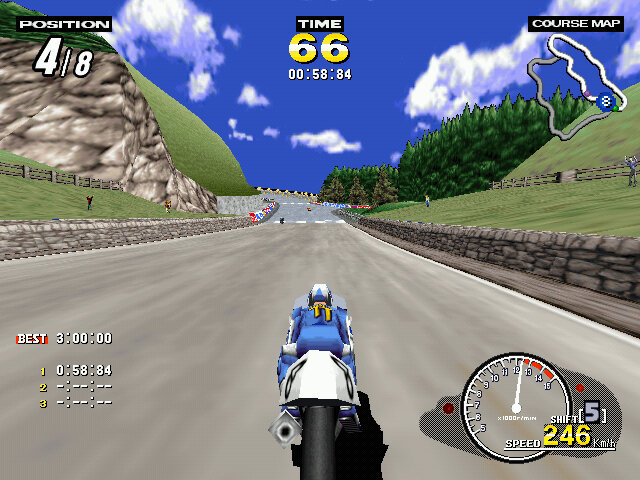
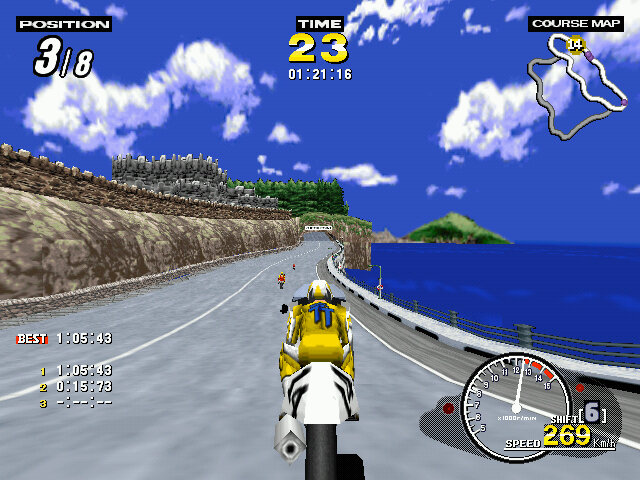
An arcade style racing game released in 1995, aimed to replicate the Isle of Man TT – a motorcycle racing event. Very similar in spirit to Daytona USA which was based on the real Daytona speedway, and Indy 500.

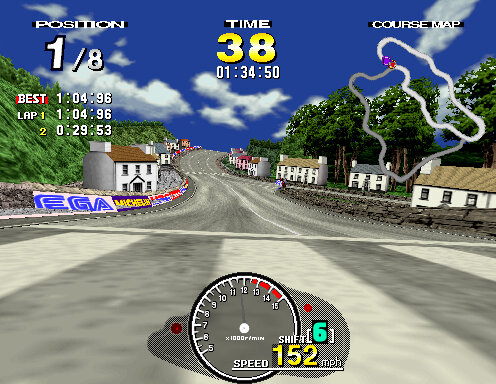
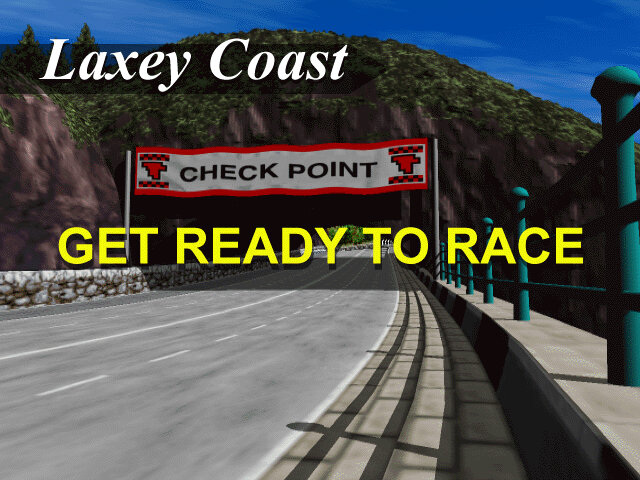
Two courses are offered, Laxely Coast and T.T Course, the latter being the actual track used in the Isle of Mann races. Both tracks share sections with each other and will split and re-join into their own different paths.
The home versions feature two additional tracks that are part of the PC/Saturn mode, these are reverse-mirror versions of the two arcade tracks and can only be selected in that mode. These tracks are also set in the early evening in the Saturn version, and early morning / dusk in the PC version.

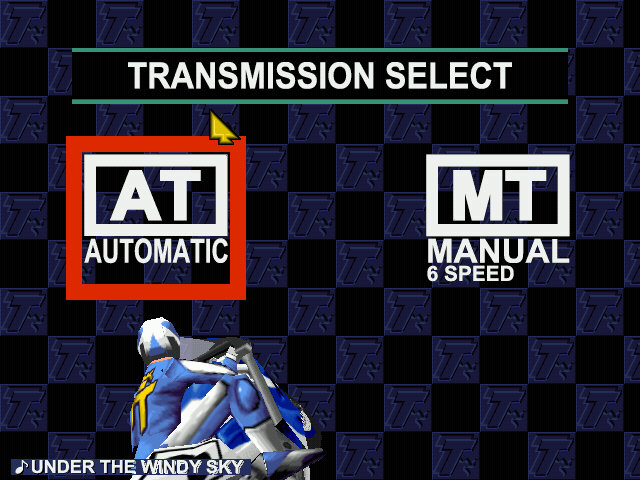
Time Trial: Similar to time trial featured in other racing games, choose a track and a bike and try to get the lowest time. On the arcade version you have to hold the brake button when selecting a track to active time trial.

Console / PC Exclusives modes

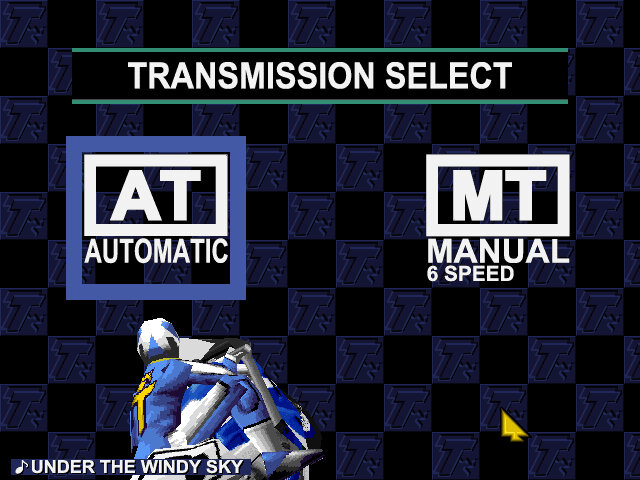
Practice Mode: Similar to arcade mode, choose a track and your bike which will have a unique stats for speed, acceleration and handling.

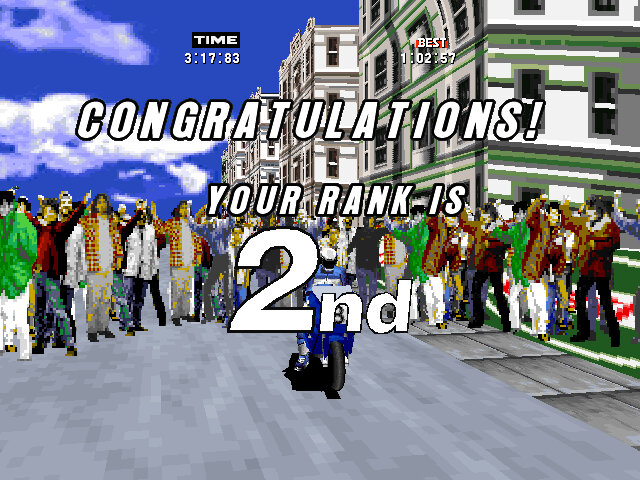
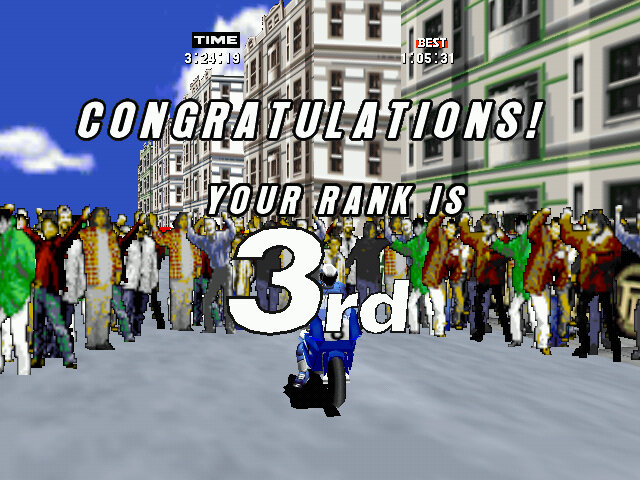
Challenge Mode: a tournament mode where you have to race on all four tracks, coming in a 3rd or higher in each one. The superbike challenge is unlocked after completing this mode.

Versions

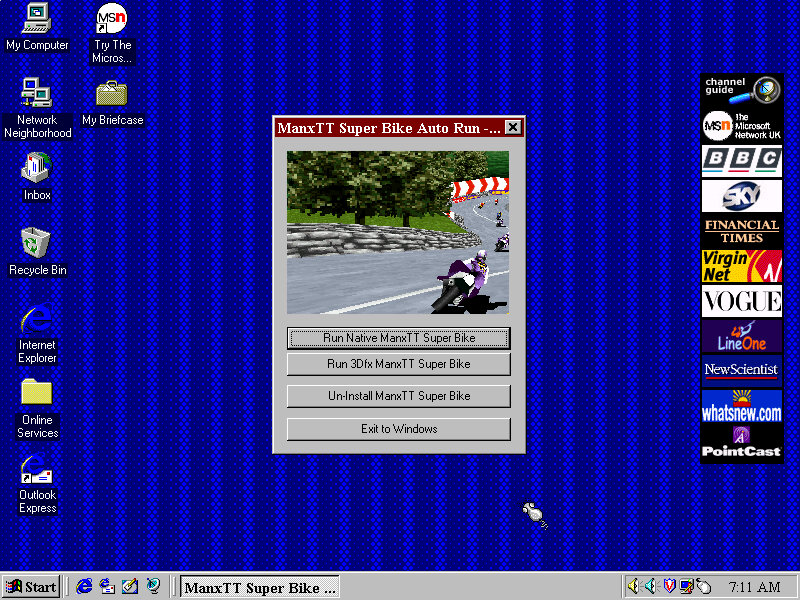
Like other Sega games of the era, this title was relased to the arcades first, then to their Saturn console and eventually to Microsoft Windows.

Arcade

The original arcade release runs on the model 2 hardware, specifically the 2A version. This version was considered to be graphically superior of the three versions but is the most basic in terms of content, featuring only two courses and just the arcade and time trial mode. The Model 2 emulator is the most popular way to play this version of the game, with the MAME driver making steady progress but still unplayable in some regards.

Really for a home port, the game could have done with further tracks being added to increase the replay value of the game.

Sega Saturn

Sega ported the game to their home console of the era, the Sega Saturn in 1997. This version introduced new features including an FMV opening sequence and additional race modes. There are also options to change the bike model, which have unique stats across the different models. The game’s graphics were considered to be impressive for the Sega Saturn’s capabilities, with colorful and detailed environments that recreated the feel of the arcade version.

Windows

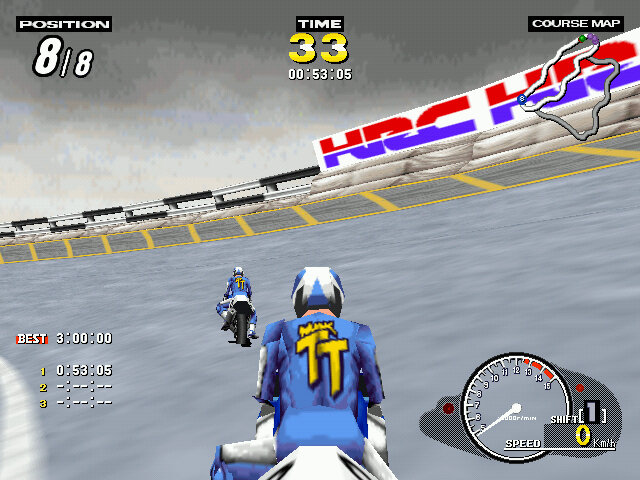
This version supported both DirectX 5 and 3DFX Glide, the latter gives a visual difference that makes it similar to the arcade version sans the frame rate. It seems the game will only render up to 30fps. Still the game can run at 640×480 which is higher than the Saturn or even the Arcade version.

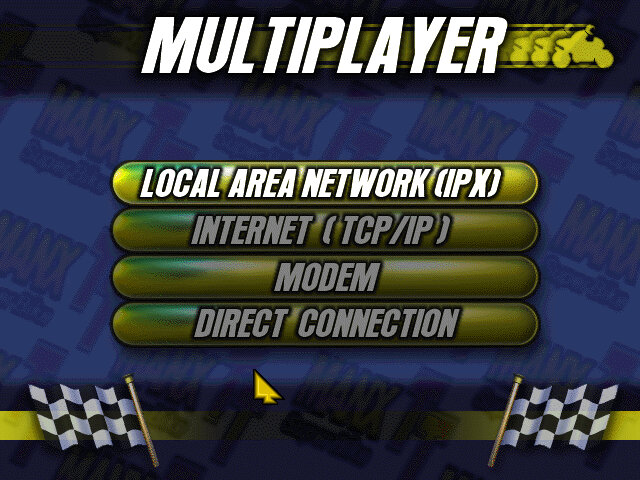
Multi player is supported in this version and can be done over a variety of channels. IPX, TCP/IP, Modem and Serial connections are supported. This can be done via virtual box of you use the PCap option between two 86box VMs, linking it to the VMware virtual network adaptor (8 is typically the local adaptor) then create an IPX session. It may also be possible to map to the serial port in the near future.

I believe up to 8 players can playing a single session, to this would require three machines or more. Unallocated players will be replaced with an AI enemy, similar to single player mode.

DirectX Version

The regular version that uses DirectX 5 for 3D acceleration which works fine in 86Box using the S3 ViRGE video card. This graphics card lacks support for texture filtering.

Only issue is after the race, the crowd can disappear and reappear intermittently.

3DFX Glide Version

The bundled 3DFX drivers will only function on the original Voodoo, or the Quantium3D version of the Voodoo card. Later 3DFX cards require updated libraries in order to be detected, otherwise you will receive the ‘Failed to find any glide hardware’ error, or ‘Failed to initialize viewport system’ error.

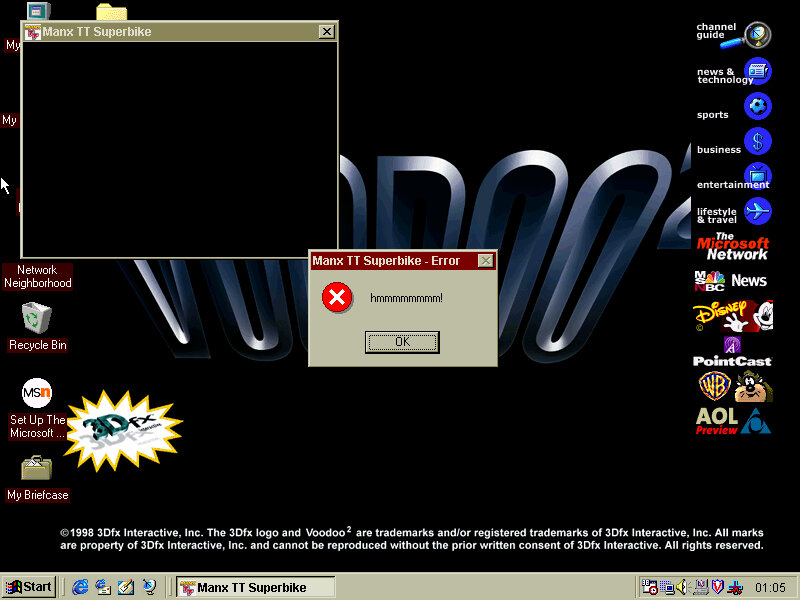
Works well in 86box until I tried it in a Pentium II PC with a Voodoo 2 (S3 Trio video card), where there were a couple of warping polygons and the game would throw up a ‘hmmmmmm’ error message. Whilst it looks like the game crashed, clicking Ok on the message box would restore and return you back to the game. None of this seemed to occur in other VMs I have that used the original Voodoo and AMD K6 combo.

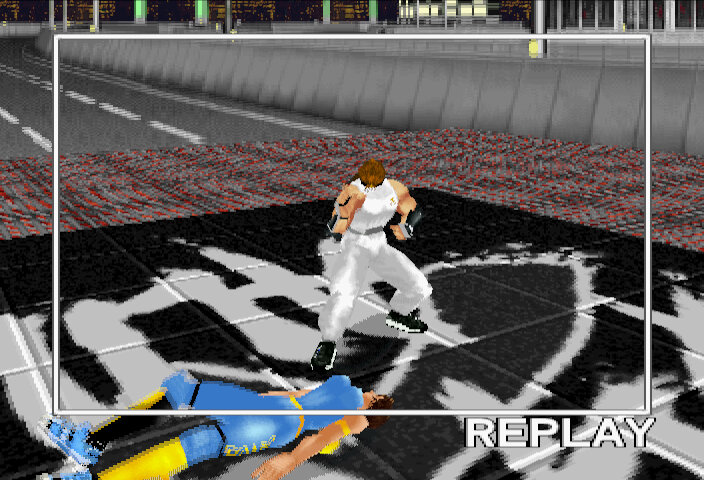
Dead or Alive

Virtua Fighter with bouncing physics

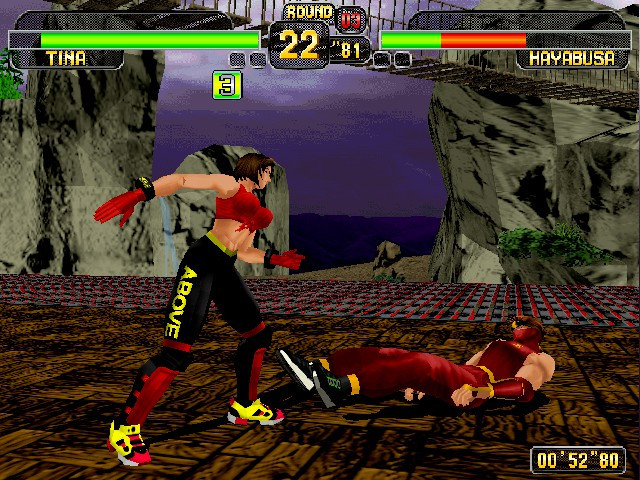
Released in 1996, Dead or alive was the fighting game created by Tomobou Itagaki, who is known for hating the Tekken game with a passion.

There are some similarities to the Virtua Fighter series of games by Sega, and have the same input controls and move-sets with Punch, Kick and Guard/Hold.

Characters

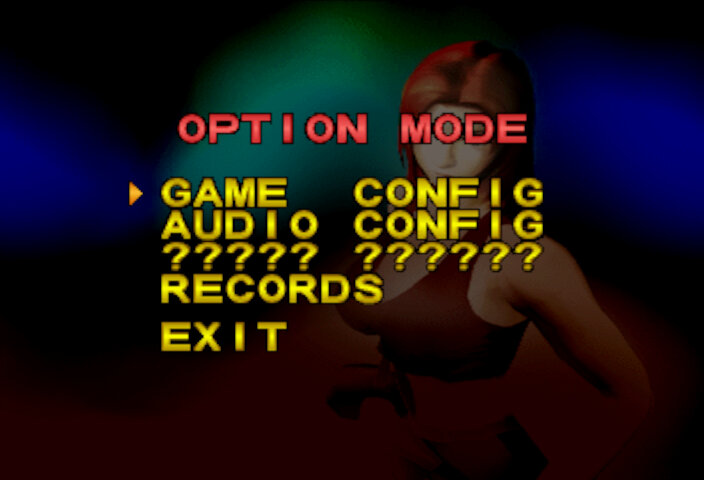
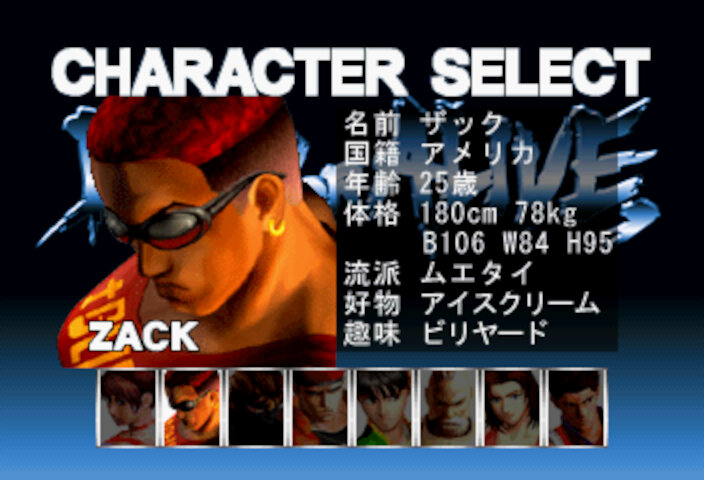
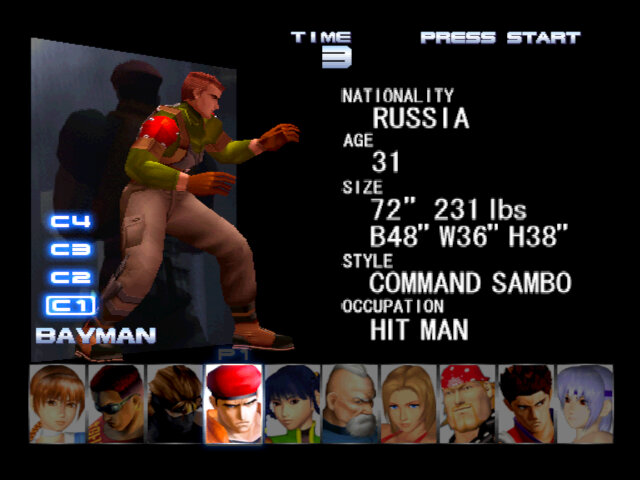
The character select screen displays basic stats on the characters and some not-so-useful information like the character’s favorite food and their hobbies. Honestly, this looks more like a dating site profile but does add a bit of personality to the fighters.

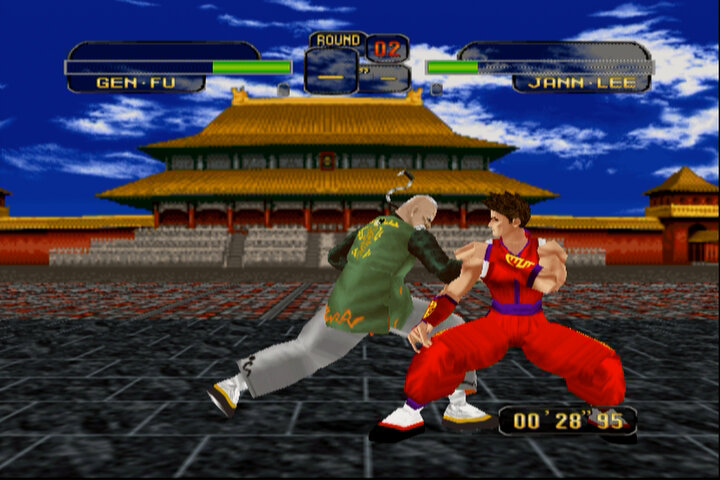
As with other fighting games, each character has their own unique fighting style which is tailored to their culture, and there are some obvious inspirations with Jann Lee being based off Bruce Lee.

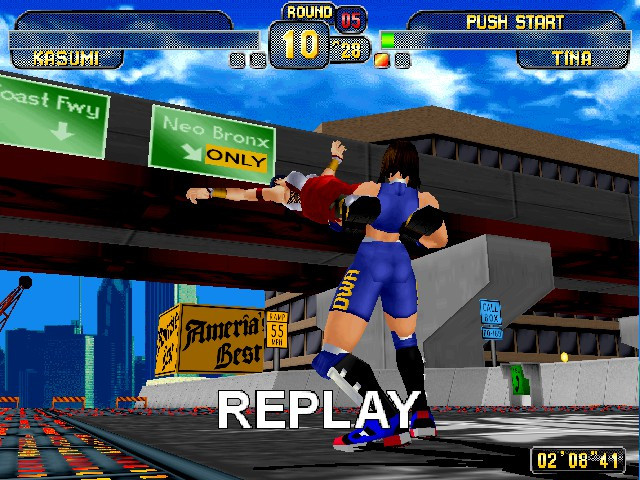
  • Kasumi: The ginger ninja, or runaway shinobi according to the games lore
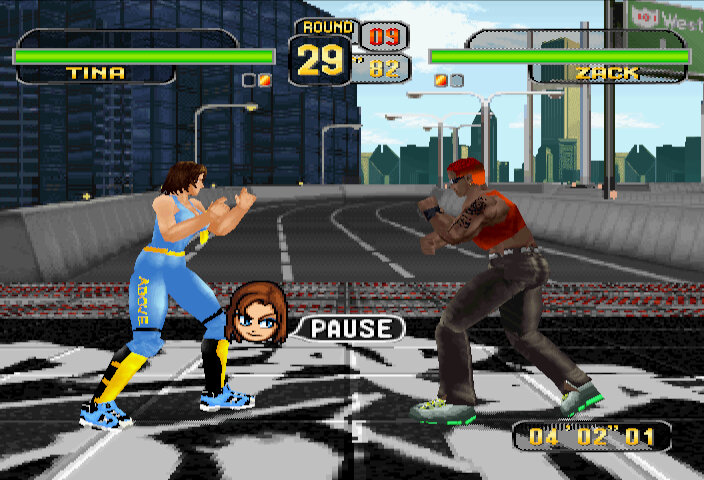
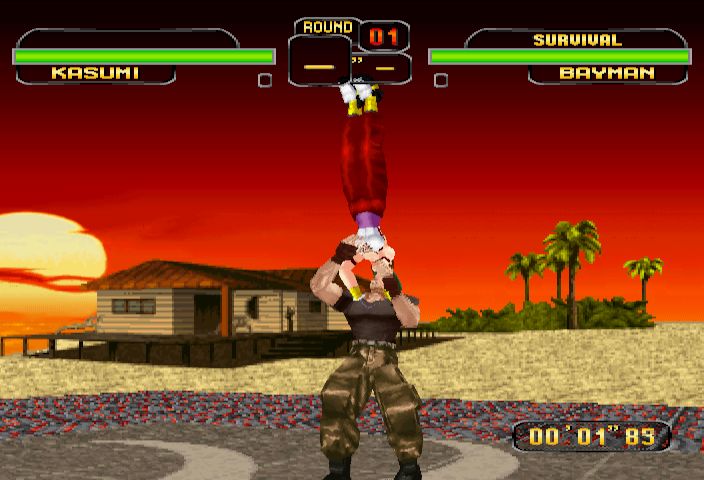
  • Zack: Dennis Rodman-inspired character who has a kickboxer moveset. The first opponent who stage is set on a tropical beach set at sunset
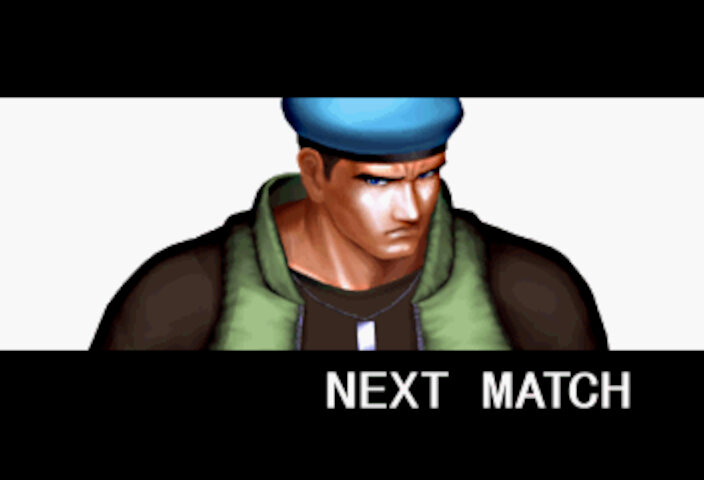
  • Ryu: Another Ninja, from the game Ninja Gaiden. The third opponent set on a rural Japanese stage with a hut in the background
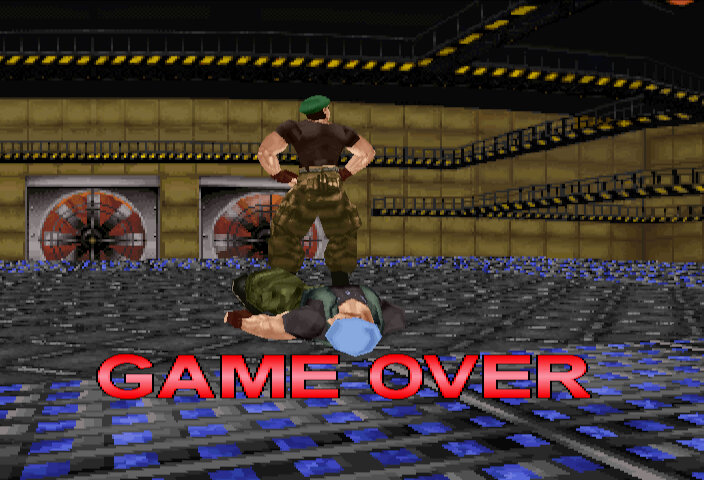
  • Bayman: A Russian henchman/assassin, the sixth opponent whose stage is set in an aircraft hangar since he is supposed to have a military background
  • Jann Lee: Bruce Lee, similar to Law from Tekken. The fourth opponent and shares a stage with Tina, which is an American downtown highway set at night
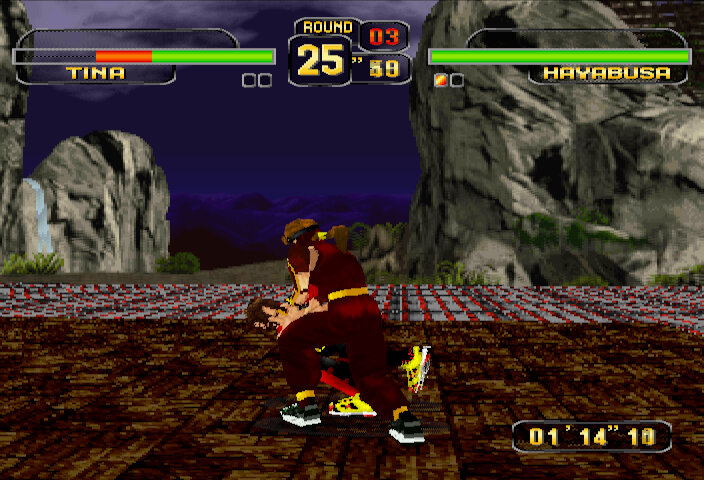
  • Tina Armstrong: A wrestler and daughter of Bass Armstrong
  • Gen Fu: Old dude who is a master in Kung Fu, like Wang from Tekken
  • Lei Fang: A Chinese fortune teller turned fighter
  • PlayStation Only
    • Ayane: Kasumi’s half-sister who are rivals. Looks like a feminist
  • Bass Armstrong: Tina’s father, Hulk Hogan and Randy Savage crossover

Versions

Dead or Alive was released initially in arcades in 1996, and then ported to home consoles in 1997

Arcade (Original)

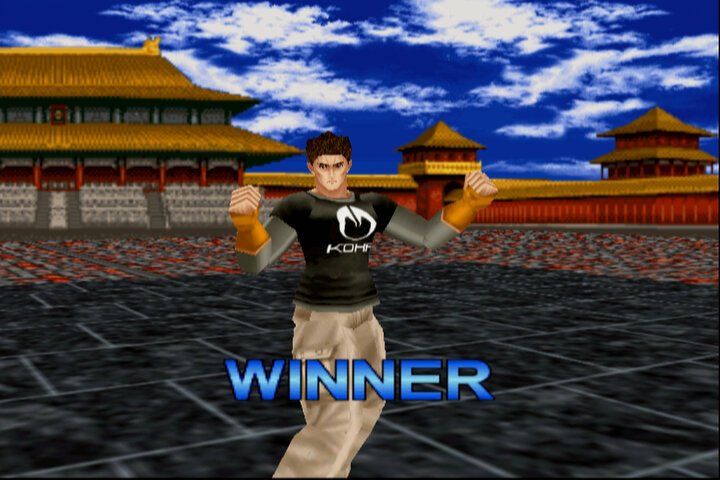
The game runs on the Sega Model 2 arcade board and is very similar to Virtua Fighter 2 which also ran on the same board. The control movesets and even the background stages are similar. This version of the game renders its stage background in full 3D, allowing for certain moves that use the background elements like a couple of Ryu’s moves on his stage. There is also a ‘Danger Zone’ around the stage that when your opponent lands on it, will be propelled into the air with a mild explosion, dealing some damage.

Sega Saturn

The game was ported to the Saturn and was the first home port of the game. This version is a mostly faithful conversion of the arcade original, with some changes taking place due to the less capabilities of the Saturn 3D hardware. Still, the Saturn has always done good with fighting games, and Dead Or Alive is no exception to this, yet this version of the game was only released in Japan.

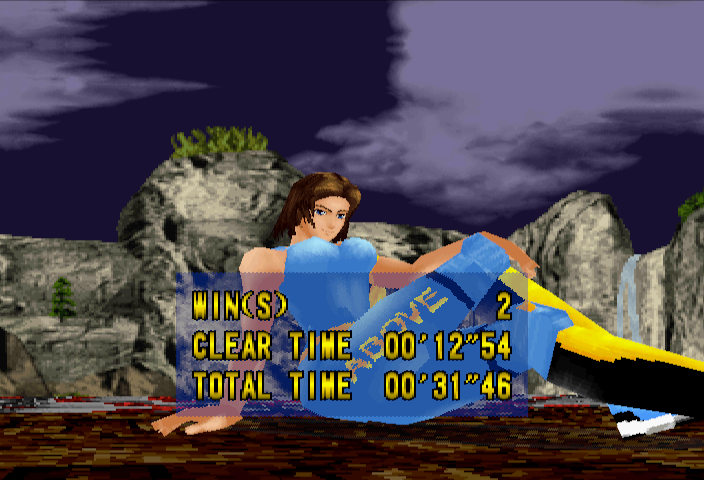
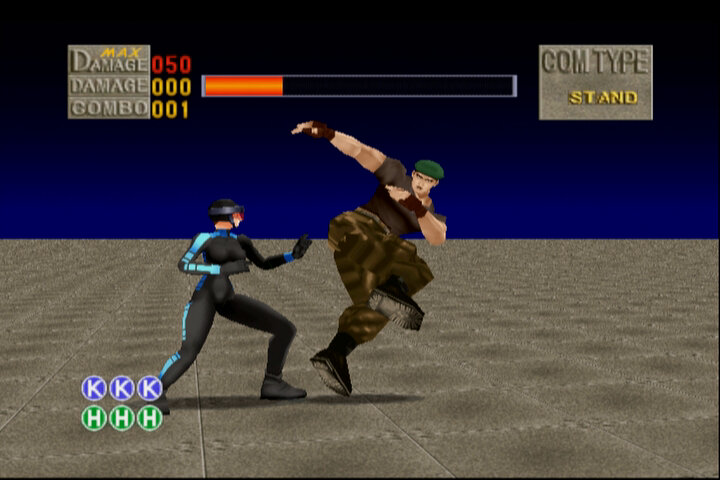
There are a few menu options added, with a Time Attack mode being similar to arcade mode but with the goal of completing rounds in the shortest amount of time. V.S being versus, allowing a second player to fight head to head. Survival mode has you fight against multiple opponents, one at a time, using a single life bar. Kumite is somewhat a sparing mode where you can fight from 30/60/100 opponents which the goal of having the highest winning percentage. Lastly, there is also a standard training mode that lets you practice each character move, and test against opponents’ defensive moves.

Like other Arcade to Saturn conversions, an opening FMV is included which gives a quick montage of the characters.

As the Saturn version of the game was only released in Japan, I would avoid this version and get the original Xbox version instead, which is the same game but with added online play and cleaned-up graphics.

Sony PlayStation

An updated version of the game was released for the PlayStation, which came with updated moves, two new added characters & backgrounds. This is considered a remake of sorts, as the stage background and music have been redesigned and are vastly different compared to the Sega versions. Two new characters have also been added which also feature in the arcade version, Dead or Alive ++, not the Model 2 version.

This version also includes the training, Kumite, Survival and Vs modes.

Arcade (Dead Or Alive++)

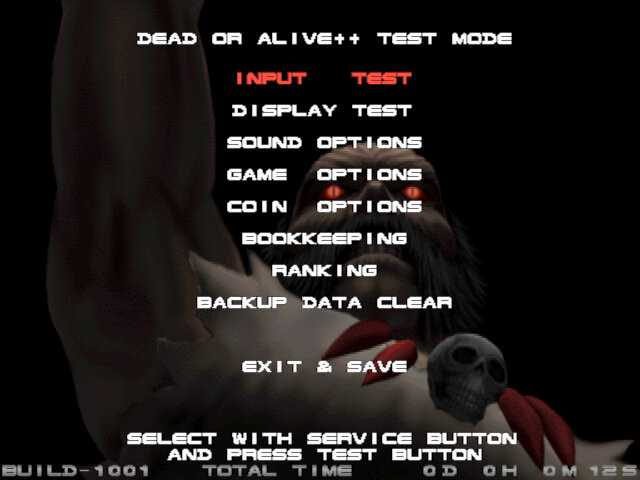
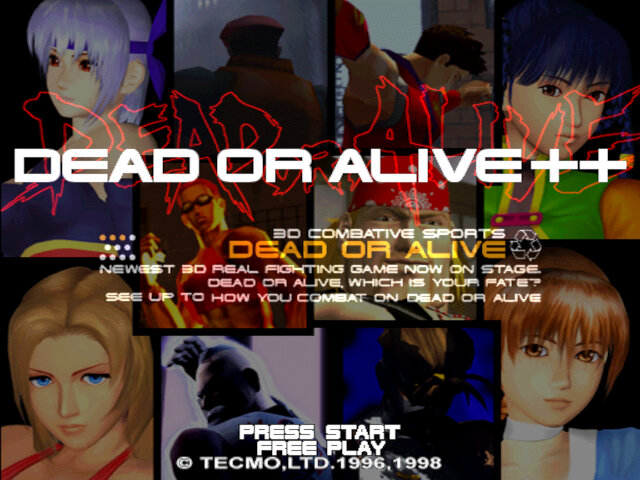
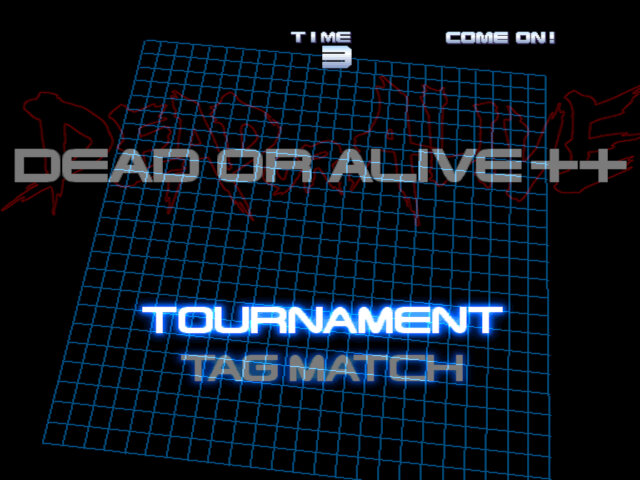
Another arcade version was released, this time on the PlayStation-based ZN arcade board, and shared a lot of similarities with the PlayStation home release. Each fighter has 4 different costumes to choose from, and a tag match mode has been added. New characters, Bass Armstong and Ayane have been added to this version.

Xbox

This version was based of the original Sega Saturn release but takes advantage of the Xbox hardware. However, id say it pales graphically compared to the Model 2 version which features full 3D background objects, whilst the Xbox version features the static 2D backgrounds (no moving objects in the background, but some textures are animated) the Saturn uses. Still the character’s models and textures are more detailed, and Xbox Live support is included in this port of the game to allow online multiplayer. This has since been shut down following Microsoft discontinuing support for original Xbox Live titles in 2010.

Still, you miss out on Bass Armstrong and Ayane which is an odd omission.

This version of the game is playable on the Xbox One and Series consoles and can be brought online. You can also play on the Xbox 360 with a compatible hard drive.

Conclusion

Dead Or Alive came at a very hard time for Tecmo, who was facing bankruptcy prior to the release, hence the name of Dead Or Alive.

Dead Or Alive would be followed up in 1999, with the release of Dead or Alive 2 for the Dreamcast, and the PlayStation 2. It would be the last game released for the arcades. Future installments would be released on the Xbox exclusively, before returning to multiplatform with Dead or Alive 5.

Virtua Cop

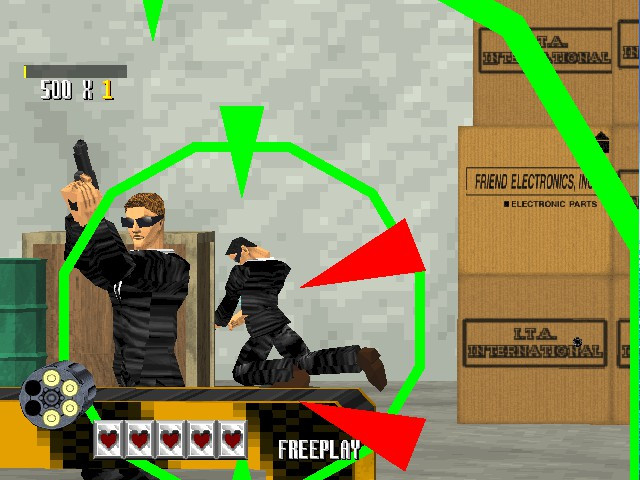
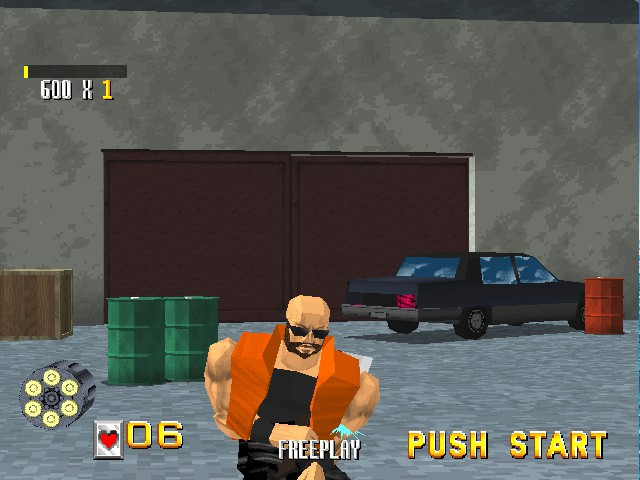
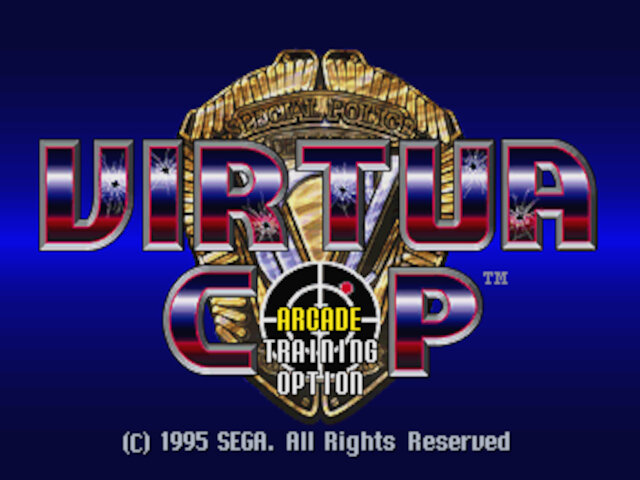
An on-the-rails arcade shooting game, here you only have to worry about aiming and shooting and all the movement is done automatically. There is still a challenge though and fast reflexes are essential to get a good score in Virtua Cop. If you’ve played Time Crisis you will be familiar with the concept, but Sega have implemented different mechanics.

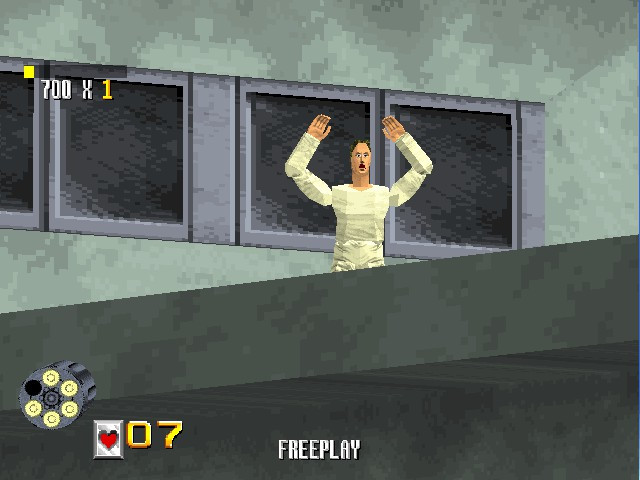
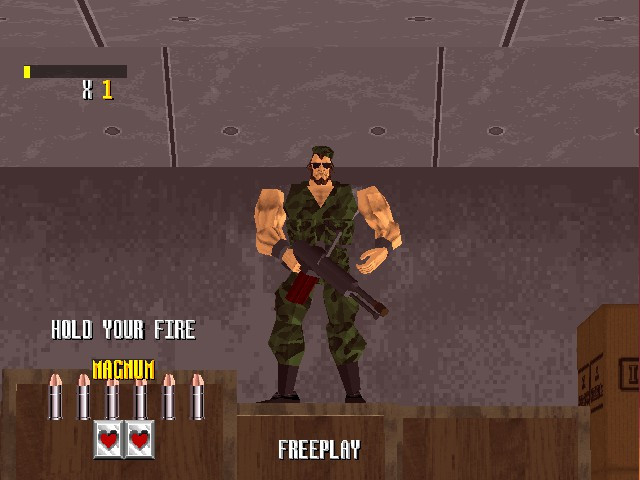
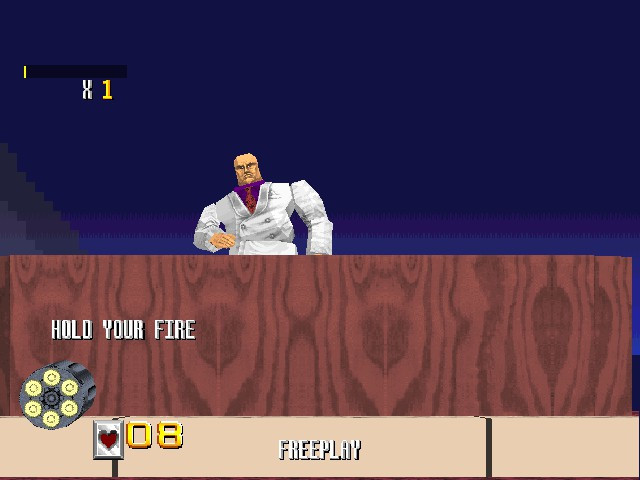
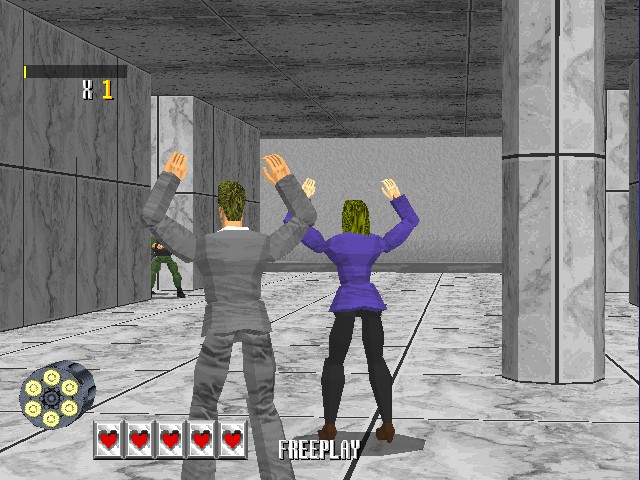
Don’t Shoot! Proceeds to run in front of player

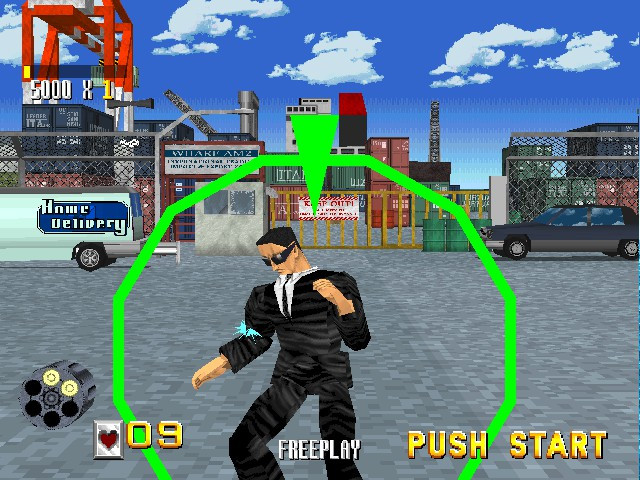
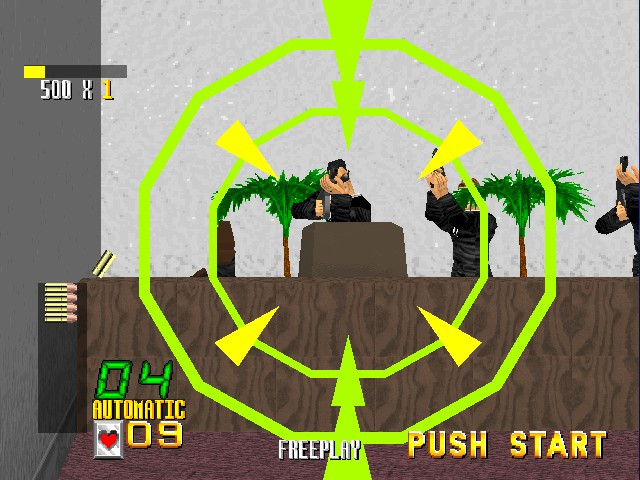
By default you start off with the revolver, which is a standard pistol. Over the course of the game other weapons can be picked up like the shotgun or an automatic, which holds more ammunition and can fire more rounds without being reloaded, but can only be used through one ammo clip.
You will lose the additional weapon if you get shot by an enemy or if you hit a civilian, when this happens you will revert back to the standard revolver.

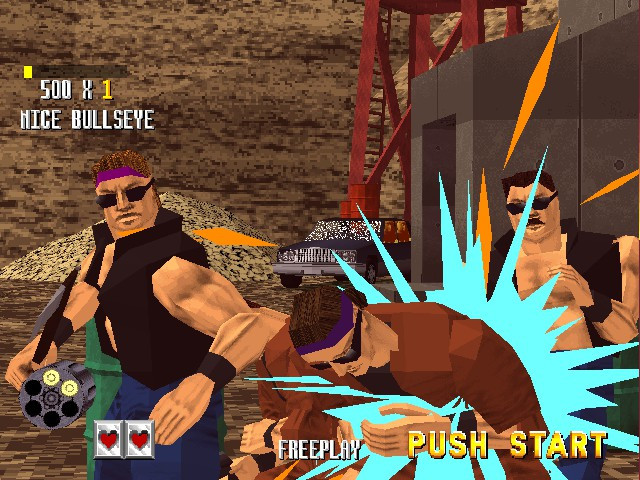
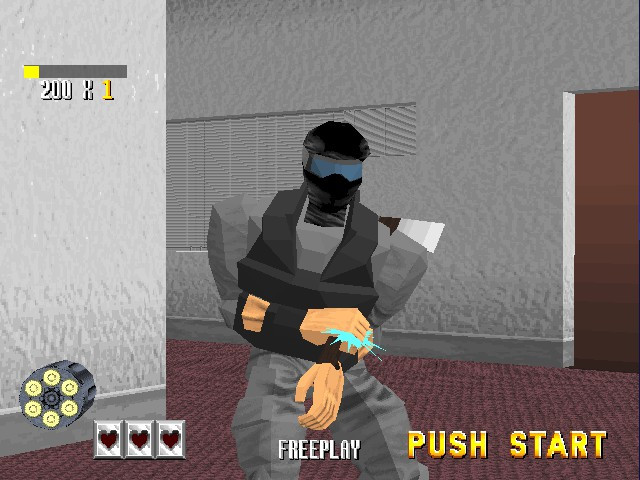
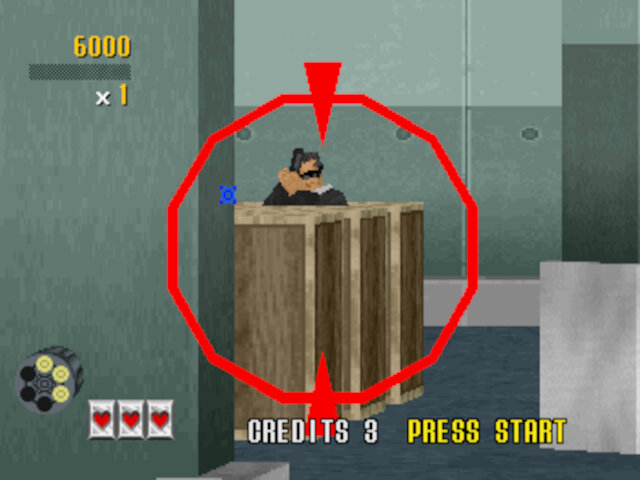
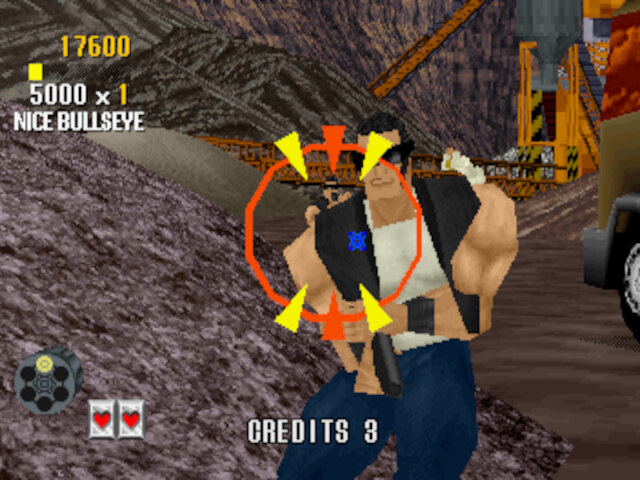
The whole objective of the game is to shoot the bad guys, whilst avoiding the civilians. Shooting a civilian will cause you to lose a life whilst shooting and disarming an enemy gives you a justice shot bonus. You can use the environment to help you, by shooting the red barrels you can create explosions that can take out several enemies.
Occasionally enemies will pop up on the screen and will throw an axe, you will need to shot them before their axe makes contact otherwise you will lose a life. These can take you by surprise, but remain consistent through multiple playthroughs, so over time you can memorise the enemy sequences.
Some enemies will also throw a grenade, you must shoot the grenade before it lands.

Levels:

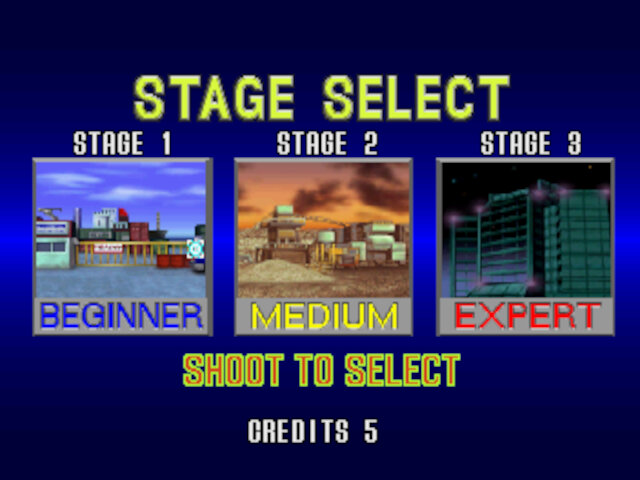
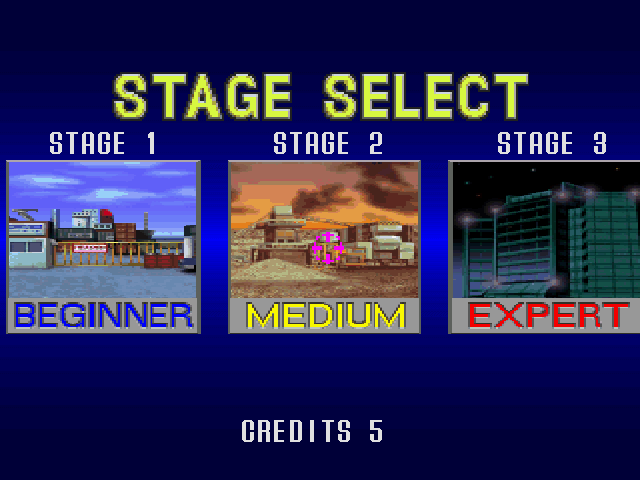
There are three stages in total, at the end of each stage is a boss fight where you will need to shoot both the boss enemy and their projectiles.

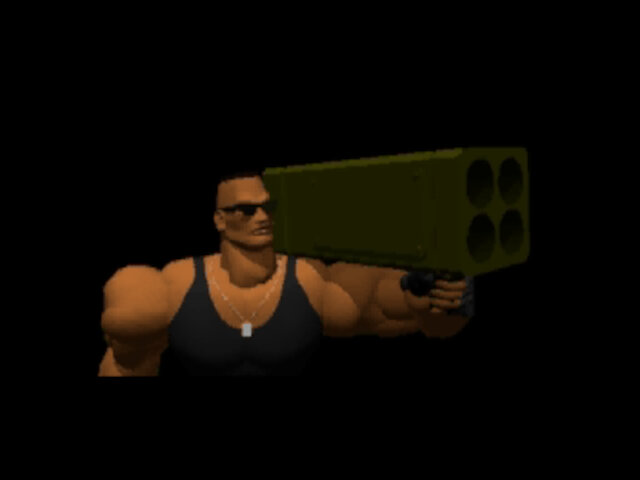
Stage 1: Arms Black Market, Starts off on a shipping yard, where this is suspected criminal activity going on with the illegal import of weapons. The end boss is Kong, who uses a rocket launcher.

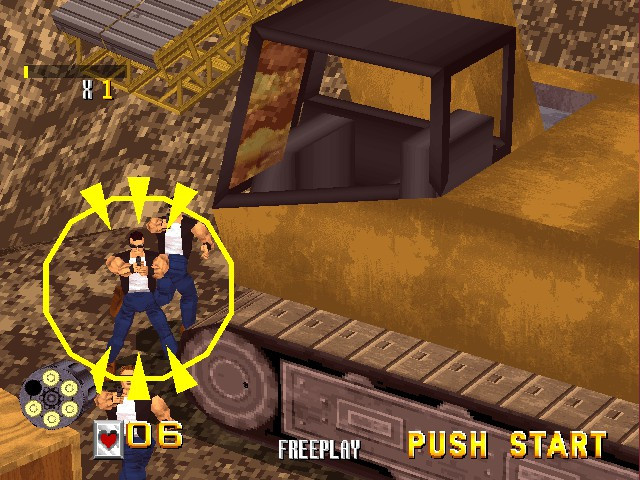
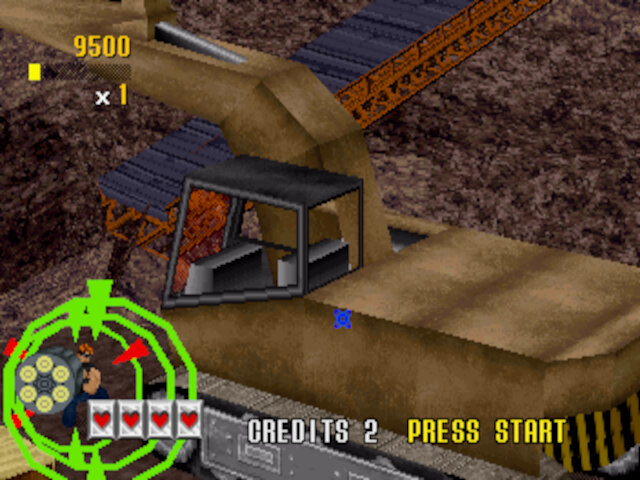
Stage 2: Underground Weapon Storage, Takes place on a construction site. Here the enemies start to become more frequent, with many popping up on screen, and environmental hazards involving vehicles now talking place. End boss here is called King (No, not the one from Tekken), and uses a flame flower that shoots balls of fire.

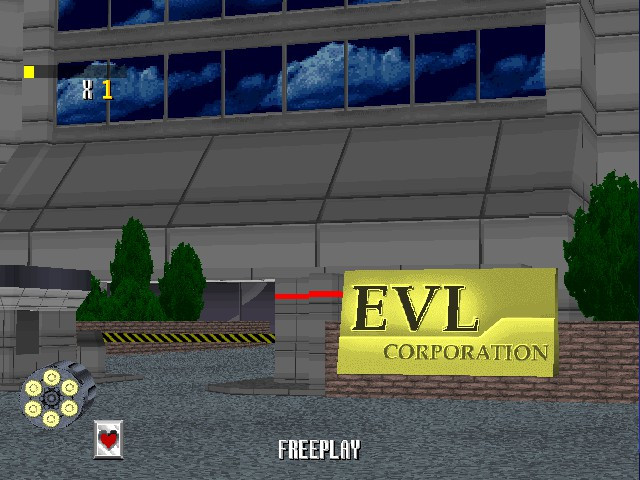
Stage 3: Gang Headquarters, We’re here in the EVL corporation headquarters. You fight shoot your way through the Skyscraper, through the various offices (equipped with Apple Macintosh Quadra 900s, guess we know what computers Sega was using back then). Here the enemies are a lot more quicker to react compared to the previous stages. At the end there are two gang bosses, Boss and Fang. Boss desk transforms into a mecha-suit that fires missiles, whilst Fang is an attack helicopter.

Versions

Arcade

Virtua Cop debuted on the original Model 2 arcade board and was a light gun based game. The player uses the gun to aim at targets to fire and shoot enemies. Reloading is done through aiming the gun away from the screen and shooting.
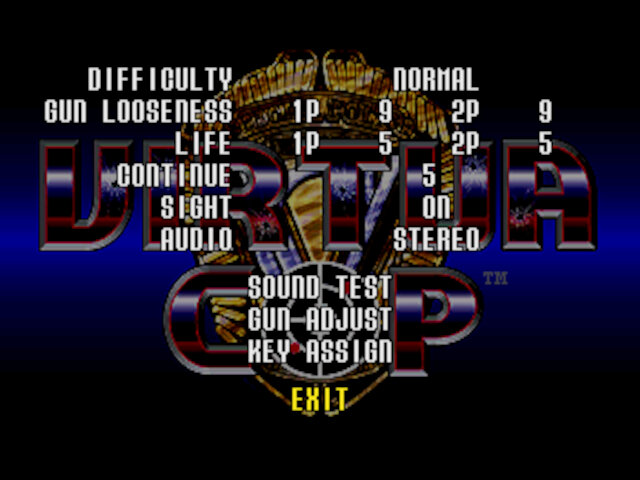
In total there are 3 stages, and can be played in any order. By default you have 5 lives, which can be amended in the games test mode. After all your lives have been lost, you need to insert credit in order to continue, but the game does allow you to pick up where you left off instead of starting from the first level again.

Sega Saturn

Sega ported the game to the Saturn in 1995 and was one of the fist games to be developed using the Saturn Graphics Library, which was intended to make it easier to develop games for the Saturn. Like other Model 2 to Saturn ports, the graphics quality has been reduced in order to adapt to the Saturn’s graphics hardware.
The Saturn does make use of pre rendered FMV for some of the opening sequences, however the arcade opening sequences is rendered in engine, although modified to account for the Saturn’s design.
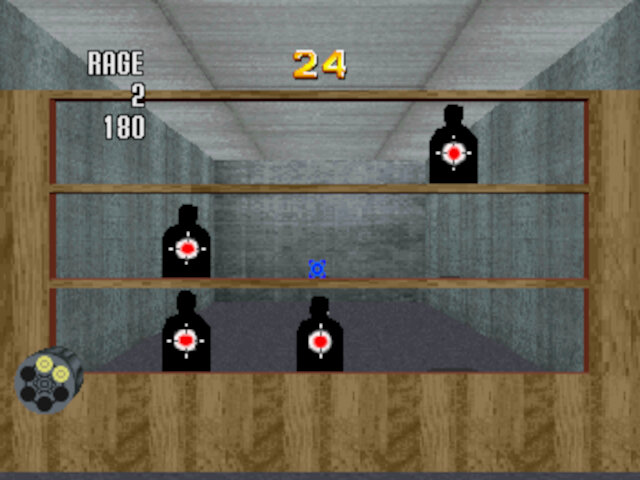
The Saturn compensates for this with the addition of a couple of features like the training mode which helps you get used to the shooting mechanics by shooting a set amount of targets under a time limit. There is also a two player mode that can be access through the training menu.

The Saturn version also makes use of the Virtua Gun which is a light gun that functions only on CRT TV’s or the Saturn mouse.

Windows

Sega also ported the game to Windows in 1996 and makes use of DirectX X
Like the Saturn version it also features a couple of features. However it still lacks the visuals of the arcade, even though some high end systems of the time were capable of Model 2 like graphics. It’s likely Sega assumed most players would be using software rending as opposed to a dedicated 3D card, and designed the game as such rather than targeting high end hardware.

Settings screen in glorious Comic Sans, and when 640×480 was considered high res

The PC port does suffer from a few issue’s in regards to how it is controlled. Navigating the menus is a pain, as you have to use the keyboard arrow keys and the enter key to select, the mouse cannot be used at all. Seems like the game was designed to be used mostly with the gamepad. The mouse can be used to aim and shoot, with reloading being done by double clicking the right mouse button quickly.

In terms of support the game was meant to be used for Windows 95, but will also work with Windows 98. No support for NT (Not tested yet). The game makes use of DirectX 2 for its 3D API. There is also support for the Nvidia NV1 accelerator, which Sega’s early 3D PC titles had support for, this also makes use of a special executable that runs on that graphics card only. No modern API wrapper for that card exists, and many emulators (PCem/86Box/QEMU) have no support for this unique card.

As with all CD-ROM based games from this era, this makes use of CD Audio for the games background music. In order for this to play back you must have the game in a BIN/CUE format since this preserves the audio subchannel data. PCem and 86Box do support this form of audio when mounting those images directly into the emulator, providing the correct image format is used. On an actual system an IDE hard drive with the CD Audio header must be connected to the CD Audio port on the soundcard, otherwise the music will not play, modern SATA drives and onboard soundcards will likely lack this interface.

Last Bronx

Another Sega fighting game, but with weapons

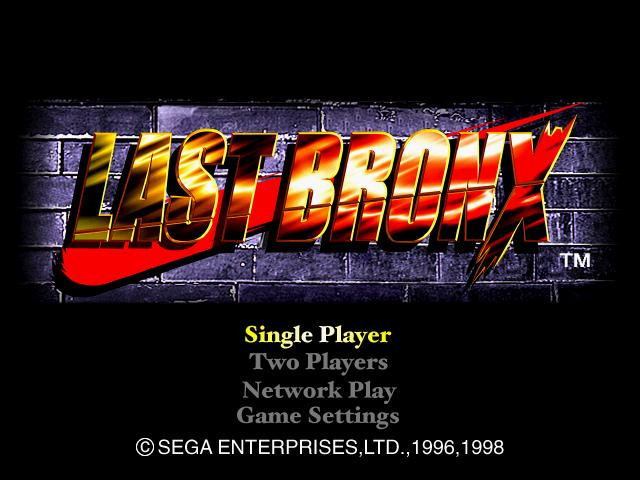
Title Screen

Set in Japan (But from the title you would assume Brooklyn, new York) the game features actual real life locations set in Japan. It was the first Sega fighting game to use motion capture footage giving the character detailed and accurate move sets compared to Virtua Fighter.

The fights typically take place in the evening or night, and most of the stages have a dark urban tone to them in contract to Virtual Fighter 2 where most stages take place in the daytime since its meant to be based on a worldwide tournament, Last Bronx has a more underground fight club like feel to it.

Stages

All characters have their own stage, but when you select their characters their personal stage is skipped until the end, where you will face Red Eye on that characters stage

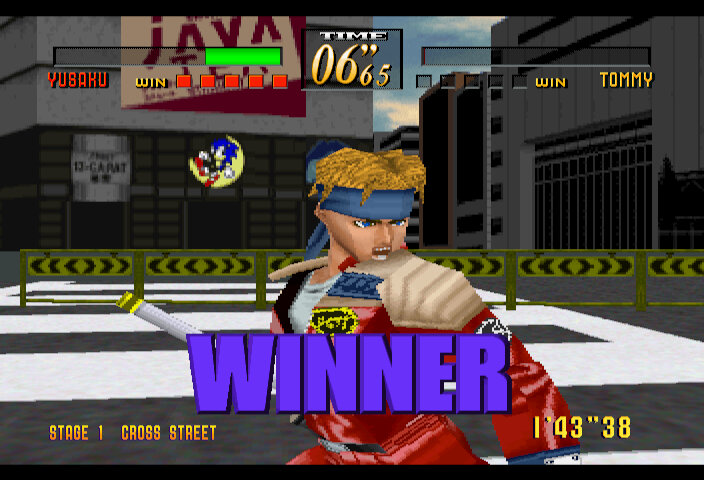
Cross Street: which is complete with advertising billboards and may be based off the Tokyo/Shibuya crossing. This is the first stage for all characters, unless you choose Tommy then Tears Bridge will be the first

Tears Bridge: is set near a warehouse / cargo park near a large bridge, hence the name. At this point the game is set in the evening, and most stages thereafter have a night time ambiance to them.

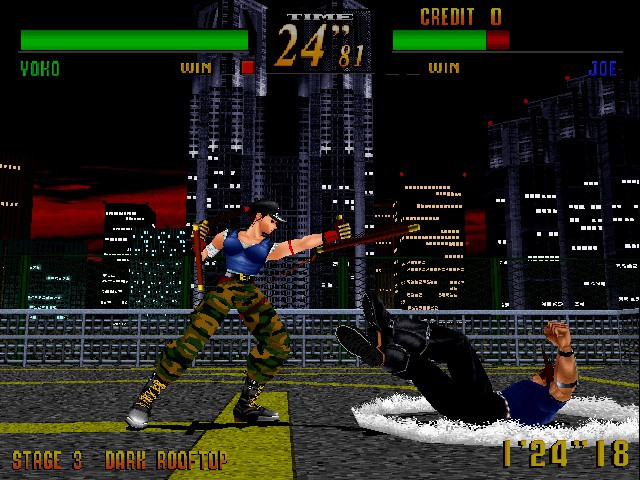
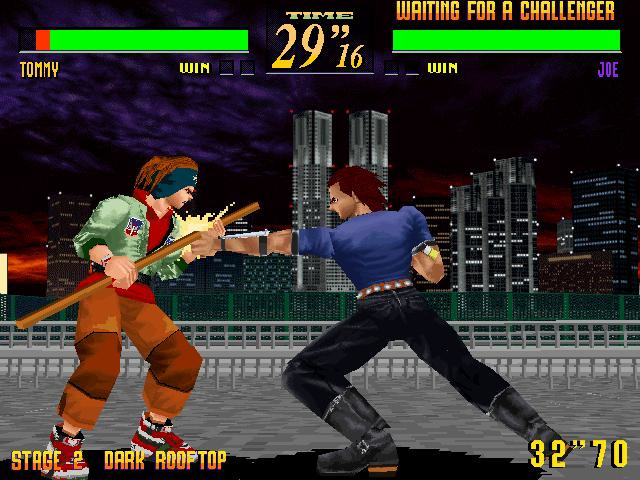
Dark Rooftop: reminds me a lot of Lei Wulong’s stage in Tekken 2, as its set on top of a skyscraper helicopter pad, with many building in the background. From the sky it looks like its set in the evening sunset, but Tears bridge gives the impression it is already night time, assuming the game is intended to simulate nightfall.

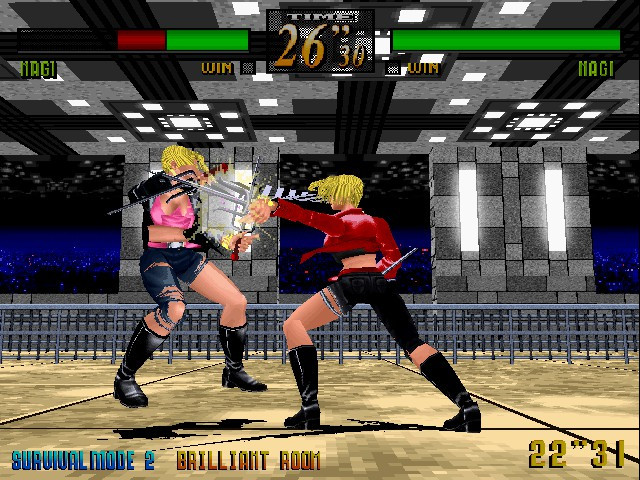
Saturn Version of the brilliant room stage

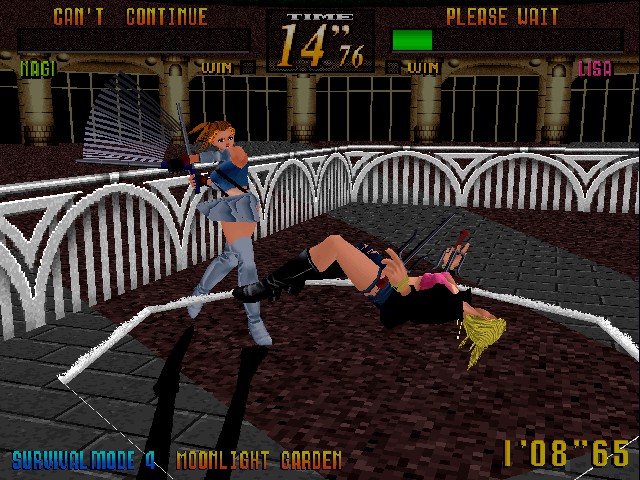
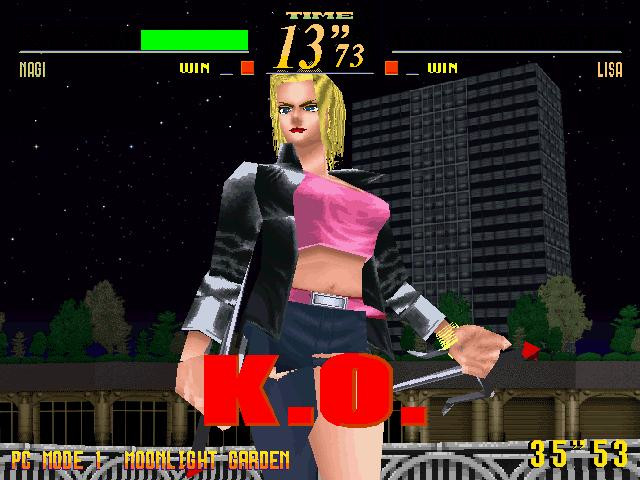
Moonlight Garden: A nice stage which is a departure from the industrial urban settings, this appears to be set on a garden or a large park and is a nice departure form the other stages

Lust Subway: Which is your typical Japanese underground subway, complete with display monitors. Thankfully this isn’t set at rush hour. This will be Yoko’s stage

Nightmare Island: Set on a construction or a building site, despite the name insisting its an island, you will fight Zaimoku on this stage.

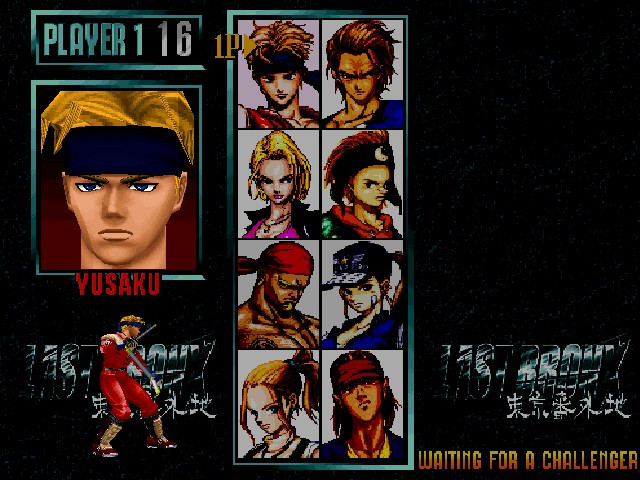
Naked Airport: Set on an airport runway and reminds me of the Shooting Hoops track from Ridge Racer Type 4 This is Yusaku’s stage

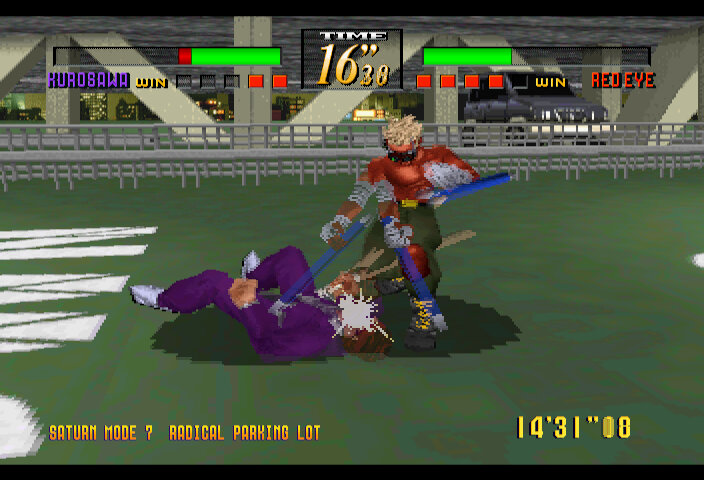
Radical Parking Lot: Kurosawa’s stage, not much to say here except its set on a moderately used parking lot.

Brilliant Room: Hidden and only available if you beat Red Eye with the lowest time

Lust Subway from the Model 2
A common occourance – Saturn Version
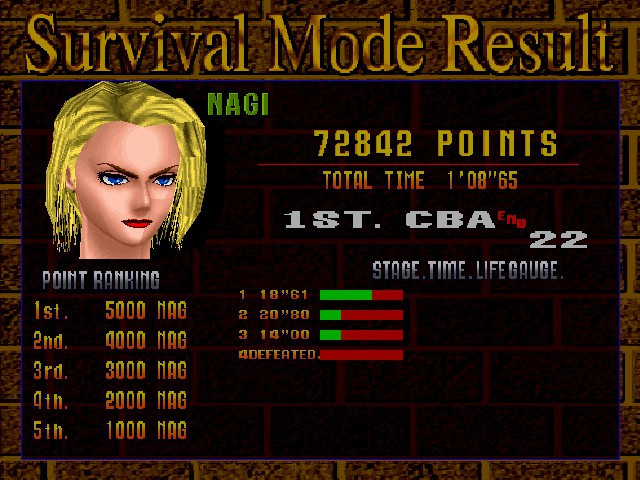
Survival Mode Results

Modes

Arcade: The main game mode, you choose a character and progress through 8 stages, with a bonus 9th stage if you complete the game with a new time record.

Saturn/PC mode: Similar to arcade player but features a story mode complete with cut scenes, and opponents are chosen at random

Team Battle: Pick multiple fighters who will battle

Survival Mode: You only have one life, and the health bar carries over to the next round. Objective here is to last the longest

Training Mode: A basic training mode that show the different fighting moves across the roster

Network Play: On the PC version, allows two players to play over a LAN

Character Select

There is also an extra mode in the Saturn/PC version that allows you to view unlocked FMVs

Versions

Arcade

The game was released on the Sega Model 2 arcade board, and was designed to be an upgrade for Virtua Fighter 2. This version has the best graphics, and it makes full use of the Model 2 graphics hardware which was more powerful than the Sega Saturn or common Windows PC’s of the time, in terms of 3D performance. However this version lacks FMV endings. It should be noted that the AI in this version is difficult to beat, since it was intended for the player to use multiple credits within a single play-through, you’d be surprised at how hard it is to beat on a single credit, despite using the easy settings in the games config.

This version of the game is fully playable in the Nebula Model 2 emulator, but is still unplayable in MAME as of 2021.

Most of the other screenshots captured are from the arcade version, except where noted.

Sega Saturn

Introduced a Saturn Mode which is similar to arcade mode but the opponents are randomized. This has a few changes compared to the arcade version, with the 3D background options being exchanged for sprite based background which are handled flawlessly by the Saturn’s VDP2. You will mostly notice the effect when the charicters move to an extent where the camera has to pan to follow the player. FMV videos are also present in the Saturn mode. Although they are in Japaneese, English subtitles are provided.

Most Saturn emulators will play this game, being a 3D titles it will play slowly on less powerful hardware. The Nvidia Shield struggles to play at full speed using the Yaba SanShiro emulator, and the FMV videos pixilate whilst playing. Mednafen Saturn will work the best

Microsoft Windows

A Windows PC port was released in 1998 and is very similar to the Sega Saturn version, and makes use of DirectX. Saturn game mode is renamed to PC Mode but remains the same with random opponents. The PC version supports higher resolutions then the Saturn version, and retains most graphical effects but lacks the texture quality and geometry of the arcade version.

Like most PC titles that were released in the 90s, the game is reliant on using analogue CD audio, which can cause problems on modern systems that use SATA or IDE CD drives without the CD audio line being connected. The reason is that from Windows 2000/ME on wards, Microsoft introduced digital audio for CD decoding, where audio is sent via the IDE cable itself rather then than the CD audio line. There’s no easy workaround unless you play the game in Pcem or 86box, otherwise the game will play but with no background audio or music.

I’ve not tested the game on modern Windows NT based release, but can confirm the game to be playablle using PCem or 86Box using any Windows 9x based operating system with a 3DFX or S3 based accellerator.

Daytona USA

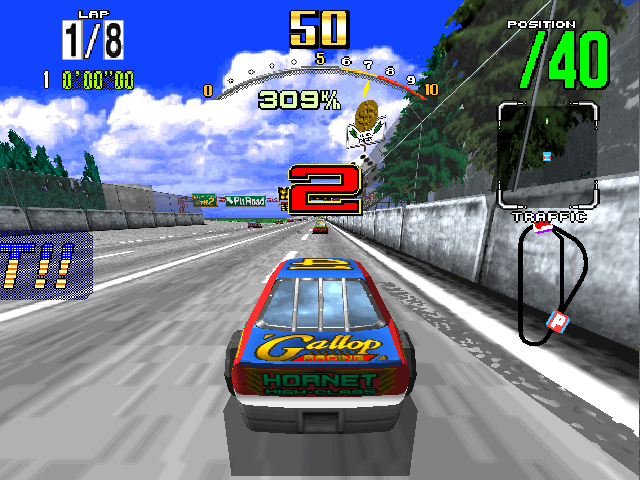
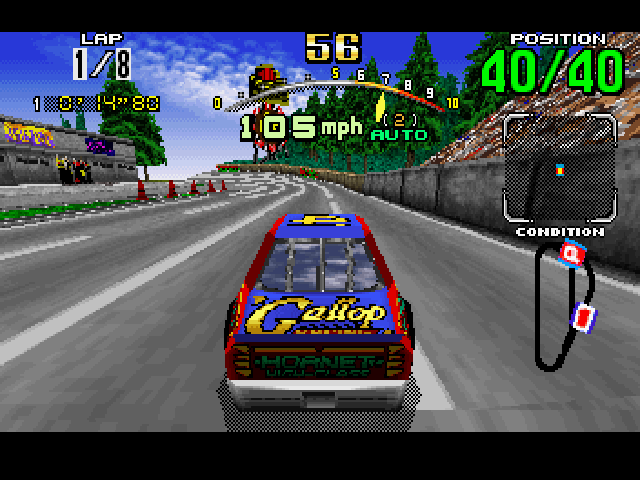
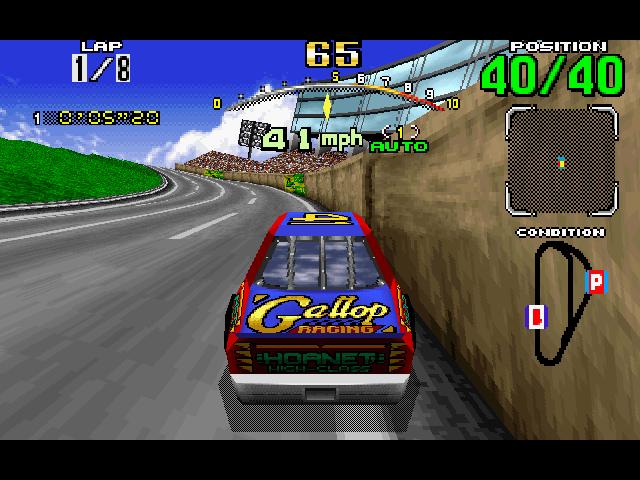
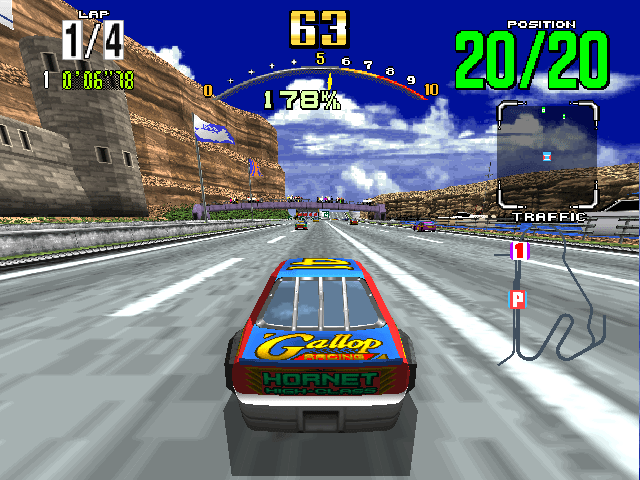
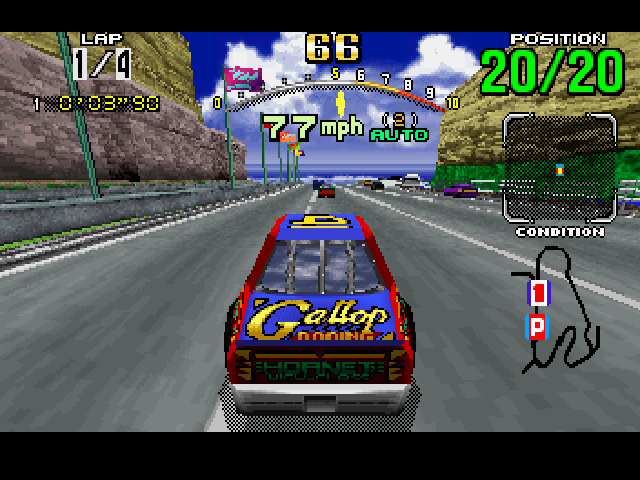
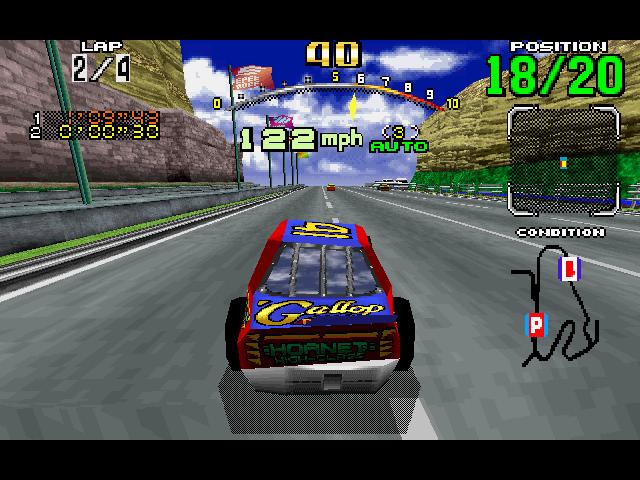
Sega’s hit racing game and part of the new generation of 3D arcade titles. Here we are introduced to texture mapped polygons, an upgrade from the flat shaded graphics from Virtua Racing. Daytona would be in prime competition with Ridge Racer, which was released by Namco.

Tracks

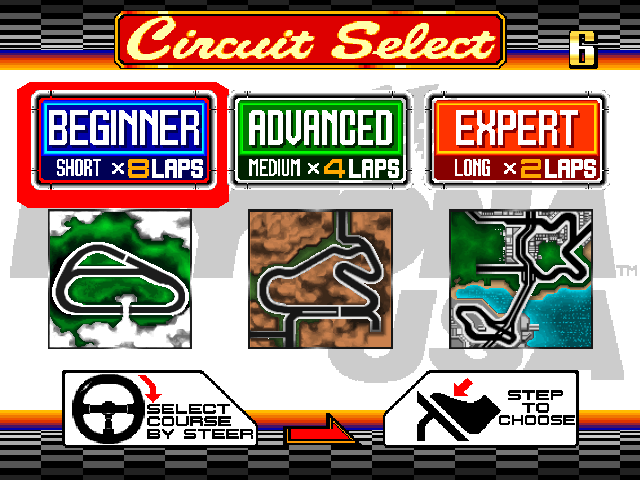
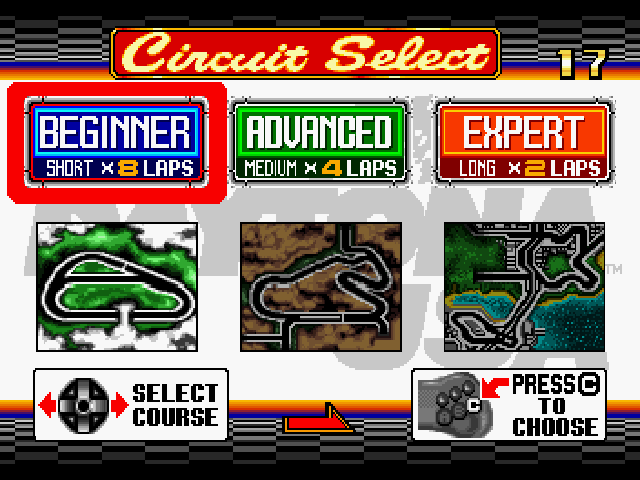
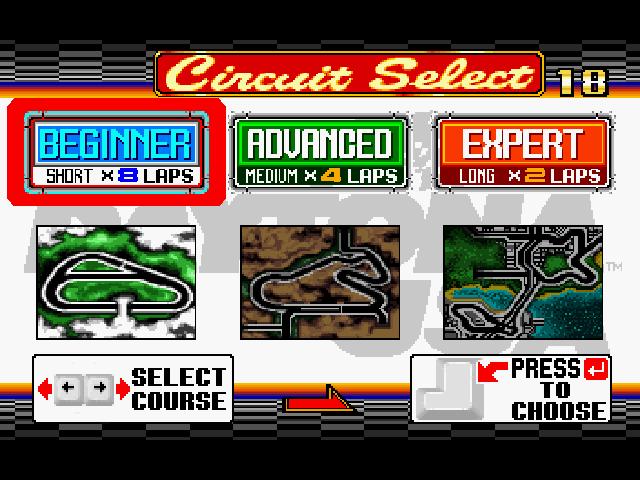
Beginner: A simple track but has 40 opponent cars, this track can get crowded in places. The only track on the game that begins with a rolling start and features a pit in area. There are 8 laps to race in total, but this can be extended to 20 or 40 with the Grand prix or endurance modes.

Advanced: A regaular track but has a couple of sharp turns. ‘Lets Go Away’ is the song that plays for this track, which a portion also plays during the games attract mode. Theres a few hidden messages in this track that appears in the grass during the race.

Expert: The hardest track with frequent sharp turns and a couple of obstickles in the track, Thankfully these don’t affect your cars speed and are mostly for visual effect. Powersldiing is reccomended to get the best lap times.

The tracks would be renamed in later releases after further tracks would be added.

Modes:

These can be set in the options menu (Test mode on the arcade release)

Standard: The default option with 8 laps for the beginner track, 4 for the advanced and two for expert

Grand Prix: Addidtional laps are added which expands the game’s length, with 20 laps for the beginner, 10 for advanced and 5 for the expert. With these laps you will want to use the pit stop to replace the cars tyers.

Endurance: 80 laps for beginner mode, 40 for advanced and 20 for expert mode.

There is also a time attack mode which can be accessed by holding down the 1P Start button on the arcade version whilst choosing transmission.

Releases

Arcade

Where it all started, running on Sega’s Model 2 hardware. This was initially released in 1993, and a updated version came out in 1994 to promote the Sega Saturn version. This version also amended the HUD elements slightly. 3 tracks are present in this version and lcoal multiplayer is avalible by linking the arcade machines together. This version of the game runs at a constant 57fps and a higher resolutiob compared to the Saturn, but lower then the PC version.

Can be emulated using the Nebula Model 2 emulator, or recently MAME. However the Model 2 core is still under development and there has been some improvements to the MAME core.

Daytona USA Arcade had three releases, all of which run on the original Model 2

  • 1993 release that was exclusive to Japan
  • 1994 release that was worldwide that amended the on screen counter display
  • Sega Saturn update that added adverts for the console, for before and after the consoles release (Changeable in the games test mode the Model 2 had no RTC clock)
  • There were a couple of unofficial modifications that were done by a few third party programmers that added RPG like elements to the game, known as GTX edition and To the Maxx

The game was only compatible with the original Model 2 board.

Sega Saturn

The first version that was ported for the home market, this was a rushed port due to wanting to be a Saturn launch title and the difficultly of the Saturn’s hardware for the developers. Also, its no secret that 3D wasn’t the Saturn’s strong point, being built primarily as a 2D sprite scaling system, and Daytona USA being designed for the 3D model 2 arcade board. The music is altered in this version, taking advantage of the red-book CD audio.

There are two game modes, an arcade mode which plays the same as the arcade original, and a Saturn mode which gives the option of selecting a car. Mirror tracks are also selectable for all tracks in the game and a 60 lap endurance mode. This version has no support for multiplayer.

Sega would later release a revised version for the Sega Saturn that corrected a couple of issues that the original port recieved.

Windows

Very similar to the Saturn version, the game is designed to run on Windows 95 but features little graphics acceleration, rending entirely in software mode (on the CPU). The game uses DirectX 2 which limits it to Windows 95, although it will work on later Windows 9x releases, things start to break on more modern systems.

This release is not recommended since a better version was released a few years later, and the limited resolution and graphics settings this game offers. There’s also black bars at the top and bottom which makes it feel like I’m playing an ported PAL game, either that or they thought Daytona PC needed to be cinematic?

Comparison

Arcade version is running in the Nebula Model 2 emulator with default settings, Saturn is running the NTSC build in Retroarch Beetle Saturn, Windows is running in a PCem virtual machine running Windows Me.

Arcade

Saturn

Windows

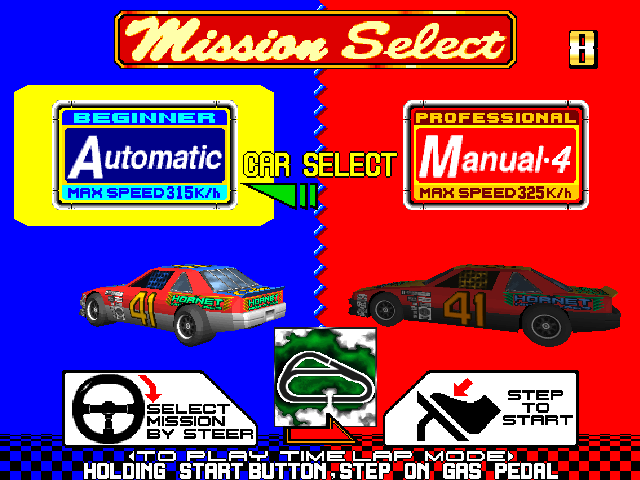
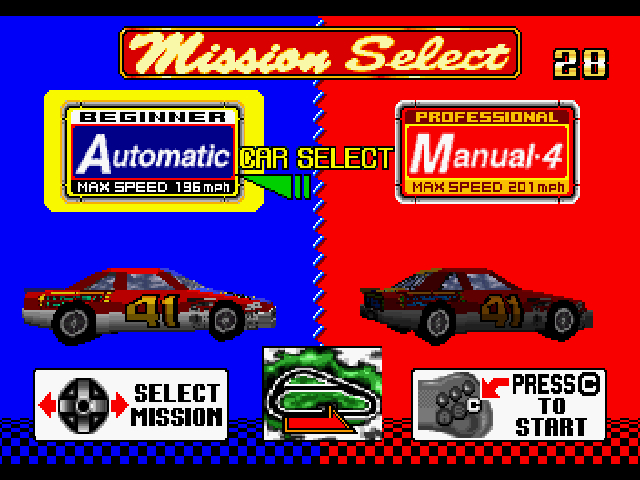
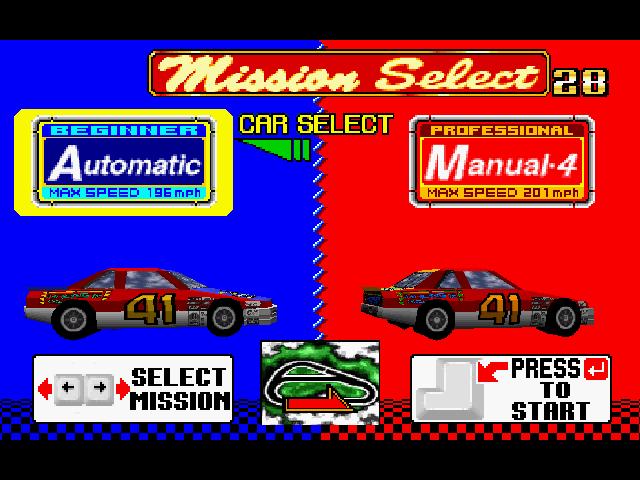
The home versions remain very faithful to the arcade original when it comes to the menu layout

Car transmission selection

Saturn version has the worst draw distance, to the extent that some background elements don’t appear fully and look like they are floating

Only major difference being the lap time dispay, with other HUD elements remaining consistant.

Conclusion

Daytona USA would go on to become very popular in the arcades thanks to the pioneering 3D graphics technology, despite the high price of the Model 2 hardware. The home ports were not greatly recieved, with the Saturn port having a negative reception in comparision to Ridge Racer, which was also ported from the arcade to the Playstation and was considered a bettrer adaption.

Sega would later release newer home versions of Daytona USA, being the Champtionship edition which helps fix the issues of the initil Saturn port and was ported to the PC shortly after. It was released again for the Sega Dreamcast in 2001 with slightly remastered graphics.

In the arcades, Sega would follow up with Daytona USA 2, being a showcase for the Model 3 platform.

WipEout

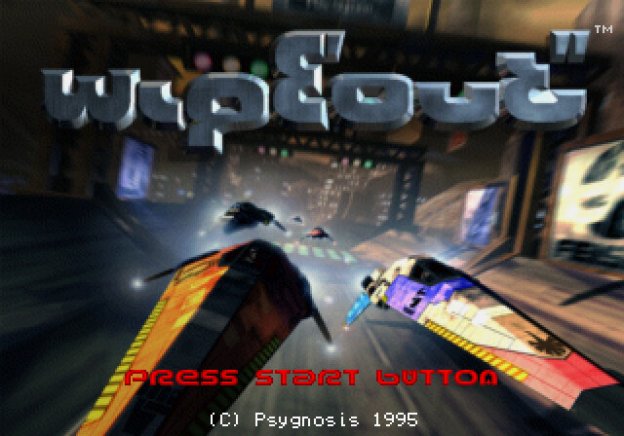
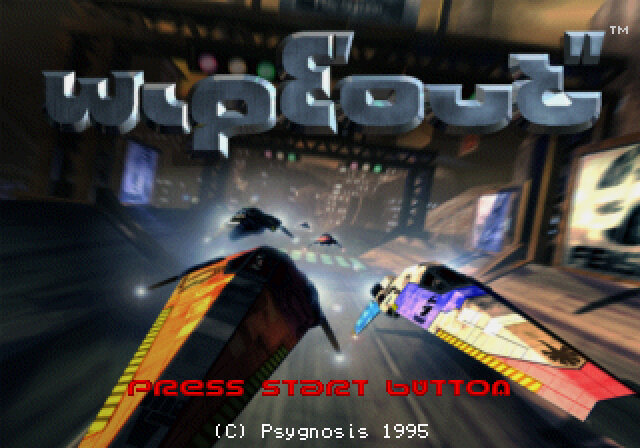
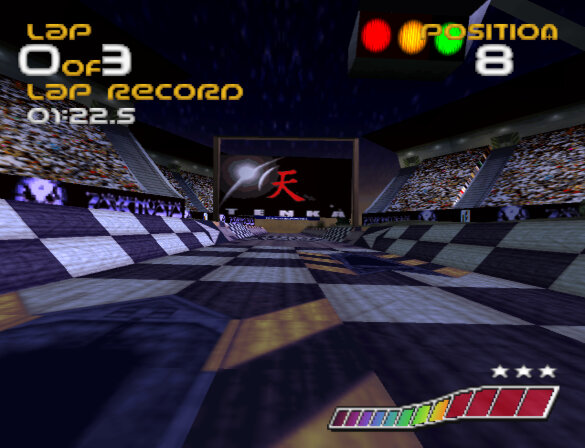
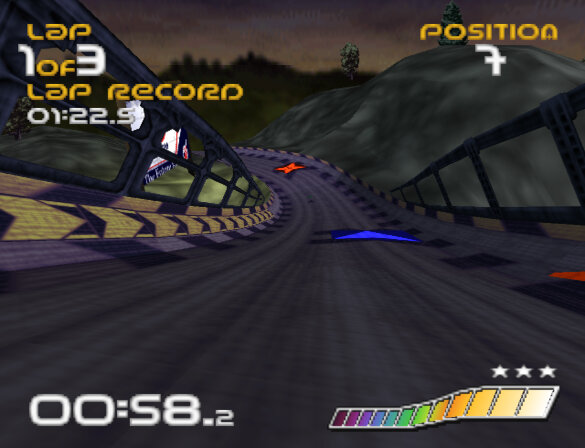
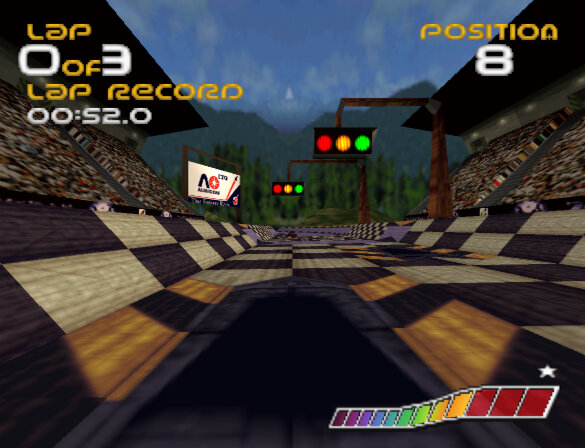
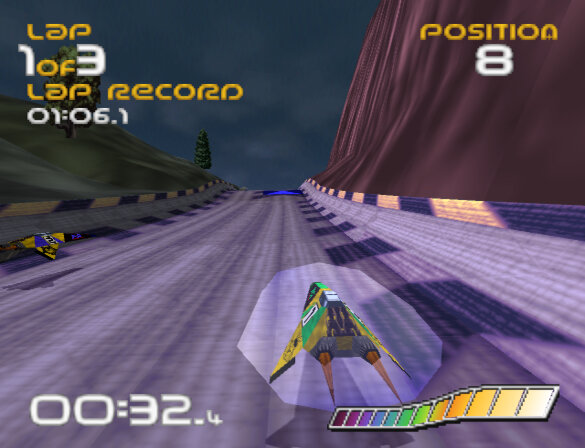
A futuristic racing game released in 1995 for various platforms.

In Wipeout your mostly battling against the track itself, rather than the rival ships, and at fast speeds the game can become a challenge, requiring quick reflexes. Thankfully it comes with a banging soundtrack, something which is a staple of the Wipeout series of games.

2 Player mode exists for the console versions, but its one of those games that needs a serial cable, two PlayStation or two Saturn’s, TV’s and copies of each game.

PlayStation

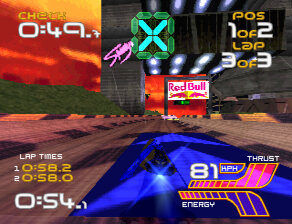
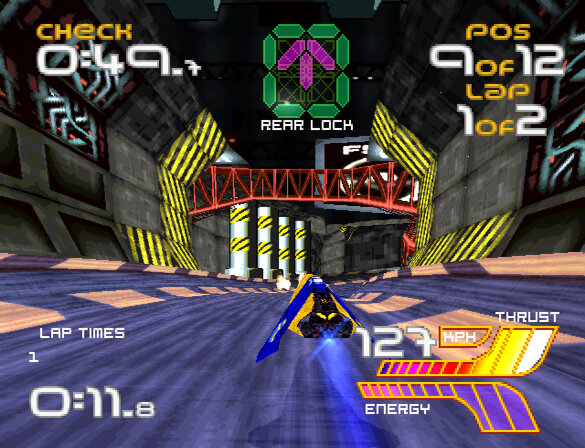
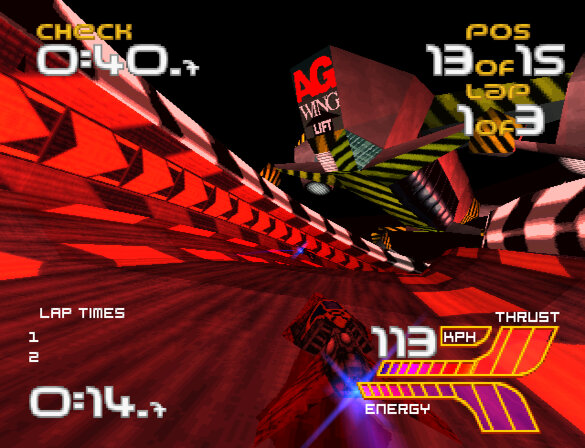
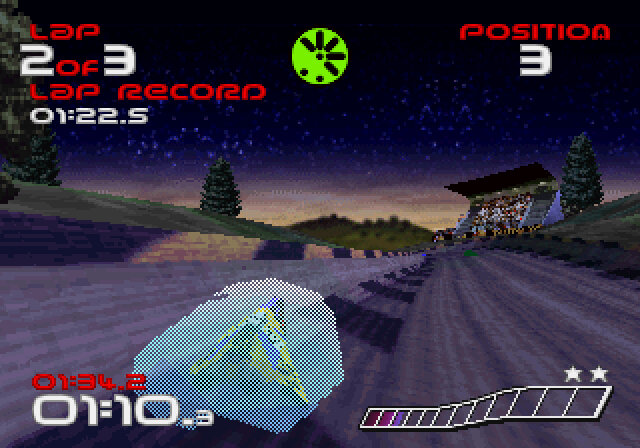
Probably the best version, since it has all the graphical effects, and the sound effects when you enter a tunnel. Can also be played on the PlayStation 3 and PSP as part of the PS Classics. Only issue with this port is the low resolution and the pop-in textures on the track, poor draw distance. As a bonus the game supports the use of a NeGcon controller, allowing for an analogue control, useful for turning and for the airbreaks.

On modern emulators you can sort of re-create the PC effects such as higher resolution and texture filtering, but you are still stuck at 30fps. Overclocking the CPU results in the game running too fast.

Duckstation: Enhanced

The game clears up rather well compared to how it originally looked

Sega Saturn

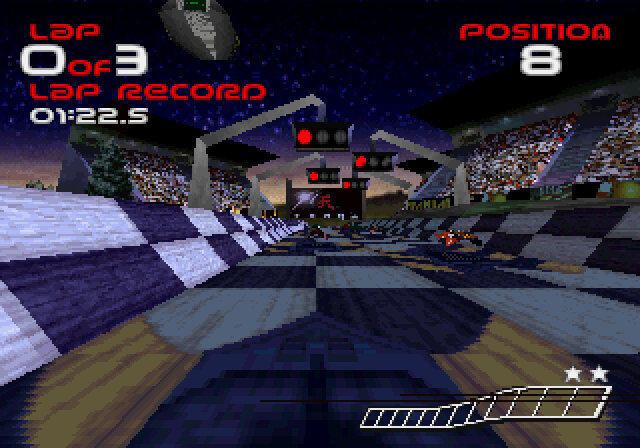
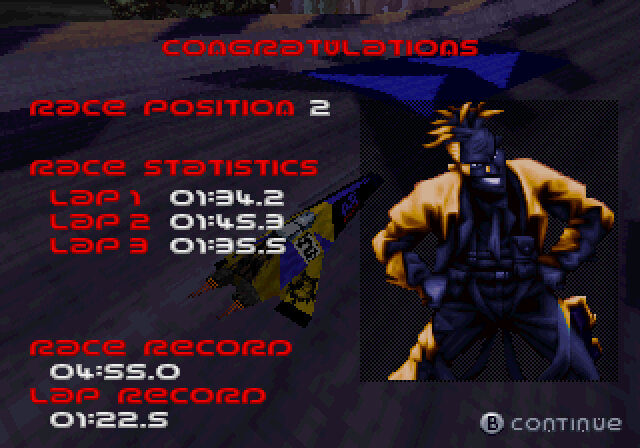
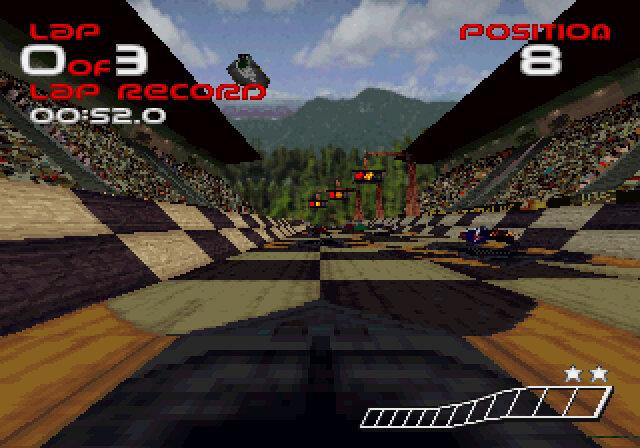
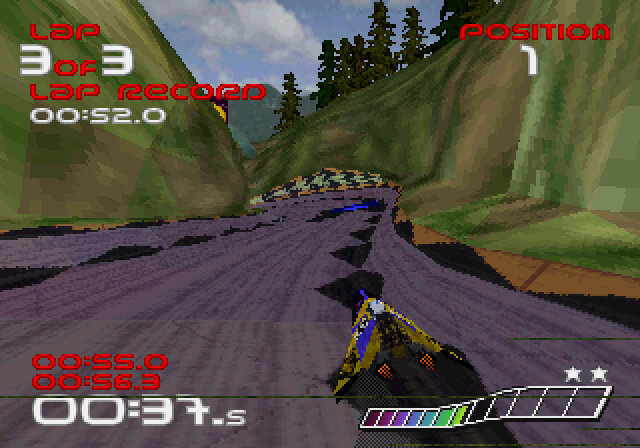
Wipeout was released for the promising Sega Saturn, and serves as an example of the PSY-Q dev kit for the Saturn, which Psygnosis were trying to promote at the time as an alternative to Sega’s devkit (a version of PSY-Q was released for the PlayStation). The soundtrack has been altered with some songs being removed

Screenshots: SSF emulator

Windows

WipEout was ported to the PC a year later than the PlayStation release, and was designed exclusively for ATI video cards and was typically bundled with Windows PC that had those cards. It’s one of the games that supports ATI’s CIF API rather than Direct3D. This limits it to ATI Rage series 3D chipsets, the one in my Dell OptiPlex being one of them, but in order to play CIF games you need to use an older 1999 driver from ATI (The Windows 98 bundled driver has no CIF support), also CIF is only supported under Windows 98, there is no support for Windows NT 4.0. ATI later removed CIF support from its drivers from late 1999 onwards, so you may have to downgrade the driver order to play. A CIF wrapper exists for Windows 7 onwards, although I’ve not tested it.

Screenshots below are captured from a Dell OptiPlex GX1 with an Intel Pentium 2 350mhz and an ATI RAGE 2 with 4Mb of VRAM

The main difference is the ability to play the game in a higher resolution and with the ability to play at a higher framerate, it’s not exactly 60fps on a Rage2 but its a lot more smoother than the PlayStation version. However the sound is not has good as the console versions, with the PC missing the echo sound effects that play when you enter a tunnel. It’s also one of those games that’s stores the music as Redbook CD audio, and the game plays the audio back like a regular CD player would. This gives the option to change the CD (as the game runs from the hard disk) to play your own music.

MS-DOS

Very similar to the accelerated Windows version, but has a lot of enhancements removed, there’s no texture filtering, the framerate is lower and the resolution is reduced, likely because everything is being done on the CPU. You are limited to a low 320 resolution, 16 bit colour.

Personally I would stick with the PlayStation version, or the Saturn if you prefer more detailed textures. The PC versions sacrifice too much for what benefit they give, although you get the opportunity to run in a higher resolution, the missing sound effects are a huge setback and ruin the immersion of the game. besides with modern emulators you can run the game with additional filtering and upscaling, the FPS is still stuck at 30fps.

Hackers

A concept imaging of Wipeout appeared in the movie Hackers, which features slightly different gameplay with obstacles on the track, a crew that speaks to you instead of techno music playing. It was believed to be rendered on a SGI workstation and features perspective correct texture mapping

External Links

WipEout – Archive Website

WipEout – DOS Support

Super Puzzle Fighter II Turbo

What a mouthful

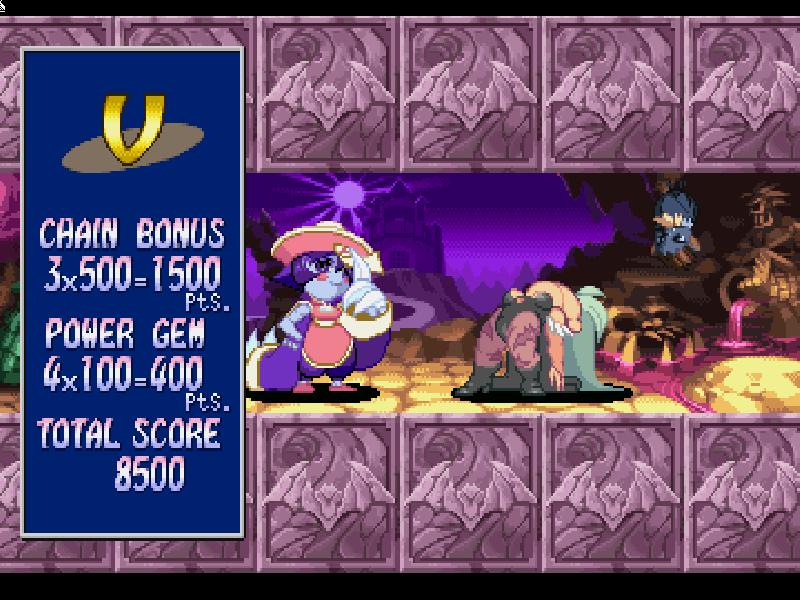
A gem based puzzle game, soft of similar to columns, but instead of matching 3 of the same colours, you have gems and crash gems which are used to destroy a gem of the same colour, and sends a counter gem to the rival player. The game does feature various Capcom characters but they are not directly controllable, merely appearing as avatars. The game is over when the players gems reach the top, similar to Tetris.

Arcade

Arcade version uses an arbitrary resolution. One nice feature is when the blocks are beginning to stack up, the music starts to speed up. As the arcade was the original released, the console and PC versions are based on this version.

PlayStation

Supports both memory cards, Seems to have some overscan (Could be due to the emulator), this can be adjusted in the game settings

Sega Saturn

Saturn version seems to run in a higher resolution compared to the PSone version (Could also be emulator related), also in the Saturn version, Dan randomly interrupts a match in arcade mode, which I have never encountered in the PSone version. The loading times are faster compared to the PSone and Windows version.

Microsoft Windows

The game was ported to the PC. The specs required are higher than I thought, which might be an indicator of a poor port. When running on a PCem based Pentium MMX 100Mhz, there was notable slowdown at 640×480 (not the lowest resolution supported) The graphics card was an ATI Mach64 VT2. Running at 800×600 was near unplayable. A Pentium 2 with a S3 Trio64 gave better resolution.
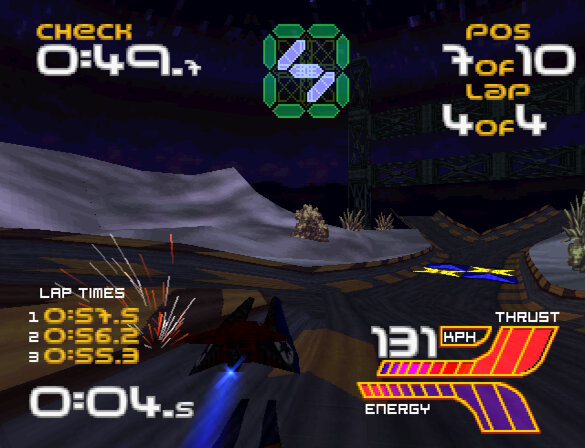
A nice side effect is the music of the game can be played in any media player, since they are wav files, even the sound effects, They are located in the BGM folder. There is also an EMI folder that contains a bunch of files with the EMI extension, which I’m guessing relates to the background and sprite graphics. There is also a goodies folder which contains images that are also in the goodies section of the game, plus a zip file with a Windows theme. The PlayStation also appears to use the EMI format, but the Saturn does not.

There’s an exe file in the movie folder on the PlayStation version, but trying to run it on windows 98 results in an invalid Win32 application error, trying tor un it from does gives a ‘Program too big to fit in memory’ error

Desktop Theme

Desktop theme

A desktop theme comes bundled in the GOODIES folder which can be installed

Comparison

Saturn version (middle) is run on the RetroArch Yabause core with default settings, PlayStation (left) is using the BeetlePSX HW core which also with default settings, the arcade version is on the right.
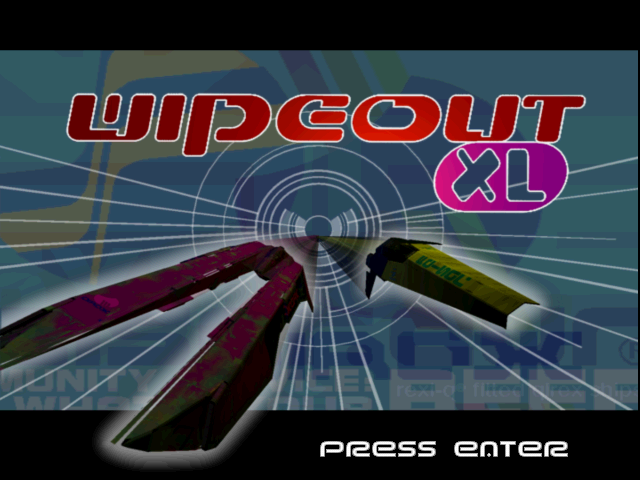
The graphics are mostly the same across the different versions, with the PC version having the ability to run at a higher resolution.
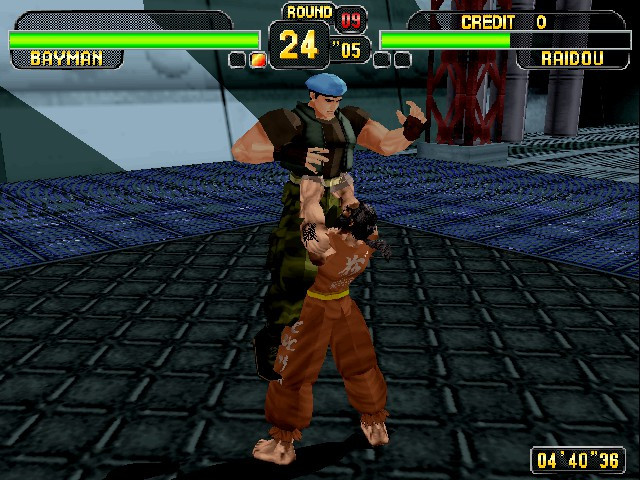
Score Ranking

Main Menu

Demo

Gameplay