Tag Archives: Tantalus Interactive

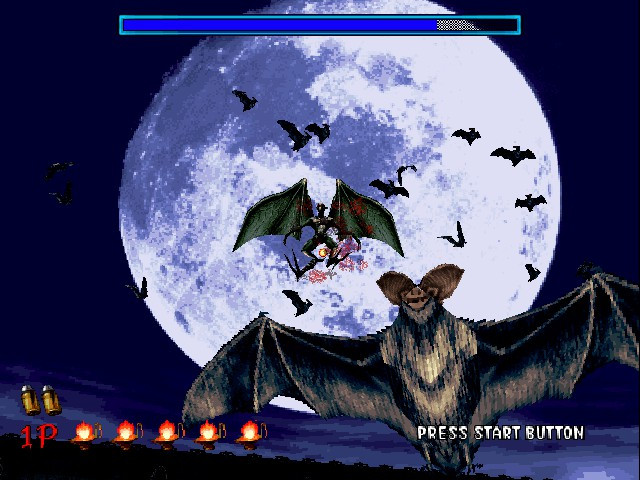
House Of The Dead

A mid-90s arcade rail shooter that takes the Virtua Cop formula and puts a horror spin on it, giving birth to a new franchise.
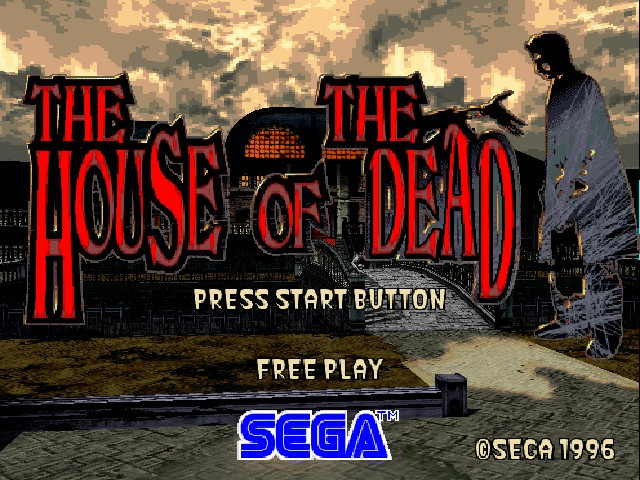
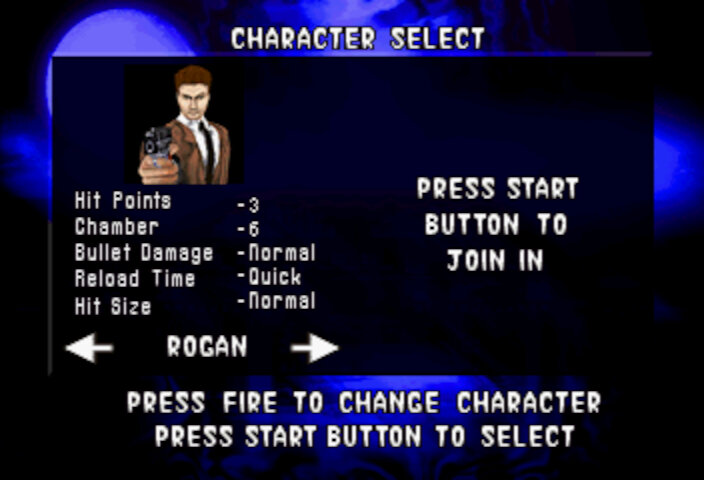
In House of the Dead, the main characters are two AMS agents named Thomas Rogan and G (Yes, just G). They are sent to investigate a mysterious outbreak at the DBR Corporation’s genetic research facility, which has been overrun by hordes of undead creatures. Throughout the game, the player controls either Thomas or G as they fight their way through the facility and uncover the truth behind the outbreak. Along the way, they encounter various other characters, including DBR’s CEO, Caleb Goldman, and his assistant, Dr. Roy Curien, who is responsible for the creation of the undead creatures.
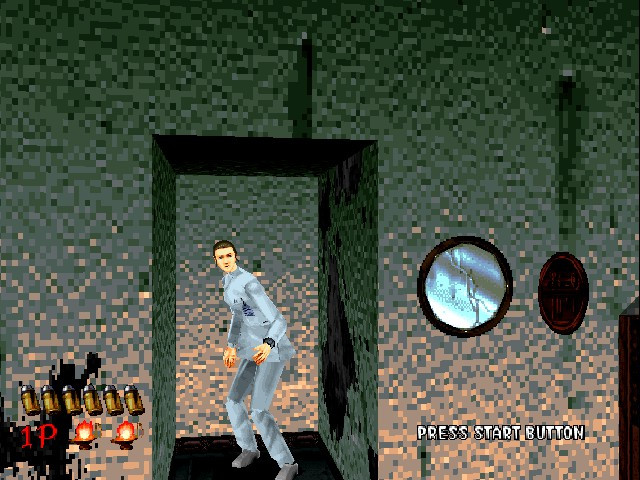
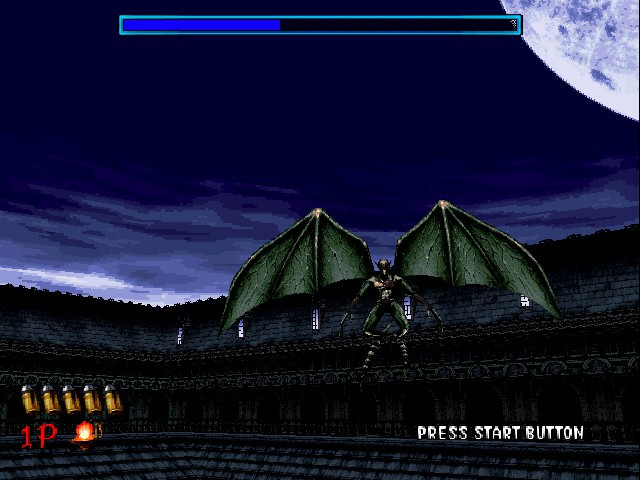
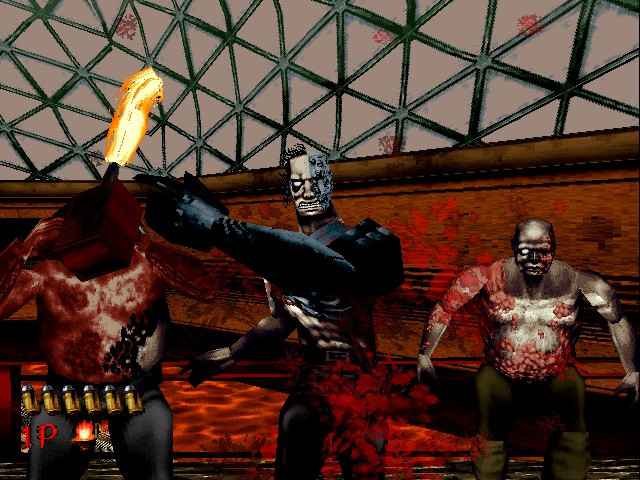
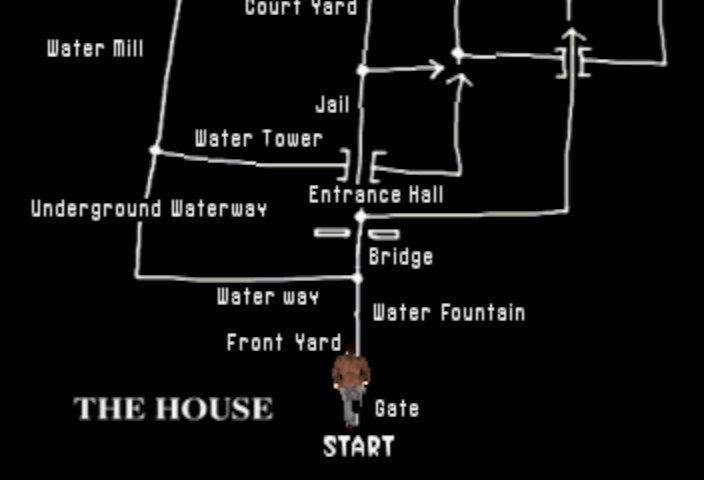
The gameplay of House of the Dead is simple, you’re armed with a light gun and tasked with shooting your way through levels filled with zombies, mutants, and other monstrous creatures. The gameplay is fast-paced and requires quick reflexes, as enemies can come at you from all angles in the form of jump scares. The game also features branching paths, which add some variety to the levels and encourage replayability as many of these will affect the ending sequence.

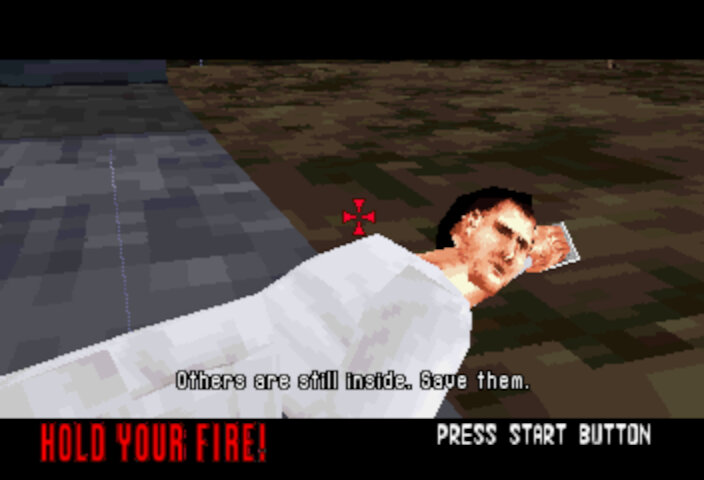
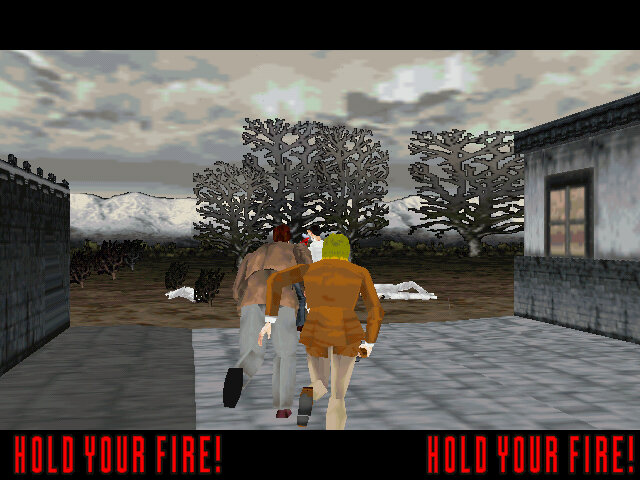
Some items can be shot at, typically pots, and will reveal additional lives. There are also opportunities to save scientists, who will sometimes reward you with an extra life or will direct you to another path.
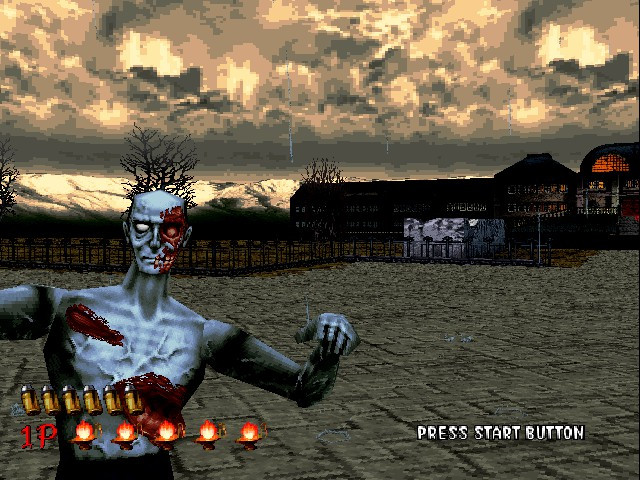
There are a few boss battles, each with a different way of defeating them. These occur at the end of each chapter. The Chariot is a large, armored zombie and appears at the end of Chapter 1 with the goal to target its weak spot in the armor to damage it. The final boss being the Magician serves as a challenging and memorable boss battle. He is able to create multiple illusions of himself, making it difficult for the player to determine which one is real. Additionally, he has powerful psychic attacks that can drain the player’s health and make it more difficult to aim. Defeating the Magician requires careful observation, quick reflexes and a lot of coins.

Versions

The game was somewhat popular and prompted Sega to port it to their Saturn console, it also get a Windows PC port similar to Daytona USA and Manx TT Superbike.

Arcade
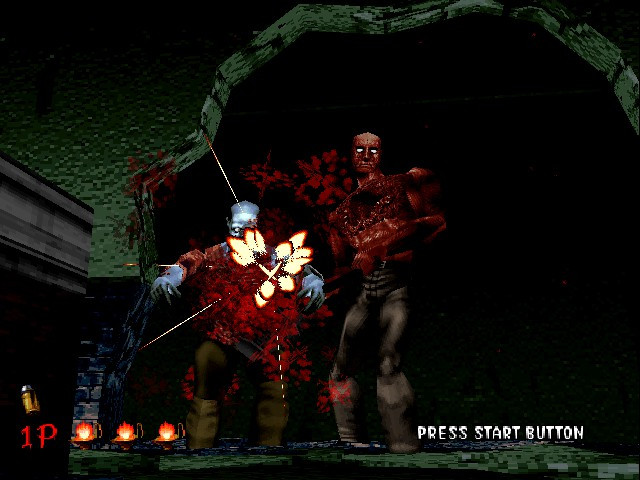
The arcade version of House of the Dead is considered a classic and is highly regarded by many gamers and fans of the shooter genre. The game was initially released in arcades in 1996 and like other Sega arcade titles of the era, it ran on the Model 2 arcade board.

This version of House of the Dead was popular due to its use of light guns, which allowed players to aim and shoot at enemies on the screen. Reloading is done by shooting outside of the screen, In contrast to Namco’s Time Crisis where you have to release the pedal to enter cover to reload.

Sega Saturn
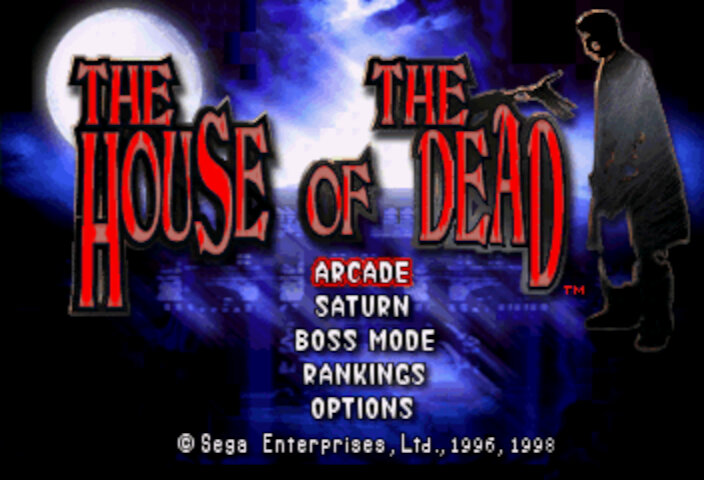
The Sega Saturn version of House of the Dead was a faithful recreation of the arcade version’s gameplay mechanics, graphics, and sound effects. However, the game’s performance on the Saturn can be a bit sluggish, with some frame rate drops and occasional slowdowns during intense action sequences.
The Saturn version also supports use of a light gun controller that was intended to give more precise aiming. Unfortunately this does not work well on modern LCD displays leaving the traditional controller as the only form of input.

You do have the ability to play as different characters, either ‘G’, Sophie or one of the Scientists which will affect the cutscenes as they are rendered in engine. Compared to the arcade version, the graphics takes a downgrade but you do get the benefit of high quality sound.

Still there’s no option to revert to the arranged arcade soundtrack, odd because both the Saturn and the Model 2 have the same sound processor (SCSP)

Microsoft Windows
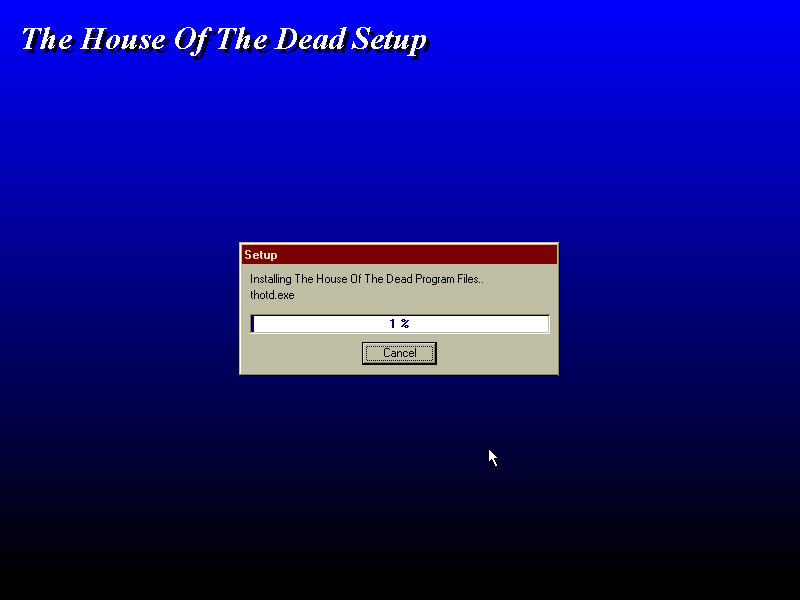
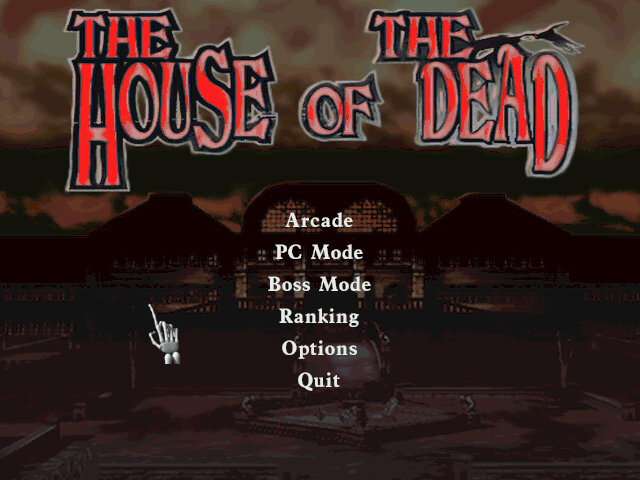
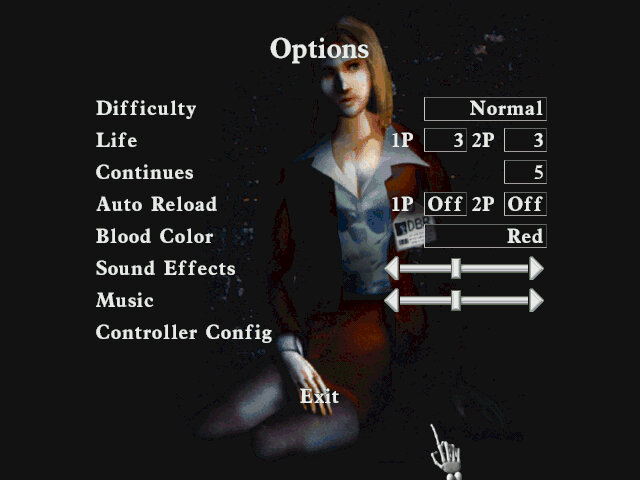
The game was initially released for PC in 1998, It offers several enhancements over the arcade version, including improved graphics and higher resolution support. Additionally, players have the option to use a keyboard and mouse or a controller for more precise aiming. Some parts of the Mansion have been retextured, likely to give it a more colder atmosphere and due to differences in how Model 2 and DirectX games handle textures.

For video cards that don’t support Direct3d, the game can run in DirectDraw mode instead. The 3DFX Voodoo card is capable of Direct3D acceleration and is supported in 86Box.
Conclusion

House of the Dead is a classic arcade game that still holds up today. Its addictive gameplay, impressive graphics, and horror-themed setting make it a must-play for any fan of arcade shooters.

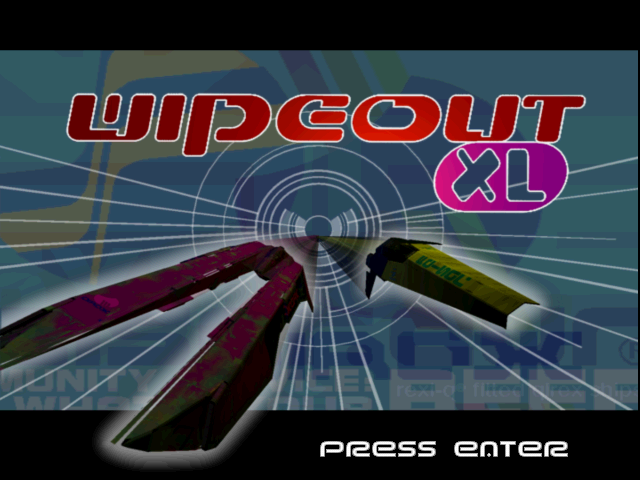
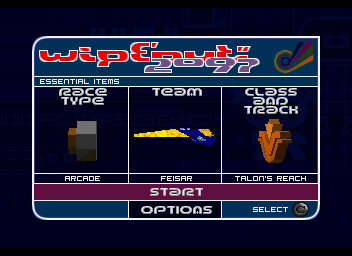
Wipeout XL / 2097

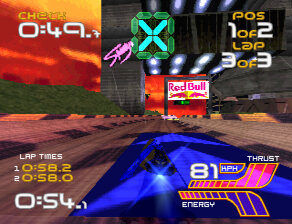
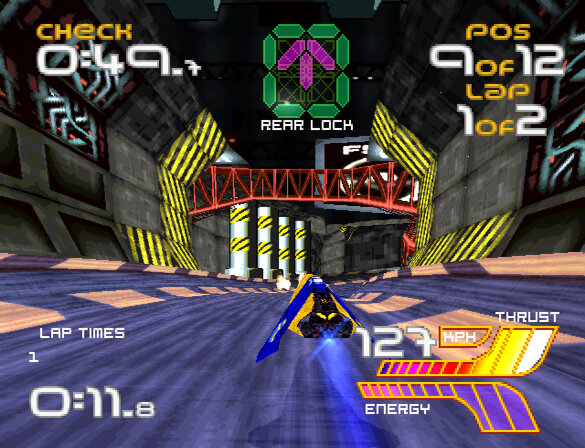
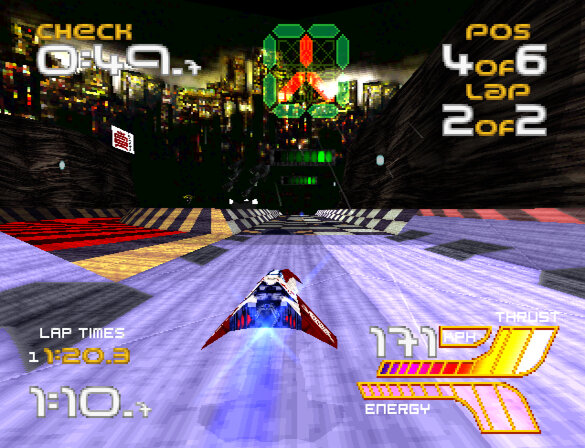
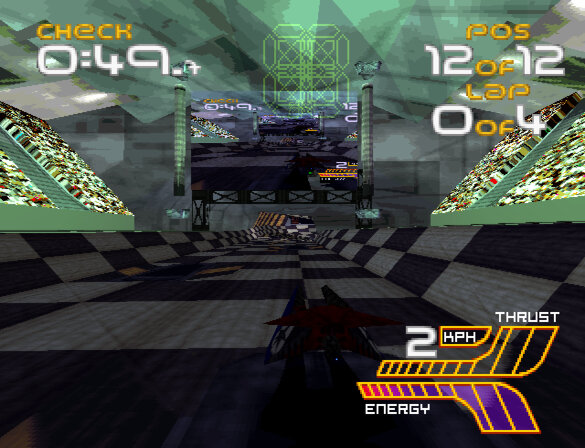
Wipeout XL is a high-speed, futuristic racing game that was originally released in 1996. It was developed by Psygnosis and published by Sony Computer Entertainment. The game is set in the year 2097, where players compete in anti-gravity ships across a variety of tracks and modes.

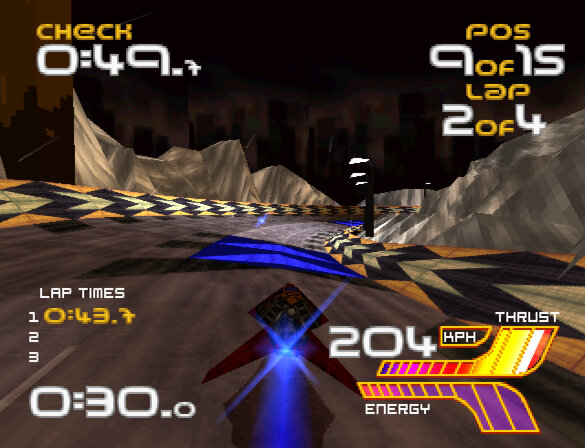
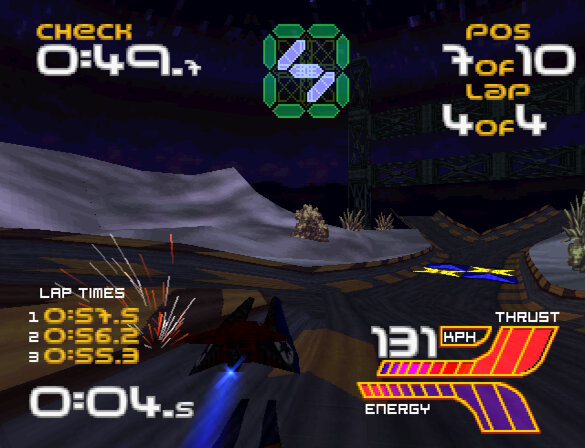
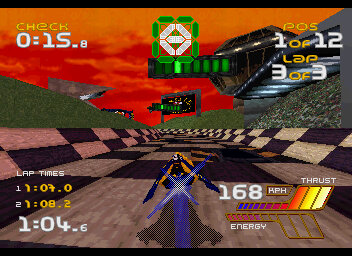
One of the first things you’ll notice about Wipeout XL is its incredible sense of speed. The game’s visuals are still impressive today, with a smooth frame rate and a futuristic art style that holds up well. The sound design is also fantastic, with a thumping techno soundtrack that perfectly complements the game’s high-octane racing.

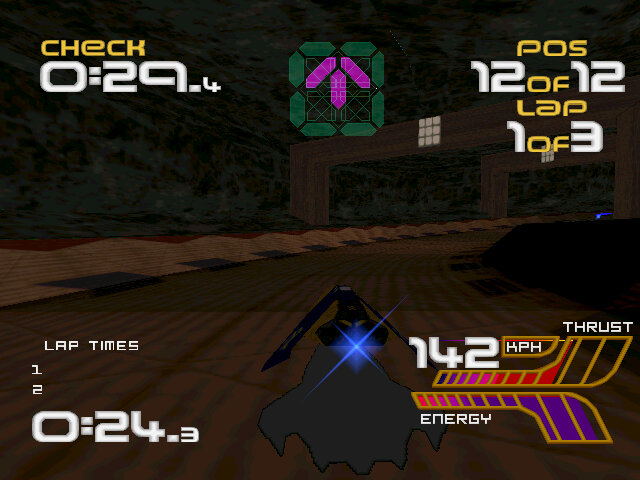
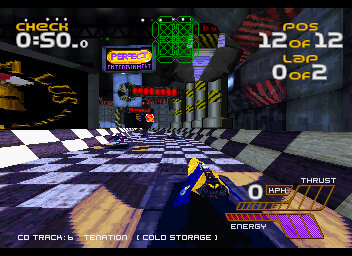
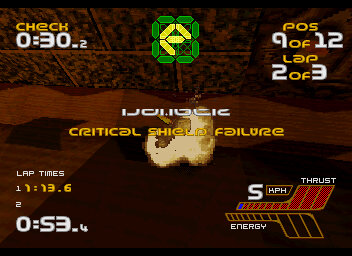
The weapon system has been improved, now your ships have a health meter that depletes upon impact with a weapon, or with another ship or track. Energy can be replenished by using the designed pit area’s that restores the ships energy. When you ship runs out of energy, the game is over.

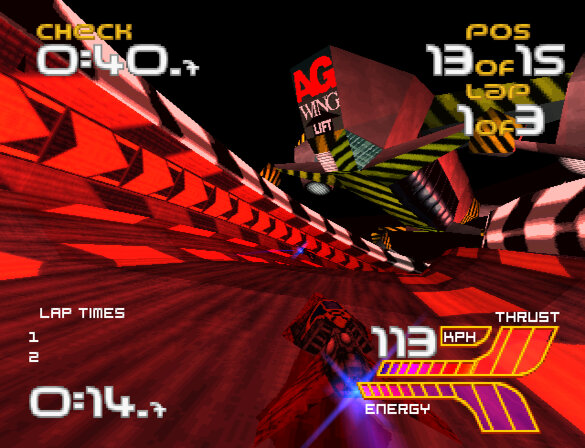
Also there is a countdown timer that depletes until you reach the next checkpoint, giving an arcade feel to the game though its a bit redundant, since if you run out of time, chances are you are already well behind in the race.

The gameplay in Wipeout XL is intense and challenging. The ships handle well, but require precise control at high speeds. The game has a steep learning curve, and it can take a while to get the hang of the tracks and the various weapons and power-ups available. But once you do, the game is incredibly rewarding, with tight races and exciting finishes.

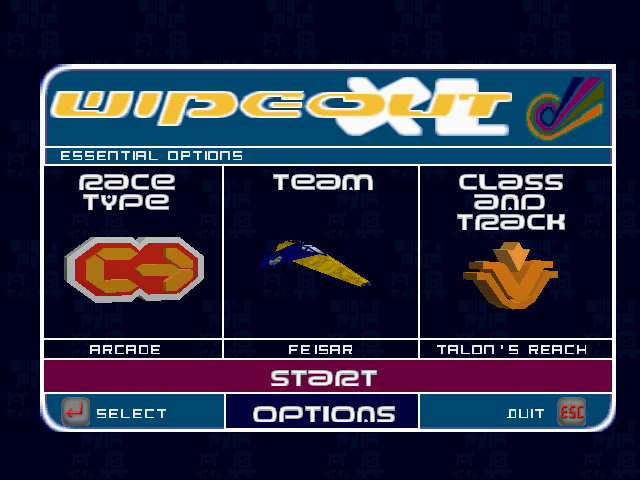
One of the features of Wipeout XL is its variety of modes. The game offers a campaign mode, where you compete in a series of races and unlock new ships and tracks. There’s also a time trial mode, where you can compete against your best times or the times of other players. And of course, there’s a multiplayer mode, where you can race against your friends.
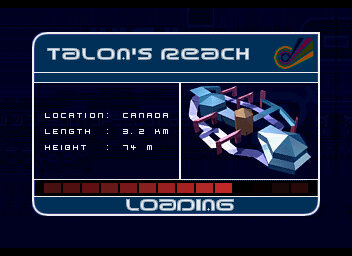
  • Talon’s Reach: This is the first level of the game and serves as an introduction to the basic gameplay mechanics. It’s a relatively simple track with a few jumps and turns, but it’s a good warm-up for the more challenging tracks to come.
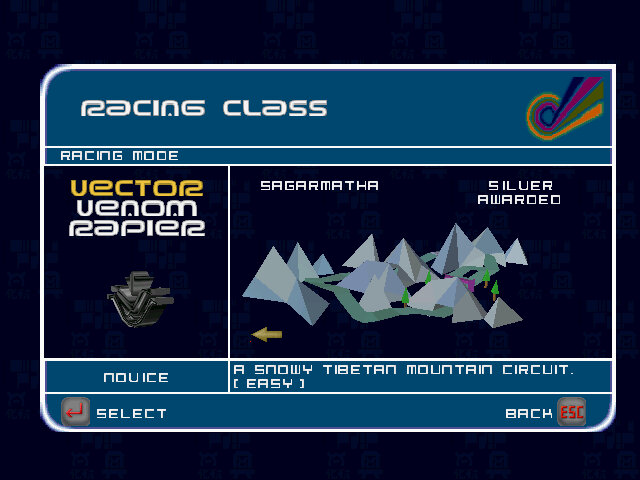
  • Sagarmatha: This level takes place on a track set high in the Himalayas. It’s a visually stunning track with steep drops and sharp turns that require precise timing to navigate.
  • Valparaiso: This track takes place in a futuristic version of the Chilean port city. It’s a challenging track with tight turns and narrow sections that require careful control of your craft.
  • Gare d’Europa: This level takes place in a futuristic version of the train station in Paris, France. The track is fast and has a lot of straight sections, making it a great level to use your craft’s top speed, also has a few lightning effects.
  • Odessa Keys: This level takes place on a track set in a futuristic version of the Black Sea. It’s a challenging track with tight turns and narrow sections that require precise control of your craft. The track also features a large jump that can be difficult to navigate.
  • Other tracks include Vostok Island, Spolskinanke & Phenitia Park.

Teams Included

  • AG Systems: This is one of the default teams in the game and is a good choice for beginners. Their craft is well-balanced and easy to control, making them a great option for players who are still learning the game’s mechanics.
  • Qirex: This team is known for its high speed and power. Their craft is one of the fastest in the game, but it can be difficult to control at times. This team is a great choice for experienced players who are looking for a challenge.
  • Feisar: This team is known for its agility and handling. Their craft is one of the most manoeuvrable in the game, making them a great choice for players who value control over speed.
  • Auricom: This team is known for its all-around performance. Their craft is well-balanced and can perform well in any situation. This team is a great choice for players who want a versatile craft that can handle any track.
  • Piranha: This ship has the highest stats nut cannot use any weapons.

Versions

Wipeout XL is the most accessible version of Wipeout to date and was ported to over 4 platforms.

PlayStation

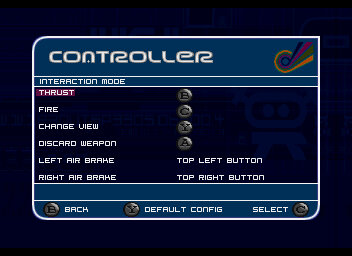
The lead platform and the best way to play, One advantage of playing the PlayStation version is that it was specifically designed for the console, so the controls were optimized for the PlayStation controller. Some players may find it easier to control their vehicle using the PlayStation controller rather than a keyboard or other input device on the PC. Overall it appears to be the most polished version of the game.

Additionally, the PlayStation version of Wipeout XL had support for the serial cable which allows two consoles to be linked together to provide two player support.

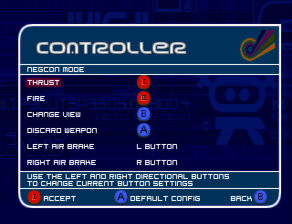
Another nice feature is support for the NeGcon controller which provides analogue steering support, as this game predated the Dualshock controller.

Windows

The PC version of Wipeout XL features improved graphics over the PlayStation version and features higher resolution textures, improved lighting effects, and smoother frame rates but has issues running at refresh rates higher then 30hz, causing the game to run too fast. This breaks the game entirly as its difficult to play at effectivly twice the speed.

It has native support for DirectX 3 or PowerVR graphics cards. The readme file also mentions official support for the Rendition, ATI RAGE and Matrox graphics cards.

Sega Saturn

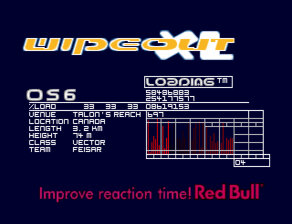
The graphics and sound of the Sega Saturn version are generally considered to be inferior to the PlayStation version. The Sega Saturn version features lower resolution textures, less detailed backgrounds, and reduced visual effects. The sound quality is also less impressive than the PlayStation version, with lower quality sound effects and music. The loading screens are different in this version and there is no multiplayer support.

The gameplay of both versions is largely the same, with fast-paced anti-gravity racing across futuristic tracks. However it suffers from slower frame rates and occasional glitches, which can make the game feel less smooth than the PlayStation version. It does have support for the 3D control pad which provides analogue control.

MacOS

There was also a release for PowerPC based Macintosh computers released in 2002, a few years later. Unfortunaly I cannot get his version to run on any Mac that i own, either on a PowerMac G4 running Mac OS 9.2 with a Radeon video card or an iMac running OS X Snow Leopard.

Manx TT Superbike

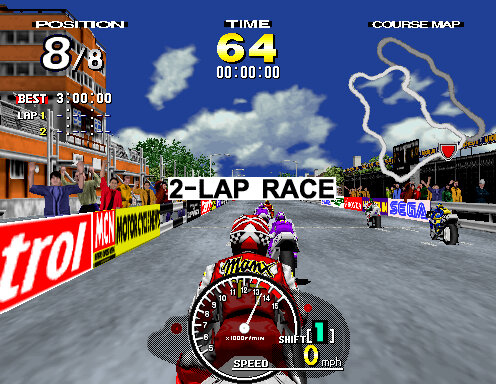
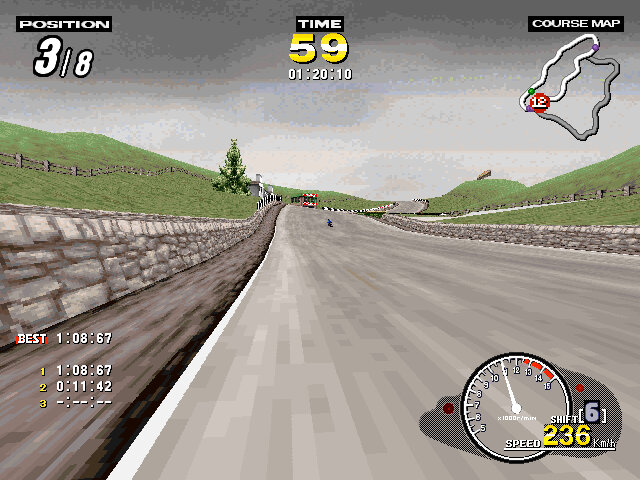
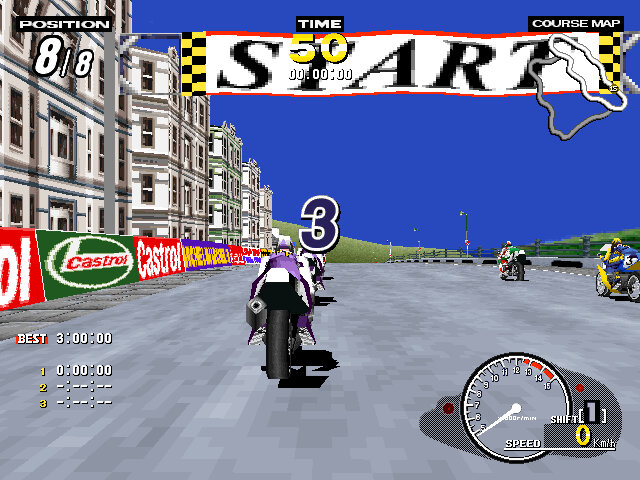
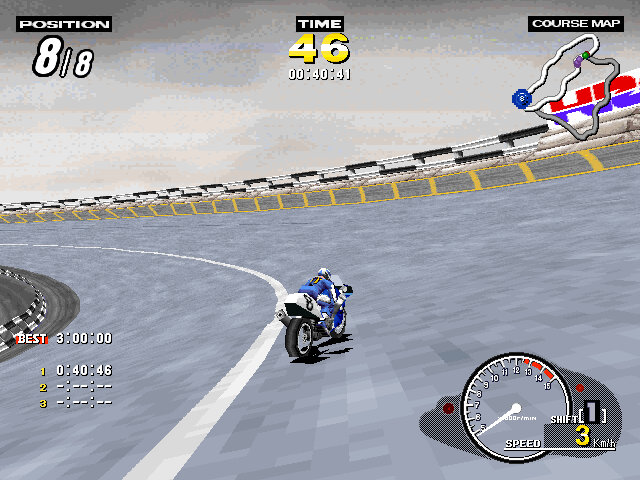
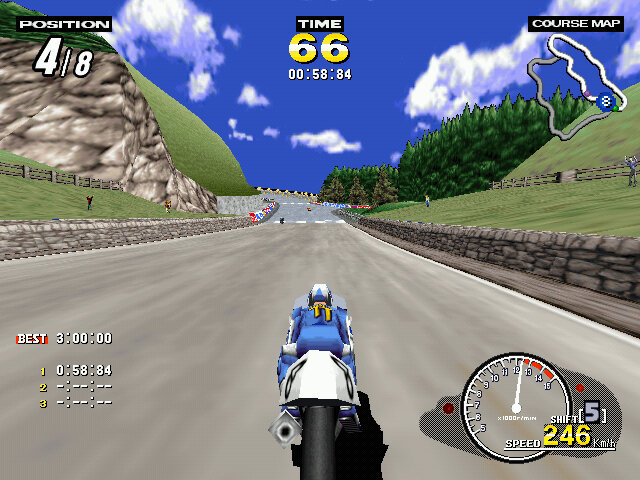
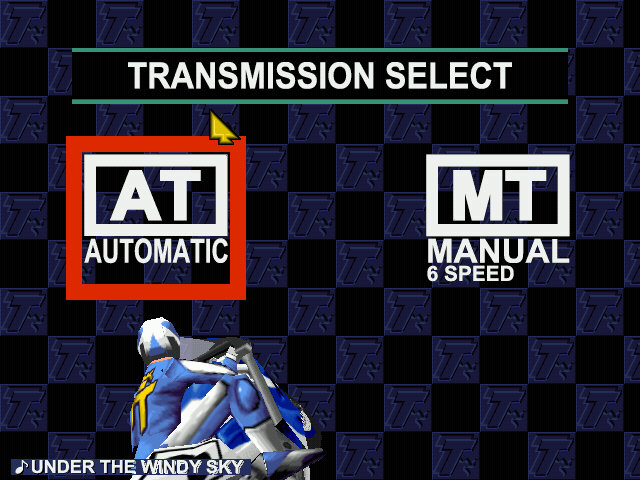
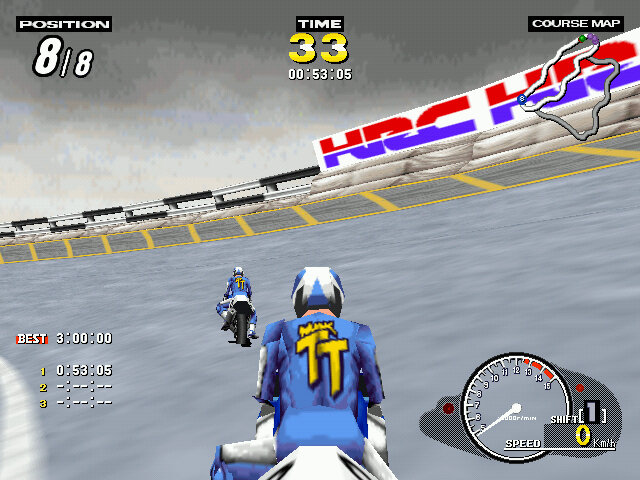
An arcade style racing game released in 1995, aimed to replicate the Isle of Man TT – a motorcycle racing event. Very similar in spirit to Daytona USA which was based on the real Daytona speedway, and Indy 500.

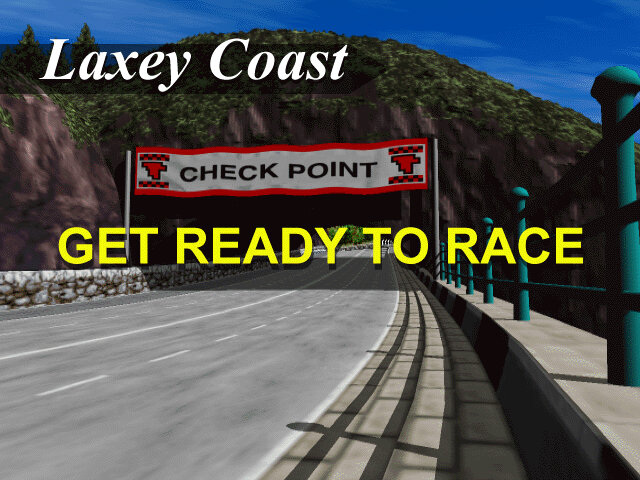
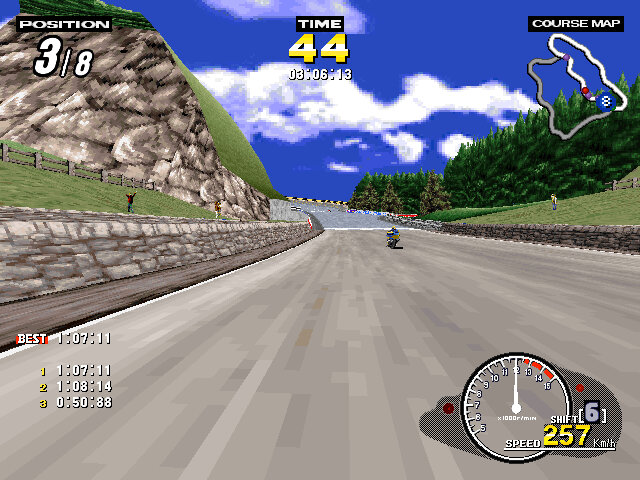
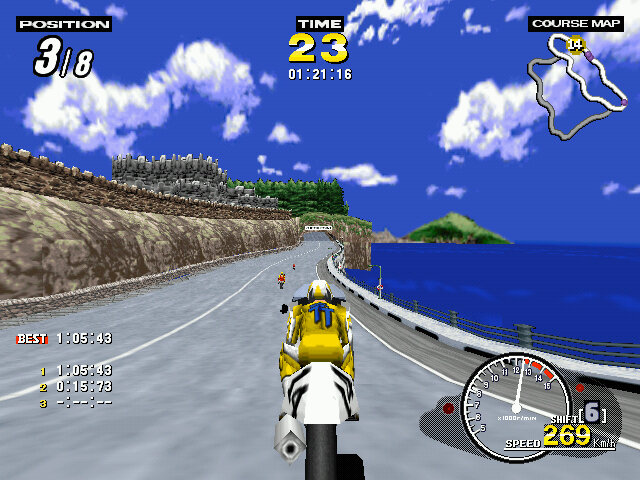
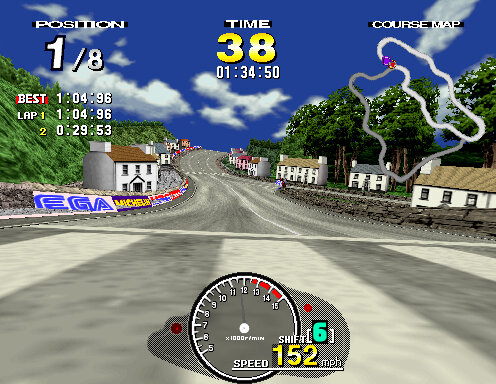
Two courses are offered, Laxely Coast and T.T Course, the latter being the actual track used in the Isle of Mann races. Both tracks share sections with each other and will split and re-join into their own different paths.
The home versions feature two additional tracks that are part of the PC/Saturn mode, these are reverse-mirror versions of the two arcade tracks and can only be selected in that mode. These tracks are also set in the early evening in the Saturn version, and early morning / dusk in the PC version.

Time Trial: Similar to time trial featured in other racing games, choose a track and a bike and try to get the lowest time. On the arcade version you have to hold the brake button when selecting a track to active time trial.

Console / PC Exclusives modes

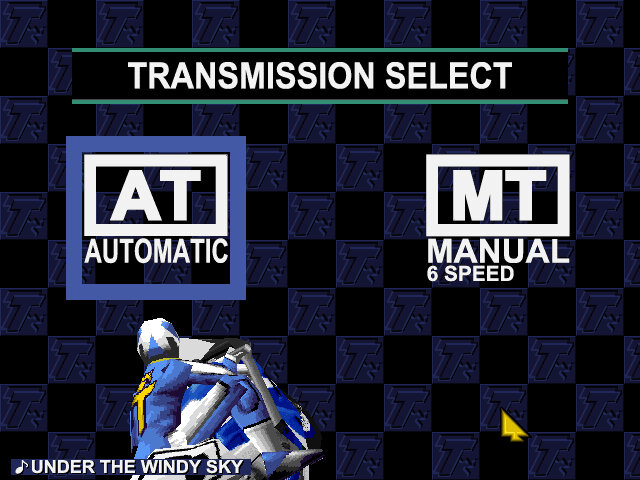
Practice Mode: Similar to arcade mode, choose a track and your bike which will have a unique stats for speed, acceleration and handling.

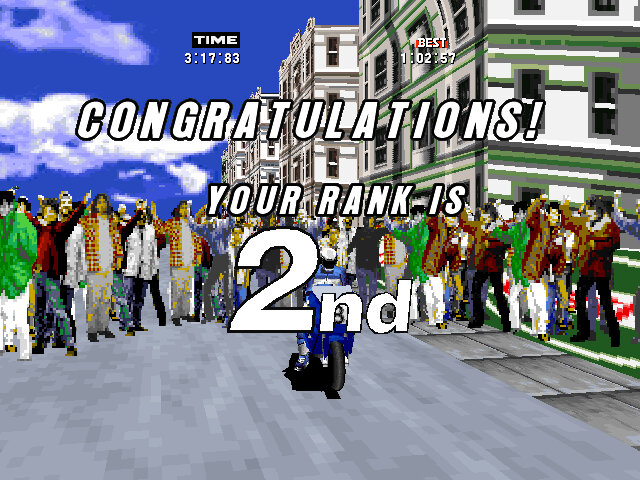
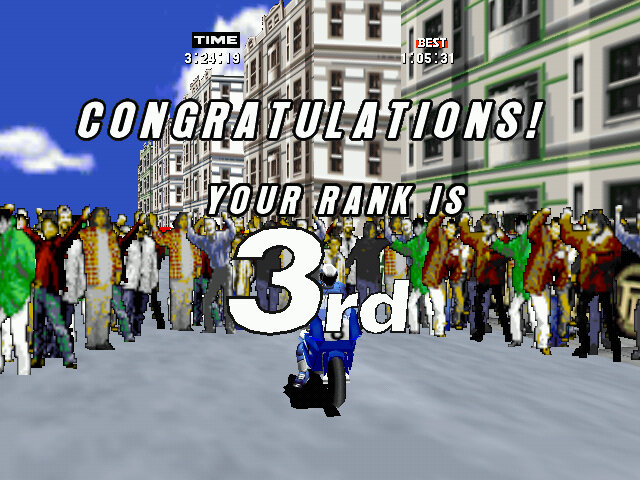
Challenge Mode: a tournament mode where you have to race on all four tracks, coming in a 3rd or higher in each one. The superbike challenge is unlocked after completing this mode.

Versions

Like other Sega games of the era, this title was relased to the arcades first, then to their Saturn console and eventually to Microsoft Windows.

Arcade

The original arcade release runs on the model 2 hardware, specifically the 2A version. This version was considered to be graphically superior of the three versions but is the most basic in terms of content, featuring only two courses and just the arcade and time trial mode. The Model 2 emulator is the most popular way to play this version of the game, with the MAME driver making steady progress but still unplayable in some regards.

Really for a home port, the game could have done with further tracks being added to increase the replay value of the game.

Sega Saturn

Sega ported the game to their home console of the era, the Sega Saturn in 1997. This version introduced new features including an FMV opening sequence and additional race modes. There are also options to change the bike model, which have unique stats across the different models. The game’s graphics were considered to be impressive for the Sega Saturn’s capabilities, with colorful and detailed environments that recreated the feel of the arcade version.

Windows

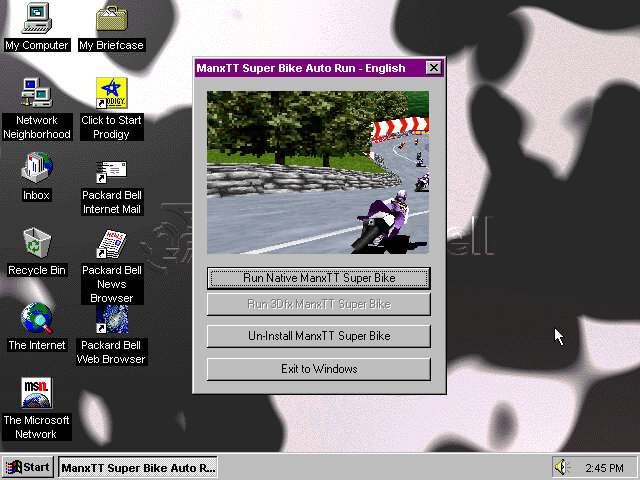
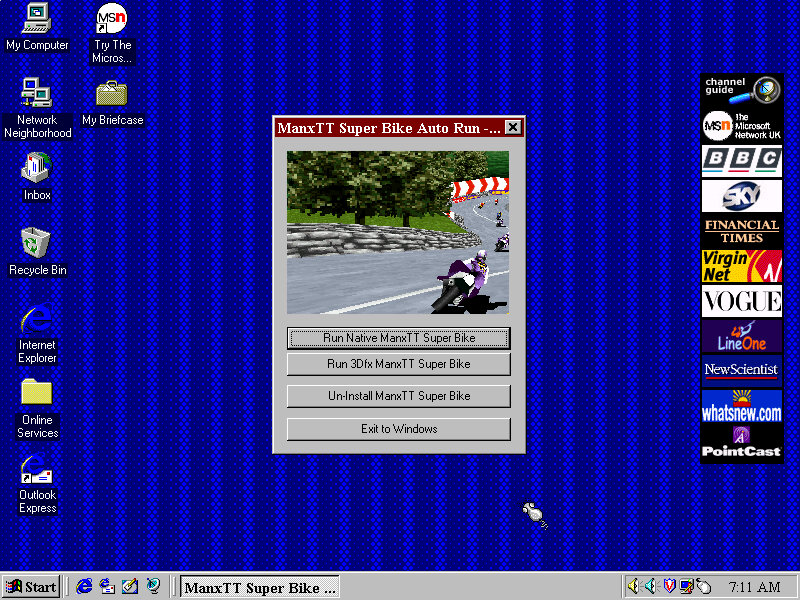
This version supported both DirectX 5 and 3DFX Glide, the latter gives a visual difference that makes it similar to the arcade version sans the frame rate. It seems the game will only render up to 30fps. Still the game can run at 640×480 which is higher than the Saturn or even the Arcade version.

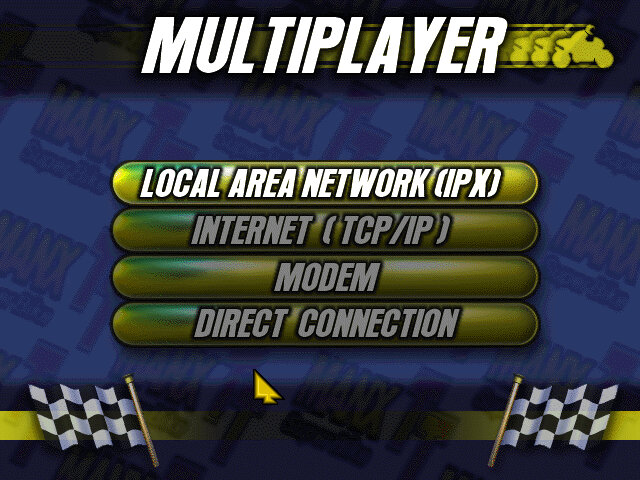
Multi player is supported in this version and can be done over a variety of channels. IPX, TCP/IP, Modem and Serial connections are supported. This can be done via virtual box of you use the PCap option between two 86box VMs, linking it to the VMware virtual network adaptor (8 is typically the local adaptor) then create an IPX session. It may also be possible to map to the serial port in the near future.

I believe up to 8 players can playing a single session, to this would require three machines or more. Unallocated players will be replaced with an AI enemy, similar to single player mode.

DirectX Version

The regular version that uses DirectX 5 for 3D acceleration which works fine in 86Box using the S3 ViRGE video card. This graphics card lacks support for texture filtering.

Only issue is after the race, the crowd can disappear and reappear intermittently.

3DFX Glide Version

The bundled 3DFX drivers will only function on the original Voodoo, or the Quantium3D version of the Voodoo card. Later 3DFX cards require updated libraries in order to be detected, otherwise you will receive the ‘Failed to find any glide hardware’ error, or ‘Failed to initialize viewport system’ error.

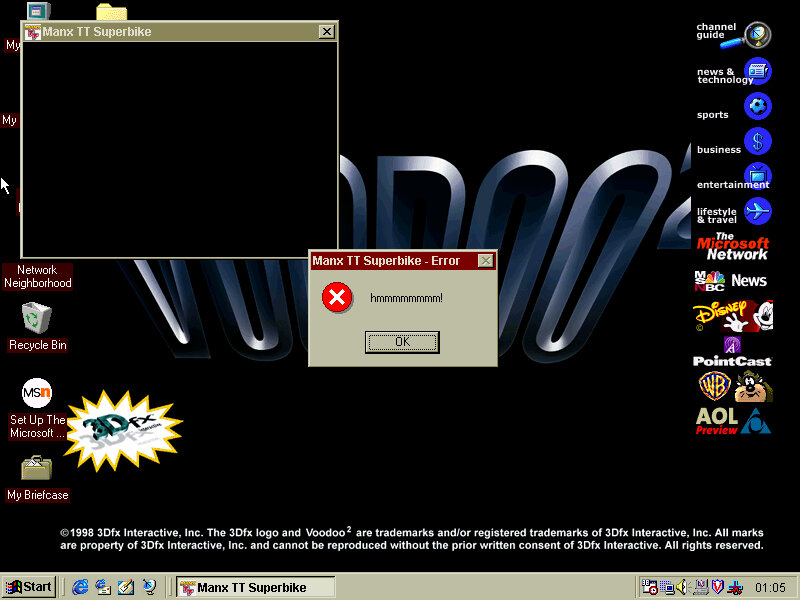
Works well in 86box until I tried it in a Pentium II PC with a Voodoo 2 (S3 Trio video card), where there were a couple of warping polygons and the game would throw up a ‘hmmmmmm’ error message. Whilst it looks like the game crashed, clicking Ok on the message box would restore and return you back to the game. None of this seemed to occur in other VMs I have that used the original Voodoo and AMD K6 combo.