Tag Archives: Tecmo

Dead Or Alive 3

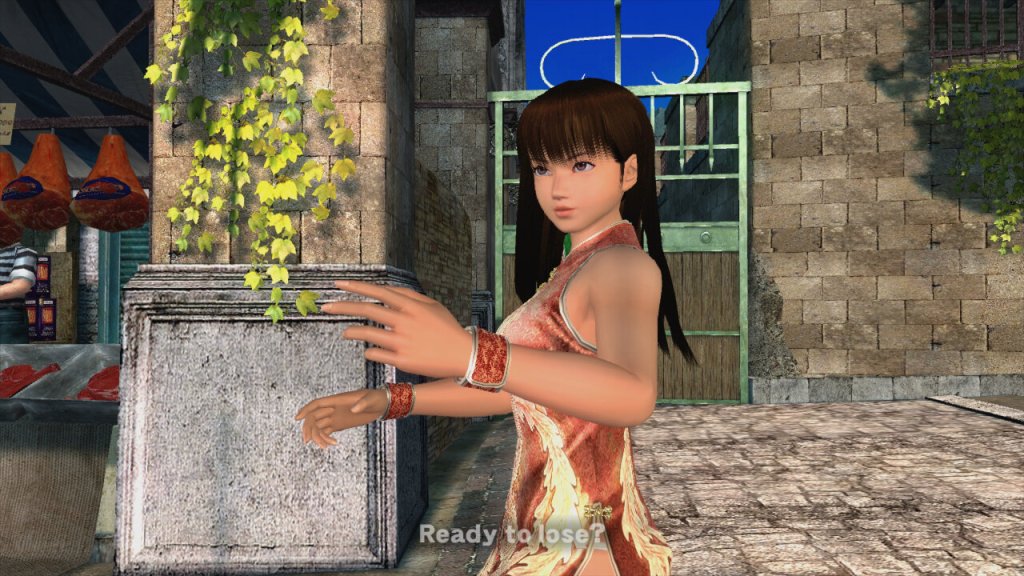
Tecmo has brought Xbox gamers Dead or Alive 3, and if you’re a fighting fan, this is, simply put, a prime reason to own the system. As advanced as the sequel was, DoA3 trumps it in every way. Visually, the game is mind-blowing, the 16 characters are fantastic looking and the arenas even more impressive.
Advancing on the play elements from the second game, DoA3 offers up a fine helping of both one-on-one and tag-team action. It sports the usual array of game modes — story, survival, team battle, single and tag-team matches, and even watch. Dead or Alive 3 proves to be the best fighting game in years not simply because of graphic panache and cool options, but largely thanks to its incredible playability and refined fighting action.
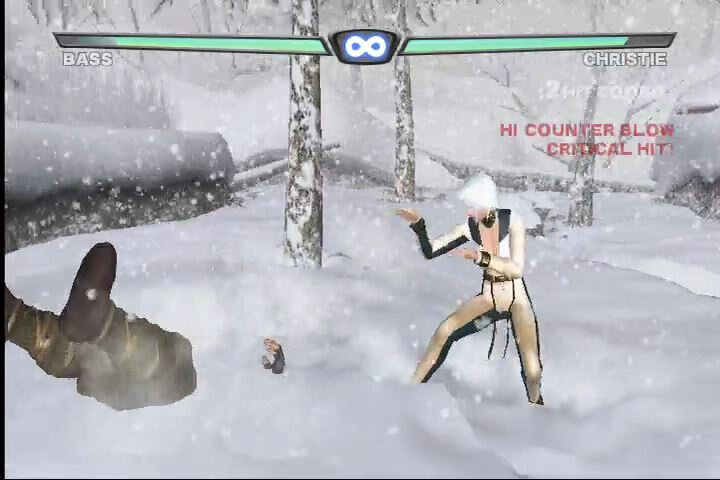
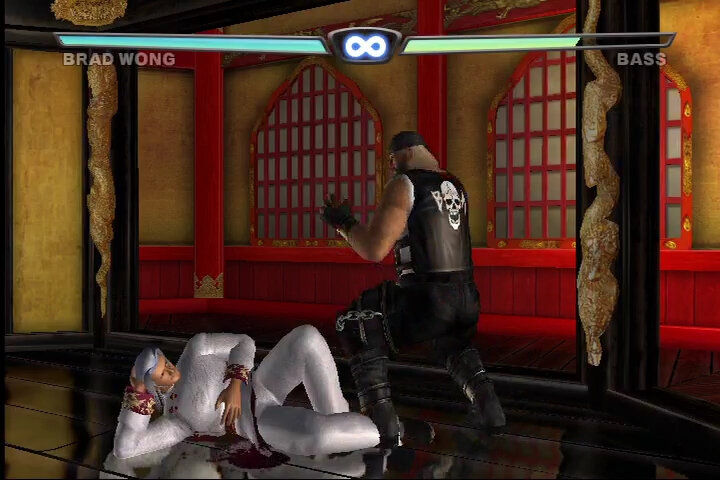
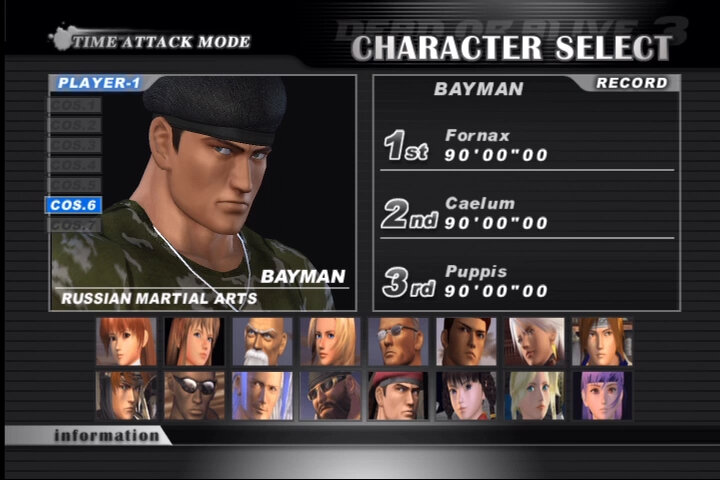
The counterattack and throwing system has advanced to become more versatile and playable. Novice gamers can learn to play easily, while advanced brawlers can do things like counter throws and even foil the other player’s counterattack moves. Most of the 16 characters have distinct martial arts styles. Although some of the characters (such as Leon and Bayman) are a bit too similar, gamers are sure to find a fighter that suits them. The three new characters add a lot of flair for fans of the game, adding two new lithe and stylish female fighters and a humorously laid-back drunken-style Kung Fu expert. Another noticeable improvement is in controls of the two wrestling characters, Bass and Tina, who are far more usable and entertaining this time around, complete with some incredible combination wrestling throws. From the Bruce Lee-like Jann Lee, to a full compliment of ninjas, soldiers, assassins, and, of course, teenage girl Kung Fu experts.

The arenas actually have almost as much personality as the fighters themselves. Some of these exotic locales are multileveled maps where you can kick your opponents off the edge, then watch them plummet down to the next level at a pace so breakneck, it’s almost vertigo inducing. You can fight on cliff tops, in gritty urban streets, in a stunning ice cavern, on a beautiful beach, or in a truly incredible-looking forest, among other locales.
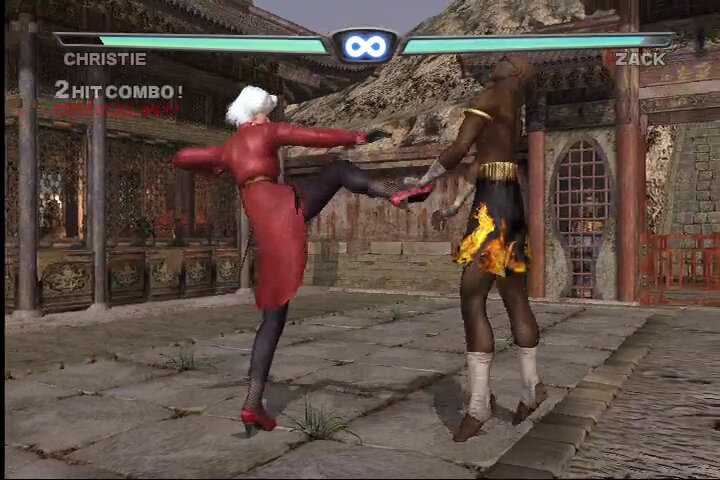
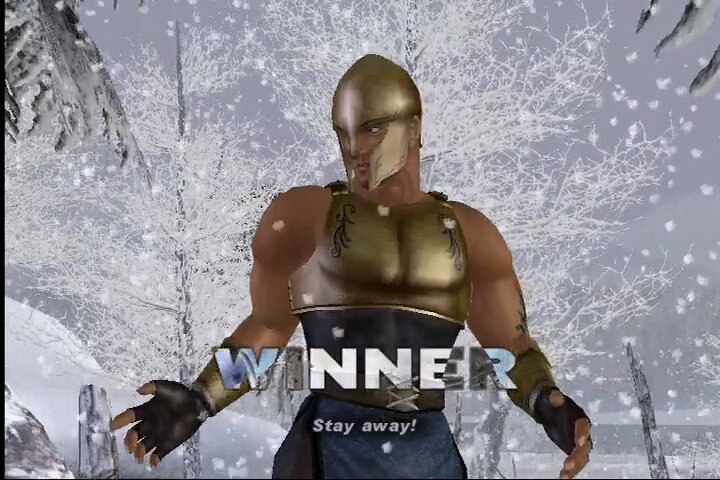
Being exclusive to the original Xbox console, DOA3 is able to pull off effects that are difficult for the PS2 to do, your characters will leave trails in the snow on a wintry landscape, crash through neon billboards, or just break through stone or ice pillars whilst achieving a good level of texture detail. The fighting arenas in Dead or Alive 3 are, by far, more interactive than in any other fighting game out there. To sweeten things up even more, a fighter’s moves actually change depending upon where they are in the arena. For instance, if you throw opponents near a wall or obstacle, they’ll often use the wall in some way — usually by slamming the other character right into it.


The audio work is terrific, especially when using the Dolby Digital 5.1 capabilities of the Xbox. Aside from the opening and end credit tunes by Aerosmith, the soundtrack in general is excellent. Fighting effects sound great, and the Japanese dialog is well done, even if some of the English subtitles suggest that Tecmo could really use a real writer for the story.
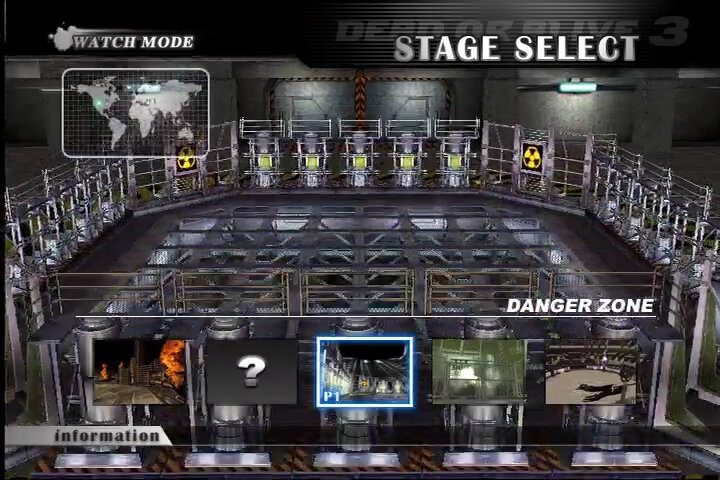
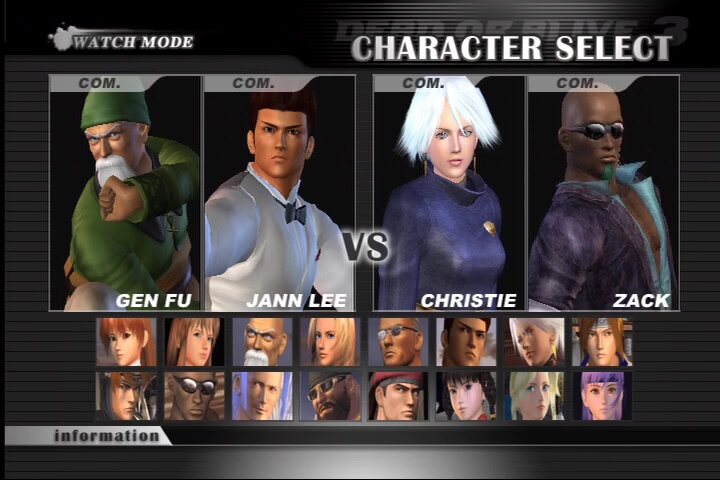
The story mode is the weakest link in the game. Dead or Alive 3, like virtually all these fighters, alludes to a deep, complex story and background for its characters. Unfortunately, aside from slight interludes and fantastic-looking, if generally pointless, prerendered end movies, any actual meaningful bits of plot are almost nonexistent for most of the characters. While this is a fairly slight complaint, a little more effort put into the characters’ individual sagas within the game would have been nice. This is something Tekken 4 does better with its narrated cutscenes.

A moderately larger complaint is that the end boss is ludicrously cheap. He can’t be thrown, has magical distance attacks (something none of the other characters have), and hurts you when he falls. But worse than that, the game switches to an almost behind-the-character viewpoint when fighting him. While he has plenty of weak points, this new bad guy is often incredibly frustrating to take on depending upon the character you choose. The end boss should have been done much better and brings the game down.

Just the same, the story mode is fairly inconsequential compared to the sheer magnitude of the rest of the game. In multiplayer, with two to four players battling it out, Dead or Alive 3 is a good addition to the Xbox and one of the few true exclusives for the console. Stunning graphics, great sound, and topnotch gameplay all add up to an incredible debut for the series on the Xbox.

Booster Disc
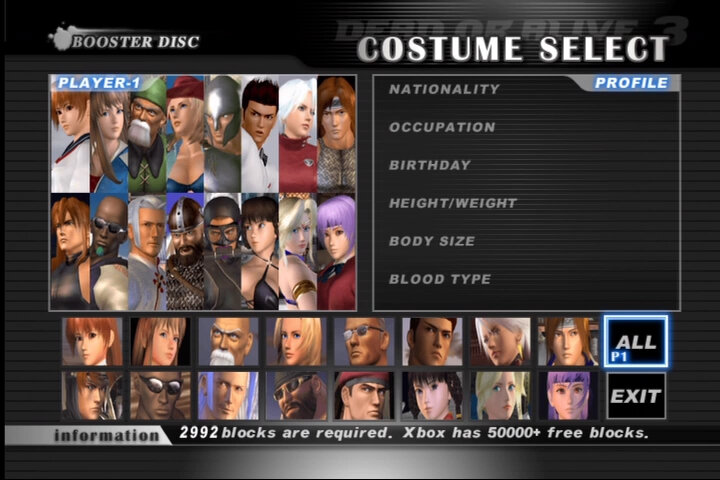
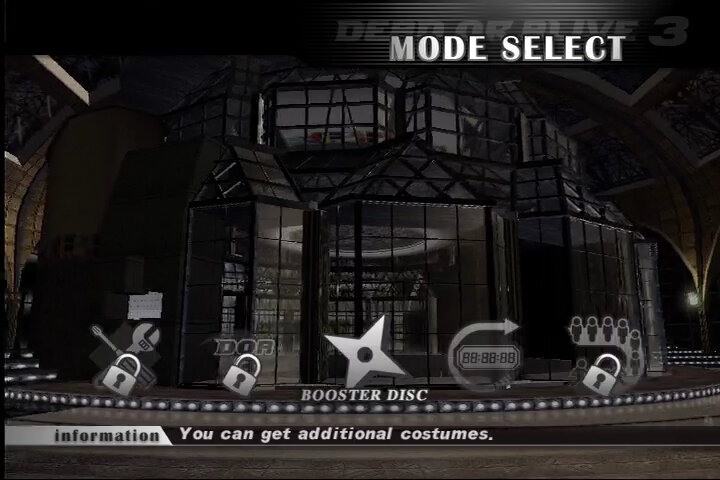
The North American version had a limited amount of costumes compared to the European and Japanese versions. Tecmo did release a Booster pack to add additional costumes to the game. This was provided by some of the OXM (Xbox Magazine) discs, and was also included with Dead Or Alive 2 Ultimate. Alternatively a copy can be obtained here.

Installing the Booster pack is a simple as inserting and running the disc, and then installing the costumes. For this booster disc, it featured as a demo for Dead Or Alive 3. I’m unsure if there is a way to install this on the 360 console since it uses an emulator that runs off a whitelist.

Custom Costumes

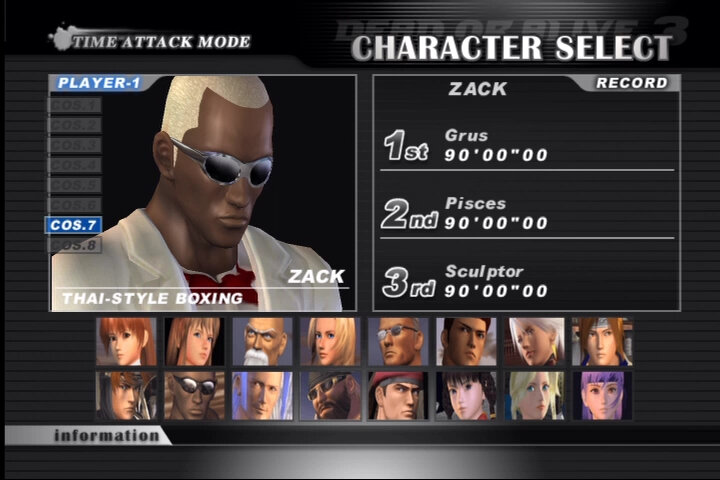
You can also use this to add additional costumes to the game. To install you will need a modded Xbox, or an ability to write files to the Xbox’s E partition where the game data is saved. If you have a soft modded Xbox, you can just FTP the files across. There are limits to the amount of costumes you can have, but a lot of the ones I downloaded had worked fine.
Modern Xbox’s

Tecmo have since release it on the XBox one and Series consoles as a backwards compatible title, running in a much higher resolution on the One X and Series X models.
Dead or Alive 4

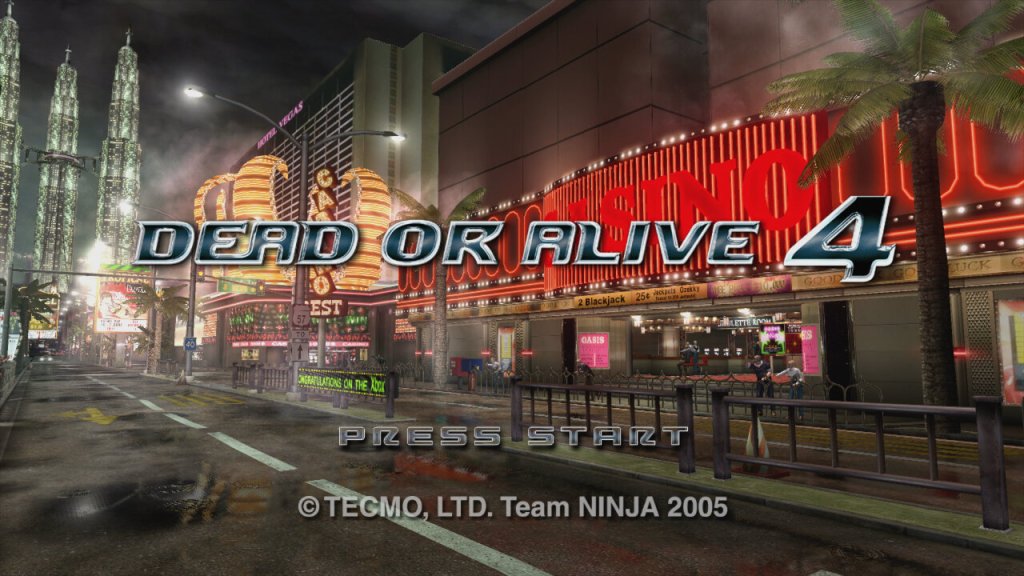
Dead or Alive’s HD debut

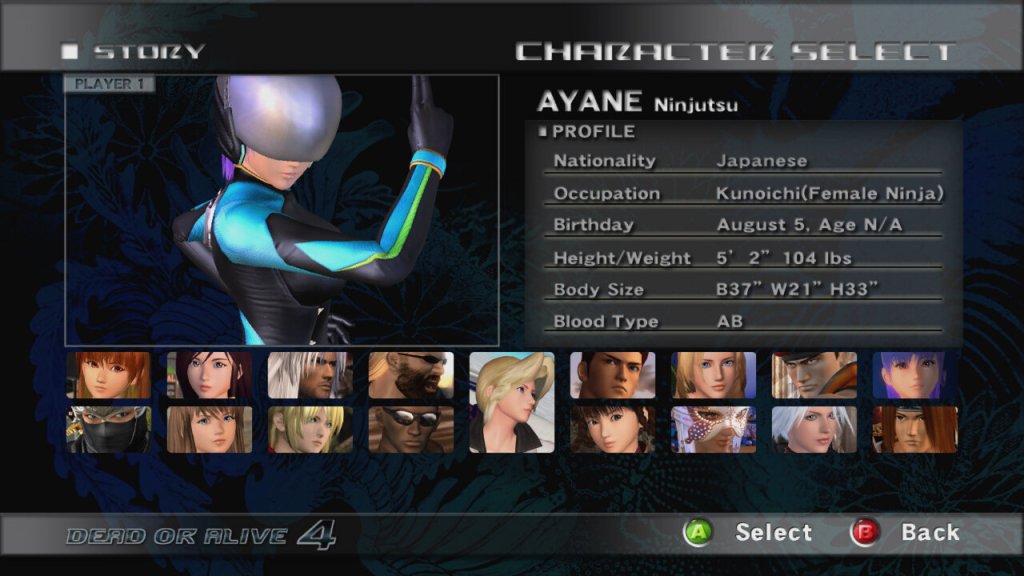
The games story picks up from Dead Or Alive 3, only with Helena at the center of the campaign as she inherits DOATEC from her mother who was assassinated in Dead Or Alive 2 but learns the corruption within the company is deep within. Other characters have their own storyline, some which interleave with the main plot with Kasumi/Ayane resolving their conflict to take down DOATEC. These are shown in the cutscenes when you play the characters respective story mode and will culminate with an ending FMV.

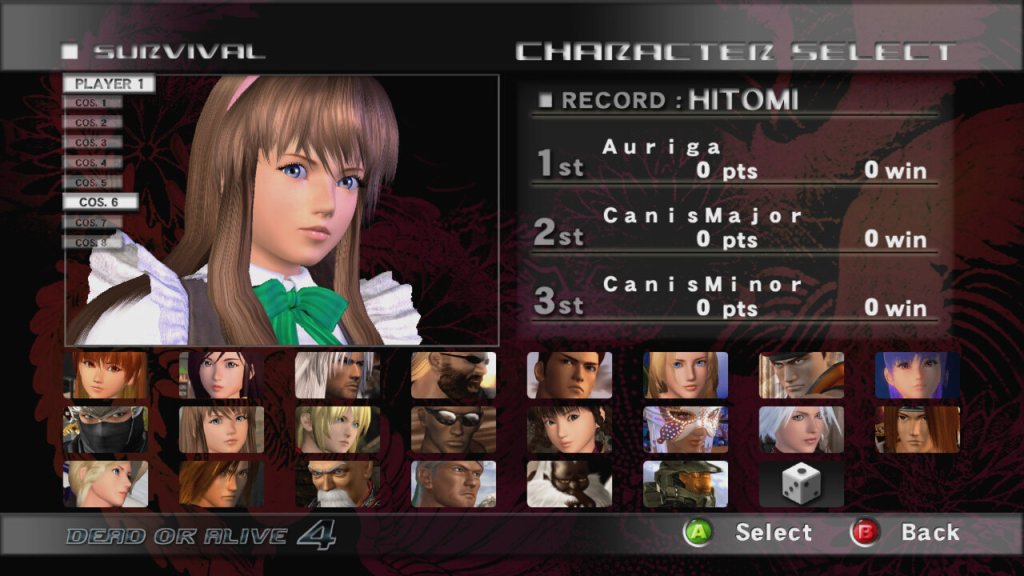
A few of the new characters introduced in the game:

Eliot: A young martial artist and a disciple of Gen Fu, and is on a quest for strength.
Kokoro: Bastard daughter of Fame Douglas, who is unaware of her true heritage.
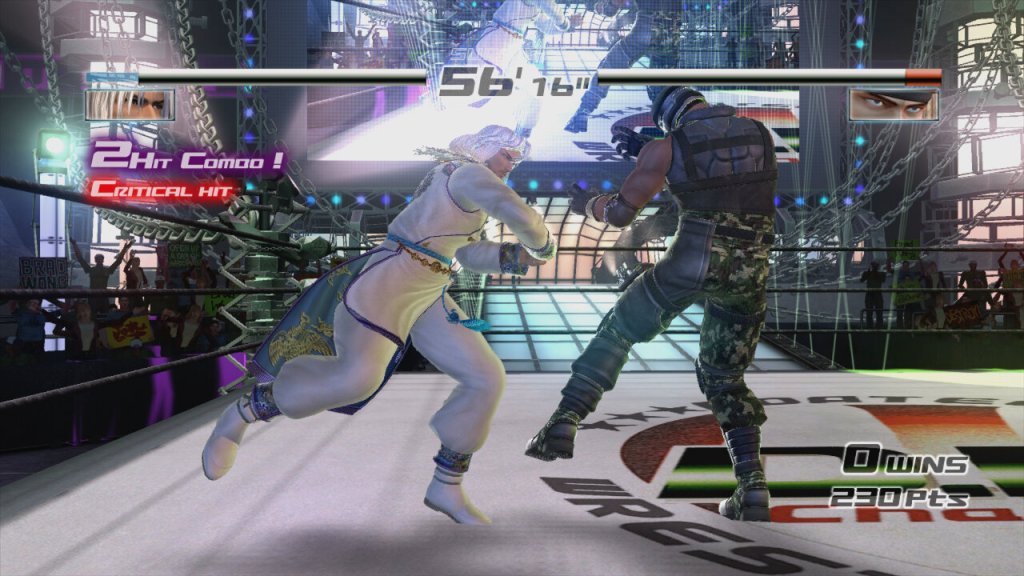
La Mariposa /Lisa Hamilton: An American masked wrestler who also works as a scientist for DOATEC, entering the tournament to investigate or escape from her employers.
Alpha 152: The boss of the game, a clone of Kasumi in energy form
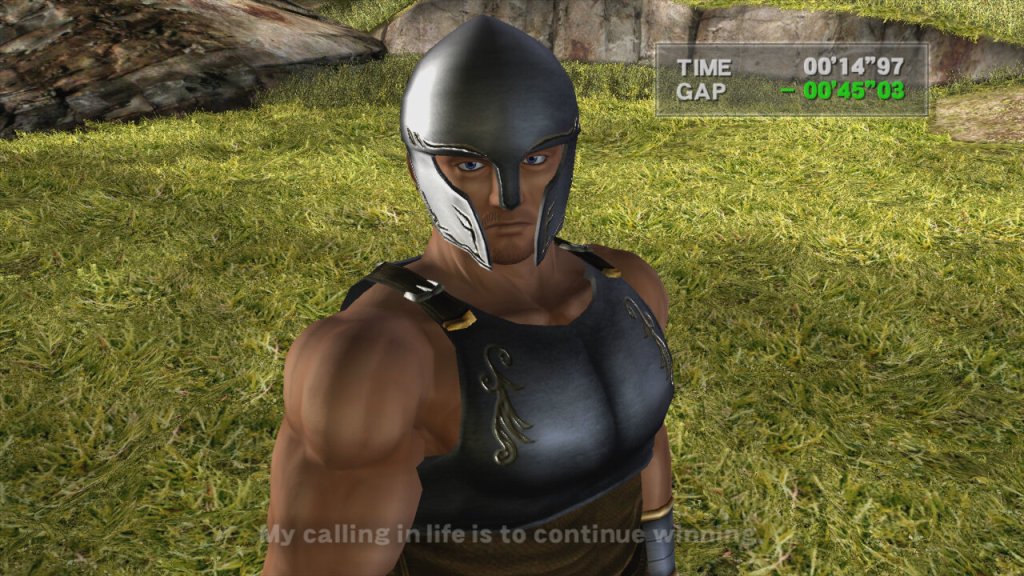
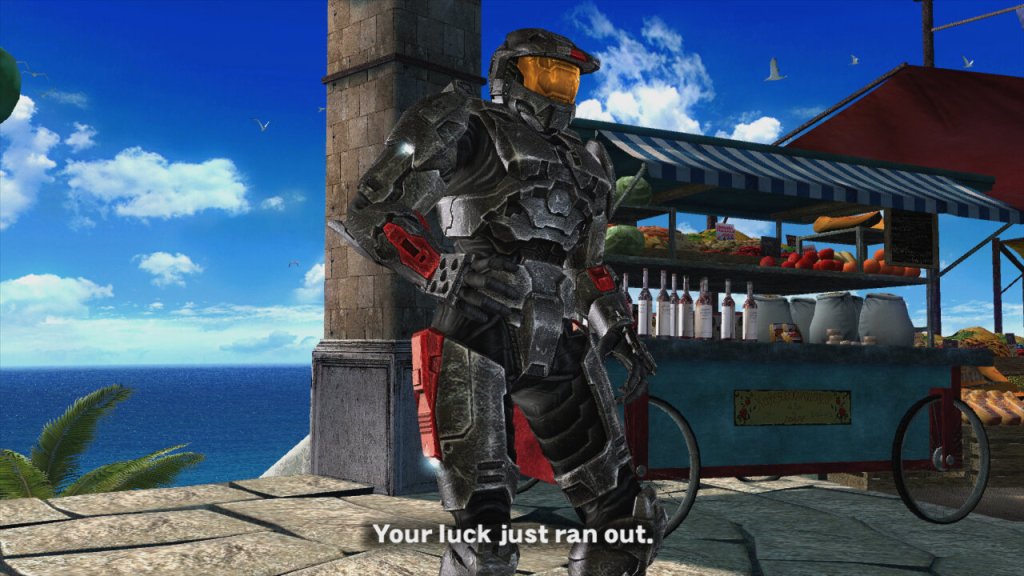
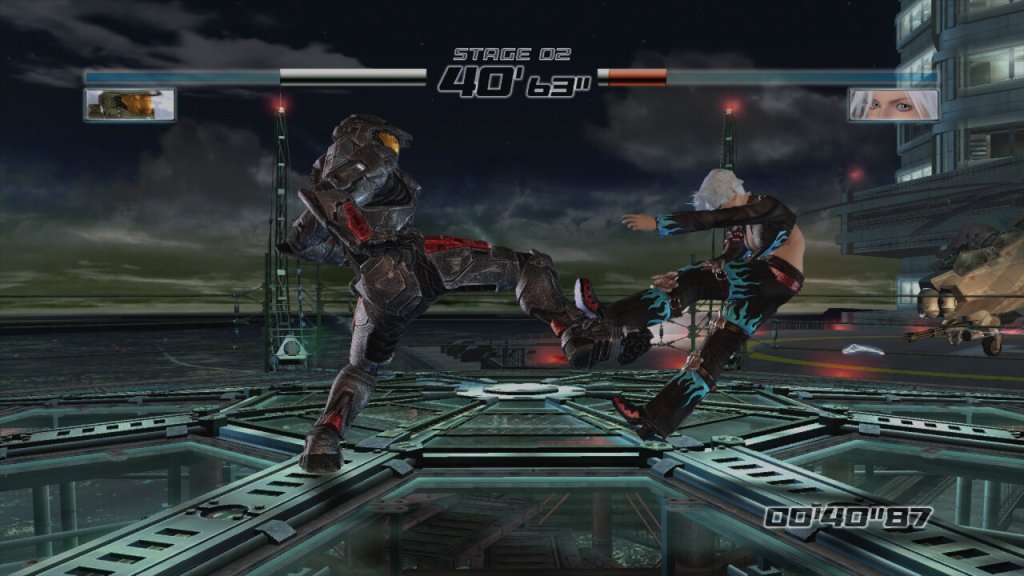
SPARTAN-458: A non-canon fighter inspired by the Spartans from the Halo franchise, A nod to the exclusivity of the game to the Xbox family of consoles.

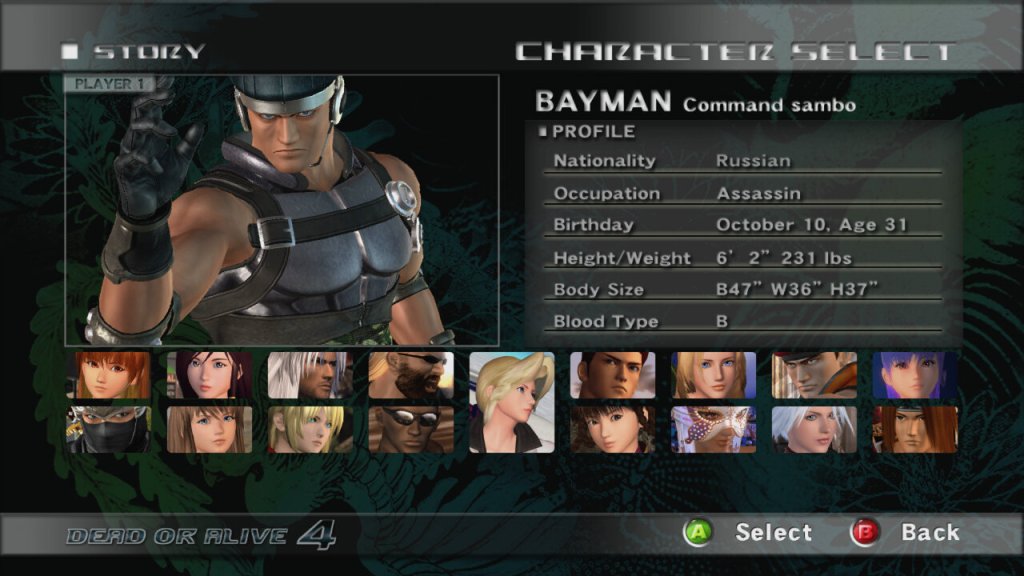
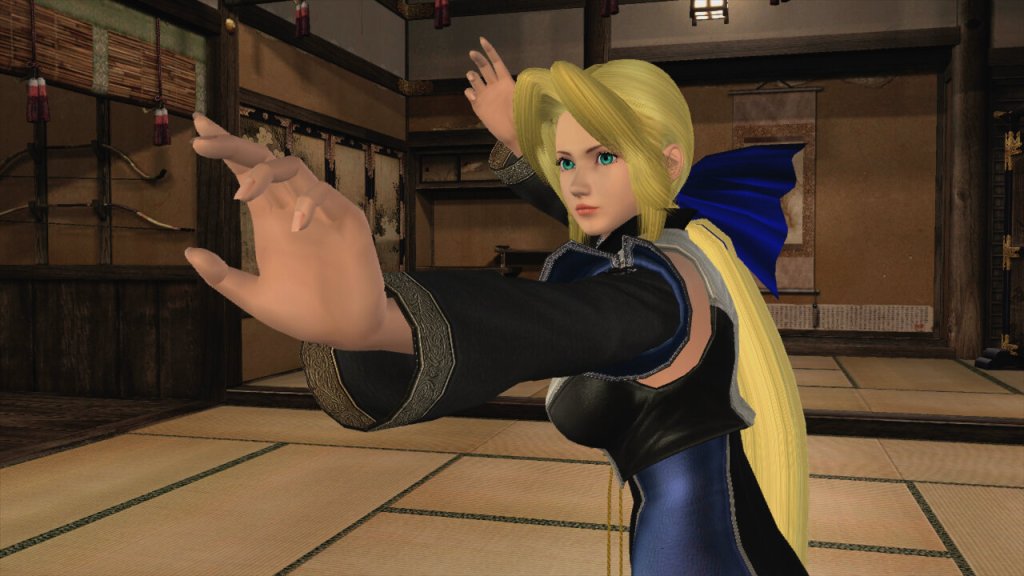
A lot of the fighters from the previous installments return, including Kasumi, Tina, Jan Lee, Bayman and Helena.

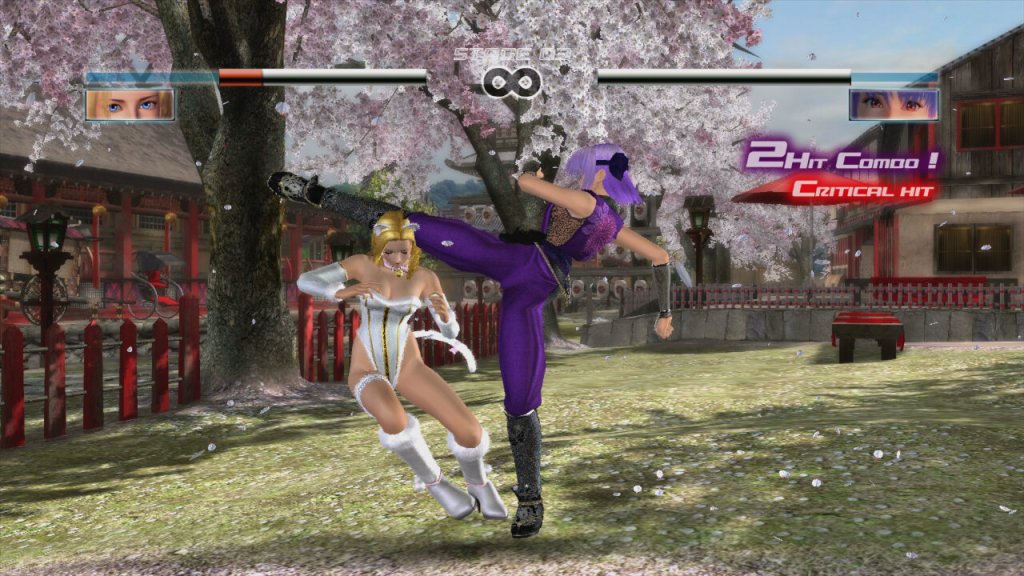
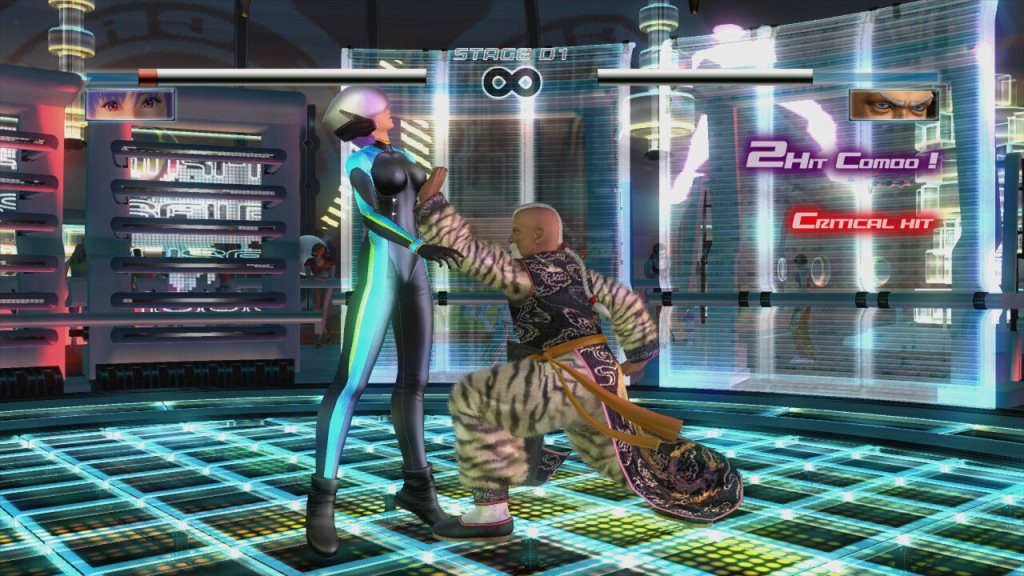
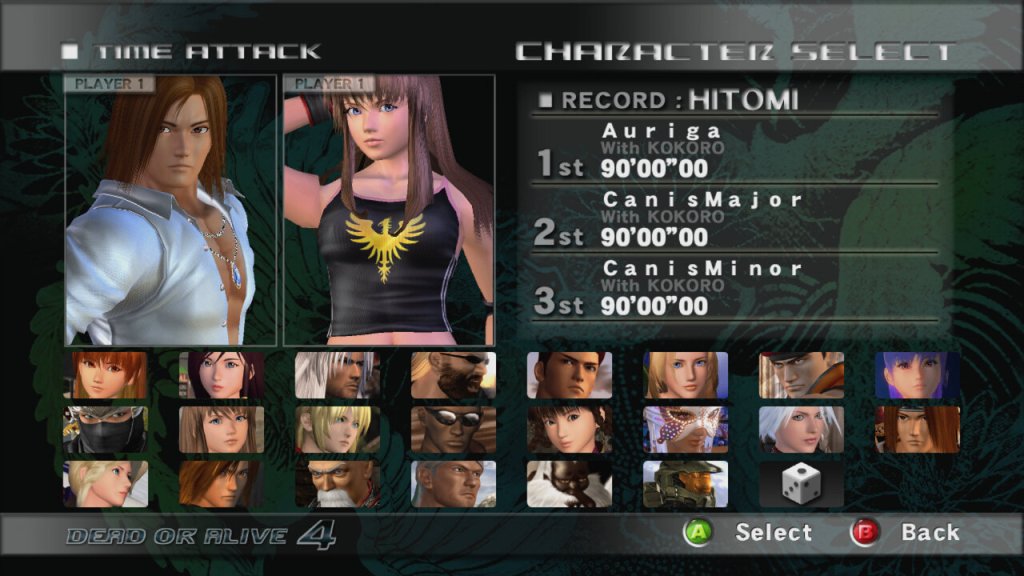
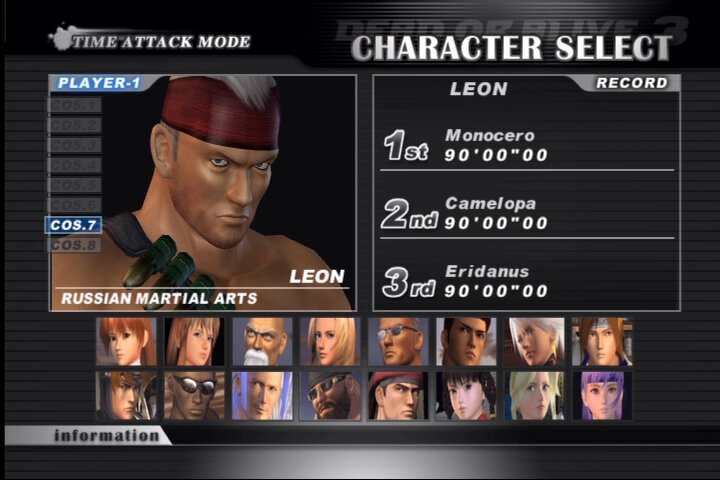
There isn’t much different with the game modes, though they are refined for online play. You do have the story mode which combines the games cutscenes with the fighting rounds, which are rendered within the game engine allowing for characters to use the costume you have chosen which can lead to some funny moments. Returning modes include Time Attack, Survival mode and Team Battle.

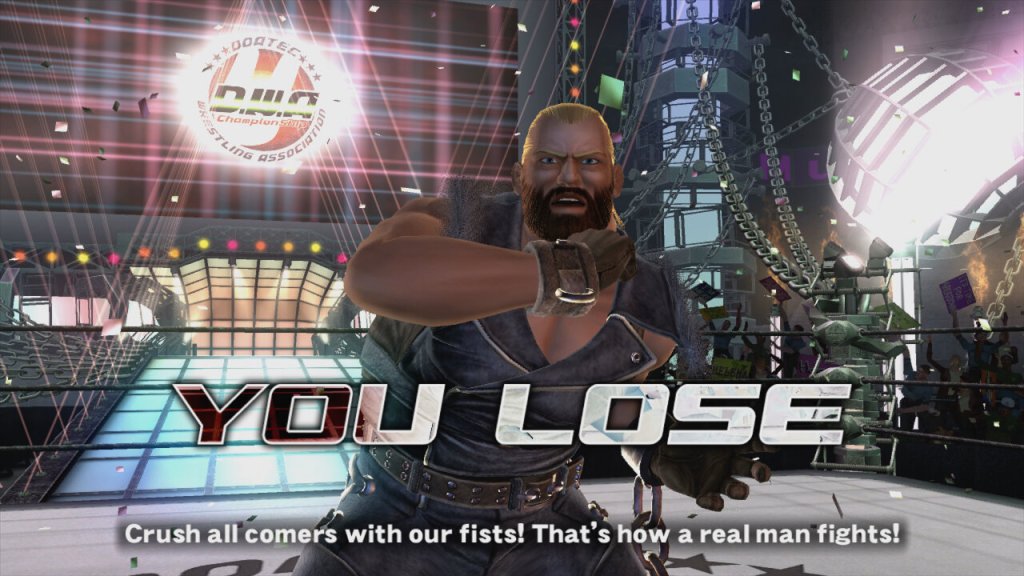
The main issue with the game is its difficulty. Dead or Alive 4 lacks an easy mode, with the default difficulty setting being quite challenging, even for seasoned players. The AI was too aggressive and seemed to cheat by countering player moves almost instantly or executing combos that were difficult to break out of. This was particularly highlighted in discussions where players felt the game required near-perfect timing and execution to succeed, which could be frustrating for newcomers or less experienced players. This is the case with the final battle between the boss (Alpha) who is difficult to beat even on the standard difficulty. There were certain rounds where she completely spammed attack moves repeatedly, leading to an instant defeat.
I honestly wonder if the AI is flawed in some way? A lot of matches are won on the basis of luck.

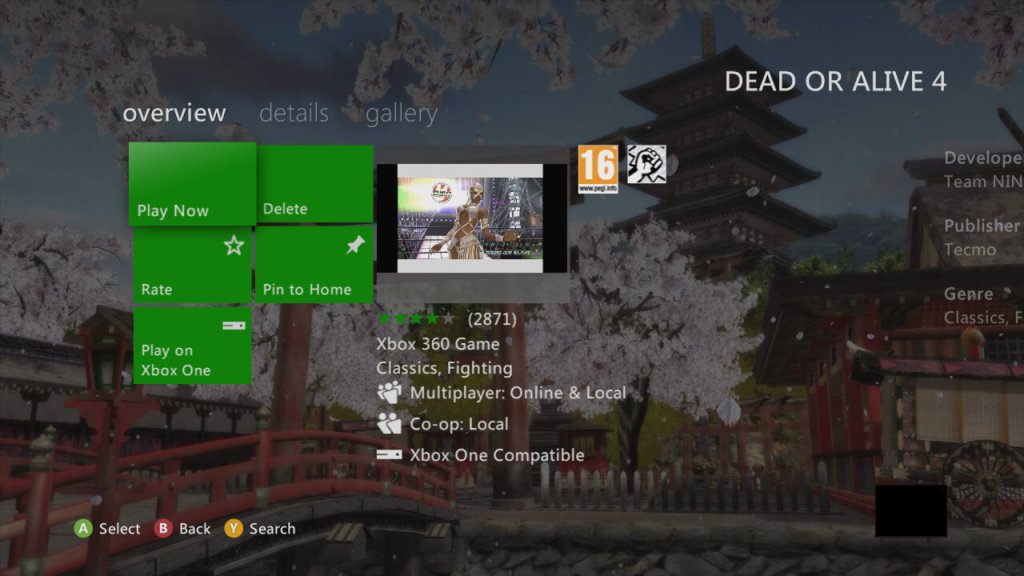
The game remains exclusive to the Xbox 360, but was ported to the Xbox One and Series consoles as part of Microsoft’s backward compatibility program. This also means the game can be purchased digitally online.

Dead or Alive

Virtua Fighter with bouncing physics

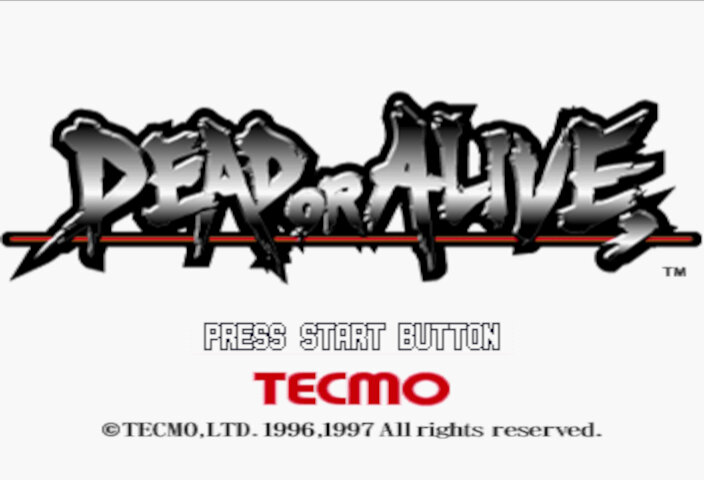
Released in 1996, Dead or alive was the fighting game created by Tomobou Itagaki, who is known for hating the Tekken game with a passion.

There are some similarities to the Virtua Fighter series of games by Sega, and have the same input controls and move-sets with Punch, Kick and Guard/Hold.

Characters

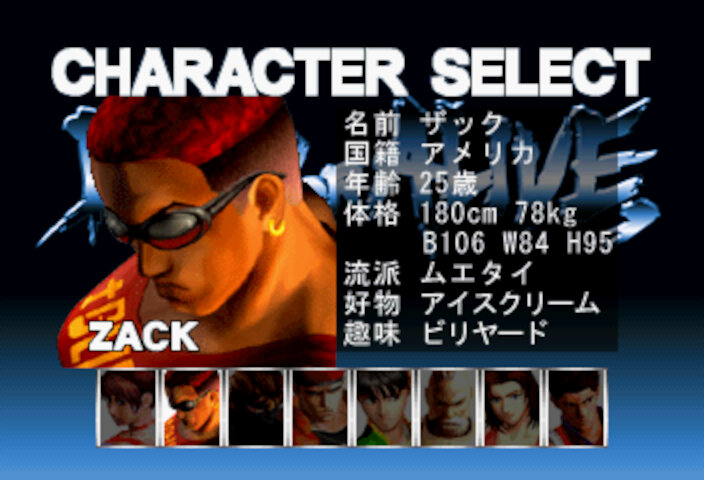
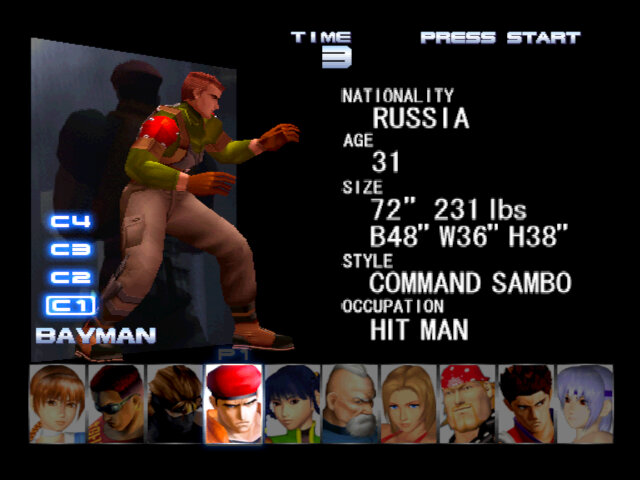
The character select screen displays basic stats on the characters and some not-so-useful information like the character’s favorite food and their hobbies. Honestly, this looks more like a dating site profile but does add a bit of personality to the fighters.

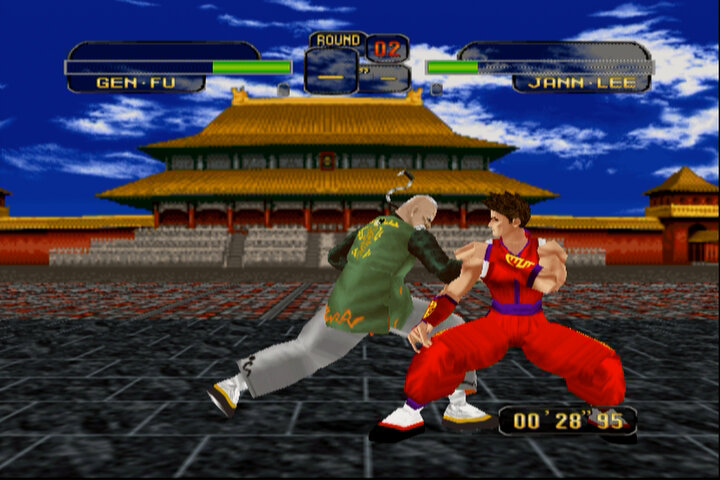
As with other fighting games, each character has their own unique fighting style which is tailored to their culture, and there are some obvious inspirations with Jann Lee being based off Bruce Lee.

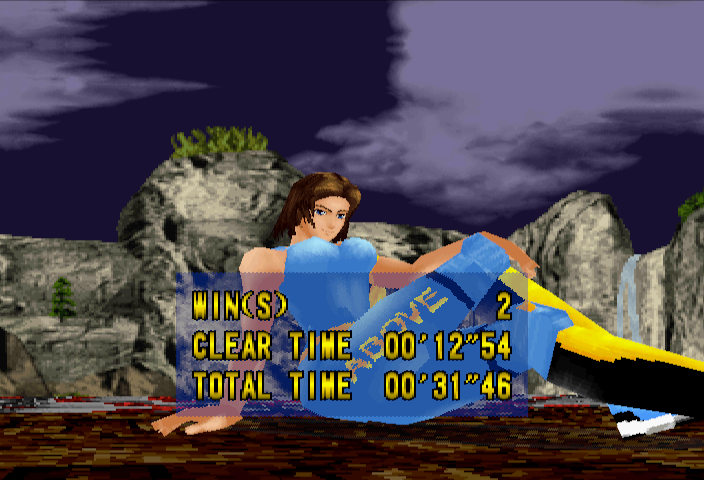
  • Kasumi: The ginger ninja, or runaway shinobi according to the games lore
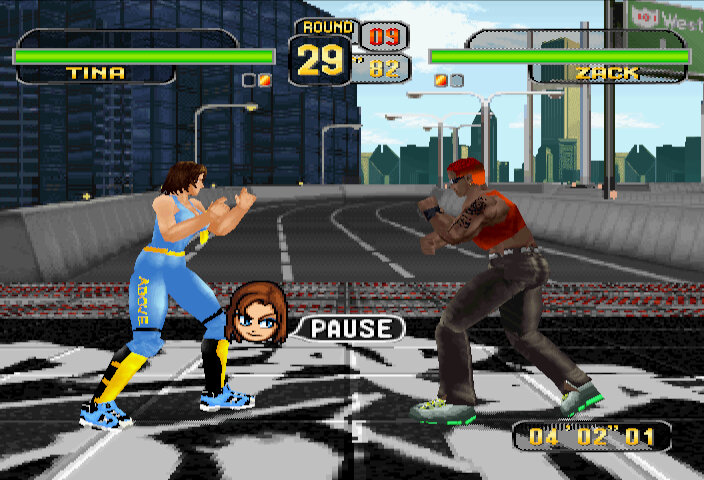
  • Zack: Dennis Rodman-inspired character who has a kickboxer moveset. The first opponent who stage is set on a tropical beach set at sunset
  • Ryu: Another Ninja, from the game Ninja Gaiden. The third opponent set on a rural Japanese stage with a hut in the background
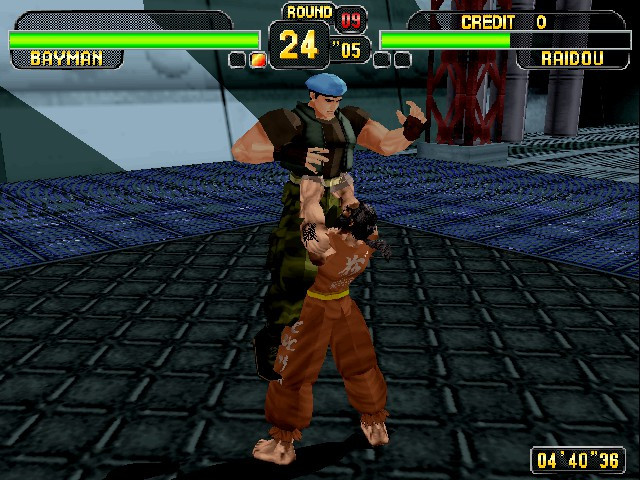
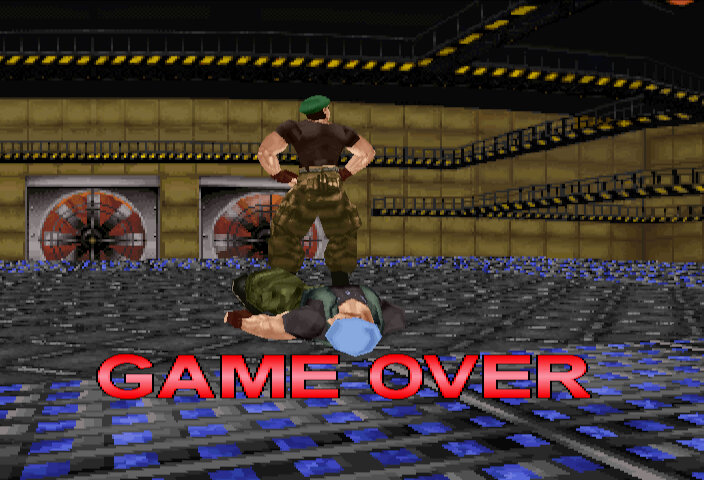
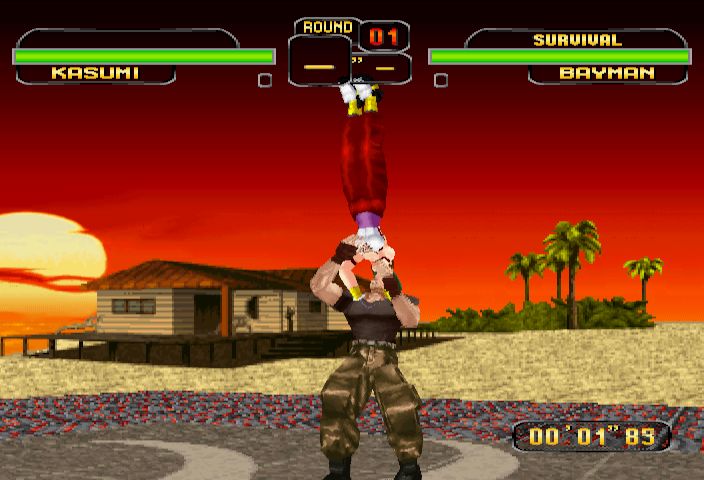
  • Bayman: A Russian henchman/assassin, the sixth opponent whose stage is set in an aircraft hangar since he is supposed to have a military background
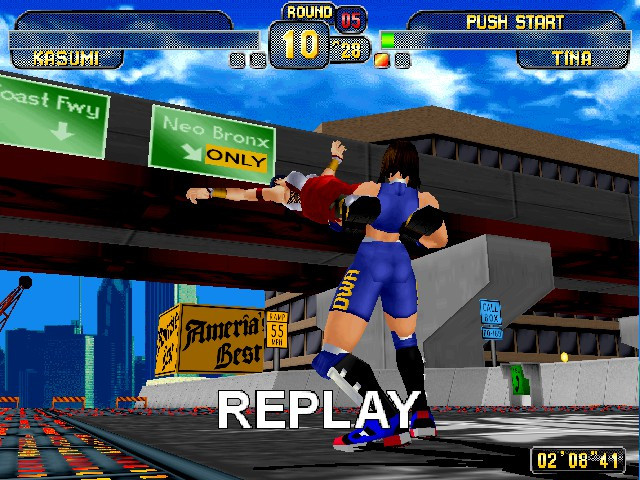
  • Jann Lee: Bruce Lee, similar to Law from Tekken. The fourth opponent and shares a stage with Tina, which is an American downtown highway set at night
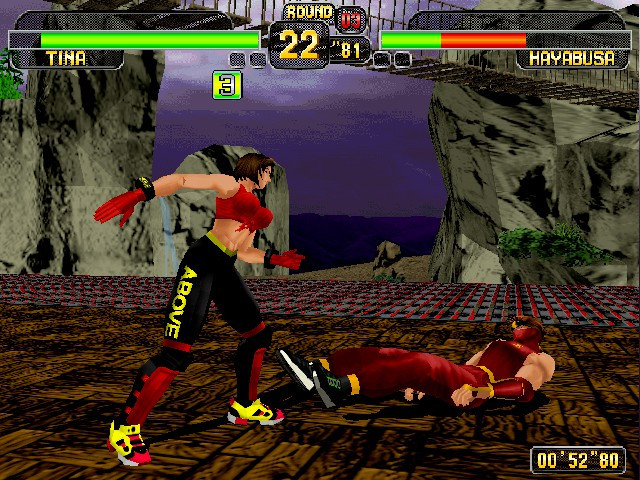
  • Tina Armstrong: A wrestler and daughter of Bass Armstrong
  • Gen Fu: Old dude who is a master in Kung Fu, like Wang from Tekken
  • Lei Fang: A Chinese fortune teller turned fighter
  • PlayStation Only
    • Ayane: Kasumi’s half-sister who are rivals. Looks like a feminist
  • Bass Armstrong: Tina’s father, Hulk Hogan and Randy Savage crossover

Versions

Dead or Alive was released initially in arcades in 1996, and then ported to home consoles in 1997

Arcade (Original)

The game runs on the Sega Model 2 arcade board and is very similar to Virtua Fighter 2 which also ran on the same board. The control movesets and even the background stages are similar. This version of the game renders its stage background in full 3D, allowing for certain moves that use the background elements like a couple of Ryu’s moves on his stage. There is also a ‘Danger Zone’ around the stage that when your opponent lands on it, will be propelled into the air with a mild explosion, dealing some damage.

Sega Saturn

The game was ported to the Saturn and was the first home port of the game. This version is a mostly faithful conversion of the arcade original, with some changes taking place due to the less capabilities of the Saturn 3D hardware. Still, the Saturn has always done good with fighting games, and Dead Or Alive is no exception to this, yet this version of the game was only released in Japan.

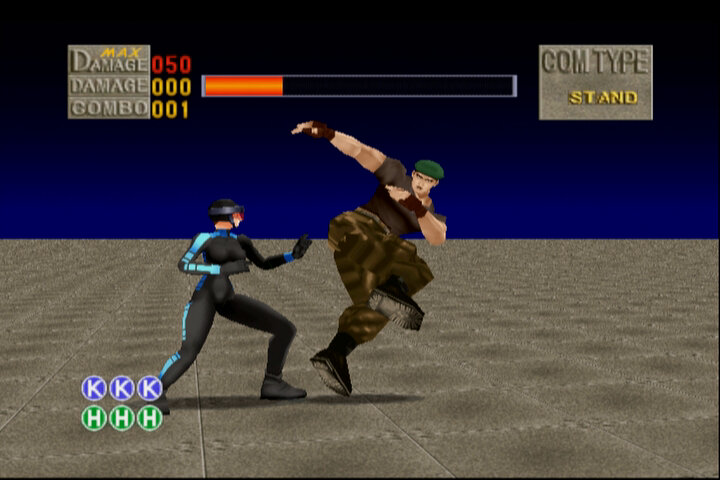
There are a few menu options added, with a Time Attack mode being similar to arcade mode but with the goal of completing rounds in the shortest amount of time. V.S being versus, allowing a second player to fight head to head. Survival mode has you fight against multiple opponents, one at a time, using a single life bar. Kumite is somewhat a sparing mode where you can fight from 30/60/100 opponents which the goal of having the highest winning percentage. Lastly, there is also a standard training mode that lets you practice each character move, and test against opponents’ defensive moves.

Like other Arcade to Saturn conversions, an opening FMV is included which gives a quick montage of the characters.
As the Saturn version of the game was only released in Japan, I would avoid this version and get the original Xbox version instead, which is the same game but with added online play and cleaned-up graphics.

Sony PlayStation

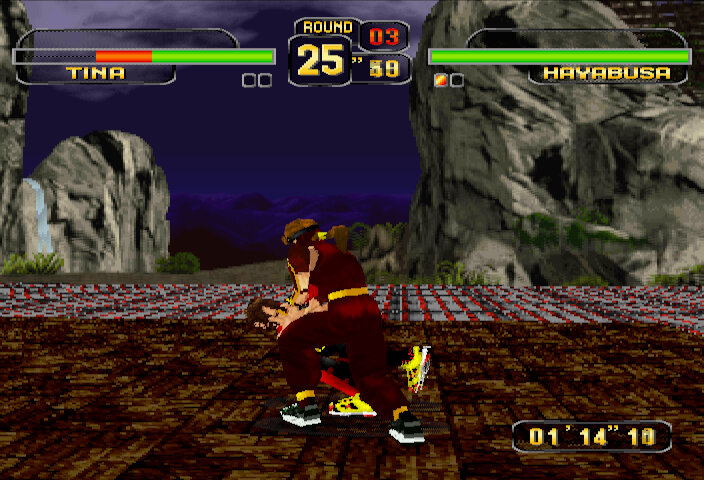
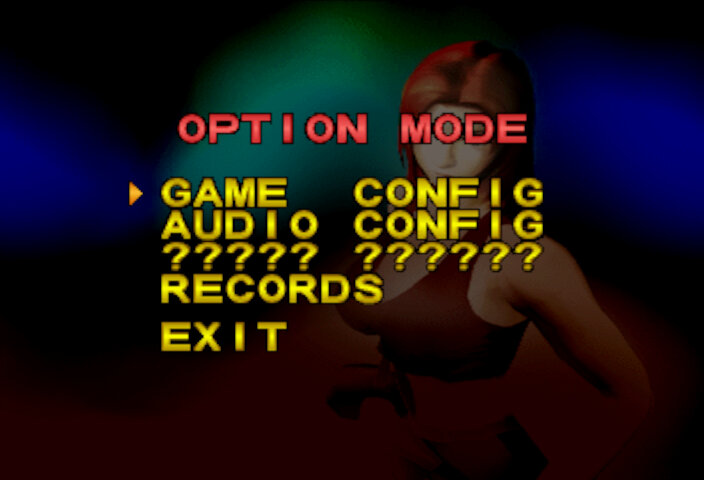
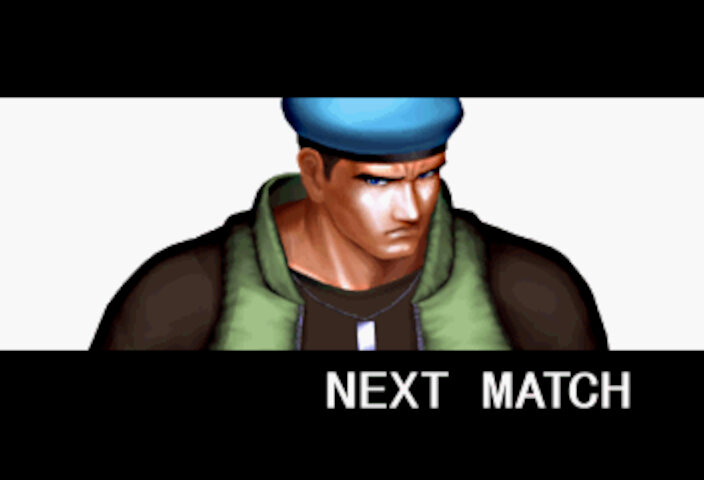
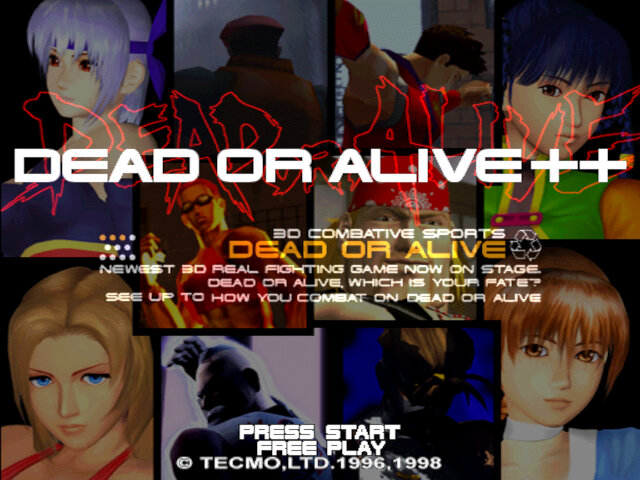
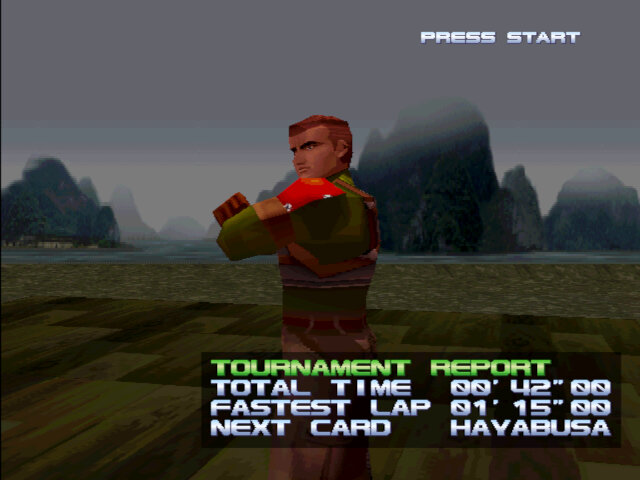
An updated version of the game was released for the PlayStation, which came with updated moves, two new added characters & backgrounds. This is considered a remake of sorts, as the stage background and music have been redesigned and are vastly different compared to the Sega versions. Two new characters have also been added which also feature in the arcade version, Dead or Alive ++, not the Model 2 version.

This version also includes the training, Kumite, Survival and Vs modes.

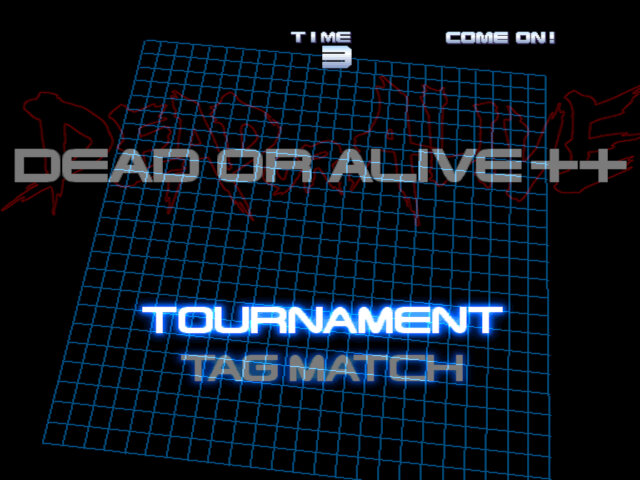
Arcade (Dead Or Alive++)

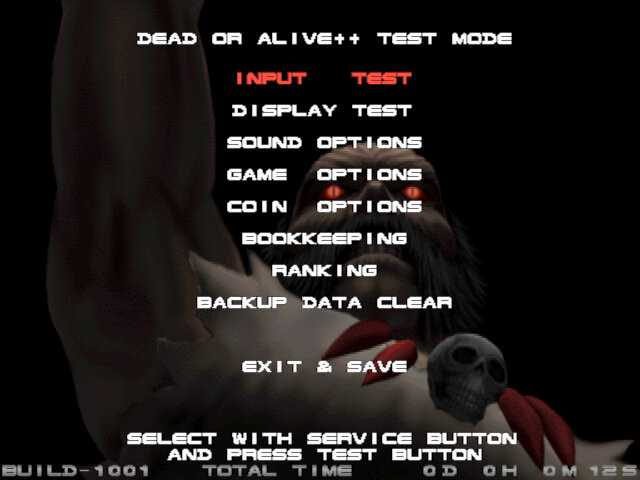
Another arcade version was released, this time on the PlayStation-based ZN arcade board, and shared a lot of similarities with the PlayStation home release. Each fighter has 4 different costumes to choose from, and a tag match mode has been added. New characters, Bass Armstong and Ayane have been added to this version.

Xbox

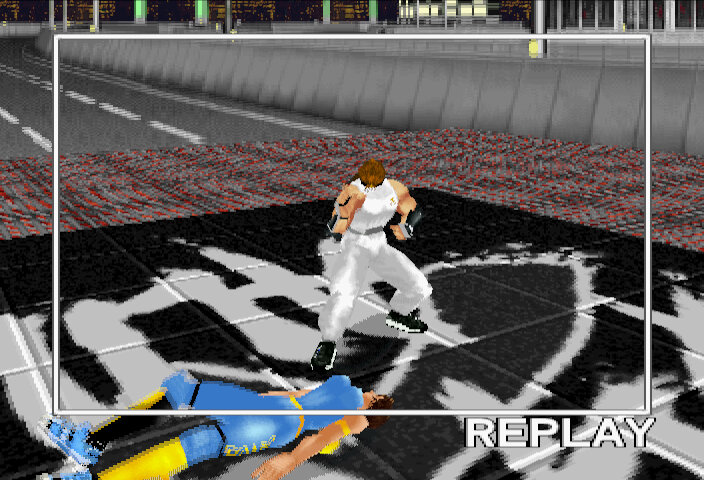
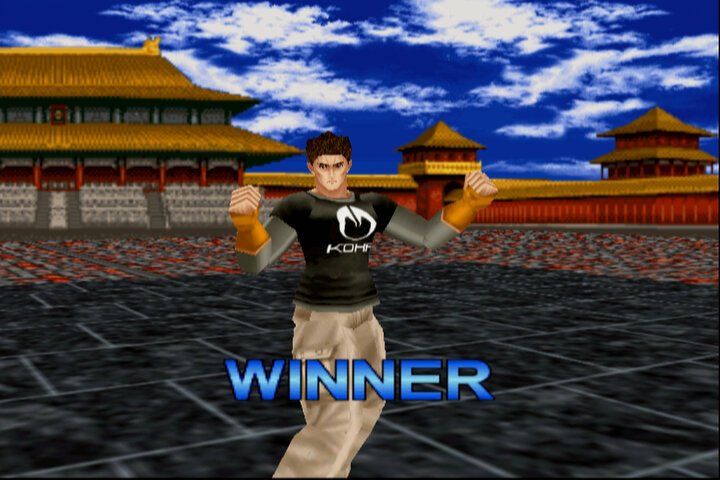
This version was based of the original Sega Saturn release but takes advantage of the Xbox hardware. However, id say it pales graphically compared to the Model 2 version which features full 3D background objects, whilst the Xbox version features the static 2D backgrounds (no moving objects in the background, but some textures are animated) the Saturn uses. Still the character’s models and textures are more detailed, and Xbox Live support is included in this port of the game to allow online multiplayer. This has since been shut down following Microsoft discontinuing support for original Xbox Live titles in 2010.

Still, you miss out on Bass Armstrong and Ayane which is an odd omission.

This version of the game is playable on the Xbox One and Series consoles and can be brought online. You can also play on the Xbox 360 with a compatible hard drive.

Conclusion

Dead Or Alive came at a very hard time for Tecmo, who was facing bankruptcy prior to the release, hence the name of Dead Or Alive.

Dead Or Alive would be followed up in 1999, with the release of Dead or Alive 2 for the Dreamcast, and the PlayStation 2. It would be the last game released for the arcades. Future installments would be released on the Xbox exclusively, before returning to multiplatform with Dead or Alive 5.