Tag Archives: Wii

Call Of Duty – World At War

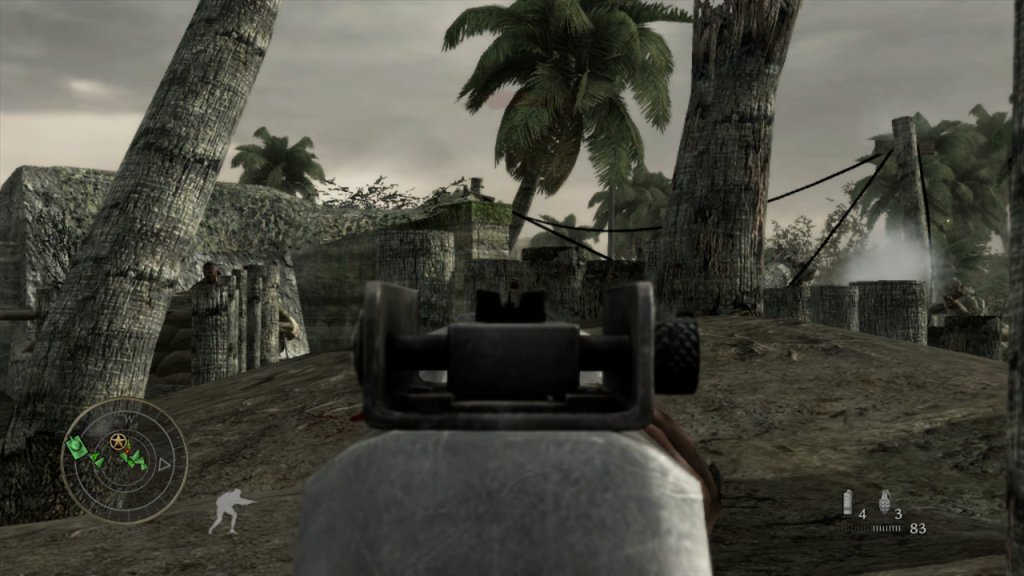
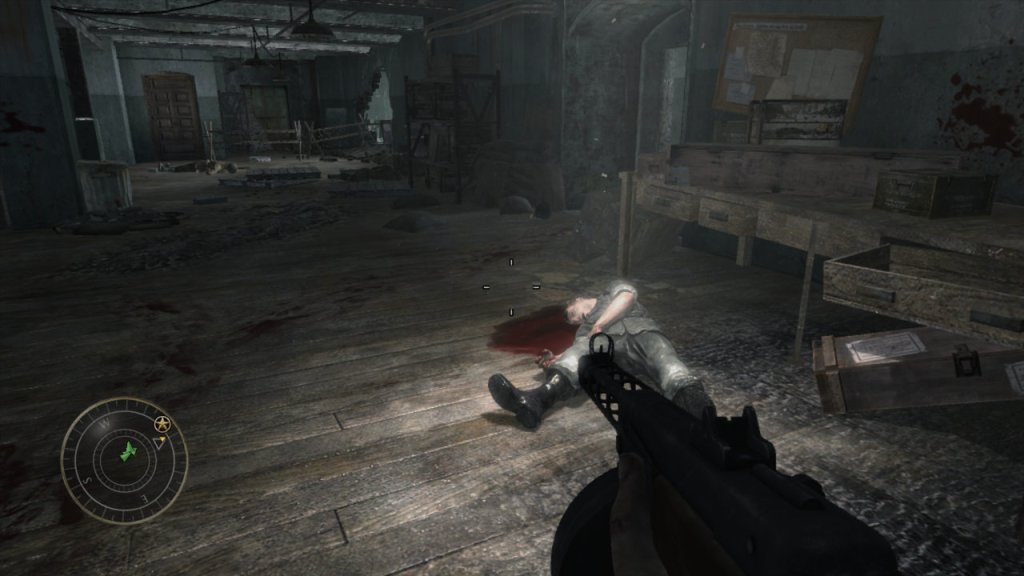
A first person shooter released as a followup to Modern Warfare (Call Of Duty 4), here we return to history. World at War hits different in comparison to the previous titles in the series, taking on a more gritty undertone with the games campaign, which can carry over to it’s multiplayer maps.
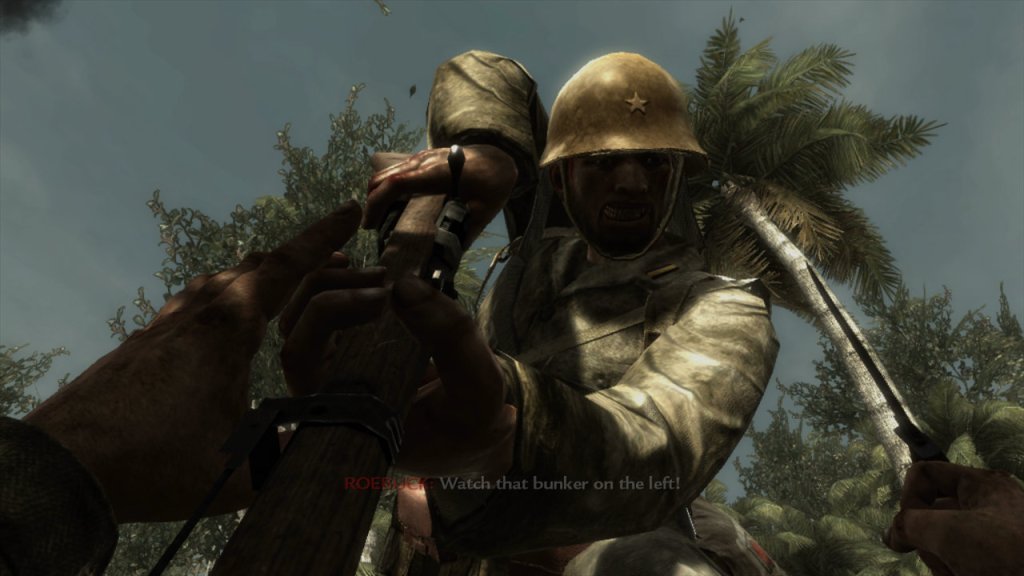
The game is set during World War II, depicting intense battles such as Peleliu, Okinawa, Stalingrado, and Berlin. It emphasizes the gritty and brutal nature of the conflict, including unique enemies like Kamikaze fighters and Banzai chargers. The single-player campaign is split into two perspectives. The American campaign follows US Marine Raider Private C. Miller in the Pacific Theater, covering battles like Makin Atoll, Peleliu, and Okinawa. A mission featuring US Navy Petty Officer Locke as a gunner during Okinawa is also include. The Soviet Campiagn centers on Soviet soldier Private Dimitri Petrenko, alongside Sergeant Viktor Reznov, from Stalingrado to the Battle of Berlin, culminating in planting the Soviet flag on the Reichstag.
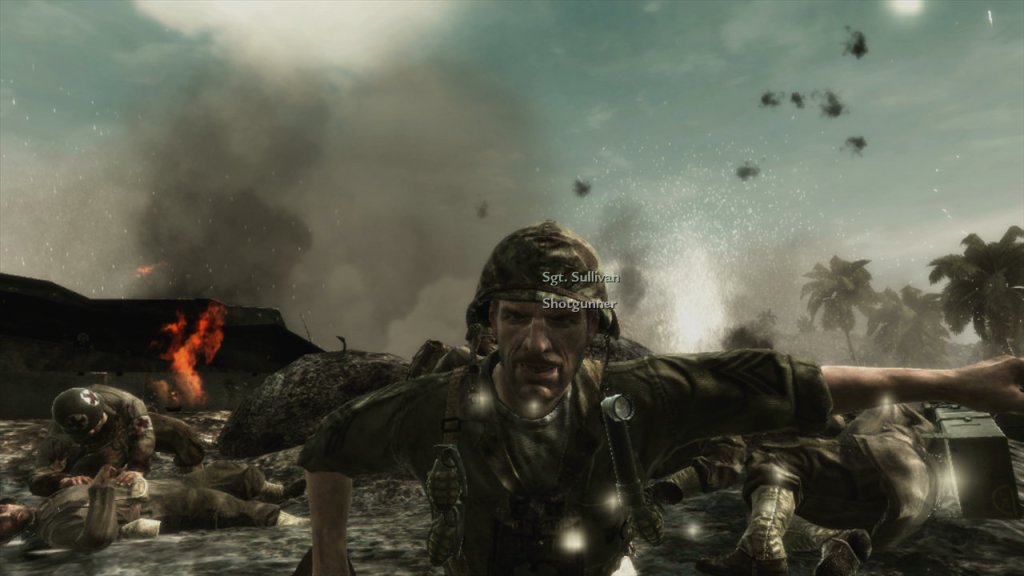
The game’s campaign touches on a few political elements, specifically with patriotism and Nation Duty. While not overt, the game subtly critiques the dehumanizing nature of war through its graphic violence and grim tone, showing the cost of militaristic ideologies. The campaign doesn’t shy away from war’s horrors—flamethrowers burn enemies alive, civilians are caught in crossfire (e.g., “Vendetta”), and missions like “Eviction” depict urban devastation. This contrasts with the patriotic heroism, suggesting war’s toll on all sides, though it’s less critical of Allied actions. The game’s mature rating and gritty aesthetic (dismemberment, blood effects) aim to portray WWII’s brutality authentically, unlike earlier, sanitized WWII games. However, it stops short of questioning the Allies’ moral framework, focusing on Axis aggression.
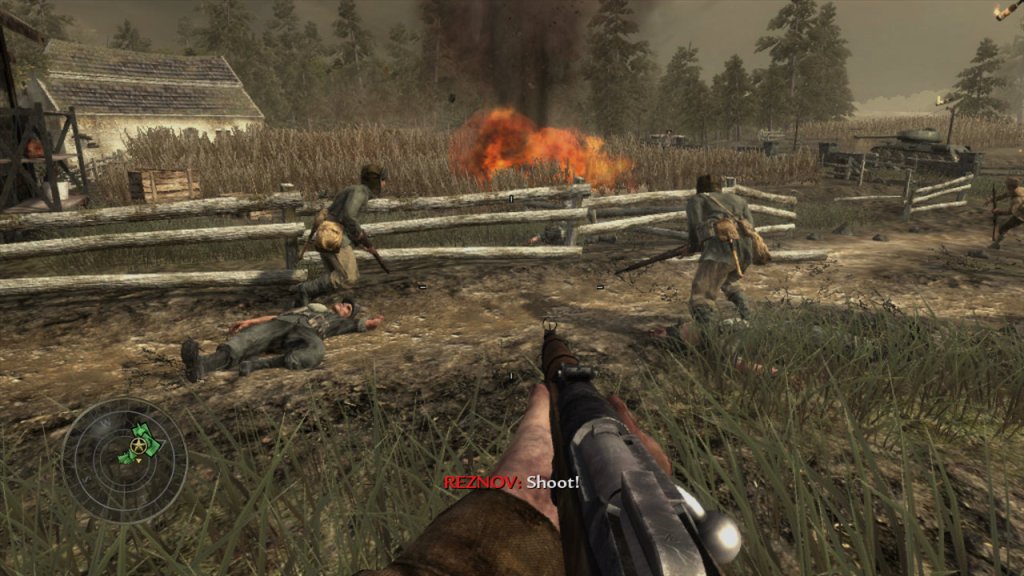
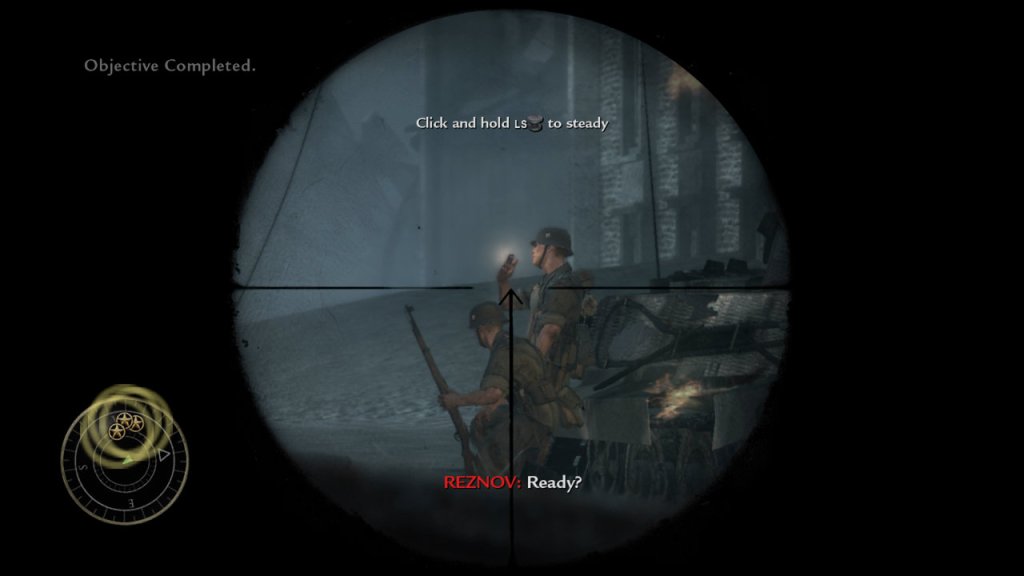
The game reflects WWII’s propaganda-driven narratives, with each side’s campaign reinforcing their ideological stance—American democracy vs. Japanese imperialism, Soviet communism vs. Nazi fascism. Soviet missions use rhetoric like “For the Motherland!” to evoke communist unity, while American missions emphasize liberating the Pacific. The game doesn’t explore internal political tensions (e.g., Soviet purges, U.S. segregation) but mirrors wartime propaganda’s black-and-white framing. This reflects how WWII media shaped public perception, with clear heroes and villains. The game’s Zombies mode, while fictional, uses Nazi zombies as a shorthand for evil, reinforcing this narrative.
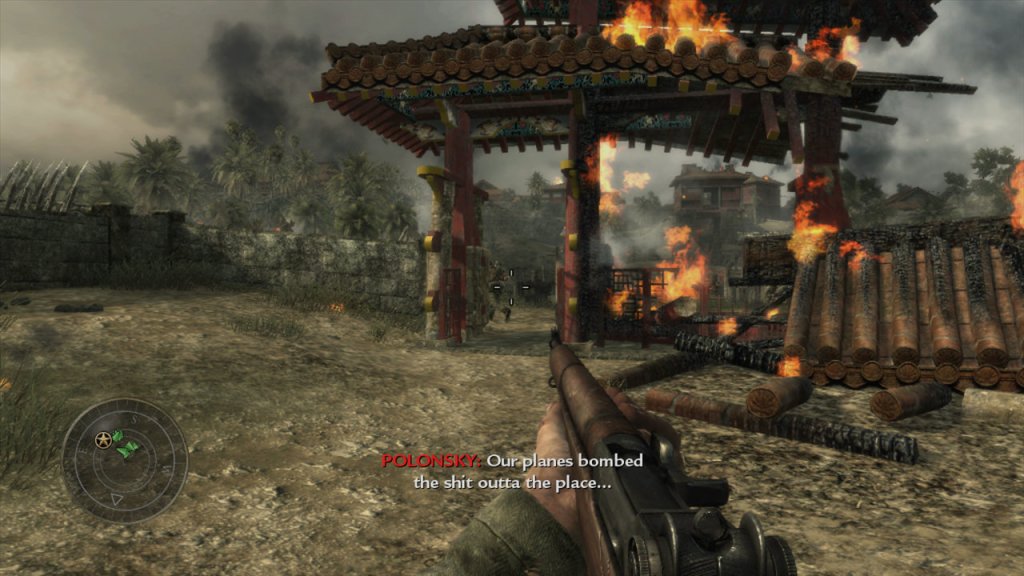
The Pacific campaign subtly touches on imperialism, as the U.S. fights to reclaim territories from Japanese control, but it doesn’t critique American expansionism. Missions like “Semper Fi” and “Black Cats” focus on retaking islands like Makin and Okinawa, framing the U.S. as liberators. The game sidesteps the Pacific’s colonial history (e.g., U.S. control of the Philippines) and Japan’s imperialist ambitions are villainized without nuance.

This reflects a Western-centric view, where Allied actions are heroic, and Japanese motivations (e.g., resource-driven expansion) are reduced to fanatical aggression.

Multiplayer

There are six multiplayer modes, including Team Deathmatch and Capture the Flag, with a ranking system up to level 65. You can unlock weapons, perks, and grenades as they progress, with a Prestige mode resetting rank for additional class slots. Killstreaks are rewarded following several consecutive kills In a row without dying, the rewards  Includes three killstreak rewards: Recon Plane (3 kills), Artillery Strike (5 kills), and Attack Dogs (7 kills). There are 13 maps included, with additional maps added as DLC.

Zombies Mode
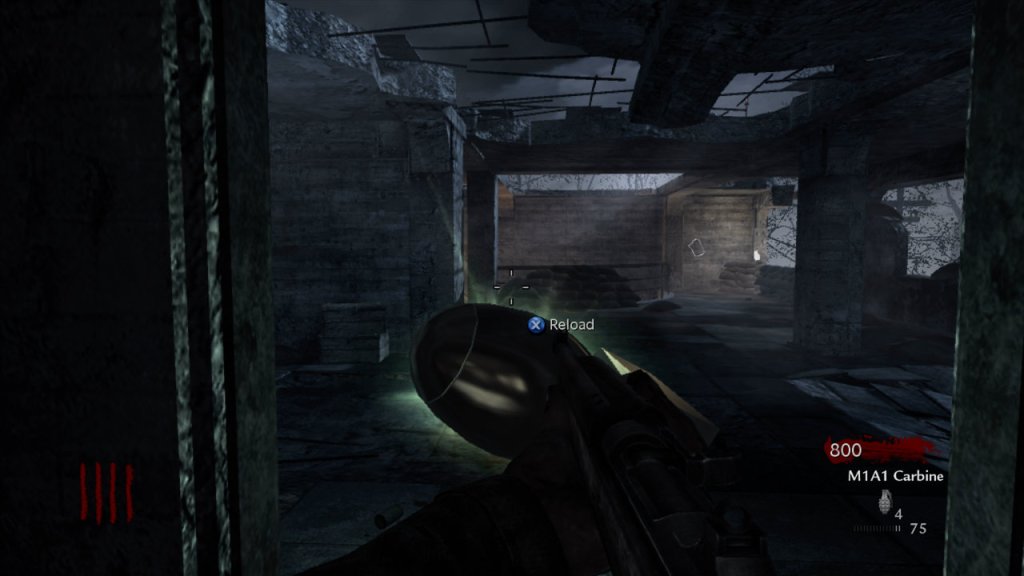
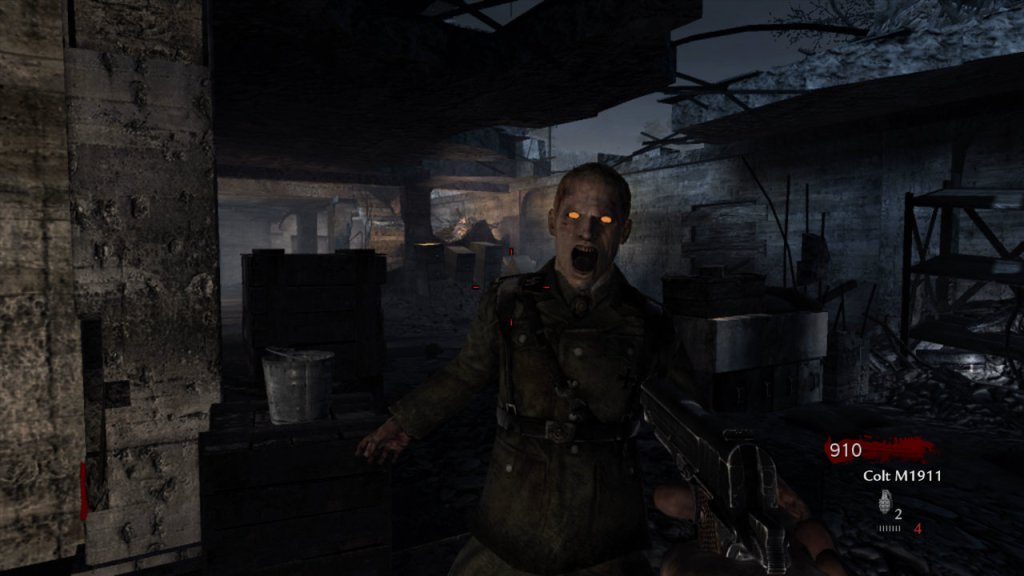
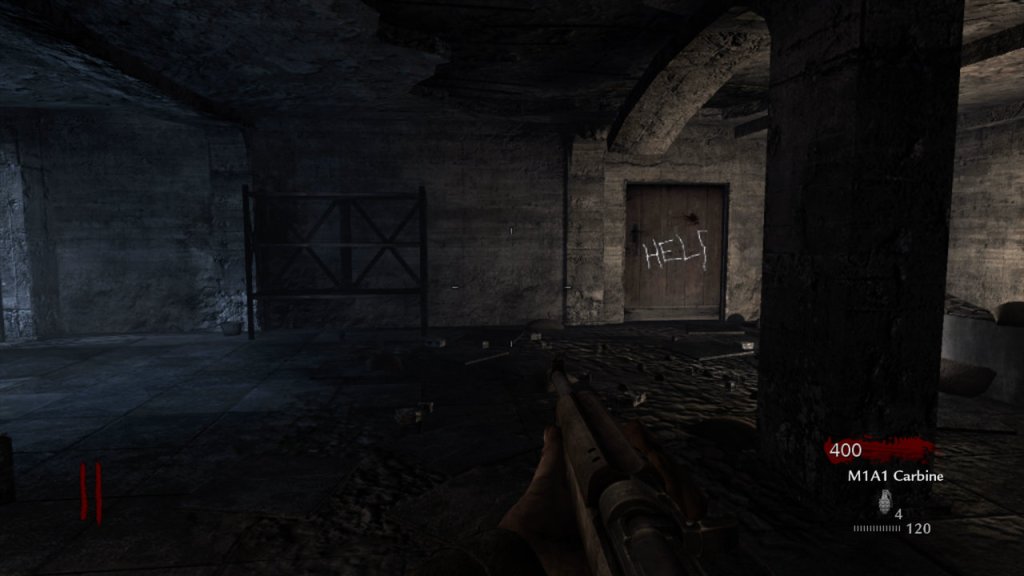
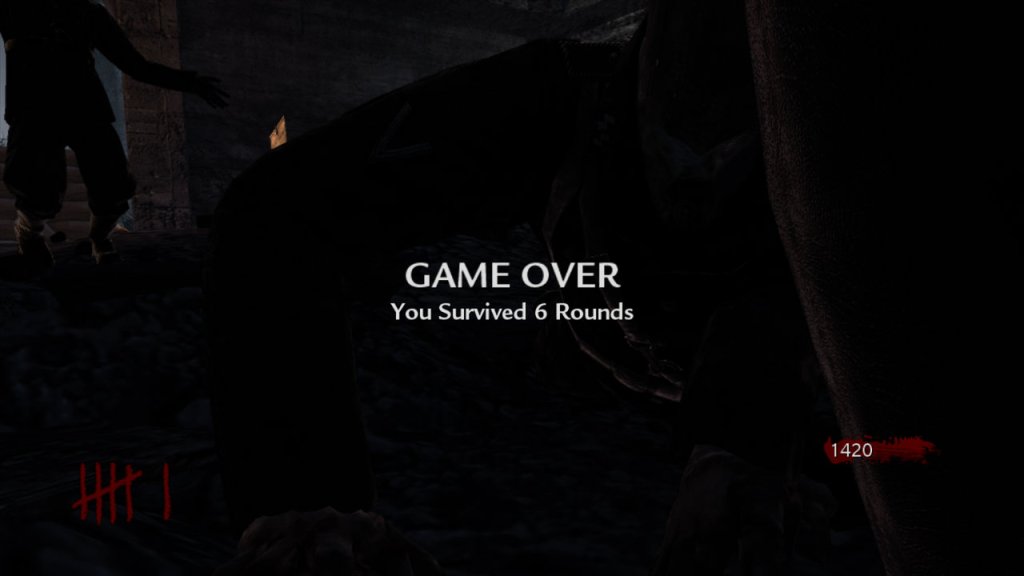
This was the first in the series to include a Zombies modes, which is a PVE mode where a team of players have to face off against computer controlled zombies whilst scoring enough points to spend on weapons, ammunition and barriers. The vibe is spooky, the teamwork is clutch, and it’s got that “one more game” energy that keeps you up ‘til 3 a.m. The later DLC zombie maps, like Verrückt, just crank the insanity up. This mode basically birthed a whole subgenre for Call of Duty and has become a common staple of the series. It can be best thought as a competitor to the Horde mode from Gears Of War 2, Firefight from Halo Reach, or survival from Left 4 Dead.

Versions
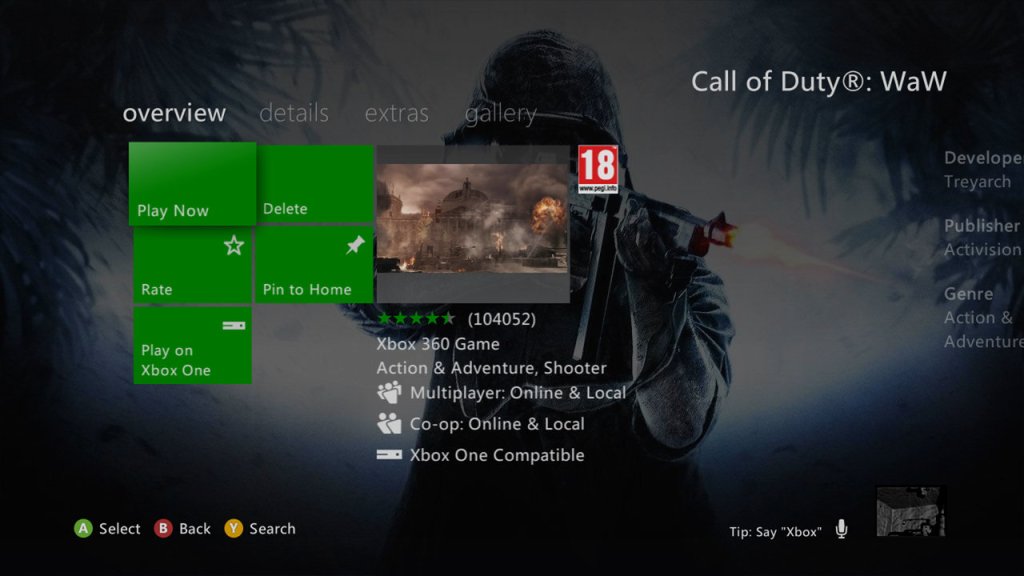
Xbox 360: The only version that has support for achievements, along with standard Xbox Live features like matchmaking and leaderboards. You do need to subscribe to play on Xbox Live unlike the other versions but is playable on the Xbox one and the Series consoles.

PlayStation 3: Compared to the 360 version, there is a noticeable frame drop when the game gets busy.Trophies were added following an update.

Wii: The Wii version is a tailored adaptation of the game for Nintendo’s console, offering unique benefits despite hardware limitations compared to the PS3, Xbox 360, and PC versions. While it sacrifices some graphical fidelity and features (e.g., no online co-op, fewer maps), it leverages the Wii’s motion controls and accessibility to deliver a different experience. I cant say the motion controls are good for aiming, sometimes you get a benefit of accuracy if the Wii Remote is playing nice, but most times it s awkward to correctly aim which makes the game more clunky to play.

Windows: Avaliable on Steam, but appears to lack achievement support since Steam did not support this at the time. This version still works on modern systems and the servicers are still online. But various security expoits make this version risky to play.

Conclusion

Call of Duty: World at War is a straight-up classic. The campaign’s a wild ride, multiplayer’s got that addictive grind, and Zombies? It’s not perfect—grenade spam and some repetitive missions can be a buzzkill—but this game’s got heart, guts, and a legacy that kicked off the Black Ops series of games.
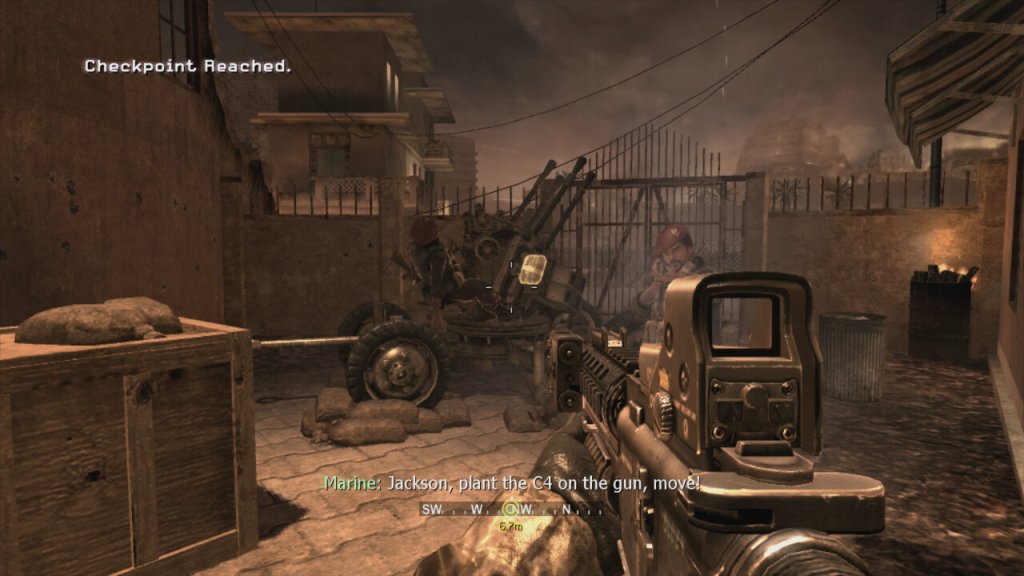
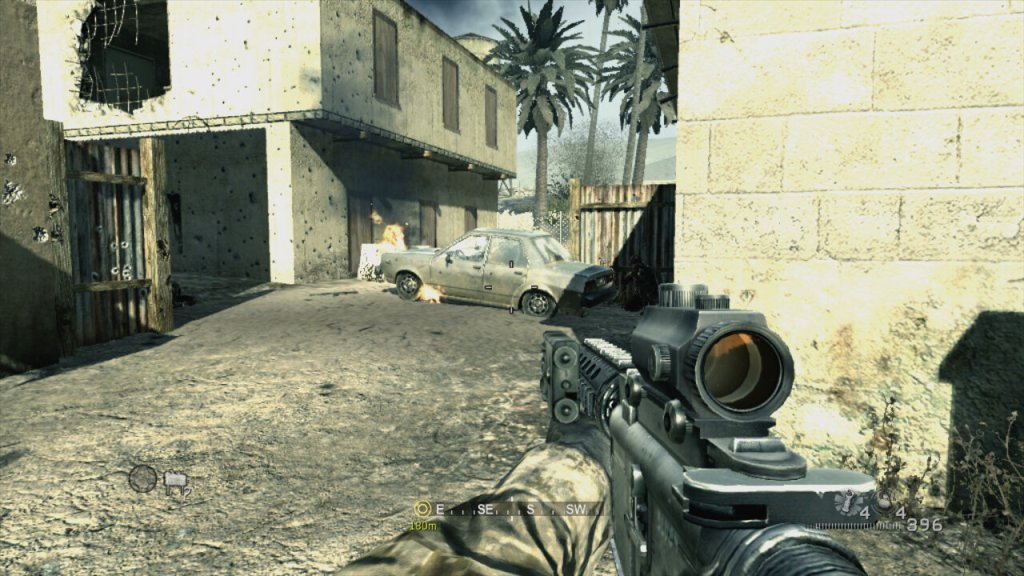
Call of Duty 4 Modern Warfare

The first in the memorable Modern Warfare series, and one that would take the Call Of Duty franchise to new levels. Not to be confused with the modern 2019 remake

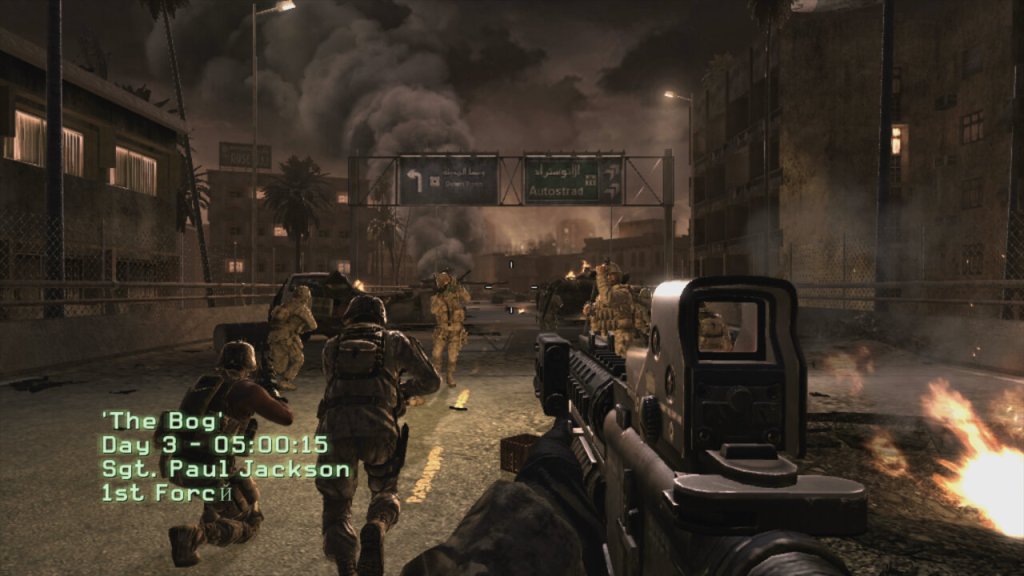
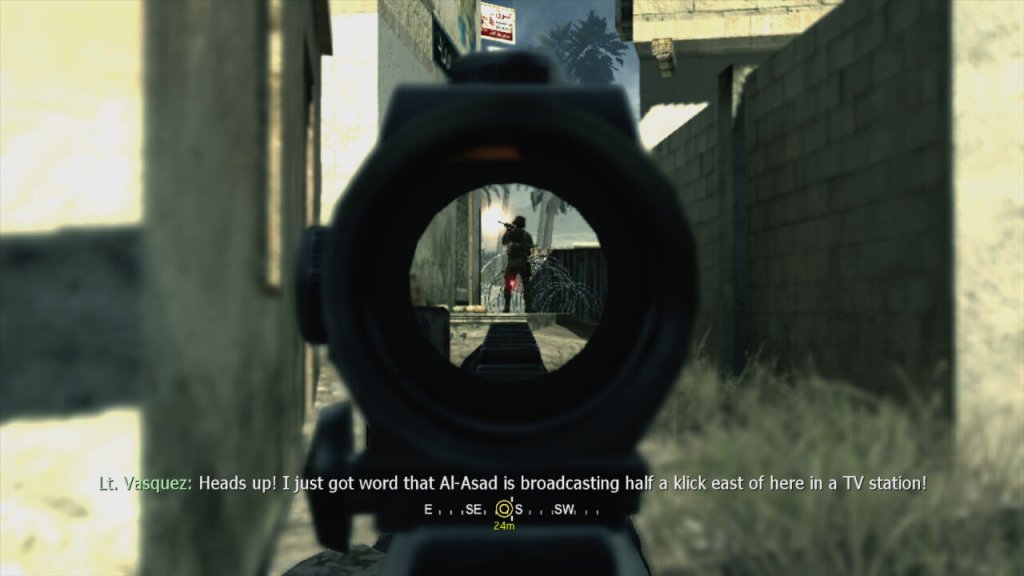
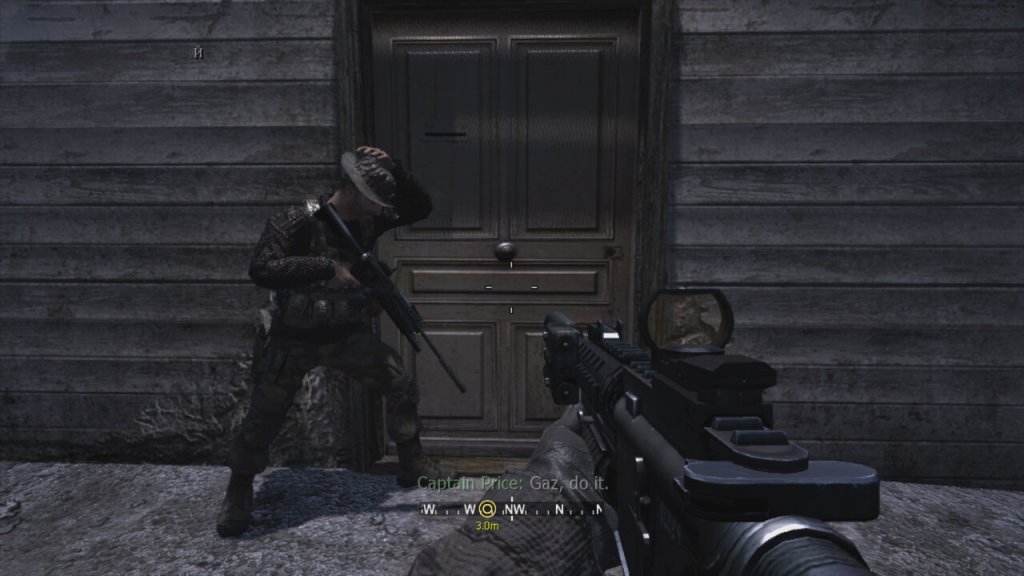
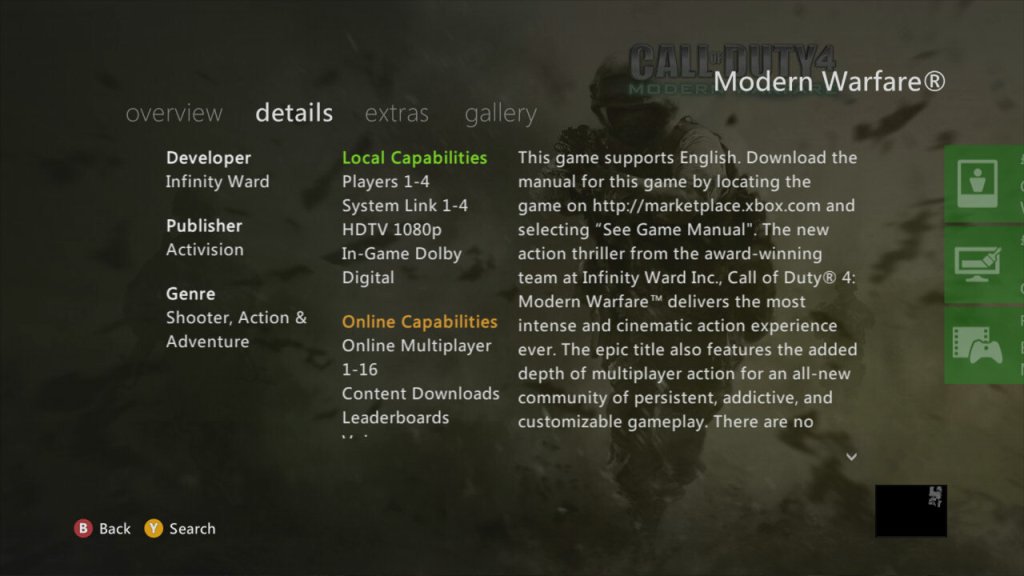
Released in 2007, Call of Duty 4: Modern Warfare marked a significant shift for the franchise by moving away from the World War II setting to a contemporary military conflict. Modern Warfare features a single-player campaign where players experience the story from the perspectives of both a U.S. Marine Force Recon sergeant and a British SAS commando. The narrative unfolds across various global locales, offering a cinematic experience that was groundbreaking for its time.
Set in 2011, the game’s plot revolves around a radical leader executing a Middle Eastern president, which leads to a movement in Russia sparking a civil war. This backdrop provided a rich, albeit fictional, narrative involving geopolitical tensions, terrorism, and military intervention.

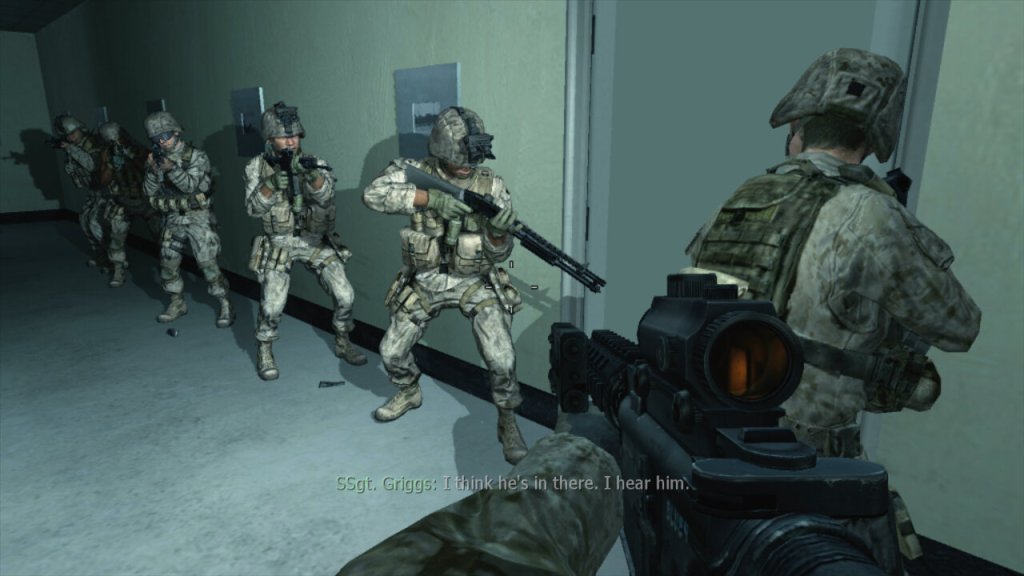
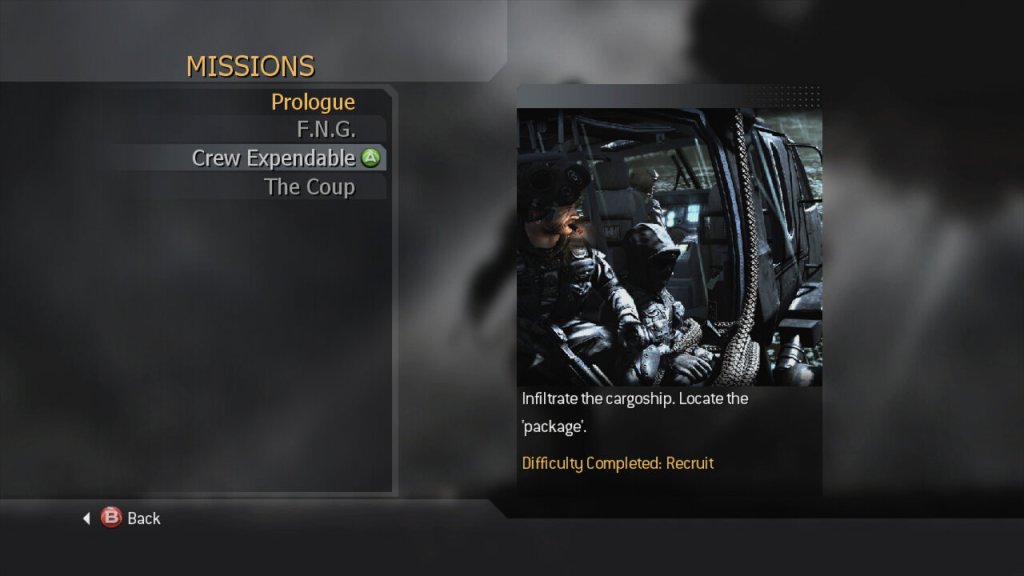
The game begins with the player assuming the role of Private Allen, undergoing training with the U.S. Marine Force Recon. This serves as a tutorial level and will instruct you on how to use your weapons and grenades, as well as tactical advice. The story quickly shifts to the Middle East, where U.S. forces, including the player’s character, are tasked with capturing or killing a terrorist leader. This mission goes awry when the terrorist leader, Khaled Al-Asad, executes the president of an unnamed Middle Eastern country on live television, inciting chaos. Here, the conflict escalates as both the SAS and the U.S. Marines engage in heavier combat. The narrative focus shifts towards locating and dealing with Al-Asad, while also hinting at a larger conspiracy involving nuclear weapons.

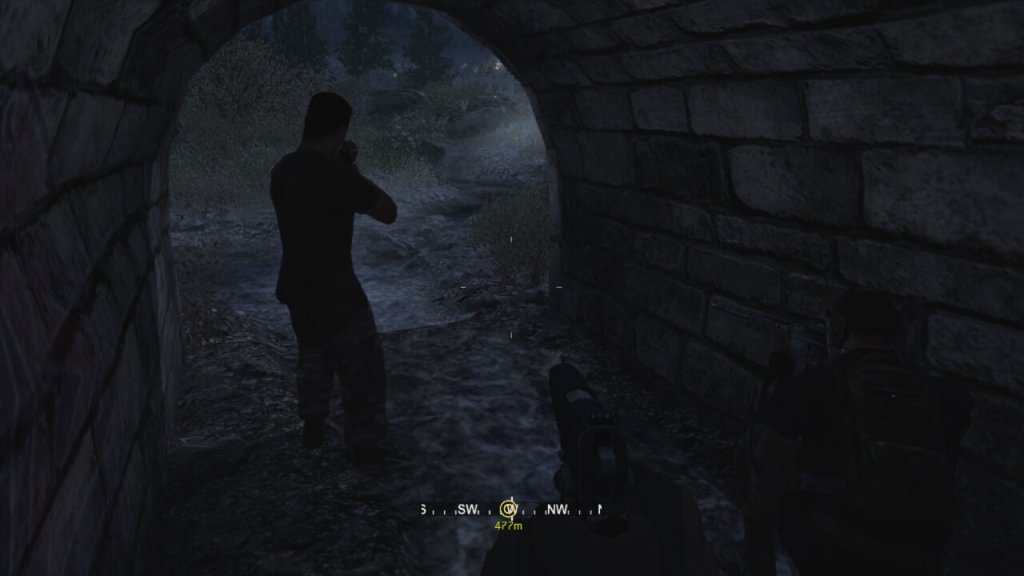
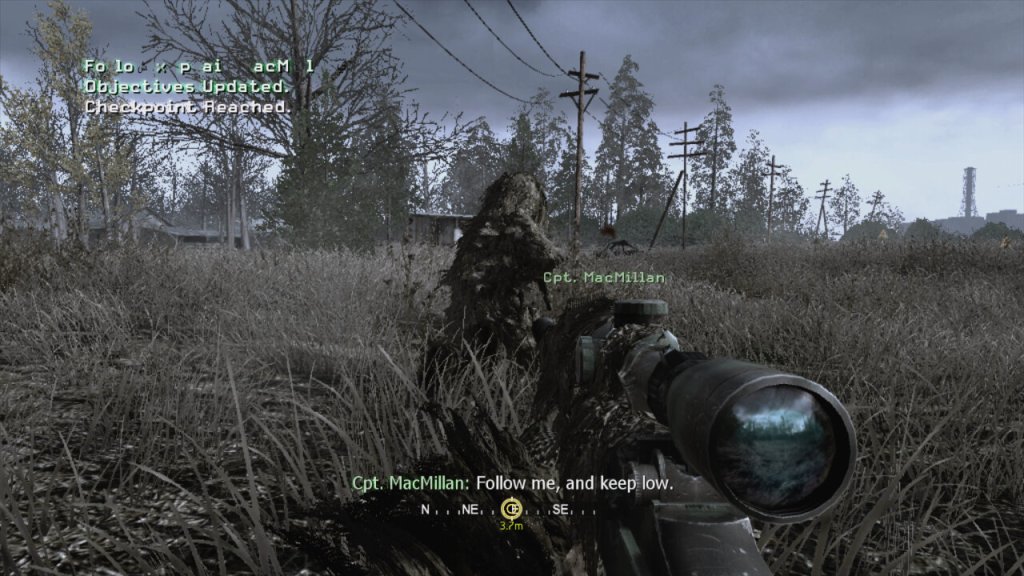
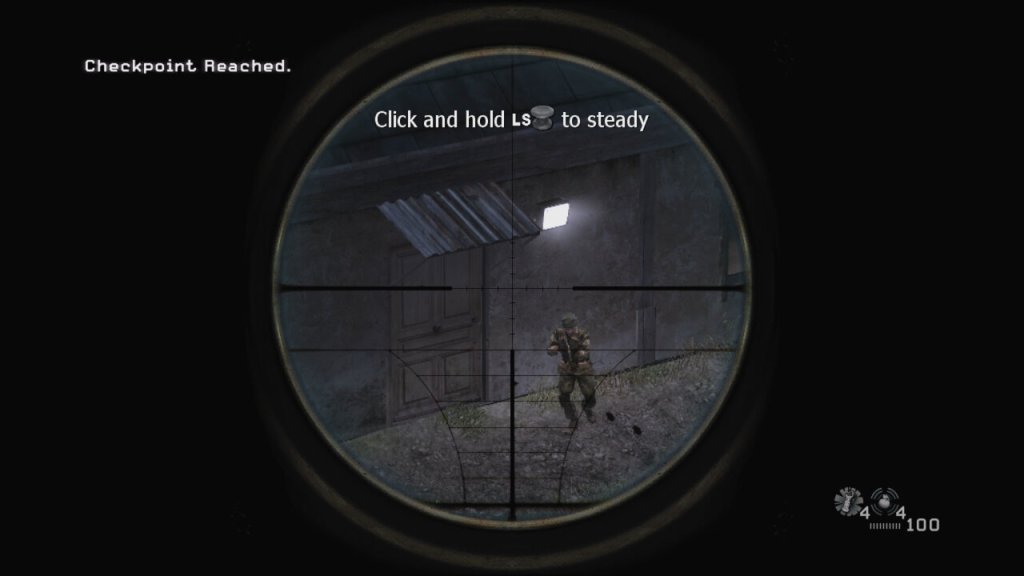
All Ghillied Up & One Shot, One Kill are pivotal missions flashback missions that explain the backstory of Captain Price with Imran Zakhaev, setting up the personal stakes for the characters involved. They are considered to the landmark missions in the Call Of Duty franchise due to their reliance on stealth mechanics, and the decisions the player has to make which will affect the outcome of the missions. Sometimes it’s easier to not take the shot, rather than to just sneak around the enemy and remain in stealth.
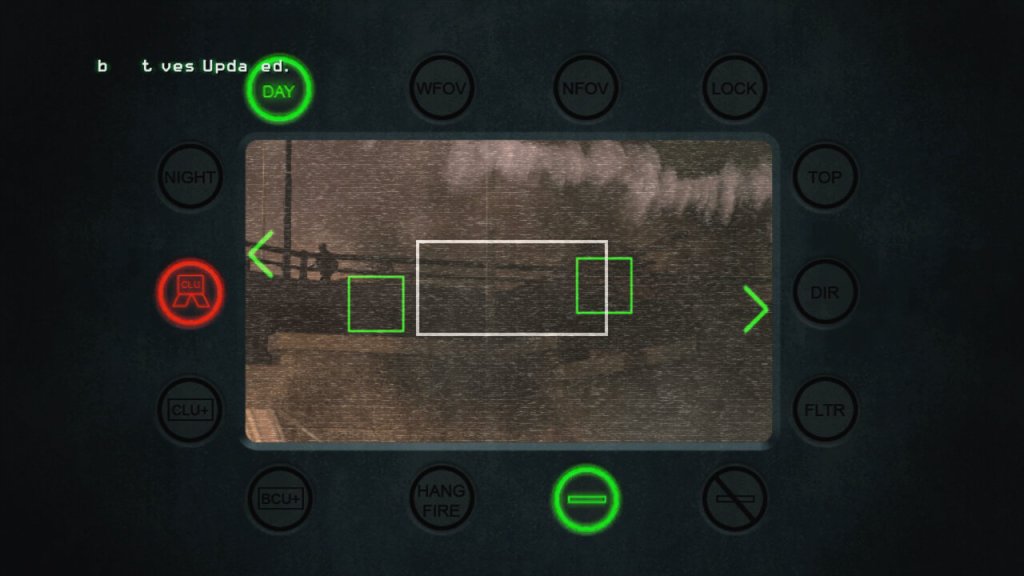
The later missions wrap up the game storyline, The SAS and Marines work together to thwart a nuclear threat. These missions include intense battles, the revelation of betrayal, and the pursuit of Zakhaev.

There is also an epilogue mission where you must rescue a VIP from a hijacked airplane. This mission is particularly challenging and not directly connected to the main storyline but serves as post campaign fun.

Political Themes

As a military focused game, Modern Warfare isn’t afraid to delve into several political themes, embedding them into tits narrative. The game begins with the coup in an unnamed Middle Eastern country, where a terrorist leader, Khaled Al-Asad, overthrows the government. This theme reflects real-world concerns about state stability in regions prone to radicalism. The use of a nuclear device by Al-Asad to prevent his capture mirrors fears of non-state actors or rogue states obtaining nuclear capabilities.
The game shows various Western forces, particularly American and British, intervening in Middle Eastern conflicts, which echoes real-world military engagements like the War on Terror. The collaboration between different nations’ special forces (e.g., U.S. Marine Force Recon, British SAS) highlights the theme of international military coalitions, reflecting NATO-like operations, these are detailed in the opening movies that play before the mission begins.

Ethical Dilemmas in Modern Warfare are also presented, The game occasionally presents scenarios where civilian casualties are a risk, exploring the moral impact on soldiers and the strategic considerations of warfare. In many missions you can fail by attacking innocent civilians, or by not reacting to events as quickly as possible. Decisions about when and how to engage enemies, especially in densely populated areas, touch on themes of proportionality in military action and the impact on civilian populations.
In terms of Globalization of Conflict, The game illustrates how modern warfare transcends borders, with characters and conflicts spanning multiple continents, reflecting a globalized world where threats are not confined by national boundaries, but also how there is a reliance on these different nations, due to production.

Lastly, While not directly discussed, the backdrop of the game, especially with its focus on terrorism and response, echoes the post-9/11 world where security measures often clash with individual liberties and international law.

Multiplayer

The game is very well known for its multiplayer mode, which became exceptionally popular, introducing perks, killstreaks, and a more dynamic gameplay experience with various maps set in modern contexts.
A few of the game modes consist of Team Deathmatch (TDM), Players are divided into two teams. The objective is to kill opponents, with each team’s score incrementing for each kill. The team with the most kills at the end of the match wins.

Search and Destroy (S&D) was possibly one of the most intense game modes. Players are divided into two teams of attackers and defenders. Attackers must plant a bomb at one of two bomb sites, while defenders must prevent the bomb from being planted or defuse it if it is. Each round is one life; if all players of one team die, the other team wins the round. The first team to win a set number of rounds wins the game.

Domination is where teams compete to capture and hold three objectives (A, B, C) scattered across the map. Holding zones gives the team points over time, and the team with the most points at the end wins. The strategic element involves capturing and defending zones while preventing the enemy from doing the same. If your familiar with the Domination game mode from Unreal Tournament, it’s pretty much the same gameplay.

Versions

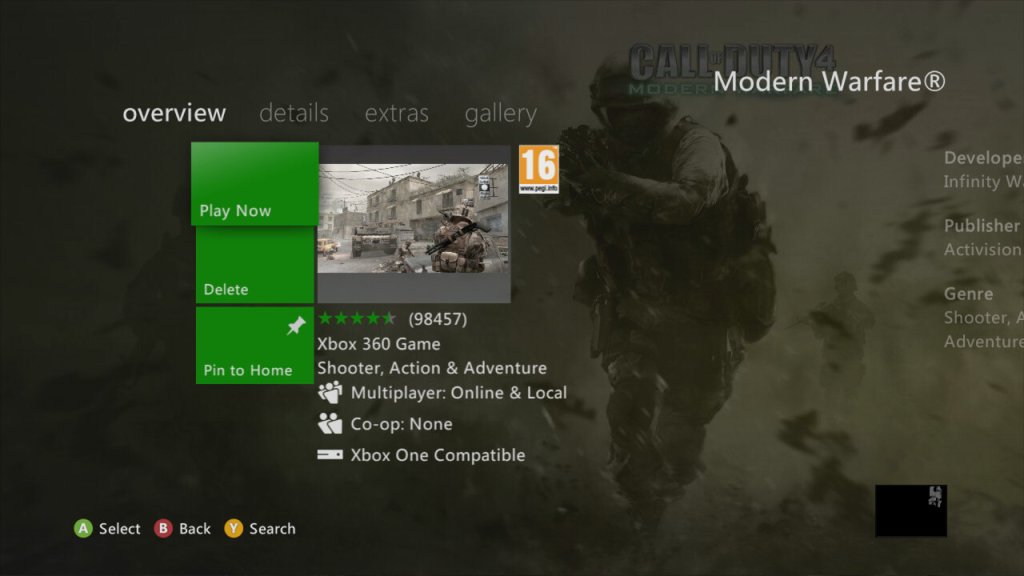
Xbox 360: The most popular release of the game, and the one with the most active multiplayer population due to ongoing Xbox Live support, and the game being made compatible with the Xbox One and Series consoles. You still need to pay for Xbox Live Gold Gamepass.

PlayStation 3: Still has a respectable online population and is free to play online. Performance wise it does suffer from tearing and a few frame drops compared to the 360 version. It does lack trophy support since this was released before Sony had standardized Trophy support for PS3 games.
Microsoft Windows: This version is still sold online through Steam, along with its DLC. There are a few security issues with it’s online multiplayer, mainly with CVE exploits that can occur. Its not recommenced to play the multiplayer on Windows for this reason.

Mac OS X: Modern Warfare was ported to macOS shortly after the PC release, but was only made available for 32bit Intel Mac’s. Modern macOS version’s from Catalina onward are unable to play the game since they dropped support for 32bit Intel apps, and no 64bit release was made. You might be better off playing the Windows versions using Parrells instead.

Wii: This version is known as the Reflex Editon, and makes use of the console motion controls. It’s very scaled down graphically compared to the other console versions due to the limited processing power of the Wii but it still regarded as a faithful port.
There is no support for the Classic controller or the Gamecube controller, instead the game can only be played with the Wii remote and Num-chuk since it is reliant on motion control aiming. This will take some getting used to, but once you adjust the sensitivity settings to get the sweet spot, you will find it’s quite precise to aim and shoot.
Multiplayer was also supported but has since been shut down officially following the Gamespy shutdown of 2013 which saw many Nintendo Wii services discontinued.

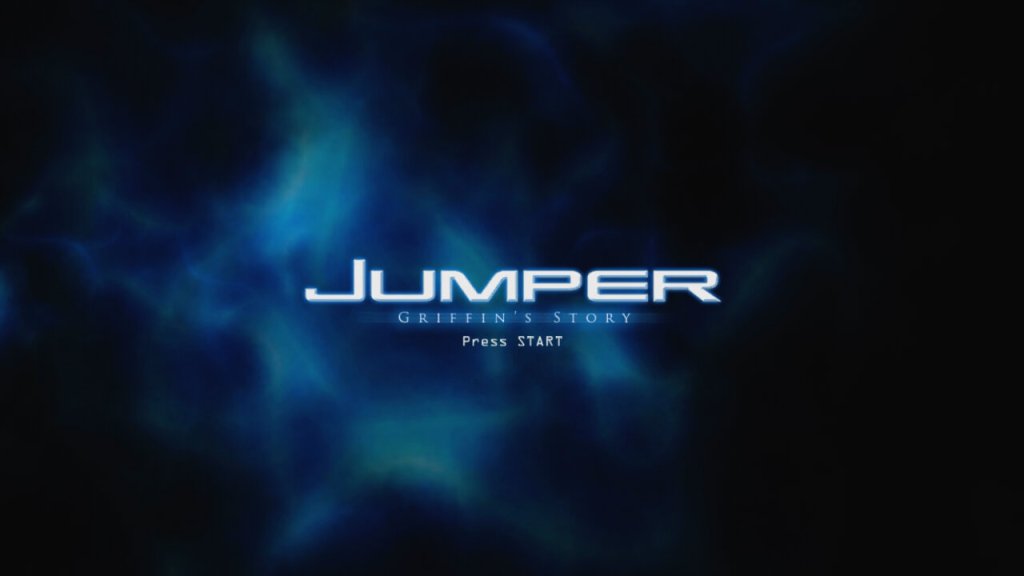
Jumper: Griffin’s Story

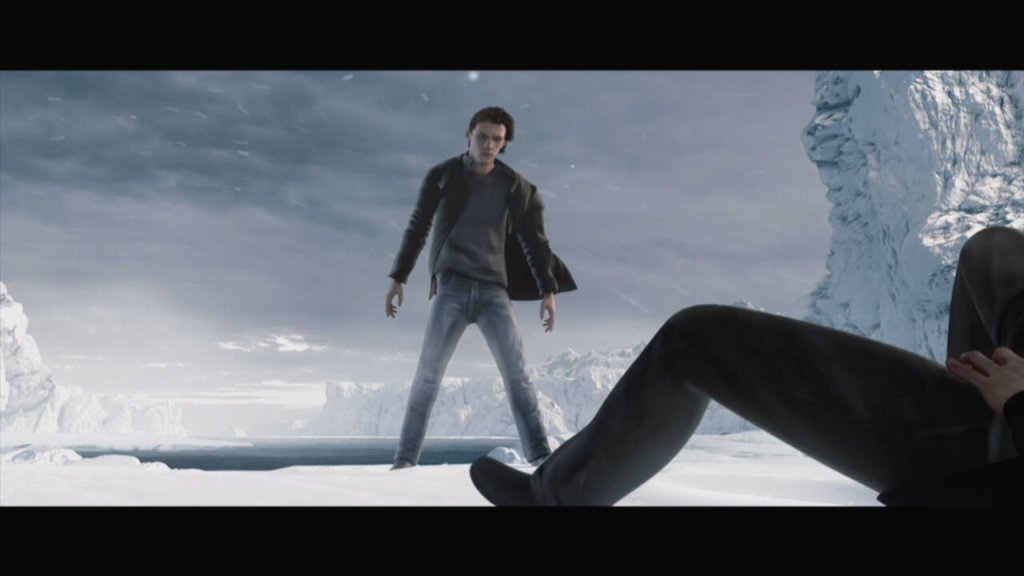
A videogame based of the movie of the same name, which was also based off the book of the same name.

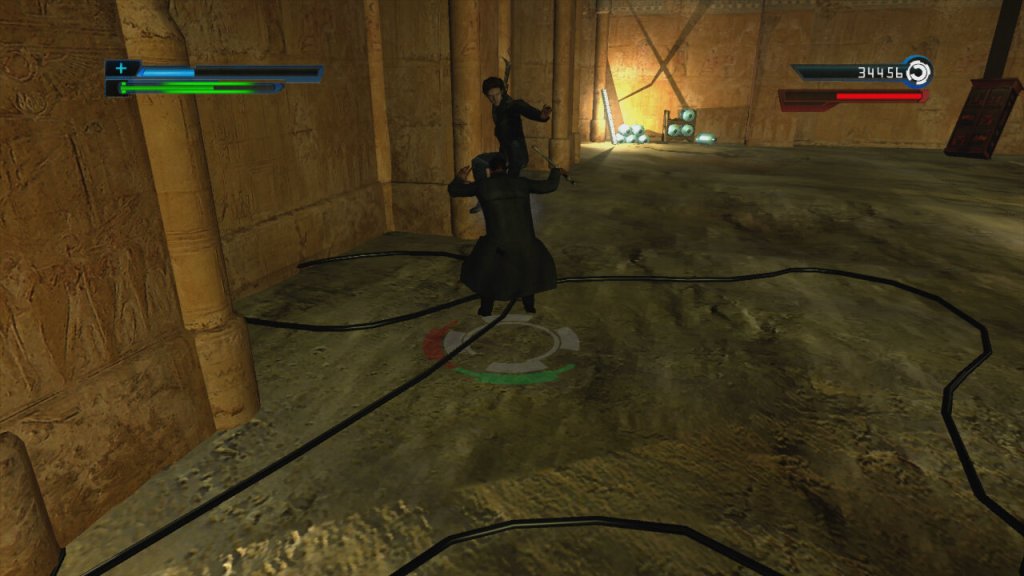
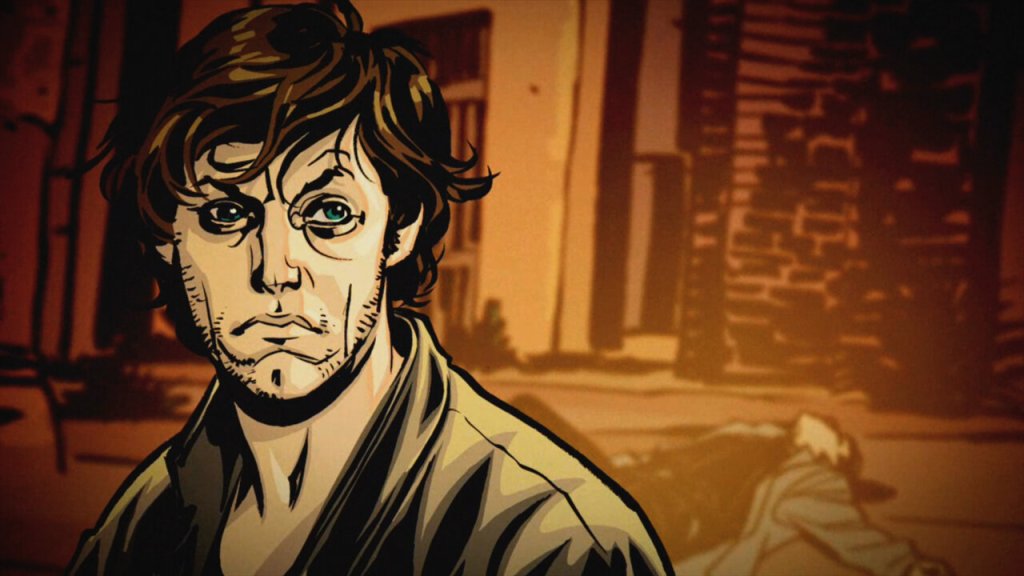
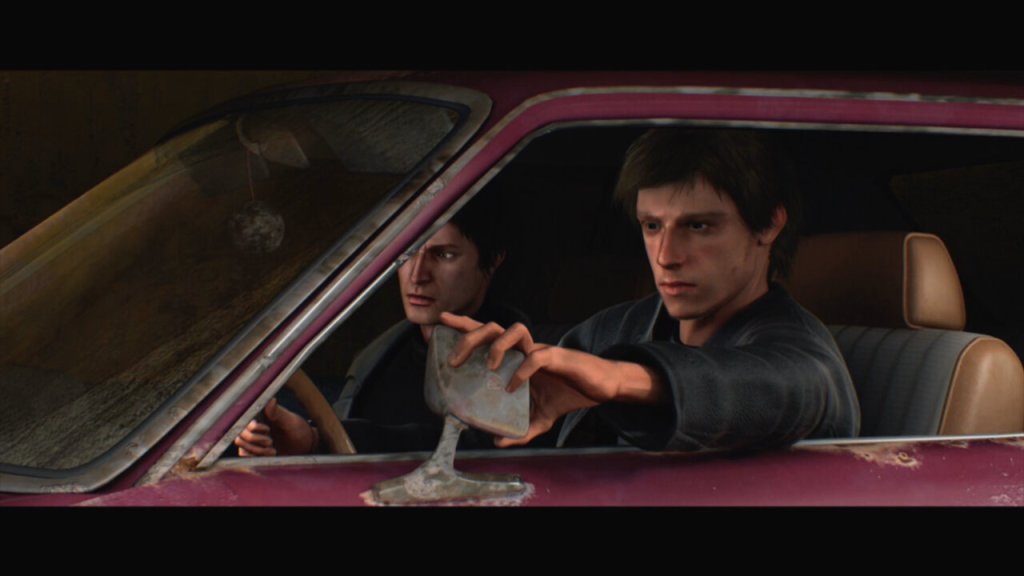
The game focuses on Griffin O’Conner, a character who has a minor but significant role in the movie. While David Rice (who was played by Hayden Christensen in the film) is the main protagonist of “Jumper,” Griffin’s story runs parallel to David’s, expanding on his character and his own vendetta against the Paladins. The game extends the film’s universe by focusing on Griffin, a character with a backstory involving the murder of his parents by Paladins, an organization against Jumpers. However, the narrative execution in the game was seen as weak, with little to no story explanation or development. It kind of requires you to watch the movie first before you can understand the premise of the game, or the overall plot.

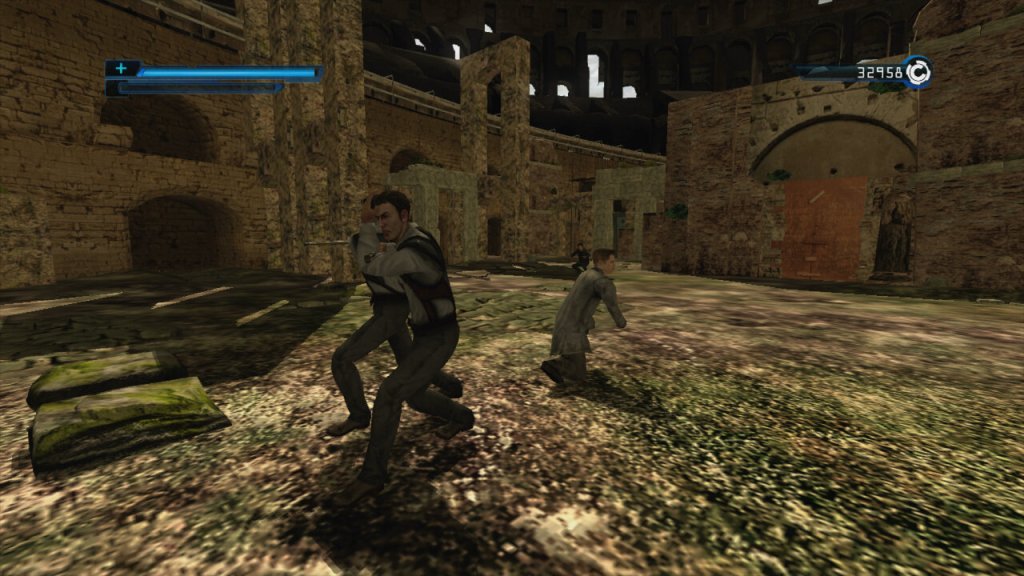
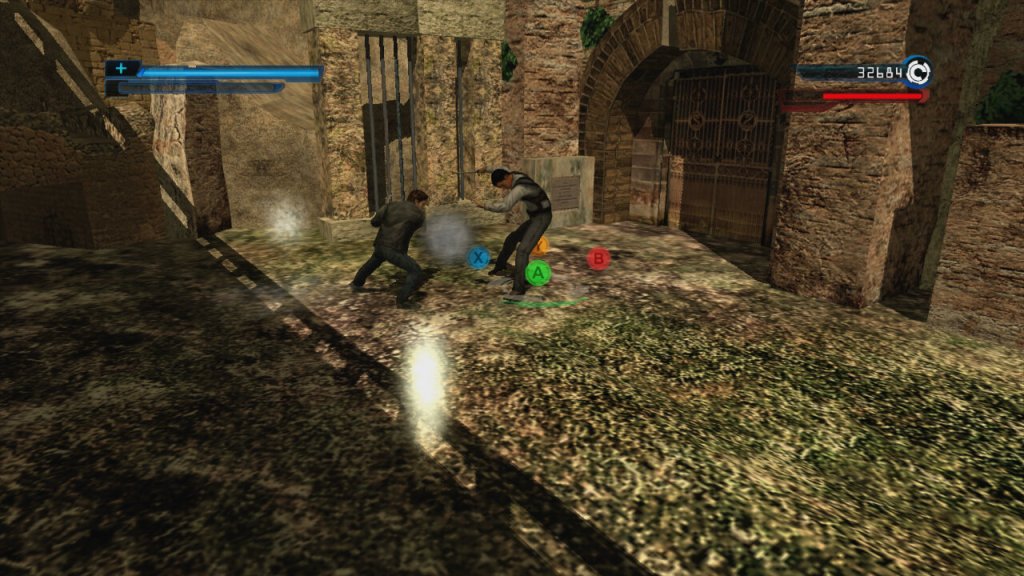
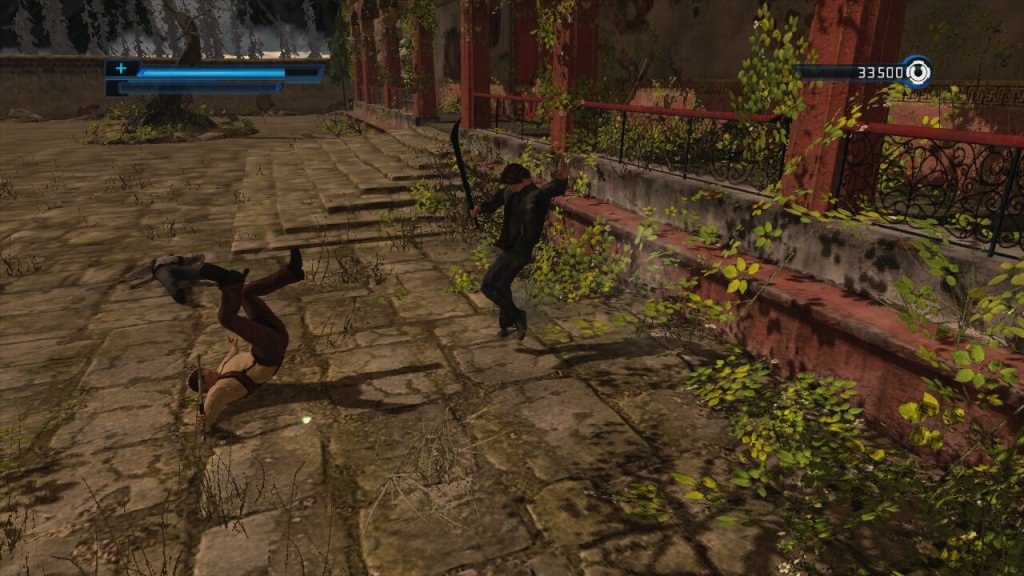
The core mechanic revolves around the teleportation or “jumping” ability of the protagonist, Griffin. You can instantly teleport to different locations around enemies to perform surprise attacks or to escape danger. This includes jumping behind foes, above them, or to nearby ledges to gain tactical advantages However, the gameplay has been criticized for being repetitive and simplistic, essentially boiling down to a basic beat ’em up with limited depth or innovation in combat. The mechanics of jumping around enemies to attack from different angles was a novel idea but was not enough to save the game from its repetitive nature.

Still, there were flaws with the game. One being the missions and combat being very repetitive with you fighting the same horde of enemies over and over again. For movie tie in games, you can’t really expect much since they are usually designed to cash in on the movie’s released, though you still expect some advanced form of gameplay.

Versions

Playstation 2: Was release for the console, which was still going strong in 2008. Oddly this was not released for the PS3, either in ported or emulated form.

Wii: This version makes use of the motion controls for executing the jumping or special attacks, though this can be frustrating since the game often does not pick up specific moves, or is a little too sensitive.

Xbox 360: The best port of the game it terms of graphics quality, and you get achievements.

Overall, Jumper: Griffin’s Story fails to capture the potential of its source material, resulting in a game that feels rushed and underdeveloped. It’s seen as a cash-in on the movie’s release rather than a thoughtful addition to the Jumper universe, The game might only appeal to those who are extremely fond of the movie.

Goldeneye 007 Reloaded

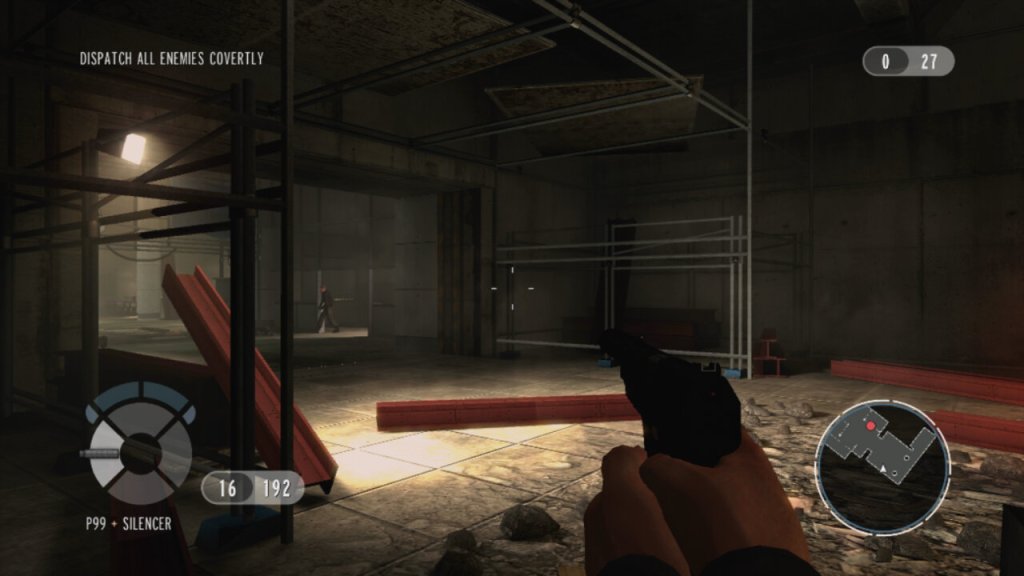
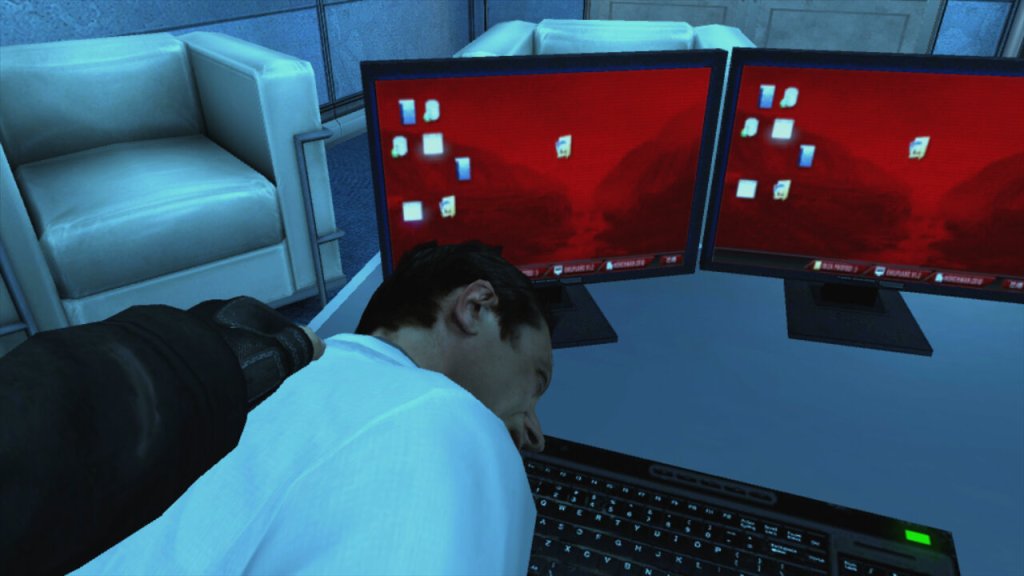
Goldeneye with a mix of Call Of Duty

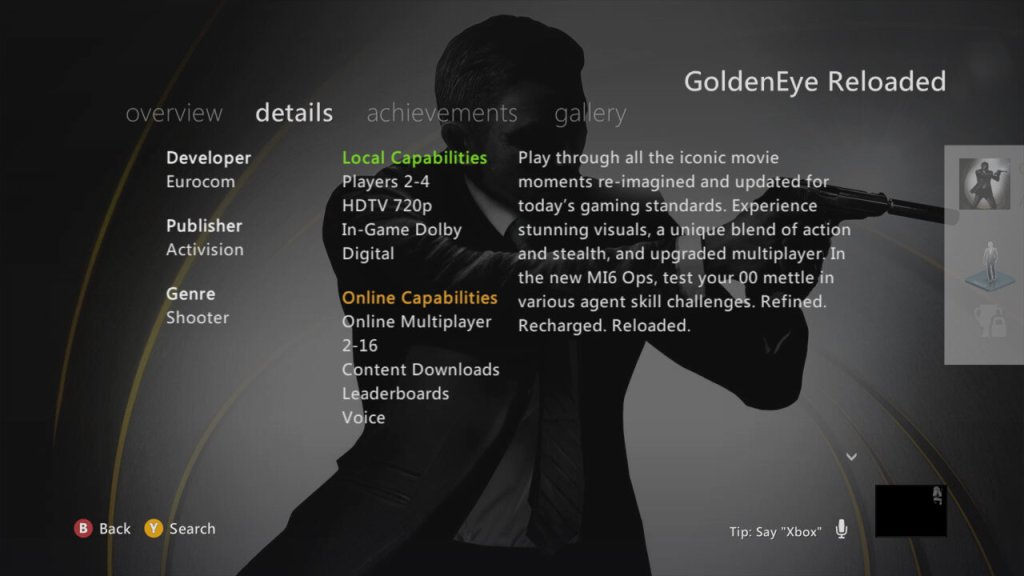
A remake (not remaster) of the original Goldeneye 64 game that was released in 1998 for the Nintendo 64. And was later ported to the HD twins with traditional controls. Developed by Activision and Eurocom, it was originally imagines to be a remake of the original Goldeneye game which was sought after for a release, but held back due to a minefield of copyright and licensing issues. This was made more convoluted by Rare, who developed the original Goldeneye game being acquired by Microsoft, along with Activision holding the rights to the Bond license at the time.
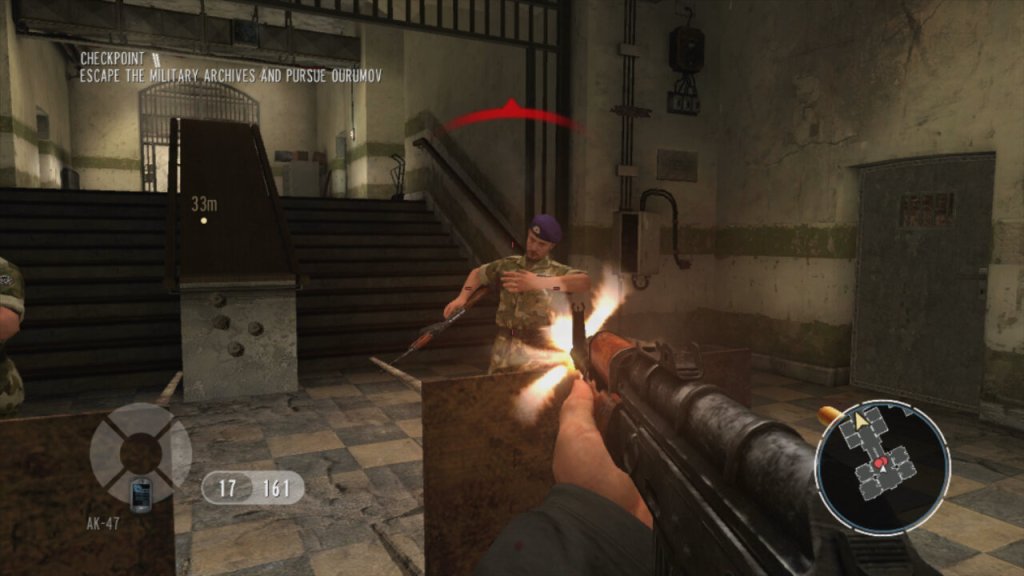
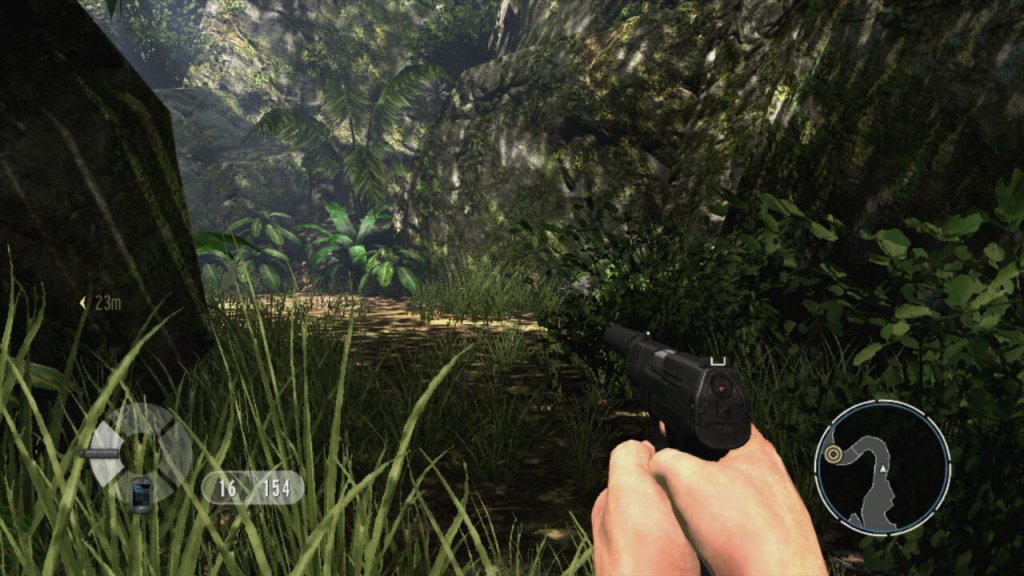
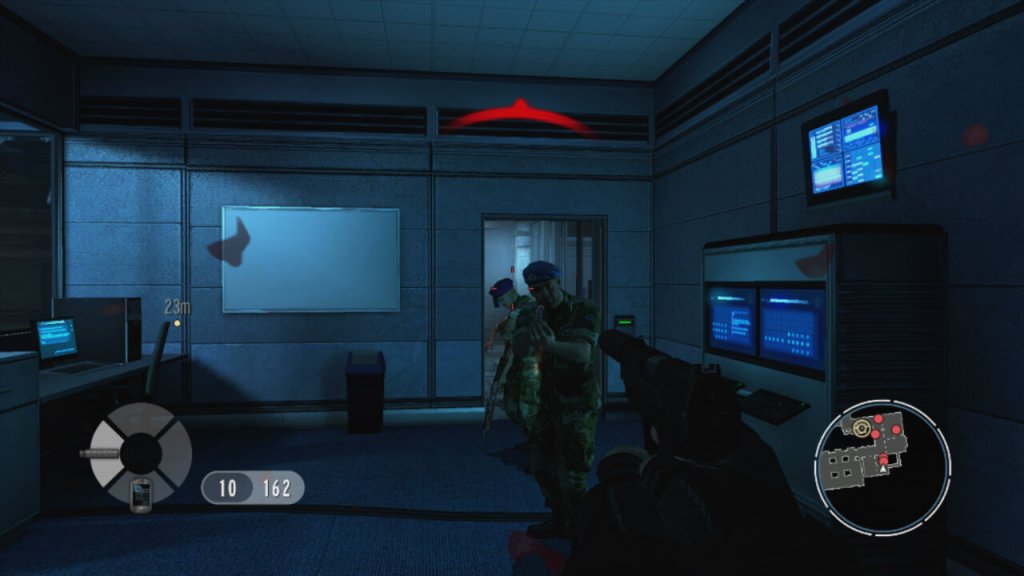
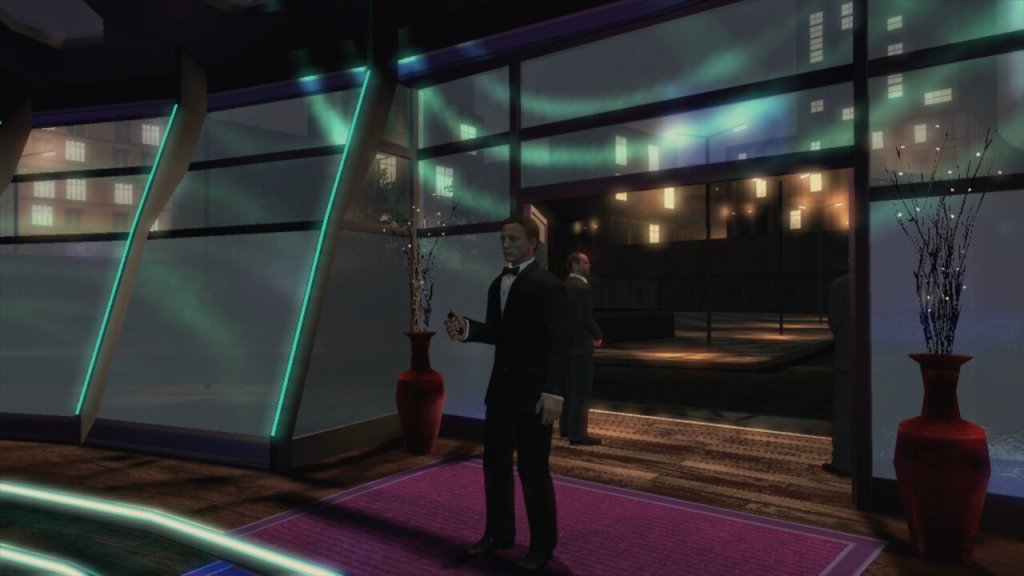
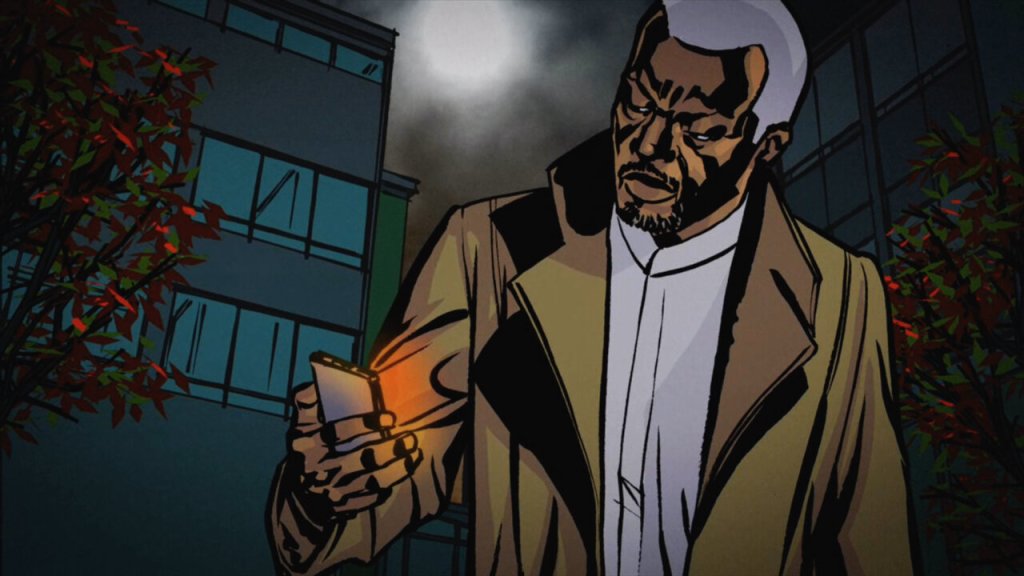
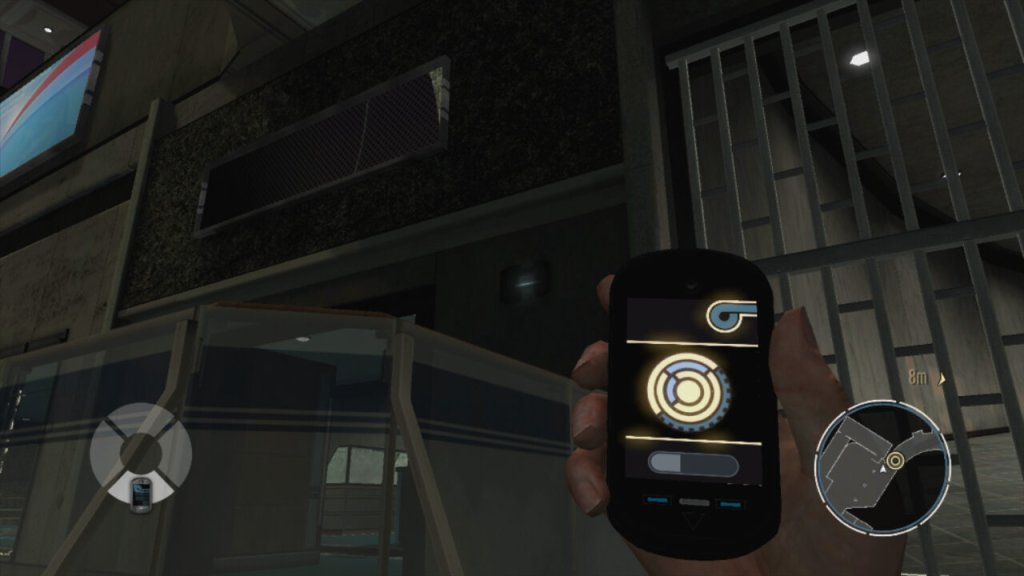
The story is identical to what was featured in the original release, though it matches the movie more closely since sequences were originally cut due to the limitations of the Nintendo 64. The character model has been changed for a likeness to Daniel Craig, who is the current Bond when the game was released. The gadget have changed, instead of Bond’s watch being used, a smart phones takes it’s place instead. And a deadmau5 song is included within the Nightclub level.

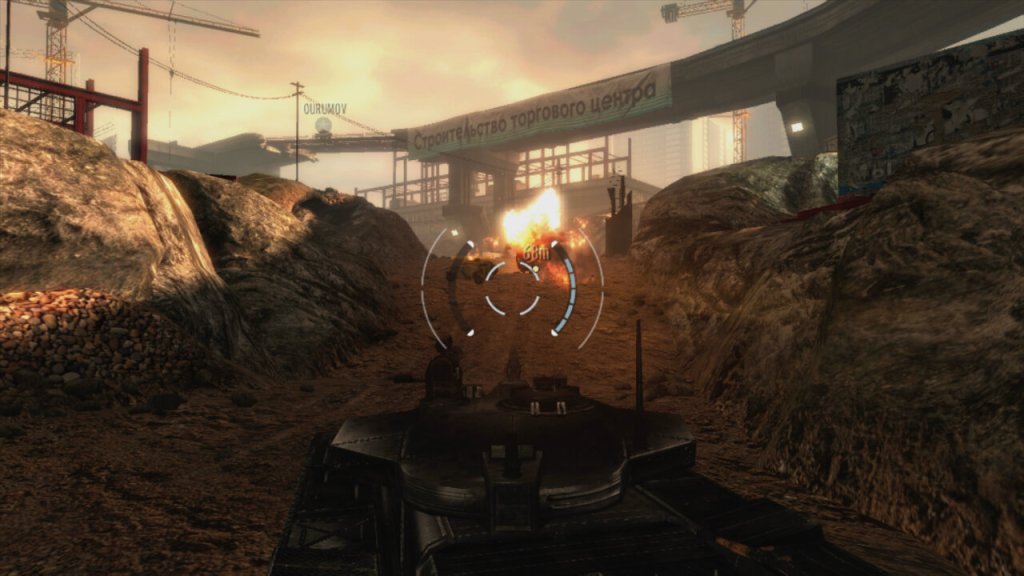
Many of the original levels have been redesigned to be more appealing for the modern gamer, but they still have a level of familiarity to those who have played the original game. You start off at the Dam level where you have to bungee jump off a dam to infiltrate a Soviet facility. You then infiltrates the chemical weapons facility where he meets Alec Trevelyan, and things go south. The rest of the game follows the movie somewhat closely, and you will encounter familiar enemies like Xenia, and Ourumov.
Like many FPS games of the era, it features regenerating health.

MI6 Ops

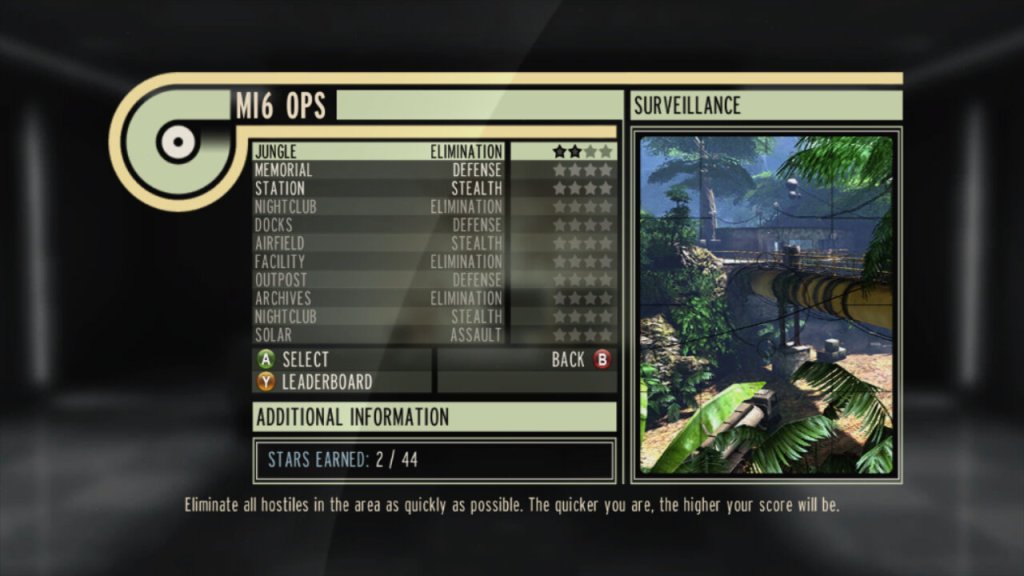
MI6 Ops Missions are a series of standalone challenges separate from the main campaign that offer additional gameplay modes. These missions are designed to test various aspects of player skill, providing a mix of objectives that can be quite different from the story missions, kind of the like Snake Tales from Metal Gear Solid 2. There are a few different game modes like Elimination – where the objective is to eliminate all enemies within a level or achieve a set number of kills. Stealth can be an option but isn’t always necessary. And Defense, where you must protect certain points or items from waves of enemies. This could involve setting up defenses, using gadgets wisely, or just good old-fashioned shooter skills.
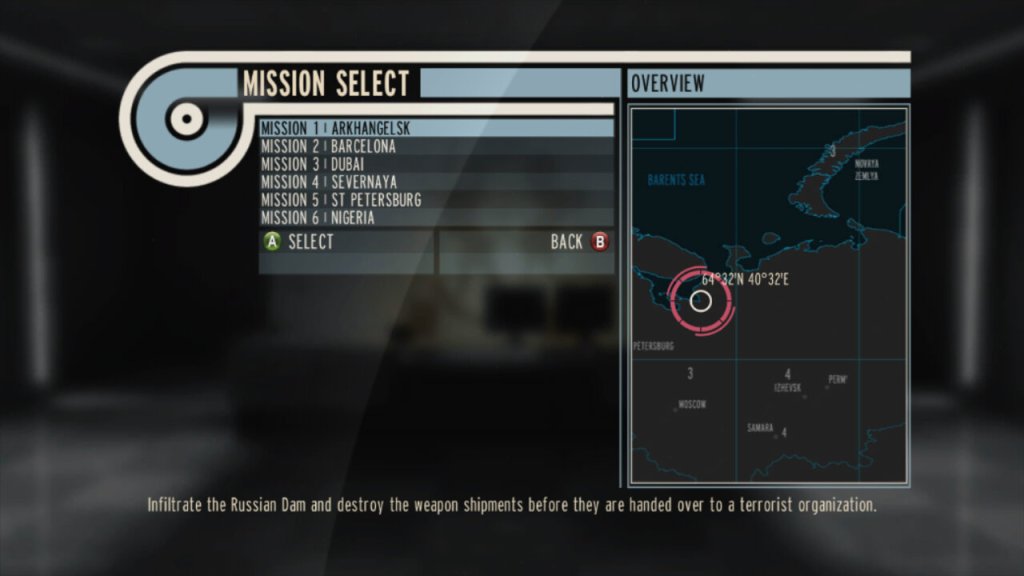
These modes can be played by a single player, or by local split screen. There are also online game modes like Conflict which is your standard deathmatch, and Team Conflict.

Versions

Wii: The original release of the game, which is designed around motion control aiming. A special bundle was released that features a golden classic controller, a reference to the golden gun.

Xbox 360: The HD release, that can be played with traditional controls, not compatible with the Xbox One or Series consoles.

PlayStation 3: Very much the same as the 360 version, but has support for PS Move controls that give it a similar gameplay to the Wii release.

Overall, GoldenEye 007: Reloaded is like that high school reunion where you meet up with an old friend. It’s great to see them all spruced up, and you’ll have a good time reminiscing, but you also realize why you moved on. It’s a solid shooter that banks on nostalgia but brings enough modern gameplay to not feel outdated. If you loved the original or you’re into Bond, give it a shot, but don’t get rid of your N64 ROM anytime soon.