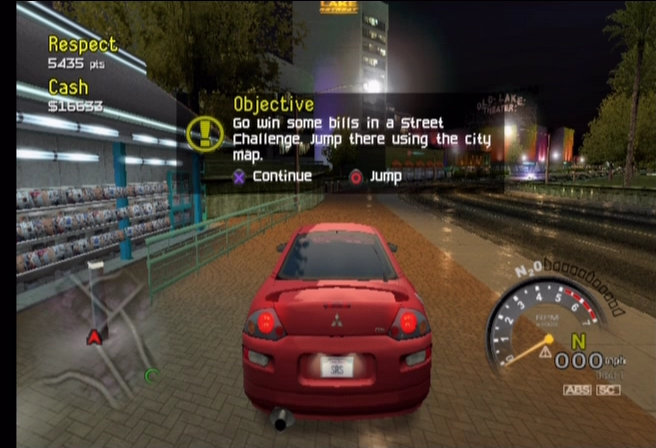
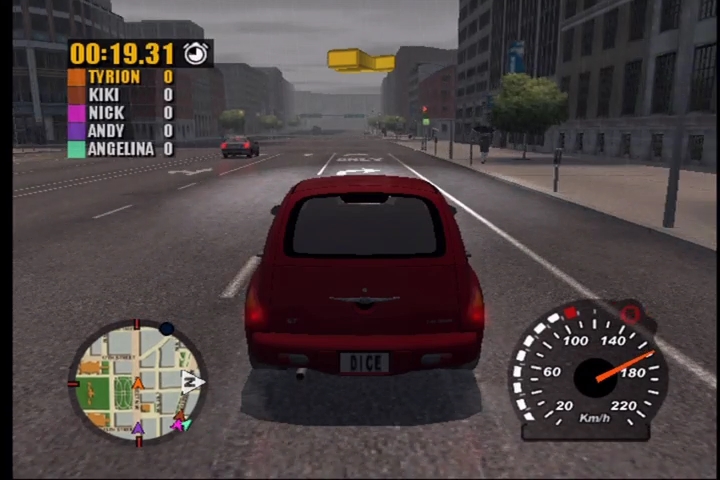
Street Racing Syndicate is like the mixture of The Fast and the Furious and a Hot Import Nights car show. Released in 2004 by Eutechnyx and Namco (who developed Ridge Racer), it’s you against the underground racing scene in cities like LA, Miami, and Philly. Your goal? Stack cash, earn respect, trick out your ride, and—get this—charm virtual models with your sick drifts. It has that weird 2000s vibe where winning races unlocks videos of real-life models. It’s cheesy as hell but you have to love it.
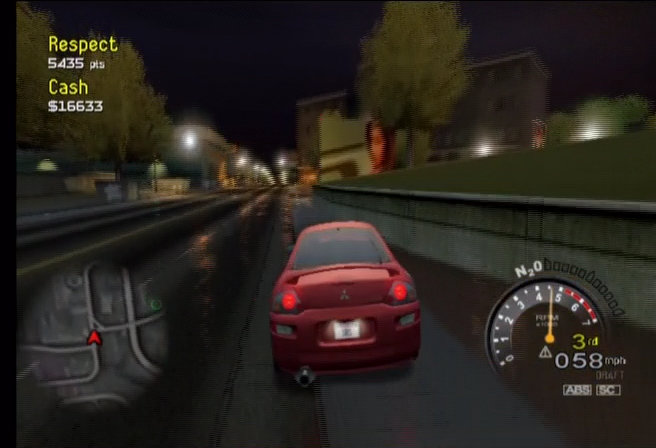
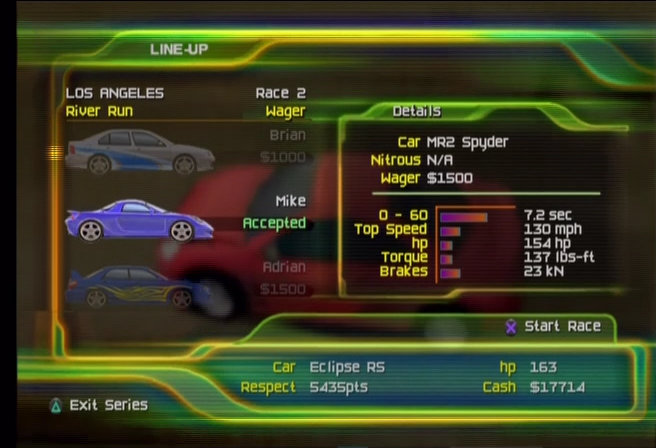
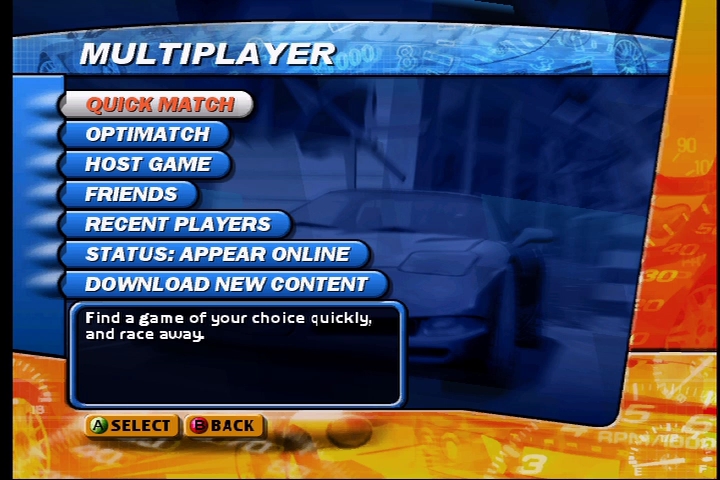
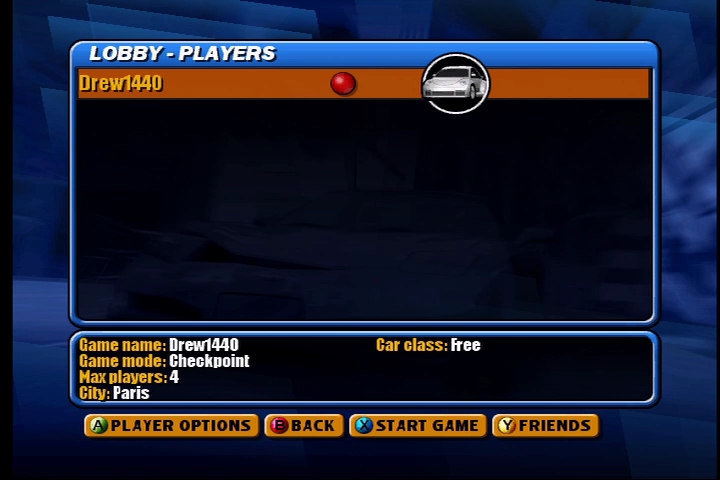
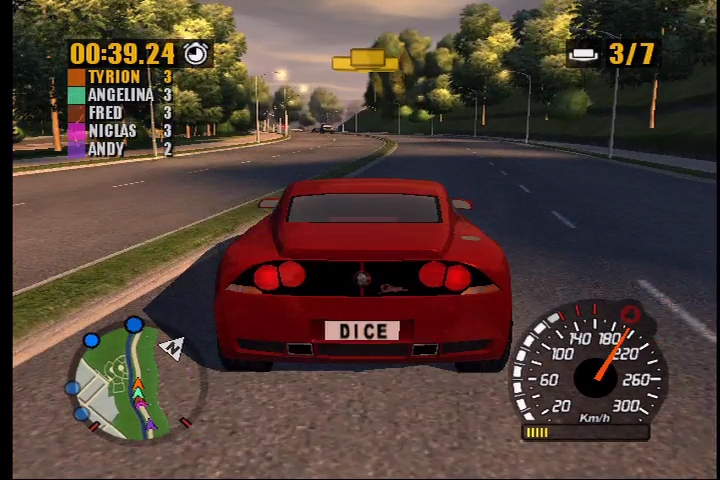
Gameplay’s where this game revs its engine. You’re dropped into an open-world hub—way ahead of its time for 2004—cruisin’ between races, respect challenges, and pink slip bets where you can win or lose your car. The Street Mode is the meat of it: race through city streets, day or night, dodging traffic and pulling stunts like drifts or two-wheel driving to rack up respect points. The damage system is legit—smash your ride too hard, and it handles like a shopping cart, plus repairs hit your wallet like a bad night at the casino. It’s not just “go fast, turn left”; you gotta think about not wrecking your bankroll. Arcade Mode’s got quick races, checkpoint runs, and speed trials if you just wanna jump in, and the console versions had online multiplayer back in the day—though good luck finding a server now, unless you’re time-traveling to 2004.
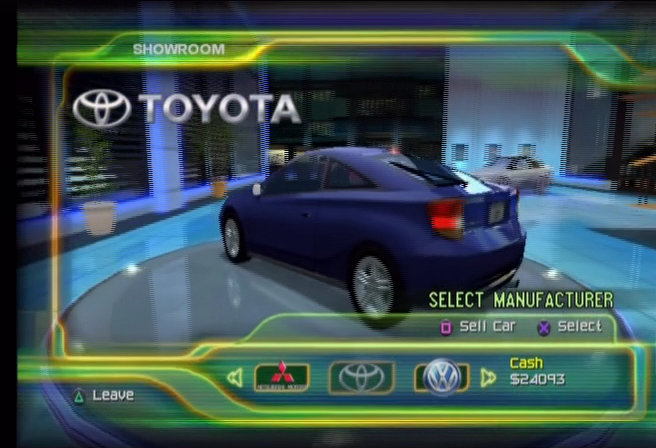
The car roster? Solid. Over 50 licensed rides from Nissan, Toyota, Mitsubishi, Subaru, and more. You’re tuning up Skyline GT-Rs, Supras, and RX-7s with real-world parts from brands like AEM and Sparco. Customisations deep for the time—think engine swaps, body kits, and neon lights that scream “I watched Tokyo Drift too many times.” It’s not quite Need for Speed: Underground’s level of polish, but it’s got enough to make you feel like a street mod god. The controls are arcadey but tight, with a weighty feel that makes drifts satisfying, though it ain’t as forgiving as Underground or as sim-heavy as Juiced.
Visually, SRS holds up… kinda. The cities look alive with neon glow and traffic, but the graphics are a bit rough compared to Underground’s slick sheen. Cars look dope, especially when you’re rocking custom paint and rims, but the environments can feel blocky, like someone forgot to polish the backstreets. The soundtrack’s got that early 2000s energy—think Chingy, Xzibit, and some generic hip-hop beats. Sound effects are decent—engine roars and tire screeches do the job, though they don’t quite pop like Forza or even Midnight Club.
SRS is unapologetically 2000s. It’s got that Fast and Furious swagger, complete with the cringey girlfriend mechanic that’s so dated it’s almost charming. But that’s the appeal—it’s raw, it’s gritty, it doesn’t pretend to be high art. Compared to Need for Speed: Underground, it’s less polished but has a unique edge with the damage system and open-world cruising. Juiced feels more serious with its crew management, but SRS is just about living the street life without overthinking it.
Downsides? It’s not perfect. The AI can get in your way at time, and will either rubberbanding like crazy or drive like they’re on their learner’s permit. And while the open world was cool for 2004, it feels small compared to modern racers like Forza Horizon.
Versions
Gamecube: The NGC release is pretty basic, there no online or custom sound support that you would find on the other console releases but it does run at a stable framerate.
PlayStation 2: This version make basic use of the PS2’s capabilities, and lacks support for it’s progressive scan mode which would have been much welcomed for a racing game. There was online support if you had the required Network Adapter, or a PS2 slim that featured built in Ethernet. The online servers have since been shut down and there does not appear to be a community project to bring it back online.
Xbox: This port included support for custom soundtracks, so any music that you had saved to the Xbox hard drive could be played back in game.
Microsoft Windows: Street Racing Syndicate was also released for the PC, back in the Windows XP era, and appears to work fine all the way to Windows 10. You can even purchase It digitally online. Online play hs workable if you use OpenSpy
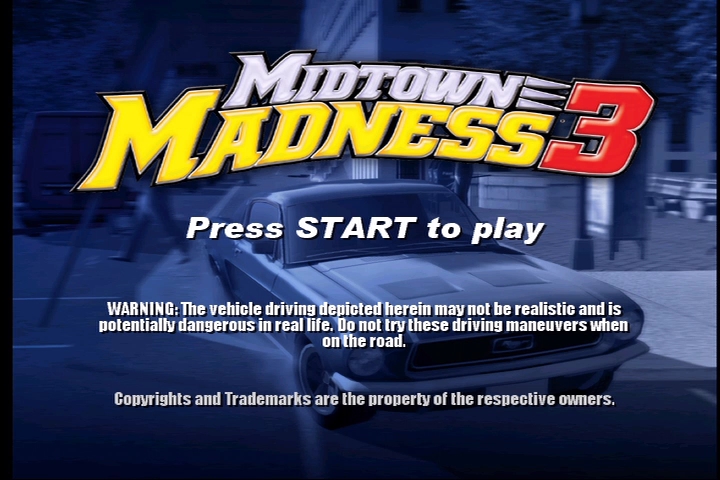
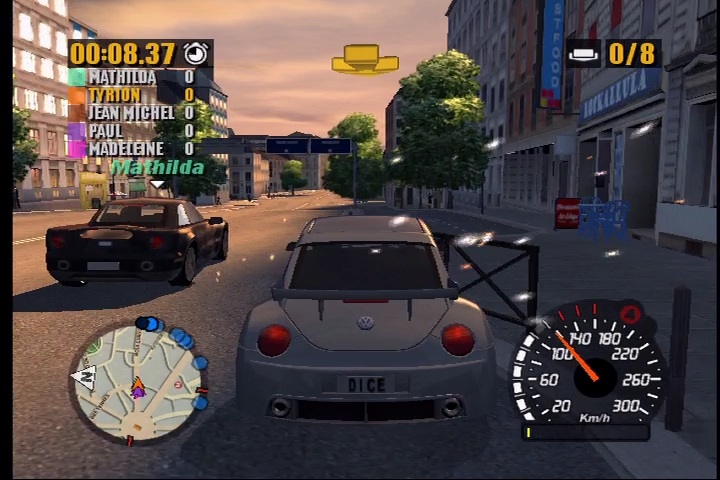
The joys of rampaging through city traffic. Midtown Madness hits the Xbox, and the virtual streets of Paris and Washington DC.
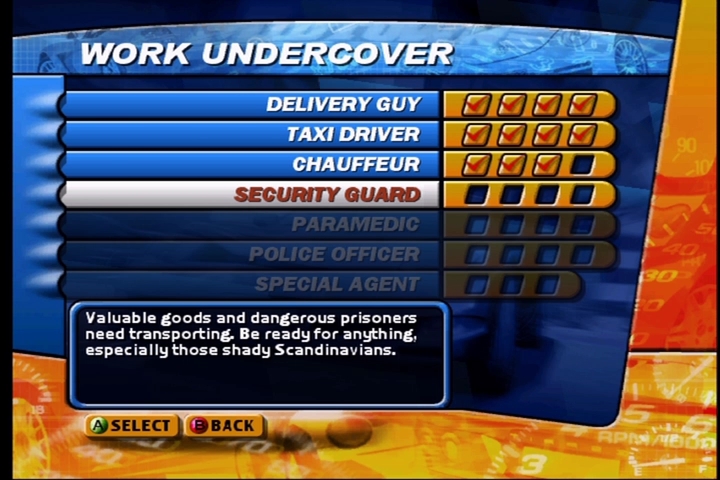
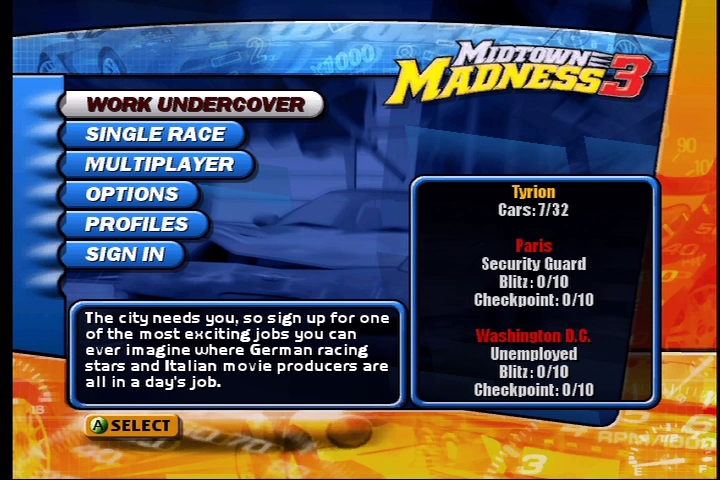
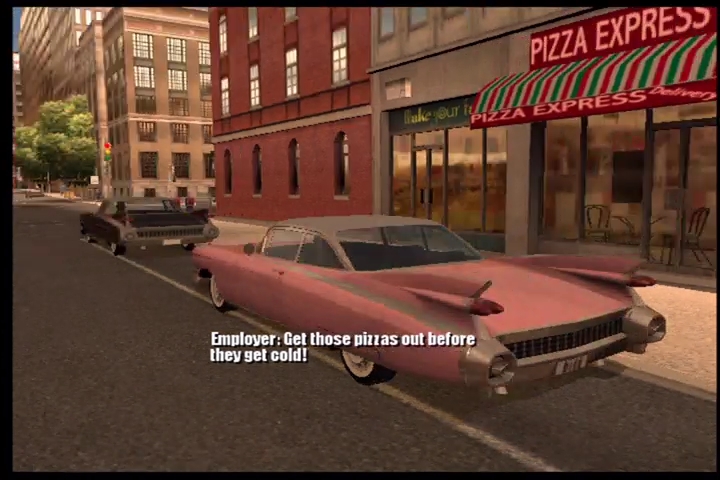
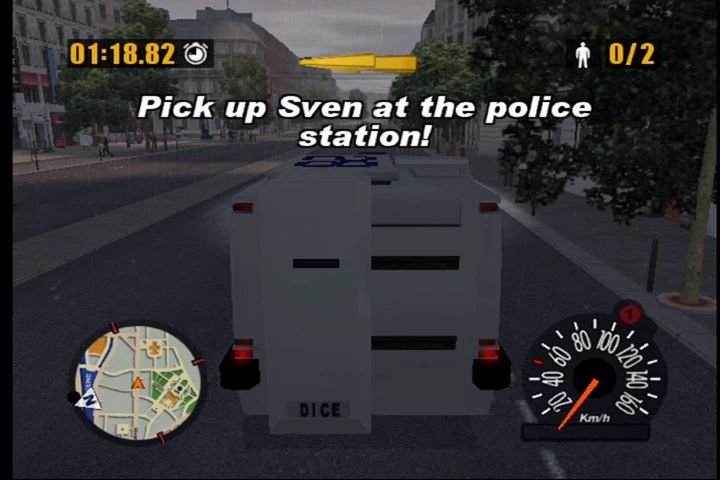
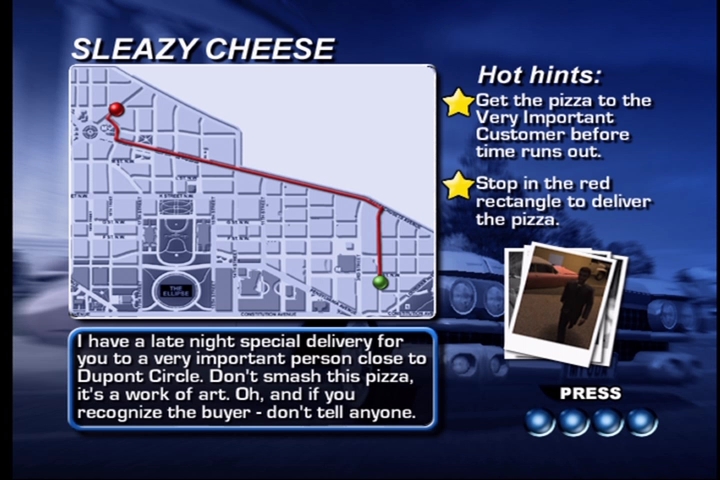
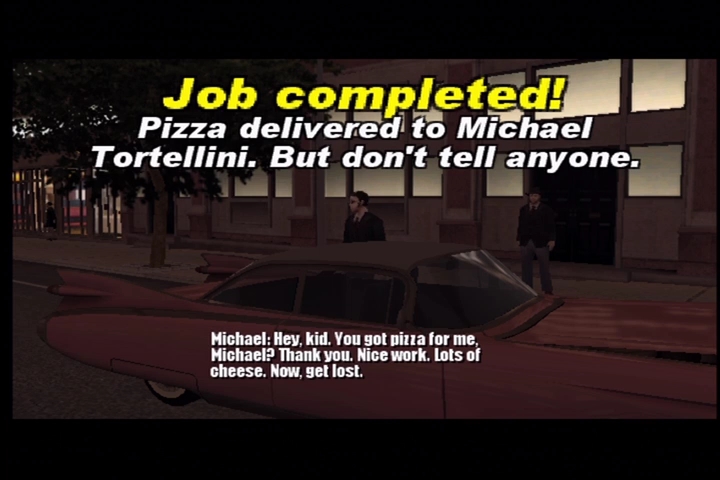
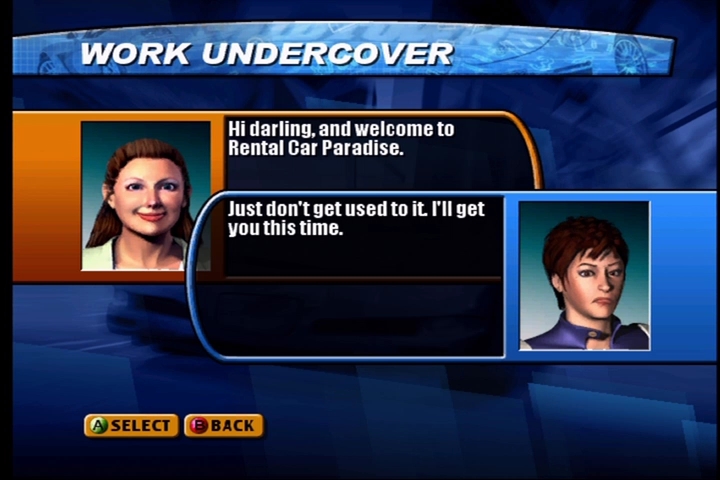
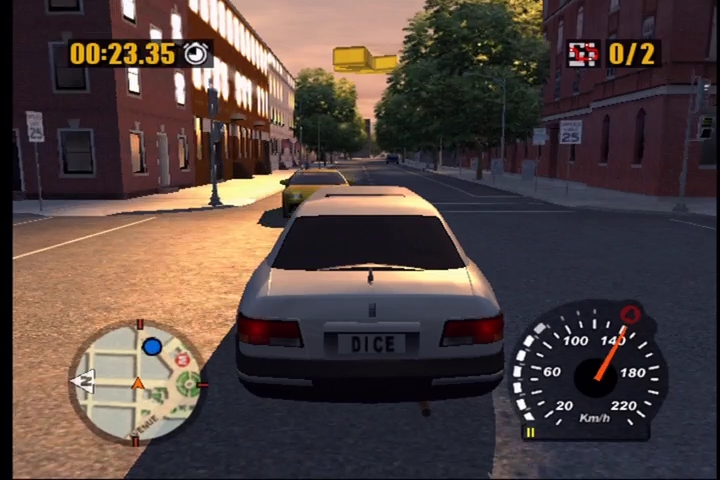
Midtown Madness 3 is a fun street-racing game that mixes objectives from Sega’s Crazy Taxi with standard street racing. The story mode gives some absurd backdrop of being a private investigator who must impersonate various vehicle-based jobs like taxi driver, cars salesman, stunt car driver, policeman, limo driver, paramedic or a pizza delivery guy. It hardly matters though, since the gameplay consists solely of racing through the streets trying to hit checkpoints, usually with a competitor in hot pursuit (similar to TG Daredevil for the PS2)
If all you want is a cool driving game without an emphasis on violence, yet still laden with destructive opportunities, Madness delivers. There’s a lot of cars to select, unlock, and drive around at highly unsafe speeds, and all the cars have a noticeably unique feel to them. The arcade handling is responsive and highly entertaining (but don’t expect realism), and there’s a ton of things to run into and destroy including other cars, lampposts, fences, and storefront windows.
The freedom to just drive around, hit checkpoints, or go undercover and do some crazy missions? That’s the sweet spot and is what Midtown Madness 3 exceeded at. Winning races or completing missions earns you new wheels to cruise with, along with more races and missions. There’s no shortage of sites to see through the game’s two picturesque cities, either. In fact, this overload of missions, races, and game modes is really the high point. Want to just aimlessly cruise through Paris? You can even do it with a friend in the multiplayer mode. Straight racing by yourself or with pals is another option, and the game will even adjust its time limits based on the car you drive since the Mini Cooper can make far better tracks than a truck.
Visually, Midtown Madness is solid. The cars are detailed and shiny, offering impressive textures that the PS2 would cry for. The cities look excellent and the pedestrians look mostly human. The audio is fun, with great engine effects and ambient noises, and a zippy soundtrack. It really does take advantage of the Xbox sound processing capabilities, and has aged well even for today.
Multiplayer action thankfully includes Xbox Live support, along with system link, and a two-player split screen mode. There is also DLC available, which has long since been discontinued by Microsoft but has been preserved by the community. Online play is possible thanks to the Insignia project, although you will be lucky to find a lobby.
Even if you get bored with the 30-plus cars and a horde of missions and races, finding fun things to run over with friends never gets old. You can’t run over anyone, Pedestrians either leap out of the way or pass right through the car undamaged — including the mimes. The AI can be a bit… let’s say, braindead. Sometimes, it feels like you’re racing against NPCs that just learned what a steering wheel is. And the environments, while cool, get repetitive. After a while, you’ve seen all there is to see in both cities.
While there are other, more intense and innovative racers out there (Apex/Forza/PGR to name a few), Midtown Madness 3 is a fun and friendlier approach to street racing. You can crash into virtually anything and cause oodles of destruction with no penalty due to the cars being invulnerable. The fast-paced weaving through the streets of two different cities holds a wealth of interesting gameplay, and its fairly accurate to the city the level is based on.
Sadly the game wasn’t made compatible with the Xbox One or Series consoles. The only reason I can think of is due to the vehicle brands which is a shame, this would play and look very well though their emulator. Again this was one of the few titles that was only released for the original Xbox.
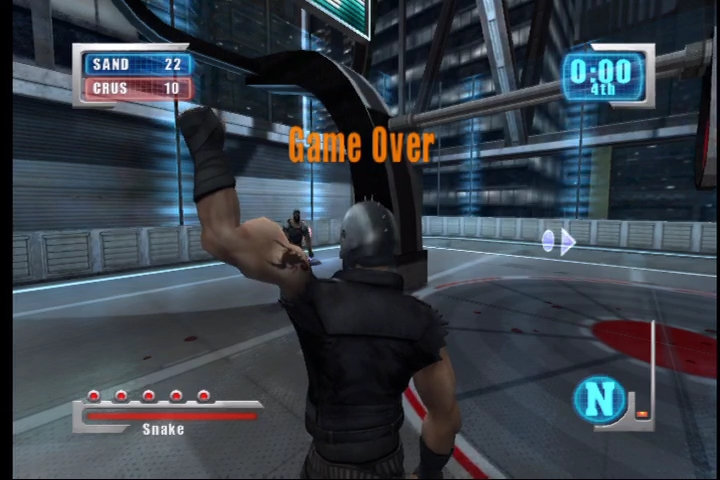
Entering a dark, futuristic world where televised sports are wildly popular and even more wildly violent. And the most popular and violent sport of them all is… ultimate Frisbee, known as Deathrow.
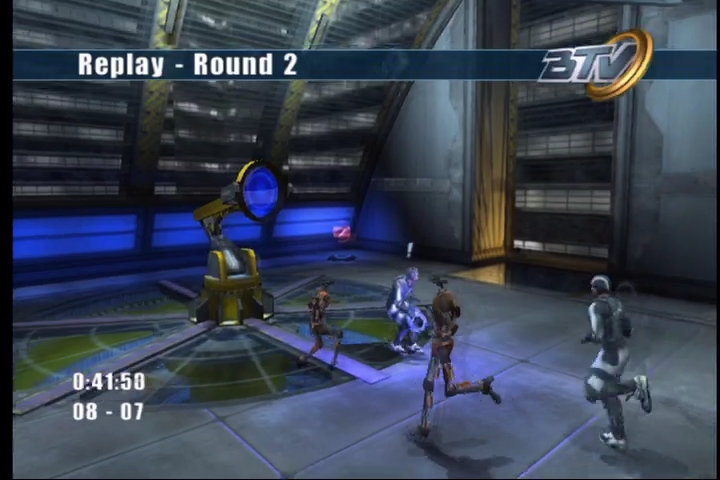
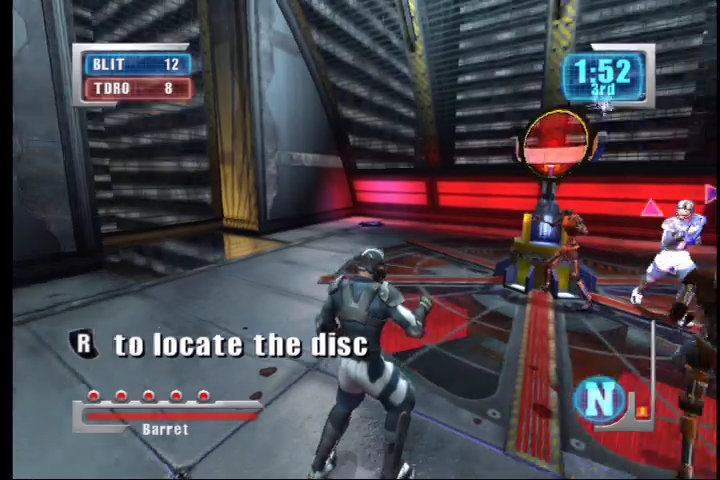
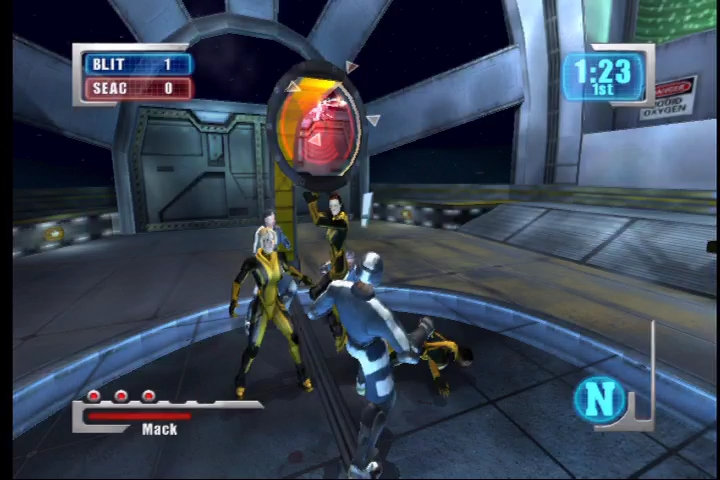
The sport you’re playing in the game is not called Deathrow, it’s called Blitz. Deathrow is just the name of one of the fancy moves you can pull off in the game. Gameplay is fast and furious right from the start, and the controls are a breeze to pick up. When you are in possession of the disk, A passes, B shoots, and Y jumps. To block an attack or roll out of its way, you press X. If you want to taunt another player by calling him naughty names you press the white button. Trust us, you’ll be pressing it a lot. When you don’t have the disk, the X, Y and white button do the same things, but A and B punch and kick, respectively. You’ll be pressing those a lot, too. More complicated maneuvers involve pressing buttons in sequence.
Your passing game is made simple thanks to the passing line and shooting line. A green line connects you to the nearest teammate, while a blue line shows you when you have a shot on goal. Control shifts automatically from the passer to the receiver. None of this is a guarantee of success, though. Interceptions are incredibly common. At times, this makes the automatic control shift a problem. The shift happens when the disk is thrown rather than caught, so you are often left in poor defensive position when your passes are intercepted. You can manually change players, but you don’t always get the player you want on the first (or second) try.
But it’s not all just throwing around the disk. Deathrow more than holds its own for pure fighting enjoyment. Each of the 18 teams has its own signature moves, with hundreds of separate fighting animations available. It’s even possible to win matches without scoring a single point, if you knock out all your opponents. The game shines in the AI department. Each team has its own set of behaviors. Some of the teams, like the Seacats, favor teamwork and precise passing and shooting skills. Others, like the Convicts, are more interested in inflicting as much damage as possible. This way, each new opponent requires that you adopt new tactics to defeat it. For instance, when playing against an overly aggressive team like the Demons, you can often trick their goalie into leaving the goal unguarded by drawing him away with taunts.
Your teammates display a surprising level of autonomy. Certainly, you’re not going to win any matches by letting them do all the work, but if you want to take a short break to inflict some damage on an opponent, they are perfectly capable of picking up the slack and scoring all on their own.
The 32 arenas are varied and often gorgeous. Sure, there are plenty of the traditional dingy metallic sports arenas, but other locales include the Convicts’ prison and the tranquil Japanese dojo of the Black Dragons. One small issue with the level design, though. Most arenas are simple one-floor spaces, and the arenas that do include ledges and other interesting design elements don’t make great use of them. If the disk lands on a ledge, there often isn’t enough time to get to it before it automatically respawns. The character models are smooth and detailed, with upwards of seven thousand polygons and 55 bones each. Character animation during play is very fluid. Attack combos flow from one to another seamlessly.
The one area that fails to get the adrenaline pumping is the game’s soundtrack. Instead of a crunchy metal soundtrack or something similarly dark and pounding, Deathrow sticks to the same uninspiring techno that plays under everything from racing games to space shoot ’em ups. But hey, it’s an Xbox game, so who really cares what the included music sounds like. Rip an old “Ministry” CD onto the hard drive, and you’re good to go.
Another caveat id Deathrow is not a game for the young audiance. The game’s mature rating is richly deserved. The rampant violence is non-stop and leaves nifty little puddles of blood all over the arena. As if that wasn’t enough, some teams seem unable to complete a sentence without at least a few four-letter words. Still, there’s something about a game that has a button devoted just to swearing that makes it incredibly appealing.
What would a violent sports title be without a good multiplayer mode? Deathrow is not slated for the Xbox Live launch, but that doesn’t hold it back much. Up to four players can play splitscreen, and you can network together up to eight consoles. Just go and round up 32 of your closest friends, and you’ve got a massively violent multiplayer.
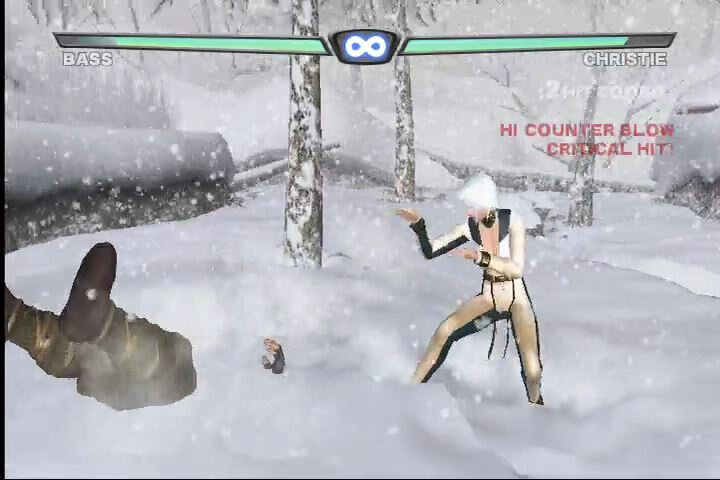
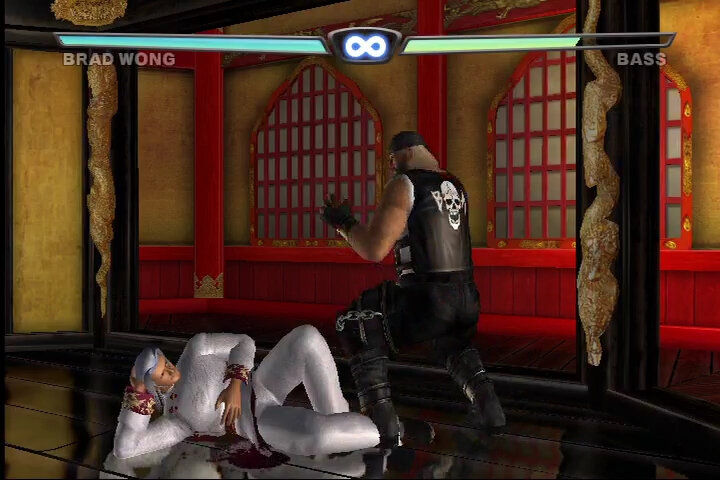
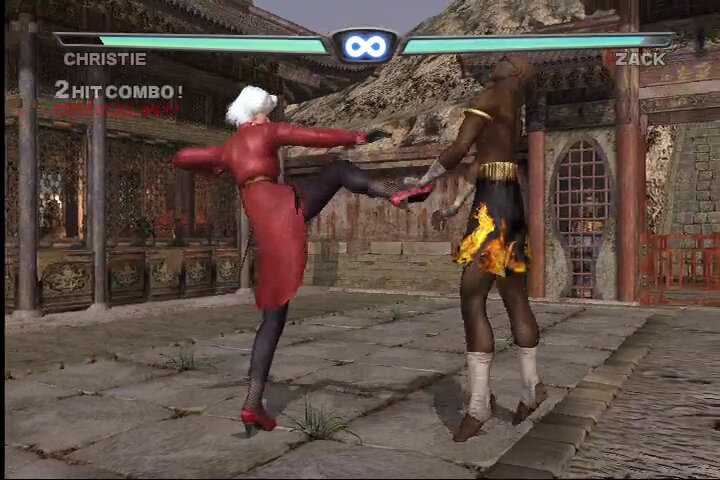
Tecmo has brought Xbox gamers Dead or Alive 3, and if you’re a fighting fan, this is, simply put, a prime reason to own the system. As advanced as the sequel was, DoA3 trumps it in every way. Visually, the game is mind-blowing, the 16 characters are fantastic looking and the arenas even more impressive. Advancing on the play elements from the second game, DoA3 offers up a fine helping of both one-on-one and tag-team action. It sports the usual array of game modes — story, survival, team battle, single and tag-team matches, and even watch. Dead or Alive 3 proves to be the best fighting game in years not simply because of graphic panache and cool options, but largely thanks to its incredible playability and refined fighting action.
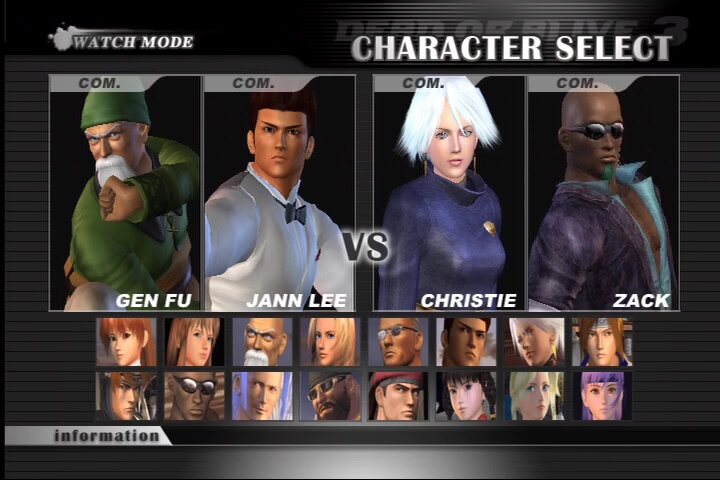
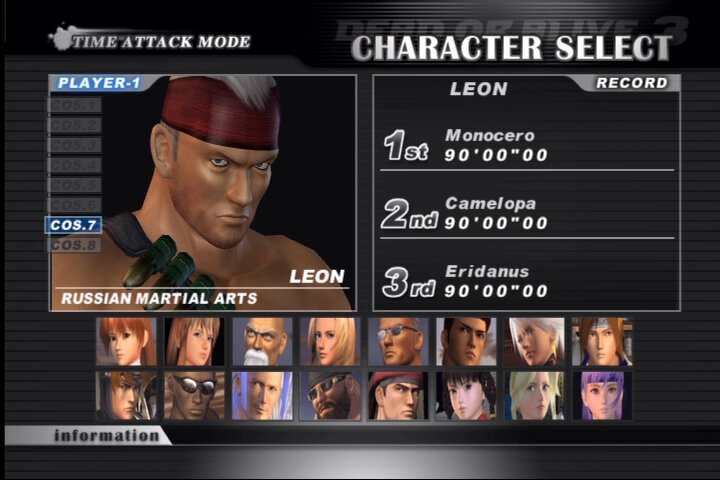
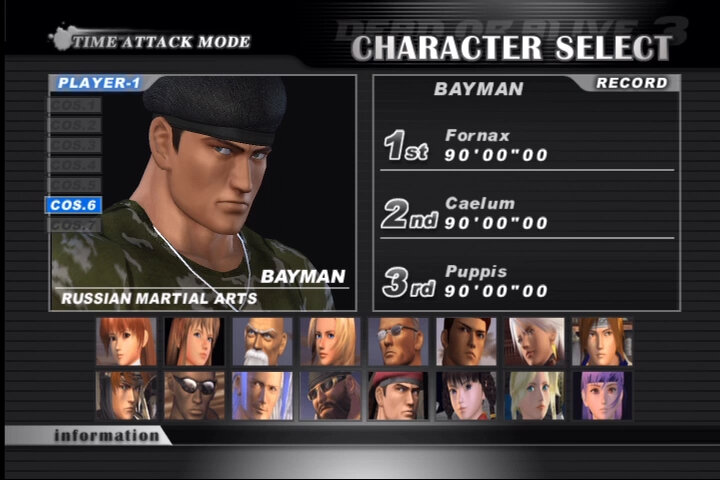
The counterattack and throwing system has advanced to become more versatile and playable. Novice gamers can learn to play easily, while advanced brawlers can do things like counter throws and even foil the other player’s counterattack moves. Most of the 16 characters have distinct martial arts styles. Although some of the characters (such as Leon and Bayman) are a bit too similar, gamers are sure to find a fighter that suits them. The three new characters add a lot of flair for fans of the game, adding two new lithe and stylish female fighters and a humorously laid-back drunken-style Kung Fu expert. Another noticeable improvement is in controls of the two wrestling characters, Bass and Tina, who are far more usable and entertaining this time around, complete with some incredible combination wrestling throws. From the Bruce Lee-like Jann Lee, to a full compliment of ninjas, soldiers, assassins, and, of course, teenage girl Kung Fu experts.
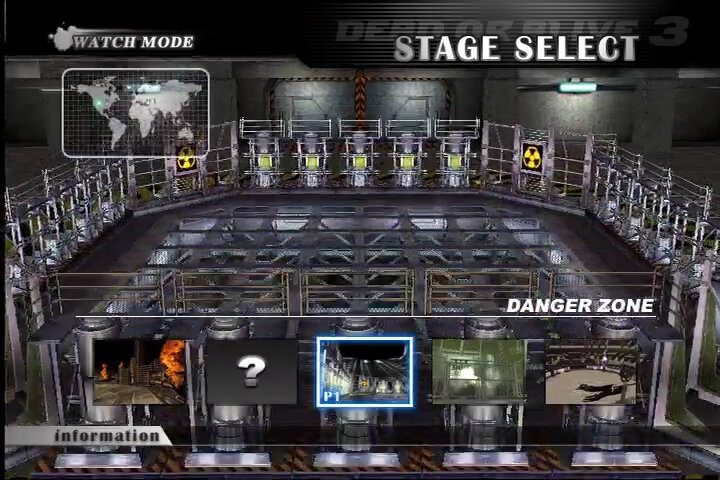
The arenas actually have almost as much personality as the fighters themselves. Some of these exotic locales are multileveled maps where you can kick your opponents off the edge, then watch them plummet down to the next level at a pace so breakneck, it’s almost vertigo inducing. You can fight on cliff tops, in gritty urban streets, in a stunning ice cavern, on a beautiful beach, or in a truly incredible-looking forest, among other locales.
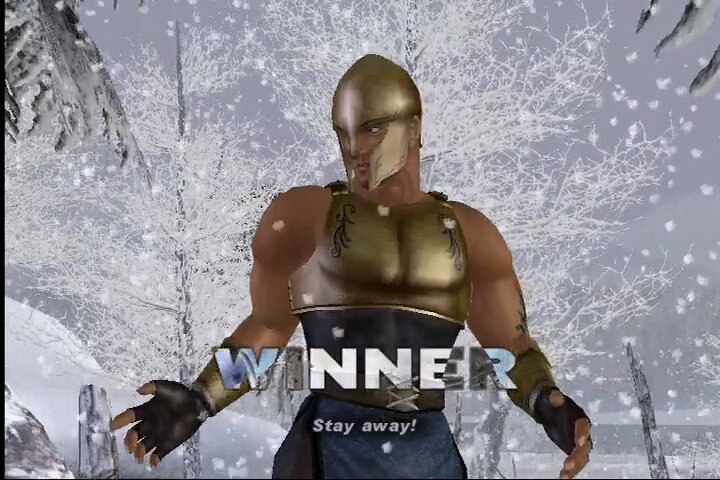
Being exclusive to the original Xbox console, DOA3 is able to pull off effects that are difficult for the PS2 to do, your characters will leave trails in the snow on a wintry landscape, crash through neon billboards, or just break through stone or ice pillars whilst achieving a good level of texture detail. The fighting arenas in Dead or Alive 3 are, by far, more interactive than in any other fighting game out there. To sweeten things up even more, a fighter’s moves actually change depending upon where they are in the arena. For instance, if you throw opponents near a wall or obstacle, they’ll often use the wall in some way — usually by slamming the other character right into it.
The audio work is terrific, especially when using the Dolby Digital 5.1 capabilities of the Xbox. Aside from the opening and end credit tunes by Aerosmith, the soundtrack in general is excellent. Fighting effects sound great, and the Japanese dialog is well done, even if some of the English subtitles suggest that Tecmo could really use a real writer for the story.
The story mode is the weakest link in the game. Dead or Alive 3, like virtually all these fighters, alludes to a deep, complex story and background for its characters. Unfortunately, aside from slight interludes and fantastic-looking, if generally pointless, prerendered end movies, any actual meaningful bits of plot are almost nonexistent for most of the characters. While this is a fairly slight complaint, a little more effort put into the characters’ individual sagas within the game would have been nice. This is something Tekken 4 does better with its narrated cutscenes.
A moderately larger complaint is that the end boss is ludicrously cheap. He can’t be thrown, has magical distance attacks (something none of the other characters have), and hurts you when he falls. But worse than that, the game switches to an almost behind-the-character viewpoint when fighting him. While he has plenty of weak points, this new bad guy is often incredibly frustrating to take on depending upon the character you choose. The end boss should have been done much better and brings the game down.
Just the same, the story mode is fairly inconsequential compared to the sheer magnitude of the rest of the game. In multiplayer, with two to four players battling it out, Dead or Alive 3 is a good addition to the Xbox and one of the few true exclusives for the console. Stunning graphics, great sound, and topnotch gameplay all add up to an incredible debut for the series on the Xbox.
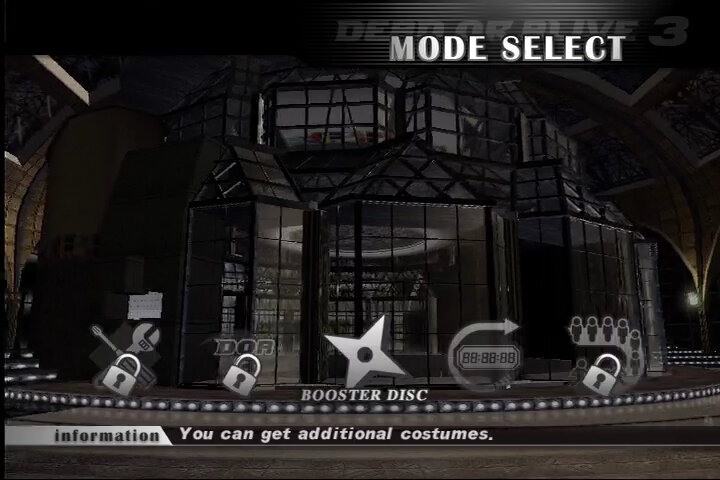
Booster Disc
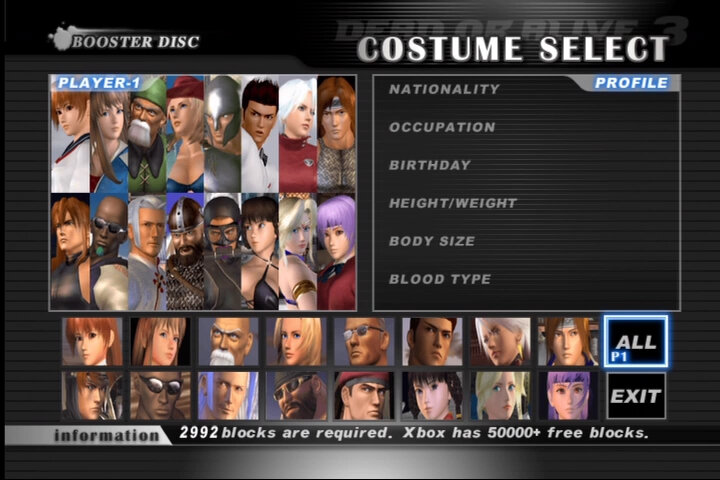
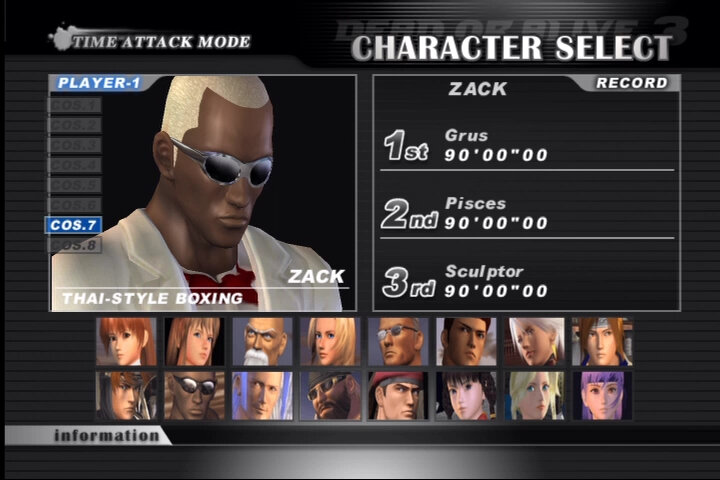
The North American version had a limited amount of costumes compared to the European and Japanese versions. Tecmo did release a Booster pack to add additional costumes to the game. This was provided by some of the OXM (Xbox Magazine) discs, and was also included with Dead Or Alive 2 Ultimate. Alternatively a copy can be obtained here.
Installing the Booster pack is a simple as inserting and running the disc, and then installing the costumes. For this booster disc, it featured as a demo for Dead Or Alive 3. I’m unsure if there is a way to install this on the 360 console since it uses an emulator that runs off a whitelist.
Custom Costumes
You can also use this to add additional costumes to the game. To install you will need a modded Xbox, or an ability to write files to the Xbox’s E partition where the game data is saved. If you have a soft modded Xbox, you can just FTP the files across. There are limits to the amount of costumes you can have, but a lot of the ones I downloaded had worked fine.
Modern Xbox’s
Tecmo have since release it on the XBox one and Series consoles as a backwards compatible title, running in a much higher resolution on the One X and Series X models.
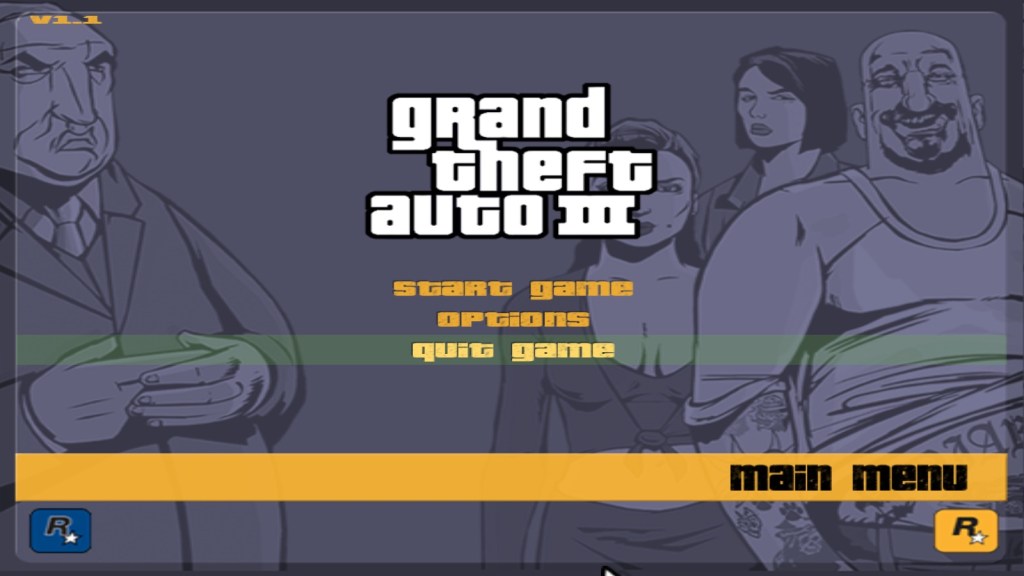
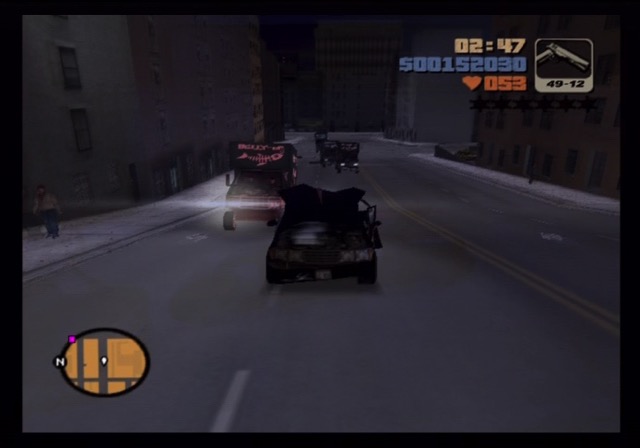
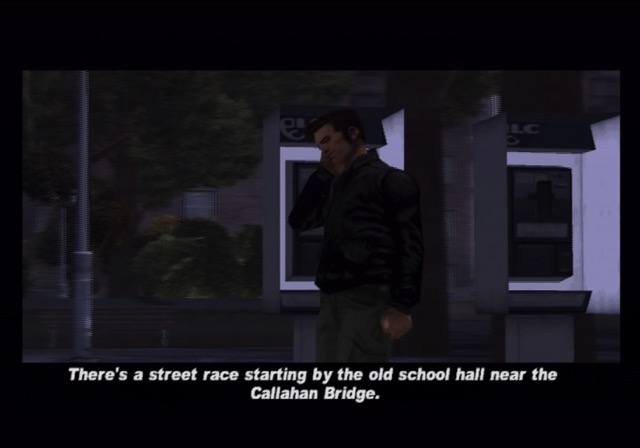
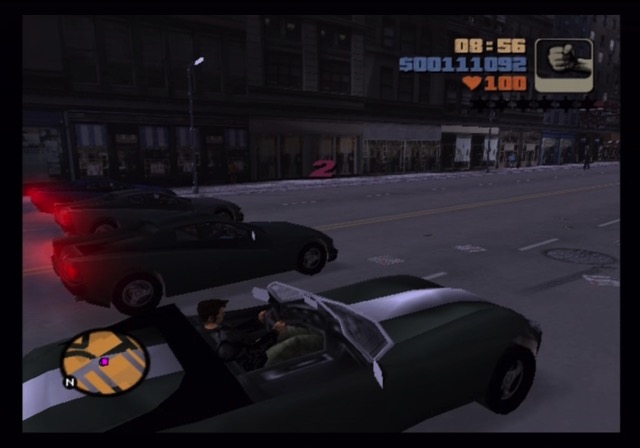
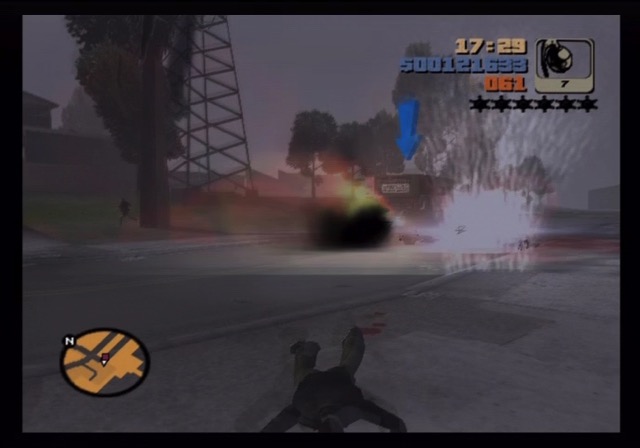
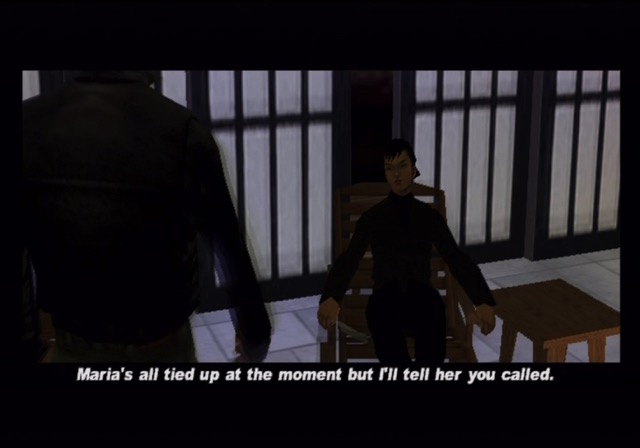
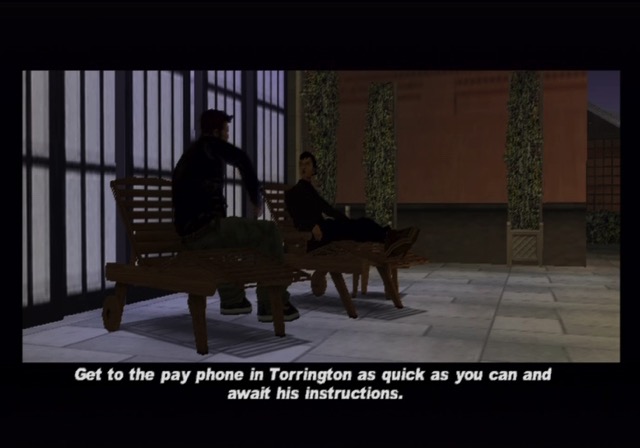
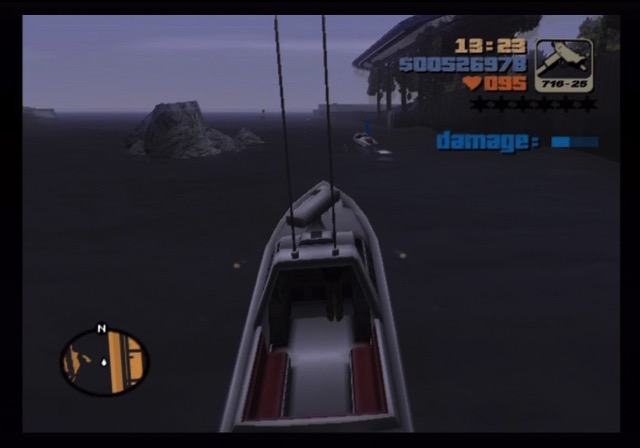
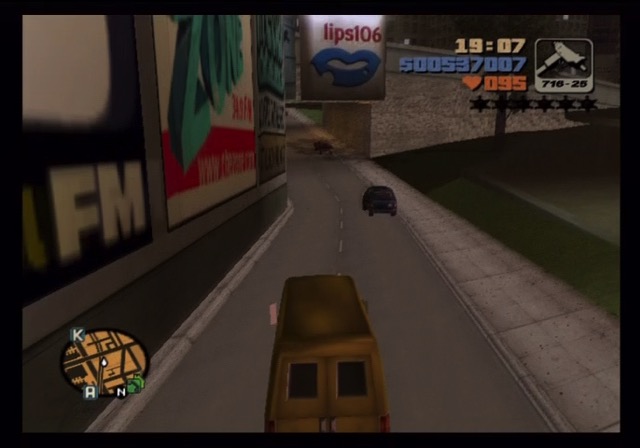
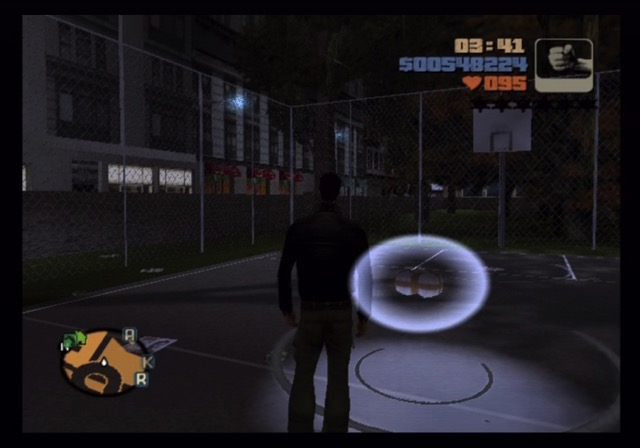
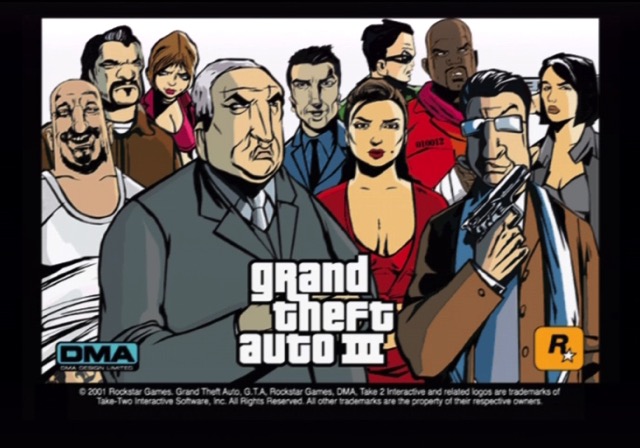
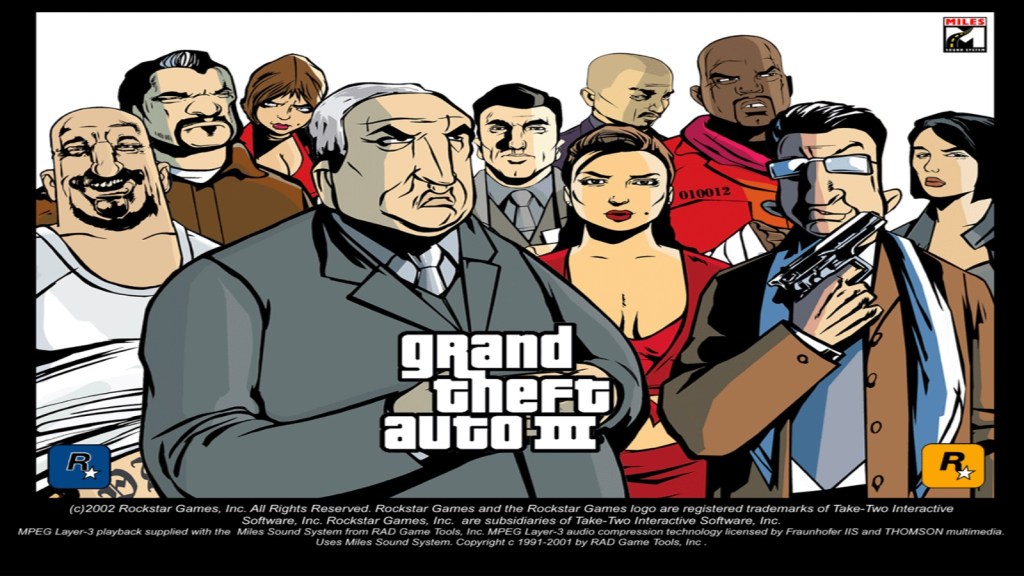
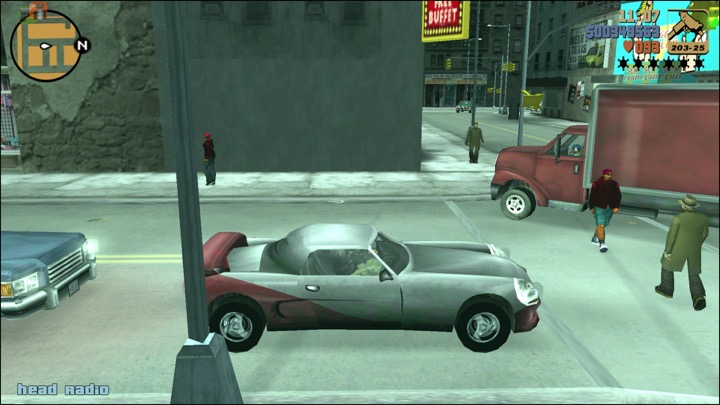
The third in a line of games from DMA Design, Grand Theft Auto III’s gameplay mechanics are built around the acts of theft (namely carjacking) and battery. The first two games featured diverse and open-ended gameplay, but the 2D delivery limited the concept’s execution. The release of Driver for the original PlayStation and PC showed that it was feasible to create an open world 3D rendered world on consumer hardware, Although you were limited to staying within your car, Driver 2 then allowed you to leave the car and carry out mission’s on foot. The original GTA and GTA2 used a top-down perspective view, With GTA3, the premise and plot are fleshed out to a fully realized story line against the backdrop of a 3D world that literally lives and breathes around you. DMA crafted a large virtual city for players to explore on foot or by car and has filled it with enough detail and nuance to continually surprise and impress you as you dig into the game’s hundred-plus hours of gameplay.
GTA III takes place in Liberty City, a metropolis with three distinct sections that are unlocked as the game progresses which is designed in the same image as New York City. At the game’s start you find your character in a robbery gone wrong. Flash forward to an escape from a prison transport, and the actual gameplay begins as you acquire a car and attempt to make a fresh start working for the mob. GTA III introduced players to Liberty City, an expansive and interactive city where players could roam freely. Liberty City is depicted as a place of economic disparity and decay, with visible signs of poverty, urban blight, and the stark contrast between different neighbourhoods. This setting mirrors real-world issues in major cities where economic policies have led to visible divides.
This freedom was unprecedented at the time, allowing players to explore, complete missions, or engage in chaotic antics at their discretion. The early missions familiarise you with the game’s controls, and give you ample opportunity to explore the city on foot or by car. However, if you want to get anything done in the game, you are going to have to get your hands dirty, inflict some pain, or stop a vehicle, pull out the driver, and take off before the police catch you. Missions ranged from carjacking to assassinations, providing a broad spectrum of criminal activities. The narrative drove players through a series of increasingly complex objectives, intertwining with diverse characters, each adding to the games storyline.
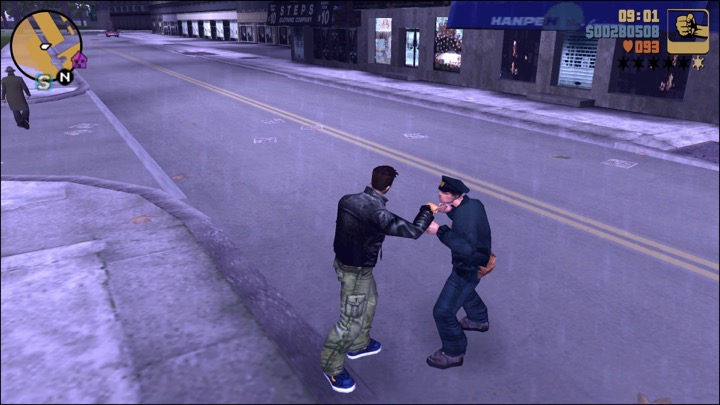
You choose how violent you get to be. Very little about the game is linear, though you can progress through all of Grand Theft Auto III sticking to the basic missions and just taking on fellow underworld criminals. But to really get the full effect of the game’s seemingly endless possibilities, you can cause some mayhem of your own, indulge in many of the game’s side missions or just go on a virtual crime spree. Though walking into a park and shooting at civilians will result in your character finding himself on the receiving end of a police assault rather quickly.
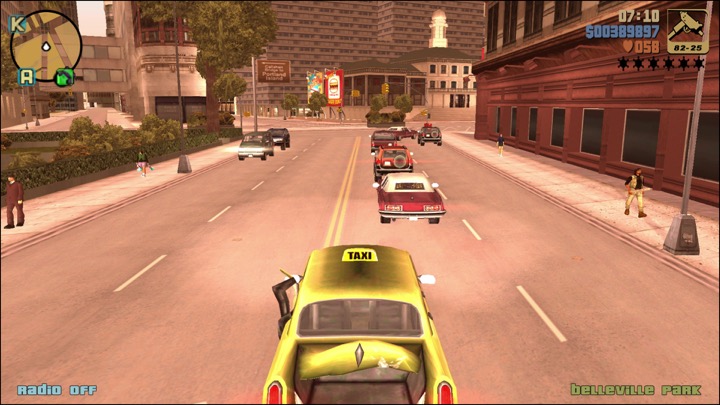
GTA III is often credited with popularizing the sandbox or open-world genre in video games. Many side missions involve stealing a taxi and collecting fares, or carjacking a police car or fire truck to give back to the community, and for some extra cash to purchase weapons or armour.. There is also something quite satisfying about rising up within the ranks of the underworld — at least for anyone who appreciates a good mafia movie or The Sopranos, which the game takes a lot of cues from. That said, its best to complete these side missions as early as possible, since the rewards they offer will help massively in completing missions, but a s the story progresses, the fans will become hostile to you which will cause them to open fire on your vehicle, making it very difficult to complete since the missions over once your vehicle is destroyed.
The actual execution of gameplay is quite amazing, and the play control seamlessly blends the walking and driving interfaces. Moving throughout Liberty City takes some getting used to at first, but it is rather easy to get the hang of things within the game’s first hour. Walking can get tiresome after a while, but each car has its share of nuance throughout that keeps driving around rather fresh. The gameplay mechanics allowed for chaos—carjacking, explosions, and general lawlessness—which might have been cathartic for some in a world where real-life violence had just taken a new, terrifying dimension. However, this also stirred debates about the morality and impact of such gameplay in the wake of real-world tragedies like 9/11 and the Columbine massacre.
The game’s radio, with its satirical news reports and DJ commentary, often touched on a cynical view of society, which could resonate with a post-9/11 audience feeling cynical about government, media, and the state of the world.
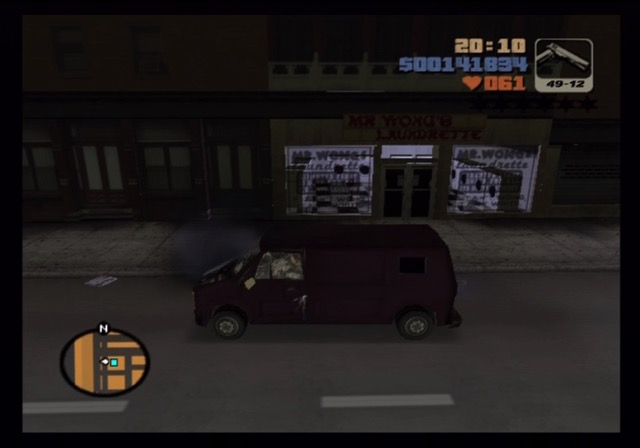
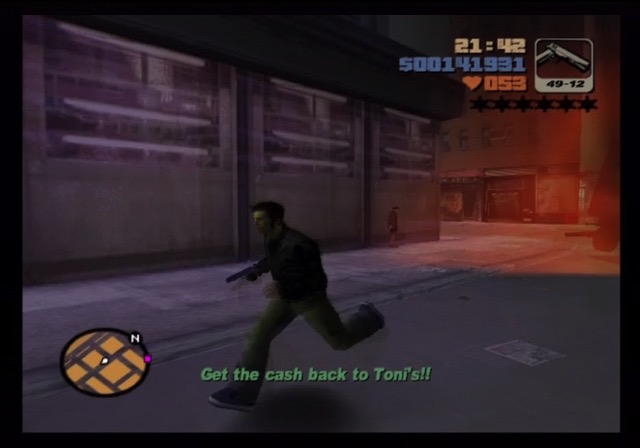
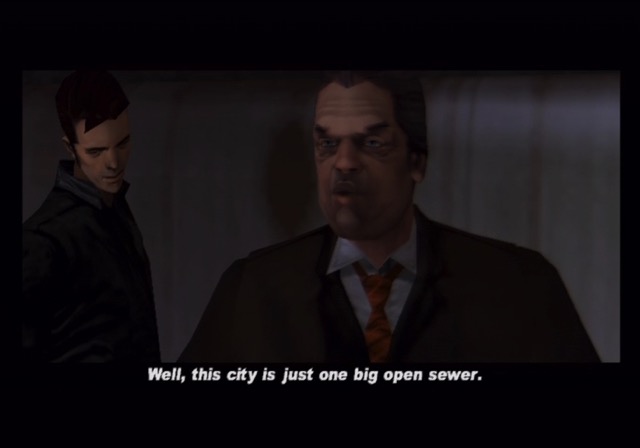
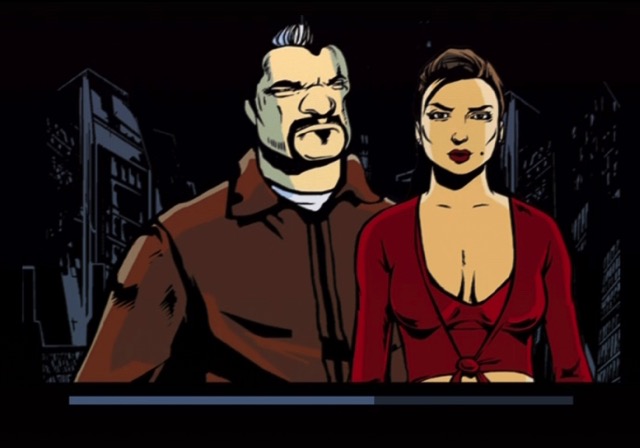
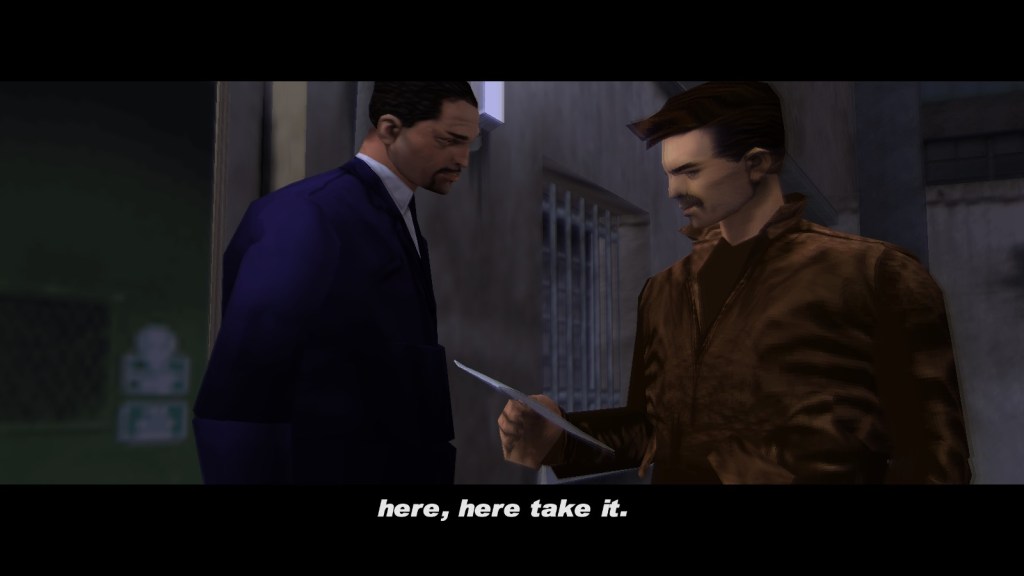
Grand Theft Auto III looks quite good as well for it’s time, though it never depicts violence in an overly graphic manner. The 3D world has an amazing amount of detail, especially considering how large each section of the city is, and while you can’t enter every building that you see, they at least offer plenty to look at up close. Every in-game movement, even switching back and forth between walking and driving, is smooth and the game feels rather polished. The game’s cut scenes are quite solid as well, moving the story along while not overdoing it and are rendered in engine, something that was becoming more common with the sixth generation of consoles.
Versions
PlayStation 2: This was the original release and contains a few RenderWare splash screens showcasing the new technology. This version can get a bit ropey in the framerate department, with it slowing down when there are a lot of cars or explosions on screen. There is also some pop-in with the buildings, or blurry texture’s momentarily before they load which can be off putting. Using a soft-modded PS2 with OpenPS2loader, along with a hard drive is recommended which helps reduce the draw in massively. This version was made available on the PS3 as part of the PS2 classics, it lacks trophy support but is indeed the original ROM of the game. Since it’s emulated, the slowdown is more pronounced and isn’t really recommended unless you don’t have access to the PC version. This version was also used for the PS4, and is a lot more smoother not eh account of better emulation.
Also, this version is limited to 480i (Interlaced) or 576i only, progresive scan isnt supported in this version.
Xbox: The recommended version since this has involved textures and models compared to the PS2 and Windows versions, also supports custom music if they are installed to your hard drive. This version also benefits from analogue controls for steering and aiming, and better audio quamility, being encoded in 128k WMA format audio. This version was also playable on the Xbox 360 if a hard drive is installed, but not on the Xbox One or Series consoles. On the 360, the frame rate does suffer mostly when turning into a new street.
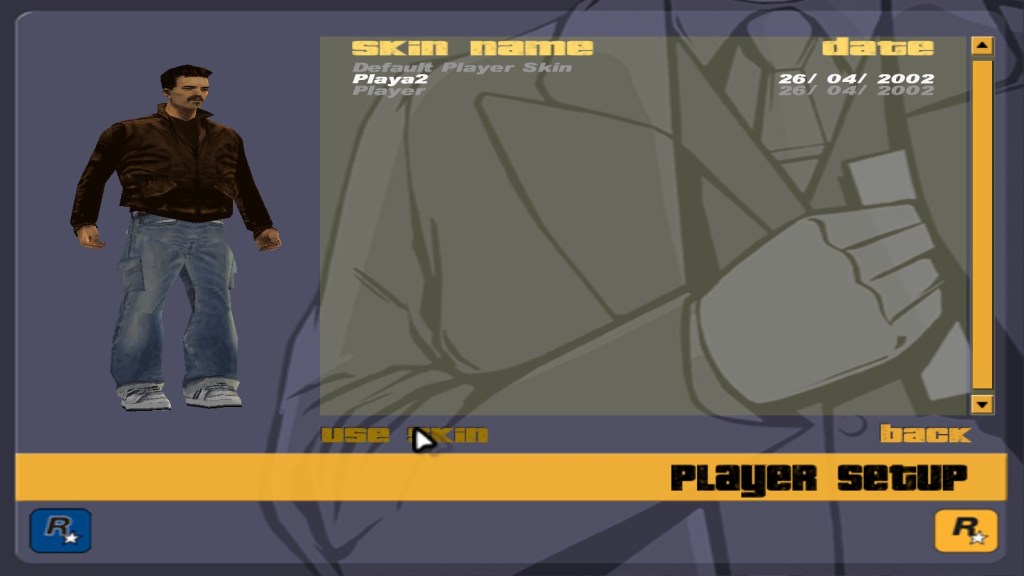
Windows: This version works well and is playable on modern versions of Windows, but lacks the improved details that the Xbox version had. But you can change your characters skin if desired, and can be modded. Some of the enhancements from the Xbox version have been adapted into the PC version using this method.
This version was also adapted for Mac OS X, which was implemented into a Wine DirectX wrapper (Developed by TransGaming Cider/Cedega) and released onto Steam.
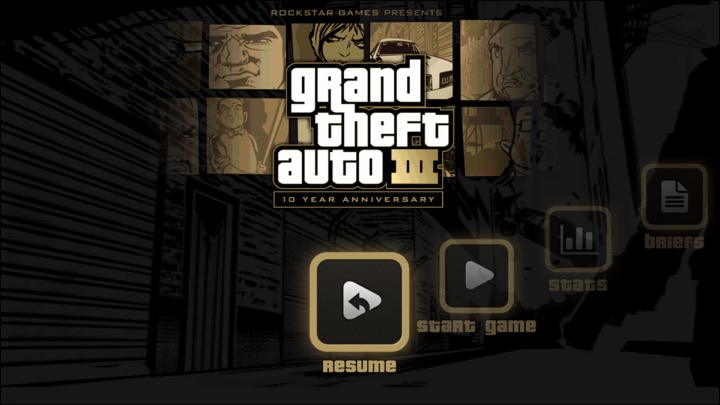
Android: Released on GTA III 10th anniversary, This version features improved graphics, providing you set the graphics settings high. This has Android gamepad support, and plays very well on the Nvidia Shield console. This version is alas playable on the Amazon Fire platform, but you will need to side load it to play.
iOS: also release for the iPhone and iPad platforms, but not Apple TV? As far as I’ve played is pretty much the same as the Android versions.
There is also a definite version of GTA III, which is the original mobile version that has been upscaled mostly using AI. The result is pretty poor and isn’t recommended.
While some people may be turned off by this innovation in Mature-rated games, Grand Theft Auto III was very well received, and surely one of the most impressive and ambitious ever released for the early sixth generation systems. The storyline, extensive gameplay, and excellent presentation make for an amazing experience, and older gamers will find themselves drawn into the seedier world the game depicts in a post 9/11 world. Newcomers might appreciate it more through the lens of its historical significance rather than pure entertainment value today. Even though some people may see the violence as a novelty, once you get past the first few missions, this is a game you will not want to stop playing until you’ve explored everything it has to offer.
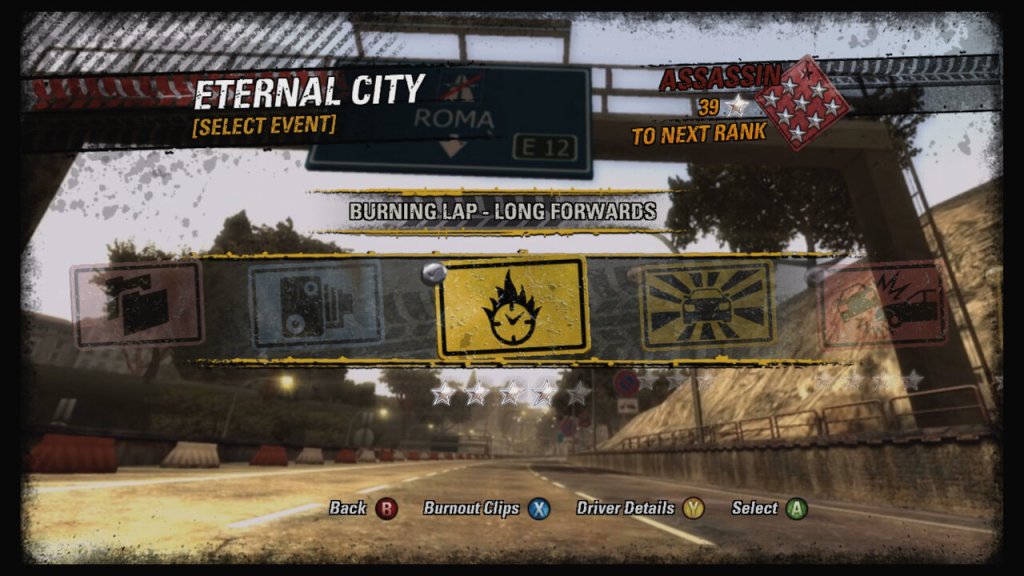
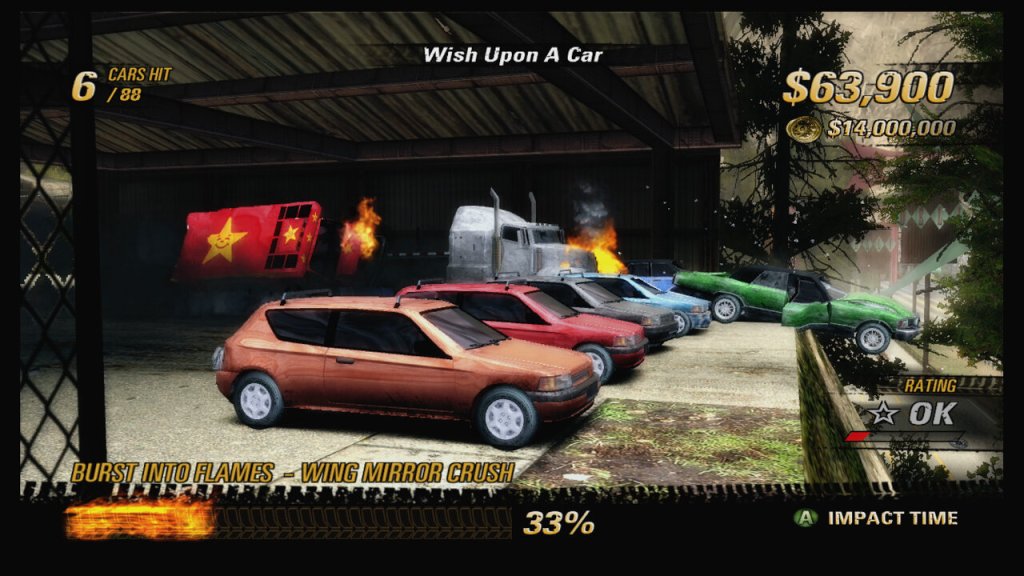
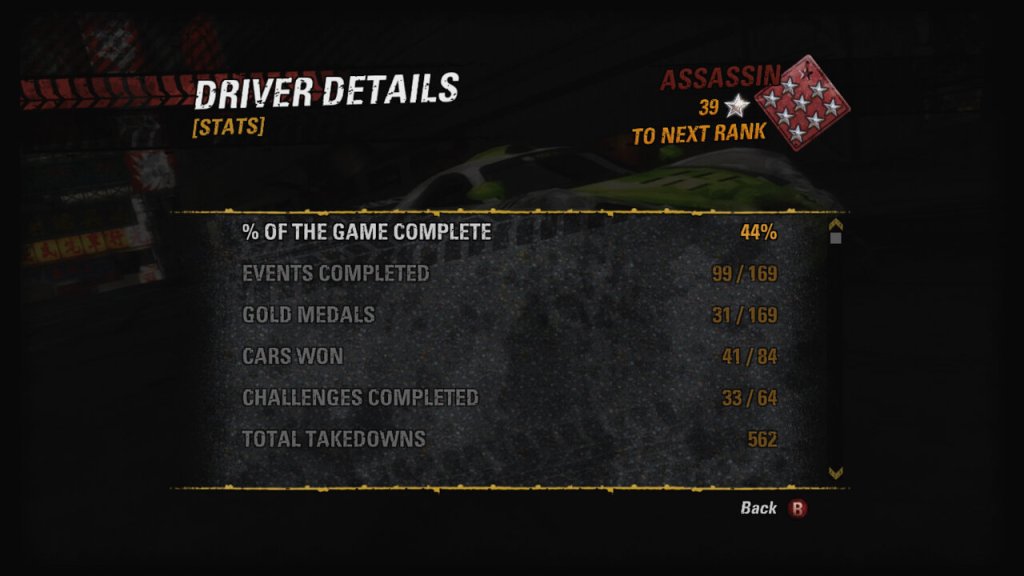
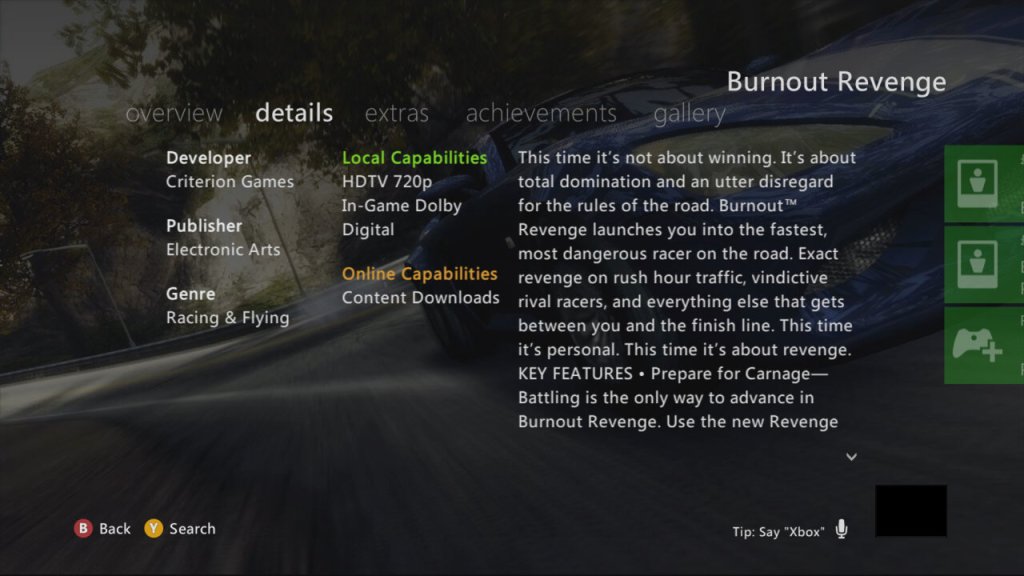
The fourth Burnout game, and the second released by EA. It follows on from the formula set by Burnout 3: Takedown but adds a revenge mechanic.
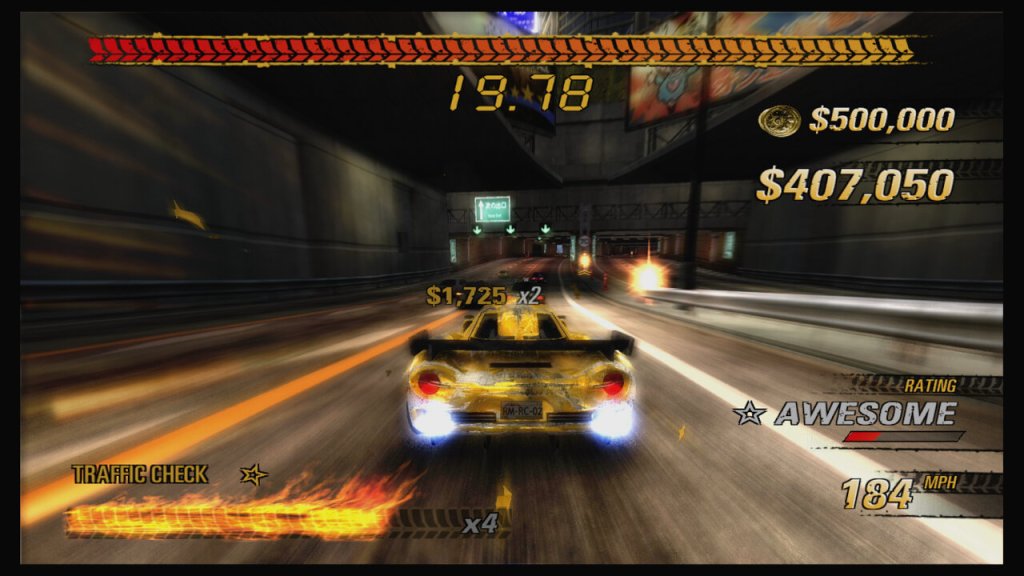
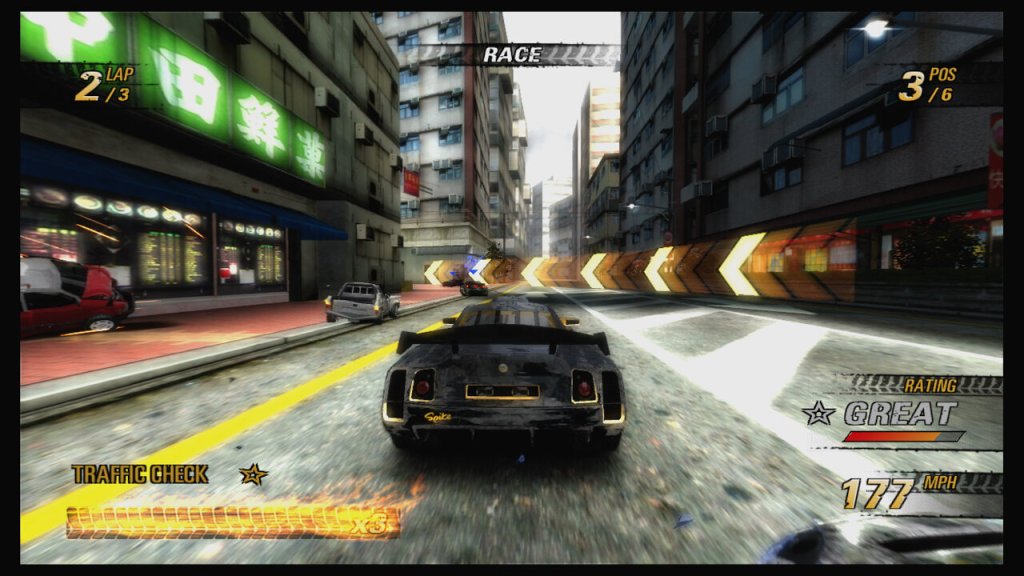
Tracks in Burnout Revenge were designed with more verticality, multiple routes, and interactive elements that could change the track layout mid-race, offering a more dynamic racing environment compared to the mostly flat and static tracks of its predecessors. There are still hidden shortcuts located throughout the track which help give the advantage to the opponents.
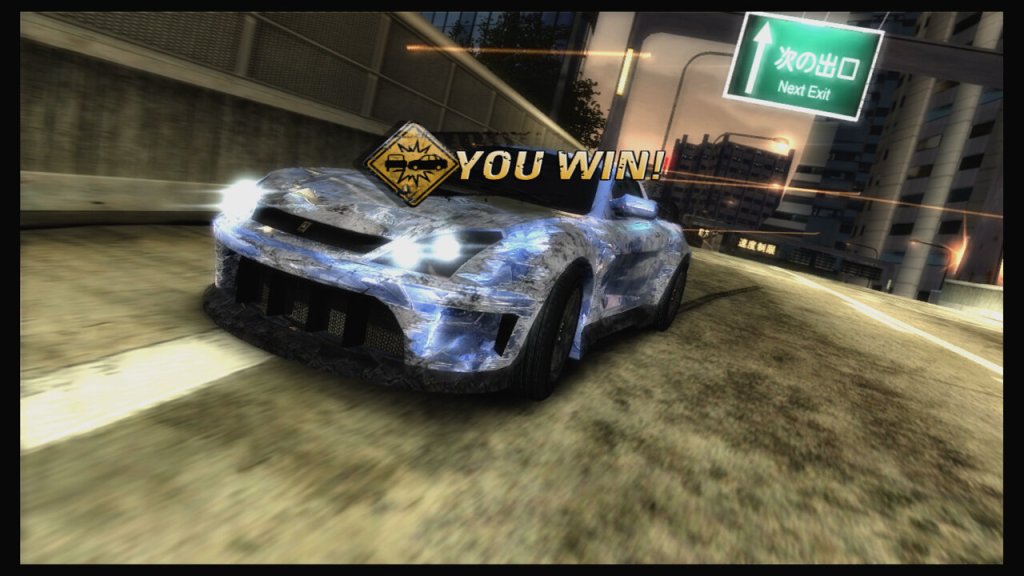
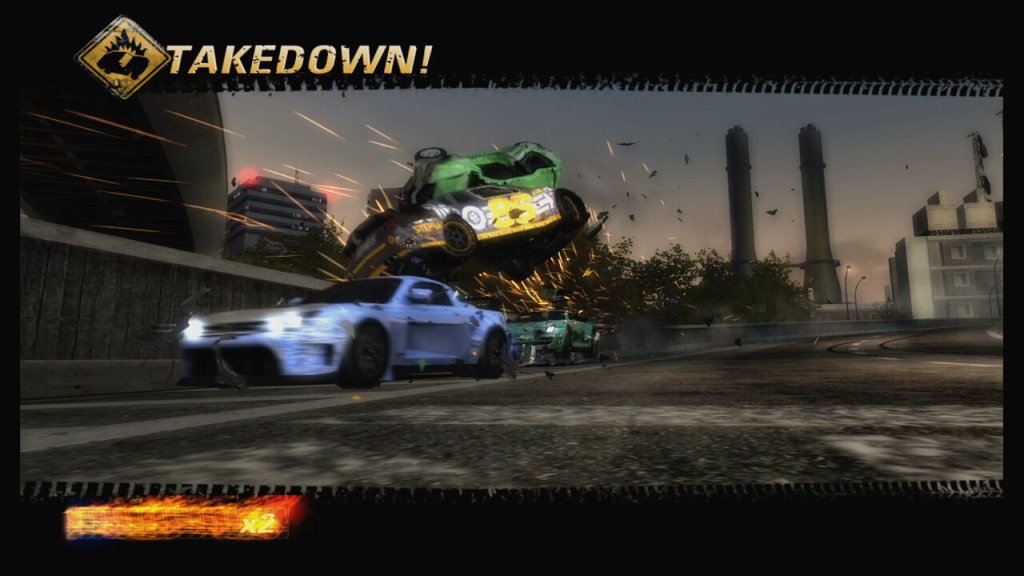
The Revenge mechanic is one of the games signature features, where one of the opponents is marked as your rival, and causing them to crash will reward you with a bonus. These are known as Revenge Takedowns, and are given when you take out a rival that has taken yourself out repeatedly throughout the current race. The rival is reset when you start a new race.
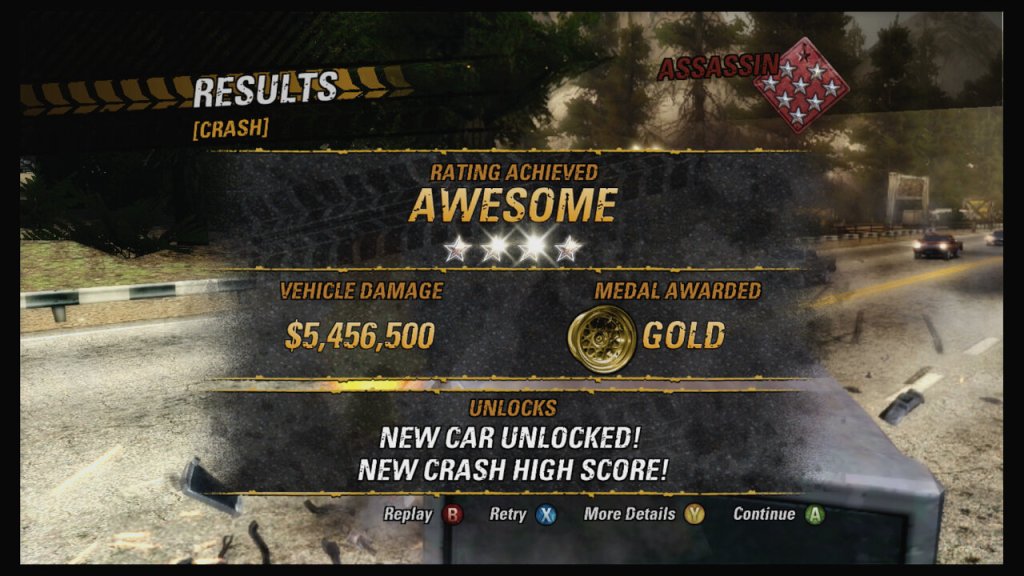
To mix things up, there are few different race modes that you will play as part of completing the games single player mode. Race is your standard racing mode where the objective is to finish first. Making use of takedowns and shortcuts are key to winning. Road Rage is where you have to score as many takedowns as possible within the time limit. Winning isn’t essential for these races, and you may prefer to linger in third or second place to ensure you can takedown as many opponents as possible. Traffic Attack required you to cause as much damage as possible within the time limited by crashing into vehicle or various objects that are part of the track. Buring Lap is pretty much time trial where it’s just you and the track, worth the objective being to finish within the time limit. There is also a Crash Mode with the objecting being to cause as much damage There are three tiers of scoring from Bronze, Silver and Gold, spending on how well you have scored. You can replay events at any time if you wish to improve your score and can experiment with different vehicles that will differ on speed and weight.
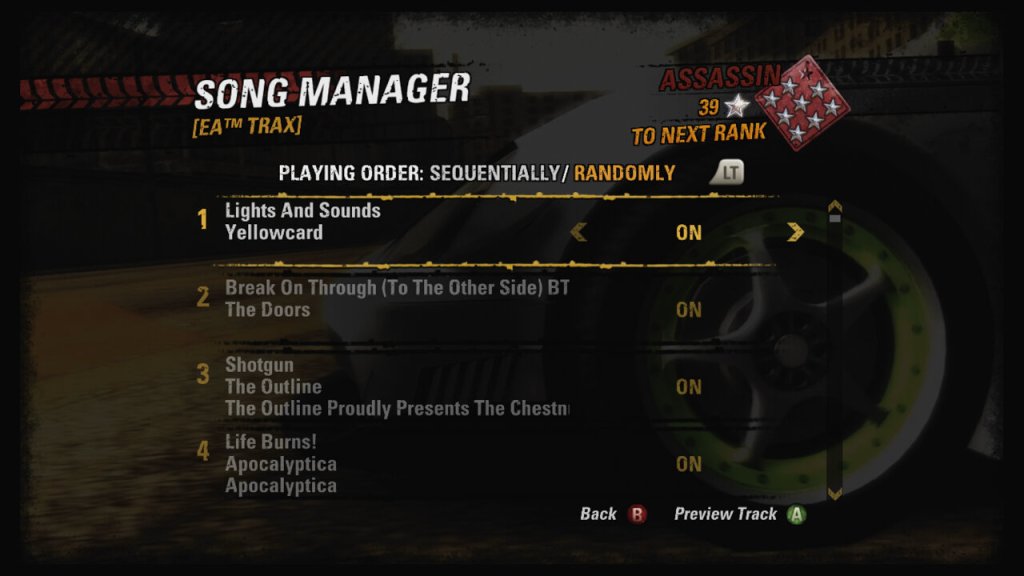
The soundtrack is one of the enjoyable elements of the game, with a playlist mix of Rock, Metal, Industrial, Electronic and PopPunk. There’s a few big names like Fallout Boy, The Chemical Boys, Maximo Park, Bloc Party and Avenged Sevenfold. Songs can be changed easily during a race by hitting the L1/Left Bumper button if you wish to skip the current track.
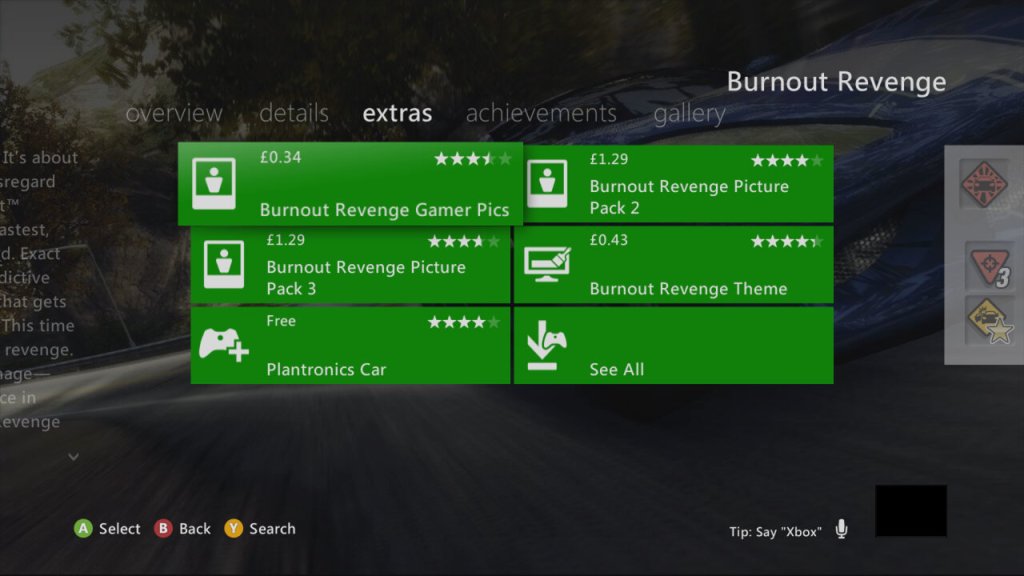
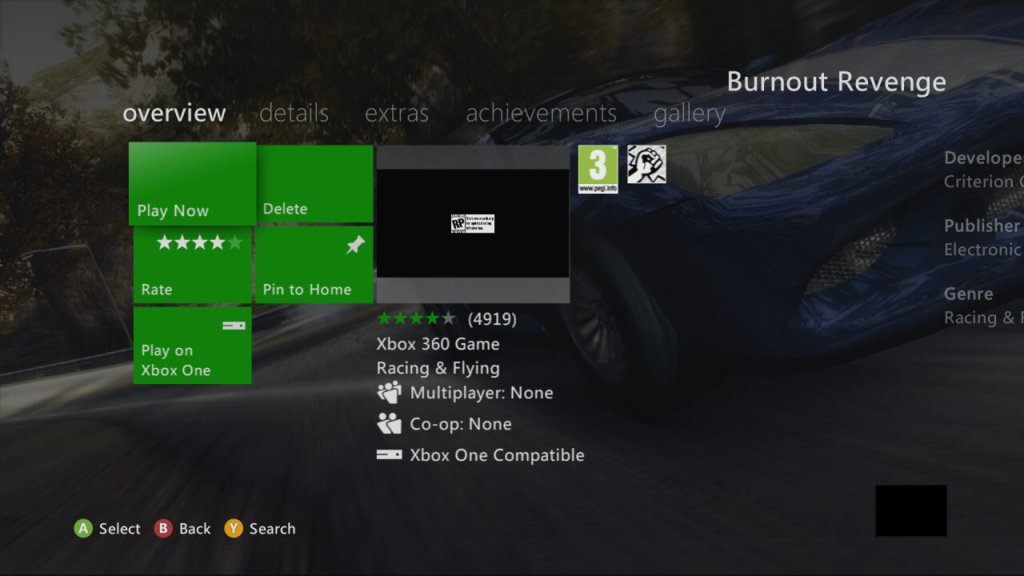
Xbox 360: The preferred version as it runs in a higher HD resolution and has exclusive Xbox 360 car skins that can be applied. This version does go a bit overboard with the bloom, which can be a put off for some players. Like the Xbox version you can also make use of the custom soundtrack feature if you prefer to use your on music. This version was also made compatible with the Xbox One and Series X/S consoles.
PlayStation 2: Very well optimized for the console, being released late into the console’s lifecycle. Though I recommend getting the Xbox/360 versions instead since the frame rate tends to tank when there’s a lot of stuff on the screen.
Xbox: As the game was released in 2005, it made sense for to be ported to the sixth-generation consoles, that were remarkably popular. This version supports online play over Xbox Live.
No Gamecube version was released, which is odd considering the previous Burnout games were released on that platform.
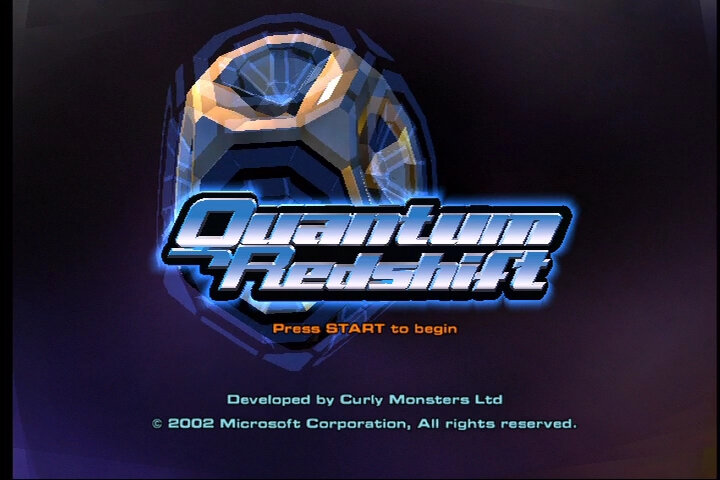
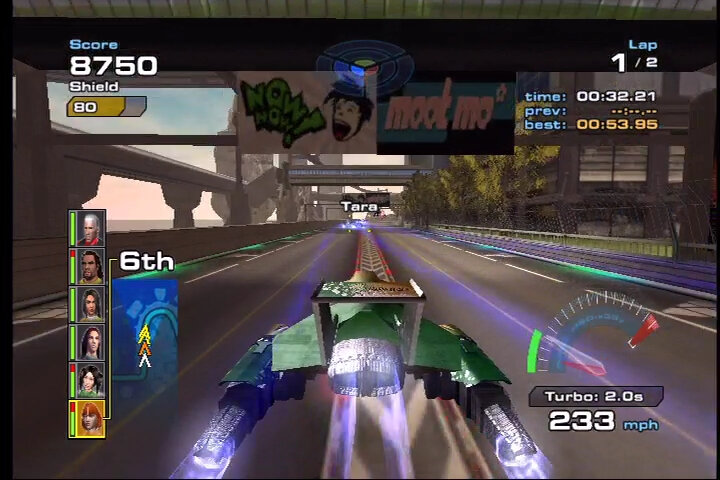
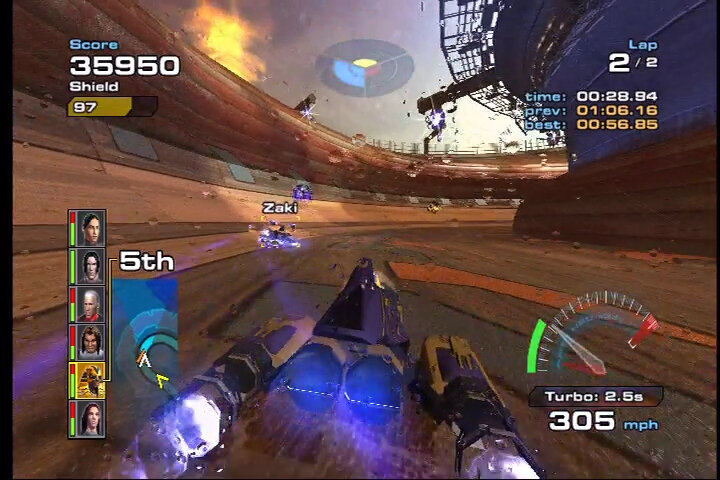
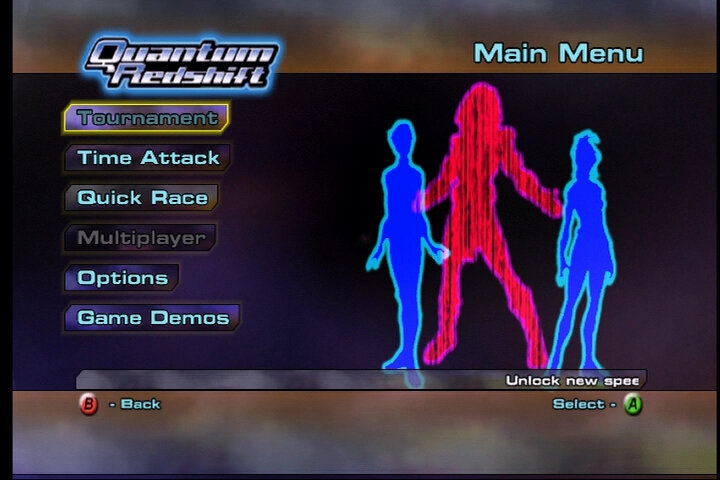
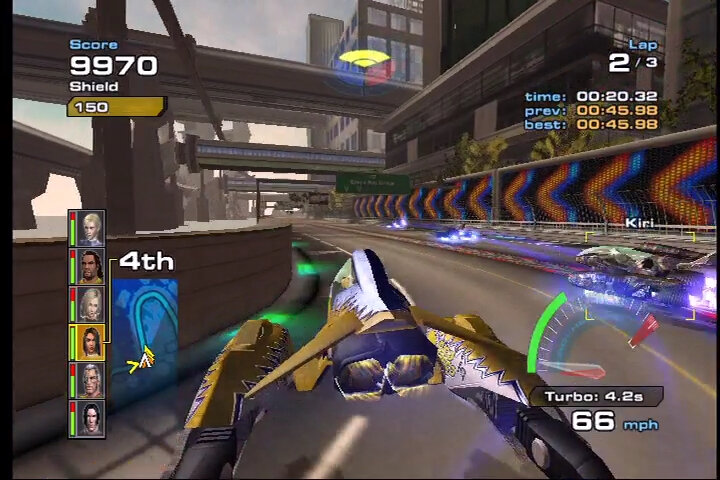
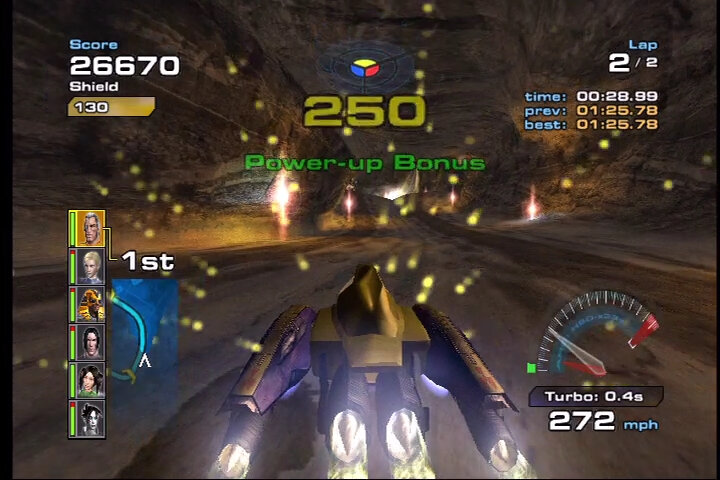
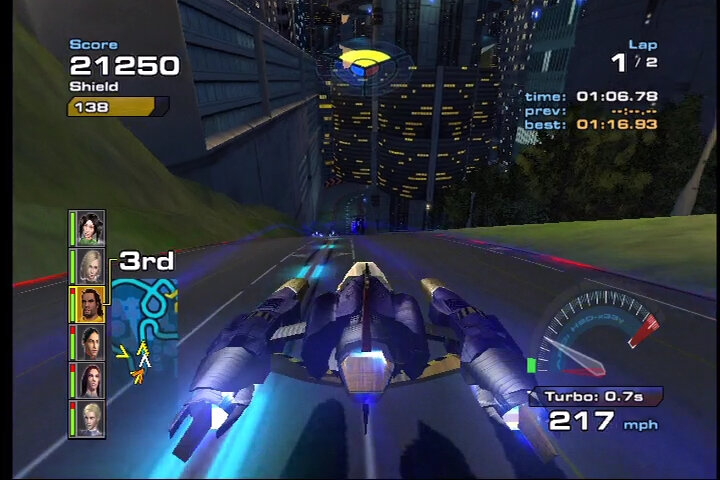
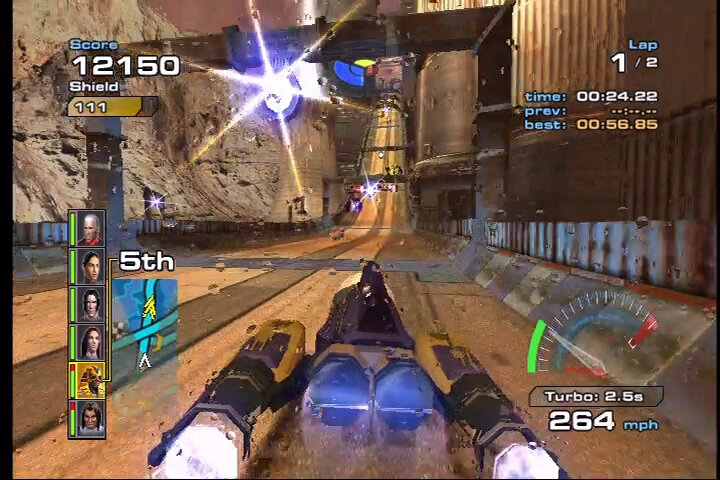
Xbox’s answer to WipEout, No relation to Quantum Break A futuristic racing game release exclusively for the original Xbox in 2003 by Curly Monsters, which would be the first and last game developed by the studio. It’s not a bad game but there are a few flaws, but defiantly worth checking out if you’re a fan of futuristic racing games.
The graphics are one of there best for the original Xbox and really takes advantage of the effects the Nvidia GPU was capable of, with water lens effects appearing when your ship lands in the water, along with detailed textures that you would never find on the PS2. It certainly stood out from WipEout Fusion or Extreme EX G3 that were released at the same time. The game also runs smoothly, with no noticeable lag or slowdown even during intense races, no matter how many ships are on screen.
Sound is where the game shines, with the soundtrack itself being composed by JunkieXL (also known as JXL, who is most known for that 2002 remix of an Elvis hit – A little Less Conversation). The music is segmented in sections that changes as you progress through the race, with some segments looping longer depending on your speed. This is similar to Tekken 4 on the PS2, or the arcade version of Tekken 3 that also progresses the soundtrack as you finish the rounds.
The music itself is your standard electronic/trance music that was also a main staple of WipEout and Extreme G3. But there is no support for custom soundtracks which was one of the exclusive features to the Xbox for that generation. Considering this game was built from the ground up for the Xbox, it’s odd that this feature wasn’t implemented.
As for the gameplay, it’s mostly the same as WipeOut but with a focus on combat and defence rather than speed, though you do travel at very high speeds on the later difficulties. You have to pickup powers which are either defence (yellow), homing weapon (red) or non-homing weapon (blue). Each ship/character has their own unique weapons that require you to master and seat specific points of the race, some will through grenade like weapons for when there are multiple opponents in front of you.
Defence is also very important since your ship has limited life which when depleted, it’s game over. The game will warn you when an opponent is about to attack which will give you time to deploy the shield, providing you have picked up a defence power up. This isn’t always accurate and sometimes the opponents weapon will miss if they are far away or if you have passed a tight bend. It’s a bit of a gamble as you have to decide when to deploy your serene powerup (which gives a limited shield) or save it for later.
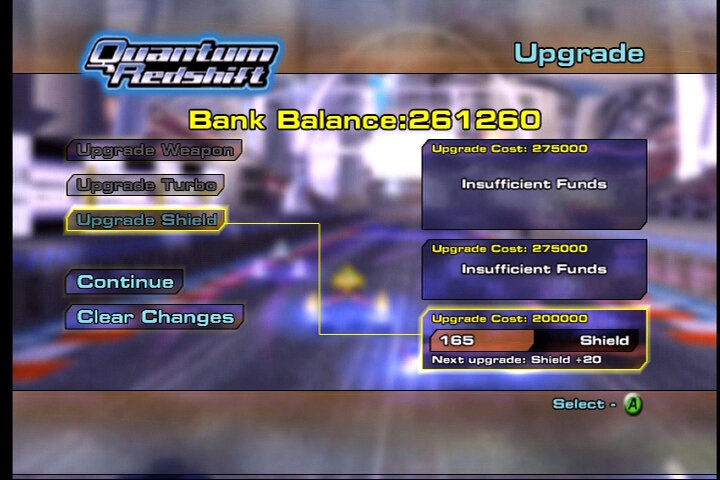
You also get turbo that refills after you complete a lap, initially you are limited to a few second of turbo but as you earn points, you can increase the turbo time you have. I usually recommend to save your turbo until the last lap, since the AI is a bit cheaty with speed boosts once you are in the lead, and you will have to watch out for enemy attacks.
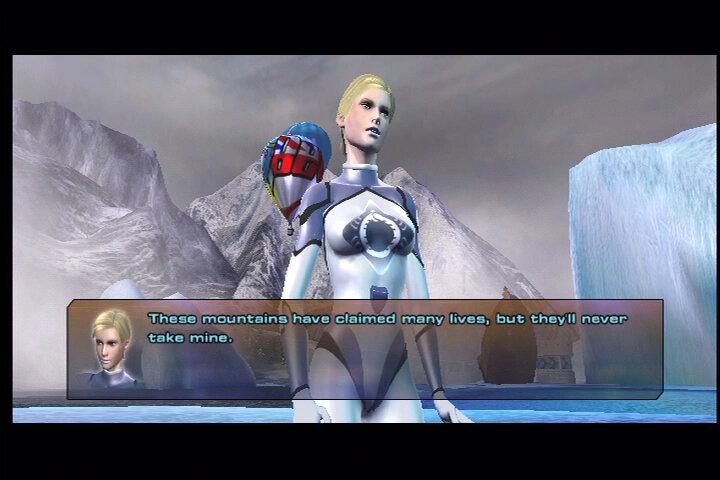
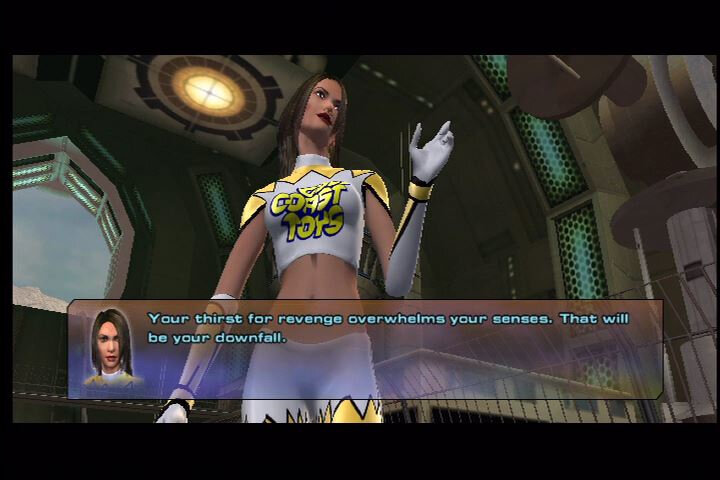
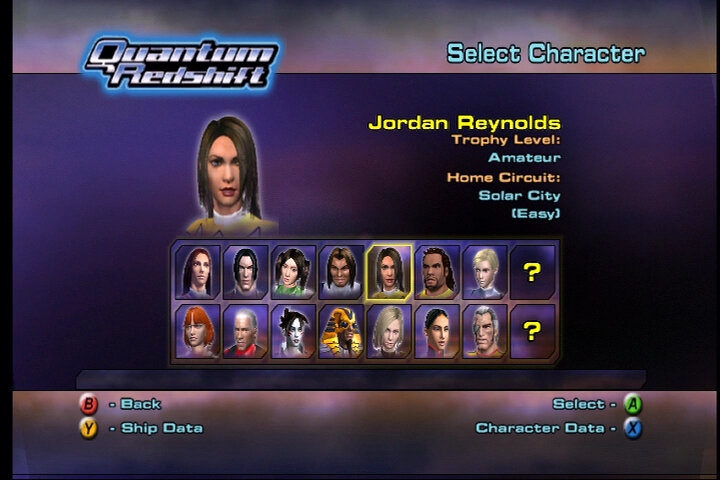
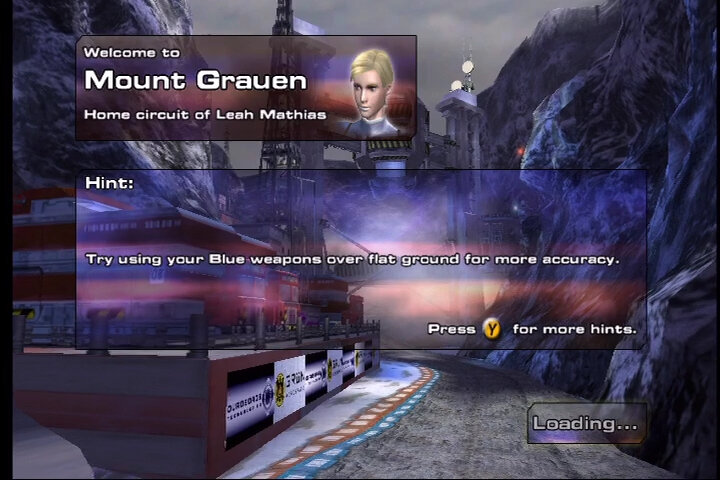
There isn’t much story to the game, mostly you are given cutscenes with your character and their rival before the race, some characters have a backstory that unfolds as you complete the races, and will need to complete the expert difficulty to view and unlock the complete set of cutscenes. Unlike WipEout, there is more focus on the character itself rather then the ships. The characters themselves are pretty diverse, being located around the globe though thankfully most of them speak English. Each character has a main rival that you will have to face in a duel in order to win, they also have a ‘home’ track depending on where the characters originate from. The voice acting is a bit cheesy and feels like you’re watching a budget soap opera, and most of the racers personality come off as arrogant and cringy. If you’re familiar with the cutscenes from fighting games like Dead Or Alive 2 or Tekken 5, its a very similar setup.
The racing tracks are also pretty diverse and varied, with interesting loops and bens that require precisions and mastery of your ship to win. A nice touch as the countdown voice being in the language where the track is set, Fukoushou City being in Japanese and Kalu wastelands being in Russian.
Despite the flaws, it’s a very nice looking game, and it defiantly is a worthy opponent to WipEout, competing favourable with WipEout Fusion. It’s one of the many true Xbox exclusives that are worth playing and preserving and it’s tragic it never got a sequel or a remaster.
Also since it was released early into the Xbox life cycle, it lacks support for online play for Xbox Live, nor any support for downloadable DLC. The game was made comparable for the Xbox 360 but has yet to be made compatible with the Xbox One.
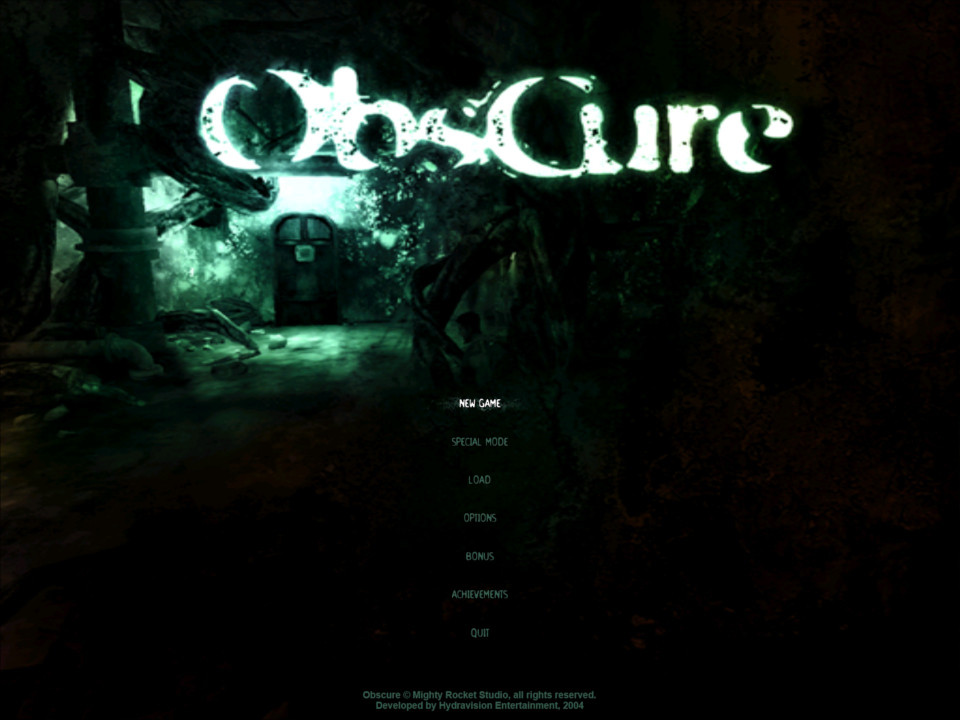
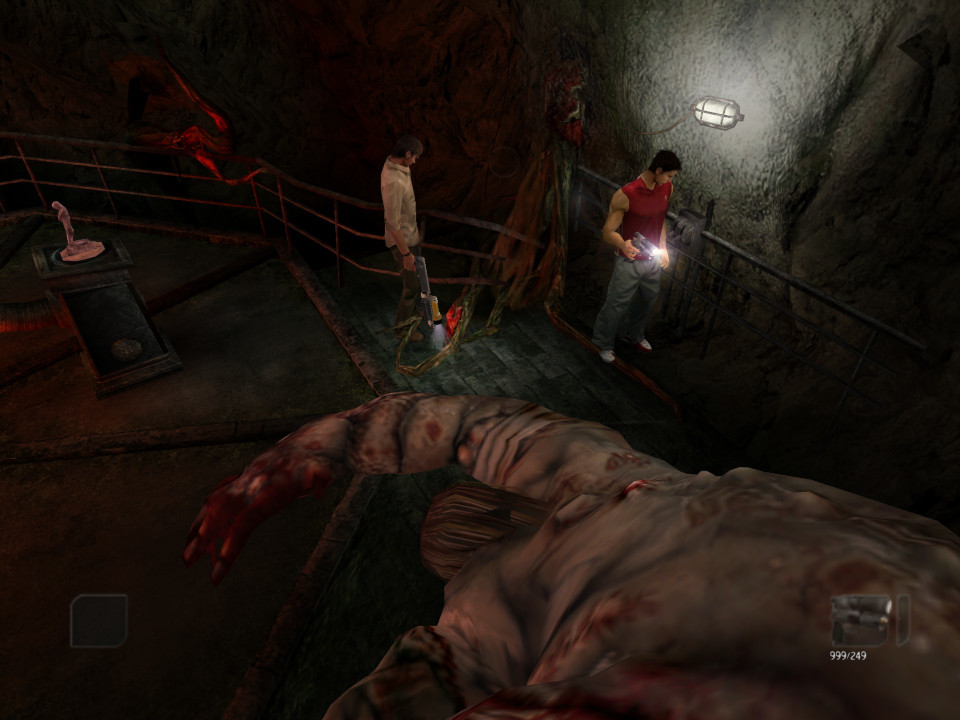
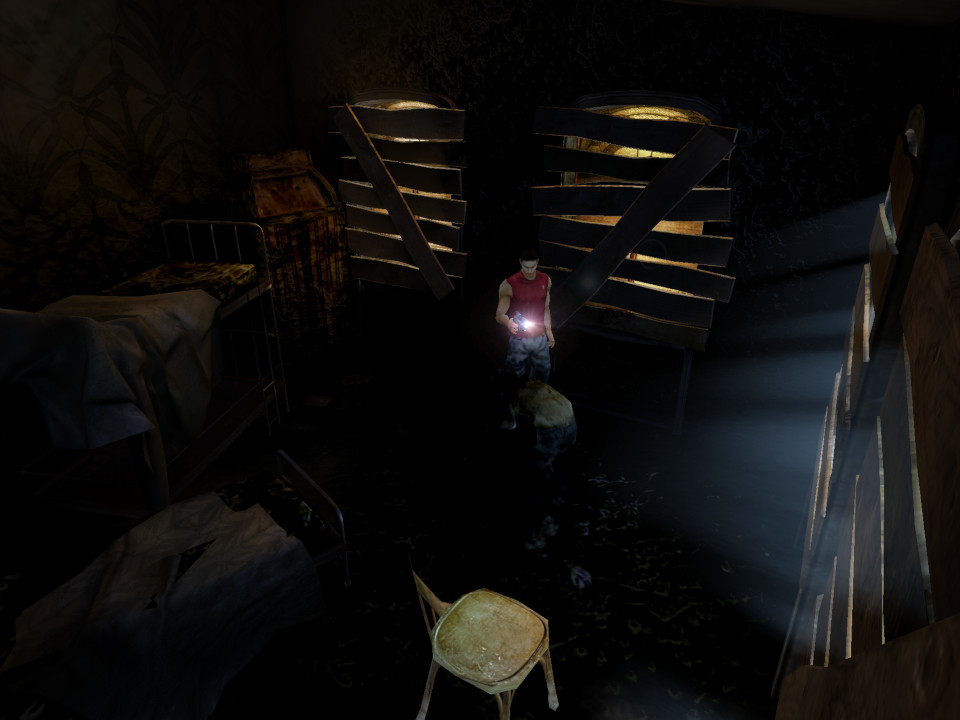
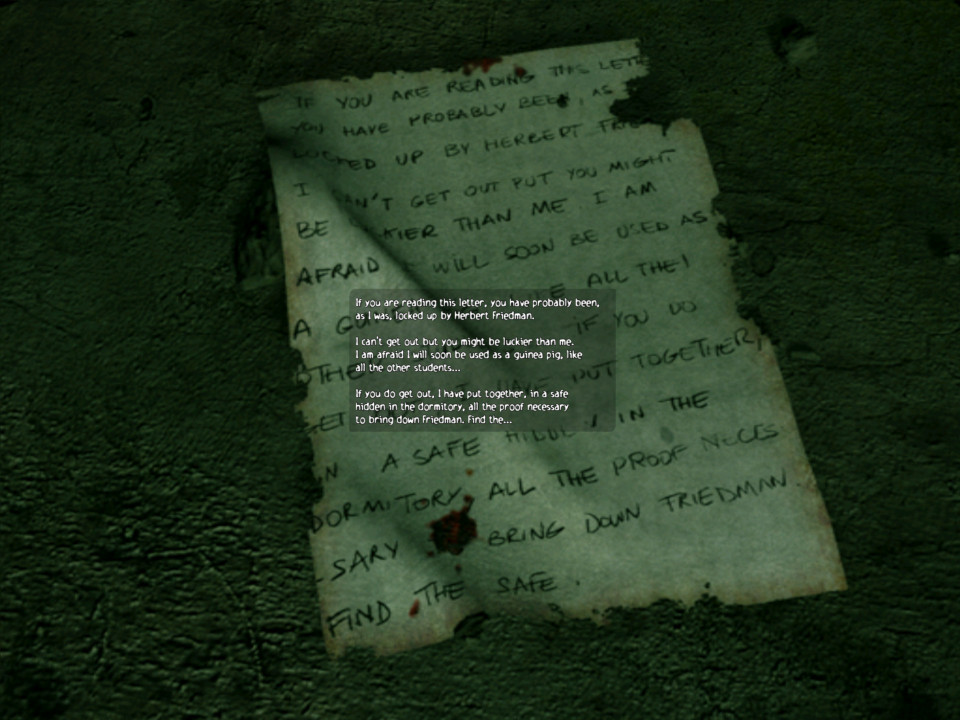
A horror game released in 2004, developed by Hydravision Entertainment. Set in a fictional high school where a bunch of students must uncover dark secrets of their school after one of their friends goes missing. It’s a survival horror game that features some co-operative elements.
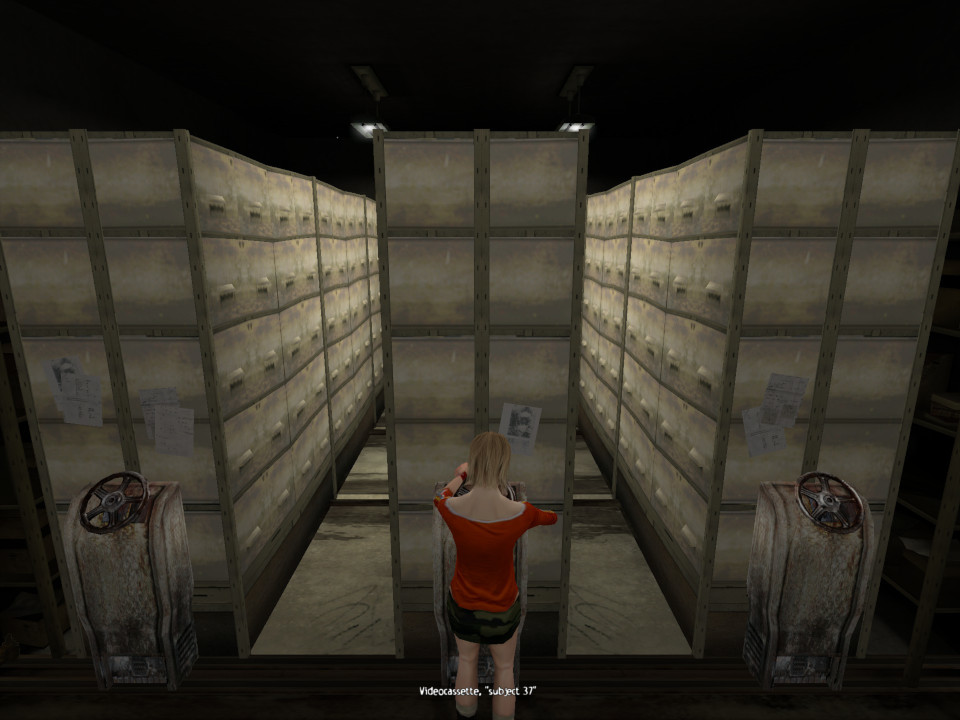
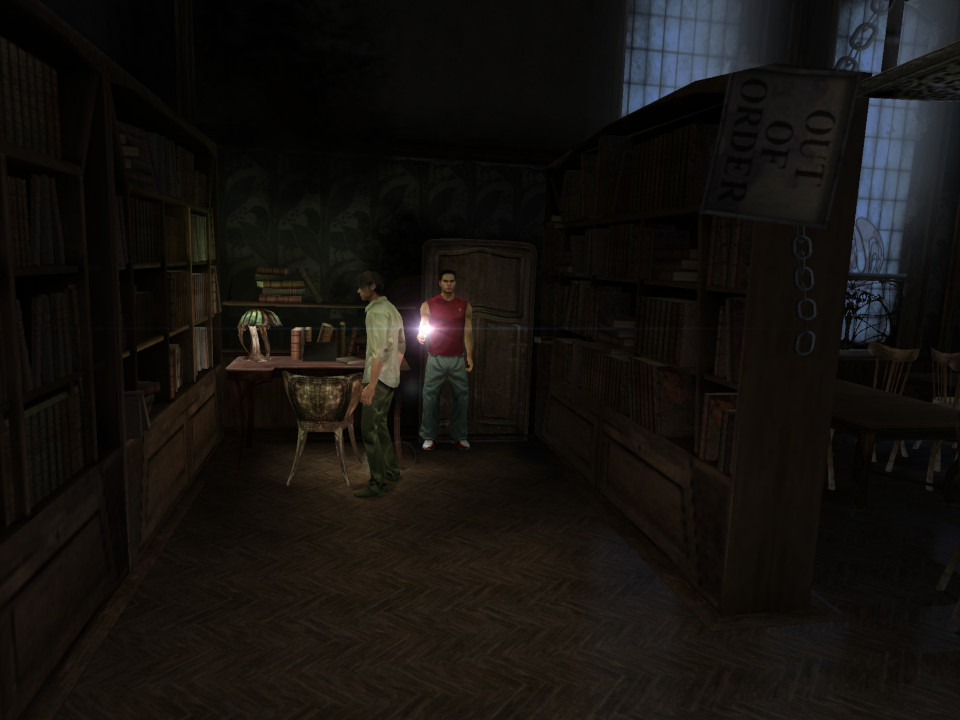
There’s a few puzzle’s that require you to acquire and use certain objects present around the school. Since the game starts after school is over, the earlier levels are set in the evening time and are a lot brighter, with it soon becoming night as the game progresses. As the enemies are sensitive to light, this makes the first few chapters easier since light will weaken them, proving you use a melee weapon to smash open the windows.
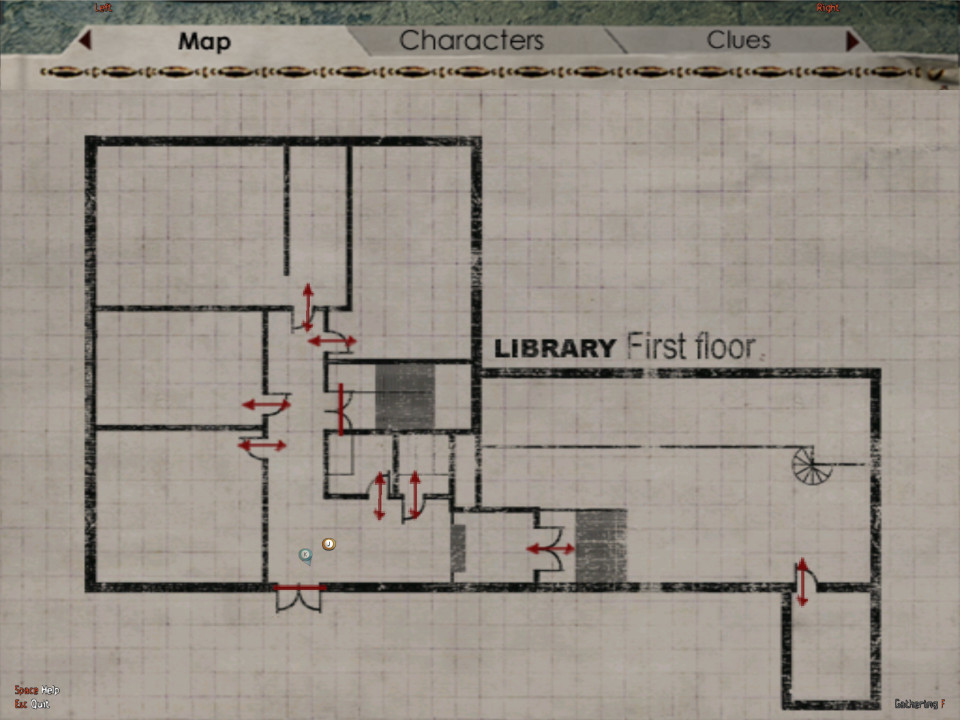
Whilst the game provides a map, there is no navigation or cursor to help assist you, meaning you must manually locate the objectives to progress the game. This can be frustrating as you will often need to backtrack through certain area’s and its easy to get lost or go around in circles. I would advise to seek a walkthrough if this is your first time playing the game.
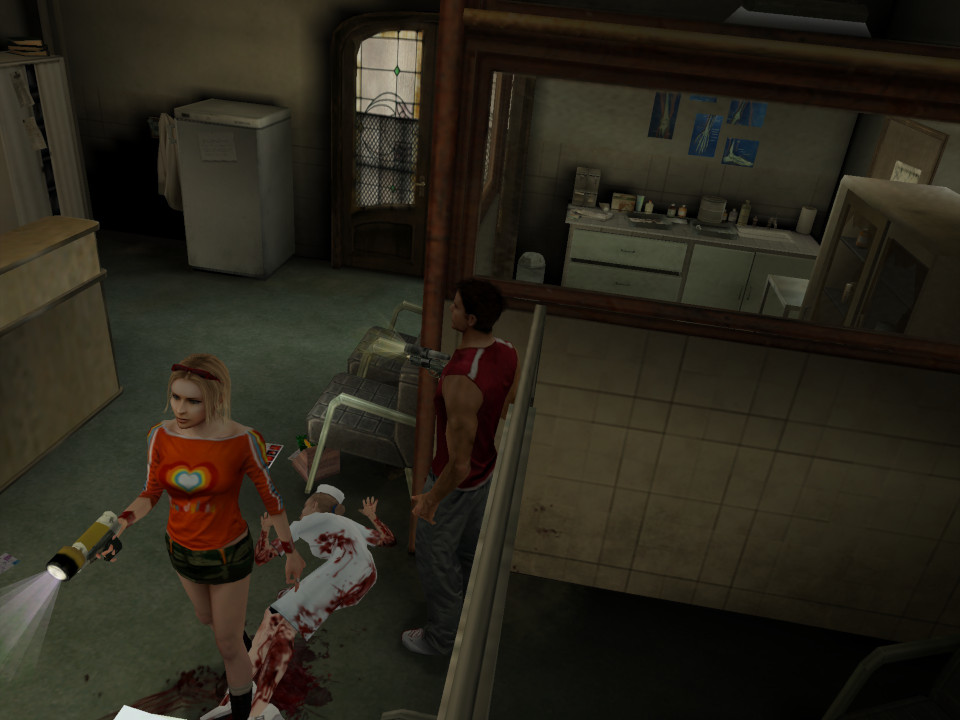
The game uses a limited save system, you can only save the game when you collect a compact disc, of which they are limited depending on the difficulty level chosen. Bullets in the game are also limited, so you must conserve your ammo when possible. The game gives you melee weapons at first which are useful for smaller enemies, and for breaking objects to get energy drinks (that restore a small amount of health), later you are given a pistol and a shotgun, along with more powerful enemies to deal with. You can also pickup torches (flashlights) which can be combined with guns using tape to increase the visibility in darker areas, of which there are a lot. This is one of those games where you need to whack up the brightness of your TV to see.
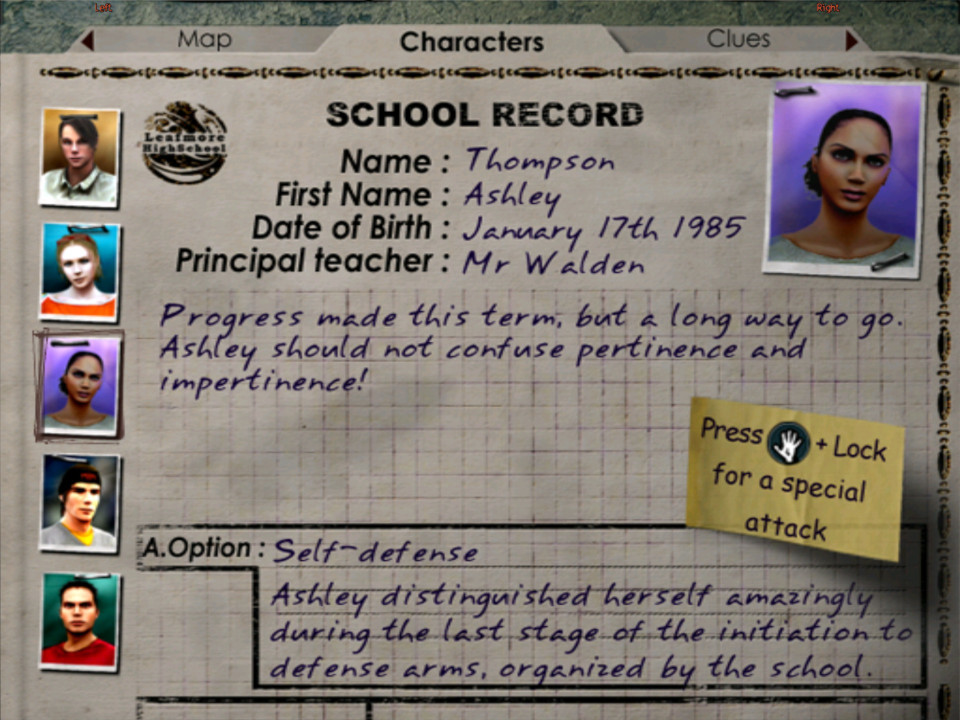
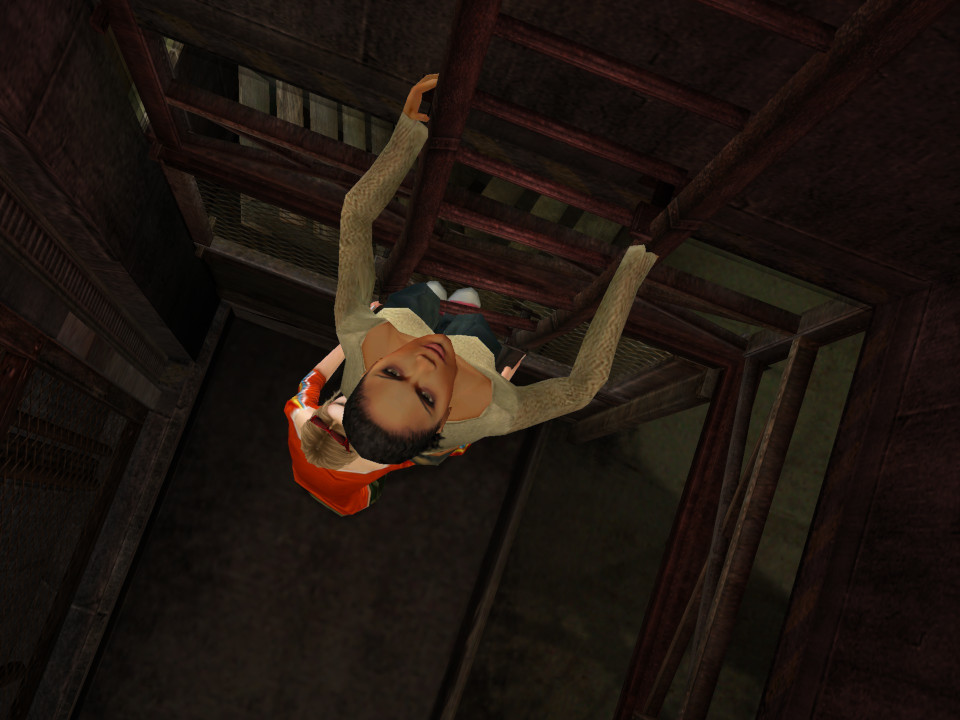
There are multiple characters in the game which you can switch between, each has a few perks exclusive to that character: Kenny: Has the ability to run faster, might be more resistant to enemy attacks Shannon: Kenny’s younger sister, The most useful for first time players since she will give hints on what or where we should be Stanley: Picks locks more quicker, could be useful in enemy combat or speed running Josh: A reporter for the school newspaper, Finds hidden items and clues to them Ashley: Kenny’s girlfriend who a badass, she’s better when it comes to combat as she has a combo attack
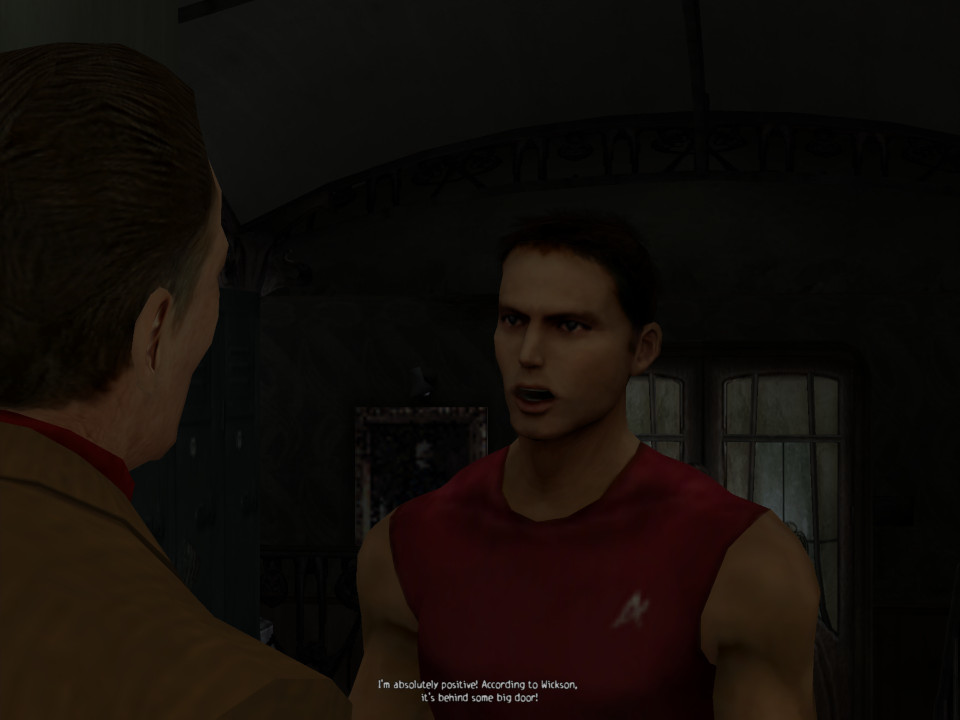
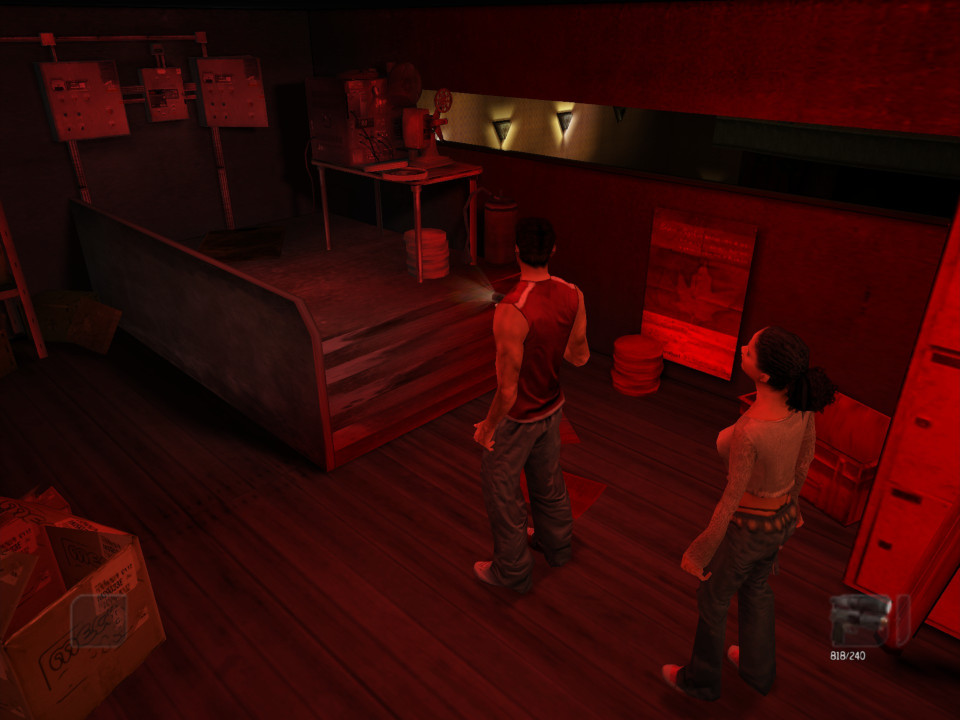
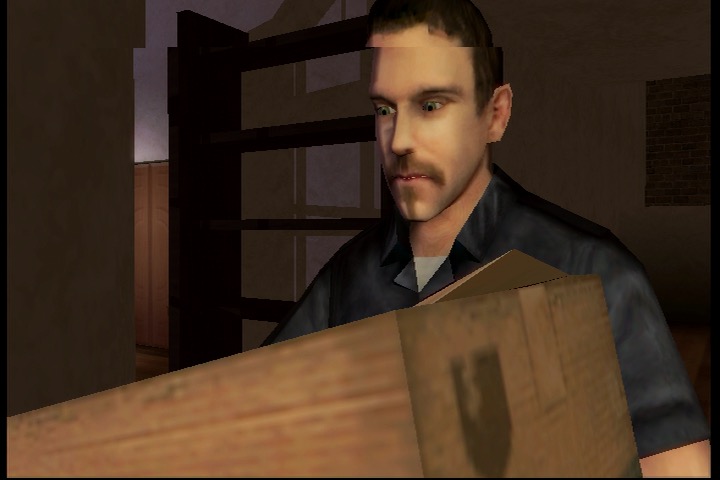
These characters will slowly be rolled out as you progress through the game, but be aware they can die as certain points if you run out of health or during cutscenes if you leave items in a certain way. Up to two characters can be active at a time, one that you controller with the other being controlled as an NPC, you can easily switch between the two but to swap out to the other character you must return to the meeting point. It’s sort of like Scooby-Doo where the gang will split into different groups, thought the other group will just stay at the meeting spot. From time to time you will encounter some of the teachers within the cutscenes, who will detail what is going on with the school. Many cutscenes will take place in engine if it involves the students since they can have different costumes, scenes involving monsters or NPC’s will be prerendered.
The game was released for the Original Xbox, PlayStation 2 and Windows in 2004, there’s no major difference between them with the Xbox having higher resolution textures compared to the PS2. The Windows version was later released on Steam with achievement support. The console version might have easier co-operative support since you can just plug in a second controller, but they do not appear to be compatible with their successor consoles.
The original release of the game comes with a few extra’s such as a Sum41 music video, and New Game+ being unlocked along with some concept art. There is also some behind the scenes footage which shows the game’s development. Sadly it was never made compatible with the modern consoles, so you will need an original PS2 or Xbox (or an emulator) to play.
A gritty FPS released towards the end of the sixth generation
Developed by Criterion Games and published by Electronic Arts in 2006. The game was released for the PlayStation 2 and Xbox consoles, and later made compatible with the Xbox One.
The game follows the story of Jack Kellar, an operative in a secretive government agency known as the “Black Ops”. The game is set in various locations across the globe, and the player must use a variety of weapons to fight through enemy forces and complete objectives. Kind of similar to another game that features the Black Ops name that would be released a few years later.
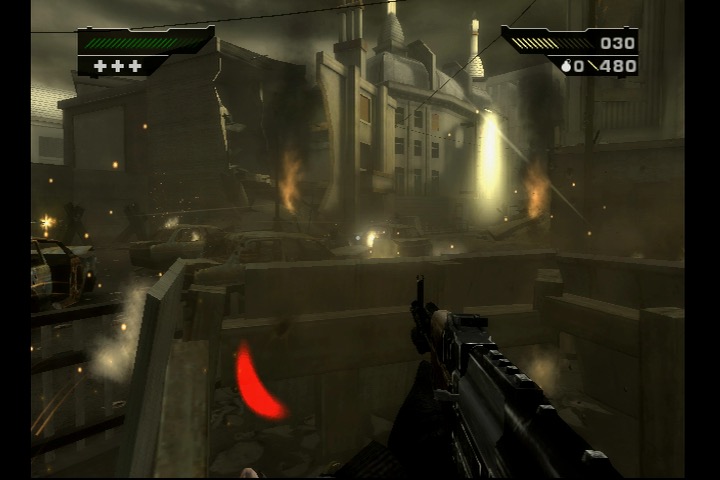
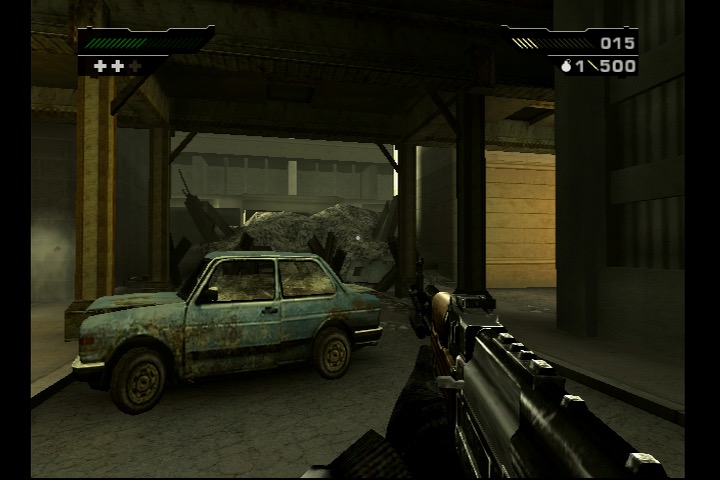
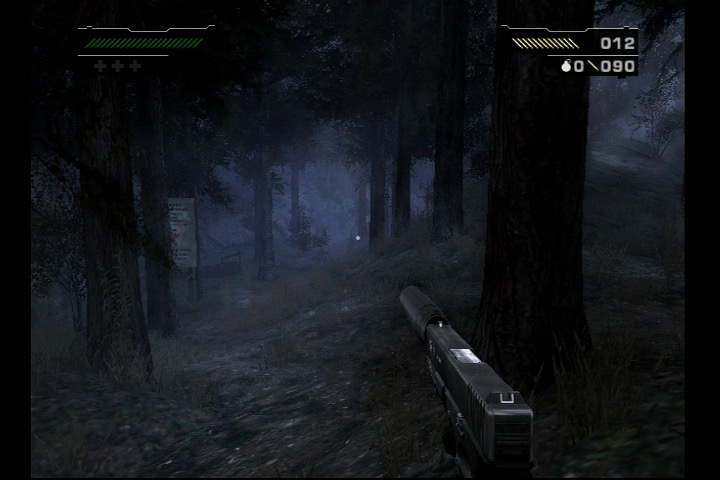
One of the standout features of Black is its impressive graphical fidelity for a game released in 2006. The game features realistic textures, lighting, and particle effects, which help to create an immersive and gritty atmosphere. The game’s sound design is also excellent, with a range of realistic weapon sounds and explosive effects that add to the immersion.
Gameplay-wise, Black is a fairly standard first-person shooter with a few unique elements. The game’s “gun porn” approach means that the player has access to a large variety of real-world firearms, each with its own strengths and weaknesses. The game also features destructible environments and objects, allowing players to blast through walls and obstacles to create new paths or take out enemies.
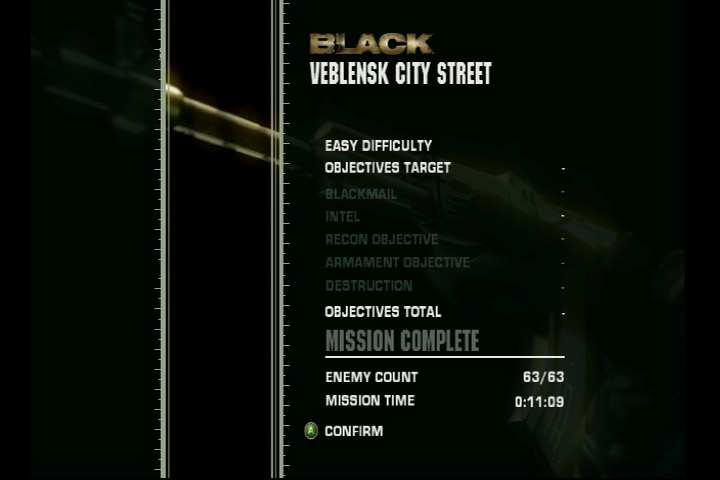
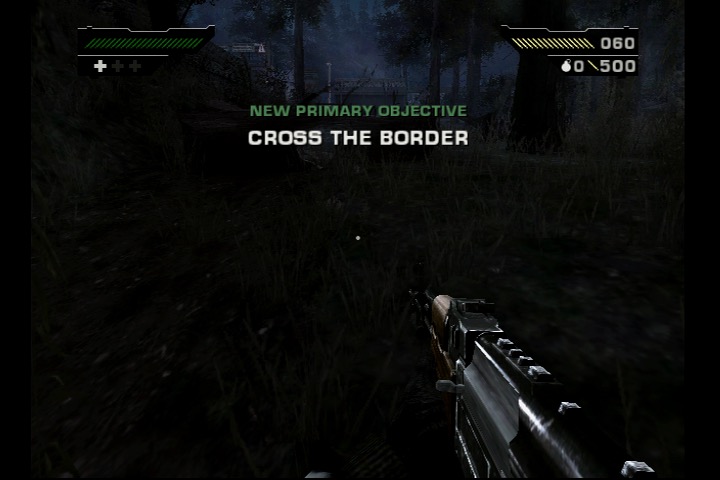
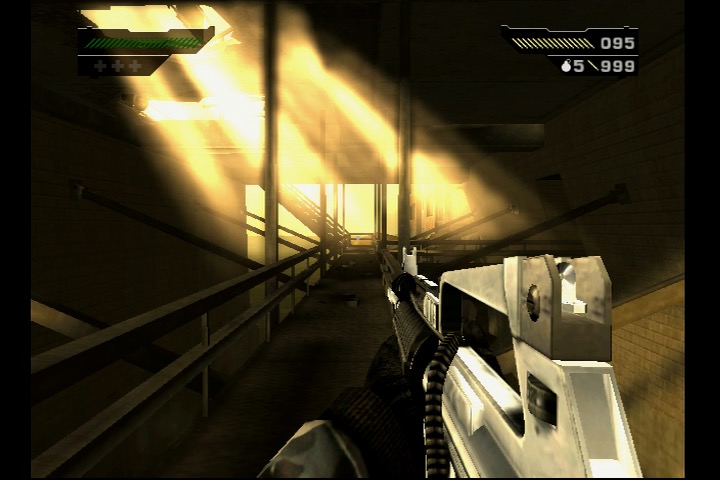
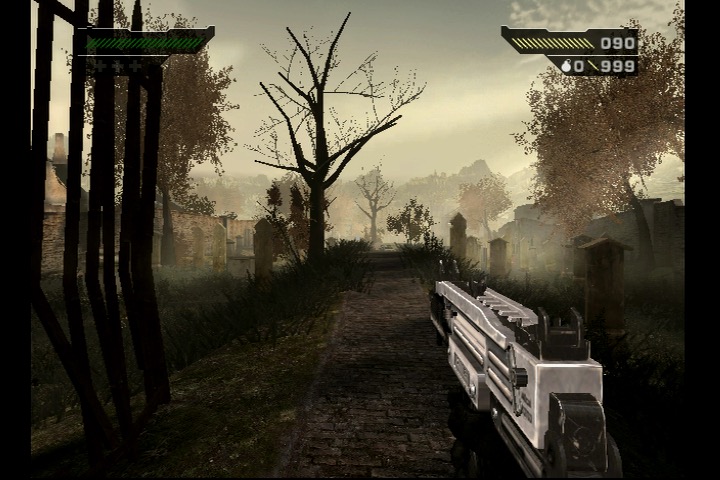
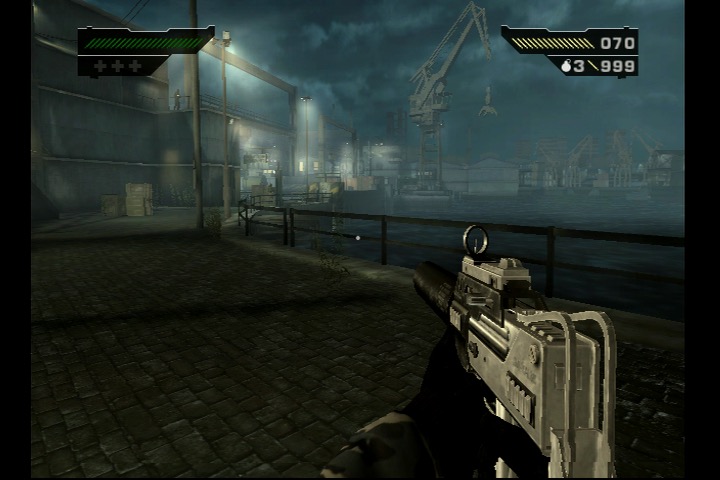
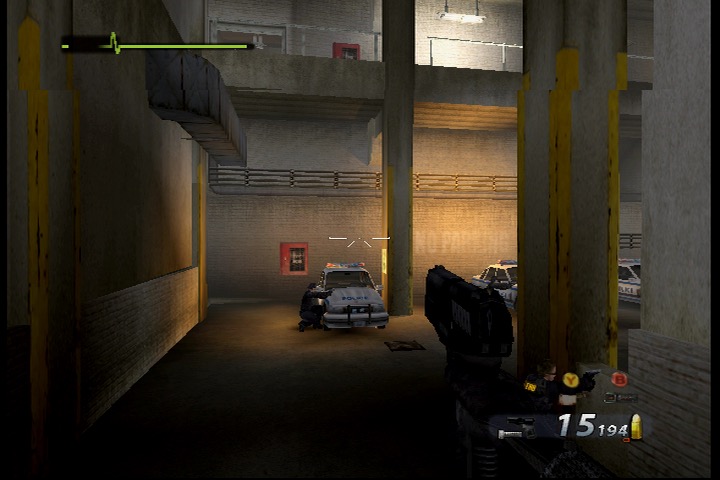
While Black is an enjoyable game, it does suffer from a few shortcomings. The game’s story is fairly thin and generic, and the voice acting can be hit-or-miss at times. Also the game’s difficulty is overly punishing, particularly on higher difficulties. There also isn’t much diversity in the gameplay as you can gather from the screenshots, mostly you just point and shoot at enemies. No puzzles to solve or any underwater or driving segments to break up the gameplay.
The story of Black follows Jack Kellar, a member of a secretive government agency known as the “Black Ops”, as he carries out a series of missions across the globe. As Kellar progresses through the game, he begins to uncover a larger conspiracy involving a mysterious arms dealer named Solomon. Along the way, he encounters a number of other operatives, both friendly and hostile, and uncovers more about the larger conspiracy at play.
Ultimately, Kellar discovers that Solomon is attempting to sell a powerful new weapon to a rogue CIA agent named Moffitt. Kellar and his team must then race to stop Moffitt from acquiring the weapon and using it for his own nefarious purposes. Most of the story is told through the FMV cutscenes, which cannot be skipped unless you are replaying the mission. There isn’t any multiplayer element in Black which is odd for an FPS, but it shows most of the effort went into the storyline and gameplay.
An FPS from the developers of the Batman Arkham games.
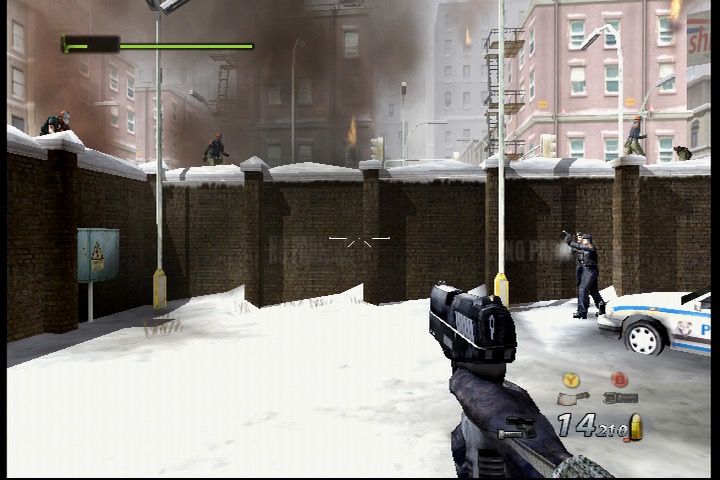
Urban Chaos: Riot Response is a first-person shooter video game developed by Rocksteady Studios and published by Eidos Interactive. It was released in 2006 for PlayStation 2 and Xbox and was part of the last batch of FPS games for the sixth generation consoles, as the PS3 and 360 were starting to take over.
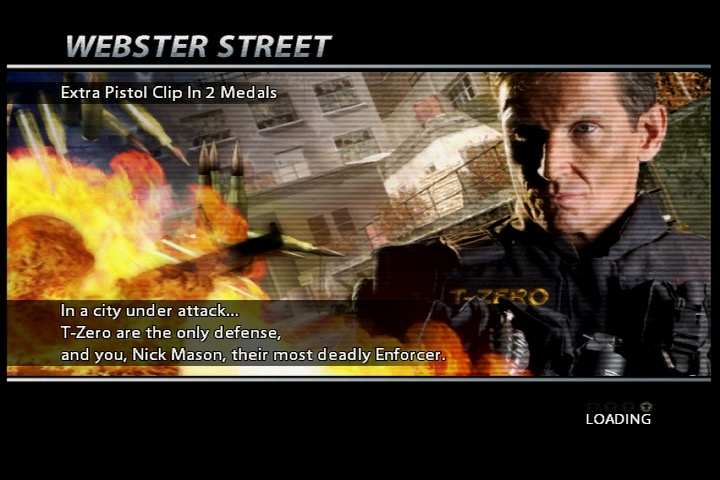
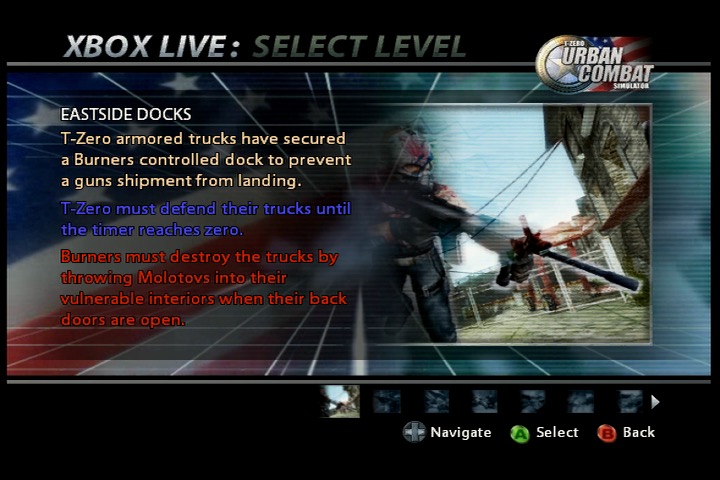
The game takes place in a fictional city called Union City, where a gang called “The Burners” has taken over and is causing chaos and destruction. The player takes on the role of Nick Mason, a member of an elite police unit called T-Zero, tasked with restoring order to the city.
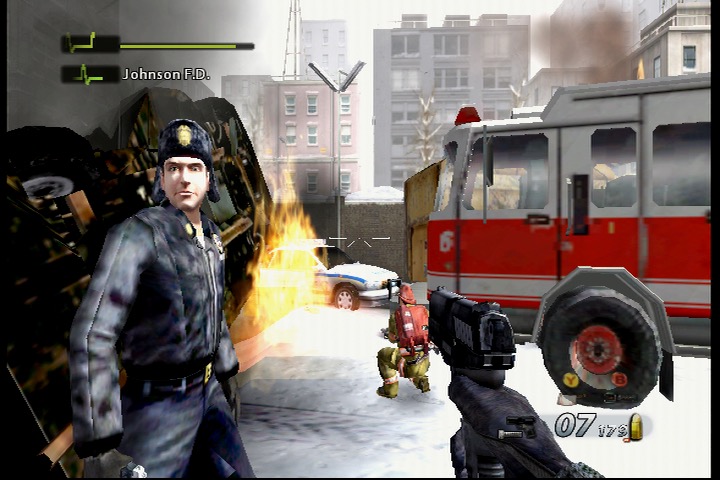
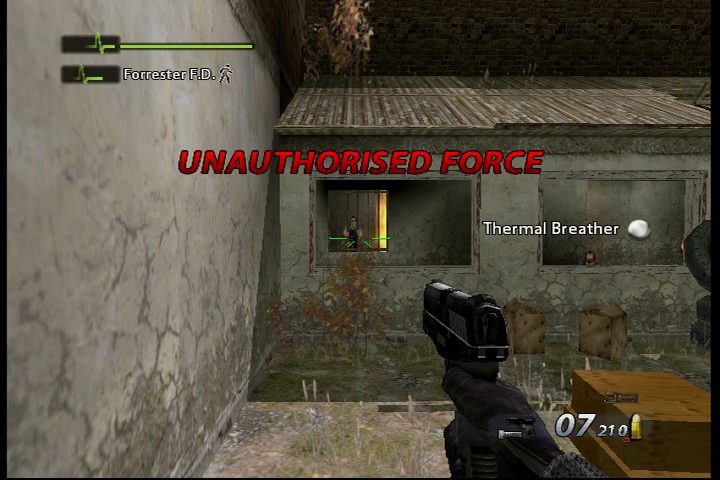
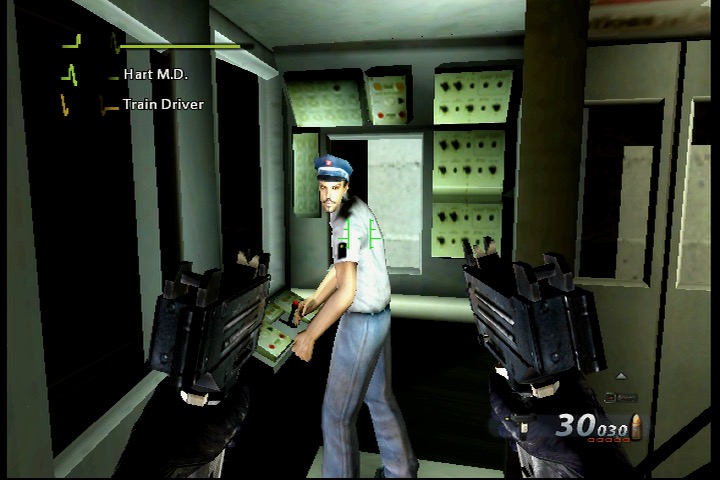
One of the standout features of Urban Chaos: Riot Response is the game’s emphasis on non-lethal force. While the player is armed with a variety of weapons, they are encouraged to use non-lethal force to subdue rioters and gang members. Failing to do this will impact the mission, and will affect your overall objects and medals of which can be used to unlock additional weapons. Many enemies can be subdued by using the tazer to shock them.
And if you are wondering why the gaming is called The Burner, they like to play with fire, a lot of fire. Expect there to be a lot of burning buildings in the game, and enemies that throw Molotov’s.
The game also features a robust multiplayer mode, allowing players to compete against each other in a variety of game modes. The multiplayer is a lot of fun and adds significant replay value to the game.
The plot of Urban Chaos: Riot Response revolves around the efforts of an elite police unit called T-Zero to restore order to the fictional city of Union City, which has been taken over by a gang known as “The Burners.”
The player takes on the role of Nick Mason, a newly recruited member of T-Zero, who must battle against the Burners and other gangs that have taken over the city. Along the way, Nick will face a variety of challenges, including hostage situations, bomb threats, and other violent confrontations.
As Nick progresses through the game, he begins to unravel a larger conspiracy involving the Burners and their enigmatic leader, a masked figure known only as “Kane.” With the help of his fellow T-Zero officers, Nick must navigate the dangerous streets of Union City and bring an end to the Burners’ reign of terror.
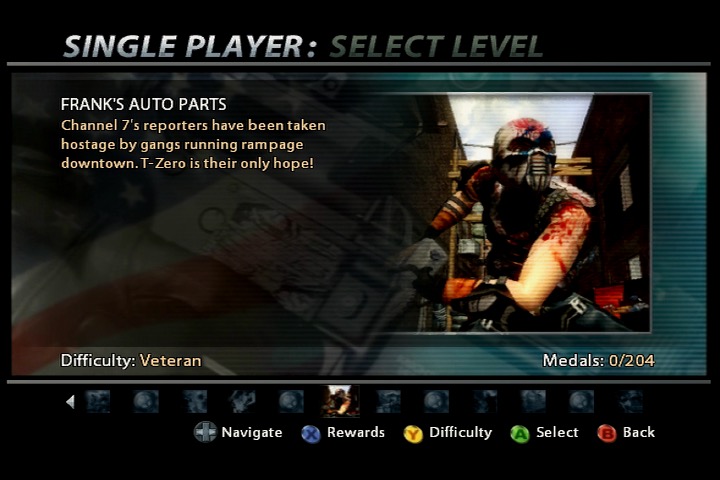
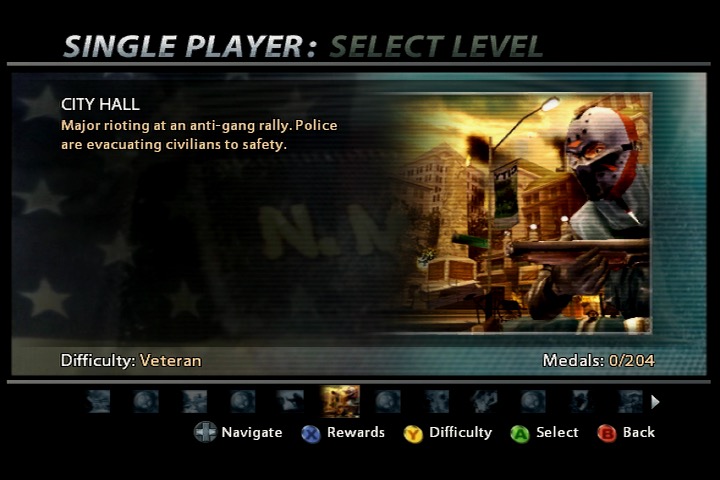
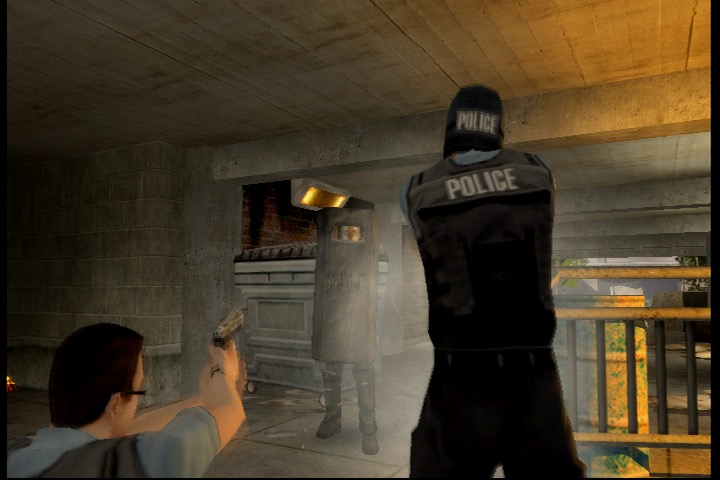
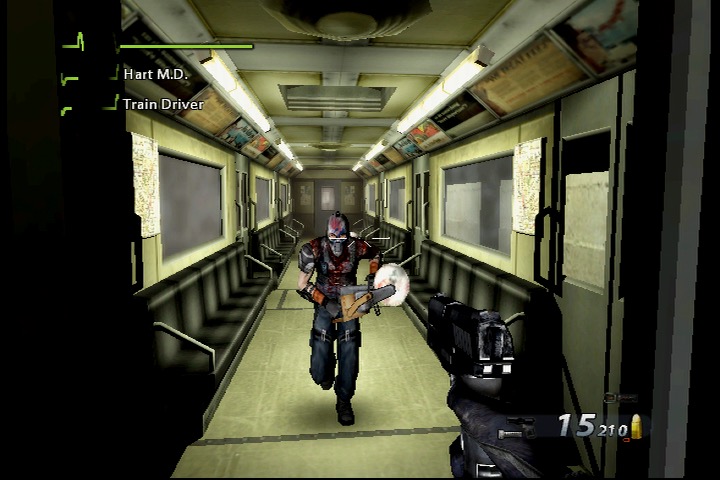
Eleven missions are featured in the game which are set around the city. You start off on Hope Street where the local Police station is under attack. This level serves as a tutorial of sorts which gives you guidance on how to use the various weapons and commands for your NPC’s who can assist in completing the level objectives. Eventually you make your way through the canals, through City Hall, the Dockyards and the City Metroline. Disrupting the gang’s presence as you go along. The game finishes in your own safe house where you must defend it from the criminal gangs. Each mission begins with a cutscene presented in the format of a news report, like something you would see off CNN or Fox News. There are also in game cutscenes and dialog from the NPC’s that explain the mission details.
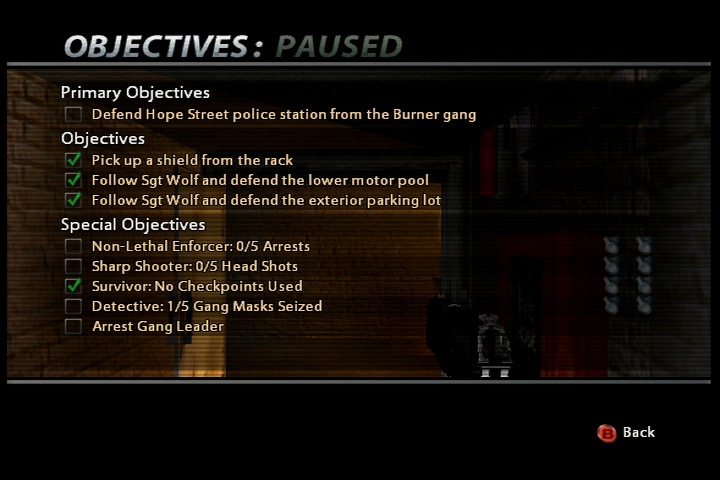
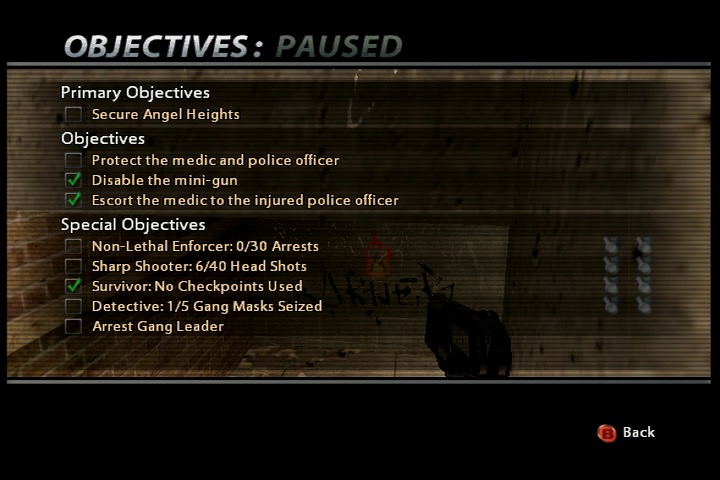
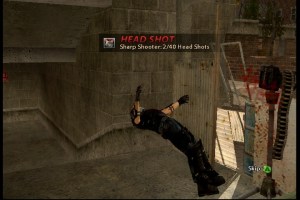
All missions have a primary objective that must be completed, and special objectives that whilst optional, will unlock medals that are useful later in the game. Many of these are for non-lethal arrests, not harming innocent bystanders, headshots and collecting gang masks (for DNA samples I assume).
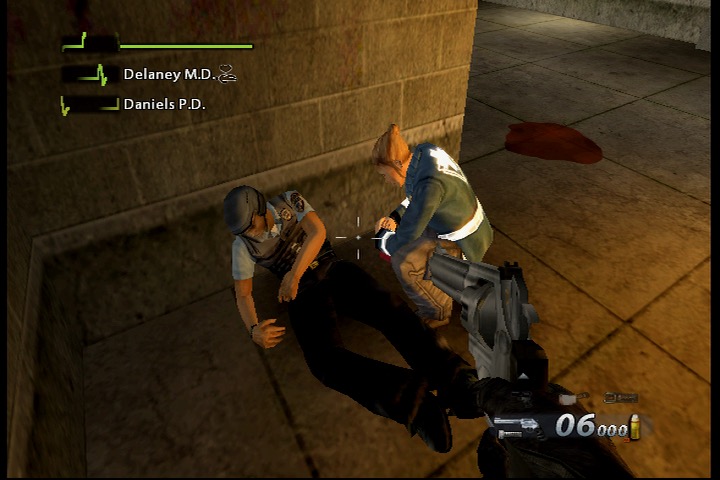
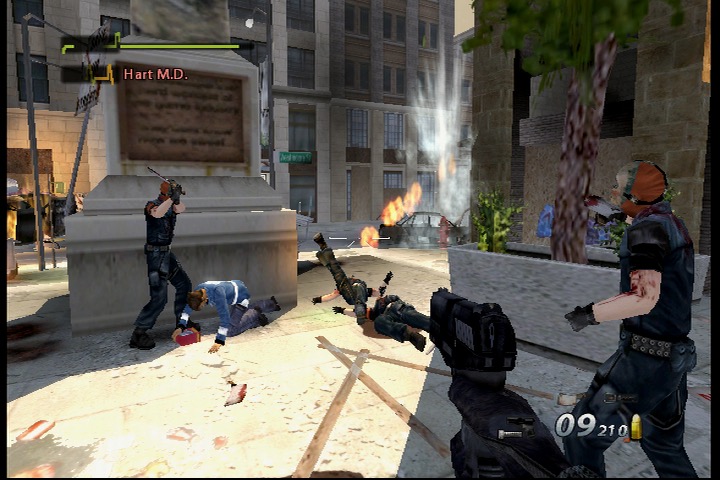
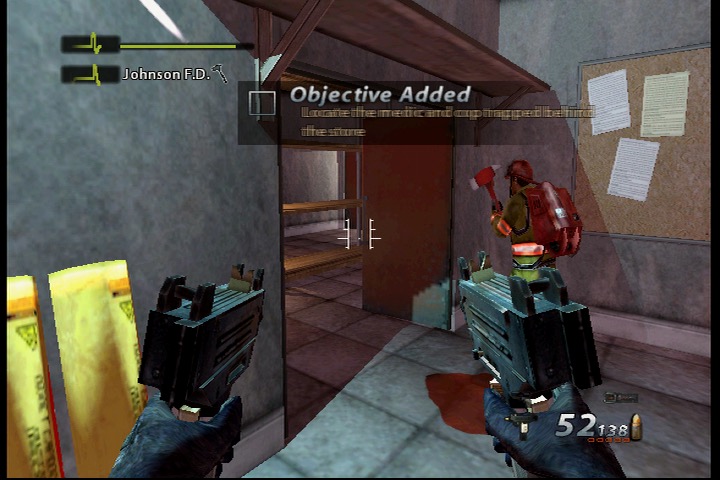
Many missions will feature one or more companions that you must protect and keep alive, as they are required to unlock certain doors, or to activate specific objects. The mission will fail if these characters die.
Emergency missions refer to specific in-game scenarios or situations that require immediate attention and intervention by the player-controlled character – Nick Mason, and the T-Zero unit. These missions typically involve high-stakes situations that contribute to the overall narrative of the game. The term “emergency missions” suggests that urgent action is needed to address a crisis or threat within the game’s fictional city.
These missions can vary in nature and may include scenarios such as:
Hostage Situations: T-Zero must rescue hostages held by criminals or terrorists.
Bomb Threats: Dealing with explosive devices that pose a threat to public safety.
Armed Confrontations: Engaging in intense gunfights with criminal elements.
Every so often the game will play a slow-mo sequence of an enemy getting shot, very Max Payne
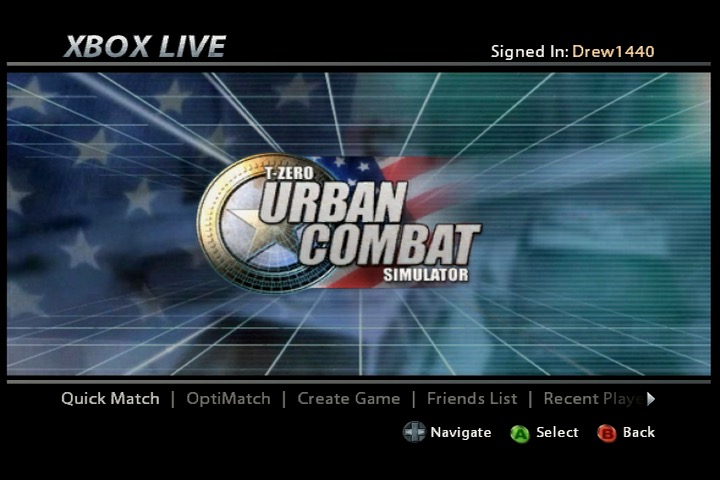
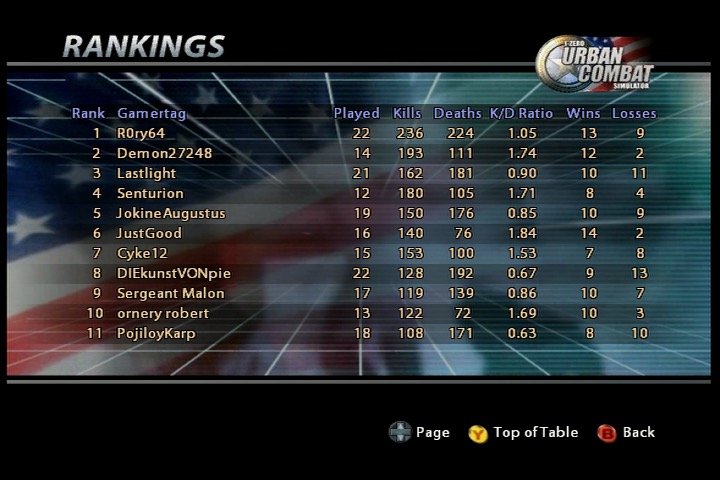
There is also a multiplayer mode that supports both Xbox Live and System Link. Insignia currently supports this game and it plays quite well though finding enough players for a match will be a challenge, its best to check the official Discord to find other players. Here you can play as either the Burners (gang) or T-Zero and you must fight for control of the map.





 Drew1440: Blog