Tag Archives: Xbox 360

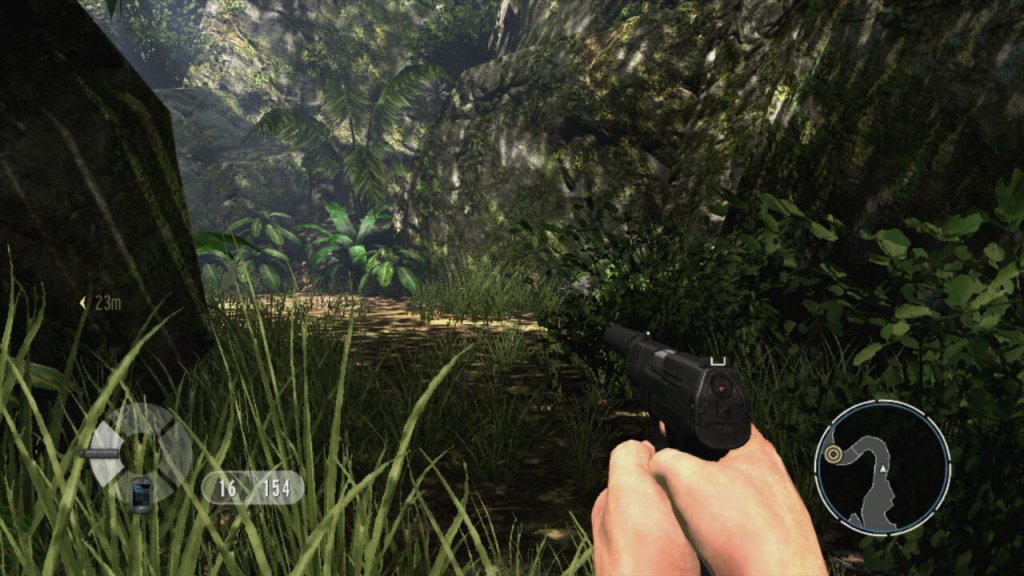
Goldeneye 007 Reloaded

Goldeneye with a mix of Call Of Duty
A remake (not remaster) of the original Goldeneye 64 game that was released in 1998 for the Nintendo 64. And was later ported to the HD twins with traditional controls. Developed by Activision and Eurocom, it was originally imagines to be a remake of the original Goldeneye game which was sought after for a release, but held back due to a minefield of copyright and licensing issues. This was made more convoluted by Rare, who developed the original Goldeneye game being acquired by Microsoft, along with Activision holding the rights to the Bond license at the time.
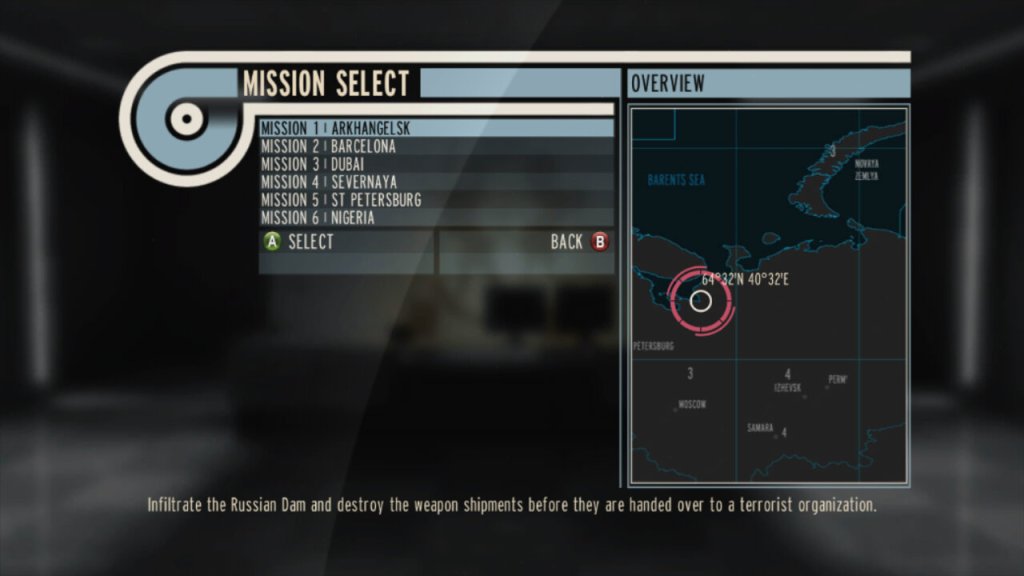
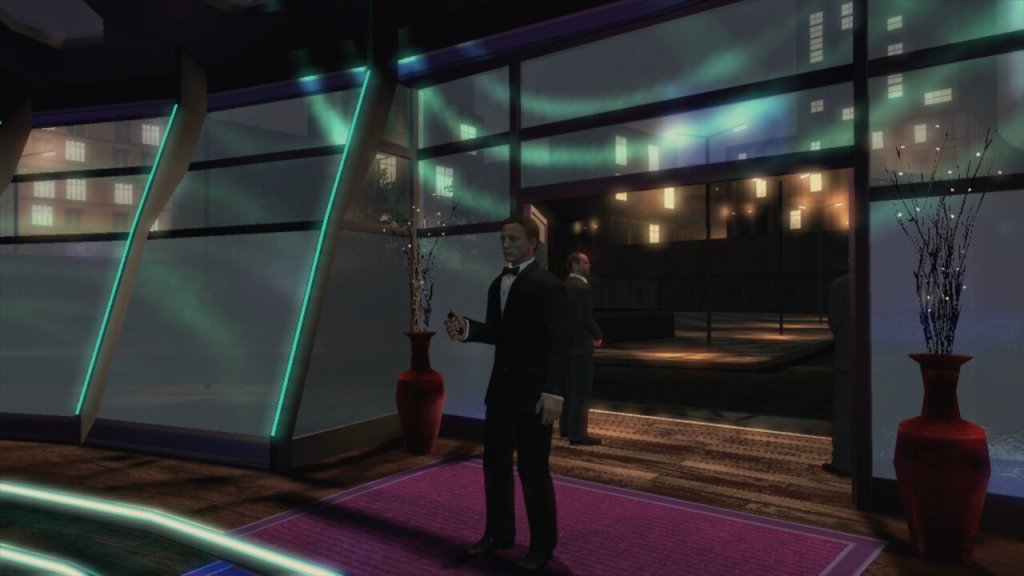
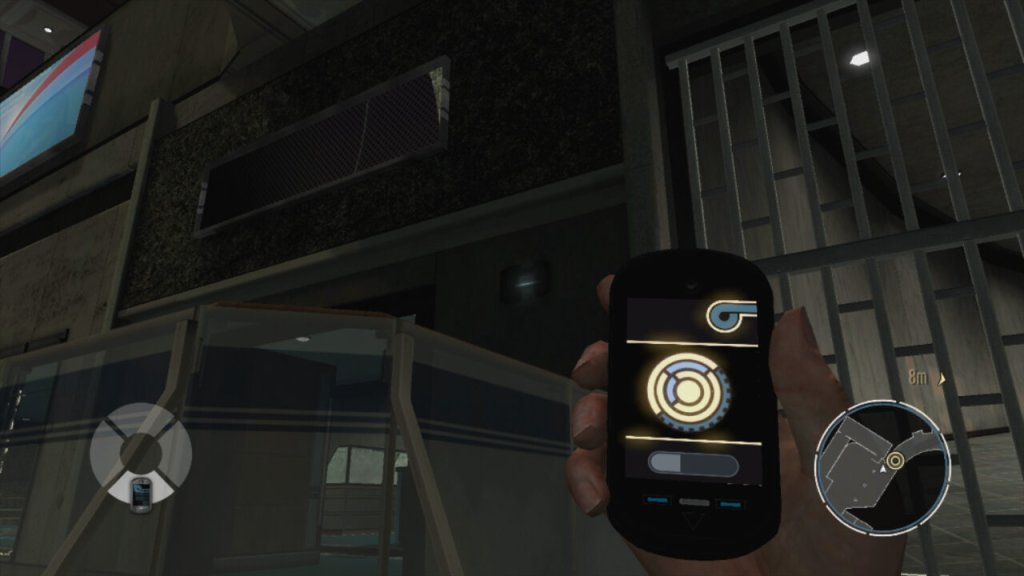
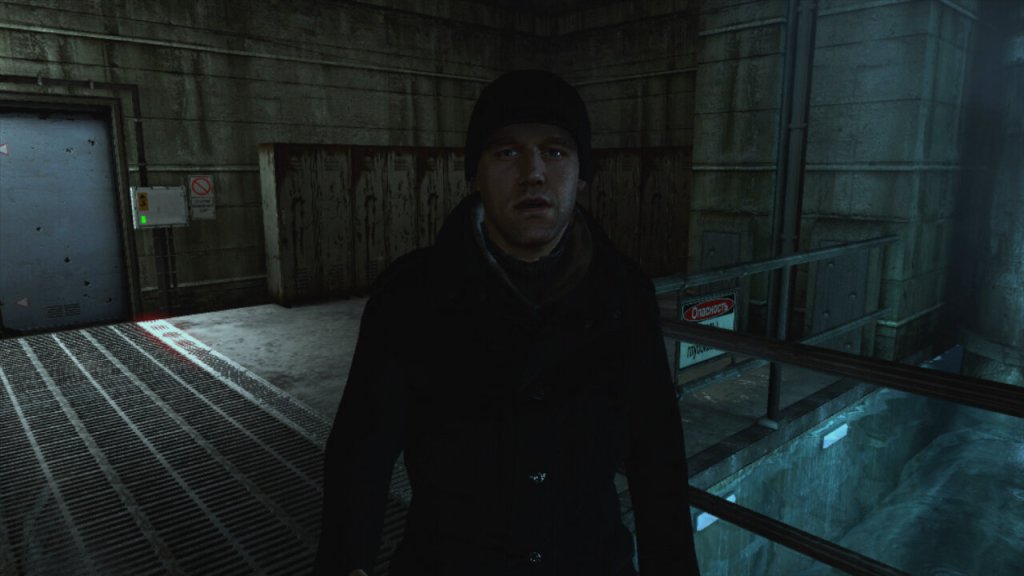
The story is identical to what was featured in the original release, though it matches the movie more closely since sequences were originally cut due to the limitations of the Nintendo 64. The character model has been changed for a likeness to Daniel Craig, who is the current Bond when the game was released. The gadget have changed, instead of Bond’s watch being used, a smart phones takes it’s place instead. And a deadmau5 song is included within the Nightclub level.
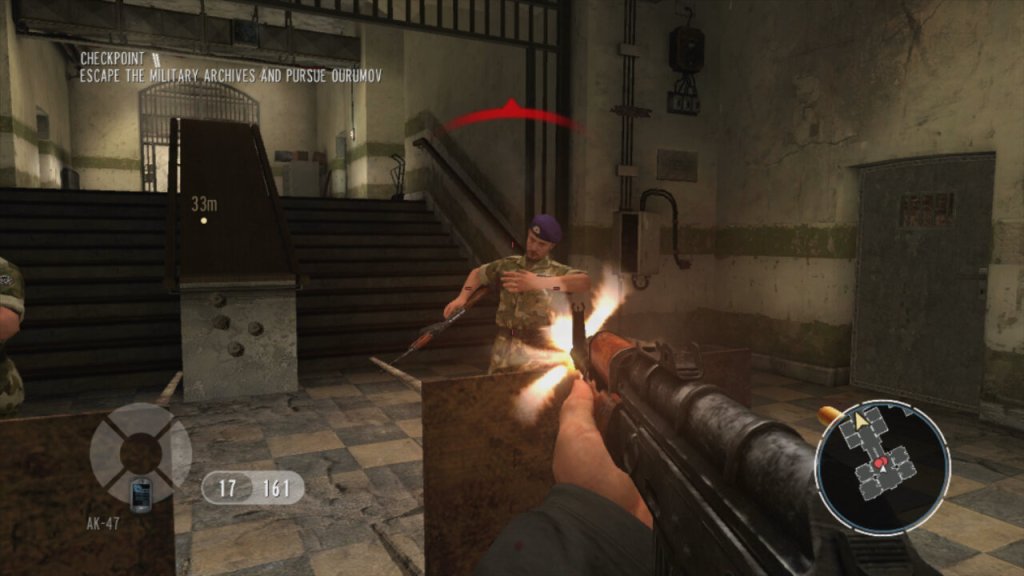
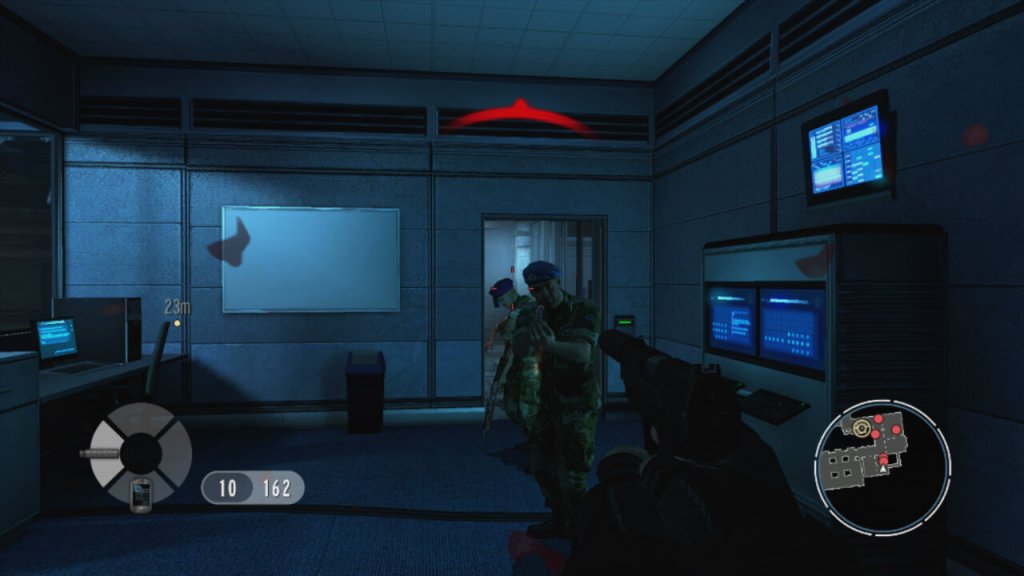
Many of the original levels have been redesigned to be more appealing for the modern gamer, but they still have a level of familiarity to those who have played the original game. You start off at the Dam level where you have to bungee jump off a dam to infiltrate a Soviet facility. You then infiltrates the chemical weapons facility where he meets Alec Trevelyan, and things go south. The rest of the game follows the movie somewhat closely, and you will encounter familiar enemies like Xenia, and Ourumov.
Like many FPS games of the era, it features regenerating health.
MI6 Ops

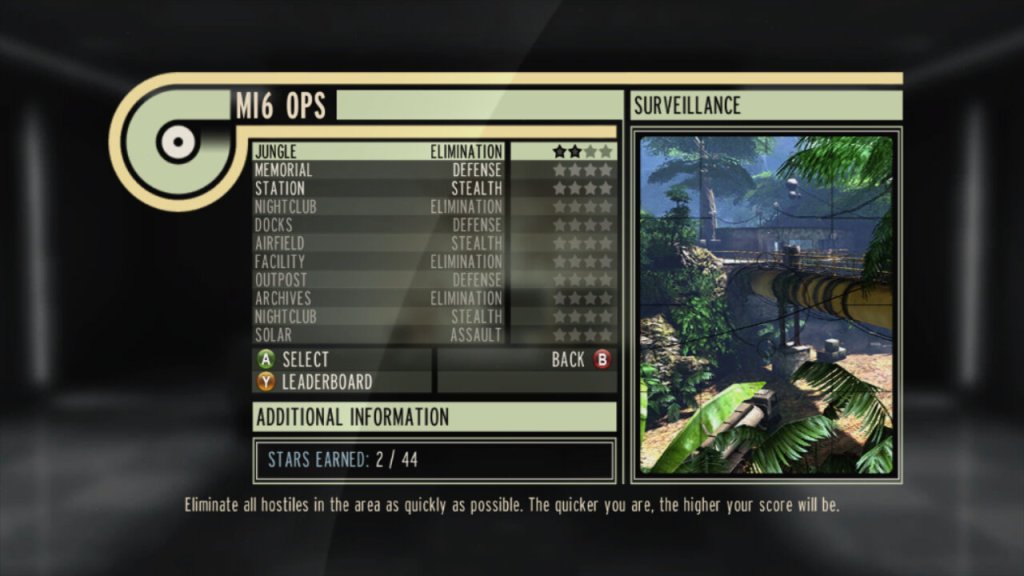
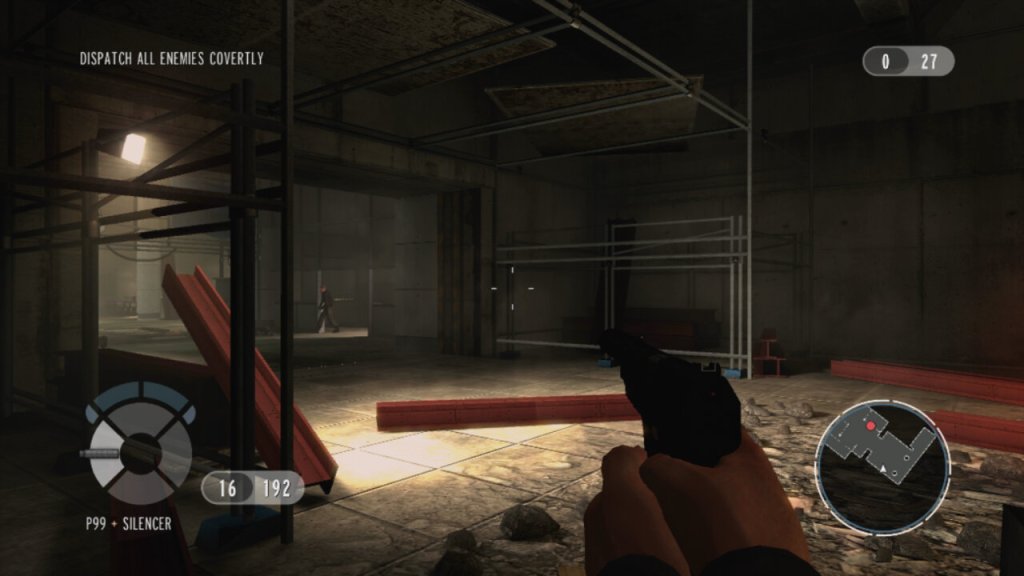
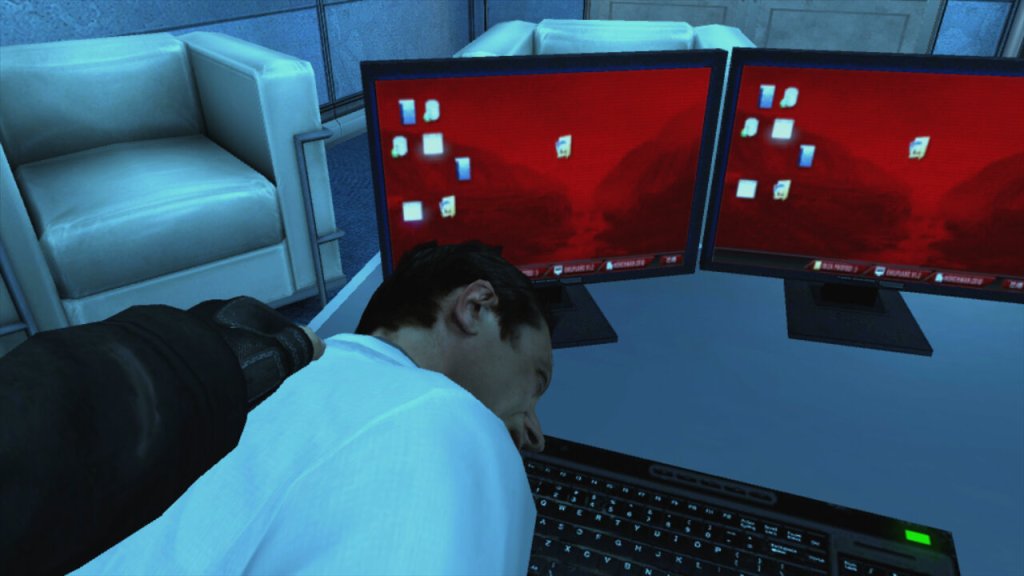
MI6 Ops Missions are a series of standalone challenges separate from the main campaign that offer additional gameplay modes. These missions are designed to test various aspects of player skill, providing a mix of objectives that can be quite different from the story missions, kind of the like Snake Tales from Metal Gear Solid 2. There are a few different game modes like Elimination – where the objective is to eliminate all enemies within a level or achieve a set number of kills. Stealth can be an option but isn’t always necessary. And Defense, where you must protect certain points or items from waves of enemies. This could involve setting up defenses, using gadgets wisely, or just good old-fashioned shooter skills.
These modes can be played by a single player, or by local split screen. There are also online game modes like Conflict which is your standard deathmatch, and Team Conflict.
Versions

Wii: The original release of the game, which is designed around motion control aiming. A special bundle was released that features a golden classic controller, a reference to the golden gun.
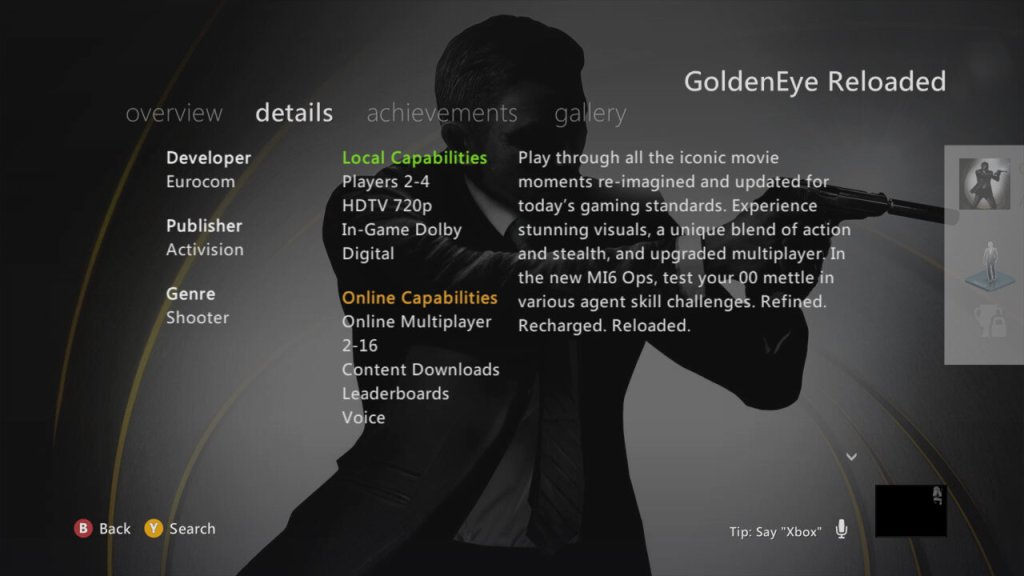
Xbox 360: The HD release, that can be played with traditional controls, not compatible with the Xbox One or Series consoles.

PlayStation 3: Very much the same as the 360 version, but has support for PS Move controls that give it a similar gameplay to the Wii release.

Overall, GoldenEye 007: Reloaded is like that high school reunion where you meet up with an old friend. It’s great to see them all spruced up, and you’ll have a good time reminiscing, but you also realize why you moved on. It’s a solid shooter that banks on nostalgia but brings enough modern gameplay to not feel outdated. If you loved the original or you’re into Bond, give it a shot, but don’t get rid of your N64 ROM anytime soon.
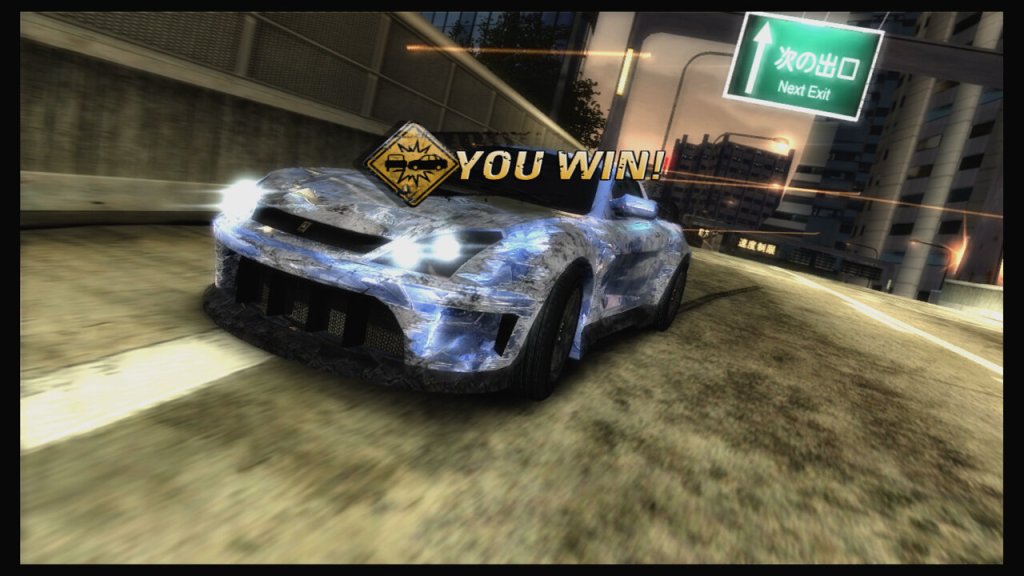
Burnout Revenge

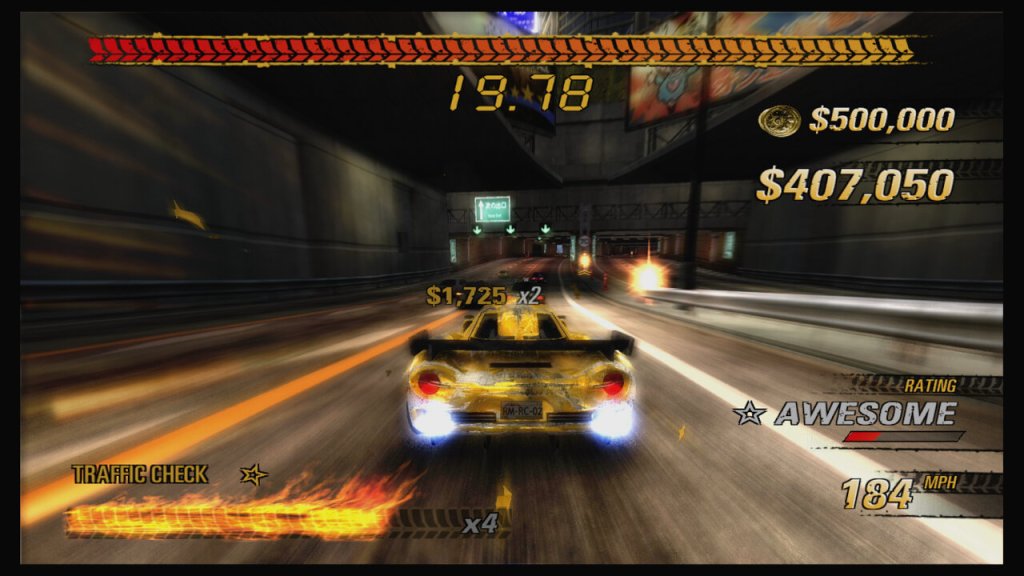
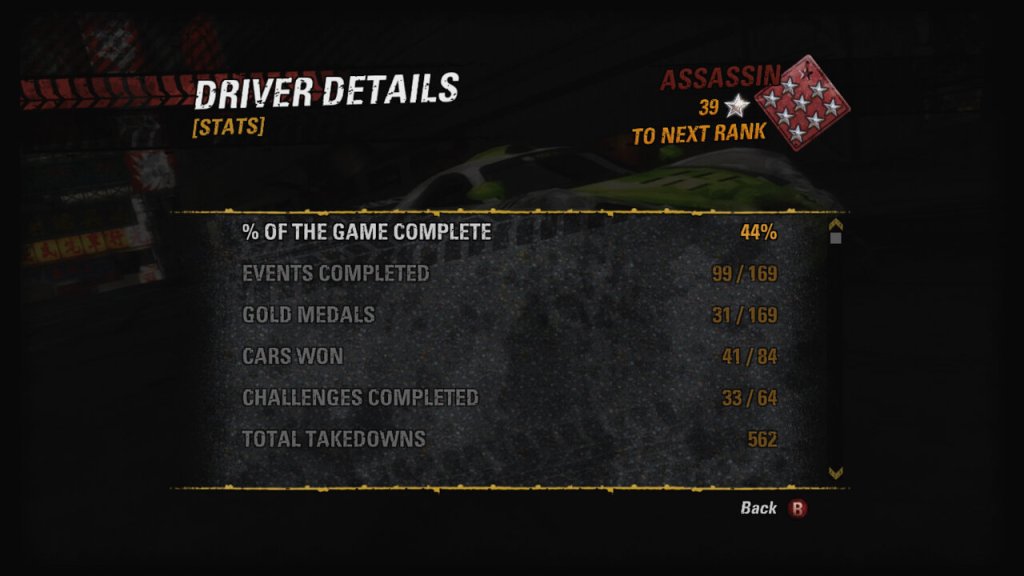
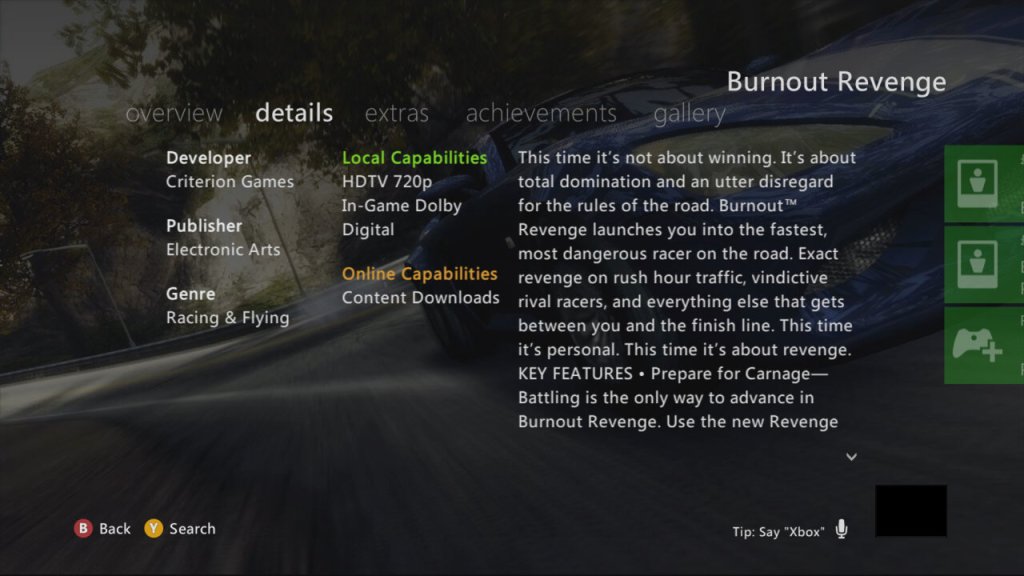
The fourth Burnout game, and the second released by EA. It follows on from the formula set by Burnout 3: Takedown but adds a revenge mechanic.

Tracks in Burnout Revenge were designed with more verticality, multiple routes, and interactive elements that could change the track layout mid-race, offering a more dynamic racing environment compared to the mostly flat and static tracks of its predecessors. There are still hidden shortcuts located throughout the track which help give the advantage to the opponents.

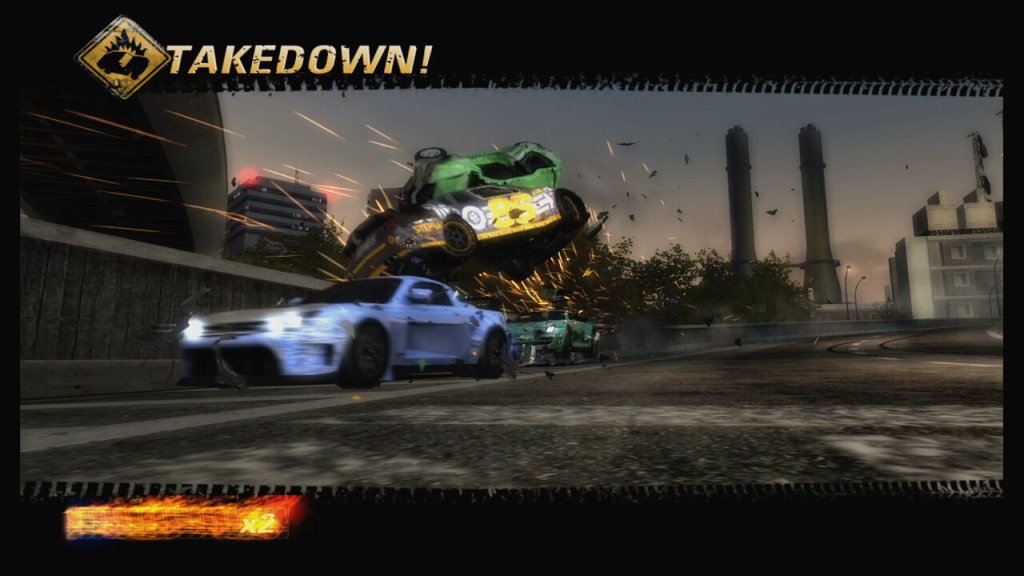
The Revenge mechanic is one of the games signature features, where one of the opponents is marked as your rival, and causing them to crash will reward you with a bonus. These are known as Revenge Takedowns, and are given when you take out a rival that has taken yourself out repeatedly throughout the current race. The rival is reset when you start a new race.

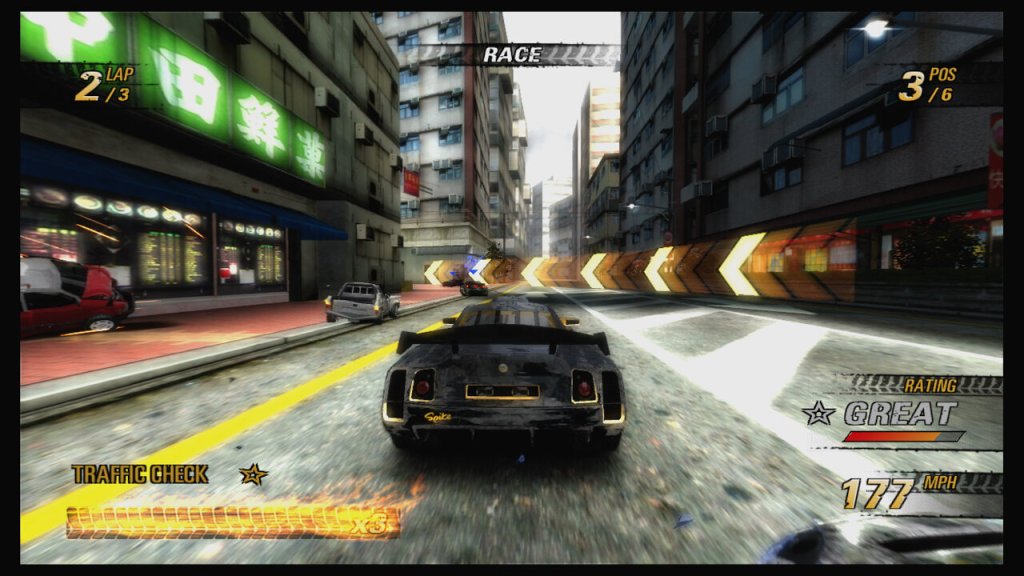
To mix things up, there are few different race modes that you will play as part of completing the games single player mode. Race is your standard racing mode where the objective is to finish first. Making use of takedowns and shortcuts are key to winning.
Road Rage is where you have to score as many takedowns as possible within the time limit. Winning isn’t essential for these races, and you may prefer to linger in third or second place to ensure you can takedown as many opponents as possible.
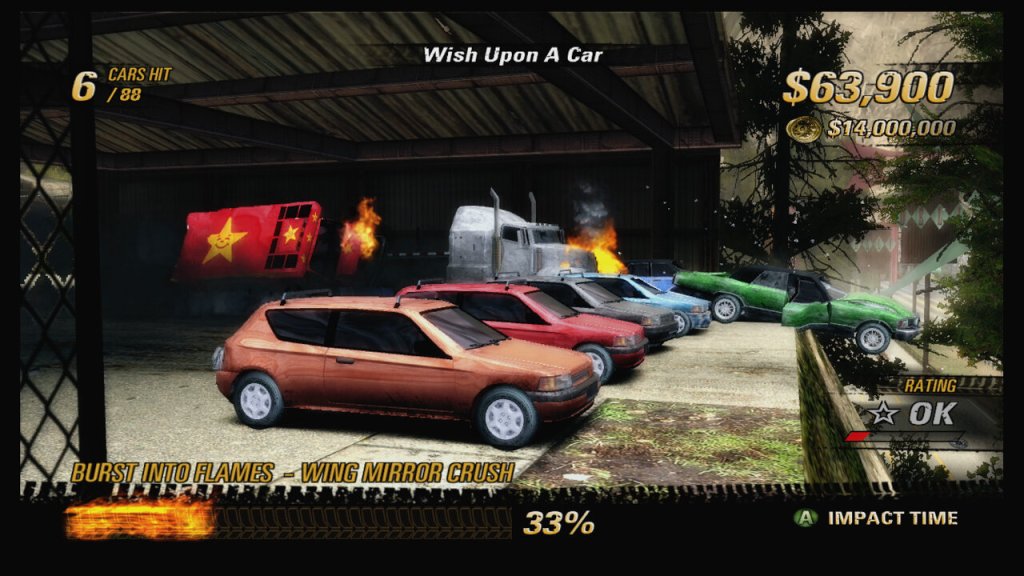
Traffic Attack required you to cause as much damage as possible within the time limited by crashing into vehicle or various objects that are part of the track.
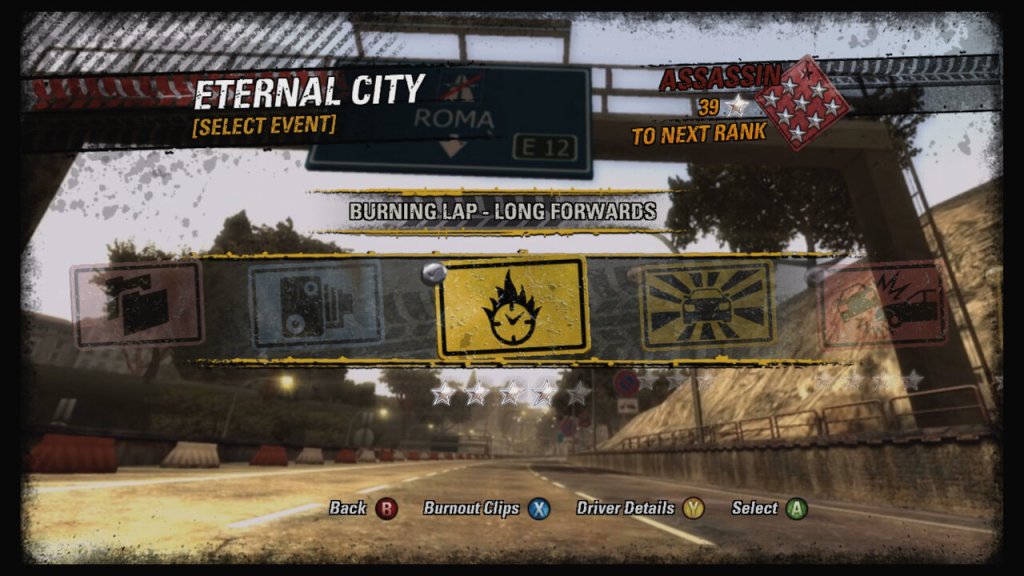
Buring Lap is pretty much time trial where it’s just you and the track, worth the objective being to finish within the time limit.
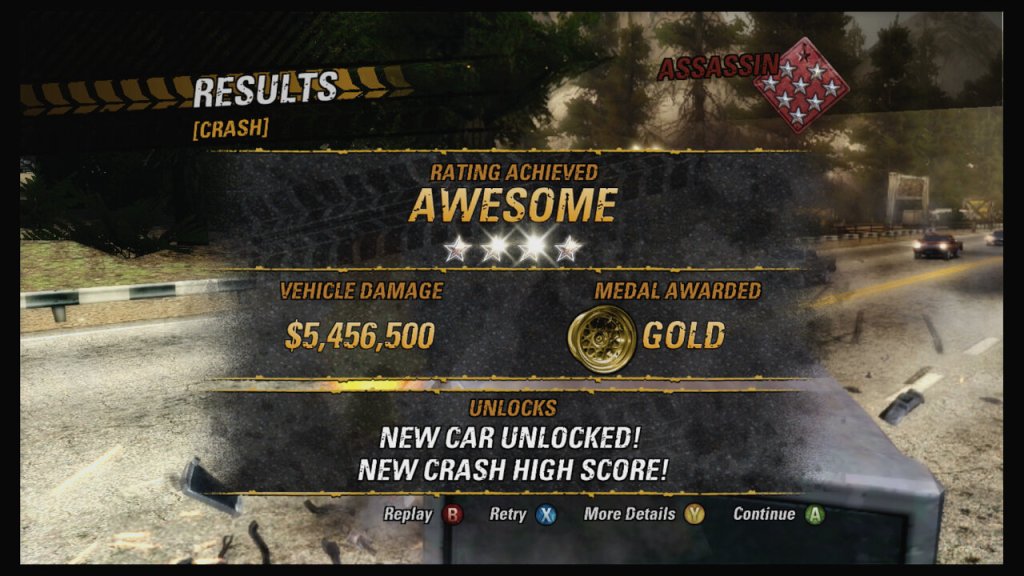
There is also a Crash Mode with the objecting being to cause as much damage
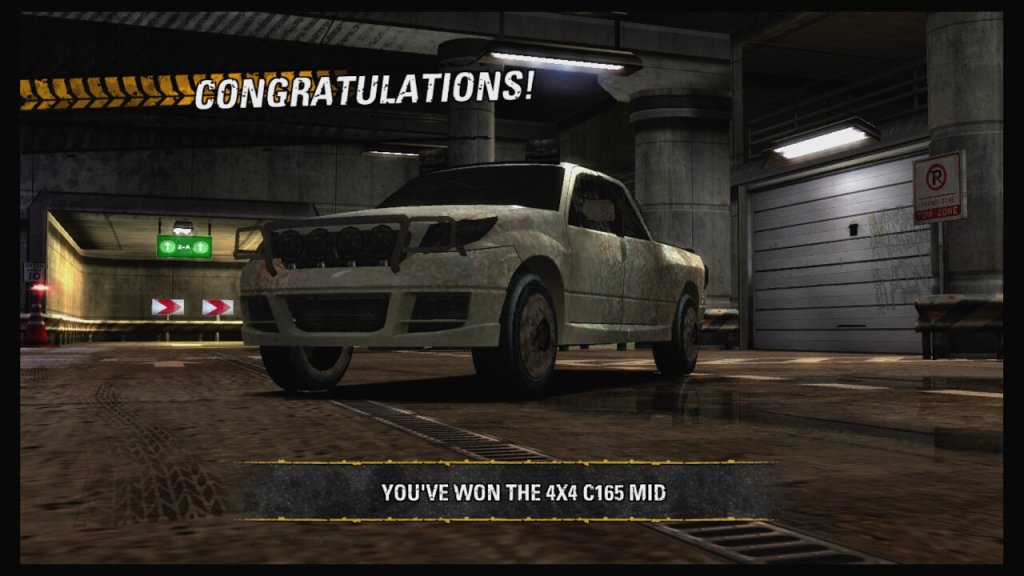
There are three tiers of scoring from Bronze, Silver and Gold, spending on how well you have scored. You can replay events at any time if you wish to improve your score and can experiment with different vehicles that will differ on speed and weight.

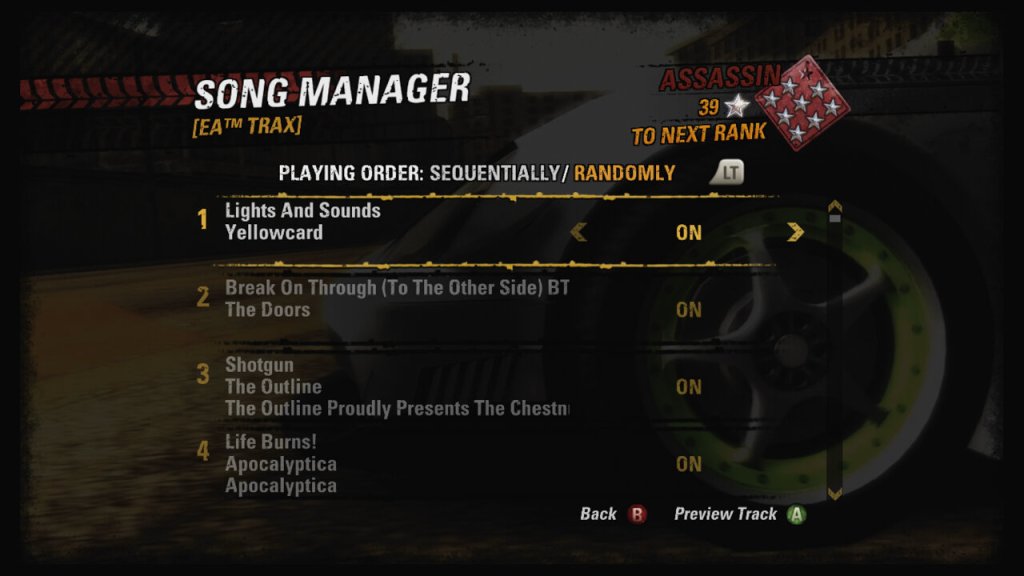
The soundtrack is one of the enjoyable elements of the game, with a playlist mix of Rock, Metal, Industrial, Electronic and PopPunk. There’s a few big names like Fallout Boy, The Chemical Boys, Maximo Park, Bloc Party and Avenged Sevenfold. Songs can be changed easily during a race by hitting the L1/Left Bumper button if you wish to skip the current track.

Playlist on Spotify Youtube

Versions

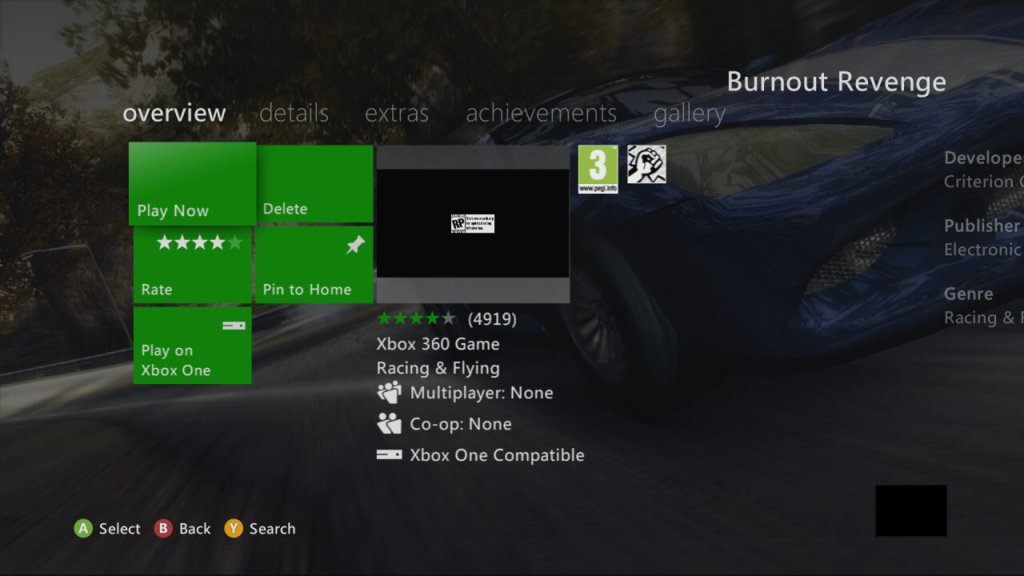
Xbox 360: The preferred version as it runs in a higher HD resolution and has exclusive Xbox 360 car skins that can be applied. This version does go a bit overboard with the bloom, which can be a put off for some players. Like the Xbox version you can also make use of the custom soundtrack feature if you prefer to use your on music.
This version was also made compatible with the Xbox One and Series X/S consoles.

PlayStation 2: Very well optimized for the console, being released late into the console’s lifecycle. Though I recommend getting the Xbox/360 versions instead since the frame rate tends to tank when there’s a lot of stuff on the screen.

Xbox: As the game was released in 2005, it made sense for to be ported to the sixth-generation consoles, that were remarkably popular. This version supports online play over Xbox Live.

No Gamecube version was released, which is odd considering the previous Burnout games were released on that platform.

Project Gotham Racing 3

PGR’s HD debut

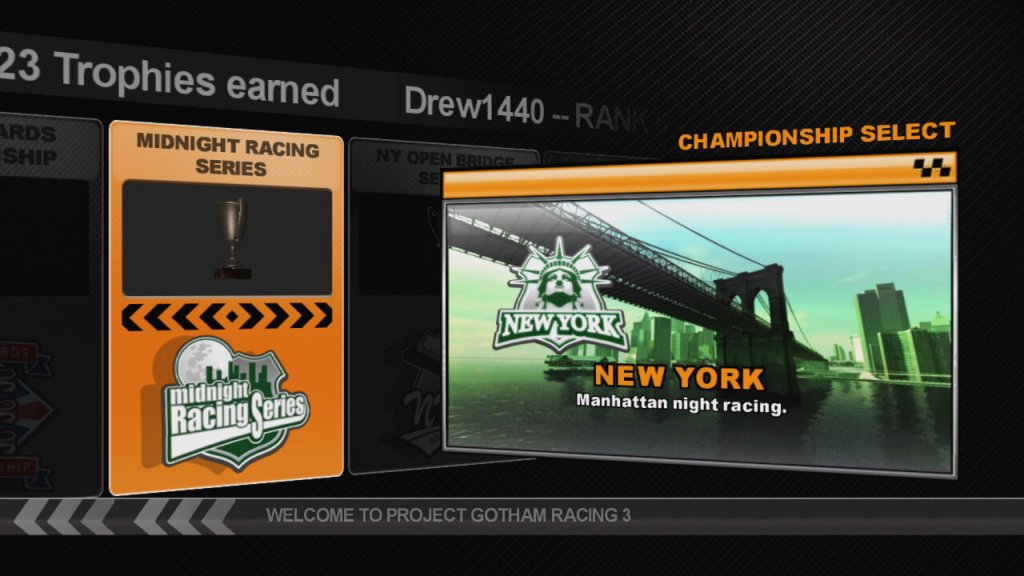
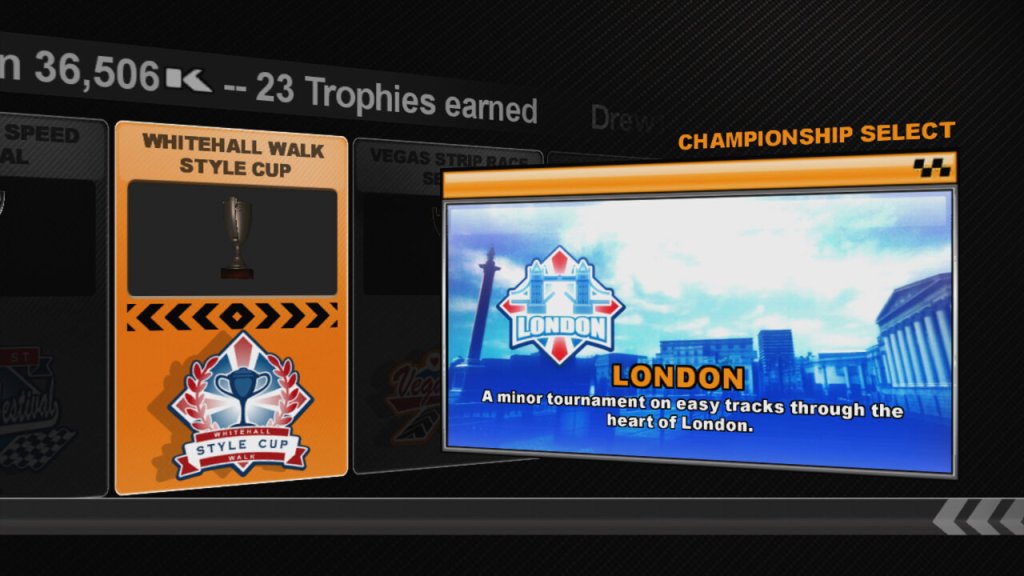
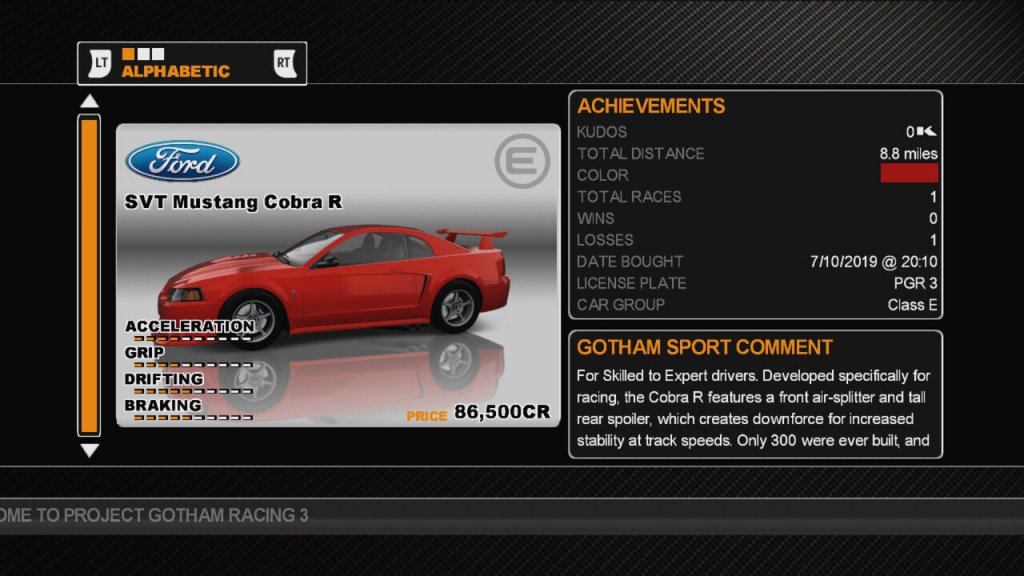
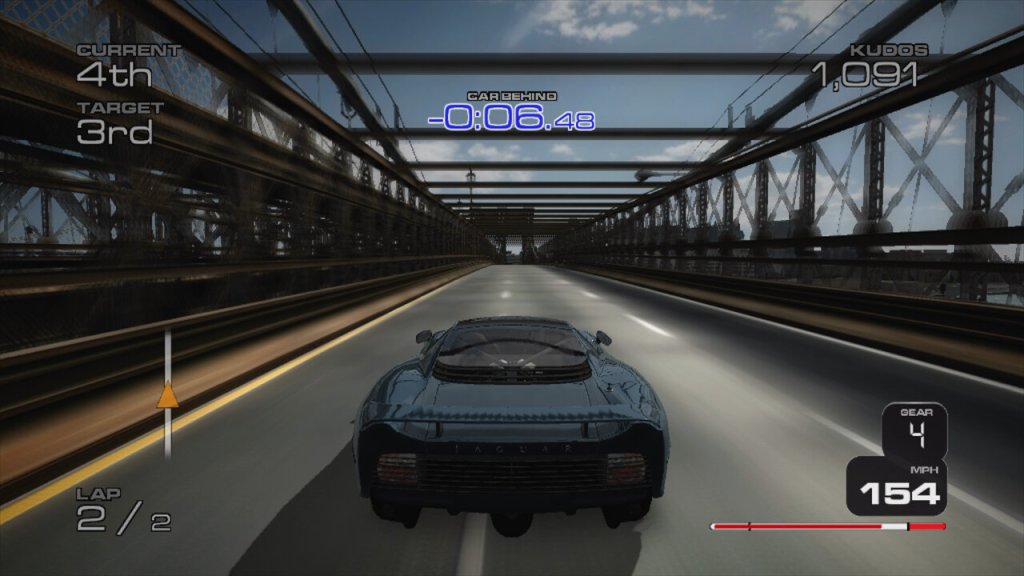
Project Gotham Racing 3 is the third installment of the game, released for the Xbox 360 very early in its life. It follows on from the previous two installments that were exclusive to the original Xbox, and Metropolis Street Racer for the Dreamcast.

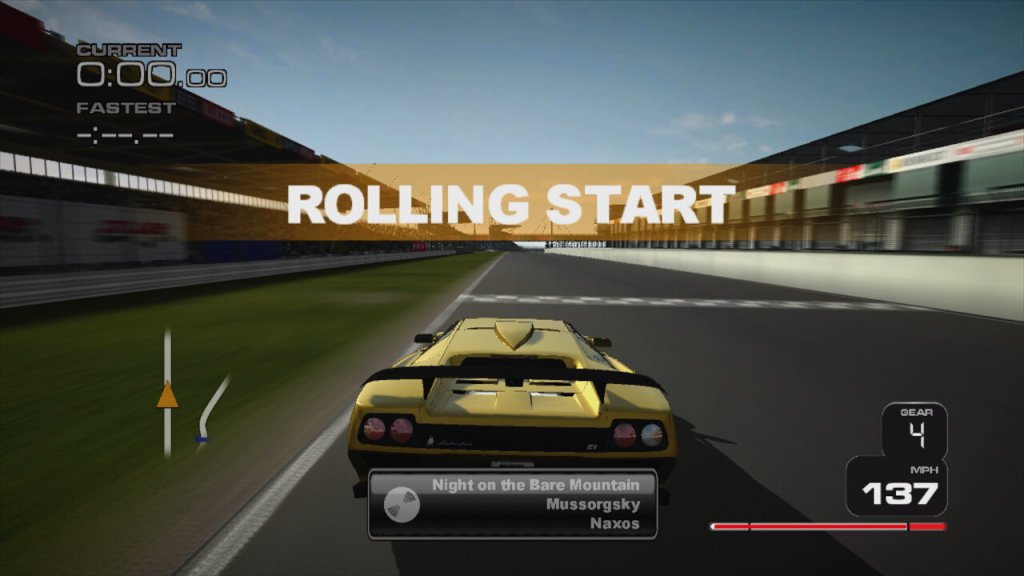
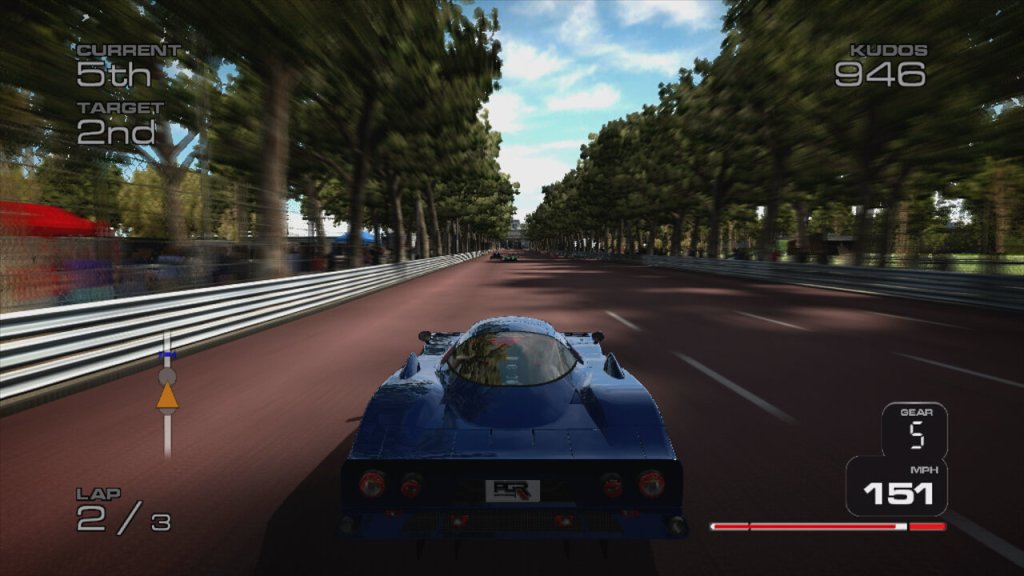
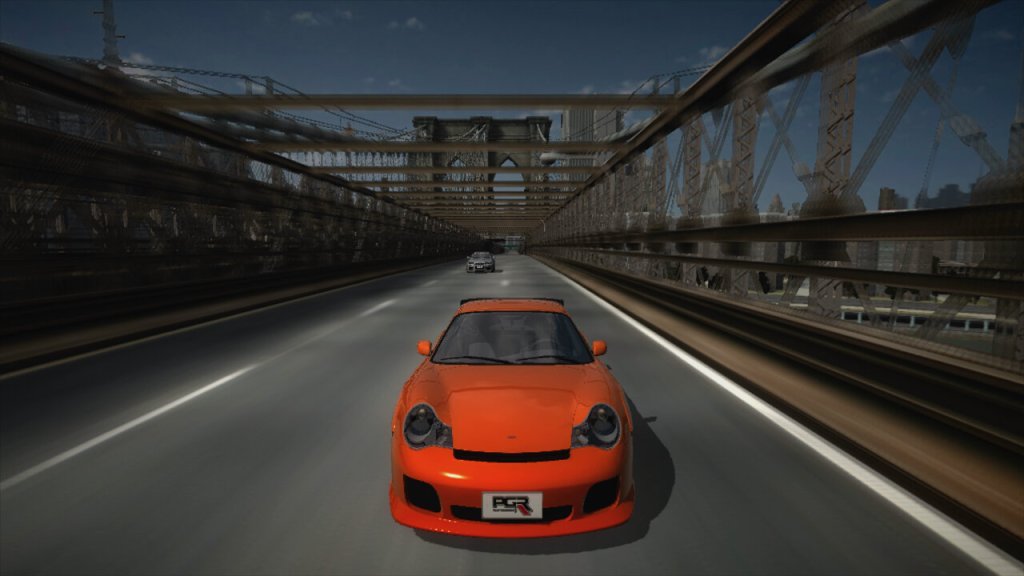
PGR3 hits you with that arcade racing feel, but with enough realism to make you feel like you’re actually behind the wheel of some of the world’s most gorgeous cars. When you fire up this game, it’s like slipping into a supercar’s leather seat. The visuals? Oh, they’re next-gen for its time, showcasing the Xbox 360’s power with cars that look so good you almost feel the engine purring through your controller.

The Kudos system is like a style meter on steroids. You’re not just racing; you’re performing for the crowd, drifting through corners, pulling off 360s, and drafting like a pro. It’s all about the finesse, the skill, making every turn not just about speed but about flair. It’s this system that makes PGR3 not just a racer but an experience.

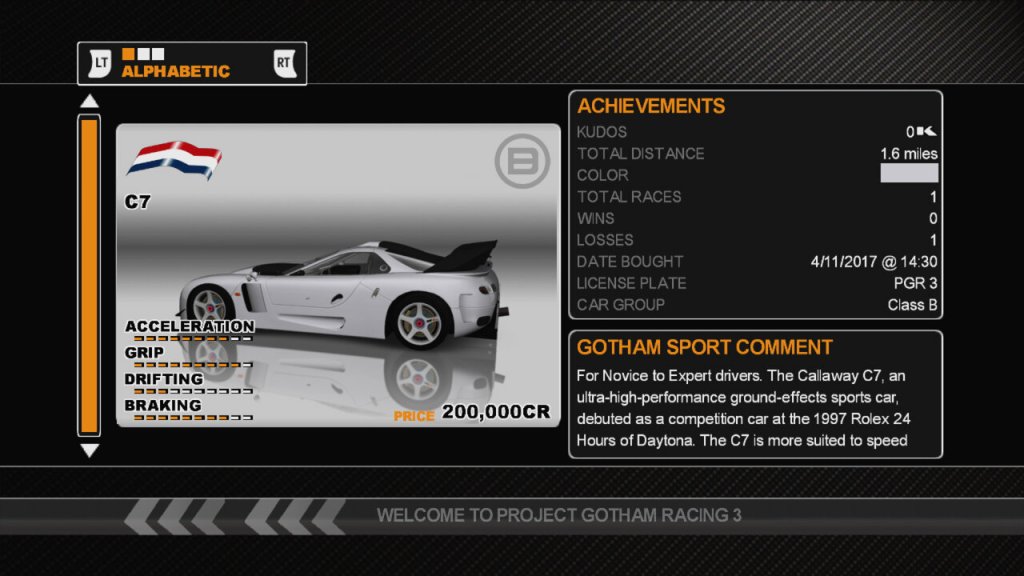
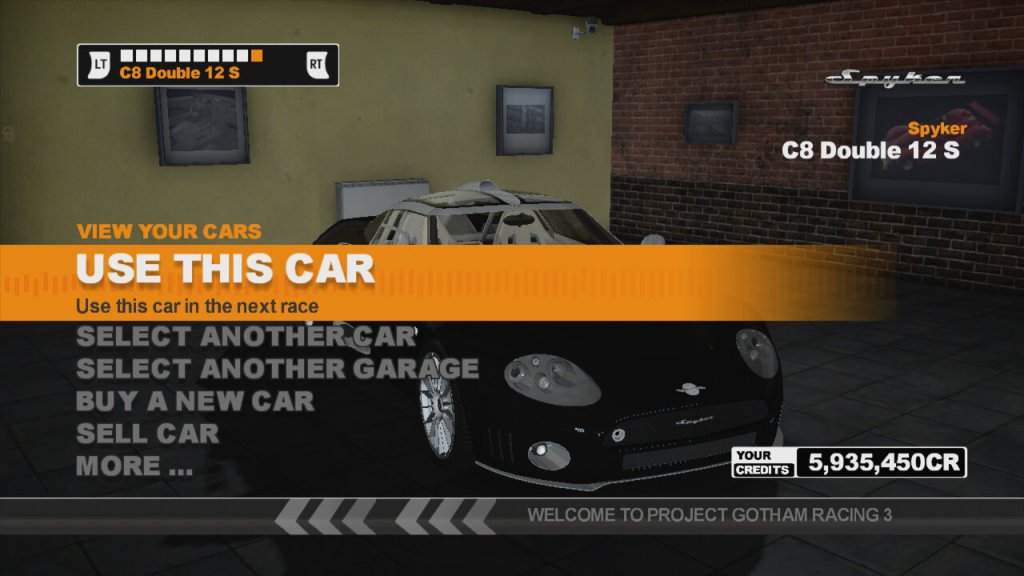
Regarding the vehicles, You start with a bang, not those slow, underpowered street cars from other games. Here, you’re jumping into supercars from the get-go. And the variety? Insane. From Ferraris that make you feel like you’re in a Bond movie to prototypes that look like they’ve escaped from a sci-fi flick, there’s a car for every fantasy. There is a lot of variety with the vehicle types that can appeal to everyone riving style, some of which will fare better on different track styles used in the game.

The soundtrack is also pretty diverse with a wide variety of genres from classics to rock, hip-hop and electronic dance. You can also elect your own music to play within the racetrack, taking advantage of Xbox’s custom soundtrack feature.

PGR3 is often remembered fondly for its peak of the series style over simulation approach. It’s debated among fans whether it’s the best in the series due to its balance of accessibility with rewarding skilled play, though many argue PGR2’s more raw, less polished feel had a charm. I certainly prefer it to the simulation racing games like the Forza series or Gran Turismo.
PGR3 felt like a true next-gen update, not just in graphics but in how it integrated online features. However, its core gameplay evolution from PGR2, while significant, didn’t feel revolutionary to some, leading to mixed reviews about whether it was the peak of the series or just a polished continuation. It would later be followed up with Project Gotham Racing 4
Bodycount

An interesting FPS that got overshadowed

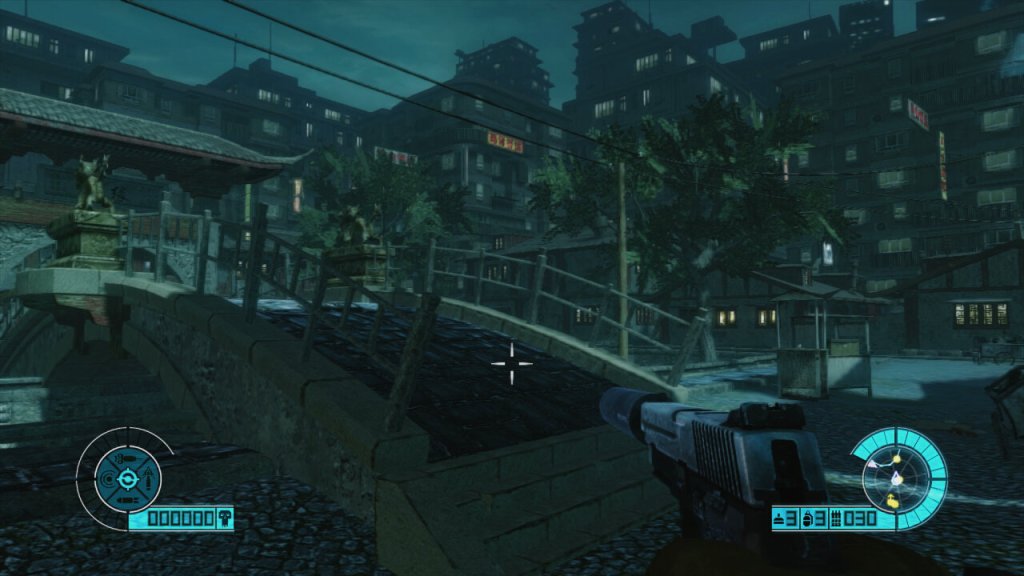
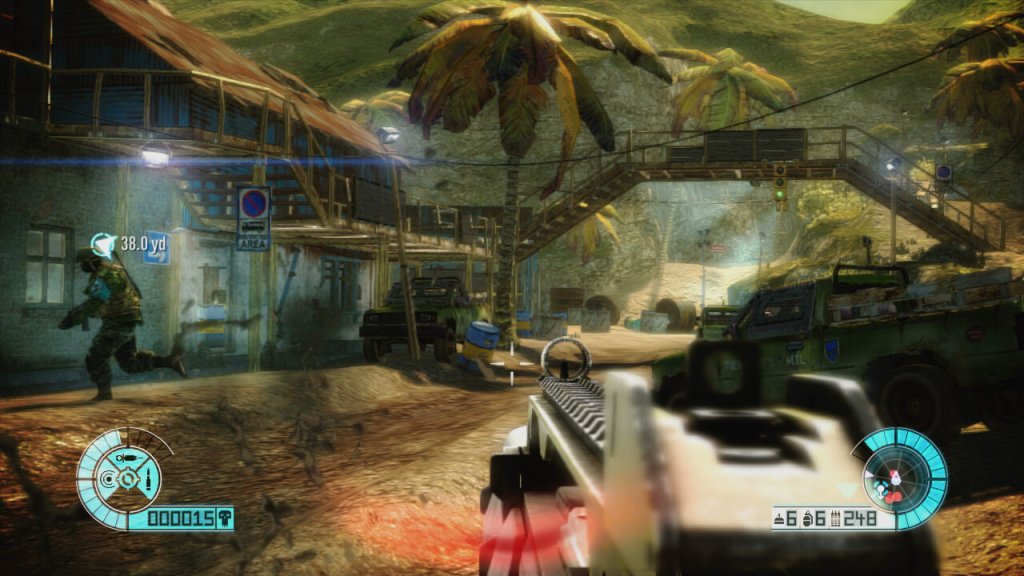
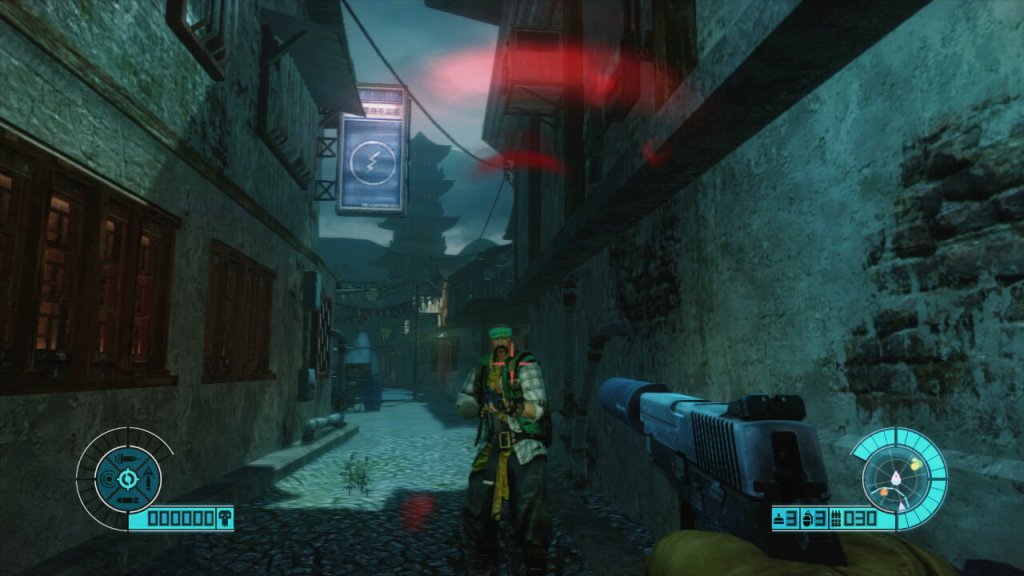
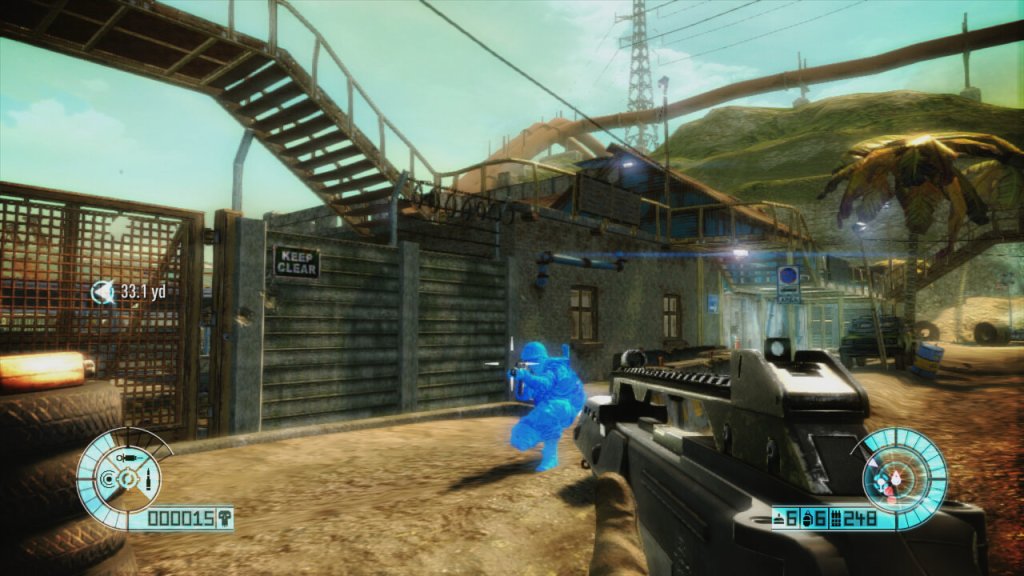
A first person shooter with arcade like shooting mechanics, released in 2011 to a crowded market where it had to contend with Gears Of War 3, Modern Warfare 3, Red Faction: Armageddon and Killzone 3. It’s an easily forgotten game on the count of its poor promotion (I only know of this game since it was recommended to me on Amazon years ago). The gunplay is ok for the most part, but some of the weapons like the silenced pistol are redundant since this game has very poor stealth mechanics, with enemies often reacting to you despite being out of their view. Still when pulled off correctly, it can help you take out enemies one by one rather than getting swarmed,

However a lot of the gameplay consists of holding the current position whilst waves of enemies attack, and this gets very repetitive the further you progress through the game. Sometimes the spawning is sloppy, with enemies simply appearing out of thin air.

There were a few innovations to help with this, ‘Intel’ is a core mechanic to the game and is collected when you kill and enemy, it’s used to power up your character to use weapons like explosive bullets, or adrenaline to help with the more difficult waves. Also some sections of the environment as destructible, which can help with dealing with large waves of enemies.

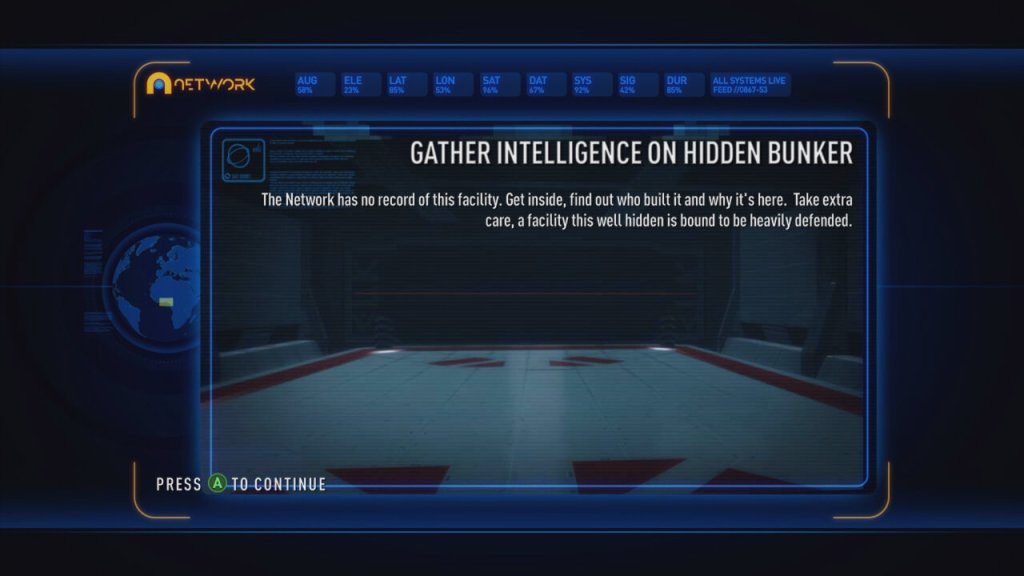
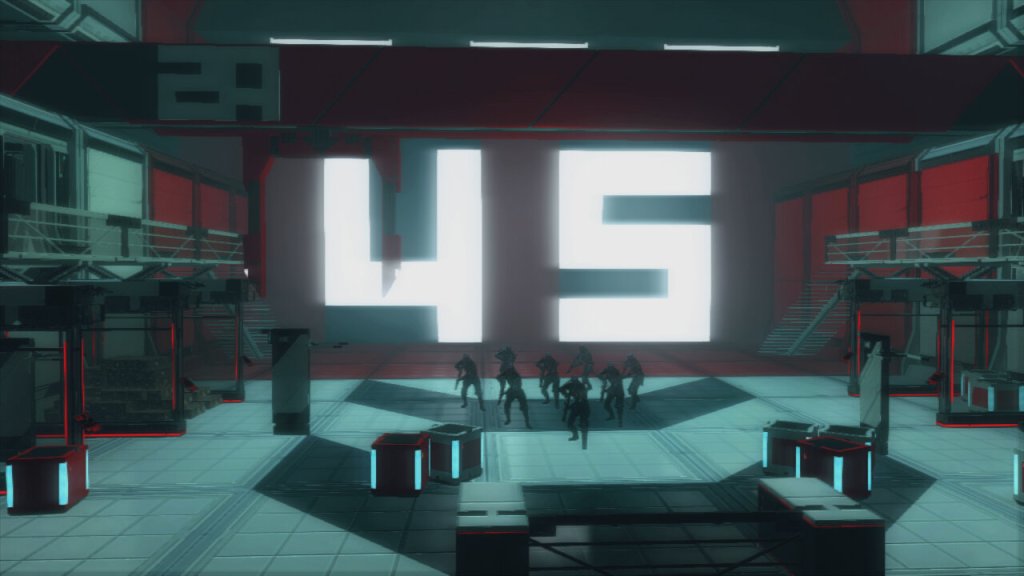
The main story of the game isn’t working delving into, essentially you’re against an entity known as ‘The Network’. This isn’t very well explained and often you are left wondering what is going on, you will often go from battles in beautiful real-world locations to these futuristic Tron-like areas which look very out of place.

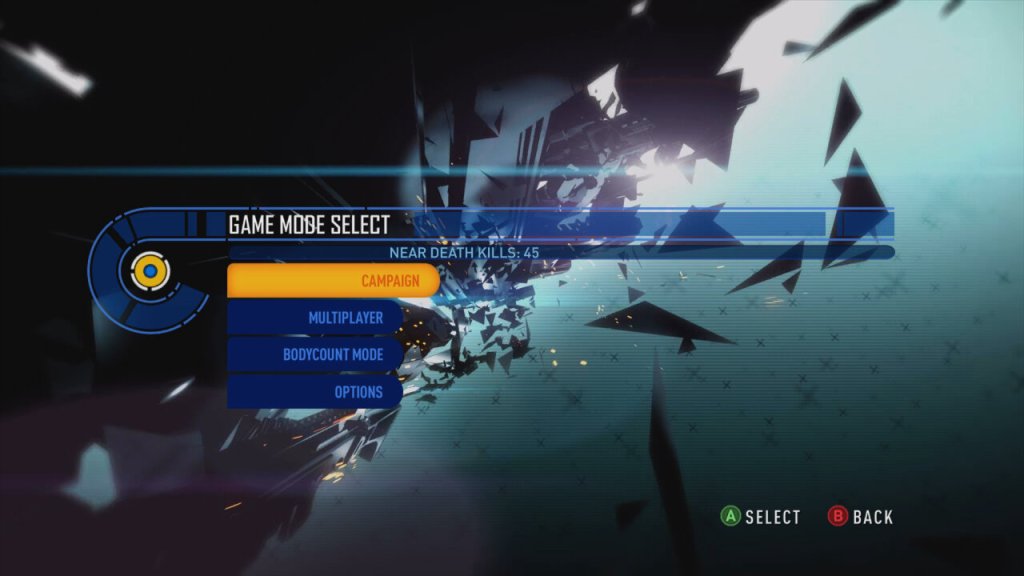
Aside from the campaign, there is also a BodyCount mode that lets you load up a previous chapter to complete it in an arcade style to get the highest points.

Versions

Xbox 360: The preferred platform for reasons outlined below. Sadly this isn’t compatible with the Xbox One or the Series consoles.

PS3: This version is the worse of the two, running at a lower resolution complete with screen tearing.

Fracture

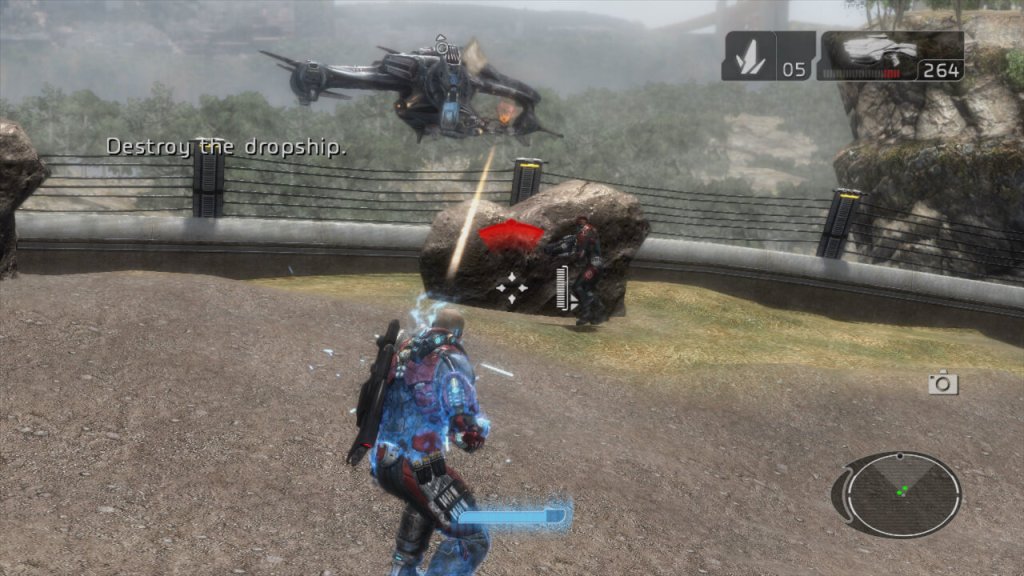
A third person shooter game with some interesting gravity mechanics. Released in 2008 and Published by LucsasArts

Facture Xbox 360

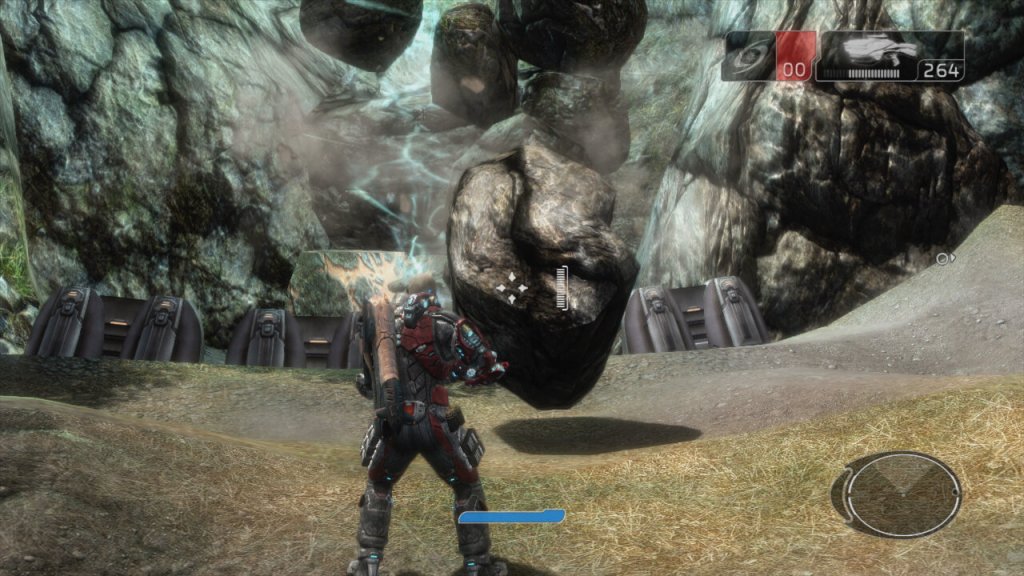
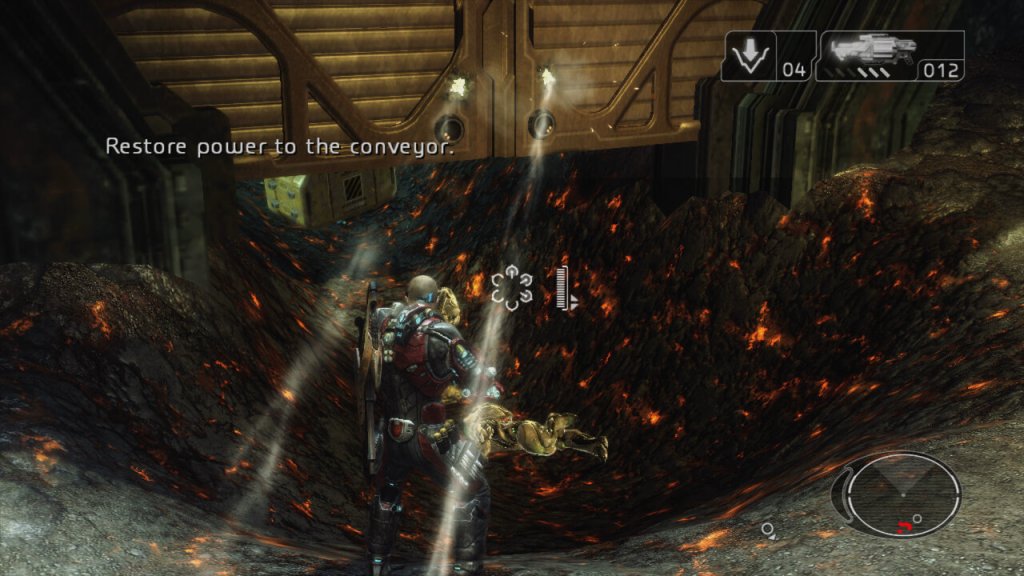
The game is set in the year 2161, where tectonic weapon technology has had an impact on Earth, being a result to climate change and rising sea levels, resulting in the Government investing in terrain morphing research. Basically means you have the ability to raise or lower certain parts of the ground with your weapon and grenades.

The concept of the game was brilliant with it’s tectonic warfare, being able to manipulate the battlefield like it’s SimCity? You’re not just shooting or hiding; you’re literally playing God with the terrain. Raise the land, drop a rift, crush your enemies like bugs with moving rocks. It’s like someone looked at “Earthquake” and said, “I can make this a weapon.” However the actual implementation was very disappointing and is mostly used for moving objects to progress the story. For combat, it’s easier to take cover behind objects, rather than manipulating the ground to your advantage. Certain points of the mission require you to raise the ground to realign a bridge, or to lower the ground to remove a blockage. Whilst this mostly works, sometimes the ground can clip into the objects, making the game look a lot sloppier in presentation.
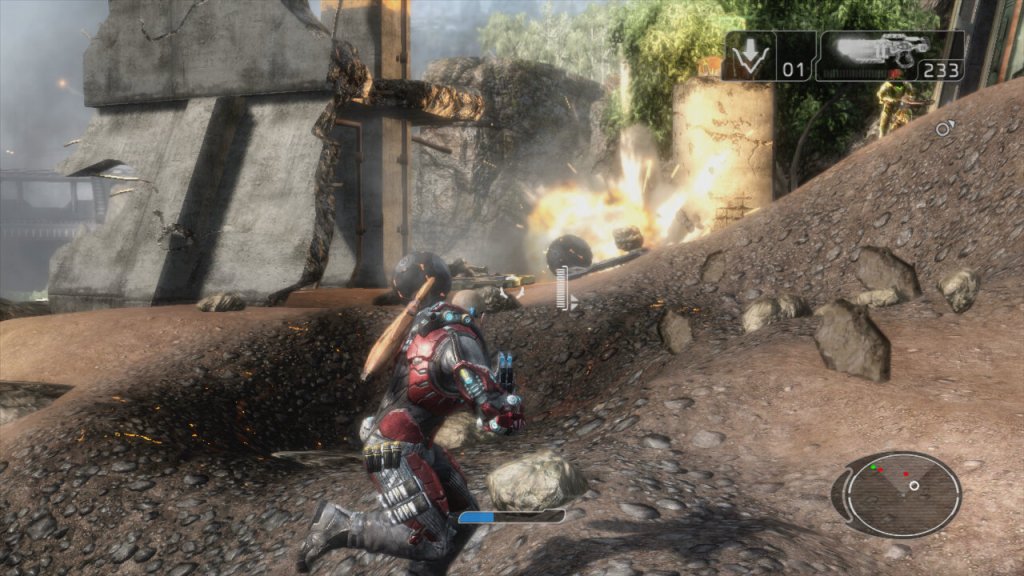
Now, gameplay. That terrain manipulation? Fun for about five minutes until you realize it’s the only trick in the game’s bag. Everything else feels like it’s been done before, and done better. The fun part comes with the explosives, as there is a good amount of destructible objects (not environments, you’re limited here) that you can use to take out enemies. Things can get a bit chaotic at times if you set these off in a chain with other explosive objects on the map, especially Hyrdraballs, which are explosive balls which roll about the map that you can manipulate.

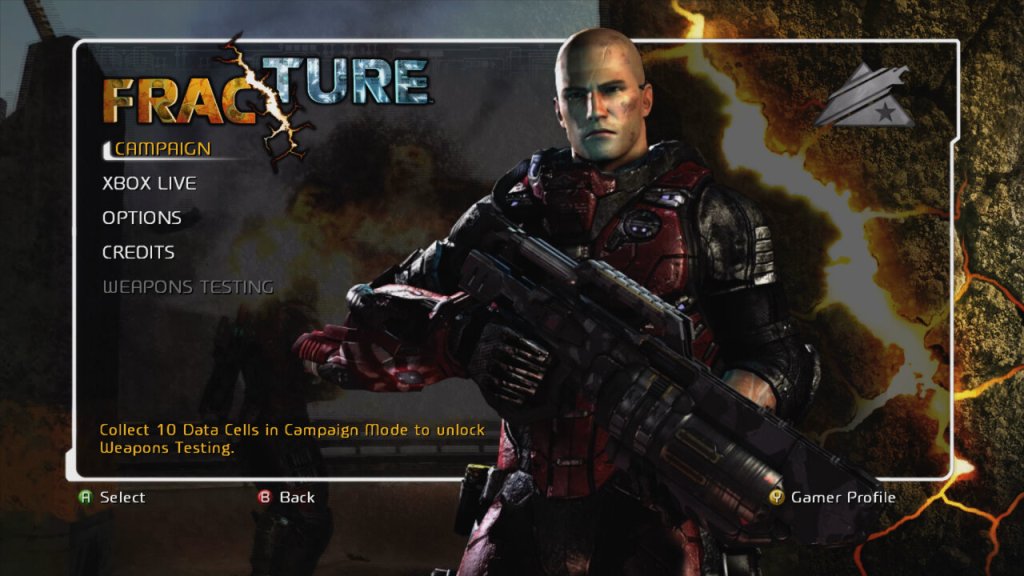
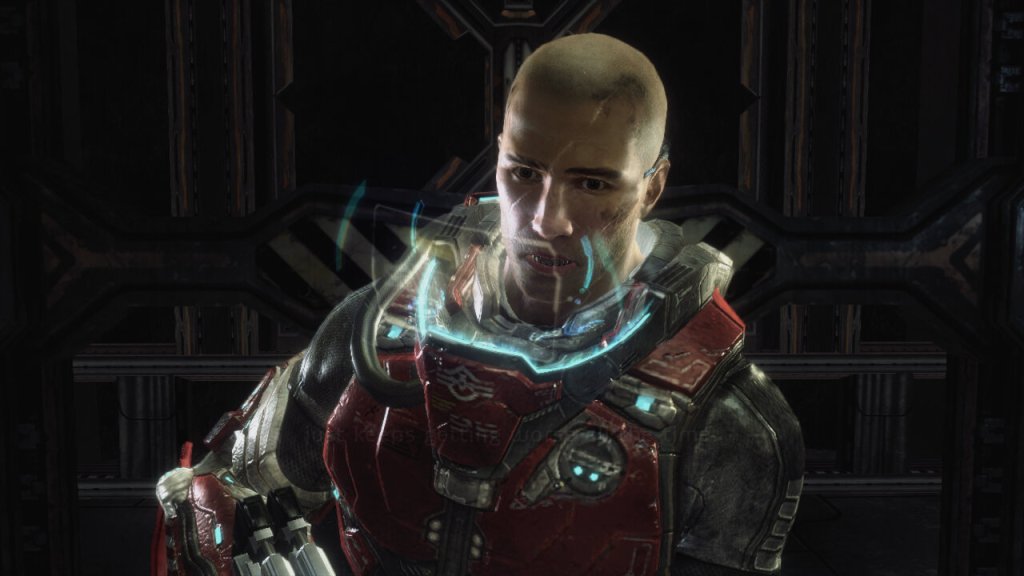
The main character is a very safe design for its time, being your typical bald space marine. I guess when you’re going with a risky gameplay concept, it’s wise to go with a typical protagonist. There’s a few cutscenes that appear as you progress through the game which detail the lot of the campaign, but it’s really nothing to write home about and can be easily forgotten. Essentially you are fighting a rival faction for power and your player character is a soldier that was in the right place at the right time.
The story does explore themes of power, control over nature, the ethics of warfare, and the consequences of advanced technology. It questions the lengths to which nations would go for power and survival, and the impact on humanity when nature itself becomes a weapon.

The game was released for consoles only, for the Xbox 360 and the PlayStation 3. There waw no PC release which was unusually for a third-party game. The Xbox 360 version is considered to be the better port due to running at a higher resolution thanks to the 360 being easier to develop for. Remember this was 2008 where developers were struggling with getting to grips with the Cell Processor of the PS3.

In conclusion, Fracture is like a student project that gets a B for effort but a D for execution. It’s got one fantastic idea but doesn’t know what to do with it beyond the initial “wow” factor. If you’re into trying out games with novel mechanics for their novelty, give it a go. But if you’re looking for a deep, engaging experience? You might want to look elsewhere unless you’re really into watching potential squandered. It’s not the worst game out there, but it’s a reminder that sometimes, a great idea isn’t enough to make a great game.

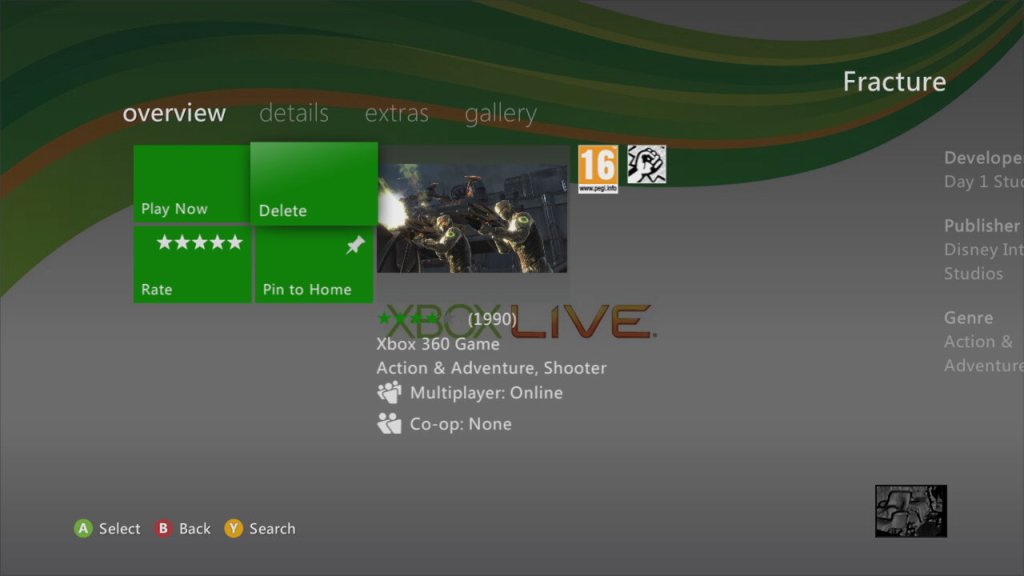
Fracture as it appears on the Xbox dashboard

50 Cent: Blood On The Sand

Fiddy’s HD sequel

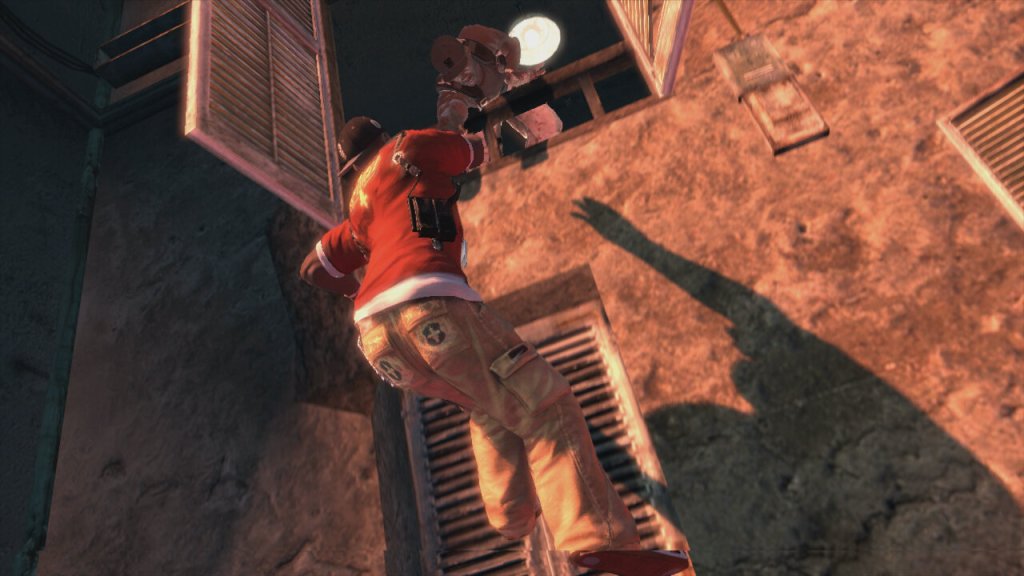
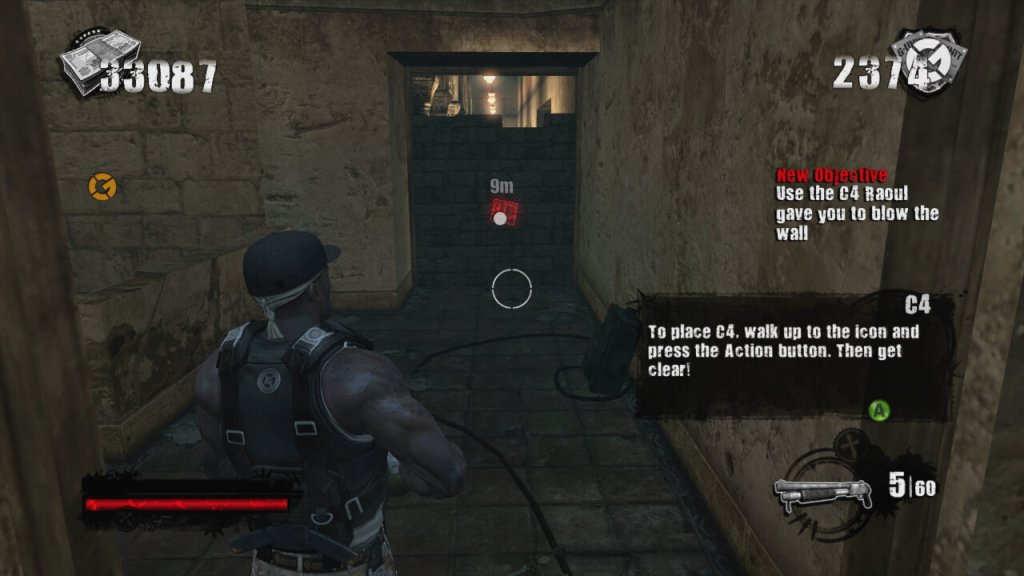
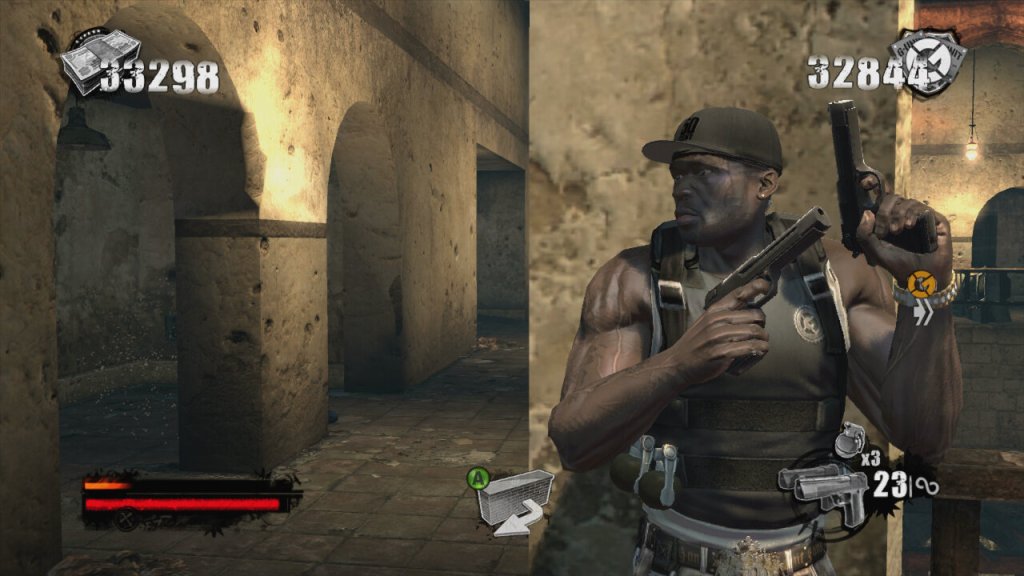
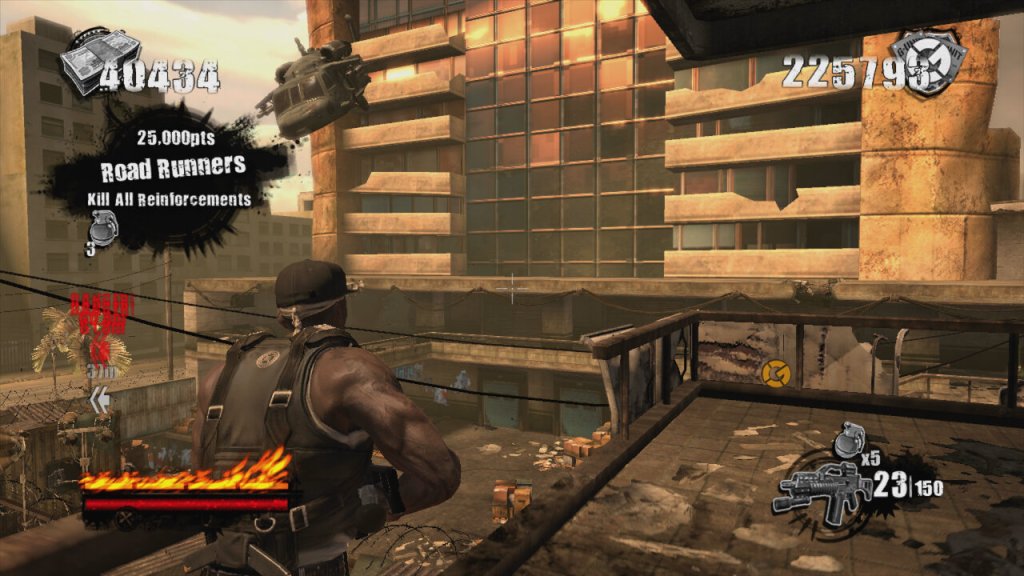
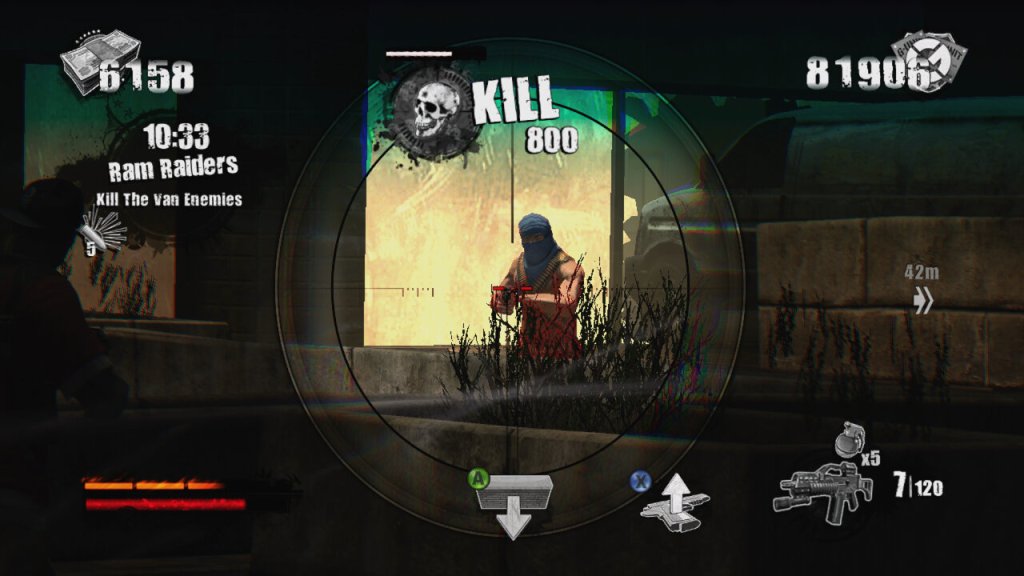
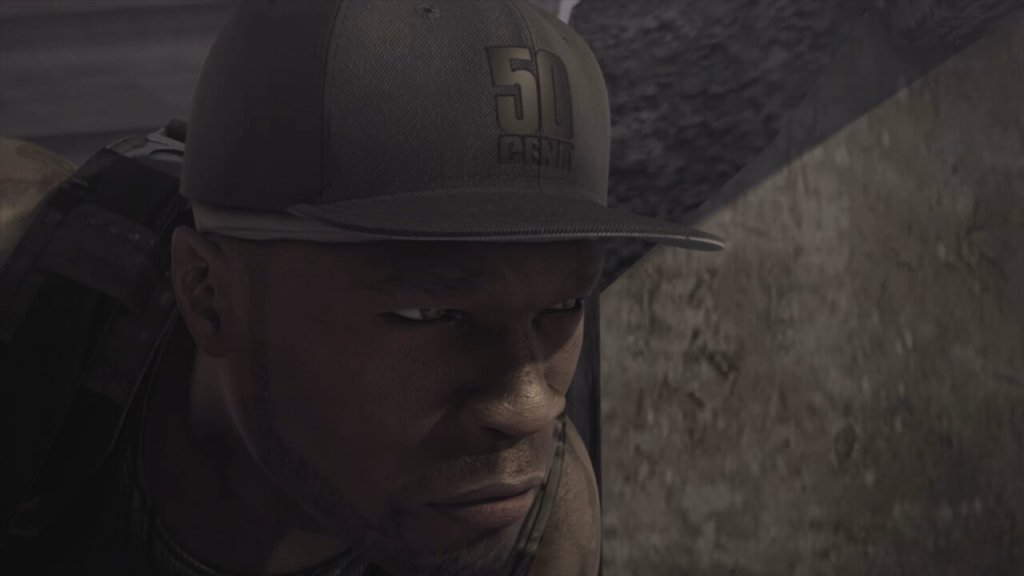
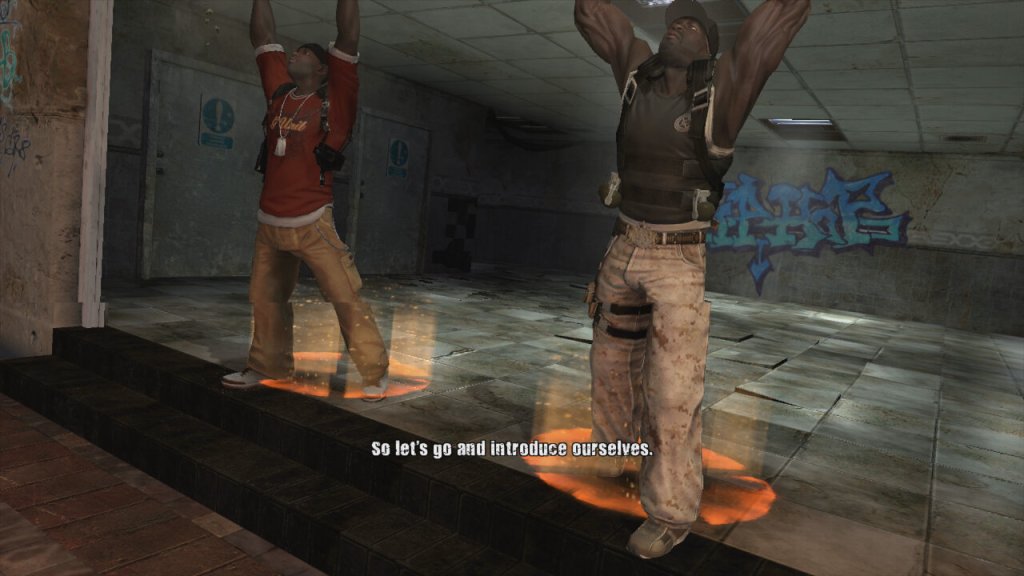
A third person shooter where you lay as 50 Cent, along with one of his bandmates in a single layer campaign. Players control 50 Cent and a sidekick player as they fight through waves of enemies using a variety of weapons. The game features a cover system (Like Gears Of War), dual-wielding weapons, and unique melee attacks where players can execute finishers on enemies to regain health, all whilst 50 Cent’s music is laying in the background.
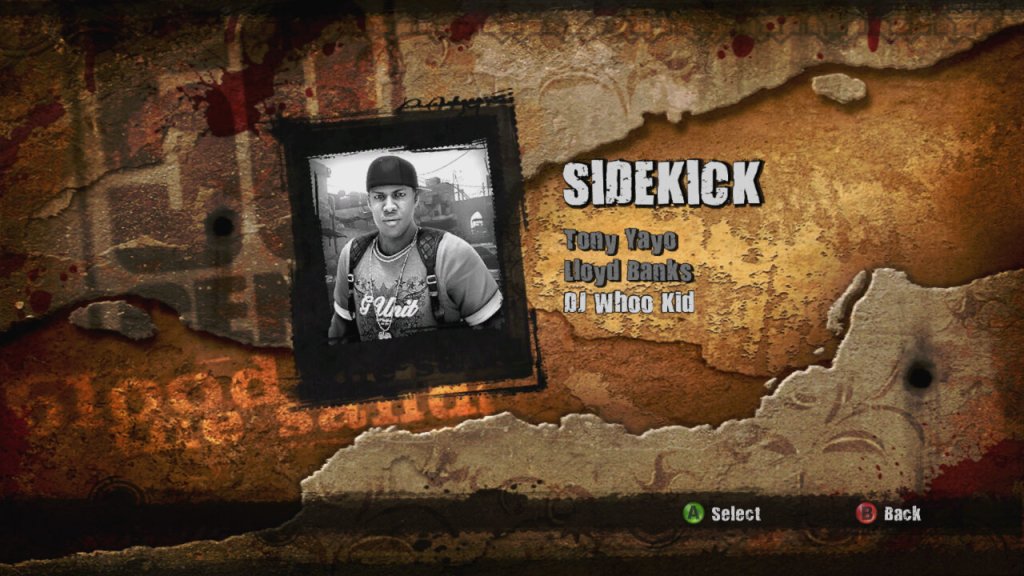
The game supports co-operative play using either split screen or online over Xbox Live. The second player can choose to be either Tony Yayo, Lloyd Banks or DJ Whoo Kid.

The plot of the game revolves around 50 Cent performing at a concert in a Middle Eastern city. However, their diamond get stolen during a coup. The game follows their quest to retrieve these diamonds from various warlords and factions. It’s not to take seriously and is more fun when played co-operatively with friends.

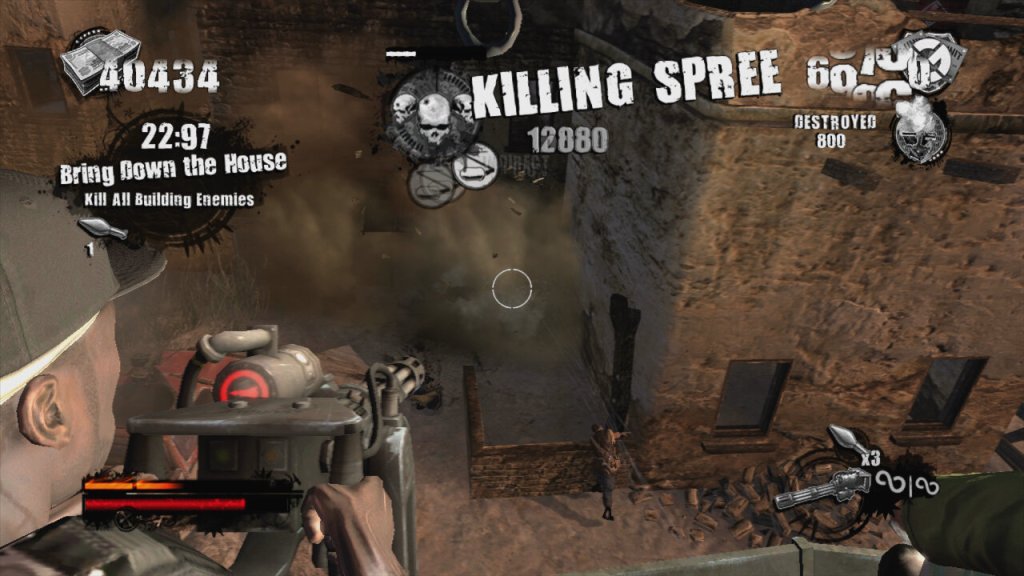
The gameplay itself is very similar to Gears Of War with you controlling 50 Cent in a third person view. The game has an emphasis on high scores, kill combos, and timed challenges set it apart, giving it more of an arcade-style feel compared to other third-person shooters like Army of Two (another console exclusive game to check out) which is used to unlock weapons that can be purchased in later levels of the game via phonebooths. Enemies drop ammo and cash when they are killed and this can also be used to purchase weapons. The game also gives hidden areas that you can loot for more cash, which also contributes to the score at the end of each mission.

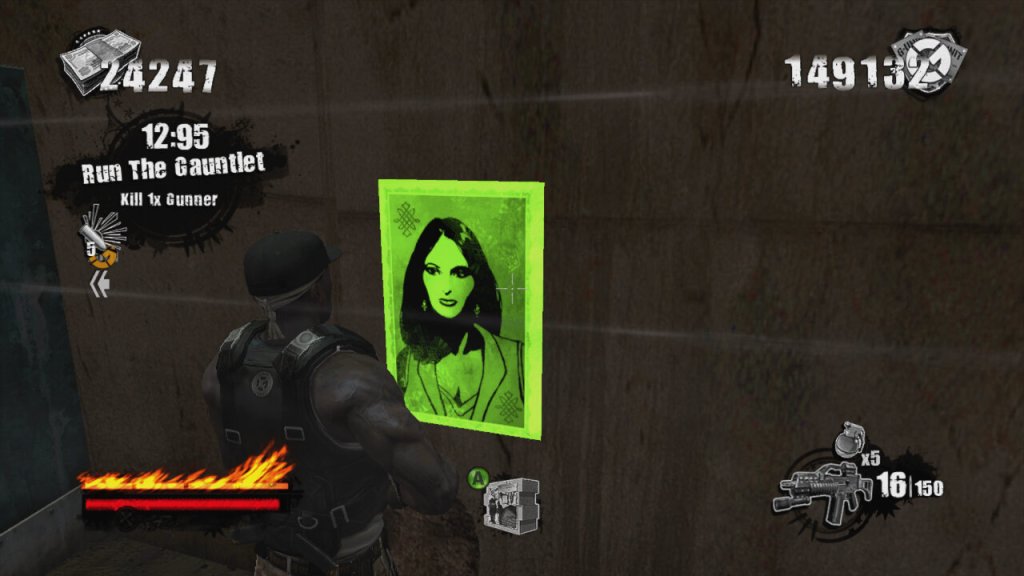
There’s also posters you can take down and targets you can shoot for extra points.

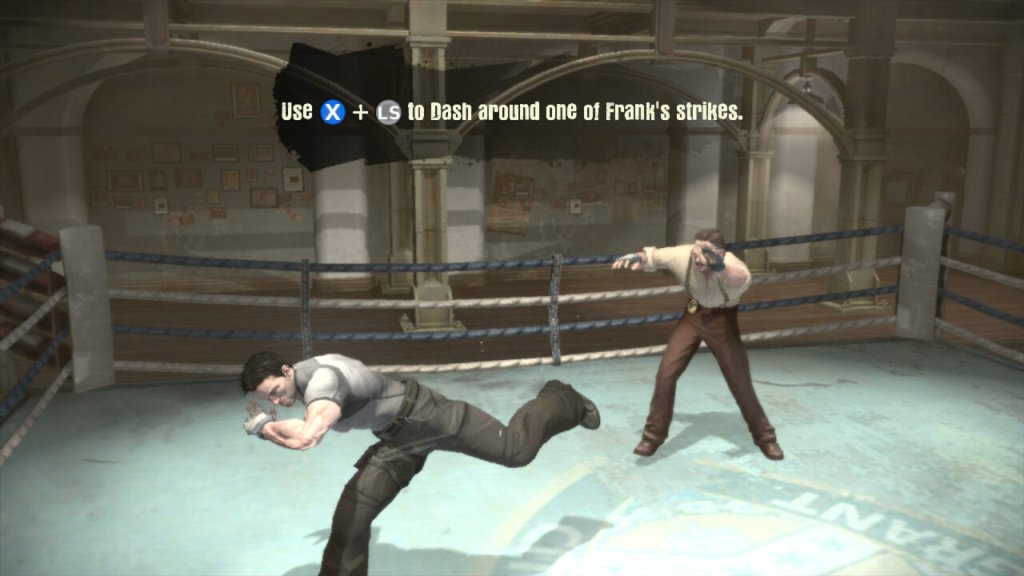
Breaking up the gunplay, you can also engage in hand to hand combat when you are near an enemy. By pressing B or Circle, you can beat the enemy to death when following the button prompts. You can also us the environment to take out groups of enemies.

Blood On The Sand was only released on consoles, the PlayStation 3 and Xbox 360, with the latter being made compatible on the Xbox One. Both versions are very similar in terms of performance and gameplay, the 360 version does keep a more stable framerate.

Blood on the Sand isn’t a game that’s going to win awards for innovation or narrative depth, but it delivers a fun, if not slightly repetitive, shooter experience wrapped in the persona of 50 Cent/G-Unit. It’s not perfect, but it’s a solid entry for anyone looking to mix up their gaming library.

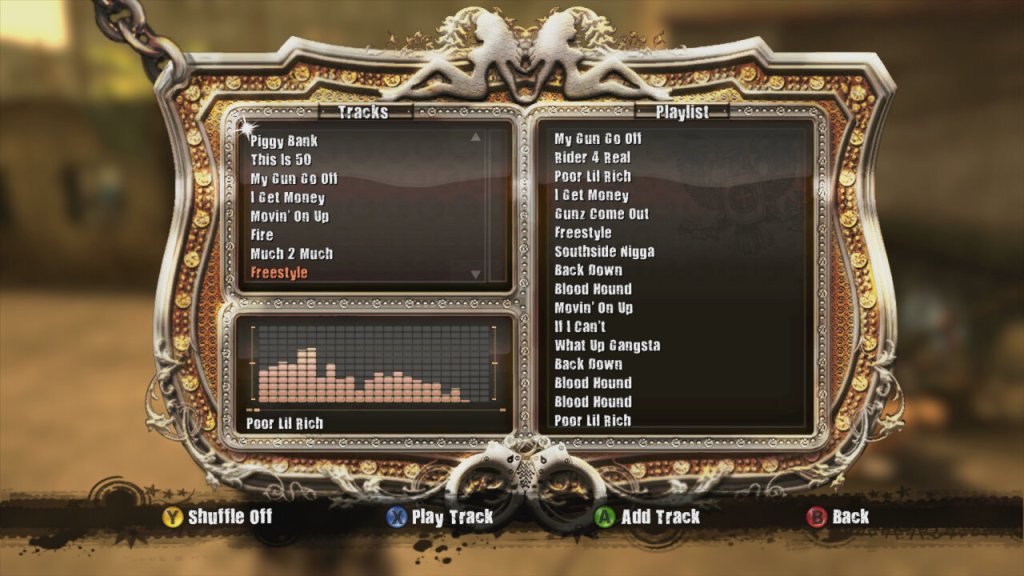
Music featured in the game, If HipHop isn’t your genre of music you can mute the music and use the console to play alternative music.

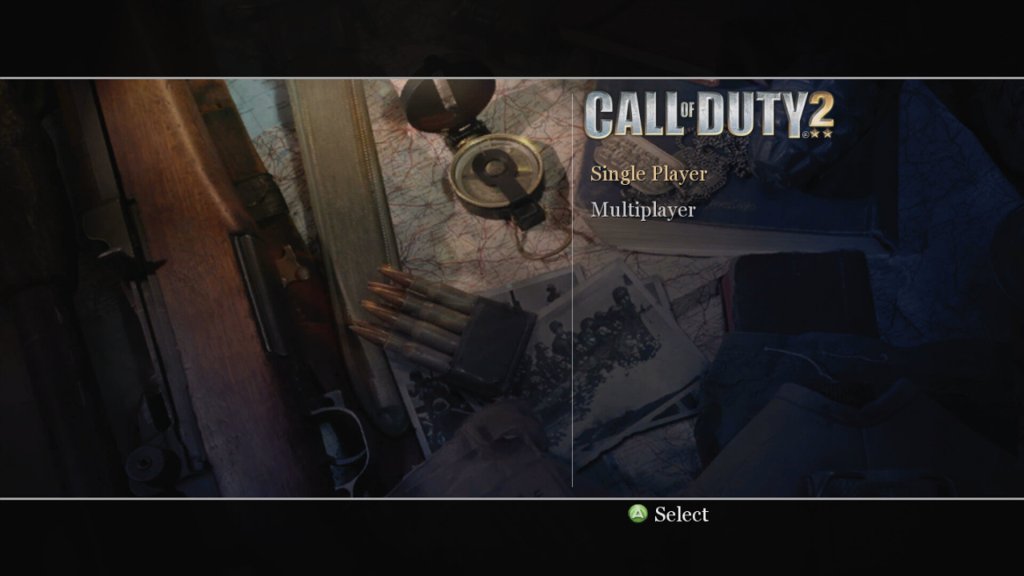
Call Of Duty 2

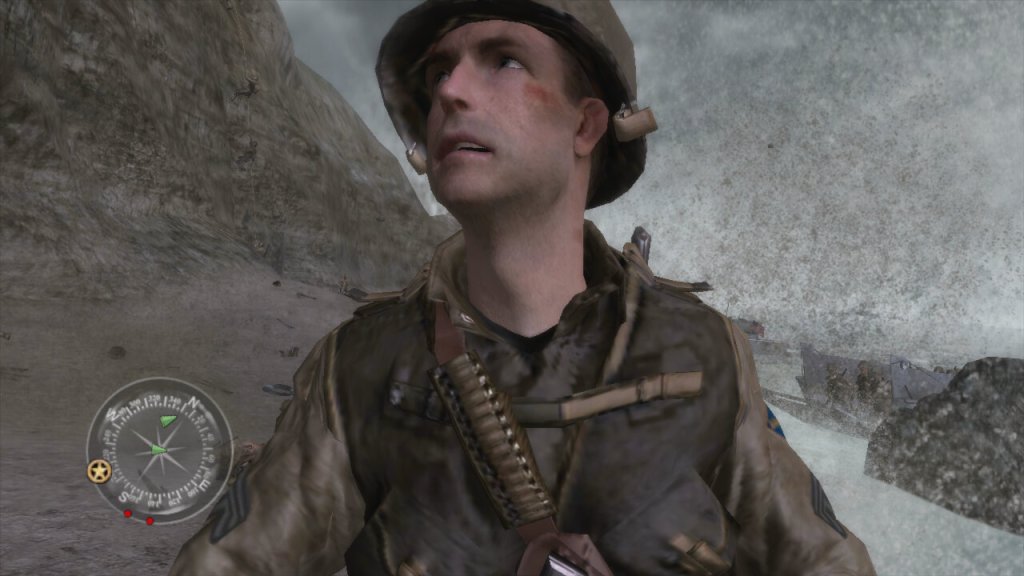
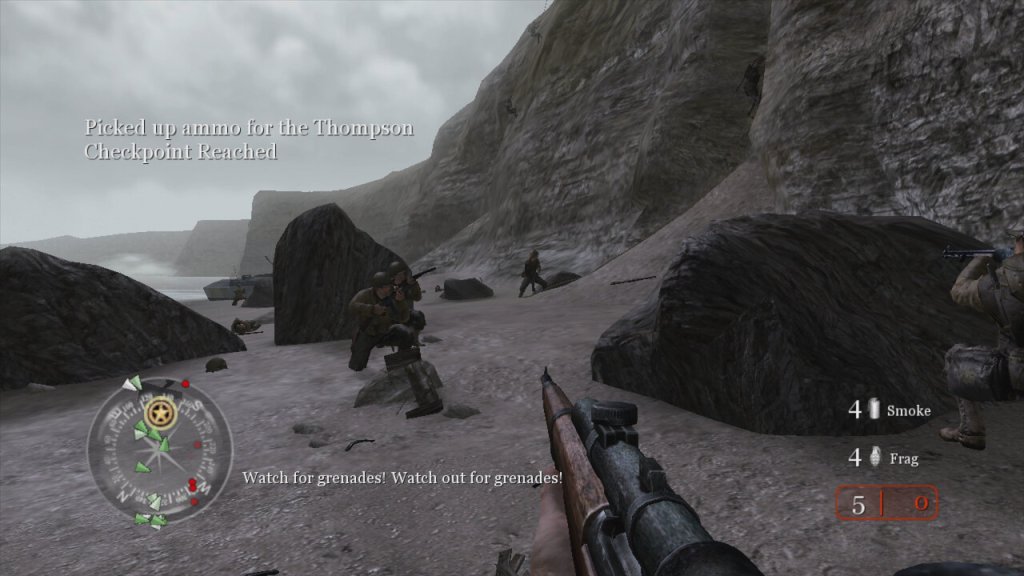
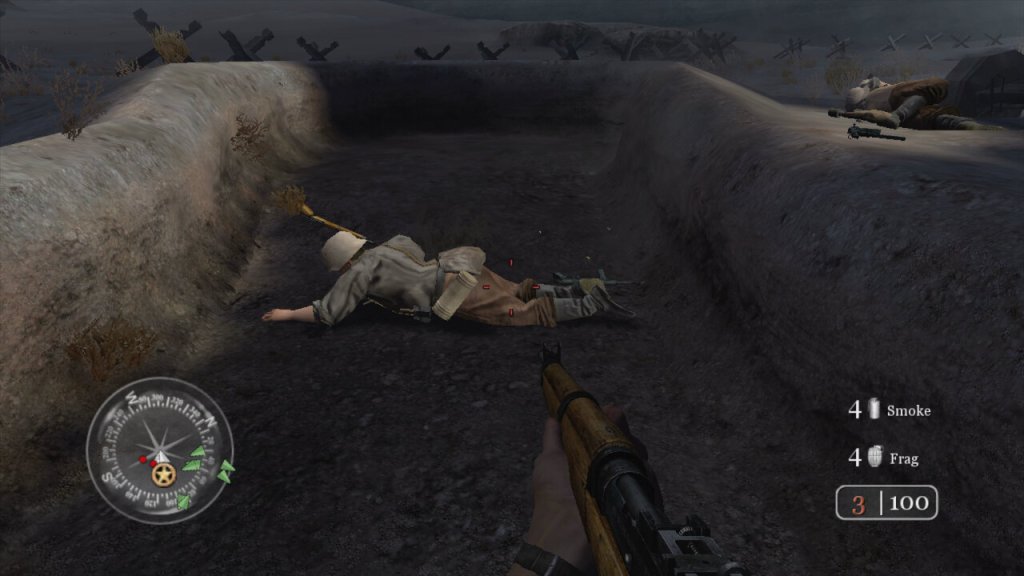
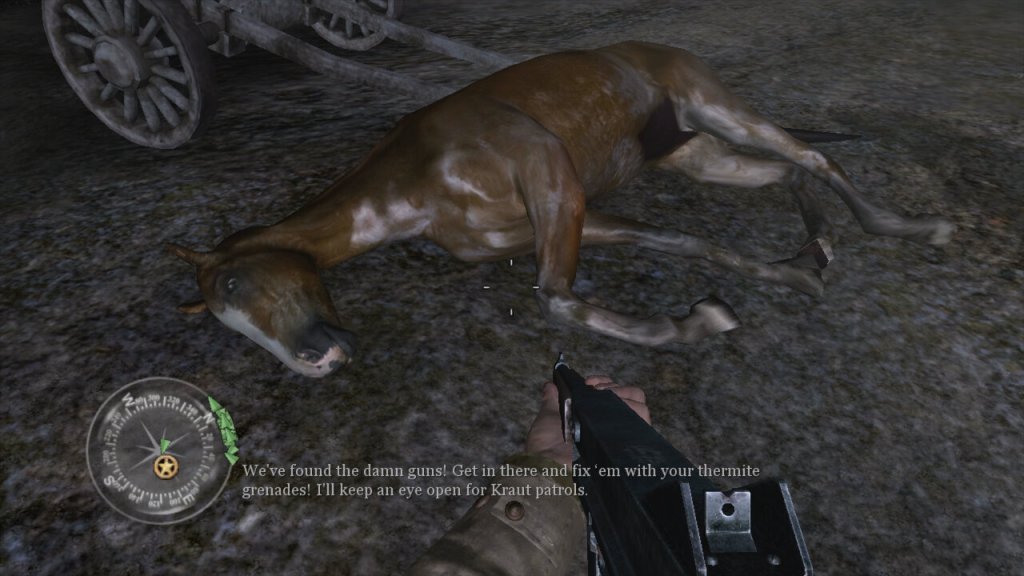
The second major installment, released in 2005 and a launch title for the Xbox 360. The game aims for a realistic portrayal of WWII combat, which includes historical accuracy in soldier uniforms, weapon models, and battle settings. Also not to forget the regenerating health. It’s the sequal to the original Call Of Duty and it’s console spinoffs.

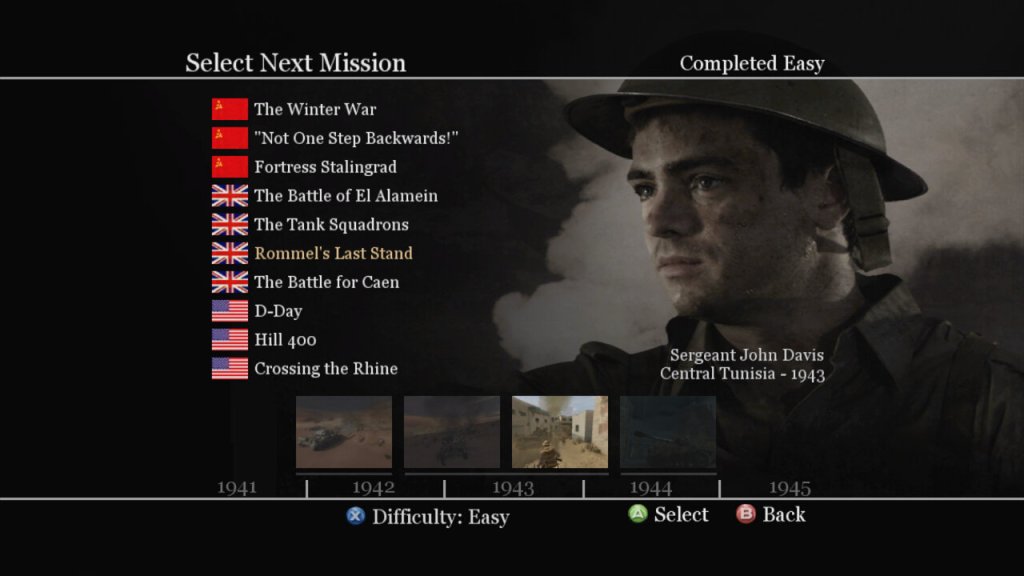
The story campaign is broken into three different arcs, with the narrative is told through the eyes of different soldiers from different nations (US, UK, USSR), giving a broad perspective on the war. Each mission is designed to feel immersive, with detailed environments, weather effects, and dynamic lighting, though the mission scripting can fail from time to time with some of the NPC characters getting stuck, preventing the mission from progressing. The game does autosave frequently to you can easily reload the last save when this occurs.
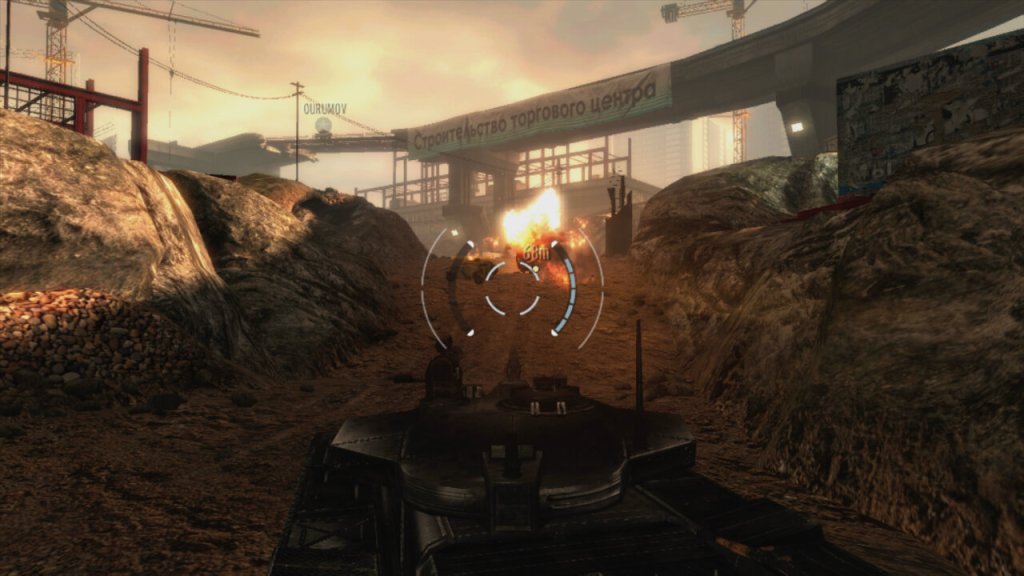
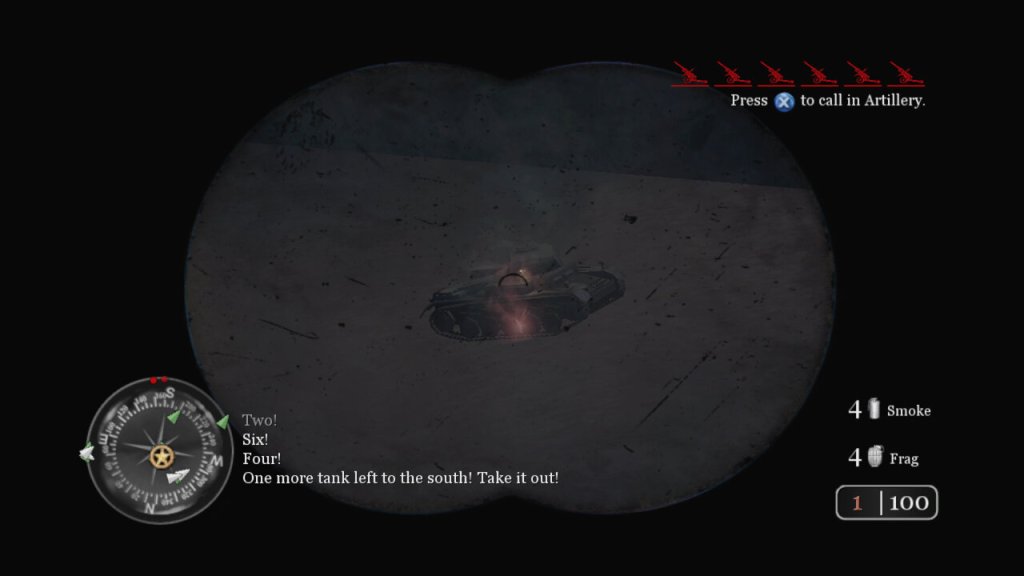
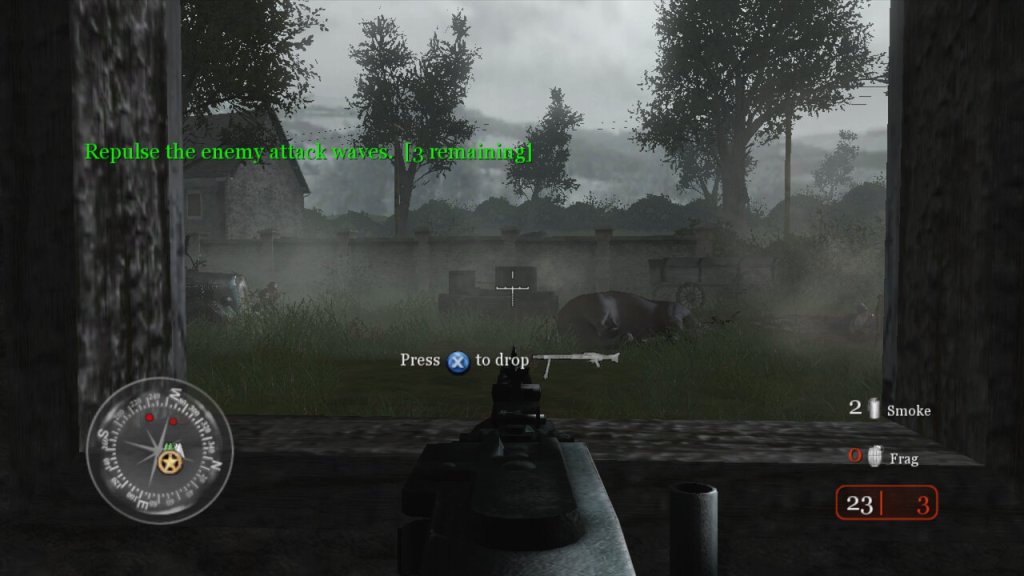
Missions are also pretty diverse, and sometimes you will be tasked to drive a tank through the fields, or use the mortar or snipers to take out distant enemies. Sometimes you will be tasked to hold out and wait for rescue to arrive. It’s a good way to break up the gameplay and to prevent the game from being monotomus.

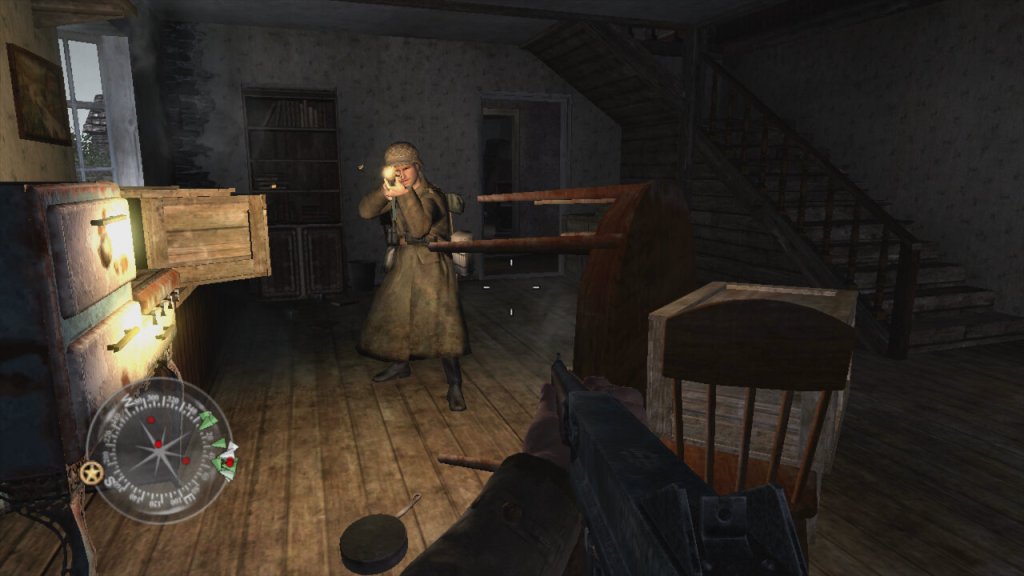
Players view the game from the perspective of their character, using a wide array of WWII-era weapons to engage enemies in combat. Each weapon has realistic firing rates, recoil, reload times, and damage models, influencing player strategy and engagement. Instead of health kits, the game features health regeneration where players recover health over time if they avoid taking damage instead of having to collect and use healing items. While not a traditional cover system, environmental interaction is crucial; players can use walls, doorways, and terrain for cover.

As a World War II game, it deals with historical political themes due to its setting, but it also introduces themes that can be interpreted in broader political contexts. The game presents World War II through the perspectives of soldiers from the USSR, USA, and UK, emphasizing the nationalistic pride each soldier might feel for their homeland. This is particularly evident in mission briefings and the portrayal of heroic acts by soldiers, which could be interpreted as promoting patriotic sentiments.


The game’s focus on combat glorifies military engagement to an extent, showcasing the technology, strategy, and heroism in battle. This can be seen as a form of militarism, where military power is celebrated as a means to resolve international conflicts. By depicting the Allied forces working together, Call of Duty 2 subtly touches upon the theme of international alliances, suggesting the necessity of cooperation against a common enemy, which mirrors real-world political alliances formed during WWII.
WWII is often referred to as “the good war” because of the clear moral lines between the Allies and the Axis powers. “Call of Duty 2” reinforces this narrative by rarely questioning the morality of the war itself, which can be interpreted as a political stance on the justification of warfare when facing extreme ideologies.

Activision beating a franchise to death

Platforms

Call OF Duty 2 Achievemetns


Xbox 360 – This was a launch title for the Xbox 360 and was one of the only console ports of the game, not being released for the PS2 or the original Xbox. It’s odd since sequel, Call Of Duty 3, was released for these ageing sixth generation consoles.
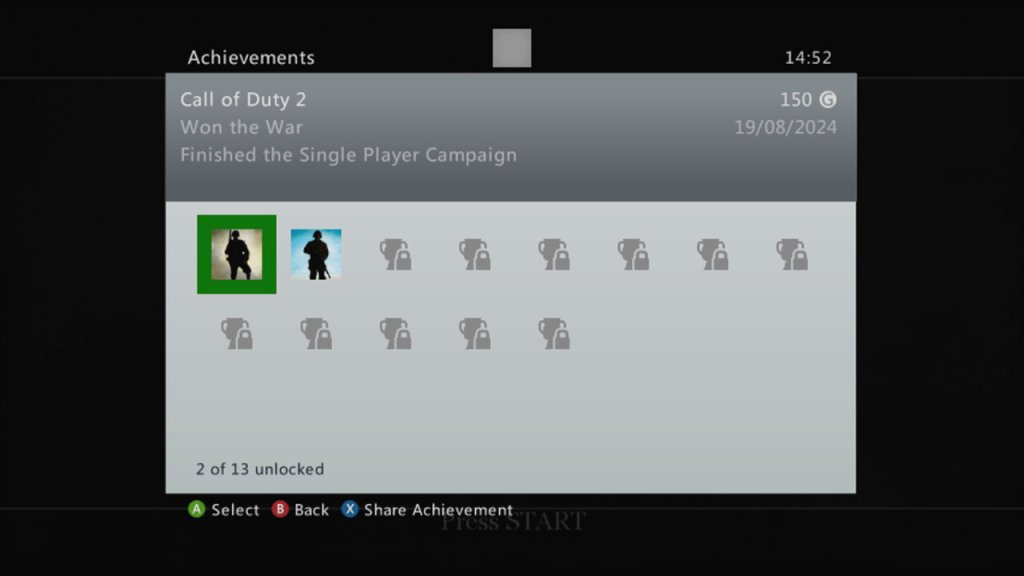
The 360 version is also supported for the Xbox One and Series consoles. Being an early 360 titles, there isnt much achievements, but you get 50G for comleting traning, and 150G for finishing the campaign.

Xbox Live

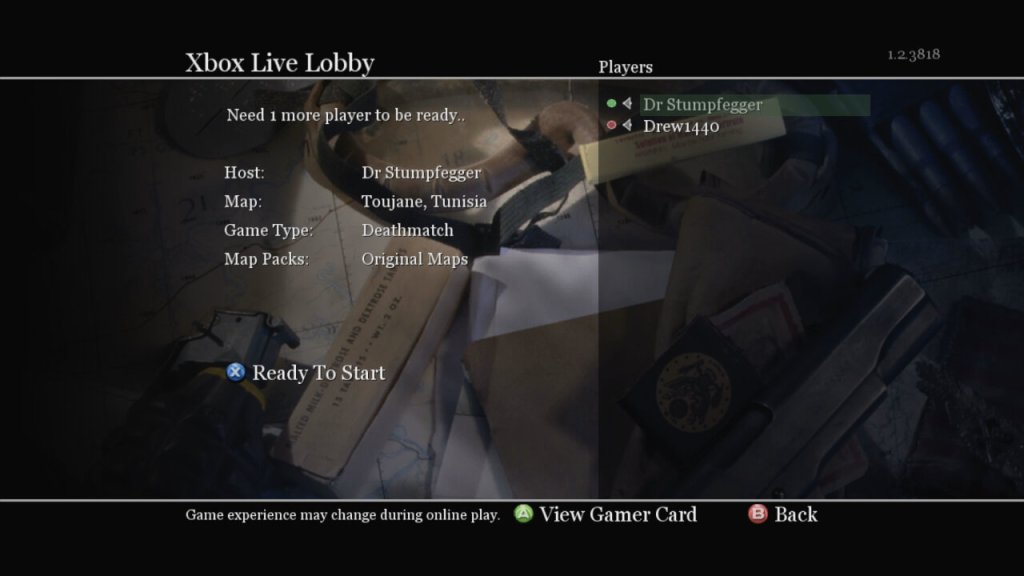
Microsoft Windows – Released on the PC at the same time as the 360, you can still purchase this on Steam. You can also play this online, though I’m not sure how safe this is due to modern exploits being possible through the game’s engine. The game does come with PunkBuster, but it’s no longer updated.

Mac OS X – the game was ported to Mac’s running both PowerPC and Intel processors, through it needs a beefy G5 processor for it to run correctly. The Mac Mini with it’s G4 and Radeon 9200 will struggle to run this game. This version of the game no longer runs on modern macs since it remins a 32bit applications, thje latest version to run is macOS Mojavie.

Saint’s Row

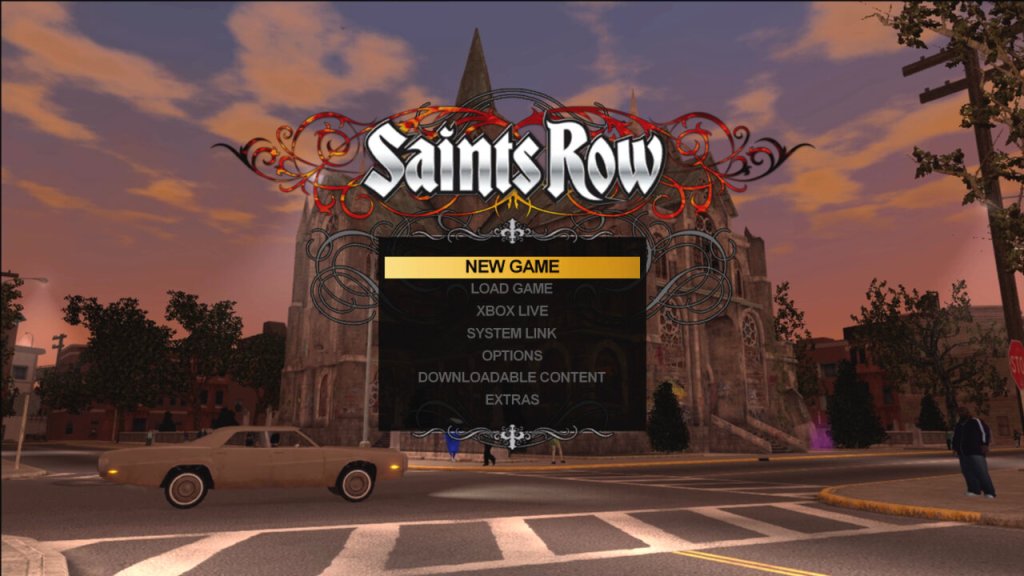
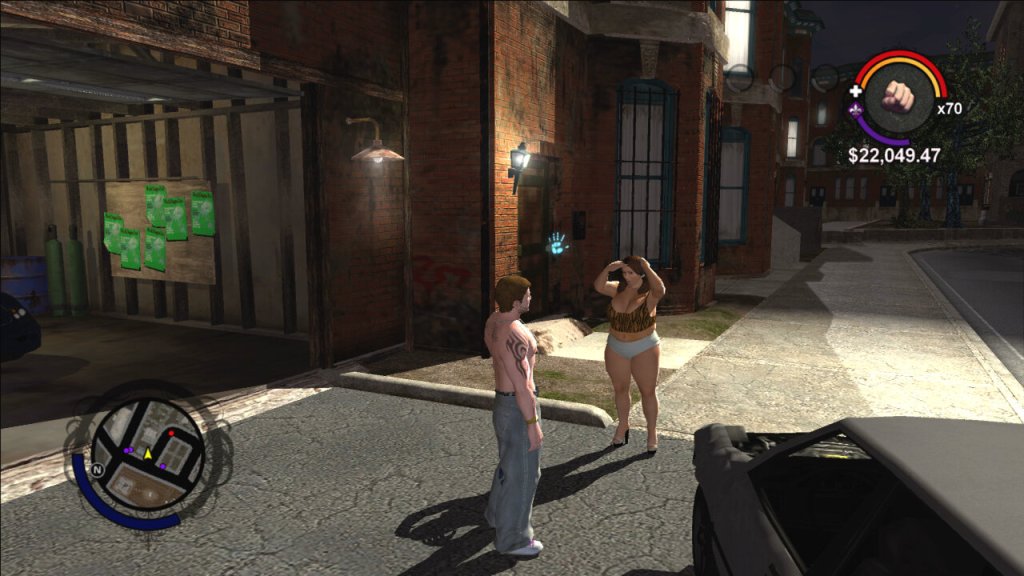
Saints Row is one wild ride. It’s like Grand Theft Auto on steroids, with an added dose of wackiness and humor – the original one that is, not the zoomer version.

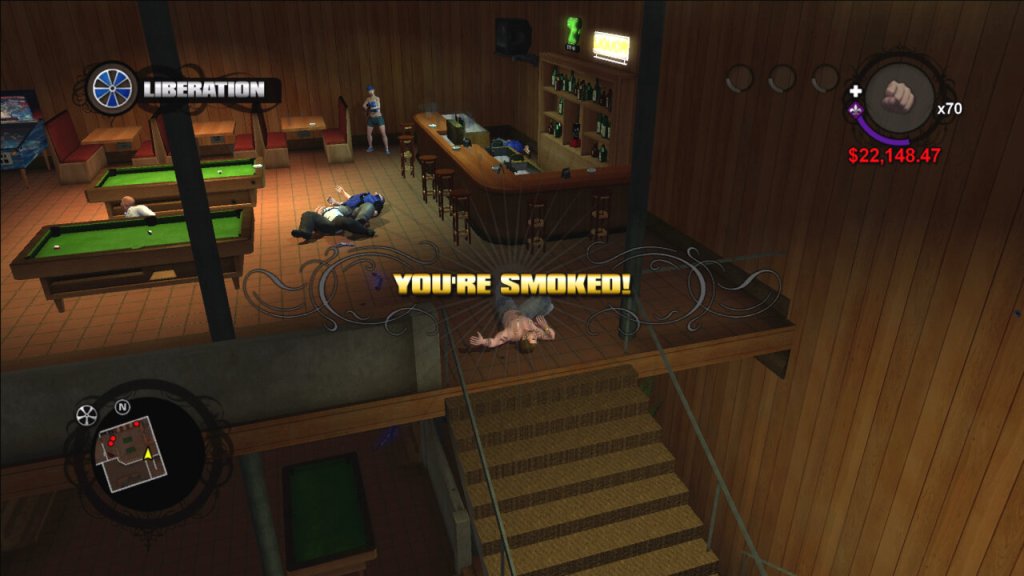
You play as the leader of the Third Street Saints gang, trying to take over the city of Stilwater one block at a time. The gameplay is pretty solid. It’s a sandbox game, which means you can go anywhere and do anything you want. You can drive cars, shoot guns, and even fly helicopters. The missions are varied and exciting, ranging from taking out rival gang members to rescuing your homies from prison. There’s always something to do in this game.

The customization options are also a big plus. You can create your own character, from their physical appearance to their clothing and accessories. You can also customize your cars and weapons, making them unique to your playstyle.

But where Saints Row really shines is its humor. This game is hilarious from start to finish. The dialogue is sharp and witty, and the characters are all memorable in their own way. The game never takes itself too seriously, which makes it a refreshing change of pace from other, more serious sandbox games.

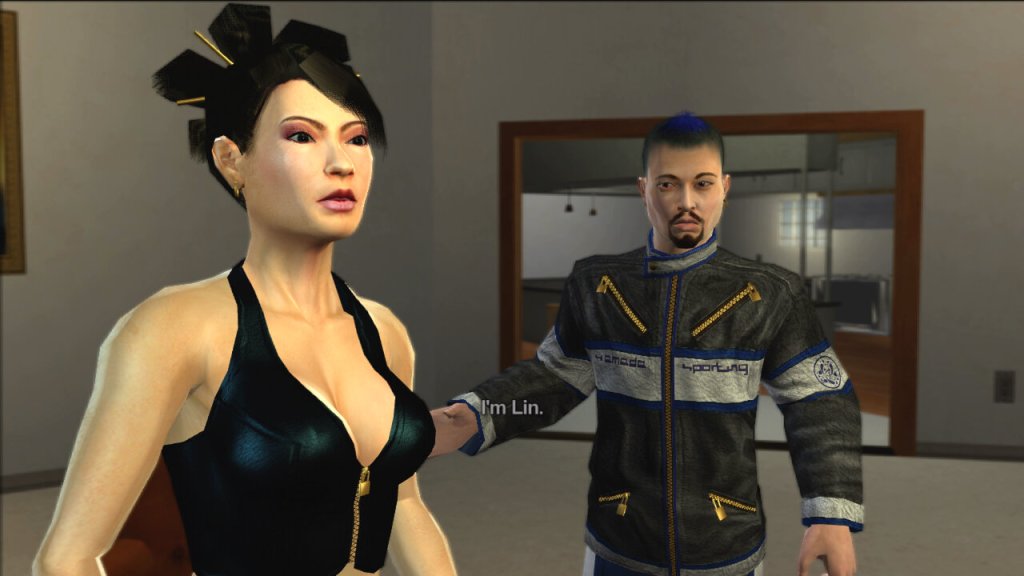
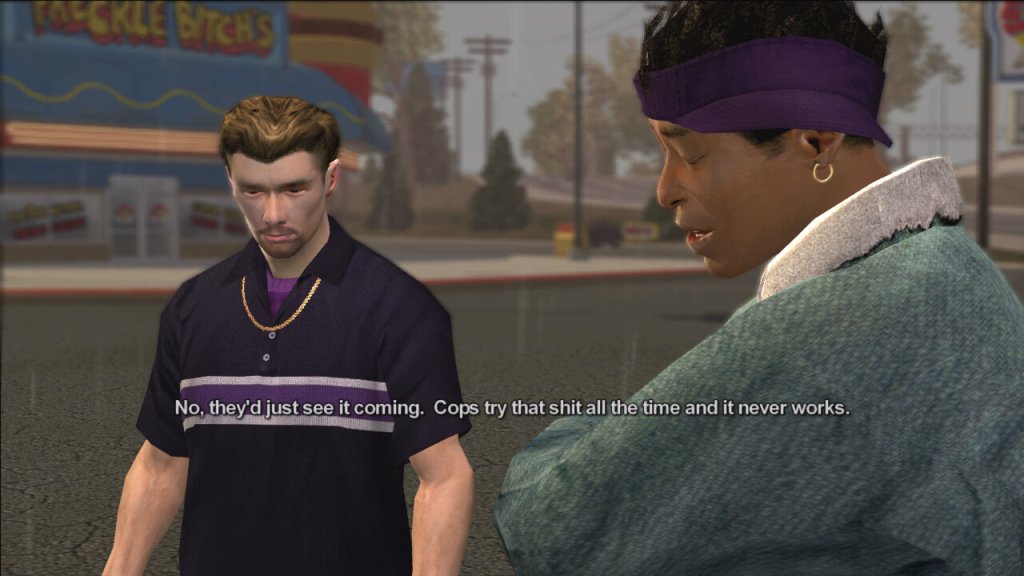
Some of the characters in the game

  • The Protagonist – The player-controlled character and the leader of the Third Street Saints gang.
  • Julius Little – A founding member of the Third Street Saints who helps the Protagonist take over the city of Stilwater.
  • Johnny Gat – A charismatic and violent member of the Third Street Saints who becomes a close friend and ally of the Protagonist.
  • Lin – A tech-savvy member of the Third Street Saints who helps the gang with their computer-related needs.
  • Aisha – The Protagonist’s girlfriend and a former member of a rival gang, who becomes a strong supporter of the Third Street Saints.
  • Dex – A member of the Third Street Saints who is known for his business acumen and negotiating skills.
  • Troy – A high-ranking member of the Los Carnales gang, one of the rival gangs the Third Street Saints must defeat.
  • Victor Rodriguez – The leader of the Los Carnales gang, who serves as the primary antagonist of the game.

The Gangs

  • The Third Street Saints – The main gang that the player controls in the first three games of the series. Originally a small-time gang, they become one of the most powerful and influential gangs in Stilwater and later in Steelport.
  • Los Carnales – A Mexican-American drug cartel that serves as the main antagonist gang in the first game of the series.
  • Vice Kings – An African-American gang that controls the southern part of Stilwater. They are the main antagonist gang in Saints Row 2.
  • Westside Rollerz – A gang that specializes in street racing and drug trafficking. They are one of the three gangs that the Third Street Saints must defeat in Saints Row.

Activities

The game features a variety of activities that players can engage in to earn money, gain respect, and improve their skills. These activities range from traditional side missions to more unique and unconventional challenges. Escort where the player must escort a VIP to a destination while protecting them from enemy attacks, Mayhem – The player must cause as much chaos and destruction as possible within a set time limit, Hitman – The player must assassinate a target without being detected by the police or rival gangs and Racing – The player can participate in a variety of street races to earn money and respect. There are other side activities like Insurance Fraud. There are also additional activities like drug trafficking, Insurance fraud and Snatch, many of these reward you with respect that is required to start certain missions, and rewards you with cash.

Like many open-world games set in urban environments, it does touch on some social and political issues, albeit in a somewhat satirical and exaggerated manner. The game prominently explores the world of street gangs and criminal organizations. It depicts the power struggles, violence, and territorial disputes that are often associated with gang culture, which can be seen as a commentary on issues related to urban crime. The game features corrupt law enforcement officials and politicians, which is a common theme in many crime-related narratives. It suggests that the line between criminals and those meant to uphold the law can sometimes blur.

Stilwater, the fictional city where the game is set, is depicted as a city with areas suffering from poverty and decay. This portrayal may reflect issues related to urban blight and inequality in real-world cities.

When the game was originally released in 2006, it was one of the few Xbox 360 exclusive titles, despite later sequels being multiplatform. It was re-released for the Xbox One as part of the backward compatible titles and can be brought digitally or played by using the Xbox 360 discs, though it still remains exclusive to the Xbox family of consoles.

Dead to Rights: Retribution

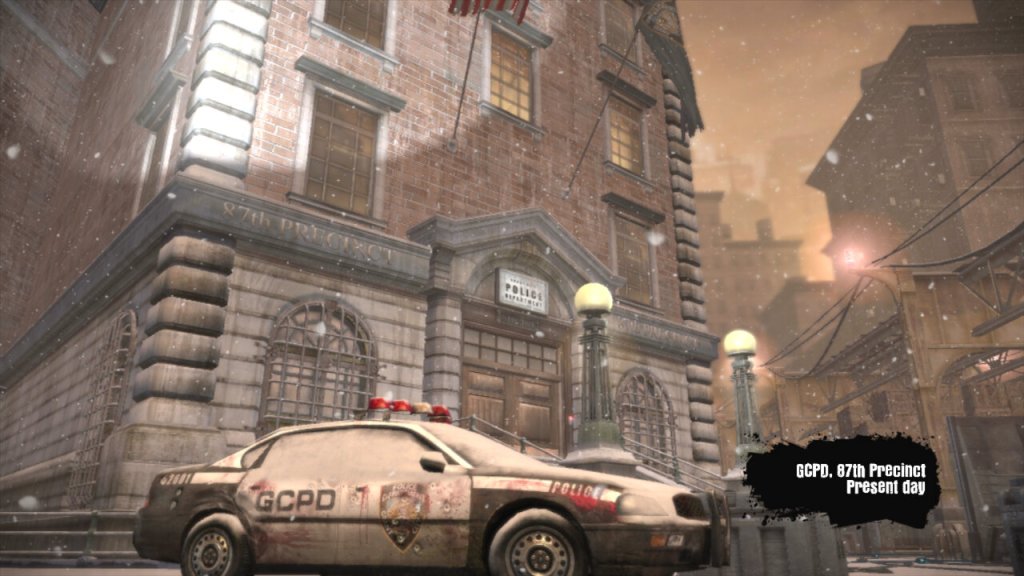
Dead to Rights: Retribution primarily takes place in the fictional and crime-ridden city of Grant City. The game’s environment is characterized by its dark and gritty atmosphere, which reflects the city’s seedy underbelly and ongoing criminal activities. In terms of weather, the game’s setting generally features a consistent and moody aesthetic that contributes to the overall atmosphere.

While the game doesn’t have dynamic weather systems or changes in weather conditions, it typically portrays Grant City as a place shrouded in darkness, with rain-soaked streets, dimly lit alleyways, and a generally overcast and gloomy ambiance. This atmospheric choice aligns with the game’s themes of crime, corruption, and a city in decline. The game’s visual design emphasizes the noir-like qualities of a crime-infested urban environment, and the lack of variation in weather conditions reinforces the consistent tone of the narrative. Players will often find themselves navigating through grim and rain-soaked urban landscapes as they progress through the story and engage in combat encounters with various adversaries.

Jack Slate is the protagonist of the game and a tough-as-nails cop with a no-nonsense attitude and a physique that puts Marcus from Gears Of War to shame. He’s on a mission to uncover a conspiracy involving a powerful criminal organization and bring them to justice. Jack is skilled in both firearms and hand-to-hand combat and is accompanied by his loyal canine companion, Shadow. Most of the game is spent playing as Jack, with a few sections requiring the control of Shadow, either to access hard-to-reach areas, or if Jack is incapacitated as part of the game’s plot.

Shadow is Jack Slate’s faithful canine companion and a key element of the gameplay. Shadow can be commanded to perform various tasks, including attacking enemies, retrieving items, and assisting Jack during missions. Shadow’s presence adds a unique dynamic to the game, as he can help Jack in combat and solve puzzles. Be careful around enemies, Shadow does not have much health and can only attack at close range.

I wonder if this was any inspiration for Riley from Call of Duty Ghosts?

The game’s main focus is hand-to-hand combat, with gunfire taking a side role. Many of the guns you pick up in the game have very little ammo, meaning you have limited use of these weapons and must be used sparingly. You might want to save them for distant enemies instead.

The gameplay tried to mix brawling & melee attacks with shooting, however this gets repetitive fast with very few puzzles to break up the gameplay. There are some sections where you will have to fortify and hold out against a horde of enemies but again there is very little diversity in the gameplay.

Grant City is depicted as a city where corruption runs rampant within its law enforcement agencies and political institutions. Jack Slate’s journey to uncover the truth behind the criminal conspiracy highlights the pervasive corruption that has taken hold, with powerful figures involved in illegal activities.

The game touches on the abuse of power by individuals in positions of authority. The criminal organization known as the Triad wields significant influence and control over the city, and part of Jack’s mission is to expose and challenge this abuse of power.

While not explicitly political, the game’s portrayal of Grant City as a dystopian and crime-infested metropolis can be seen as a commentary on the societal decay that can result from political corruption and a lack of effective governance.

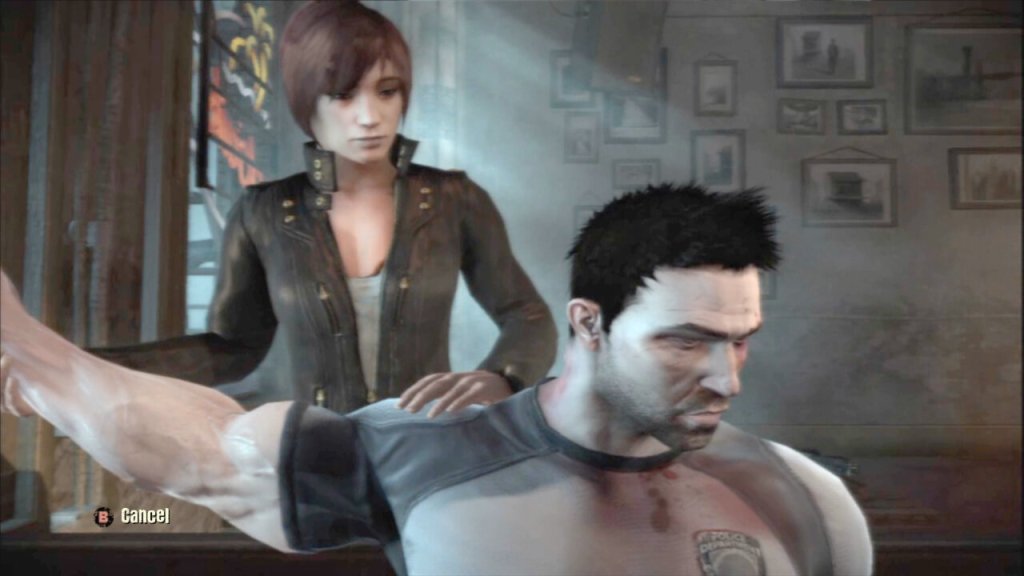
The character of Cassandra Hartz (seen below), a journalist investigating the criminal activities in Grant City, indirectly highlights the role of the media in exposing corruption and holding those in power accountable. Her presence in the game alludes to the importance of investigative journalism in a society plagued by political and criminal misconduct. Most of this is explained through the game cutscenes with her.

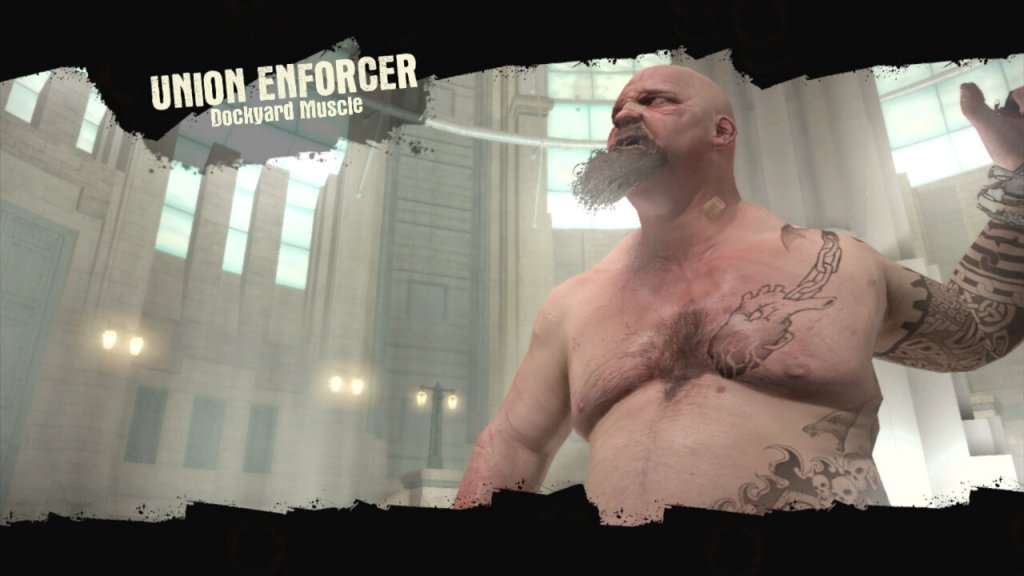
The type of enemies found in the game will change as you progress, initially facing against the Triads, the GAC later become the main focus of the game who are much more difficult to take down. The GAC were the Anti-crime units that became corrupt, whilst the Triads are your average gang where you must take out the boss to defeat them.

The game was only ever released on consoles, with no PC version released. Although It can be played on the PS3 or Xbox 360, Sadly it remains on seventh-generation consoles as we have yet to see it released or made compatible with the Xbox One. It also appears to be the final game in the franchise, as no new games have been released.

FUSE

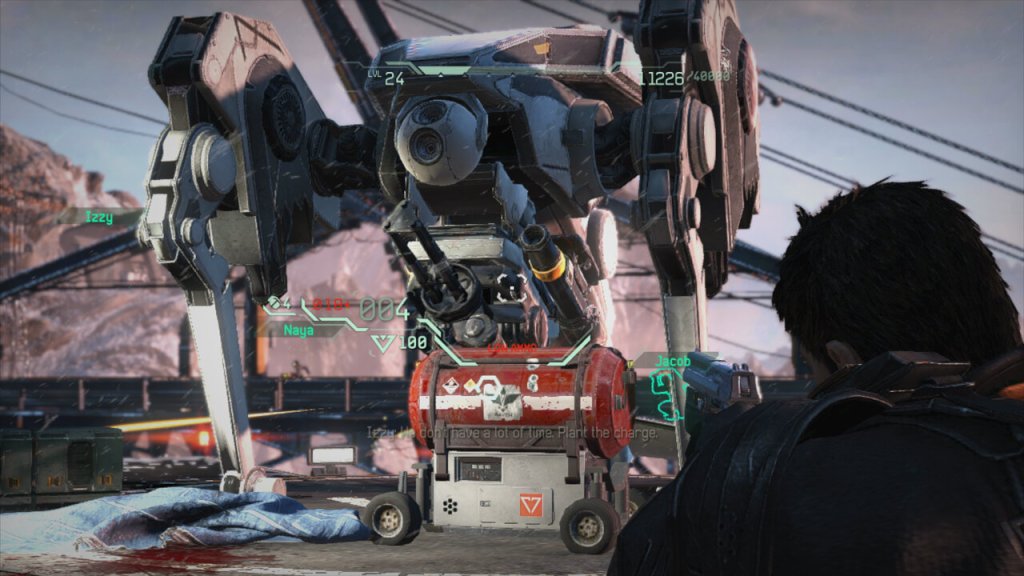
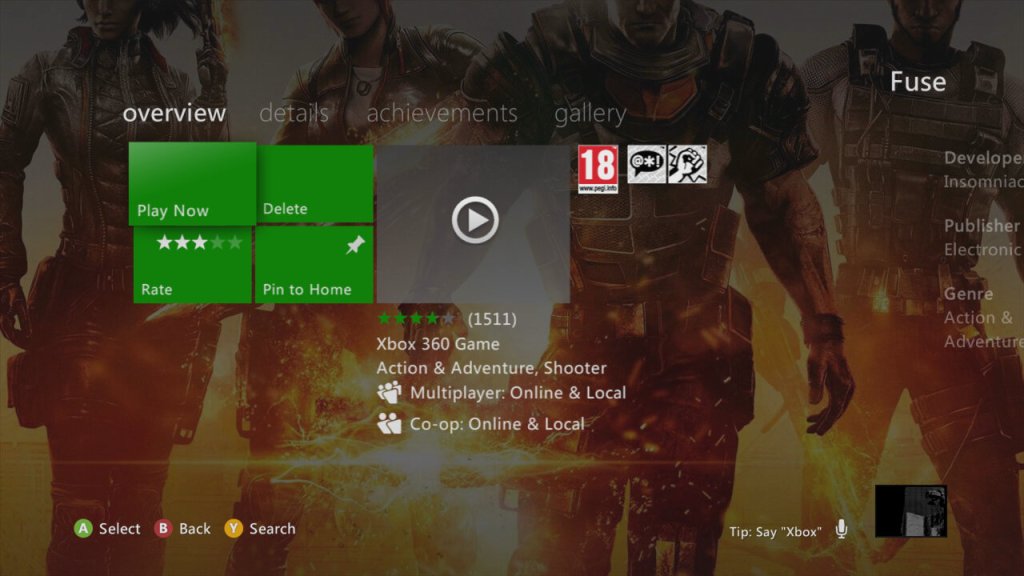
FUSE is a third-person shooter video game developed by Insomniac Games and released in 2013 for the Xbox 360. The game follows a team of four agents known as Overstrike 9 who are tasked with recovering an alien substance called Fuse that has been stolen by a rogue paramilitary organization.

The gameplay in FUSE is primarily focused on co-op multiplayer, where players control the different members of Overstrike 9 with unique abilities and weapons. The game also features a single-player mode where the player can switch between characters on the fly, and an online multiplayer mode that includes cooperative and competitive gameplay. Co-op is where “Fuse” was supposed to shine, but it felt like a missed opportunity. The AI wasn’t the sharpest tool in the shed, making the single-player experience kinda meh. Plus, the lack of real innovation in the co-op mechanics didn’t help it stand out.

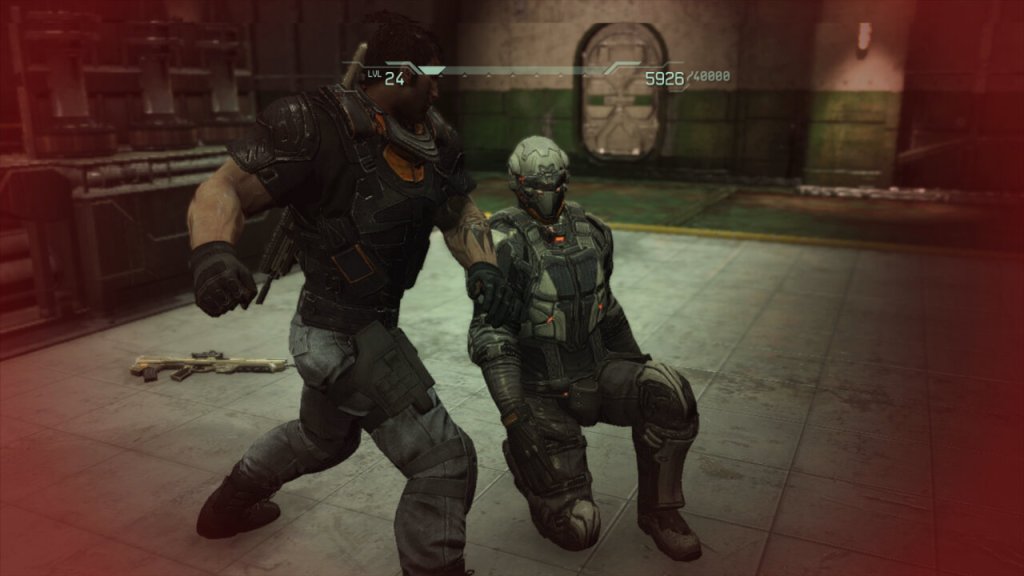
The gameplay in FUSE is solid, with responsive controls and satisfying gunplay. The game also features a cover system that is easy to use and adds a tactical element to the combat. The game’s weapons are diverse and interesting, with each character having access to a unique weapon that can be upgraded over time.

However, one of the main criticisms of FUSE is that it doesn’t do anything particularly new or innovative. While the game’s co-op gameplay is well-executed, it doesn’t introduce any new mechanics or ideas to the genre. The game’s storyline is also fairly predictable and doesn’t offer any surprises.

Additionally, the game’s graphics and presentation are somewhat underwhelming, especially compared to other games released around the same time. The game’s environments are often repetitive and lack detail, and the character models and animations are somewhat stiff.

Characters

One of the strengths of FUSE is its varied cast of characters, each with their own unique playstyle and abilities.

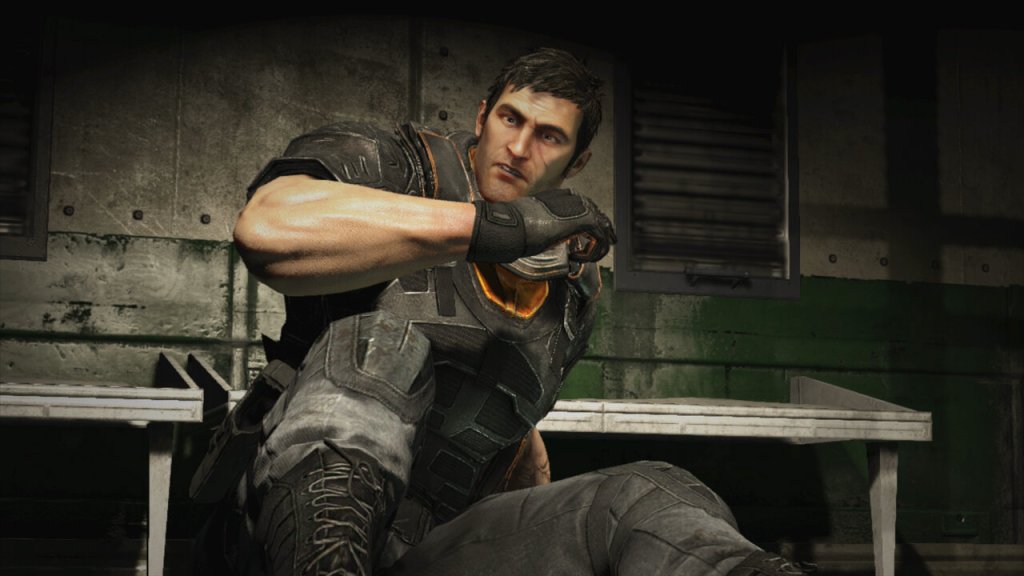
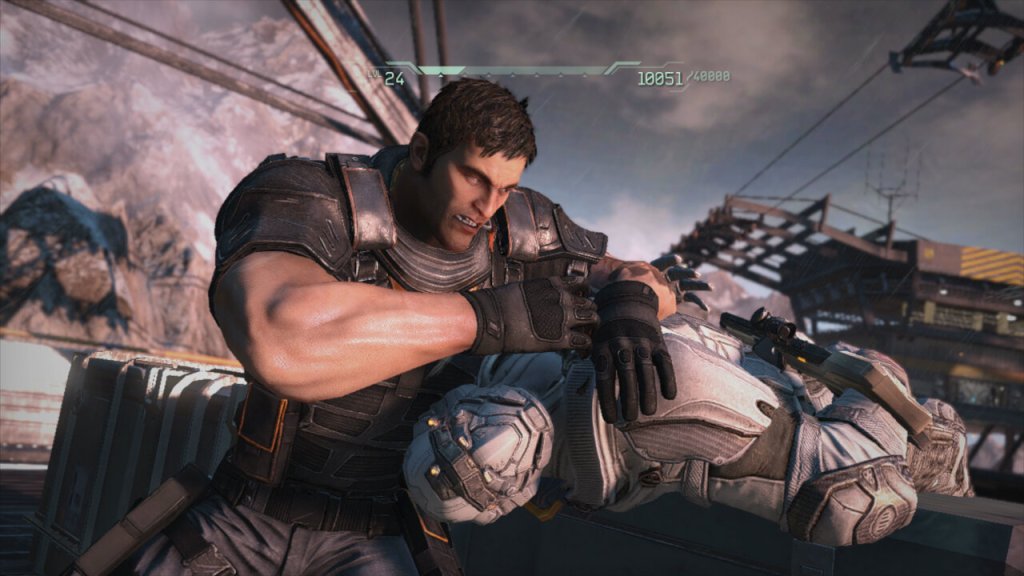
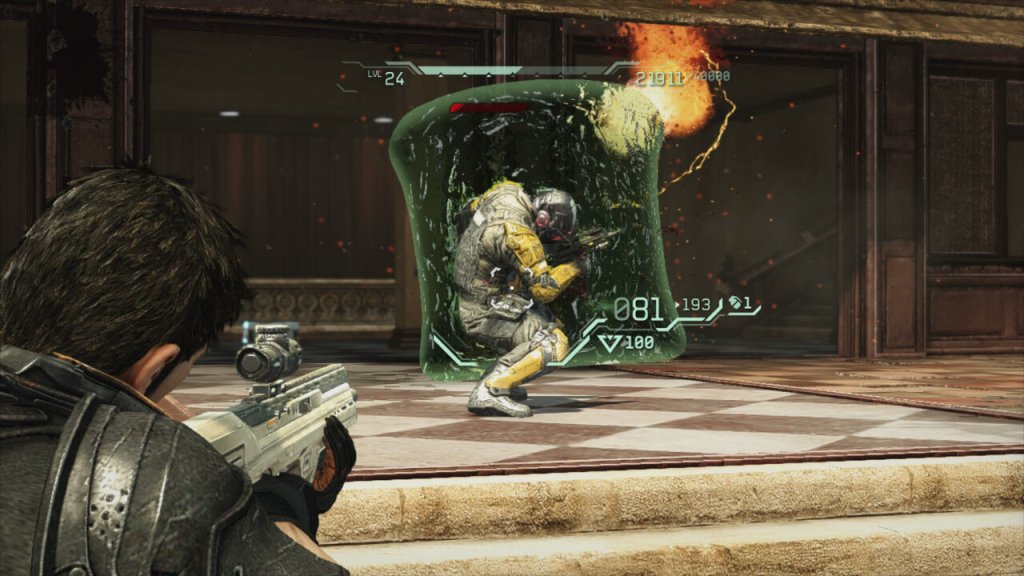
Dalton Brooks – the team leader who specializes in heavy weapons and defense. In combat, Dalton is a heavy weapons specialist, favoring powerful and explosive weapons such as rocket launchers and grenade launchers. He is also the team’s tank, with the ability to deploy his Magshield, a powerful energy barrier that protects him and his teammates from incoming fire. Outside of combat, Dalton is portrayed as a somewhat gruff and reserved character, but with a dry sense of humor. He has a complex relationship with Naya Deveraux, his former lover who betrayed him and the team in the past.

Throughout the course of the game, Dalton confronts his troubled past and the fallout from his relationship with Naya. As the team faces increasingly dangerous foes, Dalton must overcome his own inner demons and learn to trust his teammates in order to succeed. Overall, Dalton is a strong and compelling character. He’s also pretty huge, looking like a Gears Of War character.


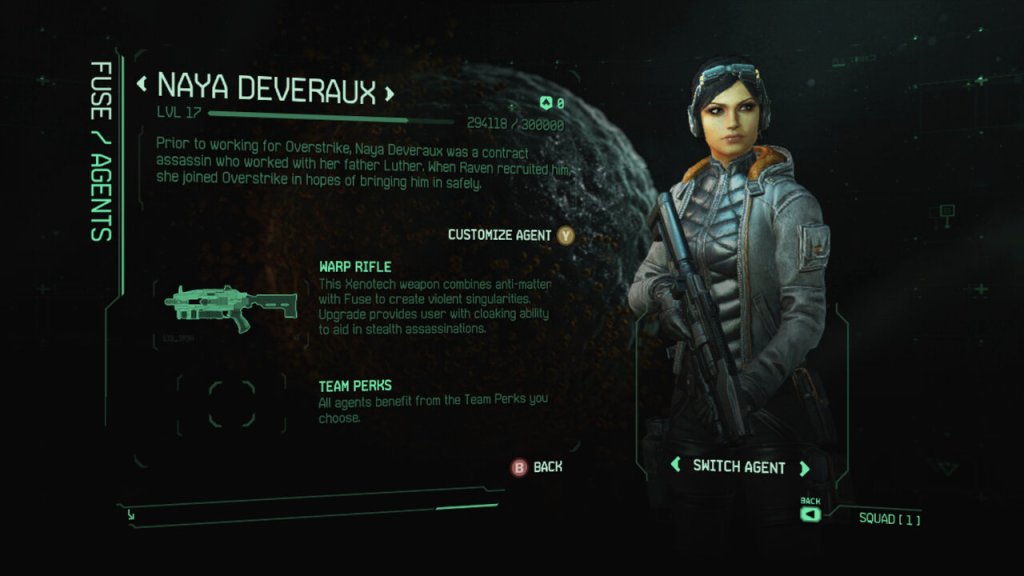
Naya Deveraux – the stealthy assassin who can turn invisible and use her enhanced agility to take out enemies silently.

Naya’s gameplay revolves around her expertise in stealth and precision. She can use her warp rifle to create wormholes, allowing her to manipulate enemies’ positions and open up strategic opportunities for her team. With her assassin skills, Naya is lethal at close range, and players can utilize her abilities to flank enemies and take them down swiftly and silently.

As with the other characters in “Fuse,” Naya’s powers and abilities are meant to complement the rest of the team, encouraging players to work together and use each character’s unique traits to overcome challenges throughout the game.


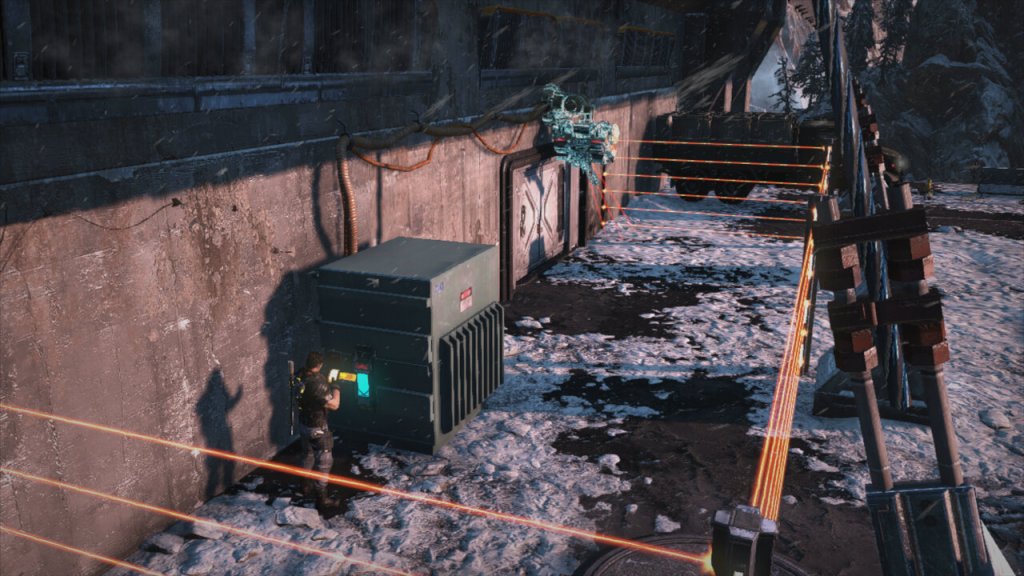
Izzy Sinclair – the tech expert who uses her Fuse-powered energy barriers to protect the team and heal them in battle. Izzy’s playstyle focuses on using her unique weapon to control the battlefield. By creating black holes, she can disorient and suck enemies into the void, leaving them vulnerable to attacks from her and her teammates. Additionally, her technological skills are essential for hacking systems, gaining access to secure areas, and providing support during missions.


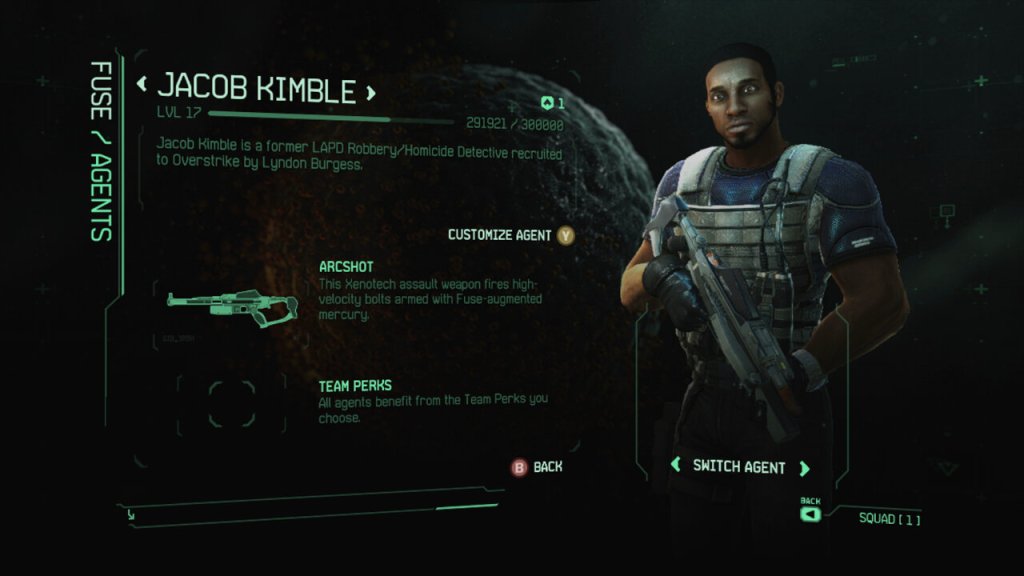
Jacob Kimble – the team sniper who can create miniature black holes to suck enemies into or fire devastating shots with his Fuse-powered weapon. Jacob’s playstyle focuses on precision and tactics. As a sniper, he can take out enemies from a distance and eliminate high-priority targets with ease. His Arcshot crossbow, in particular, allows for some creative and devastating attacks, as the electric bolts can chain between multiple enemies, causing collateral damage.

Versions

FUSE was only released on consoles, it was never officially released on the PC. There isn’t really any major difference between the two consoles, as the game was released late into the console’s lifetime, it’s a pretty well-optimized game.

Xbox 360: Works fine and can be installed to the HDD through the dashboard, but is not compatible with the Xbox One

PlayStation 3: Performs just as well as the 360 version, clearly Insomniac have used their expertise from their previous PS3 titles to take advantage of the Cell processor.