The last major release of Unreal Tournament…
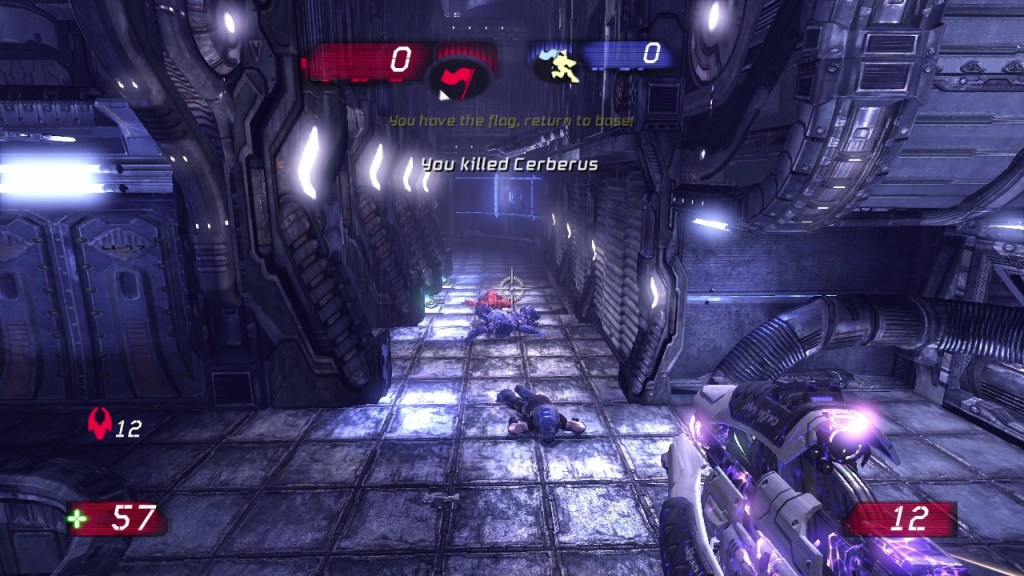
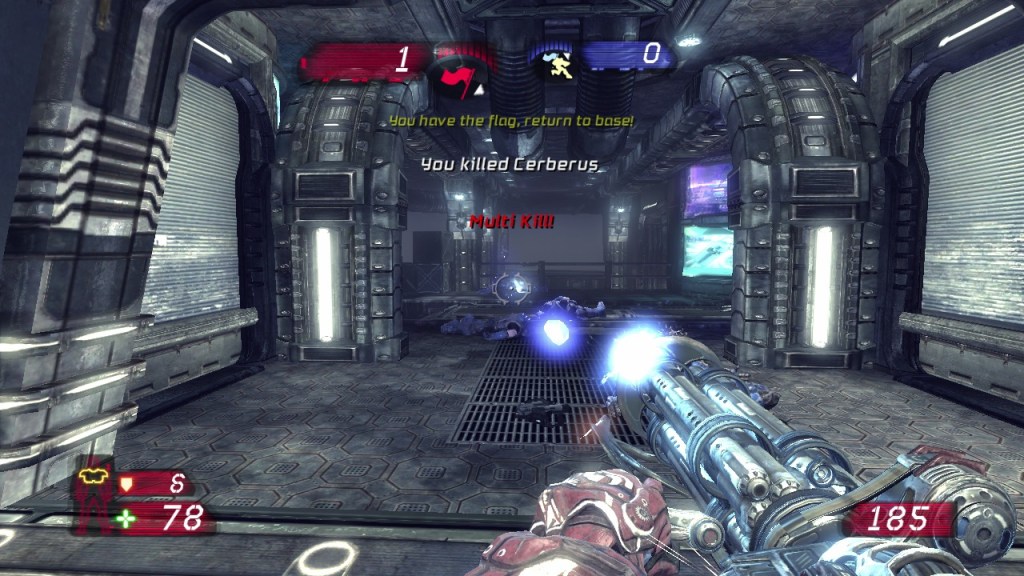
UT3 is primarily focused on online multiplayer action, continuing the fast-paced, competitive tradition of its predecessors. It offers eight game modes, including classics like Deathmatch and Capture the Flag, alongside newer additions such as Duel, Warfare, Betrayal, and Greed. The game emphasizes close-quarters combat and projectile-based weaponry, with increased gravity and the removal of dodge-jumping (though dodging, double jumps, and wall-dodging remain) to create a more grounded and intense experience compared to earlier entries.
The single-player campaign diverges from the traditional tournament ladder format of previous games. Instead, it follows a five-act storyline centred on James “Reaper” Hawkins, a mercenary seeking revenge for his clan’s slaughter by the Necris forces. The campaign integrates cinematic elements and cooperative play options, pitting players against AI-controlled bots in a narrative-driven conflict.
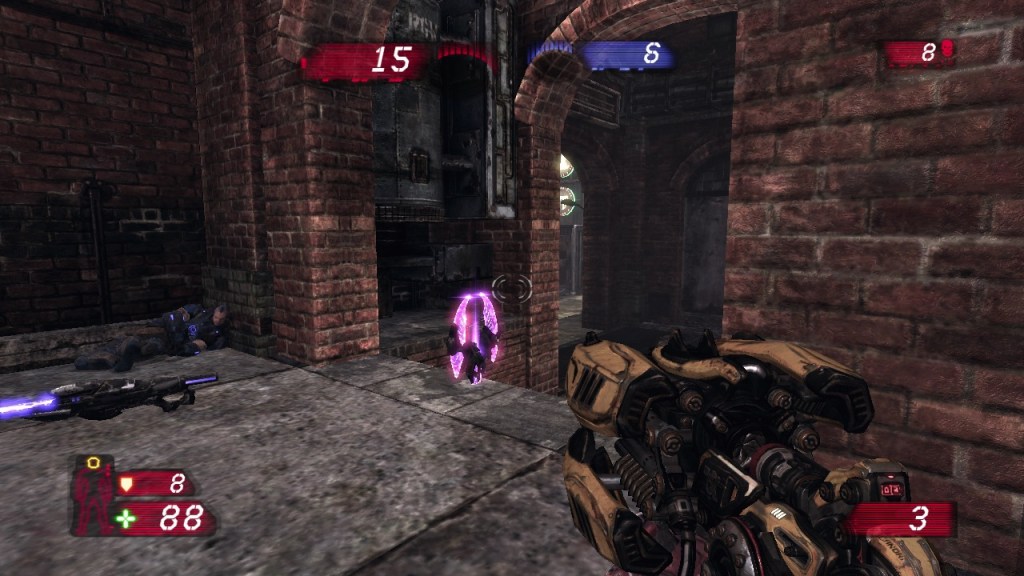
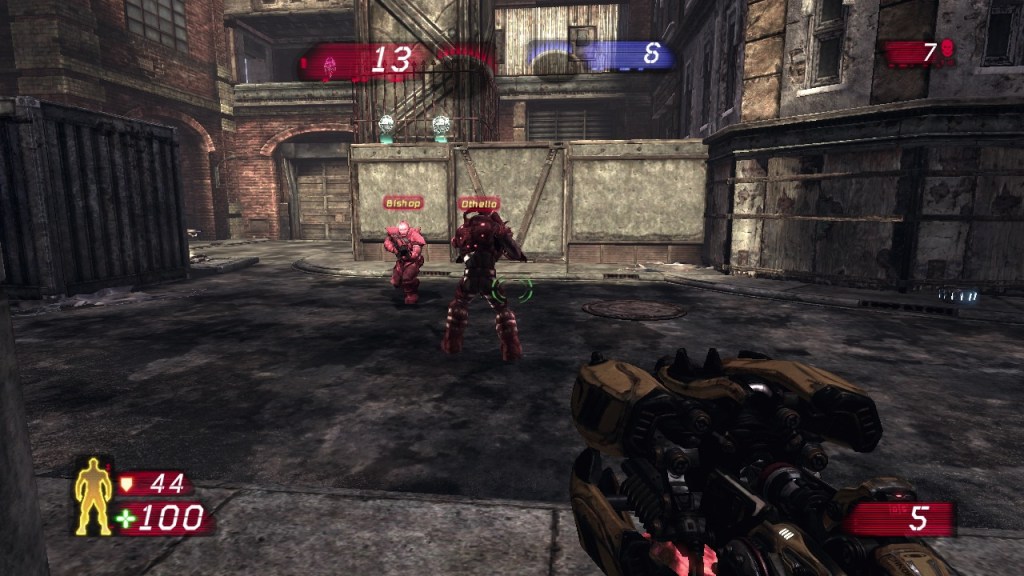
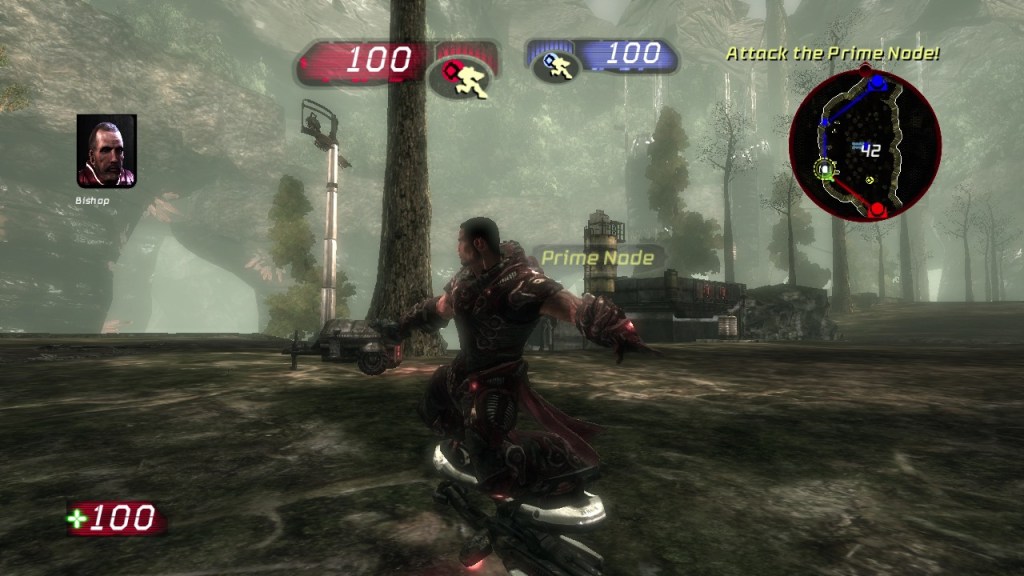
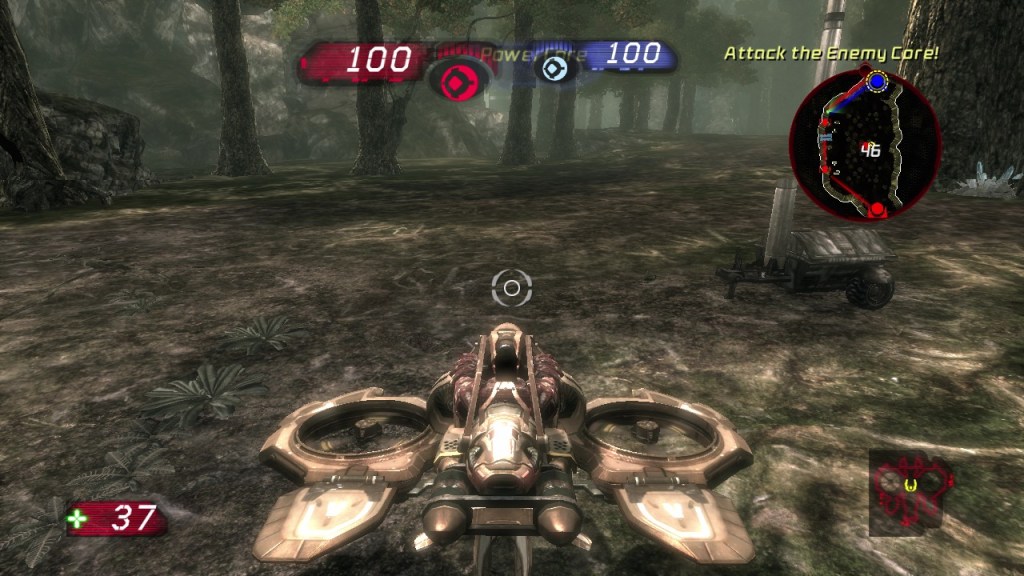
The story kicks off in the Unreal universe, post-Unreal Championship 2, with humanity locked in a messy war against the Necris—a race of pale, nanotech-enhanced freaks who’ve been a thorn in everyone’s side since the original Unreal. You play as James “Reaper” Hawkins, a grizzled soldier in the Ronin squad, a tight-knit crew of mercenaries working for the Izanagi Corporation. The campaign’s set against a backdrop of corporate warfare and alien invasion, with planets getting trashed and colonies caught in the crossfire. It’s dark, it’s chaotic, and it’s got that Unreal edge—think industrial wastelands, glowing tech, and a whole lotta bloodshed. Malcom and Lauren make a return, but Brock seems to be missing.
One thing that stands out is the characters design, taking cues for the Gears of War series with the make characters sporting powerlifter physique, yet they are still quite nimble in game. This does contrast with UT’s gameplay style, as it has always promoted fast and twitch area movements, whilst Gears is a lot more slowed paced where characters go into cover more often and make use of melee (or chainsaw-lancer) attacks. It does feel these character designs were Gears rejects as they were a departure from the previous games.
Comparison to previous titles in the series
UT99 set the gold standard—fast, brutal, and pure. It was all about twitch reflexes, with tight maps like DM-Deck and weapons that felt like extensions of your soul. UT2003 cranked up the pace, added dodge-jumping, and leaned into a floatier vibe, though it stumbled with a weaker weapon lineup and less memorable maps. UT2004 fixed that, doubling down with Onslaught mode, vehicles, and a massive content drop—peak variety, peak chaos. Enter UT3: it dials back the floatiness with higher gravity, cuts dodge-jumping, and refocuses on close-quarters intensity. It’s snappier than UT2003/2004 but doesn’t hit UT99’s raw simplicity. New modes like Warfare (Onslaught’s evolution) and Greed add flavor, but they don’t land as hard as UT2004’s sprawl. UT3 feels like a compromise—tight and polished, but missing some of that unhinged freedom.
UT99’s arsenal—Shock Rifle combos, Flak Cannon gibs—was untouchable, perfectly balanced chaos. UT2003 tweaked it, nerfed some classics (Lightning Gun), and felt off. UT2004 brought back the hits, added the Avril, and kept the sandbox wild. UT3? It sticks close to the classics—Rocket Launcher, Flak, Shock Rifle all feel beefy—but tweaks like slower projectiles and a beefier Impact Hammer shift the rhythm. PhysX on PC adds flair (explosions kick up debris), but it’s cosmetic, not game-changing. It’s solid, but UT99’s purity and UT2004’s variety edge it out slightly.
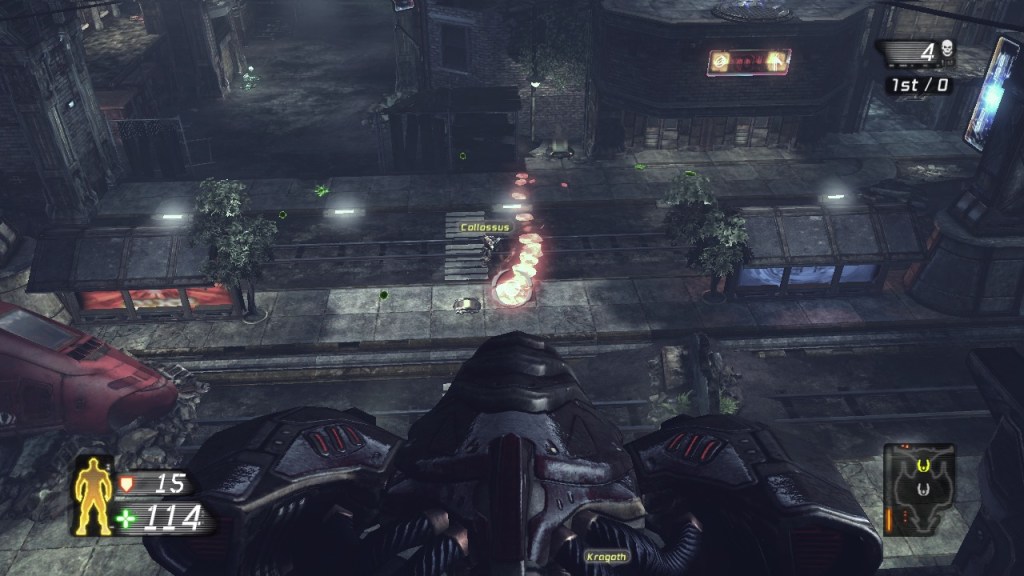
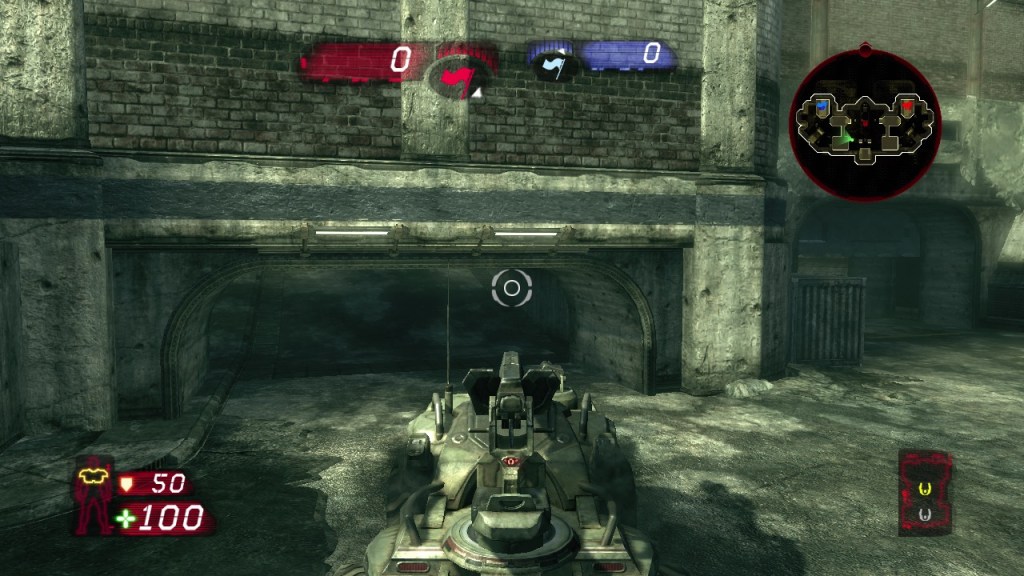
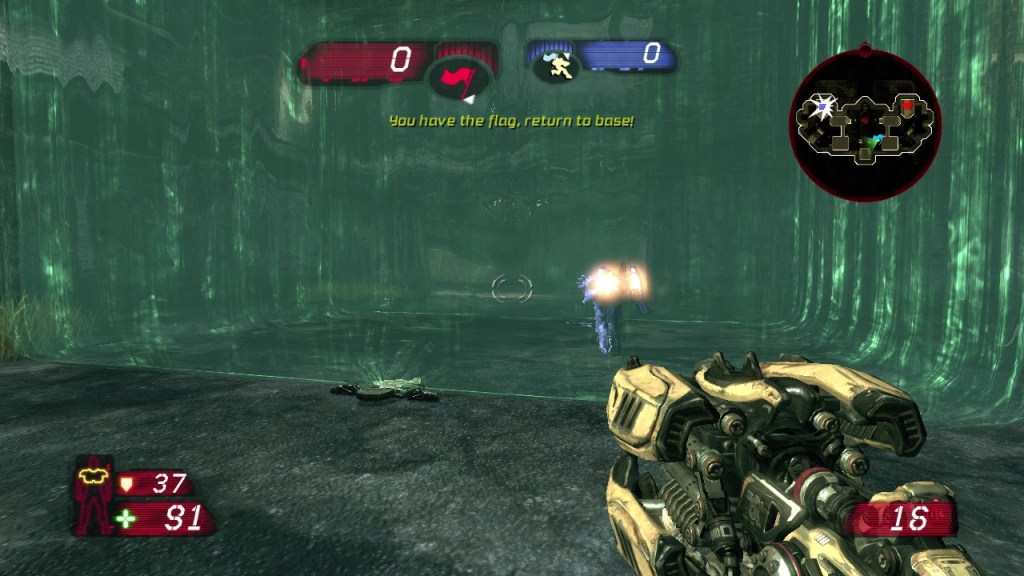
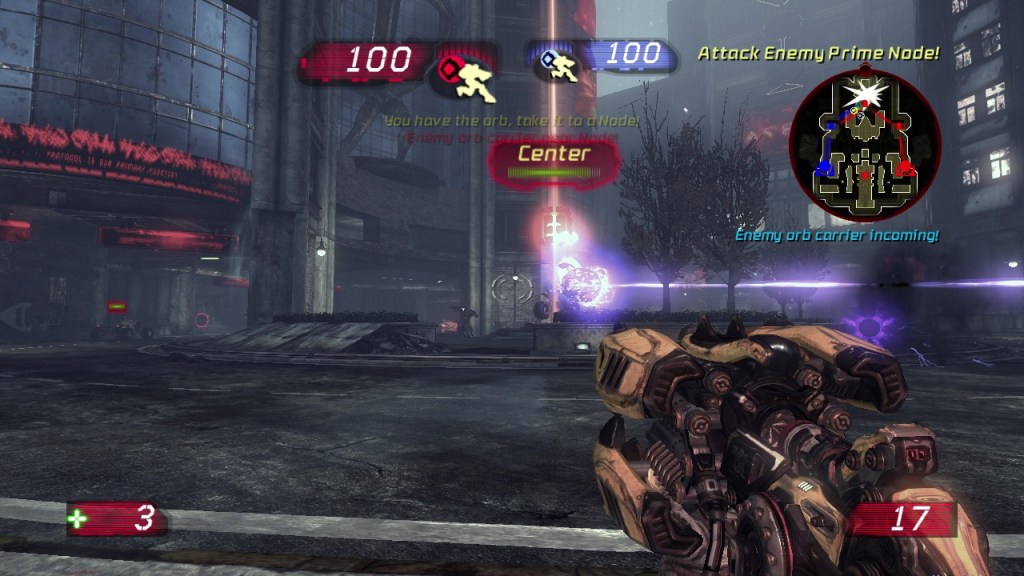
UT99’s multiplayer was a juggernaut—LAN parties, Facing Worlds sniping, pure bliss. UT2003 stumbled with matchmaking woes but had potential. UT2004 was the king—huge servers, modded chaos, and Assault’s return. UT3? It launched strong with crisp netcode and PhysX flair, but the community split over its grounded shift, and Epic’s focus waned fast following the success of Gears of War. The official master server died in 2023, while UT99 and UT2004 still have diehards running custom games. UT3’s Titan Pack tried to juice it up, but it couldn’t match the staying power of previous titles in the series.
Other 2007 shooters, like Halo 3 (released September 25) and Team Fortress 2 (October 10), fell somewhere in between. Halo 3 blended arena-style combat with slower pacing and a focus on teamwork, while Team Fortress 2 leaned into class-based chaos with a lighter tone.
Versions
Microsoft Windows: The best way to play the game, although it has since been delisted by Epic and is no longer sold on Steam. There was a retail version of the game, but even those copies are limited to offline bot matches unless you modify the games ini files to use a custom master server. Still this version will run well on most modern PC’s and Epic even takes advantage of Nvidia PhysX technology if you have a supported graphics card, and the PhysX pack that adds a few exclusive maps to take advantage of the technology.
Nvidia did remove 32bit PhysX support recently with the latest version of their drivers (for the RTX5000 series), so it might be useful to keep an old Nvidia rig going for the older PhysX game, or simply dual boot with a version of Windows that has the older Nvidia drivers installed.
With PhysX enabled, the game turned into a playground of dynamic eye candy with debris flying everywhere, glass shattering into a million jagged pieces, and explosions. Performance-wise, though? It was a mixed bag. If you had a high-end Nvidia card—like a GeForce 8800 GTX or better—you were golden, soaking in 60 FPS with all that PhysX goodness cranked up. But if your GPU was Mid—tier, you would see performance impact. PhysX was a resource hog, and without a dedicated card or a beefy GPU, you’d see frame drops during the crazier moments. Epic patched it over time—by version 1.2 or so, it ran smoother—but early adopters definitely felt the growing pains. Back then it was recommended to have a second Nvidia card dedicated for the PhysX processing, something like the GT8600 series was advised.
Was it game-changing? Not really—UT3 was still about skill and speed, not physics gimmicks. But it was a hell of a flex for its time, a taste of what next-gen destruction could be. By 2025, it’s a cool footnote—modern engines like Unreal 5 do this stuff natively—but back then, PhysX in UT3 was like strapping a jet engine to an already wild ride.
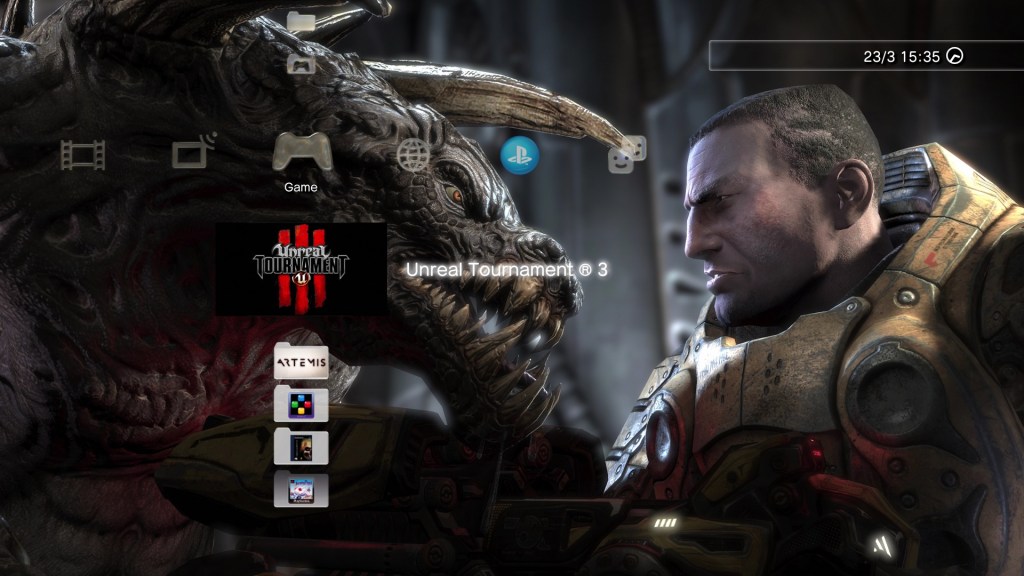
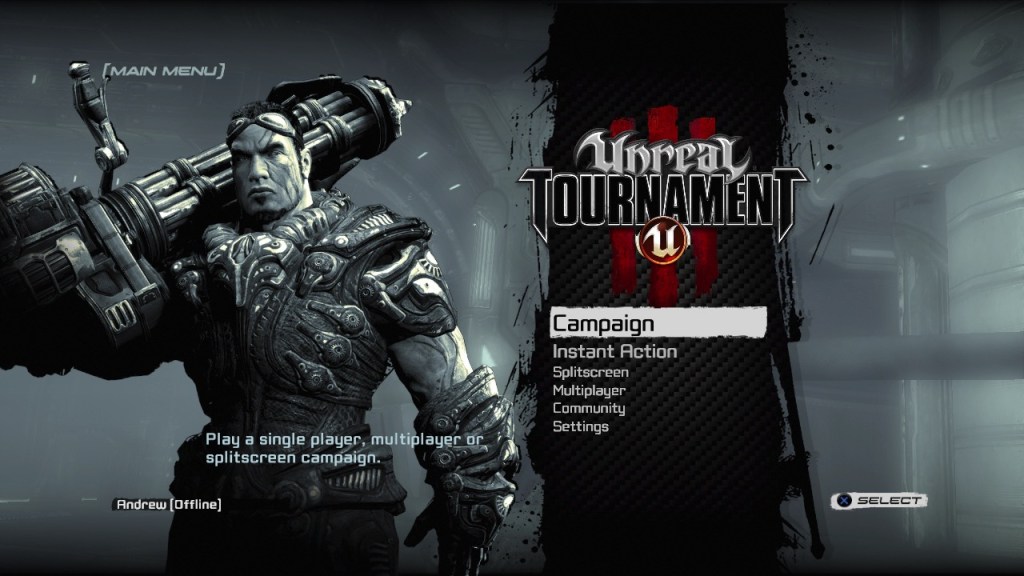
PlayStation 3: A very interesting console adaptation, this version is a very well designed port that takes advantage if the S3’s hardware, but is still a bit too early to take advantage of the Cell processor, so expect a few frame-drops during a lot of action.
What is really interesting is how Epic tried to bring as much of the PC as possible to the console version of the game. Keyboard and Mouse controls are supported by plugging them into the USB ports of your PS3, and you can possibly even use Blueooth keyboard and mouse, althroug I’ve not tested the BT keyboard since I don’t have one to hand. This makes the game play very close to the PC versions since you benefit formt he accuray that mouse aiming provides, but you are segregated from controller only players. When setting up a game server, you are givern the option to allow both or just either controller or KB/M players.
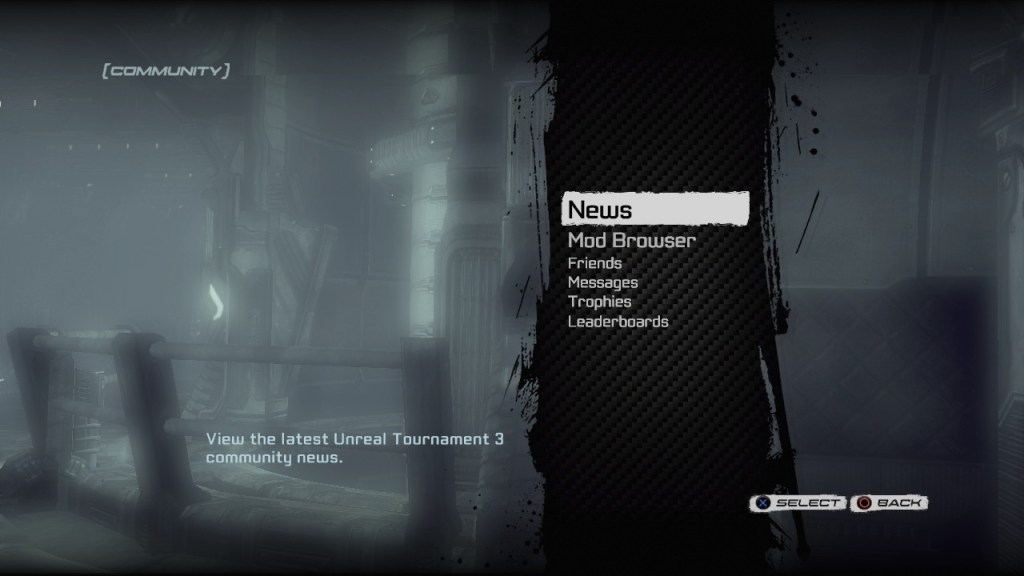
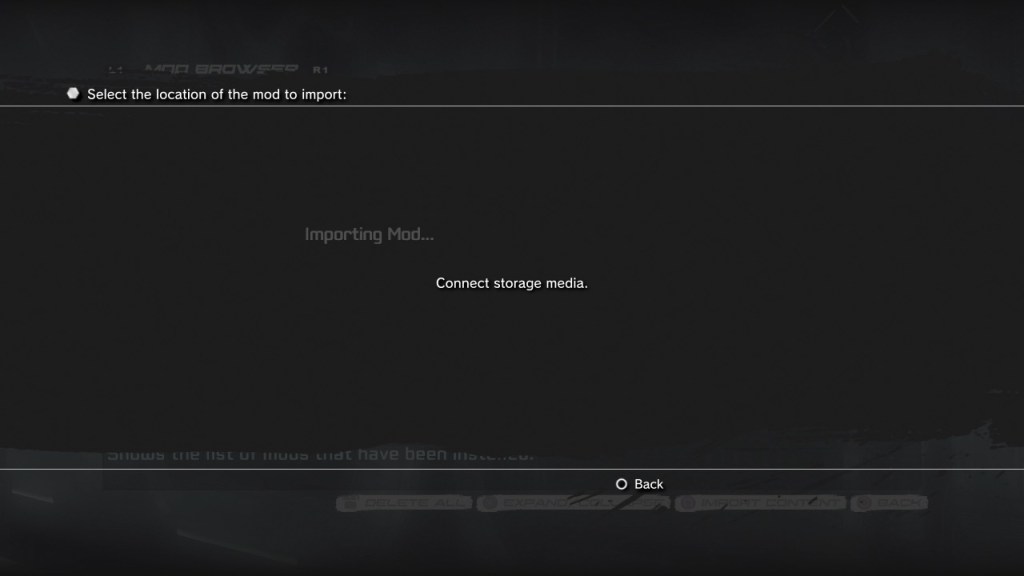
Where Epic went beyond was with its mod support, you can install third party maps and skins for the game the have been compiled specifically for the PS3 version of the game. There are some limits however, Trophies are disabled when anything custom is loaded, possibly to prevent trophy exploits. Ways of installing mods were through the ingame browser, or importing it through a USB drive that awas FAT32 formatted.
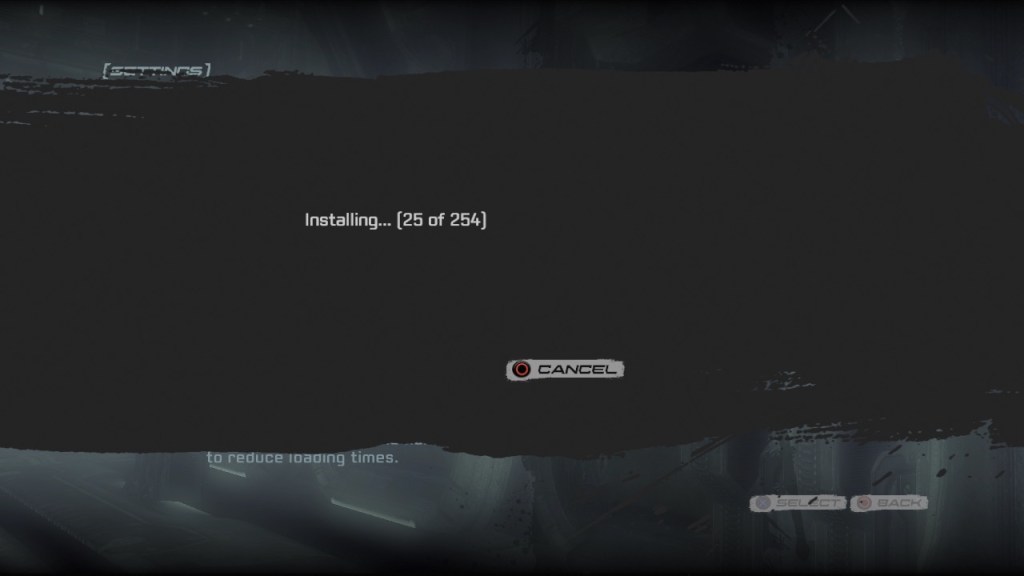
Lastly you can also install this version of the game to the HDD, which is optional but useful to speed up loading times and to reduce wear and tear off the Bluray drive.
Xbox 360: This version feels like an after throught since it lacks the titan pack that both the PS3 and PC versions received, due to Microsoft’s policies regarding free DLC. However this prison is still playable online, and is compatible with the Xbox One and Series Console. In fact you can still purchase this version of the game digitally for use on the Xbox One and Series consoles.
Conclusion
In 2007, UT3 represented the pinnacle of the arena shooter—a genre rooted in the ‘90s with Quake and Unreal Tournament ’99. It was a love letter to veterans who craved speed and skill, but its timing was unfortunate. The industry was shifting toward narrative-driven and progression-based shooters, a trend Call of Duty 4 epitomized. CoD4’s influence reshaped multiplayer gaming, spawning countless imitators, while UT3 struggled to maintain relevance, with its online scene dwindling over time.
That said, UT3 wasn’t without impact. Its engine technology powered countless games, and its modding community kept it alive on PC.
 Drew1440: Blog
Hey Drew,
What has you writing about this game all these years later?
LikeLike