Author Archives: drew1440

Tekken 4

The first true next generation Tekken game, being released on the then-new PS2 hardware.
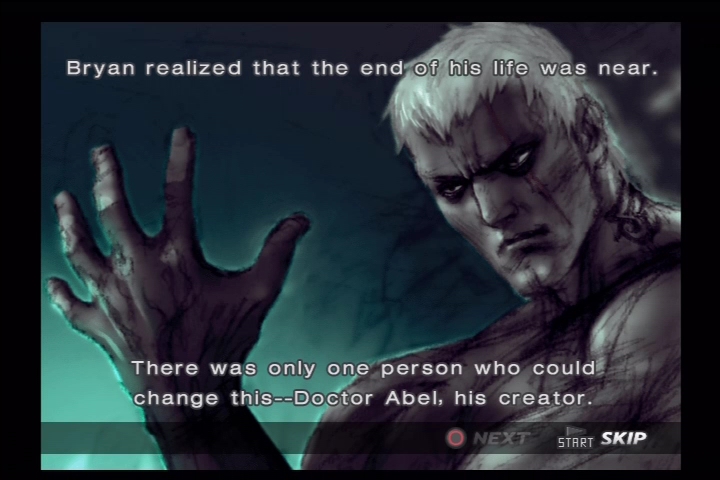
Fighting games have never been known for well-thought-out, let alone believable, story lines. Tekken 4 is no exception. Every fighter has their motivations, but the game really centers on the absurd relationship between Kazuya and Heihachi. At the heart of the story is the long-standing feud between Heihachi Mishima and his son, Kazuya Mishima, alongside the emergence of Jin Kazama and Jun, who is still missing as of the games release. A key element introduced more prominently in this game is the “Devil Gene,” a supernatural trait passed down through the Mishima bloodline, granting its bearers demonic powers. Kazuya and Jin both grapple with this curse, which plays a significant role in their motivations and the overall narrative.

Like previous games, the story is set around the King of Iron Fist Tournament, which Heihachi uses as a means to lure Kazuya out and to test Jin’s abilities. However, this time, the tournament has more personal stakes for the characters involved, especially with Heihachi’s plan to create the ultimate life form through the Devil Gene. Each character, especially Jin and Kazuya, has their own arc dealing with redemption or revenge. Jin, in particular, is driven by a desire to avenge his mother’s death and to confront his own heritage, while Kazuya seeks to overthrow Heihachi and reclaim his birthright.

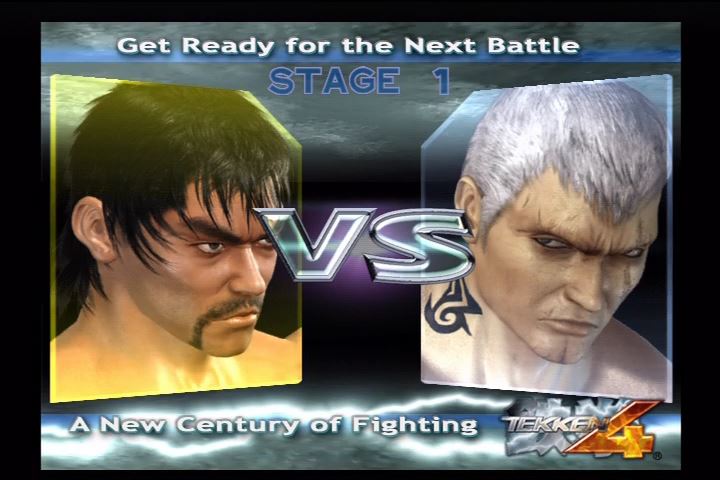
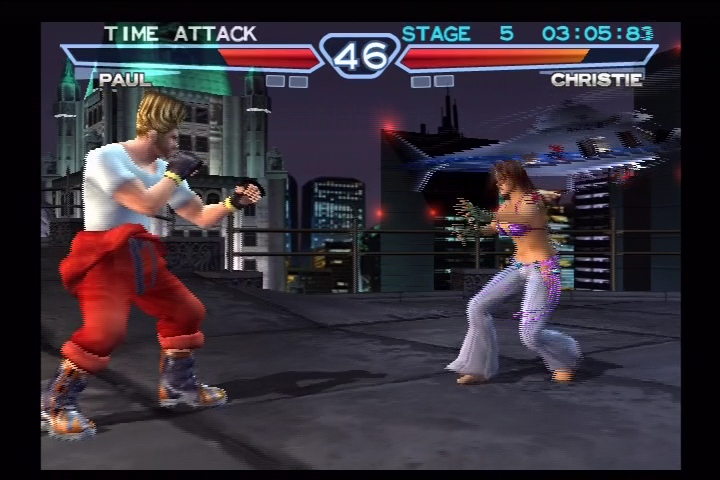
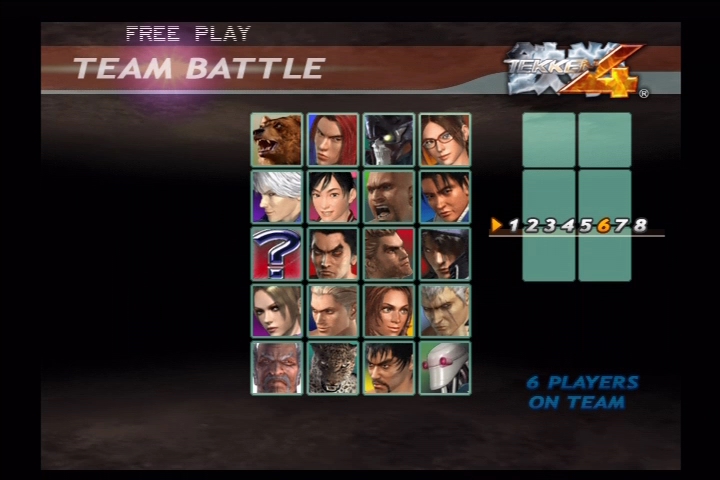
The game has 19 characters and a selection of modes. As with any fighting game sequel, a few new characters are mixed in with the core group seen in the previous installments. The new fighters are Craig, Steve, and Christie. Christie isn’t really a new character, being just a female equivalent of Eddy, the Capoeria specialist who is omitted from Tekken 4. Steve Fox, A British boxer with a mysterious past, later revealed to have a biological connection to one of the existing characters. Combot is meant to be a training robot, serving as a replacement for Mokujin. Despite the large character roster, half the characters still need to be unlocked by beating arcade/story mode.

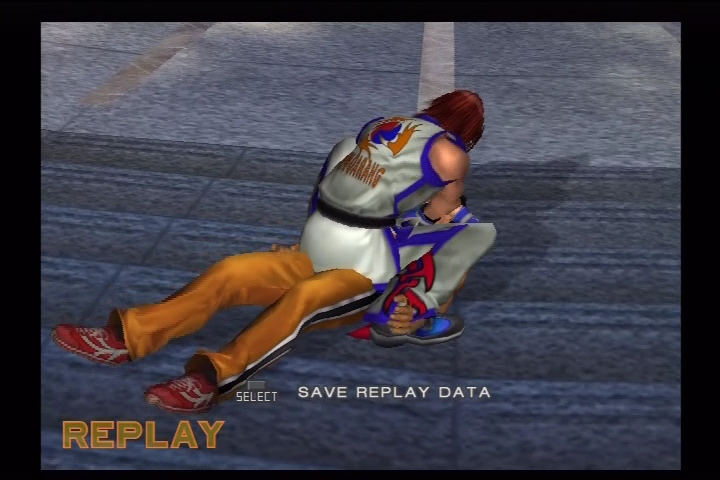
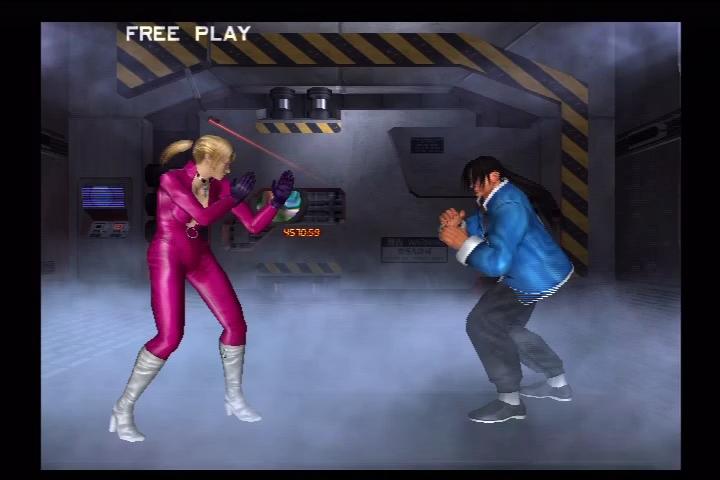
The game’s modes make up the typical fighting-game shopping list. These include practice, time-trial, and survival, as well as the expected arcade and story modes. Story mode is simply an arcade mode with still illustrations and FMV cut scenes that go into the chosen character’s plot, but lacks pre-match cutscenes that Dead or Alive 2 featured. A new feature in the series is the ability to save fight replays to the memory card, which will allow you to play them back at a later date.
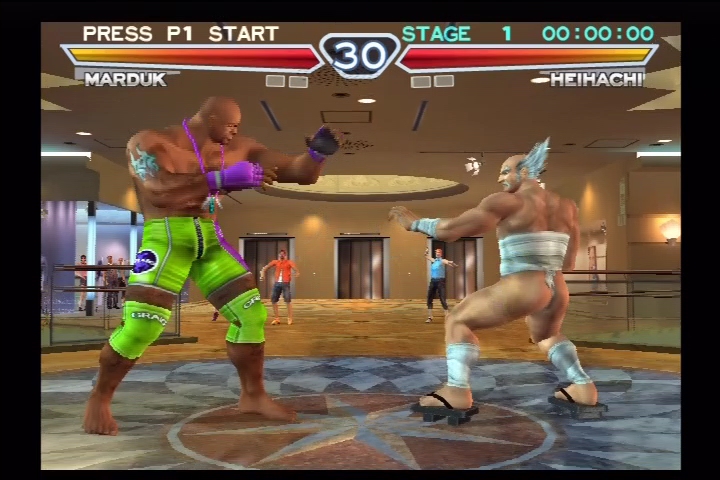
Some changes have been made since Tekken Tag Tournament, No more do the levels reach out endlessly on either side, Now you must consider obstacles such as staircases, walls, and breakable statues. This opens up a new element to the game as you now run the risk of getting cornered. You cannot break into different parts of the stage like Dead Or Alive 2, But the new mechanics with the arenas, where you can knock people into walls or off ledges? That’s cool and innovative.

The two new modes are Training and Tekken Force. Training doesn’t so much train you as require you to pull off a menu of moves. Tekken Force is a beat-‘em-up, You take a fighter of your choice through a gauntlet of baddies. Naturally you’re able to use the available moves of your character. Tekken Force also makes for a good diversion, especially for those who like the beat-em-up genre.

For Tekken veterans, the gameplay will feel very familiar. Two buttons control the fist attacks while the other two handle the legs. Side-to-side movement has significantly improved in Tekken 4, allowing for more movement. This helps add depth to a franchise that’s in trouble of getting stale. You can also assign combo commands to each of the L1 or R1 buttons.

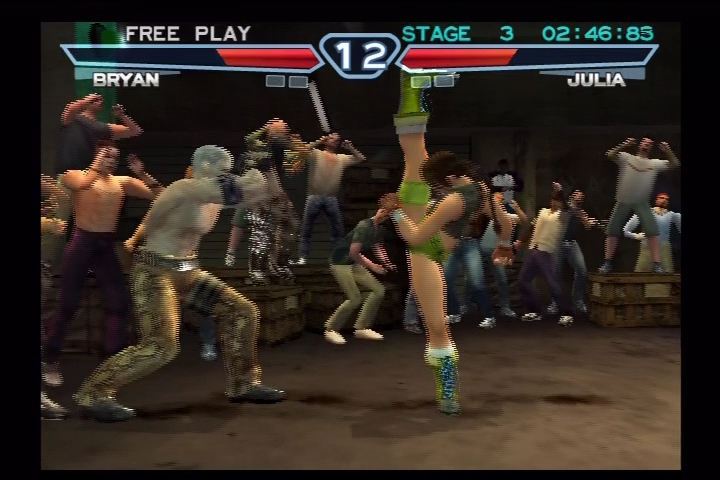
Tekken 4 has graphically improved over Tekken Tag Tournament. That’s not to say the visuals are perfect — far from it. While the anti-aliasing is noticeably smoother since Tekken Tag Tournament, the Tekken character models look inconsistent. Sure, they might be detailed, but the actual character animations are very choppy. This is especially clear in Christie’s jerky Capoeira animation.

Tekken 4 is like that middle child in the family – not the favorite, but not the worst either. If you’re a die-hard fan of the series, you’ll enjoy the new mechanics and characters, but if you’re looking for the quintessential Tekken experience, you might find yourself missing what came before or waiting for what’s next. It delivers more of the same with slight tweaks in the character roster.

Grand Theft Auto III

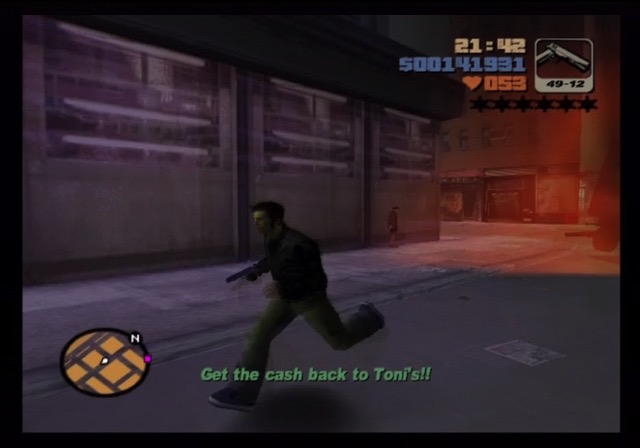
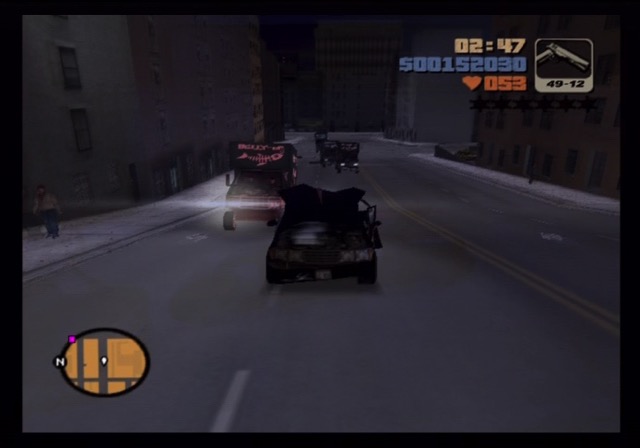
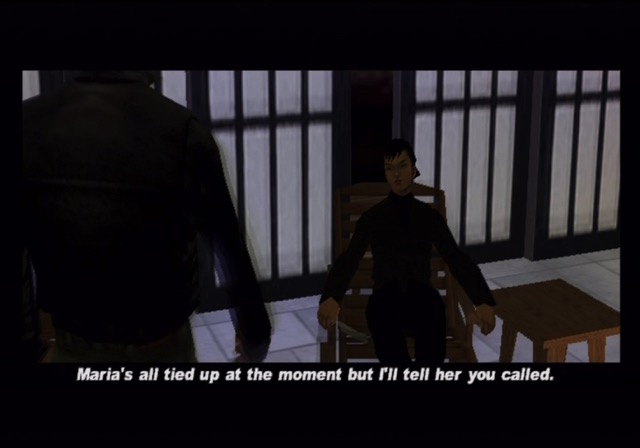
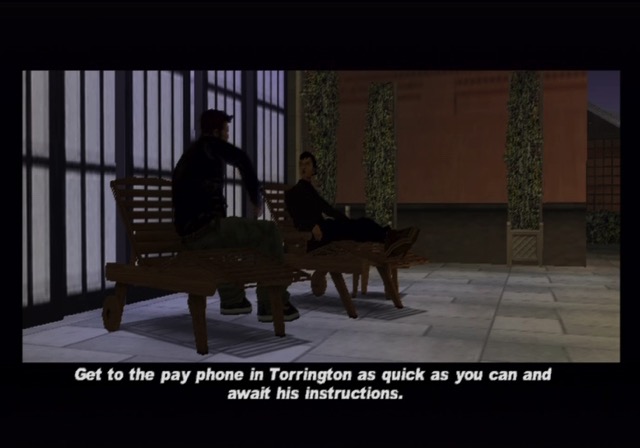
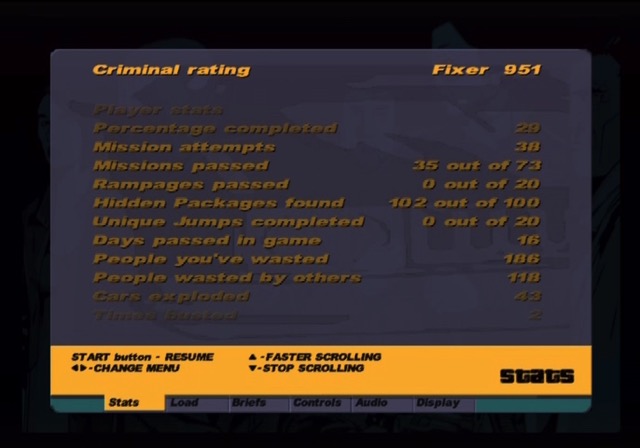
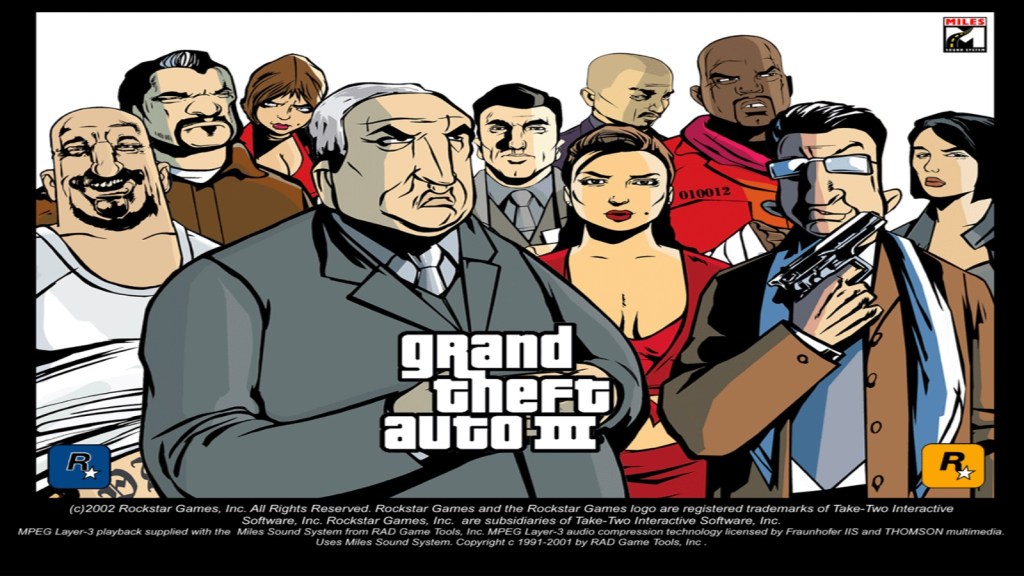
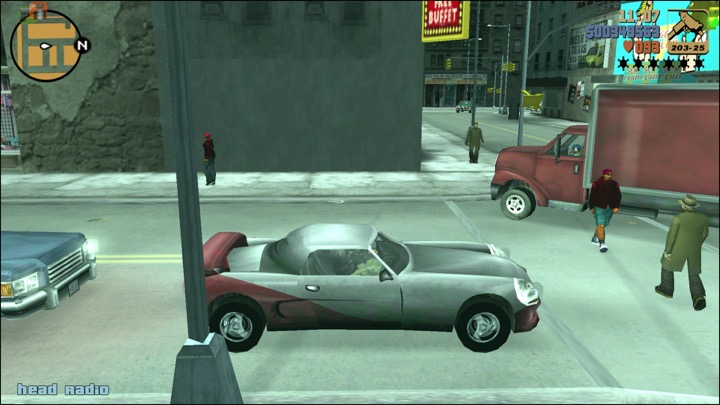
The third in a line of games from DMA Design, Grand Theft Auto III’s gameplay mechanics are built around the acts of theft (namely carjacking) and battery. The first two games featured diverse and open-ended gameplay, but the 2D delivery limited the concept’s execution. The release of Driver for the original PlayStation and PC showed that it was feasible to create an open world 3D rendered world on consumer hardware, Although you were limited to staying within your car, Driver 2 then allowed you to leave the car and carry out mission’s on foot. The original GTA and GTA2 used a top-down perspective view, With GTA3, the premise and plot are fleshed out to a fully realized story line against the backdrop of a 3D world that literally lives and breathes around you. DMA crafted a large virtual city for players to explore on foot or by car and has filled it with enough detail and nuance to continually surprise and impress you as you dig into the game’s hundred-plus hours of gameplay.

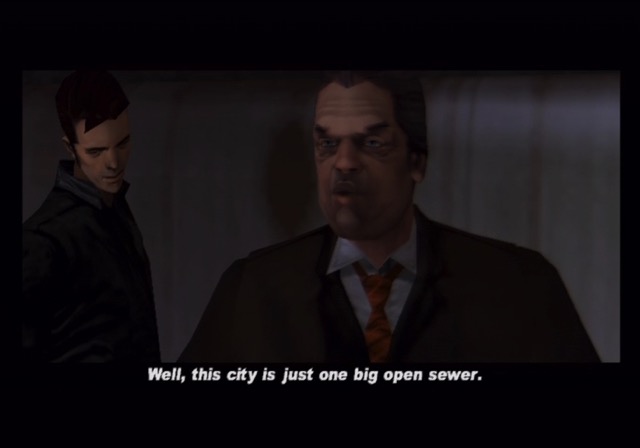
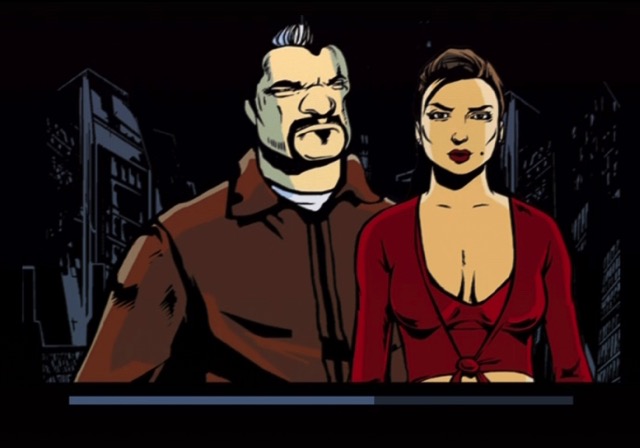
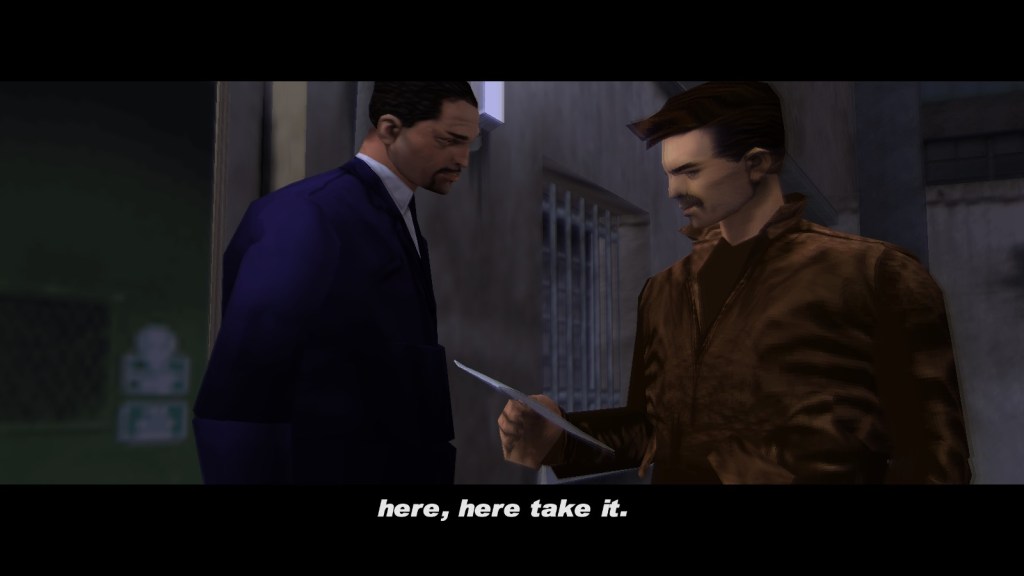
GTA III takes place in Liberty City, a metropolis with three distinct sections that are unlocked as the game progresses which is designed in the same image as New York City. At the game’s start you find your character in a robbery gone wrong. Flash forward to an escape from a prison transport, and the actual gameplay begins as you acquire a car and attempt to make a fresh start working for the mob. GTA III introduced players to Liberty City, an expansive and interactive city where players could roam freely. Liberty City is depicted as a place of economic disparity and decay, with visible signs of poverty, urban blight, and the stark contrast between different neighbourhoods. This setting mirrors real-world issues in major cities where economic policies have led to visible divides.

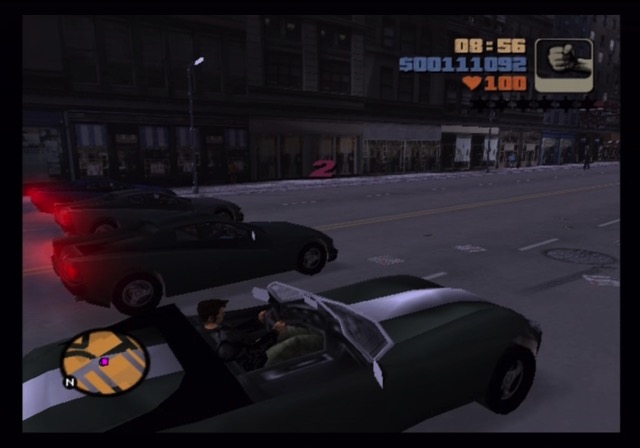
This freedom was unprecedented at the time, allowing players to explore, complete missions, or engage in chaotic antics at their discretion. The early missions familiarise you with the game’s controls, and give you ample opportunity to explore the city on foot or by car. However, if you want to get anything done in the game, you are going to have to get your hands dirty, inflict some pain, or stop a vehicle, pull out the driver, and take off before the police catch you. Missions ranged from carjacking to assassinations, providing a broad spectrum of criminal activities. The narrative drove players through a series of increasingly complex objectives, intertwining with diverse characters, each adding to the games storyline.

You choose how violent you get to be. Very little about the game is linear, though you can progress through all of Grand Theft Auto III sticking to the basic missions and just taking on fellow underworld criminals. But to really get the full effect of the game’s seemingly endless possibilities, you can cause some mayhem of your own, indulge in many of the game’s side missions or just go on a virtual crime spree. Though walking into a park and shooting at civilians will result in your character finding himself on the receiving end of a police assault rather quickly.

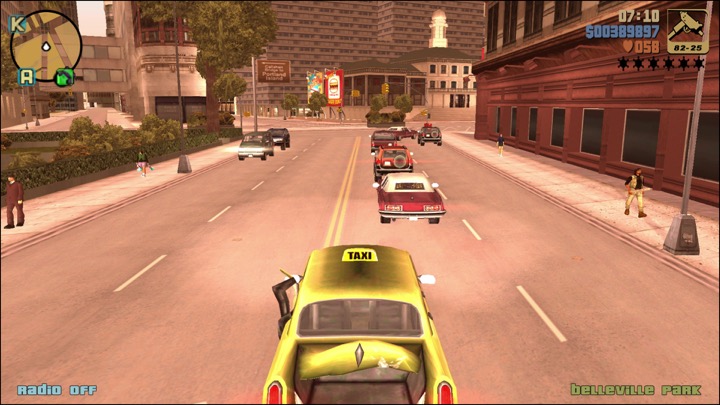
GTA III is often credited with popularizing the sandbox or open-world genre in video games. Many side missions involve stealing a taxi and collecting fares, or carjacking a police car or fire truck to give back to the community, and for some extra cash to purchase weapons or armour.. There is also something quite satisfying about rising up within the ranks of the underworld — at least for anyone who appreciates a good mafia movie or The Sopranos, which the game takes a lot of cues from. That said, its best to complete these side missions as early as possible, since the rewards they offer will help massively in completing missions, but a s the story progresses, the fans will become hostile to you which will cause them to open fire on your vehicle, making it very difficult to complete since the missions over once your vehicle is destroyed.


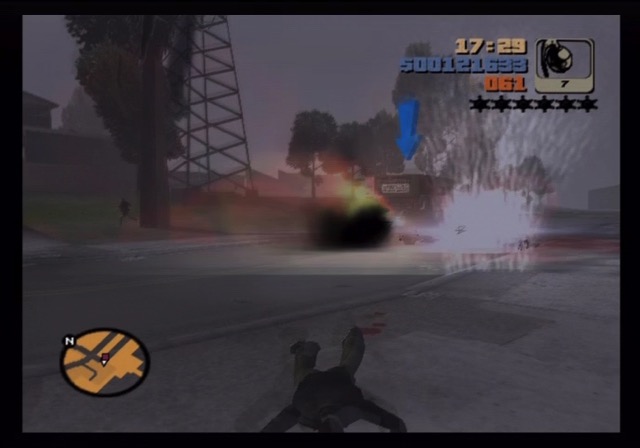
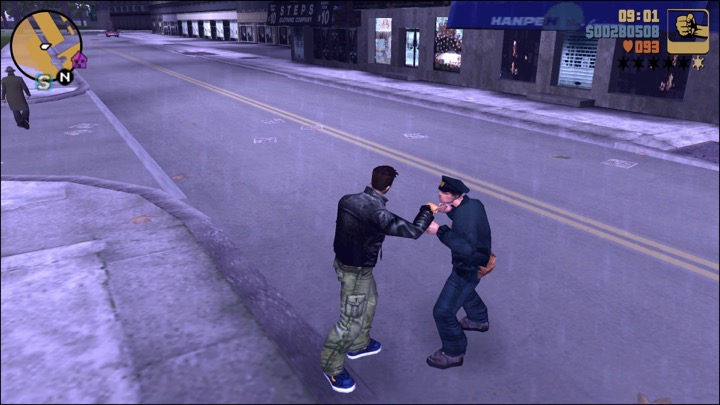
The actual execution of gameplay is quite amazing, and the play control seamlessly blends the walking and driving interfaces. Moving throughout Liberty City takes some getting used to at first, but it is rather easy to get the hang of things within the game’s first hour. Walking can get tiresome after a while, but each car has its share of nuance throughout that keeps driving around rather fresh. The gameplay mechanics allowed for chaos—carjacking, explosions, and general lawlessness—which might have been cathartic for some in a world where real-life violence had just taken a new, terrifying dimension. However, this also stirred debates about the morality and impact of such gameplay in the wake of real-world tragedies like 9/11 and the Columbine massacre.

The game’s radio, with its satirical news reports and DJ commentary, often touched on a cynical view of society, which could resonate with a post-9/11 audience feeling cynical about government, media, and the state of the world.

Grand Theft Auto III looks quite good as well for it’s time, though it never depicts violence in an overly graphic manner. The 3D world has an amazing amount of detail, especially considering how large each section of the city is, and while you can’t enter every building that you see, they at least offer plenty to look at up close. Every in-game movement, even switching back and forth between walking and driving, is smooth and the game feels rather polished. The game’s cut scenes are quite solid as well, moving the story along while not overdoing it and are rendered in engine, something that was becoming more common with the sixth generation of consoles.

Versions

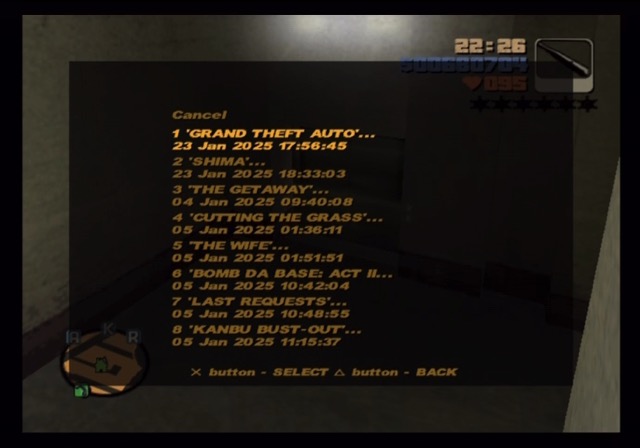
PlayStation 2: This was the original release and contains a few RenderWare splash screens showcasing the new technology. This version can get a bit ropey in the framerate department, with it slowing down when there are a lot of cars or explosions on screen. There is also some pop-in with the buildings, or blurry texture’s momentarily before they load which can be off putting. Using a soft-modded PS2 with OpenPS2loader, along with a hard drive is recommended which helps reduce the draw in massively. This version was made available on the PS3 as part of the PS2 classics, it lacks trophy support but is indeed the original ROM of the game. Since it’s emulated, the slowdown is more pronounced and isn’t really recommended unless you don’t have access to the PC version. This version was also used for the PS4, and is a lot more smoother not eh account of better emulation.

Also, this version is limited to 480i (Interlaced) or 576i only, progresive scan isnt supported in this version.

Xbox: The recommended version since this has involved textures and models compared to the PS2 and Windows versions, also supports custom music if they are installed to your hard drive. This version also benefits from analogue controls for steering and aiming, and better audio quamility, being encoded in 128k WMA format audio. This version was also playable on the Xbox 360 if a hard drive is installed, but not on the Xbox One or Series consoles. On the 360, the frame rate does suffer mostly when turning into a new street.

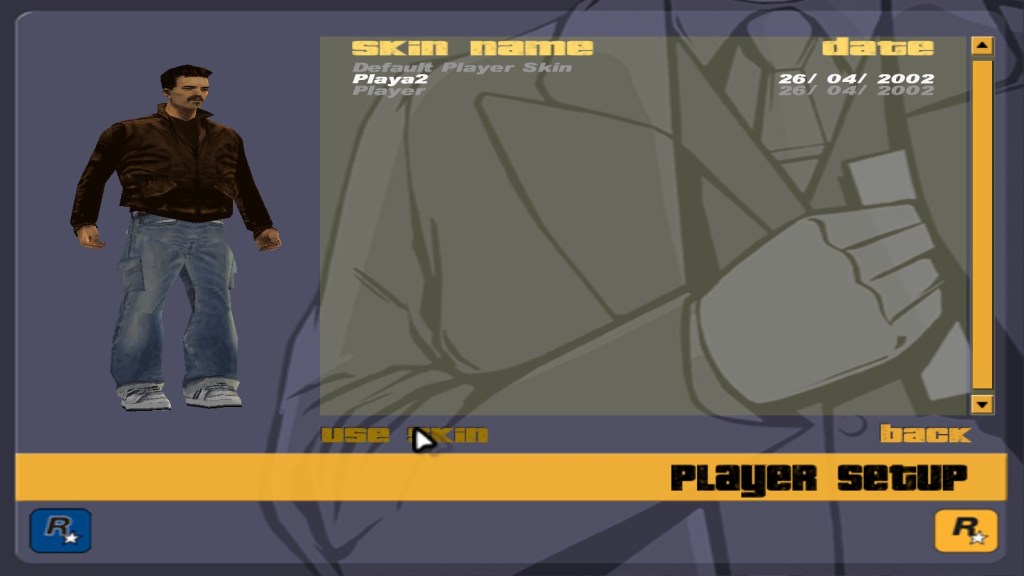
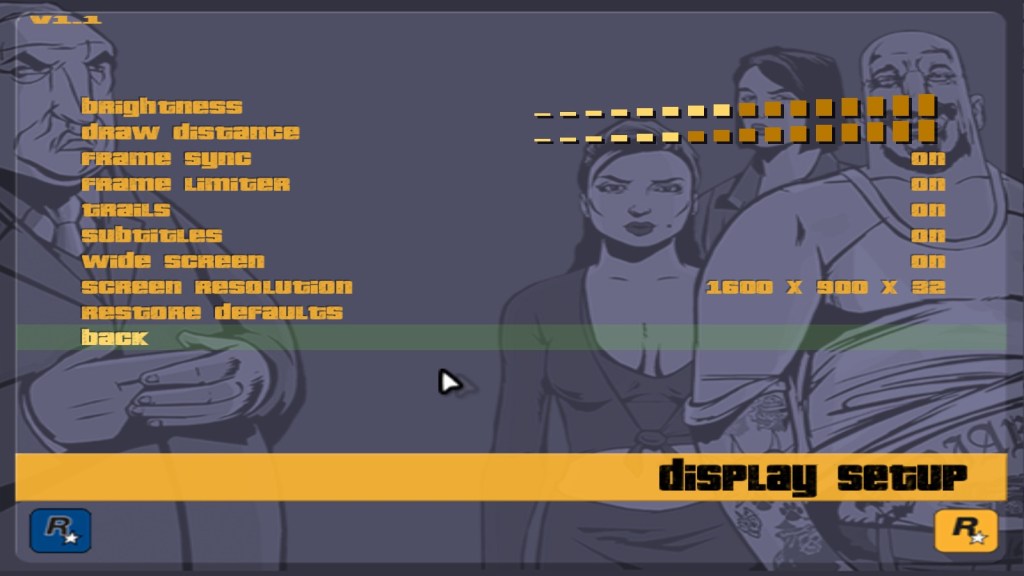
Windows: This version works well and is playable on modern versions of Windows, but lacks the improved details that the Xbox version had. But you can change your characters skin if desired, and can be modded. Some of the enhancements from the Xbox version have been adapted into the PC version using this method.

This version was also adapted for Mac OS X, which was implemented into a Wine DirectX wrapper (Developed by TransGaming Cider/Cedega) and released onto Steam.

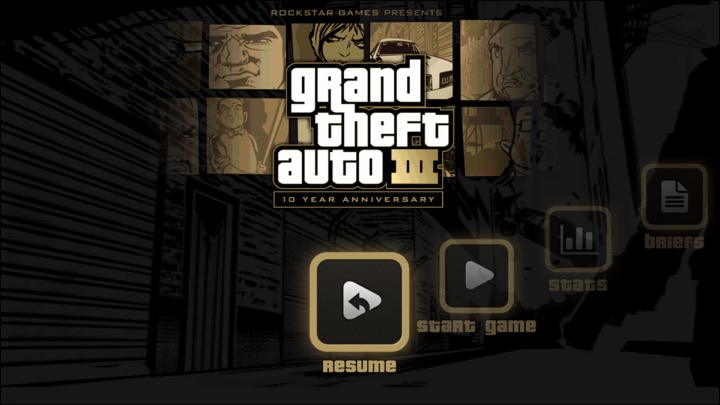
Android: Released on GTA III 10th anniversary, This version features improved graphics, providing you set the graphics settings high. This has Android gamepad support, and plays very well on the Nvidia Shield console.  This version is alas playable on the Amazon Fire platform, but you will need to side load it to play.

iOS: also release for the iPhone and iPad platforms, but not Apple TV? As far as I’ve played is pretty much the same as the Android versions.

There is also a definite version of GTA III, which is the original mobile version that has been upscaled mostly using AI. The result is pretty poor and isn’t recommended.

While some people may be turned off by this innovation in Mature-rated games, Grand Theft Auto III was very well received, and surely one of the most impressive and ambitious ever released for the early sixth generation systems. The storyline, extensive gameplay, and excellent presentation make for an amazing experience, and older gamers will find themselves drawn into the seedier world the game depicts in a post 9/11 world.  Newcomers might appreciate it more through the lens of its historical significance rather than pure entertainment value today. Even though some people may see the violence as a novelty, once you get past the first few missions, this is a game you will not want to stop playing until you’ve explored everything it has to offer.

Unreal Tournament 2003

The original Unreal Tournament was the introduction to online and off-line multiplayer action for a lot of players with its gorgeous graphics, multiple game modes, reliable Net play, and a never-ending supply of intense action made it an instant classic. It’s offline bot modes were also valuable to those who didn’t yet have an internet connection. Its sequel, Unreal Tournament 2003 offers plenty of impressive attributes. 

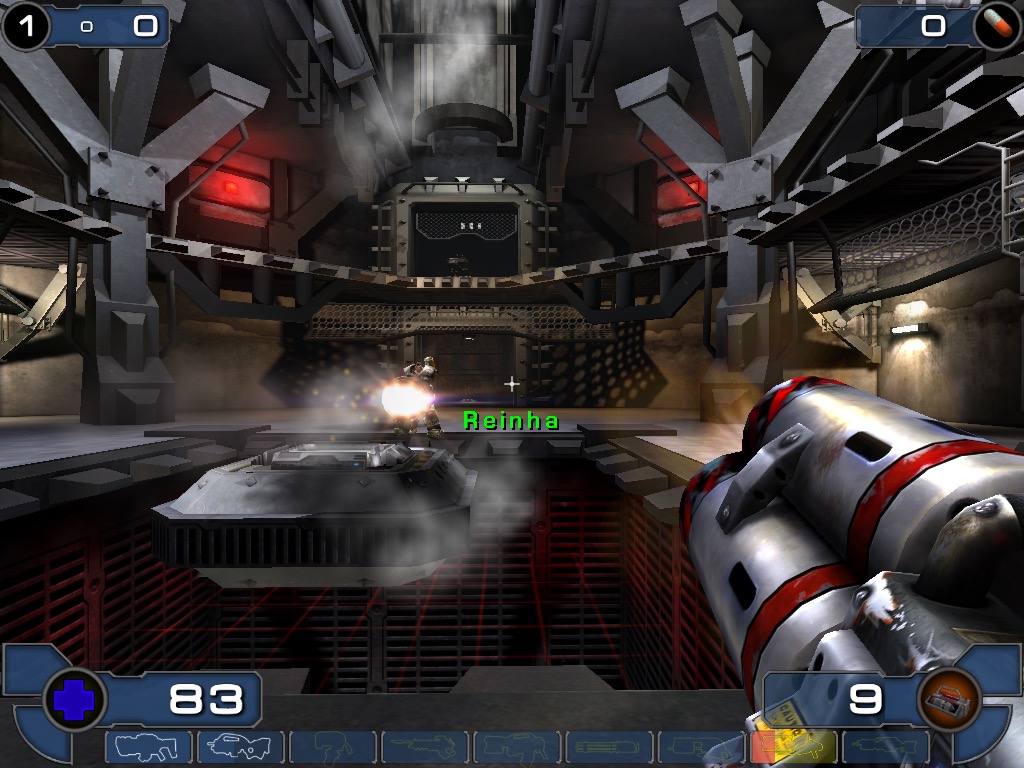
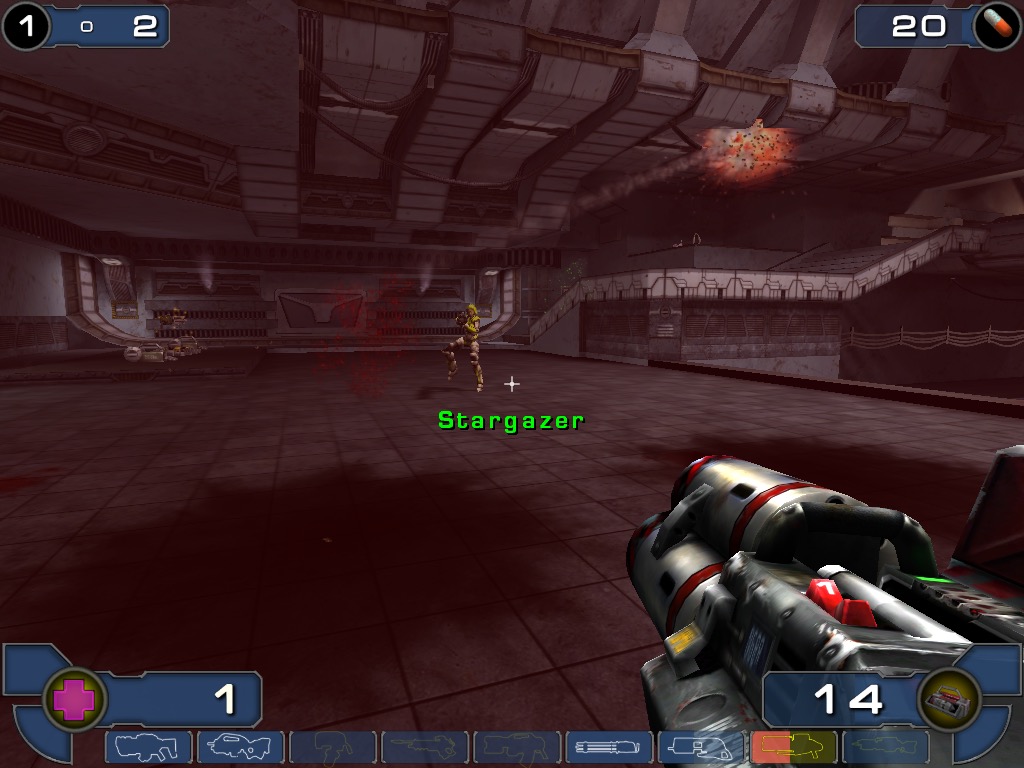
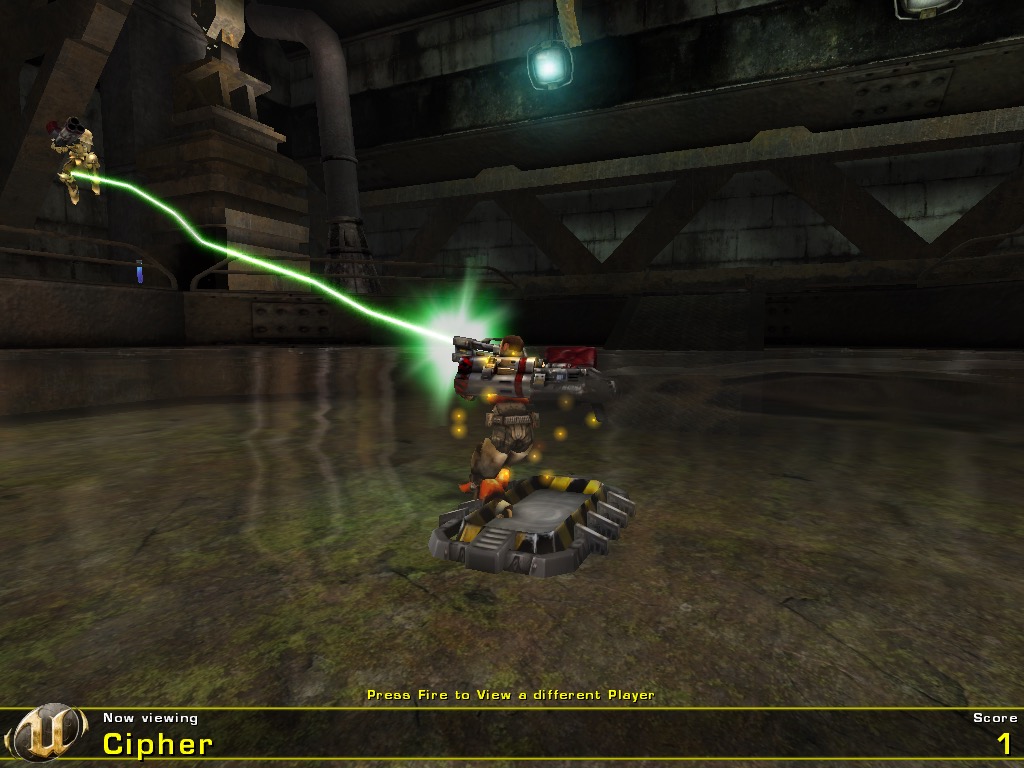
The graphics is one of the stand out features, implementing a smoothly integrated terrain engine the jagged and harsh lines of most 3D games are gone. The use of the Unreal Engine 2.0 brings beautifully detailed environments, with dynamic lighting and textures. The maps here are big, beautiful, and are full of fine detail. This is truly one of the best-looking games on the market when it was released and it runs remarkably well, even on modern hardware without any rendering flaws.

Audio play’s a big role in UT2003, A variety of diverse and amusing taunts, complaints, and other messages come from both your teammates and your opponents. The soundtrack is powerful and dramatic, although it moves quickly to the background during a heated game, a lot of the tracks are recycled from Unreal championship for the Xbox. It has a KMFDM electro/industrial feel to it that fits with the game’s theme, whilst the Egyptian-themed maps benefit from similar music. Sound effects are really good with plenty of bass-intensive booms and blasts that liven up any gunfight. The game has support for EAX with was supported on certain Creative SoundBlaster cards and gives extra environmental audio effects.

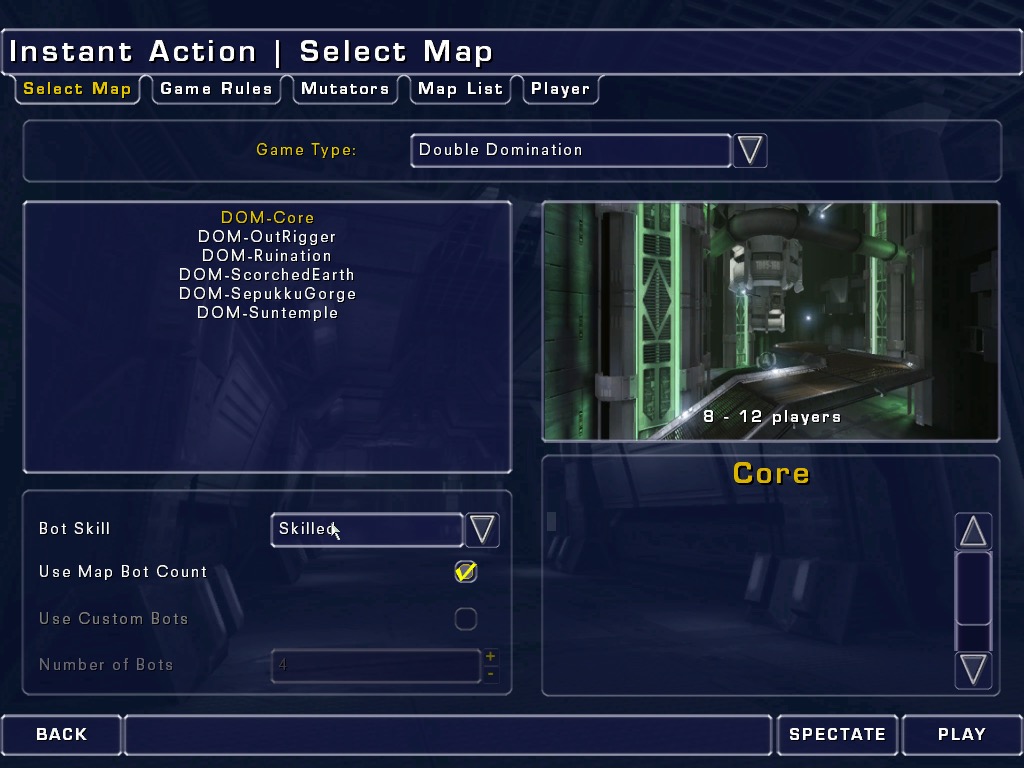
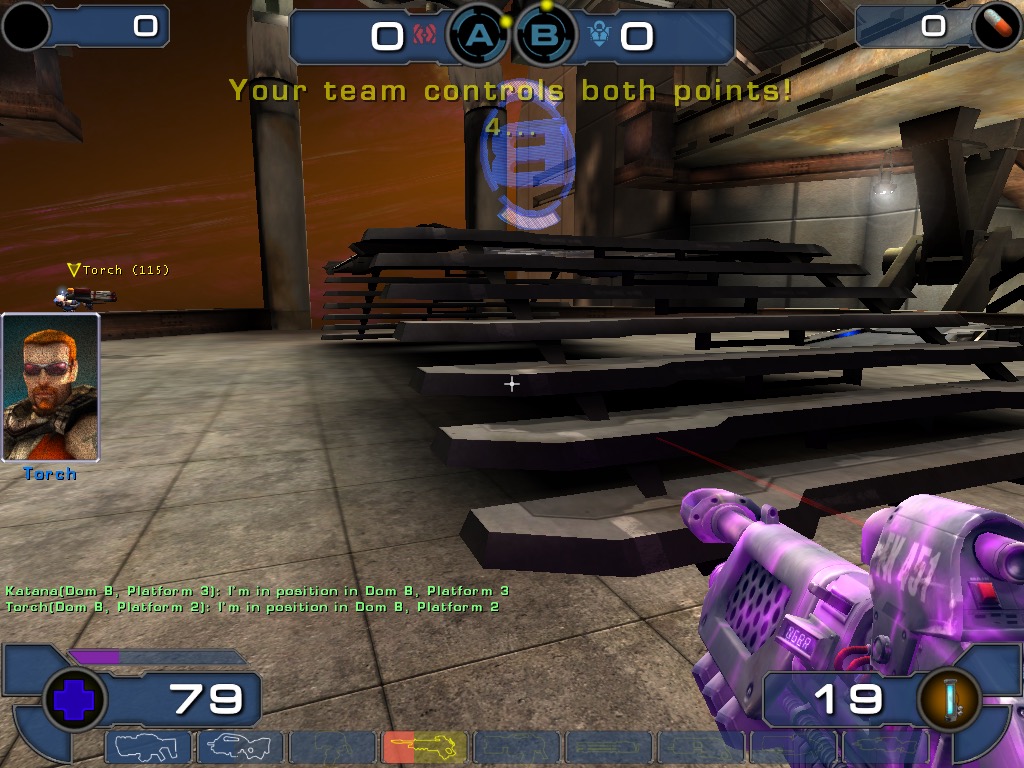
There are five game modes – Deathmatch, Team Deathmatch, Capture the flag, Domination 2.0, and Bombing Run. The first three should be familiar to anyone who has played any online arena shooter. Domination 2.0 is a popular mode from the first Unreal Tournament but has changed where both teams only need to hold two bases for a few seconds for them to score. Bombing Run mixes team-based death matching with ball sports to create an incredibly appealing and challenging variation, although its mostly just an altered version of Capture the flag.

Although most players will get Unreal Tournament 2003 for its online gameplay, the game also offers a good single-player mode to help you get accustomed to the game’s new maps and mechanics. Single player works much like the multiplayer mode, but with bots as your teammates and enemies. The noticeable improvement is in the AI’s team tactics. When playing a bot-filled team game such as Domination, your computer-controlled teammates will work together, support you, and score points all on their own and they’ll do a decent job. You can dictate the AI’s general behavior before a match (defense, offence, auto, support, and so on), or issue orders to them during play via a quick menu. Most of the online servers have been phased out, following the release of UT2004 but you can still find the odd server still offering online play. Epic did shut off the master server (along with other Unreal titles) but third party servers are available.

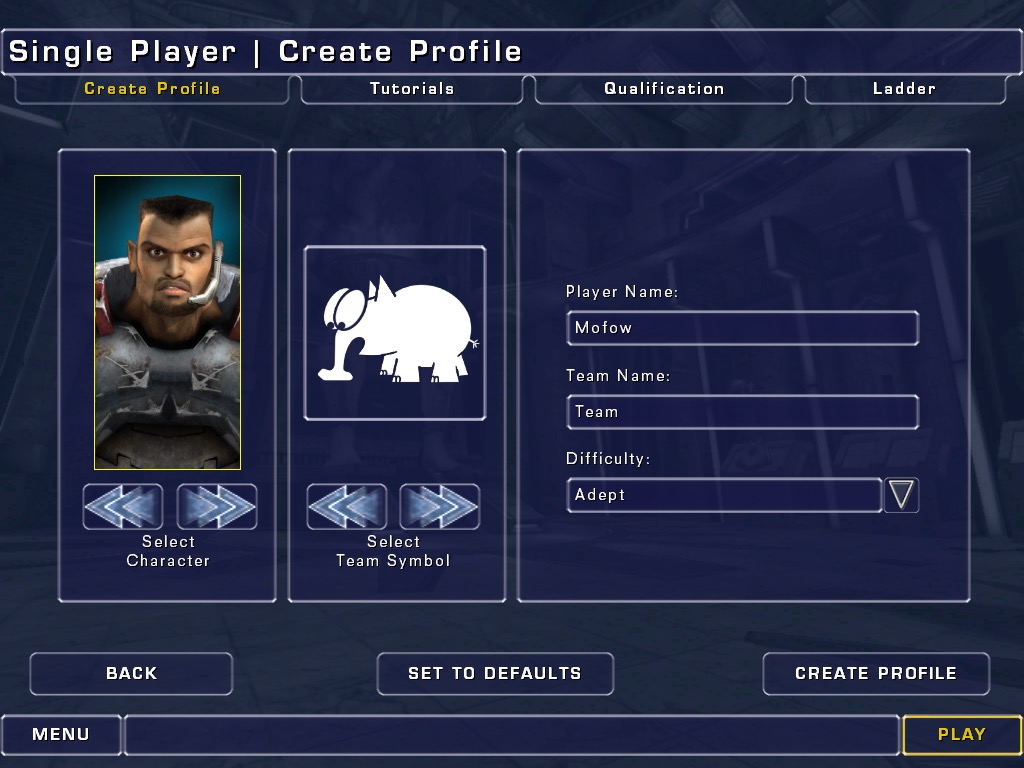
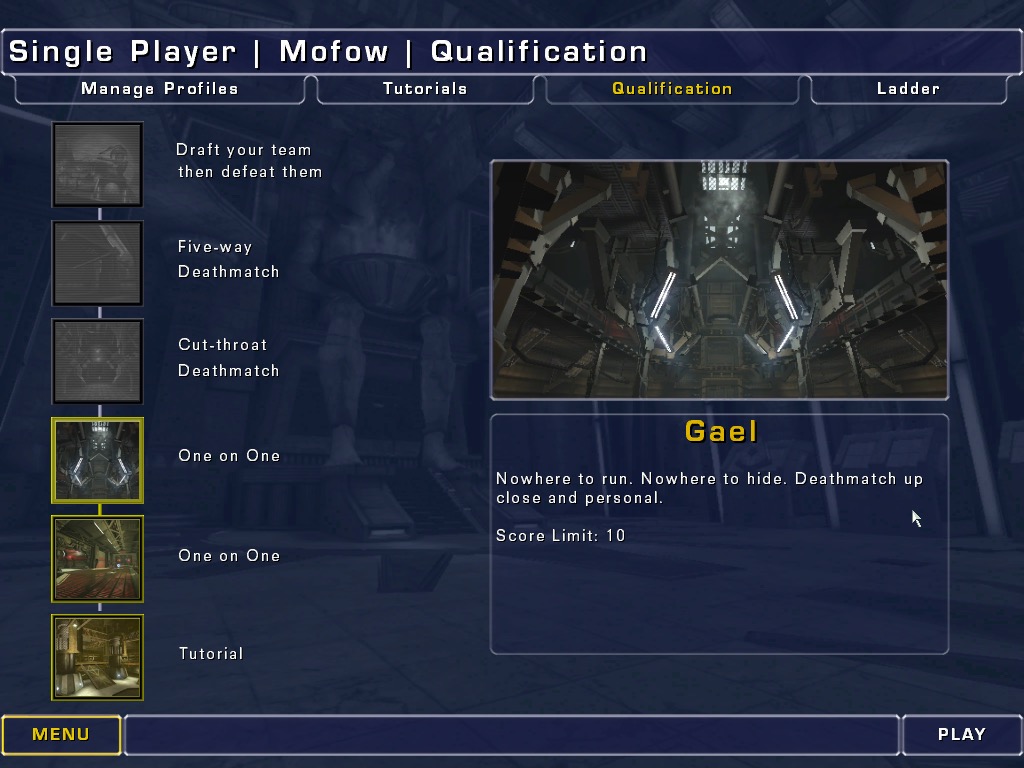
The single-player experience in Unreal Tournament 2003 is designed around the concept of a tournament ladder, where players fight through a series of matches to become the champion. You pick your teammates early on, and as you progress, other teams offer you teammate swaps. Each competitor has a rating for things such as accuracy, agility, stamina, and team play that come into play when you trade teammates. There are different races like the Juggernauts that move slower but have more health, that adds a strategy element to the game. Adding to the variety are more than 30 characters and maps to choose from, with the game supporting additional maps and skins. Also, power-ups abound throughout the levels. This lets you unleash mass carnage with the help of double damage, super shields, and even a new adrenaline rush that temporarily increases your abilities. Finally, there’s a horde of mutators that let you alter gameplay elements, allowing for big heads, low gravity, and instant kills, if you want.

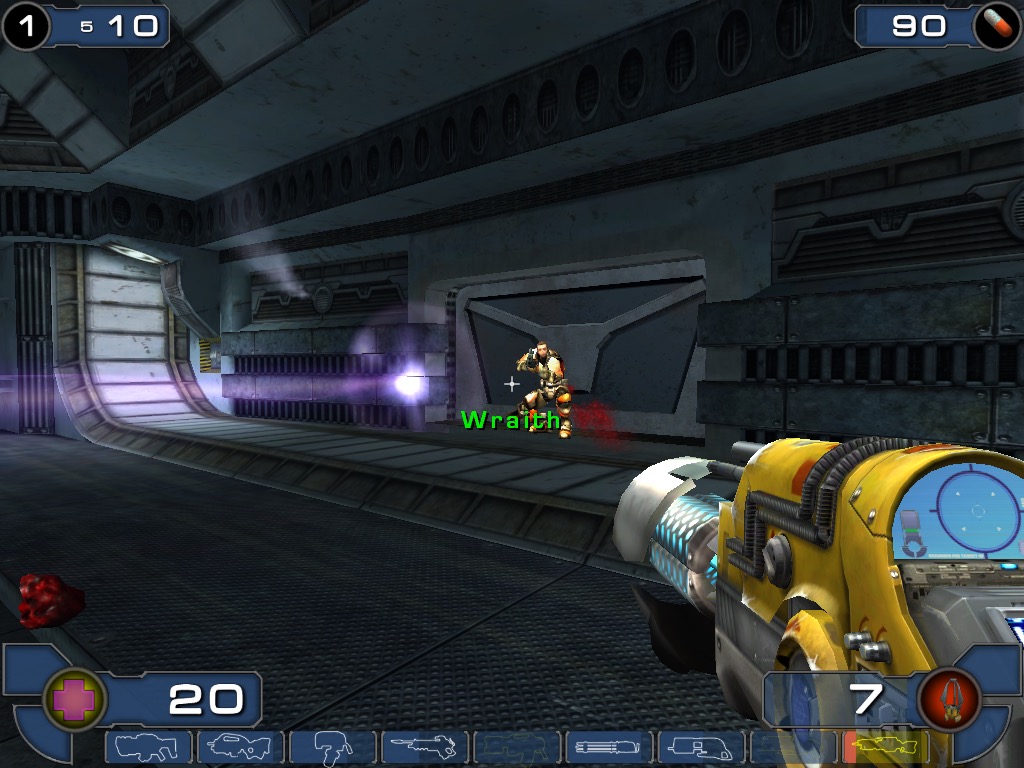
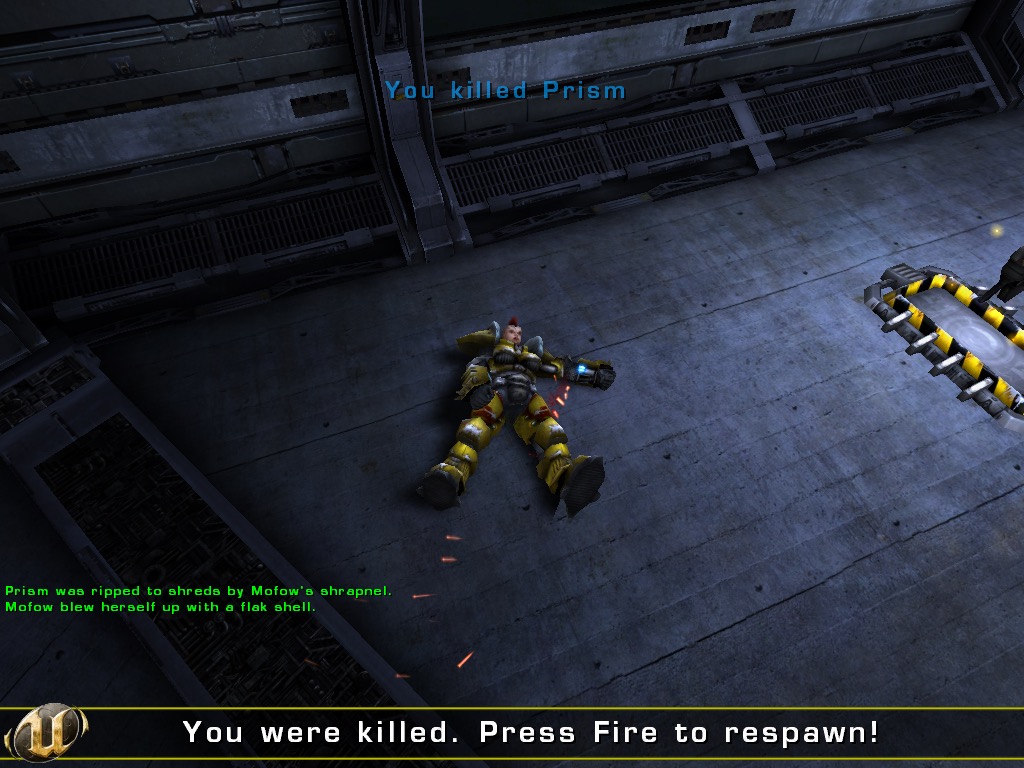
There are nine weapons available, including a flak cannon, a rocket launcher, a machine gun, a minigun, a bio-rifle, and a new sniper-riflelike lightning gun. The weapons are paced differently than in the previous game, making accuracy more of an issue and preventing random wild fire. However, the downside of this is that all the guns have been toned down from the original weapons of mass destruction. The biggest complaint that can be levelled at Unreal Tournament 2003 is that it wasn’t improved over the original enough. The game doesn’t pack in as much variety and features as it could have. More game modes and weapons would have helped put it over the top in terms of value. 

UT2003 was only released on Windows and MacOS, the console counterpart would be Unreal Championship that was released for the original Xbox. 

Windows: This version will work on Windows 98 with DirectX 8 or higher, all the way to Windows 11. Some features like DirectPlay will need to be manually installed through the Windows features:

Mac OS: The Macintosh port was only ever released for OS X for PowerPC, no Universal patch was made available. You will need a Mac running OS X Jaguar with a PowerPC G4 or G5 processor for the best experience.

Sid Meier’s SimGolf

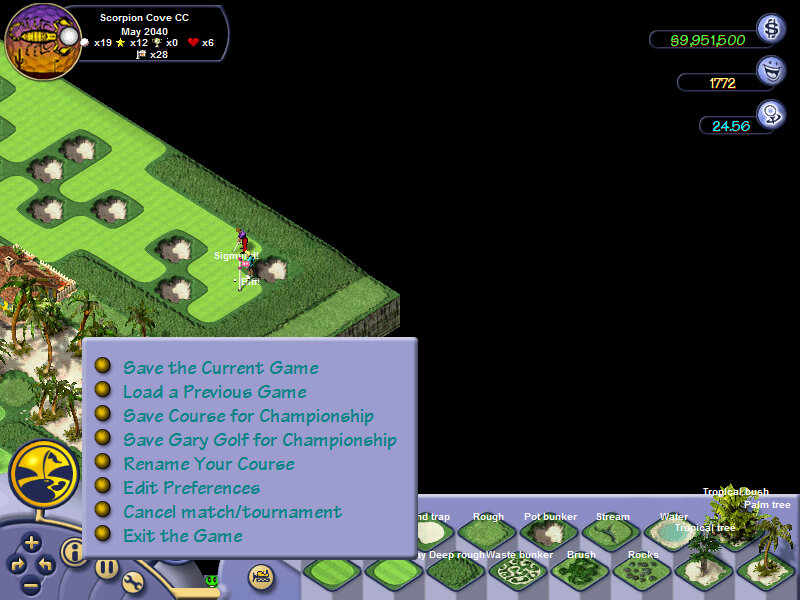
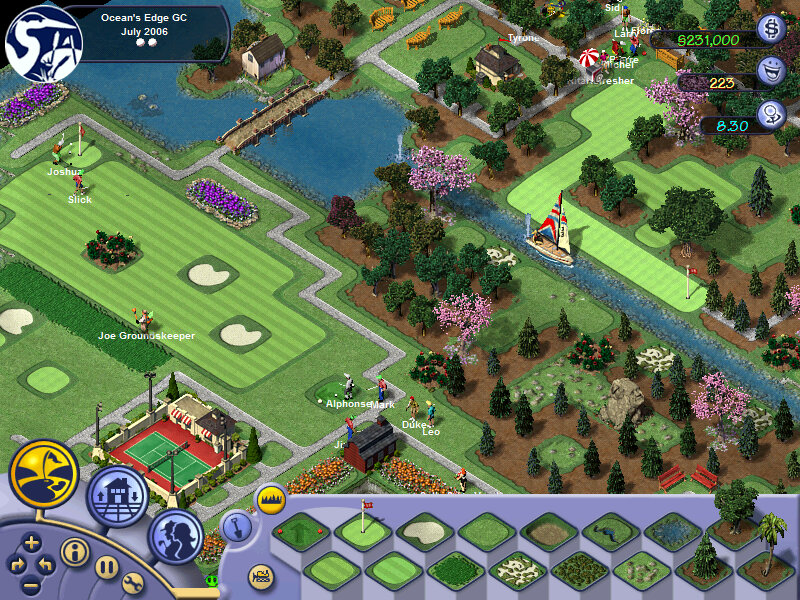
A golf simulation game with a bit of Simcity/Sims formula, here players act as both a golf course designer and a golf resort manager. The game allows you to design your own golf courses, managing aspects like terrain, hazards, and amenities. Basically to create an interesting golf course and to keep your golfers happy. You’ve just inherited 100,000 simoleons! The only catch is, you’ve got to spend it building a golf resort empire. Thankfully you’ll love every minute of it, even if you don’t know the difference between a bunker and a ball washer.

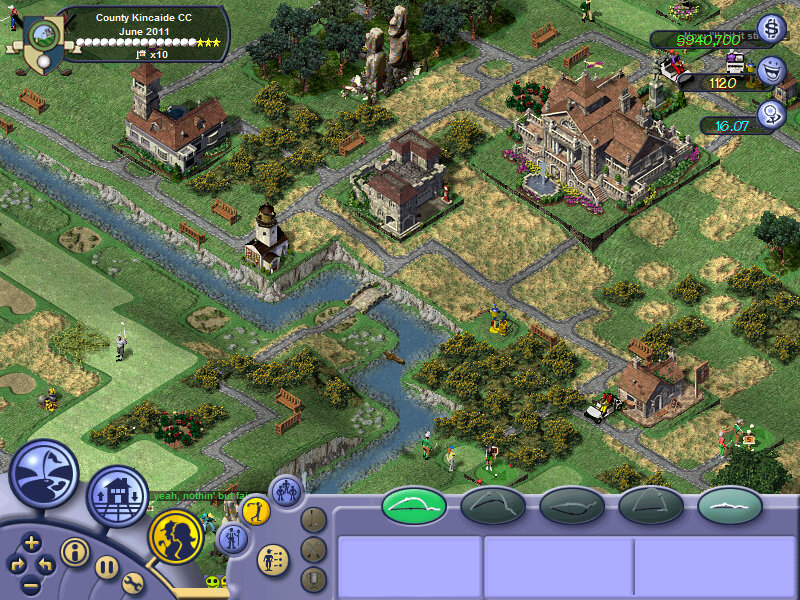
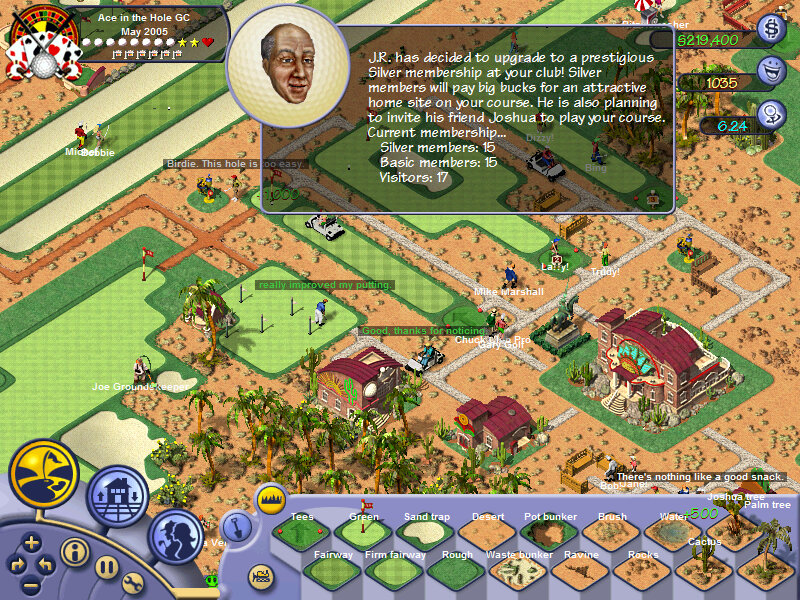
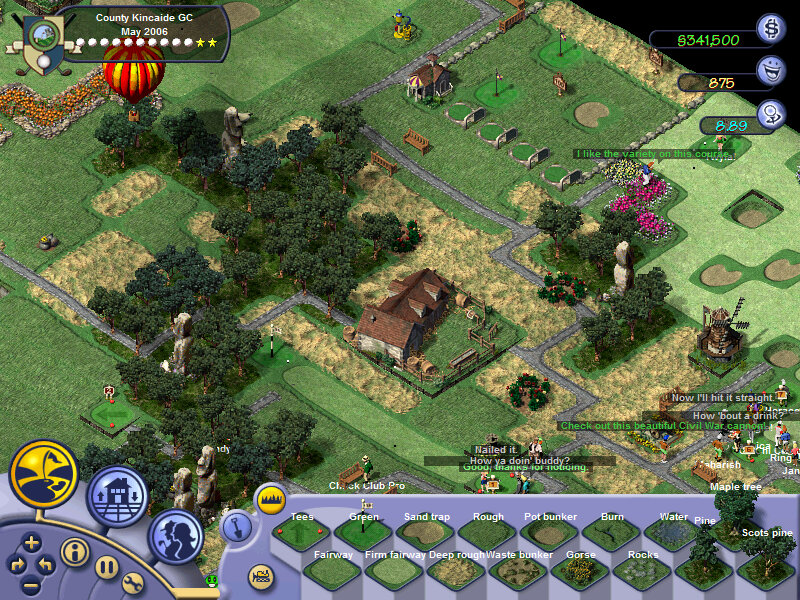
The user interface is pretty similar to what was seen in The Sims, where you can select different modes that relate to the gameplay. Course design has its own selection, as do building and then the golfers themselves. At the start of the game you choose one of six pieces of real estate. (There are 16 total. Six choices are chosen at random with each new game.) Each piece has its own unique climate, features, and terrain.

Next you have to start building your resort. That means budgeting your money to build holes, add paths, bridges, and decorations, hire workers, and buy buildings and amenities. You’re managing a golf resort and the golf itself is only part of the equation. From the moment you open your first hole, little people, sims, will visit, play, and begin commenting on your handiwork. Open a few holes and soon you’ll be inundated with critique and with praise, especially if you’ve designed things well.

The main mechanic with the game is the course design, you have to create and design your own golf course using the tools that have been provided, whilst making up challenging yet enjoyable. You will need to keep the difficulty fair, as golfers will start to rage and quit if the hole is too difficult to complete. This can be a bit of a challenge, as golfers will dislike it when they get stuck in tough terrain, or if the ball rolls down the hill that they have to climb up. When designing a hole, you first place the tee and then the green (the place with the flag and the hole). Between them you can place bunkers, rough, sand, rocks, trees, and even water. Somewhere you’re going to want to lay the fairway (closely cropped grass that’s easy to hit from). There are two types of fairway with slightly different characteristics, and their locations determine how golfers approach each shot.

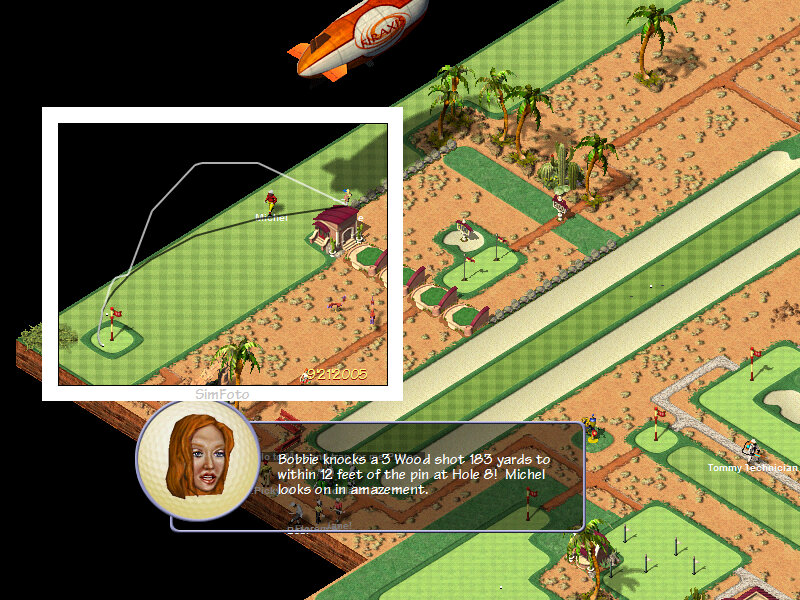
For example, you can place the tee low among the trees and the hole up on the other side of a hill (you control the terrain elevation as well), and lay a sand trap to the right and fairway to the left (this is called a dog leg left, by the way). Golfers can choose to power hit over the hill and onto the green, or they can play more conservatively and aim for the fairway to get there in two shots. Golfers are rated for accuracy, power, luck, skill at various shots, and imagination. Golfers better at certain skills will appreciate holes that cater to those skills, so, to keep everyone happy, you need a wide range of holes on your course.

Also golfers will try to take the most direct path to the end, which will mean they might end up shooting the ball within the tress if they are in the way which makes course design difficult since you cannot account for where the sims will shoot the ball. The game will try to help you by bringing up a while line to help guess where the sims will be tempted to shoot the ball, but this isn’t always accurate.

Staff can also be hired to help keep your golfers happy. These consist of a groundskeeper to help maintain your golf courses, Greeters who help keep golfers happy and engaged, drink vendors who will provide drinks to satisfy the thirst need and Marshals who will speed up play. There are two tiers of staff, which the more expensive tier having larger range that can cover more of a surface area.

In this way SimGolf captures the great and intangible design challenge inherent in golf: Nobody likes a hole that’s too easy, and nobody likes one that’s too hard. The easiest way to make sullen golfers happy is to let them succeed by making sure the next hole is a cakewalk. That way, when they nail a birdie on hole 6, their day is made. But on the next hole, if they hit the water trap three times in a row, their clubs will soon follow the ball into the drink and you’ll lose a customer. The challenge here is making courses that’ll make both Tiger Woods and the guy next door happy. You can mitigate this by improving on the scenery around the hole to bring up their happiness.

Golfers can also apply to become members, which help to increase your greens fees. They can upgrade their membership to silver and gold, which will allow them to purchase property and gives you an alternative revenue stream. Golfers can resign their membership if they are unhappy with the golf course as a whole.

There are various locations available to play within the game, many of these are set around the world and provide alternative terrain and building options that are suited to that location. Different locations can be purchased as you progress the game.

Building’s can also be brought and placed, some of which can help increase your golfers’ skills to help with the more difficult courses. The putting Green, Driving range and pro Shop will help your golfers improve their skills to play some of the longer or complex courses. A cart garage will help speed up movement between different holes.
There is also a café where golfers can purchase refreshments to keep them happy. Like The Sims, golfers will have motives that will deplete as they play the game, these will have to be replenished in order to keep them happy, otherwise they will get angry and leave. Hunger and thirst can be replenished with the café’s mentioned previously, whilst tiredness can be kept at bay by placing benches along the path to the next golf hole.

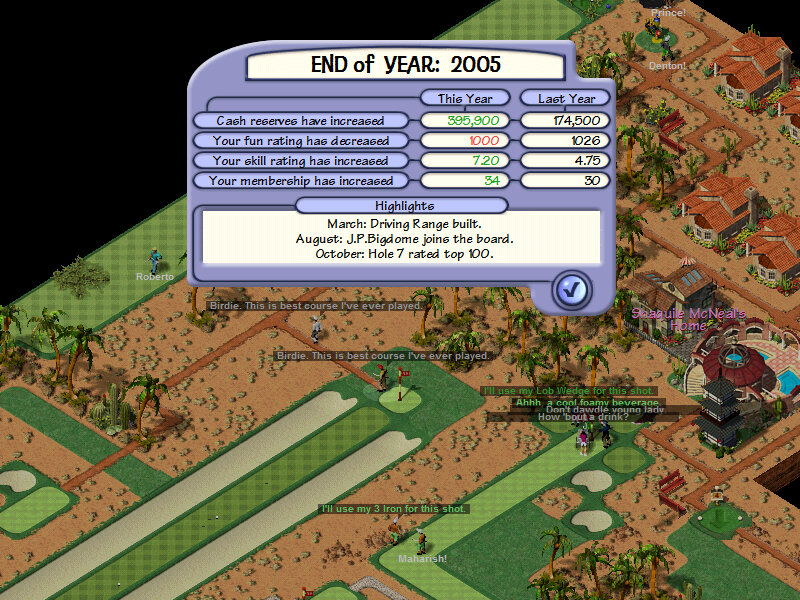
SimGolf is a pretty quirky game, and there’s a lot of little facets of charm from the golfers dialog, to the tine that plays when building the terrain. The only major downside to the game s the lack of speed control, unlike other Sims or SimCity games you cannot control the speed of the simulation, so you will need to wait until your sims complete. There’s a wide range of difficulty modes, and the game never really ends. You can always play a tournament on your finished courses, and once finished you can buy another plot and start a new course. Or you can take money out of the equation and use the Sandbox mode to create the course of your dreams or re-create the one next door. 

The game was never released digitally, so its not available on Steam GoG, or EA’s Origin Play.

Knockout Kings 2003

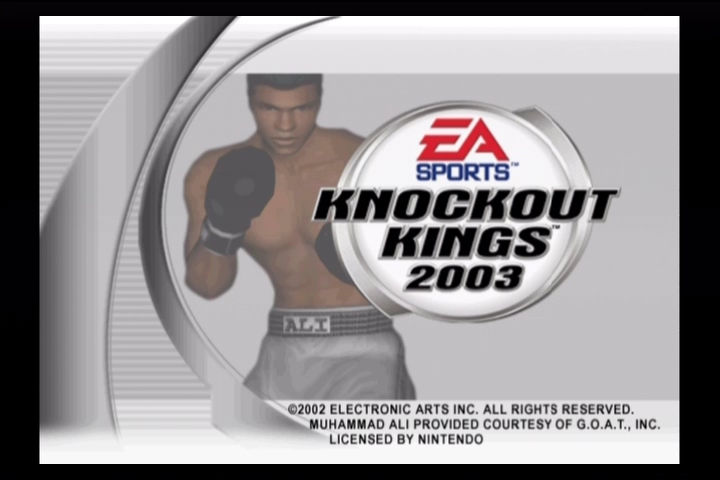
Knockout Kings 2003 is another instalment in EA Sports boxing series exclusively for GameCube, and is an improved version of Knockout Kings 2002 released for the PS2 and Xbox.

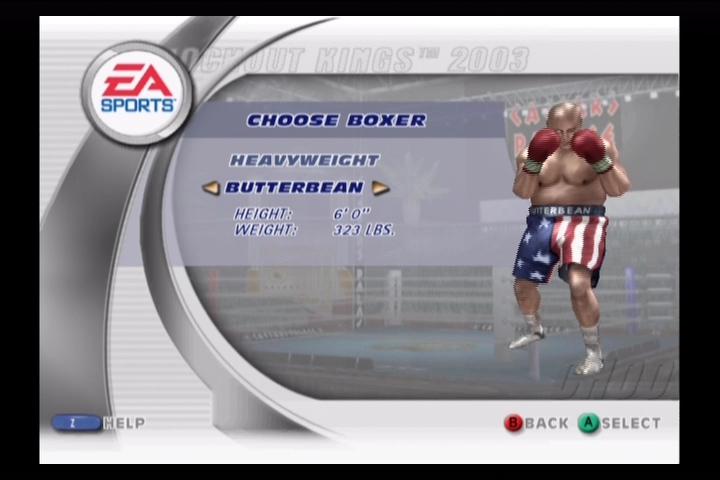
Knockout Kings 2003 features an all-star lineup of 45 professional boxers, past and present, with which to bring the hurt. Spanning three weight classes, the roster includes many of the sport’s all-time legends, such as Muhammad Ali, Sugar Ray Leonard, and Evander Holyfield, to name just a few. The game also lets you create boxers of your own in a similar fashion to the WWF/WWE games of the time.

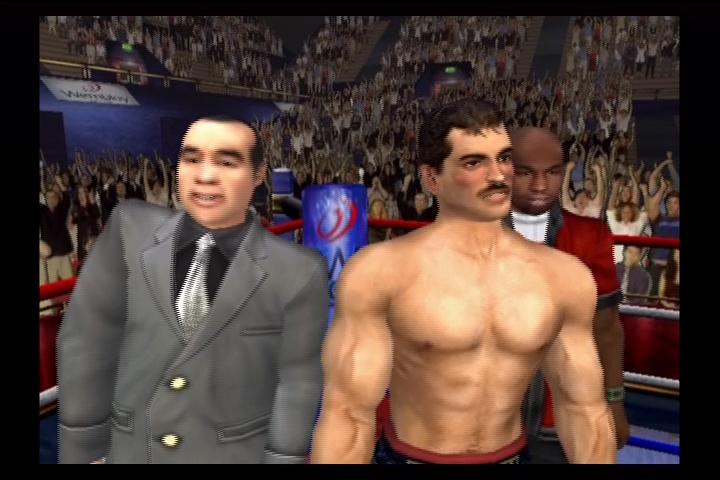
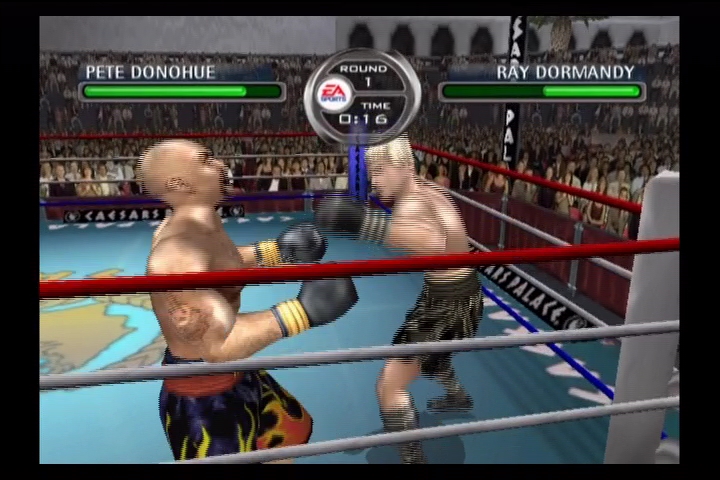
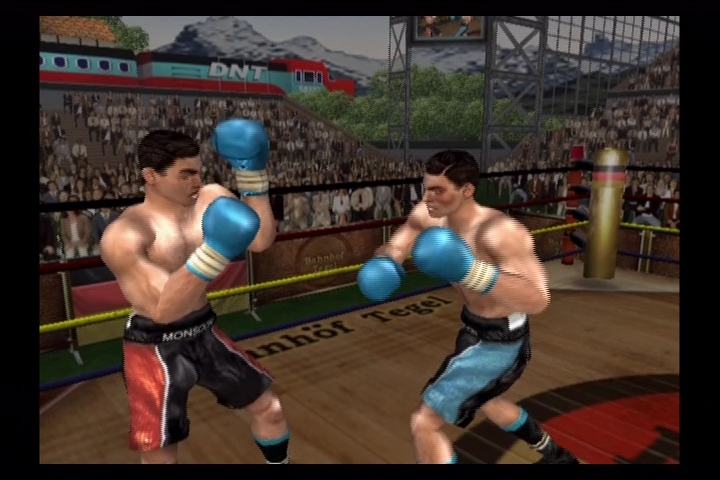
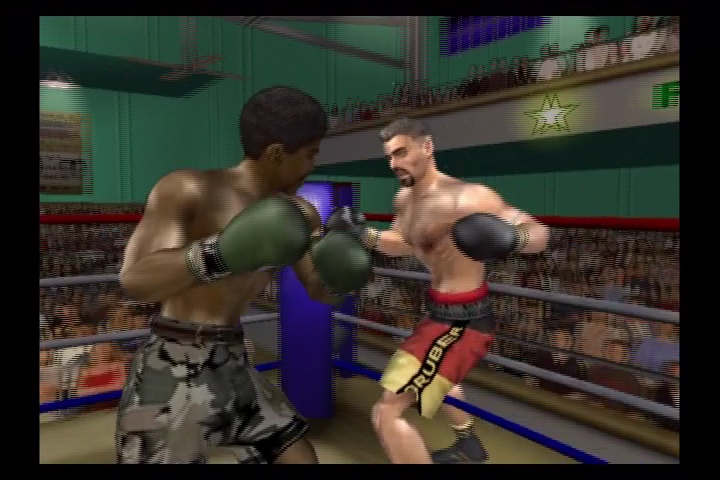
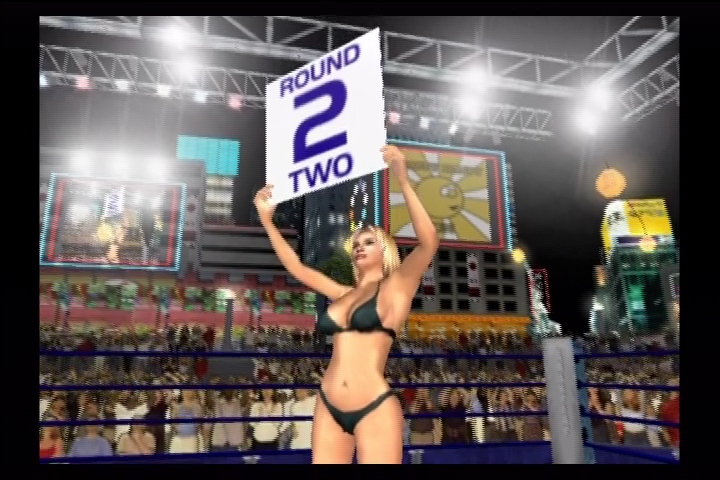
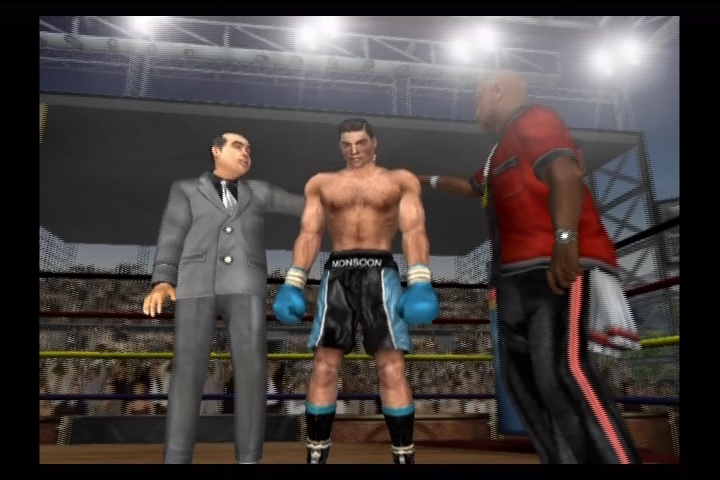
The realism of the characters’ faces, bodies, and physical movements is good for a sixth generation console game, due largely to improved motion capture technology. The realism even extends to the cuts, bruises, and facial swelling that fighters take over the course a match, making the fights more true-to-life than ever before. But, the crowds? they’re about as lively as a cardboard cutout at a funeral, you can tell a lot of focus was done for the fighters rather than the crowd. Only downside to the graphics being it runts in interlaced mode instead of offering a progressive mode, which would have been ideal for a past faction game like this. There is a fair bit of interlacing as a result.

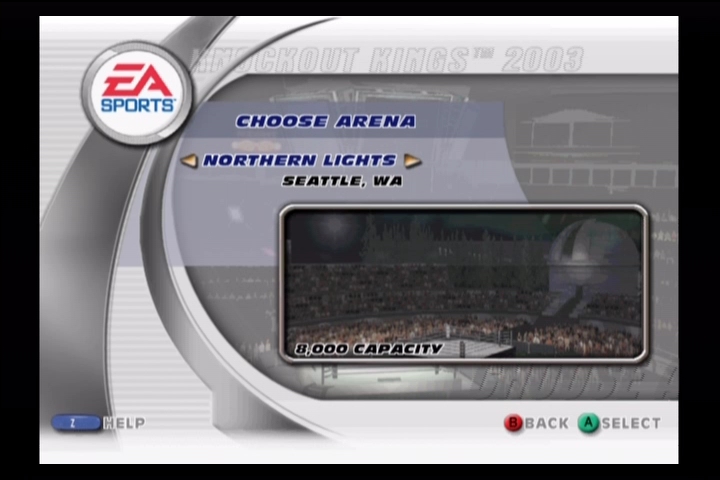
For one or two players looking to jump right into the action, Exhibition mode is the quickest way to get going. Just choose your boxers, pick from one of ten possible arenas, and you’re ready to fight. For a slightly bigger game, try Tournament mode, featuring four or eight boxers fighting for the title in single-elimination matches — though only the first two controllers are supported. And for a single player, there’s Career mode, in which you’ll take a boxer from total obscurity to the rank of heavyweight champion, fighting every boxer in the game along the way. You can create your own boxer from scratch, is where Knockout Kings 2003 tries to keep you coming back for more. It’s cool at first, customizing your dude and climbing the ranks, but after a while, it feels like you’re just fighting the same guys with different names.

New are the Slugfest and Slugfest Battle modes, improved versions of the no-holds barred Slugfests that appeared in earlier editions of the game. In the two virtually identical modes, there are no rounds, no bells, and no rules to interfere with the action. Instead, knockouts, knockdowns, or throw-for-throw points determine winners. You’ll also find yourself able to pull special moves, respond to audience call-outs, and use the new Pain-O-Meter to ensure maximum injury to your opponent. All those options make Slugfest a welcome addition to the game.

There’s a good technical game to be had here, and given some time you’ll discover its subtleties. There’s still no guarantee that your game will be entirely tactical, but Knockout Kings 2003 comes as close to a real boxing sim as anything else out there. Only so much depth can be found in any game based mainly on jabs, hooks, and uppercuts, and calling a game the best boxing title on the market doesn’t guarantee that it’s enjoyable. Fortunately, there’s just as much fun to be had from raw button-mashing as there is from playing with skill, although the fun will probably be shorter lived.

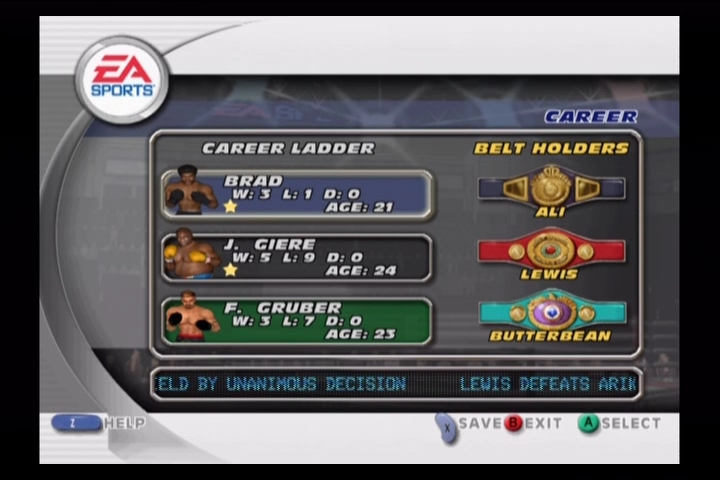
But the game offers little else in the way of improvements over last year’s version. The menus have been redesigned, as has the career ladder. The roster has been updated, and there are a few new arenas to choose from. There is also a new long-term health feature in Career mode, designed to add realism to your boxer’s career. But as this turns out to be little more than mandatory recovery time between fights, it doesn’t add much to the game.

For a game based on two players making repeated contact with each other, you’d think that creating realistic surface collisions would have been a priority for the developers. But you don’t need to look too closely to see that successful punches don’t always hit the other boxer. At the moment of contact, fist and face can be as much as half a foot apart. This becomes all the more obvious during the slow-motion replays that occur with each knockdown, where certain camera angles reveal an agonizing lack of true contact between the two fighters’ bodies.

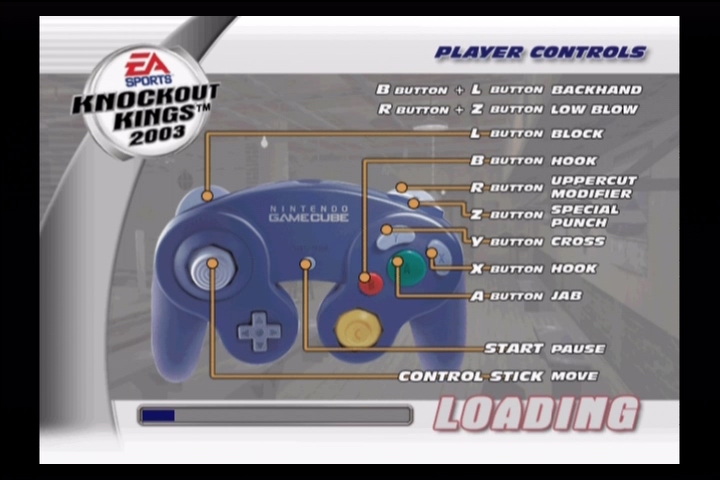
Another irritating feature is the ten-count that occurs once a fighter is down. Unlike replays, these can’t be skipped. Like it or not, you’re left waiting for the action to resume every time someone hits the floor. Add to this the questionable background warp that indicates the wooziness of your fallen fighter, and you really will want to get up and start punching someone. But these are minor downsides to a game that is otherwise strong overall. The boxers are faithfully designed and accurate to their real life counterparts. The in-game commentary is also notably well done, adding tremendous realism to the game by reacting to your moves. The controls are tight and easy to use, resulting in a game that mimics the psychology of real boxing.

For GameCube owners, this was the only boxing game for a while, so you were limited with choice, in spite of its problems this remains a decent boxing game. It’s good for some competitive fun even if you’re not particularly into the sport. The differences between it and its predecessor are minor, and for someone familiar with previous games in the series, that might come as a letdown. But if you think of this game strictly as an attempt to bring world-class boxing to the GameCube, then Knockout Kings 2003 undeniably does its job.

Resistance: Fall Of Man

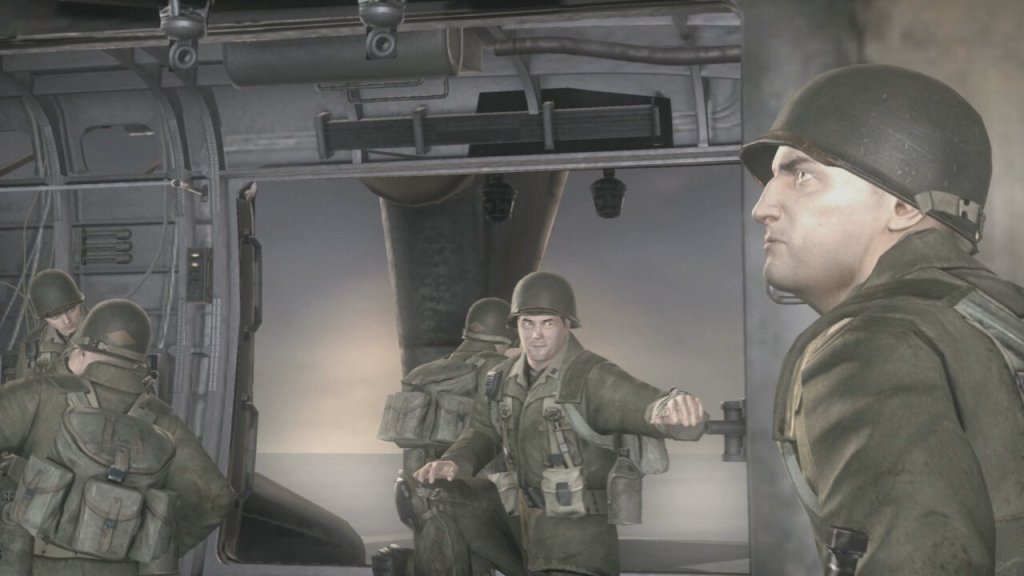
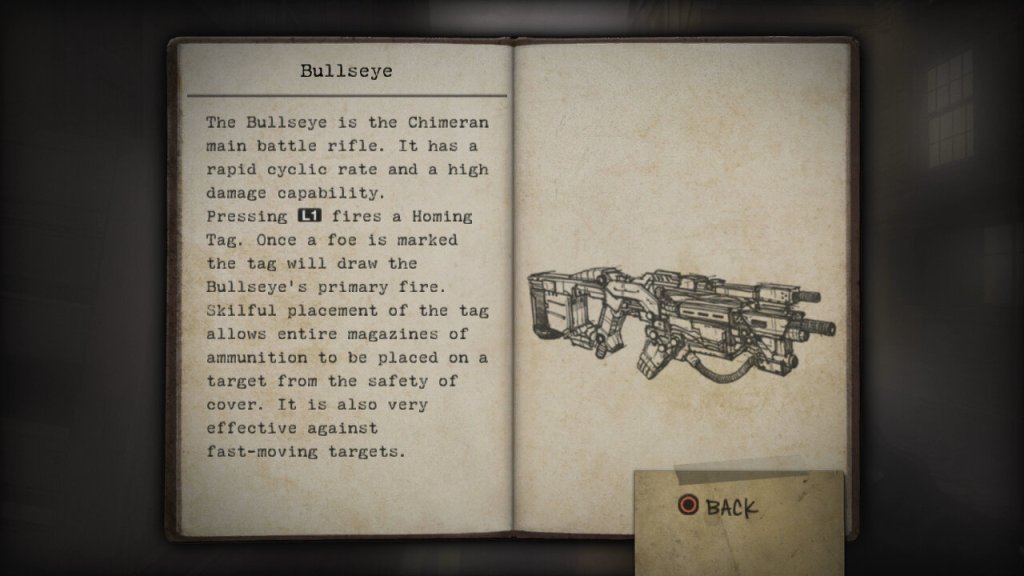
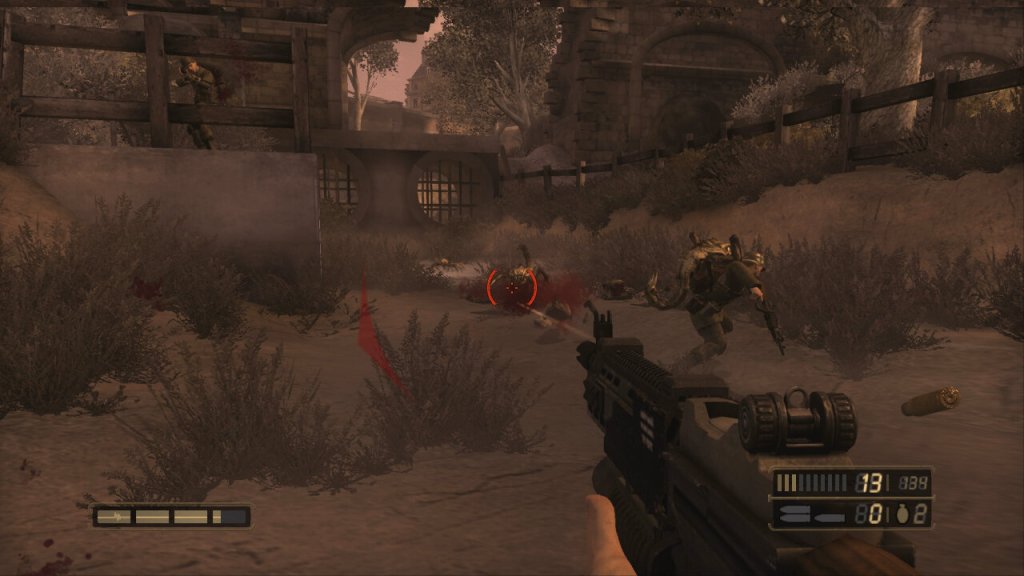
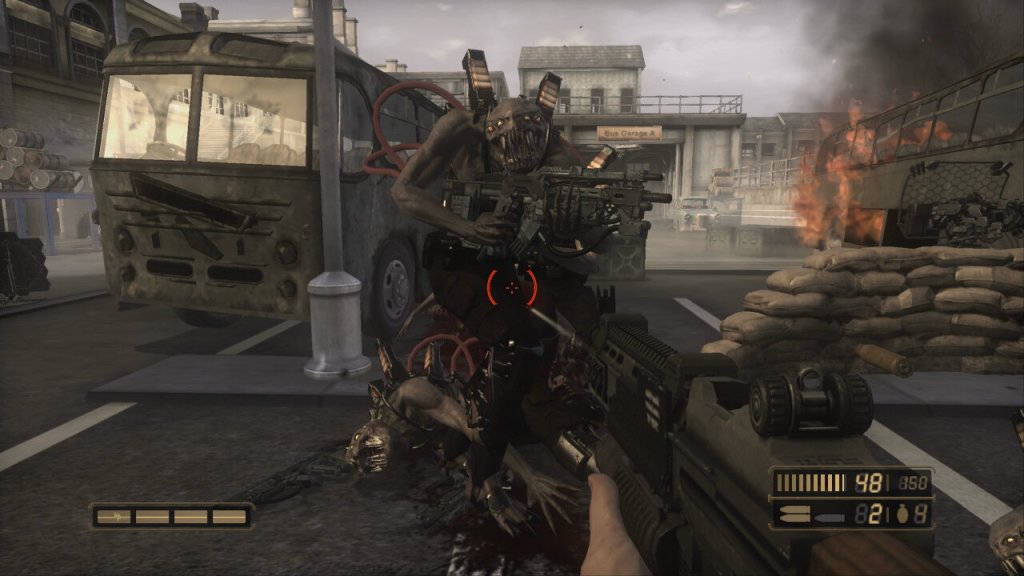
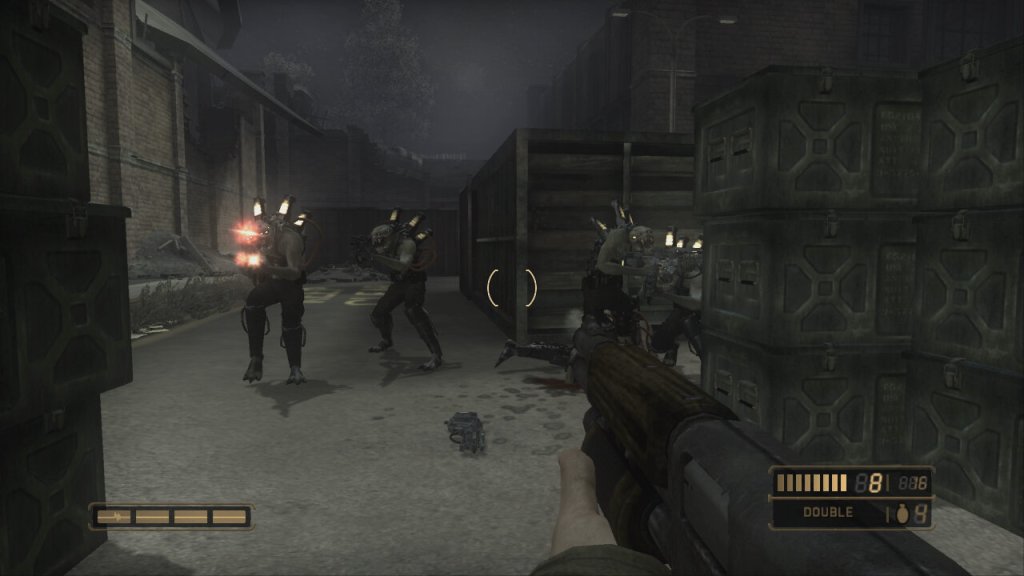
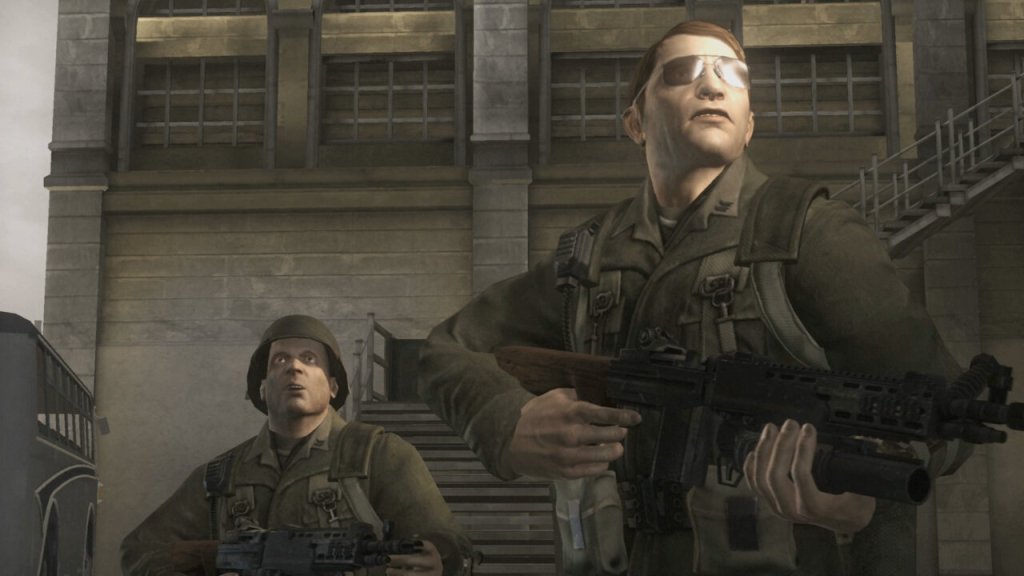
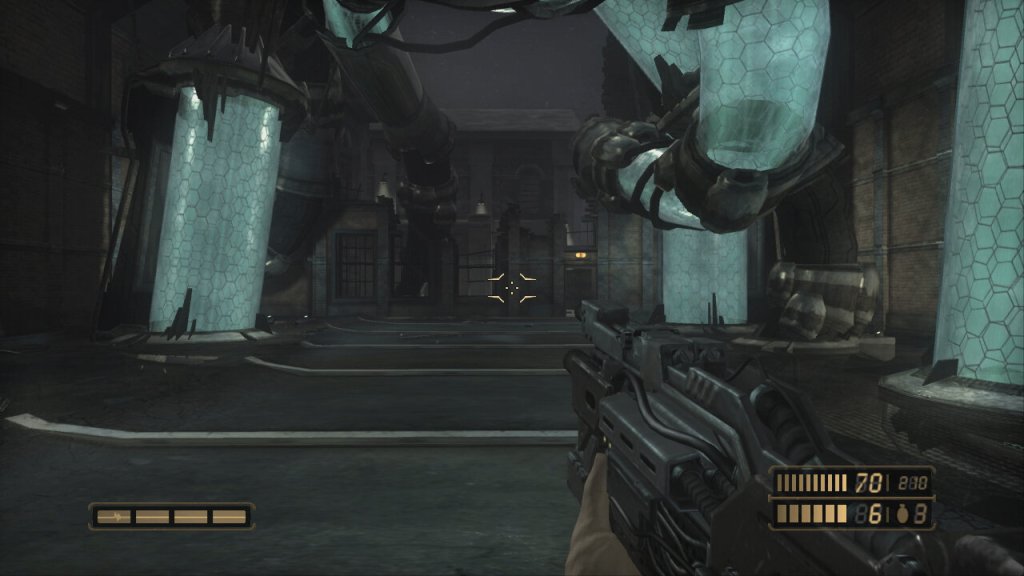
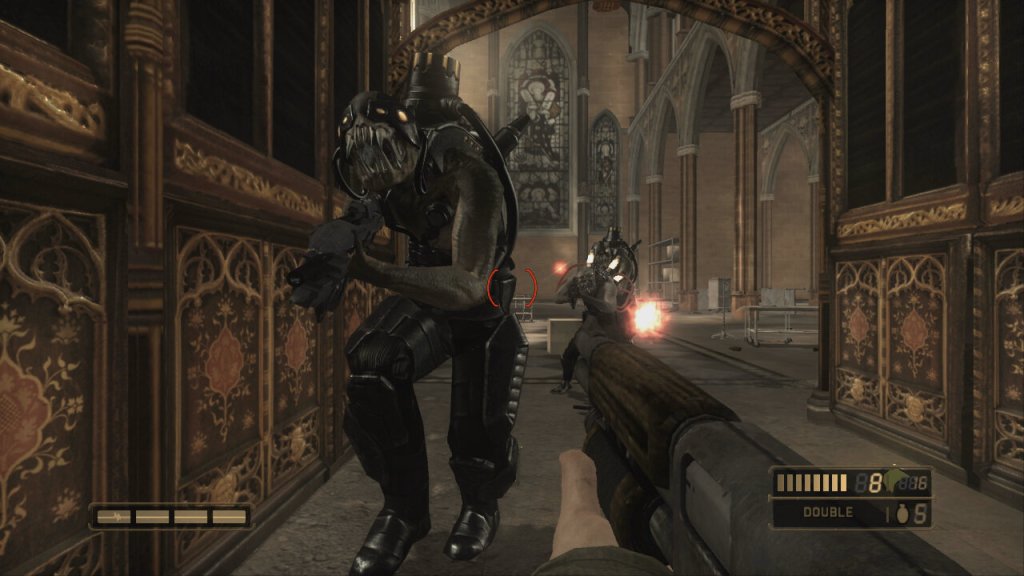
A First person shooter developed by Insomniac Games and published by Sony Computer Entertainment, making this an exclusive game for the new PlayStation 3 console. The game is set in an alternate history version of the year 1951. Instead of World War II, humanity faces an alien invasion by a species known as the Chimera. The story follows U.S. Army Ranger Sergeant Nathan Hale as he fights to repel the Chimera from Britain, where they have already conquered much of Europe and Asia.

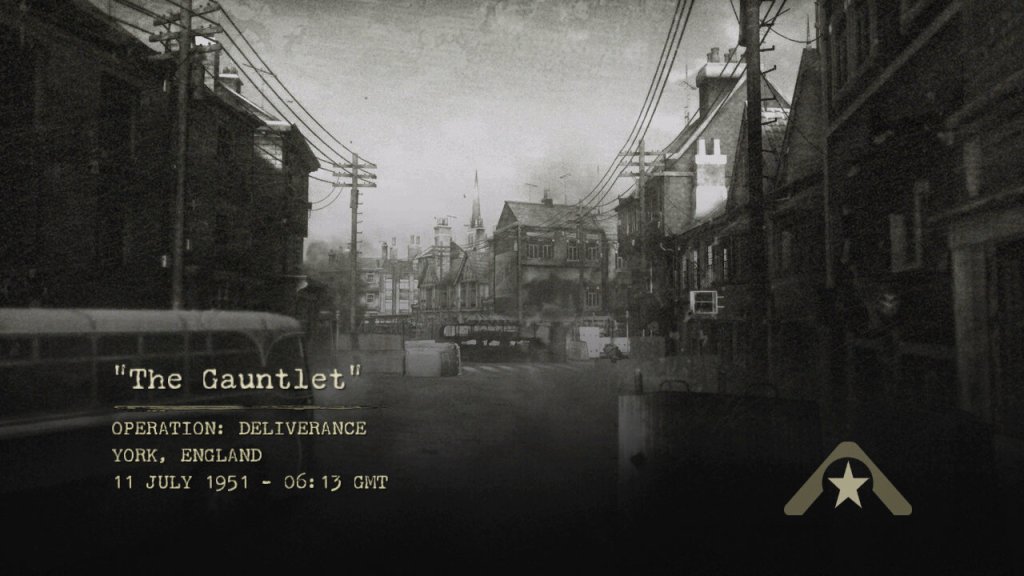
The narrative is presented through a documentary-style framing device, detailing Hale’s involvement in “Operation Deliverance,” a last-ditch effort to save Europe. Hale discovers he’s immune to a virus that the Chimera use to transform humans into their kind, which gives him enhanced abilities.

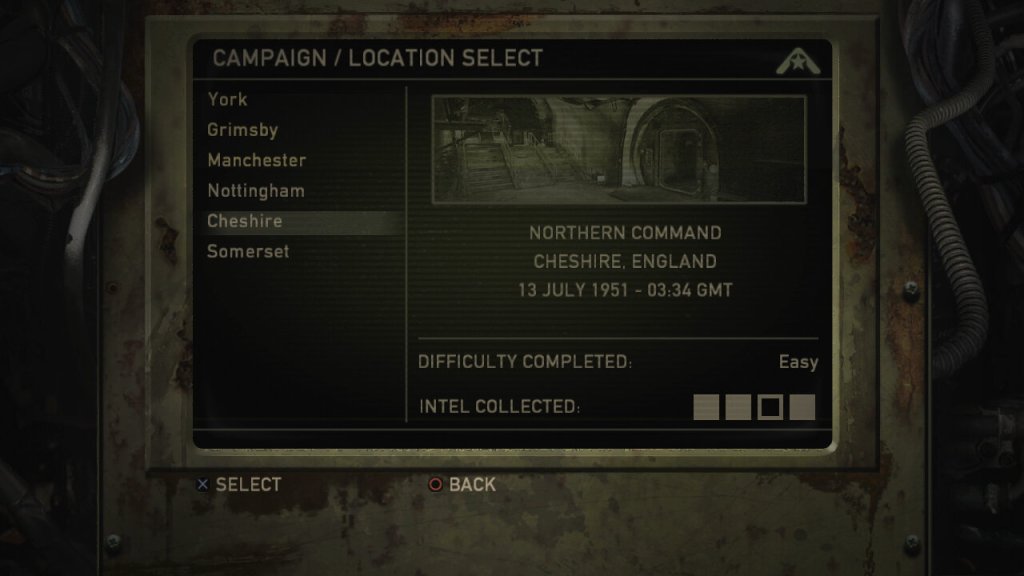
The main character, Nathan Hale, is part of Operation Deliverance, the last significant military operation aimed at stopping the Chimera’s invasion of Britain. The Chimera have already conquered much of Europe and Asia, transforming humans into their own kind through a virus. Hale starts in York, where he witnesses the brutal efficiency of the Chimera. Here, he learns about his unique immunity to the Chimeran virus, which instead of transforming him, enhances his physical abilities. After York, Hale moves to Manchester, where the mission involves securing a scientist named Dr. Richard Grey. Dr. Grey has developed a weapon called the Leaper, which uses Chimeran technology against them.

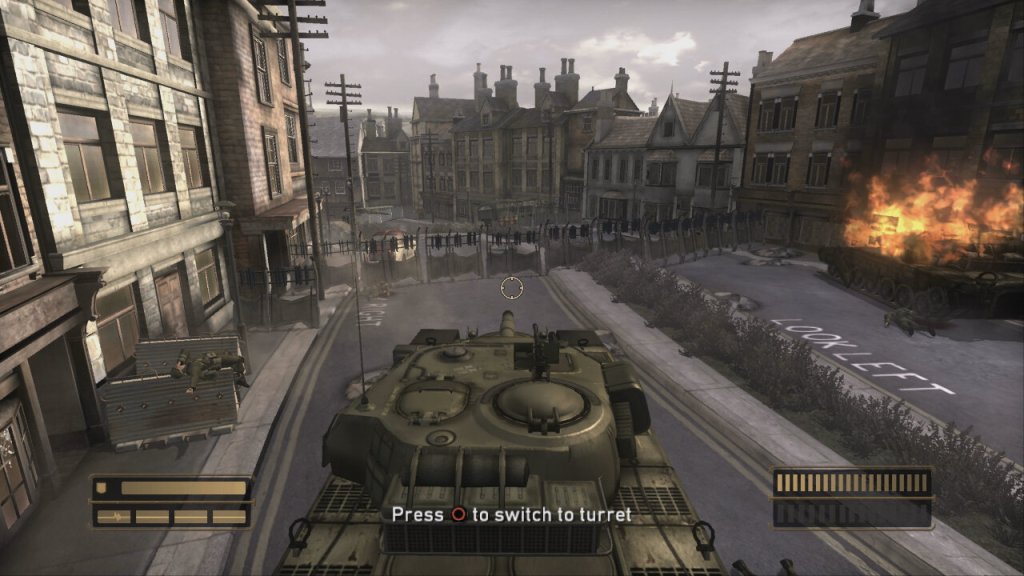
Along the way there are various objectives, including assisting the rebel forces from the Chimera attack. To add some variety into the game, some missions will have you either in a tank, or a jeep with an accomplice. Similar to the warthog from halo, you can switch between driving and gunning and can even crush enemies by running them over.

A lot of the games story has similarities to Gears Of War, which was Microsoft exclusive Third-person shooter set in a gritty environment. Resistance explores themes of an alien invasion, biological modification, immunity versus infection, and the struggle for human survival against a non-human threat. It delves into the psychological horror of what it means to be human when facing a force that corrupts and assimilates. In comparison, Gears of War Focuses on themes of war, duty, redemption, friendship, and the fight for one’s home. It also deals with the ethics of warfare, leadership, and what it means to be a soldier in a seemingly endless war.

While both games are set against backdrops of apocalyptic scenarios, Resistance: Fall of Man focuses on an alternate history with a more cerebral, horror-oriented approach to its alien invasion, whereas Gears of War dives into a more traditional war narrative with deep character studies, focusing on the human elements of war, brotherhood, and survival.

Resistance explores how an external, alien threat can unite disparate nations. Despite historical animosities, countries are shown working together against a common enemy, the Chimera. This unity is not just military but also cultural, as seen in the game’s depiction of soldiers from various nations. The concept of total war is evident, where every aspect of society is mobilized for the war effort. The game shows civilians, scientists, and soldiers all contributing to survival against the Chimera. This reflects the idea of a society on the brink, with all resources and efforts directed towards defense or counter-attack. There’s an underlying theme of using the enemy’s own technology against them, which touches on the ethics of biological and chemical warfare, a real-world political and ethical issue. Dr. Grey’s Leaper weapon and the study of the Chimera virus represent this theme.

While not explicitly detailed, the existence of the Chimera can be seen as a metaphor for authoritarian regimes or oppressive forces. The way the Chimera conquer and transform humans could symbolize the loss of individuality and freedom under oppressive rule. The resistance against them symbolizes the fight for human rights and autonomy. Political leaders and the military command are depicted as making hard choices for survival, often at the cost of individual lives or ethics. This theme explores the political necessity of sacrifice in wartime, paralleling real-world decisions in conflicts.

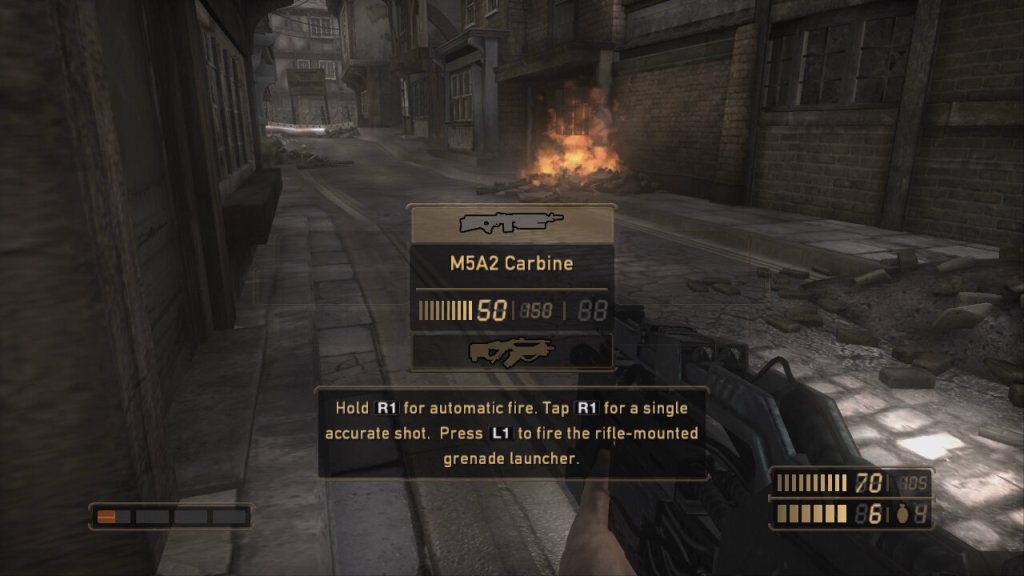
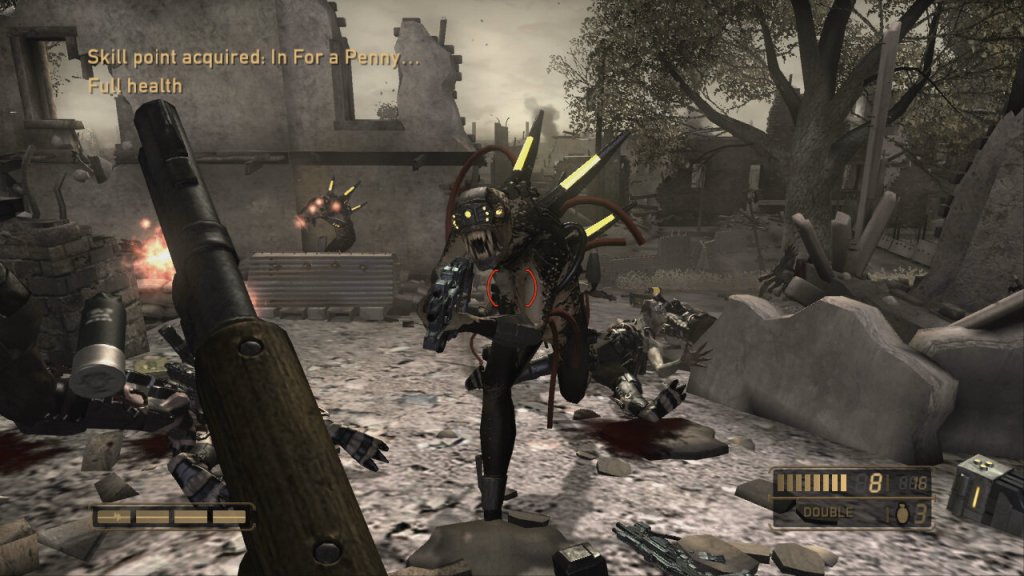
Resistance features both conventional weapons from the era and futuristic weapons influenced by the Chimera technology. Each weapon typically has two distinct firing modes, like the Auger which can shoot through walls or create a bullet-blocking barrier. The Hailstorm Shoots subsonic bolts that bounce off surfaces, increasing their lethality with each bounce. The ricocheting bullets add an element of unpredictability, it also gives the series its own identity through its weapons which is common with sci-fi themed games.

Despite being a Sony developed game, it remains only on the PlayStation 3 with no remake or rerelease for the PlayStation 4. It appears the game didn’t have enough of a broad appeal for Sony to port the game to the PS4. It was followed up by a sequel with Resistance 2, and a portable spin-off.

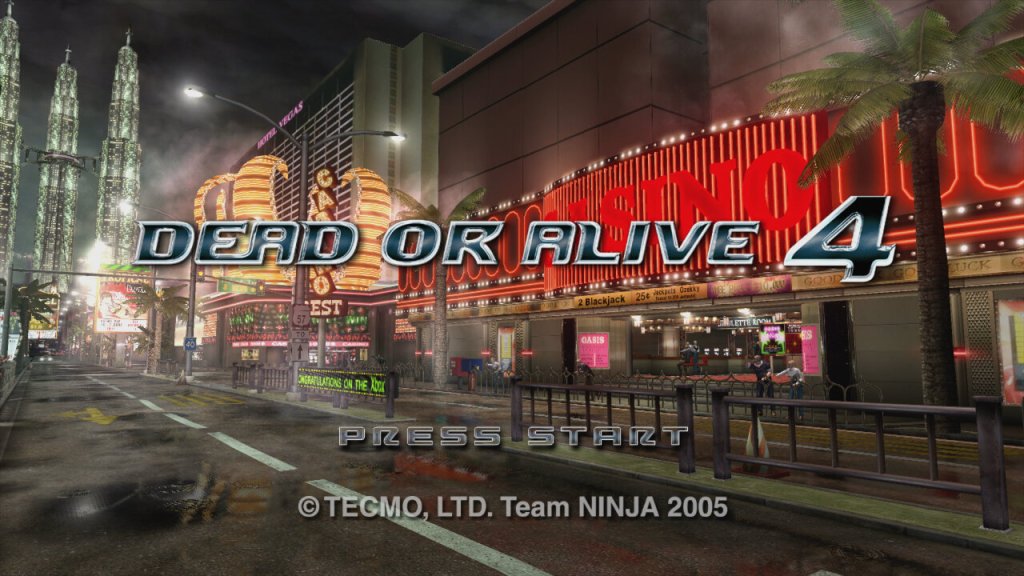
Dead or Alive 4

Dead or Alive’s HD debut

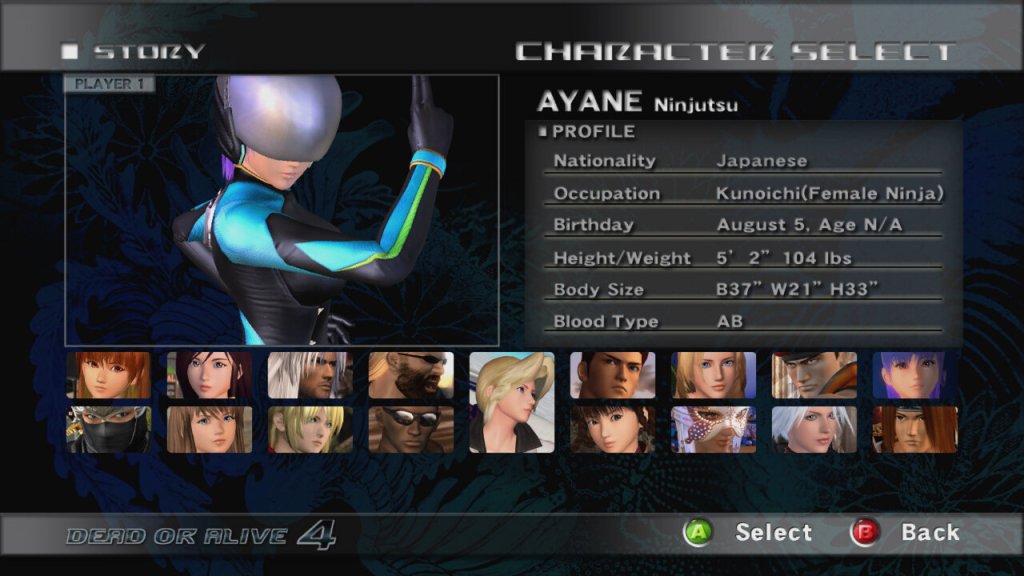
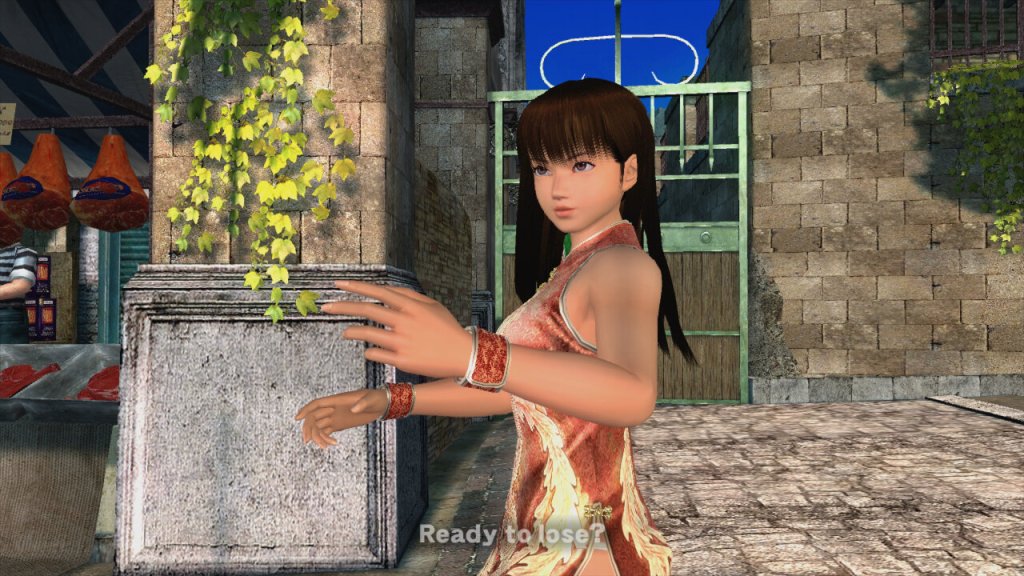
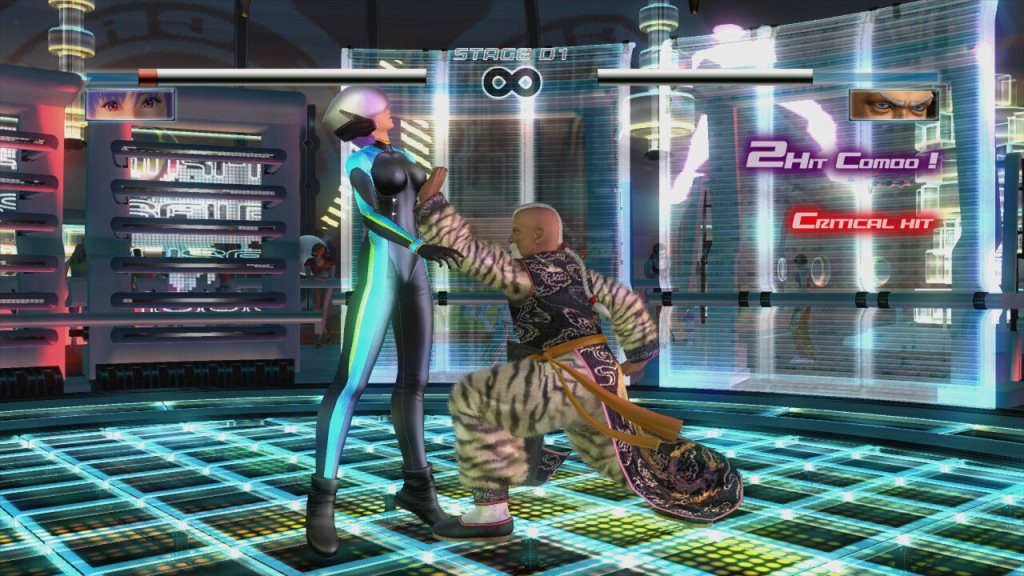
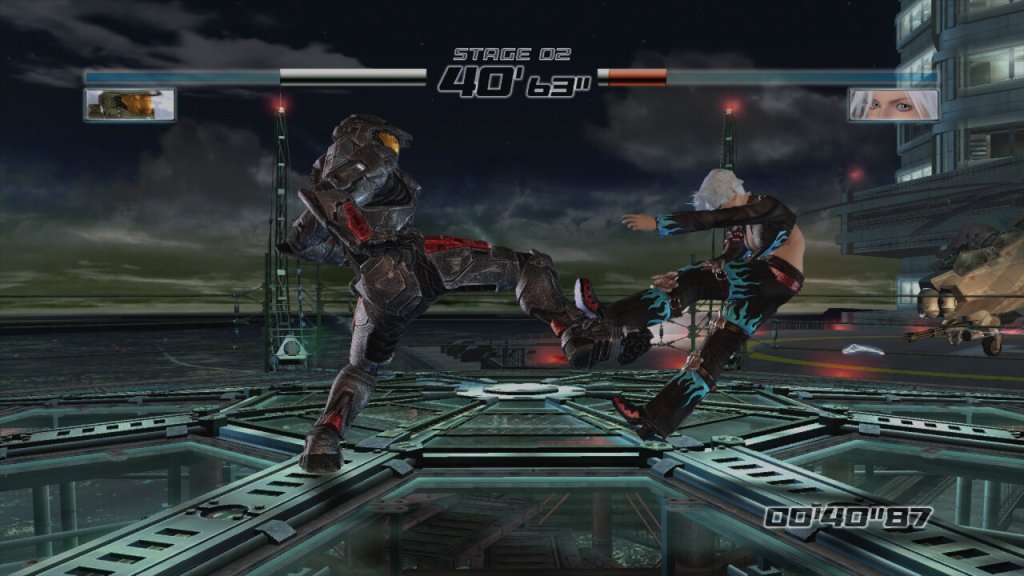
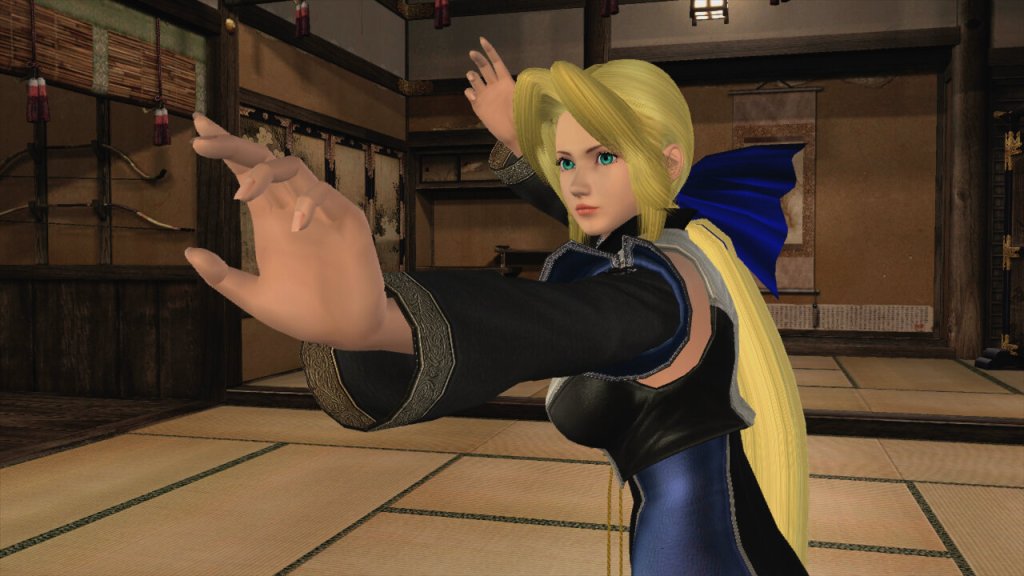
The games story picks up from Dead Or Alive 3, only with Helena at the center of the campaign as she inherits DOATEC from her mother who was assassinated in Dead Or Alive 2 but learns the corruption within the company is deep within. Other characters have their own storyline, some which interleave with the main plot with Kasumi/Ayane resolving their conflict to take down DOATEC. These are shown in the cutscenes when you play the characters respective story mode and will culminate with an ending FMV.

A few of the new characters introduced in the game:

Eliot: A young martial artist and a disciple of Gen Fu, and is on a quest for strength.
Kokoro: Bastard daughter of Fame Douglas, who is unaware of her true heritage.
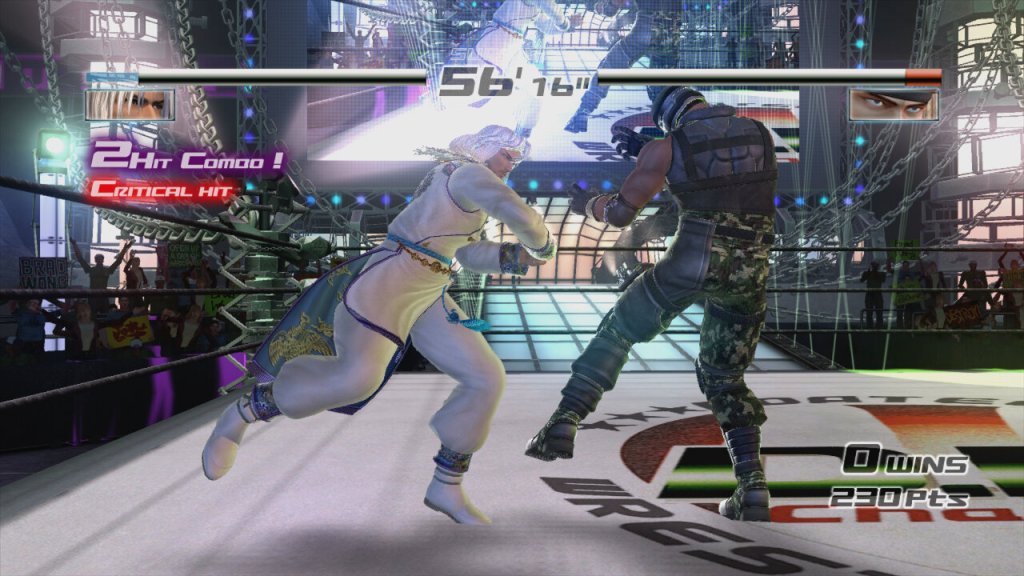
La Mariposa /Lisa Hamilton: An American masked wrestler who also works as a scientist for DOATEC, entering the tournament to investigate or escape from her employers.
Alpha 152: The boss of the game, a clone of Kasumi in energy form
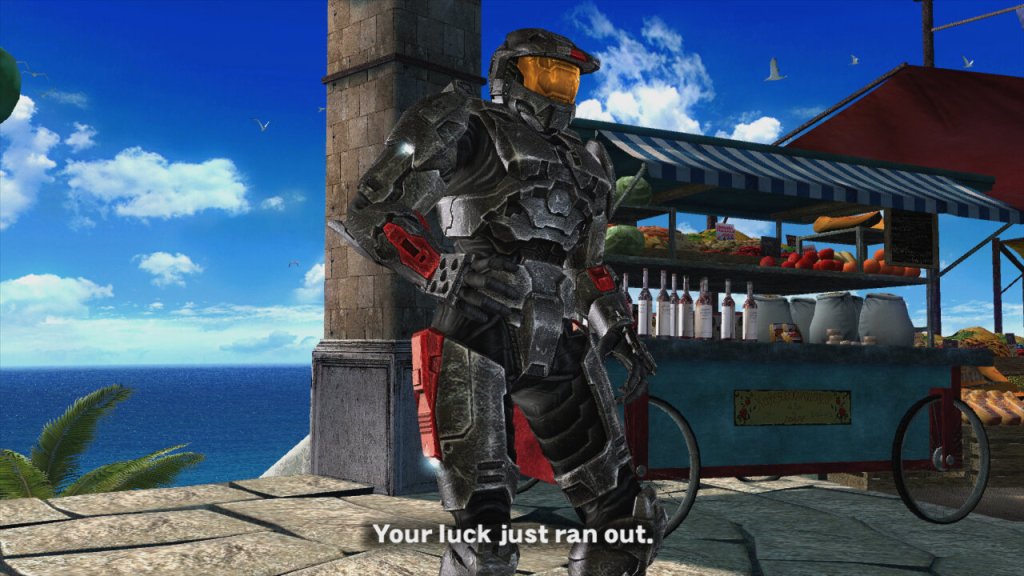
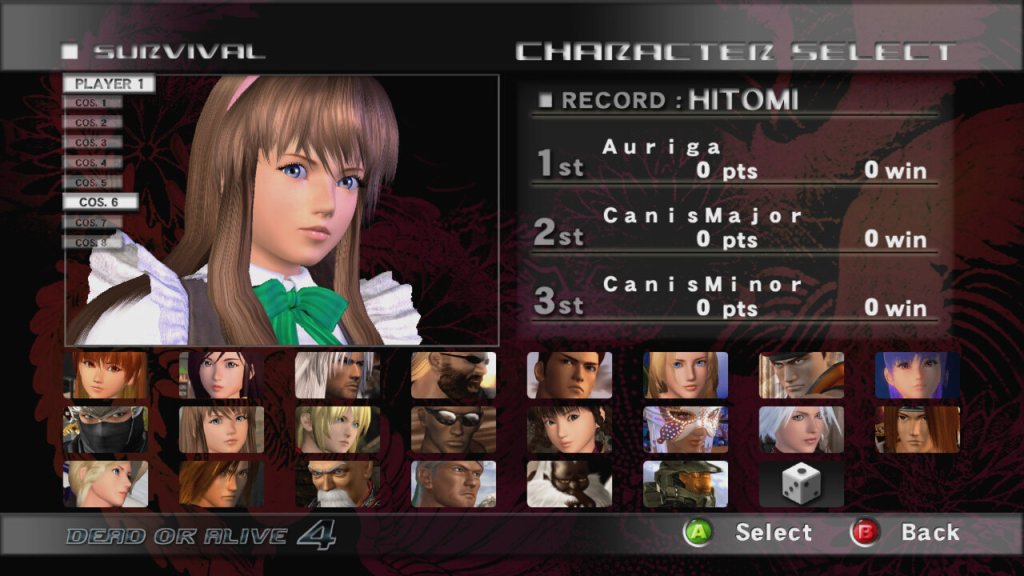
SPARTAN-458: A non-canon fighter inspired by the Spartans from the Halo franchise, A nod to the exclusivity of the game to the Xbox family of consoles.

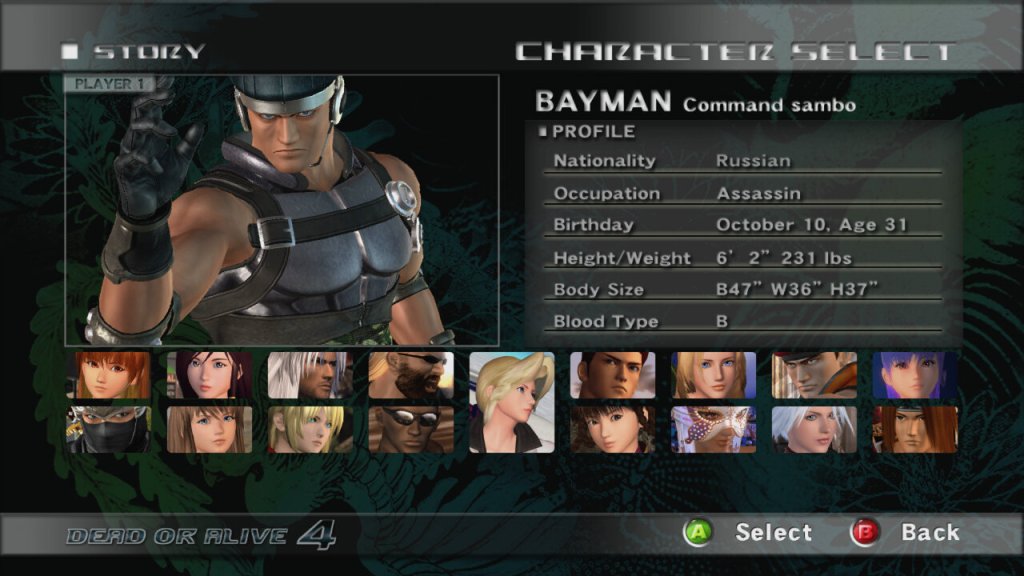
A lot of the fighters from the previous installments return, including Kasumi, Tina, Jan Lee, Bayman and Helena.

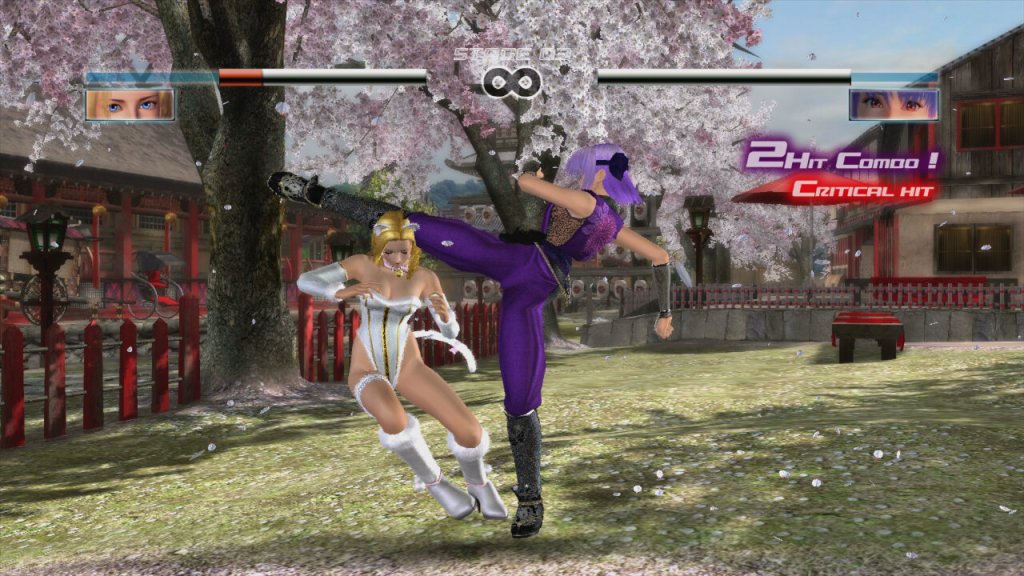
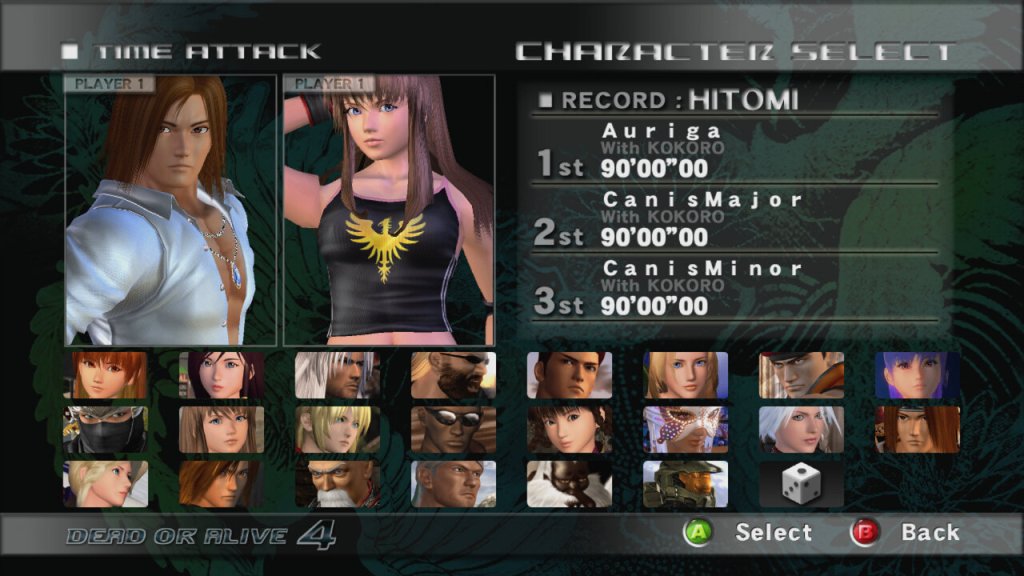
There isn’t much different with the game modes, though they are refined for online play. You do have the story mode which combines the games cutscenes with the fighting rounds, which are rendered within the game engine allowing for characters to use the costume you have chosen which can lead to some funny moments. Returning modes include Time Attack, Survival mode and Team Battle.

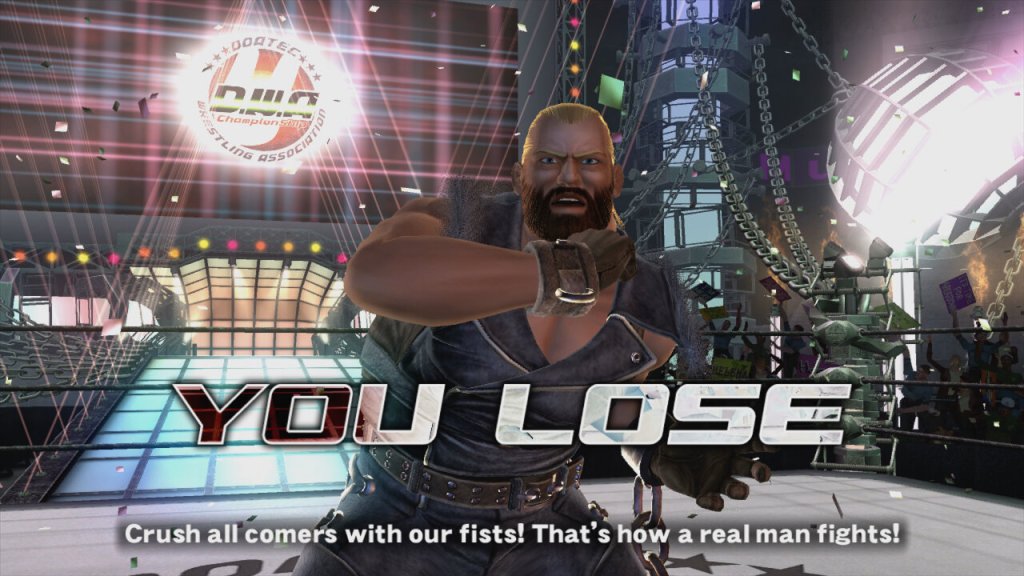
The main issue with the game is its difficulty. Dead or Alive 4 lacks an easy mode, with the default difficulty setting being quite challenging, even for seasoned players. The AI was too aggressive and seemed to cheat by countering player moves almost instantly or executing combos that were difficult to break out of. This was particularly highlighted in discussions where players felt the game required near-perfect timing and execution to succeed, which could be frustrating for newcomers or less experienced players. This is the case with the final battle between the boss (Alpha) who is difficult to beat even on the standard difficulty. There were certain rounds where she completely spammed attack moves repeatedly, leading to an instant defeat.
I honestly wonder if the AI is flawed in some way? A lot of matches are won on the basis of luck.

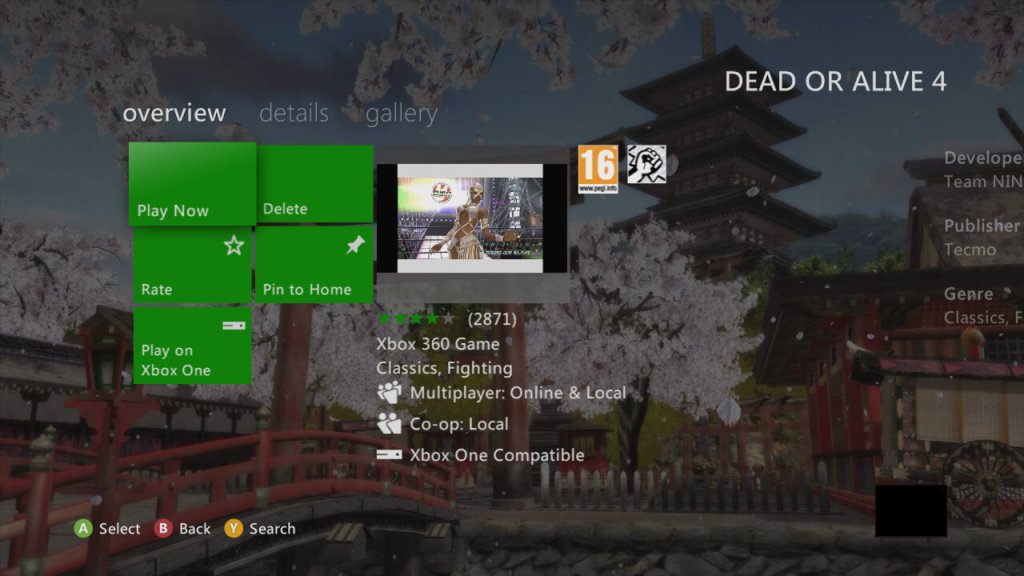
The game remains exclusive to the Xbox 360, but was ported to the Xbox One and Series consoles as part of Microsoft’s backward compatibility program. This also means the game can be purchased digitally online.

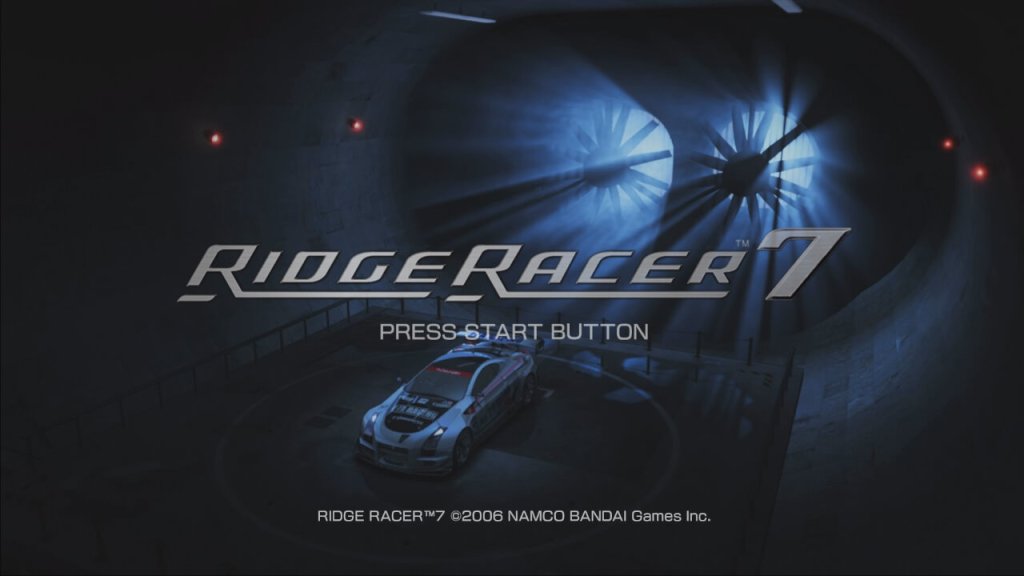
Ridge Racer 7

Ridge Racer’s debut on the PS3

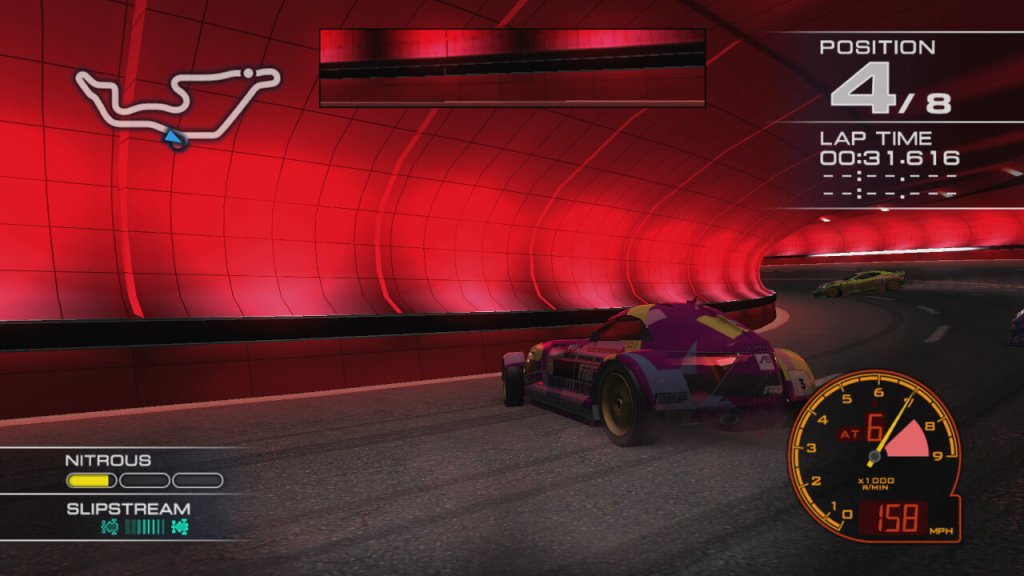
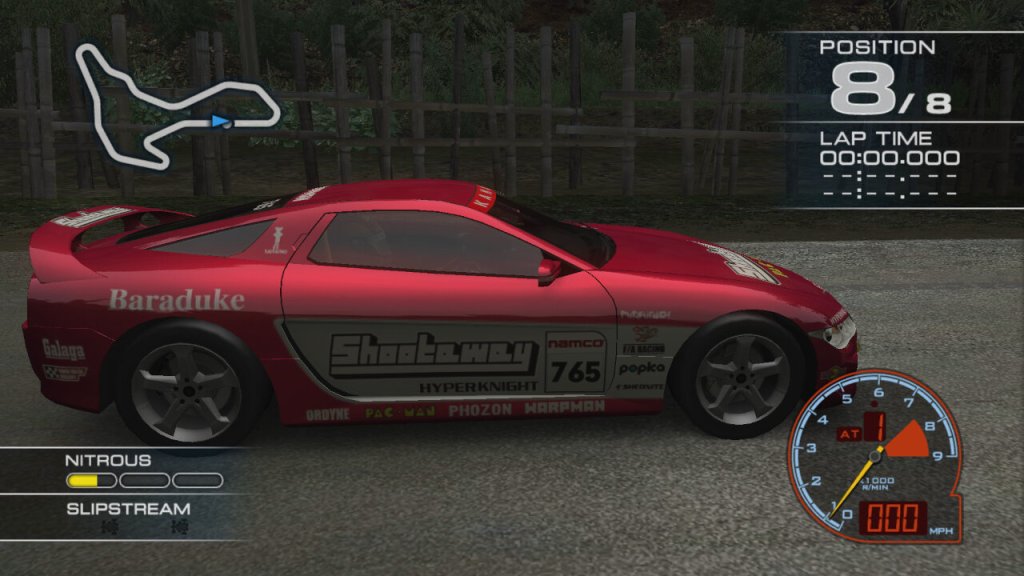
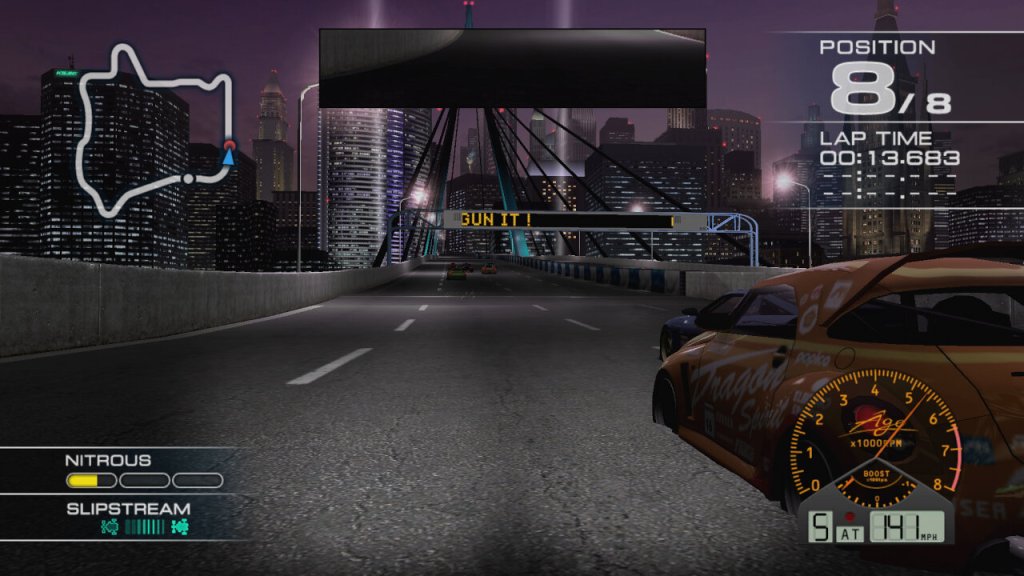
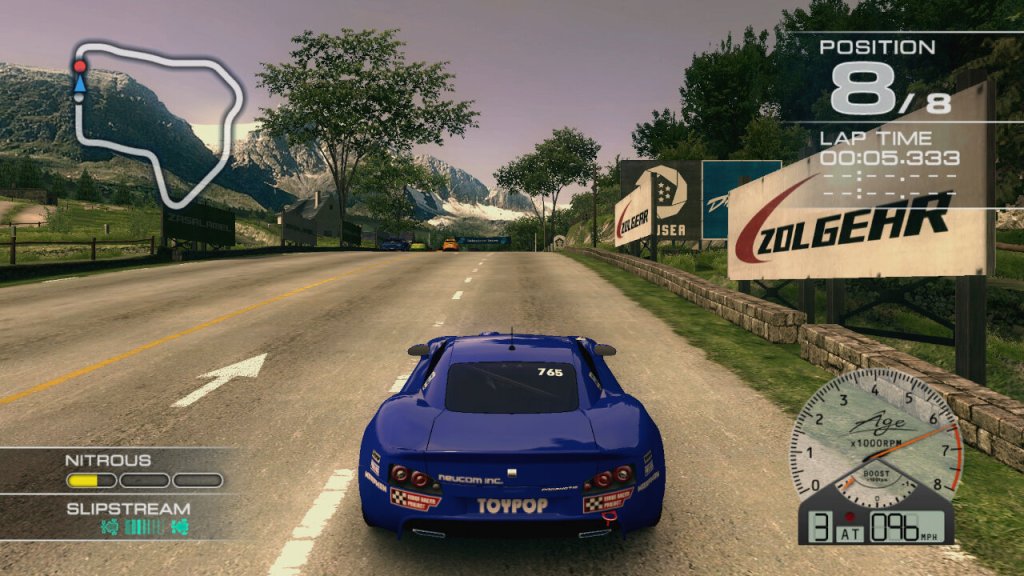
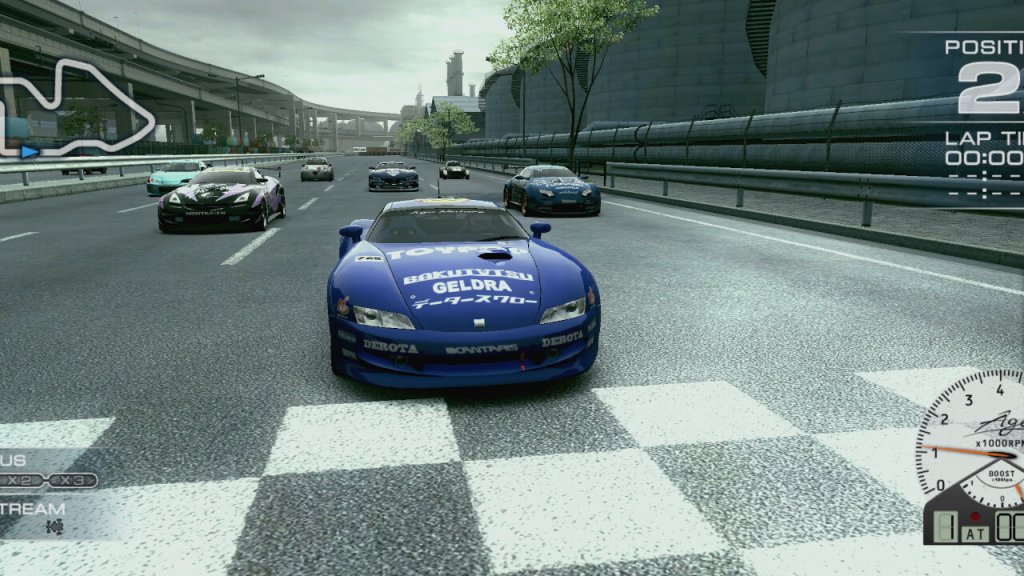
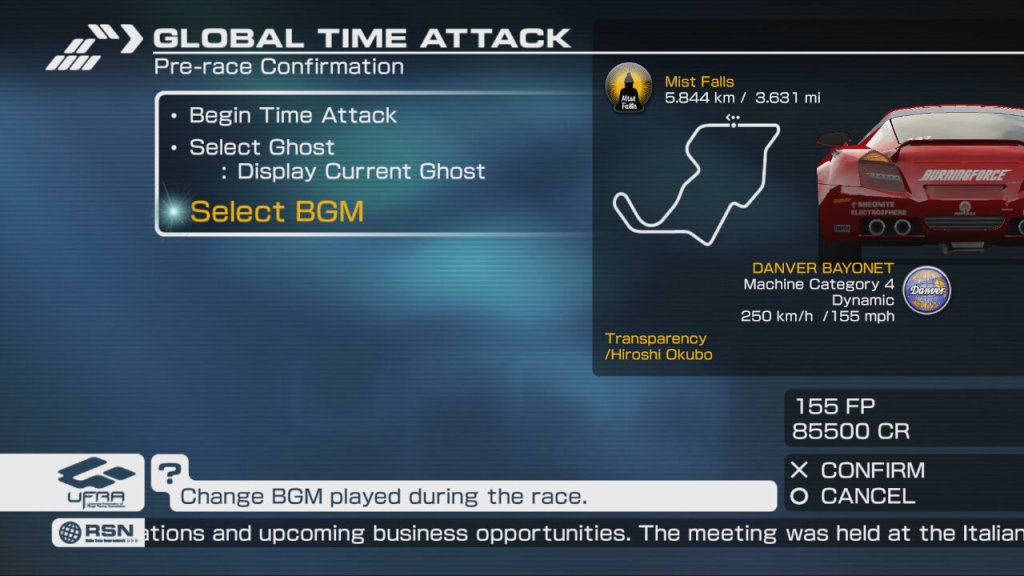
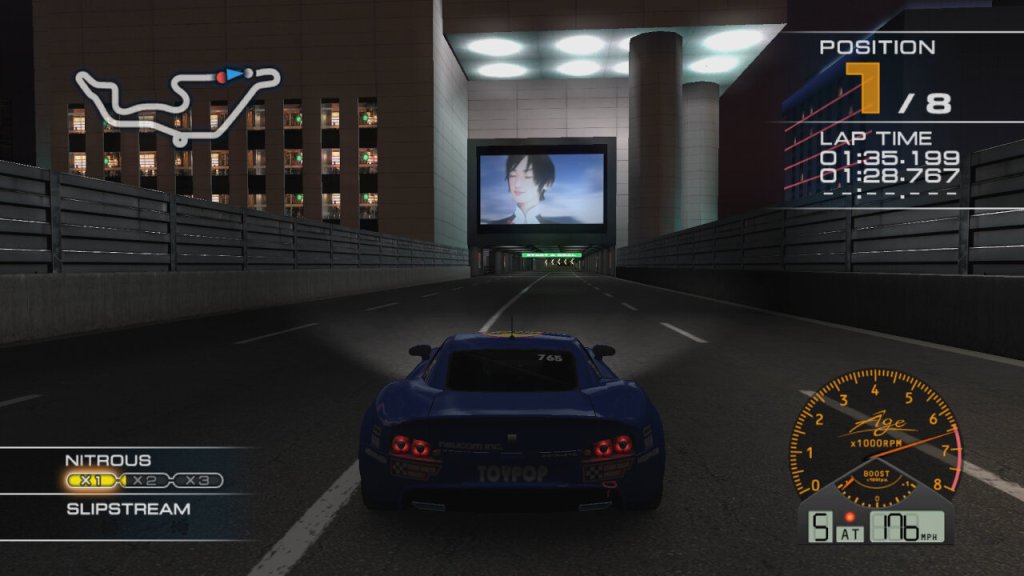
Released in 2006 as a launch titles for the newly released PS3, Ridge Racer 7 is known for its arcade-style racing with a focus on speed and drifting. The game features both solo and multiplayer modes, a first in the series for the PlayStation platform. It’s also one of the few PS3 games to run at 1080p 60fps. Ridge Racer 7 maintains the series’ core mechanic of high-speed drifting. Players who enjoy mastering the art of sliding through turns at breakneck speeds find this exhilarating, and is a nice alterative to racing simulation games like Gran Turismo or Forza.

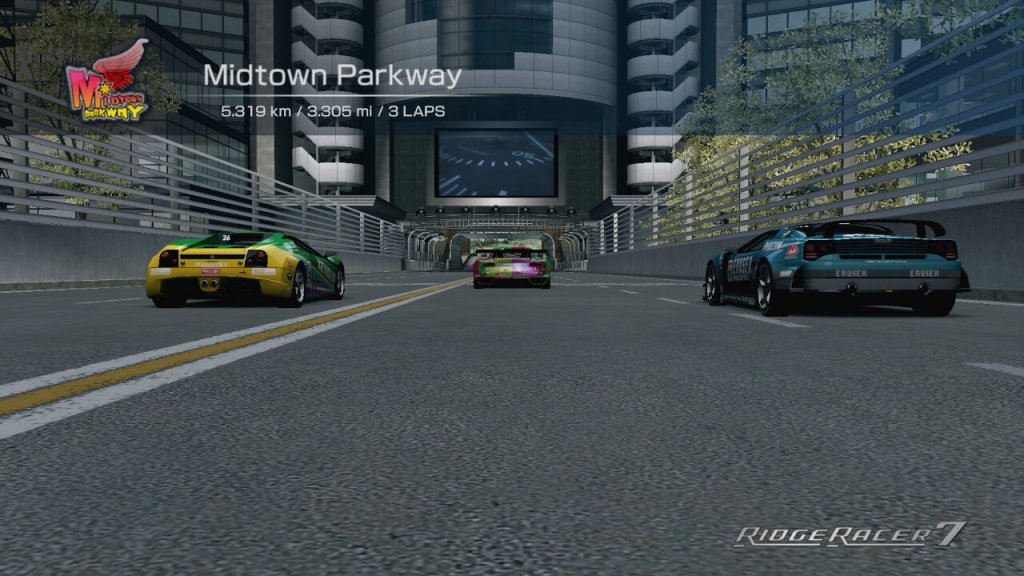
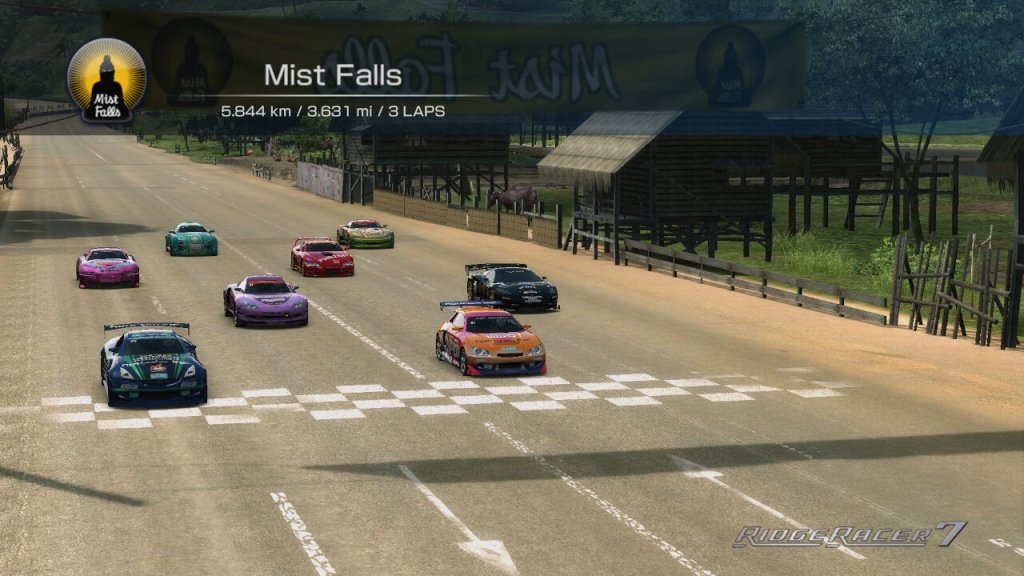
In terms of gameplay, there isn’t much different with the Xbox 360 exclusive Ridge Racer 6, with some even calling 7 a directors cut with extra content. It defiantly feels like an improvement rather than a new title in the series. There is nice selection of tracks, but they are improved versions of Ridge 6’s tracks. There isn’t much from the previous installments of the game unless you count the original track from the first release, now renamed as

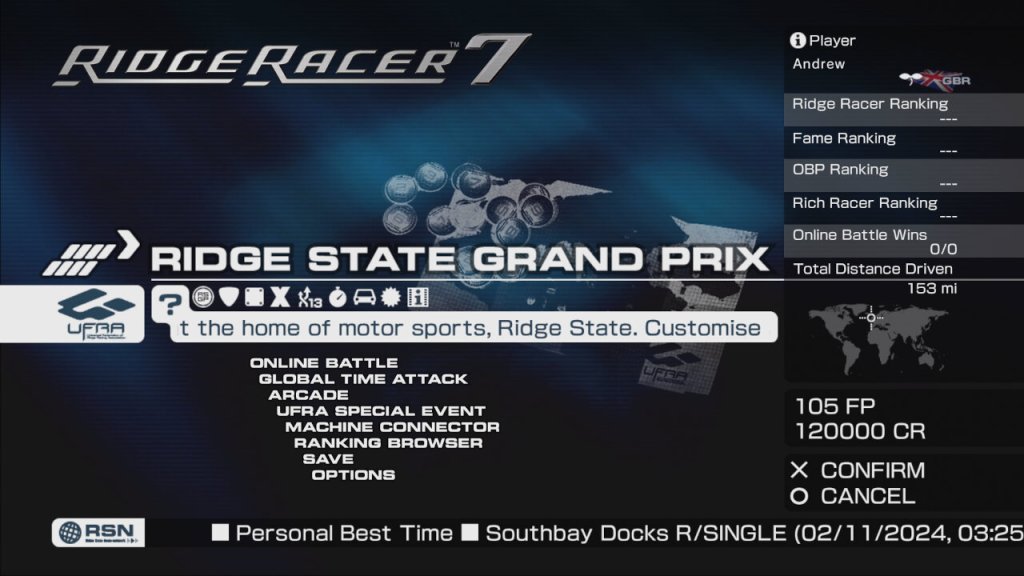
The user interface is a complete overall to what was seen in Ridge Racer 6, giving a more dynamic view. Gone is the hex-style design of the race tree, instead you select which race you want to start from a simple menu.
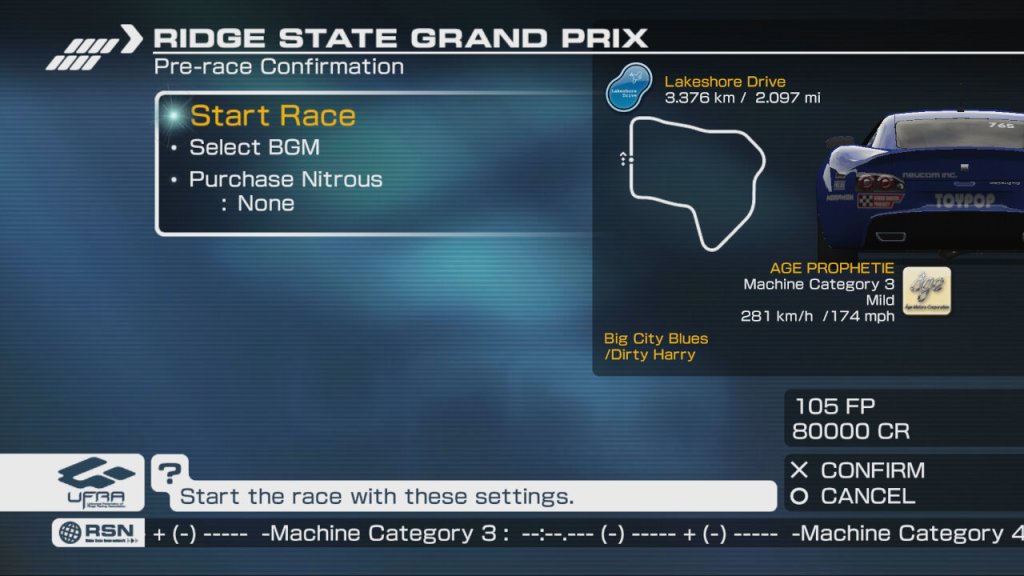
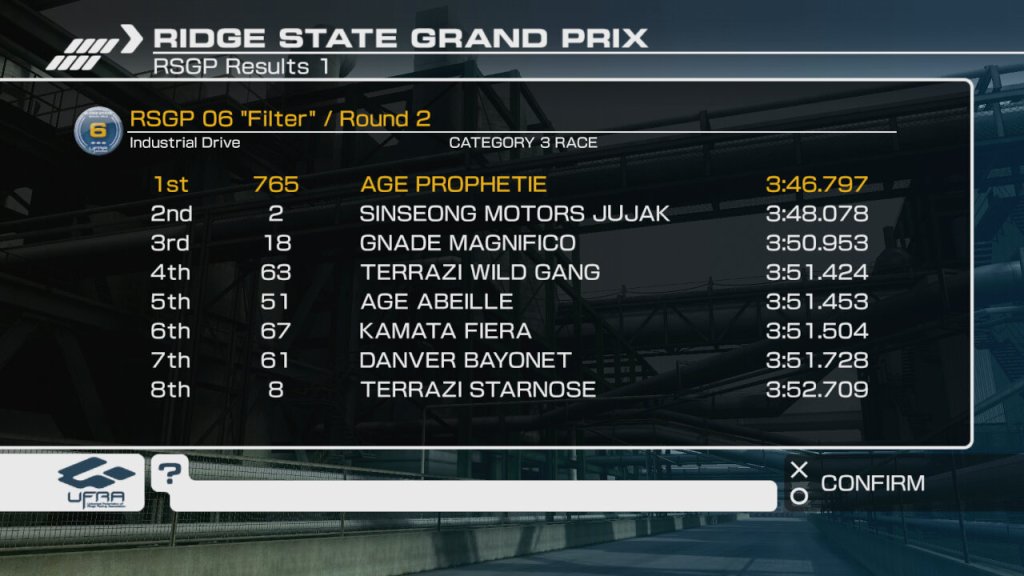
Ridge State Grand prix is a series of races that can be completed in order to earn credits, that can be used to unlock and customize your machines for later races. These are treated as tournament where you have to race on three to five tracks, with your finishing position having an impact in your standing for the next race. Unlike previous games, you don’t have to win or finish in the top three, but you will have to try harder to compensate for the next race instead. Alternatively you have the option to replay the race gain, but you will be returned to the first race in the series.

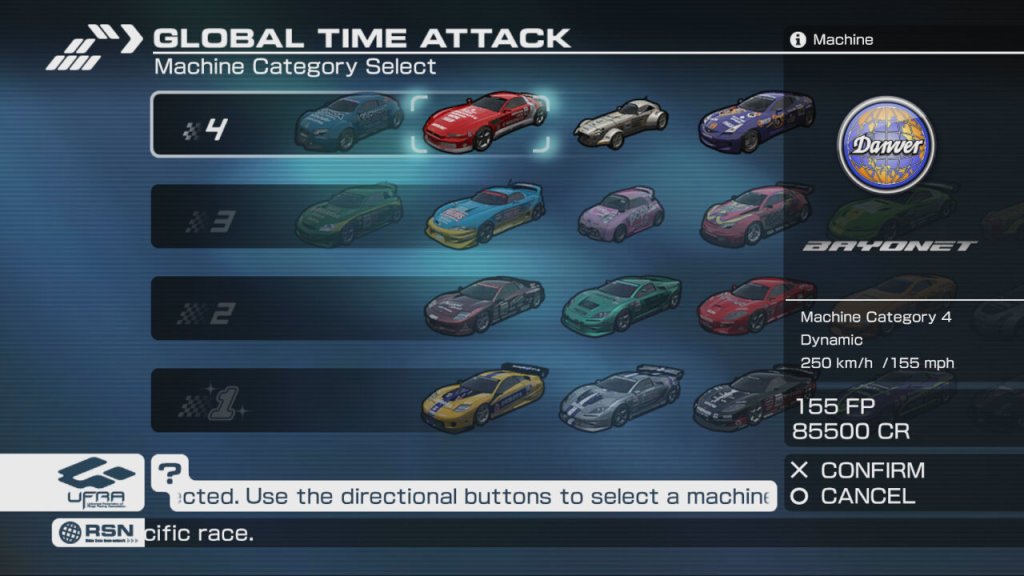
There are also other races in the game, a Manufacturer’s Trial that lets you unlock specific machines when you win a specific race, or can unlock additional upgrades. There are also single events which are much difficult and can consist of time attack races, and regular races that have machine restrictions on them.
There was also downloadable content which included a set of 25 UFRA Special Events. These events were known for their higher difficulty level compared to the standard game races, providing additional challenges for players even after completing the main content.

As always, there is a specific time attack mode which will compare your results with other players online, and multiplayer either through splitscreen or online.

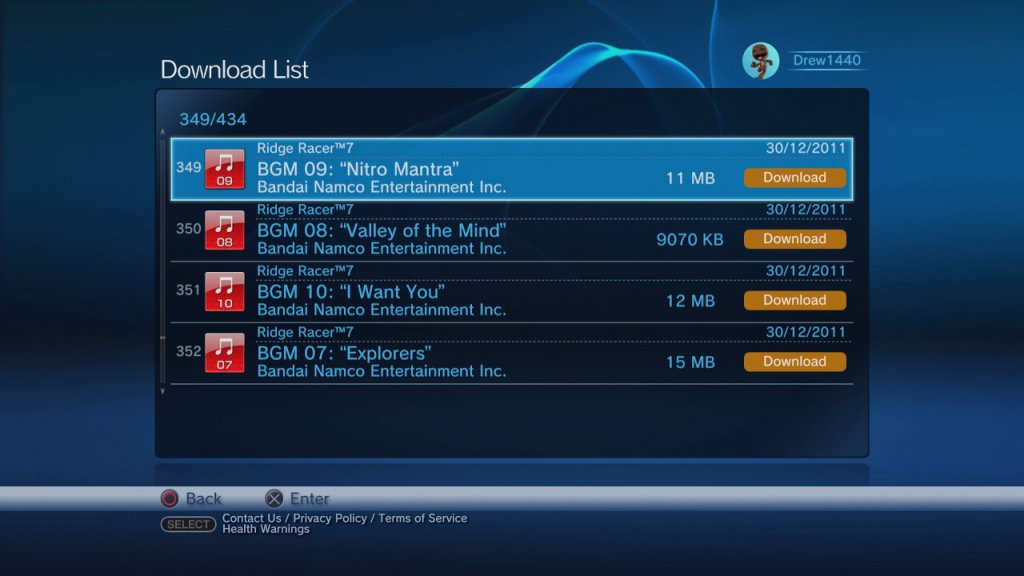
The music in the game is as amazing as always with some good techno and electronica tracks to race to that Ridge Race is known for. Namco also provided previous tracks to download that featured from previous installments in the game, giving you a sense of nostalgia from previous tracks in the game.

Sadly this was one of the last proper Ridge Racer games to be released. There would be a follow up in the form of Ridge Racer Unbounded, but this is perceived by players to be a Burnout knockoff rather than an actual Ridge Racer game. Portable consoles did continue to see Ridge Racer releases, namely the Nintendo 3DS and the PSVita, even mobile devices like the iPod Touch had Ridge Racer Accelerated. New installments would be released for the eighth-generation consoles, and the Ridge Race franchise has since been abandoned, and arcade racers in general.

There seems to be a broader trend where simulation racing games are gaining ground over arcade racers on modern consoles. This might be attributed to the desire for more authentic and challenging gameplay or the growth of esports and the professionalization of gaming.

But these sorts of games do not age well thanks to music and vehicle licenses expiring, meaning racing games typically get delisted after a few years and gives an expiration date for thee games. Arcade racing games continue to hold a cherished place in gaming culture. They cater to a different audience looking for quick, adrenaline-fueled fun without the steep learning curve of simulations. There is no reason why both cannot coexist, and titles like Dayona USA, Cruis’n USA and even Burnout will always have a place on any consoles/gaming hardware, either in native or emulated form.

Call of Duty 4 Modern Warfare

The first in the memorable Modern Warfare series, and one that would take the Call Of Duty franchise to new levels. Not to be confused with the modern 2019 remake

Released in 2007, Call of Duty 4: Modern Warfare marked a significant shift for the franchise by moving away from the World War II setting to a contemporary military conflict. Modern Warfare features a single-player campaign where players experience the story from the perspectives of both a U.S. Marine Force Recon sergeant and a British SAS commando. The narrative unfolds across various global locales, offering a cinematic experience that was groundbreaking for its time.
Set in 2011, the game’s plot revolves around a radical leader executing a Middle Eastern president, which leads to a movement in Russia sparking a civil war. This backdrop provided a rich, albeit fictional, narrative involving geopolitical tensions, terrorism, and military intervention.

The game begins with the player assuming the role of Private Allen, undergoing training with the U.S. Marine Force Recon. This serves as a tutorial level and will instruct you on how to use your weapons and grenades, as well as tactical advice. The story quickly shifts to the Middle East, where U.S. forces, including the player’s character, are tasked with capturing or killing a terrorist leader. This mission goes awry when the terrorist leader, Khaled Al-Asad, executes the president of an unnamed Middle Eastern country on live television, inciting chaos. Here, the conflict escalates as both the SAS and the U.S. Marines engage in heavier combat. The narrative focus shifts towards locating and dealing with Al-Asad, while also hinting at a larger conspiracy involving nuclear weapons.

All Ghillied Up & One Shot, One Kill are pivotal missions flashback missions that explain the backstory of Captain Price with Imran Zakhaev, setting up the personal stakes for the characters involved. They are considered to the landmark missions in the Call Of Duty franchise due to their reliance on stealth mechanics, and the decisions the player has to make which will affect the outcome of the missions. Sometimes it’s easier to not take the shot, rather than to just sneak around the enemy and remain in stealth.
The later missions wrap up the game storyline, The SAS and Marines work together to thwart a nuclear threat. These missions include intense battles, the revelation of betrayal, and the pursuit of Zakhaev.

There is also an epilogue mission where you must rescue a VIP from a hijacked airplane. This mission is particularly challenging and not directly connected to the main storyline but serves as post campaign fun.

Political Themes

As a military focused game, Modern Warfare isn’t afraid to delve into several political themes, embedding them into tits narrative. The game begins with the coup in an unnamed Middle Eastern country, where a terrorist leader, Khaled Al-Asad, overthrows the government. This theme reflects real-world concerns about state stability in regions prone to radicalism. The use of a nuclear device by Al-Asad to prevent his capture mirrors fears of non-state actors or rogue states obtaining nuclear capabilities.
The game shows various Western forces, particularly American and British, intervening in Middle Eastern conflicts, which echoes real-world military engagements like the War on Terror. The collaboration between different nations’ special forces (e.g., U.S. Marine Force Recon, British SAS) highlights the theme of international military coalitions, reflecting NATO-like operations, these are detailed in the opening movies that play before the mission begins.

Ethical Dilemmas in Modern Warfare are also presented, The game occasionally presents scenarios where civilian casualties are a risk, exploring the moral impact on soldiers and the strategic considerations of warfare. In many missions you can fail by attacking innocent civilians, or by not reacting to events as quickly as possible. Decisions about when and how to engage enemies, especially in densely populated areas, touch on themes of proportionality in military action and the impact on civilian populations.
In terms of Globalization of Conflict, The game illustrates how modern warfare transcends borders, with characters and conflicts spanning multiple continents, reflecting a globalized world where threats are not confined by national boundaries, but also how there is a reliance on these different nations, due to production.

Lastly, While not directly discussed, the backdrop of the game, especially with its focus on terrorism and response, echoes the post-9/11 world where security measures often clash with individual liberties and international law.

Multiplayer

The game is very well known for its multiplayer mode, which became exceptionally popular, introducing perks, killstreaks, and a more dynamic gameplay experience with various maps set in modern contexts.
A few of the game modes consist of Team Deathmatch (TDM), Players are divided into two teams. The objective is to kill opponents, with each team’s score incrementing for each kill. The team with the most kills at the end of the match wins.

Search and Destroy (S&D) was possibly one of the most intense game modes. Players are divided into two teams of attackers and defenders. Attackers must plant a bomb at one of two bomb sites, while defenders must prevent the bomb from being planted or defuse it if it is. Each round is one life; if all players of one team die, the other team wins the round. The first team to win a set number of rounds wins the game.

Domination is where teams compete to capture and hold three objectives (A, B, C) scattered across the map. Holding zones gives the team points over time, and the team with the most points at the end wins. The strategic element involves capturing and defending zones while preventing the enemy from doing the same. If your familiar with the Domination game mode from Unreal Tournament, it’s pretty much the same gameplay.

Versions

Xbox 360: The most popular release of the game, and the one with the most active multiplayer population due to ongoing Xbox Live support, and the game being made compatible with the Xbox One and Series consoles. You still need to pay for Xbox Live Gold Gamepass.

PlayStation 3: Still has a respectable online population and is free to play online. Performance wise it does suffer from tearing and a few frame drops compared to the 360 version. It does lack trophy support since this was released before Sony had standardized Trophy support for PS3 games.

Microsoft Windows: This version is still sold online through Steam, along with its DLC. There are a few security issues with it’s online multiplayer, mainly with CVE exploits that can occur. Its not recommenced to play the multiplayer on Windows for this reason.

Mac OS X: Modern Warfare was ported to macOS shortly after the PC release, but was only made available for 32bit Intel Mac’s. Modern macOS version’s from Catalina onward are unable to play the game since they dropped support for 32bit Intel apps, and no 64bit release was made. You might be better off playing the Windows versions using Parrells instead.

Wii: This version is known as the Reflex Editon, and makes use of the console motion controls. It’s very scaled down graphically compared to the other console versions due to the limited processing power of the Wii but it still regarded as a faithful port.
There is no support for the Classic controller or the Gamecube controller, instead the game can only be played with the Wii remote and Num-chuk since it is reliant on motion control aiming. This will take some getting used to, but once you adjust the sensitivity settings to get the sweet spot, you will find it’s quite precise to aim and shoot.
Multiplayer was also supported but has since been shut down officially following the Gamespy shutdown of 2013 which saw many Nintendo Wii services discontinued.

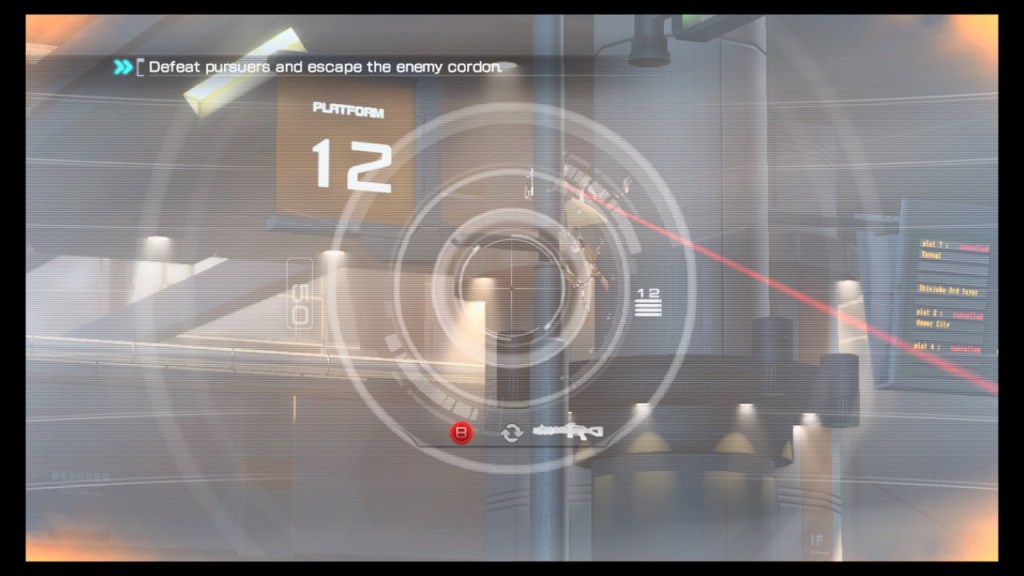
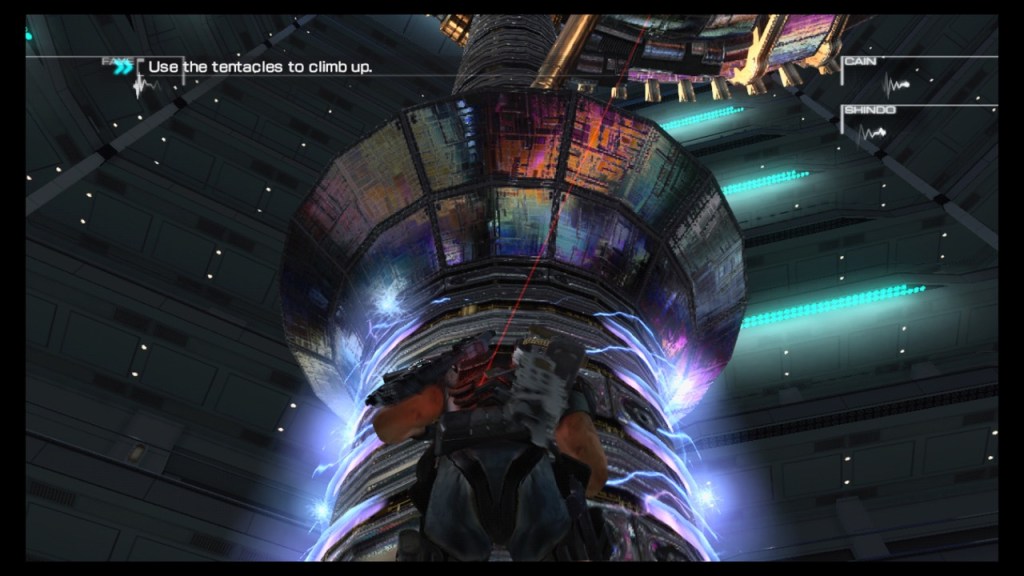
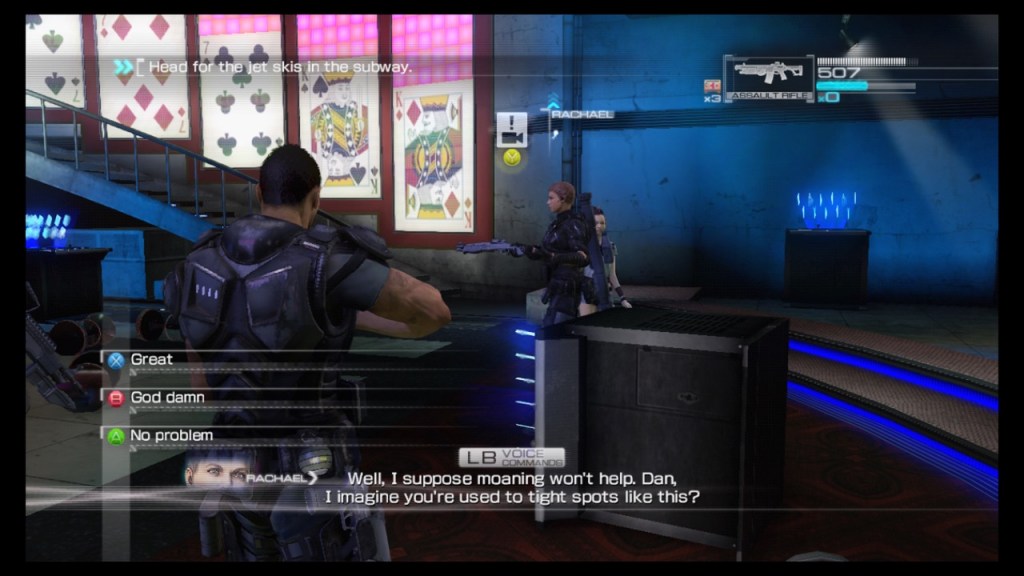
Jumper: Griffin’s Story

A videogame based of the movie of the same name, which was also based off the book of the same name.

The game focuses on Griffin O’Conner, a character who has a minor but significant role in the movie. While David Rice (who was played by Hayden Christensen in the film) is the main protagonist of “Jumper,” Griffin’s story runs parallel to David’s, expanding on his character and his own vendetta against the Paladins. The game extends the film’s universe by focusing on Griffin, a character with a backstory involving the murder of his parents by Paladins, an organization against Jumpers. However, the narrative execution in the game was seen as weak, with little to no story explanation or development. It kind of requires you to watch the movie first before you can understand the premise of the game, or the overall plot.

The core mechanic revolves around the teleportation or “jumping” ability of the protagonist, Griffin. You can instantly teleport to different locations around enemies to perform surprise attacks or to escape danger. This includes jumping behind foes, above them, or to nearby ledges to gain tactical advantages However, the gameplay has been criticized for being repetitive and simplistic, essentially boiling down to a basic beat ’em up with limited depth or innovation in combat. The mechanics of jumping around enemies to attack from different angles was a novel idea but was not enough to save the game from its repetitive nature.
Still, there were flaws with the game. One being the missions and combat being very repetitive with you fighting the same horde of enemies over and over again. For movie tie in games, you can’t really expect much since they are usually designed to cash in on the movie’s released, though you still expect some advanced form of gameplay.
Versions

Playstation 2: Was release for the console, which was still going strong in 2008. Oddly this was not released for the PS3, either in ported or emulated form.

Wii: This version makes use of the motion controls for executing the jumping or special attacks, though this can be frustrating since the game often does not pick up specific moves, or is a little too sensitive.
Xbox 360: The best port of the game it terms of graphics quality, and you get achievements.
Overall, Jumper: Griffin’s Story fails to capture the potential of its source material, resulting in a game that feels rushed and underdeveloped. It’s seen as a cash-in on the movie’s release rather than a thoughtful addition to the Jumper universe, The game might only appeal to those who are extremely fond of the movie.