Author Archives: drew1440

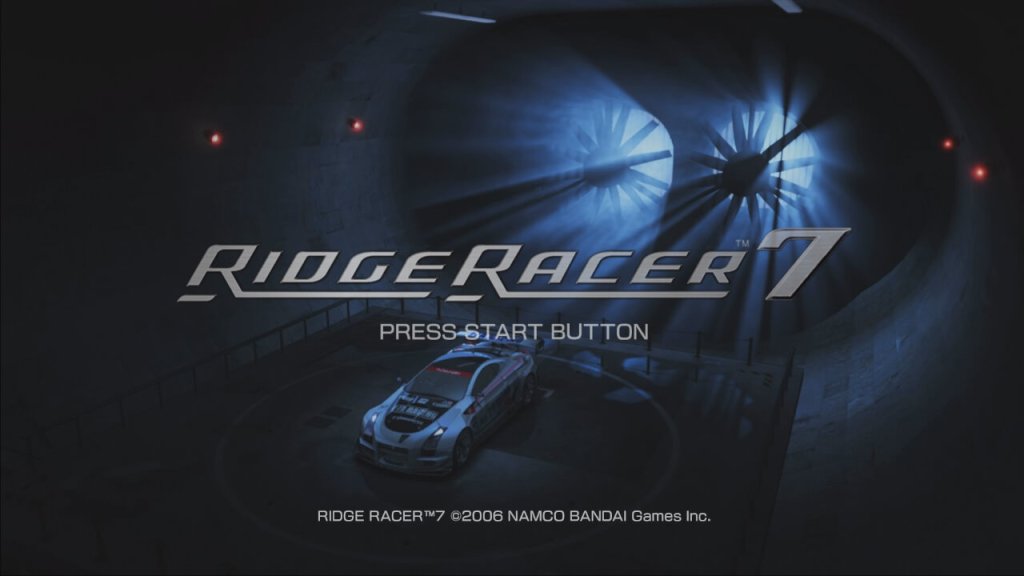
Ridge Racer 7

Ridge Racer’s debut on the PS3

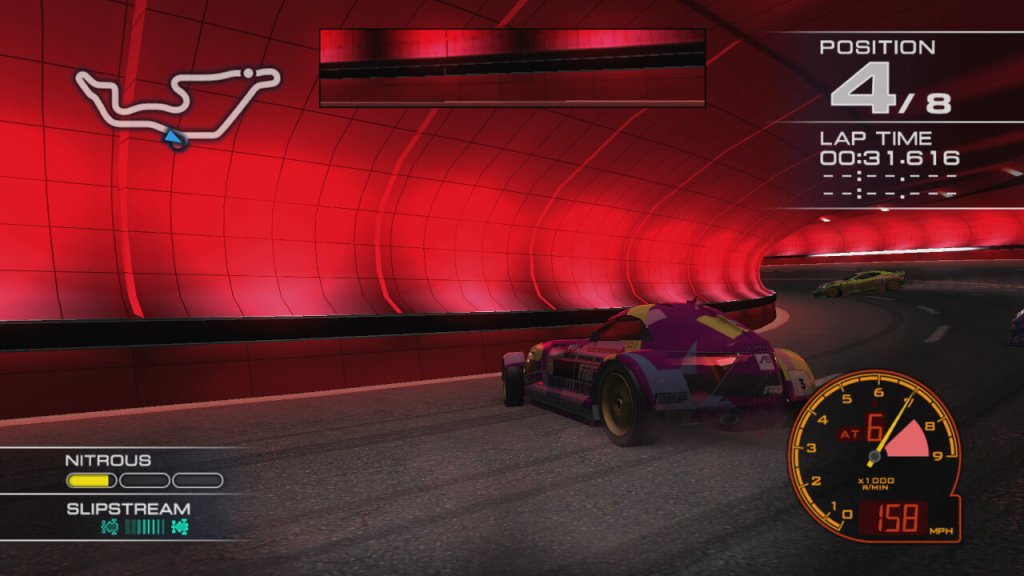
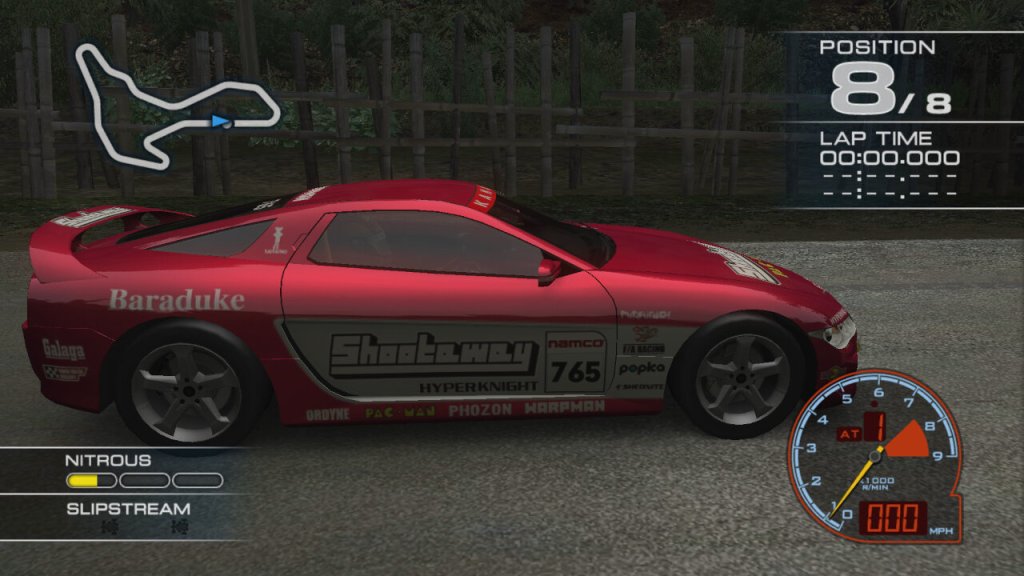
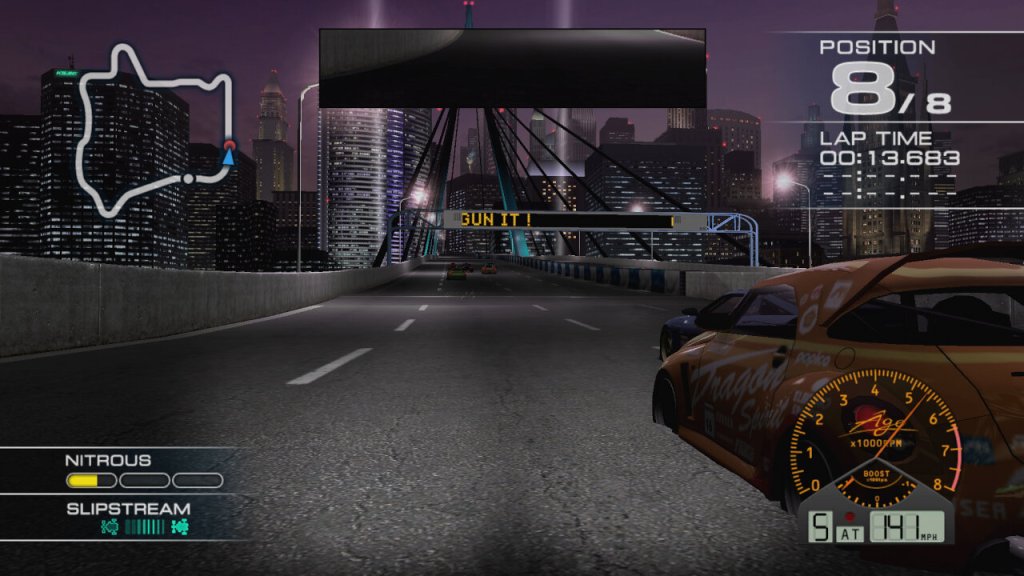
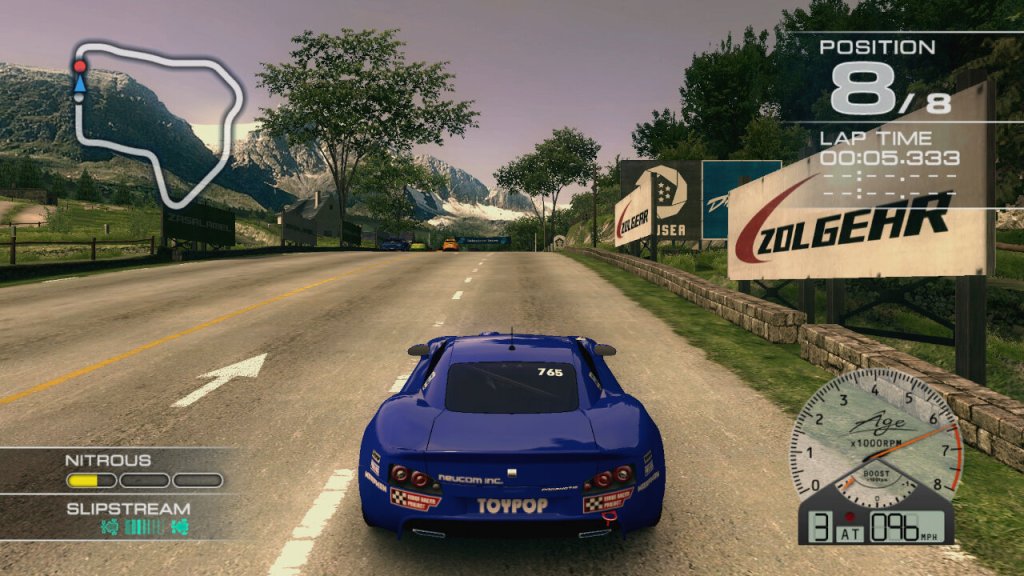
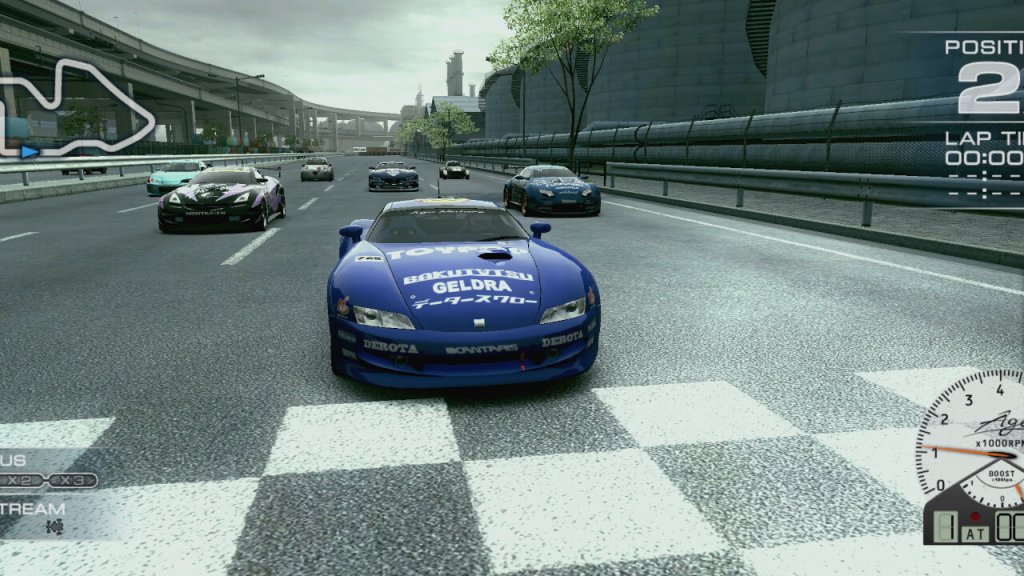
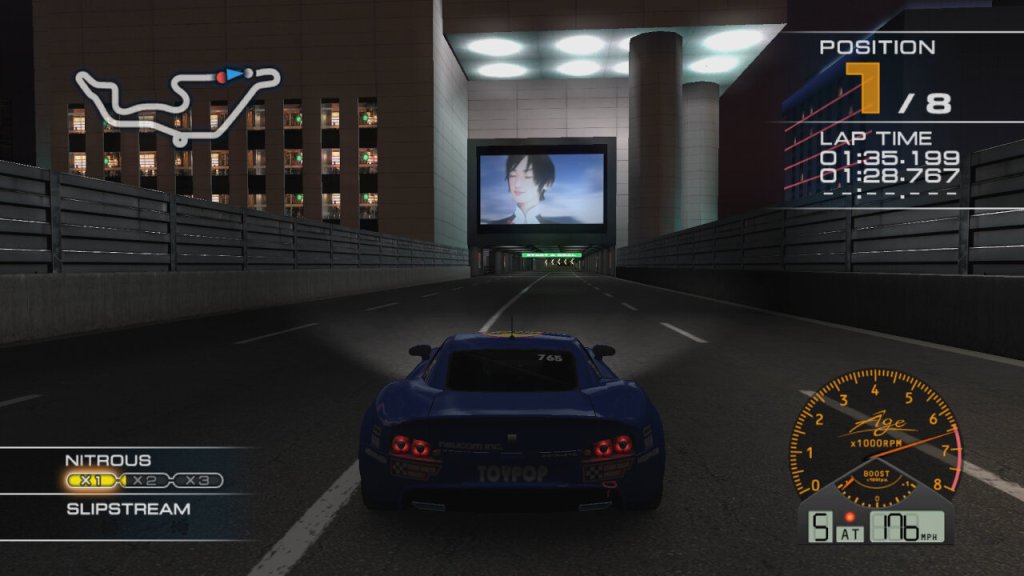
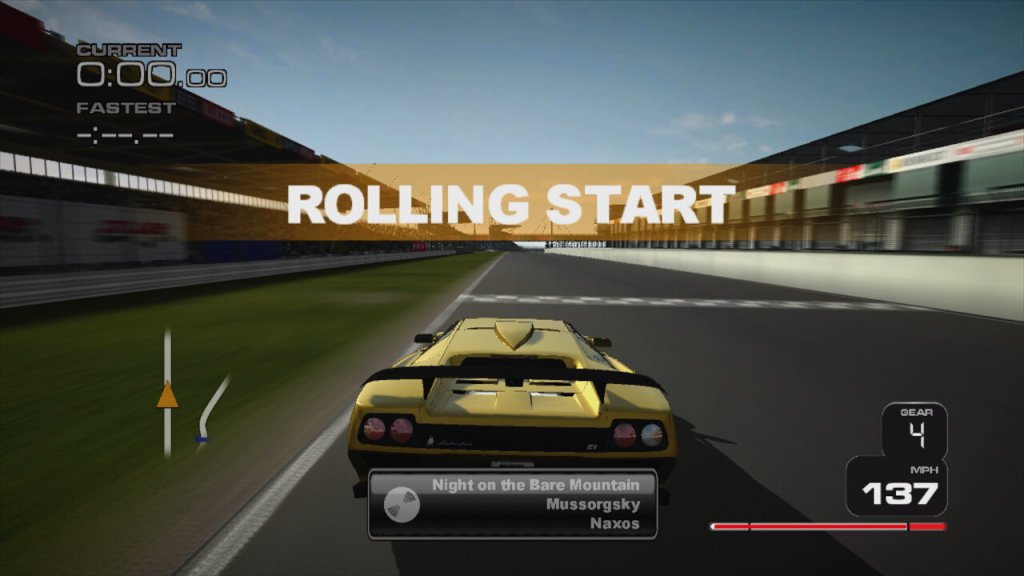
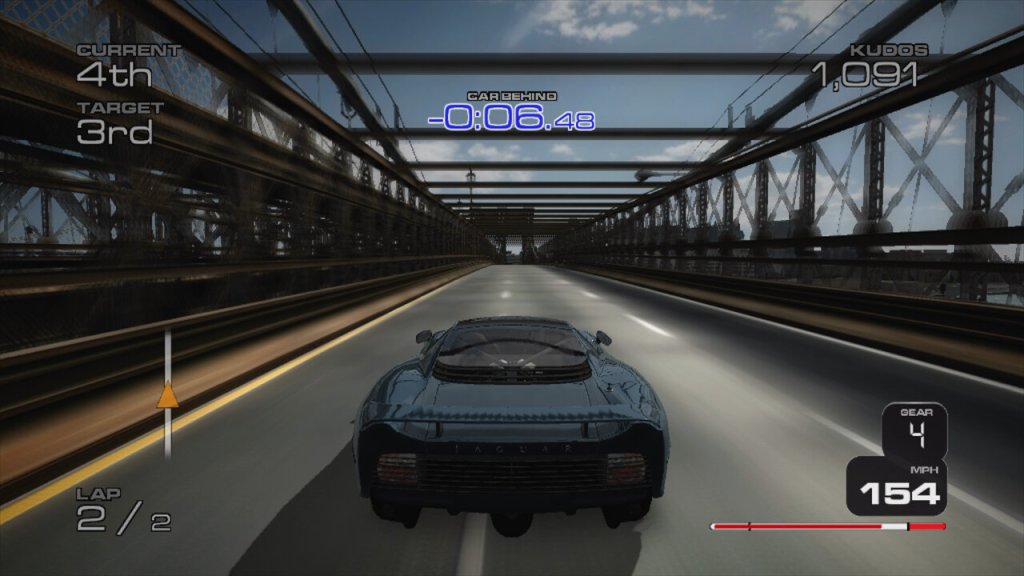
Released in 2006 as a launch titles for the newly released PS3, Ridge Racer 7 is known for its arcade-style racing with a focus on speed and drifting. The game features both solo and multiplayer modes, a first in the series for the PlayStation platform. It’s also one of the few PS3 games to run at 1080p 60fps. Ridge Racer 7 maintains the series’ core mechanic of high-speed drifting. Players who enjoy mastering the art of sliding through turns at breakneck speeds find this exhilarating, and is a nice alterative to racing simulation games like Gran Turismo or Forza.

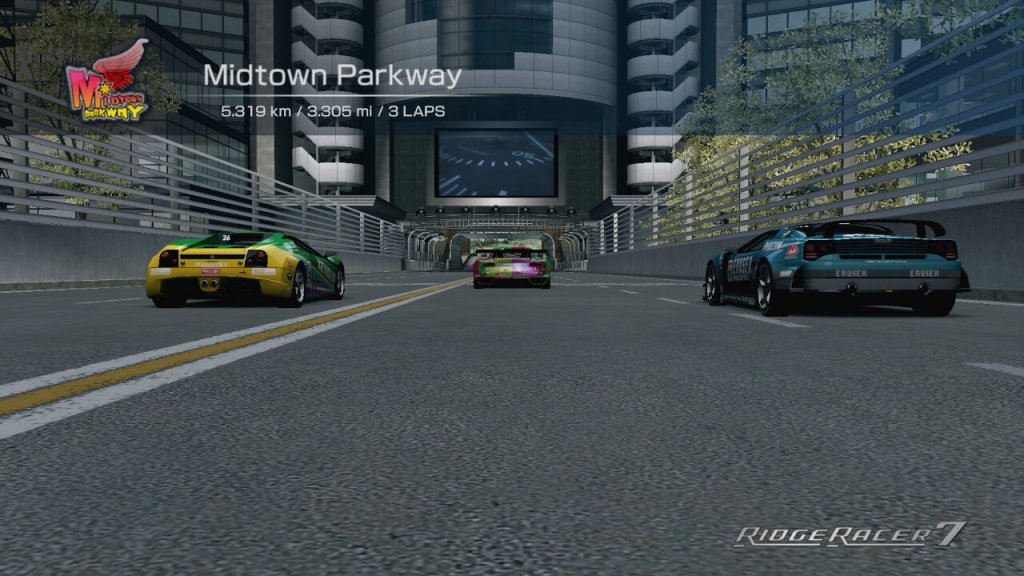
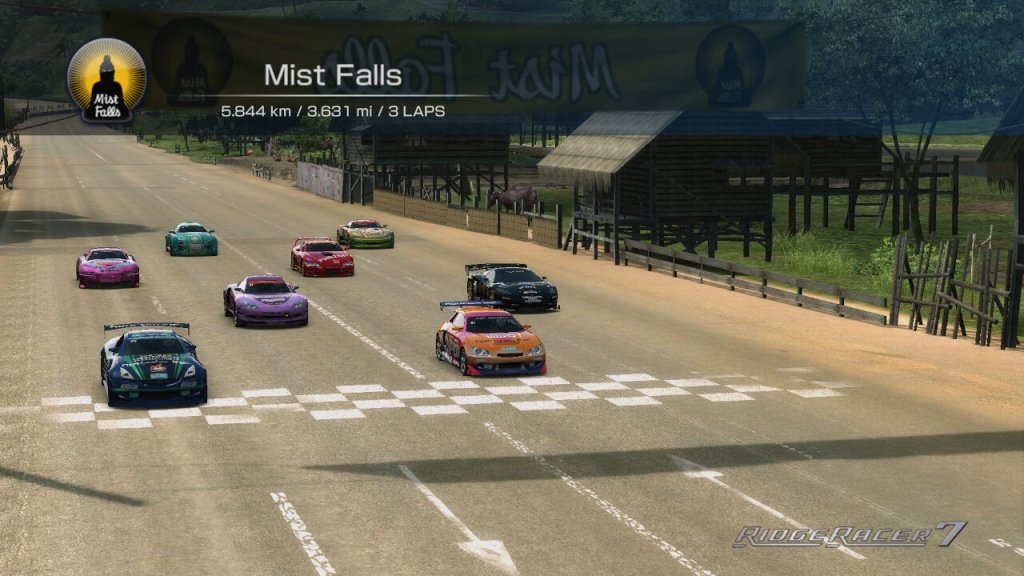
In terms of gameplay, there isn’t much different with the Xbox 360 exclusive Ridge Racer 6, with some even calling 7 a directors cut with extra content. It defiantly feels like an improvement rather than a new title in the series. There is nice selection of tracks, but they are improved versions of Ridge 6’s tracks. There isn’t much from the previous installments of the game unless you count the original track from the first release, now renamed as

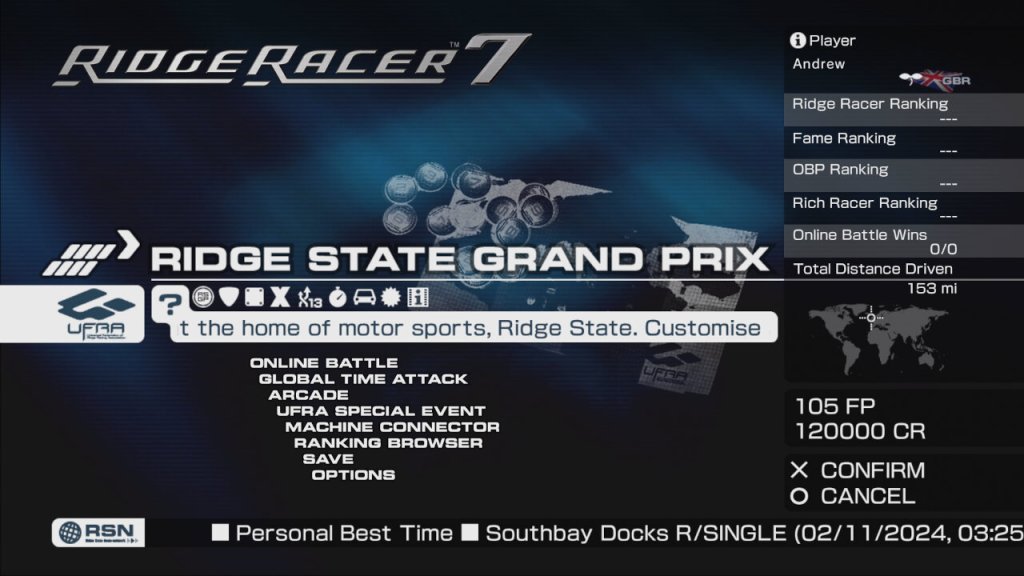
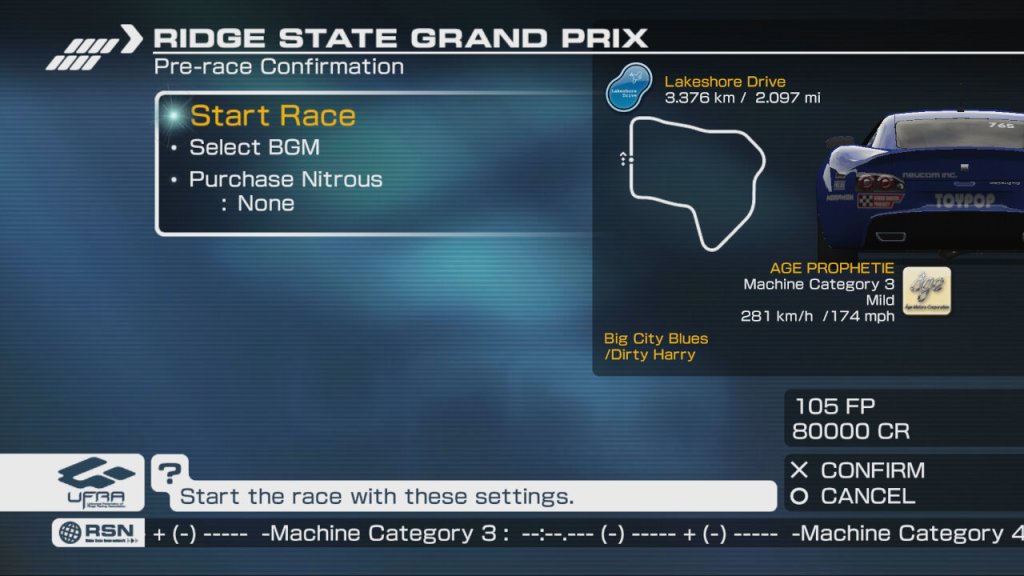
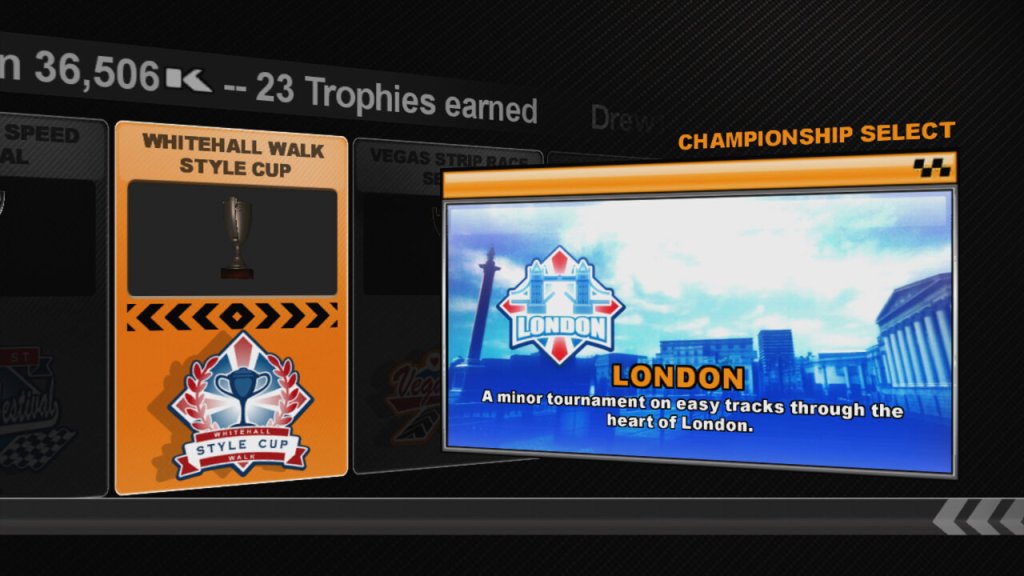
The user interface is a complete overall to what was seen in Ridge Racer 6, giving a more dynamic view. Gone is the hex-style design of the race tree, instead you select which race you want to start from a simple menu.
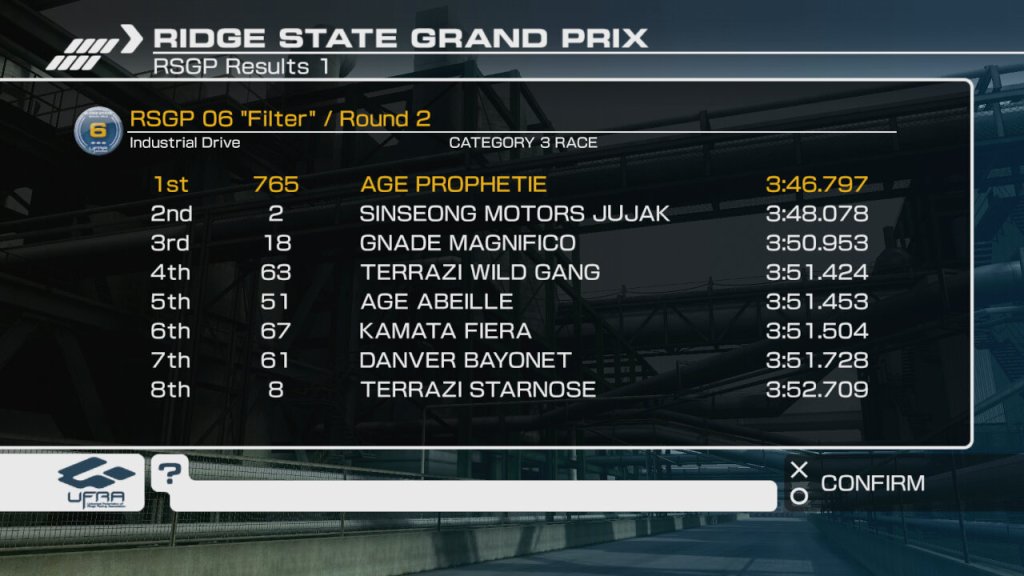
Ridge State Grand prix is a series of races that can be completed in order to earn credits, that can be used to unlock and customize your machines for later races. These are treated as tournament where you have to race on three to five tracks, with your finishing position having an impact in your standing for the next race. Unlike previous games, you don’t have to win or finish in the top three, but you will have to try harder to compensate for the next race instead. Alternatively you have the option to replay the race gain, but you will be returned to the first race in the series.

There are also other races in the game, a Manufacturer’s Trial that lets you unlock specific machines when you win a specific race, or can unlock additional upgrades. There are also single events which are much difficult and can consist of time attack races, and regular races that have machine restrictions on them.
There was also downloadable content which included a set of 25 UFRA Special Events. These events were known for their higher difficulty level compared to the standard game races, providing additional challenges for players even after completing the main content.

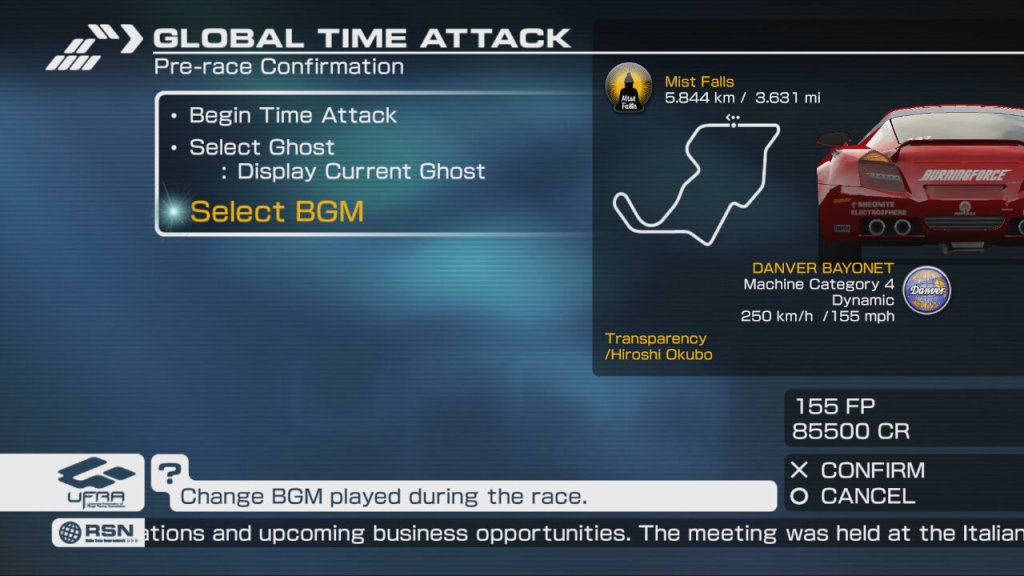
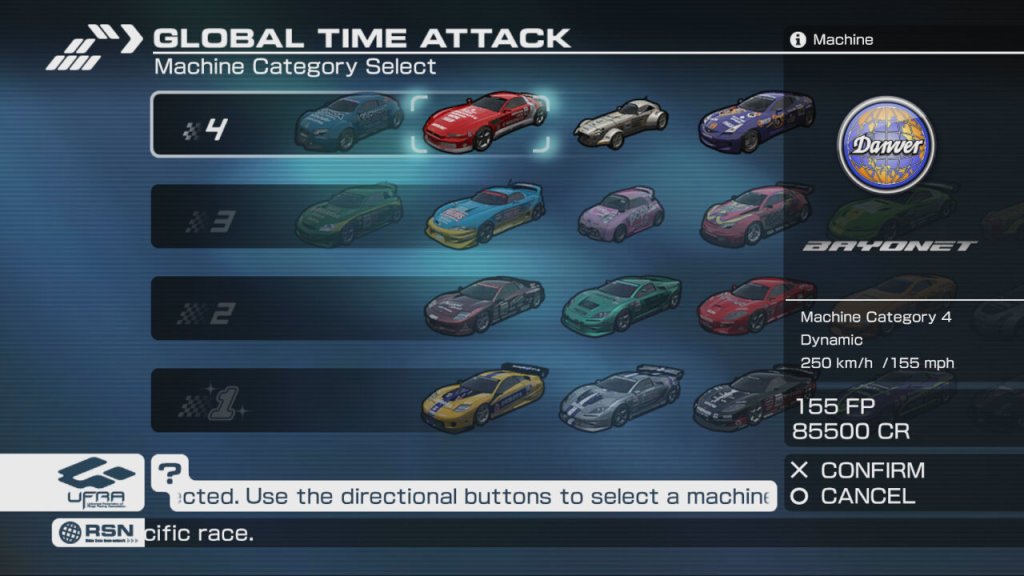
As always, there is a specific time attack mode which will compare your results with other players online, and multiplayer either through splitscreen or online.

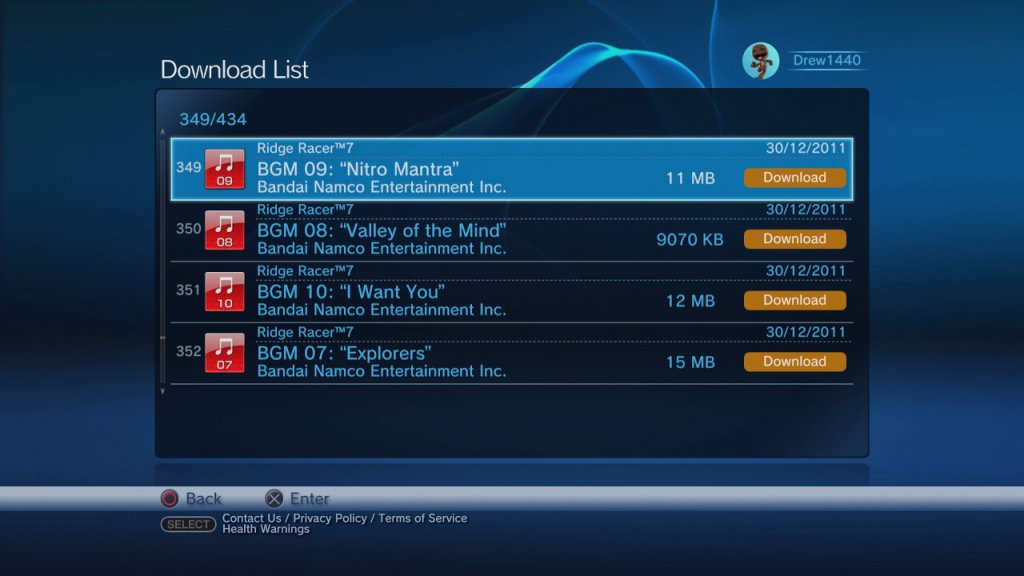
The music in the game is as amazing as always with some good techno and electronica tracks to race to that Ridge Race is known for. Namco also provided previous tracks to download that featured from previous installments in the game, giving you a sense of nostalgia from previous tracks in the game.

Sadly this was one of the last proper Ridge Racer games to be released. There would be a follow up in the form of Ridge Racer Unbounded, but this is perceived by players to be a Burnout knockoff rather than an actual Ridge Racer game. Portable consoles did continue to see Ridge Racer releases, namely the Nintendo 3DS and the PSVita, even mobile devices like the iPod Touch had Ridge Racer Accelerated. New installments would be released for the eighth-generation consoles, and the Ridge Race franchise has since been abandoned, and arcade racers in general.

There seems to be a broader trend where simulation racing games are gaining ground over arcade racers on modern consoles. This might be attributed to the desire for more authentic and challenging gameplay or the growth of esports and the professionalization of gaming.

But these sorts of games do not age well thanks to music and vehicle licenses expiring, meaning racing games typically get delisted after a few years and gives an expiration date for thee games. Arcade racing games continue to hold a cherished place in gaming culture. They cater to a different audience looking for quick, adrenaline-fueled fun without the steep learning curve of simulations. There is no reason why both cannot coexist, and titles like Dayona USA, Cruis’n USA and even Burnout will always have a place on any consoles/gaming hardware, either in native or emulated form.

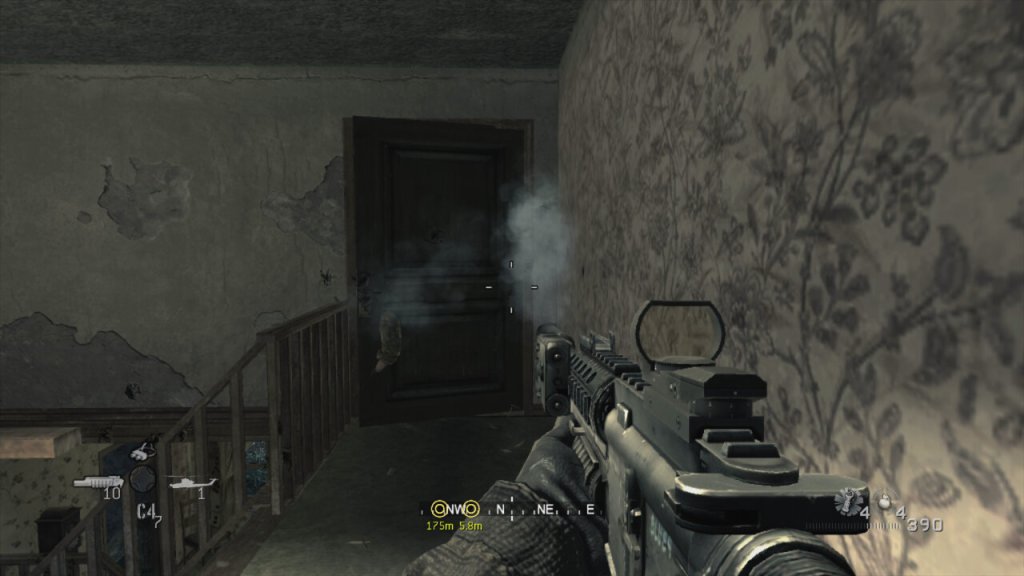
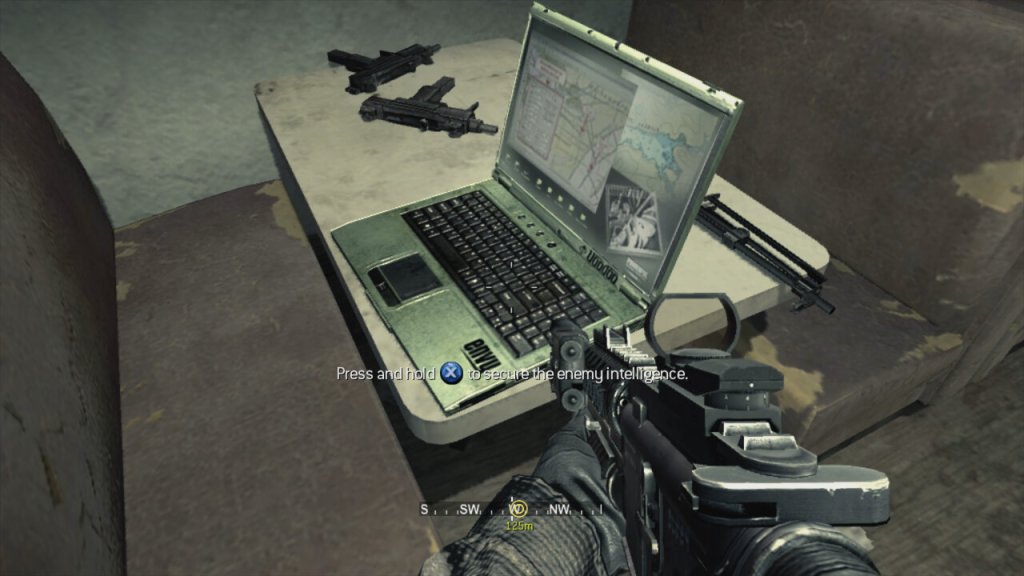
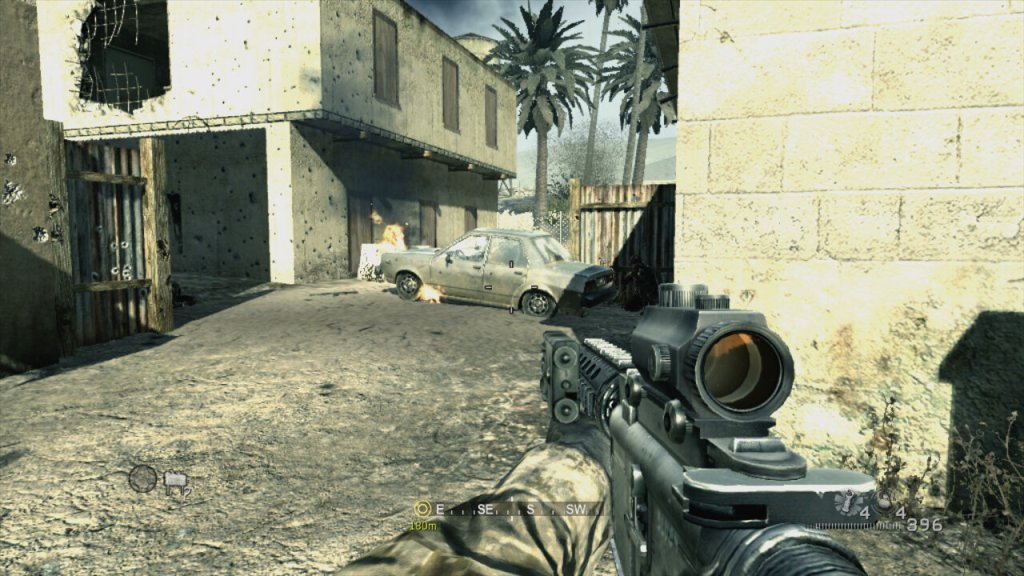
Call of Duty 4 Modern Warfare

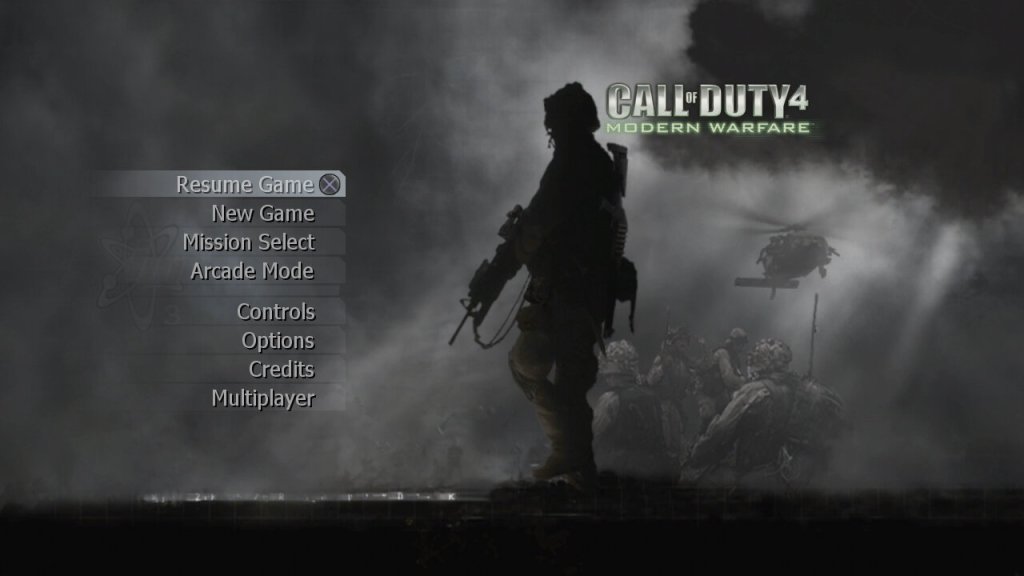
The first in the memorable Modern Warfare series, and one that would take the Call Of Duty franchise to new levels. Not to be confused with the modern 2019 remake

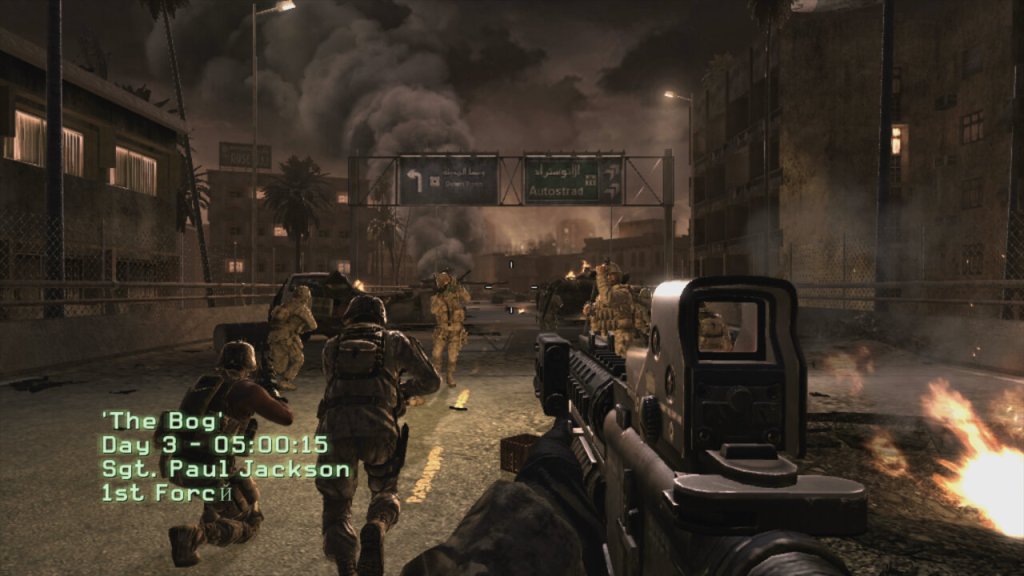
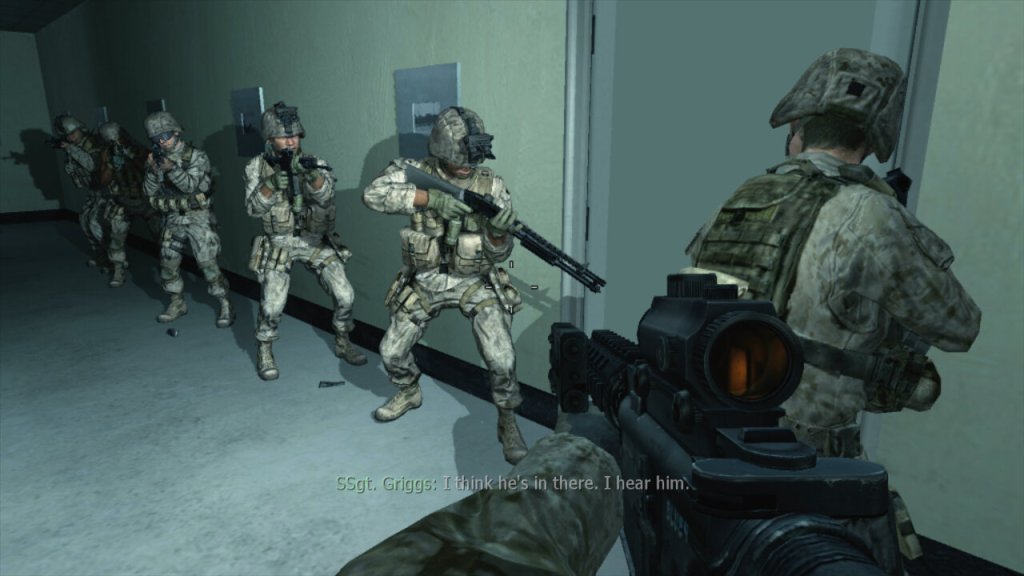
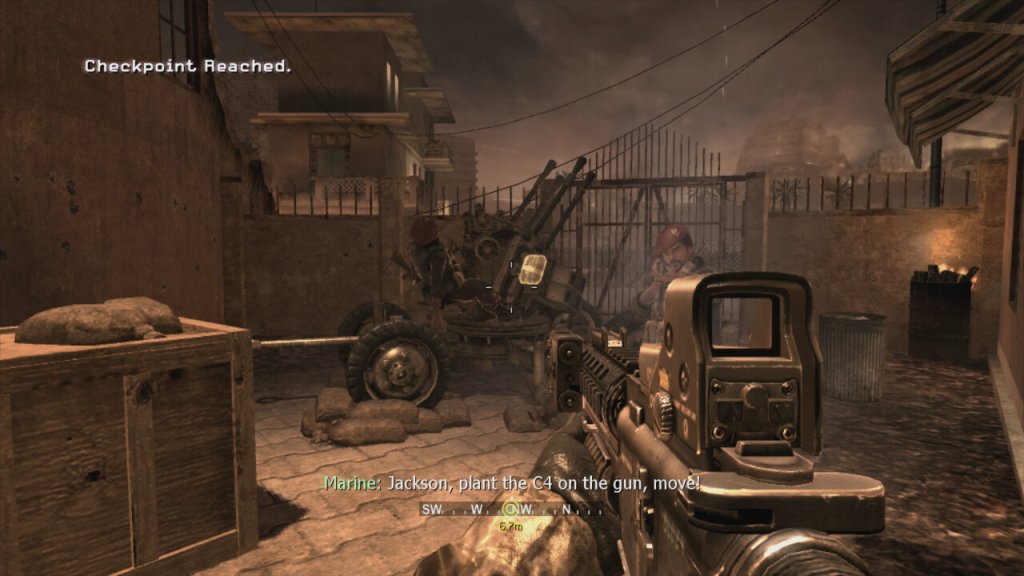
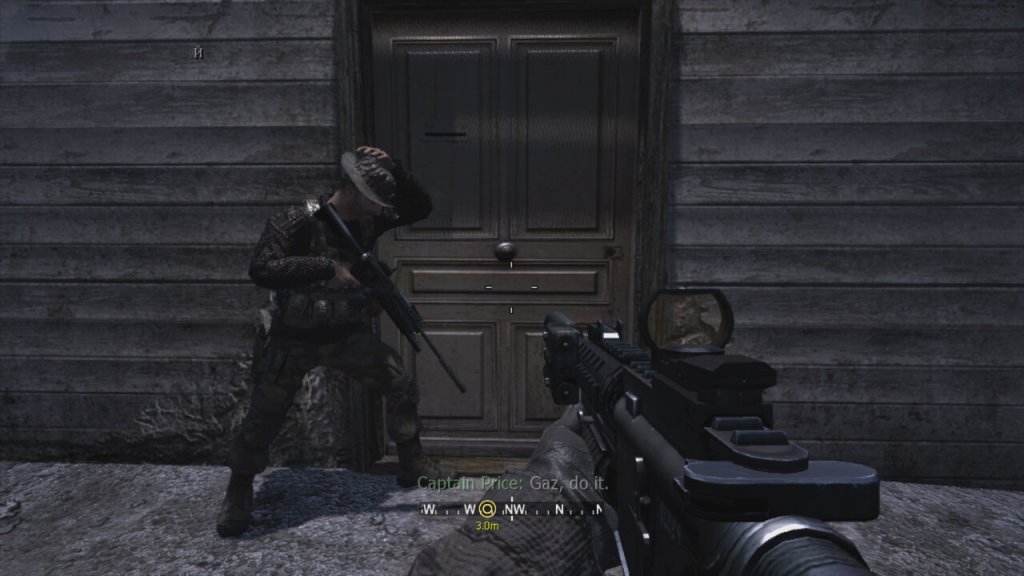
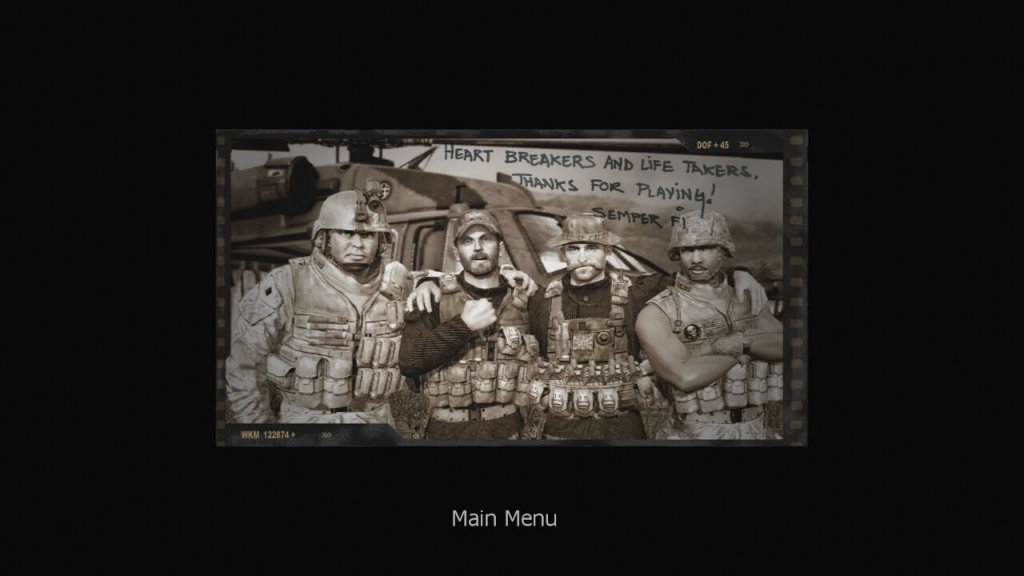
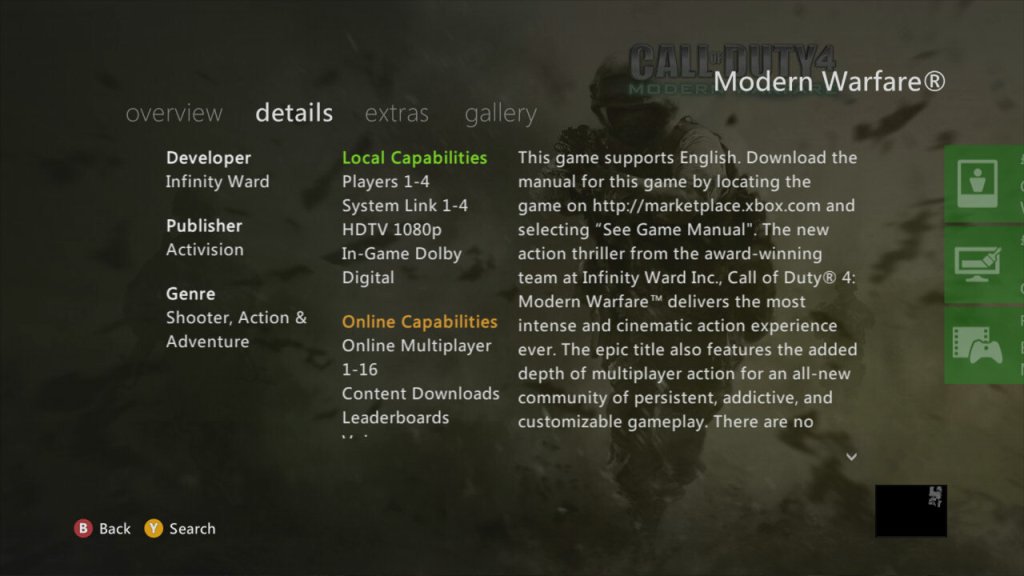
Released in 2007, Call of Duty 4: Modern Warfare marked a significant shift for the franchise by moving away from the World War II setting to a contemporary military conflict. Modern Warfare features a single-player campaign where players experience the story from the perspectives of both a U.S. Marine Force Recon sergeant and a British SAS commando. The narrative unfolds across various global locales, offering a cinematic experience that was groundbreaking for its time.
Set in 2011, the game’s plot revolves around a radical leader executing a Middle Eastern president, which leads to a movement in Russia sparking a civil war. This backdrop provided a rich, albeit fictional, narrative involving geopolitical tensions, terrorism, and military intervention.

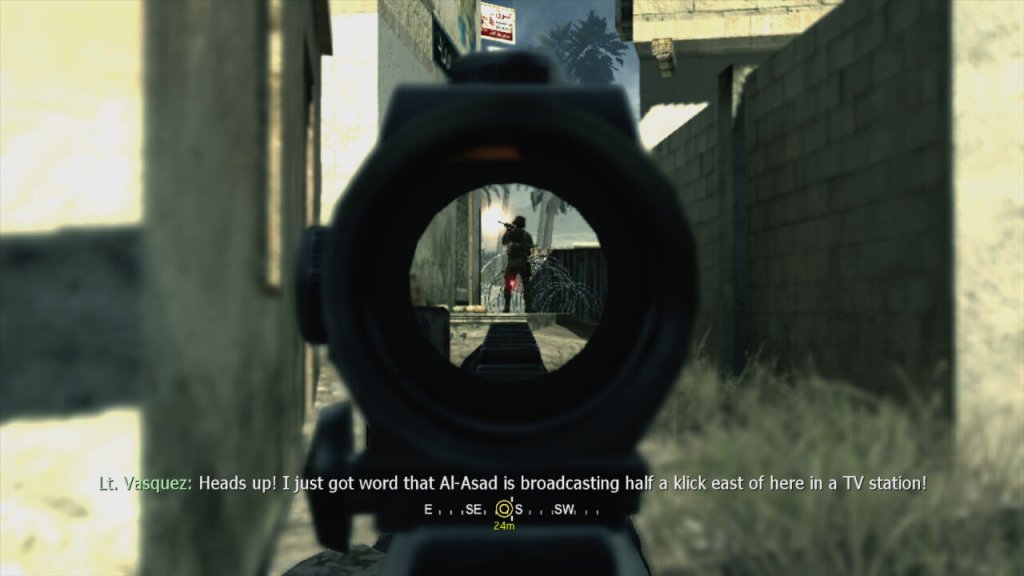
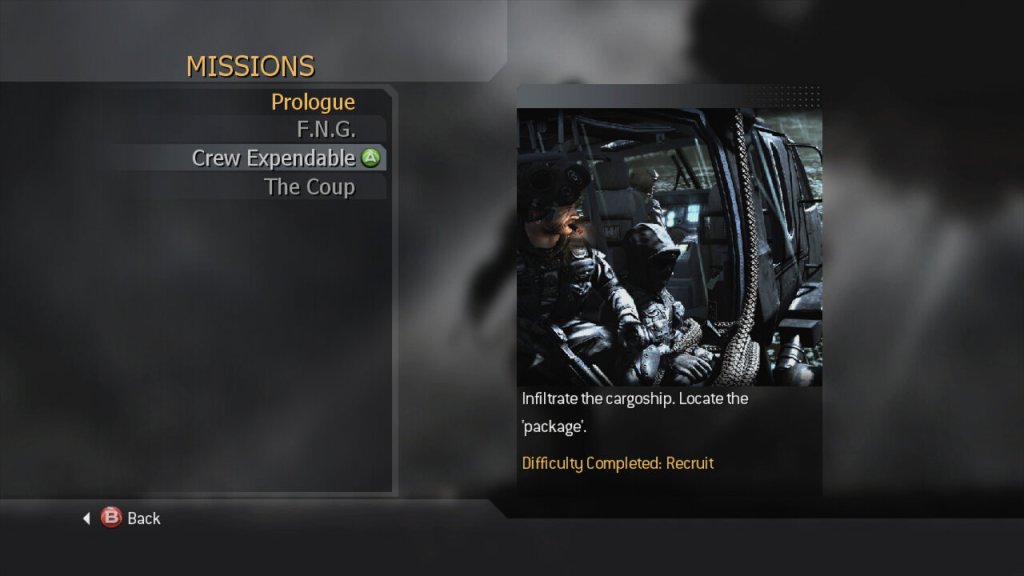
The game begins with the player assuming the role of Private Allen, undergoing training with the U.S. Marine Force Recon. This serves as a tutorial level and will instruct you on how to use your weapons and grenades, as well as tactical advice. The story quickly shifts to the Middle East, where U.S. forces, including the player’s character, are tasked with capturing or killing a terrorist leader. This mission goes awry when the terrorist leader, Khaled Al-Asad, executes the president of an unnamed Middle Eastern country on live television, inciting chaos. Here, the conflict escalates as both the SAS and the U.S. Marines engage in heavier combat. The narrative focus shifts towards locating and dealing with Al-Asad, while also hinting at a larger conspiracy involving nuclear weapons.

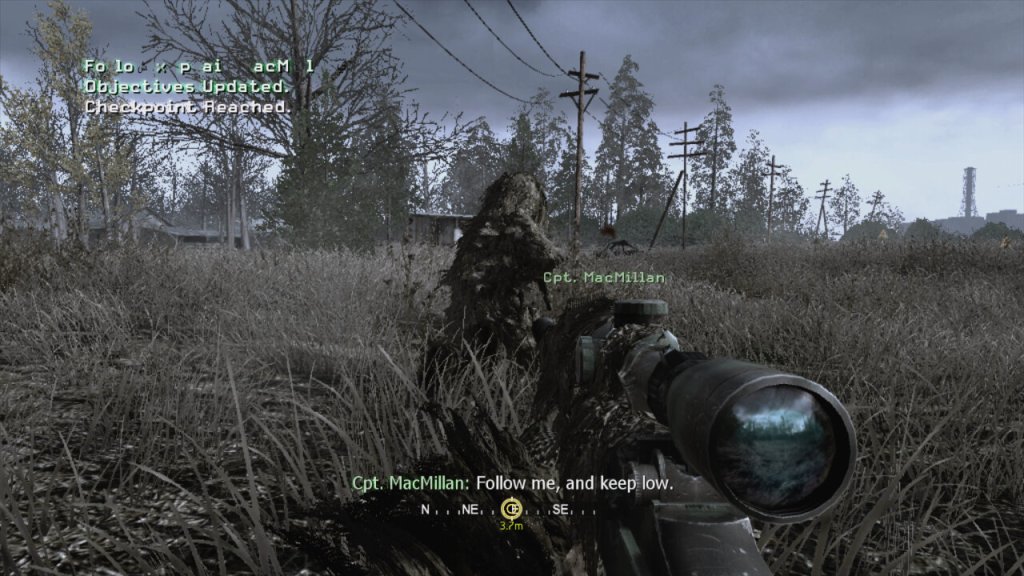
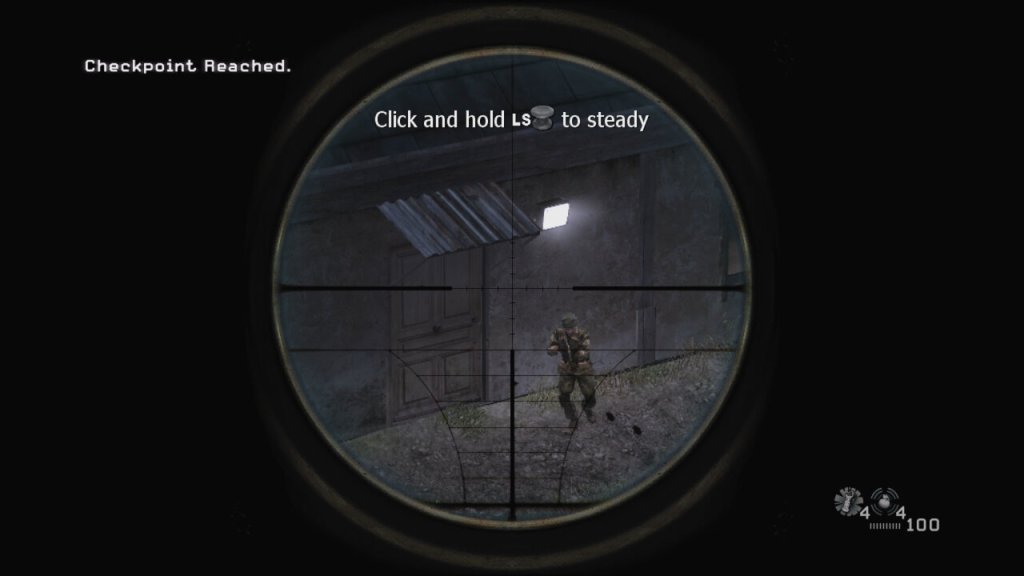
All Ghillied Up & One Shot, One Kill are pivotal missions flashback missions that explain the backstory of Captain Price with Imran Zakhaev, setting up the personal stakes for the characters involved. They are considered to the landmark missions in the Call Of Duty franchise due to their reliance on stealth mechanics, and the decisions the player has to make which will affect the outcome of the missions. Sometimes it’s easier to not take the shot, rather than to just sneak around the enemy and remain in stealth.
The later missions wrap up the game storyline, The SAS and Marines work together to thwart a nuclear threat. These missions include intense battles, the revelation of betrayal, and the pursuit of Zakhaev.

There is also an epilogue mission where you must rescue a VIP from a hijacked airplane. This mission is particularly challenging and not directly connected to the main storyline but serves as post campaign fun.

Political Themes

As a military focused game, Modern Warfare isn’t afraid to delve into several political themes, embedding them into tits narrative. The game begins with the coup in an unnamed Middle Eastern country, where a terrorist leader, Khaled Al-Asad, overthrows the government. This theme reflects real-world concerns about state stability in regions prone to radicalism. The use of a nuclear device by Al-Asad to prevent his capture mirrors fears of non-state actors or rogue states obtaining nuclear capabilities.
The game shows various Western forces, particularly American and British, intervening in Middle Eastern conflicts, which echoes real-world military engagements like the War on Terror. The collaboration between different nations’ special forces (e.g., U.S. Marine Force Recon, British SAS) highlights the theme of international military coalitions, reflecting NATO-like operations, these are detailed in the opening movies that play before the mission begins.

Ethical Dilemmas in Modern Warfare are also presented, The game occasionally presents scenarios where civilian casualties are a risk, exploring the moral impact on soldiers and the strategic considerations of warfare. In many missions you can fail by attacking innocent civilians, or by not reacting to events as quickly as possible. Decisions about when and how to engage enemies, especially in densely populated areas, touch on themes of proportionality in military action and the impact on civilian populations.
In terms of Globalization of Conflict, The game illustrates how modern warfare transcends borders, with characters and conflicts spanning multiple continents, reflecting a globalized world where threats are not confined by national boundaries, but also how there is a reliance on these different nations, due to production.

Lastly, While not directly discussed, the backdrop of the game, especially with its focus on terrorism and response, echoes the post-9/11 world where security measures often clash with individual liberties and international law.

Multiplayer

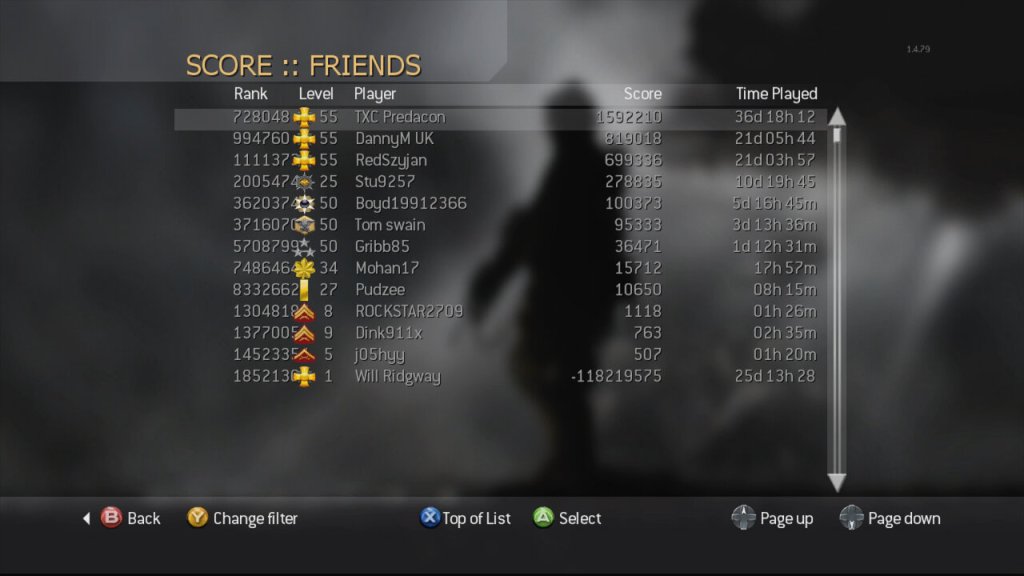
The game is very well known for its multiplayer mode, which became exceptionally popular, introducing perks, killstreaks, and a more dynamic gameplay experience with various maps set in modern contexts.
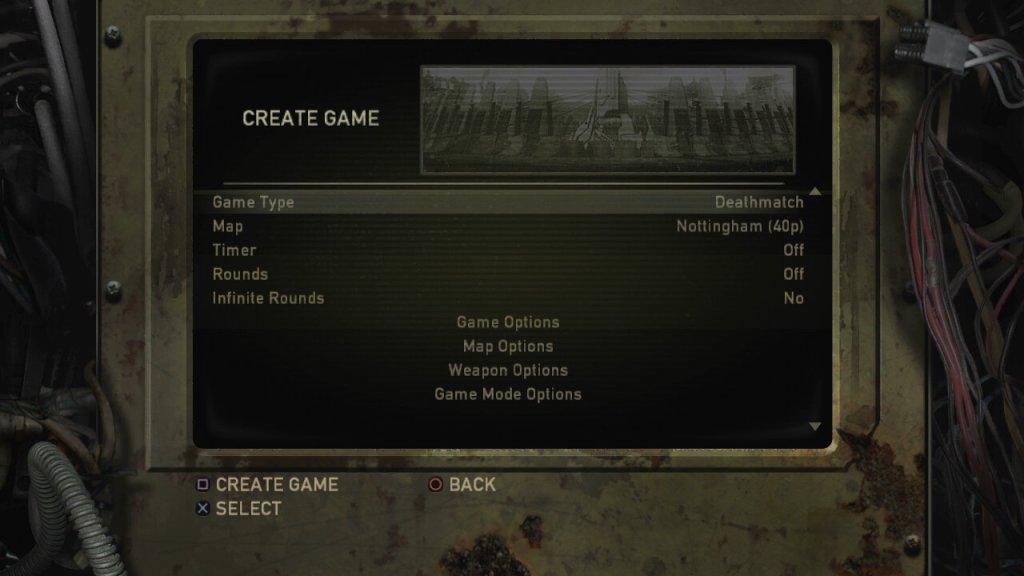
A few of the game modes consist of Team Deathmatch (TDM), Players are divided into two teams. The objective is to kill opponents, with each team’s score incrementing for each kill. The team with the most kills at the end of the match wins.

Search and Destroy (S&D) was possibly one of the most intense game modes. Players are divided into two teams of attackers and defenders. Attackers must plant a bomb at one of two bomb sites, while defenders must prevent the bomb from being planted or defuse it if it is. Each round is one life; if all players of one team die, the other team wins the round. The first team to win a set number of rounds wins the game.

Domination is where teams compete to capture and hold three objectives (A, B, C) scattered across the map. Holding zones gives the team points over time, and the team with the most points at the end wins. The strategic element involves capturing and defending zones while preventing the enemy from doing the same. If your familiar with the Domination game mode from Unreal Tournament, it’s pretty much the same gameplay.

Versions

Xbox 360: The most popular release of the game, and the one with the most active multiplayer population due to ongoing Xbox Live support, and the game being made compatible with the Xbox One and Series consoles. You still need to pay for Xbox Live Gold Gamepass.

PlayStation 3: Still has a respectable online population and is free to play online. Performance wise it does suffer from tearing and a few frame drops compared to the 360 version. It does lack trophy support since this was released before Sony had standardized Trophy support for PS3 games.

Microsoft Windows: This version is still sold online through Steam, along with its DLC. There are a few security issues with it’s online multiplayer, mainly with CVE exploits that can occur. Its not recommenced to play the multiplayer on Windows for this reason.

Mac OS X: Modern Warfare was ported to macOS shortly after the PC release, but was only made available for 32bit Intel Mac’s. Modern macOS version’s from Catalina onward are unable to play the game since they dropped support for 32bit Intel apps, and no 64bit release was made. You might be better off playing the Windows versions using Parrells instead.

Wii: This version is known as the Reflex Editon, and makes use of the console motion controls. It’s very scaled down graphically compared to the other console versions due to the limited processing power of the Wii but it still regarded as a faithful port.
There is no support for the Classic controller or the Gamecube controller, instead the game can only be played with the Wii remote and Num-chuk since it is reliant on motion control aiming. This will take some getting used to, but once you adjust the sensitivity settings to get the sweet spot, you will find it’s quite precise to aim and shoot.
Multiplayer was also supported but has since been shut down officially following the Gamespy shutdown of 2013 which saw many Nintendo Wii services discontinued.

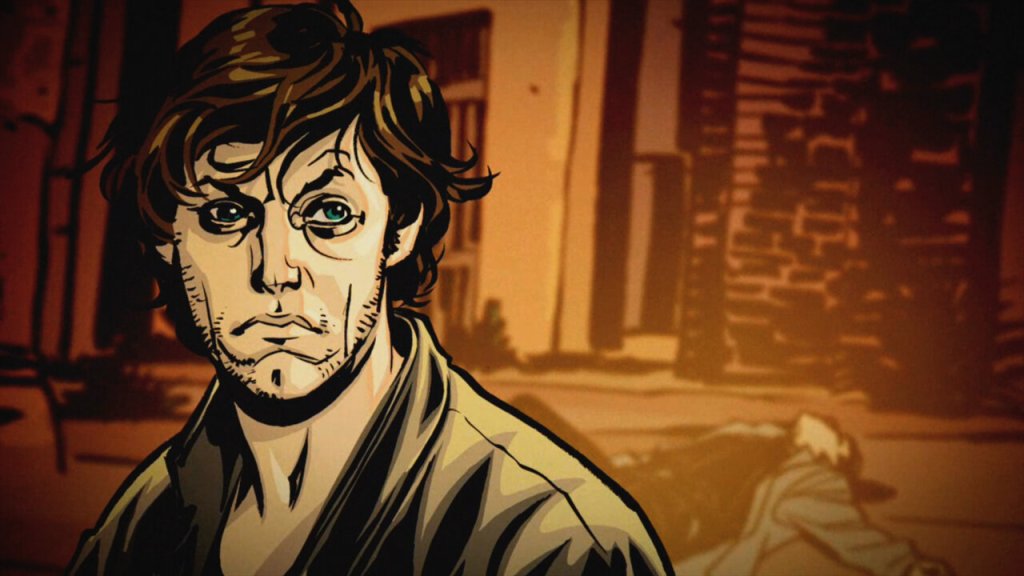
Jumper: Griffin’s Story

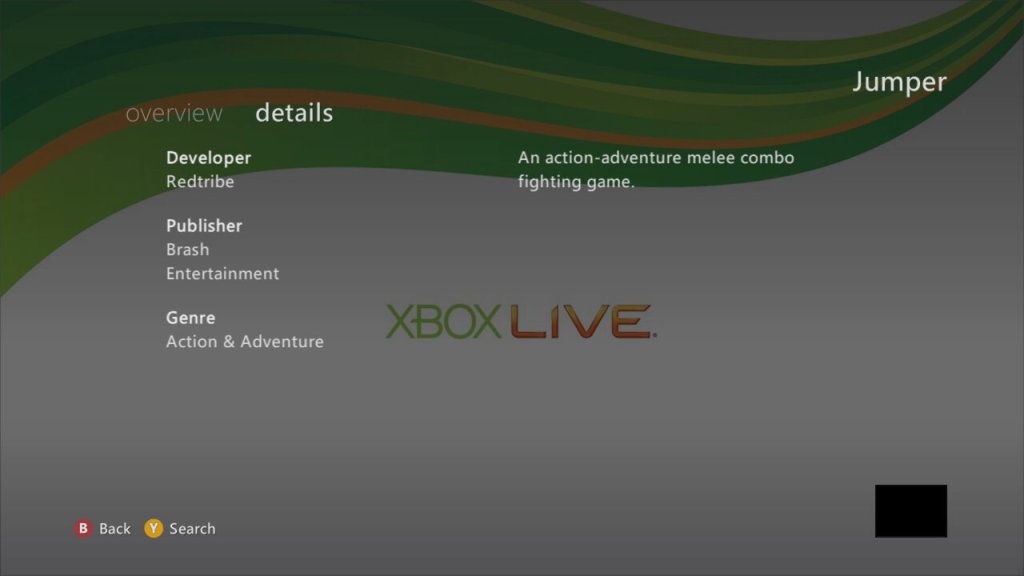
A videogame based of the movie of the same name, which was also based off the book of the same name.

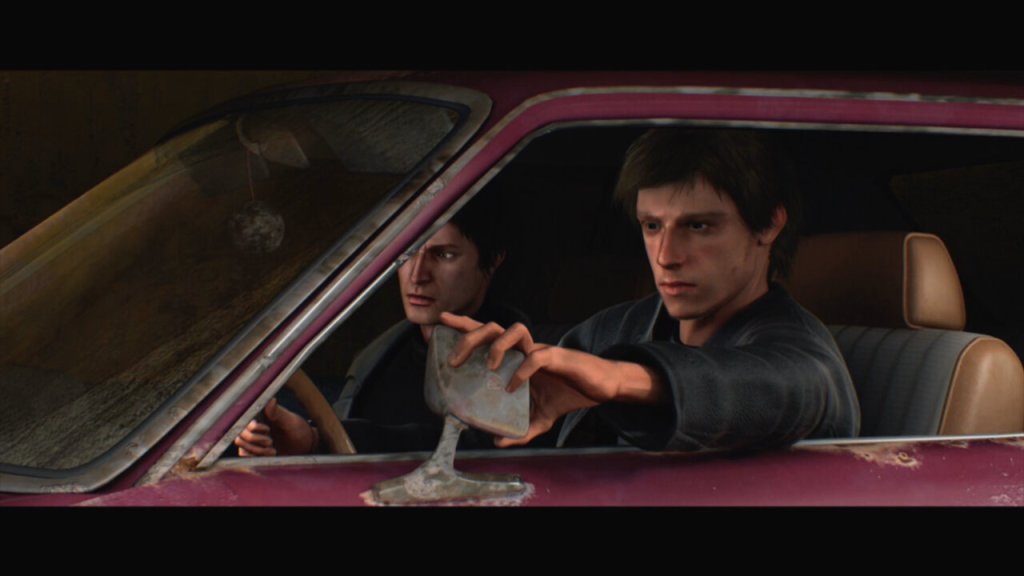
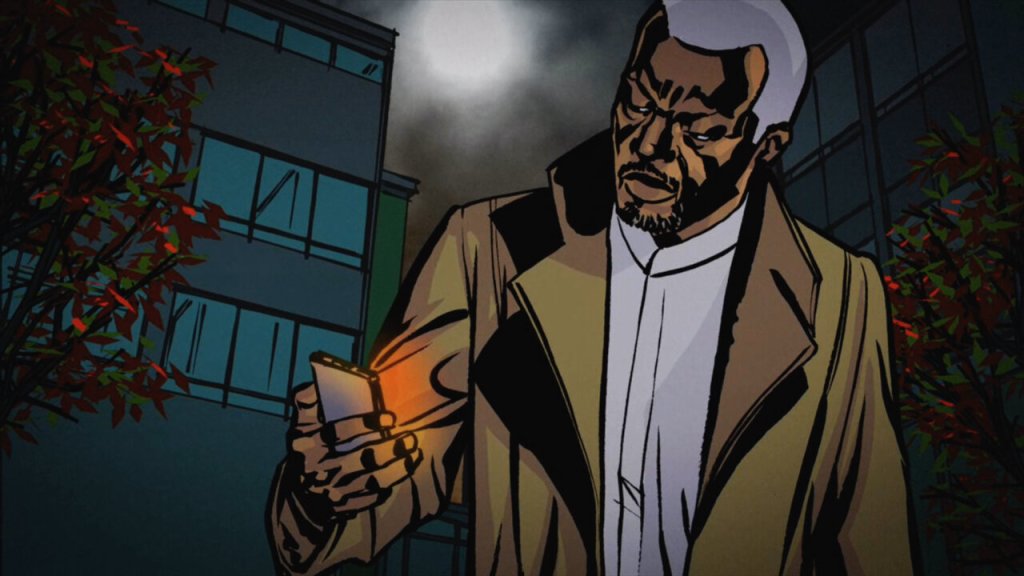
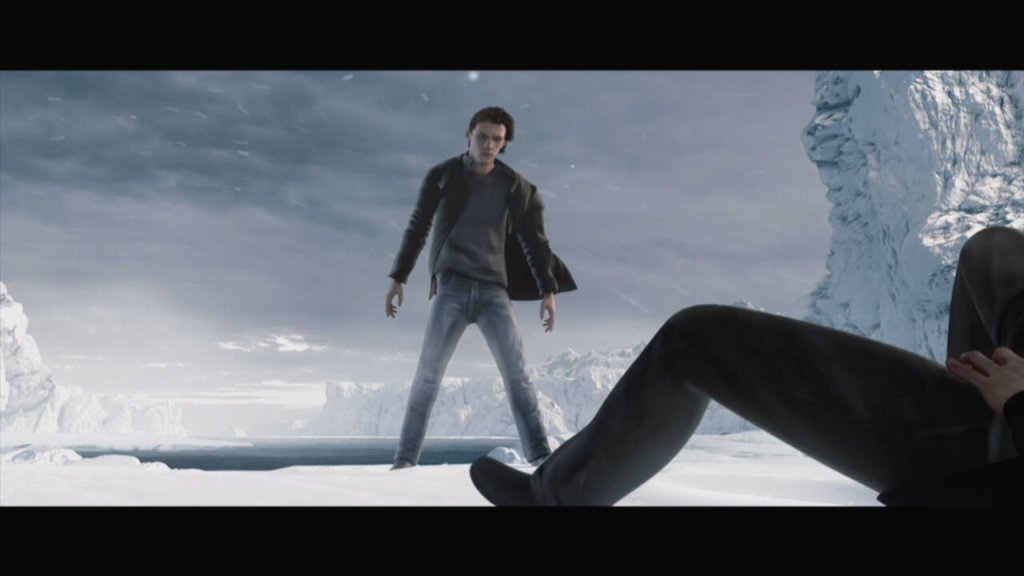
The game focuses on Griffin O’Conner, a character who has a minor but significant role in the movie. While David Rice (who was played by Hayden Christensen in the film) is the main protagonist of “Jumper,” Griffin’s story runs parallel to David’s, expanding on his character and his own vendetta against the Paladins. The game extends the film’s universe by focusing on Griffin, a character with a backstory involving the murder of his parents by Paladins, an organization against Jumpers. However, the narrative execution in the game was seen as weak, with little to no story explanation or development. It kind of requires you to watch the movie first before you can understand the premise of the game, or the overall plot.

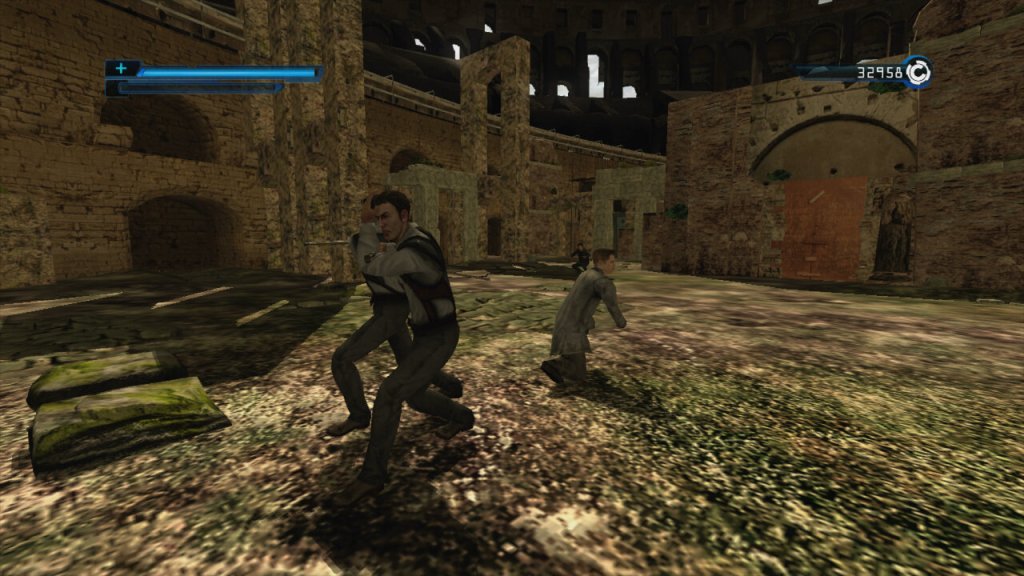
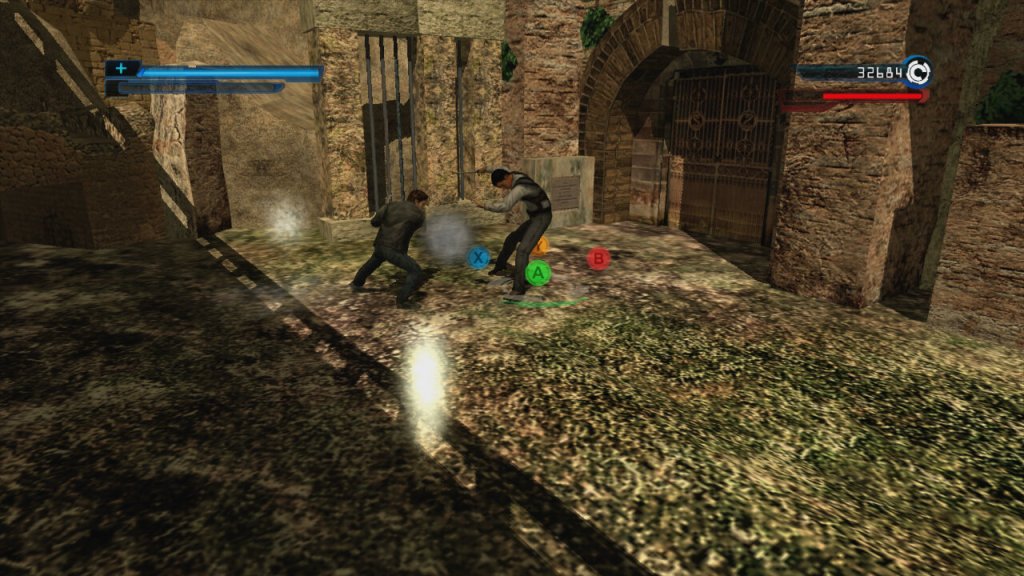
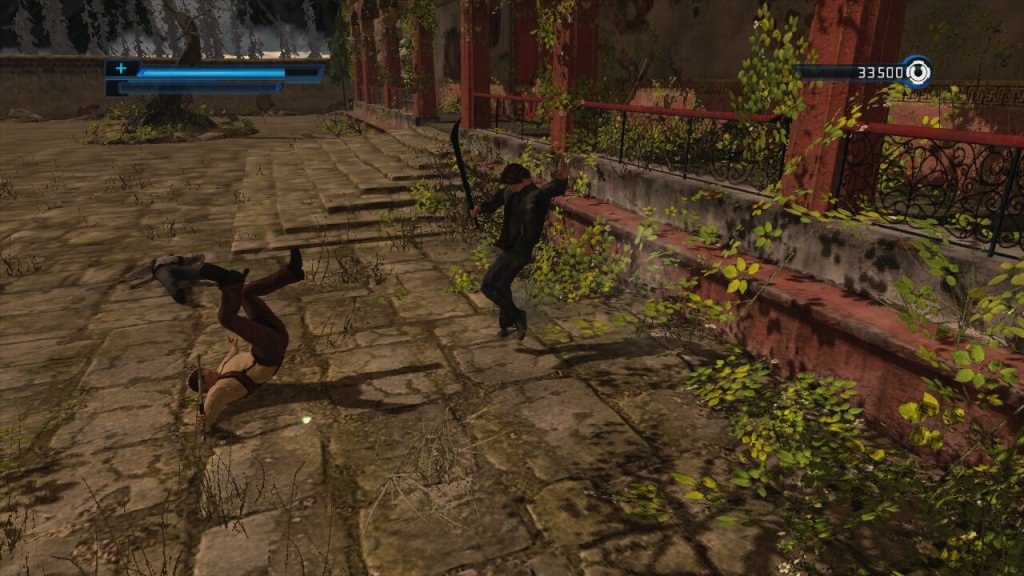
The core mechanic revolves around the teleportation or “jumping” ability of the protagonist, Griffin. You can instantly teleport to different locations around enemies to perform surprise attacks or to escape danger. This includes jumping behind foes, above them, or to nearby ledges to gain tactical advantages However, the gameplay has been criticized for being repetitive and simplistic, essentially boiling down to a basic beat ’em up with limited depth or innovation in combat. The mechanics of jumping around enemies to attack from different angles was a novel idea but was not enough to save the game from its repetitive nature.

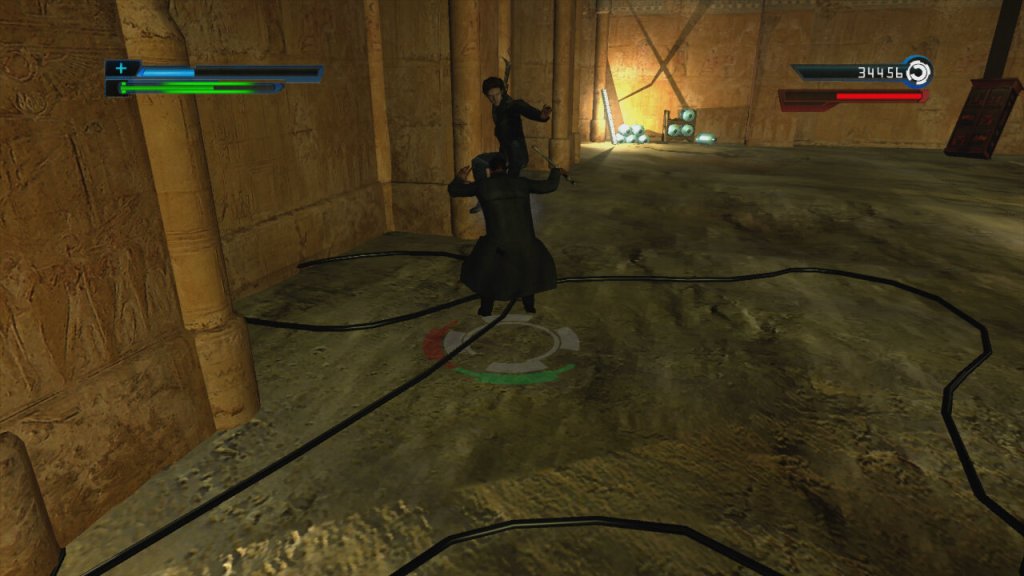
Still, there were flaws with the game. One being the missions and combat being very repetitive with you fighting the same horde of enemies over and over again. For movie tie in games, you can’t really expect much since they are usually designed to cash in on the movie’s released, though you still expect some advanced form of gameplay.

Versions

Playstation 2: Was release for the console, which was still going strong in 2008. Oddly this was not released for the PS3, either in ported or emulated form.

Wii: This version makes use of the motion controls for executing the jumping or special attacks, though this can be frustrating since the game often does not pick up specific moves, or is a little too sensitive.

Xbox 360: The best port of the game it terms of graphics quality, and you get achievements.

Overall, Jumper: Griffin’s Story fails to capture the potential of its source material, resulting in a game that feels rushed and underdeveloped. It’s seen as a cash-in on the movie’s release rather than a thoughtful addition to the Jumper universe, The game might only appeal to those who are extremely fond of the movie.

Goldeneye 007 Reloaded

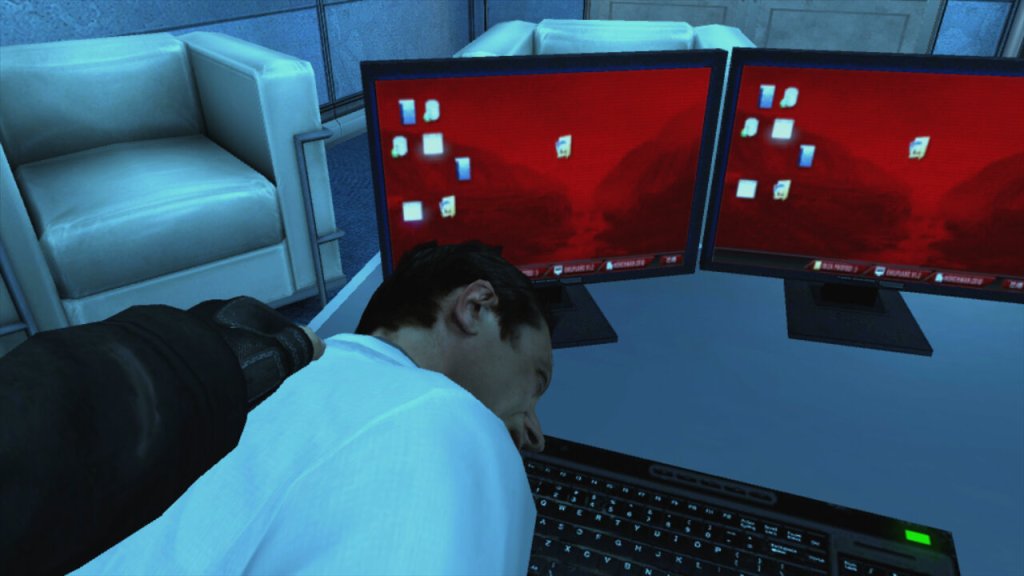
Goldeneye with a mix of Call Of Duty

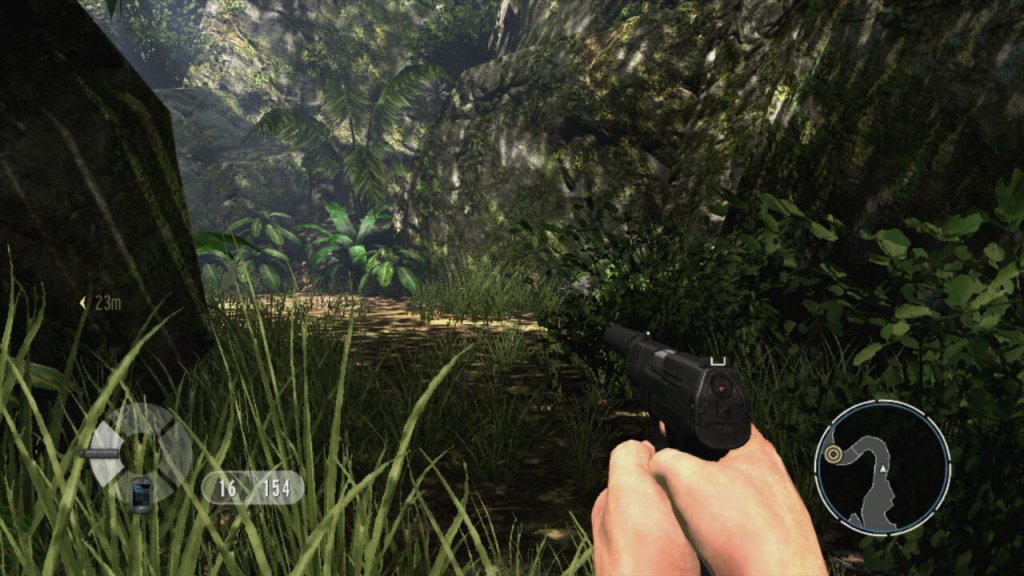
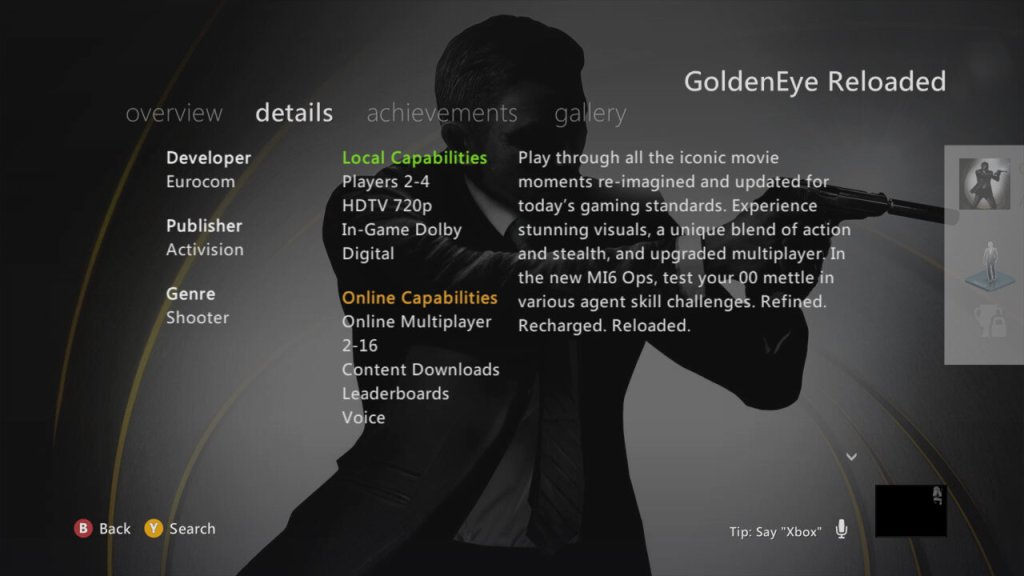
A remake (not remaster) of the original Goldeneye 64 game that was released in 1998 for the Nintendo 64. And was later ported to the HD twins with traditional controls. Developed by Activision and Eurocom, it was originally imagines to be a remake of the original Goldeneye game which was sought after for a release, but held back due to a minefield of copyright and licensing issues. This was made more convoluted by Rare, who developed the original Goldeneye game being acquired by Microsoft, along with Activision holding the rights to the Bond license at the time.

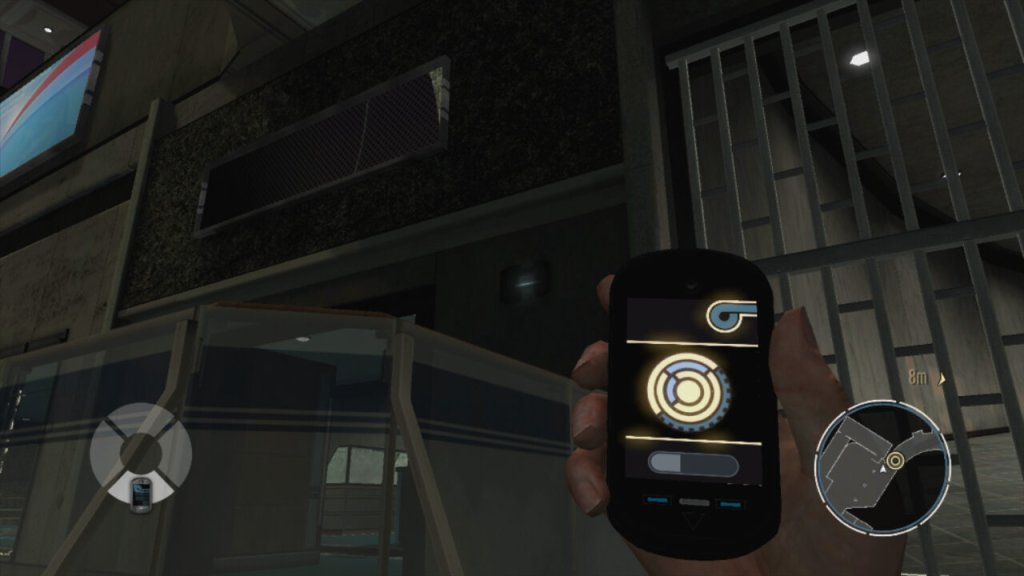
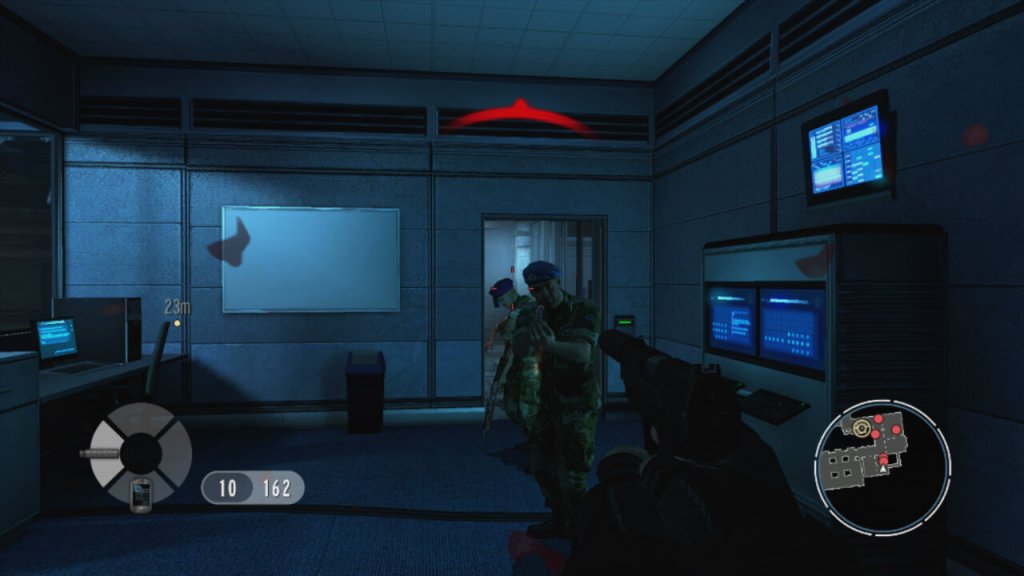
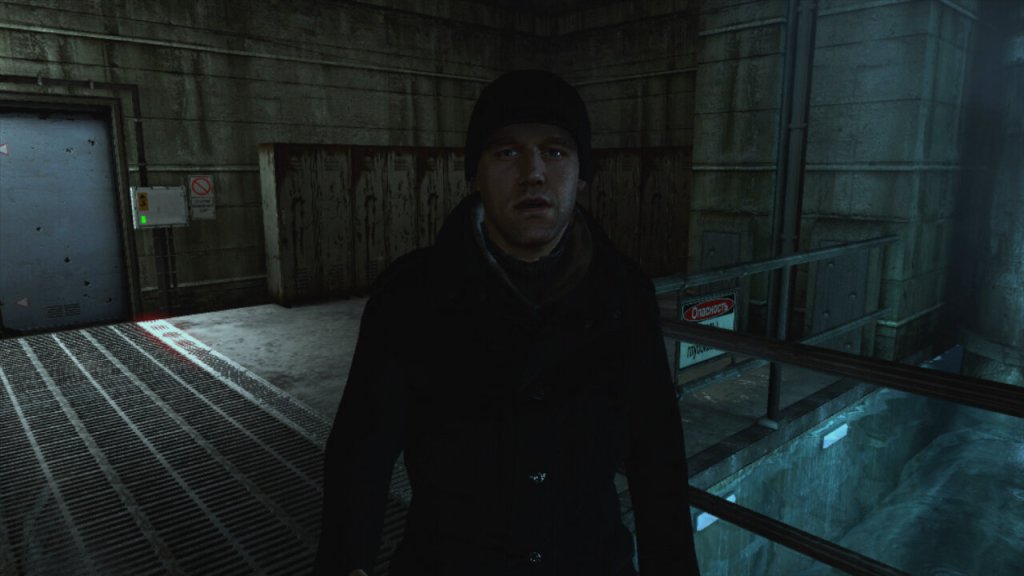
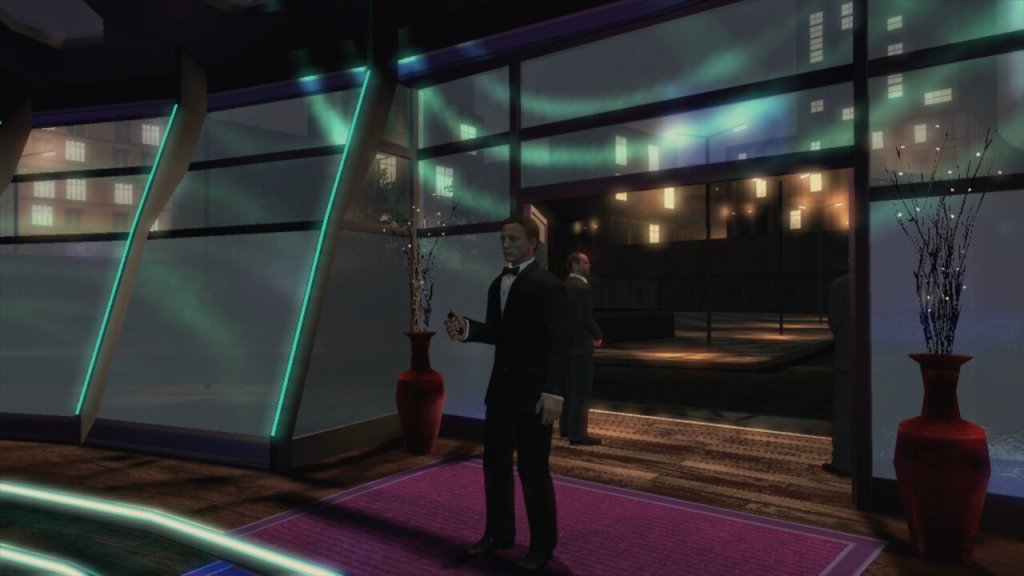
The story is identical to what was featured in the original release, though it matches the movie more closely since sequences were originally cut due to the limitations of the Nintendo 64. The character model has been changed for a likeness to Daniel Craig, who is the current Bond when the game was released. The gadget have changed, instead of Bond’s watch being used, a smart phones takes it’s place instead. And a deadmau5 song is included within the Nightclub level.

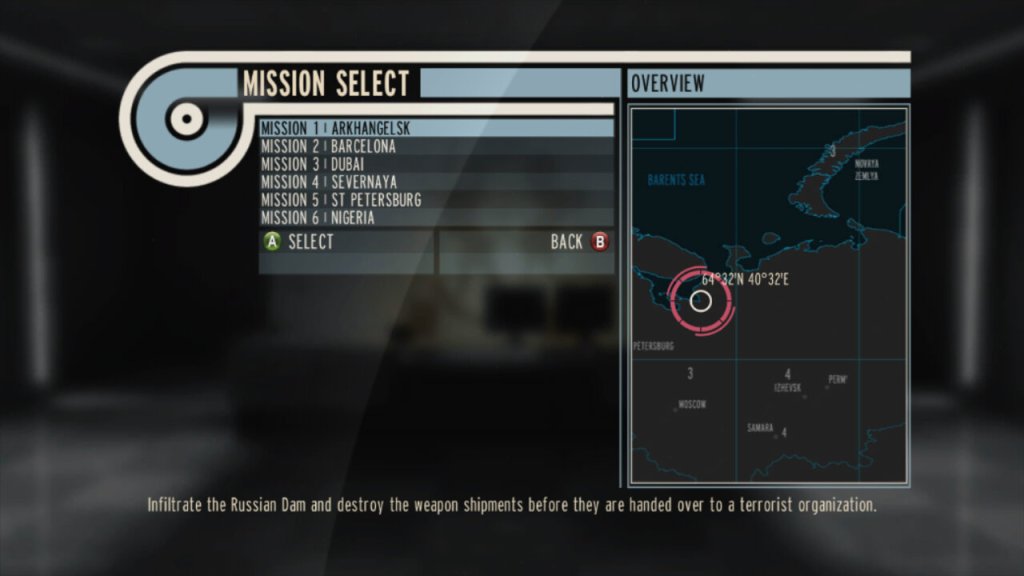
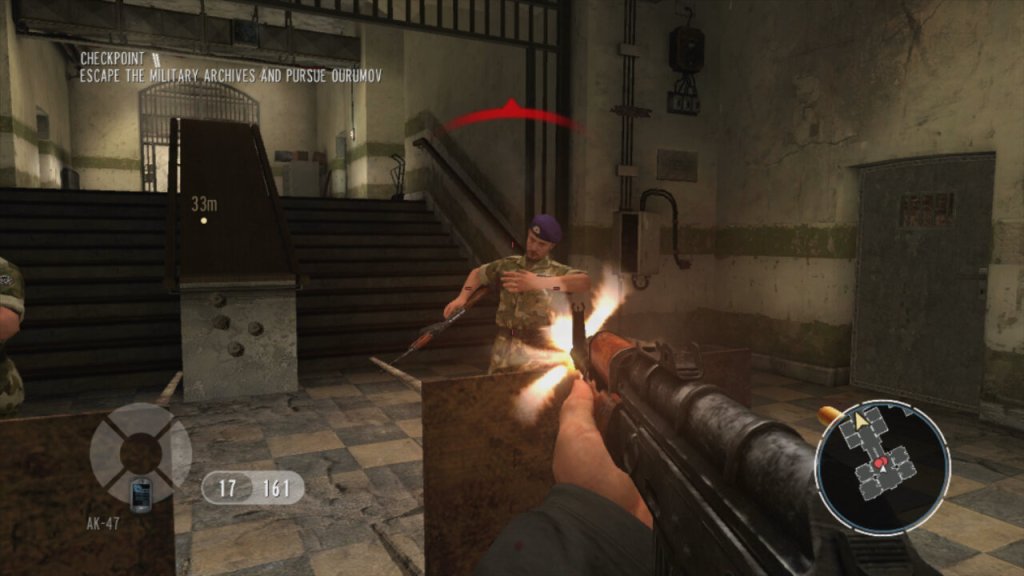
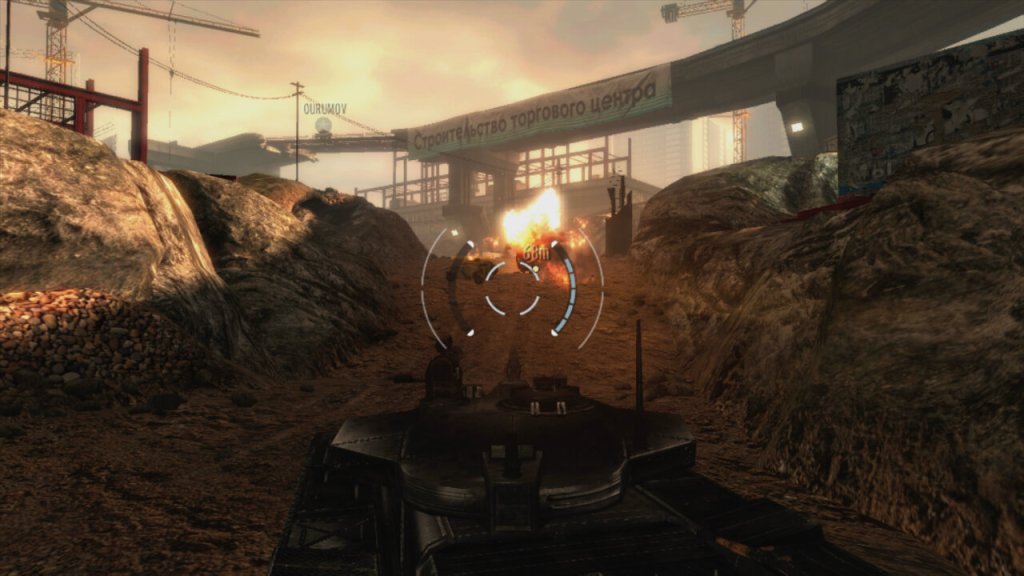
Many of the original levels have been redesigned to be more appealing for the modern gamer, but they still have a level of familiarity to those who have played the original game. You start off at the Dam level where you have to bungee jump off a dam to infiltrate a Soviet facility. You then infiltrates the chemical weapons facility where he meets Alec Trevelyan, and things go south. The rest of the game follows the movie somewhat closely, and you will encounter familiar enemies like Xenia, and Ourumov.
Like many FPS games of the era, it features regenerating health.

MI6 Ops

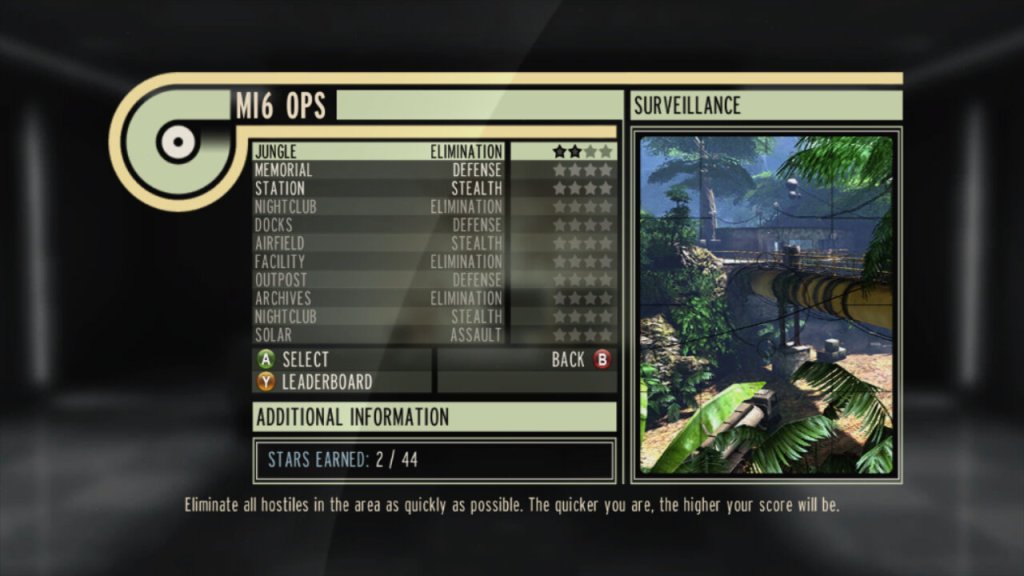
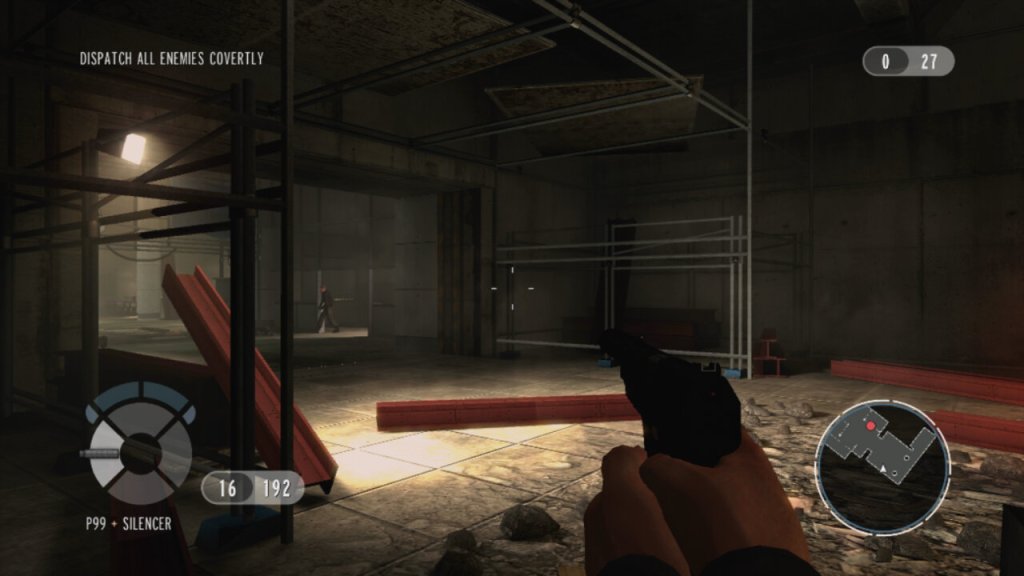
MI6 Ops Missions are a series of standalone challenges separate from the main campaign that offer additional gameplay modes. These missions are designed to test various aspects of player skill, providing a mix of objectives that can be quite different from the story missions, kind of the like Snake Tales from Metal Gear Solid 2. There are a few different game modes like Elimination – where the objective is to eliminate all enemies within a level or achieve a set number of kills. Stealth can be an option but isn’t always necessary. And Defense, where you must protect certain points or items from waves of enemies. This could involve setting up defenses, using gadgets wisely, or just good old-fashioned shooter skills.
These modes can be played by a single player, or by local split screen. There are also online game modes like Conflict which is your standard deathmatch, and Team Conflict.

Versions

Wii: The original release of the game, which is designed around motion control aiming. A special bundle was released that features a golden classic controller, a reference to the golden gun.

Xbox 360: The HD release, that can be played with traditional controls, not compatible with the Xbox One or Series consoles.

PlayStation 3: Very much the same as the 360 version, but has support for PS Move controls that give it a similar gameplay to the Wii release.

Overall, GoldenEye 007: Reloaded is like that high school reunion where you meet up with an old friend. It’s great to see them all spruced up, and you’ll have a good time reminiscing, but you also realize why you moved on. It’s a solid shooter that banks on nostalgia but brings enough modern gameplay to not feel outdated. If you loved the original or you’re into Bond, give it a shot, but don’t get rid of your N64 ROM anytime soon.

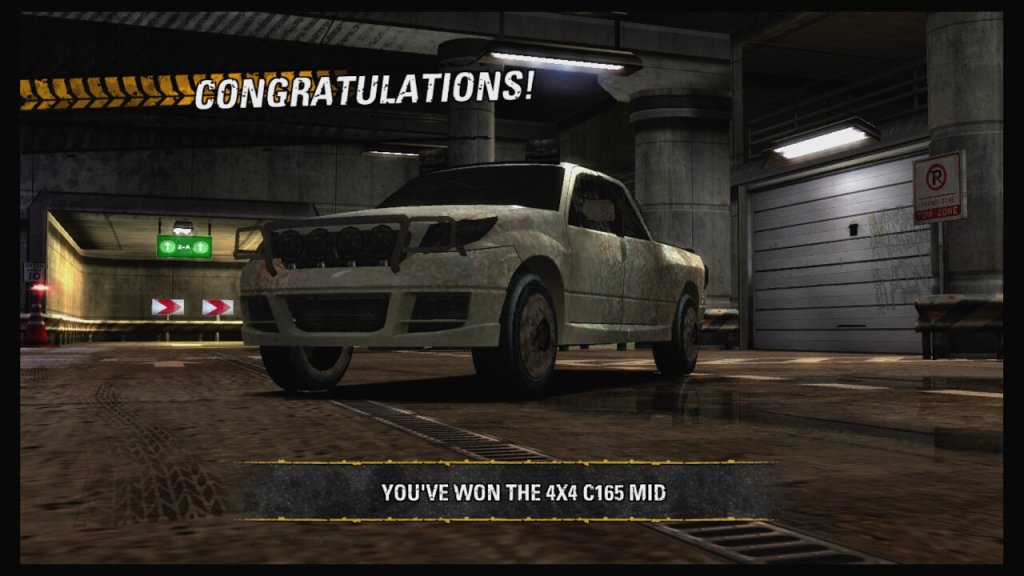
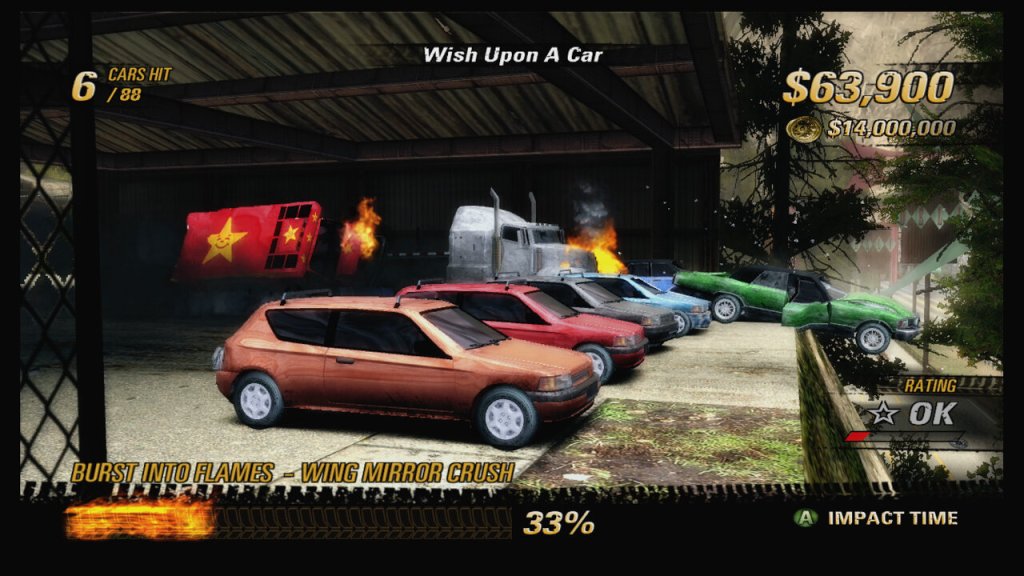
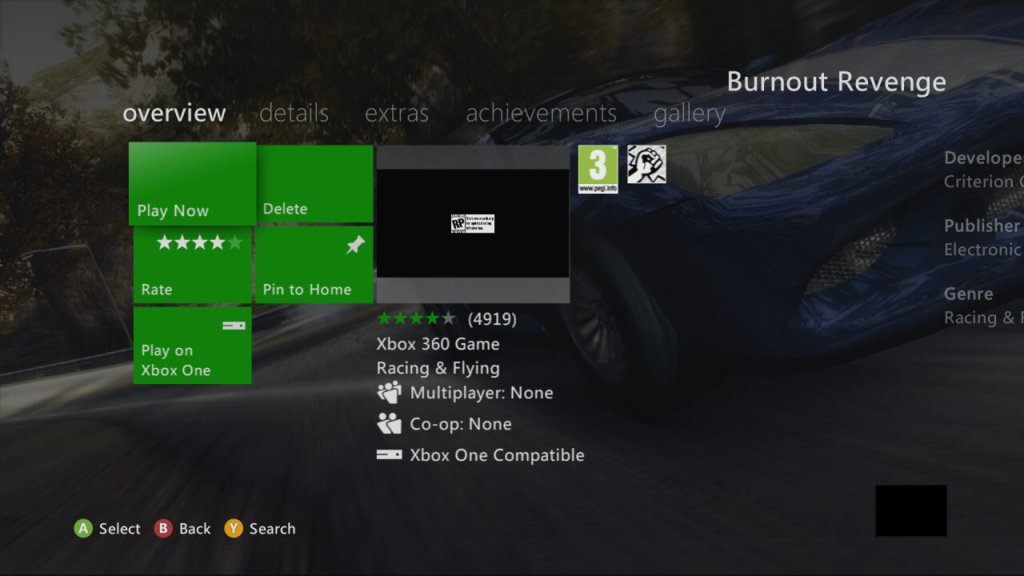
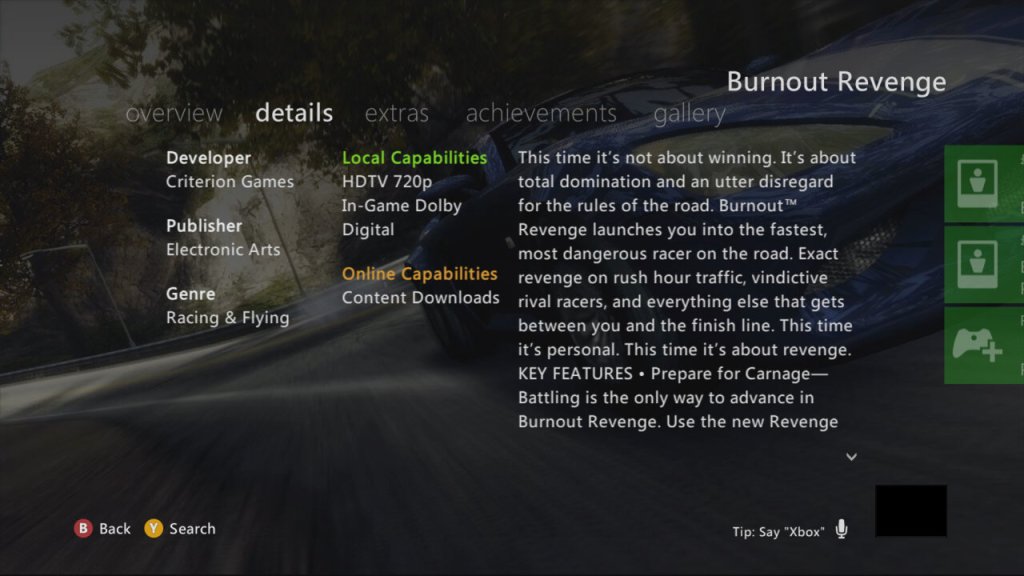
Burnout Revenge

The fourth Burnout game, and the second released by EA. It follows on from the formula set by Burnout 3: Takedown but adds a revenge mechanic.

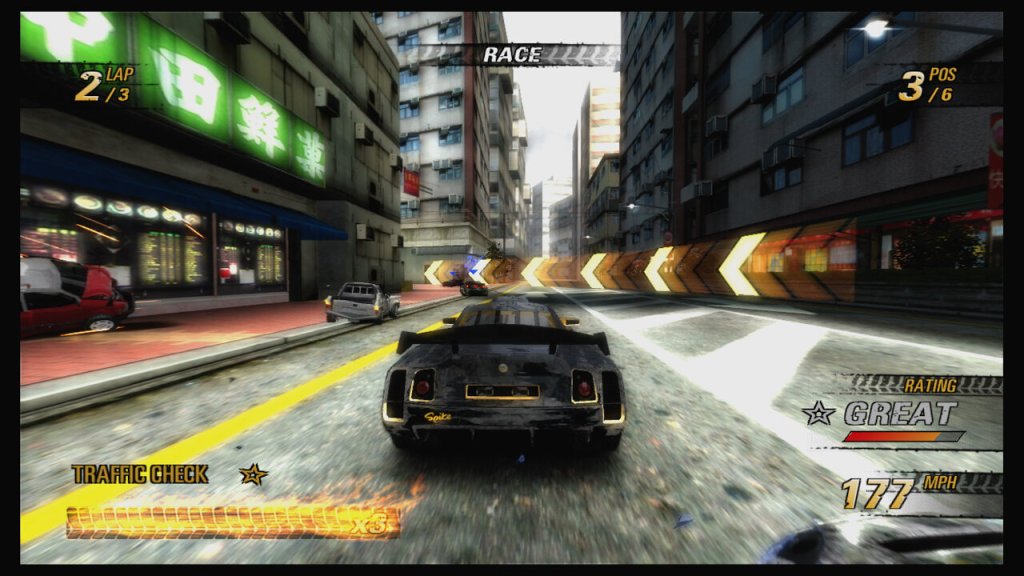
Tracks in Burnout Revenge were designed with more verticality, multiple routes, and interactive elements that could change the track layout mid-race, offering a more dynamic racing environment compared to the mostly flat and static tracks of its predecessors. There are still hidden shortcuts located throughout the track which help give the advantage to the opponents.

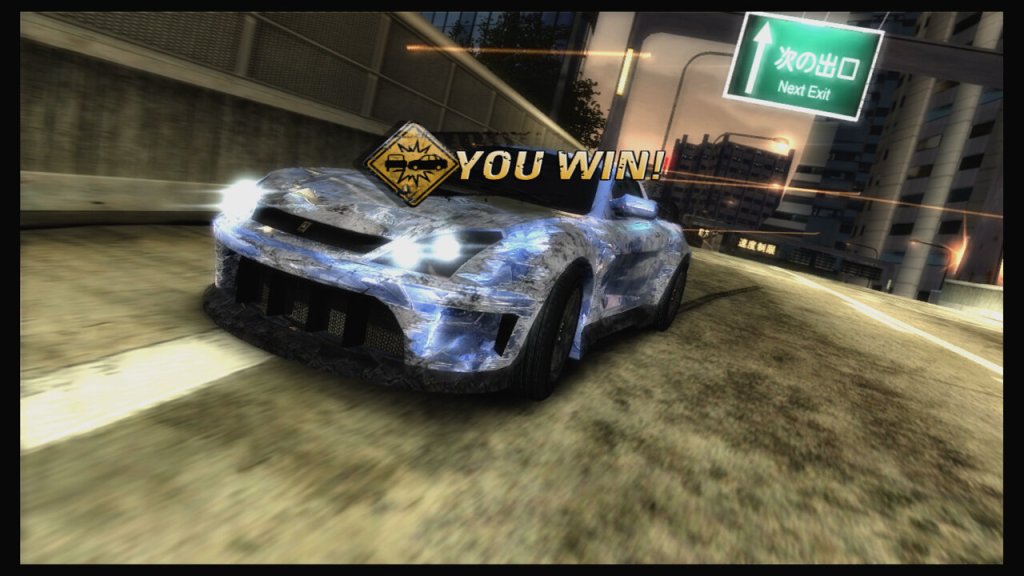
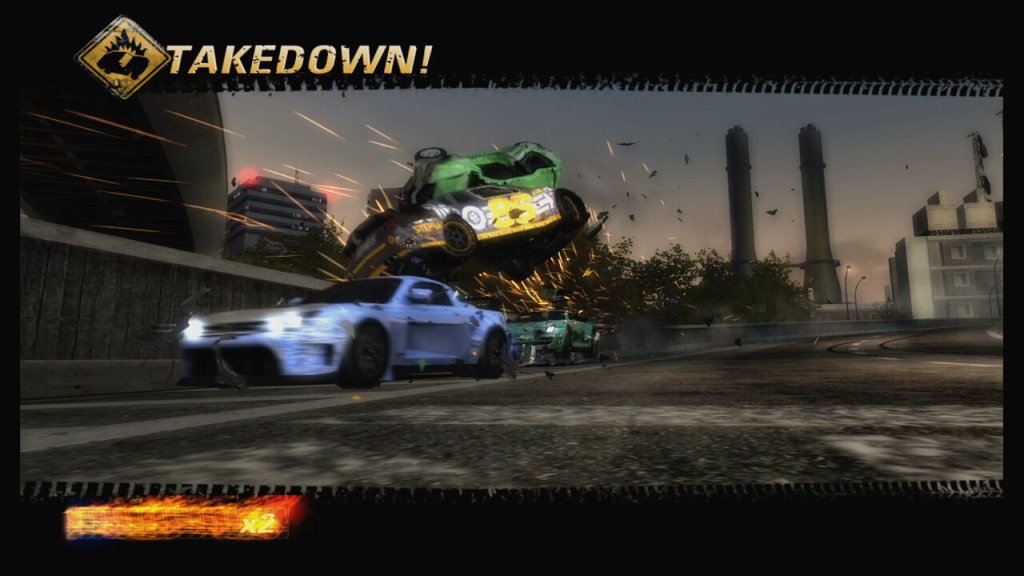
The Revenge mechanic is one of the games signature features, where one of the opponents is marked as your rival, and causing them to crash will reward you with a bonus. These are known as Revenge Takedowns, and are given when you take out a rival that has taken yourself out repeatedly throughout the current race. The rival is reset when you start a new race.

To mix things up, there are few different race modes that you will play as part of completing the games single player mode. Race is your standard racing mode where the objective is to finish first. Making use of takedowns and shortcuts are key to winning.
Road Rage is where you have to score as many takedowns as possible within the time limit. Winning isn’t essential for these races, and you may prefer to linger in third or second place to ensure you can takedown as many opponents as possible.
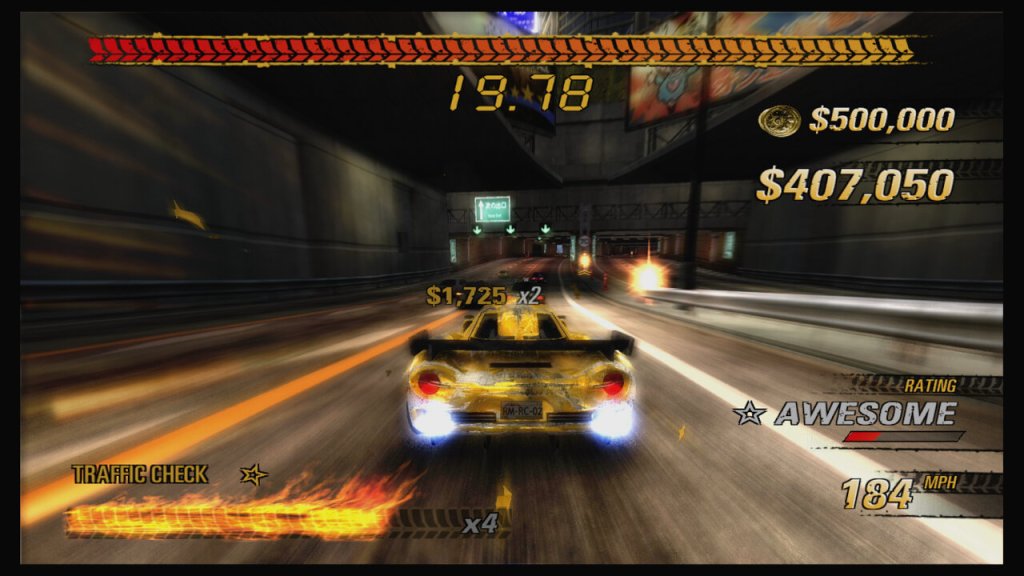
Traffic Attack required you to cause as much damage as possible within the time limited by crashing into vehicle or various objects that are part of the track.
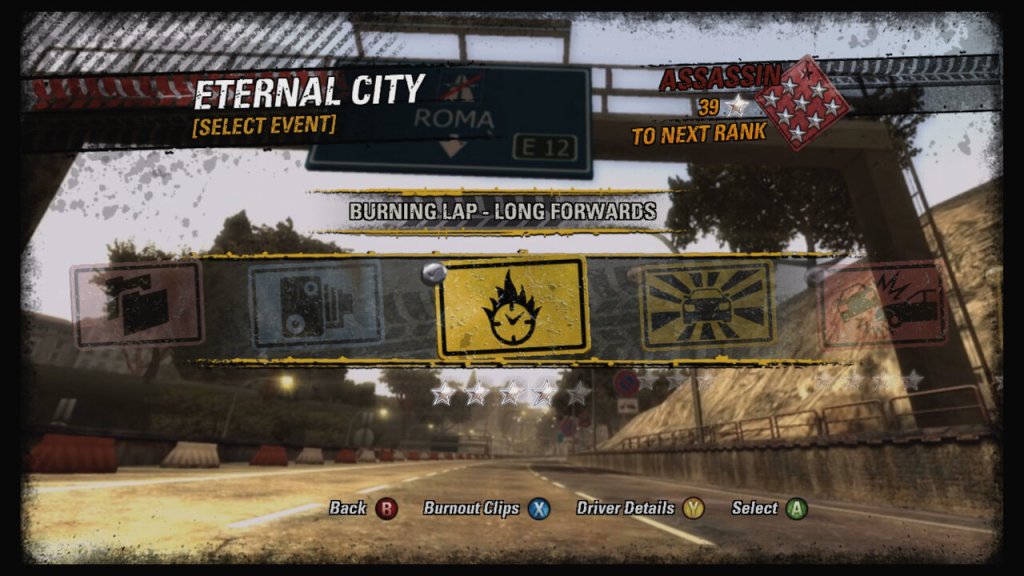
Buring Lap is pretty much time trial where it’s just you and the track, worth the objective being to finish within the time limit.
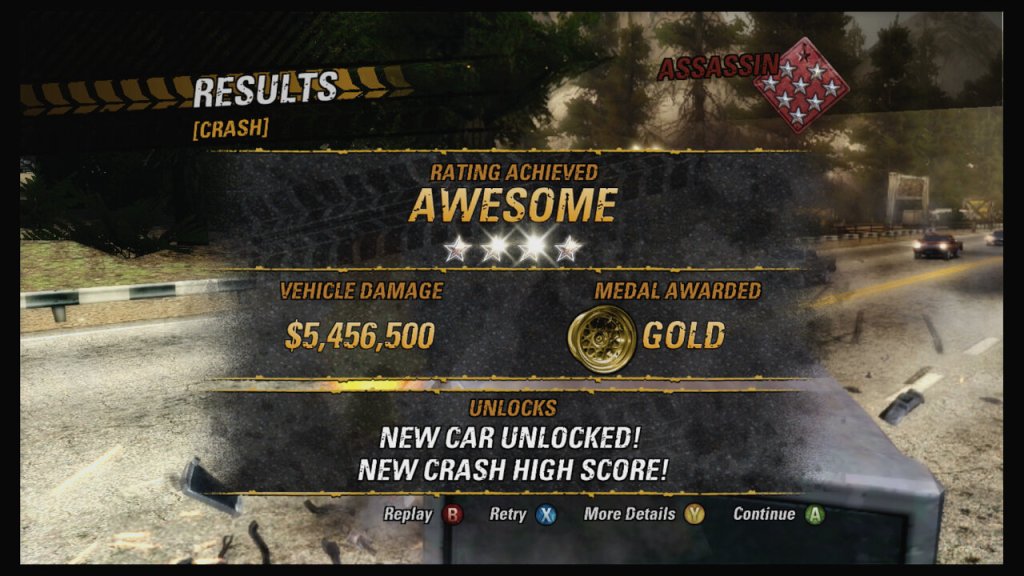
There is also a Crash Mode with the objecting being to cause as much damage
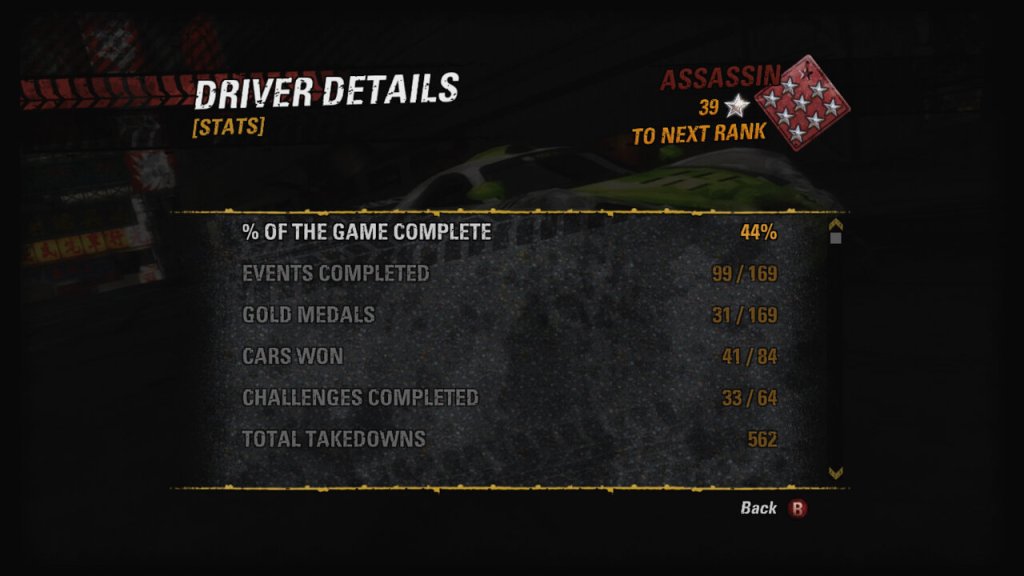
There are three tiers of scoring from Bronze, Silver and Gold, spending on how well you have scored. You can replay events at any time if you wish to improve your score and can experiment with different vehicles that will differ on speed and weight.

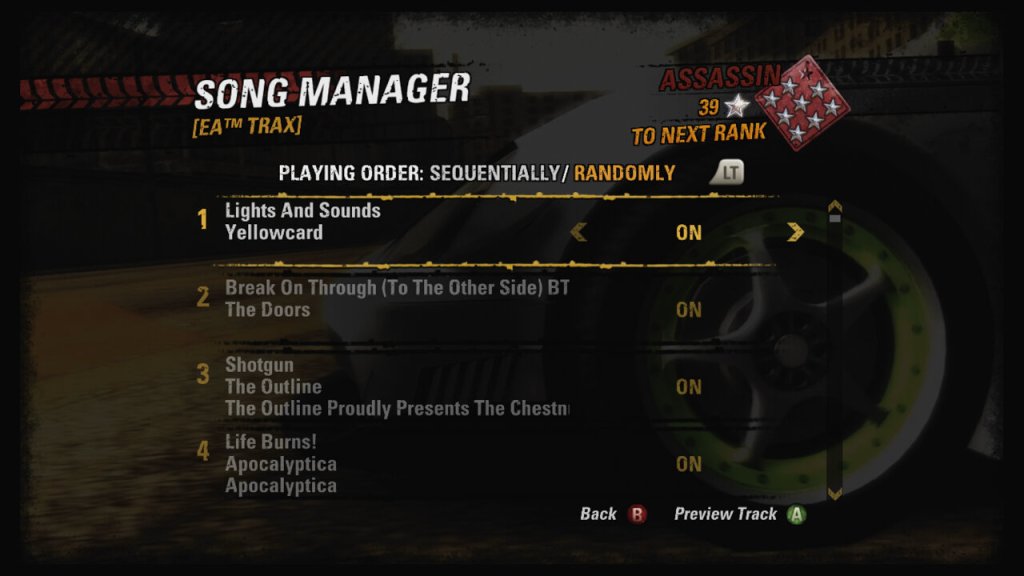
The soundtrack is one of the enjoyable elements of the game, with a playlist mix of Rock, Metal, Industrial, Electronic and PopPunk. There’s a few big names like Fallout Boy, The Chemical Boys, Maximo Park, Bloc Party and Avenged Sevenfold. Songs can be changed easily during a race by hitting the L1/Left Bumper button if you wish to skip the current track.

Playlist on Spotify Youtube

Versions

Xbox 360: The preferred version as it runs in a higher HD resolution and has exclusive Xbox 360 car skins that can be applied. This version does go a bit overboard with the bloom, which can be a put off for some players. Like the Xbox version you can also make use of the custom soundtrack feature if you prefer to use your on music.
This version was also made compatible with the Xbox One and Series X/S consoles.

PlayStation 2: Very well optimized for the console, being released late into the console’s lifecycle. Though I recommend getting the Xbox/360 versions instead since the frame rate tends to tank when there’s a lot of stuff on the screen.

Xbox: As the game was released in 2005, it made sense for to be ported to the sixth-generation consoles, that were remarkably popular. This version supports online play over Xbox Live.

No Gamecube version was released, which is odd considering the previous Burnout games were released on that platform.

Project Gotham Racing 3

PGR’s HD debut

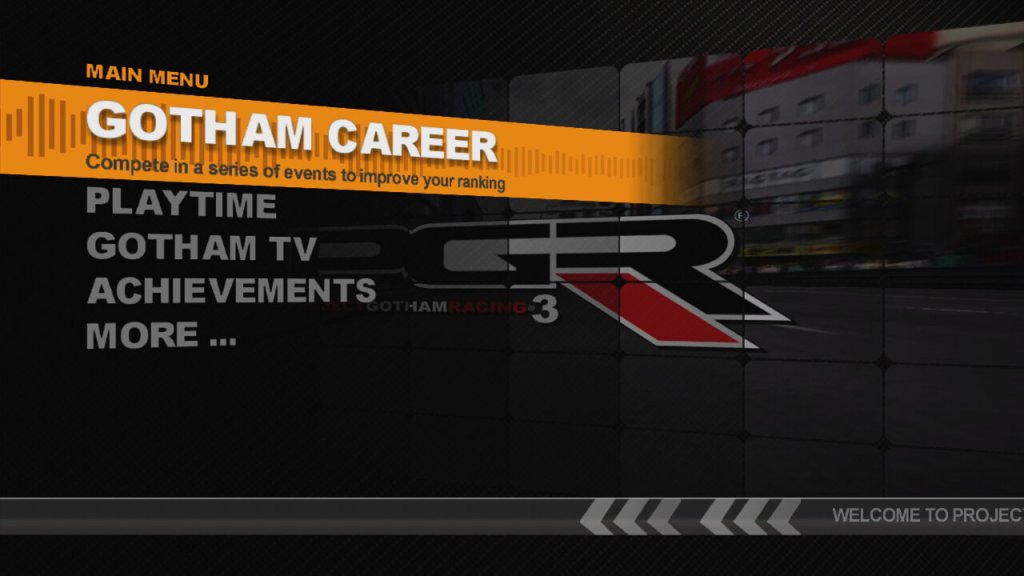
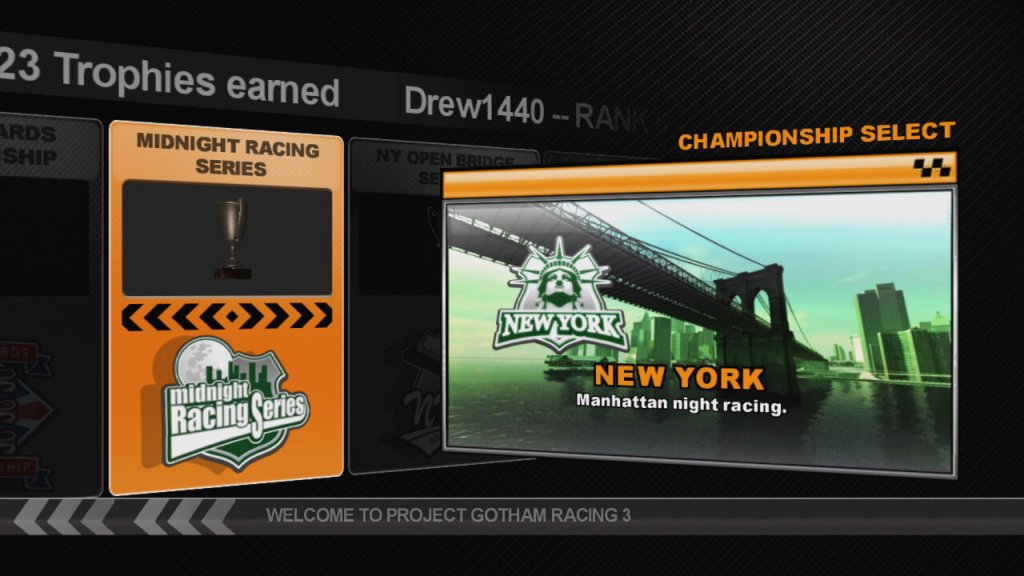
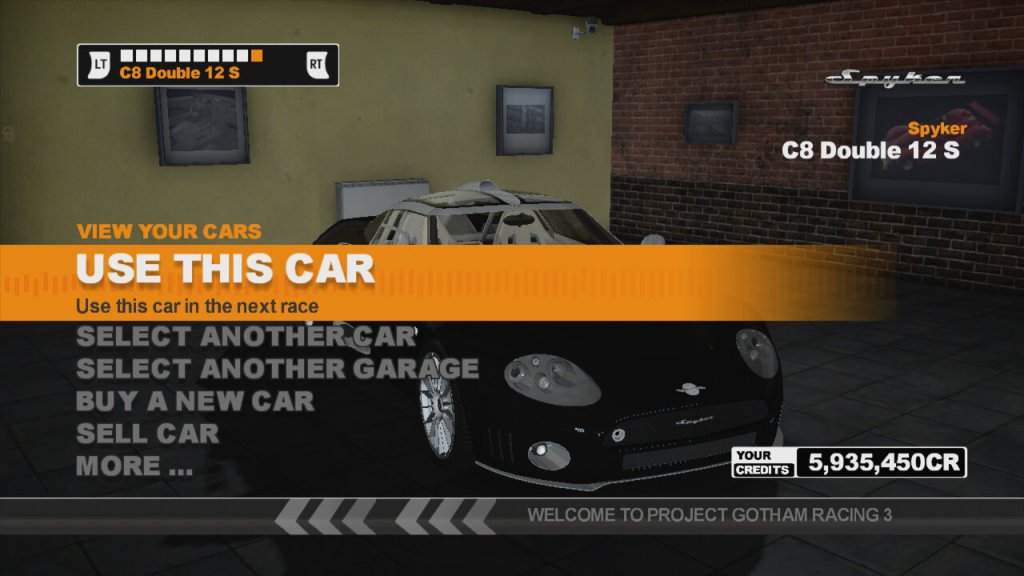
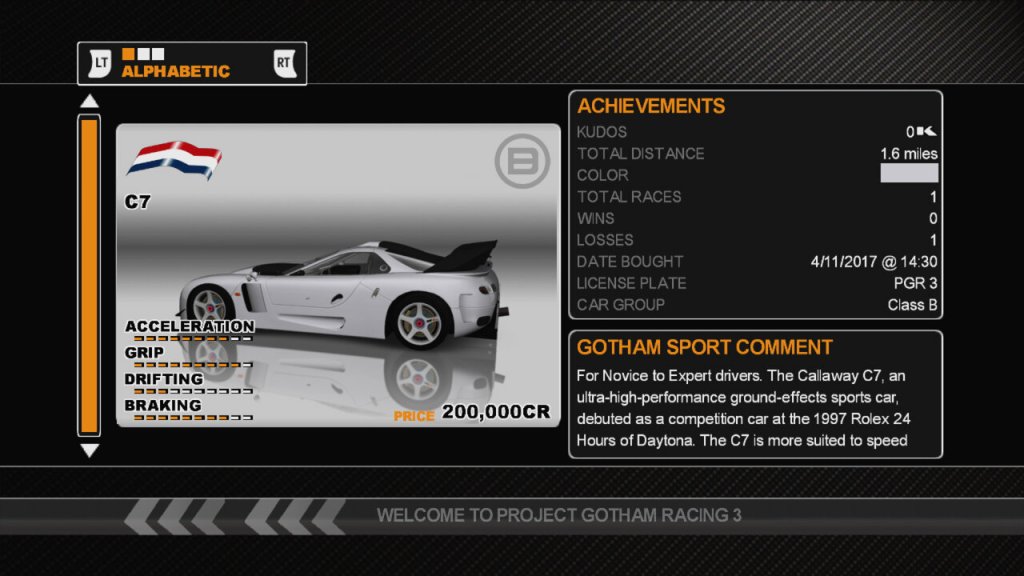
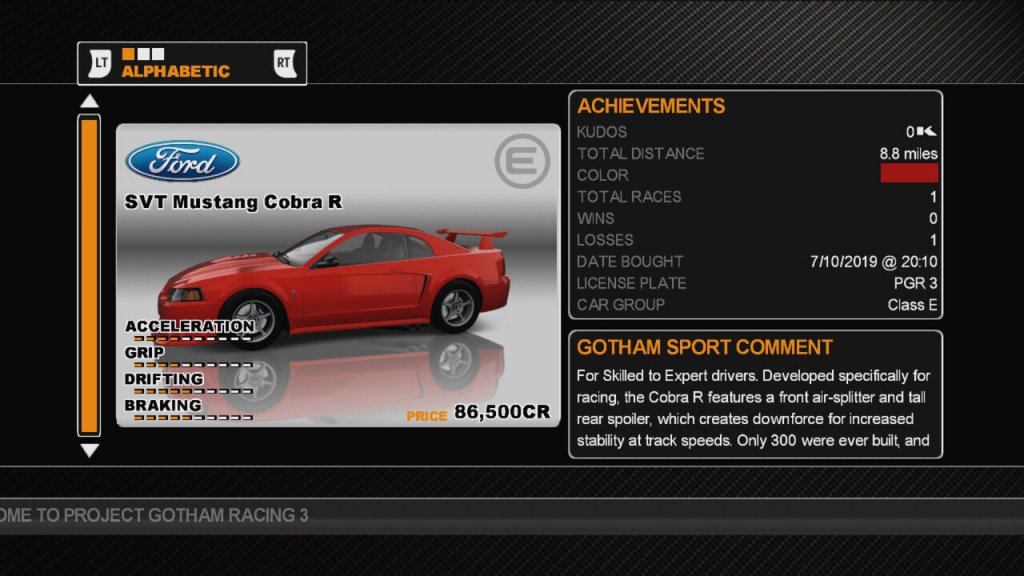
Project Gotham Racing 3 is the third installment of the game, released for the Xbox 360 very early in its life. It follows on from the previous two installments that were exclusive to the original Xbox, and Metropolis Street Racer for the Dreamcast.

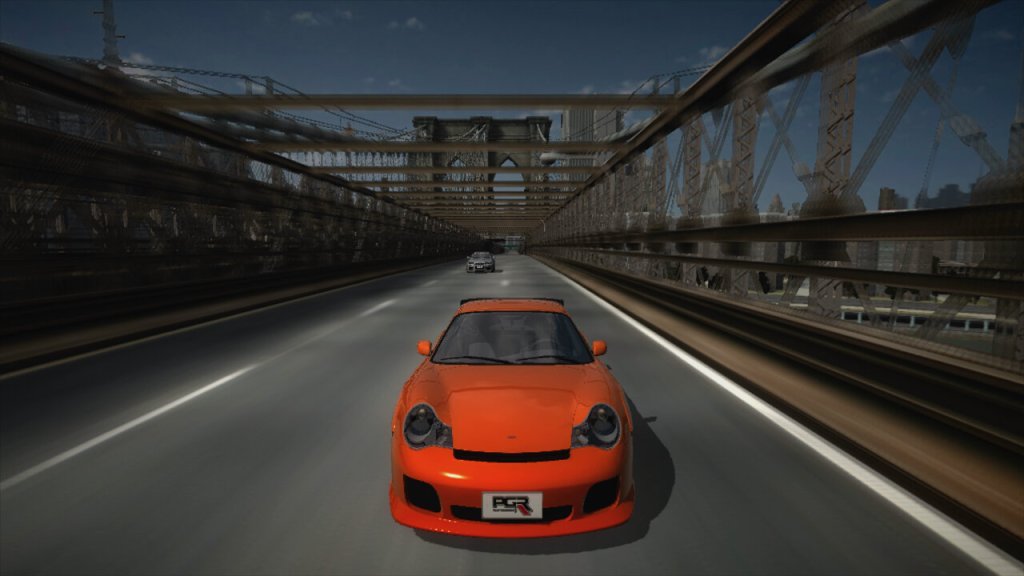
PGR3 hits you with that arcade racing feel, but with enough realism to make you feel like you’re actually behind the wheel of some of the world’s most gorgeous cars. When you fire up this game, it’s like slipping into a supercar’s leather seat. The visuals? Oh, they’re next-gen for its time, showcasing the Xbox 360’s power with cars that look so good you almost feel the engine purring through your controller.

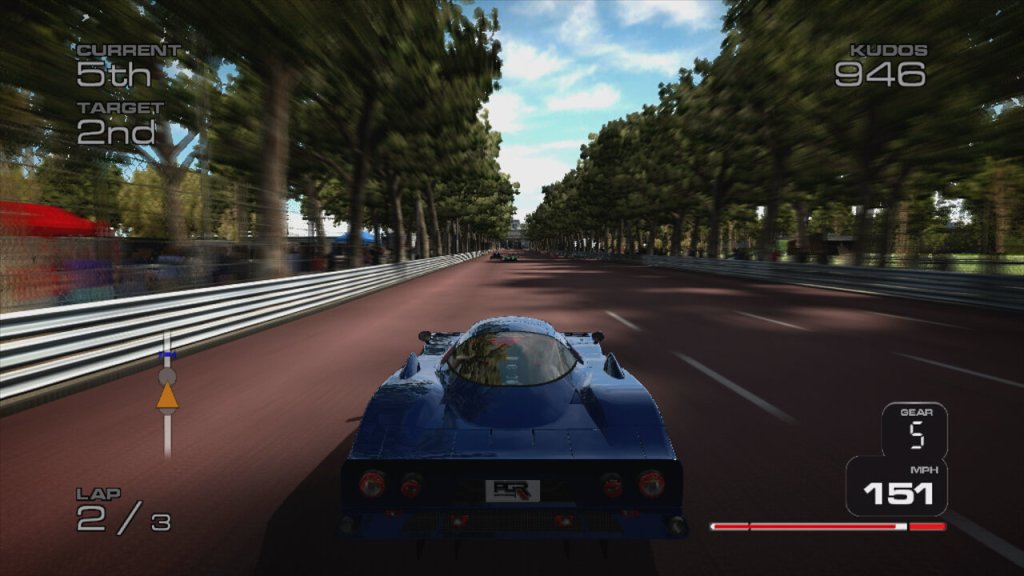
The Kudos system is like a style meter on steroids. You’re not just racing; you’re performing for the crowd, drifting through corners, pulling off 360s, and drafting like a pro. It’s all about the finesse, the skill, making every turn not just about speed but about flair. It’s this system that makes PGR3 not just a racer but an experience.

Regarding the vehicles, You start with a bang, not those slow, underpowered street cars from other games. Here, you’re jumping into supercars from the get-go. And the variety? Insane. From Ferraris that make you feel like you’re in a Bond movie to prototypes that look like they’ve escaped from a sci-fi flick, there’s a car for every fantasy. There is a lot of variety with the vehicle types that can appeal to everyone riving style, some of which will fare better on different track styles used in the game.

The soundtrack is also pretty diverse with a wide variety of genres from classics to rock, hip-hop and electronic dance. You can also elect your own music to play within the racetrack, taking advantage of Xbox’s custom soundtrack feature.

PGR3 is often remembered fondly for its peak of the series style over simulation approach. It’s debated among fans whether it’s the best in the series due to its balance of accessibility with rewarding skilled play, though many argue PGR2’s more raw, less polished feel had a charm. I certainly prefer it to the simulation racing games like the Forza series or Gran Turismo.
PGR3 felt like a true next-gen update, not just in graphics but in how it integrated online features. However, its core gameplay evolution from PGR2, while significant, didn’t feel revolutionary to some, leading to mixed reviews about whether it was the peak of the series or just a polished continuation. It would later be followed up with Project Gotham Racing 4

Bodycount

An interesting FPS that got overshadowed

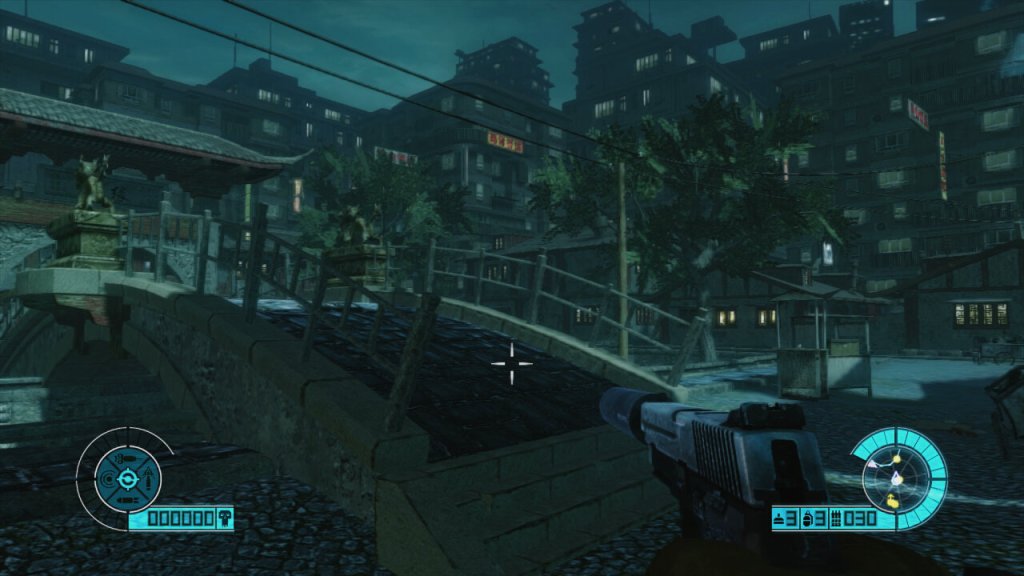
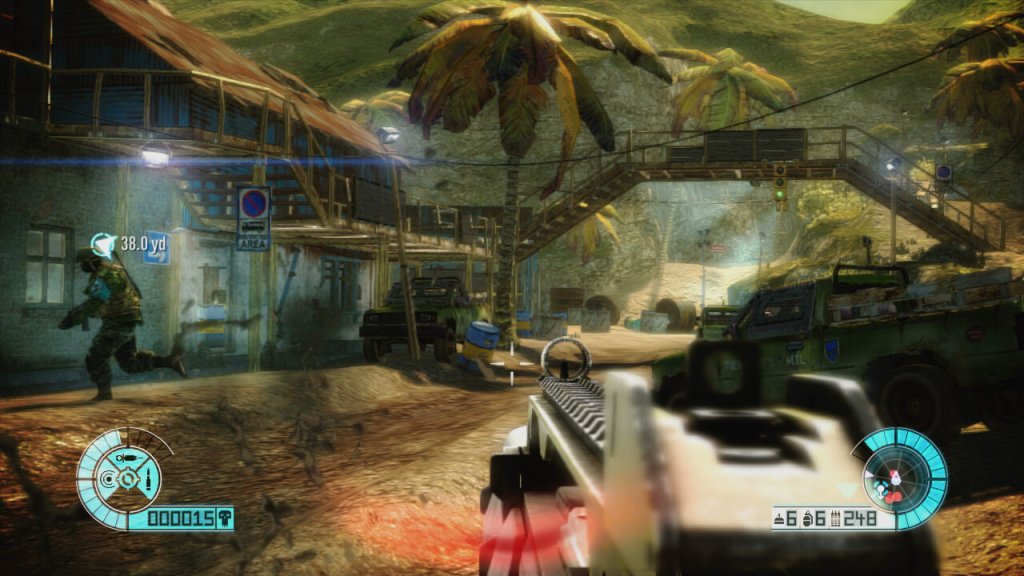
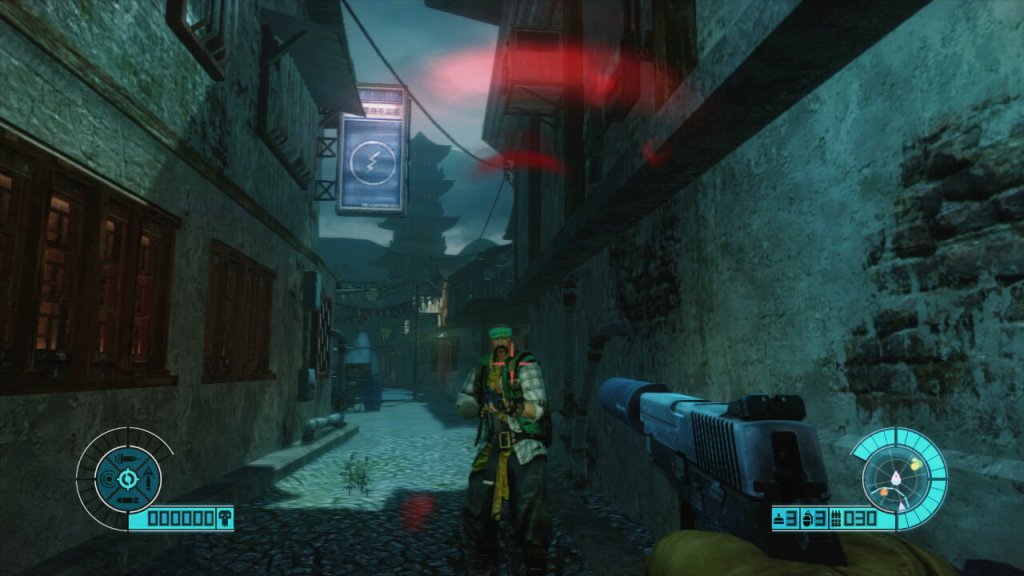
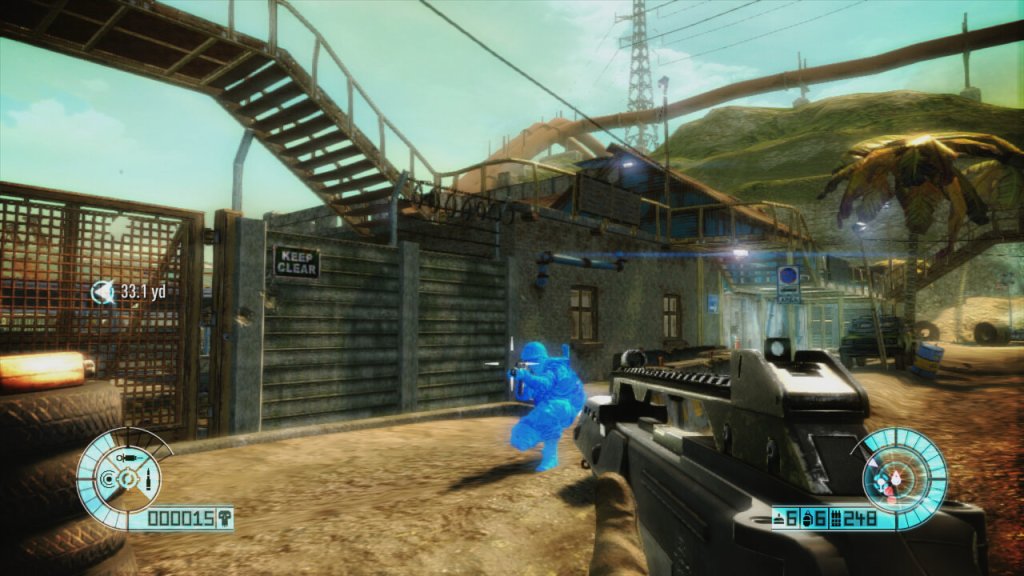
A first person shooter with arcade like shooting mechanics, released in 2011 to a crowded market where it had to contend with Gears Of War 3, Modern Warfare 3, Red Faction: Armageddon and Killzone 3. It’s an easily forgotten game on the count of its poor promotion (I only know of this game since it was recommended to me on Amazon years ago). The gunplay is ok for the most part, but some of the weapons like the silenced pistol are redundant since this game has very poor stealth mechanics, with enemies often reacting to you despite being out of their view. Still when pulled off correctly, it can help you take out enemies one by one rather than getting swarmed,

However a lot of the gameplay consists of holding the current position whilst waves of enemies attack, and this gets very repetitive the further you progress through the game. Sometimes the spawning is sloppy, with enemies simply appearing out of thin air.

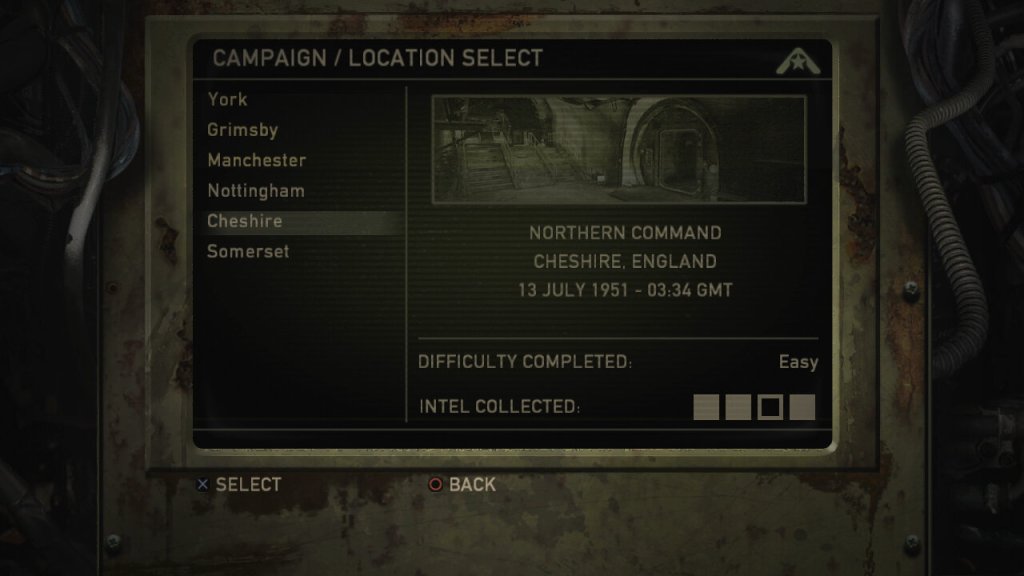
There were a few innovations to help with this, ‘Intel’ is a core mechanic to the game and is collected when you kill and enemy, it’s used to power up your character to use weapons like explosive bullets, or adrenaline to help with the more difficult waves. Also some sections of the environment as destructible, which can help with dealing with large waves of enemies.

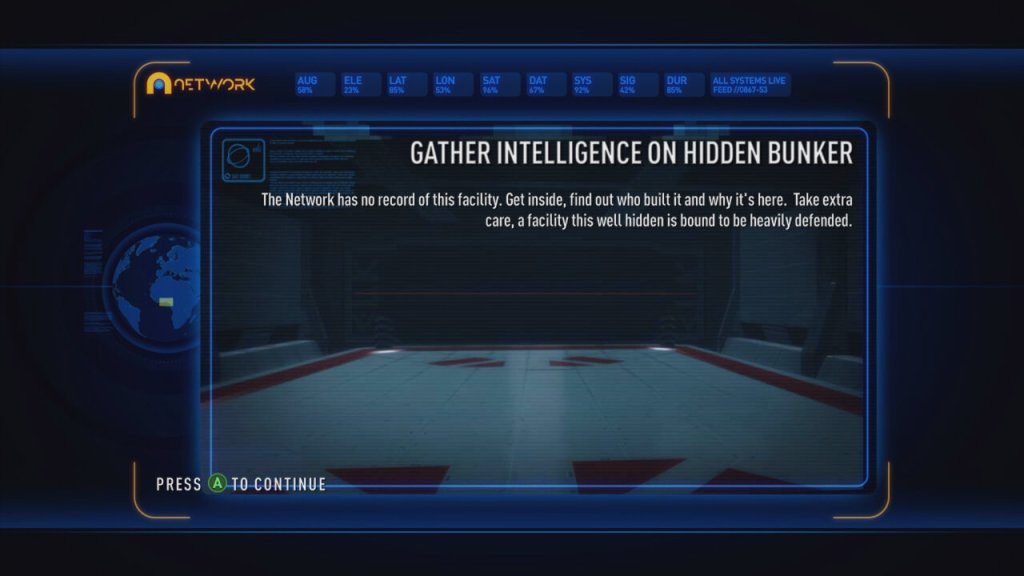
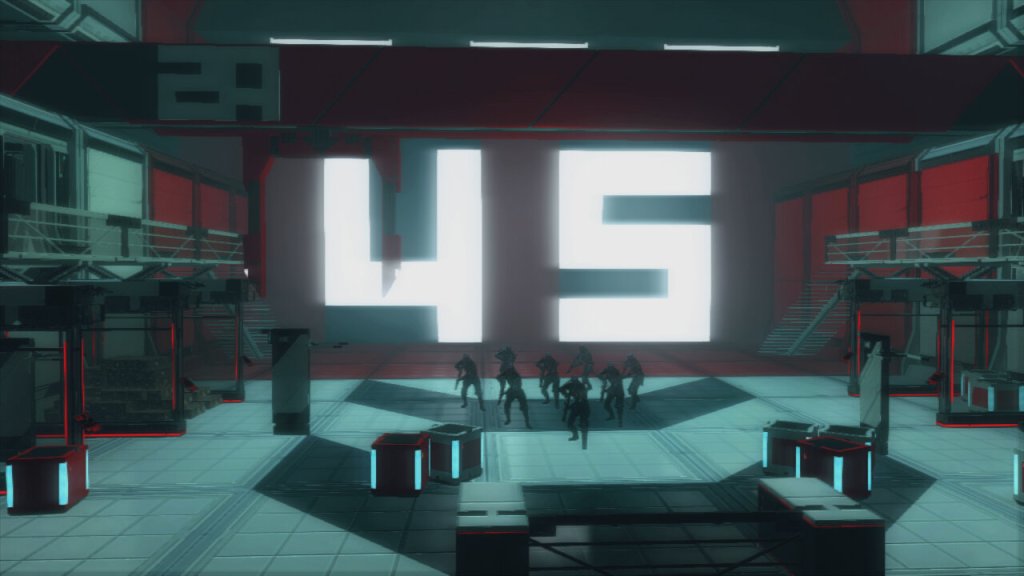
The main story of the game isn’t working delving into, essentially you’re against an entity known as ‘The Network’. This isn’t very well explained and often you are left wondering what is going on, you will often go from battles in beautiful real-world locations to these futuristic Tron-like areas which look very out of place.

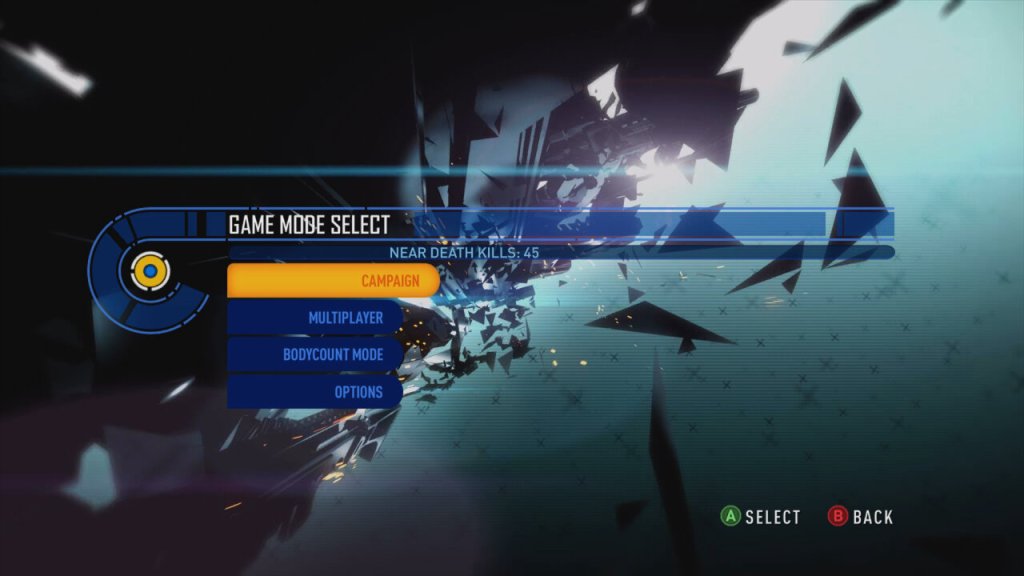
Aside from the campaign, there is also a BodyCount mode that lets you load up a previous chapter to complete it in an arcade style to get the highest points.

Versions

Xbox 360: The preferred platform for reasons outlined below. Sadly this isn’t compatible with the Xbox One or the Series consoles.

PS3: This version is the worse of the two, running at a lower resolution complete with screen tearing.

Samsung ATIV S

Samsung cross between Windows Phone and the Galaxy S3

Samsung was always a common OEM for Microsoft’s smartphones, producing the Focus and Omnia models for Windows Mobile and Windows Phone 7. Following on from that, Samsung introduced the ATIV branding for their Windows 8 devices. ATIV is basically Vita spelt backwards and is Latin for Life, which was also used for the Sony PlayStation Vita, also released in 2012. Coincidence? Maybe

The ATIV branding was supposed to complement the Galaxy branding for Samsung’s Android smart phones, though it also extended to their Windows Laptops and hybrid tablets. The launch device for all this was the ATIV S, which was Samsung flagship Windows Phone for 2012, launching with version 8 of the OS.
Windows Phone 8 looks similar to it’s predecessor Windows Phone 7, but under the hood it was practically are written operating system, making use of the Windows NT kernel instead of the Windows CE that WP7 had used. Due to the drastic changes, no WP7 smartphones could be upgraded to WP8, since it required a dual core processor that no WP7 device had supported (and its widely believed the WP7 core couldn’t support this, hence the need to reboot the OS with a new kernel)
IDK Why they didn’t do this when they introduced WP7, maybe the hardware at the time didn’t support this?
This is kind of why Windows Phone failed, there was no consistent stepping stone between major versions, and with Window’s Phone 8 they effectively reported the OS from scratch again, existing handsets could not upgrade to WP8

Information for the Samsung ATIV S

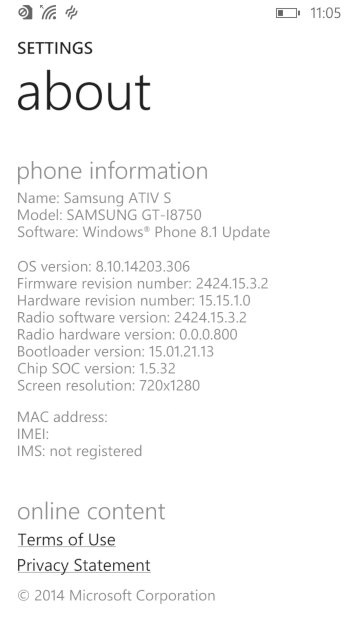
The ATIV S itself has very similar specifications to the Galaxy S3, both have a 4.8 inch 720p screen, both feature 1GB of RAM and 16GB of user storage and a dual core processor (the ATIV differs by using a Snapgradon processor whilst the Galaxy used Samsung’s own Exynos cores).

The user interface is pretty much Windows Phone, with its innovative live tiles and social media integration. Samsung did bundle their own exclusive apps and settings which are worth looking into.

Apps

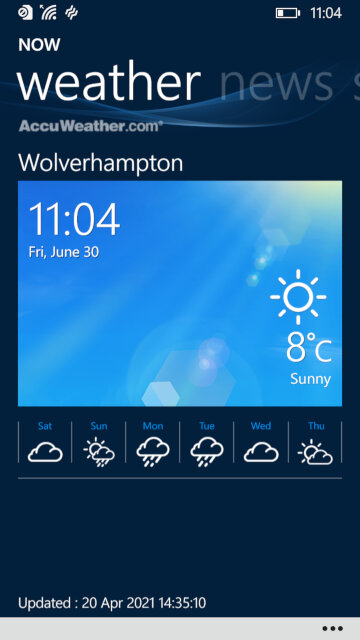
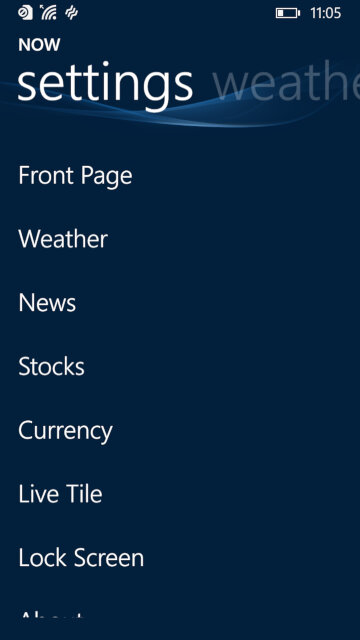
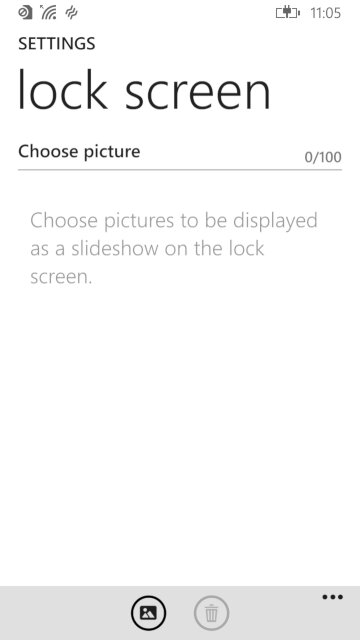
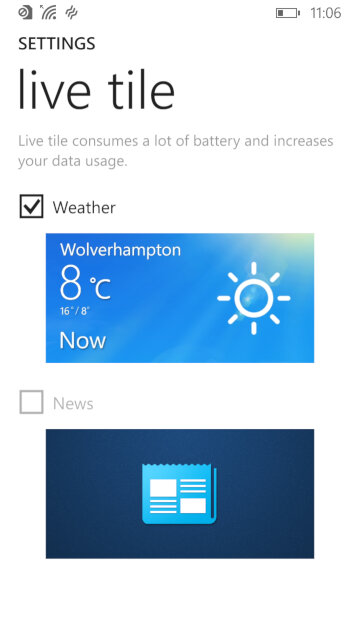
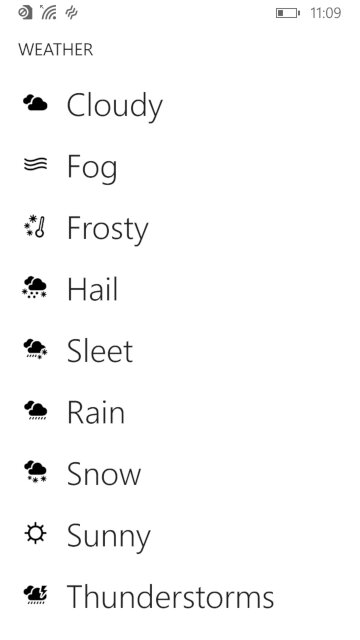
NOW: Similar to what was seen in the Omnia W, this is Samsung’s News, Weather and Stock/Sports information app. News is provided by Yahoo news, who have since discontinued it’s integration but would have shown the latest news headlines for your area. This app supports both the live tile and the lock screen feature, weather information can be displayed on the locks screen itself.
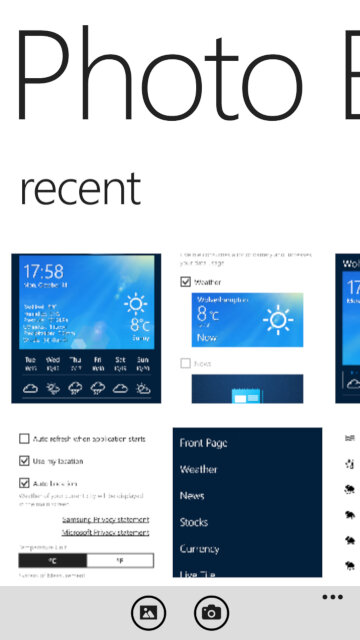
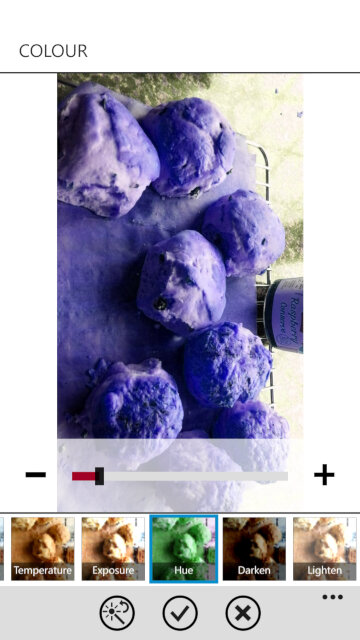
Photo Editor: A simple image editor that can apply a wide range of filters and effect to captured photo’s, and also allows you to place stickers for novelty use. Cropping and zooming are also supported, although you can do this in the Windows stock image viewer.
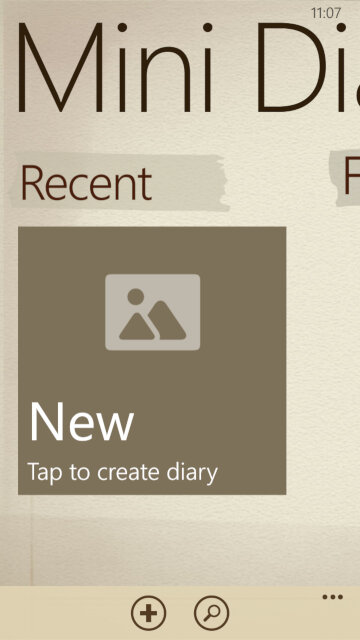
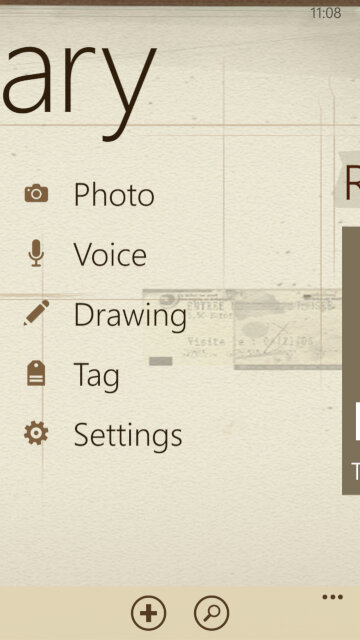
Mini Diary: Lets you create a journal or a note where photos or drawings can be attached to them. You can also record a voice note for upto 10 minutes.

Settings

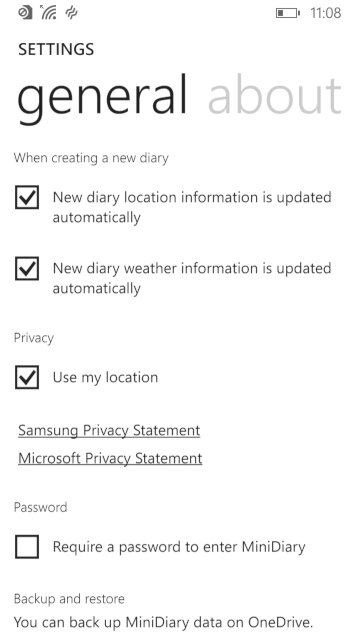
Samsung has included their owns settings applets that are located towards the bottom of the Settings app, these allow you to change features that are exclusive to the ATIV S

Additional call settings: Check the status and enable call forwarding and call waiting, if they are supported by your network operator

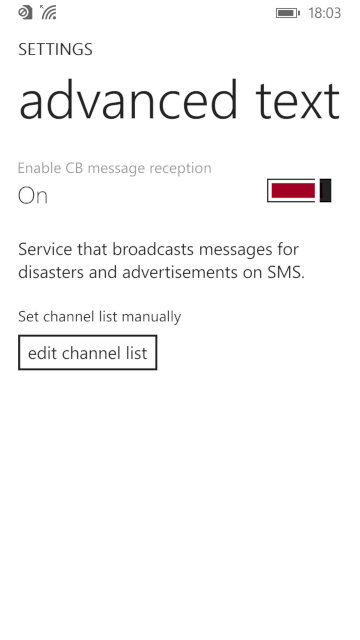
advanced text messages: Allows you to enable CB message reception for broadcast SMS messages, not something we have in the UK

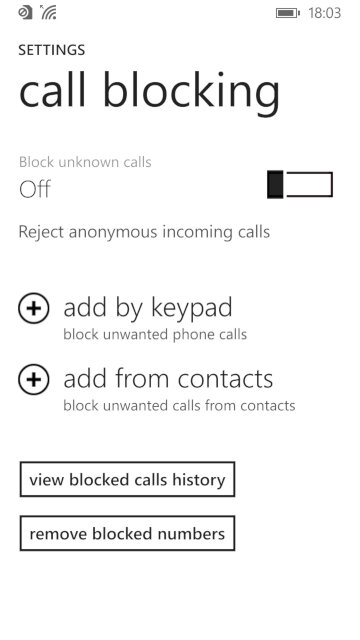
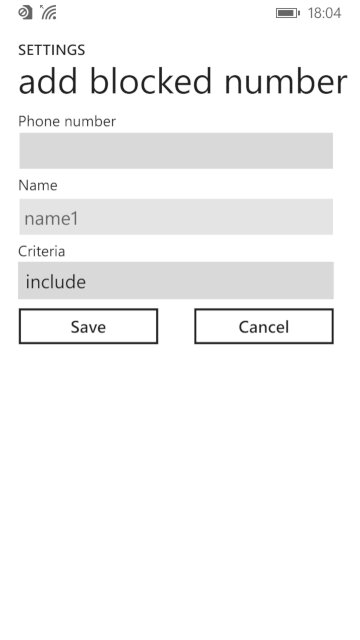
call blocking: lets you enable and add phone numbers to the blocklist which the phone will prevent from contacting you. You can also set to block any callers that withhold their number.

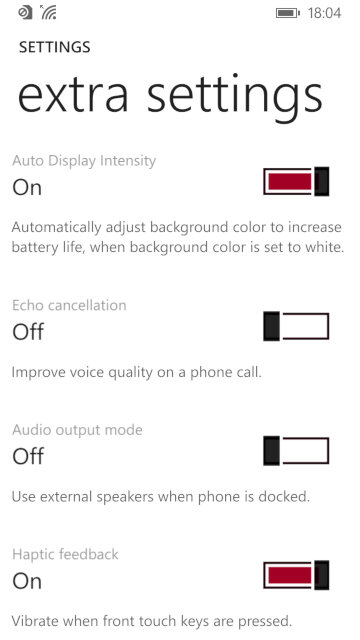
Extra settings: other settings that don’t have their own category, you can change settings for haptic feedback if you want the phone to vibrate when the touch buttons are used.

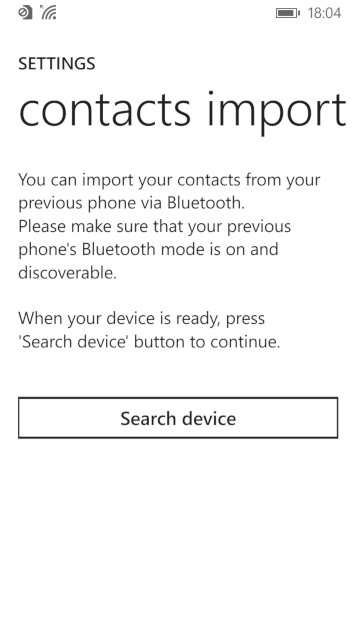
Contacts import: import contacts from another phone via Bluetooth, which Windows Phone didn’t support for some reason.

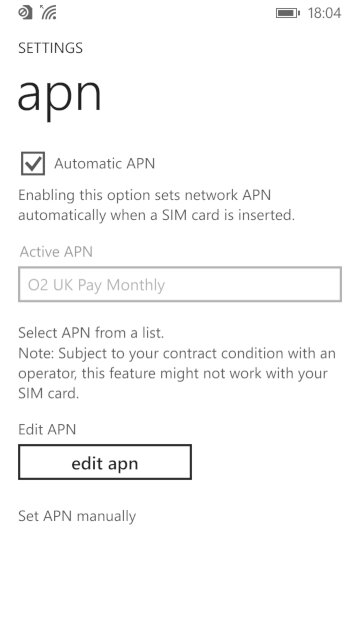
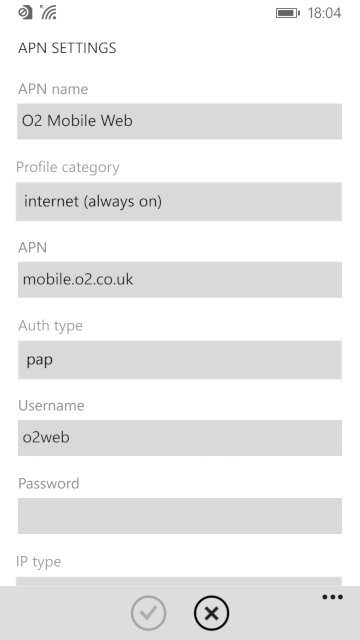
apn: change access point settings, if the phone did not detect your SIM card provider. You need these settings to access the internet and to send or receive MMS messages. Typically you don’t have to do this unless you insert a SIM card that the handset cannot detect the correct settings for, or if they are outdated.

Conclusion

Whilst the ATIV S was the phone to get when Windows Phone 8 was released, it quickly was thrown to the wayside after Nokia started released their flagship handsets, along with their custom exclusive apps for the platform. The ATIV S, along with other Windows Phones didn’t really sell that well, and this caused Samsung to lose interest in the platform. The handset would be followed up by the ATIV S Neo.
The ATIV S was well supported in terms of updates, with the 8.1 update being released in 2013 that introduced an updated boot screen, Cortana (RIP), new features for the Start screen and OS features thanks to Microsoft’s update policy.


The fact that the ATIV wasn’t a best seller, and that Microsoft had a strong partnership with Nokia at the time cause them to exit the Windows Phone platform. Samsung would follow-up with the ATIV Odyssey that was a cheaper low-end device and then the ATIV SE, No Windows 10 handsets were released from Samsung.

RIP Cortana

Sony VAIO PCV-100 (VMWare & 86Box)

Another Sony VAIO, one of my favorite PC OEM’s

VAIO desktop, post install

Oh god, its just like the PCV-90. This is gonna be a pain in the ass

Or maybe not since we actually get working mouse support and the software is able to see the CD drive so we don’t have to modify the boot disk.

The restore utility cannot initialize a drive since it assumes its already formatted, What you need to do is FDISK it and initialize the drive, in order to start the recovery process. Also once you init the drive, VMWare will try to boot from it. If you keep getting Missing Operating System – Power off the VM and them click on Power On To Firmware option in the dropdown menu next to the Play/Power button.
Once you are in the Firmware (BIOS), go to the boot section and pop the CD-ROM drive at the top of the list (Press Shift and + to move it up)

Although the recovery program tells you to run a specific .bat command, this is very specific to the machine’s hard disk and will not apply to our VM, unless our HDD is the exact size.

Before we get to the desktop, we are treated with an IOS error

This occurs because the CPU we are running on is too fast for Windows 95 and this causes a fault with a built-in race condition as part of the Windows 95 boot process. Thankfully there’s a community made fix for this and allows us to have a bootable system

Post Install

After we are taken through the last part of the installation where we need to enter identity information. We then have to progress through a series of New Hardware prompts, (Use a hardware profile 6.2 or lower to avoid this, later versions install a lot of PCI-PCI bridges which are way overkill for what we are using)

Installing VMware Tools, Or maybe not, our CD-ROM drive has gone missing…

It came back after a reboot, I’m not sure why it disappeared

From here it’s very similar to the PCV-90 that was looked at previously, with a lot of the software being bundled with the install.

86Box

VMWare can be a bit problematic with these old Windows 95 installs, so we can use 86Box instead. Here I quickly setup a system using VirtualPC 2007 motherboard, and loaded the restore CD when it gave this error message:

I don’t get it, the BIOS screen reports no errors?

I disabled ACPI in the BIOS since that can cause problems and made sure both floppy drives were correctly enabled in the BIOS, and that seemed to fix it. Lets give this another try…

After going through the recovery steps again this time it worked properly, and the hardware detection was a lot less painful to go through. However there is one other issue, the IDE CD-ROM drive is no longer detected once we boot into Windows 95 and this is likely due to the Hitachi IDE drivers being used which causes issues.
It’s possible to fix this by changing the motherboard but considering we had issues with the PCV-90, I believe it’s more of an emulation issue with 86Box.
A workaround is to install and use the SoundBlaster 16 PNP which will feature its own IDE controller. If you do this you must put the CD-ROM as IDE 2:0 or 2:1 to assign it to the SoundBlaster, Windows 95 will generally detect and install a driver BUT you must have a copy of the Windows 95 install disc, as it requires a few files in order for it to install the driver.
Alternatively, you can attach an Adaptec SCSI interface instead, again you will need to have a Windows 95 install disc for it to detect and install a driver, or you can locate the driver files yourself. The SCSI option is a lot more flexible as you can install up to around 7 drives (CD/ZIP or hard disks)
Overall this system is very similar to the PCV90 and included a lot of its software, so there isn’t much to cover that we have not done so already. To be honest its probably worthwhile installing in VMWare, then upgrading it to Windows 98 to make it usable in VMWare, as it should be more useable that way.
A look at SIM Toolkits

Technically known as SIM-AT (Application Toolkit), this is a menu that is built into many SIM cards and can be accessed through the handset directly.

Many of the mainstream networks used the SIM Toolkit to promote their services and to increase their accessibility. Many provide links to news bulletins, sports, weather and finance. Some would also allow you to dial important services like the RAC breakdown

On the other hand, most of the smaller or virtual mobile network operators neglected support for the SIM AT toolkit. Virgin Mobile was one example of an MVNO that implemented a SIM toolkit in their service, but others such as 3 (Hutchinson 3G) and ASDA or Tesco mobile don’t implement this, mainly as they are promoted as a budget-orientated mobile operator

BT Cellnet / O2

The predecessor to O2, this Sim card dates to around 2000/01, shortly before the rebrand to O2. The menu appears as ‘My Services’ with BT Cellnet being the first item that shows up

  • Callback901 – This was a shortcut to O2’s voicemail service and simply dials the voicemail message center, which works the same as dialing 901
  • 1471 – tells you who the last number that was dialed
  • Customer Care – Main O2 customer service line
  • UK Directory
  • Int Directory
  • Dictation Line
  • Talking Pages – I think this was the speaking version of the phonebook but im not 100& sure
  • RAC Breakdown – Dials the RAC, useful if your car as broken down
  • AA Breakdown – Same as above, but dials the AA instead (AA is a breakdown company, not alcoholic anonymous)

From an older BT Cellnet SIM card

T-Mobile

Not sure how old this Sim card is or what year it dates from. Compared to the menu on BT Cellnet it’s a lot more featured, with many options leading into a submenu. When selecting an option, the phone will send an SMS-like message which relates to the request.
On most handsets, the menu appears as ‘Interactive’

  • Fun
    • Horoscopes – Gives two options, Romance and Outlook and lets you enable a daily message that tells your horoscope, probably for an additional charge
    • Humor – Gives options for Jokes, Chat-Up lines or Voicecards. Jokes gives you options for Silly or Adult jokes which then gives a warning message that you must be 18 or over to access
    • Pictures – relates to MMS and lets you enable picture alerts, options including Babes on & off, Gossip on & off and Footie. Yes, it’s actually spelled like this in the menu.
    • Entertainment News – Options here is daily on/off which controls daily SMS messages being sent in relation to entertainment news, an option to get the latest news once and separate options for soap and film updates. Useful if you want the latest from Eastenders or Emmerdale.
  • Info
  • Daily news
  • Weather
  • Lottery
  • Call Traffic
  • TV – gives two options to see What’s on now and Soap Update
  • What’s nearby – several options, bar, Hotels + B&Bs, Eat, Taxi and Cash Machine
  • What’s On – Cinema, Club, Music and Comedy
  • Streetmap – Send a map to selected compatible Wap push devices
  • Finance – Options for Shares, Exchange rates or financial news
  • Call Leisure Line – Calls the Leisure line
  • Music
  • Ringtones – send a WAP link to download more ringtones
  • News – Various options for Charts alerts, Pop news, and New Releases, these would be text alterts being subscribed to
  • Chat
    • Join
    • Chatrooms – Lists chatrooms or to manually enter a chatroom
    • Match and chat
  • Sports

Vodaphone

On this SIM card that dates from 2020, this still has a few menus that are accessible.

  • My Vodaphone: Gives options such as TopUp, Balance, Customer Care, Directory Enqs, Voicemail, My Subscription and Voda Stores. Some options will be hidden depending on the type of tariff (Pay as you go vs Pay Monthly)
  • Balance: Gives you your current account balance, does not show on pay monthly
  • My Number: Shows your current phone number
  • Menu prices: View Prices and T&Cs
  • Sport: Various options consisting of Sky Sports, Sports News, Football, Rugby, Eng Cricket, F1, Horse Racing, Golf News and Tennis News.
  • News&Weather: opt into breaking news alerts, or just UK or World news with additional options for tech, lottery and local weather. Cost is 12p per alert.
  • Entertainment: Two options here, TV Tonight which shows TV listings, and Joke of the Day.
  • Horoscopes: Set up SMS or MMS notifications for your horoscope priced at 1Pnd per week, or 12p for a daily message.

Virgin Mobile

Virgin was one of the first virtual mobile operators and ran on top of an existing mobile network. Virgin offered its SIM-AT menu as ‘Virgin Xtras’

  • Top-Up
  • Help
  • Shop
  • Offers
  • Travel – Options are Traffic, Book Virgin and RAC Red
  • Music – options are Jukebox, Buy and Radio
  • Going Out
  • Staying In
  • Voicemail – Options are Call? and Divert

Most of these are WAP links to the selected service, they don’t seem to bring up a submenu of sorts.

Conclusion

From looking at most of the options listed above, many relate to obtaining information for a specific subject. Like if you wanted to subscribe to breaking news alerts, or sports news alters for a specific game. Many of these carry an additional charge and operate as an additional revenue stream. These would have made sense back in 2000 era of mobiles as WAP was still an emerging technology so getting breaking news in the form of an SMS message would have been a desired feature.
Now, most phones come with news apps that support breaking news nominations, delivered through the phone’s data connection. The remainder of the functionality can be replicated using the operator’s app, if they choose to provide one for the smartphone’s platform. For feature phones that run the KaiOS platform, this may not be possible. Still, Android handsets support SIM-AT which appears as a dedicated app if the sim card supports it.

A problem with SIM-AT is some manufacturers implement it differently in terms of accessing it, on many Nokia’s you can access it directly from the main menu, but on Sony Ericsson models it’s buried within either the Entertainment or Services menus. For network operators, this means they cannot give direct instructions without having the customer refer to the phone’s operator manual.

Orange (Now merged into EE, now part of BT) also offered a similar service, ill document and upload when I get access to an older Orange SIM card.