Tag Archives: PlayStation 3

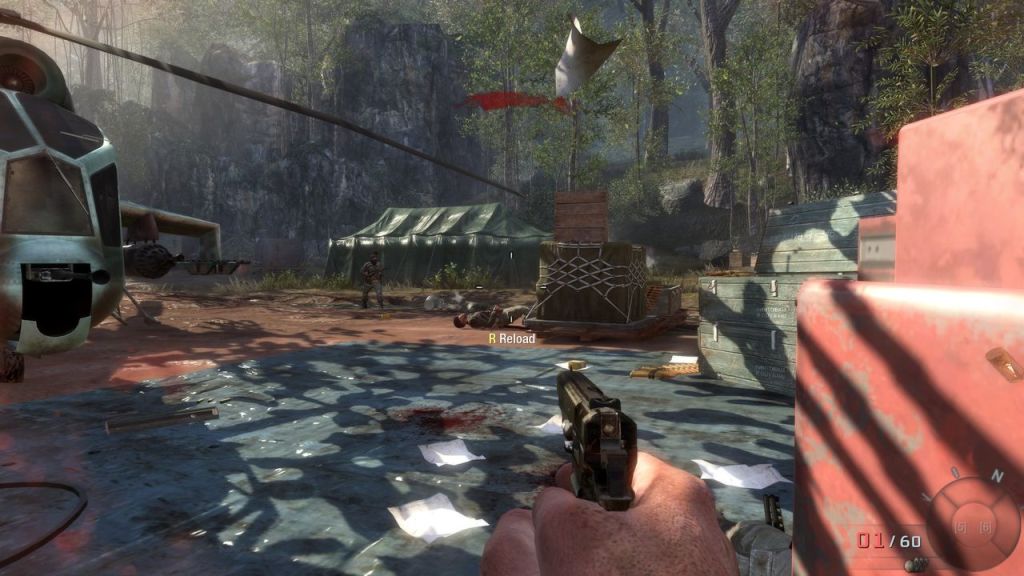
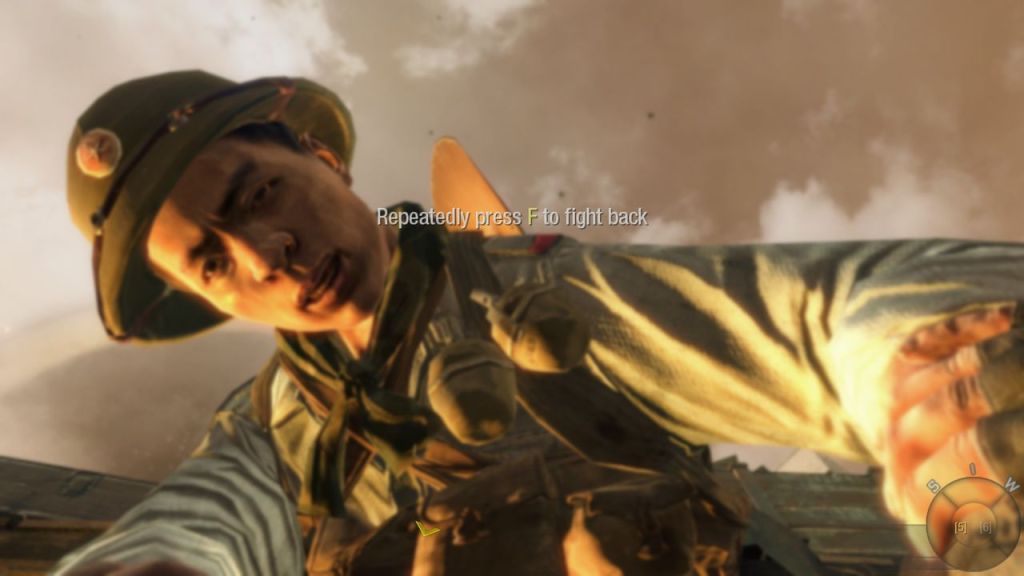
Call Of Duty – Black Ops

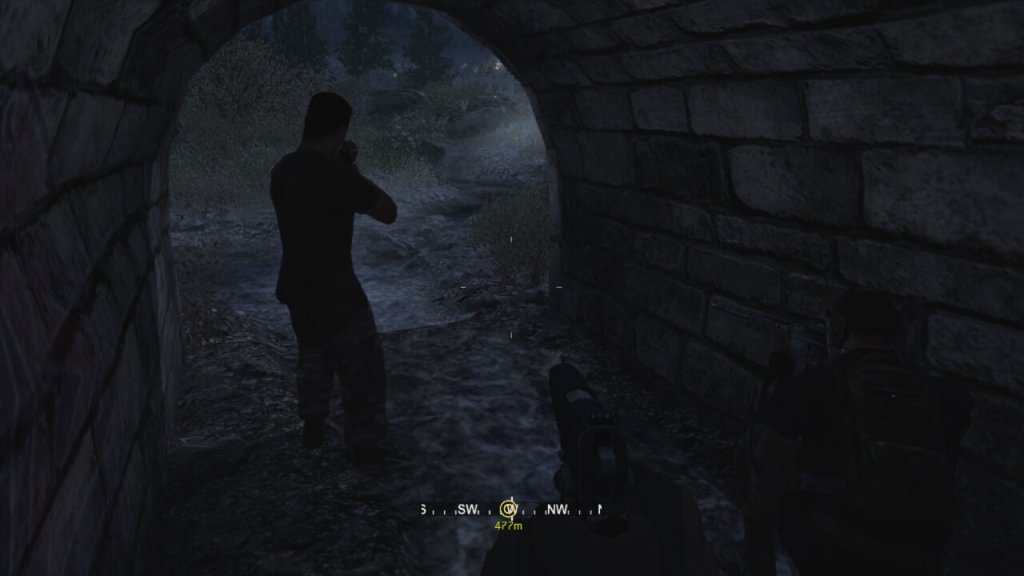
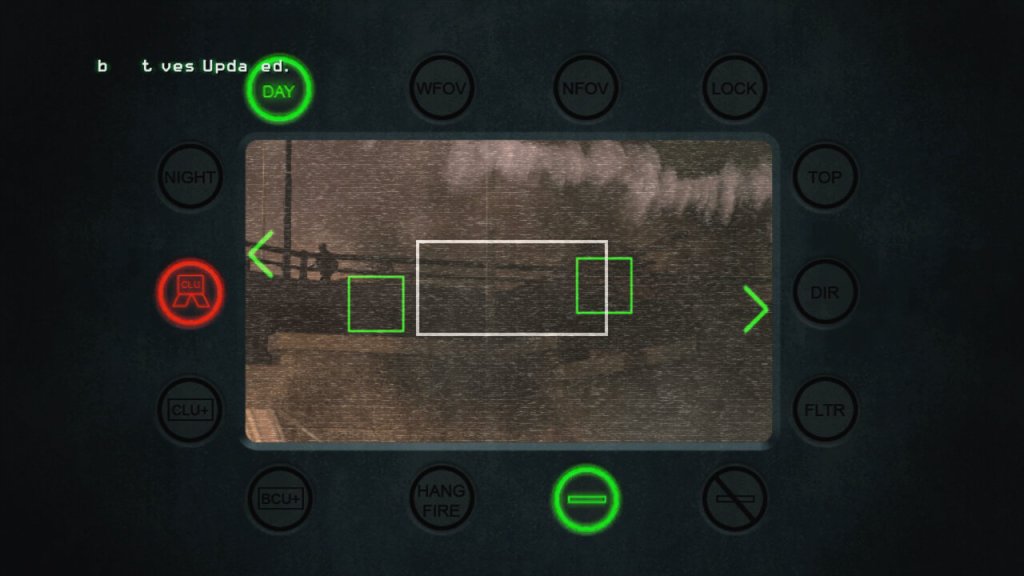
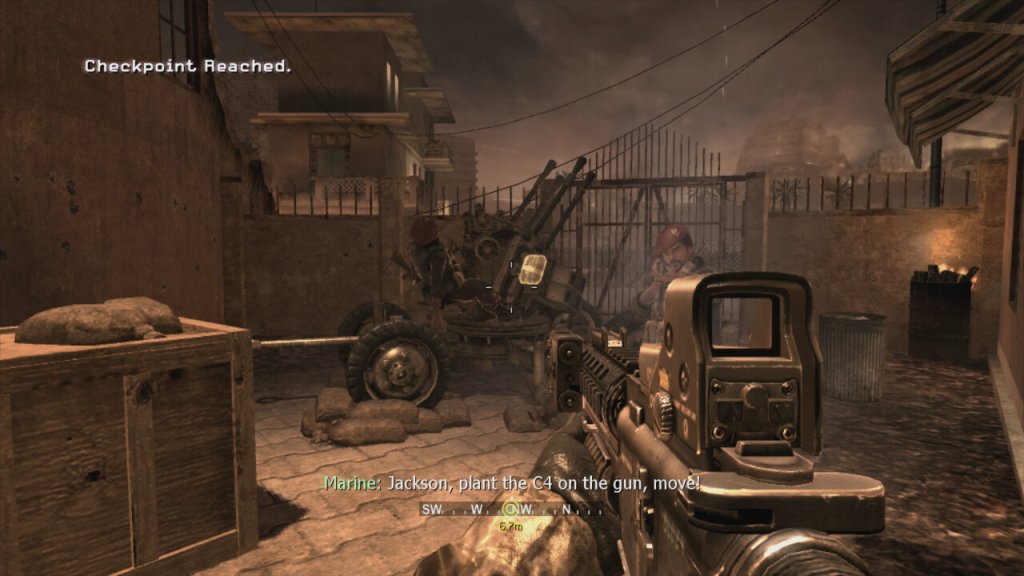
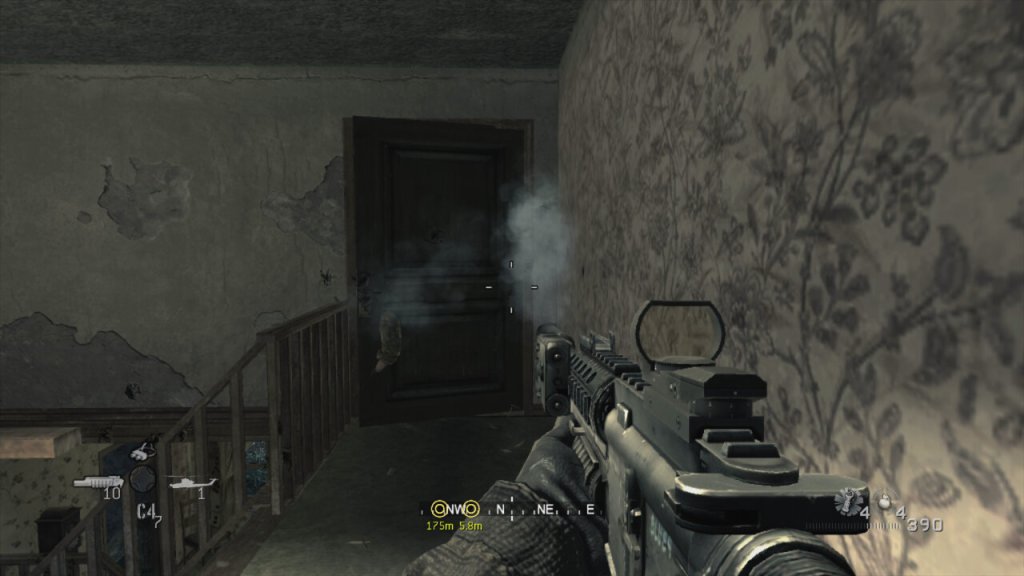
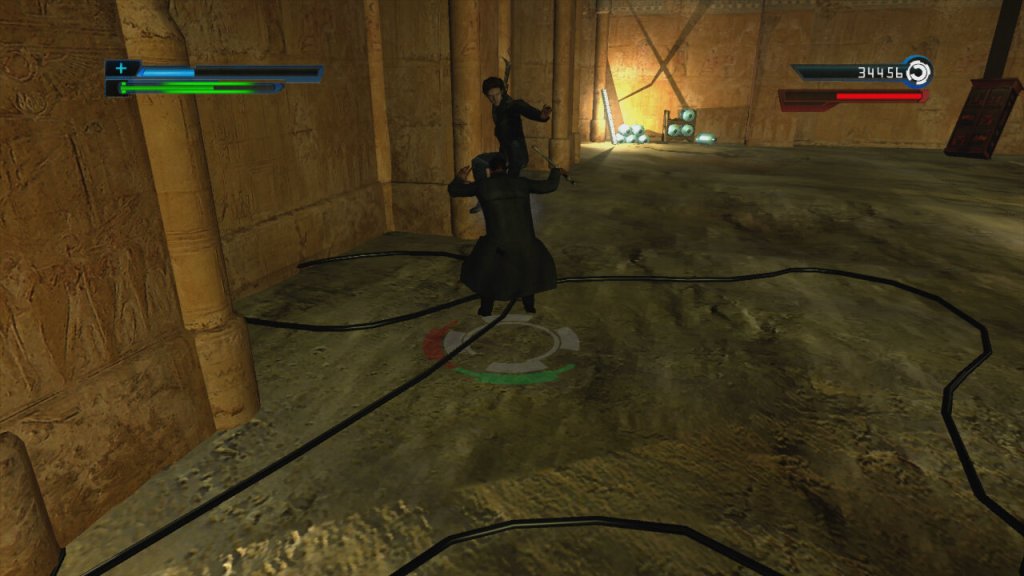
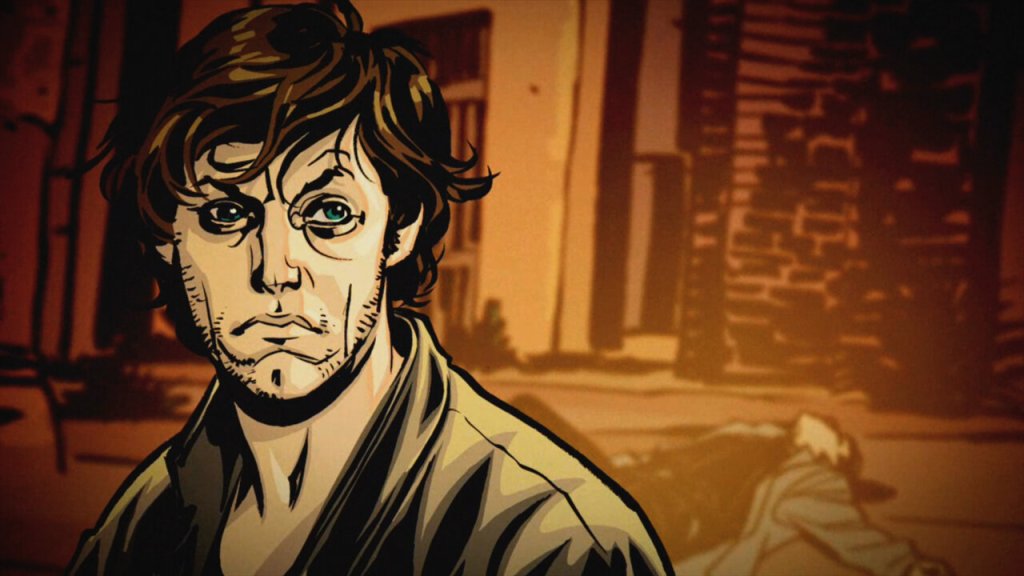
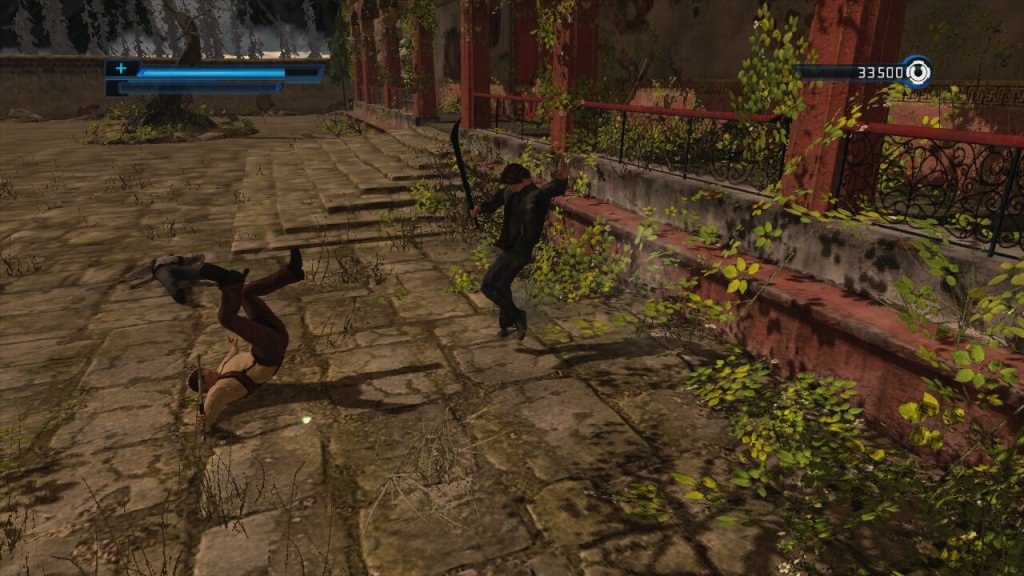
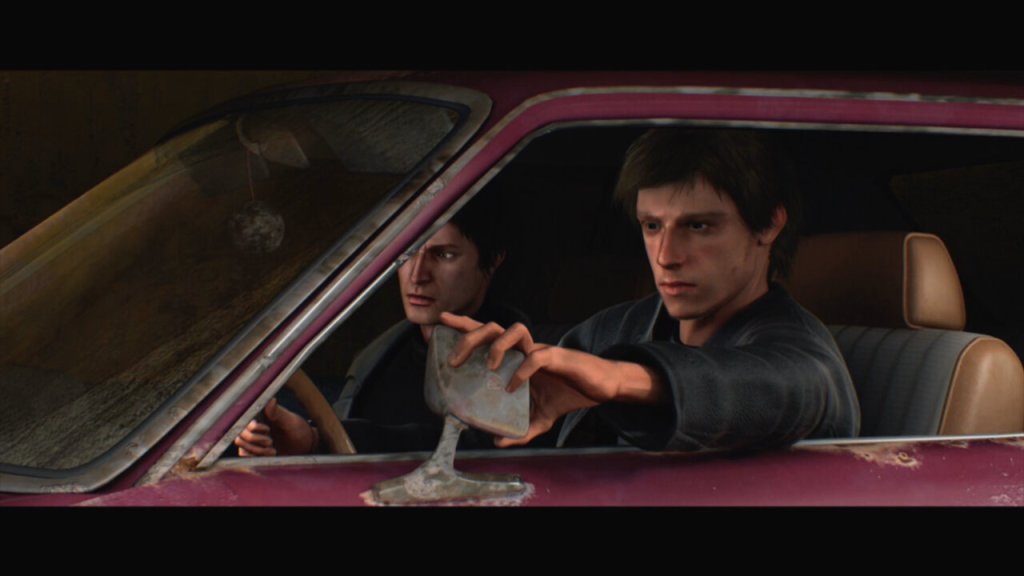
Another FPS game released November 2010 and developed by Treyarch. Considered to be a sequel to World At War.

The game’s set in the 1960s, at the height of the Cold War, where the U.S. and Soviet Union are locked in a global pissing match. The campaign’s core conflict revolves around covert U.S. operations to counter Soviet influence, from Cuba to Vietnam to Arctic outposts. It’s all about proxy wars and espionage, reflecting the real-world fear of mutually assured destruction. You’re playing as CIA operative Alex Mason, running black ops to stick it to the commies, which screams “America, hell yeah” but also shows the shady lengths the U.S. went to for dominance.
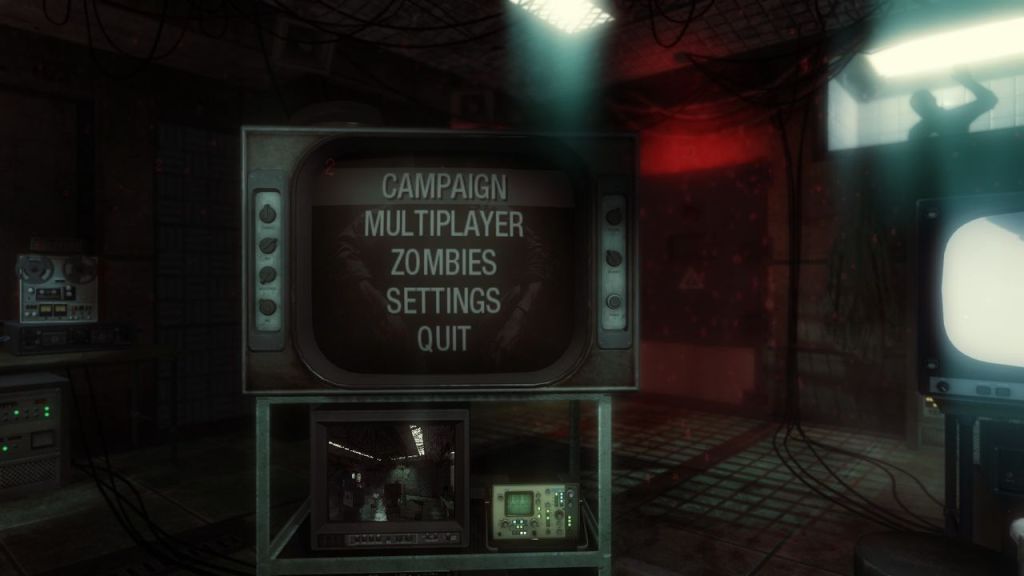
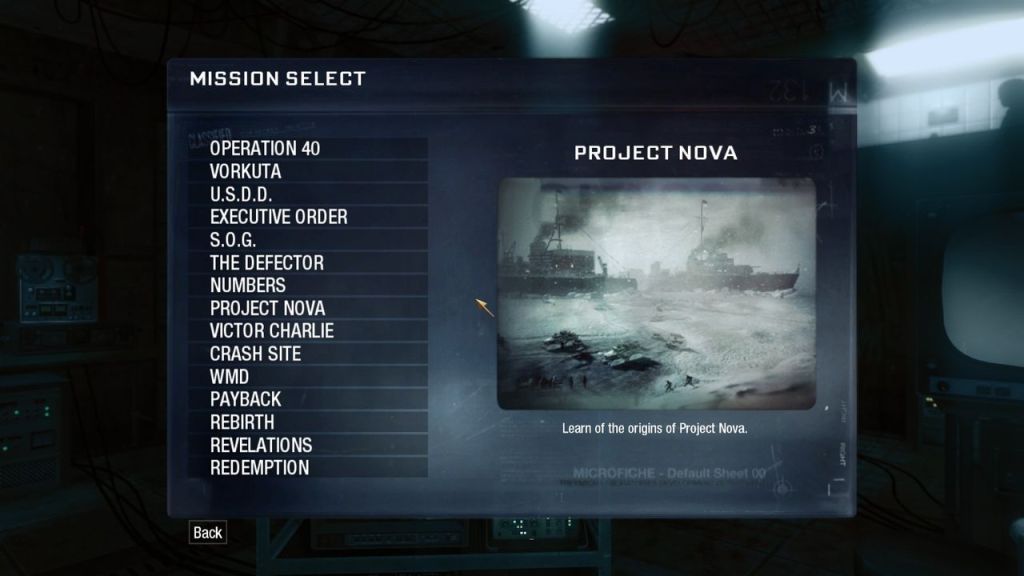
The Bay of Pigs Invasion (1961) kicks things off, with Mason involved in a botched CIA-backed attempt to overthrow Castro’s regime in Cuba. It’s a direct nod to U.S. anti-communist policies and the failure of covert intervention, showing the messy reality of regime change. The game doesn’t shy away from portraying Castro (or at least his double) and the Cuban Revolution as key pieces of the geopolitical chessboard. Vietnam War missions, like those in Khe Sanh and Hue City, highlight the U.S.’s military quagmire against the Viet Cong and North Vietnamese. Black Ops captures the chaos and moral ambiguity of the war, with soldiers like Woods griping about the pointlessness of it all, echoing real-world anti-war sentiments.
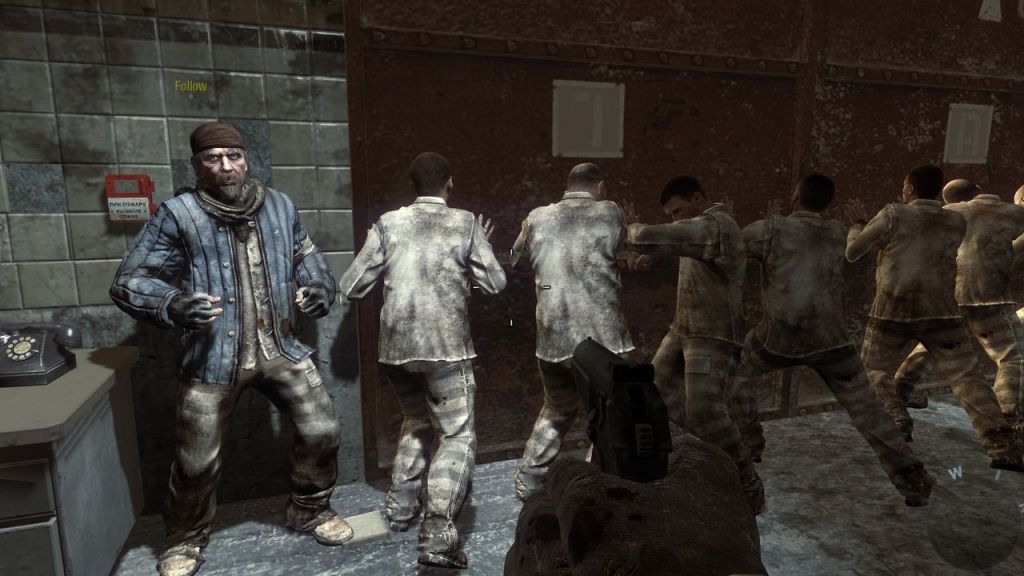
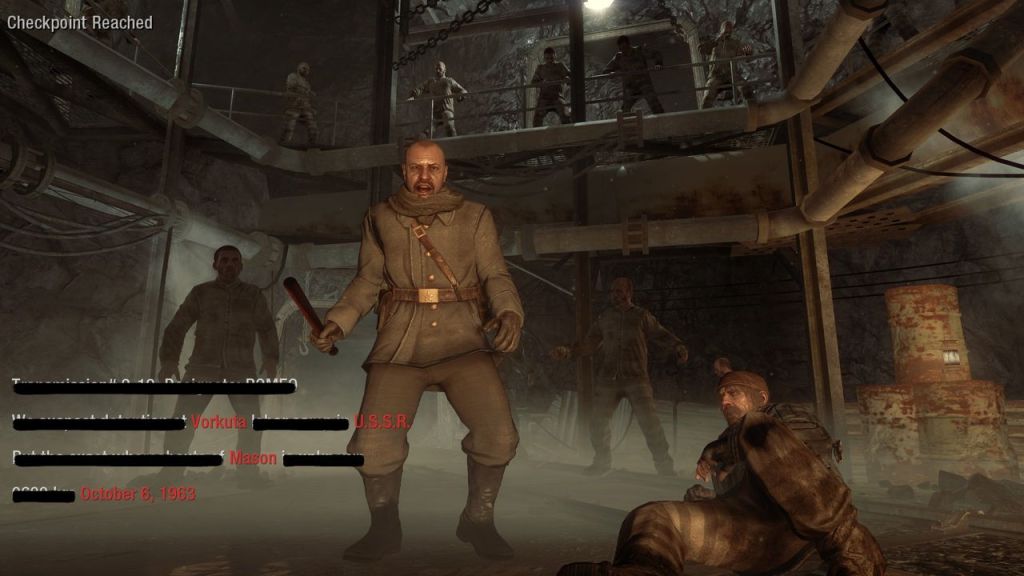
Numbers are a common occurance within the game campaign and play a large role int he story. The “Numbers” program, where Mason’s brainwashed by the Soviets, is a big metaphor for psychological warfare and propaganda. The idea of a sleeper agent programmed to kill on command plays into Cold War fears of ideological control—both sides were paranoid about the other “corrupting” their people. It’s less about left vs. right and more about how far governments (U.S. or Soviet) will go to manipulate minds for their agendas.
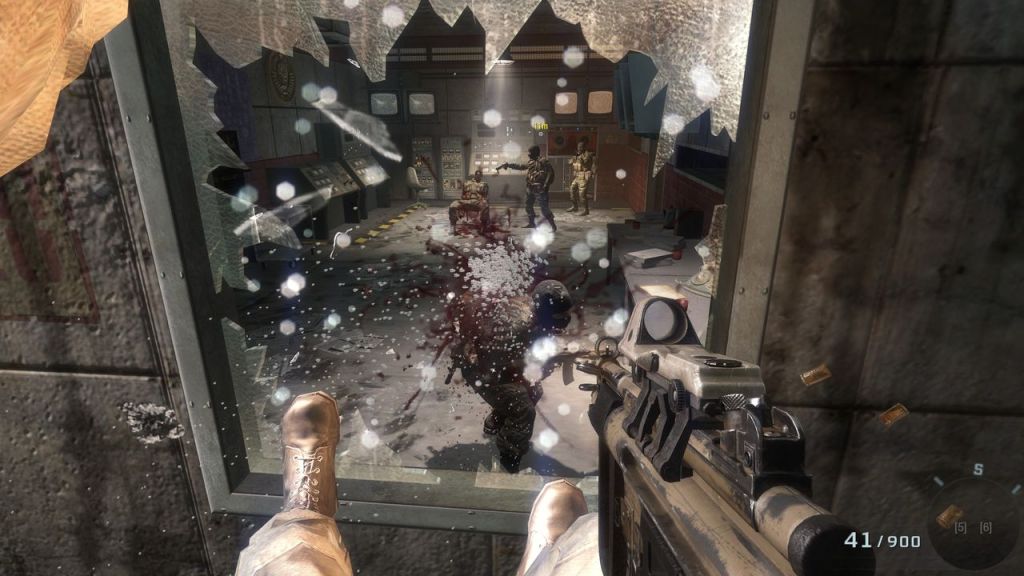
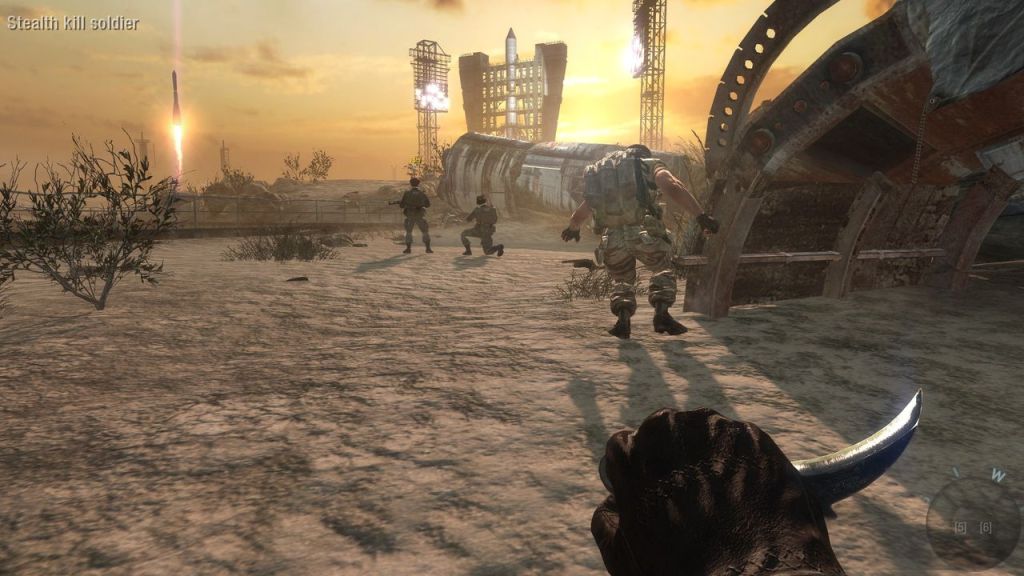
Nova 6, the fictional chemical weapon, is a plot driver, with the Soviets planning to unleash it on the West. It’s a stand-in for real Cold War anxieties about WMDs, like nerve gas or nukes. The game doesn’t preach, but it shows the U.S. and Soviets both playing dirty—testing weapons, running unethical experiments (like Reznov’s backstory)—which raises questions about the moral cost of “winning” a war.
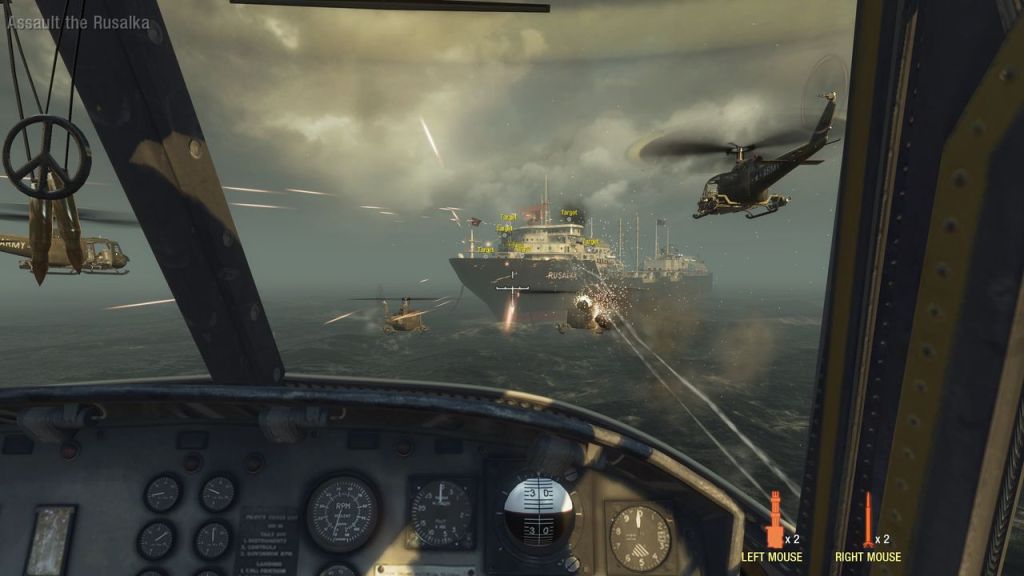
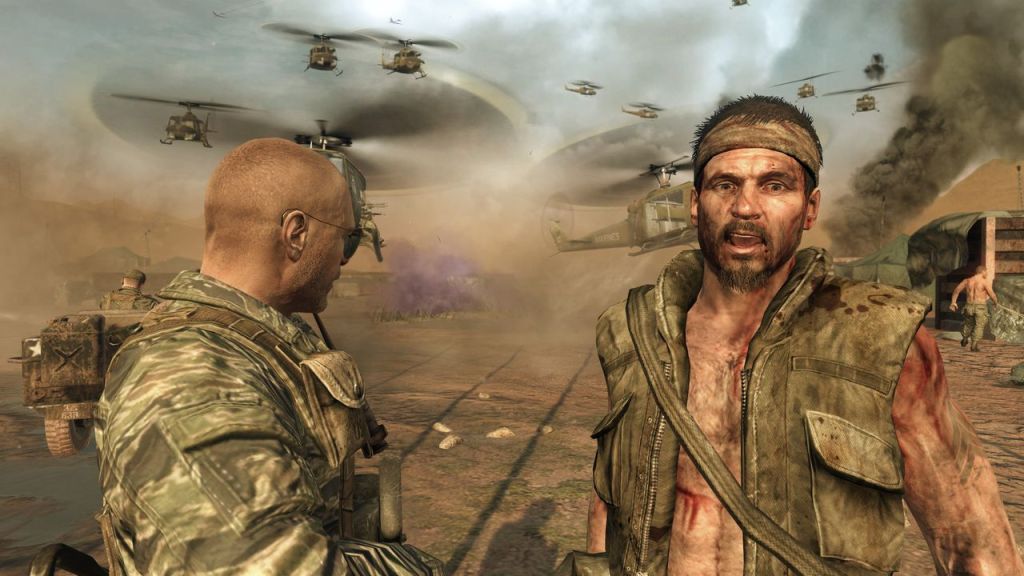
The game leans hard into the U.S. as the “good guys” fighting Soviet evil, with characters like Dragovich and Kravchenko painted as cartoonishly vile. This mirrors the era’s anti-communist propaganda, where the Red Scare was still a thing. That said, it’s not totally one-sided—Mason’s team isn’t exactly saintly, and the CIA’s methods (torture, assassination) get a side-eye, hinting at the hypocrisy of both superpowers.

Multiplayer

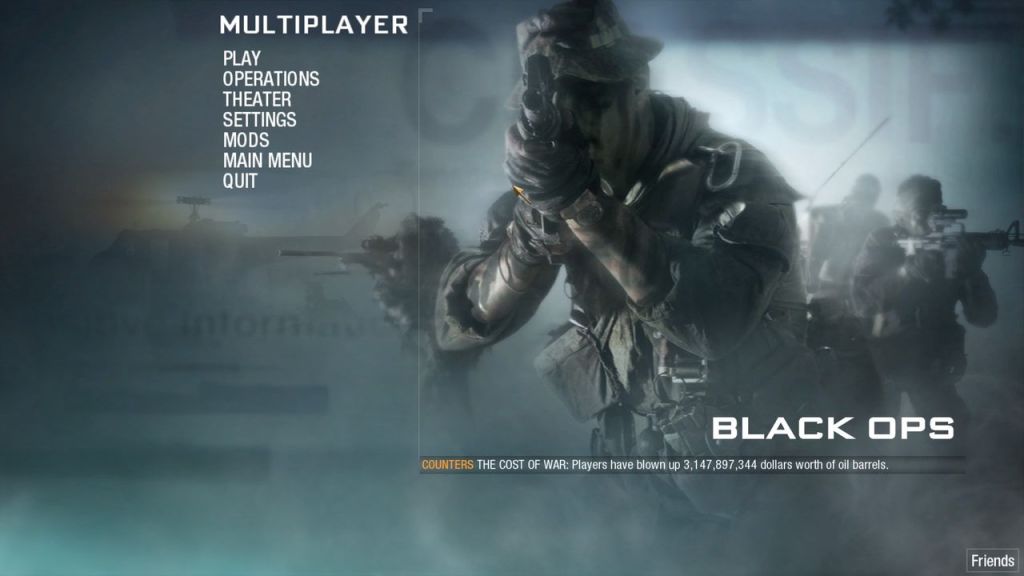
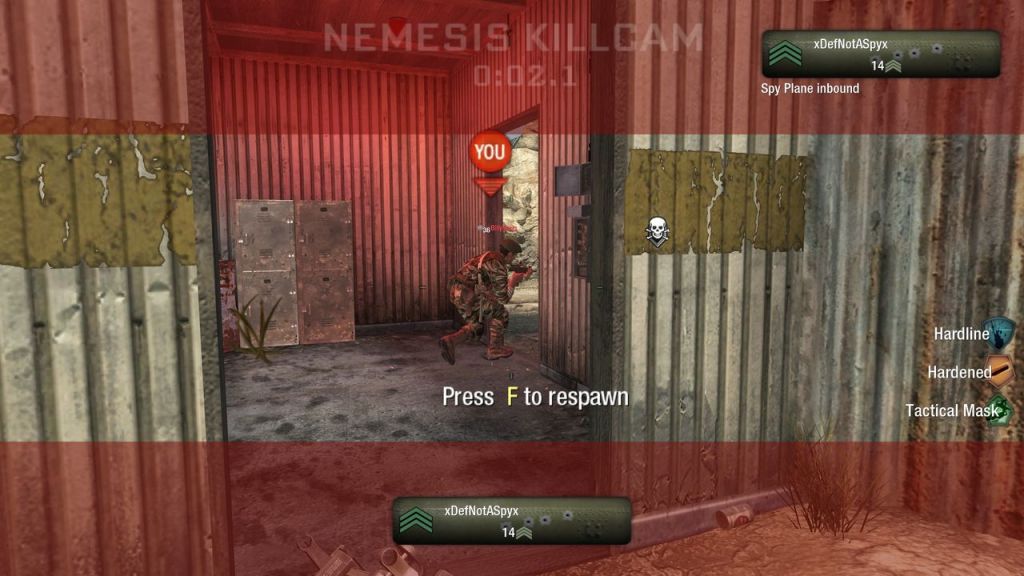
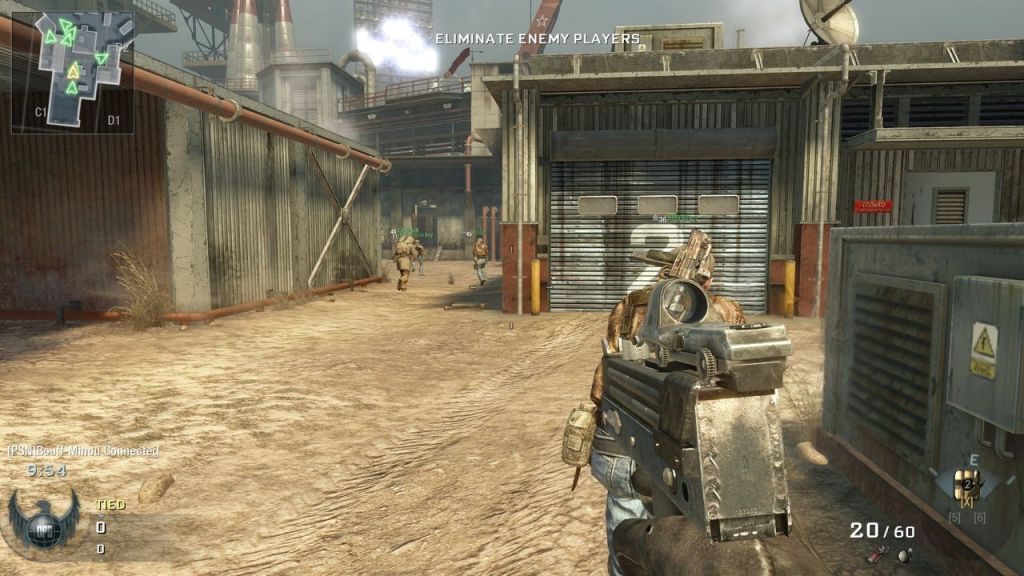
This is where Black Ops earned its stripes. You’ had a selection of 14 maps at launch, classics like Nuketown, Firing Range, and Jungle. Black Ops saw the introduction of COD Points, so you could flex your wallet and unlock that shiny new gun without grinding for days.
  • Nuketown: A tiny ‘50s suburb with two houses, a couple of buses, and a whole lot of carnage due to it’s small size. The nuke shelter and mannequins give it that creepy Cold War charm.
  • Firing Range: A military training ground with shacks, towers, and tight corners. Think of it as Nuketown’s slightly bigger cousin. Fast-paced but with just enough room to breathe. You can flank, hold a rooftop, or go Rambo in the middle. The central tower’s a death magnet, but controlling it feels like you’re the king of the lobby.
  • Jungle: A dense Vietnam jungle with rivers, huts, and elevated paths. It’s humid and hostile, like you’re actually in ‘Nam. Slower-paced, with sneaky flanks and sniper perches. The foliage lets you play Predator, but one wrong move and you’re eating an AK-47 burst. Perfect for tactical players who like a bit of stealth. Snipers and assault rifles shine, but watch for flankers with SMGs. Claymores are your best friend.
  • Launch: A Soviet cosmodrome with a rocket that actually launches mid-match. Big, open, and industrial. That rocket launch is a cool gimmick, shaking up sightlines. It’s a sniper’s dream with long lanes, but the side paths let rushers flank. Feels epic, like you’re storming Area 51. The rocket’s a distraction however, don’t get caught gawking.
  • Cracked: A war-torn Middle Eastern city with rubble, markets, and a big statue. Urban chaos at its finest. There lots of cover, destructible bits, and verticality. You can climb buildings or sneak through alleys. Feels like a real battlefield, but the layout’s forgiving for newbies.
  • Grid: A Soviet industrial complex with warehouses and open yards. Snowy and tactical. Great for objective modes—lots of choke points and a central building that’s a killzone. It’s balanced but rewards map knowledge.
  • Villa: A swanky Cuban estate with courtyards, a pool, and tight indoor areas. Fancy but deadly. It’s like crashing a drug lord’s party with an M16. The open courtyard’s a sniper’s playground, but indoors is a shotgun fest. Feels unique compared to the military vibes elsewhere.
  • Crisis: A Cuban military base with jungle edges and a central bunker. It’s got a good flow—open areas for firefights, jungle for stealth. The bunker’s a hotspot, but the map’s not as iconic as Nuketown or Firing Range. Solid, not spectacular.
  • Havana: Cuban city streets with colorful buildings, alleys, and a central plaza. Feels like a mini “Operation 40” from the campaign. Tight corners and rooftop routes make it a flankers’ paradise. The cars add cover but can explode GTA San Andreas style, so don’t get cozy around them.
  • Radiation: A Soviet nuclear plant with tunnels, conveyor belts, and an eerie glow. Creepy and industrial. The underground tunnels are a wild card—perfect for sneaky kills or getting ambushed. The open reactor area’s great for big team fights.
  • WMD: A snowy Soviet weapons facility, tied to the campaign mission. Big, with hangars and open fields. The snow adds atmosphere, but it’s a sniper’s map at heart. Feels epic but can drag if your team’s not coordinated.
  • Array: A massive Soviet radar base in the snow, with a giant dish and scattered buildings. It’s one of the biggest maps, built for snipers and vehicle cover. The dish is a cool landmark, but the map’s too spread out for my taste—feels like running a marathon to find a fight.
Zombie

Zombies mode was one of the more popular modes of the multiplayer. “Kino der Toten” is set in an abandoned cinema, with you and other players trying to hold the line at the theater while zombies swarmed like Black Friday shoppers. Then you got “Five,” where you’re playing as JFK and Nixon mowing down the undead in the Pentagon. Very absurd. “Dead Ops Arcade” was this weird top-down fever dream, like if Smash TV and a zombie apocalypse had a lovechild. Additional DLCs like Rezurrection just poured gas on the fire with more maps.

Versions

Xbox 360: The 360 version runs at 1040×608 but manages to maintain its 60fps framerate. This version is playable on the Xbox One, although It’s not enhanced to take advantage of the more capable hardware. A co-operative mode is supported with two controllers, allowing for split-screen play for multiplayer.

Multiplayer is still active on Xbox Live, and for the deathmatch and free-for all playlists you can often jump into a match, or wait a few minutes for matchmaking to assemble a team of players. You might run into hackers every now and then, sometime I’ve even landed on a mod menu by chance, you can often just leave the match and wait a few minutes before matchmaking again.

PlayStation 3: Compared to the 360 version, the PS3 runs at a lower resolution at 960×544 which makes it closer to an SD resolution. Like the 360 version, you can also have two players off the same console with split screen mode. Online play is still supported and is free, but there is an issue with stats not saving for newer PSN profiles, stats have also been reported to reset when your PSN profile name is amended.

Microsoft Windows: The Windows version uses dedicated servers via Game Servers, a which was much preferred over Modern Warfare 2’s peer-to-peer. This means better connection stability and less host migration grief, though server quality varies. You get mod tools and a developer console, letting you tweak settings or create custom content (especially for Zombies).

Mac OS X: The Mac version was ported by Aspyr and was released a few years later. The game was previously sold on Steam, although it was a separate product/licence to the Windows version. It also used different servers, which meant it was more difficult to find multiplayer games. Since it was a 32bit application, it’s no longer compatible with modern versions of macOS which can only run 64bit applications.

The port itself is semi decent, it ran OK on low setting for an iMac 2011 (with a Radeon 6750) though expect to see a lot of ‘Shader Warming’ messages.

Nintendo Wii: The Wii version is a lot more compromised for it to run on its less capable hardware. You do have the benefit of motion controlled aiming but this can be awkward to get used to, thankfully there is support for the Wii Classic Controller (Not the Gamecube controller) for those that prefer the traditional experience.  Online play was previously supported but the official servers were discontinued. You can use Wiimmfi to restore online play, but the online populations are tiny and is often difficult to find a match. Sadly a lot of people wanting to play Black ops online will just use the more popular 360 or PS3 versions.

Still its an impressive port, but the motion controls can be an issue for some players.
Conclusion

Black Ops is a popcorn shooter with a side of political spice. The Cold War backdrop gives it that gritty “us vs. them” vibe, but it’s not afraid to show the U.S. getting its hands dirty. You’re not just fighting for freedom; you’re knee-deep in the CIA’s sketchy playbook, which makes you wonder who the real bad guy is.
PS3 – Applying Song Titles to Imported Music

Specifically ATRAC3 format music

Sony PS3 ATRAC Audio

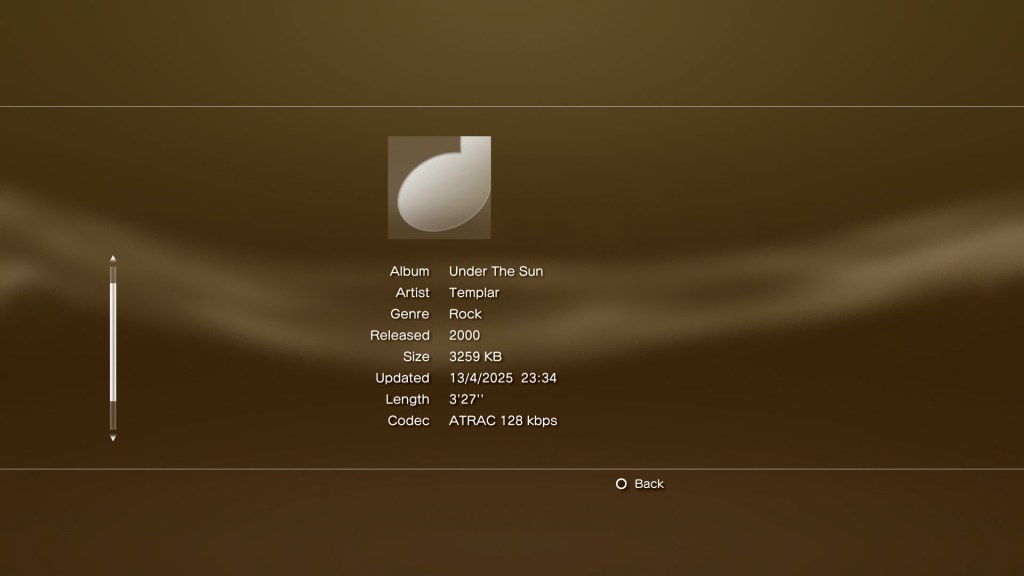
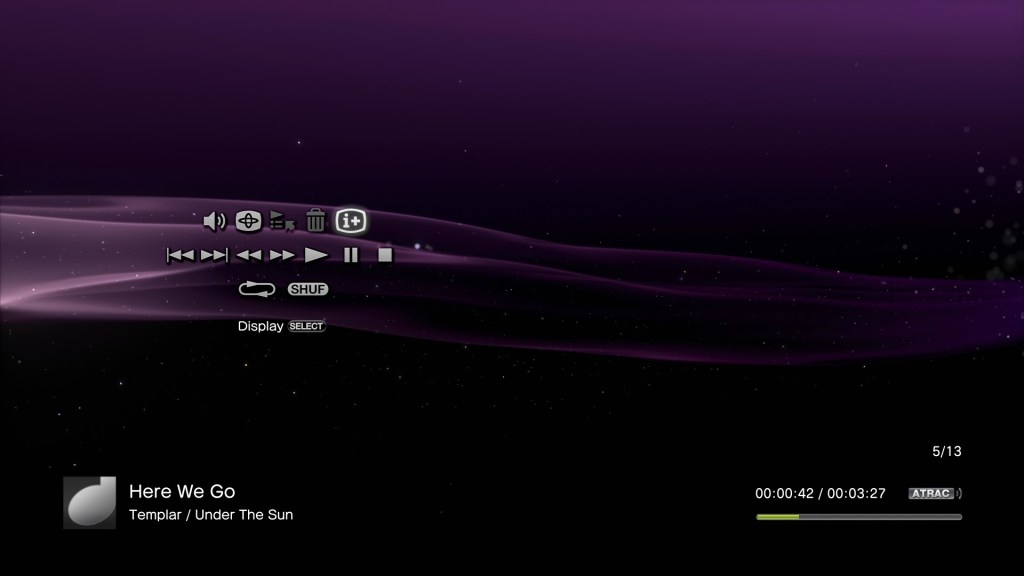
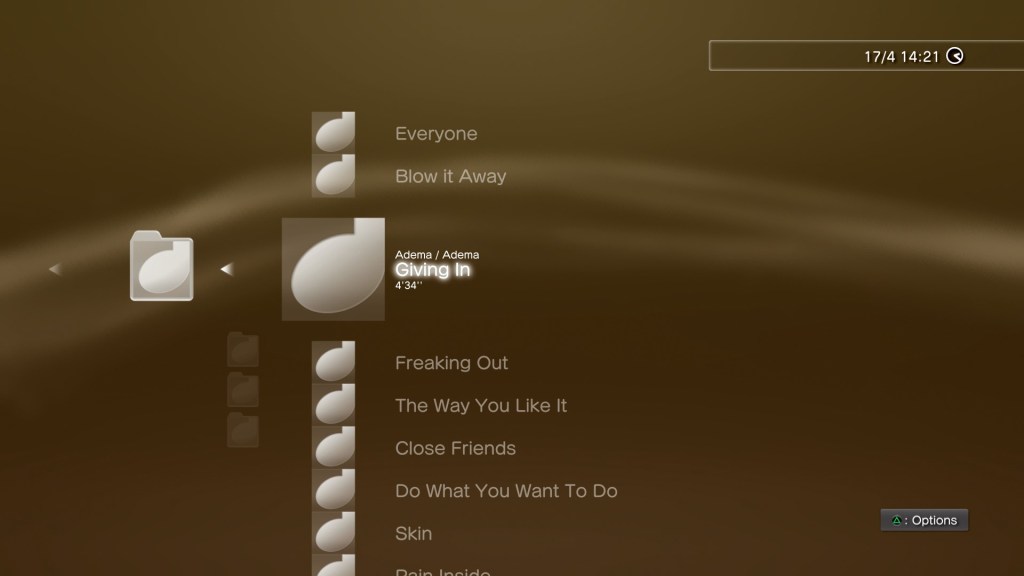
The PS3 is still a pretty chill music player, with its support for MP3, AAC and ATRAC3 audio formats, and it’s XMB interface. A nice feature was its ability to import compact disc audio tracks for storage on its internal HDD or a USB connected drive. As part of the import process, the PS3 would automatically obtain song titles from its Gracenote database which would obtain the artist, album and song information, along with any album art if this was available.

At some point this functionality had stopped working, meaning the PS3 can no longer automatically obtain the required information.

A solution to this was to manually type in the required information before you import the CD, which can be very laborious when using the Dualshock controller since you must rely on the onscreen keyboard. Even if you were to attach a USB (or Bluetooth) keyboard, the process of typing in the song and album information can take a while for large albums.

Whilst software exists that can automatically acquire information for MP3 or AAC audio, few or none currently exist for ATRAC3 encoded files.

Why use ATRAC3? Well its supposedly more efficient compared to MP3, although its debatable how much better it is compared to WMA or AAC. It is a format unique to Sony, so it feels right to use it on their own hardware.

A solution is to use a more up-do-date media player that supports ATRAC and that can retrieve audio information from the Internet. This is where Music Center for PC comes in, originally designed to sync and transfer songs to Sony’s modern Walkman players, and is the successor to Media Go for the PSP, or SonicStage for Sony’s earlier digital Walkman’s.

Sony Music Center for PC

Here we can scan and analyze the tracks using a Windows PC with the Sony Music Center software. This will involve copying the album from the PS3 console onto an external USB drive which can be done from the XMB.

Connect the USB drive to your PC, and when Windows detects and mounts the drive you will need to instruct Music Center to scan/import the files to its database. The PS3 by default will copy music files to the MUSIC directory on the drive, which is where we need to point Music Center to.

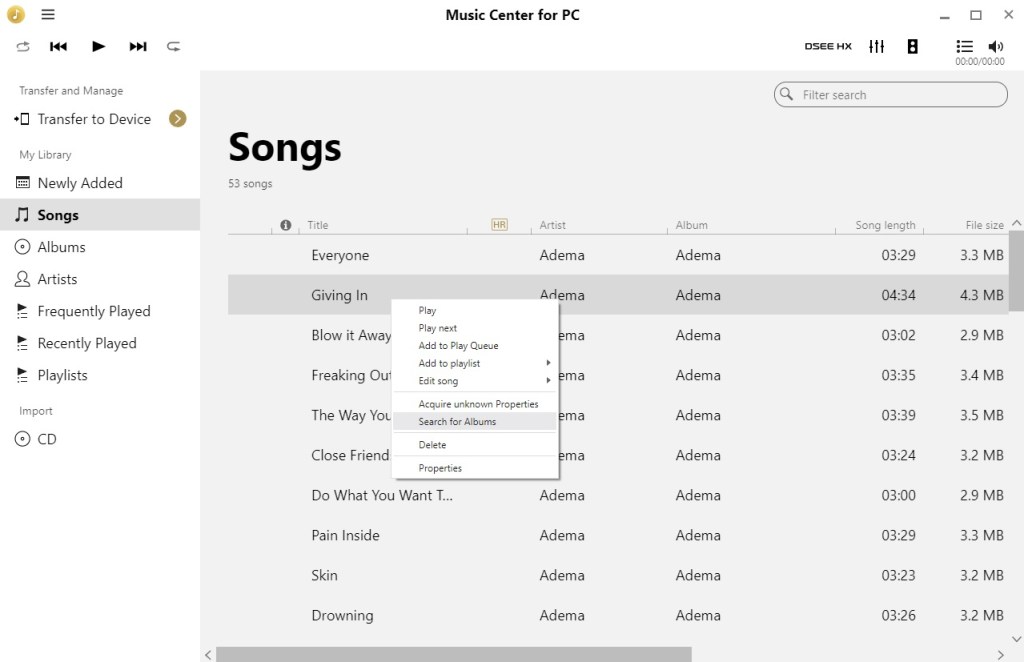
Once Music Center has added the correct tracks, we can acquire the missing information, Right click on the song or album, and then select ‘Acquire unknown properties’. Music center should then start processing and update the song information. This will then update the file itself, so the PS3 should be able to read this information.

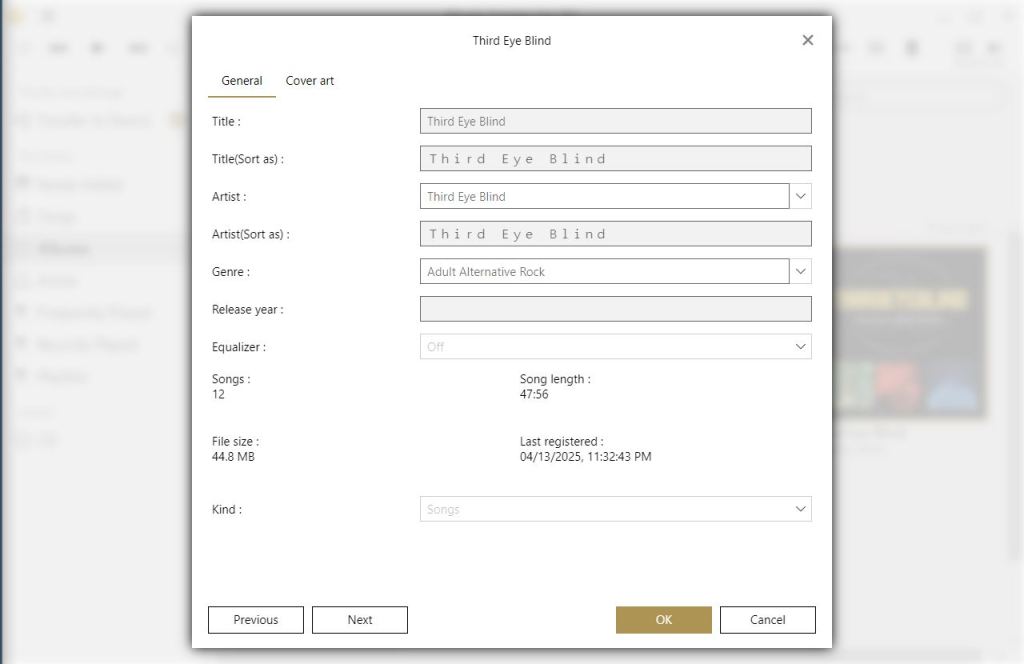
As useful as this utility is, it does get things wrong. Here this Third Eye Blind had a few of the track titles mixed up. My guess is any album that had a different track listing for certain regions might fall victim to this.

Album art also does to appear to transfer over, but that’s not much of a loss.

Hopefully this will be useful to those who would like to use their PS3 for music purposes, and wish to take advantage of the ATRAC format. There is probably better software that can achieve this, which might be something to look into.

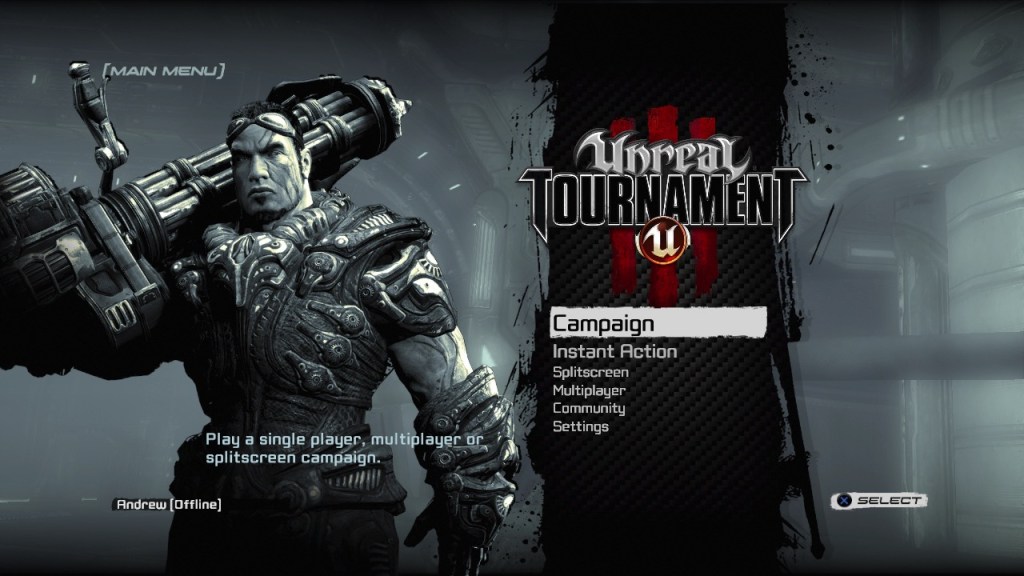
Unreal Tournament 3

The last major release of Unreal Tournament…

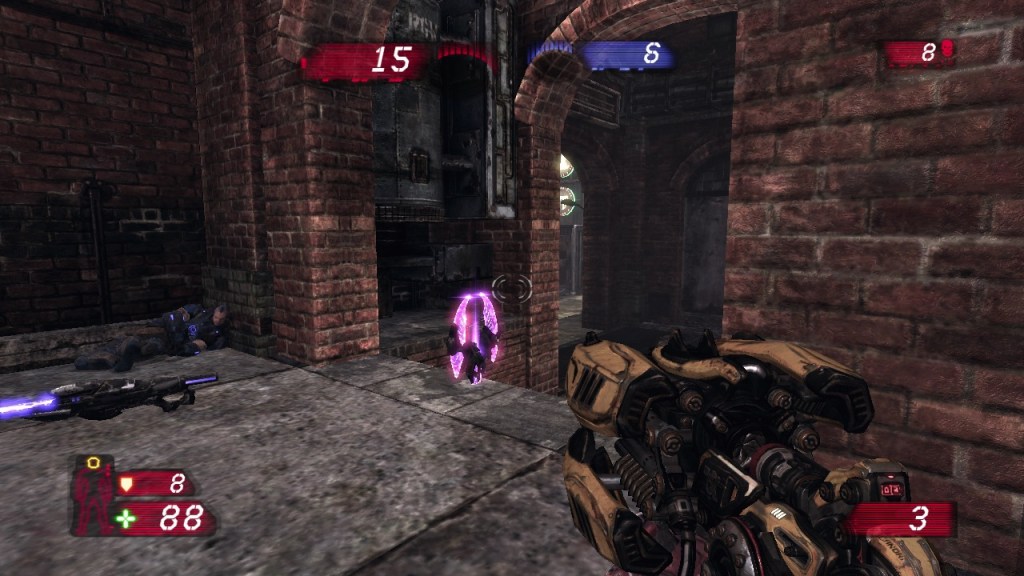
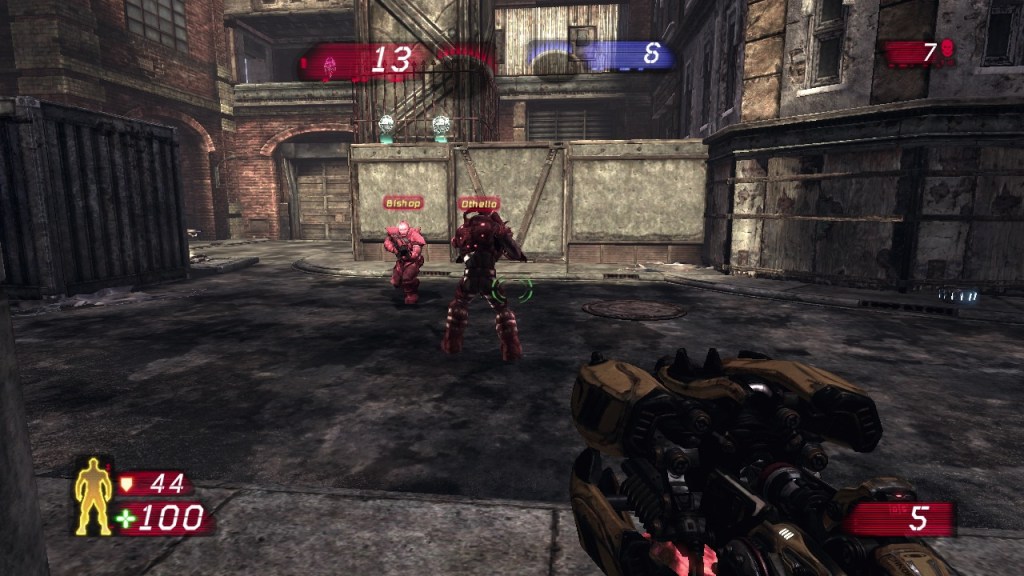
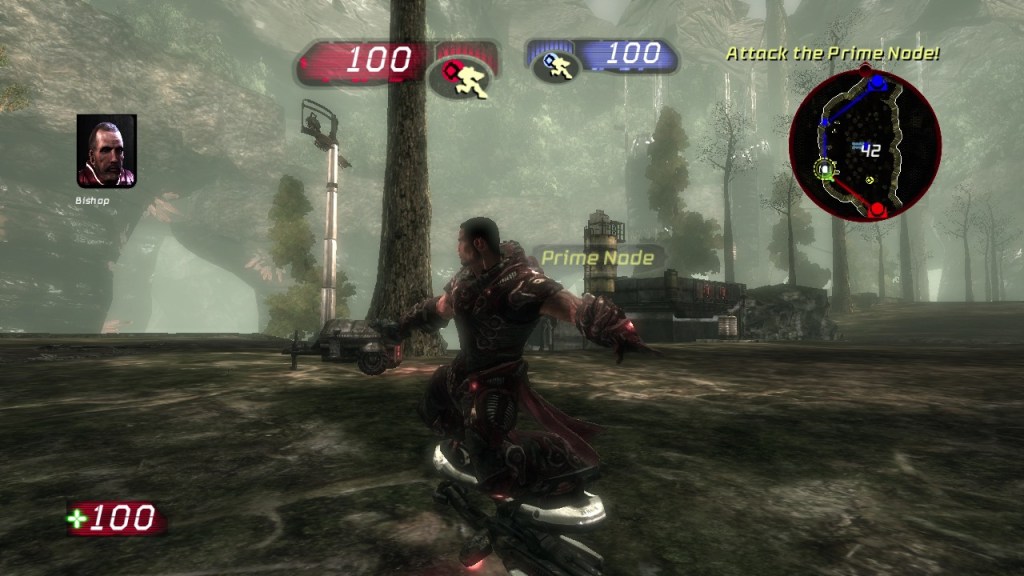
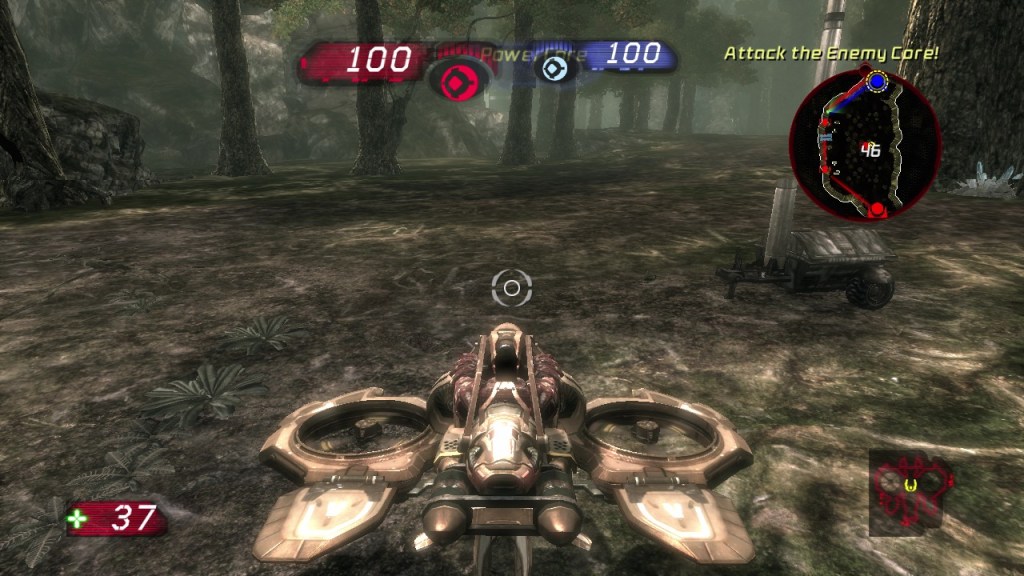
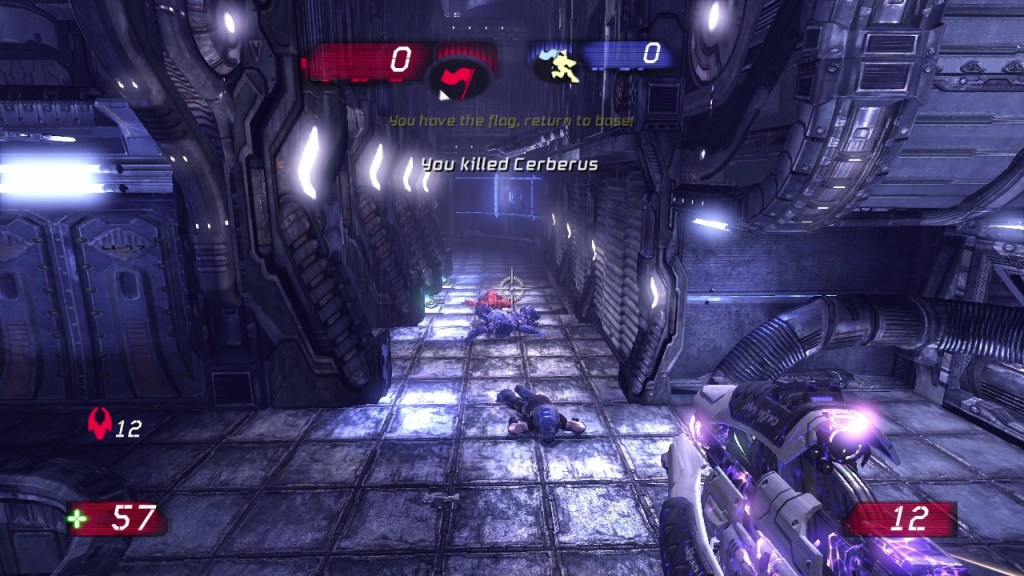
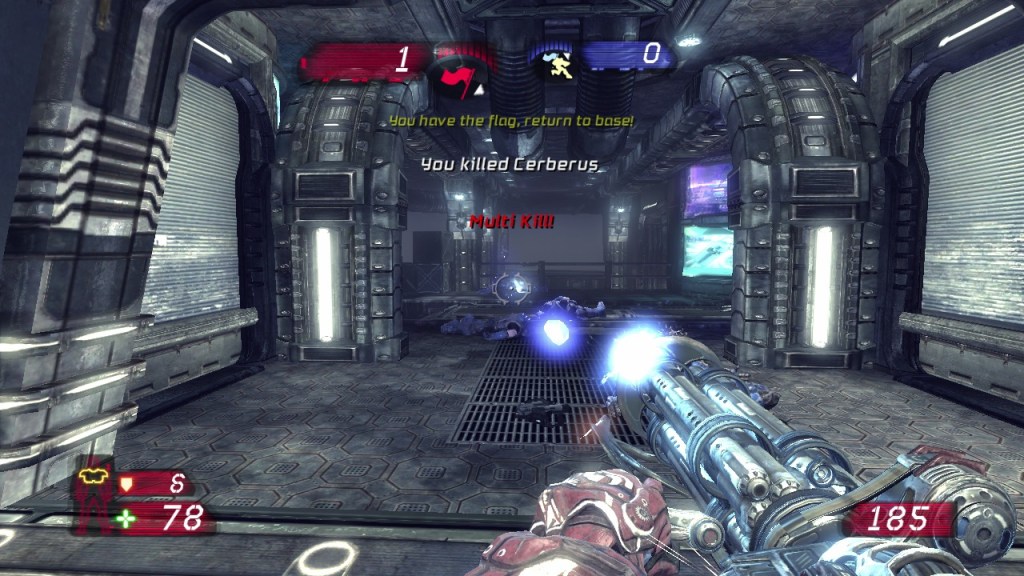
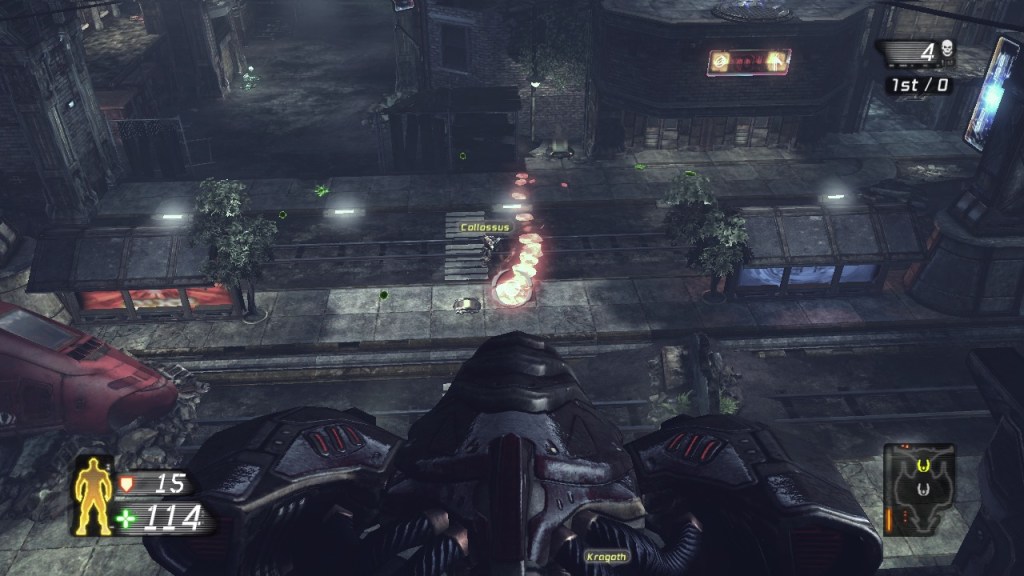
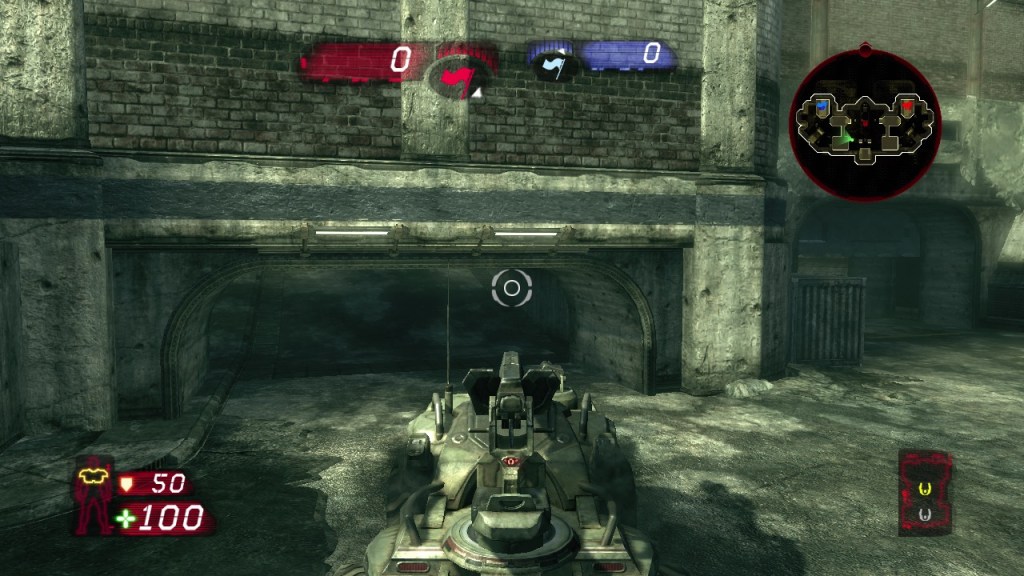
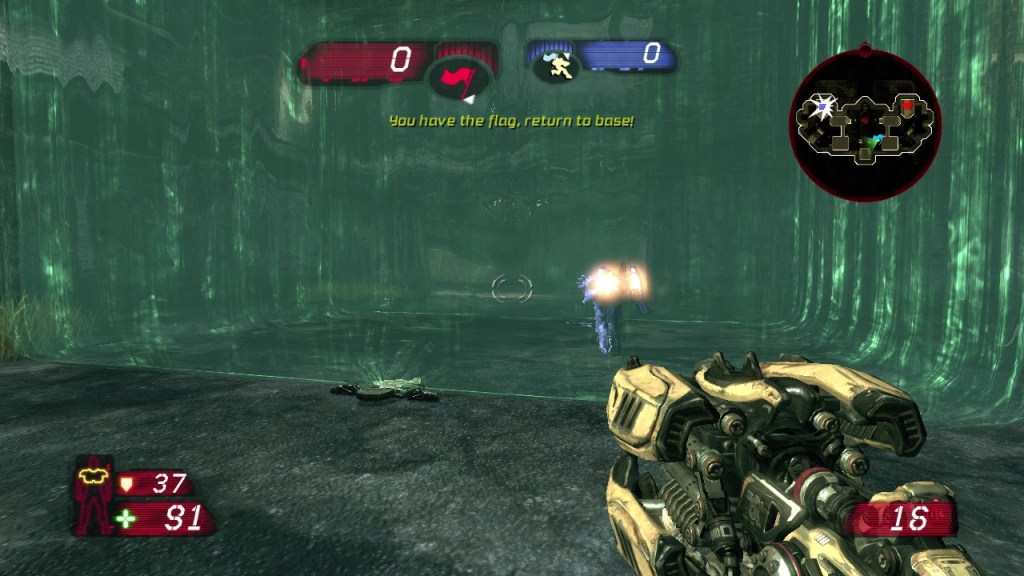
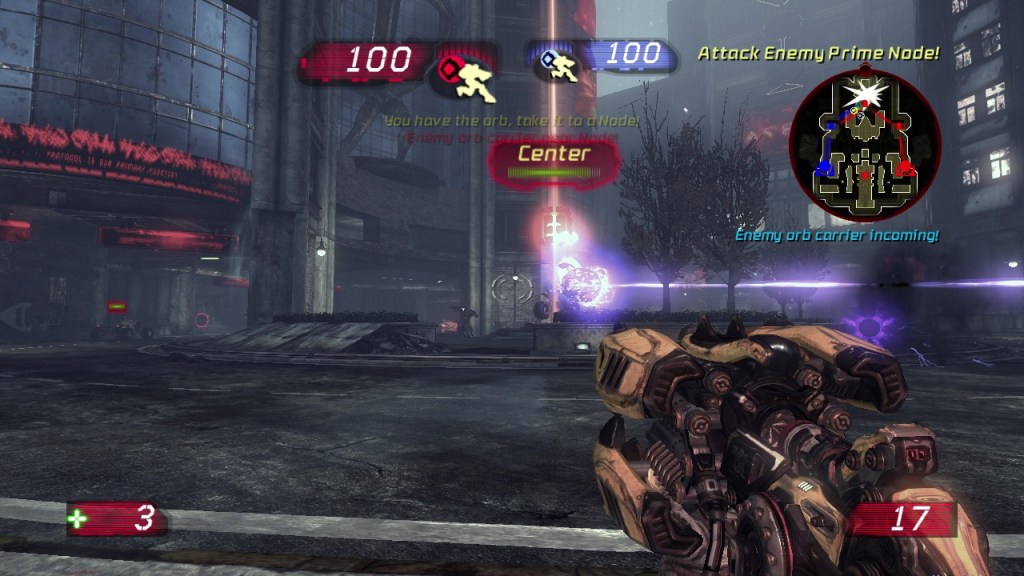
UT3 is primarily focused on online multiplayer action, continuing the fast-paced, competitive tradition of its predecessors. It offers eight game modes, including classics like Deathmatch and Capture the Flag, alongside newer additions such as Duel, Warfare, Betrayal, and Greed. The game emphasizes close-quarters combat and projectile-based weaponry, with increased gravity and the removal of dodge-jumping (though dodging, double jumps, and wall-dodging remain) to create a more grounded and intense experience compared to earlier entries.

The single-player campaign diverges from the traditional tournament ladder format of previous games. Instead, it follows a five-act storyline centred on James “Reaper” Hawkins, a mercenary seeking revenge for his clan’s slaughter by the Necris forces. The campaign integrates cinematic elements and cooperative play options, pitting players against AI-controlled bots in a narrative-driven conflict.

The story kicks off in the Unreal universe, post-Unreal Championship 2, with humanity locked in a messy war against the Necris—a race of pale, nanotech-enhanced freaks who’ve been a thorn in everyone’s side since the original Unreal. You play as James “Reaper” Hawkins, a grizzled soldier in the Ronin squad, a tight-knit crew of mercenaries working for the Izanagi Corporation. The campaign’s set against a backdrop of corporate warfare and alien invasion, with planets getting trashed and colonies caught in the crossfire. It’s dark, it’s chaotic, and it’s got that Unreal edge—think industrial wastelands, glowing tech, and a whole lotta bloodshed. Malcom and Lauren make a return, but Brock seems to be missing.

One thing that stands out is the characters design, taking cues for the Gears of War series with the make characters sporting powerlifter physique, yet they are still quite nimble in game. This does contrast with UT’s gameplay style, as it has always promoted fast and twitch area movements, whilst Gears is a lot more slowed paced where characters go into cover more often and make use of melee (or chainsaw-lancer) attacks. It does feel these character designs were Gears rejects as they were a departure from the previous games.

Comparison to previous titles in the series

UT99 set the gold standard—fast, brutal, and pure. It was all about twitch reflexes, with tight maps like DM-Deck and weapons that felt like extensions of your soul. UT2003 cranked up the pace, added dodge-jumping, and leaned into a floatier vibe, though it stumbled with a weaker weapon lineup and less memorable maps. UT2004 fixed that, doubling down with Onslaught mode, vehicles, and a massive content drop—peak variety, peak chaos. Enter UT3: it dials back the floatiness with higher gravity, cuts dodge-jumping, and refocuses on close-quarters intensity. It’s snappier than UT2003/2004 but doesn’t hit UT99’s raw simplicity. New modes like Warfare (Onslaught’s evolution) and Greed add flavor, but they don’t land as hard as UT2004’s sprawl. UT3 feels like a compromise—tight and polished, but missing some of that unhinged freedom.

UT99’s arsenal—Shock Rifle combos, Flak Cannon gibs—was untouchable, perfectly balanced chaos. UT2003 tweaked it, nerfed some classics (Lightning Gun), and felt off. UT2004 brought back the hits, added the Avril, and kept the sandbox wild. UT3? It sticks close to the classics—Rocket Launcher, Flak, Shock Rifle all feel beefy—but tweaks like slower projectiles and a beefier Impact Hammer shift the rhythm. PhysX on PC adds flair (explosions kick up debris), but it’s cosmetic, not game-changing. It’s solid, but UT99’s purity and UT2004’s variety edge it out slightly.

UT99’s multiplayer was a juggernaut—LAN parties, Facing Worlds sniping, pure bliss. UT2003 stumbled with matchmaking woes but had potential. UT2004 was the king—huge servers, modded chaos, and Assault’s return. UT3? It launched strong with crisp netcode and PhysX flair, but the community split over its grounded shift, and Epic’s focus waned fast following the success of Gears of War. The official master server died in 2023, while UT99 and UT2004 still have diehards running custom games. UT3’s Titan Pack tried to juice it up, but it couldn’t match the staying power of previous titles in the series.

Other 2007 shooters, like Halo 3 (released September 25) and Team Fortress 2 (October 10), fell somewhere in between. Halo 3 blended arena-style combat with slower pacing and a focus on teamwork, while Team Fortress 2 leaned into class-based chaos with a lighter tone.

Versions

Microsoft Windows: The best way to play the game, although it has since been delisted by Epic and is no longer sold on Steam. There was a retail version of the game, but even those copies are limited to offline bot matches unless you modify the games ini files to use a custom master server. Still this version will run well on most modern PC’s and Epic even takes advantage of Nvidia PhysX technology if you have a supported graphics card, and the PhysX pack that adds a few exclusive maps to take advantage of the technology.

Nvidia did remove 32bit PhysX support recently with the latest version of their drivers (for the RTX5000 series), so it might be useful to keep an old Nvidia rig going for the older PhysX game, or simply dual boot with a version of Windows that has the older Nvidia drivers installed. 

With PhysX enabled, the game turned into a playground of dynamic eye candy with debris flying everywhere, glass shattering into a million jagged pieces, and explosions. Performance-wise, though? It was a mixed bag. If you had a high-end Nvidia card—like a GeForce 8800 GTX or better—you were golden, soaking in 60 FPS with all that PhysX goodness cranked up. But if your GPU was Mid—tier, you would see performance impact. PhysX was a resource hog, and without a dedicated card or a beefy GPU, you’d see frame drops during the crazier moments. Epic patched it over time—by version 1.2 or so, it ran smoother—but early adopters definitely felt the growing pains. Back then it was recommended to have a second Nvidia card dedicated for the PhysX processing, something like the GT8600 series was advised.

Was it game-changing? Not really—UT3 was still about skill and speed, not physics gimmicks. But it was a hell of a flex for its time, a taste of what next-gen destruction could be. By 2025, it’s a cool footnote—modern engines like Unreal 5 do this stuff natively—but back then, PhysX in UT3 was like strapping a jet engine to an already wild ride.

PlayStation 3: A very interesting console adaptation, this version is a very well designed port that takes advantage if the S3’s hardware, but is still a bit too early to take advantage of the Cell processor, so expect a few frame-drops during a lot of action.

What is really interesting is how Epic tried to bring as much of the PC as possible to the console version of the game. Keyboard and Mouse controls are supported by plugging them into the USB ports of your PS3, and you can possibly even use Blueooth keyboard and mouse, althroug I’ve not tested the BT keyboard since I don’t have one to hand. This makes the game play very close to the PC versions since you benefit formt he accuray that mouse aiming provides, but you are segregated from controller only players. When setting up a game server, you are givern the option to allow both or just either controller or KB/M players.

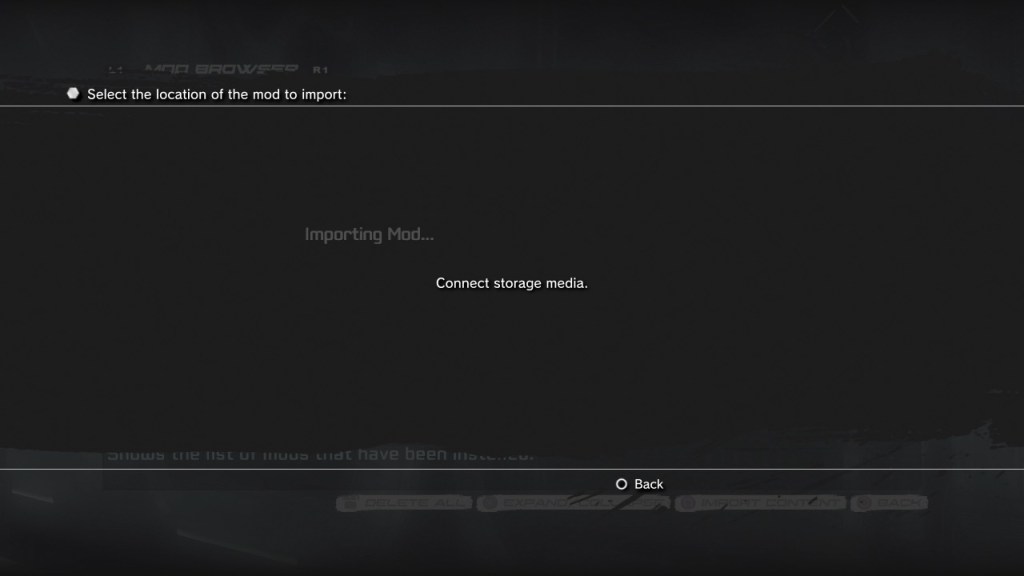
Where Epic went beyond was with its mod support, you can install third party maps and skins for the game the have been compiled specifically for the PS3 version of the game. There are some limits however, Trophies are disabled when anything custom is loaded,  possibly to prevent trophy exploits. Ways of installing mods were through the ingame browser, or importing it through a USB drive that awas FAT32 formatted.

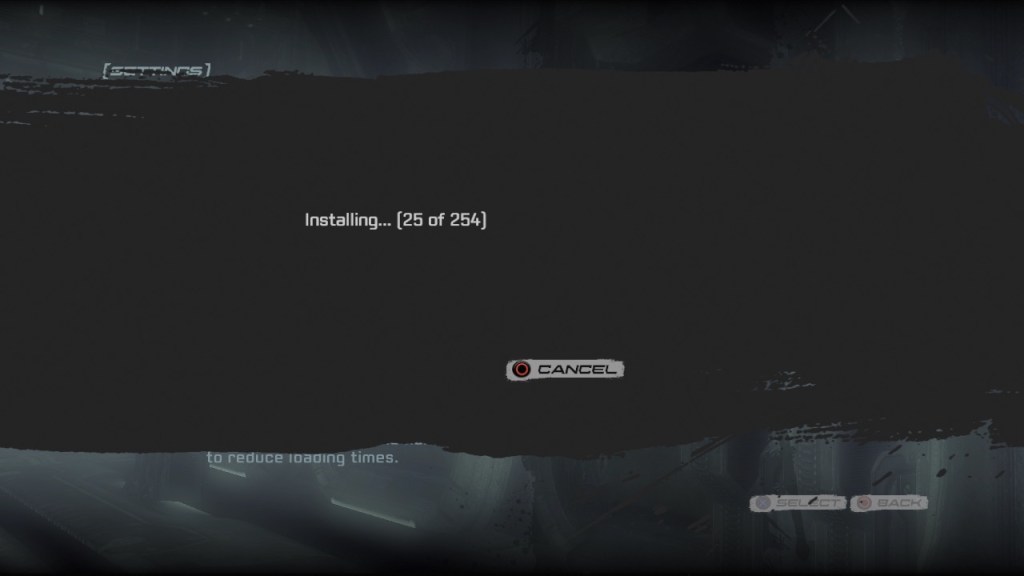
Lastly you can also install this version of the game to the HDD, which is optional but useful to speed up loading times and to reduce wear and tear off the Bluray drive.


Xbox 360: This version feels like an after throught since it lacks the titan pack that both the PS3 and PC versions received, due to Microsoft’s policies regarding free DLC. However this prison is still playable online, and is compatible with the Xbox One and Series Console. In fact you can still purchase this version of the game digitally for use on the Xbox One and Series consoles.

Conclusion

In 2007, UT3 represented the pinnacle of the arena shooter—a genre rooted in the ‘90s with Quake and Unreal Tournament ’99. It was a love letter to veterans who craved speed and skill, but its timing was unfortunate. The industry was shifting toward narrative-driven and progression-based shooters, a trend Call of Duty 4 epitomized. CoD4’s influence reshaped multiplayer gaming, spawning countless imitators, while UT3 struggled to maintain relevance, with its online scene dwindling over time.

That said, UT3 wasn’t without impact. Its engine technology powered countless games, and its modding community kept it alive on PC.

Binary Domain

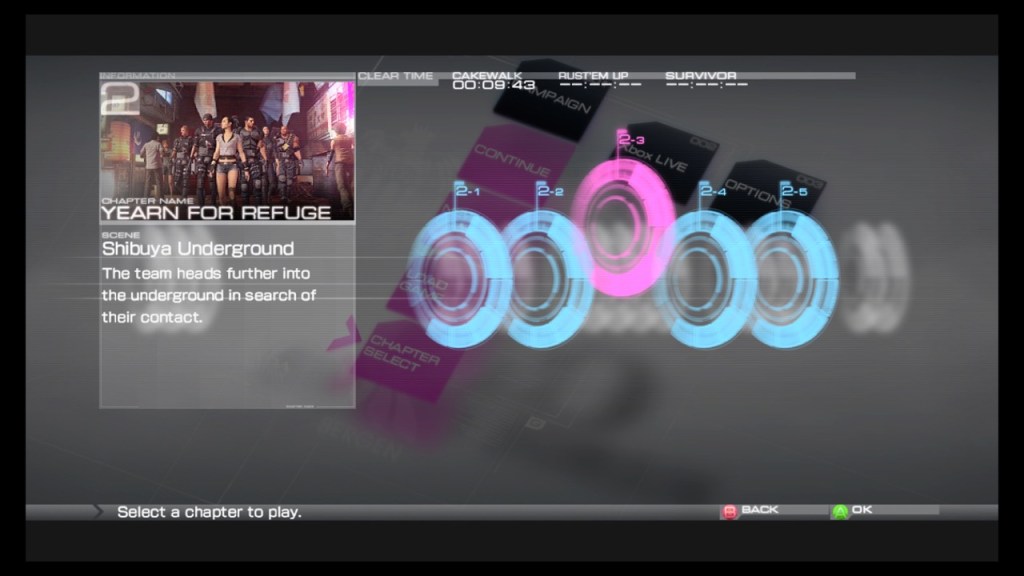
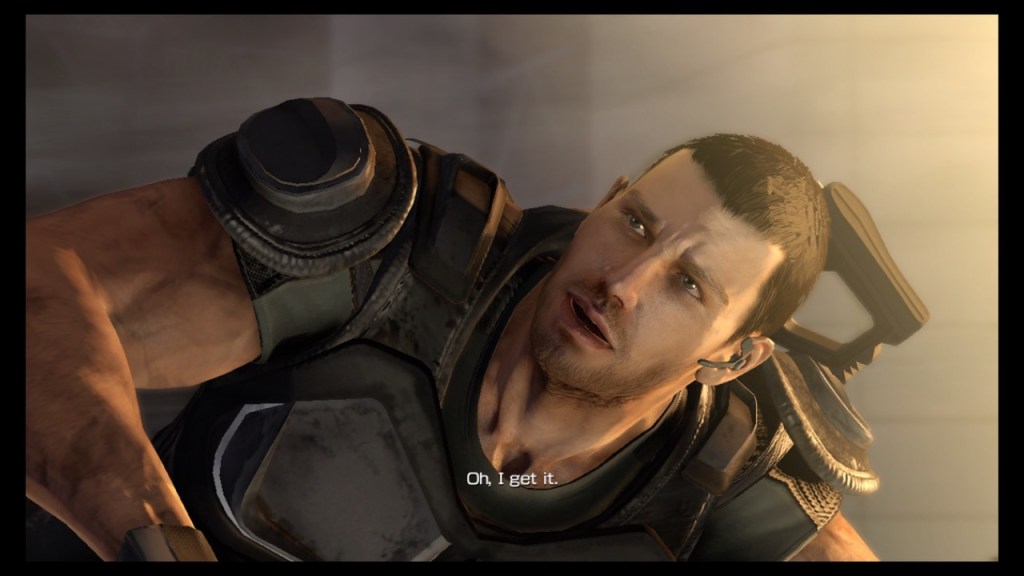
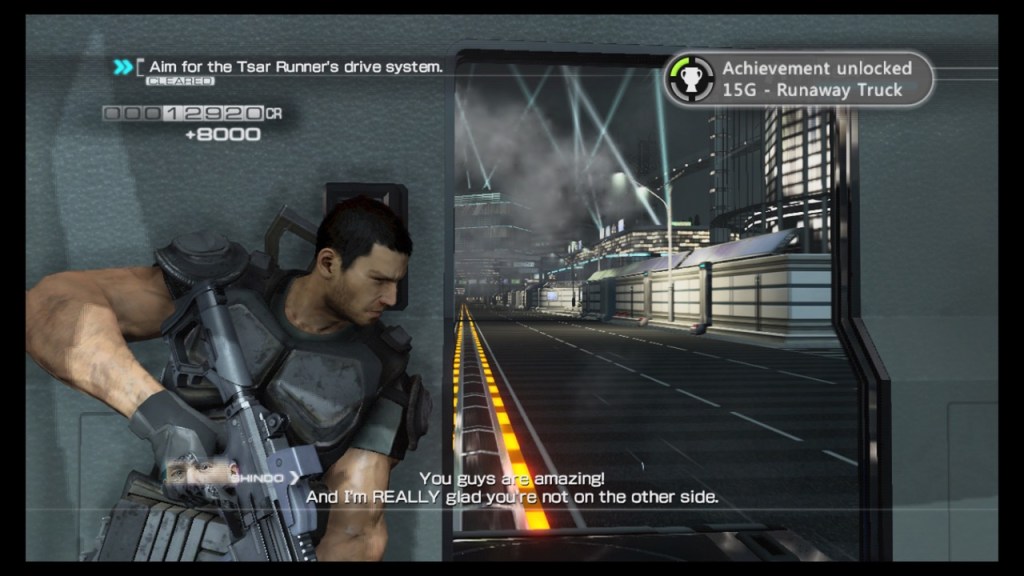
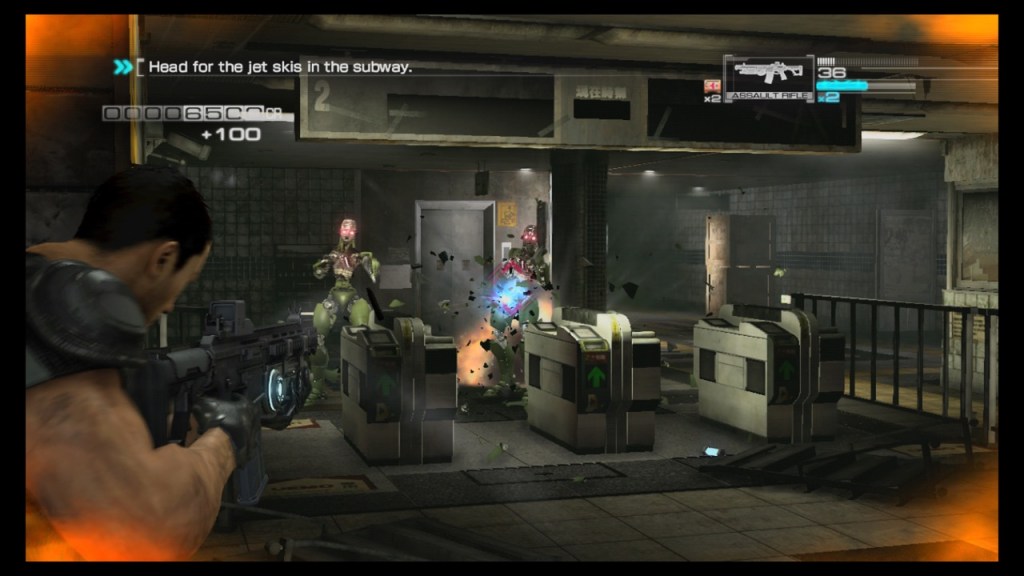
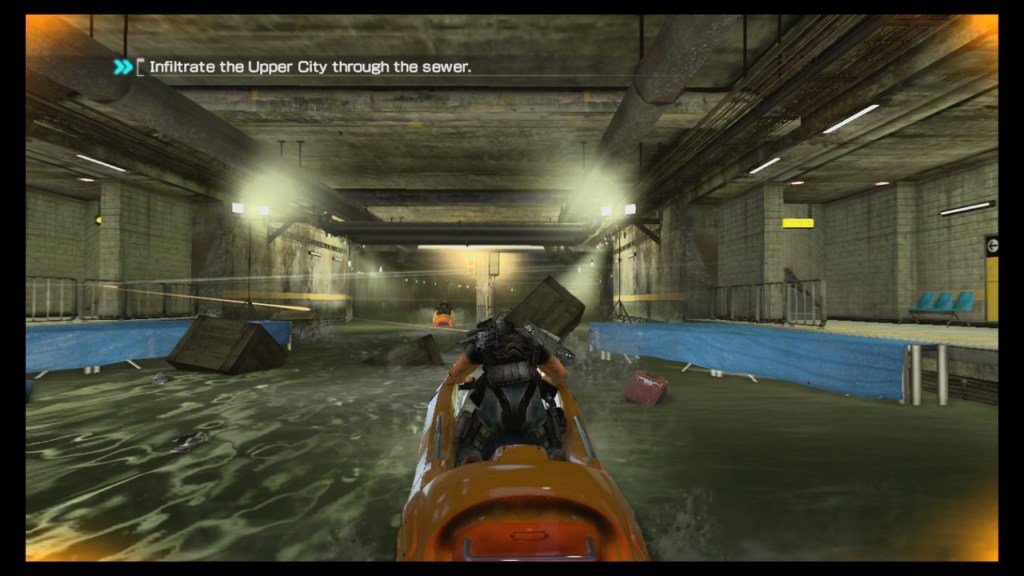
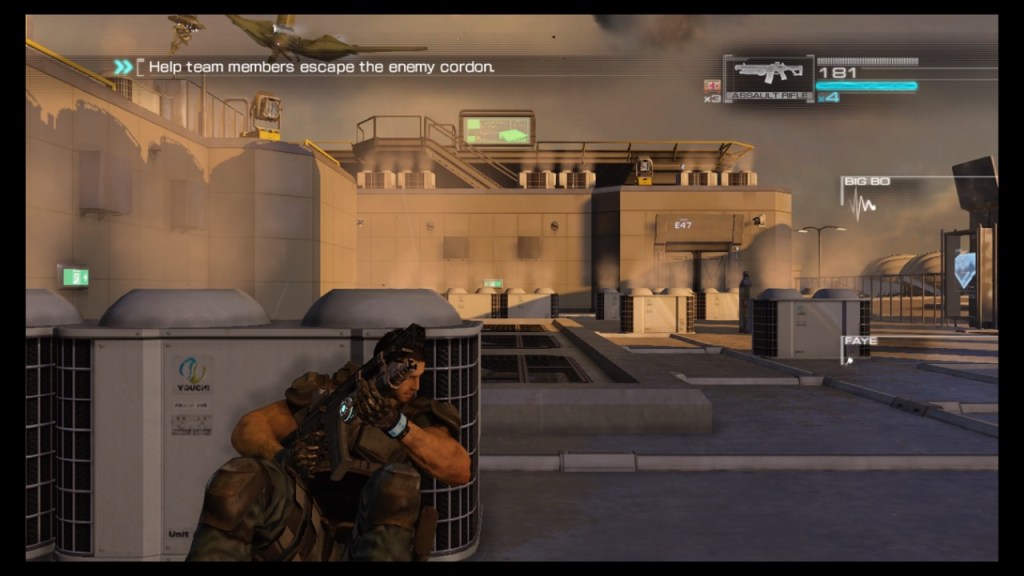
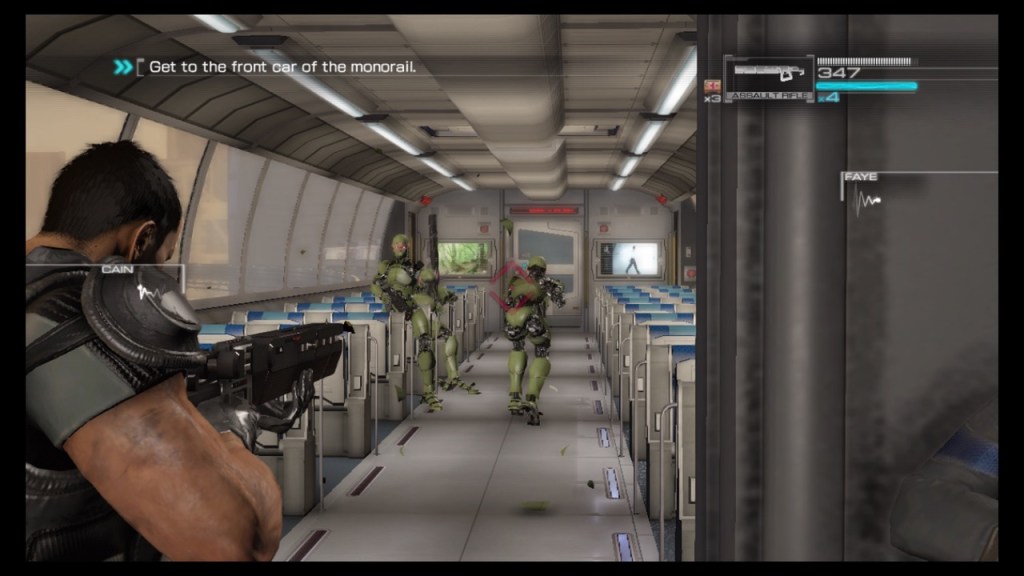
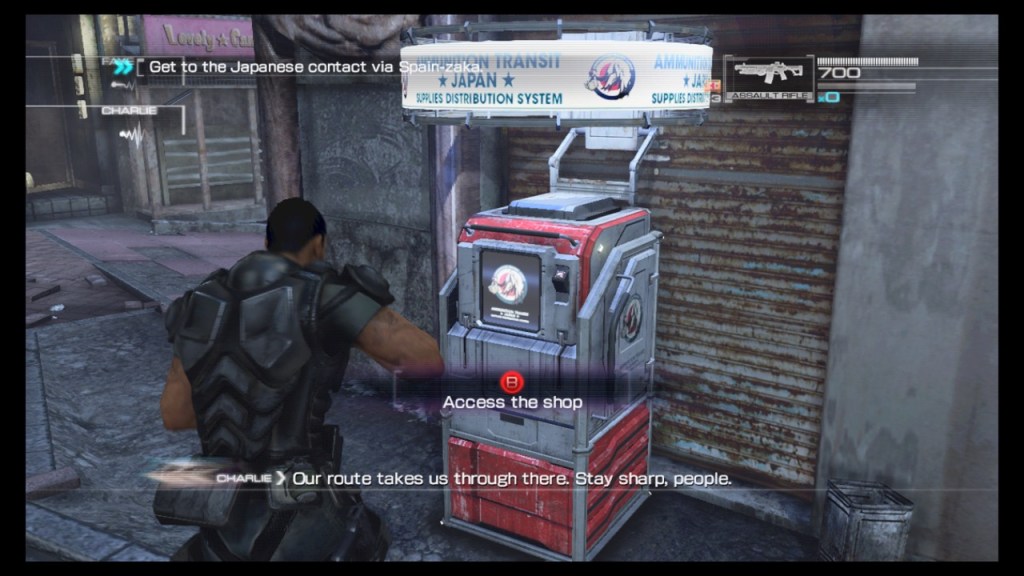
A third person shooter games related in 2012 by Sega, set in the future where global warming have causes robots to become the main labour force, followed by a series of conspiracies. However the game is well known for its use of speech input mechanics that can be used to give commands and reactions to the characters. It’s heavily driven by its shoot and cover mechanics that give it close similarities to Gears Of War.

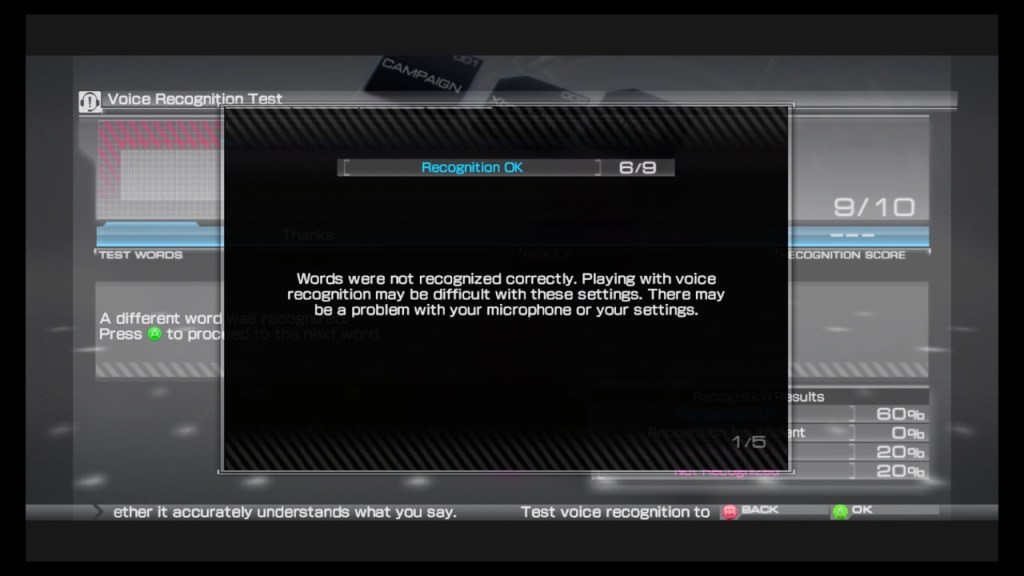
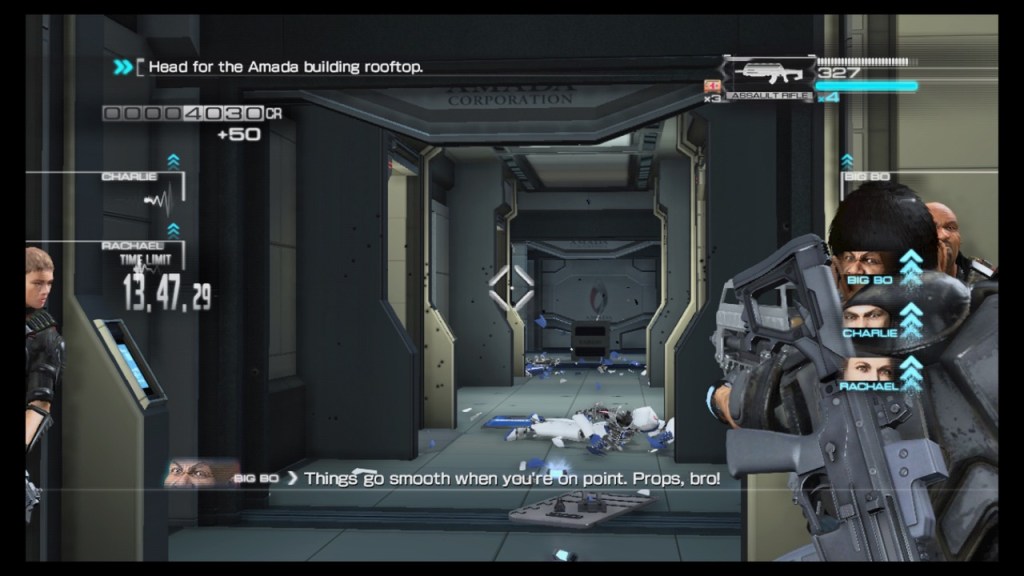
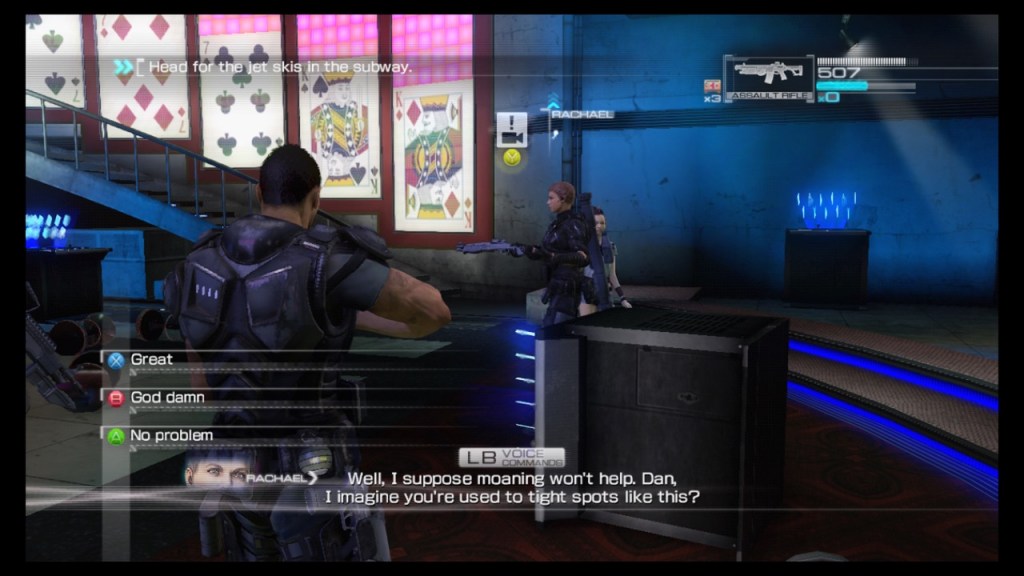
A key mechanic is the “Consequence System,” where player actions and dialogue choices affect squadmates’ trust in Dan, influencing their behaviour and the story’s progression. Players can issue commands to teammates either via controller inputs or voice recognition (using a headset or Kinect on Xbox 360), though the voice feature was often criticised for inconsistency. Personally I gave up with it after 20 minutes of use, since you often have to shout the commands to the game for it to pickup, its easier and more convenient to press the corresponding button on the controller instead. 

Combat involves fighting highly detailed robots that react dynamically to damage—shoot off a leg, and they’ll hobble; remove their head, and they might turn on their allies. Boss fights take advantage of this also, requiring you to find the enemy’s weak spot to attack it.

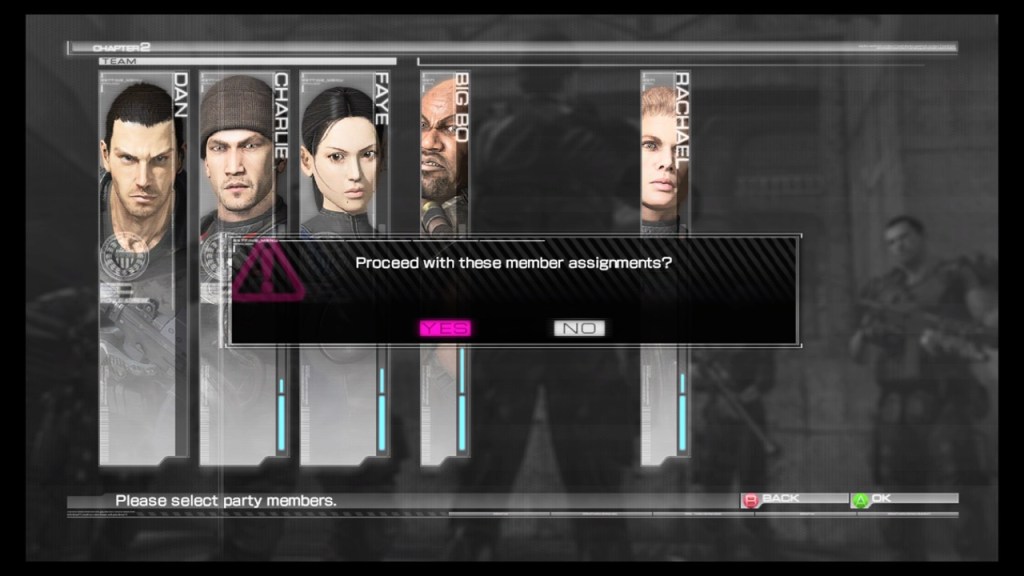
The main characters in the game are Dan Marshall, also known as ‘The Survivor’ due to his lucky history. Dan is a brash, cocky American with a sarcastic edge and a never-say-die attitude. He’s a natural leader but often hides his deeper emotions behind quips and bravado—like calling himself “The Survivor” after narrowly escaping death repeatedly. He’s loyal to his team but can clash with authority, showing a rebellious streak.

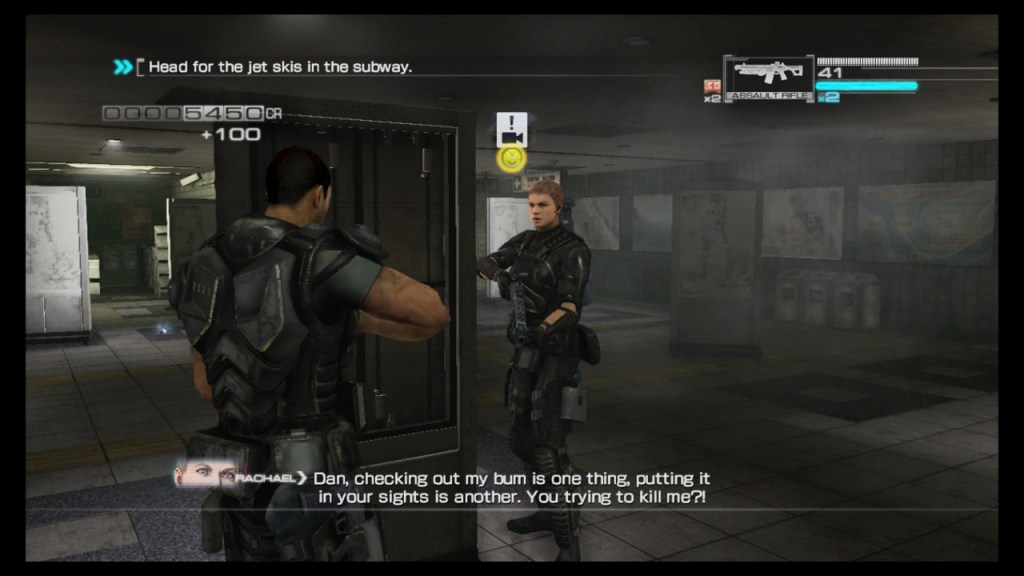
Additional characters you will meet no the way can be selected as team-mates, and your trust can increase as you react to certain dialogue lines or how well or quickly you shoot an enemies. Be careful though, friendly fire or picking the wrong dialog option can reduce their trust in you. In a way it’s similar to mass Effect 2 where your relationship with your squamates has an ultimate effect to the game’s ending.

Charles Gregory: Charlie is the calm, intellectual Brit of the group—think of him as the squad’s brain. He’s composed, methodical, and speaks with a dry wit, often playing the straight man to Dan’s chaos. He’s a stickler for protocol but isn’t above bending rules if the mission demands it. Beneath his cool exterior, he’s driven by a quiet sense of duty and a need to protect his team. He has a very professional demeanour, which means its best to respond with ‘yeah’ for most of his dialogue.

Cain Delaunay: Cain is a suave, charming French robot—yes, a robot on a team hunting robots, which is peak irony. He’s polite, witty, and unflappably cool, with a refined accent and a knack for dry one-liners. He’s programmed for loyalty and efficiency but shows glimmers of personality beyond his code, hinting at deeper self-awareness. He’s the squad’s optimist, balancing their human squabbles with calm logic.

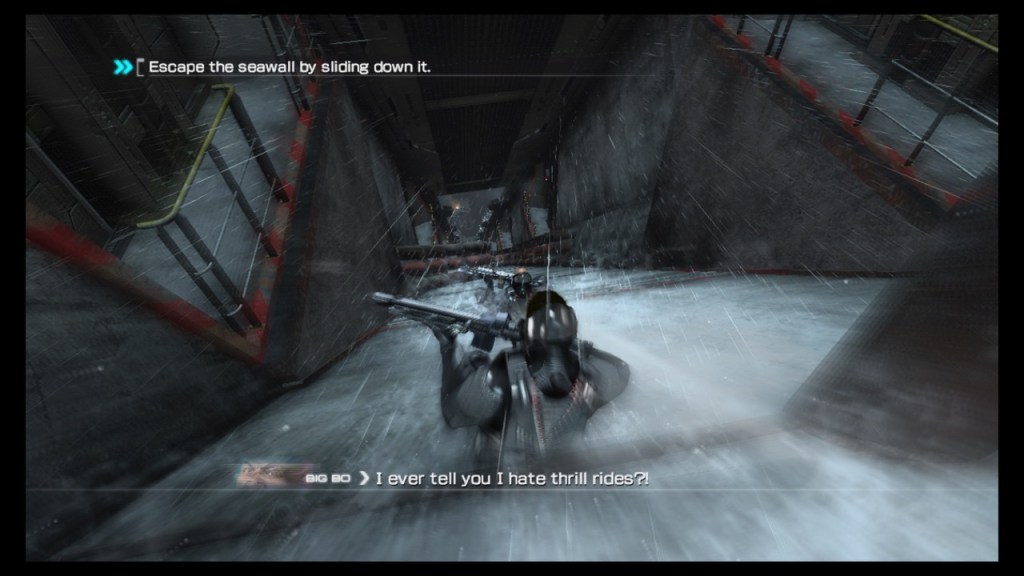
Roy Boating: Big Bo is the loud, brash muscle of the group—think a jock with a heart of gold with a physique that could makes Ronnie Coleman look small. He’s got a frat-boy vibe but a strong sense of camaraderie, often hyping up the team, which makes me think he based based off Cole from Gears of War.

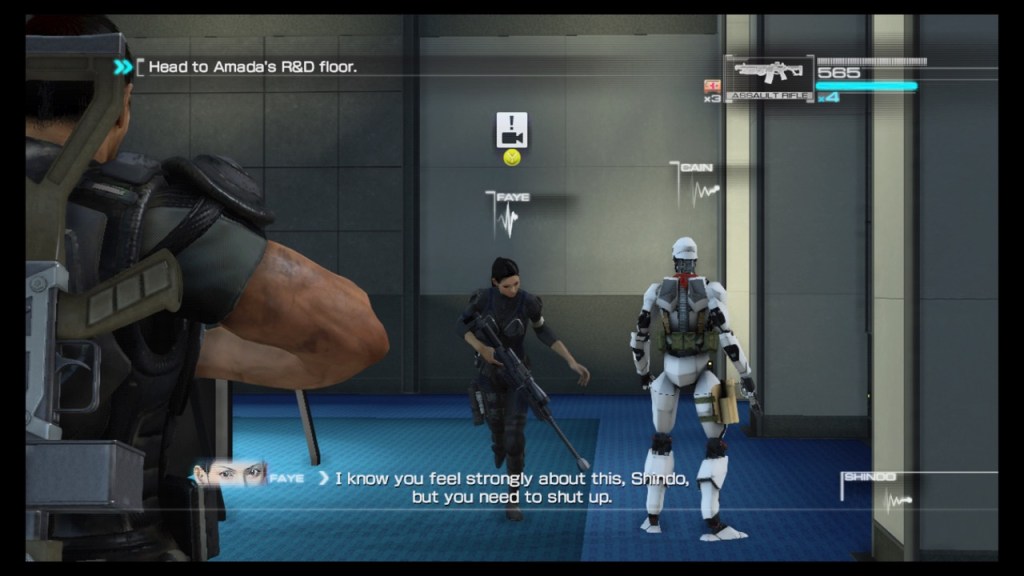
Faye Lee: Faye is cool-headed, reserved, and deadly precise—a Chinese operative with a stoic exterior. She’s professional to a fault, rarely cracking a smile, but shows hints of warmth as she bonds with Dan. She’s driven by duty and a buried personal vendetta, making her a wildcard in the squad’s dynamic.

Rachael Townsend: Rachael is tough, fiery, and no-nonsense—a classic strong female archetype with a British edge. She’s quick to call out stupidity and has a sharp temper, but she’s fiercely loyal once you earn her trust, and becomes more compassionate towards the end of the game.

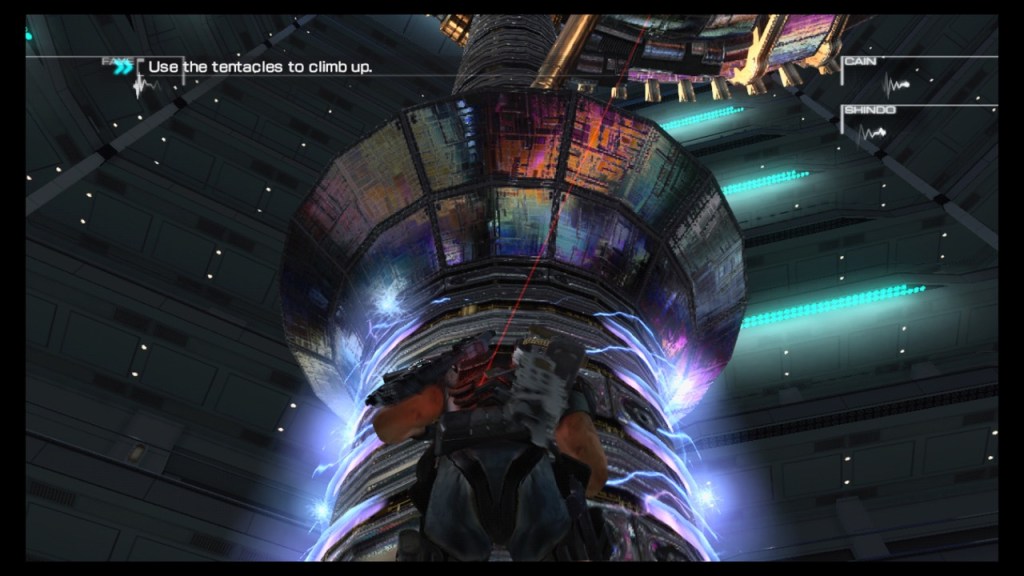
Getting more involved with the story, it’s set in Tokyo in the year 2080, Binary Domain takes place in a world reshaped by global warming and rising sea levels, where robots have become a dominant labor force. The story follows Dan Marshall, leader of an international squad called the “Rust Crew,” tasked with infiltrating Japan to investigate Amada, a corporation suspected of creating “Hollow Children”—robots indistinguishable from humans, violating global laws. Binary Domain explores themes of artificial intelligence, transhumanism, and the essence of life, unfolding in a futuristic Tokyo divided between derelict slums and pristine upper-city towers. If you’re a fan of Battlestar Galatica, the story should interest you as it questions the liens between AI and humanity.

At the heart of Binary Domain is the New Geneva Convention, a global treaty banning the creation of robots indistinguishable from humans (like the “Hollow Children”). This reflects a political debate about controlling advanced technology—think AI ethics or genetic engineering in our world. The game pits the Amada Corporation, which secretly violates this law, against international forces like the Rust Crew, sent to enforce it. It raises questions about who gets to set technological boundaries, how those rules are policed, and what happens when profit-driven entities (Amada) defy them for power or innovation. The Hollow Children themselves—robots unaware they’re artificial—force players to grapple with the moral cost of such laws: is it right to destroy sentient beings to maintain human supremacy?

The game’s vision of Tokyo starkly illustrates class divides, a classic political theme. After global warming floods the world, Japan builds a new upper city for the elite—gleaming, robotic, and exclusive—while the lower city remains a derelict slum for the marginalised. Robots, built by companies like Amada, replace human labor, leaving the working class obsolete and resentful. This mirrors real-world anxieties about automation and economic disparity, asking how societies manage when technology benefits the few at the expense of the many. Characters like the resistance fighters you meet highlight this tension, fighting against a system that priorities robotic efficiency over human livelihoods.

The Hollow Children introduce a philosophical-political angle: if something acts and feels human, does it deserve rights? The game’s twist—that some characters, and even Dan’s potential offspring, might be hybrids—blurs the line between human and machine, echoing debates about citizenship, personhood, and exclusion. In 2080, humans cling to their dominance by denying robots agency, a policy enforced through violence. This mirrors historical struggles over who gets to be “human” in political systems—slaves, immigrants, or marginalised groups—and critiques rigid definitions of identity upheld by power structures.

Versions

Windows: Available on Steam. For this version ic recommend to test and check the microphone settings in Windows before you play if you’re insisted, since the game will default to the selected input device in Windows. 

PlayStation 3: Runs at a lower frame rate compared to the 360 version, but still fun to play.

Xbox 360: This version has the ability to use the gamepad’s headset or the microphone on the Kinect Sensor to give voice commands. The headset seems to be the more reliable way of doing this, though its still hit or miss if the commands get registered in time.This version can also be played not he Xbox one, and even benefits fromFPS Boost on the Xbox Series X.

Binary Domain was not considered a success, so it has yet to be rereleased onto a modern platform. A such, the Xbox One/Series X remains the better way to play, or the PC version since it benefits from higher resolution textures on modern hardware.

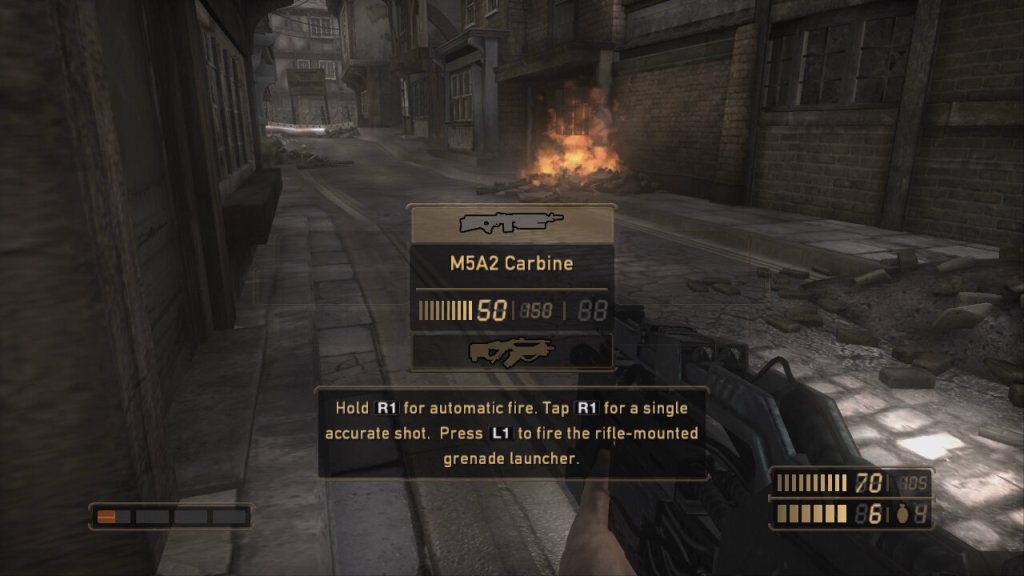
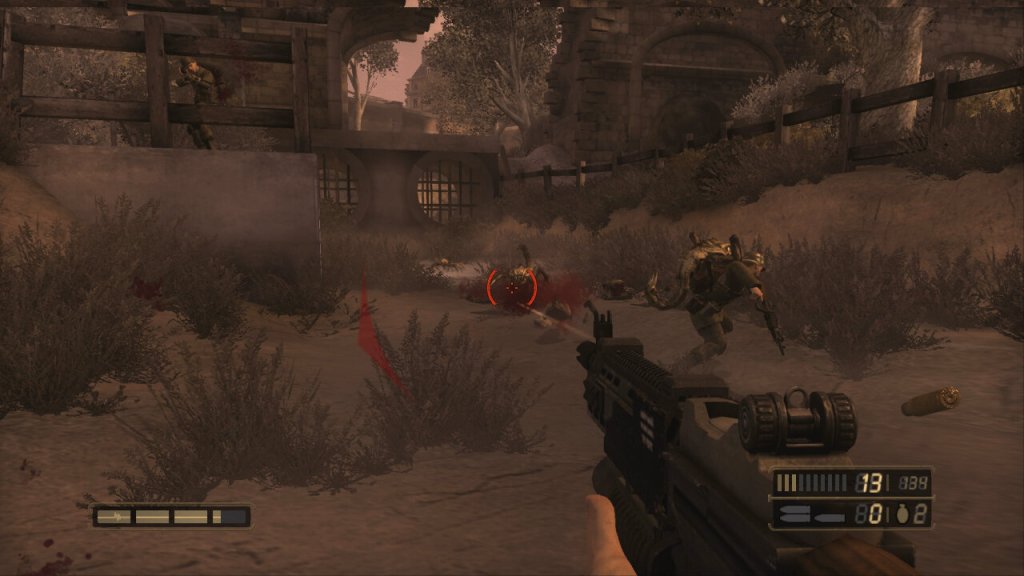
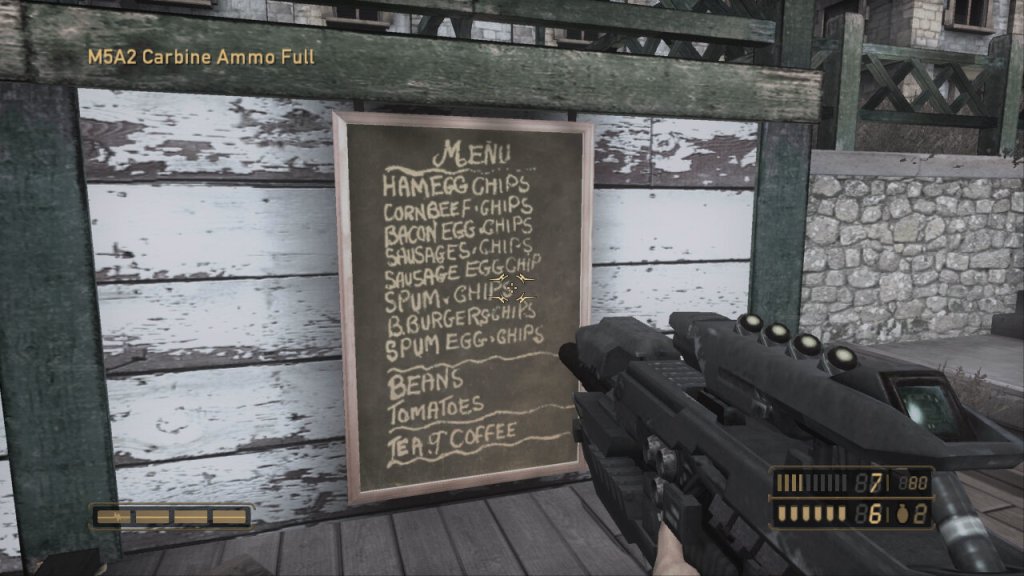
Resistance: Fall Of Man

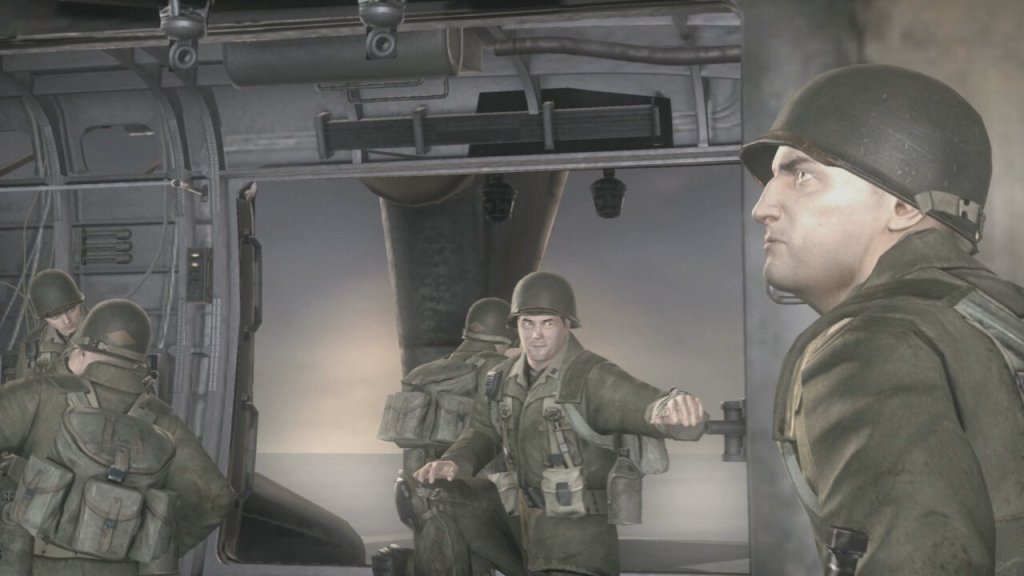
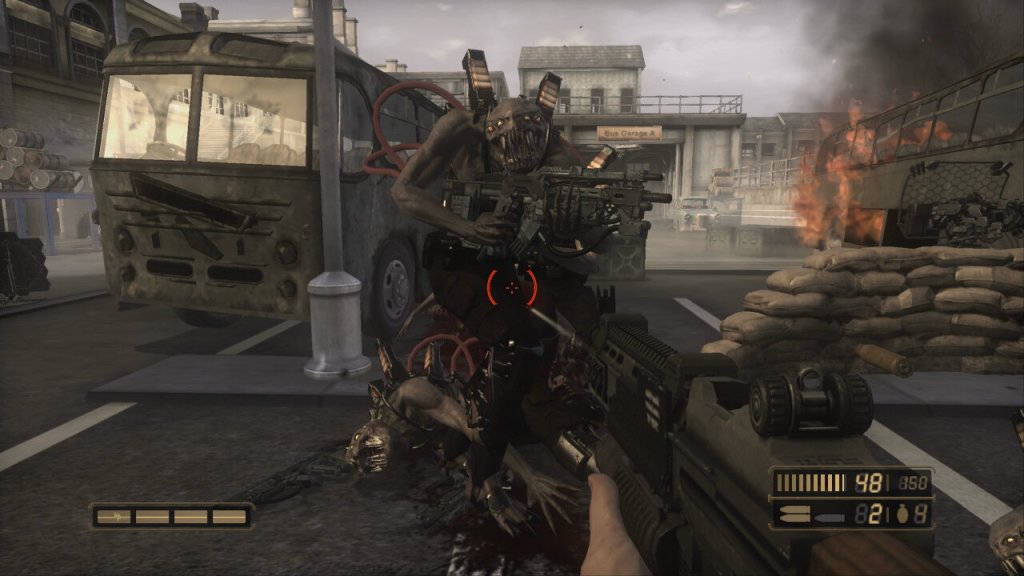
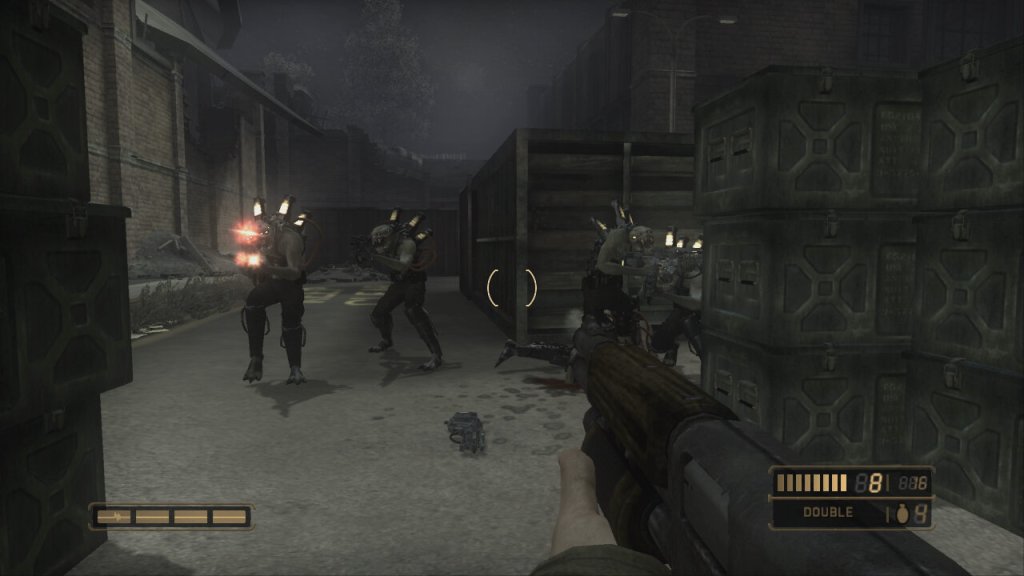
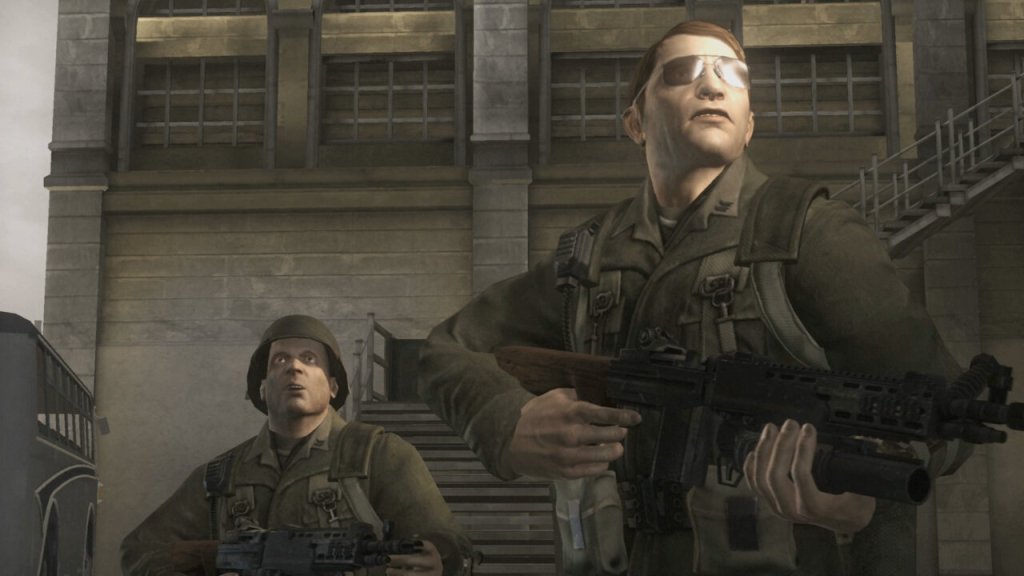
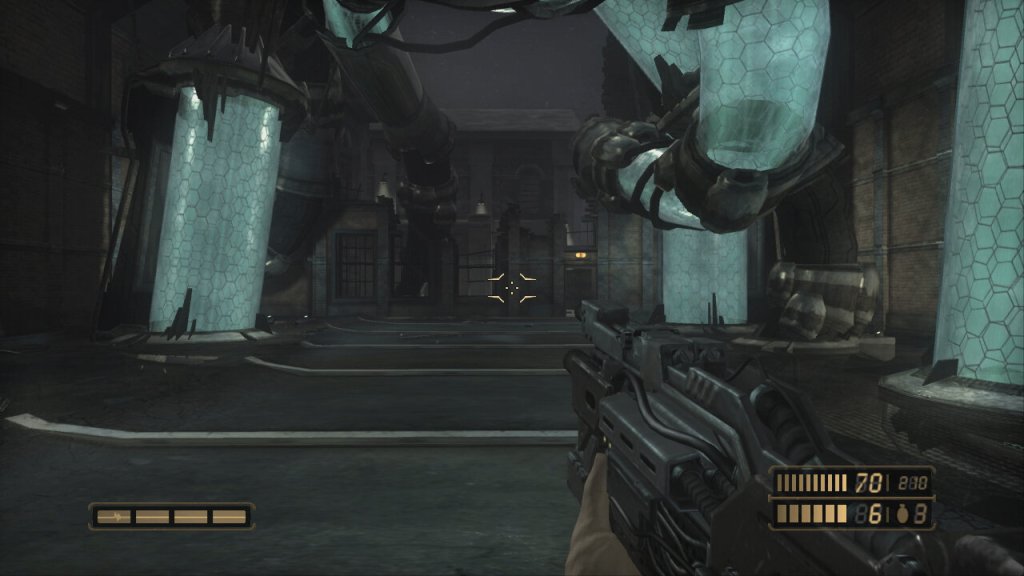
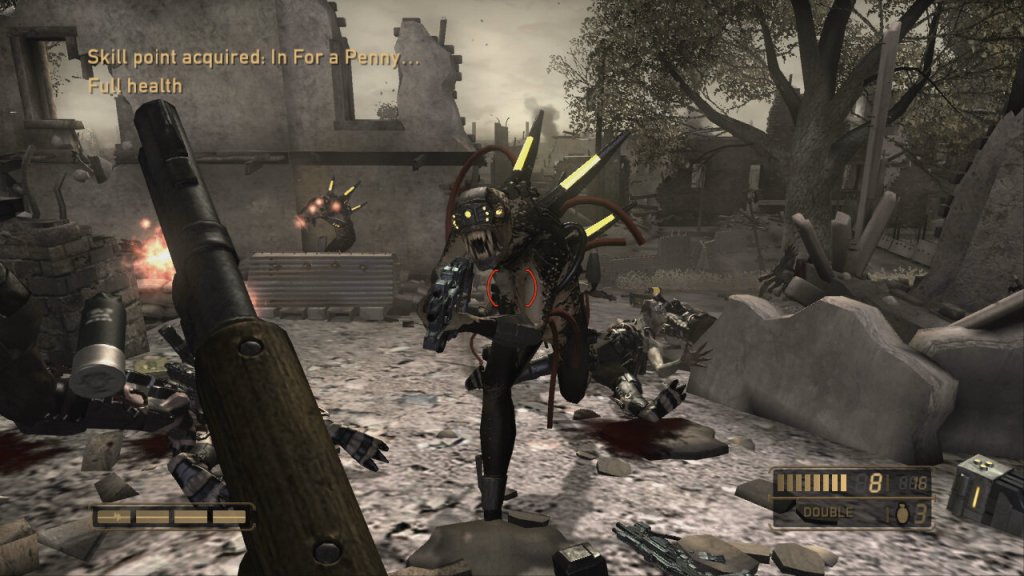
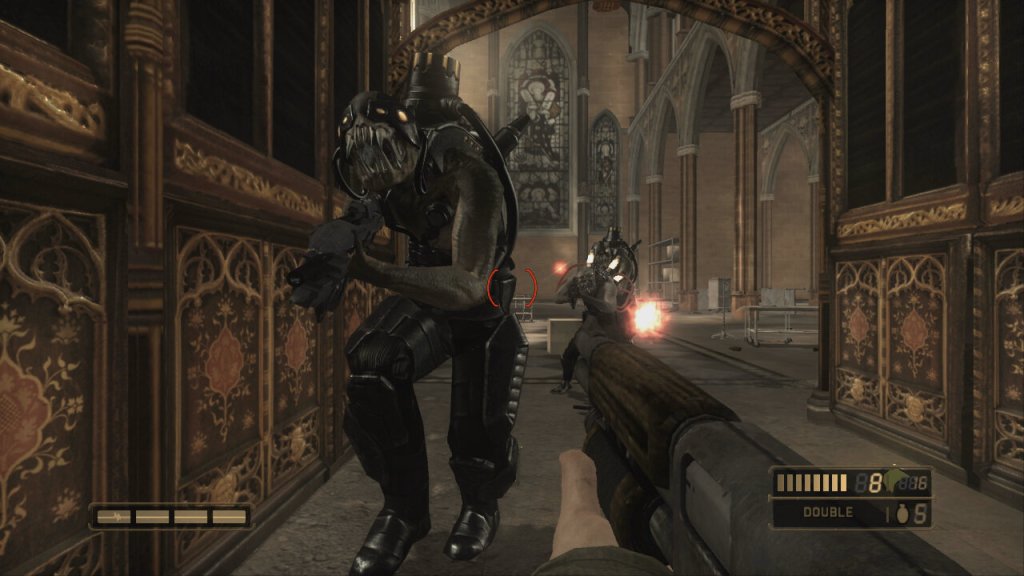
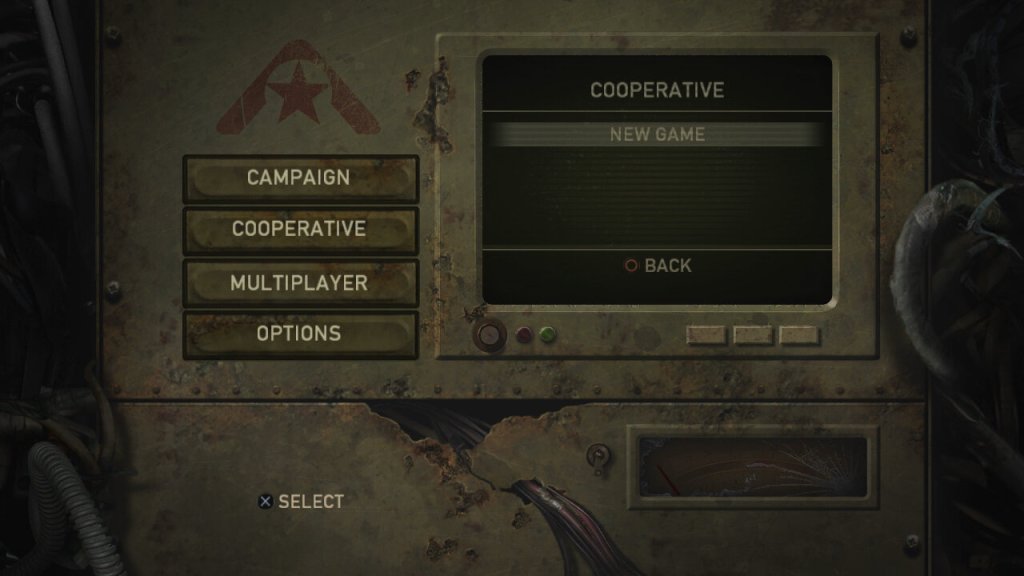
A First person shooter developed by Insomniac Games and published by Sony Computer Entertainment, making this an exclusive game for the new PlayStation 3 console. The game is set in an alternate history version of the year 1951. Instead of World War II, humanity faces an alien invasion by a species known as the Chimera. The story follows U.S. Army Ranger Sergeant Nathan Hale as he fights to repel the Chimera from Britain, where they have already conquered much of Europe and Asia.

The narrative is presented through a documentary-style framing device, detailing Hale’s involvement in “Operation Deliverance,” a last-ditch effort to save Europe. Hale discovers he’s immune to a virus that the Chimera use to transform humans into their kind, which gives him enhanced abilities.

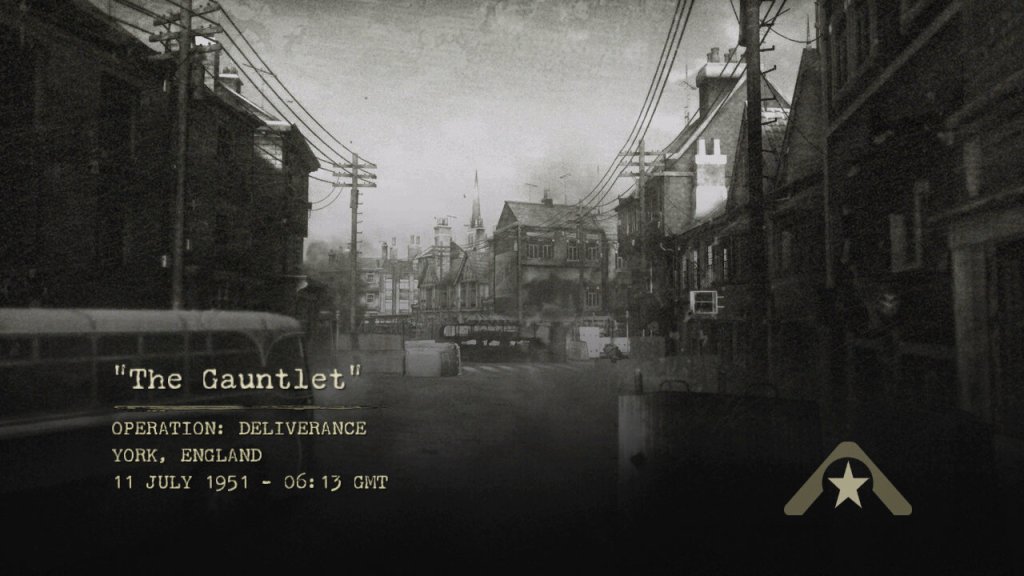
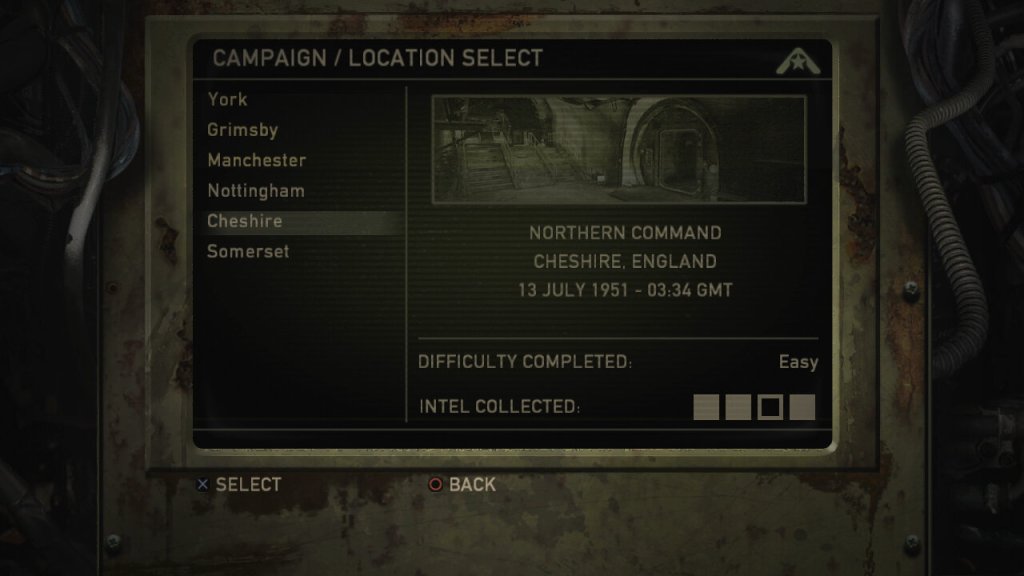
The main character, Nathan Hale, is part of Operation Deliverance, the last significant military operation aimed at stopping the Chimera’s invasion of Britain. The Chimera have already conquered much of Europe and Asia, transforming humans into their own kind through a virus. Hale starts in York, where he witnesses the brutal efficiency of the Chimera. Here, he learns about his unique immunity to the Chimeran virus, which instead of transforming him, enhances his physical abilities. After York, Hale moves to Manchester, where the mission involves securing a scientist named Dr. Richard Grey. Dr. Grey has developed a weapon called the Leaper, which uses Chimeran technology against them.

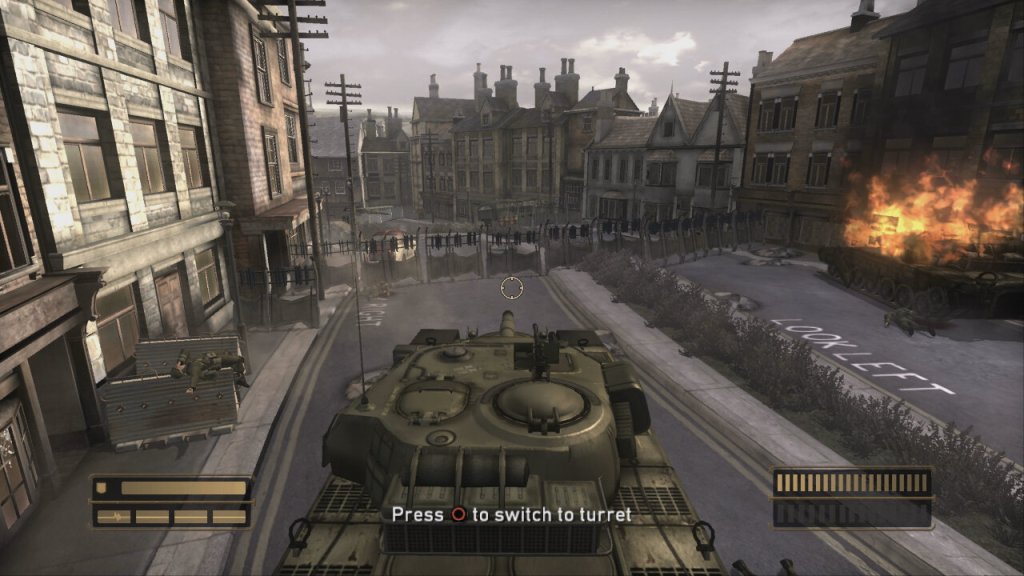
Along the way there are various objectives, including assisting the rebel forces from the Chimera attack. To add some variety into the game, some missions will have you either in a tank, or a jeep with an accomplice. Similar to the warthog from halo, you can switch between driving and gunning and can even crush enemies by running them over.

A lot of the games story has similarities to Gears Of War, which was Microsoft exclusive Third-person shooter set in a gritty environment. Resistance explores themes of an alien invasion, biological modification, immunity versus infection, and the struggle for human survival against a non-human threat. It delves into the psychological horror of what it means to be human when facing a force that corrupts and assimilates. In comparison, Gears of War Focuses on themes of war, duty, redemption, friendship, and the fight for one’s home. It also deals with the ethics of warfare, leadership, and what it means to be a soldier in a seemingly endless war.

While both games are set against backdrops of apocalyptic scenarios, Resistance: Fall of Man focuses on an alternate history with a more cerebral, horror-oriented approach to its alien invasion, whereas Gears of War dives into a more traditional war narrative with deep character studies, focusing on the human elements of war, brotherhood, and survival.

Resistance explores how an external, alien threat can unite disparate nations. Despite historical animosities, countries are shown working together against a common enemy, the Chimera. This unity is not just military but also cultural, as seen in the game’s depiction of soldiers from various nations. The concept of total war is evident, where every aspect of society is mobilized for the war effort. The game shows civilians, scientists, and soldiers all contributing to survival against the Chimera. This reflects the idea of a society on the brink, with all resources and efforts directed towards defense or counter-attack. There’s an underlying theme of using the enemy’s own technology against them, which touches on the ethics of biological and chemical warfare, a real-world political and ethical issue. Dr. Grey’s Leaper weapon and the study of the Chimera virus represent this theme.

While not explicitly detailed, the existence of the Chimera can be seen as a metaphor for authoritarian regimes or oppressive forces. The way the Chimera conquer and transform humans could symbolize the loss of individuality and freedom under oppressive rule. The resistance against them symbolizes the fight for human rights and autonomy. Political leaders and the military command are depicted as making hard choices for survival, often at the cost of individual lives or ethics. This theme explores the political necessity of sacrifice in wartime, paralleling real-world decisions in conflicts.

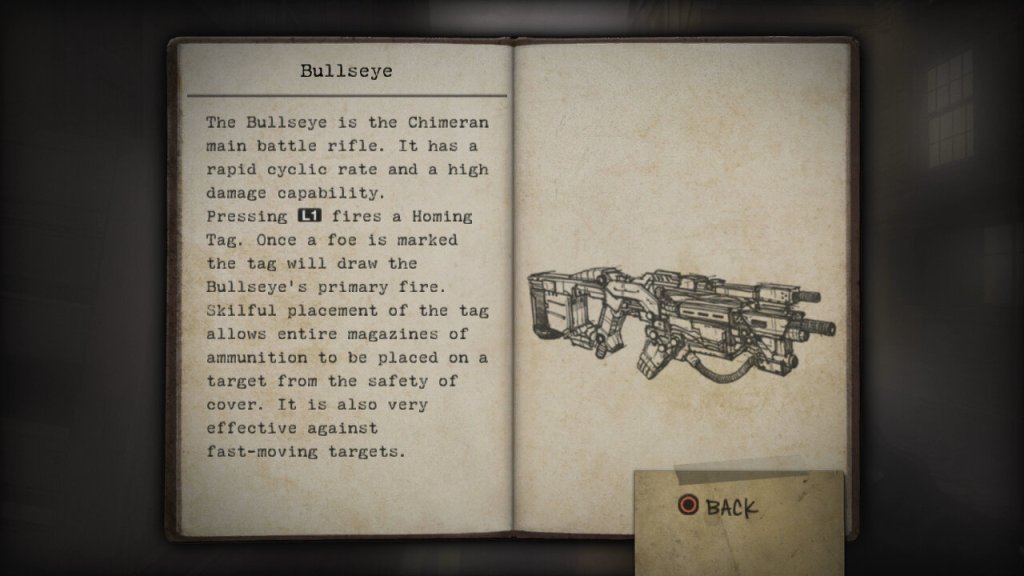
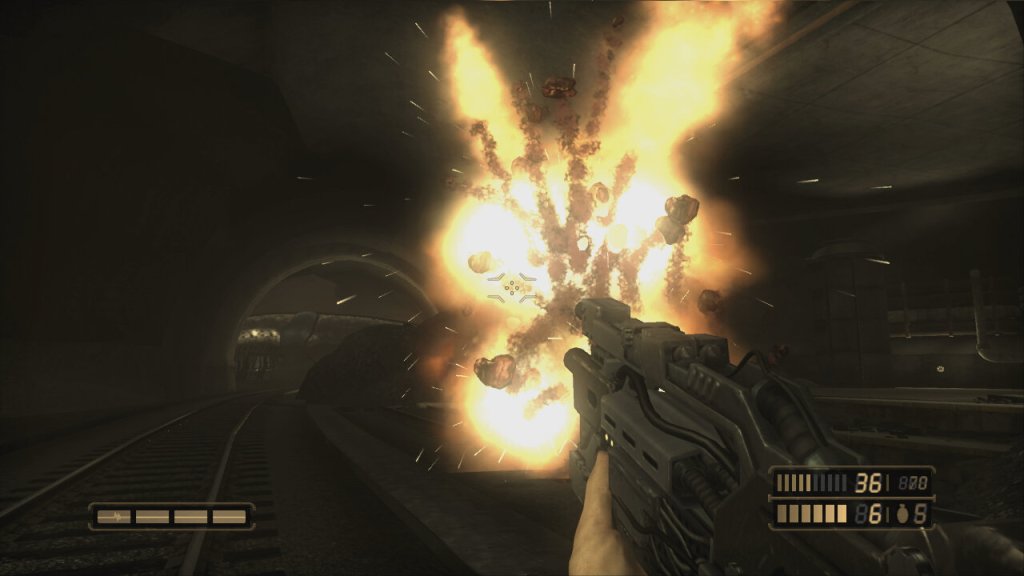
Resistance features both conventional weapons from the era and futuristic weapons influenced by the Chimera technology. Each weapon typically has two distinct firing modes, like the Auger which can shoot through walls or create a bullet-blocking barrier. The Hailstorm Shoots subsonic bolts that bounce off surfaces, increasing their lethality with each bounce. The ricocheting bullets add an element of unpredictability, it also gives the series its own identity through its weapons which is common with sci-fi themed games.

Despite being a Sony developed game, it remains only on the PlayStation 3 with no remake or rerelease for the PlayStation 4. It appears the game didn’t have enough of a broad appeal for Sony to port the game to the PS4. It was followed up by a sequel with Resistance 2, and a portable spin-off.

Ridge Racer 7

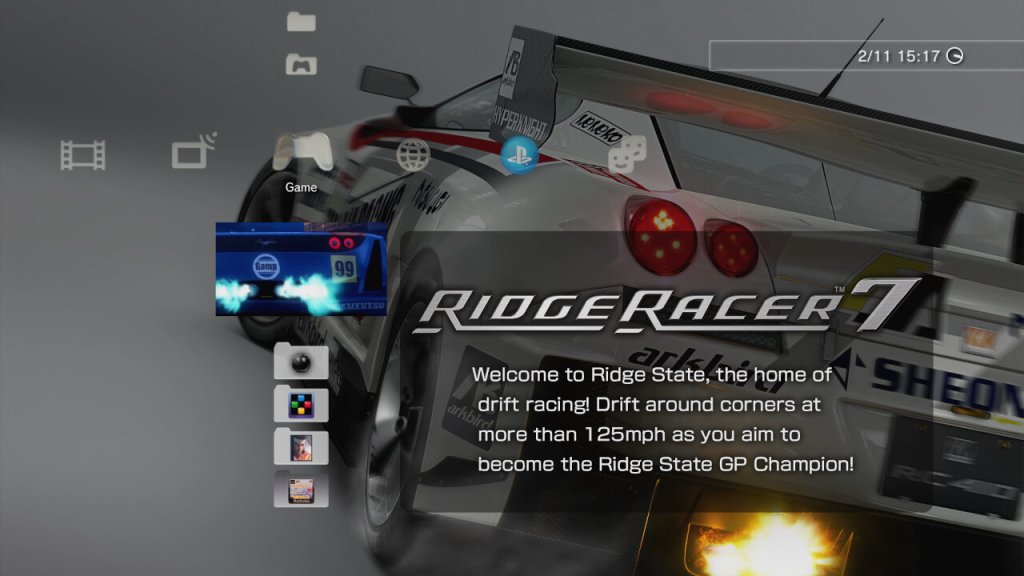
Ridge Racer’s debut on the PS3

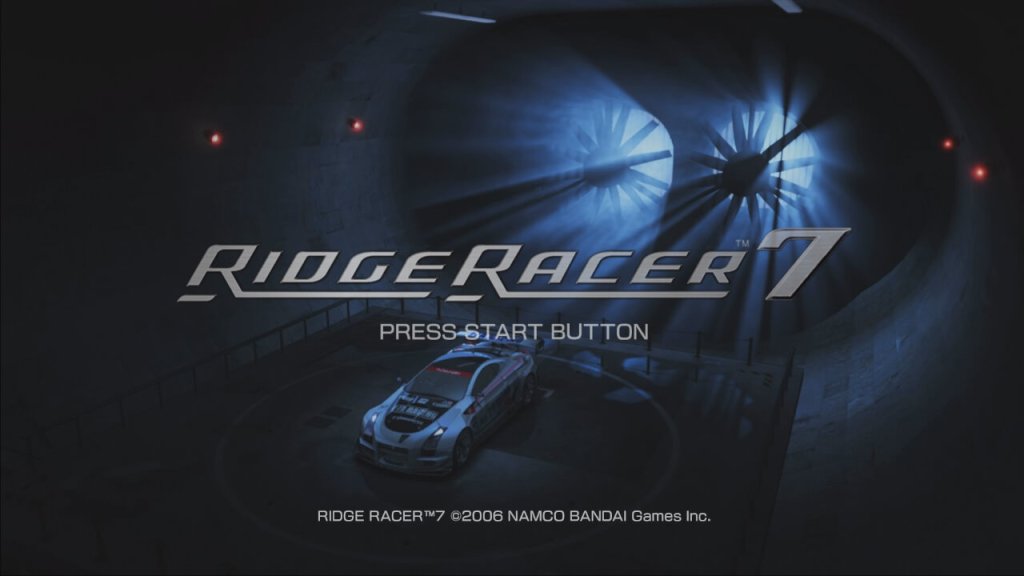
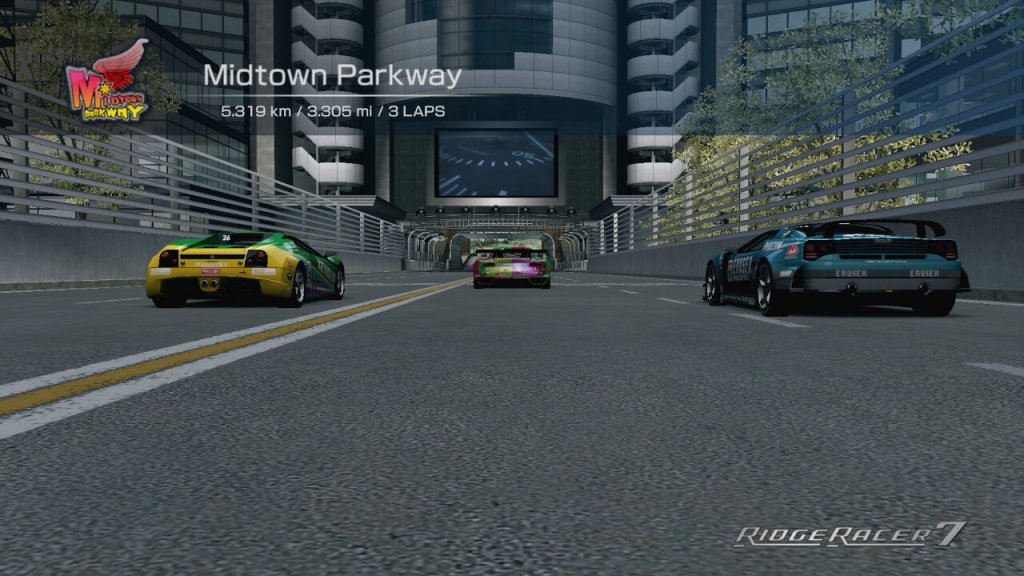
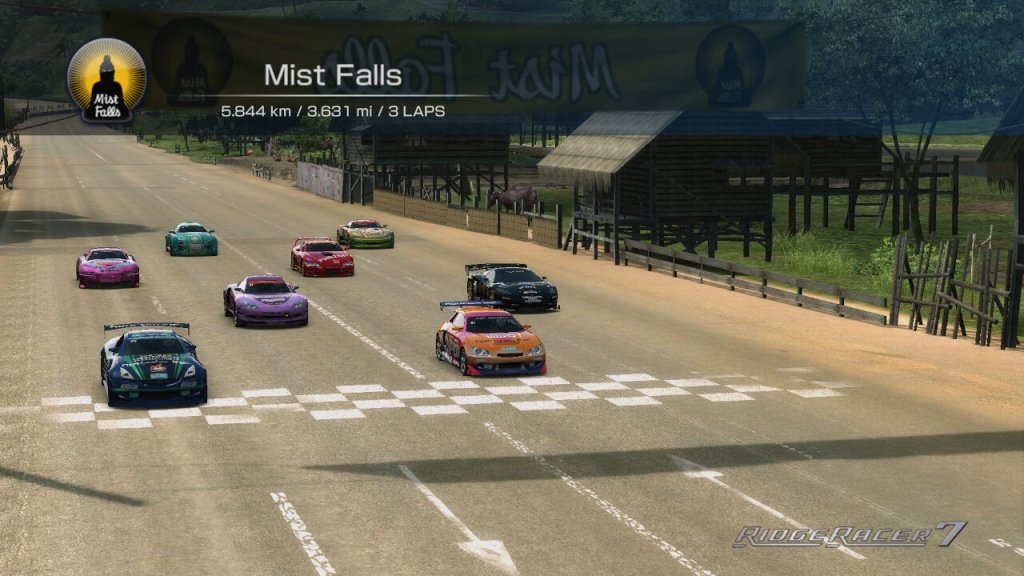
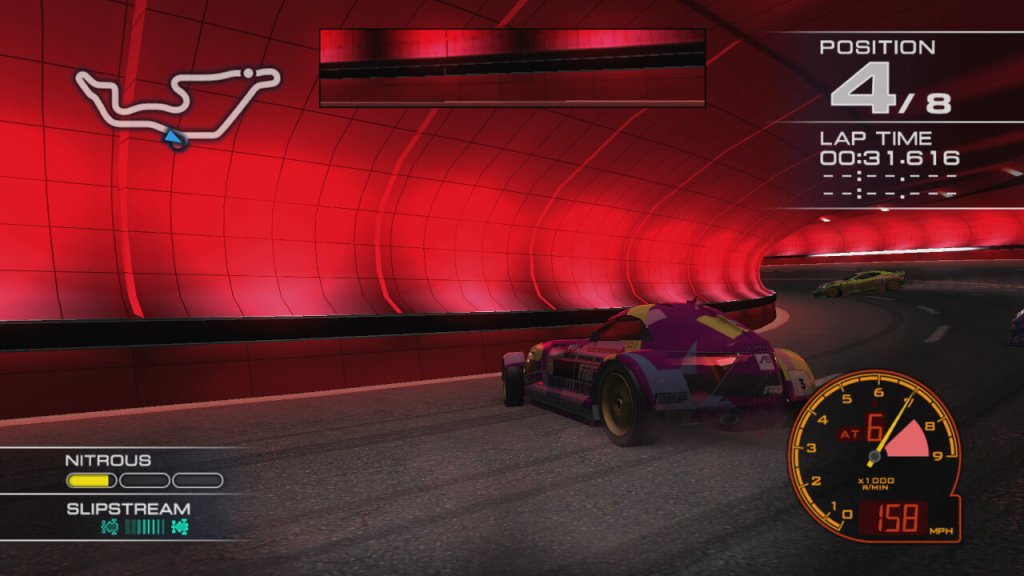
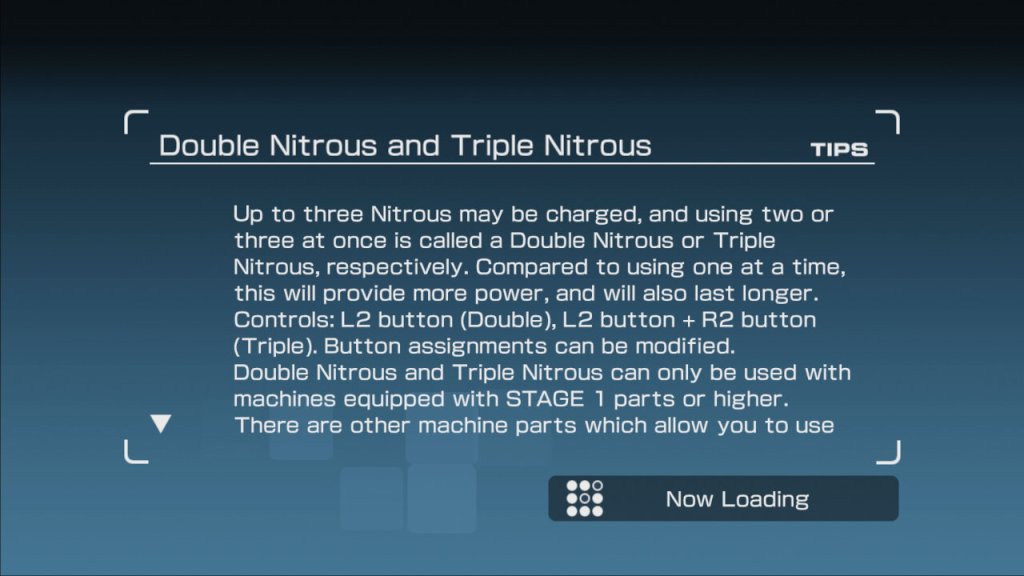
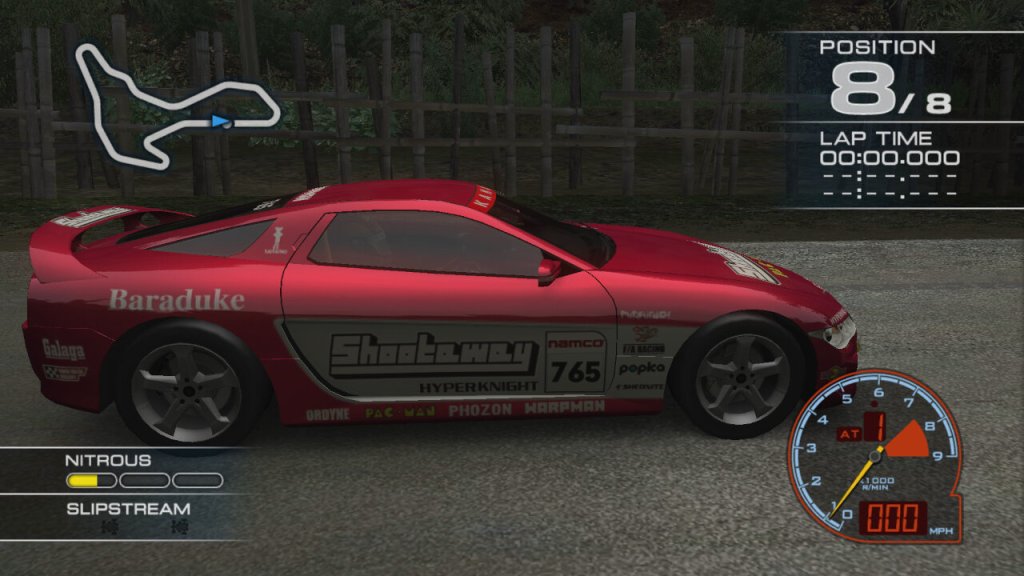
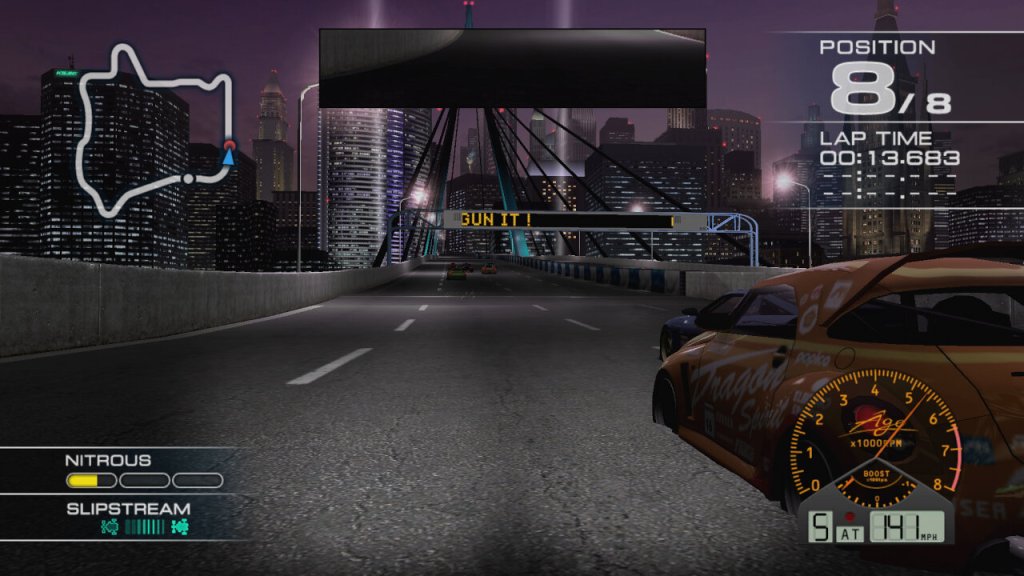
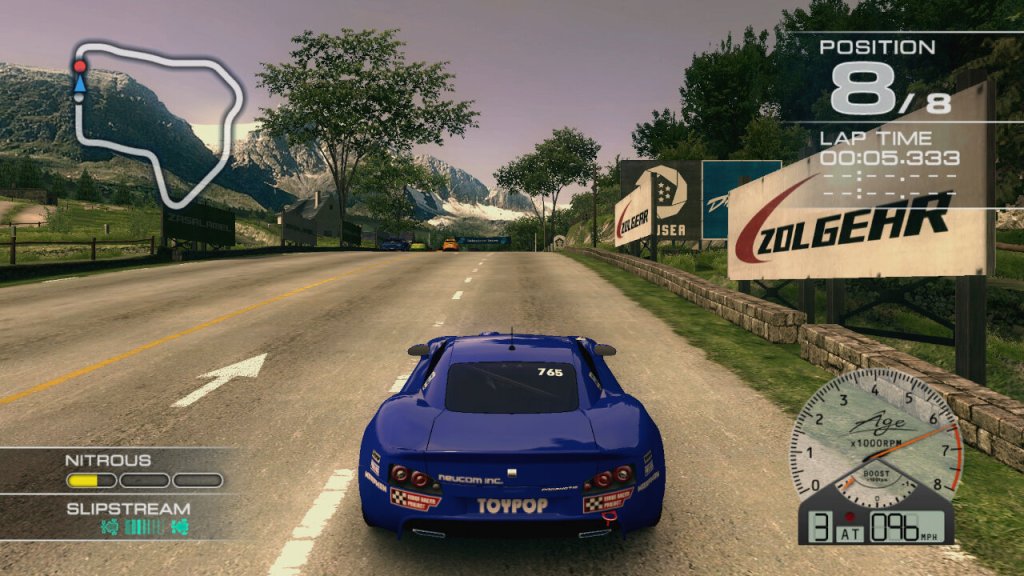
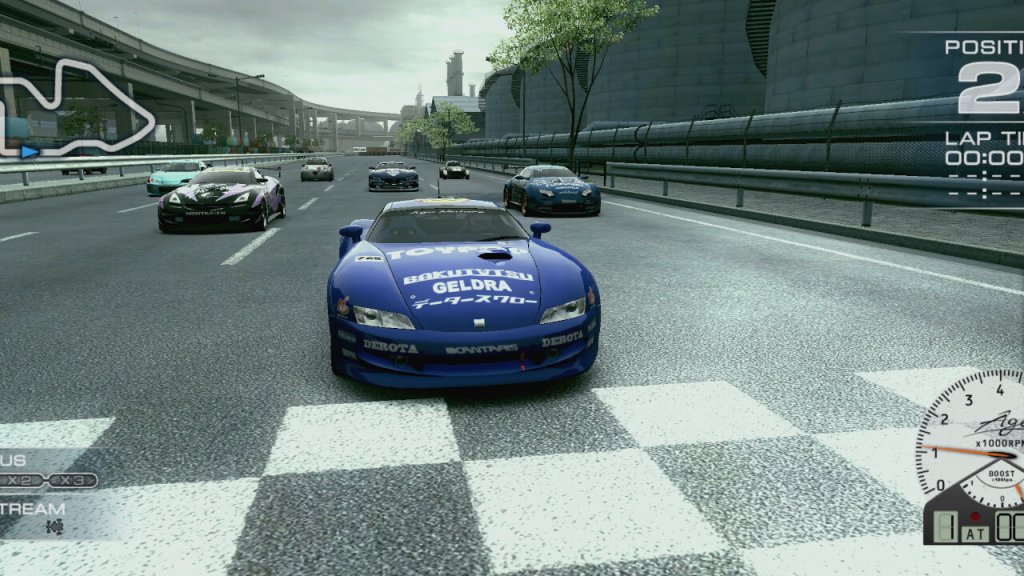
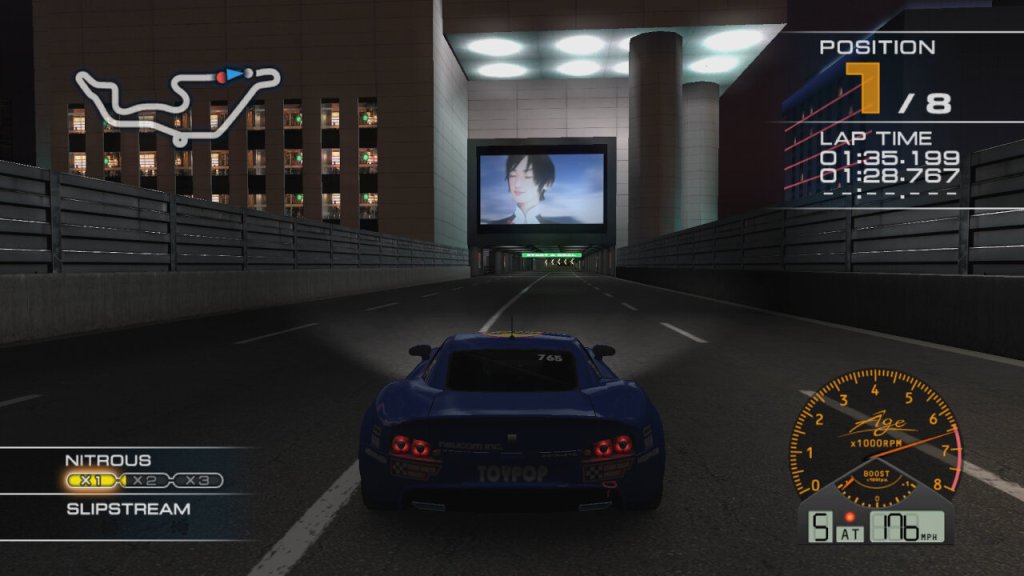
Released in 2006 as a launch titles for the newly released PS3, Ridge Racer 7 is known for its arcade-style racing with a focus on speed and drifting. The game features both solo and multiplayer modes, a first in the series for the PlayStation platform. It’s also one of the few PS3 games to run at 1080p 60fps. Ridge Racer 7 maintains the series’ core mechanic of high-speed drifting. Players who enjoy mastering the art of sliding through turns at breakneck speeds find this exhilarating, and is a nice alterative to racing simulation games like Gran Turismo or Forza.

In terms of gameplay, there isn’t much different with the Xbox 360 exclusive Ridge Racer 6, with some even calling 7 a directors cut with extra content. It defiantly feels like an improvement rather than a new title in the series. There is nice selection of tracks, but they are improved versions of Ridge 6’s tracks. There isn’t much from the previous installments of the game unless you count the original track from the first release, now renamed as

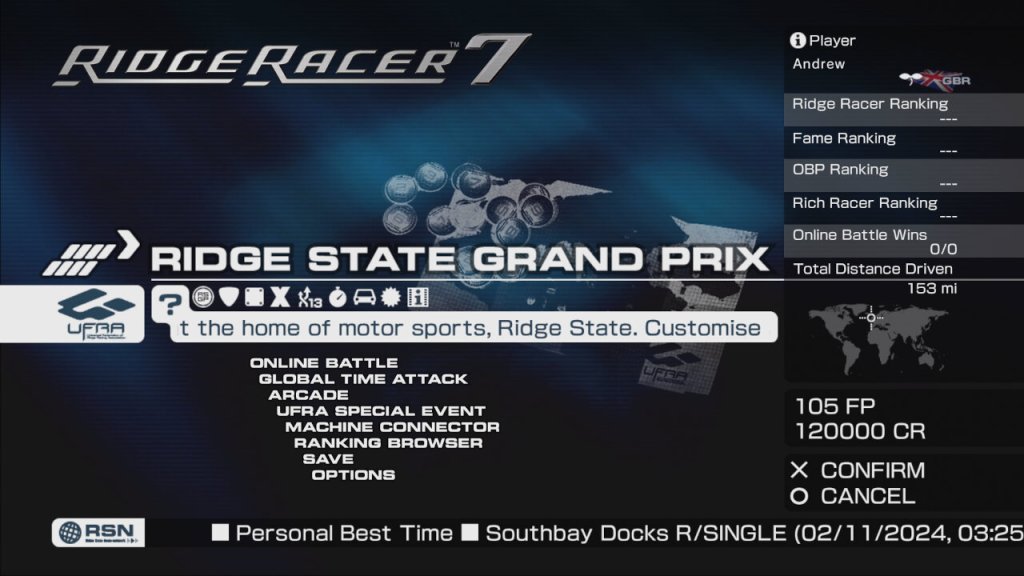
The user interface is a complete overall to what was seen in Ridge Racer 6, giving a more dynamic view. Gone is the hex-style design of the race tree, instead you select which race you want to start from a simple menu.
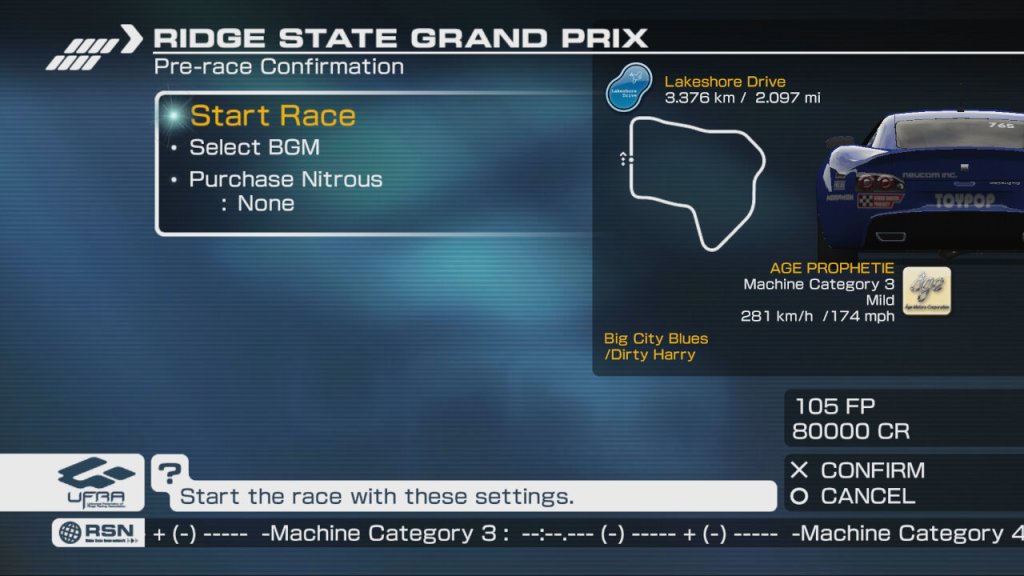
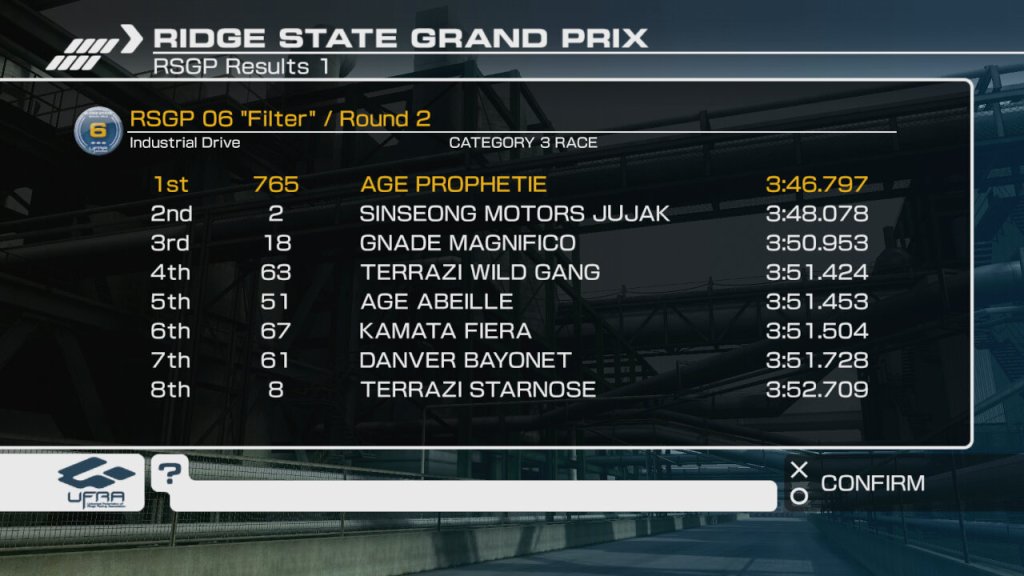
Ridge State Grand prix is a series of races that can be completed in order to earn credits, that can be used to unlock and customize your machines for later races. These are treated as tournament where you have to race on three to five tracks, with your finishing position having an impact in your standing for the next race. Unlike previous games, you don’t have to win or finish in the top three, but you will have to try harder to compensate for the next race instead. Alternatively you have the option to replay the race gain, but you will be returned to the first race in the series.

There are also other races in the game, a Manufacturer’s Trial that lets you unlock specific machines when you win a specific race, or can unlock additional upgrades. There are also single events which are much difficult and can consist of time attack races, and regular races that have machine restrictions on them.
There was also downloadable content which included a set of 25 UFRA Special Events. These events were known for their higher difficulty level compared to the standard game races, providing additional challenges for players even after completing the main content.

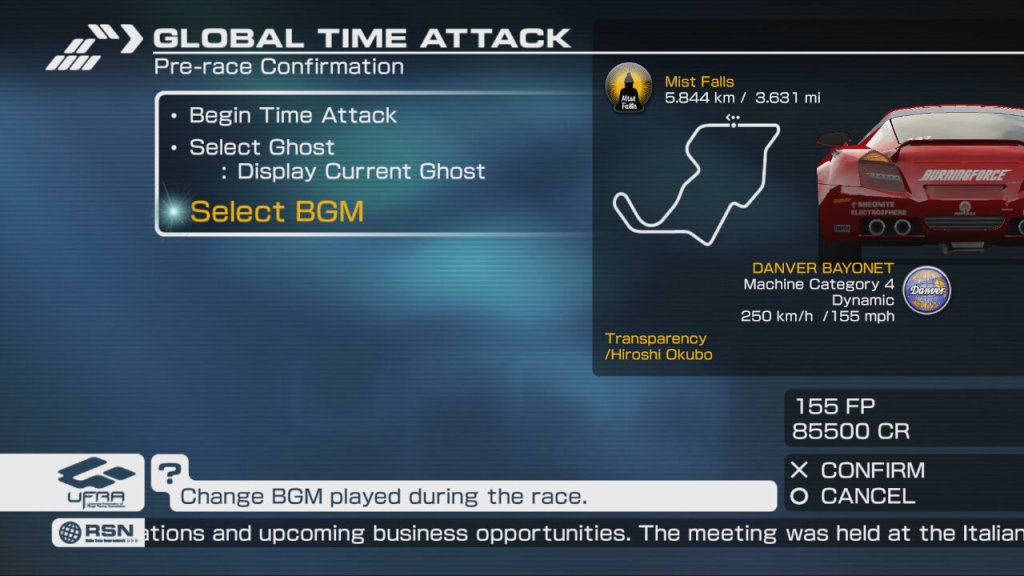
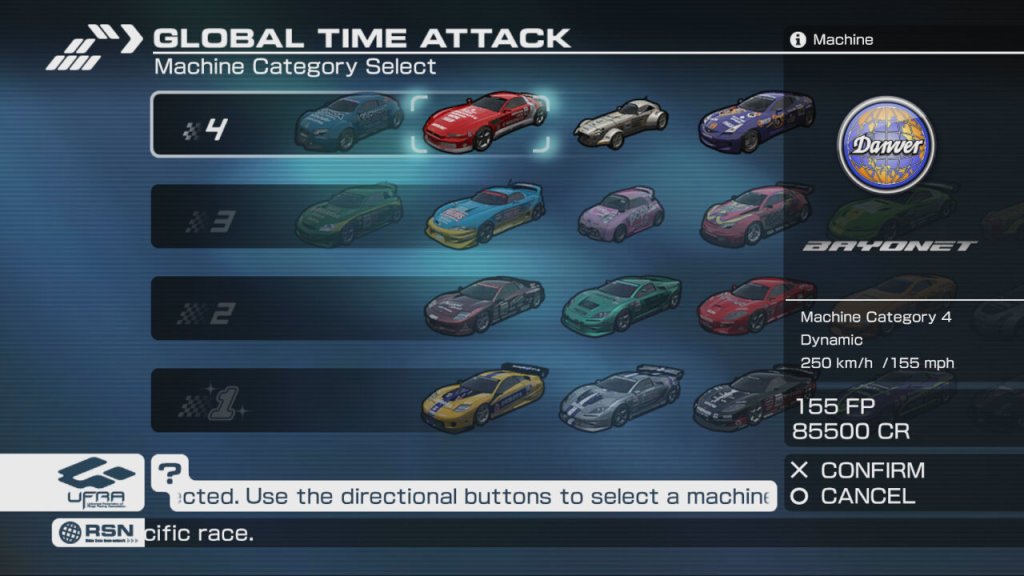
As always, there is a specific time attack mode which will compare your results with other players online, and multiplayer either through splitscreen or online.

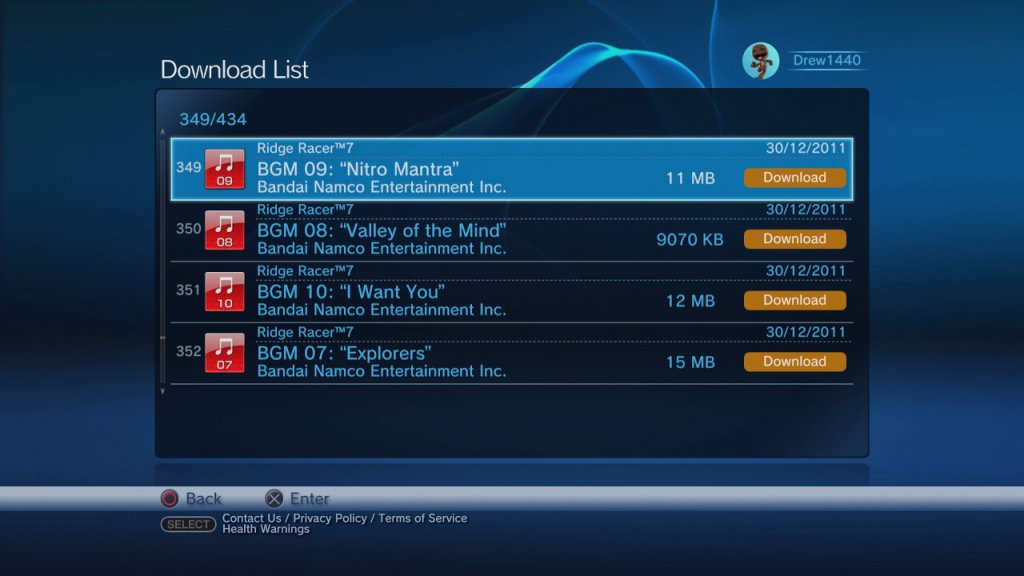
The music in the game is as amazing as always with some good techno and electronica tracks to race to that Ridge Race is known for. Namco also provided previous tracks to download that featured from previous installments in the game, giving you a sense of nostalgia from previous tracks in the game.

Sadly this was one of the last proper Ridge Racer games to be released. There would be a follow up in the form of Ridge Racer Unbounded, but this is perceived by players to be a Burnout knockoff rather than an actual Ridge Racer game. Portable consoles did continue to see Ridge Racer releases, namely the Nintendo 3DS and the PSVita, even mobile devices like the iPod Touch had Ridge Racer Accelerated. New installments would be released for the eighth-generation consoles, and the Ridge Race franchise has since been abandoned, and arcade racers in general.

There seems to be a broader trend where simulation racing games are gaining ground over arcade racers on modern consoles. This might be attributed to the desire for more authentic and challenging gameplay or the growth of esports and the professionalization of gaming.

But these sorts of games do not age well thanks to music and vehicle licenses expiring, meaning racing games typically get delisted after a few years and gives an expiration date for thee games. Arcade racing games continue to hold a cherished place in gaming culture. They cater to a different audience looking for quick, adrenaline-fueled fun without the steep learning curve of simulations. There is no reason why both cannot coexist, and titles like Dayona USA, Cruis’n USA and even Burnout will always have a place on any consoles/gaming hardware, either in native or emulated form.

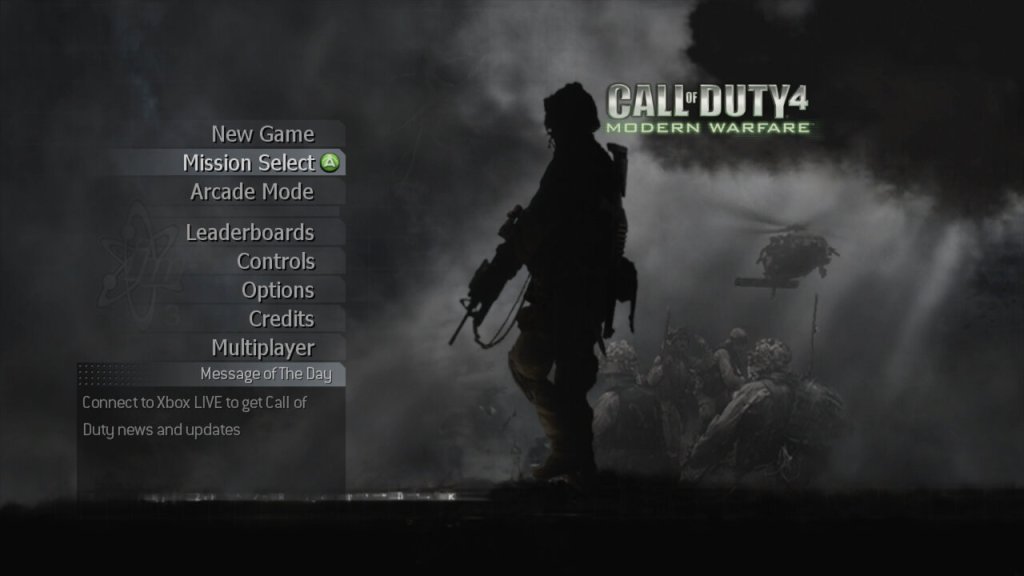
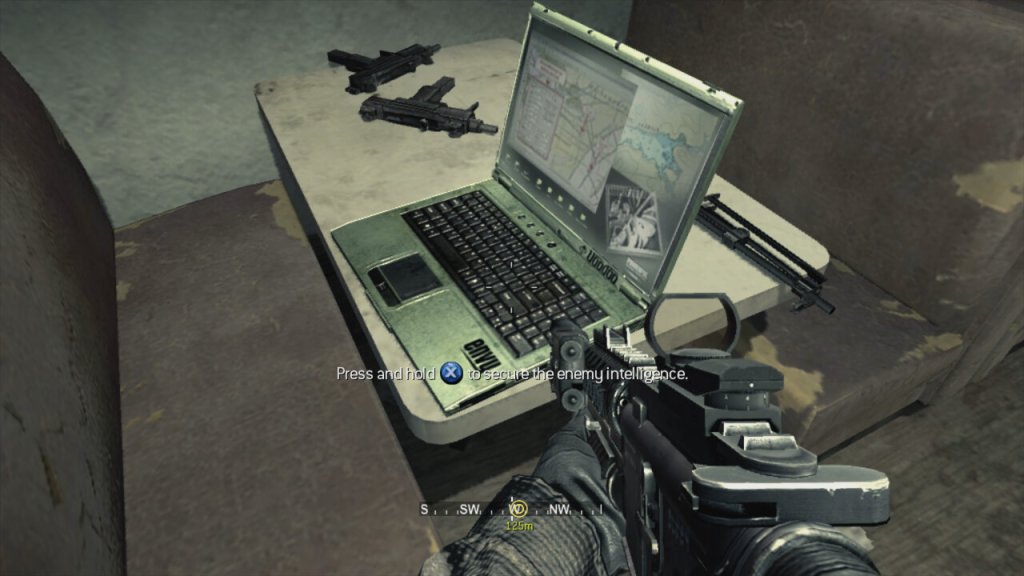
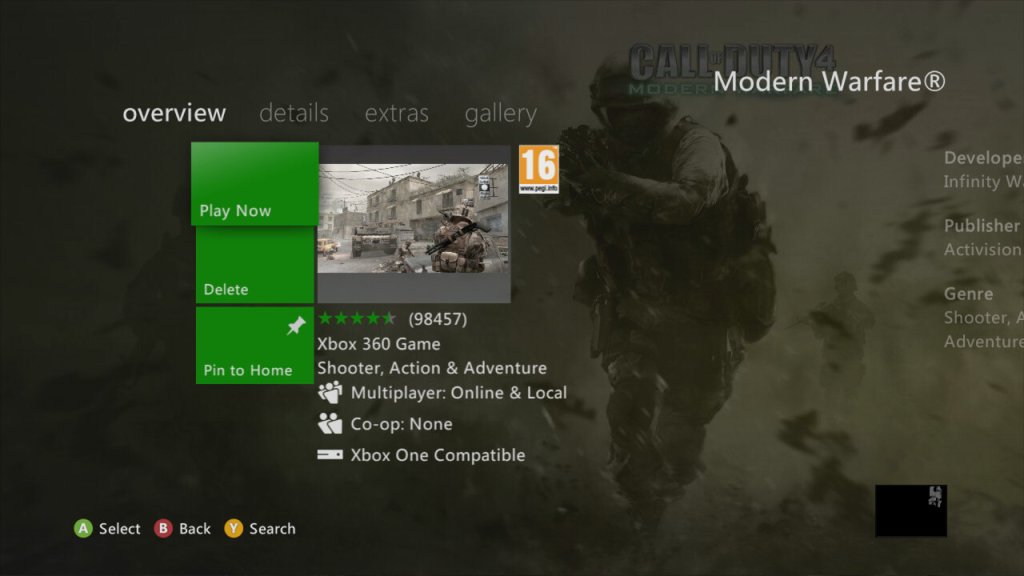
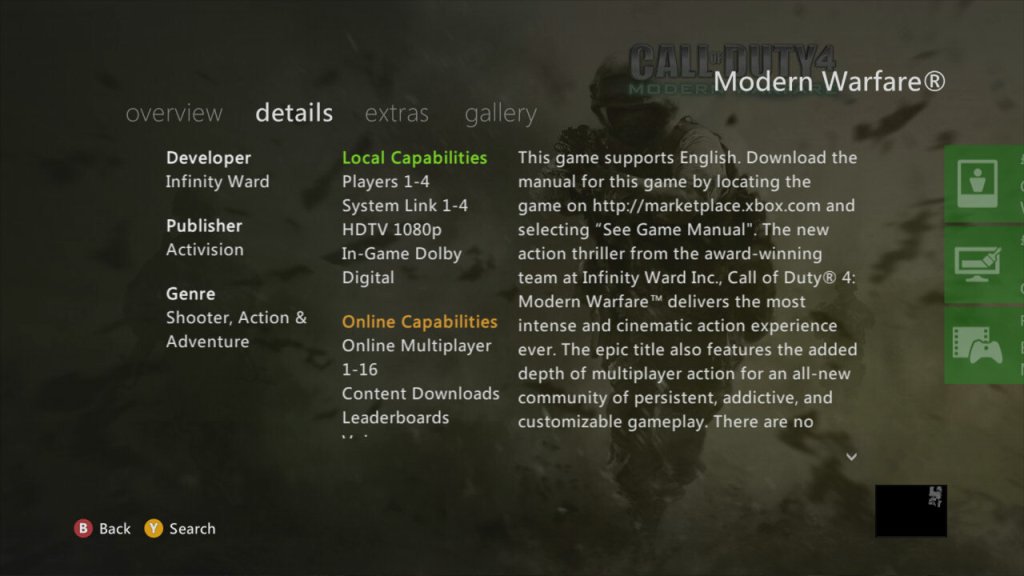
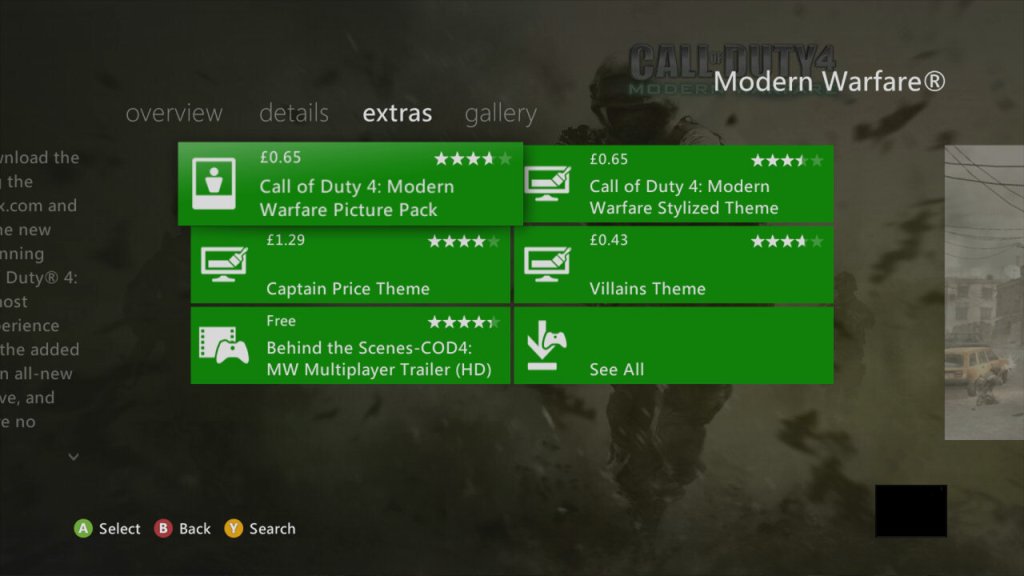
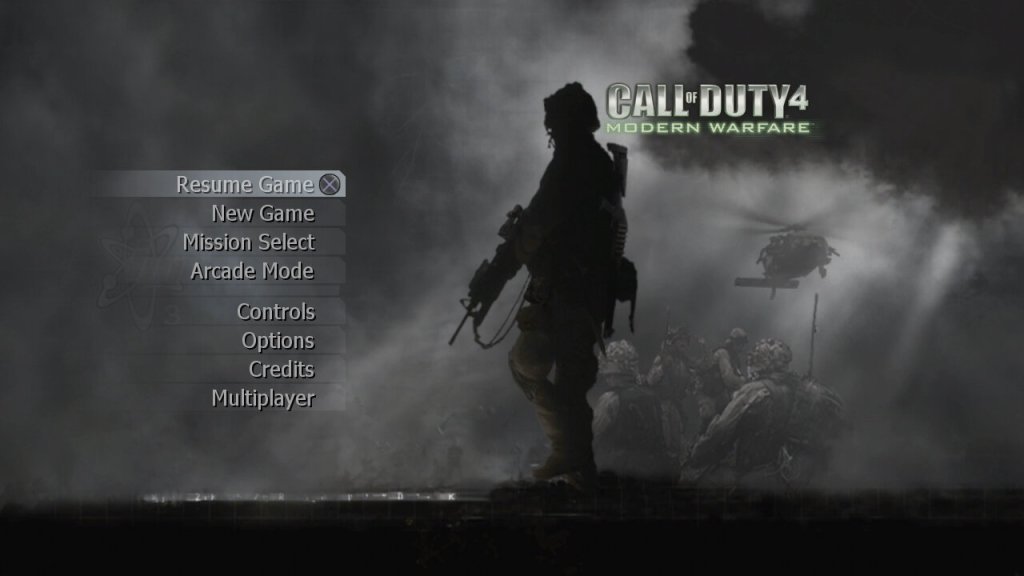
Call of Duty 4 Modern Warfare

The first in the memorable Modern Warfare series, and one that would take the Call Of Duty franchise to new levels. Not to be confused with the modern 2019 remake

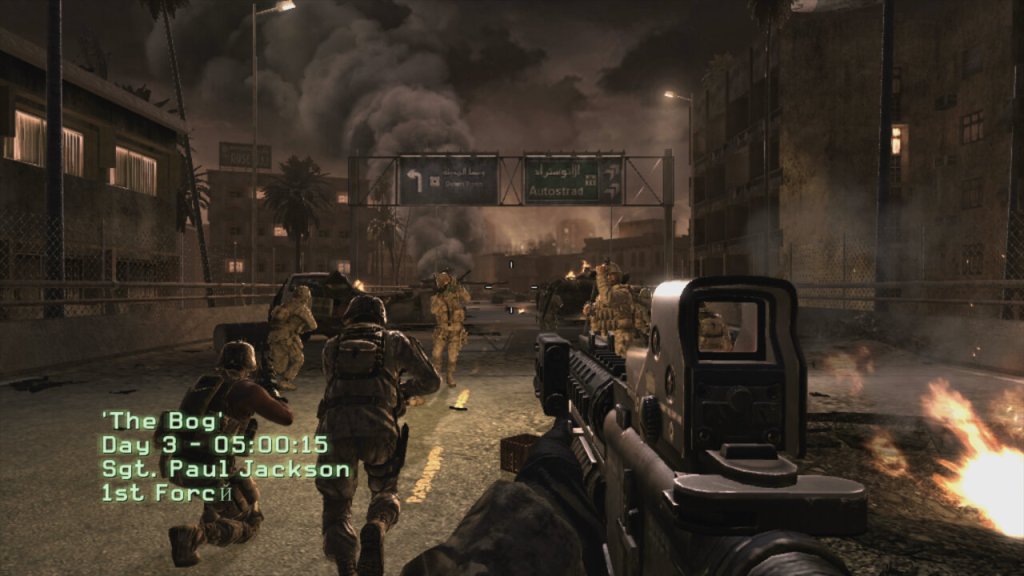
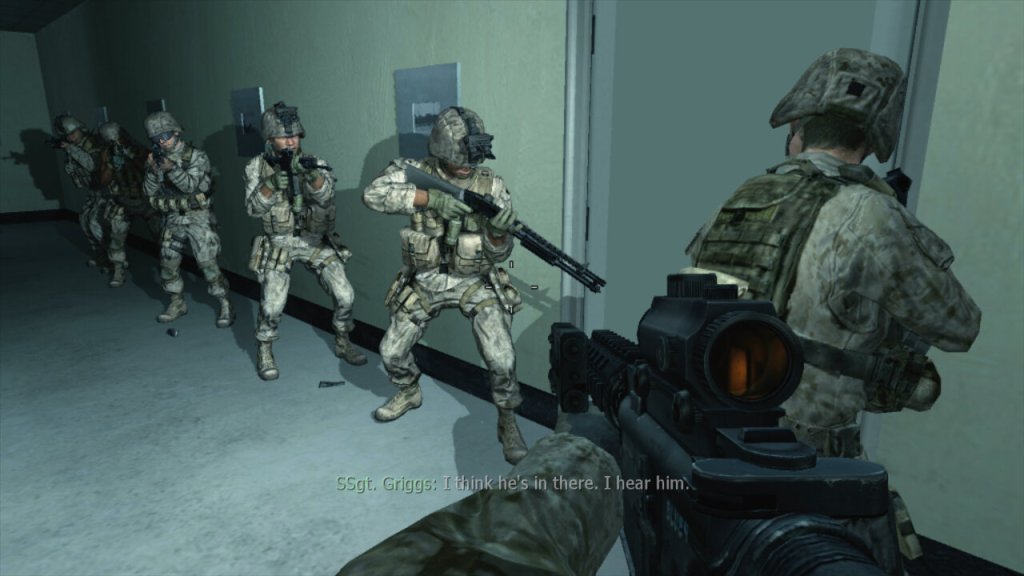
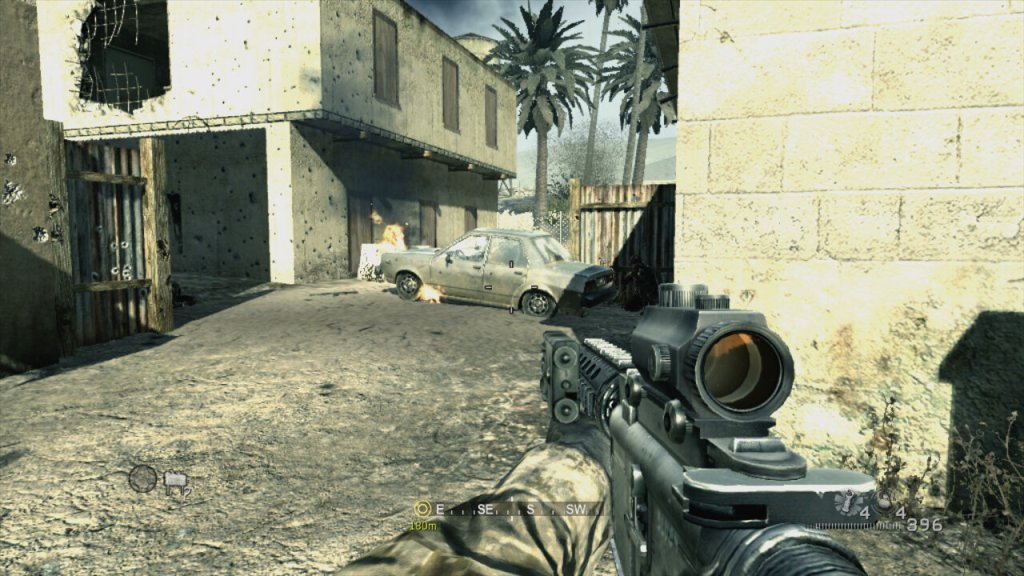
Released in 2007, Call of Duty 4: Modern Warfare marked a significant shift for the franchise by moving away from the World War II setting to a contemporary military conflict. Modern Warfare features a single-player campaign where players experience the story from the perspectives of both a U.S. Marine Force Recon sergeant and a British SAS commando. The narrative unfolds across various global locales, offering a cinematic experience that was groundbreaking for its time.
Set in 2011, the game’s plot revolves around a radical leader executing a Middle Eastern president, which leads to a movement in Russia sparking a civil war. This backdrop provided a rich, albeit fictional, narrative involving geopolitical tensions, terrorism, and military intervention.

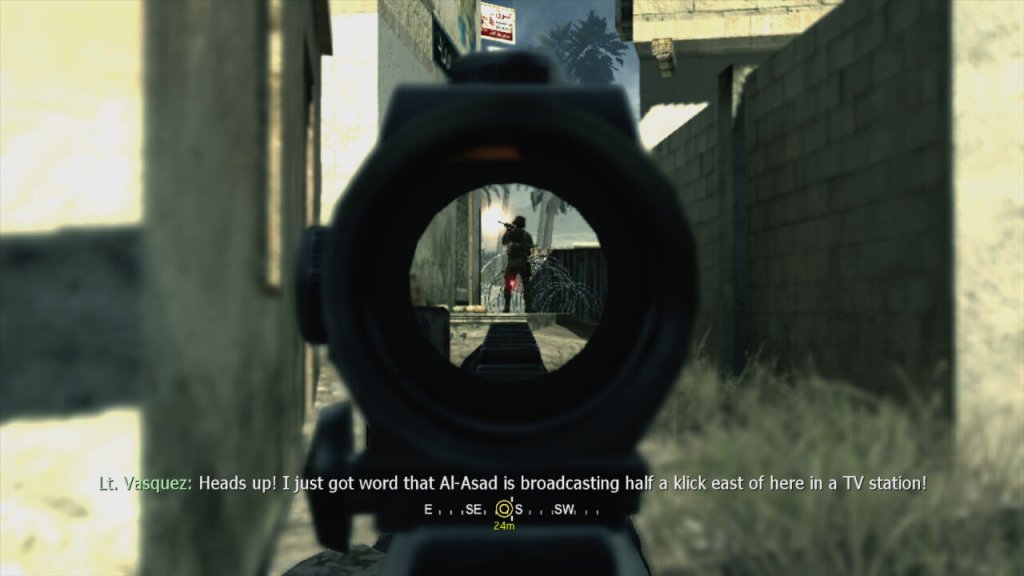
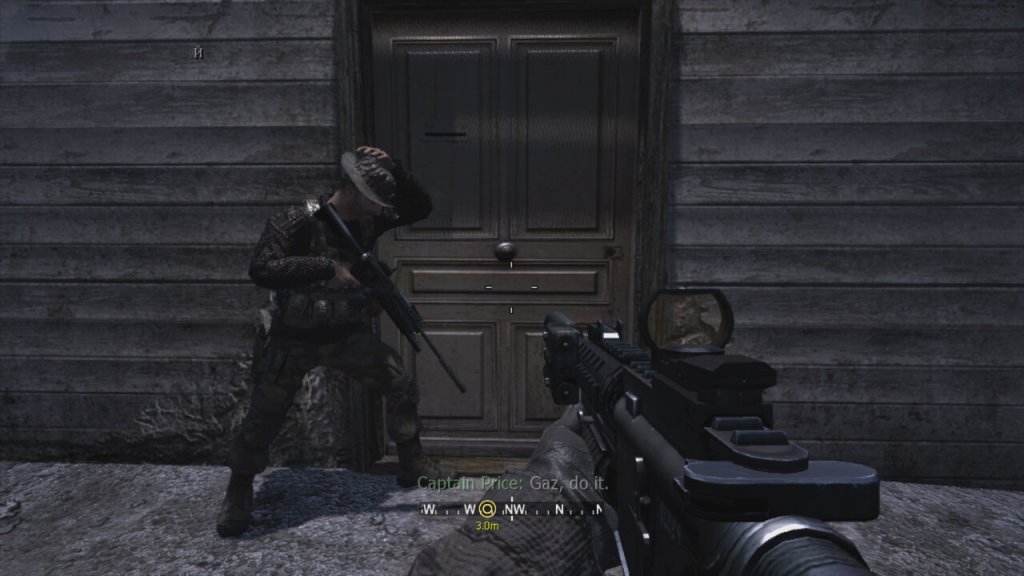
The game begins with the player assuming the role of Private Allen, undergoing training with the U.S. Marine Force Recon. This serves as a tutorial level and will instruct you on how to use your weapons and grenades, as well as tactical advice. The story quickly shifts to the Middle East, where U.S. forces, including the player’s character, are tasked with capturing or killing a terrorist leader. This mission goes awry when the terrorist leader, Khaled Al-Asad, executes the president of an unnamed Middle Eastern country on live television, inciting chaos. Here, the conflict escalates as both the SAS and the U.S. Marines engage in heavier combat. The narrative focus shifts towards locating and dealing with Al-Asad, while also hinting at a larger conspiracy involving nuclear weapons.

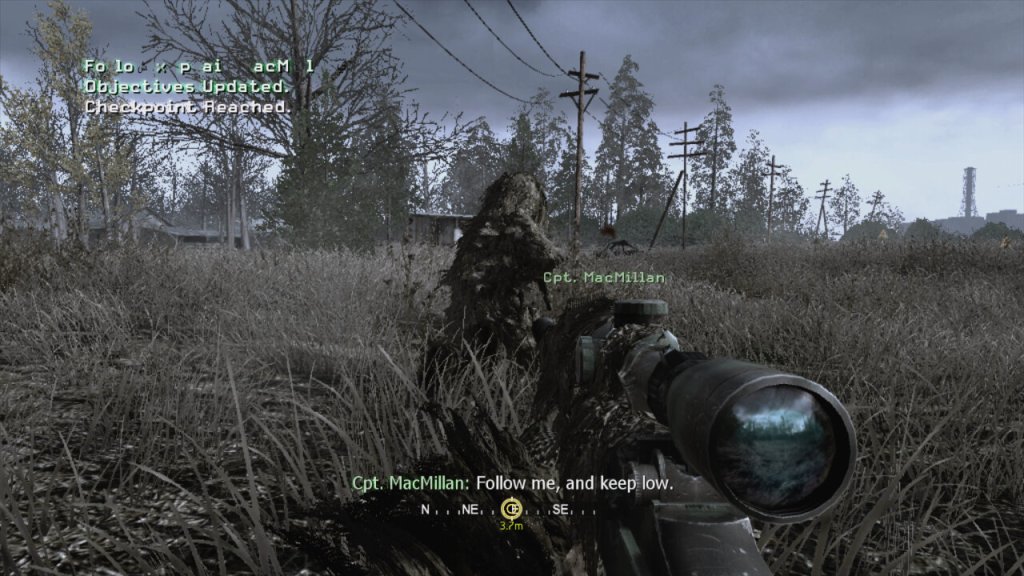
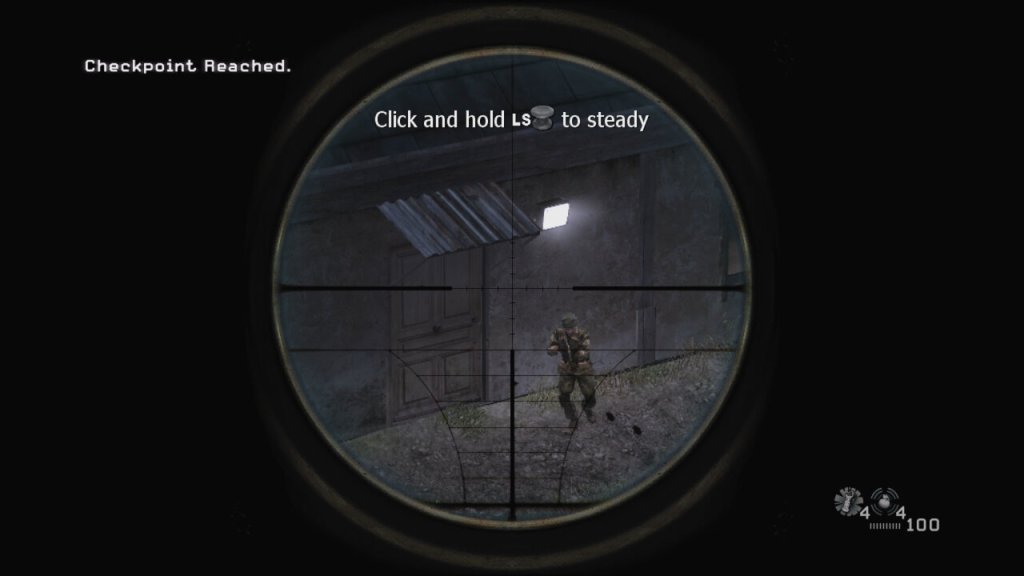
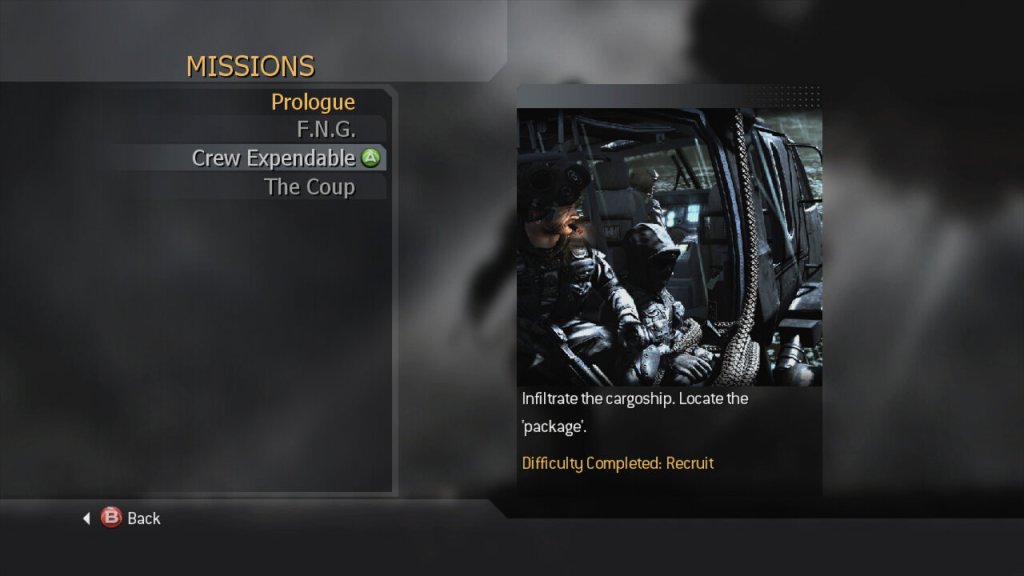
All Ghillied Up & One Shot, One Kill are pivotal missions flashback missions that explain the backstory of Captain Price with Imran Zakhaev, setting up the personal stakes for the characters involved. They are considered to the landmark missions in the Call Of Duty franchise due to their reliance on stealth mechanics, and the decisions the player has to make which will affect the outcome of the missions. Sometimes it’s easier to not take the shot, rather than to just sneak around the enemy and remain in stealth.
The later missions wrap up the game storyline, The SAS and Marines work together to thwart a nuclear threat. These missions include intense battles, the revelation of betrayal, and the pursuit of Zakhaev.

There is also an epilogue mission where you must rescue a VIP from a hijacked airplane. This mission is particularly challenging and not directly connected to the main storyline but serves as post campaign fun.

Political Themes

As a military focused game, Modern Warfare isn’t afraid to delve into several political themes, embedding them into tits narrative. The game begins with the coup in an unnamed Middle Eastern country, where a terrorist leader, Khaled Al-Asad, overthrows the government. This theme reflects real-world concerns about state stability in regions prone to radicalism. The use of a nuclear device by Al-Asad to prevent his capture mirrors fears of non-state actors or rogue states obtaining nuclear capabilities.
The game shows various Western forces, particularly American and British, intervening in Middle Eastern conflicts, which echoes real-world military engagements like the War on Terror. The collaboration between different nations’ special forces (e.g., U.S. Marine Force Recon, British SAS) highlights the theme of international military coalitions, reflecting NATO-like operations, these are detailed in the opening movies that play before the mission begins.

Ethical Dilemmas in Modern Warfare are also presented, The game occasionally presents scenarios where civilian casualties are a risk, exploring the moral impact on soldiers and the strategic considerations of warfare. In many missions you can fail by attacking innocent civilians, or by not reacting to events as quickly as possible. Decisions about when and how to engage enemies, especially in densely populated areas, touch on themes of proportionality in military action and the impact on civilian populations.
In terms of Globalization of Conflict, The game illustrates how modern warfare transcends borders, with characters and conflicts spanning multiple continents, reflecting a globalized world where threats are not confined by national boundaries, but also how there is a reliance on these different nations, due to production.

Lastly, While not directly discussed, the backdrop of the game, especially with its focus on terrorism and response, echoes the post-9/11 world where security measures often clash with individual liberties and international law.

Multiplayer

The game is very well known for its multiplayer mode, which became exceptionally popular, introducing perks, killstreaks, and a more dynamic gameplay experience with various maps set in modern contexts.
A few of the game modes consist of Team Deathmatch (TDM), Players are divided into two teams. The objective is to kill opponents, with each team’s score incrementing for each kill. The team with the most kills at the end of the match wins.

Search and Destroy (S&D) was possibly one of the most intense game modes. Players are divided into two teams of attackers and defenders. Attackers must plant a bomb at one of two bomb sites, while defenders must prevent the bomb from being planted or defuse it if it is. Each round is one life; if all players of one team die, the other team wins the round. The first team to win a set number of rounds wins the game.
Domination is where teams compete to capture and hold three objectives (A, B, C) scattered across the map. Holding zones gives the team points over time, and the team with the most points at the end wins. The strategic element involves capturing and defending zones while preventing the enemy from doing the same. If your familiar with the Domination game mode from Unreal Tournament, it’s pretty much the same gameplay.
Versions

Xbox 360: The most popular release of the game, and the one with the most active multiplayer population due to ongoing Xbox Live support, and the game being made compatible with the Xbox One and Series consoles. You still need to pay for Xbox Live Gold Gamepass.
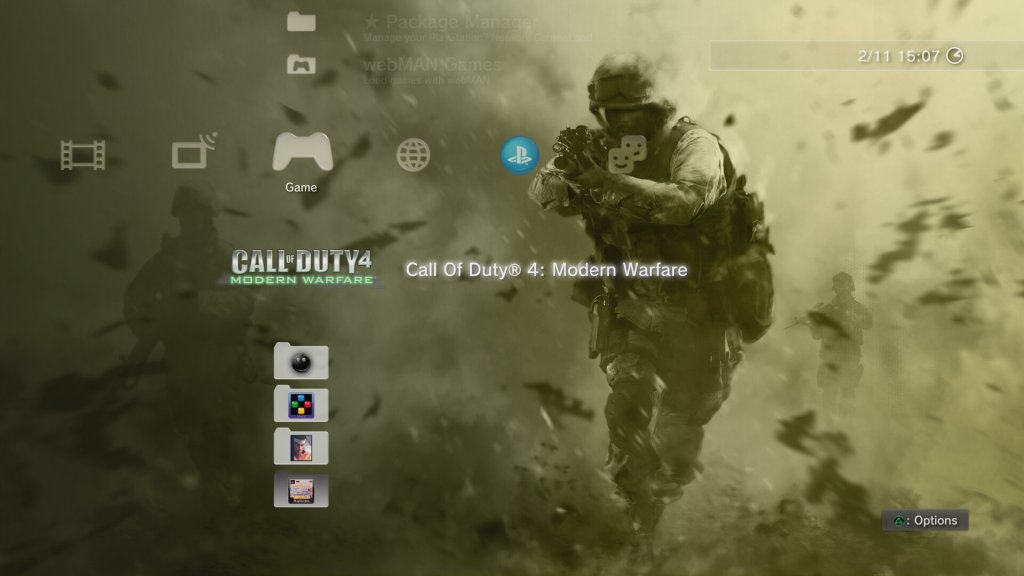
PlayStation 3: Still has a respectable online population and is free to play online. Performance wise it does suffer from tearing and a few frame drops compared to the 360 version. It does lack trophy support since this was released before Sony had standardized Trophy support for PS3 games.

Microsoft Windows: This version is still sold online through Steam, along with its DLC. There are a few security issues with it’s online multiplayer, mainly with CVE exploits that can occur. Its not recommenced to play the multiplayer on Windows for this reason.

Mac OS X: Modern Warfare was ported to macOS shortly after the PC release, but was only made available for 32bit Intel Mac’s. Modern macOS version’s from Catalina onward are unable to play the game since they dropped support for 32bit Intel apps, and no 64bit release was made. You might be better off playing the Windows versions using Parrells instead.

Wii: This version is known as the Reflex Editon, and makes use of the console motion controls. It’s very scaled down graphically compared to the other console versions due to the limited processing power of the Wii but it still regarded as a faithful port.
There is no support for the Classic controller or the Gamecube controller, instead the game can only be played with the Wii remote and Num-chuk since it is reliant on motion control aiming. This will take some getting used to, but once you adjust the sensitivity settings to get the sweet spot, you will find it’s quite precise to aim and shoot.
Multiplayer was also supported but has since been shut down officially following the Gamespy shutdown of 2013 which saw many Nintendo Wii services discontinued.

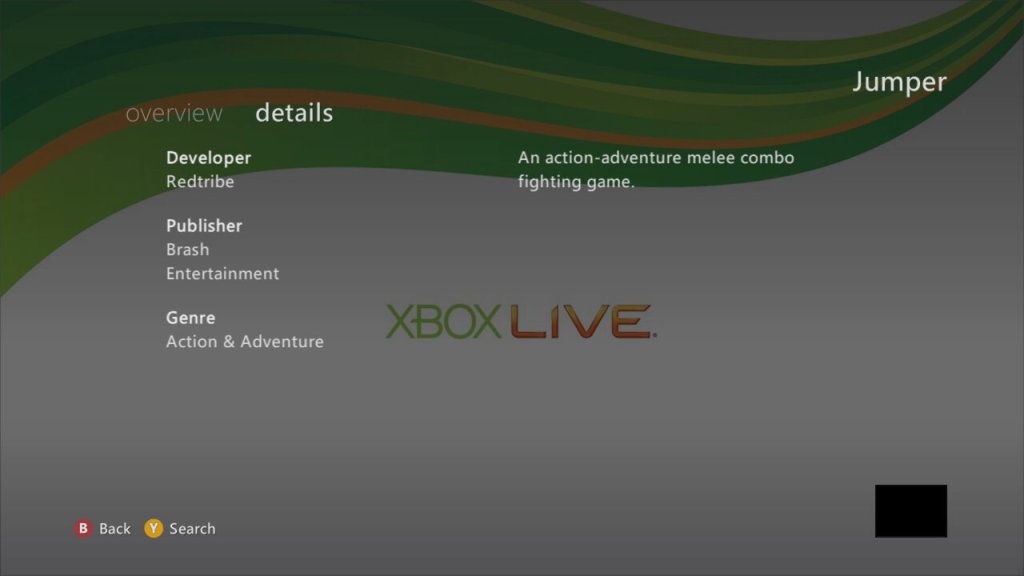
Jumper: Griffin’s Story

A videogame based of the movie of the same name, which was also based off the book of the same name.

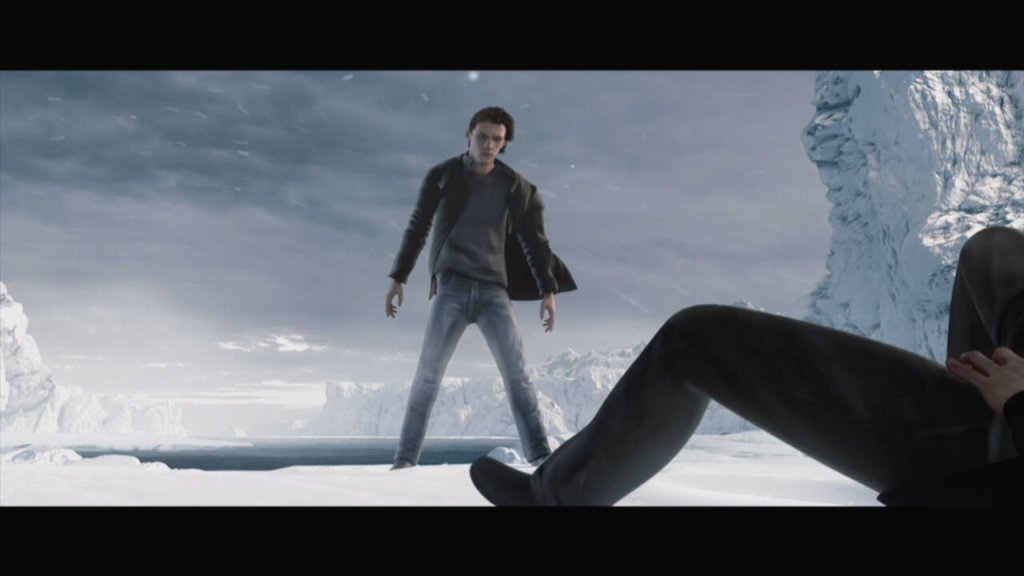
The game focuses on Griffin O’Conner, a character who has a minor but significant role in the movie. While David Rice (who was played by Hayden Christensen in the film) is the main protagonist of “Jumper,” Griffin’s story runs parallel to David’s, expanding on his character and his own vendetta against the Paladins. The game extends the film’s universe by focusing on Griffin, a character with a backstory involving the murder of his parents by Paladins, an organization against Jumpers. However, the narrative execution in the game was seen as weak, with little to no story explanation or development. It kind of requires you to watch the movie first before you can understand the premise of the game, or the overall plot.

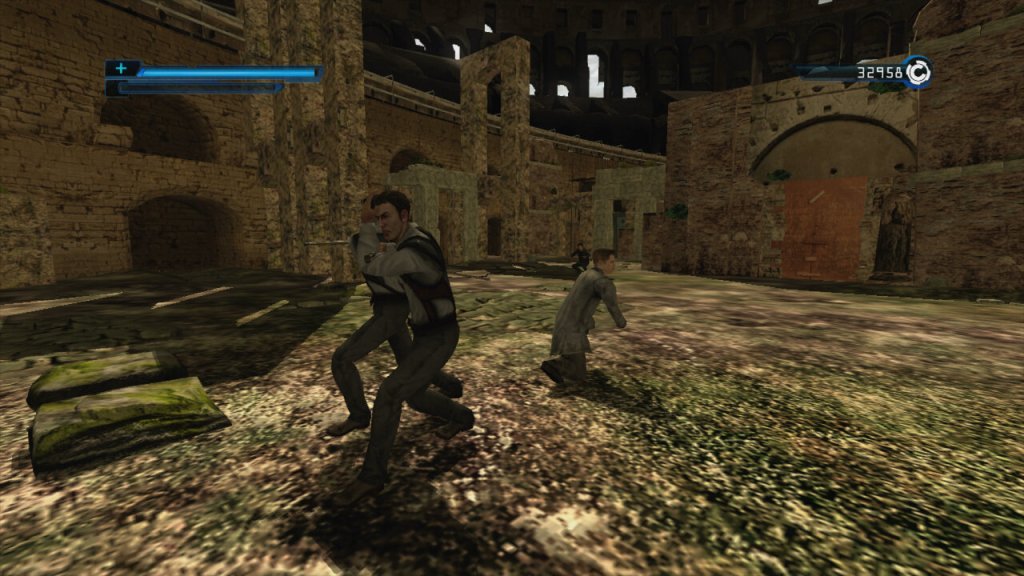
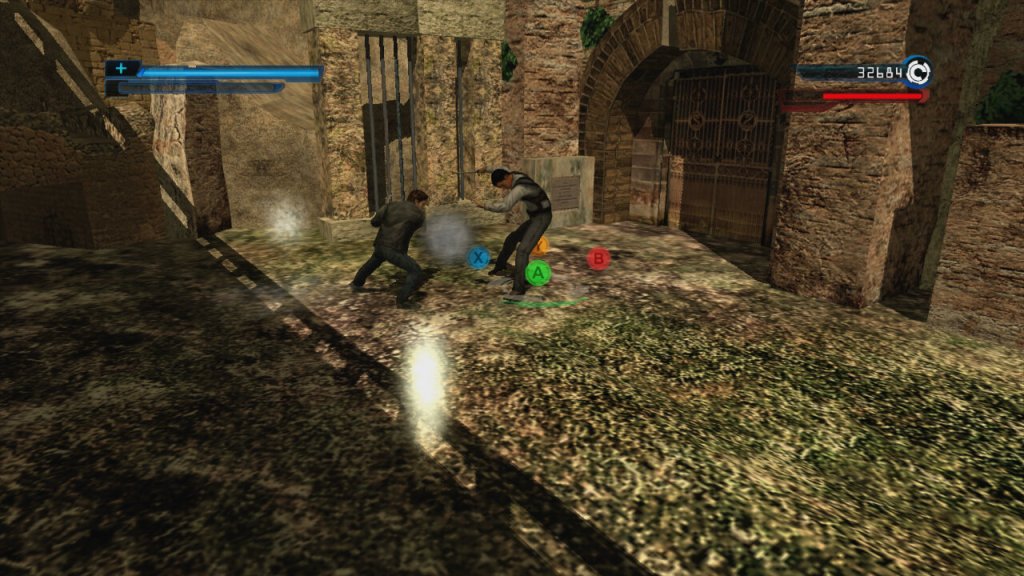
The core mechanic revolves around the teleportation or “jumping” ability of the protagonist, Griffin. You can instantly teleport to different locations around enemies to perform surprise attacks or to escape danger. This includes jumping behind foes, above them, or to nearby ledges to gain tactical advantages However, the gameplay has been criticized for being repetitive and simplistic, essentially boiling down to a basic beat ’em up with limited depth or innovation in combat. The mechanics of jumping around enemies to attack from different angles was a novel idea but was not enough to save the game from its repetitive nature.

Still, there were flaws with the game. One being the missions and combat being very repetitive with you fighting the same horde of enemies over and over again. For movie tie in games, you can’t really expect much since they are usually designed to cash in on the movie’s released, though you still expect some advanced form of gameplay.

Versions

Playstation 2: Was release for the console, which was still going strong in 2008. Oddly this was not released for the PS3, either in ported or emulated form.

Wii: This version makes use of the motion controls for executing the jumping or special attacks, though this can be frustrating since the game often does not pick up specific moves, or is a little too sensitive.

Xbox 360: The best port of the game it terms of graphics quality, and you get achievements.

Overall, Jumper: Griffin’s Story fails to capture the potential of its source material, resulting in a game that feels rushed and underdeveloped. It’s seen as a cash-in on the movie’s release rather than a thoughtful addition to the Jumper universe, The game might only appeal to those who are extremely fond of the movie.

Goldeneye 007 Reloaded

Goldeneye with a mix of Call Of Duty

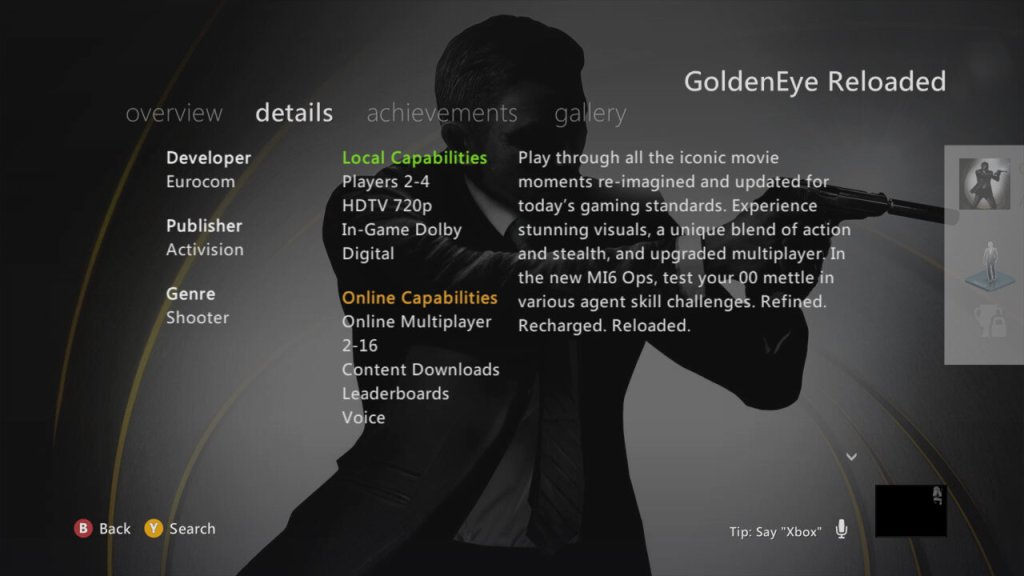
A remake (not remaster) of the original Goldeneye 64 game that was released in 1998 for the Nintendo 64. And was later ported to the HD twins with traditional controls. Developed by Activision and Eurocom, it was originally imagines to be a remake of the original Goldeneye game which was sought after for a release, but held back due to a minefield of copyright and licensing issues. This was made more convoluted by Rare, who developed the original Goldeneye game being acquired by Microsoft, along with Activision holding the rights to the Bond license at the time.

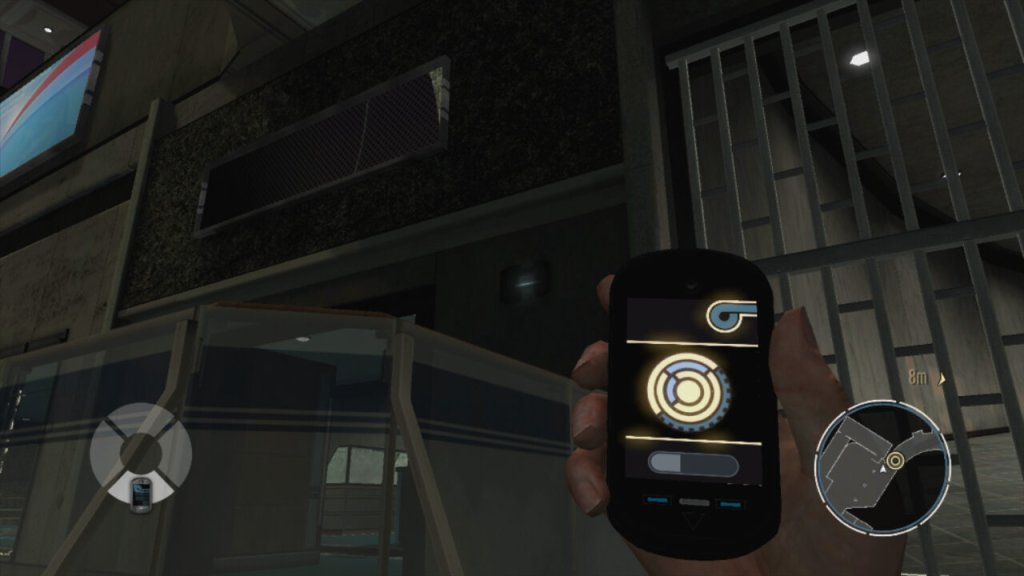
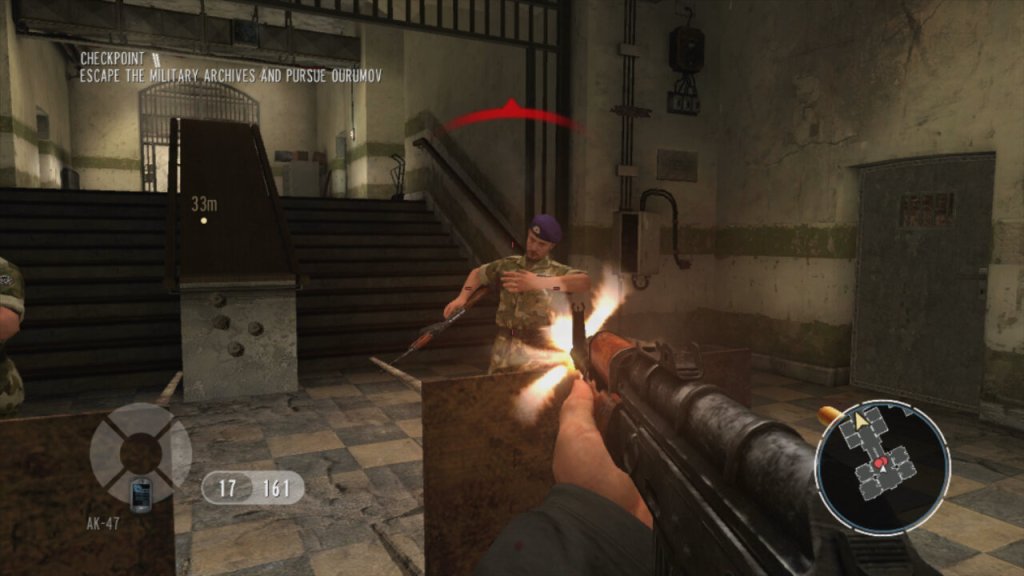
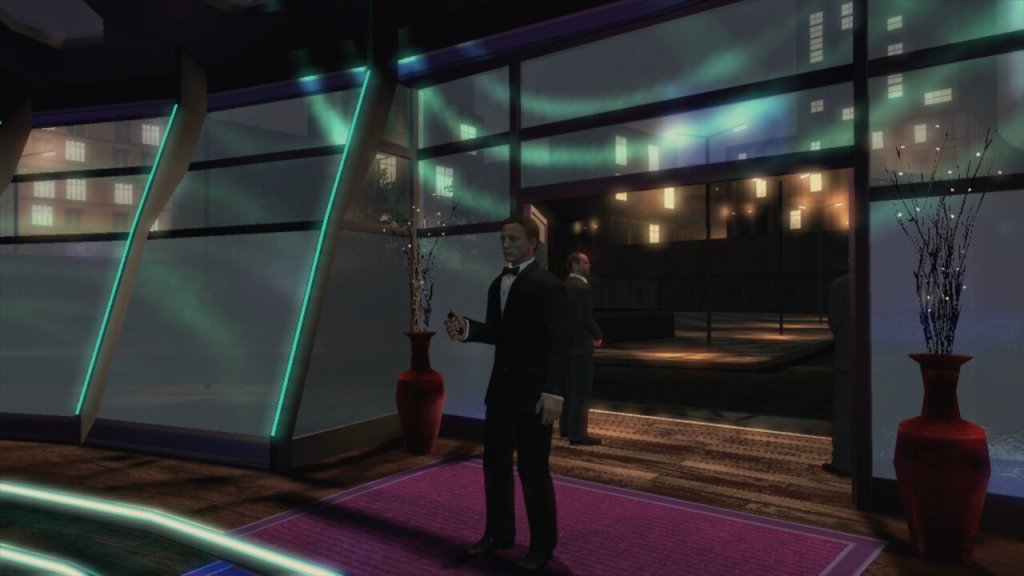
The story is identical to what was featured in the original release, though it matches the movie more closely since sequences were originally cut due to the limitations of the Nintendo 64. The character model has been changed for a likeness to Daniel Craig, who is the current Bond when the game was released. The gadget have changed, instead of Bond’s watch being used, a smart phones takes it’s place instead. And a deadmau5 song is included within the Nightclub level.

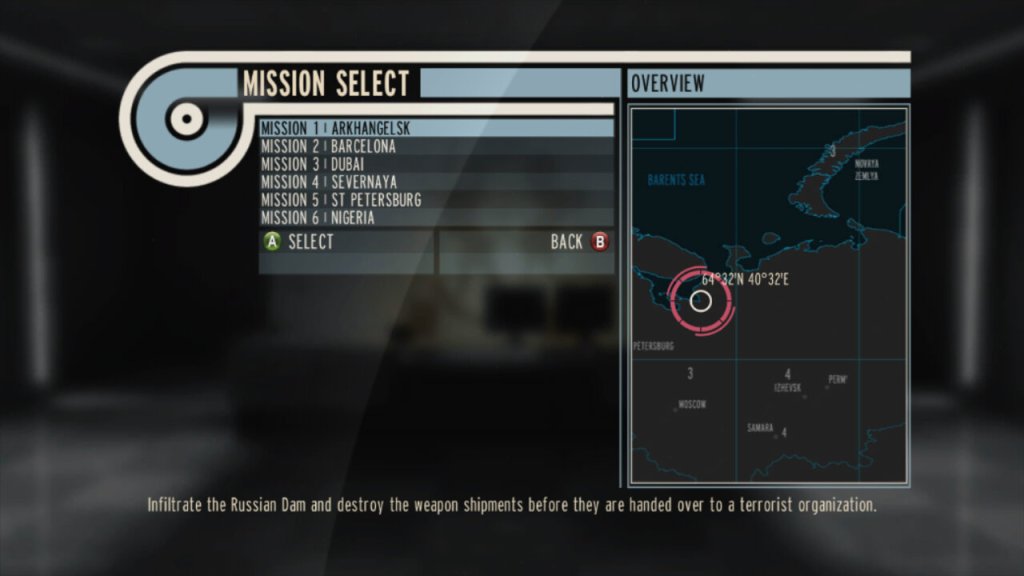
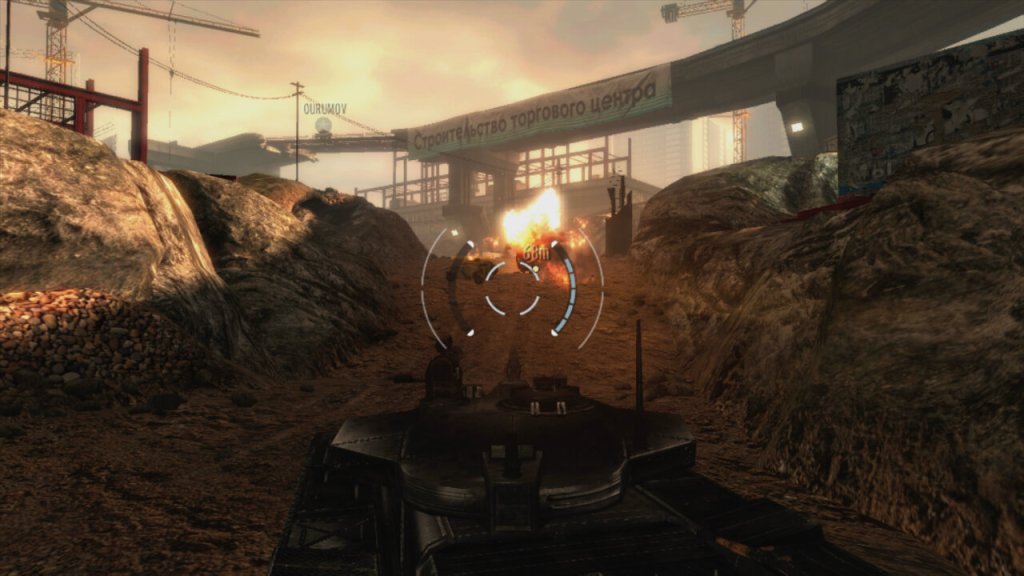
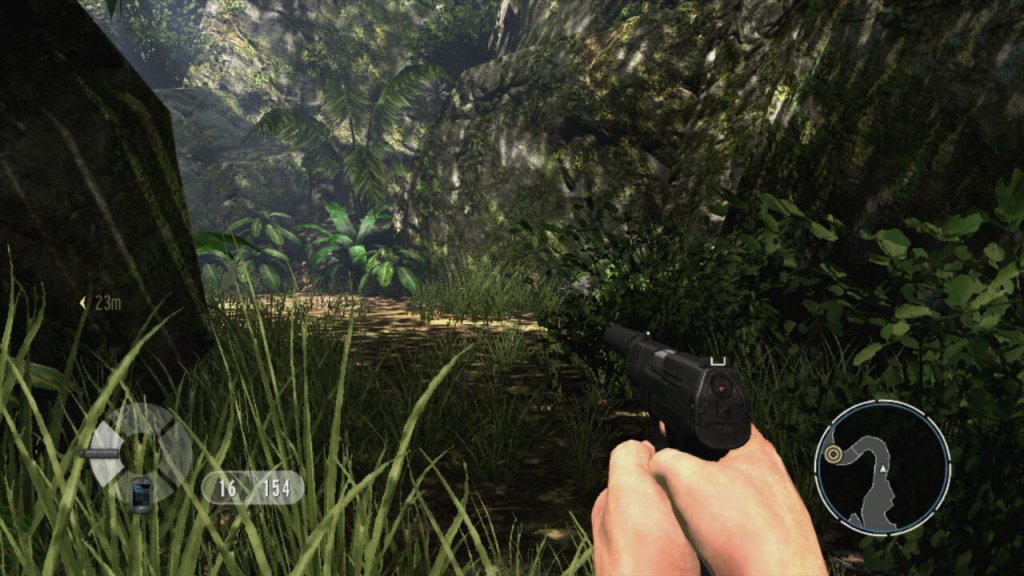
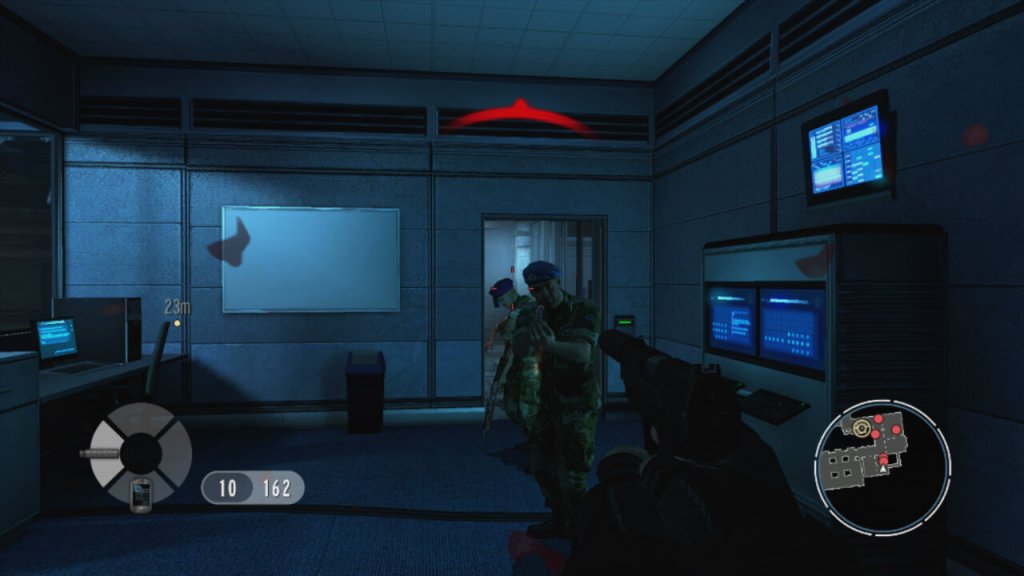
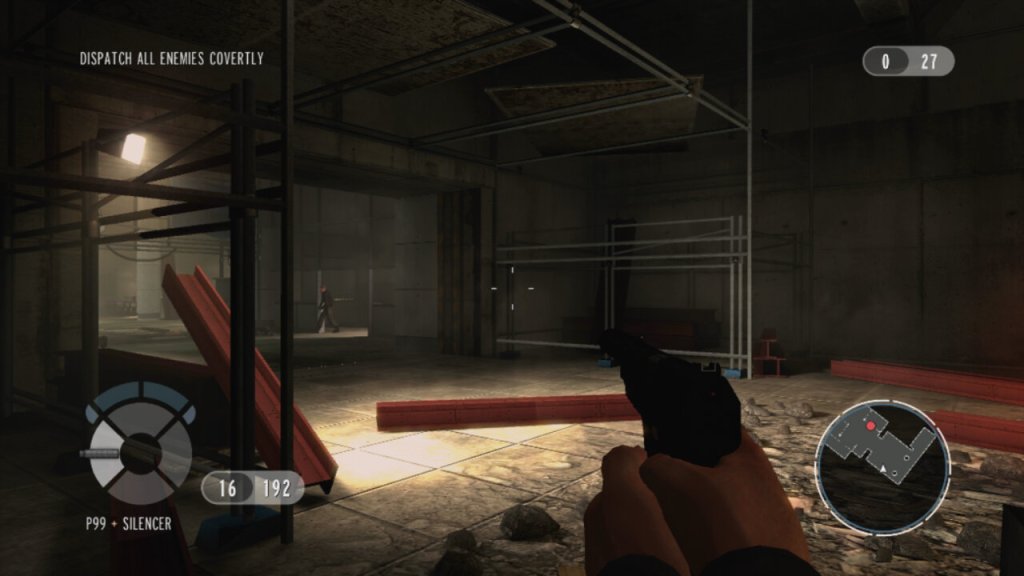
Many of the original levels have been redesigned to be more appealing for the modern gamer, but they still have a level of familiarity to those who have played the original game. You start off at the Dam level where you have to bungee jump off a dam to infiltrate a Soviet facility. You then infiltrates the chemical weapons facility where he meets Alec Trevelyan, and things go south. The rest of the game follows the movie somewhat closely, and you will encounter familiar enemies like Xenia, and Ourumov.
Like many FPS games of the era, it features regenerating health.

MI6 Ops

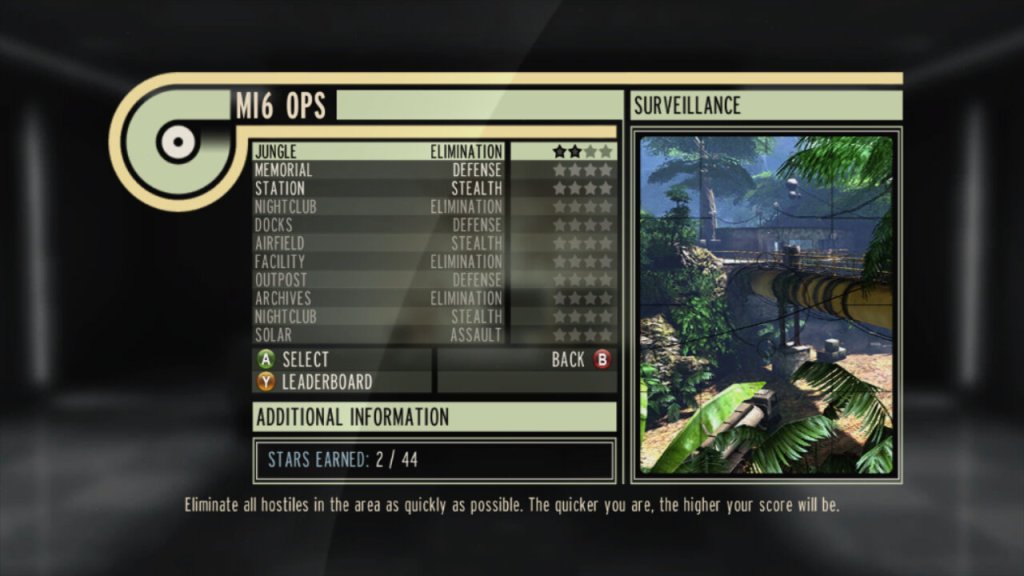
MI6 Ops Missions are a series of standalone challenges separate from the main campaign that offer additional gameplay modes. These missions are designed to test various aspects of player skill, providing a mix of objectives that can be quite different from the story missions, kind of the like Snake Tales from Metal Gear Solid 2. There are a few different game modes like Elimination – where the objective is to eliminate all enemies within a level or achieve a set number of kills. Stealth can be an option but isn’t always necessary. And Defense, where you must protect certain points or items from waves of enemies. This could involve setting up defenses, using gadgets wisely, or just good old-fashioned shooter skills.
These modes can be played by a single player, or by local split screen. There are also online game modes like Conflict which is your standard deathmatch, and Team Conflict.

Versions

Wii: The original release of the game, which is designed around motion control aiming. A special bundle was released that features a golden classic controller, a reference to the golden gun.

Xbox 360: The HD release, that can be played with traditional controls, not compatible with the Xbox One or Series consoles.

PlayStation 3: Very much the same as the 360 version, but has support for PS Move controls that give it a similar gameplay to the Wii release.

Overall, GoldenEye 007: Reloaded is like that high school reunion where you meet up with an old friend. It’s great to see them all spruced up, and you’ll have a good time reminiscing, but you also realize why you moved on. It’s a solid shooter that banks on nostalgia but brings enough modern gameplay to not feel outdated. If you loved the original or you’re into Bond, give it a shot, but don’t get rid of your N64 ROM anytime soon.

Fracture

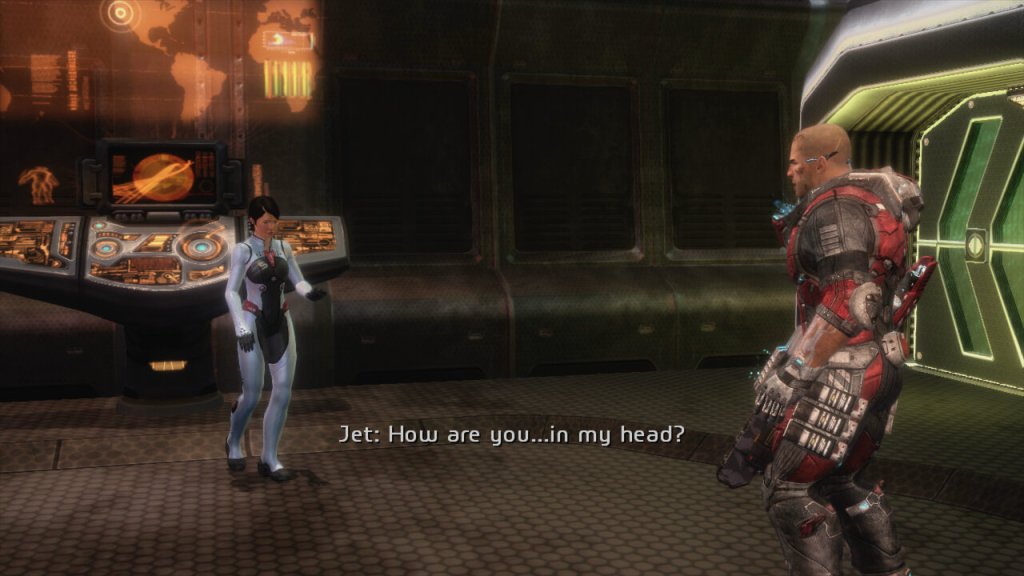
A third person shooter game with some interesting gravity mechanics. Released in 2008 and Published by LucsasArts

Facture Xbox 360

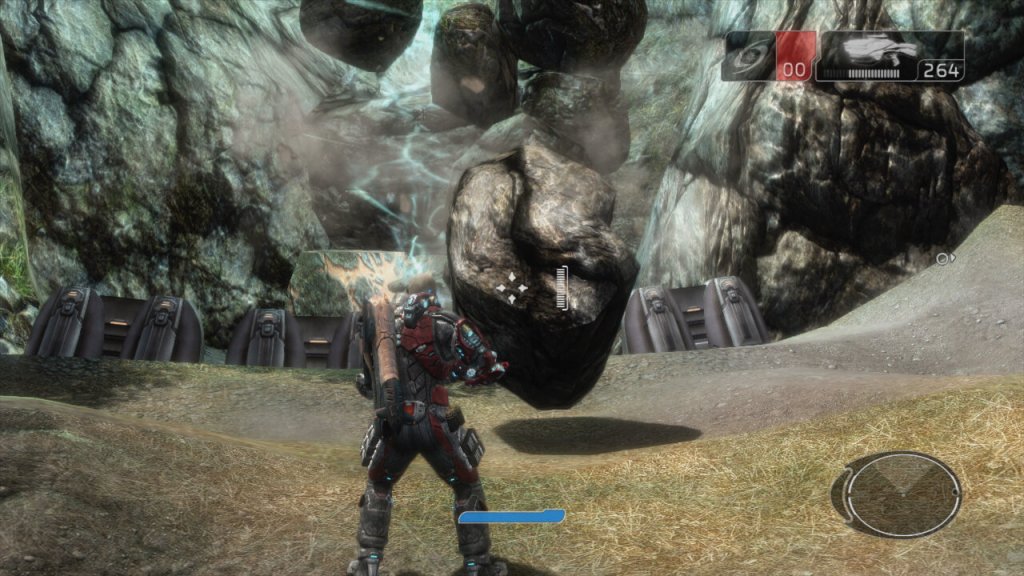
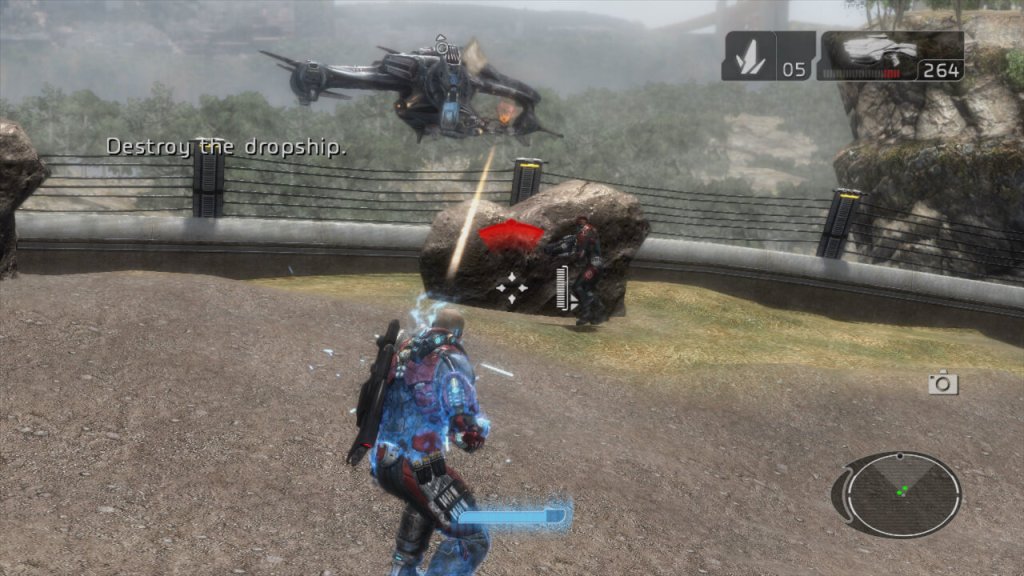
The game is set in the year 2161, where tectonic weapon technology has had an impact on Earth, being a result to climate change and rising sea levels, resulting in the Government investing in terrain morphing research. Basically means you have the ability to raise or lower certain parts of the ground with your weapon and grenades.

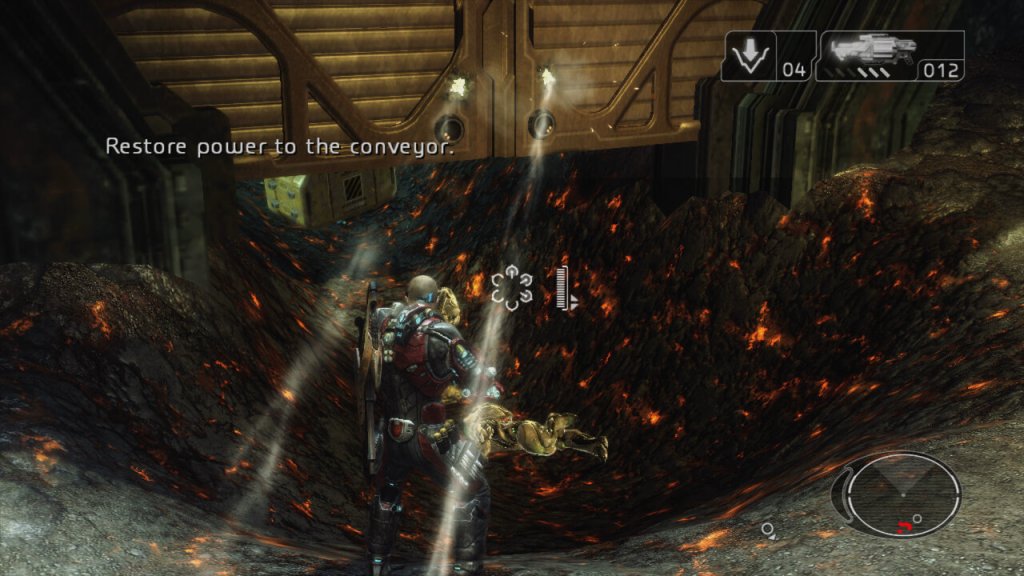
The concept of the game was brilliant with it’s tectonic warfare, being able to manipulate the battlefield like it’s SimCity? You’re not just shooting or hiding; you’re literally playing God with the terrain. Raise the land, drop a rift, crush your enemies like bugs with moving rocks. It’s like someone looked at “Earthquake” and said, “I can make this a weapon.” However the actual implementation was very disappointing and is mostly used for moving objects to progress the story. For combat, it’s easier to take cover behind objects, rather than manipulating the ground to your advantage. Certain points of the mission require you to raise the ground to realign a bridge, or to lower the ground to remove a blockage. Whilst this mostly works, sometimes the ground can clip into the objects, making the game look a lot sloppier in presentation.

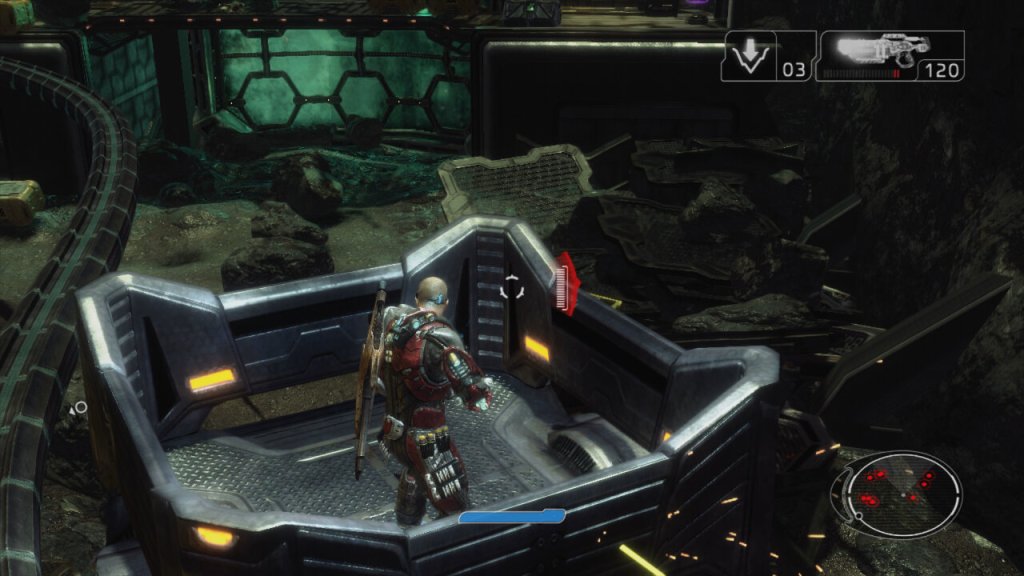
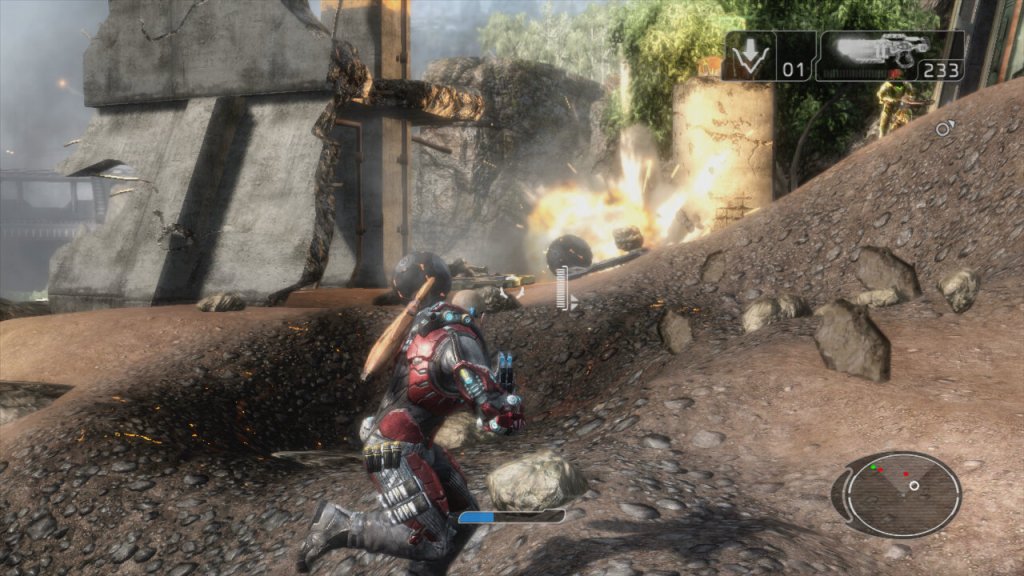
Now, gameplay. That terrain manipulation? Fun for about five minutes until you realize it’s the only trick in the game’s bag. Everything else feels like it’s been done before, and done better. The fun part comes with the explosives, as there is a good amount of destructible objects (not environments, you’re limited here) that you can use to take out enemies. Things can get a bit chaotic at times if you set these off in a chain with other explosive objects on the map, especially Hyrdraballs, which are explosive balls which roll about the map that you can manipulate.

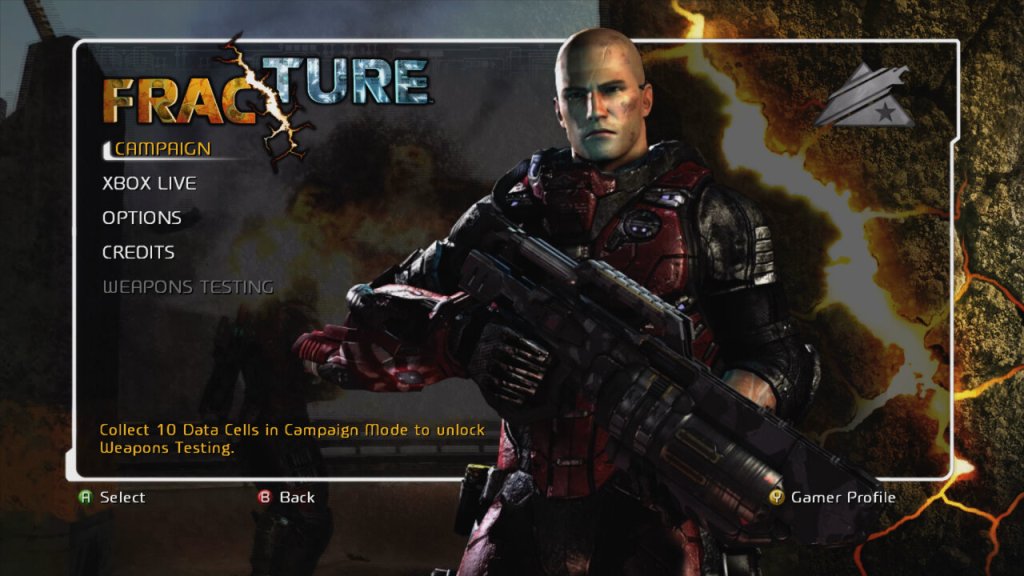
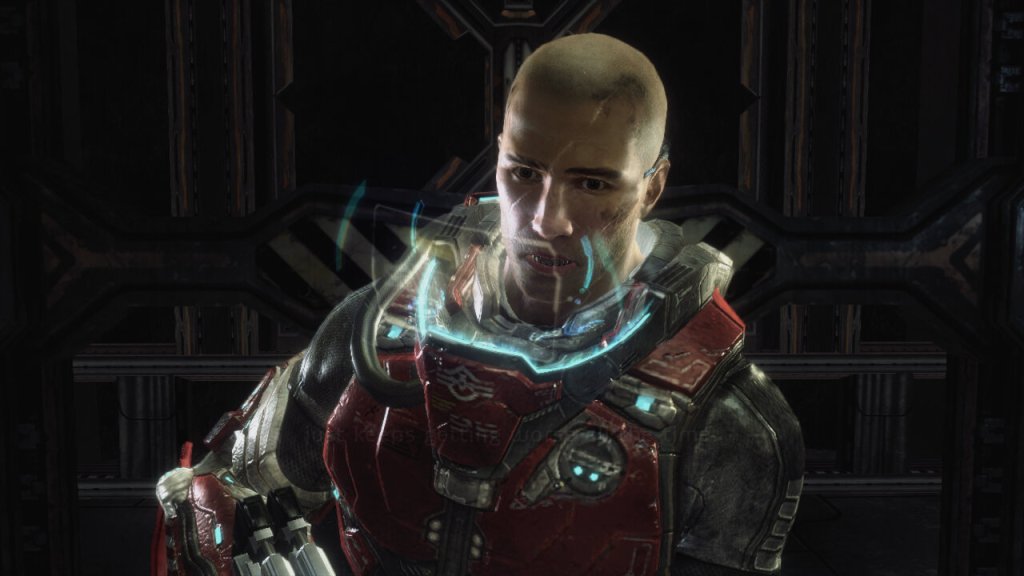
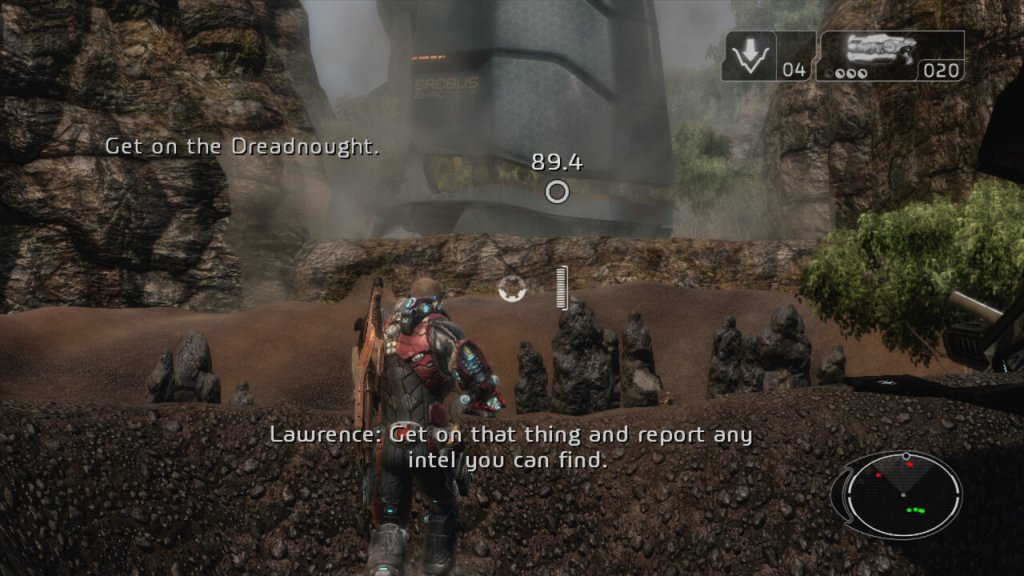
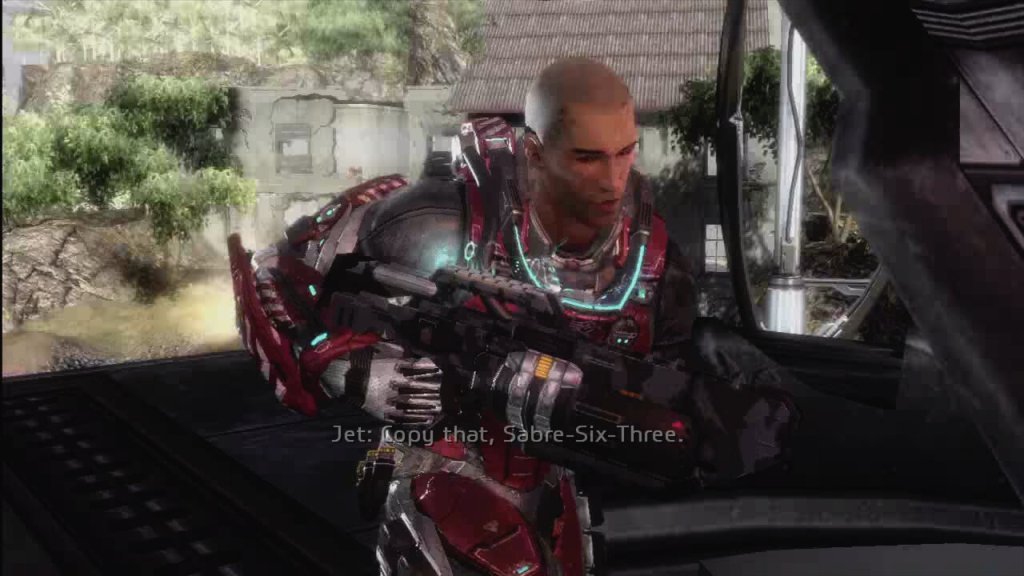
The main character is a very safe design for its time, being your typical bald space marine. I guess when you’re going with a risky gameplay concept, it’s wise to go with a typical protagonist. There’s a few cutscenes that appear as you progress through the game which detail the lot of the campaign, but it’s really nothing to write home about and can be easily forgotten. Essentially you are fighting a rival faction for power and your player character is a soldier that was in the right place at the right time.
The story does explore themes of power, control over nature, the ethics of warfare, and the consequences of advanced technology. It questions the lengths to which nations would go for power and survival, and the impact on humanity when nature itself becomes a weapon.

The game was released for consoles only, for the Xbox 360 and the PlayStation 3. There waw no PC release which was unusually for a third-party game. The Xbox 360 version is considered to be the better port due to running at a higher resolution thanks to the 360 being easier to develop for. Remember this was 2008 where developers were struggling with getting to grips with the Cell Processor of the PS3.

In conclusion, Fracture is like a student project that gets a B for effort but a D for execution. It’s got one fantastic idea but doesn’t know what to do with it beyond the initial “wow” factor. If you’re into trying out games with novel mechanics for their novelty, give it a go. But if you’re looking for a deep, engaging experience? You might want to look elsewhere unless you’re really into watching potential squandered. It’s not the worst game out there, but it’s a reminder that sometimes, a great idea isn’t enough to make a great game.

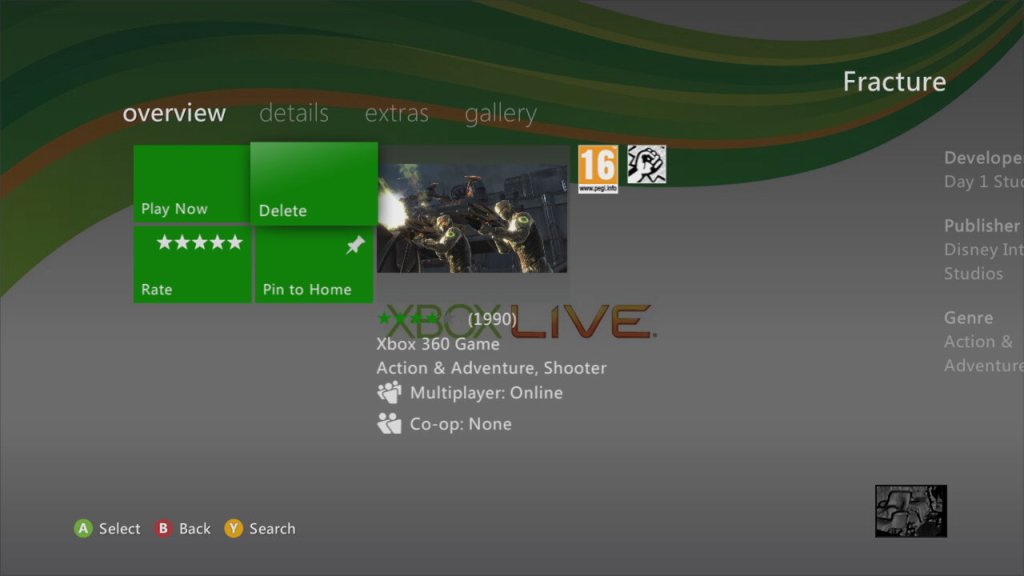
Fracture as it appears on the Xbox dashboard