Tag Archives: PS2-Exclusive

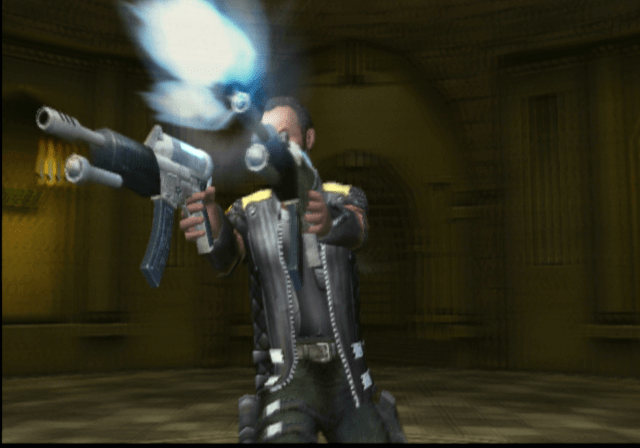
The Getaway

A promising game ruined by poor design
The Getaway is a third-person action-adventure game that was released on the PlayStation 2 in 2002. The game takes place in a fictionalized version of London, and follows the story of former criminal Mark Hammond as he attempts to rescue his kidnapped son and clear his name. The game is an open world GTA style game set on the cold streets of London, and is fairly accurate for the time, taking into account the game engine limitations.
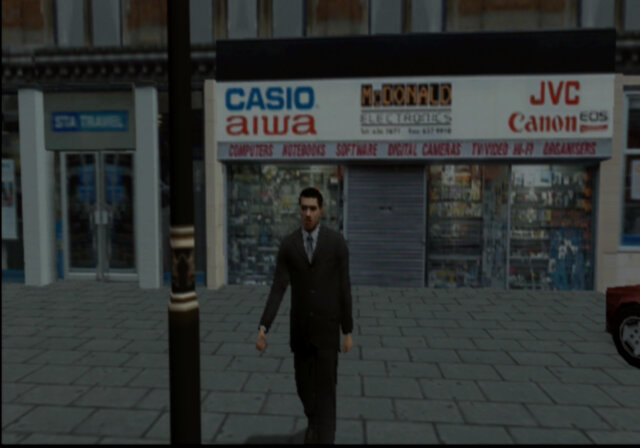
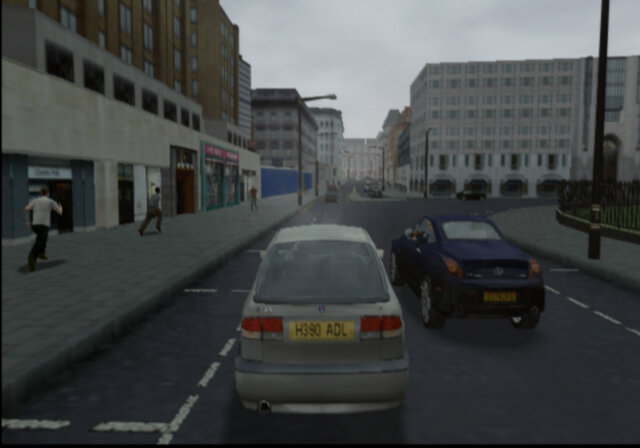
One of the most notable aspects of The Getaway is its focus on realism and authenticity. The game’s version of London is recreated in painstaking detail, with recognizable landmarks, accurate street layouts, and realistic traffic patterns. The game also features a cast of British actors, who deliver their lines in authentic accents and help to bring the game’s world to life. The game has a story mode which puts you in control of Mark Hammond, a cockney gangster who was recently out of prison and is looking to start a new life until his kid get kidnapped and his missus is shot. With his kid being abducted, mark is sent upon various missions against former rival gangs in the interest of staring a gang war on the streets of London.
There is also a second half of the story, being set from the perspective of a police detective, Frank Carter.

Playable characters
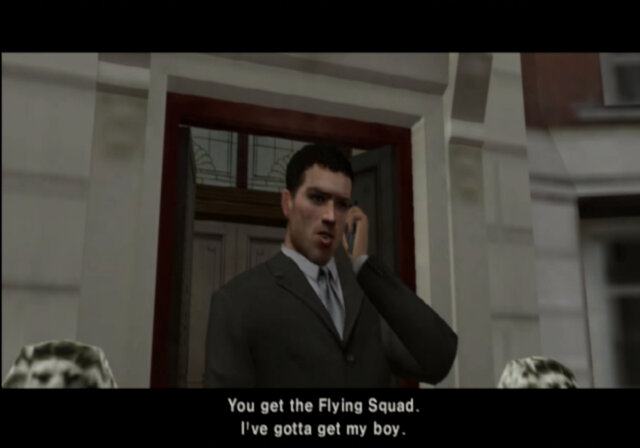
Mark Hammond: Mark Hammond is the main protagonist of The Getaway. He is a former member of a London gang called the Collins Crew, who retired from a life of crime after serving time in prison. Mark is portrayed as a tough and determined, with a willingness to use violence when necessary to achieve his goals. He is also shown to have a softer side, particularly when it comes to his son, and is motivated by a desire to protect and care for him.
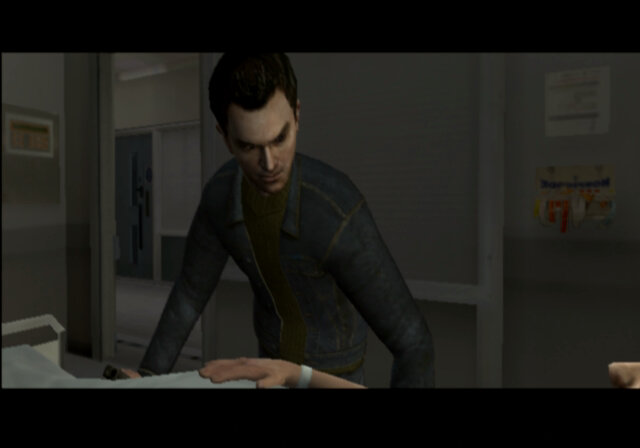
Frank Carter: He is a police officer who becomes involved in the game’s central conflict, which revolves around the kidnapping of Mark Hammond’s son.
Frank is initially assigned to investigate the murder of a fellow officer, but soon becomes embroiled in the larger conspiracy surrounding the kidnapping. He is shown to be a skilled detective and a dedicated police officer, but also has a somewhat rebellious streak that puts him at odds with his superiors.
Throughout the game, Frank works with Mark Hammond to uncover the truth behind the kidnapping and clear Mark’s name. He is a key ally to Mark, providing him with information, backup, and assistance when needed. However, Frank is also grappling with his own personal demons, including a troubled marriage and a secret drug addiction.

But whilst the story is intense and gripping, the gameplay has some serious downfalls:

Main complaint the lack of a HUD (heads up display). There is no ammo indication. No mini map, no health meter, nothing. Now I get why this seemed attractive in theory since its gives the game a cinematic feel to it, but it makes the game a whole chore to play.
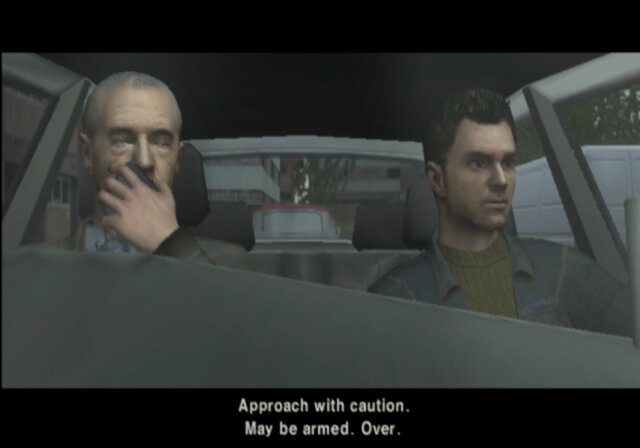
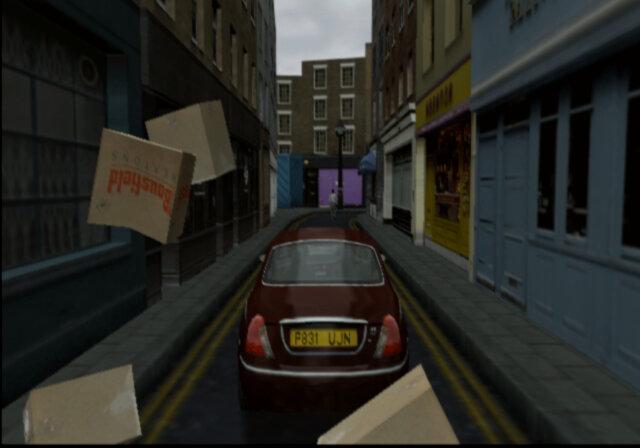
The lack of a mini-map is a serious ballache, driving around the streets of London, I had no clue where anything was. The only hint is the vehicle indicator that flashes whilst you are driving around, it flashes either left or right which shows the direction you need to take to reach the objective. Except it does not always appear, and sometimes it would send me down one-way streets most of the time.
Mini maps are a common utility with these sorts of games, Grand Theft Auto had one, Driver had one and that was on the PS1. Missing this feature was a horrible decision, at least give the player the option to display the mini-map .
I mean this sort of shit would make sense on the Dreamcast with its VMU display but not on the PS2.

Also there is too much fucking traffic, its like living in India rather than London considering how overpopulated the city must be. You are constantly crashing into and having to avoid other cars.
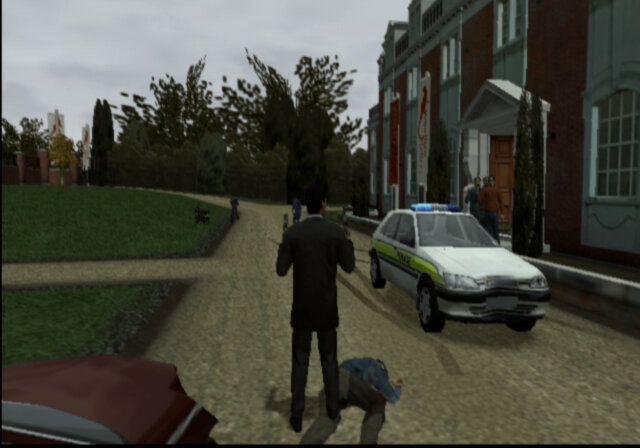
Also the player controls are an issue, with Mark randomly spinning around when your trying to move in the specified direction. I tried this with several controls just to see if this was an issue with a specific controller, but it seems to occur. The problem is this game make use of the analogue face buttons, where the pressure applied makes use of how your character reacts, the sad news is 20 years old dualshock controllers have quite a bit of wear and tear and the buttons themselves are a bit mushy after years of use, making button commands unpredictable. This is worse in the mission where you have to move carefully to avoid setting off the laser beams.
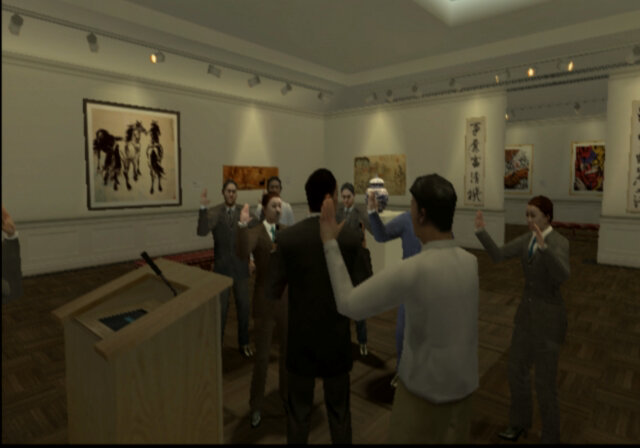
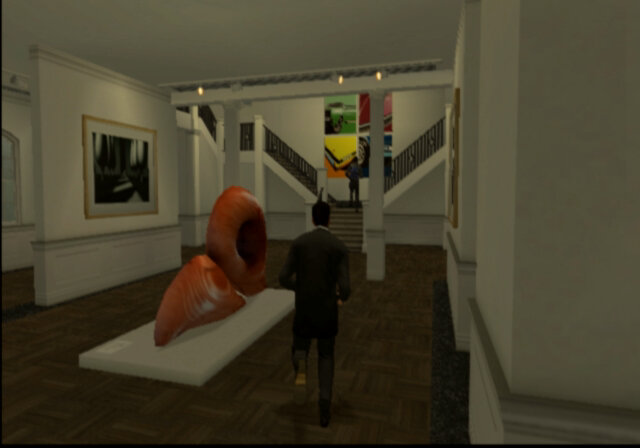
Mission checkpoints are poorly implemented, in some most cases if you die, which is very easy to do in the game, its back to the mission start you go. Only after a cut scene does the game save a checkpoint.

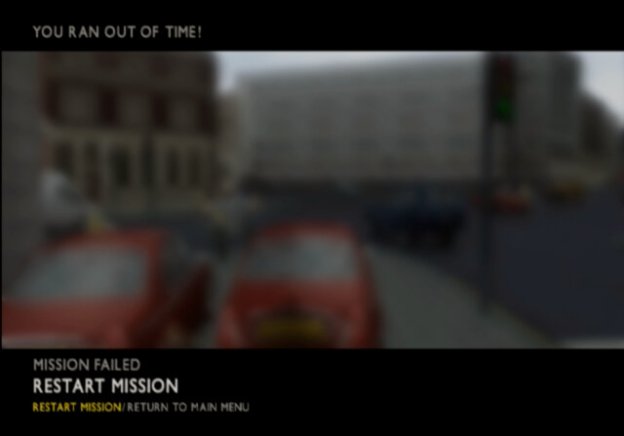
Some missions are timed, which makes sense and have been a staple of these types of games, expect The Getaway neglects to inform you the mission is timed, or what the status of the timer is. The only indicator is a music ques that sound when you have 10 seconds left.
How hard is it to include a two digit indicator on the screen, seriously, this cinematic experience can suck it.
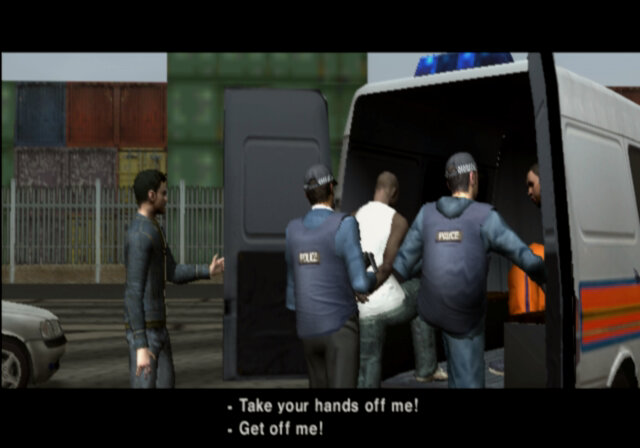
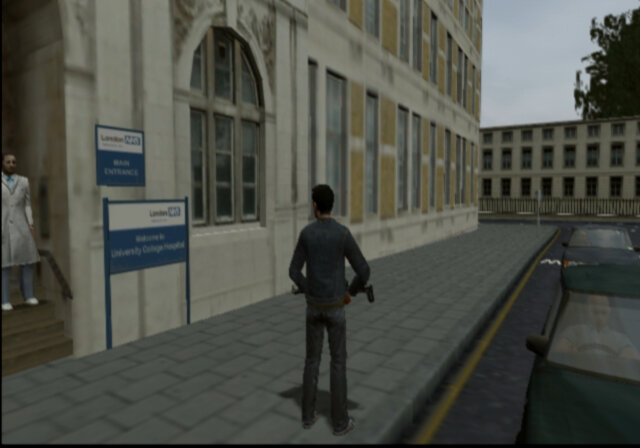
Outside of the story missions there is not really much to do. You have a free roam move where you just drive around an overcast London, no side missions to build up the character development or to improve your stats. At least with the GTA games you could complete the ambulance missions to help increase your health.

There’s also no control of the camera at all, that right analogue stick is pretty useless except for accelerating whist drive your vehicle.
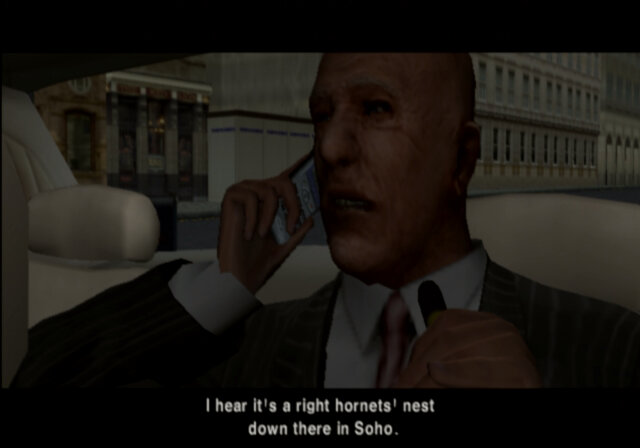
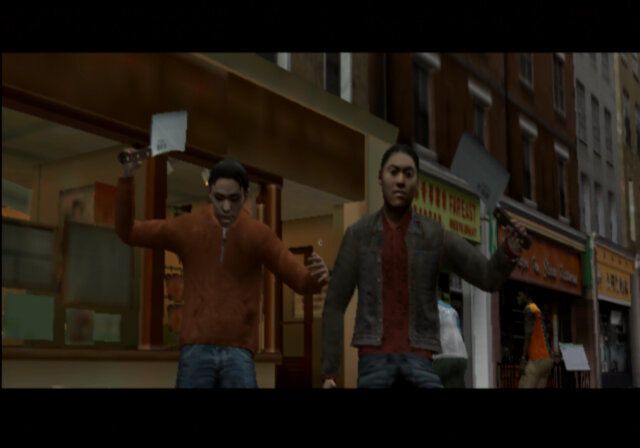
Some of the missions are incredibly hard, which is increased when you take into account the issues mentioned above. Partially with Mission 12 which had both the gangs and the police trying to ram into you.
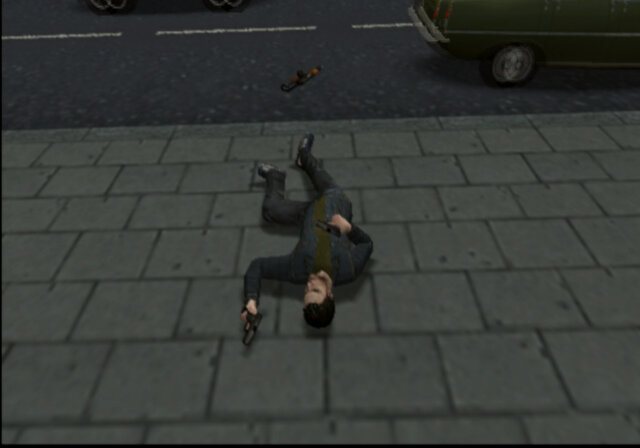
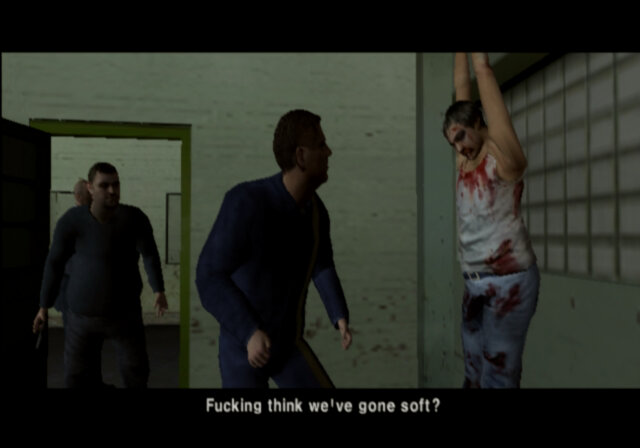
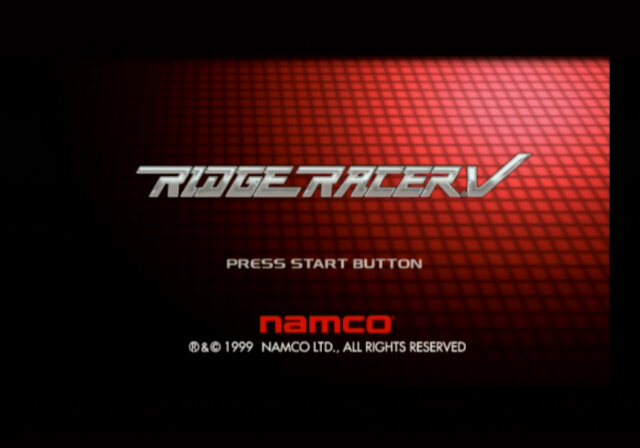
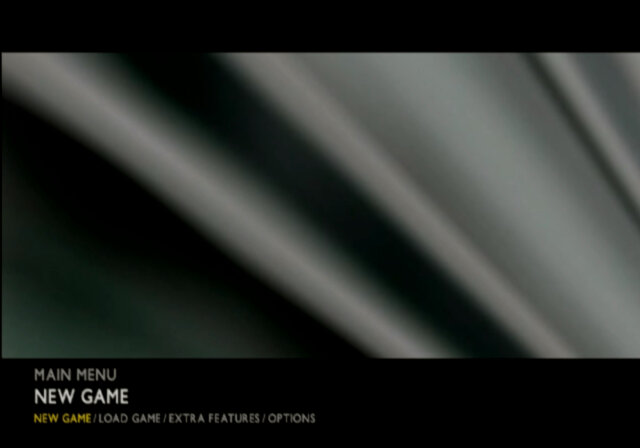
Lastly, I don’t know if this was me being a dumb fuck but when you boot up the game, an animation sequence plays after the company logo’s. At first I assumed this was some sort of loading screen but it turns out it’s the equivalent of the press Start screen, except the game does not tell you to press start.
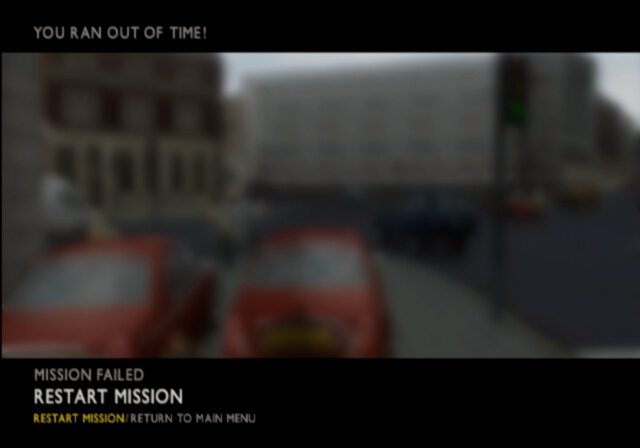
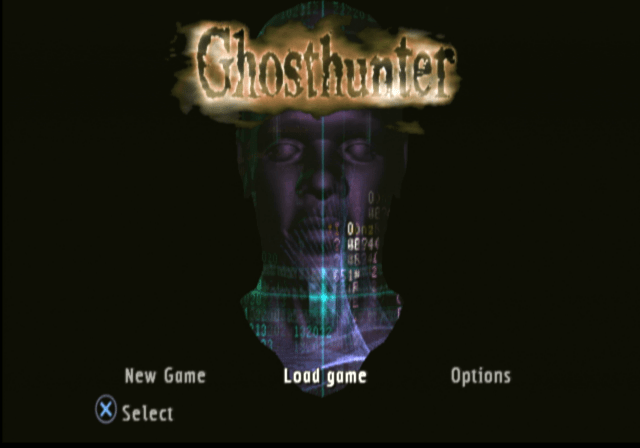
A common occurance

Ghosthunter

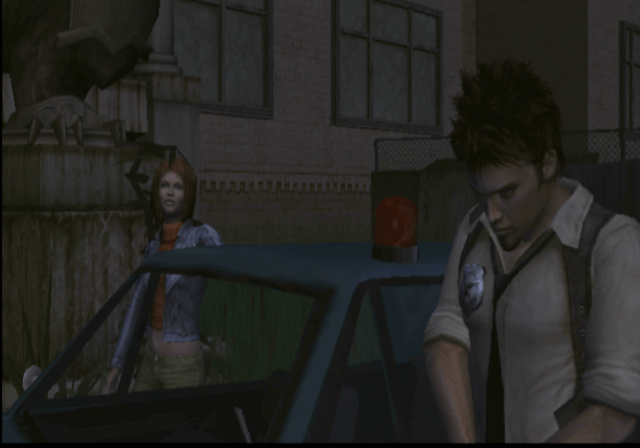
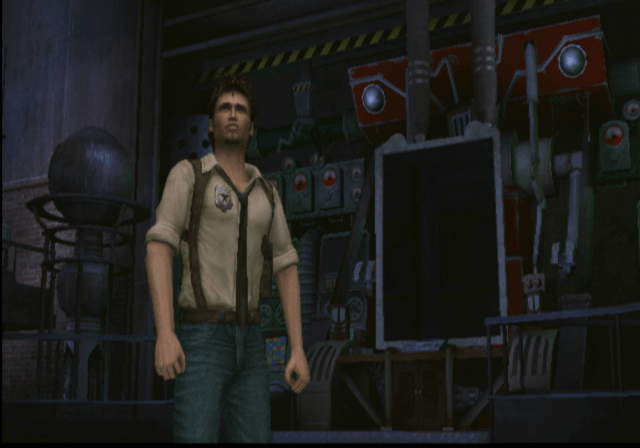
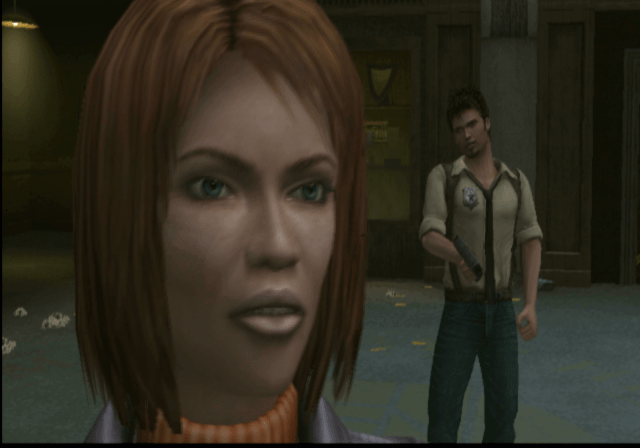
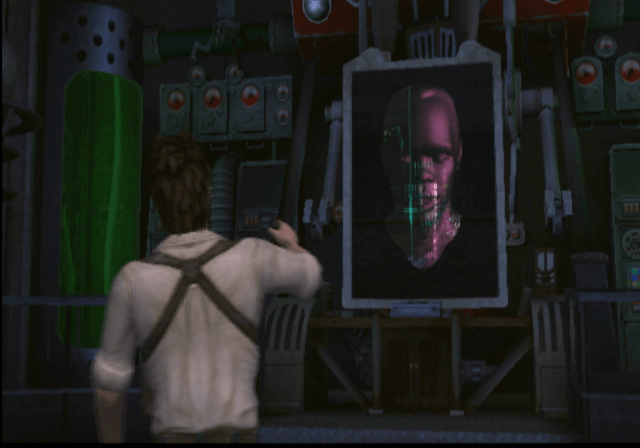
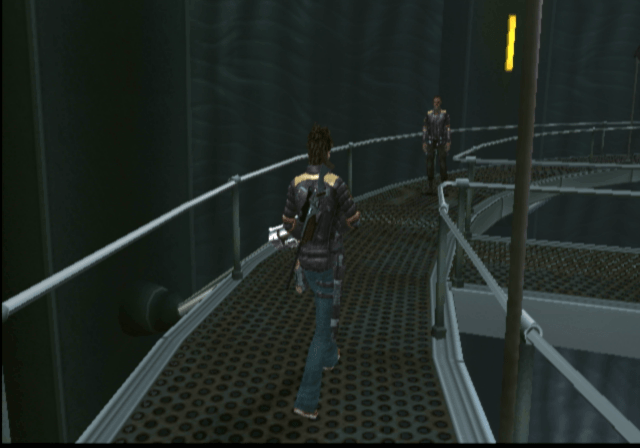
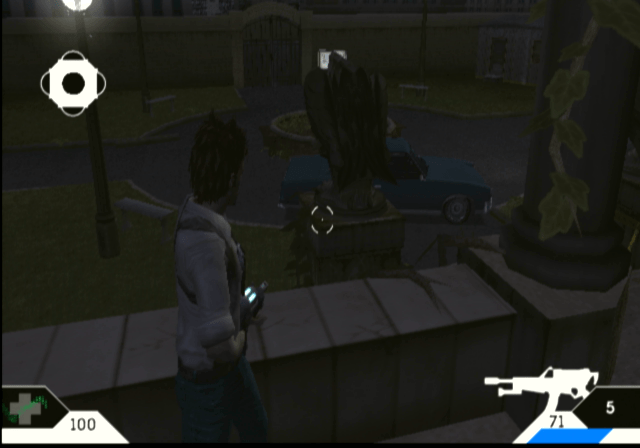
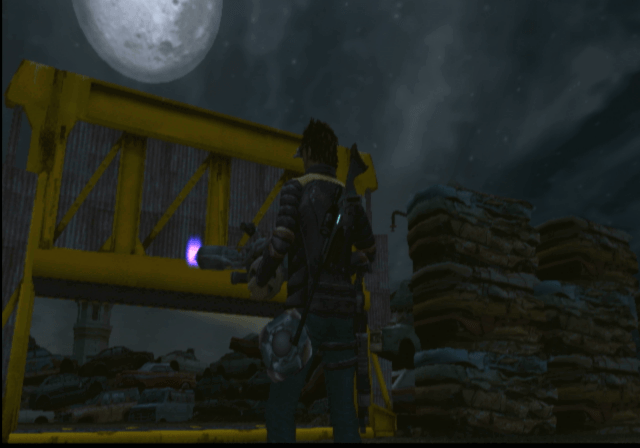
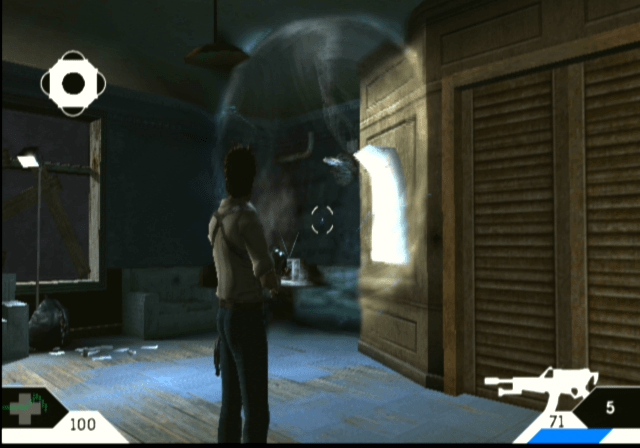
A PS2 exclusive developed by Cambridge Studios, Ghosthunter puts you in the role of Lazarus Jones, a rookie detective officer along with his partner Steele, who is tasked with investigating an abandoned school. Unknowingly they unleashed a boatload of ghosts and his partner Steele gets abducted and its up to Lazarus to save her.

Main objective is to navigate your way around several different works, whilst capturing ghosts at you encounter them. Many ghosts require for you to shoot at them in order to capture them, and later on in the game there are multiple techniques needed to be mastered to capture certain ghosts. As you progress through the game you start to understand the backstory of the game.

Not all ghosts can be captured by the device, some you just need to shoot.

Graphics wise this looks pretty good by PS2 standards, although it has a weird effect where black lines start to appear at the side of the screen when the framerate starts to dip, this has been reported by different users, but it is unsure if this affects certain PS2 models, or if it only appears in the NTSC version (which I am using)

Also, it turns out there is a progressive scan mode in the NTSC version, but is hidden and can only be accessed by pressing a button combination upon startup. Nice of the developers to do that, could of at least given us the option on boot-up.

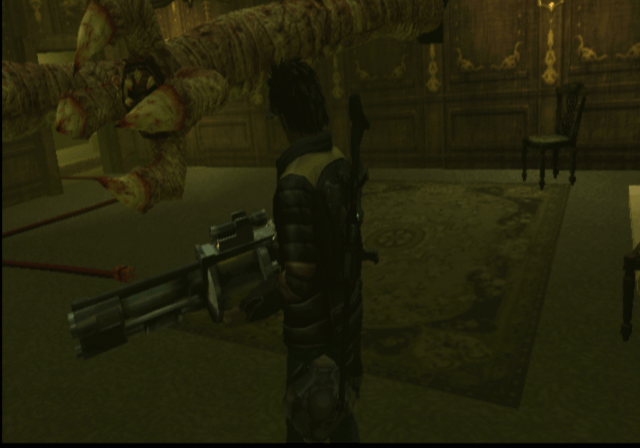
Aside from the graphics, the game also makes use of volumetric water, and cloth physics which can be seen on the swamp and mansion levels. Clearly this is a game that makes use of the PS2 VU0 (Vector Unit) processor to perform these calculations.

Version Differences

The Europe and American versions differ slightly since they had different publishers and due to the reception of the Europe version which was released first.

Seemly some of the puzzles in the game were made easier in the NTSC version. Considering I even struggled with some of these puzzles I’d say they made the right choice here, but a difficulty level could have fixed that.

Characters

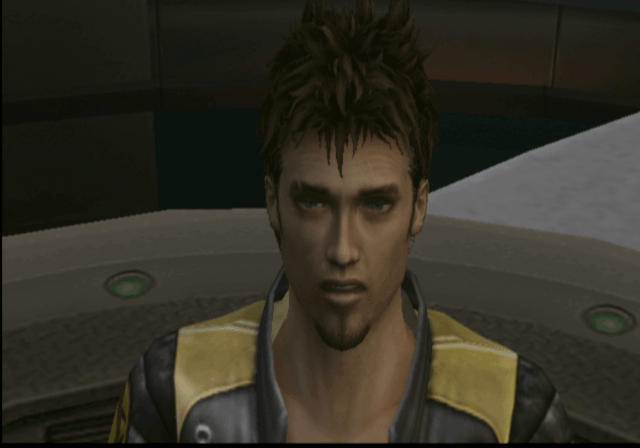
Lazarus Jones – A rookie detective from Detroit and the main protagonist of the game, looks and sound’s like Ellis from Left 4 Dead 2

Anna Steele – No relation to the 50 Shades of Grey character, Lazarus’s partner who gets abducted early on in the game, and its up to Lazarus to save her

Professor Richmond – A scientist that was leading the project

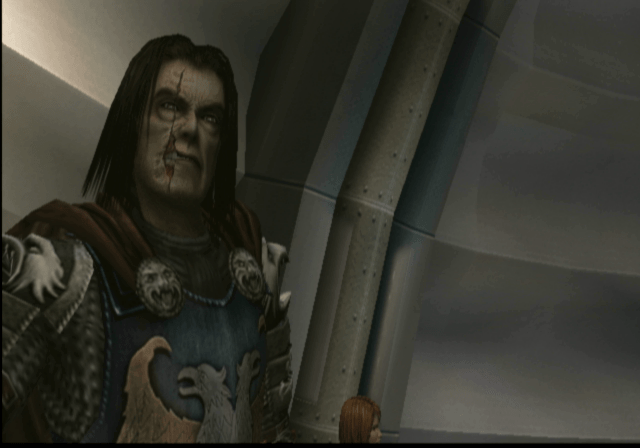
Sir William Hawksmoor – The bad guy and the final boss

Astral – Some sort of blue spirit that bonds with Lazarus, she will help you navigate areas and puzzles that Lazarus cannot physically complete, on the count of her being a spirit. Astral has several abilities, of which only one is available at the start with the rest being unlocked s you progress through the game.

Levels

Once you are in a level you are free to navigate and explore the level, making it very open, But you cannot revert back to a previous level unless you load an earlier save file. The game only supports saving and loading from Memory Card Slot 1.

Haunted School – The first level that you explore, where Lazarus accidentally sets off a bunch of ghosts that start to wreak havoc. It s this art where you meet the AI computer that will assist you in the forthcoming levels.

Swamp Realm – This introduces the howler ghost where you will need to hide and enter cover to fool the ghost. This relies on stealth and the ability to enter cover whilst keeping track of it. The howler will typically move an object needed for you to progress, so it’s best to hide and see what it does before capturing it. As for the rest of the level, its a bit dreary with it being set on a swamp for most of the level. Eventually, you will encounter an abandoned Mansion that has an issue with its ghost inhabitants, here you must solve a series of puzzles and riddles to progress through the game.

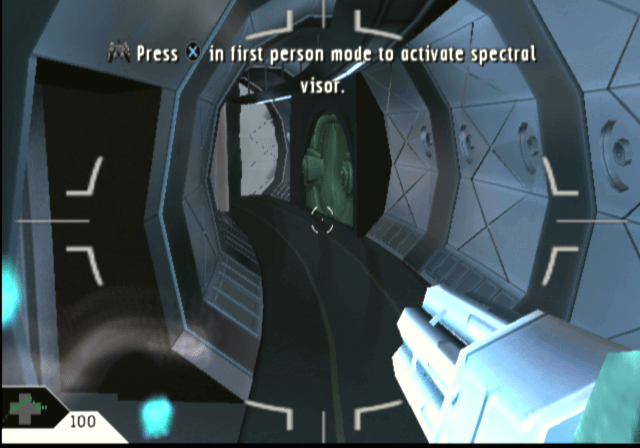
On the swamp, and later levels you have access to the spectral binoculars, which will reveal the health of the ghost enemy when used.

Haunted New School – You are back in the school where there is much more to explore. Here you have to navigate around to the science block and through to the library where you have to collect a series of books. There’s not much in the name of navigation so will need to explore and check closely.

You will be introduced to smoke grenades which are needed to defeat some of the ghosts, you will need to fire these before capturing them.

Ship Realm – Now you are on an army/military base with ghost soldiers. Here you will need to navigate through he base and onto a ship. At some point you will encounter some sort of tentacle monster that requires you to navigate through the rooms stealthy to avoid being killed. You cannot shoot this monster will regular guns, instead you have to locate and find bombs and a detonator to keep it at bay.

Prison Realm – You’re now on a prison Island, where you have to navigate through the cells and corridors to progress. At some points you will need to use Asteral to take over certain guards in order to move or manipulate objects.

Conclusion

The game makes a good addition to anyone’s PS2 library and despite the mixed reception, there’s an immersive environment to explore. The game was later re-released on the PlayStation 3 store as a PS2 classic, and is an emulated version of the PS2 version.

Ridge Racer V

One of the launch titles for the PlayStation 2, Sony’s follow-up to the popular PlayStation. Like the first Ridge Racer, this was one of the first games developed and released for the PlayStation 2 and was built from the ground up for that console. Ridge Racer V brought us 60fps which was a staple of the arcade versions but was something that the home console versions had always lacked. Although Namco did treat us to a 60fps build of the original Ridge Racer that was bundled as a bound for Ridge Racer Type 4, a lot of sacrifices had to be made in order to reach that frame rate. RRV gives us an insight as to what the PS2 is capable of, and what to expect from a new generation of racing games.

Although it seems Namco has forgotten to count, with Ridge Racer V being the fifth console installment, it’s not counting the three arcade titles, plus you have Ridge Racer 6 which was released in the same year. The numbering scheme is about as inconsistent s as Microsoft’s

Ouch, you could cut yourself on those jaggies (look at the neck)

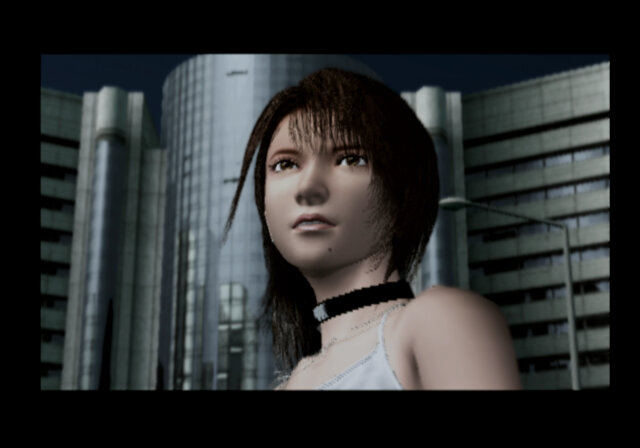
Oh and no Reiko, instead she was replaced by Ai Fukami (Fuck-a-me) who appears in the intro. Unlike the R4 intro, the cars don’t stop for Ai as they did for Reiko.
https://www.youtube.com/watch?v=VhQhZyNKqhM

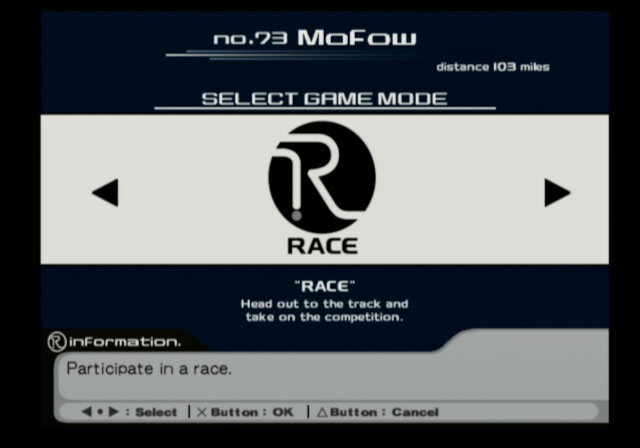
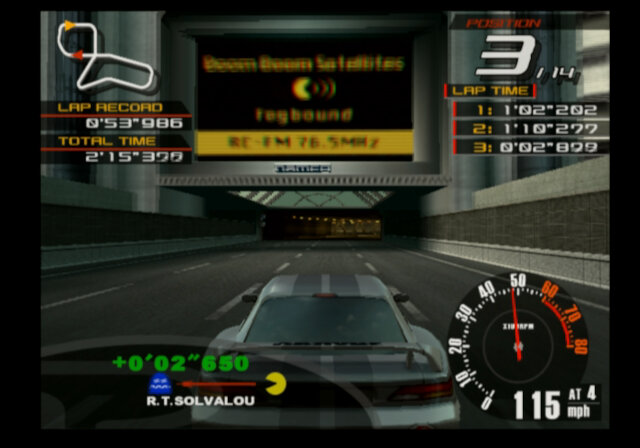
Straight away you will notice how sleek the menu and navigation system are compared to previous titles, borrowing design concepts from Tokyo Racer Drift which was released on the Dreamcast. Each menu selection plays its own quick animation which gives a nice touch to the game, and reminds me of the menu icons from the original WipEout that was created by the Designers Republic.

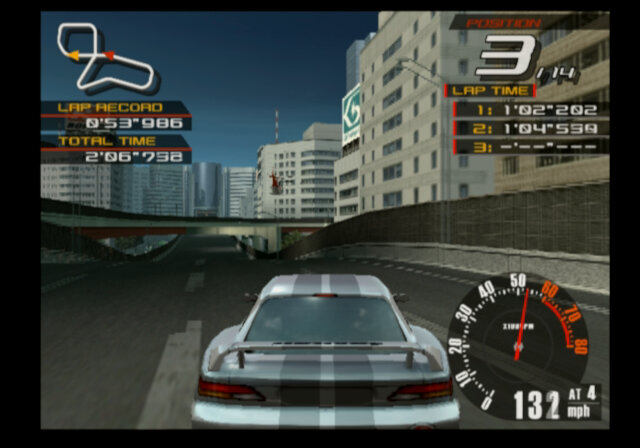
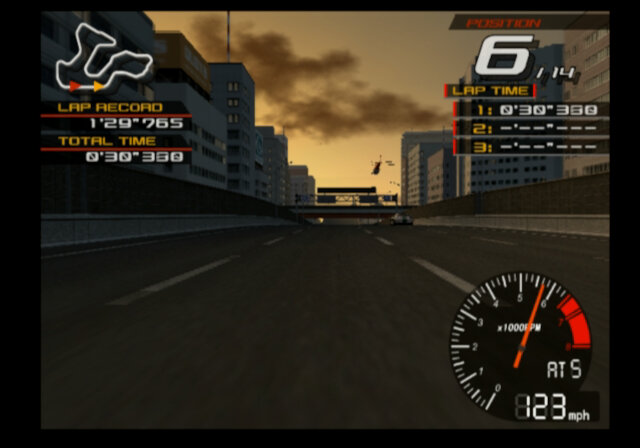
Whilst the game gives the appearance of reflections, they are not real-time but the game casts generic reflections of trees onto the car to simulate it. This is affected by your car’s position on the track, steer to the left and on the edge of the track and you can see the reflection of trees on your car, even if that part of the track has no trees at all. I guess real-time reflections were beyond the scope of the PS2 at the time of release, or Namco didn’t have enough time to implement this.
Speaking of graphics, you will know how aliased the cars are in addition to the track objects. The PS2 had an unconventional form of AA which took developers some time to get used to and as a result, some games have bad aliasing due to how their field scanning is implemented, as the games run exclusively in interlaced mode. I’m not sure if later releases (Greatest Hits, Platinum in Europe) fix this, or if it’s fixed in the Arcade Battle version.

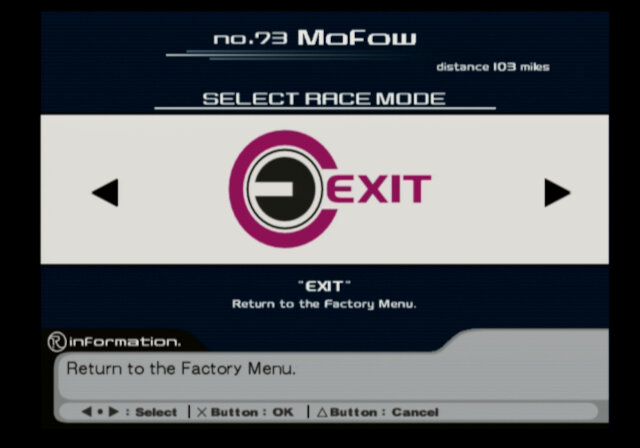
Race Modes

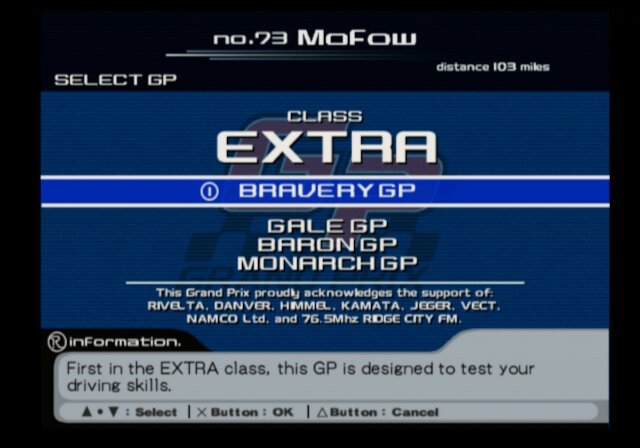
GP Selection Screen

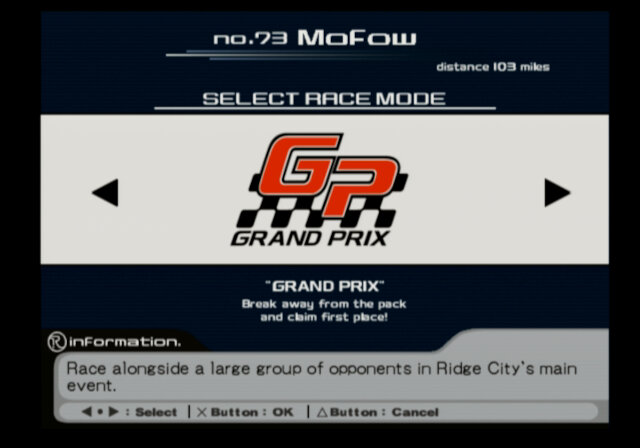
Grand Prix

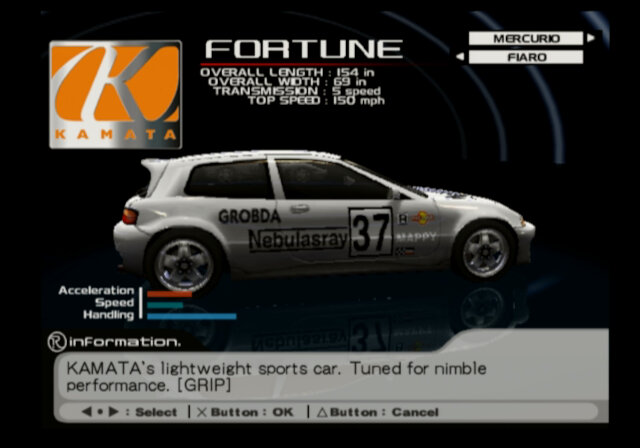
Like in R4, RRV features its own unique Grand Prix. This is a departure from one we saw in R4 with the four teams being missing along with their managers can choose your own team name and colour but that’s it. As for the cars, we have a choice of different car manufacturers and models, including Danver & Himmel. These are fictional brands that are used throughout the Ridge Racer, and possibly in Namco’s other games.
Each car has its own unique stats, including top speed, acceleration, handling and control style (Grip or Drift).

Standard Basis GP: Consists of four rounds of different courses, at first you must place 4th or higher to progress to the next found, then 3rd, then 2nd and then 1st for the last race. Winning this GP will unlock a new car based on the machine you have chosen to race with which can then be used in the Extra GP’s. You will also win a trophy, which can be viewed later in the game.
Alternatively known as Frontal GP in Normal difficulty and Fountain GP in Hard mode.

Extra Heroic GP: Tracks have been shuffled around, finish standings are the same as the basis GP, only you now race on the extra car you unlocked.
Known as Bravely GP in normal, and Spartan GP on hard difficulty.

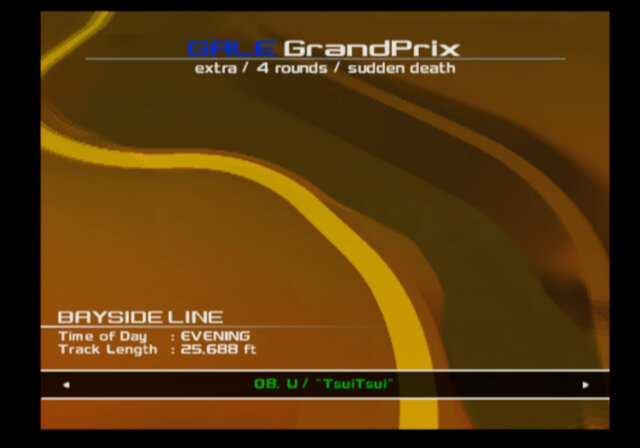
Extra Blast GP: This series uses a sudden death type of gameplay, where if the clock timer runs out, then you are ejected from the race. As you race you will pass through checkpoints which extend the time. If you are familiar with the arcade versions of Ridge racer this will seem familiar to you. For these races, you will still need to satisfy the qualifying rank to progress. Known as Gale Gp in normal, and Tornado GP on hard.

Extra Knight GP: These tracks are now completed in reverse mode.
Also known as Balon GP on normal, and Duke GP on hard.

Extra Throne GP: You race on the airport oval track, with your car being equipped with an oval engine. This is a single long near-circle-shaped track similar to the Rage Racer tracks. Top speed is the priority here.
Known as Monarch GP on normal and Tyrant GP on hard difficulty.

Maxim class: This is unlocked by beating the Tyrant GP on hard difficulty, which opens up the Ultimate GP.

Music track selection screen

Duel

Unlocked later in the game, it’s a 1 vs 1 mode against another opponent. When you beat them, you unlock their car which can then be used in the extra GP.

Time Attack

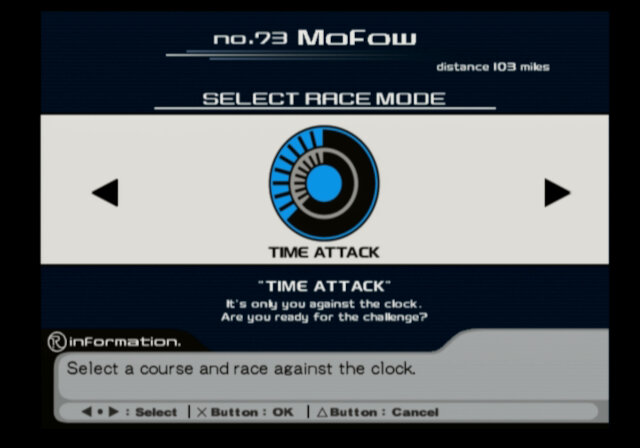
The goal here is to beat the rival times and come in first, which will unlock that rival for challenge dal. This will also increase your car standing number.

Car selection screen

Other Modes

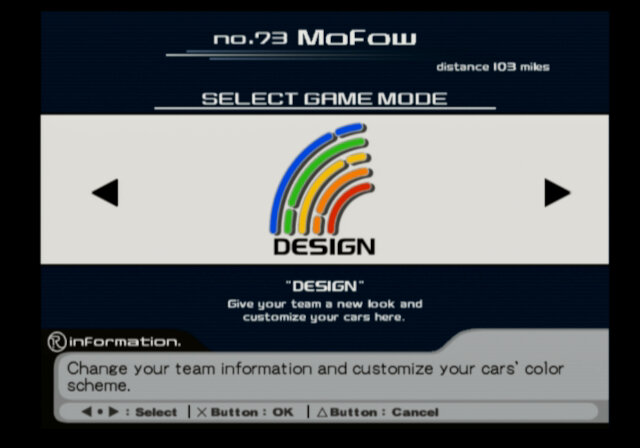
  • Design: Similar in concept to the decal feature in R4, you can customize the colour and patterns on your team’s car. Here you can only change the colour combinations.
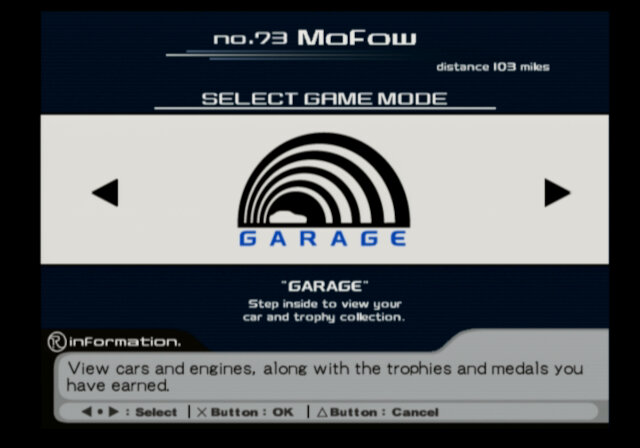
  • Garage: View cars that you have unlocked by winning the GP races with that car, along with any unlocked engines.
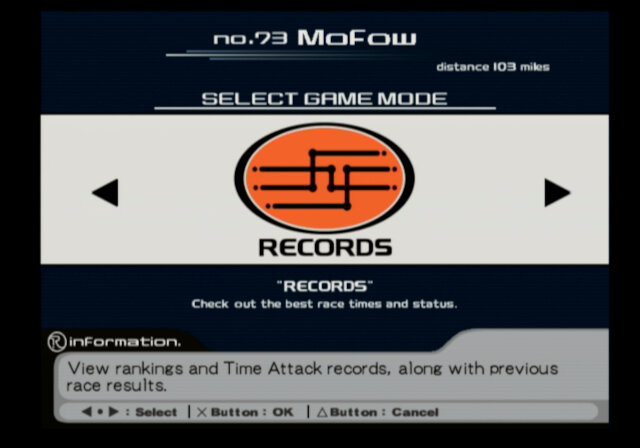
  • Records: Best lap times and the player names for time attack mode

Courses

In GP Mode, a quick tour of the race track is played

RRV included a brand new set of courses, most of which are based on the original course from the original Ridge Racer game, But these new courses are interlinked somewhat, with many taking place within Ridge City but branching out into different paths that take you into a different direction, with some leading you into the main downtown whilst others take you onto the highway. The tracks are fixed, it’s not an open world like Burnout paradise, instead different paths are blocked off depending on which track you select, very similar to how it functioned in Rage Racer and Ridge Racer Type 4.
Speaking of which, none of the tracks featured in those games appear in Ridge Racer V, only the track from the first arcade game, or which many of the RRV tracks are based around.

Despite this, you get a good feel of the Ridge Racer city,
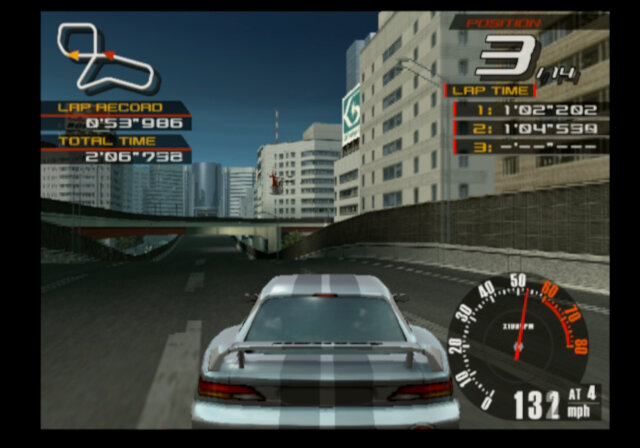
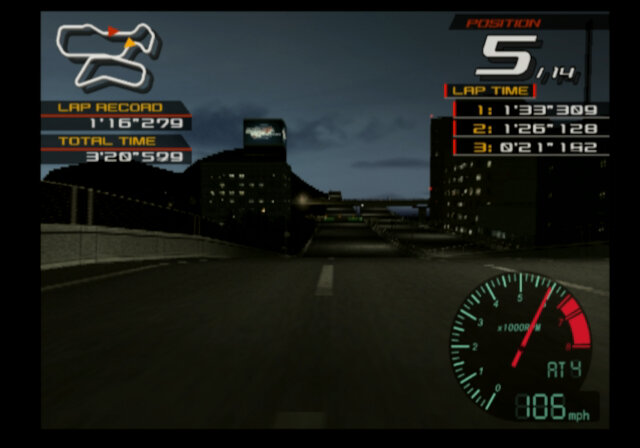
Some tracks can be raced at different times of day, such as Day, evening & night. Unlike the first Ridge racer game where the sun will set or rise during the race which results in a day/night cycle, The sky will remain constant through the race, giving the game a realistic passage of time. This is the case even with the 99 trial.

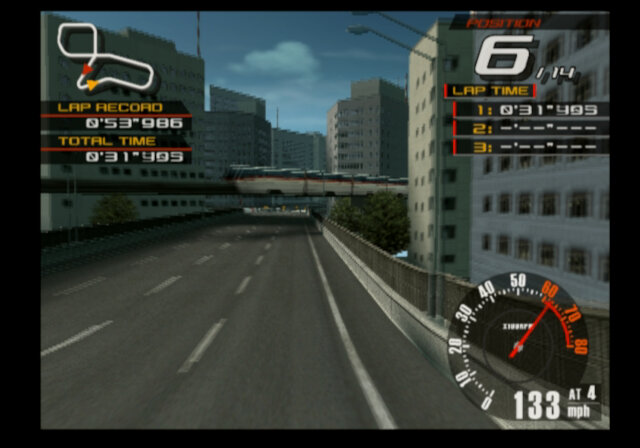
  • Park Town: Probably the first track in RRV you will race if you follow the Grand Prix, this starts off the same as Above The City but then branches out to a different track which gives an alternative view of Ridge City, of which the scenery consists of high-rise building. A tram/monorail system can be seen in some parts of the track.
  • Outer Pass: This track looks a lot like the original track from Ridge Racer judging from the course map, but it’s set using the background roads that we can finally race in. It starts off on the bottom road where you can see the onpass ramp for Park Town and Sunny Beech before it leads to its own side of the tunnel. Towards the end it branches back to the original track before diverting back to its own path. A few sharp turns make this track more challenging and there’s an extra turn where the seaside part is.
  • Above the City: Starts off the same as park town but branches to its own path, again filled with buildings and highways, although there are a few parts of open grass and trees, it’s clear there’s less scenery diversity than in R4.
  • Bayside Line: One of the longest tracks in the game, complete with sharp turns. This one takes you out near the highway and then branches back to the start of Outer Pass.
  • Greenfield: The advanced track from the original Ridge Racer, now updated with modern visuals.
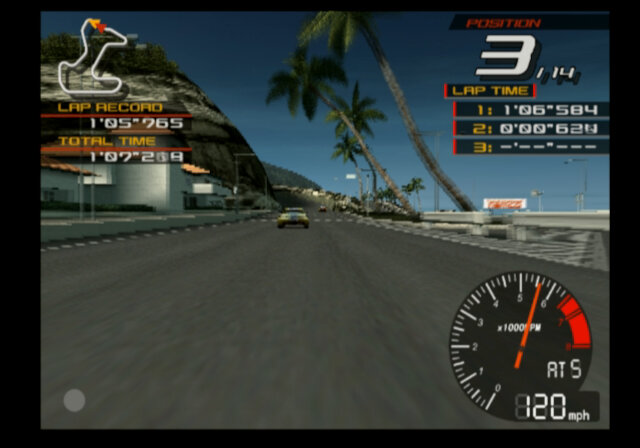
  • Sunny Beach: It’s the original track that we all know and love, only now its been modernized 7 years later, and has been remastered of sorts. Compared to the original there’s been a few changes with different skyscrapers and building placement, and minor changes to the shops opposite the beach area where the first checkpoint resides. Sadly the Pac-Man easter egg no longer appears in the building at night.
  • Airport Oval: Unlike other tracks, this one takes place independent of the other tracks, it’s a large oval-shaped track designed for top speeds, although there is a sharp turn that will require a drift, depending on your car. Since the other tracks feature low-flying airplanes, it can be assumed this is the Ridge City airport.
Additional Notes

This is one of the games that insist on funning in 480i mode (or 440i mode, PS2 games use this weird resolution) and trying to force it to 480p using GSMode results in only half the screen being rendered, as such there is no official way to run this game in progressive mode.
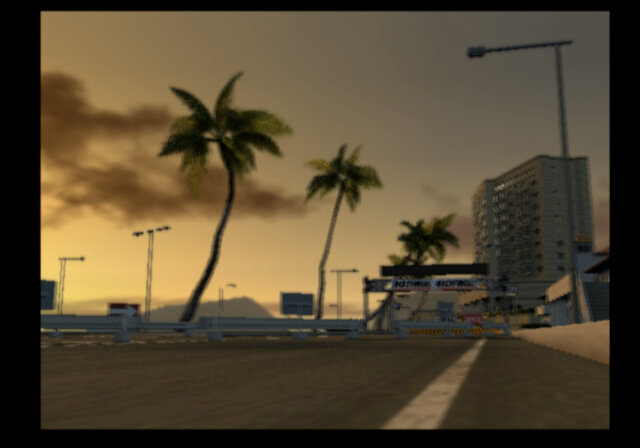
It’s a shame because this game has some bad aliasing, and could benefit better from progressive scan. Even the lap timer suffers from noticeable interlacing effects.

The game does not fare better with emulation either, with various texture and shading issues in PCSX2, and even had issues running in Sony’s official PS2 emulators on the PS3 and PS4. Supposedly this is due to how Namco implemented the texturing and shading for these games:
https://github.com/PCSX2/pcsx2/issues/2427#issuecomment-590020696
https://github.com/PCSX2/pcsx2/issues/3278
The intro sequence is also messed up and requires switching between hardware and software rendering modes in order to display.

Saving to a memory card larger than 8MB may take a while to read and write. With a 128Mb card it took a minute to save the game. I’m not sure if replacing the MCM IOP driver could help with this, or just break/corrupt the file entirely.

Conclusion

Whilst in some regard it’s a step back from Ridge Race Type 4 with the reduction of cars, tracks and the story mode, you have to take in mind the game was possibly developed in a short timeframe that R4 had, and Namco’s desire to have is a launch title for the PS2, the 1999 copyright date is very telling of this and one of the few games on the PS2 to have this copyright date. As a launch title it makes a huge splash with its high resolution, 60fps gameplay, and the intro sequence with Ai, possibly the highest poly model on the PS2.
But this would be the only installment of Ridge Racer for the PlayStation 2 whilst the original PlayStation enjoy four mainline Ridge Racer titles, the PS2 would only have RRV and R: Racing Evolution which is more of a spinoff rather than a follow-up game. It wouldn’t be until 2004 that a proper followup to Ridge Racer would be released for the PlayStation Portable. And even then, it’s considered a compilation game rather than a true sequel. Ridge Racer 6 for the Xbox 360 would be the proper sequel with unique tracks. As for why only one title? Possibly due to higher budgets required for PS2 development and the popularity of sim racing games like Gran Turismo. Hopefully we get another proper Ridge Racer titles from Namco at some point in the future.